WO2006137510A1 - 脳血管障害時における出血低減剤 - Google Patents
脳血管障害時における出血低減剤 Download PDFInfo
- Publication number
- WO2006137510A1 WO2006137510A1 PCT/JP2006/312569 JP2006312569W WO2006137510A1 WO 2006137510 A1 WO2006137510 A1 WO 2006137510A1 JP 2006312569 W JP2006312569 W JP 2006312569W WO 2006137510 A1 WO2006137510 A1 WO 2006137510A1
- Authority
- WO
- WIPO (PCT)
- Prior art keywords
- group
- alkyl
- hydrogen atom
- alkyl group
- substituted
- Prior art date
- Legal status (The legal status is an assumption and is not a legal conclusion. Google has not performed a legal analysis and makes no representation as to the accuracy of the status listed.)
- Ceased
Links
Classifications
-
- A—HUMAN NECESSITIES
- A61—MEDICAL OR VETERINARY SCIENCE; HYGIENE
- A61K—PREPARATIONS FOR MEDICAL, DENTAL OR TOILETRY PURPOSES
- A61K45/00—Medicinal preparations containing active ingredients not provided for in groups A61K31/00 - A61K41/00
- A61K45/06—Mixtures of active ingredients without chemical characterisation, e.g. antiphlogistics and cardiaca
-
- A—HUMAN NECESSITIES
- A61—MEDICAL OR VETERINARY SCIENCE; HYGIENE
- A61K—PREPARATIONS FOR MEDICAL, DENTAL OR TOILETRY PURPOSES
- A61K31/00—Medicinal preparations containing organic active ingredients
- A61K31/33—Heterocyclic compounds
- A61K31/395—Heterocyclic compounds having nitrogen as a ring hetero atom, e.g. guanethidine or rifamycins
- A61K31/535—Heterocyclic compounds having nitrogen as a ring hetero atom, e.g. guanethidine or rifamycins having six-membered rings with at least one nitrogen and one oxygen as the ring hetero atoms, e.g. 1,2-oxazines
- A61K31/5375—1,4-Oxazines, e.g. morpholine
- A61K31/5377—1,4-Oxazines, e.g. morpholine not condensed and containing further heterocyclic rings, e.g. timolol
-
- A—HUMAN NECESSITIES
- A61—MEDICAL OR VETERINARY SCIENCE; HYGIENE
- A61P—SPECIFIC THERAPEUTIC ACTIVITY OF CHEMICAL COMPOUNDS OR MEDICINAL PREPARATIONS
- A61P43/00—Drugs for specific purposes, not provided for in groups A61P1/00-A61P41/00
-
- A—HUMAN NECESSITIES
- A61—MEDICAL OR VETERINARY SCIENCE; HYGIENE
- A61P—SPECIFIC THERAPEUTIC ACTIVITY OF CHEMICAL COMPOUNDS OR MEDICINAL PREPARATIONS
- A61P7/00—Drugs for disorders of the blood or the extracellular fluid
- A61P7/02—Antithrombotic agents; Anticoagulants; Platelet aggregation inhibitors
-
- A—HUMAN NECESSITIES
- A61—MEDICAL OR VETERINARY SCIENCE; HYGIENE
- A61P—SPECIFIC THERAPEUTIC ACTIVITY OF CHEMICAL COMPOUNDS OR MEDICINAL PREPARATIONS
- A61P7/00—Drugs for disorders of the blood or the extracellular fluid
- A61P7/04—Antihaemorrhagics; Procoagulants; Haemostatic agents; Antifibrinolytic agents
-
- A—HUMAN NECESSITIES
- A61—MEDICAL OR VETERINARY SCIENCE; HYGIENE
- A61P—SPECIFIC THERAPEUTIC ACTIVITY OF CHEMICAL COMPOUNDS OR MEDICINAL PREPARATIONS
- A61P9/00—Drugs for disorders of the cardiovascular system
- A61P9/10—Drugs for disorders of the cardiovascular system for treating ischaemic or atherosclerotic diseases, e.g. antianginal drugs, coronary vasodilators, drugs for myocardial infarction, retinopathy, cerebrovascula insufficiency, renal arteriosclerosis
-
- A—HUMAN NECESSITIES
- A61—MEDICAL OR VETERINARY SCIENCE; HYGIENE
- A61P—SPECIFIC THERAPEUTIC ACTIVITY OF CHEMICAL COMPOUNDS OR MEDICINAL PREPARATIONS
- A61P9/00—Drugs for disorders of the cardiovascular system
- A61P9/14—Vasoprotectives; Antihaemorrhoidals; Drugs for varicose therapy; Capillary stabilisers
Definitions
- the present invention relates to an agent for reducing bleeding at the time of cerebrovascular disorder, comprising a poly (ADP-ribose) polymerase (hereinafter abbreviated as PARP) inhibitor.
- PARP poly (ADP-ribose) polymerase
- Cerebrovascular diseases are roughly classified into two types: ischemic, where blood flow to the brain tissue is reduced or eliminated, and hemorrhagic, which bleeds into the skull, and ischemic cerebrovascular diseases include cerebral infarction, transient Cerebral ischemic attack (TIA) and the like, and hemorrhagic cerebrovascular diseases include cerebral hemorrhage, subarachnoid hemorrhage and the like.
- ischemic cerebrovascular diseases include cerebral infarction, transient Cerebral ischemic attack (TIA) and the like
- hemorrhagic cerebrovascular diseases include cerebral hemorrhage, subarachnoid hemorrhage and the like.
- cerebral infarction cerebral blood vessels are blocked by arteriosclerosis of the cerebral blood vessels or blood clots carried on the bloodstream from other than the brain, and the blood flow beyond that is interrupted, resulting in the supply of nutrients to the brain cells. It is a neurological disease that stops and eventually leads to neuronal cell death. Even if patients with cerebral infarction escape from sudden death, they often have serious sequelae due to neuronal dysfunction such as hemiplegia and aphasia. In general, in the treatment of cerebral infarction, it is said that after cerebral blood flow is blocked, the blood flow must be resumed before the brain tissue undergoes irreversible changes and necrosis.
- thrombolytic therapy is a treatment method in which a thrombolytic drug is administered in vivo to dissolve pathological thrombus and blood is reperfused into ischemic tissue.
- tissue plasminogen activator a thrombolytic drug
- tPA tissue plasminogen activator
- TTW Therapeutic time window
- surgical treatment such as percutaneous angioplasty using a balloon catheter or the like, stent placement, or thrombectomy using a catheter or the like may be performed as a treatment for cerebral infarction.
- sudden resumption of blood flow due to reperfusion after ischemia may cause bowel bleeding from blood vessels that have been destroyed by ischemia.
- ischemic diseases Cerebral infarction, myocardial infarction, reperfusion injury, postoperative injury, etc.
- Inflammatory diseases inflammatory bowel disease, multiple encephalopathy, arthritis, lung disorders, etc.
- neurodegenerative diseases extrapyramidal disorders, Parkinson's disease, Alzheimer's disease, muscular dystrophy, lumbar spinal canal stenosis, etc.
- glaucoma It is useful as a preventive and Z or therapeutic agent for diabetes, diabetic complications, shock, head injury, spinal cord injury, renal failure, hyperalgesia, blood flow disorder, etc., and antiretroviral agents (HIV etc.), anticancer
- a sensitizer for therapy is also useful as an immunosuppressant (see Patent Document 1).
- PARP inhibitors reduce blood output during cerebrovascular disorders.
- Patent Document 1 Specification of International Publication No. 03Z070707
- a PARP inhibitor reduces bleeding during cerebrovascular disorders.
- the PARP inhibitor since the PARP inhibitor has a protective effect on vascular endothelial cells and does not affect the bleeding time, the PARP inhibitor is safe and reduces bleeding without affecting the blood coagulation system and fibrinolytic system.
- the present invention was completed by finding that it can be a useful bleeding-reducing agent.
- the present invention provides:
- a hemorrhage-reducing agent for cerebrovascular disorders comprising a poly (ADP-ribose) polymerase inhibitor,
- Poly (ADP-ribose) polymerase inhibitors are GPI-15427, GPI-16539, GPI-18078, GPI-6000, GPI-6150, KU-0687, IN01001, FK-866, 4- ( 4— (N, N-dimethylaminomethyl) phenyl) 1-5-hydroxyisoquinolinone, FR-255595, FR-257516, FR—261529, FR—247304, M—50916, ABT—472, ONO-1924H , DR—2313, CEP—8983, AG—014699, BGP—15, A AI_028, PD_141076, PD_141703, compounds described in International Publication No.
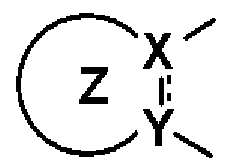
- R 1 is (1) a hydrogen atom, (2) a C1-8 alkyl group, (3) a C1-8 alkoxy group, (4) a hydroxy acid Group, (5) halogen atom, (6) nitro group, (7) NR 2 R 3 group, (8) C2-8 acylol group, (9) Cl-8 alkoxy group substituted with phenyl group, or (10 )
- NR 2 represents a C2 ⁇ 8 Ashiru group substituted with R 3 groups
- R 2 and R 3 are each independently, represent (1) hydrogen atom or (2) C1-8 Al kill group
- X And Y each independently represent (1) C, (2) CH, or (3) N,
- [Chemical 3] represents (1) a single bond or (2) a double bond
- a 4 represents [Chemical 8]
- D 1 is (1) -NR 6 C (0) — group, (2) -NR 6 C (S) — group, (3) _NR 6 S ⁇ — group, (4
- R 6 and R 7 are each independently (1) a hydrogen atom, (2) C1-8 alkyl Group, (3) phenyl group, or (4) Cl-8 alkyl group substituted with phenyl group, D 2 is (1) C1-8 alkylene group, (2) C2-8 alkenylene group, ( 3) Cyc2, (4) — (Cl-4 alkylene) — O— (Cl-4 alkylene), (5) — (Cl-4 alkylene)-S- (Cl-4 alkylene), ( 6) - (Cl ⁇ 47 alkylene) - NR 8 - (Cl ⁇ 4 alkylene) - group, (7) - (Cyc2) -
- R 9 and R 13 are each independently (1) a hydrogen atom, (2) C1-8 alkyl group, (3 2-8 alkenyl group, (4) C2-8 alkynyl group, (5) Cyc3, (6) C1-8 alkoxy group, (7) C2-8 alkenyloxy Group, (8) C2-8 alkynyloxy group, or (9) Cyc3, Cl-8 alkoxy group, Cl-8
- R 1 ′′ and R 14 each independently represent (1) a hydrogen atom, (2) a C1-8 alkyl group, (3) a C2-8 alkenyl group, ( 4) C2-8 alkynyl group, (5) C1-8 alkoxycarbonyl group, (6) C2-8 acyl group, (7) C3-8 cycloalkyl group, (8) Cyc4, or 1-3 halogen atoms Or a Cl-8 alkoxy group substituted with (9) a C1-8 alkoxy group, R 11 and R 12 each independently represent (1) a hydrogen atom Or (2) represents a C1-8 alkyl group, R 15 , R 1S , R 17 , R 18 , R 19 , R 2 ° and R 21 are each independently (1) a hydrogen atom, (2 ) C: represents an 8 to 8-alkylol group, (3) a C1-8 alkoxycarbonyl group, (4) a phenyl group, or (5) a Cl-8 alkyl group substitute
- E 1 represents 1-8 alkyl group
- E 1 represents a Cl ⁇ 4 alkylene group
- E 2 is (DC (O) NR 24 — group, (2) -NR 24 C (0) — group, (3) — NR 24 — group, (4) — C (0) O, or (5) — S represents one group
- R 24 represents (1) a hydrogen atom, (2) a C1-8 alkyl group, or (3) a Cl-8 alkyl group substituted with a phenyl group
- E 3 represents (1) a single bond
- E 4 represents (1) a C1-8 alkyl group, (2) a C2-8 alkenyl group, (3) a C2-8 alkynyl group, (4) Cyc5, (5) NR 25 R 26 group, (6) OR 27 group, (7) SR 27 group, (8) C_ ⁇ _OR 27 group, (9) two Cl ⁇ 8 alkyl group substituted with ⁇ _R 25 group, (10 ) :!
- R 25 represents (1) a hydrogen atom, (2) a C1-8 alkyl group, (3 ) C2-8 alkenyl group, a (4) C2-8 alkynyl, (5) CYC5, or (6) CYC5 or Cl ⁇ 8 alkyl group substituted with ⁇ _R 28 group
- R 26 is (1) hydrogen atom, (2) C1-8 alkyl group, (3) C1-8 alkoxycarbonyl group, (4) represents a Hue sulfonyl group, or (5) Cl ⁇ 8 alkyl group substituted with a phenyl group
- R 27 is , (1) a hydrogen atom, (2) a C1-8 alkyl group, (3) Cyc5, or (4) a Cl-8 alkyl group substituted with Cyc5, and R 28 is (1) a hydrogen atom, Or (2) represents a C1-8 alkyl group,
- Cyc7 represents (1) part or all of which may be saturated C3 to: 10 monocyclic or bicyclic carbocyclic aryl, or (2) from an oxygen atom, nitrogen atom or sulfur atom Part or all of selected 1 to 4 heteroatoms may be saturated 3 to 10-membered monocyclic or bicyclic Cyc7 does not represent a benzene ring, Cyc2, Cyc3, Cyc4, Cyc5, Cyc6, and Cyc8 are (1) a C1-8 alkyl group, (2) a C2-8 alkenyl group, (3) ⁇ 1-8 alkoxy group, (4) halogen atom, (5) trihalomethyl group, (6) trihalomethoxy group, (7) 1-8 alkoxycarbonyl group, ( 8 ) oxo group, (9) It may be substituted with 1 to 3 groups selected from Cl to 8 alkyl groups substituted with C1-8 alkoxy groups or phenyl groups, (10) hydroxyl groups, and (11)
- the compound of general formula (I) is 4- (N— (4- (morpholine-4-yl) butyl) force 4.
- the agent according to 1 above which is a therapeutic time window extender for a thrombolytic drug
- the agent according to 1 above which is a preventive and / or therapeutic agent for cerebrovascular disorder
- the agent according to 1 above which is an agent for preventing and / or treating bleeding complications by antithrombotic treatment
- Poly (ADP—ribose) polymerase inhibitor is 4— (N— (4- (morpholine-4-yl) butyl) -powered rubamoylmethyl) -1,5,6,7,8-tetrahydrophthalazine-1 (2H)
- the agent according to 1 above which is a vascular endothelial cell protective agent
- a method for reducing bleeding during cerebrovascular disorders in a mammal comprising administering an effective amount of a poly (ADP-ribose) polymerase inhibitor to the mammal,
- the PARP inhibitor may be any compound that inhibits PARP activity, and includes all PARP inhibitors that will be found in the future, not just known PARP inhibitors.
- Examples of PARP inhibitors include compounds represented by general formula (I), GPI-15427, GP 1-16539, GPI18078, GPI6000, GPI-6150, KU-0687, IN ⁇ 100 1, FK_866, 4— (4— (N, N-dimethylaminomethyl) phenyl) 1 5-hydroxyisoquinolinone, FR—255595, FR—257516, FR—261529, FR—247304, M—50 916 , ABT-472, ONO-1924H, DR-2313, CEP-8983, AG-014699, BGP-15, AAI-028, PD-141076, PD-141703, described in WO 03/07070 7 Compounds described in WO 00Z044726, compounds described in WO 00Z42040, compounds described in WO 01/16136, WO 01Z42219 And the compounds described in WO 01/70674, and the like.
- the compound represented by the general formula (I) is preferably 4 (N— (4 (morpholine 4-yl) butyl) strength ruberamoylmethyl) 5, 6, 7, 8 tetrahydrophthalazine 1 (2H) —One, a salt thereof, an N oxide or a solvate thereof, or a prodrug thereof.
- cerebrovascular disorder is a general term for disorders of the brain and / or nervous system that are triggered by abnormalities in the blood vessels of the brain, and ischemic cerebrovascular disease (cerebral infarction (brain thrombus, cerebral embolism) ),one Transient ischemic attack (TIA, etc.), hemorrhagic cerebrovascular diseases (cerebral hemorrhage, subarachnoid hemorrhage, etc.), moyamoya disease, vascular malformations (cavernous hemangioma, venous hemangioma, etc.), idiopathic class These include arterial cavernous sinus and chronic subdural hematoma.
- the bleeding reducing agent of the present invention reduces bleeding particularly in the brain.
- Bleeding at the time of cerebrovascular disorder includes all bleeding in the brain, such as bleeding in hemorrhagic cerebrovascular disease and bleeding associated with ischemia-reperfusion.
- reperfusion include natural reperfusion and reperfusion by antithrombotic treatment.
- Antithrombotic treatment includes thrombolytic therapy, anticoagulation therapy, antiplatelet therapy, or surgical treatment such as percutaneous angioplasty using balloon catheters, stent placement, and thrombectomy using catheters. included.
- Thrombolytic drugs, anticoagulant drugs and antiplatelet drugs are used for thrombolytic therapy, anticoagulant therapy and antiplatelet therapy, respectively.
- thrombolytic drugs examples include t-PAH (t-PA, alteplase (alt-marked lase), thisokinase, nateplase nateplase), nomitepase (pamiteplase), monteplase, and asmoteplase ( desmoteplase)), urokinase (uro kinase), prourokinase, nasaruplase IT (nasaruplase), streptokinase and the like.
- t—PAs are 1
- Hachijobi A modified version of A (eg, genetically modified t_PA, modified t_PA).
- Anticoagulants include, for example, heparins (heparin sodium (h-marked arin sodium), heparin calcium (h-marked arin calcium), heparinoids, low-molecular-weight heparins (parna parin) , data ,, Noreteno phosphorus (dalteparin), Tanano ⁇ 0 Lloyd danaparoid), Enokisano phosphorus (enoxap arin), Nadoroharin, nadroparin Li, base Sakhalin (bemiparin), Rehino ⁇ phosphorus (reviparin), Chin Zaparin (tinzaparin), etc.), etc.
- An activated blood coagulation factor X inhibitor (fondaparinux, DX-9065a, DU—176b, CS—3030, JTV—803, BMS—56 1389, BAY—59—7939, YM150, LY — 517717, KFA— 1982, KFA—182 9, Idraparinux, DPC—423, DPC_602, DPC_A52350, ⁇ tamixaban, HMR2096, FXV—673, RPR—130673, MCM16, MCM17, T C—10, RPR—256580, RPR—225430, RPR—247978, RPR—231352, RPR—209685, RPR—208944, RPR—208815, RPR—208707, RPR—208 566, RPR—200095, RPR—130338, RPR—130737, RPR—132747, RPR—128515, RPR—120844, M—55113, M—55190,
- Antiplatelet agents include, for example, aspirin, ticlopidine, clopidogrel, dipyridamole, cilostazol, ozagrel, prasugrel, echicare acid (ethyl icosap entate), beraprost (beraprost), sanorepogrelate (sarpogrelate), limaprost (lima prost), GPIIb / IIIa receptor antagonist (abciximab), tirofiban (tirofiban), eptifibatide (sign tifibatide), YM028) and AZD6140.
- vascular endothelial cell protection means that vascular endothelial cells have normal function. For example, it is intended to prevent vascular endothelial cells from being damaged, damaged, denatured, or even caused by cell death for some reason. Further, even a physically normal vascular endothelial cell is included in the vascular endothelial cell protective agent of the present invention as long as it is a functionally abnormal vascular endothelial cell.
- the vascular endothelial cell protective action includes a vascular endothelial cell disorder inhibitory action.
- vascular endothelial cell disorders include vascular endothelial cell death, vascular endothelial cell dysfunction, and the like.
- vascular endothelial cell function include, but are not limited to, maintaining the flexibility of blood vessels, preventing leakage of blood cells, contracting and expanding blood vessels, and preventing thrombus.
- vascular endothelial cell disorders include disorders of the blood brain barrier. Since PARP inhibitors have an inhibitory effect on vascular endothelial cell damage, they can also be expected to repair blood-brain barrier disorders and to suppress failure.
- the therapeutic time window refers to a time frame in which treatment can be performed with almost no sequelae.
- the TTW of thrombolytic drugs is considered to be about 3-6 hours.
- tPA is approved for use in the United States within 3 hours after the onset of cerebral infarction.
- the Cl-8 alkyl group includes methyl, ethyl, propyl, butyl, pentyl, hexyl, heptyl, octyl groups and isomers thereof.
- the C2-8 alkenyl group includes an ethyl group, a propenyl group, a butyl group, a pentenyl group, a hexenyl group, a heptul group, an otatur group, and isomers thereof.
- the C2-8 alkynyl group includes an ethur, probule, butur, pentynyl, hexul, heptul, otatur group and isomers thereof.
- the Cl-8 alkoxy group includes methoxy, ethoxy, propoxy, butoxy, pentyloxy, hexyloxy, heptyloxy, octyloxy groups and isomers thereof.
- the C2-8 alkenyloxy group includes an etyroxy, propenyloxy, buteninorexi, penteninoreoxy, hexeninoreoxy, heptenoreoxy, octenyloxy group and isomers thereof.
- the C2-8 alkynyloxy group means ethynyloxy, propieroxy. , Butyroxy, pentynyloxy, hexuloxy, hepturoxy, octynyloxy groups and isomers thereof.
- the Cl-8 alkylthio group includes methylthio, ethylthio, propylthio, butylthio, pentylthio, hexylthio, heptylthio, octylthio groups and isomers thereof.
- the Cl to 4 alkylene group includes methylene, ethylene, trimethylene, tetramethylene groups and isomers thereof.
- the Cl-8 alkylene group is methylene, ethylene, trimethylene, tetramethylene, pentamethylene, hexamethylene, heptamethylene, otatamethylene group and isomers thereof.
- the C2-8 alkenylene group includes ethenylene, propenylene, butenylene, pentenylene, hexenylene, heptenylene, octenylene group and isomers thereof.
- the Cl-8 alkoxycarbonyl group means methoxycarbonyl, ethoxycanoleboninole, propoxycanoleboninole, butoxycanoleboninole, pentinoleoxycanoleboninole, hexyloxycarbonyl, heptyloxy Carbonyl, octyloxycarbonyl groups and isomers thereof.
- a trihalomethyl group is a methyl group substituted with three halogen atoms.
- the trihalomethoxy group is a methoxy group substituted with three halogen atoms.
- C2-8 asinole group means ethanol (acetyl), propanol (propio dinole), butanol (petityl), pentanoyl (valeryl), hexanol, heptanol, otanoyl group and isomers thereof. It is.
- the C3-8 cycloalkyl group is a cyclopropyl, cyclobutyl, cyclobenzoyl, cyclohexyl, cycloheptyl, or cyclooctyl group.
- a halogen atom means a chlorine, bromine, fluorine or iodine atom.
- 3 to 10-membered monocyclic heteroaryl includes aziridines , Azetidine, pyrroline, pyrrolidine, imidazoline, imidazolidine, triazoline, triazolidine, tetrazoline, tetrazolidine, pyrazoline, virazolidine, dihydric pyridine, tetrahydropyridine, piperidine, dihydrovirazine, tetrahydrovirazine, piperazine, dihydropyrimidine, Tetrahydropyrimidine, perhydropyrimidine, dihydropyridazine, tetrahydropyridazine, perhydropyridazine, dihydroazepine, tetrahydroazepine, perhydroazepine, dihydrodiazepine, tetrahydrodiazepine, tetrahydrodiazepine, tetrahydrodiazepine, tetrahydrodiazepine, tetrahydrodiazepin
- 10-membered monocyclic or bicyclic heteroaryls include pyrrole, imidazole, triazole, tetrazole, pyrazole, pyridine, pyrazine, pyrimidine, pyridazine, azepine, diazepine, furan, Pyran, oxepin, thiophene, thiin, chepin, oxazole, isoxazole, thiazole, isothiazole, frazan, oxazizo monole, oxazine, oxa Azine, oxazepine, oxaziazepine, thiadiazonole, thiazine, thiadiazine, thiazepine, thiadiazepine, indole, isoindole, indolizine, benzofuran, isobenzofuran, benzothiophenone, isobenz
- a part or all of 1 to 4 heteroatoms selected from an oxygen atom, a nitrogen atom, or a sulfur atom is saturated, or 3 to 10-membered monocyclic or bicyclic heterocycle
- aryls aziridines, azetidines, pyrrolines, pyrrolidines, imidazolines, imidazolidines, Azolin, triazolidine, tetrazoline, tetrazolidine, pyrazoline, pyrazolidine, dihydropyridine, tetrahydropyridine, piperidine, dihydropyrazine, tetrahydrovirazine, piperazine, dihydropyrimidine, tetrahydropyrimidine, perhydropyrimidine, dihydropyridazine, tetrahydropyridazine, per Hydropyridazine, Dihydroazepine, Tetrahydroazepine, Perhydroazepine, Dihydrodiaze
- the heterocycle includes N-year-old xoxides in which the nitrogen atom is oxidized.
- carbocyclic aryl includes cyclopropane, cyclobutane, cyclopentane, cyclohexane, cycloheptane, cyclooctane, cyclononane, cyclodecane, cyclopropene, cyclobutene, cyclopentene, cyclohexene, cycloheptene, cyclootaten, cyclononene, cyclodecene, cyclohexane Pentagen, cyclohexadiene, cyclohexabutadiene, cyclooctadiene, benzene, pentalene, azulene, perhydroazulene, perhydropen
- alkenoquinol group, alkenyl group, alkynyl group, alkoxy group, alkylthio group, alkylene group, anolenokenylene group and anolenoquinylene group include straight-chain and branched-chain groups.
- the salt is preferably water-soluble. Suitable salts include alkali metal (potassium, sodium, etc.) salts, alkaline earth metal (calcium, magnesium, etc.) salts, ammonium salts, pharmaceutically acceptable organic amines (tetramethylammonium, triethylamine). , Methylamine, dimethylamine, cyclopentylamine, benzylamine, phenethylamine, piperidine, monoethanolamine, diethanolamine, tris (hydroxymethyl) aminomethane, lysine, arginine, N-methyl-D-dalkamine, etc.) It is done.
- the acid addition salt is preferably water-soluble.
- Suitable acid addition salts include inorganic acid salts such as hydrochloride, hydrobromide, hydroiodide, sulfate, phosphate, nitrate, or acetate, lactate, tartrate, Examples include organic acid salts such as benzoates, citrates, methanesulfonates, ethanesulfonates, benzenesulfonates, toluenesulfonates, isethionates, dacronates, and darconates.
- the solvate is preferably non-toxic and water-soluble.
- Suitable solvates include, for example, solvates such as water and alcohol solvents (for example, ethanol).
- the salt includes a quaternary ammonium salt.
- the quaternary ammonium salt represents a compound in which the nitrogen atom of the compound of the general formula (I) is quaternized with an R ° group.
- the R ° group represents a Cl-8 alkyl group or a Cl-8 alkyl group substituted by a phenyl group.
- the compound represented by the general formula (I) can be converted to N-oxide by any method.
- N-oxide means that the nitrogen atom of the compound represented by the general formula (I) is oxidized.
- the prodrug of the compound represented by the general formula (I) refers to a compound that is converted into a compound of the general formula (I) by a reaction with an enzyme, gastric acid or the like in a living body.
- the compound in which the amino group is acylated, alkylated or phosphorylated (for example, the general formula (I ) Is a eicosanolation, araelation, pentylaminocarbonylation, (5 methyl _ 2 -oxo 1, 3 _dioxolen _4_ yl) methoxycarbonylation, tetrahydrofuranylation, pyrrolidino
- the hydroxyl group is acylated, alkylated, phosphorylated, methinorelated, bivalerooxymethylated, acetoxymethylated, tert-butylated, etc.
- a borated compound eg, a hydroxyl group of a compound of general formula (I) is acetylated, palmitoylated, propanoylated, bivalylated, succinylated, fumarinolyzed, aranylated, Compounds having general formula (I) having a carboxy group, such as a compound in which the carboxy group is esterified and amidated (eg, general formula (I))
- the carboxy group of this compound is converted to ethyl ester, phenyl ester, carboxymethyl ester, dimethylaminomethyl ester, bivalulooxymethyl ester, ethoxycarbonyloxetyl ester, phthalidyl ester, (5-methyl 2- Oxo-1,3-dioxolene-4-yl) methyl esterification, cyclohexyloxycarbonylethyl esterification, methylamidated compounds, etc.).
- the prodrug of the compound of the general formula (I) may be either a hydrate or a non-hydrate.
- prodrugs of compounds of general formula (I) can be used under physiological conditions as described in Yodogawa Shoten 1990, “Development of Pharmaceuticals”, Vol. 7, “Molecular Design”, pages 163-198. ).
- the compound of the general formula (I) may be labeled with an isotope (for example, 3 H, “C, 35 S, 1251, etc.) and the like.
- the PARP inhibitor used in the present invention is a known method, WO 03Z070707 specification, WO 00Z044726 specification, WO 00/42040 specification, WO 01/16136 specification, WO 01/42219 and WO 0
- the method described in the specification of 1Z70674 or the like, or a method based on the method can be appropriately modified and used in combination.
- the compound represented by the general formula (I) can be produced by appropriately improving the method power described in the specification of WO 03/070707, a method according to the method, and using them in combination. .
- the PARP inhibitor used in the present invention for example, the compound represented by the general formula (I) has a very low toxicity and is sufficiently safe to be used as a medicine.
- PARP inhibitors have an inhibitory effect on vascular endothelial cell damage, and therefore can reduce blood output during cerebrovascular disorders.
- PARP inhibitors can cause cerebrovascular disorders secondary to intracerebral hemorrhage and / or antithrombotic treatment (antithrombotic (thrombolytic, anticoagulant, antiplatelet)) or surgical (balloon) It is useful for the prevention and / or treatment of hemorrhagic complications caused by percutaneous angioplasty using a catheter, stent placement, and thrombectomy using a catheter.
- PARP inhibitors suppress bleeding caused by these drugs when used in combination with thrombolytic drugs, anticoagulants and / or antiplatelet drugs. Therefore, TTW extension of thrombolytic drugs with narrow TTW can be expected.
- t-PAs have a narrow TTW of 3 hours, so the combined use with PARP inhibitors that have a blood-reducing effect is effective.
- the combined use with thrombolytic drugs, anticoagulants and Z or antiplatelet drugs can also be expected to enhance the cerebral infarction inhibitory action.
- PARP inhibitors such as compounds represented by general formula (I) include: 1) complementation and Z or enhancement of the therapeutic effect of the compound, 2) kinetics of the compound 'absorption improvement, dose reduction, and Z or 3) In order to reduce the side effects of the compound, it may be administered in combination with other drugs as a concomitant drug.
- a PARP inhibitor and other drugs may be administered in the form of a combination preparation in which both components are combined in one preparation, or may be in the form of administration in separate preparations.
- simultaneous administration and administration by time difference are included.
- time-dependent administration may be performed by administering the PARP inhibitor first and other drugs later.
- other drugs may be administered first, and PARP inhibitors may be administered later, and the method of administration may be the same or different.
- the other drug may be a low molecular weight compound, or may be a high molecular protein, polypeptide, polynucleotide (DNA, RNA, gene), antisense, decoy, antibody, or vaccine, etc. It may be.
- the dosage of other drugs can be appropriately selected based on the clinically used dose.
- the mixing ratio of the PARP inhibitor and other drugs can be appropriately selected depending on the age and weight of the administration subject, the administration method, the administration time, and the like. For example, 0.01 to 100 parts by mass of another drug may be used for 1 part by mass of the PARP inhibitor.
- Other drugs may be administered, for example, by combining any one or two or more of the same groups and different groups shown below in an appropriate ratio.
- thrombolytic drugs in addition to the above-mentioned thrombolytic drugs, anticoagulants or antiplatelet drugs, brain protective drugs (radical scavengers (edaravone, ebselen (DR-3305), etc.), fast mouth site modulators ( ONO— 2506 etc.), N-methyl D-aspartate (N-Methyl-D-aspartate; NMD A) antagonist, ⁇ -amino-3-hydroxy-1-hydroxy-5-methylisoxazolinole 4-propionic acid (alpha-amino- 3-hydroxy- 5-methylisoxazole-4-propionate; AMPA) antagonist, nitric oxide synthase (NOS) inhibitor (L_NMMA, ON 0-1714 etc.), calcium antagonist, sodium channel antagonist, opioid antagonist, GABA agonists, neurotrophic factors, etc.), antibrain edema drugs (glycerol, mannitol, etc.), plasma expanders (dextran 40, hydroxye
- a PARP inhibitor such as the compound represented by the general formula (I) is added using a pharmaceutically acceptable additive as necessary, and is widely used as a single preparation or a combination preparation. It can be formulated. [0050] In order to use a PARP inhibitor such as the compound represented by the general formula (I) used in the present invention, or a combination agent of the compound represented by the general formula (I) and another drug for the above purpose, it is usually used. Administered systemically or topically, orally or parenterally.
- the dosage varies depending on age, body weight, symptoms, therapeutic effect, administration method, treatment time, etc., but is usually in the range of lng to lOOmg per adult, once to several times a day. Oral force, or force per adult, in the range of 0.lng force etc. lOOmg, parenteral dose once to several times a day ⁇ or lmg to lOmgZkg / hour, or 1 It is administered intravenously in the range of 1 to 24 hours per day. Further, two or more administration methods may be combined for administration.
- t-PA already used clinically is administered parenterally, preferably intravenously at 0.6 mg / kg or 0.9 mg / kg.
- the dose varies depending on various conditions, and therefore, a dose smaller than the above dose may be sufficient or may be necessary beyond the range.
- a PARP inhibitor such as the compound represented by the general formula (I) used in the present invention, or a combination drug of the compound represented by the general formula (I) and another drug, orally administered It is used as a solid preparation for internal use, a liquid preparation for internal use, and an injection for parenteral administration.
- Solid preparations for internal use for oral administration include tablets, pills, capsules, powders, granules and the like.
- Capsules include hard capsules and soft capsules.
- one or more active substances may be used as they are, or excipients (latatose, mannitol, glucose, microcrystalline cellulose, denpun etc.), binders (hydroxypropylcellulose) , Polyburyl pyrrolidone, magnesium aluminate metasilicate), disintegrants (calcium calcium glycolate, etc.), lubricants (magnesium stearate, etc.), stabilizers, solubilizers (glutamic acid, aspartic acid, etc.), etc. And formulated into a conventional method.
- a coating agent such as sucrose, gelatin, hydroxypropenoresenorerose, hydroxypropenoremethenoresenose phthalate
- a coating agent such as sucrose, gelatin, hydroxypropenoresenorerose, hydroxypropenoremethenoresenose phthalate
- Liquid preparations for internal use for oral administration are pharmaceutically acceptable solutions, suspensions, emulsions, Including pills and elixirs.
- a solution one or more active substances are dissolved, suspended or emulsified in a commonly used diluent (purified water, ethanol or a mixture thereof).
- this liquid agent may contain a wetting agent, a suspending agent, an emulsifier, a sweetening agent, a flavoring agent, a fragrance, a preservative, a buffering agent and the like.
- injections for parenteral administration include all injections and also include drops.
- injections for parenteral administration include all injections and also include drops.
- intramuscular injection subcutaneous injection, intradermal injection, intraarterial injection, intravenous injection, intraperitoneal injection, spinal cavity injection, vein Including instillation agent.
- Injections for parenteral administration include solutions, suspensions, emulsions and solid injections used by dissolving or suspending in a solvent at the time of use.
- An injection is used by dissolving, suspending or emulsifying one or more active substances in a solvent.
- the solvent for example, distilled water for injection, physiological saline, vegetable oil, propylene glycol, polyethylene glycol, alcohols such as ethanol, and combinations thereof are used.
- this injection may contain stabilizers, solubilizers (glutamic acid, aspartic acid, polysorbate 80 (registered trademark), etc.), suspending agents, emulsifiers, soothing agents, buffers, preservatives, etc. Good.
- PARP inhibitors such as the compound represented by the general formula (I) have an inhibitory effect on vascular endothelial cell damage. Therefore, bleeding at the time of cerebrovascular disorder can be reduced. In addition, when used in combination with thrombolytic drugs, etc., it is expected to reduce bleeding due to these drugs and prolong the TTW of thrombolytic drugs.
- Rats Male SD rats (7 weeks old); Shimizu Experimental Materials (SLC) were anesthetized with urethane (1.2g / 6mL / kg, ip), and a vinyl chloride catheter ( After incubating the JMS cut-down tube (JMS), the animal was kept warm at 37 ° C. Transferred onto mat (Microtemp, Seabrook Medical Systems). Saline, 4— (N _ (4— (morpholine 4-ynole) butinole) force rubermoylmethyl) 1, 5, 6, 7, 8—tetrahydr phthalazin— 1 (2H) —one (compound A) (30 mg / kg) and the positive control substance heline (100 U / kg) were rapidly administered intravenously.
- SLC Shimizu Experimental Materials
- the tip of the tail 2mm was cut with a razor (feather single-edged blade) and immediately immersed in physiological saline (Otsuka fresh-boiled) heated to 37 ° C until the bleeding stopped (maximum) 30 minutes) was measured and this was taken as the bleeding time.
- the liquid was exchanged once every two days, and the cells grown to confluent were subcultured.
- a cell suspension of 5 ⁇ 10 4 cells / mL was seeded at 500 ⁇ L / well in a gelatin-coated 24-well plate (Iwaki).
- the medium was removed and replaced with 480 ⁇ L / well of Dulbecco's modified Eagle medium (DMEM; GIBCO_BRL).
- DMEM Dulbecco's modified Eagle medium
- Compound A was dissolved in dimethyl sulfoxide (DMSO) and adjusted with DMEM to a concentration 50 times the final concentration. Sterilization was performed through a 0.22 ⁇ m filter for filter sterilization (Millex, MILLIPORE).
- the evaluation was performed by the WST-1 method (modulated MTT method) using Cell Counting Kit (DOJINDO). That is, after inducing cell death by the above method, Cell Counting Reagent was added at 50 ⁇ L / well and incubated at 37 ° C. under 5% CO for about 2 hours. After completion
- the culture supernatant was collected at 200 zL / well, and the absorbance (450 nm) was measured. Using the cell survival rate of the control group (no treatment group) as the reference (100%), calculate the cell death suppression rate of the test substance treatment group. I put it out.
- Compound A showed an inhibitory effect on vascular endothelial cell damage in a dose-dependent manner. This suggests that PARP inhibitors have a protective effect on vascular endothelial cells.
- rats were anesthetized with 4% halothane (NO, mouth tan vaporizer, Shinano Seisakusho Co., Ltd.) in 30% oxygen / 70% room air, 2.5% halothane was used to maintain intoxication, and Was held in place.
- An anterior midline incision was made, and the left common carotid artery and external artery were separated from the surrounding connective tissue, centering on the left carotid artery bifurcation, and each was tied with a string. Thereafter, the left internal carotid artery was detached from the surrounding connective tissue, and a thread was hung.
- Surgical nylon thread (NC sterilized surgical thread, Nichirin Kogyo Co., Ltd.) (25 mm in length) is about 5 mm away from the impression impression for dental use IJ (XANTOPREN VL plus and OPTOSIL-XANTOPREN An ACTIVATOR admixture, Heraeus Dental Material Co., Ltd. silicone-coated obturator was inserted into the left internal carotid artery from the left cervical artery bifurcation and left by fixing with a Sugita-style clip (Mizuho Medical Co., Ltd.) The beginning of the MCA was blocked.
- the rats were anesthetized with 4% halothane in 30% oxygen / 70% room air, maintained under anesthesia with 2.5% halothane, and the obturator was withdrawn to resume MCA blood flow.
- the left internal artery was ligated with a pre-threaded thread. Neurological symptoms were observed immediately before reopening, and only individuals with a neurological symptom score of 5 or higher were reopened and used for evaluation.
- sham surgery sham
- the left common artery, external artery and internal artery were detached from the surrounding connective tissue, and each was tied with a thread.
- Cerebral hemorrhage was measured according to the method of Asahi et al. (J Cereb Blood Flow Metab 20: 452-457, 2000) using the hemoglobin (Hb) content in the brain as an index. That is, 24 hours after MCA occlusion Systemic perfusion was performed with physiological saline, the brain was removed, and the left (ischemic side) cerebral hemisphere was collected. 3 mL of phosphate buffer was added to the left cerebral hemisphere, homogenized with a tissue disrupter for 30 seconds, and then homogenized with an ultrasonic disrupter for 60 seconds. Thereafter, the mixture was centrifuged at 13,000 rpm for 30 minutes, and the supernatant was collected as a sample for Hb measurement.
- Drabkin's reagent 160 z L was added to Hb measurement sample 40 x L and reacted at room temperature for 15 minutes (reaction to convert Hb (mixed oxidized and reduced forms) to cyanmeth Hb). After that, the standard substance whose absorbance was measured at a photometric wavelength of 540 nm was obtained by adding 0, 2, 4, 8, 16, 32, 64 and 128 ⁇ L of blood to the cerebral hemisphere of a normal rat and performing the above operation. used.
- brain hemoglobin content in the sham surgery group, physiological saline administration group, and compound ⁇ administration group was 13 ⁇ 0 ⁇ 1 ⁇ 1, 25.5 ⁇ 2.2, 17.7 ⁇ 1.3 ⁇ L, respectively, and SHR was used.
- the compound IV administration group exhibited a significant inhibitory effect on the increase in cerebral hemorrhage. Therefore, PARP inhibitors were suggested to reduce bleeding during cerebrovascular disorders.
- the hemoglobin content in the brain can also be measured using the following method, that is, the enzyme immunoassay (ELISA) method.
- phosphate buffer solution hereinafter abbreviated as PBS
- PBS phosphate buffer solution
- a 96-well plate (100% diluted with PBS containing 0.05% Tween 20 containing 1% ushi serum albumin (BSA) (hereinafter abbreviated as 1% BS A-PBST)) and standard solution Hemoglobin (5, 10, 20, 40, 80 and 160 ng / mL) was added at 100 ⁇ L / well and left at 4 ° C for 1 hour.
- the plate was washed 3 times with PBS containing 0.05% Tween 20, 1% BSA-PBST was added at 200 ⁇ L / well, and the mixture was left at room temperature for 30 minutes.
- Anti-hemoglobin rabbit antibody (Biogenesis, diluted 1: 5000 with 1% BSA-PBST) was added at 100 ⁇ L / well and left at room temperature for 1 hour. Wash 3 times with PBS containing 0.05% Tween 20, and add horseradish peroxidase (H RP) -labeled goat anti-rabbit IgG antibody (Bio_Rad, diluted 2500-fold with 1% BSA-PBST) to 100 ⁇ L / well The plate was washed 4 times with PBS containing 0.05% Tween 20, which was left at room temperature for 1 hour, and peroxidase substrate solution (R & D Systems) was added at 100 ⁇ L / well.
- H RP horseradish peroxidase
- the cerebral hemoglobin content in the sham surgery group, the physiological saline administration group, and the compound A (l, 3, 10 mg / kg / h) administration group was 4.5 ⁇ 0.74, 19.6 ⁇ 2.21, 15.4 ⁇ 2.19, 15.5, respectively.
- the compound A administration group exhibited a significant inhibitory effect on the increase in cerebral hemorrhage in the cerebral hemorrhage model using SHR, which was ⁇ 2.14 and 10.3 ⁇ 1.24 zg / mL. Therefore, PARP inhibitors have been suggested to reduce bleeding during cerebrovascular disorders.
- the amount of hemoglobin in the brain is a force S that can be measured by the above method, but is not limited thereto.
- a hemorrhagic cerebral infarction model using SHR is prepared in accordance with “Preparation of a model for reopening middle cerebral artery occlusion using male spontaneously hypertensive rats” in 31 above.
- the permeability of the blood-brain barrier is measured using the Evans Blue extraction method. That is, 2% Evans Blue is administered intravenously at a volume of 4 mL / kg as a blood-brain barrier permeability tracer.
- systemic reflux is performed with physiological saline, and the brain is removed. Divide the removed brain into the left and right cerebral hemispheres, add 3 mL of 50% triclonal acetic acid, and homogenize with a tissue crusher.
- Rose Bengal (Wako Pure Chemical Industries, Ltd.) (10-20 mg / kg) is administered from the tail vein, and immediately after that, green light (40000 lux) is irradiated to induce thrombus in MCA. Confirm complete occlusion of MCA under a surgical microscope and close the surgical wound.
- the hemoglobin content is measured by the same method as described in 3-2 above, and the effectiveness of the PARP inhibitor is evaluated using the hemoglobin content in the brain as an index under the condition where cerebral hemorrhage due to t_PA is confirmed.
- Compound A 100 g
- carboxymethylcellulose calcium disintegrant, 20 ⁇ Og
- magnesium stearate lubricant, 10. Og
- microcrystalline cellulose 870 g
- PARP inhibitors do not affect the blood coagulation system and fibrinolytic system, and can reduce bleeding during cerebrovascular disorders by inhibiting vascular endothelial cell damage.
- bleeding that is a concern during use of the thrombolytic drug can be suppressed, and the effect of extending the TTW of the thrombolytic drug can also be expected.
Landscapes
- Health & Medical Sciences (AREA)
- Veterinary Medicine (AREA)
- Public Health (AREA)
- General Health & Medical Sciences (AREA)
- Animal Behavior & Ethology (AREA)
- Chemical & Material Sciences (AREA)
- Life Sciences & Earth Sciences (AREA)
- Pharmacology & Pharmacy (AREA)
- Medicinal Chemistry (AREA)
- Engineering & Computer Science (AREA)
- Bioinformatics & Cheminformatics (AREA)
- Organic Chemistry (AREA)
- Nuclear Medicine, Radiotherapy & Molecular Imaging (AREA)
- General Chemical & Material Sciences (AREA)
- Chemical Kinetics & Catalysis (AREA)
- Epidemiology (AREA)
- Heart & Thoracic Surgery (AREA)
- Cardiology (AREA)
- Vascular Medicine (AREA)
- Diabetes (AREA)
- Hematology (AREA)
- Urology & Nephrology (AREA)
- Pharmaceuticals Containing Other Organic And Inorganic Compounds (AREA)
- Medicines That Contain Protein Lipid Enzymes And Other Medicines (AREA)
Abstract
本発明は、ポリ(ADP-リボース)ポリメラーゼ阻害薬(PARP阻害薬)を含有してなる脳血管障害時における出血低減剤に関する。PARP阻害薬は血管内皮細胞障害抑制作用を有するため、脳血管障害時の出血を低減することができる。また、血栓溶解薬と併用することで、血栓溶解薬使用時に懸念される出血を抑制し、血栓溶解薬のセラピューティックタイムウインドウ延長効果も期待できる。さらにPARP阻害薬は、血液凝固系および線溶系には影響を与えないことから、副作用の少ない安全な出血低減剤となりうる。
Description
明 細 書
脳血管障害時における出血低減剤
技術分野
[0001] 本発明は、ポリ(ADP—リボース)ポリメラーゼ(以下、 PARPと略する。)阻害薬を含 有してなる脳血管障害時における出血低減剤に関する。
背景技術
[0002] 脳血管疾患は、脳組織への血流が減少あるいは消失する虚血性と頭蓋内に出血 する出血性の 2つに大別され、虚血性脳血管疾患としては、脳梗塞、一過性脳虚血 発作 (TIA)等が、出血性脳血管疾患には、脳出血、くも膜下出血等が挙げられる。
[0003] 脳梗塞は、脳血管の動脈硬化あるいは脳以外から血流に乗って運ばれてきた血栓 によって、脳血管が閉塞し、その先の血流が途絶えることにより脳細胞への栄養供給 が途絶え、最終的には神経細胞の細胞死を招く神経疾患である。また脳梗塞の患者 は急死を免れたとしても、しばしば半身麻痺や失語症等の神経細胞の機能障害によ る重大な後遺症を遺す。一般に脳梗塞の治療においては脳血流が遮断されてから、 脳組織が不可逆性の変化をきたし壊死に陥る前に血流再開を行わなくてはならない とされている。脳梗塞急性期の治療方法は、発症後時間、重症度、臨床病型を参考 に、抗血栓療法 (血栓溶解療法、抗凝固療法、抗血小板療法)、脳保護療法、抗脳 浮腫療法または血液希釈療法等から選択されるが、最近では、抗血栓薬と脳保護薬 の併用療法が主流となっている。中でも、最も効果が期待できる治療法は血栓溶解 療法である。血栓溶解療法は、血栓溶解薬を生体内に投与して病的血栓を溶解し、 虚血組織に血液を再灌流する治療法である。例えば、血栓溶解薬である組織プラス ミノーゲンァクチべ一ター(t PA)は、脳梗塞発症後 3時間以内の患者において有 効であり、後遺症もほとんどないことが報告されている。し力 ながら、虚血によって障 害された血管に一気に血液が流れると、血管が破綻を来し出血する可能性があり、 血栓溶解薬でもたらされた血液凝固異常はこれを助長する。したがって、血栓溶解 薬は出血性合併症を引き起こす可能性が懸念されるため、血栓溶解療法のセラピュ 一ティックタイムウィンドウ(治療可能時間枠: Therapeutic time window:以下 TTWと
略記する。)は 3〜6時間と狭ぐ例えば t_PAにおいては、発症後 3時間以内で、 C T早期虚血性変化や頭蓋内出血が認められないこと等の使用基準が設けられている
[0004] また、脳梗塞の治療としては、薬物治療以外に、バルーンカテーテル等による経皮 的血管形成術、ステント留置術、カテーテル等による血栓除去術等の外科的治療が 行われる場合もあるが、虚血後の再灌流による急激な血流再開が、虚血によって破 綻した血管からの出血を弓 Iき起こす可能性もある。
[0005] 一方、 PARP阻害薬は、 PARPの異常活性化によるエネルギー産生系の破綻を抑 制する作用を有するため、細胞死抑制剤として有用であることが報告されている。例 えば、一般式 (I)
[化 1]

(式中、すべての記号は後記と同じ意味を表わす。)で示される化合物は、 PARP阻 害活性を有するため、虚血性疾患 (脳梗塞、心筋梗塞、再灌流傷害、術後障害等)、 炎症性疾患 (炎症性腸疾患、多発性脳硬化症、関節炎、肺障害等)、神経変性疾患 (錐体外路系障害、パーキンソン病、アルツハイマー病、筋ジストロフィー、腰部脊柱 管狭窄症等)、緑内障、糖尿病、糖尿病合併症、ショック、頭部外傷、脊髄損傷、腎 不全、痛覚過敏、血流障害等の予防および Zまたは治療剤として有用であり、また、 抗レトロウイルス剤(HIV等)、抗癌療法の増感剤ゃ免疫抑制剤としても有用であるこ とが開示されている(特許文献 1参照)。しかし、 PARP阻害薬が脳血管障害時の出 血を低減することは記載も示唆もされてレ、なレ、。
[0006] 特許文献 1:国際公開第 03Z070707号明細書
発明の開示
発明が解決しょうとする課題
[0007] 医薬として安全かつ有用な、脳血管障害時における出血低減剤が切望されている
課題を解決するための手段
[0008] 本発明者らは、上記課題を解決すべく鋭意検討した結果、 PARP阻害薬が脳血管 障害時における出血を低減することを初めて見出した。また、本発明者らは PARP阻 害薬が血管内皮細胞 護作用を有すること、および出血時間に影響しないことから、 PARP阻害薬が血液凝固系および線溶系に影響せず出血を低減する安全かつ有 用な出血低減剤となりうることを見出し、本発明を完成した。
[0009] すなわち、本発明は、
1. ポリ (ADP—リボース)ポリメラーゼ阻害薬を含有してなる脳血管障害時における 出血低減剤、
2. ポリ(ADP—リボース)ポリメラーゼ阻害薬が、 GPI— 15427、 GPI— 16539、 G PI— 18078、 GPI— 6000、 GPI— 6150、 KU— 0687、 IN〇一 1001、 FK— 866、 4— (4— (N, N—ジメチルアミノメチル)フエ二ル)一 5—ヒドロキシイソキノリノン、 FR - 255595, FR- 257516, FR— 261529、 FR— 247304、 M— 50916、 ABT— 472、 ONO- 1924H, DR— 2313、 CEP— 8983、 AG— 014699、 BGP— 15、 A AI_028、 PD_ 141076、 PD_ 141703、国際公開第 03/070707号明糸田書に 記載された化合物、国際公開第 00/044726号明細書に記載された化合物、国際 公開第 00Z42040号明細書に記載された化合物、国際公開第 01Z16136号明細 書に記載された化合物、国際公開第 01Z42219号明細書に記載された化合物お よび国際公開第 01Z70674号明細書に記載された化合物から選択される 1種以上 である前記 1記載の剤、
3. ポリ(ADP—リボース)ポリメラーゼ阻害薬力 一般式 (I)
[化 2]

(式中、 R1は、(1)水素原子、(2)C1〜8アルキル基、(3)C1〜8アルコキシ基、(4)水酸
基、(5)ハロゲン原子、(6)ニトロ基、(7)NR2R3基、(8)C2〜8アシノレ基、(9)フエニル基 で置換された Cl〜8アルコキシ基、または (10)NR2R3基で置換された C2〜8ァシル 基を表わし、 R2および R3は、それぞれ独立して、(1)水素原子、または (2)C1〜8アル キル基を表わし、 Xおよび Yは、それぞれ独立して、(1)C、(2)CH、または (3)Nを表わ し、
[化 3] は、(1)一重結合または (2)二重結合を表わし、
[化 4] し γヽ
は、(1)一部または全部が飽和された C3〜: 10の単環式炭素環ァリール、または (2)酸 素原子、窒素原子または硫黄原子から選択される 1〜4個のへテロ原子を含む一部 または全部が飽和された 3〜: 10員の単環式へテロ環ァリールを表わし、 Αは、
 (2)A2、(3)A3、(4)A4、または (5)A5を表わし、 A1は、
[化 5]
 を表わし、 A2は、
[化 6]
一 E 1 _ 2一 E3 を表わし、 A3は、
[化 7]

を表わし、 A4は、
[化 8]
[^^(R5)n を表わし、 A5は、
[化 9]
 を表わし、 D1は、 (1)-NR6C (0)—基、 (2)-NR6C (S)—基、 (3)_NR6S〇 —基、 (4
2
)-CH _NR6_基、 (5)-CH _〇一基、(6)_〇C (〇)_基、(7)_CH _NR6C (0
2 2 2
)—基、 (8)_NR6C (0) NR7—基、(9)_NR6C (0) 0_基、 (10)_NR6C (S) NR7_ 基、(11)— NR6—基、または (12)— NR6C ( = NR7)—基を表わし、 R6および R7は、そ れぞれ独立して、(1)水素原子、(2)C1〜8アルキル基、(3)フエニル基、または (4)フエ ニル基で置換された Cl〜8アルキル基を表わし、 D2は、(1)C1〜8アルキレン基、(2) C2〜8アルケニレン基、(3)Cyc2、(4)— (Cl〜4アルキレン)— O— (Cl〜4アルキレ ン)一基、(5)— (Cl〜4アルキレン) - S- (Cl〜4アルキレン)一基、(6)— (Cl〜47 ルキレン) - NR8- (Cl〜4アルキレン)—基、(7)— (Cyc2) - (Cl〜8アルキレン) —基、(8)— (Cl〜8アルキレン)―(Cyc2)—基、または (9)— (Cl〜4アルキレン)― (Cyc2)一(Cl〜4アルキレン)一基を表わし、 R8は、(1)水素原子、(2)C1〜8アルキ ル基、(3)C1〜8アルコキシカルボニル基、(4)フエ二ル基、または (5)フエニル基で置 換された Cl〜8アルキル基を表わし、 D3は、(1)水素原子、(2)— NR9R1Q基、(3)Cyc3 、(4)— OR"基、(5)C〇〇R12基、(6)CONR13R14基、(7)シァノ基、(8)ハロゲン原子、(9 )一 C ( = CR15) NR16R17基、または (10)— NR18C ( = NR19) NR2°R21基を表わし、 R9 および R13は、それぞれ独立して、(1)水素原子、(2)C1〜8アルキル基、(3 2〜8ァ ルケニル基、(4)C2〜8アルキニル基、(5)Cyc3、(6)C1〜8アルコキシ基、(7)C2〜8 アルケニルォキシ基、(8)C2〜8アルキニルォキシ基、または (9)Cyc3、 Cl〜8アルコ キシ基、 Cl〜8アルキルチオ基、シァノ基、水酸基、または:!〜 3個のハロゲン原子
で置換された CI〜8アルキル基を表わし、 R1"および R14は、それぞれ独立して、 (1) 水素原子、(2)C1〜8アルキル基、(3)C2〜8アルケニル基、(4)C2〜8アルキニル基 、(5)C1〜8アルコキシカルボニル基、(6)C2〜8ァシル基、(7)C3〜8シクロアルキル 基、(8)Cyc4、または 1〜3個のハロゲン原子で置換された Cl〜8アルコキシカルボ ニル基、または (9)C1〜8アルコキシ基で置換された Cl〜8アルキル基を表わし、 R11 および R12は、それぞれ独立して、(1)水素原子、または (2)C1〜8アルキル基を表わ し、 R15、 R1S、 R17、 R18、 R19、 R2°および R21はそれぞれ独立して、(1)水素原子、 (2)C :!〜 8ァノレキル基、(3)C1〜8アルコキシカルボニル基、(4)フエニル基、または (5)フエ ニル基で置換された Cl〜8アルキル基を表わし、 R4は、(1)水素原子、(2)C1〜8アル キル基、(3)C1〜8アルコキシ基、(4)水酸基、(5)ハロゲン原子、(6)ニトロ基、または (7) NR2 23基を表わし、 R22および R23は、それぞれ独立して、(1)水素原子、または (2)C :!〜 8アルキル基を表わし、 E1は、 Cl〜4アルキレン基を表わし、 E2は、 (D-C (O) N R24—基、 (2)-NR24C (0)—基、(3)— NR24—基、(4)— C (0)〇一基、または (5)— S 一基を表わし、 R24は、(1)水素原子、(2)C1〜8アルキル基、または (3)フエニル基で置 換された Cl〜8アルキル基を表わし、 E3は、(1)単結合、または (2)C1〜8アルキレン 基を表わし、 E4は、(1)C1〜8アルキル基、(2)C2〜8アルケニル基、(3)C2〜8アルキ ニル基、(4)Cyc5、(5)NR25R26基、(6)OR27基、(7)SR27基、(8)C〇OR27基、(9)2個の 〇R25基で置換された Cl〜8アルキル基、(10):!〜 3個のハロゲン原子で置換された Cl〜8ァノレキノレ基、(11)シァノ基、または (12)C2〜8ァシル基を表わし、 R25は (1)水 素原子、(2)C1〜8アルキル基、(3)C2〜8アルケニル基、(4)C2〜8アルキニル基、(5 )Cyc5、または (6)Cyc5または〇R28基で置換された Cl〜8アルキル基を表わし、 R26 は、(1)水素原子、(2)C1〜8アルキル基、(3)C1〜8アルコキシカルボニル基、(4)フエ ニル基、または (5)フエニル基で置換された Cl〜8アルキル基を表わし、 R27は、(1)水 素原子、(2)C1〜8アルキル基、(3)Cyc5、または (4)Cyc5で置換された Cl〜8アル キル基を表わし、 R28は、(1)水素原子、または (2)C1〜8アルキル基を表わし、 G1は、 Cl〜8アルキレン基を表わし、 Cyclは (1)一部または全部が飽和されていてもよい C 3〜: 10の単環または二環式炭素環ァリール、または (2)酸素原子、窒素原子または硫 黄原子から選択される 1〜4個のへテロ原子を含む一部または全部が飽和されてい
てもよい 3〜: 10員の単環または二環式へテロ環ァリールを表わし、 G2は、(1)水素原 子、(2)C1〜8アルキル基、(3)C1〜8アルコキシカルボニル基、(4)C2〜8ァシル基、( 5)Cyc6、(6):!〜 2個の Cyc6、水酸基、または Cl〜8アルコキシ基で置換された C1 〜8アルキル基または C2〜8アルケニル基、(7)Cyc6で置換された Cl〜8アルコキ シカルボニル基、 (8)-C (0)— Cyc6基、(9)ニトロ基、(10)NR41R42基、(11)〇1〜8ァ ルコキシ基、または (12)NR41R42基で置換された Cl〜8アルキル基を表わし、 R41お よび R42は、それぞれ独立して、(1)水素原子、または (2)C1〜8アルキル基を表わし、 R5は、(1)水素原子、(2)C1〜8アルキル基、(3)C1〜8アルコキシ基、(4)水酸基、(5) ニトロ基、(6)NR29R3°基、(7)NR29R3°基で置換された Cl〜8アルキル基、(8)NHSO 〇H基、(9)アミジノ基、(10)シァノ基、(11)ハロゲン原子、(12)Cyc8、または (13)Cyc8
2
で置換された Cl〜8アルキル基を表わし、 R29および R3°は、それぞれ独立して、 (1) 7 素原子、また ίま (2)C1〜8ァノレキノレ基を表わし、 Cyc2、 Cyc3、 Cyc4、 Cyc5、 Cyc 6、および Cyc8は、それぞれ独立して、(1)一部または全部が飽和されていてもよい C 3〜: 10の単環または二環式炭素環ァリール、または (2)酸素原子、窒素原子または硫 黄原子から選択される 1〜4個のへテロ原子を含む一部または全部が飽和されてい てもよい 3〜: 10員の単環または二環式へテロ環ァリールを表わし、 Cyc7は、(1)一部 または全部が飽和されていてもよい C3〜: 10の単環または二環式炭素環ァリール、ま たは (2)酸素原子、窒素原子または硫黄原子から選択される 1〜4個のへテロ原子を 含む一部または全部が飽和されていてもよい 3〜: 10員の単環または二環式へテロ環 ァリールを表わす力 Cyc7はベンゼン環を表わさず、 Cyc2、 Cyc3、 Cyc4、 Cyc5、 Cyc6、および Cyc8は、(1)C1〜8アルキル基、(2)C2〜8アルケニル基、(3)〇1〜8ァ ルコキシ基、(4)ハロゲン原子、(5)トリハロメチル基、(6)トリハロメトキシ基、(7)じ1〜8ァ ルコキシカルボニル基、(8)ォキソ基、(9)C1〜8アルコキシ基またはフエニル基で置 換された Cl〜8アルキル基、(10)水酸基、および (11)NR29R3°基から選択される 1〜3 個の基で置換されてもよレ、; mおよび nは、それぞれ独立して、 1または 2を表わす。 ) で示される化合物、その塩、その N—ォキシドまたはその溶媒和物、またはそのプロ ドラッグである前記 1記載の剤、
4. 一般式(I)で示される化合物が 4— (N— (4— (モルホリン— 4—ィル)ブチル)力
ルバモイルメチル)一 5, 6, 7, 8—テトラヒドロフタラジン一 1 (2H)—オンである前記 3 記載の剤、
5. 出血が抗血栓治療に起因する出血である前記 1記載の剤、
6. 出血が血栓溶解薬、抗凝固薬および抗血小板薬から選択される一種以上に起 因する出血である前記 1記載の剤、
7. 血管内皮細胞障害抑制剤である前記 1記載の剤、
8. 血液一脳関門の修復および Zまたは破綻抑制剤である前記 7記載の剤、
9. 血栓溶解薬のセラピューティックタイムウィンドウ延長剤である前記 1記載の剤、
10. 脳血管障害の予防および/または治療剤である前記 1記載の剤、
11. 抗血栓治療による出血性合併症予防および/または治療剤である前記 1記載 の剤、
12. ポリ (ADP リボース)ポリメラーゼ阻害薬と、血栓溶解薬、抗凝固薬、抗血小 板薬、脳保護薬、抗脳浮腫薬、血漿増量薬、免疫抑制薬、細胞間接着因子阻害薬 、インターロイキン 8拮抗薬およびステロイド薬から選択される一種以上とを組み合 わせてなる脳血管障害時における出血低減剤、
13. 組み合わせてなる医薬が併用剤である前記 12記載の剤、
14. ポリ (ADP リボース)ポリメラーゼ阻害薬と、血栓溶解薬、抗凝固薬および抗 血小板薬力も選択される一種以上とを併用してなる前記 13記載の剤、
15. ポリ(ADP—リボース)ポリメラーゼ阻害薬が 4— (N— (4- (モルホリン一 4—ィ ル)ブチル)力ルバモイルメチル)一 5, 6, 7, 8—テトラヒドロフタラジン一 1 (2H)—ォ ンであり、血栓溶解薬カ^— PA類である前記 14記載の剤、
16. 出血が、出血性脳血管疾患における出血および Zまたは虚血—再灌流に伴う 出血である前記 1記載の剤、
17. 血管内皮細胞保護剤である前記 1記載の剤、
18. ポリ(ADP—リボース)ポリメラーゼ阻害薬の有効量を哺乳動物に投与すること を特徴とする、哺乳動物における脳血管障害時における出血を低減する方法、
19. 脳血管障害時における出血低減剤を製造するための、ポリ(ADP—リボース) ポリメラーゼ阻害薬の使用、
20. 4- (N- (4- (モルホリン一 4—ィノレ)ブチノレ)力ルバモイルメチル) _ 5, 6, 7 , 8—テトラヒドロフタラジン一 1 (2H)—オンの有効量と t— PA類の有効量を組み合 わせて哺乳動物に投与することを特徴とする、哺乳動物における脳血管障害時にお ける出血を低減する方法、
21. 一種以上の薬物を組み合わせてなる脳血管障害時における出血低減剤を製 造するための 4_ (N- (4- (モルホリン一 4—ィノレ)ブチノレ)力ルバモイルメチル)一 5, 6, 7, 8—テトラヒドロフタラジン一 1 (2H)—オンおよび t_PA類の使用に関する 発明を実施するための最良の形態
[0010] PARP阻害薬としては、 PARP活性を阻害する化合物ならどのようなものでもよぐ 既知の PARP阻害薬だけでなぐ今後見出される PARP阻害薬をすベて包含する。
[0011] PARP阻害薬としては、例えば、一般式(I)で示される化合物、 GPI— 15427、 GP 1—16539、 GPI— 18078、 GPI— 6000、 GPI— 6150、 KU— 0687、 IN〇一 100 1、 FK_ 866、 4— (4— (N, N—ジメチルアミノメチル)フエ二ル)一 5—ヒドロキシイソ キノリノン、 FR— 255595、 FR— 257516、 FR— 261529、 FR— 247304、 M— 50 916、 ABT— 472、 ONO— 1924H、 DR— 2313、 CEP— 8983、 AG— 014699、 BGP— 15、 AAI— 028、 PD— 141076、 PD— 141703、国際公開第 03/07070 7号明細書に記載された化合物、国際公開第 00Z044726号明細書に記載された 化合物、国際公開第 00Z42040号明細書に記載された化合物、国際公開第 01/ 16136号明細書に記載された化合物、国際公開第 01Z42219号明細書に記載さ れた化合物、国際公開第 01/70674号明細書に記載された化合物等が挙げられ る。
[0012] —般式 (I)で示される化合物として好ましくは、 4一(N—(4 (モルホリン 4ーィ ル)ブチル)力ルバモイルメチル) 5, 6, 7, 8 テトラヒドロフタラジン 1 (2H)—ォ ン、その塩、その N ォキシドまたはその溶媒和物、またはそのプロドラッグ等が挙げ られる。
[0013] 本明細書中、脳血管障害とは、脳の血管の異常が引き金になって現れる脳および /または神経系の障害を総称し、虚血性脳血管疾患 (脳梗塞 (脳血栓、脳塞栓)、一
過性脳虚血発作 (TIA)等)、出血性脳血管疾患 (脳出血、くも膜下出血等)、もやも や病、血管奇形 (海綿状血管腫、静脈性血管腫等)、特発性類動脈海綿静脈洞瘻、 慢性硬膜下血腫等が含まれる。
[0014] 脳血管障害時の出血は、脳、胃、腸、腎臓、肺等でみられるが、本発明の出血低減 剤は、特に脳における出血を低減させるものである。
脳血管障害時の出血には、出血性脳血管疾患における出血、虚血—再灌流に伴 う出血等、脳における出血はすべて含まれる。また、再灌流としては自然再灌流、抗 血栓治療による再灌流等が挙げられる。抗血栓治療には、血栓溶解療法、抗凝固療 法、抗血小板療法、または、バルーンカテーテル等による経皮的血管形成術、ステン ト留置術、カテーテル等による血栓除去術等の外科的治療等が含まれる。
[0015] 血栓溶解療法、抗凝固療法および抗血小板療法には、それぞれ血栓溶解薬、抗 凝固薬および抗血小板薬が用いられる。
[0016] 血栓溶解薬としては、例えば、 t-PAH (t-PA,アルテプラーゼ(alt印 lase)、チソ キナーゼ (tisokinase)、ナテプラーゼヽ nateplase)、 ノ ミテプラーゼ (pamiteplase 、モ ンテプラーゼ (monteplase)、ァスモテプラーゼ (desmoteplase)等)、ゥロキナーゼ (uro kinase)、プロゥロキナーセ (prourokinase)、ナサノレプラ一 IT (nasaruplase)、ス卜レプ卜 キナーゼ(streptokinase)等が挙げられる。ここで、 t— PA類とは、 1;ー?八ぉょび ー? Aに改良を加えたもの(例えば、遺伝子組み換え t_PA、改変型 t_PA)が挙げられ る。
[0017] 抗凝固薬としては、例えば、へパリン類(へパリンナトリウム(h印 arin sodium)、へパリ ンカルシウム(h印 arin calcium)、へパリノイド、低分子へパリン類(パノレナパリン(parna parin) ,タ、、ノレテノ リン (dalteparin)、タナノヽ0ロイド danaparoid)、エノキサノ リン (enoxap arin)、ナドロハリン、 nadroparinリ、ベ ハリン (bemiparin)、レヒノヽリン (reviparin)、チン ザパリン (tinzaparin)等)等)、活性化血液凝固第 X因子阻害薬 (フォンダパリヌッタス (fondaparinux) , DX- 9065a, DU— 176b、 CS— 3030、 JTV— 803、 BMS - 56 1389、 BAY— 59— 7939、 YM150、 LY— 517717、 KFA— 1982、 KFA— 182 9、ィドラパリヌッタス(idraparinux)、 DPC— 423、 DPC_ 602、 DPC_A52350、〇 tamixaban, HMR2096、 FXV— 673、 RPR— 130673、 MCM16、 MCM17、 T
C— 10、 RPR— 256580、 RPR— 225430、 RPR— 247978、 RPR— 231352、 R PR— 209685、 RPR— 208944、 RPR— 208815、 RPR— 208707、 RPR— 208 566、 RPR— 200095、 RPR— 130338、 RPR— 130737、 RPR— 132747、 RPR — 128515、 RPR— 120844、 M— 55113、 M— 55190、 M— 55555、 M- 5552 9、 MLN— 1021、 EGR— Xa、 CI— 1031、 ZD— 5227、 AX— 1826、 ZK- 8130 39、 DE— 00684、 BIBT— 986、 BIBT— 1011、 BM— 141248、 PD— 198961、 PD— 0313052、 PD— 313052、 PMD— 3112、 PMD— 3833、 PMD— 3805、 PMD— 3829、 PMD— 2612、 PMD— 2837、 PMD— 2566、 SEL— 2711、 SSR - 122497A, SSR— 126517、 SSR— 128428、 SSR— 128429、 SSR— 80670 A、 SSR— 121903A、 SSR— 122429A、 SSR— 122574A、 Org— 42675等)、 活性化血液凝固第 IX因子阻害薬 (TTP— 889、 224AE3等)、ビタミン K拮抗薬 (ヮ ルフアリン(warfarin)等)、抗トロンビン薬(アルガトロバン(argatroban)、メシル酸ガべ キサート (gabexate mesilate)、メシル酸ナファモスタツト (nafamostat mesilate)、キシメ ラガトラン (ximelagatran)、メラガトラン (melagatran)、ダビガトラン (dabigatran)、ビバリ ルティン (bivalirudin)、レピノレジン (lepirudin)、ヒルンン (hirudin)、デンルジン (desiru din) , SSR— 182289A、 SR— 123781A、 S— 18326、 AZD— 0837、 LB— 308 70、 L— 375378、 MCC— 977、 AT— 1362等)、活性ィ匕プロテイン C製剤(乾燥濃 縮人活性化プロテイン C (human activated protein C) )、アンチトロンビン III製斉 lj、組 織因子経路阻害薬、トロンボモジユリン製剤(ART— 123、 MR— 33等)、カルボキシ へフテグ■ ~ゼ U阻苦桑 (carboxypeptidase U mmbitor; thrombin-activataole fibnnoiy sis inhibitor (TAFI) ) (タエン酸ナトリウム、 AZD— 9684等)等が挙げられる。
[0018] 抗血小板薬としては、例えば、アスピリン(aspirin)、チクロビジン(ticlopidine)、クロ ピドグレノレ (clopidogrel)、ジピリタモーノレ (dipyridamole)、シロスタゾーノレ (cilostazol) 、ォザグレノレ (ozagrel)、プラスグレノレ (prasugrel)、ィコサペント酸ェチノレ (ethyl icosap entate)、ベラプロスト (beraprost)、サノレポグレラート (sarpogrelate)、リマプロスト (lima prost)、 GPIIb/IIIa受容体拮抗薬(アブシキシマブ(abciximab)、チロフィバン(tirofiba n)、ェプチフィバチド(印 tifibatide)、 YM028等)、 AZD6140等が挙げられる。
[0019] 本発明において、血管内皮細胞保護とは、血管内皮細胞に正常な機能を保持させ
ることを意味し、例えば、血管内皮細胞が何らかの原因により障害を起こしたり、損傷 したり、変性したり、さらには細胞死を起こしたりすることを抑制するものである。また、 物理的に正常な血管内皮細胞であっても、機能的に異常をきたした血管内皮細胞 であれば、本発明の血管内皮細胞保護剤の対象として含まれる。血管内皮細胞保 護作用には、血管内皮細胞障害抑制作用が包含される。
[0020] 本明細書中、血管内皮細胞障害には、血管内皮細胞死、または血管内皮細胞機 能障害等が含まれる。血管内皮細胞機能としては、例えば、血管の柔軟性維持、血 球の漏れ防止、血管の収縮および拡張、または血栓防止等が挙げられるが、これら に限られたものではない。さらに、血管内皮細胞障害には、血液 脳関門の障害も 含まれる。 PARP阻害薬は血管内皮細胞障害抑制作用を有するため、血液 脳関 門障害の修復や、破綻抑制効果をも期待できる。
[0021] 本明細書中、セラピューティックタイムウィンドウ (TTW)とは、後遺症をほとんど残 すことなく治療することができる時間枠をいう。血栓溶解薬の TTWは約 3〜6時間と 考えられており、例えば、 t PAは、米国において、脳梗塞発症後 3時間以内の症 例で使用が認可されてレ、る。
[0022] 本明細書中、 Cl〜8アルキル基とは、メチル、ェチル、プロピル、ブチル、ペンチル 、へキシル、ヘプチル、ォクチル基およびそれらの異性体である。
本明細書中、 C2〜8アルケニル基とは、ェテュル、プロぺニル、ブテュル、ペンテ ニル、へキセニル、ヘプテュル、オタテュル基およびそれらの異性体である。
本明細書中、 C2〜8アルキニル基とは、ェチュル、プロビュル、ブチュル、ペンチ ニル、へキシュル、ヘプチュル、オタチュル基およびそれらの異性体である。
[0023] 本明細書中、 Cl〜8アルコキシ基とは、メトキシ、エトキシ、プロポキシ、ブトキシ、ぺ ンチルォキシ、へキシルォキシ、ヘプチルォキシ、ォクチルォキシ基およびそれらの 異性体である。
本明細書中、 C2〜8アルケニルォキシ基とは、エテュルォキシ、プロぺニルォキシ 、ブテニノレ才キシ、ペンテニノレオキシ、へキセニノレ才キシ、ヘプテニノレオキシ、ォクテ ニルォキシ基およびそれらの異性体である。
[0024] 本明細書中、 C2〜8アルキニルォキシ基とは、ェチニルォキシ、プロピエルォキシ
、ブチュルォキシ、ペンチニルォキシ、へキシュルォキシ、ヘプチュルォキシ、ォクチ ニルォキシ基およびそれらの異性体である。
本明細書中、 Cl〜8アルキルチオ基とは、メチルチオ、ェチルチオ、プロピルチオ 、ブチルチオ、ペンチルチオ、へキシルチオ、へプチルチオ、ォクチルチオ基および それらの異性体である。
[0025] 本明細書中、 Cl〜4アルキレン基とは、メチレン、エチレン、トリメチレン、テトラメチ レン基およびそれらの異性体である。
本明細書中、 Cl〜8アルキレン基とは、メチレン、エチレン、トリメチレン、テトラメチ レン、ペンタメチレン、へキサメチレン、ヘプタメチレン、オタタメチレン基およびそれら の異性体である。
本明細書中、 C2〜8アルケニレン基とは、ェテニレン、プロぺニレン、ブテニレン、 ペンテ二レン、へキセニレン、ヘプテニレン、ォクテ二レン基およびそれらの異性体で ある。
[0026] 本明細書中、 Cl〜8アルコキシカルボニル基とは、メトキシカルボニル、エトキシカ ノレボニノレ、プロポキシカノレボニノレ、ブトキシカノレボニノレ、ペンチノレォキシカノレボニノレ、 へキシルォキシカルボニル、ヘプチルォキシカルボニル、ォクチルォキシカルボニル 基およびそれらの異性体である。
本明細書中、トリハロメチル基とは、 3個のハロゲン原子で置換されたメチル基であ る。
本明細書中、トリハロメトキシ基とは、 3個のハロゲン原子で置換されたメトキシ基で ある。
[0027] 本明細書中、 C2〜8アシノレ基とは、エタノィル(ァセチル)、プロパノィル(プロピオ 二ノレ)、ブタノィル(プチリル)、ペンタノィル(バレリル)、へキサノィル、ヘプタノィル、 オタタノィル基およびそれらの異性体である。
本明細書中、 C3〜8シクロアルキル基とは、シクロプロピル、シクロブチル、シクロべ ンチル、シクロへキシル、シクロへプチル、シクロォクチル基である。
本明細書中、ハロゲン原子とは塩素、臭素、フッ素、ヨウ素原子を意味する。
[0028] 本明細書中、
[化 10]

によって表わされる、一部または全部が飽和された C3〜: 10の単環式炭素環ァリー ノレとしては、シクロプロパン、シクロブタン、シクロペンタン、シクロへキサン、シクロへ プタン、シクロオクタン、シクロノナン、シクロデカン、シクロプロペン、シクロブテン、シ クロペンテン、シクロへキセン、シクロヘプテン、シクロオタテン、シクロノネン、シクロ デセン、シクロへキサジェン、シクロへブタジエン、シクロォクタジェン等が挙げられる 本明細書中、
[化 11]

によって表わされる、酸素原子、窒素原子または硫黄原子から選択される 1〜4個の ヘテロ原子を含む一部または全部が飽和された 3〜: 10員の単環式へテロ環ァリール としては、アジリジン、ァゼチジン、ピロリン、ピロリジン、イミダゾリン、イミダゾリジン、ト リアゾリン、トリァゾリジン、テトラゾリン、テトラゾリジン、ピラゾリン、ビラゾリジン、ジヒド 口ピリジン、テトラヒドロピリジン、ピぺリジン、ジヒドロビラジン、テトラヒドロビラジン、ピ ペラジン、ジヒドロピリミジン、テトラヒドロピリミジン、パーヒドロピリミジン、ジヒドロピリダ ジン、テトラヒドロピリダジン、パーヒドロピリダジン、ジヒドロアゼピン、テトラヒドロアゼピ ン、パーヒドロアゼピン、ジヒドロジァゼピン、テトラヒドロジァゼピン、パーヒドロジァゼ ピン、ォキシラン、ォキセタン、ジヒドロフラン、テトラヒドロフラン、ジヒドロピラン、テトラ ヒドロピラン、ジヒドロォキセピン、テトラヒドロォキセピン、パーヒドロォキセピン、チイラ ン、チェタン、ジヒドロチォフェン、テトラヒドロチォフェン、ジヒドロチイン(ジヒドロチォ ピラン)、テトラヒドロチイン(テトラヒドロチォピラン)、ジヒドロチェピン、テトラヒドロチェ ピン、パーヒドロチェピン、ジヒドロォキサゾール、テトラヒドロォキサゾール(ォキサゾリ ジン)、ジヒドロイソォキサゾール、テトラヒドロイソォキサゾール(イソォキサゾリジン)、 ジヒドロチアゾール、テトラヒドロチアゾール(チアゾリジン)、ジヒドロイソチアゾール、
テトラヒドロイソチアゾール(イソチアゾリジン)、ジヒドロフラザン、テトラヒドロフラザン、 ジヒドロォキサジァゾール、テトラヒドロォキサジァゾール(ォキサジァゾリジン)、ジヒド 口ォキサジン、テトラヒドロォキサジン、ジヒドロォキサジァジン、テトラヒドロォキサジァ ジン、ジヒドロォキサゼピン、テトラヒドロォキサゼピン、パーヒドロォキサゼピン、ジヒド 口ォキサジァゼピン、テトラヒドロォキサジァゼピン、パーヒドロォキサジァゼピン、ジヒ ドロチアジアゾール、テトラヒドロチアジアゾール(チアジアゾリジン)、ジヒドロチアジン 、テトラヒドロチアジン、ジヒドロチアジアジン、テトラヒドロチアジアジン、ジヒドロチアゼ ピン、テトラヒドロチアゼピン、パーヒドロチアゼピン、ジヒドロチアジアゼピン、テトラヒド ロチアジアゼピン、パーヒドロチアジアゼピン、モルホリン、チオモルホリン、ォキサチ アン、ジォキソラン、ジォキサン、ジチオラン、ジチアン等が挙げられる。
[0030] 本明細書中、 Cycl、 Cyc2、 Cyc3、 Cyc4、 Cyc5、 Cyc6、 Cyc7、および Cyc8に よって表わされる、酸素原子、窒素原子または硫黄原子から選択される:!〜 4個のへ テロ原子を含む一部または全部が飽和されていてもよい 3〜: 10員の単環または二環 式へテロ環ァリールのうち、酸素原子、窒素原子または硫黄原子から選択される:!〜 4個のへテロ原子を含む 3〜: 10員の単環または二環式へテロ環ァリールとしては、ピ ロール、イミダゾール、トリァゾール、テトラゾール、ピラゾール、ピリジン、ピラジン、ピ リミジン、ピリダジン、ァゼピン、ジァゼピン、フラン、ピラン、ォキセピン、チォフェン、 チイン、チェピン、ォキサゾール、イソォキサゾール、チアゾール、イソチアゾール、フ ラザン、ォキサジァゾ一ノレ、ォキサジン、ォキサジァジン、ォキサゼピン、ォキサジァ ゼピン、チアジアゾーノレ、チアジン、チアジアジン、チアゼピン、チアジアゼピン、イン ドール、イソインドール、インドリジン、ベンゾフラン、イソべンゾフラン、ベンゾチオフヱ ン、イソベンゾチォフェン、ジチアナフタレン、インダゾーノレ、キノリン、イソキノリン、キ ノリジン、プリン、フタラジン、プテリジン、ナフチリジン、キノキサリン、キナゾリン、シン ノリン、ベンゾォキサゾール、ベンゾチアゾール、ベンゾィミダゾール、クロメン、ベンゾ フラザン、ベンゾチアジアゾール、ベンゾトリアゾール等が挙げられる。
[0031] また、酸素原子、窒素原子または硫黄原子から選択される 1〜4個のへテロ原子を 含む一部または全部が飽和された 3〜: 10員の単環または二環式へテロ環ァリールと しては、アジリジン、ァゼチジン、ピロリン、ピロリジン、イミダゾリン、イミダゾリジン、トリ
ァゾリン、トリァゾリジン、テトラゾリン、テトラゾリジン、ピラゾリン、ピラゾリジン、ジヒドロ ピリジン、テトラヒドロピリジン、ピぺリジン、ジヒドロピラジン、テトラヒドロビラジン、ピぺ ラジン、ジヒドロピリミジン、テトラヒドロピリミジン、パーヒドロピリミジン、ジヒドロピリダジ ン、テトラヒドロピリダジン、パーヒドロピリダジン、ジヒドロアゼピン、テトラヒドロアゼピン 、パーヒドロアゼピン、ジヒドロジァゼピン、テトラヒドロジァゼピン、パーヒドロジァゼピ ン、ォキシラン、ォキセタン、ジヒドロフラン、テトラヒドロフラン、ジヒドロピラン、テトラヒ ドロピラン、ジヒドロォキセピン、テトラヒドロォキセピン、パーヒドロォキセピン、チイラン 、チェタン、ジヒドロチォフェン、テトラヒドロチォフェン、ジヒドロチイン(ジヒドロチォピ ラン)、テトラヒドロチイン(テトラヒドロチォピラン)、ジヒドロチェピン、テトラヒドロチェピ ン、パーヒドロチェピン、ジヒドロォキサゾール、テトラヒドロォキサゾール(ォキサゾリジ ン)、ジヒドロイソォキサゾール、テトラヒドロイソォキサゾール(イソォキサゾリジン)、ジ ヒドロチアゾール、テトラヒドロチアゾール(チアゾリジン)、ジヒドロイソチアゾール、テト ラヒドロイソチアゾール(イソチアゾリジン)、ジヒドロフラザン、テトラヒドロフラザン、ジヒ ドロォキサジァゾール、テトラヒドロォキサジァゾール(ォキサジァゾリジン)、ジヒドロォ キサジン、テトラヒドロォキサジン、ジヒドロォキサジァジン、テトラヒドロォキサジァジン 、ジヒドロォキサゼピン、テトラヒドロォキサゼピン、パーヒドロォキサゼピン、ジヒドロォ キサジァゼピン、テトラヒドロォキサジァゼピン、パーヒドロォキサジァゼピン、ジヒドロ チアジアゾール、テトラヒドロチアジアゾール(チアジアゾリジン)、ジヒドロチアジン、テ トラヒドロチアジン、ジヒドロチアジアジン、テトラヒドロチアジアジン、ジヒドロチアゼピン 、テトラヒドロチアゼピン、パーヒドロチアゼピン、ジヒドロチアジアゼピン、テトラヒドロチ アジアゼピン、パーヒドロチアジアゼピン、モノレホリン、チオモルホリン、ォキサチアン 、インドリン、イソインドリン、ジヒドロべンゾフラン、パーヒドロベンゾフラン、ジヒドロイソ ベンゾフラン、パーヒドロイソべンゾフラン、ジヒドロベンゾチォフェン、パーヒドロベン ゾチォフェン、ジヒドロイソベンゾチォフェン、パーヒドロイソベンゾチォフェン、ジヒドロ インダゾール、パーヒドロインダゾール、ジヒドロキノリン、テトラヒドロキノリン、パーヒド 口キノリン、ジヒドロイソキノリン、テトラヒドロイソキノリン、パーヒドロイソキノリン、ジヒドロ フタラジン、テトラヒドロフタラジン、パーヒドロフタラジン、ジヒドロナフチリジン、テトラヒ ドロナフチリジン、パーヒドロナフチリジン、ジヒドロキノキサリン、テトラヒドロキノキサリ
ン、パーヒドロキノキサリン、ジヒドロキナゾリン、テトラヒドロキナゾリン、ノ ーヒドロキナ ゾリン、ジヒドロシンノリン、テトラヒドロシンノリン、パーヒドロシンノリン、ベンズォキサチ アン、ジヒドロべンズォキサジン、ジヒドロべンゾチアジン、ピラジノモルホリン、ジヒドロ ベンゾォキサゾーノレ、パーヒドロベンゾォキサゾーノレ、ジヒドロべンゾチアゾーノレ、 ノ ーヒドロべンゾチアゾーノレ、ジヒドロべンゾイミダゾーノレ、 ノ ーヒドロべンゾイミダゾーノレ 、ジォキソラン、ジォキサン、ジチオラン、ジチアン、ジォキサインダン、ベンゾジォキ サン、クロマン、ベンゾジチオラン、ベンゾジチアン等が挙げられる。
上記へテロ環には、窒素原子が酸化された N 才キシド体も含まれる。
[0032] 本明細書中、 Cycl、 Cyc2、 Cyc3、 Cyc4、 Cyc5、 Cyc6、 Cyc7、および Cyc8に よって表わされる、一部または全部が飽和されていてもよい C3〜: 10の単環または二 環式炭素環ァリールとしては、シクロプロパン、シクロブタン、シクロペンタン、シクロへ キサン、シクロヘプタン、シクロオクタン、シクロノナン、シクロデカン、シクロプロペン、 シクロブテン、シクロペンテン、シクロへキセン、シクロヘプテン、シクロオタテン、シク ロノネン、シクロデセン、シクロペンタジェン、シクロへキサジェン、シクロへブタジエン 、シクロォクタジェン、ベンゼン、ペンタレン、ァズレン、パーヒドロアズレン、パーヒドロ ペンタレン、インデン、パーヒドロインデン、インダン、ナフタレン、テトラヒドロナフタレ ン、パーヒドロナフタレン等が挙げられる。ただし、 Cyc7はベンゼンを表わさない。
[0033] 本発明においては、特に断わらない限り、当業者にとって明らかなように記号
[化 12]
ノ
は紙面の向こう側(すなわちひ一配置)に結合していることを表わし、
[化 13]
ノ
は紙面の手前側(すなわち β 配置)に結合していることを表わし、
[化 14]
Ζ
はひ 一、 /3 _またはそれらの混合物であることを表わす。
[0034] 本発明においては、特に指示しない限り異性体はこれをすベて包含する。例えば、
ァノレキノレ基、アルケニル基、アルキニル基、アルコキシ基、アルキルチオ基、アルキ レン基、ァノレケニレン基、ァノレキニレン基には直鎖のものおよび分枝鎖のものが含ま れる。さらに、二重結合、環、縮合環における異性体 (E、 Z、シス、トランス体)、不斉 炭素の存在等による異性体 (R、 s体、 ひ、 j3配置、ェナンチォマー、ジァステレオマ 一)、旋光性を有する光学活性体 (D、 L、 d、 1体)、クロマトグラフ分離による極性体( 高極性体、低極性体)、平衡化合物、回転異性体、これらの任意の割合の混合物、ラ セミ混合物は、すべて本発明に含まれる。
[0035] 塩は、水溶性のものが好ましい。適当な塩としては、アルカリ金属(カリウム、ナトリウ ム等)の塩、アルカリ土類金属(カルシウム、マグネシウム等)の塩、アンモニゥム塩、 薬学的に許容される有機アミン (テトラメチルアンモニゥム、トリェチルァミン、メチルァ ミン、ジメチルァミン、シクロペンチルァミン、ベンジルァミン、フエネチルァミン、ピペリ ジン、モノエタノールァミン、ジエタノールァミン、トリス(ヒドロキシメチル)ァミノメタン、 リジン、アルギニン、 N—メチル—D—ダルカミン等)の塩が挙げられる。
[0036] 酸付加塩は水溶性であることが好ましい。適当な酸付加塩としては、例えば塩酸塩 、臭化水素酸塩、ヨウ化水素酸塩、硫酸塩、リン酸塩、硝酸塩のような無機酸塩、また は酢酸塩、乳酸塩、酒石酸塩、安息香酸塩、クェン酸塩、メタンスルホン酸塩、ェタン スルホン酸塩、ベンゼンスルホン酸塩、トルエンスルホン酸塩、イセチオン酸塩、ダル クロン酸塩、ダルコン酸塩のような有機酸塩が挙げられる。
[0037] 一般式 (I)で示される化合物およびその塩は、溶媒和物に変換することもできる。
溶媒和物は非毒性かつ水溶性であることが好ましい。適当な溶媒和物としては、例 えば水、アルコール系の溶媒 (例えば、エタノール等)のような溶媒和物が挙げられる
[0038] さらに塩には、四級アンモニゥム塩も含まれる。四級アンモニゥム塩とは、一般式(I )の化合物の窒素原子が、 R°基によって四級化されたものを表わす。
R°基は、 Cl〜8アルキル基、フエニル基によって置換された Cl〜8アルキル基を 表わす。
一般式 (I)で示される化合物は任意の方法で N—ォキシドにすることができる。 N- ォキシドとは、一般式 (I)で示される化合物の窒素原子が、酸化されたものを表わす
[0039] また、一般式 (I)で示される化合物のプロドラッグは、生体内において酵素や胃酸 等による反応により一般式 (I)の化合物に変換する化合物をいう。一般式 (I)の化合 物のプロドラッグとしては、一般式 (I)の化合物がアミノ基を有する場合、該ァミノ基が ァシル化、アルキル化、リン酸化された化合物(例、一般式 (I)の化合物のァミノ基が エイコサノィル化、ァラエル化、ペンチルァミノカルボニル化、 (5 メチル _ 2—ォキ ソ一 1 , 3 _ジォキソレン _4_ィル)メトキシカルボニル化、テトラヒドロフラニル化、ピ ロリジノレメチノレ化、ビバロイルォキシメチル化、ァセトキシメチル化、 tert ブチル化さ れた化合物など);一般式 (I)の化合物が水酸基を有する場合、該水酸基がァシル化 、アルキル化、リン酸化、ホウ酸化された化合物(例、一般式 (I)の化合物の水酸基が ァセチル化、パルミトイル化、プロパノィル化、ビバロイル化、サクシ二ル化、フマリノレ ィ匕、ァラニル化、ジメチルァミノメチルカルボ二ルイ匕された化合物など);一般式 (I)の 化合物がカルボキシ基を有する場合該カルボキシ基がエステル化、アミドィ匕されたィ匕 合物(例、一般式 (I)の化合物のカルボキシ基がェチルエステル化、フエニルエステ ルイ匕、カルボキシメチルエステル化、ジメチルァミノメチルエステル化、ビバロイルォ キシメチルエステル化、エトキシカルボニルォキシェチルエステル化、フタリジルエス テル化、 (5—メチル 2—ォキソ 1 , 3—ジォキソレン一 4—ィル)メチルエステル化 、シクロへキシルォキシカルボニルェチルエステル化、メチルアミド化された化合物な ど);等が挙げられる。これらの化合物は自体公知の方法によって製造することができ る。また、一般式(I)の化合物のプロドラッグは水和物および非水和物のいずれであ つてもよレ、。また、一般式 (I)の化合物のプロドラッグは、廣川書店 1990年刊「医薬品 の開発」第 7卷「分子設計」 163〜198頁に記載されているような、生理的条件で一般 式 (I)の化合物に変化するものであってもよい。さらに、一般式 (I)の化合物は同位元 素(例えば3 H、 "C、 35S、 1251等)等で標識されていてもよい。
[0040] [PARP阻害薬の製造方法]
本発明に用いられる PARP阻害薬は、公知の方法、国際公開第 03Z070707号 明細書、国際公開第 00Z044726号明細書、国際公開第 00/42040号明細書、 国際公開第 01/16136号明細書、国際公開第 01/42219号および国際公開第 0
1Z70674号明細書等に記載された方法、またはそれに準じた方法等を適宜改良し 、組み合わせて用いることで製造することができる。また、一般式 (I)で示される化合 物は、国際公開第 03/070707号明細書に記載された方法力、それに準じた方法 等を適宜改良し、組み合わせて用いることで製造することができる。
[0041] [毒性]
本発明に用いられる PARP阻害薬、例えば一般式 (I)で示される化合物の毒性は 非常に低レ、ものであり、医薬として使用するために十分安全である。
[0042] [医薬品への適用]
PARP阻害薬は、血管内皮細胞障害抑制作用を有するため、脳血管障害時の出 血を低減することができる。これより、 PARP阻害剤は、脳内出血によって二次的に おこる脳血管障害、および/または抗血栓治療 (抗血栓療法 (血栓溶解療法、抗凝 固療法、抗血小板療法)または外科的治療 (バルーンカテーテル等による経皮的血 管形成術、ステント留置術、カテーテル等による血栓除去術等))による出血性合併 症等の予防および/または治療に有用である。
[0043] PARP阻害薬は、血栓溶解薬、抗凝固薬および/または抗血小板薬と併用するこ とによって、これらの薬剤に起因する出血を抑制する。したがって、 TTWの狭い血栓 溶解薬の TTW延長が期待できる。特に、 t— PA類は TTWが 3時間と狭いので、出 血低減作用を有する PARP阻害薬との併用が有効である。さらに、 PARP阻害薬は 脳梗塞抑制作用も有していることから、血栓溶解薬、抗凝固薬および Zまたは抗血 小板薬と併用することによって、脳梗塞抑制作用の増強効果も期待できる。
[0044] 一般式 (I)で示される化合物等の PARP阻害薬は、 1)該化合物の治療効果の補 完および Zまたは増強、 2)該化合物の動態'吸収改善、投与量の低減、および Zま たは 3)該化合物の副作用の軽減のために他の薬剤と組み合わせて、併用剤として 投与してもよい。
[0045] PARP阻害薬と他の薬剤の併用剤は、 1つの製剤中に両成分を配合した配合剤の 形態で投与してもよぐまた別々の製剤にして投与する形態をとつてもよい。この別々 の製剤にして投与する場合には、同時投与および時間差による投与が含まれる。ま た、時間差による投与は、 PARP阻害薬を先に投与し、他の薬剤を後に投与してもよ
いし、他の薬剤を先に投与し、 PARP阻害薬を後に投与してもかまわず、それぞれの 投与方法は同じでも異なってレ、てもよレ、。
[0046] 該他の薬剤は、低分子化合物であってもよ また高分子の蛋白、ポリペプチド、ポ リヌクレオチド(DNA、 RNA、遺伝子)、アンチセンス、デコイ、抗体であるか、または ワクチン等であってもよい。他の薬剤の投与量は、臨床上用いられている用量を基準 として適宜選択することができる。また、 PARP阻害薬と他の薬剤の配合比は、投与 対象の年齢および体重、投与方法、投与時間などにより適宜選択することができる。 例えば、 PARP阻害薬 1質量部に対し、他の薬剤を 0. 01乃至 100質量部用いれば よい。他の薬剤は、例えば以下に示す同種群および異種群から任意の 1種または 2 種以上を適宜の割合で組み合わせて投与してもよレ、。
[0047] 該他の薬剤としては、前記した血栓溶解薬、抗凝固薬または抗血小板薬以外にも 、脳保護薬(ラジカルスカベンジャー(エダラボン、エブセレン(DR-3305)等)、ァスト 口サイトモジュレーター(ONO— 2506等)、 N メチル D ァスパラギン酸(N - me thyl - D - aspartate ; NMD A)拮抗薬、 α—アミノー 3—ヒドロキシ一 5—メチルイソォ キサゾ一ノレ一 4—プロピオン酸 (alpha— amino - 3— hydroxy— 5— methylisoxazole - 4 - propionate ;AMPA)拮抗薬、一酸化窒素合成酵素(NOS)阻害薬(L_NMMA、 ON 0-1714等)、カルシウム拮抗薬、ナトリウムチャネル拮抗薬、ォピオイド拮抗薬、 GAB A作働薬、神経栄養因子等)、抗脳浮腫薬 (グリセロール、マンニトール等)、血漿増 量薬(デキストラン 40、ヒドロキシェチルデンプン、アルブミン、ペンタスターチ(pentas tarch)等)、免疫抑制薬(シクロスポリン、タクロリムス、ァザチォプリン、メトトレキサート 、シクロホスフアミド等)、細胞間接着因子阻害薬、インターロイキン— 8拮抗薬、ステ ロイド薬等が挙げられる。
[0048] また、一般式 (I)で示される化合物等の PARP阻害薬の予防および Zまたは治療 効果を補完および Zまたは増強する他の薬剤には、上記したメカニズムに基づいて 、現在までに見出されているものだけでなく今後見出されるものも含まれる。
[0049] 一般式 (I)で示される化合物等の PARP阻害薬は、必要に応じて、医薬として許容 される添加剤を加え、単独製剤または配合製剤として汎用されてレ、る技術を用いて 製剤化することができる。
[0050] 本発明で用いる一般式 (I)で示される化合物等の PARP阻害薬、または一般式 (I) で示される化合物等と他の薬剤の併用剤を上記の目的で用いるには、通常、全身的 または局所的に、経口または非経口の形で投与される。
[0051] 投与量は、年齢、体重、症状、治療効果、投与方法、処理時間等により異なるが、 通常、成人一人あたり、 1回につき、 lngから lOOmgの範囲で、 1日 1回から数回経 口投与される力、または成人一人あたり、 1回につき、 0. lng力ら lOOmgの範囲で、 1日 1回から数回非経口投与される力 \または lmgから lOmgZkg/時間を、または 1日 1時間から 24時間の範囲で静脈内に持続投与される。また、二種以上の投与方 法を組み合わせて投与を行ってもよい。
また、例えば既に臨床で用いられている t— PAは、 0. 6mg/kgまたは 0. 9mg/k gを非経口的に、好ましくは静脈内に投与される。
もちろん前記したように、投与量は、種々の条件によって変動するので、上記投与 量より少ない量で十分な場合もあるし、また範囲を越えて必要な場合もある。
[0052] 本発明で用いる一般式 (I)で示される化合物等の PARP阻害薬、または一般式 (I) で示される化合物等と他の薬剤の併用剤を投与する際には、経口投与のための内 服用固形剤、内服用液剤および、非経口投与のための注射剤等として用いられる。
[0053] 経口投与のための内服用固形剤には、錠剤、丸剤、カプセル剤、散剤、顆粒剤等 が含まれる。カプセル剤には、ハードカプセルおよびソフトカプセルが含まれる。
[0054] このような内服用固形剤においては、ひとつまたはそれ以上の活性物質はそのまま 力 \または賦形剤(ラタトース、マンニトール、グルコース、微結晶セルロース、デンプ ン等)、結合剤(ヒドロキシプロピルセルロース、ポリビュルピロリドン、メタケイ酸アルミ ン酸マグネシウム等)、崩壊剤(繊維素グリコール酸カルシウム等)、滑沢剤 (ステアリ ン酸マグネシウム等)、安定剤、溶解補助剤(グルタミン酸、ァスパラギン酸等)等と混 合され、常法に従って製剤化して用いられる。また、必要によりコーティング剤(白糖 、ゼラチン、ヒドロキシプロピノレセノレロース、ヒドロキシプロピノレメチノレセノレロースフタレ ート等)で被覆していてもよいし、また 2以上の層で被覆していてもよレ、。さらにゼラチ ンのような吸収されうる物質のカプセルも包含される。
[0055] 経口投与のための内服用液剤は、薬剤的に許容される水剤、懸濁剤、乳剤、シロッ
プ剤、エリキシル剤等を含む。このような液剤においては、ひとつまたはそれ以上の 活性物質が、一般的に用いられる希釈剤 (精製水、エタノールまたはそれらの混液等 )に溶解、懸濁または乳化される。さらにこの液剤は、湿潤剤、懸濁化剤、乳化剤、甘 味剤、風味剤、芳香剤、保存剤、緩衝剤等を含有していてもよい。
[0056] 非経口投与のための注射剤としては、すべての注射剤を含み、点滴剤をも包含す る。例えば、筋肉への注射剤、皮下への注射剤、皮内への注射剤、動脈内への注射 剤、静脈内への注射剤、腹腔内への注射剤、脊髄腔への注射剤、静脈内への点滴 剤等を含む。
[0057] 非経口投与のための注射剤としては、溶液、懸濁液、乳濁液および用時溶剤に溶 解または懸濁して用いる固形の注射剤を包含する。注射剤は、ひとつまたはそれ以 上の活性物質を溶剤に溶解、懸濁または乳化させて用いられる。溶剤として、例えば 注射用蒸留水、生理食塩水、植物油、プロピレングリコール、ポリエチレングリコール 、エタノールのようなアルコール類等およびそれらの組み合わせが用いられる。さらに この注射剤は、安定剤、溶解補助剤(グルタミン酸、ァスパラギン酸、ポリソルベート 8 0 (登録商標)等)、懸濁化剤、乳化剤、無痛化剤、緩衝剤、保存剤等を含んでいても よい。これらは最終工程において滅菌するか無菌操作法によって調製される。また無 菌の固形剤、例えば凍結乾燥品を製造し、その使用前に無菌化または無菌の注射 用蒸留水または他の溶剤に溶解して使用することもできる。
[0058] 一般式 (I)で示される化合物等の PARP阻害薬は血管内皮細胞障害抑制作用を 有する。したがって、脳血管障害時の出血を低減することができる。また、血栓溶解 薬等と併用することで、これらの薬剤による出血を低減し、血栓溶解薬の TTWを延 長することが期待できる。
実施例
[0059] [生物学的実施例]
1.出血時間に対する PARP阻害薬の影響
ラット(雄性 SD系ラット(7週齢);清水実験材料 (SLC) )をウレタン(1.2g/6mL/kg, i. p.)で麻酔し、被検物質投与用として左大腿静脈に塩化ビニール製カテーテル (JMS カットダウンチューブ,ジヱイ'ェム'エス)を留置した後、動物を 37°Cに設定した保温
マット(マイクロテンプ, Seabrook Medical Systems)上に移した。生理食塩液、 4— (N _ (4— (モルホリン一 4—ィノレ)ブチノレ)力ルバモイルメチル)一 5, 6, 7, 8—テトラヒド 口フタラジン— 1 (2H)—オン (ィ匕合物 A) (30 mg/kg)および陽性対照物質であるへ ノ リン(100 U/kg)を静脈内急速投与した。投与 5分後、尾の先端 2mmを剃刀(フエザ 一片刃)にて切断し、直ちに 37°Cに加温した生理食塩液(大塚生食注)中に浸し、出 血が止まるまでの時間(最大 30分)を測定し、これを出血時間とした。
対照群(生理食塩液投与群)の出血時間は約 15分間であるのに対して、へパリン 投与群は 30分の測定時間中出血が持続していた。一方、化合物 Aの出血時間は約 15分であり、対照群の出血時間を延長あるいは短縮することがなかった。以上の結 果から、 PARP阻害薬は血液凝固系および線溶系に対して何ら影響を与えないこと が示唆された。
2.血管内皮細胞死に対する PARP阻害薬の効果
正常ヒト臍帯静脈内皮細胞(Cat.No.CRL-1730 ;大日本製薬 (株))を、 37°C、 5%C O条件下、血管内皮細胞用血清含有液体培地(日水製薬 (株))で培養した。培養
2
液の交換は 2日に 1回行い、コンフルェント状態まで増殖した細胞を継代培養した。 ゼラチンコートした 24wellプレート(Iwaki)に 5 X 10⁴ cells/mLの細胞懸濁液を 500 μ L/ wellで播種した。数日後、細胞がコンフルェント状態まで増殖しているのを確認後、 培地を除去し、 480 μ L/wellのダルベッコ改変イーグル培地(DMEM ; GIBCO_BRL) に交換した。化合物 Aはジメチルスルホキシド(DMSO)に溶解後、 DMEMで添加終 濃度の 50倍濃度になるよう調整した。滅菌は 0.22 μ mの濾過滅菌用フィルター(Mille x, MILLIPORE)を通して行った。濃度調整した化合物 Aの DMSO溶液を細胞に 10 x L/well添加し、その 15分後、 25 mM (終濃度 0.5 mM)の過酸化水素を 10 μ L/well 添加して、 37°C、 5%CO条件下で 6時間インキュベートした。
2
評価は Cell Counting Kit (DOJINDO)を用いた WST—1法(modulated MTT法)に より行った。すなわち、上記の方法により細胞死を誘発後、 Cell Counting Reagentを 5 0 μ L/well添カ卩し、 37°C、 5%CO条件下で約 2時間インキュベートした。終了後、培
2
養上清を 200 z L/well回収し、その吸光度(450 nm)を測定した。コントロール群(無 処置群)の細胞生存率を基準(100%)として、被験物質処置群の細胞死抑制率を算
出した。
その結果、化合物 Aは用量依存的に血管内皮細胞障害抑制作用を示した。これよ り、 PARP阻害薬は、血管内皮細胞保護作用を有することが示唆された。
[0061] 3. 中大脳動脈閉塞一再開通モデルにおける脳出血に対する PARP阻害薬の効果
3— 1 :雄性自然発症高血圧ラットを用いた中大脳動脈閉塞一再開通モデルの作製 動物は雄性自然発症高血圧ラット(Spontaneously hypertensive rat (以下、 SHRと 略記する。 ) (14〜: 15週齢);日本チヤ一ルス'リバ一)を使用した。ラット中大脳動脈( 以下、 MCAと略記する。)閉塞再開通モデルの作製は小泉らの方法 (脳卒中 8 : 1-7, 1986)に従って行った。すなわち、ラットを 30%酸素/ 70%室内気中、 4%ハロタン( ノ、口タン気化器,シナノ製作所 (株))により麻酔導入を行い、 2. 5%ハロタンにより麻 酔を維持し、仰位に保定した。前類部正中切開を行い、左頸動脈分岐部を中心に左 側の総類動脈および外類動脈を周囲結合組織より剥離し、それぞれ糸を懸けて結 紮した。その後、左内頸動脈を周囲結合組織より剥離し、糸を懸けた。 4-0外科用ナ イロン糸(NC滅菌手術糸, 日腸工業 (株))(長さ 25 mm)の先から約 5 mmの範囲を歯 科用印象斉 IJ (XANTOPREN VL plusおよび OPTOSIL-XANTOPREN ACTIVATORの 混和液,ヘレウスデンタルマテリアル (株))でシリコンコーティングした栓子を左頸動 脈分岐部より左内頸動脈に挿入し、杉田式クリップ (瑞穂医科工業 (株) )で固定する ことにより左 MCAの起始部を閉塞した。閉塞 9時間後、ラットを 30%酸素/ 70%室 内気中、 4%ハロタンにより麻酔導入を行レ、、 2. 5%ハロタンにより麻酔を維持し、栓 子を引き抜き MCAの血流を再開させ、予め掛けておいた糸で左内類動脈を結紮し た。再開通直前に神経症状を観察し、神経症状スコアが 5点以上を示す個体のみ再 開通を行い評価に使用した。偽手術 (sham)は左側の総類動脈、外類動脈および内 類動脈を周囲結合組織より剥離し、それぞれ糸を懸けて結紮した。生理食塩水およ び化合物 A (3 mg/kg/h)を、閉塞直後から 9時間静脈内持続投与(流速; 10mL/kg/h )した。 MCA閉塞 24時間後に脳出血量を測定した。
[0062] 3— 2 :脳出血量の測定
脳出血量は Asahiらの方法(J Cereb Blood Flow Metab 20 : 452-457, 2000)に従つ て脳内ヘモグロビン (Hb)含量を指標に測定した。すなわち、 MCA閉塞 24時間後に
生理食塩液で全身灌流を行い、脳を摘出し、左 (虚血側)大脳半球を採取した。左大 脳半球にリン酸緩衝液を 3 mLカ卩え、組織破砕器で 30秒間ホモジネートし、さらに超 音波破砕器により 60秒間ホモジネートした。その後、 13000回転で 30分間遠心分離 し、その上清を Hb測定用サンプノレとして採取した。 Hb測定用サンプル 40 x Lに対し てドラブキン試薬 160 z Lを加え 15分間室温で反応 (Hb (酸化型,還元型の混在)を シアンメト Hbに変換する反応)させた。その後、測光波長 540 nmで吸光度を測定した 標準物質としては、正常ラットの大脳半球に血液 0, 2, 4, 8, 16, 32, 64および 128 μ Lを加え上記の操作を行つたものを使用した。
その結果、偽手術群、生理食塩液投与群、化合物 Α投与群の脳内ヘモグロビン含 量は、それぞれ 13·0 ± 1· 1 , 25.5 ± 2.2, 17.7 ± 1.3 μ Lであり、 SHRを用いた脳出血モ デルにおける脳出血量増加に対して化合物 Α投与群は有意な抑制効果を発揮した 。したがって、 PARP阻害薬は、脳血管障害時の出血を低減することが示唆された。 また、脳内ヘモグロビン含量は以下の方法、すなわち酵素免疫測定法 (ELISA)法 を用いても測定することができる。 MCA閉塞 24時間後に生理食塩水で全身灌流を 行い、脳を摘出し、左(閉塞側)大脳半球を採取した。左大脳半球にリン酸緩衝溶液 (以下、 PBSと略記する。)を 3 mL加え、組織破碎器で 30秒間ホモジネートし、さらに 超音波破碎器により 60秒間ホモジネートした。その後、 13000回転で 30分間遠心分 離し、その上清をヘモグロビン測定用サンプルとして採取した。 96wellプレートにサン プル(1 %ゥシ血清アルブミン(BSA)を含む 0.05% Tween 20添加 PBS (以下、 1% BS A-PBSTと略記する。)で 100倍に希釈した。)および標準溶液として調製したへモグ ロビン(5, 10, 20, 40, 80および 160 ng/mL)を 100 μ L/well添加し、 4°Cで 1晚放置し た。 0.05% Tween 20含有 PBSで 3回洗浄し、 1 % BSA— PBSTを 200 μ L/well添加 し、室温で 30分間放置した。抗ヘモグロビンゥサギポリクローナル抗体(Biogenesis, 1% BSA-PBSTで 5000倍に希釈した。)を 100 μ L/well添加し、室温で 1時間放置した 。 0.05% Tween 20含有 PBSで 3回洗浄し、ホースラディッシュ ペルォキシダーゼ(H RP)標識ャギ抗ゥサギ IgG抗体(Bio_Rad, 1% BSA-PBSTで 2500倍に希釈した。)を 1 00 μ L/well添加し、室温で 1時間放置した 0.05% Tween 20含有 PBSで 4回洗浄し、 ペルォキシダーゼ基質溶液(R&D Systems)を 100 μ L/well添加した。室温で 5分間
放置し、停止液として 200 mmol/L塩酸を 100 μ L/well添加し、吸光度(450 nm)を測 定した。吸光度の測定にはマイクロプレートリーダー SPECTRA MAX 250 (日本モレ キュラーデバイス (株))を用いた。
その結果、偽手術群、生理食塩液投与群、化合物 A (l, 3, 10 mg/kg/h)投与群の 脳内ヘモグロビン含量は、それぞれ 4.5±0.74、 19.6±2.21、 15.4± 2.19、 15.5±2.14 、 10.3 ± 1.24 z g/mLであり、 SHRを用いた脳出血モデルにおける脳出血量増加に対 して化合物 A投与群は有意な抑制効果を発揮した。したがって、 PARP阻害薬は、 脳血管障害時の出血を低減することが示唆された。
脳内ヘモグロビン量は以上の方法で測定することが可能である力 S、これらに限定さ れるものではない。
[0063] 4. SHRを用いた出血性脳梗塞モデルにおける血液 脳関門破綻に対する PARP 阻害薬の効果
前記 3 1における「雄性自然発症高血圧ラットを用いた中大脳動脈閉塞一再開通 モデルの作製」にしたがって、 SHRを用いた出血性脳梗塞モデルを作製する。 血液-脳関門の透過性は、エバンスブルー抽出法を用いて測定する。すなわち、 血液 脳関門透過性のトレーサーとして 2%エバンスブルーを 4 mL/kgの容量で静 脈内投与する。エバンスブルー投与 1時間後に、生理食塩液で全身還流を行い、脳 を摘出する。摘出した脳を左右大脳半球に分け、 50%トリクロ口酢酸を 3 mLカ卩え、組 織破砕機でホモジネートする。ホモジネート産物を 4°C、 12000回転で 20分間遠心分 離し、その上清の吸光度(620nm)を測定する。吸光度の測定にはマイクロプレートリ ーダー SPECTRA MAX 250 (日本モレキュラーデバイス(株))を用いる。
MCA閉塞後 3、 6、 9、 12、 18および 24時間における脳内エバンスブルー漏出量 を測定して、 PARP阻害薬の効果を評価する。
[0064] 5. t一 PA投与による脳内出血モデルに対する PARP阻害薬の効果 従って行う。すなわち、ラットを 30%酸素 Z70%室内気中、 2. 5%ハロタン吸入によ り麻酔を維持する。左眼窩側縁に沿って皮膚を切開し、側頭筋を一部切開し、眼窩 外側壁に沿って側頭下窩を開く。手術用顕微鏡下に頭蓋底を歯科用ドリルにて約 3
mmの楕円形の窓を削開する。窓の中に MCAが硬膜を通じて観察される。 540 nmに 吸収極大波長のある緑色光照射プローブ(浜松ホトニタス工業 (株))を MCA上にセ ットする。ローズベンガル (和光純薬工業 (株))(10〜20 mg/kg)を尾静脈より投与し、 その直後より緑色光(40000ルクス)を照射して MCAに血栓を誘導する。手術用顕微 鏡下にて MCAの完全閉塞を確認し、手術創を閉じる。
前記 3— 2と同様の方法でヘモグロビン含量を測定し、 t_PAによる脳内出血が確 認された条件において脳内ヘモグロビン含量を指標に PARP阻害薬の有効性評価 を行う。
[0065] [製剤例]
本発明に用いられる代表的な製剤例を以下に示す。
膽
化合物 A (100g)、カルボキシメチルセルロースカルシウム(崩壊剤、 20· Og)、ステ アリン酸マグネシウム (潤滑剤、 10. Og)、微結晶セルロース(870g)を常法により混 合した後打錠して、一錠中に 10mgの活性成分を含有する錠剤 10,000錠を得た。
[0066] 製剤例 2
化合物 A (500g)、マンニトール(2kg)、蒸留水(50L)を常法により混合した後、常 法により滅菌し、 5mlずつアンプルに充填し、常法により凍結乾燥し、 1アンプル中 5 Omgの活性成分を含有するアンプル 10,000本を得た。
産業上の利用可能性
[0067] PARP阻害薬は、血液凝固系および線溶系には影響を与えず、血管内皮細胞障 害抑制作用によって脳血管障害時の出血を低減することができる。また、血栓溶解 薬と併用することで、血栓溶解薬使用時に懸念される出血を抑制し、血栓溶解薬の TTW延長効果も期待できる。
Claims
[化 1]

(式中、 R1は、(1)水素原子、(2)C1〜8アルキル基、(3)C1〜8アルコキシ基、(4)水酸 基、(5)ハロゲン原子、(6)ニトロ基、(7)NR2R3基、(8)C2〜8アシノレ基、(9)フエニル基 で置換された Cl〜8アルコキシ基、または (10)NR 3基で置換された C2〜8ァシル 基を表わし、 R2および R3は、それぞれ独立して、(1)水素原子、または (2)C1〜8アル キル基を表わし、 Xおよび Yは、それぞれ独立して、(1)C、(2)CH、または (3)Nを表わ し、
[化 2]
は、(1)一重結合または (2)二重結合を表わし、
[化 3]
は、(1)一部または全部が飽和された C3〜: 10の単環式炭素環ァリール、または (2)酸 素原子、窒素原子または硫黄原子から選択される 1〜4個のへテロ原子を含む一部 または全部が飽和された 3〜: 10員の単環式へテロ環ァリールを表わし、 Αは、
 (2)A2、(3)A3、(4)A4、または (5)A5を表わし、 A1は、
[化 4] — D2-D3

[化 5]
一 ^ 1―巳2一 E3— E4
を表わし、 A3は、
[化 6]

を表わし、 A4は、
[化 7] H (R5)n を表わし、 A5は、
[化 8]
 を表わし、 D1は、 (1)-NR6C (0)—基、 (2)-NR6C (S)—基、(3)— NR6S〇 —基、 (4
2
)-CH— NR6 基、(5)— CH 〇一基、(6)—〇C (〇)一基、(7)— CH— NR6C (0
2 2 2
)一基、 (8)— NR6C (0) NR7 基、 (9) NR6C (0) 0 -基、 (10) - NR6C (S) NR7 - 基、(11)— NR6 基、または (12)— NR6C ( = NR7)—基を表わし、 R6および R7は、そ れぞれ独立して、(1)水素原子、(2)C1〜8アルキル基、(3)フエニル基、または (4)フエ ニル基で置換された Cl〜8アルキル基を表わし、 D2は、(1)C1〜8アルキレン基、(2) C2〜8アルケニレン基、(3)Cyc2、(4)— (Cl〜4アルキレン) O— (Cl〜4アルキレ ン)一基、(5)— (Cl〜4アルキレン) - S- (Cl〜4アルキレン)一基、(6)— (Cl〜47 ルキレン) - NR8- (Cl〜4アルキレン)—基、(7)— (Cyc2) - (Cl〜8アルキレン) —基、(8)— (Cl〜8アルキレン)―(Cyc2)—基、または (9)— (Cl〜4アルキレン)― (Cyc2) - (Cl〜4アルキレン)一基を表わし、 R8は、(1)水素原子、(2)C1〜8アルキ ル基、(3)C1〜8アルコキシカルボニル基、(4)フエニル基、または (5)フエニル基で置 換された Cl〜8アルキル基を表わし、 D3は、(1)水素原子、(2)_NR9R1Q基、(3)Cyc3 、(4)— OR11基、(5)C〇〇R12基、(6)CONR13R"基、(7)シァノ基、(8)ハロゲン原子、(9 )_C ( = CR15) NR16R17基、または (10)_NR18C ( = NR19) NR2°R21基を表わし、 R9 および R13は、それぞれ独立して、(1)水素原子、(2)C1〜8アルキル基、(3 2〜8ァ ルケニル基、(4)C2〜8アルキニル基、(5)Cyc3、(6)C1〜8アルコキシ基、(7)C2〜8 アルケニルォキシ基、(8)C2〜8アルキニルォキシ基、または (9)Cyc3、 Cl〜8アルコ キシ基、 Cl〜8アルキルチオ基、シァノ基、水酸基、または:!〜 3個のハロゲン原子 で置換された Cl〜8アルキル基を表わし、 R1Qおよび RMは、それぞれ独立して、 (1) 水素原子、(2)C1〜8アルキル基、(3)C2〜8アルケニル基、(4)C2〜8アルキニル基 、(5)C1〜8アルコキシカルボニル基、(6)C2〜8ァシル基、(7)C3〜8シクロアルキル 基、(8)Cyc4、または 1〜3個のハロゲン原子で置換された Cl〜8アルコキシカルボ ニル基、または (9)C1〜8アルコキシ基で置換された Cl〜8アルキル基を表わし、 R11 および R12は、それぞれ独立して、(1)水素原子、または (2)C1〜8アルキル基を表わ
し、 R15、 R16、 R17、 R18、 R19、 R2°および R21はそれぞれ独立して、(1)水素原子、 (2)C :!〜 8ァノレキノレ基、(3)C1〜8アルコキシカルボニル基、(4)フエニル基、または (5)フエ ニル基で置換された Cl〜8アルキル基を表わし、 R4は、(1)水素原子、(2)C1〜8アル キル基、(3)C1〜8アルコキシ基、(4)水酸基、(5)ハロゲン原子、(6)ニトロ基、または (7) NR2 23基を表わし、 R22および R23は、それぞれ独立して、(1)水素原子、または (2)C :!〜 8アルキル基を表わし、 E1は、 Cl〜4アルキレン基を表わし、 E2は、 (D-C (O) N R24—基、 (2)-NR24C (0)—基、(3)— NR24—基、(4)— C (〇)〇一基、または (5)— S 一基を表わし、 R24は、(1)水素原子、(2)C1〜8アルキル基、または (3)フエニル基で置 換された Cl〜8アルキル基を表わし、 E3は、(1)単結合、または (2)C1〜8アルキレン 基を表わし、 E4は、(1)C1〜8アルキル基、(2)C2〜8アルケニル基、(3)C2〜8アルキ ニル基、(4)Cyc5、(5)NR25R26基、(6)OR27基、(7)SR27基、(8)C〇OR27基、(9)2個の OR25基で置換された Cl〜8アルキル基、(10):!〜 3個のハロゲン原子で置換された Cl〜8アルキル基、(11)シァノ基、または (12)C2〜8ァシル基を表わし、 R25は (1)水 素原子、(2)C1〜8アルキル基、(3)C2〜8アルケニル基、(4)C2〜8アルキニル基、(5 )Cyc5、または (6)Cyc5または OR28基で置換された Cl〜8アルキル基を表わし、 R26 は、(1)水素原子、(2)C1〜8アルキル基、(3)C1〜8アルコキシカルボニル基、(4)フエ ニル基、または (5)フエニル基で置換された Cl〜8アルキル基を表わし、 R27は、(1)水 素原子、(2)C1〜8アルキル基、(3)Cyc5、または (4)Cyc5で置換された Cl〜8アル キル基を表わし、 R28は、(1)水素原子、または (2)C1〜8アルキル基を表わし、 G1は、 Cl〜8アルキレン基を表わし、 Cyclは (1)一部または全部が飽和されていてもよい C 3〜: 10の単環または二環式炭素環ァリール、または (2)酸素原子、窒素原子または硫 黄原子から選択される 1〜4個のへテロ原子を含む一部または全部が飽和されてい てもよい 3〜: 10員の単環または二環式へテロ環ァリールを表わし、 G2は、(1)水素原 子、(2)C1〜8アルキル基、(3)C1〜8アルコキシカルボニル基、(4)C2〜8ァシル基、( 5)Cyc6、(6):!〜 2個の Cyc6、水酸基、または Cl〜8アルコキシ基で置換された C1 〜8アルキル基または C2〜8アルケニル基、(7)Cyc6で置換された Cl〜8アルコキ シカルボニル基、 (8)-C (0)— Cyc6基、(9)ニトロ基、(10)NR41R42基、(11)〇1〜8ァ ルコキシ基、または (12)NR41R42基で置換された Cl〜8アルキル基を表わし、 R41お
よび R4は、それぞれ独立して、(1)水素原子、または (2)C1〜8アルキル基を表わし、 R5は、(1)水素原子、(2)C1〜8アルキル基、(3)C1〜8アルコキシ基、(4)水酸基、(5) ニトロ基、(6)NR29R3°基、(7)NR29R3°基で置換された Cl〜8アルキル基、(8)NHSO 〇H基、(9)アミジノ基、(10)シァノ基、(11)ハロゲン原子、(12)Cyc8、または (13)Cyc8
2
で置換された Cl〜8アルキル基を表わし、 R29および R3°は、それぞれ独立して、 (1) 水素原子、また ίま (2)C1〜8ァノレキノレ基を表わし、 Cyc2、 Cyc3、 Cyc4、 Cyc5、 Cyc 6、および Cyc8は、それぞれ独立して、(1)一部または全部が飽和されていてもよい C 3〜: 10の単環または二環式炭素環ァリール、または (2)酸素原子、窒素原子または硫 黄原子から選択される 1〜4個のへテロ原子を含む一部または全部が飽和されてい てもよい 3〜: 10員の単環または二環式へテロ環ァリールを表わし、 Cyc7は、(1)一部 または全部が飽和されていてもよい C3〜: 10の単環または二環式炭素環ァリール、ま たは (2)酸素原子、窒素原子または硫黄原子から選択される 1〜4個のへテロ原子を 含む一部または全部が飽和されていてもよい 3〜: 10員の単環または二環式へテロ環 ァリールを表わす力 Cyc7はベンゼン環を表わさず、 Cyc2、 Cyc3、 Cyc4、 Cyc5、 Cyc6、および Cyc8は、(1)C1〜8アルキル基、(2)C2〜8アルケニル基、(3)〇1〜8ァ ルコキシ基、(4)ハロゲン原子、(5)トリハロメチル基、(6)トリハロメトキシ基、(7 1〜8ァ ルコキシカルボニル基、(8)ォキソ基、(9)C1〜8アルコキシ基またはフエニル基で置 換された Cl〜8アルキル基、(10)水酸基、および (11)NR29R3°基から選択される 1〜3 個の基で置換されてもよレ、; mおよび nは、それぞれ独立して、 1または 2を表わす。 ) で示される化合物、その塩、その N—ォキシドまたはその溶媒和物、またはそのプロ ドラッグである請求の範囲 1記載の剤。
[4] 一般式(I)で示される化合物が 4 _ (N- (4- (モルホリン _4_ィル)ブチル)カル バモイルメチル)一 5, 6, 7, 8—テトラヒドロフタラジン一 1 (2H)—オンである請求の 範囲 3記載の剤。
[5] 出血が抗血栓治療に起因する出血である請求の範囲 1記載の剤。
[6] 出血が血栓溶解薬、抗凝固薬および抗血小板薬から選択される一種以上に起因 する出血である請求の範囲 1記載の剤。
[7] 血管内皮細胞障害抑制剤である請求の範囲 1記載の剤。
[8] 血液—脳関門の修復および Zまたは破綻抑制剤である請求の範囲 7記載の剤。
[9] 血栓溶解薬のセラピューティックタイムウィンドウ延長剤である請求の範囲 1記載の 剤。
[10] 脳血管障害の予防および Zまたは治療剤である請求の範囲 1記載の剤。
[11] 抗血栓治療による出血性合併症予防および/または治療剤である請求の範囲 1記 載の剤。
[12] ポリ (ADP—リボース)ポリメラーゼ阻害薬と、血栓溶解薬、抗凝固薬、抗血小板薬
、脳保護薬、抗脳浮腫薬、血漿増量薬、免疫抑制薬、細胞間接着因子阻害薬、イン ターロイキン 8拮抗薬およびステロイド薬から選択される一種以上とを組み合わせ てなる脳血管障害時における出血低減剤。
[13] 組み合わせてなる医薬が併用剤である請求の範囲 12記載の剤。
[14] ポリ(ADP リボース)ポリメラーゼ阻害薬と、血栓溶解薬、抗凝固薬および抗血小 板薬から選択される一種以上とを併用してなる請求の範囲 13記載の剤。
[15] ポリ(ADP リボース)ポリメラーゼ阻害薬が 4—(N— (4 (モルホリン一 4 ィル) ブチル)力ルバモイルメチル) 5, 6, 7, 8 テトラヒドロフタラジン 1 (2H)—オンで あり、血栓溶解薬カ^ー PA類である請求の範囲 14記載の剤。
[16] 出血が、出血性脳血管疾患における出血および/または虚血一再灌流に伴う出 血である請求の範囲 1記載の剤。
[17] 血管内皮細胞保護剤である請求の範囲 1記載の剤。
[18] ポリ(ADP—リボース)ポリメラーゼ阻害薬の有効量を哺乳動物に投与することを特 徴とする、哺乳動物における脳血管障害時における出血を低減する方法。
[19] 脳血管障害時における出血低減剤を製造するための、ポリ(ADP—リボース)ポリメ ラーゼ阻害薬の使用。
[20] 4- (N- (4- (モルホリン _4_ィル)ブチル)力ルバモイルメチル)— 5, 6, 7, 8_ テトラヒドロフタラジン一 1 (2H)—オンの有効量と t_PA類の有効量を組み合わせて 哺乳動物に投与することを特徴とする、哺乳動物における脳血管障害時における出 血を低減する方法。
[21] —種以上の薬物を組み合わせてなる脳血管障害時における出血低減剤を製造す
るための 4_ (N- (4- (モルホリン一 4—ィノレ)ブチノレ)力ルバモイルメチル)一 5, 6 7, 8—テトラヒドロフタラジン一 1 (2H)—オンおよび t_PA類の使用。
Priority Applications (3)
| Application Number | Priority Date | Filing Date | Title |
|---|---|---|---|
| US11/993,917 US20090226412A1 (en) | 2005-06-24 | 2006-06-23 | Agent for reduction of bleeding in cerebrovascular disorder |
| JP2007522374A JPWO2006137510A1 (ja) | 2005-06-24 | 2006-06-23 | 脳血管障害時における出血低減剤 |
| EP06767219A EP1908481A1 (en) | 2005-06-24 | 2006-06-23 | Agent for reduction of bleeding in cerebrovascular disorder |
Applications Claiming Priority (2)
| Application Number | Priority Date | Filing Date | Title |
|---|---|---|---|
| JP2005-185606 | 2005-06-24 | ||
| JP2005185606 | 2005-06-24 |
Publications (1)
| Publication Number | Publication Date |
|---|---|
| WO2006137510A1 true WO2006137510A1 (ja) | 2006-12-28 |
Family
ID=37570527
Family Applications (1)
| Application Number | Title | Priority Date | Filing Date |
|---|---|---|---|
| PCT/JP2006/312569 Ceased WO2006137510A1 (ja) | 2005-06-24 | 2006-06-23 | 脳血管障害時における出血低減剤 |
Country Status (4)
| Country | Link |
|---|---|
| US (1) | US20090226412A1 (ja) |
| EP (1) | EP1908481A1 (ja) |
| JP (1) | JPWO2006137510A1 (ja) |
| WO (1) | WO2006137510A1 (ja) |
Cited By (10)
| Publication number | Priority date | Publication date | Assignee | Title |
|---|---|---|---|---|
| WO2009034326A1 (en) * | 2007-09-14 | 2009-03-19 | Astrazeneca Ab | Phthalazinone derivatives |
| WO2008127682A3 (en) * | 2007-04-13 | 2009-05-07 | Millennium Pharm Inc | Combination anticoagulant therapy with a compound that acts as a factor xa inhibitor |
| JP2015187114A (ja) * | 2006-01-17 | 2015-10-29 | アボット・ラボラトリーズAbbott Laboratories | Parpインヒビターとの組合せ療法 |
| US9359367B2 (en) | 2012-07-09 | 2016-06-07 | Lupin Limited | Tetrahydroquinazolinone derivatives as PARP inhibitors |
| WO2018162439A1 (en) | 2017-03-08 | 2018-09-13 | Onxeo | New predictive biomarker for the sensitivity to a treatment of cancer with a dbait molecule |
| WO2019175132A1 (en) | 2018-03-13 | 2019-09-19 | Onxeo | A dbait molecule against acquired resistance in the treatment of cancer |
| EP3594343A1 (en) | 2015-07-23 | 2020-01-15 | Institut Curie | Use of a combination of dbait molecule and parp inhibitors to treat cancer |
| US10799501B2 (en) | 2015-11-05 | 2020-10-13 | King's College Hospital Nhs Foundation Trust | Combination of an inhibitor of PARP with an inhibitor of GSK-3 or DOT1L |
| WO2021148581A1 (en) | 2020-01-22 | 2021-07-29 | Onxeo | Novel dbait molecule and its use |
| WO2024261243A1 (en) | 2023-06-21 | 2024-12-26 | Hemispherian As | Combination comprising a deoxycytidine derivative and a parp inhibitor for use in a method of treating hr proficient cancer |
Families Citing this family (4)
| Publication number | Priority date | Publication date | Assignee | Title |
|---|---|---|---|---|
| US8466150B2 (en) | 2006-12-28 | 2013-06-18 | Abbott Laboratories | Inhibitors of poly(ADP-ribose)polymerase |
| AR070221A1 (es) | 2008-01-23 | 2010-03-25 | Astrazeneca Ab | Derivados de ftalazinona inhibidores de polimerasas, composiciones farmaceuticas que los contienen y usos de los mismos para prevenir y/o tratar tumores cancerigenos,lesiones isquemicas y otras enfermedades asociadas. |
| JP5768422B2 (ja) * | 2011-03-17 | 2015-08-26 | ソニー株式会社 | 血液凝固系解析方法および血液凝固系解析装置 |
| CN105646497B (zh) * | 2016-02-01 | 2019-06-04 | 南京格亚医药科技有限公司 | 吡咯并三嗪酮衍生物 |
Citations (6)
| Publication number | Priority date | Publication date | Assignee | Title |
|---|---|---|---|---|
| WO2000042040A1 (en) | 1999-01-11 | 2000-07-20 | Agouron Pharmaceuticals, Inc. | Tricyclic inhibitors of poly(adp-ribose) polymerases |
| WO2000044726A1 (en) | 1999-01-26 | 2000-08-03 | Ono Pharmaceutical Co., Ltd. | 2h-phthalazin-1-one derivatives and drugs comprising these derivatives as the active ingredient |
| WO2001016136A2 (en) | 1999-08-31 | 2001-03-08 | Agouron Pharmaceuticals, Inc. | Tricyclic inhibitors of poly(adp-ribose) polymerases |
| WO2001042219A2 (en) | 1999-12-07 | 2001-06-14 | Inotek Corporation | Novel substituted phenanthridinones and methods of use thereof |
| WO2001070674A1 (en) | 2000-03-20 | 2001-09-27 | N-Gene Research Laboratories Inc. | Propenecarboxylic acid amidoxime derivatives, a process for the preparation thereof, and pharmaceutical compositions containing the same |
| WO2003070707A1 (en) | 2002-02-19 | 2003-08-28 | Ono Pharmaceutical Co., Ltd. | Fused pyridazine derivative compounds and drugs containing the compounds as the active ingredient |
-
2006
- 2006-06-23 US US11/993,917 patent/US20090226412A1/en not_active Abandoned
- 2006-06-23 WO PCT/JP2006/312569 patent/WO2006137510A1/ja not_active Ceased
- 2006-06-23 EP EP06767219A patent/EP1908481A1/en not_active Withdrawn
- 2006-06-23 JP JP2007522374A patent/JPWO2006137510A1/ja active Pending
Patent Citations (9)
| Publication number | Priority date | Publication date | Assignee | Title |
|---|---|---|---|---|
| WO2000042040A1 (en) | 1999-01-11 | 2000-07-20 | Agouron Pharmaceuticals, Inc. | Tricyclic inhibitors of poly(adp-ribose) polymerases |
| JP2002534523A (ja) * | 1999-01-11 | 2002-10-15 | アゴウロン・ファーマスーティカルス・インコーポレーテッド | ポリ(adp−リボース)ポリメラーゼの三環系阻害剤 |
| WO2000044726A1 (en) | 1999-01-26 | 2000-08-03 | Ono Pharmaceutical Co., Ltd. | 2h-phthalazin-1-one derivatives and drugs comprising these derivatives as the active ingredient |
| WO2001016136A2 (en) | 1999-08-31 | 2001-03-08 | Agouron Pharmaceuticals, Inc. | Tricyclic inhibitors of poly(adp-ribose) polymerases |
| JP2003513015A (ja) * | 1999-08-31 | 2003-04-08 | アゴウロン・ファーマスーティカルス・インコーポレーテッド | ポリ(adp−リボース)ポリメラーゼの三環系阻害剤 |
| WO2001042219A2 (en) | 1999-12-07 | 2001-06-14 | Inotek Corporation | Novel substituted phenanthridinones and methods of use thereof |
| WO2001070674A1 (en) | 2000-03-20 | 2001-09-27 | N-Gene Research Laboratories Inc. | Propenecarboxylic acid amidoxime derivatives, a process for the preparation thereof, and pharmaceutical compositions containing the same |
| JP2003528073A (ja) * | 2000-03-20 | 2003-09-24 | エヌ・ジーン リサーチ ラボラトリーズ インコーポレイテッド | プロペンカルボン酸アミドキシム誘導体、その製法、及びこの誘導体を含有する医薬組成物 |
| WO2003070707A1 (en) | 2002-02-19 | 2003-08-28 | Ono Pharmaceutical Co., Ltd. | Fused pyridazine derivative compounds and drugs containing the compounds as the active ingredient |
Non-Patent Citations (2)
| Title |
|---|
| ASAHI ET AL., J CEREB BLOOD FLOW METAB, vol. 20, 2000, pages 452 - 457 |
| KOIZUMI ET AL., STROKE, vol. 8, 1986, pages 1 - 7 |
Cited By (14)
| Publication number | Priority date | Publication date | Assignee | Title |
|---|---|---|---|---|
| JP2015187114A (ja) * | 2006-01-17 | 2015-10-29 | アボット・ラボラトリーズAbbott Laboratories | Parpインヒビターとの組合せ療法 |
| EP2591783A1 (en) * | 2007-04-13 | 2013-05-15 | Millennium Pharmaceuticals, Inc. | Combination anticoagulant therapy with a compound that acts as a factor Xa inhibitor |
| JP2010523679A (ja) * | 2007-04-13 | 2010-07-15 | ミレニアム・ファーマシューティカルズ・インコーポレイテッド | 第Xa因子阻害薬として作用する化合物との併用抗凝固療法 |
| US8455440B2 (en) | 2007-04-13 | 2013-06-04 | Millennium Pharmaceuticals, Inc. | Combination anticoagulant therapy with a compound that acts as a factor Xa inhibitor |
| EA020531B1 (ru) * | 2007-04-13 | 2014-11-28 | Милленниум Фармасьютикалз, Инк. | КОМБИНИРОВАННАЯ ТЕРАПИЯ АНТИКОАГУЛИРУЮЩЕГО СРЕДСТВА С СОЕДИНЕНИЕМ, КОТОРОЕ ДЕЙСТВУЕТ КАК ИНГИБИТОР ФАКТОРА Ха |
| WO2008127682A3 (en) * | 2007-04-13 | 2009-05-07 | Millennium Pharm Inc | Combination anticoagulant therapy with a compound that acts as a factor xa inhibitor |
| WO2009034326A1 (en) * | 2007-09-14 | 2009-03-19 | Astrazeneca Ab | Phthalazinone derivatives |
| US9359367B2 (en) | 2012-07-09 | 2016-06-07 | Lupin Limited | Tetrahydroquinazolinone derivatives as PARP inhibitors |
| EP3594343A1 (en) | 2015-07-23 | 2020-01-15 | Institut Curie | Use of a combination of dbait molecule and parp inhibitors to treat cancer |
| US10799501B2 (en) | 2015-11-05 | 2020-10-13 | King's College Hospital Nhs Foundation Trust | Combination of an inhibitor of PARP with an inhibitor of GSK-3 or DOT1L |
| WO2018162439A1 (en) | 2017-03-08 | 2018-09-13 | Onxeo | New predictive biomarker for the sensitivity to a treatment of cancer with a dbait molecule |
| WO2019175132A1 (en) | 2018-03-13 | 2019-09-19 | Onxeo | A dbait molecule against acquired resistance in the treatment of cancer |
| WO2021148581A1 (en) | 2020-01-22 | 2021-07-29 | Onxeo | Novel dbait molecule and its use |
| WO2024261243A1 (en) | 2023-06-21 | 2024-12-26 | Hemispherian As | Combination comprising a deoxycytidine derivative and a parp inhibitor for use in a method of treating hr proficient cancer |
Also Published As
| Publication number | Publication date |
|---|---|
| EP1908481A1 (en) | 2008-04-09 |
| JPWO2006137510A1 (ja) | 2009-01-22 |
| US20090226412A1 (en) | 2009-09-10 |
Similar Documents
| Publication | Publication Date | Title |
|---|---|---|
| JP5387997B2 (ja) | 血管の収縮または拡張による疾患治療剤 | |
| US11826363B2 (en) | Therapeutic agent for solid cancers, which comprises Axl inhibitor as active ingredient | |
| CN1226292C (zh) | 二氮杂环庚烷衍生物或其盐 | |
| WO2006137510A1 (ja) | 脳血管障害時における出血低減剤 | |
| HUE034869T2 (en) | Combination therapy with substituted oxazolidinones | |
| JP2021523887A (ja) | XIIa因子インヒビター | |
| CN101389332A (zh) | 脑卒中中的脑缺血或脑缺血再灌注损伤的预防或治疗剂 | |
| KR20210087467A (ko) | 치료 화합물 및 조성물 | |
| JP5081890B2 (ja) | 抗血栓薬とピラゾロン誘導体との組み合わせ薬剤 | |
| CN105189469A (zh) | 2-氨基-3,4-二氢喹唑啉衍生物及其作为组织蛋白酶d抑制剂的用途 | |
| AU2009330131A1 (en) | Compounds and methods for the treatment of pain and other diseases | |
| KR20050070024A (ko) | 이소퀴놀린 화합물 및 그의 의약 용도 | |
| JPWO2007020935A1 (ja) | P2y12受容体および/またはp2y14受容体ブロッカーを含有してなる疼痛治療剤 | |
| JPWO2004089411A1 (ja) | 脊柱管狭窄症治療剤 | |
| JP2007023028A (ja) | 内耳疾患治療剤 | |
| ES2465005T3 (es) | Derivado de óxido de benzotiofeno y sus sales | |
| EP4493188A2 (en) | Spleen tyrosine kinase inhibitor, composition, and methods of use | |
| WO2006095822A1 (ja) | スルホンアミド化合物およびその医薬 | |
| JPWO2003024950A1 (ja) | クマリン誘導体 | |
| JP7816164B2 (ja) | Ep4拮抗薬と免疫チェックポイント阻害物質との併用によるがん治療 | |
| AU2015200721B2 (en) | Compositions and methods for inhibiting cytochrome P450 2D6 | |
| CN116782911A (zh) | 治疗性化合物、组合物及其使用方法 | |
| JP2018080113A (ja) | 脳梗塞処置剤 | |
| JP2006151832A (ja) | ラクタム化合物 | |
| JP2005041801A (ja) | 細胞移植療法後の予後改善剤 |
Legal Events
| Date | Code | Title | Description |
|---|---|---|---|
| 121 | Ep: the epo has been informed by wipo that ep was designated in this application | ||
| WWE | Wipo information: entry into national phase |
Ref document number: 2007522374 Country of ref document: JP |
|
| NENP | Non-entry into the national phase |
Ref country code: DE |
|
| WWE | Wipo information: entry into national phase |
Ref document number: 11993917 Country of ref document: US |
|
| WWE | Wipo information: entry into national phase |
Ref document number: 2006767219 Country of ref document: EP |