WO2007109251A2 - Tumor necrosis factor alpha inhibitors and their use in the treatment of human diseases - Google Patents
Tumor necrosis factor alpha inhibitors and their use in the treatment of human diseases Download PDFInfo
- Publication number
- WO2007109251A2 WO2007109251A2 PCT/US2007/006874 US2007006874W WO2007109251A2 WO 2007109251 A2 WO2007109251 A2 WO 2007109251A2 US 2007006874 W US2007006874 W US 2007006874W WO 2007109251 A2 WO2007109251 A2 WO 2007109251A2
- Authority
- WO
- WIPO (PCT)
- Prior art keywords
- substituted
- group
- tnf
- alpha
- aryl
- Prior art date
- Legal status (The legal status is an assumption and is not a legal conclusion. Google has not performed a legal analysis and makes no representation as to the accuracy of the status listed.)
- Ceased
Links
- 0 *C(C(N(*)C1=C2C=CC=CC=CC=C1)=O)=C2N1CCNCC1 Chemical compound *C(C(N(*)C1=C2C=CC=CC=CC=C1)=O)=C2N1CCNCC1 0.000 description 8
- VBTYTEYJUYXPOH-UHFFFAOYSA-N CN(c1ccccc1C(N1CCNCC1)=C1[N+]([O-])=O)C1=O Chemical compound CN(c1ccccc1C(N1CCNCC1)=C1[N+]([O-])=O)C1=O VBTYTEYJUYXPOH-UHFFFAOYSA-N 0.000 description 1
- NCUGCBBOAIHRFV-UHFFFAOYSA-N Cc(cc1C(N2CCNCC2)=C2C#N)ccc1N(Cc(cc1)ccc1F)C2=O Chemical compound Cc(cc1C(N2CCNCC2)=C2C#N)ccc1N(Cc(cc1)ccc1F)C2=O NCUGCBBOAIHRFV-UHFFFAOYSA-N 0.000 description 1
- MQTMLTCNFIBAEY-UHFFFAOYSA-N Cc(cc1C(N2CCNCC2)=C2C(N3CCN(C)CC3)=O)ccc1N(Cc1ccccc1)C2=O Chemical compound Cc(cc1C(N2CCNCC2)=C2C(N3CCN(C)CC3)=O)ccc1N(Cc1ccccc1)C2=O MQTMLTCNFIBAEY-UHFFFAOYSA-N 0.000 description 1
- PELKXEINZRKBKR-UHFFFAOYSA-N Cc(cc1C(N2CCNCC2)=C2C(N3CCOCC3)=O)ccc1N(Cc1ccccc1)C2=O Chemical compound Cc(cc1C(N2CCNCC2)=C2C(N3CCOCC3)=O)ccc1N(Cc1ccccc1)C2=O PELKXEINZRKBKR-UHFFFAOYSA-N 0.000 description 1
Classifications
-
- C—CHEMISTRY; METALLURGY
- C07—ORGANIC CHEMISTRY
- C07D—HETEROCYCLIC COMPOUNDS
- C07D215/00—Heterocyclic compounds containing quinoline or hydrogenated quinoline ring systems
- C07D215/02—Heterocyclic compounds containing quinoline or hydrogenated quinoline ring systems having no bond between the ring nitrogen atom and a non-ring member or having only hydrogen atoms or carbon atoms directly attached to the ring nitrogen atom
- C07D215/16—Heterocyclic compounds containing quinoline or hydrogenated quinoline ring systems having no bond between the ring nitrogen atom and a non-ring member or having only hydrogen atoms or carbon atoms directly attached to the ring nitrogen atom with hetero atoms or with carbon atoms having three bonds to hetero atoms with at the most one bond to halogen, e.g. ester or nitrile radicals, directly attached to ring carbon atoms
- C07D215/38—Nitrogen atoms
- C07D215/42—Nitrogen atoms attached in position 4
- C07D215/46—Nitrogen atoms attached in position 4 with hydrocarbon radicals, substituted by nitrogen atoms, attached to said nitrogen atoms
-
- A—HUMAN NECESSITIES
- A61—MEDICAL OR VETERINARY SCIENCE; HYGIENE
- A61P—SPECIFIC THERAPEUTIC ACTIVITY OF CHEMICAL COMPOUNDS OR MEDICINAL PREPARATIONS
- A61P1/00—Drugs for disorders of the alimentary tract or the digestive system
- A61P1/04—Drugs for disorders of the alimentary tract or the digestive system for ulcers, gastritis or reflux esophagitis, e.g. antacids, inhibitors of acid secretion, mucosal protectants
-
- A—HUMAN NECESSITIES
- A61—MEDICAL OR VETERINARY SCIENCE; HYGIENE
- A61P—SPECIFIC THERAPEUTIC ACTIVITY OF CHEMICAL COMPOUNDS OR MEDICINAL PREPARATIONS
- A61P11/00—Drugs for disorders of the respiratory system
-
- A—HUMAN NECESSITIES
- A61—MEDICAL OR VETERINARY SCIENCE; HYGIENE
- A61P—SPECIFIC THERAPEUTIC ACTIVITY OF CHEMICAL COMPOUNDS OR MEDICINAL PREPARATIONS
- A61P11/00—Drugs for disorders of the respiratory system
- A61P11/06—Antiasthmatics
-
- A—HUMAN NECESSITIES
- A61—MEDICAL OR VETERINARY SCIENCE; HYGIENE
- A61P—SPECIFIC THERAPEUTIC ACTIVITY OF CHEMICAL COMPOUNDS OR MEDICINAL PREPARATIONS
- A61P13/00—Drugs for disorders of the urinary system
- A61P13/12—Drugs for disorders of the urinary system of the kidneys
-
- A—HUMAN NECESSITIES
- A61—MEDICAL OR VETERINARY SCIENCE; HYGIENE
- A61P—SPECIFIC THERAPEUTIC ACTIVITY OF CHEMICAL COMPOUNDS OR MEDICINAL PREPARATIONS
- A61P19/00—Drugs for skeletal disorders
- A61P19/02—Drugs for skeletal disorders for joint disorders, e.g. arthritis, arthrosis
-
- A—HUMAN NECESSITIES
- A61—MEDICAL OR VETERINARY SCIENCE; HYGIENE
- A61P—SPECIFIC THERAPEUTIC ACTIVITY OF CHEMICAL COMPOUNDS OR MEDICINAL PREPARATIONS
- A61P29/00—Non-central analgesic, antipyretic or antiinflammatory agents, e.g. antirheumatic agents; Non-steroidal antiinflammatory drugs [NSAID]
-
- A—HUMAN NECESSITIES
- A61—MEDICAL OR VETERINARY SCIENCE; HYGIENE
- A61P—SPECIFIC THERAPEUTIC ACTIVITY OF CHEMICAL COMPOUNDS OR MEDICINAL PREPARATIONS
- A61P3/00—Drugs for disorders of the metabolism
- A61P3/08—Drugs for disorders of the metabolism for glucose homeostasis
- A61P3/10—Drugs for disorders of the metabolism for glucose homeostasis for hyperglycaemia, e.g. antidiabetics
-
- A—HUMAN NECESSITIES
- A61—MEDICAL OR VETERINARY SCIENCE; HYGIENE
- A61P—SPECIFIC THERAPEUTIC ACTIVITY OF CHEMICAL COMPOUNDS OR MEDICINAL PREPARATIONS
- A61P31/00—Antiinfectives, i.e. antibiotics, antiseptics, chemotherapeutics
-
- A—HUMAN NECESSITIES
- A61—MEDICAL OR VETERINARY SCIENCE; HYGIENE
- A61P—SPECIFIC THERAPEUTIC ACTIVITY OF CHEMICAL COMPOUNDS OR MEDICINAL PREPARATIONS
- A61P31/00—Antiinfectives, i.e. antibiotics, antiseptics, chemotherapeutics
- A61P31/04—Antibacterial agents
-
- A—HUMAN NECESSITIES
- A61—MEDICAL OR VETERINARY SCIENCE; HYGIENE
- A61P—SPECIFIC THERAPEUTIC ACTIVITY OF CHEMICAL COMPOUNDS OR MEDICINAL PREPARATIONS
- A61P35/00—Antineoplastic agents
-
- A—HUMAN NECESSITIES
- A61—MEDICAL OR VETERINARY SCIENCE; HYGIENE
- A61P—SPECIFIC THERAPEUTIC ACTIVITY OF CHEMICAL COMPOUNDS OR MEDICINAL PREPARATIONS
- A61P37/00—Drugs for immunological or allergic disorders
- A61P37/02—Immunomodulators
-
- A—HUMAN NECESSITIES
- A61—MEDICAL OR VETERINARY SCIENCE; HYGIENE
- A61P—SPECIFIC THERAPEUTIC ACTIVITY OF CHEMICAL COMPOUNDS OR MEDICINAL PREPARATIONS
- A61P5/00—Drugs for disorders of the endocrine system
- A61P5/38—Drugs for disorders of the endocrine system of the suprarenal hormones
- A61P5/46—Drugs for disorders of the endocrine system of the suprarenal hormones for decreasing, blocking or antagonising the activity of glucocorticosteroids
-
- C—CHEMISTRY; METALLURGY
- C07—ORGANIC CHEMISTRY
- C07D—HETEROCYCLIC COMPOUNDS
- C07D401/00—Heterocyclic compounds containing two or more hetero rings, having nitrogen atoms as the only ring hetero atoms, at least one ring being a six-membered ring with only one nitrogen atom
- C07D401/02—Heterocyclic compounds containing two or more hetero rings, having nitrogen atoms as the only ring hetero atoms, at least one ring being a six-membered ring with only one nitrogen atom containing two hetero rings
- C07D401/06—Heterocyclic compounds containing two or more hetero rings, having nitrogen atoms as the only ring hetero atoms, at least one ring being a six-membered ring with only one nitrogen atom containing two hetero rings linked by a carbon chain containing only aliphatic carbon atoms
-
- C—CHEMISTRY; METALLURGY
- C07—ORGANIC CHEMISTRY
- C07D—HETEROCYCLIC COMPOUNDS
- C07D409/00—Heterocyclic compounds containing two or more hetero rings, at least one ring having sulfur atoms as the only ring hetero atoms
- C07D409/02—Heterocyclic compounds containing two or more hetero rings, at least one ring having sulfur atoms as the only ring hetero atoms containing two hetero rings
- C07D409/12—Heterocyclic compounds containing two or more hetero rings, at least one ring having sulfur atoms as the only ring hetero atoms containing two hetero rings linked by a chain containing hetero atoms as chain links
-
- C—CHEMISTRY; METALLURGY
- C07—ORGANIC CHEMISTRY
- C07D—HETEROCYCLIC COMPOUNDS
- C07D487/00—Heterocyclic compounds containing nitrogen atoms as the only ring hetero atoms in the condensed system, not provided for by groups C07D451/00 - C07D477/00
- C07D487/02—Heterocyclic compounds containing nitrogen atoms as the only ring hetero atoms in the condensed system, not provided for by groups C07D451/00 - C07D477/00 in which the condensed system contains two hetero rings
- C07D487/08—Bridged systems
-
- C—CHEMISTRY; METALLURGY
- C07—ORGANIC CHEMISTRY
- C07D—HETEROCYCLIC COMPOUNDS
- C07D491/00—Heterocyclic compounds containing in the condensed ring system both one or more rings having oxygen atoms as the only ring hetero atoms and one or more rings having nitrogen atoms as the only ring hetero atoms, not provided for by groups C07D451/00 - C07D459/00, C07D463/00, C07D477/00 or C07D489/00
- C07D491/02—Heterocyclic compounds containing in the condensed ring system both one or more rings having oxygen atoms as the only ring hetero atoms and one or more rings having nitrogen atoms as the only ring hetero atoms, not provided for by groups C07D451/00 - C07D459/00, C07D463/00, C07D477/00 or C07D489/00 in which the condensed system contains two hetero rings
- C07D491/04—Ortho-condensed systems
-
- C—CHEMISTRY; METALLURGY
- C07—ORGANIC CHEMISTRY
- C07D—HETEROCYCLIC COMPOUNDS
- C07D495/00—Heterocyclic compounds containing in the condensed system at least one hetero ring having sulfur atoms as the only ring hetero atoms
- C07D495/02—Heterocyclic compounds containing in the condensed system at least one hetero ring having sulfur atoms as the only ring hetero atoms in which the condensed system contains two hetero rings
- C07D495/04—Ortho-condensed systems
Definitions
- Inhibitors of tumor necrosis factor alpha are provided which have utility in the treatment of a variety of disorders, including the treatment of pathological conditions associated with tumor necrosis factor alpha.
- Tumor necrosis factor-alpha is a pleiotropic inflammatory cytokine.
- TNF-alpha is a member of a family of cytokines which also includes leukemia inhibitory factor (LIF), ciliary neurotrophic 'factor (CNTF), Oncostatin M, and cardiotrophin-1 (CT-I). All known members of the TNF-alpha cytokine family induce hepatic expression of acute phase proteins. TNF-alpha is produced by many different cell types. The main sources in vivo are stimulated monocytes, fibroblasts, arid endothelial cells.
- Macrophages, T-cells and B-lymphocytes, granulocytes, smooth muscle cells, eosinophils, chondrocytes, osteoblasts, mast cells, glial cells, and keratinocytes also produce TNF-alpha after stimulation.
- Glioblastoma, cells constitutively produce TNF- alpha and the factor can be detected also in the cerebrospinal fluid and human milk.
- TNF-alpha Physiological stimuli for the synthesis of TNF-alpha are interleukin-1 (IL-I), bacterial endotoxins, tumor necrosis factor (TNF) 5 platelet-derived growth factor (PDGF), and Oncostatin M.
- IL-I interleukin-1
- TNF tumor necrosis factor
- PDGF platelet-derived growth factor
- Oncostatin M Oncostatin M.
- IFN-beta beta-interferon
- TNF-alpha TNF-alpha
- PDGF platelet-derived growth factor
- Oncostatin M Oncostatin M.
- TNF-alpha a fibroblasts
- IFN-beta beta-interferon
- TNF-alpha TNF-alpha
- PDGF platelet-derived growth factor
- NGF nerve growth factor
- TNF- alpha can also stimulate or inhibits its own synthesis, depending upon the cell type.
- TNF-alpha is a 17-26 kDa protein of 185 amino acids glycosylated at positions 73 and 172. It is found as both soluble and membrane-bound forms, the active form usually being a homotrimer (Janeway et al., 1999). It is synthesized as a precursor protein of 212 amino acids. Monocytes express at least five different molecular forms of TNF-alpha with molecular masses of 21.5-28 kDa. They mainly differ by post-translational alterations such as glycosylation and phosphorylation.
- the human TNF-alpha gene has a length of approximately 5 kb and contains five exons. It maps to human chromosome 7p21-pl4 between the markers D7S135 and D7S370.
- the murine gene maps to chromosome 5.
- the nucleotide sequences of TNF-alpha and G-CSF genes resemble each other in a way suggesting a possible evolutionary relationship.
- TNF-alpha was first isolated by Carswell et al. in 1975 in an attempt to identify tumor necrosis factors responsible for necrosis of the sarcoma Mcth A. Most organs of the body appear to be affected by TNF-alpha, and the cytokine serves a variety of functions, many of which are not yet fully understood. The cytokine possesses both growth stimulating properties and growth inhibitory processes, and it appears to have self regulatory properties as well. For instance, TNF-alpha induces neutrophil proliferation during inflammation, but it also induces neutrophil apoptosis upon binding to the TNF- R55 receptor. The cytokine is produced by several types of cells, but especially by macrophages.
- TNF-alpha Two beneficial functions of TNF-alpha which have lead to its continued expression may include that low levels of the cytokine may aid in maintaining homeostasis by regulating the body's circadian rhythm, and low levels of TNF-alpha promote the remodeling or replacement of injured and senescent tissue by stimulating fibroblast growth. Additional beneficial functions of TNF-alpha may include its role in the immune response to bacterial, and certain fungal, viral, and parasitic invasions as well as its role in the necrosis of specific tumors. It also acts as a key mediary in the local inflammatory immune response. TNF-alpha is an acute phase protein which initiates a cascade of cytokines and increases vascular permeability, thereby recruiting macrophage and neutrophils to a site of infection. TNF-alpha secreted by macrophages causes blood clotting which serves to contain the infection.
- TNF-alpha may have beneficial functions
- TNF-alpha also exhibits pathological activities.
- TNF-alpha causes necrosis of some types of tumors, it promotes the growth of other types of tumor cells.
- High levels of TNF-alpha correlate with increased risk of mortality, and TNF-alpha participates in both inflammatory disorders of inflammatory and non inflammatory origin. Sepsis was believed to result directly from the invading bacteria itself, but it was later recognized that host system proteins, such as TNF-alpha, induced sepsis in response. Exogenous and endogenous factors from bacteria, viruses, and parasites stimulate production of TNF- alpha and other cytokines.
- Lipopolysaccharide from bacteria cell walls is an especially potent stimulus for TNF-alpha synthesis.
- cytokine production increases to such an extent that it escapes the local infection, or when infection enters the bloodstream, sepsis ensues.
- Systematic edema results in low blood volume, hypoproteinanemia, neutropenia, and then neutrophilia. Body organs fail and death may result. Victims of septic shock experience fever, falling blood pressure, myocardial suppression, dehydration, acute renal failure, and then respiratory arrest.
- TNF-alpha exhibits chronic effects ⁇ as well as resulting in acute pathologies. If TNF-alpha remains in the body for a long time, it loses its anti-tumor activity. This can occur due to polymerization of the cytokine, shedding of TNF receptors by tumor cells, excessive production of anti-TNF antibodies as is observed in patients with carcinomas or chronic infection, and disruptions in the alpha-2 macroglobulin proteinase system which may deregulate cytokines. Prolonged overproduction of TNF- alpha also results in a condition known as cachexia, which is characterized by anorexia, net catabolism, weight loss, and anemia and which occurs in illnesses such as cancer and AIDS.
- cachexia which is characterized by anorexia, net catabolism, weight loss, and anemia and which occurs in illnesses such as cancer and AIDS.
- TNF-alpha has been identified in a variety of tissues and has been associated with numerous pathological events, there exists a need in the art to identify inhibitors of TNF-alpha. There is also a need for pharmaceutical compositions containing such inhibitors, as well as methods relating to the use thereof to treat TNF-alpha induced pathological events.
- the preferred embodiments may fulfill these needs, and provide other advantages as well.
- TNF-alpha exerts its action mainly through the two TNF-receptors, TNF receptor I (renamed CD 120a) and TNF receptor II (renamed CD 120b).
- CD 120a TNF receptor I
- CD 120b TNF receptor II
- the majority of the TNF-alpha effects are transmitted through CDl 20a, whereas the CDl 20b receptor is inducible and preferentially reacts with membrane bound TNF-alpha (Tartaglia et al., 1992, Vandenabeele et al., 1995, Grell et al., 1995).
- TNF-alpha The biological function of TNF-alpha has been well investigated and organic compounds which interfere with TNF-alpha activity, e.g., which inhibit TNF-alpha activity, have been described to be useful in the treatment of numerous disorders (diseases).
- Inflammatory cytokines such as TNF have been implicated in the pathogenesis of psoriasis (Bonifati and Ameglio, Int. J. Derm. 38: 241-251 , 1999).
- Leonardi et al. found that treatment with the TNF antagonist etanercept led to a significant reduction in the severity of psoriasis over a treatment period of 24 weeks.
- Boyman et al. J. Exp. Med.
- T-cell proliferation and the subsequent disease development were dependent on TNF production and could be inhibited by antibody or soluble receptor to TNF.
- Boyman et al. concluded that TNF-dependent activation of resident T cells is necessary and sufficient for development of psoriatic lesions.
- mice Studies in mice (Flynn et al., Immunity 2: 561-572, 1995) and observations in patients receiving infliximab (remicade) for treatment of rheumatoid arthritis or Crohn's disease (IBDl ; (Keane et al., JV. Eng. J. Med. 345: 1098-1104, 2001) have shown that antibody-mediated neutralization of TNF increases susceptibility to tuberculosis. However, excess TNF may be associated with severe TB pathology (Barnes et al., J. Immun. 145: 149-154, 1990). Using path and segregation analysis and controlling for environmental differences, Stein, et al. (Hum. Hered.
- TNF Single-nucleotide polymorphisms (SNPs) in regulatory regions of cytokine genes have been associated with susceptibility to a number of complex disorders.
- TNF is a proinflammatory cytokine that provides a rapid form of host defense against infection but is fatal in excess. Because TNF is employed against a variety of pathogens, each involving a different pattern of risks and benefits, it might be expected that this would favor diversity in the genetic elements that control TNF production.
- TNF-alpha gene could be a modifying gene for diabetes
- Li et al. J. CHn. Endocr. Metab. 88: 2161 -211 A, 2003
- TNF-alpha promoter polymorphisms G-to-A substitution at positions -308 and -2378 in relation to HLA-DQBl genotypes in type 2 diabetes patients from families with both type 1 and type 2 diabetes (type 1/2 families) or common type 2 diabetes families as well as in patients with adult-onset type 1 diabetes and control subjects.
- the compound of Claim 1 has a formula selected from the group consisting of:
- the compound is for use as a pharmaceutical.
- the disease or disorder is arthritis.
- the disease or disorder is cancer.
- the disease or disorder is acute respiratory distress syndrome.
- a method for suppressing an immune response in a subject in need thereof comprising administering an effective amount of the compound of the first aspect.
- a method for treating a disease associated with excess glucocorticoid levels in a subject in need thereof comprising administering an effective amount of the compound of the first aspect.
- a method for treating a disease or disorder wherein TNF-alpha is pathogenic comprising administering to a subject in need thereof a compound of the compound of the first aspect and a drug for treating the disease or disorder, wherein the drug has no measurable TNF-alpha inhibiting activity.
- a method for treating rheumatoid arthritis comprising administering to a subject in need thereof a compound of the first aspect and a steroid.
- a method for treating asthma or acute respiratory distress comprising administering to a subject in need thereof a compound of the first aspect and a corticosteroid.
- the corticosteroid can be selected from the group consisting of cortisone, hydrocortisone, methylprednisolone, prednisone, prednisolone, betamethesone, beclomethasone dipropionate, budesonide, dexamethasone sodium phosphate, flunisolide, fluticasone propionate, triamcinolone acetonide, betamethasone, fluocinolone, fluocinonide, betamethasone dipropionate, betamethasone valerate, desonide, desoximetasone, fluocinolone, triamcinolone, triamcinolone acetonide, clobetasol propionate, and dexamethasone.
- a method for treating cancer comprising administering to a subject in need thereof a compound of the first aspect and paclitaxel.
- a method for treating an immune disorder comprising administering to a subject in need thereof a compound of the first aspect and an immunosuppressive compound.
- a method for treating an immune disorder comprising administering to a subject in need thereof a compound of the first aspect and an immunosuppressive compound, wherein the immune disorder is Lyme disease, Lupus, or Acquired Immune Deficiency Syndrome.
- a method for treating an immune disorder comprising administering to a subject in need thereof a compound of the first aspect and a drug selected from the group consisting of indinavir, amprenavir, saquinavir, lopinavir, ritonavir, nelfinavir zidovudine, abacavir, lamivudine, idanosine, zalcitabine, stavudine, tenofovir disoproxil fumarate delavirdine, efavirenz, nevirapine, etanercept, infliximab, amivudine, and zidovudine.
- a drug selected from the group consisting of indinavir, amprenavir, saquinavir, lopinavir, ritonavir, nelfinavir zidovudine, abacavir, lamivudine, idanosine, zalcitabine, sta
- a compound of the first aspect uses a drug selected from the group consisting of a nonsteroidal anti-inflammatory drug, an an ti -infective drug, a beta stimulant, a steroid, an antihistamine, an anticancer drug, an asthma drug, a sepsis drug, an arthritis drug, and an immunosuppressive drug in the preparation of a pharmaceutical composition for treating a disease or disorder wherein TNF-alpha is pathogenic.
- a drug selected from the group consisting of a nonsteroidal anti-inflammatory drug, an an ti -infective drug, a beta stimulant, a steroid, an antihistamine, an anticancer drug, an asthma drug, a sepsis drug, an arthritis drug, and an immunosuppressive drug in the preparation of a pharmaceutical composition for treating a disease or disorder wherein TNF-alpha is pathogenic.
- a compound of the first aspect and a beta stimulant selected from the group consisting of a bronchodilator, an inhalation corticosteroid, and a hormone in the preparation of a pharmaceutical composition for treating a disease or disorder wherein TNF-alpha is pathogenic.
- a beta stimulant selected from the group consisting of a bronchodilator, an inhalation corticosteroid, and a hormone in the preparation of a pharmaceutical composition for treating a disease or disorder wherein TNF-alpha is pathogenic.
- a compound of the first aspect and an inhalation corticosteroid selected from the group consisting of beclomethasone, fluticasone, triamcinolone, mometasone, prednisone, prednisolone, and methylprednisolone in the preparation of a pharmaceutical composition for treating a disease or disorder wherein TNF-alpha is pathogenic.
- a compound of the first aspect and an antihistamine selected from the group consisting of azatadine, carbinoxamine/pseudoephedrine, cetirizine, cyproheptadine, dexchlorpheniramine, fexofenadine, loratadine, promethazine, tripelennamine, brompheniramine, cholopheniramine, clemastine, diphenhydramine, and epinephrine in the preparation of a pharmaceutical composition for treating a disease or disorder wherein TNF-alpha is pathogenic.
- an antihistamine selected from the group consisting of azatadine, carbinoxamine/pseudoephedrine, cetirizine, cyproheptadine, dexchlorpheniramine, fexofenadine, loratadine, promethazine, tripelennamine, brompheniramine, cholophen
- a compound of the first aspect and an anti-infective drug selected from the group consisting of mebendazole, gentamicin, neomycin, tobramycin, amphotericin b, fluconazole, griseofulvin, itraconazole, ketoconazole, nystatin, micatin, tolnaftate, cefaclor, cefazolin, cefotaxime, ceftazidime, ceftriaxone, cefuroxime, cephalexin, cefotetan, meropenem, azithromycin, clarithromycin, erythromycin, penicillin G sodium salt, amoxicillin, ampicillin, dicloxacillin, nafcillin, piperacillin, ticarcillin, doxycycline, minocycline, tetracycline, ciprofloxacin, levofloxacin, sul
- an anti-infective drug selected from the group consisting of
- a compound of the first aspect in a pharmaceutically acceptable carrier in the preparation of a pharmaceutical composition for treating a disease or disorder wherein TNF-alpha is pathogenic.
- TNF-alpha inhibitors of preferred embodiments are useful in the treatment of the above-referenced diseases and disorders.
- these and other embodiments and aspects thereof will be apparent upon reference to the following detailed description.
- various references are set forth herein which describe in more detail certain procedures, compounds and/or compositions, and are hereby incorporated by reference in their entirety.
- TNF-alpha inhibitors inhibit the physiological function of TNF-alpha, and thus are useful in the treatment of diseases where TNF-alpha may be pathogenic.
- Each group (or substituent) defined herein preferably includes from 1 to 18 carbon atoms; however, in certain embodiments the group or substituent can include more than 18 carbon atoms.
- alkyl including (C1.12) alkyl; alkenyl including (C 2-)2 )alkenyl; alkoxy including (Ci_ 12 )alkoxy; alkylthio including (Q.
- acyl including (C 2 .] 2 )acyl; cycloalkyl including (C 3 -i 2 )cycloalkyl; aryl including (C 6- i 2 )aryl; and heterocyclyl including aliphatic heterocyclyl and aromatic heterocyclyl having 3 to 12 ring members and 1 to 4 heteroatoms preferably selected from N, O, and S.
- cycloalkyl, aryl, alkylaryl, heterocyclylaryl, heterocyclyl, alkylheterocycyl can be unsubstituted or substituted, e.g., unsubstituted or substituted by halogen, -CN, -NO, -NO 2 , -CF 3 , -OCF 3 , alkoxy, alkylthio, or other substituents as disclosed herein.
- Ring A preferably includes an unsubstituted ring A or ring A substituted by 1 or more (e.g., 2 or more) substituents selected from halogen, -CN 3 -NO, -NO 2 , -CF 3 , -OCF 3 , -NHSO 2 R 6 , -COR 6 , -COOR 6 , - OCOR 6 , -CONR 4 R 5 , -NR 4 COR 6 , -SO 2 NR 4 R 5 , -OR 6 , -S(O) y R 6 , -SR 6 , -COOH, -NHCOR 6 , -(CH 2 )yCOaryl, -(CH 2 ) y NR4R 5 , wherein R 4 , R 5 , R 6 are as defined above and y is O, 1, 2, 3 or 4.
- substituents selected from halogen, -CN 3 -NO, -NO 2 , -CF 3 ,
- TNF-alpha inhibitors includes compounds of the formula:
- a p together with the N-containing heterocycle to which it is attached is preferably an aromatic heterocyclyl having 11 to 12 ring members and 2 hetero atoms selected from N and S, with the proviso that at least one nitrogen heteroatom is present, and wherein heterocyclyl is as defined above, but preferably unsubstituted or substituted with (Cj.
- Rj p is preferably -NO 2 , or the residue of a carbonic acid or carboxylic acid attached to the ring via the carbon atom of the carbonyl or nitrile function, for example, an ester group, an amide group, or a nitrile group.
- R 2p is preferably substituted or unsubstituted alkyl, e.g., (C
- alkyl e.g., (C
- the residue of a carbonic acid attached via the carbonyl or nitrile functional carbon atom can include, e.g., an ester group, an amide group, or a nitrile group, for example, -NO 2 , -CN, -C(O)OR 3 , or - C(O)NR 4 R 5 ; wherein R 3 is alkyl, such as (C !-6 )alkyl, (C 6- i 8 )aryl, or preferably as (Ci -4 )alkyl; R 4 and R 5 independently of each other are (Ci ⁇ alkyl, or R 4 and R.
- heterocyclyl such as aliphatic heterocyclyl having 4, 5, 6, or 7 ring members and having 1 , 2, 3, or 4 heteroatoms, e.g., selected from N, O, and S, preferably N and O, wherein heterocyclyl is unsubstituted or substituted, e.g., unsubstituted or substituted by alkyl, such as (C ⁇ alkyl, preferably R 4 and Rs together with the nitrogen atom to which they are attached are heterocyclyl.
- alkyl such as (C ⁇ alkyl, preferably R 4 and Rs together with the nitrogen atom to which they are attached are heterocyclyl.
- the compound of formula l p is one wherein ring A p together with the N-containing heterocycle to which it is attached is quinolinyl, e.g., unsubstituted quinolinyl or quinolinyl substituted by (C] ⁇ )alkyl, e.g., in position 6 of the ring system; or thienopyridinyl, such as thieno[2,3-b]pyridinyl.
- R )p is preferably - NO 2 , -CN, -C(O)OR 3p , or -C(O)NR 4P R 5P , wherein R 3p is preferably (C].
- R AP and Rs p together with the nitrogen atom to which they are attached are preferably heterocyclyl, such as aliphatic heterocyclyl, having 4, 5, 6, or 7 ring members and having 1, 2, 3, or 4 heteroatoms selected from N, O, or S (preferably N or O), e.g., morpholinyl or piperazinyl, e.g., unsubstituted heterocyclyl or heterocyclyl substituted by (Ci ⁇ )alkyl, such as morpholinyl or piperazinyl substituted by (Ci ⁇ alkyl, e.g., 4-methyl-piperazin-1- yl.
- heterocyclyl such as aliphatic heterocyclyl, having 4, 5, 6, or 7 ring members and having 1, 2, 3, or 4 heteroatoms selected from N, O, or S (preferably N or O)
- morpholinyl or piperazinyl e.g., unsubstituted heterocyclyl or heterocyclyl substituted by (Ci ⁇
- R 2p is preferably alkyl, e.g., (C !-4 )alkyl (e.g., methyl), or unsubstituted alkyl or substituted alkyl, e.g., unsubstituted alkyl or alkyl substituted by phenyl or phenylcarbonyl, e.g., wherein phenyl is unsubstituted or substituted, e.g., unsubstituted or substituted by one or more substituents, e g. halogen.
- alkyl e.g., (C !-4 )alkyl (e.g., methyl)
- unsubstituted alkyl or substituted alkyl e.g., unsubstituted alkyl or alkyl substituted by phenyl or phenylcarbonyl, e.g., wherein phenyl is unsubstituted or substituted, e.g., un
- each single defined substituent can be a preferred substituent, e.g., independently of each other substituent defined.
- the compounds of formula I and/or formula Ip are selected from the group consisting of:
- inhibitors of TNF-alpha are provided that have the following structures:
- X is O or S
- R 10 and Rn are independently selected from the group consisting of hydrogen, alkyl, substituted alkyl, aryl, substituted aryl, arylalkyl, substituted arylalkyl, heterocycle, substituted heterocycle, heterocyclealkyl, and substituted heterocyclealkyl, or Rio and Rn taken together comprise a heterocycle or a substituted heterocycle.
- alkyl as used herein is a broad term, and is to be given its ordinary and customary meaning to a person of ordinary skill in the art Cand is not to be limited to a special or customized meaning), and refers without limitation to a straight chain or branched, acyclic or cyclic, unsaturated or saturated aliphatic hydrocarbon containing 1, 2, 3, 4, 5, 6, 7, 8, 9, 10, 11 or 12 or more carbon atoms, while the term “lower alkyl” has the same meaning as alkyl but contains 1, 2, 3, 4, 5, or 6 carbon atoms.
- saturated straight chain alkyls include methyl, ethyl, n-propyl, n-butyl, n- pentyl, n-hexyl, and the like; while saturated branched alkyls include isopropyl, sec-butyl, isobutyl, lert-b ⁇ .ty ⁇ , isopentyl, and the like.
- Unsaturated alkyls contain at least one double or triple bond between adjacent carbon atoms (referred to as an "alkenyl" or "alkynyl,” respectively).
- Representative straight chain and branched alkenyls include ethylenyl, propylenyl, 1-butenyl, 2-butenyl, isobutyl enyl, 1-pentenyl, 2-pentenyl, 3-methyl-l- butenyl, 2-methyl-2-butcnyl, 2,3-dirnethyl-2-butenyl, and the like; while representative straight chain and branched alkynyls include acetylenyl, propynyl, 1-butynyl, 2-butynyl, 1- pentynyl, 2-pentynyl, 3-methyl-l butynyl, and the like.
- cycloalkyl as used herein is a broad term, and is to be given its ordinary and customary meaning to a person of ordinary skill in the art (and is not to be limited to a special or customized meaning), and refers without limitation to alkyls that include mono-, di-, or poly-homocyclic rings.
- aryl as used herein is a broad term, and is to be given its ordinary and customary meaning to a person of ordinary skill in the art (and is not to be limited to a special or customized meaning), and refers without limitation to an aromatic carbocyclic moiety such as phenyl or naphthyl.
- arylalkyl as used herein is a broad term, and is to be given its ordinary and customary meaning to a person of ordinary skill in the art (and is not to be limited to a special or customized meaning), and refers without limitation to an alkyl having at least one alkyl hydrogen atom replaced with an aryl moiety, such as benzyl, — CH 2 (I -naphthyl), -CH 2 (2 -naphthyl), -(CHb ⁇ phenyl, -(CH 2 ) 3 phenyl, -CH(phenyl) 2 , and the like.
- heteroaryl as used herein is a broad term, and is to be given its ordinary and customary meaning to a person of ordinary skill in the art (and is not to be limited to a special or customized meaning), and refers without limitation to an aromatic heterocycle ring of 5 or 6 to 7, 8, 9, 10, 1 1, or 12 members and having at least one heteroatom (or 2, 3, or 4 or more heteroatoms) selected from nitrogen, oxygen, and sulfur, and containing at least one carbon atom, including both monocyclic and bicyclic ring systems.
- heteroaryls include (but are not limited to) furyl, benzofuranyl, thiophenyl, benzothiophenyl, pyrrolyl, indolyl, isoindolyl, azaindolyl, pyridyl, quinolinyl, isoquinolinyl, oxazolyl, isooxazolyl, benzoxazolyl, pyrazolyl, imidazolyl, benzimidazolyl, thiazolyl, benzothiazolyl, isothiazolyl, pyridazinyl, pyrimidinyl, pyrazinyl, triazinyl, cinnolinyl, phthalazinyl, and quinazolinyl.
- heteroarylalkyl as used herein is a broad term, and is to be given .its ordinary and customary meaning to a person of ordinary skill in the art (and is not to be limited to a special or customized meaning), arid refers ⁇ without limitation to an alkyl having at least one alkyl hydrogen atom replaced with a heteroaryl moiety, such as — CH 2 pyridinyl, — CHapyrimidinyl, and the like.
- heterocycle and “heterocycle ring” as used herein are broad terms, and are to be given their ordinary and customary meaning to a person of ordinary skill in the art (and are not to be limited to special or customized meanings), and refer without limitation to a 5, 6, or, 7 membered monocyclic heterocyclic ring, or a 7, 8, 9, 10, 11, 12, 13, or 14 or more membered polycyclic heterocyclic ring.
- the ring can be saturated, unsaturated, aromatic, or nonaromatic, and can contain 1, 2, 3, or 4 or more heteroatoms independently selected from nitrogen, oxygen, and sulfur.
- the nitrogen and sulfur heteroatoms may be optionally oxidized, and the nitrogen heteroatom may be optionally quaternized, including bicyclic rings in which any of the above heterocycles are fused to a benzene ring as well as tricyclic (and higher) heterocyclic rings.
- the heterocycle can be attached via any heteroatom or carbon atom of the ring or rings.
- Heterocycles include heteroaryls as defined above.
- heterocycles also include (but are not limited to) morpholinyl, pyrrolidinonyl, pyrrolidinyl, piperidinyl, hydantoinyl, valerolactamyl, oxiranyl, oxetanyl, tetrahydrofuranyl, tetrahydropyranyl, tetrahydropyridinyl, tetrahydroprimidinyl.
- heterocyclealkyl as used herein is a broad term, and is to be given its ordinary and customary meaning to a person of ordinary skill in the art (and is not to be limited to a special or customized meaning), and refers without limitation to an alkyl having at least one alkyl hydrogen atom replaced with a heterocycle, such as -CH 2 - morpholinyl, and the like.
- substituted is a broad term, and is to be given its ordinary and customary meaning to a person of ordinary skill in the art (and is not to be limited to a special or customized meaning), and refers without limitation to any of the above groups (e.g., alkyl, aryl, arylalkyl, heteroaryl, heteroarylalkyl, heterocycle or heterocyclealkyl) wherein at least one hydrogen atom is replaced with a substituent.
- two hydrogen atoms are replaced.
- halogen as used herein is a broad term, and is to be given its ordinary and customary meaning to a person of ordinary skill in the art (and is not to be limited to a special or customized meaning), and refers without limitation to fluoro, chloro, bromo, and iodo.
- haloalky as used herein is a broad term, and is to be given its ordinary and customary meaning to a person of ordinary skill in the art (and is not to be limited to a special or customized meaning), and refers without limitation to an alkyl having at least one hydrogen atom replaced with halogen, such as trifluoromethyl and the like.
- alkoxy as used herein is a broad term, and is to be given its ordinary and customary meaning to a person of ordinary skill in the art (and is not to be limited to a special or customized meaning), and refers without limitation to an alkyl moiety attached through an oxygen bridge (i.e., — O— alkyl) such as methoxy, ethoxy, and the like.
- thioalkyl as used herein is a broad term, and is to be given its ordinary and customary meaning to a person of ordinary skill in the art (and is not to be limited to a special or customized meaning), and refers without limitation to an alkyl moiety attached through a sulfur bridge (i.e., -S-alkyl) such as methylthio, ethylthio, and the like.
- alkylsulfonyl as used herein is a broad term, and is to be given its ordinary and customary meaning to a person of ordinary skill in the art (and is not to be limited to a special or customized meaning), and refers without limitation to an alkyl moiety attached through a sulfonyl bridge (i.e., -S ⁇ 2 -alkyl) such as methylsulfonyl, ethyl sulfonyl, and the like.
- a sulfonyl bridge i.e., -S ⁇ 2 -alkyl
- alkylamino and dialkyl amino as used herein are broad terms, and are to be given their ordinary and customary meanings to a person of ordinary skill in the art (and are not to be limited to special or customized meanings), and refer without limitation to one alkyl moiety or two alkyl moieties, respectively, attached through a nitrogen bridge (i.e., -N-alkyl) such as methylamino, ethylamino, dimethylamino, diethylamino, and the like.
- a nitrogen bridge i.e., -N-alkyl
- hydroxyalkyl as used herein is a broad term, and is to be given its ordinary and customary meaning to a person of ordinary skill in the art (and is not to be limited to a special or customized meaning), and refers without limitation to an alkyl substituted with at least one hydroxyl group.
- the term "mono- or di-(cycloalkyl)methyl” as used herein is a broad term, and is to be given its ordinary and customary meaning to a person of ordinary skill in the art (and is not to be limited to a special or customized meaning), and refers without limitation to a methyl group substituted with one or two cycloalkyl groups, such as cyclopropylmethyl, dicyclopropylmethyl, and the like.
- alkyloxyalkyl as used herein is a broad term, and is to be given its ordinary and customary meaning to a person of ordinary skill in the art (and is not to be limited to a special or customized meaning), and refers without limitation to an alkyl substituted with an -O-alkyl group.
- alkyl thioalkyl as used herein is a broad term, and is to be given its ordinary and customary meaning to a person of ordinary skill in the art (and is not to be limited to a special or customized meaning), and refers without limitation to an alkyl substituted with a -S-alkyl group.
- the term "mono- or di-(alkyl)amino” as used herein is a broad term, and is to be given its ordinary and customary meaning to a person of ordinary skill in the art (and is not to be limited to a special or customized meaning), and refers without limitation to an amino substituted with one alkyl or with two alkyls, respectively.
- the cyclic systems referred to herein include fused ring, bridged ring, and spiro ring moieties, in addition to isolated monocyclic moieties.
- TNF-alpha inhibitors have a variety of applicable uses, as noted above.
- Candidate TNF-alpha inhibitors may be isolated or procured from a variety of sources, such as bacteria, fungi, plants, parasites, libraries of chemicals (small molecules), peptides or peptide derivatives and the like. Further, one of skill in the art will recognize that inhibition has occurred when a statistically significant variation from control levels is observed.
- the compounds of the preferred embodiments exhibit pharmacological activity and are therefore useful as pharmaceuticals.
- compounds of formula I and other compounds of preferred embodiments are found to interfere with TNF-alpha activity by inhibition of TNF-alpha production in LPS-challenged mice, e.g., compounds of the preferred embodiments can inhibit TNF-alpha production significantly.
- Compounds of the preferred embodiments also show activity in the FITC-induced DTH model in mice, e.g., thus showing anti-inflammatory activity.
- compositions of the preferred embodiments can be used for treating disorders which are mediated by TNF-alpha activity.
- Methods of treating disorders which are mediated by TNF-alpha activity, which treatment comprises administering to a subject in need of such treatment an effective amount of a compound of the preferred embodiment, e.g., in the form of a pharmaceutical composition are also provided.
- compounds of the preferred embodiments for the manufacture of a medicament and the use of a compound of the preferred embodiments for the manufacture ,of a medicament, e.g., a pharmaceutical composition, for the treatment of disorders, which are mediated by TNF-alpha activity.
- Treatment includes treatment of an existing disease or disorder, as well as prophylaxis (prevention) of a disease or disorder.
- disorders e.g., including diseases, which can be treated with compounds of the preferred embodiments, e.g., by inhibition or suppression of TNF-alpha activity, include those which are mediated by TNF-alpha activity.
- disorders include (chronic) inflammatory diseases, allergic diseases, autoimmune diseases, cardiovascular diseases, neurodegenerative diseases, viral diseases, such as retroviral diseases, cancer, pain, diseases following transplantation.
- the disorders or diseases include rheumatoid arthritis, osteoarthritis, osteoporosis, multiple sclerosis, artherosclerosis, psoriasis, systemic lupus erythomatodes (SLE), (acute) glomerulonephritis, asthma, such as asthma bronchiale, chronic obstructive pulmonary diseases (COPD), respiratory distress-syndrome (ARDS), inflammatory bowel disease (e.g., Crohn's Disease), colitis (e.g., ulcerative colitis), sepsis, malaria (e.g., cerebral form of malaria), AIDS, neurodegenerative diseases such as Alzheimer's disease, Parkinson's disease, Guillain-Barre-syndrome, graft-versus-host-disease (GvHD), vasculitis, uveitis, (insulin-dependent) diabetes (e.g., diabetes mellitus), (adult) consequences of (multiple) trauma (e.g., organ dysfunction), acute
- the preferred embodiments provide one or more compounds of the preferred embodiments for use as a pharmaceutical; or the use of one or more compounds of the preferred embodiments as a pharmaceutical (e.g., for the treatment of disorders which are mediated by TNF-alpha activity).
- one or more compounds of the preferred embodiments can be used, e.g., one, or a combination of two or more compounds of the preferred embodiments; however, preferably one compound is used.
- the compounds of preferred embodiments can be used as a pharmaceutical in the form of a pharmaceutical composition.
- the TNF-alpha inhibitors can be employed therapeutically in compositions formulated for administration by any conventional route, including enterally (e.g., buccal, oral, nasal, rectal), parenterally (e.g., intravenous, intracranial, intraperitoneal, subcutaneous, or intramuscular), or topically (e.g., epicutaneous, intranasal, or intratracheal).
- enterally e.g., buccal, oral, nasal, rectal
- parenterally e.g., intravenous, intracranial, intraperitoneal, subcutaneous, or intramuscular
- topically e.g., epicutaneous, intranasal, or intratracheal
- the compositions described herein may be administered as part of a sustained release implant.
- compositions, of preferred embodiments may be formulized as a lyophilizate, utilizing appropriate excipients that provide stability as a lyophilizate, and subsequent to rehydration.
- compositions containing the TNF-alpha inhibitors of preferred embodiments can be manufactured according to conventional methods, e.g., by mixing, granulating, coating, dissolving or lyophilizing processes.
- compositions containing one or more TNF-alpha inhibitors are provided.
- the compounds of preferred embodiments may be formulated as pharmaceutical compositions.
- Pharmaceutical compositions of preferred embodiments comprise one or more TNF-alpha inhibitors of preferred embodiments and a pharmaceutically acceptable carrier and/or diluent.
- the TNF-alpha inhibitor is preferably employed in pharmaceutical compositions in an amount which is effective to treat a particular disorder, that is, in an amount sufficient to achieve decreased TNF-alpha levels or activity, symptoms, and/or preferably with acceptable toxicity to the patient.
- the appropriate dosage will, of course, vary depending upon, for example, the chemical nature and the pharmacokinetic data of a compound of the present invention used, the individual host, the mode of administration and the nature and severity of the conditions being treated.
- an indicated daily dosage is preferably from about 0.001 g to about 1.5 g, more preferably from about 0.01 g to 1.0 g; or from about 0.01 mg/kg body weight to about 20 mg/kg body weight, more preferably from about 0.1 mg/kg body weight to about 10 mg/kg body weight, for example, administered in divided doses up to four times a day.
- the compounds of preferred embodiments can be administered to larger mammals, for example humans, by similar modes of administration at similar dosages than conventionally used with other mediators, e.g., low molecular weight inhibitors, of TNF- alpha activity.
- the pharmaceutical compositions of preferred embodiments can include TNF-alpha inhibitor(s) in an amount of about 0.5 mg or less to about 1500 mg or more per unit dosage form depending upon the route of administration, preferably from about 0.5, 0.6, 0.7, 0.8, or 0.9 mg to about 150, 200, 250, 300, 350, 400, 450, 500, 600, 700, 800, 900, or 1000 mg, and more preferably from about 1, 2, 3, 4, 5, 6, 7, 8, 9, 10, 15, 20, or 25 mg to about 30, 35, 40, 45, 50, 55, 60, 65, 70, 75, 80, 85, 90, 95, or 100 mg.
- lower or higher dosages than those mentioned above may be preferred. Appropriate concentrations and dosages can be readily determined by one skilled in the art.
- compositions formulated as liquid solutions include saline and sterile water, and may optionally include antioxidants, buffers, bacteriostats, and other common additives.
- acceptable carriers and/or diluents include saline and sterile water, and may optionally include antioxidants, buffers, bacteriostats, and other common additives.
- the compositions can also be formulated as pills, capsules, granules, tablets (coated or uncoated), (injectable) solutions, solid solutions, suspensions, dispersions, solid dispersions (e.g., in the form of ampoules, vials, creams, gels, pastes, inhaler powder, foams, tinctures, lipsticks, drops, sprays, or suppositories).
- the formulation can contain (in addition to one or more TNF- alpha inhibitors and other optional active ingredients) carriers, fillers, disintegrators, flow conditioners, sugars and sweeteners, fragrances, preservatives, stabilizers, wetting agents, emulsifiers, solubilizers, salts for regulating osmotic pressure, buffers, diluents, dispersing and surface-active agents, binders, lubricants, and/or other pharmaceutical excipients as are known in the art.
- TNF-alpha in an appropriate manner, and in accordance with accepted practices, such as those described in Remington 's Pharmaceutical Sciences, Gennaro, Ed., Mack Publishing Co., Easton, PA 1990.
- the compounds of preferred embodiments can include isomers, racemates, optical isomers, enantiomers, diastereomers, tautomers, and cis/trans confbrmers. All such isomeric forms are included within preferred embodiments, including mixtures thereof.
- the compounds of preferred embodiments may have chiral centers, for example, they may contain asymmetric carbon atoms and may thus exist in the form of enantiomers or diastereoisomers and mixtures thereof, e.g., racemates.
- Asymmetric carbon atom(s) can be present in the (R)-, (S)-, or (R,S)-configuration, preferably in the (R)- or (S)- configuration, or can be present as mixtures. Isomeric mixtures can be separated, as desired, according to conventional methods to obtain pure isomers.
- the compounds of preferred embodiments, e.g., formula I, can also include tautomers, where such tautomers can exist.
- some of the crystalline forms of the compounds of preferred embodiments can exist as polymorphs, which are included in preferred embodiments.
- some of the compounds of preferred embodiments may also form solvates with water or other organic solvents. Such solvates are similarly included within the scope of the preferred embodiments.
- a method for treating a variety of disorders or illnesses as described herein include administering of a compound of preferred embodiments to a patient in an amount sufficient to treat the disorder or illness.
- Such methods include systemic administration of a TNF-alpha inhibitor of preferred embodiments, preferably in the form of a pharmaceutical composition.
- systemic administration includes oral and parenteral methods of administration.
- suitable pharmaceutical compositions of an TNF-alpha inhibitor include powders, granules, pills, tablets, and capsules as well as liquids, syrups, suspensions, and emulsions.
- compositions may also include flavorants, preservatives, suspending, thickening, and emulsifying agents, and other pharmaceutically acceptable additives.
- flavorants for parental administration, the compounds of preferred embodiments can be prepared in aqueous injection solutions that may contain, in addition to the TNF-alpha inhibitor, buffers, antioxidants, bacteriostats, and other additives commonly employed in such solutions.
- administering can be employed to treat a wide variety of disorders or illnesses.
- the compounds of preferred embodiments may be administered to a patient for the treatment of diseases and disorders as described above.
- -TNF-alpha inhibitors can be used alone, or in combination therapies with one, two, or more other pharmaceutical compounds or drug substances, and/or with one or more pharmaceutically acceptable excipient.
- the compounds of preferred embodiments and the additional pharmaceutical compounds or drug substances can be present in the same unit dosage form, or in two or more separate dosage forms.
- a method for treating disorders mediated by of TNF-alpha activity in a subject in need thereof comprising co-administering, concomitantly or in sequence, a therapeutically effective amount of a compound of the present invention and at least one second drug substance, e.g., in the form of a pharmaceutical combination or composition.
- a compound of the preferred embodiments in combination with at least one second drug substance, e.g., in the form of a pharmaceutical combination or composition, for use in the preparation of a medicament for use in disorders mediated by TNF-alpha activity comprising co-administering, concomitantly or in sequence, a therapeutically effective amount of a compound of the present invention and
- the TNF-alpha inhibitor is present in combination with conventional drugs used to treat diseases or conditions wherein TNF- alpha is pathogenic or wherein TNF-alpha plays a pivotal or other role in the disease process.
- pharmaceutical compositions are provided comprising one or more TNF-alpha inhibitors, including, but not limited to compounds of the preferred embodiments in combination with one or more additional pharmaceutical compounds, including, but not limited to drugs for the treatment of various cancers, asthma or other respiratory diseases, diabetes sepsis, arthritis or other inflammatory diseases, immune disorders, or other diseases or disorders wherein TNF- alpha is pathogenic.
- the TNF-alpha inhibitors of preferred embodiments can be used for pharmaceutical treatment alone or in combination with one or more other pharmaceutically active agents, e.g., such as agents useful in treating inflammation, tumor growth, or associated diseases.
- other pharmaceutically active agents include, e.g., steroids, glucocorticoids, inhibitors of other inflammatory cytokines (e.g., anti-TNF-alpha antibodies, anti-IL-1 antibodies, anti-IFN- ⁇ antibodies), and other cytokines such as IL- 1 RA or IL-10, and other TNF-alpha inhibitors.
- Combination therapies can include fixed combinations, in which two or more pharmaceutically active agents are in the same formulation; kits, in which two or more pharmaceutically active agents in separate formulations are sold in the same package, e.g., with instructions for co-administration; and free combinations in which the pharmaceutically active agents are packaged separately, but instruction for simultaneous or sequential administration are provided.
- kit components can include diagnostics, assays, multiple dosage forms for sequential or simultaneous administration, instructions and materials for reconstituting a lyophilized or concentrated form of the pharmaceutical composition, apparatus for administering the pharmaceutically active agents, and the like.
- a pharmaceutical package is provided comprising a first drug substance which is a compound of the preferred embodiments and at least one second drug substance, along with instructions for combined administration.
- a pharmaceutical package is also provided comprising a compound of the preferred embodiments along with instructions for combined administration with at least one second drug substance.
- a pharmaceutical package comprising at least one second drug substance along with instructions for combined administration with a compound of the present invention.
- Treatment with combinations according to the preferred embodiments may provide improvements or superior outcome compared with treatments by either component of the combination alone.
- a pharmaceutical combination comprising an amount of a compound of the preferred embodiments and an amount of a second drug substance can be employed, wherein the amounts are appropriate to produce a synergistic therapeutic effect.
- a method for improving the therapeutic utility of a compound of the preferred embodiments comprising co-administering, e.g., concomitantly or in sequence, a therapeutically effective amount of a compound of the preferred embodiments and a second drug substance.
- a method for improving the therapeutic utility of a second drug substance comprising coadministering, e.g., concomitantly or in sequence, a therapeutically effective amount of a compound of the preferred embodiments and a second drug substance.
- a combination of the present invention and a second drug substance as a combination partner can be administered by any conventional route, for example as set out above for a compound of the preferred embodiments.
- a second drug can be administered in dosages as appropriate, e.g., in dosage ranges which are similar to those used for single treatment, or, e.g., in case of synergy, even below conventional dosage ranges.
- Suitable second drug substances include chemotherapeutic drugs, especially any chemotherapeutic agent other than the TNF-alpha inhibitors of preferred embodiments.
- Such second drug substances can include, e.g., anti-inflammatory and/or immunomodulatory drugs, anticancer drugs, and the like.
- Anti-inflammatory and/or immunomodulatory drugs which may be used in combination with a compound of formula I include e.g., mTOR inhibitors, including rapamycins, e.g., rapamycin of formula:
- rapalogs e.g., as disclosed in PCT International Application No.
- WO98/02441, PCT International Application No. WO01/14387, and PCT International Application No. WO03/64383 such as AP23573, and compounds disclosed under the name TAFA-93 and biolimus (biolimus A9); calcineurin inhibitors, e.g., cyclosporin A or FK 506; ascomycins having immuno-suppressive properties, e.g., ABT-281, ASM981; corticosteroids; cyclophosphamide; azathioprene; leflunomide; mizoribine; mycophenolic acid or salt; mycophenolate mofetil; 15-deoxyspergualine or an immunosuppressive homologue, analogue or derivative thereof; bcr-abl tyrosine kinase inhibitors; c-kit receptor tyrosine kinase inhibitors; PDGF receptor tyrosine kinase inhibitors, e.g., Gleevec
- WO02/38561 or PCT International Application No. WO03/82859 e.g., the compound of Example 56 or 70; JAK3 kinase inhibitors, e.g., N-benzyl-3,4-dihydroxy-benzylidene-cyanoacetamide ⁇ -cyano-(3,4- dihydroxy)-]N-benzylcinnamamide (Tyrphostin AG 490), prodigiosin 25-C (PNUl 56804), [4-(4'-hydroxyphenyl)-amino-6,7-dimethoxyquinazoline] (WHI-Pl 31), [4- (3'-bromo-4'-hydroxylphenyl)-amino-6,7-dirnethoxyquinazoline] (WHI-Pl 54), [4-(3',5 - dibromo-4'-hydroxylphenyl)-amino-6,7-dimethoxyquinazoline] WHI-P97, KR
- SlP receptor agonists or modulators e.g., FTY720 optionally phosphorylated or an analog thereof, e.g., 2-amino-2-[4-(3-benzyloxyphenylthio)-2- chlorophenyl]ethyl-l,3-propanediol optionally phosphorylated or l- ⁇ 4-[l-(4-cyclohexyl- 3-trifluoromethyl-benzyloxyimino)-ethyl]-2-ethyl-benzyI ⁇ -azetidine-3-carboxylic acid or its pharmaceutically acceptable salts; immunosuppressive monoclonal antibodies, e.g., monoclonal antibodies to leukocyte receptors, e.g., Blys/BAFF receptor, MHC, CD2, CD3, CD4, CD7, CD8, CD25, CD28, CD40, CD45, CD52, CD
- immunosuppressive monoclonal antibodies e.g., monoclonal antibodies
- Anticancer drug useful as combination partners with a compound of formula I include drugs such as disclosed as "chemotherapeutic agents" in PCT International Application No. WO02/066019, e.g., on pages 5 and 6 under i) to x), in more detail on pages 6 to 1 1, namely agents which are disclosed to be useful in combination treatment of solid tumors, permetrexed (Alimta®), sunitinib (SU 11248), temozolidine, daunorubicin, dactinomycin, doxorubicin, bleomycin, mitomycin, nitrogen mustard, chlorambucil, melphalan, cyclophosphamide, 6-mercaptopurine, 6-thioguanine, cytarabine (CA), 5-fluorouracil(5-FU), floxuridine (5-FUdR), methotrexate (MTX), colchicine, vincristine, vinblastine, etoposide, teni
- drugs such as disclosed as "chemo
- one or more TNF-alpha inhibiting compounds of the preferred embodiments are present in combination with one or more nonsteroidal anti-inflammatory drugs (NSAIDs) or other pharmaceutical compounds for treating arthritis or other inflammatory diseases.
- NSAIDs nonsteroidal anti-inflammatory drugs
- Preferred compounds include, but are not limited to, celecoxib; rofecoxib; NSAIDS, for example, aspirin, celecoxib, choline magnesium tri salicylate, diclofenac potassium, diclofenac sodium, diflunisal, etodolac, fenoprofen, flurbiprofen, ibuprofen, indomethacin, ketoprofen, ketorolac, melenamic acid, nabumetone, naproxen, naproxen sodium, oxaprozin, piroxicam, rofecoxib, salsalate, sulindac, and tolmetin; and corticosteroids, for example, cortisone, hydrocort
- one or more TNF-alpha inhibiting compounds are present in combination with one or more beta stimulants, inhalation corticosteroids, antihistamines, hormones, or other pharmaceutical compounds for treating asthma, acute respiratory distress, or other respiratory diseases.
- Preferred compounds include, but are not limited to, beta stimulants, for example, commonly prescribed bronchodilators; inhalation corticosteroids, for example, beclomethasone, fluticasone, triamcinolone, mometasone, and forms of prednisone such as prednisone, prednisolone, and methylprednisolone; antihistamines, for example, azatadine, carbinoxamine/pseudoephedrine, cetirizine, cyproheptadine, dexchlorpheniramine, fexofenadine, loratadine, promethazine, tripelennamine, brompheniramine, cholopheniramine, clemastine, diphenhydramine; and hormones, for example, epinephrine.
- beta stimulants for example, commonly prescribed bronchodilators
- inhalation corticosteroids for example, beclomethasone
- one or more TNF-alpha inhibiting compounds are present in combination with one or more anesthetics, e.g., ethanol, bupivacaine, chloroprocaine, levobupivacaine, lidocaine, mepivacaine, procaine, ropivacaine, tetracaine, desflurane, isoflurane, ketamine, propofol, sevoflurane, codeine, fentanyl, hydromorphone, marcaine, meperidine, methadone, morphine, oxycodone, remifentanil, sufentanil, butorphanol, nalbuphine, tramadol, benzocaine, dibucaine, ethyl chloride, xylocaine, and phenazopyridine.
- anesthetics e.g., ethanol, bupivacaine, chloroprocaine, levobupivacaine, lidocaine, mepivacaine,
- one or more TNF-alpha inhibiting compounds are present in combination with pharmaceutical compounds for treating irritable bowel disease, such as azathioprine or corticosteroids, in a pharmaceutical composition.
- one or more TNF-alpha inhibiting compounds are present in combination with pharmaceutical compounds for treating cancer, such as paclitaxel, in a pharmaceutical composition.
- one or more TNF-alpha inhibiting compounds are present in combination with immunosuppresive compounds in a pharmaceutical composition.
- one or more TNF- alpha inhibiting compounds are present in combination with one or more drugs for treating an autoimmune disorder, for example, Acquired Immune Deficiency Syndrome (AIDS).
- AIDS Acquired Immune Deficiency Syndrome
- Such drugs may include protease inhibitors, for example, indinavir, amprenavir, saquinavir, lopinavir, ritonavir, and neli ⁇ navir; nucleoside reverse transcriptase inhibitors, for example, zidovudine, abacavir, lamivudine, idanosine, zalcitabine, and stavudine; nucleotide reverse transcriptase inhibitors, for example, tenofovir disoproxil fumarate; non nucleoside reverse transcriptase inhibitors, for example, delavirdine, efavirenz, and nevirapine; biological response modifiers, for example, etanerccpt, infliximab, and other compounds that inhibit or interfere with tumor necrosing factor; antivirals, for example, amivudine and zidovudine.
- protease inhibitors for example, indinavir, amprenavir
- one or more TNF-alpha inhibiting compounds are present in combination with pharmaceutical compounds for treating sepsis, such as steroids or anti -infective agents.
- steroids include corticosteroids, for example, cortisone, hydrocortisone, methylprednisolone, prednisone, prednisolone, betamethasone, beclomethasone dipropionate, budesonide, dexamethasone sodium phosphate, flunisolide, fluticasone propionate, triamcinolone acetonide, betamethasone, fluocinolone, fluocinonide, betamethasone dipropionate, betamethasone valerate, desonide, desoximetasone, fluocinolone, triamcinolone, triamcinolone acetonide, clobetasol propionate, and dexamethasone.
- anti-infective agents include anthelmintics (mebendazole), antibiotics including aminoclycosides (gentamicin, neomycin, tobramycin), antifungal antibiotics (amphotericin b, fluconazole, griseofulvin, itraconazole, ketoconazole, nystatin, micatin, tolnaftate), cephalosporins (cefaclor, cefazolin, cefotaxime, ceftazidime, ceftriaxone, cefuroxime, cephalexin), beta-lactam antibiotics (cefotetan, meropenem), chloramphenicol, macrolides (azithromycin, clarithromycin, erythromycin), penicillins (penicillin G sodium salt, amoxicillin, ampicillin, dicloxacillin, nafcillin, piperacillin, ticarcillin), tetracyclines (doxycycline, minocycl
- a TNF-alpha inhibitor in combination with an anesthetic, for example, ethanol, bupivacaine, chloroprocainc, levobupivacaine, lidocainc, mcpivacaine, procaine, ropivacaine, tetracaine, desflurane, isoflurane, ketamine, propofol, sevoflurane, codeine, fentanyl, hydromorphone, marcaine, meperidine, methadone, morphine, oxycodone, remifentanil, sufentanil, butorphanol, nalbuphine, tramadol, benzocaine, dibucaine, ethyl chloride, xylocaine, and phenazopyridine.
- an anesthetic for example, ethanol, bupivacaine, chloroprocainc, levobupivacaine, lidocainc, mcpivacaine, procaine, rop
- These compounds of preferred embodiments can generally be employed as the free acid or the free base.
- the compounds of preferred embodiments can preferably be in the form of acid or base addition salts.
- pharmaceutically acceptable salt of compounds of the preferred embodiments is intended to encompass any and all acceptable salt forms. While salt forms of the preferred embodiments are preferably pharmaceutically acceptable salts, in certain embodiments pharmaceutically unacceptable salts can be employed (e.g., for preparation, isolation, and/or purification purposes).
- the compounds of preferred embodiments can also be employed in the form of a solvate, or in various combinations of forms (free acid, free base, salt, and/or solvate).
- a compound of the preferred embodiments in free form can be converted into a corresponding compound in the form of a salt; and vice versa.
- a solvate of a compound of preferred embodiments in free form or in the form of a salt can be converted into a corresponding non-solvate form of the compound in free form or in the form of a salt; and vice versa.
- appropriately substituted or unsubstituted isatoic anhydride can be used as starting material.
- the isatoic anhydride can react with appropriately substituted or unsubstituted compounds having active methylene group, depicted by general formula (1) to yield substituted or unsubstituted 4-hydroxy-2-oxo-l,2-dihydro-quinoline intermediate, depicted by general formula (2) below.
- This intermediate can be reacted with phosphorus oxychloride to give substituted or unsubstituted 4-chloro-2-oxo-l,2-dihydro quinoline intermediate, depicted by general formula (3) as shown in Scheme 1.
- substituted or unsubstituted 4-chloro-2-oxo-l,2- dihydro-quinoline intermediate, depicted by general formula (3) can be reacted with piperazine at room temperature to get compounds of structure (I) with R 3 as hydrogen as shown in Scheme 2.
- substituted or unsubstituted 4-chloro-2-oxo-l,2- dihydro-quinoline intermediate, depicted by general formula (3) can be reacted with substituted or unsubstituted piperazine derivative to get compounds of structure (I).
- substitution R3 can be introduced directly to substituted or unsubstituted 4-(piperazin-l-yl)-quinolinone intermediate, depicted by formula (4) by reacting with appropriate halides to get compounds of structure (I) with R 3 as defined above.
- the 4-hydroxy-2-oxo-l,2-dihydro-quinoline intermediate, depicted by formula (5) can be converted into corresponding amide intermediate, depicted by formula (6), which can further react with phosphorus oxychloride to yield substituted or unsubstituted 4-chloro-2- oxo- 1 ,2-dihydro-quinoline-3 -carbonitrile intermediate, depicted by formula (7) as shown in Scheme 3.
- This intermediate can be then reacted with piperazine or substituted or unsubstituted piperazine derivatives to get compounds of general structure (I) with Ri as nitrile as shown in Scheme 3.
- appropriately substituted or unsubstituted 2-chloro nicotinic acid can be reacted with appropriate amine to yield substituted or unsubstituted 2-amino nicotinic acid intermediate, depicted by formula (8).
- Substituted or unsubstituted 2-amino nicotinic acid intermediate, depicted by formula (8) can be reacted with trichloromethyl chloroformate to yield intermediate of general structure (9) as shown in Scheme 4.
- This intermediate can then react with compound having active methylene group to yield corresponding substituted or unsubstituted 4-hydroxy-2-oxo-l ,2-dihydro-[l,8]-naphthyridine intermediate, depicted by general formula (10) as shown in Scheme 4.
- Substituted or unsubstituted 4-hydroxy-2-oxo-l,2-dihydro-[l,8]-naphthyridine intermediate, depicted by general formula (10) can yield 4-chloro-2 ⁇ oxo-l,2dihydro-[l,8]-naphthyridine intermediate, depicted by formula (11), by reacting with phosphorus oxychloride as shown in Scheme 4.
- substituted or unsubstituted 4-chloro-2-oxo-l,2- dihydro-[l,8]-naphthyridine intermediate depicted by general formula (1 1) can be reacted with piperazine at room temperature to yield compounds of structure (II) with R 3 as hydrogen as shown in Scheme 5.
- substituted or unsubstituted 4- chloro-2-oxo-l,2-dihydro-[l,8]-naphthyridine intermediate, depicted by general formula (11) can be reacted with substituted or unsubstituted piperazine derivative to yield compounds of structure (II)-.
- substitution R 3 was introduced directly to substituted or unsubstituted 2-oxo-l,2-dihydro-4-(piperazin-l-yl)-[l,8]-naphthyridine intermediate, depicted by formula (12) by reacting with appropriate halides to yield compounds of structure (II) with R 3 as defined above.
- the substituted or unsubstituted 4-hydroxy-2-oxo-l,2-dihydro-[l ,8]-naphthyridine intermediate, depicted by formula (13) can be converted into corresponding amide intermediate, depicted by formula (14), which can further react with phosphorus oxychloride to yield substituted or unsubstituted 4-chloro-2-oxo-l,2-dihydro-[l ,8]- naphthyridine-3-carbonitriIe intermediate, depicted by formula (15) as shown in Scheme 6.
- This intermediate was then reacted with piperazine or substituted or unsubstituted piperazine derivatives to get compounds of general structure (11) with Ri as nitrile as shown in Scheme 6.
- Substituted or unsubstituted pyridine 3,4-dicarboxylic acid can react with acetic anhydride to give substituted or unsubstituted furo[3.4-c]pyridine-l,3-dione, depicted by formula (16) in Scheme 7, which can be converted to substituted or unsubstituted pyrrolo[3,4-c]pyridine-l,3-dione 5 depicted by formula (17) in Scheme 7, by reacting with acetamide.
- Substituted or unsubstituted 3-amino isonicotinic acid can be prepared from Hoffmann degredation of this intermediate. Reductive amination of substituted or unsubstituted 3-amino isonicotinic acid can give substituted or unsubstituted 3-alkylamino isonicotinic acid, depicted by formula (19) in Scheme 7. This intermediate can also be prepared from alkylation of 3-amino isonicotinic acid by using lithium hexamethyl disilazide and corresponding halides as shown in Scheme 7.
- Substituted or unsubstituted 3-alkylamino isonicotinic acid depicted by formula (19) can react with trichloromethyl chloroformate to yield substituted or unsubstituted IH- pyrido[3,4- ⁇ T][l,3]oxazine-2,4-dione depicted by formula (20) as shown in Scheme 7.
- Substituted or unsubstituted 4-hydroxy-2-oxo- 1 ,2-dihydro-[ 1 ,7]-naphthyridine intermediate can yield 4-chloro-2-oxo-l,2-dihydro- [l,7]-naphthyridine intermediate, depicted by formula (22), by reacting with phosphorus oxychloride as shown in Scheme 8.
- substituted or unsubstituted 4-chloro-2-oxo-l,2- dihydro-[l,7]-naphthyridine intermediate depicted by general formula (22) can be reacted with piperazine at room temperature to yield compounds of structure (III) with R 3 as hydrogen as shown in Scheme 9.
- substituted or unsubstituted 4- chIoro-2-oxo ⁇ l,2-dihydro-[l ,7]-naphthyridinc intermediate depicted by general formula (22) can be reacted with substituted or unsubstituted piperazine derivative to yield compounds of structure (III).
- substitution R 3 was introduced directly to substituted or unsubstituted 2-oxo-l,2-dihydro-4-(pi ⁇ erazin-l-yl)-[l,7]-naphthyridine intermediate, depicted by formula (23) by reacting with appropriate halides to yield compounds of structure (III) with R 3 as defined above.
- the substituted or unsubstituted 4-hydroxy-2-oxo-l,2-dihydro-[l ,7]-naphthyridine intermediate, depicted by formula (24) can be converted into corresponding amide intermediate, depicted by formula (25), which can further react with phosphorus oxychloride to yield substituted or unsubstituted 4-chIoro-2-oxo-l,2-dihydro-[l ,7j- naphthyridine-3-carbonitrile intermediate, depicted by formula (26) as shown in Scheme 10.
- This intermediate was then reacted with piperazine or substituted or unsubstituted piperazi ⁇ e derivatives to get compounds of general structure (III) with Ri as nitrile as shown in Scheme 10.
- 4-ammopyridine can be used as starting material.
- Substituted or unsubstituted 4-aminopyridine can be protected by boc group and converted to substituted or unsubstituted 4-tert-butoxycarbonylamino-nicotinic acid, depicted as formula (27) in Scheme 11, by ortholithiation followed by quenching with dry ice.
- This intermediate can be reacted with trichioromethyl chloroformate to yield substituted or unsubstituted lH-pyrido[4,3-d][l,3]oxazine-2,4-dione, depicted by formula
- substituted or unsubstituted 4-chloro-2-oxo-l,2- dihydro-[l,6]-naphthyridine intermediate depicted by general formula (29) can be reacted with piperazine at room temperature to yield compounds of structure (IV) with R 3 as hydrogen as shown in Scheme 12.
- substituted or unsubstituted 4- chloro-2-oxo-l,2-dihydro-[l,6]-naphthyridine intermediate, depicted by general formula (29) can be reacted with substituted or unsubstituted piperazine derivative to yield compounds of structure (IV).
- substitution R 3 was introduced directly to substituted or unsubstituted 2-oxo-l,2-dihydro-4-(piperazin-l-yl)-[l ,6]-naphthyridine intermediate, depicted by formula (30) by reacting with appropriate halides to yield compounds of structure (IV) with R 3 as defined above.
- the substituted or unsubstituted 4-hydroxy-2-oxo-l ,2-dihydro- [l ,6]-naphthyridine intermediate, depicted by formula (31) can be converted into corresponding amide intermediate, depicted by formula (32), which can further react with phosphorus oxychloride to yield substituted or unsubstituted 4-chloro-2-oxo-l,2-dihydro- [l,6]-naphthyridine-3-carbonitrile intermediate, depicted by formula (33) as shown in Scheme 13.
- This intermediate was then reacted with piperazine or substituted or unsubstituted piperazine derivatives to get compounds of general structure (IV) with Ri as nitrile as shown in Scheme 13.
- Substituted or unsubstituted pyridine 2,3-dicarboxylic acid can react with acetic anhydride to give substituted or unsubstituted furo[3,4-&]pyridine-5,7-dione, depicted by formula (34) in Scheme 14, which can be converted to substituted or unsubstituted pyrrolo[3,4-Z?]pyridine-5,7-dione, depicted by formula (35) in Scheme 14, by reacting with acetamide.
- Substituted or unsubstituted 3-amino pyridine-2-carboxylic acid can be prepared from Hoffmann degredation of this intermediate. Reductive amination of substituted or unsubstituted 3-amino pyridine-2-carboxylic acid can give substituted or unsubstituted 3-alkylamino pyridine-2-carboxylic acid, depicted by formula (37) in Scheme 14.
- This intermediate can also be prepared from alkylation of 3-amino pyridine-2-carboxylic acid by using lithium hexamethyl disilazide and corresponding halides as shown in Scheme 14.
- Substituted or unsubstituted 3-alkylamino pyridine-2- carboxylic acid depicted by formula (37) can react with trichloromethyl chloroformate to yield substituted or unsubstituted l//-pyrido[3 ,2-d][l , 3]oxazine-2,4-dione depicted by formula (38) as shown in Scheme 14.
- Substituted or unsubstituted 4-hydroxy-2-oxo-l,2-dihydro-[l,5j- naphthyridine intermediate can yield 4-chloro-2-oxo- l,2-dihydro-[l,5]-naphthyridine intermediate, depicted by formula (40), by reacting with phosphorus oxychloride as shown in Scheme 15.
- substituted or unsubstituted 4-chloro-2-oxo-l,2- dihydro-[l,5]-naphthyridine intermediate depicted by general formula (40) can be reacted with piperazine at room temperature to yield compounds of structure (V) with R 3 as hydrogen as shown in Scheme 16.
- substituted or unsubstituted 4- chloro-2-oxo-l,2-dihydro-[l,5]-naphthyridine intermediate depicted by general formula (40) can be reacted with substituted or unsubstituted piperazine derivative to yield compounds of structure (V).
- substitution R 7 was introduced directly to substituted or unsubstituted 2-oxo-l ,2-dihydro-4-(piperazin-l-yl)-[l,5]-naphthyridine intermediate, depicted by formula (41) by reacting with appropriate halides to yield compounds of structure (V) with R 3 as defined above.
- the substituted or unsubstituted 4-hydroxy-2-oxo-l,2-dihydro-[l ,5]-naphthyridine intermediate, depicted by formula (42) can be converted into corresponding amide intermediate, depicted by formula (43), which can further react with phosphorus oxychloride to yield substituted or unsubstituted 4-chloro-2-oxo-l,2-dihydro-[l,5]- naphthyridine-3-carbonitrile intermediate, depicted by formula (44) as shown in Scheme 17.
- This intermediate was then reacted with piperazine or substituted or unsubstituted piperazine derivatives to get compounds of general structure (V) with Ri as nitrile as shown in Scheme 17.
- This intermediate was converted to appropriately substituted or unsubstituted 7-hydroxy-5-oxo-4,5-dihydro-thieno[3,2-6]pyridine-6-carboxylic acid ethyl ester, depicted by formula (45), by reacting with sodium ethoxide, and was then converted into appropriately substituted or unsubstituted 5,7-dibloro-thieno[3,2-£]pyridine-6- carboxylic acid ethyl ester, depicted by formula (46).
- the chloro intermediate, depicted by formula (54), was reacted with piperazine to get piperazine intermediate, depicted by formula (55), as shown in Scheme 21.
- the piperazine intermediate, depicted by formula (55) was then reacted either with appropriate halides (R 3 -X) or acid chloride (R 3 -CO-Cl) to get the compound of general formula (VI), as shown in Scheme 21.
- the chloro intermediate was also reacted directly with substituted or unsubstituted piperazine to get the compound of general formula (VI), as shown in Scheme 21.
- a preferred intermediate in the preparation of a compound of formula (VII) is 4-chloro-l ,2-dihydro-2-oxo-thieno[3,4- ⁇ ]pyridine-3-carboxylic acid ethyl ester, depicted by formula (69) below.
- 4-amino-thiophene-3- carboxylic acid methyl ester hydrochloride depicted by formula (65)
- ethylmalonyl chloride was reacted with ethylmalonyl chloride to yield intermediate 4-(2-ethoxycarbonyl-acetylamino)-thiophene- 3-carboxylic acid methyl ester, depicted by formula (66).
- This intermediate was converted to appropriately substituted 4-hydroxy-6- oxo-6,7-dihydro-thieno[2,3- ⁇ ]pyridine-5-carboxylic acid ethyl ester, depicted by formula (80), by reacting it with sodium ethoxide, and then converting it into appropriately substituted 4,6-dichloro-thieno[2,3-6]pyridine-5-carboxylic acid ethyl ester, depicted by formula (81).
- This intermediate was either reacted with an appropriate halide (R 2 -X) or boronic acid (Ra-B(OH) 2 ) to yield an intermediate of structure (90), which was deprotected and reacted with an appropriate acid chloride (R 3 - COCl) or halide (R 3 -X) to yield target compounds of structure (VIII) with Ri as carbonitrile, and R 2 and R 3 as defined above, as shown in Scheme 32.
- the chloro intermediate, depicted by formula (95) was reacted with piperazine to get piperazine intermediate, depicted by formula (96), as shown in Scheme 34.
- the piperazine intermediate (96) was then reacted either with acid chloride (R 3 -CO-Cl) or with appropriate halide (R 3 -X) gave the compound of general formula (VIII) as shown in Scheme 34.
- the chloro intermediate was also reacted with substituted or unsubstituted piperazine to get compound of general formula (VIII), as shown in Scheme 34.
- TNF- ⁇ The inhibitors of TNF- ⁇ of preferred embodiments were prepared by the methods described in following examples. Preparation of 6-methyl-lH-benzofaT
- the solution was poured into ice cold 5 % aqueous NaCl solution (5 L).
- the solids formed were filtered and air dried at room temperature over night.
- the dry solids were suspended in hexanes (1250 mL) and stirred vigorously at room temperature for I h.
- the solids were filtered and dried under vacuum. Yield 45 g (83 %).
- Neat diethylmalonate (26.74 mL, 176 mmol) was added to a suspension of NaH (60% in min. oil, 7.72 g, 193 mmol) in dry DMF (340 mL) stirred at - 50 0 C under argon. The solution was stirred at this temperature for 5 min and then allowed to come to room temperature slowly by removing the dry ice bath. The solution was stirred at room temperature until the evolution of gas ceased. Solid 6-methyl-l- pyridin-2-yImethyl-l//-benzo[ ⁇ f][l,3]oxazine-2,4-dione (45 g, 167 mmol) was added to the solution at once.
- This compound was prepared from 4-chloro-6-methy]-2-oxo-l -pyridin- 2-ylmethyl-l, 2-dihydro-quinoline-3-carboxylic acid ethyl ester and 1- piperazinecarboxyaldehyde by using general procedure A.
- This compound was prepared from l-benzyl-4-chloro-6-methyl-2-oxo- l ,2-dihydro-quinoline-3-carboxylic acid ethyl ester by using general procedure A. M.P. 240°C.
- This compound was prepared from 1 -benzyl -4 ⁇ chloro-6-methyl-2-oxo- l,2-dihydro-quinoline-3-carboxylic acid ethyl ester by using general procedure A. M.P. > 6O 0 C.
- This compound was prepared from l-benzyl-4-chloro-6-methyl-2-oxo- l,2-dihydro-quinoline-3-carboxylic acid ethyl ester by using general procedure A. M.P. >72°C.
- This compound was prepared from l-benzyl-4-chloro-6-methyl-2-oxo- l,2-dihydro-quinoline-3-carboxylic acid ethyl ester by using general procedure A. M.P. > 40 0 C.
- This compound was prepared from l-benzyl-4-chloro-6-methyl-2-oxo- l,2-dihydro-quinoline-3-carboxylic acid ethyl ester by using general procedure A. M.P. 120°C.
- Neat diethyl malonate (0.89 mL, 5.8 mmol) was added slowly to a suspension of sodium hydride (60% in mineral oil, 256 mg, 6.41 mmol) in dimethyl acetamide under N 2 atmosphere. The mixture was stirred at room temperature until the evolution of hydrogen gas ceased, then the mixture was heated to 90 0 C for 30 min and cooled to room temperature. A solution of l-benzyl-6-fluoro-l//- benzo[af][l,3]oxazine-2,4-dione (1.74 g, 6.41 mmol) in dimethylacetamide was added slowly to the meixture, which was heated overnight at 1 10 0 C.
- This compound was prepared from 1 -benzyl-4-chloro-6-fluoro-2-oxo- l,2-dihydro-quinoline-3-carboxylic acid ethyl ester by using general procedure A. M.P.
- This compound was prepared from l -benzyl-4-chloro-6-fluoro-2-oxo- l,2-dihydro-quinoline-3-carboxylic acid ethyl ester by using general procedure A. M.P.
- Neat diethylmalonate (3.37 mL, 22.22 mmol) was added to a suspension of NaH (60% in min. oil, 0.889 g, 22.22 mmol) in dry DMA (60 mL) stirred at room temperature under argon. The solution was stirred at room temperature until the evolution of gas is ceased. Solid 6-fluoro-l-pyridin-2-y]-methyl-l//- benzo[r/][l ,3]oxazine-2,4-dione (5.5 g, 20.20 mmol) was added to the solution at once. Then the reaction was heated to 1 10 0 C for 5 h.
- Oxalyl chloride (3.24 mL, 37.1 mmol) was added very slowly and carefully to anhydrous DMF (60 mL) stirred at -50°C under argon. To this solution was added solid ethyl l ,2-dihydro-4-hydroxy-6-methyl-2-oxo-l-phenylquinoline-3- carboxylate (4.0 g, 12.4 mmol). The reaction mixture was heated at 75°C for 3 hours. The reaction was then cooled to r.t. and poured into 600 mL ice water containing 12O g NaCl. The precipitated product was then filtered out, dissolved in CHaCl 2 and then dried over magnesium sulfate.
- This compound was prepared from 4-chloro-6-methyl-2-oxo-l-phenyl- l,2-dihydro-quinoline-3-carboxylic acid ethyl ester (0.7 g, 2.05 mmol) and piperazine (0.882 g, 10.2 mmol) by using general procedure B. Yield 0.54 g. (67 %).
- This compound was prepared from 4-chloro-2-oxo-l-phenyl-l,2- dihydro-quinoline-3-carboxylic acid ethyl ester (10 g, 30.51 mmol) and piperazine (7.88 g, 91.52 mmol) by using general procedure B. Yield 8.40 g. (73 %).
- TNF-alpha can be well suited for analysis as a drug target as its activity has been implicated in a variety of pathophysiological conditions.
- TNF-alpha inhibitors of preferred embodiments inhibit lethality in mice following LPS challenge. Accordingly, a variety of inflammatory conditions can be amenable to treatment with a TNF-alpha inhibitor. Tn this regard, among other advantages, the inhibition of TNF-alpha activity and/or release can be employed to treat inflammatory response and shock. Beneficial effects can be achieved by intervention at the early stage of the shock response.
- TNF-alpha inhibitors can be useful in a variety of TNF-alpha associated disease states including transplant rejection, immune-mediated and inflammatory elements of CNS disease (e.g., Alzheimer's, Parkinson's, multiple sclerosis, etc.), muscular dystrophy, diseases of hemostasia (e.g., coagulopathy, veno occlusive diseases, etc.), allergic neuritis, granuloma, diabetes, graft versus host disease, chronic renal damage, alopecia (hair loss), acute pancreatitis, joint disease, congestive heart failure, cardiovascular disease (restenosis, atherosclerosis), joint disease, and osteoarthritis.
- CNS disease e.g., Alzheimer's, Parkinson's, multiple sclerosis, etc.
- diseases of hemostasia e.g., coagulopathy, veno occlusive diseases, etc.
- allergic neuritis granuloma
- diabetes graft versus host disease
- chronic renal damage e.g.,
- TNF-alpha inhibitors of the preferred embodiments include compounds having the following structures as provided in Table 1.
- TNF-alpha inhibitors in Table 1 were challenged with LPS to produce TNF-alpha in vivo, and then assayed by ELISA after dosing with or without the TNF-alpha inhibitor (formulated in FS-I and delivered through oral gavage). Each of the TNF-alpha inhibitors exhibited inhibition of TNF-alpha production, as shown by the data in Table 2.
- NVP-V AR235-NX was identified as a main metabolite of NVP- VAQ996-NX after in vitro incubation with liver microsomes of mouse and human and in vivo in plasma after per os (p.o.) administration to mice.
- NVP-VAQ996-NX-1 In vitro incubation with liver microsomes of mouse and human [0253] Stock solutions of NVP-VAQ996-NX-1 (2 mmol/L) were prepared in DMSO. Alamethicin solution was prepared (0.125 mmol/L) in water. Uridine 5'- diphosphoglucuronic acid (UDPGA) solution (24 mmol/L) was prepared in phosphate buffer 100 mM pH 7.4. In a further experiment 50 mmol/L gluthationic acid reduced (GSH) in phosphate buffer 100 mM pH 7.4 was added as second co-factor. [0254] For the characterization of in vitro metabolites NVP-VAQ996-NX-1 was incubated at 37 0 C for up to 60 minutes with liver microsomes from mouse and human (Table 3).
- liver microsomes containing 20 mg protein/mL, were mixed with 417 ⁇ L phosphate buffer, 60 ⁇ L alamethicin solution and 60 ⁇ L UDPGA.
- 3 ⁇ L stock solution (2 mM in DMSO) of NVP-VAQ996-NX-1 was added and pre-incubated for 3 min at 37°C.
- the final reaction was started by addition of 60 ⁇ L of the nicotinamide-adenine-dinucleotide-phosphate (NADPH)- regenerating system, containing isocitrate-dehydrogenase (ILVmL), NADP (1 mmol/L), isocitrate (5 mmol/L). After 1 h, the reaction was stopped with 600 ⁇ L ice-cold acetonitrile. Experiments were conducted according to a generic protocol. The reaction mixture was stored at — 80 0 C. The final set-up of the in vitro incubation is shown on Table 4.
- NADPH nicotinamide-adenine-dinucleotide-phosphate
- Heparinized mouse plasma was freshly obtained from Balb/c mice. Samples were incubated with 5 ⁇ g/ml NVP-VAQ996 added from a stock solution (1 mg/ml) in DMSO for 2 or 24 hrs at 37 0 C-
- the liquid chromatographic separation was performed using an Chorus-220 syringe pump (CS analytics, Beckenried, Switzerland) and a home-made glass capillary column, 150 mm x 0.3 mm, filled with Nucleosil C18-HD, particle size 3.5 ⁇ m.
- Gradient mobile phase programming was used with a flow rate of 4.5 ⁇ L/min.
- Eluent A was acetonitrile/water (5/95) 1 OmM HCOONH 4 + 0.02% trifluoroacctic acid (TFA).
- EIuent B was acetonitrile/ methanol/water (9/5/5) + 1OmM HCOONH 4 + 0.02% TFA.
- the mobile phase was held 2 min. isocratic at 5 % B, followed by a linear gradient from 15 % B to 95% B over 30 min and a 5 min isocratic phase at 95% B.
- the column temperature was kept at 40 0 C.
- the column effluent was introduced directly into the ion source of a linear ion trap (LTQ, Thermo, San Jose, CA) or a triple stage quadrupol mass spectrometer (TSQ Quantum, Thermo Sam Jose, CA).
- the ionization technique employed was positive electrospray (+ES). Both mass spectrometers were used either in the full scan mode (m/z 250 — m/z 1000) or in product ion scan mode.
- the collision energy (CE) was set at 25 % (normalized CE, LTQ) or at 22-28V in case of the Quantum (collision gas: 1.5 mT argon)
- NVP-V AQ996-NX Metabolite identification of NVP-V AQ996-NX was performed using the in vitro samples obtained by incubation in mouse and human liver microsomes. The metabolic degradation of NVP-V AQ996 was high with liver microsomes of mouse and human. In addition, one metabolite (ml) could be characterized as shown on a representative ion chromatogram (FIGURE 1). The uncon n ected peak area of NVP- VAQ996-NX and metabolites across different species is shown on FIGURE 2.
- FIGURES 3 to 5 Representative ion chromatograms of plasma, liver and muscle are shown in FIGURES 3 to 5. The relative proportions of unchanged parent compound and metabolites were determined semi-quantitatively without consideration of the respective response factors as shown on FIGURES 6 to 7.
- NVP-VAQ996-NX and metabolite ml were characterized by their electro spray ionization (ESI) product ion spectra on quasi-molecular ions (MH + ) as shown on FIGURES 5 and 6.
- ESI electro spray ionization
- MH + quasi-molecular ions
- the number exchangeable hydrogen atoms of the proposed metabolite were confirmed by the H/D exchange experiment.
- NVP-V AR235-NX was identified as main metabolite of NVP- VAQ996-NX after in vitro incubation with liver microsomes of mouse and human and in vivo in plasma after p.o. administration to mice. This metabolite was also formed after incubation of NVP-VAQ996-NX in freshly prepared mice plasma.
- the main metabolic pathway is as follows. Due to the formation of ml after incubation of VAQ996 in native mouse plasma the formation of ml is probably not only P450 mediated but also formed by amidases. .
- mice plasma, liver
- mice plasma, liver
- TNF-alpha inhibitors and methods of preparing selected compounds suitable for use as TNF-alpha inhibitors or intermediates in the preparation thereof are disclosed in U.S. Patent No. 7,105,519; U.S. Patent No. 7,084,141 ; U.S. Patent No. 7,157,469; U.S. Patent No. 7,192,961; U.S. Patent No. 7,129,236; U.S. Patent No. 7,173,036; U.S. Patent Publication No. US-2005-0124604-A1; and U.S. Patent Publication No. US-2006-0229314-A1.
Landscapes
- Chemical & Material Sciences (AREA)
- Organic Chemistry (AREA)
- Health & Medical Sciences (AREA)
- General Chemical & Material Sciences (AREA)
- Medicinal Chemistry (AREA)
- Nuclear Medicine, Radiotherapy & Molecular Imaging (AREA)
- Chemical Kinetics & Catalysis (AREA)
- Pharmacology & Pharmacy (AREA)
- Life Sciences & Earth Sciences (AREA)
- Animal Behavior & Ethology (AREA)
- General Health & Medical Sciences (AREA)
- Public Health (AREA)
- Veterinary Medicine (AREA)
- Engineering & Computer Science (AREA)
- Bioinformatics & Cheminformatics (AREA)
- Diabetes (AREA)
- Immunology (AREA)
- Pulmonology (AREA)
- Endocrinology (AREA)
- Rheumatology (AREA)
- Communicable Diseases (AREA)
- Oncology (AREA)
- Obesity (AREA)
- Pain & Pain Management (AREA)
- Emergency Medicine (AREA)
- Hematology (AREA)
- Orthopedic Medicine & Surgery (AREA)
- Physical Education & Sports Medicine (AREA)
- Urology & Nephrology (AREA)
- Pharmaceuticals Containing Other Organic And Inorganic Compounds (AREA)
- Medicines That Contain Protein Lipid Enzymes And Other Medicines (AREA)
- Quinoline Compounds (AREA)
- Nitrogen Condensed Heterocyclic Rings (AREA)
- Plural Heterocyclic Compounds (AREA)
- Heterocyclic Carbon Compounds Containing A Hetero Ring Having Oxygen Or Sulfur (AREA)
Abstract
Description


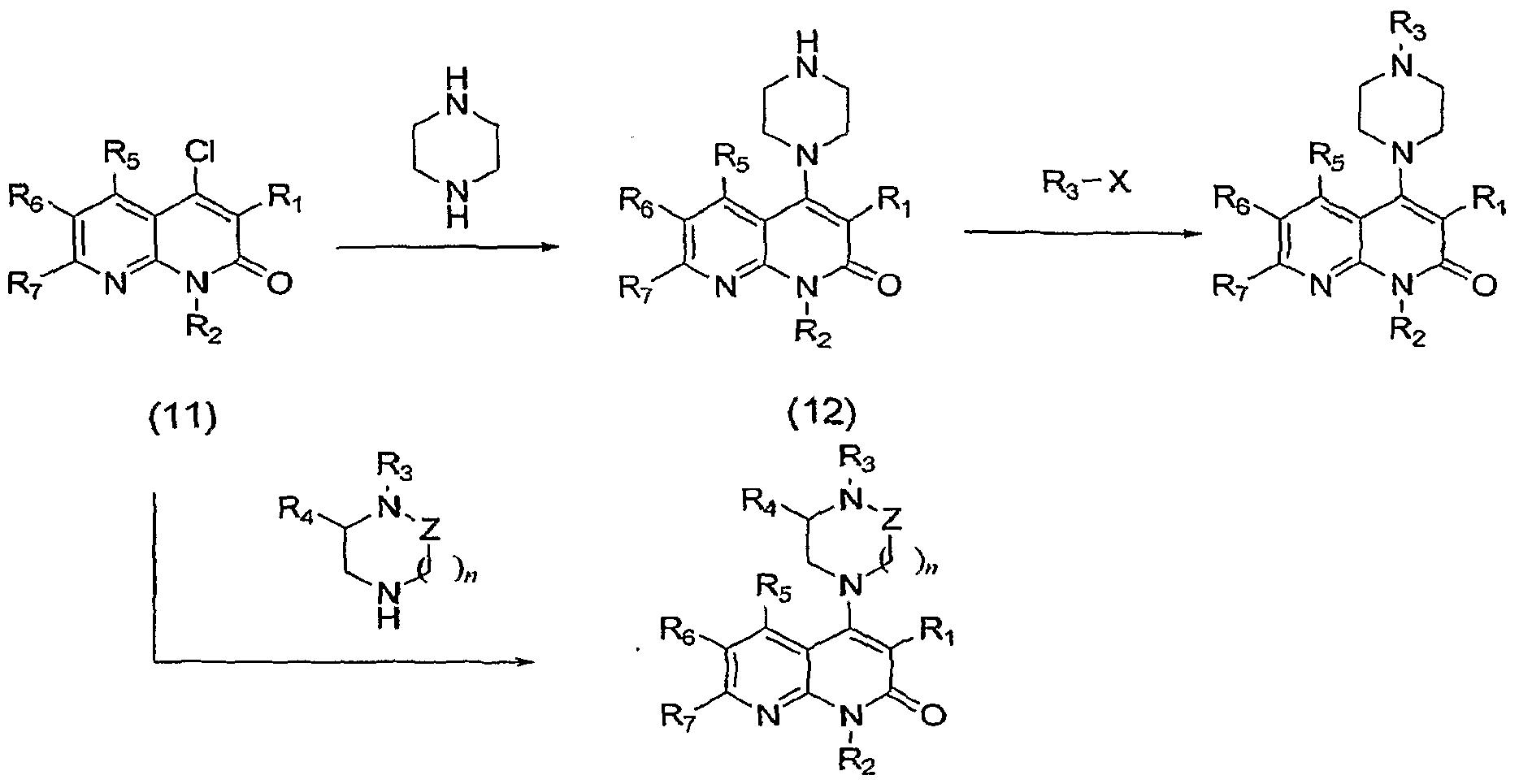


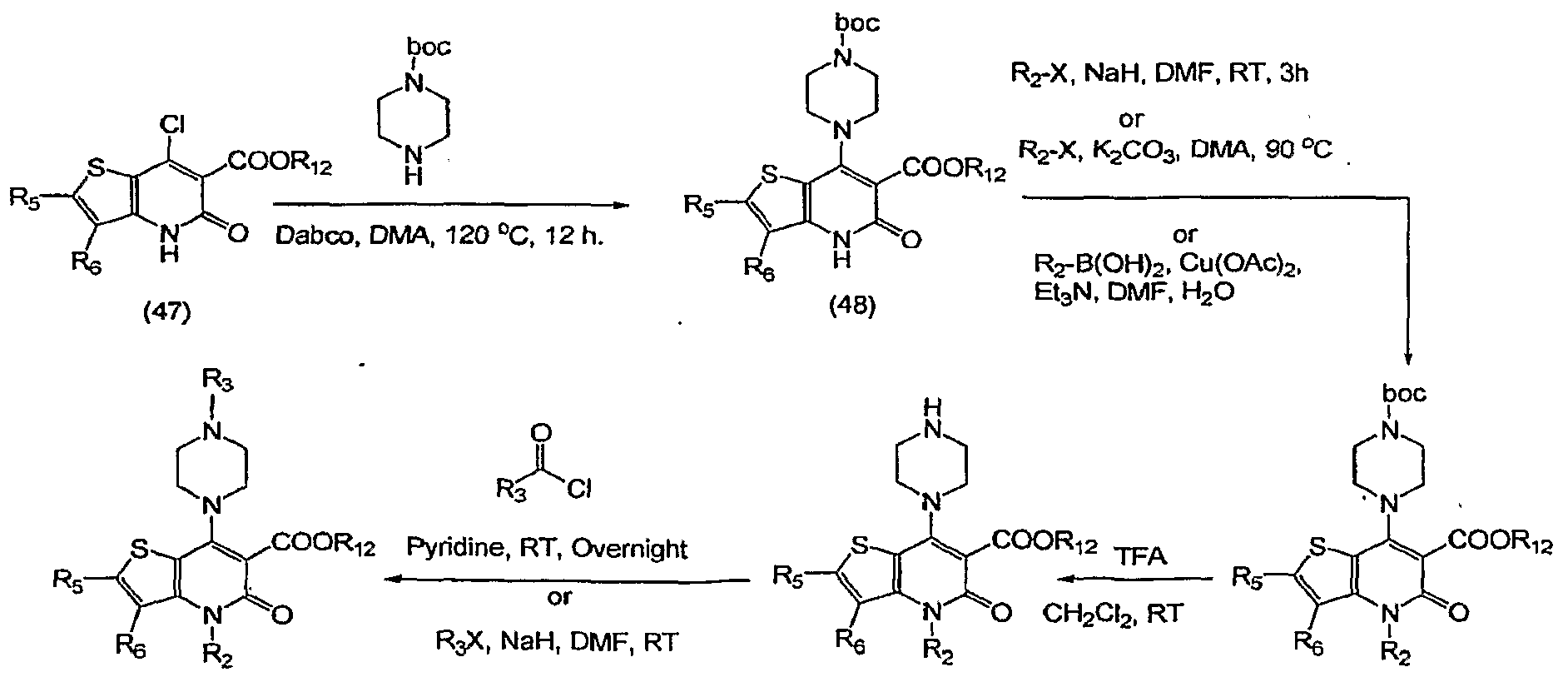


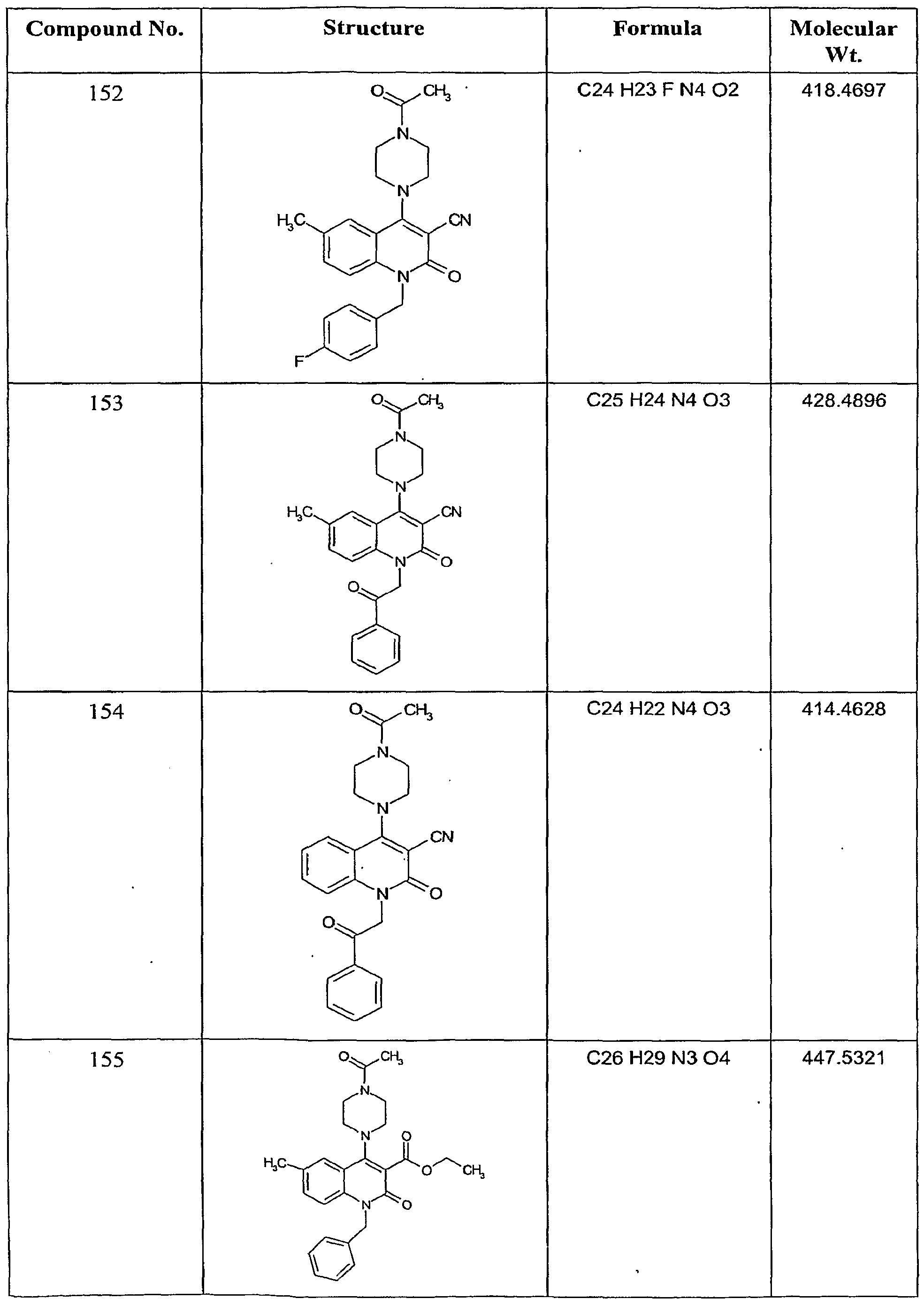


Claims




Priority Applications (7)
| Application Number | Priority Date | Filing Date | Title |
|---|---|---|---|
| AU2007227289A AU2007227289A1 (en) | 2006-03-21 | 2007-03-20 | Tumor necrosis factor alpha inhibitors and their use in the treatment of human diseases |
| CA002645546A CA2645546A1 (en) | 2006-03-21 | 2007-03-20 | Tumor necrosis factor alpha inhibitors and their use in the treatment of human diseases |
| JP2009501500A JP2009530384A (en) | 2006-03-21 | 2007-03-20 | Tumor necrosis factor alpha inhibitors (suppression) and their use in treating human diseases |
| BRPI0709577-5A BRPI0709577A2 (en) | 2006-03-21 | 2007-03-20 | tumor necrosis factor alpha inhibitors and their use in the treatment of human disease |
| MX2008011904A MX2008011904A (en) | 2006-03-21 | 2007-03-20 | Tumor necrosis factor alpha inhibitors and their use in the treatment of human diseases. |
| EP07753498A EP1996553A2 (en) | 2006-03-21 | 2007-03-20 | Tumor necrosis factor alpha inhibitors and their use in the treatment of human diseases |
| US11/842,144 US20080139551A1 (en) | 2006-03-21 | 2007-08-21 | Tumor necrosis factor alpha inhibitors and their use in the treatment of human diseases |
Applications Claiming Priority (6)
| Application Number | Priority Date | Filing Date | Title |
|---|---|---|---|
| GBGB0605689.9A GB0605689D0 (en) | 2006-03-21 | 2006-03-21 | Organic compounds |
| GB0605689.9 | 2006-03-21 | ||
| US79805906P | 2006-05-05 | 2006-05-05 | |
| US60/798,059 | 2006-05-05 | ||
| US80181606P | 2006-05-19 | 2006-05-19 | |
| US60/801,816 | 2006-05-19 |
Related Child Applications (1)
| Application Number | Title | Priority Date | Filing Date |
|---|---|---|---|
| US11/842,144 Continuation US20080139551A1 (en) | 2006-03-21 | 2007-08-21 | Tumor necrosis factor alpha inhibitors and their use in the treatment of human diseases |
Publications (2)
| Publication Number | Publication Date |
|---|---|
| WO2007109251A2 true WO2007109251A2 (en) | 2007-09-27 |
| WO2007109251A3 WO2007109251A3 (en) | 2007-12-13 |
Family
ID=36383914
Family Applications (1)
| Application Number | Title | Priority Date | Filing Date |
|---|---|---|---|
| PCT/US2007/006874 Ceased WO2007109251A2 (en) | 2006-03-21 | 2007-03-20 | Tumor necrosis factor alpha inhibitors and their use in the treatment of human diseases |
Country Status (10)
| Country | Link |
|---|---|
| US (1) | US20080139551A1 (en) |
| EP (1) | EP1996553A2 (en) |
| JP (1) | JP2009530384A (en) |
| CN (1) | CN101466681A (en) |
| AU (1) | AU2007227289A1 (en) |
| BR (1) | BRPI0709577A2 (en) |
| CA (1) | CA2645546A1 (en) |
| GB (1) | GB0605689D0 (en) |
| MX (1) | MX2008011904A (en) |
| WO (1) | WO2007109251A2 (en) |
Cited By (19)
| Publication number | Priority date | Publication date | Assignee | Title |
|---|---|---|---|---|
| US8343996B2 (en) | 2008-11-13 | 2013-01-01 | Astrazeneca Ab | Azaquinolinone derivatives and uses thereof |
| WO2015088564A1 (en) * | 2013-12-13 | 2015-06-18 | Sunovion Pharmaceuticals Inc. | P2x4 receptor modulating compounds |
| EP2968360A4 (en) * | 2013-03-14 | 2017-03-08 | ConverGene LLC | Methods and compositions for inhibition of bromodomain-containing proteins |
| US9815850B2 (en) | 2016-02-05 | 2017-11-14 | Denali Therapeutics Inc. | Compounds, compositions and methods |
| US10669272B2 (en) | 2018-06-27 | 2020-06-02 | Bristol-Myers Squibb Company | Substituted naphthyridinone compounds useful as T cell activators |
| US10752640B2 (en) | 2014-08-01 | 2020-08-25 | Nuevolution A/S | Compounds active towards bromodomains |
| WO2021105117A1 (en) | 2019-11-28 | 2021-06-03 | Bayer Aktiengesellschaft | Substituted aminoquinolones as dgkalpha inhibitors for immune activation |
| WO2021105115A1 (en) | 2019-11-28 | 2021-06-03 | Bayer Aktiengesellschaft | Substituted aminoquinolones as dgkalpha inhibitors for immune activation |
| WO2021105116A1 (en) | 2019-11-28 | 2021-06-03 | Bayer Aktiengesellschaft | Substituted aminoquinolones as dgkalpha inhibitors for immune activation |
| US11072618B2 (en) | 2016-12-09 | 2021-07-27 | Denali Therapeutics Inc. | Compounds, compositions and methods |
| US11584747B2 (en) | 2019-08-28 | 2023-02-21 | Bristol-Myers Squibb Company | Substituted pyridopyrimidinonyl compounds useful as T cell activators |
| US11866430B2 (en) | 2018-06-27 | 2024-01-09 | Bristol-Myers Squibb Company | Naphthyridinone compounds useful as T cell activators |
| US11964973B2 (en) | 2019-12-23 | 2024-04-23 | Bristol-Myers Squibb Company | Substituted bicyclic compounds useful as T cell activators |
| US11999750B2 (en) | 2022-01-12 | 2024-06-04 | Denali Therapeutics Inc. | Crystalline forms of (S)-5-benzyl-N-(5-methyl-4-oxo-2,3,4,5-tetrahydropyrido [3,2-B][1,4]oxazepin-3-yl)-4H-1,2,4-triazole-3-carboxamide |
| WO2025030002A3 (en) * | 2023-08-02 | 2025-03-27 | Arvinas Operations, Inc. | Dgk targeting compounds and uses thereof |
| US12454531B2 (en) | 2019-12-23 | 2025-10-28 | Bristol-Myers Squibb Company | Substituted piperazine derivatives useful as T cell activators |
| US12492172B2 (en) | 2019-12-23 | 2025-12-09 | Bristol-Myers Squibb Company | Substituted quinazolinyl compounds useful as T cell activators |
| US12600722B2 (en) | 2022-07-18 | 2026-04-14 | Incyte Corporation | Tetracyclic compounds as DGK inhibitors |
| US12600723B2 (en) | 2022-07-18 | 2026-04-14 | Incyte Corporation | Tetracyclic compounds as DGK inhibitors |
Families Citing this family (3)
| Publication number | Priority date | Publication date | Assignee | Title |
|---|---|---|---|---|
| KR20220119456A (en) * | 2019-12-23 | 2022-08-29 | 브리스톨-마이어스 스큅 컴퍼니 | Substituted Quinolinonyl Piperazine Compounds Useful as T Cell Activators |
| CN116693454A (en) * | 2023-06-06 | 2023-09-05 | 中山大学 | A kind of substituted cyanoquinolinone compound and its preparation method and application |
| CN117105882B (en) * | 2023-08-23 | 2025-12-26 | 中南大学 | A single-molecule white light emitting fluorescent material with ESIPT properties, its preparation method and application |
Family Cites Families (35)
| Publication number | Priority date | Publication date | Assignee | Title |
|---|---|---|---|---|
| US4324893A (en) * | 1979-04-18 | 1982-04-13 | American Home Products Corporation | 4-Amino-3-carboxy or cyano-1,2-dihydro-2-oxo-1,8-naphthyridine derivatives |
| US4299814A (en) * | 1979-05-25 | 1981-11-10 | Monsanto Company | Radioimmunoassay of MIF |
| US4284768A (en) * | 1980-07-02 | 1981-08-18 | American Home Products Corporation | 1,2-Dihydro-4-amino-2-oxo-3-quinoline-carboxylic acid derivatives |
| EP0154454B1 (en) * | 1984-02-22 | 1991-07-03 | The Wellcome Foundation Limited | Cloning of dna for protozoal antigens |
| US5733524A (en) * | 1984-03-19 | 1998-03-31 | The Picower Institute For Medical Research | Methods and materials for the diagnosis and treatment of conditions such as stroke |
| US5700447A (en) * | 1992-05-21 | 1997-12-23 | The Picowder Institute For Medical Research | Methods and materials for the diagnosis and treatment of conditions such as stroke |
| US5869534A (en) * | 1992-05-21 | 1999-02-09 | The Picower Institute For Medical Research | Glycosylation of lipids and lipid-containing particles, and diagnostic and therapeutic methods and materials derived therefrom |
| US5801200A (en) * | 1984-03-19 | 1998-09-01 | The Picower Institute For Medical Research | Methods and materials for the diagnosis and treatment of conditions such as stroke |
| US5733933A (en) * | 1984-03-19 | 1998-03-31 | The Picower Institute For Medical Research | Methods and materials for the diagnosis and treatment of conditions such as stroke |
| US4708937A (en) * | 1984-10-15 | 1987-11-24 | Brigham & Women's Hospital | Purified migration inhibitory factor also having colony stimulating factor activity |
| US4683202A (en) * | 1985-03-28 | 1987-07-28 | Cetus Corporation | Process for amplifying nucleic acid sequences |
| GB8602626D0 (en) * | 1986-02-04 | 1986-03-12 | Ciba Geigy Ag | Neurite-promoting factor |
| ES2052602T3 (en) * | 1986-10-03 | 1994-07-16 | Ciba Geigy Ag | NEW PEPTIDES RELATED TO LYMPHOCINES. |
| US5530101A (en) * | 1988-12-28 | 1996-06-25 | Protein Design Labs, Inc. | Humanized immunoglobulins |
| FI82144C (en) * | 1989-03-22 | 1991-01-10 | Wallac Oy | FOERFARANDE FOER SAMTIDIG BESTAEMNING AV FLERA LIGANDER. |
| GB8915414D0 (en) * | 1989-07-05 | 1989-08-23 | Ciba Geigy | Novel cytokines |
| US5328990A (en) * | 1991-04-26 | 1994-07-12 | The United States Of America As Represented By The Department Of Health And Human Services | Isolation of macrophage migration inhibition factor from ocular lens |
| US5352660A (en) * | 1991-10-31 | 1994-10-04 | Mount Sinai Hospital Corporation | Method for assaying for a substance that affects a SH2-phosphorylated ligand regulatory system |
| US5624804A (en) * | 1991-12-20 | 1997-04-29 | The Rockefeller University | Immunochemical detection of In vivo advanced glycosylation end products |
| US6645493B1 (en) * | 1993-05-17 | 2003-11-11 | The Picower Institute For Medical Research | Composition containing anti-MIF antibody |
| SE9302490D0 (en) * | 1993-07-26 | 1993-07-26 | Kabi Pharmacia Ab | NEW USE OF OLD DRUGS |
| US5650295A (en) * | 1995-06-02 | 1997-07-22 | Human Genone Sciences, Inc. | Macrophage migration inhibitory factor-3 |
| US6080408A (en) * | 1994-08-22 | 2000-06-27 | Connaught Laboratories Limited | Human immunodeficiency virus type 1 nucleic acids devoid of long terminal repeats capable of encoding for non-infectious, immunogenic, retrovirus-like particles |
| US6420188B1 (en) * | 1996-02-16 | 2002-07-16 | The Picower Institute For Medical Research | Screening assay for the identification of inhibitors for macrophage migration inhibitory factor |
| US5883224A (en) * | 1996-04-19 | 1999-03-16 | Cytokine Sciences, Inc. | Characterization of transfer factors and methods of use |
| US5919815A (en) * | 1996-05-22 | 1999-07-06 | Neuromedica, Inc. | Taxane compounds and compositions |
| JPH1171351A (en) * | 1997-08-29 | 1999-03-16 | Ss Pharmaceut Co Ltd | Substituted quinolone derivatives and pharmaceuticals containing the same |
| US6413939B1 (en) * | 1997-10-31 | 2002-07-02 | The Picower Institute For Medical Research | Inducible phosphofructokinase and the Warburg effect |
| JP2002521690A (en) * | 1998-07-28 | 2002-07-16 | バイオメトリック イメージング インコーポレイテッド | Apparatus and method for cell motility assay |
| US6214343B1 (en) * | 1999-05-24 | 2001-04-10 | Ophidian Pharmaceuticals, Inc. | Prevention and treatment of necrotizing enterocolitis |
| UY27304A1 (en) * | 2001-05-24 | 2002-12-31 | Avanir Pharmaceuticals | INHIBITORS OF THE INHIBITOR FACTOR OF MIGRATION OF MACROPHAGES AND METHODS FOR IDENTIFICATION |
| US20040019921A1 (en) * | 2001-12-19 | 2004-01-29 | Fingerle-Rowson Gunter R. | Non-human mammal with disrupted or modified MIF gene, and uses thereof |
| TW200418829A (en) * | 2003-02-14 | 2004-10-01 | Avanir Pharmaceutics | Inhibitors of macrophage migration inhibitory factor and methods for identifying the same |
| CN1839133A (en) * | 2003-08-22 | 2006-09-27 | 阿文尼尔药品公司 | Substituted phthalazine derivatives as inhibitors of macrophage motility inhibitors and their use in the treatment of human diseases |
| WO2006102191A1 (en) * | 2005-03-24 | 2006-09-28 | Avanir Pharmaceuticals | Thienopyridinone derivatives as macrophage migration inhibitory factor inhibitors |
-
2006
- 2006-03-21 GB GBGB0605689.9A patent/GB0605689D0/en not_active Ceased
-
2007
- 2007-03-20 JP JP2009501500A patent/JP2009530384A/en active Pending
- 2007-03-20 CA CA002645546A patent/CA2645546A1/en not_active Abandoned
- 2007-03-20 AU AU2007227289A patent/AU2007227289A1/en not_active Abandoned
- 2007-03-20 WO PCT/US2007/006874 patent/WO2007109251A2/en not_active Ceased
- 2007-03-20 MX MX2008011904A patent/MX2008011904A/en not_active Application Discontinuation
- 2007-03-20 EP EP07753498A patent/EP1996553A2/en not_active Withdrawn
- 2007-03-20 BR BRPI0709577-5A patent/BRPI0709577A2/en not_active IP Right Cessation
- 2007-03-20 CN CNA2007800178074A patent/CN101466681A/en active Pending
- 2007-08-21 US US11/842,144 patent/US20080139551A1/en not_active Abandoned
Cited By (32)
| Publication number | Priority date | Publication date | Assignee | Title |
|---|---|---|---|---|
| US8343996B2 (en) | 2008-11-13 | 2013-01-01 | Astrazeneca Ab | Azaquinolinone derivatives and uses thereof |
| US10266536B2 (en) | 2013-03-14 | 2019-04-23 | Convergene Llc | Methods and compositions for inhibition of bromodomain-containing proteins |
| EP2968360A4 (en) * | 2013-03-14 | 2017-03-08 | ConverGene LLC | Methods and compositions for inhibition of bromodomain-containing proteins |
| US9695179B2 (en) | 2013-03-14 | 2017-07-04 | Convergene Llc | Methods and compositions for inhibition of bromodomain-containing proteins |
| US10717739B2 (en) | 2013-03-14 | 2020-07-21 | Convergene Llc | Methods and compositions for inhibition of bromodomain-containing proteins |
| AU2014244426B2 (en) * | 2013-03-14 | 2019-02-28 | Convergene Llc | Methods and compositions for inhibition of bromodomain-containing proteins |
| WO2015088564A1 (en) * | 2013-12-13 | 2015-06-18 | Sunovion Pharmaceuticals Inc. | P2x4 receptor modulating compounds |
| US10752640B2 (en) | 2014-08-01 | 2020-08-25 | Nuevolution A/S | Compounds active towards bromodomains |
| US10131676B2 (en) | 2016-02-05 | 2018-11-20 | Denali Therapeutics Inc. | Compounds, compositions and methods |
| US10604535B2 (en) | 2016-02-05 | 2020-03-31 | Denali Therapeutics Inc. | Compounds, compositions and methods |
| US12358928B2 (en) | 2016-02-05 | 2025-07-15 | Denali Therapeutics Inc. | Compounds, compositions and methods |
| US9896458B2 (en) | 2016-02-05 | 2018-02-20 | Denali Therapeutics Inc. | Compounds, compositions and methods |
| US9815850B2 (en) | 2016-02-05 | 2017-11-14 | Denali Therapeutics Inc. | Compounds, compositions and methods |
| US12180211B2 (en) | 2016-12-09 | 2024-12-31 | Denali Therapeutics Inc. | Compounds, compositions and methods |
| US11072618B2 (en) | 2016-12-09 | 2021-07-27 | Denali Therapeutics Inc. | Compounds, compositions and methods |
| US11713316B2 (en) | 2018-06-27 | 2023-08-01 | Bristol-Myers Squibb Company | Substituted naphthyridinone compounds useful as T cell activators |
| US10669272B2 (en) | 2018-06-27 | 2020-06-02 | Bristol-Myers Squibb Company | Substituted naphthyridinone compounds useful as T cell activators |
| US10954238B1 (en) | 2018-06-27 | 2021-03-23 | Bristol-Myers Squibb Company | Substituted naphthyridinone compounds useful as T cell activators |
| US11866430B2 (en) | 2018-06-27 | 2024-01-09 | Bristol-Myers Squibb Company | Naphthyridinone compounds useful as T cell activators |
| US11584747B2 (en) | 2019-08-28 | 2023-02-21 | Bristol-Myers Squibb Company | Substituted pyridopyrimidinonyl compounds useful as T cell activators |
| WO2021105117A1 (en) | 2019-11-28 | 2021-06-03 | Bayer Aktiengesellschaft | Substituted aminoquinolones as dgkalpha inhibitors for immune activation |
| US11998539B2 (en) | 2019-11-28 | 2024-06-04 | Bayer Aktiengesellschaft | Substituted aminoquinolones as DGKalpha inhibitors for immune activation |
| WO2021105116A1 (en) | 2019-11-28 | 2021-06-03 | Bayer Aktiengesellschaft | Substituted aminoquinolones as dgkalpha inhibitors for immune activation |
| WO2021105115A1 (en) | 2019-11-28 | 2021-06-03 | Bayer Aktiengesellschaft | Substituted aminoquinolones as dgkalpha inhibitors for immune activation |
| US12478621B2 (en) | 2019-11-28 | 2025-11-25 | Deutsches Krebsforschungszentrum | Substituted aminoquinolones as dgkalpha inhibitors for immune activation |
| US11964973B2 (en) | 2019-12-23 | 2024-04-23 | Bristol-Myers Squibb Company | Substituted bicyclic compounds useful as T cell activators |
| US12454531B2 (en) | 2019-12-23 | 2025-10-28 | Bristol-Myers Squibb Company | Substituted piperazine derivatives useful as T cell activators |
| US12492172B2 (en) | 2019-12-23 | 2025-12-09 | Bristol-Myers Squibb Company | Substituted quinazolinyl compounds useful as T cell activators |
| US11999750B2 (en) | 2022-01-12 | 2024-06-04 | Denali Therapeutics Inc. | Crystalline forms of (S)-5-benzyl-N-(5-methyl-4-oxo-2,3,4,5-tetrahydropyrido [3,2-B][1,4]oxazepin-3-yl)-4H-1,2,4-triazole-3-carboxamide |
| US12600722B2 (en) | 2022-07-18 | 2026-04-14 | Incyte Corporation | Tetracyclic compounds as DGK inhibitors |
| US12600723B2 (en) | 2022-07-18 | 2026-04-14 | Incyte Corporation | Tetracyclic compounds as DGK inhibitors |
| WO2025030002A3 (en) * | 2023-08-02 | 2025-03-27 | Arvinas Operations, Inc. | Dgk targeting compounds and uses thereof |
Also Published As
| Publication number | Publication date |
|---|---|
| CN101466681A (en) | 2009-06-24 |
| EP1996553A2 (en) | 2008-12-03 |
| US20080139551A1 (en) | 2008-06-12 |
| BRPI0709577A2 (en) | 2011-07-19 |
| MX2008011904A (en) | 2009-02-10 |
| GB0605689D0 (en) | 2006-05-03 |
| WO2007109251A3 (en) | 2007-12-13 |
| JP2009530384A (en) | 2009-08-27 |
| AU2007227289A1 (en) | 2007-09-27 |
| CA2645546A1 (en) | 2007-09-27 |
Similar Documents
| Publication | Publication Date | Title |
|---|---|---|
| EP1996553A2 (en) | Tumor necrosis factor alpha inhibitors and their use in the treatment of human diseases | |
| JP4790703B2 (en) | Cyclic compounds | |
| TWI547494B (en) | Aminoquinazolines as kinase inhibitors | |
| TW202340209A (en) | Annulated 2-amino-3-cyano thiophenes and derivatives for the treatment of cancer | |
| JP6026441B2 (en) | Aminoquinolines as kinase inhibitors | |
| US8557837B2 (en) | Sinomenine derivatives, synthetic methods and uses thereof | |
| US7365200B2 (en) | Thienopyridinone derivatives as macrophage migration inhibitory factor inhibitors | |
| TW201425307A (en) | Amino-quinolines as kinase inhibitors | |
| US20100041698A1 (en) | Heterocyclic compounds and their use as binding partners for 5-ht5 receptors | |
| US20030191122A1 (en) | Carbamoyl tetrahydropyridine derivatives | |
| IL202463A (en) | Sulfonyl-quinoline derivatives | |
| EP2220053B1 (en) | Arylindenopyrimidines and their use as adenosine a2a receptor antagonists | |
| EP1933835B1 (en) | Tetrahydro-pyrrolo[1,2-b]isothiazole 1,1-dioxides as lfa-1 inhibitors | |
| JP2007277093A (en) | Tricyclic compounds | |
| CN110612302B (en) | Pyrazolo [1,5-a ] pyrimidine derivatives as kinase JAK inhibitors | |
| TWI628178B (en) | Amino-quinolines as kinase inhibitors | |
| WO2025213115A1 (en) | Kcc2 potentiators and uses thereof |
Legal Events
| Date | Code | Title | Description |
|---|---|---|---|
| WWE | Wipo information: entry into national phase |
Ref document number: 200780017807.4 Country of ref document: CN |
|
| WWE | Wipo information: entry into national phase |
Ref document number: 2007227289 Country of ref document: AU Ref document number: 2007753498 Country of ref document: EP |
|
| WWE | Wipo information: entry into national phase |
Ref document number: 2645546 Country of ref document: CA |
|
| WWE | Wipo information: entry into national phase |
Ref document number: MX/A/2008/011904 Country of ref document: MX |
|
| WWE | Wipo information: entry into national phase |
Ref document number: 2009501500 Country of ref document: JP |
|
| NENP | Non-entry into the national phase |
Ref country code: DE |
|
| ENP | Entry into the national phase |
Ref document number: 2007227289 Country of ref document: AU Date of ref document: 20070320 Kind code of ref document: A |
|
| WWE | Wipo information: entry into national phase |
Ref document number: 4240/KOLNP/2008 Country of ref document: IN |
|
| 121 | Ep: the epo has been informed by wipo that ep was designated in this application |
Ref document number: 07753498 Country of ref document: EP Kind code of ref document: A2 |
|
| ENP | Entry into the national phase |
Ref document number: PI0709577 Country of ref document: BR Kind code of ref document: A2 Effective date: 20080916 |