WO2008141155A1 - Compositions for protein delivery and methods of use thereof - Google Patents
Compositions for protein delivery and methods of use thereof Download PDFInfo
- Publication number
- WO2008141155A1 WO2008141155A1 PCT/US2008/063213 US2008063213W WO2008141155A1 WO 2008141155 A1 WO2008141155 A1 WO 2008141155A1 US 2008063213 W US2008063213 W US 2008063213W WO 2008141155 A1 WO2008141155 A1 WO 2008141155A1
- Authority
- WO
- WIPO (PCT)
- Prior art keywords
- complexes
- catalase
- polyion
- cell
- polypeptide
- Prior art date
- Legal status (The legal status is an assumption and is not a legal conclusion. Google has not performed a legal analysis and makes no representation as to the accuracy of the status listed.)
- Ceased
Links
Classifications
-
- A—HUMAN NECESSITIES
- A61—MEDICAL OR VETERINARY SCIENCE; HYGIENE
- A61K—PREPARATIONS FOR MEDICAL, DENTAL OR TOILETRY PURPOSES
- A61K38/00—Medicinal preparations containing peptides
- A61K38/16—Peptides having more than 20 amino acids; Gastrins; Somatostatins; Melanotropins; Derivatives thereof
- A61K38/43—Enzymes; Proenzymes; Derivatives thereof
- A61K38/44—Oxidoreductases (1)
-
- A—HUMAN NECESSITIES
- A61—MEDICAL OR VETERINARY SCIENCE; HYGIENE
- A61K—PREPARATIONS FOR MEDICAL, DENTAL OR TOILETRY PURPOSES
- A61K38/00—Medicinal preparations containing peptides
- A61K38/16—Peptides having more than 20 amino acids; Gastrins; Somatostatins; Melanotropins; Derivatives thereof
- A61K38/43—Enzymes; Proenzymes; Derivatives thereof
- A61K38/44—Oxidoreductases (1)
- A61K38/446—Superoxide dismutase (1.15)
-
- A—HUMAN NECESSITIES
- A61—MEDICAL OR VETERINARY SCIENCE; HYGIENE
- A61K—PREPARATIONS FOR MEDICAL, DENTAL OR TOILETRY PURPOSES
- A61K38/00—Medicinal preparations containing peptides
- A61K38/16—Peptides having more than 20 amino acids; Gastrins; Somatostatins; Melanotropins; Derivatives thereof
- A61K38/43—Enzymes; Proenzymes; Derivatives thereof
- A61K38/46—Hydrolases (3)
- A61K38/465—Hydrolases (3) acting on ester bonds (3.1), e.g. lipases, ribonucleases
-
- A—HUMAN NECESSITIES
- A61—MEDICAL OR VETERINARY SCIENCE; HYGIENE
- A61P—SPECIFIC THERAPEUTIC ACTIVITY OF CHEMICAL COMPOUNDS OR MEDICINAL PREPARATIONS
- A61P25/00—Drugs for disorders of the nervous system
Definitions
- compositions for Protein Delivery are Compositions for Protein Delivery and Methods of Use
- the present invention relates to compositions and methods for the delivery of therapeutic agents to a patient, particularly to the central nervous system (CNS) .
- CNS central nervous system
- the blood-brain barrier (BBB) is one of the most restrictive barriers in biology. Numerous factors work together to create this restrictive barrier. Electron microscopy studies have demonstrated that tight junctions between brain vascular endothelial cells and other endothelial cell modifications (e.g., decreased pinocytosis, lack of intracellular fenestrae) prevented the formation of a plasma ultrafiltrate. Enzymatic activity at the BBB further limits entry of some substances, especially of monoamines and some small peptides (Baranczyk-Kuzma and Audus (1987) J. Cereb.
- Saturable, brain-to-blood efflux systems such as p-glycoprotein (Pgp)
- Pgp p-glycoprotein
- Peripheral factors such as protein binding/soluble receptors, enzymatic degradation, clearance, and sequestration by tissues also affect the ability of a substance to cross the BBB by limiting presentation; these factors are especially important for exogenously administered substances (Banks and Kastin (1993) Proceedings of the International Symposium on Blood Binding and Drug Transfer, pp. 223- 242 (Tillement et al., Eds.) Fort and Clair, Paris).
- methods of treating a neurological disorder in a patient comprise the administration of a therapeutically effective amount of a composition comprising a) at least one complex comprising a therapeutic polypeptide and a synthetic polymer comprising at least one charge opposite to the charge of the therapeutic polypeptide, and b) at least one pharmaceutically acceptable carrier.
- the synthetic polymer comprises at least one nonionic segment and at least one polyion segment.
- the administered complex traverses the blood brain barrier.
- the methods of treating a neurological disorder in a patient comprise administering a therapeutically effective amount of a composition comprising an isolated cell comprising at least one complex comprising a therapeutic polypeptide and a synthetic polymer comprising at least one charge opposite to the charge of the therapeutic polypeptide, and at least one pharmaceutically acceptable carrier.
- the synthetic polymer comprises at least one nonionic segment and at least one polyion segment.
- the administered cell traverses the blood brain barrier.
- the administered cell may be isolated from the patient to be treated.
- the cell is an immune cell such as a monocyte, macrophage, bone marrow derived monocyte, dendritic cell, lymphocyte, T-cell, neutrophil, eosinophil, or basophil.
- isolated cells comprise at least one complex comprising at least one protein of interest and a synthetic polymer comprising at least one charge opposite to the charge of said protein of interest.
- Compositions comprising the cells are also provided.
- Figure IA provides a schematic presentation of a polypeptide-polyion complex structure (may also be referred to as a nanozyme) .
- Figure IB is an image of a gel retardation assay of the enzyme/polyion complexes at various Z. Samples were subjected to gel electrophoresis in polyacrylamide gel (7.5%) under nondenaturing conditions (without SDS). Lane 1: enzyme alone; lanes 2-4: enzyme/PEI-PEG complexes with progressive increasing of Z (0.5, 2, 4) .
- Figures IC-E are graphs of the changes in cumulant diameter (Figs 1C- E) and zeta-potential (Fig.
- Figure 2A is an image of a gel electrophoresis assay of Hu BChE/PLL-g-PEO (2) complexes. Lane numbers correspond to the sample numbers in Table 1.
- Figure 2B is an image of a gel electrophoresis assay of Hor BChE alone and Hor BChE/PLL-g-PEO (2) complexes at various compositions. Lane numbers correspond to the sample numbers in Table 2.
- Figure 3 is a graph of the diameter of the particles formed in (o) Hor BChE/PLL-g-PEO (2) and ( ⁇ ) Hu BChE/PLL-g-PEO ( 2 ) mixtures at various Z+/- .
- the initial concentration of Hor BChE was 0.167 mg/ml.
- the initial concentration of Hu BChE was 0.15 mg/ml.
- the cross-linking ratio was 85%, 40%, and 20% in Figures 5A, 5B, and 5C, respectively.
- the final concentration of Hu BChE was 0.15 mg/ml.
- the final concentration of Hu BChE was 0.15 mg/ml.
- Figure 7 provides images of mice intravenously injected with CuZnSOD-polyion complex.
- Alexa 680 fluorescence was detected in mice at various time intervals following intravenous (tail vein) injection of Alexa 680-labeled CuZnSOD- polyion complex.
- Figures 8A and 8B provide images of gel electrophoresis assays of Hu BChE/PLL-b-PEO complexes and Hor BChE/PLL-b-PEO complexes, respectively.
- the lane numbers correspond to the sample numbers provided in Table 9.
- the concentration of Hu BChE and Hor BChE was 0.15 mg/ml.
- Lane A is Hu BChE alone; lane B is non cross-linked Hu BChE/PLL-b-PEO complex; lane C is cross-linked Hu BChE/PLL-b-PEO complex; lane D is Hor BChE alone; lane E is non cross-linked Hor BChE/PLL-b-PEO complex; and lane F is cross-linked Hor BChE/PLL-b-PEO complex.
- the final concentration of BChE was 0.0003 mg/ml.
- Cells were incubated for 24 hours with various concentrations of polypeptide- polyion complex or the block copolymer, washed, and incubated in the fresh media for 48 hours at 37 0 C.
- Cell survival was determined by sulforhodamine-B (SRB) assay.
- Absorbance was measured at 490 nm in Microkinetics reader BT2000 and obtained values were expressed as a percentage of the values obtained for control cells to which no polypeptide-polyion complexes were added. All measurements were repeated eight times.
- Figure HB is a bar graph depicting the accumulation of catalase-polyion complexes in BMM at various Z.
- Figure HC provides an image of the intracellular localization of RITC-labeled catalase-polyion complex in BMM.
- Figure 12A is a graph of the release profile of catalase-polyion complex from BMM.
- PMA phorbol myristate acetate
- Figures 13A and 13B are graphs depicting the preservation of enzymatic activity of catalase against degradation in BMM.
- Figure 14A is a scheme for the modulation of microglial-derived ROS by catalase-polyion complex released from BMM.
- Figure 15 is a graph of the biodistribution of 125 I- labeled catalase-polyion complex in MPTP-treated mice.
- Statistical significance of the BMM-loaded catalase-polyion complex transport compared to the catalase-polyion complex alone group is shown by asterisks: (**) p ⁇ 0.005.
- Figure 16 provides images of the biodistibution over time of Alexa 680-labeled polypeptide-polyion complex loaded to BMM and injected intravenously to MPTP-intoxicated mice.
- Figure 18 is a graph demonstrating CuZnSOD-polyion complex peripherally administered inhibits ICV Angll- mediated increase in blood pressure. Peak change in mean arterial pressure (MAP) following ICV-injected AngII was measured 0, 1, 2, and 5 days after intra- carotid administration of free CuZnSOD or CuZnSOD- polyion complex.
- MAP mean arterial pressure
- Figure 19 is a graph depicting neuroprotection against MPTP-induced dopamineegic neuronal loss with BMM loaded with a catalase polyion complex.
- Figure 20 is an image of a gel retardation assay of the catalase/polyion complexes with various cross- linkers used. Samples were subjected to gel electrophoresis in polyacrylamide gel (10 %) under denaturing conditions (with SDS) . Lanes: 1- molecular weight markers; 2- catalase alone; and polyion complexes linked with 3-EDC; 4-GA; 5-BS3.
- Figure 21 is an image of a gel retardation assay of the SOD/polyion complexes for various linkers used. Samples were subjected to gel electrophoresis in polyacrylamide gel (10 %) under denaturing conditions (with SDS). Lanes: 1- molecular weight markers; 2-SOD alone; 3- non-linked polyion complex; and polyion complexes linked with 4-EDC; 5-GA; 6-BS3.
- Figure 22A is an image of a gel retardation assay of the catalase/SOD/polyion complexes for various linkers used. Samples were subjected to gel electrophoresis in polyacrylamide gel (10 %) under denaturing conditions (with SDS). Lanes: 1-non-linked complex; polyion complexes linked with 2-GA; 3-EDC; 4- BS3; and 5-EDC-S-NHS. Visualization was performed with antibody to catalase.
- Figure 22B is an image of a gel retardation assay of the catalase/SOD/polyion complexes for various linkers used. Samples were subjected to gel electrophoresis in polyacrylamide gel (10 %) under denaturing conditions (with SDS). Lanes: 1-non-linked complex; polyion complexes linked with 2-GA; 3-EDC; 4- BS3; and 5-EDC-S-NHS. Visualization was performed with antibody to SOD.
- Figure 23 provides images of the biodistribution of Li-COR-labeled BMM loaded with catalase polyion complex.
- BMM were isolated from BALB/C mice, grown till maturation (12 days) labeled with Li-COR, and loaded for 2 hours with catalase polyion complex. Loaded BMM were injected i.v. into shaved BALB/C (50 mln/mouse) kept on liquid diet for 24 hours.
- compositions and methods are provided for the site- specific and/or sustained delivery of a protein/polypeptide of interest. More specifically, the compositions comprise a polyion complex of the polypeptide of interest with a synthetic polymer having a net charge opposite to the net charge of the protein of interest.
- the synthetic polymers of the complexes are block copolymers. More specifically, the synthetic polymers are block copolymers which comprise at least one polyion segment and at least one nonionic water soluble polymer segment. Block copolymers are most simply defined as conjugates of at least two different polymer segments (Tirrel, M. In: Interactions of Surfactants with Polymers and Proteins. Goddard E. D. and Ananthapadmanabhan, K. P. (eds.), CRC Press, Boca Raton, Ann Arbor, London, Tokyo, pp. 59-122, 1992) . The simplest block copolymer architecture contains two segments joined at their termini to give an A-B type diblock.
- A-B-A type triblock Consequent conjugation of more than two segments by their termini yields A-B-A type triblock, A- B-A-B-type multiblock, or even multisegment A-B-C- architectures .
- a main chain in the block copolymer can be defined in which one or several repeating units are linked to different polymer segments, then the copolymer has a graft architecture of, e.g., an A(B) n type.
- More complex architectures include for example (AB) n or A n B n , starblocks which have more than two polymer segments linked to a single center.
- An exemplary block copolymer of the instant invention would have the formula A-B or B-A, wherein A is a polyion segment and B is a nonionic water soluble polymer segment.
- the segments of the block copolymer may have from about 2 to about 1000 repeating units or monomers.
- the preferred size of the complexes is between about 5 nm and about 500 nm, more preferred between about 5 and about 250 nm, more preferred between about 10 and about 150 nm, still more preferred between about 10 nm and about 140 nm, yet still more preferred between about 20 and about 100 nm.
- the complexes do not aggregate and remain within the preferred size range for at least 1 hour after dispersion in the aqueous solution at the physiological pH and ionic strength, for example in phosphate buffered saline, pH 7.4.
- the sizes may be measured as effective diameters by dynamic light scattering (see, e.g., Batrakova et al. (2007) Bioconjugate Chem., 18:1498-1506). It is preferred that, after dispersion in aqueous solution, the complexes remain stable, i.e., do not aggregate and/or precipitate for at least 2 hours, preferably for 12 hours, still more preferably for 24 hours.
- the polyion segment of the block copolymer has a net charge which is opposite to the protein of interest. For example, if the protein of interest has a net negative charge, then the polyion segment will have a net positive charge, at the relevant pH.
- the polyion segment may be a polycation (i.e., a polymer that has a net positive charge at a specific pH) or a polyanion (i.e., a polymer that has a net negative charge at a specific pH) .
- the polyion segment has at least three charges, preferably at least 10 charges, and more preferably at least 15 charges. In a preferred embodiment, the charges are spaced close to each other.
- the degree of polymerization of the polyion segments is typically between about 10 and about 100,000. More preferably, the degree of polymerization is between about 20 and about 10,000, still more preferably between about 10 and about 1,000, and yet still more preferably between about 10 and about 200. Independently from the polyion segment, the degree of polymerization of the nonionic water soluble polymer segment is about 10 and about 100,000. More preferably, the degree of polymerization is between about 20 and about 10,000, still more preferably between about 10 and about 1,000, and yet still more preferably between about 10 and about 200.
- the polyion segment encompasses polycation segments and polyanion segments.
- polycation segments include but are not limited to polymers and copolymers and their salts comprising units deriving from one or more monomers including, without limitation, primary, secondary and/or tertiary amines, each of which can be partially or completely quaternized, thereby forming quaternary ammonium salts.
- Examples of these monomers include cationic aminoacids (e.g., lysine, arginine, histidine, ornithine and the like) , alkyleneimines (e.g., ethyleneimine, propyleneimine, butileneimine, pentyleneimine, hexyleneimine, spermine, and the like) , vinyl monomers (e.g., vinylcaprolactam, vinylpyridine, and the like), acrylates and methacrylates (e.g., N, N- dimethylaminoethyl acrylate, N, N-dimethylaminoethyl methacrylate, N,N-diethylaminoethyl acrylate, N, N- diethylaminoethyl methacrylate, t-butylaminoethyl methacrylate, acryloxyethyltrimethyl ammonium halide, acryloxyethyl-idimethylbenzy
- the polycations and polycation segments can be produced by polymerization of monomers that themselves may be not cationic, such as for example, 4- vinylpyridine, and then converted into a polycation form by various chemical reactions of the monomeric units, for example alkylation, resulting in appearance of ionizable groups.
- the conversion of the monomeric units can be incomplete resulting in a copolymer having a portion of the units that do not have ionizable groups, such as for example, a copolymer of vinylpyridine and N- alkylvinylpyridinuim halide.
- Polycation segments can be a copolymer containing more than one type of monomeric units including a combination of cationic units with at least one other type of unit including, for example, cationic units, anionic units, zwitterionic units, hydrophilic nonionic units and/or hydrophobic units.
- Such polycation segments can be obtained by copolymerization of more than one type of chemically different monomers.
- the charged groups should be spaced close enough together so that, when reacted with the other components, a complex is formed.
- the portion of non-cationic units is relatively low so that the polymer or polymer block remains largely cationic in nature.
- the polycation- containing polymer may be a blend of two or more polymers of different structures, such as polymers containing different degrees of polymerization, backbone structures, and/or functional groups.
- polyanion segments include, but are not limited to, polymers and their salts comprising units deriving from one or more monomers including: unsaturated ethylenic monocarboxylic acids, unsaturated ethylenic dicarboxylic acids, ethylenic monomers comprising a sulfonic acid group, their alkali metal, and their ammonium salts.
- Examples of these monomers include acrylic acid, methacrylic acid, aspartic acid, alpha-acrylamidomethylpropanesulphonic acid, 2- acrylamido-2-methylpropanesulphonic acid, citrazinic acid, citraconic acid, trans-cinnamic acid, 4-hydroxy cinnamic acid, trans-glutaconic acid, glutamic acid, itaconic acid, fumaric acid, linoleic acid, linolenic acid, maleic acid, nucleic acids, trans-beta- hydromuconic acid, trans-trans-muconic acid, oleic acid, 1, 4-phenylenediacrylic acid, phosphate 2-propene-l- sulfonic acid, ricinoleic acid, 4-styrene sulfonic acid, styrenesulphonic acid, 2-sulphoethyl methacrylate, trans-traumatic acid, vinylsulfonic acid, vinylbenzenesulphonic acid, vinyl
- polyanions include, but are not limited to, polymaleic acid, polyamino acids (e.g., polyaspartic acid, polyglutamic acid, and their copolymers) polyacrylic acid, polymethacrylic acid, and the like.
- polymaleic acid polymaleic acid
- polyamino acids e.g., polyaspartic acid, polyglutamic acid, and their copolymers
- polyacrylic acid polymethacrylic acid, and the like.
- the polyanions and polyanion segments can be produced by polymerization of monomers that themselves may not be anionic or hydrophilic, such as for example, tert-butyl methacrylate or citraconic anhydride, and then converted into a polyanion form by various chemical reactions of the monomeric units, for example hydrolysis, resulting in ionizable groups.
- the conversion of the monomeric units can be incomplete resulting in a copolymer having a portion of the units that do not have ionizable groups, such as for example, a copolymer of tert-butyl methacrylate and methacrylic acid.
- the polyanion segment can be a copolymer containing more than one type of monomeric units including a combination of anionic units with at least one other type of units including anionic units, cationic units, zwitterionic units, hydrophilic nonionic units and/or hydrophobic units.
- Such polyanions and polyanion segments can be obtained by copolymerization of more than one type of chemically different monomers.
- the charged groups should be spaced close enough together so that, when reacted with the other components, a complex is formed.
- the portion of non-anionic units is relatively low so that the polymer or polymer block remains largely anionic and hydrophilic in nature.
- the polyanion-containing polymer may be a blend of two or more polymers of different structures, such as polymers containing different degrees of polymerization, backbone structures, and/or functional groups.
- the polyion segment is a polypeptide selected from the group consisting of polymers or copolymers of lysine, histidine, arginine, ornithine, aspartic acid and/or glutamic acid, and their salts.
- synthetic polyions include polylysine, polyhistidine, polyarginine, polyornithine, polyaspartic acid, polyglutamic acid, and their salts.
- the polyion segment is selected from the group consisting of polyacrylic acid, polyalkylene acrylic acid, polyalkyleneimine, polyethylenimine, polyphosphates, and their salts.
- the nonionic water soluble polymer segment may be selected from the group consisting of polyethylene oxide, a copolymer of ethylene oxide and propylene oxide, a polysaccharide, a polyacrylamide, a polygycerol, a polyvinylalcohol, a polyvinylpyrrolidone, a polyvinylpyridine N-oxide, a copolymer of vinylpyridine N-oxide and vinylpyridine, a polyoxazoline, and a polyacroylmorpholine, or derivatives thereof.
- nonionic polymer segments are nontoxic and nonimmunogenic.
- the water soluble polymers are poly (ethylene oxide) (PEO); poly (ethylene glycol) (PEG); or a copolymer of ethylene oxide and propylene oxide. If the nonionic water soluble polymer segment is poly (ethylene oxide), the preferred molecular mass of such polymer is between about 300 and about 20,000, more preferred between about 1,500 and about 15,000, still more preferred between about 2,000 and about 10,000, and yet still more preferred about 4,000 and about 10,000.
- the polyion segment and nonionic water soluble polymer segment may contain different end groups.
- the method of synthesis may lead to the inclusion of different end groups.
- the complexes of the instant invention spontaneously self-assemble into particles of nanoscale size. Without being bound by theory, it is believed that the formed particles have a core-shell morphology.
- the core of the particles comprises the protein-polyion complex and the hydrophilic shell comprises the nonionic water soluble segment of the copolymer. Indeed, neutralization of the polyion charges leads to the formation of hydrophobic domains, which tend to segregate in aqueous media. However, the water-soluble nonionic segments prevent aggregation and macroscopic phase separation. As a result, these complexes self- assemble into particles of nanoscale size and form stable aqueous dispersions.
- block copolymers are synthesized by conjugation of a polyion segment (e.g., polyethylenimine (PEI, 2,000 Da)) and a nonionic water soluble segment (e.g., poly (ethylene oxide) (PEO, 10,000 Da) (Vinogradov et al. (1999) Bioconjug. Chem., 10:851- 60) .
- a polyion segment e.g., polyethylenimine (PEI, 2,000 Da)
- PEO poly (ethylene oxide)
- Complexes can be formed by the addition of a solution of the protein of interest (e.g., catalase (1 mg/ml) ) to a solution of a block copolymer (e.g., PEI- PEG (2 mg/ml)) in a buffer (e.g., phosphate buffer saline (pH 7.4)) producing slightly opalescent dispersions .
- a solution of the protein of interest e.g., catalase (1 mg/ml)
- a block copolymer e.g., PEI- PEG (2 mg/ml)
- a buffer e.g., phosphate buffer saline (pH 7.4)
- the particles are administered to a cell of the body in the isotonic solution at physiological pH 7.4.
- the complexes can be prepared before administration at pH below or above pH 7.4.
- many polypeptides of interest in this invention are polyampholytes, which contain both positive and negative groups.
- the balance of the positive and negative groups of such polypeptide depend on their chemical structure as well as on the pH of the external solution.
- the polypeptides may be positively charged.
- pH above the pi the polypeptides may be negatively charged. Therefore, the complexes of according to this invention may be produced by reacting polypeptides below the pH point with polyanion.
- These complexes may be also prepared by reacting polypeptides above the pi with polycations. Following preparation of the complexes the pH of the solution may be changed to the desired pH, for example, pH 7.4 for further administration.
- the polypeptides may contain sites or domains with multiple positive or negative groups closely positioned to one another. Such polypeptides may form complexes with oppositely charged polyions (e.g., polycations in case of sites with multiple negative groups in polypeptide or polyanions in case of sites with multiple positive groups) both below and above the pH .
- the core of the complexes may be cross-linked.
- the cross-links can chemically link the functional groups of the polypeptide, of polyions or both polypeptides and polyions including links between the polypeptides and polyions.
- the cross-linkers may be cleavable or degradable and may cleave in the body or within the cell.
- Various methods of cross-linking known in the art can be applied for cross-linking (G. Hermanson, Bioconjugate Techniques, Elsevier, 1996, 785 p.).
- cross-linkers include, without limitation, l-ethyl-3- (3-dimethylaminopropyl) carbodiimide (DEC) , glutaraldehyde (GA) , formaldehyde, divinyl sulfone, a polyanhydride, a polyaldehyde, a polyhydric alcohol, a carbodiimide, epichlorohydrin, ethylene glycol diglycidylether, butanediol diglycidylether, polyglycerol polyglycidylether, polyethylene glycol, polypropylene glycol diglycidylether, a bis- or poly- epoxy cross-linker (e.g., 1, 2, 3, 4-diepoxybutane or 1, 2, 7, 8-diepoxyoctane) , and those recited in G.
- DEC l-ethyl-3- (3-dimethylaminopropyl) carbodiimide
- G glutaraldehy
- the cross linking ratio of the polypeptide-polyion complex is from about 40% to about 75%, preferably about 40% to about 60%, and more preferably about 40% to about 50%.
- the presence of an excess of block copolymer in the polypeptide-polyion complexes can reduce the cross-linking ratio required for complex stability.
- the polypeptide-polyion complexes of the instant invention may be administered to a mammalian subject, particularly a human.
- polypeptide-polyion complexes of the instant invention are shown hereinbelow to be capable of crossing the BBB and delivering the polypeptide of interest to the CNS, particularly when the patient has a neurodegenerative or neuroinflammatory disease or disorder.
- the polypeptide-polyion complex particles following administration to the body of the mammalian subject, may be taken up into circulating cells capable of reaching the brain and a portion of the polypeptide is delivered to the brain by these cells.
- the circulating cell may be an immune system cell such as a monocyte or a macrophage, preferably a bone marrow derived monocyte, a dendritic cell, a lymphocyte, preferably a T-cell, a neutrophil, an eosinophil a basophil, and combinations thereof.
- an immune system cell such as a monocyte or a macrophage, preferably a bone marrow derived monocyte, a dendritic cell, a lymphocyte, preferably a T-cell, a neutrophil, an eosinophil a basophil, and combinations thereof.
- the complexes of the current invention provide protection to the polypeptide within the cells.
- the complexes due to the specific core-shell structure induced by the block copolymer, the complexes are not toxic to the host cell and do not impair the functional properties of the cell. In particular, the complexes do not impair the ability of the cells to go to the site of the disease.
- complexes may have increased circulation time alone or being entrapped in circulating cells .
- Many disease conditions may result in decreased permeability of the BBB. This may further increase brain delivery of polypeptides.
- complexes may bind to and enter inside neuronal cells and/or neuronal peripheral projections and be transported to the brain through the process known as retrograde transport (Zweifel et al. (2005) Nat. Rev. Neurosci., 6:615-625; U.S. Patent Application Publication 2003/0083299) or a similar process.
- retrograde transport Zweifel et al. (2005) Nat. Rev. Neurosci., 6:615-625; U.S. Patent Application Publication 2003/0083299
- the unique structure of the complexes of the presence invention and, in particular, combination of ionic and non-ionic polymeric chains in the copolymers provides protection to the polypeptides, minimizes damage to cells and tissues, and facilitates free migration of the complexes to the brain.
- polypeptide-polyion complexes of the instant invention can be administered parenterally including, but not limited to, subcutaneously, intravenously and intraperitoneally.
- the polypeptide-polyion complexes may be administered directly to the nervous system, in particular intrathecally, intracerbrally or epidurally.
- the polypeptide-polyion complexes may also be administered intramuscularly, intradermally, or intracarotidly . A combination of different methods of administration may be used.
- the polypeptide-polyion complex is loaded into a cell, which can then be administered to a patient as a therapeutic agent. More specifically, the cell is a circulating cell, in particular, an immune system cell.
- Immune system cells include, without limitation, a monocyte, a macrophage, a bone marrow derived monocyte, a dendritic cell, a lymphocyte, a T-cell, a neutrophil, an eosinophil, a basophil, and/or combinations thereof.
- the loaded cells are capable of crossing the BBB and delivering the polypeptide of interest, particularly when the patient has a neurodegenerative or neroinflammatory disease or disorder.
- the cells may be isolated from the mammalian subject using cell isolation and separation techniques available in the art. As described hereinbelow, the cells can be loaded with the polypeptide-polyion complex by incubating the cell with the polypeptide-polyion complex.
- the loaded cells can be administered parenterally including, but not limited to, subcutaneously, intravenously and intraperitoneally. In addition to that they can be administered directly to the nervous system, in particularly intrathecally, intracerbrally or epidurally.
- the polypeptide-polyion complexes may also be administered intramuscularly, intradermally, or intracarotidly . A combination of different methods of administration may be used.
- Neuroinflammation perpetrated through activation of brain mononuclear phagocytes (MP; perivascular and parenchymal macrophages and microglia) along with astrocytes and endothelial cells, may act through paracrine pathways to accelerate neuronal injury in highly divergent diseases such as Alzheimer's disease (AD) and Parkinson's disease (PD), Huntington's diseases (HD) , HIV associated neurocognitive disorders (HAND) , and spongiform encephalopathies and stroke.
- AD Alzheimer's disease
- PD Parkinson's disease
- HD Huntington's diseases
- HAND HIV associated neurocognitive disorders
- spongiform encephalopathies and stroke spongiform encephalopathies and stroke.
- CNS inflammatory infiltrates are complex and multifaceted.
- the initial responders or the MP cell elements of innate immunity set up a cascade, which later involves the activation and recruitment of the adaptive immune system and ultimately neurodegeneration.
- microglia are the primary MPs in the CNS that respond to injury and whose principal function is brain defense. Activated microglia participate in inflammatory processes linked to neurodegeneration by producing neurotoxic factors including quinolinic acid, superoxide anions, matrix metalloproteinases (MMP) , nitric oxide, arachidonic acid and its metabolites, chemokines, pro-inflammatory cytokines and excitotoxins including glutamate.
- MMP matrix metalloproteinases
- neuroprotective functions of microglia may be mediated through their abilities to produce neurotrophins and to scavange and eliminate excitotoxins present in the extracellular spaces. Indeed, neuronal survival after brain injury is known to be positively affected by microglial activities.
- An exemplary method of the above embodiment of the instant invention comprises: isolating target cell from a patient, incubating the isolated cells with polypeptide-polyion complexes, and injecting the cells back into the patient.
- polypeptide- polyion complexes to protect its load against proteolysis, which is extremely aggressive in phagocytes' lysosomes. It is further believed that core-shell polypeptide-polyion complexes do not change the ability of circulating cells to cross the BBB and carry the payload to the brain.
- polymer denotes molecules formed from the chemical union of two or more repeating units or monomers.
- block copolymer most simply refers to conjugates of at least two different polymer segments, wherein each polymer segment comprises two or more adjacent units of the same kind.
- isolated protein or “isolated and purified protein” is sometimes used herein. This term refers primarily to a protein produced by expression of an isolated nucleic acid molecule of the invention. Alternatively, this term may refer to a protein that has been sufficiently separated from other proteins with which it would naturally be associated, so as to exist in “substantially pure” form. "Isolated” is not meant to exclude artificial or synthetic mixtures with other compounds or materials, or the presence of impurities that do not interfere with the fundamental activity, and that may be present, for example, due to incomplete purification, or the addition of stabilizers.
- Polypeptide and “protein” are sometimes used interchangeably herein and indicate a molecular chain of amino acids.
- the term polypeptide encompasses peptides, oligopeptides, and proteins.
- the terms also include post-expression modifications of the polypeptide, for example, glycosylations, acetylations, phosphorylations and the like.
- protein fragments, analogs, mutated or variant proteins, fusion proteins and the like are included within the meaning of polypeptide.
- isolated may refer to protein, nucleic acid, compound, or cell that has been sufficiently separated from the environment with which it would naturally be associated, so as to exist in “substantially pure” form. "Isolated” does not necessarily mean the exclusion of artificial or synthetic mixtures with other compounds or materials, or the presence of impurities that do not interfere with the fundamental activity, and that may be present, for example, due to incomplete purification.
- “Pharmaceutically acceptable” indicates approval by a regulatory agency of the Federal or a state government or listed in the U.S. Pharmacopeia or other generally recognized pharmacopeia for use in animals, and more particularly in humans.
- a “carrier” refers to, for example, a diluent, adjuvant, preservative (e.g., Thimersol, benzyl alcohol), anti-oxidant (e.g., ascorbic acid, sodium metabisulfite) , solubilizer (e.g., Tween 80, Polysorbate 80), emulsifier, buffer (e.g., Tris HCl, acetate, phosphate) , water, aqueous solutions, oils, bulking substance (e.g., lactose, mannitol) , excipient, auxilliary agent or vehicle with which an active agent of the present invention is administered.
- Suitable pharmaceutical carriers are described in "Remington's Pharmaceutical Sciences" by E. W.
- therapeutic agent While the preferred embodiment of the instant invention involves proteins contained within the polymer complex, it is also within the scope of the instant invention to encapsulate other therapeutic agents or compounds of interest into the polymer complex. Such agents or compounds include, without limitation, polypeptides, peptides, nucleic acids, and compounds such as synthetic and natural drugs.
- the therapeutic agent is a polypeptide or protein. While the description of the instant invention references polypeptide-polyion complexes throughout, the use of proteins is also contemplated within the instant invention. In many cases, the terms polypeptide and protein are used herein interchangeably.
- the protein of interest in the polymer complex is a therapeutic protein, i.e., it effect amelioration and/or cure of a disease, disorder, pathology, and/or the symptoms associated therewith.
- the proteins may have therapeutic value against neurological disorders (particularly of the CNS) including, without limitation, neurological degenerative disorders, Alzheimer's disease, Parkinson's disease, Huntington's disease (HD), stroke, trauma, infections, meningitis, encephalitis, gliomas, cancers (including brain metastasis), HIV-I associated dementia (HAD) , HIV associated neurocognitive disorders (HAND) , paralysis, amyotrophic lateral sclerosis (ALS or Lou Gerhig' s disease), multiple sclerosis (MS) , CNS-associated cardiovascular disease, prion disease, obesity, metabolic disorders, inflammatory disease, metabolic disorders, and lysosomal storage diseases (LSDs; such as, without limitation, Gaucher' s disease, Pompe disease, Niemann-Pick, Hunter syndrome (
- Therapeutically active proteins include but are not limited to enzymes, antibodies, hormones, growth factors, other polypeptides, which administration to the brain can effect amelioration and/or cure of a disease, disorder, pathology, and/or the symptoms associated therewith.
- Neuroactive polypeptides useful in this invention include but are not limited to endocrine factors, growth factors, hypothalamic releasing factors, neurotrophic factors, paracrine factors, neurotransmitter polypeptides, antibodies and antibody fragments which bind to any of the above polypeptides (such neurotrophic factors, growth factors, and others) , antibodies and antibody fragments which bind to the resecptors of these polypeptides (such as neurotrophic factor receptors) , cytokines, endorphins, polypeptide antagonists, agonists for a receptor expressed by a CNS cell, polypeptides involved in lysosomal storage diseases, and the like.
- the therapeutic protein exerts its effect on the CNS.
- the therapeutic protein does not cross the BBB by itself.
- specific proteins include, without limitation, catalase, telomerase, superoxidedismutase (SOD) , glutathionperoxidase, glutaminase, cytokines, endorphins (e.g.
- growth factors e.g., epidermal growth factor (EGF) , acidic and basic fibroblast growth factor (aFGF and bFGF) , insulin-like growth factor I (IGF-I), brain-derived neutrotrophic factor (BDNF) , glial-derived neutrotrophic factor (GDNF), platelet derived growth factor (PDGF), vascular growth factor (VGF) , nerve growth factor (NGF) , insulin- like growth factor-II (IGF-I), tumor necrosis factor-B (TGF-B) , leukemia inhibitory factor (LIF) , various interleukins, and the like) , antiapoptotic proteins (BCL-2, PI3 kinase, and the like), amyloid beta binders (e.g., epidermal growth factor (EGF) , acidic and basic fibroblast growth factor (aFGF and bFGF) , insulin-like growth factor I (IGF-I), brain-derived neutrotrophic factor (BDNF
- ⁇ -, ⁇ -, and/or ⁇ secretases vasoactive intestinal peptide, leptin, acid alpha-glucosidase (GAA) , acid sphingomyelinase, iduronate-2-sultatase (I2S) , ⁇ -L-iduronidase (IDU) , ⁇ - Hexosaminidase A (HexA) , Acid ⁇ -glucocerebrosidase, N- acetylgalactosamine-4-sulfatase, ⁇ -galactosidase A, and neurotransmitters (see, e.g., Schapira, A. H.
- Lysosomal storage diseases are inherited genetic defects that result in an enzyme deficiency, which prevents cells from performing their natural recycling function (Enns and Huhn, (2008) Neurosurg. Focus 24:E12). This leads to a variety of progressive physical and/or mental deterioration and it is believed that delivery of these deficient enzymes to the brain can result in treatment of these diseases.
- Various enzymes implicated in lysosomal storage diseases or enzymes that can fulfill the function of the deficient enzymes can be delivered using the methods of the present invention.
- the present invention can be used as a treatment modality against acute nerve toxicity from warfare agents based on the brain delivery of butyrylcholinesterase or acetylcholinesterase, cholinesterase reactivators (e.g., oxime compounds), scavengers of organophosphate and carbamate inhibitors.
- butyrylcholinesterase (BChE) also hydrolyzes many ester-containing drugs, such as cocaine and succinylcholine
- the BChE within complexes of this invention has therapeutic value against cocaine addiction and toxicity (e.g., Carmona et.al. (1999) Drug Metab. Dispos., 28:367-371; Carmona (2005) Eur. J. Pharmacol., 517:186-190).
- the methods of the current invention involve the use of polypeptide complexes containing one or several useful polypeptides, or use of several complexes containing different polypeptides that can be administered alone or with cells, simultaneously or separately from each other.
- the complexes may be in the same composition or may be in separate compositions.
- polypeptide-polyion complexes and the cells comprising the polypeptide-polyion complex described herein will generally be administered to a patient as a pharmaceutical preparation.
- patient refers to human or animal subjects.
- These polypeptide-polyion complexes and the cells comprising the same may be employed therapeutically, under the guidance of a physician.
- the pharmaceutical preparation comprising the polypeptide-polyion complexes and/or cells loaded with the polypeptide-polyion complex of the invention may be conveniently formulated for administration with any pharmaceutically acceptable carrier.
- the complexes and cells may be formulated with an acceptable medium such as water, buffered saline, ethanol, polyol (for example, glycerol, propylene glycol, liquid polyethylene glycol and the like) , dimethyl sulfoxide (DMSO), oils, detergents, suspending agents or suitable mixtures thereof.
- the concentration of the polypeptide- polyion complexes and/or the cells in the chosen medium may be varied and the medium may be chosen based on the desired route of administration of the pharmaceutical preparation. Except insofar as any conventional media or agent is incompatible with the polypeptide-polyion complexes or cells to be administered, its use in the pharmaceutical preparation is contemplated.
- the dose and dosage regimen of polypeptide-polyion complexes and/or cells according to the invention that are suitable for administration to a particular patient may be determined by a physician considering the patient's age, sex, weight, general medical condition, and the specific condition for which the polypeptide- polyion complex or cell is being administered and the severity thereof.
- the physician may also take into account the route of administration, the pharmaceutical carrier, and the polypeptide-polyion complex's or cell's biological activity.
- a suitable pharmaceutical preparation will also depend upon the mode of administration chosen.
- the polypeptide-polyion complex or cell comprising the polypeptide-polyion complex of the invention may be administered by direct injection into an area proximal to the blood brain barrier.
- a pharmaceutical preparation comprises the polypeptide-polyion complex or cells dispersed in a medium that is compatible with the site of injection.
- Polypeptide-polyion complexes or cells of the instant invention may be administered by any method such as intravenous injection into the blood stream, oral administration, or by subcutaneous, intramuscular or intraperitoneal injection. Pharmaceutical preparations for injection are known in the art. If injection is selected as a method for administering the polypeptide- polyion complex or cells, steps must be taken to ensure that sufficient amounts of the molecules or cells reach their target cells to exert a biological effect.
- compositions containing a complex or cell of the present invention as the active ingredient in intimate admixture with a pharmaceutically acceptable carrier can be prepared according to conventional pharmaceutical compounding techniques.
- the carrier may take a wide variety of forms depending on the form of preparation desired for administration, e.g., intravenous, oral, direct injection, intracranial, and intravitreal.
- a pharmaceutical preparation of the invention may be formulated in dosage unit form for ease of administration and uniformity of dosage.
- Dosage unit form refers to a physically discrete unit of the pharmaceutical preparation appropriate for the patient undergoing treatment. Each dosage should contain a quantity of active ingredient calculated to produce the desired effect in association with the selected pharmaceutical carrier. Procedures for determining the appropriate dosage unit are well known to those skilled in the art.
- Dosage units may be proportionately increased or decreased based on the weight of the patient. Appropriate concentrations for alleviation of a particular pathological condition may be determined by dosage concentration curve calculations, as known in the art.
- the appropriate dosage unit for the administration of polypeptide-polyion complexes or cells containing the complexes may be determined by evaluating the toxicity of the molecules or cells in animal models.
- Various concentrations of polypeptide-polyion complexes or cells in pharmaceutical preparations may be administered to mice, and the minimal and maximal dosages may be determined based on the beneficial results and side effects observed as a result of the treatment.
- Appropriate dosage unit may also be determined by assessing the efficacy of the polypeptide-polyion complex or cell treatment in combination with other standard drugs.
- the dosage units of polypeptide-polyion complex may be determined individually or in combination with each treatment according to the effect detected.
- the pharmaceutical preparation comprising the polypeptide-polyion complexes or cells may be administered at appropriate intervals, for example, at least twice a day or more until the pathological symptoms are reduced or alleviated, after which the dosage may be reduced to a maintenance level.
- the appropriate interval in a particular case would normally depend on the condition of the patient.
- ROS reactive oxygen species
- PD the second most prevalent neurodegenerative disorder in people over 65.
- This disease is characterized by lack of the neurotransmitter dopamine due to a loss of dopaminergic neurons within the SNpc and their innervations to the striatum.
- PD neuropathology involves brain inflammation, microglia activation, and subsequent secretory neurotoxic activities, including ROS production, that play crucial roles in cell damage and death (McGeer et al . (1988) Neurology 38:1285-91; Busciglio et al. (1995) Nature 378:776-9/ Ebadi et al . (1996) Prog. Neurobiol., 48:1- 19; Wu et al . (2003) Proc. Natl. Acad.
- PD brains show reduced levels of antioxidant enzymes and antioxidants (Ambani et al. (1975) Arch. Neurol., 32:114-8; Riederer et al. (1989) J. Neurochem., 52:515-20; Abraham et al. (2005) Indian J. Med. Res., 121:111-5) resulting in a reduced capacity to manage oxidative stress and associated neurodegeneration.
- Mounting evidence supports the notion that antioxidants can inhibit inflammatory responses and protect dopaminergic neurons in laboratory and animal models of PD (Wu et al. (2002) J. Neurosci., 22:1763-71; Du et al. (2001) Proc. Natl. Acad.
- Catalase from bovine liver, polyethylenimine (PEI) (2K, branched, 50% aq solution), sulforhodamine-B (SRB) , sodium dodecylsulfate (SDS) , Sephadex G-25, and Triton X-100 were purchased from Sigma-Aldrich (St-Louis, MO).
- Methoxypoly (ethylene glycol) epoxy (Me-PEG-epoxy) was purchased from Shearwater Polymer Inc., Huntsville, AL.
- MPTP MPTP.
- mice were treated as described (Benner et al. (2004) Proc. Natl. Acad. Sci., 101:9435-40). After 12 hours, MPTP-treated mice were injected i.v. with the 50 ⁇ Ci/mouse of 125 I-labeled polypeptide-polyion complex. After 24 hours mice were sacrificed and the amount of radioactivity in major organs (brain, spleen, liver, lungs, and kidney) was detected by 1480 gamma-counter Wizard 3 (Perkin-
- the amount of the delivered enzyme was expressed as a percent of the injected dose for the whole organ.
- PEI-PEG Conjugates The copolymer was synthesized using a modified procedure (Nguyen et al . (2000) Gene Ther., 7:126-38) by conjugation of PEI and Me-PEG-epoxy. Briefly, Me-PEG-epoxy water solution was added to 5% PEI in water and incubated overnight at room temperature. To purify from the excess of PEI (as well as from low molecular weight residuals) , the obtained conjugates were dialyzed in SpectraPore membrane tubes with cutoff 6000-8000 Da against water (twice replaced) for 48 hours and then concentrated in vacuo.
- the conjugate was dissolved in 20 mL of 100% methanol and then added dropwise to 400 mL of ether. The precipitate was centrifuged (40Og, 5 minutes) , washed twice with ether, and dried in an exicator. Detailed characterization of the product was performed by spectrophotometry and mass spectrometry as reported (Nguyen et al. (2000) Gene Ther., 7:126-38).
- Block Ionomer Complexes Given amounts of the catalase (1 mg/mL) and the block copolymer (2 mg/mL) were separately dissolved in phosphate-buffered saline (PBS) at room temperature.
- PBS phosphate-buffered saline
- a solution of the enzyme was added dropwise to the block copolymer solution at constant stirring.
- the +/- charge ratio (Z) was calculated by dividing the amount of amino groups of PEI-PEG protonated at pH 7.4 (Vinogradov et al. (1998) Bioconjugate Chem. , 9:805-812) by the total amount of GIn and Asp in catalase.
- a combination of physicochemical methods (electrophoretic retention, dynamic light scattering (DLS) , and transmission electron microscopy (TEM) ) was used to characterize composition, size, dispersion stability, morphology, shape, and structure of the obtained nanoparticles, as described previously (Vinogradov et al.
- Electrophoretic Retention The formation of polyion complexes was examined by acrylamide gel shift assay. Enzyme complexes at various Z were loaded in a 7.5% acrylamide gel with 5 mM Tris, 50 mM glycine, pH 8.3, under nondenaturizing conditions (in the absence of SDS) to preserve the complex. The protein bands were visualized with rabbit polyclonal anticatalase (Ab 1877, Abeam Inc, Cambridge, MA; 1:6000) and secondary horseradish peroxidase anti-rabbit Ig Ab (Amersham Life Sciences, Cleveland, OH; 1:1500). The specific protein bands were visualized using a chemiluminescence kit (Pierce, Rockford, IL) .
- Effective hydrodynamic diameter and zeta-potential of polypeptide- polyion complexes was measured by photon correlation spectroscopy using ⁇ ZetaPlus' Zeta Potential Analyzer (Brookhaven Instruments, Santa Barbara, CA) as described previously (Bronich et al. (2000) J. Am. Chem. Soc, 122:8339-8343; Vinogradov et al . (1999) Colloids Surf. B-Biointerfaces 16:291-304) .
- Catalase and Catalase Activity The activity of the enzyme in polymer nanoparticles was studied using the reaction rate of hydrogen peroxide decomposition by catalase or catalase-polyion complexes at various charge ratios and was determined by monitoring the change in absorbance at 240 nm (the extinction coefficient of H 2 O 2 is 44 X 10 6 M "1 cm 1 ) .
- 125 I-Labeling of Catalase-polyion complex To obtain 125 I-labeled catalase-polyion complex, the protein solution in PBS (1 mg/mL) was incubated for 15 minutes with Na 125 I (1 mCi) in the presence of IODO-BEADS Iodination Reagent (Pierce, Rockford, IL) and then purified from nonconjugated label using D-salt Desalting Columns (Pierce, Rockford, IL) .
- Block ionomer complexes spontaneously form by mixing block ionomers with either oppositely charged surfactants or polyelectrolytes (Harada et al. (2001) J. Controlled Release 72:85-91; Kabanov et al. (1995) Bioconjugate Chem., 6:639-643; Harada et al. (1995) Macromolecules 28:5294-5299; Bronich et al. (1997) Macromolecules 30:3519-3525). Neutralization of the polyion charges leads to formation of hydrophobic domains, which segregate in aqueous media into a core of polyion complex micelles.
- Water-soluble nonionic segments of block ionomers prevent aggregation and macroscopic phase separation.
- these complexes self-assemble into particles of nanoscale size and form stable aqueous dispersions ( Figure IA) .
- Catalase has a net negative charge under physiological conditions. Therefore, the polyion complexes were obtained in phosphate buffer (pH 7.4) by mixing the enzyme (1 mg/mL) and PEI-PEG (2 mg/ inL) , which is positively charged.
- Particle size depended on the charge ratio, ionic strength, and pH ( Figure 1, parts C, D, and E) .
- the effective diameter increased as the charge ratio increased and then stabilized at ca . 90 to 100 nm at the charge ratio (Z) of 1 and above ( Figure 1C) .
- the zeta- potential was increased upon increasing the amount of the block copolymer ( Figure 1C).
- Addition of salt decreased the particle size which stabilized at ca. 90 nm as the NaCl concentration reached 0.15 M.
- MPTP causes a severe and irreversible Parkinsonian syndrome in humans and in nonhuman primates (Langston et al. (1986) Clin. Neuropharmacol . 9:485-507), initiating a self-perpetuating process of nigrostriatal neurodegeneration (Langston et al. (1999) Ann. Neurol. 46:598-605).
- MPTP reproduces most of the biochemical and pathological hallmarks of PD, including specific degeneration of dopaminergic neurons in the SNpc and corresponding striatum (Schmidt et al. (2001) J.
- Cationic block ionomer of graft architecture poly- L-lysine-graft-poly (ethylene oxide), PLL-g-PEO (2) , containing ca. 1.4 PEO chains grafted onto a PLL backbone, was used to prepare butyrylcholine esterase BChE/PLL-g-PEO complexes.
- An estimated molecular mass of PLL-g-PEO (2) is ca . 24,000 g/mol according to 1 H NMR analysis. Both samples of human BChE (Hu BChE) and BChE from equine serum (Hor BChE) were used in this study.
- composition of the BChE/PLL-g-PEO (2) mixtures was also expressed in terms of total amount of carboxylic groups (GIu, Asp, and sialic acid) in protein and calculated as a ratio of concentration of amino group in PLL-g-PEO (2) to the total concentration of carboxylic groups in protein (Z+/-) .
- FIG. 1 The extent of incorporation of Hu BChE into block ionomer complexes was monitored using non-denaturating polyacrylamide gel electrophoresis (PAGE) .
- Figure 2A presents the gel electrophoresis pattern observed for Hu BChE and PLL-g-PEO (2) mixtures.
- the multimolecular core-shell structure of the block ionomer complexes can be reinforced by formation of cross-links between the polymer chains.
- the resulting cross-linked complexes are, in essence, nanoscale single molecules that are stable upon dilution and can withstand environmental challenges such as changes in pH, ionic strength, solvent composition and shear forces without structural deterioration. Therefore, to further increase the stability of the BChE/block ionomer complexes the cross-links were introduced in the complex structure.
- Glutaraldehyde (GA) an amine-reactive homofunctional cross-linker was used in these studies.
- Cross-linkage occurs due to formation of imines (Schiff base) between the aldehyde groups of GA and the primary amino groups of the both protein and polylysine segments of the block ionomer.
- imines Schoiff base
- 10 mM phosphate buffer pH 7.4
- the amount of GA was calculated on the basis of the targeted cross-linking ratio (85%) defined as the total amount of aldehyde groups in the GA solution versus total number of Lys residues in PLL-g-PEO copolymer.
- Enzymatic activity of Hu BChE incorporated into the cross-linked complexes was further assessed using butyrylthiocholine iodide as a substrate. It is a small enough molecule to penetrate into the cross-linked complexes to react with entrapped enzyme.
- the data are presented in Table 5. These data indicated that cross- linking of BChE/PLL-g-PEO complexes resulted in the loss of enzymatic activity of BChE entrapped into the complex (e.g., 75% decrease in the initial specific activity of BChE was observed) . Overall, cross-linking of the core of BChE/PLL-g-PEO complexes results in sufficient resistance of the resultant BChE/PLL-g-PEO complexes to dilution.
- 3 ⁇ L of GA solutions with various concentrations were added to 120 ⁇ L of the complex solution as presented in Table 6.
- the amount of GA was calculated on the basis of the targeted cross-linking ratio defined as the total amount of aldehyde groups in the GA solution versus total number of Lys residues in PLL-g-PEO copolymer.
- the extent of targeted cross-linking represents the maximum theoretical amount of cross- linking that can take place, rather than the precise extent of amidation, which is expected to be lower.
- the targeted degree of cross-linking was varied from 10% to 100%. Mixtures were kept for 5 hours at room temperature.
- the band of free BChE appeared in the lanes corresponding to the cross-linked complexes with cross- linking ratio of 30% and lower.
- cross-linking is preferably introduced into the BChE/ PLL-g-PE0(2) complexes at a targeted cross-linking ratio of at least 40% to prevent the degradation of complexes upon dilution.
- Mw Molecular mass
- Enzymatic activity of Hu BChE incorporated into the cross-linked complexes was further assessed using butyrylthiocholine iodide as a substrate.
- the data are presented in Table 8. These data indicated that cross- linking of BChE/PLL-g-PEO complexes affected the activity of BChE incorporated into the core of complex. Increasing the cross-linking ratio resulted in the loss of enzyme activity. For example, a 75% decrease in the initial specific activity of BChE was observed at targeted cross-linking ratio of 85% and no activity was determined at 100% of cross-linking. In contrast at the cross-linking ratio of 40%, the observed decrease in activity was rather small (20%) .
- BChE-/- mice The in vivo migration and localization of BChE delivered by means of polymer complex was evaluated in butyrylcholinesterase nullizygote (BChE-/-) mice using optical imaging.
- BChE-/- knockout mice were produced by gene-targeted deletion of a portion of the BCHE gene (accession number M99492; Li et. al. (2008) J. Pharm. Exp. Ther., 324:1146-1154).
- Near-infra-red fluorescent probe IRDye®800CW (Li-cor, Lincoln, NE) was used to label Hor BChE. The degree of labeling was calculated to be one dye molecule per protein tetramer.
- the cross-linked Hor BChE/IRDye/ PLL-g- PEO (2) complex was stable against dilution as was confirmed by Karnovsky & Roots method. An overall observed decrease in enzymatic activity of Hor BChE/IRDye incorporated into the polymer complex due to cross-linking procedure was approximately 35%.
- mice were euthanized and brain tissues are excised for the analysis.
- Brain- associated BChE activity was determined using Ellman assay (Duysen, et al. (2001) J. Pharm. Exp. Ther. 299:528-535). Units of activity were defined as micromoles of butyrylthiocholine hydrolyzed per minute at pH 7.0, 25°C, and. The data are presented in Table 9.
- CuZn superoxide dismutase CuZnSOD; 2 mg
- PBS Phosphate Buffered Saline
- 100 ⁇ l of 1 M potassium phosphate buffer K 2 H 2 PO 4
- Alexa 680 Molecular Probes, Inc., Eugene, OR, cat # A-20172
- mice Prior to the experiment, BALB/C female mice were anesthetized with pentobarbital i.p. injections at the dose of 30-40mg/kg body weight, shaved and depilated (to reduce fluorescence blocking by hair) . The mice were kept on liquid diet for 72 hours (to eliminate autofluorescence in stomach and intestine from solid food) . The mice were tail vein-injected with Alexa-680 labeled CuZnSOD-polyion complexes. Then, the mice were anesthetized with a 1.5% isoflurane mixture with 66% nitrous oxide and the remainder oxygen and placed into imaging camera.
- the biodistribution of CuZnSOD-polyion complexes was determined by measuring the in vivo fluorescence of Alexa-680 as detected by an IVIS 200 Series Imaging Gas Anasthesia System. Alexa 680-labeled CuZnSOD-polyion complexes started to accumulate in the brain 1 hour after IV injection, peaked at 7 hours post- injection, and remained elevated for at least 24 hours post-injection ( Figure 7) . These data indicate that peripherally administered CuZnSOD-polyion complexes is localized to the brain.
- PLL-PEO copolymers having a block architecture were used to incorporate BChE in block copolymer complexes.
- Poly-L-lysine-graft-poly (ethylene oxide) (PLL-b-PEO) was synthesized (see, e.g., Harada et al . (1995) Macromolecules 28:5294).
- ⁇ -methoxy- ⁇ -amino- poly (ethylene glycol) with a molecular weight of 5,600 g/mol and rather narrow molecular weight distribution of 1.27 (Biotech GmbH, Germany) was used as a macroinitiator for the synthesis of block copolymer.
- PLL-b-PEO An estimated molecular mass of PLL-b-PEO is ca . 10,200 g/mol. This polymer was designated as PLL-b-PEO. Reverse titration was carried out to determine the concentration of amino group in PLL-b-PEO solution. The concentration of amino groups in 5 mg/ml solution of PLL-b-PEO was calculated to be 6.1 mM. Both samples of human BChE (Hu BChE) and BChE from equine serum (Hor BChE) were used to prepare complexes with PLL-b-PEO. Complexes were prepared by simple mixing of buffered solutions (phosphate buffer, 10 mM, pH 7.4) of the block copolymer and protein components at various compositions of mixture and presented in Table 10.
- buffered solutions phosphate buffer, 10 mM, pH 7.4
- compositions of the BChE/PLL-b-PEO mixtures were expressed in terms of total amount of carboxylic groups (GIu, Asp, and sialic acid) in protein and calculated as a ratio of concentration of amino group in PLL-b-PEO to the total concentration of carboxylic groups in protein (Z+/-) .
- Figures 8A and 8B present the gel electrophoresis patterns observed for Hu BChE/PLL-b-PEO and Hor BChE/PLL-b-PEO mixtures, respectively.
- BChE bands intensity decreased as the amount of block copolymer in the mixture was increased.
- PLL-b-PEO block copolymer was binding to the BChE and neutralizing its charge.
- Cross-linked complexes were diluted 500 times.
- BChE samples and original non-cross linked complexes diluted to the same extent were used as controls.
- the gel electrophoresis pattern is presented in Figure 9B.
- Enzymatic activity of BChE incorporated into the non cross-linked and cross-linked BChE/PLL-b-PEO complexes was further assessed using butyrylthiocholine iodide as a substrate.
- a PD-like model system was developed for testing the utility of cell- based delivery.
- divergent inflammatory cues were used to stimulate ROS production from microglia and included nitrated alpha synuclein (N- ⁇ -syn) , thought to be released extracellularly in PD and elicit immune activation (Gendelman, H. (2006) Neurotoxicology 27:1162; Mosley et al . (2006) Clin. Neurosci. Res., 6:261-281; El-Agnaf et al. (2003) FASEB J., 17:1945-7).
- Monocyte-macrophages can migrate across the brain paracellular spaces crossing junctional complexes of brain endothelial cells (Pawlowski et al. (1988) J. Exp. Med., 168:1865-82; Lossinsky et al. (2004) Histol. Histopathol . , 19:535- 64) .
- Their combat arsenal consists of engulfing foreign particles and liberating engulfed substances by exocytosis. All together, these features make it possible to exploit macrophages as carriers to affect neuroinflammatory processes (Daleke et al. (1990)
- BMM was used as a vehicle for carriage of therapeutic concentrations of catalase to the brain.
- a major obstacle for success in this approach is that macrophages efficiently disintegrate engulfed particles (Fujiwara et al. (1996) Biochim. Biophys. Acta 1278:59- 67) .
- the enzyme polyelectrolyte complexes can be prepared at the nanoscale by self-assembly of enzymes with oppositely charged block polyelectrolytes containing ionic and nonionic water soluble blocks (Harada et al. (2001) J. Controlled Release 72:85-91; Harada et al . (2003) J. Am. Chem. Soc, 125:15306-7).
- the resulting nanoparticles contain a core of protein- polyelectrolyte complex surrounded by a shell of water soluble nonionic polymer such as polyethylene glycol (PEG) .
- catalase was immobilized by reacting it with a cationic block copolymer, polyethyleneimine-poly (ethylene glycol) (PEI-PEG), previously used for delivery of polynucleotides (Vinogradov et al. (1998) Bioconjugate Chem., 9:805- 812) .
- PEI-PEG polyethyleneimine-poly (ethylene glycol)
- the resulting block ionomer complexes of catalase are taken up by BMM.
- BMM evidence is presented here that such modification protects catalase against degradation in BMM, that BMM release polypeptide-polyion complexes in the external medium for at least 4-5 days, and that BMM can carry polypeptide-polyion complexes to the brain, such as in the MPTP model of PD.
- BMM Bone marrow cells extracted from murine femurs (C57BL/6, female mice) as described (Dou et al. (2006) Blood 108:2827-35) were cultured for 10 days in the media supplemented with 1000 U/mL macrophage colony- stimulating factor (MCSF) (Wyeth Pharmaceutical, Cambridge, MA) . The purity of monocyte culture was determined by flow cytometry using FACSCalibur (BD Biosciences, San Jose, CA) .
- MCSF macrophage colony- stimulating factor
- Microglia Brains from C57BL/6 neonates (1-3 days old) were removed, washed with ice-cold HBSS, and mashed into small pieces. Supernatant was replaced for 2.5% trypsin and DNAse solution (1 mg/mL) and incubated for 30 minutes at 37 0 C, and then 1 mL of ice cold FBS with 10 mL HBSS was added. The mixture was centrifuged (5 minutes, 1500 rpm, 4 0 C), and complete media with MCSF was added to the pellet. The cells were cultured until maturation (typically 10 days) .
- Catalase and Catalase Activity Same as Example 1. Labeling Catalase with Alexa Fluor 594 and Rhodamine Isothiocyanate (RITC) .
- the enzyme was labeled with Alexa Fluor 594 Protein Labeling Kit (A10239, Molecular probes, Inc., Eugene, OR) according to the manufacturers protocol.
- Alexa Fluor 594 Protein Labeling Kit A10239, Molecular probes, Inc., Eugene, OR
- catalase was labeled with RITC. Briefly, catalase was dissolved in 0.1 M sodium carbonate buffer, pH 8.5 (1 mg/mL) , and treated with RITC (10 mg/mL) in DMSO for 2 hours at room temperature. Labeled catalase was purified from low molecular weight residuals by gel filtration on a Sephadex G-25 column (1 x 20 cm) in PBS at elution rate 0.5 mL min "1 and lyophilized.
- BMM grown on 24-well plates (2.5 x 10 6 cells/plate) (Batrakova et al. (1998) Pharm. Res., 15:1525-1532; Batrakova et al. (2005) Bioconjugate Chem., 16:793-802) were preincubated with assay buffer (122 mM NaCl, 25 mM NaHCO 3 , 10 mM glucose, 3 mM KCl, 1.2 mM MgSO 4 , 0.4 mM K 2 HPO 4 , 1.4 mM CaCl 2 , and 10 mM HEPES) for 20 minutes.
- assay buffer 122 mM NaCl, 25 mM NaHCO 3 , 10 mM glucose, 3 mM KCl, 1.2 mM MgSO 4 , 0.4 mM K 2 HPO 4 , 1.4 mM CaCl 2 , and 10 mM HEPES
- Murine microglial cells seeded in 96-well plates were either stimulated with tumor necrosis factor alpha (TNF- ⁇ ) (200 ng/ mL) for 48 hours or with nitrated alpha-synuclein (N- ⁇ -syn) (0.5 ⁇ M) to induce ROS production.
- TNF- ⁇ tumor necrosis factor alpha
- N- ⁇ -syn nitrated alpha-synuclein
- BMM grown in 24-well plates were loaded with "naked” catalase (1 mg/mL) or catalase- polyion complexes for 1 hour and then incubated with Krebs-Ringer buffer (145 mM NaCl, 4.86 mM KCl, 5.5 mM glucose, 5.7 mM NaH 2 PO 4 , 0.54 mM CaCl 2 , 1.22 mM MgCl 2 , pH 7.4) for 2 hours to collect catalase released from the cells into the supernatant.
- Krebs-Ringer buffer 145 mM NaCl, 4.86 mM KCl, 5.5 mM glucose, 5.7 mM NaH 2 PO 4 , 0.54 mM CaCl 2 , 1.22 mM MgCl 2 , pH 7.4
- 125 I-Labeling of Catalase Polypeptide-Polyion Complex Same as Example 1.
- 125 I-labeled catalase 400 ⁇ Ci/mL, 0.7 mg/mL
- the loaded monocytes were washed three times with ice- cold PBS.
- polypeptide-polyion complexes The manufacture of the polypeptide-polyion complexes is described hereinabove in Example 1. Initially, using the sulforhodamine-B (SRB) cell viability assay, it was demonstrated that polypeptide- polyion complexes (as well as catalase or copolymer alone) did not induce BMM cytotoxicity over a wide range of concentrations (0.03 to 1000 ⁇ g catalase per mL; Figure 10) . The accumulation kinetics suggested a rapid uptake of both free catalase and polypeptide-polyion complex in BMM (Figure HA) . Notably the free enzyme was taken up in BMM almost twice as fast as the polypeptide-polyion complex.
- SRB sulforhodamine-B
- Mature BMM were preloaded with Alexa Fluor 594- labeled catalase-polyion complex (60 minutes) and then cultured in the fresh media for different time intervals.
- the loaded BMM released catalase in the external media for at least 4-5 days ( Figure 12A) .
- the amount of the enzyme associated with the cells was proportionally decreased.
- Exposure of polypeptide-polyion complex -loaded BMM to 10 ⁇ M phorbol myristate acetate (PMA) a potent activator of the protein kinase C pathway and ROS generation (Chang et al. (1993) Immunology 80:360-366), enhanced enzyme release in the media by ca. 50% (Figure 12B) . This suggested that release of polypeptide- polyion complex from BMM may be dependent on cell activation.
- macrophages and microglia as well as other mononuclear phagocytes can endocytose colloidal nanomaterials, for example, liposomes or nanosuspensions, and subsequently carry and release the drug to site of tissue injury, infection, or disease (Dou et al. (2006) Blood 108:2827-35; Dou et al. (2007) Virology 358:148-158; Gorantla et al . (2006) J. Leukocyte Biol., 80:1165-1174; Daleke et al. (1990) Biochim. Biophys. Acta 1024:352-66; Jain et al. (2003) Int. J. Pharm., 261:43-55).
- the protein was immobilized in the block ionomer complex with a cationic block copolymer, PEI-PEG.
- the resulting nanoparticles were ca. 60 to 100 nm in size and stable in physiological conditions (pH, ionic strength) .
- the composition and structure of the catalase-polyion complexes was altered to achieve high loading in BMM and preserve catalase activity. Internalization of foreign particles, as well as the exocytotic secretion, is one of the most basic functions in macrophages (Stout et al. (1997) Front. Biosci., 2:dl97-206).
- BMM can accumulate a significant amount of polypeptide- polyion complex (ca. 30 ⁇ g catalase/10 6 cells) in a relatively short time period (about 40-60 minutes), followed by its sustained release during 4-5 days into the external media.
- catalase- polyion complex-loaded cells after adoptive transfer may have sufficient time to reach the brain and release catalase.
- it was reported (Schorlemmer et al. (1977) Clin. Exp. Immunol., 27:198-207; Allison et al. (1974) Symp. Soc. Exp. Biol., 419-46; Cardella et al.
- polypeptide-polyion complex-loaded BMM can mitigate oxidative stress associated with the neurodegenerative process.
- adoptive transfer of polypeptide-polyion complex-loaded BMM can increase delivery of labeled enzyme into the tissues including 2-fold increase in the amount of the enzyme in the brain in MPTP-treated mice is provided.
- considerable amount of the labeled enzyme was also found in the brain after injection of the polypeptide-polyion complex alone. It is possible that the polypeptide-polyion complex may be taken up by circulating monocytes, which then carry the enzyme to the brain.
- the CuZnSOD-polyion complex described in Example 3 was used to provide evidence that peripherally administered CuZnSOD-polyion complex is able to modulate Angll signaling in the brain.
- the experiment examined effects of peripherally administered (intra-carotid) CuZnSOD-polyion complex on the acute increase in blood pressure induced by Angll (100 ng) given ICV.
- the ICV Angll-induced changes in mean arterial pressure (MAP) were recorded in rabbits 0, 1, 2, and 5 days following intra-carotid administration of CuZnSOD-polyion complex or free CuZnSOD.
- methods of treating hypertension in a patient comprise the administration of a composition comprising a) at least one complex comprising copper zinc superoxide dismutase (CuZnSOD) and a synthetic polymer comprising at least one charge opposite to the charge of the CuZnSOD, and b) at least one pharmaceutically acceptable carrier.
- the complex comprising CuZnSOD and a synthetic polymer comprising at least one charge opposite to the charge of the CuZnSOD is contained within a cell, which is administered to a patient.
- BDNF Brain-derived neutrophic factor
- the polymer/protein ratio in the mixtures was calculated by dividing the total calculated concentration of carboxylic groups of PEO-b-PMA by the concentration of total Lys and Arg residues in protein. Upon mixing, these systems remained transparent, and no precipitation was observed.
- Herceptin is a humanized anti-human epidermal growth factor receptor 2 (HER2/c-erbB2) monoclonal antibody. Herceptin has been shown to be efficacious against primary and extracranial metastatic breast cancers that overexpress HER2. However, in patients with brain metastasis, the blood-brain barrier limits its use (Kinoshita et. al. (2006) PNAS, 103:11719-11723) . Herceptin is a basic protein of molecular weight of 145.5 kDa with isoelectric point of 8.45. Herceptin has a net positive charge (+ 12) at neutral pH.
- Anionic block copolymer PEO-b-poly (sodium methacrylate) (PEO- b-PMA) (pKa of carboxylic group is 5.2) was used to incorporate Herceptin into the polyion complex.
- Complexes were prepared by simple mixing of buffered aqueous solutions of the block copolymer and protein components. The polymer/protein ratio in the mixtures was calculated by dividing the total calculated concentration of carboxylic groups of PEO-b-PMA by the concentration of total Lys and Arg residues in protein. Upon mixing, these systems remained transparent, and no precipitation was observed.
- Leptin is a 18.7 kDa protein hormone that plays a key role in regulating energy intake and energy expenditure, including the regulation (decrease) of appetite and (increase) of metabolism. Leptin has an isoelectric point of 5.85 and a net negative charge (ca. -2) at physiological pH.
- mice Male C7BL/6 recipient mice were administered at 18 mg freebase MPTP/kg body weight delivered in PBS by 4 intraperitoneal injections given every two hours (MPTP (Sigma Chemical Co., St. Louis, MO)). Control mice were injected with saline i.v. 18 hours later, half of MPTP- intoxicated mice were injected i.v. with monocytes loaded with catalase polyion complex (lOmln/mouse) and another half was injected with saline i.v. The active phase of neuronal death and neuroinflammatory activities peak occurs at about 2 days after MPTP injection.
- MPTP Sigma Chemical Co., St. Louis, MO
- sectioned tissues are immunostained with rat CDlIb primary antibody (AbD Serotec, Raleigh, NC) diluted 1:200 in 7% NGS overnight at 4 0 C. Samples were incubated with goat anti-rat secondary antibody Alexa Fluor 594 (Invitrogen Corporation, Carlsbad, CA), diluted 1:200 in 7% NGS for 45 minutes at room temperature .
- rat CDlIb primary antibody AbD Serotec, Raleigh, NC
- Alexa Fluor 594 Invitrogen Corporation, Carlsbad, CA
- tissue sections were permeabilized with 1% Triton X-IOO in 5% NGS (normal goat serum) in PBS for 10 minutes and blocked for 1 hour with 5% NGS then incubated with rabbit antiglial fibrillary acidic protein primary Abs diluted 1:1000 in 5% NGS for 18 hours at 4 0 C. Samples were incubated with goat anti-rabbit 488 (Molecular Probes), diluted 1:200 for 45 minutes at room temperature. The slices were mounted in Aquamount . Immunoreactivity was evaluated by fluorescent analysis. Fluorescence intensity was calculated using ImageJ software (National Institute of Health; NIH) . Area was measured as the function of CDlIb expression level using ImageJ software.
- Table 13 Immunohistochemical analysis for microglial activation and astrocytosis in the nigrostrial system.
- novel neuroimaging readouts evaluating neuronal N-acetyl aspartate (NAA) levels were obtained by magnetic resonance spectroscopic imaging (MRSI) .
- mice were pre-scanned before MPTP injections. Then, half of the mice were injected with BMM loaded with catalase polyion complex (25 mln BMM/100 ⁇ l/mouse) . MPTP-treated mice injected with PBS served as controls for maximum neurodegeneration.
- the brain neuronal metabolite N- acetyl aspartate (NAA) in the SNpc and stratum were assessed by MRSI on day seven after the treatment.
- MRI and MRSI were acquired on a Bruker Avance 7T/21 cm system operating at 300.41 MHz using actively decoupled 72 mm volume coil transmit and a laboratory built 1.25 x 1.5 cm receive surface coil.
- MR images were acquired with a 20 mm FOV, 25 contiguous 0.5 mm thick slices, interleaved slice order, 128 x 128 matrix, eight echoes, 12 ms echo spacing, refocused with CPMG phase cycled RF refocusing pulses to form eight images used for T2 mapping and co-registration with histology.
- Spectroscopic images were obtained using a numerically optimized binomial excitation refocused using three orthogonal slice selective refocusing pulses (Binomial Excitation with Volume selective Refocusing, BEVR) .
- Spectroscopic images were obtained by selecting an 8 x 4.2 x 1.5 mm volume of interest, using 24 x 24 spatial encoding over a 20 mm field of view (FOV) with four averages in the slice containing the SNpc yielding a nominal voxel size of 1 ⁇ l. The total acquisition time is 80 min. MRSI processing.
- Spectroscopic images were Fourier transformed in the phase encoding dimensions and reformatted using Matlab (Mathworks Inc, Nantick, MA) . Spectra were fit using AMARES in the jMRUI package. Model parameters and constraints were generated using spectra from phantoms .
- the unsuppressed water is used as an internal standard for each voxel in order to quantitate metabolite concentrations from the water suppressed MRSI data.
- a technologist blinded to the data source, fits the data.
- Calibration of the ratio of metabolite to water signal amplitude at the respective receiver gains was measured in phantom studies. Calculations were performed using Matlab (The Mathworks Inc, Nantick, MA) and metabolite concentrations were output as ASCII (for database development) and binary (for MRI overlay) metabolite maps .
- Beside BMM other cell carriers, such as dendritic cells (DC) or T lymphocytes, which were also demonstrated to infiltrate the brain under inflammatory conditions, can be used for catalase polyion complex delivery.
- TaQsIe 14 Accumulation of catalase polyion complex in BMM, DC and T-lymphocytes.
- Catalase polyion complex was obtained as described above. Then, 1.5 mg EDC (30 x excess (an amount of COO- groups) was added to the mixture at vigorous stirring. The mixture was incubated for two hours at room temperature. Following incubation, the mixture was further purified by gel-filtration on Sephadex G25 column.
- Catalase polyion complex was obtained as described above. Then, 2 mg BS3 (7 x excess (an amount of Lysine groups) was added to the mixture at vigorous stirring. The mixture was incubated for three hours at room temperature. Following incubation, the mixture was further purified by gel-filtration on Sephadex G25 column . A cross-linking of catalase polyion complexes was confirmed by Western blot. Samples were subjected to gel electrophoresis in polyacrylamide gel (10%) under denaturing conditions (with SDS) that destroyed non- linked complex. Then, gels were blotted and protein bands were visualized with primary antibody to catalase (abeam, abl877) .
- Figure 20 provides images of catalase/polyion complexes cross-linked using various linkers.
- Lane 1 latter; lane 2: catalase alone; line 3: catalase polyion complex linked with EDC; line 4: catalase polyion complex linked with GA; line 5: catalase polyion complex linked with BS3.
- SOD superoxide dismutase
- SOD polyion complex was obtained as described above. Then, 1.7 mg BS3 (4.5 x excess (an amount of Lysine groups) was added to the mixture at vigorous stirring. The mixture was incubated for three hours at room temperature. Following incubation, the mixture was further purified by gel-filtration on Sephadex G25 column .
- FIG. 21 provides images of SOD/polyion complexes cross-linked using various linkers. Lane 1: latter; lane 2: SOD alone; line 3: non-linked SOD polyion line 4 : SOD polyion complex linked with EDC; line 5: SOD polyion complex linked with GA; line 6: SOD polyion complex linked with BS3.
- catalase and SOD were mixed at pH 6.8 (catalase is charged negatively (PI 7.28) and SOD is charged positively (PI 6.32) at this pH) . Then, the block copolymer was added, and various linkers were used to conjugate the block copolymer with the proteins similar to the synthesis described above.
- Catalase/SOD polyion complex was obtained as described above. Then, 10 mg EDC (20 x excess (an amount of COO- groups) was added to the mixture at vigorous stirring. The mixture was incubated overnight (8 hours) at 4°C. Following incubation, the mixture was further purified by gel-filtration on Sephadex G25 column.
- Catalase/SOD polyion complex was obtained as described above. Then, 8.6 mg BS3 (10 x excess (an amount of Lysine groups) was added to the mixture at vigorous stirring. The mixture was incubated for three hours at room temperature. Following incubation, the mixture was further purified by gel-filtration on Sephadex G25 column.
- EDC-sulfo-NHS sulfo-N- hydroxysuccineimide
- catalase/SOD polyion complex was obtained as described above.
- 10 mg EDC (20 x excess (an amount of COO- groups) was added to the mixture at vigorous stirring.
- 2 mg sulfo-NHS was added, and the reaction mixture was incubated for 3 hours at room temperature.
- the mixture was further purified by gel- filtration on Sephadex G25 column. A cross-linking of catalase/SOD polyion complexes was confirmed by Western blot.
- FIG. 22A provides images of catalase/SOD/polyion complexes cross- linked using various linkers labeled with ab to catalase.
- Lane 1 non-linked catalase/SOD polyion complex; catalase/SOD polyion complexes linked with GA (EDC; line 5: SOD polyion complex linked with GA (lane 2); EDC (line 3); BS3 (line 4); EDC-S-NHS (line 5).
- Figure 22B provides images of catalase/SOD/polyion complexes cross-linked using various linkers labeled with ab to SOD.
- Lane 1 non-linked catalase/SOD polyion complex; catalase/SOD polyion complexes linked with GA (EDC; line 5: SOD polyion complex linked with GA (lane 2); EDC (line 3); BS3 (line 4); EDC-S-NHS (line 5).
- a complete conjugation was achieved with GA (line 2); cross-linking with EDC (line 3) resulted in non-complete conjugation (significant staining of free SOD is present) .
- BS3 linker (line 4) and sulfo-N-hydroxysuccineimide along with EDC (line 5) resulted in almost complete conjugation.
- mice Prior to the experiment, BALB/C female mice were anesthetized with pentobarbital i.p. injections at the dose of 30-40mg/kg body weight, shaved and depilated (to reduce fluorescence blocking by hair) .
- the mice were kept on liquid diet for 72 hours (to eliminate autofluorescence in stomach and intestine from solid food) .
- Mice were administered at 18 mg freebase MPTP/kg body weight delivered in PBS by 4 intraperitoneal injections given every two hours (MPTP (Sigma Chemical Co., St. Louis, MO)). 18 hours later the mice were tail vein-injected with Li-COR labeled BMM (50 mln/mouse) loaded with catalase polyion complex.
- mice were anesthetized with a 1.5% isoflurane mixture with 66% nitrous oxide and the remainder oxygen and placed into imaging camera.
- the biodistribution of labeled BMM loaded with catalase polyion complex was determined by measuring the in vivo fluorescence of Li-COR as detected by an IVIS 200 Series Imaging Gas Anasthesia System. Li-COR-labeled BMM loaded with catalase polyion complex started to accumulate in the brain 2 hours after IV injection, peaked at 4-7 hours post-injection, and remained elevated for at least 48 hours post-injection (Figure 23) .
Landscapes
- Health & Medical Sciences (AREA)
- Life Sciences & Earth Sciences (AREA)
- Pharmacology & Pharmacy (AREA)
- Animal Behavior & Ethology (AREA)
- Bioinformatics & Cheminformatics (AREA)
- Veterinary Medicine (AREA)
- Chemical & Material Sciences (AREA)
- Public Health (AREA)
- Engineering & Computer Science (AREA)
- Medicinal Chemistry (AREA)
- General Health & Medical Sciences (AREA)
- Immunology (AREA)
- Epidemiology (AREA)
- Proteomics, Peptides & Aminoacids (AREA)
- Gastroenterology & Hepatology (AREA)
- Nuclear Medicine, Radiotherapy & Molecular Imaging (AREA)
- Organic Chemistry (AREA)
- Biomedical Technology (AREA)
- Neurosurgery (AREA)
- Chemical Kinetics & Catalysis (AREA)
- General Chemical & Material Sciences (AREA)
- Neurology (AREA)
- Medicines That Contain Protein Lipid Enzymes And Other Medicines (AREA)
- Medicinal Preparation (AREA)
- Micro-Organisms Or Cultivation Processes Thereof (AREA)
- Medicines Containing Antibodies Or Antigens For Use As Internal Diagnostic Agents (AREA)
Abstract
Description


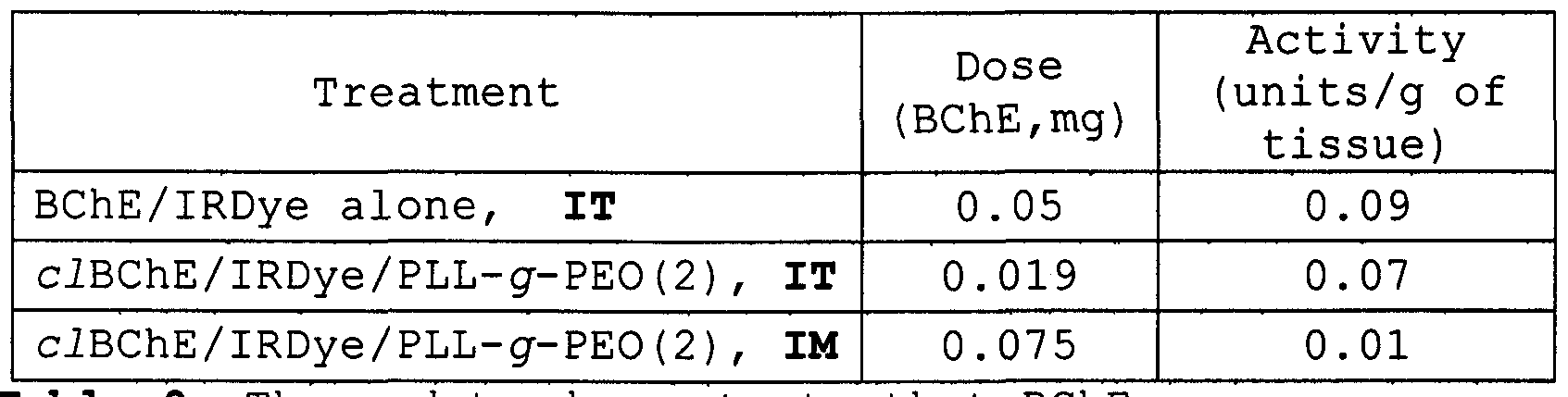


Claims
Priority Applications (9)
| Application Number | Priority Date | Filing Date | Title |
|---|---|---|---|
| EP08780622.0A EP2152293B1 (en) | 2007-05-11 | 2008-05-09 | Compositions for protein delivery and methods of use thereof |
| US12/599,637 US20100291065A1 (en) | 2007-05-11 | 2008-05-09 | Compositions for Protein Delivery and Methods of Use Thereof |
| AU2008251446A AU2008251446B2 (en) | 2007-05-11 | 2008-05-09 | Compositions for protein delivery and methods of use thereof |
| DK08780622.0T DK2152293T3 (en) | 2007-05-11 | 2008-05-09 | COMPOSITIONS FOR PROTEIN GIVING AND PROCEDURES FOR USE THEREOF |
| ES08780622.0T ES2609913T3 (en) | 2007-05-11 | 2008-05-09 | Compositions for protein supply and methods of use thereof |
| JP2010508512A JP2010540411A (en) | 2007-05-11 | 2008-05-09 | Compositions for protein delivery and methods of use thereof |
| CA2687269A CA2687269C (en) | 2007-05-11 | 2008-05-09 | Compositions for protein delivery and methods of use thereof |
| RU2009145802/15A RU2526904C2 (en) | 2007-05-11 | 2008-05-09 | Compositions for protein delivery and methods of their application |
| US16/021,537 US20180303911A1 (en) | 2007-05-11 | 2018-06-28 | Compositions for protein delivery and methods of use thereof |
Applications Claiming Priority (4)
| Application Number | Priority Date | Filing Date | Title |
|---|---|---|---|
| US92888407P | 2007-05-11 | 2007-05-11 | |
| US60/928,884 | 2007-05-11 | ||
| US546307P | 2007-12-05 | 2007-12-05 | |
| US61/005,463 | 2007-12-05 |
Related Child Applications (2)
| Application Number | Title | Priority Date | Filing Date |
|---|---|---|---|
| US12/599,637 A-371-Of-International US20100291065A1 (en) | 2007-05-11 | 2008-05-09 | Compositions for Protein Delivery and Methods of Use Thereof |
| US16/021,537 Division US20180303911A1 (en) | 2007-05-11 | 2018-06-28 | Compositions for protein delivery and methods of use thereof |
Publications (1)
| Publication Number | Publication Date |
|---|---|
| WO2008141155A1 true WO2008141155A1 (en) | 2008-11-20 |
Family
ID=40002607
Family Applications (1)
| Application Number | Title | Priority Date | Filing Date |
|---|---|---|---|
| PCT/US2008/063213 Ceased WO2008141155A1 (en) | 2007-05-11 | 2008-05-09 | Compositions for protein delivery and methods of use thereof |
Country Status (9)
| Country | Link |
|---|---|
| US (2) | US20100291065A1 (en) |
| EP (1) | EP2152293B1 (en) |
| JP (1) | JP2010540411A (en) |
| AU (1) | AU2008251446B2 (en) |
| CA (1) | CA2687269C (en) |
| DK (1) | DK2152293T3 (en) |
| ES (1) | ES2609913T3 (en) |
| RU (1) | RU2526904C2 (en) |
| WO (1) | WO2008141155A1 (en) |
Cited By (9)
| Publication number | Priority date | Publication date | Assignee | Title |
|---|---|---|---|---|
| US8535656B2 (en) | 2004-09-07 | 2013-09-17 | Board Of Regents Of The University Of Nebraska | Amphiphilic polymer-protein conjugates and methods of use thereof |
| US10022325B2 (en) | 2010-09-03 | 2018-07-17 | Board Of Regents Of The University Of Nebraska | Compositions and methods for the treatment of cancer |
| RU2733948C2 (en) * | 2019-03-28 | 2020-10-08 | Общество с ограниченной ответственностью "Нанозим" | Composition for treating gynaecological and proctologic diseases accompanied by oxidative stress |
| RU2733928C2 (en) * | 2019-03-28 | 2020-10-08 | Общество с ограниченной ответственностью "Нанозим" | Composition which reduces oxidative stress in eye |
| US10888630B2 (en) | 2014-01-07 | 2021-01-12 | Colorobbia Italia S.P.A. | Magnetic nanoparticles functionalized with catechol, production and use thereof |
| EP3960203A1 (en) | 2020-08-25 | 2022-03-02 | Université de Liège | Complexes for the delivery of proteinaceous agents |
| US11484574B2 (en) | 2016-02-01 | 2022-11-01 | The University Of North Carolina At Chapel Hill | Polyelectrolyte complexes for delivery of agents to the CNS |
| CN115444834A (en) * | 2022-09-24 | 2022-12-09 | 重庆医科大学 | Fusion cell membrane coated uricase and superparamagnetic iron oxide nanoenzyme lipid nanoparticle and preparation method thereof |
| US12611465B2 (en) | 2019-06-28 | 2026-04-28 | The University Of Tokyo | Protein-enclosing polymeric micelle |
Families Citing this family (17)
| Publication number | Priority date | Publication date | Assignee | Title |
|---|---|---|---|---|
| SG195577A1 (en) * | 2008-10-20 | 2013-12-30 | Abbott Lab | Viral inactivation during purification of antibodies |
| WO2011127256A1 (en) | 2010-04-07 | 2011-10-13 | Board Of Regents Of The University Of Nebraska | Protein-poly(2-oxazoline) conjugates for enhanced cellular delivery and transport across biological barriers |
| US9149537B2 (en) | 2010-11-04 | 2015-10-06 | Board Of Regents Of The University Of Nebraska | Compositions and methods for the treatment of traumatic brain injury |
| WO2012138730A1 (en) * | 2011-04-04 | 2012-10-11 | Board Of Regents Of The University Of Nebraska | Drug delivery compositions and methods |
| WO2012162490A1 (en) * | 2011-05-24 | 2012-11-29 | Board Of Regents Of The University Of Nebraska | Nanozyme compositions and methods of synthesis and use thereof |
| US20160051697A1 (en) * | 2014-04-07 | 2016-02-25 | The Board Of Regents For Oklahoma State University | Nanodelivery device for therapeutic loading of circulating erythrocytes |
| US9840553B2 (en) | 2014-06-28 | 2017-12-12 | Kodiak Sciences Inc. | Dual PDGF/VEGF antagonists |
| KR20210013299A (en) | 2014-10-17 | 2021-02-03 | 코디악 사이언시스 인코포레이티드 | Butyrylcholinesterase zwitterionic polymer conjugates |
| WO2017079202A1 (en) | 2015-11-02 | 2017-05-11 | Board Of Regents, The University Of Texas System | Methods of cd40 activation and immune checkpoint blockade |
| KR20250057128A (en) | 2015-12-30 | 2025-04-28 | 코디악 사이언시스 인코포레이티드 | Antibodies and conjugates thereof |
| JP6956478B2 (en) * | 2016-10-18 | 2021-11-02 | ポーラ化成工業株式会社 | Composite particles containing anionic and cationic polymers |
| EP3527194B1 (en) * | 2016-10-17 | 2024-02-14 | Pola Chemical Industries, Inc. | Composite particles including anionic polymer and cationic polymer or peptide, and method for producing composite particles |
| JP6901841B2 (en) * | 2016-10-17 | 2021-07-14 | ポーラ化成工業株式会社 | Composite particles containing anionic polymers and peptides and methods for producing them |
| AU2018250695A1 (en) | 2017-04-14 | 2019-11-07 | Kodiak Sciences Inc. | Complement factor D antagonist antibodies and conjugates thereof |
| JP7387613B2 (en) * | 2018-02-09 | 2023-11-28 | ザ トラスティーズ オブ ダートマス カレッジ | Chimeric antigen receptors for the treatment of neurodegenerative diseases and disorders |
| US12071476B2 (en) | 2018-03-02 | 2024-08-27 | Kodiak Sciences Inc. | IL-6 antibodies and fusion constructs and conjugates thereof |
| AU2020364071A1 (en) | 2019-10-10 | 2022-05-26 | Kodiak Sciences Inc. | Methods of treating an eye disorder |
Family Cites Families (12)
| Publication number | Priority date | Publication date | Assignee | Title |
|---|---|---|---|---|
| US7056532B1 (en) * | 1997-06-13 | 2006-06-06 | Univ. Nebraska Bd. of Regents | Compositions for delivery of biological agents and methods for the preparation thereof |
| US7169411B1 (en) * | 1997-06-13 | 2007-01-30 | The University of Nebraska Board of Regents | Composition for delivery of biological agents and methods for the preparation thereof |
| US6696089B2 (en) * | 1998-09-03 | 2004-02-24 | Board Of Regents Of The University Of Nebraska | Nanogel networks including polyion polymer fragments and biological agent compositions thereof |
| US20030083299A1 (en) * | 2000-11-04 | 2003-05-01 | Ferguson Ian A. | Non-invasive delivery of polypeptides through the blood-brain barrier |
| KR100448170B1 (en) * | 2001-06-23 | 2004-09-10 | 주식회사 태평양 | Amphiphilic biodegradable block copolymers comprising polyethylenimine(PEI) as a hydrophilic block and polyester as a hydrophobic block, and self-assembled polymer aggregates in aqueous milieu formed from the block copolymers |
| US20030134810A1 (en) * | 2001-10-09 | 2003-07-17 | Chris Springate | Methods and compositions comprising biocompatible materials useful for the administration of therapeutic agents |
| US20030147958A1 (en) * | 2002-01-29 | 2003-08-07 | Cheol-Hee Ahn | Biodegradable multi-block copolymers of poly(amino acid)s and poly(ethylene glycol) for the delivery of bioactive agents |
| JP4535229B2 (en) * | 2003-05-08 | 2010-09-01 | 国立大学法人 東京大学 | Polyethylene glycol-polycation block copolymer |
| US7332527B2 (en) * | 2003-05-16 | 2008-02-19 | Board Of Regents Of The University Of Nebraska | Cross-linked ionic core micelles |
| CA2558408C (en) * | 2004-03-03 | 2014-11-18 | Essentia Biosystems, Inc. | Compositions and methods for topical application and transdermal delivery of botulinum toxins |
| WO2006097793A2 (en) * | 2004-04-15 | 2006-09-21 | Chiasma, Ltd. | Compositions capable of facilitating penetration across a biological barrier |
| US8168222B2 (en) * | 2004-09-07 | 2012-05-01 | Board Of Regents Of The University Of Nebraska | Amphiphilic polymer-protein conjugates and methods of use thereof |
-
2008
- 2008-05-09 EP EP08780622.0A patent/EP2152293B1/en not_active Not-in-force
- 2008-05-09 ES ES08780622.0T patent/ES2609913T3/en active Active
- 2008-05-09 JP JP2010508512A patent/JP2010540411A/en active Pending
- 2008-05-09 US US12/599,637 patent/US20100291065A1/en not_active Abandoned
- 2008-05-09 RU RU2009145802/15A patent/RU2526904C2/en not_active IP Right Cessation
- 2008-05-09 DK DK08780622.0T patent/DK2152293T3/en active
- 2008-05-09 WO PCT/US2008/063213 patent/WO2008141155A1/en not_active Ceased
- 2008-05-09 AU AU2008251446A patent/AU2008251446B2/en not_active Ceased
- 2008-05-09 CA CA2687269A patent/CA2687269C/en not_active Expired - Fee Related
-
2018
- 2018-06-28 US US16/021,537 patent/US20180303911A1/en not_active Abandoned
Non-Patent Citations (29)
| Title |
|---|
| "Pharmaceutical Excipients", 1999, AMERICAN PHARMACEUTICAL ASSOCIATION |
| AKTAS Y. ET AL.: "Development and Brain Delivery of Chitosan-PEG Nanoparticles Functionalized with the Monoclonal Antibody OX26", BIOCONJUGATE JOURNAL, vol. 16, no. 6, November 2005 (2005-11-01), pages 1503 - 1511, XP008123076 * |
| BALLABH P. ET AL.: "The Blood-Brain Barrier: An Overview Structure, Regulation, and Clinical Implications", NEUROBIOLOGY OF DISEASE, vol. 16, no. 1, June 2004 (2004-06-01), pages 1 - 13, XP008123035 * |
| BANKS; KASTIN ET AL.: "Proceedings of the International Symposium on Blood Binding and Drug Transfer", 1993, FORT AND CLAIR, pages: 223 - 242 |
| BARANCZYK-KUZMA; AUDUS, J. CEREB. BLOOD FLOW METAB., vol. 7, 1987, pages 801 - 805 |
| BROWNLEES; WILLIAMS, J. NEUROCHEM., vol. 60, 1993, pages 793 - 803 |
| BROWNSON ET AL., J. PHARMACOL. EXP. THER., vol. 270, 1994, pages 675 - 680 |
| CARMONA, DRUG METAB. DISPOS., vol. 28, 1999, pages 367 - 371 |
| CARMONA, EUR. J. PHARMACOL., vol. 517, 2005, pages 186 - 190 |
| DOU ET AL.: "Virology", vol. 358, 9 January 2007, ACADEMIC PRESS |
| G. HERMANSON: "Bioconjugate Techniques", 1996, ELSEVIER |
| G. HERMANSON: "Bioconjugate Techniques", 1996, ELSEVIER, pages: 785 |
| H. DOU ET AL., BLOOD, vol. 108, 15 October 2006 (2006-10-15), pages 2827 - 2835 |
| HARADA ET AL., J. AMERICAN CHEM SOC, vol. 125, no. 50, 1 December 2003 (2003-12-01) |
| HARADA ET AL., J. CONTROLLED RELEASE, vol. 72, no. 1-3, 14 May 2001 (2001-05-14), pages 85 - 91 |
| HARDEBO; OWMAN ET AL.: "Pathophysiology of the BBB", 1990, ELSEVIER, pages: 41 - 55 |
| KAKIZAWA Y. ET AL.: "Block copolymer micelles for delivery of gene and related compounds", ADVANCED DRUG DELIVERY, vol. 54, no. 2, February 2002 (2002-02-01), pages 203 - 222, XP001150717 * |
| KINOSHITA, PNAS, vol. 103, 2006, pages 11719 - 11723 |
| MILLER ET AL., J. CELL. PHYSIOL., vol. 161, 1994, pages 333 - 341 |
| PHILO, J. BIOL. CHEM., vol. 269, 1994, pages 27840 - 27846 |
| SCHINKEL ET AL., J. CLIN. INVEST., vol. 97, 1996, pages 2517 - 2524 |
| See also references of EP2152293A4 * |
| TAYLOR, E.M., CLIN. PHARMACOKINET., vol. 41, 2002, pages 81 - 92 |
| VINOGRADOV ET AL., ADVANCED DRUG DELIVERY REVIEWS, vol. 54, 2002, pages 135 - 147 |
| VINOGRADOV ET AL., BIOCONJUG. CHEM., no. 10, 1999, pages 851 - 60 |
| VINOGRADOV S. ET AL.: "Self-Assembly of Polyamine-Poly(ethylene glycol) Copolymers with Phosphorothioate Oligonucleotides", BIOCONJUGATE JOURNAL, vol. 9, no. 6, November 1998 (1998-11-01), pages 805 - 812, XP002521358 * |
| VINOGRADOV S.V. ET AL.: "Nanosized Cationic Hydrogels for Drug Delivery: Preparation, Properties and Interaction with Cells", ADVANCED DRUG DELIVERY REVIEWS, vol. 54, no. 1, January 2002 (2002-01-01), pages 135 - 147, XP008123034 * |
| VINOGRADOV S.V. ET AL.: "Polyion Complex Micelles with Protein-Modified Corona for Receptor-Mediated Delivery of Oligonucleotides into Cells", BIOCONJUGATE JOURNAL, vol. 10, no. 5, September 1999 (1999-09-01), pages 851 - 860, XP000854010 * |
| WU J. ET AL.: "Quantitative Evaluation of Monocyte Transmigration into the Brain Following Chemical Opening of the Blood-Brain Barrier in Mice", BRAIN RESEARCH, vol. 1098, no. 1, July 2006 (2006-07-01), pages 79 - 85, XP025065108 * |
Cited By (11)
| Publication number | Priority date | Publication date | Assignee | Title |
|---|---|---|---|---|
| US8535656B2 (en) | 2004-09-07 | 2013-09-17 | Board Of Regents Of The University Of Nebraska | Amphiphilic polymer-protein conjugates and methods of use thereof |
| US10022325B2 (en) | 2010-09-03 | 2018-07-17 | Board Of Regents Of The University Of Nebraska | Compositions and methods for the treatment of cancer |
| US10888630B2 (en) | 2014-01-07 | 2021-01-12 | Colorobbia Italia S.P.A. | Magnetic nanoparticles functionalized with catechol, production and use thereof |
| US11484574B2 (en) | 2016-02-01 | 2022-11-01 | The University Of North Carolina At Chapel Hill | Polyelectrolyte complexes for delivery of agents to the CNS |
| RU2733948C2 (en) * | 2019-03-28 | 2020-10-08 | Общество с ограниченной ответственностью "Нанозим" | Composition for treating gynaecological and proctologic diseases accompanied by oxidative stress |
| RU2733928C2 (en) * | 2019-03-28 | 2020-10-08 | Общество с ограниченной ответственностью "Нанозим" | Composition which reduces oxidative stress in eye |
| US12611465B2 (en) | 2019-06-28 | 2026-04-28 | The University Of Tokyo | Protein-enclosing polymeric micelle |
| EP3960203A1 (en) | 2020-08-25 | 2022-03-02 | Université de Liège | Complexes for the delivery of proteinaceous agents |
| WO2022043329A1 (en) | 2020-08-25 | 2022-03-03 | Université de Liège | Complexes for the delivery of proteinaceous agents |
| CN115444834A (en) * | 2022-09-24 | 2022-12-09 | 重庆医科大学 | Fusion cell membrane coated uricase and superparamagnetic iron oxide nanoenzyme lipid nanoparticle and preparation method thereof |
| CN115444834B (en) * | 2022-09-24 | 2023-07-14 | 重庆医科大学 | A fusion cell membrane-wrapped uricase and superparamagnetic iron oxide nano-enzyme lipid nanoparticle and its preparation method |
Also Published As
| Publication number | Publication date |
|---|---|
| DK2152293T3 (en) | 2017-02-06 |
| ES2609913T3 (en) | 2017-04-25 |
| EP2152293A1 (en) | 2010-02-17 |
| CA2687269A1 (en) | 2008-11-20 |
| EP2152293B1 (en) | 2016-10-19 |
| US20180303911A1 (en) | 2018-10-25 |
| RU2526904C2 (en) | 2014-08-27 |
| US20100291065A1 (en) | 2010-11-18 |
| AU2008251446B2 (en) | 2013-11-07 |
| EP2152293A4 (en) | 2013-01-23 |
| JP2010540411A (en) | 2010-12-24 |
| RU2009145802A (en) | 2011-06-20 |
| AU2008251446A1 (en) | 2008-11-20 |
| CA2687269C (en) | 2018-02-20 |
Similar Documents
| Publication | Publication Date | Title |
|---|---|---|
| CA2687269C (en) | Compositions for protein delivery and methods of use thereof | |
| Tan et al. | Mitochondria-responsive drug release along with heat shock mediated by multifunctional glycolipid micelles for precise cancer chemo-phototherapy | |
| Reddy et al. | Nanoparticle‐mediated delivery of superoxide dismutase to the brain: an effective strategy to reduce ischemia‐reperfusion injury | |
| Su et al. | Study on the Role of an Erythrocyte Membrane‐Coated Nanotheranostic System in Targeted Immune Regulation of Alzheimer's Disease | |
| Olsman et al. | Focused ultrasound and microbubble treatment increases delivery of transferrin receptor-targeting liposomes to the brain | |
| US5741778A (en) | Method for treating Huntington's disease using glial cell line-derived neurotrophic factor (GDNF) protein product | |
| Lv et al. | Brain‐targeted co‐delivery of β‐amyloid converting enzyme 1 shRNA and epigallocatechin‐3‐gallate by multifunctional nanocarriers for Alzheimer's disease treatment | |
| Wu et al. | Apamin-mediated actively targeted drug delivery for treatment of spinal cord injury: more than just a concept | |
| Liu et al. | Nanoscale drug formulations for the treatment of Alzheimer's disease progression | |
| Li et al. | The enhanced protective effects of salvianic acid A: A functionalized nanoparticles against ischemic stroke through increasing the permeability of the blood-brain barrier | |
| EP4204019A1 (en) | Blood-brain barrier-penetrating nanotheranostics for acute and chronic neurodegenerative diseases and the like | |
| US20140120075A1 (en) | Nanozyme Compositions and Methods of Synthesis and Use Thereof | |
| Wang et al. | Neuroinflammation catching nanobubbles for microglia-neuron unit modulation against epilepsy | |
| CN111514316B (en) | Inflammation targeting and microenvironment responsive nanosystem and preparation method and application | |
| Gaydess et al. | Visualization of exogenous delivery of nanoformulated butyrylcholinesterase to the central nervous system | |
| Hu et al. | Recent advances in nanotechnology for combating Alzheimer's disease | |
| Arora et al. | A review of brain-targeted nonviral gene-based therapies for the treatment of Alzheimer’s disease | |
| Park et al. | Nanoparticle-Mediated Nose-to-Brain Delivery for Ischemic Stroke Therapy: Preclinical Insights | |
| Mascotte-Cruz et al. | Focused ultrasound on the substantia nigra enables safe neurotensin-polyplex nanoparticle-mediated gene delivery to dopaminergic neurons intranasally and by blood circulation | |
| EP3508214A1 (en) | Therapeutic agent for ischemic diseases | |
| US20230285292A1 (en) | Compositions and methods of using a pla2-responsive drug delivery system | |
| Lamptey et al. | Intranasal administration of angiotensin receptor shRNA to brain lowers blood pressure in spontaneously hypertensive rats | |
| Delbreil et al. | Metabolic microenvironment-forming porous hydrogels for the protection of phenylalanine ammonia-lyase in the intestine | |
| Parayath et al. | Neurodegenerative disease | |
| Williams | Optimization of Polymeric Micelles as a Delivery System for CRISPR/Cas9 Ribonucleoprotein |
Legal Events
| Date | Code | Title | Description |
|---|---|---|---|
| 121 | Ep: the epo has been informed by wipo that ep was designated in this application |
Ref document number: 08780622 Country of ref document: EP Kind code of ref document: A1 |
|
| WWE | Wipo information: entry into national phase |
Ref document number: 2010508512 Country of ref document: JP |
|
| NENP | Non-entry into the national phase |
Ref country code: DE |
|
| WWE | Wipo information: entry into national phase |
Ref document number: 2687269 Country of ref document: CA |
|
| WWE | Wipo information: entry into national phase |
Ref document number: 2008251446 Country of ref document: AU |
|
| REEP | Request for entry into the european phase |
Ref document number: 2008780622 Country of ref document: EP |
|
| WWE | Wipo information: entry into national phase |
Ref document number: 2008780622 Country of ref document: EP |
|
| ENP | Entry into the national phase |
Ref document number: 2008251446 Country of ref document: AU Date of ref document: 20080509 Kind code of ref document: A |
|
| WWE | Wipo information: entry into national phase |
Ref document number: 2009145802 Country of ref document: RU |
|
| WWE | Wipo information: entry into national phase |
Ref document number: 12599637 Country of ref document: US |