WO2008145866A1 - Ensemble de moyens pour le traitement d'une pathologie maligne, d'une maladie auto- immune ou d'une maladie infectieuse - Google Patents
Ensemble de moyens pour le traitement d'une pathologie maligne, d'une maladie auto- immune ou d'une maladie infectieuse Download PDFInfo
- Publication number
- WO2008145866A1 WO2008145866A1 PCT/FR2008/000598 FR2008000598W WO2008145866A1 WO 2008145866 A1 WO2008145866 A1 WO 2008145866A1 FR 2008000598 W FR2008000598 W FR 2008000598W WO 2008145866 A1 WO2008145866 A1 WO 2008145866A1
- Authority
- WO
- WIPO (PCT)
- Prior art keywords
- antibody
- cell
- autoimmune
- disease
- cells
- Prior art date
- Legal status (The legal status is an assumption and is not a legal conclusion. Google has not performed a legal analysis and makes no representation as to the accuracy of the status listed.)
- Ceased
Links
Classifications
-
- C—CHEMISTRY; METALLURGY
- C07—ORGANIC CHEMISTRY
- C07K—PEPTIDES
- C07K16/00—Immunoglobulins [IG], e.g. monoclonal or polyclonal antibodies
- C07K16/18—Immunoglobulins [IG], e.g. monoclonal or polyclonal antibodies against material from animals or humans
- C07K16/34—Immunoglobulins [IG], e.g. monoclonal or polyclonal antibodies against material from animals or humans against blood group antigens
-
- G—PHYSICS
- G01—MEASURING; TESTING
- G01N—INVESTIGATING OR ANALYSING MATERIALS BY DETERMINING THEIR CHEMICAL OR PHYSICAL PROPERTIES
- G01N33/00—Investigating or analysing materials by specific methods not covered by groups G01N1/00 - G01N31/00
- G01N33/48—Biological material, e.g. blood, urine; Haemocytometers
- G01N33/50—Chemical analysis of biological material, e.g. blood, urine; Testing involving biospecific ligand binding methods; Immunological testing
- G01N33/53—Immunoassay; Biospecific binding assay; Materials therefor
- G01N33/563—Immunoassay; Biospecific binding assay; Materials therefor involving antibody fragments
-
- A—HUMAN NECESSITIES
- A61—MEDICAL OR VETERINARY SCIENCE; HYGIENE
- A61K—PREPARATIONS FOR MEDICAL, DENTAL OR TOILETRY PURPOSES
- A61K35/00—Medicinal preparations containing materials or reaction products thereof with undetermined constitution
- A61K35/12—Materials from mammals; Compositions comprising non-specified tissues or cells; Compositions comprising non-embryonic stem cells; Genetically modified cells
- A61K35/14—Blood; Artificial blood
- A61K35/15—Cells of the myeloid line, e.g. granulocytes, basophils, eosinophils, neutrophils, leucocytes, monocytes, macrophages or mast cells; Myeloid precursor cells; Antigen-presenting cells, e.g. dendritic cells
-
- A—HUMAN NECESSITIES
- A61—MEDICAL OR VETERINARY SCIENCE; HYGIENE
- A61K—PREPARATIONS FOR MEDICAL, DENTAL OR TOILETRY PURPOSES
- A61K35/00—Medicinal preparations containing materials or reaction products thereof with undetermined constitution
- A61K35/12—Materials from mammals; Compositions comprising non-specified tissues or cells; Compositions comprising non-embryonic stem cells; Genetically modified cells
- A61K35/14—Blood; Artificial blood
- A61K35/17—Lymphocytes; B-cells; T-cells; Natural killer cells; Interferon-activated or cytokine-activated lymphocytes
-
- A—HUMAN NECESSITIES
- A61—MEDICAL OR VETERINARY SCIENCE; HYGIENE
- A61K—PREPARATIONS FOR MEDICAL, DENTAL OR TOILETRY PURPOSES
- A61K39/00—Medicinal preparations containing antigens or antibodies
- A61K39/395—Antibodies; Immunoglobulins; Immune serum, e.g. antilymphocytic serum
-
- A—HUMAN NECESSITIES
- A61—MEDICAL OR VETERINARY SCIENCE; HYGIENE
- A61P—SPECIFIC THERAPEUTIC ACTIVITY OF CHEMICAL COMPOUNDS OR MEDICINAL PREPARATIONS
- A61P1/00—Drugs for disorders of the alimentary tract or the digestive system
- A61P1/04—Drugs for disorders of the alimentary tract or the digestive system for ulcers, gastritis or reflux esophagitis, e.g. antacids, inhibitors of acid secretion, mucosal protectants
-
- A—HUMAN NECESSITIES
- A61—MEDICAL OR VETERINARY SCIENCE; HYGIENE
- A61P—SPECIFIC THERAPEUTIC ACTIVITY OF CHEMICAL COMPOUNDS OR MEDICINAL PREPARATIONS
- A61P1/00—Drugs for disorders of the alimentary tract or the digestive system
- A61P1/16—Drugs for disorders of the alimentary tract or the digestive system for liver or gallbladder disorders, e.g. hepatoprotective agents, cholagogues, litholytics
-
- A—HUMAN NECESSITIES
- A61—MEDICAL OR VETERINARY SCIENCE; HYGIENE
- A61P—SPECIFIC THERAPEUTIC ACTIVITY OF CHEMICAL COMPOUNDS OR MEDICINAL PREPARATIONS
- A61P17/00—Drugs for dermatological disorders
-
- A—HUMAN NECESSITIES
- A61—MEDICAL OR VETERINARY SCIENCE; HYGIENE
- A61P—SPECIFIC THERAPEUTIC ACTIVITY OF CHEMICAL COMPOUNDS OR MEDICINAL PREPARATIONS
- A61P17/00—Drugs for dermatological disorders
- A61P17/06—Antipsoriatics
-
- A—HUMAN NECESSITIES
- A61—MEDICAL OR VETERINARY SCIENCE; HYGIENE
- A61P—SPECIFIC THERAPEUTIC ACTIVITY OF CHEMICAL COMPOUNDS OR MEDICINAL PREPARATIONS
- A61P19/00—Drugs for skeletal disorders
-
- A—HUMAN NECESSITIES
- A61—MEDICAL OR VETERINARY SCIENCE; HYGIENE
- A61P—SPECIFIC THERAPEUTIC ACTIVITY OF CHEMICAL COMPOUNDS OR MEDICINAL PREPARATIONS
- A61P19/00—Drugs for skeletal disorders
- A61P19/02—Drugs for skeletal disorders for joint disorders, e.g. arthritis, arthrosis
-
- A—HUMAN NECESSITIES
- A61—MEDICAL OR VETERINARY SCIENCE; HYGIENE
- A61P—SPECIFIC THERAPEUTIC ACTIVITY OF CHEMICAL COMPOUNDS OR MEDICINAL PREPARATIONS
- A61P19/00—Drugs for skeletal disorders
- A61P19/06—Antigout agents, e.g. antihyperuricemic or uricosuric agents
-
- A—HUMAN NECESSITIES
- A61—MEDICAL OR VETERINARY SCIENCE; HYGIENE
- A61P—SPECIFIC THERAPEUTIC ACTIVITY OF CHEMICAL COMPOUNDS OR MEDICINAL PREPARATIONS
- A61P21/00—Drugs for disorders of the muscular or neuromuscular system
-
- A—HUMAN NECESSITIES
- A61—MEDICAL OR VETERINARY SCIENCE; HYGIENE
- A61P—SPECIFIC THERAPEUTIC ACTIVITY OF CHEMICAL COMPOUNDS OR MEDICINAL PREPARATIONS
- A61P21/00—Drugs for disorders of the muscular or neuromuscular system
- A61P21/04—Drugs for disorders of the muscular or neuromuscular system for myasthenia gravis
-
- A—HUMAN NECESSITIES
- A61—MEDICAL OR VETERINARY SCIENCE; HYGIENE
- A61P—SPECIFIC THERAPEUTIC ACTIVITY OF CHEMICAL COMPOUNDS OR MEDICINAL PREPARATIONS
- A61P25/00—Drugs for disorders of the nervous system
-
- A—HUMAN NECESSITIES
- A61—MEDICAL OR VETERINARY SCIENCE; HYGIENE
- A61P—SPECIFIC THERAPEUTIC ACTIVITY OF CHEMICAL COMPOUNDS OR MEDICINAL PREPARATIONS
- A61P31/00—Antiinfectives, i.e. antibiotics, antiseptics, chemotherapeutics
-
- A—HUMAN NECESSITIES
- A61—MEDICAL OR VETERINARY SCIENCE; HYGIENE
- A61P—SPECIFIC THERAPEUTIC ACTIVITY OF CHEMICAL COMPOUNDS OR MEDICINAL PREPARATIONS
- A61P31/00—Antiinfectives, i.e. antibiotics, antiseptics, chemotherapeutics
- A61P31/04—Antibacterial agents
-
- A—HUMAN NECESSITIES
- A61—MEDICAL OR VETERINARY SCIENCE; HYGIENE
- A61P—SPECIFIC THERAPEUTIC ACTIVITY OF CHEMICAL COMPOUNDS OR MEDICINAL PREPARATIONS
- A61P31/00—Antiinfectives, i.e. antibiotics, antiseptics, chemotherapeutics
- A61P31/12—Antivirals
-
- A—HUMAN NECESSITIES
- A61—MEDICAL OR VETERINARY SCIENCE; HYGIENE
- A61P—SPECIFIC THERAPEUTIC ACTIVITY OF CHEMICAL COMPOUNDS OR MEDICINAL PREPARATIONS
- A61P31/00—Antiinfectives, i.e. antibiotics, antiseptics, chemotherapeutics
- A61P31/12—Antivirals
- A61P31/14—Antivirals for RNA viruses
-
- A—HUMAN NECESSITIES
- A61—MEDICAL OR VETERINARY SCIENCE; HYGIENE
- A61P—SPECIFIC THERAPEUTIC ACTIVITY OF CHEMICAL COMPOUNDS OR MEDICINAL PREPARATIONS
- A61P31/00—Antiinfectives, i.e. antibiotics, antiseptics, chemotherapeutics
- A61P31/12—Antivirals
- A61P31/14—Antivirals for RNA viruses
- A61P31/16—Antivirals for RNA viruses for influenza or rhinoviruses
-
- A—HUMAN NECESSITIES
- A61—MEDICAL OR VETERINARY SCIENCE; HYGIENE
- A61P—SPECIFIC THERAPEUTIC ACTIVITY OF CHEMICAL COMPOUNDS OR MEDICINAL PREPARATIONS
- A61P31/00—Antiinfectives, i.e. antibiotics, antiseptics, chemotherapeutics
- A61P31/12—Antivirals
- A61P31/14—Antivirals for RNA viruses
- A61P31/18—Antivirals for RNA viruses for HIV
-
- A—HUMAN NECESSITIES
- A61—MEDICAL OR VETERINARY SCIENCE; HYGIENE
- A61P—SPECIFIC THERAPEUTIC ACTIVITY OF CHEMICAL COMPOUNDS OR MEDICINAL PREPARATIONS
- A61P31/00—Antiinfectives, i.e. antibiotics, antiseptics, chemotherapeutics
- A61P31/12—Antivirals
- A61P31/20—Antivirals for DNA viruses
-
- A—HUMAN NECESSITIES
- A61—MEDICAL OR VETERINARY SCIENCE; HYGIENE
- A61P—SPECIFIC THERAPEUTIC ACTIVITY OF CHEMICAL COMPOUNDS OR MEDICINAL PREPARATIONS
- A61P33/00—Antiparasitic agents
-
- A—HUMAN NECESSITIES
- A61—MEDICAL OR VETERINARY SCIENCE; HYGIENE
- A61P—SPECIFIC THERAPEUTIC ACTIVITY OF CHEMICAL COMPOUNDS OR MEDICINAL PREPARATIONS
- A61P35/00—Antineoplastic agents
-
- A—HUMAN NECESSITIES
- A61—MEDICAL OR VETERINARY SCIENCE; HYGIENE
- A61P—SPECIFIC THERAPEUTIC ACTIVITY OF CHEMICAL COMPOUNDS OR MEDICINAL PREPARATIONS
- A61P35/00—Antineoplastic agents
- A61P35/02—Antineoplastic agents specific for leukemia
-
- A—HUMAN NECESSITIES
- A61—MEDICAL OR VETERINARY SCIENCE; HYGIENE
- A61P—SPECIFIC THERAPEUTIC ACTIVITY OF CHEMICAL COMPOUNDS OR MEDICINAL PREPARATIONS
- A61P37/00—Drugs for immunological or allergic disorders
-
- A—HUMAN NECESSITIES
- A61—MEDICAL OR VETERINARY SCIENCE; HYGIENE
- A61P—SPECIFIC THERAPEUTIC ACTIVITY OF CHEMICAL COMPOUNDS OR MEDICINAL PREPARATIONS
- A61P37/00—Drugs for immunological or allergic disorders
- A61P37/02—Immunomodulators
- A61P37/04—Immunostimulants
-
- A—HUMAN NECESSITIES
- A61—MEDICAL OR VETERINARY SCIENCE; HYGIENE
- A61P—SPECIFIC THERAPEUTIC ACTIVITY OF CHEMICAL COMPOUNDS OR MEDICINAL PREPARATIONS
- A61P37/00—Drugs for immunological or allergic disorders
- A61P37/02—Immunomodulators
- A61P37/06—Immunosuppressants, e.g. drugs for graft rejection
-
- A—HUMAN NECESSITIES
- A61—MEDICAL OR VETERINARY SCIENCE; HYGIENE
- A61P—SPECIFIC THERAPEUTIC ACTIVITY OF CHEMICAL COMPOUNDS OR MEDICINAL PREPARATIONS
- A61P5/00—Drugs for disorders of the endocrine system
- A61P5/14—Drugs for disorders of the endocrine system of the thyroid hormones, e.g. T3, T4
-
- A—HUMAN NECESSITIES
- A61—MEDICAL OR VETERINARY SCIENCE; HYGIENE
- A61P—SPECIFIC THERAPEUTIC ACTIVITY OF CHEMICAL COMPOUNDS OR MEDICINAL PREPARATIONS
- A61P7/00—Drugs for disorders of the blood or the extracellular fluid
-
- A—HUMAN NECESSITIES
- A61—MEDICAL OR VETERINARY SCIENCE; HYGIENE
- A61P—SPECIFIC THERAPEUTIC ACTIVITY OF CHEMICAL COMPOUNDS OR MEDICINAL PREPARATIONS
- A61P7/00—Drugs for disorders of the blood or the extracellular fluid
- A61P7/06—Antianaemics
-
- A—HUMAN NECESSITIES
- A61—MEDICAL OR VETERINARY SCIENCE; HYGIENE
- A61P—SPECIFIC THERAPEUTIC ACTIVITY OF CHEMICAL COMPOUNDS OR MEDICINAL PREPARATIONS
- A61P9/00—Drugs for disorders of the cardiovascular system
-
- C—CHEMISTRY; METALLURGY
- C07—ORGANIC CHEMISTRY
- C07K—PEPTIDES
- C07K16/00—Immunoglobulins [IG], e.g. monoclonal or polyclonal antibodies
- C07K16/18—Immunoglobulins [IG], e.g. monoclonal or polyclonal antibodies against material from animals or humans
-
- C—CHEMISTRY; METALLURGY
- C07—ORGANIC CHEMISTRY
- C07K—PEPTIDES
- C07K16/00—Immunoglobulins [IG], e.g. monoclonal or polyclonal antibodies
- C07K16/18—Immunoglobulins [IG], e.g. monoclonal or polyclonal antibodies against material from animals or humans
- C07K16/28—Immunoglobulins [IG], e.g. monoclonal or polyclonal antibodies against material from animals or humans against receptors, cell surface antigens or cell surface determinants
- C07K16/2887—Immunoglobulins [IG], e.g. monoclonal or polyclonal antibodies against material from animals or humans against receptors, cell surface antigens or cell surface determinants against CD20
-
- C—CHEMISTRY; METALLURGY
- C07—ORGANIC CHEMISTRY
- C07K—PEPTIDES
- C07K2317/00—Immunoglobulins specific features
- C07K2317/70—Immunoglobulins specific features characterized by effect upon binding to a cell or to an antigen
- C07K2317/72—Increased effector function due to an Fc-modification
-
- C—CHEMISTRY; METALLURGY
- C07—ORGANIC CHEMISTRY
- C07K—PEPTIDES
- C07K2317/00—Immunoglobulins specific features
- C07K2317/70—Immunoglobulins specific features characterized by effect upon binding to a cell or to an antigen
- C07K2317/73—Inducing cell death, e.g. apoptosis, necrosis or inhibition of cell proliferation
- C07K2317/732—Antibody-dependent cellular cytotoxicity [ADCC]
-
- Y—GENERAL TAGGING OF NEW TECHNOLOGICAL DEVELOPMENTS; GENERAL TAGGING OF CROSS-SECTIONAL TECHNOLOGIES SPANNING OVER SEVERAL SECTIONS OF THE IPC; TECHNICAL SUBJECTS COVERED BY FORMER USPC CROSS-REFERENCE ART COLLECTIONS [XRACs] AND DIGESTS
- Y02—TECHNOLOGIES OR APPLICATIONS FOR MITIGATION OR ADAPTATION AGAINST CLIMATE CHANGE
- Y02A—TECHNOLOGIES FOR ADAPTATION TO CLIMATE CHANGE
- Y02A50/00—TECHNOLOGIES FOR ADAPTATION TO CLIMATE CHANGE in human health protection, e.g. against extreme weather
- Y02A50/30—Against vector-borne diseases, e.g. mosquito-borne, fly-borne, tick-borne or waterborne diseases whose impact is exacerbated by climate change
Definitions
- the present invention relates generally to a treatment of a malignant pathology, an autoimmune disease, or an infectious disease, in particular via an effector cell that expresses a Fc ⁇ R receptor on its surface.
- antibodies are also tools of choice in diagnosis and therapy, where they represent an alternative to conventional treatments.
- autoimmune disease the immune system, whose natural role is to protect the body from aggression, causes an inflammatory response in the absence of foreign body and thus itself induces tissue damage by attacking "by error "the molecules of the self.
- tissue damage by attacking "by error "the molecules of the self.
- autoimmune pathologies that affect different tissues or different body functions.
- the brain is affected in people with multiple sclerosis, intestines are the target in patients with Crohn's disease and synovium, bones and cartilage are affected in people with rheumatoid arthritis.
- several phenomena can occur, such as the progressive destruction of one or more types of tissue, the abnormal growth of an organ, or changes in the function (s) of the affected organ.
- the tissues or organs most commonly affected by autoimmune disease are hematopoietic cells, blood vessels, connective tissues, endocrine glands, muscles, joints, and skin.
- Autoimmune diseases are often associated with chronic inflammatory conditions. The most common case is rheumatoid arthritis and juvenile rheumatoid arthritis, which are two types of inflammatory arthritis.
- Arthritis is a general term for inflammation of the joints. Most treatments have many side effects or do not completely prevent the progression of the disease.
- B cells are the cells producing the autoantibodies often responsible for the development of autoimmune diseases, their destruction by administration of a monoclonal antibody specific for this cell type can only be beneficial for patients, as has been demonstrated for rituximab which has just been approved for the treatment of rheumatoid arthritis.
- infectious diseases are a persistent and significant problem in modern medicine.
- the most common disease, the common cold is an infectious disease in the same way as AIDS (Acquired Immunodeficiency Syndrome), the most feared disease. It has been proven that some neurological disorders classified as degenerative diseases were actually related to an infection. Infectious diseases will remain a major medical problem in the future.
- monoclonal antibodies can have two complementary roles: a role of neutralization of the pathogen or toxins secreted during the acute phase of infection and a role in the destruction of reservoir cells during the passage to chronicity.
- the destruction of the host cells allowing the low-noise duplication of the pathogen could prevent the transition to a chronic phase, most often leading to the development of serious pathologies such as autoimmune disease or cancer.
- Today despite the existence of a real need, there is virtually no effective anti-infective treatment in the treatment of chronic phases.
- the beneficial effects of small molecules (antibiotics, antiparasitic, anti-viral) during the acute phases of infections are increasingly compromised by the development of cross-resistance.
- the appearance of multidrug-resistant bacteria poses a public health problem with 6% to 7% of hospitalizations complicated by nosocomial infection more or less serious, approximately
- nosocomial infections would therefore be responsible for 9,000 deaths per year, of which 4,200 involve patients for whom the vital prognosis was not committed in the short term to their admission to hospital (http: // www. senat.fr/rap/rO5-42l/rO5-
- a tumor is a neoplastic mass resulting from the uncontrolled proliferation of cells that may be benign or malignant. Benign tumors usually remain localized. Malignant tumors are collectively called cancers.
- malignant generally means that the tumor is able to invade and destroy adjacent structures and spread to distant sites ultimately causing patient death (Robbins and Angell, 1976, Basic Pathology, 2d Ed., WB Saunders Co., Philadelphia, pp. 68-122). Cancer can occur in many different locations and behave differently depending on its tissue origin.
- the cells resistant to a particular agent administered in the current protocol are unfortunately also resistant to other drugs, including those acting by a mechanism different from that used by the agent administered in the treatment protocol.
- This phenomenon known as multidrug resistance, is often at the root of the therapeutic failure of standard chemotherapy protocols.
- Chronic lymphocytic leukemia B (CLB-B), a disease characterized by malignant proliferation of B-lymphocytes (BBCs), is the most common form of leukemia.
- the current treatment is essentially based on therapeutic abstention for the early stages of the disease.
- patients are classically treated with corticosteroids alone or association with anti-mitotic molecules.
- resistance to treatment is established in the more or less long term. It usually results in the failure of the therapeutic effort with the appearance of chemo-resistant cells.
- Chemotherapy is responsible for major side effects including myelotoxicity generating an immune deficiency responsible for the appearance of serious infections, sometimes fatal, in patients.
- Several therapeutic approaches aimed at destroying tumor B cells as specifically as possible have been evaluated.
- the specific expression of the CD20 molecule by tumor LB (and normal) allowed the development of therapies based on the use of human anti-CD20 monoclonal antibodies.
- rituximab (Rituxan, Genentech and Mabthera, Roche)
- rituximab is currently available on the market. It is indicated for the treatment of patients with stage III-IV follicular lymphoma and in combination with chemotherapy for the treatment of patients with diffuse aggressive large B-cell CD20-positive non-Hodgkin's lymphoma (NHL).
- NEL non-Hodgkin's lymphoma
- Rituximab has also been evaluated in patients with B-CLL. Since this antibody was only weakly effective when used as monotherapy, it is currently being administered in combination with chemotherapy.
- rituximab induces in vitro a low ADCC activity on B-cells
- rituximab unlike normal LBs and in NHL, LLC-B LBs express only a few CD20 molecules on their surface (about 5-fold lower density, quantitative measurement by flow cytometry), thus limiting the amount of antibodies on the cell surface and thus the associated cytotoxic functions (ADCC and complement activity in particular).
- Macrophages the effector cells of innate immunity, play a major role in anti-tumor responses.
- Naturally present in an inactivated form in the absence of any pathology, they can be activated in vivo or in vitro by various pathways such as the ingestion of pathogens or the binding to receptors expressed on the surface of immune complexes (binding to RFc via the Fc region of the antibodies) or of cytokines, immunomodulatory molecules produced in particular during an inflammatory phenomenon Activation induced in macrophages lytic activity, and therefore antitumor, increased (Adams D.
- macrophages or other cells derived from monocytes or their precursors, are antigen presenting cells. Because of their high capacity for endocytosis, digestion and T cell presentation of antigenic peptides associated with major histocompatibility complex (MHC) molecules, they are able to induce a specific immune response.
- MHC major histocompatibility complex
- ⁇ .tuximab In order to increase the efficacy of ⁇ .tuximab, its association with macrophages activated ex vivo in the presence of ⁇ -interferon (IFN- ⁇ ) was evaluated in vitro in a test of CL-B primary cell lysis ( Lefebvre ML, Stefan W Krause, Salcedo M, Nardin Ex vivo activated hunnan macrophages kill chromium lymphocytic leukemia cells presence of Rituximab: Mechanism of antibody-dependent cellular cytotoxicity and impact of human serum. J.
- CL-B primary cell lysis Lefebvre ML, Stefan W Krause, Salcedo M, Nardin Ex vivo activated hunnan macrophages kill chromium lymphocytic leukemia cells presence of Rituximab: Mechanism of antibody-dependent cellular cytotoxicity and impact of human serum.
- This inhibition is related to the competition by the polyclonal immunoglobulins present in the serum with respect to the binding of the rituximab-LLC complex to the different RFCs expressed on the surface of the macrophages.
- the intensity of this inhibition depends on the concentrations of rituximab and the ratio of effector cells: target cells
- a first subject of the invention is a set of means for the treatment of a malignant pathology, an autoimmune disease or an infectious disease, comprising an effector cell which expresses the Fc ⁇ RIII receptor (CD16) on its surface. , and a monoclonal antibody, wherein the affinity of the Fc region of said monoclonal antibody for CD16 is greater than the affinity of the Fc region of the polyclonal immunoglobulins for CD16.
- the effector cell which expresses the Fc ⁇ RIII receptor (CD16) on its surface is a monocyte or cell derived from monocyte or a monocyte precursor which expresses the FC7RIII receptor (CD16) on its surface.
- this cell is chosen from monocytes expressing CD16, macrophages, cells Natural Killer (NK), dendritic cells and all peripheral blood mononuclear cells (Peripheral Blood Mononuclear CeIl or PBMC).
- monocytes expressing CD16, macrophages, cells Natural Killer (NK), dendritic cells and all peripheral blood mononuclear cells (Peripheral Blood Mononuclear CeIl or PBMC).
- the cell expressing CD16 on its surface is chosen from monocytes expressing CD16, macrophages and dendritic cells.
- the cell derived from monocyte or monocyte precursor, which expresses CD16 on its surface is a macrophage.
- the monoclonal antibody is not displaced by the polyclonal immunoglobulins, particularly those present in the serum, this because of the high affinity of the Fc region of said monoclonal antibody for CD16.
- the monoclonal antibody binds CD16 of said monocyte derived cell or a monocyte precursor with a higher affinity than 2.10 6 M "1.
- the monoclonal antibody is produced in the form of a monoclonal antibody composition, in which each antibody has N-linked sugar chains at the Fc ⁇ glycosylation site (asparagine 297, according to Kabat), and wherein among all N-linked sugar chains at said glycosylation site of all antibodies of said composition, the fucose level is less than 65%.
- the monoclonal antibody is directed against an antigen selected from the antigen 5C5 (tumor antigen expressed by renal cell carcinoma cells), the BCR (B CeIl Receptor), an idiotype such as that inhibitory anti-FVIIl antibodies, the antigen 5C5 (tumor antigen expressed by renal cell carcinoma cells), the BCR (B CeIl Receptor), an idiotype such as that inhibitory anti-FVIIl antibodies, the antigen 5C5 (tumor antigen expressed by renal cell carcinoma cells), the BCR (B CeIl Receptor), an idiotype such as that inhibitory anti-FVIIl antibodies, the antigen 5C5 (tumor antigen expressed by renal cell carcinoma cells), the BCR (B CeIl Receptor), an idiotype such as that inhibitory anti-FVIIl antibodies, the antigen 5C5 (tumor antigen expressed by renal cell carcinoma cells), the BCR (B CeIl Receptor), an idiotype such as that inhibitory anti-FVIIl antibodies,
- TCR T CeII Receptor
- CD20 CD21, CD22, CD23, CD25, CD45, CD30, CD33, CD37, CD38,
- ILGF Intra-specific antigen expressed in multiple myelomas
- tenascin extra-matrix protein cell
- GGT gamma-glutamyltranspeptidase
- VEGF Vascular Endothelial Growth Factor
- EGFR Endothelial Growth Factor Receptor
- CEA carcinoembryonic antigen
- CSAp colon-specific antigen-p
- ILGF Insulin-Like Growth factor
- placental growth factor Her2 / neu, carbonic anhydrase IX, IL-6, SlOO proteins (multigene family of calcium-binding proteins), MART-I (tumor-differentiation antigen associated with melanoma), TRP-I (tyrosinase related protein 1), TRP-2 (tyrosinase related protein 2), gp100 (glycoprotein 100 kDa), amyloid proteins, rhesus D antigen, MHC class I and II molecules such
- the monoclonal antibody is directed against CD20.
- the anti-CD20 antibody is produced by the cell line R509 deposited at the CNCM on November 8, 2004 under the accession number 1-3314, or by the cell line R603 deposited. at the CNCM on November 29, 2005 under the accession number I-3529 (CNCM: National Collection of Cultures of Microorganisms, Pasteur Institute, 25 rue du Dondel Roux, 75724 Paris Cedex 15 - France).
- the set of means of the invention is intended for use in therapy simultaneously, sequentially or separately.
- the effector cell expressing CD16 on its surface has a cytotoxic activity on the target cell of said antibody favored by the interaction of the antibody with CD16.
- the monoclonal antibody induces cytotoxicity by ADCC activity or by phagocytosis of said target cell of the antibody in the presence of an effector cell expressing CD16.
- Another subject of the invention is a pharmaceutical composition containing the set of means according to the invention, and pharmaceutically acceptable excipients.
- Another object of the invention relates to the use of the set of means of the invention for the manufacture of a medicament.
- Another object of the invention relates to the use of the set of means of the invention for the manufacture of a medicament for the treatment of a malignant pathology.
- the malignant pathology is selected from solid tumors and malignant hemopathies.
- the solid tumors are selected from melanomas, carcinomas, sarcomas, gliomas and cutaneous cancers.
- the carcinomas are selected from the group consisting of carcinomas of the kidney, breast, oral cavity, lungs, gastrointestinal tract, ovaries, prostate, uterus, bladder, carcinoma. pancreas, liver, gallbladder, skin and testes.
- the hematological malignancies are selected from lymphoproliferative, myeloproliferative, myelodysplastic syndromes and acute myeloid leukemias with, for example, non-Hodgkin's type B lymphomas, acute or chronic lymphoid B leukemias, Burkitt's lymphoma, leukemia. hairy cells, acute and chronic myeloid leukemias, lymphomas and T leukemias, lymphomas
- Another subject of the invention relates to the use of the set of means of the invention for the manufacture of a medicament for the treatment of a primary or secondary autoimmune and / or inflammatory disease, specific for organs or systemic and associated or not with pathogenic autoantibodies.
- the autoimmune and / or inflammatory disease is selected from organ transplant rejection, graft versus host disease, rheumatoid arthritis, systemic lupus erythematosus, scleroderma, primitive Sjögren's syndrome (or Sjögren Syndrome), autoimmune polyneuropathies such as multiple sclerosis, type I diabetes, autoimmune hepatitis, ankylosing spondylitis, Reiter's syndrome, gout arthritis, celiac disease, Crohn's disease, Hashimoto's thyroiditis, Addison's disease, autoimmune hepatitis, Graves' disease, ulcerative colitis, vasculitis and systemic vasculitis associated with ANCA (Neutrophil Cytoplasmic Antibody), autoimmune cytopenia and other hematologic complications in adults and children, such as acute or chronic autoimmune thrombocytopenia, autoimmune haemolytic anemias, h emollient neonate (MHN), cold
- Another object of the invention relates to the use of the set of means of the invention for the manufacture of a medicament for the treatment of an infectious disease.
- the infectious disease is chosen from those induced by viruses (human immunodeficiency virus or HIV, hepatitis B or C virus (HBV, HCV), Epstein-Barr virus or EBV, cytomegalovirus or CMV, enteroviruses influenza with influenza A, B and C viruses, respiratory syncytial virus or RSV, Human T cell Lymphotropic Virus or HTLV), bacteria and / or their toxins (tetanus, diphtheria, pneumococci, meningococci, staphylococci including resistant meticillin, Klebsielles, Shigellae, Pseudomonas aeruginosa, Enterobacteriaceae or pathologies resistant to antibiotics including nosocomial diseases), parasites (malaria, leishmaniasis, trypanosomiasis) as well as emerging diseases for example Chikungunya, bird flu, Severe Acute Respiratory Syndrome (SARS) virus, viruses responsible for haemorrhagic
- set of means denotes a drug combination whose elementary constituents form a functional unit because of their common indication.
- set of means is actually a "kit of parts”.
- the combination of means of the invention is a drug combination containing, as active substance, an effector cell which expresses CD16 on its surface and a monoclonal antibody in which the affinity of the Fc region of this monoclonal antibody for CD16 is greater than the affinity of the Fc region of polyclonal immunoglobulins for CD16 for simultaneous, separate or sequential use in the treatment of malignancies, autoimmune diseases, or infectious diseases.
- the set of means of the invention may also be in the form of a mixture.
- the monoclonal antibody and the effector cell expressing CD16 form a functional unit due to a new common effect and therefore a common indication.
- CD16 on its surface "any cell capable of effector activity
- cytotoxic activity by ADCC, phagocytosis, or in another domain antigen presentation and humoral response properties following cell activation induced by binding to the Fc ⁇ RIII or CD16 membrane receptor of an immune complex formed by the association of an antibody with the antigen of which it is specific.
- These cells necessarily express CD16 on their surface.
- such a cell may be a cell derived from a monocyte or a monocyte precursor which expresses CD16 on its surface, a CD16 + monocyte, a macrophage, a dendritic cell, this list not being limiting.
- NK cells Natural Killer cells
- PBMC Peripheral Blood Mononuclear CeIl
- NK cells large granular lymphocytes capable of spontaneous cytotoxic activity without previous immunization.
- PBMC peripheral blood (monocytes and lymphocytes), and which expresses CD16 on its surface.
- Such cells are thus capable of inducing ADCC activity in the presence of the monoclonal antibodies of the invention, due to the binding between the Fc region of the monoclonal antibodies and the CD16 receptor expressed by the cell.
- the effector cell is a macrophage.
- the CD16 + monocyte (i.e., expressing CD16 on its surface) is a subpopulation of monocyte expressing CD16 on the surface of its membrane.
- CD16 + monocytes are capable of phagocyting and inducing ADCC activity.
- the macrophage is one of the main actors of innate immunity and participates in adaptive immunity. It is derived from the differentiation of monocytes.
- macrophages can be derived from a highly monocyte-enriched cell suspension comprising a culture step in a suitable culture medium (RPMI medium for Roswell Park Memorial Institute) containing M-CSF (Monocyte- Colony Stimulating Factor) or GM-CSF (Granulocyte Macrophage-Colony Stimulating Factor) to induce the differentiation of monocytes in macrophages.
- RPMI medium for Roswell Park Memorial Institute containing M-CSF (Monocyte- Colony Stimulating Factor) or GM-CSF (Granulocyte Macrophage-Colony Stimulating Factor) to induce the differentiation of monocytes in macrophages.
- M-CSF Monocyte- Colony Stimulating Factor
- GM-CSF Gramulocyte Macrophage-Colony Stimulating Factor
- macrophages from a composition enriched with blood cells obtained by cytapheresis carried out on a healthy individual, and by performing a step of culturing monocytes in a culture medium containing M-CSF (Monocyte Colony). stimulating
- GM-CSF Granulocyte Macrophage Colony Stimulating Factor
- this culture step may advantageously be preceded by a separation step, on the one hand, of the mononuclear cells, and, on the other hand, red blood cells, granulocytes and a part of the platelets contained in the composition derived from blood obtained by cytapheresis, and by a step of removing, by washing, a portion of blood platelets and anticoagulants remaining after the previous step.
- the enrichment step of the above-mentioned monocyte cell suspension is generally carried out by centrifugation of the monocyte-containing medium on a density gradient, especially on a solution having a density of about 1.0 to about 1.3 g / ml. such as a solution of the Ficoll Paque type (Pharmacia) having a density of 1.077 g / ml.
- a solution having a density of about 1.0 to about 1.3 g / ml such as a solution of the Ficoll Paque type (Pharmacia) having a density of 1.077 g / ml.
- a composition containing macrophages, and / or dendritic cells, and / or NK cells can be obtained starting from a composition derived from blood of human origin, and enriched in blood cells, and more particularly in white blood cells such as monocytes, or precursors thereof, especially a composition derived from blood as obtained by cytapheresis, said method comprises the following steps:
- a dilution of said composition derived from the blood in particular in approximately 2 to 3 times the volume of the latter, with the aid of an appropriate physiological solution
- a step of washing said blood-derived composition advantageously by simple centrifugation and washing of the pellet resulting from the above-mentioned centrifugation, after recovery of the pellet in an appropriate physiological washing solution, in particular in a bag (of the transfer bag type), for example by pressure on said bag, the washing solution being then removed to another bag or other container, to recover a composition devoid of possible anticoagulants and various residues and depleted in platelets,
- a purification step in particular by elutriation, in which the macrophages are separated from the other constituents of the composition obtained after the culturing step, in particular platelets, red blood cells and lymphocytes, by the physical route.
- any other method for obtaining macrophages, leading to the expression of CD16 on their surface is also applicable to the invention.
- macrophage within the meaning of the present invention should be understood to mean any cell obtained from monocytes and differentiated according to a well-defined protocol, leading to cells expressing the following membrane markers: CD14 +, CD16 +, CD32 +, CD64 +, CDlIb + .
- the percentage of CD16 + cells is at least 20%, preferably 50%, or 70% or between 70 and 100%.
- the terms “monoclonal antibody” or “monoclonal antibody composition” refer to a preparation of antibody molecules derived from a cell clone and having identical and unique specificity.
- An immunoglobulin molecule is composed of 4 polypeptides: 2 heavy chains (H, Heavy) identical of 50 kDa each and 2 light chains (L, Light) identical of 25 kDa each.
- the light chain is composed of 2 domains, a variable domain V and a constant domain C, folded independently of each other in space. They are called VL and CL.
- the heavy chain also comprises a V domain denoted VH and 3 or 4 C domains denoted from CH1 to CH4. Each domain comprises about 110 amino acids and is structurally comparable.
- the 2 heavy chains are linked by bridges disulfides and each heavy chain is linked to a light chain by a disulfide bridge as well.
- variable parts The region that determines the specificity of the antibody for the antigen is carried by the variable parts, while the constant parts can interact with the Fc receptors of effector cells or molecules such as complement proteins to induce different functional properties.
- variable regions of the heavy and light chains it is found that the sequence variability is not distributed equally. Indeed, the variable regions consist on the one hand of very little variable regions called “framework” or “framework” (FR) 4 in number (FR).
- “Hypervariable” or CDR for Complementarity Determination Regions or Complementarity Determining Regions), 3 in number (CDR1 to CDR3).
- the antibody according to the invention is a chimeric, humanized or human antibody.
- the antibody according to the invention is chimeric.
- chimeric antibody is meant an antibody whose variable regions of the light and heavy chains belong to a different species from the constant regions of the light and heavy chains.
- the antibody according to the invention also has murine, or rat, or rabbit, or monkey, or goat, or human variable regions and constant regions belonging to a species different from the species where the antibody has been produced.
- all mammalian families and species are likely to be used, and in particular humans, monkeys, murids, suids, cattle, equines, felids, canids, for example, as well as birds.
- the constant regions of each of the light chains and each of the heavy chains of the antibody according to the invention are human constant regions. This preferred embodiment of the invention makes it possible to reduce the immunogenicity of the antibody in humans and thereby improve its efficacy during its therapeutic administration in humans.
- the constant region of each of the light chains of the antibody according to the invention is of type a.
- Any allotype is suitable for carrying out the invention, for example Km (I), Km (I, 2), Km (I, 2, 3) or Km (3).
- the constant region of each of the light chains of the antibody according to the invention is of type ⁇ .
- the constant region of each of the heavy chains of the antibody is of type ⁇ .
- the constant region of each of the heavy chains of the antibody may be of type ⁇ 1, of type ⁇ 2, of type ⁇ 3, these three types of constant regions having the particularity of fixing the human complement, or of type ⁇ 4 .
- Antibodies possessing a constant region of each of the heavy chains of type y belong to the IgG class.
- Immunoglobulin type G (IgG) are heterodimers consisting of 2 heavy chains and 2 light chains, linked together by disulfide bridges.
- Each chain consists, in the N-terminal position, of a region or variable domain (encoded by the rearranged genes VJ for the light chain and VDJ for the heavy chain) specific for the antigen against which the antibody is directed, and in the C-terminal position, a constant region consisting of a single CL domain for the light chain or 3 domains (CH1, CH2 and CH3) for the heavy chain.
- the combination of the variable domains and the CHi and CL domains of the heavy and light chains forms the Fab parts, which are connected to the Fc region by a region very flexible hinge allowing each Fab to bind to its antigenic target while the Fc region, mediator of the effector properties of the antibody remains accessible to effector molecules such as Fc ⁇ R receptors and CIq.
- the Fc region consisting of the 2 globular domains Cy 2 and C ⁇ 3j, is glycosylated at the level of the Cy 2 domain with the presence, on each of the 2 chains, of a biantennal N-glycan linked to 1 asparagine 297.
- the constant region of each of the heavy chains of the antibody is of ⁇ 1 type, since such an antibody shows an ability to generate ADCC (Antibody-Dependent Cellular Cytotoxicity) activity in the largest number of individuals (human ).
- ADCC Antibody-Dependent Cellular Cytotoxicity
- any allotype is suitable for carrying out the invention, for example Glm (3), GIm (1, 2, 17), GIm (I, 17) or GIm (I, 3).
- the chimeric antibodies according to the invention can be constructed using standard techniques of recombinant DNA, which are well known to those skilled in the art, and more particularly by using the chimeric antibody construction techniques described for example in Morrison et al. , Proc. Natl. Acad. Sci. USA, 81: 6851-55 (1984), where recombinant DNA technology is used to replace the constant region of a heavy chain and / or the constant region of a light chain of an antibody from a non-human mammal with the corresponding regions of a human immunoglobulin.
- Such antibodies and their method of preparation have also been described in EP publication EP 173,494, in Neuberger, M. S.
- the heavy and light chains of the antibody may be expressed separately using a vector for each chain, or may be integrated into a single vector.
- An expression vector is a nucleic acid molecule in which the nucleic acid sequence encoding the variable domain of each of the heavy or light chains of the antibody and / or the nucleic acid sequence, preferably human, coding for the constant region of each of the heavy or light chains of the antibody have been inserted, in order to introduce and maintain them in a host cell. It allows the expression of these foreign nucleic acid fragments in the host cell because it has essential sequences (promoter, polyadenylation sequence) to this expression.
- the vector may be for example a plasmid, an adenovirus, a retrovirus or a bacteriophage
- the host cell may be any mammalian cell, for example SP2 / 0, YB2 / 0, IR983F, Namalwa human myeloma, PERC6, lines CHO, especially CHO-KI, CHO-Lec10, CHO-Lee1, CHO-Lecl3, CHO Pro-5, CHO dhfr-, Wil-2, Jurkat, Vero, MoIt -4, COS-7, 293-HEK, BHK, K6H6, NSO, SP2 / 0-Ag14 and P3X63Ag8.653.
- variable regions For the construction of expression vectors of the chimeric antibodies according to the invention, appropriate synthetic signal sequences and restriction sites can be fused to the variable regions during PCR (Polymerase Chain Reaction) amplification reactions. The variable regions are then combined with the constant regions of an antibody, preferably a human IgG1. Genes thus constructed are cloned under the control of a promoter (eg the RSV promoter) and upstream of a polyadenylation site, using either two separate vectors (one for each chain) or a single vector.
- the vector or vectors are also provided with selection genes known to those skilled in the art, such as, for example, the dhfr gene, the neomycin resistance gene.
- the chimeric antibodies according to the invention can be produced by co-transfection or simple transfection into a host cell of the light chain expression vector and the heavy chain or single vector expression vector using a well known method. of the skilled person (by for example, calcium phosphate co-precipitation, electroporation, microinjection, etc.).
- humanized antibody an antibody which contains CDRs regions derived from an antibody of non-human origin, the other parts of the antibody molecule being derived from one (or more) human antibodies.
- Such antibodies can be prepared according to CDR grafting methods well known to those skilled in the art (US Patent 5,225,539, US 6,180,370, Jones et al., Nature 321 (6069): 522-5). (1986), Verhoeyen et al., Bioessays
- variable domain sequence of a murine antibody is compared to a library of known human variable region sequences and the human variable sequence closest to the raurin sequence is retained as a FR region.
- Framework of the humanized antibody [Riechmann et al., Nature 332: 323-7 (1988); Queen C. et al., Proc. Natl. Acad. Sci. USA 86 (24): 10029-33 (1989); Sims et al., J. Immunol., 151: 2296 (1993)].
- Another method for selecting human FR regions is the comparison of the sequence of each subregion of the murine FR sequence (FR1, FR2, FR3 and FR4) with a library of known human FR sequences, in order to choose, for each region FR, the human FR sequence closest to the murine sequence [US Patent Publication 2003/0040606; Singer et al., J. Immunol. 150 (7): 2844-57 (1993); Sato K. et al, Mol. Immunol. 31 (5): 371-81 (1994); Leung SO et al. , Mol. Immunol. 32 (17-18): 1413-27 (1995)].
- Another method uses a particular FR region derived from a consensus sequence of all human antibodies of a particular heavy or light chain subgroup [Sato K. et al, Mol. Iraraunol. 31 (5): 371-81 (1994)].
- the CDR graft is completed in the majority of cases by the mutation of certain key residues located in human FRs in order to maintain a good affinity of the humanized antibody for its target [Holmes MA and Foote J., J. Immunol. 158 (5): 2192-201 (1997)].
- humanized antibodies according to the invention are preferred for use in in vitro diagnostic methods, or in vivo prophylactic and / or therapeutic treatment.
- the antibody according to the invention thus chimerized or humanized has the advantage of being better tolerated by the human organism, and at least as effective as the original antibody.
- the antibody thus chimerized or humanized is 2 times more cytotoxic than the corresponding native antibody. Even more advantageously, the antibody thus chimerized or humanized is 10 times, or else 100 times or more preferably more than 500 times more cytotoxic than the corresponding native antibody.
- human antibody is intended to mean an antibody for which each region is derived from a human antibody. These antibodies can be derived from transgenic mice bearing human antibody genes, or from human cells [Jakobovits et al., Curr Opin Biotechnol. Oct ; 6 (5): 561-6 (1995); Lonberg N. and D. Huszar. Internai Review of Immunology 13: 65-93 (1995); Tomizuka K. et al., Proc. Natl. Acad, Sci. USA 97 (2): 722-727
- the chimeric, humanized or human antibodies of the invention are produced using recombinant DNA techniques known to those skilled in the art.
- the monoclonal antibodies of the invention may be produced by an isolated cell, for example selected from SP2 / 0, YB2 / 0, IR983F, Namalwa human myeloma, PERC6, CHO lines, especially CHO-KI, CHO-LeclO, CHO-Lecl, CHO-Lecl3, CHO Pro-5, CHO dhfr-, Wil -2, Jurkat, Vero, Molt-4, COS-7, 293-HEK, BHK, K6H6, NSO, SP2 / O-Ag 14 and P3X63Ag8.653, this list not being limiting.
- an isolated cell for example selected from SP2 / 0, YB2 / 0, IR983F, Namalwa human myeloma, PERC6, CHO lines, especially CHO-KI, CHO-LeclO, CHO-Lecl, CHO-Lecl3, CHO Pro-5, CHO dhfr-, Wil -2
- the monoclonal antibodies of the invention may also be produced by means of a transgenic animal.
- Transgenesis is a molecular genetic technique by which I 1 of exogenous DNA is introduced into the genome of a multicellular organism and transmitted to progeny thereof. This transmission to the offspring imposes the stable integration of said DNA into the genome of the embryo and this at an early stage of development.
- one of the transgenesis techniques that may be used in the context of the invention consists of microinjection of naked DNA into the pronucleus of a fertilized mammalian oocyte or into embryonic stem cells, which leads to in a number of cases, the integration of part of the microinjected DNA molecules into the host genome.
- transgenesis and in particular the techniques for introduction of exogenous DNA into a living cell which are well known to those skilled in the art, in particular electroporation, transfection with the aid of calcium phosphate, liposomes or modified lipids such as lipofectamine ® (IN VITROGEN).
- the monoclonal antibody of the invention is produced by the transgenic animal in its milk.
- the gene coding for the protein of interest is associated with regulatory elements of genes specifically expressed in milk (for example the WAP gene promoter, whey acidic protein).
- the expression vector thus obtained is microinjected under a microscope into mammalian embryos at the unicellular stage. Embryos are then transferred to recipient females. For example, after one month of gestation, the first mammals that have integrated the transgene (FO) into their genome are born and are identified by PCR analysis of ear biopsy. They will serve as founders to give birth to the second generation of transgenic mammals. The founders are selected for their efficiency in producing the protein of interest in their milk and for generating the second generation of transgenic rabbits (F1).
- Fl progeny is identified by biopsy of the ear followed by PCR analysis. The sexually mature females are then inseminated with non-transgenic male sperm. The milk is harvested mechanically and the recombinant protein is characterized in order to select the best line for large scale production and to develop the purification strategy (GLP, pre-GMP, GMP).
- sperm from Fl-Mastersperm Bank transgenic males, MSB - is harvested and cryo-preserved in liquid nitrogen, following the recommendations of the FDA and the European authorities. This sperm will be used to artificially inseminate non-transgenic females to generate the second offspring (F2).
- the sperm of F2 - WorkingspermBank, WSB - transgenic males is harvested and will serve, for 15-20 years, for the generation of F3 transgenic females that will produce the industrial quantities of the monoclonal antibody in their milk.
- Such a technique is described, for example, in patent EP 0 527 063.
- CD16 also called Fc gamma receptor type III (Fc ⁇ RIII), is a receptor present on many cells of the immune system.
- Fc ⁇ RIII Fc gamma receptor type III
- CD32 Fc ⁇ RII
- CD64 Fc ⁇ RI
- CD16 is a specific receptor for the constant fragments (Fc) of heavy chains of IgG antibodies.
- the binding of an immune complex, via Fc of IgG, to these CD16, CD32 and CD64 receptors present on the effector cells of the immune system triggers the activation of the latter and in particular the phagocytosis of the immune complex.
- the effector cells of the invention express on their cell membrane 3 types of Fc receptors: CD64, CD32 and CD16.
- the CD16 receptor is traditionally referred to as a "low affinity receptor", and is expressed constitutionally on PMNs (polymorphonuclear neutrophils), a subpopulation of monocytes, macrophages, dendritic cells and Natural Killer cells (NK cells).
- PMNs polymorphonuclear neutrophils
- NK cells Natural Killer cells
- CD16 participates in multiple effector functions, such as phagocytosis, opsonization of immune particles or complexes, and ADCC activity.
- the monoclonal antibody of the set of means of the invention has a Fc region having a high affinity for Fc receptors present on the effector cells of the invention, and in particular for CD16.
- the invention describes the synergism between the Fc region of the monoclonal antibodies of the invention and the CD16 of the effector cells of the set of means. This affinity is such that the addition of human polyvalent plasma IgG (important constituent of peripheral blood) in the medium containing antibodies and effector cells has little or no influence on the ADCC activity generated by the association. between the monoclonal antibody and the effector cells. This is because the affinity of the Fc region of the monoclonal antibody for CD16 is greater than that of human IgG present under physiological conditions.
- polyvalent immunoglobulins also called polyvalent plasma IgG or polyclonal IgG or serum IgG.
- the monoclonal antibody of the set of means induces activation of the effector cells via the Fc receptors including CD16 and CD64 leading to cell lysis by ADCC or phagocytosis. It is now generally accepted that polyvalent plasma IgGs inhibit the mechanism of lysis of effector cells via CD64, the latter being saturated in the presence of polyvalent IgGs.
- the Applicant has shown that, surprisingly, the combination in a set of means of a monoclonal antibody whose Fc region has an affinity for CD16 greater than that of IgG isolated from plasma fractions, induces an ADCC activity which is not inhibited by the addition of plasma IgG in vitro, which makes it possible to envisage a conservation of the therapeutic activity in vivo.
- This in vivo therapeutic activity corresponds to lysis of tumor cells, cells infected with pathogens or cells producing autoantibodies.
- the monoclonal antibody is not displaced by the polyvalent IgGs in the case of the addition of human plasma IgG. Due to the high affinity of the Fc region of the antibody for CD16, the monoclonal antibody binds the effector cells, and this binding is not displaced by human polyvalent plasma IgG even at high serum concentrations. Accordingly, the set of means of the invention allows optimal lysis of the target cells even at low concentrations of the monoclonal antibody.
- the concentration of the monoclonal antibody of the set of means is less than the concentration of an antibody of the same specificity, traditionally used as monotherapy, for the treatment of malignant diseases, autoimmune or infectious diseases.
- the Fc region of the monoclonal antibody of the invention has a CD16 association constant of at least 2.10 6 M -1 .
- association constant of the antibody of the invention is measured according to the method described in FIG. Maenaka et al. (Katsumi Maeneka, P. Anton van der Merwe, David I. Stuart, E. Yvonne Jones, and Peter Sondermann, The Human Low Affinity Fc7 receptors IIa, Hb and III Bind IgG with Fast Kinetics and Distinct Thermodynamic Properties, J. Biol. Chem., Vol 276, Issue 48, 44898-44904, November 30, 2001).
- the concentration of monoclonal antibody in the set of means is preferably less than 1 mg / 200 million cells.
- the use of the invention referred to above as a set of means, is envisaged in pathologies or after injection the effector / target ratio is not necessarily high, ie less than 10, or even 1 or 0.1.
- the monoclonal antibody binds the CD16 of the effector cell with an affinity of at least 2.10 6 M -1 .
- the monoclonal antibody of the invention may be prepared using the method described in patent application WO 01/77181.
- This process for the preparation of a monoclonal antibody capable of activating the effector cells expressing CD16 comprises the following steps: a) purification of monoclonal antibodies obtained from different clones originating from cell lines selected from hybridomas, in particular hetero-hybridomas and animal or human cell lines transfected with a vector comprising the gene coding for said antibody; b) adding each antibody obtained in step a) to a separate reaction mixture comprising: i. the target cells of said antibodies, ii. effector cells comprising cells expressing Fc ⁇ RIII, iii. polyvalent IgG, c) determination of the percentage of lysis of the target cells and selection of the monoclonal antibodies which activate the effector cells causing significant lysis of the target cells (Fc ⁇ RIII dependent ADCC activity).
- the monoclonal antibody of the invention is in fact a composition containing monoclonal antibodies, all identical in their primary structure because they all originate from the same cell clone. However, not all antibodies in a monoclonal antibody composition have the same glycan profile.
- the human and animal antibodies have an N-linked oligosaccharide on the CH 2 domain of each of their heavy chain. The binding site of this oligosaccharide is, for immunoglobulins G, asparagine 297 (Asn 297 according to
- the end of the Asn 297-linked oligosaccharide chain is called the "reducing end”, while the opposite end is called the “non-reducing end”.
- the oligosaccharide chains have various structures, dependent on the glycosylation conferred by the producing cell line.
- these strings have a common basic structure:
- N-acetylglucosamine GIcNAc
- fucose fuc
- galactose gay
- the main glycosylated forms of N-oligosaccharides are shown below:
- oligosaccharide chain may include one or more of these sugars, and therefore be in the form GO, GOF, Gl or GIF illustrated above, it exists in a composition
- a multitude of oligosaccharide combinations impart to the monoclonal antibody composition a ratio of each of these sugars that may be different from one antibody composition to another.
- clones from the same cell line can produce antibody compositions whose glycan compositions vary.
- monoclonal antibody compositions in which the fucose level is less than 65% have a high affinity for CD16. More particularly, this type of monoclonal antibody composition has an affinity of their region for CD16 which is higher than that of polyvalent IgG for CD16. In addition, the monoclonal antibodies of the composition are not displaced by serum Ig.
- the monoclonal antibody composition is produced by a cell having a low enzymatic activity allowing the addition of fucose to N-acetylglucosamine of the reducing end, such an enzyme being preferably the fucosyltransferase.
- an enzyme for example fucosidase, so to obtain a composition of monoclonal antibodies comprising such a fucose level.
- the monoclonal antibody composition is produced in YB2 / 0 (ATCC CRL-1662).
- the monoclonal antibody of the set of means of the invention is directed against the antigen 5C5 (tumor antigen expressed by renal cell carcinoma cells), the BCR (B CeII Receptor), an idiotype such as that of anti-FVIII inhibitory antibodies, TCR (T CeII Receptor), CD2, CD3, CD4, CD8, CD14, CD15, CD19, CD20, CD21, CD22, CD23, CD25, CD45, CD30, CD33, CD37, CD38, CD40, CD40L, CD46, CD52, CD54, CD66 (a, b, c, d), CD74, CD80, CD86, CD126, CD138, CD154, MUC1 (Mucin 1), MUC2 (Mucin 2), MUC3 (Mucin 3), MUC4 (Mucin 4), MUC16 (Mucin 16), HM1.24 (over-expressed plasma cell antigen expressed in multiple myelomas), tenascin (extracellular matrix protein), GGT
- the antibody of the invention is directed against CD20.
- the CD20 antigen is a hydrophobic transmembrane protein of 35-37 kDa molecular weight present on the surface of mature B cells (Valentine et al., 1987, Proc Natl Acad Sci US A 84 (22): 8085-9; Valentine et al 1989, J. Biol Chem 264 (19): 11282-11287). It is expressed during the development of B lymphocytes from the early pre-B stage to differentiation into a plasmocyte, a stage in which this expression disappears. The CD20 antigen is present on both normal B cells and malignant B cells.
- the CD20 antigen is expressed on most B-cell lymphomas (80% of lymphomas): it is expressed for example on more than 90% of non-Hodgkin's lymphoma (NHL) of B lymphocytes, and in more than 95% Chronic Lymphocytic Leukemia Type B (LLC-B).
- the CD20 antigen is not expressed on hematopoietic stem cells or plasma cells.
- CD20 The function of CD20 is not yet fully understood, but it could act as a calcium channel and intervene in the regulation of the first stages of differentiation
- the anti-CD20 antibody composition is produced by YB2 / 0 and has a fucose level of less than 65%.
- the heavy chain of such an antibody has the amino acid sequence SEQ ID NO: 1 sequence.
- the light chain of such an antibody has the amino acid sequence sequence SEQ ID NO: 2 or 3.
- this antibody can be obtained, according to the teaching of the patent application WO2006 / 064121, by means of transfection of the YB2 / 0 cell with vectors allowing the expression of the light chain and the heavy chain described above.
- the anti-CD20 monoclonal antibody composition has a fucose level of less than 65%, and preferably between 20 and 40%, or a fucose / galactose ratio of less than 0, 6.
- the monoclonal antibody of the set of means is produced by the clone R509 deposited at the CNCM under accession number CNCM 1-3314.
- the monoclonal antibody of the set of means is produced by the clone R603 deposited at the CNCM under accession number CNCM 1-3529.
- the Applicant has shown that the set of means of the invention is effective for the treatment of B-CLL, since malignant cells of patients with B-CLL have been lysed ex vivo, and this even at a lower ratio or equal to 10, even 5 or even 2 E: T, at low concentrations of antibodies, including in the presence of human serum.
- the set of means of the invention thus allows optimal lysis of the target recognized by the variable regions of the antibody, and this because of the physical interactions (binding) between the effector cells and the Fc region of the antibodies, which is strong enough not to be displaced by polyvalent IgGs.
- the concentration of monoclonal antibody contained in the set of means of the invention for the treatment of LLC-B is less than 375 mg / m 2 .
- the set of means comprising the anti-CD20 antibody can be administered for the treatment of the following pathologies: malignant diseases with a lymphoproliferative CD20 B lymphoproliferative syndrome positive with, for example, non-Hodgkin's lymphoma type B or acute or chronic lymphoid B leukaemias, autoimmune and / or inflammatory diseases such as organ transplant rejection, graft-versus-host disease, rheumatoid arthritis rheumatoid, systemic lupus erythematosus, scleroderma, primary Sjögren's Syndrome (or Sjögren's Syndrome), autoimmune polyneuropathies such as multiple sclerosis, type I diabetes, autoimmune hepatitis, ankylosing spondylitis
- the set of means of the invention is an injectable solution.
- this injectable solution is in the form of a solution for injection locally or systemically.
- 6 administrations are made to the patient. It is administered once a day or every other day for a week, then once a week for a month or two, and administered three times a month, which treatment may be repeated several times.
- the effector cells are administered at a dose of between 10 4 and 10 9 effector cells per injection.
- the antibodies of the invention are administered at a dose of between 1 and 500 mg of antibody per injection.
- the effector cells are administered repeatedly up to 10 times, the time interval between each administration being between 2 days and 12 months.
- the monoclonal antibody is administered repeatedly up to 10 times, the time interval between each administration being between 2 days and 12 months.
- the monoclonal antibody and the effector cells are administered simultaneously.
- the monoclonal antibody and the effector cells are sequentially administered, the monoclonal antibody being administered prior to the effector cells.
- the monoclonal antibody and the effector cells are administered sequentially, the monoclonal antibody being administered after the effector cells.
- Another subject of the invention is a pharmaceutical composition comprising the set of means of the invention.
- Another object of the invention relates to the use of the set of means of the invention for the preparation of a medicament for the treatment of malignant, autoimmune and infectious diseases.
- This drug or pharmaceutical composition advantageously comprises a pharmaceutically acceptable excipient and / or carrier.
- the excipient may be any solution, such as saline, physiological, isotonic, buffered, etc., as well as any suspension, gel, powder, etc., compatible with a pharmaceutical use and known to those skilled in the art.
- the compositions according to the invention may also contain one or more agents or vehicles chosen from dispersants, solubilizers, stabilizers, surfactants, preservatives, etc.
- the compositions according to the invention may comprise other agents or active principles.
- Another object of the invention is the use of the set of means of the invention for the manufacture of a medicament.
- Another object of the invention is the use of the set of means of the invention for the manufacture of a medicament for the treatment of a malignant pathology.
- this malignant pathology is selected from solid tumors and malignant hemopathies.
- Solid tumors are selected from melanomas, carcinomas, sarcomas, gliomas and skin cancers.
- the carcinomas are selected from the group consisting of carcinomas of the kidney, breast, oral cavity, lungs, gastrointestinal tract, ovaries, prostate, uterus, bladder, pancreas, liver, gallbladder, skin and testes.
- the hematological malignancies are selected from lymphoproliferative, myeloproliferative, myelodysplastic syndromes and acute myeloid leukemias with, for example, non-Hodgkin's type B lymphoma, acute or chronic lymphoid leukemia, Burkitt's lymphoma, hairy cell leukemia, leukemia.
- lymphoproliferative, myeloproliferative, myelodysplastic syndromes and acute myeloid leukemias with, for example, non-Hodgkin's type B lymphoma, acute or chronic lymphoid leukemia, Burkitt's lymphoma, hairy cell leukemia, leukemia.
- Acute and chronic myeloid, lymphoma and leukemia T lymphoma Hodgkins, Waldenstrom's macroglobulinemia and multiple myeloma, this list is not exhaustive.
- Another subject of the invention is the use of the set of means of the invention for the manufacture of a medicament intended for the treatment of a primitive or secondary organ-specific autoimmune and / or inflammatory disease.
- pathogenic autoantibodies selected from organ transplant rejection, graft-versus-host disease, rheumatoid arthritis, systemic lupus erythematosus, scleroderma, primary Sjögren's syndrome (or Syndrome Gougerot-Sjôgren), autoimmune polyneuropathies such as multiple sclerosis, type I diabetes, autoimmune hepatitis, ankylosing spondylitis, Reiter's syndrome, gout arthritis, celiac disease, Crohn's disease, Hashimoto's thyroiditis, Addison's disease, autoimmune hepatitis, Graves' disease, ulcerative colitis, vasculitis and systemic vasculitis associated with ANCA (anti-cytoplasmic antibodies).
- autoimmune cytopenia and other hematologic complications in adults and children, such as acute or chronic autoimmune thrombocytopenia, autoimmune haemolytic anemias, haemolytic disease of the newborn ( MHN), cold agglutinin disease, thrombotic thrombocytopenic purpura, autoimmune haemophilia; Goodpasture syndrome, extra-membranous nephropathies, autoimmune bullous skin disorders, refractory myasthenia gravis, mixed cryoglobulinemia, psoriasis, juvenile chronic arthritis, inflammatory myositis, dermatomyositis and systemic autoimmune disorders. the child including the antiphospholipid syndrome, this list not being limiting.
- Another object of the invention is the use of the set of means of the invention for the manufacture of a medicament for the treatment of an infectious disease.
- this infectious disease is chosen from those induced by viruses (virus
- HBV HBV
- Epstein-Barr virus or EBV Epstein-Barr virus or EBV
- cytomegalovirus or CMV enteroviruses
- influenza with influenza A, B and C viruses influenza with influenza A, B and C viruses
- respiratory syncytial virus or RSV respiratory syncytial virus or RSV
- Human T cell Lymphotropic Virus or HTLV Human T cell Lymphotropic Virus or HTLV
- SARS the virus responsible for hemorrhagic fevers like Ebola or Dengue or West Nile virus, and those related to bio-terrorism like Coal, Botulism,
- Figure 1 Study of the binding of anti-D R297 EMABling antibodies and AD1 antibody to CD16 macrophages (Fc ⁇ RIII receptor) by a competition test.
- Figure 2 ADCC activity of EMABling R297 antibodies and macrophage-induced AD1 antibody in the presence of different concentrations of polyclonal immunoglobulin (IVIg).
- FIG. 3 ADCC activity of the EMABling R297 antibodies and of the macrophage-induced AD1 antibody in the presence of different concentrations of immunoglobulins (IVIg) and the anti-CD16 3G8 antibody at the concentration of 6.25 ⁇ g / ml.
- FIG. 4 Phagocytosis of Rh + erythrocytes by CD16 + macrophages induced by the EMABling R297 antibodies and of the AD1 antibody in the presence of different concentrations of immunoglobulins (IVIg).
- the monocytes are isolated from peripheral blood by fractionation on a density gradient Ficol and Percol then cultured in RPMI medium containing 10% FCS and supplemented with M-CSF (Monocyte Colony Stimulating Factors) (50 ng / ml). After 7 days, the macrophages obtained are of the CD14 +, CD16 +, CD32 +, CD64 +, CDlIb +, CD1a-, CD80-, CD83- phenotype. Thus, differentiation into M-CSF allows the expression of CD16 on the surface of macrophages.
- M-CSF Monocyte Colony Stimulating Factors
- Example 2 Interaction of anti-D antibodies with CD16 expressed by macrophages
- the binding of the anti-D antibody R297 (also called “EMABling R297") is compared with that of the antibody AD1.
- the anti-D R297 antibody is described in WO 01/77181, and is produced according to the method described herein. This antibody is produced in the YB2 / 0 cell (ATCC CRL-1662).
- the binding of the R297 antibody to the CD16 of the macrophages is compared with that of the antibody AD1 (described in WO 01/77181, expressed by a heteromyeloma).
- the displacement test of the anti-CD16 antibody makes it possible to measure the binding of the monoclonal antibodies to the CD16 receptor of macrophages, whatever their specificity.
- the purified macrophages are incubated with varying concentrations (0 to 83 ⁇ g / ml) of anti-D antibodies (R297 or AD1) and anti-CD16 3G8 antibody coupled to a fluorochrome (3G8-PE) at a fixed concentration.
- the binding of the 3G8-PE antibody to the CD16 receptor of the macrophages is evaluated by flow cytometry.
- Antibodies with the ability to bind to CD16 compete with the binding of the 3G8 antibody and, therefore, induce a decrease in the MFI (Mean Fluorescence Intensity or Mean Fluorescence Intensity).
- MFI mean Fluorescence Intensity or Mean Fluorescence Intensity
- Figure 1 shows that the R297 antibody binds very strongly to the CD16 of the macrophages relative to the AD1 antibody.
- the EMABling antibody induces a displacement at least 6 times greater than the AD1 antibody.
- the anti-CD20 antibodies EMAB6 and EMAB603 are produced according to the process described in the patent application WO2006 / 064121, in particular pages 26-33. By elsewhere, the clones producing these antibodies are available at the CNCM under accession numbers CNCM 1-3314 and CNCM I-3529 respectively.
- the displacement test of the anti-CD16 antibody makes it possible to measure the binding of the monoclonal antibodies on the CD16 receptor, whatever their specificity.
- the macrophages are incubated with varying concentrations (0 to 83 ⁇ g / ml) of anti-CD20 antibodies (EMAB6, EMAB603 or rituximab) and anti-CD16 3G8 antibody coupled to a fluorochrome (3G8-PE) at a fixed concentration.
- EMAB6, EMAB603 or rituximab anti-CD20 antibodies
- 3G8-PE fluorochrome
- the binding of the 3G8-PE antibody to the CD16 receptor of the macrophages is evaluated by flow cytometry.
- Antibodies with the ability to bind to CD16 compete with the binding of the 3G8 antibody and, therefore, induce a decrease in the MFI (Mean Fluorescence Intensity or Mean Fluorescence Intensity).
- MFI mean Fluorescence Intensity or Mean Fluorescence Intensity
- the Imax (maximum inhibition of 3G8 binding) and IC50 (anti-CD20 antibody concentration required to induce a 3G8 binding inhibition of 50% Imax) values are calculated using the PRISM statistical analysis software .
- the anti-CD20 antibodies of the invention have the capacity to bind strongly to the CD16 of macrophages.
- Example 4 Activity ADCC anti-D / Rh + red blood cells / macrophages. Role of polyvalent IVIg (Tegeline). The cytotoxic capacity of the anti-D antibodies is studied by the ADCC technique. Anti-D antibodies, macrophages
- effector / target ratio of about 2/1 are incubated for 16h at 37 ° C in the presence of different concentrations of polyvalent immunoglobulins (IVIg) (Tegeline).
- IVIg polyvalent immunoglobulins
- the cytotoxic activity induced by the antibodies is then measured by colorimetry by quantifying in the supernatants the hemoglobin released by the lysed red blood cells. Specific lysis results are expressed as percent lysis.
- ADCC which remains in the presence of large concentrations of IVIg, unlike the AD1 antibody which induces lysis by ADCC only in the absence of IVIg.
- the two anti-D antibodies, EMABling R297 and AD1 have an ADCC activity of the order of 29%.
- the EMABling antibody appears at least 20 times more active (23% lysis per 1% with AD1). This advantage persists at higher concentrations of polyvalent immunoglobulins (25 mg / ml), the respective percentages of lysis for the EMABling antibody and AD1 being 16 and 1%.
- Example 5 Activity ADCC anti-D / Rh + / Rh + / macrophage. Role of polyvalent IVIg (Tegeline). According to the same protocol as described in Example 4, the ADCC activity of anti-CD20 in the presence of Raji cells and macrophages (monocytes differentiated to M-CSF) was also studied. Anti-CD20 antibody (produced by clone R603 or Rituxan) are incubated in the presence of macrophages, Raji cells and various concentrations of polyvalent IVIg (Tegeline ®).
- the ADCC activity induced by the antibodies is measured by calorimetry by quantifying in the supernatants the amount of intracellular LDH (lactate dehydrogenase) released by Raji cells. Specific lysis results are expressed as percent lysis.
- anti-CD20 R603 antibody has ADCC activity at least 2 times greater than that induced by Rituxan in the presence of macrophages expressing CD16 and Tegeline ®. This ADCC activity is dependent on CD16 expressed by macrophages as demonstrated by the inhibitory effect of anti-CD16 3G8.
- EXAMPLE 6 Activity ADCC Anti-D / hemati ⁇ s Rh + / macrophages. Demonstration of CD16 in the presence of IVIg The addition of anti-CD16, 3G8 antibodies, inhibits the ADCC induced by the EMABling antibody in the presence of the highest concentration of IVIg tested, indicating that the induced lysis is dependent on CD16 expressed on macrophages (Figure 3).
- Example 7 Phagocytosis of Rhesus + red blood cells by CD16 + macrophages induced by the EMABling R297 antibody in the presence of IVIg.
- anti-D R297 antibodies to induce phagocytosis of Rhesus + cells by CD16 + macrophages is studied by flow cytometry.
- Anti-D antibodies, PKH67-labeled macrophages (differentiated M-CSF monocytes and D + rhesus RBCs (effector / target ratio of 5/1) with PKH26 are incubated for 3h at 4 ° C and 37 ° C in the presence of different polyvalent IVIg concentrations (Tegeline)
- the results correspond to the percentage of macrophages doubly labeled PKH67 / PKH26, that is to say having phagocytized at least one red blood cell.
- results A 4 0 C, macrophages and erythrocytes appear in different windows cytometry, each labeled by a specific fluorochrome.
- the percentage of phagocytosis is very low, of the order of 4% in the absence of IVIg, and of 1 to 2% in the presence of IVIg. These values at 4 ° C are systematically deduced to express the percentage of phagocytosis at 37 ° C.
- the percentage of doubly labeled macrophages PKH67 / PKH26 increases in the absence of IVIg for the two antibodies tested, R297 EMABling and AD1. In the presence of IVIg, only the EMABling antibody has the capacity to phagocyte red blood cells
- the percentage of phagocytosis remains between 15 and 20%, showing that the addition of IVIg does not inhibit the phagocytosis induced by the antibody EMABling .
- the EMABling antibody is at least 5 times higher than the AD1 antibody.
- the percentage of phagocytosis is 16.9% with the EMABling antibody and not significant (value 0) with the AD1 antibody.
- Example 8 Phagocytosis of Rhesus + red blood cells by CD16 + macrophages induced by the R603 antibody in the presence of IVIg.
- the phagocytosis of the CD20 Raji cells in the presence of CD16 macrophages induced by the R603 antibody in the presence of IVIg was also studied.
- anti-CD20 antibodies to induce phagocytosis of Raji cells by CD16 + macrophages is studied by flow cytometry.
- Anti-CD20 antibodies, macrophages labeled with PKH67 (differentiated monocytes M-CSF) and Raji cells effector / target ratio of 5/1, 10/1 and
- results correspond to the percentage of doubly labeled macrophages PKH67 / PKH26, that is to say having phagocytized at least one Raji cell.
- PKH67 / PKH26 increases in the absence of IVIg for the two antibodies tested, R603 anti-CD20 and Rituxan.
- the EMABling antibody has a higher capacity, of the order of
Landscapes
- Health & Medical Sciences (AREA)
- Life Sciences & Earth Sciences (AREA)
- Chemical & Material Sciences (AREA)
- Medicinal Chemistry (AREA)
- General Health & Medical Sciences (AREA)
- Organic Chemistry (AREA)
- Veterinary Medicine (AREA)
- Pharmacology & Pharmacy (AREA)
- Immunology (AREA)
- Public Health (AREA)
- Animal Behavior & Ethology (AREA)
- Engineering & Computer Science (AREA)
- General Chemical & Material Sciences (AREA)
- Chemical Kinetics & Catalysis (AREA)
- Nuclear Medicine, Radiotherapy & Molecular Imaging (AREA)
- Bioinformatics & Cheminformatics (AREA)
- Virology (AREA)
- Hematology (AREA)
- Molecular Biology (AREA)
- Cell Biology (AREA)
- Biomedical Technology (AREA)
- Oncology (AREA)
- Biotechnology (AREA)
- Epidemiology (AREA)
- Communicable Diseases (AREA)
- Biochemistry (AREA)
- Zoology (AREA)
- Developmental Biology & Embryology (AREA)
- Genetics & Genomics (AREA)
- Biophysics (AREA)
- Proteomics, Peptides & Aminoacids (AREA)
- Physical Education & Sports Medicine (AREA)
- Diabetes (AREA)
- Orthopedic Medicine & Surgery (AREA)
- Neurology (AREA)
- Dermatology (AREA)
- Microbiology (AREA)
- Tropical Medicine & Parasitology (AREA)
- Urology & Nephrology (AREA)
- Rheumatology (AREA)
Abstract
Description

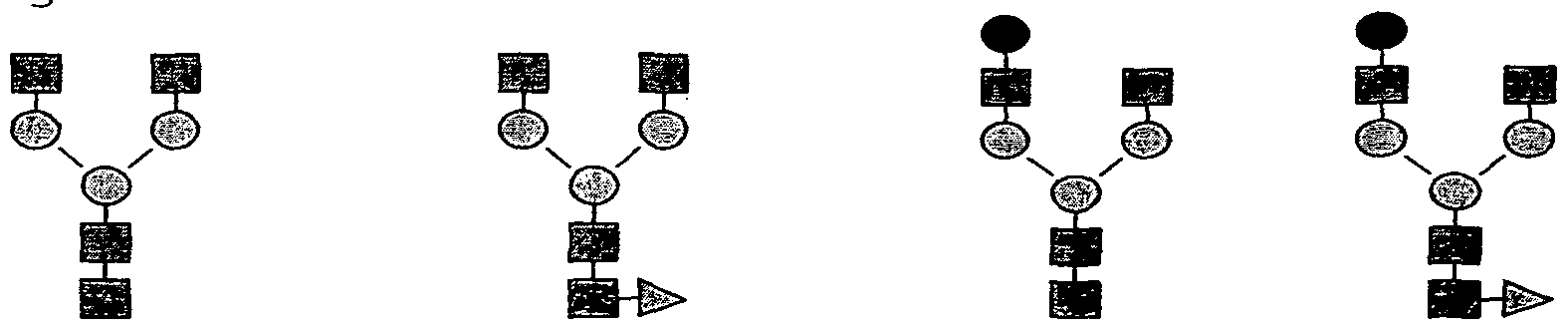
Claims
Priority Applications (8)
| Application Number | Priority Date | Filing Date | Title |
|---|---|---|---|
| CA002685057A CA2685057A1 (fr) | 2007-04-25 | 2008-04-25 | Ensemble de moyens pour le traitement d'une pathologie maligne, d'une maladie auto- immune ou d'une maladie infectieuse |
| AU2008257271A AU2008257271A1 (en) | 2007-04-25 | 2008-04-25 | Set of means for treating a malignant pathology, an autoimmune disease or an infectious disease |
| US12/597,471 US20100143370A1 (en) | 2007-04-25 | 2008-04-25 | Set of means for treating a malignant pathology, an autoimmune disease or an infectious disease |
| JP2010504791A JP2010525037A (ja) | 2007-04-25 | 2008-04-25 | 悪性病変、自己免疫性疾患、あるいは感染性疾患を治療するための部品キット |
| EP08805512A EP2152311A1 (fr) | 2007-04-25 | 2008-04-25 | Ensemble de moyens pour le traitement d'une pathologie maligne, d'une maladie auto- immune ou d'une maladie infectieuse |
| CN200880013210A CN101784284A (zh) | 2007-04-25 | 2008-04-25 | 治疗恶性病状、自身免疫性疾病或传染病的工具包 |
| BRPI0804507-0A BRPI0804507A2 (pt) | 2007-04-25 | 2008-04-25 | conjunto de meios para o tratamento de uma patologia maligna, de uma doença auto-imune ou de uma doença infecciosa |
| IL201517A IL201517A0 (en) | 2007-04-25 | 2009-10-14 | Set of means for treating a malignant pathology, an autoimmune disease or an infectious disease |
Applications Claiming Priority (2)
| Application Number | Priority Date | Filing Date | Title |
|---|---|---|---|
| FR0703013A FR2915398B1 (fr) | 2007-04-25 | 2007-04-25 | "ensemble de moyens pour le traitement d'une pathologie maligne, d'une maladie auto-immune ou d'une maladie infectieuse" |
| FR0703013 | 2007-04-25 |
Publications (1)
| Publication Number | Publication Date |
|---|---|
| WO2008145866A1 true WO2008145866A1 (fr) | 2008-12-04 |
Family
ID=38698746
Family Applications (1)
| Application Number | Title | Priority Date | Filing Date |
|---|---|---|---|
| PCT/FR2008/000598 Ceased WO2008145866A1 (fr) | 2007-04-25 | 2008-04-25 | Ensemble de moyens pour le traitement d'une pathologie maligne, d'une maladie auto- immune ou d'une maladie infectieuse |
Country Status (13)
| Country | Link |
|---|---|
| US (1) | US20100143370A1 (fr) |
| EP (1) | EP2152311A1 (fr) |
| JP (1) | JP2010525037A (fr) |
| KR (1) | KR20100021405A (fr) |
| CN (1) | CN101784284A (fr) |
| AR (1) | AR066411A1 (fr) |
| AU (1) | AU2008257271A1 (fr) |
| BR (1) | BRPI0804507A2 (fr) |
| CA (1) | CA2685057A1 (fr) |
| FR (1) | FR2915398B1 (fr) |
| IL (1) | IL201517A0 (fr) |
| TW (1) | TW200902038A (fr) |
| WO (1) | WO2008145866A1 (fr) |
Cited By (3)
| Publication number | Priority date | Publication date | Assignee | Title |
|---|---|---|---|---|
| FR2999431A1 (fr) * | 2012-12-17 | 2014-06-20 | Lfb Biotechnologies | Utilisation d'anticorps monoclonaux pour le traitement de l'inflammation et d'infections bacteriennes |
| WO2014096672A1 (fr) * | 2012-12-17 | 2014-06-26 | Laboratoire Francais Du Fractionnement Et Des Biotechnologies | Utilisation d'anticorps monoclonaux pour le traitement de l'inflammation et d'infections bacteriennes |
| CN111363047A (zh) * | 2013-03-12 | 2020-07-03 | 分子模板公司 | 用于引起细胞内化的cd20结合免疫毒素及其使用方法 |
Families Citing this family (14)
| Publication number | Priority date | Publication date | Assignee | Title |
|---|---|---|---|---|
| FR2940616A1 (fr) * | 2008-12-30 | 2010-07-02 | Lfb Biotechnologies | Utilisation d'un anticorps anti-cd20 pour le traitement du lymphome primaire intraoculaire. |
| FR2966043A1 (fr) * | 2010-10-14 | 2012-04-20 | Lfb Biotechnologies | Utilisation d'un anticorps anti-cd20 pour le traitement du lymphome cerebral primitif |
| FR2976811A1 (fr) * | 2011-06-22 | 2012-12-28 | Lfb Biotechnologies | Utilisation d'un anticorps anti-cd20 a haute adcc pour le traitement de la maladie de waldenstrom |
| EP3756686A1 (fr) * | 2012-11-02 | 2020-12-30 | TG Therapeutics Inc. | Combinaison d'anticorps anti-cd20 et inhibiteur sélectif pi3 kinase |
| FR3038517B1 (fr) | 2015-07-06 | 2020-02-28 | Laboratoire Francais Du Fractionnement Et Des Biotechnologies | Utilisation de fragments fc modifies en immunotherapie |
| WO2020154889A1 (fr) * | 2019-01-29 | 2020-08-06 | 上海鑫湾生物科技有限公司 | Combinaison d'anticorps présentant un mutant fc et une cellule effectrice, utilisation correspondante et procédé de préparation associé |
| CN110279714A (zh) * | 2019-06-21 | 2019-09-27 | 安徽瑞达健康产业有限公司 | 一种nk细胞和vegf靶点抗体的组合物及在肝癌上应用 |
| FR3112939B1 (fr) * | 2020-07-31 | 2024-01-05 | Univ Montpellier | Produit universel de thérapie cellulaire et son utilisation |
| CN113009130B (zh) * | 2021-02-10 | 2022-08-23 | 中国医学科学院北京协和医院 | 一种用于诊断原发性干燥综合征的生物标志物及其用途 |
| US11814439B1 (en) | 2022-06-01 | 2023-11-14 | Tg Therapeutics, Inc. | Anti-CD20 antibody compositions |
| US11965032B1 (en) | 2022-06-01 | 2024-04-23 | Tg Therapeutics, Inc. | Anti-CD20 antibody compositions |
| US11884740B1 (en) | 2022-06-01 | 2024-01-30 | Tg Therapeutics, Inc. | Anti-CD20 antibody compositions |
| US11807689B1 (en) | 2022-06-01 | 2023-11-07 | Tg Therapeutics, Inc. | Anti-CD20 antibody compositions |
| CN116139267A (zh) * | 2023-01-28 | 2023-05-23 | 华中科技大学同济医学院附属同济医院 | 小鼠cd74单克隆抗体在制备治疗肿瘤药物中的应用 |
Citations (1)
| Publication number | Priority date | Publication date | Assignee | Title |
|---|---|---|---|---|
| WO2005040217A2 (fr) * | 2003-10-17 | 2005-05-06 | Cambridge University Technical Services Limited | Polypeptides comprenant des regions constantes modifiees |
Family Cites Families (21)
| Publication number | Priority date | Publication date | Assignee | Title |
|---|---|---|---|---|
| US4704362A (en) * | 1977-11-08 | 1987-11-03 | Genentech, Inc. | Recombinant cloning vehicle microbial polypeptide expression |
| US5225539A (en) * | 1986-03-27 | 1993-07-06 | Medical Research Council | Recombinant altered antibodies and methods of making altered antibodies |
| EP0832981A1 (fr) * | 1987-02-17 | 1998-04-01 | Pharming B.V. | Séquences d'ADN pour diriger des protéines vers les glandes mammaires, afin d'être secrétées efficacement |
| US5633076A (en) * | 1989-12-01 | 1997-05-27 | Pharming Bv | Method of producing a transgenic bovine or transgenic bovine embryo |
| US5736137A (en) * | 1992-11-13 | 1998-04-07 | Idec Pharmaceuticals Corporation | Therapeutic application of chimeric and radiolabeled antibodies to human B lymphocyte restricted differentiation antigen for treatment of B cell lymphoma |
| DK0752248T3 (da) * | 1992-11-13 | 2000-11-13 | Idec Pharma Corp | Terapeutisk anvendelse af kimæriske og radioaktivt mærkede antistoffer mod humant B-lymfocytbegrænset differentieringsantig |
| US5827690A (en) * | 1993-12-20 | 1998-10-27 | Genzyme Transgenics Corporatiion | Transgenic production of antibodies in milk |
| FR2729570A1 (fr) * | 1995-01-24 | 1996-07-26 | Idm Immuno Designed Molecules | Procede de preparation de macrophages actives, trousses et compositions pour la mise en oeuvre de ce procede |
| US6737056B1 (en) * | 1999-01-15 | 2004-05-18 | Genentech, Inc. | Polypeptide variants with altered effector function |
| FR2807767B1 (fr) * | 2000-04-12 | 2005-01-14 | Lab Francais Du Fractionnement | Anticorps monoclonaux anti-d |
| JP2003531149A (ja) * | 2000-04-13 | 2003-10-21 | ザ・ロツクフエラー・ユニバーシテイ | 抗体由来の免疫応答の増強 |
| US7321026B2 (en) * | 2001-06-27 | 2008-01-22 | Skytech Technology Limited | Framework-patched immunoglobulins |
| FR2844455B1 (fr) * | 2002-09-13 | 2007-12-14 | Lab Francais Du Fractionnement | Traitement des pathologies echappant a la reponse immune par des anticorps optimises |
| FR2844513B1 (fr) * | 2002-09-13 | 2007-08-03 | Lab Francais Du Fractionnement | Anticorps pour adcc et induisant la production de cytokines. |
| FR2858235B1 (fr) * | 2003-07-31 | 2006-02-17 | Lab Francais Du Fractionnement | Utilisation d'anticorps optimises en adcc pour traiter les patients faibles repondeurs |
| US9296820B2 (en) * | 2003-11-05 | 2016-03-29 | Roche Glycart Ag | Polynucleotides encoding anti-CD20 antigen binding molecules with increased Fc receptor binding affinity and effector function |
| FR2879204B1 (fr) * | 2004-12-15 | 2007-02-16 | Lab Francais Du Fractionnement | Anticorps cytotoxique dirige contre les proliferations hematopoietiques lymphoides de type b. |
| KR20140133958A (ko) * | 2005-10-21 | 2014-11-20 | 엘에프비 유에스에이, 인크. | 항체 의존성 세포 독성 활성이 증강된 항체, 그 생산 및 사용 방법 |
| FR2894983B1 (fr) * | 2005-12-16 | 2012-08-17 | Lab Francais Du Fractionnement | Test de caracterisation des anticorps. |
| FR2904558B1 (fr) * | 2006-08-01 | 2008-10-17 | Lab Francais Du Fractionnement | "composition de facteur vii recombinant ou transgenique, presentant majoritairement des formes glycanniques biantennees, bisialylees et non fucosylees" |
| KR20100097737A (ko) * | 2008-01-15 | 2010-09-03 | 에프. 호프만-라 로슈 아게 | Ccr5에 대한 어푸코실화된 항체 및 이의 용도 |
-
2007
- 2007-04-25 FR FR0703013A patent/FR2915398B1/fr not_active Expired - Fee Related
-
2008
- 2008-04-25 TW TW097115222A patent/TW200902038A/zh unknown
- 2008-04-25 BR BRPI0804507-0A patent/BRPI0804507A2/pt not_active IP Right Cessation
- 2008-04-25 KR KR1020097022136A patent/KR20100021405A/ko not_active Ceased
- 2008-04-25 US US12/597,471 patent/US20100143370A1/en not_active Abandoned
- 2008-04-25 CA CA002685057A patent/CA2685057A1/fr not_active Abandoned
- 2008-04-25 EP EP08805512A patent/EP2152311A1/fr not_active Withdrawn
- 2008-04-25 WO PCT/FR2008/000598 patent/WO2008145866A1/fr not_active Ceased
- 2008-04-25 CN CN200880013210A patent/CN101784284A/zh active Pending
- 2008-04-25 AU AU2008257271A patent/AU2008257271A1/en not_active Abandoned
- 2008-04-25 JP JP2010504791A patent/JP2010525037A/ja active Pending
- 2008-04-25 AR ARP080101760A patent/AR066411A1/es not_active Application Discontinuation
-
2009
- 2009-10-14 IL IL201517A patent/IL201517A0/en unknown
Patent Citations (1)
| Publication number | Priority date | Publication date | Assignee | Title |
|---|---|---|---|---|
| WO2005040217A2 (fr) * | 2003-10-17 | 2005-05-06 | Cambridge University Technical Services Limited | Polypeptides comprenant des regions constantes modifiees |
Non-Patent Citations (4)
| Title |
|---|
| CARTRON G ET AL: "Therapeutic activity of humanized anti-CD20 monoclonal antibody and polymorphism in IgG Fc receptor FcgammaRIIIa gene", BLOOD, W.B.SAUNDERS COMPANY, ORLANDO, FL, US, vol. 99, no. 3, 1 February 2002 (2002-02-01), pages 754 - 758, XP002404674, ISSN: 0006-4971 * |
| LEFEBVRE M L ET AL: "Ex vivo-activated human macrophages kill chronic lymphocytic leukemia cells in the presence of rituximab: mechanism of antibody-dependent cellular cytotoxicity and impact of human serum", JOURNAL OF IMMUNOTHERAPY, LIPPINCOTT WILLIAMS & WILKINS, HAGERSTOWN, MD, US, vol. 29, no. 4, July 2006 (2006-07-01), pages 388 - 397, XP008083749, ISSN: 1524-9557 * |
| MANCHES OLIVIER ET AL: "In vitro mechanisms of action of rituximab on primary non-Hodgkin lymphomas", BLOOD, W.B.SAUNDERS COMPANY, ORLANDO, FL, US, vol. 101, no. 3, 1 February 2003 (2003-02-01), pages 949 - 954, XP002451263, ISSN: 0006-4971 * |
| MUNN D H ET AL: "ROLE OF LOW-AFFINITY FC RECEPTORS IN ANTIBODY-DEPENDENT TUMOR CELL PHAGOCYTOSIS BY HUMAN MONOCYTE-DERIVED MACROPHAGES", CANCER RESEARCH, AMERICAN ASSOCIATION FOR CANCER RESEARCH, BALTIMORE, MD, US, vol. 51, 15 February 1991 (1991-02-15), pages 1117 - 1123, XP000918925, ISSN: 0008-5472 * |
Cited By (4)
| Publication number | Priority date | Publication date | Assignee | Title |
|---|---|---|---|---|
| FR2999431A1 (fr) * | 2012-12-17 | 2014-06-20 | Lfb Biotechnologies | Utilisation d'anticorps monoclonaux pour le traitement de l'inflammation et d'infections bacteriennes |
| WO2014096672A1 (fr) * | 2012-12-17 | 2014-06-26 | Laboratoire Francais Du Fractionnement Et Des Biotechnologies | Utilisation d'anticorps monoclonaux pour le traitement de l'inflammation et d'infections bacteriennes |
| EP3514175A1 (fr) * | 2012-12-17 | 2019-07-24 | Laboratoire Français du Fractionnement et des Biotechnologies | Utilisation d'anticorps monoclonaux pour le traitement de l'inflammation et d'infections bacteriennes |
| CN111363047A (zh) * | 2013-03-12 | 2020-07-03 | 分子模板公司 | 用于引起细胞内化的cd20结合免疫毒素及其使用方法 |
Also Published As
| Publication number | Publication date |
|---|---|
| KR20100021405A (ko) | 2010-02-24 |
| AU2008257271A1 (en) | 2008-12-04 |
| US20100143370A1 (en) | 2010-06-10 |
| AR066411A1 (es) | 2009-08-19 |
| JP2010525037A (ja) | 2010-07-22 |
| CN101784284A (zh) | 2010-07-21 |
| FR2915398B1 (fr) | 2012-12-28 |
| BRPI0804507A2 (pt) | 2011-08-30 |
| CA2685057A1 (fr) | 2008-12-04 |
| FR2915398A1 (fr) | 2008-10-31 |
| EP2152311A1 (fr) | 2010-02-17 |
| TW200902038A (en) | 2009-01-16 |
| IL201517A0 (en) | 2010-05-31 |
Similar Documents
| Publication | Publication Date | Title |
|---|---|---|
| EP2152311A1 (fr) | Ensemble de moyens pour le traitement d'une pathologie maligne, d'une maladie auto- immune ou d'une maladie infectieuse | |
| ES2770399T3 (es) | Agentes de unión a KIR3DL2 | |
| JP5764290B2 (ja) | FcγRIIB特異的抗体およびその使用法 | |
| EP1824887B1 (fr) | Anticorps cytotoxique dirige contre les proliferations hematopoïetiques lymphoïdes de type b | |
| EP2931749B1 (fr) | Utilisation d'anticorps monoclonaux pour le traitement de l'inflammation et d'infections bacteriennes | |
| US20120009186A1 (en) | FcGammaRIIB Specific Antibodies and Methods of Use Thereof | |
| WO2016156449A1 (fr) | Lignee cellulaire surexprimant l'antigene cd303 humain | |
| EP3724221A1 (fr) | Variants avec fragment fc ayant une affinité augmentée pour fcrn et une affinité augmentée pour au moins un récepteur du fragment fc | |
| JP2023027313A (ja) | 抗cd45rc抗体を用いる単一遺伝子疾患の処置 | |
| CN102395604B (zh) | 具有抗肿瘤活性的人源化抗体 | |
| ES2936075T3 (es) | Activador de células T reguladoras, y uso del mismo | |
| EP3601342A1 (fr) | Anticorps dirigés contre un ligand d'un point de contrôle immunitaire avec fragment fc ayant une affinité améliorée pour cd16a | |
| EP3390452B1 (fr) | Nouvelle utilisation d'un anticorps dirige contre la proteine membranaire cd303 | |
| WO2018109209A1 (fr) | Combinaison d'anticorps anti-cd303 et anti-amhrii | |
| EP2167544A2 (fr) | Antocorps monoclonal dirige contre le recepteur humain des ldl | |
| EP1675616A2 (fr) | Nouvelles igg3 utiles pour stimuler la phagocytose | |
| FR3167160A1 (fr) | Immunoglobulines avec affinite augmentee pour le fcrn |
Legal Events
| Date | Code | Title | Description |
|---|---|---|---|
| WWE | Wipo information: entry into national phase |
Ref document number: 200880013210.7 Country of ref document: CN |
|
| 121 | Ep: the epo has been informed by wipo that ep was designated in this application |
Ref document number: 08805512 Country of ref document: EP Kind code of ref document: A1 |
|
| WWE | Wipo information: entry into national phase |
Ref document number: 201517 Country of ref document: IL |
|
| ENP | Entry into the national phase |
Ref document number: 20097022136 Country of ref document: KR Kind code of ref document: A |
|
| WWE | Wipo information: entry into national phase |
Ref document number: 2010504791 Country of ref document: JP Ref document number: 2685057 Country of ref document: CA |
|
| WWE | Wipo information: entry into national phase |
Ref document number: 12597471 Country of ref document: US |
|
| WWE | Wipo information: entry into national phase |
Ref document number: 6822/DELNP/2009 Country of ref document: IN |
|
| NENP | Non-entry into the national phase |
Ref country code: DE |
|
| WWE | Wipo information: entry into national phase |
Ref document number: 2008257271 Country of ref document: AU Ref document number: 2008805512 Country of ref document: EP |
|
| ENP | Entry into the national phase |
Ref document number: 2008257271 Country of ref document: AU Date of ref document: 20080425 Kind code of ref document: A |
|
| ENP | Entry into the national phase |
Ref document number: PI0804507 Country of ref document: BR Kind code of ref document: A2 Effective date: 20090409 |