WO2008155594A2 - Phthalimide derivatives that influence cellular vesicular systems, pharmaceutical compositions, and use thereof - Google Patents
Phthalimide derivatives that influence cellular vesicular systems, pharmaceutical compositions, and use thereof Download PDFInfo
- Publication number
- WO2008155594A2 WO2008155594A2 PCT/HU2008/000075 HU2008000075W WO2008155594A2 WO 2008155594 A2 WO2008155594 A2 WO 2008155594A2 HU 2008000075 W HU2008000075 W HU 2008000075W WO 2008155594 A2 WO2008155594 A2 WO 2008155594A2
- Authority
- WO
- WIPO (PCT)
- Prior art keywords
- dione
- diisopropylphenyl
- trifluoroisoindoline
- compounds according
- isopropyl
- Prior art date
- Legal status (The legal status is an assumption and is not a legal conclusion. Google has not performed a legal analysis and makes no representation as to the accuracy of the status listed.)
- Ceased
Links
Classifications
-
- C—CHEMISTRY; METALLURGY
- C07—ORGANIC CHEMISTRY
- C07D—HETEROCYCLIC COMPOUNDS
- C07D209/00—Heterocyclic compounds containing five-membered rings, condensed with other rings, with one nitrogen atom as the only ring hetero atom
- C07D209/02—Heterocyclic compounds containing five-membered rings, condensed with other rings, with one nitrogen atom as the only ring hetero atom condensed with one carbocyclic ring
- C07D209/44—Iso-indoles; Hydrogenated iso-indoles
- C07D209/48—Iso-indoles; Hydrogenated iso-indoles with oxygen atoms in positions 1 and 3, e.g. phthalimide
-
- A—HUMAN NECESSITIES
- A61—MEDICAL OR VETERINARY SCIENCE; HYGIENE
- A61P—SPECIFIC THERAPEUTIC ACTIVITY OF CHEMICAL COMPOUNDS OR MEDICINAL PREPARATIONS
- A61P1/00—Drugs for disorders of the alimentary tract or the digestive system
-
- A—HUMAN NECESSITIES
- A61—MEDICAL OR VETERINARY SCIENCE; HYGIENE
- A61P—SPECIFIC THERAPEUTIC ACTIVITY OF CHEMICAL COMPOUNDS OR MEDICINAL PREPARATIONS
- A61P29/00—Non-central analgesic, antipyretic or antiinflammatory agents, e.g. antirheumatic agents; Non-steroidal antiinflammatory drugs [NSAID]
-
- A—HUMAN NECESSITIES
- A61—MEDICAL OR VETERINARY SCIENCE; HYGIENE
- A61P—SPECIFIC THERAPEUTIC ACTIVITY OF CHEMICAL COMPOUNDS OR MEDICINAL PREPARATIONS
- A61P31/00—Antiinfectives, i.e. antibiotics, antiseptics, chemotherapeutics
- A61P31/04—Antibacterial agents
-
- A—HUMAN NECESSITIES
- A61—MEDICAL OR VETERINARY SCIENCE; HYGIENE
- A61P—SPECIFIC THERAPEUTIC ACTIVITY OF CHEMICAL COMPOUNDS OR MEDICINAL PREPARATIONS
- A61P31/00—Antiinfectives, i.e. antibiotics, antiseptics, chemotherapeutics
- A61P31/12—Antivirals
-
- A—HUMAN NECESSITIES
- A61—MEDICAL OR VETERINARY SCIENCE; HYGIENE
- A61P—SPECIFIC THERAPEUTIC ACTIVITY OF CHEMICAL COMPOUNDS OR MEDICINAL PREPARATIONS
- A61P35/00—Antineoplastic agents
-
- A—HUMAN NECESSITIES
- A61—MEDICAL OR VETERINARY SCIENCE; HYGIENE
- A61P—SPECIFIC THERAPEUTIC ACTIVITY OF CHEMICAL COMPOUNDS OR MEDICINAL PREPARATIONS
- A61P43/00—Drugs for specific purposes, not provided for in groups A61P1/00-A61P41/00
-
- A—HUMAN NECESSITIES
- A61—MEDICAL OR VETERINARY SCIENCE; HYGIENE
- A61P—SPECIFIC THERAPEUTIC ACTIVITY OF CHEMICAL COMPOUNDS OR MEDICINAL PREPARATIONS
- A61P9/00—Drugs for disorders of the cardiovascular system
- A61P9/10—Drugs for disorders of the cardiovascular system for treating ischaemic or atherosclerotic diseases, e.g. antianginal drugs, coronary vasodilators, drugs for myocardial infarction, retinopathy, cerebrovascula insufficiency, renal arteriosclerosis
-
- C—CHEMISTRY; METALLURGY
- C07—ORGANIC CHEMISTRY
- C07D—HETEROCYCLIC COMPOUNDS
- C07D401/00—Heterocyclic compounds containing two or more hetero rings, having nitrogen atoms as the only ring hetero atoms, at least one ring being a six-membered ring with only one nitrogen atom
- C07D401/02—Heterocyclic compounds containing two or more hetero rings, having nitrogen atoms as the only ring hetero atoms, at least one ring being a six-membered ring with only one nitrogen atom containing two hetero rings
- C07D401/12—Heterocyclic compounds containing two or more hetero rings, having nitrogen atoms as the only ring hetero atoms, at least one ring being a six-membered ring with only one nitrogen atom containing two hetero rings linked by a chain containing hetero atoms as chain links
Definitions
- Novel compounds compounds that influence cellular vesicular systems, pharmaceutical compositions, and use thereof
- the present invention relates to compounds that are suitable for treatment of disease states and influence cellular vesicular systems, especially the formation and/ or function of lipid droplets, in addition, the present invention also relates to pharmaceutical compositions containing such compounds, as well as to their use for treatment of disease states associated with formation and /or function of lipid droplets, such as cancer, inflammation and treatment of different bacterial and viral infections.
- lipid droplets or lipid bodies both expressions can be found in the literature
- Lipid droplets in cells are primarily responsible for lipid storage and transport. Their morphology and protein content can vary extensively (Denis J. Murphy et ah: Mechanism of lipid-body formation, TIBS 24, 1999 March, p.109-115.), however, their formation in plants, animals and microorganisms is similar in several aspects.
- Deficiency in the function of lipid droplets in human cells can be linked to several diseases, such as fatty liver, obesity, atherosclerosis, type-2 diabetes, inflammatory diseases and cancer.
- the size of the lipid droplets is usually between 0.1 and 50 ⁇ m.
- Influencing the formation and /or the function of the lipid droplets might positively influence those disease states where lipid droplets have any function.
- lipid droplets have a key role in the metabolism of eicosanoids, and lipid droplets are the stores for phospholipids containing arachidonic acid, as well as for enzymes such as cyclooxygenase (prostaglandin and endoperoxydase synthase) and 5- lipoxygenase (Weller P.F. et al: Cytoplasmic lipid bodies of human neutrophilic leukocytes. Am. J. Pathol. 1989, 113, p. 947-959.), which are essential for the synthesis of prostaglandins, tromboxanes and leukotrienes.
- Prostanoids including prostaglandin (PG) D2, PGE2, PGF2a, PGI2 and thromboxane A2, regulate several physiologic functions and modulate inflammatory diseases such as rheumatoid arthritis, asthma, Crohn's disease and atherosclerosis (Ristimaki A.: Cyclooxygenase 2: from inflammation to carcinogenesis. Novartis Found Symp. 2004; 256:215-221).
- Prostaglandins generated by cyclooxygenase-2 help tumor development by stimulating proliferation and angiogenesis, and inhibit programmed cell death and immune response (Marks F, Furstenberger G, Muller-Decker K.: Tumor promotion as a target of cancer prevention. Recent Results Cancer Res. 2007; 174:37-47).
- Atherosclerosis might also be related to formation of lipid droplets [Toda T, Leszczynski DE, Kummerow FA: Morphological evidence of endogenous lipid production in swine ductus vasculature., Atherosclerosis. 1980 Oct;37(2):325-330).
- Lipid droplets also have important role in the life cycle of several bacteria, such as the mycobacteria, which cause tuberculosis ⁇ Gorton JN et al: Intracellular lipophilic inclusions of mycobacteria in vitro and in sputum, Microbiology (2002), 148, 2951-2958).
- the objective of the invention is to provide compounds that influence the formation and /or function of lipid droplets in a way that favorably influences certain disease states.
- X are each independently hydrogen, halogen, -Ci-20-alkyl, -C2-20-alkenyl, -C2-
- n 0, 1, 2, 3, or 4;
- R 1 and R 2 may each be independently hydrogen, straight or branching alkyl, cyclo-alkyl, aryl, aralkyl, heterocyclic group, wherein each is un- substituted or halogen substituted; or
- R 1 and R 2 together with the nitrogen in between them form a 5 or 6 member ring;
- A is a single bond, -O-, -S-, -CH2-, or -NH-;
- Y is O or S
- Z is O or S
- R' and R" are each independently methyl, ethyl, isopropyl, isobuthyl, sec- butyl or terc-butyl; with the restriction that:
- X(n) cannot all be fluorine
- A be a single bond
- R', as well as R" be isopropyl
- R 1 and R 2 be hydrogen at the same time.
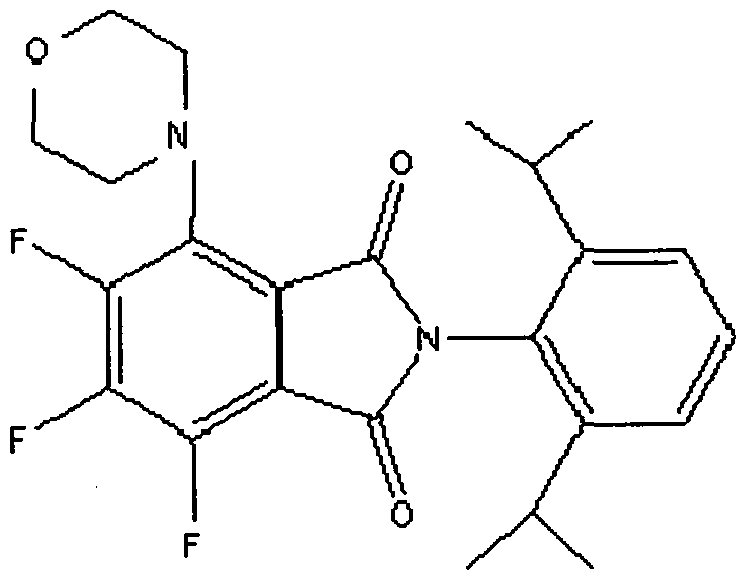
- the present invention relates to compounds suitable for treatment of disease states and for influencing cellular vesicular systems, especially the formation and/ or function of lipid droplets, said compounds having the general formula I
- X are each independently hydrogen, halogen, -Ci-20-alkyl, -C2-20-alkenyl, -C2-
- n 0, 1, 2, 3, or 4;
- R 1 and R 2 may each be independently hydrogen, straight or branching alkyl, cyclo-alkyl, aryl, aralkyl, heterocyclic group, wherein each is un- substituted or halogen substituted; or
- R 1 and R 2 together with the nitrogen in between them form a 5 or 6 member ring;
- A is a single bond, -O-, -S-, -CH2-, or -NH-;
- Y is O or S
- Z is O or S
- R' and R" is independently methyl, ethyl, isopropyl, isobuthyl, sec-butyl or terc-butyl; with the restriction that if the disease state is a kind of cancer or inflammation then:
- X(n) cannot all be fluorine
- A be a single bond
- R', as well as R" be isopropyl
- R 1 and R 2 be hydrogen at the same time.
- A is a single bond.
- At least one of Y and Z is O, more preferably both are O.
- R 1 is hydrogen
- any three of X(n) is halogen.
- halogens are fluorines.
- R 1 and/ or R 2 are/ is un- substituted or halogen substituted ethyl, preferably ethyl or trifluoro-ethyl, especially ethyl group.
- R 1 and/or R 2 are/is ethylenediamine group.
- At least one of R' and R" is isopropyl, more preferably both are isopropyls.
- the compound binding to the lipid droplet is selected from:
- disease states are selected from the following group comprising: cancer, inflammation, Crohn's disease, atherosclerosis, bacterial or viral infections.
- the disease state is cancer. In a further preferred embodiment of the present invention the disease state is inflammation.
- the disease state is bacterial or viral infection.
- the present invention relates to pharmaceutical compositions that are suitable for treatment of disease states by influencing the formation and/ or function of lipid droplets, those pharmaceutical compositions having one or more carriers and containing a compound according to the general formula I.
- the pharmaceutical composition can be administered to the patients by oral, parental or any other known administration ways, as an example by implanted delivery devices.
- Route of administration can be defined according to disease state, gender, age and other factors influencing the course of the disease and the recovery. It is apparent for those skilled in the art that the physician can define other ways of administration based on all circumstances and information available.
- composition according to the present invention can be used for treatment of humans, animals, especially mammals and in certain cases birds (for example viral or bacterial infections).
- composition according to the present invention can be used also in combination treatments with other drugs, compounds or treatments suitable for treatment of the given disease state.
- pharmaceutical composition according to the present invention can be used together with radiotherapy and/ or chemotherapy.
- Pharmaceutical composition according to the present invention can also be used for prevention of the disease regarding humans or animals being prone to that disease for example due to predisposition or to hazard of infection.
- Compounds of the present invention can also be used for prevention of the infection/ disease at locations where cells, cell lines, viruses which cause diseases according to the present invention can occur, e.g. in health care institutes, research laboratories, diagnostic laboratories, etc..
- the present invention further relates to use of compounds and pharmaceutical compositions according to formula I in treatments of disease states mentioned above.
- Fig. Ia shows crystal structure of a compound of the present invention, compound (3a), determined by X-ray diffraction, where hydrogen atoms as well as numbering of heavy atoms are also presented.
- Fig. Ib shows crystal structure of another compound of the present invention, compound (3b), determined by X-ray diffraction, where hydrogen atoms as well as numbering of heavy atoms are not presented.
- Fig. 2a shows alteration of basal TNF ⁇ release of macrophages after treatment with compound 3b.
- Fig. 2b shows alteration of LPS induced TNF ⁇ release of macrophages after treatment with compound 3b.
- Fig. 3 shows the effect of compounds of the present invention, compound 3a and 3b, on TNF ⁇ secretion presented on a logarithmic scale.
- Fig. 4 shows the cytotoxic effect of some compounds of the present invention on RVH human melanoma cell line after 48 hours treatment.
- Fig. 5 shows the cytotoxic effect of some compounds of the present invention on MCF7 human breast cancer cell line after 24 hours treatment.
- Fig. 6 shows the cytotoxic effect of some compounds of the present invention on HepG2 hepatocellular carcinoma cell line after 24 hours treatment.
- Fig. 7 shows the results of the anti-cancer effect examination in the spleen /liver animal model.
- Fig. 8 shows the anti-cancer effects of a compound of the present invention
- Fig. 9 shows the antiviral effect of a compound of the present invention
- Fig. 10 presents the anti-cancer effect of a compound of the present invention (compound 9a) by showing the survival diagram after cancer cell inoculation.
- Fig. 11 shows the effects of a compound of the present invention (compound
- halogen in the present context denotes a substituent selected from fluorine, chlorine, bromine, or iodine.
- aryl group in the present context, alone or in combination with any other substituents, denotes one carbocyclic aromatic group or an aromatic ring system with more carbocyclic aromatic system.
- aryl includes phenyl or naphthyl ring systems.
- VCi-20-alkyl in the present context, alone or in combination with any other substituents, denotes for a straight chained or branched acyclic hydrocarbon with 1 to 20 carbon atoms.
- ",-Ci-20-alkyl” group can include e.g. methyl, ethyl, propyl, butyl, hexyl, 1 -methyl-ethyl, 1-methyl-propyl, 2- methyl-propyl, or 1,1 -dimethyl-ethyl groups.
- a ,,-C2-20-alkenyl term in the present context alone or in combination with any other substituents, denotes a straight chained or branched acyclic alkenyl substitutent, which has from 2 to 20 carbon atoms, and contains at least one double bond, like vinyl or allyl groups.
- a n -C2-20-alkinyr term in the present context alone or in combination with any other substituents denotes a straight chained or branched acyclic alkenyl substitutent, which has from 2 to 20 carbon atoms, and contains at least one triple bond.
- a ,,-C5-6-cycloalkyr in the present context means a cycloalkyl substituent, containing 5 or 6 carbon atoms and includes for example cyclopentyl or cyclohexyl groups.
- aralkyP means an aryl substituted alkyl or cycloalkyl group.
- Heterocyclyl group designates in the present context substituted or un- substituted alycyclic or aromatic ring containing group that contains one or more heteroatoms selected from nitrogen, oxygen, sulfur or phosphorus.
- Hydroxyalkyl group means an alkyl group substituted by hydroxyl group.
- the present invention discloses compounds that have favorable effects on disease states by binding to and influencing the formation and/ or function of lipid droplets.
- Example 1 2-(2,6-diisopropylphenyl)-4-(ethylamino)-5,6,7- trifluoroisoindole- 1 ,3-dione (3a) and 2-(2,6-diisopropylphenyl)-5- (ethylamino)-4,6.7-trifluoroisoindole- 1 ,3-dione (3b)
- the column was washed with chloroform-cyclohexane 1:3 v/v, and was subsequently eluted with chloroform-cyclohexane 1: 1 v/v solution.
- the first fractionated product 3a was evaporated (yield: 6.9 g, 30.1%) and the purity of the product was checked by Thin Layer Chromatography (Rf: 0.39 (chloroform :cyclohexane 1: 1 v/v)) and the mass of the product was confirmed by Mass Spectrometry (MW+ 1: 404.3).
- the second fractionated product 3b was evaporated (yield: 5.8g, 28.7%) and the purity of the product was checked by Thin Layer Chromatography (Rf: 0.19 (chloroformxyclohexane 1: 1 v/v)) and the mass of the product was confirmed by Mass Spectrometry (MW+ 1: 404.2).
- Example 2 2-(2,6-diisopropylphenyl)-4-(pyridine-3-ylmethyl)-amino)-5,6,7- trifluoroisoindole- 1 ,3-dione (4a) and 2-(2,6-diisopropylphenyl)-5-(pyridine-3-ylmethyl)-amino)-5,6,7- trifluoroisoindole-l,3-dione (4b)
- the first fractionated product 4a was evaporated (yield: 3.2 g, 26.9%) and the purity of the product was checked by Thin Layer Chromatography (Rf: 0.35 (chloroform)) and the mass of the product was confirmed by Mass Spectrometry (MW+ 1: 477.5).
- the second fractionated product 4b was evaporated (yield: 3.1g, 26.0%) and the purity of the product was checked by Thin Layer Chromatography (Rf: 0.30 (chloroform)) and the mass of the product was confirmed by Mass Spectrometry (MW+ 1: 477.4).
- Example 3 2-(2,6-diisopropilphenylM-(2-amino-ethylamino)-5,6,7- trifluoroisoindole- 1 ,3-dione (5a) and 2-(2,6-diisopropylphenyl)-5-(2-amino- ethylamino)-4,6,7-trifluoroisoindole- 1 ,3-dione (5b)
- the first fractionated product 5a was evaporated (yield: 3.9 g, 37.2%) and the purity of the product was checked by Thin Layer Chromatography (Rf: 0.29 (chloroform)) and the mass of the product was confirmed by Mass Spectrometry (MW+ 1: 419.6).
- the second fractionated product 5b was evaporated (yield: 3.9g, 37.2%) and the purity of the product was checked by Thin Layer Chromatography (Rf: 0.24 (chloroform)) and the mass of the product was confirmed by Mass Spectrometry (MW+ 1: 419.4).
- Example 4 2-(2,6-diisopropylphenyl)-4,5.6-trifluoro-7-(2,2,2- trifluoroethylamino)isoindole-l,3-dione (6a) and 2-(2,6-diisopropylphenyl)- 4,5,7-trifluoro-6-(2,2,2-trifluoroethylamino)isoindole- 1 ,3-dione (6b)
- the column was washed with chloroform- cyclohexane 1:3 v/v, and then eluted with chloroform-cyclohexane 1: 1 v/v.
- the first fractionated product 6a was evaporated (yield: 510 mg, 43.3%) and the purity of the product was checked by Thin Layer Chromatography (Rf: 0.45 (chloroform-cyclohexane 1: 1 v/v)) and the mass of the product was confirmed by Mass Spectrometry (MW+ 1: 458.2).
- the second fractionated product 6b was evaporated (yield: 204 mg, 17.3%) and the purity of the product was checked by Thin Layer Chromatography (Rf: 0.25 (chloroform- cyclohexane 1: 1 v/v)) and the mass of the product was confirmed by Mass Spectrometry (MW+ 1: 458.2).
- Example 5 2-(2,6-diisopropylphenyl)-4-(3-morpholino-4-yl-propylamino)- 5,6,7-trifluoroisoindole-l,3-dione (7a) and 2-(2,6-diisopropylphenyl)-5-(3- morpholino-4-yl-propylamino)-5,6,7-trifluoroisoindole- 1 ,3-dione (7b)
- the first fractionated product 7a was evaporated (yield: 3.7 g, 29.5%) and the purity of the product was checked by Thin Layer Chromatography (Rf: 0.26 (chloroform)) and the mass of the product was confirmed by Mass Spectrometry (MW+ 1: 503.2).
- the second fractionated product 7b was evaporated (yield: 3.2 g, 25.5%) and the purity of the product was checked by Thin Layer Chromatography (Rf: 0.23 (chloroform)) and the mass of the product was confirmed by Mass Spectrometry (MW+ 1: 503.4).
- Example 6 Detection of anti-inflammatory effect for inhibition of preformed TNF ⁇ secretion
- TNF-alpha or TNF ⁇ tumor necrosis factor
- E. coli LPS bacterial lipopolysaccharide
- TNF ⁇ production is induced by TNF ⁇ bound to the toll-like receptor 4 (TLR- 4), the lipopolysaccharide binding protein (LBP), and the CD 14 receptor.
- TLR- 4 toll-like receptor 4
- LBP lipopolysaccharide binding protein
- Secretion of the TNF ⁇ is biphasic. For one hour after the stimulation macrophages respond with release of preformed TNF ⁇ . Meanwhile, the NF- kappaB signaling pathway turns on the TNF ⁇ gene transcription reaching maximum after approximately 8 hours.
- MTS test (3-(4,5-dimethylthiazol-2-yl)-5-(3- carboxymethoxyphenyl)-2-(4-sulfophenyl)-2H-tetrazolium, Promega,
- TNF ⁇ gene driven by NF-kappaB activation was measured in RAW.264.7 macrophages transformed by NF-kappaB-luciferase indicator construct after the LPS stimulation.
- This construct contains a luciferase gene driven by a minimal-promoter. Luciferase activity was measured 6 hours after the LPS stimulation (100 ng/ml), results are presented in Fig. 2b.
- Fig. 2a shows the alteration of basal TNF ⁇ release of the macrophages after treatment with compound 3b.
- Fig. 2b shows the effect of compound 3b on LPS stimulated TNF ⁇ release of the macrophages.
- two controls diiluent only - ethanol incubated
- four treated samples were analyzed.
- compound 3b is able to reduce the basal TNF ⁇ release of the macrophages even without LPS induction.
- Fig. 2b compound 3b reduces the induced TNF ⁇ release after LPS stimulation.
- Example 7 Detection of anti-inflammatory effect for the inhibition of TNF ⁇ induction
- Example 8 Identification of the interacting proteins by affinity chromatography
- Mass spectrometry analysis was performed according to the protocol published at http: / /donatello. ucsf.edu/ingel. html at the time of drafting the patent application.
- Rab GTPase proteins play a role in intracellular movement of vesicles - including lipid droplets. They were shown to be involved in the development of several diseases including cancer (Kwai W. Cheng et ah: Emerging Role of RAB GTPases in Cancer and Human Disease. Cancer Res 2005; 65: (7). April 1, 2005, 2516-2519.).
- Example 9 Antitumor activity on melanoma cell line
- RVH human melanoma cell line was cultured in Minimum Essential Medium Eagle (Sigma, St. Louis, MO, USA), Na-piruvate, Glutamine, Non-essential amino acids, penicillin (50 IU/ml)-streptomycin (50mg/ml), 10% fetal bovine serum at 37 0 C, in 5% CO2.
- Cells were trypsinized with trypsin/ EDTA (Sigma-Aldrich, St. Louis, MO) on every second day and were passed into 60 or 100 mm plates. When the culture reached the required cell number (approx.
- the assay is based on the following: It contains: 1) MTS: 3-(4,5-dimethylthiazol-2-yl)-5-(3-carbo3 ⁇ methoxyphenyl)-2-(4- sulfophenyl)-2H-tetrazolium) (Promega, Madison, Wi, USA)
- MTS is converted to fbrmazane in the living cells, which product is dissolved in the media, and its quantity/ absorbance can be measured at 490 nm.
- Instructions for CellTiter 96® AQueous Assay refers to 96 well plates, and suggest incubating 10.000 cell/well with the different substances under examination. Then, for the determination of the ratio of live cells 20 ⁇ l MTS and 1 ⁇ l PMS are added to 100 ⁇ l media. The enzyme reaction occurs at incubation at 37 0 C, 5% CO2 for 1 to 4 hours. Formazane produced by the cells is read on ELISA plate reader, from which the number of living cells can be obtained indirectly.
- the protocol had to be modified. After treatment of the cells for an appropriate time (type of compound, different concentrations), the incubation media (2 ml) containing the examined substance was removed, then 400 ⁇ l media containing reagents in the same concentration as given above (333.3 ⁇ l media, 66.6 ⁇ l MTS, and 3.3 ⁇ l PMS per well) was pipetted to the cells.
- Results are shown in Fig. 4. It can be seen that compounds 3b, 7b, 5a, 4a, 4b, and 6a showed the strongest inhibition. Compounds 5b and 3a exhibited weak effect even at 100 ⁇ M concentration on this tumor type.
- Example 10 Antitumor activity on hepatocellular carcinoma and breast carcinoma cell lines
- HepG2 human Caucasian hepatocellular carcinoma
- MCF7 Human Caucasian breast adenocarcinoma
- D-MEM Dulbecco's Modified Eagle Medium
- MCF7 Human Caucasian breast adenocarcinoma
- D-MEM Dulbecco's Modified Eagle Medium
- D-MEM high glucose
- MCF7 Human Caucasian breast adenocarcinoma
- Nutrient Mixture F- 12 Ham Sigma, St.
- mice From 40 adult male CB17/scid mice, born with immunodeficiency, 20 were randomly selected, and they were further divided into two groups. Animals were marked on their ear one by one. 10 of the selected mice were treated with compound 3b (40 mg/kg) for 5 days (PRETREATED/3b), the other 10 animals were treated per os by gavage with appropriate dilution of DMSO serving as the carrier (PRETREATED/ control). On the 5 th treatment day all the 40 animals were anesthetized by Nembutal (75 mg/kg), and 4x10 4 cells from human melanoma (HT168M1) was injected into their spleens (i.s.).
- mice Local bleeding during the implantation was treated with Gelaspon resorbable gelatin sponge.
- POSTTREATED /3b the non-treated 20 mice were randomly assigned into two groups and their ear was marked. 10 mice were treated from this time on with compound 3b (40 mg/kg) (POSTTREATED /3b), the other 10 were treated with appropriate dilution of the carrier (DMSO) with similar frequency (POSTTREATED /control) per os once a day five times per week for three weeks.
- Pretreated groups were not treated after the implantation.
- Body weight changes were monitored once a week for each animal. 31 days after implantation animals were sacrificed by bleeding in Nembutal (75 mg/kg) anesthesia. Evaluation was based on the mass of the primer spleen tumor as well as on the number and size of colonies found in the liver. Results are shown in Fig. 7.
- Example 12 In vivo antitumor effects H. Slightly anesthetized (diethyl ether narcosis) adult male CB17/scid mice born with immunodeficiency were subcutaneously (s.c.) implanted with 8x10 5 cells from in vitro human melanoma (HTl 68Ml) cultures. After tumor cell inoculation animals were randomly assigned into three groups and their ears were marked. From the 7 th day after the tumor cell inoculation mice were treated once a day five days per week for 3 weeks with compound 2 (40 mg/kg), or with compound 3b (40 mg/kg) per os by gavage.
- compound 2 40 mg/kg
- compound 3b 40 mg/kg
- Control animals were treated with appropriate dilution of the carrier (DMSO) in a similar manner with similar frequency. Body weight changes were monitored once a week for each animal. When subcutaneous tumor reached palpable size its dimensions were also detected with caliper. Tumor volume was estimated by the formula ⁇ /6 x a x b 2 , where "a" is the longer and “b” is the shorter diameter. 30 days after implantation animals were sacrificed by bleeding in Nembutal (75 mg/kg) anesthesia. Evaluation was based on the mass of the primary tumor. Results are shown in Fig. 8.
- Example 13 Demonstration of antiviral effect in cellular systems
- PK-15 porcine kidney cells were infected with approx. 0.001 pfu/cell pseudorabies Bartha type viruses expressing green fluorescent protein (GFP) inserted into Plat2 viral genom.
- GFP green fluorescent protein
- PK-15 cells were investigated at 80 % confluency. Cells showing green fluorescence were studied by fluorescent microscopy after 24 hours of incubation at 37 °C, 5 % CO 2 . At the time of the infection cells were treated with 100 ⁇ M compound 3b (1/ 100 DMSO 10 mM base solution), and 1/ 100 DMSO was added to the media as control.
- DMSO had no effect on viral plaque formation.
- Fig. 9 shows antiviral effect of 100 ⁇ M compound 3b.
- Fig. 9a presents treated
- Fig. 9b presents untreated control cells. It is evident that while in case of untreated control cells green fluorescent viruses formed large plaques
- Example 14 Anticancer effect in vivo HI.
- Example 15 Effects against Mycobacterium disc in macrophage culture
- the effects of compound 3a were analyzed: the inhibition of Mycobacterium adhere in macrophage culture was investigated.
- Human macrophage cells THP-I
- compound 3a 36mg/l
- untreated cells were harvested after different periods of time and the number of the living Mycobacterium adhere bacteria were determined. Results are shown in Fig. 11. It can be seen that due to compound 3a the number of divided bacteria were significantly smaller than in the untreated group.
- the first fractionated product 8a was evaporated (yield: 3.4 g, 29.2%) and its purity was checked by Thin Layer Chromatography (Rf: 0.24 (chloroform)) and the mass of the product was confirmed by Mass Spectrometry (MW+ 1: 446.1).
- the effect of compound 8a was tested on different human and mouse tumor cell lines. We show the results below in Table 1. It can be seen that compound 8a was effective in different leukemias, liver cancer and melanoma.
- the column was washed with chloroform-cyclohexane 1:3 v/v, then eluted with chloroform- cyclohexane 1: 1 v/v.
- the first fractionated product 9a was evaporated (yield: 6.5 g, 27%) and the purity of the product was checked by Thin Layer Chromatography (Rf: 0.44 (chloroform-cyclohexane 1: 1 v/v)) and the mass of the product was confirmed by Mass Spectrometry (MW+ 1: 445.6).
- the second fractionated product 9b was evaporated (yield: 5.8 g, 25%) and the purity of the product was checked by Thin Layer Chromatography (Rf: 0.37 (chloroform-cyclohexane 1: 1 v/v)) and the mass of the product was confirmed by Mass Spectrometry (MW+ 1: 445.5).
Landscapes
- Health & Medical Sciences (AREA)
- Organic Chemistry (AREA)
- Chemical & Material Sciences (AREA)
- Life Sciences & Earth Sciences (AREA)
- General Health & Medical Sciences (AREA)
- General Chemical & Material Sciences (AREA)
- Medicinal Chemistry (AREA)
- Nuclear Medicine, Radiotherapy & Molecular Imaging (AREA)
- Pharmacology & Pharmacy (AREA)
- Animal Behavior & Ethology (AREA)
- Public Health (AREA)
- Veterinary Medicine (AREA)
- Chemical Kinetics & Catalysis (AREA)
- Bioinformatics & Cheminformatics (AREA)
- Engineering & Computer Science (AREA)
- Communicable Diseases (AREA)
- Oncology (AREA)
- Urology & Nephrology (AREA)
- Heart & Thoracic Surgery (AREA)
- Pain & Pain Management (AREA)
- Rheumatology (AREA)
- Cardiology (AREA)
- Vascular Medicine (AREA)
- Virology (AREA)
- Pharmaceuticals Containing Other Organic And Inorganic Compounds (AREA)
- Indole Compounds (AREA)
- Plural Heterocyclic Compounds (AREA)
Abstract
Description




Claims


Priority Applications (8)
| Application Number | Priority Date | Filing Date | Title |
|---|---|---|---|
| EP08776241A EP2373618A2 (en) | 2007-06-21 | 2008-06-20 | Phthalimide derivatives that influence cellular vesicular systems, pharmaceutical compositions, and use thereof |
| CN200880103820A CN101784523A (en) | 2007-06-21 | 2008-06-20 | Novel compounds, compounds that influence cellular vesicular systems, pharmaceutical compositions, and use thereof |
| JP2010512785A JP2010530410A (en) | 2007-06-21 | 2008-06-20 | Novel compounds, compounds affecting the vesicular system, pharmaceutical compositions and uses thereof |
| EA201070040A EA201070040A1 (en) | 2007-06-21 | 2008-06-20 | NEW CONNECTIONS, CONNECTIONS THAT ARE INFLUENCING CELL VESICULAR SYSTEMS, PHARMACEUTICAL COMPOSITIONS AND THEIR APPLICATION |
| US12/452,206 US8232299B2 (en) | 2007-06-21 | 2008-06-20 | Phthalimide derivatives that influence cellular vesicular systems, pharmaceutical compositions, and use thereof |
| CA002691522A CA2691522A1 (en) | 2007-06-21 | 2008-06-20 | Phthalimide derivatives that influence cellular vesicular systems, pharmaceutical compositions, and use thereof |
| BRPI0813501-0A2A BRPI0813501A2 (en) | 2007-06-21 | 2008-06-20 | COMPOUNDS, COMPOUNDS INFLUENCING CELL VESICULAR SYSTEMS, PHARMACEUTICAL COMPOSITIONS AND USE OF THE SAME |
| AU2008264918A AU2008264918A1 (en) | 2007-06-21 | 2008-06-20 | Phthalimide derivatives that influence cellular vesicular systems, pharmaceutical compositions, and use thereof |
Applications Claiming Priority (2)
| Application Number | Priority Date | Filing Date | Title |
|---|---|---|---|
| HUP0700433 | 2007-06-21 | ||
| HU0700433A HUP0700433A2 (en) | 2007-06-21 | 2007-06-21 | Compounds influencing development or functioning of cellular vesicular systems particularly lipid droplets, pharmaceutical compositions containing these compounds and use them for treatment of illnesses |
Publications (2)
| Publication Number | Publication Date |
|---|---|
| WO2008155594A2 true WO2008155594A2 (en) | 2008-12-24 |
| WO2008155594A3 WO2008155594A3 (en) | 2009-02-12 |
Family
ID=89987602
Family Applications (1)
| Application Number | Title | Priority Date | Filing Date |
|---|---|---|---|
| PCT/HU2008/000075 Ceased WO2008155594A2 (en) | 2007-06-21 | 2008-06-20 | Phthalimide derivatives that influence cellular vesicular systems, pharmaceutical compositions, and use thereof |
Country Status (10)
| Country | Link |
|---|---|
| US (1) | US8232299B2 (en) |
| EP (1) | EP2373618A2 (en) |
| JP (1) | JP2010530410A (en) |
| CN (1) | CN101784523A (en) |
| AU (1) | AU2008264918A1 (en) |
| BR (1) | BRPI0813501A2 (en) |
| CA (1) | CA2691522A1 (en) |
| EA (1) | EA201070040A1 (en) |
| HU (1) | HUP0700433A2 (en) |
| WO (1) | WO2008155594A2 (en) |
Cited By (2)
| Publication number | Priority date | Publication date | Assignee | Title |
|---|---|---|---|---|
| WO2012085608A3 (en) * | 2010-12-23 | 2012-09-07 | "Avidin" Kutató, Fejlesztö És Kereskedelmi Korlátolt | Use of trifluoro phthalimides for the treatment of cancerous diseases |
| EP3194368A4 (en) * | 2014-09-19 | 2018-03-21 | MacKay Medical Foundation the Presbyterian Church in Taiwan MacKay Memorial Hospital | Benzo-heterocyclic compounds and their applications |
Families Citing this family (1)
| Publication number | Priority date | Publication date | Assignee | Title |
|---|---|---|---|---|
| US20150376538A1 (en) * | 2013-03-06 | 2015-12-31 | Jx Nippon Oil & Energy Corporation | Friction modifier and lubricating oil composition |
Family Cites Families (1)
| Publication number | Priority date | Publication date | Assignee | Title |
|---|---|---|---|---|
| US4673699A (en) * | 1984-11-19 | 1987-06-16 | Mobay Corporation | Flame retardant molding compositions |
-
2007
- 2007-06-21 HU HU0700433A patent/HUP0700433A2/en unknown
-
2008
- 2008-06-20 WO PCT/HU2008/000075 patent/WO2008155594A2/en not_active Ceased
- 2008-06-20 EP EP08776241A patent/EP2373618A2/en not_active Withdrawn
- 2008-06-20 EA EA201070040A patent/EA201070040A1/en unknown
- 2008-06-20 JP JP2010512785A patent/JP2010530410A/en not_active Withdrawn
- 2008-06-20 AU AU2008264918A patent/AU2008264918A1/en not_active Abandoned
- 2008-06-20 CA CA002691522A patent/CA2691522A1/en not_active Abandoned
- 2008-06-20 CN CN200880103820A patent/CN101784523A/en active Pending
- 2008-06-20 US US12/452,206 patent/US8232299B2/en not_active Expired - Fee Related
- 2008-06-20 BR BRPI0813501-0A2A patent/BRPI0813501A2/en not_active Application Discontinuation
Cited By (2)
| Publication number | Priority date | Publication date | Assignee | Title |
|---|---|---|---|---|
| WO2012085608A3 (en) * | 2010-12-23 | 2012-09-07 | "Avidin" Kutató, Fejlesztö És Kereskedelmi Korlátolt | Use of trifluoro phthalimides for the treatment of cancerous diseases |
| EP3194368A4 (en) * | 2014-09-19 | 2018-03-21 | MacKay Medical Foundation the Presbyterian Church in Taiwan MacKay Memorial Hospital | Benzo-heterocyclic compounds and their applications |
Also Published As
| Publication number | Publication date |
|---|---|
| WO2008155594A3 (en) | 2009-02-12 |
| US8232299B2 (en) | 2012-07-31 |
| BRPI0813501A2 (en) | 2015-01-06 |
| JP2010530410A (en) | 2010-09-09 |
| CN101784523A (en) | 2010-07-21 |
| CA2691522A1 (en) | 2008-12-24 |
| HU0700433D0 (en) | 2007-08-28 |
| US20100184762A1 (en) | 2010-07-22 |
| HUP0700433A2 (en) | 2009-03-30 |
| EP2373618A2 (en) | 2011-10-12 |
| EA201070040A1 (en) | 2010-06-30 |
| AU2008264918A1 (en) | 2008-12-24 |
Similar Documents
| Publication | Publication Date | Title |
|---|---|---|
| CA2599879C (en) | Immunosuppressive agent and anti-tumor agent comprising heterocyclic compound as active ingredient | |
| US20090306201A1 (en) | Selective inhibitors for transferases | |
| US10221133B2 (en) | (Thio, oxo, and seleno) semicarbazone complexes with zinc and their use for treating cancer | |
| JP6155395B2 (en) | Novel DGAT2 inhibitor | |
| Kitano et al. | Vitamin K3 analogs induce selective tumor cytotoxicity in neuroblastoma | |
| US12252472B1 (en) | Barbituric acid derivatives, their preparation and use thereof as leukocyte transmigration inhibitors and for treating inflammatory diseases, autoimmune diseases and cancer | |
| JPH08176070A (en) | Didepside derivative and PI3 kinase inhibitor | |
| Bonnitcha et al. | Nitroimidazole conjugates of bis (thiosemicarbazonato) 64Cu (II)–Potential combination agents for the PET imaging of hypoxia | |
| US20240307547A1 (en) | Novel compounds which bind to cereblon, and methods of use thereof | |
| KR101090850B1 (en) | Imidazole derivatives and their pharmaceutical compositions as inhibitors H sc 7 0 | |
| WO2017189893A1 (en) | 1,5-disubstituted 1,2,3-triazoles are inhibitors of rac/cdc42 gtpases | |
| US8232299B2 (en) | Phthalimide derivatives that influence cellular vesicular systems, pharmaceutical compositions, and use thereof | |
| US20030087949A1 (en) | Indolylpyrrole derivatives and cell death inhibitors | |
| EP1152002A1 (en) | Pyrrole derivatives and cell death inhibitors | |
| JP3990477B2 (en) | Neural differentiation inducer | |
| US5674693A (en) | Derivatives of 2-nitro-imidazoles as hypoxic cell markers | |
| US12280065B2 (en) | Pharmaceutical compounds and therapeutic methods | |
| Najajreh et al. | Oleylamine-carbonyl-valinol inhibits auto-phosphorylation activity of native and T315I mutated Bcr-Abl, and exhibits selectivity towards oncogenic Bcr-Abl in SupB15 ALL cell lines | |
| CN110229112B (en) | Anti-tumor immunoregulation conjugate and preparation method and application thereof | |
| EP1299400B1 (en) | Novel cytotoxic compounds and their use | |
| CN105085348B (en) | A kind of benzoic acid sulfur ester and its application | |
| CN114306291A (en) | Application of compound in preventing and/or treating cancer | |
| JP2000072749A (en) | Apoptosis inducer using quinoline derivative | |
| JPH03291264A (en) | Dimethylaniline derivative, preparation thereof and cancer cell differentiation-inducing examination reagent and cancer drug containing the same as active ingredient | |
| WO1997032579A1 (en) | Neural differentiation inducer |
Legal Events
| Date | Code | Title | Description |
|---|---|---|---|
| WWE | Wipo information: entry into national phase |
Ref document number: 200880103820.6 Country of ref document: CN |
|
| 121 | Ep: the epo has been informed by wipo that ep was designated in this application |
Ref document number: 08776241 Country of ref document: EP Kind code of ref document: A2 |
|
| DPE1 | Request for preliminary examination filed after expiration of 19th month from priority date (pct application filed from 20040101) | ||
| WWE | Wipo information: entry into national phase |
Ref document number: 2691522 Country of ref document: CA Ref document number: 2010512785 Country of ref document: JP |
|
| NENP | Non-entry into the national phase |
Ref country code: DE |
|
| WWE | Wipo information: entry into national phase |
Ref document number: 2008776241 Country of ref document: EP |
|
| WWE | Wipo information: entry into national phase |
Ref document number: 73/MUMNP/2010 Country of ref document: IN |
|
| WWE | Wipo information: entry into national phase |
Ref document number: 2008264918 Country of ref document: AU |
|
| WWE | Wipo information: entry into national phase |
Ref document number: 201070040 Country of ref document: EA |
|
| ENP | Entry into the national phase |
Ref document number: 2008264918 Country of ref document: AU Date of ref document: 20080620 Kind code of ref document: A |
|
| WWE | Wipo information: entry into national phase |
Ref document number: 12452206 Country of ref document: US |
|
| ENP | Entry into the national phase |
Ref document number: PI0813501 Country of ref document: BR Kind code of ref document: A2 Effective date: 20091221 |