WO2009021748A2 - Polymorphs of a compound for the treatment of duchenne muscular dystrophy - Google Patents

Polymorphs of a compound for the treatment of duchenne muscular dystrophy Download PDF

Info

Publication number
WO2009021748A2
WO2009021748A2 PCT/EP2008/006718 EP2008006718W WO2009021748A2 WO 2009021748 A2 WO2009021748 A2 WO 2009021748A2 EP 2008006718 W EP2008006718 W EP 2008006718W WO 2009021748 A2 WO2009021748 A2 WO 2009021748A2
Authority
WO
WIPO (PCT)
Prior art keywords
polymorphic form
benzo
oxazole
ethylsulfonyl
naphthalen
Prior art date
Legal status (The legal status is an assumption and is not a legal conclusion. Google has not performed a legal analysis and makes no representation as to the accuracy of the status listed.)
Ceased
Application number
PCT/EP2008/006718
Other languages
French (fr)
Other versions
WO2009021748A3 (en
Inventor
Alexander Charles Weymouth-Wilson
Shabana Ahmed
Mark William Hooper
Karen June Etherington
Current Assignee (The listed assignees may be inaccurate. Google has not performed a legal analysis and makes no representation or warranty as to the accuracy of the list.)
Summit Therapeutics Ltd
Original Assignee
Summit Corp PLC
Priority date (The priority date is an assumption and is not a legal conclusion. Google has not performed a legal analysis and makes no representation as to the accuracy of the date listed.)
Filing date
Publication date
Priority to JP2010520498A priority Critical patent/JP2010535829A/en
Priority to MX2009011967A priority patent/MX2009011967A/en
Priority to AU2008286324A priority patent/AU2008286324A1/en
Priority to CA002685939A priority patent/CA2685939A1/en
Priority to EP08785565A priority patent/EP2176246A2/en
Priority to BRPI0811548-6A2A priority patent/BRPI0811548A2/en
Application filed by Summit Corp PLC filed Critical Summit Corp PLC
Priority to CN200880015864A priority patent/CN101679323A/en
Publication of WO2009021748A2 publication Critical patent/WO2009021748A2/en
Publication of WO2009021748A3 publication Critical patent/WO2009021748A3/en
Priority to IL201908A priority patent/IL201908A0/en
Anticipated expiration legal-status Critical
Ceased legal-status Critical Current

Links

Classifications

    • CCHEMISTRY; METALLURGY
    • C07ORGANIC CHEMISTRY
    • C07DHETEROCYCLIC COMPOUNDS
    • C07D263/00Heterocyclic compounds containing 1,3-oxazole or hydrogenated 1,3-oxazole rings
    • C07D263/52Heterocyclic compounds containing 1,3-oxazole or hydrogenated 1,3-oxazole rings condensed with carbocyclic rings or ring systems
    • C07D263/54Benzoxazoles; Hydrogenated benzoxazoles
    • C07D263/56Benzoxazoles; Hydrogenated benzoxazoles with only hydrogen atoms, hydrocarbon or substituted hydrocarbon radicals, directly attached in position 2
    • C07D263/57Aryl or substituted aryl radicals
    • AHUMAN NECESSITIES
    • A61MEDICAL OR VETERINARY SCIENCE; HYGIENE
    • A61KPREPARATIONS FOR MEDICAL, DENTAL OR TOILETRY PURPOSES
    • A61K31/00Medicinal preparations containing organic active ingredients
    • A61K31/33Heterocyclic compounds
    • A61K31/395Heterocyclic compounds having nitrogen as a ring hetero atom, e.g. guanethidine or rifamycins
    • A61K31/535Heterocyclic compounds having nitrogen as a ring hetero atom, e.g. guanethidine or rifamycins having six-membered rings with at least one nitrogen and one oxygen as the ring hetero atoms, e.g. 1,2-oxazines
    • AHUMAN NECESSITIES
    • A61MEDICAL OR VETERINARY SCIENCE; HYGIENE
    • A61PSPECIFIC THERAPEUTIC ACTIVITY OF CHEMICAL COMPOUNDS OR MEDICINAL PREPARATIONS
    • A61P21/00Drugs for disorders of the muscular or neuromuscular system
    • AHUMAN NECESSITIES
    • A61MEDICAL OR VETERINARY SCIENCE; HYGIENE
    • A61PSPECIFIC THERAPEUTIC ACTIVITY OF CHEMICAL COMPOUNDS OR MEDICINAL PREPARATIONS
    • A61P21/00Drugs for disorders of the muscular or neuromuscular system
    • A61P21/04Drugs for disorders of the muscular or neuromuscular system for myasthenia gravis

Definitions

  • polymorphic forms of a compound for the treatment of Duchenne muscular dystrophy are provided.
  • DMD Duchenne muscular dystrophy
  • the gene is the largest in the human genome, encompassing 2.6 million base pairs of DNA and containing 79 exons.
  • Approximately 60% of dystrophin mutations are large insertion or deletions that lead to frameshift errors downstream, whereas approximately 40% are point mutations or small frameshift rearrangements.
  • the vast majority of DMD patients lack the dystrophin protein.
  • Becker muscular dystrophy is a much milder form of DMD caused by reduction in the amount, or alteration in the size, of the dystrophin protein.
  • the high incidence of DMD (1 in 10,000 sperm or eggs) means that genetic screening will never eliminate the disease, so an effective therapy is highly desirable.
  • the mdx mouse is the most widely used model due to availability, short gestation time, time to mature and relatively low cost (Bulfield, G., Siller, W. G., Wight, P. A. & Moore, K. J. X chromosome-linked muscular dystrophy (mdx) in the mouse. Proc. Natl Acad. ScL USA 81, 1189-1192 (1984)).
  • Pharmacological approaches for the treatment of muscular dystrophy differ from gene- and cell-based approaches in not being designed to deliver either the missing gene and/or protein.
  • the pharmacological strategies use drugs/molecules in an attempt to improve the phenotype by means such as decreasing inflammation, improving calcium homeostasis and increasing muscle progenitor proliferation or commitment.
  • These strategies offer the advantage that they are easy to deliver systemically and can circumvent many of the immunological and/or toxicity issues that are related to vectors and cell-based therapies.
  • investigations with corticosteroids and sodium cromoglycate, to reduce inflammation, dantrolene to maintain calcium homeostasis and clenbuterol to increase muscle strength have produced promising results none of these potential therapies has yet been shown to be effective in treating DMD.
  • Upregulation therapy is based on increasing the expression of alternative genes to replace a defective gene and is particularly beneficial when an immune response is mounted against a previously absent protein.
  • Upregulation of utrophin an autosomal paralogue of dystrophin has been proposed as a potential therapy for DMD (Perkins & Davies, Neuromuscul Disord, Sl : S78- S89 (2002), Khurana & Davies, Nat Rev Drug Discov 2:379-390 (2003)).
  • DAPC dystrophin-associated protein complex
  • a polymorphic form of the compound 5- (ethylsulfonyl)-2-(naphthalen-2-yl)benzo[d]oxazole (polymorphic form 1) characterised in that it provides an X-ray powder diffraction pattern comprising a peak at 14.5 ⁇ 0.2.
  • polymorphic form 1 of the compound 5-(ethylsulfonyl)-2-(naphthalen-2-yl)benzo[d]oxazole (polymorphic form 1) characterised in that it provides an X-ray powder diffraction pattern comprising a peak at 16.7 ⁇ 0.2.
  • polymorphic form 1 of the compound 5-(ethylsulfonyl)-2-(naphthalen-2-yl)benzo[d]oxazole (polymorphic form 1) characterised in that it provides an X-ray powder diffraction pattern comprising a peak at 19.1 ⁇ 0.2.
  • polymorphic form 1 of the compound 5-(ethylsulfonyl)-2-(naphthalen-2-yl)benzo[d]oxazole (polymorphic form 1) characterised in that it provides an X-ray powder diffraction pattern comprising peaks at 14.5 ⁇ 0.2, 16.7 ⁇ 0.2, 19.1 ⁇ 0.2 and 24.0 ⁇ 0.2.
  • polymorphic form 2 of the compound 5- (ethylsulfonyl)-2-(naphthalen-2-yl)benzo[d]oxazole (polymorphic form 2) characterised in that it provides an X-ray powder diffraction pattern comprising peaks at 15.9 ⁇ 0.2, 18.5 ⁇ 0.2 and 23.3 ⁇ 0.2.
  • a polymorphic form of the compound 5- (ethylsulfonyl)-2-(naphthalen-2-yl)benzo[d]oxazole (polymorphic form 3) characterised in that it provides an X-ray powder diffraction pattern comprising peaks at 12.1 ⁇ 0.2, 17.4 ⁇ 0.2, 22.7 ⁇ 0.2, 25.0 ⁇ 0.2 and 26.5 ⁇ 0.2.
  • a polymorphic form of the compound 5- (ethylsulfonyl)-2-(naphthalen-2-yl)benzo[d]oxazole (polymorphic form 4) characterised in that it provides an X-ray powder diffraction pattern comprising peaks at 14.6 ⁇ 0.2, 16.1 ⁇ 0.2, 17.0 ⁇ 0.2, 19.3 ⁇ 0.2 and 29.2 ⁇ 0.2.
  • Figure 1 shows the X-ray powder diffraction pattern for polymorphic form 1 ;
  • Figure 2 shows the differential scanning calorimetry trace for polymorphic form 1
  • Figure 3 shows the thermogravimetric analysis trace for polymorphic form 1 ;
  • Figure 4 shows the Raman spectra for polymorphic form 1 ;
  • Figure 5 shows optical microscope images of polymorphic form 1
  • Figure 6 shows the X-ray powder diffraction pattern for polymorphic form 2
  • Figure 7 shows the differential scanning calorimetry trace for polymorphic form 2
  • Figure 8 shows the thermogravimetric analysis trace for polymorphic form 2
  • Figure 9 shows the Raman spectra for polymorphic form 2
  • Figure 10 shows optical microscope images of polymorphic form 2
  • Figure 11 shows the X-ray powder diffraction pattern for polymorphic form 3
  • Figure 12 shows the differential scanning calorimetry trace for polymorphic form 3
  • Figure 13 shows the thermogravimetric analysis trace for polymorphic form 3
  • Figure 14 shows the Raman spectra for polymorphic form 3
  • Figure 15 shows optical microscope images of polymorphic form 3
  • Figure 16 shows the X-ray powder diffraction pattern for polymorphic form 4.
  • Figure 17 shows the differential scanning calorimetry trace for polymorphic form 4
  • Figure 18 shows the thermogravimetric analysis trace for polymorphic form 4
  • Figure 19 shows the Raman spectra for polymorphic form 4.
  • Figure 20 shows optical microscope images of polymorphic form 4.
  • Figure 21 shows a comparison of the X-ray powder diffraction patterns for polymorphic forms 1, 2, 3 and 4;
  • Figure 22 shows a comparison of Raman spectra for polymorphic forms 1, 2, 3 and 4;
  • Figure 23 shows the X-ray powder diffraction pattern of polymorphic form 1 before and after slurrying in methanol
  • Figure 24 shows the X-ray powder diffraction pattern of polymorphic form 2 before and after slurrying in methanol
  • Figure 25 shows the X-ray powder diffraction pattern of a mixture of polymorphic forms 1, 2 and 3 after slurrying in methanol.
  • Figure 26 shows a luciferase reporter assay (murine H2K cells).
  • Figure 27 shows a dose dependent luciferase induction.
  • Figure 28 shows an example of TA muscle sections stained with antibody specific for mouse utrophin.
  • Figure 29 shows that mice exposed to CPD-A (V2 and V3) showed increased levels of utrophin expression compared to control.
  • polymorphic form 1 having an X-ray powder diffraction pattern substantially in accordance with figure 1.
  • polymorphic form 1 having a differential scanning calorimetry trace substantially in accordance with figure 2. In another embodiment, provided is the polymorphic form 1 having a thermogravimetric analysis trace substantially in accordance with figure 3.
  • polymorphic form 1 having a Raman spectra substantially in accordance with figure 4.
  • polymorphic form 2 having an X-ray powder diffraction pattern substantially in accordance with figure 6.
  • polymorphic form 2 having a differential scanning calorimetry trace substantially in accordance with figure 7.
  • polymorphic form 2 having a thermogravimetric analysis trace substantially in accordance with figure 8. In another embodiment, provided is the polymorphic form 2 having a Raman spectra substantially in accordance with figure 9.
  • polymorphic form 3 having an X-ray powder diffraction pattern substantially in accordance with figure 11. In another embodiment, provided is the polymorphic form 3 having a differential scanning calorimetry trace substantially in accordance with figure 12.
  • polymorphic form 3 having a thermogravimetric analysis trace substantially in accordance with figure 13. In another embodiment, provided is the polymorphic form 3 having a Raman spectra substantially in accordance with figure 14.
  • polymorphic form 4 having an X-ray powder diffraction pattern substantially in accordance with figure 16.
  • polymorphic form 4 having a differential scanning calorimetry trace substantially in accordance with figure 17.
  • polymorphic form 4 having a thermogravimetric analysis trace substantially in accordance with figure 18.
  • polymorphic form 4 having a Raman spectra substantially in accordance with figure 19.
  • (naphthalen-2-yl)benzo[d]oxazole having a structure comprising greater than 60% of polymorphic form 1, in another embodiment comprising greater than 80% of polymorphic form 1 and in another embodiment greater than 95% of polymorphic form 1.
  • a compound of the formula 5-(ethylsulfonyl)-2- (naphthalen-2-yl)benzo[d]oxazole having a structure comprising polymorphic form 1 as the only polymorphic form.
  • a compound of the formula 5-(ethylsulfonyl)-2- (naphthalen-2-yl)benzo[d]oxazole having a structure comprising greater than 60% of polymorphic form 2, in another embodiment comprising greater than 80% of polymorphic form 2 and in another embodiment greater than 95% of polymorphic form 2.
  • a compound of the formula 5-(ethylsulfonyl)-2- (naphthalen-2-yl)benzo[d]oxazole having a structure comprising polymorphic form 2 as the only polymorphic form.
  • a compound of the formula 5-(ethylsulfonyl)-2- (naphthalen-2-yl)benzo[d]oxazole having a structure comprising greater than 60% of polymorphic form 3, in another embodiment comprising greater than 80% of polymorphic form 3 and in another embodiment greater than 95% of polymorphic form 3.
  • a compound of the formula 5-(ethylsulfonyl)-2- (naphthalen-2-yl)benzo[d]oxazole having a structure comprising polymorphic form 3 as the only polymorphic form.
  • a compound of the formula 5-(ethylsulfonyl)-2- (naphthalen-2-yl)benzo[d]oxazole having a structure comprising greater than 60% of polymorphic form 4, in another embodiment comprising greater than 80% of polymorphic form 4 and in another embodiment greater than 95% of polymorphic form 4.
  • nrovide.d are nrnr.e ⁇ p. ⁇ fnr mal ⁇ 'n ⁇ parh r>f nnlvmnrnhir forme 1 2 ⁇ and 4
  • a process for synthesising polymorphic form 3 comprising the steps of: (i) dissolving 5-(ethylsulfonyl)-2-(naphthalen-2-yl)benzo[d]oxazole in xylene and then adding isopropyl alcohol until a solid product forms wherein the ratio of xylene : isopropyl alcohol is 60 : 40; and then
  • polymorphic form 1 exhibits increased stability over previously known forms of 5-(ethylsulfonyl)-2-(naphthalen-2-yl)benzo[d]oxazole. This property of polymorphic form 1 is relevant because it is important that a pharmaceutical product is supplied in a known form. Therefore, if a pharmaceutical is supplied as the most stable polymorph, it may remain in this form as supplied and taken by the patient. In this regard it has been discovered that polymorphic form 1 retains its structure before and after slurrying in methanol for four days at 25 0 C.
  • polymorphic form 2 is converted into polymorphic form 1
  • mixtures of polymorphoic forms 1, 2 and 3 are also converted into polymorphic form 1.
  • the polymorphic forms of the compound of formula I for use in the treatment of DMD will generally be administered in the form of a pharmaceutical composition.
  • a pharmaceutical composition including less than 80% w/w, in another embodiment less than 50% w/w, e.g. 0.1 to 20%, of the polymorphic form of the compound of formula I in admixture with a pharmaceutically acceptable diluent or carrier.
  • a process for the production of such a pharmaceutical composition which comprises rnixmg the ingredients.
  • suitable diluents or carriers are as follows: for inhalation compositions - coarse lactose; for tablets, capsules and dragees - microcrystalline cellulose, calcium phosphate, diatomaceous earth, a sugar such as lactose, dextrose or mannitol, talc, stearic acid, starch, sodium bicarbonate and/or gelatin; for suppositories - natural or hardened oils or waxes.
  • the polymorphic form of the compound of formula I in one embodiment is in a form having a mass median diameter of from 0.01 to lO ⁇ m.
  • compositions may also contain suitable preserving, stabilising and wetting agents, solubilisers, e.g. a water-soluble cellulose polymer such as hydroxypropyl methylcellulose, or a water-soluble glycol such as propylene glycol, sweetening and colouring agents and flavourings.
  • solubilisers e.g. a water-soluble cellulose polymer such as hydroxypropyl methylcellulose, or a water-soluble glycol such as propylene glycol, sweetening and colouring agents and flavourings.
  • solubilisers e.g. a water-soluble cellulose polymer such as hydroxypropyl methylcellulose, or a water-soluble glycol such as propylene glycol, sweetening and colouring agents and flavourings.
  • the compositions may be formulated in sustained release form.
  • the content of the polymorphic form of the compound of formula I in a pharmaceutical composition is generally about 0.01 -about 99.9wt%, in one embodiment about 0.1 -about 50wt%, relative to the entire preparation.
  • the dose of the polymorphic form of the compound of formula I is determined in consideration of age, body weight, general health condition, diet, administration time, administration method, clearance rate, combination of drugs, the level of disease for which the patient is under treatment then, and other factors.
  • ⁇ administration, administration method and the like, for oral administration as a therapeutic agent for the treatment of Duchenne muscular dystrophy in a patient suffering from such a disease is from 0.01 mg - 10 g, in one embodiment 0.1 - 100 mg, is in certain embodiments administered in a single dose or in 2 or 3 portions per day.
  • the cell line used for the screen is an immortalized mdx mouse H2K cell line that has been stably transfected with a plasmid containing «5kb fragment of the Utrophin A promoter iiiciuuiiig ulc iiiai ⁇ iiu ⁇ usi ⁇ i €u cXuii iiiuCtu ⁇ _>w ⁇ lgure
  • the cells Under conditions of low temperature and interferon containing media, the cells remain as myoblasts. These are plated into 96 well plates and cultured in the presence of compound for three days. The level of luciferase is then determined by cell lysis and reading of the light output from the expressed luciferase gene utilising a plate luminometer.
  • ADMET data Data obtained from the ADMET data was prioritised and the compounds with the best in vitro luciferase activity and reasonable ADMET data were prioritised for testing in the mdx proof of concept study where the outcome was to identify whether any of the compounds had the ability to increase the levels of utrophin protein in dystrophin deficient muscle when compared to vehicle only dosed control animals.
  • FIG. 28 shows an example of TA muscle sections stained with antibody specific for mouse utrophin. Comparison to the mdx muscle only injected with vehicle shows an increase in the amount of sarcolemmal bound utrophin.
  • Muscles from the above treated mice were also excised and processed for Western blotting and stained with specific antibodies (see Figure 29). Again using muscle dosed with
  • CPD-A shows a significant increase in the overall levels of utrophin present in both the TA leg muscle and the diaphragm. Both mice exposed to CPD-A (V2 and V3) showed increased levels of utrophin expression compared to control.
  • the H2K/mdx/Utro A reporter cell line was passaged twice a week until ⁇ 30% confluent .
  • the cells were grown at 33 0 C in the presence of 10% CO 2 .
  • Mdx from a breeding colony were selected for testing. Mice were injected daily with either vehicle or up to 50mg/kg of compound using the intreperitoneal route (ip). Mice were weighed and compounds diluted in 5% DMSO, 0.1% tween in PBS.
  • mice were sacrificed by cervical dislocation at desired time points, and muscles excised for analysis.
  • Tissues for sectioning were dissected, immersed in OCT (Bright Cryo-M-Bed) and frozen on liquid nitrogen cooled isopentane. Unfixed 8 ⁇ M cryosections were cut on a Bright Cryostat, and stored at -8O 0 C.
  • a vessel was equipped with a retreat blade stirrer and downward pumping turbine, a five necked flange lid, seal and clamp, stirrer gland and overhead stirrer, thermometer pocket, Dean- Stark trap, dropping funnel and condenser. The water to the condenser was then switched on.
  • the sodium hydroxide and 0.80 L of water were then mixed (whilst cooling in an ice bath until all the sodium hydroxide has dissolved - caution exothermic).
  • the resulting solution was then transferred to a scrubber appropriately attached to the vessel.
  • the 2-amino-4-(ethylsulfonyl)phenol and 2.00 L of xylenes (mixed) were then transferred to the vessel, and the reagents and solvent were stirred at 100 rpm.
  • the 2-naphtholyl chloride was dissolved in 2.00 L of xylenes (mixed) and transferred into the vessel.
  • the stirring rate was increased to 150 rpm.
  • the temperature of the solution was gradually increased to 100°C over a period of not less than 30 mins, and then maintained at that level for 10 mins. (Caution: HCl gas is evolved during this process through the gas scrubber).
  • the stirrer speed was then increased to 315 rpm and the temperature gradually increased over a period of 30 minutes until reflux (155°C) at which level it was maintained for 90 mins. (Caution: HCl gas is evolved during this process through the gas scrubber).
  • the methanesulfonic acid was then added drop-wise over a period of 30 mins and relux was maintained until no further water was being collected in the Dean-Stark apparatus (approx 15 mins).
  • the product was obtained as a sandy-beige powder in a yield of 80%.
  • Tube anode Cu Generator tension: 40 kV Tube current: 40 mA
  • Wavelength alphal 1.5406
  • Wavelength alpha2 1.5444
  • Start angle [2 ⁇ ] 5 End angle [2 ⁇ ]: 35
  • sample was weighed into an aluminium DSC pan and sealed using a non-hermetic lid. The sample was then loaded into a Perkin-Elmer Diamond DSC (equipped with a liquid nitrogen cooling unit) cooled and held at O 0 C. Once a stable heat-flow response was seen, the sample was then heated from 0 to 200 0 C at scan rate of 200°C/min and the resulting heat flow response was monitored. A 20 ml/min helium purge was used to prevent thermally induced oxidation of the sample during heating and also to reduce the thermal lag through the sample to increase the instrument sensitivity. Prior tn analysis, the instrument was temperature and heat-flow calibrated using an indium reference standard.
  • sample was placed into a wire-mesh vapour sorption balance pan and loaded into an 'IgaSorp' vapour sorption balance (Hiden Analytical Instruments). The sample was then dried by maintaining a 0 % humidity environment until no further weight change was recorded. Subsequently, the sample was then subjected to a ramping profile from 0 - 90 % RH at 10 % RH increments, maintaining the sample at each step until equilibration had been attained (99.5 % step completion). Upon reaching equilibration, the % RH within the apparatus was ramped to the next step and the equilibration procedure repeated. After completion of the sorption cycle, the sample was then dried using the same procedure. The weight change during the sorption/desorption cycles were then monitored, allowing for the hygroscopic nature of the sample to be determined.
  • Polymorphic form 1 was prepared under the above conditions using following solvent combinations:
  • Polymorphic form 1 gives an X-ray powder diffraction pattern according to figure 1 having the following peaks:
  • Polymorphic form 1 gives a differential scanning calorimetry trace according to figure 2.
  • Polymorphic form 1 gives a thermogravimetric analysis trace according to figure 3.
  • Polymorphic form 1 gives a Raman spectra according to figure 4 having the following peaks: No. Position, [cm "1 ]
  • Figure 5 shows optical microscope images of polymorphic form 1.
  • Polymorphic form 2
  • Polymorphic form 2 was prepared under the above conditions using following solvent combinations:
  • Polymorphic form 2 gives an X-ray powder diffraction pattern according to figure 6 having the following peaks:
  • Polymorphic form 2 gives a differential scanning calorimetry trace according to figure 7.
  • Polymorphic form 2 gives a thermogravimetric analysis trace according to figure 8.
  • Polymorphic form 2 gives a Raman spectra according to figure 9 having the following peaks: No, . Position, fern "1 !
  • Figure 10 shows optical microscope images of polymorphic form 2.
  • Polymorphic form 3 Polymorphic form 3 was prepared under the above conditions using following solvent combination:
  • Polymorphic form 3 gives an X-ray powder diffraction pattern according to figure 11 having the following peaks:
  • Polymorphic form 3 gives a differential scanning calorimetry trace according to figure 12. Polymorphic form 3 gives a thermogravimetric analysis trace according to figure 13.
  • Polymorphic form 3 gives a Raman spectra according to figure 14 having the following peaks:
  • Figure 15 shows optical microscope images of polymorphic form 3.
  • Polymorphic form 4 Polymorphic form 4 was prepared by dissolving 100 mg of the compound of formula I in dimethyl formamide and then removing the solvent by evaporation.
  • Polymorphic form 4 gives an X-ray powder diffraction pattern according to figure 16 having the following peaks:
  • Polymorphic form 4 gives a differential scanning calorimetry trace according to figure 17. Polymorphic form 4 gives a thermogravirn ⁇ tric analysis trace according to figure 18.
  • Polymorphic form 4 gives a Raman spectra according to figure 19 having the following peaks:
  • Figure 20 shows optical microscope images of polymorphic form 4.
  • Polymorphic form 1 was slurried in methanol and then the solid product isolated using the above slurrying experiment (single form). The X-ray powder diffraction pattern of the solid product was obtained. The experiment was performed twice and the resulting diffraction patterns are illustrated by figure 23. It can be seen that the diffraction pattern is the same before and after slurrying indicating that there is no change in the polymorphic form.
  • Polymorphic form 2 was slurried in methanol and then the solid product isolated using the above slurrying experiment (single form). The X-ray powder diffraction pattern of the solid product was obtained. The experiment was performed twice and the resulting diffraction patterns are illustrated by figure 24 together with the diffraction pattern for polymorphic form 1. It can be seen that the diffraction pattern of the product subsequent to slurrying is the same as that for polymorphic form 1 , indicating that subsequent to slurrying, polymorphic form 1 has converted to polymorphic form 2.

Landscapes

  • Chemical & Material Sciences (AREA)
  • Organic Chemistry (AREA)
  • Health & Medical Sciences (AREA)
  • Pharmacology & Pharmacy (AREA)
  • Animal Behavior & Ethology (AREA)
  • Veterinary Medicine (AREA)
  • Public Health (AREA)
  • General Health & Medical Sciences (AREA)
  • Life Sciences & Earth Sciences (AREA)
  • Medicinal Chemistry (AREA)
  • Neurology (AREA)
  • Engineering & Computer Science (AREA)
  • General Chemical & Material Sciences (AREA)
  • Orthopedic Medicine & Surgery (AREA)
  • Chemical Kinetics & Catalysis (AREA)
  • Physical Education & Sports Medicine (AREA)
  • Bioinformatics & Cheminformatics (AREA)
  • Nuclear Medicine, Radiotherapy & Molecular Imaging (AREA)
  • Epidemiology (AREA)
  • Heterocyclic Carbon Compounds Containing A Hetero Ring Having Nitrogen And Oxygen As The Only Ring Hetero Atoms (AREA)
  • Pharmaceuticals Containing Other Organic And Inorganic Compounds (AREA)
  • Plural Heterocyclic Compounds (AREA)
  • Low-Molecular Organic Synthesis Reactions Using Catalysts (AREA)
  • Organic Low-Molecular-Weight Compounds And Preparation Thereof (AREA)

Abstract

Provided are polymorphic forms of a compound useful in the treatment of Duchenne muscular dystrophy.

Description

TREATMENT OF DUCHENNE MUSCULAR DYSTROPHY RELATED APPLICATION
Priority is claimed herein to British application GB0715937.9, filed August 15, 2007, entitled "TREATMENT OF DUCHENNE MUSCULAR DYSTROPHY." The above- referenced application is incorporated by reference herein in its entirety.
FIELD
Provided are polymorphic forms of a compound for the treatment of Duchenne muscular dystrophy.
BACKGROUND Duchenne muscular dystrophy (DMD) is a common, genetic neuromuscular disease associated with the progressive deterioration of muscle function, first described over 150 years ago by the French neurologist, Duchenne de Boulogne, after whom the disease is named. DMD has been characterized as an X-linked recessive disorder that affects 1 in 3,500 males caused by mutations in the dystrophin gene. The gene is the largest in the human genome, encompassing 2.6 million base pairs of DNA and containing 79 exons. Approximately 60% of dystrophin mutations are large insertion or deletions that lead to frameshift errors downstream, whereas approximately 40% are point mutations or small frameshift rearrangements. The vast majority of DMD patients lack the dystrophin protein. Becker muscular dystrophy is a much milder form of DMD caused by reduction in the amount, or alteration in the size, of the dystrophin protein. The high incidence of DMD (1 in 10,000 sperm or eggs) means that genetic screening will never eliminate the disease, so an effective therapy is highly desirable.
A number of natural and engineered animal models of DMD exist, and provide a mainstay for preclinical studies (Allamand, V. & Campbell, K. P. Animal models for muscular dystrophy: valuable tools for the development of therapies. Hum. MoI. Genet. 9, 2459-2467 (2000). Although the mouse, cat and dog models all have mutations in the DMD gene and exhibit a biochemical dystrophinopathy similar to that seen in humans, they show surprising and considerable variation in terms of their phenotype. Like humans, the canine (Golden retriever muscular dystrophy and German short-haired pointer) models have a severe phenotype; these dogs typically die of cardiac failure. Dogs offer the best phenocopy for human disease, and are considered a high benchmark for preclinical studies. Unfortunately, breeding these animals is expensive and difficult, and the clinical time course can be variable among litters.
The mdx mouse is the most widely used model due to availability, short gestation time, time to mature and relatively low cost (Bulfield, G., Siller, W. G., Wight, P. A. & Moore, K. J. X chromosome-linked muscular dystrophy (mdx) in the mouse. Proc. Natl Acad. ScL USA 81, 1189-1192 (1984)).
Since the discovery of the DMD gene about 20 years ago, varying degrees of success in the treatment of DMD have been achieved in preclinical animal studies, some of which are being followed up in humans. Present therapeutic strategies can be broadly divided into three groups: first, gene therapy approaches; second, cell therapy; and last, pharmacological therapy. Gene- and cell-based therapies offer the fundamental advantage of obviating the need to separately correct secondary defects/ pathology (for example, contractures), especially if initiated early in the course of the disease. Unfortunately, these approaches face a number of technical hurdles. Immunological responses against viral vectors, myoblasts and newly synthesized dystrophin have been reported, in addition to toxicity, lack of stable expression and difficulty in delivery.
Pharmacological approaches for the treatment of muscular dystrophy differ from gene- and cell-based approaches in not being designed to deliver either the missing gene and/or protein. In general, the pharmacological strategies use drugs/molecules in an attempt to improve the phenotype by means such as decreasing inflammation, improving calcium homeostasis and increasing muscle progenitor proliferation or commitment. These strategies offer the advantage that they are easy to deliver systemically and can circumvent many of the immunological and/or toxicity issues that are related to vectors and cell-based therapies. Although investigations with corticosteroids and sodium cromoglycate, to reduce inflammation, dantrolene to maintain calcium homeostasis and clenbuterol to increase muscle strength, have produced promising results none of these potential therapies has yet been shown to be effective in treating DMD.
An alternative pharmacological approach is upregulation therapy. Upregulation therapy is based on increasing the expression of alternative genes to replace a defective gene and is particularly beneficial when an immune response is mounted against a previously absent protein. Upregulation of utrophin, an autosomal paralogue of dystrophin has been proposed as a potential therapy for DMD (Perkins & Davies, Neuromuscul Disord, Sl : S78- S89 (2002), Khurana & Davies, Nat Rev Drug Discov 2:379-390 (2003)). When utrophin is overexpressed in transgenic mdx mice it localizes to the sarcolemma of muscle cells and restores the components of the dystrophin-associated protein complex (DAPC), which prevents the dystrophic development and in turn leads to functional improvement of skeletal muscle. Adenoviral delivery of utrophin in the dog has been shown to prevent pathology. Commencement of increased utrophin expression shortly after birth in the mouse model can be effective and no toxicity is observed when utrophin is ubiquitously expressed, which is promising for the translation of this therapy to humans. Upregulation of endogenous utrophin to sufficient levels to decrease pathology might be achieved by the delivery of small diffusible compounds.
DESCRIPTION
It has been discovered that the compound of formula I (5-(ethylsulfonyl)-2- (naphthalen-2-yl)benzo[d]oxazole) has excellent properties for the treatment of Duchenne muscular dystrophy (see, e.g., international patent application publication no. WO 2007/091106).
Figure imgf000004_0001
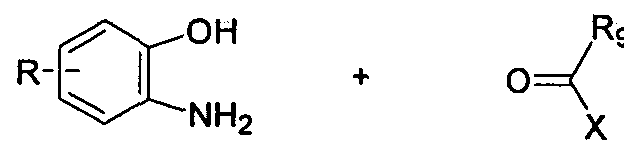
The compound of formula I (R = 5-ethylsulfonyl; R9 = 2-naphthalen-2-yl) may be synthesised according to the following procedure, as disclosed in WO 2007/091106 (page 51):
Microwave, dioxane, 21O0C, 15min
X=CI 9 (Method 1B)
Figure imgf000004_0003
Figure imgf000004_0002
X=OH or Cl Method IB is detailed on pages 67-68 in relation to 2-benzyl-5-nitrobenzo[d]oxazole as follows:
"Method IB (Compounds D 2-Benzyl-5-nitrobenzo[d]oxazoIe
To 2-amino-4-nitrophenol (300mg, 1.95mmol) in dioxane (2.5mL) was added 2-phenylacetyl chloride (290μL, 2.15mmol) at room temperature. The reaction vessel was heated in the microwave at 21O0C for 15min. After cooling, the mixture was slowly poured into IM aqueous sodium hydroxide (5OmL), and the resulting precipitate filtered and washed with water. The resulting solid was purified by column chromatography eluting using a gradient (ethyl acetate/hexanes. l :7 v/v to ethyl acetate/hexanes 1 :5 v/v) to afford 165mg (33%) of the title compound (LCMS RT= 6.47min, MH+ 255.2) 1H NMR (DMSO): 8.60 (IH, d, J 2.4 Hz), 8.30 (IH, dd, J 9.0 2.4 Hz), 7.95
(IH, d, J9.0 Hz), 7.43-7.27 (5H, m), 4.44 (2H, s)"
The equivalent reagents which would be used in the above method for the synthesis of 5-(ethylsulfonyl)-2-(naphthalen-2-yl)benzo[d]oxazole (compound 1) are 2-amino-4- ethylsulfonylphenol (rather than 2-amino-4-nitrophenol) and 2-naphthoyl chloride (rather than 2-phenylacetyl chloride).
This synthesis teaches the skilled person to purify the product by column chromatography (ethyl acetate/hexanes 1:7 v/v to ethyl acetate/hexanes 1 :5 v/v). Such purification provides the compound of formula I in a crystalline impure state consisting mainly of crystalline form II (see below for a definition of this crystalline form).
The drug regulatory authorities are increasingly demanding more information in relation to the polymorphic forms of drug candidates. Consequently, there is a need in the art for processes by which drug candidates can be prepared as a single polymorphic form, and also for novel polymorphic forms of drugs having advantageous properties. Accordingly, provided are polymorphs of the compound of formula I having advantageous properties and processes by which the polymorphs can be prepared. In the following description, X-ray powder diffraction pattern peaks are given as °2Θ and Raman spectra peaks are given as cm'1.
In a first embodiment there is provided a polymorphic form of the compound 5- (ethylsulfonyl)-2-(naphthalen-2-yl)benzo[d]oxazole (polymorphic form 1) characterised in that it provides an X-ray powder diffraction pattern comprising a peak at 14.5±0.2.
Also in the first embodiment there is provided a polymorphic form of the compound 5-(ethylsulfonyl)-2-(naphthalen-2-yl)benzo[d]oxazole (polymorphic form 1) characterised in that it provides an X-ray powder diffraction pattern comprising a peak at 16.7±0.2.
Also in the first embodiment there is provided a polymorphic form of the compound 5-(ethylsulfonyl)-2-(naphthalen-2-yl)benzo[d]oxazole (polymorphic form 1) characterised in that it provides an X-ray powder diffraction pattern comprising a peak at 19.1±0.2.
Also in the first embodiment there is provided a polymorphic form of the compound 5-^eth"lsulfon'"l^-2-^nsrihtha!en-2-Λ'!^benzo^d^oxazo!e ^"ol^'moπ^hic form I^ characterised in that it provides an X-ray powder diffraction pattern comprising a peak at 24.0±0.2. In one aspect of the first embodiment there is provided a polymorphic form of the compound 5-(ethylsulfonyl)-2-(naphthalen-2-yl)benzo[d]oxazole (polymorphic form 1) characterised in that it provides an X-ray powder diffraction pattern comprising peaks at 14.5±0.2, 16.7±0.2, 19.1±0.2 and 24.0±0.2.
In a second embodiment there is provided a polymorphic form of the compound 5- (ethylsulfonyl)-2-(naphthalen-2-yl)benzo[d]oxazole (polymorphic form 2) characterised in that it provides an X-ray powder diffraction pattern comprising peaks at 15.9±0.2, 18.5±0.2 and 23.3±0.2.
In a third embodiment there is provided a polymorphic form of the compound 5- (ethylsulfonyl)-2-(naphthalen-2-yl)benzo[d]oxazole (polymorphic form 3) characterised in that it provides an X-ray powder diffraction pattern comprising peaks at 12.1±0.2, 17.4±0.2, 22.7±0.2, 25.0±0.2 and 26.5±0.2.
In a fourth embodiment there is provided a polymorphic form of the compound 5- (ethylsulfonyl)-2-(naphthalen-2-yl)benzo[d]oxazole (polymorphic form 4) characterised in that it provides an X-ray powder diffraction pattern comprising peaks at 14.6±0.2, 16.1±0.2, 17.0±0.2, 19.3±0.2 and 29.2±0.2. The instant disclosure will now be described with reference to the accompanying drawings in which:
Figure 1 shows the X-ray powder diffraction pattern for polymorphic form 1 ;
Figure 2 shows the differential scanning calorimetry trace for polymorphic form 1 ; Figure 3 shows the thermogravimetric analysis trace for polymorphic form 1 ;
Figure 4 shows the Raman spectra for polymorphic form 1 ;
Figure 5 shows optical microscope images of polymorphic form 1;
Figure 6 shows the X-ray powder diffraction pattern for polymorphic form 2;
Figure 7 shows the differential scanning calorimetry trace for polymorphic form 2; Figure 8 shows the thermogravimetric analysis trace for polymorphic form 2;
Figure 9 shows the Raman spectra for polymorphic form 2;
Figure 10 shows optical microscope images of polymorphic form 2;
Figure 11 shows the X-ray powder diffraction pattern for polymorphic form 3;
Figure 12 shows the differential scanning calorimetry trace for polymorphic form 3; Figure 13 shows the thermogravimetric analysis trace for polymorphic form 3;
Figure 14 shows the Raman spectra for polymorphic form 3;
Figure 15 shows optical microscope images of polymorphic form 3;
Figure 16 shows the X-ray powder diffraction pattern for polymorphic form 4;
Figure 17 shows the differential scanning calorimetry trace for polymorphic form 4; Figure 18 shows the thermogravimetric analysis trace for polymorphic form 4;
Figure 19 shows the Raman spectra for polymorphic form 4;
Figure 20 shows optical microscope images of polymorphic form 4;
Figure 21 shows a comparison of the X-ray powder diffraction patterns for polymorphic forms 1, 2, 3 and 4; Figure 22 shows a comparison of Raman spectra for polymorphic forms 1, 2, 3 and 4;
Figure 23 shows the X-ray powder diffraction pattern of polymorphic form 1 before and after slurrying in methanol; Figure 24 shows the X-ray powder diffraction pattern of polymorphic form 2 before and after slurrying in methanol; and
Figure 25 shows the X-ray powder diffraction pattern of a mixture of polymorphic forms 1, 2 and 3 after slurrying in methanol. Figure 26 shows a luciferase reporter assay (murine H2K cells). Figure 27 shows a dose dependent luciferase induction.
Figure 28 shows an example of TA muscle sections stained with antibody specific for mouse utrophin.
Figure 29 shows that mice exposed to CPD-A (V2 and V3) showed increased levels of utrophin expression compared to control.
In one embodiment, provided is the polymorphic form 1 having an X-ray powder diffraction pattern substantially in accordance with figure 1.
In another embodiment, provided is the polymorphic form 1 having a differential scanning calorimetry trace substantially in accordance with figure 2. In another embodiment, provided is the polymorphic form 1 having a thermogravimetric analysis trace substantially in accordance with figure 3.
In another embodiment, provided is the polymorphic form 1 having a Raman spectra substantially in accordance with figure 4.
In another embodiment, provided is the polymorphic form 2 having an X-ray powder diffraction pattern substantially in accordance with figure 6.
In another embodiment, provided is the polymorphic form 2 having a differential scanning calorimetry trace substantially in accordance with figure 7.
In another embodiment, provided is the polymorphic form 2 having a thermogravimetric analysis trace substantially in accordance with figure 8. In another embodiment, provided is the polymorphic form 2 having a Raman spectra substantially in accordance with figure 9.
In another embodiment, provided is the polymorphic form 3 having an X-ray powder diffraction pattern substantially in accordance with figure 11. In another embodiment, provided is the polymorphic form 3 having a differential scanning calorimetry trace substantially in accordance with figure 12.
In another embodiment, provided is the polymorphic form 3 having a thermogravimetric analysis trace substantially in accordance with figure 13. In another embodiment, provided is the polymorphic form 3 having a Raman spectra substantially in accordance with figure 14.
In another embodiment, provided is the polymorphic form 4 having an X-ray powder diffraction pattern substantially in accordance with figure 16.
In another embodiment, provided is the polymorphic form 4 having a differential scanning calorimetry trace substantially in accordance with figure 17.
In another embodiment, provided is the polymorphic form 4 having a thermogravimetric analysis trace substantially in accordance with figure 18.
In another embodiment, provided is the polymorphic form 4 having a Raman spectra substantially in accordance with figure 19. In one embodiment there is provided a compound of the formula 5-(ethylsulfonyl)-2-
(naphthalen-2-yl)benzo[d]oxazole having a structure comprising greater than 60% of polymorphic form 1, in another embodiment comprising greater than 80% of polymorphic form 1 and in another embodiment greater than 95% of polymorphic form 1.
In one embodiment there is provided a compound of the formula 5-(ethylsulfonyl)-2- (naphthalen-2-yl)benzo[d]oxazole having a structure comprising polymorphic form 1 as the only polymorphic form.
In one embodiment there is provided a compound of the formula 5-(ethylsulfonyl)-2- (naphthalen-2-yl)benzo[d]oxazole having a structure comprising greater than 60% of polymorphic form 2, in another embodiment comprising greater than 80% of polymorphic form 2 and in another embodiment greater than 95% of polymorphic form 2.
In one embodiment there is provided a compound of the formula 5-(ethylsulfonyl)-2- (naphthalen-2-yl)benzo[d]oxazole having a structure comprising polymorphic form 2 as the only polymorphic form.
In one embodiment there is provided a compound of the formula 5-(ethylsulfonyl)-2- (naphthalen-2-yl)benzo[d]oxazole having a structure comprising greater than 60% of polymorphic form 3, in another embodiment comprising greater than 80% of polymorphic form 3 and in another embodiment greater than 95% of polymorphic form 3.
In one embodiment there is provided a compound of the formula 5-(ethylsulfonyl)-2- (naphthalen-2-yl)benzo[d]oxazole having a structure comprising polymorphic form 3 as the only polymorphic form.
In one embodiment there is provided a compound of the formula 5-(ethylsulfonyl)-2- (naphthalen-2-yl)benzo[d]oxazole having a structure comprising greater than 60% of polymorphic form 4, in another embodiment comprising greater than 80% of polymorphic form 4 and in another embodiment greater than 95% of polymorphic form 4. In one embodiment there is provided a compound of the formula 5-(ethylsulfonyl)-2-
(naphthalen-2-yl)benzo[d]oxazole having a structure comprising polymorphic form 4 as the only polymorphic form.
Also nrovide.d are nrnr.eςςp.ς fnr malα'nσ parh r>f nnlvmnrnhir forme 1 2 ^ and 4
In one embodiment there is provided a process for synthesising polymorphic form 1 comprising the steps of:
(i) dissolving 5-(ethylsulfonyl)-2-(naphthalen-2-yl)benzo[d]oxazole in acetone and then adding isopropyl alcohol until a solid product forms wherein the ratio of acetone : isopropyl alcohol is 20 : 80; or dissolving 5-(ethylsulfonyl)-2-(naphthalen-2-yl)benzo[d]oxazole in ethyl acetate and then adding isopropyl alcohol until a solid product forms wherein the ratio of ethyl acetate : isopropyl alcohol is 40 : 60; or dissolving 5-(ethylsulfonyl)-2-(naphthalen-2-yl)benzo[d]oxazole in dimethyl formamide and then adding isopropyl alcohol until a solid product forms wherein the ratio of dimethyl formamide : isopropyl alcohol is 40 : 60; or dissolving 5-(ethylsulfonyl)-2-(naphthalen-2-yl)benzo[d]oxazole in acetone and then adding ethanol until a solid product forms wherein the ratio of acetone : ethanol is 40 : 60; or dissolving 5-(ethylsulfonyl)-2-(naphthalen-2-yl)benzo[d]oxazole in acetone at reflux and then allowing the solution to cool to -10 0C to -15 °C until a solid product forms; or and then (ii) separating the solid product. In one embodiment there is provided a process for synthesising polymorphic form 2 comprising the steps of:
(i) dissolving 5-(ethylsulfonyl)-2-(naphthalen-2-yl)benzo[d]oxazole in xylene and then adding isopropyl alcohol until a solid product forms wherein the ration of xylene : isopropyl alcohol is either 20 : 80 or 80 : 20; and then
(ii) separating the solid product.
In one embodiment there is provided a process for synthesising polymorphic form 3 comprising the steps of: (i) dissolving 5-(ethylsulfonyl)-2-(naphthalen-2-yl)benzo[d]oxazole in xylene and then adding isopropyl alcohol until a solid product forms wherein the ratio of xylene : isopropyl alcohol is 60 : 40; and then
(ii) separating the solid product. In one embodiment there is provided a process for synthesising polymorphic form 4 comprising the steps of:
(i) dissolving 5-(ethylsulfonyl)-2-(naphthalen-2-yl)benzo[d]oxazole in dimethyl formamide; and then (ii) removing the dimethyl formamide by evaporation to form a solid product.
The stability of the various solid forms of 5-(ethylsulfonyl)-2-(naphthalen-2- yl)benzo[d]oxazole was investigated by stirring samples of each and mixtures thereof in methanol for defined time periods.
It has been found that polymorphic form 1 exhibits increased stability over previously known forms of 5-(ethylsulfonyl)-2-(naphthalen-2-yl)benzo[d]oxazole. This property of polymorphic form 1 is relevant because it is important that a pharmaceutical product is supplied in a known form. Therefore, if a pharmaceutical is supplied as the most stable polymorph, it may remain in this form as supplied and taken by the patient. In this regard it has been discovered that polymorphic form 1 retains its structure before and after slurrying in methanol for four days at 250C.
In contrast, after slurrying in methanol in a similar manner polymorphic form 2 is converted into polymorphic form 1, and mixtures of polymorphoic forms 1, 2 and 3 are also converted into polymorphic form 1.
The polymorphic forms of the compound of formula I for use in the treatment of DMD will generally be administered in the form of a pharmaceutical composition.
Thus, according to a further aspect there is provided a pharmaceutical composition including less than 80% w/w, in another embodiment less than 50% w/w, e.g. 0.1 to 20%, of the polymorphic form of the compound of formula I in admixture with a pharmaceutically acceptable diluent or carrier.
Also provided is a process for the production of such a pharmaceutical composition which comprises rnixmg the ingredients. Examples of pharmaceutical formulations which may be used, and suitable diluents or carriers, are as follows: for inhalation compositions - coarse lactose; for tablets, capsules and dragees - microcrystalline cellulose, calcium phosphate, diatomaceous earth, a sugar such as lactose, dextrose or mannitol, talc, stearic acid, starch, sodium bicarbonate and/or gelatin; for suppositories - natural or hardened oils or waxes. The polymorphic form of the compound of formula I in one embodiment is in a form having a mass median diameter of from 0.01 to lOμm. The compositions may also contain suitable preserving, stabilising and wetting agents, solubilisers, e.g. a water-soluble cellulose polymer such as hydroxypropyl methylcellulose, or a water-soluble glycol such as propylene glycol, sweetening and colouring agents and flavourings. Where appropriate, the compositions may be formulated in sustained release form.
The content of the polymorphic form of the compound of formula I in a pharmaceutical composition is generally about 0.01 -about 99.9wt%, in one embodiment about 0.1 -about 50wt%, relative to the entire preparation.
The dose of the polymorphic form of the compound of formula I is determined in consideration of age, body weight, general health condition, diet, administration time, administration method, clearance rate, combination of drugs, the level of disease for which the patient is under treatment then, and other factors.
While the dose varies depending on the target disease, condition, subject of
~ administration, administration method and the like, for oral administration as a therapeutic agent for the treatment of Duchenne muscular dystrophy in a patient suffering from such a disease is from 0.01 mg - 10 g, in one embodiment 0.1 - 100 mg, is in certain embodiments administered in a single dose or in 2 or 3 portions per day.
The potential activity of the compound of formula I for use in the treatment of DMD may be demonstrated in the following predictive assay and screens. 1. Luciferase reporter assay (murine H2K cells)
The cell line used for the screen is an immortalized mdx mouse H2K cell line that has been stably transfected with a plasmid containing «5kb fragment of the Utrophin A promoter iiiciuuiiig ulc iiiai ϋiiu αusiαi€u cXuii iiiuCtu
Figure imgf000013_0001
^_>w ± lgure
Figure imgf000013_0002
Under conditions of low temperature and interferon containing media, the cells remain as myoblasts. These are plated into 96 well plates and cultured in the presence of compound for three days. The level of luciferase is then determined by cell lysis and reading of the light output from the expressed luciferase gene utilising a plate luminometer.
Example of pharmacological dose response of compounds in the assay is shown in Figure 27.
2. mdx mouse
Data obtained from the ADMET data was prioritised and the compounds with the best in vitro luciferase activity and reasonable ADMET data were prioritised for testing in the mdx proof of concept study where the outcome was to identify whether any of the compounds had the ability to increase the levels of utrophin protein in dystrophin deficient muscle when compared to vehicle only dosed control animals.
There were two animals injected with 10mg/kg of compound administered ip daily for 28 days plus age matched controls. Muscle samples were taken and processed for sectioning (to identify increases in sarcolemmal staining of utrophin) and Western blotting (to identify overall increases in utrophin levels). Figure 28 shows an example of TA muscle sections stained with antibody specific for mouse utrophin. Comparison to the mdx muscle only injected with vehicle shows an increase in the amount of sarcolemmal bound utrophin.
Muscles from the above treated mice were also excised and processed for Western blotting and stained with specific antibodies (see Figure 29). Again using muscle dosed with
CPD-A shows a significant increase in the overall levels of utrophin present in both the TA leg muscle and the diaphragm. Both mice exposed to CPD-A (V2 and V3) showed increased levels of utrophin expression compared to control.
Positive upregulation data from the first 28 day study were then repeated in a further two mouse 28 day study. A total of three different compounds have shown in duplicate the ability to increase the level of utrophin expression in the mdx mouse when delivered daily by ip for 28 days. This data demonstrates the ability of the compound when delivered ip causes a significant increase in the levels of utrophin found in the mdx muscle and therefore gives us the confidence that this approach will ameliorate the disease as all the published data to date demonstrates that any increase of utrophin levels over three fold has significant functional effects on dystrophin deficient muscle.
The H2K/mdx/Utro A reporter cell line maintenance
The H2K/mdx/Utro A reporter cell line was passaged twice a week until <30% confluent . The cells were grown at 330C in the presence of 10% CO2. To remove the myoblasts for platting, they were incubated with Trypsin / EDTA until the monolayer started to detach.
Growth Medium DMEM Gibco 41966 20% FCS 1% Pen/Strep
1% glutamine
1 OmIs Chick embryo extract
Interferon(1276 905 Roche) Add fresh lOμl / 50mls medium Luciferase Assay for 96 Well Plates The H2K/mdx/Utro A reporter cell line cells were plated out into 96 well plates (Falcon 353296, white opaque) at a density of approximately 5000 cells/well in 190μl normal growth medium. The plates were then incubated at 330C in the presence of 10% CO2 for 24 hrs. Compounds were dosed by adding lOμl of diluted compound to each well giving a final concentration of lOμM. The plates were then incubated for a further 48hrs.
Cells were then lysed in situ following the manufacture's protocols(Promega Steady- GIo Luciferase Assay System(E2520), then counted for 10 seconds using a plate luminometer (Victor 1420). Compound Storage
Compounds for screening were stored at -2O0C as 1OmM stocks in 100% DMSO until required.
Injection uf max mice with compounds
Mdx from a breeding colony were selected for testing. Mice were injected daily with either vehicle or up to 50mg/kg of compound using the intreperitoneal route (ip). Mice were weighed and compounds diluted in 5% DMSO, 0.1% tween in PBS.
Mice were sacrificed by cervical dislocation at desired time points, and muscles excised for analysis.
Muscle Analysis Immunohistochemistry
Tissues for sectioning were dissected, immersed in OCT (Bright Cryo-M-Bed) and frozen on liquid nitrogen cooled isopentane. Unfixed 8μM cryosections were cut on a Bright Cryostat, and stored at -8O0C.
In readiness for staining, sections were blocked in 5% fetal calf serum in PBS for 30 mins. The primary antibodies were diluted in blocking reagent and incubated on sections for 1.5 hrs in a humid chamber then washed three times for 5mins in PBS. Secondary antibodies were also diluted in blocking reagent, and incubated for 1 hr in the dark in a humid chamber. Finally sections were washed three times 5mins in PBS and coverslips were mounted with hydromount. Slides were analysed using a Leica fluorescent microscope. Results Biological activity was assessed using the luciferase reporter assay in murine H2K cells, and is classified as follows:
+ Up to 200% relative to control ++ Between 201 % and 300% relative to control +++ Between 301% and 400% relative to control H- Above 401% relative to control
5-(ethylsulfonyl)-2-(naphthalen-2-yl)benzo[d]oxazole
Experimental
S nthesis of 5- eth lsulfon -2- na hthalen-2- l'benzo d oxazole
Figure imgf000016_0001
Procedure: A vessel was equipped with a retreat blade stirrer and downward pumping turbine, a five necked flange lid, seal and clamp, stirrer gland and overhead stirrer, thermometer pocket, Dean- Stark trap, dropping funnel and condenser. The water to the condenser was then switched on.
The sodium hydroxide and 0.80 L of water were then mixed (whilst cooling in an ice bath until all the sodium hydroxide has dissolved - caution exothermic). The resulting solution was then transferred to a scrubber appropriately attached to the vessel. The 2-amino-4-(ethylsulfonyl)phenol and 2.00 L of xylenes (mixed) were then transferred to the vessel, and the reagents and solvent were stirred at 100 rpm.
Then, the 2-naphtholyl chloride was dissolved in 2.00 L of xylenes (mixed) and transferred into the vessel. The stirring rate was increased to 150 rpm. The temperature of the solution was gradually increased to 100°C over a period of not less than 30 mins, and then maintained at that level for 10 mins. (Caution: HCl gas is evolved during this process through the gas scrubber). The stirrer speed was then increased to 315 rpm and the temperature gradually increased over a period of 30 minutes until reflux (155°C) at which level it was maintained for 90 mins. (Caution: HCl gas is evolved during this process through the gas scrubber).
The methanesulfonic acid was then added drop-wise over a period of 30 mins and relux was maintained until no further water was being collected in the Dean-Stark apparatus (approx 15 mins).
The heat was then removed and the pipe adapter from the Dean- Stark apparatus disconnected. The resulting solution was allowed to cool to 900C, and then filtered using Whatman 1 filter paper.
The resulting solution was then left at ambient temperature for 18h, after which time the product crystallised, and the product was separated by filtration using Whatman 1 filter paper. The product was then washed with Ix 1.0 L of tert-butyl methyl ether (TBME) The product was then dried in a vacuum oven at 65°C at a pressure of 1 Ombar until constant weight was achieved (less than 0.5 g difference between consecutive measurements of mass which must be at least 1 h apart).
The product was obtained as a sandy-beige powder in a yield of 80%.
Characterisation:
5-(EthylsuIf onyl)-2-(naphthalen-2-yl)benzo [d] oxazole LCMS RT= 6.94min, MH+ 338.1;
1H NMR (DMSO): 8.90 (IH, br), 8.34 (IH, d, J 1.4 Hz), 8.30 (IH, dd, J 8.6 1.7 Hz), 8.24- 8.05 (4H, m), 7.99 (IH, dd, J 8.5 1.8 Hz), 7.73-7.64 (2H, m), 3.41 (2H, q, J 7.3 Hz), 1.15 (3H, t, J7.3 Hz); MP = 160-1610C.
Synthesis of polymorphic forms
1. Procedure
100 mg of the compound of formula I was dissolved in the minimum amount of good solvent and then the anti-solvent was added to induce crystallisation. The supernatant liquor was then removed, and the resulting solid was dried under vacuum for 12 his.
2. Thermodynamic stability testing
Slurrying Experiment (single form)
Approximately 10 mg of two polymorphic forms was slurried in 0.25ml υf methanol for 4 days at either room temperature or 60 0C. The supernatant liquor was then removed and the resulting solid was dried under vacuum for 24 hrs.
Slurrying Experiment (mixed forms)
Approximately 10 mg of a mixture of polymorphic forms were slurried together in 0.25ml of methanol for 1 day at either room temperature or 600C. The supernatant was then removed via syringe and the resulting solid was dried under vacuum for 24 hrs and analysed by powder X-ray diffraction.
3. Analytical techniques 3.1 X-Ray Powder Diffraction (XRPD)
Approximately 2 mg of sample was gently compressed on the XRPD zero back ground single obliquely cut silica sample holder. The sample was then loaded into a Philips X-Pert MPD diffractometer and analysed using the following experimental conditions:
Tube anode: Cu Generator tension: 40 kV Tube current: 40 mA
Wavelength alphal : 1.5406 A Wavelength alpha2: 1.5444 A Start angle [2Θ]: 5 End angle [2Θ]: 35 Time per step: 2.5 seconds Scan step size: 0.06
3.2 Differential Scanning Calorimetry
Approximately 2 mg of sample was weighed into an aluminium DSC pan and sealed using a non-hermetic lid. The sample was then loaded into a Perkin-Elmer Diamond DSC (equipped with a liquid nitrogen cooling unit) cooled and held at O0C. Once a stable heat-flow response was seen, the sample was then heated from 0 to 2000C at scan rate of 200°C/min and the resulting heat flow response was monitored. A 20 ml/min helium purge was used to prevent thermally induced oxidation of the sample during heating and also to reduce the thermal lag through the sample to increase the instrument sensitivity. Prior tn analysis, the instrument was temperature and heat-flow calibrated using an indium reference standard.
3.3 Gravimetric Vapour Sorption
Approximately 15 mg of sample was placed into a wire-mesh vapour sorption balance pan and loaded into an 'IgaSorp' vapour sorption balance (Hiden Analytical Instruments). The sample was then dried by maintaining a 0 % humidity environment until no further weight change was recorded. Subsequently, the sample was then subjected to a ramping profile from 0 - 90 % RH at 10 % RH increments, maintaining the sample at each step until equilibration had been attained (99.5 % step completion). Upon reaching equilibration, the % RH within the apparatus was ramped to the next step and the equilibration procedure repeated. After completion of the sorption cycle, the sample was then dried using the same procedure. The weight change during the sorption/desorption cycles were then monitored, allowing for the hygroscopic nature of the sample to be determined.
3.4 Thermogravimetic Analysis Approximately 5 mg of sample was accurately weighed into a platinum TGA pan and loaded into a TGA 7 gravimetric analyser held at room temperature. The sample was then heated at a rate of 10°C/min from 2O0C to 250°C during which time the change in weight monitored. The purge gas used was nitrogen at a flow rate of 20 ml/min. Prior to analysis the instrument was weight calibrated using a 100 mg reference weight and temperature calibrated using an alumel reference standard.
Results
Polymorphic form 1
Polymorphic form 1 was prepared under the above conditions using following solvent combinations:
Figure imgf000020_0001
Polymorphic form 1 gives an X-ray powder diffraction pattern according to figure 1 having the following peaks:
No. Position. r°2Th.l d-spacinε [A] Relative Intensity [%
1 8.7404 1 0.11722 7.71
2 12.2445 7.22867 9.15
3 14.5128 6.10355 24.14
4 15.3453 5.77424 100.00
5 16.7016 5.30825 13.43
6 17.5358 5.05758 9.16
7 17.9991 4.92841 11.13
8 19.0954 4.64787 24.44
9 19.5539 4.53993 15.30
10 19.9900 4.44185 12.98
11 20.7114 4.28873 19.80
12 20.9551 4.23941 17.18
13 22.3866 3.97145 12.06
14 24.0108 3.70636 14.53
15 24.4808 3.63626 12.09
16 25.8892 3.44154 82.90
17 26.6900 3.34008 7.88 18 27.4500 3.24931 2.61
19 28.8546 3.09425 12.72
20 29.5922 3.01878 13.84
21 30.4300 2.93755 2.95
22 31.4100 2.84810 11.94
23 33.2507 2.69453 8.11
24 35.5350 2.52638 6.65
25 36.5096 2.46115 5.22
26 37.2500 2.41391 3.19
27 38.6897 2.32734 5.22
28 40.1100 2.24814 6.16
29 42.4100 2.13139 2.71
30 43.6241 2.07485 5.81
31 45.0900 2.01074 5.28
32 45.7704 1.98242 7.23
Polymorphic form 1 gives a differential scanning calorimetry trace according to figure 2. Polymorphic form 1 gives a thermogravimetric analysis trace according to figure 3.
Polymorphic form 1 gives a Raman spectra according to figure 4 having the following peaks: No. Position, [cm"1]
1 1628.57
2 1611.21
3 1554.92
4 1508.12
5 1463.63
6 1429.89
7 1390.53
8 1362.14
9 1264.03
10 1237.83
11 1190.93
12 921.63
Figure 5 shows optical microscope images of polymorphic form 1. Polymorphic form 2
Polymorphic form 2 was prepared under the above conditions using following solvent combinations:
Figure imgf000021_0001
Figure imgf000022_0001
Polymorphic form 2 gives an X-ray powder diffraction pattern according to figure 6 having the following peaks:
No. Pos. r°2Th.l d-spacing [Al ReI. Int. \%\
1 9.3400 9.46903 10.85
2 12.6400 7.00334 0.70
3 13.8911 6.37529 14.17
4 14.4657 6.12329 39.26
5 15.0183 5.89922 27.06
6 15.1577 5.84528 30.73
7 15.2469 5.81130 29.86
8 15.9393 5.56038 41.58
9 16.8200 5.27116 44.97
10 17.0323 5.20594 43.47
11 17.8573 4.96725 34.13
12 18.5128 4.79281 55.26 IJ i9.2033 4.62200 27.93
14 20.0240 4.43439 33.44
15 20.6864 4.29386 12.85
16 20.7079 4.28945 13.81
17 22.3479 3.97824 46.15
18 23.3108 3.81605 85.94
19 24.3157 3.66057 16.97
20 25.6110 3.47830 100.00
21 26.0183 3.42476 28.61
22 27.4530 3.24896 17.17
23 27.9900 3.18783 15.37
24 28.0908 3.17663 13.56
25 28.9336 3.08599 29.83
26 30.0254 2.97621 23.50
27 30.8547 2.89808 17.04
28 34.4400 2.60415 3.48
29 36.4900 2.46242 13.97
30 38.7300 2.32501 5.56
31 40.6400 2.22004 26.93
32 44.4475 2.03831 17.17
33 45.6477 1.98747 22.08
34 47.6607 1.90812 18.98
Polymorphic form 2 gives a differential scanning calorimetry trace according to figure 7. Polymorphic form 2 gives a thermogravimetric analysis trace according to figure 8.
Polymorphic form 2 gives a Raman spectra according to figure 9 having the following peaks: No, . Position, fern"1!
1 1630.74
2 1611.54
3 1557.07
4 1507.80
5 1426.48
6 1393.55
7 1262.55
8 1237.64
9 918.36
Figure 10 shows optical microscope images of polymorphic form 2.
Polymorphic form 3 Polymorphic form 3 was prepared under the above conditions using following solvent combination:
Figure imgf000023_0001
Polymorphic form 3 gives an X-ray powder diffraction pattern according to figure 11 having the following peaks:
No. Pos. r°2Th.l d-spacing TAl ReI. Int. \%\
1 12.1430 7.28886 25.01
2 12.7134 6.96307 6.44
3 13.6600 6.48261 8.31
4 15.5495 5.69886 100.00
5 16.0600 5.51885 2.13
6 16.8040 5.27613 18.64
7 17.3537 5.11022 41.67
8 18.3400 4.83758 2.60
9 18.3943 4.82343 8.31
10 19.6000 4.52934 2.13
11 20.2870 4.37749 5.54
12 22.0370 4.03365 9.85
13 22.7100 3.91562 19.37
14 24.9757 3.56531 29.27
15 25.6058 3.47899 35.69
16 26.5134 3.36193 19.69
17 27.4021 3.25488 36.92
18 27.7695 3.21264 32.38
19 28.2812 3.15567 13.54
20 29.0800 3.07078 3.31 Polymorphic form 3 gives a differential scanning calorimetry trace according to figure 12. Polymorphic form 3 gives a thermogravimetric analysis trace according to figure 13.
Polymorphic form 3 gives a Raman spectra according to figure 14 having the following peaks:
No. Position. [Cm'1]
1 1632.78
2 1613.30
3 1546.09
4 1456.03
5 1426.77
6 1390.81
7 1346.25
8 1261.88
9 1239.12
10 1190.05
11 1157.98
12 1121.54
13 955.92
14 929.81
15 860.57
Figure 15 shows optical microscope images of polymorphic form 3.
Polymorphic form 4 Polymorphic form 4 was prepared by dissolving 100 mg of the compound of formula I in dimethyl formamide and then removing the solvent by evaporation.
Figure imgf000024_0001
Polymorphic form 4 gives an X-ray powder diffraction pattern according to figure 16 having the following peaks:
No. Pos. r°2Th.l d-spacine IA] ReI. Int. \%λ
1 12.4100 7.13262 2.58
2 14.6200 6.05903 46.05
3 15.2274 5.81868 76.40
4 16.0989 5.50562 29.99
5 16.9513 5.23064 35.06
6 18.0105 4.92534 20.11
7 18.6225 4.76483 15.15 8 19.2734 4.60535 22.30
9 20.1430 4.40845 28.54
1 020.6800 4.29518 24.48
11 22.4554 3.95944 17.33
12 23.4994 3.78585 13.79
13 23.8598 3.72947 16.11
14 24.4279 3.64400 27.84
15 25.8355 3.44858 100.00
16 29.1864 3.05982 35.71
17 30.9869 2.88602 14.70
18 34.1490 2.62567 11.86
19 35.4100 2.53501 6.05
20 38.5794 2.33374 12.20
21 40.8300 2.21014 13.16
22 43.7100 2.07097 7.24
23 45.7500 1.98326 16.51
24 47.8854 1.89969 15.10
25 48.6259 1.87248 13.89
Polymorphic form 4 gives a differential scanning calorimetry trace according to figure 17. Polymorphic form 4 gives a thermogravirnεtric analysis trace according to figure 18.
Polymorphic form 4 gives a Raman spectra according to figure 19 having the following peaks:
No. Position, ("cm" ]
1 1611.74
2 1556.66
3 1505.46
4 1455.21
5 1426.26
6 1390.80
7 1344.56
8 1238.72
9 1187.49
10 1119.38
11 1061.06
12 916.21
Figure 20 shows optical microscope images of polymorphic form 4. Slurrying Experiments
1. Polymorphic form 1
Polymorphic form 1 was slurried in methanol and then the solid product isolated using the above slurrying experiment (single form). The X-ray powder diffraction pattern of the solid product was obtained. The experiment was performed twice and the resulting diffraction patterns are illustrated by figure 23. It can be seen that the diffraction pattern is the same before and after slurrying indicating that there is no change in the polymorphic form.
2. Polymorphic form 2
Polymorphic form 2 was slurried in methanol and then the solid product isolated using the above slurrying experiment (single form). The X-ray powder diffraction pattern of the solid product was obtained. The experiment was performed twice and the resulting diffraction patterns are illustrated by figure 24 together with the diffraction pattern for polymorphic form 1. It can be seen that the diffraction pattern of the product subsequent to slurrying is the same as that for polymorphic form 1 , indicating that subsequent to slurrying, polymorphic form 1 has converted to polymorphic form 2.
3. Mixed polymorphic forms 1, 2 and 3. The following mixtures of polymorphic forms were slurried in methanol according to the above slurrying experiment (mixed forms) both at 6O0C and at 250C:
Forms 1 and 2
Forms 1 and 3 Forms 2 and 3
The X-ray powder diffraction pattern of the solid products after slurrying were obtained. The spectra are illustrated by figure 25.
As can be seen, at 250C, after slurrying all mixtures converted into polymorphic form 1. However, after slurrying at 6O0C the spectra indicate only partial conversion into polymorphic form 1, indicating that the free energy difference between the polymorphic forms may be more finely balanced at 6O0C rather than at 250C.

Claims

WHAT IS CLAIMED IS:
1. A polymorphic form of the compound 5-(ethylsulfonyl)-2-(naphthalen-2- yl)benzo[d]oxazole (polymorphic form 1) characterised in that it provides an X-ray powder diffraction pattern comprising a peak at 14.5±0.2.
2. A polymorphic form of the compound 5-(ethylsulfonyl)-2-(naphthalen-2- yl)benzo[d]oxazole (polymorphic form 1) characterised in that it provides an X-ray powder diffraction pattern comprising a peak at 16.7±0.2.
3. A polymorphic form of the compound 5-(ethylsulfonyl)-2-(naphthalen-2- yl)benzo[d]oxazole (polymorphic form 1) characterised in that it provides an X-ray powder diffraction pattern comprising a peak at 19.1±0.2.
4. A polymorphic form of the compound 5-(ethylsulfonyl)-2-(naphthalen-2- yl)bcnzo[djθxazθie (polymorphic form 1) characterised in thai it provides an X-ray powder diffraction pattern comprising a peak at 24.0±0.2. 5. A polymorphic form of the compound 5-(ethylsulfonyl)-2-(naphthalen-2- yl)benzo[d]oxazole (polymorphic form 1) characterised in that it provides an X-ray powder diffraction pattern comprising peaks at 14.
5±0.2, 16.7±0.2, 19.1±0.2 and 24.0±0.2.
6. A polymorphic form according to any of claims 1 to 5 having an X-ray powder diffraction pattern substantially in accordance with figure 1.
7. A polymorphic form according to any of claims 1 to 6 having a differential scanning calorimetry trace substantially in accordance with figure 2.
8. A polymorphic form according to any of claims 1 to 7 having a thermogravimetric analysis trace substantially in accordance with figure 3.
9. A polymorphic form according to any of claims 1 to 8 having a Raman spectra substantially in accordance with figure 4.
10. A pharmaceutical composition comprising a compound of the formula 5- (ethylsulfonyl)-2-(naphthalen-2-yl)benzo[d]oxazole, wherein the compound of formula 5- (ethylsulfonyl)-2-(naphthalen-2-yl)benzo[d]oxazole has a structure comprising greater than 60% of a polymorphic form according to any of claims 1 to 9.
11. A pharmaceutical composition comprising a compound of the formula 5- (ethylsulfonyl)-2-(naphthalen-2-yl)benzo[d]oxazole, wherein the compound of formula 5- (ethylsulfonyl)-2-(naphthalen-2-yl)benzo[d]oxazole has a structure comprising a polymorphic form according to any of claims 1 to 9 as the only polymorphic form.
12. A polymorphic form of the compound 5-(ethylsulfonyl)-2-(naphthalen-2- yl)benzo[d]oxazole (polymorphic form 2) characterised in that it provides an X-ray powder diffraction pattern comprising peaks at 15.9±0.2, 18.5±0.2 and 23.3±0.2.
13. A polymorphic form according to claim 12 having an X-ray powder diffraction pattern substantially in accordance with figure 6.
14. A polymorphic form according to claim 12 or 13 having a differential scanning calorimetry trace substantially in accordance with figure 7.
15. A polymorphic form according to any of claims 12 to 14 having a thermogravimetric analysis trace substantially in accordance with figure 8.
16. A polymorphic form according to any of claims 12 to 15 having a Raman spectra substantially in accordance with figure 9.
17. A pharmaceutical composition comprising a compound of the formula 5- (ethylsulfonyl)-2-(naphthalen-2-yl)benzo[d]oxazole, wherein the compound of formula 5- (ethylsulfonyl)-2-(naphthalen-2-yl)benzo[d]oxazole has a structure comprising greater than 60% of a polymorphic form according to any of claims 12 to 16.
18. A pharmaceutical composition comprising a compound of the formula 5- (ethylsulfonyl)-2-(naphthalen-2-yl)benzo[d]oxazole, wherein the compound of formula 5- (ethylsulfonyl)-2-(naphthalen-2-yl)benzo[d]oxazole has a structure comprising a polymorphic form according to any of claims 12 to 16 as the only polymorphic form.
19. A polymorphic form of the compound 5-(ethylsulfonyl)-2-(naphthalen-2- yl)benzo[d]oxazole (polymorphic form 3) characterised in that it provides an X-ray powder diffraction pattern comprising peaks at 12.1±0.2, 17.4±0.2, 22.7±0.2, 25.0±0.2 and 26.5±0.2.
20. A polymorphic form according to claim 19 having an X-ray powder diffraction pattern substantially in accordance with figure 11.
21. A polymorphic form according to claim 19 or 20 having a differential scanning calorimetry trace substantially in accordance with figure 12.
22. A polymorphic form according to any of claims 19 to 21 having a thermogravimetric analysis trace substantially in accordance with figure 13.
23. A polymorphic form according to any of claims 19 to 22 having a Raman spectra substantially in accordance with figure 14.
24. A pharmaceutical composition comprising a compound of the formula 5- (ethylsulfonyl)-2-(naphthalen-2-yl)benzo[d]oxazole, wherein the compound of formula 5- (ethylsulfonyl)-2-(naphthalen-2-yl)benzo[d]oxazole has a structure comprising greater than 60% of a polymorphic form according to any of claims 19 to 23.
25. A pharmaceutical composition comprising a compound of the formula 5- (ethylsulfonyl)-2-(naphthalen-2-yl)benzo[d]oxazole, wherein the compound of formula 5-
(ethylsulfonyl)-2-(naphthalen-2-yl)benzo[d]oxazole has a structure comprising a polymorphic form according to any of claims 19 to 23 as the only polymorphic form.
26. A polymorphic form of the compound 5-(cthylsulfonyl)-2-(naρhthaleii-2- yl)benzo[d]oxazole (polymorphic form 4) characterised in that it provides an X-ray powder diffraction pattern comprising peaks at 14.6±0.2, 16.1±0.2, 17.0±0.2, 19.3±0.2 and 29.2±0.2
27. A polymorphic form according to claim 26 having an X-ray powder diffraction pattern substantially in accordance with figure 16.
28. A polymorphic form according to claim 26 or 27 having a differential scanning calorimetry trace substantially in accordance with figure 17.
29. A polymorphic form according to any of claims 26 to 28 having a thermogravimetric analysis trace substantially in accordance with figure 18.
30. A polymorphic form according to any of claims 26 to 29 having a Raman spectra substantially in accordance with figure 19.
31. A pharmaceutical composition comprising a compound of the formula 5- (ethylsulfonyl)-2-(naphthalen-2-yl)benzo[d]oxazole, wherein the compound of formula 5-
(ethylsulfonyl)-2-(naphthalen-2-yl)benzo[d]oxazole has a structure comprising greater than 60% of a polymorphic form according to any of claims 26 to 30.
32. A pharmaceutical composition comprising a compound of the formula 5- (ethylsulfonyl)-2-(naphthalen-2-yl)benzo[d]oxazole, wherein the compound of formula 5- (ethylsulfonyl)-2-(naphthalen-2-yl)benzo[d]oxazole has a structure comprising a polymorphic form according to any of claims 26 to 30 as the only polymorphic form.
33. A process for synthesising a polymorphic form of the compound 5-(ethylsulfonyl)-2- (naphthalen-2-yl)benzo[d]oxazole according to any of claims 1 to 9 comprising the steps of:
(i) dissolving 5-(ethylsulfonyl)-2-(naphthalen-2-yl)benzo[d]oxazole in acetone and then adding isopropyl alcohol until a solid product forms wherein the ratio of acetone : isopropyl alcohol is 20 : 80; or dissolving 5-(ethylsulfonyl)-2-(naphthalen-2-yl)benzo[d]oxazole in ethyl acetate and then adding isopropyl alcohol until a solid product forms wherein the ratio of ethyl acetate : isopropyl alcohol is 40 : 60; or dissolving 5-(ethylsulfonyl)-2-(naphthalen-2-yl)benzo[d]oxazole in dimethyl formamide and then adding isopropyl alcohol until a solid product forms wherein the ratio of dimethyl formamide : isopropyl alcohol is 40 : 60; or dissolving 5-(ethylsulfonyl)-2-(naphthalen-2-yl)benzo[d]oxazole in acetone and then adding ethanol until a solid product forms wherein the ratio of acetone : εthanol is 40 : 60, or dissolving 5-(ethylsulfonyl)-2-(naphthalen-2-yl)benzo[d]oxazole in acetone at reflux and then cooling to -10 0C to -15 °C until a solid product forms; and then
(ii) separating the solid product.
34. A process for synthesising a polymorphic form of the compound 5-(ethylsulfonyl)-2- (naphthalen-2-yl)benzo[d]oxazole according to any of claims 12 to 16 comprising the steps of:
(i) dissolving 5-(ethylsulfonyl)-2-(naphthalen-2-yl)benzo[d]oxazole in xylene and then adding isopropyl alcohol until a solid product forms wherein the ration of xylene : isopropyl alcohol is either 20 : 80 or 80 : 20; and then (ii) separating the solid product.
35. A process for synthesising a polymorphic form of the compound 5-(ethylsulfonyl)-2- (naphthalen-2-yl)benzo[d]oxazole according to any of claims 19 to 23 comprising the steps of: (i) dissolving 5-(ethylsulfonyl)-2-(naphthalen-2-yl)benzo[d]oxazole in xylene and then adding isopropyl alcohol until a solid product forms wherein the ratio of xylene : isopropyl alcohol is 60 : 40; and then (ii) separating the solid product.
36. A process for synthesising a polymorphic form of the compound 5-(ethylsulfonyl)-2- (naphthalen-2-yl)benzo[d]oxazole according to any of claims 26 to 30 comprising the steps of:
(i) dissolving 5-(ethylsulfonyl)-2-(naphthalen-2-yl)benzo[d]oxazole in dimethyl formamide; and then
(ii) removing the dimethyl formamide by evaporation to form a solid product.
PCT/EP2008/006718 2007-08-15 2008-08-14 Polymorphs of a compound for the treatment of duchenne muscular dystrophy Ceased WO2009021748A2 (en)

Priority Applications (8)

Application Number Priority Date Filing Date Title
MX2009011967A MX2009011967A (en) 2007-08-15 2008-08-14 Polymorphs of a compound for the treatment of duchenne muscular dystrophy.
AU2008286324A AU2008286324A1 (en) 2007-08-15 2008-08-14 Polymorphs of a compound for the treatment of Duchenne muscular dystrophy
CA002685939A CA2685939A1 (en) 2007-08-15 2008-08-14 Treatment of duchenne muscular dystrophy
EP08785565A EP2176246A2 (en) 2007-08-15 2008-08-14 Polymorphs of a compound for the treatment of duchenne muscular dystrophy
BRPI0811548-6A2A BRPI0811548A2 (en) 2007-08-15 2008-08-14 POLYMORPHIC FORM OF A COMPOUND, PHARMACEUTICAL COMPOSITION, AND PROCESS TO SYNTHESIZE A POLYMORPHIC FORM OF A COMPOUND
JP2010520498A JP2010535829A (en) 2007-08-15 2008-08-14 Polymorphs of compounds for the treatment of Duchenne muscular dystrophy
CN200880015864A CN101679323A (en) 2007-08-15 2008-08-14 Treatment of duchenne muscular dystrophy
IL201908A IL201908A0 (en) 2007-08-15 2009-11-03 Polymorphs of a compound for the treatment of duchenne muscular dystrophy

Applications Claiming Priority (2)

Application Number Priority Date Filing Date Title
GB0715937.9 2007-08-15
GBGB0715937.9A GB0715937D0 (en) 2007-08-15 2007-08-15 Method of treatment og duchenne muscular dystrophy

Publications (2)

Publication Number Publication Date
WO2009021748A2 true WO2009021748A2 (en) 2009-02-19
WO2009021748A3 WO2009021748A3 (en) 2009-04-02

Family

ID=38566447

Family Applications (2)

Application Number Title Priority Date Filing Date
PCT/EP2008/006719 Ceased WO2009021749A2 (en) 2007-08-15 2008-08-14 Preparation of a compound for the treatment of duchenne muscular dystrophy
PCT/EP2008/006718 Ceased WO2009021748A2 (en) 2007-08-15 2008-08-14 Polymorphs of a compound for the treatment of duchenne muscular dystrophy

Family Applications Before (1)

Application Number Title Priority Date Filing Date
PCT/EP2008/006719 Ceased WO2009021749A2 (en) 2007-08-15 2008-08-14 Preparation of a compound for the treatment of duchenne muscular dystrophy

Country Status (17)

Country Link
US (2) US8138351B2 (en)
EP (2) EP2176246A2 (en)
JP (2) JP2010535830A (en)
KR (1) KR20100075777A (en)
CN (2) CN101679323A (en)
AR (1) AR068810A1 (en)
AU (2) AU2008286325A1 (en)
BR (2) BRPI0811315A2 (en)
CA (2) CA2685590A1 (en)
CL (1) CL2008002391A1 (en)
GB (1) GB0715937D0 (en)
IL (1) IL201908A0 (en)
MX (2) MX2009011967A (en)
PE (1) PE20090604A1 (en)
RU (1) RU2009141831A (en)
TW (1) TW200911767A (en)
WO (2) WO2009021749A2 (en)

Cited By (3)

* Cited by examiner, † Cited by third party
Publication number Priority date Publication date Assignee Title
WO2013167737A1 (en) 2012-05-10 2013-11-14 Summit Corporation Plc Pharmaceutical composition for the treatment of duchenne muscular dystrophy
WO2016001682A1 (en) 2014-07-04 2016-01-07 Summit Therapeutics Plc Treatment of hypertransaminasemia
WO2017168151A1 (en) 2016-03-30 2017-10-05 Summit (Oxford) Limited Composition for the treatment of duchenne muscular dystrophy

Families Citing this family (5)

* Cited by examiner, † Cited by third party
Publication number Priority date Publication date Assignee Title
CA2641880C (en) * 2006-02-10 2014-09-09 Summit Corporation Plc Treatment of duchenne muscular dystrophy
WO2017175842A1 (en) * 2016-04-07 2017-10-12 国立大学法人京都大学 Compound and pharmaceutical composition pertaining to modification of splicing
KR102019048B1 (en) 2017-02-06 2019-09-09 가톨릭대학교 산학협력단 Method for screening muscular hyotonia agents comprising detecting interactions of MG53 and Orai1
KR101886788B1 (en) 2017-02-07 2018-08-09 가톨릭대학교 산학협력단 Method for screening Duchenne Muscular Dystrophy agents comprising detecting interactions of MG53 and Orai1
WO2018236879A1 (en) 2017-06-19 2018-12-27 University Of Maryland, Baltimore INHIBITORS OF MICROTUBULAR POLYMERIZATION PRODRUGS AND METHODS OF USE

Family Cites Families (52)

* Cited by examiner, † Cited by third party
Publication number Priority date Publication date Assignee Title
US3993659A (en) * 1971-08-10 1976-11-23 Ciba-Geigy Corporation Bis-benzoxazolyl-naphthalenes as optical brighteners
CH617809GA3 (en) * 1975-10-10 1980-06-30
US4110246A (en) * 1976-05-13 1978-08-29 Hoechst Aktiengesellschaft Mixture of benzoxazole derivatives
DE3027479A1 (en) * 1980-07-19 1982-03-04 Hoechst Ag, 6000 Frankfurt MIXTURES OF OPTICAL BRIGHTENERS AND THEIR USE
JPS615071A (en) * 1984-06-15 1986-01-10 Fuji Photo Film Co Ltd Benzoxazole derivative
DE3617451A1 (en) * 1986-05-23 1987-11-26 Hoechst Ag SULFONATE OR SULFONAMIDE GROUPS CONTAINING BIS-BENZOXAZOLYLNAPHTHALINE, METHOD FOR THE PRODUCTION AND USE THEREOF
DE3819051A1 (en) * 1988-06-04 1989-12-07 Agfa Gevaert Ag COLOR PHOTOGRAPHIC RECORDING MATERIAL
EP0527704B1 (en) * 1991-08-08 1996-08-28 Ciba-Geigy Ag Dyestuffs, process for their preparation and the use thereof
ES2157268T5 (en) * 1994-02-24 2004-12-01 SYMRISE GMBH &amp; CO KG COSMETIC AND DERMATOLOGICAL PREPARATIONS CONTAINING PHENYLENE-1,4-BISBENCIMIDAZOLSULFONIC ACIDS.
US6004719A (en) * 1994-04-25 1999-12-21 Polaroid Corporation Imaging medium and process for producing an image
CA2192188C (en) * 1994-06-30 2008-08-19 Joel D. Oxman Cure-indicating molding and coating composition
US5596025A (en) * 1994-06-30 1997-01-21 Minnesota Mining And Manufacturing Company Dental impression material with cure-indicating dye
US5567843A (en) * 1995-03-20 1996-10-22 The Dow Chemical Company Process for making 2-aryl benz (ox, thi, imid)azoles and 2-aminoaryl aminobenz(ox, thi, imid)azoles
US6222044B1 (en) * 1995-03-20 2001-04-24 The Dow Chemical Company Process for making 2-aryl benz (ox, thi, imid) azoles and 2-aminoaryl aminobenz (ox, thi, imid) azoles
US5977101A (en) * 1995-06-29 1999-11-02 Smithkline Beecham Corporation Benzimidazoles/Imidazoles Linked to a Fibrinogen Receptor Antagonist Template Having Vitronectin Receptor Antagonist Activity
US5645948A (en) * 1996-08-20 1997-07-08 Eastman Kodak Company Blue organic electroluminescent devices
US6110638A (en) * 1996-11-27 2000-08-29 Polaroid Corporation Process and composition for generation of acid
US5914213A (en) * 1996-11-27 1999-06-22 Polaroid Corporation Process and composition for generation of acid
US6177572B1 (en) * 1997-08-20 2001-01-23 Sepracor, Inc. Solid and liquid-phase synthesis of benzoxazoles and benzothiazoles and their use
US6312822B1 (en) * 1998-05-28 2001-11-06 Eastman Chem Co Dispersion aids for optical brighteners in polyolefins
GB9815880D0 (en) * 1998-07-21 1998-09-16 Pfizer Ltd Heterocycles
US6436558B1 (en) * 1998-08-07 2002-08-20 Fuji Photo Film Co., Ltd. Organic electroluminescence element
FR2789581B1 (en) * 1999-02-12 2001-05-04 Oreal PHOTOPROTECTIVE COMPOSITIONS CONTAINING A BENZOTRIAZOLE DERIVATIVE, A BIS-RESORCINYL TRIAZINE DERIVATIVE, AND A BENZOAZOLYL OR BENZODIAZOLYL GROUP COMPOUND
FR2789582B1 (en) * 1999-02-12 2001-05-04 Oreal PHOTOPROTECTIVE COMPOSITIONS CONTAINING A BIS-RESORCINYL TRIAZINE DERIVATIVE AND A COMPOUND HAVING BENZOAZOLYL OR BENZODIAZOLYL GROUPINGS
DE50003732D1 (en) * 1999-05-07 2003-10-23 Basf Ag 4- (3 ', 4'-HETEROCYCLYLBENZOYL) PYRAZOLE AS HERBICIDE
EP1177179A1 (en) * 1999-05-07 2002-02-06 Basf Aktiengesellschaft Benzohetero cyclylcyclo hexenones and their use as herbicides
FR2794645B1 (en) * 1999-06-08 2001-08-10 Oreal PHOTOPROTECTIVE COMPOSITIONS CONTAINING A BIS-HYDROXYPHENYLBENZOTRIAZOLE HYDROCARBON COMPOUND AND A BENZOAZOLYL OR BENZODIAZOLYL GROUP COMPOUND
AU7320100A (en) * 1999-09-24 2001-04-24 Ono Pharmaceutical Co. Ltd. Hydroxamic acid derivatives, process for the production thereof and drugs containing the same as the active ingredient
US6565987B2 (en) * 1999-11-12 2003-05-20 Eastman Chemical Company Non-exuding optically brightened polyolefin blends
US6716413B1 (en) * 2000-10-16 2004-04-06 Mallinckrodt, Inc. Indole compounds as tissue-specific exogenous optical agents
EP1889891B1 (en) * 2000-11-30 2017-11-22 Canon Kabushiki Kaisha Luminescence device and display apparatus
US20050113283A1 (en) * 2002-01-18 2005-05-26 David Solow-Cordero Methods of treating conditions associated with an EDG-4 receptor
US20050261298A1 (en) * 2002-01-18 2005-11-24 David Solow-Cordero Methods of treating conditions associated with an Edg-7 receptor
DK1482931T3 (en) * 2002-03-05 2011-12-19 Transtech Pharma Inc Mono- and bicyclic azole derivatives that inhibit the interaction of ligands with RAGE
EP1547996A4 (en) * 2002-08-30 2006-08-02 Bf Res Inst Inc DIAGNOSTIC PROBES AND REMEDIES FOR DISEASES HAVING PRION PROTEIN ACCUMULATION AND METHOD OF MARKING
WO2004103960A2 (en) * 2003-05-16 2004-12-02 Ambit Biosciences Corporation Compounds and uses thereof
WO2005000295A1 (en) * 2003-05-20 2005-01-06 Transtech Pharma, Inc. Rage antagonists as agents to reverse amyloidosis and diseases associated therewith
WO2005023761A2 (en) * 2003-09-11 2005-03-17 Kemia, Inc. Cytokine inhibitors
CN1882879B (en) * 2003-09-22 2010-08-11 爱克发印艺公司 Photopolymerizable compositions
US7097888B2 (en) * 2003-12-15 2006-08-29 Eastman Kodak Company Aligned liquid crystal layer containing azolium salts and process for increasing the tilt
US7592373B2 (en) * 2003-12-23 2009-09-22 Boehringer Ingelheim International Gmbh Amide compounds with MCH antagonistic activity and medicaments comprising these compounds
CA2555313A1 (en) * 2004-02-06 2005-08-18 Insight Biopharmaceuticals Ltd Heparanase inhibitors and uses thereof
MY144903A (en) * 2004-06-17 2011-11-30 Novartis Ag Pyrrolopyridine derivatives and their use as crth2 antagonists
EP1794255B1 (en) * 2004-08-19 2016-11-16 LG Chem, Ltd. Organic light-emitting device comprising buffer layer and method for fabricating the same
US7723340B2 (en) * 2005-01-13 2010-05-25 Signal Pharmaceuticals, Llc Haloaryl substituted aminopurines, compositions thereof, and methods of treatment therewith
US20060223849A1 (en) * 2005-03-14 2006-10-05 Mjalli Adnan M Benzazole derivatives, compositions, and methods of use as beta-secretase inhibitors
JP2007086165A (en) * 2005-09-20 2007-04-05 Fujifilm Corp Photosensitive composition, lithographic printing plate precursor and image recording method using the same
KR101408026B1 (en) * 2005-12-02 2014-06-20 사켐,인코포레이티드 Anionic organic compounds for use as displacer compounds in anion-exchange chromatography and anion-exchange chromatography
KR101213485B1 (en) * 2006-01-27 2012-12-18 삼성디스플레이 주식회사 Organometallic complexes and organic electroluminescence device using the same
KR101213486B1 (en) * 2006-02-02 2012-12-20 삼성디스플레이 주식회사 Organometallic complexes and organic electroluminescence device using the same
CA2641880C (en) * 2006-02-10 2014-09-09 Summit Corporation Plc Treatment of duchenne muscular dystrophy
KR101325062B1 (en) * 2006-05-19 2013-11-05 삼성디스플레이 주식회사 Luminescent heteronuclear copper(I)-iridium(III) complex and organic electroluminescence device using the same

Cited By (4)

* Cited by examiner, † Cited by third party
Publication number Priority date Publication date Assignee Title
WO2013167737A1 (en) 2012-05-10 2013-11-14 Summit Corporation Plc Pharmaceutical composition for the treatment of duchenne muscular dystrophy
US9492433B2 (en) 2012-05-10 2016-11-15 Summit Corporation Plc Pharmaceutical composition for the treatment of Duchenne muscular dystrophy
WO2016001682A1 (en) 2014-07-04 2016-01-07 Summit Therapeutics Plc Treatment of hypertransaminasemia
WO2017168151A1 (en) 2016-03-30 2017-10-05 Summit (Oxford) Limited Composition for the treatment of duchenne muscular dystrophy

Also Published As

Publication number Publication date
CA2685939A1 (en) 2009-02-19
WO2009021748A3 (en) 2009-04-02
TW200911767A (en) 2009-03-16
US20090048314A1 (en) 2009-02-19
IL201908A0 (en) 2010-06-16
JP2010535829A (en) 2010-11-25
EP2188270A2 (en) 2010-05-26
AR068810A1 (en) 2009-12-09
WO2009021749A3 (en) 2009-04-02
EP2176246A2 (en) 2010-04-21
PE20090604A1 (en) 2009-05-16
MX2009011916A (en) 2009-11-18
MX2009011967A (en) 2009-11-19
CA2685590A1 (en) 2009-02-19
WO2009021749A8 (en) 2009-09-11
CL2008002391A1 (en) 2009-05-22
AU2008286324A1 (en) 2009-02-19
GB0715937D0 (en) 2007-09-26
KR20100075777A (en) 2010-07-05
AU2008286325A1 (en) 2009-02-19
RU2009141831A (en) 2011-05-20
JP2010535830A (en) 2010-11-25
US8138351B2 (en) 2012-03-20
US20100267961A1 (en) 2010-10-21
BRPI0811548A2 (en) 2014-11-18
CN101896475A (en) 2010-11-24
WO2009021749A2 (en) 2009-02-19
CN101679323A (en) 2010-03-24
BRPI0811315A2 (en) 2015-01-27

Similar Documents

Publication Publication Date Title
WO2009021748A2 (en) Polymorphs of a compound for the treatment of duchenne muscular dystrophy
JP5376956B2 (en) Treatment of Duchenne muscular dystrophy
US20120149741A1 (en) Treatment of duchenne muscular dystrophy
WO2008029168A2 (en) Treatment of duchenne muscular dystrophy
KR20020027646A (en) 2-imino-1,3-thiazine derivatives
WO2021143937A1 (en) Pyrrole compounds, preparation method therefor, and pharmaceutical composition and use thereof
US20240182429A1 (en) Heterocyclic compound as tyk2 pseudokinase domain inhibitor, synthetic method, and use
EP2623503B1 (en) Chromene derivatives useful in the treatment of a disease mediated by the tcr-nck interaction
Zhang et al. Discovery of a potent, orally active, and long-lasting P2X7 receptor antagonist as a preclinical candidate for delaying the progression of chronic kidney disease
JP2016500096A (en) New inhibitor of sodium-iodine symporter
CA3170620A1 (en) Crystal of tricyclic compound acting on crbn protein and preparation method therefor
RU2830948C1 (en) Crystalline form of thiophene derivative and method for obtaining thereof
JP7602065B2 (en) Crystal of thiophene derivative and method for producing same
WO2025229046A1 (en) Substituted hydroquinolines for the treatment of glioblastoma multiforme
CN109134476B (en) Bridged ring piperazine derivatives or salts thereof and their preparation methods and uses
TW202144368A (en) Crystal form of macrocyclic indole derivative and preparation method thereof
CA2685599A1 (en) Compounds for treating duchenne muscular dystrophy
TW202100513A (en) Crystal form of indole formamide derivatives substituted by deuterium atom and preparation method thereof
WO2019141245A1 (en) Crystal and salt forms of tricyclic compound and preparation method thereof

Legal Events

Date Code Title Description
WWE Wipo information: entry into national phase

Ref document number: 200880015864.3

Country of ref document: CN

121 Ep: the epo has been informed by wipo that ep was designated in this application

Ref document number: 08785565

Country of ref document: EP

Kind code of ref document: A2

WWE Wipo information: entry into national phase

Ref document number: 2685939

Country of ref document: CA

WWE Wipo information: entry into national phase

Ref document number: MX/A/2009/011967

Country of ref document: MX

WWE Wipo information: entry into national phase

Ref document number: 581005

Country of ref document: NZ

WWE Wipo information: entry into national phase

Ref document number: 2010520498

Country of ref document: JP

WWE Wipo information: entry into national phase

Ref document number: 6650/CHENP/2009

Country of ref document: IN

Ref document number: 2008785565

Country of ref document: EP

ENP Entry into the national phase

Ref document number: 20097023605

Country of ref document: KR

Kind code of ref document: A

WWE Wipo information: entry into national phase

Ref document number: 2009141831

Country of ref document: RU

Ref document number: 2008286324

Country of ref document: AU

Ref document number: 12009502155

Country of ref document: PH

ENP Entry into the national phase

Ref document number: 2008286324

Country of ref document: AU

Date of ref document: 20080814

Kind code of ref document: A

NENP Non-entry into the national phase

Ref country code: DE

ENP Entry into the national phase

Ref document number: PI0811548

Country of ref document: BR

Kind code of ref document: A2

Effective date: 20091112