WO2009055933A1 - Medium-chain length fatty acids and glycerides as nephroprotection agents - Google Patents
Medium-chain length fatty acids and glycerides as nephroprotection agents Download PDFInfo
- Publication number
- WO2009055933A1 WO2009055933A1 PCT/CA2008/001930 CA2008001930W WO2009055933A1 WO 2009055933 A1 WO2009055933 A1 WO 2009055933A1 CA 2008001930 W CA2008001930 W CA 2008001930W WO 2009055933 A1 WO2009055933 A1 WO 2009055933A1
- Authority
- WO
- WIPO (PCT)
- Prior art keywords
- formula
- compounds
- composition
- kidney
- delays
- Prior art date
- Legal status (The legal status is an assumption and is not a legal conclusion. Google has not performed a legal analysis and makes no representation as to the accuracy of the status listed.)
- Ceased
Links
Classifications
-
- A—HUMAN NECESSITIES
- A61—MEDICAL OR VETERINARY SCIENCE; HYGIENE
- A61K—PREPARATIONS FOR MEDICAL, DENTAL OR TOILETRY PURPOSES
- A61K31/00—Medicinal preparations containing organic active ingredients
- A61K31/185—Acids; Anhydrides, halides or salts thereof, e.g. sulfur acids, imidic, hydrazonic or hydroximic acids
- A61K31/19—Carboxylic acids, e.g. valproic acid
- A61K31/20—Carboxylic acids, e.g. valproic acid having a carboxyl group bound to a chain of seven or more carbon atoms, e.g. stearic, palmitic, arachidic acids
-
- A—HUMAN NECESSITIES
- A61—MEDICAL OR VETERINARY SCIENCE; HYGIENE
- A61K—PREPARATIONS FOR MEDICAL, DENTAL OR TOILETRY PURPOSES
- A61K31/00—Medicinal preparations containing organic active ingredients
- A61K31/21—Esters, e.g. nitroglycerine, selenocyanates
- A61K31/215—Esters, e.g. nitroglycerine, selenocyanates of carboxylic acids
- A61K31/22—Esters, e.g. nitroglycerine, selenocyanates of carboxylic acids of acyclic acids, e.g. pravastatin
- A61K31/23—Esters, e.g. nitroglycerine, selenocyanates of carboxylic acids of acyclic acids, e.g. pravastatin of acids having a carboxyl group bound to a chain of seven or more carbon atoms
-
- A—HUMAN NECESSITIES
- A61—MEDICAL OR VETERINARY SCIENCE; HYGIENE
- A61K—PREPARATIONS FOR MEDICAL, DENTAL OR TOILETRY PURPOSES
- A61K45/00—Medicinal preparations containing active ingredients not provided for in groups A61K31/00 - A61K41/00
- A61K45/06—Mixtures of active ingredients without chemical characterisation, e.g. antiphlogistics and cardiaca
-
- A—HUMAN NECESSITIES
- A61—MEDICAL OR VETERINARY SCIENCE; HYGIENE
- A61P—SPECIFIC THERAPEUTIC ACTIVITY OF CHEMICAL COMPOUNDS OR MEDICINAL PREPARATIONS
- A61P13/00—Drugs for disorders of the urinary system
- A61P13/12—Drugs for disorders of the urinary system of the kidneys
-
- A—HUMAN NECESSITIES
- A61—MEDICAL OR VETERINARY SCIENCE; HYGIENE
- A61P—SPECIFIC THERAPEUTIC ACTIVITY OF CHEMICAL COMPOUNDS OR MEDICINAL PREPARATIONS
- A61P29/00—Non-central analgesic, antipyretic or antiinflammatory agents, e.g. antirheumatic agents; Non-steroidal antiinflammatory drugs [NSAID]
-
- A—HUMAN NECESSITIES
- A61—MEDICAL OR VETERINARY SCIENCE; HYGIENE
- A61P—SPECIFIC THERAPEUTIC ACTIVITY OF CHEMICAL COMPOUNDS OR MEDICINAL PREPARATIONS
- A61P3/00—Drugs for disorders of the metabolism
- A61P3/08—Drugs for disorders of the metabolism for glucose homeostasis
- A61P3/10—Drugs for disorders of the metabolism for glucose homeostasis for hyperglycaemia, e.g. antidiabetics
-
- A—HUMAN NECESSITIES
- A61—MEDICAL OR VETERINARY SCIENCE; HYGIENE
- A61P—SPECIFIC THERAPEUTIC ACTIVITY OF CHEMICAL COMPOUNDS OR MEDICINAL PREPARATIONS
- A61P35/00—Antineoplastic agents
-
- A—HUMAN NECESSITIES
- A61—MEDICAL OR VETERINARY SCIENCE; HYGIENE
- A61P—SPECIFIC THERAPEUTIC ACTIVITY OF CHEMICAL COMPOUNDS OR MEDICINAL PREPARATIONS
- A61P37/00—Drugs for immunological or allergic disorders
-
- A—HUMAN NECESSITIES
- A61—MEDICAL OR VETERINARY SCIENCE; HYGIENE
- A61P—SPECIFIC THERAPEUTIC ACTIVITY OF CHEMICAL COMPOUNDS OR MEDICINAL PREPARATIONS
- A61P9/00—Drugs for disorders of the cardiovascular system
Definitions
- the present invention relates to protection against renal failure progression in chronic kidney diseases. This includes the treatment of kidney diseases associated with nephrectomy, renal fibrosis, glomerular sclerosis, and end-stage renal disease. This also includes protection of the kidney against cytotoxic agents used in chemotherapy or autoimmune diseases or transplantation. This further includes the treatment of renal failure progression associated with hypertension, infarct, tumor, diabetes mellitus, autoimmunity, or inflammation. The present invention also relates to reducing drug toxicity (e.g., antibiotic, analgesic) to the kidney.
- drug toxicity e.g., antibiotic, analgesic
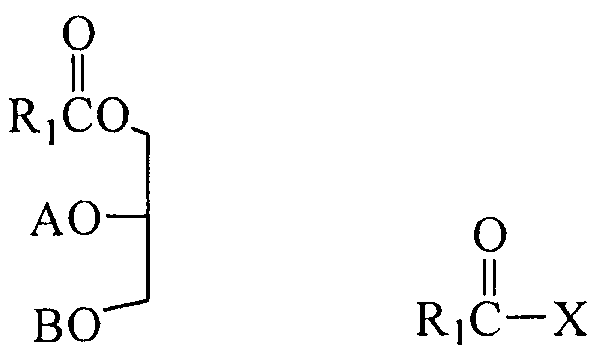
- the present invention relates to the use of medium-chain length fatty acids such as capric acid, caprylic acid, or salts or triglycerides thereof or mono- or diglycerides or other analogues thereof as a nephroprotective agent.
- medium-chain length fatty acids such as capric acid, caprylic acid, or salts or triglycerides thereof or mono- or diglycerides or other analogues thereof as a nephroprotective agent.
- the kidney is a structurally complex organ that has evolved to perform a number of important functions: e.g., excretion of the waste products of metabolism, regulation of body water and salt, maintenance of appropriate acid balance, and secretion of a variety of hormones and autocoids.
- Diseases of the kidney are as complex as its structure, but their study is facilitated by dividing them into those that affect four basic morphologic components: i.e., glomeruli, tubules, interstitium, and blood vessels. This traditional approach is useful because the early manifestations of diseases that affect each of these components tend to be distinctive. Further, some components appear to be more vulnerable to specific forms of renal injury.
- glomerular diseases are often immunologically mediated, whereas tubular and interstitial disorders are more likely to be caused by toxic or infectious agents. Nevertheless, some disorders affect more than one structure.
- anatomic interdependence of structures in the kidney implies that damage to one almost always secondarily affects the others.
- severe glomerular damage impairs flow through the peritubular vascular system; conversely, tubular destruction, by increasing intraglomerular pressure, may induce glomerular atrophy.
- end-stage contracted kidneys Cotran et al., Basic Pathology, Sixth Edition, 1997.
- Chemotherapy and immunosuppressive therapy refers to the use of cytotoxic or immunosuppressive agents such as, but not limited to, cyclophosphamide, doxorubicin, daunorubicin, vinblastine, vincristine, bleomycin, etoposide, topotecan, irinotecan, taxotere, taxol, 5-fluorouracil, methotrexate, gemcitabine, cisplatin, carboplatin, or chlorambucil, and cyclosporin A, tacrolimus, rapamycin, or corticosteroids to treat cancer patients or to inhibit graft rejection in transplant patients.
- cytotoxic or immunosuppressive agents such as, but not limited to, cyclophosphamide, doxorubicin, daunorubicin, vinblastine, vincristine, bleomycin, etoposide, topotecan, irinotecan, taxotere, taxol,
- these agents are non-specific and, particularly at high doses, they are toxic to normal and rapidly dividing cells. Furthermore, their use may be limited by inherent untoward effects, of which acute myelosuppression, nephrotoxicity, cardiotoxicity, neurotoxicity, gastrointestinal, bladder, and pulmonary toxicities may worsen patient outcome over long time periods.
- kidneys In autoimmune diseases such as diabetes mellitus, the kidneys are prime targets to suffer tissue damage or lesions. Three important lesions are encountered: (1 ) glomerular lesions; (2) renal vascular lesions, principally arteriolosclerosis; and (3) pyelonephritis, including necrotizing papillitis.
- Nephrectomy, or kidney removal can also lead to renal dysfunction. Nephrectomy is performed on patients with cancer of the kidney (i.e., renal cell carcinoma); polycystic kidney disease in which sac-like structures displace healthy tissue; and serious infection of the kidney. It is also used to remove a healthy kidney from a donor for the purpose of kidney transplantation. Because the kidney is responsible for filtering wastes and fluid from the bloodstream, kidney function is critical to life.
- Nephrectomy candidates suffering from serious kidney disease, cancer, or infection usually have few treatment choices but to undergo the procedure. But if function is lost in the remaining kidney, the patient will require chronic dialysis treatments or transplantation of a healthy kidney to sustain life. Therefore, there exists a need for drugs with a good safety profile which can be administered to patients with kidney disease which can prolong kidney health or protect it from deterioration to the extent that the kidney can no longer function.
- the present invention satisfies the need for nephroprotective agents by providing a novel method for the protection of the kidney in a mammal, including a human patient, in need of such treatment.
- the present invention also provides a novel method for treating the nephrotoxic effects of chemotherapy, immunosuppressive, and corticosteroids therapies and any other situation in which the protection of the kidney can be of therapeutic value.
- a composition comprising an effective amount of one or more compounds such as capric acid, caprylic acid, lauric acid or metallic salts (e.g., sodium, potassium, calcium, magnesium) or triglycerides thereof or mono- or diglycerides thereof in a pharmaceutically acceptable carrier is administered to a mammal, particularly a human, to significantly increase the protection of the kidneys or sole healthy kidney.
- compounds such as capric acid, caprylic acid, lauric acid or metallic salts (e.g., sodium, potassium, calcium, magnesium) or triglycerides thereof or mono- or diglycerides thereof in a pharmaceutically acceptable carrier is administered to a mammal, particularly a human, to significantly increase the protection of the kidneys or sole healthy kidney.
- compositions using an effective amount of one or more compounds such as capric acid, caprylic acid, lauric acid or metallic salts (sodium, potassium, calcium, magnesium) or triglycerides thereof, or mono- or diglycerides thereof for the production of chemoprotective or immunosuppressive or anti-inflammatory or antibiotic or analgesic pharmaceutical compositions as a single agent or as a combination of two or more agents with and/or without drugs which induce nephrotoxicity.
- compounds such as capric acid, caprylic acid, lauric acid or metallic salts (sodium, potassium, calcium, magnesium) or triglycerides thereof, or mono- or diglycerides thereof for the production of chemoprotective or immunosuppressive or anti-inflammatory or antibiotic or analgesic pharmaceutical compositions as a single agent or as a combination of two or more agents with and/or without drugs which induce nephrotoxicity.
- Another object of the present invention relates to the use of capric acid, caprylic acid, lauric acid or sodium salts or triglycerides thereof or mono- or diglycerides thereof as an agent for the prevention or protection of drug-induced toxicity such as but not limited to cardiotoxicity, neurotoxicity, gastrointestinal, bladder, and pulmonary toxicities.
- Another object of the present invention is to provide a method effective for increasing the efficacy of chemotherapy and radiation therapy in a mammal, including a human patient.
- Yet another object of the invention is to provide methods for using more usual doses or even increasing the dose of chemotherapeutic compositions necessary to achieve a better therapeutic benefit, while avoiding increased side effects such as but not limited to nephrotoxicity, cardiotoxicity, and neurotoxicity.
- Another object of the present invention is to provide a method that causes minimal or no adverse effects to the recipient.
- the mammal including a human patient, may be selected as in need of treatment prior to such treatment.
- Figure 1 shows the effect of sodium caprate on concentration of serum creatinine in nephrectomized (Nx) rats.
- Figure 2 shows the nephroprotective effect of sodium caprate on concentration of serum creatinine in sodium caprate-treated nephrectomized (Nx) rats.
- Figure 3 shows the Nephroprotective effect of sodium caprate on GFR (creatinine clearance) in sodium caprate-treated nephrectomized (Nx) rats.
- Figure 5 shows the nephroprotective effect of sodium caprate on concentration of serum creatinine in sodium caprate-treated nephrectomized (Nx) rats.
- Figure 6 shows histological micrographs (40X) of control and sodium caprate- treated nephrectomized rats
- Figure 7 shows histological micrographs (400X) of control and sodium caprate- treated nephrectomized rats.
- Figure 8 shows the cardioprotective effect of sodium caprate on blood pressure in sodium caprate-treated nephrectomized (Nx) rats.
- Figure 9 shows the nephroprotective effect of sodium caprate on increased concentration of serum creatinine induced by doxorubicin (DOX) in mice.
- Figure 10 shows the nephroprotective effect of sodium caprate on concentration of serum urea induced by doxorubicin (DOX) in mice.
- Figure 1 1 shows the nephroprotective effect of sodium caprate on histological kidney (tubular) lesions induced by doxorubicin (DOX) in mice.
- Figure 12 shows histological micrographs (400X) of control and sodium caprate-treated mice in doxorubicin-induced nephrotoxicity model.
- Figure 13 shows the nephroprotective effect of tricaprin on histological kidney
- Figure 14 shows histological micrographs (400X) of control and tricaprin- treated mice in doxorubicin-induced nephrotoxicity model.
- Renal kidney disease associated with one or more of nephrectomy, renal fibrosis, glomerular sclerosis, and end-stage renal disease are observed in hypertension, infarct, tumor, diabetes mellitus, and autoimmune or inflammatory diseases.
- Cytotoxic drugs used in chemotherapy, immunosuppressive or anti-inflammatory (e.g., steroidal and non-steroidal) drugs used in transplantation or autoimmune diseases, antibiotic, or analgesic drugs also induce nephrotoxicity. Subsequently, the patient can be severely affected.
- the present invention relates to a method of protecting the renal system and can be extended to the cardiac and nervous systems.
- a patient with a chronic disease can show injury of many organs for example; a patient with statine diabetes mellitus needs nephroprotective measures against the renal lesion, cardioprotective measures for the cardiac lesion, and neuroprotective measures for any lesion of the nervous system.
- Current methods employed or treatments consist of organ-protective therapy, as well as protective measures that are aimed at correcting multiple organ dysfunctions concomitantly.
- Organ-protective measures focus on a single organ, such as nephroprotective, cardioprotective, or neuroprotective measures.
- Some organ- protective measures exhibit protective actions on other organs too.
- ACE inhibitors for example, have a renal protective action, but at the same time they also have cardiac and cerebral protective actions.
- organ-protective measures cross into the field of multiple organ or multi-organ protection.
- the issue is to establish the common features of the kidney, the brain, and the heart to explain the similar lesions that impose common therapeutic protective measures.
- hypertension concomitantly affects kidney, heart, and brain.
- ACE inhibitors and angiotensin II receptor blockers will have complex nephro-, cardio-, and neuroprotective effects.
- Lesions secondary to artherosclerosis, as well as inflammatory diseases, will have an effect on the vascular endothelium.
- statins will influence the lipid (mainly cholesterol) profile and consequently the effect of the latter on coronary, renal, and cerebral blood flow.
- sulodexide exerts a protective effect on the vascular endothelium by correcting glycosaminoglycans. Glucose metabolism changes will also influence lipid metabolism. Low protein intake will also influence the protection of the kidney (J. Vet. Med. Sci. 69: 247-253, 2007). Inhibitors of cyclooxygenase-2 are also associated with modest nephroprotection in uninephrectomized diabetic rats; these effects are independent of metabolic control and blood pressure (Clin. Exp. Pharmacol. Physiol. 34: 36-41, 2007).
- Antagonists of endothelin A receptors seems also to affect progressive renal dysfunction (Hypertension 31 : 995-1001 , 1998) by decreasing expression of growth factors and collagen, and improving metalloprotieinase-2 activity in the kidneys (J. Cardiovasc. Pharmacol. 39: 892-900, 2002).
- Prophylactic administration of theophylline as an intravenous loading dose and oral maintenance regimen may preserve kidney function in terms of glomerular filtration rate in patients with cisplatin therapy (J. Am. Soc. Nephrol. 16: 452-458, 2005).
- Soy isoflavones such as genistein, are antagonists of TGF- ⁇ signaling in mesangial cells which may have nephroprotective potential (Medical Hypothesis 66: 1093-1 1 14, 2006).
- Gamma- aminobutyric acid (GABA) also attenuates renal dysfunction via regulation of blood pressure and lipid profile, and it also ameliorates the oxidative stress induced by nephrectomy (J. Pharm. Pharmacol. 58: 1515-1525, 2006).
- Hypoxia secondary to anemia that accompanies advanced chronic kidney disease concomitantly afflicts the heart and brain.
- MCT Medium-chain triglyceride(s)
- fatty acids having carbon chain lengths of 8 (C8, octanoic acid or caprylic acid) or 10
- LCT Long-chain triglyceride(s) (LCT), on the other hand, consist of glycerol esterified with fatty acids with carbon chain lengths of greater than 12.
- Typical fatty acids present in LCT include palmitic (C 16) and stearic (C 18) acids.
- LCT is the primary component of dietary fats.
- MCT and LCT have significantly different biological properties.
- Some of the physiological differences between MCT and LCT are described in Harrison 's Principles of Internal Medicine, 8 th Edition, 1520-1521 (1977); 15 th Edition, 1668-1669 (2001).
- MCT in contrast to LCT, do not require hydrolysis by pancreatic lipase, since they can be absorbed by intestinal epithelial cells.
- MCT and their constituent medium-chain fatty acids are nontoxic materials which are used in the food and pharmaceutical industries.
- Traul et al. Food Chem. Toxicol. 38:79-98, 2000
- CFR Code of Federal Regulations
- caprylic acid a GRAS (Generally Recognized As Safe) affirmation.
- CFR free fatty acids
- capric acid sodium salt
- U.S. Patent 4,602,040 (1986) describes the use of MCT as a pharmaceutical excipient.
- WO 01/97799 describes the use of medium-chain fatty acids, in particular caprylic and capric acids, as antimicrobial agents.
- MCT medium-chain fatty acids
- C8 caprylic
- ClO capric
- C 12 lauric
- the present invention relates to the use of medium-chain fatty acids or metallic salts or triglycerides thereof or mono- or diglycerides thereof as a nephroprotective agent.
- medium-chain fatty acids or metallic salts or triglycerides thereof or mono- or diglycerides thereof is administered before, during and/or after the treatment in order to protect the kidney or other organs or to delay renal dysfunction.
- a “therapeutically effective amount” of the compound(s) is used. Such an effective amount may be determined by varying its dose to achieve the desired therapeutic affect(s) such as, for example, providing nephroprotection, suppressing deleterious effects on kidney morphology, reducing the number and/or severity of symptoms of kidney disease, or any combination thereof.
- One or more compounds as the active pharmaceutical ingredient(s) can be formulated in a pharmaceutical composition with a pharmaceutically acceptable carrier.
- the term "pharmaceutically acceptable carrier” refers to a substance that does not interfere with the physiological effects of medium-chain fatty acids such as capric acid or caprylic acid or lauric acid or metallic salts or triglycerides thereof or mono- or diglycerides thereof and that is not toxic to mammals including humans.
- a pharmaceutical composition may be formulated using capric or caprylic or lauric acid or salts or triglycerides thereof or mono- or diglycerides thereof or MCT and pharmaceutically acceptable carriers by methods known to those skilled in the art ⁇ Merck Index, Merck & Co., Rahway, NJ). These compositions include, but are not limited to, solids, liquids, oils, emulsions, gels, aerosols, inhalants, capsules, pills, patches and suppositories.
- Methods to produce a pharmaceutical composition include bringing together one or more active ingredients into association with a pharmaceutically acceptable carrier which constitutes one or more accessory ingredients.
- kidneyprotection refers to a process by which the rate of disease progression in the kidney is delayed or stopped and so the kidney is subsequently protected.
- capric or caprylic or lauric acid or salts or triglycerides thereof or mono- or diglycerides thereof can be administered prior to, during, or subsequent to the drug (i.e., prior to, during, or subsequent to the administration of a cytotoxic agent or anti-inflammatory or immunosuppressive drugs).
- cytotoxic agent is meant an agent which kills highly proliferating cells: e.g., tumors cells, virally infected cells, or hematopoietic cells.
- cytotoxic agent examples include, but are not limited to, cyclophosphamide, doxorubicin, daunorubicin, vinblastine, vincristine, bleomycin, etoposide, topotecan, irinotecan, taxotere, taxol, 5 -fluoro uracil, methotrexate, gemcitabine, cisplatin, carboplatin or chlorambucil, and an agonist of any of the above compounds.
- a cytotoxic agent can also be an antiviral agent: e.g., AZT (i.e. 3'-azido-3'- deoxythymidine) or 3TC/lamivudine (i.e. 3-thiacytidine).
- Nephroprotection refers to protection provided to a mammal from the toxic effects arising from treatment of the mammal with a chemotherapeutic agent. Most often, the latter is a cytotoxic agent whose therapeutic effect arises from its ability to interfere with or inhibit some aspect of DNA replication, RNA transcription, or subsequent translation of protein. Therefore, a nephroprotective agent refers to any compound administered to a mammal which would protect the mammal, or facilitate the recovery of the animal, from the toxic effects resulting from treatment of the mammal with a chemotherapeutic agent.
- Renal dysfunction associated with drugs or pathologies can be diagnosed and its severity can be determined by a person skilled in the art.
- the term "renal dysfunction" may refer to that condition which exists when several parameters are observed such as but not limited to proteinurea, serum urea nitrogen, creatinine, creatinine clearance, uremia, glomerular filtration rate, and tubulointerstitial fibrosis. Without limitation, renal dysfunction may result in renal failure and death. Efficacy of treatment can also be determined by a person skilled in the art. It may also provide a palliative effect.
- the pharmaceutical composition is in the form of any suitable composition for oral, sublingual, rectal, topical administration or inhalation (e.g., nasal spray), intramuscular, intradermal, intraperitoneal, subcutaneous, or intravenous administration for use in nephroprotection or the treatment of renal disease.
- topical administration or inhalation e.g., nasal spray
- intramuscular, intradermal, intraperitoneal, subcutaneous, or intravenous administration for use in nephroprotection or the treatment of renal disease.
- the desired dose may be conveniently presented in a single dose or as divided doses taken at appropriate intervals, for example as two, three or more doses per day as necessary to effect or bring about treatment.
- treatment includes any therapy of existing disease or condition and prophylaxis of the disease or condition (e.g., renal diseases) in a mammal. This includes (a) preventing the disease or condition from occurring in a patient which may be predisposed to the disease but has not yet been diagnosed as having it, (b) inhibiting or arresting the development of the disease or condition and (c) relieving the disease or condition by causing its regression or the amelioration of one or more symptoms.
- the disease or condition e.g., renal diseases
- medium-chain fatty acids or metallic salts or triglycerides thereof or mono- or diglycerides thereof may be administered as the raw chemical
- a nontoxic composition is formed by the incorporation of any of the normally employed excipients such as, for example but not limited to, mannitol, lactose, trehalose, starch, magnesium stearate, talcum, cellulose, carboxymethyl cellulose, glucose, gelatin, sucrose, glycerol, magnesium carbonate, sodium citrate, sodium acetate, sodium chloride, sodium phosphate, and glycine.
- the pharmaceutical composition is in a form suitable for enteral, mucosal (including sublingual, pulmonary and rectal) or parenteral (including intramuscular, intradermal, intraperitoneal, subcutaneous, and intravenous) administration.
- the formulations may, where appropriate, be conveniently presented in discrete dosage units and may be prepared by any of the methods well known in the art of pharmacy. All methods include the step of bringing into association the active pharmaceutical ingredient with liquid carriers or finely divided solid carriers or both and then, if necessary, shaping the product into the desired form.
- the above-described formulations adapted to give sustained release of the active pharmaceutical ingredient may be employed.
- Sustained release formulations well known to the art include the use of liposomes, biocompatible polymers, a bolus injection or a continuous infusion.
- Medium-chain fatty acids or salts or triglycerides thereof or mono- or diglycerides thereof can also be used in combination with other therapeutically active agents such as cytotoxic anticancer or antibiotics or immune suppressive drugs (including anti-inflammatory drugs).
- the individual components of such combinations may be administered either sequentially or simultaneously in separate or combined pharmaceutical formulations.
- the combination referred to above may conveniently be presented for use in the form of a pharmaceutical formulation and thus pharmaceutical formulations comprising a combination defined above together with a pharmaceutically acceptable carrier thereof comprise a further aspect of the invention.
- Example 1 In vivo effect of sodium caprate on kidney protection in 5/6 nephrectomized rat model.
- mice that underwent the sham operation were given vehicle (saline) and were used as controls. Nx animals were divided in groups receiving the vehicle or sodium caprate. Saline or sodium caprate was given by gastric gavage once daily for 35 days. Serum creatinine was measured weekly in order to assess the severity of this end-stage renal disease model. Rats were sacrificed at day 63.
- Figure 1 represents the concentration of creatinine in serum in Nx and sodium caprate treated Nx rats. A weak diminution (6 ⁇ M/L) of serum creatinine was observed in saline-treated Nx rats. A stronger diminution (21 ⁇ M/L) of serum creatinine was observed in sodium caprate-treated Nx rats.
- Figures 6 and 7 represent the histological micrographs of control and sodium caprate-treated Nx rats.
- kidney structure density, glomerulus and tubular structure
- sclerosis is well installed ( Figure 6) at the tubule level.
- fibrosis as shown by hyalin deposition is well implanted in the kidney of control Nx rats.
- necrosis of the mesangial tissue is observed.
- Treatment with sodium caprate reduces fibrosis and necrosis of the kidney tissue.
- Example 2 In vivo effect of sodium caprate on heart protection in 5/6 nephrectomized rat model.
- Example 3 In vivo effect of sodium caprate on kidney protection and chemoprotection in doxorubicin-induced nephrotoxicity model.
- Prophylactic treatment with sodium caprate inhibits the increase of serum creatinine induced by doxorubicin to a similar level observed in control mice (normal, no doxorubicin).
- Therapeutic treatment with sodium caprate reduces the serum creatinine level induced by doxorubicin ( Figure 9).
- prophylactic and therapeutic treatment with sodium caprate inhibits the increase of serum urea induced by doxorubicin to a similar level observed in control mice (normal, no doxorubicin; Fig. 10).
- Doxorubicin is well known to induce nephro- and cardiotoxicity.
- Figure 1 1 represents the histological kidney lesions score as determined by histochemistry in the doxorubicin-induced nephrotoxicity model. As shown in Figure 11 , doxorubicin induces significant kidney lesions at day 7 and 1 1.
- Prophylactic (pre-doxorubicin) and therapeutic (post-doxorubicin) treatments with sodium caprate reduce the kidney lesions at the tubular level induced by doxorubicin.
- Doxorubicin induces early lesions primarily at the tubular region. Toxicity is further extended to the glomerulus (around day 1 1 post-doxorubicin).
- Figure 12 represents the histological micrographs of doxorubicin-induced lesions in control and sodium caprate-treated (prophylactic treatment) mice. Doxorubicin induces kidney cell apoptosis, fibrosis, sclerosis, and accumulation of proteins in affected tubular regions.
- Prophylactic or therapeutic treatment with sodium caprate protects kidney against doxorubicin toxicity.
- Example 4 In vivo effect of tricaprin on kidney protection and chemoprevention in doxorubicin-induced nephrotoxicity model.
- Figure 13 represents the histological kidney lesions score as determined by histochemistry in the doxorubicin-induced nephrotoxicity model. As shown in Figure 13, doxorubicin induces significant kidney lesions at day 12. Prophylactic (pre- doxorubicin) and therapeutic (post-doxorubicin) treatments with tricaprin reduces the kidney lesions at the tubular level induced by doxorubicin.
- Figure 14 represents the histological micrographs of doxorubicin-induced lesions in control and tricaprin-treated (prophylactic treatment) mice.
- Doxorubicin induces kidney cell apoptosis, fibrosis, sclerosis and accumulation of proteins in affected tubular regions.
- Prophylactic or therapeutic treatments with tricaprin protects kidney against doxorubicin toxicity.
Landscapes
- Health & Medical Sciences (AREA)
- Medicinal Chemistry (AREA)
- General Health & Medical Sciences (AREA)
- Animal Behavior & Ethology (AREA)
- Life Sciences & Earth Sciences (AREA)
- Pharmacology & Pharmacy (AREA)
- Veterinary Medicine (AREA)
- Chemical & Material Sciences (AREA)
- Public Health (AREA)
- Epidemiology (AREA)
- Nuclear Medicine, Radiotherapy & Molecular Imaging (AREA)
- General Chemical & Material Sciences (AREA)
- Chemical Kinetics & Catalysis (AREA)
- Organic Chemistry (AREA)
- Bioinformatics & Cheminformatics (AREA)
- Engineering & Computer Science (AREA)
- Emergency Medicine (AREA)
- Diabetes (AREA)
- Obesity (AREA)
- Hematology (AREA)
- Cardiology (AREA)
- Heart & Thoracic Surgery (AREA)
- Immunology (AREA)
- Pain & Pain Management (AREA)
- Rheumatology (AREA)
- Endocrinology (AREA)
- Urology & Nephrology (AREA)
- Acyclic And Carbocyclic Compounds In Medicinal Compositions (AREA)
- Medicines That Contain Protein Lipid Enzymes And Other Medicines (AREA)
Abstract
Description
Claims



Priority Applications (15)
| Application Number | Priority Date | Filing Date | Title |
|---|---|---|---|
| BRPI0818310A BRPI0818310A8 (en) | 2007-11-02 | 2008-11-03 | GLYCERIDES AND MEDIUM CHAIN FATTY ACIDS AS NEPHROPROTECTIVE AGENTS |
| RU2010122302/15A RU2519215C2 (en) | 2007-11-02 | 2008-11-03 | Fatty acids and glycerides with average chain length as nephroprotective agents |
| EP08845122.4A EP2299998B1 (en) | 2007-11-02 | 2008-11-03 | Medium-chain length fatty acids and glycerides as nephroprotection agents |
| CA2704286A CA2704286C (en) | 2007-11-02 | 2008-11-03 | Medium-chain length fatty acids and glycerides as nephroprotection agents |
| US12/740,700 US9532962B2 (en) | 2007-11-02 | 2008-11-03 | Medium-chain length fatty acids and glycerides as nephroprotection agents |
| MX2010004856A MX338513B (en) | 2007-11-02 | 2008-11-03 | Medium-chain length fatty acids and glycerides as nephroprotection agents. |
| AU2008318196A AU2008318196B2 (en) | 2007-11-02 | 2008-11-03 | Medium-chain length fatty acids and glycerides as nephroprotection agents |
| ES08845122.4T ES2664594T3 (en) | 2007-11-02 | 2008-11-03 | Medium chain fatty acids and glycerides as nephroprotective agents |
| NO08845122A NO2299998T3 (en) | 2007-11-02 | 2008-11-03 | |
| CN200880113724XA CN101878028A (en) | 2007-11-02 | 2008-11-03 | Medium-chain-length fatty acids and glycerides as nephroprotectants |
| DK08845122.4T DK2299998T3 (en) | 2007-11-02 | 2008-11-03 | MEDIUM-CHAINED FAT ACIDS AND GLYCERIDES AS NEPHROB PROTECTIVES |
| NZ584981A NZ584981A (en) | 2007-11-02 | 2008-11-03 | Medium-chain length fatty acids and glycerides as nephroprotection agents |
| JP2010532389A JP5575655B2 (en) | 2007-11-02 | 2008-11-03 | Medium chain fatty acids and glycerides as nephroprotective agents |
| IL205362A IL205362A (en) | 2007-11-02 | 2010-04-26 | Medium-chain length fatty acids and glycerides as nephroprotection agents |
| ZA2010/03030A ZA201003030B (en) | 2007-11-02 | 2010-04-30 | Medium-chain length fatty acids and glycerides as nephroprotection agents |
Applications Claiming Priority (2)
| Application Number | Priority Date | Filing Date | Title |
|---|---|---|---|
| US98509407P | 2007-11-02 | 2007-11-02 | |
| US60/985.094 | 2007-11-02 |
Publications (1)
| Publication Number | Publication Date |
|---|---|
| WO2009055933A1 true WO2009055933A1 (en) | 2009-05-07 |
Family
ID=40590499
Family Applications (1)
| Application Number | Title | Priority Date | Filing Date |
|---|---|---|---|
| PCT/CA2008/001930 Ceased WO2009055933A1 (en) | 2007-11-02 | 2008-11-03 | Medium-chain length fatty acids and glycerides as nephroprotection agents |
Country Status (19)
| Country | Link |
|---|---|
| US (1) | US9532962B2 (en) |
| EP (1) | EP2299998B1 (en) |
| JP (1) | JP5575655B2 (en) |
| KR (1) | KR101601987B1 (en) |
| CN (1) | CN101878028A (en) |
| AU (1) | AU2008318196B2 (en) |
| BR (1) | BRPI0818310A8 (en) |
| CA (1) | CA2704286C (en) |
| DK (1) | DK2299998T3 (en) |
| ES (1) | ES2664594T3 (en) |
| IL (1) | IL205362A (en) |
| MX (1) | MX338513B (en) |
| MY (1) | MY151439A (en) |
| NO (1) | NO2299998T3 (en) |
| NZ (1) | NZ584981A (en) |
| PT (1) | PT2299998T (en) |
| RU (1) | RU2519215C2 (en) |
| WO (1) | WO2009055933A1 (en) |
| ZA (1) | ZA201003030B (en) |
Cited By (9)
| Publication number | Priority date | Publication date | Assignee | Title |
|---|---|---|---|---|
| WO2012097427A1 (en) * | 2010-10-27 | 2012-07-26 | Prometic Biosciences Inc. | Compounds and compositions for the treatment of cancer |
| WO2017074266A1 (en) * | 2015-10-30 | 2017-05-04 | National University Of Singapore | Androgen biosynthesis inhibitor |
| US9938221B2 (en) | 2009-05-04 | 2018-04-10 | Prometic Pharma Smt Limited | Substituted aromatic compounds and pharmaceutical uses thereof |
| US10130603B2 (en) | 2013-11-05 | 2018-11-20 | Colgate-Palmolive Company | Methods and compositions for improving kidney function |
| US20190240180A1 (en) * | 2018-02-08 | 2019-08-08 | Nestec Sa | Mct-based nutrition blend for providing health benefits in companion animals |
| US11406616B2 (en) | 2016-06-08 | 2022-08-09 | Sunregen Healthcare Ag | Lipids with odd number of carbon atoms and their use as pharmaceutical composition or nutritional supplement |
| RU2778505C1 (en) * | 2021-07-07 | 2022-08-22 | Общество с ограниченной ответственностью "ТЕРРАНОВА КАПИТАЛ" | Peptide exhibiting a nephroprotective effect, pharmaceutical composition based thereon and method for application thereof |
| WO2023244709A1 (en) * | 2022-06-15 | 2023-12-21 | Hill's Pet Nutrition, Inc. | Pet food compositions |
| US12473249B2 (en) | 2018-10-11 | 2025-11-18 | Basf As | Aromatic compounds and pharmaceutical uses thereof |
Families Citing this family (11)
| Publication number | Priority date | Publication date | Assignee | Title |
|---|---|---|---|---|
| JP5706142B2 (en) * | 2010-04-28 | 2015-04-22 | 株式会社ファンケル | Blood glucose lowering agent, visceral fat accumulation inhibitor, TG lowering agent, faecal fat excretion promoter containing ethanol extract of Fuyubodaiju flower as an active ingredient |
| CN103945840A (en) * | 2011-08-26 | 2014-07-23 | 国立大学法人大阪大学 | Preventive/therapeutic agent for diabetic cardiovascular complications |
| KR20130023583A (en) * | 2011-08-29 | 2013-03-08 | 아주대학교산학협력단 | Capric acid inhibiting osteoclastogenesis and pharmaceutical compositions comprising the same |
| CN105559071A (en) * | 2016-01-12 | 2016-05-11 | 刘保惠 | Formula food with special medicinal purpose and suitable for kidney disease and preparation method thereof |
| JP2017214342A (en) * | 2016-06-02 | 2017-12-07 | 日清オイリオグループ株式会社 | Composition for preventing or ameliorating dysuria |
| CN110290786A (en) * | 2016-12-21 | 2019-09-27 | 普罗米蒂克医药Smt有限公司 | Methods and compositions for preventing or minimizing epithelial-mesenchymal transition |
| WO2019082912A1 (en) * | 2017-10-27 | 2019-05-02 | 学校法人北里研究所 | Prophylactic or therapeutic agent for chronic kidney disease |
| CN109602012A (en) * | 2018-12-11 | 2019-04-12 | 李卫平 | A kind of functional low-protein energy rice and preparation method thereof |
| CN111184728B (en) * | 2020-02-20 | 2023-04-04 | 上海市儿童医院 | Application of trehalose in nephrotic syndrome |
| JP2024176004A (en) * | 2023-06-07 | 2024-12-19 | リファインホールディングス株式会社 | Endoplasmic reticulum stress inhibitor, chronic kidney disease prevention and improvement agent and food |
| CN118592613B (en) * | 2024-08-05 | 2025-01-07 | 杭州康源食品科技有限公司 | Use of medium chain fatty acid mixed structured lipid for improving diet induced glycolipid metabolic disorder |
Citations (7)
| Publication number | Priority date | Publication date | Assignee | Title |
|---|---|---|---|---|
| US4602040A (en) | 1983-04-18 | 1986-07-22 | Warner-Lambert Company | Meclofenamic acid topical pharmaceutical composition |
| WO2001097799A1 (en) | 2000-06-20 | 2001-12-27 | Nutrition Sciences | Medium chain fatty acids applicable as antimicrobial agents |
| WO2002083122A1 (en) * | 2001-04-11 | 2002-10-24 | Yeda Research And Development Co. Ltd. | Fatty alcohols and fatty acid esters useful for treatment of inflammation |
| WO2002083120A2 (en) * | 2001-04-18 | 2002-10-24 | Prometic Biosciences Inc. | Medium-chain length fatty acids, glycerides and analogues as neutrophil survival and activation factors |
| US20040052836A1 (en) * | 2002-09-13 | 2004-03-18 | Li Luk Chiu | Pharmaceutical compositions containing at least one stable liposphere having an improved shelf life |
| WO2004069237A1 (en) * | 2003-02-07 | 2004-08-19 | Prometic Biosciences Inc. | Medium-chain length fatty acids, glycerides and analogues as stimulators of erythropoiesis |
| WO2005012217A2 (en) * | 2003-07-25 | 2005-02-10 | Prometic Biosciences Inc. | Preparation of metal salts of medium-chain fatty acids |
Family Cites Families (7)
| Publication number | Priority date | Publication date | Assignee | Title |
|---|---|---|---|---|
| US4737384A (en) * | 1985-11-01 | 1988-04-12 | Allied Corporation | Deposition of thin films using supercritical fluids |
| CA2107581A1 (en) | 1992-02-07 | 1993-08-08 | Kiyoshi Sugiyama | Side-effect alleviant |
| US6689700B1 (en) * | 1999-11-02 | 2004-02-10 | University Of Massachusetts | Chemical fluid deposition method for the formation of metal and metal alloy films on patterned and unpatterned substrates |
| CN1827766B (en) | 2001-06-28 | 2010-08-25 | 徐荣祥 | In vitro cell culture methods |
| RU2213570C2 (en) * | 2001-08-22 | 2003-10-10 | Санкт-Петербургская Государственная Химико-Фармацевтическая Академия | Curative-prophylactic agent from linden leaves folia tilia and method for preparing extractive substances |
| US7030168B2 (en) * | 2001-12-31 | 2006-04-18 | Advanced Technology Materials, Inc. | Supercritical fluid-assisted deposition of materials on semiconductor substrates |
| EP1940379A4 (en) | 2005-09-30 | 2009-05-13 | Jackson H M Found Military Med | METHODS OF TREATING A HEMORRHAGIC SHOCK AND RELATED DISORDERS |
-
2008
- 2008-11-03 PT PT88451224T patent/PT2299998T/en unknown
- 2008-11-03 KR KR1020107012064A patent/KR101601987B1/en not_active Expired - Fee Related
- 2008-11-03 NO NO08845122A patent/NO2299998T3/no unknown
- 2008-11-03 MX MX2010004856A patent/MX338513B/en active IP Right Grant
- 2008-11-03 US US12/740,700 patent/US9532962B2/en not_active Expired - Fee Related
- 2008-11-03 MY MYPI2010001861A patent/MY151439A/en unknown
- 2008-11-03 RU RU2010122302/15A patent/RU2519215C2/en active
- 2008-11-03 WO PCT/CA2008/001930 patent/WO2009055933A1/en not_active Ceased
- 2008-11-03 DK DK08845122.4T patent/DK2299998T3/en active
- 2008-11-03 NZ NZ584981A patent/NZ584981A/en not_active IP Right Cessation
- 2008-11-03 AU AU2008318196A patent/AU2008318196B2/en not_active Ceased
- 2008-11-03 CA CA2704286A patent/CA2704286C/en not_active Expired - Fee Related
- 2008-11-03 JP JP2010532389A patent/JP5575655B2/en not_active Expired - Fee Related
- 2008-11-03 CN CN200880113724XA patent/CN101878028A/en active Pending
- 2008-11-03 BR BRPI0818310A patent/BRPI0818310A8/en not_active IP Right Cessation
- 2008-11-03 EP EP08845122.4A patent/EP2299998B1/en not_active Not-in-force
- 2008-11-03 ES ES08845122.4T patent/ES2664594T3/en active Active
-
2010
- 2010-04-26 IL IL205362A patent/IL205362A/en active IP Right Grant
- 2010-04-30 ZA ZA2010/03030A patent/ZA201003030B/en unknown
Patent Citations (7)
| Publication number | Priority date | Publication date | Assignee | Title |
|---|---|---|---|---|
| US4602040A (en) | 1983-04-18 | 1986-07-22 | Warner-Lambert Company | Meclofenamic acid topical pharmaceutical composition |
| WO2001097799A1 (en) | 2000-06-20 | 2001-12-27 | Nutrition Sciences | Medium chain fatty acids applicable as antimicrobial agents |
| WO2002083122A1 (en) * | 2001-04-11 | 2002-10-24 | Yeda Research And Development Co. Ltd. | Fatty alcohols and fatty acid esters useful for treatment of inflammation |
| WO2002083120A2 (en) * | 2001-04-18 | 2002-10-24 | Prometic Biosciences Inc. | Medium-chain length fatty acids, glycerides and analogues as neutrophil survival and activation factors |
| US20040052836A1 (en) * | 2002-09-13 | 2004-03-18 | Li Luk Chiu | Pharmaceutical compositions containing at least one stable liposphere having an improved shelf life |
| WO2004069237A1 (en) * | 2003-02-07 | 2004-08-19 | Prometic Biosciences Inc. | Medium-chain length fatty acids, glycerides and analogues as stimulators of erythropoiesis |
| WO2005012217A2 (en) * | 2003-07-25 | 2005-02-10 | Prometic Biosciences Inc. | Preparation of metal salts of medium-chain fatty acids |
Non-Patent Citations (21)
| Title |
|---|
| "HARRISON'S PRINCIPLES OF INTERNAL MEDICINE, 15th ed", 2001, pages: 1668 - 1669 |
| "Harrison's Principles of Internal Medicine, 8th ed.", 1977, pages: 1520 - 1521 |
| "The Merck Index, 11th ed.", 1989, pages: 266 |
| CLIN. EXP. PHARMACOL. PHYSIOL., vol. 34, 2007, pages 36 - 41 |
| COTRAN ET AL.: "Basic Pathology, 6th ed.", 1997 |
| DIMITRIJEVIC ET AL., J. PHARM. PHARMACOL., vol. 53, 2001, pages 149 - 154 |
| HYPERTENSION, vol. 31, 1998, pages 995 - 1001 |
| J. AM. SOC. NEPHROL., vol. 16, 2005, pages 452 - 458 |
| J. AM. SOC. NEPTHROL., vol. 1, 1991, pages 1343 - 1353 |
| J. CARDIOVASC. PHARMACOL., vol. 39, 2002, pages 892 - 900 |
| J. PHARM. PHARMACOL., vol. 58, 2006, pages 1515 - 1525 |
| J. VET. MED. SCI., vol. 69, 2007, pages 247 - 253 |
| KIDNEY INTL., vol. 32, 1987, pages 700 - 709 |
| KIDNEY INTL., vol. 44, 1993, pages 75 - 86 |
| MEDICAL HYPOTHESIS, vol. 66, 2006, pages 1093 - 1114 |
| METABOLISM, vol. 41, 1992, pages 382 - 389 |
| N. ENGL. J. MED., vol. 331, 1994, pages 1194 - 1199 |
| NEPHRON, vol. 38, 1984, pages 233 - 237 |
| PROSTAGLANDINS, vol. 32, 1986, pages 211 - 219 |
| See also references of EP2299998A4 |
| TRAUL ET AL., FOOD CHEM. TOXICOL., vol. 38, 2000, pages 79 - 98 |
Cited By (14)
| Publication number | Priority date | Publication date | Assignee | Title |
|---|---|---|---|---|
| US10815183B2 (en) | 2009-05-04 | 2020-10-27 | Prometic Pharma Smt Limited | Substituted aromatic compounds and pharmaceutical uses thereof |
| US9938221B2 (en) | 2009-05-04 | 2018-04-10 | Prometic Pharma Smt Limited | Substituted aromatic compounds and pharmaceutical uses thereof |
| US9114118B2 (en) | 2010-10-27 | 2015-08-25 | Prometic Biosciences Inc. | Compounds and compositions for the treatment of cancer |
| US9439882B2 (en) | 2010-10-27 | 2016-09-13 | Prometic Biosciences Inc. | Compounds and compositions for the treatment of cancer |
| WO2012097427A1 (en) * | 2010-10-27 | 2012-07-26 | Prometic Biosciences Inc. | Compounds and compositions for the treatment of cancer |
| EA030038B1 (en) * | 2010-10-27 | 2018-06-29 | Прометик Фарма Смт Лимитед | USE OF COMPOUNDS FOR TREATMENT OF CANCER AND METHOD FOR TREATMENT OF CANCER |
| US10130603B2 (en) | 2013-11-05 | 2018-11-20 | Colgate-Palmolive Company | Methods and compositions for improving kidney function |
| WO2017074266A1 (en) * | 2015-10-30 | 2017-05-04 | National University Of Singapore | Androgen biosynthesis inhibitor |
| US11406616B2 (en) | 2016-06-08 | 2022-08-09 | Sunregen Healthcare Ag | Lipids with odd number of carbon atoms and their use as pharmaceutical composition or nutritional supplement |
| US12594255B2 (en) | 2016-06-08 | 2026-04-07 | Sunregen Healthcare Ag | Lipids with odd number of carbon atoms and their use as pharmaceutical composition or nutritional supplement |
| US20190240180A1 (en) * | 2018-02-08 | 2019-08-08 | Nestec Sa | Mct-based nutrition blend for providing health benefits in companion animals |
| US12473249B2 (en) | 2018-10-11 | 2025-11-18 | Basf As | Aromatic compounds and pharmaceutical uses thereof |
| RU2778505C1 (en) * | 2021-07-07 | 2022-08-22 | Общество с ограниченной ответственностью "ТЕРРАНОВА КАПИТАЛ" | Peptide exhibiting a nephroprotective effect, pharmaceutical composition based thereon and method for application thereof |
| WO2023244709A1 (en) * | 2022-06-15 | 2023-12-21 | Hill's Pet Nutrition, Inc. | Pet food compositions |
Also Published As
| Publication number | Publication date |
|---|---|
| RU2010122302A (en) | 2011-12-10 |
| ES2664594T3 (en) | 2018-04-20 |
| BRPI0818310A8 (en) | 2017-12-26 |
| CA2704286C (en) | 2016-08-23 |
| RU2519215C2 (en) | 2014-06-10 |
| JP5575655B2 (en) | 2014-08-20 |
| IL205362A (en) | 2015-01-29 |
| US20100286269A1 (en) | 2010-11-11 |
| MX338513B (en) | 2016-04-20 |
| EP2299998B1 (en) | 2018-01-03 |
| BRPI0818310A2 (en) | 2017-10-10 |
| ZA201003030B (en) | 2011-02-23 |
| JP2011502174A (en) | 2011-01-20 |
| MX2010004856A (en) | 2010-06-30 |
| MY151439A (en) | 2014-05-30 |
| AU2008318196A1 (en) | 2009-05-07 |
| CA2704286A1 (en) | 2009-05-07 |
| NZ584981A (en) | 2012-05-25 |
| IL205362A0 (en) | 2010-12-30 |
| PT2299998T (en) | 2018-04-02 |
| DK2299998T3 (en) | 2018-03-26 |
| EP2299998A4 (en) | 2011-03-30 |
| US9532962B2 (en) | 2017-01-03 |
| KR101601987B1 (en) | 2016-03-09 |
| KR20100106958A (en) | 2010-10-04 |
| EP2299998A1 (en) | 2011-03-30 |
| AU2008318196B2 (en) | 2014-04-10 |
| NO2299998T3 (en) | 2018-06-02 |
| CN101878028A (en) | 2010-11-03 |
Similar Documents
| Publication | Publication Date | Title |
|---|---|---|
| EP2299998B1 (en) | Medium-chain length fatty acids and glycerides as nephroprotection agents | |
| ES2262741T3 (en) | USE OF POLYINSATURATED FATTY ACIDS FOR THE PREVENTION OF IMPORTANT CARDIOVASCULAR ACCIDENTS. | |
| JP6267681B2 (en) | Compositions and methods comprising C16: 1n7-palmitreate | |
| KR101336756B1 (en) | Composition for prevention of recurrence of stroke | |
| WO2010038796A1 (en) | Therapeutic agent for hepatitis c | |
| SK10802001A3 (en) | Essential fatty acids in the prevention of cardiovascular events | |
| US20150086625A1 (en) | Nutraceuticals containing nitro fatty acids | |
| US20230321022A1 (en) | Reversibly protected thiolated electrophilic fatty acids as prodrugs | |
| US11229626B2 (en) | Synergistic nutritional compositions for treating seizures and chronic inflammatory diseases | |
| HK1150125A (en) | Medium-chain length fatty acids and glycerides as nephroprotection agents | |
| CN110139645A (en) | For preventing and/or treating cachectic omega-3 fatty acid composition | |
| Belluzzi | Polyunsaturated fatty acids and autoimmune diseases | |
| Belluzzi | 16 Polyunsaturated Fatty Acids | |
| HK1197969A (en) | Compositions and methods comprising c16:1n7-palmitoleate |
Legal Events
| Date | Code | Title | Description |
|---|---|---|---|
| WWE | Wipo information: entry into national phase |
Ref document number: 200880113724.X Country of ref document: CN |
|
| 121 | Ep: the epo has been informed by wipo that ep was designated in this application |
Ref document number: 08845122 Country of ref document: EP Kind code of ref document: A1 |
|
| WWE | Wipo information: entry into national phase |
Ref document number: 12010500903 Country of ref document: PH |
|
| WWE | Wipo information: entry into national phase |
Ref document number: 205362 Country of ref document: IL |
|
| WWE | Wipo information: entry into national phase |
Ref document number: 2008318196 Country of ref document: AU Ref document number: 584981 Country of ref document: NZ |
|
| WWE | Wipo information: entry into national phase |
Ref document number: 2704286 Country of ref document: CA Ref document number: MX/A/2010/004856 Country of ref document: MX |
|
| WWE | Wipo information: entry into national phase |
Ref document number: 2010050717 Country of ref document: EG |
|
| NENP | Non-entry into the national phase |
Ref country code: DE |
|
| WWE | Wipo information: entry into national phase |
Ref document number: 2010532389 Country of ref document: JP |
|
| WWE | Wipo information: entry into national phase |
Ref document number: 2008845122 Country of ref document: EP |
|
| ENP | Entry into the national phase |
Ref document number: 2008318196 Country of ref document: AU Date of ref document: 20081103 Kind code of ref document: A |
|
| ENP | Entry into the national phase |
Ref document number: 20107012064 Country of ref document: KR Kind code of ref document: A |
|
| WWE | Wipo information: entry into national phase |
Ref document number: 2010122302 Country of ref document: RU |
|
| WWE | Wipo information: entry into national phase |
Ref document number: PI 2010001861 Country of ref document: MY |
|
| WWE | Wipo information: entry into national phase |
Ref document number: 12740700 Country of ref document: US |
|
| ENP | Entry into the national phase |
Ref document number: PI0818310 Country of ref document: BR Kind code of ref document: A2 Effective date: 20100429 |