WO2009110317A1 - タグ情報処理装置 - Google Patents
タグ情報処理装置 Download PDFInfo
- Publication number
- WO2009110317A1 WO2009110317A1 PCT/JP2009/052793 JP2009052793W WO2009110317A1 WO 2009110317 A1 WO2009110317 A1 WO 2009110317A1 JP 2009052793 W JP2009052793 W JP 2009052793W WO 2009110317 A1 WO2009110317 A1 WO 2009110317A1
- Authority
- WO
- WIPO (PCT)
- Prior art keywords
- information
- tag
- rfid tag
- unit
- appearance
- Prior art date
- Legal status (The legal status is an assumption and is not a legal conclusion. Google has not performed a legal analysis and makes no representation as to the accuracy of the status listed.)
- Ceased
Links
Images










Classifications
-
- G—PHYSICS
- G01—MEASURING; TESTING
- G01S—RADIO DIRECTION-FINDING; RADIO NAVIGATION; DETERMINING DISTANCE OR VELOCITY BY USE OF RADIO WAVES; LOCATING OR PRESENCE-DETECTING BY USE OF THE REFLECTION OR RERADIATION OF RADIO WAVES; ANALOGOUS ARRANGEMENTS USING OTHER WAVES
- G01S13/00—Systems using the reflection or reradiation of radio waves, e.g. radar systems; Analogous systems using reflection or reradiation of waves whose nature or wavelength is irrelevant or unspecified
- G01S13/02—Systems using reflection of radio waves, e.g. primary radar systems; Analogous systems
- G01S13/04—Systems determining presence of a target
Definitions
- the present invention relates to a tag information processing apparatus or the like that processes information read from an RFID (Radio Frequency Frequency Identification) tag.
- RFID Radio Frequency Frequency Identification
- an article management method for managing articles carried in and out between a plurality of locations using RFID tags attaching an IC tag to the article, and registering the IC tag data and the article in association with each other Registration of the process, the step of sending / receiving the correspondence between the registered IC tag data and the article together with the loading / unloading of the article attached with the IC tag, and the loading / unloading of the article attached with the IC tag
- an article management method comprising a step of confirming the correspondence between the IC tag data and the article (see, for example, Patent Document 1). Japanese Patent Publication “JP-A-8-133424 (published May 28, 1996)” (first page, FIG.
- the RFID tag reading area If there is a tag remaining in the tag, the tag information is always read, and there is a problem that it is not possible to distinguish between a tag moving in for entry / exit and receipt / shipment.
- the RFID tag when an antenna or the like for reading information on an RFID tag is installed at the entrance / exit for loading / unloading a package, the RFID tag is attached to the area where the radio wave from the antenna reaches, but the object of receipt / shipment If an unsupported baggage is left unattended, the tag information processing device not only reads the tag information of the baggage that passes through the entry / exit for receipt / shipment, but also The tag information is always read. For this reason, it is possible to selectively read only the tag information attached to the package moving from the inside of the reading area to the outside of the reading area, or only the tag information attached to the package staying in the reading area. There was a problem that it was not possible.
- the tag information processing apparatus of the present invention includes a receiving unit that receives read information that is information obtained by reading the RFID tag N times (N is an integer of 2 or more) performed on the RFID tag reading area; Using the read information received by the reception unit, an appearance information acquisition unit that acquires appearance information that is information indicating an appearance frequency of the read information about the RFID tag in the N readings, and the appearance information acquisition unit When the acquired appearance information indicates that the appearance frequency of the RFID tag is low, a movement determination unit that determines that the RFID tag has moved from the inside of the reading area to the outside, and a determination result of the movement determination unit It is a tag information processing apparatus provided with the output part which outputs.
- the tag information processing system of the present invention includes a transmission / reception antenna unit capable of transmitting / receiving radio waves to / from the RFID tag reading area, and N times of information on the RFID tag existing in the reading area using the transmission / reception antenna. (N is an integer greater than or equal to 2) is read, a tag reader / writer unit that acquires read information that is information obtained by reading, a reception unit that receives read information acquired by the tag reader / writer unit, and the reception unit Using the received read information, an appearance information acquisition unit that acquires appearance information that is information related to an appearance frequency of the read information about the RFID tag in the N readings, and the appearance information acquired by the appearance information acquisition unit are The RFID tag moves from the inside of the reading area to the outside when it indicates that the appearance frequency of the RFID tag is low A movement determining section for determining that the a tag information processing system and an output unit for outputting a determination result of the movement determining section.
- the tag information processing system includes a transmission / reception antenna unit capable of transmitting / receiving radio waves to / from an RFID tag reading area, and an RFID existing in the reading area using the transmission / reception antenna at a specified timing.
- a tag reader / writer unit that reads information on a tag and acquires read information that is information obtained by reading, and the latest N times (N is an integer of 2 or more) among the read information acquired by the tag reader / writer unit
- Appearance information acquisition unit for acquiring appearance information, which is information about the frequency of appearance of read information about the RFID tag in the N readings, using a reception unit that receives the read information for the minute, and the read information received by the reception unit
- the appearance information acquired by the appearance information acquisition unit indicate that the frequency of appearance of the RFID tag is low.
- a movement determining section for determining that the RFID tag has been moved from the inside to the outside of the reading area, a tag information processing system and an output unit for outputting a determination result of the movement determining section.
- the tag information processing apparatus of the present invention it is possible to determine whether or not the RFID tag is a tag moving from the inside of the reading area to the outside of the reading area.
- the tag information processing apparatus of the present invention receives first read information that is information obtained by reading N times (N is an integer of 2 or more) of an RFID tag performed on the first region.
- a second unit for receiving second reading information which is information obtained by reading the RFID tag L times (L is an integer of 2 or more) performed on a receiving unit and a second region different from the first region;
- the first reception information received by the second reception unit and the first reception unit is information relating to the frequency of appearance of the read information about the RFID tag in the N readings in the first area.
- the first appearance information acquisition unit that acquires appearance information and the second reading information received by the second receiving unit, reading information about the RFID tag in the L readings in the second area Appearance frequency
- the first movement determination unit that determines that the RFID tag has moved from the inside of the first region to the outside and the second appearance information acquired by the second appearance information acquisition unit have a low appearance frequency of the RFID tag.
- the RFID tag indicates that the RFID tag has moved from the inside of the second area to the outside, the RFID tag is obtained from the judgment results of the first movement judgment unit and the second movement judgment unit.
- the tag information processing apparatus includes a moving direction determination unit that determines a moving direction of a tag and an output unit that outputs a determination result of the moving direction determination unit.
- the tag information processing system includes a first transmission / reception antenna unit capable of transmitting / receiving radio waves to / from the first region, and information on an RFID tag existing in the first region using the first transmission / reception antenna.
- N is an integer equal to or greater than 2
- the first tag reader / writer unit for acquiring first reading information which is information obtained by reading, and the first reading acquired by the first tag reader / writer unit Information relating to the appearance frequency of the read information about the RFID tag in the N readings in the first area using the first reception unit that receives information and the first reading information received by the first reception unit
- a first appearance information acquisition unit that acquires first appearance information
- a second transmission / reception antenna unit capable of transmitting and receiving radio waves to and from a second region that is a region different from the first region
- Read L times (L is an integer of 2 or more) of information on the RFID tag existing in the second area using the transmission / reception antenna, and obtain second reading information which is information obtained by reading
- the detection of the moving direction can be prevented from being erroneously detected with respect to the tag staying in the first area or the second area.
- Flow chart explaining the operation Flowchart explaining determination processing of the tag information processing system Conceptual diagram of the tag information processing system
- the figure which shows an example of the read information of the tag information processing system The figure which shows an example of the read information of the tag information processing system
- the figure which shows an example of the read information of the tag information processing system The figure which shows the tag ID management table of the tag information processing system
- the figure for demonstrating the effect of the tag information processing system The figure for demonstrating the effect of the tag information processing system
- the figure for demonstrating the effect of the tag information processing system The figure for demonstrating the effect of the tag information processing system
- Block diagram of tag information processing system in Embodiment 2 of the present invention Flow chart for explaining the operation of the tag information processing system
- the flowchart explaining the moving direction determination process of the tag information processing system Conceptual diagram of the tag information processing system
- the figure which shows the movement tag management table of the same tag information processing system Schematic diagram
- FIG. 1 is a diagram illustrating a configuration of a tag information processing system including a tag information processing apparatus according to the present embodiment.
- the tag information processing system 1000 includes a tag information processing apparatus 10, a transmission / reception antenna unit 11, and a tag reader / writer unit 12.
- the tag information processing system 1000 is a processing target, specifically, one or more RFID tags 100 whose information is to be read. Note that, here, a case where there is one RFID tag 100 is shown as an example, but the tag information processing system 1000 may include a plurality of RFID tags 100 having different identification information.
- the tag information processing apparatus 10 includes a reception unit 101, an appearance information acquisition unit 102, a movement determination unit 103, and an output unit 104.
- the tag information processing apparatus 10 is an apparatus that receives information read from the RFID tag 100 by the tag reader / writer unit 12 and determines whether the RFID tag has moved from the inside of the reading area to the outside.
- the reading area is an area to be read from the RFID tag.
- the tag information processing apparatus 10 is usually realized by a computer or the like.
- the RFID tag 100 records information such as identification information.
- the RFID tag 100 receives information transmitted from the outside to instruct reading of information, and reads information such as identification information according to the received information. Send.
- the information read from the RFID tag 100 is identification information of the RFID tag 100, for example.
- the information to be read may be information including identification information.
- the identification information may be any information as long as the information can identify the plurality of tags 100. For example, it may be a production number or the like, a name of the RFID tag 100 or the like, or information unique to the RFID tag 100.
- the structure of the RFID tag 100 and the operating frequency band are not limited.
- the plurality of RFID tags 100 may be all tags having the same structure, or may include tags having different structures. As the RFID tag 100, a passive type RFID tag is usually used, but an active type RFID tag may be used.
- the transmission / reception antenna unit 11 is an antenna unit that can transmit and receive radio waves to and from a reading area that is a target area for reading an RFID tag.
- the transmission / reception antenna unit 11 transmits / receives information to / from the plurality of RFID tags 100 arranged in the reading area, specifically, an instruction to read identification information from the RFID tag 100, identification information transmitted from the RFID tag 100, and the like. Used to receive information.
- transmission / reception of information to / from the RFID tag 100 that is, reading processing of the RFID tag 100 is performed N (N is an integer of 2 or more) times for a reading area in which one or more RFID tags 100 are arranged. Done.
- the N reading processes are preferably performed continuously.
- the N reading processes may be performed repeatedly in succession, or the same readings may be used repeatedly in N reading processes.
- the directivity of the transmission / reception antenna unit 11 is not limited. Although the case where a transmission / reception antenna is used as the transmission / reception antenna unit 11 has been described here, a transmission antenna and a reception antenna may be provided separately. Moreover, the transmission / reception antenna unit 11 may be configured by a plurality of antennas.
- the tag reader / writer unit 12 reads the information N times (N is an integer of 2 or more) from the RFID tag 100 existing in the reading area by using the transmission / reception antenna unit 11, and acquires read information that is the read information. .
- the read information is information read from the RFID tag 100.
- the read information is identification information for identifying the RFID tag 100.
- the value of N may be 2 or more. However, since the reading rate of the RFID tag 100 is not normally 100% as will be described later, the value of N is necessary to accurately determine the state of the RFID tag 100. Is preferably 3 or more.
- the N reading processes are preferably performed continuously. This N reading processes may be repeated. In addition, in the N reading processes, the results read at the same time may be used redundantly.
- the tag reader / writer unit 12 sends a transmission instruction of reading information, specifically identification information, for example, a reading command to one or more RFID tags 100 in the reading area via the transmission / reception antenna unit 11. To send.
- the tag reader / writer unit 12 receives read information, specifically identification information, transmitted from one or more RFID tags 100 in the reading area. And reading information, specifically identification information, is acquired from the received information.
- the process of reading the read information once from all the RFID tags 100 arranged in the reading area is one reading process.
- the read information read when the tag reader / writer unit 12 performs reading once is temporarily stored in a storage medium such as a memory (not shown).
- the tag reader / writer unit 12 can be realized by a device that reads an input signal, a device driver thereof, a communication unit that transmits and receives information, and a driver thereof. Although the case where the tag reader / writer unit 12 transmits and receives information is described here, the tag reader / writer unit 12 may include a transmission unit and a reception unit. Further, the tag reader / writer unit 12 may be realized by an MPU, a memory, or the like. In this case, software for realizing the processing procedure of the tag reader / writer unit 12 may be recorded on a recording medium such as a ROM.
- the accepting unit 101 accepts read information that is information obtained by reading the RFID tag N times (N is an integer equal to or greater than 2) performed on the read area.
- the reception described here is, for example, reception of an input signal transmitted from another device, reception from an input means such as a keyboard, reading of information from a recording medium, or the like.
- the accepting unit 101 usually accepts read information every time reading is performed, but may accept N times of read information collectively.
- the receiving unit 101 shows an example in which the reading information acquired by the tag reader / writer unit 12 is received.
- the receiving unit 101 can be realized by a communication unit such as a receiving unit, a unit that reads information from a storage medium, a device driver of an input unit such as a numeric keypad or a keyboard, and the like.
- the appearance information acquisition unit 102 uses the read information received by the reception unit 101 to acquire appearance information that is information indicating the appearance frequency of the read information about the RFID tag 100 in N readings. Specifically, the frequency at which the read information read from the same RFID tag 100 appears from the read information read in the N readings received by the receiving unit 101 and temporarily stored in the storage medium or the like, in other words, Appearance information, which is information indicating the frequency with which read information read from the same RFID tag 100 is included, is acquired.
- the appearance frequency may be information that can determine whether the appearance frequency is high. For example, it may be the number of times read information read from the same RFID tag 100 appears, or the number of times the number of times N is read or whether or not read information read from the same RFID tag 100 appears.
- the appearance information acquisition unit 102 determines the number of times that the same identification information appears for N reading results. Counting and information indicating the number of times may be acquired as appearance information of the RFID tag 100 corresponding to the identification information, or a value obtained by dividing the number of times by N or (N ⁇ 1) or the like is acquired as appearance information. You may do it.
- the appearance information acquisition unit 102 can be usually realized by an MPU, a memory, or the like.
- the processing procedure of the appearance information acquisition unit 102 is usually realized by software, and the software is recorded on a recording medium such as a ROM. However, it may be realized by hardware (dedicated circuit).
- the movement determination unit 103 determines that the RFID tag 100 has moved from the inside of the reading area to the outside when the appearance information acquired by the appearance information acquisition unit 102 indicates that the appearance frequency of the RFID tag 100 is low.
- the process of determining that the RFID tag 100 has moved from the inside to the outside of the reading area is performed when the appearance information acquired by the appearance information acquisition unit 102 indicates that the appearance frequency of the RFID tag 100 is high. It may be considered as a process for determining that the object is staying in the reading area.
- the appearance information acquired by the appearance information acquisition unit 102 indicates that the appearance frequency of the RFID tag 100 is low, it is determined that the RFID tag 100 has moved from the inside of the reading area to the outside, and the appearance information acquisition unit
- the appearance information acquired by 102 indicates that the appearance frequency of the RFID tag 100 is high, it may be considered as a process of determining that the RFID tag 100 stays in the reading area.
- the determination as to whether or not the appearance frequency indicated by the appearance information is high is made by, for example, comparing with a threshold or the like or comparing with the appearance frequency of another RFID tag, for example, an RFID tag prepared in advance for comparison. .
- the movement determination unit 103 compares the value indicated by the appearance information acquired by the appearance information acquisition unit 102 with a threshold value of the appearance frequency specified in advance, and the value indicated by the appearance information appears relative to the threshold value. If the value indicates that the frequency is low, it is determined that the RFID tag 100 corresponding to the appearance information has moved from the inside of the reading area to the outside of the reading area. If the value indicated by the appearance information is a value indicating that the appearance frequency is high with respect to the threshold value, the RFID tag 100 corresponding to the appearance information has not moved from the inside of the reading area, that is, reading Judged to stay in the area.
- the RFID tag 100 corresponding to the appearance information is moved from the inside of the reading area to the outside of the reading area. It is determined that it has moved to.
- the movement determination unit 103 moves the RFID tag 100 from the reading area to the outside only when the appearance information indicates that the number of times the RFID tag 100 is read in N readings is 1. Judge that it has moved.
- the movement determination unit 103 can usually be realized by an MPU, a memory, or the like.
- the processing procedure of the movement determination unit 103 is usually realized by software, and the software is recorded on a recording medium such as a ROM. However, it may be realized by hardware (dedicated circuit).
- the output unit 104 outputs the determination result of the movement determination unit 103.
- the determination result output by the output unit 104 may be information that can indicate an RFID tag that has moved from the inside of the reading area to the outside of the reading area as a result.
- the determination result is information indicating whether each of the one or more RFID tags 100 has moved from the inside of the reading area to the outside of the reading area.
- the determination result may be information indicating the RFID tag 100 staying in the reading area.
- the determination result may be information indicating the RFID tag 100 that has moved from the inside of the reading area to the outside of the reading area.
- the information indicating the RFID tag 100 is identification information of the RFID tag, for example.
- the output unit 104 may output a determination result that is identification information of an RFID tag that has been determined that the movement determination unit 103 has moved from the inside of the reading area to the outside.
- the output described here is a concept including display on a display, transmission to an external device, accumulation in a recording medium, delivery of a processing result to another processing device, another program, and the like.
- the output unit 104 may or may not include an output device such as a display or a printer.
- the output unit 104 can be implemented by output device driver software, or output device driver software and an output device.
- the appearance information acquisition unit 102 acquires appearance information about the RFID tag 100 that has read information at the time of the oldest reading out of N readings, and the movement determination unit 103 Whether or not the RFID tag 100 has moved from the inside of the reading area to the outside is determined using the appearance information about the RFID tag 100 that has been read at the time of the oldest reading out of N readings acquired by the 102 The case where it does is demonstrated.
- the number of times of reading a tag for determining whether or not it is a moving RFID tag is N (N is an integer of 2 or more).
- the appearance information is the number of times the RFID tag 100 read by the oldest reading is read (appeared) again in the total (N ⁇ 1) readings after this reading. To do. Further, it is assumed that a threshold for determining an RFID tag that has moved from the inside of the reading area to the outside of the reading area is M (M is an integer of 1 or more and less than N). Note that, as a method other than the above, the number of appearances by N readings including the number of appearances of the oldest reading may be compared with a threshold value that also considers the appearance of this oldest reading.
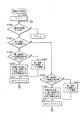
- Step S ⁇ b> 201 The tag reader / writer unit 12 reads information from one or more tags 100 to the reading area via the transmission / reception antenna unit 11. Specifically, the tag reader / writer unit 12 transmits an identification information transmission instruction for reading the identification information to the tag 100 via the transmission / reception antenna unit 11, and the RFID tag according to the transmission instruction Information transmitted by 100 is received via the transmission / reception antenna unit 11.
- the information read here is assumed to be identification information of the RFID tag 100, for example.
- the accepting unit 101 accepts read information that is information read by the tag reader / writer unit 12 in Step S201.
- the read information is identification information of one or more RFID tags 100, for example.
- identification information of the RFID tag is referred to as a tag ID.
- the received read information is temporarily stored in a storage medium such as a memory (not shown) as read information whose number representing the reading order (number of times) is 1.
- Step S203 The tag information processing apparatus 10 uses the read information received in Step S202 to determine whether or not the RFID tag 100 is a tag moving from the inside of the reading area to the outside (hereinafter referred to as a moving tag). The determination process is performed. The details of the moving tag determination process will be described later.
- Step S204 the tag information processing apparatus 10 increments the number representing the reading order of all the reading information temporarily stored in a storage medium such as a memory (not shown) by one.
- a storage medium such as a memory (not shown)
- the reading information whose number indicating the reading order is 1 is read with the number indicating the reading order being 2, and the number indicating the reading order is currently (N ⁇ 1).
- the number indicating the reading order is N. That is, in this flowchart, the reading information with the older reading order has a larger number indicating the reading order.
- a ring buffer capable of storing N times of read information may be used as a storage medium, and when new read information is accumulated in step S203, the arrangement order of the old read information may be shifted. .
- Step S205 The tag information processing apparatus 10 determines whether or not to end the RFID tag reading process. For example, the end of the process is determined according to a predetermined trigger. For example, when an end instruction receiving unit (not shown) receives an end processing instruction or the like, it is determined that the process is to be ended. If it is determined that the process is to be terminated, the process is terminated. If it is determined that the process is not to be terminated, the process returns to step S201.
- a predetermined trigger For example, when an end instruction receiving unit (not shown) receives an end processing instruction or the like, it is determined that the process is to be ended. If it is determined that the process is to be terminated, the process is terminated. If it is determined that the process is not to be terminated, the process returns to step S201.
- step S201 when considering the processing flow of only the tag information processing apparatus 10 instead of the tag information processing system, the tag reading process in step S201 may be omitted.
- Step S301 The appearance information acquisition unit 102 determines whether or not reading information (hereinafter referred to as reading information N) having a number indicating the order is stored in a storage medium (not shown) for temporarily storing the reading information. Judging. That is, it is determined whether or not read information for N consecutive times is stored. If stored, the process proceeds to step S302. If not stored, the process returns to the upper process.
- reading information N reading information having a number indicating the order
- Step S302 The appearance information acquisition unit 102 substitutes 1 for the counter p.
- Step S303 The appearance information acquisition unit 102 substitutes (N ⁇ 1) for the counter A.
- Step S304 The appearance information acquisition unit 102 acquires the tag ID of the p-th RFID tag from the read information N.
- Step S305 The appearance information acquisition unit 102 substitutes 0 for the counter B.
- the counter B is a counter for counting the number of times the tag ID acquired in step S304 appears in the read information from 1 to N ⁇ 1 times.
- 1 may be substituted into the counter B in this step.
- the value of the threshold value M is also increased by 1, or it may be determined whether or not the counter B is equal to or less than the threshold value M in step S314 described later.
- Step S306 The appearance information acquisition unit 102 substitutes 1 for the counter q.
- Step S307 The appearance information acquisition unit 102 acquires the q-th tag ID from the read information A.
- Step S308 The appearance information acquisition unit 102 compares the p-th tag ID of the read information N acquired in step S304 with the q-th tag ID of the read information A acquired in step S307. Judge whether or not. If they match, the process proceeds to step S309, and if they do not match, the process proceeds to step S310.
- Step S309 The appearance information acquisition unit 102 increments the value of the counter B by 1. Then, the process proceeds to step S312.
- Step S310 The appearance information acquisition unit 102 increments the value of the counter q by 1. Then, the process proceeds to step S311.
- Step S311 The appearance information acquisition unit 102 determines whether or not the read information A has the qth tag ID. If there is, the process returns to step S307, and if not, the process proceeds to step S312.
- Step S312 The appearance information acquisition unit 102 decrements the value of the counter A by 1.
- Step S313 The appearance information acquisition unit 102 determines whether or not the value of the counter A is greater than zero. If greater than 0, the process returns to step S306, and if not greater than 0, the process proceeds to step S314.
- the value of the counter B at the time of proceeding to step S314 is the appearance information of the RFID tag 100 with respect to the tag ID acquired in step S304.
- Step S314 The movement determining unit 103 determines whether or not the counter B is smaller than the threshold value M. If smaller, the process proceeds to step S315, and if not smaller, the process proceeds to step S316.
- Step S315) The movement determination unit 103 determines that the tag ID acquired in step S304 is the tag ID of a moving tag that is a tag moved from the inside of the reading area to the outside, and uses this tag ID as a moving tag. As a moving tag ID which is the ID of Then, the process proceeds to step S317.
- Step S316 The movement determination unit 103 determines that the tag ID acquired in Step S304 is identification information of a tag staying in the reading area (hereinafter referred to as a stay tag), and stores this tag ID. It is held as a stay tag ID which is a tag ID. Then, the process proceeds to step S317.
- Step S317) The appearance information acquisition unit 102 increments the counter p by 1.
- Step S3128 The appearance information acquisition unit 102 determines whether or not the read information N includes the p-th tag ID. If there is, the process returns to step S303; otherwise, the process proceeds to step S319.
- Step S319) The output unit 104 outputs the moving tag ID acquired in Step S315.
- the appearance information acquisition unit 102 transmits the movement tag ID to an external database or the like.
- the staying tag ID acquired in step S316 may be output. Further, both the moving tag ID and the staying tag ID may be output in such a manner that they can be distinguished from each other.
- Step S320 The appearance information acquisition unit 102 deletes, from the read information accumulated in the storage medium (not shown), the tag IDs that respectively match the moving tag ID and the stay tag ID acquired in Step S315 and Step S316.
- the appearance information acquisition unit 102 and the movement determination It is not necessary for the unit 103 to determine the determined tag again in the subsequent (N-1) times of determination of the moving tag. Instead of deleting in this way, the moving tag ID and the staying tag ID are added to the list of tag IDs that do not need to be moved, and no determination is required when acquiring the tag ID in step S304.
- the process of acquiring the appearance status without acquiring the tag ID a predetermined number of times or for a predetermined time, and the inside of the reading area may not be performed, that is, it may not be repeated.
- the predetermined number of times and time indicate a predetermined or indefinite number of times and time designated in advance. Then, the process returns to the upper process.
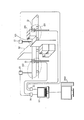
- FIG. 4 is a conceptual diagram of the tag information processing system.
- the tag information processing system 1000 is used to manage carry-out of packed products in a factory.
- RFID tags 100a to 100e having identification information are attached to the packed products 200a to 200e, respectively.
- the transmission / reception antenna unit 11 is disposed at the product exit.
- the transmission / reception antenna unit 11 includes two antennas arranged on both sides of the carry-out port 50 so that the sides that transmit and receive radio waves face each other.
- the product to be carried out is placed on the belt conveyor 30 and passes through the carry-out port 50.
- the tag information processing system 1000 is assumed to be connected to an information processing apparatus 2000 having a database for managing the RFID tag 100 that has been carried out via a network or the like.
- a range in which the radio wave output from the transmission / reception antenna unit 11 reaches is a reading area 40.
- the identification information of the RFID tags 100a to 100e is assumed to be T201 to T205. Further, here, as an example, it is assumed that the number of times of reading N is 4 or more and the value of the threshold value M is “1”.
- the tag reader / writer unit 12 of the tag information processing system 1000 repeatedly reads the tag ID of the RFID tag 100 located in the reading area 40 near the carry-out port 50 at a predetermined timing.
- the tag ID of the RFID tag 100a of the product 200a passing through the carry-out port 50 is read. Further, the RFID tags 100b to 100d of the products 200b to 200d that are placed near the carry-out port 50 and are not to be carried out are also located in the reading area 40, and thus the tag ID is read. In the first reading, since the product 200e is not located in the reading area 40, the reading information of the tag 200e is not read. In this way, the tag ID obtained by the first reading is output from the tag reader / writer unit 12, and the output tag ID is received by the receiving unit 101 of the tag information processing apparatus 10 as read information. The accepting unit 101 accumulates the accepted read information as read information whose number representing the read order is 1, in a storage medium (not shown) or the like.
- FIG. 5 is a diagram showing the read information accumulated by the receiving unit 101.
- the read information is a list of tag IDs of the read tags 200a to 200d.
- this reading information is referred to as reading information 1.
- the read information S (S is an integer) is read information obtained by the S-th reading.
- S of the read information S may be considered as a value indicating how many times the previous read information is obtained by including the latest read when the latest read information is 1.
- the appearance information acquisition unit 102 determines whether or not the read information N is accumulated in a memory such as a storage medium (not shown) in which the read information is stored.
- a memory such as a storage medium (not shown) in which the read information is stored.
- the tag information processing apparatus 10 since only the read information 1 is stored, the tag information processing apparatus 10 does not perform the process of determining the moving tag. Then, the tag information processing apparatus 10 increments the value indicating the reading order of the reading information accumulated in the storage medium by 1. As a result, the read information 1 becomes the read information 2.
- the tag reader / writer unit 12 performs the second reading.
- the tag reader / writer unit 12 reads the tag IDs of the RFID tags 100a and 200e attached to these products.
- the accepting unit 101 accepts read information that is a tag ID read by the tag reader / writer unit 12 and accumulates it in a storage medium (not shown) as read information whose number representing the read order is 1.
- FIG. 6 is a diagram showing the read information obtained by the two readings accumulated by the accepting unit 101.
- the appearance information acquisition unit 102 determines whether or not the read information N is accumulated in a memory such as a storage medium (not shown) in which the read information is stored.
- a memory such as a storage medium (not shown) in which the read information is stored.
- the tag information processing apparatus 10 since only the read information 1 and the read information 2 are stored, the tag information processing apparatus 10 does not perform the process of determining the moving tag. Then, the tag information processing apparatus 10 increments the value indicating the reading order of the reading information accumulated in the storage medium by 1. As a result, the read information 1 becomes the read information 2, and the read information 2 becomes the read information 3.
- the Nth reading is performed from the start of reading, and the reading information obtained by the reading is accumulated in the storage medium by the receiving unit 101.
- FIG. 7 is a diagram showing the read information accumulated by the accepting unit 101.
- the reading information N shown here is reading information obtained by the oldest reading out of N readings.
- the read information 1 is read information obtained by the newest reading out of N readings.
- the appearance information acquisition unit 102 determines whether or not the read information N is accumulated in a memory such as a storage medium (not shown) in which the read information is stored.
- the tag information processing apparatus 10 performs a process of determining a moving tag.
- the appearance information acquisition unit 102 reads one tag ID of the read information N.
- the first tag ID “T201” from the top of the read information N is acquired.
- the appearance information acquisition unit 102 sequentially extracts the tag ID of the read information (N ⁇ 1) obtained by the previous reading, and compares it with the first tag ID “T201” from the top of the read information N. Then, it is determined whether or not they match. If there is a matching tag ID, the number of matching tags is counted. The read information (N-1) is not counted because there is no match. Next, the tag ID that matches the tag ID “T201” is similarly detected for the previous read information (N-2). Again, since there is no match, no counting is performed.
- the comparison with the tag ID “T201” is repeated up to the read information 1 in order.
- the tag ID “T201” is not included in any of the read information (N ⁇ 1) to the read information 1, the number of tags matching the tag ID “T201” is “0”.
- the value of the number of tags that matches the first tag ID “T201” from the top of the read information N is compared with the threshold value M.
- the tag ID “T201” is stored in a storage medium such as a memory (not shown) as a tag ID of a moving tag that is a tag moved from the inside of the reading area 40 to the outside. Temporarily retained.
- the appearance information acquisition unit 102 acquires the second tag ID “T202” from the top of the read information N.
- the appearance information acquisition unit 102 sequentially extracts the tag ID of the read information (N ⁇ 1) obtained by the previous reading, and compares it with the second tag ID “T202” from the top of the read information N. Then, it is determined whether or not they match. If there is a matching tag ID, the number of matching tags is counted. Since there is a tag ID that matches the tag ID “T202” from the top of the read information (N ⁇ 1), the matching tag ID is counted. When the matching tag ID is counted, the tag ID that matches the tag ID “T202” is similarly detected for the previous read information (N ⁇ 2). Again, since there is a matching tag ID, the matching tag ID is counted.
- the comparison with the tag ID “T202” is repeated up to the read information 1 in order.
- the tag ID “T202” is included in any of the read information (N ⁇ 1) to the read information 1, the number of tags matching the tag ID “T202” is “N ⁇ 1”. .
- the movement determination unit 103 compares the value of the number of tags matching the second tag ID “T202” from the top of the read information N with the threshold value M.
- the tag ID of the stay tag which is a tag is temporarily held in a storage medium such as a memory (not shown).
- the appearance information acquisition unit 102 acquires the third tag ID “T203” from the top of the read information N.
- the appearance information acquisition unit 102 sequentially extracts the tag ID of the read information (N ⁇ 1) obtained by the previous reading, and compares it with the third tag ID “T203” from the top of the read information N. Then, it is determined whether or not they match. If there is a matching tag ID, the number of matching tags is counted. Since there is no tag ID matching the tag ID “T203” from the top of the read information (N ⁇ 1), counting is not performed. Further, the tag ID that matches the tag ID “T202” is similarly detected for the previous read information (N-2). Again, since there is no matching tag ID, the matching tag ID is not counted.
- the comparison with the tag ID “T201” is repeated up to the read information 1 in order.
- the number of tags matching the tag ID “T203” is “1”. Become.
- the movement determination unit 103 compares the value of the number of tags matching the third tag ID “T203” from the top of the read information N with the threshold value M.
- the tag ID “T203” is stored in the reading area 40. Is temporarily stored in a storage medium such as a memory (not shown) as a tag ID of a staying tag that is a tag staying in the storage.
- a storage medium such as a memory (not shown) as a tag ID of a staying tag that is a tag staying in the storage.
- FIG. 8 is a tag ID management table for managing tag IDs of moving tags and staying tags held in a memory (not shown).
- the tag ID management table has an item “ID” and an item “tag attribute”.
- “ID” is a tag ID.
- the “tag attribute” is a value indicating whether the RFID tag corresponding to the tag ID is a moving tag or a staying tag.
- the output unit 104 transmits the tag ID of the moving tag held in the memory or the like to the information processing apparatus 2000.
- the tag ID of the record whose “tag attribute” is “movement tag” is transmitted to the information processing apparatus 2000.
- the tag ID of the stay tag may be transmitted instead of transmitting the tag ID of the moving tag. Which tag ID is transmitted or both tag IDs are transmitted may be set according to the application.
- the appearance information acquisition unit 102 recognizes the tag IDs “T201” to “T204” determined as the moving tag or the staying tag shown in FIG. 8 from the N times of reading information shown in FIG. Is deleted. And the process which judges a movement tag is complete
- the RFID reader 100 is read again by the tag reader / writer unit 12, and the obtained tag ID is read as the reading information. 1 is stored in a storage medium or the like (not shown). Even when the tag ID is not obtained, the accepting unit 101 stores the read information 1 that does not include the tag ID.
- the moving tag determination process is performed using the N times of reading information 1 to reading information N. In the second moving tag determination process, since the read information N includes the tag ID “T205” of the RFID tag 100e, it is determined whether or not the tag ID is a moving tag.
- the user can manage the unloaded products other than the products staying in the reading area 40 by using the tag ID of the moving tag received by the information processing apparatus 2000.
- the product staying in the reading area 40 can be managed using the stay tag.
- the probability P (p) that an event having an occurrence probability p occurs M times or more in N times is obtained by the following equation using a binomial probability density function.
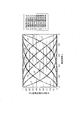
- FIG. 9 shows an example plotted on a graph with the probability of occurrence of P (p).
- N is a value of N when the tag ID of the RFID tag already existing in the reading area is known, and the RFID tag 100 existing in the reading area as in the above-described specific example or the like.
- This value corresponds to a value that is 1 less than the value of N in the above-described specific example or the like because the first reading for reading the tag ID is not considered. That is, the occurrence probability in N readings shown here is a tag that matches the tag ID read in the first reading in (N + 1) readings when N is an integer of 1 or more. The probability of occurrence in the remaining N readings. The same applies to the description of FIGS. 11 and 12.
- a probability of being erroneously determined as a moving tag if the staying tag has a reading rate of about 60% (hereinafter referred to as an erroneous reading rate). Can be reduced to about 1% by adjusting the value of M.
- the final erroneous reading rate is p ⁇ p It is indicated by (P).
- the erroneous reading rate that is, the stay tag is erroneously determined as a moving tag
- the theoretical value of the probability is shown in FIG. That is, in FIG. 10, only tag IDs that have been read less than the specified number of times in the subsequent five readings among the tag IDs of the RFID tag 100 that have been read once are determined as the tag IDs of the moving tags. It is the graph which showed the theoretical value of the misreading rate in the case of a specific number of times.
- the horizontal axis represents the reading rate in the reading region of the RFID tag 100 alone, and the vertical axis represents p ⁇ (P), that is, the erroneous reading rate of the staying tag.
- N and M it is possible to reduce the erroneous reading rate.
- N and M it is preferable to set a value.
- the RFID tag corresponding to the tag ID is moved from the inside of the reading area to the outside using the appearance frequency of the tag ID that is the reading information of the RFID tag in N readings with respect to the reading area. It is possible to determine whether or not the RFID tag has moved from the reading area in consideration of the reading rate of the RFID tag, and the RFID tag has moved from the inside of the reading area to the outside. It is possible to accurately determine whether or not the RFID tag is staying in the reading area.
- the user can selectively manage moving tags or staying tags.
- the appearance frequency of the tag ID which is RFID tag read information in N readings with respect to the reading area
- a threshold value prepared in advance
- the RFID tag corresponding to the tag ID is determined from the inside of the reading area as a result of the comparison.
- the tag information processing system is a system that estimates the moving direction of the RFID tag using the configuration of the tag information processing system described in the above embodiment.
- FIG. 12 is a block diagram showing the configuration of the tag information processing system according to the present embodiment.
- the tag information processing system 1001 includes a tag information processing device 20, a first transmission / reception antenna unit 21, a first tag reader / writer unit 22, a second transmission / reception antenna unit 23, and a second tag reader / writer unit 24. Further, it is assumed that the processing target of the tag information processing system 1001 is one or more RFID tags 100 as in the first embodiment.
- the tag information processing apparatus 20 includes a first reception unit 201, a second reception unit 202, a first appearance information acquisition unit 203, a second appearance information acquisition unit 204, a first movement determination unit 205, a second movement determination unit 206, a movement A direction determination unit 207 and an output unit 208 are provided.
- region is a 1st reading area
- N is an integer of 2 or more).
- the information of the RFID tag 100 is read with respect to the second region which is a region different from the first region. Except for the difference in the target area, the description is omitted because it is the same as the transmission / reception antenna unit 11 and the tag reader / writer unit 12 described in the first embodiment.
- the second area is a second reading area to be read from the RFID tag, and is an area different from the first area as described above.
- the number of times the second tag reader / writer unit 24 performs reading is L times (L is an integer of 2 or more). L may be the same value as N or a different value.
- the first receiving unit 201 receives first reading information that is information of the RFID tag 100 read by the first tag reader / writer unit 22.
- the first appearance information acquisition unit 203 acquires first appearance frequency information, which is information on the appearance frequency of information read from the RFID tag 100 in N readings, using the first reading information.
- the first movement determination unit 205 determines that the RFID tag 100 has moved from the inside of the first area to the outside when the first appearance frequency information indicates that the appearance frequency of the RFID tag 100 is low.
- the configurations and operations of the first reception unit 201, the first appearance information acquisition unit 203, and the first movement determination unit 205 are the reception unit 101, the appearance information acquisition unit 102, and the movement determination unit 103 of the first embodiment. Therefore, the description is omitted here.
- the second reception unit 202 receives second read information that is information of the RFID tag 100 read by the second tag reader / writer unit 24.
- the second appearance information acquisition unit 204 acquires second appearance frequency information, which is information on the appearance frequency of information read from the RFID tag 100 in L readings, using the second read information.
- the second movement determination unit 206 determines that the RFID tag 100 has moved from the inside of the second area to the outside when the second appearance frequency information indicates that the appearance frequency of the RFID tag is low. Note that the configuration and operation of the second reception unit 202, the second appearance information acquisition unit 204, and the second movement determination unit 206 are the reception unit 101, the appearance information acquisition unit 102, and the movement determination unit 103 of the first embodiment. Therefore, the description is omitted here.
- the movement direction determination unit 207 determines the movement direction of the RFID tag 100 using the determination results of the first movement determination unit 205 and the second movement determination unit 206.
- the determination result of the first movement determination unit 205 is a result indicating that the RFID tag 100 has moved from the inside of the first region to the outside, and a determination result of the second movement determination unit 206.
- the moving direction of the RFID tag 100 is determined based on a combination with the result indicating that the RFID tag 100 has moved from the inside of the two areas to the outside.
- the movement direction determination unit 207 determines that the first movement determination unit 205 has moved the RFID tag 100 from the inside of the first region to the outside, and within a predetermined period that is constant or indefinite thereafter.
- the movement determination unit 206 determines that the RFID tag 100 has moved from the inside of the second area to the outside, the RFID tag 100 moves in the direction from the first area to the second area in the first area and the second area. Judge that it has moved through the area.
- the movement direction determination unit 207 determines that the second movement determination unit 206 has moved the RFID tag 100 from the inside of the second area to the outside, and within the predetermined period thereafter,
- the unit 205 determines that the RFID tag 100 has moved from the inside of the first area to the outside, the RFID tag 100 moves the second area and the first area in the direction from the second area to the first area. Judge that it has moved.
- the first movement determination unit 205 determines that the RFID tag 100 has moved from the inside of the first area to the outside, and the second movement determination unit 206 performs the first movement determination unit 206 within a predetermined period that is constant or indefinite thereafter.
- the RFID tag 100 It may be determined that the head has moved in a direction other than the second region.
- the second movement determination unit 206 determines that the RFID tag 100 has moved from the inside of the second region to the outside, and the first movement determination unit 205 determines that the inside of the first region within the predetermined period thereafter.
- the movement direction determination unit 207 acquires, for example, information indicating the movement direction of the RFID tag 100 according to the determination result.
- the movement direction determination unit 207 can usually be realized by an MPU, a memory, or the like.
- the processing procedure of the movement direction determination unit 207 is usually realized by software, and the software is recorded on a recording medium such as a ROM. However, it may be realized by hardware (dedicated circuit).
- the output unit 208 outputs the determination result of the movement direction determination unit 207.
- the output unit 208 acquires the determination result acquired by the movement direction determination unit 207 and outputs information indicating the movement direction of the RFID tag 100 indicated by the determination result.
- This output may be an output indicating whether or not the moving direction is a direction designated in advance.
- the output described here is a concept including display on a display, printing on a printer, transmission to an external device, accumulation in a recording medium, delivery of processing results to another processing device or another program, etc. is there.
- the output unit 208 may or may not include an output device such as a display or a printer.
- the output unit 208 can be realized by output device driver software, or output device driver software and an output device.
- Step S1301 The first tag reader / writer unit 22 reads information from one or more tags 100 once with respect to the first region via the first transmitting / receiving antenna unit 21.
- the first receiving unit 201 receives the read information read by the first tag reader / writer unit 22.
- Step S1303 The tag information processing apparatus 20 uses the read information received in step S1303 to determine whether or not the RFID tag 100 is a moving tag moving from the inside of the first area to the outside. This process is the same as the process of FIG. 3 except that the first appearance information acquisition unit 203 and the first movement determination unit 205 perform. However, output by the output unit is not necessary here.
- Step S1304 The second tag reader / writer unit 24 reads information from one or more tags 100 to the second region once through the second transmitting / receiving antenna unit 23.
- Step S1305) The second receiving unit 202 receives the read information read by the second tag reader / writer unit 24.
- Step S1306 The tag information processing apparatus 20 uses the read information received in step S1305 to determine whether or not the RFID tag 100 is a moving tag moving from the inside of the second area to the outside. This process is the same as the process in FIG. 3 except that the second appearance information acquisition unit 204 and the second movement determination unit 206 perform the process. However, output by the output unit is not necessary here.
- Step S1307 The tag information processing apparatus 20 determines the moving direction of the RFID tag 100 using the determination results obtained in steps S1303 and S1306. Details of this processing will be described later.
- Step S1308 The tag information processing apparatus 20 increments the number indicating the reading order of the read information by one.
- Step S1309 The tag information processing apparatus 20 determines whether or not to end the reading process of the RFID tag 100. If it is determined that the process is to be terminated, the process is terminated. If it is determined that the process is not to be terminated, the process returns to step S1301.
- Step S1401 The movement direction determination unit 207 substitutes 1 for the counter r.
- Step S1402 The movement direction determination unit 207 determines whether or not there is an r-th movement tag among the RFID tags determined as the movement tags in Step S1303 or Step S1306. If there is, the process proceeds to step S1403. If not, the process returns to the upper function.
- Step S1403 From the determination result of step S1303 or step S1306, the movement direction determination unit 207 determines whether the r-th movement tag is a movement tag from the inside of the first region to the outside. If it is a moving tag from the inside of the first area to the outside, the process proceeds to step S1404, and if it is determined that it is not a moving tag from the inside of the first area to the outside, that is, it is a moving tag from the inside of the second area to the outside. If it is determined, the process proceeds to step S1408.
- the movement direction determination unit 207 determines whether or not the r-th movement tag is an RFID tag that has previously detected movement from the inside of the second region to the outside. This determination may be made, for example, based on whether or not the tag ID of the r-th moving tag is accumulated. Further, it may be performed based on whether or not information indicating that the movement from the inside of the second area to the outside has been detected previously, for example, a so-called flag, is associated with the tag ID of the r-th moving tag. . If the tag has been detected before, the process proceeds to step S1405. If the tag has not been detected before, the process proceeds to step S1406.
- Step S1405 The output unit 208 outputs information indicating that the moving direction of the r-th moving tag is the direction from the second area toward the first area, for example, registers it in a database. Then, the process proceeds to step S1407. Note that the information accumulated for the r-th moving tag is deleted and reset.
- the movement direction determination unit 207 accumulates information indicating that the r-th movement tag is an RFID tag that has detected movement from the inside of the first area to the outside in a storage medium such as a memory (not shown). .
- a storage medium such as a memory (not shown).
- information indicating that the movement from the inside of the first area to the outside has been detected for example, a so-called flag is stored in association with the tag ID of the r-th moving tag.
- the process proceeds to step S1407, (Step S1407)
- the movement direction determination unit 207 increments the counter r by 1. Then, the process returns to step S1402.
- the movement direction determination unit 207 determines whether or not the r-th movement tag is an RFID tag that has previously detected movement from the inside of the first region to the outside. This determination may be made, for example, based on whether or not the tag ID of the r-th moving tag is accumulated. Further, it may be performed depending on whether or not information indicating that the movement from the inside of the first region to the outside has been previously detected, for example, a so-called flag, is associated with the tag ID of the r-th moving tag. . If the tag has been detected before, the process proceeds to step S1409, and if the tag has not been detected before, the process proceeds to step S1410.
- Step S1409 The output unit 208 outputs information indicating that the moving direction of the r-th moving tag is the direction from the first area to the second area, for example, registers it in a database. Then, the process proceeds to step S1407. Note that the information accumulated for the r-th moving tag is deleted and reset.
- Step S1410 The movement direction determination unit 207 accumulates information indicating that the r-th movement tag is an RFID tag that has detected movement from the inside of the second area to the outside in a storage medium such as a memory (not shown). .
- a storage medium such as a memory (not shown).
- a so-called flag is stored in association with the tag ID of the r-th movement tag.
- the process proceeds to step S1407, (Step S1411)
- the movement direction determination unit 207 increments the counter r by 1. Then, the process returns to step S1402.
- step S1402 when the r-th moving tag can no longer be detected in step S1402, the tag that has been previously detected as a moving tag that has moved from the inside of the first region to the outside, or the second tag
- a tag that is detected to be a moving tag that has moved from the inside of the area to the outside it is determined whether or not the period during which the moving direction is not determined has exceeded a predetermined time, and if the predetermined time has elapsed
- tags that are detected as moving tags that have moved from the inside to the outside it is detected that they have moved from the inside of the second area toward directions other than the first
- FIG. 15 is a conceptual diagram of a tag information processing system.
- the tag information processing system 1001 is used to manage carry-out of a packed product in a factory.
- Each packaged product 200 is attached with an RFID tag 100 having identification information.
- the 1st transmission / reception antenna part 21 and the 2nd transmission / reception antenna part 23 are arrange
- the tag information processing system 1001 is connected to an information processing apparatus 2000 including a database that manages the RFID tags that are carried out via a network or the like. It is assumed that the identification information of the tag 100 is T20010. Also, here, as an example, it is assumed that the reading counts N and L are 4 or more and the value of the threshold value M is “1”.
- the first tag reader / writer unit 22 and the second tag reader / writer unit 24 of the tag information processing system 1001 repeatedly read the tag ID of the RFID tag 100 located in the first area 40 near the carry-out port at a predetermined timing. Do.
- the first movement determination unit 205 and the second movement determination unit 206 determine the movement of the RFID tag 100 from the inside of the first area to the outside or the movement from the inside of the second area to the outside. Since it is the same as that of FIG.
- the first movement determination unit 205 detects that the RFID tag 100 with the tag ID “T20010” has moved from the inside of the first area 221 to the outside, as in the specific example of the first embodiment. To do.
- the movement direction determination unit 207 includes a tag ID “T20010” of the RFID tag 100 detected by the first movement determination unit 205 in the movement tag management table, which will be described later, and the RFID tag from the inside of the second area to the outside. It is determined whether or not information indicating the movement is stored in association with each other. Here, it is assumed that it is not stored. For this reason, the movement direction determination unit 207 associates the tag ID “T20010” of the RFID tag 100 detected by the first movement determination unit 205 with the information indicating that the movement has been performed from the inside of the first area, It accumulates in a moving tag management table to be described later.
- FIG. 16 is a moving tag management table for managing moving tags.
- the movement tag management table has attributes of “ID”, “movement from the first area”, and “movement from the second area”.
- ID is a tag ID of the moving tag.
- “Movement from the first area” is an attribute indicating that the movement from the inside of the first area to the outside. If the value is “1”, the corresponding RFID tag is moved from the inside of the first area to the outside. “0” indicates that no movement from the first area has been detected.
- “Movement from the second area” is an attribute indicating that the movement from the inside of the second area to the outside. If the value is “1”, the corresponding RFID tag is moved from the inside of the second area to the outside. “0” indicates that no movement from the second area has been detected.
- the tag ID “T20010” of the read RFID tag 100 is accumulated as “ID”, and “from the first area The value of “movement” is set to “1”.
- the movement tag detection process is performed by the first movement determination unit 205 and the second movement determination unit 206.
- the RFID tag 100 is moved from the inside of the first region 221 to the outside, Since the second area 222 has not moved from the inside to the outside, no moving tag is detected.
- the second movement determination unit 206 detects that the RFID tag 100 having the tag ID “T20010” has moved from the inside of the second area 222 to the outside.
- the movement direction determination unit 207 has the attribute value of “ID” of the RFID tag 100 determined that the second movement determination unit 206 has moved from the inside of the second area 222 to the outside. Whether or not the value of “movement from the first area” of the record that matches the tag ID “T20010” is a value indicating that movement from the first area has been detected before, “1” here. It is determined whether or not. Here, since it is “1”, the movement direction determination unit 207 determines that the RFID tag 100 corresponding to the tag ID “T20010” has moved in the direction from the first area 221 toward the second area 222.
- the output unit 208 displays the determination result of the moving direction determination unit 207, that is, information indicating that the RFID tag 100 whose tag ID is “T20010” has moved in the direction from the first area 221 to the second area 222. To the information processing apparatus 2000.
- the moving direction of the RFID tag 100 is detected using the information indicating that the RFID tag 100 has moved from the inside of the first area and the second area to the outside.
- the RFID tag 100 stays in the first area or the second area during the movement, it is possible not to detect the movement direction and to prevent erroneous detection of the movement direction.
- the movement direction of the RFID tag It is possible to prevent detection. Thereby, the detection accuracy of the moving direction can be increased.
- each process may be realized by centralized processing by a single device (system), or by distributed processing by a plurality of devices. May be.
- two or more communication means existing in one device may be physically realized by one medium.
- information related to processing executed by each component for example, information received, acquired, selected, generated, transmitted, and received by each component.
- information such as threshold values, mathematical formulas, addresses, etc. used by each component in processing is retained temporarily or over a long period of time on a recording medium (not shown) even when not explicitly stated in the above description. It may be.
- the storage of information in the recording medium (not shown) may be performed by each component or a storage unit (not shown).
- reading of information from the recording medium (not shown) may be performed by each component or a reading unit (not shown).
- each component may be configured by dedicated hardware, or a component that can be realized by software may be realized by executing a program.
- each component can be realized by a program execution unit such as a CPU reading and executing a software program recorded on a recording medium such as a hard disk or a semiconductor memory.
- the software that realizes the tag information processing apparatus in each of the above embodiments is a program as described below.
- this program causes the computer to receive reading information that is information obtained by reading the RFID tag N times (N is an integer of 2 or more) performed on the reading area of the RFID tag; Using the read information received by the reception unit, an appearance information acquisition unit that acquires appearance information that is information indicating an appearance frequency of the read information about the RFID tag in the N readings, and the appearance information acquisition unit When the acquired appearance information indicates that the appearance frequency of the RFID tag is low, a movement determination unit that determines that the RFID tag has moved from the inside of the reading area to the outside, and a determination result of the movement determination unit Is a program for functioning as an output unit for outputting.
- the program also receives a first reading information that is information obtained by reading the N times (N is an integer of 2 or more) of the RFID tag performed on the first area by the computer. And a second reception for receiving second read information which is information obtained by reading the RFID tag L times (L is an integer of 2 or more) performed on a second area different from the first area
- First appearance information which is information regarding the appearance frequency of the read information about the RFID tag in the N readings in the first area, using the first reading information received by the first receiving unit and the first receiving unit Appearance of read information about the RFID tag in the L readings in the second area using the first appearance information acquisition unit that acquires the second read information received by the second reception unit
- the second appearance information acquisition unit that acquires second appearance information that is information related to the degree and the first appearance information acquired by the first appearance information acquisition unit indicate that the appearance frequency of the RFID tag is low
- the first movement determination unit that determines that the RFID tag has moved from the inside of the first region to the outside, and the second appearance information acquired by the second appearance information acquisition unit
- the RFID tag has moved from the inside of the second region to the outside, and from the judgment results of the first movement judgment unit and the second movement judgment unit,
- This is a program for functioning as a movement direction determination unit that determines the movement direction of the RFID tag and an output unit that outputs the determination result of the movement direction determination unit.
- processing performed by hardware for example, processing performed by a modem or an interface card in the transmission step (only performed by hardware). Not included) is not included.
- the functions realized by the program do not include functions that can only be realized by hardware.
- a function that can be realized only by hardware such as a modem or an interface card in an acquisition unit that acquires information or an output unit that outputs information is not included in the function realized by the program.
- the computer that executes this program may be singular or plural. That is, centralized processing may be performed, or distributed processing may be performed.
- FIG. 17 is a schematic diagram showing an example of an external appearance of a computer that executes the program and realizes the tag information processing apparatus according to the embodiment.
- the above-described embodiment can be realized by computer hardware and a computer program executed on the computer hardware.
- a computer system 900 includes a computer 901 including a CD-ROM (Compact (Disk Read Only Memory) drive 905 and an FD (Floppy (registered trademark) Disk) drive 906, a keyboard 902, a mouse 903, a monitor 904, and the like. Is provided.
- a computer 901 including a CD-ROM (Compact (Disk Read Only Memory) drive 905 and an FD (Floppy (registered trademark) Disk) drive 906, a keyboard 902, a mouse 903, a monitor 904, and the like. Is provided.
- FIG. 18 is a diagram showing an internal configuration of the computer system 900.
- a computer 901 in addition to the CD-ROM drive 905 and the FD drive 906, a computer 901 is connected to an MPU (Micro Processing Unit) 911, a ROM 912 for storing a program such as a bootup program, and the MPU 911.
- MPU Micro Processing Unit
- ROM Read Only Memory
- a RAM Random Access Memory
- a hard disk 914 that stores application programs, system programs, and data
- an MPU 911 and a ROM 912 are interconnected.
- a bus 915 The computer 901 may include a network card (not shown) that provides connection to the LAN.
- a program that causes the computer system 900 to execute the functions of the tag information processing apparatus according to the above-described embodiment is stored in the CD-ROM 921 or the FD 922, inserted into the CD-ROM drive 905 or the FD drive 906, and stored in the hard disk 914. May be forwarded. Instead, the program may be transmitted to the computer 901 via a network (not shown) and stored in the hard disk 914. The program is loaded into the RAM 913 when executed. The program may be loaded directly from the CD-ROM 921, the FD 922, or the network.
- the program does not necessarily include an operating system (OS) or a third-party program that causes the computer 901 to execute the functions of the tag information processing apparatus according to the above embodiment.
- the program may include only a part of an instruction that calls an appropriate function (module) in a controlled manner and obtains a desired result. How the computer system 900 operates is well known and will not be described in detail.
- the tag information processing apparatus of the present invention reads read information, which is information obtained by reading N times (N is an integer of 2 or more) of the RFID tag performed on the reading area of the RFID tag.
- An accepting unit that accepts, an appearance information obtaining unit that obtains appearance information that is information indicating an appearance frequency of the read information about the RFID tag in the N readings, using the read information received by the accepting unit;
- a movement determination unit that determines that the RFID tag has moved from the inside of the reading area to the outside when the appearance information acquired by the appearance information acquisition unit indicates that the appearance frequency of the RFID tag is low; and the movement
- the tag information processing apparatus includes an output unit that outputs a determination result of the determination unit.
- the appearance information acquisition unit may store appearance information about an RFID tag that has read information at the oldest reading out of the N readings.
- the tag for determining whether or not the RFID tag has moved from the inside of the reading area to the outside using the appearance information about the RFID tag that has read the information at the time of the oldest reading.
- Information processing apparatus may store appearance information about an RFID tag that has read information at the oldest reading out of the N readings.
- the movement determination unit compares the appearance frequency indicated by the appearance information with a predetermined threshold value, and the appearance frequency is lower than the threshold value. In this case, the tag information processing apparatus determines that the RFID tag has moved from the inside of the reading area to the outside.
- the movement determination unit may indicate that the appearance information indicates that the RFID tag is read 1 times in the N readings. Only the tag information processing apparatus determines that the RFID tag has moved from the inside of the reading area to the outside.
- the output unit is identification information of the RFID tag that has determined that the movement determination unit has moved from the inside of the reading area to the outside. It is a tag information processing apparatus that outputs the determination result.
- the moving tag can be managed using the identification information of the RFID tag.
- the appearance information acquisition unit and the movement determination unit may determine whether the movement determination unit has moved from the inside of the reading area to the outside.
- a tag information processing apparatus that does not repeat the process of acquiring the appearance status and the process of determining whether or not the RFID tag has been moved from the inside to the outside of the reading area.
- the tag information processing system of the present invention includes a transmission / reception antenna unit capable of transmitting / receiving radio waves to / from the RFID tag reading area, and N times of information on the RFID tag existing in the reading area using the transmission / reception antenna. (N is an integer greater than or equal to 2) is read, a tag reader / writer unit that acquires read information that is information obtained by reading, a reception unit that receives read information acquired by the tag reader / writer unit, and the reception unit Using the received read information, an appearance information acquisition unit that acquires appearance information that is information related to an appearance frequency of the read information about the RFID tag in the N readings, and the appearance information acquired by the appearance information acquisition unit are The RFID tag moves from the inside of the reading area to the outside when it indicates that the appearance frequency of the RFID tag is low A movement determining section for determining that the a tag information processing system and an output unit for outputting a determination result of the movement determining section.
- the tag information processing apparatus of the present invention receives first read information that is information obtained by reading N times (N is an integer of 2 or more) of an RFID tag performed on the first region.
- a second unit for receiving second reading information which is information obtained by reading the RFID tag L times (L is an integer of 2 or more) performed on a receiving unit and a second region different from the first region;
- the first reception information received by the second reception unit and the first reception unit is information relating to the frequency of appearance of the read information about the RFID tag in the N readings in the first area.
- the first appearance information acquisition unit that acquires appearance information and the second reading information received by the second receiving unit, reading information about the RFID tag in the L readings in the second area Appearance frequency
- the first movement determination unit that determines that the RFID tag has moved from the inside of the first region to the outside and the second appearance information acquired by the second appearance information acquisition unit have a low appearance frequency of the RFID tag.
- the RFID tag indicates that the RFID tag has moved from the inside of the second area to the outside, the RFID tag is obtained from the judgment results of the first movement judgment unit and the second movement judgment unit.
- the tag information processing apparatus includes a moving direction determination unit that determines a moving direction of a tag and an output unit that outputs a determination result of the moving direction determination unit.
- the detection of the moving direction can be prevented from being erroneously detected with respect to the tag staying in the first area or the second area.
- the tag information processing system includes a first transmission / reception antenna unit capable of transmitting / receiving radio waves to / from the first region, and information on an RFID tag existing in the first region using the first transmission / reception antenna.
- N is an integer equal to or greater than 2
- the first tag reader / writer unit for acquiring first reading information which is information obtained by reading, and the first reading acquired by the first tag reader / writer unit Information relating to the appearance frequency of the read information about the RFID tag in the N readings in the first area using the first reception unit that receives information and the first reading information received by the first reception unit
- a first appearance information acquisition unit that acquires first appearance information
- a second transmission / reception antenna unit capable of transmitting and receiving radio waves to and from a second region that is a region different from the first region
- Read L times (L is an integer of 2 or more) of information on the RFID tag existing in the second area using the transmission / reception antenna, and obtain second reading information which is information obtained by reading
- the detection of the moving direction can be prevented from being erroneously detected with respect to the tag staying in the first area or the second area.
- the tag information processing apparatus is suitable as an apparatus for processing information read from an RFID tag, and in particular, from the inside of the first region to be read by the RFID tag to the outside. This is useful as a device for determining whether or not the user has moved.
Landscapes
- Engineering & Computer Science (AREA)
- Radar, Positioning & Navigation (AREA)
- Remote Sensing (AREA)
- Computer Networks & Wireless Communication (AREA)
- Physics & Mathematics (AREA)
- General Physics & Mathematics (AREA)
- Near-Field Transmission Systems (AREA)
Abstract
読取領域に対して行われたRFIDタグ(100)のN回(Nは2以上の整数)の読み取りにより得られた読取情報を受け付ける受付部(101)と、受付部(101)が受け付けた読取情報を用いて、N回の読み取りにおけるRFIDタグ(100)についての読取情報の出現頻度を示す情報である出現情報を取得する出現情報取得部(102)と、出現情報取得部(102)が取得した出現情報が、前記RFIDタグの出現頻度が低いことを示す場合に、RFIDタグ(100)が第一領域の内部から外部へ移動したことを判断する移動判断部(103)と、移動判断部(103)の判断結果を出力する出力部(104)とを備えた。
Description
本発明は、RFID(Radio Frequency Identification)タグから読み出された情報を処理するタグ情報処理装置等に関するものである。
従来、RFIDタグを用いて複数の拠点間において搬出入される物品を管理する物品の管理方法であって、物品にICタグを取付けて、前記ICタグのデータと物品とを対応付けて登録する工程と、前記ICタグを取付けた物品の搬出入と共に、登録された前記ICタグのデータと物品との対応を送受信する工程と、前記ICタグを取付けた物品の搬出入の際には、登録された前記ICタグのデータと物品との対応を確認する工程とを備えることを特徴とする物品の管理方法が知られていた(例えば、特許文献1参照)。
日本国公開特許公報「特開平8-133424号公報(1996年5月28日公開)」(第1頁、第1図等) しかしながら、従来のタグ情報処理装置においては、RFIDタグの読み取り領域内に滞留しているタグがあると、このタグの情報が常に読み取られてしまい、入退出や、入出荷のために移動しているタグとを判別できない、という課題があった。
例えば、RFIDタグの情報を読み取るためのアンテナ等を荷物の入出荷を行う入出口に設置した場合において、アンテナからの電波が到達する範囲に、RFIDタグが付けられてはいるが入出荷の対象となっていない荷物等が放置されていると、タグ情報処理装置は、入出荷のために入出口を通過する荷物のタグの情報を読み取るだけでなく、入出口付近に放置されている荷物のタグの情報も常に読み取ってしまう。このため、読み取り領域内部から読み取り領域外部に移動している荷物に付けられたタグの情報だけ、あるいは読み取り領域内に滞留している荷物に付けられているタグの情報だけを選択的に読み取ったりすることができない、という課題があった。
本発明のタグ情報処理装置は、RFIDタグの読取領域に対して行われたRFIDタグのN回(Nは2以上の整数)の読み取りにより得られた情報である読取情報を受け付ける受付部と、前記受付部が受け付けた読取情報を用いて、前記N回の読み取りにおける前記RFIDタグについての読取情報の出現頻度を示す情報である出現情報を取得する出現情報取得部と、前記出現情報取得部が取得した出現情報が、前記RFIDタグの出現頻度が低いことを示す場合に、前記RFIDタグが前記読取領域の内部から外部へ移動したことを判断する移動判断部と、前記移動判断部の判断結果を出力する出力部とを備えたタグ情報処理装置である。
また、本発明のタグ情報処理システムは、RFIDタグの読取領域に対して電波の送受信が可能な送受信アンテナ部と、前記送受信アンテナを用いて前記読取領域内に存在するRFIDタグに対する情報のN回(Nは2以上の整数)の読み取りを行い、読み取りにより得られた情報である読取情報を取得するタグリーダライタ部と、前記タグリーダライタ部が取得した読取情報を受け付ける受付部と、前記受付部が受け付けた読取情報を用いて、前記N回の読み取りにおける前記RFIDタグについての読取情報の出現頻度に関する情報である出現情報を取得する出現情報取得部と、前記出現情報取得部が取得した出現情報が、前記RFIDタグの出現頻度が低いことを示す場合に、前記RFIDタグが前記読取領域の内部から外部へ移動したことを判断する移動判断部と、前記移動判断部の判断結果を出力する出力部とを備えたタグ情報処理システムである。
また、本発明のタグ情報処理システムは、RFIDタグの読取領域に対して電波の送受信が可能な送受信アンテナ部と、指定されたタイミングで、前記送受信アンテナを用いて前記読取領域内に存在するRFIDタグに対する情報の読み取りを行い、読み取りにより得られた情報である読取情報を取得するタグリーダライタ部と、前記タグリーダライタ部が取得した読取情報のうち、最新のN回(Nは2以上の整数)分の読取情報を受け付ける受付部と、前記受付部が受け付けた読取情報を用いて、前記N回の読み取りにおける前記RFIDタグについての読取情報の出現頻度に関する情報である出現情報を取得する出現情報取得部と、前記出現情報取得部が取得した出現情報が、前記RFIDタグの出現頻度が低いことを示す場合に、前記RFIDタグが前記読取領域の内部から外部へ移動したことを判断する移動判断部と、前記移動判断部の判断結果を出力する出力部とを備えたタグ情報処理システムである。
本発明によるタグ情報処理装置によれば、RFIDタグが、読取領域の内部から、読取領域の外部に移動しているタグであるか否かを判断することができる。
また、本発明のタグ情報処理装置は、第一領域に対して行われたRFIDタグのN回(Nは2以上の整数)の読み取りにより得られた情報である第一読取情報を受け付ける第一受付部と、前記第一領域とは異なる第二領域に対して行われた前記RFIDタグのL回(Lは2以上の整数)の読み取りにより得られた情報である第二読取情報を受け付ける第二受付部と、前記第一受付部が受け付けた第一読取情報を用いて、前記第一領域での、前記N回の読み取りにおける前記RFIDタグについての読取情報の出現頻度に関する情報である第一出現情報を取得する第一出現情報取得部と、前記第二受付部が受け付けた第二読取情報を用いて、前記第二領域での、前記L回の読み取りにおける前記RFIDタグについての読取情報の出現頻度に関する情報である第二出現情報を取得する第二出現情報取得部と、前記第一出現情報取得部が取得した第一出現情報が、前記RFIDタグの出現頻度が低いことを示す場合に、前記RFIDタグが前記第一領域の内部から外部へ移動したことを判断する第一移動判断部と、前記第二出現情報取得部が取得した第二出現情報が、前記RFIDタグの出現頻度が低いことを示す場合に、前記RFIDタグが前記第二領域の内部から外部へ移動したことを判断する第二移動判断部と、前記第一移動判断部および第二移動判断部の判断結果から、前記RFIDタグの移動方向を判断する移動方向判断部と、前記移動方向判断部の判断結果を出力する出力部とを備えたタグ情報処理装置である。
また、本発明のタグ情報処理システムは、第一領域に対して電波の送受信が可能な第一送受信アンテナ部と、前記第一送受信アンテナを用いて前記第一領域内に存在するRFIDタグに対する情報のN回(Nは2以上の整数)の読み取りを行い、読み取りにより得られた情報である第一読取情報を取得する第一タグリーダライタ部と、前記第一タグリーダライタ部が取得した第一読取情報を受け付ける第一受付部と、前記第一受付部が受け付けた第一読取情報を用いて、前記第一領域での、前記N回の読み取りにおける前記RFIDタグについての読取情報の出現頻度に関する情報である第一出現情報を取得する第一出現情報取得部と、前記第一領域とは異なる領域である第二領域に対して電波の送受信が可能な第二送受信アンテナ部と、前記送受信アンテナを用いて前記第二領域内に存在する前記RFIDタグに対する情報のL回(Lは2以上の整数)の読み取りを行い、読み取りにより得られた情報である第二読取情報を取得する第二タグリーダライタ部と、前記第二タグリーダライタ部が取得した第二読取情報を受け付ける第二受付部と、前記第二受付部が受け付けた第二読取情報を用いて、前記第二領域での、前記L回の読み取りにおける前記RFIDタグについての読取情報の出現頻度に関する情報である第二出現情報を取得する第二出現情報取得部と、前記第一出現情報取得部が取得した第一出現情報が、前記RFIDタグの出現頻度が低いことを示す場合に、前記RFIDタグが前記第一領域の内部から外部へ移動したことを判断する第一移動判断部と、前記第二出現情報取得部が取得した第二出現情報が、前記RFIDタグの出現頻度が低いことを示す場合に、前記RFIDタグが前記第二領域の内部から外部へ移動したことを判断する第二移動判断部と、前記第一移動判断部および第二移動判断部の判断結果を用いて、前記RFIDタグの移動方向を判断する移動方向判断部と前記移動方向判断部の判断結果を出力する出力部とを備えたタグ情報処理システムである。
かかる構成により、RFIDタグの移動方向を精度良く判断することができる。特に、第一領域や第二領域に滞留しているタグに対して、誤って移動方向の検出を行わないようにすることができる。
本発明の他の目的、特徴、および優れた点は、以下に示す記載によって充分に分かるであろう。また、本発明の利点は、添付図面を参照した次の説明で明白になるであろう。
10、20 タグ情報処理装置
11 送受信アンテナ部
12 タグリーダライタ部
21 第一送受信アンテナ部
22 第一タグリーダライタ部
23 第二送受信アンテナ部
24 第二タグリーダライタ部
30 ベルトコンベア
40 読取領域
50 搬出口
100、100a~100e RFIDタグ
101 受付部
102 出現情報取得部
103 移動判断部
104、208 出力部
200、200a~200e 製品
201 第一受付部
202 第二受付部
203 第一出現情報取得部
204 第二出現情報取得部
205 第一移動判断部
206 第二移動判断部
207 移動方向判断部
221 第一領域
222 第二領域
1000、1001 タグ情報処理システム
2000 情報処理装置
11 送受信アンテナ部
12 タグリーダライタ部
21 第一送受信アンテナ部
22 第一タグリーダライタ部
23 第二送受信アンテナ部
24 第二タグリーダライタ部
30 ベルトコンベア
40 読取領域
50 搬出口
100、100a~100e RFIDタグ
101 受付部
102 出現情報取得部
103 移動判断部
104、208 出力部
200、200a~200e 製品
201 第一受付部
202 第二受付部
203 第一出現情報取得部
204 第二出現情報取得部
205 第一移動判断部
206 第二移動判断部
207 移動方向判断部
221 第一領域
222 第二領域
1000、1001 タグ情報処理システム
2000 情報処理装置
以下、タグ情報処理装置等の実施形態について図面を参照して説明する。なお、実施の形態において同じ符号を付した構成要素は同様の動作を行うので、再度の説明を省略する場合がある。
(実施の形態1)
図1は、本実施の形態におけるタグ情報処理装置を備えたタグ情報処理システムの構成を示す図である。
図1は、本実施の形態におけるタグ情報処理装置を備えたタグ情報処理システムの構成を示す図である。
タグ情報処理システム1000は、タグ情報処理装置10と、送受信アンテナ部11とタグリーダライタ部12とを備えている。また、ここでは、タグ情報処理システム1000の処理対象、具体的には情報の読み取り対象が1以上のRFIDタグ100であるとする。なお、ここでは、RFIDタグ100が一つである場合を例に挙げて示しているが、タグ情報処理システム1000は、異なる識別情報を有する複数のRFIDタグ100を有していても良い。
タグ情報処理装置10は、受付部101、出現情報取得部102、移動判断部103、および出力部104を備えている。
タグ情報処理装置10は、タグリーダライタ部12がRFIDタグ100から読み取った情報を受け付けて、RFIDタグが、読取領域内部から外部に移動したか否かを判断する装置である。読取領域とは、RFIDタグの読み取りを行う対象となる領域である。タグ情報処理装置10は、通常、コンピュータ等により実現される。
RFIDタグ100は、識別情報等の情報を記録しており、外部から送信される、情報の読み取りを指示する情報を受信して、当該受信した情報に応じて、識別情報等の情報を読み取って送信する。本実施の形態においては、RFIDタグ100から読み出される情報は、例えば、RFIDタグ100の識別情報である。なお、読み出される情報は、識別情報を含む情報であればよい。識別情報は、複数のタグ100を識別可能な情報であれば、どのような情報であっても良い。例えば、製造番号等であっても良いし、RFIDタグ100の名称等であっても良いし、RFIDタグ100固有の情報であっても良い。RFIDタグ100の構造や、動作する周波数帯等は問わない。複数のRFIDタグ100は、全て同じ構造のタグであっても良いし、異なる構造のタグを含んでいても良い。RFIDタグ100としては、通常、パッシブタイプのRFIDタグが用いられるが、アクティブタイプのRFIDタグを用いるようにしても良い。
送受信アンテナ部11は、RFIDタグの読み取りを行う対象となる領域である読取領域に対して電波の送受信が可能なアンテナ部である。送受信アンテナ部11は、読取領域に配置されている複数のRFIDタグ100に対する情報の送受信、具体例としてはRFIDタグ100に対する識別情報を読み出す指示の送信や、RFIDタグ100から送信される識別情報等の情報の受信に用いられる。本実施の形態においては、RFIDタグ100に対する情報の送受信、すなわちRFIDタグ100の読み取り処理は、1以上のRFIDタグ100が配置されている読取領域に対してN(Nは2以上の整数)回行われる。このN回の読み取り処理は連続して行われることが好ましい。なお、このN回の読み取り処理は、繰り返し連続して行われても良いし、N回の読み取り処理同士において、同じ回の読み取りを重複して利用するようにしても良い。送受信アンテナ部11の指向性等は問わない。なお、ここでは、送受信アンテナ部11として、送受信兼用のアンテナを用いた場合について説明しているが、送信用のアンテナと受信用のアンテナとを個別に備えているようにしても良い。また、送受信アンテナ部11は、複数のアンテナにより構成されても良い。
タグリーダライタ部12は、送受信アンテナ部11を用いて読取領域内に存在するRFIDタグ100に対する情報のN回(Nは2以上の整数)の読み取りを行い、読み取った情報である読取情報を取得する。読取情報とは、RFIDタグ100から読み取った情報であり、具体例を挙げると、RFIDタグ100を識別する識別情報である。Nの値は、2以上であればよいが、後述するようにRFIDタグ100の読み取り率が、通常は100%でないため、RFIDタグ100の状態の判断を精度良く行うためには、Nの値は、3以上であることが好ましい。このN回の読み取り処理は連続して行われることが好ましい。このN回の読み取り処理は、繰り返し行われても良い。また、N回の読み取り処理同士において、同じ回に読み取った結果を、重複して利用するようにしても良い。タグリーダライタ部12は、具体的には、送受信アンテナ部11を介して、読取情報、具体的には識別情報、の送信指示、例えば読み取りコマンドを、読取領域内の一以上のRFIDタグ100に対して送信する。また、タグリーダライタ部12は、読取領域内の一以上のRFIDタグ100から送信される読取情報、具体的には識別情報を受信する。そして、受信した情報から、読取情報、具体的には識別情報を取得する。通常、読取領域に配置されている全てのRFIDタグ100から一度、読取情報を読み出す処理が、一回の読取処理である。タグリーダライタ部12が一回の読取を行った時点で読み取った読取情報は、例えば、図示しないメモリ等の記憶媒体に一時記憶される。タグリーダライタ部12は、入力信号の読み取り等を行うデバイスや、そのデバイスドライバーや、情報の送受信を行う通信手段やそのドライバ等で実現され得る。なお、ここでは、タグリーダライタ部12が情報の送受信を行う場合について説明しているが、タグリーダライタ部12が送信部と受信部とを備えているようにしても良い。また、タグリーダライタ部12は、MPUやメモリ等により実現されてもよい。この場合、タグリーダライタ部12の処理手順を実現するソフトウェアはROM等の記録媒体に記録されていても良い。
受付部101は、読取領域に対して行われたRFIDタグのN回(Nは2以上の整数)の読み取りにより得られた情報である読取情報を受け付ける。ここで述べる受付とは、例えば、他の機器等から送信される入力信号の受信や、キーボード等の入力手段からの受付や、記録媒体等からの情報の読み取り等である。受付部101は、通常、読み取りが行われる毎に読取情報を受け付けるが、N回分の読取情報をまとめて受け付けても良い。この実施の形態においては、特に、受付部101は、タグリーダライタ部12が取得した読取情報を受け付ける場合を例に挙げて示している。受付部101は、受信手段等の通信手段や、記憶媒体からの情報の読み取りを行う手段や、テンキーやキーボード等の入力手段のデバイスドライバー等で実現され得る。
出現情報取得部102は、受付部101が受け付けた読取情報を用いて、N回の読み取りにおけるRFIDタグ100についての読取情報の出現頻度を示す情報である出現情報を取得する。具体的には、受付部101が受け付けて記憶媒体等に一時記憶したN回の読み取りにおいて読み出された読取情報から、同じRFIDタグ100から読み出された読取情報が出現する頻度、言い換えれば、同じRFIDタグ100から読み出された読取情報が含まれる頻度を示す情報である出現情報を取得する。出現頻度とは、出現頻度が高いか否かを判断可能な情報であればよい。例えば、同じRFIDタグ100から読み出された読取情報が出現する回数であっても良いし、読み取り回数Nや同じRFIDタグ100から読み出された読取情報が出現しているか否かを比較する回数に対する、同じRFIDタグ100から読み出された読取情報が出現する比率等であっても良い。例えば、出現情報取得部102は、同じRFIDタグ100から読み出された読取情報が、例えば、RFIDタグ100の識別情報である場合、N回の読み取りの結果について、同じ識別情報が出現する回数をカウントし、この回数を示す情報を、この識別情報が対応するRFIDタグ100の出現情報として取得しても良いし、この回数をNや(N-1)等で除算した値を出現情報として取得しても良い。出現情報取得部102は、通常、MPUやメモリ等から実現され得る。出現情報取得部102の処理手順は、通常、ソフトウェアで実現され、当該ソフトウェアはROM等の記録媒体に記録されている。但し、ハードウェア(専用回路)で実現しても良い。
移動判断部103は、出現情報取得部102が取得した出現情報が、RFIDタグ100の出現頻度が低いことを示す場合に、RFIDタグ100が読取領域の内部から外部へ移動したことを判断する。RFIDタグ100が読取領域の内部から外部へ移動したことを判断する処理は、出現情報取得部102が取得した出現情報が、RFIDタグ100の出現頻度が高いことを示す場合に、RFIDタグ100が読取領域内に滞留していることを判断する処理と考えても良い。あるいは、出現情報取得部102が取得した出現情報が、RFIDタグ100の出現頻度が低いことを示す場合に、RFIDタグ100が読取領域の内部から外部へ移動したことを判断し、出現情報取得部102が取得した出現情報が、RFIDタグ100の出現頻度が高いことを示す場合に、RFIDタグ100が読取領域の内部に滞留していることを判断する処理と考えても良い。出現情報が示す出現頻度が高いか否かの判断は、例えば、閾値等との比較や、他のRFIDタグ、例えば比較用に予め用意されたRFIDタグの出現頻度との比較等により判断される。具体的には、移動判断部103は、出現情報取得部102が取得した出現情報が示す値と予め指定されている出現頻度の閾値とを比較し、出現情報が示す値が閾値に対して出現頻度が低いことを示す値であった場合、この出現情報に対応するRFIDタグ100が、読取領域の内部から、読取領域の外部に移動したと判断する。また、出現情報が示す値が閾値に対して出現頻度が高いことを示す値であった場合、この出現情報に対応するRFIDタグ100が、読取領域の内部から外部に移動していない、即ち読取領域内に滞留していると判断する。例えば、出現情報が、出現頻度が高いほど値が大きい値であったとすると、出現情報が閾値よりも低い場合に、この出現情報に対応するRFIDタグ100が、読取領域の内部から読取領域の外部に移動したと判断する。具体例を挙げると、移動判断部103は、出現情報が、N回の読み取りにおけるあるRFIDタグ100の読み取り回数が1であることを示す場合にのみ、当該RFIDタグ100が読取領域内部から外部に移動したことを判断する。移動判断部103は、通常、MPUやメモリ等から実現され得る。移動判断部103の処理手順は、通常、ソフトウェアで実現され、当該ソフトウェアはROM等の記録媒体に記録されている。但し、ハードウェア(専用回路)で実現しても良い。
出力部104は、移動判断部103の判断結果を出力する。出力部104が出力する判断結果とは、結果として、読取領域内部から読取領域外部へ移動したRFIDタグを示すことが可能な情報であればよい。例えば、判断結果は、一以上のRFIDタグ100のそれぞれが、読取領域内部から読取領域外部へ移動したか否かを示す情報である。また、判断結果は、読取領域内に滞留しているRFIDタグ100を示す情報であっても良い。また、判断結果は、読取領域内部から読取領域外部へ移動したRFIDタグ100を示す情報であってもよい。このRFIDタグ100を示す情報は、例えば、RFIDタグの識別情報である。すなわち、出力部104は、移動判断部103が読取領域の内部から外部へ移動したことを判断したRFIDタグの識別情報である判断結果を出力してもよい。ここで述べる出力とは、ディスプレイへの表示、外部の装置への送信、記録媒体への蓄積、他の処理装置や他のプログラム等への処理結果の引渡し等を含む概念である。出力部104は、ディスプレイやプリンタ等の出力デバイスを含むと考えても含まないと考えても良い。出力部104は、出力デバイスのドライバーソフトまたは、出力デバイスのドライバーソフトと出力デバイス等で実現され得る。
次に、タグ情報処理システムの動作について図2のフローチャートを用いて説明する。ここでは、例として、出現情報取得部102が、N回の読み取りのうちの一番古い読み取り時に情報を読み取ったRFIDタグ100についての出現情報を取得し、移動判断部103は、出現情報取得部102が取得した、N回の読み取りのうちの最も古い読み取り時に情報を読み取ったRFIDタグ100についての出現情報を用いて、当該RFIDタグ100が読取領域の内部から外部へ移動したか否かを判断する場合について説明する。ここでは、移動しているRFIDタグであるか否かを判断するためのタグを読み出す回数をN(Nは2以上の整数)回とする。また、出現情報は一番古い回の読み取りにより読み出されたRFIDタグ100が、この読み取りより後の合計(N-1)回の読み取りにおいて、再度読み出された(出現した)回数であるとする。また、読取領域内部から読取領域外部に移動したRFIDタグを判断する閾値がM(Mは1以上、N未満の整数)であるとする。なお、上記以外の方法として、一番古い読み取りの出現回数も含めてN回の読み取りにより出現した回数と、この一番古い読み取りによる出現も考慮した閾値とを比較するようにしても良い。
(ステップS201)タグリーダライタ部12は、送受信アンテナ部11を介して、読取領域に対して、一以上のタグ100からの情報の読み取りを行う。具体的には、タグリーダライタ部12は、タグ100に対して、送受信アンテナ部11を介して、識別情報の読み取りのための、識別情報の送信指示を送信し、当該送信指示に応じてRFIDタグ100が送信する情報を、送受信アンテナ部11を介して受信する。ここで読み取った情報は、例えば、RFIDタグ100の識別情報であるとする。
(ステップS202)受付部101は、タグリーダライタ部12がステップS201において読み取った情報である読取情報を受け付ける。読取情報は、例えば、1以上のRFIDタグ100の識別情報である。以下、RFIDタグの識別情報をタグIDと称す。そして、受け付けた読取情報を、ここでは、読み取りの順番(回数)を表す数が1である読取情報として図示しないメモリ等の記憶媒体に一時記憶する。
(ステップS203)タグ情報処理装置10は、ステップS202において受け付けた読取情報を用いて、RFIDタグ100が読取領域内部から外部へ移動しているタグ(以下、移動タグと称す)であるか否かの判断処理を行う。なお、この移動タグの判断処理の詳細については後述する。
(ステップS204)タグ情報処理装置10は、ステップS202において、図示しないメモリ等の記憶媒体に一時記憶した全ての読取情報の、読み取った順番を表す数を1インクリメントする。これにより、例えば、現在、読み取った順番を表す数が1である読み取り情報は、読み取った順番を表す数が2に、また、現在、読み取った順番を表す数が(N-1)である読み取り情報は、読み取った順番を表す数がNになる。つまり、このフローチャートでは、読み取った順番が古い読取情報ほど、読み取った順番を表す数が大きくなる。なお、メモリに一時記憶した読取情報に対し、実際に、それぞれの順番を表す数を付与する必要はなく、各読取情報についての読み取った順番を表す数が結果的に判断可能であればよい。例えば記憶媒体としてN回の読取情報が格納可能なリングバッファを用いるようにして、ステップS203において、新たに読取情報が蓄積された場合、古い読取情報の配列順番がずれていくようにしても良い。
(ステップS205)タグ情報処理装置10は、RFIDタグの読み取り処理を終了するか否かを判断する。例えば、所定のトリガーに応じて処理の終了を判断する。例えば、図示しない終了指示受付部等が終了処理の指示等を受け付けた場合に終了することを判断する。終了すると判断した場合、処理を終了し、終了しないと判断した場合、ステップS201に戻る。
なお、図2のフローチャートにおいて、タグ情報処理システムではなく、タグ情報処理装置10のみの処理フローとして考えた場合、ステップS201のタグ読み取り処理は省略してもよい。
次に、図2のフローチャートにおけるステップS203の判断処理の詳細について、図3のフローチャートを用いて説明する。
(ステップS301)出現情報取得部102は、読取情報を一時記憶するための図示しない記憶媒体に、順番を表す数がNである読取情報(以下読取情報Nと称す)が記憶されているか否かを判断する。即ち連続したN回分の読取情報が記憶されているか否かを判断する。記憶されている場合、ステップS302に進み、記憶されていない場合、上位の処理にリターンする。
(ステップS302)出現情報取得部102は、カウンターpに1を代入する。
(ステップS303)出現情報取得部102は、カウンターAに(N-1)を代入する。
(ステップS304)出現情報取得部102は、読取情報Nからp番目のRFIDタグのタグIDを取得する。
(ステップS305)出現情報取得部102は、カウンターBに0を代入する。このカウンターBは、ステップS304において取得したタグIDが、1からN-1回までの読取情報において出現する回数をカウントするためのカウンターである。なお、N回の読取情報における出現回数をカウントする場合、このステップにおいてカウンターBに1を代入するようにすれば良い。この場合、閾値Mの値も1増加させた値とするか、後述するステップS314において、カウンターBが閾値M以下であるか否かを判断するようにすればよい。
(ステップS306)出現情報取得部102は、カウンターqに1を代入する。
(ステップS307)出現情報取得部102は、読取情報Aからq番目のタグIDを取得する。
(ステップS308)出現情報取得部102は、ステップS304で取得した読取情報Nのp番目のタグIDと、ステップS307で取得した読取情報Aのq番目のタグIDとを比較し、一致しているか否かを判断する。一致している場合、ステップS309に進み、一致していない場合、ステップS310に進む。
(ステップS309)出現情報取得部102は、カウンターBの値を1インクリメントする。そして、ステップS312に進む。
(ステップS310)出現情報取得部102は、カウンターqの値を1インクリメントする。そして、ステップS311に進む。
(ステップS311)出現情報取得部102は、読取情報Aにq番目のタグIDがあるか否かを判断する。ある場合、ステップS307に戻り、ない場合、ステップS312に進む。
(ステップS312)出現情報取得部102は、カウンターAの値を1デクリメントする。
(ステップS313)出現情報取得部102は、カウンターAの値が、0より大きいか否かを判断する。0より大きい場合、ステップS306に戻り、0より大きくない場合、ステップS314に進む。ステップS314に進む時点におけるカウンターBの値が、ここでは、ステップS304において取得したタグIDに対するRFIDタグ100の出現情報である。
(ステップS314)移動判断部103は、カウンターBが閾値Mよりも小さいか否かを判断する。小さい場合、ステップS315に進み、小さくない場合、ステップS316に進む。
(ステップS315)移動判断部103は、ステップS304において取得したタグIDを、読取領域の内部から外部に移動したタグである移動タグのタグIDであると判断して、このタグIDを、移動タグのIDである移動タグIDとして保持する。そして、ステップS317に進む。
(ステップS316)移動判断部103は、ステップS304において取得したタグIDを、読取領域の内部に滞留しているタグ(以下、滞留タグと称す)の識別情報と判断して、このタグIDを滞留タグのIDである滞留タグIDとして保持する。そして、ステップS317に進む。
(ステップS317)出現情報取得部102は、カウンターpを1インクリメントする。
(ステップS318)出現情報取得部102は、読取情報Nにp番目のタグIDがあるか否かを判断する。ある場合、ステップS303に戻り、ない場合、ステップS319に進む。
(ステップS319)出力部104は、ステップS315において取得した移動タグIDを出力する。例えば、出現情報取得部102は、外部のデータベース等に移動タグIDを送信する。なお、移動タグIDを出力する代わりに、ステップS316において取得した滞留タグIDを出力しても良い。また、移動タグIDと滞留タグIDの両方を、それぞれを区別可能にして、出力しても良い。
(ステップS320)出現情報取得部102は、ステップS315およびステップS316において取得した移動タグIDと滞留タグIDとそれぞれ一致するタグIDを、図示しない記憶媒体に蓄積されている読取情報から削除する。このように、移動タグであるか否かが判断されたRFIDタグ100のタグIDを、これまでのN回の読み取りにより得られた読取情報から削除することで、出現情報取得部102および移動判断部103が、判断済みのタグを、その後に繰り返される(N-1)回の移動タグの判定の際に、再度判断する必要が無くなる。なお、このように削除を行う代わりに、移動タグIDと滞留タグIDとを、移動の判断が不要なタグIDのリストに加えるようにし、ステップS304においてタグIDを取得する際に、判断不要なタグIDのリストにあるタグIDと比較して、一致するタグIDについては、所定の回数もしくは所定の時間だけ、タグIDを取得しないようにして、出現状況を取得する処理および、読取領域の内部から外部へ移動したか否かを判断する処理が行われない、即ち繰り返されないようにしても良い。ここでの所定の回数や時間とは、予め指定された一定又は不定の回数や時間を指すものとする。そして、上位の処理にリターンする。
以下、本実施の形態におけるタグ情報処理装置の具体的な動作について説明する。タグ情報処理システムの概念図は図4である。ここでは、例として、タグ情報処理システム1000を用いて、工場における梱包された製品の搬出管理を行う場合について説明する。梱包された製品200a~200eには、それぞれ識別情報を有するRFIDタグ100a~100eが添付されている。送受信アンテナ部11は、製品の搬出口に配置されている。ここでは、送受信アンテナ部11は、搬出口50の両側に、電波を送受信する側が対向するよう配置された2つのアンテナを備えているものとする。搬出される製品は、ベルトコンベア30にのせられて、搬出口50を通過するものとする。タグ情報処理システム1000は、搬出されたRFIDタグ100を管理するデータベースを備えた情報処理装置2000にネットワーク等を介して接続されているものとする。また、ここでは、送受信アンテナ部11から出力される電波が到達する範囲を読取領域40とする。なお、RFIDタグ100a~100eの識別情報は、T201~T205であるとする。また、ここでは例として読み取り回数Nが4以上であり、閾値Mの値が「1」であるとする。
タグ情報処理システム1000のタグリーダライタ部12は、予め指定されたタイミングで、搬出口50付近の読取領域40内に位置するRFIDタグ100のタグIDの読み取りを繰り返し行う。
まず、ここでは、読み取り開始から1回目の読み取りとして、搬出口50を通過する製品200aのRFIDタグ100aのタグIDが読み取られる。また、搬出口50付近に置かれている、搬出の対象となっていない製品200b~200dのRFIDタグ100b~100dについても、読取領域40内に位置するため、タグIDが読み取られる。また、1回目の読み取りでは、製品200eは、読取領域40内に位置していないため、タグ200eの読み取り情報は読み取られない。このようにして1回目の読み取りにより得られたタグIDがタグリーダライタ部12から出力され、出力されたタグIDを、読取情報としてタグ情報処理装置10の受付部101が受け付ける。受付部101は、受け付けた読取情報を読み取り順番を表す数が1である読取情報として、図示しない記憶媒体等に蓄積する。
図5は受付部101が蓄積した読取情報を示す図である。読取情報は読み取られたタグ200a~200dのタグIDのリストである。ここでは、読み取り順番を表す値が「1」であるため、この読取情報を読取情報1とする。読取情報S(Sは整数)とは、本具体例においては、読み取り順番がS番目の読み取りにより得られた読取情報とする。読取情報SのSは、最新の読取情報を1とした場合の、最新の読み取りを含めて、何回前の読み取りにより得られた読取情報であるかを表す値と考えても良い。
出現情報取得部102は、読取情報が格納される図示しない記憶媒体等のメモリに、読取情報Nが蓄積されているか否かを判断する。ここでは、読取情報1しか格納されていないため、タグ情報処理装置10は、移動タグを判断する処理は行わない。そして、タグ情報処理装置10は、記憶媒体に蓄積されている読取情報の読み取り順番を表す値を1インクリメントする。これにより、読取情報1が読取情報2となる。
次に、タグリーダライタ部12は、2回目の読み取りを行う。この時点で、製品200aはベルトコンベア30によって移動して、読取領域40の外部に移動したとし、製品200eは、ベルトコンベア30によって移動して、読取領域40の内部に位置したとすると、タグリーダライタ部12は、これら製品に付けられたRFIDタグ100a、200eのタグIDを読み出す。また、このとき、電波の受信状況の変動により、RFIDタグ100cのタグIDが読み出せなかったとする。
受付部101は、上記と同様に、タグリーダライタ部12が読み取ったタグIDである読取情報を受け付け、読み取り順番を表す数が1である読取情報として、図示しない記憶媒体等に蓄積する。
図6は、受付部101が蓄積した、2回の読み出しにより得られた読取情報を示す図である。
出現情報取得部102は、読取情報が格納される図示しない記憶媒体等のメモリに、読取情報Nが蓄積されているか否かを判断する。ここでは、読取情報1および読取情報2しか格納されていないため、タグ情報処理装置10は、移動タグを判断する処理は行わない。そして、タグ情報処理装置10は、記憶媒体に蓄積されている読取情報の読み取り順番を表す値を1インクリメントする。これにより、読取情報1が読取情報2、読取情報2が読取情報3となる。
以下、上記のような読み取りの処理が繰り返される。
ここで、読み取り開始からN回目の読み取りが行われ、読み取りにより得られた読取情報が、受付部101により記憶媒体に蓄積されたとする。
図7は、受付部101により蓄積された読取情報を示す図である。ここで示す読取情報Nは、N回の読み取りのうちの最も古い読み取りにより得られた読取情報である。また、読取情報1は、N回の読み取りのうちの最も新しい読み取りにより得られた読取情報である。
つぎに、出現情報取得部102は、読取情報が格納される図示しない記憶媒体等のメモリに、読取情報Nが蓄積されているか否かを判断する。ここでは、読取情報Nが格納されているため、タグ情報処理装置10は移動タグを判断する処理を行う。
まず、出現情報取得部102は、読取情報NのタグIDを一つ読み出す。ここでは、読取情報Nの上から一番目のタグID「T201」を取得する。
次に、出現情報取得部102は、一つ前の読み取りにより得られた読取情報(N-1)のタグIDを順番に取り出し、読取情報Nの上から一番目のタグID「T201」と比較して、一致するか否かを判断していく。そして、一致するタグIDがあった場合、一致するタグ数をカウントする。この読取情報(N-1)については、一致するものがないため、カウントが行われない。次に、さらに一つ前の読取情報(N-2)についても同様に、タグID「T201」と一致するタグIDの検出を行う。ここでも、一致するものがないと判断されるため、カウントが行われない。
同様にして、読取情報1まで、順番にタグID「T201」との比較が繰り返される。ここでは、読取情報(N-1)から、読取情報1までのいずれにも、タグID「T201」が含まれないため、タグID「T201」に一致するタグ数は「0」となる。
次に、読取情報Nの上から一番目のタグID「T201」に一致するタグ数の値と、閾値Mとを比較する。ここではタグID「T201」に一致するタグの数が「0」であり、閾値M(=1)よりも小さいため、移動タグを判断するための閾値Mに関する条件である「出現情報(タグIDの一致回数)がM未満である」という条件をみたすため、タグID「T201」は、読取領域40の内部から外部に移動したタグである移動タグのタグIDとして図示しないメモリ等の記憶媒体に一時的に保持される。
次に、出現情報取得部102は、読取情報Nの上から二番目のタグID「T202」を取得する。
次に、出現情報取得部102は、一つ前の読み取りにより得られた読取情報(N-1)のタグIDを順番に取り出し、読取情報Nの上から二番目のタグID「T202」と比較して、一致するか否かを判断していく。そして、一致するタグIDがあった場合、一致するタグ数をカウントする。この読取情報(N-1)の上から一番目に、タグID「T202」に一致するタグIDがあるため、一致するタグIDをカウントする。一致するタグIDをカウントした場合、さらに一つ前の読取情報(N-2)についても同様に、タグID「T202」と一致するタグIDの検出を行う。ここでも、一致するタグIDがあるため、一致するタグIDのカウントを行う。
同様にして、読取情報1まで、順番にタグID「T202」との比較が繰り返される。ここでは、読取情報(N-1)から、読取情報1までのいずれにも、タグID「T202」が含まれるとすると、タグID「T202」に一致するタグ数は「N-1」となる。
次に、移動判断部103は、読取情報Nの上から二番目のタグID「T202」に一致するタグ数の値と、閾値Mとを比較する。ここではタグID「T202」に一致するタグの数が「N-1」であり、閾値M(=1)よりも大きいため、タグID「T202」は、読取領域40の内部に滞留しているタグである滞留タグのタグIDとして図示しないメモリ等の記憶媒体に一時的に保持される。
次に、出現情報取得部102は、読取情報Nの上から三番目のタグID「T203」を取得する。
次に、出現情報取得部102は、一つ前の読み取りにより得られた読取情報(N-1)のタグIDを順番に取り出し、読取情報Nの上から三番目のタグID「T203」と比較して、一致するか否かを判断していく。そして、一致するタグIDがあった場合、一致するタグ数をカウントする。この読取情報(N-1)の上から一番目に、タグID「T203」に一致するタグIDがないため、カウントが行われない。さらに一つ前の読取情報(N-2)についても同様に、タグID「T202」と一致するタグIDの検出を行う。ここでも、一致するタグIDがないため、一致するタグIDのカウントは行われない。
同様にして、読取情報1まで、順番にタグID「T201」との比較が繰り返される。ここでは、RFIDタグ100cの受信状況が悪く、RFIDタグ100cからの読み取られたタグIDが、読取情報1にのみ含まれていたとすると、タグID「T203」に一致するタグ数は「1」となる。
次に、移動判断部103は、読取情報Nの上から三番目のタグID「T203」に一致するタグ数の値と、閾値Mとを比較する。ここではタグID「T201」に一致するタグの数が「1」であり、閾値M(=1)と同じであり、閾値M未満ではないため、タグID「T203」は、読取領域40の内部に滞留しているタグである滞留タグのタグIDとして図示しないメモリ等の記憶媒体に一時的に保持される。このように、N回の読み取りにおけるタグIDの出現回数を、閾値M未満であるか否かを判断することでRFIDタグ100が滞留タグであるか否かを判断するようにしたことにより、電波の出力の変動や外乱や他の物体とRFIDタグとの位置関係等により、RFIDタグの読み取りが十分に行えない場合においても、読み取り率を考慮して、RFIDタグ100が滞留タグであるか否かを判断することが可能となる。例えば、N=5、M=1とした場合、1番目の読みとりで読み取られたタグIDが、電波の状況等の変動により、その後の2番目から5番目までの読み取りにおいて1回しか読み取れなくても、そのタグIDに対応したRFIDタグ100を滞留タグと判断することが可能となる。
このような同様の処理が、読取情報Nの上から四番目のタグID「T204」について終了した時点で、新たなタグIDが読取情報Nに含まれないため、読取情報NからのタグIDの取得を終了する。
図8は、図示しないメモリ等に保持された移動タグおよび滞留タグのタグIDを管理するタグID管理表である。タグID管理表は、「ID」という項目と、「タグ属性」という項目を有している。「ID」は、タグIDである。また、「タグ属性」は、タグIDに対応するRFIDタグが、移動タグであるか滞留タグであるかを示す値である。
次に、出力部104は、メモリ等に保持された移動タグのタグIDを、情報処理装置2000に送信する。具体的には、図8に示したタグID管理表において、「タグ属性」が「移動タグ」であるレコードのタグIDを、情報処理装置2000に送信する。なお、移動タグのタグIDを送信する代わりに、滞留タグのタグIDを送信しても良い。いずれのタグIDを送信するか、もしくは両方のタグIDを送信するかについては、用途に応じて設定するようにすればよい。
次に、出現情報取得部102は、図7に示したN回分の読取情報から、図8に示した移動タグ、もしくは滞留タグと判断されたタグID、即ちタグID「T201」~「T204」を削除する。そして、移動タグを判断する処理を終了する。
その後、図示しない記憶媒体等に蓄積されている読取情報の読み取りの順番を表す値を全て1インクリメントし、再度、タグリーダライタ部12によるRFIDタグ100の読み取りを行い、得られたタグIDを読取情報1として受付部101が図示しない記憶媒体等に蓄積する。なお、タグIDが得られなかった場合においても、受付部101は、タグIDが含まれない読取情報1を蓄積するものとする。そして、上記と同様に、N回分の読取情報1~読取情報Nを用いて、移動タグの判断処理が行われる。二回目の移動タグの判断処理においては、読取情報NにRFIDタグ100eのタグID「T205」が含まれるため、このタグIDについて、移動タグであるか否かの判断が行われることとなる。
このようにして、RFIDタグ100の読み取りや、移動タグの判断処理等が繰り返される。
ユーザは、情報処理装置2000が受信した移動タグのタグIDを用いることで、読取領域40内に滞留している製品以外の、搬出した製品を管理することが可能となる。
なお、滞留タグのタグIDを出力部104から出力させることで、この滞留タグを用いて読取領域40内に滞留している製品を管理することも可能となる。
以下、タグ情報処理システム1000を用いて移動タグを読み出す際の精度について説明する。
発生確率pの事象がN回中M回以上発生する確率P(p)は二項確率密度関数により以下の式で求められる。

また、N回中M回未満発生する確率P(p)は、

となる。M回以上発生する場合はm=M,M+1,M+2,…Nの和集合、M回未満発生する場合は=M-1,M-2,…0の和集合である。
上記の式を本願の移動タグの検出処理に当てはめて考える。上記の式においてN=5とおいた場合における、N回の読み取りにおいて発生確率pの事象がM回以上発生する確率、およびM回未満発生する確率を、横軸を発生確率p、縦軸を事象の発生する確率P(p)としたグラフにプロットした例を、図9に示す。
ただし、ここでのNは、既に読取領域内に存在するRFIDタグのタグIDが既知である場合のNの値であり、上述した具体例等のように、読取領域内に存在するRFIDタグ100のタグIDを最初に読み取るための1回目の読み取りが考慮されていない値であるため、上述した具体例等のNの値よりも値が1少ない値に相当する。即ち、ここで示しているN回の読み出しにおける発生確率とは、Nを1以上の整数とした場合の、(N+1)回の読み取りにおける一番最初の読み取りにおいて読み取ったタグIDと一致するタグが、残りのN回の読み出しにおいて出現する発生確率である。かかることは、図11および図12の説明においても同様である。
図9において、発生確率pを読取領域におけるRFIDタグ100の読み取り率と考えると、6割程度の読み取り率の滞留タグであれば、移動タグとして誤って判断される確率(以下、誤読み取り率と称す)を、Mの値を調整することで1%程度にまで下げることが可能となる。
また、RFIDタグ100が、移動タグであるか滞留タグであるかの判断は、RFIDタグが交信領域である読取領域に入り込むことが条件となるため、最終的な誤読み込み率は、p×p(P)で示される。
タグIDを読み取った後、5回中における規定回数以上の通信エラーをトリガーとして、このタグIDをデータベースへ上げるようにした場合の、誤読み込み率、即ち滞留タグを移動タグと誤って判断してしまう確率の理論値を図10に示す。即ち、図10は、一度読み取られたRFIDタグ100のタグIDのうちの、その後の5回の読み取りにおいて規定回数未満しか読み取られなかったタグIDのみを移動タグのタグIDと判断するようにした場合の、誤読み込み率の理論値を規定回数別に示したグラフである。図10において、横軸はRFIDタグ100単体の読取領域における読み取り率、縦軸は、p×(P)、即ち滞留タグの誤読み込み率である。
また、M=1として場合において、Nを4から8まで変更した時の、停止タグの誤読み取り率の理論値を図11に示す。
図10および図11から、Nを5とした場合においては、5回中1回未満の読み取り成功をトリガーとしてデータベースへ上げるようにすることで、誤読み取り率を最大で8%程度にまで落とすことが可能となる。実際的には、精度を上げるためには、閾値は1未満に設定することが好ましい。即ち、6回の読み取りを行った場合において最初の1回だけ出現して、その後の5回の読み取りに現れなかったタグIDを移動タグと判断することが好ましい。
また、図11に示すように、NおよびMの値を調整することで、誤読み取り率を下げることが可能となる。ただし、Nの値が増加すると、移動タグを判断するまでの時間が増加するため、交信領域に移動中のRFIDタグが滞在する現実的な時間やポーリング間隔等を考慮して、NとMの値を設定することが好ましい。
以上、本実施の形態によれば、読取領域に対するN回の読み取りにおけるRFIDタグの読取情報であるタグIDの出現頻度を用いてタグIDに対応したRFIDタグが読取領域の内部から外部へ移動したか否かを判断するようにしたことにより、RFIDタグの読み取り率も考慮して、RFIDタグが読取領域から移動したか否かを判断することができ、RFIDタグが読取領域内部から外部に移動しているか否か、あるいは、RFIDタグが読取領域内に滞留しているか否かを精度良く判断することが可能となる。
この結果、ユーザは、例えば、移動タグあるいは滞留タグを選択的に管理することが可能となる。
また、読取領域に対するN回の読み取りにおけるRFIDタグの読取情報であるタグIDの出現頻度を、予め用意した閾値と比較して、比較結果によりタグIDに対応したRFIDタグが読取領域の内部から外部へ移動したか否かを判断するようにしたことにより、RFIDタグの読み取り率を考慮して閾値を設定することで、より高精度にRFIDタグが読取領域から移動したか否かを判断できる。
(実施の形態2)
本実施の形態にかかるタグ情報処理システムは、上記実施の形態に示したタグ情報処理システムの構成を利用して、RFIDタグの移動方向を推定するようにしたシステムである。
本実施の形態にかかるタグ情報処理システムは、上記実施の形態に示したタグ情報処理システムの構成を利用して、RFIDタグの移動方向を推定するようにしたシステムである。
図12は、本実施の形態にかかるタグ情報処理システムの構成を示すブロック図である。タグ情報処理システム1001は、タグ情報処理装置20、第一送受信アンテナ部21、第一タグリーダライタ部22、第二送受信アンテナ部23、および第二タグリーダライタ部24を備えている。また、タグ情報処理システム1001の処理対象は、上記実施の形態1と同様に1以上のRFIDタグ100であるとする。
タグ情報処理装置20は、第一受付部201、第二受付部202、第一出現情報取得部203、第二出現情報取得部204、第一移動判断部205、第二移動判断部206、移動方向判断部207、出力部208を具備する。
第一送受信アンテナ部21および第一タグリーダライタ部22の構成および動作については、第一領域に対して、RFIDタグ100の情報の読み取りを行うものであり、上記実施の形態1において説明した送受信アンテナ部11およびタグリーダライタ部12と同様であるので説明を省略する。第一領域とは、RFIDタグの読み取りを行う対象となる第一の読取領域である。なお、この実施の形態において第一タグリーダライタ部22が読み出しを行う回数をN回(Nは二以上の整数)とする。
第二送受信アンテナ部23および第二タグリーダライタ部24の構成および動作については、第一領域とは異なる領域である第二領域に対して、RFIDタグ100の情報の読み取りを行うものであり、交信対象となる領域が異なる点を除けば上記実施の形態1において説明した送受信アンテナ部11およびタグリーダライタ部12と同様であるので説明を省略する。第二領域とは、RFIDタグの読み取りを行う対象となる第二の読取領域であり、上述したように、第一領域とは異なる領域である。なお、この実施の形態において第二タグリーダライタ部24が読み出しを行う回数をL回(Lは二以上の整数)とする。LはNと同じ値であっても、異なる値であっても良い。
第一受付部201は、第一タグリーダライタ部22が読み取ったRFIDタグ100の情報である第一読取情報を受け付ける。また、第一出現情報取得部203は、第一読取情報を用いて、N回の読み取りにおけるRFIDタグ100から読み取った情報の出現頻度の情報である第一出現頻度情報を取得する。また、第一移動判断部205は、第一出現頻度情報が、RFIDタグ100の出現頻度が低いことを示す場合に、RFIDタグ100が第一領域の内部から外部に移動したことを判断する。なお、第一受付部201、第一出現情報取得部203、第一移動判断部205の構成および動作については、上記実施の形態1の受付部101,出現情報取得部102、および移動判断部103と同様であるので、ここでは説明を省略する。
第二受付部202は、第二タグリーダライタ部24が読み取ったRFIDタグ100の情報である第二読取情報を受け付ける。また、第二出現情報取得部204は、第二読取情報を用いて、L回の読み取りにおけるRFIDタグ100から読み取った情報の出現頻度の情報である第二出現頻度情報を取得する。また、第二移動判断部206は、第二出現頻度情報が、前記RFIDタグの出現頻度が低いことを示す場合に、RFIDタグ100が第二領域の内部から外部に移動したことを判断する。なお、第二受付部202、第二出現情報取得部204、第二移動判断部206の構成および動作については、上記実施の形態1の受付部101、出現情報取得部102、および移動判断部103と同様であるので、ここでは説明を省略する。
移動方向判断部207は、第一移動判断部205および第二移動判断部206の判断結果を用いて、RFIDタグ100の移動方向を判断する。具体的には、第一移動判断部205の判断結果である、第一領域の内部から外部にRFIDタグ100が移動したことを示す結果と、第二移動判断部206の判断結果である、第二領域の内部から外部にRFIDタグ100が移動したことを示す結果との組み合わせにより、RFIDタグ100の移動方向を判断する。例えば、移動方向判断部207は、第一移動判断部205が、第一領域の内部から外部にRFIDタグ100が移動したことを判断し、その後の一定または不定の所定の期間内に、第二移動判断部206が、第二領域の内部から外部にRFIDタグ100が移動したことを判断した場合に、RFIDタグ100が、第一領域から第二領域へ向かう方向に、第一領域および第二領域を経て移動したことを判断する。また、例えば、移動方向判断部207は、第二移動判断部206が、第二領域の内部から外部にRFIDタグ100が移動したことを判断し、その後の所定の期間内に、第一移動判断部205が、第一領域の内部から外部にRFIDタグ100が移動したことを判断した場合に、RFIDタグ100が、第二領域から第一領域へ向かう方向に、第二領域および第一領域を経て移動したことを判断する。また、第一移動判断部205が、第一領域の内部から外部にRFIDタグ100が移動したことを判断し、その後の一定または不定の所定の期間内に、第二移動判断部206が、第二領域の内部から外部にRFIDタグ100が移動したことを判断せず、かつ、第二領域の内部にRFIDタグ100が滞留していないことを示した場合に、RFIDタグ100が、第一領域から第二領域以外の方向へ移動したことを判断するようにしてもよい。また、第二移動判断部206が、第二領域の内部から外部にRFIDタグ100が移動したことを判断し、その後の所定の期間内に、第一移動判断部205が、第一領域の内部から外部にRFIDタグ100が移動したことを判断せず、かつ、第一領域の内部にRFIDタグ100が滞留していないことを示した場合に、RFIDタグ100が、第二領域から第一領域以外の方向へ移動したことを判断するようにしてもよい。また、可能であれば、上記以外の移動方向の判断を行うようにしてもよい。移動方向判断部207は、例えばRFIDタグ100の移動方向を示す情報を、上記の判断の結果に応じて取得する。移動方向判断部207は、通常、MPUやメモリ等から実現され得る。移動方向判断部207の処理手順は、通常、ソフトウェアで実現され、当該ソフトウェアはROM等の記録媒体に記録されている。但し、ハードウェア(専用回路)で実現しても良い。
出力部208は、移動方向判断部207の判断結果を出力する。出力部208は、例えば、移動方向判断部207が取得した判断結果を取得し、この判断結果が示すRFIDタグ100の移動方向を示す情報を出力する。この出力は、移動方向が予め指定した方向であるか否かを示す出力であっても良い。ここで述べる出力とは、ディスプレイへの表示、プリンタへの印字、外部の装置への送信、記録媒体への蓄積、他の処理装置や他のプログラム等への処理結果の引渡し等を含む概念である。出力部208は、ディスプレイやプリンタ等の出力デバイスを含むと考えても含まないと考えても良い。出力部208は、出力デバイスのドライバーソフトまたは、出力デバイスのドライバーソフトと出力デバイス等で実現され得る。
次に、タグ情報処理システム1001の動作について、図13のフローチャートを用いて説明する。
(ステップS1301)第一タグリーダライタ部22は、第一送受信アンテナ部21を介して、第一領域に対して、一以上のタグ100からの情報の読み取りを1回行う。
(ステップS1302)第一受付部201は、第一タグリーダライタ部22が読み取った読取情報を受け付ける。
(ステップS1303)タグ情報処理装置20は、ステップS1303で受け付けた読取情報を用いて、RFIDタグ100が第一領域内部から外部へ移動している移動タグであるか否かの判断処理を行う。この処理は、第一出現情報取得部203と第一移動判断部205が行う点を除けば、図3の処理と同様の処理である。ただし、ここでは、出力部による出力は不要である。
(ステップS1304)第二タグリーダライタ部24は、第二送受信アンテナ部23を介して、第二領域に対して、一以上のタグ100からの情報の読み取りを1回行う。
(ステップS1305)第二受付部202は、第二タグリーダライタ部24が読み取った読取情報を受け付ける。
(ステップS1306)タグ情報処理装置20は、ステップS1305で受け付けた読取情報を用いて、RFIDタグ100が第二領域内部から外部へ移動している移動タグであるか否かの判断処理を行う。この処理は第二出現情報取得部204と第二移動判断部206が行う点を除けば、図3の処理と同様の処理である。ただし、ここでは、出力部による出力は不要である。
(ステップS1307)タグ情報処理装置20は、ステップS1303とステップS1306とによる判断結果を用いて、RFIDタグ100の移動方向を判定する。この処理の詳細については後述する。
(ステップS1308)タグ情報処理装置20は、読取情報の読み取った順番をあらわす数を1インクリメントする。
(ステップS1309)タグ情報処理装置20は、RFIDタグ100の読み取り処理を終了するか否かを判断する。終了すると判断した場合、処理を終了し、終了しないと判断した場合、ステップS1301に戻る。
次に、移動方向判断部207による移動方向を判断する処理の詳細について説明する。この処理は、図13のステップS1307の処理に相当する。
(ステップS1401)移動方向判断部207は、カウンターrに1を代入する。
(ステップS1402)移動方向判断部207は、ステップS1303またはステップS1306において移動タグと判断されたRFIDタグのなかに、r番目の移動タグがあるか否かを判断する。ある場合、ステップS1403に進み、ない場合、上位関数にリターンする。
(ステップS1403)移動方向判断部207は、ステップS1303またはステップS1306の判断結果から、r番目の移動タグが、第一領域内部から外部への移動タグであるか否かを判断する。第一領域内部から外部への移動タグである場合、ステップS1404に進み、第一領域内部から外部への移動タグでないと判断した場合、即ち、第二領域内部から外部への移動タグであると判断した場合、ステップS1408に進む。
(ステップS1404)移動方向判断部207は、r番目の移動タグが、以前に第二領域内部から外部への移動を検出したRFIDタグであるか否かを判断する。この判断は、例えば、r番目の移動タグのタグIDが蓄積されているか否かによって行われても良い。また、r番目の移動タグのタグIDに対し、以前に第二領域内部から外部への移動を検出したことを示す情報、例えばいわゆるフラグ、が対応付けられているか否かにより行われてもよい。以前に検出したタグであれば、ステップS1405に進み、以前に検出していないタグであればステップS1406に進む。
(ステップS1405)出力部208は、r番目の移動タグの移動方向が、第二領域から第一領域に向かう方向であることを示す情報を出力、例えばデータベース等に登録する。そして、ステップS1407に進む。なお、このr番目の移動タグについて蓄積されている情報は削除してリセットする。
(ステップS1406)移動方向判断部207は、r番目の移動タグが、第一領域内部から外部への移動を検出したRFIDタグであることを示す情報を、図示しないメモリ等の記憶媒体に蓄積する。例えば、r番目の移動タグのタグIDに対し、以前に第一領域内部から外部への移動を検出したことを示す情報、例えばいわゆるフラグを対応付けて蓄積する。そして、ステップS1407に進み、
(ステップS1407)移動方向判断部207は、カウンターrを1インクリメントする。そして、ステップS1402に戻る。
(ステップS1407)移動方向判断部207は、カウンターrを1インクリメントする。そして、ステップS1402に戻る。
(ステップS1408)移動方向判断部207は、r番目の移動タグが、以前に第一領域内部から外部への移動を検出したRFIDタグであるか否かを判断する。この判断は、例えば、r番目の移動タグのタグIDが蓄積されているか否かによって行われても良い。また、r番目の移動タグのタグIDに対し、以前に第一領域内部から外部への移動を検出したことを示す情報、例えばいわゆるフラグ、が対応付けられているか否かにより行われてもよい。以前に検出したタグであれば、ステップS1409に進み、以前に検出していないRFIDタグであればステップS1410に進む。
(ステップS1409)出力部208は、r番目の移動タグの移動方向が、第一領域から第二領域に向かう方向であることを示す情報を出力、例えばデータベース等に登録する。そして、ステップS1407に進む。なお、このr番目の移動タグについて蓄積されている情報は削除してリセットする。
(ステップS1410)移動方向判断部207は、r番目の移動タグが、第二領域内部から外部への移動を検出したRFIDタグであることを示す情報を、図示しないメモリ等の記憶媒体に蓄積する。例えば、r番目の移動タグのタグIDに対し、以前に第二領域内部から外部への移動を検出したことを示す情報、例えばいわゆるフラグを対応付けて蓄積する。そして、ステップS1407に進み、
(ステップS1411)移動方向判断部207は、カウンターrを1インクリメントする。そして、ステップS1402に戻る。
(ステップS1411)移動方向判断部207は、カウンターrを1インクリメントする。そして、ステップS1402に戻る。
なお、図14の処理においては、移動方向として、第一領域から第二領域に向かう方向または、第二領域から第一領域へ向かう方向のいずれかの方向のいずれかのみを検出する場合について説明した。しかしながら、本実施の形態においては、ステップS1402においてr番目の移動タグが検出できなくなった時点で、以前に第一領域内部から外部に移動した移動タグであることが検出されたタグ、または第二領域内部から外部に移動した移動タグであることが検出されたタグについて、移動方向が判断されない期間が所定の時間以上経過したか否かを判断するようにし、所定時間以上経過していた場合に、以前に第一領域内部から外部に移動した移動タグであることが検出されたタグについては、第一領域内部から、第二領域以外の方向に向かって移動したことを検出し、第二領域内部から外部に移動した移動タグであることが検出されたタグについては、第二領域内部から、第一領域以外の方向に向かって移動したことを検出するようにし、検出結果を出力するようにしても良い。
なお、図14のフローチャートにおいて、電源オフや処理終了の割り込みにより処理は終了する。
次に、本実施の形態の具体例について説明する
タグ情報処理システムの概念図は図15である。ここでは、例として、タグ情報処理システム1001を用いて、工場における梱包された製品の搬出管理を行う場合について説明する。梱包された製品200には、それぞれ識別情報を有するRFIDタグ100が添付されている。第一送受信アンテナ部21および第二送受信アンテナ部23は、製品の搬出口に沿って配置されている。それぞれのRFIDタグが読み取り可能な領域である第一領域221、および第二領域222は異なる領域に設定されているものとする。タグ情報処理システム1001は、搬出されたRFIDタグを管理するデータベースを備えた情報処理装置2000にネットワーク等を介して接続されているものとする。タグ100の識別情報は、T20010であるとする。また、ここでは例として読み取り回数NおよびLが4以上であり、閾値Mの値が「1」であるとする。
タグ情報処理システムの概念図は図15である。ここでは、例として、タグ情報処理システム1001を用いて、工場における梱包された製品の搬出管理を行う場合について説明する。梱包された製品200には、それぞれ識別情報を有するRFIDタグ100が添付されている。第一送受信アンテナ部21および第二送受信アンテナ部23は、製品の搬出口に沿って配置されている。それぞれのRFIDタグが読み取り可能な領域である第一領域221、および第二領域222は異なる領域に設定されているものとする。タグ情報処理システム1001は、搬出されたRFIDタグを管理するデータベースを備えた情報処理装置2000にネットワーク等を介して接続されているものとする。タグ100の識別情報は、T20010であるとする。また、ここでは例として読み取り回数NおよびLが4以上であり、閾値Mの値が「1」であるとする。
タグ情報処理システム1001の第一タグリーダライタ部22および第二タグリーダライタ部24は、予め指定されたタイミングで、搬出口付近の第一領域40内に位置するRFIDタグ100のタグIDの読み取りを繰り返し行う。
第一移動判断部205および第二移動判断部206がRFIDタグ100の第一領域内部から外部への移動、または第二領域内部から外部への移動を判断する処理については、上記実施の形態1と同様であるので説明を省略する。
ここで、梱包された製品200が第一領域221から第二領域222を経て搬出される場合について説明する。まず、製品200が搬出口50を通過するために、搬出口50の手前に設定されている第一領域221の内部から、外部にベルトコンベア30により移動したとする。この移動により、上記実施の形態1の具体例と同様に、第一移動判断部205は、タグIDが「T20010」であるRFIDタグ100が第一領域221の内部から外部に移動したことを検出する。
移動方向判断部207は、後述する移動タグ管理表内に、第一移動判断部205が移動を検出したRFIDタグ100のタグID「T20010」と、このRFIDタグが第二領域の内部から外部へ移動したことを示す情報とが対応付けられて格納されているか否かを判断する。ここでは、格納されていないと判断されたとする。このため、移動方向判断部207は、第一移動判断部205が移動を検出したRFIDタグ100のタグID「T20010」と第一領域内部から外部に移動したことを示す情報とを対応付けて、後述する移動タグ管理表に蓄積する。
図16は、移動タグを管理するための移動タグ管理表である。移動タグ管理表は、「ID」と「第一領域からの移動」と、「第二領域からの移動」という属性を有している。「ID」は、移動タグのタグIDである。「第一領域からの移動」は、第一領域の内部から外部へ移動したことを示す属性であり、値が「1」であれば、対応するRFIDタグが第一領域の内部から外部へ移動したことを示し、「0」であれば第一領域からの移動が検出されていないことを示す。「第二領域からの移動」は、第二領域の内部から外部へ移動したことを示す属性であり、値が「1」であれば、対応するRFIDタグが第二領域の内部から外部へ移動したことを示し、「0」であれば第二領域からの移動が検出されていないことを示す。
ここでは、RFIDタグ100について、第一領域221内部から外部への移動が検出されたことから、読み取られたRFIDタグ100のタグID「T20010」が「ID」として蓄積され、「第一領域からの移動」の値が「1」に設定される。
製品200が搬出口50を通過して第二領域222に移動したとする。この期間においても、第一移動判断部205および第二移動判断部206による、移動タグの検出処理が行われるが、この期間においては、RFIDタグ100は、第一領域221の内部から外部、あるいは第二領域222の内部から外部に移動していないため、移動タグは検出しない。
製品200が第二領域222内部から、第一領域221とは反対側の方向の外部に移動したとする。この移動により、第二移動判断部206は、タグIDが「T20010」であるRFIDタグ100が第二領域222の内部から外部に移動したことを検出する。
移動方向判断部207は、図16に示した移動タグ管理表において、「ID」の属性値が、第二移動判断部206が第二領域222内部から外部へ移動したと判断したRFIDタグ100のタグID「T20010」と一致するレコードの、「第一領域からの移動」の値が、以前に第一領域からの移動を検出したことを示す値であるか否か、ここでは、「1」であるか否かを判断する。ここでは、「1」であるたため、移動方向判断部207は、タグID「T20010」に対応するRFIDタグ100が、第一領域221から第二領域222へ向かう方向へ移動したことを判断する。そして、出力部208は、この移動方向判断部207の判断結果、即ちタグIDが「T20010」であるRFIDタグ100が第一領域221から第二領域222へ向かう方向へ移動したことを示す情報を、情報処理装置2000に出力する。
なお、ここでは、RFIDタグ100が第一領域221から第二領域222の方向へ移動した場合について説明したが、第二領域222から第一領域221の方向へ移動する場合についても同様である。
以上、本実施の形態によれば、RFIDタグ100が、第一領域および第二領域の内部から外部に移動したことを示す情報を用いて、RFIDタグ100の移動方向を検出するようにしたことにより、RFIDタグ100が、移動の最中に第一領域や第二領域に滞留した場合には、移動方向を検出しないようにすることができ、移動方向の誤った検出を防ぐことができる。例えば、第一領域内部から外部に移動して、第二領域内に入ったRFIDタグが第二領域内で、放置される等により滞留するようになった場合、このRFIDタグについての移動方向の検出を行わないようにすることができる。これにより、移動方向の検出精度を高くすることができる。
また、上記各実施の形態において、各処理(各機能)は、単一の装置(システム)によって集中処理されることによって実現されてもよく、あるいは、複数の装置によって分散処理されることによって実現されてもよい。
また、上記各実施の形態において、一の装置に存在する2以上の通信手段(受付部、出力部など)は、物理的に一の媒体で実現されても良いことは言うまでもない。
また、上記実施の形態において、各構成要素が実行する処理に関係する情報、例えば、各構成要素が受け付けたり、取得したり、選択したり、生成したり、送信したり、受信したりする情報や、各構成要素が処理で用いるしきい値や数式、アドレス等の情報等は、上記説明で明記していない場合であっても、図示しない記録媒体において、一時的に、あるいは長期にわたって保持されていてもよい。また、その図示しない記録媒体への情報の蓄積を、各構成要素、あるいは、図示しない蓄積部が行ってもよい。また、その図示しない記録媒体からの情報の読み取りを、各構成要素、あるいは、図示しない読み取り部が行ってもよい。
また、上記各実施の形態において、各構成要素は専用のハードウェアにより構成されてもよく、あるいは、ソフトウェアにより実現可能な構成要素については、プログラムを実行することによって実現されてもよい。例えば、ハードディスクや半導体メモリ等の記録媒体に記録されたソフトウェア・プログラムをCPU等のプログラム実行部が読み取り、実行することによって、各構成要素が実現され得る。
なお、上記各実施の形態におけるタグ情報処理装置を実現するソフトウェアは、以下のようなプログラムである。つまり、このプログラムは、コンピュータを、RFIDタグの読取領域に対して行われたRFIDタグのN回(Nは2以上の整数)の読み取りにより得られた情報である読取情報を受け付ける受付部と、前記受付部が受け付けた読取情報を用いて、前記N回の読み取りにおける前記RFIDタグについての読取情報の出現頻度を示す情報である出現情報を取得する出現情報取得部と、前記出現情報取得部が取得した出現情報が、前記RFIDタグの出現頻度が低いことを示す場合に、前記RFIDタグが前記読取領域の内部から外部へ移動したことを判断する移動判断部と、前記移動判断部の判断結果を出力する出力部として機能させるためのプログラムである。
また、このプログラムは、コンピュータを、第一領域に対して行われたRFIDタグのN回(Nは2以上の整数)の読み取りにより得られた情報である第一読取情報を受け付ける第一受付部と、前記第一領域とは異なる第二領域に対して行われた前記RFIDタグのL回(Lは2以上の整数)の読み取りにより得られた情報である第二読取情報を受け付ける第二受付部と、前記第一受付部が受け付けた第一読取情報を用いて、前記第一領域での、前記N回の読み取りにおける前記RFIDタグについての読取情報の出現頻度に関する情報である第一出現情報を取得する第一出現情報取得部と、前記第二受付部が受け付けた第二読取情報を用いて、前記第二領域での、前記L回の読み取りにおける前記RFIDタグについての読取情報の出現頻度に関する情報である第二出現情報を取得する第二出現情報取得部と、前記第一出現情報取得部が取得した第一出現情報が、前記RFIDタグの出現頻度が低いことを示す場合に、前記RFIDタグが前記第一領域の内部から外部へ移動したことを判断する第一移動判断部と、前記第二出現情報取得部が取得した第二出現情報が、前記RFIDタグの出現頻度が低いことを示す場合に、前記RFIDタグが前記第二領域の内部から外部へ移動したことを判断する第二移動判断部と、前記第一移動判断部および第二移動判断部の判断結果から、前記RFIDタグの移動方向を判断する移動方向判断部と、前記移動方向判断部の判断結果を出力する出力部として機能させるためのプログラムである。
なお、上記プログラムにおいて、情報を送信する送信ステップや、情報を受信する受信ステップなどでは、ハードウェアによって行われる処理、例えば、送信ステップにおけるモデムやインターフェースカードなどで行われる処理(ハードウェアでしか行われない処理)は含まれない。
なお、上記プログラムにおいて、上記プログラムが実現する機能には、ハードウェアでしか実現できない機能は含まれない。例えば、情報を取得する取得部や、情報を出力する出力部などにおけるモデムやインターフェースカードなどのハードウェアでしか実現できない機能は、上記プログラムが実現する機能には含まれない。
また、このプログラムを実行するコンピュータは、単数であってもよく、複数であってもよい。すなわち、集中処理を行ってもよく、あるいは分散処理を行ってもよい。
図17は、上記プログラムを実行して、上記実施の形態によるタグ情報処理装置を実現するコンピュータの外観の一例を示す模式図である。上記実施の形態は、コンピュータハードウェア及びその上で実行されるコンピュータプログラムによって実現されうる。
図17において、コンピュータシステム900は、CD-ROM(Compact Disk Read Only Memory)ドライブ905、FD(Floppy(登録商標) Disk)ドライブ906を含むコンピュータ901と、キーボード902と、マウス903と、モニタ904とを備える。
図18は、コンピュータシステム900の内部構成を示す図である。図18において、コンピュータ901は、CD-ROMドライブ905、FDドライブ906に加えて、MPU(Micro Processing Unit)911と、ブートアッププログラム等のプログラムを記憶するためのROM912と、MPU911に接続され、アプリケーションプログラムの命令を一時的に記憶すると共に、一時記憶空間を提供するRAM(Random Access Memory)913と、アプリケーションプログラム、システムプログラム、及びデータを記憶するハードディスク914と、MPU911、ROM912等を相互に接続するバス915とを備える。なお、コンピュータ901は、LANへの接続を提供する図示しないネットワークカードを含んでいてもよい。
コンピュータシステム900に、上記実施の形態によるタグ情報処理装置の機能を実行させるプログラムは、CD-ROM921、またはFD922に記憶されて、CD-ROMドライブ905、またはFDドライブ906に挿入され、ハードディスク914に転送されてもよい。これに代えて、そのプログラムは、図示しないネットワークを介してコンピュータ901に送信され、ハードディスク914に記憶されてもよい。プログラムは実行の際にRAM913にロードされる。なお、プログラムは、CD-ROM921やFD922、またはネットワークから直接、ロードされてもよい。
プログラムは、コンピュータ901に、上記実施の形態によるタグ情報処理装置の機能を実行させるオペレーティングシステム(OS)、またはサードパーティプログラム等を必ずしも含んでいなくてもよい。プログラムは、制御された態様で適切な機能(モジュール)を呼び出し、所望の結果が得られるようにする命令の部分のみを含んでいてもよい。コンピュータシステム900がどのように動作するのかについては周知であり、詳細な説明は省略する。
本発明は、以上の実施の形態に限定されることなく、種々の変更が可能であり、それらも本発明の範囲内に包含されるものであることは言うまでもない。
以上のように、本発明のタグ情報処理装置は、RFIDタグの読取領域に対して行われたRFIDタグのN回(Nは2以上の整数)の読み取りにより得られた情報である読取情報を受け付ける受付部と、前記受付部が受け付けた読取情報を用いて、前記N回の読み取りにおける前記RFIDタグについての読取情報の出現頻度を示す情報である出現情報を取得する出現情報取得部と、前記出現情報取得部が取得した出現情報が、前記RFIDタグの出現頻度が低いことを示す場合に、前記RFIDタグが前記読取領域の内部から外部へ移動したことを判断する移動判断部と、前記移動判断部の判断結果を出力する出力部とを備えたタグ情報処理装置である。
かかる構成により、読取領域に対するN回の読み取りにおけるRFIDタグの読取情報であるタグIDの出現頻度を用いて、タグIDに対応したRFIDタグが読取領域の内部から外部へ移動したか否かを判断することができる。これにより、RFIDタグの読み取り率も考慮して、RFIDタグが読取領域から移動したか否か、即ちRFIDタグが移動タグであるか否かを判断することができ、RFIDタグが読取領域内部から外部に移動しているか否か、あるいは、RFIDタグが読取領域内に滞留しているか否かを精度良く判断することが可能となる。
また、本発明のタグ情報処理装置は、前記タグ情報処理装置において、前記出現情報取得部は、前記N回の読み取りのうちの、一番古い読み取り時に情報を読み取ったRFIDタグについての出現情報を取得し、前記移動判断部は、前記一番古い読み取り時に情報を読み取ったRFIDタグについての出現情報を用いて、当該RFIDタグが前記読取領域の内部から外部へ移動したか否かを判断するタグ情報処理装置である。
かかる構成により、読取領域に存在していることが確認できたRFIDタグについてのみ、移動タグであるか否かをでき、読取領域に存在するRFIDタグの識別情報等を予め調べておく必要がなくなる。
また、本発明のタグ情報処理装置は、前記タグ情報処理装置において、前記移動判断部は、前記出現情報が示す出現頻度を、予め指定した閾値と比較して、前記出現頻度が閾値よりも低い場合に、前記RFIDタグが前記読取領域内部から外部に移動したことを判断するタグ情報処理装置である。
かかる構成により、RFIDタグの読み取り率を考慮して閾値を設定することで、より高精度にRFIDタグが読取領域から移動したか否かを判断できる。
また、本発明のタグ情報処理装置は、前記タグ情報処理装置において、前記移動判断部は、前記出現情報が、前記N回の読み取りにおける前記RFIDタグの読み取り回数が1であることを示す場合にのみ、前記RFIDタグが前記読取領域内部から外部に移動したことを判断するタグ情報処理装置である。
かかる構成により、RFIDタグの読み取り率が低い場合においても、最も高精度にRFIDタグが読取領域から移動したか否かを判断できる。
また、本発明のタグ情報処理装置は、前記タグ情報処理装置において、前記出力部は、前記移動判断部が前記読取領域の内部から外部へ移動したことを判断した前記RFIDタグの識別情報である前記判断結果を出力するタグ情報処理装置である。
かかる構成により、RFIDタグの識別情報を用いて、移動タグを管理することができる。
また、本発明のタグ情報処理装置は、前記タグ情報処理装置において、前記出現情報取得部および前記移動判断部は、前記移動判断部が、前記読取領域の内部から外部へ移動しているか否かについての判断を行った前記RFIDタグについて、前記出現状況を取得する処理および前記読取領域の内部から外部へ移動したか否かを判断する処理を繰り返さないタグ情報処理装置である。
かかる構成により、一旦判断したRFIDタグについての重複した判断を行わないようにして、処理の効率化および高速化を図ることができる。
また、本発明のタグ情報処理システムは、RFIDタグの読取領域に対して電波の送受信が可能な送受信アンテナ部と、前記送受信アンテナを用いて前記読取領域内に存在するRFIDタグに対する情報のN回(Nは2以上の整数)の読み取りを行い、読み取りにより得られた情報である読取情報を取得するタグリーダライタ部と、前記タグリーダライタ部が取得した読取情報を受け付ける受付部と、前記受付部が受け付けた読取情報を用いて、前記N回の読み取りにおける前記RFIDタグについての読取情報の出現頻度に関する情報である出現情報を取得する出現情報取得部と、前記出現情報取得部が取得した出現情報が、前記RFIDタグの出現頻度が低いことを示す場合に、前記RFIDタグが前記読取領域の内部から外部へ移動したことを判断する移動判断部と、前記移動判断部の判断結果を出力する出力部とを備えたタグ情報処理システムである。
かかる構成により、RFIDタグの読み取り率も考慮して、RFIDタグが移動タグであるか否かを判断することができ、RFIDタグが移動タグであるか否かを精度良く判断することが可能となる。
また、本発明のタグ情報処理装置は、第一領域に対して行われたRFIDタグのN回(Nは2以上の整数)の読み取りにより得られた情報である第一読取情報を受け付ける第一受付部と、前記第一領域とは異なる第二領域に対して行われた前記RFIDタグのL回(Lは2以上の整数)の読み取りにより得られた情報である第二読取情報を受け付ける第二受付部と、前記第一受付部が受け付けた第一読取情報を用いて、前記第一領域での、前記N回の読み取りにおける前記RFIDタグについての読取情報の出現頻度に関する情報である第一出現情報を取得する第一出現情報取得部と、前記第二受付部が受け付けた第二読取情報を用いて、前記第二領域での、前記L回の読み取りにおける前記RFIDタグについての読取情報の出現頻度に関する情報である第二出現情報を取得する第二出現情報取得部と、前記第一出現情報取得部が取得した第一出現情報が、前記RFIDタグの出現頻度が低いことを示す場合に、前記RFIDタグが前記第一領域の内部から外部へ移動したことを判断する第一移動判断部と、前記第二出現情報取得部が取得した第二出現情報が、前記RFIDタグの出現頻度が低いことを示す場合に、前記RFIDタグが前記第二領域の内部から外部へ移動したことを判断する第二移動判断部と、前記第一移動判断部および第二移動判断部の判断結果から、前記RFIDタグの移動方向を判断する移動方向判断部と、前記移動方向判断部の判断結果を出力する出力部とを備えたタグ情報処理装置である。
かかる構成により、RFIDタグの移動方向を精度良く判断することができる。特に、第一領域や第二領域に滞留しているタグに対して、誤って移動方向の検出を行わないようにすることができる。
また、本発明のタグ情報処理システムは、第一領域に対して電波の送受信が可能な第一送受信アンテナ部と、前記第一送受信アンテナを用いて前記第一領域内に存在するRFIDタグに対する情報のN回(Nは2以上の整数)の読み取りを行い、読み取りにより得られた情報である第一読取情報を取得する第一タグリーダライタ部と、前記第一タグリーダライタ部が取得した第一読取情報を受け付ける第一受付部と、前記第一受付部が受け付けた第一読取情報を用いて、前記第一領域での、前記N回の読み取りにおける前記RFIDタグについての読取情報の出現頻度に関する情報である第一出現情報を取得する第一出現情報取得部と、前記第一領域とは異なる領域である第二領域に対して電波の送受信が可能な第二送受信アンテナ部と、前記送受信アンテナを用いて前記第二領域内に存在する前記RFIDタグに対する情報のL回(Lは2以上の整数)の読み取りを行い、読み取りにより得られた情報である第二読取情報を取得する第二タグリーダライタ部と、前記第二タグリーダライタ部が取得した第二読取情報を受け付ける第二受付部と、前記第二受付部が受け付けた第二読取情報を用いて、前記第二領域での、前記L回の読み取りにおける前記RFIDタグについての読取情報の出現頻度に関する情報である第二出現情報を取得する第二出現情報取得部と、前記第一出現情報取得部が取得した第一出現情報が、前記RFIDタグの出現頻度が低いことを示す場合に、前記RFIDタグが前記第一領域の内部から外部へ移動したことを判断する第一移動判断部と、前記第二出現情報取得部が取得した第二出現情報が、前記RFIDタグの出現頻度が低いことを示す場合に、前記RFIDタグが前記第二領域の内部から外部へ移動したことを判断する第二移動判断部と、前記第一移動判断部および第二移動判断部の判断結果を用いて、前記RFIDタグの移動方向を判断する移動方向判断部と前記移動方向判断部の判断結果を出力する出力部とを備えたタグ情報処理システムである。
かかる構成により、RFIDタグの移動方向を精度良く判断することができる。特に、第一領域や第二領域に滞留しているタグに対して、誤って移動方向の検出を行わないようにすることができる。
また、本発明は上述した実施の形態に限定されるものではなく、請求項に示した範囲で種々の変更が可能である。すなわち、請求項に示した範囲で適宜変更した技術的手段を組み合わせて得られる実施形態についても本発明の技術的範囲に含まれる。
以上のように、本発明にかかるタグ情報処理装置等は、RFIDタグから読み取った情報を処理する装置等として適しており、特に、RFIDタグが読み取りの対象となる第一領域の内部から外部に移動したか否か等を判断する装置等として有用である。
Claims (15)
- RFIDタグの読取領域に対して行われたRFIDタグのN回(Nは2以上の整数)の読み取りにより得られた情報である読取情報を受け付ける受付部と、
前記受付部が受け付けた読取情報を用いて、前記N回の読み取りにおける前記RFIDタグについての読取情報の出現頻度を示す情報である出現情報を取得する出現情報取得部と、
前記出現情報取得部が取得した出現情報が、前記RFIDタグの出現頻度が低いことを示す場合に、前記RFIDタグが前記読取領域の内部から外部へ移動したことを判断する移動判断部と、
前記移動判断部の判断結果を出力する出力部とを備えたタグ情報処理装置。 - 前記出現情報取得部は、
前記N回の読み取りのうちの、一番古い読み取り時に情報を読み取ったRFIDタグについての出現情報を取得し、
前記移動判断部は、
前記一番古い読み取り時に情報を読み取ったRFIDタグについての出現情報を用いて、当該RFIDタグが前記読取領域の内部から外部へ移動したか否かを判断する請求項1記載のタグ情報処理装置。 - 前記移動判断部は、
前記出現情報が示す出現頻度を、予め指定した閾値と比較して、前記出現頻度が閾値よりも低い場合に、前記RFIDタグが前記読取領域内部から外部に移動したことを判断する請求項1記載のタグ情報処理装置。 - 前記移動判断部は、
前記出現情報が、前記N回の読み取りにおける前記RFIDタグの読み取り回数が1であることを示す場合にのみ、前記RFIDタグが前記読取領域内部から外部に移動したことを判断する請求項1記載のタグ情報処理装置。 - 前記出力部は、前記移動判断部が前記読取領域の内部から外部へ移動したことを判断した前記RFIDタグの識別情報である前記判断結果を出力する請求項1記載のタグ情報処理装置。
- 前記出現情報取得部および前記移動判断部は、
前記移動判断部が、前記読取領域の内部から外部へ移動しているか否かについての判断を行った前記RFIDタグについて、前記出現情報を取得する処理および前記読取領域の内部から外部へ移動したか否かを判断する処理を繰り返さない請求項1記載のタグ情報処理装置。 - RFIDタグの読取領域に対して電波の送受信が可能な送受信アンテナ部と、
前記送受信アンテナを用いて前記読取領域内に存在するRFIDタグに対する情報のN回(Nは2以上の整数)の読み取りを行い、読み取りにより得られた情報である読取情報を取得するタグリーダライタ部と、
前記タグリーダライタ部が取得した読取情報を受け付ける受付部と、
前記受付部が受け付けた読取情報を用いて、前記N回の読み取りにおける前記RFIDタグについての読取情報の出現頻度に関する情報である出現情報を取得する出現情報取得部と、
前記出現情報取得部が取得した出現情報が、前記RFIDタグの出現頻度が低いことを示す場合に、前記RFIDタグが前記読取領域の内部から外部へ移動したことを判断する移動判断部と、
前記移動判断部の判断結果を出力する出力部とを備えたタグ情報処理システム。 - 第一領域に対して行われたRFIDタグのN回(Nは2以上の整数)の読み取りにより得られた情報である第一読取情報を受け付ける第一受付部と、
前記第一領域とは異なる第二領域に対して行われた前記RFIDタグのL回(Lは2以上の整数)の読み取りにより得られた情報である第二読取情報を受け付ける第二受付部と、
前記第一受付部が受け付けた第一読取情報を用いて、前記第一領域での、前記N回の読み取りにおける前記RFIDタグについての読取情報の出現頻度に関する情報である第一出現情報を取得する第一出現情報取得部と、
前記第二受付部が受け付けた第二読取情報を用いて、前記第二領域での、前記L回の読み取りにおける前記RFIDタグについての読取情報の出現頻度に関する情報である第二出現情報を取得する第二出現情報取得部と、
前記第一出現情報取得部が取得した第一出現情報が、前記RFIDタグの出現頻度が低いことを示す場合に、前記RFIDタグが前記第一領域の内部から外部へ移動したことを判断する第一移動判断部と、
前記第二出現情報取得部が取得した第二出現情報が、前記RFIDタグの出現頻度が低いことを示す場合に、前記RFIDタグが前記第二領域の内部から外部へ移動したことを判断する第二移動判断部と、
前記第一移動判断部および第二移動判断部の判断結果から、前記RFIDタグの移動方向を判断する移動方向判断部と、
前記移動方向判断部の判断結果を出力する出力部とを備えたタグ情報処理装置。 - 前記移動方向判断部は、前記第一移動判断部が、前記RFIDタグが前記第一領域の内部から外部へ移動したことを判断し、かつ、その後、所定の期間内に、前記第二出現情報取得部が、前記RFIDタグが前記第二領域の内部から外部へ移動したことを判断した場合に、前記RFIDタグが、前記第一領域から前記第二領域へ向かう方向に、第一領域および第二領域を経て移動したことを判断する請求項8に記載のタグ情報処理装置。
- 第一領域に対して電波の送受信が可能な第一送受信アンテナ部と、
前記第一送受信アンテナを用いて前記第一領域内に存在するRFIDタグに対する情報のN回(Nは2以上の整数)の読み取りを行い、読み取りにより得られた情報である第一読取情報を取得する第一タグリーダライタ部と、
前記第一タグリーダライタ部が取得した第一読取情報を受け付ける第一受付部と、
前記第一受付部が受け付けた第一読取情報を用いて、前記第一領域での、前記N回の読み取りにおける前記RFIDタグについての読取情報の出現頻度に関する情報である第一出現情報を取得する第一出現情報取得部と、
前記第一領域とは異なる領域である第二領域に対して電波の送受信が可能な第二送受信アンテナ部と、
前記送受信アンテナを用いて前記第二領域内に存在する前記RFIDタグに対する情報のL回(Lは2以上の整数)の読み取りを行い、読み取りにより得られた情報である第二読取情報を取得する第二タグリーダライタ部と、
前記第二タグリーダライタ部が取得した第二読取情報を受け付ける第二受付部と、
前記第二受付部が受け付けた第二読取情報を用いて、前記第二領域での、前記L回の読み取りにおける前記RFIDタグについての読取情報の出現頻度に関する情報である第二出現情報を取得する第二出現情報取得部と、
前記第一出現情報取得部が取得した第一出現情報が、前記RFIDタグの出現頻度が低いことを示す場合に、前記RFIDタグが前記第一領域の内部から外部へ移動したことを判断する第一移動判断部と、
前記第二出現情報取得部が取得した第二出現情報が、前記RFIDタグの出現頻度が低いことを示す場合に、前記RFIDタグが前記第二領域の内部から外部へ移動したことを判断する第二移動判断部と、
前記第一移動判断部および第二移動判断部の判断結果を用いて、前記RFIDタグの移動方向を判断する移動方向判断部と
前記移動方向判断部の判断結果を出力する出力部とを備えたタグ情報処理システム。 - 受付部と、出現情報取得部と、移動判断部と、出力部とを用いて行われるタグ情報処理方法であって、
前記受付部が、RFIDタグの読取領域に対して行われたRFIDタグのN回(Nは2以上の整数)の読み取りにより得られた情報である読取情報を受け付ける受付ステップと、
前記出現情報取得部が、前記受付ステップで受け付けた読取情報を用いて、前記N回の読み取りにおける前記RFIDタグについての読取情報の出現頻度を示す情報である出現情報を取得する出現情報取得ステップと、
前記移動判断部が、前記出現情報取得ステップで取得した出現情報が、前記RFIDタグの出現頻度が低いことを示す場合に、前記RFIDタグが前記読取領域の内部から外部へ移動したことを判断する移動判断ステップと、
前記出力部が、前記移動判断ステップによる判断結果を出力する出力ステップとを備えたタグ情報処理方法。 - 第一受付部と、第二受付部と、第一出現情報取得部と、第二出現情報取得部と、第一移動判断部と、第二移動判断部と、移動方向判断部と、出力部とを用いて行
われるタグ情報処理方法であって、
前記第一受付部が、第一領域に対して行われたRFIDタグのN回(Nは2以上の整数)の読み取りにより得られた情報である第一読取情報を受け付ける第一受付ステップと、
前記第二受付部が、前記第一領域とは異なる第二領域に対して行われた前記RFIDタグのL回(Lは2以上の整数)の読み取りにより得られた情報である第二読取情報を受け付ける第二受付ステップと、
前記第一出現情報取得部が、前記第一受付ステップで受け付けた第一読取情報を用いて、前記第一領域での、前記N回の読み取りにおける前記RFIDタグについての読取情報の出現頻度に関する情報である第一出現情報を取得する第一出現情報取得ステップと、
前記第二出現情報取得部が、前記第二受付ステップで受け付けた第二読取情報を用いて、前記第二領域での、前記L回の読み取りにおける前記RFIDタグについての読取情報の出現頻度に関する情報である第二出現情報を取得する第二出現情報取得ステップと、
前記第一移動判断部が、前記第一出現情報取得ステップで取得した第一出現情報が、前記RFIDタグの出現頻度が低いことを示す場合に、前記RFIDタグが前記第一領域の内部から外部へ移動したことを判断する第一移動判断ステップと、
前記第二移動判断部が、前記第二出現情報取得ステップで取得した第二出現情報が、前記RFIDタグの出現頻度が低いことを示す場合に、前記RFIDタグが前記第二領域の内部から外部へ移動したことを判断する第二移動判断ステップと、
前記移動方向判断部が、前記第一移動判断ステップおよび第二移動判断ステップの判断結果から、前記RFIDタグの移動方向を判断する移動方向判断ステップと、
前記出力部が、前記移動方向判断ステップの判断結果を出力する出力ステップとを備えたタグ情報処理方法。 - コンピュータを、
RFIDタグの読取領域に対して行われたRFIDタグのN回(Nは2以上の整数)の読み取りにより得られた情報である読取情報を受け付ける受付部と、
前記受付部が受け付けた読取情報を用いて、前記N回の読み取りにおける前記RFIDタグについての読取情報の出現頻度を示す情報である出現情報を取得する出現情報取得部と、
前記出現情報取得部が取得した出現情報が、前記RFIDタグの出現頻度が低いことを示す場合に、前記RFIDタグが前記読取領域の内部から外部へ移動したことを判断する移動判断部と、
前記移動判断部の判断結果を出力する出力部として機能させるためのプログラム。 - コンピュータを、
第一領域に対して行われたRFIDタグのN回(Nは2以上の整数)の読み取りにより得られた情報である第一読取情報を受け付ける第一受付部と、
前記第一領域とは異なる第二領域に対して行われた前記RFIDタグのL回(Lは2以上の整数)の読み取りにより得られた情報である第二読取情報を受け付ける第二受付部と、
前記第一受付部が受け付けた第一読取情報を用いて、前記第一領域での、前記N回の読み取りにおける前記RFIDタグについての読取情報の出現頻度に関する情報である第一出現情報を取得する第一出現情報取得部と、
前記第二受付部が受け付けた第二読取情報を用いて、前記第二領域での、前記L回の読み取りにおける前記RFIDタグについての読取情報の出現頻度に関する情報である第二出現情報を取得する第二出現情報取得部と、
前記第一出現情報取得部が取得した第一出現情報が、前記RFIDタグの出現頻度が低いことを示す場合に、前記RFIDタグが前記第一領域の内部から外部へ移動したことを判断する第一移動判断部と、
前記第二出現情報取得部が取得した第二出現情報が、前記RFIDタグの出現頻度が低いことを示す場合に、前記RFIDタグが前記第二領域の内部から外部へ移動したことを判断する第二移動判断部と、
前記第一移動判断部および第二移動判断部の判断結果から、前記RFIDタグの移動方向を判断する移動方向判断部と、
前記移動方向判断部の判断結果を出力する出力部として機能させるためのプログラム。 - RFIDタグの読取領域に対して電波の送受信が可能な送受信アンテナ部と、
指定されたタイミングで、前記送受信アンテナを用いて前記読取領域内に存在するRFIDタグに対する情報の読み取りを行い、読み取りにより得られた情報である読取情報を取得するタグリーダライタ部と、
前記タグリーダライタ部が取得した読取情報のうち、最新のN回(Nは2以上の整数)分の読取情報を受け付ける受付部と、
前記受付部が受け付けた読取情報を用いて、前記N回の読み取りにおける前記RFIDタグについての読取情報の出現頻度に関する情報である出現情報を取得する出現情報取得部と、
前記出現情報取得部が取得した出現情報が、前記RFIDタグの出現頻度が低いことを示す場合に、前記RFIDタグが前記読取領域の内部から外部へ移動したことを判断する移動判断部と、
前記移動判断部の判断結果を出力する出力部とを備えたタグ情報処理システム。
Priority Applications (3)
| Application Number | Priority Date | Filing Date | Title |
|---|---|---|---|
| US12/920,454 US8610563B2 (en) | 2008-03-05 | 2009-02-18 | Tag information processing apparatus |
| CN200980107303.0A CN101960468B (zh) | 2008-03-05 | 2009-02-18 | 标签信息处理装置 |
| EP09716259A EP2254076B1 (en) | 2008-03-05 | 2009-02-18 | Tag information processing device |
Applications Claiming Priority (2)
| Application Number | Priority Date | Filing Date | Title |
|---|---|---|---|
| JP2008055392A JP5182564B2 (ja) | 2008-03-05 | 2008-03-05 | タグ情報処理装置、タグ情報処理システム、タグ情報処理方法、およびプログラム |
| JP2008-055392 | 2008-03-05 |
Publications (1)
| Publication Number | Publication Date |
|---|---|
| WO2009110317A1 true WO2009110317A1 (ja) | 2009-09-11 |
Family
ID=41055878
Family Applications (1)
| Application Number | Title | Priority Date | Filing Date |
|---|---|---|---|
| PCT/JP2009/052793 Ceased WO2009110317A1 (ja) | 2008-03-05 | 2009-02-18 | タグ情報処理装置 |
Country Status (5)
| Country | Link |
|---|---|
| US (1) | US8610563B2 (ja) |
| EP (1) | EP2254076B1 (ja) |
| JP (1) | JP5182564B2 (ja) |
| CN (1) | CN101960468B (ja) |
| WO (1) | WO2009110317A1 (ja) |
Cited By (1)
| Publication number | Priority date | Publication date | Assignee | Title |
|---|---|---|---|---|
| US11213773B2 (en) | 2017-03-06 | 2022-01-04 | Cummins Filtration Ip, Inc. | Genuine filter recognition with filter monitoring system |
Families Citing this family (20)
| Publication number | Priority date | Publication date | Assignee | Title |
|---|---|---|---|---|
| JP5271132B2 (ja) * | 2009-03-25 | 2013-08-21 | 日立マクセル株式会社 | 方向判別機能を備えているワーク |
| JP4822194B1 (ja) * | 2010-07-26 | 2011-11-24 | 株式会社Csk | 移動方向特定システム、及び移動方向特定プログラム |
| KR101288161B1 (ko) * | 2012-04-13 | 2013-07-19 | 엘에스산전 주식회사 | Rfid 태그 인코딩 장치 |
| JP2015121939A (ja) * | 2013-12-24 | 2015-07-02 | オムロン株式会社 | Rfidリーダライタおよび診断処理プログラム |
| CN103699916B (zh) * | 2013-12-25 | 2017-06-20 | 华为技术有限公司 | 一种rfid标签移动方向判断方法及电子设备 |
| WO2016112911A1 (en) | 2015-01-14 | 2016-07-21 | Lyngsoe Systems A/S | A system for and a method of identification of a tag on a moving item |
| JP2018013957A (ja) * | 2016-07-21 | 2018-01-25 | 東芝テック株式会社 | 読取装置、サーバ装置、及びプログラム |
| JP2018041165A (ja) | 2016-09-05 | 2018-03-15 | 株式会社東芝 | 情報処理装置、情報処理方法およびプログラム |
| CN106652139A (zh) * | 2016-12-28 | 2017-05-10 | 盐城工学院 | 基于rfid的车辆出入库检测方法及装置 |
| JP6911429B2 (ja) * | 2017-03-22 | 2021-07-28 | 株式会社デンソーウェーブ | 無線タグ通過判断装置 |
| JP2019008677A (ja) * | 2017-06-27 | 2019-01-17 | 株式会社東芝 | 管理装置およびプログラム |
| CN109282814B (zh) * | 2017-07-21 | 2023-08-29 | 中兴通讯股份有限公司 | 定位方法、装置和系统、定位系统布设方法、存储介质 |
| JP7046521B2 (ja) * | 2017-08-01 | 2022-04-04 | トッパン・フォームズ株式会社 | Rfidタグ用フィルタリング装置 |
| CN108182372A (zh) * | 2018-01-22 | 2018-06-19 | 浙江海康科技有限公司 | 一种基于蓝牙的有源rfid录卡装置 |
| CN109325379B (zh) * | 2018-09-04 | 2021-12-17 | 湖南华信达科技有限公司 | 一种基于有限记忆的标签快速查询方法 |
| CN109711490B (zh) * | 2018-11-22 | 2020-06-05 | 北京三快在线科技有限公司 | 数据读取方法、装置、电子系统及可读存储介质 |
| JP2020159846A (ja) * | 2019-03-26 | 2020-10-01 | 株式会社イシダ | 物品移動検知装置および物品移動検知方法 |
| JP7434003B2 (ja) * | 2020-03-18 | 2024-02-20 | 東芝テック株式会社 | 情報処理装置及びプログラム |
| WO2022020740A1 (en) * | 2020-07-23 | 2022-01-27 | Deroyal Industries, Inc. | Inventory management system with rfid-tagged bins on shelves |
| US11928542B2 (en) * | 2022-03-14 | 2024-03-12 | Djb Group Llc | Direction sensing of moving RFID tags |
Citations (8)
| Publication number | Priority date | Publication date | Assignee | Title |
|---|---|---|---|---|
| JPH08133424A (ja) | 1994-11-11 | 1996-05-28 | Arch Syst:Kk | 物品の管理方法、管理システム及びそれに適用されるタグ |
| JP2005140542A (ja) * | 2003-11-04 | 2005-06-02 | Omron Corp | 検出装置 |
| JP2006127355A (ja) * | 2004-11-01 | 2006-05-18 | Advanced Telecommunication Research Institute International | 無線タグの位置推定システム |
| JP2006134242A (ja) * | 2004-11-09 | 2006-05-25 | Ntt Docomo Inc | 状況判定システム、状況判定方法 |
| JP2006313530A (ja) * | 2005-04-08 | 2006-11-16 | Nec Corp | Rfidシステム用検知安定化システム、検知安定化方法および検知安定化用プログラム |
| JP2007022782A (ja) * | 2005-07-20 | 2007-02-01 | Hitachi Information & Control Solutions Ltd | 物流追跡システム |
| JP2007108946A (ja) * | 2005-10-12 | 2007-04-26 | Ntt Docomo Inc | 情報格納制御システム、及び、情報格納方法 |
| WO2007058301A1 (ja) * | 2005-11-21 | 2007-05-24 | Nec Corporation | 検知対象の識別・位置推定システムと、その方法及びプログラム |
Family Cites Families (7)
| Publication number | Priority date | Publication date | Assignee | Title |
|---|---|---|---|---|
| US7498940B2 (en) * | 2004-06-22 | 2009-03-03 | Vubiq, Inc. | RFID system utilizing parametric reradiated technology |
| JP4575434B2 (ja) * | 2005-02-15 | 2010-11-04 | 三菱電機株式会社 | 読取装置制御装置及び制御プログラム |
| GB2429559B (en) * | 2005-08-23 | 2008-05-14 | Microlise Ltd | RFID portal arrangements |
| JP2007072880A (ja) * | 2005-09-08 | 2007-03-22 | Toshiba Tec Corp | ポイント管理装置及びrfidタグ並びに携帯ストラップ |
| JP4120843B2 (ja) * | 2006-05-10 | 2008-07-16 | オムロン株式会社 | タグ通信装置、タグ移動方向検知システム及びタグ移動方向検知方法 |
| US7468650B2 (en) * | 2006-06-30 | 2008-12-23 | International Business Machines Corporation | Methods and systems to improve RFID inventory polling accuracy |
| HK1095991A2 (en) * | 2007-01-24 | 2007-05-18 | 香港理工大学 | Apparatus and method for identifying object movement and location with rfid device |
-
2008
- 2008-03-05 JP JP2008055392A patent/JP5182564B2/ja not_active Expired - Fee Related
-
2009
- 2009-02-18 EP EP09716259A patent/EP2254076B1/en not_active Not-in-force
- 2009-02-18 US US12/920,454 patent/US8610563B2/en active Active
- 2009-02-18 CN CN200980107303.0A patent/CN101960468B/zh not_active Expired - Fee Related
- 2009-02-18 WO PCT/JP2009/052793 patent/WO2009110317A1/ja not_active Ceased
Patent Citations (8)
| Publication number | Priority date | Publication date | Assignee | Title |
|---|---|---|---|---|
| JPH08133424A (ja) | 1994-11-11 | 1996-05-28 | Arch Syst:Kk | 物品の管理方法、管理システム及びそれに適用されるタグ |
| JP2005140542A (ja) * | 2003-11-04 | 2005-06-02 | Omron Corp | 検出装置 |
| JP2006127355A (ja) * | 2004-11-01 | 2006-05-18 | Advanced Telecommunication Research Institute International | 無線タグの位置推定システム |
| JP2006134242A (ja) * | 2004-11-09 | 2006-05-25 | Ntt Docomo Inc | 状況判定システム、状況判定方法 |
| JP2006313530A (ja) * | 2005-04-08 | 2006-11-16 | Nec Corp | Rfidシステム用検知安定化システム、検知安定化方法および検知安定化用プログラム |
| JP2007022782A (ja) * | 2005-07-20 | 2007-02-01 | Hitachi Information & Control Solutions Ltd | 物流追跡システム |
| JP2007108946A (ja) * | 2005-10-12 | 2007-04-26 | Ntt Docomo Inc | 情報格納制御システム、及び、情報格納方法 |
| WO2007058301A1 (ja) * | 2005-11-21 | 2007-05-24 | Nec Corporation | 検知対象の識別・位置推定システムと、その方法及びプログラム |
Non-Patent Citations (1)
| Title |
|---|
| See also references of EP2254076A4 |
Cited By (1)
| Publication number | Priority date | Publication date | Assignee | Title |
|---|---|---|---|---|
| US11213773B2 (en) | 2017-03-06 | 2022-01-04 | Cummins Filtration Ip, Inc. | Genuine filter recognition with filter monitoring system |
Also Published As
| Publication number | Publication date |
|---|---|
| US20110001621A1 (en) | 2011-01-06 |
| EP2254076A4 (en) | 2011-04-27 |
| JP5182564B2 (ja) | 2013-04-17 |
| CN101960468A (zh) | 2011-01-26 |
| CN101960468B (zh) | 2014-07-02 |
| EP2254076B1 (en) | 2012-07-04 |
| EP2254076A1 (en) | 2010-11-24 |
| JP2009211548A (ja) | 2009-09-17 |
| US8610563B2 (en) | 2013-12-17 |
Similar Documents
| Publication | Publication Date | Title |
|---|---|---|
| JP5182564B2 (ja) | タグ情報処理装置、タグ情報処理システム、タグ情報処理方法、およびプログラム | |
| US8482387B2 (en) | RFID tag information processing apparatus, system, method, and computer-readable storage medium for judging a movement direction of an RFID tag | |
| EP2471021B1 (en) | Rfid portal system with rfid tags having various read ranges | |
| US9594932B2 (en) | Method for connecting a portable RFID reader to a handheld computing device via an audio connection | |
| CN110991575B (zh) | 一种资产盘点方法、装置、可读存储介质及机器人 | |
| US8421627B2 (en) | Method for associating and RFID tag with a known region | |
| US11874365B2 (en) | Passive radio frequency identification ranging | |
| CN102890765B (zh) | 射频识别标签定位方法和装置 | |
| US20140028447A1 (en) | System and Method of Tracking Vehicles Within a Parking Lot Using RFID Tags | |
| US8604912B2 (en) | System and method of tracking salvaged vehicles and parts using RFID tags | |
| JP5771929B2 (ja) | リーダ・ライタ制御装置 | |
| JP2014146173A (ja) | 物品位置検出システム、物品位置検出装置、物品位置検出方法およびプログラム | |
| CN107016313B (zh) | 在室内空间确定rfid电子标签位置的方法及装置 | |
| WO2021189248A1 (zh) | 标签识别和盘点方法、装置、阅读器、介质和计算机程序 | |
| US11710007B2 (en) | Tracking a movement status of a radio frequency identification tag | |
| CN118261180A (zh) | 用于引导用户将资产装载到分派的物流车辆的可穿戴读取器设备技术 | |
| CN107798270B (zh) | 一种计算机可读存储介质和应用该介质的射频识别阅读器 | |
| US20080136637A1 (en) | Low latency listen before talk triggers | |
| CN111126088B (zh) | rfid阅读器及其发射的射频信号的检测方法 | |
| CN119005233A (zh) | 一种基于rfid的资产盘点方法及系统 | |
| CN103164714A (zh) | 无线射频识别读写器及具有该读写器的无线射频识别系统 | |
| HK1167733B (en) | Rfid portal system with rfid tags having various read ranges | |
| JP2011065352A (ja) | 無線タグデータ読取装置及び無線タグのタグデータ決定方法 |
Legal Events
| Date | Code | Title | Description |
|---|---|---|---|
| WWE | Wipo information: entry into national phase |
Ref document number: 200980107303.0 Country of ref document: CN |
|
| 121 | Ep: the epo has been informed by wipo that ep was designated in this application |
Ref document number: 09716259 Country of ref document: EP Kind code of ref document: A1 |
|
| WWE | Wipo information: entry into national phase |
Ref document number: 12920454 Country of ref document: US |
|
| WWE | Wipo information: entry into national phase |
Ref document number: 2009716259 Country of ref document: EP |
|
| NENP | Non-entry into the national phase |
Ref country code: DE |