WO2009136481A1 - コンテンツ再生装置 - Google Patents
コンテンツ再生装置 Download PDFInfo
- Publication number
- WO2009136481A1 WO2009136481A1 PCT/JP2009/001890 JP2009001890W WO2009136481A1 WO 2009136481 A1 WO2009136481 A1 WO 2009136481A1 JP 2009001890 W JP2009001890 W JP 2009001890W WO 2009136481 A1 WO2009136481 A1 WO 2009136481A1
- Authority
- WO
- WIPO (PCT)
- Prior art keywords
- content
- information
- restriction
- display
- released
- Prior art date
- Legal status (The legal status is an assumption and is not a legal conclusion. Google has not performed a legal analysis and makes no representation as to the accuracy of the status listed.)
- Ceased
Links
Images








Classifications
-
- G—PHYSICS
- G11—INFORMATION STORAGE
- G11B—INFORMATION STORAGE BASED ON RELATIVE MOVEMENT BETWEEN RECORD CARRIER AND TRANSDUCER
- G11B27/00—Editing; Indexing; Addressing; Timing or synchronising; Monitoring; Measuring tape travel
- G11B27/10—Indexing; Addressing; Timing or synchronising; Measuring tape travel
- G11B27/34—Indicating arrangements
-
- G—PHYSICS
- G11—INFORMATION STORAGE
- G11B—INFORMATION STORAGE BASED ON RELATIVE MOVEMENT BETWEEN RECORD CARRIER AND TRANSDUCER
- G11B20/00—Signal processing not specific to the method of recording or reproducing; Circuits therefor
- G11B20/00086—Circuits for prevention of unauthorised reproduction or copying, e.g. piracy
-
- G—PHYSICS
- G11—INFORMATION STORAGE
- G11B—INFORMATION STORAGE BASED ON RELATIVE MOVEMENT BETWEEN RECORD CARRIER AND TRANSDUCER
- G11B20/00—Signal processing not specific to the method of recording or reproducing; Circuits therefor
- G11B20/00086—Circuits for prevention of unauthorised reproduction or copying, e.g. piracy
- G11B20/00137—Circuits for prevention of unauthorised reproduction or copying, e.g. piracy involving measures which result in a restriction to contents recorded on or reproduced from a record carrier to authorised users
-
- G—PHYSICS
- G11—INFORMATION STORAGE
- G11B—INFORMATION STORAGE BASED ON RELATIVE MOVEMENT BETWEEN RECORD CARRIER AND TRANSDUCER
- G11B20/00—Signal processing not specific to the method of recording or reproducing; Circuits therefor
- G11B20/00086—Circuits for prevention of unauthorised reproduction or copying, e.g. piracy
- G11B20/00137—Circuits for prevention of unauthorised reproduction or copying, e.g. piracy involving measures which result in a restriction to contents recorded on or reproduced from a record carrier to authorised users
- G11B20/00152—Circuits for prevention of unauthorised reproduction or copying, e.g. piracy involving measures which result in a restriction to contents recorded on or reproduced from a record carrier to authorised users involving a password
-
- G—PHYSICS
- G11—INFORMATION STORAGE
- G11B—INFORMATION STORAGE BASED ON RELATIVE MOVEMENT BETWEEN RECORD CARRIER AND TRANSDUCER
- G11B20/00—Signal processing not specific to the method of recording or reproducing; Circuits therefor
- G11B20/00086—Circuits for prevention of unauthorised reproduction or copying, e.g. piracy
- G11B20/00137—Circuits for prevention of unauthorised reproduction or copying, e.g. piracy involving measures which result in a restriction to contents recorded on or reproduced from a record carrier to authorised users
- G11B20/00159—Parental control systems
-
- G—PHYSICS
- G11—INFORMATION STORAGE
- G11B—INFORMATION STORAGE BASED ON RELATIVE MOVEMENT BETWEEN RECORD CARRIER AND TRANSDUCER
- G11B20/00—Signal processing not specific to the method of recording or reproducing; Circuits therefor
- G11B20/00086—Circuits for prevention of unauthorised reproduction or copying, e.g. piracy
- G11B20/00166—Circuits for prevention of unauthorised reproduction or copying, e.g. piracy involving measures which result in a restriction to authorised contents recorded on or reproduced from a record carrier, e.g. music or software
- G11B20/00181—Circuits for prevention of unauthorised reproduction or copying, e.g. piracy involving measures which result in a restriction to authorised contents recorded on or reproduced from a record carrier, e.g. music or software using a content identifier, e.g. an international standard recording code [ISRC] or a digital object identifier [DOI]
-
- G—PHYSICS
- G11—INFORMATION STORAGE
- G11B—INFORMATION STORAGE BASED ON RELATIVE MOVEMENT BETWEEN RECORD CARRIER AND TRANSDUCER
- G11B20/00—Signal processing not specific to the method of recording or reproducing; Circuits therefor
- G11B20/00086—Circuits for prevention of unauthorised reproduction or copying, e.g. piracy
- G11B20/00188—Circuits for prevention of unauthorised reproduction or copying, e.g. piracy involving measures which result in a restriction to authorised devices recording or reproducing contents to/from a record carrier
- G11B20/00195—Circuits for prevention of unauthorised reproduction or copying, e.g. piracy involving measures which result in a restriction to authorised devices recording or reproducing contents to/from a record carrier using a device identifier associated with the player or recorder, e.g. serial numbers of playback apparatuses or MAC addresses
-
- G—PHYSICS
- G11—INFORMATION STORAGE
- G11B—INFORMATION STORAGE BASED ON RELATIVE MOVEMENT BETWEEN RECORD CARRIER AND TRANSDUCER
- G11B20/00—Signal processing not specific to the method of recording or reproducing; Circuits therefor
- G11B20/00086—Circuits for prevention of unauthorised reproduction or copying, e.g. piracy
- G11B20/00855—Circuits for prevention of unauthorised reproduction or copying, e.g. piracy involving a step of exchanging information with a remote server
- G11B20/00862—Circuits for prevention of unauthorised reproduction or copying, e.g. piracy involving a step of exchanging information with a remote server wherein the remote server can grant the permission to use a content
-
- G—PHYSICS
- G11—INFORMATION STORAGE
- G11B—INFORMATION STORAGE BASED ON RELATIVE MOVEMENT BETWEEN RECORD CARRIER AND TRANSDUCER
- G11B27/00—Editing; Indexing; Addressing; Timing or synchronising; Monitoring; Measuring tape travel
- G11B27/10—Indexing; Addressing; Timing or synchronising; Measuring tape travel
- G11B27/19—Indexing; Addressing; Timing or synchronising; Measuring tape travel by using information detectable on the record carrier
- G11B27/28—Indexing; Addressing; Timing or synchronising; Measuring tape travel by using information detectable on the record carrier by using information signals recorded by the same method as the main recording
- G11B27/32—Indexing; Addressing; Timing or synchronising; Measuring tape travel by using information detectable on the record carrier by using information signals recorded by the same method as the main recording on separate auxiliary tracks of the same or an auxiliary record carrier
- G11B27/322—Indexing; Addressing; Timing or synchronising; Measuring tape travel by using information detectable on the record carrier by using information signals recorded by the same method as the main recording on separate auxiliary tracks of the same or an auxiliary record carrier used signal is digitally coded
Definitions
- FIG. 10 is a flowchart showing an operation of the content reproduction apparatus according to the fourth embodiment.
- FIG. 10 is an example of a screen diagram when a GUI is displayed in the content reproduction apparatus according to the fourth embodiment.
- 6 is a diagram showing another usage pattern of the content reproduction device 500.
- FIG. It is an external view of the mobile phone 170, and shows that a GUI provided by the content reproduction apparatus 100 is displayed on the display screen.
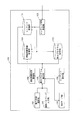
- 3 is a functional block diagram showing a functional configuration of a content reproduction device 500.
- FIG. 10 is an example of a screen diagram when a GUI is displayed in the content reproduction apparatus according to the fourth embodiment.
- 6 is a diagram showing another usage pattern of the content reproduction device 500.
- FIG. It is an external view of the mobile phone 170, and shows that a GUI provided by the content reproduction apparatus 100 is displayed on the display screen.
- 3 is a functional block diagram showing a functional configuration of a content reproduction device 500.
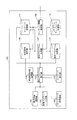
- FIG. 4 is a functional block diagram showing a functional configuration of a mobile phone 170.
- FIG. It is a flowchart which shows operation
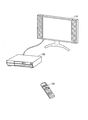
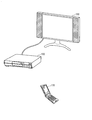
- FIG. 1 is an external view showing a usage pattern of the content reproduction apparatus 100.
- the content reproduction apparatus 100 is an apparatus capable of reproducing moving image content typified by a BD (Blu-ray Disc) recorder and a DVD (Digital Versatile Disc) recorder, and has a function held by a conventional content reproduction apparatus. Has been.
- the content reproduction apparatus 100 is connected to the digital television 150 and outputs the retained content to the digital television 150 or outputs a GUI (Graphical User Interface) indicating a list of the retained content.
- GUI Graphic User Interface
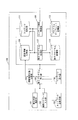
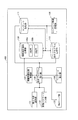
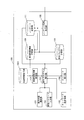
- FIG. 2 is a functional block diagram showing a functional configuration of the content reproduction apparatus 100. As shown in FIG. The functions shown in FIG. 2 are omitted here for conventional functions such as a recording unit for recording content.
- the content reproduction apparatus 100 includes a display content selection unit 101, a cancellation password input unit 102, a network transmission / reception unit 103, a viewing restriction state management unit 104, a display program execution unit 105, and a content display unit.
- 106 a display program generation unit 107, a content information reception unit 108, a setting information storage unit 109, a display program storage unit 110, a content storage unit 111, and a program template storage unit 112.
- the display content selection unit 101 receives a control signal output by an operation performed by the user on the remote controller 160, accepts a selection operation for locating the cursor on which content title in the content list, and displays the content of the selection operation. It has a function of outputting to the display program execution unit.
- the cancellation password input unit 102 has a function of receiving a password input from the remote controller 160 and transmitting it to the display program execution unit 105.
- the display content selection unit 101 and the cancellation password input unit 102 correspond to a communication interface that receives a control signal from a conventional remote controller and transmits the control signal to the display program execution unit 105.
- the network transmission / reception unit 103 has a function in which the content reproduction apparatus 100 transmits and receives operations and commands from devices other than the remote controller 160 attached to the content reproduction apparatus 100 using HTTP (Hyper Text Transfer Protocol). Further, the network transmission / reception unit 103 stores a password for executing authentication as to whether or not an operation from the external device may be accepted when an access from the external device is accepted.
- HTTP Hyper Text Transfer Protocol
- the network transmission / reception unit 103 has a function of receiving an access from an external device and authenticating whether the external device has the authority to operate the content reproduction apparatus 100. The authentication is performed based on the password received from the external device and whether or not the password matches the password stored in the network transmission / reception unit 103. If the password matches, the external device that has accessed the content reproduction apparatus 100 Is determined to have the authority to operate.
- the network transmission / reception unit 103 When the network transmission / reception unit 103 determines that the external device has the authority to operate, the network transmission / reception unit 103 receives the GUI program of the content list stored in the display program storage unit 110, transmits the GUI program to the external device, and transmits the GUI program from the external device.
- the GUI operation is permitted. In addition, it has a function of receiving input to the GUI through an operation on an external device and transmitting the received operation content to the display program execution unit 105.
- the viewing restriction state management unit 104 has a function of managing information on whether or not the restriction stored in the setting information 200 stored in the setting information storage unit 109 is released.
- the viewing restriction state management unit 104 has a function of transmitting to the display program execution unit 105 whether or not the restriction is released based on the restriction state information stored in the setting information 200.
- the viewing restriction state management unit 104 is set based on a control signal indicating that the restriction received from the cancellation password input unit 102 or the network transmission / reception unit 103 may be released via the display program execution unit 105. It also has a function of updating the restriction state information of the information 200 from “unreleased” to “released”.
- the viewing restriction state management unit 104 also has a function of referring to the viewing restriction release period column of the setting information 200 and updating the restriction state information that is “released” to “unreleased” at a corresponding timing.
- the viewing restriction state management unit 104 also has a function of responding to an inquiry as to whether or not the viewing restriction of the content designated by the display program execution unit 105 has been canceled with reference to the setting information.
- the display program execution unit 105 has a function of reading a GUI program stored in the display program storage unit 110 and causing the content display unit 106 to display a GUI based on the GUI program.
- the display program execution unit 105 determines whether playback of the content is restricted or whether the restriction is released if the content is restricted.
- the management unit 104 is inquired.
- the display program execution unit 105 stores authentication information 510 indicating a personal identification number corresponding to the type of restriction information attached to the content, and the numerical value indicated by the password received from the unlock password input unit 102 and the restriction. It has a function of determining whether or not to release the restriction depending on whether or not the personal identification number corresponding to the type of restriction information of the content to be released matches. When it is determined that the restriction is to be released, the display program execution unit 105 transmits the fact to the viewing restriction state management unit 104, and when it is determined not to release the restriction, the program display unit 106 confirms that the password is incorrect. It also has a function of displaying a displayed GUI. Details of the authentication information 510 will be described later. It is assumed that the display program execution unit 105 holds an operation log that is a history of accepted operation contents and a control log that is a history of executed control contents.
- the content display unit 106 has a function of outputting the GUI transmitted from the display program execution unit 105 to the digital television 150.
- the display program generation unit 107 reads the content management information 400 from the content storage unit 110, and allocates each content title to the corresponding basic list based on the restriction information type ID for all the contents of the content management information 400. Go. When all the content titles have been allocated, a GUI program in which information of each content list is added to the template data is recorded in the display program storage unit 110.
- the content information receiving unit 108 has a function of acquiring content data via the Internet or a broadcast wave by wireless or wired and recording it in the content storage unit 111.
- the content information receiving unit 108 acquires content having restriction information that is not included in the setting information stored in the setting information storage unit 109, the content information receiving unit 108 adds the setting information of the restriction information to the setting information 300, and sets the setting information. 300 is updated.
- the setting information included in the content data is used.
- the display program storage unit 110 has a function of storing the GUI program generated by the display program generation unit 107.
- the content storage unit 111 has a function of storing content data.
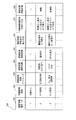
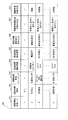
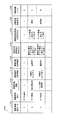
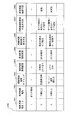
- FIG. 3 is a data conceptual diagram showing an example of the data configuration of the setting information stored in the setting information storage unit 109.
- the setting information 300 includes setting information for generating a GUI for displaying a content list, and includes information on whether or not viewing restrictions have been released.
- the restriction information type ID 301 is an identifier for the content reproduction apparatus 100 to manage the restriction information type.
- the viewing restriction type 302 is information indicating the content of viewing restrictions, and is information that serves as a tab name in the content list. “No restriction” in FIG. 3 indicates that no viewing restriction is added, “R-15 designation” means prohibition of viewing under 15 years old, and “R-20 designation” means viewing under 20 years old. It means prohibition.
- the viewing restriction release range 304 is information indicating the content to be released when the restriction is released once for that type of content. “All content of the same type” means that the viewing restriction is released with a single password input for the content of that type, ie, in the example of the figure, all the content that is designated “R-15”. . “Contents only” means that the restriction is lifted only on the content selected to be played back, and the content of “R-20 designation” requires a password every time playback is requested.
- the viewing restriction release period 305 is information indicating how long the restriction is released when the restriction imposed on the type of content is released.
- “Power OFF” indicates that the viewing restriction is released until the content playback apparatus 100 is turned off. That is, at the timing when the power is turned off, the viewing restriction state management unit 104 updates the viewing restriction release state to “unreleased” if it is “released”.
- GUI non-display indicates that if the GUI is being displayed, the viewing restriction is maintained. That is, when the GUI is not displayed, for example, when content is selected and playback is started, the viewing restriction state management unit 104 updates the viewing restriction release state to “unreleased” if it is “released”. . Note that the content being played is kept in a released state until the playback is stopped, and the playback is not interrupted by the update. However, when the reproduction of the content is completed or interrupted, the content reproduction apparatus 100 requests the password input again.
- the display method 306 before canceling the viewing restriction is information for specifying whether or not to display a list of titles of the content of that type at the timing when the GUI is first displayed for that type of content.
- Display program name indicates that a list of titles of content of that type is displayed at the timing when the GUI is first displayed for the content of that type.
- “Tab Display” indicates that a tab indicating that there is content of that type is displayed on the GUI
- “Hide Tab” indicates that a tab indicating that there is content of that type is not displayed on the GUI.
- the display method 307 after the viewing restriction is released is information that defines the display method of the title when the viewing restriction is released for that type of content.
- “Include in unrestricted display” means that when a tab without restriction is selected, the content list includes the title of the content whose restriction has been removed. “None” means that when a tab without restriction is selected, the content list does not include the title of the content whose restriction is released.
- the viewing restriction release state 308 is information indicating whether or not the viewing restriction on the content has been released.
- the viewing restriction type of the restriction information type ID “3” is “R-20 designation”, and the viewing restriction release range is “contents only”. That is, that the restriction is released indicates that only the selected content is released.
- the viewing restriction period of the restriction information type ID “3” is “one playback”, and after the viewing restriction of the selected content is released and played once, it returns to the unreleased state. Is shown.
- the display methods of the restriction information type ID “3” before the viewing restriction release are “program name non-display” and “tab non-display”, and the display methods after the viewing restriction release are included in “unrestricted display”. No "and” Add a tab ".
- the viewing restriction release state corresponding to the restriction information type ID “3” is “released” here. Note that the viewing restriction release state is information that can be updated by the viewing restriction state management unit 104 when the user inputs a password or the content playback apparatus is turned off.
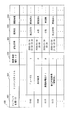
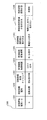
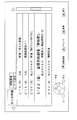
- the content management information 400 includes a content management ID 401, a content title 402, a restriction information type ID 403, a recording date and time 404, a distribution source 405, and viewing information 406. In addition, information on the total playback time of the content may be included.
- the content management ID 401 is a management identifier assigned to the content in order for the content reproduction apparatus 100 to manage the content. Although not shown, the content management ID is stored in the content storage unit 111 in association with the actual data of each content.
- the content title 402 is information indicating the title of the content used when displaying the list.
- the viewing information 406 is information indicating whether or not the content has been played back on the content playback apparatus 100. If the content has been played back, “viewed” is displayed. If the content has not been played back, “ Not watched ”.
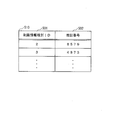
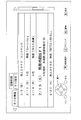
- FIG. 5 is a data conceptual diagram showing an example of the data structure of the authentication information 510.
- the restriction information type ID 501 is an identifier for the content reproduction apparatus 100 to manage the type of restriction information, and is the same as the restriction information type ID 301 shown in FIG.
- the personal identification number of the restriction information type ID “2” is “8579”.
- FIG. 13 is a data conceptual diagram illustrating a data configuration example of setting information data associated with a content when the content reproduction apparatus 100 acquires content having a new restriction information type.
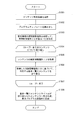
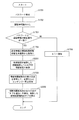
- step S1501 the user presses the power switch of the content reproduction apparatus 100, and the content reproduction apparatus 100 is activated.
- the display program generation unit 108 reads a program template from the program template storage unit 112 (step S1502).
- the display program generation unit 108 allocates the content title of the content to the basic list corresponding to the acquired restriction information type ID (step S1506).
- step S1507 the display program generation unit 108 finishes allocating all the contents (step S1507), the display program generation unit 108 generates a GUI program in which the content title is allocated and records it in the display program storage unit 110. To do. However, at this time, the basic list to which no content title is allocated is deleted. Then, the remaining basic list data is converted into a content list in a data format that can be displayed as a list, and a GUI program added to the template data is generated.
- the generated GUI data is read by the display program execution unit 105, and the image data generated based on the GUI program is output to the digital television 150 by the program display unit 106.
- the content playback device 100 is in a state of accepting input from the user.
- the display content selection unit 110 of the content reproduction apparatus 100 detects whether or not a control signal based on pressing of either the left or right direction key is received from the remote controller 160 (step S1601). Pressing the left key or right key indicates switching of tabs, and a list of contents to be displayed is determined according to the number of times the left and right keys are pressed.
- the display content selection unit 110 determines which content is to be displayed based on the number of times the left key and the right key are pressed. It is determined whether it is a list, and the display program execution unit 105 is requested to display the determined content list.
- the display program execution unit 105 transmits the restriction information type ID of the content list as to whether or not it is necessary to input a personal identification number. Then, the viewing restriction state management unit 104 is inquired (step S1603). The viewing restriction state management unit 104 determines whether it is necessary to input a personal identification number based on the viewing restriction release state 308 of the setting information 300. When the viewing restriction release state indicates “released”, it is determined that the password is not required to be input. When the viewing restriction release state indicates “unreleased”, the password is required to be input. Is determined.
- step S1603 When it is transmitted from the viewing restriction state management unit 104 that a password is required to be input (YES in step S1603), an authentication process is executed (step S1604). Details of the authentication processing will be described later with reference to the flowchart of FIG.
- step S1602 If it is determined in step S1602 that the content list of the selected tab is not displayed for the first time (NO in step S1602), or if it is determined in step S1603 that it is not necessary to enter a password, authentication processing is executed. Instead, the process of step S1605 is executed.
- step S1604 If the display content selection unit 101 does not press the left / right key (NO in step S1601) and selects a list that is not displayed from the menu (YES in step S1606), the content playback apparatus 100 authenticates. Processing is executed (step S1604).
- the viewing restriction state management unit 104 follows the information on the viewing restriction release period of the setting information 300 at the timing when the playback of the content is selected and the playback ends or when the power of the content playback device 100 is turned off. If necessary, “Release” in the viewing restriction release state is updated to “Unreleased”.
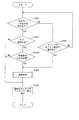
- the cancellation password input unit 102 of the content reproduction apparatus 100 accepts a password by a user operation on the remote control 160 (step S1701).
- the cancellation password input unit 102 transmits the received password to the display program execution unit 105.
- the display program execution unit 105 reads the authentication information 510 (step S1702), and determines whether or not the received password matches the password corresponding to the content type selected as the release target (step S1703). .
- the display program execution unit 105 When it is determined that the input password matches the password (YES in step S1703), the display program execution unit 105 notifies the viewing restriction state management unit 104 to that effect. Accordingly, the viewing restriction state management unit 104 updates the viewing restriction release state of the setting information 300 from “unreleased” to “released” (step S1704). The content playback apparatus 100 can execute playback of the content when the viewing restriction release state is “released”.
- the display program execution unit 105 causes the program display unit 106 to execute an error display indicating that the password is incorrect.
- the content information receiving unit 108 acquires designated content data in accordance with a control signal based on an instruction from the user (step S1801).
- the content information receiving unit 108 accesses the viewing restriction information storage unit 109 and detects whether or not the restriction information type of the acquired content data is registered in the setting information 300 (step S1802).
- the content information receiving unit 108 records the acquired content data in the content storage unit 111 and updates the content management information 400 (step S1803).
- the content information receiving unit 108 acquires setting information data as shown in FIG. 13 attached to the content data (step S1804). ).
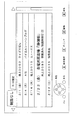
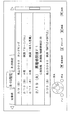
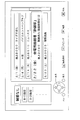
- FIG. 6 shows a GUI that is displayed first when the content reproduction apparatus 100 is first activated.
- FIG. 6 shows a GUI created based on the authentication information 300 shown in FIG. 3 and the content management information 400 shown in FIG.
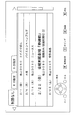
- the viewing restriction state management unit 104 updates the restriction release state information of the setting information 300 to “released”, and the content display unit 106 displays the GUI as shown in the screen diagram of FIG.
- the content list of “R-15 designation” includes only the content management information 400 with the restriction information type ID “2”. There is no content title with ID “1” or “3”.
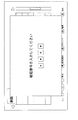
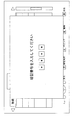
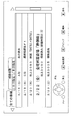
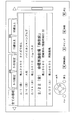
- FIG. 10 when the display of the content list of “R-15 designation” is the first time, based on the information “at the time of initial display” of the viewing restriction release timing of “R-15 designation” of the setting information 300, FIG. Require password entry as shown in.
- the content reproduction apparatus 100 displays the information “include in unrestricted display” as the display method after the viewing restriction release of “R-15 designation” in the setting information 300 is released. Based on this, the display state is updated as shown in FIG.
- the GUI display program generated by the display program generation unit 107 is stored in the display program storage unit 110 in advance.
- the display program execution unit 105 executes the display program stored in the display program storage unit 110 to display the GUI on the content display unit 106 when there is a GUI display instruction.
- the time for generating a program for displaying the GUI can be omitted, so that the time until the initial display of the GUI is shortened compared to the first embodiment.
- FIG. 20 is a functional block diagram showing a functional configuration of content reproduction apparatus 300 according to Embodiment 3. As can be seen by comparing FIG. 20 and FIG. 2, there is no difference in functional configuration between the content reproduction apparatus 300 and the reproduction apparatus 100.
- the third embodiment differs from the first embodiment in the configuration in which the viewing restriction state management unit 104 releases the viewing restriction and the contents of the template program stored in the program template storage unit 112.
- the template program is a program with no content title information in FIG. Unlike Embodiment 1, there is an “all programs” tab instead of an “unrestricted” tab. For content to which viewing restrictions are added, tabs corresponding to the content of each viewing restriction are generated in the viewing restriction tab. Note that the “all programs” tab is not described in the setting information 2300 in FIG. 23, but the information is previously incorporated into the template data as a tab corresponding to “no restriction” shown in the first embodiment. Yes.
- FIG. 21 shows setting information 2100 in the third embodiment.
- the setting information 2100 includes a restriction information type ID 2101, a viewing restriction type 2102, a viewing restriction release timing 2103, a viewing restriction release range 2104, a viewing restriction release period 2105, and a display method before the viewing restriction is released. 2106, display method 2107 after viewing restriction release, viewing restriction release state 2108, and viewing restriction level 2109 are associated with each other.
- the setting information 2100 has substantially the same configuration as the setting information 300, but unlike the setting information 300, a viewing restriction level 2109 is set.
- the viewing restriction level 2109 is a numerical expression of the severity of viewing restrictions in the type of content, and the higher the numerical value, the more severe the viewing restrictions are set. When the high level viewing restriction is released, the lower level viewing restriction is also released.
- “at the start of playback” of the viewing restriction release timing 2103 means that the timing for displaying the GUI for requesting the release of restriction is when executing the playback of the content of that type, and “when selecting a menu item”. This means that the timing for displaying the GUI requesting the restriction release is when the menu for releasing the viewing restriction is selected.
- “display program name & include in all programs” of the display method 2106 before viewing restriction release means displaying the program name and displaying the program name in all program tabs.
- the display method 2106 before the viewing restriction is canceled “Hide program name & not include in all programs” means that the program name is not displayed and the program name is not displayed in all program tabs. .
- FIG. 22 is a flowchart showing the operation of the content reproduction device 300 according to the third embodiment.
- the operation of the viewing restriction state management unit 104 is different from that shown in the first embodiment. More specifically, the operation after step S1704 in the authentication of FIG. 17 is different. As for other operations, the “no restriction” tab is simply replaced with the “all programs” tab, and the description is omitted as described above.
- the viewing restriction state management unit 104 updates the viewing restriction release state from “not released” to “released” (step S1704), the viewing restriction level corresponding to the restriction information type ID for which the viewing restriction is released is acquired from the setting information 2100. To do. Then, regarding the restriction information type having the viewing restriction level equal to or less than the obtained viewing restriction level, when the viewing restriction release state is “unreleased”, it is updated to “released” (step S2201).
- the content reproduction device 300 updates the content list with reference to the display method after the restriction on viewing of the setting information 2100 is released (step S1705), and if it is defined that “add tab” is specified, the corresponding restriction level Is added (step S2202).
- FIG. 23 is a flowchart showing the operation of the content reproduction apparatus 300 during content reproduction.
- the display program execution unit 105 determines from the restricted information type ID of the focused content whether the focused title, that is, the content title to be selected by the cursor is an R-15 program. (Step S2301).
- the display program execution unit 105 When information indicating that the playback key is pressed is received from the display content selection unit 101 while the R-15 program is in focus (YES in step S2302), the display program execution unit 105 needs to input a password. Is determined from the viewing restriction state 2108 of the setting information 2100 (step S2303).
- step S2306 In a state where the R-20 program is in focus (YES in step S2306), when information indicating that the playback key is pressed is received from the display content selection unit 101 (YES in step S2307), the display program execution unit 105 It is determined from the viewing restriction state 2108 of the setting information 2100 whether or not a password is required (step S2308).
- FIG. 24 shows a display state when the content reproduction apparatus 300 is turned on. As shown in the setting information 2100, the title of “R-15 designation” program (for example, different martial arts F1) is also displayed on the “all programs” tab.
- R-15 designation for example, different martial arts F1
- FIG. 26 is a screen diagram in a state where the restriction of “R-20 designation” is released and the “all programs” tab is selected.
- the program for displaying the GUI stored in the display program storage unit 110 holds a program for displaying the GUI corresponding to each service. That is, the restriction information shown in the first embodiment is simply stored corresponding to each service, and the content of each service is displayed according to the setting information determined by each service. .
- the display program execution unit 105 refers to all setting information held in the viewing restriction information storage unit 109, generates a GUI to be displayed, and causes the content display unit 106 to display the GUI.
- the titles of the displayed contents are classified for each service with reference to the distribution source of the content storage unit 111. ⁇ Data> Now, the viewing restriction information 109a for company A and the viewing restriction information 109b for company B will be described.
- the restriction type and the restriction method may differ depending on the service. ⁇ Operation>
- the operation of the content reproduction apparatus in the fourth embodiment will be described.
- FIG. 30 is a flowchart showing the operation.
- the content reproduction apparatus periodically connects to the service server and inquires about setting information (step S3001).
- Period means, for example, every other week or every other month, and this period may be arbitrarily set by the user in the content reproduction apparatus or may be defined by the service side. Moreover, the period may differ for every service.
- step S3003 the content reproduction apparatus acquires new setting information from the service server and replaces it with the acquired setting information.
- FIG. 32 shows a usage pattern of the content reproduction apparatus 500 according to the fifth embodiment.
- the content reproduction apparatus 500 is connected to the digital television 150, receives an operation from the mobile phone 170, and executes control according to the received operation content.
- the age information storage unit 3401 information corresponding to the age of the user who uses the content reproduction device 500 is set. That is, the age of the lowest user among the users who use the content reproduction device 500 is set.
- the age information is set by the user and may be used in an authentication process for releasing the restriction on the reproduction of content.
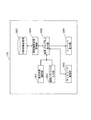
- FIG. 35 is a functional block diagram showing a functional configuration of the mobile phone 170.
- the mobile phone 170 includes a display content selection unit 3501, a release password input unit 3502, a network transmission / reception unit 3503, a viewing restriction state management unit 3504, a display program execution unit 3505, and a content display unit 3506. And an age information storage unit 3507.
- the functional block diagram only functional units required in the fifth embodiment are described, and a call function, a mail function, and the like normally held by the mobile phone are not shown.
- Each functional unit of the mobile phone 170 has the same name as the functional unit of the content reproduction device 500, and the function of each functional unit is substantially the same as that of the content reproduction device 500, so the difference will be described. .
- the display program execution unit 3505 has a function of executing the display program acquired by the network transmission / reception unit 3503 and causing the content display unit 3506 to display the GUI described in the first embodiment or the like.
- the age information storage unit 3507 has a function of holding information related to the age of the user of the mobile phone 170.
- the information may be information indicating a direct age of the user, for example, “22 years old”, or the date of birth of the user. In the case of the date of birth, the age can be calculated by subtracting the date of birth from the date / time information of the mobile phone 170.
- the user of the mobile phone 170 uses the web access function of the mobile phone 170 to access the URL of the GUI program managed by the network transmission / reception unit 103.
- the network transmission / reception unit 103 requests the mobile phone 170 to input a password in order to ask whether the mobile phone 170 has a legitimate right to operate the content reproduction device 500.
- the mobile phone 170 inputs a password, and transmits the password information to the content reproduction device 500 via SSL (Secure Socket Layer) communication.
- SSL Secure Socket Layer
- the network transmission / reception unit 103 determines the validity of the received password, and receives a GUI program that becomes, for example, a Java (registered trademark) script from the display content execution unit 105 when it is determined that the password is valid.
- a GUI program that becomes, for example, a Java (registered trademark) script from the display content execution unit 105 when it is determined that the password is valid.
- the display program execution unit 3505 of the mobile phone 170 executes the received GUI program, and transmits information indicating what list is displayed and what content is displayed to the content reproduction apparatus 500.
- the content reproduction device 500 transmits to the mobile phone 170 information on the titles of necessary content and which list it belongs to from the content storage unit 111 based on the information received from the mobile phone 170.
- a GUI is displayed on the screen.
- Input in the mobile phone 170 made to the GUI is transmitted to the content reproduction apparatus 100.
- the content reproduction device 500 executes control according to the received operation content. For example, when playback is selected on the GUI of the mobile phone 170, the mobile phone 170 transmits a playback command and information indicating the selected content to the content playback apparatus.
- the content reproduction device 500 reads out necessary content data from the content storage unit 110 and distributes it to the mobile phone 170 as a stream. Then, the mobile phone 170 displays a moving image based on the distributed content data.
- the password input for executing the authentication for canceling the restriction on the access to the web page and the reproduction of the content may be executed based on the unique information held by the mobile phone 170. That is, the content reproduction apparatus 500 previously stores information for identifying a device that can access a Web page, for example, the machine number of the mobile phone 170 and a restriction type ID that can be used to release restrictions on the device indicated by the machine number.
- the content reproduction device 500 may request authentication of the mobile phone number at the timing when communication is started with respect to the mobile phone 170 and execute authentication.
- the content reproduction apparatus 500 uses the age set in the age information storage unit 3401 of the server side, that is, the content reproduction apparatus 500, in accordance with a predetermined condition set in advance, or the client side, that is, the mobile phone 170 It is determined whether the age set in the age information storage unit 3507 is used for determination (step S3602).
- the predetermined condition here will be described later.
- the conditions can be arbitrarily set by the user, and the following conditions are set in the content reproduction apparatus 500 as predetermined conditions.
- (Condition 1) When age information on the client side (cell phone 170 side) can be used, the age information on the client side is always used.
- (Condition 2) The lower one of the age information set on the client side (mobile phone 170 side) and the server side (content reproduction device 500 side) is used.
- (Condition 3) Whether to use age information stored on either the server side (content reproduction device 500 side) or the client side (mobile phone 170 side) according to the time information on the client side, that is, the time used. Switch. For example, the age information on the client side (mobile phone 170 side) is used at night (22:00 to 6:00), and the age information on the server side (content reproduction device 500 side) is used in other time zones.
- both the personal identification number related to the display of the content title in the content list and the personal identification number related to the reproduction of the content may be stored in the content reproduction apparatus 100 and the respective controls may be executed. That is, in addition to the authentication information 510 in the above embodiment, reproduction authentication information, which is information in which a password is associated with each content management ID, may be stored. (6) In the above embodiment, setting information data is attached to the acquired content. However, it is conceivable that the setting information data does not accompany the content.
- the content reproduction apparatus 100 acquires new type of restriction information that is not stored in the apparatus itself, that is, not registered in the setting information 300
- the content reproduction apparatus 100 transmits to the server that distributes the content via the Internet. It is also possible to access, acquire setting information data corresponding to the restriction information held by the server, and add to or update the setting information 300.
- only the selected content list is displayed. However, if the screen size permits, all or a plurality of content lists may be displayed.
- the setting information for each service is stored separately has been described. However, this may be configured as a single list without being held separately. That is, in this case, the setting information is associated with information for specifying one service (if described with reference to FIG.
- the content playback apparatus is mounted on, for example, a BD recorder, a BD play, a DVD recorder, a DVD player, a digital television, a car navigation system, and the like.
- the mobile phone 170 operates the content reproduction device 500 by transmitting and receiving commands using HTTP.
- the mobile phone 170 has a function of executing infrared communication. Then, the content playback apparatus 100 may be operated using the function.
- the display program storage unit 110 stores a GUI program that simply assigns identification information of each content, that is, a title. Keep it.
- the viewing restriction state management unit 104 may manage each restriction release state corresponding to each device.
- the server side content reproduction device 500 side
- this determination may be performed on the client side (portable terminal 170 side). The operation in this case will be described below.
- the portable terminal 170 determines that it is necessary to display a GUI for asking for a password, and when it is necessary to use the age information held by the content reproduction device 500, the portable terminal 170 displays the content reproduction device. A command for requesting age information held in the age information storage unit 3401 of the content reproduction device 500 is transmitted to 500.
Landscapes
- Engineering & Computer Science (AREA)
- Computer Security & Cryptography (AREA)
- Signal Processing (AREA)
- Automation & Control Theory (AREA)
- Multimedia (AREA)
- Power Engineering (AREA)
- Storage Device Security (AREA)
- Two-Way Televisions, Distribution Of Moving Picture Or The Like (AREA)
- Television Signal Processing For Recording (AREA)
- Indexing, Searching, Synchronizing, And The Amount Of Synchronization Travel Of Record Carriers (AREA)
- Management Or Editing Of Information On Record Carriers (AREA)
- Signal Processing For Digital Recording And Reproducing (AREA)
Abstract
Description
<実施の形態1>
図1は、コンテンツ再生装置100の使用形態を示した外観図である。コンテンツ再生装置100は、BD(Blu-ray Disc)レコーダ、DVD(Digital Versatile Disc)レコーダに代表される動画コンテンツを再生することができる装置であり、従来からあるコンテンツ再生装置が保持する機能は搭載されている。コンテンツ再生装置100は、デジタルテレビ150に接続され、保持しているコンテンツをデジタルテレビ150に出力したり、保持しているコンテンツの一覧を示すGUI(Graphical User Interface)を出力したりする。
<データ>
続いて、コンテンツ再生装置100が扱うデータについて説明する。
<動作>
ここから、本実施の形態のコンテンツ再生装置100のGUIを作成する際の動作を図15に示すフローチャートを用いて説明する。
解除パスワード入力部102は、受け取ったパスワードを表示プログラム実行部105に伝達する。表示プログラム実行部105は、認証情報510を読み出し(ステップS1702)、受け取ったパスワードと、解除対象として選択されているコンテンツ種別に対応する暗証番号とが一致するか否かを判定する(ステップS1703)。
<表示更新例>
最後に、図17~19に示したフローチャートに基づく動作を実行することによって変化するGUIの表示例を図6~12の画面図を用いて説明する。
<実施の形態2>
上記実施の形態1においては、表示プログラム生成部107が、表示プログラム記憶部110とプログラムテンプレート記憶部112に記憶されている情報を用いてGUIを表示するプログラムを生成して、表示プログラム実行部105が当該プログラムを実行するという形態を示した。
<実施の形態3>
ここから、実施の形態1とは別のGUIの表示方法及びコンテンツ再生装置の動作を示す。なお、コンテンツ再生装置の構成や、基本的な動作については、実施の形態1に示したものと同様であるので、共通する部分については説明を割愛する。
<構成>
図20は、実施の形態3に係るコンテンツ再生装置300の機能構成を示す機能ブロック図である。図20と図2を比較すればわかるように、コンテンツ再生装置300と再生装置100との機能構成上の差異はない。
<データ>
図21は、実施の形態3における設定情報2100を示している。設定情報2100は、各制限情報に、制限情報種別ID2101と、視聴制限種別2102と、視聴制限解除タイミング2103と、視聴制限解除範囲2104と、視聴制限解除期間2105と、視聴制限解除前の表示方法2106と、視聴制限解除後の表示方法2107と、視聴制限解除状態2108と、視聴制限レベル2109とが対応付けられた情報である。設定情報2100は、設定情報300とほぼ同様の構成をとっているが、設定情報300とは、異なり、視聴制限レベル2109が設定されている。
<動作>
図22は、実施の形態3におけるコンテンツ再生装置300の動作を示すフローチャートである。
<コンテンツ再生処理>
ここで、コンテンツの再生について、説明する。
<表示更新例>
ここから、実施の形態3における表示更新例を示す。なお、番組の内容については、実施の形態1に示したものに準拠する。
<実施の形態4>
上記実施の形態1では、コンテンツをダウンロードする際にダウンロードサービスを提携しているサービスが複数あったとしても、設定情報の内容は共通としている場合を説明したが、実施の形態4では、サービス毎に設定情報を記憶しておく場合を説明する。
<データ>
では、A社用視聴制限情報109aとB社用視聴制限情報109bについて説明する。
<動作>
ここでは、実施の形態4におけるコンテンツ再生装置の動作について説明する。
<実施の形態5>
ここから、本実施の形態5として、リモコン160やコンテンツ再生装置に敷設されているコントロールパネルを用いずにコンテンツ再生装置を操作することを説明する。
<動作>
まず、GUIの表示にあたっての携帯電話機170とコンテンツ再生装置500の動作について説明する。
(条件1)クライアント側(携帯電話機170側)の年齢情報が使用できる場合には、必ずクライアント側の年齢情報を使用する。
(条件2)クライアント側(携帯電話機170側)とサーバ側(コンテンツ再生装置500側)で設定されている年齢情報のうち低い方を使用する。
(条件3)クライアント側の時間情報つまり使用している時間に応じてサーバ側(コンテンツ再生装置500側)とクライアント側(携帯電話機170側)のうちいずれに記憶されている年齢情報を用いるかを切り替える。例えば、夜間(22時~6時)はクライアント側(携帯電話機170側)の年齢情報を用い、それ以外の時間帯ではサーバ側(コンテンツ再生装置500側の年齢情報を用いる。
<補足>
上記実施形態において、本発明の実施の手法について説明してきたが、本発明の実施形態がこれに限られないことは勿論である。以下、上記実施形態以外に本発明の思想として含まれる各種の変形例について説明する。
(1)上記実施の形態においては、コンテンツ再生装置100をユーザが操作するための入力を、リモコン160や、携帯電話機170を介して受け付けていたが、当該入力は、コンテンツ再生装置100に直接付設されているコントロールパネルを介して受け付けてもよい。
(2)上記実施の形態における各記憶部(設定情報記憶部109、表示プログラム記憶部110、コンテンツ記憶部111、プログラムテンプレート記憶部112)は、それぞれ別個のデータを記憶するメモリあるいはHDDであってもよいし、各記憶部が記憶すべきデータを記憶するための領域を、1のメモリあるいは1のHDDの記憶領域内にそれぞれ別個に設定する構成であってもよい。
(3)上記実施の形態においては例えば、図9に示したように、GUIにおいて各制限情報が付加されたコンテンツを容易に区別するべくタブ形式で各制限情報のコンテンツ一覧を表示することとしたが、これはタブ形式に限定しなくともよく、各制限情報が付加されたコンテンツをユーザが容易に認識できるものであればよい。例えば図37に示すように、2ペイン形式で表示することとしてもよいし、あるいは図38に示すように、ツリー構造形式で表示することとしてもよい。
(4)上記実施の形態における設定情報300に示した制御例は、一例であり、図3や、図20に示したもの以外の制御方法を設定し、コンテンツ再生装置100はその制御方法に基づく制御を行ってもよい。例えば、視聴制限解除後の表示方法について、「制限なし表示にも含める」場合と、「制限なし表示には含めない」場合とを示したが、例えば、「R-15指定」や「R-20指定」のコンテンツを「年齢制限あり」という一覧を生成して、当該一覧に含める制御を実行できるように設定情報300を設定してもよい。
(5)上記実施の形態においては、暗証番号は、各制限情報の種別ごとに設定したが、これは各コンテンツそれぞれで異なる暗証番号を用いてもよく、この場合、認証情報510は、各コンテンツ管理IDに暗証番号を対応付けた情報となる。
(6)上記実施の形態においては、取得したコンテンツに設定情報データが付随していることとした。しかし、コンテンツに設定情報データが付随していないことも考えられる。
(7)上記実施の形態においては、選択されているコンテンツ一覧のみを表示することとしたが、画面のサイズが許すならば、全部、あるいは複数のコンテンツ一覧を表示してもよい。
(8)上記実施の形態4において、各サービス毎の設定情報を別々に保持する場合を説明した。しかし、これは別々に保持せずに一つのリストにする構成をとってもよい。つまり、その場合には、設定情報は、更に一つサービスを特定するための情報が対応付けられる(図3を用いて説明するならば、更にサービスを特定するための欄が設けられる)ことになり、設定情報の更新に当たっては、サービスサーバから取得した設定情報を用いて、元々記憶している設定情報のうち、取得した設定情報に対応するサービスに対応する部分のみを更新することになる。
(9)上記実施の形態5においては、コンテンツ再生装置100が管理するWebページにアクセスしてコンテンツ再生装置100を操作できる機器として携帯電話機を例に示したが、これは携帯電話機のみに限らず、インターネットにアクセスできる通信機能を保持する機器であればよく、例えば、ネット通信機能を有するデジタルテレビ、デジタルカメラ、デジタルビデオカメラ、カーナビゲーションシステム、ポータブルBD/DVDプレーヤ、PDA(Personal Digital Assistants)などであってもよい。
(10)上記実施の形態5においては、携帯電話機170は、HTTPを使ってコマンド送受信することで、コンテンツ再生装置500を操作することとしたが、携帯電話機170が赤外線通信を実行する機能があるならば、当該機能を用いて、コンテンツ再生装置100を操作することとしてもよい。
(11)上記実施の形態においては、表示プログラム生成部107により、コンテンツ再生装置100の電源が入れられる都度、動的にGUIプログラムを作成することを示した。しかし、コンテンツ再生装置100に表示プログラム生成部107とプログラムテンプレート記憶部112を搭載せず、予め表示プログラム記憶部110に、予めどのような視聴制限が付加されたコンテンツを取得したとしても対応できるように作りこまれたGUIプログラムが記憶されていてもよい。即ち、表示プログラム記憶部110は、全ての視聴制限に関するタブが用意されており、GUIを表示する際には、単純に各コンテンツの識別情報、即ちタイトルを振り分けるだけですむようなGUIプログラムを記憶しておく。
(12)上記実施の形態においては、リモコン160からのパスワードの入力に応じて視聴制限を解除する場合や、外部機器からのパスワードの入力に応じて視聴制限を解除する場合を示したが、同時に複数の機器(リモコン160と携帯電話機170など)からの操作を受け付けることも考えられる。そのため、視聴制限状態管理部104は、各機器に対応して、それぞれの制限解除状態を管理することとしてもよい。
(13)上記実施の形態5では、サーバ側(コンテンツ再生装置500側)、クライアント側(携帯端末170側)のいずれの年齢情報を用いるかの判断を、サーバ側(コンテンツ再生装置500側)で実行することとした。
(14)上記実施の形態における各機能部は、1または複数のLSI(Large Scale Integration)によって実現されてもよく、1のLSIが複数の機能部が有する機能を実行できるように実現されてもよい。LSIは、集積度の違いにより、VLSI(Very Large Scale Integration)、ウルトラLSIなどと呼称されることもある。
(15)上述の実施形態で示したGUIの表示に係る動作、GUIの生成処理等(図17参照)をコンテンツ再生装置のプロセッサ、及びそのプロセッサに接続された各種回路に実行させるためのプログラムコードからなる制御プログラムを、記録媒体に記録すること、または各種通信路等を介して流通させ頒布させることもできる。このような記録媒体には、ICカード、ハードディスク、光ディスク、フレキシブルディスク、ROM等がある。流通、頒布された制御プログラムはプロセッサに読み出され得るメモリ等に格納されることにより利用に供され、そのプロセッサがその制御プログラムを実行することにより、実施形態で示したような各種機能が実現されるようになる。
101 表示内容選択部
102 解除パスワード入力部
103 ネットワーク送受信部
104 視聴制限状態管理部
105 表示プログラム実行部
106 コンテンツ表示部
107 表示プログラム生成部
108 コンテンツ情報受信部
109 設定情報記憶部
110 表示プログラム記憶部
111 コンテンツ記憶部
112 プログラムテンプレート記憶部
150 デジタルテレビ
160 リモコン
170 携帯電話機
300 設定情報
400 コンテンツ管理情報
510 認証情報
3401、3507 年齢情報記憶部
Claims (12)
- 再生を制限するための制限情報が付加されたコンテンツを、当該制限を所定処理で解除して再生することが可能なコンテンツ再生装置であって、
複数のコンテンツを記憶するコンテンツ記憶手段と、
1種類以上の制限情報それぞれについて、当該制限情報が付加されたコンテンツの識別情報の表示方式の規定を含む設定情報を記憶する設定情報記憶手段と、
前記設定情報に基づいて、各コンテンツを識別するための識別情報を並べたコンテンツ一覧を、各制限情報の種別ごとに生成して表示する表示手段とを備える
ことを特徴とするコンテンツ再生装置。 - 前記コンテンツ再生装置は、更に、
コンテンツ毎に再生の制限が解除されているか否かを示す解除状態情報を記憶する状態情報記憶手段と、
制限情報が付加されているコンテンツについて、前記コンテンツ再生装置が前記所定処理を実行した場合に、前記解除状態情報を制限が解除されている旨を示すように更新することで再生の制限を解除する解除状態更新手段と、
ユーザからの選択入力を受け付け、当該選択入力で指定されるコンテンツの前記解除状態情報が、制限が解除されている旨を示す場合に当該コンテンツを再生する再生手段とを備える
ことを特徴とする請求項1記載のコンテンツ再生装置。 - 前記設定情報は、制限情報が付加されているコンテンツについて、いつ制限を解除するかの時間情報を含み、
前記解除状態更新手段は、前記時間情報に示される時間に基づいて、コンテンツの制限を解除するための処理を開始する
ことを特徴とする請求項2記載のコンテンツ再生装置。 - 前記解除状態更新手段は、
第1種の制限情報が付加されているコンテンツの場合には、所定処理を実行して、当該第1種の制限情報が付加されている全てのコンテンツについて一括してコンテンツの再生の制限を解除し、
第2種の制限情報が付加されているコンテンツの場合には、当該第2種の制限情報が付加されているコンテンツについて、コンテンツ毎に所定処理を経て再生の制限を解除する
ことを特徴とする請求項2記載のコンテンツ再生装置。 - 前記設定情報は、制限情報の種別ごとに、コンテンツの識別情報を表示するか否かの情報を含み、
前記表示手段は、第1種の制限情報が付加されているコンテンツの場合には、制限が解除されるまでは、当該第1種の制限情報が付加されているコンテンツのコンテンツ一覧を表示しない
ことを特徴とする請求項2記載のコンテンツ再生装置。 - 前記コンテンツ一覧には、制限情報が付加されていないコンテンツに関するコンテンツ一覧があり、
前記表示手段は、前記解除状態更新手段により制限が解除されたコンテンツについてその識別情報を、前記制限情報が付加されていないコンテンツに関するコンテンツ一覧に追加する
ことを特徴とする請求項2記載のコンテンツ再生装置。 - 前記設定情報は、制限情報の種別に応じて、制限を解除したあとで、いつ再度制限を解除した状態を未解除の状態に戻すかの情報を含み、
前記解除状態更新手段は、制限が解除されていることを示している前記解除状態情報について、前記設定情報に基づき、制限が解除されていないことを示す情報に更新する
ことを特徴とする請求項2記載のコンテンツ再生装置。 - 前記コンテンツ再生装置は、更に、
制限情報が付加されたコンテンツを取得するコンテンツ取得手段を備える
ことを特徴とする請求項2記載のコンテンツ再生装置。 - 前記コンテンツ再生装置は、更に、
前記設定情報に記憶されていない新たな種別の制限情報についての設定情報を取得する設定情報取得手段を備える
ことを特徴とする請求項8記載のコンテンツ再生装置。 - 前記コンテンツ再生装置は、更に、
外部機器からのアクセスを受けて、前記コンテンツ一覧を前記外部機器に出力する出力手段を備える
ことを特徴とする請求項2記載のコンテンツ再生装置。 - 前記コンテンツ再生装置は、更に、
外部機器に固有の識別情報と、再生の制限を解除するための解除情報とを対応付けて記憶する解除情報記憶手段を備え、
前記解除状態更新手段は、外部機器からのアクセスがあった場合に、アクセスしてきた外部機器が保持する外部機器の識別情報と、外部機器が保持する解除情報とを前記外部機器から取得し、当該識別情報と当該解除情報の組み合わせが、前記解除情報記憶手段に記憶されているか否かによって、再生の制限の解除を実行する
ことを特徴とする請求項10記載のコンテンツ再生装置。 - 前記制限は、コンテンツを視聴するユーザの年齢に基づく制限であり、
前記外部機器は、当該外部機器を利用するユーザの年齢に関する第1年齢情報を保持しており、前記制限情報が付加されたコンテンツの制限を解除する指示を前記第1年齢情報とともに出力し、
前記コンテンツ再生装置は、更に、
当該コンテンツ再生装置を利用するユーザの年齢に関する第2年齢情報を保持する第2年齢情報記憶手段と、
制限情報が付加されているコンテンツについて、前記解除指示手段から出力された指示に応じて、予め定められた選択基準に従って前記第1年齢情報と前記第2年齢情報のうちいずれか一方の年齢情報を用いて、コンテンツの制限を解除する暗証番号の入力を要求する情報を表示するか否かを判定する判定手段とを備え、
前記所定処理とは、前記判定手段が肯定的な判定をした場合に、コンテンツの制限を解除する暗証番号の入力を要求する情報を表示して、ユーザからの正当な暗証番号の入力を受けて、制限を解除することである
ことを特徴とする請求項10記載のコンテンツ再生装置。
Priority Applications (4)
| Application Number | Priority Date | Filing Date | Title |
|---|---|---|---|
| CN2009801164415A CN102016998B (zh) | 2008-05-09 | 2009-04-24 | 内容再现装置 |
| EP09742606.8A EP2273504A4 (en) | 2008-05-09 | 2009-04-24 | CONTENT PLAYBACK DEVICE |
| US12/663,742 US8615162B2 (en) | 2008-05-09 | 2009-04-24 | Content reproduction device |
| JP2010511012A JP5411131B2 (ja) | 2008-05-09 | 2009-04-24 | コンテンツ再生装置 |
Applications Claiming Priority (2)
| Application Number | Priority Date | Filing Date | Title |
|---|---|---|---|
| JP2008123555 | 2008-05-09 | ||
| JP2008-123555 | 2008-05-09 |
Publications (1)
| Publication Number | Publication Date |
|---|---|
| WO2009136481A1 true WO2009136481A1 (ja) | 2009-11-12 |
Family
ID=41264538
Family Applications (1)
| Application Number | Title | Priority Date | Filing Date |
|---|---|---|---|
| PCT/JP2009/001890 Ceased WO2009136481A1 (ja) | 2008-05-09 | 2009-04-24 | コンテンツ再生装置 |
Country Status (5)
| Country | Link |
|---|---|
| US (1) | US8615162B2 (ja) |
| EP (1) | EP2273504A4 (ja) |
| JP (1) | JP5411131B2 (ja) |
| CN (1) | CN102016998B (ja) |
| WO (1) | WO2009136481A1 (ja) |
Cited By (4)
| Publication number | Priority date | Publication date | Assignee | Title |
|---|---|---|---|---|
| JP2014021860A (ja) * | 2012-07-20 | 2014-02-03 | Canon Inc | 情報処理装置、画像提供装置、画像転送システム及びそれらの制御方法 |
| CN103581758A (zh) * | 2013-07-30 | 2014-02-12 | 深圳创维-Rgb电子有限公司 | 应用产品平台的界面展示方法及智能终端设备 |
| JP2014530042A (ja) * | 2011-09-13 | 2014-11-17 | クエスト メディカル インコーポレイテッド | 心筋保護装置及び方法 |
| JP2015039074A (ja) * | 2011-04-28 | 2015-02-26 | 株式会社東芝 | 送信装置、受信装置、および送信方法 |
Families Citing this family (6)
| Publication number | Priority date | Publication date | Assignee | Title |
|---|---|---|---|---|
| JP2005141413A (ja) * | 2003-11-05 | 2005-06-02 | Sony Corp | 情報処理装置及びその情報処理方法、並びにデータ通信システム及びデータ通信方法 |
| EP2293215A4 (en) * | 2008-06-04 | 2011-11-23 | Samsung Electronics Co Ltd | METHOD AND DEVICE FOR SENDING AND RECEIVING FILTERED CONTENT EVEN AFTER AGE LIMITATIONS |
| GB201003296D0 (en) * | 2010-02-26 | 2010-04-14 | Omnifone Ltd | Acorn 1 |
| JP2013021588A (ja) * | 2011-07-13 | 2013-01-31 | Sony Corp | 情報処理装置、情報処理方法、及びプログラム |
| JP6739383B2 (ja) * | 2017-03-27 | 2020-08-12 | シャープ株式会社 | 表示装置、コンテンツの表示方法及びプログラム |
| US11055437B2 (en) * | 2018-02-02 | 2021-07-06 | Florida Atlantic University Board Of Trustees | Systems and methods for ensuring privacy in online information sharing applications |
Citations (10)
| Publication number | Priority date | Publication date | Assignee | Title |
|---|---|---|---|---|
| JP2000311417A (ja) * | 1999-04-27 | 2000-11-07 | Alpine Electronics Inc | ディスク再生装置 |
| JP2001157188A (ja) * | 1999-11-26 | 2001-06-08 | Sanyo Electric Co Ltd | ディジタル放送受信装置 |
| JP2001251582A (ja) * | 2000-03-03 | 2001-09-14 | Sanyo Electric Co Ltd | 情報再生装置 |
| JP2003230080A (ja) * | 2002-02-01 | 2003-08-15 | Funai Electric Co Ltd | デジタル録画処理装置 |
| JP2006040332A (ja) | 2004-07-23 | 2006-02-09 | Matsushita Electric Ind Co Ltd | 再生ロック解除装置 |
| JP2006059326A (ja) * | 2004-07-21 | 2006-03-02 | Sony Corp | コンテンツ再生装置,コンテンツ再生制御方法,プログラム |
| JP2006180121A (ja) * | 2004-12-21 | 2006-07-06 | Funai Electric Co Ltd | ディスク装置内蔵型テレビジョン受像機及びその視聴制限レベル設定方法 |
| JP2007088896A (ja) * | 2005-09-22 | 2007-04-05 | Orion Denki Kk | コンテンツ視聴制限設定可能な映像再生装置及びコンテンツ視聴制限の設定方法 |
| JP2007533047A (ja) * | 2004-04-16 | 2007-11-15 | 松下電器産業株式会社 | 再生装置、再生方法、再生プログラム、及びコンピュータ読み取り可能な記録媒体 |
| JP2008071472A (ja) * | 2006-08-17 | 2008-03-27 | Sony Corp | コンテンツ記録装置、コンテンツ記録方法、記録媒体、およびプログラム |
Family Cites Families (19)
| Publication number | Priority date | Publication date | Assignee | Title |
|---|---|---|---|---|
| US5969748A (en) | 1996-05-29 | 1999-10-19 | Starsight Telecast, Inc. | Television schedule system with access control |
| JP2001357611A (ja) * | 2000-06-15 | 2001-12-26 | Matsushita Electric Ind Co Ltd | 記録再生装置および記録再生方法 |
| JP4794787B2 (ja) * | 2001-12-07 | 2011-10-19 | パイオニア株式会社 | 情報記録装置及び方法、情報再生装置及び方法、情報記録用プログラム及び情報再生用プログラム並びに記録媒体 |
| JP2004208198A (ja) | 2002-12-26 | 2004-07-22 | Ntt Docomo Inc | 有料放送課金システム、有料放送課金方法、及び有料放送課金プログラム |
| JP2005117185A (ja) * | 2003-10-03 | 2005-04-28 | Canon Inc | デジタルテレビジョン装置 |
| JP5008822B2 (ja) * | 2003-10-27 | 2012-08-22 | パナソニック株式会社 | コンテンツ再生制御方法およびコンテンツ再生制御端末 |
| JP4126699B2 (ja) * | 2003-11-05 | 2008-07-30 | インターナショナル・ビジネス・マシーンズ・コーポレーション | コンテンツの再生を制限するコンテンツ再生装置、情報処理システム、再生制限方法、コンテンツ再生プログラム、及び記録媒体 |
| JP2005198039A (ja) | 2004-01-07 | 2005-07-21 | Toshiba Corp | 情報表示装置および情報表示方法 |
| US7420786B2 (en) * | 2004-03-03 | 2008-09-02 | Kabushiki Kaisha Toshiba | Arrangement of a magneto-resistance effect element having a surface contacting a side face of an electrode and magnetic memory using this arrangement |
| JP2005267330A (ja) | 2004-03-19 | 2005-09-29 | Snk Playmore Corp | 携帯端末装置及びデータ管理プログラム |
| JP4442294B2 (ja) * | 2004-04-09 | 2010-03-31 | ソニー株式会社 | コンテンツ再生装置,プログラム,コンテンツ再生制御方法 |
| JP2005340972A (ja) | 2004-05-24 | 2005-12-08 | Funai Electric Co Ltd | 放送受信装置 |
| BRPI0506146A (pt) | 2004-07-21 | 2006-10-24 | Sony Corp | aparelho de reprodução de conteúdo, métodos de controle de reprodução de conteúdo para controlar a reprodução de um conteúdo em um aparelho de reprodução de conteúdo, e, programa para controlar reprodução de um conteúdo em um aparelho de reprodução de conteúdo |
| US20060064757A1 (en) * | 2004-09-20 | 2006-03-23 | Thomas Poslinski | Method and system for user secure access to user content recordings |
| JP2006166263A (ja) | 2004-12-09 | 2006-06-22 | Sharp Corp | 視聴制限装置及び視聴制限方法 |
| JP2006195840A (ja) | 2005-01-14 | 2006-07-27 | Jfe Systems Inc | 利用者コンテンツ保管システム |
| JP2008021366A (ja) * | 2006-07-12 | 2008-01-31 | Sharp Corp | コンテンツ再生装置、コンテンツ再生方法、コンピュータプログラム、及びコンピュータプログラム記録媒体 |
| EP1890290B1 (en) | 2006-08-17 | 2012-06-27 | Sony Corporation | Content storage apparatus for differentially storing and dubbing Copy-Once data and corresponding content storage method, storage medium and program |
| JP2008210473A (ja) * | 2007-02-27 | 2008-09-11 | Funai Electric Co Ltd | 情報記録再生装置 |
-
2009
- 2009-04-24 JP JP2010511012A patent/JP5411131B2/ja not_active Expired - Fee Related
- 2009-04-24 EP EP09742606.8A patent/EP2273504A4/en not_active Withdrawn
- 2009-04-24 CN CN2009801164415A patent/CN102016998B/zh not_active Expired - Fee Related
- 2009-04-24 WO PCT/JP2009/001890 patent/WO2009136481A1/ja not_active Ceased
- 2009-04-24 US US12/663,742 patent/US8615162B2/en not_active Expired - Fee Related
Patent Citations (10)
| Publication number | Priority date | Publication date | Assignee | Title |
|---|---|---|---|---|
| JP2000311417A (ja) * | 1999-04-27 | 2000-11-07 | Alpine Electronics Inc | ディスク再生装置 |
| JP2001157188A (ja) * | 1999-11-26 | 2001-06-08 | Sanyo Electric Co Ltd | ディジタル放送受信装置 |
| JP2001251582A (ja) * | 2000-03-03 | 2001-09-14 | Sanyo Electric Co Ltd | 情報再生装置 |
| JP2003230080A (ja) * | 2002-02-01 | 2003-08-15 | Funai Electric Co Ltd | デジタル録画処理装置 |
| JP2007533047A (ja) * | 2004-04-16 | 2007-11-15 | 松下電器産業株式会社 | 再生装置、再生方法、再生プログラム、及びコンピュータ読み取り可能な記録媒体 |
| JP2006059326A (ja) * | 2004-07-21 | 2006-03-02 | Sony Corp | コンテンツ再生装置,コンテンツ再生制御方法,プログラム |
| JP2006040332A (ja) | 2004-07-23 | 2006-02-09 | Matsushita Electric Ind Co Ltd | 再生ロック解除装置 |
| JP2006180121A (ja) * | 2004-12-21 | 2006-07-06 | Funai Electric Co Ltd | ディスク装置内蔵型テレビジョン受像機及びその視聴制限レベル設定方法 |
| JP2007088896A (ja) * | 2005-09-22 | 2007-04-05 | Orion Denki Kk | コンテンツ視聴制限設定可能な映像再生装置及びコンテンツ視聴制限の設定方法 |
| JP2008071472A (ja) * | 2006-08-17 | 2008-03-27 | Sony Corp | コンテンツ記録装置、コンテンツ記録方法、記録媒体、およびプログラム |
Non-Patent Citations (1)
| Title |
|---|
| See also references of EP2273504A4 * |
Cited By (5)
| Publication number | Priority date | Publication date | Assignee | Title |
|---|---|---|---|---|
| JP2015039074A (ja) * | 2011-04-28 | 2015-02-26 | 株式会社東芝 | 送信装置、受信装置、および送信方法 |
| JP2014530042A (ja) * | 2011-09-13 | 2014-11-17 | クエスト メディカル インコーポレイテッド | 心筋保護装置及び方法 |
| JP2014021860A (ja) * | 2012-07-20 | 2014-02-03 | Canon Inc | 情報処理装置、画像提供装置、画像転送システム及びそれらの制御方法 |
| CN103581758A (zh) * | 2013-07-30 | 2014-02-12 | 深圳创维-Rgb电子有限公司 | 应用产品平台的界面展示方法及智能终端设备 |
| WO2015014027A1 (zh) * | 2013-07-30 | 2015-02-05 | 深圳创维-Rgb电子有限公司 | 应用产品平台的界面展示方法及智能终端设备 |
Also Published As
| Publication number | Publication date |
|---|---|
| US8615162B2 (en) | 2013-12-24 |
| EP2273504A1 (en) | 2011-01-12 |
| JPWO2009136481A1 (ja) | 2011-09-08 |
| EP2273504A4 (en) | 2014-06-11 |
| CN102016998A (zh) | 2011-04-13 |
| CN102016998B (zh) | 2013-03-27 |
| JP5411131B2 (ja) | 2014-02-12 |
| US20100192233A1 (en) | 2010-07-29 |
Similar Documents
| Publication | Publication Date | Title |
|---|---|---|
| JP5411131B2 (ja) | コンテンツ再生装置 | |
| CN1333590C (zh) | 用于多个个体用户和多类用户的视频记录系统和方法 | |
| CA3061391C (en) | User defined rules for assigning destinations of content | |
| KR101772105B1 (ko) | 다수의 장치를 갖는 인터랙티브 미디어 안내 시스템 | |
| WO2002098131A1 (en) | Program recording system, remote control apparatus, method, and program | |
| GB2415525A (en) | Transferring protected content between playback devices | |
| US20080282309A1 (en) | Method and apparatus for providing content through bidirectional communication network | |
| JP2008134992A (ja) | コンテンツダウンロード方法及び端末装置 | |
| US20030110488A1 (en) | Method for setting TV environment through user authentication and apparatus thereof | |
| JP6775525B2 (ja) | 情報端末 | |
| US20080052744A1 (en) | Scheduling Device, Instruction Method for Recording of Scheduled Content, and Recording Device | |
| JP2008135995A (ja) | 録画装置、録画システム、録画装置の制御方法および録画装置の制御プログラム | |
| KR20010078999A (ko) | 인터넷을 이용한 tv프로그램 예약녹화 서비스 제공방법 | |
| JP6926305B2 (ja) | 表示装置 | |
| JP7855023B2 (ja) | 表示装置 | |
| JP2006172153A (ja) | 生体認証機能付き電子機器 | |
| JP2009267640A (ja) | コンテンツ記録装置、コピー制御プログラム | |
| JP4024215B2 (ja) | 番組録画システム | |
| JP4206907B2 (ja) | 情報処理システム、リモートコントローラ、制御方法、記録媒体、およびプログラム |
Legal Events
| Date | Code | Title | Description |
|---|---|---|---|
| WWE | Wipo information: entry into national phase |
Ref document number: 200980116441.5 Country of ref document: CN |
|
| WWE | Wipo information: entry into national phase |
Ref document number: 2010511012 Country of ref document: JP |
|
| WWE | Wipo information: entry into national phase |
Ref document number: 12663742 Country of ref document: US |
|
| 121 | Ep: the epo has been informed by wipo that ep was designated in this application |
Ref document number: 09742606 Country of ref document: EP Kind code of ref document: A1 |
|
| WWE | Wipo information: entry into national phase |
Ref document number: 2009742606 Country of ref document: EP |
|
| NENP | Non-entry into the national phase |
Ref country code: DE |