WO2009142720A1 - Inhibitors of bacterial biofilm formation - Google Patents
Inhibitors of bacterial biofilm formation Download PDFInfo
- Publication number
- WO2009142720A1 WO2009142720A1 PCT/US2009/003086 US2009003086W WO2009142720A1 WO 2009142720 A1 WO2009142720 A1 WO 2009142720A1 US 2009003086 W US2009003086 W US 2009003086W WO 2009142720 A1 WO2009142720 A1 WO 2009142720A1
- Authority
- WO
- WIPO (PCT)
- Prior art keywords
- group
- compound
- alkyl
- biofilm
- formula
- Prior art date
- Legal status (The legal status is an assumption and is not a legal conclusion. Google has not performed a legal analysis and makes no representation as to the accuracy of the status listed.)
- Ceased
Links
- 0 *C=C(C(N1*)=O)NC1=* Chemical compound *C=C(C(N1*)=O)NC1=* 0.000 description 1
- FJMAXCRRCJSCIE-UHFFFAOYSA-N CC(NCC(NC)=O)=O Chemical compound CC(NCC(NC)=O)=O FJMAXCRRCJSCIE-UHFFFAOYSA-N 0.000 description 1
- NFIUJHJMCQQYDL-UHFFFAOYSA-N Fc(cc1)ccc1N=C=S Chemical compound Fc(cc1)ccc1N=C=S NFIUJHJMCQQYDL-UHFFFAOYSA-N 0.000 description 1
- GYZNHUNWABYAPO-UHFFFAOYSA-N Fc(cc1)ncc1I Chemical compound Fc(cc1)ncc1I GYZNHUNWABYAPO-UHFFFAOYSA-N 0.000 description 1
- IYQUATIPVITFBE-UHFFFAOYSA-N Fc(cc1)ncc1N=C=S Chemical compound Fc(cc1)ncc1N=C=S IYQUATIPVITFBE-UHFFFAOYSA-N 0.000 description 1
- ZAWHJJRQOXPNFU-UHFFFAOYSA-N O=C(CNC1=S)N1c(cc1)ccc1F Chemical compound O=C(CNC1=S)N1c(cc1)ccc1F ZAWHJJRQOXPNFU-UHFFFAOYSA-N 0.000 description 1
Classifications
-
- A—HUMAN NECESSITIES
- A01—AGRICULTURE; FORESTRY; ANIMAL HUSBANDRY; HUNTING; TRAPPING; FISHING
- A01N—PRESERVATION OF BODIES OF HUMANS OR ANIMALS OR PLANTS OR PARTS THEREOF; BIOCIDES, e.g. AS DISINFECTANTS, AS PESTICIDES OR AS HERBICIDES; PEST REPELLANTS OR ATTRACTANTS; PLANT GROWTH REGULATORS
- A01N43/00—Biocides, pest repellants or attractants, or plant growth regulators containing heterocyclic compounds
- A01N43/72—Biocides, pest repellants or attractants, or plant growth regulators containing heterocyclic compounds having rings with nitrogen atoms and oxygen or sulfur atoms as ring hetero atoms
- A01N43/74—Biocides, pest repellants or attractants, or plant growth regulators containing heterocyclic compounds having rings with nitrogen atoms and oxygen or sulfur atoms as ring hetero atoms five-membered rings with one nitrogen atom and either one oxygen atom or one sulfur atom in positions 1,3
- A01N43/78—1,3-Thiazoles; Hydrogenated 1,3-thiazoles
-
- A—HUMAN NECESSITIES
- A01—AGRICULTURE; FORESTRY; ANIMAL HUSBANDRY; HUNTING; TRAPPING; FISHING
- A01N—PRESERVATION OF BODIES OF HUMANS OR ANIMALS OR PLANTS OR PARTS THEREOF; BIOCIDES, e.g. AS DISINFECTANTS, AS PESTICIDES OR AS HERBICIDES; PEST REPELLANTS OR ATTRACTANTS; PLANT GROWTH REGULATORS
- A01N43/00—Biocides, pest repellants or attractants, or plant growth regulators containing heterocyclic compounds
- A01N43/48—Biocides, pest repellants or attractants, or plant growth regulators containing heterocyclic compounds having rings with two nitrogen atoms as the only ring hetero atoms
- A01N43/50—1,3-Diazoles; Hydrogenated 1,3-diazoles
-
- A—HUMAN NECESSITIES
- A61—MEDICAL OR VETERINARY SCIENCE; HYGIENE
- A61P—SPECIFIC THERAPEUTIC ACTIVITY OF CHEMICAL COMPOUNDS OR MEDICINAL PREPARATIONS
- A61P31/00—Antiinfectives, i.e. antibiotics, antiseptics, chemotherapeutics
- A61P31/04—Antibacterial agents
Definitions
- Biofilms are bacterial communities encased in a hydrated extracellular matrix, which may consist of proteins, polysaccharides, nucleic acids, or combinations of these molecules (Branda et al., Trends Microbiol, 13: 20-26 (2005)).
- the development of biofilms on biological and inanimate surfaces presents significant medical problems. Bacteria in the biofilm mode of growth are highly resistant to treatment with antibiotics and to clearance by a host's immune system. Therefore, once these bacterial communities form, they are extremely difficult to eradicate with conventional treatments. Hence, biofilms can lead to chronic systemic infections.
- bacterial biofilms have been found in human patients associated with a variety of diseases, including, urinary tract infections, middle ear infections, dental plaque, gingivitis, endocarditis, and the respiratory tract of cystic fibrosis patients.
- Pathogenic bacteria may form biofilms on a variety of medical implants as well, such as indwelling catheters, artificial heart valves, and pacemakers (Ada et al., Nutrition, 12: 208-213 (1996)).
- the only reliable remedy currently available is to remove the contaminated implant, which increases the risk of additional patient morbidity and mortality as well as patient medical costs.
- Staphylococcus epidermidis as a pathogen has been associated with the widespread use of indwelling medical devices.
- S. epidermidis and Staphylococcus aureus are responsible for the majority of device-related infections. These bacteria are the causative organisms for as much as 50%-70% of catheter-related infections, 40%-50% of prosthetic heart valve infections, 20%-50% of joint replacement infections, and 48%-67% of central nervous shunt infections (see, e.g., O'Gara et al., J. Med. Microbiol., 50: 582-587 (2001), and references therein).
- S. epidermidis and Staphylococcus aureus are responsible for the majority of device-related infections. These bacteria are the causative organisms for as much as 50%-70% of catheter-related infections, 40%-50% of prosthetic heart valve infections, 20%-50% of joint replacement infections, and 48%-67% of central nervous shunt infections (see, e.g., O'Gara et al., J
- epidermidis is uniquely suited to its role as a biofilm pathogen as it is able to colonize the surface of nearly all synthetic polymer materials tested (Gotz et al., "Colonization of Medical Devices by Coagulase-Negative Staphylococci", In Infections Associated with Indwelling Medical Devices, 3rd ed., pages 55-88 (Walvogel & Bisno, eds.) (ASM Press, Washington, D.C., 2000). Consequently, the biofilm phenotype is considered to be a virulence factor in the staphylococci.
- Biofilm-related infections are currently treated with antibiotics or antibiotic combinations that are optimized to treat infections caused by planktonic bacteria.
- the first line of antibiotics that are used to empirically treat a suspected staphylococcal biof ⁇ lm infection include vancomycin or oxacillin (for methicillin-sensitive strains) administered intravenously.
- vancomycin or oxacillin for methicillin-sensitive strains
- ciprofloxacin, trimethoprim-sulfamethoxazole, linezolid, or quinupristin-dalfopristin can be administered orally (Mermel et al., J. Intraven. Nurs., 24: 180-205 (2001).
- antibiotic lock therapy can be used to treat biofilm infections of catheters in which the lumen of the catheter is filled with an antibiotic solution at a high concentration in order to sterilize the device (Carratala, J. Clin. Microbiol. Infect., 8: 282-289 (2002). This procedure has been shown to be effective against biofilms in the catheter lumen.
- the first compound is a halogenated furanone (3-(l-bromohexyl)-5-(dibromomethylene)furan-2(5H)-one; (5Z)-4-bromo-5- (bromomethylene)-3-butyl-2(5//)-furanone) that is a derivative of a secondary metabolite of Delisea pulchra, an Australian macroalga.
- This compound interferes with AI-2 quorum sensing in several Gram-negative bacterial species and prevents formation of biofilms (Hentzer et al., Microbiol., 148: 87-102 (2002)).
- halogenated furanones have been reported to inhibit biofilm formation of Gram-positive bacterial species, such as S. epidermidis (Baveja et al., Biomaterials, 25: 5013-5021 (2004); Baveja et al., Biomaterials, 25: 5003-5012 (2004); Hume et al., Biomaterials, 25: 5023-5030 (2004)) and Bacillus subtilis (Ren et al., Appl. Environ. Microbiol, 70: 4941-4949 (2004)).
- the halogenated furanones appear to have the potential to provide a biofilm inhibitor with a broad spectrum of activity.
- biofilm inhibitor compounds that are organic compounds that inhibit or prevent formation of bacterial biofilms.
- Such compounds are useful for inhibiting or preventing formation of bacterial biofilms by Gram-positive biofilm-forming bacteria, including, but not limited to, Staphylococcus epidermidis, Staphylococcus aureus, Enter ococcus faecalis, and
- Biofilm inhibitor compounds described herein are particularly useful for inhibiting or preventing biofilm formation on surfaces that are susceptible to or are already in contact with bacterial cells that can form biofilms.
- the invention provides a biofilm inhibitor compound useful in the compositions and methods described herein, which compound has the structure of Formula 1 :
- R 9 and R 10 are, independently, H, alkyl, alkenyl, or alkynyl; and c) substitution at position 5 with a radical selected from the group consisting of halo (fluoro, chloro, bromo, or iodo); alkyl; alkenyl; alkynyl; hydroxyl; alkoxy, alkyleneoxy, or alkylideneoxy radicals, -OR 8 , wherein R 8 is alkyl, alkenyl, or alkynyl; cyano; amino and substituted amino groups, -NR 9 R 10 , wherein R 9 and R 10 are, independently, H, alkyl, alkenyl, or alkynyl; carboxyl and carboxylic acid ester groups, -COOR 5 , wherein R 5 is H or alkyl; -CF 3 (trifluoromethyl); sulfonyl groups, -SO 2 R 6 , wherein R 6 is al
- the rhodanine biofilm inhibitor compound of Formula 2 is selected from the group consisting of 3-(3-chlorophenyl)-5-(3-bromo-4-hydroxy-5-methoxy- benzylidene)-2-thioxothiazolidin-4-one (MSL-049731 in Table 2), 3-(4-bromophenyl)-5-(3- ethoxy-4-hydroxybenzylidene)-2-thioxothiazolidin-4-one (MSL-049293 in Table 2), 3-(4- chlorophenyl)-5-(3-chloro-5-ethoxy-4-hydroxybenzylidene)thiazolidine-2,4-dione (MSL- 6519056 in Table 2), (Z)-3-(4-fluorophenyl)-5-(3-hydroxy-4-ethoxybenzylidene)-2- thioxothiazolidin-4-one (Compound 4 in Table 3), (Z)-3-(3-fluorophenyl
- a biofilm inhibitor compound of Formula 1 is a thiazolidinedione compound that has the structure of Formula 3 :
- the thiazolidinedione biofilm inhibitor compound of Formula 3 is (Z)-3- (4-fluorophenyl)-5-(3-hydroxy-4-ethoxybenzylidene)thiazolidine-2,4-dione (Compound 60 in Table 3) or (Z)-3-(4-chlorophenyl)-5-(3-hydroxy-4-ethoxybenzylidene)thiazolidine-2,4- dione (Compound 61 in Table 3).
- a biofilm inhibitor compound of Formula 1 is a hydantoin compound that has the structure of Formula 4:
- the hydantoin biofilm compound of Formula 4 is (Z)-3-(4-fiuorophenyl)- 5-(3-hydroxy-4-ethoxybenzylidene)imidazolidine-2,4-dione (Compound 58 in Table 3) or (Z)-3-(4-chlorophenyl)-5-(3-hydroxy-4-ethoxybenzylidene)imidazolidine-2,4-dione (Compound 59 in Table 3).
- a biofilm inhibitor compound of Formula 1 is a thiohydantoin compound that has the structure of Formula 5:
- a preferred thiohydantoin biofilm inhibitor compound of Formula 5 is (Z)-3-(4- fluorophenyl)-5 -(3 -hydroxy-4-ethoxybenzylidene)-2-thioxoimidazolidin-4-one (Compound 62 in Table 3).
- a biofilm inhibitor compound is a furanone compound that has the structure of Formula 6:
- a preferred furanone biofilm inhibitor compound of Formula 6 is 3-(4-hydroxy-3- methoxybenzylidene)-5-(2,4-dimethoxyphenyl)furan-2(3//)-one (MSL-051097 in Table 2).
- a biofilm inhibitor compound described herein inhibits biofilm formation by one or more Gram-positive bacterial strains by at least 80% (>80%) in a biofilm inhibition assay described herein.
- a biofilm inhibitor compound described herein has an anti-biofilm activity indicated by a Minimal Biofilm Inhibitory Concentration (MBIC), as defined herein, of less than or equal to 25 ⁇ M (MBIC ⁇ 25 ⁇ M), more preferably less than or equal to 12.5 ⁇ M (MBIC ⁇ 12.5 ⁇ M), and even more preferably less than 10 ⁇ M (MBIC ⁇ 10 ⁇ M).
- MBIC Minimal Biofilm Inhibitory Concentration
- Biofilm inhibitors described herein are particularly useful in preventing or inhibiting bacterial biofilm formation on a surface that may be exposed to or contaminated with biofilm-forming, Gram-positive bacteria.
- Such surfaces include, but are not limited to, surfaces of implantable medical devices (including, but not limited to, central venous catheters (CVCs), implantable pumps, artificial heart valve, and cardiac pacemakers); cardiopulmonary bypass (CPB) pumps (heart-lung machine); dialysis equipment; artificial respirators; breathing apparatuses (oxygen and air supplies); water pipes; plumbing fixtures; and air ducts.
- CVCs central venous catheters
- CVB cardiopulmonary bypass
- dialysis equipment artificial respirators
- breathing apparatuses oxygen and air supplies
- water pipes plumbing fixtures
- air ducts air ducts.
- the present invention also provides a method for inhibiting bacterial biofilm formation on a surface comprising treating said surface with a compound of Formula 1, particularly a compound of any one of Formulae 2, 3, 4, 5 or 6.
- the biofilm inhibitor compound may be applied to the surface prior to its exposure or infection with a biofilm-forming bacterium, after biofilm-forming bacteria have contacted the surface, or after a bacterial biofilm has already formed on the surface.
- the anti-biofilm compounds disclosed herein may thus be advantageously employed to prevent biofilm formation on a surface or to arrest biofilm formation on a surface.
- a biofilm inhibitor compound described herein is applied to a surface prior to the formation of a bacterial biofilm on the surface. More preferably, a biofilm inhibitor compound described herein is applied to or present on a surface before biofilm-forming bacteria contact the surface. See, e.g., Figure 1.
- a biofilm inhibitor described herein may be applied to a desired surface by any of a variety methods including, but not limited to, coating, impregnation, and covalent conjugation.
- a biofilm inhibitor described herein may also be employed in a lock solution (solution or suspension) to fill the lumen of a catheter or other medical device prior to use.
- Figure 1 shows inhibition of biofilm formation (biofilm growth) by cultures of Staphylococcus aureus ATCC 35556 treated with (Z)-3-(4-fluorophenyl)-5-(3-hydroxy-4- ethoxybenzylidene)-2-thioxothiazolidin-4-one (Compound 4) as described in Example 5.
- Compound 4 was added to bacterial cultures at a concentration of 4XMBIC (12 ⁇ M) at various times (0, 1 , 2, 4, 6, 8, 10, 12, and 21 hours) over a 22 hour incubation period. Biofilm growth was also followed in parallel cultures in the absence of Compound 4 (untreated controls). Biofilm growth was quantified in samples by staining with crystal violet and measuring OD 6O0 .
- substituent groups attached to a position of an organic molecule are any of those commonly used in organic chemistry. Such abbreviations may include “shorthand” forms of such substituent groups.
- “Ac” is an abbreviation for an acetyl group
- “Ar” is an abbreviation for an “aryl” group.
- “Bn” indicates benzyl.
- “Halo” or “halogen” indicates a halogen radical (F, Cl, Br, I).
- Me Me
- Et and “Pr” are abbreviations used to indicate methyl (CH 3 -), ethyl (CH 3 CH 2 -), and propyl (CH 3 CH 2 CH 2 -) groups, respectively; and "OMe” (or “MeO”) and “OEt” (or “EtO”) indicate methoxy (CH 3 O-) and ethoxy (CH 3 CH 2 O-), respectively.
- “/Pr” indicates isopropyl.
- NCO is an abbreviation for isocyanate
- NCS is an abbreviation for isothiocyanate.
- acyl has the usual meaning known in the art.
- acyl is the radical "-C(O)R", wherein “-C(O)” indicates a carbonyl group and R is an aliphatic or aryl group or as otherwise specified herein.
- alkyl has the usual meaning known in the art and means a saturated hydrocarbon chain that may be a straight or branched hydrocarbon chain radical.
- an alkyl group is a Ci - Ci 8 saturated hydrocarbon chain, more preferably a Ci - Ci 0 saturated hydrocarbon chain, even more preferably a Ci - C 6 saturated hydrocarbon chain, and still more preferably a Ci - C 4 saturated hydrocarbon chain.
- Alkyl radicals include, but are not limited to, methyl, ethyl, propyl, butyl, pentyl, hexyl, isopropyl, isobutyl, sec-butyl, t-butyl, isopentyl, amyl, and t-pentyl. Unless specified otherwise, a
- substituted alkyl group is an alkyl group substituted with one or more conventionally used substituent groups, such as, amino, alkylamino (C n H 2n+I -NH-), alkoxy, alkylthio, oxo, halo, acyl, nitro, hydroxyl, cyano, aryl, alkylaryl, aryloxy, arylthio, arylamino (ArNH-), carbocyclyl, carbocyclyloxy, carbocyclylthio, carbocyclylamino, heterocyclyl, heterocyclyloxy, heterocyclylamino, heterocyclylthio, and the like.
- substituent groups such as, amino, alkylamino (C n H 2n+I -NH-), alkoxy, alkylthio, oxo, halo, acyl, nitro, hydroxyl, cyano, aryl, alkylaryl, aryloxy, arylthio
- alkyl when used together in a compound term, such as “carbocyclylalkyl” or “arylalkyl”, the number of carbon atoms or ring numbers used in connection with such compound term shall not include the atoms of the alkyl portion of the moiety (unless the other portion of the moiety does not contain any carbon atoms). In such cases, the alkyl portion will typically have the chain length set forth in the definition above for other alkyl moieties.
- heteroalkyl shall mean an alkyl radical as defined above in which a carbon atom in the alkyl moiety is replaced with oxygen (O), sulfur (S), or nitrogen (N).
- alkylamino means an amino radical substituted with one or two alkyl groups (i.e., includes dialkyl amino radicals) wherein the alkyl groups may be the same or different.
- aralkyl means an aryl radical substituted with one or more alkyl substituents groups.
- alkenyl means an aliphatic, straight or branched chain hydrocarbon radical having one or more carbon-carbon double bond. Alkenyl groups containing three or more carbon atoms may be straight or branched. Preferably, an alkenyl group is a C 2 - Ci 8 hydrocarbon chain, more preferably a C 2 - Ci 0 hydrocarbon chain, even more preferably a C 2 - C 6 hydrocarbon chain, and still more preferably a C 2 - C 4 saturated hydrocarbon chain.
- Suitable alkenyl radicals include, but are not limited to, vinyl, allyl (2-propenyl), isopropenyl, 2-butenyl, 1,3-butadienyl, 2-pentenyl, 1,3-pentadienyl, and the like.
- alkynyl means an aliphatic hydrocarbon radical having one or more carbon-carbon triple bond. Alkynyl groups containing three or more carbon atoms may be straight or branched. Preferably, an alkynyl group is a C 2 - Ci 8 hydrocarbon chain, more preferably a C 2 - Ci 0 hydrocarbon chain, even more preferably a C 2 - C 6 hydrocarbon chain, and still more preferably C 2 - C 4 hydrocarbon chain.
- aryl means a monovalent cyclic hydrocarbon radical having a 5-8 membered monocyclic aromatic ring or a polycyclic aromatic ring system having 5-8 ring members in each ring thereof.
- Aryl radicals may be unsubstituted or substituted with one or more substituents selected from, but not limited to, alkyl (e.g., "lower” or Ci-C 6 alkyl), hydroxy, alkoxy (e.g., lower alkoxy), alkylthio, cyano, halo, amino, and nitro.
- aryl groups include, but are not limited to, phenyl, methylphenyl (tolyl), dimethylphenyl, aminophenyl, nitrophenyl, hydroxyphenyl, and naphthyl (e.g., 1-naphtyl, 2-naphthyl).
- Heteroaryl means an aryl radical, as described above, wherein one or more ring carbon atoms is replaced with nitrogen (N), oxygen (O), or sulfur (S).
- Preferred heteroaryl radicals include a phenyl group in which one or two ring carbons is replaced with nitrogen (N).
- heteroaryl radical useful in the compounds described herein is pyrrolyl, pyridyl, pyridinyl, pyrazinyl, pyrimidinyl, pyridazinyl, thiazolyl, and oxazolyl.
- Heterocyclyl means a heterocyclic radical containing one or more rings which may be saturated, unsaturated, or aromatic (i.e., heteroaryl) wherein at least one ring of the radical contains one or more heteroatoms selected from nitrogen (N), oxygen (O), and sulfur (S).
- heterocyclyl radicals may contain one or more substituent groups, i.e., a ring substituent (for example, a halo radical, an alkyl radical, or aryl radical) attached to a ring member atom of the heterocyclyl radical. All stable isomers of heterocyclyl groups are contemplated in this definition.
- substituent groups i.e., a ring substituent (for example, a halo radical, an alkyl radical, or aryl radical) attached to a ring member atom of the heterocyclyl radical. All stable isomers of heterocyclyl groups are contemplated in this definition.
- “Lower” when used in the context of organic chemistry as applied to a linear molecular group (radical) means the group to which it is applied has 1-6 atoms, i.e., no more than six member atoms, except in the case of rings (such as cycloalkyl), in which case “lower” signifies rings that have 3-6 member atoms.
- a “lower” alkyl is a Ci - C 6 chain such as methyl, ethyl, propyl, butyl, pentyl, or hexyl.
- a more preferred lower alkyl is a Ci - C 4 chain.
- a "lower" alkenyl is a C 2 - C 6 group such as ethenyl propenyl, butenyl, pentenyl, or hexenyl.
- a more preferred lower alkenyl is a C 2 - C 4 chain.
- a "lower" alkynyl is a C 2 - C 6 group such as acetylenyl, propynyl, butynyl, pentynyl, or hexynyl.
- a more preferred lower alkynyl is a C 2 - C 4 chain.
- composition or method described herein as “comprising” one or more named elements or steps is open-ended, meaning that the named elements or steps are essential, but other elements or steps may be added within the scope of the composition or method.
- any composition or method described as “comprising” (or which "comprises") one or more named elements or steps also describes the corresponding, more limited composition or method “consisting essentially of (or which "consists essentially of) the same named elements or steps, meaning that the composition or method includes the named essential elements or steps and may also include additional elements or steps that do not materially affect the basic and novel characteristic(s) of the composition or method.
- composition or method described herein as “comprising” or “consisting essentially of one or more named elements or steps also describes the corresponding, more limited, and closed-ended composition or method “consisting of (or “consists of) the named elements or steps to the exclusion of any other unnamed element or step.
- known or disclosed equivalents of any named essential element or step may be substituted for that element or step.
- the invention is based on the discovery that certain heterocyclyl compounds inhibit bacterial biofilm formation by Gram-positive bacteria, including one or more strains of Staphylococcus epidermidis, S. aureus, Enterococcus faecalis, and Enterococcus faecium, which have been associated with bacterial biofilm contamination in widely used indwelling medical devices.
- Such compounds are referred to as "biofilm inhibitor compounds", “biofilm inhibitors”, or "anti-biofilm compounds”.
- Biofilm inhibitors as described herein were initially discovered from running a high throughput, cell-based screening of multiple libraries providing over 87,000 organic molecules (see, Table 1 , Example 1 , infra) to identify compounds ("hits") that inhibited biofilm formation by Staphylococcus epidermidis, but that also had a minimal effect on planktonic growth (see, Table 2, Example 2, infra).
- the Minimal Biofilm Inhibition Concentration (MBIC) refers to the lowest concentration of a compound that inhibits biofilm formation by greater than or equal to 80% (> 80%).
- the Minimal Inhibitory Concentration refers to the lowest concentration of a compound that inhibits bacterial growth by greater than or equal to 80% (> 80%).
- CC 5 o refers to the concentration of a compound that reduces viability of a mammalian cell line (e.g., HeLa cells) by 50%.
- 145 confirmed hits were identified that met the following criteria: MBIC ⁇ 12.5 ⁇ M and MIC > 100 ⁇ M. These compounds were designated as validated hits based on anti- biofilm (inhibition of biofilm formation) and anti -bacterial activity data.
- Cytotoxicity data (CC 50 ) using HeLa human cell line were used to prioritize the validated hits. Validated hits with CC 50 /MBIC > 8 were given highest priority.
- the confirmed biofilm inhibitors from the library screenings were evaluated in a series of secondary assays to assess their anti-biofilm activity against S. epidermidis, S. aureus, and Enter ococcus faecalis, as well as cytotoxicity against a human (HeLa) cell line to obtain compounds that inhibited biofilm production by one or more strains of the Gram- positive bacterial species.
- a preferred biofilm inhibitor described herein has an MBIC of less than or equal to 25 ⁇ M for one or more strains of S. epidermidis, S. aureus, E. faecalis, E.faecium, and Enterococcus gallinarum.
- a biofilm inhibitor useful in compositions and methods described herein for inhibiting or preventing bacterial biofilm formation on a surface is a compound that has the structure of Formula 1 :
- R 1 is: a) a substituted phenyl group, wherein the phenyl group is substituted at one or more of positions 3, 4, and 5, with a radical selected from the group consisting of halo (fluoro, chloro, bromo, or iodo); cyano (-CN); carboxyl (-COOH); carboxylic acid ester groups, -COOR 5 , wherein R 5 is alkyl; -CF 3 (trifluoromethyl); nitro (- NO 2 ); sulfonyl groups, -SO 2 R 6 , wherein R 6 is alkyl; sulfamoyl, -SO 2 NH 2 ; aldehyde (-CHO); and ketone groups -C(O)R 7 , wherein R 7 is alkyl; and wherein said phenyl group is not substituted at positions 2 and 6; or b) a substituted heteroaryl group
- R 2 is: a substituted phenyl group, wherein the phenyl group is substituted with a radical at one or more positions selected from the group consisting of: a) substitution at position 4 with hydroxyl (-OH) or amino (-NH 2 ); b) substitution at position 3 with a radical selected from the group consisting of hydroxyl; alkoxy, alkyleneoxy, or alky
- a biofilm inhibitor of Formula 1, above, may be a rhodanine compound that has the structure of Formula 2:
- a preferred rhodanine biofilm inhibitor compound of Formula 2 useful in compositions and methods described herein is selected from the group consisting of is 3-(3- chlorophenyl)-5-(3-bromo-4-hydroxy-5-methoxy-benzylidene)-2-thioxothiazolidin-4-one (MSL-049731 in Table 2), 3-(4-bromophenyl)-5-(3-ethoxy-4-hydroxybenzylidene)-2- thioxothiazolidin-4-one (MSL-049293 in Table 2), 3-(4-chlorophenyl)-5-(3-chloro-5- ethoxy-4-hydroxybenzylidene)thiazolidine-2,4-dione (MSL-6519056 in Table 2), (Z)-3-(4- fluorophenyl)-5-(3-hydroxy-4-ethoxybenzylidene)-2-thioxothiazolidin-4-one (Compound 4 in Table 3), (Z)-3
- a preferred thiazolidinedione biofilm inhibitor compound of Formula 3 useful in compositions and methods described herein is (Z)-3-(4-fluorophenyl)-5-(3-hydroxy-4- ethoxybenzylidene)thiazolidine-2,4-dione (Compound 60 in Table 3) or (Z)-3-(4- chlorophenyl)-5-(3-hydroxy-4-ethoxybenzylidene)thiazolidine-2,4-dione (Compound 61 in Table 3).
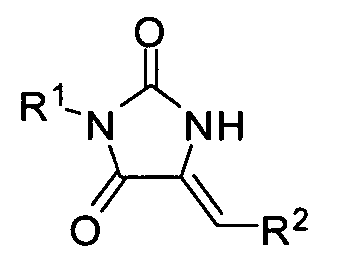
- a biofilm inhibitor of Formula 1 may be a hydantoin compound that has the structure of Formula 4:
- a preferred hydantoin biofilm inhibitor compound of Formula 4 useful in compositions and methods described herein is (Z)-3-(4-fiuorophenyl)-5-(3-hydroxy-4- ethoxybenzylidene)imidazolidine-2,4-dione (Compound 58 in Table 3) or (Z)-3-(4- chlorophenyl)-5-(3-hydroxy-4-ethoxybenzylidene)imidazolidine-2,4-dione (Compound 59 in Table 3).
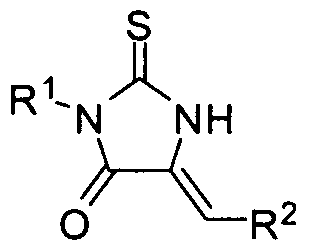
- a biofilm inhibitor of Formula 1 may be a thiohydantoin compound that has the structure of Formula 5:
- a preferred thiohydantoin biofilm inhibitor compound of Formula 5 useful in compositions and methods described herein is (Z)-3-(4-fluorophenyl)-5-(3-hydroxy-4- ethoxybenzylidene)-2-thioxoimidazolidin-4-one (Compound 62 in Table 3).
- biofilm inhibitor useful in the compositions and methods described herein for inhibiting bacterial biofilm formation is a furanone compound that has the structure of Formula 6:
- a preferred furanone biofilm inhibitor of Formula 6 useful in compositions and methods described herein is 3-(4-hydroxy-3-methoxybenzylidene)-5-(2,4- dimethoxyphenyl)furan-2(3H)-one (MSL-051097 in Table 2).
- MSL-051097 3-(4-hydroxy-3-methoxybenzylidene)-5-(2,4- dimethoxyphenyl)furan-2(3H)-one
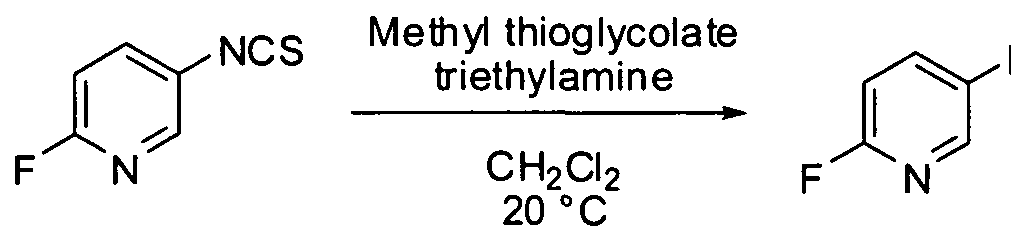
- Rhodanine biofilm inhibitors with substituent groups at the 3- and 5-positions are constructed in a two-step procedure from the relevant isothiocyanates and aldehydes.
- an isothiocyanate R'-NCS
- ethyl thioglycolate in the presence of triethylamine in methylene chloride to produce a 3- substituted rhodanine.
- the resultant 3-substituted rhodanine is purified and then condensed with an aldehyde (R 2 -CH0) in the presence of sodium acetate and acetic acid to form the desired 3,5-disubstituted rhodanine.
- Variations in R 1 are achieved through the selection of the corresponding isothiocyanate.
- the isothiocyanate may be obtained from commercial sources or by synthesis from the corresponding amine using procedures known in the art. See, e.g., Pascal et al., Eur. J. Med. Chem., 25: 81-85 (1990); Goodyer et al., Bioorg. Med. Chem., 11 : 4189- 4206 (2003).
- Variations in R 2 are achieved through incorporation of the corresponding aldehyde.
- the aldehyde may be purchased from commercial sources or synthesized using procedures known in the art.
- Thiohydantoins with substituent groups at the 3- and 5-positions are constructed in a two-step procedure from the relevant isothiocyanates and aldehydes.
- an isothiocyanate (R 1 -NCS) is treated with glycine in the presence of triethylamine in methylene chloride and then cyclized under acidic conditions to produce a 3-substituted thiohydantoin.
- the resultant 3-substituted thiohydantoin is purified and then condensed with an aldehyde (R 2 -CHO) in the presence of ammonium acetate and acetic acid to form the desired 3,5-disubstituted thiohydantoin.
- Variations in R 1 are achieved through the selection of the corresponding isothiocyanate.
- the isothiocyanate may be obtained from commercial sources or by synthesis from the corresponding amine using procedures known in the art. See, e.g., Pascal et al., Eur. J. Med. Chem., 25: 81-85 (1990); Goodyer et al., Bioorg. Med. Chem., 1 1 : 4189- 4206 (2003).
- Variations in R are achieved through incorporation of the corresponding aldehyde.
- the aldehyde may be purchased from commercial sources or synthesized using procedures known in the art. Substituent groups are generally not modified once they are incorporated into the structure, nor are additional substituent groups generally added or removed once the final structures are produced. All variations are generally achieved at the isothiocyanate and aldehyde level.
- Hydantoins with substituent groups at the 3- and 5 -positions are constructed in a two-step procedure from the relevant isocyanates and aldehydes.
- an isocyanate R 1 -NCO
- glycine is treated with glycine in the presence of triethylamine in methylene chloride and then cyclized under acidic conditions to produce a 3-substituted hydantoin.
- the resultant 3-substituted hydantoin is purified, and then condensed with an aldehyde in the presence of ammonium acetate and acetic acid to form the desired 3,5-disubstituted hydantoin.
- Variations in R 1 are achieved through the selection of isocyanate.
- the isocyanate is further derived from commercial sources or by synthesis from the corresponding amine using procedures known in the art.
- Variations in R are achieved through incorporation of the corresponding aldehyde.
- the aldehyde may be purchased from commercial sources or synthesized using procedures known in the art.
- Substituent groups are generally not modified once they are incorporated into the structure, nor are additional substituent groups generally added or removed once the final structures are produced. All variations are generally achieved at the isothiocyanate and aldehyde level.
- D Synthesis of thiazolidinedione biofilm inhibitors. Synthesis of thiazolidinedione by condensation of a core structure with an aldehyde has previously been described.
- Thiazc j TM 2 are constructed in a two-step procedure from the relevant isocyanates and aldehydes.
- an isocyanate R 1 -NCO
- ethyl thioglycolate in the presence of triethylamine in methylene chloride and then cyclized under acidic conditions to produce a 3 -substituted thiazolidinedione.
- the resultant 3 -substituted thiazolidinedione is purified and then condensed with an aldehyde in the presence of ammonium acetate and acetic acid to form the desired 3,5-disubstituted thiazolidinedione.
- Variations in R 1 are achieved through the selection of isocyanate.
- the isocyanate may be derived from commercial sources or by synthesis from the corresponding amine using procedures known in the art.
- Variations in R 2 are achieved through incorporation of the corresponding aldehyde.
- the aldehyde may be purchased from commercial sources or synthesized using procedures known in the art.
- Substituent groups are generally not modified once they are incorporated into the structure, nor are additional substituent groups generally added or removed once the final structures are produced. All variations are generally achieved at the isothiocyanate and aldehyde level.
- Furanone biofilm inhibitors described herein may be synthesized according to the following synthetic scheme:
- Furanones with substituent groups at the 3- and 5-positions are constructed in a two-step procedure from the relevant 4-R',4-oxobutanoic acids and aldehydes (R 2 -CHO).
- a 4-oxobutanoic acid is treated with acetic anhydride and pyridine to produce a 5-substituted furanone.
- the resultant 5-substituted furanone is purified and then condensed with an aldehyde in the presence of acetic anhydride and pyridine to form the desired 3,5-disubstituted hydantoin.
- the 3,5- disubstituted furanone may be formed in a one-pot procedure by combining the 4- oxobutanoic acid and aldehyde in the presence of acetic anhydride and pyridine without isolating the intermediate mono-substituted furanone.
- Variations in R 1 are achieved through the selection of 4-oxobutanoic acid.
- the 4- oxobutanoic acid may be obtained from commercial sources or by synthesis from the corresponding substituted benzene and succinic anhydride or via other routes using procedures known in the art.
- Variations in R 2 are achieved through incorporation of the corresponding aldehyde.
- the aldehyde may be purchased from commercial sources or synthesized using procedures known in the art.
- Substituent groups are generally not modified once they are incorporated into the structure, nor are additional substituent groups generally added or removed once the final structures are produced. All variations are generally achieved at the isothiocyanate and aldehyde level. Assays for Inhibition of Biofilm Formation (Anti-Biofilm Activity)
- Biofilm formation assays for detecting and measuring bacterial biofilm formation are known in the art.
- An example of a biofilm formation assay useful in detecting and characterizing biofilm inhibitor compounds is described in Example 1, infra. Briefly, bacterial cells are inoculated into growth medium in individual wells of a 96-well assay plate in the presence or absence of a compound (known biofilm inhibitor or test compound). After incubation for a specified time, growth medium and non-biofilm bacterial cells are removed from each of the wells. The bacterial cells in any biof ⁇ lms that are adhered to the surface of a well are fixed by addition of ethanol. The ethanol is removed, and the fixed biofilm bacteria cells are stained with crystal violet (CV).
- CV crystal violet
- the intensity of CV staining is directly correlated with bacterial biofilm formation and is measured in the wells by reading the optical density at 600 nm (OD 600 ).
- the difference in biofilm formation between untreated control and treated cultures provides an indication of relative biofilm inhibition activity (anti-biofilm activity).
- Use of different concentrations of an inhibitor in multiple and otherwise duplicate cultures permits determination of a compound's Minimal Biofilm Inhibitory Concentration (MBIC), which is defined herein as the lowest concentration of a compound that inhibits biofilm formation by at least 80% (i.e., >80%) compared to untreated control cultures.
- MBIC Minimal Biofilm Inhibitory Concentration
- biofilm inhibitor compounds are referred to as "biofilm inhibitor compounds", “biofilm inhibitors”, or “anti-biofilm compounds” owing to the fact that these compounds possess an activity (also referred to as an "anti-biofilm activity") that inhibits or prevents biofilm formation by one or more species or strains of Gram-positive bacteria that are capable of forming biofilms.
- bacteria include, but are not limited to, Staphylococcus epidermidis, Staphylococcus aureus, and Enterococcus faecalis . Strains of one or more of such biofilm-forming Gram-positive bacteria have been documented to form biofilms on surfaces of implantable medical devices.
- inhibition or prevention of biofilm formation on surface comprises bringing a biofilm inhibitor described herein into contact with bacterial cells that are capable of forming a biofilm on a surface.
- a biofilm inhibitor described herein is in contact with a surface prior to contact with biofilm-forming bacteria, however, a biofilm inhibitor may also be brought into contact with a surface that already contacts bacterial cells that are forming or capable of forming biofilms.
- a biofilm inhibitor compound is generally more effective in inhibiting biofilm formation on a surface if the compound is brought into contact with a surface prior to the surface being contacted with biofilm-forming bacterial cells or prior to establishment of a biofilm by cells already in contact with the surface.
- a biofilm inhibitor compound described herein may be brought into contact with a solid surface composed of or comprising any of a variety of materials that support bacterial biofilm formation. Such materials include, but are not limited to, plastic, glass, silicon, metal, nylon, cellulose, nylon, polymeric resin, and combinations thereof. While in theory a biofilm inhibitor compound described herein may be applied to a solid surface as the isolated compound alone (raw compound), it is more likely that the compound will be employed in a composition with at least one other compound. Compositions of the invention may be in any of a variety of forms particularly suited for the intended mode of applying a biofilm inhibitor compound to a solid surface.
- a carrier is any compound that provides a medium for using the biofilm inhibitor compound.
- a carrier may be liquid, solid, or semi-solid.
- a carrier for use in the compositions described herein includes, but is not limited to, water, an aqueous buffer, an organic solvent, and a solid dispersing agent.
- solid compositions conventional nontoxic solid carriers are preferred and include, but are not limited to, mannitol, lactose, starch, magnesium stearate, sodium saccharin, talc, cellulose, glucose, sucrose, magnesium carbonate, and the like.
- Liquid compositions may, for example, be prepared by dissolving or dispersing a biofilm inhibitor compound as described herein in a liquid carrier to form a solution or suspension.
- a composition will include, as noted above, an effective amount of the selected biofilm inhibitor compound in combination with an acceptable carrier, and, optionally, may include one or more other agents, diluents, fillers, and excipients.
- An excipient is a compound that provides a desirable property to a composition other than inhibition of biofilm formation.
- An excipient useful in a composition described herein includes, but is not limited, a wetting agent, an emulsifying agent, pH buffering agent, a dispersing agent, co-solvent, surfactant, a gelling agent, and a drying agent.
- a biofilm inhibitor described herein may be incorporated into any of a variety of compositions to provide the benefit of bacterial biofilm inhibition to the particular composition or to a surface to which the composition may be applied.
- Compositions comprising a biofilm inhibitor described herein include, but are not limited to, solutions, suspensions, dry mixtures, gels, petroleum products, porous membranes, porous filters, liposomes, resin particles, plastics, paints, glues, pastes, cellulose products, textiles (fiber, yarn, or cloth), and nanoparticles.
- a biofilm inhibitor may also be formulated by standard methods for delivery to a surface in an aerosol of fine solid particles or liquid droplets mixed with a gas.
- a composition described herein may optionally comprise an antibacterial growth agent (e.g., citrate, EDTA, antibiotic, or other microbial biocide) at a concentration effective to inhibit growth of or kill one or more strains of potentially contaminating bacteria that may contact the composition.
- an antibacterial growth agent e.g., citrate, EDTA, antibiotic, or other microbial biocide
- a biofilm inhibitor described herein may be applied to, coated on, impregnated, or otherwise incorporated into a surface that is susceptible to contact with Gram-positive bacteria that form biofilms.
- Such surfaces are found on a variety of manufactured products including, but not limited to, implantable medical devices (such as central venous catheters (CVCs), implantable pumps, artificial heart valves, and cardiac pacemakers); cardiopulmonary bypass (CPB) pumps (heart-lung machines); dialysis equipment; artificial respirators; breathing apparatuses (oxygen and air supplies); water pipes; air ducts, air filters, water filters, and plumbing fixtures.
- implantable medical devices such as central venous catheters (CVCs), implantable pumps, artificial heart valves, and cardiac pacemakers
- CCPB cardiopulmonary bypass
- dialysis equipment such as a hematomas
- artificial respirators breathing apparatuses (oxygen and air supplies)
- water pipes air ducts, air filters, water filters, and plumbing fixtures.
- Implantable medical devices that have surfaces that may be treated with a biofilm inhibitor described herein include, but are not limited to, central venous catheters (CVCs), implantable pumps, artificial heart valves, and cardiac pacemakers.
- CVCs central venous catheters
- implantable pumps implantable pumps
- artificial heart valves and cardiac pacemakers.
- the surfaces of a medical device may be coated with a biofilm inhibitor in a manner that is dependent on the specific chemical structure of the biofilm inhibitor compound and the type of material of which the device is constructed (reviewed by Zilberman and Eisner, Journal of Controlled Release, 130: 202-215 (2008)).
- a biofilm inhibitor described herein may be incorporated into a resin prior to polymerization, or the device or plastic component thereof may be immersed in a solution or suspension of a biofilm inhibitor preferably in the presence of one or more swelling agents to adsorb or absorb the biofilm inhibitor to the plastic surface (see, e.g,. Schierholz et al., Biomaterials, 18: 839-844 (1997); Schierholz and Pulverer, Biomaterials, 19: 2065-2074 (1998); Schierholz et al., J. Antimicrob. Chemother., 46: 45-50 (2000)).
- a biofilm inhibitor may also be covalently bound to plastic using an appropriate cross-linking agent.
- a biofilm inhibitor may be impregnated into a material, such as a hydrogel or polymer, which would then be used to coat a medical device.
- a material such as a hydrogel or polymer
- biodegradable plastic resins such as poly(D,L- lactic acid) and poly(D,L-lactic acid):coglycolide
- an anti-bacterial agent to produce antibacterial device coatings has been described (Gollwitzer et al., J. Antimicrob Chemother., 51, 585-591 (2003)).
- Such technology may be readily adapted for preparing anti-biofilm coatings comprising a biofilm inhibitor compound described herein.
- a biofilm inhibitor as described herein may also be employed in a "lock solution” (solution or suspension) for use with a central venous catheter (CVC).
- a lock solution comprising an anti-bacterial agent (e.g., antiseptic, antibiotic) to prevent bacterial contamination of the device.
- the lock solution is introduced into the lumen(s) of the device when the device is not in use and then expelled shortly before use.
- a lock solution according the invention is a solution or suspension comprising a biofilm inhibitor described herein at a concentration sufficient to inhibit bacterial biofilm formation by potentially contaminating bacteria.
- a lock solution comprising a biofilm inhibitor as described herein may further comprise any of a variety of other compounds that enhance the prevention of bacterial contamination and infection in a medical device.
- additional compounds that may be used in preparing a lock solution of the invention include, but are not limited, one or more antibacterial growth agents (e.g., citrate, EDTA, antibiotic, microbial biocide) at a concentration effective to inhibit growth of (or kill) one or more strains of potentially contaminating bacteria and one or more excipients that provide an additional desirable property to the lock solution other than inhibition of bacterial growth and prevention of biofilm formation.
- an excipient may provide a density, osmolality, or viscosity to the lock solution that is similar to the fluid (e.g., blood) that will fill the device lumen when the device is used or implanted.
- An excipient of a lock solution may also prevent occlusion of the catheter lumen caused by blood clotting and/or formation of a fibrin sheath.
- Effective amounts of a biofilm inhibitor to be applied to a surface or otherwise employed in a method or composition to inhibit or prevent biofilm formation may be determined by the skilled practitioner who is familiar with methods for assessing effective amounts of antibiotics, antiseptics (biocides), or previously described biofilm inhibitors on surfaces to meet or exceed standards of authoritative agencies. See, e.g., Guidelines for the prevention of intravascular device-related infections such as those issued by the United States Center for Disease Control (Atlanta, Georgia) (O'Grady et al., Am. J. Infect.
- Example 1 Screening for inhibitors of staphylococcal biofilm formation.
- the following screening assay was developed. A higher throughput was achieved by formatting the assay for use in flat-bottomed 96-well assay plates (Costar 3590 assay plates, Corning Life Sciences, Lowell, Massachusetts). The biofilm cultures grew on the bottoms of each well in a surface attached mode. In each assay plate, columns 1 and 12 contained untreated cultures, which served as negative controls (0% biofilm inhibition). Each of the assay wells in columns 2-1 1 contained a unique small molecule from the Microbiotix Screening Library (MSL) at a final concentration of 100 ⁇ M.
- MSL Microbiotix Screening Library
- Assay plates were inoculated with 200 ⁇ l/well of a culture of Staphylococcus epidermidis 18972 in 0.5X Tryptic Soy Broth (TSB; Becton Dickinson, Franklin Lakes, New Jersey) in which the concentration of glucose was adjusted to 0.25% (w/v).
- TLB Tryptic Soy Broth
- the bacterial inocula were prepared by making a 1 :100 dilution of an overnight culture grown in TSB in the media used for the screen. After inoculation, assay plates were sealed with foil tape and incubated at 37°C for 18-20 hours (h).
- the optical density at 600 nm (OD 60 o) was measured for each well using a VICTOR2VTM multiplate reader (Perkin Elmer, Waltham, Massachusetts) in order to quantify overall bacterial growth.
- the assay plates were processed to remove bacterial growth media and non-biofilm cells from the bottom of each assay well. This was accomplished by using a BioTek ELx405TM plate washer (BioTek Instruments, Inc., Winooski, Vermont). Biofilm bacteria were fixed by addition of 50 ⁇ l of 95% ethanol for 30 minutes (min). The ethanol was removed, and the fixed biofilm cultures were stained with 50 ⁇ l of 0.06% crystal violet (CV) for 60 min. Excess CV was removed by repeated washes using the BioTek ELx405TM plate washer. The amount of CV bound to each assay well was quantified by measuring OD 600 using a VICTOR2VTM plate reader (Perkin Elmer).
- the percent inhibition of biofilm growth produced by each compound was calculated using the formula: (1 -(CV OD 600 (compound/ average CV OD 600 (nega t ive control))) X 100.
- the entire Microbiotix Screening Library was screened for biofilm inhibitors using the assay described above.
- the MSL contains 87,250 unique compounds and is comprised of commercially-available screening collections purchased from several reputable vendors.
- the names of the screening collections that comprise the MSL, the numbers of compounds in each collection, and the vendor names are summarized in Table 1 along with the results of the screening for inhibitors of biofilm formation in terms of the numbers of primary, confirmed, and validated hits obtained for each screening collection.
- a secondary assay provided a quantitative measure of both anti -biofilm activity and antibacterial activity in terms of the Minimal Biofilm Inhibitory Concentration (MBIC) and the Minimal Inhibitory Concentration (MIC), respectively.
- the MBIC and MIC are defined as the lowest compound concentrations that inhibit biofilm formation and bacterial growth, respectively, by at least 80% (i.e., > 80%).
- the MBIC/MIC assay is formatted in a manner that is similar to the Microbroth dilution assays described by the Clinical and Laboratory Standards Institute (CLSI; formerly NCCLS) in protocol M7-A7.
- CLSI Clinical and Laboratory Standards Institute
- the growth conditions were optimized for biofilm growth in 96-well assay plates such that the resulting CV staining was within the linear range of detection. Therefore, the MBIC/MIC assay provided a stringent measure of anti-biofilm activity.
- the assay was adapted for several biofilm-forming strains of S. epidermidis, S. aureus, Enter ococcus faecalis, and Pseudomonas aeruginosa. Briefly, 96-well assay plates contained a two-fold dilution series for up to 8 compounds (one compound/row) and untreated controls (concentration range of 0.2 ⁇ M -100 ⁇ M). The assay plates were inoculated with the test bacterial species, e.g., S. epidermidis 18972 (0.5X TSB, 0.25% glucose) or S. aureus ATCC 35556 (0.5X TSB, 1% glucose).
- test bacterial species e.g., S. epidermidis 18972 (0.5X TSB, 0.25% glucose) or S. aureus ATCC 35556 (0.5X TSB, 1% glucose).
- the inocula were prepared by diluting an overnight culture 1 : 100 in fresh media, which corresponds to approximately 5 x 10 6 cells/well. After inoculation, the assay plates were sealed with foil tape and incubated for 18 h - 20 h at 37°C. The assay plates were processed, and the percent inhibition of growth (% INH-Growth) and percent inhibition of biofilm formation (% INH-Biofilm) were calculated as described above. These data were used to determine the MBIC and MIC, which are defined as the lowest compound concentration that inhibits > 80% biofilm formation and > 80% overall growth, respectively. Compounds with an MBIC ⁇ 10 ⁇ M and an MIC/MBIC ratio > 8 for either S. epidermidis or S. aureus were designated as validated hits. Spectrum of Anti-Biofilm Activity.
- the MBIC/MIC ratio for each compound was determined using S. epidermidis 18972 and S. aureus ATCC 35556. Compounds that were active against both of these staphylococcal strains tested were given higher priority. In Vitro Cytotoxicity Assay (CC 5 o).
- Validated hits were tested for general cytotoxicity against a mammalian cell line.
- an assay plate was seeded with an immortalized human cell line (HeLa) and exposed to a series of two-fold dilutions of each test compound for 72 hours in standard media containing 10% Fetal Bovine Serum. After exposure to the compounds, the cellular viability was assessed using Alamar BlueTM (AccuMed International, Inc.), an oxidation- reduction indicator that is useful for quantitatively measuring cell-mediated cytotoxicity.
- HeLa immortalized human cell line
- Fetal Bovine Serum Fetal Bovine Serum
- Alamar Blue reduction was quantified using fluorescence measurements, and the data were analyzed using a two-parameter curve- fitting program (Assay Explorer, Elsevier MDL, San Rafael, CA) to determine the CC 50 value, i.e., the compound concentration that decreases cellular viability by 50%. Compounds with CC 5 o/MBIC > 50 were given highest priority. Validated hits that met the criteria for high priority were re-ordered from the original vendor and re-tested.
- aryl rhodanine compounds that were relatively potent inhibitors of staphylococcal biofilm formation (MBIC range of 6 ⁇ M - 25 ⁇ M) without affecting planktonic growth (MIC > 100 ⁇ M). These compounds specifically inhibited the early stages of biofilm development and did not affect adhesion, PIA/PNAG synthesis, or autolysis.
- Table 2 shows representative biofilm inhibitors identified, characterized, and validated in the library screening campaign.
- Three of the biofilm inhibitors in Table 2 are rhodanine compounds, i.e., 3-(3-chlorophenyl)-5-(3-bromo-4-hydroxy-5- methoxybenzylidene)-2-thioxothiazolidin-4-one (designated MSL-049731), 3-(4- bromophenyl)-5-(3-ethoxy-4-hydroxybenzylidene)-2-thioxothiazolidin-4-one (MSL- 049293), and 3-(4-chlorophenyl)-5-(3-chloro-5-ethoxy-4-hydroxybenzylidene)thiazolidine- 2,4-dione (designated MSL-6519056), and a furanone biofilm inhibitor, i.e., 3-(4-hydroxy- 3-methoxybenzylidene)-5-(2,4-dimethoxyphenyl)
- MSL-049731 is 3-(3-chlorophenyl)-5- (3-bromo-4-hydroxy-5-methoxy-benzylidene)-2-thioxothiazolidin-4-one; MSL-049293 is 3- (4-bromophenyl)-5-(3-ethoxy-4-hydroxybenzylidene)-2-thioxothiazolidin-4-one; MSL- 6519056 is 3-(4-chlorophenyl)-5-(3-chloro-5-ethoxy-4-hydroxybenzylidene)thiazolidine- 2,4-dione; MSL-051097 is 3-(4-hydroxy-3-methoxy-benz
- biofilm Inhibitor Com ounds S nthesized
- MBIC Minimal Biofilm Inhibitory Concentration
- MIC Minimal Inhibitory Concentration
- Anti-biofilm activity data for seven rhodanine compounds from Table 3 against selected biofilm-forming strains of S. epidermidis strains are shown in Table 4.
- Table 5 shows anti-biofilm activity data for the same seven rhodanine compounds from Table 3 against selected biofilm-forming strains of S. aureus, including a strain of methicillin-susceptible S. aureus (MSSA).
- MSSA methicillin-susceptible S. aureus
- Anti-Biofilm Activit A ainst Selected Strains of Sta h lococcus aureus
- Biofilms were washed and stained with crystal violet (CV) to measure biofilm growth after the entire assay plate (all cultures) had been incubated for a total of 22 hours. Biofilm growth in the absence of Compound 4 was followed in parallel cultures (untreated control cultures). Samples were taken from untreated cultures at the same times as Compound 4 was added to the inhibition cultures to quantify the level of biofilm growth by the CV staining method. The results of this experiment are shown in the graph in Figure 1 , where the percent inhibition of biofilm growth in cultures treated with Compound 4 and biofilm growth in untreated control cultures are plotted as a function of the time. Each time point in Figure 1 is the average of 8 cultures.
- CV crystal violet
Landscapes
- Life Sciences & Earth Sciences (AREA)
- Health & Medical Sciences (AREA)
- General Health & Medical Sciences (AREA)
- Agronomy & Crop Science (AREA)
- Pest Control & Pesticides (AREA)
- Plant Pathology (AREA)
- Engineering & Computer Science (AREA)
- Dentistry (AREA)
- Wood Science & Technology (AREA)
- Zoology (AREA)
- Environmental Sciences (AREA)
- Oncology (AREA)
- Organic Chemistry (AREA)
- Chemical & Material Sciences (AREA)
- Chemical Kinetics & Catalysis (AREA)
- General Chemical & Material Sciences (AREA)
- Medicinal Chemistry (AREA)
- Nuclear Medicine, Radiotherapy & Molecular Imaging (AREA)
- Communicable Diseases (AREA)
- Pharmacology & Pharmacy (AREA)
- Animal Behavior & Ethology (AREA)
- Public Health (AREA)
- Veterinary Medicine (AREA)
- Pharmaceuticals Containing Other Organic And Inorganic Compounds (AREA)
- Thiazole And Isothizaole Compounds (AREA)
- Materials For Medical Uses (AREA)
- Agricultural Chemicals And Associated Chemicals (AREA)
Abstract
Description












Claims


Priority Applications (5)
| Application Number | Priority Date | Filing Date | Title |
|---|---|---|---|
| JP2011510503A JP2011520958A (en) | 2008-05-19 | 2009-05-19 | Inhibitors of bacterial biofilm formation |
| CA2723921A CA2723921A1 (en) | 2008-05-19 | 2009-05-19 | Inhibitors of bacterial biofilm formation |
| EP09750951.7A EP2296476A4 (en) | 2008-05-19 | 2009-05-19 | Inhibitors of bacterial biofilm formation |
| AU2009249589A AU2009249589A1 (en) | 2008-05-19 | 2009-05-19 | Inhibitors of bacterial biofilm formation |
| US12/991,675 US20110098323A1 (en) | 2008-05-19 | 2009-05-19 | Inhibitors of bacterial biofilm formation |
Applications Claiming Priority (2)
| Application Number | Priority Date | Filing Date | Title |
|---|---|---|---|
| US12809308P | 2008-05-19 | 2008-05-19 | |
| US61/128,093 | 2008-05-19 |
Publications (1)
| Publication Number | Publication Date |
|---|---|
| WO2009142720A1 true WO2009142720A1 (en) | 2009-11-26 |
Family
ID=41340424
Family Applications (1)
| Application Number | Title | Priority Date | Filing Date |
|---|---|---|---|
| PCT/US2009/003086 Ceased WO2009142720A1 (en) | 2008-05-19 | 2009-05-19 | Inhibitors of bacterial biofilm formation |
Country Status (6)
| Country | Link |
|---|---|
| US (1) | US20110098323A1 (en) |
| EP (1) | EP2296476A4 (en) |
| JP (1) | JP2011520958A (en) |
| AU (1) | AU2009249589A1 (en) |
| CA (1) | CA2723921A1 (en) |
| WO (1) | WO2009142720A1 (en) |
Cited By (1)
| Publication number | Priority date | Publication date | Assignee | Title |
|---|---|---|---|---|
| US20210298997A1 (en) * | 2018-08-09 | 2021-09-30 | Sun Medical Co., Ltd. | Sulfur-containing polymerizable monomer and use thereof |
Families Citing this family (7)
| Publication number | Priority date | Publication date | Assignee | Title |
|---|---|---|---|---|
| US8513305B2 (en) | 2007-05-14 | 2013-08-20 | Research Foundation Of State University Of New York | Induction of a physiological dispersion response in bacterial cells in a biofilm |
| US8641686B2 (en) | 2012-01-20 | 2014-02-04 | Rabie Stephan | Anti-biofilm intravascular catheter |
| US20140005605A1 (en) * | 2012-06-28 | 2014-01-02 | Pacesetter, Inc. | Use of quorum sensing inhibitors and biofilm dispersing agents for controlling biofilm-associated implantable medical device related infections |
| EP3265143A4 (en) * | 2015-03-02 | 2018-08-29 | Commonwealth Scientific & Industrial Research Organisation ( C.S.I.R.O. ) | Methods for adversely affecting biofilms |
| US11541105B2 (en) | 2018-06-01 | 2023-01-03 | The Research Foundation For The State University Of New York | Compositions and methods for disrupting biofilm formation and maintenance |
| US20230183640A1 (en) * | 2020-05-15 | 2023-06-15 | Mc (Us) 3 Llc | Metabolic inhibitors with efficacy for inhibiting sulfide production in harsh environments |
| JP7587639B2 (en) * | 2022-10-25 | 2024-11-20 | ロート製薬株式会社 | Propionibacterium acnes biofilm destroying composition |
Citations (4)
| Publication number | Priority date | Publication date | Assignee | Title |
|---|---|---|---|---|
| US3678041A (en) * | 1967-06-06 | 1972-07-18 | Clin Byla Ets | Substituted thiazolidine-4-ones |
| US4363916A (en) * | 1980-10-09 | 1982-12-14 | Ube Industries, Ltd. | Hydantoin derivatives |
| US4897406A (en) * | 1987-11-13 | 1990-01-30 | Nisshin Flour Milling Co., Ltd. | Rhodanine derivatives and pharmaceutical compositions |
| US20070292477A1 (en) * | 2003-12-05 | 2007-12-20 | Naresh Kumar | Association of Antimicrobial Compounds with Surfaces and Polymers |
Family Cites Families (3)
| Publication number | Priority date | Publication date | Assignee | Title |
|---|---|---|---|---|
| JP2004518697A (en) * | 2000-12-18 | 2004-06-24 | スミスクライン・ビーチャム・コーポレイション | Thiazolidinediones |
| GB2387172A (en) * | 2002-03-28 | 2003-10-08 | Pantherix Ltd | [(Aryl-/arylthio-)aryl]methylene substituted azole & azine derivatives and their therapeutic use as antibacterials |
| FR2858324A1 (en) * | 2003-07-30 | 2005-02-04 | Centre Nat Rech Scient | Composition used for treating microbial infections, effective particularly against rifampicin-resistant bacteria, contain new or known 5-(heterocyclylmethylene)-thiazolidine derivatives |
-
2009
- 2009-05-19 EP EP09750951.7A patent/EP2296476A4/en not_active Withdrawn
- 2009-05-19 AU AU2009249589A patent/AU2009249589A1/en not_active Abandoned
- 2009-05-19 CA CA2723921A patent/CA2723921A1/en not_active Abandoned
- 2009-05-19 JP JP2011510503A patent/JP2011520958A/en active Pending
- 2009-05-19 WO PCT/US2009/003086 patent/WO2009142720A1/en not_active Ceased
- 2009-05-19 US US12/991,675 patent/US20110098323A1/en not_active Abandoned
Patent Citations (4)
| Publication number | Priority date | Publication date | Assignee | Title |
|---|---|---|---|---|
| US3678041A (en) * | 1967-06-06 | 1972-07-18 | Clin Byla Ets | Substituted thiazolidine-4-ones |
| US4363916A (en) * | 1980-10-09 | 1982-12-14 | Ube Industries, Ltd. | Hydantoin derivatives |
| US4897406A (en) * | 1987-11-13 | 1990-01-30 | Nisshin Flour Milling Co., Ltd. | Rhodanine derivatives and pharmaceutical compositions |
| US20070292477A1 (en) * | 2003-12-05 | 2007-12-20 | Naresh Kumar | Association of Antimicrobial Compounds with Surfaces and Polymers |
Non-Patent Citations (2)
| Title |
|---|
| GUALTIERI ET AL.: "In vitro activity of a new antibacterial rhodanine derivative against Staphylococcus epidermidis biofilms'", JOURNAL OF ANTIMICROBIAL CHEMOTHERAPY, vol. 58, no. 4, October 2006 (2006-10-01), pages 778 - 783, XP008139020 * |
| See also references of EP2296476A4 * |
Cited By (2)
| Publication number | Priority date | Publication date | Assignee | Title |
|---|---|---|---|---|
| US20210298997A1 (en) * | 2018-08-09 | 2021-09-30 | Sun Medical Co., Ltd. | Sulfur-containing polymerizable monomer and use thereof |
| US11844847B2 (en) * | 2018-08-09 | 2023-12-19 | Sun Medical Co., Ltd. | Sulfur-containing polymerizable monomer and use thereof |
Also Published As
| Publication number | Publication date |
|---|---|
| EP2296476A1 (en) | 2011-03-23 |
| US20110098323A1 (en) | 2011-04-28 |
| CA2723921A1 (en) | 2009-11-26 |
| AU2009249589A1 (en) | 2009-11-26 |
| JP2011520958A (en) | 2011-07-21 |
| EP2296476A4 (en) | 2013-11-06 |
Similar Documents
| Publication | Publication Date | Title |
|---|---|---|
| EP2296476A1 (en) | Inhibitors of bacterial biofilm formation | |
| US7322965B2 (en) | Infection-resistant medical devices | |
| US9084423B2 (en) | Inhibition of bacterial biofilms with imidazole derivatives | |
| US8987305B2 (en) | 2,4,5-trisubstituted imidazoles and their use as anti-microbial agents | |
| US9005643B2 (en) | Inhibition of bacterial biofilms with imidazole-phenyl derivatives | |
| US9145395B2 (en) | Inhibition and dispersion of bacterial biofilms with imidazole-triazole derivatives | |
| US9221765B2 (en) | Inhibition and dispersion of bacterial biofilms with benzimidazole derivatives | |
| MXPA06001552A (en) | Halogenated quinazolinyl nitrofurans as antibacterial agents. | |
| EP1653954A1 (en) | Antibiotic thiazolidines | |
| CA3055558A1 (en) | 2-aminoimidazole-phenyl derivatives useful for controlling microbial growth | |
| AU2013203340A1 (en) | Inhibitors of bacterial biofilm formation | |
| Stefańska et al. | Antistaphylococcal activity of selected thiourea derivatives | |
| WO2010056914A1 (en) | Bacterial helicase inhibitor compounds and uses thereof | |
| STEFAŃSKA et al. | PJM ONLINE | |
| AU2003237472A1 (en) | Infection-resistant medical devices |
Legal Events
| Date | Code | Title | Description |
|---|---|---|---|
| 121 | Ep: the epo has been informed by wipo that ep was designated in this application |
Ref document number: 09750951 Country of ref document: EP Kind code of ref document: A1 |
|
| DPE1 | Request for preliminary examination filed after expiration of 19th month from priority date (pct application filed from 20040101) | ||
| WWE | Wipo information: entry into national phase |
Ref document number: 2009249589 Country of ref document: AU |
|
| WWE | Wipo information: entry into national phase |
Ref document number: 12991675 Country of ref document: US |
|
| WWE | Wipo information: entry into national phase |
Ref document number: 2723921 Country of ref document: CA |
|
| WWE | Wipo information: entry into national phase |
Ref document number: 2011510503 Country of ref document: JP |
|
| ENP | Entry into the national phase |
Ref document number: 2009249589 Country of ref document: AU Date of ref document: 20090519 Kind code of ref document: A |
|
| NENP | Non-entry into the national phase |
Ref country code: DE |
|
| WWE | Wipo information: entry into national phase |
Ref document number: 2009750951 Country of ref document: EP |