WO2009153333A1 - Shampoo preparations - Google Patents

Shampoo preparations Download PDF

Info

Publication number
WO2009153333A1
WO2009153333A1 PCT/EP2009/057646 EP2009057646W WO2009153333A1 WO 2009153333 A1 WO2009153333 A1 WO 2009153333A1 EP 2009057646 W EP2009057646 W EP 2009057646W WO 2009153333 A1 WO2009153333 A1 WO 2009153333A1
Authority
WO
WIPO (PCT)
Prior art keywords
composition according
groups
sodium
amine end
hair
Prior art date
Legal status (The legal status is an assumption and is not a legal conclusion. Google has not performed a legal analysis and makes no representation as to the accuracy of the status listed.)
Ceased
Application number
PCT/EP2009/057646
Other languages
French (fr)
Inventor
Stephen Foster
Robert Lochhead
Adarsh Maini
Dirk Weber
Franciscus Johannes Marie Derks
Current Assignee (The listed assignees may be inaccurate. Google has not performed a legal analysis and makes no representation or warranty as to the accuracy of the list.)
DSM IP Assets BV
Original Assignee
DSM IP Assets BV
Priority date (The priority date is an assumption and is not a legal conclusion. Google has not performed a legal analysis and makes no representation as to the accuracy of the date listed.)
Filing date
Publication date
Application filed by DSM IP Assets BV filed Critical DSM IP Assets BV
Priority to US13/000,120 priority Critical patent/US8597625B2/en
Priority to MX2010013882A priority patent/MX2010013882A/en
Priority to CN2009801233222A priority patent/CN102065834B/en
Priority to JP2011514052A priority patent/JP5978539B2/en
Priority to KR1020107028405A priority patent/KR101687033B1/en
Priority to EP09765912.2A priority patent/EP2296618B1/en
Priority to BRPI0914152A priority patent/BRPI0914152A2/en
Publication of WO2009153333A1 publication Critical patent/WO2009153333A1/en
Anticipated expiration legal-status Critical
Ceased legal-status Critical Current

Links

Classifications

    • A—HUMAN NECESSITIES
    • A61—MEDICAL OR VETERINARY SCIENCE; HYGIENE
    • A61K—PREPARATIONS FOR MEDICAL, DENTAL OR TOILETRY PURPOSES
    • A61K8/00—Cosmetics or similar toiletry preparations
    • A61K8/18—Cosmetics or similar toiletry preparations characterised by the composition
    • A61K8/72—Cosmetics or similar toiletry preparations characterised by the composition containing organic macromolecular compounds
    • A61K8/84—Cosmetics or similar toiletry preparations characterised by the composition containing organic macromolecular compounds obtained by reactions otherwise than those involving only carbon-carbon unsaturated bonds
    • A61K8/85—Polyesters
    • A—HUMAN NECESSITIES
    • A61—MEDICAL OR VETERINARY SCIENCE; HYGIENE
    • A61Q—SPECIFIC USE OF COSMETICS OR SIMILAR TOILETRY PREPARATIONS
    • A61Q5/00—Preparations for care of the hair
    • A61Q5/02—Preparations for cleaning the hair
    • A—HUMAN NECESSITIES
    • A61—MEDICAL OR VETERINARY SCIENCE; HYGIENE
    • A61Q—SPECIFIC USE OF COSMETICS OR SIMILAR TOILETRY PREPARATIONS
    • A61Q5/00—Preparations for care of the hair
    • A61Q5/06—Preparations for styling the hair, e.g. by temporary shaping or colouring
    • A—HUMAN NECESSITIES
    • A61—MEDICAL OR VETERINARY SCIENCE; HYGIENE
    • A61Q—SPECIFIC USE OF COSMETICS OR SIMILAR TOILETRY PREPARATIONS
    • A61Q5/00—Preparations for care of the hair
    • A61Q5/12—Preparations containing hair conditioners

Definitions

  • the invention relates to aqueous compositions comprising an anionic surfactant and a hyperbranched polyesteramide comprising at least one secondary amide bond and having at least one quarternized amine end-group.
  • the compositions in particular in the form of shampoo preparations are suited for increasing the volume of hair treated therewith. Furthermore, such compositions provide styling attributes and increase the wet-combability of hair.
  • volumizing shampoos People with fine or thin hair often use "volumizing" shampoos in order to add volume and body to their hair.
  • Conventional volumizing shampoos possess certain drawbacks such as, for example, a failure to provide real volume benefits as the effective ingredients are too heavy on the hair, thereby weighing it down.
  • Another drawback associated with volumizing shampoos is their inability to provide appreciable styling attributes and wet-conditioning onto hair treated therewith.
  • aqueous compositions comprising a hyperbranched polyesteramide comprising at least one secondary amide bond and having at least one quarternized amine end-group in combination with an anionic surfactant overcome the above addressed problems.
  • the invention relates to an aqueous composition
  • an aqueous composition comprising an anionic surfactant and an effective amount of a hyperbranched polyesteramide comprising at least one secondary amide bond and having at least one quarternized amine end-group.
  • the term "effective amount” means generally at least a concentration of at least 0.01 wt. -% by weight based on the weight of the total composition. Preferably, a concentration of 0.01-20 wt.-%, most preferred of 0.05-10 wt.-%, in particular in the range of 0.5 to 2 wt.-% is used.
  • the invention is concerned with a method of treating hair by applying a composition according to the invention.
  • the invention relates to a method for increasing the volume of hair by applying a composition according to the invention to hair.
  • the invention also relates to the use of a composition according to the invention for increasing the volume of hair.
  • Suitable anionic surfactants are the alkyl sulfates, alkyl ether sulfates, alkylaryl sulphonates, alkanoyl isethionates, alkyl succinates, alkyl sulphosuccinates, alkyl ether sulphosuccinates, N-alkyl sarcosinates, alkyl phosphates, alkyl ether phosphates, and alkyl ether carboxylic acids and salts thereof, especially their sodium, magnesium, ammonium and mono-, di- and triethanolamine salts.
  • the alkyl and acyl groups generally contain from 8 to 18, preferably from 10 to 16 carbon atoms and may be unsaturated.
  • alkyl ether sulfates, alkyl ether sulphosuccinates, alkyl ether phosphates and alkyl ether carboxylic acids and salts thereof may contain from 1 to 20 ethylene oxide or propylene oxide units per molecule.
  • the anionic surfactants are selected from sodium oleyl succinate, ammonium lauryl sulphosuccinate, sodium lauryl sulfate, sodium lauryl ether sulfate (sodium laureth sulfate), sodium lauryl ether sulphosuccinate, ammonium lauryl sulfate (ALS), ammonium lauryl ether sulfate (ammonium laureth sulfate), sodium dodecylbenzene sulphonate, triethanolamine dodecylbenzene sulphonate, sodium cocoyl isethionate, sodium lauryl isethionate, lauryl ether carboxylic acid and sodium N-lauryl sarcosinate or mixtures thereof.
  • Preferred anionic surfactants are sodium lauryl sulfate, sodium lauryl ether sulfate (n) EO, (where n is from 1 to 4, in particular n is 3), sodium lauryl ether sulphosuccinate (n) EO, (where n is from 1 to 4, in particular n is 3), ammonium lauryl sulfate, ammonium lauryl ether sulfate (n) EO, (where n is from 1 to 4, in particular n is 3) or mixtures thereof.
  • the anionic surfactant is preferably selected from sodium lauryl sulfate, ammonium lauryl sulfate, sodium lauryl ether sulfate, ammonium lauryl ether sulfate, sodium lauroyl sarconisate, sodium oleylsuccinate, ammonium lauryl sulfosuccinate, sodium dodecylbenzol sulfonate and/ or triethanolamine dodecylbenzol sulfonate or mixtures thereof, in particular the anionic surfactant is selected from sodium lauryl sulfate, ammonium lauryl sulfate, sodium lauryl ether sulfate and/ or ammonium lauryl ether sulfate.
  • the total amount of the anionic surfactant in the compositions according to the invention ranges from 0.5 to 45 wt.-%, preferably from 1.5 to 35 wt.-%, more preferably from 7 to 25 wt.-%, in particular from 7 to 15 wt.-% based on the total weight of the composition.
  • Suitable hyperbranched polyesteramide comprising at least one secondary amide bond and having at least one quarternized amine end-group and a method of manufacture are disclosed in WO2007144189 such as in particular on page 1 , line 17 to page 2, line 17, page 3, line 13 to page 6, line 15 which is included herein by reference.
  • a suitable process for the preparation of such hyperbranched polyesteramides is disclosed on page 6, line 22 to page 10, line 24.
  • Exemplary processes for the preparation of non-quaternized hyperbranched polyesteramide comprising at least one secondary amide bond are e.g. illustrated in example 2 and 3 of WO2007144189.
  • Exemplary processes for the quaternisation are illustrated in example 8 and 9 of WO2007144189.
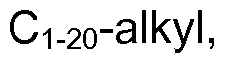
  • Particular interesting hyperbranched polyesteramide comprising at least one secondary amide bond and having at least one quarternized amine end-group for the purpose of the present invention are obtainable by condensation of a dialkylamine of the general formula HN(R 1 R 2 ) and/or an alcohol functional amine of the general formula HO-R 3 -N(R 1 R 2 ), wherein R 1 and R 2 are di-(d -2 o- alkyl)amino-Ci- 2 o-alkyl groups or R 1 and R 2 together form a N-heterocyclic ring (preferably a 5 or 6 membered ring) and R 3 is which might also contain oxygen groups, a dicarboxylic acid or a cyclic anhydride thereof and tris- hydroxymethyl-aminomethane or 2-amino-2-ethyl-1 ,3-propanediol followed by quaternization of the amino groups according to the processes as disclosed in WO2007144189 respectively in the examples of the present invention.
  • dialkylamines and/ or alcohol functional amines, dicarboxylic acids or cyclic anhydrides thereof as well as of tris-hydroxymethyl-aminomethane and 2-amino- 2-ethyl-1 ,3-propanediol are also suitable.
  • suitable quaternized amine end groups for the purpose of the present invention are quaternized di(m)ethylaminoethyl, di(m)ethylaminopropyl, di(m)ethylaminohexyl and/ or N-methylpiperazinyl groups, in particular quaternized di(m)ethylaminopropyl and/ or N-methylpiperazinyl groups.
  • quaternization agents are epoxides like cyclohexene oxide and glycidyl ethers and esters like glycidol and glycidylmethacrylate. Suitable agents to obtain a betaine group are chloro acetic acid and (meth)acrylic acid.
  • the preferred amine end groups are quaternized di(m)ethylaminopropyl or N-methylpiperazinyl groups which are quaternized with methyl or ethyl groups, most in particular the quaternized amine end groups are tri(m)ethylammoniumpropyl groups.
  • the preferred amine end groups di(m)ethylaminopropyl or N-methylpiperazinyl are quaternized with 3-chloro-2- hydroxypropyltrimethylammonium chloride.
  • the preferred degree of quaternization of the amine end groups of the hyperbranched polyesteramide comprising at least one secondary amide bond and having at least one quaternized amine end-group is between 20 and 100%, more preferred between 50 and 100%, most preferred between 80 and 100% such as in particular about 95% to 100%.
  • the molecular weight of the hyperbranched polyesteramides according to the invention can be adjusted via the ratio of the different building blocks used, in particular by the ratio of the branching unit (i.e. tris-hydroxymethyl-aminomethane/
  • 20 to 100% of the amount of OH end groups of the core of the molecule as determined by the branching unit to dicarboxylic acid or cyclic anhydride thereof ratio is modified with end blocking groups, preferably between 50 and 98% and most preferably between 80 and 95%.
  • the molecular weights can be determined according to standard procedures via GPC.
  • the hyperbranched polyesteramide according to the invention is obtainable by condensation of succinic anhydride and/ or dodecenyl succinic anhydride, bis(dimethylaminopropyl)amine and tris- hydroxymethyl-aminomethane followed complete (i.e. ⁇ 95%) quaternization of the amino end groups with methyl groups (e.g. with dimethylsulfate), with the proviso that the building blocks are selected in a ratio in order to obtain a weight average molecular mass between 5,000 g/mol and 20,000 g/mol.
  • the condensation reaction can be carried out in a one-step procedure at room temperature or at an elevated temperature, preferably between about 20 0 C and about 120 0 C, to form an amide bond between the amino group of the amine and the carboxy group of the dicarboxylic acid or the anhydride thereof after which, at an elevated temperature, preferably between 120°C and 250 0 C, a polyesteramide is obtained through polycondensation with water being removed, preferably through distillation.
  • the one-step procedure can take place with or without a solvent. Suitable solvents are organic solvents, such as methyl-isobutylketone, butylacetate, methylcyclohexane or toluene.
  • the removal of water through distillation can take place at either reduced or elevated pressure, such as at a pressure higher than 1.10 5 Pa, in a vacuum ( ⁇ 1.10 5 Pa) or azeotropically.
  • the ratio of the anionic surfactant to the hyperbranched polyesteramide comprising at least one secondary amide bond and having at least one quarternized amine end-group is preferably in the range of 20 to 1 to 0.5 to 1 , in particular 10 to 1 to 5 to 1.
  • co-surfactants are nonionic surfactants, which can be included in an amount ranging from 0.5 to 8 wt.-%, preferably from 2 to 5 wt.- % based on the total weight of the preparation.
  • nonionic surfactants that can be included into shampoo preparations according to the invention include condensation products of aliphatic (C 8 - Ci 8 ) primary or secondary linear or branched chain alcohols with alkylene oxides, usually ethylene oxide and generally having from 6 to 30 ethylene oxide groups.
  • Other representative nonionic surfactants include mono- or di-alkyl alkanolamides such as e.g. coco mono- or di- ethanolamide and coco mono-isopropanolamide.
  • nonionic surfactants which can be included in shampoo preparations of the invention are the alkyl polyglycosides (APGs).
  • APG alkyl polyglycosides
  • the APG is one which comprises an alkyl group connected (optionally via a bridging group) to a block of one or more glycosyl groups such as e.g. Oramix NS 10 ex Seppic; Plantacare 818UP, Plantacare 1200 and Plantacare 2000 ex Cognis.
  • Typical amphoteric and zwitterionic surfactants for use in shampoo preparations according to the invention include lauryl amine oxide, cocodimethyl sulphopropyl betaine, lauryl betaine, cocamidopropyl betaine (CAPB), sodium cocoamphoacetate and disodium cocoamphodiacetate.
  • a particularly preferred amphoteric or zwitterionic surfactant to be used in the shampoo preparations of the present invention is cocamidopropyl betaine.
  • amphoteric or zwitterionic surfactants may also be suitable.
  • Preferred mixtures are those of cocamidopropyl betaine with further amphoteric or zwitterionic surfactants as described above such as in particular with sodium cocoamphoacetate.
  • shampoo preparations comprising an additional amount of an amphoteric or zwitterionic surfactant are in particular suitable for increasing the volume of hair.
  • the invention relates to a shampoo preparation comprising an anionic surfactant, an amphoteric or zwitterionic surfactant and a hyperbranched polyesteramide comprising at least one secondary amide bond and having at least one quarternized amine end-group.
  • the anionic surfactant is selected from ammonium lauryl sulfate, sodium lauryl sulfate, ammonium laureth sulfate and/ or sodium laureth sulfate
  • the amphoteric or zwitterionic surfactant is cocamidopropyl betaine
  • the quarternized amine end-groups are selected from quaternized di(m)ethylaminopropyl and/ or N-methylpiperazinyl groups.
  • the quaternized amine end groups are tri(m)ethylammoniumpropyl groups.
  • the anionic surfactant is selected from ammonium lauryl sulfate, sodium lauryl sulfate, ammonium laureth sulfate and/ or sodium laureth sulfate
  • the amphoteric or zwitterionic surfactant is cocamidopropyl betaine and the average number of quaternized amine end-group selected from di(m)ethylaminopropyl, and/ or N-methylpiperazinyl groups per molecule of the hyberbranched polyesteramide is between 3 and 50 and the degree of quaternization is in the range of 80 and 100%.
  • the amine end-groups are preferably quaternized with dimethylsulfate and/ or diethylsulfate. Most preferably, the quaternized amine end groups are tri(m)ethylammoniumpropyl groups.
  • compositions according to the invention also comprise a hydrotrope.
  • a hydrotrope is a substance that improves the solubility of surfactants in water.
  • hydrotropes are sodium xylene sulfonate, ammonium xylene sulphonate, sodium p-toluene sulfonate, sodium chlorobenzene sulfonate, sodium salicylate, proline, pyrogallol, resorcinol and urea.
  • sodium xylene sulfonate is used as hydrotrope.
  • the total amount of the hydrotrope in the compositions according to the invention ranges from 0.5 to 30 wt.-%, preferably from 1 to 20 wt.-%, in particular from 1 to 5 wt.-% based on the total weight of the composition.
  • Particular preferred shampoo preparations according to the invention comprise an anionic surfactant, a hyperbranched polyesteramide comprising at least one secondary amide bond and having at least one quarternized amine end-group, an amphoteric or zwitterionic surfactant and a hydrotrope.
  • the anionic surfactant is selected from ammonium lauryl sulfate, sodium lauryl sulfate, ammonium laureth sulfate and/ or sodium laureth sulfate
  • the amphoteric or zwitterionic surfactant is cocamidopropyl betaine and the hydrotrope is sodium xylene sulfonate.
  • the quaternized amine end groups are tri(m)ethylammoniumpropyl groups.
  • Suitable cationic polysaccharide polymers include quaternary nitrogen- containing cellulose ethers (e.g. as described in U.S. Patent 3,962,418), and copolymers of etherified cellulose and starch (e.g. as described in U.S. Patent 3,958,581 ).
  • a particularly suitable type of cationic polysaccharide polymer that can be used is a cationic guar gum derivative, such as guar hydroxypropyltrimethylammonium chloride or Hydroxypropyl guar hydroxypropyltrimethylammonium chloride (commercially available from Rhodia in their JAGUAR trademark series). Examples of such materials are JAGUAR C13S, JAGUAR C14S, JAGUAR C17; JAGUAR C162 and JAGUAR Excel.
  • Mixtures of any of the above cationic polymers may be used.
  • the cationic polymer(s) will generally be present in a shampoo preparation of the present invention at levels of from 0.01 to 5 wt.-%, preferably from 0.05 to 1 wt.-%, more preferably from 0.08 to 0.5 wt.-% by total weight of cationic polymer based on the total weight of the composition.
  • a shampoo preparation of the invention further comprises a suspending agent.
  • Suitable suspending agents are selected from polyacrylic acids, cross- linked polymers of acrylic acid, copolymers of acrylic acid with a hydrophobic monomer, copolymers of carboxylic acid- containing monomers and acrylic esters, cross-linked copolymers of acrylic acid and acrylate esters, heteropolysaccharide gums and crystalline long chain acyl derivatives.
  • the long chain acyl derivative is desirably selected from ethylene glycol stearate, alkanolamides of fatty acids having from 16 to 22 carbon atoms and mixtures thereof.
  • Ethylene glycol distearate and polyethylene glycol 3 distearate are preferred long chain acyl derivatives, since these impart pearlescence to the composition.
  • Polyacrylic acid is available commercially as Carbopol 420, Carbopol 488 or Carbopol 493.
  • Polymers of acrylic acid cross-linked with a polyfunctional agent may also be used; they are available commercially as Carbopol 910, Carbopol 934, Carbopol 941 , Carbopol 980 and Carbopol Ultrez 10 Polymer.
  • Suitable copolymers of a carboxylic acid containing monomer and acrylic acid esters are Carbopol 1342, Carbopol Ultrez 20 or Carbopol Ultrez 21 , Pemulen TR1 or Pemulen TR2. All Carbopol or Pemulen (trademark) materials are available from Noveon Consumer Specialities.
  • a suitable heteropolysaccharide gum is xanthan gum, for example Keltrol-types or Kelzan-types from Kelco, Vanzan NF from RT Vanderbilt Inc. or Rhodicare-types from Rhodia. .
  • suspending agents may be used.
  • Preferred is a mixture of cross-linked polymer of acrylic acid and crystalline long chain acyl derivative.
  • the suspending agent(s) will generally be present in a shampoo preparation of the invention at levels of from 0.1 to 10 wt.-%, preferably from 0.5 to 6 wt.-%, more preferably from 0.9 to 4 wt.-% by total weight of suspending agent based on the total weight of the composition.
  • the shampoo preparations of the invention may comprise further conditioning agents to further optimize wet and dry conditioning benefits.
  • Particularly preferred further conditioning agents are silicone emulsions.
  • Suitable silicone emulsions include those formed from silicones such as polydiorganosiloxanes, in particular polydimethylsiloxanes which have the CTFA designation dimethicone, polydimethyl siloxanes having hydroxyl end groups which have the CTFA designation dimethiconol, and amino-functional polydimethyl siloxanes which have the CTFA designation amodimethicone.
  • Suitable silicone emulsions for use in compositions of the invention are available from suppliers of silicones such as Dow Corning and GE Silicones. The use of such pre-formed silicone emulsions is preferred for ease of processing and control of silicone particle size.
  • Such pre-formed silicone emulsions will typically additionally comprise a suitable emulsifier such as an anionic or nonionic emulsifier, or mixture thereof, and may be prepared by a chemical emulsification process such as emulsion polymerisation, or by mechanical emulsification using a high shear mixer.
  • a suitable emulsifier such as an anionic or nonionic emulsifier, or mixture thereof
  • Preformed silicone emulsions having a Sauter mean droplet diameter (D 32 ) of less than 0.15 micrometers are generally termed microemulsions.
  • suitable pre-formed silicone emulsions include emulsions DC2-1766, DC2-1784, DC-1785, DC-1786, DC-1788 and microemulsions DC2-1865 and DC2-1870, all available from Dow Corning.
  • emulsions/microemulsions of dimethiconol are all emulsions/microemulsions of dimethiconol.
  • amodimethicone emulsions such as DC939 (from Dow Corning) and SME253 (from GE Silicones).
  • silicone emulsions in which certain types of surface active block copolymers of a high molecular weight have been blended with the silicone emulsion droplets, as described for example in WO03/094874.
  • Silicone will generally be present in a composition of the invention at levels of from 0.05 to 10 wt.-%, preferably 0.05 to 5 wt.-%, more preferably from 0.5 to 2 wt.-% by total weight of silicone based on the total weight of the composition.
  • the shampoo preparations according to the invention may further contain anti dandruff agents.
  • anti-dandruff agents which may be used are cimbazole, octopirox and zinc pyrithione.
  • Customary film formers include, for example, chitosan, microcrystalline chitosan, quaternized chitosan, polyvinylpyrrolidone, vinylpyrrolidone/ vinyl acetate copolymers, polymers of quaternary cellulose derivatives containing a high proportion of acrylic acid, collagen, hyaluronic acid and salts thereof and similar compounds.
  • the shampoo preparations according to the invention may further contain UV-filter substances.
  • UV-filter substances suitable for the incorporation into the compositions according to the invention include benzophenones such as e.g. benzophenones-4 or benzophenones-3, acrylates such as 2-ethylhexyl 2-cyano- 3,3-diphenylacrylate (octocrylene, PARSOL ® 340), cinnamate derivatives such as ethylhexyl methoxycinnamate (PARSOL ® MCX), benzalmalonate derivatives bond to siloxanes such as e.g.
  • polysilicones-15 PARSOL ® SLX
  • salicylate derivatives such as isopropylbenzyl salicylate, benzyl salicylate, butyl salicylate, ethylhexyl salicylate (PARSOL ® EHS, Neo Heliopan OS), isooctyl salicylate or homomenthyl salicylate (homosalate, PARSOL ® HMS, Neo Heliopan HMS), benzotriazole derivatives such as sodium benzotriazolyl butylphenol sulfonate, imidazole derivatives such as e.g. 2-phenyl benzimidazole sulfonic acid and its salts (PARSOL ® HS), dibenzoylmethane derivatives such as (avobenzone, Parsol ® 1789) without being limited thereto.
  • salicylate derivatives such as isopropylbenzyl salicylate, benzyl salicylate, butyl salicylate,
  • the invention relates to the use of a hyperbranched polyesteramide comprising at least one secondary amide bond and having at least one quarternized amine end-group with all the preferences and definitions as given above for increasing the volume of hair.
  • Formula A 8 wt.-% SLES-3, 1.3 wt.-% CAPB and 2.7 wt.-% sodium xylene sulfonate (SXS) and 1 wt.-% of the hyperbranched polyesteramide comprising at least one secondary amide bond and having at least one quarternized amine end- group of example 1 in water.
  • SXS sodium xylene sulfonate
  • Formula B 8 wt.-% ALS (ammonium lauryl sulfate), 1.15 wt.-% CAPB and 0.5 wt.-% of the hyperbranched polyesteramide comprising at least one secondary amide bond and having at least one quarternized amine end-group of example 1 in water .
  • ALS ammonium lauryl sulfate
  • CAPB 0.5 wt.-% of the hyperbranched polyesteramide comprising at least one secondary amide bond and having at least one quarternized amine end-group of example 1 in water .
  • Control A 8 wt-% SLES-3, 1.3 wt.-% CAPB and 2.7 wt.-% sodium xylene sulfonate (SXS) in water.
  • Control B 8 wt.-% ALS and 1.15 wt.-% CAPB in water.
  • the cut hair (length of half the diameter of tube) was pre-washed twice using 1 ml of a 14/2 SLES/CAPB solution per 2g hair. Afterwards 0.5g of hair was placed into 5OmL Falcon centrifuge tubes with a hole cut out in the bottom. A nylon mesh filter was used to cover the hole in the centrifuge tubes. The samples were pre-rinsed with Dl water to allow hairs to settle uniformly. After pre-rinse the samples were allowed to dry for 45 minutes. Initial volumes were recorded using the volumetric notation of the tube. Then 2.5mL of Dl water were added to the samples, followed by 0.5mL of the formulation respectively the control, followed by another 2.5mL of Dl water.
  • control shows a decrease of volumes while the formulation according to the invention formulation shows an increased hair volume.
  • Formula C 10 wt.-% hyperbranched polyesteramide comprising at least one secondary amide bond and having at least one quarternized amine end-group of example 1 , 8.75 wt- SLES and 1.25 wt.-% CAPB in water.
  • Formula D 14 wt.-% Ammonium Lauryl Sulfate, 2 wt.-% Cocamido propyl betaine and 2 wt.-% of hyperbranched polyesteramide comprising at least one secondary amide bond and having at least one quarternized amine end-group of example 1.
  • Control C 8.75 wt.-% SLES and 1.25 wt.-% CAPB in water
  • Control D 14 wt.-% Ammonium Lauryl Sulfate and 2 wt.-% Cocamido propyl betaine and 2 wt.-%
  • the cut hair (length of half the diameter of tube) was pre-washed twice using 1 ml of a 14/2 SLES/CAPB solution per 2g hair. Afterwards 0.5g of hair was placed into 5OmL Falcon centrifuge tubes with a hole cut out in the bottom. A nylon mesh filter was used to cover the hole in the centrifuge tubes. The samples were pre-rinsed with Dl water to allow hairs to settle uniformly. After pre-rinse the samples were allowed to dry for 45 minutes. Initial volumes were recorded using the volumetric notation of the tube. All experiments were done in triplicates. Then the hair were wetted with 2.5ml of water and 0.5ml of formulation C, respectively D, followed by 2.5ml more of Dl water. Next the hair tubes was shaken for about 30 sec then drained and the volumes were measured. Next the tubes were dried overnight and again the volumes were measured.
  • the table 2 shows the results
  • test product is applied with a defined amount per switch, massaged-in for 1 minute, kept that way for two minutes and rinsed with water for one minute.
  • the wet switches are conditioned for 24 hours at room temperature
  • the hair switch is measured and calculated by digital image analysis to obtain the measuring value.

Landscapes

  • Health & Medical Sciences (AREA)
  • Life Sciences & Earth Sciences (AREA)
  • Animal Behavior & Ethology (AREA)
  • General Health & Medical Sciences (AREA)
  • Public Health (AREA)
  • Veterinary Medicine (AREA)
  • Birds (AREA)
  • Epidemiology (AREA)
  • Cosmetics (AREA)

Abstract

The invention relates to aqueous compositions comprising an anionic surfactant and a hyperbranched polyesteramide comprising at least one secondary amide bond and having at least one quarternized amine end-group. The compositions, in particular in the form of shampoo preparations are suited for increasing the volume of hair treated therewith. Furthermore, such compositions provide styling attributes and increase the wet-combability of hair.

Description

Shampoo preparations
The invention relates to aqueous compositions comprising an anionic surfactant and a hyperbranched polyesteramide comprising at least one secondary amide bond and having at least one quarternized amine end-group. The compositions, in particular in the form of shampoo preparations are suited for increasing the volume of hair treated therewith. Furthermore, such compositions provide styling attributes and increase the wet-combability of hair.
People with fine or thin hair often use "volumizing" shampoos in order to add volume and body to their hair. Conventional volumizing shampoos, however, possess certain drawbacks such as, for example, a failure to provide real volume benefits as the effective ingredients are too heavy on the hair, thereby weighing it down. Another drawback associated with volumizing shampoos is their inability to provide appreciable styling attributes and wet-conditioning onto hair treated therewith.
Thus, there is an ongoing need for hair care compositions which confer volume to the hair, and in addition improve the styling attributes and enhance the wet combability of the hair and which do not leave the hair stiff or excessively sticky.
Surprisingly it has been found, that aqueous compositions comprising a hyperbranched polyesteramide comprising at least one secondary amide bond and having at least one quarternized amine end-group in combination with an anionic surfactant overcome the above addressed problems.
Thus, in one embodiment the invention relates to an aqueous composition comprising an anionic surfactant and an effective amount of a hyperbranched polyesteramide comprising at least one secondary amide bond and having at least one quarternized amine end-group..
In a particular embodiment, the aqueous composition is a shampoo preparation in particular a volumizing shampoo preparation.
The term "effective amount" means generally at least a concentration of at least 0.01 wt. -% by weight based on the weight of the total composition. Preferably, a concentration of 0.01-20 wt.-%, most preferred of 0.05-10 wt.-%, in particular in the range of 0.5 to 2 wt.-% is used.
In another embodiment, the invention is concerned with a method of treating hair by applying a composition according to the invention. In particular, the invention relates to a method for increasing the volume of hair by applying a composition according to the invention to hair.
The invention also relates to the use of a composition according to the invention for increasing the volume of hair.
Examples of suitable anionic surfactants are the alkyl sulfates, alkyl ether sulfates, alkylaryl sulphonates, alkanoyl isethionates, alkyl succinates, alkyl sulphosuccinates, alkyl ether sulphosuccinates, N-alkyl sarcosinates, alkyl phosphates, alkyl ether phosphates, and alkyl ether carboxylic acids and salts thereof, especially their sodium, magnesium, ammonium and mono-, di- and triethanolamine salts. The alkyl and acyl groups generally contain from 8 to 18, preferably from 10 to 16 carbon atoms and may be unsaturated. The alkyl ether sulfates, alkyl ether sulphosuccinates, alkyl ether phosphates and alkyl ether carboxylic acids and salts thereof may contain from 1 to 20 ethylene oxide or propylene oxide units per molecule.
In particular, the anionic surfactants are selected from sodium oleyl succinate, ammonium lauryl sulphosuccinate, sodium lauryl sulfate, sodium lauryl ether sulfate (sodium laureth sulfate), sodium lauryl ether sulphosuccinate, ammonium lauryl sulfate (ALS), ammonium lauryl ether sulfate (ammonium laureth sulfate), sodium dodecylbenzene sulphonate, triethanolamine dodecylbenzene sulphonate, sodium cocoyl isethionate, sodium lauryl isethionate, lauryl ether carboxylic acid and sodium N-lauryl sarcosinate or mixtures thereof. Preferred anionic surfactants are sodium lauryl sulfate, sodium lauryl ether sulfate (n) EO, (where n is from 1 to 4, in particular n is 3), sodium lauryl ether sulphosuccinate (n) EO, (where n is from 1 to 4, in particular n is 3), ammonium lauryl sulfate, ammonium lauryl ether sulfate (n) EO, (where n is from 1 to 4, in particular n is 3) or mixtures thereof.
In all embodiments of the present invention the anionic surfactant is preferably selected from sodium lauryl sulfate, ammonium lauryl sulfate, sodium lauryl ether sulfate, ammonium lauryl ether sulfate, sodium lauroyl sarconisate, sodium oleylsuccinate, ammonium lauryl sulfosuccinate, sodium dodecylbenzol sulfonate and/ or triethanolamine dodecylbenzol sulfonate or mixtures thereof, in particular the anionic surfactant is selected from sodium lauryl sulfate, ammonium lauryl sulfate, sodium lauryl ether sulfate and/ or ammonium lauryl ether sulfate.
The total amount of the anionic surfactant in the compositions according to the invention ranges from 0.5 to 45 wt.-%, preferably from 1.5 to 35 wt.-%, more preferably from 7 to 25 wt.-%, in particular from 7 to 15 wt.-% based on the total weight of the composition.
Suitable hyperbranched polyesteramide comprising at least one secondary amide bond and having at least one quarternized amine end-group and a method of manufacture are disclosed in WO2007144189 such as in particular on page 1 , line 17 to page 2, line 17, page 3, line 13 to page 6, line 15 which is included herein by reference. A suitable process for the preparation of such hyperbranched polyesteramides is disclosed on page 6, line 22 to page 10, line 24. Exemplary processes for the preparation of non-quaternized hyperbranched polyesteramide comprising at least one secondary amide bond are e.g. illustrated in example 2 and 3 of WO2007144189. Exemplary processes for the quaternisation are illustrated in example 8 and 9 of WO2007144189.
Preferably, the at least one secondary amide bond of the hyperbranched polyesteramides has an alcohol or ester group in beta position to it. Most in particular the secondary amide bond is derived from trishydroxymethyl- aminomethane and/ or 2-amino-2-ethyl-1 ,3-propanediol, in particular from tris- hydroxymethyl-aminomethane.
Particular interesting hyperbranched polyesteramide comprising at least one secondary amide bond and having at least one quarternized amine end-group for the purpose of the present invention are obtainable by condensation of a dialkylamine of the general formula HN(R1R2) and/or an alcohol functional amine of the general formula HO-R3-N(R1R2), wherein R1 and R2 are di-(d-2o- alkyl)amino-Ci-2o-alkyl groups or R1 and R2 together form a N-heterocyclic ring (preferably a 5 or 6 membered ring) and R3 is
Figure imgf000005_0001
which might also contain oxygen groups, a dicarboxylic acid or a cyclic anhydride thereof and tris- hydroxymethyl-aminomethane or 2-amino-2-ethyl-1 ,3-propanediol followed by quaternization of the amino groups according to the processes as disclosed in WO2007144189 respectively in the examples of the present invention. Mixtures of dialkylamines and/ or alcohol functional amines, dicarboxylic acids or cyclic anhydrides thereof as well as of tris-hydroxymethyl-aminomethane and 2-amino- 2-ethyl-1 ,3-propanediol are also suitable. Preferably, cyclic anhydrides are used in the condensation reaction, most preferably, the cyclic anhydrides are selected from succinic anhydride and derivatives thereof and/ or phthalic anhydride and derivatives thereof such as in particular from succinic anhydride, phthalic anhydride, hexahydrophthalic anhydride and/ or dodecenyl succinic anhydride and the dialkylamine is selected from bis(di(m)ethylamino)ethylamine, bis(di(m)ethylaminopropyl) amine, bis(di(m)ethylaminohexyl)amine and/ or N- methylpiperazine, in particular from bis(di(m)ethylaminopropyl) amine and/ or N- methylpiperazine.
Preferred alcohol functional amines of the general formula HO-R3-N(R1R2) are N,N-dimethylethanolamine, N,N,N'-trimethyl-N'-hydroxyethyl- bisaminoethylether, N,N-bis(3-dimethylaminopropyl)- N-isopropanolamine, N-(3-dimethylaminopropyl)-
N, N- diisopropanolamine, 2-(2-dimethylaminoethoxy)ethanol and/ or N, N, N'- trimethylaminoethyl-ethanolamine, in particular N,N-bis(3-dimethylaminopropyl)- N-isopropanolamine. In all embodiments of the invention particular suitable quaternized amine end groups for the purpose of the present invention are quaternized di(m)ethylaminoethyl, di(m)ethylaminopropyl, di(m)ethylaminohexyl and/ or N-methylpiperazinyl groups, in particular quaternized di(m)ethylaminopropyl and/ or N-methylpiperazinyl groups.
The quaternized amine end groups of the hyperbranched polyesteramide may be prepared by reaction of the nitrogen atoms of the non-quaternized hyperbranched polyesteramide with customary quaternizing agents according to standard procedures as e.g. described in Jerry March, 'Advanced organic chemistry, 4th edition, Wiley-lnterscience p. 41 Iff.
Preferably, the amine end groups of the hyperbranched polyesteramides are quaternized using linear or branched (C1-C8) alkyl groups, in particular linear saturated (C1-C8) alkyl groups such as in particular with methyl, and/ or ethyl groups or they are quaternized using benzyl groups. The counter ion normally results from the quaternization agent but can be exchanged if necessary. Preferably, the counter ion is chloride and/ or MeSO4 " and/ or EtSO4 " in particular the counter ion is MeSO4 " and/ or EtSO4 ". Other quaternization agents are epoxides like cyclohexene oxide and glycidyl ethers and esters like glycidol and glycidylmethacrylate. Suitable agents to obtain a betaine group are chloro acetic acid and (meth)acrylic acid. In all embodiments of the invention, the preferred amine end groups are quaternized di(m)ethylaminopropyl or N-methylpiperazinyl groups which are quaternized with methyl or ethyl groups, most in particular the quaternized amine end groups are tri(m)ethylammoniumpropyl groups.
In another preferred embodiment, the preferred amine end groups di(m)ethylaminopropyl or N-methylpiperazinyl are quaternized with 3-chloro-2- hydroxypropyltrimethylammonium chloride.
The preferred degree of quaternization of the amine end groups of the hyperbranched polyesteramide comprising at least one secondary amide bond and having at least one quaternized amine end-group is between 20 and 100%, more preferred between 50 and 100%, most preferred between 80 and 100% such as in particular about 95% to 100%.
The molecular weight of the hyperbranched polyesteramides according to the invention can be adjusted via the ratio of the different building blocks used, in particular by the ratio of the branching unit (i.e. tris-hydroxymethyl-aminomethane/
2-amino-2-ethyl-1 ,3-propanediol) to the dicarboxylic acid or a cyclic anhydride thereof which can be easily selected by a person skilled in the art. The effect of the end blocking groups (i.e. dialkylamine/ alcohol functional amine) on the molecular weight can also be calculated. However, the higher the molecular weight the less is the influence of the end blocking groups on the molecular weight of the hyperbranched polyesteramides.
Preferably, the ratio of the branching unit to the dicarboxylic acid or a cyclic anhydride thereof is selected in the range of 1.01 :1.0 to 2.0:1.0, preferably in the range of 1.05:1.0 to 1.5:1.0, most preferably in the range of 1.1 :1.0 to 1.4 :1.0.
Preferably, 20 to 100% of the amount of OH end groups of the core of the molecule as determined by the branching unit to dicarboxylic acid or cyclic anhydride thereof ratio is modified with end blocking groups, preferably between 50 and 98% and most preferably between 80 and 95%.
Preferably, the weight average molecular mass of the quaternized hyperbranched polyesteramide comprising at least one secondary amide bond incorporated into the compositions according to the invention is between 600 g/mol and 50,000 g/mol, more preferably between 800 g/mol and 25,000 g/mol, in particular between 2000 g/mol and 25,000 g/mol, most in particular between 5000 and 20,000 g/mol.
Preferably, the number average molecular mass is between 500 g/mol and 15,000 g/mol, more preferably between 700 g/mol and 4,000 g/mol and most preferred between 1000 and 3000 g/mol.
Preferably, the average number of quaternized amine end-groups per molecule is between 2 and 250, more preferably between 4 and 50, most preferably between 6 and 25.
The molecular weights can be determined according to standard procedures via GPC.
In a particular embodiment, the hyperbranched polyesteramide comprising at least one secondary amide bond and having at least one quarternized amine end-group is obtainable by condensation of cyclic anhydride selected from succinic anhydride, phthalic anhydride, hexahydrophthalic anhydride and/ or dodecenyl succinic anhydride, in particular succinic anhydride, hexahydrophthalic anhydride and/ or dodecenyl succinic anhydride, most in particular succinic anhydride and/ or dodecenyl succinic anhydride, a dialkylamine selected from bis(di(m)ethylaminopropyl)amine and/ or N-methylpiperazine and/ or N,N-bis(3- dimethylaminopropyl)-N-isopropanolamine and tris-hydroxymethyl-aminomethane followed by partial or complete quaternization of the amino end groups with methyl groups (e.g. with dimethylsulfate) or by quaternization with sodium chloroacetate. Most preferably, the building blocks are selected in a ratio in order to obtain a weight average molecular mass between 5,000 g/mol and 20,000 g/mol.
In a most particular embodiment, the hyperbranched polyesteramide according to the invention is obtainable by condensation of succinic anhydride and/ or dodecenyl succinic anhydride, bis(dimethylaminopropyl)amine and tris- hydroxymethyl-aminomethane followed complete (i.e. ≥ 95%) quaternization of the amino end groups with methyl groups (e.g. with dimethylsulfate), with the proviso that the building blocks are selected in a ratio in order to obtain a weight average molecular mass between 5,000 g/mol and 20,000 g/mol.
The condensation reaction can be carried out in a one-step procedure at room temperature or at an elevated temperature, preferably between about 200C and about 1200C, to form an amide bond between the amino group of the amine and the carboxy group of the dicarboxylic acid or the anhydride thereof after which, at an elevated temperature, preferably between 120°C and 2500C, a polyesteramide is obtained through polycondensation with water being removed, preferably through distillation. The one-step procedure can take place with or without a solvent. Suitable solvents are organic solvents, such as methyl-isobutylketone, butylacetate, methylcyclohexane or toluene. The removal of water through distillation can take place at either reduced or elevated pressure, such as at a pressure higher than 1.105 Pa, in a vacuum (< 1.105 Pa) or azeotropically.
The compositions according to the invention preferably comprise from 50 to 98 wt.-%, preferably from 60 to 90 wt.-% of water based on the total weight of the composition.
In all embodiments of the invention the ratio of the anionic surfactant to the hyperbranched polyesteramide comprising at least one secondary amide bond and having at least one quarternized amine end-group is preferably in the range of 20 to 1 to 0.5 to 1 , in particular 10 to 1 to 5 to 1.
In a preferred embodiment the compositions according to the present invention are shampoo preparations to be applied to the hair and then rinsed away.
In a particular preferred embodiment the invention relates to a shampoo preparation wherein the anionic surfactant is selected from sodium lauryl sulfate, ammonium lauryl sulfate, sodium lauryl ether sulfate and/ or ammonium lauryl ether sulfate and the ratio of the anionic surfactant to the hyperbranched polyesteramide comprising at least one secondary amide bond and having at least one quarternized amine end-group is in the range of 20 to 1 to 0.5 to 1 , in particular 10 to 1 to 5 to 1.
In another preferred embodiment the invention relates to a shampoo preparation wherein the anionic surfactant is selected from sodium lauryl sulfate, ammonium lauryl sulfate, sodium lauryl ether sulfate and/ or ammonium lauryl ether sulfate, the average number of quaternized di(m)ethylaminopropyl and/ or N- methylpiperazinyl end groups, in particular di(m)ethylaminopropyl end-groups per molecule of the hyberbranched polyesteramide is between 3 and 50 and the degree of quaternization is in the range of 80 and 100%. The amine end-groups are preferably quaternized with dimethylsulfate or diethylsulfate. The compositions according to the invention can contain further ingredients to enhance the performance and/ or consumer acceptability such as preservatives, antioxidants, fatty substances/ oils, silicones, thickeners, softeners, emulsifiers, light-screening agents, antifoaming agents, moisturizers, fragrances, co- surfactants, fillers, sequestering agents, cationic-, nonionic- or amphoteric polymers or mixtures thereof, acidifying or basifying agents, dyes, colorants, pigments or nanopigments, pearlizers or opacifiers, organic or inorganic particles, viscosity modifiers, and natural hair nutrients such as botanicals, fruit extracts, sugar derivatives and/ or amino acids or any other ingredients usually formulated into rinse off compositions. The necessary amounts of the adjuvants and additives can, based on the desired product, easily be chosen by a skilled artisan in this field and will be illustrated in the examples, without being limited hereto.
The shampoo preparation preferably includes co-surfactants, to help impart aesthetic, physical or cleansing properties to the compositions.
Examples of co-surfactants are nonionic surfactants, which can be included in an amount ranging from 0.5 to 8 wt.-%, preferably from 2 to 5 wt.- % based on the total weight of the preparation. For example, representative nonionic surfactants that can be included into shampoo preparations according to the invention include condensation products of aliphatic (C8 - Ci8) primary or secondary linear or branched chain alcohols with alkylene oxides, usually ethylene oxide and generally having from 6 to 30 ethylene oxide groups. Other representative nonionic surfactants include mono- or di-alkyl alkanolamides such as e.g. coco mono- or di- ethanolamide and coco mono-isopropanolamide. Further nonionic surfactants which can be included in shampoo preparations of the invention are the alkyl polyglycosides (APGs). Typically, the APG is one which comprises an alkyl group connected (optionally via a bridging group) to a block of one or more glycosyl groups such as e.g. Oramix NS 10 ex Seppic; Plantacare 818UP, Plantacare 1200 and Plantacare 2000 ex Cognis.
Another example of a co-surfactant is an amphoteric or zwitterionic surfactant, which can be included in an amount ranging from 0.5 to about 8 wt.-%, preferably from 1 to 4 wt.-% based on the total weight of the shampoo preparation. Examples of amphoteric or zwitterionic surfactants include alkyl amine oxides, alkyl betaines, alkyl amidopropyl betaines, alkyl sulphobetaines (sultaines), alkyl glycinates, alkyl carboxyglycinates, alkyl amphoacetates, alkyl amphopropionates, alkylamphoglycinates, alkyl amidopropyl hydroxysultaines, acyl taurates and acyl glutamates, wherein the alkyl and acyl groups have from 8 to 19 carbon atoms. Typical amphoteric and zwitterionic surfactants for use in shampoo preparations according to the invention include lauryl amine oxide, cocodimethyl sulphopropyl betaine, lauryl betaine, cocamidopropyl betaine (CAPB), sodium cocoamphoacetate and disodium cocoamphodiacetate. A particularly preferred amphoteric or zwitterionic surfactant to be used in the shampoo preparations of the present invention is cocamidopropyl betaine.
Mixtures of any of the foregoing amphoteric or zwitterionic surfactants may also be suitable. Preferred mixtures are those of cocamidopropyl betaine with further amphoteric or zwitterionic surfactants as described above such as in particular with sodium cocoamphoacetate.
It has surprisingly been found, that shampoo preparations comprising an additional amount of an amphoteric or zwitterionic surfactant are in particular suitable for increasing the volume of hair. Thus, in a particular preferred aspect the invention relates to a shampoo preparation comprising an anionic surfactant, an amphoteric or zwitterionic surfactant and a hyperbranched polyesteramide comprising at least one secondary amide bond and having at least one quarternized amine end-group. Preferably, the anionic surfactant is selected from ammonium lauryl sulfate, sodium lauryl sulfate, ammonium laureth sulfate and/ or sodium laureth sulfate, the amphoteric or zwitterionic surfactant is cocamidopropyl betaine and the quarternized amine end-groups are selected from quaternized di(m)ethylaminopropyl and/ or N-methylpiperazinyl groups. In particular the quaternized amine end groups are tri(m)ethylammoniumpropyl groups.
In another particular preferred aspect the anionic surfactant is selected from ammonium lauryl sulfate, sodium lauryl sulfate, ammonium laureth sulfate and/ or sodium laureth sulfate, the amphoteric or zwitterionic surfactant is cocamidopropyl betaine and the average number of quaternized amine end-group selected from di(m)ethylaminopropyl, and/ or N-methylpiperazinyl groups per molecule of the hyberbranched polyesteramide is between 3 and 50 and the degree of quaternization is in the range of 80 and 100%. The amine end-groups are preferably quaternized with dimethylsulfate and/ or diethylsulfate. Most preferably, the quaternized amine end groups are tri(m)ethylammoniumpropyl groups.
The total amount of surfactant (including any co-surfactant, and/or any emulsifier) in a shampoo preparation according to invention is generally from 1 to 50 wt.-%, preferably from 2 to 40 wt.-%, more preferably from 5 to 25 wt.-%, in particular from 9 to 15 wt.-% based on the total weight of the composition.
In a further preferred embodiment, the compositions according to the invention also comprise a hydrotrope. A hydrotrope is a substance that improves the solubility of surfactants in water. Examples of hydrotropes are sodium xylene sulfonate, ammonium xylene sulphonate, sodium p-toluene sulfonate, sodium chlorobenzene sulfonate, sodium salicylate, proline, pyrogallol, resorcinol and urea. In all embodiments of the invention preferably sodium xylene sulfonate is used as hydrotrope. The total amount of the hydrotrope in the compositions according to the invention ranges from 0.5 to 30 wt.-%, preferably from 1 to 20 wt.-%, in particular from 1 to 5 wt.-% based on the total weight of the composition.
Particular preferred shampoo preparations according to the invention comprise an anionic surfactant, a hyperbranched polyesteramide comprising at least one secondary amide bond and having at least one quarternized amine end-group, an amphoteric or zwitterionic surfactant and a hydrotrope. Preferably, the anionic surfactant is selected from ammonium lauryl sulfate, sodium lauryl sulfate, ammonium laureth sulfate and/ or sodium laureth sulfate, the amphoteric or zwitterionic surfactant is cocamidopropyl betaine and the hydrotrope is sodium xylene sulfonate. In a particular preferred embodiment, the quaternized amine end groups are tri(m)ethylammoniumpropyl groups.
The shampoo preparations according to the invention may also contain cationic polymers for further enhancing conditioning performance. Suitable cationic polymers may be homopolymers which are cationically substituted or may be formed from two or more types of monomers. The weight average molecular weight (Mw) of the polymers will generally be between 100 000 and 2 million Daltons. Suitable cationic polymers include, for example, copolymers of vinyl monomers having cationic amine or quaternary ammonium functionalities with water soluble spacer monomers such as (meth) acrylamide, alkyl and dialkyl (meth) acrylamides, alkyl (meth) acrylate, vinyl caprolactone and vinyl pyrrolidine. The alkyl and dialkyl substituted monomers preferably have C1-C7 alkyl groups, more preferably Ci-3 alkyl groups. Other suitable spacers include vinyl esters, vinyl alcohol, maleic anhydride, propylene glycol and ethylene glycol.
Cationic amines can be primary, secondary or tertiary amines, depending upon the particular species and the pH of the composition. In general secondary and tertiary amines, especially tertiary, are preferred.
Amine substituted vinyl monomers and amines can be polymerized in the amine form and then converted to ammonium by quaternization.
The cationic polymers can comprise mixtures of monomer units derived from amine- and/or quaternary ammonium-substituted monomer and/or compatible spacer monomers.
Suitable cationic polymers include, for example:
- cationic diallyl quaternary ammonium-containing polymers including, for example, dimethyldiallylammonium chloride homopolymer and copolymers of acrylamide and dimethyldiallylammonium chloride, referred to in the industry (CTFA) as Polyquaternium 6 and Polyquaternium 7, respectively;
-mineral acid salts of amino-alkyl esters of homo-and co-polymers of unsaturated carboxylic acids having from 3 to 5 carbon atoms, (as described in U.S. Patent
4,009,256)
-cationic polyacrylamides (as described in WO95/22311 ).
Other cationic polymers that can be used include cationic polysaccharide polymers, such as cationic cellulose derivatives, cationic starch derivatives, and cationic guar gum derivatives. Another type of cationic cellulose includes the polymeric quaternary ammonium salts of hydroxyethyl cellulose reacted with trimethyl or lauryl dimethyl ammonium- substituted epoxide, referred to in the industry (CTFA) as Polyquaternium 10 and Polyquaternium 24 respectively. These materials are available from the Amerchol Corporation, for instance under the trade name Ucare Polymer JR or Ucare Polymer LM.
Other suitable cationic polysaccharide polymers include quaternary nitrogen- containing cellulose ethers (e.g. as described in U.S. Patent 3,962,418), and copolymers of etherified cellulose and starch (e.g. as described in U.S. Patent 3,958,581 ). A particularly suitable type of cationic polysaccharide polymer that can be used is a cationic guar gum derivative, such as guar hydroxypropyltrimethylammonium chloride or Hydroxypropyl guar hydroxypropyltrimethylammonium chloride (commercially available from Rhodia in their JAGUAR trademark series). Examples of such materials are JAGUAR C13S, JAGUAR C14S, JAGUAR C17; JAGUAR C162 and JAGUAR Excel.
Mixtures of any of the above cationic polymers may be used.
The cationic polymer(s) will generally be present in a shampoo preparation of the present invention at levels of from 0.01 to 5 wt.-%, preferably from 0.05 to 1 wt.-%, more preferably from 0.08 to 0.5 wt.-% by total weight of cationic polymer based on the total weight of the composition.
Preferably a shampoo preparation of the invention further comprises a suspending agent. Suitable suspending agents are selected from polyacrylic acids, cross- linked polymers of acrylic acid, copolymers of acrylic acid with a hydrophobic monomer, copolymers of carboxylic acid- containing monomers and acrylic esters, cross-linked copolymers of acrylic acid and acrylate esters, heteropolysaccharide gums and crystalline long chain acyl derivatives. The long chain acyl derivative is desirably selected from ethylene glycol stearate, alkanolamides of fatty acids having from 16 to 22 carbon atoms and mixtures thereof. Ethylene glycol distearate and polyethylene glycol 3 distearate are preferred long chain acyl derivatives, since these impart pearlescence to the composition. Polyacrylic acid is available commercially as Carbopol 420, Carbopol 488 or Carbopol 493. Polymers of acrylic acid cross-linked with a polyfunctional agent may also be used; they are available commercially as Carbopol 910, Carbopol 934, Carbopol 941 , Carbopol 980 and Carbopol Ultrez 10 Polymer. Examples of suitable copolymers of a carboxylic acid containing monomer and acrylic acid esters are Carbopol 1342, Carbopol Ultrez 20 or Carbopol Ultrez 21 , Pemulen TR1 or Pemulen TR2. All Carbopol or Pemulen (trademark) materials are available from Noveon Consumer Specialities.
A suitable heteropolysaccharide gum is xanthan gum, for example Keltrol-types or Kelzan-types from Kelco, Vanzan NF from RT Vanderbilt Inc. or Rhodicare-types from Rhodia. .
Mixtures of any of the above suspending agents may be used. Preferred is a mixture of cross-linked polymer of acrylic acid and crystalline long chain acyl derivative.
The suspending agent(s) will generally be present in a shampoo preparation of the invention at levels of from 0.1 to 10 wt.-%, preferably from 0.5 to 6 wt.-%, more preferably from 0.9 to 4 wt.-% by total weight of suspending agent based on the total weight of the composition.
The shampoo preparations of the invention may comprise further conditioning agents to further optimize wet and dry conditioning benefits.
Particularly preferred further conditioning agents are silicone emulsions. Suitable silicone emulsions include those formed from silicones such as polydiorganosiloxanes, in particular polydimethylsiloxanes which have the CTFA designation dimethicone, polydimethyl siloxanes having hydroxyl end groups which have the CTFA designation dimethiconol, and amino-functional polydimethyl siloxanes which have the CTFA designation amodimethicone. Suitable silicone emulsions for use in compositions of the invention are available from suppliers of silicones such as Dow Corning and GE Silicones. The use of such pre-formed silicone emulsions is preferred for ease of processing and control of silicone particle size. Such pre-formed silicone emulsions will typically additionally comprise a suitable emulsifier such as an anionic or nonionic emulsifier, or mixture thereof, and may be prepared by a chemical emulsification process such as emulsion polymerisation, or by mechanical emulsification using a high shear mixer. Preformed silicone emulsions having a Sauter mean droplet diameter (D32) of less than 0.15 micrometers are generally termed microemulsions. Examples of suitable pre-formed silicone emulsions include emulsions DC2-1766, DC2-1784, DC-1785, DC-1786, DC-1788 and microemulsions DC2-1865 and DC2-1870, all available from Dow Corning. These are all emulsions/microemulsions of dimethiconol. Also suitable are amodimethicone emulsions such as DC939 (from Dow Corning) and SME253 (from GE Silicones). Also suitable are silicone emulsions in which certain types of surface active block copolymers of a high molecular weight have been blended with the silicone emulsion droplets, as described for example in WO03/094874.
Silicone will generally be present in a composition of the invention at levels of from 0.05 to 10 wt.-%, preferably 0.05 to 5 wt.-%, more preferably from 0.5 to 2 wt.-% by total weight of silicone based on the total weight of the composition.
The shampoo preparations according to the invention may further contain anti dandruff agents. Examples of anti-dandruff agents which may be used are cimbazole, octopirox and zinc pyrithione. Customary film formers include, for example, chitosan, microcrystalline chitosan, quaternized chitosan, polyvinylpyrrolidone, vinylpyrrolidone/ vinyl acetate copolymers, polymers of quaternary cellulose derivatives containing a high proportion of acrylic acid, collagen, hyaluronic acid and salts thereof and similar compounds.
The shampoo preparations according to the invention may further contain UV-filter substances. Examples of UV-filter substances suitable for the incorporation into the compositions according to the invention include benzophenones such as e.g. benzophenones-4 or benzophenones-3, acrylates such as 2-ethylhexyl 2-cyano- 3,3-diphenylacrylate (octocrylene, PARSOL® 340), cinnamate derivatives such as ethylhexyl methoxycinnamate (PARSOL® MCX), benzalmalonate derivatives bond to siloxanes such as e.g. polysilicones-15 (PARSOL® SLX), salicylate derivatives such as isopropylbenzyl salicylate, benzyl salicylate, butyl salicylate, ethylhexyl salicylate (PARSOL® EHS, Neo Heliopan OS), isooctyl salicylate or homomenthyl salicylate (homosalate, PARSOL® HMS, Neo Heliopan HMS), benzotriazole derivatives such as sodium benzotriazolyl butylphenol sulfonate, imidazole derivatives such as e.g. 2-phenyl benzimidazole sulfonic acid and its salts (PARSOL® HS), dibenzoylmethane derivatives such as (avobenzone, Parsol® 1789) without being limited thereto.
In another embodiment the invention relates to the use of a hyperbranched polyesteramide comprising at least one secondary amide bond and having at least one quarternized amine end-group with all the preferences and definitions as given above for increasing the volume of hair.
The invention is further illustrated with reference to the following, non-limiting examples, in which all percentages are by weight based on total weight unless otherwise specified.
Example 1
Synthesis of a hyperbranched polvesteramide comprising at least one secondary amide bond and having at least one αuarternized amine end-group
399g of bis-(N,N-dimethyl aminopropyl) amine and 277g of molten succinic anhydride were added to a glass reactor equipped with stirrer and condenser, and which can be heated by oil. The mixture was slowly heated to 1800C and Vz- h after the start, 124g tris(hydroxymethyl)aminomethane was added and VA h later vacuum was applied to remove the reaction water. After 20 h the mixture was cooled and a glassy polymer with a Mn=1900 was obtained. Afterwards, 5Og of the polymer was dissolved in 80.6 g water and at room temperature 30.6 g of dimethyl sulphate was slowly added (maximum temperature was about 500C). After 24 h the fully quaternized polymer solution was ready for use. Example 2
Volume up performance
Formula A: 8 wt.-% SLES-3, 1.3 wt.-% CAPB and 2.7 wt.-% sodium xylene sulfonate (SXS) and 1 wt.-% of the hyperbranched polyesteramide comprising at least one secondary amide bond and having at least one quarternized amine end- group of example 1 in water.
Formula B: 8 wt.-% ALS (ammonium lauryl sulfate), 1.15 wt.-% CAPB and 0.5 wt.-% of the hyperbranched polyesteramide comprising at least one secondary amide bond and having at least one quarternized amine end-group of example 1 in water .
Control A: 8 wt-% SLES-3, 1.3 wt.-% CAPB and 2.7 wt.-% sodium xylene sulfonate (SXS) in water.
Control B: 8 wt.-% ALS and 1.15 wt.-% CAPB in water.
The cut hair (length of half the diameter of tube) was pre-washed twice using 1 ml of a 14/2 SLES/CAPB solution per 2g hair. Afterwards 0.5g of hair was placed into 5OmL Falcon centrifuge tubes with a hole cut out in the bottom. A nylon mesh filter was used to cover the hole in the centrifuge tubes. The samples were pre-rinsed with Dl water to allow hairs to settle uniformly. After pre-rinse the samples were allowed to dry for 45 minutes. Initial volumes were recorded using the volumetric notation of the tube. Then 2.5mL of Dl water were added to the samples, followed by 0.5mL of the formulation respectively the control, followed by another 2.5mL of Dl water. The samples were agitated by hand for thirty seconds and then drained. Volumes were then again recorded using the volumetric notation of the tube. The samples were then diluted further by adding 5mL of Dl water and agitating for thirty seconds and draining. This was performed 4 times for each sample. Volumes were recorded using the volumetric notation of the tube. Finally, the samples were placed into a dry oven and allowed to dry for 18 hours at 40 0C. Afterwards the final volumes were recorded using the volumetric notation of the tube. Table 1 : Representative results of the hair volume measurement
Figure imgf000019_0001
As to be seen in table 1 , the control shows a decrease of volumes while the formulation according to the invention formulation shows an increased hair volume.
Example 3
Volume up performance I
Formula C: 10 wt.-% hyperbranched polyesteramide comprising at least one secondary amide bond and having at least one quarternized amine end-group of example 1 , 8.75 wt- SLES and 1.25 wt.-% CAPB in water.
Formula D: 14 wt.-% Ammonium Lauryl Sulfate, 2 wt.-% Cocamido propyl betaine and 2 wt.-% of hyperbranched polyesteramide comprising at least one secondary amide bond and having at least one quarternized amine end-group of example 1.
Control C: 8.75 wt.-% SLES and 1.25 wt.-% CAPB in water
Control D: 14 wt.-% Ammonium Lauryl Sulfate and 2 wt.-% Cocamido propyl betaine and 2 wt.-%
The cut hair (length of half the diameter of tube) was pre-washed twice using 1 ml of a 14/2 SLES/CAPB solution per 2g hair. Afterwards 0.5g of hair was placed into 5OmL Falcon centrifuge tubes with a hole cut out in the bottom. A nylon mesh filter was used to cover the hole in the centrifuge tubes. The samples were pre-rinsed with Dl water to allow hairs to settle uniformly. After pre-rinse the samples were allowed to dry for 45 minutes. Initial volumes were recorded using the volumetric notation of the tube. All experiments were done in triplicates. Then the hair were wetted with 2.5ml of water and 0.5ml of formulation C, respectively D, followed by 2.5ml more of Dl water. Next the hair tubes was shaken for about 30 sec then drained and the volumes were measured. Next the tubes were dried overnight and again the volumes were measured.
The table 2 shows the results
Figure imgf000020_0001
As to be seen in table 2, the controls show for both shampoos only small increase in volumes while the formulations according to the invention formulation show a significant increased hair volume after drying.
Volume up performance Il
Figure imgf000020_0002
The Shampoos according to formula E, F and a commercial volume shampoo were used to carry out a Volume test detecting the visible hair volume according to the following procedure: 10 standard hair switches per product are used (4g, length L=14cm). Each switch is preconditioned in water for 15 minutes, cleaned twice with 14% sodium alkyl
(C12-14) polyethylene glycol ether (2 EO) — sulphate, soaked for 1 minute and rinsed thoroughly with water (37°C) for 1 minute.
After conditioning for 24 hours at a temperature of 22°C ±1 °C and 55% ±5% rel. humidity digital pictures of the switches rotating in steps of 6° are taken. The regarding singular shapes of the switch are calculated by digital photo analyses
(Initial Value).
Afterwards, the test product is applied with a defined amount per switch, massaged-in for 1 minute, kept that way for two minutes and rinsed with water for one minute. The wet switches are conditioned for 24 hours at room temperature
(22°C ±1 °C and 55% ±5% rel. humidity).
Once again, the hair switch is measured and calculated by digital image analysis to obtain the measuring value.
In, five consecutive washing cycles were performed and after each hair wash the resulting volume of the switch were measured.
After the 5 cycles, the following volumes were detected:
Figure imgf000021_0002
The best volume increase was found for a shampoo according to the present invention, i.e. Formula E. The weakest Volume up performance was found for a commercially available volume shampoo.
Example 4
Clear Shampoo with volumizing effect
Figure imgf000022_0001
Add all ingredients of part 1 ) and mix intensively until a homogeneous solution is obtained. Then, add the water under slow agitation and wait until the foam has disappeared. Finally, add carefully the thickening agent like Sodium Chloride or Crothix LVR. Example 5
Hvdrating Shampoo with volumizing effect
Figure imgf000023_0001
Add all ingredients of part 1 and mix intensively until a homogeneous solution is obtained. Add the water under slow agitation and wait until the foam has disappeared. Than add carefully the thickening agent like Sodium Chloride or Crothix LVR. Example 6
Hvdrating Shampoo for Color Protection with volumizing effect
Figure imgf000024_0001
Add all ingredients of part 1 and mix intensively until a homogeneous solution is obtained. Add the water under slow agitation and wait until the foam has disappeared. Than add carefully the thickening agent like Sodium Chloride or Crothix LVR.
Example 7
Anti Dandruff Shampoo with volumizing effect
Figure imgf000024_0002
Figure imgf000025_0001
Figure imgf000026_0001
Example 9
Shampoo with plant extracts and with volumizing effect
Figure imgf000026_0002
Example 10
Gloss Shampoo with volumizing effect
Figure imgf000027_0001

Claims

Claims
1. An aqueous composition comprising an anionic surfactant and an effective amount of a hyperbranched polyesteramide comprising at least one secondary amide bond and having at least one quarternized amine end- group.
2. A composition according to claim 1 , wherein the aqueous composition is a volumizing shampoo preparation.
3. A composition according to claim 1 or 2, wherein the anionic surfactant is selected from sodium lauryl sulfate, ammonium lauryl sulfate, sodium lauryl ethersulfate, ammonium lauryl ethersulfate, sodium lauroyl sarconisate, sodium oleylsuccinate, ammonium lauryl sulfosuccinate, sodium dodecylbenzol sulfonate and/ or triethanolamido decylbenzol sulfonate.
4. A composition according to claim 3, wherein the anionic surfactant is selected from sodium lauryl sulfate, ammonium lauryl sulfate, sodium lauryl ether sulfate and/ or ammonium lauryl ether sulfate,
5. A composition according to any one of claims 1 to 4, wherein the amount of the anionic surfactant is in the range of 7 to 25 wt. -% based on the total weight of the composition.
6. A composition according to any one of claims 1 to 5, wherein the ratio of the anionic surfactant to the hyperbranched polyesteramide comprising at least one secondary amide bond and having at least one quarternized amine end-group is in the range of 10 to 1 to 5 to 1.
7. A composition according to any one of claims 1 to 6, wherein the hyperbranched polyesteramide comprising at least one secondary amide bond and having at least one quarternized amine end-group is obtainable by condensation of a dialkylamine of the general formula HN(R1R2) and/or an alcohol functional amine of the general formula HO-R3-N(R1R2), wherein R1 and R2 are di-(Ci.2o-alkyl)amino-Ci.2o-alkyl groups or R1 and R2 together form a N-heterocyclic ring and R3 is
Figure imgf000029_0001
which might also contain oxygen groups, a dicarboxylic acid or a cyclic anhydride thereof and tris-hydroxymethyl-aminomethane or 2-amino-2-ethyl-1 ,3-propanediol followed by quaternization of the amino groups
8. A composition according to any one of claims 1 to 6, wherein the quarternized amine end-groups are selected from quaternized di(m)ethylaminoethyl, di(m)ethylaminopropyl, di(m)ethylaminohexyl, and/ or N-methylpiperazinyl groups.
9. A composition according to any one of claims 1 to 8, wherein the degree of quaternization of the amine end-groups is in the range of about 80 to 100%.
10. A composition according to any one of claims 1 to 9, wherein the amount of the hyperbranched polyesteramide comprising at least one secondary amide bond and having at least one quarternized amine end-group is in the range of 0.05-10 wt. % based on the total weight of the composition.
11. A composition according to any one of claims 1 to 10, wherein an additional amount of an amphoteric or zwitterionic co-surfactant is present.
12. A composition according to claim 11 , wherein the amphoteric or zwitterionic co-surfactant is cocamidopropyl betaine.
13. A composition according to any one of claims 1 to 12, wherein an additional amount of a hydrotrope is present.
14. A composition according to claim 13, wherein the hydrotrope is sodium xylene sulfonate.
15. A method of treating hair in which a composition as described in any of claims 1 to 14 is applied to the hair.
16. Use of a composition according to any one of claims 1 to 14 for increasing the volume of hair.
PCT/EP2009/057646 2008-06-19 2009-06-19 Shampoo preparations Ceased WO2009153333A1 (en)

Priority Applications (7)

Application Number Priority Date Filing Date Title
US13/000,120 US8597625B2 (en) 2008-06-19 2009-06-19 Volume up shampoos II
MX2010013882A MX2010013882A (en) 2008-06-19 2009-06-19 Shampoo preparations.
CN2009801233222A CN102065834B (en) 2008-06-19 2009-06-19 Shampoo preparations
JP2011514052A JP5978539B2 (en) 2008-06-19 2009-06-19 Shampoo formulation
KR1020107028405A KR101687033B1 (en) 2008-06-19 2009-06-19 Shampoo preparations
EP09765912.2A EP2296618B1 (en) 2008-06-19 2009-06-19 Shampoo preparations
BRPI0914152A BRPI0914152A2 (en) 2008-06-19 2009-06-19 shampoo preparations

Applications Claiming Priority (2)

Application Number Priority Date Filing Date Title
US12933308P 2008-06-19 2008-06-19
US61/129,333 2008-06-19

Publications (1)

Publication Number Publication Date
WO2009153333A1 true WO2009153333A1 (en) 2009-12-23

Family

ID=41022557

Family Applications (1)

Application Number Title Priority Date Filing Date
PCT/EP2009/057646 Ceased WO2009153333A1 (en) 2008-06-19 2009-06-19 Shampoo preparations

Country Status (8)

Country Link
US (1) US8597625B2 (en)
EP (1) EP2296618B1 (en)
JP (1) JP5978539B2 (en)
KR (1) KR101687033B1 (en)
CN (1) CN102065834B (en)
BR (1) BRPI0914152A2 (en)
MX (1) MX2010013882A (en)
WO (1) WO2009153333A1 (en)

Cited By (3)

* Cited by examiner, † Cited by third party
Publication number Priority date Publication date Assignee Title
WO2014041019A1 (en) * 2012-09-17 2014-03-20 Dsm Ip Assets B.V. Hair care polymer
WO2020109265A1 (en) * 2018-11-26 2020-06-04 Dsm Ip Assets B.V. Cosmetic composition comprising specific hyperbranched copolymers and non-ionic emulsifiers being an ether or an ester of (poly)ethyleneoxide
WO2020109266A1 (en) * 2018-11-26 2020-06-04 Dsm Ip Assets B.V. Cosmetic composition comprising specific hyperbranched copolymers and liquid dispersions of an acrylic polymer

Families Citing this family (16)

* Cited by examiner, † Cited by third party
Publication number Priority date Publication date Assignee Title
CN101395202B (en) 2006-03-03 2012-01-18 帝斯曼知识产权资产管理有限公司 Hair care compositions
BRPI0914155B1 (en) * 2008-06-19 2016-12-13 Dsm Ip Assets Bv use of an aqueous composition
WO2014040811A1 (en) * 2012-09-17 2014-03-20 Dsm Ip Assets B.V. Hair care polymer
FR2997844B1 (en) * 2012-11-09 2014-12-05 Oreal COMPOSITION COMPRISING A DICARBONYL COMPOUND AND A METHOD FOR SMOOTHING THE HAIR THEREFROM
US9475894B2 (en) * 2013-06-25 2016-10-25 China Petroleum & Chemical Corporation Dendritic polymer, dendritic polymer monomer, and hyperbranched copolymer
JP5952933B1 (en) * 2015-03-30 2016-07-13 株式会社ファンケル Skin cleansing composition
GB2549136A (en) * 2016-04-07 2017-10-11 Boots Co Plc Polymer-containing composition and method thereof
GB2552922A (en) * 2016-04-07 2018-02-21 Boots Co Plc Polymer-containing composition and method thereof
CN106924074A (en) * 2017-05-08 2017-07-07 福建华夏蓝新材料科技有限公司 A kind of colorful washing product and preparation method thereof
CN107879660B (en) * 2017-10-13 2020-05-19 广东盛瑞科技股份有限公司 Synthetic foaming agent based on anionic surfactant
JP2021535902A (en) 2018-08-13 2021-12-23 ディーエスエム アイピー アセッツ ビー.ブイ.Dsm Ip Assets B.V. Sulfate-free cosmetic rinse-type composition containing superbranched copolymer
WO2021173739A1 (en) 2020-02-28 2021-09-02 The Procter & Gamble Company Method of using nanofiltration and reverse osmosis to remove chemical contaminants
MX2022012789A (en) * 2020-05-05 2022-11-16 Procter & Gamble Compositions with non-ethoxylated surfactans and co-surfactants achieving good product consistency and performance.
US20240000687A1 (en) * 2020-12-02 2024-01-04 Conopco, Inc., D/B/A Unilever Skin cleansing composition
CN120022202A (en) * 2023-11-21 2025-05-23 高露洁-棕榄公司 Personal care compositions
WO2026002565A1 (en) 2024-06-28 2026-01-02 Unilever Ip Holdings B.V. Structured cleansing composition with suspending polymer, anionic surfactant and a co-surfactant

Citations (3)

* Cited by examiner, † Cited by third party
Publication number Priority date Publication date Assignee Title
WO2006013200A1 (en) * 2004-08-02 2006-02-09 L'oreal Cosmetic care and/or makeup composition comprising at least one polyesteramide polymer
WO2007098888A1 (en) * 2006-03-03 2007-09-07 Dsm Ip Assets B.V. Hair care compositions
WO2007144189A2 (en) * 2006-06-16 2007-12-21 Dsm Ip Assets B.V. Compositions based on hyperbranched condensation polymers and novel hyperbranched condensation polymers

Family Cites Families (21)

* Cited by examiner, † Cited by third party
Publication number Priority date Publication date Assignee Title
DE1495745C3 (en) * 1963-09-19 1978-06-01 Bayer Ag, 5090 Leverkusen Process for the production of aqueous, emulsifier-free polyurethane latices
US4013787A (en) * 1971-11-29 1977-03-22 Societe Anonyme Dite: L'oreal Piperazine based polymer and hair treating composition containing the same
DE2314512C3 (en) * 1973-03-23 1980-10-09 Bayer Ag, 5090 Leverkusen Thermoplastic, nonionic, water dispersible substantially linear polyurethane elastomers
US3961042A (en) * 1974-10-03 1976-06-01 Millmaster Onyx Corporation Quaternary ammonium co-polymers for controlling the proliferation of bacteria
DE2651505A1 (en) * 1976-11-11 1978-05-24 Bayer Ag CATIONIC ELECTROLYTE-STABLE DISPERSIONS
DE3307473A1 (en) 1983-03-03 1984-09-06 Henkel KGaA, 4000 Düsseldorf MULTIFUNCTIONAL QUARTERS OF AMMONIUM COMPOUNDS WITH UP TO 4 QUARTERS OF AMMONIUM AT THE CHAIN END, THEIR PRODUCTION AND USE IN COSMETIC PREPARATIONS, IN PARTICULAR HAIR TREATMENT AGENTS
US4515658A (en) * 1984-08-20 1985-05-07 Nalco Chemical Company Retention aids
US5030443A (en) * 1987-08-28 1991-07-09 Clairol Incorporated Alginate hair setting compositions
US5726137A (en) * 1989-06-21 1998-03-10 Colgate-Palmolive Company Low silicone hair conditioning shampoo and non-silicone hair conditioning/style control shampoo
FR2766178B1 (en) * 1997-07-16 2000-03-17 Oreal NOVEL CATIONIC OXIDATION BASES, THEIR USE FOR OXIDATION DYEING OF KERATINIC FIBERS, TINCTORIAL COMPOSITIONS AND DYEING METHODS
AU2469099A (en) * 1999-01-25 2000-08-07 Procter & Gamble Company, The Cleansing compositions
EP1038902A1 (en) 1999-03-26 2000-09-27 Dsm N.V. Condensation polymers containing dialkylamide endgroups, process for their production and applications thereof
FR2806274B1 (en) * 2000-03-14 2002-09-20 Oreal BALL APPLICATOR CONTAINING A HAIR COMPOSITION
MXPA02009634A (en) * 2000-03-31 2003-03-12 Procter & Gamble COSMETIC COMPOSITIONS, TO BE APPLIED WITHOUT RINING, TO INCREASE THE HAIR VOLUME.
US7459167B1 (en) * 2000-07-27 2008-12-02 3M Innovative Properties Company Biocidal polyurethane compositions and methods of use
US6881400B2 (en) * 2000-12-12 2005-04-19 L'oreal S.A. Use of at least one polyamide polymer in a mascara composition for increasing the adhesion of and/or expressly loading make-up deposited on eyelashes
US6552160B2 (en) * 2001-05-14 2003-04-22 Arizona Chemical Company Ester-terminated poly(ester-amides) useful for formulating transparent gels in low polarity fluids
WO2003084489A1 (en) * 2002-04-10 2003-10-16 Mnemoscience Gmbh Method for creating shape memory effects on hair by combining shape memory polymers with cationic active ingredients
EP1569624A4 (en) * 2002-11-27 2009-05-27 Kobo Products Inc PARTICULAR SUSPENSIONS WITH CONTROLLED DENSITY FOR FOODSTUFFS, COSMETICS, PHARMACEUTICALS AND OTHER USES
WO2007100392A2 (en) * 2005-11-30 2007-09-07 Biotium, Inc. Enzyme substrate comprising a functional dye and associated technology and methods
BRPI0914155B1 (en) * 2008-06-19 2016-12-13 Dsm Ip Assets Bv use of an aqueous composition

Patent Citations (3)

* Cited by examiner, † Cited by third party
Publication number Priority date Publication date Assignee Title
WO2006013200A1 (en) * 2004-08-02 2006-02-09 L'oreal Cosmetic care and/or makeup composition comprising at least one polyesteramide polymer
WO2007098888A1 (en) * 2006-03-03 2007-09-07 Dsm Ip Assets B.V. Hair care compositions
WO2007144189A2 (en) * 2006-06-16 2007-12-21 Dsm Ip Assets B.V. Compositions based on hyperbranched condensation polymers and novel hyperbranched condensation polymers

Cited By (6)

* Cited by examiner, † Cited by third party
Publication number Priority date Publication date Assignee Title
WO2014041019A1 (en) * 2012-09-17 2014-03-20 Dsm Ip Assets B.V. Hair care polymer
US9561170B2 (en) 2012-09-17 2017-02-07 Dsm Ip Assets B.V. Hair care polymer
CN104619309B (en) * 2012-09-17 2017-09-08 帝斯曼知识产权资产管理有限公司 Hair nursing polymer
WO2020109265A1 (en) * 2018-11-26 2020-06-04 Dsm Ip Assets B.V. Cosmetic composition comprising specific hyperbranched copolymers and non-ionic emulsifiers being an ether or an ester of (poly)ethyleneoxide
WO2020109266A1 (en) * 2018-11-26 2020-06-04 Dsm Ip Assets B.V. Cosmetic composition comprising specific hyperbranched copolymers and liquid dispersions of an acrylic polymer
CN113164795A (en) * 2018-11-26 2021-07-23 帝斯曼知识产权资产管理有限公司 Cosmetic composition comprising a dispersion of a specific hyperbranched copolymer and an acrylic polymer

Also Published As

Publication number Publication date
BRPI0914152A2 (en) 2015-10-20
JP5978539B2 (en) 2016-08-24
KR101687033B1 (en) 2016-12-15
CN102065834B (en) 2013-07-24
CN102065834A (en) 2011-05-18
US8597625B2 (en) 2013-12-03
JP2011524882A (en) 2011-09-08
KR20110020832A (en) 2011-03-03
EP2296618B1 (en) 2015-03-18
MX2010013882A (en) 2011-01-20
EP2296618A1 (en) 2011-03-23
US20110182843A1 (en) 2011-07-28

Similar Documents

Publication Publication Date Title
US9339449B2 (en) Shampoo preparations
US8597625B2 (en) Volume up shampoos II
EP2895141B1 (en) Hair care polymer
EP2895560B1 (en) Hair care polymer
WO2011124560A2 (en) Hair care compositions
US20130071344A1 (en) Hair care composition
EP1504746A1 (en) Conditioning shampoo composition comprising cetyl PEG/PPG-10/1 dimethicone and a foaming surfactant

Legal Events

Date Code Title Description
WWE Wipo information: entry into national phase

Ref document number: 200980123322.2

Country of ref document: CN

121 Ep: the epo has been informed by wipo that ep was designated in this application

Ref document number: 09765912

Country of ref document: EP

Kind code of ref document: A1

WWE Wipo information: entry into national phase

Ref document number: 2011514052

Country of ref document: JP

Ref document number: 2009765912

Country of ref document: EP

WWE Wipo information: entry into national phase

Ref document number: 8833/DELNP/2010

Country of ref document: IN

WWE Wipo information: entry into national phase

Ref document number: MX/A/2010/013882

Country of ref document: MX

ENP Entry into the national phase

Ref document number: 20107028405

Country of ref document: KR

Kind code of ref document: A

NENP Non-entry into the national phase

Ref country code: DE

WWE Wipo information: entry into national phase

Ref document number: 13000120

Country of ref document: US

ENP Entry into the national phase

Ref document number: PI0914152

Country of ref document: BR

Kind code of ref document: A2

Effective date: 20101220