WO2010014220A1 - Neuroprotective agents for the prevention and treatment of neurodegenerative diseases - Google Patents
Neuroprotective agents for the prevention and treatment of neurodegenerative diseases Download PDFInfo
- Publication number
- WO2010014220A1 WO2010014220A1 PCT/US2009/004378 US2009004378W WO2010014220A1 WO 2010014220 A1 WO2010014220 A1 WO 2010014220A1 US 2009004378 W US2009004378 W US 2009004378W WO 2010014220 A1 WO2010014220 A1 WO 2010014220A1
- Authority
- WO
- WIPO (PCT)
- Prior art keywords
- alkyl
- alkenyl
- alkynyl
- independently
- compound
- Prior art date
- Legal status (The legal status is an assumption and is not a legal conclusion. Google has not performed a legal analysis and makes no representation as to the accuracy of the status listed.)
- Ceased
Links
- 0 C*C(C)NCCN(C)C Chemical compound C*C(C)NCCN(C)C 0.000 description 5
- SCDBMVUYZQADGP-UHFFFAOYSA-N CNC1CCN(CCc(cc2)ccc2OC)CC1 Chemical compound CNC1CCN(CCc(cc2)ccc2OC)CC1 SCDBMVUYZQADGP-UHFFFAOYSA-N 0.000 description 2
- GOOGOFRIKLFKNW-ZFDZMSFRSA-N CC(C)(C)OC(N(CC1)CCN1C(C(C1C(O)=O)[C@H]2O[C@@H]1C=C2)=O)=O Chemical compound CC(C)(C)OC(N(CC1)CCN1C(C(C1C(O)=O)[C@H]2O[C@@H]1C=C2)=O)=O GOOGOFRIKLFKNW-ZFDZMSFRSA-N 0.000 description 1
- BQGWEFZRDAHOCY-UHFFFAOYSA-N CCOc1ccc(CCN(CC2)CCC2NC)cc1 Chemical compound CCOc1ccc(CCN(CC2)CCC2NC)cc1 BQGWEFZRDAHOCY-UHFFFAOYSA-N 0.000 description 1
- XEOXBKORGOMHCY-UHFFFAOYSA-N CN(C)CCNSC Chemical compound CN(C)CCNSC XEOXBKORGOMHCY-UHFFFAOYSA-N 0.000 description 1
Classifications
-
- A—HUMAN NECESSITIES
- A61—MEDICAL OR VETERINARY SCIENCE; HYGIENE
- A61K—PREPARATIONS FOR MEDICAL, DENTAL OR TOILETRY PURPOSES
- A61K31/00—Medicinal preparations containing organic active ingredients
- A61K31/33—Heterocyclic compounds
- A61K31/335—Heterocyclic compounds having oxygen as the only ring hetero atom, e.g. fungichromin
- A61K31/34—Heterocyclic compounds having oxygen as the only ring hetero atom, e.g. fungichromin having five-membered rings with one oxygen as the only ring hetero atom, e.g. isosorbide
-
- A—HUMAN NECESSITIES
- A61—MEDICAL OR VETERINARY SCIENCE; HYGIENE
- A61K—PREPARATIONS FOR MEDICAL, DENTAL OR TOILETRY PURPOSES
- A61K31/00—Medicinal preparations containing organic active ingredients
- A61K31/16—Amides, e.g. hydroxamic acids
- A61K31/165—Amides, e.g. hydroxamic acids having aromatic rings, e.g. colchicine, atenolol, progabide
- A61K31/167—Amides, e.g. hydroxamic acids having aromatic rings, e.g. colchicine, atenolol, progabide having the nitrogen of a carboxamide group directly attached to the aromatic ring, e.g. lidocaine, paracetamol
-
- A—HUMAN NECESSITIES
- A61—MEDICAL OR VETERINARY SCIENCE; HYGIENE
- A61K—PREPARATIONS FOR MEDICAL, DENTAL OR TOILETRY PURPOSES
- A61K31/00—Medicinal preparations containing organic active ingredients
- A61K31/33—Heterocyclic compounds
- A61K31/395—Heterocyclic compounds having nitrogen as a ring hetero atom, e.g. guanethidine or rifamycins
- A61K31/435—Heterocyclic compounds having nitrogen as a ring hetero atom, e.g. guanethidine or rifamycins having six-membered rings with one nitrogen as the only ring hetero atom
- A61K31/44—Non condensed pyridines; Hydrogenated derivatives thereof
- A61K31/4406—Non condensed pyridines; Hydrogenated derivatives thereof only substituted in position 3, e.g. zimeldine
-
- A—HUMAN NECESSITIES
- A61—MEDICAL OR VETERINARY SCIENCE; HYGIENE
- A61K—PREPARATIONS FOR MEDICAL, DENTAL OR TOILETRY PURPOSES
- A61K31/00—Medicinal preparations containing organic active ingredients
- A61K31/33—Heterocyclic compounds
- A61K31/395—Heterocyclic compounds having nitrogen as a ring hetero atom, e.g. guanethidine or rifamycins
- A61K31/435—Heterocyclic compounds having nitrogen as a ring hetero atom, e.g. guanethidine or rifamycins having six-membered rings with one nitrogen as the only ring hetero atom
- A61K31/44—Non condensed pyridines; Hydrogenated derivatives thereof
- A61K31/445—Non condensed piperidines, e.g. piperocaine
-
- A—HUMAN NECESSITIES
- A61—MEDICAL OR VETERINARY SCIENCE; HYGIENE
- A61K—PREPARATIONS FOR MEDICAL, DENTAL OR TOILETRY PURPOSES
- A61K31/00—Medicinal preparations containing organic active ingredients
- A61K31/33—Heterocyclic compounds
- A61K31/395—Heterocyclic compounds having nitrogen as a ring hetero atom, e.g. guanethidine or rifamycins
- A61K31/435—Heterocyclic compounds having nitrogen as a ring hetero atom, e.g. guanethidine or rifamycins having six-membered rings with one nitrogen as the only ring hetero atom
- A61K31/44—Non condensed pyridines; Hydrogenated derivatives thereof
- A61K31/445—Non condensed piperidines, e.g. piperocaine
- A61K31/4523—Non condensed piperidines, e.g. piperocaine containing further heterocyclic ring systems
- A61K31/4525—Non condensed piperidines, e.g. piperocaine containing further heterocyclic ring systems containing a five-membered ring with oxygen as a ring hetero atom
-
- A—HUMAN NECESSITIES
- A61—MEDICAL OR VETERINARY SCIENCE; HYGIENE
- A61K—PREPARATIONS FOR MEDICAL, DENTAL OR TOILETRY PURPOSES
- A61K31/00—Medicinal preparations containing organic active ingredients
- A61K31/33—Heterocyclic compounds
- A61K31/395—Heterocyclic compounds having nitrogen as a ring hetero atom, e.g. guanethidine or rifamycins
- A61K31/495—Heterocyclic compounds having nitrogen as a ring hetero atom, e.g. guanethidine or rifamycins having six-membered rings with two or more nitrogen atoms as the only ring heteroatoms, e.g. piperazine or tetrazines
- A61K31/496—Non-condensed piperazines containing further heterocyclic rings, e.g. rifampin, thiothixene or sparfloxacin
-
- A—HUMAN NECESSITIES
- A61—MEDICAL OR VETERINARY SCIENCE; HYGIENE
- A61K—PREPARATIONS FOR MEDICAL, DENTAL OR TOILETRY PURPOSES
- A61K31/00—Medicinal preparations containing organic active ingredients
- A61K31/33—Heterocyclic compounds
- A61K31/395—Heterocyclic compounds having nitrogen as a ring hetero atom, e.g. guanethidine or rifamycins
- A61K31/535—Heterocyclic compounds having nitrogen as a ring hetero atom, e.g. guanethidine or rifamycins having six-membered rings with at least one nitrogen and one oxygen as the ring hetero atoms, e.g. 1,2-oxazines
- A61K31/5375—1,4-Oxazines, e.g. morpholine
- A61K31/5377—1,4-Oxazines, e.g. morpholine not condensed and containing further heterocyclic rings, e.g. timolol
-
- A—HUMAN NECESSITIES
- A61—MEDICAL OR VETERINARY SCIENCE; HYGIENE
- A61P—SPECIFIC THERAPEUTIC ACTIVITY OF CHEMICAL COMPOUNDS OR MEDICINAL PREPARATIONS
- A61P25/00—Drugs for disorders of the nervous system
- A61P25/14—Drugs for disorders of the nervous system for treating abnormal movements, e.g. chorea, dyskinesia
- A61P25/16—Anti-Parkinson drugs
-
- A—HUMAN NECESSITIES
- A61—MEDICAL OR VETERINARY SCIENCE; HYGIENE
- A61P—SPECIFIC THERAPEUTIC ACTIVITY OF CHEMICAL COMPOUNDS OR MEDICINAL PREPARATIONS
- A61P25/00—Drugs for disorders of the nervous system
- A61P25/28—Drugs for disorders of the nervous system for treating neurodegenerative disorders of the central nervous system, e.g. nootropic agents, cognition enhancers, drugs for treating Alzheimer's disease or other forms of dementia
Definitions
- AD Alzheimer's disease
- Akt kinase has beneficial effects upon neurons of the substantia nigra of the midbrain of animals.
- AD and other neurodegenerative diseases are called tauopathies because they are characterized by the accumulation of aggregates of the tau protein in neurons .
- Tau proteins promote the assembly and stabilization of microtubular structures in neurons .
- the function of tau is regulated by phosphorylation at multiple serine and threonine sites (Sontag et al 1996; Tian and Wang 2002) .
- the state of phosphorylation of tau influences its ability to bind to and enhance the polymerization of microtubules in neurons (Gong et al 2005; Meske et al 2008) .
- Control of tau activity by phosphorylation is accomplished by several serine-threonine kinases, particularly glycogen synthase kinase-3 ⁇ (GSK-3 ⁇ ) .
- GSK-3 ⁇ itself is regulated by other serine- threonine kinases especially Akt (Grimes and Jope 2001; Liu et al 2005) .
- Akt glycogen synthase kinase-3 ⁇
- Akt glycogen synthase kinase-3 ⁇
- Baki et al 2004 showed that there was inadequate PI3K-Akt signaling resulting in decreased phosphorylation of GSK-3 ⁇ , hyper-phosphorylation of tau, and progressive neurodegeneration.
- the addition of normal presenilin-1 or of PI3K-Akt increased GSK-3 ⁇ phosphorylation and suppressed neuronal cell death.
- HDACi Histone deacetylase inhibitors
- AD Alzheimer's disease
- P2Ai protein phosphatase 2A
- okadaic acid primarily the shellfish toxin, okadaic acid
- AD is a pathologic condition resulting from inadequate activity of the enzyme Akt and excessive activity of GSK-3 ⁇ and that reduction of GSK-3 ⁇ activity may reduce the severity of precipitated tau proteins, with a lessening of neurological deficit.
- GSK-3 ⁇ activity may reduce the severity of precipitated tau proteins, with a lessening of neurological deficit.
- GSK-3 ⁇ activity may reduce the severity of precipitated tau proteins, with a lessening of neurological deficit.
- neurodegenerative diseases related to excessive histone deacetylase activity or at least a condition of reduced acetylation of certain histones that is corrected by increased acetylation resulting in improved learning and memory.
- Non-toxic drugs that protect and foster the survival of acute and chronically diseased neurons are urgently needed.
- the compounds described herein reduce the activity of GSK-3 ⁇ and increase the acetylation of neuronal histones.
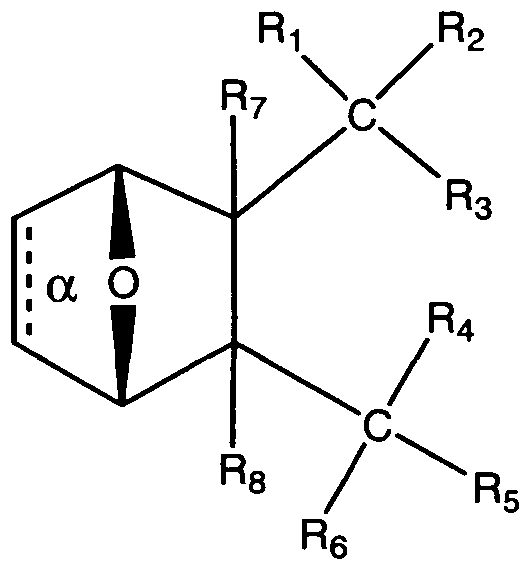
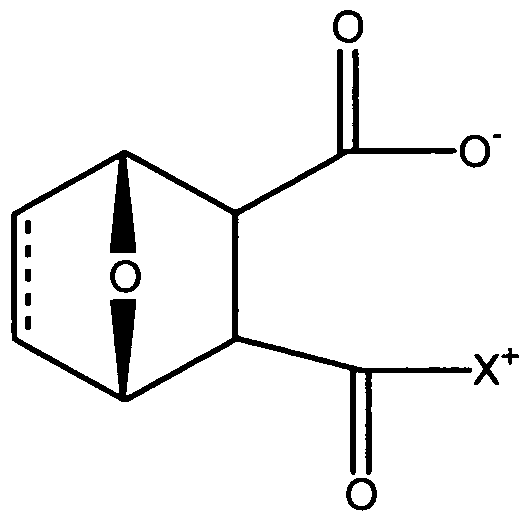
- This invention disclosed herein provides a method of treating a subject with a neurodegenerative disease comprising administering to the subject a compound having the structure
- Rn is independently alkyl, alkenyl or alkynyl, each of which is substituted or unsubstituted, or H;
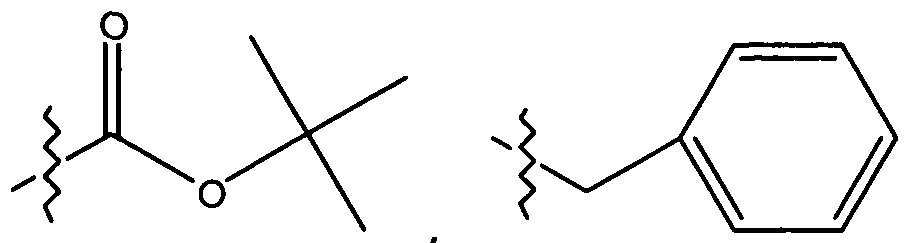
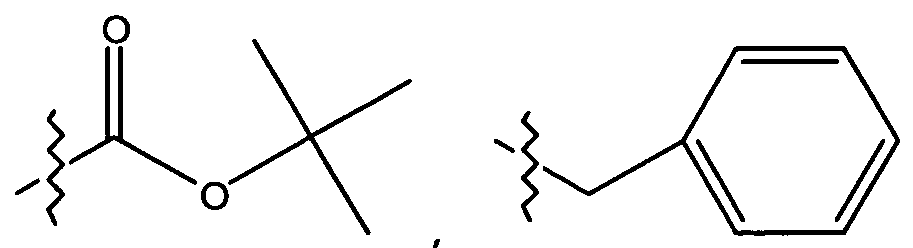
- R 7 and Rs is each independently H, F, Cl, Br, SO 2 Ph, CO 2 CH 3 , or SRi 2 , where Ri 2 is H, aryl or a substituted or unsubstituted alkyl, alkenyl or alkynyl, or a salt, enantiomer or zwitterion of the compound, or a compound having the structure
- This invention also provides a method for reducing the amount of GSK-3 ⁇ in a neural cell comprising contacting the cell with an effective amount of a compound having the structure wherein bond ⁇ is present or absent;
- Rn is independently alkyl, alkenyl or alkynyl, each of which is substituted or unsubstituted, or H;
- R 7 and R 8 is each independently H, F, Cl, Br, SO 2 Ph, CO 2 CH 3 , or SR12, where R 12 is H, aryl or a substituted or unsubstituted alkyl, alkenyl or alkynyl,or a salt, enantiomer or zwitterion of the compound, or a compound having the structure
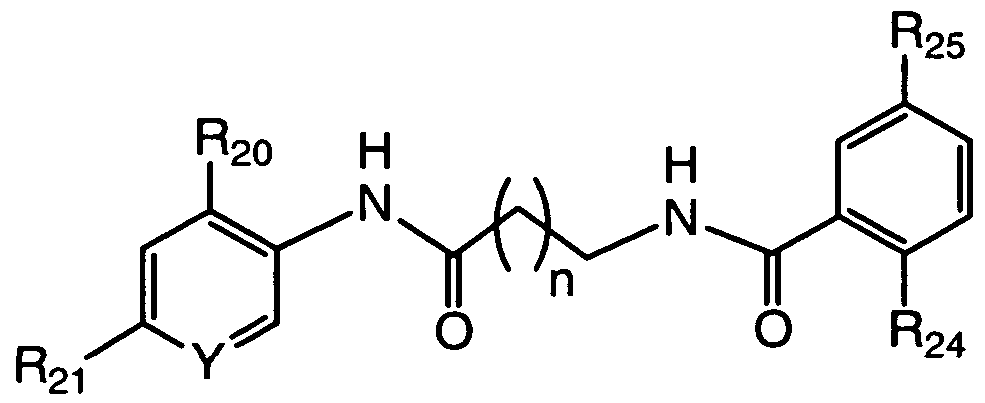
- n 1-10;
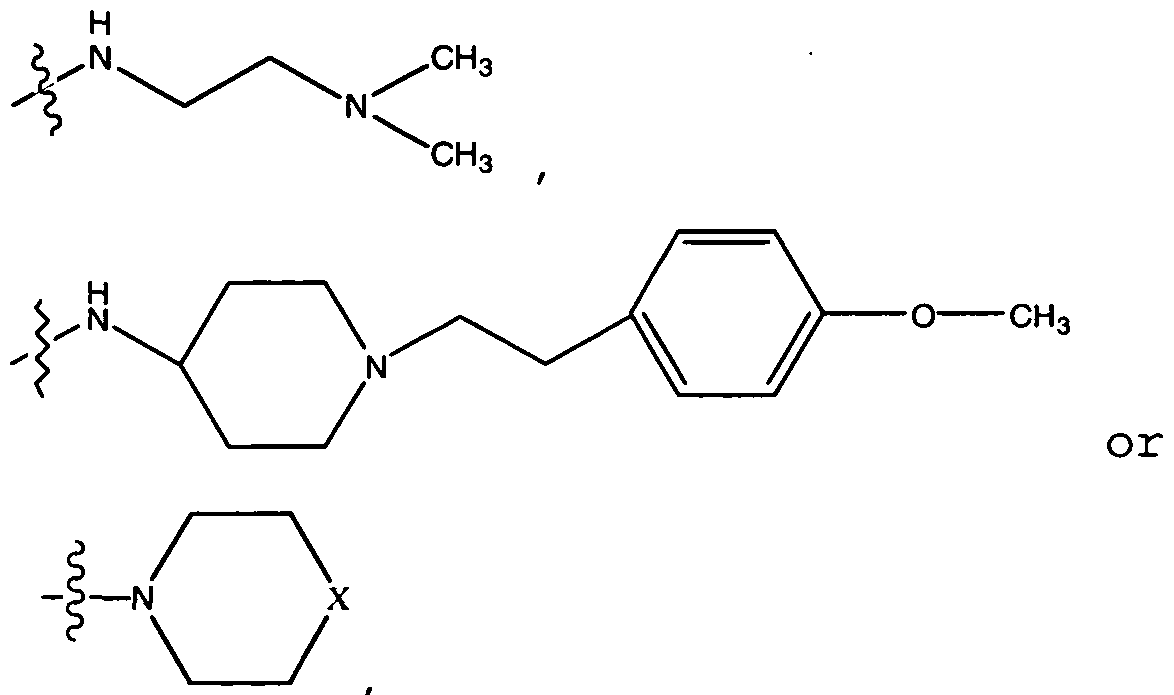
- Y is C-R 30 or N, wherein R 30 is H, OH, SH, F, Cl, SO 2 R 26 , NO 2 , trifluoromethyl, methoxy, or CO-R 2 6/ wherein R 2 6 is alkyl, alkenyl, alkynyl, C 3 -C 8 cycloalkyl, or aryl;
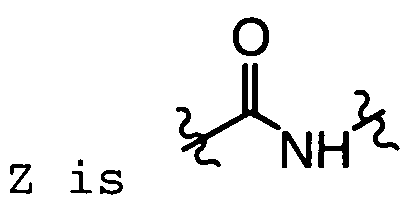
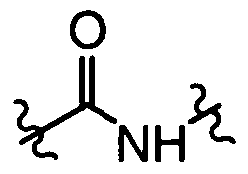
- Z is
- R21 is H or NR 22 R 23 / wherein R22 and R2 3 are each independently H, Ci-C ⁇ alkyl, or C 3 -C 8 cycloalkyl; R 24 is OH or SH; and R 25 , R 3x , R 32 , and R 33 are each independently H, OH, SH, F, Cl, SO 2 R 34 , NO 2 , trifluoromethyl, methoxy, or CO-R 34 , wherein R 34 is alkyl, alkenyl, alkynyl, C 3 -C 8 cycloalkyl, or aryl, or a salt of the compound, so as to thereby reduce the amount of GSK-3 ⁇ in the neural cell.
- Rn is independently alkyl, alkenyl or alkynyl, each of which is substituted or unsubstituted, or H
- R 7 and R 8 is each independently H, F, Cl, Br, SO 2 Ph, CO 2 CH 3 , or SR 12 , where R 12 is H, aryl or a substituted or unsubstituted alkyl, alkenyl or alkynyl,or a salt, enantiomer or zwitterion of the compound, or a compound having the structure
- This invention further provides a method for reducing the phosphorylation of tau in a neural cell, comprising contacting the neural cell with an effective amount of a compound having the structure
- Rn is independently alkyl, alkenyl or alkynyl, each of which is substituted or unsubstituted, or H;
- R 7 and R 8 is each independently H, F, Cl, Br, SO 2 Ph, CO 2 CH 3 , or SRi 2 , where Ri 2 is H, aryl or a substituted or unsubstituted alkyl, alkenyl or alkynyl, or a salt, enantiomer or zwitterion of the compound, or a compound having the structure
- R 2 6 is alkyl, alkenyl, alkynyl, C 3 -Ce cycloalkyl, or aryl
- Z is R21 is H or NR 22 R 23 , wherein R 22 and R 23 are each independently H, Ci-C ⁇ alkyl, or C 3 -Cs cycloalkyl
- R 24 is OH or SH
- R 25 , R 31 , R 32 , and R 33 are each independently H, OH, SH, F, Cl, SO 2 R 34 , NO 2 , trifluoromethyl, methoxy, or CO-R 34 , wherein R 34 is alkyl, alkenyl, alkynyl, C 3 -C 8 cycloalkyl, or aryl, or a salt of the compound, so as to thereby reduce the phosphorylation of tau in the neural cell.
- Figure 1 Induction of phosphorylated Akt by Compound 100 in DAOY cells in culture.
- the medulloblastoma cells, DAOY, in culture were exposed to Compound 100, Compound 205 or vehicle alone. After 4 hours western blots were made for p- Akt, total Akt, and beta actin. Control cells (C) showed only trace amounts of p-Akt and substantial amounts of total Akt and beta actin. Exposure to Compound 205, a compound with no anti-PP2A activity, had no effect. Exposure to Compound 100 revealed induction of p-Akt and an increase in total Akt relative to beta actin.
- FIG. 1 Induction of phosphorylated Akt by Compound 100 in DAOY cells growing as xenografts in SCID mice.
- SCID mice with human medulloblastoma cells, DAOY, implanted subcutaneousIy were treated with 0.03 mg/20 gram mouse with Compound 100 or vehicle alone. After 4 hours and 24 hours western blots were made for p-Akt, total Akt, and beta actin. Control cells (C) at both time points (only 24 hour point shown) had only trace amounts of p-Akt and substantial amounts of total Akt and beta actin. Exposure to Compound 100 revealed induction of p-Akt and an increase in total Akt relative to beta actin.
- Figure 3 Induction of phosphorylated Akt by Compound-100 in U87 cells in culture.
- Figure 4 Induction of phosphorylated Akt by Compound-100 in U87 cells growing as xenografts in SCID mice.
- SCID mice with human glioblastoma cells, U87, implanted subcutaneousIy were treated with 0.03 mg/20 gram mouse with Compound 100 or vehicle alone.
- Figure 5 Induction of acetylation of Histone 3 and Histone 4 in normal mouse brain by Compound 100 and Compound
- mice Normal mice were treated with Compound 100 and Compound 102, 0.03 mg/20 gram mouse. After 4 hours of exposure, treated and control animals (vehicle alone) animals were sacrificed and western blots for acetylated histone 3 and histone 4 were made. Both drugs increased acetylation of the histones compared to control tissue.
- FIG. 1 Photomicrographs of primary embryonal rat cortical neuronal cells at 23 days subjected to environmental stress by exposure to growth factor deficient medium for 1 hour on day 3 of culture.
- FIGS 8-10 Calcium response to acute exposure of 20OuM glutax ⁇ ate in the presence of vehicle (0.05% DMSO) .
- Figure 8 shows photomicrographs of one field of cells in which change in calcium flux was measured in individual cells (Figure 9), and then averaged ( Figure 10) .
- FIGs 11-14 Calcium response to acute exposure to 20OuM glutamate in the presence of 500nm Compound 102.
- Figure 11 shows photomicrographs of one field of cells in which change in calcium flux was measured in individual cells (Figure 12), then averaged ( Figure 13), and the average response was compared to the DMSO control ( Figure 14) .
- Figures 15-18 Calcium response to acute exposure to 20OuM glutamate in the presence of 500nm Compound 201.
- Figure 15 shows photomicrographs of one field of cells in which change in calcium flux was measured in individual cells (Figure 16), then averaged ( Figure 17) , and the average response was compared to the DMSO control ( Figure 18) .
- This invention provides a method of treating a subject with a neurodegenerative disease comprising administering to the subject a compound having the structure
- R 3 and R 4 are each different, and each is OH, 0 " , ORg, SH, S " , SR 9 ,
- each Rn is independently alkyl, alkenyl or alkynyl, each of which is substituted or unsubstituted, or H;
- R 7 and Rs is each independently H, F, Cl, Br, SO 2 Ph, CO 2 CH 3 , or SRi 2 , where R i2 is H, aryl or a substituted or unsubstituted alkyl, alkenyl or alkynyl, or a salt, enantiomer or zwitterion of the compound, or a compound having the structure
- n 1-10;
- Y is C-R 30 or N, wherein R 30 is H, OH, SH, F, Cl, SO2R26, NO 2 , trifluoromethyl, methoxy, or CO-R2 6 , wherein R26 is alkyl, alkenyl, alkynyl, C 3 -Cs cycloalkyl, or aryl;
- R21 is H or NR 22 R 23 / wherein R 22 and R 23 are each independently H, Ci-C 6 alkyl, or C 3 -Cs cycloalkyl; R 24 is OH or SH; and
- R25, R 3 i/ R32/ and R 33 are each independently H, OH, SH, F, Cl, SO 2 R 34 , NO 2 , trifluoromethyl, methoxy, or CO-R 34 , wherein R 34 is alkyl, alkenyl, alkynyl, C 3 -C 8 cycloalkyl, or aryl, or a salt of the compound, in an amount effective to treat the subject.
- the compound has the structure
- n 1-9;
- Y is C-R 30 or N, wherein R 30 is H, OH, SH, F, Cl, SO 2 R 2 6, NO 2 , trifluoromethyl, methoxy, or CO-R 26 , wherein R 2 6 is alkyl, alkenyl, alkynyl, C 3 -Cs cycloalkyl, or aryl;
- R 21 is H or NR 22 R 23 , wherein R 22 and R 23 are each independently
- Ci-C 6 alkyl or C 3 -C 8 cycloalkyl
- R 24 is OH or SH
- R25/ R3 1 / R 32 / and R 33 are each independently H, OH, SH, F,
- R 34 is alkyl, alkenyl, alkynyl, C 3 -C 8 cycloalkyl, or aryl.
- the compound has the structure
- n 1-8;
- Y is CH or N
- R 2 O is H or OH
- R 21 is H or NR 22 R 2 3/ wherein R 22 and R 23 are each independently
- R 24 is OH or SH
- R 25 is H, OH, SH, F, Cl, SO2R26, NO 2 , trif luoromethyl , methoxy, or CO-R 26/ wherein R 26 is alkyl, alkenyl, alkynyl,
- the compound has the structure
- n 1-9;
- Y is C-R 30 or N, wherein R 30 is H, OH, SH, F, Cl, SO 2 R 26 , NO 2 , trifluoromethyl , methoxy, or CO-R 26 , wherein R 26 is alkyl, alkenyl, alkynyl, C 3 -C 8 cycloalkyl, or aryl; R 2I is H or NR 22 R 23 / wherein R 22 and R 23 are each independently
- Ci-C 6 alkyl or C 3 -C 8 cycloalkyl ;
- R 24 is OH or SH ;
- R 2 5 R31, R 3 2/ and R 33 are each independently H, OH, SH, F, Cl, trifluoromethyl , methoxy, or CO-R 34 , wherein R 34 is alkyl, alkenyl, alkynyl, C 3 -C 8 cycloalkyl, or aryl; In further embodiment, the compound has the structure
- n 1-8;
- Y is CH or N
- R20 is H or OH
- R21 is H or NR 22 R 23 / wherein R 22 and R 23 are each independently
- R24 is OH or SH
- R25 is H, OH, SH, F, Cl, trifluoromethyl , methoxy, or CO-R 26 , wherein R 26 is alkyl, alkenyl, alkynyl, or C 3 -C 8 cycloalkyl, or aryl .
- the compound has the structure
- n 1 - 8 ;
- Y is CH or N ;
- R21 is H or NR 22 R 23 / wherein R 22 and R 23 are each independently Ci-C 6 alkyl or C 3 -Cs cycloalkyl; R 24 is OH or SH; and
- R 25 is H, OH, SH, F, Cl, trifluoromethyl , methoxy, or CO-R 2 6, wherein R 26 is alkyl, alkenyl, alkynyl, or C 3 -Cs cycloalkyl, or aryl .
- subject is a mammal.
- the neurodegenerative disease is Alzheimer's disease, Mild Cognitive Impairment, Parkinsons Disease, Frontotemporal Dementia, Dementia, or Lewy Body Dementia. In a further embodiment the neurodegenerative disease is Alzheimer's disease.
- Another embodiment of the above method further comprises administering to the subject an NMDA receptor antagonist, an acetylcholinesterase inhibitor, an anti-amyloid antibody, a 5- HT6 antagonist, a gamma secretase inhibitor, a beta secretase inhibitor, or an inhibitor of aggregation of amyloid- ⁇ peptide.
- the method further comprises administering to the subject a tau aggregation inhibitor.
- Examples of known NMDA receptor agonists include, but are not limited to, memantine.
- Examples of known acetylcholinesterase inhibitors include, but are not limited to, galantamine, rivastigmine, and donapezil.
- Examples of a tau aggregation inhibitor include, but are not limited to, rember.
- the neurodegenerative disease is Parkinson's disease.
- Another embodiment of the above method further comprises administering to the subject a dopamine receptor agonist.
- the invention provides a method for reducing the amount of active GSK-3B in a neural cell comprising contacting the cell with an effective amount of a compound having the structure
- R 3 and R 4 are each different, and each is OH, CT, ORg, SH, S " , SR 9 ,
- each Rn is independently alkyl, alkenyl or alkynyl, each of which is substituted or unsubstituted, or H;
- R 7 and R 8 is each independently H, F, Cl, Br, SO 2 Ph, CO 2 CH 3 , or SRi 2 , where R i2 is H, aryl or a substituted or unsubstituted alkyl, alkenyl or alkynyl, or a salt, enantiomer or zwitterion of the compound, or a compound having the structure
- n 1-10 ;
- Y is C-R 30 or N, wherein R 30 is H, OH, SH, F, Cl, SO 2 R 26 , NO 2 , trifluoromethyl, methoxy, or CO-R 2 6, wherein R 2 6 is alkyl, alkenyl, alkynyl, C 3 -Ca cycloalkyl, or aryl;
- R 2 i is H or NR 22 R 23/ wherein R 22 and R 23 are each independently H, C x -C 6 alkyl, or C 3 -C 8 cycloalkyl; R 24 is OH or SH; and
- R 2 5/ R 3 i/ R 32 / and R 33 are each independently H, OH, SH, F, Cl, SO 2 R 34 , NO 2 , trif luoromethyl, methoxy, or CO-R 34 , wherein R 34 is alkyl, alkenyl, alkynyl, C 3 -Cs cycloalkyl, or aryl, or a salt of the compound, so as to thereby reduce the amount of GSK-3B in the neural cell.
- the compound has the structure
- n 1-9;
- Y is C-R 30 or N, wherein R 30 is H, OH, SH, F, Cl, SO 2 R 2 6, NO 2 , trif luoromethyl , methoxy, or CO-R 26 / wherein R 26 is alkyl, alkenyl, alkynyl, C 3 -Cs cycloalkyl, or aryl;
- R 21 is H or NR 22 R 23 , wherein R 22 and R 23 are each independently
- Ci-C 6 alkyl or C 3 -C 8 cycloalkyl
- R 24 is OH or SH
- R25/ R 3 i/ R 32 / and R 33 are each independently H, OH, SH, F,
- R 34 is alkyl, alkenyl, alkynyl, C 3 -C 8 cycloalkyl, or aryl.
- the compound has the structure
- n is 1- 8 ;
- Y is CH or N
- R20 is H or OH ;
- R 2 i is H or NR 22 R 23 / wherein R 22 and R 23 are each independently
- Ci-C 6 alkyl or C 3 -Cs cycloalkyl are Ci-C 6 alkyl or C 3 -Cs cycloalkyl ;
- R 24 is OH or SH ;
- R25 is H, OH, SH, F, Cl, SO 2 R 2 6, NO 2 , trifluoromethyl , methoxy, or CO-R 26 , wherein R 2 6 is alkyl, alkenyl, alkynyl,
- the compound has the structure
- n is 1- 9 ;
- Y is C-R 30 or N, wherein R 30 is H, OH, SH, F, Cl, SO 2 R 26 , NO 2 , trifluoromethyl, methoxy, or CO-R 26 , wherein R 26 is alkyl, alkenyl, alkynyl, C 3 -Cs cycloalkyl, or aryl; R 2 i is H or NR 22 R 2 3 , wherein R 22 and R23 are each independently
- Ci-C 6 alkyl or C 3 -C 8 cycloalkyl ;
- R 24 is OH or SH ;
- R2 5 / R 3 1/ R 32 / and R 33 are each independently H, OH, SH, F, Cl, trifluoromethyl, methoxy, or CO-R 34 , wherein R 34 is alkyl, alkenyl, alkynyl, C 3 -C 8 cycloalkyl, or aryl ;
- the compound has the structure
- n 1-8;
- Y is CH or N
- R 20 is H or OH
- R 2 i is H or NR2 2 R2 3 / wherein R 22 and R 23 are each independently
- R 24 is OH or SH
- R 25 is H, OH, SH, F, Cl, trifluoromethyl , methoxy, or CO-R 26 , wherein R 26 is alkyl, alkenyl, alkynyl, or C 3 -C 8 cycloalkyl, or aryl .
- the compound has the structure
- R 20 is H or OH
- R 2 i is H or NR 22 R 23 / wherein R 22 and R 23 are each independently
- R 24 is OH or SH
- R 2 5 is H, OH, SH, F, Cl, trif luoromethyl , methoxy, or CO-R 26 / wherein R 26 is alkyl, alkenyl, alkynyl, or C 3 -Cs cycloalkyl, or aryl.
- each Rn is independently alkyl, alkenyl or alkynyl, each of which is substituted or unsubstituted, or H;
- R 7 and R 8 is each independently H, F, Cl, Br, SO 2 Ph, CO 2 CH 3 , or SR12, where R 12 is H, aryl or a substituted or unsubstituted alkyl, alkenyl or alkynyl, or a salt, enantiomer or zwitterion of the compound, or a compound having the structure wherein n is 1-10 ;
- Y is C-R 30 or N, wherein R 30 is H, OH , SH , F , Cl , SO2R26 , NO 2 , tri f luoromethyl , methoxy, or CO-R 26 / wherein R 26 is alkyl , alkenyl , alkynyl , C 3 -Cs cycloalkyl , or aryl ;
- R21 is H or NR22R23/ wherein R22 and R23 are each independently H, Ci-C 6 alkyl, or C 3 -C 8 cycloalkyl; R 24 is OH or SH; and
- R25/ R31/ R32/ and R3 3 are each independently H, OH, SH, F, Cl, SO2R 3 4, NO 2 , trifluoromethyl, methoxy, or CO-R 34 , wherein R 34 is alkyl, alkenyl, alkynyl, C 3 -C 8 cycloalkyl, or aryl, or a salt of the compound, so as to thereby increase the amount of phosphorylated Akt in the neural cell.
- the compound has the structure
- n 1-9;
- Y is C-R 30 or N, wherein R 30 is H, OH, SH, F, Cl, SO 2 R 26 , NO 2 , trif luoromethyl, methoxy, or CO-R 26/ wherein R 26 is alkyl, alkenyl, alkynyl, C 3 -Cs cycloalkyl, or aryl;
- R 2 i is H or NR 22 R 23 , wherein R 22 and R 23 are each independently
- Ci-C 6 alkyl or C 3 -Cs cycloalkyl
- R 24 is OH or SH
- R-25/ R 3 i/ R 32 , and R 33 are each independently H, OH, SH, F,
- R 34 is alkyl, alkenyl, alkynyl, C 3 -C 8 cycloalkyl, or aryl.
- the compound has the structure
- n 1-8;
- Y is CH or N
- R 20 is H or OH
- R 2 i is H or NR 22 R 23 , wherein R 22 and R 23 are each independently
- R 24 is OH or SH
- R 25 is H, OH, SH, F, Cl, SO 2 R 26 , NO 2 , trifluoromethyl , methoxy, or CO-R 26 , wherein R 26 is alkyl, alkenyl, alkynyl,
- the compound has the structure
- n 1-9;
- Y is C-R 30 or N, wherein R 30 is H, OH, SH, F, Cl, SO 2 R 2 e, NO 2 , trifluoromethyl, methoxy, or CO-R 26 , wherein R 2 6 is alkyl, alkenyl, alkynyl, C 3 -C 8 cycloalkyl, or aryl;
- R21 is H or NR 22 R 23 / wherein R 2 2 and R 23 are each independently
- Ci-C 6 alkyl or C 3 -C 8 cycloalkyl
- R 24 is OH or SH
- R25/ R 3 i/ R 32 / and R 33 are each independently H, OH, SH, F, Cl, trifluoromethyl, methoxy, or CO-R 34 , wherein R 34 is alkyl, alkenyl, alkynyl, C 3 -C 8 cycloalkyl, or aryl; In further embodiment, the compound has the structure
- n 1-8;
- Y is CH or N
- R 2O is H or OH
- R 21 is H or NR 22 R 23/ wherein R 22 and R 23 are each independently
- R 24 is OH or SH; and R25 is H, OH, SH, F, Cl, trifluoromethyl , methoxy, or CO-R26, wherein R 26 is alkyl, alkenyl, alkynyl, or C 3 -Cs cycloalkyl, or aryl.
- the compound has the structure
- n is 1- 8 ;
- Y is CH or N
- R20 is H or OH ;
- R21 is H or NR 22 R 2 3 / wherein R22 and R 2 3 are each independently
- Ci-C 6 alkyl or C 3 -Cs cycloalkyl are Ci-C 6 alkyl or C 3 -Cs cycloalkyl ;
- R 2 4 is OH or SH ;
- R2 5 is H, OH, SH, F, Cl, trifluoromethyl , methoxy, or CO-R 2 6, wherein R 26 is alkyl, alkenyl, alkynyl, or C 3 -C 8 cycloalkyl, or aryl.
- the invention provides a method for reducing the phosphorylation of Tau protein in a cell, comprising contacting the cell with an effective amount of a compound having the structure
- R 3 and R 4 are each different, and each is OH, 0 " , OR 9 , SH, S " , SR 9 ,
- each Rn is independently alkyl, alkenyl or alkynyl, each of which is substituted or unsubstituted, or H;
- R 7 and R 8 is each independently H, F, Cl, Br, SO 2 Ph, CO 2 CH 3 , or SRi 2 , where Ri 2 is H, aryl or a substituted or unsubstituted alkyl , alkenyl or alkynyl, or a salt, enantiomer or zwitterion of the compound, or a compound having the structure
- n 1-10;
- Y is C-R 30 or N, wherein R 30 is H, OH, SH, F, Cl, SO 2 R 2 6/ NO 2 , trifluoromethyl, methoxy, or CO-R 26 / wherein R 26 is alkyl, alkenyl, alkynyl, C 3 -C 8 cycloalkyl, or aryl;
- R 21 is H or NR 22 R 23 / wherein R 22 and R 23 are each independently H, Ci-C 6 alkyl, or C 3 -C 8 cycloalkyl; R 24 is OH or SH; and
- R2 5 / R 3 i, R 32 / and R 33 are each independently H, OH, SH, F, Cl, SO 2 R 34 , NO 2 , trifluoromethyl, methoxy, or CO-R 34 , wherein R 34 is alkyl, alkenyl, alkynyl, C 3 -C 8 cycloalkyl, or aryl, or a salt of the compound, so as to thereby reduce the phosphorylation of tau in the cell.
- the compound has the structure
- n 1-9;
- Y is C-R 30 or N, wherein R 30 is H, OH, SH, F, Cl, SO2R26, NO 2 , trifluoromethyl, methoxy, or CO-R 26 , wherein R 26 is alkyl, alkenyl, alkynyl, C 3 -C 8 cycloalkyl, or aryl;
- R 2 i is H or NR 22 R 23 , wherein R 22 and R 23 are each independently H, Ci-C 6 alkyl, or C 3 -C 8 cycloalkyl; R 24 is OH or SH; and
- R 2 5/ R 3 i/ R 32 , and R 33 are each independently H, OH, SH, F, Cl, SO 2 R 34 , NO 2 , trifluoromethyl, methoxy, or CO-R 34 , wherein R 34 is alkyl, alkenyl, alkynyl, C 3 -C 8 cycloalkyl, or aryl.
- the compound has the structure
- n 1-8;
- Y is CH or N
- R20 is H or OH
- R 21 is H or NR 22 R 23 , wherein R 22 and R 23 are each independently
- Ci-C 6 alkyl or C 3 -C 8 cycloalkyl R 24 is OH or SH; and R 25 is H, OH, SH, F, Cl, SO2R26, NO 2 , trifluoromethyl , methoxy, or CO-R 26 , wherein R 26 is alkyl, alkenyl , alkynyl, C 3 -C 8 cycloalkyl, or aryl .
- the compound has the structure
- n 1-9;
- Y is C-R 30 or N, wherein R 30 is H, OH, SH, F, Cl, SO2R26/ NO 2 , trif luoromethyl, methoxy, or CO-R 2 6/ wherein R 26 is alkyl, alkenyl, alkynyl, C 3 -C 8 cycloalkyl, or aryl;
- R 21 is H or NR 22 R 23 , wherein R 22 and R 23 are each independently H, Ci-C 6 alkyl, or C 3 -C 8 cycloalkyl;
- R 24 is OH or SH
- R2 5 , R 31 / R 32 / and R 33 are each independently H, OH, SH, F, Cl, trifluoromethyl, methoxy, or CO-R 34 , wherein R 34 is alkyl, alkenyl, alkynyl, C 3 -C 8 cycloalkyl, or aryl;
- the compound has the structure
- n 1-8;
- Y is CH or N;
- R 2 O is H or OH ;
- R 21 is H or NR 22 R 23 , wherein R 22 and R 23 are each independently
- Ci-C 6 alkyl or C 3 -C 8 cycloalkyl are Ci-C 6 alkyl or C 3 -C 8 cycloalkyl ;
- R 24 is OH or SH ;
- R 25 is H, OH, SH, F, Cl, trifluoromethyl , methoxy, or CO-R26, wherein R 26 is alkyl, alkenyl, alkynyl, or C 3 -Cs cycloalkyl, or aryl .
- the compound has the structure
- n is 1- 8 ;
- Y is CH or N
- R 20 is H or OH ;
- R 21 is H or NR 22 R 23 , wherein R 22 and R 23 are each independently
- Ci-C 6 alkyl or C 3 -C 8 cycloalkyl are Ci-C 6 alkyl or C 3 -C 8 cycloalkyl ;
- R 24 is OH or SH ;
- R 25 is H, OH, SH, F, Cl, trifluoromethyl , methoxy, or CO-R 2 6, wherein R 26 is alkyl, alkenyl, alkynyl, or C 3 -C 8 cycloalkyl, or aryl.
- R 3 and R 4 are each different, and each is OH, 0 " , ORg, SH, S " , SR 9 ,
- Rn is independently alkyl, alkenyl or alkynyl, each of which is substituted or unsubstituted, or H;
- R 7 and R 8 is each independently H, F, Cl, Br, SO 2 Ph, CO 2 CH 3 , or SRi 2 , where Ri 2 is H, aryl or a substituted or unsubstituted alkyl, alkenyl or alkynyl, or a salt, enantiomer or zwitterion of the compound, or a compound having the structure
- n 1-10;
- Y is C-R 30 or N, wherein R 30 is H, OH, SH, F, Cl, SO 2 R 26 , NO 2 , trifluoromethyl , methoxy, or CO-R 26 , wherein R 26 is alkyl, alkenyl, alkynyl, C 3 -Cs cycloalkyl, or aryl;
- R 2 i is H or NR 22 R 23 , wherein R 22 and R 23 are each independently H, Ci-C 6 alkyl , or C 3 -C 8 cycloalkyl ;
- R 24 is OH or SH; and R2 5 / R 3 i/ R 32 / and R 33 are each independently H, OH, SH, F, Cl, SO 2 R 34 , NO 2 , trifluoromethyl, methoxy, or CO-R34, wherein R 34 is alkyl, alkenyl, alkynyl, C 3 -C 8 cycloalkyl, or aryl, or a salt of the compound, so as to thereby inhibit the aggregation of Tau in the cell.
- the compound has the structure
- n 1-9;
- Y is C-R 30 or N, wherein R 30 is H, OH, SH, F, Cl, SO 2 R 2 S, NO 2 , trif luoromethyl, methoxy, or CO-R 26 , wherein R 2 6 is alkyl, alkenyl, alkynyl, C 3 -C 8 cycloalkyl, or aryl;
- R 21 is H or NR 22 R 2 3/ wherein R22 and R23 are each independently
- Ci-C 6 alkyl or C 3 -C 8 cycloalkyl
- R 24 is OH or SH
- R25, R 3 1/ R32/ and R 33 are each independently H, OH, SH, F, Cl, SO 2 R 34 , NO 2 , trifluoromethyl, methoxy, or CO-R 34 , wherein
- R 34 is alkyl, alkenyl, alkynyl, C 3 -C 8 cycloalkyl, or aryl.
- the compound has the structure
- n is 1- 8 ;
- Y is CH or N
- R 20 is H or OH ;
- R 2 i is H or NR 22 R 23 , wherein R 22 and R 23 are each independently
- Ci-C 6 alkyl or C 3 -C 8 cycloalkyl are Ci-C 6 alkyl or C 3 -C 8 cycloalkyl ;
- R 24 is OH or SH ;
- R 25 is H, OH, SH, F, Cl, SO 2 R 26 , NO 2 , trifluoromethyl , methoxy, or CO-R 26 , wherein R 26 is alkyl, alkenyl, alkynyl,
- the compound has the structure
- n 1-9;
- Y is C-R 30 or N, wherein R 30 is H, OH, SH, F, Cl, SO 2 R 26 , NO 2 , trifluoromethyl, methoxy, or CO-R 26 , wherein R 26 is alkyl, alkenyl, alkynyl, C 3 -C 8 cycloalkyl, or aryl; R 2 i is H or NR 22 R 23 , wherein R 22 and R 23 are each independently H, C x -C 6 alkyl, or C 3 -C 8 cycloalkyl; R 24 is OH or SH; and
- R 25 , R 31 , R 3 2, and R 33 are each independently H, OH, SH, F, Cl, trifluoromethyl , methoxy, or CO-R 34 , wherein R 34 is alkyl, alkenyl, alkynyl, C 3 -C 8 cycloalkyl, or aryl; In further embodiment, the compound has the structure
- n 1-8;
- Y is CH or N
- R 20 is H or OH
- R 2 i is H or NR 22 R 23 , wherein R 22 and R 23 are each independently
- R 24 is OH or SH
- R 25 is H, OH, SH, F, Cl, trifluoromethyl , methoxy, or CO-R 26 , wherein R 26 is alkyl, alkenyl , alkynyl, or C 3 -Cs cycloalkyl, or aryl . other embodiment, the compound has the structure
- n 1-8;
- Y is CH or N
- R 20 is H or OH
- R 2 i is H or NR 22 R 23 , wherein R 22 and R 23 are each independently
- R 24 is OH or SH; and R 2 5 is H, OH, SH, F, Cl, trifluoromethyl , methoxy, or CO-R 26 , wherein R 26 is alkyl, alkenyl, alkynyl, or C 3 -Cs cycloalkyl, or aryl.
- the cell is a neural cell. In another embodiment of the foregoing methods, the cell is in a subject.
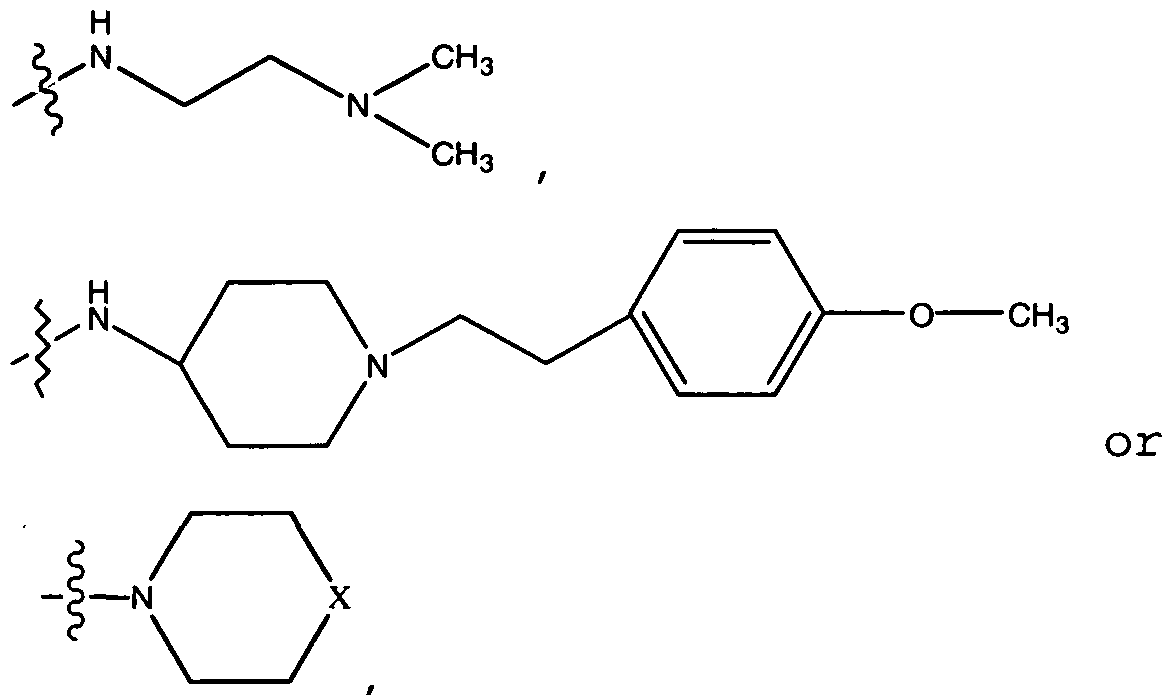
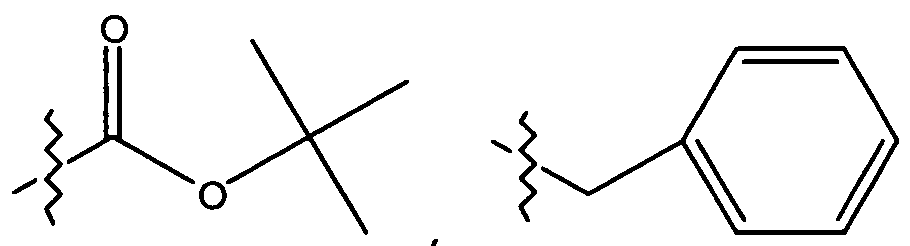
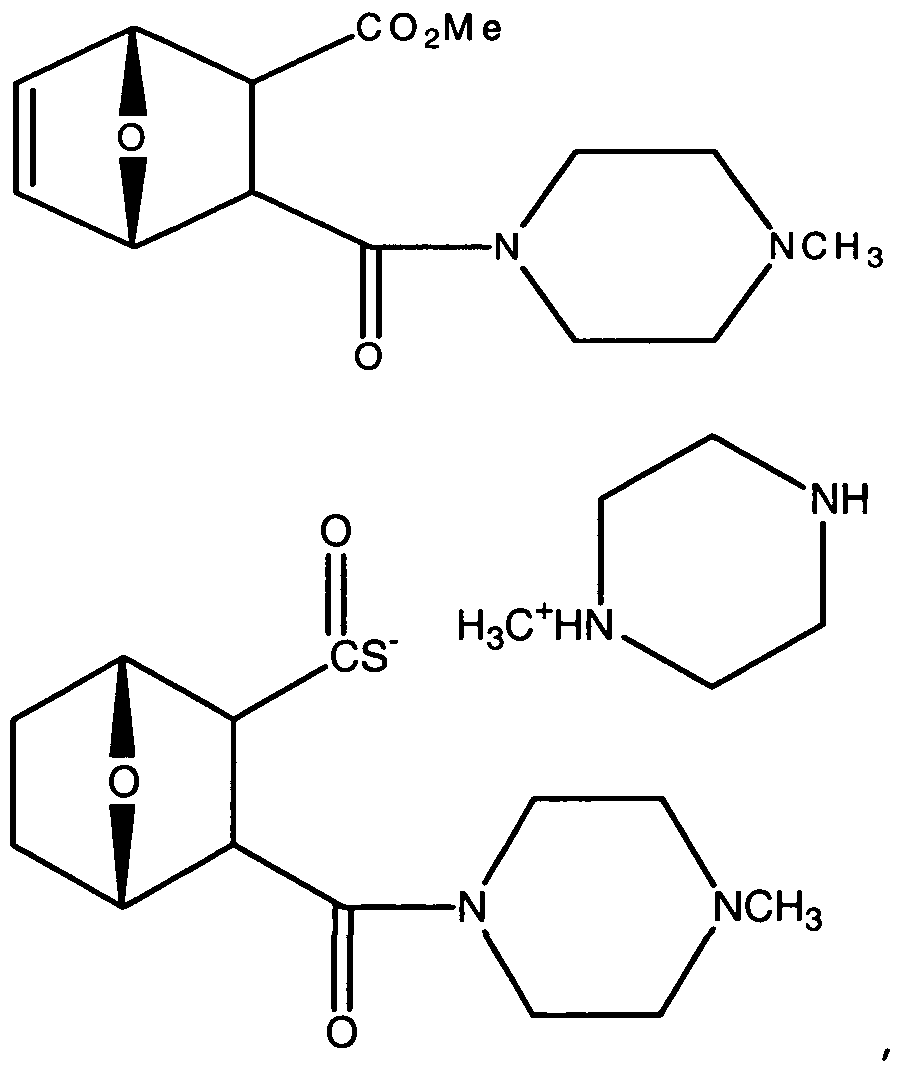
- the compound has structure of Compound 100, Compound 100E, Compound 101, Compound 101E, Compound 102, Compound 102E, Compound 103, Compound 103E, Compound 104, Compound 104E, Compound 105, Compound 105E, Compound 106, Compound 106E, Compound 107, Compound 107E, Compound 108 or Compound 108E.
- the compound has the structure of Compound 201, Compound 203, Compound 204, Compound 205, Compound 206, Compound 207, Compound 207 (a), Compound 208, Compound 209, Compound 210, Compound 211, Compound 212, Compound 213, or Compound 214.
- Certain embodiments of the disclosed compounds can contain a basic functional group, such as amino or alkylamino, and are thus capable of forming pharmaceutically acceptable salts with pharmaceutically acceptable acids, or contain an acidic functional group and are thus capable of forming pharmaceutically acceptable salts with bases.
- the instant compounds therefore may be in a salt form.
- a "salt" is a salt of the instant compounds which has been modified by making acid or base salts of the compounds.
- the salt may be pharmaceutically acceptable.
- Examples of pharmaceutically acceptable salts include, but are not limited to, mineral or organic acid salts of basic residues such as amines; alkali or organic salts of acidic residues such as phenols.
- the salts can be made using an organic or inorganic acid.
- Such acid salts are chlorides, bromides, sulfates, nitrates, phosphates, sulfonates, formates, tartrates, maleates, malates, citrates, benzoates, salicylates, ascorbates, and the like.
- Phenolate salts are the alkaline earth metal salts, sodium, potassium or lithium.
- pharmaceutically acceptable salt in this respect, refers to the relatively non-toxic, inorganic and organic acid or base addition salts of compounds of the present invention.
- salts can be prepared in situ during the final isolation and purification of the compounds of the invention, or by separately reacting a purified compound of the invention in its free base or free acid form with a suitable organic or inorganic acid or base, and isolating the salt thus formed.
- Representative salts include the hydrobromide, hydrochloride, sulfate, bisulfate, phosphate, nitrate, acetate, valerate, oleate, palmitate, stearate, laurate, benzoate, lactate, phosphate, tosylate, citrate, maleate, fumarate, succinate, tartrate, napthylate, mesylate, glucoheptonate, lactobionate, and laurylsulphonate salts and the like.
- suitable salts see, e.g., Berge et al . (1977) "Pharmaceutical Salts", J. Pharm. Sci . 66:1-19.
- terapéuticaally effective amount means an amount sufficient to treat a subject afflicted with a disease (e.g. a neurodegenerative disease) or to alleviate a symptom or a complication associated with the disease.
- a disease e.g. a neurodegenerative disease
- a “neurodegenerative disease” refers to a disease in which degeneration occurs of either gray or white matter, or both, of the nervous system.
- a disease can be diabetic neuropathy, senile dementias, Alzheimer's disease, Mild Cognitive Impairment (MCI) , dementia, Lewy Body Dementia, Frontal Temporal Lobe dementia, Parkinson's Disease, facial nerve (Bell's) palsy, glaucoma, Huntington's chorea, amyotrophic lateral sclerosis (ALS), status epilepticus, non-arteritic optic neuropathy, intervertebral disc herniation, vitamin deficiency, prion diseases such as Creutzfeldt-Jakob disease, carpal tunnel syndrome, peripheral neuropathies associated with various diseases, including but not limited to, uremia, porphyria, hypoglycemia, Sjorgren Larsson syndrome, acute sensory neuropathy, chronic ataxic neuropathy, biliary cirrhosis, primary
- tauopathies refers to a class of neurodegenerative diseases which result from aggregation of tau protein in neurofibrillary tangles.
- tauopathies include, but are not limited to, Alzheimer's disease, Frontotemproal dementia (Pick's disease), Progressive Supranuclear Palsy, and Corticobasal degeneration.
- treating means slowing, stopping or reversing the progression of a disease, particularly a neurodegenerative disease .
- zwitterion means a compound that is electrically neutral but carries formal positive and negative charges on different atoms. Zwitterions are polar, have high solubility in water have poor solubility in most organic solvents .
- the compounds disclosed herein may also form zwitterions
- alkyl is intended to include both branched and straight-chain saturated aliphatic hydrocarbon groups having the specified number of carbon atoms.
- Ci-C n as in “Ci-C n alkyl” is defined to include groups having 1, 2, ...., n-1 or n carbons in a linear or branched arrangement, and specifically includes methyl, ethyl, propyl, butyl, pentyl, hexyl, and so on.
- An embodiment can be Ci-Ci 2 alkyl.
- Alkoxy represents an alkyl group as described above attached through an oxygen bridge.
- alkenyl refers to a non-aromatic hydrocarbon radical, straight or branched, containing at least 1 carbon to carbon double bond, and up to the maximum possible number of non- aromatic carbon-carbon double bonds may be present.
- C 2 -C n alkenyl is defined to include groups having 1, 2, ...., n-1 or n carbons.
- C 2 -C 6 alkenyl means an alkenyl radical having 2, 3, 4, 5, or 6 carbon atoms, and at least 1 carbon- carbon double bond, and up to, for example, 3 carbon-carbon double bonds in the case of a C 6 alkenyl, respectively.
- Alkenyl groups include ethenyl, propenyl, butenyl and cyclohexenyl . As described above with respect to alkyl, the straight, branched or cyclic portion of the alkenyl group may contain double bonds and may be substituted if a substituted alkenyl group is indicated. An embodiment can be C 2 -Ci 2 alkenyl .
- alkynyl refers to a hydrocarbon radical straight or branched, containing at least 1 carbon to carbon triple bond, and up to the maximum possible number of non-aromatic carbon- carbon triple bonds may be present.
- C 2 -C n alkynyl is defined to include groups having 1, 2, ...., n-1 or n carbons.
- C 2 -C 6 alkynyl means an alkynyl radical having 2 or 3 carbon atoms, and 1 carbon-carbon triple bond, or having 4 or 5 carbon atoms, and up to 2 carbon-carbon triple bonds, or having 6 carbon atoms, and up to 3 carbon-carbon triple bonds.
- Alkynyl groups include ethynyl, propynyl and butynyl . As described above with respect to alkyl, the straight or branched portion of the alkynyl group may contain triple bonds and may be substituted if a substituted alkynyl group is indicated. An embodiment can be a C 2 -C n alkynyl.
- aryl is intended to mean any stable monocyclic or bicyclic carbon ring of up to 10 atoms in each ring, wherein at least one ring is aromatic.
- aryl elements include phenyl, naphthyl, tetrahydro-naphthyl, indanyl, biphenyl, phenanthryl, anthryl or acenaphthyl .
- the aryl substituent is bicyclic and one ring is non-aromatic, it is understood that attachment is via the aromatic ring.
- the substituted aryls included in this invention include substitution at any suitable position with amines, substituted amines, alkylamines, hydroxys and alkylhydroxys , wherein the "alkyl" portion of the alkylamines and alkylhydroxys is a C 2 -C n alkyl as defined hereinabove.
- the substituted amines may be substituted with alkyl, alkenyl, alkynl, or aryl groups as hereinabove defined.
- alkyl, alkenyl, alkynyl, and aryl substituents may be unsubstituted or unsubstituted, unless specifically defined otherwise.
- a (Ci-Ce) alkyl may be substituted with one or more substituents selected from OH, oxo, halogen, alkoxy, dialkylamino, or heterocyclyl , such as morpholinyl, piperidinyl, and so on.
- alkyl, alkenyl, and alkynyl groups can be further substituted by replacing one or more hydrogen atoms by non-hydrogen groups described herein to the extent possible.
- non-hydrogen groups include, but are not limited to, halo, hydroxy, mercapto, amino, carboxy, cyano and carbamoyl.
- substituted means that a given structure has a substituent which can be an alkyl, alkenyl, or aryl group as defined above.
- the term shall be deemed to include multiple degrees of substitution by a named substitutent .
- the substituted compound can be independently substituted by one or more of the disclosed or claimed substituent moieties, singly or plurally. By independently substituted, it is meant that the
- administering an agent may be performed using any of the various methods or delivery systems well known to those skilled in the art.
- the administering can be performed, for example, orally, parenterally, intraperitoneally, intravenously, intraarterially, transdermalIy, sublingually, intramuscularly, rectally, transbuccally, intranasally, liposomally, via inhalation, vaginally, intraoccularly, via local delivery, subcutaneousIy, intraadiposally, intraarticularly, intrathecally, into a cerebral ventricle, intraventicularly, intratumorally, into cerebral parenchyma or intraparenchchymally .
- compositions in accordance with the invention may be used but are only representative of the many possible systems envisioned for administering compositions in accordance with the invention.
- Injectable drug delivery systems include solutions, suspensions, gels, microspheres and polymeric injectables, and can comprise excipients such as solubility-altering agents (e.g., ethanol, propylene glycol and sucrose) and polymers (e.g., polycaprylactones and PLGA' s).
- solubility-altering agents e.g., ethanol, propylene glycol and sucrose
- polymers e.g., polycaprylactones and PLGA' s.
- Implantable systems include rods and discs, and can contain excipients such as PLGA and polycaprylactone.
- Oral delivery systems include tablets and capsules. These can contain excipients such as binders (e.g., hydroxypropylmethylcellulose, polyvinyl pyrilodone, other cellulosic materials and starch), diluents (e.g., lactose and other sugars, starch, dicalcium phosphate and cellulosic materials), disintegrating agents (e.g., starch polymers and cellulosic materials) and lubricating agents (e.g., stearates and talc) .
- excipients such as binders (e.g., hydroxypropylmethylcellulose, polyvinyl pyrilodone, other cellulosic materials and starch), diluents (e.g., lactose and other sugars, starch, dicalcium phosphate and cellulosic materials), disintegrating agents (e.g., starch polymers and cellulosic materials) and lubricating agents (
- Transmucosal delivery systems include patches, tablets, suppositories, pessaries, gels and creams, and can contain excipients such as solubilizers and enhancers (e.g., propylene glycol, bile salts and amino acids), and other vehicles (e.g., polyethylene glycol, fatty acid esters and derivatives, and hydrophilic polymers such as hydroxypropylmethylcellulose and hyaluronic acid) .
- solubilizers and enhancers e.g., propylene glycol, bile salts and amino acids
- other vehicles e.g., polyethylene glycol, fatty acid esters and derivatives, and hydrophilic polymers such as hydroxypropylmethylcellulose and hyaluronic acid
- Dermal delivery systems include, for example, aqueous and nonaqueous gels, creams, multiple emulsions, microemulsions, liposomes, ointments, aqueous and nonaqueous solutions, lotions, aerosols, hydrocarbon bases and powders, and can contain excipients such as solubilizers, permeation enhancers (e.g., fatty acids, fatty acid esters, fatty alcohols and amino acids), and hydrophilic polymers (e.g., polycarbophil and polyvinylpyrolidone) .
- the pharmaceutically acceptable carrier is a liposome or a transdermal enhancer.
- Solutions, suspensions and powders for reconstitutable delivery systems include vehicles such as suspending agents (e.g., gums, zanthans, cellulosics and sugars), humectants (e.g., sorbitol), solubilizers (e.g., ethanol, water, PEG and propylene glycol), surfactants (e.g., sodium lauryl sulfate, Spans, Tweens, and cetyl pyridine), preservatives and antioxidants (e.g., parabens, vitamins E and C, and ascorbic acid), anti-caking agents, coating agents, and chelating agents (e.g., EDTA).
- suspending agents e.g., gums, zanthans, cellulosics and sugars
- humectants e.g., sorbitol
- solubilizers e.g., ethanol, water, PEG and propylene glycol
- substituents and substitution patterns on the compounds of the instant invention can be selected by one of ordinary skill in the art to provide compounds that are chemically stable and that can be readily synthesized by techniques known in the art from readily available starting materials. If a substituent is itself substituted with more than one group, it is understood that these multiple groups may be on the same carbon or on different carbons, so long as a stable structure results.
- the compounds described herein are useful for the prevention and/or treatment of neurodegenerative conditions including Alzheimer's disease, Parkinson's disease, motor neuron diseases such as amyotrophic lateral sclerosis, and other neurodegenerative diseases collectively known as tauopathies.
- the compounds increase the phosphorylation of several regulatory proteins including Akt .
- these compounds slightly stimulate cell proliferation and increases phosphorylation of Akt in human cancer cell lines tested including SH-SY5Y.
- Compound 100 and Compound 102 also increased Akt phosphorylation in the cell lines tested, growing as xenografts in SCID mice, as set forth in the examples herein.
- the Compound-100 series of drugs increase cellular phosphorylated Akt at low non-toxic doses and also increase acetylation of histones in neurons of the intact animal, these compounds are useful for the treatment of neurodegenerative diseases, particularly Alzheimer's disease and all other tauopathies. While each of the compounds tested increase Akt phosphorylation of multiple tumor cell lines, they also increase Akt phosphorylation of the neuroblastoma cell line SH-SY5Y, a model of dopamine neurons.
- Compound 100 and Compound 102 show that each of these has properties that enhance their entry into the brain.
- these drugs are neuroprotective and useful for the prevention and/or treatment of neurodegereratve disease.
- the mechanism by which the Compound 100 series of compounds exert their neuroprotective effect may be by increasing the intra-neuronal cell activity of Akt-1 and enhancing the phosphorylation of GSK-3B.
- Akt-1 intra-neuronal cell activity
- GSK-3B phosphorylation of GSK-3B
- Each of these compounds when given by intraperitoneal injection, increase Akt phosphorylation in mouse neurons .
- This increase in Akt phosphorylation is associated with an increase in the phosphorylation of GSK-3 ⁇ .
- Increased phosphorylation of GSK-3 ⁇ is known to decrease its activity. Therefore, chronic suppression of GSK-3 ⁇ activity by compound 100 homologs may reduce tau phosphorylation.
- the compound 200 series which include compounds 201, 207 (a) and 203-214, the structures of which are shown in Table 2, are HDAC inhibitors.
- Table 1 Compouns 100-108 and 111
- Human medulloblastoma DAOY cells were implanted subcutaneousIy in SCID mice. Mice were then treated with 0.03 mg/20 gram mouse with Compound 100 or vehicle alone. After 4 hours and 24 hours, western blots were made for phosphorylated Akt (p-Akt) , total Akt, and beta actin. Control cells at both time points had only trace amount of p-Akt and substantial amounts of total Akt and beta actin. Exposure to compound 100 revealed induction of p- Akt and an increase in total Akt relative to beta actin, as shown in Figure 3.
- Human glioblastoma U87 cells were implanted subcutaneousIy in SCID mice. Mice were then treated with 0.03 mg/20 gram mouse with Compound 100 or vehicle alone. After 4 hours, western blots were made for p-Akt, total Akt, and beta actin. Control cells showed only trace amounts of p-Akt and substantial amounts of total Akt and beta actin. Exposure to Compound 100 revealed induction of p-Akt and an increast in total Akt relative to beta actin, as shown in in Figure 5.
- mice Normal mice were treated with Compound 100 or Compound 102 at a dose of 0.03mg/20 gram mouse, or with vehicle. After 4 hours of exposure, treated and control animals were sacrificed and western blots for acetylated histone 3 and histone 4 were made. As showin in Figure 6, both druges increased acetylation of the histones compared to control tissue.
- Human glioblastoma cells U87, were grown in culture and exposed to Compound 100 or vehicle alone. After 4 hours, western blots were made for p-Akt, total Akt, and beta actin. Control cells showed only trace amounts of p-Akt and substantial amounts of total Akt and beta actin. Exposure to Compound 100 revealed induction of p-Akt and an increase in total akt relative to beta actin, as shown in Figure 4.
- HDACi class I and II HDAC inhibitor
- P2Ai protein phosphatase 2A inihibitor
- Neurons were chronically or acutely treated with each compound and exposed to environmental stress (replacement of the culture medium with a saline PBS based solution for one hour followed by removal of the PBS medium and restoration of standard neuronal culture medium) and then observed for survival (Fig. 6) .
- Compound 201 displayed marked neurotrophic effects as evidenced by maintenance for up to 21 days neuronal cell numbers.
- cells exposed to either DMSO (the vehicle used for the compounds) or just saline showed a 3.5 fold reduction in cell numbers (Fig. 7) .
- Compound 102 had little effect on cell number.
- AMPA/Kainate responses to exposure to glutamate as measured by calcium flux are characterized by fast desensitization (i.e. very little measurable calcium increase)
- NMDA responses are characterized by an elevation of calcium concentration that persists as long as glutamate is applied.
- glutamate responsiveness dependent on NMDA receptor expression A typical response of neurons in culture to glutamate characteristic of the NMDA receptors consists of a rapid increase and a high plateau phase of calcium ( Figures 8-10) . Repeat experiments showed variability in the extent of this response indicating that the time-point in culture is a moment at which NMDA receptor expression is variable.
Landscapes
- Health & Medical Sciences (AREA)
- Medicinal Chemistry (AREA)
- Veterinary Medicine (AREA)
- Public Health (AREA)
- General Health & Medical Sciences (AREA)
- Animal Behavior & Ethology (AREA)
- Life Sciences & Earth Sciences (AREA)
- Chemical & Material Sciences (AREA)
- Pharmacology & Pharmacy (AREA)
- Epidemiology (AREA)
- Neurosurgery (AREA)
- Engineering & Computer Science (AREA)
- Neurology (AREA)
- Biomedical Technology (AREA)
- Bioinformatics & Cheminformatics (AREA)
- Pain & Pain Management (AREA)
- Nuclear Medicine, Radiotherapy & Molecular Imaging (AREA)
- Organic Chemistry (AREA)
- Chemical Kinetics & Catalysis (AREA)
- General Chemical & Material Sciences (AREA)
- Hospice & Palliative Care (AREA)
- Psychology (AREA)
- Psychiatry (AREA)
- Pharmaceuticals Containing Other Organic And Inorganic Compounds (AREA)
Abstract
Description
















Claims










Priority Applications (3)
| Application Number | Priority Date | Filing Date | Title |
|---|---|---|---|
| EP09803262.6A EP2318005B1 (en) | 2008-08-01 | 2009-07-29 | Neuroprotective agents for the prevention and treatment of neurodegenerative diseases |
| CA2730148A CA2730148C (en) | 2008-08-01 | 2009-07-29 | Neuroprotective agents for the prevention and treatment of neurodegenerative diseases |
| AU2009277086A AU2009277086B2 (en) | 2008-08-01 | 2009-07-29 | Neuroprotective agents for the prevention and treatment of neurodegenerative diseases |
Applications Claiming Priority (2)
| Application Number | Priority Date | Filing Date | Title |
|---|---|---|---|
| US13765808P | 2008-08-01 | 2008-08-01 | |
| US61/137,658 | 2008-08-01 |
Publications (1)
| Publication Number | Publication Date |
|---|---|
| WO2010014220A1 true WO2010014220A1 (en) | 2010-02-04 |
Family
ID=41608991
Family Applications (1)
| Application Number | Title | Priority Date | Filing Date |
|---|---|---|---|
| PCT/US2009/004378 Ceased WO2010014220A1 (en) | 2008-08-01 | 2009-07-29 | Neuroprotective agents for the prevention and treatment of neurodegenerative diseases |
Country Status (5)
| Country | Link |
|---|---|
| US (2) | US8058268B2 (en) |
| EP (1) | EP2318005B1 (en) |
| AU (1) | AU2009277086B2 (en) |
| CA (1) | CA2730148C (en) |
| WO (1) | WO2010014220A1 (en) |
Cited By (10)
| Publication number | Priority date | Publication date | Assignee | Title |
|---|---|---|---|---|
| US8455688B2 (en) | 2007-10-01 | 2013-06-04 | Lixte Biotechnology, Inc. | HDAC inhibitors |
| US8541458B2 (en) | 2008-08-01 | 2013-09-24 | Lixte Biotechnology, Inc. | Oxabicycloheptanes and oxabicycloheptenes, their preparation and use |
| WO2014168941A1 (en) | 2013-04-09 | 2014-10-16 | Lixte Biotechnology, Inc. | Formulations of oxabicycloheptanes and oxabicycloheptenes |
| US9079917B2 (en) | 2007-02-06 | 2015-07-14 | Lixte Biotechnology, Inc. | Oxabicycloheptanes and oxabicycloheptenes, their preparation and use |
| US9526915B2 (en) | 2008-08-01 | 2016-12-27 | John S. Kovach | Methods for regulating cell mitosis by inhibiting serine/threonine phosphatase |
| US9688689B2 (en) | 2014-05-13 | 2017-06-27 | Novartis Ag | Compounds and compositions for inducing chondrogenesis |
| US9833450B2 (en) | 2015-02-19 | 2017-12-05 | Lixte Biotechnology, Inc. | Oxabicycloheptanes and oxabicycloheptenes for the treatment of depressive and stress disorders |
| US9988394B2 (en) | 2015-05-15 | 2018-06-05 | Lixte Biotechnology Inc. | Oxabicycloheptane prodrugs |
| US10149847B2 (en) | 2012-06-29 | 2018-12-11 | Lixte Biotechnology, Inc. | Oxabicycloheptanes and oxabicycloheptenes for the treatment of diabetes |
| US12168008B2 (en) | 2016-12-08 | 2024-12-17 | Lixte Biotechnology, Inc. | Oxabicycloheptanes for modulation of immune response |
Families Citing this family (16)
| Publication number | Priority date | Publication date | Assignee | Title |
|---|---|---|---|---|
| US20090018142A9 (en) * | 2006-05-02 | 2009-01-15 | Zhengping Zhuang | Use of phosphatases to treat tumors overexpressing N-CoR |
| WO2010014220A1 (en) | 2008-08-01 | 2010-02-04 | Lixte Biotechnology, Inc. | Neuroprotective agents for the prevention and treatment of neurodegenerative diseases |
| EP3034079B1 (en) | 2010-11-15 | 2018-01-10 | Agenebio, Inc. | Pyridazine derivatives, compositions and methods for treating cognitive impairment |
| US20140235649A1 (en) * | 2011-05-24 | 2014-08-21 | Lixte Biotechnology, Inc. | Use of phosphatase inhibitors or histone deacetylase inhibitors to treat diseases characterized by loss of protein function |
| JP6262225B2 (en) | 2012-06-29 | 2018-01-17 | リクスト・バイオテクノロジー,インコーポレイテッド | Oxabicycloheptanes and oxabicycloheptanes for the treatment of reperfusion injury |
| US20140220036A1 (en) * | 2013-02-01 | 2014-08-07 | Rodolfo R. Llinas | Methods for treating neurodegenerative diseases and for identifying agents useful for treating neurodegenerative diseases |
| WO2014137741A1 (en) * | 2013-03-05 | 2014-09-12 | Lixte Biotechnology, Inc. | Hdac inhibitors for treating traumatic brain injury |
| EP3083569B1 (en) | 2013-12-20 | 2022-01-26 | Agenebio, Inc. | Benzodiazepine derivatives, compositions, and methods for treating cognitive impairment |
| EP3171870B1 (en) | 2014-07-24 | 2021-10-20 | H. Lee Moffitt Cancer Center And Research Institute, Inc. | Protein phosphatase 2a inhibitors for treating myelodysplastic syndromes |
| WO2016040877A1 (en) * | 2014-09-12 | 2016-03-17 | Lixte Biotechnology, Inc. | Human dosing of phosphatase inhibitor |
| JP6987384B2 (en) | 2015-06-19 | 2021-12-22 | エージンバイオ, インコーポレイテッド | Benzodiazepine derivatives, compositions, and methods for treating cognitive impairment |
| US20180170941A1 (en) | 2016-12-19 | 2018-06-21 | Agenebio, Inc. | Benzodiazepine derivatives, compositions, and methods for treating cognitive impairment |
| US11505555B2 (en) | 2016-12-19 | 2022-11-22 | Agenebio, Inc. | Benzodiazepine derivatives, compositions, and methods for treating cognitive impairment |
| US11414425B2 (en) | 2018-06-19 | 2022-08-16 | Agenebio, Inc. | Benzodiazepine derivatives, compositions, and methods for treating cognitive impairment |
| WO2024039886A1 (en) | 2022-08-19 | 2024-02-22 | Agenebio, Inc. | Benzazepine derivatives, compositions, and methods for treating cognitive impairment |
| CN116531361B (en) * | 2022-12-01 | 2024-11-15 | 武汉大学 | Application of oxygen bridge bicyclo- [2.2.1] -heptene compound in preparation of anti-novel coronavirus drugs |
Citations (6)
| Publication number | Priority date | Publication date | Assignee | Title |
|---|---|---|---|---|
| US5763647A (en) * | 1990-03-30 | 1998-06-09 | Shionogi & Co., Ltd. | Preparation of optically active 1,4-bridged-cyclohexane carboxylic acid derivatives |
| US5770382A (en) * | 1994-12-30 | 1998-06-23 | Ligand Pharmaceuticals, Inc. | Tricyclic retinoids, methods for their production and use |
| US6632823B1 (en) * | 1997-12-22 | 2003-10-14 | Merck & Co., Inc. | Substituted pyridine compounds useful as modulators of acetylcholine receptors |
| US20050171202A1 (en) * | 1999-11-23 | 2005-08-04 | Gerhart Graupner | Modulation of signal transduction |
| US20070049576A1 (en) * | 2005-08-26 | 2007-03-01 | Braincells, Inc. | Neurogenesis by muscarinic receptor modulation |
| WO2008097561A1 (en) | 2007-02-06 | 2008-08-14 | Lixte Biotechology Holdings, Inc. | Oxabicycloheptanes and oxabicycloheptenes, their preparation and use |
Family Cites Families (89)
| Publication number | Priority date | Publication date | Assignee | Title |
|---|---|---|---|---|
| US2957906A (en) | 1955-10-25 | 1960-10-25 | Monsanto Chemicals | Ketones |
| US3022268A (en) | 1958-07-17 | 1962-02-20 | Du Pont | Polyethylene composition |
| JPS5132733A (en) | 1974-09-10 | 1976-03-19 | Kyowa Hakko Kogyo Kk | Josozai |
| US4143054A (en) | 1977-11-04 | 1979-03-06 | E. R. Squibb & Sons, Inc. | 7-oxabicycloheptane- and 7-oxabicycloheptene compounds |
| US4218478A (en) | 1979-01-05 | 1980-08-19 | Ruiko Oiwa | Trichostatin as an antiprotozoal agent |
| US4298752A (en) | 1980-09-19 | 1981-11-03 | Regents Of The University Of California | Cycloadduct precursors of cantharidin and method |
| US4410681A (en) | 1982-03-22 | 1983-10-18 | The Dow Chemical Company | Epoxy resins cured with salicyloyl hydrocarbylamines |
| US4614825A (en) | 1982-05-17 | 1986-09-30 | E. R. Squibb & Sons, Inc. | 7-oxabicycloheptane and 7-oxabicycloheptene compounds |
| US4463015A (en) | 1982-08-18 | 1984-07-31 | E. R. Squibb & Sons, Inc. | Aryl substituted 7-oxabicycloheptane compounds, useful in inhibiting platelet aggregation |
| JPS61176523A (en) | 1985-01-30 | 1986-08-08 | Teruhiko Beppu | Carcinostatic agent |
| US4654355A (en) | 1985-08-01 | 1987-03-31 | E. R. Squibb & Sons, Inc. | 7-oxabicycloheptane substituted amide-thioamide prostaglandin analogs |
| US4816579A (en) | 1986-06-04 | 1989-03-28 | E. R. Squibb & Sons, Inc. | 7-oxabicycloheptane amino-alcohol intermediates useful in making thromboxane A2 receptor antagonists |
| US4851553A (en) | 1986-06-04 | 1989-07-25 | E. R. Squibb & Sons, Inc. | 7-oxabicycloheptane amido-carboxylic acids |
| US4851423A (en) | 1986-12-10 | 1989-07-25 | Schering Corporation | Pharmaceutically active compounds |
| WO1991018891A1 (en) * | 1990-06-04 | 1991-12-12 | Pfizer Inc. | Aromatic pyrrolidine and thiazolidine amides |
| US5266710A (en) | 1990-12-18 | 1993-11-30 | Patel Ramesh N | (Exo,exo)-7-oxabicyclo[2.2.1]heptane-2,3-dimethanol; monoacyl ester and diacyl ester |
| US5326898A (en) | 1992-02-11 | 1994-07-05 | Allergan, Inc. | Substituted phenylethenyl compounds having retinoid-like biological activity |
| US6602713B1 (en) | 2001-02-09 | 2003-08-05 | Isis Pharmaceuticals, Inc. | Antisense modulation of protein phosphatase 2 catalytic subunit beta expression |
| US6222055B1 (en) | 1995-07-06 | 2001-04-24 | Fraunhofer-Gesellschaft Zur Foerderung Der Angwandten Forschung E.V. | Hydrolyzable and polymerizable and/or polyadditive silanes |
| DE19600707B4 (en) | 1996-01-11 | 2004-02-19 | Glüsenkamp, Karl-Heinz, Dr. | Biyclic anhydride drug compounds, methods of making and using the same |
| US5968965A (en) | 1996-01-30 | 1999-10-19 | Merck & Co., Inc. | Inhibitors of farnesyl-protein transferase |
| US6777217B1 (en) | 1996-03-26 | 2004-08-17 | President And Fellows Of Harvard College | Histone deacetylases, and uses related thereto |
| US5925651A (en) | 1996-04-03 | 1999-07-20 | Merck & Co., Inc. | Inhibitors of farnesyl-protein transferase |
| US6387673B1 (en) | 1997-05-01 | 2002-05-14 | The Salk Institute For Biological Studies | Compounds useful for the modulation of processes mediated by nuclear hormone receptors, methods for the identification and use of such compounds |
| JP2001519366A (en) | 1997-10-15 | 2001-10-23 | ポーラクス バイオファーマシュティカルズ,インコーポレーテッド | Compositions and methods for treating primary and metastatic neoplastic diseases using arsenic compounds |
| AUPP466598A0 (en) | 1998-07-14 | 1998-08-06 | University Of Newcastle Research Associates Limited, The | Product and process |
| US20040110822A1 (en) | 1998-07-14 | 2004-06-10 | The University Of Newcastle Research Associates | Anhydride modified cantharidin analogues useful in the treatment of cancer |
| CA2339018A1 (en) | 1998-08-07 | 2000-02-17 | Applied Research Systems Ars Holding N.V. | Fsh mimetics for the treatment of infertility |
| US20020151515A1 (en) | 1999-06-18 | 2002-10-17 | Roberts Bruce L. | Preparation and use of superior vaccines |
| US6949624B1 (en) | 1999-08-03 | 2005-09-27 | The United States Of America As Represented By The Department Of Health And Human Services | Cloning of the human nuclear receptor co-repressor gene |
| EA200601252A1 (en) | 1999-09-08 | 2006-10-27 | Слоан-Кеттеринг Инститьют Фор Кэнсер Рисёч | A NEW CLASS OF SUBSTANCES CAUSING DIFFERENTIATION OF CELLS AND THAT HYSTONDE EDSYLASE INHIBITORS, AND METHODS OF THEIR APPLICATION |
| AU2001248701A1 (en) | 2000-03-24 | 2001-10-03 | Methylgene, Inc. | Inhibitors of histone deacetylase |
| DE10038043B4 (en) * | 2000-08-02 | 2006-09-07 | Walter, Michael, Dr. | Phamacologically active substance for the treatment of cardiovascular diseases |
| PE20020354A1 (en) | 2000-09-01 | 2002-06-12 | Novartis Ag | HYDROXAMATE COMPOUNDS AS HISTONE-DESACETILASE (HDA) INHIBITORS |
| US7199137B2 (en) | 2000-09-21 | 2007-04-03 | Smithkline Beecham Plc | Imidazole derivatives as Raf kinase inhibitors |
| WO2002028387A1 (en) | 2000-10-03 | 2002-04-11 | Oncopharmaceutical, Inc. | Inhibitors of angiogenesis and tumor growth for local and systemic administration |
| US7154022B2 (en) | 2000-10-06 | 2006-12-26 | Board Of Trustees Operating Michigan State University | Divinyl ether synthase gene, and protein and uses thereof |
| CN1213050C (en) | 2000-11-23 | 2005-08-03 | 拜尔公司 | Use of oxadicyclo [2.2.1] heptane derivative as pesticide |
| US20020177692A1 (en) | 2001-04-16 | 2002-11-28 | Myriad Genetics, Incorporated | BCL-XL-interacting protein and use thereof |
| AUPR392301A0 (en) | 2001-03-23 | 2001-04-26 | University Of Newcastle Research Associates Limited, The | Protein phosphatase inhibitors |
| US20040253637A1 (en) | 2001-04-13 | 2004-12-16 | Biosite Incorporated | Markers for differential diagnosis and methods of use thereof |
| US6905669B2 (en) | 2001-04-24 | 2005-06-14 | Supergen, Inc. | Compositions and methods for reestablishing gene transcription through inhibition of DNA methylation and histone deacetylase |
| US20070015144A9 (en) | 2001-05-25 | 2007-01-18 | Genset, S.A. | Human cDNAs and proteins and uses thereof |
| US7528274B2 (en) | 2001-08-03 | 2009-05-05 | The United States Of America As Represented By The Department Of Health And Human Services | Acylthiols and component thiol compositions as anti-HIV and anti-retroviral agents |
| US20040010045A1 (en) | 2001-09-07 | 2004-01-15 | Taolin Yi | Therapeutic compositions comprised of pentamidine and methods of using same to treat cancer |
| US7179450B2 (en) * | 2001-09-20 | 2007-02-20 | Medi-Physics, Inc. | Methods for in vivo evaluation of pulmonary physiology and/or function using NMR signals of polarized Xe |
| EP1443928B1 (en) | 2001-10-16 | 2011-07-27 | Sloan-Kettering Institute For Cancer Research | Treatment of neurodegenerative diseases and cancer of the brain |
| CA2461373A1 (en) | 2001-11-06 | 2003-05-15 | Novartis Ag | Cyclooxygenase-2 inhibitor/histone deacetylase inhibitor combination |
| CN1646558B (en) | 2002-02-20 | 2010-05-12 | 国立大学法人九州工业大学 | Histone deacetylase inhibitors |
| US7148257B2 (en) | 2002-03-04 | 2006-12-12 | Merck Hdac Research, Llc | Methods of treating mesothelioma with suberoylanilide hydroxamic acid |
| US7456219B2 (en) | 2002-03-04 | 2008-11-25 | Merck Hdac Research, Llc | Polymorphs of suberoylanilide hydroxamic acid |
| US6809118B2 (en) | 2002-07-25 | 2004-10-26 | Yih-Lin Chung | Methods for therapy of radiation cutaneous syndrome |
| AU2003241346A1 (en) | 2002-05-01 | 2003-11-17 | The Cleveland Clinic Foundation | Therapeutic compositions comprised of pentamidine and methods of using same to treat cancer |
| US7186740B2 (en) | 2002-09-23 | 2007-03-06 | Schering Corporation | Imidazopyrazines as cyclin dependent kinase inhibitors |
| US7154002B1 (en) | 2002-10-08 | 2006-12-26 | Takeda San Diego, Inc. | Histone deacetylase inhibitors |
| CA2504042A1 (en) | 2002-11-05 | 2004-05-27 | The Regents Of The University Of California | Methods and materials for examining pathways associated with glioblastoma progression |
| GB0226855D0 (en) | 2002-11-18 | 2002-12-24 | Queen Mary & Westfield College | Histone deacetylase inhibitors |
| US20040197888A1 (en) | 2002-12-31 | 2004-10-07 | Armour Christopher D. | Alternatively spliced isoforms of histone deacetylase 3 (HDAC3) |
| US20050222013A1 (en) | 2003-01-16 | 2005-10-06 | Georgetown University | Methods for the use of inhibitors of histone deacetylase as synergistic agents in cancer therapy |
| CA2518407A1 (en) * | 2003-03-12 | 2004-09-23 | Samaritan Pharmaceuticals, Inc. | Animal model simulating neurologic disease |
| US7842835B2 (en) | 2003-07-07 | 2010-11-30 | Georgetown University | Histone deacetylase inhibitors and methods of use thereof |
| US20050203082A1 (en) | 2003-08-13 | 2005-09-15 | Hsu Chung Y. | Combination therapy with inhibitors of inducible nitric oxide synthase and alkylating agents |
| CA2533112A1 (en) | 2003-08-13 | 2005-03-03 | Christopher Hulme | Melanin concentrating hormone receptor antagonist |
| CA2535585A1 (en) | 2003-08-21 | 2005-03-03 | Osaka University | Pharmaceutical composition for preventing or remedying cardiac hypertrophy and cardiocascular disease caused thereby |
| US7378409B2 (en) | 2003-08-21 | 2008-05-27 | Bristol-Myers Squibb Company | Substituted cycloalkylamine derivatives as modulators of chemokine receptor activity |
| US7094193B2 (en) * | 2003-08-28 | 2006-08-22 | Philip Morris Usa Inc. | High speed laser perforation of cigarette tipping paper |
| EP1670466A4 (en) | 2003-10-06 | 2007-04-25 | Glaxo Group Ltd | Preparation of 1, 6, 7- trisubstituted azabenzimidazoles as kinase inhibitors |
| EP1678121A4 (en) | 2003-10-24 | 2007-07-25 | Exelixis Inc | Tao kinase modulators and methods of use |
| EP1691891A2 (en) | 2003-11-13 | 2006-08-23 | The Board Of Regents, The University Of Texas System | Inhibition of trp channels as a treatment for cardiac hypertrophy and heart failure |
| GB0328157D0 (en) | 2003-12-04 | 2004-01-07 | Imp College Innovations Ltd | Compounds |
| US20060018970A1 (en) | 2003-12-12 | 2006-01-26 | Myogen, Inc. | Enoximone formulations and their use in the treatment of cardiac hypertrophy and heart failure |
| US8652502B2 (en) | 2003-12-19 | 2014-02-18 | Cordis Corporation | Local vascular delivery of trichostatin A alone or in combination with sirolimus to prevent restenosis following vascular injury |
| US20050282893A1 (en) | 2004-01-30 | 2005-12-22 | Au Jessie L | Methods and compositions for using suramin, pentosan, polysulfate, telomerase antisense and telomerase inhibitors |
| CA2555632A1 (en) | 2004-02-02 | 2005-08-18 | Myogen, Inc. | Inhibition of protein kinase c-related kinase (prk) as a treatment for cardiac hypertrophy and heart failure |
| US7253204B2 (en) | 2004-03-26 | 2007-08-07 | Methylgene Inc. | Inhibitors of histone deacetylase |
| CA2577442A1 (en) | 2004-08-17 | 2006-03-02 | The Johns Hopkins University | Pde5 inhibitor compositions and methods for treating cardiac indications |
| KR100677149B1 (en) | 2004-11-12 | 2007-02-02 | 삼성전자주식회사 | Ink composition |
| AU2006228957A1 (en) | 2005-04-01 | 2006-10-05 | Methylgene Inc. | Inhibitors of histone deacetylase |
| GB0511266D0 (en) | 2005-06-02 | 2005-07-13 | Trust | Chemical compounds |
| EP1945242A2 (en) | 2005-07-22 | 2008-07-23 | The Regents of the University of Colorado, A Body Corporate | Inhibition of extracellular signal-regulated kinase 1/2 as a treatment for cardiac hypertrophy and heart failure |
| JP2009504656A (en) | 2005-08-10 | 2009-02-05 | ノバルティス アクチエンゲゼルシャフト | Usage of deacetylase inhibitors |
| CA2633010A1 (en) | 2005-12-19 | 2007-06-28 | Methylgene Inc. | Histone deacetylase inhibitors for enhancing activity of antifungal agents |
| KR101495611B1 (en) | 2006-04-07 | 2015-02-25 | 메틸진 인코포레이티드 | Inhibitors of histone deacetylase |
| US20090018142A9 (en) | 2006-05-02 | 2009-01-15 | Zhengping Zhuang | Use of phosphatases to treat tumors overexpressing N-CoR |
| US20090035292A1 (en) | 2007-08-03 | 2009-02-05 | Kovach John S | Use of phosphatases to treat neuroblastomas and medulloblastomas |
| JP5730575B2 (en) | 2007-10-01 | 2015-06-10 | リクスト・バイオテクノロジー,インコーポレイテッド | HDAC inhibitor |
| US8227473B2 (en) * | 2008-08-01 | 2012-07-24 | Lixte Biotechnology, Inc. | Oxabicycloheptanes and oxabicycloheptenes, their preparation and use |
| WO2010014220A1 (en) | 2008-08-01 | 2010-02-04 | Lixte Biotechnology, Inc. | Neuroprotective agents for the prevention and treatment of neurodegenerative diseases |
| WO2010014141A1 (en) | 2008-08-01 | 2010-02-04 | Lixte Biotechnology, Inc. | Methods for regulating cell mitosis by inhibiting serine/threonine phosphatase |
-
2009
- 2009-07-29 WO PCT/US2009/004378 patent/WO2010014220A1/en not_active Ceased
- 2009-07-29 US US12/462,182 patent/US8058268B2/en active Active
- 2009-07-29 CA CA2730148A patent/CA2730148C/en not_active Expired - Fee Related
- 2009-07-29 AU AU2009277086A patent/AU2009277086B2/en not_active Ceased
- 2009-07-29 EP EP09803262.6A patent/EP2318005B1/en not_active Not-in-force
-
2011
- 2011-08-01 US US13/195,626 patent/US8329719B2/en not_active Expired - Fee Related
Patent Citations (6)
| Publication number | Priority date | Publication date | Assignee | Title |
|---|---|---|---|---|
| US5763647A (en) * | 1990-03-30 | 1998-06-09 | Shionogi & Co., Ltd. | Preparation of optically active 1,4-bridged-cyclohexane carboxylic acid derivatives |
| US5770382A (en) * | 1994-12-30 | 1998-06-23 | Ligand Pharmaceuticals, Inc. | Tricyclic retinoids, methods for their production and use |
| US6632823B1 (en) * | 1997-12-22 | 2003-10-14 | Merck & Co., Inc. | Substituted pyridine compounds useful as modulators of acetylcholine receptors |
| US20050171202A1 (en) * | 1999-11-23 | 2005-08-04 | Gerhart Graupner | Modulation of signal transduction |
| US20070049576A1 (en) * | 2005-08-26 | 2007-03-01 | Braincells, Inc. | Neurogenesis by muscarinic receptor modulation |
| WO2008097561A1 (en) | 2007-02-06 | 2008-08-14 | Lixte Biotechology Holdings, Inc. | Oxabicycloheptanes and oxabicycloheptenes, their preparation and use |
Non-Patent Citations (32)
| Title |
|---|
| ABEL, T; ZUKIN, R.S., CURRENT OPINION IN PHARMACOLOGY, vol. 8, 2008, pages 57 - 64 |
| ALBERT, M.S., NEW ENGL. J. MED., vol. 357, no. 5, 2007, pages 502 - 503 |
| AVILA ET AL.: "Tau Phosphorylation, Aggregation, and Cell Toxicity.", JOUMAL OF BIOMEDICINE AND BIOTECHNOLOGY, vol. 2006, pages 1 - 5, XP008139169 * |
| BAKI, L. ET AL., THE EMBO JOURNAL, vol. 23, 2004, pages 2586 - 2596 |
| BAKI, L. ET AL., THE JOURNAL OF NEUROSCIENCE, vol. 28, no. 2, 2008, pages 483 - 490 |
| BEGLOPOULOS, V.; SHEN, J., TRENDS IN PHARMACOLOGICAL SCIENCES, vol. 27, 2006, pages 33 - 40 |
| BERGE ET AL.: "Pharmaceutical Salts", J. PHARM. SCI., vol. 66, 1977, pages 1 - 19, XP002675560, DOI: doi:10.1002/jps.2600660104 |
| BURKE, R.E., PHARMACOLOGY AND THERAPEUTICS, vol. 114, 2007, pages 262 - 277 |
| ENGEL, T. ET AL., THE JOURNAL OF NEUROSCIENCES, vol. 26, 2006, pages 5083 - 5090 |
| FISCHER, A. ET AL., NATURE, vol. 447, 2007, pages 178 - 182 |
| GONG ET AL., J NEURAL TRANSM., vol. 112, no. 6, 2005, pages 813 - 38 |
| GRIMES; JOPE, PROGRESS IN NEUROBIOLOGY, vol. 65, 2001, pages 391 - 426 |
| KANG, D.E. ET AL., THE JOURNAL OF BIOLOGICAL CHEMISTRY, vol. 280, 2005, pages 31537 - 31547 |
| KAYTOR, M.D.; ORR, H.T., CURRENT OPINION IN NEUROBIOLOGY, vol. 12, 2002, pages 275 - 278 |
| KORZUS, E ET AL., NEURON, vol. 42, 2004, pages 961 - 972 |
| LEVENSON, J.M. ET AL., THE JOURNAL OF BIOLOGICAL CHEMISTRY, vol. 279, 2004, pages 40545 - 40559 |
| LEVESQUE: "Reduction of L-DOPA-induced dyskinesias by retinoid agonists: a new way to improve Parkinson's disease treatment.", THE PARKINSON ALLIANCE, PILOT STUDY GRANTS, 2004, XP008139172 * |
| LIU, F ET AL., JOURNAL OF NEUROCHEMISTRY, vol. 95, 2005, pages 1363 - 1372 |
| MANGAN, K.P.; LEVENSON, J.M., CELL, vol. 129, 2007, pages 851 - 853 |
| MESKE, V. ET AL., THE JOURNAL OF BIOLOGICAL CHEMISTRY, vol. 283, 2008, pages 100 - 109 |
| PAEZ ET AL.: "PI3K/PTEN/AKT Pathway. Signal Transduction", SIGNAL TRANSDUCTION IN CANCER, vol. 115, 2006, XP008139187 * |
| RIES, V. ET AL., PNAS, vol. 103, 2006, pages 18757 - 18762 |
| SAHIN ET AL.: "Retinoic Acid Isomers Protect Hippocampal Neurons From Amyloid-beta Induced Neurodegeneration.", NEUROTOXICITY RESEARCH, vol. 7, no. 3, 2005, pages 243 - 250, XP008139175 * |
| SCHAPIRA, A.H.V.; OLANOW, C.W., JAMA, vol. 291, 2004, pages 358 - 364 |
| See also references of EP2318005A4 |
| SHEN, J. ET AL., CELL, vol. 89, 1997, pages 629 - 639 |
| SHERRINGTON, R. ET AL., NATURE, vol. 375, 1995, pages 754 - 760 |
| SONTAG, E ET AL., NEURON, vol. 17, 1996, pages 1201 - 1207 |
| SWEAT, J.D. ET AL., NATURE, vol. 447, 2007, pages 151 - 152 |
| TIAN, Q.; WANG, J., NEUROSIGNALS, vol. 11, 2002, pages 262 - 269 |
| UEMURA, K. ET AL., THE JOURNAL OF BIOLOGICAL CHEMISTRY, vol. 282, 2007, pages 15823 - 18832 |
| WONG, P.C. ET AL., ADV. EXP. MED. BIOL, vol. 446, 1998, pages 145 - 159 |
Cited By (26)
| Publication number | Priority date | Publication date | Assignee | Title |
|---|---|---|---|---|
| US9079917B2 (en) | 2007-02-06 | 2015-07-14 | Lixte Biotechnology, Inc. | Oxabicycloheptanes and oxabicycloheptenes, their preparation and use |
| US10023587B2 (en) | 2007-02-06 | 2018-07-17 | Lixte Biotechnology, Inc. | Oxabicycloheptanes and oxabicycloheptenes, their preparation and use |
| US10399993B2 (en) | 2007-02-06 | 2019-09-03 | Lixte Biotechnology, Inc. | Oxabicycloheptanes and oxabicycloheptenes, their preparation and use |
| US8455688B2 (en) | 2007-10-01 | 2013-06-04 | Lixte Biotechnology, Inc. | HDAC inhibitors |
| US8541458B2 (en) | 2008-08-01 | 2013-09-24 | Lixte Biotechnology, Inc. | Oxabicycloheptanes and oxabicycloheptenes, their preparation and use |
| US9526915B2 (en) | 2008-08-01 | 2016-12-27 | John S. Kovach | Methods for regulating cell mitosis by inhibiting serine/threonine phosphatase |
| US10668062B2 (en) | 2012-06-29 | 2020-06-02 | Lixte Biotechnology, Inc. | Oxabicycloheptanes and oxabicycloheptenes for the treatment of diabetes |
| US10149847B2 (en) | 2012-06-29 | 2018-12-11 | Lixte Biotechnology, Inc. | Oxabicycloheptanes and oxabicycloheptenes for the treatment of diabetes |
| WO2014168941A1 (en) | 2013-04-09 | 2014-10-16 | Lixte Biotechnology, Inc. | Formulations of oxabicycloheptanes and oxabicycloheptenes |
| US12343342B2 (en) | 2013-04-09 | 2025-07-01 | Lixte Biotechnology, Inc. | Methods for treating soft tissue sarcoma |
| US11931354B2 (en) | 2013-04-09 | 2024-03-19 | Lixte Biotechnology, Inc. | Formulations of oxabicycloheptanes and oxabicycloheptenes |
| US10532050B2 (en) | 2013-04-09 | 2020-01-14 | Lixte Biotechnology, Inc. | Formulations of oxabicycloheptanes and oxabicycloheptenes |
| US10383863B2 (en) | 2014-05-13 | 2019-08-20 | Novartis Ag | Compounds and compositions for inducing chondrogenesis |
| US11510912B2 (en) | 2014-05-13 | 2022-11-29 | Novartis Ag | Compounds and compositions for inducing chondrogenesis |
| US10188638B2 (en) | 2014-05-13 | 2019-01-29 | Novartis Ag | Compounds and compositions for inducing chondrogenesis |
| US9688689B2 (en) | 2014-05-13 | 2017-06-27 | Novartis Ag | Compounds and compositions for inducing chondrogenesis |
| US10660881B2 (en) | 2014-05-13 | 2020-05-26 | Novartis Ag | Compounds and compositions for inducing chondrogenesis |
| US12280041B2 (en) | 2014-05-13 | 2025-04-22 | Novartis Ag | Compounds and compositions for inducing chondrogenesis |
| US10413541B2 (en) | 2015-02-19 | 2019-09-17 | Lixte Biotechnology, Inc. | Oxabicycloheptanes and oxabicycloheptenes for the treatment of depressive and stress disorders |
| US9833450B2 (en) | 2015-02-19 | 2017-12-05 | Lixte Biotechnology, Inc. | Oxabicycloheptanes and oxabicycloheptenes for the treatment of depressive and stress disorders |
| US10618908B2 (en) | 2015-05-15 | 2020-04-14 | Lixte Biotechnology, Inc. | Oxabicycloheptane prodrugs |
| US11866444B2 (en) | 2015-05-15 | 2024-01-09 | Lixte Biotechnology, Inc. | Oxabicycloheptane prodrugs |
| US11236102B2 (en) | 2015-05-15 | 2022-02-01 | Lixte Biotechnology, Inc. | Oxabicycloheptane prodrugs |
| US9988394B2 (en) | 2015-05-15 | 2018-06-05 | Lixte Biotechnology Inc. | Oxabicycloheptane prodrugs |
| US10364252B2 (en) | 2015-05-15 | 2019-07-30 | Lixte Biotechnology, Inc. | Oxabicycloheptane prodrugs |
| US12168008B2 (en) | 2016-12-08 | 2024-12-17 | Lixte Biotechnology, Inc. | Oxabicycloheptanes for modulation of immune response |
Also Published As
| Publication number | Publication date |
|---|---|
| CA2730148C (en) | 2018-04-03 |
| US8058268B2 (en) | 2011-11-15 |
| EP2318005A4 (en) | 2012-05-16 |
| AU2009277086A1 (en) | 2010-02-04 |
| US20100029640A1 (en) | 2010-02-04 |
| EP2318005B1 (en) | 2017-11-01 |
| AU2009277086B2 (en) | 2015-12-10 |
| CA2730148A1 (en) | 2010-02-04 |
| US8329719B2 (en) | 2012-12-11 |
| US20110287537A1 (en) | 2011-11-24 |
| EP2318005A1 (en) | 2011-05-11 |
Similar Documents
| Publication | Publication Date | Title |
|---|---|---|
| EP2318005B1 (en) | Neuroprotective agents for the prevention and treatment of neurodegenerative diseases | |
| CN109475539B (en) | Treatment of parkinson's disease | |
| CA2730489A1 (en) | Oxabicycloheptanes and oxabicycloheptenes, their preparation and use | |
| US12390448B2 (en) | Prevention or of disease states due to metal dis-homeostasis via administration of posiphen to healthy or sick humans | |
| JP2000514420A (en) | Use of K-252A Derivatives for the Treatment of Peripheral or Central Nervous Disorders and Cytokine Overproduction | |
| Huang et al. | α-Carboline derivative TJY-16 inhibits tumor growth by inducing G2/M cell cycle arrest in glioma cells | |
| ES3048083T3 (en) | Tetracycline derivatives for treating neurodegenerative or neuroinflammatory diseases | |
| US20220257582A1 (en) | Treatment for synucleinopathies | |
| KR20190087572A (en) | Use of carbamate compounds for the prevention, amelioration or treatment of bipolar disorder | |
| JP2024510249A (en) | Compositions and methods for treating neurological diseases | |
| AU2021372715A9 (en) | Sulfated c19 steroid hormones to treat and/or prevent proteotoxicity in protein-aggregation diseases | |
| JP7502882B2 (en) | Polyglutamine protein aggregation inhibitor and drug for preventing or treating polyglutamine disease | |
| US20180289729A1 (en) | Combination therapy for treatment of human neurodegenerative diseases | |
| KR20220002148A (en) | Composition for preventing or treating pulmonary fibrosis comprising nisoldipine | |
| EP2970118B1 (en) | Compounds for the treatment of neurological disorders | |
| EP2734211A1 (en) | Adenine derivatives having immunomodulating anti-inflammatory and analgesic activity | |
| OA20556A (en) | Treatment for synucleinopathies | |
| BR112012015553B1 (en) | SIDERITIS EXTRACTS |
Legal Events
| Date | Code | Title | Description |
|---|---|---|---|
| 121 | Ep: the epo has been informed by wipo that ep was designated in this application |
Ref document number: 09803262 Country of ref document: EP Kind code of ref document: A1 |
|
| ENP | Entry into the national phase |
Ref document number: 2730148 Country of ref document: CA |
|
| WWE | Wipo information: entry into national phase |
Ref document number: 2009277086 Country of ref document: AU |
|
| REEP | Request for entry into the european phase |
Ref document number: 2009803262 Country of ref document: EP |
|
| WWE | Wipo information: entry into national phase |
Ref document number: 2009803262 Country of ref document: EP |
|
| NENP | Non-entry into the national phase |
Ref country code: DE |
|
| ENP | Entry into the national phase |
Ref document number: 2009277086 Country of ref document: AU Date of ref document: 20090729 Kind code of ref document: A |