WO2010087660A2 - 도축 동물의 폐혈액 처리 시스템 및 도축 동물의 폐혈액을 이용하여 고품질의 아미노산 용액을 생산하는 방법 - Google Patents
도축 동물의 폐혈액 처리 시스템 및 도축 동물의 폐혈액을 이용하여 고품질의 아미노산 용액을 생산하는 방법 Download PDFInfo
- Publication number
- WO2010087660A2 WO2010087660A2 PCT/KR2010/000586 KR2010000586W WO2010087660A2 WO 2010087660 A2 WO2010087660 A2 WO 2010087660A2 KR 2010000586 W KR2010000586 W KR 2010000586W WO 2010087660 A2 WO2010087660 A2 WO 2010087660A2
- Authority
- WO
- WIPO (PCT)
- Prior art keywords
- pulmonary blood
- blood treatment
- blood
- pulmonary
- amino acid
- Prior art date
- Legal status (The legal status is an assumption and is not a legal conclusion. Google has not performed a legal analysis and makes no representation as to the accuracy of the status listed.)
- Ceased
Links
Images
Classifications
-
- A—HUMAN NECESSITIES
- A22—BUTCHERING; MEAT TREATMENT; PROCESSING POULTRY OR FISH
- A22B—SLAUGHTERING
- A22B7/00—Slaughterhouse arrangements
- A22B7/008—Slaughterhouse arrangements for temporary storage, disposal, cooling or removal of cadavers, carrion, offal or similar slaughterhouse waste
-
- A—HUMAN NECESSITIES
- A22—BUTCHERING; MEAT TREATMENT; PROCESSING POULTRY OR FISH
- A22B—SLAUGHTERING
- A22B5/00—Accessories for use during or after slaughtering
- A22B5/04—Blood-collecting apparatus; Blood-stirring devices
-
- A—HUMAN NECESSITIES
- A23—FOODS OR FOODSTUFFS; TREATMENT THEREOF, NOT COVERED BY OTHER CLASSES
- A23J—PROTEIN COMPOSITIONS FOR FOODSTUFFS; WORKING-UP PROTEINS FOR FOODSTUFFS; PHOSPHATIDE COMPOSITIONS FOR FOODSTUFFS
- A23J1/00—Obtaining protein compositions for foodstuffs; Bulk opening of eggs and separation of yolks from whites
- A23J1/06—Obtaining protein compositions for foodstuffs; Bulk opening of eggs and separation of yolks from whites from blood
-
- A—HUMAN NECESSITIES
- A23—FOODS OR FOODSTUFFS; TREATMENT THEREOF, NOT COVERED BY OTHER CLASSES
- A23J—PROTEIN COMPOSITIONS FOR FOODSTUFFS; WORKING-UP PROTEINS FOR FOODSTUFFS; PHOSPHATIDE COMPOSITIONS FOR FOODSTUFFS
- A23J3/00—Working-up of proteins for foodstuffs
- A23J3/04—Animal proteins
- A23J3/12—Animal proteins from blood
-
- A—HUMAN NECESSITIES
- A23—FOODS OR FOODSTUFFS; TREATMENT THEREOF, NOT COVERED BY OTHER CLASSES
- A23J—PROTEIN COMPOSITIONS FOR FOODSTUFFS; WORKING-UP PROTEINS FOR FOODSTUFFS; PHOSPHATIDE COMPOSITIONS FOR FOODSTUFFS
- A23J3/00—Working-up of proteins for foodstuffs
- A23J3/30—Working-up of proteins for foodstuffs by hydrolysis
- A23J3/32—Working-up of proteins for foodstuffs by hydrolysis using chemical agents
- A23J3/34—Working-up of proteins for foodstuffs by hydrolysis using chemical agents using enzymes
- A23J3/341—Working-up of proteins for foodstuffs by hydrolysis using chemical agents using enzymes of animal proteins
- A23J3/345—Working-up of proteins for foodstuffs by hydrolysis using chemical agents using enzymes of animal proteins of blood proteins
Definitions
- the present invention relates to a method for producing a high quality amino acid solution using a pulmonary blood treatment system of a slaughtered animal and a pulmonary blood of a slaughtered animal, and in particular, a microbial blood treatment agent which is a specially developed product for pulmonary blood generated during slaughter of a livestock animal.
- a microbial blood treatment agent which is a specially developed product for pulmonary blood generated during slaughter of a livestock animal.
- livestock pulmonary blood is a nutritious mass that is rich in various proteins, nutrients and minerals, it is too wasteful to waste this nutrient-rich livestock by-product. .
- the plasma portion of livestock pulmonary blood contains protein components such as albumin and globulin, and the blood cell portion contains large amounts of protein components called hemoglobin, so long as these proteins can be resolved and processed well by biological or chemical methods. There is a possibility to recover useful substances such as amino acids.
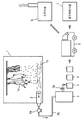
- FIG. 1 shows a pulmonary blood treatment system of a conventional slaughtered animal.
- the procedure for treating pulmonary blood from a conventional slaughterhouse will be described.
- the animal's pulmonary blood 1b from the process is slaughtered ( It is collected in a certain place through the blood collection tube (2) installed in 1).
- the collected pulmonary blood 1b is transferred to the blood storage tank 3 via the blood transfer pipe 2b by the transfer pump 2a, and the pulmonary blood stored in the blood storage tank 3 is transferred to the blood bottle 4. It is transported to the incineration plant 6 or the wastewater treatment plant 7 by the vehicle 5 and disposed on the back.
- reference numeral 3a denotes a valve installed in the discharge pipe of the blood storage tank 3.
- the method of incineration in the incineration facility 6 has a disadvantage in that the cost of incineration increases because the liquid pulmonary blood itself is a substance that interferes with incineration, and thus more fuel, such as oil, must be used. For this reason, the method of incineration of pulmonary blood was not widely used.
- the wastewater treatment facility 7 since the wastewater treatment facility 7 has a structure in which chemicals such as hydrochloric acid are dissolved to dissolve the decay components in the pulmonary blood, the wastewater is discharged to the outside through sterilization and neutralization. There was a problem that it takes time and money to improve the water quality as much as possible. If the wastewater was discharged to the outside without sufficient water treatment, there was a risk of serious environmental pollution.
- waste disposal service can only be performed by companies that are formally authorized as waste disposal companies by the government. Under such strict regulations, livestock farmers are forced to pay waste disposal companies for the treatment of pulmonary blood, which in turn is a significant burden on the cost structure of the livestock industry.
- slaughterhouses with a sanitary slaughter environment have been newly installed, which makes it possible to collect livestock blood hygienically, thus providing a basic foundation for industrial recycling of pulmonary blood from livestock. Accordingly, in response to these recent industrial trends, there is an increasing need for the development of new technologies that enable the production of useful functional substances from livestock lung blood more quickly and at a lower cost and with the safe disposal of lung blood at minimal cost.
- a high-quality amino acid solution is produced by completely decomposing organic components such as proteins in the pulmonary blood in a short time by injecting a specially developed microbial blood treatment agent into the pulmonary blood generated during livestock slaughter.
- the aim of the present invention is to provide a slaughtered blood treatment system for slaughtered animals that can be recycled for various useful uses such as fertilizers, pharmaceutical raw materials, etc., to achieve both resource recycling and environmental pollution prevention.
- the present invention is a liquid microbial blood treatment agent is added to the livestock pulmonary blood, and the protein in the pulmonary blood is rapidly broken down into amino acids, 18 kinds of amino acid components can be extracted in a high quality state without damage to the pulmonary blood of the slaughtered animal It is an object of the present invention to provide a method for producing an used amino acid solution.
- Pulmonary blood treatment system for slaughtered animals provided by the present invention to achieve the above object, the blood storage tank for collecting and storing the pulmonary blood of animals slaughtered in the slaughter facility (3);
- the animal microbial blood treatment agent is added while storing and receiving the animal lung blood of the blood storage tank 3 to allow the microorganisms in the liquid microbial blood treatment agent to react for 8 to 12 hours at a temperature of 25 to 35 ° C.
- a pulmonary blood treatment tank 11 for separating the amino acid solution and pulmonary blood sludge;
- a blood treatment agent supply device 12 for supplying a liquid microbial blood treatment agent to the pulmonary blood treatment tank 11;
- a water supply device 13 for supplying water to the pulmonary blood treatment tank 11;
- Filter means (120) for filtering impurities to remove impurities from the pulmonary blood treatment tank (11);
- a heater 113 for maintaining the temperature of the pulmonary blood treatment tank 11 in a range of 25 to 35 ° C;
- a temperature sensor 111 for sensing a temperature in the pulmonary blood treatment tank 11.
- the method for producing a high quality amino acid solution using the pulmonary blood of the slaughtered animal provided by the present invention to achieve the above object, the first step of collecting and storing the pulmonary blood of the slaughtered animals in the slaughter facility; By supplying the liquid microbial blood treatment agent and water to the animal's pulmonary blood at a ratio of 0.5 to 5% by weight, the microorganisms are reacted for 8 to 12 hours at a temperature of 25 to 35 ° C., thereby making the animal pulmonary blood with an amino acid solution.
- a fourth step of sterilizing the amino acid solution 18. 66% of the essential amino acids include an amino acid solution containing 18.66%.
- Pulmonary blood treatment system of the slaughtered animal according to the present invention is directly connected to the slaughterhouses of each place to fully disintegrate the pulmonary blood of the livestock within a short time within 10 hours to maximize the efficiency of the treatment facility, the As a processed product, it is possible to obtain a high quality amino acid solution containing 18.66% of essential amino acid components in high concentrations. By using this high quality amino acid solution as an eco-friendly fertilizer, it is possible to achieve both effects of resource recycling and environmental pollution prevention. There is an advantage.
- the pulmonary blood treatment system and the amino acid production method using the pulmonary blood of the slaughtered animal according to the present invention the treatment of animal pulmonary blood, which has been a headache in the conventional livestock industry, and securing a high-quality, low-cost fertilizer, which has been pointed out as a problem in agriculture.
- FIG. 1 shows a pulmonary blood treatment system of a conventional slaughtered animal.
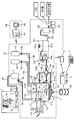
- FIG. 2 shows a pulmonary blood treatment system 10 of a slaughtered animal according to the present invention.
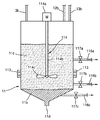
- FIG. 3 shows a state in which animal pulmonary blood is separated into a high quality amino acid solution 11 and pulmonary blood sludge 11b by the microbial reaction in the pulmonary blood treatment tank 11 in FIG.
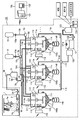
- FIG. 4 illustrates a pulmonary blood treatment system 100 of a slaughtered animal in which a plurality of pulmonary blood treatment tanks 100a, 100b, and 100c are disposed in parallel according to the present invention. Illustrates the configuration of a system that can be continuously accepted and processed.
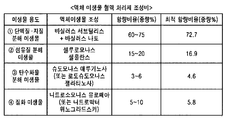
- Fig. 5 illustrates the composition ratio of the liquid microbial blood treatment agent used for the treatment of the pulmonary blood in the pulmonary blood treatment system of the slaughtered animal according to the present invention
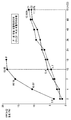
- Fig. 6 shows the amino acid generation when the liquid microbial blood treatment agent of the present invention is used.
- the speed is graphed compared to Japanese companies' existing products (C1, C2).
- slaughterhouse 1a animals
- animal blood 2 blood collection tube
- transfer pump 2b blood transfer tube
- 100a, 100b, 100c pulmonary blood treatment tank
- control unit 111 temperature sensor
- stirrer 114a drive motor
- valve 118 multivalve unit
- transfer pump 120 filter means
- transfer pump 123 amino acid storage tank
- amino acid solution 124 amino acid solution storage container
- control center 131 server
- manager terminal 140 blood bottle
- FIG. 2 to FIG. 4 for the description of the present invention, the same reference numerals will be used for the same components as those of the related art (FIG. 1).
- the pulmonary blood treatment system 10 of the present invention collects the pulmonary blood 1b of the animal from the slaughter facility 1 through the blood collection tube 2 and then sends the blood storage tank 3 to the blood storage tank 3. Keep it temporarily.
- the animal's pulmonary blood should not rot and should be transported and stored refrigerated from the slaughterhouse (1).
- the pulmonary blood of the animal stored in the blood storage tank 3 is transferred to the pulmonary blood treatment tank 11 through the blood supply pipe 3b.
- the pulmonary blood treatment system 10 is preferably installed next to the slaughter facility 1, the pulmonary blood treatment tank 11 immediately without delaying the pulmonary blood from the slaughter facility 1 in time. It can be said that it comes in.
- the pulmonary blood treatment tank 11 may be preferably installed and operated at a capacity of about 100 to 200 liters, and installed at a larger capacity or a smaller and smaller capacity depending on the amount of pulmonary blood generated in the slaughterhouse. It is also possible.
- a stirrer 114 is provided inside the pulmonary blood treatment tank 11, and the stirrer 114 rotates at a speed of about 20 to 40 rpm per minute in the pulmonary blood treatment tank 11. Prevents blood from clotting As it is known, the platelet is contained in the blood of the animal, and when it comes into contact with air, a coagulation reaction occurs. Therefore, it must be continuously stirred to prevent it. According to the experimental results of the present inventors, it was found that the stirrer 114 is most preferably rotated at a speed of 25 rpm.
- the stirrer 114 is connected to the drive motor 114a installed outside the pulmonary blood treatment tank 11, the stirrer shaft 114b and the stirrer shaft 114b which are connected to the drive motor 114a to transmit rotational power. It is comprised by the stirrer blade
- a temperature sensor 111 for detecting the temperature
- a pH measuring sensor 112 for detecting the pH concentration
- a water level sensor 115 for detecting the level of the liquid, such as blood.
- the temperature and the temperature in the pulmonary blood treatment tank 11 The pH concentration environment should be maintained in an optimal state for the growth and enzymatic reaction of the microorganism 20.
- the temperature is preferably maintained at a temperature of 25 ⁇ 35 °C suitable for the reaction of the enzyme, it is necessary to maintain a pH environment that can cause the reaction optimally depending on the characteristics of the microorganism and the enzyme used.
- the signals detected by the temperature sensor 111 and the pH measuring sensor 112 are transmitted to the control unit 110, the control unit 110 operates the heater 113, etc. to control the temperature of the pulmonary blood 110a.
- the pH range of the pulmonary blood 110a may be properly maintained by maintaining a desired range and adding separate drugs capable of adjusting the pH (not shown).
- control unit 110 can detect how much the amount of blood in the current pulmonary blood treatment tank 11, and is set in advance It is possible to determine whether to supply the pulmonary blood 110a according to the program, and to determine whether to supply the microbial blood treatment agent and water.
- control unit 110 is preferably designed to have a function to adjust the driving speed of the stirrer 114.
- the pulmonary blood treatment system 10 is required for the enzymatic reaction between the blood treatment agent supply device 12 and microorganisms for supplying a liquid microbial blood treatment agent to biologically treat the blood 110a in the pulmonary blood treatment tank 11.
- a water supply device 13 for supplying water is included.
- the liquid microorganism blood treatment agent in the blood treatment agent supply device 12 is introduced into the pulmonary blood treatment tank 11 through the blood treatment agent supply pipe 12b, and the water discharged from the water supply device 13 is a water supply pipe 13b. It is supplied to the pulmonary blood treatment tank (11) through.
- Reference numerals 12a and 13a in FIG. 2 denote valves connected to the blood treatment agent supply device 12 and the water supply device 13, respectively.
- the liquid microbial blood treatment agent supplied from the blood treatment agent supply device 12 into the pulmonary blood treatment tank 11 includes culture media containing microorganisms such as Bacillus bacteria extracted by the inventor of the present invention from substances such as Cheonggukjang. It is a microbial mixture of new technology developed by mixing and independently, and it is responsible for separating the pulmonary blood completely within 10 hours and separating it into the amino acid solution in the upper layer and the pulmonary blood sludge in the lower layer.
- Liquid microbial blood treatment agent used for the treatment of pulmonary blood in the present invention includes a protein microbial microorganisms, fibrous microorganisms, carbohydrate microorganisms and nitride microorganisms.
- Animal blood consists of liquid components consisting of plasma and blood cells such as leukocytes, red blood cells, and platelets. Among them, plasma is composed of 90% water, 9% plasma protein, and 1% inorganic salts. They are primarily composed of protein and contain other trace sugars, fats, and fiber.
- microorganisms are produced that produce enzymes that can respond well to the degradation of each organic substance (protein, lipid, fiber, carbohydrate, etc.). The most important thing is to make microbial blood treatment by culturing and mixing these microorganisms at the optimum ratio.
- the liquid microbial blood treatment agent used in the present invention includes (1) microorganisms belonging to the genus Bacillus sp. As protein and lipolytic microorganisms, and (2) cellulomonas genus (Cellulomonas so. ) And (3) microorganisms belonging to Pseudomonas sp. Or Rhodopseudomonas sp. As carbohydrate-decomposing microorganisms, and (4) nitrosomonas as microbial nitrides. (Nitrosomonas sp.) Or microorganisms belonging to the genus Nitrobacter sp.
- the microorganisms used in the liquid microbial blood treatment agent exist in the form of a culture solution, and the culture solution of the microorganism is mixed at an appropriate ratio to prepare a blood treatment agent.
- a preferred embodiment of the present invention will be used as a protein and lipid-degrading microorganism using a mixture of Bacillus subtilis and Bacillus natto in a mixing ratio of 1: 1, and Cellulomonas cellulose is used as the degraded microorganism.
- Pseudomonas aeruginosa or Rhodoshudomonas gelatinosa are used as carbohydrate-decomposing microorganisms, and nitrosomonas europaea or nitrobacter winogradsky is used as the nitrided microorganism.
- Each microorganism 20 used as a blood treatment agent in the present invention is introduced into the blood to eat and multiply the components of the blood to produce unique enzymes and these enzymes catalyze the decomposition of proteins into small components such as amino acids Done.
- Bacillus subtilis and Bacillus natto which are used as protein and lipolytic microorganisms in the present invention, are microorganisms isolated from Cheonggukjang, a traditional fermented food of Korea, to produce proteolytic enzymes of serine proteases or metalloprotease lines. These protease enzymes are thrombolytic enzymes that break down proteins and lipids into amino acids.
- the remaining fibrinolytic microorganisms, carbohydrate microbial microorganisms, and nitride microorganisms produce respective enzymes to break down organic components in the blood into smaller substances.
- FIG. 3 shows a state in which animal pulmonary blood is separated into a high quality amino acid solution 11c and pulmonary blood sludge 11b by the microbial reaction in the pulmonary blood treatment tank 11 in FIG.
- the amino acid solution 11c has a substantially clear and transparent property
- the pulmonary blood sludge 11b has a dark red color.
- the amino acid solution 11c and the pulmonary blood sludge 11b are clearly separated from each other. As layered.
- the pulmonary blood treatment system 10 is a liquid microorganism blood treatment agent in the pulmonary blood treatment tank 11 by reacting the blood (110a) with blood to the upper amino acid liquid (11c) After separating the upper layer and the lower blood sludge (11b), and after separating the upper liquid and the lower layer sludge component sludge 11b is discharged through the sludge outlet 11d at the bottom of the waste blood treatment tank (11) And, the discharged sludge 11d is contained in the blood bottle 140 and the like is transported to the incineration facility 6 or the wastewater treatment facility 7 by the vehicle 5.
- the amino acid liquid (11c) obtained as a result of the blood treatment in the pulmonary blood treatment tank 11 of the present invention is discharged through the discharge pipes (116a, 116b, 116c) formed on the side of the pulmonary blood treatment tank 11 and then filter means Impurities are removed at 120 and are sterilized by sterilization means 121.
- the amino acid solution 123a may be temporarily stored in the amino acid storage means 123 and then transferred to and used for various useful purposes in the storage containers 124.
- a plurality of discharge pipes (116a, 116b, 116c) is formed on the side of the pulmonary blood treatment tank 11, it is not necessary to install a plurality of discharge pipes pulmonary blood treatment tank (11) Since the blood inside is separated into a supernatant (amino acid liquid, 11c) and a lower sludge (11d), it is effective to separately install the discharge pipes for discharging the supernatant (11c) at various height positions in order to discharge them to the outside effectively.
- a supernatant amino acid liquid, 11c
- 11d lower sludge
- the discharge pipe 116c may be installed only at the bottom and the sludge outlet 11d may be discharged first to the sludge outlet 11d, and then the supernatant (amino acid liquid) may be extracted using the discharge pipe 116c at the bottom. It is possible. 2 and 3, reference numerals 117a, 117b, and 117c denote valve devices coupled to the discharge pipes 116a, 116b, and 116c.
- the discharge pipes 116a, 116b, and 116c are collected together by the multi-valve unit 118, pressurized by the transfer pump 119, and then transferred to the filter means 120.
- At least one filter element 120a is provided in the filter means 120 so that impurities are removed while the amino acid liquid 11c passes through the filter element 120a.
- the amino acid solution 121b after passing through the filter means 120 is sterilized in the sterilization means 121. Since blood is an infectious waste and an organic mass, it is necessary to disinfect and remove it from the sterilizing means 121 because harmful bacteria are easy to breed.
- the sterilizing means 121 performs a function of killing bacteria by using sterilizing apparatuses such as an ultraviolet sterilizing apparatus 121a or an ozone sterilizing apparatus (not shown).
- the amino acid solution after the sterilization means 121 is now a high-quality purified and sanitized amino acid solution in which 18 essential amino acids are evenly dissolved. According to the experimental results of the present inventors, the concentration of the amino acid reaches 18.66%. Appeared.
- the amino acid solution passed through the sterilization means 121 is pressurized by the transfer pump 122 to be refrigerated and stored in the amino acid storage tank 123, and as a raw material of liquid fertilizer (liquid ratio), pharmaceutical raw materials or health supplements for each purpose. Can be used.
- the pulmonary blood treatment tank 11 in the present invention is controlled by the control unit 110 operating conditions such as temperature, pH, stirring speed, the control unit 110 is dispersed in the field installed in the central control
- the server 131 installed in the center 130 may be connected to the Internet or a dedicated communication line to be remotely controlled and managed.
- the respective distributed pulmonary blood treatment tanks Each control unit 110 in charge of 100a, 100b, 100c may be grouped into one network to be controlled and monitored remotely from the control center 130.
- the central control center 130 for the purpose of remotely integrated control of the pulmonary blood processing system 10 installed in each slaughterhouse It can be established and integrated remotely managed from a central control center.
- the control center 130 includes a server 131 remotely connected to each control unit 110, and an administrator may be connected to the server 131 through an administrator terminal 132 to manage the operation of the server. have.
- Figure 4 shows a pulmonary blood processing system 100 according to another embodiment of the present invention, a plurality of pulmonary blood processing tanks (100a, 100b, 100c) are arranged in parallel, the slaughterhouse 1
- the configuration of a system capable of continuously receiving and treating animal pulmonary blood 1b from) is illustrated.
- the pulmonary blood treatment system 100 shown in FIG. 4 is provided with a plurality of pulmonary blood treatment tanks 100a, 100b, and 100c connected in parallel. The only difference is that.
- the time taken for the microorganism 20 to complete the decomposition reaction of blood is about 10 hours, as shown in FIG. If there is only one), when the pulmonary blood treatment tank 11 is full, the pulmonary blood from the slaughterhouse should not stay in the blood storage tank (3) because it can no longer accept the pulmonary blood.
- the blood storage tank 3 is kept in a refrigerated state, even if the blood does not progress, it is preferable to process the pulmonary blood as soon as possible, so that the pulmonary blood treatment tank 110a as shown in FIG.
- pulmonary blood treatment tanks 110a have multiple capacities and 110b and 110c are installed, it is more preferable to send the pulmonary blood to the other pulmonary blood treatment tanks 100b and 100c for treatment.
- the blood storage tank 3 is connected to the plurality of pulmonary blood treatment tanks 100a, 100b, and 100c by blood supply pipes 3d, and the supply of blood to each path is supplied to the multi-valve unit 3c.
- the blood treatment agent supply device 12 and the water supply device 13 are connected to the plurality of pulmonary blood treatment tanks 100a, 100b, and 100c by the blood treatment agent supply pipes 12d and the water supply pipes 13d, respectively.
- the supply of blood treatment agent and water through the respective paths is determined by the multi-valve 12c, 13c.
- the amino acid liquid discharged as supernatant from the pulmonary blood treatment tanks 100a, 110b, and 110c is supplied to the filter means 120 through the discharge pipes 116 and the multivalve unit 118, and then, described with reference to FIG. 2. Similarly, it is used for each purpose via the sterilization means 121 and the amino acid storage tank 123.
- Figure 5 illustrates the composition ratio of the liquid microbial blood treatment agent used for the treatment of the pulmonary blood in the pulmonary blood treatment system of the slaughtered animal according to the present invention.
- the liquid microbial blood treatment agent used in the embodiment of the present invention uses 60-75 wt% of a mixture of Bacillus subtilis culture medium and Bacillus natto bacteria as a protein / lipid microorganism in a ratio of 1: 1.
- the pulmonary blood treatment tank 11 is supplied with not only a blood treatment agent but also water, and the amount of the blood treatment agent to be added per 100 liters of blood is preferably set in the range of 0.5-5 liters, and the amount of water is 5-20 liters per 100 liters of blood. It is preferable to determine in the range of. According to the experiments of the present inventors, it is found that the most preferable result is to add 1 liter of the microbial blood treatment agent of the present invention and 10 liters of water per 100 liters of blood to be treated.
- the composition of the liquid microbial blood treatment agent 72.7% by weight of a mixture of the Bacillus subtilis culture solution and the Bacillus natto culture medium at a ratio of 1: 1 is used, and cellulite is used.
- the liquid microbial blood treatment agent used in the embodiment of the present invention uses 60-75 wt% of a mixture of Bacillus subtilis culture medium and Bacillus natto bacteria as a protein / lipid microorganism in a ratio of 1: 1. 15 to 20% by weight of Cellulomonas cellulose culture medium as a fibrinolytic microorganism, 3 to 6% by weight of Pseudomonas aeruginosa culture as a carbohydrate-decomposing microorganism, and 5 to Nitrosomonas europaea culture as a microbial nitride Preference is given to using 10% by weight.
- Rhodoshudomonas gelatinosa may be used in place of the Schomomonas aruginosa, and nitrobacter winogradsky may be used instead of the nitrosomonas europaea.
- the pulmonary blood treatment tank 11 is supplied with not only a blood treatment agent but also water, and the amount of the blood treatment agent to be added per 100 liters of blood is preferably set in the range of 0.5-5 liters, and the amount of water is 5-20 liters per 100 liters of blood. It is preferable to determine in the range of. According to the experiments of the present inventors, it was found that 1 liter of the microbial blood treatment agent of the present invention and 10 liters of water were added per 100 liters of blood to be treated to obtain the most preferable result.
- the composition of the liquid microbial blood treatment agent 72.7% by weight of a mixture of the Bacillus subtilis culture solution and the Bacillus natto culture medium at a ratio of 1: 1 is used, and cellulite is used.
- Conventional techniques include using 16.9% by weight of Lomonas cellulose culture, 4.6% by weight of Pseudomonas aeruginosa or Rhodoshudomonas gelatin, and the Nitrosomonas Europaa or Nitrobacter pulmonary blood treatment system and amino acid production method. It was confirmed that more excellent effects can be achieved.
- Pulmonary blood treatment system can be installed in a compact form in slaughterhouses across the country, it can be immediately processed on-site pulmonary blood from the slaughterhouse to produce an amino acid liquid.
- Pulmonary blood treatment system by using almost all of animal pulmonary blood as an amino acid for agricultural fertilizer, etc., it can contribute to drastically reduce the purchase cost of fertilizer required for agricultural production, and incinerate pulmonary blood or waste water treatment system By drastically reducing the amount to be treated, the cost of treatment can be reduced and the risk of environmental pollution can be greatly reduced.
- the present invention does not use a chemical decomposition method using toxic chemicals in the treatment of animal lung blood, but because it uses a method of decomposition and fermentation using only natural nano-bio microbial technology, Eco-friendly amino acid liquid fertilizer with high concentration of 18 essential amino acids and minerals can be obtained. Therefore, when applied to agriculture, food, and pharmaceutical fields, there is an advantage that the efficacy is excellent and environmentally friendly.
- the amino acid obtained as a result in the pulmonary blood treatment system of the present invention can be used in various fields such as food, feed additives, medicines, animal medicines, cosmetics, pesticides. Briefly explaining the relationship between amino acids and plants, foods synthesize amino acids within plants, absorb them to the outside, store them in protein form, and use them for various purposes such as physiological activities. Promotes the growth of microorganisms and increases the root vitality of plants.
- Fertilizer is composed of three elements of nitrogen, phosphoric acid and potassium, the amino acid liquid produced by the present invention is equipped with nitrogen, phosphoric acid, potassium elements evenly to help the growth of plants.
- the use of the amino acid liquid of the present invention as a nitrogen source has the effect of promoting the growth of crops and preventing pests.
- the amino acid according to the present invention is absorbed by the root of the plant has the advantage of showing a better growth than inorganic nitrogen, it can be seen to overcome the effects of physiological disorders, inhibit the growth of pathogens and increase the sugar content.
- Amino acid liquid fertilizer (liquid fertilizer) produced according to the present invention provides the necessary components in the plant directly without going through the biosynthesis step of the plant body, so that the effect is fast and various physiological activities are enhanced, the plant absorption and movement speed is very fast .
- the amino acid liquid fertilizer according to the present invention has the effect of promoting the activation of useful microorganisms in the soil to improve the physical, biological, chemical properties of the soil at the same time.
- amino acid solution produced by the present invention can be widely used for industrial purposes.
- it can be used for various purposes such as seasonings, food additives, medicines, diet supplements and nutritional supplements.
- the pulmonary blood treatment system according to the present invention has a fairly good impact on the Korean economy, such as obtaining foreign currency, by entering into a business model such as plant export and operation in an area with a strong agricultural foundation, such as Southeast Asia, and where slaughter facilities are not yet modernized. It is expected to be effective.
- a business model such as plant export and operation in an area with a strong agricultural foundation, such as Southeast Asia, and where slaughter facilities are not yet modernized. It is expected to be effective.
- a strong agricultural foundation such as Southeast Asia
- slaughter facilities are not yet modernized. It is expected to be effective.
- livestock and agriculture have been developed, animal waste blood from slaughter facilities is disposed of as it is, causing pollution, while there is a problem in the agricultural field that lacks fertilizers.
- the construction and operation of compact slaughterhouses in the slaughterhouse is expected to create a win-win business model for both livestock and agriculture.
- the amino acid liquor produced according to the present invention can be used with confidence because it is 100% eco-friendly product, and in particular, due to the increasing interest in food safety at home and abroad, it can become more popular because eco-friendly agriculture has achieved a considerable rise. It is expected to be.
- the present invention has an advantage that can present a business model that is economically significant when the raw material and international fertilizer prices are rising due to the recent increase in international crude oil prices.
- Pulmonary blood treatment system of the slaughtered animal according to the present invention is directly connected to the slaughterhouses of each place to fully disintegrate the pulmonary blood of the livestock within a short time within 10 hours to maximize the efficiency of the treatment facility, the As a processed product, it is possible to obtain a high quality amino acid solution containing 18.66% of essential amino acid components in high concentrations. By using this high quality amino acid solution as an eco-friendly fertilizer, it is possible to achieve both effects of resource recycling and environmental pollution prevention. There is an advantage.
- the pulmonary blood treatment system and the amino acid production method using the pulmonary blood of the slaughtered animal according to the present invention the treatment of animal pulmonary blood, which has been a headache in the conventional livestock industry, and securing a high-quality, low-cost fertilizer, which has been pointed out as a problem in agriculture
Landscapes
- Life Sciences & Earth Sciences (AREA)
- Chemical & Material Sciences (AREA)
- Engineering & Computer Science (AREA)
- Food Science & Technology (AREA)
- Zoology (AREA)
- Health & Medical Sciences (AREA)
- Biochemistry (AREA)
- Polymers & Plastics (AREA)
- Hematology (AREA)
- General Health & Medical Sciences (AREA)
- Nutrition Science (AREA)
- Chemical Kinetics & Catalysis (AREA)
- General Chemical & Material Sciences (AREA)
- Fertilizers (AREA)
- Treatment Of Sludge (AREA)
Abstract
Description
Claims (8)
- 도축시설에서 도축된 동물들의 폐혈액을 수집하여 저장하는 혈액 저장탱크(3);상기 혈액저장탱크(3)의 동물 폐혈액을 이송받아 저장하면서 액체 미생물 혈액처리제를 투입하여 상기 액체 미생물 혈액처리제 중의 미생물들이 25~35℃의 온도에서 8~12시간 동안 반응하도록 함으로써 상기 동물 폐혈액을 아미노산 용액과폐혈액 슬러지로 분리시키는 폐혈액 처리조(11);상기 폐혈액 처리조(11)에 액체 미생물 혈액처리제를 공급하는 혈액처리제공급장치(12);상기 폐혈액 처리조(11)에 물을 공급하는 물 공급장치(13);상기 폐혈액 처리조(11)로부터 배출된 아미노산 용액을 여과하여 불순물을제거하는 필터수단(120);상기 폐혈액 처리조(11)의 온도를 25~35℃의 범위에서 유지하는 히터(113);및상기 폐혈액 처리조(11) 내의 온도를 감지하는 온도센서(111);를 포함하는것을 특징으로 하는 도축 동물의 폐혈액 처리 시스템.
- 제1항에 있어서,상기 필터수단(120)을 거친 아미노산 용액을 살균처리하는 살균수단(121);및살균된 아미노산 용액을 저장하는 아미노산 용액 저장수단(123);을 더 포함하는 것을 특징으로 하는 도축 동물의 폐혈액 처리 시스템.
- 제1항에 있어서,상기 폐혈액 처리조 내의 pH를 측정하는 pH센서(112);상기 폐혈액 처리조 내의 수위를 측정하는 수위감지센서(115); 및상기 온도센서(111), pH센서(112) 및 수위감지센서(115)의 신호를 받아들여 인식하며 상기 폐혈액 처리조(11)의 반응과정을 제어하는 제어유닛(110);을 더 포함하는 것을 특징으로 하는 도축 동물의 폐혈액 처리 시스템.
- 제1항에 있어서, 상기 폐혈액 처리조(11)는 교반기(114)를 포함하며, 상기교반기(114)는 20~40rpm의 속도로 상기 폐혈액 처리조(11) 내의 동물 폐혈액을 교반하는 것을 특징으로 하는 도축 동물의 폐혈액 처리 시스템.
- 제1항에 있어서, 상기 액체 미생물 혈액처리제는,바실러스 속(Bacillus sp.)의 미생물이 포함된 단백질·지질 분해 미생물 배양액;셀룰로모나스 속(Cellulomonas so.)에 속하는 미생물이 포함된 섬유질 분해미생물 배양액;슈도모나스 속(Pseudomonas sp.) 및 로도슈도모나스 속(Rhodopseudomonassp.)으로 이루어진 제1미생물 그룹 중에 속하는 미생물이 포함된 탄수화물 분해 미생물 배양액; 및니트로소모나스 속(Nitrosomonas sp.) 및 니트로박터 속(Nitrobacter sp.)으로 이루어진 제2미생물 그룹 중에 속하는 미생물이 포함된 질화미생물 배양액;을 포함하는 것을 특징으로 하는, 도축 동물의 폐혈액 처리 시스템.
- 제5항에 있어서, 상기 액체 미생물 혈액처리제는, 상기 단백질·지질 분해미생물 배양액 60~75 중량%, 상기 탄수화물 분해 미생물 배양액 15~20 중량%, 상기탄수화물 분해 미생물 3~6 중량% 및 상기 질화미생물 5~10 중량%를 포함하는 것을 특징으로 하는 도축 동물의 폐혈액 처리 시스템.
- 제1항 내지 제6항 중 어느 한 항에 있어서, 상기 폐혈액 처리조(11) 안에 투입되는 상기 액체 미생물 혈액처리제의 양은 상기 폐혈액 처리조 안에서 처리되는동물 폐혈액의 0.5~5 중량%에 해당하고, 상기 폐혈액 처리조 안에 투입되는 물의 양은 상기 처리되는 동물 폐혈액의 5~20 중량%에 해당하는 것을 특징으로 하는 도축 동물의 폐혈액 처리 시스템.
- 도축시설에서 도축된 동물들의 폐혈액을 수집하여 저장하는 제1단계;상기 동물의 폐혈액에 액체 미생물 혈액처리제와 물을 각각 0.5~5 중량%의비율로 공급하여 미생물들이 25~35℃의 온도에서 8~12시간 동안 반응하도록 함으로써, 상기 동물 폐혈액을 아미노산 용액과 폐혈액 슬러지로 분리하는 제2단계;상기 동물 폐혈액으로부터 분리된 아미노산 용액을 여과하여 불순물을 제거하는 제3단계; 및상기 아미노산 용액을 살균처리하는 제4단계;를 포함하여 18종의 필수 아미노산이 18.66% 함유된 아미노산 용액을 생산하는 것을 특징으로 하는, 도축 동물의 폐혈액을 이용하여 고품질의 아미노산 용액을 생산하는 방법.
Priority Applications (6)
| Application Number | Priority Date | Filing Date | Title |
|---|---|---|---|
| BRPI1007482-1A BRPI1007482A2 (pt) | 2009-01-30 | 2010-02-01 | Sistema de tratamento de sangue de animais abatidos e método para a produção de solução de aminoácidos de alta qualidade utilizando sangue de animais abatidos |
| CA2750955A CA2750955A1 (en) | 2009-01-30 | 2010-02-01 | Blood waste treatment system for slaughtered animals, and method for producing high quality amino acid solution using blood waste |
| CN2010800059077A CN102300471A (zh) | 2009-01-30 | 2010-02-01 | 被屠宰牲畜血处理系统和使用被屠宰血制备优质氨基酸溶液的方法 |
| US13/147,142 US20110300607A1 (en) | 2009-01-30 | 2010-02-01 | System for Treating Blood of Slaughtered Animals and Method for Producing High-Quality Amino Acid Solution Using Blood of Slaughtered Animals |
| EP10736051A EP2384646A2 (en) | 2009-01-30 | 2010-02-01 | Blood waste treatment system for slaughtered animals, and method for producing high quality amino acid solution using blood waste |
| AU2010208795A AU2010208795A1 (en) | 2009-01-30 | 2010-02-01 | Blood waste treatment system for slaughtered animals, and method for producing high quality amino acid solution using blood waste |
Applications Claiming Priority (2)
| Application Number | Priority Date | Filing Date | Title |
|---|---|---|---|
| KR1020090007520A KR100935020B1 (ko) | 2009-01-30 | 2009-01-30 | 도축 동물의 폐혈액 처리 시스템 및 도축 동물의 폐혈액을 이용하여 고품질의 아미노산 용액을 생산하는 방법 |
| KR10-2009-0007520 | 2009-01-30 |
Publications (2)
| Publication Number | Publication Date |
|---|---|
| WO2010087660A2 true WO2010087660A2 (ko) | 2010-08-05 |
| WO2010087660A3 WO2010087660A3 (ko) | 2010-11-25 |
Family
ID=41809361
Family Applications (1)
| Application Number | Title | Priority Date | Filing Date |
|---|---|---|---|
| PCT/KR2010/000586 Ceased WO2010087660A2 (ko) | 2009-01-30 | 2010-02-01 | 도축 동물의 폐혈액 처리 시스템 및 도축 동물의 폐혈액을 이용하여 고품질의 아미노산 용액을 생산하는 방법 |
Country Status (8)
| Country | Link |
|---|---|
| US (1) | US20110300607A1 (ko) |
| EP (1) | EP2384646A2 (ko) |
| KR (1) | KR100935020B1 (ko) |
| CN (1) | CN102300471A (ko) |
| AU (1) | AU2010208795A1 (ko) |
| BR (1) | BRPI1007482A2 (ko) |
| CA (1) | CA2750955A1 (ko) |
| WO (1) | WO2010087660A2 (ko) |
Cited By (1)
| Publication number | Priority date | Publication date | Assignee | Title |
|---|---|---|---|---|
| US8464437B1 (en) * | 2012-05-25 | 2013-06-18 | Wyssmont Company Inc. | Apparatus and method for the treatment of biosolids |
Families Citing this family (23)
| Publication number | Priority date | Publication date | Assignee | Title |
|---|---|---|---|---|
| US8252170B2 (en) | 2008-06-27 | 2012-08-28 | Exxonmobil Upstream Research Company | Optimizing feed mixer performance in a paraffinic froth treatment process |
| KR101320077B1 (ko) * | 2012-02-01 | 2013-11-21 | 문경화 | 돼지혈 분말을 이용한 수용성 아미노산 추출물의 제조방법 |
| KR101370311B1 (ko) * | 2012-02-14 | 2014-03-06 | 주식회사 한국녹색기술산업 | 도축 혈액 단백질을 이용한 아미노산 비료 및 사료 제조의 고효율 일괄 생산 시스템과 그 제조방법 |
| CN103193524A (zh) * | 2013-04-09 | 2013-07-10 | 青岛曙俊肥料有限公司 | 一种液体氨基酸肥料及其制备方法 |
| CN103451248B (zh) * | 2013-08-30 | 2015-04-22 | 蔡晖 | 一种利用屠宰血液高效制备天然氨基酸的方法 |
| KR101790662B1 (ko) * | 2016-03-11 | 2017-10-27 | 주식회사 나눔 | 도축혈액을 이용하여 바이오 활성소재를 제조하는 방법 |
| CN109400668A (zh) * | 2018-09-29 | 2019-03-01 | 湖南璟荣生物科技有限公司 | 一种动物血的新型抗凝设备 |
| KR20200082270A (ko) | 2018-12-28 | 2020-07-08 | 주식회사 나눔 | 도축 폐혈액으로부터 수득된 고순도 아미노산을 포함하는 돼지 사료 첨가제 |
| KR102211107B1 (ko) | 2018-12-28 | 2021-02-03 | 주식회사 아미노랩 | 도축 폐혈액으로부터 수득된 고순도 아미노산을 포함하는 가금용 사료 첨가제 |
| KR102212453B1 (ko) | 2019-01-15 | 2021-02-04 | 주식회사 아미노랩 | 도축혈액을 이용하여 아미노산 액체비료를 제조하는 친환경 장치 및 이를 이용한 아미노산 액체비료의 제조방법 |
| CN110484429A (zh) * | 2019-09-19 | 2019-11-22 | 安徽小溪生态科技发展有限公司 | 微波水解废弃蛋白资源制备复合氨基酸糖浆工艺及装备 |
| KR102398960B1 (ko) * | 2020-03-16 | 2022-05-17 | 농업회사법인 다음산업주식회사 | 천연항생제를 함유하는 동애등에 유충용 사료 조성물, 이를 이용하여 사육한 곤충을 포함하는 가축, 어패류 또는 반려동물 사료용 조성물 |
| KR102187522B1 (ko) * | 2020-05-18 | 2020-12-08 | 주식회사 삼다 | 양돈 혈액 발효물의 제조 방법과 그 발효물을 이용한 양계 사료 조성물 |
| KR102264841B1 (ko) * | 2020-11-30 | 2021-06-15 | 주식회사 서현컴퍼니 | 천연 광물을 이용한 와구모 방제 및 악취 저감 제제의 제조 방법 |
| KR102680433B1 (ko) * | 2021-03-03 | 2024-07-02 | 배문수 | 감을 섭취한 토끼 중탕액 제조 장치 |
| KR102680434B1 (ko) * | 2021-03-03 | 2024-07-02 | 배문수 | 감을 섭취한 토끼 중탕액 제조 방법 |
| KR102481339B1 (ko) * | 2021-05-20 | 2022-12-27 | 정승진 | 전혈에서 혈장과 혈구를 분리하여 사용하는 아미노산의 제조방법 |
| KR102479382B1 (ko) * | 2021-05-20 | 2022-12-20 | 정승진 | 전혈에서 혈장과 혈구를 분리하여 사용하는 아미노산 제조 시스템 |
| CN114982805A (zh) * | 2021-10-08 | 2022-09-02 | 东莞市踔厉智能科技有限公司 | 一种用于生猪屠宰的真空抽血装置 |
| WO2023067869A1 (ja) * | 2021-10-20 | 2023-04-27 | Jfeスチール株式会社 | クッションタンク装置 |
| CN113913477A (zh) * | 2021-11-24 | 2022-01-11 | 云南中农俊发生物科技有限责任公司 | 一种动物蛋白酶解氨基酸的方法 |
| KR102737979B1 (ko) | 2021-12-31 | 2024-12-04 | 충남대학교산학협력단 | 돼지 도축혈액 가수분해물을 포함하는 근육 질환 치료 또는 운동수행능력 향상용 조성물 |
| CN116082081A (zh) * | 2023-02-27 | 2023-05-09 | 青海金地盘现代农业科技有限公司 | 一种利用动物屠宰血制备含氨基酸水溶肥的制备方法 |
Family Cites Families (9)
| Publication number | Priority date | Publication date | Assignee | Title |
|---|---|---|---|---|
| KR900001721B1 (ko) * | 1987-07-23 | 1990-03-19 | 이주권 | 두부의 제조방법과 장치 |
| JPH08168507A (ja) * | 1993-07-29 | 1996-07-02 | Tomoji Tanaka | 血液凝固剤処理 |
| CN1144273A (zh) * | 1995-09-01 | 1997-03-05 | 郑国亮 | 通过酶法水解动物屠宰血制取多肽及氨基酸的方法 |
| CN1252997A (zh) * | 1999-11-25 | 2000-05-17 | 天津市工业微生物研究所 | 血肽素的制备方法及血肽素类产品 |
| JP2002153843A (ja) * | 2000-11-16 | 2002-05-28 | Yuichi Ueda | 感染性有機廃棄物の処理方法及びそれに使用する発酵処理装置 |
| KR20020089760A (ko) * | 2001-05-24 | 2002-11-30 | 주식회사 맑은물 | 제올라이트를 이용한 아미노산 비료의 제조방법 |
| KR100509840B1 (ko) * | 2002-06-20 | 2005-08-24 | 유겐카이샤 후지.바이오 겐큐쇼 | 어란 외피의 효소 분해에 의한 아미노산 성분의 제법 |
| KR100726842B1 (ko) * | 2006-01-16 | 2007-06-12 | 주식회사 빅바이오젠 | 혈분 생산 공정 중 발생하는 폐수를 이용한 액체 비료, 그제조 방법 및 이를 이용하여 재배된 농작물 |
| KR100874338B1 (ko) * | 2008-08-22 | 2008-12-15 | 충청남도 | 도축 부산물을 이용한 아미노산 제조 장치 및 제조 방법 |
-
2009
- 2009-01-30 KR KR1020090007520A patent/KR100935020B1/ko active Active
-
2010
- 2010-02-01 AU AU2010208795A patent/AU2010208795A1/en not_active Abandoned
- 2010-02-01 CN CN2010800059077A patent/CN102300471A/zh active Pending
- 2010-02-01 CA CA2750955A patent/CA2750955A1/en not_active Abandoned
- 2010-02-01 WO PCT/KR2010/000586 patent/WO2010087660A2/ko not_active Ceased
- 2010-02-01 BR BRPI1007482-1A patent/BRPI1007482A2/pt not_active IP Right Cessation
- 2010-02-01 US US13/147,142 patent/US20110300607A1/en not_active Abandoned
- 2010-02-01 EP EP10736051A patent/EP2384646A2/en not_active Withdrawn
Non-Patent Citations (1)
| Title |
|---|
| None |
Cited By (4)
| Publication number | Priority date | Publication date | Assignee | Title |
|---|---|---|---|---|
| US8464437B1 (en) * | 2012-05-25 | 2013-06-18 | Wyssmont Company Inc. | Apparatus and method for the treatment of biosolids |
| US8677647B2 (en) | 2012-05-25 | 2014-03-25 | Wyssmont Company Inc. | Apparatus and method for the treatment of biosolids |
| US8726538B2 (en) | 2012-05-25 | 2014-05-20 | Wyssmont Company Inc. | Apparatus and method for the treatment of biosolids |
| US8840782B2 (en) | 2012-05-25 | 2014-09-23 | Wyssmont Company Inc. | Apparatus and method for the treatment of biosolids |
Also Published As
| Publication number | Publication date |
|---|---|
| CA2750955A1 (en) | 2010-08-05 |
| AU2010208795A1 (en) | 2011-08-18 |
| US20110300607A1 (en) | 2011-12-08 |
| CN102300471A (zh) | 2011-12-28 |
| EP2384646A2 (en) | 2011-11-09 |
| WO2010087660A3 (ko) | 2010-11-25 |
| KR100935020B1 (ko) | 2010-01-06 |
| BRPI1007482A2 (pt) | 2015-08-25 |
Similar Documents
| Publication | Publication Date | Title |
|---|---|---|
| WO2010087660A2 (ko) | 도축 동물의 폐혈액 처리 시스템 및 도축 동물의 폐혈액을 이용하여 고품질의 아미노산 용액을 생산하는 방법 | |
| CN101851595B (zh) | 一种生物脱氮剂及其应用 | |
| CN103193329B (zh) | 一种控制养殖水体蓝藻过度繁殖的生物制剂及其制备方法 | |
| CN106957807A (zh) | 一种地衣芽孢杆菌菌株ta65及其在促进堆肥腐熟中的应用 | |
| KR20040034148A (ko) | 슬러리 형태 유기성 폐기물의 처리법과 장치 | |
| Jabeur et al. | Statistical experimental design optimization of microbial proteases production under co‐culture conditions for chitin recovery from speckled shrimp Metapenaeus monoceros by‐product | |
| US8574889B1 (en) | Method for processing biological material | |
| CN105152690A (zh) | 鱼溶浆制备蛋白肥的方法 | |
| Subash et al. | Extraction of Keratin degrading enzyme from marine Actinobacteria of Nocardia sp and their antibacterial potential against oral pathogens | |
| JP2003009848A (ja) | 微生物組成物および該組成物を用いた有機廃棄物の分解方法 | |
| Torres et al. | Vinasse as a substrate for inoculant culture and soil fertigation: Advancing the circular and green economy | |
| JP2000262276A (ja) | 新規微生物および海生物の生物処理法 | |
| CN112624818B (zh) | 一种杀虫促生的粪便堆酵沤解剂及其应用 | |
| Maniyam et al. | Response surface methodology as an optimization tool to achieve an effective decolourization of crystal violet by the Malaysian Rhodococcus pyridinivorans strain | |
| CN104909846A (zh) | 一种含有解淀粉芽孢杆菌hfj-7的复合鸡粪腐熟发酵剂及其应用 | |
| KR100381371B1 (ko) | 미생물을 포함하는 가축사료 첨가물 및 그 가축사료 첨가물의 제조방법 | |
| KR970027028A (ko) | 음식물 쓰레기와 유효 미생물균군을 주재로 유기질사료, 유기질비료, 유기질 오·폐수정화제를 제조하는 방법 | |
| Nauanova et al. | IDENTIFICATION AND SCREENING OF MICROORGANISMS COMMON IN POULTRY MANURE. | |
| CN109331391A (zh) | 利用微生物和红外辐射降解养殖场沼液中抗生素的方法 | |
| CN106689676B (zh) | 废弃羽毛发酵产物在制备黑水虻饲料中的应用 | |
| KR102682926B1 (ko) | 유기성 폐기물 분해 및 악취 제거용 조성물 및 이의 제조방법 | |
| CN114672413B (zh) | 使用从全血中分离的血浆和血细胞制造氨基酸的系统 | |
| RU2843612C1 (ru) | Комбинированная пробиотическая каротинсодержащая добавка на основе биомассы mycolicibacterium neoaurum bkm ac-3067d и пробиотических штаммов bacillus subtilis bkm b-3826d и bacillus licheniformis bkm b-3825d для животноводства, птицеводства, способ ее получения | |
| CN102211950A (zh) | 有机废弃物处理装置 | |
| Lakshmanan et al. | Enzymatic analysis of Natural and Artificial Banana Leaf waste in Vermi-composting and Composting Technique. |
Legal Events
| Date | Code | Title | Description |
|---|---|---|---|
| WWE | Wipo information: entry into national phase |
Ref document number: 201080005907.7 Country of ref document: CN |
|
| 121 | Ep: the epo has been informed by wipo that ep was designated in this application |
Ref document number: 10736051 Country of ref document: EP Kind code of ref document: A2 |
|
| DPE2 | Request for preliminary examination filed before expiration of 19th month from priority date (pct application filed from 20040101) | ||
| WWE | Wipo information: entry into national phase |
Ref document number: 2010736051 Country of ref document: EP |
|
| WWE | Wipo information: entry into national phase |
Ref document number: 2750955 Country of ref document: CA |
|
| WWE | Wipo information: entry into national phase |
Ref document number: 12011501529 Country of ref document: PH |
|
| WWE | Wipo information: entry into national phase |
Ref document number: 594330 Country of ref document: NZ |
|
| NENP | Non-entry into the national phase |
Ref country code: DE |
|
| ENP | Entry into the national phase |
Ref document number: 2010208795 Country of ref document: AU Date of ref document: 20100201 Kind code of ref document: A |
|
| WWE | Wipo information: entry into national phase |
Ref document number: 13147142 Country of ref document: US |
|
| REG | Reference to national code |
Ref country code: BR Ref legal event code: B01A Ref document number: PI1007482 Country of ref document: BR |
|
| ENP | Entry into the national phase |
Ref document number: PI1007482 Country of ref document: BR Kind code of ref document: A2 Effective date: 20110728 |