WO2010135170A2 - Nitrile derivatives and their pharmaceutical use and compositions - Google Patents
Nitrile derivatives and their pharmaceutical use and compositions Download PDFInfo
- Publication number
- WO2010135170A2 WO2010135170A2 PCT/US2010/034838 US2010034838W WO2010135170A2 WO 2010135170 A2 WO2010135170 A2 WO 2010135170A2 US 2010034838 W US2010034838 W US 2010034838W WO 2010135170 A2 WO2010135170 A2 WO 2010135170A2
- Authority
- WO
- WIPO (PCT)
- Prior art keywords
- disubstituted
- compound
- rings
- double bonds
- saturated
- Prior art date
- Legal status (The legal status is an assumption and is not a legal conclusion. Google has not performed a legal analysis and makes no representation as to the accuracy of the status listed.)
- Ceased
Links
- 0 *=C(N)SCCCCCC#N Chemical compound *=C(N)SCCCCCC#N 0.000 description 1
Classifications
-
- C—CHEMISTRY; METALLURGY
- C07—ORGANIC CHEMISTRY
- C07C—ACYCLIC OR CARBOCYCLIC COMPOUNDS
- C07C255/00—Carboxylic acid nitriles
- C07C255/01—Carboxylic acid nitriles having cyano groups bound to acyclic carbon atoms
- C07C255/02—Carboxylic acid nitriles having cyano groups bound to acyclic carbon atoms of an acyclic and saturated carbon skeleton
- C07C255/03—Mononitriles
-
- A—HUMAN NECESSITIES
- A61—MEDICAL OR VETERINARY SCIENCE; HYGIENE
- A61K—PREPARATIONS FOR MEDICAL, DENTAL OR TOILETRY PURPOSES
- A61K31/00—Medicinal preparations containing organic active ingredients
- A61K31/275—Nitriles; Isonitriles
-
- A—HUMAN NECESSITIES
- A61—MEDICAL OR VETERINARY SCIENCE; HYGIENE
- A61K—PREPARATIONS FOR MEDICAL, DENTAL OR TOILETRY PURPOSES
- A61K31/00—Medicinal preparations containing organic active ingredients
- A61K31/275—Nitriles; Isonitriles
- A61K31/277—Nitriles; Isonitriles having a ring, e.g. verapamil
-
- A—HUMAN NECESSITIES
- A61—MEDICAL OR VETERINARY SCIENCE; HYGIENE
- A61K—PREPARATIONS FOR MEDICAL, DENTAL OR TOILETRY PURPOSES
- A61K31/00—Medicinal preparations containing organic active ingredients
- A61K31/33—Heterocyclic compounds
- A61K31/395—Heterocyclic compounds having nitrogen as a ring hetero atom, e.g. guanethidine or rifamycins
- A61K31/435—Heterocyclic compounds having nitrogen as a ring hetero atom, e.g. guanethidine or rifamycins having six-membered rings with one nitrogen as the only ring hetero atom
- A61K31/4353—Heterocyclic compounds having nitrogen as a ring hetero atom, e.g. guanethidine or rifamycins having six-membered rings with one nitrogen as the only ring hetero atom ortho- or peri-condensed with heterocyclic ring systems
- A61K31/4375—Heterocyclic compounds having nitrogen as a ring hetero atom, e.g. guanethidine or rifamycins having six-membered rings with one nitrogen as the only ring hetero atom ortho- or peri-condensed with heterocyclic ring systems the heterocyclic ring system containing a six-membered ring having nitrogen as a ring heteroatom, e.g. quinolizines, naphthyridines, berberine, vincamine
-
- A—HUMAN NECESSITIES
- A61—MEDICAL OR VETERINARY SCIENCE; HYGIENE
- A61K—PREPARATIONS FOR MEDICAL, DENTAL OR TOILETRY PURPOSES
- A61K31/00—Medicinal preparations containing organic active ingredients
- A61K31/33—Heterocyclic compounds
- A61K31/395—Heterocyclic compounds having nitrogen as a ring hetero atom, e.g. guanethidine or rifamycins
- A61K31/435—Heterocyclic compounds having nitrogen as a ring hetero atom, e.g. guanethidine or rifamycins having six-membered rings with one nitrogen as the only ring hetero atom
- A61K31/44—Non condensed pyridines; Hydrogenated derivatives thereof
-
- A—HUMAN NECESSITIES
- A61—MEDICAL OR VETERINARY SCIENCE; HYGIENE
- A61K—PREPARATIONS FOR MEDICAL, DENTAL OR TOILETRY PURPOSES
- A61K31/00—Medicinal preparations containing organic active ingredients
- A61K31/33—Heterocyclic compounds
- A61K31/395—Heterocyclic compounds having nitrogen as a ring hetero atom, e.g. guanethidine or rifamycins
- A61K31/435—Heterocyclic compounds having nitrogen as a ring hetero atom, e.g. guanethidine or rifamycins having six-membered rings with one nitrogen as the only ring hetero atom
- A61K31/47—Quinolines; Isoquinolines
-
- A—HUMAN NECESSITIES
- A61—MEDICAL OR VETERINARY SCIENCE; HYGIENE
- A61K—PREPARATIONS FOR MEDICAL, DENTAL OR TOILETRY PURPOSES
- A61K31/00—Medicinal preparations containing organic active ingredients
- A61K31/33—Heterocyclic compounds
- A61K31/395—Heterocyclic compounds having nitrogen as a ring hetero atom, e.g. guanethidine or rifamycins
- A61K31/435—Heterocyclic compounds having nitrogen as a ring hetero atom, e.g. guanethidine or rifamycins having six-membered rings with one nitrogen as the only ring hetero atom
- A61K31/47—Quinolines; Isoquinolines
- A61K31/472—Non-condensed isoquinolines, e.g. papaverine
-
- A—HUMAN NECESSITIES
- A61—MEDICAL OR VETERINARY SCIENCE; HYGIENE
- A61P—SPECIFIC THERAPEUTIC ACTIVITY OF CHEMICAL COMPOUNDS OR MEDICINAL PREPARATIONS
- A61P29/00—Non-central analgesic, antipyretic or antiinflammatory agents, e.g. antirheumatic agents; Non-steroidal antiinflammatory drugs [NSAID]
-
- A—HUMAN NECESSITIES
- A61—MEDICAL OR VETERINARY SCIENCE; HYGIENE
- A61P—SPECIFIC THERAPEUTIC ACTIVITY OF CHEMICAL COMPOUNDS OR MEDICINAL PREPARATIONS
- A61P31/00—Antiinfectives, i.e. antibiotics, antiseptics, chemotherapeutics
-
- A—HUMAN NECESSITIES
- A61—MEDICAL OR VETERINARY SCIENCE; HYGIENE
- A61P—SPECIFIC THERAPEUTIC ACTIVITY OF CHEMICAL COMPOUNDS OR MEDICINAL PREPARATIONS
- A61P31/00—Antiinfectives, i.e. antibiotics, antiseptics, chemotherapeutics
- A61P31/04—Antibacterial agents
-
- A—HUMAN NECESSITIES
- A61—MEDICAL OR VETERINARY SCIENCE; HYGIENE
- A61P—SPECIFIC THERAPEUTIC ACTIVITY OF CHEMICAL COMPOUNDS OR MEDICINAL PREPARATIONS
- A61P31/00—Antiinfectives, i.e. antibiotics, antiseptics, chemotherapeutics
- A61P31/12—Antivirals
-
- A—HUMAN NECESSITIES
- A61—MEDICAL OR VETERINARY SCIENCE; HYGIENE
- A61P—SPECIFIC THERAPEUTIC ACTIVITY OF CHEMICAL COMPOUNDS OR MEDICINAL PREPARATIONS
- A61P35/00—Antineoplastic agents
-
- A—HUMAN NECESSITIES
- A61—MEDICAL OR VETERINARY SCIENCE; HYGIENE
- A61P—SPECIFIC THERAPEUTIC ACTIVITY OF CHEMICAL COMPOUNDS OR MEDICINAL PREPARATIONS
- A61P35/00—Antineoplastic agents
- A61P35/02—Antineoplastic agents specific for leukemia
-
- A—HUMAN NECESSITIES
- A61—MEDICAL OR VETERINARY SCIENCE; HYGIENE
- A61P—SPECIFIC THERAPEUTIC ACTIVITY OF CHEMICAL COMPOUNDS OR MEDICINAL PREPARATIONS
- A61P43/00—Drugs for specific purposes, not provided for in groups A61P1/00-A61P41/00
-
- C—CHEMISTRY; METALLURGY
- C07—ORGANIC CHEMISTRY
- C07C—ACYCLIC OR CARBOCYCLIC COMPOUNDS
- C07C335/00—Thioureas, i.e. compounds containing any of the groups, the nitrogen atoms not being part of nitro or nitroso groups
- C07C335/30—Isothioureas
-
- C—CHEMISTRY; METALLURGY
- C07—ORGANIC CHEMISTRY
- C07C—ACYCLIC OR CARBOCYCLIC COMPOUNDS
- C07C335/00—Thioureas, i.e. compounds containing any of the groups, the nitrogen atoms not being part of nitro or nitroso groups
- C07C335/30—Isothioureas
- C07C335/32—Isothioureas having sulfur atoms of isothiourea groups bound to acyclic carbon atoms
-
- C—CHEMISTRY; METALLURGY
- C07—ORGANIC CHEMISTRY
- C07C—ACYCLIC OR CARBOCYCLIC COMPOUNDS
- C07C335/00—Thioureas, i.e. compounds containing any of the groups, the nitrogen atoms not being part of nitro or nitroso groups
- C07C335/30—Isothioureas
- C07C335/34—Isothioureas having sulfur atoms of isothiourea groups bound to carbon atoms of rings other than six-membered aromatic rings
-
- C—CHEMISTRY; METALLURGY
- C07—ORGANIC CHEMISTRY
- C07C—ACYCLIC OR CARBOCYCLIC COMPOUNDS
- C07C335/00—Thioureas, i.e. compounds containing any of the groups, the nitrogen atoms not being part of nitro or nitroso groups
- C07C335/30—Isothioureas
- C07C335/36—Isothioureas having sulfur atoms of isothiourea groups bound to carbon atoms of six-membered aromatic rings
-
- C—CHEMISTRY; METALLURGY
- C07—ORGANIC CHEMISTRY
- C07D—HETEROCYCLIC COMPOUNDS
- C07D213/00—Heterocyclic compounds containing six-membered rings, not condensed with other rings, with one nitrogen atom as the only ring hetero atom and three or more double bonds between ring members or between ring members and non-ring members
- C07D213/02—Heterocyclic compounds containing six-membered rings, not condensed with other rings, with one nitrogen atom as the only ring hetero atom and three or more double bonds between ring members or between ring members and non-ring members having three double bonds between ring members or between ring members and non-ring members
- C07D213/04—Heterocyclic compounds containing six-membered rings, not condensed with other rings, with one nitrogen atom as the only ring hetero atom and three or more double bonds between ring members or between ring members and non-ring members having three double bonds between ring members or between ring members and non-ring members having no bond between the ring nitrogen atom and a non-ring member or having only hydrogen or carbon atoms directly attached to the ring nitrogen atom
- C07D213/24—Heterocyclic compounds containing six-membered rings, not condensed with other rings, with one nitrogen atom as the only ring hetero atom and three or more double bonds between ring members or between ring members and non-ring members having three double bonds between ring members or between ring members and non-ring members having no bond between the ring nitrogen atom and a non-ring member or having only hydrogen or carbon atoms directly attached to the ring nitrogen atom with substituted hydrocarbon radicals attached to ring carbon atoms
- C07D213/54—Radicals substituted by carbon atoms having three bonds to hetero atoms with at the most one bond to halogen, e.g. ester or nitrile radicals
- C07D213/57—Nitriles
-
- C—CHEMISTRY; METALLURGY
- C07—ORGANIC CHEMISTRY
- C07D—HETEROCYCLIC COMPOUNDS
- C07D215/00—Heterocyclic compounds containing quinoline or hydrogenated quinoline ring systems
- C07D215/02—Heterocyclic compounds containing quinoline or hydrogenated quinoline ring systems having no bond between the ring nitrogen atom and a non-ring member or having only hydrogen atoms or carbon atoms directly attached to the ring nitrogen atom
- C07D215/12—Heterocyclic compounds containing quinoline or hydrogenated quinoline ring systems having no bond between the ring nitrogen atom and a non-ring member or having only hydrogen atoms or carbon atoms directly attached to the ring nitrogen atom with substituted hydrocarbon radicals attached to ring carbon atoms
-
- C—CHEMISTRY; METALLURGY
- C07—ORGANIC CHEMISTRY
- C07D—HETEROCYCLIC COMPOUNDS
- C07D217/00—Heterocyclic compounds containing isoquinoline or hydrogenated isoquinoline ring systems
- C07D217/02—Heterocyclic compounds containing isoquinoline or hydrogenated isoquinoline ring systems with only hydrogen atoms or radicals containing only carbon and hydrogen atoms, directly attached to carbon atoms of the nitrogen-containing ring; Alkylene-bis-isoquinolines
-
- C—CHEMISTRY; METALLURGY
- C07—ORGANIC CHEMISTRY
- C07D—HETEROCYCLIC COMPOUNDS
- C07D471/00—Heterocyclic compounds containing nitrogen atoms as the only ring hetero atoms in the condensed system, at least one ring being a six-membered ring with one nitrogen atom, not provided for by groups C07D451/00 - C07D463/00
- C07D471/02—Heterocyclic compounds containing nitrogen atoms as the only ring hetero atoms in the condensed system, at least one ring being a six-membered ring with one nitrogen atom, not provided for by groups C07D451/00 - C07D463/00 in which the condensed system contains two hetero rings
- C07D471/04—Ortho-condensed systems
-
- C—CHEMISTRY; METALLURGY
- C07—ORGANIC CHEMISTRY
- C07C—ACYCLIC OR CARBOCYCLIC COMPOUNDS
- C07C2601/00—Systems containing only non-condensed rings
- C07C2601/02—Systems containing only non-condensed rings with a three-membered ring
-
- C—CHEMISTRY; METALLURGY
- C07—ORGANIC CHEMISTRY
- C07C—ACYCLIC OR CARBOCYCLIC COMPOUNDS
- C07C2601/00—Systems containing only non-condensed rings
- C07C2601/04—Systems containing only non-condensed rings with a four-membered ring
Definitions
- the present invention relates to nitrile de ⁇ vatives and to pharmaceutical compositions comprising nitrile de ⁇ vatives
- the invention also relates to the pharmaceutically acceptable salts of such compounds, processes for the preparation of such compounds, intermediates used in the preparation of such compounds, and the uses of such compounds in treating hyperproliferative diseases, inflammatory diseases and viral and bacterial infections
- the aforementioned derivatives and their pharmaceutically acceptable salts have one or more of the following properties AKT inhibition, inhibition of cell cycle hyperproliferation, cell cycle specific induction of apoptosis in cancer cells, inhibition of LTB 4 activities, and antiangiogenic activities showing significant reduction in tumor size in experimental animals.
- AKT inhibition inhibition of cell cycle hyperproliferation
- cell cycle specific induction of apoptosis in cancer cells inhibition of LTB 4 activities
- antiangiogenic activities showing significant reduction in tumor size in experimental animals.
- These compounds are, therefore, useful in the treatment of a wide range of disorders in mammals, including, but not limited to hyperproliferative diseases, such as head and neck cancer, including gliomas, drug resistant lung cancer, estrogen dependent or non- dependent cancers in humans, non-small cell lung cancer and colon cancer
- Non-limiting examples of estrogen dependent cancers are breast cancer and ovarian cancer.
- these compounds are useful in treating inflammatory diseases such as allergy, asthma and arthritis, and as a result of their AKT inhibition and cytokine activation, these compounds are also useful in treating viral and bacterial infections.
- inflammatory diseases such as allergy, asthma and arthritis
- AKT inhibition and cytokine activation these compounds are also useful in treating viral and bacterial infections.
- Salts of substituted isothiourea compounds are referred to in Miller et al JACS, VoI 62, 2099 - 2103 (1940), Shapira, et al , Radiation Research, VoI 7, No. 1 , 22-34 (1957), King et al Biochemistry, VoI 17, No 8, 1499 - 1506 (1978); Bauer and Welsh, J. Org. Chem VoI 26, No. 5, 1443-1445 (1961), Southan, et al , Br J Pharmacol ,VoI 114, 510-516 (1995), and Gerber, et al., Organic Synthesis, VoI 77, 186 (2000).
- the present invention relates to a pharmaceutical composition for treating hyperproliferative diseases, including but not limited to cancer, inflammatory diseases and viral and bacterial infections in mammals, including, but not limited to, humans, comprising an antihyperproliferative disease, anti-inflammatory, antiviral or antibacterial effective amount of a compound of formula I
- R 3 wherein Z is selected from sulphur, copper, silver, gold and platinum, or Z is a halogen-containing moiety selected from CIO 2 , BrO 2 , and 1O 2 wherein n is zero or an integer from 1 to 8 and m is zero or an integer from 1 to 8, R 1 , R 2 and R 3 are independently selected from hydrogen, -CH 2 -cyclohexyl, Ci-C 6 alkyl, C 2 -C 6 alkenyl, and C 2 -C 6 alkynyl wherein the alkyl moieties of said alkyl, alkenyl and alkynyl groups may be linear, branched and cyclic and combinations of linear, branched and cyclic alkyl, alkenyl and alkynyl moieties and said groups may be substituted with groups selected from methyl, ethyl, propyl, isopropyl, n-butyl, t-butyl, methoxy, ethoxy, O-
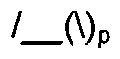
- R 1 and R 2 taken together with the nitrogens to which they are directly attached and the carbon which is attached to the nitrogens, form a five or more membered ring, wherein p is an integer from 1 to 7 as shown below
- R 3 wherein the broken line represents an optional double bond, with the proviso that when there is such a double bond, R 3 is absent and the CH 2 group adjacent to the double bond has one hydrogen rather than two hydrogens, or R 2 and R 3 taken together with the nitrogen to which they are attached form a three or more membered ring, wherein p is an integer from 1 to 7, as shown below
- R 6 R 7 , R 8 and R 9 are independently selected from hydrogen, -CH 2 -cyclohexyl, Ci-C 6 alkyl, C 2 -C 6 alkenyl, C 2 -C 6 alkynyl, or Ci-C 6 alkyl ether the six membered ring may be saturated or have one, two or three double bonds, the five and four membered rings may be saturated or have one or two double bonds and the three membered ring may be saturated or have one double bond, wherein Y is nitrogen, oxygen, or sulphur,
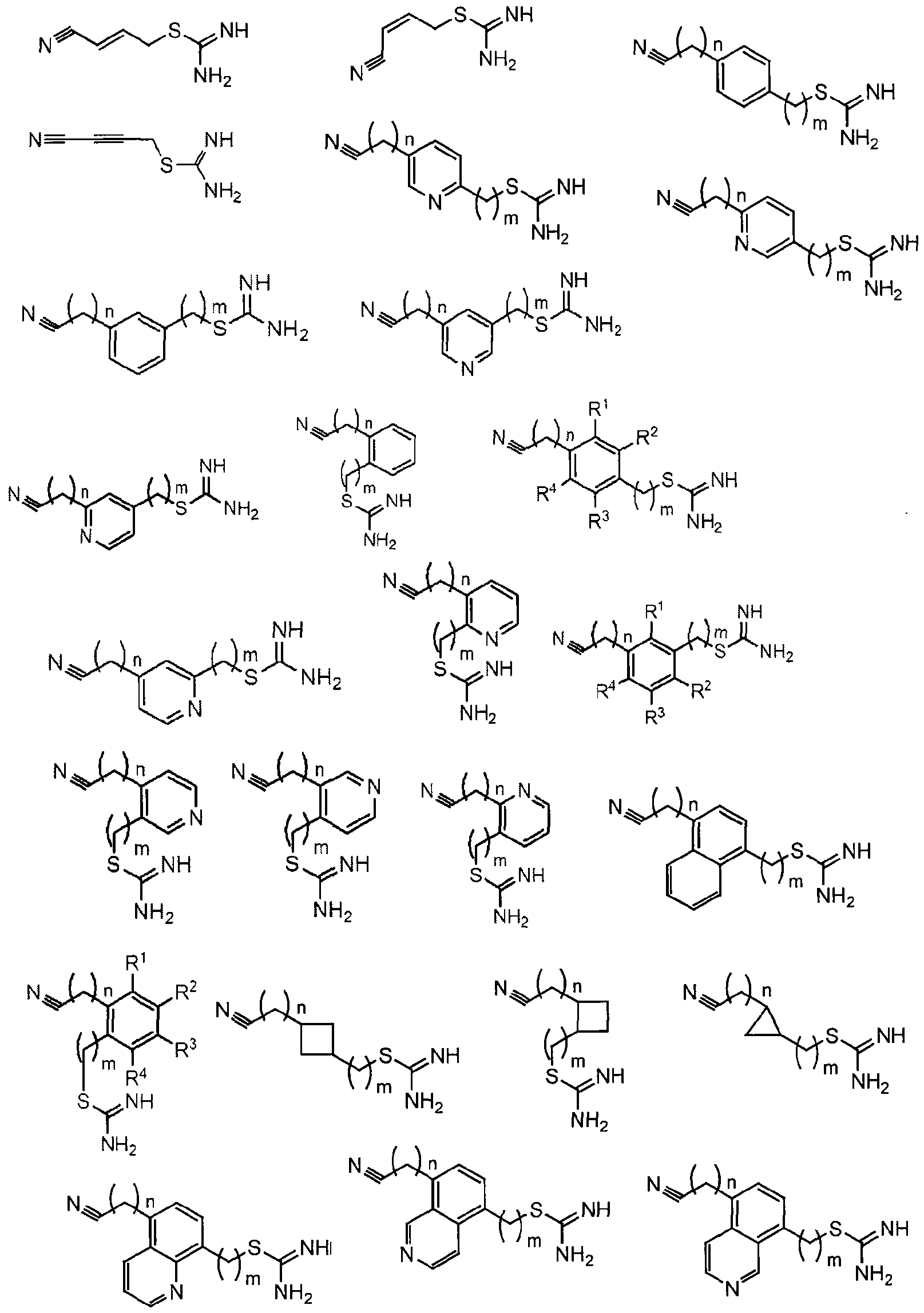
- a ring selected from 1 ,2-, 1 ,3-, 1 ,4- 1 ,5-, 1 ,6-, or 1 ,7- disubstituted saturated and unsaturated nine membered rings with one or more double bonds, with ring positions numbered as shown in the first ring set forth below, said ring selected from the second to the thirteenth rings set forth below, wherein the substituents on said disubstituted rings are the groups attached to W in formula I, and said disubstituted rings may have additional substituents R 1 R 1 R 1 R and R as shown in the following formulas
- R 6 , R 7 , R 8 , R 9 , and R 10 are independently selected from hydrogen, -CH 2 -cyclohexyl, Ci-C 6 alkyl, C 2 -C 6 alkenyl, C 2 -C 6 alkynyl, or C 1 -C 6 alkyl ether; wherein Y is nitrogen, oxygen, or sulphur;
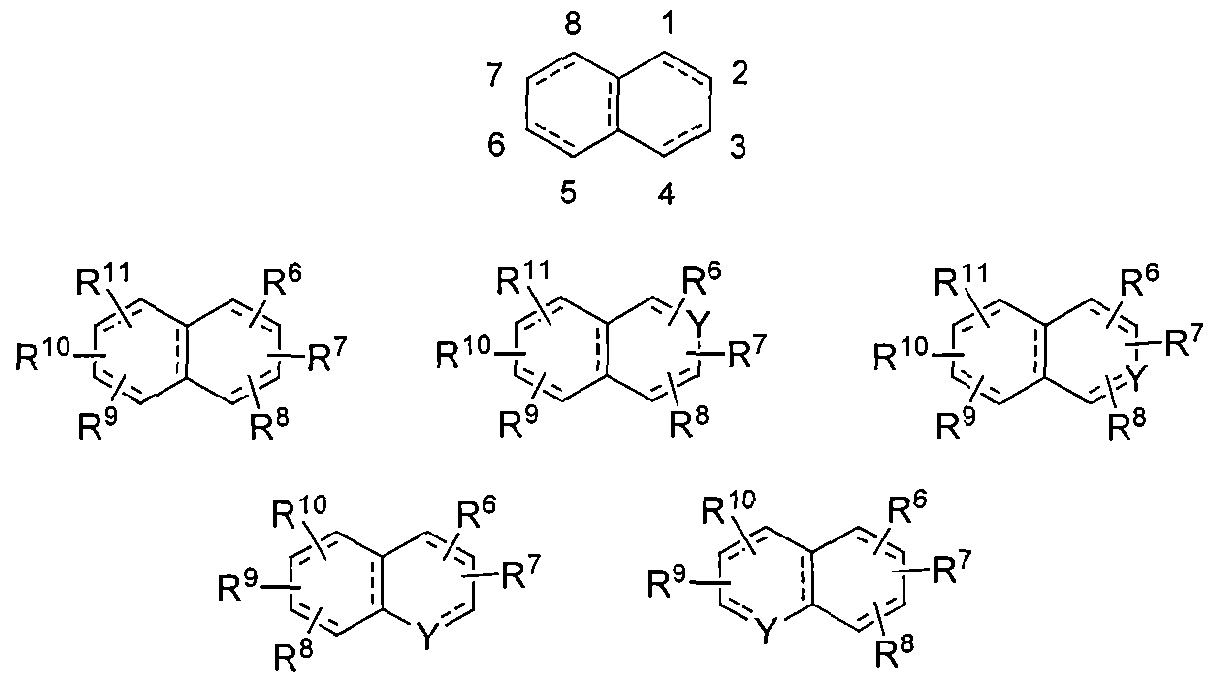
- a ring selected from 1 ,2-, 1 ,3-, 1 ,4-, 1 ,5-, 1 ,6-, 1 ,7-, or 1 ,8- disubstituted saturated and unsaturated naphthalene rings with one or more double bonds, with ring positions numbered as shown in the first ring set forth below, said rings selected from the second to sixth rings set forth below, wherein the substituents on said disubstituted rings are the groups attached to W in formula I, and said disubstituted rings may have additional substituents R 6 , R 7 , R 8 , R 9 , R 10 and R 11 as shown in the following formulas
- R ⁇ , R 7 , R 8 , R 9 , R 10 and R 11 are independently selected from hydrogen, -CH 2 -cyclohexyl, C 1 -C 6 alkyl, C 2 -C 6 alkenyl, C 2 -C 6 alkynyl, or C 1 -C 6 alkyl ether, wherein Y is nitrogen, oxygen, or sulphur, and
- a ring selected from 1 ,2-, 1 ,3-, 1 ,4-, 1 ,5-, 1 ,6-, 1 ,7- 1 ,8-, 1 ,9-, 1 ,10-, 2,5-, 3 5-, 4,5- or 5,10- disubstituted saturated and unsaturated anthracene rings with one or more double bonds, with ring positions numbered as shown in the first ring set forth below, said ring selected from the second to ninth rings set forth below, wherein the substituents on said disubstituted rings are the groups attached to W in formula I, and said disubstituted rings may have additional substituents R 6 , R 7 , R 8 , R 9 , R 10 , R 11 , R 12 and R 13 as shown in the following formulas
- R 6 , R 7 , R 3 , R 9 , R 10 , R 11 , R 12 , and R 13 are independently selected from hydrogen, -CH 2 -cyclohexyl, C 1 -C 6 alkyl, C 2 -C 5 alkenyl, C 2 -C 6 alkynyl, or C 1 -C 6 alkyl ether, wherein Y is nitrogen, oxygen, or sulphur, or a pharmaceutically acceptable salt thereof and a pharmaceutically acceptable carrier
- R 1 R 2 and R 3 are independently selected from hydrogen methyl ethyl, n-propyl, isopropyl, cyclopropyl, -CH 2 -cyclopropyl, n-butyl, sec-butyl, isobutyl, tert-butyl, cyclobutyl, -CH 2 -cyclobutyl, n-pentyl, sec-pentyl, isopentyl, tert-pentyl, cyclopentyl, -CH 2 -cyclopentyl, n-hexyl, sec-hexyl, cyclohexyl, -CH 2 -cyclohexyl, ethenyl, propenyl, butenyl, 1-methyl-2-buten-1-yl, ethynyl, 2-propynyl (propargyl), and 1-propynyl, which may bear one or more substituents selected from methyl methyl
- the compound of formula I is a compound of formula Il
- ⁇ , m, W, Z, R 1 , R 2 , and R 3 are as defined above and X is a pharmaceutically acceptable acid
- the acid is HCI
- the acid is HBr
- Z is sulfur, copper, silver, gold or platinum
- Z is sulfur
- Z is copper
- Z is gold
- Z is a halogen-containing moiety as defined above
- R 1 , R 2 and R 3 are each hydrogen
- Z is copper
- R 1 , R 2 and R 3 are each hydrogen
- m is 1 n is 1 and W iS CH 2
- R 4 , R 5 , R s , R 7 , R 8 , R 9 , R 10 , R 11 , R 12 , and R 13 are independently selected from hydrogen, methyl, ethyl, n-propyl, isopropyl, cyclopropyl, -CH 2 -cyclopropyl, vinyl, allyl, n- butyl, sec butyl, isobutyl, tert-butyl, cyclobutyl, -CH 2 -cyclobutyl, n-pentyl, sec-pentyl, isopentyl, tert-pentyl, cyclopentyl, -CH 2 -cyclopentyl n-hexyl, sec-hexyl, cyclohexyl, -CH 2 -cyclohexyl, ethenyl, propenyl, butenyl, 1-methyl-2-buten-1-y
- W is allyl or vinyl
- a pharmaceutical composition for the treatment of hyperprohferative diseases including but not limited to cancer, inflammatory diseases, and viral and bacterial infections in mammals comprising an antihyperprohferative disease, antiinflammatory, antiviral or antibacterial effective amount of 4- ⁇ soth ⁇ oure ⁇ dobutyron ⁇ tr ⁇ le (also named S-(3-cyanopropyl) ⁇ soth ⁇ ourea or S-( ⁇ -cyanopropyl)l ⁇ soth ⁇ ourea) or a pharmaceutically acceptable salt thereof and a pharmaceutically acceptable carrier
- the composition comprises the hydrochloride acid addition salt of 4- ⁇ soth ⁇ oure ⁇ dobutyron ⁇ t ⁇ le which is also known as "Kevet ⁇ n" This salt has the following formula
- composition comprises the hydrobromide acid addition salt of 4- isothioureidobutyronitrile
- the present invention relates to a pharmaceutical composition for the treatment of hyperprohferative diseases, including but not limited to cancer, inflammatory diseases, and viral and bacterial infections in mammals comprising an antihyperprohferative disease, antiinflammatory, antiviral or antibacterial effective amount of a compound selected from S-(2-cyanoethyl) ⁇ soth ⁇ ourea, S-(4- cyanobutyl) ⁇ soth ⁇ ourea , S-(5-cyanopentyl) ⁇ soth ⁇ ourea or a pharmaceutically acceptable salt thereof and a pharmaceutically acceptable carrier
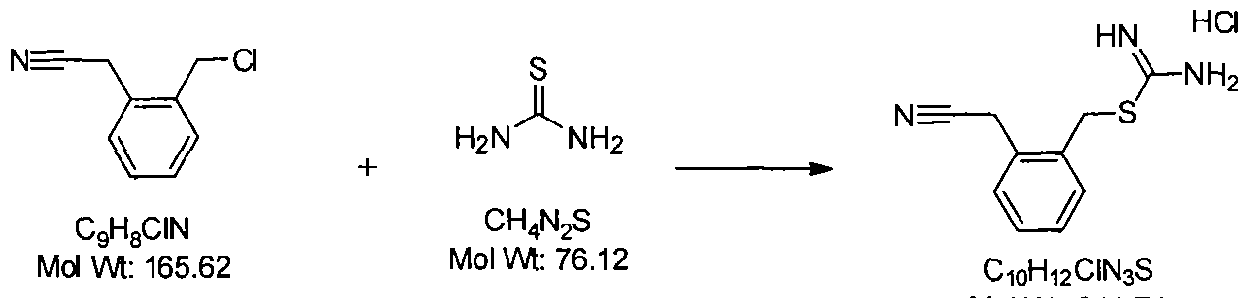
- the present invention relates to a pharmaceutical composition for the treatment of hyperprohferative diseases, including but not limited to cancer, inflammatory diseases, and viral and bacterial infections in mammals comprising an antihyperprohferative disease, anti-inflammatory, antiviral or antibacterial effective amount of a compound selected from S-(4- cyanomethylphenyl)methylisoth ⁇ ourea hydrochloride, S-2(4-[2-cyanoethyl]phenyl)ethylisothiourea mesylate, S-(2-cyanomethylphenyl)methylisothiourea hydrochloride, S-(6-cyanomethylpyridin-2- yl)methylisoth ⁇ ourea hydrochloride, S-(3-cyanomethylphenyl)methyl ⁇ sothiourea hydrochloride, S-(1-cyanomethylnaphth-2-yl))methylisothiourea hydrochloride or a different pharmaceutically acceptable salt thereof and a pharmaceutically acceptable salt thereof
- the pharmaceutical composition does not include S- cyanomethylisothiourea HBr. In another embodiment of the invention the pharmaceutical composition does not include S-cyanomethylisothiourea HCI or S-cyanomethylisothiourea HBr. In another embodiment of the invention the pharmaceutical composition does not include pharmaceutically acceptable salts of S-cyanomethylisothiourea. In another embodiment of the invention the pharmaceutical composition does not include S-cyanomethylisothiourea as the free base or as a salt.
- the pharmaceutical composition does not include S-(2- cyanoethyl)isothiourea HCI, S-cyanomethylisothiourea HBr and S-cyanomethylisothiourea HCI. In another embodiment of the invention the pharmaceutical composition does not include S-(2- cyanoethyl)isothiourea HCI, S-(2-cyanoethyl)isothiourea HBr, S-cyanomethylisothiourea HCI or S- cyanomethylisothiourea HBr.
- the pharmaceutical composition does not include pharmaceutically acceptable salts of S-(2-cyanoethyl)isothiourea and S- cyanomethylisothiourea.
- the pharmaceutical composition does not include S-(2-cyanoethyl)isothiourea as the free base or as a salt and does not include S- cyanomethyhsothiourea as the free base or as a salt.
- the pharmaceutical composition does not include S-(cyanomethyl)isothiourea HCI, S-(cyanomethyl)isothiourea HBr, S-(2-cyanoethyl)isothiourea HCI, S-(2-cyanoethyl) ⁇ soth ⁇ ourea HBr, S-(2-cyanoethyl) ⁇ soth ⁇ ourea p-toluenesulfonate, S-(3- cyanopropyl)isothiourea HCI, S-(3-cyanopropyl)isothiourea picrate, and S-para-cyanobenzylisothiourea HCI
- the pharmaceutical composition also does not include the hydrobromide salt of S-(3-cyanopropyl)isothiourea or S-para-cyanobenzylisothiourea.
- the pharmaceutical composition does not include a pharmaceutically acceptable salt of S-(cyanomethyl)isothiourea, S-(2-cyanoethyl)isothiourea, S-(3- cyanopropyl)isothiourea, or S-para-cyanobenzylisothiourea.
- the compound is not selected from S-(cyanomethyl)isothiourea, S-(2-cya ⁇ oethyl)isothiourea, S-(3- cyanopropyl)isothiourea and S-para-cyanobenzylisothiourea and pharmaceutically acceptable salts thereof.
- the pharmaceutically acceptable salts of the compounds of formula I include the acid addition and base salts (including disalts) thereof Suitable acid addition salts are formed from acids which form non-toxic salts Examples include the acetate, aspartate, benzoate, besylate, bicarbonate/carbonate, bisulphate/sulphate, borate, camsylate, citrate, edisylate, esylate, formate, fumarate gluceptate, gluconate, glucuronate, hexafluorophosphate, hibenzate, hydrochloride/chloride, hydrobromide/bromide, hydroiodide/iodide, isethionate, lactate, malate, maleate, malonate, mesylate, methylsulphate, naphthylate, 2-napsylate, nicotinate, nitrate orotate, oxalate, palmitate, pamoate, phosphate/hydrogen phosphate/dihydrogen phosphate
- a pharmaceutically acceptable salt of a compound of formula I may be readily prepared by mixing together solutions of the compound of formula I and the desired acid or base, as appropriate The salt may precipitate from solution and be collected by filtration or may be recovered by evaporation of the solvent The degree of ionisation in the salt may vary from completely ionised to almost non-ionised
- the compounds of formula I and the pharmaceutically acceptable salts thereof may exist in both unsolvated and solvated forms
- the active compounds may form hydrates and other solvates
- the term 'solvate' is used herein to describe a molecular complex comprising a compound of the invention and one or more pharmaceutically acceptable solvent molecules, for example, ethanol
- the term 'hydrate' is employed when said solvent is water
- Pharmaceutically acceptable solvates include hydrates and other solvates wherein the solvent of crystallization may be isotopically substituted, e g D 2 O, d 6 -acetone, d 6 -DMSO
- the active compounds may exist as clathrates or other complexes
- the solvated, hydrated and the like forms are equivalent to the unsolvated, unhydrated/anhydrous and the like forms and the compounds, compositions and uses claimed herein are intended to encompass these forms, as well as the isomeric,
- Compounds of formula I containing one or more asymmetric carbon atoms can exist as two or more stereoisomers Where a compound of formula I contains an alkenyl or alkenylene group or a cycloalkenyl group, geometric cis/trans (or Z/E) isomers are possible Where the compound contains, for example, a keto or oxime group or an aromatic moiety, tautomeric isomerism ('tautomerism') can occur It follows that a single compound may exhibit more than one type of isomerism
- the compounds of formula I may also exist as isomers if they form acid addition or base salts wherein the counterion is optically active, for example, D-lactate or L-lysine, or racemic, for example, DL-tartrate or DL-arg ⁇ nine Mixtures of stereoisomers may be separated by conventional techniques known to those skilled in the art. See, for example, "Stereochemistry of Organic Compounds" by E L.. Eliel (Wiley, New York
- Cis/trans isomers may be separated by conventional techniques well known to those skilled in the art, for example, chromatography and fractional crystallisation
- enantiomerically pure compounds of the present invention can be prepared and can be isolated according to art-known processes such as, for example, chiral synthesis from a suitable optically pure precursor and resolution of a racemate (or a racemate of a salt or derivative).
- a racemate or a racemic precursor
- HPLC high pressure liquid chromatography
- a racemate or a racemic precursor
- a suitable optically active compound for example, an alcohol, or, in the case where the compound of formula I contains an acidic or basic moiety, with an acid or base such as tartaric acid or 1-phenylethylamine.
- the resulting diastereomeric mixture may be separated by chromatography or fractional crystallization or both and one or both of the diastereoisomers may be converted to the corresponding pure enantiomer(s) by means well known to a skilled person
- Chiral compounds of the present invention may be obtained in enantiomerically-enriched form using chromatography, typically HPLC, on a resin with an asymmetric stationary phase and with a mobile phase consisting of a hydrocarbon, typically heptane or hexane, containing from 0 to 50% isopropanol, typically from 2 to 20%, and from 0 to 5% of an alkylamine, typically 0.1% diethylamine. Concentration of the eluate affords the enriched mixture.
- the compounds of the present invention may exist in crystalline or amorphous form
- the present invention includes all pharmaceutically acceptable isotopically-labelled compounds of formula I claimed herein wherein one or more atoms are replaced by atoms having the same atomic number, but an atomic mass or mass number different from the atomic mass or mass number usually found in nature.
- isotopes suitable for inclusion in the compounds of the invention include isotopes of hydrogen, such as 2 H and 3 H, carbon, such as 11 C, 13 C and 14 C, chlorine, such as 36 CI, fluorine, such as 18 F, iodine, such as 123 I and 125 I 1 nitrogen, such as 13 N and 15 N, oxygen, such as 15 0, 17 O and 18 O, phosphorus, such as 32 P, and sulphur, such as 35 S
- isotopically-labelled compounds of formula I for example, those incorporating a radioactive isotope, are useful in drug and/or substrate tissue distribution studies.
- the radioactive isotopes tritium, i.e. 3 H, and carbon-14, i.e.
- the present invention also relates to a pharmaceutical composition for the treatment of cellular hyperproliferation comprising an antihyperproliferation effective amount of a compound of formula I or a pharmaceutically acceptable salt thereof and a pharmaceutically acceptable carrier
- a pharmaceutical composition for the treatment of cancer comprising an anticancer effective amount of a compound of formula I or a pharmaceutically acceptable salt thereof and a pharmaceutically acceptable carrier
- the present invention relates to a pharmaceutical composition for the treatment of cancer comprising an apoptosis inducing effective amount of a compound of formula I or a pharmaceutically acceptable salt thereof and a pharmaceutically acceptable carrier
- one or more of the compounds excluded from the pharmaceutical compositions discussed above may be excluded from the pharmaceutical compositions referred to in this paragraph as well
- the present invention also relates to a pharmaceutical composition in dosage unit form for the treatment of cellular hyperproliferation, including but not limited to cancer, comprising an antihyperproliferation or anticancer effective amount of a compound of formula I or a pharmaceutically acceptable salt thereof and a pharmaceutically acceptable carrier
- a pharmaceutical composition in dosage unit form for the treatment of cellular hyperproliferation including but not limited to cancer, comprising an antihyperproliferation or anticancer effective amount of a compound of formula I or a pharmaceutically acceptable salt thereof and a pharmaceutically acceptable carrier
- one or more of the compounds excluded from the pharmaceutical compositions discussed above may be excluded from the aforementioned pharmaceutical composition as well
- the present invention also relates to a parenteral pharmaceutical composition for the treatment of cellular hyperproliferation, including but not limited to cancer, comprising an antihyperproliferation or anticancer effective amount of a compound of formula I or a pharmaceutically acceptable salt thereof and a pharmaceutically acceptable carrier suitable for parenteral administration
- a parenteral pharmaceutical composition for the treatment of cellular hyperproliferation, including but not limited to cancer, comprising an antihyperproliferation or anticancer effective amount of a compound of formula I or a pharmaceutically acceptable salt thereof and a pharmaceutically acceptable carrier suitable for parenteral administration
- the pharmaceutical product can be obtained by dissolving a desired quantity of the product in a sterile isotonic solution which can be readily administered through any desired route
- one or more of the compounds excluded from the pharmaceutical compositions discussed above may be excluded from the aforementioned pharmaceutical composition as well
- the present invention also relates to a method of treating hyperprohferative diseases, including but not limited to cancer, inflammatory diseases, and viral and bacterial infections in mammals, including humans, comprising administering to a patient in need of such treatment an antihyperprohferative disease anti-inflammatory, antiviral or antibacterial effective amount of a compound of formula I or a pharmaceutically acceptable salt thereof
- the compound is selected from S-(3- cyanopropyl) ⁇ soth ⁇ ourea, S-(2-cyanoethyl) ⁇ soth ⁇ ourea, S-(4-cyanobutyl) ⁇ soth ⁇ ourea , S-(5- cyanopentyl) ⁇ soth ⁇ ourea, S-(4-cyanomethylphenyl)methyl ⁇ soth ⁇ ourea, S-2(4-[2-cyanoethyl]phenyl)ethyhsoth ⁇ ourea, S-(2-cyanomethylphe ⁇ yl)methyl ⁇ soth ⁇ oure
- the present invention also relates to a method of treating hyperproliferation comprising administering to a patient in need of such treatment an antihyperproliferation effective amount of a compound of formula I or a pharmaceutically acceptable salt thereof
- the present invention relates to a method of treating cancer comprising administering to a patient in need of such treatment an anticancer effective amount of a compound of formula I or a pharmaceutically acceptable salt thereof
- the present invention relates to a method of treating cancer comprising administering to a patient in need of such treatment an apoptosis inducing effective amount of a compound of formula I or a pharmaceutically acceptable salt thereof
- one or more of the compounds excluded from the pharmaceutical compositions discussed above may be excluded from the methods referred to in this paragraph as well
- the present invention also relates to a method of treating head and neck cancer, non-small cell lung cancer, small cell lung cancer, resistant types of lung and any female cancers, ovarian cancer, breast cancer or colon cancer in a mammal in need of such treatment comprising administering to said mammal an anticancer effective amount of a compound of formula I or a pharmaceutically acceptable salt thereof
- the cancer is selected from head and neck cancer, non-small cell lung cancer, ovarian cancer and colon cancer
- the head cancer is a glioma
- the present invention also relates to a method of treating a hyperprohferative disease responsive to induction of apoptosis in a mammal in need of such treatment comprising administering separately, simultaneously, concurrently, sequentially or chronologically staggered to said mammal in need thereof, an amount of an active compound, which is a compound of formula I or a pharmaceutically acceptable salt thereof and an amount of at least one second compound or radiation, said second compound being an anti-cancer agent selected from the group consisting of chemotherapeutic anti-cancer agents and target-specific anti-cancer agents, wherein the amounts of the active compound and said second compound or radiation result in a therapeutic effect
- said second compound is selected from the group consisting of ( ⁇ ) alkylating/carbamylating agents, ( ⁇ ) platinum derivatives, (in) antimitotic agents/tubuhn inhibitors, ( ⁇ v) topoisomerase inhibitors, (v) pyrimidine antagonists, (v ⁇ ) purine antagonists, (v ⁇ ) folic acid
- said compound of formula I or a pharmaceutically acceptable salt thereof is administered separately, simultaneously, concurrently, sequentially or chronologically staggered with an anti-cancer effective amount of radiation.
- effective amount includes an amount of an active compound that is effective when administered by itself as well as an amount of an active compound that is effective when administered in conjunction with another therapeutic agent.
- the hyperproliferative diseases include, but are not limited to, cancer of the breast, bladder, bone, brain, central and peripheral nervous system, colon, endocrine glands, esophagus, endometrium, germ cells, head and neck, kidney, liver, lung, larynx and hypopharynx, mesothelioma, sarcoma, ovary, pancreas, prostate, rectum, small intestine, soft tissue, testis, stomach, skin, ureter, vagina and vulva; inherited cancers, retinoblastoma and Wilms tumor; leukemia, lymphoma, non-Hodgkms disease, chronic and acute myeloid leukemia, acute lymphoblastic leukemia, Hodgkins disease, multiple myeloma and T-cell lymphoma, myelodysplastic syndrome, plasma cell neoplasia, paraneoplastic syndromes, cancers of unknown primary site,
- the present invention also relates to a compound of the formula I as defined above or a pharmaceutically acceptable salt thereof with the proviso that the compound is not
- the compound is not a pharmaceutically acceptable salt of S-(cyanomethyl) ⁇ sothiourea, S-(2-cyanoethyl)isothiourea, S-(3-cyanopropyl)isothiourea, or S-para- cyanobe ⁇ zylisothiourea.
- the compound is not selected from S- (cyanomethyl) ⁇ soth ⁇ ourea, S-(2-cyanoethyl) ⁇ soth ⁇ ourea, S-(3-cyanopropyl) ⁇ soth ⁇ ourea and S-para- cyanobenzyhsothiourea and pharmaceutically acceptable salts thereof
- S-cyanomethylisothiourea is also named Carbamimidothioic acid, cyanomethyl ester
- S-(2-cyanoethyl) ⁇ soth ⁇ ourea is also named Carbamimidothioic acid, cyanoethyl ester
- S-(3- cyanopropyl) ⁇ soth ⁇ ourea is also named Carbamimidothioic acid, cyanopropyl ester
- S-para- cyanobenzylisothiourea is also named Carbamimidothioic acid, (4-cyanophenyl)methyl ester
- the compound is selected from S-(4-cyanobutyl)isoth ⁇ ourea and S-(5-cyanopentyl) ⁇ soth ⁇ ourea and pharmaceutically acceptable salts thereof
- the compound is selected from, S-(4- cyanomethylphenyl)methyl ⁇ soth ⁇ ourea hydrochloride, S-2(4-[2-cyanoethyl]phenyl)ethyl ⁇ soth ⁇ ourea mesylate, S-(2-cyanomethylphenyl)methyl ⁇ soth ⁇ ourea hydrochloride, S-(6-cyanomethylpyr ⁇ d ⁇ n-2- yl)methyl ⁇ soth ⁇ ourea hydrochloride, S-(3-cyanomethylphenyl)methyl ⁇ soth ⁇ ourea hydrochloride, S-(1-cyanomethylnaphth-2-yl))methyl ⁇ soth ⁇ ourea hydrochloride or different pharmaceutically acceptable salts
- the present invention also relates to a process for preparing the hydrochloride acid addition salt of a compound of the formula I wherein Z is sulfur comprising reacting thiourea or a thiourea derivative of the formula
- R 1 , R 2 and R 3 are as defined above for formula I with the appropriate nitrile derivative of the formula NC-(CH 2 ) n -W-(CH 2 ) m CI, wherein n, m and W are as defined above for the compound of the formula I, in water or water / alcohol solvent or in a polar solvent, at reflux temperature to afford the compound of formula I wherein Z is sulfur, and, if desired, preparing the free base or a different acid addition salt
- the solvent is selected from an alcohol selected from methanol, ethanol, isopropanol and mixtures of one or more of the foregoing alcohols with water
- the present invention also relates to a process for preparing the hydrochloride acid addition salt of a compound of formula I wherein Z is selected from copper silver, gold, platinum, and halogen-containing moieties selected from CIO 2 , BrO 2 and 1O 2 comprising reacting a compound of the formula NC-(CH 2 ) n -W- (CH 2 ) m CI, wherein n, m and W are as defined above for the compound of formula I with a salt of the respective metal or of the halogen - containing moiety to form an intermediate compound and then reacting the intermediate compound with thiourea or a thiourea derivative of the formula
- R 1 , R 2 and R 3 are as defined above for formula I to afford the a compound of formula I wherein Z is copper, silver, gold, platinum or a halogen-containing moiety selected from CIO 2 , BrO 2 , and 1O 2 wherein the formation of the intermediate and the formation of the acid addition salt are conducted in water or water / alcohol solvent or in a polar solvent, at reflux temperature, and, if desired, preparing the free base or a different acid addition salt.
- the solvent is selected from an alcohol selected from methanol, ethanol, isopropanol and mixtures of one or more of the foregoing alcohols with water.
- the present invention also relates to the preparation of hydrobromide acid addition salts of the compound of formula I and the mesylate salts of the compound of formula I.
- the hydrobromide acid addition salts are prepared by substituting a bromine containing starting material in the processes described above
- the mesylate salts are prepared by substituting a mesylate starting material in the processes described above.
- a disalt of the present invention may be similarly prepared by using a salt as the starting material. It may be possible to form such a salt if the free base has two basic centers
- Figure 1 shows the time dependence of Kevetrin cytotoxicity Human carcinoma cells were exposed to different concentrations of Kevetrin for 5, 10, 20, 30, or 45 minutes or 1 , 2, 6, 24, or 120 hours. Cellular viability expressed as IC50 was plotted verses time of Kevetrin exposure as measured using the MTT assay.
- Figure 2 shows activity spectra for Kevetrin and Cisplati ⁇
- the influence of Kevetrin and cisplatin on the viability of the indicated tumor cell lines was measured using the MTT assay after continuous exposure to Kevetrin for three doubling times.
- the indicated values are calculated as follows: log (IC 50 individual cell line - IC 50 average). Negative values indicate that the cell line is more sensitive than the average, whereas positive values indicate that the cell line is more resistant than the average.
- the average IC 50 S for all cell lines tested were 4.9 x 10 "7 M for Kevetrin, and 2.1 x 10 "6 M for cisplatin.
- Figure 3 shows the weight changes of mice due to Kevetrin. Animal weights of mice following treatment with either 100 or 200 mg/kg Kevetrin IV on Day 0 are shown
- Figure 4 shows the efficacy of Kevetrin or Taxol in mammary carcinoma.
- MDA-MB-231 human breast carcinoma bearing mice were treated with 200 mg/kg Kevetrin IV days 7, 9, and 11 compared to 22 mg/kg Taxol IV Days 7,9,11 and 13.
- Figure 5 shows the efficacy of Kevetrin or 5-FU in colon carcinoma.
- HT-29 tumor bearing nude mice were treated with either 200 mg/kg Kevetrin IV or 5-FU on Days 7, 9, and 11
- Figure 6 shows the efficacy of Kevetrin or cisplatin in prostate cancer PC-3 tumor bearing nude mice were treated with either 200 mg/kg Kevetrin IV on Days 7, 9, 11 or 10 mg/kg cisplatin on Day 7.
- Figure 7 shows the efficacy of Kevetrin or Taxol in human P-glycoprotein mediated resistant colon carcinoma.
- HCT-15 tumor bearing nude mice were treated with either 200 mg/kg Kevetrin IV on Days 7, 9, 11 or 22 mg/kg Taxol on Days 7, 9, 11 and 13 post tumor.
- Figure 8 shows efficacy of Kevet ⁇ n 200 mg/kg on days 7,9 and 11 and against Taxol at 22 mg/kg on days 7,9,11 and 13 in A549 multi-drug resistant human lung carcinoma
- Figure 9 shows efficacy of Kevetrin 200 mg/kg on days 7,9 and 11 and against Taxol at 22 mg/kg on days 7,9,11 and 13 in NCI-H 1975 multi-drug resistant human lung carcinoma Detailed Description of the Invention
- treatment may include one or more of curative palliative and prophylactic treatment
- the active compounds may be administered, in the treatment of a patient, together with radiation or with other antihyperproliferation compounds such as one or more of cyclophosphamide cisplatin, carboplatin Taxol, and Erbitux, as well as other approved antihyperproliferation compounds, in combination or sequentially
- such treatment may be more effective than either compound alone or radiation alone
- the precise dosage administered of each active compound for antihyperproliferation, anti inflammatory, antibacterial or antiviral use will vary depending upon a number of factors including but not limited to the type of patient and type of disease state being treated, the age of the patient, and the route(s) of administration
- the total daily dose of the active compounds is anticipated to be in the range of 1 mg to 300 mg per kg of body weight, depending on the mode of administration
- oral administration may require a total daily dose of from 100 mg to 300 mg per kg of body weight
- an intravenous dose may only require from 20 mg to 200 mg per kg of body weight
- the total daily dose may be administered in single or divided doses
- the dosage would be about 1400 mg to 21000 mg for oral administration and about 140 mg to 1400 mg for intravenous administration
- the physician will readily be able to determine doses for subjects whose weight falls outside this range, such as infants and the elderly
- a veterinarian will readily be able to determine doses for other mammals
- the invention comprises administration of an intravenous solution or suspension comprising 200 mg of an active compound per kg of body weight
- the dosage administered will, of course, vary with the compound employed, the mode of administration, the treatment desired and the disorder indicated
- the total daily dose may be administered in single or divided doses
- the present invention also encompasses sustained release compositions
- the pharmaceutical composition may, for example, be in a form suitable for oral administration as a tablet, capsule, pill, powder, sustained release formulation, solution, suspension, for parenteral injection as a sterile solution, suspension or emulsion, for topical administration as an ointment or cream or for rectal administration as a suppository
- the pharmaceutical composition may be in unit dosage forms suitable for single administration of precise dosages
- the pharmaceutical composition will include a conventional pharmaceutical carrier or excipient and an active compound In addition, it may include other medicinal or pharmaceutical agents, carriers, adjuvants, etc
- parenteral administration forms include solutions or suspensions of active compounds in sterile aqueous solutions, for example, aqueous propylene glycol or dextrose solutions Such dosage forms can be suitably buffered, if desired
- Suitable pharmaceutical carriers include inert diluents or fillers, water and various organic solvents
- the pharmaceutical compositions may if desired, contain additional ingredients such as flavorings, binders, excipients and the like
- tablets containing various excipients, such as citric acid may be employed together with various disintegrants such as starch, alginic acid and certain complex silicates and with binding agents such as sucrose, gelatin and acacia
- lubricating agents such as magnesium stearate, sodium lauryl sulfate and talc are often useful for tableting purposes
- Solid compositions of a similar type may also be employed in soft and hard filled gelatin capsules
- Useful components of these compositions include lactose or milk sugar and high molecular weight polyethylene glycols
- the active compound therein may be combined with various sweetening or flavoring agents, coloring matters or dyes and, if desired, emulsifying agents or suspending agents, together
- a pharmaceutical composition of the invention may be prepared, packaged, or sold in bulk, as a single unit dose, or as a plurality of single unit doses
- a "unit dose" is a discrete amount of the pharmaceutical composition comprising a predetermined amount of the active compound
- the amount of the active compound is generally equal to the dosage of the active compound which would be administered to a subject or a convenient fraction of such a dosage such as, for example, one-half or one-third of such a dosage
- compositions of the invention will vary, depending upon the identity, size, and condition of the subject treated and further depending upon the route by which the composition is to be administered
- the composition may comprise between 0 1% and 100% (w/w) active ingredient
- composition of the invention may further comprise one or more additional therapeutically effective compounds as discussed above
- parenteral administration of a pharmaceutical composition includes any route of administration characterized by physical breaching of a tissue of a subject and administration of the pharmaceutical composition through the breach in the tissue
- Parenteral administration thus includes, but is not limited to, administration of a pharmaceutical composition by injection of the composition by application of the composition through a surgical incision, by application of the composition through a tissue-penetrating non-surgical wound, and the like
- the active compounds may be administered directly into the blood stream, into muscle, or into an internal organ
- Suitable means for parenteral administration include intravenous, intraarterial, intraperitoneal, intrathecal, intraventricular, intraurethral, intrasternal, intracranial, intramuscular and subcutaneous, and kidney dialytic infusion techniques
- Suitable devices for such parenteral administration include needle (including microneedle) injectors, needle-free injectors and infusion apparatus
- Parenteral formulations are typically aqueous solutions which may contain excipients such as salts, carbohydrates and buffering agents (preferably to a pH of from 3 to 9), but, for some applications, they may be more suitably formulated as a sterile non-aqueous solution or as a dried form to be used in conjunction with a suitable vehicle such as sterile, pyrogen-free water
- a suitable vehicle such as sterile, pyrogen-free water
- Formulations of a pharmaceutical composition suitable for parenteral administration comprise the active ingredient combined with a pharmaceutically acceptable carrier, such as sterile water or sterile isotonic saline
- a pharmaceutically acceptable carrier such as sterile water or sterile isotonic saline
- Such formulations may be prepared, packaged, or sold in a form suitable for bolus administration or for continuous administration
- Injectable formulations may be prepared, packaged, or sold in unit dosage form, such as in ampules or in multi-dose containers containing a preservative
- Formulations for parenteral administration include, but are not limited to, suspensions, solutions, emulsions in oily or aqueous vehicles, pastes, and implantable sustained-release or biodegradable formulations as discussed below
- Such formulations may further comprise one or more additional ingredients including, but not limited to, suspending, stabilizing, or dispersing agents
- the active ingredient is provided in dry ( ⁇ e powder or granular) form for reconstitution with a suitable vehicle (e
- compositions may be prepared, packaged, or sold in the form of a sterile injectable aqueous or oily suspension or solution
- This suspension or solution may be formulated according to the known art, and may comprise, in addition to the active ingredient, additional ingredients such as the dispersing agents, wetting agents, or suspending agents described herein
- Such sterile injectable formulations may be prepared using a non-toxic parenterally-acceptable diluent or solvent, such as water or 1 ,3-butane diol, for example
- Other acceptable diluents and solvents include, but are not limited to, Ringer's solution, isotonic sodium chloride solution, and fixed oils such as synthetic mono- or d ⁇ - glycendes
- Other parentally-administrable formulations which are useful include those which comprise the active ingredient in microcrystalline form, in a liposomal preparation, or as a component of a biodegradable polymer system
- Compositions for sustained release or implantation may comprise pharmaceutically acceptable polymeric or hydro
- the active compounds are inhibitors of cellular hyperproliferation or are cell-cycle specific inducers of apoptosis in cancer cells or are both Therefore, these compounds are useful for treating hyperproliferative diseases and disorders such as cancer, and are useful for treating diseases and disorders that are responsive to the induction of apoptosis, such as cancer
- these compounds should have a higher therapeutic index compared to standard chemotherapeutic drugs targeting basic cellular processes like DNA replication or interfering with basic cellular molecules like DNA
- the active compounds discussed herein are expected to be useful in targeted cancer therapy
- the active compounds may also be effective against angiogenesis
- hyperproliferation and analogous terms are used to describe aberrant or deregulated, or aberrant and deregulated, cellular growth, a hallmark of diseases like cancer
- Inhibition of cell proliferation and analogous terms are used herein to denote an ability of the compound to retard the growth of and/or kill a cell contacted with that compound as compared to cells not contacted with that compound Most preferably this inhibition of cell proliferation is 100%, meaning that proliferation of all cells is stopped and/or cells undergo programmed cell death
- the contacted cell is a neoplastic cell
- a neoplastic cell is defined as a cell with aberrant cell proliferation
- a benign neoplasia is described by hyperproliferation of cells, incapable of forming an aggressive, metastasizing tumor ⁇ n- vivo
- a malignant neoplasia is described by cells with different cellular and biochemical abnormalities, e g capable of forming tumor metastasis
- the acquired functional abnormalities of malignant neoplastic cells also defined as '
- Inducer of apoptosis and analogous terms are used herein to identify a compound which executes programmed cell death in cells contacted with that compound
- Apoptosis is defined by complex biochemical events within the contacted cell, such as the activation of cystein specific proteinases ("caspases") and the fragmentation of chromatin Induction of apoptosis in cells contacted with the compound might not necessarily be coupled with inhibition of cell proliferation
- the inhibition of cell proliferation and/or induction of apoptosis is specific to cells with aberrant cell growth (hyperproliferation)
- normal proliferating or arrested cells are less sensitive or even insensitive to the proliferation inhibiting or apoptosis inducing activity of the compound
- cytotoxic is used in a more general sense to identify compounds which kill cells by various mechanisms, including the induction of apoptosis/programmed cell death in a cell cycle dependent or cell-cycle independent manner
- Cell cycle specific and analogous terms are used herein to identify a compound as inducing apoptosis only in continuously proliferating cells actively passing a specific phase of the cell cycle, but not in resting, non-dividing cells
- Continuously proliferating cells are typical for diseases like cancer and characterized by cells in all phases of the cell division cycle namely in the G (“gap”) 1 , S (“DNA synthesis”), G2 and M (“mitosis”) phase
- AKT also known as protein kinase B (PKB)
- PKB protein kinase B
- AKT also known as protein kinase B (PKB)
- PKB protein kinase B
- AKT has been identified as a serine/threonine protein kinase Testa et al , Proc Natl Acad Sci , 2001 , 98, 10983-10985, Lawlor et al , J Cell Sci 2001 , 114, 2903-2910, Duan, Circ Res , 2000, 86, 15-23 PKB plays an important role in cell proliferation, apoptosis and response to insulin Accordingly, modulation of PKBs is of interest in the treatment of tumorigenesis, abnormal cell proliferation, and diabetes
- hyperproliferation and analogous terms are used to describe aberra ⁇ t/disregulated cellular growth, a hallmark of diseases like cancer
- PKB Assay A kinase assay for evaluating PKB activity comprises active PKB enzymes a PPKB specific substrate and P 33 -labeled ATP Two forms of PKBa enzymes are used, the full length PKB ⁇ and a kinase domain of PKB ⁇ with pleckstrin domain (amino acids 1-117) deleted Both PKB enzymes are available from Upstate Cell Signaling Solutions (Catalog Numbers 14-276 and 14-341)
- the PKB substrate used is a synthetic peptide (ARKRERTYSFGHHA) as described in Obata et al , J Biol Chem 2000, 275, 36108- 36115
- the phosphorylated substrate is captured by a phosphocellulose membrane filter plate (Milhpore) and measured by a Wallac Microbeta liquid scintillation counter (Perkin Elmer)
- PKB activity in cells is assayed in a PTEN null human breast tumor cell line MDA-MB 468
- the phosphorylation status of PKB substrate FKHRL1 , GSK3a/b, and Tuberin are measured by immunoassays utilizing phospho-specific antibodies (Cell signaling technology)
- the effect of PKB inhibition on cell viability is measured in a range of human tumor cell lines including but not limiting to MDA-MB-468, MDA-MB-231 , U87-MG, LN-229, PC-3, DU145
- the cells are treated in regular growth media for 72 hours and cell viability is measured by Alamar Blue (Biosource, UK)
- Alamar Blue Biosource, UK
- the 5-chloropentanenitrile (5.68 g, 48.3 mmol) and thiourea (4.04 g, 53.1 mmol) are mixed in 40 ml of water. The mixture is heated to reflux for 3 to 4 hours. The reaction mixture is evaporated and 20 ml of ethanol are added and then evaporated as well This is repeated three times. After that, 10 ml of methanol and 30 ml of acetone are added and the mixture is stirred for one hour. The crystalline material is filtered and the product is dried under high vacuum overnight to yield S-(4-cyanobutyl)isothiourea hydrochloride
- Example 11 Depicted below are chemical reactions showing the preparation of compounds of the invention. As illustrated, these compounds may be prepared in a manner analogous to that of Example 1 by reacting an appropriate nitrile derivative with thiourea Thiourea may be replaced by derivatives where one, two or three of the four substituents on the nitrogen atoms are other than hydrogen to provide other compounds of the formula I.
- n and m are zero or independently integers from 1 to 8 and R 1 , R 2 , R 3 , and R 4 may be, for example, methyl, ethyl, n-propyl, isopropyl, cyclopropyl, -CH 2 -cyclopropyl, vinyl, allyl, n-butyl, sec-butyl, isobutyl, tert-butyl, cyclobutyl, -CH 2 -cyclobutyl, n-pentyl, sec-pentyl, isopentyl, tert-pentyl, cyclopentyl, -CH 2 -cyclopentyl, n-hexyl, sec-hexyl, cyclohexyl, -CH 2 -cyclohexyl moieties and the like, which again, may bear one or more substituents.
- R 1 , R 2 , R 3 , and R 4 may also be alkenyl and alkynyl.
- Alkenyl groups include, but are not limited to, for example, ethenyl, propenyl, butenyl, 1-methyl-2-buten-1-yl, and the like
- Representative alkynyl groups include, but are not limited to, ethynyl, 2-propynyl (propargyl), and 1-propynyl
- hydrochloride salts prepared as described above may be converted to the corresponding free base or to other pharmaceutically acceptable salts by known methods.
- Other pharmaceutically acceptable salts may also be prepared by substituting an appropriate starting material (for example, a bromine containing nitrile rather than a chlorine containing nitrile) for the nitrite in each of the above reactions.
- Kevetrin was synthesized as described in Example 1 Cisplatin, Vincristine, 5-FU and Taxol were purchased from Sigma Scientific. H460 and H522 lung carcinoma cells; HT-29, SW-620, and Colo 205, and HCT-15 colon carcinoma cells, OvCar-3, and SKOv-3 ovarian carcinoma cells; DU-145 and PC-3 prostate carcinoma cells, as well as SNB-19 and U-251 glioma cells, HT-1080 fibrosarcoma and SW-480 colon carcinoma cells were purchased from American Type Culture Collection (ATCC) (Rockville, MD) A2780 ovarian carcinoma cells and their cisplatin-resistant variants A2780/CP1 and A2780/CP2 were generated and characterized in-house Colon HCT-116 colon carcinoma cells and their p53 -/- and p21 - /- sub-lines were generously provided by Dr Gangadharan of Central Research Institute, Salem, Ohio whereas HCT-116 supplemented with chromosome 3 was obtained from
- the cytotoxicity was determined by the Maximum Tolerated Titer (MTT) assay Briefly, cells were seeded in 24-well tissue culture plates at 10,000-15,000 cells/well and incubated overnight The exponentially growing cells were then exposed to different drug concentrations for three to four generation times Cellular viability was determined by exposing cells to the MTT tetrazolium salt for 4 hours at 37 0 C, and the formation of Formazan was measured at 560 nm by a microplate reader The concentration inhibiting cell growth by 50% compared with untreated controls was determined from the curves plotting survival as a function of dose All values are the average of at least three independent experiments each done in duplicates
- HCT 116 cells (ATCC) were attached to glass slides overnight and exposed to isotoxic concentrations of Kevetrin (300 ng/ml), or cisplatin (11 ⁇ g/ml) for 6 hours After drug exposure cells were fixed with 3 7% formaldehyde, permeabilized with 0 25% Triton X-100, and blocked with 1% BSA (Bovine Serum Albumin) Cells were then incubated for 1 hour with ant ⁇ -p53 polyclonal antibodies (Sc-6243, Santa Cruz Biotechnology California) followed by secondary anti-rabbit FITC-conjugated antibodies (Amersham Life Sciences, U K ) Covershps were mounted in Vectashield (Vector Laboratories Vector, LJ K ) and analyzed with an epifluorescence microscope Axiovert 100M equipped with appropriate filters and laser confocal scanning system LSM 510 by using a plan
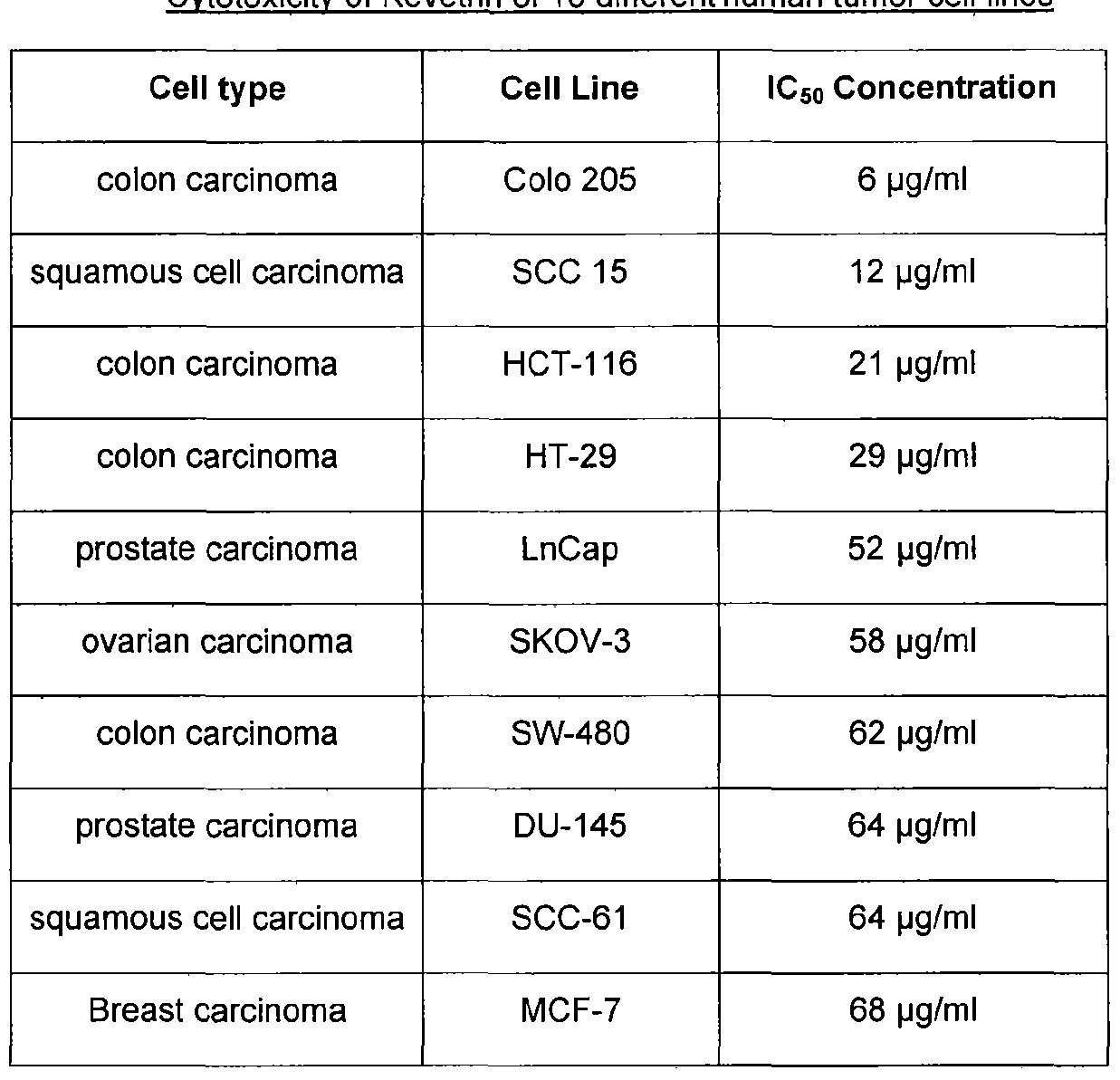
- Kevetrin has potent activity toward human tumor cells of epithelial origin
- IC 50 S IC 50 S ranging from 11 to 68 ng/ml
- Kevetrin also showed potent activity toward malignant glioma cells (IC so s ⁇ 30 ng/ml)
- mice were kept on a 12 hour l ⁇ ght/12 hour dark cycle with the room temperature being 18-26 0 C and a relative humidity of 30-70%
- the food and water of the animals was given ad libitum During this acclimation period, each animal was observed at least once daily for any abnormalities or for the development of infectious disease Only animals that were determined to be suitable for use were assigned to this study Any animals considered unacceptable for use in this study were replaced with animals of similar age and weight from the same vendor When the tumor mass reached on average, around 100mm 3 , the mice were randomized and grouped according to tumor size
- the MDA-MB-231 cell line was originally isolated from the pleural effusion a 51 year old Caucasian female with breast adenocarcinoma These cells appear to be morphologically epithelial in nature
- the HT-29 cell line was originally isolated in 1964 from a 44 year old Caucasian female with colorectal adenocarcinoma These cells appear to be morphologically epithelial in nature
- the PC-3 cell line was originally isolated from bone metastasis from a 62 year old Caucasian male with grade IV metastatic prostate adenocarcinoma These cells exhibit low acid phosphatase and testosterone-5-alpha reductase activities and appear to be morphologically epithelial in nature
- the HCT-15 parental cell line was originally isolated from a male with Dukes' type C colorectal adenocarcinoma These cells appear to be morphologically epithelial in nature
- mice were cultured in 10%FBS RPMI medium The cells were obtained at passage 5 for further expansion for this efficacy study Nude mice (Nu/Nu), both male (20 to 24 g) and female (19 to 22 g), were purchased at 6 to 8 weeks old from Charles River Laboratories These mice were naive at the beginning of the study and were identified by ear punching The mice were left for five days to become acclimated to their new environment Mice were implanted with human tumor cells in a 50 50 mix of RPMI Mat ⁇ gel subcutaneously in the right flank of each mouse Dosing began when tumors reached an average volume of 100mm 3
- mice were observed daily for any adverse affects Mice body weights were taken prior to treatment and every other day during and post treatment If an animal became unwell, any treatment of that animal was suspended If there was no recovery, the animal was sacrificed Any animal demonstrating more than 15% weight loss was considered unwell Any animal that demonstrated a weight loss greater than 20% was sacrificed Any animals exhibiting sustained ulceration of the skin over the tumor site were sacrificed Mice tumor size measurements were taken prior to treatment and every other day during and post treatment The same scientist was responsible for taking the tumor measurements throughout the study.
- mice were implanted with 5x10 e tumor cells in a 50 50 mix of RPMI Mat ⁇ gel subcutaneously in the right flank of each mouse Dosing began when tumors reached an average volume of 100mm 3 , usually reached by day 14 post implant, and was carried out for 8 days A necropsy was performed 41 days after treatment ended
- PBS Phosphate Buffered Saline
- the dosing procedure began the day the mice were randomized and grouped The dose was administered, as discussed in the following paragraph, on days 7, 9 and 11 following tumor implantation Each dose was administered via the tail vein Weight loss due to Kevetrin
- Kevetrin was administered intravenously (IV) to animals bearing tumors, the weight loss due to the administration of the compound was within acceptable limits 100 mg/kg administered intravenously on days 7, 9, and 11 resulted in a weight loss of 6 8% of the body weight and 200mg/kg on the same schedule resulted in a weight loss of 9.3%. Both these concentrations may be used to establish the efficacy of Kevetrin.
- Kevetrin IV days 7.9,& 11 Compared to 22 mq/kq Taxol IV Days 7. 9. 11 & 13 in MDA-MB-231 human breast carcinoma
- the animals were implanted subcutaneously with human breast carcinoma MDA-MB-231 , and the compounds were injected IV as per the schedule.
- Kevetrin administered animals showed greater efficacy than the Taxol treated animals.
- the tumor growth was delayed 12 days more than the Taxol treated animals and 32 days more than the untreated control. The results are depicted in Figure 4.
- Kevetrin administered animals showed greater efficacy than the 5- FU treated animals.
- the tumor growth was delayed 10 days more than the 5-FU treated animals and 33 days more than the untreated control.
- the results are depicted in Figure 5.
- the animals were implanted subcutaneously with human prostate carcinoma PC-3. Kevetrin was injected IV and Cisplatin intraperitoneally (IP) as per the schedule. Kevetrin administered animals showed greater efficacy than the Cisplatin treated animals. The tumor growth was delayed 8 days more than the Cisplatin treated animals and 34 days more than the untreated control. The results are depicted in Figure 6.
- Kevetrin 200 mg/kq days 7,9, &11 against Taxol at 22 mg/kq on days 7,9,11 & 13 in A549 multi-drug resistant Human Lung Carcinoma The animals were implanted subcutaneously with multi-drug resistant human lung carcinoma and the compounds were injected IV as per the schedule. Taxol had no effect on such cancer, whereas Kevetrin administered animals showed potent efficacy in the animals. The tumor growth was delayed about 26 days more than the untreated controls. The results are depicted in Figure 8.
Landscapes
- Chemical & Material Sciences (AREA)
- Health & Medical Sciences (AREA)
- Organic Chemistry (AREA)
- Life Sciences & Earth Sciences (AREA)
- Veterinary Medicine (AREA)
- Public Health (AREA)
- General Health & Medical Sciences (AREA)
- Medicinal Chemistry (AREA)
- Animal Behavior & Ethology (AREA)
- Pharmacology & Pharmacy (AREA)
- Epidemiology (AREA)
- General Chemical & Material Sciences (AREA)
- Chemical Kinetics & Catalysis (AREA)
- Nuclear Medicine, Radiotherapy & Molecular Imaging (AREA)
- Oncology (AREA)
- Communicable Diseases (AREA)
- Rheumatology (AREA)
- Pain & Pain Management (AREA)
- Bioinformatics & Cheminformatics (AREA)
- Hematology (AREA)
- Engineering & Computer Science (AREA)
- Virology (AREA)
- Pharmaceuticals Containing Other Organic And Inorganic Compounds (AREA)
- Acyclic And Carbocyclic Compounds In Medicinal Compositions (AREA)
- Organic Low-Molecular-Weight Compounds And Preparation Thereof (AREA)
- Pyridine Compounds (AREA)
- Nitrogen Condensed Heterocyclic Rings (AREA)
- Quinoline Compounds (AREA)
- Other In-Based Heterocyclic Compounds (AREA)
- Medicines That Contain Protein Lipid Enzymes And Other Medicines (AREA)
Abstract
Description





Claims





Priority Applications (17)
| Application Number | Priority Date | Filing Date | Title |
|---|---|---|---|
| CA2762427A CA2762427C (en) | 2009-05-20 | 2010-05-14 | Nitrile derivatives and their pharmaceutical use and compositions |
| BRPI1009067A BRPI1009067A2 (en) | 2009-05-20 | 2010-05-14 | nitrile derivatives, their pharmaceutical use and compositions |
| DK10724172.1T DK2432464T3 (en) | 2009-05-20 | 2010-05-14 | NITRIL DERIVATIVES AND PHARMACEUTICAL APPLICATIONS AND COMPOSITIONS |
| EA201101655A EA024038B9 (en) | 2009-05-20 | 2010-05-14 | Nitrile derivatives, their pharmaceutical use and use in compositions |
| MX2011012384A MX2011012384A (en) | 2009-05-20 | 2010-05-14 | Nitrile derivatives and their pharmaceutical use and compositions. |
| CN201080022390.2A CN102438612B (en) | 2009-05-20 | 2010-05-14 | Nitrile derivatives and their pharmaceutical use and composition |
| EP10724172.1A EP2432464B1 (en) | 2009-05-20 | 2010-05-14 | Nitrile derivatives and their pharmaceutical use and compositions |
| KR1020147022683A KR20140130438A (en) | 2009-05-20 | 2010-05-14 | Nitrile derivatives and their pharmaceutical use and compositions |
| SG2011085537A SG176170A1 (en) | 2009-05-20 | 2010-05-14 | Nitrile derivatives and their pharmaceutical use and compositions |
| AU2010249933A AU2010249933B2 (en) | 2009-05-20 | 2010-05-14 | Nitrile derivatives and their pharmaceutical use and compositions |
| KR1020147029698A KR101554964B1 (en) | 2009-05-20 | 2010-05-14 | Nitrile derivatives and their pharmaceutical use and compositions |
| JP2012511907A JP5587987B2 (en) | 2009-05-20 | 2010-05-14 | Nitrile derivatives and their pharmaceutical uses and compositions |
| UAA201201041A UA109879C2 (en) | 2009-05-20 | 2010-05-14 | Nitrile derivatives and their use for pharmaceutical purposes and in compositions |
| NZ596527A NZ596527A (en) | 2009-05-20 | 2010-05-14 | Nitrile derivatives and their pharmaceutical use and compositions |
| KR1020167000622A KR101632326B1 (en) | 2009-05-20 | 2010-05-14 | Nitrile derivatives |
| IL216462A IL216462A (en) | 2009-05-20 | 2011-11-17 | Pharmaceutical compositions comprising nitrile derivatives and uses thereof |
| ZA2011/08458A ZA201108458B (en) | 2009-05-20 | 2011-11-17 | Nitrile derivatives and their pharmaceutical use and compositions |
Applications Claiming Priority (2)
| Application Number | Priority Date | Filing Date | Title |
|---|---|---|---|
| US18012109P | 2009-05-20 | 2009-05-20 | |
| US61/180,121 | 2009-05-20 |
Publications (2)
| Publication Number | Publication Date |
|---|---|
| WO2010135170A2 true WO2010135170A2 (en) | 2010-11-25 |
| WO2010135170A3 WO2010135170A3 (en) | 2011-01-13 |
Family
ID=42333455
Family Applications (1)
| Application Number | Title | Priority Date | Filing Date |
|---|---|---|---|
| PCT/US2010/034838 Ceased WO2010135170A2 (en) | 2009-05-20 | 2010-05-14 | Nitrile derivatives and their pharmaceutical use and compositions |
Country Status (21)
| Country | Link |
|---|---|
| US (2) | US8338454B2 (en) |
| EP (1) | EP2432464B1 (en) |
| JP (2) | JP5587987B2 (en) |
| KR (4) | KR20140130438A (en) |
| CN (1) | CN102438612B (en) |
| AR (1) | AR078509A1 (en) |
| AU (1) | AU2010249933B2 (en) |
| BR (1) | BRPI1009067A2 (en) |
| CA (1) | CA2762427C (en) |
| CL (1) | CL2011002907A1 (en) |
| DK (1) | DK2432464T3 (en) |
| EA (1) | EA024038B9 (en) |
| IL (1) | IL216462A (en) |
| MX (1) | MX2011012384A (en) |
| MY (1) | MY159756A (en) |
| NZ (1) | NZ596527A (en) |
| SG (1) | SG176170A1 (en) |
| TW (1) | TWI597062B (en) |
| UA (1) | UA109879C2 (en) |
| WO (1) | WO2010135170A2 (en) |
| ZA (1) | ZA201108458B (en) |
Cited By (1)
| Publication number | Priority date | Publication date | Assignee | Title |
|---|---|---|---|---|
| US20140186398A1 (en) * | 2011-07-18 | 2014-07-03 | Icahn School Of Medicine At Mount Sinai | BACTERIAL RNAs AS VACCINE ADJUVANTS |
Families Citing this family (6)
| Publication number | Priority date | Publication date | Assignee | Title |
|---|---|---|---|---|
| US8895610B1 (en) | 2007-05-18 | 2014-11-25 | Heldi Kay | Platinum (IV) compounds targeting zinc finger domains |
| US9610275B2 (en) * | 2009-05-20 | 2017-04-04 | Cellceutix Corporation | Nitrile derivatives and their pharmaceutical use and compositions |
| KR20140130438A (en) * | 2009-05-20 | 2014-11-10 | 셀슈틱스 코포레이션 | Nitrile derivatives and their pharmaceutical use and compositions |
| CN102464601A (en) * | 2010-11-17 | 2012-05-23 | 何兰 | Cyanothioureas compound and application thereof |
| EP3696276A1 (en) | 2013-02-25 | 2020-08-19 | Novartis AG | Novel androgen receptor mutation |
| CN108752274B (en) * | 2018-07-25 | 2022-03-29 | 遂成药业股份有限公司 | Preparation method of 5-isoquinoline sulfonyl chloride |
Family Cites Families (6)
| Publication number | Priority date | Publication date | Assignee | Title |
|---|---|---|---|---|
| CH499959A (en) | 1966-10-05 | 1970-12-15 | Ciba Geigy Ag | Pesticides |
| JPS6310795A (en) | 1986-03-25 | 1988-01-18 | Takeda Chem Ind Ltd | Selective herbicidal compound |
| WO2007088545A2 (en) | 2006-02-02 | 2007-08-09 | Chemagis Ltd. | Novel process for preparing 1-(mercaptomethyl) cyclopropaneacetic acid, a useful intermediate in the preparation of montelukast and salts thereof |
| EP2242367A4 (en) | 2008-01-08 | 2012-07-04 | Univ Pennsylvania | REL INHIBITORS AND METHODS OF USE |
| CN101550098B (en) | 2009-01-14 | 2014-07-09 | 何兰 | 4-isothio-urea-butyronitrile hydrochloride and application of derivatives thereof |
| KR20140130438A (en) * | 2009-05-20 | 2014-11-10 | 셀슈틱스 코포레이션 | Nitrile derivatives and their pharmaceutical use and compositions |
-
2010
- 2010-05-14 KR KR1020147022683A patent/KR20140130438A/en not_active Ceased
- 2010-05-14 MX MX2011012384A patent/MX2011012384A/en active IP Right Grant
- 2010-05-14 CA CA2762427A patent/CA2762427C/en not_active Expired - Fee Related
- 2010-05-14 JP JP2012511907A patent/JP5587987B2/en not_active Expired - Fee Related
- 2010-05-14 US US12/780,132 patent/US8338454B2/en not_active Expired - Fee Related
- 2010-05-14 KR KR1020167000622A patent/KR101632326B1/en not_active Expired - Fee Related
- 2010-05-14 MY MYPI2011005529A patent/MY159756A/en unknown
- 2010-05-14 DK DK10724172.1T patent/DK2432464T3/en active
- 2010-05-14 EA EA201101655A patent/EA024038B9/en not_active IP Right Cessation
- 2010-05-14 NZ NZ596527A patent/NZ596527A/en not_active IP Right Cessation
- 2010-05-14 SG SG2011085537A patent/SG176170A1/en unknown
- 2010-05-14 EP EP10724172.1A patent/EP2432464B1/en not_active Not-in-force
- 2010-05-14 KR KR1020117027471A patent/KR20120016101A/en not_active Ceased
- 2010-05-14 CN CN201080022390.2A patent/CN102438612B/en not_active Expired - Fee Related
- 2010-05-14 KR KR1020147029698A patent/KR101554964B1/en not_active Expired - Fee Related
- 2010-05-14 UA UAA201201041A patent/UA109879C2/en unknown
- 2010-05-14 AU AU2010249933A patent/AU2010249933B2/en not_active Ceased
- 2010-05-14 WO PCT/US2010/034838 patent/WO2010135170A2/en not_active Ceased
- 2010-05-14 BR BRPI1009067A patent/BRPI1009067A2/en not_active IP Right Cessation
- 2010-05-17 AR ARP100101715A patent/AR078509A1/en unknown
- 2010-05-17 TW TW099115663A patent/TWI597062B/en not_active IP Right Cessation
-
2011
- 2011-11-17 IL IL216462A patent/IL216462A/en not_active IP Right Cessation
- 2011-11-17 ZA ZA2011/08458A patent/ZA201108458B/en unknown
- 2011-11-18 CL CL2011002907A patent/CL2011002907A1/en unknown
-
2012
- 2012-11-27 US US13/685,879 patent/US9340491B2/en not_active Expired - Fee Related
-
2014
- 2014-07-24 JP JP2014151080A patent/JP6192613B2/en not_active Expired - Fee Related
Non-Patent Citations (10)
| Title |
|---|
| BAUER; WELSH, J. ORG. CHEM., vol. 26, no. 5, 1961, pages 1443 - 1445 |
| DUAN, CIRC. RES ., vol. 86, 2000, pages 15 - 23 |
| GERBER ET AL., ORGANIC SYNTHESIS, vol. 77, 2000, pages 186 |
| KING ET AL., BIOCHEMISTRY, vol. 17, no. 8, 1978, pages 1499 - 1506 |
| LAWLOR ET AL., J. CELL SCI., vol. 114, 2001, pages 2903 - 2910 |
| MILLER ET AL., JACS, vol. 62, 1940, pages 2099 - 2103 |
| OBATA ET AL., J. BIOL. CHEM., vol. 275, 2000, pages 36108 - 36115 |
| SHAPIRA ET AL., RADIATION RESEARCH, vol. 7, no. 1, 1957, pages 22 - 34 |
| SOUTHAN ET AL., BR. J. PHARMACOL, vol. 114, 1995, pages 510 - 516 |
| TESTA ET AL., PROC. NATL. ACAD. SCI ., vol. 98, 2001, pages 10983 - 10985 |
Cited By (3)
| Publication number | Priority date | Publication date | Assignee | Title |
|---|---|---|---|---|
| US20140186398A1 (en) * | 2011-07-18 | 2014-07-03 | Icahn School Of Medicine At Mount Sinai | BACTERIAL RNAs AS VACCINE ADJUVANTS |
| US9844592B2 (en) * | 2011-07-18 | 2017-12-19 | Icahn School Of Medicine At Mount Sinai | Bacterial RNAs as vaccine adjuvants |
| US10588964B2 (en) | 2011-07-18 | 2020-03-17 | Cornell University | Bacterial RNAs as vaccine adjuvants |
Also Published As
Similar Documents
| Publication | Publication Date | Title |
|---|---|---|
| US9340491B2 (en) | Nitrile derivatives and their pharmaceutical use and compositions | |
| EP3423443B1 (en) | Cyano-substituted indole compounds and uses thereof as lsd1 inhibitors | |
| US10640512B2 (en) | Imidazopyrazinamine phenyl derivative and use thereof | |
| US10501466B2 (en) | WDR5 inhibitors and modulators | |
| JP2015526396A (en) | Substituted tropolone derivatives and methods of use thereof | |
| CN107501279B (en) | Furanoquinoline dione compound and medical application thereof | |
| US9610275B2 (en) | Nitrile derivatives and their pharmaceutical use and compositions | |
| WO2007007207A2 (en) | Pharmaceutical compositions of 3, 5 -bis (arylidene) -4 -piperidones and analogues there of for modulating cell proliferation | |
| JP6854497B2 (en) | Sulfonyl amidine as an indoleamine-2,3-dioxygenase inhibitor and its production method and use | |
| AU2014202067A1 (en) | Nitrile derivatives and their pharmaceutical use and compositions | |
| CN107501219B (en) | Asymmetric curcumin compound and application thereof in preparation of anti-gastric cancer drugs | |
| ES2932099B2 (en) | COMPOUNDS LIGANDS OF THE CXCR4 RECEPTOR AND USE THEREOF | |
| RU2856587C2 (en) | Sesquiterpene derivative, its pharmaceutical composition, as well as method for their preparation and use | |
| KR20230118883A (en) | Imidazole compounds as ENPP1 inhibitors | |
| CN121991027A (en) | Benzamide compounds, their preparation methods, pharmaceutical compositions and uses | |
| CN115340527A (en) | BCL-XL inhibitor and preparation method and application thereof |
Legal Events
| Date | Code | Title | Description |
|---|---|---|---|
| WWE | Wipo information: entry into national phase |
Ref document number: 201080022390.2 Country of ref document: CN |
|
| 121 | Ep: the epo has been informed by wipo that ep was designated in this application |
Ref document number: 10724172 Country of ref document: EP Kind code of ref document: A2 |
|
| WWE | Wipo information: entry into national phase |
Ref document number: 2762427 Country of ref document: CA |
|
| ENP | Entry into the national phase |
Ref document number: 20117027471 Country of ref document: KR Kind code of ref document: A |
|
| WWE | Wipo information: entry into national phase |
Ref document number: 2011002907 Country of ref document: CL Ref document number: 596527 Country of ref document: NZ Ref document number: MX/A/2011/012384 Country of ref document: MX Ref document number: 2010724172 Country of ref document: EP |
|
| NENP | Non-entry into the national phase |
Ref country code: DE |
|
| WWE | Wipo information: entry into national phase |
Ref document number: 2012511907 Country of ref document: JP Ref document number: 9103/DELNP/2011 Country of ref document: IN |
|
| WWE | Wipo information: entry into national phase |
Ref document number: 2010249933 Country of ref document: AU |
|
| WWE | Wipo information: entry into national phase |
Ref document number: 201101655 Country of ref document: EA |
|
| WWE | Wipo information: entry into national phase |
Ref document number: A201201041 Country of ref document: UA |
|
| ENP | Entry into the national phase |
Ref document number: 2010249933 Country of ref document: AU Date of ref document: 20100514 Kind code of ref document: A |
|
| REG | Reference to national code |
Ref country code: BR Ref legal event code: B01A Ref document number: PI1009067 Country of ref document: BR |
|
| ENP | Entry into the national phase |
Ref document number: PI1009067 Country of ref document: BR Kind code of ref document: A2 Effective date: 20111118 |