WO2010138577A1 - Radiolabeled pde10 inhibitors - Google Patents

Radiolabeled pde10 inhibitors Download PDF

Info

Publication number
WO2010138577A1
WO2010138577A1 PCT/US2010/036186 US2010036186W WO2010138577A1 WO 2010138577 A1 WO2010138577 A1 WO 2010138577A1 US 2010036186 W US2010036186 W US 2010036186W WO 2010138577 A1 WO2010138577 A1 WO 2010138577A1
Authority
WO
WIPO (PCT)
Prior art keywords
pdelo
compound
aryl
heterocyclyl
heteroaryl
Prior art date
Legal status (The legal status is an assumption and is not a legal conclusion. Google has not performed a legal analysis and makes no representation as to the accuracy of the status listed.)
Ceased
Application number
PCT/US2010/036186
Other languages
French (fr)
Inventor
Eric Hostetler
Christopher D. Cox
Hong Fan
Current Assignee (The listed assignees may be inaccurate. Google has not performed a legal analysis and makes no representation or warranty as to the accuracy of the list.)
Organon Pharma UK Ltd
Merck Sharp and Dohme LLC
Original Assignee
Merck Sharp and Dohme Ltd
Merck Sharp and Dohme LLC
Priority date (The priority date is an assumption and is not a legal conclusion. Google has not performed a legal analysis and makes no representation as to the accuracy of the date listed.)
Filing date
Publication date
Application filed by Merck Sharp and Dohme Ltd, Merck Sharp and Dohme LLC filed Critical Merck Sharp and Dohme Ltd
Priority to JP2012513203A priority Critical patent/JP5718323B2/en
Priority to ES10781130T priority patent/ES2739973T3/en
Priority to EP10781130.9A priority patent/EP2435048B1/en
Priority to CA2763130A priority patent/CA2763130C/en
Priority to US13/320,816 priority patent/US8846000B2/en
Priority to AU2010254149A priority patent/AU2010254149B2/en
Publication of WO2010138577A1 publication Critical patent/WO2010138577A1/en
Anticipated expiration legal-status Critical
Ceased legal-status Critical Current

Links

Classifications

    • AHUMAN NECESSITIES
    • A61MEDICAL OR VETERINARY SCIENCE; HYGIENE
    • A61KPREPARATIONS FOR MEDICAL, DENTAL OR TOILETRY PURPOSES
    • A61K51/00Preparations containing radioactive substances for use in therapy or testing in vivo
    • A61K51/02Preparations containing radioactive substances for use in therapy or testing in vivo characterised by the carrier, i.e. characterised by the agent or material covalently linked or complexing the radioactive nucleus
    • A61K51/04Organic compounds
    • A61K51/041Heterocyclic compounds
    • A61K51/044Heterocyclic compounds having nitrogen as a ring hetero atom, e.g. guanethidine, rifamycins
    • A61K51/0459Heterocyclic compounds having nitrogen as a ring hetero atom, e.g. guanethidine, rifamycins having six-membered rings with two nitrogen atoms as the only ring hetero atoms, e.g. piperazine
    • AHUMAN NECESSITIES
    • A61MEDICAL OR VETERINARY SCIENCE; HYGIENE
    • A61PSPECIFIC THERAPEUTIC ACTIVITY OF CHEMICAL COMPOUNDS OR MEDICINAL PREPARATIONS
    • A61P25/00Drugs for disorders of the nervous system
    • AHUMAN NECESSITIES
    • A61MEDICAL OR VETERINARY SCIENCE; HYGIENE
    • A61PSPECIFIC THERAPEUTIC ACTIVITY OF CHEMICAL COMPOUNDS OR MEDICINAL PREPARATIONS
    • A61P25/00Drugs for disorders of the nervous system
    • A61P25/04Centrally acting analgesics, e.g. opioids
    • AHUMAN NECESSITIES
    • A61MEDICAL OR VETERINARY SCIENCE; HYGIENE
    • A61PSPECIFIC THERAPEUTIC ACTIVITY OF CHEMICAL COMPOUNDS OR MEDICINAL PREPARATIONS
    • A61P25/00Drugs for disorders of the nervous system
    • A61P25/14Drugs for disorders of the nervous system for treating abnormal movements, e.g. chorea, dyskinesia
    • AHUMAN NECESSITIES
    • A61MEDICAL OR VETERINARY SCIENCE; HYGIENE
    • A61PSPECIFIC THERAPEUTIC ACTIVITY OF CHEMICAL COMPOUNDS OR MEDICINAL PREPARATIONS
    • A61P25/00Drugs for disorders of the nervous system
    • A61P25/14Drugs for disorders of the nervous system for treating abnormal movements, e.g. chorea, dyskinesia
    • A61P25/16Anti-Parkinson drugs
    • AHUMAN NECESSITIES
    • A61MEDICAL OR VETERINARY SCIENCE; HYGIENE
    • A61PSPECIFIC THERAPEUTIC ACTIVITY OF CHEMICAL COMPOUNDS OR MEDICINAL PREPARATIONS
    • A61P25/00Drugs for disorders of the nervous system
    • A61P25/18Antipsychotics, i.e. neuroleptics; Drugs for mania or schizophrenia
    • AHUMAN NECESSITIES
    • A61MEDICAL OR VETERINARY SCIENCE; HYGIENE
    • A61PSPECIFIC THERAPEUTIC ACTIVITY OF CHEMICAL COMPOUNDS OR MEDICINAL PREPARATIONS
    • A61P25/00Drugs for disorders of the nervous system
    • A61P25/22Anxiolytics
    • AHUMAN NECESSITIES
    • A61MEDICAL OR VETERINARY SCIENCE; HYGIENE
    • A61PSPECIFIC THERAPEUTIC ACTIVITY OF CHEMICAL COMPOUNDS OR MEDICINAL PREPARATIONS
    • A61P25/00Drugs for disorders of the nervous system
    • A61P25/24Antidepressants
    • AHUMAN NECESSITIES
    • A61MEDICAL OR VETERINARY SCIENCE; HYGIENE
    • A61PSPECIFIC THERAPEUTIC ACTIVITY OF CHEMICAL COMPOUNDS OR MEDICINAL PREPARATIONS
    • A61P25/00Drugs for disorders of the nervous system
    • A61P25/28Drugs for disorders of the nervous system for treating neurodegenerative disorders of the central nervous system, e.g. nootropic agents, cognition enhancers, drugs for treating Alzheimer's disease or other forms of dementia
    • AHUMAN NECESSITIES
    • A61MEDICAL OR VETERINARY SCIENCE; HYGIENE
    • A61PSPECIFIC THERAPEUTIC ACTIVITY OF CHEMICAL COMPOUNDS OR MEDICINAL PREPARATIONS
    • A61P25/00Drugs for disorders of the nervous system
    • A61P25/30Drugs for disorders of the nervous system for treating abuse or dependence
    • AHUMAN NECESSITIES
    • A61MEDICAL OR VETERINARY SCIENCE; HYGIENE
    • A61PSPECIFIC THERAPEUTIC ACTIVITY OF CHEMICAL COMPOUNDS OR MEDICINAL PREPARATIONS
    • A61P25/00Drugs for disorders of the nervous system
    • A61P25/30Drugs for disorders of the nervous system for treating abuse or dependence
    • A61P25/32Alcohol-abuse
    • AHUMAN NECESSITIES
    • A61MEDICAL OR VETERINARY SCIENCE; HYGIENE
    • A61PSPECIFIC THERAPEUTIC ACTIVITY OF CHEMICAL COMPOUNDS OR MEDICINAL PREPARATIONS
    • A61P25/00Drugs for disorders of the nervous system
    • A61P25/30Drugs for disorders of the nervous system for treating abuse or dependence
    • A61P25/34Tobacco-abuse
    • AHUMAN NECESSITIES
    • A61MEDICAL OR VETERINARY SCIENCE; HYGIENE
    • A61PSPECIFIC THERAPEUTIC ACTIVITY OF CHEMICAL COMPOUNDS OR MEDICINAL PREPARATIONS
    • A61P27/00Drugs for disorders of the senses
    • A61P27/02Ophthalmic agents
    • AHUMAN NECESSITIES
    • A61MEDICAL OR VETERINARY SCIENCE; HYGIENE
    • A61PSPECIFIC THERAPEUTIC ACTIVITY OF CHEMICAL COMPOUNDS OR MEDICINAL PREPARATIONS
    • A61P27/00Drugs for disorders of the senses
    • A61P27/16Otologicals
    • AHUMAN NECESSITIES
    • A61MEDICAL OR VETERINARY SCIENCE; HYGIENE
    • A61PSPECIFIC THERAPEUTIC ACTIVITY OF CHEMICAL COMPOUNDS OR MEDICINAL PREPARATIONS
    • A61P3/00Drugs for disorders of the metabolism
    • A61P3/04Anorexiants; Antiobesity agents
    • AHUMAN NECESSITIES
    • A61MEDICAL OR VETERINARY SCIENCE; HYGIENE
    • A61PSPECIFIC THERAPEUTIC ACTIVITY OF CHEMICAL COMPOUNDS OR MEDICINAL PREPARATIONS
    • A61P43/00Drugs for specific purposes, not provided for in groups A61P1/00-A61P41/00
    • AHUMAN NECESSITIES
    • A61MEDICAL OR VETERINARY SCIENCE; HYGIENE
    • A61PSPECIFIC THERAPEUTIC ACTIVITY OF CHEMICAL COMPOUNDS OR MEDICINAL PREPARATIONS
    • A61P9/00Drugs for disorders of the cardiovascular system
    • A61P9/10Drugs for disorders of the cardiovascular system for treating ischaemic or atherosclerotic diseases, e.g. antianginal drugs, coronary vasodilators, drugs for myocardial infarction, retinopathy, cerebrovascula insufficiency, renal arteriosclerosis
    • CCHEMISTRY; METALLURGY
    • C07ORGANIC CHEMISTRY
    • C07DHETEROCYCLIC COMPOUNDS
    • C07D239/00Heterocyclic compounds containing 1,3-diazine or hydrogenated 1,3-diazine rings
    • C07D239/70Heterocyclic compounds containing 1,3-diazine or hydrogenated 1,3-diazine rings condensed with carbocyclic rings or ring systems
    • C07D239/72Quinazolines; Hydrogenated quinazolines
    • C07D239/74Quinazolines; Hydrogenated quinazolines with only hydrogen atoms, hydrocarbon or substituted hydrocarbon radicals, attached to ring carbon atoms of the hetero ring
    • CCHEMISTRY; METALLURGY
    • C07ORGANIC CHEMISTRY
    • C07DHETEROCYCLIC COMPOUNDS
    • C07D403/00Heterocyclic compounds containing two or more hetero rings, having nitrogen atoms as the only ring hetero atoms, not provided for by group C07D401/00
    • C07D403/02Heterocyclic compounds containing two or more hetero rings, having nitrogen atoms as the only ring hetero atoms, not provided for by group C07D401/00 containing two hetero rings
    • C07D403/06Heterocyclic compounds containing two or more hetero rings, having nitrogen atoms as the only ring hetero atoms, not provided for by group C07D401/00 containing two hetero rings linked by a carbon chain containing only aliphatic carbon atoms
    • CCHEMISTRY; METALLURGY
    • C07ORGANIC CHEMISTRY
    • C07DHETEROCYCLIC COMPOUNDS
    • C07D403/00Heterocyclic compounds containing two or more hetero rings, having nitrogen atoms as the only ring hetero atoms, not provided for by group C07D401/00
    • C07D403/14Heterocyclic compounds containing two or more hetero rings, having nitrogen atoms as the only ring hetero atoms, not provided for by group C07D401/00 containing three or more hetero rings
    • CCHEMISTRY; METALLURGY
    • C07ORGANIC CHEMISTRY
    • C07DHETEROCYCLIC COMPOUNDS
    • C07D413/00Heterocyclic compounds containing two or more hetero rings, at least one ring having nitrogen and oxygen atoms as the only ring hetero atoms
    • C07D413/14Heterocyclic compounds containing two or more hetero rings, at least one ring having nitrogen and oxygen atoms as the only ring hetero atoms containing three or more hetero rings

Definitions

  • the invention relates generally to novel PDElO inhibitors and to their use as radiotracers for quantitative imaging of PDElO in mammals.
  • Noninvasive, nuclear imaging techniques can be used to obtain basic and diagnostic information about the physiology and biochemistry of a variety of living subjects including experimental animals, normal humans and patients. These techniques rely on the use of sophisticated imaging instrumentation that is capable of detecting radiation emitted from radiotracers administered to such living subjects. The information obtained can be reconstructed to provide planar and tomographic images that reveal distribution of the radiotracer as a function of time. Use of appropriately designed radiotracers can result in images which contain information on the structure, function and most importantly, the physiology and biochemistry of the subject Much of this information cannot be obtained by other means.
  • radiotracers used in these studies are designed to have defined behaviors in vivo which permit the determination of specific information concerning the physiology or biochemistry of the subject or the effects that various diseases or drugs have on the physiology or biochemistry of the subject.
  • radiotracers are available for obtaining useful information concerning such things as cardiac function, myocardial blood flow, lung perfusion, liver function, brain blood flow, regional brain glucose and oxygen metabolism.
  • Compounds can be labeled with either positron or gamma emitting radionuclides.
  • PET positron emitting
  • the most commonly used positron emitting (PET) radionuclides are ⁇ C, ⁇ F, ⁇ O and 13N_, all of which are accelerator produced, and have half lives of 20, 1 10, 2 and 10 minutes, respectively. Since the half-lives of these radionuclides are so short, it is only feasible to use them at institutions that have an accelerator on site or very close by for their production., thus limiting their use.
  • gamma emitting radiotracers are available which can be used by essentially any hospital in the U.S. and in most hospitals worldwide. The most widely used of these are 99m TCj 201 ⁇ j m & 123 ⁇ .
  • Radiotracers bind with high affinity and specificity to selective receptors and neuroreceptors.
  • Successful examples include radiotracers for imaging the following receptor systems: estrogen, muscarinic, dopamine Dl and D2, opiate, neuropeptide- Y, cannabinoid-1 and neurokinin- 1.
  • Schizophrenia is debilitating disorder affecting the psychic and motor functions of the brain. It is typically diagnosed in individuals in their early to mid-twenties and symptoms include hallucinations and delusions or at the other extreme, anhedonia or social withdrawal. Across the spectrum, the symptoms are indicative of cognitive impairment and functional disabilities. Notwithstanding improvements in antipsychotic treatments, current therapies, including typical (haloperidol) and atypical (clozapine or olanzapine) antipsychotics, have been less than acceptable and result in an extremely high rate of noncompliance or discontinuation of medication. Dissatisfaction with therapy is attributed to lack of efficacy or intolerable and unacceptable side affects.
  • Cyclic AMP is thought to regulate the activity of cAMP-dependent protein kinase (PKA), which in turns phosphorylates and regulates many types of proteins including ion channels, enzymes and transcription factors.
  • PKA cAMP-dependent protein kinase
  • cGMP is also responsible for downstream regulation of kinases and ion channels.
  • PDEs 3', 5 '-cyclic nucleotide specific phosphodiesterases
  • families are further subdivided based on catalytic domain homology and substrate specificity and include the 1) cAMP specific, PDE4A- D, 7A and 7B, and 8A and 8B, 2) cGMP specific, PDE 5A, 6A-C, and 9A, and 3) those that are dual substrate, PDE IA-C, 2A, 3 A and 3B, 1OA, and 1 IA.
  • the homology between the families ranging from 20% to 45% suggests that it may be possible to develop selective inhibitors for each of these subtypes.
  • the PDElO subtype at present consists of a sole member, PDElOA, having alternative splice variants at both the N-term ⁇ nus (three variants) and C-terminus (two variants), but that does not affect the GAF domain in the N-terminus or the catalytic site in C-terminus.
  • the N-terminus splice variants, PDElOAl and PDE10A2 differ in that the A2 variant has a PKA phosphorylation site that upon activation, i.e. PICA phosphorylation in response to elevated cAMP levels, results in intracellular changes to the localization of the enzyme.
  • PDElOA is unique relative to other PDE families also having the conserved GAF domain in that its ligand is cAMP, while for the other GAF-domain PDEs the ligand is cGMP (Kehler et al., Expert Opin. Ther. Patents (2007) 17(2): 147-158).
  • PDElOA has limited but high expression in the brain and testes. The high expression in the brain and, in particular, the neurons of the striatum, unique to PDElO, suggests that inhibitors thereto may be well suited from treating neurological and psychiatric disorders and conditions.
  • PET Pierositron Emission Tomography
  • radiotracers and imaging technology may provide a powerful method for clinical evaluation and dose selection of PDElO inhibitors.
  • the invention herein is directed to radiolabeled PDElO inhibitors that would be useful for exploratory and diagnostic imaging applications, both in vitro and in vivo, and for competition studies using radiolabeled and unlabeled PDElO inhibitors.
  • the present invention is directed to pyrimidinone compounds of general structural and radiolabeled derivatives that are useful as therapeutic agents for the treatment of central nervous system disorders associated with phosphodiesterase 10 (PDElO).
  • the present invention also relates to PDElO inhibitors that are useful in treating neurological and psychiatric disorders and, in particular, schizophrenia, Huntington's disease, or psychosis associated with striatal hypofunction or basal ganglia dysfunction.
  • the compounds of the invention are also directed to the use of radiolabeled PDElO inhibitors via PET tracer technology for the in vivo quantitative imaging of PDElO in mammals.
  • the present invention is directed to PDEl 0 inhibitors and derivatives of structural formula I:
  • A is selected from the group consisting of
  • R is selected from the group consisting of
  • R2 and R3 are each independently selected from the group consisting of
  • (f) -C6-10 aryU n is independently 0 to 4; and p is independently 0 or 1 ; or a radiolabeled derivative and pharmaceutically acceptable salts thereof.
  • Ra is selected from the group consisting of (1) halogen, (2) hydroxyl,
  • R a is selected from the group consisting of
  • An embodiment of the present invention includes compounds where A is -(CH2)nC6-10 aryl optionally substituted with 1 to 3 groups of R a and all other variables are as previously described. Another embodiment of this invention is when said aryl is phenyl.
  • An embodiment of the present includes compounds where A is -(CH2)nC5-10 heteroaryl optionally substituted with 1 to 3 groups of Ra and all other variables are as previously described. Another embodiment of this invention is when said heteroaryl is pyridyl.
  • An embodiment of the present invention includes compounds where Ar is
  • (CH2)nC6-10 sryl optionally substituted with 1 to 3 groups of R ⁇ and all other variables are as previously described.
  • Another embodiment of this invention is when said aryl is phenyl.
  • An embodiment of the present invention includes compounds where Ar is -(CH2)nC5-10 heterocyclyl optionally substituted with 1 to 3 groups of R a and all other variables are as previously described.
  • Another embodiment of this invention is when said heterocyclyl is selected from the group consisting of indole and indazole.
  • An embodiment of the present invention includes compounds where R is -(CH2)nC5-10 heterocyclyl optionally substituted with 1 to 3 groups of R a and all other variables are as previously described.
  • Another embodiment of this invention is when n is 1 to 3, preferably 2, and said heterocyclyl is selected from the group consisting of (a) indole, and
  • An embodiment of the present invention includes compounds where R is -(CH2)nNR2C(O)NR2R3 optionally substituted with 1 to 3 groups of Ra and all other variables are as previously described. Another embodiment of this invention is when R2 is hydrogen and R3 is -Cg-CiO aryl- Another embodiment of this invention is when said -C ⁇ -C ⁇ Q aryl is biphenyl.
  • An embodiment of the present invention is where A and Ar is -(CH2)nC6-10 a ryl > each optionally substituted with 1 to 3 groups of R a and all other variables are as previously described.
  • An embodiment of this invention is where A and Ar is phenyl and R is -
  • (CH2)nC5-l ⁇ heterocyclyl each optionally substituted with 1 to 3 groups of R a and all other variables are as previously described.
  • Another embodiment of this invention is when n is 1 to 3, preferably 2, and said heterocyclyl is selected from the group consisting of
  • Ar is selected from the group consisting of
  • R is -(CH2)nC5-lO heterocyclyl or -(CH2) n NR 2 C(O)NR2R3 optionally substituted with 1 to 3 groups of Ra and all other variables are as previously described.
  • n is 1 to 3, preferably 2, and said heterocyclyl is selected from the group consisting of
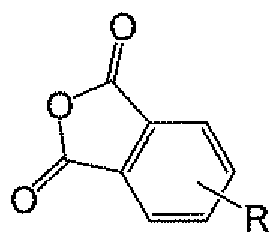
  • phthalimidyl Another embodiment of the compound of formula Ha is where Ar is phenyl and R is -(CH2) n C5-10 heterocyclyl or -(CH2)nNR 2 C(O)NR 2 R3 optionally substituted with 1 to 3 groups of R a and all other variables are as previously described. Still another embodiment of this invention is when n is 1 to 3, preferably 2, and said heterocyclyl is selected from the group consisting of (1) indole, and
  • Another embodiment of the compound of formula Ha is where Ar is indole and R is -(CH2) n C5- 10 heterocyclyl or -(CH2)nNR 2 C(O)NR 2 R3 optionally substituted with 1 to 3 groups of R a and all other variables are as previously described. Still another embodiment of this invention is when n is 1 to 3, preferably 2, and said heterocyclyl is selected from the group consisting of
  • Another embodiment of the compound of formula Ha is where Ar is indazole and R is -(CH2) n C5-10 heterocyclyl or -(CH2)nNR 2 C(O)NR 2 R3 optionally substituted with 1 to 3 groups of R a and all other variables are as previously described. Still another embodiment of this invention is when n is 1 to 3, preferably 2, and said heterocyclyl is selected from the group consisting of
  • R is -(CB2)nC5-10 heterocyclyl or -(CH2)nNR2C(O)NR2R3 optionally substituted with 1 to 3 groups of R a and all other variables are as previously described.
  • Still another embodiment of this invention is when n is 1 to 3, preferably 2, and said heterocyclyl is selected from the group consisting of (1) indole,
  • Ra is selected from the group consisting of (1) halogen
  • Ra is selected from the group consisting of
  • Ar is selected from the group consisting of (1) phenyl,
  • Another embodiment of the compound of formula lib is where Ar is phenyl and R is -(CH2)nC5-10 heterocyclyl or -(CH2)nNR2C(O)NR2R3 optionally substituted with 1 to 3 groups of R a and all other variables are as previously described. Still another embodiment of this invention is when n is 1 to 3, preferably 2, and said heterocyclyl is selected from the group consisting of
  • phthalimidyl Another embodiment of the compound of formula Hb is where Ar is indole and R is -(CH2) n C5-10 heterocyclyl or -(CH2) n NR 2 C(O)NR2R3 optionally substituted with 1 to 3 groups of R a and all other variables are as previously described. Still another embodiment of this invention is when n is 1 to 3, preferably 2, and said heterocyclyl is selected from the group consisting of (1) indole, and
  • Another embodiment of the compound of formula Hb is where Ar is indazole and R is -(CH2)nC5-10 heterocyclyl or -(CH2) n NR 2 C(O)NR2R3 optionally substituted with 1 to 3 groups of Ra and all other variables are as previously described. Still another embodiment of this invention is when n is 1 to 3, preferably 2, and said heterocyclyl is selected from the group consisting of
  • Another embodiment of the compound of formula lib is where Ar is biphenyl and R is -(CH2)nC5-l 0 heterocyclyl or -(CH2) n NR 2 C(O)NR2R3 optionally substituted with 1 to 3 groups of R a and all other variables are as previously described. Still another embodiment of this invention is when n is 1 to 3, preferably 2, and said heterocyclyl is selected from the group consisting of
  • R a is selected from the group consisting of
  • R a is selected from the group consisting of
  • R a is selected from the group consisting of
  • R a is selected from the group consisting of (1) fluorine,
  • the invention is directed to radiolabeled compounds of formula I, Ha, lib, HIa or IHb, for example ⁇ C or 18F labeled compounds.
  • the present invention is also directed to a method for quantitative imaging of PDElO in a mammal which comprises administering to a mammal in need of such imaging an effective amount of the radiolabeled compound of the present invention.
  • the present invention is also directed to a method for quantitative imaging of tissues bearing PDElO in a mammal which comprises administering to a mammal in need of such imaging an effective amount of the radiolabeled compound of the present invention.
  • the present invention is also directed to a method for the quantitative imaging of
  • PDElO in tissues of a mammalian species which comprises administering to the mammalian species in need of such imaging an effective amount of the radiolabeled compound of the present invention.
  • the present invention is also directed to a method for quantitative imaging of PDElO in the brain in a mammal which comprises administering to a mammal in need of such imaging an effective amount of the radiolabeled compound of the present invention.
  • radiolabeled compounds and methods are for use in a human.
  • Specific embodiments of the present invention include a compound which is selected from the group consisting of the subject compounds of the Examples herein and pharmaceutically acceptable salts thereof and individual enantiomers and diastereomers thereof.
  • any variable e.g. aryl, heterocycle, Ra etc.
  • its definition on each occurrence is independent at every other occurrence.
  • combinations of substituents or variables are permissible only if such combinations result in stable compounds.
  • R a When R a is -O- and attached to a carbon it is referred to as a carbonyl group and when it is attached to a nitrogen (e.g., nitrogen atom on a pyridyl group) or sulfur atom it is referred to a N-oxide and sulfoxide group, respectively.
  • alkyl encompasses groups having the prefix "alk” such as, for example, alkoxy, alkanoyl, alkenyl, and alkynyl and means carbon chains which may be linear or branched or combinations thereof.
  • alkyl groups include methyl, ethyl, propyl, isopropyl, butyl, sec- and tert-butyl, pentyl, hexyl, and hepty ⁇ .
  • Alkenyl refers to a hydrocarbon radical straight, branched or cyclic containing from 2 to 10 carbon atoms and at least one carbon to carbon double bond.
  • Preferred alkenyl groups include ethenyl, propenyl, butenyl and cyclohexenyl.
  • alkenyl is C2-Cg alkenyl.
  • Preferred alkynyls are C2-C6 alkynyl.
  • alkenyl alkynyl and other like terms include carbon chains containing at least one unsaturated C-C bond.
  • fluoroalkyl refers to an alkyl substituent as described herein containing at least one fluorine substituent.
  • cycloalkyl refers to a saturated hydrocarbon containing one ring having a specified number of carbon atoms. Examples of cycloalkyl include cyclopropyl, cyclobutyl, cyclopentyl, and cyclohexyl.
  • Ci-g includes alkyls containing 6, 5, 4, 3, 2, or 1 carbon atoms.
  • alkoxy as used herein, alone or in combination, includes an alkyl group connected to the oxy connecting atom.
  • alkoxy also includes alkyl ether groups, where the term ' alkyl' is defined above, and 'ether' means two alkyl groups with an oxygen atom between them.
  • suitable alkoxy groups include methoxy, ethoxy, n- propoxy, i-propoxy, n-butoxy, s-butoxy, t-butoxy, methoxymethane (also referred to as 'dimethyl ether'), and methoxyethane (also referred to as 'ethyl methyl ether').
  • aryl is intended to mean any stable monocyclic or bicyclic carbon ring of up to 7 members in each ring, wherein at least one ring is aromatic. Examples of such aryl elements include phenyl, napthyl, tetrahydronapthyl, indanyl, or biphenyl.
  • heterocycle, heterocyclyl, or heterocyclic represents a stable 5- to 7-membered monocyclic or stable 8- to 11-membered bicyclic heterocyclic ring which is either saturated or unsaturated, and which consists of carbon atoms and from one to four heteroatoms selected from the group consisting of N, O, and S, and including any bicyclic group in which any of the above-defined heterocyclic rings is fused to a benzene ring.
  • the heterocyclic ring may be attached at any heteroatom or carbon atom which results in the creation of a stable structure.
  • heterocycle or heterocyclic includes heteroaryl moieties.
  • heterocyclic elements include, but are not limited to, azepinyl, benzimidazolyl, benzisoxazolyl, benzofurazanyl, benzopyranyl, benzothiopyranyl, be ⁇ zofuryl, benzothiazolyl, benzothienyl, benzoxazolyl, chromanyl, cinnolinyl, dihydrobenzofuryl, dihydrobenzothienyl, dihydrobenzothiopyranyl, dihydrobenzothiopyranyl sulfone, 1,3-dioxolanyl, furyl, im ⁇ dazolidinyl, imidazolinyl, imidazolyl, indolinyl, indolyl, isochromanyl, isoindolinyl, isoquinolinyl, isothiazolidinyl, isothiazolyl, isotbiazoKdinyl, morpholinyl, nap
  • heterocyclic elements include, but are not limited to, azepinyl, benzimidazolyl, benzisoxazolyl, benzofurazanyl, benzopyranyl, benzothiopyranyl, benzofuryl, benzothiazolyl, benzothienyl, benzoxazolyl, chromanyl, cinnolinyl, dihydrobenzofuryl, dihydrobenzothienyl, dihydrobenzothiopyranyl, dihydrobenzothiopyranyl sulfone, furyl, imldazolidinyl, imidazolinyl, im ⁇ dazolyl, indolinyl, indolyl, isochromanyl, isoindolinyl, isoquinolinyl, isothiazolidinyl, isothiazolyl, isothiazolidinyl, morpholinyl, naphthyridinyl, o
  • the heterocyclic group is a heteroaryl group.
  • heteroaryl refers to groups having 5 to 14 ring atoms, preferably 5, 6, 9, or 10 ring atoms; having 6, 10, or 14 ⁇ electrons shared in a cyclic array; and having, in addition to carbon atoms, between one and about three hetero atoms selected from the group consisting of N, 0, and S heteroaryl groups include, without limitation, thienyl, benzothienyl, furyl, benzofuryl, dibenzofuryl, pyrrolyl, imidazolyl, pyrazoiyl, pyridyl, pyrazinyl, pyrimidinyl, indolyl, quinolyl, ⁇ soquinolyl, quinoxalinyl, tetrazolyl, oxazolyl, thiazolyl, and isoxazolyl.
  • the heterocyclic group is fused to an aryl or heteroaryl group.
  • fused heterocycles include, without limitation, tetrahydroquinolinyl and dihydrobenzofuranyl.
  • heteroaryl represents a stable 5- to 7-membered monocyclic- or stable 9- to 10-membered fused bicyclic heterocyclic ring system which contains an aromatic ring, any ring of which may be saturated, such as piperidinyl, partially saturated, or unsaturated, such as pyridinyl, and which consists of carbon atoms and from one to four heteroatoms selected from the group consisting of N, O and S 5 and wherein the nitrogen and sulfur heteroatoms may optionally be oxidized, and the nitrogen heteroatom may optionally be quaternized, and including any bicyclic group in which any of the above-defined heterocyclic rings is fused to a benzene ring.
  • heterocyclic ring may be attached at any heteroatom or carbon atom which results in the creation of a stable structure.
  • heteroaryl groups include, but are not limited to, benzimidazole, benzisothiazole, benzisoxazole, benzofuran, benzothiazole, benzothiophene, benzotriazole, benzoxazole, carboline, cinnoline, furan, furazan, imidazole, indazole, indole, indolizine, isoquinoline, isothiazole, isoxazole, naphthyridine, oxadiazole, oxazole, phthalazine, pteridme, purine, pyran, pyrazine, pyrazole, pyridazine, pyridine, pyrimidine, pyrrole, quinazoline, quinoline, quinoxaline, tetrazole, thiadiazole, thiazo
  • heterocycloalkyls examples include azetidinyl, pyrrolidinyl, piperidinyl, piperazinyl, morpholinyl, tetrahydrofuranyl, imidazolinyl, pyrolidin-2-one, piperidin-2-one, and thiomo ⁇ holinyl.
  • heteroatom means O, S or N, selected on an independent basis.
  • a moiety that is substituted is one in which one or more hydrogens have been independently replaced with another chemical substituent.
  • substituted phenyls include 2-flurophenyl, 3,4-dichlorophenyl, 3-chloro-4-fluoro-phenyl, 2,4- fluor-3-propylphenyl.
  • substituted n-octyls include 2,4 dimethyl- 5 -ethyl-octyl and 3-cyclopentyloctyl. Included within this definition are methylenes (-CH 2 -) substituted with oxygen to form carbonyl (-CO-).
  • Suitable substituents include, without limitation, halo, hydroxy, oxo (e.g., an annular -CH- substituted with oxo is -C(O)-), nitro, halohydrocarbyl, hydrocarbyl, aryl, aralkyl, a ⁇ koxy, aryloxy, amino, acylamino, alkylcarbamoyl, arylcarbamoyl, aminoalkyl, acyl, carboxy, hydroxyalkyl, , alkanesulfonyl, arenesulfonyl, alkanesulfonamido, arenesulfonamido, aralkylsulfonamido, alkylcarbonyl, acyloxy, cyano, and ureido groups.
  • Preferred substituents, which are themselves not further substituted are:
  • Halogen refers to fluorine, chlorine, bromine and iodine. Compounds described herein may contain one or more double bonds and may thus give rise to cis/trans isomers as well as other conformational isomers. The present invention includes all such possible isomers as well as mixtures of such isomers unless specifically stated otherwise.
  • the compounds of the present invention may contain one or more asymmetric centers and can thus occur as racemates and racemic mixtures, single enantiomers, diastereomeric mixtures and individual diastereoraers. Additional asymmetric centers may be present depending upon the nature of the various substituents on the molecule. Each such asymmetric center will independently produce two optical isomers and it is intended that all of the possible optical isomers and diastereomers in mixtures and as pure or partially purified compounds are included within the ambit of this invention. Any formulas, structures or names of compounds described in this specification that do not specify a particular stereochemistry are meant to encompass any and all existing isomers as described above and mixtures thereof in any proportion.
  • stereochemistry is meant to encompass that particular isomer in pure form or as part of a mixture with other isomers in any proportion.
  • the independent syntheses of these diastereomers or their chromatographic separations may be achieved as known in the art by appropriate modification of the methodology disclosed herein.
  • Their absolute stereochemistry may be determined by the x-ray crystallography of crystalline products or crystalline intermediates which are derivatized, if necessary, with a reagent containing an asymmetric center of known absolute configuration. If desired, racemic mixtures of the compounds may be separated so that the individual enantiomers are isolated.
  • the separation can be carried out by methods well known in the art, such as the coupling of a racemic mixture of compounds to an enantiomerically pure compound to form a diastereomeric mixture, followed by separation of the individual diastereomers by standard methods, such as fractional crystallization or chromatography.
  • the coupling reaction is often the formation of salts using an enantiomerically pure acid or base.
  • the diasteromeric derivatives may then be converted to the pure enantiomers by cleavage of the added chiral residue.
  • the racemic mixture of the compounds can also be separated directly by chromatographic methods utilizing chiral stationary phases, which methods are well known in the art.
  • any enantiomer of a compound may be obtained by stereoselective synthesis using optically pure starting materials or reagents of known configuration by methods well known in the art.
  • the compounds of the present invention may be labeled as radiotracers for in vitro imaging.
  • the compounds of the invention may be prepared as Positron Emission Tomograph (PET) tracers for in vivo imaging and quantification of PDElO.
  • PET Positron Emission Tomograph
  • Suitable radionuclides that may be incorporated in the instant compounds include, but not limited, 3 H (also written as T), 1 1 C, 18 F 3 35s, 125 I, 82 Br, 123 1, 131 1, 75 Br, 15 O 5 13 N 5
  • radionuclide that is incorporated in the instant radiolabeled compounds will depend on the specific analytical or pharmaceutical application of that radiolabeled compound.
  • compounds that incorporate 3 H, 35s, 125j or 82 ⁇ r W UJ generally be most useful.
  • compounds that incorporate a radionuclide selected from ⁇ C, ⁇ 8 F, ⁇ 23 I, * 3 ⁇ I 5 7 %r, 7 ⁇ Br or 77 ⁇ r are preferred.
  • incorporation of a chelating radionuclide such as Tc"" m may also be useful.
  • * 8 F may be preferable over 1 * C because with the longer half-life of 1 8 F, imaging can be carried out long enough to allow a more specific signal to develop and improved conditions for receptor quantification studies.
  • Compounds can be radiolabeled with either positron or gamma emitting radionuclides.
  • Radiolabeled PDElO inhibitors when labeled with the appropriate radionuclide, are potentially useful for a variety of in vitro and/or in vivo imaging applications.
  • Specific examples of possible imaging applications include, but are not limited to, determining the location of, the relative activity of and/or quantifying PDElO, radioimmunoassays of PDElO inhibitors j and autoradiography to determine the distribution of PDElO in a mammal or an organ or tissue sample thereof.
  • the dose required to effectively inhibit the PDElO enzyme can be determined by the blockade of the PET radiotracer image in humans.
  • the instant radiolabeled PDElO inhibitors when labeled with the positron emitting radionuclide, such as 11 C, 1 %V, 15 ⁇ and 13N, are useful for positron emission tomographic (PET) imaging of PDElO in the brain of living humans and experimental animals.
  • PET positron emission tomographic
  • These radiolabeled PDElO inhibitors may be used as research tools to study the interaction of unlabeled PDElO inhibitors with PDElO in vivo via competition between the unlabeled drug and the radiolabeled compound for binding to the receptor.
  • the radiolabeled PDElO inhibitors may be used to help define a clinically efficacious dose of a PDElO inhibitor.
  • the radiolabeled PDElO inhibitors can be used to provide information that is useful for choosing between potential drug candidates for selection for clinical development.
  • the radiolabeled PDElO inhibitors may also be used to study the regional distribution and concentration of PDElO in the living human brain, as well as the brain of living experimental animals and in tissue samples.
  • the radiolabeled PDElO inhibitors may also be used to study disease or pharmacologically related changes in PDElO concentrations.
  • PET tracers such as the present radiolabeled PDElO inhibitors and currently available PET technology can be used, but is not limited to, to obtain the following information: relationship between level of receptor occupancy by candidate PDElO inhibitors and clinical efficacy in patients; dose selection for clinical trials of PDElO inhibitors prior to initiation of long term clinical studies; comparative potencies of structurally novel PDElO inhibitors; investigating the influence of PDElO inhibitors on in vivo transporter affinity and density during the treatment of clinical targets with PDElO inhibitors and other agents; changes in the density and distribution of PDElO, for example, 1) during the active stage of a psychiatric disease or condition, 2) for the evaluation of efficacy during treatment, or 3) during remission; changes in PDElO expression and distribution in CNS disorders; imaging neurodegenerative disease when PDElO is upregulated; imaging neurodegenerative disease when PDElO is involved; and the like.
  • Isotopically-labeled compounds of formula I, Ha, lib, Ilia or HIb can generally be prepared by conventional techniques known to those skilled in the art or by processes analogous to those described in the accompanying Examples using appropriate isotopically-labeled reagents in place of the non-labeled reagent previously employed to produce radiolabeled derivatives.
  • a compound of Formula I, Ha, or Ilia 2- ⁇ 2-[3-(4-hydroxyphenyl)-4- oxo-3,4-dihydroquinazolin-2-yl] ethyl ⁇ -4-isopropoxy-l/f-isoindole-l,3(2/f)-dione (D-6), can be labeled with * ⁇ C, to produce 4-isopropoxy-2- ⁇ 2-[3-(4-l lC-methoxyphenyl)-4-oxo-3,4- dihydroquinazolin-2-yl] ethyl ⁇ -lH-isoindole-1 ,3(2H)-dione (E-I ), which in turn can be used in
  • a compound of Formula I, Ua, or IHa, 2- ⁇ 2-[3-(4- methoxyphenyl)-4-oxo-3 ,4-dihydroquinazolin-2-y 1] ethyl ⁇ -4 -pyr ⁇ din-4-yl- 1 H-isoindole- 1 , 3 (2H)- dione, can be labeled and used in PET studies.
  • radiolabeled PDElO inhibitors of the present invention have utility in imaging PDElO or for diagnostic imaging with respect to any of the mentioned neurological and psychiatric disorders associated with PDElO dysfunction.
  • the present invention is also directed to a method for quantitative imaging of
  • the present invention is also directed to a method for quantitative imaging of tissues bearing PDElO in a mammal which comprises administering to a mammal in need of such quantitative imaging an effective amount of the radiolabeled compound of the present invention.
  • the present invention is also directed to a method for quantitative imaging of PDElO in tissues of a mammalian species which comprises administering to the mammalian species in need of such quantitative imaging an effective amount of the radiolabeled compound of the present invention.
  • the present invention is also directed to a method for quantitative imaging of PDEl 0 in the brain in a mammal which comprises administering to a mammal in need of such quantitative imaging an effective amount of the radiolabeled compound of the present invention.
  • the present invention is further directed to a method for the detection or quantification of PDEl 0 in mammalian tissue which comprises administering to a mammal in which such quantification is desired an effective amount of the radiolabeled compound of the present invention.
  • the mammal is a human. It will be understood that, as used herein, references to the compounds of structural formulas I, Ha, Hb, IHa, and HIb are meant to also include the pharmaceutically acceptable salts, and also salts that are not pharmaceutically acceptable when they are used as precursors to the free compounds or in other synthetic manipulations.
  • the compounds of the present invention may be administered in the form of a pharmaceutically acceptable salt.
  • pharmaceutically acceptable salts refers to salts prepared from pharmaceutically acceptable non-toxic bases or acids.
  • inorganic bases and organic bases include aluminum, ammonium, calcium, copper (cupris and cuprous), ferric, ferrous, lithium, magnesium, manganese (manganic and manganous), potassium, sodium, zinc and the like salts.
  • Particular embodiments include the ammonium, calcium, magnesium, potassium, and sodium salts. Salts in the solid form may exist in more than one crystal structure, and may also be in the form of hydrates.
  • Salts derived from pharmaceutically acceptable organic non-toxic bases include salts of primary, secondary, and tertiary amines, substituted amines including naturally occurring substituted amines, cyclic amines, and basic ion exchange resins, such as arginine, betaine, caffeine, choline, N,N'- dibenzylethylene-diamine, diethylamine, 2-diethylaminoethanol, 2-dimethylamino-ethanol, ethanolamine, ethylenediamine, N-ethyl-morpholine, N-ethylpiperidine, glucamine, glucosamine, histidme, hydrabamine, isopropylamine, lysine, methylglucamine, morpholine, piperazine, piperidine, polyamine resins, procaine, purines, theobromine, triethylamine, trimethylamine, tripropylamine, tromethamine, and the like.
  • salts may be prepared from pharmaceutically acceptable non-toxic acids, including inorganic and organic acids.
  • acids include acetic, benzenesulfonic, benzoic, camphorsulfonic, citric, ethanesulfonic, fumaric, gluconic, glutamic, hydrobromic, hydrochloric, isethionic, lactic, maleic, malic, raandelic, methanesulfonic, mucic, nitric, pamoic, pantothenic, phosphoric, succinic, sulfuric, tartaric, p-toluenesulfonic acid, and the like.
  • the compound of the present invention When the compound of the present invention is basic, its corresponding salt can be conveniently prepared from pharmaceutically acceptable non-toxic acids, including inorganic and organic acids.
  • acids include, for example, acetic, benzenesulfonic, benzoic, camphorsulfonic, citric, ethanesulfonic, fumaric, gluconic, glutamic, hydrobromic, hydrochloric, isethionic, lactic, maleic, malic, mandelic, methanesulfonic, mucic, nitric, pamoic, pantothenic, phosphoric, succinic, sulfuric, tartaric, p-toluenesulfonic acid and the like.
  • composition as used herein is intended to encompass a product comprising specified ingredients in predetermined amounts or proportions, as well as any product which results, directly or indirectly, from combination of the specified ingredients in the specified amounts.
  • This term in relation to pharmaceutical compositions is intended to encompass a product comprising one or more active ingredients, and an optional carrier comprising inert ingredients, as well as any product which results, directly or indirectly, from combination, complexation or aggregation of any two or more of the ingredients, or from dissociation of one or more of the ingredients, or from other types of reactions or interactions of one or more of the ingredients.
  • compositions are prepared by uniformly and intimately bringing the active ingredient into association with a liquid carrier or a finely divided solid carrier or both, and then, if necessary, shaping the product into the desired formulation.
  • the active object compound is included in an amount sufficient to produce the desired effect upon the process or condition of diseases.
  • compositions of the present invention encompass any composition made by combining a compound of the present invention and a pharmaceutically acceptable carrier.
  • pharmaceutically acceptable it is meant the carrier, diluent or excipient must be compatible with the other ingredients of the formulation and not deleterious to the recipient thereof.
  • the pharmaceutical compositions of the present invention comprise compounds of the invention (or pharmaceutically acceptable salts thereof) as an active ingredient, a pharmaceutically acceptable carrier, and optionally one or more additional therapeutic agents or adjuvants.
  • Such additional therapeutic agents can include, for example, i) opiate agonists or antagonists, ii) calcium channel antagonists, in) 5HT receptor agonists or antagonists, iv) sodium channel antagonists, v) NMDA receptor agonists or antagonists, vi) COX-2 selective inhibitors, vii) NKl antagonists, viii) non-steroidal anti-inflammatory drugs ("NSAID”), ix) selective serotonin reuptake inhibitors ("SSRI”) and/or selective serotonin and norepinephrine reuptake inhibitors (“SSNRI”), x) tricyclic antidepressant drugs, xi) norepinephrine modulators, xii) lithium, xiii) valproate, xiv) neurontin (gabapentin), xv) pregabalin, and xvi) sodium channel blockers.
  • NSAID non-steroidal anti-inflammatory drugs
  • SSNRI selective serotonin reuptake inhibitor
  • compositions suitable for oral, rectal, topical, and parenteral (including subcutaneous, intramuscular, and intravenous) administration although the most suitable route in any given case will depend on the particular host, and nature and severity of the conditions for which the active ingredient is being administered.
  • the pharmaceutical compositions may be conveniently presented in unit dosage form and prepared by any of the methods well known in the art of pharmacy.
  • Treating or “treatment of a disease state includes: 1) preventing the disease state, i.e. causing the clinical symptoms of the disease state not to develop in a subject that may be exposed to or predisposed to the disease state, but does not yet experience or display symptoms of the disease state; 2) inhibiting the disease state, i.e., arresting the development of the disease state or its clinical symptoms; 3) or relieving the disease state, i.e., causing temporary or permanent regression of the disease state or its clinical symptoms.
  • the subject treated in the present methods is generally a mammal, in particular, a human being, male or female, in whom therapy is desired.
  • the term "therapeutically effective amount” means the amount of the subject compound that will elicit the biological or medical response of a tissue, system, animal or human that is being sought by the researcher, veterinarian, medical doctor or other clinician. It is recognized that one skilled in the art may affect the neurological and psychiatric disorders by treating a patient presently afflicted with the disorders or by prophylactically treating a patient afflicted with such disorders with an effective amount of the compound of the present invention.
  • treatment refers to all processes wherein there may be a slowing, interrupting, arresting, controlling,, or stopping of the progression of the neurological and psychiatric disorders described herein, but does not necessarily indicate a total elimination of all disorder symptoms, as well as the prophylactic therapy to retard the progression or reduce the risk of the noted conditions, particularly in a patient who is predisposed to such disease or disorder.
  • the compounds of the invention are useful in methods of treating a neurological or psychiatric disorder associated with PDElO dysfunction in a patient such as a mammal in need of such inhibition comprising the administration of an effective amount of the compound.
  • a variety of other mammals can be treated according to the method of the present invention.
  • the subject compounds are useful in a method of inhibiting PDElO activity in a patient such as a mammal in need of such inhibition comprising the administration of an effective amount of the compound.
  • primates, especially humans a variety of other mammals can be treated according to the method of the present invention.
  • inhibitors of PDElO and, in particular inhibitors of PDElOA will provide therapeutic benefit to those individuals suffering from psychiatric and cognitive disorders.
  • the unique and exclusive distribution of PDElOA in the medium spiny projection neurons of the striatum, which form the principle site for cortical and dopaminergic input within basal ganglia suggests that it may be possible and desirable to identify inhibitors of PDElO to ameliorate or eliminate unwanted cellular signaling within this site.
  • Applicants believe that inhibition of PDElOA in the striatum will result in increased cAMP/cGMP signaling and striatal output, which has the potential to restore behavioral inhibition that is impaired in cognitive disease such as schizophrenia.
  • compounds of the invention provide a method for treating or ameliorating diseases or conditions in which striatal hypofanction is a prominent feature or ones in which basal ganglia dysfunction plays a role, such as, Parkinson's disease, Huntington's disease, schizophrenia, obsessive-compulsive disorders, addiction and psychosis.
  • Other conditions for which the inhibitors described herein may have a desirable and useful effect include those requiring a reduction in activity and reduced response to psychomotor stimulants or where it would be desirable to reduce conditional avoidance responses, which, is often predictive of clinical antipsychotic activity.
  • a selective PDElO inhibitor refers to an organic molecule that effectively inhibits an enzyme from the PDElO family to a greater extent than enzymes from the PDE 1-9 or PDEl 1 families
  • a selective PDElO inhibitor Is an organic molecule having a Ki for inhibition of PDElO that is less than or about one-tenth that for a substance that is an inhibitor for another PDE enzyme.
  • the organic molecule inhibits PDElO activity to the same degree at a concentration of about one-tenth or less than the concentration required for any other PDE enzyme.
  • a selective PDElO inhibitor is an organic molecule, having a Ki for inhibition of PDEl 0 that is less than or about one-hundredth that for a substance that is an inhibitor for another PDE enzyme.
  • the organic molecule inhibits PDElO activity to the same degree at a concentration of about one- hundredth or less than the concentration required for any other PDE enzyme.
  • a "selective PDElO inhibitor” can be identified, for example, by comparing the ability of an organic molecule to inhibit PDElO activity to its ability to inhibit PDE enzymes from the other PDE families.
  • an organic molecule may be assayed for its ability to inhibit PDElO activity, as well as PDElA, PDElB 5 PDElC, PDE2A, PDE3A, PDE3B, PDE4A, PDE4B, PDE4C, PDE4D, PDE5A, PDE6A, PDE6B, PDE6C, PDE7A, PDE7B, PDE8A, PDE8B, PDE9 A, and/or PDEI l A.
  • compounds of the present invention provide a method for treating schizophrenia or psychosis comprising administering to a patient in need thereof an effective amount of a compound of the present invention.
  • DSM-IV-TR The Diagnostic and Statistical Manual of Mental Disorders (DSM-IV-TR) (2000, American Psychiatric Association, Washington DC) provides a diagnostic tool that includes paranoid, disorganized, catatonic or undifferentiated schizophrenia and substance-induced psychotic disorders.
  • DSM-IV-TR The Diagnostic and Statistical Manual of Mental Disorders
  • Schizophrenia or psychosis includes the diagnosis and classification of these mental disorders as described in DSM-IV-TR and the term is intended to include similar disorders described in other sources.
  • Disorders and conditions encompassed herein include, but are not limited to, conditions or diseases such as schizophrenia or psychosis, including schizophrenia (paranoid, disorganized, catatonic, undifferentiated, or residual type), schizophreniform disorder, schizoaffective disorder, for example of the delusional type or the depressive type, delusional disorder, psychotic disorder, brief psychotic disorder, shared psychotic disorder, psychotic disorder due to a general medical condition and substance-induced or drug-induced (for example psychosis induced by alcohol, amphetamine, cannabis, cocaine, hallucinogens, inhalants, opioids, phencyclidine, ketamine and other dissociative anaesthetics, and other psychostimulants), psychosispsychotic disorder, psychosis associated with affective disorders, brief reactive psychosis, schizoaffective psychosis,
  • the compounds of the present invention provide a method for treating cognitive disorders comprising administering to a patient in need thereof an effective amount of a compound of the present invention.
  • the DSM-IV-TR also provides a diagnostic tool that includes cognitive disorders including dementia, delirium, amnestic disorders and age-related cognitive decline.
  • cognitive disorders includes the diagnosis and classification of these disorders as described in DSM-IV-TR and the term is intended to include similar disorders described in other sources.
  • disorders and conditions encompassed herein include, but are not limited to, disorders that comprise as a symptom a deficiency in attention and/or cognition, such as dementia (associated with Alzheimer's disease, ischemia, multi-infarct dementia, trauma, intracranial tumors, cerebral trauma, vascular problems or stroke, alcoholic dementia or other drag-related dementia, AIDS, HIV disease, Parkinson's disease, Huntington's disease, Pick's disease, Creutzfeldt Jacob disease, perinatal hypoxia, other general medical conditions or substance abuse), Alzheimer's disease, multi-infarct dementia, AIDS-related dementia, and Fronto temperal dementia, delirium, amnestic disorders or age related cognitive decline.
  • dementia associated with Alzheimer's disease, ischemia, multi-infarct dementia, trauma, intracranial tumors, cerebral trauma, vascular problems or stroke, alcoholic dementia or other drag-related dementia, AIDS, HIV disease, Parkinson's disease, Huntington's disease, Pick's disease, Creutzfeldt Jacob disease, perinatal hypoxia
  • compounds of the present invention provide a method for treating anxiety disorders comprising administering to a patient in need thereof an effective amount of a compound of the present invention.
  • the DSM-IV-TR also provides a diagnostic tool that includes anxiety disorders as generalized anxiety disorder, obsessive- compulsive disorder and panic attack.
  • anxiety disorders includes the diagnosis and classification of these mental disorders as described in DSM-IV-TR and the term is intended to include similar disorders described in other sources.
  • disorders and conditions encompassed herein include, but are not limited to, anxiety disorders such as, acute stress disorder, agoraphobia, generalized anxiety disorder, obsessive-compulsive disorder, panic attack, panic disorder, post-traumatic stress disorder, separation anxiety disorder, social phobia, specific phobia, substance-induced anxiety disorder and anxiety due to a general medical condition.
  • compounds of the present invention provide a method for treating substance-related disorders and addictive behaviors comprising administering to a patient in need thereof an effective amount of a compound of the present invention.
  • the DSM-IV-TR also provides a diagnostic tool that includes persisting dementia, persisting amnestic disorder, psychotic disorder or anxiety disorder induced by substance abuse, and tolerance of, dependence on or withdrawal from substances of abuse.
  • disorders and addictive behaviors includes the diagnosis and classification of these mental disorders as described in DSM-IV-TR and the term is intended to include similar disorders described in other sources.
  • Disorders and conditions encompassed herein include, but are not limited to, substance-related disorders and addictive behaviors, such as substance-induced delirium, persisting dementia, persisting amnestic disorder, psychotic disorder or anxiety disorder, drug addiction, tolerance, and dependence or withdrawal from substances including alcohol, amphetamines, cannabis, cocaine, hallucinogens, inhalants, nicotine, opioids, phencyclidine, sedatives, hypnotics or anxiolytics.
  • compounds of the present invention provide a method for treating obesity or eating disorders associated with excessive food intake, and complications associated therewith, comprising administering to a patient in need thereof an effective amount of a compound of the present invention.
  • obesity is included in the tenth edition of the International Classification of Diseases and Related Health Problems (ICD- 10) (1992 World Health Organization) as a general medical condition.
  • the DSM-IV-TR also provides a diagnostic tool that includes obesity in the presence of psychological factors affecting medical condition.
  • the term "obesity or eating disorders associated with excessive food intake” includes the diagnosis and classification of these medical conditions and disorders described in ICD-10 and DSM-IV-TR and the term is intended to include similar disorders described in other sources.
  • Disorders and conditions encompassed herein include, but are not limited to, obesity, bulimia nervosa and compulsive eating disorders.
  • compounds of the present invention provide a method for treating mood and depressive disorders comprising administering to a patient in need thereof an effective amount of a compound of the present invention.
  • mood and depressive disorders includes the diagnosis and classification of these medical conditions and disorders described in the DSM-IV-TR and the term is intended to include similar disorders described in other sources.
  • disorders and conditions encompassed herein include, but are not limited to, bipolar disorders, mood disorders including depressive disorders, major depressive episode of the mild, moderate or severe type, a manic or mixed mood episode, a hypomanic mood episode, a depressive episode with atypical features, a depressive episode with melancholic features, a depressive episode with catatonic features, a mood episode with postpartum onset, post-stroke depression; major depressive disorder, dysthymic disorder, minor depressive disorder, premenstrual dysphoric disorder, post-psychotic depressive disorder of schizophrenia, a major depressive disorder superimposed on a psychotic disorder such as delusional disorder or schizophrenia, a bipolar disorder, for example, bipolar I disorder, bipolar II disorder, cyclothymic disorder, depression including unipolar depression, seasonal depression and post-partum depression, premenstrual syndrome (PMS) and premenstrual dysphoric disorder (PDD), mood disorders due to a general medical condition, and substance-induced mood disorders.
  • a bipolar disorder
  • compounds of the invention provide methods for treating other types of cognitive, learning and mental related disorders including, but not limited to, learning disorders, such as a reading disorder, a mathematics disorder, or a disorder of written expression, attention-deficit/hyperactivity disorder, age-related cognitive decline, pervasive developmental disorder including autistic disorder, attention disorders such as attention-deficit hyperactivity disorder (ADHD) and conduct disorder; an NMDA receptor- related disorder, such as autism, depression, benign forgetfulness, childhood learning disorders and closed head injury; a neurodegenerative disorder or condition, such as neurodegeneration associated with cerebral trauma, stroke, cerebral infarct, epileptic seizure, neurotoxin poisoning, or hypoglycemia-induced neurodegeneration; multi-system atrophy; movement disorders, such as akinesias and akinetic-rigid syndromes (including, Parkinson's disease, drug-induced parkinsonism, postencephalitic parkinsonism, progressive supranuclear palsy, multiple system atrophy, corticobas
  • compounds of the present invention provide a method for treating pain comprising administering to a patient in need thereof an effective amount of a compound of the present invention.
  • pain embodiments are bone and j oint pain (osteoarthritis), repetitive motion pain, dental pain, cancer pain, myofascial pain (muscular injury, fibromyalgia), perioperative pain (general surgery, gynecological), chronic pain and neuropathic pain.
  • schizophrenia bipolar disorder
  • depression including unipolar depression, seasonal depression and post-partum depression
  • premenstrual syndrome PMS
  • premenstrual dysphoric disorder PDD
  • learning disorders pervasive developmental disorders, including autistic disorder, attention disorders including Attention-Deficit/Hyperactivity Disorder, autism, tic disorders including Tourette's disorder, anxiety disorders including phobia and post traumatic stress disorder, cognitive disorders associated with dementia, AIDS dementia, Alzheimer's, Parkinson's, Huntington's disease, spasticity, myoclonus, muscle spasm, tinnitus and hearing impairment and loss are of particular importance.
  • the present invention is further directed to a method for the manufacture of a medicament for treating neurological or psychiatric disorders associated with PDElO dysfunction, including those disorders and conditions listed above, in humans and animals comprising combining a compound of the present invention with one or more additional therapeutic agents, carriers, or diluents.
  • the present invention is also directed to compounds of the invention for use in the treatment of neurological or psychiatric disorders associated with PDElO dysfunction, including those disorders and conditions listed above, in humans and animals comprising combining a compound of the present invention with one or more additional therapeutic agents, carriers, or diluents.
  • the subject compounds are further useful in a method for the prevention, treatment, control, amelioration, or reduction of risk of the diseases, disorders and conditions noted herein.
  • the subject compounds are further useful in a method for the prevention, treatment, control, amelioration, or reduction of risk of the aforementioned diseases, disorders and conditions in combination with other agents.
  • the compounds of the present invention may be used in combination with one or more other drags in the treatment, prevention, control, amelioration, or reduction of risk of diseases or conditions for which compounds of the present invention or the other drugs may have utility, where the combination of the drugs together are safer or more effective than either drug alone.
  • Such other drug(s) may be administered, by a route and in an amount commonly used therefor, contemporaneously or sequentially with a compound of the present invention.
  • the terms "administration of and or "administering a" compound should be understood to mean providing a compound of the invention or a prodrug of a compound of the invention to the individual in need of treatment.
  • a pharmaceutical composition in unit dosage form containing such other drugs and the compound of the present invention may be desirable.
  • the combination therapy may also includes therapies in which the compound of the present invention and one or more other drugs are administered on different overlapping schedules.
  • the compounds of the present invention and the other active ingredients may be used in lower doses than when each is used singly.
  • the pharmaceutical compositions of the present invention include those that contain one or more other active ingredients, in addition to a compound of the present invention.
  • the above combinations include combinations of a compound of the present invention not only with one other active compound, but also with two or more other active compounds.
  • compounds of the present invention may be used in combination with other drugs that are used in the prevention, treatment, control, amelioration, or reduction of risk of the diseases or conditions for which compounds of the present invention are useful.
  • Such other drugs may be administered, by a route and in an amount commonly used therefor, contemporaneously or sequentially with a compound of the present invention.
  • the pharmaceutical compositions of the present invention include those that also contain one or more other active ingredients, in addition to a compound of the present invention.
  • the weight ratio of the compound of the present invention to the second active ingredient may be varied and will depend upon the effective dose of each ingredient. Generally, an effective dose of each will be used.
  • the weight ratio of the compound of the present invention to the other agent will generally range from about 1000:1 to about 1:1000, such as about 200:1 to about 1:200.
  • Combinations of a compound of the present invention and other active ingredients will generally also be within the aforementioned range, but in each case, an effective dose of each active ingredient should be used.
  • the compound of the present invention and other active agents may be administered separately or in conjunction.
  • the administration of one element may be prior to, concurrent to, or subsequent to the administration of other agent(s).
  • the subject compounds may be used alone or in combination with other agents which are known to be beneficial in the subject indications or other drugs that affect receptors or enzymes that either increase the efficacy, safety, convenience, or reduce unwanted side effects or toxicity of the compounds of the present invention.
  • the subject compound and the other agent may be co-administered, either in concomitant therapy or in a fixed combination.
  • the subject compound may be employed in combination with anti- Alzheimer' s agents, beta-secretase inhibitors, gamma-secretase inhibitors, HMG-CoA reductase inhibitors, NSAID 's including ibuprofen, vitamin E, and anti-amyloid antibodies.
  • the subject compound may be employed in combination with sedatives, hypnotics, anxiolytics, antipsychotics, antianxiety agents, cyclopyrrolones, imidazopyridines, pyrazolopyrimidines, minor tranquilizers, melatonin agonists and antagonists, melatonergic agents, benzodiazepines, barbiturates, 5HT-2 antagonists, and the like, such as: adinazolam, allobarbital, alonimid, alprazolam, amisulpride, amitriptyline, amobarbital, amoxapine, aripiprazole, atypical antipsychotics, bentazepam, benzoctamine, brotizolam, bupropion, busprione, butabarbital, butalbital, capuride, carbocloral, chloral betaine, chloral hydrate, clomipramine, clonazepam, cloperidone,
  • the subject compound may be employed in combination with levodopa (with or without a selective extracerebral decarboxylase inhibitor such as carbidopa or benserazide), anticholinergics such as biperiden (optionally as its hydrochloride or lactate salt) and trihexyphenidyl (benzhexol) hydrochloride, COMT inhibitors such as entacapone, MOA-B inhibitors, antioxidants, A2a adenosine receptor antagonists, cholinergic agonists, NMDA receptor antagonists, serotonin receptor antagonists and dopamine receptor agonists such as alentemol, bromocriptine, fenoldopam, lisuride, naxagolide, pergolide and pramipexole.
  • levodopa with or without a selective extracerebral decarboxylase inhibitor such as carbidopa or benserazide
  • anticholinergics such as biperi
  • the dopamine agonist may be in the form of a pharmaceutically acceptable salt, for example, alentemol hydrobromide, bromocriptine mesylate, fenoldopam mesylate, naxagolide hydrochloride and pergolide mesylate. Lisuride and pramipexol are commonly used in a non-salt form.
  • the subject compound may be employed in combination with a compound from the phenothiazine, thioxanthene, heterocyclic dibenzazepine, butyrophenone, diphenylbutylpiperidine and indolone classes of neuroleptic agent.
  • Suitable examples of phenothiazines include chlorpromazine, mesoridazine, thioridazine, acetophenazine, fluphenazine, perphenazine and trifluoperazine.
  • Suitable examples of thioxanthenes include chlorprothixene and thiothixene.
  • An example of a dibenzazepine is clozapine.
  • An example of a butyrophenone is haloperidol.
  • An example of a diphenylbutylpiperidine is pimozide.
  • An example of an indolone is molindolone.
  • Other neuroleptic agents include loxapine, sulpiride and risperidone.
  • the neuroleptic agents when used in combination with thesubject compound may be in the form of a pharmaceutically acceptable salt, for example, chlorpromazine hydrochloride, mesoridazine besylate, thioridazine hydrochloride, acetophenazine maleate, fluphenazine hydrochloride, flurphenazine enathate, fluphenazine decanoate, trifluoperazine hydrochloride, thiothixene hydrochloride, haloperidol decanoate, loxapine succinate and molindone hydrochloride.
  • a pharmaceutically acceptable salt for example, chlorpromazine hydrochloride, mesoridazine besylate, thioridazine hydrochloride, acetophenazine maleate, fluphenazine hydrochloride, flurphenazine enathate, fluphenazine decanoate, trifluoperazine hydrochloride, thiothix
  • Perphenazine, chlorprothixene, clozapine, haloperidol, pimozide and risperidone are commonly used in a non-salt form.
  • the subject compound may be employed in combination with acetophenazine, alenternol, aripiprazole, amisulpride, benzhexol, bromocriptine, biperiden, chlorpromazine, chlorprothixene, clozapine, diazepam, fenoldopam, fluphenazine, haloperidol, levodopa, levodopa with benserazide, levodopa with carbidopa, lisuride, loxapine, mesoridazine, molindolone, naxagolide, olanzapine, pergolide, pe ⁇ henazine, pimozide, pramipexole, quetiapine,
  • the subject compound may be employed in combination with an anti-depressant or anti-anxiety agent, including norepinephrine reuptake inhibitors
  • SSRIs selective serotonin reuptake inhibitors
  • MAOIs monoamine oxidase inhibitors
  • RIMAs reversible inhibitors of monoamine oxidase
  • SNRIs noradrenaline reuptake inhibitors
  • corticotropin releasing factor (CRF) antagonists ⁇ -adrenoreceptor antagonists
  • neurokinin- 1 receptor antagonists atypical anti-depressants
  • benzodiazepines 5-HT IA agonists or antagonists, especially 5-HT JA partial agonists, and corticotropin releasing factor (CRP) antagonists.
  • Specific agents include: amitriptyline, clomipramine, doxepin, imipramine and trimipramine; amoxapine, desipramine, maprotiline, nortriptyline and protriptyline; fluoxetine, fluvoxamine, paroxetine and sertraline; isocarboxazid, phenelzine, tranylcypromine and selegiline; moclobemide: venlafaxine; duloxetine; aprepitant; bupropion, lithium, nefazodone, trazodone and viloxazine; alprazolam, chlordiazepoxide, clonazepam, chlorazepate, diazepam, halazepam, lorazepam, oxazepam and prazepam; buspirone, flesinoxan, gepirone and ipsapirone, and pharmaceutically acceptable salts thereof.
  • the compounds of the present invention may be administered by oral, parenteral (e.g., intramuscular, intraperitoneal, intravenous, ICV, intracisternal injection or infusion, subcutaneous injection, or implant), by inhalation spray, nasal, vaginal, rectal, sublingual, or topical routes of administration and may be formulated, alone or together, in suitable dosage unit formulations containing conventional non-toxic pharmaceutically acceptable carriers, adjuvants and vehicles appropriate for each route of administration.
  • parenteral e.g., intramuscular, intraperitoneal, intravenous, ICV, intracisternal injection or infusion, subcutaneous injection, or implant
  • inhalation spray nasal, vaginal, rectal, sublingual, or topical routes of administration
  • nasal, vaginal, rectal, sublingual, or topical routes of administration may be formulated, alone or together, in suitable dosage unit formulations containing conventional non-toxic pharmaceutically acceptable carriers, adjuvants and vehicles appropriate for each route of administration.
  • the compounds of the invention are effective for
  • compositions intended for oral use may be prepared according to any method known to the art for the manufacture of pharmaceutical compositions and such compositions may contain one or more agents selected from the group consisting of sweetening agents, flavoring agents, coloring agents and preserving agents in order to provide pharmaceutically elegant and palatable preparations.
  • Tablets contain the active ingredient in admixture with non-toxic pharmaceutically acceptable excipients that are suitable for the manufacture of tablets.
  • the tablets may be uncoated or they may be coated by known techniques to delay disintegration and absorption in the gastrointestinal tract and thereby provide a sustained action over a longer period.
  • compositions for oral use may also be presented as hard gelatin capsules wherein the active ingredients are mixed with an inert solid diluent, for example, calcium carbonate, calcium phosphate or kaolin, or as soft gelatin capsules wherein the active ingredient is mixed with water or an oil medium, for example peanut oil, liquid paraffin, or olive oil.
  • an inert solid diluent for example, calcium carbonate, calcium phosphate or kaolin
  • water or an oil medium for example peanut oil, liquid paraffin, or olive oil.
  • Aqueous suspensions, oily suspensions, dispersible powders or granules, oil-in- water emulsions, and sterile injectable aqueous or oleagenous suspension may be prepared by standard methods known in the art.
  • the compounds of the invention are radiolabeled and/or are used as PET tracers, it is preferable that administration be done intravenously.
  • Radiotracers labeled with positron emitting radionuclides are generally administered via intravenous injection within one hour of their synthesis due to the short half-life of the radionuclides involved, which is typically 20 and 110 minutes for C-1 1 and F-18, respectively.
  • the amount required for imaging will normally be determined by the prescribing physician with the dosage generally varying according to the quantity of emission from the radionuclide used.
  • an effective amount will be the amount of compound sufficient to produce emissions in the range of from about l-5mCi.
  • the mass associated with a PET tracer is in the form of the natural isotope, for example, 1 ⁇ C for an 11 C PET tracer and 19F for an 1 ⁇ F PET tracer, respectively.
  • This mass comprises from about 1 ⁇ g to about 50 ⁇ g of a radiolabeled PDElO inhibitor in order to avoid significant inhibition of PDElO.
  • the following illustrative procedure may be utilized when performing PET imaging studies on patients in a clinical setting.
  • the human subject is either unmedicated or pre- medicated with unlabeled PDElO inhibitor or other pharmacological intervention some time prior to the day of the experiment and is fasted for at least 12 hours allowing water intake ad libitum.
  • a 20 G two inch venous catheter is inserted into the contralateral ulnar vein for radiotracer administration.
  • Administration of the PET tracer is often timed to coincide with time of maximum (Tmax) or minimum (Tmin) of PDElO inhibitor (or other compound of intervention) concentration in the blood.
  • the human subject is positioned in the PET camera and a tracer dose of [llCJExample 5 ( ⁇ 20 mCi) is administered via i.v. catheter.
  • Either arterial or venous blood samples are taken at appropriate time intervals throughout the PET scan in order to analyze and quantitate the fraction of umetabolized [ ⁇ C] (Example 5) in plasma.
  • Images are acquired for up to 120 minutes. Within ten minutes of the injection of radiotracer and at the end of the imaging session, 1 ml blood samples are obtained for determining the plasma concentration of any unlabeled PDElO inhibitor (or other compound of intervention) which may have been administered before the PET tracer.
  • TAC time activity curves
  • Inhibition of PDElO is then calculated based on the change of BP in the presence of PDElO inhibitors at the various dosing paradigms as compared to the BP in the unmedicated state.
  • Inhibition curves are generated by plotting the above data vs the dose (concentration) of PDElO inhibitors.
  • the ID50 values are obtained by curve fitting the dose- rate/inhibition curves with the following equation:
  • B Ao ⁇ Ao*I/( ID 5O + I ) + NS
  • B is the %-Dose/g of radiotracer in tissues for each dose of clinical candidate
  • Ao is the specifically bound radiotracer in a tissue in the absence of PDElO inhibitors
  • I is the injected dose of antagonist
  • ID50 is the dose of compound which inhibits 50% of specific radiotracer binding to PDElO
  • NS is the amount of non-specifically bond radiotracer.
  • the subject compounds are further useful in a method for the prevention, treatment, control, amelioration, or reduction of risk of the diseases, disorders and conditions noted herein.
  • the dose of the active ingredient in the composition may be varied, however, it is necessary that the amount of the active ingredient be such that a suitable dosage form is obtained.
  • the active ingredient may be administered to patients (animals and human) in need of such treatment in dosages that will provide optimal pharmaceutical efficacy.
  • the selected dosage depends upon the desired therapeutic effect, on the route of administration, and on the duration of the treatment.
  • the dose will vary from patient to patient depending upon the nature and severity of disease, the patient's weight, special diets being adhered to by the patient, concurrent medication, and other factors which those skilled in the art will recognize.
  • dosage levels between 0.01 to 10 mg/kg of body weight daily are administered to the patient, e.g., humans and elderly humans.
  • the dosage range will generally be about 0.5 mg to 1.0 g per patient per day which may be administered in single or multiple doses.
  • the dosage range will be about 0.5 mg to 500 mg per patient per day; in another embodiment about 0.5 mg to 200 mg per patient per day; and in yet another embodiment about 5 mg to 50 mg per patient per day.
  • Pharmaceutical compositions of the present invention may be provided in a solid dosage formulation such as comprising about 0.5 mg to 500 mg active ingredient, or comprising about 1 mg to 250 mg active ingredient.
  • the pharmaceutical composition may be provided in a solid dosage formulation comprising about 1 mg, 5 mg, 10 mg, 25 mg, 50 mg, 100 mg, 200 mg or 250 mg active ingredient.
  • compositions may be provided in the form of tablets containing 1.0 to 1000 mg of the active ingredient, such as, 1, 5, 10, 15, 20, 25, 50, 75, 100, 15O 5 200, 250, 300, 400, 500, 60O 5 750, 800, 900, and 1000 mg of the active ingredient for the symptomatic adjustment of the dosage to the patient to be treated.
  • the compounds may be administered on a regimen of 1 to 4 times per day, preferably in a regimen of once or twice per day.
  • the compounds of the following examples had activity in inhibiting the human
  • PDElO enzyme as described in the biological assay that follows, generally with a Ki of less than about 1 ⁇ M.
  • Many of the compounds within the present invention had activity in inhibiting the human PDElO enzyme in the aforementioned assay, generally with a Ki of less than about 0.1 ⁇ M.
  • Such a result is indicative of the intrinsic activity of the compounds in use as inhibitors of the PDElO enzyme.
  • a substance is considered to effectively inhibit PDElO activity if it has a Ki of less than or about 1 ⁇ M, preferably less than or about 0.1 ⁇ M.
  • the present invention also includes compounds within the generic scope of the invention which possess activity as inhibitors of other phosphodiesterase enzymes.
  • the PDElO Ki is a measure of the ability of the test compound to inhibit the action of the PDElO enzyme.
  • the Ki of the compound was determined for PDEs 1-5, 7-9, and 11.
  • the selectivity is defined as the Ki of the test compound for the most potently inhibited PDE other than PDElO, divided by the Ki for PDElO.
  • the PDE enzyme most potently inhibited other than PDElO is listed.
  • Reactions used to generate the compounds of this invention are prepared by employing reactions as shown in the schemes and examples herein, in addition to other standard manipulations such as ester hydrolysis, cleavage of protecting groups, etc., as may be known in the literature or exemplified in the experimental procedures. Starting materials are made according to procedures known in the art or as illustrated herein. In some cases the final product may be further modified, for example, by manipulation of substituents. These manipulations may include, but are not limited to, reduction, oxidation, alkylation, acylation, and hydrolysis reactions which are commonly known to those skilled in the art. In some cases the order of carrying out the foregoing reaction schemes may be varied to facilitate the reaction or to avoid unwanted reaction products. The following examples are provided so that the invention might be more fully understood. These examples are illustrative only and should not be construed as limiting the invention in any way.
  • Me methyl; Et: ethyl; t-Bu: tert- butyl; Ar: aryl; Ph: phenyl; Bn: benzyl; Ac: acetyl; THF: tetrahydrofuran; DEAD: diethylazodicarboxylate; DIPEA: N,N-diisopropylethylamine; DMSO: dimethylsulfoxide; EDC: N-(3-Dimethylaminopropyl)-N'-ethylcarbodiimide; HOAT: 1- hydroxy-7-aza-benzotriazole; HOBT: hydroxybenzotriazole hydrate; Boc: tert-butyloxy carbonyl; Et 3 N: triethylamine; DCM: dichloromethane; DCE: dichloroethane; BSA: bovine serum albumin; TFA: trifluoracetic acid; DMF: N,N
  • anthranilic acid (or alternatively a l-amino-2- carboxy-heterocycle) can be coupled in one pot to an aliphatic carboxylic acid with triphenylphosphite, followed by addition of aniline (or an amino-substituted heterocycle) to provide compounds A-I of the current invention.
  • D-3 (835 g, 2.50 mmol) was dissolved in DCM (5 mL) and TFA (5 mL) and stirred at room temperature for 2 hours. Solvents were removed and the residue azeotroped with toluene. This provided D-4 (690 g, 100%) as an off-white solid. Data for D-4: LRMS: calculated M + H for C14H15NO5: 278.27; Found: 278.62.
  • Anthranilic acid (1.0 g, 7.29 mmol), D-4 (2.02 g, 7.29 mmol), and triphenylphosphite (2.01 mL, 7.66 mmol) were dissolved in pyridine (20 mL) and heated in a sealed tube at 100 0 C for 2 hours. After cooling to room temperature, the tube was opened, 4- benzyloxyaniline hydrochloride (1.89 g, 8.02 mmol) was added and heating at 100 0 C was resumed for 4 hours. The pyridine was removed by azeolroping with toluene, and the residue was suspended in CHCI3 and toluene.
  • [1 *C]CO2 was provided by Siemens, North Wales, PA.
  • the [1 lC]CO2 was converted to [1 lCJmethyl iodide using a GE Medical Systems TRACERlab FXc system.
  • Radiochemical procedures were carried out using a Gilson 233XL liquid handler.
  • Radiotracers were purified by reverse-phase HPLC using a Waters 600E controller and the preparative HPLC runs were monitored at 254nm using a Pharmacia-Biotech UV-MII UV detector and a Bioscan FlowCount photodiode detector.
  • the radiochemical purities and identities were determined by co-injection with authentic standards on an analytical Waters 600E HPLC system equipped with a Waters 996 UV detector and a photodiode radiodetector (Bioscan FlowCount).
  • reaction mixture was heated at 45°C for 3 minutes, diluted with H 2 O (0.5 mL) and purified by HPLC (Phenomenex Gemini C18 column (1O x 150 mm, 5 ⁇ m), acetoiiitrile (solvent A) and 10 mMNa2HPO4 (solvent B) under 15-min linear gradient condition consisting of 50%A 50%B to 70%A 30%B at 5 ml/min.
  • HPLC Henomenex Gemini C18 column (1O x 150 mm, 5 ⁇ m), acetoiiitrile (solvent A) and 10 mMNa2HPO4 (solvent B) under 15-min linear gradient condition consisting of 50%A 50%B to 70%A 30%B at 5 ml/min.
  • the radiochemical and chemical purity was determined at 270 nm using a Waters XTerra Cl 8 column (4.6 x 150 mm, 5 ⁇ m), isocratic 60% acetonitrile, 40% H2O (0.1% TFA) @ 1 niL/rnin, providing a retention time of 6 minutes for E- 1.
  • the specific activity was determined by counting an aliquot of E-I in a dose calibrator and determining the mass by analytical HPLC against a mass calibration curve for D-7.
  • 2-Amino-4-methylbenzoic acid 150 mg, 0.99 mmol
  • D-4 275 mg, 0.99 mmol
  • triphenylphosphite 286 ⁇ L, 1.1 mmol
  • 6- aminoindazole 132 mg, 0.99 mmol
  • heating at 100 0 C was resumed for 4 hours.
  • the reaction was partitioned between EtOAc and saturated NaHCO3. After separation, the organic layer was washed with brine, dried over Na 2 SO 4 , and concentrated by rotary evaporation.
  • [1 lcjMethyl iodide was converted to [1 lC]methyl triflate by distillation through a column ( ⁇ 5 x 30 mm) of silver triflate heated to 200 0 C.
  • the [1 lC]methyl triflate was bubbled into mixture of G-I (0.2-0.5 mg) in DMF (0.25 mL) containing IM sodium hydroxide (3 uL) at room temperature. When the amount of radioactivity trapped in solution peaked, the mixture was allowed to set at room temperature for 3 min.
  • reaction mixture was then diluted with H 2 O (0.5 mL) and purified by HPLC (Phenomenex Synergi Polar-RP 10 x 150 mm, 5 ⁇ m), using acetonitrile (solvent A) and 0.1% trifluoracetic acid in water (solvent B) under isocratic conditions of 55% A 45%B at 5 ml/min.
  • HPLC Henomenex Synergi Polar-RP 10 x 150 mm, 5 ⁇ m
  • the activity of the compounds in accordance with the present invention as PDElO inhibitors may be readily determined without undue experimentation using a fluorescence polarization (FP) methodology well known in the art (Huang, W., et al., J. Biomol Screen, 2002, 7: 215).
  • FP fluorescence polarization
  • the compounds of the Examples had activity in reference assays by exhibiting their ability to inhibit the hydrolysis of the phosphate ester bond of a cyclic nucleotide. Any compound exhibiting a Ki (inhibitory constant) below 1 ⁇ M would be considered a PDElO inhibitor as defined herein.
  • Ki inhibitory constant
  • PDEl 0A2 was amplified from human fetal brain cDNA (Clontech, Mountain View, CA) using a forward primer corresponding to nucleotides 56-77 of human PDE10A2 (Accession No. AF 127480, Genbank Identifier 4894716), containing a Kozak consensus sequence, and a reverse primer Corresponding to nucleotides 2406-2413 of human PDE10A2 (Accession No. AF127480, Genbank Identifier 4894716).
  • Amplification with Easy-A polymerase (Stratagene, La Jolla, CA) was 95 0 C for 2 minutes followed by thirty three cycles of 95 0 C for 40 seconds, 55 0 C for 30 seconds, and 72 0 C for 2 minutes 48 seconds. Final extension was 72 0 C for 7 minutes.
  • the PCR product was TA cloned into pcDNA3.2-TOPO (Invitrogen, Carlsbad, CA) according to standard protocol.
  • AD293 cells with 70-80% confiuency were transiently transfected with human PDB10A2/pcDNA3.2-TOPO using Lipofectamine 2000 according to manufacturer specifications (Invitrogen, Carlsbad, CA). Cells were harvested 48 hours post-transfection and lysed by sonication (setting 3, 10 X 5 sec pulses) in a buffer containing 20 mM HEPES, 1 mM EDTA and protease inhibitor cocktail (Roche). Lysate was collected by centrifugation at 75,000 xg for 20 minutes. Supernatant containing the cytoplasmic fraction was used for evaluation of PDE10A2 activity.
  • the fluorescence polarization assay for cyclic nucleotide phosphodiesterases was performed using an IMAP® FP kit supplied by Molecular Devices, Sunnyvale, CA (product # R8139). IMAP® technology has been applied previously to phosphodiesterase assays (Huang, W., et al., J. Biomol Screen, 2002, 7: 215). Assays were performed at room temperature in 384- well microliter plates with an incubation volume of 20.2 ⁇ L. Solutions of test compounds were prepared in DMSO and serially diluted with DMSO to yield 8 ⁇ L of each of 10 solutions differing by 3-fold in concentration, at 32 serial dilutions per plate.
  • PDElO inhibitor can be any compound that is present at 5,000 times its Ki value in the assay described as follows, such as papaverine (see Siuciak, et al. Neuropharmacology (2006) 51 :386-396; Becker, et al.
  • 0% of inhibition is determined by using DMSO (1% final concentrations).
  • a Labcyte Echo 555 (Labcyte, Sunnyvale, CA) is used to dispense 200 nL from each well of the titration plate to the 384 well assay plate.
  • a solution of enzyme (1/1600 dilution from aliquots; sufficient to produce 20% substrate conversion) and a separate solution of FAM- labeled cAMP PDE from Molecular Devices (product # R7506), at a final concentration of 50 nM are made in the assay buffer (10 mM Tris HCl, pH 7.2, 10 mM MgCl2, 0.05% NaN3 0.01% Tween-20, and 1 mM DTT).
  • the enzyme and the substrate are then added to the assay plates in two consecutive additions of 10 ⁇ L, and then shaken to mix.
  • the reaction is allowed to proceed at room temperature for 30 minutes.
  • a binding solution is then made from the kit components, comprised of 80% Solution A, 20% Solution B and binding reagent at a volume of 1/600 the total binding solution.
  • the enzymatic reaction is stopped by addition of 60 ⁇ L of the binding solution to each well of the assay plates and the plates are sealed and shaken for 10 seconds.
  • the plate was incubated at room temperature for at least one hour prior to determining the fluorescence polarization (FP).
  • the parallel and perpendicular fluorescence of each well of the plate was measured using a Perkin Elmer EnVisionTM plate reader (Waltham, MA). Fluorescence polarization (mP) was calculated from the parallel (S) and perpendicular (P) fluorescence of each sample well and the analogous values for the median control well, containing only substrate (So and Po), using the following
  • Polarization (mP) 1000*(S/So-P/Po)/(S/So+P/Po).
  • Dose-inhibition profiles for each compound were characterized by fitting the mP data to a four-parameter equation given below.
  • n (0%r ⁇ P -100%mP)(Imax- Imm) 1 ⁇ ft/ n / ⁇ n / admir , ⁇ n / n w, r ⁇ , mP — — ⁇ + 100% mP + (0%mP - 100%mP)( 1 - Imax)
  • the median signal of the "0% inhibition controls” (0%mP) and the median signal of the "100% inhibition controls” (100%mP) are constants determined from the controls located in columns 1-2 and 23-24 of each assay plate.
  • An apparent (K 1n ) for FAM-labeled cAMP of 150 nM was determined in separate experiments through simultaneous variation of substrate and selected drug concentrations.
  • PDElA (Cat# 60010), PDE3A (Cat# 60030), PDE4A1A (Cat# 60040), PDE5A1 (Cat# 6005O) 5 PDE6C (Cat# 60060), PDE7A (Cat# 6007O) 5 PDE8A1 (Cat# 6008O) 5 PDE9A2 (Cat# 60090), PDEl 1 A4 (Cat# 60110).
  • Assays for PDE 1 through 11 were performed in parallel at room temperature in 384-well microliter plates with an incubation volume of 20.2 ⁇ L. Solutions of test compounds were prepared in DMSO and serially diluted with DMSO to yield 30 ⁇ L of each often solutions differing by 3-fold in concentration, at 32 serial dilutions per plate. 100% inhibition was determined by adding buffer in place of the enzyme and 0% inhibition is determined by using DMSO (1% final concentrations). A Labcyte POD 810 (Labcyte, Sunnyvale, CA) was used to dispense 200 nL from each well of the titration plate to make eleven copies of the assay plate for each titration, one copy for each PDE enzyme.
  • a solution of each enzyme (dilution from aliquots, sufficient to produce 20% substrate conversion) and a separate solution of FAM- labeled cAMP or FAM-labeled cGMP from Molecular Devices ( Sunnyvale, CA, product # R7506 or cGMP#R7508), at a final concentration of 50 nM were made in the assay buffer (10 mM Tris HCl, pH 7.2, 10 rnM MgCl 2/ 0.05% NaN 3 0.01% Tween-20, and 1 mM DTT). Note that the substrate for PDE2 is 50 nM FAM c AMP containing 1000 nM of cGMP.
  • the enzyme and the substrate were then added to the assay plates in two consecutive additions of 10 ⁇ L and then shaken to mix.
  • the reaction was allowed to proceed at room temperature for 60 minutes.
  • a binding solution was then made from the kit components, comprised of 80% Solution A, 20% Solution B and binding reagent at a volume of 1/600 the total binding solution.
  • the enzymatic reaction was stopped by addition of 60 ⁇ L of the binding solution to each well of the assay plate.
  • the plates were sealed and shaken for 10 seconds.
  • the plates were incubated at room temperature for one hour, then the parallel and perpendicular fluorescence was measured using a Tecan Genios Pro plate reader (Tecan, Switzerland).
  • the apparent inhibition constants for the compounds against all 11 PDE's was determined from the parallel and perpendicular fluorescent readings as described for PDElO FP assay using the following apparent KM values for each enzyme and substrate combination: PDElA (FAM cGMP) 70 nM, rhesus PD2A3 (FAM cAMP) 10,000 nM, PDE3A (FAM cAMP) 50 nM, PDE4A1A (FAM cAMP) 1500 nM 5 PDE5A1 (FAM cGMP) 400 nM, PDE6C (FAM cGMP) 700 nM, PDE7A (FAM cAMP) 150 nM, PDE8A1 (FAM cAMP) 50 nM, PDE9A2 (FAM cGMP) 60 nM, PDE10A2 (FAM cAMP) 15OnM, PDEl 1 A4 (FAM cAMP) 1000 nM.

Landscapes

  • Health & Medical Sciences (AREA)
  • Chemical & Material Sciences (AREA)
  • Organic Chemistry (AREA)
  • Engineering & Computer Science (AREA)
  • Bioinformatics & Cheminformatics (AREA)
  • Life Sciences & Earth Sciences (AREA)
  • General Health & Medical Sciences (AREA)
  • Animal Behavior & Ethology (AREA)
  • Medicinal Chemistry (AREA)
  • Public Health (AREA)
  • Pharmacology & Pharmacy (AREA)
  • Veterinary Medicine (AREA)
  • Chemical Kinetics & Catalysis (AREA)
  • General Chemical & Material Sciences (AREA)
  • Nuclear Medicine, Radiotherapy & Molecular Imaging (AREA)
  • Biomedical Technology (AREA)
  • Neurology (AREA)
  • Neurosurgery (AREA)
  • Psychiatry (AREA)
  • Addiction (AREA)
  • Optics & Photonics (AREA)
  • Proteomics, Peptides & Aminoacids (AREA)
  • Pain & Pain Management (AREA)
  • Psychology (AREA)
  • Epidemiology (AREA)
  • Physics & Mathematics (AREA)
  • Cardiology (AREA)
  • Urology & Nephrology (AREA)
  • Diabetes (AREA)
  • Hematology (AREA)
  • Obesity (AREA)
  • Hospice & Palliative Care (AREA)
  • Ophthalmology & Optometry (AREA)
  • Child & Adolescent Psychology (AREA)
  • Heart & Thoracic Surgery (AREA)
  • Vascular Medicine (AREA)
  • Plural Heterocyclic Compounds (AREA)
  • Pharmaceuticals Containing Other Organic And Inorganic Compounds (AREA)
  • Nitrogen Condensed Heterocyclic Rings (AREA)
  • Medicines Containing Antibodies Or Antigens For Use As Internal Diagnostic Agents (AREA)

Abstract

The present invention is directed to radiolabeled pyrimidinone compounds of general structural formula I which are useful as radiotracers for quantitative imaging of PDE10 in mammals.

Description

RADIOLABELED PDElO INHIBITORS
FIELD OF THE INVENTION The invention relates generally to novel PDElO inhibitors and to their use as radiotracers for quantitative imaging of PDElO in mammals.
BACKGROUND OF THE INVENTION
Noninvasive, nuclear imaging techniques can be used to obtain basic and diagnostic information about the physiology and biochemistry of a variety of living subjects including experimental animals, normal humans and patients. These techniques rely on the use of sophisticated imaging instrumentation that is capable of detecting radiation emitted from radiotracers administered to such living subjects. The information obtained can be reconstructed to provide planar and tomographic images that reveal distribution of the radiotracer as a function of time. Use of appropriately designed radiotracers can result in images which contain information on the structure, function and most importantly, the physiology and biochemistry of the subject Much of this information cannot be obtained by other means. The radiotracers used in these studies are designed to have defined behaviors in vivo which permit the determination of specific information concerning the physiology or biochemistry of the subject or the effects that various diseases or drugs have on the physiology or biochemistry of the subject. Currently, radiotracers are available for obtaining useful information concerning such things as cardiac function, myocardial blood flow, lung perfusion, liver function, brain blood flow, regional brain glucose and oxygen metabolism.
Compounds can be labeled with either positron or gamma emitting radionuclides. For imaging, the most commonly used positron emitting (PET) radionuclides are ^C, ^F, ^O and 13N_, all of which are accelerator produced, and have half lives of 20, 1 10, 2 and 10 minutes, respectively. Since the half-lives of these radionuclides are so short, it is only feasible to use them at institutions that have an accelerator on site or very close by for their production., thus limiting their use. Several gamma emitting radiotracers are available which can be used by essentially any hospital in the U.S. and in most hospitals worldwide. The most widely used of these are 99mTCj 201χj m& 123τ.
I In the last two decades, one of the most active areas of nuclear medicine research has been the development of receptor imaging radiotracers. These tracers bind with high affinity and specificity to selective receptors and neuroreceptors. Successful examples include radiotracers for imaging the following receptor systems: estrogen, muscarinic, dopamine Dl and D2, opiate, neuropeptide- Y, cannabinoid-1 and neurokinin- 1.
Schizophrenia is debilitating disorder affecting the psychic and motor functions of the brain. It is typically diagnosed in individuals in their early to mid-twenties and symptoms include hallucinations and delusions or at the other extreme, anhedonia or social withdrawal. Across the spectrum, the symptoms are indicative of cognitive impairment and functional disabilities. Notwithstanding improvements in antipsychotic treatments, current therapies, including typical (haloperidol) and atypical (clozapine or olanzapine) antipsychotics, have been less than acceptable and result in an extremely high rate of noncompliance or discontinuation of medication. Dissatisfaction with therapy is attributed to lack of efficacy or intolerable and unacceptable side affects. The side effects have been associated with significant metabolic, extrapyramidal, prolactic and cardiac adverse events. See, Lieberman et al., N. Engl. J. Med. (2005) 353: 1209-1223, citing the results of the Clinical Antipsychotic Trials of Intervention Effectiveness (CATIE).
While multiple pathways are believed to be involved with the pathogenesis of schizophrenia leading to psychosis and cognition deficits, much attention has focused on the role of glutamate/NMDA dysfunction associated with cyclic guanosine monophasphate (cGMP) levels and the dopaminergic D2 receptor associated with cyclic adenosine monophosphate (cAMP). These ubiquitous second messengers are responsible for altering the function of many intracellular proteins. Cyclic AMP is thought to regulate the activity of cAMP-dependent protein kinase (PKA), which in turns phosphorylates and regulates many types of proteins including ion channels, enzymes and transcription factors. Similarly, cGMP is also responsible for downstream regulation of kinases and ion channels.
One pathway for affecting the levels of cyclic nucleotides, such as cAMP and cGMP, is to alter or regulate the enzymes that degrade these enzymes, known as 3', 5 '-cyclic nucleotide specific phosphodiesterases (PDEs). The PDE superfamϋy includes twenty one genes that encode for eleven families of PDEs. These families are further subdivided based on catalytic domain homology and substrate specificity and include the 1) cAMP specific, PDE4A- D, 7A and 7B, and 8A and 8B, 2) cGMP specific, PDE 5A, 6A-C, and 9A, and 3) those that are dual substrate, PDE IA-C, 2A, 3 A and 3B, 1OA, and 1 IA. The homology between the families, ranging from 20% to 45% suggests that it may be possible to develop selective inhibitors for each of these subtypes.
The identification of PDElO was reported by three groups independently and was distinguished from other PDEs on the basis of its amino acid sequence, functional properties, and tissue distribution (Fujishige et al., J. Biol. Chem, (1999) 274:18438-18445; Loughney et al., Gene (1999) 234: 109-117; Soderling et al., PNAS, USA (1999) 96: 7071-7076). The PDElO subtype at present consists of a sole member, PDElOA, having alternative splice variants at both the N-termϊnus (three variants) and C-terminus (two variants), but that does not affect the GAF domain in the N-terminus or the catalytic site in C-terminus. The N-terminus splice variants, PDElOAl and PDE10A2, differ in that the A2 variant has a PKA phosphorylation site that upon activation, i.e. PICA phosphorylation in response to elevated cAMP levels, results in intracellular changes to the localization of the enzyme. PDElOA is unique relative to other PDE families also having the conserved GAF domain in that its ligand is cAMP, while for the other GAF-domain PDEs the ligand is cGMP (Kehler et al., Expert Opin. Ther. Patents (2007) 17(2): 147-158). PDElOA has limited but high expression in the brain and testes. The high expression in the brain and, in particular, the neurons of the striatum, unique to PDElO, suggests that inhibitors thereto may be well suited from treating neurological and psychiatric disorders and conditions. PET (Positron Emission Tomography) radiotracers and imaging technology may provide a powerful method for clinical evaluation and dose selection of PDElO inhibitors. Thus, the invention herein is directed to radiolabeled PDElO inhibitors that would be useful for exploratory and diagnostic imaging applications, both in vitro and in vivo, and for competition studies using radiolabeled and unlabeled PDElO inhibitors.
SUMMARY OF THE INVENTION
The present invention is directed to pyrimidinone compounds of general structural and radiolabeled derivatives that are useful as therapeutic agents for the treatment of central nervous system disorders associated with phosphodiesterase 10 (PDElO). The present invention also relates to PDElO inhibitors that are useful in treating neurological and psychiatric disorders and, in particular, schizophrenia, Huntington's disease, or psychosis associated with striatal hypofunction or basal ganglia dysfunction. The compounds of the invention are also directed to the use of radiolabeled PDElO inhibitors via PET tracer technology for the in vivo quantitative imaging of PDElO in mammals.
DETAILED DESCRIPTION OF THE INVENTION The present invention is directed to PDEl 0 inhibitors and derivatives of structural formula I:
Figure imgf000006_0001
I or pharmaceutically acceptable salts and individual enantiomers and diasteromers thereof wherein:
A is selected from the group consisting of
(1) C3_io cycloalkyl,
(2) C6-10 aryl,
(3) C5-I0 heteroaryl, and (4) C5-I0 heterocyclyl; wherein said cycloatkyl, aryl, heteroaryl, and heterocyclyl is each optionally substituted with 1 to 3 groups of Ra; Ar is selected from the group consisting of
(1) -(CH2)nC3-10 cycloalkyl, (2) -(O)P(CH2)HCo-IO aTyI,
(3) -(CH2)nC5- 10 heteroaryl, and
(4) -(CH2)nC5- 10 heterocyclyl, wherein said cycloalkyl, aryl, heteroaryl, and heterocyclyl is each optionally substituted with 1 to 3 groups of Ra; R is selected from the group consisting of
(1) -(CH2)nC5-10 heteroaryl,
(2) -(CH2)nC5-10 heterocyclyl,
(3) -(CH2)nNR2C(O)NR2R35 and
Figure imgf000007_0001
wherein each is optionally substituted with 1 to 3 groups of Ra; R2 and R3 are each independently selected from the group consisting of
(1) hydrogen, (2) hydroxyl,
(3) -Ci-6 alkyl, which is unsubstituted or substituted with one or more halogen,
(4) -(CH2)nF3,
(5) -(CH2)nF>
(6) -C3-10 cycloalkyl, (7) -C6-10 aryl,
(8) -C5.10 heteroaryl , and
(9) -C5-10 heterocyclyl, wherein said cycloalkyl, aryl, heterocyclyl, or heteroaryl is each optionally substituted with 1 to 3 groups of Ra; Ra is selected from the group consisting of
(1) halogen,
(2) hydroxyl,
(3) -C 1-6 alkyl, which is unsubstituted or substituted with one or more halogen,
(4) -C3-6 cycloalkyl, (5) -NR2C(O)R2,
Figure imgf000007_0002
(7) -C(R2)2OR2,
(8) -C(O)R2,
(9) NO2, (10) -CN,
Figure imgf000007_0003
(12) -C(O)OR2,
(13) -OR2,
(14) ~(CH2)nC5-10 heterocyclyl, (15) -(CH2)nC6-10 aryl, and (16) -(CH2)nC5- 10 heteroaryl, wherein said heterocyclyl, aryl, and heteroaryl are each optionally substituted with 1 to 3 groups of
(a) halogen, (b) hydroxyl,
(c) -Ci-6 alkyl,
(d) -CN5
(e) -(CH2)nCF35 Or
(f) -C6-10 aryU n is independently 0 to 4; and p is independently 0 or 1 ; or a radiolabeled derivative and pharmaceutically acceptable salts thereof.
In a sub-embodiment Ra is selected from the group consisting of (1) halogen, (2) hydroxyl,
(3) -Cl _6 alkyl, which is unsubstituted or substituted with one or more halogen,
(4) -CN5
(5) -C(O)OR2,
(6) -OR2, (7) -(CH2)nC5-10 heterocyclyl,
(8) -(CH2)nC6-10 aryl, and
(9) -(CH2)nC5-10 heteroaryl, wherein said heterocyclyl, aryl, and heteroaryl are each optionally substituted with 1 to 3 groups of (a) halogen,
(b) hydroxyl,
(c) -Ci-e alkyl,
(d) -CN,
(e) -(CH2)nCF3, and (f) -C6-10 aryl. In another sub-embodiment, Ra is selected from the group consisting of
(1) fluorine j
(2) chlrine,
(3) hydroxyl, (4) -methyl, which is unsubstituted or substituted with one or more halogen,
(5) -CN,
(6) -C(O)O-t-butyl,
(7) methoxy,
(8) propoxy, (9) phenyl,
(10) -O(CH2)nF>
(11) pyridyl, wherein said pyridyl is optionally substituted with 1 to 3 groups of
(a) halogen,
(b) hydroxyl, (c) -C 1-6 alkyl,
(d) -CN,
(e) -(CH2)nCF3, or
(f) -C6-10 aryl.
An embodiment of the present invention includes compounds where A is -(CH2)nC6-10 aryl optionally substituted with 1 to 3 groups of Ra and all other variables are as previously described. Another embodiment of this invention is when said aryl is phenyl.
An embodiment of the present includes compounds where A is -(CH2)nC5-10 heteroaryl optionally substituted with 1 to 3 groups of Ra and all other variables are as previously described. Another embodiment of this invention is when said heteroaryl is pyridyl. An embodiment of the present invention includes compounds where Ar is
(CH2)nC6-10 sryl optionally substituted with 1 to 3 groups of R^ and all other variables are as previously described. Another embodiment of this invention is when said aryl is phenyl. An embodiment of the present invention includes compounds where Ar is -(CH2)nC5-10 heterocyclyl optionally substituted with 1 to 3 groups of Ra and all other variables are as previously described. Another embodiment of this invention is when said heterocyclyl is selected from the group consisting of indole and indazole. An embodiment of the present invention includes compounds where R is -(CH2)nC5-10 heterocyclyl optionally substituted with 1 to 3 groups of Ra and all other variables are as previously described. Another embodiment of this invention is when n is 1 to 3, preferably 2, and said heterocyclyl is selected from the group consisting of (a) indole, and
(b) phthalimidyl.
An embodiment of the present invention includes compounds where R is -(CH2)nNR2C(O)NR2R3 optionally substituted with 1 to 3 groups of Ra and all other variables are as previously described. Another embodiment of this invention is when R2 is hydrogen and R3 is -Cg-CiO aryl- Another embodiment of this invention is when said -Cβ-C\Q aryl is biphenyl.
An embodiment of the present invention is where A and Ar is -(CH2)nC6-10 aryl> each optionally substituted with 1 to 3 groups of Ra and all other variables are as previously described. An embodiment of this invention is where A and Ar is phenyl and R is -
(CH2)nC5-lθ heterocyclyl, each optionally substituted with 1 to 3 groups of Ra and all other variables are as previously described. Another embodiment of this invention is when n is 1 to 3, preferably 2, and said heterocyclyl is selected from the group consisting of
(1) indole, and (2) phthalimidyl.
An embodiment of this invention is realized by structural formula Ila:
Figure imgf000010_0001
wherein;
Ar is selected from the group consisting of
(1) phenyl,
(2) indole, (3) indazole, and
(4) biphenyl,
where each is optionally substituted with 1 to 3 groups of Ra and all other variables are as previously described. Another embodiment of this invention is when R is -(CH2)nC5-lO heterocyclyl or -(CH2)nNR2C(O)NR2R3 optionally substituted with 1 to 3 groups of Ra and all other variables are as previously described. Still another embodiment of this invention is when n is 1 to 3, preferably 2, and said heterocyclyl is selected from the group consisting of
(1) indole, and
(2) phthalimidyl. Another embodiment of the compound of formula Ha is where Ar is phenyl and R is -(CH2)nC5-10 heterocyclyl or -(CH2)nNR2C(O)NR2R3 optionally substituted with 1 to 3 groups of Ra and all other variables are as previously described. Still another embodiment of this invention is when n is 1 to 3, preferably 2, and said heterocyclyl is selected from the group consisting of (1) indole, and
(2) phthalimidyl.
Another embodiment of the compound of formula Ha is where Ar is indole and R is -(CH2)nC5- 10 heterocyclyl or -(CH2)nNR2C(O)NR2R3 optionally substituted with 1 to 3 groups of Ra and all other variables are as previously described. Still another embodiment of this invention is when n is 1 to 3, preferably 2, and said heterocyclyl is selected from the group consisting of
(1) indole, and
(2) phthalimidyl.
Another embodiment of the compound of formula Ha is where Ar is indazole and R is -(CH2)nC5-10 heterocyclyl or -(CH2)nNR2C(O)NR2R3 optionally substituted with 1 to 3 groups of Ra and all other variables are as previously described. Still another embodiment of this invention is when n is 1 to 3, preferably 2, and said heterocyclyl is selected from the group consisting of
(1) indole, and
(2) phthalimidyl. Another embodiment of the compound of formula Ha is where Ar is biphenyl and
R is -(CB2)nC5-10 heterocyclyl or -(CH2)nNR2C(O)NR2R3 optionally substituted with 1 to 3 groups of Ra and all other variables are as previously described. Still another embodiment of this invention is when n is 1 to 3, preferably 2, and said heterocyclyl is selected from the group consisting of (1) indole,
(2) indole-dione,
(3) isoindole, and
(4) isoindole-dione.
In a sub-embodiment Ra is selected from the group consisting of (1) halogen,
(2) hydroxyl,
(3) -C 1-6 alkyl, which is unsubstituted or substituted with one or more halogen,
(4) -CN,
(5) -C(O)OR25 (6) -OR2,
(7) -(CH2)nC5- 10 heterocyclyl,
(8) -(CH2)nC6-10 aryl, and
(9) -(CH2)nC5-10 heteroaryl, wherein said heterocyclyl, aryl, and heteroaryl are each optionally substituted with 1 to 3 groups of
(a) halogen,
(b) hydroxyl,
(c) -Ci_6 alkyl,
(d) -CN, (e) -(CH2)nCF3, or
(f) -Co- 10 aryl. In another sub-embodiment, Ra is selected from the group consisting of
(1) fluorine j
(2) chlorine,
(3) hydroxyl, (4) -methyl, which is unsubstituted or substituted with one or more halogen,
(5) -CN,
(6) -C(O)O-t-butyl,
(7) methoxy,
(8) propoxy, (9) phenyl,
(10) -O(CH2)nF, and
(11) pyridyl, wherein said pyridyl is optionally substituted with 1 to 3 groups of
(a) halogen,
(b) hydroxyl, (c) -Ci-6 alkyl,
(d) -CN,
(e) -(CH2)nCF3, or
(f) -C6-l0 aryl-
An embodiment of this invention is realized by structural formula lib:
Figure imgf000013_0001
Hb wherein:
Ar is selected from the group consisting of (1) phenyl,
(2) indole,
(3) indazole, and
(4) biphenyl where each is optionally substituted with 1 to 3 groups of Ra and all other variables are as previously described. Another embodiment of this invention is when R is -(CH2)nC5_io heterocyclyl or -(CH2)nNR2C(O)NR2R3 optionally substituted with 1 to 3 groups of Ra and all other variables are as previously described. Still another embodiment of this invention, is when n is 1 to 3, preferably 2, and said heterocyclyl is selected from the group consisting of
(1) indole, and
(2) phthalimidyl.
Another embodiment of the compound of formula lib is where Ar is phenyl and R is -(CH2)nC5-10 heterocyclyl or -(CH2)nNR2C(O)NR2R3 optionally substituted with 1 to 3 groups of Ra and all other variables are as previously described. Still another embodiment of this invention is when n is 1 to 3, preferably 2, and said heterocyclyl is selected from the group consisting of
(1) indole, and
(2) phthalimidyl. Another embodiment of the compound of formula Hb is where Ar is indole and R is -(CH2)nC5-10 heterocyclyl or -(CH2)nNR2C(O)NR2R3 optionally substituted with 1 to 3 groups of Ra and all other variables are as previously described. Still another embodiment of this invention is when n is 1 to 3, preferably 2, and said heterocyclyl is selected from the group consisting of (1) indole, and
(2) phthalimidyl.
Another embodiment of the compound of formula Hb is where Ar is indazole and R is -(CH2)nC5-10 heterocyclyl or -(CH2)nNR2C(O)NR2R3 optionally substituted with 1 to 3 groups of Ra and all other variables are as previously described. Still another embodiment of this invention is when n is 1 to 3, preferably 2, and said heterocyclyl is selected from the group consisting of
(1) indole, and
(2) phthalimidyl.
Another embodiment of the compound of formula lib is where Ar is biphenyl and R is -(CH2)nC5-l 0 heterocyclyl or -(CH2)nNR2C(O)NR2R3 optionally substituted with 1 to 3 groups of Ra and all other variables are as previously described. Still another embodiment of this invention is when n is 1 to 3, preferably 2, and said heterocyclyl is selected from the group consisting of
(1) indole, and
(2) phthalimidyl. In a sub-embodiment Ra is selected from the group consisting of
(1) halogen,
(2) hydroxyl,
(3) -C 1 -6 alkyl, which is unsubstituted or substituted with one or more halogen,
(4) -CN, (5) -C(O)OR2,
(6) -OR2,
(7) -(CH2)nC5-10 heterocyclyl,
(8) -(CH2)nC6-10 aryl, and
(9) -(CH2)nC5- 10 heteroaryl , wherein said heterocyclyl, aryl, and heteroaryl are each optionally substituted with 1 to 3 groups of
(a) halogen,
(b) hydroxyl, (C) -Ci-6 alkyl (d) -CN,
(e) -(CH2)nCF3, or
(f) -C6-10 aryl.
In another sub-embodiment, Ra is selected from the group consisting of
(1) fluorine, (2) chlorine,
(3) hydroxyl,
(4) -methyl, which is unsubstituted or substituted with one or more halogen,
(5) -CN,
(6) -C(O)O-t-butyl, (7) methoxy,
(8) propoxy, (9) phenyl,
(10) -O(CH2)nF, and
(11) pyridyl, wherein said pyridyl is optionally substituted with 1 to 3 groups of (a) halogen, (b) hydroxyl,
(c) -C i_6 alkyl,
(d) -CN,
(e) -(CH2)HCFS5 Or
(f) -C6-10 aryl. An embodiment of this invention is realized by structural formula Ilia:
Figure imgf000016_0001
Ilia where Ar is selected from the group consisting of
(1) phenyl, (2) indole,
(3) indazole, and
(4) biphenyl, where each is optionally substituted with 1 to 3 groups of R^ and all other variables are as previously described. A sub-embodiment of this invention is realized when Ra is selected from the group consisting of
(1) halogen,
(2) hydroxyl,
(3) -Ci -6 alkyl, which is unsubstituted or substituted with one or more halogen, (4) -CN5
(5) -C(O)OR2, (6) -OR2,
(7) -(CH2)nC5-10 heterocyclyl,
(8) -(CH2)nC6-10 aryl? and
(9) -(CH2)nC5-10 heteroaiyl, wherein said heterocyclyl, aryl, and heteroaryl are each optionally substituted with
1 to 3 groups of
(a) halogen,
(b) hydroxyl,
(c) -Ci-6 alkyl, (d) -CN,
(e) -(CH2)nCF3, or
(f) -C6- 10 aryl.
In another sub-embodiment, Ra is selected from the group consisting of
(I) fluorine, (2) chlorine,
(3) hydroxyl,
(4) -methyl, which is unsubstituted or substituted with one or more halogen,
(5) -CN,
(6) -C(O)O-t-butyl, (7) methoxy,
(8) propoxy,
(9) phenyl,
(10) -O(CH2)nF, and
(I I) pyridyl, wherein said pyridyl is optionally substituted with 1 to 3 groups of (a) halogen,
(b) hydroxyl,
(c) -Ci-6 alkyl,
(d) -CN,
(e) -(CH2)nCF35 or (f) -C6- 10 aryl. An embodiment of this invention is realized by structural formula HIb:
Figure imgf000018_0001
where Ar is selected from the group consisting of
(1) phenyl,
(2) indole,
(3) indazole, and
(4) biphenyl, where each is optionally substituted with 1 to 3 groups of Ra and all other variables are as previously described.
A sub-embodiment of this invention is realized when Ra is selected from the group consisting of
(1) halogen, (2) hydroxyl,
(3) -C 1-6 alkyl, which is unsubstituted or substituted with one or more halogen,
(4) -CN,
(5) -C(O)OR2,
(6) -OR2, (7) -(CH2)nC5-10 heterocyclyl,
(8) -(CH2)nC6-10 aryl, and
(9) -(CH2)nC5-10 heteroaryl5 wherein said heterocyclyl, aryl, and heteroaryl are each optionally substituted with 1 to 3 groups of (a) halogen,
(b) hydroxyl, (d) -Ci-6 alkyl, (d) -CN,
(e) -(CH2)IiCFs5 Or
(f) -C6-10 aryl.
In another sub-embodiment, Ra is selected from the group consisting of (1) fluorine,
(2) chlorine,
(3) hydroxyl,
(4) -methyl, which is unsubstituted or substituted with one or more halogen,
(5) -CN, (6) ~C(O)O-t-butyl,
(7) methoxy,
(8) propoxy,
(9) phenyl,
(10) -O(CH2)nF, and (11) pyridyl, wherein said pyridyl is optionally substituted with 1 to 3 groups of
(a) halogen,
(b) hydroxyl, (C) -Cμ6 alkyl,
(d) -CN9 (e) -(CH2)nCF3, or
(f) -C6-10 aryl.
In an embodiment, the invention is directed to radiolabeled compounds of formula I, Ha, lib, HIa or IHb, for example ^C or 18F labeled compounds.
The present invention is also directed to a method for quantitative imaging of PDElO in a mammal which comprises administering to a mammal in need of such imaging an effective amount of the radiolabeled compound of the present invention.
The present invention is also directed to a method for quantitative imaging of tissues bearing PDElO in a mammal which comprises administering to a mammal in need of such imaging an effective amount of the radiolabeled compound of the present invention. The present invention is also directed to a method for the quantitative imaging of
PDElO in tissues of a mammalian species which comprises administering to the mammalian species in need of such imaging an effective amount of the radiolabeled compound of the present invention.
The present invention is also directed to a method for quantitative imaging of PDElO in the brain in a mammal which comprises administering to a mammal in need of such imaging an effective amount of the radiolabeled compound of the present invention.
In a specific embodiment the radiolabeled compounds and methods are for use in a human.
Examples of compounds of the invention made according to the schemes and Examples that follow include:
Figure imgf000020_0001
Figure imgf000021_0001
Figure imgf000022_0001
Figure imgf000023_0001
Figure imgf000024_0001
Figure imgf000025_0001
or a pharmaceutically acceptable salt, solvate or in vivo hydrolysable ester thereof.
While the invention has been described and illustrated with reference to certain particular embodiments thereof, those skilled in the art will appreciate that various adaptations, changes, modifications, substitutions, deletions, or additions of procedures and protocols may be made without departing from the spirit and scope of the invention.
Specific embodiments of the present invention include a compound which is selected from the group consisting of the subject compounds of the Examples herein and pharmaceutically acceptable salts thereof and individual enantiomers and diastereomers thereof.
When any variable (e.g. aryl, heterocycle, Ra etc.) occurs more than one time in any constituent, its definition on each occurrence is independent at every other occurrence. Also, combinations of substituents or variables are permissible only if such combinations result in stable compounds.
When Ra is -O- and attached to a carbon it is referred to as a carbonyl group and when it is attached to a nitrogen (e.g., nitrogen atom on a pyridyl group) or sulfur atom it is referred to a N-oxide and sulfoxide group, respectively. As used herein} "alkyl" encompasses groups having the prefix "alk" such as, for example, alkoxy, alkanoyl, alkenyl, and alkynyl and means carbon chains which may be linear or branched or combinations thereof. Examples of alkyl groups include methyl, ethyl, propyl, isopropyl, butyl, sec- and tert-butyl, pentyl, hexyl, and heptyϊ. "Alkenyl" refers to a hydrocarbon radical straight, branched or cyclic containing from 2 to 10 carbon atoms and at least one carbon to carbon double bond. Preferred alkenyl groups include ethenyl, propenyl, butenyl and cyclohexenyl. Preferably, alkenyl is C2-Cg alkenyl. Preferred alkynyls are C2-C6 alkynyl.
"Alkenyl," "alkynyl" and other like terms include carbon chains containing at least one unsaturated C-C bond. As used herein, "fluoroalkyl" refers to an alkyl substituent as described herein containing at least one fluorine substituent.
The term "cycloalkyl" refers to a saturated hydrocarbon containing one ring having a specified number of carbon atoms. Examples of cycloalkyl include cyclopropyl, cyclobutyl, cyclopentyl, and cyclohexyl. The term "Ci-g" includes alkyls containing 6, 5, 4, 3, 2, or 1 carbon atoms.
The term "alkoxy" as used herein, alone or in combination, includes an alkyl group connected to the oxy connecting atom. The term "alkoxy" also includes alkyl ether groups, where the term ' alkyl' is defined above, and 'ether' means two alkyl groups with an oxygen atom between them. Examples of suitable alkoxy groups include methoxy, ethoxy, n- propoxy, i-propoxy, n-butoxy, s-butoxy, t-butoxy, methoxymethane (also referred to as 'dimethyl ether'), and methoxyethane (also referred to as 'ethyl methyl ether').
As used herein, "aryl" is intended to mean any stable monocyclic or bicyclic carbon ring of up to 7 members in each ring, wherein at least one ring is aromatic. Examples of such aryl elements include phenyl, napthyl, tetrahydronapthyl, indanyl, or biphenyl. The term heterocycle, heterocyclyl, or heterocyclic, as used herein, represents a stable 5- to 7-membered monocyclic or stable 8- to 11-membered bicyclic heterocyclic ring which is either saturated or unsaturated, and which consists of carbon atoms and from one to four heteroatoms selected from the group consisting of N, O, and S, and including any bicyclic group in which any of the above-defined heterocyclic rings is fused to a benzene ring. The heterocyclic ring may be attached at any heteroatom or carbon atom which results in the creation of a stable structure. The term heterocycle or heterocyclic includes heteroaryl moieties. Examples of such heterocyclic elements include, but are not limited to, azepinyl, benzimidazolyl, benzisoxazolyl, benzofurazanyl, benzopyranyl, benzothiopyranyl, beπzofuryl, benzothiazolyl, benzothienyl, benzoxazolyl, chromanyl, cinnolinyl, dihydrobenzofuryl, dihydrobenzothienyl, dihydrobenzothiopyranyl, dihydrobenzothiopyranyl sulfone, 1,3-dioxolanyl, furyl, imϊdazolidinyl, imidazolinyl, imidazolyl, indolinyl, indolyl, isochromanyl, isoindolinyl, isoquinolinyl, isothiazolidinyl, isothiazolyl, isotbiazoKdinyl, morpholinyl, naphthyridinyl, oxadiazolyl, 2-oxoazepinyl, oxazolyl, 2-oxopiperazinyl, 2-oxopiperdinyl, 2-oxopyrrolidinyl, piperidyl, piperazinyl, pyridyl, pyrazinyl, pyrazolidinyl, pyrazolyl, pyridazinyl, pyrimidinyl, pyrrolidinyl, pyrrolyl, quinazolinyl, quinolinyl, quinoxalinyl, tetrahydrofuryl, tetrahydroisoquinolinyl, tetrahydroquinolinyl, thiamorpholinyi, thiamorpholinyl sulfoxide, thiazolyl, thiazolinyl, thienofuryl, thienothienyl, and thienyl. An embodiment of the examples of such heterocyclic elements include, but are not limited to, azepinyl, benzimidazolyl, benzisoxazolyl, benzofurazanyl, benzopyranyl, benzothiopyranyl, benzofuryl, benzothiazolyl, benzothienyl, benzoxazolyl, chromanyl, cinnolinyl, dihydrobenzofuryl, dihydrobenzothienyl, dihydrobenzothiopyranyl, dihydrobenzothiopyranyl sulfone, furyl, imldazolidinyl, imidazolinyl, imϊdazolyl, indolinyl, indolyl, isochromanyl, isoindolinyl, isoquinolinyl, isothiazolidinyl, isothiazolyl, isothiazolidinyl, morpholinyl, naphthyridinyl, oxadiazolyl, 2-oxoazepinyl, oxazolyl, 2-oxopiperazinyl, 2-oxopiperdinyl, 2-oxopyrrolidinyl, piperidyl, piperazinyl, pyridyl, 2- pyridinonyl, pyrazinyl, pyrazolidinyl, pyrazolyl, pyridazinyl, pyrimidinyl, pyrrolidinyl, pyrrolyl, quinazolinyl, quinolinyl, quinoxalinyl, tetrahydrofuryl, tetrahydroisoquinolinyl, tetrahydroquinolinyl, thiamorpholinyl , thiamorpholinyl sulfoxide, thiazolyl, thiazolinyl, thienofuryl, thienothienyl, thienyl and triazolyl.
In certain embodiments, the heterocyclic group is a heteroaryl group. As used herein, the term "heteroaryl" refers to groups having 5 to 14 ring atoms, preferably 5, 6, 9, or 10 ring atoms; having 6, 10, or 14 π electrons shared in a cyclic array; and having, in addition to carbon atoms, between one and about three hetero atoms selected from the group consisting of N, 0, and S heteroaryl groups include, without limitation, thienyl, benzothienyl, furyl, benzofuryl, dibenzofuryl, pyrrolyl, imidazolyl, pyrazoiyl, pyridyl, pyrazinyl, pyrimidinyl, indolyl, quinolyl, ϊsoquinolyl, quinoxalinyl, tetrazolyl, oxazolyl, thiazolyl, and isoxazolyl.
In certain other embodiments, the heterocyclic group is fused to an aryl or heteroaryl group. Examples of such fused heterocycles include, without limitation, tetrahydroquinolinyl and dihydrobenzofuranyl. The term "heteroaryl", as used herein except where noted, represents a stable 5- to 7-membered monocyclic- or stable 9- to 10-membered fused bicyclic heterocyclic ring system which contains an aromatic ring, any ring of which may be saturated, such as piperidinyl, partially saturated, or unsaturated, such as pyridinyl, and which consists of carbon atoms and from one to four heteroatoms selected from the group consisting of N, O and S5 and wherein the nitrogen and sulfur heteroatoms may optionally be oxidized, and the nitrogen heteroatom may optionally be quaternized, and including any bicyclic group in which any of the above-defined heterocyclic rings is fused to a benzene ring. The heterocyclic ring may be attached at any heteroatom or carbon atom which results in the creation of a stable structure. Examples of such heteroaryl groups include, but are not limited to, benzimidazole, benzisothiazole, benzisoxazole, benzofuran, benzothiazole, benzothiophene, benzotriazole, benzoxazole, carboline, cinnoline, furan, furazan, imidazole, indazole, indole, indolizine, isoquinoline, isothiazole, isoxazole, naphthyridine, oxadiazole, oxazole, phthalazine, pteridme, purine, pyran, pyrazine, pyrazole, pyridazine, pyridine, pyrimidine, pyrrole, quinazoline, quinoline, quinoxaline, tetrazole, thiadiazole, thiazole, thiophene, triazine, triazole, and N-oxides thereof.
Examples of heterocycloalkyls include azetidinyl, pyrrolidinyl, piperidinyl, piperazinyl, morpholinyl, tetrahydrofuranyl, imidazolinyl, pyrolidin-2-one, piperidin-2-one, and thiomoφholinyl.
The term "heteroatom" means O, S or N, selected on an independent basis. A moiety that is substituted is one in which one or more hydrogens have been independently replaced with another chemical substituent. As a non-limiting example, substituted phenyls include 2-flurophenyl, 3,4-dichlorophenyl, 3-chloro-4-fluoro-phenyl, 2,4- fluor-3-propylphenyl. As another non-limiting example, substituted n-octyls include 2,4 dimethyl- 5 -ethyl-octyl and 3-cyclopentyloctyl. Included within this definition are methylenes (-CH2-) substituted with oxygen to form carbonyl (-CO-).
Unless otherwise stated, as employed herein, when a moiety (e.g., cycloalkyl, hydrocarbyl, aryl, alkyl, heteroaryl, heterocyclic, urea, etc.) is described as "optionally substituted" it is meant that the group optionally has from one to four, preferably from one to three, more preferably one or two, non-hydrogen substituents. Suitable substituents include, without limitation, halo, hydroxy, oxo (e.g., an annular -CH- substituted with oxo is -C(O)-), nitro, halohydrocarbyl, hydrocarbyl, aryl, aralkyl, aϊkoxy, aryloxy, amino, acylamino, alkylcarbamoyl, arylcarbamoyl, aminoalkyl, acyl, carboxy, hydroxyalkyl, , alkanesulfonyl, arenesulfonyl, alkanesulfonamido, arenesulfonamido, aralkylsulfonamido, alkylcarbonyl, acyloxy, cyano, and ureido groups. Preferred substituents, which are themselves not further substituted (unless expressly stated otherwise) are:
(a) halo, cyano, oxo, carboxy, formyl, nitro, amino, amidino, guanidino, and (b) C1-C6 aikyl or alkenyl or arylalkyl imino, carbamoyl, azido, carboxamido, mercapto, hydroxy, hydroxyalkyl, alkylaryl, arylalkyl, Ci-Cs alkyl, SO2CF3, CF3, Sθ2Me, Ci-Cs alkenyl, Ci-Cs alkoxy, Cj-Cs alkoxycarbonyl, aryloxycarbonyl, C2-C8 acyl, C2-C8 acylamino, Ci-Cg alkylthio, arylalkylthio, arylthio, Cl-Cδalkylsulfinyl, arylalkylsulfnyl, arylsulfnyϊ, Cj-Cs alkylsulfonyl, arylalkylsulfonyl, arylsulfonyl, Co-Cg N- alkylcarbamoyl, C2-C15 JV1JV dialkylcarbamoyl, C3-C7 cycloalkyl, aroyl, aryloxy, arylalkyl ether, aryl, aryl fused to a cycloalkyl or heterocycle or another aryl ring, C3-C7 heterocycle, or any of these rings fused or spiro-fused to a cycloalkyl, heterocyclyl, or aryl, wherein each of the foregoing is further optionally substituted with one more moieties listed in (a), above. "Halogen" refers to fluorine, chlorine, bromine and iodine. Compounds described herein may contain one or more double bonds and may thus give rise to cis/trans isomers as well as other conformational isomers. The present invention includes all such possible isomers as well as mixtures of such isomers unless specifically stated otherwise.
The compounds of the present invention may contain one or more asymmetric centers and can thus occur as racemates and racemic mixtures, single enantiomers, diastereomeric mixtures and individual diastereoraers. Additional asymmetric centers may be present depending upon the nature of the various substituents on the molecule. Each such asymmetric center will independently produce two optical isomers and it is intended that all of the possible optical isomers and diastereomers in mixtures and as pure or partially purified compounds are included within the ambit of this invention. Any formulas, structures or names of compounds described in this specification that do not specify a particular stereochemistry are meant to encompass any and all existing isomers as described above and mixtures thereof in any proportion. When stereochemistry is specified, the invention is meant to encompass that particular isomer in pure form or as part of a mixture with other isomers in any proportion. The independent syntheses of these diastereomers or their chromatographic separations may be achieved as known in the art by appropriate modification of the methodology disclosed herein. Their absolute stereochemistry may be determined by the x-ray crystallography of crystalline products or crystalline intermediates which are derivatized, if necessary, with a reagent containing an asymmetric center of known absolute configuration. If desired, racemic mixtures of the compounds may be separated so that the individual enantiomers are isolated. The separation can be carried out by methods well known in the art, such as the coupling of a racemic mixture of compounds to an enantiomerically pure compound to form a diastereomeric mixture, followed by separation of the individual diastereomers by standard methods, such as fractional crystallization or chromatography. The coupling reaction is often the formation of salts using an enantiomerically pure acid or base. The diasteromeric derivatives may then be converted to the pure enantiomers by cleavage of the added chiral residue. The racemic mixture of the compounds can also be separated directly by chromatographic methods utilizing chiral stationary phases, which methods are well known in the art. Alternatively, any enantiomer of a compound may be obtained by stereoselective synthesis using optically pure starting materials or reagents of known configuration by methods well known in the art.
As used in this specification and the appended claims, the singular forms "a," "an" and "the" include plural references unless the content clearly dictates otherwise. Thus, for example, reference to "a primer" includes two or more such primers, reference to "an amino acid" includes more than one such amino acid, and the like.
In an embodiment, the compounds of the present invention may be labeled as radiotracers for in vitro imaging. In another embodiment, the compounds of the invention may be prepared as Positron Emission Tomograph (PET) tracers for in vivo imaging and quantification of PDElO.
Suitable radionuclides that may be incorporated in the instant compounds include, but not limited, 3H (also written as T), 1 1C, 18F3 35s, 125I, 82Br, 1231, 1311, 75Br, 15O5 13N5
21 1At or 77Br. The radionuclide that is incorporated in the instant radiolabeled compounds will depend on the specific analytical or pharmaceutical application of that radiolabeled compound.
Thus, for in vitro imaging of PDElO and competition assays, compounds that incorporate 3H, 35s, 125j or 82βr WUJ generally be most useful. For PET tracers, compounds that incorporate a radionuclide selected from ^C, ^8F, ^23I, *3 ^ I5 7%r, 7^Br or 77βr are preferred. In certain applications incorporation of a chelating radionuclide such as Tc""m may also be useful. In other applications * 8F may be preferable over 1 * C because with the longer half-life of 18F, imaging can be carried out long enough to allow a more specific signal to develop and improved conditions for receptor quantification studies. Compounds can be radiolabeled with either positron or gamma emitting radionuclides.
Radiolabeled PDElO inhibitors, when labeled with the appropriate radionuclide, are potentially useful for a variety of in vitro and/or in vivo imaging applications. Specific examples of possible imaging applications include, but are not limited to, determining the location of, the relative activity of and/or quantifying PDElO, radioimmunoassays of PDElO inhibitors j and autoradiography to determine the distribution of PDElO in a mammal or an organ or tissue sample thereof. Using a fluorine- 18 or carbon- 11 labeled radiotracer that provides a PDElO-specific image in the brain and other tissues, the dose required to effectively inhibit the PDElO enzyme can be determined by the blockade of the PET radiotracer image in humans.
In a specific embodiment, the instant radiolabeled PDElO inhibitors when labeled with the positron emitting radionuclide, such as 11 C, 1 %V, 15θ and 13N, are useful for positron emission tomographic (PET) imaging of PDElO in the brain of living humans and experimental animals. These radiolabeled PDElO inhibitors may be used as research tools to study the interaction of unlabeled PDElO inhibitors with PDElO in vivo via competition between the unlabeled drug and the radiolabeled compound for binding to the receptor. These types of quantitative studies are useful for determining the relationship between PDElO occupancy and the dose of unlabeled PDElO inhibitor, as well as for studying the duration of blockade of the receptor by various doses of the unlabeled PDElO antagonist, agonists, and inverse agonists. As a clinical tool, the radiolabeled PDElO inhibitors may be used to help define a clinically efficacious dose of a PDElO inhibitor. In animal experiments, the radiolabeled PDElO inhibitors can be used to provide information that is useful for choosing between potential drug candidates for selection for clinical development. The radiolabeled PDElO inhibitors may also be used to study the regional distribution and concentration of PDElO in the living human brain, as well as the brain of living experimental animals and in tissue samples. The radiolabeled PDElO inhibitors may also be used to study disease or pharmacologically related changes in PDElO concentrations.
In specific embodiments of the invention, PET tracers such as the present radiolabeled PDElO inhibitors and currently available PET technology can be used, but is not limited to, to obtain the following information: relationship between level of receptor occupancy by candidate PDElO inhibitors and clinical efficacy in patients; dose selection for clinical trials of PDElO inhibitors prior to initiation of long term clinical studies; comparative potencies of structurally novel PDElO inhibitors; investigating the influence of PDElO inhibitors on in vivo transporter affinity and density during the treatment of clinical targets with PDElO inhibitors and other agents; changes in the density and distribution of PDElO, for example, 1) during the active stage of a psychiatric disease or condition, 2) for the evaluation of efficacy during treatment, or 3) during remission; changes in PDElO expression and distribution in CNS disorders; imaging neurodegenerative disease when PDElO is upregulated; imaging neurodegenerative disease when PDElO is involved; and the like.
Isotopically-labeled compounds of formula I, Ha, lib, Ilia or HIb can generally be prepared by conventional techniques known to those skilled in the art or by processes analogous to those described in the accompanying Examples using appropriate isotopically-labeled reagents in place of the non-labeled reagent previously employed to produce radiolabeled derivatives. In a particular embodiment, a compound of Formula I, Ha, or Ilia, 2-{2-[3-(4-hydroxyphenyl)-4- oxo-3,4-dihydroquinazolin-2-yl] ethyl }-4-isopropoxy-l/f-isoindole-l,3(2/f)-dione (D-6), can be labeled with * ^C, to produce 4-isopropoxy-2-{2-[3-(4-l lC-methoxyphenyl)-4-oxo-3,4- dihydroquinazolin-2-yl] ethyl} -lH-isoindole-1 ,3(2H)-dione (E-I ), which in turn can be used in
PET studies. In another embodiment, a compound of Formula I, Ua, or IHa, 2-{2-[3-(4- methoxyphenyl)-4-oxo-3 ,4-dihydroquinazolin-2-y 1] ethyl } -4 -pyrϊdin-4-yl- 1 H-isoindole- 1 , 3 (2H)- dione, can be labeled and used in PET studies.
The radiolabeled PDElO inhibitors of the present invention have utility in imaging PDElO or for diagnostic imaging with respect to any of the mentioned neurological and psychiatric disorders associated with PDElO dysfunction.
The present invention is also directed to a method for quantitative imaging of
PDElO in a mammal which comprises administering to a mammal in need of such quantitative imaging an effective amount of the radiolabeled compound of the present invention. The present invention is also directed to a method for quantitative imaging of tissues bearing PDElO in a mammal which comprises administering to a mammal in need of such quantitative imaging an effective amount of the radiolabeled compound of the present invention.
The present invention is also directed to a method for quantitative imaging of PDElO in tissues of a mammalian species which comprises administering to the mammalian species in need of such quantitative imaging an effective amount of the radiolabeled compound of the present invention. The present invention is also directed to a method for quantitative imaging of PDEl 0 in the brain in a mammal which comprises administering to a mammal in need of such quantitative imaging an effective amount of the radiolabeled compound of the present invention.
The present invention is further directed to a method for the detection or quantification of PDEl 0 in mammalian tissue which comprises administering to a mammal in which such quantification is desired an effective amount of the radiolabeled compound of the present invention.
In a specific embodiment of the methods of the present invention, the mammal is a human. It will be understood that, as used herein, references to the compounds of structural formulas I, Ha, Hb, IHa, and HIb are meant to also include the pharmaceutically acceptable salts, and also salts that are not pharmaceutically acceptable when they are used as precursors to the free compounds or in other synthetic manipulations.
The compounds of the present invention may be administered in the form of a pharmaceutically acceptable salt. The term "pharmaceutically acceptable salts" refers to salts prepared from pharmaceutically acceptable non-toxic bases or acids. When the compound of the present invention is acidic, its corresponding salt can be conveniently prepared from pharmaceutically acceptable non-toxic bases, including inorganic bases and organic bases. Salts derived from such inorganic bases include aluminum, ammonium, calcium, copper (cupris and cuprous), ferric, ferrous, lithium, magnesium, manganese (manganic and manganous), potassium, sodium, zinc and the like salts. Particular embodiments include the ammonium, calcium, magnesium, potassium, and sodium salts. Salts in the solid form may exist in more than one crystal structure, and may also be in the form of hydrates. Salts derived from pharmaceutically acceptable organic non-toxic bases include salts of primary, secondary, and tertiary amines, substituted amines including naturally occurring substituted amines, cyclic amines, and basic ion exchange resins, such as arginine, betaine, caffeine, choline, N,N'- dibenzylethylene-diamine, diethylamine, 2-diethylaminoethanol, 2-dimethylamino-ethanol, ethanolamine, ethylenediamine, N-ethyl-morpholine, N-ethylpiperidine, glucamine, glucosamine, histidme, hydrabamine, isopropylamine, lysine, methylglucamine, morpholine, piperazine, piperidine, polyamine resins, procaine, purines, theobromine, triethylamine, trimethylamine, tripropylamine, tromethamine, and the like. When the compound of the present invention is basic, salts may be prepared from pharmaceutically acceptable non-toxic acids, including inorganic and organic acids. Such acids include acetic, benzenesulfonic, benzoic, camphorsulfonic, citric, ethanesulfonic, fumaric, gluconic, glutamic, hydrobromic, hydrochloric, isethionic, lactic, maleic, malic, raandelic, methanesulfonic, mucic, nitric, pamoic, pantothenic, phosphoric, succinic, sulfuric, tartaric, p-toluenesulfonic acid, and the like. Particular embodiments citric, hydrobromic, hydrochloric, maleic, phosphoric, sulfuric, fumaric, and tartaric acids. It will be understood that, as used herein, references to the compounds of the present invention are meant to also include the pharmaceutically acceptable salts.
When the compound of the present invention is basic, its corresponding salt can be conveniently prepared from pharmaceutically acceptable non-toxic acids, including inorganic and organic acids. Such acids include, for example, acetic, benzenesulfonic, benzoic, camphorsulfonic, citric, ethanesulfonic, fumaric, gluconic, glutamic, hydrobromic, hydrochloric, isethionic, lactic, maleic, malic, mandelic, methanesulfonic, mucic, nitric, pamoic, pantothenic, phosphoric, succinic, sulfuric, tartaric, p-toluenesulfonic acid and the like.
The term "composition" as used herein is intended to encompass a product comprising specified ingredients in predetermined amounts or proportions, as well as any product which results, directly or indirectly, from combination of the specified ingredients in the specified amounts. This term in relation to pharmaceutical compositions is intended to encompass a product comprising one or more active ingredients, and an optional carrier comprising inert ingredients, as well as any product which results, directly or indirectly, from combination, complexation or aggregation of any two or more of the ingredients, or from dissociation of one or more of the ingredients, or from other types of reactions or interactions of one or more of the ingredients. In general, pharmaceutical compositions are prepared by uniformly and intimately bringing the active ingredient into association with a liquid carrier or a finely divided solid carrier or both, and then, if necessary, shaping the product into the desired formulation. In the pharmaceutical composition the active object compound is included in an amount sufficient to produce the desired effect upon the process or condition of diseases.
Accordingly, the pharmaceutical compositions of the present invention encompass any composition made by combining a compound of the present invention and a pharmaceutically acceptable carrier. By "pharmaceutically acceptable" it is meant the carrier, diluent or excipient must be compatible with the other ingredients of the formulation and not deleterious to the recipient thereof. The pharmaceutical compositions of the present invention comprise compounds of the invention (or pharmaceutically acceptable salts thereof) as an active ingredient, a pharmaceutically acceptable carrier, and optionally one or more additional therapeutic agents or adjuvants. Such additional therapeutic agents can include, for example, i) opiate agonists or antagonists, ii) calcium channel antagonists, in) 5HT receptor agonists or antagonists, iv) sodium channel antagonists, v) NMDA receptor agonists or antagonists, vi) COX-2 selective inhibitors, vii) NKl antagonists, viii) non-steroidal anti-inflammatory drugs ("NSAID"), ix) selective serotonin reuptake inhibitors ("SSRI") and/or selective serotonin and norepinephrine reuptake inhibitors ("SSNRI"), x) tricyclic antidepressant drugs, xi) norepinephrine modulators, xii) lithium, xiii) valproate, xiv) neurontin (gabapentin), xv) pregabalin, and xvi) sodium channel blockers. The instant compositions include compositions suitable for oral, rectal, topical, and parenteral (including subcutaneous, intramuscular, and intravenous) administration, although the most suitable route in any given case will depend on the particular host, and nature and severity of the conditions for which the active ingredient is being administered. The pharmaceutical compositions may be conveniently presented in unit dosage form and prepared by any of the methods well known in the art of pharmacy.
Exemplifying the invention are the specific compounds disclosed in the Examples and herein that can be used for treating a disease state or condition associated with a neurological or psychiatric disorder. "Treating" or "treatment of a disease state includes: 1) preventing the disease state, i.e. causing the clinical symptoms of the disease state not to develop in a subject that may be exposed to or predisposed to the disease state, but does not yet experience or display symptoms of the disease state; 2) inhibiting the disease state, i.e., arresting the development of the disease state or its clinical symptoms; 3) or relieving the disease state, i.e., causing temporary or permanent regression of the disease state or its clinical symptoms.
The subject treated in the present methods is generally a mammal, in particular, a human being, male or female, in whom therapy is desired. The term "therapeutically effective amount" means the amount of the subject compound that will elicit the biological or medical response of a tissue, system, animal or human that is being sought by the researcher, veterinarian, medical doctor or other clinician. It is recognized that one skilled in the art may affect the neurological and psychiatric disorders by treating a patient presently afflicted with the disorders or by prophylactically treating a patient afflicted with such disorders with an effective amount of the compound of the present invention. As used herein, the terms "treatment" and "treating" refer to all processes wherein there may be a slowing, interrupting, arresting, controlling,, or stopping of the progression of the neurological and psychiatric disorders described herein, but does not necessarily indicate a total elimination of all disorder symptoms, as well as the prophylactic therapy to retard the progression or reduce the risk of the noted conditions, particularly in a patient who is predisposed to such disease or disorder.
The compounds of the invention are useful in methods of treating a neurological or psychiatric disorder associated with PDElO dysfunction in a patient such as a mammal in need of such inhibition comprising the administration of an effective amount of the compound. In addition to primates, especially humans, a variety of other mammals can be treated according to the method of the present invention. The subject compounds are useful in a method of inhibiting PDElO activity in a patient such as a mammal in need of such inhibition comprising the administration of an effective amount of the compound. In addition to primates, especially humans, a variety of other mammals can be treated according to the method of the present invention.
Applicants propose that inhibitors of PDElO and, in particular inhibitors of PDElOA, will provide therapeutic benefit to those individuals suffering from psychiatric and cognitive disorders. The unique and exclusive distribution of PDElOA in the medium spiny projection neurons of the striatum, which form the principle site for cortical and dopaminergic input within basal ganglia, suggests that it may be possible and desirable to identify inhibitors of PDElO to ameliorate or eliminate unwanted cellular signaling within this site. Without wishing to be bound by any theory, Applicants believe that inhibition of PDElOA in the striatum will result in increased cAMP/cGMP signaling and striatal output, which has the potential to restore behavioral inhibition that is impaired in cognitive disease such as schizophrenia. Regulation and integration of glutamatergic and dopaminergic inputs will enhance cognitive behavior, while suppressing or reducing unwanted behavior. Thus, in one embodiment, compounds of the invention provide a method for treating or ameliorating diseases or conditions in which striatal hypofanction is a prominent feature or ones in which basal ganglia dysfunction plays a role, such as, Parkinson's disease, Huntington's disease, schizophrenia, obsessive-compulsive disorders, addiction and psychosis. Other conditions for which the inhibitors described herein may have a desirable and useful effect include those requiring a reduction in activity and reduced response to psychomotor stimulants or where it would be desirable to reduce conditional avoidance responses, which, is often predictive of clinical antipsychotic activity.
As used herein, the term '"selective PDElO inhibitor" refers to an organic molecule that effectively inhibits an enzyme from the PDElO family to a greater extent than enzymes from the PDE 1-9 or PDEl 1 families, In one embodiment, a selective PDElO inhibitor Is an organic molecule having a Ki for inhibition of PDElO that is less than or about one-tenth that for a substance that is an inhibitor for another PDE enzyme. In other words, the organic molecule inhibits PDElO activity to the same degree at a concentration of about one-tenth or less than the concentration required for any other PDE enzyme. Preferably, a selective PDElO inhibitor is an organic molecule, having a Ki for inhibition of PDEl 0 that is less than or about one-hundredth that for a substance that is an inhibitor for another PDE enzyme. In other words, the organic molecule inhibits PDElO activity to the same degree at a concentration of about one- hundredth or less than the concentration required for any other PDE enzyme. A "selective PDElO inhibitor" can be identified, for example, by comparing the ability of an organic molecule to inhibit PDElO activity to its ability to inhibit PDE enzymes from the other PDE families. For example, an organic molecule may be assayed for its ability to inhibit PDElO activity, as well as PDElA, PDElB5 PDElC, PDE2A, PDE3A, PDE3B, PDE4A, PDE4B, PDE4C, PDE4D, PDE5A, PDE6A, PDE6B, PDE6C, PDE7A, PDE7B, PDE8A, PDE8B, PDE9 A, and/or PDEI l A. In a specific embodiment, compounds of the present invention provide a method for treating schizophrenia or psychosis comprising administering to a patient in need thereof an effective amount of a compound of the present invention. The Diagnostic and Statistical Manual of Mental Disorders (DSM-IV-TR) (2000, American Psychiatric Association, Washington DC) provides a diagnostic tool that includes paranoid, disorganized, catatonic or undifferentiated schizophrenia and substance-induced psychotic disorders. As used herein, the term
"schizophrenia or psychosis" includes the diagnosis and classification of these mental disorders as described in DSM-IV-TR and the term is intended to include similar disorders described in other sources. Disorders and conditions encompassed herein include, but are not limited to, conditions or diseases such as schizophrenia or psychosis, including schizophrenia (paranoid, disorganized, catatonic, undifferentiated, or residual type), schizophreniform disorder, schizoaffective disorder, for example of the delusional type or the depressive type, delusional disorder, psychotic disorder, brief psychotic disorder, shared psychotic disorder, psychotic disorder due to a general medical condition and substance-induced or drug-induced ( for example psychosis induced by alcohol, amphetamine, cannabis, cocaine, hallucinogens, inhalants, opioids, phencyclidine, ketamine and other dissociative anaesthetics, and other psychostimulants), psychosispsychotic disorder, psychosis associated with affective disorders, brief reactive psychosis, schizoaffective psychosis, "schizophrenia-spectrum" disorders such as schizoid or schizotypal personality disorders, personality disorder of the paranoid type, personality disorder of the schizoid type, illness associated with psychosis (such as major depression, manic depressive (bipolar) disorder, Alzheimer's disease and post-traumatic stress syndrome), including both the positive and the negative symptoms of schizophrenia and other psychoses.
In another specific embodiment, the compounds of the present invention provide a method for treating cognitive disorders comprising administering to a patient in need thereof an effective amount of a compound of the present invention. The DSM-IV-TR also provides a diagnostic tool that includes cognitive disorders including dementia, delirium, amnestic disorders and age-related cognitive decline. As used herein, the term "cognitive disorders" includes the diagnosis and classification of these disorders as described in DSM-IV-TR and the term is intended to include similar disorders described in other sources. Disorders and conditions encompassed herein include, but are not limited to, disorders that comprise as a symptom a deficiency in attention and/or cognition, such as dementia (associated with Alzheimer's disease, ischemia, multi-infarct dementia, trauma, intracranial tumors, cerebral trauma, vascular problems or stroke, alcoholic dementia or other drag-related dementia, AIDS, HIV disease, Parkinson's disease, Huntington's disease, Pick's disease, Creutzfeldt Jacob disease, perinatal hypoxia, other general medical conditions or substance abuse), Alzheimer's disease, multi-infarct dementia, AIDS-related dementia, and Fronto temperal dementia, delirium, amnestic disorders or age related cognitive decline.
In another specific embodiment, compounds of the present invention provide a method for treating anxiety disorders comprising administering to a patient in need thereof an effective amount of a compound of the present invention. The DSM-IV-TR also provides a diagnostic tool that includes anxiety disorders as generalized anxiety disorder, obsessive- compulsive disorder and panic attack. As used herein, the term "anxiety disorders" includes the diagnosis and classification of these mental disorders as described in DSM-IV-TR and the term is intended to include similar disorders described in other sources. Disorders and conditions encompassed herein include, but are not limited to, anxiety disorders such as, acute stress disorder, agoraphobia, generalized anxiety disorder, obsessive-compulsive disorder, panic attack, panic disorder, post-traumatic stress disorder, separation anxiety disorder, social phobia, specific phobia, substance-induced anxiety disorder and anxiety due to a general medical condition. In another specific embodiment, compounds of the present invention provide a method for treating substance-related disorders and addictive behaviors comprising administering to a patient in need thereof an effective amount of a compound of the present invention. The DSM-IV-TR also provides a diagnostic tool that includes persisting dementia, persisting amnestic disorder, psychotic disorder or anxiety disorder induced by substance abuse, and tolerance of, dependence on or withdrawal from substances of abuse. As used herein, the term "substance-related disorders and addictive behaviors" includes the diagnosis and classification of these mental disorders as described in DSM-IV-TR and the term is intended to include similar disorders described in other sources. Disorders and conditions encompassed herein include, but are not limited to, substance-related disorders and addictive behaviors, such as substance-induced delirium, persisting dementia, persisting amnestic disorder, psychotic disorder or anxiety disorder, drug addiction, tolerance, and dependence or withdrawal from substances including alcohol, amphetamines, cannabis, cocaine, hallucinogens, inhalants, nicotine, opioids, phencyclidine, sedatives, hypnotics or anxiolytics.
In another specific embodiment, compounds of the present invention provide a method for treating obesity or eating disorders associated with excessive food intake, and complications associated therewith, comprising administering to a patient in need thereof an effective amount of a compound of the present invention. At present, obesity is included in the tenth edition of the International Classification of Diseases and Related Health Problems (ICD- 10) (1992 World Health Organization) as a general medical condition. The DSM-IV-TR also provides a diagnostic tool that includes obesity in the presence of psychological factors affecting medical condition. As used herein, the term "obesity or eating disorders associated with excessive food intake" includes the diagnosis and classification of these medical conditions and disorders described in ICD-10 and DSM-IV-TR and the term is intended to include similar disorders described in other sources. Disorders and conditions encompassed herein include, but are not limited to, obesity, bulimia nervosa and compulsive eating disorders.
In another specific embodiment, compounds of the present invention provide a method for treating mood and depressive disorders comprising administering to a patient in need thereof an effective amount of a compound of the present invention. As used herein, the term "mood and depressive disorders" includes the diagnosis and classification of these medical conditions and disorders described in the DSM-IV-TR and the term is intended to include similar disorders described in other sources. Disorders and conditions encompassed herein include, but are not limited to, bipolar disorders, mood disorders including depressive disorders, major depressive episode of the mild, moderate or severe type, a manic or mixed mood episode, a hypomanic mood episode, a depressive episode with atypical features, a depressive episode with melancholic features, a depressive episode with catatonic features, a mood episode with postpartum onset, post-stroke depression; major depressive disorder, dysthymic disorder, minor depressive disorder, premenstrual dysphoric disorder, post-psychotic depressive disorder of schizophrenia, a major depressive disorder superimposed on a psychotic disorder such as delusional disorder or schizophrenia, a bipolar disorder, for example, bipolar I disorder, bipolar II disorder, cyclothymic disorder, depression including unipolar depression, seasonal depression and post-partum depression, premenstrual syndrome (PMS) and premenstrual dysphoric disorder (PDD), mood disorders due to a general medical condition, and substance-induced mood disorders.
In still other specific embodiments, compounds of the invention provide methods for treating other types of cognitive, learning and mental related disorders including, but not limited to, learning disorders, such as a reading disorder, a mathematics disorder, or a disorder of written expression, attention-deficit/hyperactivity disorder, age-related cognitive decline, pervasive developmental disorder including autistic disorder, attention disorders such as attention-deficit hyperactivity disorder (ADHD) and conduct disorder; an NMDA receptor- related disorder, such as autism, depression, benign forgetfulness, childhood learning disorders and closed head injury; a neurodegenerative disorder or condition, such as neurodegeneration associated with cerebral trauma, stroke, cerebral infarct, epileptic seizure, neurotoxin poisoning, or hypoglycemia-induced neurodegeneration; multi-system atrophy; movement disorders, such as akinesias and akinetic-rigid syndromes (including, Parkinson's disease, drug-induced parkinsonism, postencephalitic parkinsonism, progressive supranuclear palsy, multiple system atrophy, corticobasal degeneration, parkinsonism- ALS dementia complex and basal ganglia calcification), medication-induced parkinsonism (such as, neuroleptic-induced parkinsonism, neuroleptic malignant syndrome, neuroleptic-induced acute dystonia, neuroleptic-induced acute akathisia, neuroleptic-induced tardive dyskinesia and medication-induced postural tremor), Huntington's disease, dyskinesia associated with dopamine agonist therapy, Gilles de Ia Tourette's syndrome, epilepsy, muscular spasms and disorders associated with muscular spasticity or weakness including tremors; dyskinesias, including tremor (such as, rest tremor, postural tremor, intention tremor and essential tremor), restless leg syndrome, chorea (such as Sydenham's chorea, Huntington's disease, benign hereditary chorea, neuroacanthocytosis, symptomatic chorea, drug-induced chorea and hemiballism), myoclonus (including, generalised myoclonus and focal myoclonus), tics (including, simple tics, complex tics and symptomatic tics), dystonia (including, generalised, iodiopathic, drug-induced, symptomatic, paroxymal, and focal (such as blepharospasm, oromandibular} spasmodic, spasmodic torticollis, axial dystonia, hemiplegic and dystonic writer's cramp)); urinary incontinence; neuronal damage (including ocular damage, retinopathy or macular degeneration of the eye, tinnitus, hearing impairment and loss, and brain edema); emesis; and sleep disorders, including insomnia and narcolepsy.
In still another specific embodiment, compounds of the present invention provide a method for treating pain comprising administering to a patient in need thereof an effective amount of a compound of the present invention. Particular pain embodiments are bone and j oint pain (osteoarthritis), repetitive motion pain, dental pain, cancer pain, myofascial pain (muscular injury, fibromyalgia), perioperative pain (general surgery, gynecological), chronic pain and neuropathic pain.
Of the disorders above, the treatment of schizophrenia, bipolar disorder, depression, including unipolar depression, seasonal depression and post-partum depression, premenstrual syndrome (PMS) and premenstrual dysphoric disorder (PDD), learning disorders, pervasive developmental disorders, including autistic disorder, attention disorders including Attention-Deficit/Hyperactivity Disorder, autism, tic disorders including Tourette's disorder, anxiety disorders including phobia and post traumatic stress disorder, cognitive disorders associated with dementia, AIDS dementia, Alzheimer's, Parkinson's, Huntington's disease, spasticity, myoclonus, muscle spasm, tinnitus and hearing impairment and loss are of particular importance.
The present invention is further directed to a method for the manufacture of a medicament for treating neurological or psychiatric disorders associated with PDElO dysfunction, including those disorders and conditions listed above, in humans and animals comprising combining a compound of the present invention with one or more additional therapeutic agents, carriers, or diluents. The present invention is also directed to compounds of the invention for use in the treatment of neurological or psychiatric disorders associated with PDElO dysfunction, including those disorders and conditions listed above, in humans and animals comprising combining a compound of the present invention with one or more additional therapeutic agents, carriers, or diluents.
The subject compounds are further useful in a method for the prevention, treatment, control, amelioration, or reduction of risk of the diseases, disorders and conditions noted herein. The subject compounds are further useful in a method for the prevention, treatment, control, amelioration, or reduction of risk of the aforementioned diseases, disorders and conditions in combination with other agents. The compounds of the present invention may be used in combination with one or more other drags in the treatment, prevention, control, amelioration, or reduction of risk of diseases or conditions for which compounds of the present invention or the other drugs may have utility, where the combination of the drugs together are safer or more effective than either drug alone. Such other drug(s) may be administered, by a route and in an amount commonly used therefor, contemporaneously or sequentially with a compound of the present invention. The terms "administration of and or "administering a" compound should be understood to mean providing a compound of the invention or a prodrug of a compound of the invention to the individual in need of treatment.
When a compound of the present invention is used contemporaneously with one or more other drugs, a pharmaceutical composition in unit dosage form containing such other drugs and the compound of the present invention may be desirable. However, the combination therapy may also includes therapies in which the compound of the present invention and one or more other drugs are administered on different overlapping schedules. It is also contemplated that when used in combination with one or more other active ingredients, the compounds of the present invention and the other active ingredients may be used in lower doses than when each is used singly. Accordingly, the pharmaceutical compositions of the present invention include those that contain one or more other active ingredients, in addition to a compound of the present invention. The above combinations include combinations of a compound of the present invention not only with one other active compound, but also with two or more other active compounds. Likewise, compounds of the present invention may be used in combination with other drugs that are used in the prevention, treatment, control, amelioration, or reduction of risk of the diseases or conditions for which compounds of the present invention are useful. Such other drugs may be administered, by a route and in an amount commonly used therefor, contemporaneously or sequentially with a compound of the present invention. Accordingly, the pharmaceutical compositions of the present invention include those that also contain one or more other active ingredients, in addition to a compound of the present invention. The weight ratio of the compound of the present invention to the second active ingredient may be varied and will depend upon the effective dose of each ingredient. Generally, an effective dose of each will be used. Thus, for example, when a compound of the present invention is combined with another agent, the weight ratio of the compound of the present invention to the other agent will generally range from about 1000:1 to about 1:1000, such as about 200:1 to about 1:200. Combinations of a compound of the present invention and other active ingredients will generally also be within the aforementioned range, but in each case, an effective dose of each active ingredient should be used.
In such combinations the compound of the present invention and other active agents may be administered separately or in conjunction. In addition, the administration of one element may be prior to, concurrent to, or subsequent to the administration of other agent(s).
Accordingly, the subject compounds may be used alone or in combination with other agents which are known to be beneficial in the subject indications or other drugs that affect receptors or enzymes that either increase the efficacy, safety, convenience, or reduce unwanted side effects or toxicity of the compounds of the present invention. The subject compound and the other agent may be co-administered, either in concomitant therapy or in a fixed combination. In one embodiment, the subject compound may be employed in combination with anti- Alzheimer' s agents, beta-secretase inhibitors, gamma-secretase inhibitors, HMG-CoA reductase inhibitors, NSAID 's including ibuprofen, vitamin E, and anti-amyloid antibodies.
In another embodiment, the subject compound may be employed in combination with sedatives, hypnotics, anxiolytics, antipsychotics, antianxiety agents, cyclopyrrolones, imidazopyridines, pyrazolopyrimidines, minor tranquilizers, melatonin agonists and antagonists, melatonergic agents, benzodiazepines, barbiturates, 5HT-2 antagonists, and the like, such as: adinazolam, allobarbital, alonimid, alprazolam, amisulpride, amitriptyline, amobarbital, amoxapine, aripiprazole, atypical antipsychotics, bentazepam, benzoctamine, brotizolam, bupropion, busprione, butabarbital, butalbital, capuride, carbocloral, chloral betaine, chloral hydrate, clomipramine, clonazepam, cloperidone, clorazepate, chlordiazepoxide, clorethate. chlorpromazine, clozapine, cyprazepam, desipramine, dexclamol, diazepam, dichloralphenazone, divalproex, diphenhydramine, doxepin, estazolam, ethchlorvynol, etomidate, fenobam, flunitrazepam, flupentixol, fluphenazine, flurazepam, fluvoxamine, fluoxetine, fosazepam, glutethimide, halazepam, haloperidol, hydroxyzine, imipramine, lithium, lorazepam, lormetazepam, maprotiline, mecloqualone, melatonin, mephobarbital, meprobamate, methaqualone, midaflur, midazolam, nefazodone, nisobamate, nitrazepam, nortriptyline, olanzapine, oxazepam, paraldehyde, paroxetine, pentobarbital, perlapine, perphenazine, phenelzine, phenobarbital, prazepam, promethazine, propofol, protriptyline, quazepam, quetiapine, reclazepam, risperidone, roletamide, secobarbital, sertraline, suproclone, temazepam, thioridazine, thiothixene, tracazolate, tranylcypromaine, trazodone, triazolam, trepipam, tricetamide, triclofos, trifluoperazine, trimetozine, trimipramine, uldazepam, venlafaxine, zaleplon, ziprasidone, zolazepam, Zolpidem, and salts thereof, and combinations thereof, and the like, or the subject compound may be administered in conjunction with the use of physical methods such as with light therapy or electrical stimulation.
In another embodiment, the subject compound may be employed in combination with levodopa (with or without a selective extracerebral decarboxylase inhibitor such as carbidopa or benserazide), anticholinergics such as biperiden (optionally as its hydrochloride or lactate salt) and trihexyphenidyl (benzhexol) hydrochloride, COMT inhibitors such as entacapone, MOA-B inhibitors, antioxidants, A2a adenosine receptor antagonists, cholinergic agonists, NMDA receptor antagonists, serotonin receptor antagonists and dopamine receptor agonists such as alentemol, bromocriptine, fenoldopam, lisuride, naxagolide, pergolide and pramipexole. It will be appreciated that the dopamine agonist may be in the form of a pharmaceutically acceptable salt, for example, alentemol hydrobromide, bromocriptine mesylate, fenoldopam mesylate, naxagolide hydrochloride and pergolide mesylate. Lisuride and pramipexol are commonly used in a non-salt form. In another embodiment, the subject compound may be employed in combination with a compound from the phenothiazine, thioxanthene, heterocyclic dibenzazepine, butyrophenone, diphenylbutylpiperidine and indolone classes of neuroleptic agent. Suitable examples of phenothiazines include chlorpromazine, mesoridazine, thioridazine, acetophenazine, fluphenazine, perphenazine and trifluoperazine. Suitable examples of thioxanthenes include chlorprothixene and thiothixene. An example of a dibenzazepine is clozapine. An example of a butyrophenone is haloperidol. An example of a diphenylbutylpiperidine is pimozide. An example of an indolone is molindolone. Other neuroleptic agents include loxapine, sulpiride and risperidone. It will be appreciated that the neuroleptic agents when used in combination with thesubject compound may be in the form of a pharmaceutically acceptable salt, for example, chlorpromazine hydrochloride, mesoridazine besylate, thioridazine hydrochloride, acetophenazine maleate, fluphenazine hydrochloride, flurphenazine enathate, fluphenazine decanoate, trifluoperazine hydrochloride, thiothixene hydrochloride, haloperidol decanoate, loxapine succinate and molindone hydrochloride. Perphenazine, chlorprothixene, clozapine, haloperidol, pimozide and risperidone are commonly used in a non-salt form. Thus, the subject compound may be employed in combination with acetophenazine, alenternol, aripiprazole, amisulpride, benzhexol, bromocriptine, biperiden, chlorpromazine, chlorprothixene, clozapine, diazepam, fenoldopam, fluphenazine, haloperidol, levodopa, levodopa with benserazide, levodopa with carbidopa, lisuride, loxapine, mesoridazine, molindolone, naxagolide, olanzapine, pergolide, peφhenazine, pimozide, pramipexole, quetiapine, risperidone, sulpiride, tetrabenazine, trihexyphenidyl, thioridazine, thiothixene, trifluoperazine or ziprasidone.
In another embodiment, the subject compound may be employed in combination with an anti-depressant or anti-anxiety agent, including norepinephrine reuptake inhibitors
(including tertiary amine tricyclics and secondary amine tricyclics), selective serotonin reuptake inhibitors (SSRIs), monoamine oxidase inhibitors (MAOIs), reversible inhibitors of monoamine oxidase (RIMAs), serotonin and noradrenaline reuptake inhibitors (SNRIs), corticotropin releasing factor (CRF) antagonists, α-adrenoreceptor antagonists, neurokinin- 1 receptor antagonists, atypical anti-depressants, benzodiazepines, 5-HTIA agonists or antagonists, especially 5-HTJA partial agonists, and corticotropin releasing factor (CRP) antagonists. Specific agents include: amitriptyline, clomipramine, doxepin, imipramine and trimipramine; amoxapine, desipramine, maprotiline, nortriptyline and protriptyline; fluoxetine, fluvoxamine, paroxetine and sertraline; isocarboxazid, phenelzine, tranylcypromine and selegiline; moclobemide: venlafaxine; duloxetine; aprepitant; bupropion, lithium, nefazodone, trazodone and viloxazine; alprazolam, chlordiazepoxide, clonazepam, chlorazepate, diazepam, halazepam, lorazepam, oxazepam and prazepam; buspirone, flesinoxan, gepirone and ipsapirone, and pharmaceutically acceptable salts thereof.
The compounds of the present invention may be administered by oral, parenteral (e.g., intramuscular, intraperitoneal, intravenous, ICV, intracisternal injection or infusion, subcutaneous injection, or implant), by inhalation spray, nasal, vaginal, rectal, sublingual, or topical routes of administration and may be formulated, alone or together, in suitable dosage unit formulations containing conventional non-toxic pharmaceutically acceptable carriers, adjuvants and vehicles appropriate for each route of administration. In addition to the treatment of warmblooded animals such as mice, rats, horses, cattle, sheep, dogs, cats, monkeys, etc., the compounds of the invention are effective for use in humans. Pharmaceutical compositions intended for oral use may be prepared according to any method known to the art for the manufacture of pharmaceutical compositions and such compositions may contain one or more agents selected from the group consisting of sweetening agents, flavoring agents, coloring agents and preserving agents in order to provide pharmaceutically elegant and palatable preparations. Tablets contain the active ingredient in admixture with non-toxic pharmaceutically acceptable excipients that are suitable for the manufacture of tablets. The tablets may be uncoated or they may be coated by known techniques to delay disintegration and absorption in the gastrointestinal tract and thereby provide a sustained action over a longer period. Compositions for oral use may also be presented as hard gelatin capsules wherein the active ingredients are mixed with an inert solid diluent, for example, calcium carbonate, calcium phosphate or kaolin, or as soft gelatin capsules wherein the active ingredient is mixed with water or an oil medium, for example peanut oil, liquid paraffin, or olive oil. Aqueous suspensions, oily suspensions, dispersible powders or granules, oil-in- water emulsions, and sterile injectable aqueous or oleagenous suspension may be prepared by standard methods known in the art. When the compounds of the invention are radiolabeled and/or are used as PET tracers, it is preferable that administration be done intravenously. Radiotracers labeled with positron emitting radionuclides are generally administered via intravenous injection within one hour of their synthesis due to the short half-life of the radionuclides involved, which is typically 20 and 110 minutes for C-1 1 and F-18, respectively. When the radiolabeled PDElO inhibitors of the invention are administered to a human subject, the amount required for imaging will normally be determined by the prescribing physician with the dosage generally varying according to the quantity of emission from the radionuclide used. Those with ordinary skill in the art would appreciate that in most instances, an effective amount will be the amount of compound sufficient to produce emissions in the range of from about l-5mCi. The mass associated with a PET tracer is in the form of the natural isotope, for example, 1 ^C for an 11 C PET tracer and 19F for an 1 ^F PET tracer, respectively. This mass comprises from about 1 μg to about 50 μg of a radiolabeled PDElO inhibitor in order to avoid significant inhibition of PDElO. The following illustrative procedure may be utilized when performing PET imaging studies on patients in a clinical setting. The human subject is either unmedicated or pre- medicated with unlabeled PDElO inhibitor or other pharmacological intervention some time prior to the day of the experiment and is fasted for at least 12 hours allowing water intake ad libitum. A 20 G two inch venous catheter is inserted into the contralateral ulnar vein for radiotracer administration. Administration of the PET tracer is often timed to coincide with time of maximum (Tmax) or minimum (Tmin) of PDElO inhibitor (or other compound of intervention) concentration in the blood.
The human subject is positioned in the PET camera and a tracer dose of [llCJExample 5 (<20 mCi) is administered via i.v. catheter. Either arterial or venous blood samples are taken at appropriate time intervals throughout the PET scan in order to analyze and quantitate the fraction of umetabolized [^C] (Example 5) in plasma. Images are acquired for up to 120 minutes. Within ten minutes of the injection of radiotracer and at the end of the imaging session, 1 ml blood samples are obtained for determining the plasma concentration of any unlabeled PDElO inhibitor (or other compound of intervention) which may have been administered before the PET tracer.
Tomographic images are obtained through image reconstruction. For determining the distribution of radiotracer, regions of interest (ROIs) are drawn on the reconstructed image including, but not limited to, the striatum, cerebellum and other specific brain regions or areas of the central nervous system. Radiotracer uptakes over time in these regions are used to generate time activity curves (TAC), including those obtained in the absence of any intervention or in the presence of PDElO inhibitors or other compound of intervention at the various dosing paradigms examined. Data are expressed as radioactivity per unit time per unit volume (μCi/cc/mCi injected dose). TAC data are processed with various methods well-known in the field to yield quantitative parameters, such as Binding Potential (BP), that are proportional to the density of unoccupied PDElO. Inhibition of PDElO is then calculated based on the change of BP in the presence of PDElO inhibitors at the various dosing paradigms as compared to the BP in the unmedicated state. Inhibition curves are generated by plotting the above data vs the dose (concentration) of PDElO inhibitors. The ID50 values are obtained by curve fitting the dose- rate/inhibition curves with the following equation:
B = Ao ~ Ao*I/( ID5O + I ) + NS where B is the %-Dose/g of radiotracer in tissues for each dose of clinical candidate, Ao is the specifically bound radiotracer in a tissue in the absence of PDElO inhibitors, I is the injected dose of antagonist, ID50 is the dose of compound which inhibits 50% of specific radiotracer binding to PDElO, and NS is the amount of non-specifically bond radiotracer. The subject compounds are further useful in a method for the prevention, treatment, control, amelioration, or reduction of risk of the diseases, disorders and conditions noted herein. The dose of the active ingredient in the composition may be varied, however, it is necessary that the amount of the active ingredient be such that a suitable dosage form is obtained. The active ingredient may be administered to patients (animals and human) in need of such treatment in dosages that will provide optimal pharmaceutical efficacy. The selected dosage depends upon the desired therapeutic effect, on the route of administration, and on the duration of the treatment. The dose will vary from patient to patient depending upon the nature and severity of disease, the patient's weight, special diets being adhered to by the patient, concurrent medication, and other factors which those skilled in the art will recognize. Generally, dosage levels between 0.01 to 10 mg/kg of body weight daily are administered to the patient, e.g., humans and elderly humans. The dosage range will generally be about 0.5 mg to 1.0 g per patient per day which may be administered in single or multiple doses. In one embodiment, the dosage range will be about 0.5 mg to 500 mg per patient per day; in another embodiment about 0.5 mg to 200 mg per patient per day; and in yet another embodiment about 5 mg to 50 mg per patient per day. Pharmaceutical compositions of the present invention may be provided in a solid dosage formulation such as comprising about 0.5 mg to 500 mg active ingredient, or comprising about 1 mg to 250 mg active ingredient. The pharmaceutical composition may be provided in a solid dosage formulation comprising about 1 mg, 5 mg, 10 mg, 25 mg, 50 mg, 100 mg, 200 mg or 250 mg active ingredient. For oral administration, the compositions may be provided in the form of tablets containing 1.0 to 1000 mg of the active ingredient, such as, 1, 5, 10, 15, 20, 25, 50, 75, 100, 15O5 200, 250, 300, 400, 500, 60O5 750, 800, 900, and 1000 mg of the active ingredient for the symptomatic adjustment of the dosage to the patient to be treated. The compounds may be administered on a regimen of 1 to 4 times per day, preferably in a regimen of once or twice per day. The compounds of the following examples had activity in inhibiting the human
PDElO enzyme as described in the biological assay that follows, generally with a Ki of less than about 1 μM. Many of the compounds within the present invention had activity in inhibiting the human PDElO enzyme in the aforementioned assay, generally with a Ki of less than about 0.1 μM. Such a result is indicative of the intrinsic activity of the compounds in use as inhibitors of the PDElO enzyme. In general, one of ordinary skill in the art would appreciate that a substance is considered to effectively inhibit PDElO activity if it has a Ki of less than or about 1 μM, preferably less than or about 0.1 μM. The present invention also includes compounds within the generic scope of the invention which possess activity as inhibitors of other phosphodiesterase enzymes.
In the table that follows, the PDElO Ki is a measure of the ability of the test compound to inhibit the action of the PDElO enzyme. To determine the selectivity of the test compounds for PDElO, the Ki of the compound was determined for PDEs 1-5, 7-9, and 11. In the table that follows, the selectivity is defined as the Ki of the test compound for the most potently inhibited PDE other than PDElO, divided by the Ki for PDElO. The PDE enzyme most potently inhibited other than PDElO is listed.
TABLE 2
Figure imgf000049_0001
Figure imgf000050_0001
Several methods for preparing the compounds of this invention are illustrated in the following Schemes and Examples. Starting materials and the requisite intermediates are in some cases commercially available, or can be prepared according to literature procedures or as illustrated herein. The compounds of this invention may be prepared by employing reactions as shown in the following schemes, in addition to other standard manipulations that are known in the literature or exemplified in the experimental procedures. Substituent numbering as shown in the schemes does not necessarily correlate to that used in the claims and often, for clarity, a single substituent is shown attached to the compound where multiple substituents are allowed under the definitions hereinabove. Reactions used to generate the compounds of this invention are prepared by employing reactions as shown in the schemes and examples herein, in addition to other standard manipulations such as ester hydrolysis, cleavage of protecting groups, etc., as may be known in the literature or exemplified in the experimental procedures. Starting materials are made according to procedures known in the art or as illustrated herein. In some cases the final product may be further modified, for example, by manipulation of substituents. These manipulations may include, but are not limited to, reduction, oxidation, alkylation, acylation, and hydrolysis reactions which are commonly known to those skilled in the art. In some cases the order of carrying out the foregoing reaction schemes may be varied to facilitate the reaction or to avoid unwanted reaction products. The following examples are provided so that the invention might be more fully understood. These examples are illustrative only and should not be construed as limiting the invention in any way.
While the invention has been described and illustrated with reference to certain particular embodiments thereof, those skilled in the art will appreciate that various adaptations, changes, modifications, substitutions, deletions, or additions of procedures and protocols may be made without departing from the spirit and scope of the invention.
EXAMPLES
The following abbreviations are used herein: Me: methyl; Et: ethyl; t-Bu: tert- butyl; Ar: aryl; Ph: phenyl; Bn: benzyl; Ac: acetyl; THF: tetrahydrofuran; DEAD: diethylazodicarboxylate; DIPEA: N,N-diisopropylethylamine; DMSO: dimethylsulfoxide; EDC: N-(3-Dimethylaminopropyl)-N'-ethylcarbodiimide; HOAT: 1- hydroxy-7-aza-benzotriazole; HOBT: hydroxybenzotriazole hydrate; Boc: tert-butyloxy carbonyl; Et3N: triethylamine; DCM: dichloromethane; DCE: dichloroethane; BSA: bovine serum albumin; TFA: trifluoracetic acid; DMF: N,N-dimethyIformamide; MTBE: methyl tert-butyl ether;SOCl2: thionyl chloride; CDI: carbonyl dumidazole; rt: room temperature; HPLC: high performance liquid chromatography. Several methods for preparing the compounds of this invention are illustrated in the following Schemes and Examples. Starting materials are made according to procedures known in the art or as illustrated herein. In some cases the final product may be further modified, for example, by manipulation of substituents. These manipulations may include, but are not limited to, reduction, oxidation, alkylation, acylation, and hydrolysis reactions which are commonly known to those skilled in the art. In some cases the order of carrying out the foregoing reaction schemes and examples may be varied to facilitate the reaction or to avoid unwanted reaction products.
The following examples are provided so that the invention might be more fully understood. These examples are illustrative only and should not be construed as limiting the invention in any way.
GENERAL SCHEMES
The subject compounds of the invention can be made according to the following general schemes. According to Scheme A, anthranilic acid (or alternatively a l-amino-2- carboxy-heterocycle) can be coupled in one pot to an aliphatic carboxylic acid with triphenylphosphite, followed by addition of aniline (or an amino-substituted heterocycle) to provide compounds A-I of the current invention.
Scheme A
Figure imgf000052_0001
In Scheme B, if the R group of A-I contains a phthalimide, it can be removed by refluxing in EtOH with hydrazine to provide primary amine B-I . This can be converted to substituted phthalimide B-2 by refluxing in dioxane with the appropriate phthalic anhydride. If B-2 contains a nucleophilic group (such as a phenol), it can be further functionalized by alkylation to provide B-3. If B-2 contains an arylbromide, it can be reacted under Suzuki or Stille conditions to provide B-4.
Scheme B
Figure imgf000053_0001
dioxane, reflux
Figure imgf000053_0002
Figure imgf000053_0003
B-2 (IfR = OH)
B-3
Figure imgf000053_0004
B-4
EXAMPLE 1
Figure imgf000054_0001
P(OPh)S, pyridine, 1000C
Figure imgf000054_0002
Figure imgf000054_0003
2- { 2- [3 -(4-methoxyphenyl)r4-oxo-3,4-dihydroqμinazolin-2~yl] ethyl 1-1 /f-isoindole- 1 ,3 (2H)- dione (A-I)
Anthranilic acid (2.0 g, 14.6 mmol), 3-phthalimidopropionic acid (3.2 g, 14.6 mmol), and triphenylphosphite (4.0 mL, 15.3 mmol) were dissolved in pyridine (20 mL) and heated in a sealed tube at 1000C for 2 hours. After cooling to room temperature, the tube was opened, /7-anisidine (2.7 g, 21.9 mmol) was added and heating at 1000C was resumed for 4 hours. The pyridine was removed by azeotropmg with toluene, and the residue was suspended in CHCI3 and toluene. The solids that crashed out were removed, and the residue was purified by silica gel chromatography with gradient elution (0 to 100% EtOAc in hexanes). A white solid precipitated from several of the fractions which was isolated by filtration to provide A-I (2.23g, 36%). Data for A-I : LRMS: calculated M + H for C25H19N3O4: 426.14; Found: 426.16.
EXAMPLE 2
Figure imgf000055_0001
dioxane? reflux
Figure imgf000055_0002
Figure imgf000055_0003
2-f 2-aminoethyιl)~3-(4-memoxypM henyl)quinazolin-4(3 H)~one (B-I)
To a suspension of A-I (2.23 g, 5.2 mmol) in EtOH (50 mL) was added hydrazine (495 μL, 15.7 mmol) and approximately 100 μL of water and the mixture was heated at reflux for 3 hours. After cooling to room temperature, the solids were removed and the filtrate was concentrated by rotary evaporation. The residue was suspended in EtOAc (150 mL) and the solids were again filtered. The filtrate was concentrated to provide B-I (1.5 g, 97% yield) as a beige semi-solid. Data for B-I: LRMS: calculated M + H for C17H17N3O2: 296.13; Found: 296.25.
4-hvdroxy-2- (2-|"3 -(4-methoxyphenyl)-4-oχo~3 ,4-dihydroquinazolin-2-yl] ethyl } - 1 /f-isoindole- Uf2HVdione (B-2)
To a solution of B-I (155 mg, 0.52 mmol) in 1,4-dioxane (2mL) was added 3- hydroxyphthalic anhydride (86 mg, 0.52 mmol). The vial was sealed and heated to 800C overnight The solvents were removed, the residue dissolved in CHCI3, and purified by column chromatography (0 to 100% EtOAc in hexanes) to provide B-2 (135 mg, 58%) as a pale orange solid. Data for B-2: HRMS (ES) calculated M + H for C25H19N3O5: 442.1397; Found: 442.1394. 4-methoxy-2- 12-[3 -(4-methoxvphenvlV4-oxo-3 ,4-dmvdroqumazolin-2-yl]ethyl } - lff-isoindole- 1.3f2/i)-dione (B-3)
To a solution of B-2 (39 mg, 0.088 mmol) in CH3CN (2 mL) was added K2CO3
(86 mg, 0.27 mmol) and iodomethane (8.3 μL, 0.14 mmol). The vial was sealed and heated at 650C for 1 hour. The solids were filtered off, the solvent removed, and the residue was dissolved in CHCI3, and purified by column chromatography (0 to 100% EtOAc in hexanes) to provide B- 3 (18 mg, 45%) as a white solid. Data for B-3: HRMS (ES) calculated M + H for C26H21N3O5:
456.1554; Found: 456.1554.
EXAMPLE 3
Figure imgf000056_0001
C-1 &2
2"{2-[3-(4-methoxyphenyl)-4-oxo-3.4-dihydroquinazolin-2-yl]ethyU -4-f 1 ,3-oxazol-2-yl)- IH- isoindole-UαHVdione (C-2) A solution of C-I (50 mg, 0.1 mmol), 2-(tri~«-butylstannyl)oxazole (43 mg, 0.12 mmol), and tetrakis(triphenylphospine)palladium(0) (11.5 mg, 10 μmol) was sealed in a microwave vial and heated in a microwave reactor at 1400C for 20 minutes. The residue was loaded directly onto a silica column and purified by column chromatography (0 to 100% EtOAc in hexanes) to provide C-2 (32 mg, 66%) as a colorless taffy. Data for C-2: HRMS (ES) calculated M + H for C28H20N4O5: 493.1506; Found: 493.1515. EXAMPLE 4
Figure imgf000057_0001
DrI D-2
tube;
Figure imgf000057_0002
TMSBr
TFA, thioanisole, 0°C
Figure imgf000057_0004
Figure imgf000057_0003
D-6
D-5
Figure imgf000057_0005
Dz7 fer/-butyl 3-(4-hydroχy-l ,3-dioxo-l,3-dihydro-2H-isoindol-2-yl)propanoate (D-2)
D-I (2.0 g, 11.01 mmol) and 3-hydroxyphthalic anhydride (1.9 g, 11.56 mmol) were suspended in dioxane (10 niL). TEA (4.6 mL, 33 mmol) was added to the suspension and heated to 500C overnight. After cooling, the solution was diluted with EtOAc (150 mL) and washed with water (100 mL) and concentrated brine (100 mL). The organic layer was dried over Na2SO4and concentrated to provide D-2 (2.1g, 65.5% yield) as an off-white solid. tert-butyl 3-(4-isopropoxy- 1 ,3-dioxo-l 3-dihydro-2H-isoindol-2-yDpropanoate (D-3)
D-2 (I g, 3.43 mmol) was suspended in acetonitrile (25 ml) in a sealed tube. While stirring, 2-iodopropane (687 μL> 6.87 mmol) and cesium carbonate (3.36 g, 10.30 mmol) were added. The tube was capped and heated to 8O0C for 4 hours. After cooling to room temperature, the reaction was diluted with EtOAc (150 mL) and washed with water (100 mL) and concentrated brine (10OmL). The organic layer was dried over Na2SO4 and concentrated to provide crude residue which was purified by column chromatography with gradient elution (0- 100% EtOAc in Hexanes) to provide D-3 (835 g, 73.1%) as a white solid. Data for D-3: LRMS: calculated M + H for C18H23NO5: 334.38; Found: 334.49.
3 -(4-isopropoxy- 1 ,3 -dioxo- 1 ,3-dihvdro-2//:isoindol:2-yl)propanoic acid (D-4)
D-3 (835 g, 2.50 mmol) was dissolved in DCM (5 mL) and TFA (5 mL) and stirred at room temperature for 2 hours. Solvents were removed and the residue azeotroped with toluene. This provided D-4 (690 g, 100%) as an off-white solid. Data for D-4: LRMS: calculated M + H for C14H15NO5: 278.27; Found: 278.62.
2-(2- { 3 - [4-(benzyloxy)phenyl] -4-oxo-3.4-dihydroquinazolin-2-yl } ethyI)-4-isopropoxy- 1 H- isoindole-1.3(2ijr)-dione fP-5)
Anthranilic acid (1.0 g, 7.29 mmol), D-4 (2.02 g, 7.29 mmol), and triphenylphosphite (2.01 mL, 7.66 mmol) were dissolved in pyridine (20 mL) and heated in a sealed tube at 1000C for 2 hours. After cooling to room temperature, the tube was opened, 4- benzyloxyaniline hydrochloride (1.89 g, 8.02 mmol) was added and heating at 1000C was resumed for 4 hours. The pyridine was removed by azeolroping with toluene, and the residue was suspended in CHCI3 and toluene. The solids that crashed out were removed, and the residue was purified by silica gel chromatography with gradient elution (0 to 100% EtOAc in hexanes) to provide D-5 (1.9 g, 46%) as a white solid. Data for D-5: HRMS (ES) calculated M + H for C34H29N3O5: 560.2180; Found: 560.2195.
2- { 2- [3 -(4-hydroxyphenyl)-4-oxo-3 ,4-dihydroqmnazolm-2-yl]ethyl } -4-isopropoxy- 1 H- isomdole-1.3(2if)-dione (D-6)
A solution of thioanisole (6 mL, 50.0 mmol) and bromotrimethylsilane (1.62 mL, 12.5 mmol) in TFA (10 mL) was prepared at O0C. D-5 (1.4 g, 2.5 mmol) was added and stirred at 00C for 3 hours. The reaction was then warmed to room temperature and diluted with EtOAc (200 mL). After washing with 2 times with saturated NaHCθ3 (250 mL) followed by saturated brine (250 mL), the organic layer was dried over Na2SO4 and concentrated to provide crude residue. This was diluted with chloroform and purified by column chromatography with gradient elution (0 tol00% EtOAc in Hexanes) to provide D-6 (.575 g, 49%) as a white solid. Data for D-6: HRMS (ES) calculated M + H for C27H23N3O5: 470.1710; Found: 470.1720.
4-isopropoxy-2- {2- [3-(4-methoxyphenyl)-4-oxo-3 ,4-dihydroquinazolin-2-yl] ethyl }-\H- isoindole-1.3(2H)-dione (D-7) D-6 (35 mg, .075 mmol) was suspended in acetonitrile (2 ml) in a vial While stirring, iodomethane (6.99 μL, .122 mmol) and cesium carbonate (73 mg, .224 mmol) were added. The vial was capped and heated to 8O0C for 4 hours. After cooling to room temperature, the reaction was diluted with EtOAc (30 mL), washed with water (25 mL), then brine (25 mL), dried over Na2SO4 and concentrated to provide crude material. This was diluted with chloroform and purified by column chromatography with gradient elution (0 to 100% EtOAc in Hexanes) to provide D-7 (28 mg, 76%) as a white solid. Data for D-7: HRMS (ES) calculated M f H for C28H25N3O5: 484.1867; Found: 484.1858.
EXAMPLE 5
Figure imgf000059_0001
D-6 E-I
4-isopropoxy~2- {2-[3-(4- 11 C~methoχyphenyl)~4-oxo-3,4-dihydroqumazolin-2~yl]ethyl} - IH- isoindole-l,3(2H)-dione (E-I)
[1 *C]CO2 was provided by Siemens, North Wales, PA. The [1 lC]CO2 was converted to [1 lCJmethyl iodide using a GE Medical Systems TRACERlab FXc system. Radiochemical procedures were carried out using a Gilson 233XL liquid handler. Radiotracers were purified by reverse-phase HPLC using a Waters 600E controller and the preparative HPLC runs were monitored at 254nm using a Pharmacia-Biotech UV-MII UV detector and a Bioscan FlowCount photodiode detector. The radiochemical purities and identities were determined by co-injection with authentic standards on an analytical Waters 600E HPLC system equipped with a Waters 996 UV detector and a photodiode radiodetector (Bioscan FlowCount).
[1 lCJMethyl iodide (300 mCi) was bubbled through a 00C mixture of D-6 (0.3- 0.5 mg) in DMF (0.25 mL) containing CS2CO3 (~1 mg). When the amount of trapped radioactivity peaked, the mixture was transferred to a vial preheated to 45°C that contained CS2CO3 (~0.5 mg). The reaction mixture was heated at 45°C for 3 minutes, diluted with H2O (0.5 mL) and purified by HPLC (Phenomenex Gemini C18 column (1O x 150 mm, 5 μm), acetoiiitrile (solvent A) and 10 mMNa2HPO4 (solvent B) under 15-min linear gradient condition consisting of 50%A 50%B to 70%A 30%B at 5 ml/min. The peak corresponding to E- 1 (retention time ~9 minutes) was collected in a heated rotoevaporator flask, most of the solvent was removed in vacuo, and the remainder was transferred to a sterile capped vial to give 56 mCi (19% uncorrected from [ 1 * C]MeI) of E-I with a specific activity of 31 16 Ci/mmol (EOS) and a radiochemical and chemical purity >98%. The radiochemical and chemical purity was determined at 270 nm using a Waters XTerra Cl 8 column (4.6 x 150 mm, 5 μm), isocratic 60% acetonitrile, 40% H2O (0.1% TFA) @ 1 niL/rnin, providing a retention time of 6 minutes for E- 1. The specific activity was determined by counting an aliquot of E-I in a dose calibrator and determining the mass by analytical HPLC against a mass calibration curve for D-7.
EXAMPLE 6
Figure imgf000060_0001
BA Ed
2-methoxy-JV- { 2- [3-(4-methoxyphenyl)-4-oxo-3 ,4-dihydroquinazolm-2-yl]ethyl } benzamide (F-I) To a solution of B-I (43 mg, 0.15 mmol) in 1 mL DMF was added 2- methoxybenzoic acid (27 mg, 0.18 mmoJ), HOAT (29 mg, 0.19 mmol), triethylamine (61 μL, 0.4 mmol), and EDC (34 mg, 0.18 mmol). The mixture was stirred at 4O0C for 3 hours, poured into EtOAc, washed with saturated aqueous NaHCθ3, washed twice with brine, dried over Na2SO4 and concentrated by rotary evaporation. The crude material was purified by reverse-phase HPLC (water/acetonitrile, 0.1 % TFA), the fractions containing the product were basified with saturated aqueous NaHCθ3, extracted into EtOAc, washed with brine, dried over Na2SO4 and concentrated to provide F-I as a colorless film. Data for F-I : HRMS (ES) calculated M + H for C25H23N3O4: 430.1761; Found: 430.1753.
EXAMPLE 7
tube;
Figure imgf000061_0001
Figure imgf000061_0002
G-I
G-2
2-12-[3-Cl H-indazol-6- yl)-7-methyl-4-oxo-3 ,4-dihvdroquinazolin-2-yl]ethyl } -4-{propan-2- yloxy)- lH-isoindole- 13(2H)-diom (GA)
2-Amino-4-methylbenzoic acid (150 mg, 0.99 mmol), D-4 (275 mg, 0.99 mmol), and triphenylphosphite (286 μL, 1.1 mmol) were dissolved in 1 mL DMF, and heated in a sealed vial at 1000C for 2 hours. After cooling to room temperature, the tube was opened, 6- aminoindazole (132 mg, 0.99 mmol) was added and heating at 1000C was resumed for 4 hours. After cooling to room temperature, the reaction was partitioned between EtOAc and saturated NaHCO3. After separation, the organic layer was washed with brine, dried over Na2SO4, and concentrated by rotary evaporation. The residue was purified by silica gel chromatography with gradient elution [O to 100% 1 :1 (EtOAc/20:l: l EtOH/NH4OH/H2O) in hexanes] to provide G-I (302 mg, 60%) as a brown solid. Data for G-I: HRMS (ES) calculated M + H for C29H25N5O4: 508.1979; Found: 508,1983.
2- { 2- [7-methyl-3 -f 1 -methyl- 1 H-indazol:6-yl)-4-oxo-;3.4-dihydroquinazolin-2-yl]ethyl } -4- (propan-2-yIoxy)-lH-isomdole-l ,3(2H)-dione (G-2) A solution of G-I (150 mg, 0.30 mmol), iodomethane (18.5 μL, 0.3 mmol) and triethylamine (excess) in 1 mL of DMF was heated at 4O0C for several hours. The crude reaction was purified by reverse phase chromatography (CH3CN/H2O plus TFA as modifier) to provide G-2 (26 mg, 34%), the first eluting regioisomer, as a white solid. Data for G-2: LC/MS: rt = 1.3 min; m/z (M + H) - 522.4. IH NMR (500 MHz5 CDCl3): d 8.15 (m, IH), 8.05 (m, IH)9 7.85 (m, IH), 7.55 (m, IH), 7.4 - 7.25 (m, 4H), 7.15 (m, IH), 7.05 (m, IH), 4.7 (m, IH), 4.1 (m, 2H), 4.1 (s, 3H)5 2.75 (m, 2H), 2.5 (s, 3H), 1.4 (dd, 6H) ppm.
EXAMPLE 8
Figure imgf000062_0001
— —— JH-I
2- (2- [7-methyl-3 -(I -" C-methyl- 1 ff-indazol-6-vD-4-oxo-3.4-dihvdroquinazolin-2-vl1ethyl > -4- (propan-2-yloxy)- 1 H-isoindole- 1 ,3 (2 H)- dione (H- 1 )
[1 lcjMethyl iodide was converted to [1 lC]methyl triflate by distillation through a column (~5 x 30 mm) of silver triflate heated to 2000C. The [1 lC]methyl triflate was bubbled into mixture of G-I (0.2-0.5 mg) in DMF (0.25 mL) containing IM sodium hydroxide (3 uL) at room temperature. When the amount of radioactivity trapped in solution peaked, the mixture was allowed to set at room temperature for 3 min. The reaction mixture was then diluted with H2O (0.5 mL) and purified by HPLC (Phenomenex Synergi Polar-RP 10 x 150 mm, 5 μm), using acetonitrile (solvent A) and 0.1% trifluoracetic acid in water (solvent B) under isocratic conditions of 55% A 45%B at 5 ml/min. The peak corresponding to H-I (retention time -10 minutes) was collected in a flask, most of the solvent was removed in vacuo, and the remainder was transferred to a sterile capped vial to give 58 mCi (31% yield by integration of HPLC chromatogram) of H-I with a specific activity of 2039 Ci/mmol (EOS) and a radiochemical purity >98%.
EXAMPLE 9
Biological Example - Florescence Polarization Assay
The activity of the compounds in accordance with the present invention as PDElO inhibitors may be readily determined without undue experimentation using a fluorescence polarization (FP) methodology well known in the art (Huang, W., et al., J. Biomol Screen, 2002, 7: 215). In particular, the compounds of the Examples had activity in reference assays by exhibiting their ability to inhibit the hydrolysis of the phosphate ester bond of a cyclic nucleotide. Any compound exhibiting a Ki (inhibitory constant) below 1 μM would be considered a PDElO inhibitor as defined herein. In a typical experiment the PDEl 0 inhibitory activity of the compounds of the present invention was determined in accordance with the following experimental method. PDEl 0A2 was amplified from human fetal brain cDNA (Clontech, Mountain View, CA) using a forward primer corresponding to nucleotides 56-77 of human PDE10A2 (Accession No. AF 127480, Genbank Identifier 4894716), containing a Kozak consensus sequence, and a reverse primer Corresponding to nucleotides 2406-2413 of human PDE10A2 (Accession No. AF127480, Genbank Identifier 4894716). Amplification with Easy-A polymerase (Stratagene, La Jolla, CA) was 95 0C for 2 minutes followed by thirty three cycles of 950C for 40 seconds, 550C for 30 seconds, and 720C for 2 minutes 48 seconds. Final extension was 720C for 7 minutes. The PCR product was TA cloned into pcDNA3.2-TOPO (Invitrogen, Carlsbad, CA) according to standard protocol.
AD293 cells with 70-80% confiuency were transiently transfected with human PDB10A2/pcDNA3.2-TOPO using Lipofectamine 2000 according to manufacturer specifications (Invitrogen, Carlsbad, CA). Cells were harvested 48 hours post-transfection and lysed by sonication (setting 3, 10 X 5 sec pulses) in a buffer containing 20 mM HEPES, 1 mM EDTA and protease inhibitor cocktail (Roche). Lysate was collected by centrifugation at 75,000 xg for 20 minutes. Supernatant containing the cytoplasmic fraction was used for evaluation of PDE10A2 activity. The fluorescence polarization assay for cyclic nucleotide phosphodiesterases was performed using an IMAP® FP kit supplied by Molecular Devices, Sunnyvale, CA (product # R8139). IMAP® technology has been applied previously to phosphodiesterase assays (Huang, W., et al., J. Biomol Screen, 2002, 7: 215). Assays were performed at room temperature in 384- well microliter plates with an incubation volume of 20.2 μL. Solutions of test compounds were prepared in DMSO and serially diluted with DMSO to yield 8 μL of each of 10 solutions differing by 3-fold in concentration, at 32 serial dilutions per plate. 100% inhibition is determined using a known PDElO inhibitor, which can be any compound that is present at 5,000 times its Ki value in the assay described as follows, such as papaverine (see Siuciak, et al. Neuropharmacology (2006) 51 :386-396; Becker, et al. Behav Brain Res (2008) 186(2): 155-60; Threlfell, et al., J Pharmacol Exp Ther (2009) 328(3):785™795), 2-{4-[pyridin-4-yl-l-(2,2s2- trifluoroethyl)-lH-pyrazol-3-yl]phenoxymethyl}quinoline succinic acid or 2-[4-(l-methyl-4- pyridin-4-yl-lH~pyrazol-3-yl)-phenoxymethyl]quinoline succinic acid (see Schmidt, et al. J Pharmacol Exp Ther (2008) 325:681-690; Threlfell, et al., J Pharmacol Exp Ther (2009) 328(3): 785-795). 0% of inhibition is determined by using DMSO (1% final concentrations). A Labcyte Echo 555 (Labcyte, Sunnyvale, CA) is used to dispense 200 nL from each well of the titration plate to the 384 well assay plate. A solution of enzyme (1/1600 dilution from aliquots; sufficient to produce 20% substrate conversion) and a separate solution of FAM- labeled cAMP PDE from Molecular Devices (product # R7506), at a final concentration of 50 nM are made in the assay buffer (10 mM Tris HCl, pH 7.2, 10 mM MgCl2, 0.05% NaN3 0.01% Tween-20, and 1 mM DTT). The enzyme and the substrate are then added to the assay plates in two consecutive additions of 10 μL, and then shaken to mix. The reaction is allowed to proceed at room temperature for 30 minutes. A binding solution is then made from the kit components, comprised of 80% Solution A, 20% Solution B and binding reagent at a volume of 1/600 the total binding solution. The enzymatic reaction is stopped by addition of 60 μL of the binding solution to each well of the assay plates and the plates are sealed and shaken for 10 seconds. The plate was incubated at room temperature for at least one hour prior to determining the fluorescence polarization (FP). The parallel and perpendicular fluorescence of each well of the plate was measured using a Perkin Elmer EnVision™ plate reader (Waltham, MA). Fluorescence polarization (mP) was calculated from the parallel (S) and perpendicular (P) fluorescence of each sample well and the analogous values for the median control well, containing only substrate (So and Po), using the following equation:
Polarization (mP) = 1000*(S/So-P/Po)/(S/So+P/Po).
Dose-inhibition profiles for each compound were characterized by fitting the mP data to a four-parameter equation given below. The apparent inhibition constant (Ki), the maximum inhibition at the low plateau relative to "100% Inhibition Control" (Imax; e.g. 1=> same as this control), the minimum inhibition at the high plateau relative to the "0% Inhibition Control" (Irain, e.g. 0=> same as the no drug control) and the Hill slope (nH) are determined by a non-linear least squares fitting of the mP values as a function of dose of the compound using an in-house software PROGRAM based on the procedures described by Mosser et at, JALA, 2003, 8: 54-63, using the following equation:
n (0%røP -100%mP)(Imax- Imm) 1 ΛΛft/ n /Λn / „ , ΛΛn / nw, r ■, mP = — — ~ + 100% mP + (0%mP - 100%mP)( 1 - Imax)
1 + r [Drug] inn
(lQ-pK' (l ι iSubstrate^
The median signal of the "0% inhibition controls" (0%mP) and the median signal of the "100% inhibition controls" (100%mP) are constants determined from the controls located in columns 1-2 and 23-24 of each assay plate. An apparent (K1n) for FAM-labeled cAMP of 150 nM was determined in separate experiments through simultaneous variation of substrate and selected drug concentrations.
EXAMPLE 10 Biological Example - Selectivity Assay
Selectivity for PDEl 0, as compared to other PDE families, was also assessed using the IMAP® technology. Rhesus PDE2A3 and Human PDEl 0A2 enzyme was prepared from cytosolic fractions of transiently transfected HEK cells. All other PDE's were GST Tag human enzyme expressed in insect cells and were obtained from BPS Bioscience (San Diego,
CA): PDElA (Cat# 60010), PDE3A (Cat# 60030), PDE4A1A (Cat# 60040), PDE5A1 (Cat# 6005O)5 PDE6C (Cat# 60060), PDE7A (Cat# 6007O)5 PDE8A1 (Cat# 6008O)5 PDE9A2 (Cat# 60090), PDEl 1 A4 (Cat# 60110).
Assays for PDE 1 through 11 were performed in parallel at room temperature in 384-well microliter plates with an incubation volume of 20.2 μL. Solutions of test compounds were prepared in DMSO and serially diluted with DMSO to yield 30 μL of each often solutions differing by 3-fold in concentration, at 32 serial dilutions per plate. 100% inhibition was determined by adding buffer in place of the enzyme and 0% inhibition is determined by using DMSO (1% final concentrations). A Labcyte POD 810 (Labcyte, Sunnyvale, CA) was used to dispense 200 nL from each well of the titration plate to make eleven copies of the assay plate for each titration, one copy for each PDE enzyme. A solution of each enzyme (dilution from aliquots, sufficient to produce 20% substrate conversion) and a separate solution of FAM- labeled cAMP or FAM-labeled cGMP from Molecular Devices ( Sunnyvale, CA, product # R7506 or cGMP#R7508), at a final concentration of 50 nM were made in the assay buffer (10 mM Tris HCl, pH 7.2, 10 rnM MgCl2/ 0.05% NaN3 0.01% Tween-20, and 1 mM DTT). Note that the substrate for PDE2 is 50 nM FAM c AMP containing 1000 nM of cGMP.
The enzyme and the substrate were then added to the assay plates in two consecutive additions of 10 μL and then shaken to mix. The reaction was allowed to proceed at room temperature for 60 minutes. A binding solution was then made from the kit components, comprised of 80% Solution A, 20% Solution B and binding reagent at a volume of 1/600 the total binding solution. The enzymatic reaction was stopped by addition of 60 μL of the binding solution to each well of the assay plate. The plates were sealed and shaken for 10 seconds. The plates were incubated at room temperature for one hour, then the parallel and perpendicular fluorescence was measured using a Tecan Genios Pro plate reader (Tecan, Switzerland).
The apparent inhibition constants for the compounds against all 11 PDE's was determined from the parallel and perpendicular fluorescent readings as described for PDElO FP assay using the following apparent KM values for each enzyme and substrate combination: PDElA (FAM cGMP) 70 nM, rhesus PD2A3 (FAM cAMP) 10,000 nM, PDE3A (FAM cAMP) 50 nM, PDE4A1A (FAM cAMP) 1500 nM5 PDE5A1 (FAM cGMP) 400 nM, PDE6C (FAM cGMP) 700 nM, PDE7A (FAM cAMP) 150 nM, PDE8A1 (FAM cAMP) 50 nM, PDE9A2 (FAM cGMP) 60 nM, PDE10A2 (FAM cAMP) 15OnM, PDEl 1 A4 (FAM cAMP) 1000 nM.

Claims

WHAT IS CLAIMED:
1. A radiolabeled compound of formula I:
Figure imgf000067_0001
wherein:
A is selected from the group consisting of
(1) C340 cycloalkyl,
(2) C640 aryl,
(3) C5-I0 heteroaryl, and (4) C5- 10 heterocyclyl; wherein said cycloalkyl, aryl, heteroaryl, and heterocyclyl is each optionally substituted with 1 to 3 groups of Ra; Ar is selected from the group consisting of
(1) -(CH2)nC3- 10 cycloalkyl, (2) -(O)p(CH2)nC6~10 aryl,
(3) -(CH2)nC5-10 heteroaryl, and
(4) -(CH2)nC5- 10 heterocyclyl, wherein said cycloalkyl, aryl, heteroaryl, and heterocyclyl is each optionally substituted with 1 to 3 groups of Ra; R is selected from the group consisting of
(1) -(CH2)nC5~10 heteroaryl,
(2) -(CH2)nC5-io heterocyclyl,
(3) -(CH2)nNR2C(O)NR2R35 and
(4) -(CH2)nNR2C(O)R3 wherein each is optionally substituted with 1 to 3 groups of Ra; R2 and R3 are each independently selected from the group consisting of
(1) hydrogen,
(2) hydroxyl,
(3) -C i -β alkyl, which is unsubstituted or substituted with one or more halogen, (4) -(CH2)CF3,
(5) -(CH2)nF,
(6) -Cs-io cycloalkyl,
(7) -C6-10 aryl,
(8) -C5- 1 o heteroaryl, and (9) -C5-IO heterocyclyl, wherein said cycloalkyl, aryl, heterocycyl, or heteroaryl is each optionally substituted with 1 to 3 groups of Ra; Ra is selected from the group consisting of
(I) halogen, (2) hydroxyl,
(3) -C 1-6 alkyl, which is unsubstituted or substituted with one or more halogen,
(4) -C3-6 cycloalkyl,
(5) -NR2C(O)R2,
(6) -C(O)N(R2)2,
Figure imgf000068_0001
(8) -C(0)R2,
(9) -NO2,
(10) -CN,
Figure imgf000068_0002
(12) -C(O)OR2,
(13) -OR2,
(14) -(CH2)nC5-10 heterocyclyl,
(15) -(CH2)nC6-10 aryl, and
(16) -(CH2)nC5- 10 heteroaryl, wherein said heterocyclyl, aryl, and heteroaryl are each optionally substituted with 1 to 3 groups of
(a) halogen,
(b) hydroxyl, (c) -Ci-β alkyl,
(d) -CN,
(e) -(CH2)nCF3, or
(f) -C6-10 aryl; n is independently 0 to 4; and p is independently 0 or 1 ; or a pharmaceutically acceptable salts thereof.
2. A compound which is selected from the group consisting of 4-isoρropoxy-2- {2- [3 -(4- 11 C-methoxyphenyl)-4-oxo-3 ,4-dihydroqumazolin-2-yl] ethyl } - 1 H- isoindole-l,3(2/i)-dione, and 2-{2-[7-methyl-3-(l-πC-methyl-lH"-indazol-6-yl)-4-oxo-3s4- dihydroquinazolin-2-yl]ethy 1 } -4-(propan-2-yloxy)- 1 H-isoindole- 1 ,3 (2H)-dione.
3. A method for quantitative imaging of PDElO in a mammal which comprises administering to a human in need of such imaging an effective amount of the compound of Claim 1, or a pharmaceutically acceptable salt thereof, and obtaining an image useful for quantifying PDElO in the mammal using positron emission tomography.
4. A method for quantitative imaging of PDEl 0 in the brain in a mammal which comprises administering to a human in need of such imaging an effective amount of the compound of Claim 1 , or a pharmaceutically acceptable salt thereof, and obtaining an image useful for quantifying PDElO in the brain of the mammal using positron emission tomography.
5. A method for diagnostic imaging of a neurological or psychiatric disorder associated with PDElO dysfunction in a mammal which comprises administering to a human in need of such diagnostic imaging an effective amount of the compound of Claim 1 , or a pharmaceutically acceptable salt thereof, and obtaining an image useful for quantifying PDElO in the brain in the mammal using positron emission tomography.
6. A method for diagnostic imaging of a neurological or psychiatric disorder associated with striatal hypofunctkm or basal ganglia dysfunction in a mammal which comprises administering to a human in need of such diagnostic imaging an effective amount of the compound of Claim 1 , or a pharmaceutically acceptable salt thereof, and obtaining an image useful for quantifying PDElO in the brain in the mammal using positron emission tomography.
7. A method for the quantification of PDE 10 in mammalian tissue which comprises contacting such mammalian tissue in which quantification is desired with an effective amount of the compound of claim 1 „ or a pharmaceutically acceptable salt thereof, and detecting or quantifying the PDElO using Positron emission tomography.
PCT/US2010/036186 2009-05-29 2010-05-26 Radiolabeled pde10 inhibitors Ceased WO2010138577A1 (en)

Priority Applications (6)

Application Number Priority Date Filing Date Title
JP2012513203A JP5718323B2 (en) 2009-05-29 2010-05-26 Radiolabeled PDE10 inhibitor
ES10781130T ES2739973T3 (en) 2009-05-29 2010-05-26 Radiolabelled PDE10 inhibitors
EP10781130.9A EP2435048B1 (en) 2009-05-29 2010-05-26 Radiolabeled pde10 inhibitors
CA2763130A CA2763130C (en) 2009-05-29 2010-05-26 Radiolabeled pde10 inhibitors
US13/320,816 US8846000B2 (en) 2009-05-29 2010-05-26 Radiolabeled PDE10 inhibitors
AU2010254149A AU2010254149B2 (en) 2009-05-29 2010-05-26 Radiolabeled PDE10 inhibitors

Applications Claiming Priority (2)

Application Number Priority Date Filing Date Title
US18214909P 2009-05-29 2009-05-29
US61/182,149 2009-05-29

Publications (1)

Publication Number Publication Date
WO2010138577A1 true WO2010138577A1 (en) 2010-12-02

Family

ID=43223044

Family Applications (1)

Application Number Title Priority Date Filing Date
PCT/US2010/036186 Ceased WO2010138577A1 (en) 2009-05-29 2010-05-26 Radiolabeled pde10 inhibitors

Country Status (7)

Country Link
US (1) US8846000B2 (en)
EP (1) EP2435048B1 (en)
JP (1) JP5718323B2 (en)
AU (1) AU2010254149B2 (en)
CA (1) CA2763130C (en)
ES (1) ES2739973T3 (en)
WO (1) WO2010138577A1 (en)

Cited By (9)

* Cited by examiner, † Cited by third party
Publication number Priority date Publication date Assignee Title
WO2012112946A1 (en) 2011-02-18 2012-08-23 Allergan, Inc. Substituted 6,7-dialkoxy-3-isoquinolinol derivatives as inhibitors of phosphodiesterase 10 (pde10a)
WO2013027845A1 (en) * 2011-08-22 2013-02-28 Takeda Pharmaceutical Company Limited Radiolabeled compounds and their use as radiotracers for quantitative imaging of phosphodiesterase (pde10a) in mammals
US8691827B2 (en) 2009-08-17 2014-04-08 Merck Sharp & Dohme Corp. Amino tetrahydro-pyridopyrimidine PDE10 inhibitors
WO2014071044A1 (en) 2012-11-01 2014-05-08 Allergan, Inc. Substituted 6,7-dialkoxy-3-isoquinoline derivatives as inhibitors of phosphodiesterase 10 (pde10a)
WO2014118039A1 (en) * 2013-01-31 2014-08-07 F. Hoffmann-La Roche Ag Radiolabeled compounds
US9200016B2 (en) 2013-12-05 2015-12-01 Allergan, Inc. Substituted 6, 7-dialkoxy-3-isoquinoline derivatives as inhibitors of phosphodiesterase 10 (PDE 10A)
US10214519B2 (en) 2016-09-23 2019-02-26 Gilead Sciences, Inc. Phosphatidylinositol 3-kinase inhibitors
US10227350B2 (en) 2016-09-23 2019-03-12 Gilead Sciences, Inc. Phosphatidylinositol 3-kinase inhibitors
US10479770B2 (en) 2016-09-23 2019-11-19 Gilead Sciences, Inc. Phosphatidylinositol 3-kinase inhibitors

Families Citing this family (1)

* Cited by examiner, † Cited by third party
Publication number Priority date Publication date Assignee Title
USD977386S1 (en) 2020-09-22 2023-02-07 Positec Power Tools (Suzhou) Co., Ltd. Battery pack

Citations (3)

* Cited by examiner, † Cited by third party
Publication number Priority date Publication date Assignee Title
WO2001046183A1 (en) * 1999-12-21 2001-06-28 Celgene Corporation SUBSTITUTED 1,3,4-OXADIAZOLES AND A METHOD OF REDUCING TNF-α LEVELS
WO2002102315A2 (en) * 2001-06-19 2002-12-27 Bristol-Myers Squibb Company QUINAZOLINE AND PYRIDO[2,3-d]PYRIMIDINE INHIBITORS OF PHOSPHODIESTERASE (PDE) 7
WO2005087919A1 (en) * 2004-03-12 2005-09-22 Pfizer Products Inc. Crystal structure of 3',5'-cyclic nucleotide phosphodiesterase (pde10a) and uses thereof

Family Cites Families (4)

* Cited by examiner, † Cited by third party
Publication number Priority date Publication date Assignee Title
TR199902094T2 (en) * 1997-02-28 1999-12-21 Prizer Products Inc. 3-Heteroareyl-4(3H)-quinazolinonal�n atropisomerleri.
WO2008020302A2 (en) * 2006-08-17 2008-02-21 Pfizer Products Inc. Heteroaromatic quinoline-based compounds as phosphodiesterase (pde) inhibitors
KR100933559B1 (en) * 2007-10-01 2009-12-23 재단법인서울대학교산학협력재단 HsK0 inhibitors containing 3H-quinazolin-4-one derivatives and anticancer agents using the same
BRPI1012333A2 (en) * 2009-03-24 2016-03-29 Gilead Calistoga Llc atropisomers of 2-purinyl-3-tolyl-quinazolinones derivatives and methods of use

Patent Citations (3)

* Cited by examiner, † Cited by third party
Publication number Priority date Publication date Assignee Title
WO2001046183A1 (en) * 1999-12-21 2001-06-28 Celgene Corporation SUBSTITUTED 1,3,4-OXADIAZOLES AND A METHOD OF REDUCING TNF-α LEVELS
WO2002102315A2 (en) * 2001-06-19 2002-12-27 Bristol-Myers Squibb Company QUINAZOLINE AND PYRIDO[2,3-d]PYRIMIDINE INHIBITORS OF PHOSPHODIESTERASE (PDE) 7
WO2005087919A1 (en) * 2004-03-12 2005-09-22 Pfizer Products Inc. Crystal structure of 3',5'-cyclic nucleotide phosphodiesterase (pde10a) and uses thereof

Non-Patent Citations (14)

* Cited by examiner, † Cited by third party
Title
"Genbank", Database accession no. 4894716
BECKER ET AL., BEHAV BRAIN RES, vol. 186, no. 2, 2008, pages 155 - 60
FUJISHIGE ET AL., J. BIOL. CHEM., vol. 274, 1999, pages 18438 - 18445
FUJITA ET AL.: "Quantification of brain phosphodiesterase 4 in rat with (R)-[11C]Rolipram-PET", NEUROLMAGE, vol. 26, 2005, pages 1201 - 1210, XP004929572 *
HUANG, W. ET AL., J. BIOMOL SCREEN, vol. 7, 2002, pages 215
KEHLER ET AL., EXPERT OPIN. THER. PATENTS, vol. 17, no. 2, 2007, pages 147 - 158
LIEBERMAN ET AL., N. ENGL. J. MED., vol. 353, 2005, pages 1209 - 1223
LOUGHNEY ET AL., GENE, vol. 234, 1999, pages 109 - 117
MOSSER ET AL., JALA, vol. 8, 2003, pages 54 - 63
SCHMIDT ET AL., J PHARMACOL EXP THER, vol. 325, 2008, pages 681 - 690
See also references of EP2435048A4
SIUCIAK ET AL., NEUROPHARMACOLOGY, vol. 51, 2006, pages 386 - 396
SODERLING ET AL., PNAS, USA, vol. 96, 1999, pages 7071 - 7076
THRELFELL ET AL., J PHARMACOL EXP THER, vol. 328, no. 3, 2009, pages 785 - 795

Cited By (16)

* Cited by examiner, † Cited by third party
Publication number Priority date Publication date Assignee Title
US8691827B2 (en) 2009-08-17 2014-04-08 Merck Sharp & Dohme Corp. Amino tetrahydro-pyridopyrimidine PDE10 inhibitors
US8772316B2 (en) 2011-02-18 2014-07-08 Allergan, Inc. Substituted 6,7-dialkoxy-3-isoquinolinol derivatives as inhibitors of phosphodiesterase 10 (PDE10A)
WO2012112946A1 (en) 2011-02-18 2012-08-23 Allergan, Inc. Substituted 6,7-dialkoxy-3-isoquinolinol derivatives as inhibitors of phosphodiesterase 10 (pde10a)
US9670181B2 (en) 2011-02-18 2017-06-06 Allergan, Inc. Substituted 6,7-dialkoxy-3-isoquinolinol derivatives as inhibitors of phosphodiesterase 10 (PDE 10A)
CN103889974B (en) * 2011-08-22 2017-10-03 武田药品工业株式会社 Radiolabeled compound and they in mammal as phosphodiesterase (PDE10A) quantitative imaging radiotracer purposes
WO2013027845A1 (en) * 2011-08-22 2013-02-28 Takeda Pharmaceutical Company Limited Radiolabeled compounds and their use as radiotracers for quantitative imaging of phosphodiesterase (pde10a) in mammals
CN103889974A (en) * 2011-08-22 2014-06-25 武田药品工业株式会社 Radiolabeled compounds and their use as radiotracers for quantitative imaging of phosphodiesterase (pde10a) in mammals
JP2014524407A (en) * 2011-08-22 2014-09-22 武田薬品工業株式会社 Radiolabeled compounds as radiotracers for quantitative imaging of phosphodiesterase (PDE10A) in mammals and uses thereof
US9579407B2 (en) 2011-08-22 2017-02-28 Takeda Pharmaceutical Company Limited Radiolabeled compounds and their use as radiotracers for quantitative imaging of phosphodiesterase (PDE10A) in mammals
WO2014071044A1 (en) 2012-11-01 2014-05-08 Allergan, Inc. Substituted 6,7-dialkoxy-3-isoquinoline derivatives as inhibitors of phosphodiesterase 10 (pde10a)
WO2014118039A1 (en) * 2013-01-31 2014-08-07 F. Hoffmann-La Roche Ag Radiolabeled compounds
US9200016B2 (en) 2013-12-05 2015-12-01 Allergan, Inc. Substituted 6, 7-dialkoxy-3-isoquinoline derivatives as inhibitors of phosphodiesterase 10 (PDE 10A)
US9902710B2 (en) 2013-12-05 2018-02-27 Exonhit Therapeutics, Sa Substituted 6, 7-dialkoxy-3-isoquinoline derivatives as inhibitors of phosphodiesterase 10 (PDE 10A)
US10214519B2 (en) 2016-09-23 2019-02-26 Gilead Sciences, Inc. Phosphatidylinositol 3-kinase inhibitors
US10227350B2 (en) 2016-09-23 2019-03-12 Gilead Sciences, Inc. Phosphatidylinositol 3-kinase inhibitors
US10479770B2 (en) 2016-09-23 2019-11-19 Gilead Sciences, Inc. Phosphatidylinositol 3-kinase inhibitors

Also Published As

Publication number Publication date
JP5718323B2 (en) 2015-05-13
ES2739973T3 (en) 2020-02-05
CA2763130C (en) 2017-01-17
EP2435048A4 (en) 2013-07-10
JP2012528176A (en) 2012-11-12
US20120064005A1 (en) 2012-03-15
US8846000B2 (en) 2014-09-30
CA2763130A1 (en) 2010-12-02
EP2435048A1 (en) 2012-04-04
AU2010254149B2 (en) 2014-08-21
AU2010254149A1 (en) 2011-12-22
EP2435048B1 (en) 2019-07-03

Similar Documents

Publication Publication Date Title
CA2763130C (en) Radiolabeled pde10 inhibitors
US9266881B2 (en) Triazolopyridinone PDE10 inhibitors
US10376504B2 (en) Substituted quinolinones as PDE9 inhibitors
US8691827B2 (en) Amino tetrahydro-pyridopyrimidine PDE10 inhibitors
US10370336B2 (en) Phenyl-cyanoquinolinone PDE9 inhibitors
EP2621276B1 (en) 2-alkoxy pyrimidine pde10 inhibitors
US20130203756A1 (en) Isoindoline pde10 inhibitors
US10370337B2 (en) Oxy-cyanoquinolinone PDE9 inhibitors
WO2010138585A1 (en) Pyrimidinones as pde10 inhibitors
US9284302B2 (en) Cyclobutyl benzimidazoles as PDE 10 inhibitors
WO2014078214A1 (en) Azetidine benzimidazoles as pde10 inhibitors
US20110319409A1 (en) 7-aza-quinazoline pde10 inhibitors
EP2919782B1 (en) Secondary alcohol subsituted triazoles as pde10 inhibitors
EP2968324B1 (en) Substituted pyridazinone derivatives as pde10 inhibitors
US9359348B2 (en) Cyclopropyl imidazopyridine PDE10 inhibitors

Legal Events

Date Code Title Description
121 Ep: the epo has been informed by wipo that ep was designated in this application

Ref document number: 10781130

Country of ref document: EP

Kind code of ref document: A1

WWE Wipo information: entry into national phase

Ref document number: 13320816

Country of ref document: US

WWE Wipo information: entry into national phase

Ref document number: 2763130

Country of ref document: CA

WWE Wipo information: entry into national phase

Ref document number: 2012513203

Country of ref document: JP

NENP Non-entry into the national phase

Ref country code: DE

WWE Wipo information: entry into national phase

Ref document number: 2010254149

Country of ref document: AU

Ref document number: 2010781130

Country of ref document: EP

ENP Entry into the national phase

Ref document number: 2010254149

Country of ref document: AU

Date of ref document: 20100526

Kind code of ref document: A