WO2010150662A1 - ハンドオーバ方法、無線基地局及び移動局 - Google Patents
ハンドオーバ方法、無線基地局及び移動局 Download PDFInfo
- Publication number
- WO2010150662A1 WO2010150662A1 PCT/JP2010/059863 JP2010059863W WO2010150662A1 WO 2010150662 A1 WO2010150662 A1 WO 2010150662A1 JP 2010059863 W JP2010059863 W JP 2010059863W WO 2010150662 A1 WO2010150662 A1 WO 2010150662A1
- Authority
- WO
- WIPO (PCT)
- Prior art keywords
- mobile station
- cell
- radio base
- base station
- handover
- Prior art date
- Legal status (The legal status is an assumption and is not a legal conclusion. Google has not performed a legal analysis and makes no representation as to the accuracy of the status listed.)
- Ceased
Links
Images





Classifications
-
- H—ELECTRICITY
- H04—ELECTRIC COMMUNICATION TECHNIQUE
- H04W—WIRELESS COMMUNICATION NETWORKS
- H04W36/00—Hand-off or reselection arrangements
- H04W36/08—Reselecting an access point
-
- H—ELECTRICITY
- H04—ELECTRIC COMMUNICATION TECHNIQUE
- H04W—WIRELESS COMMUNICATION NETWORKS
- H04W36/00—Hand-off or reselection arrangements
- H04W36/0005—Control or signalling for completing the hand-off
- H04W36/0055—Transmission or use of information for re-establishing the radio link
- H04W36/0077—Transmission or use of information for re-establishing the radio link of access information of target access point
-
- H—ELECTRICITY
- H04—ELECTRIC COMMUNICATION TECHNIQUE
- H04W—WIRELESS COMMUNICATION NETWORKS
- H04W36/00—Hand-off or reselection arrangements
- H04W36/0005—Control or signalling for completing the hand-off
- H04W36/0011—Control or signalling for completing the hand-off for data sessions of end-to-end connection
- H04W36/0016—Hand-off preparation specially adapted for end-to-end data sessions
-
- H—ELECTRICITY
- H04—ELECTRIC COMMUNICATION TECHNIQUE
- H04W—WIRELESS COMMUNICATION NETWORKS
- H04W36/00—Hand-off or reselection arrangements
- H04W36/0005—Control or signalling for completing the hand-off
- H04W36/0055—Transmission or use of information for re-establishing the radio link
- H04W36/0072—Transmission or use of information for re-establishing the radio link of resource information of target access point
-
- H—ELECTRICITY
- H04—ELECTRIC COMMUNICATION TECHNIQUE
- H04W—WIRELESS COMMUNICATION NETWORKS
- H04W8/00—Network data management
- H04W8/26—Network addressing or numbering for mobility support
Definitions
- the present invention relates to a handover method, a radio base station, and a mobile station.
- mobile station UE performs handover from “cell # 1 (Source cell)” to “cell # 2 (Target cell)”. Will be described.
- step S2001 the mobile station UE transmits “RRC Measurement Report” to the radio base station eNB # 1 that manages the cell # 1.
- step S2002 the radio base station eNB # 1 transmits “HO Preparation” including “first security information” to the radio base station eNB # 2 that manages the cell 2.
- This “first security information” may be a security key applied to the communication between the mobile communication system including the cell # 1 and the cell # 2 and the mobile station UE, or the mobile key includes the cell # 1 and the cell # 2. It may be “shared secret” calculated based on a rule determined in advance between the communication system and the mobile station UE.
- step S2003 the radio base station eNB # 2 transmits “HO Preparation Ack” including “new C-RNTI”, which is identification information of the mobile station UE in the cell # 2, to the radio base station eNB # 1. To do.
- step S2004 the radio base station eNB # 1 transmits “RRC Reconfiguration (HO Command)” including “new C-RNTI” to the mobile station UE.
- RRC Reconfiguration HO Command
- step S2005 the mobile station UE notifies the radio base station eNB # 1 that the reception process of “RRC Reconfiguration (HO Command)” in the MAC layer (layer 2) is successful, “HARQ Ack”. Send.
- step S2006 the mobile station UE moves to the cell # 2 indicated by “RRC Reconfiguration (HO Command)” and establishes downlink synchronization for the cell # 2.
- RRC Reconfiguration HO Command
- step S2007 the mobile station UE transmits “Dedicated RA Preamble (individual random access preamble)” or “Common RA Preamble (common random preamble) to the radio base station eNB # 2 via RACH (Random Access Channel). Access preamble) ".
- step S2008 the radio base station eNB # 2 transmits “RA Response” to the mobile station UE.
- RA Response an uplink resource to be used in the next step 2009 is allocated.
- step S2009 the mobile station UE uses the uplink resource allocated by the “RA Response” to the radio base station eNB # 2, and uses the “RRC Reconfiguration Complete (HO Command Complete)” including the “second security information”. ".
- step S2010 the radio base station eNB # 2 uses the “second security information” included in the “first security information” and the “RRC Reconfiguration Complete (HO Command Complete)” notified by the radio base station eNB # 1. And verifying the mobile station UE.
- step S2011 the radio base station eNB # 2 notifies the mobile station UE that the reception process of “RRC Reconfiguration Complete (HO Command Complete)” in the MAC layer (layer 2) has been successful. Ack "is transmitted.
- step S2012 the radio base station eNB # 2 transmits “Path Switch” to the exchange MME.
- step S2013 when data addressed to the mobile station UE is generated, the radio base station eNB # 2 uses the “PDCCH (Physical Downlink Control Channel)” using “new C-RNTI” to the mobile station UE. In contrast, scheduling information is transmitted.
- PDCH Physical Downlink Control Channel
- step S2014 the radio base station eNB # 2 transmits data (U-Plane Data) addressed to the mobile station UE to the mobile station UE using the downlink resource allocated by the scheduling information.
- data U-Plane Data
- the mobile station UE transmits data (U-Plane Data) addressed to the cell # 2 to the radio base station eNB # 2 using the uplink resource allocated by the scheduling information.
- data U-Plane Data
- step S2015 the radio base station eNB # 2 transmits “RLC Status” that is RLC layer delivery confirmation information to the mobile station UE.
- step S2016 the radio base station eNB # 2 transmits “Release Resource” to the radio base station eNB # 1.
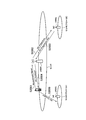
- the conventional LTE mobile communication system is configured so that “PCI (Physical Cell ID)”, which is identification information for identifying each cell, is repeatedly assigned to a plurality of non-adjacent cells. Therefore, as shown in FIG. 10, the cell (for example, cell # 3) assumed by the mobile station UE as “cell # 2 (Target cell)” and the radio base station eNB # 1 are “cell # 2”. There may be a case (PCI Confusion) that is different from the cell (for example, cell # 2) assumed as “(Target cell)”.
- PCI Physical Cell ID
- the mobile station UE When the mobile station UE performs handover to the cell # 3 that is not intended by the cell # 1, another mobile station that already uses the same “C-RNTI” as the “new C-RNTI” in the cell # 3 When the UE exists, the mobile station UE that has handed over in error receives the PDCCH information addressed to the other mobile station UE as if it were addressed to itself, and uses the downlink resource allocated by the PDCCH. In some cases, data may be received, or data may be transmitted using uplink resources allocated by the PDCCH.
- Such a problem is particularly likely to be manifested particularly when a large number of small base stations such as femto radio base stations, home radio base stations, and radio base stations that manage CSG (closed subscriber cells) are installed.
- small base stations such as femto radio base stations, home radio base stations, and radio base stations that manage CSG (closed subscriber cells) are installed.
- the present invention has been made in view of the above-described problems, and an object thereof is to provide a handover method, a radio base station, and a mobile station that can avoid the occurrence of “PCI Confusion”.
- a first feature of the present invention is a handover method in which a mobile station performs handover from a first cell to a second cell, wherein the first radio base station that manages the first cell Transmitting a handover instruction signal including mobile station identification information usable in the second cell; and a second radio base station that manages the second cell after the mobile station receives the handover instruction signal In response to the step of transmitting a common random access preamble, and after the mobile station receives a random access response to the common random access preamble, Transmitting a handover completion signal including the included mobile station identification information, and the second radio base station includes the handover completion signal in the handover completion signal.
- the mobile station identification information is determined to be usable mobile station identification information in the second cell
- the mobile station identification information included in the handover completion signal is used to And a step of notifying a radio resource to be allocated.
- a second feature of the present invention is a handover method in which a mobile station performs handover from a first cell to a second cell, wherein the first radio base station that manages the first cell A step of transmitting a handover instruction signal including mobile station identification information; and after the mobile station has received the handover instruction signal, the second cell to the second radio base station managing the second cell Transmitting an individual random access preamble usable in the second radio base station, and determining that the received individual random access preamble is an individual random access preamble usable in the second cell.
- a third feature of the present invention is a radio base station operable as a second radio base station that manages the second cell when the mobile station performs handover from the first cell to the second cell,
- the mobile station identification information usable in the second cell is transmitted to the first radio base station according to a response to the handover preparation signal received from the first radio base station managing one cell.
- Included in the handover completion signal when it is determined that the mobile station identification information included in the handover completion signal received from the mobile station and the mobile station is usable in the second cell.
- a resource allocation unit configured to notify a radio resource allocated to the mobile station using the mobile station identification information.
- a fourth feature of the present invention is a radio base station operable as a second radio base station for managing the second cell when the mobile station performs handover from the first cell to the second cell, wherein the mobile station A transmitter configured to transmit a random access response to the mobile station when it is determined that the individual random access preamble received from the station is an individual random access preamble usable in the second cell. And a resource allocation unit configured to notify a radio resource to be allocated to the mobile station when a handover completion signal is received from the mobile station after transmitting the random access response to the mobile station It is a summary to comprise.
- a fifth feature of the present invention is a mobile station that can perform handover from the first cell to the second cell, and can be used in the second cell from the first radio base station that manages the first cell.
- Random access preamble transmitter configured to transmit a common random access preamble to the second radio base station that manages the second cell after receiving a handover instruction signal including various mobile station identification information And, after receiving a random access response to the common random access preamble, a handover completion signal including mobile station identification information included in the handover instruction signal is transmitted to the second radio base station.
- the gist of the present invention is to include a configured handover completion signal transmission unit.
- a sixth feature of the present invention is a mobile station capable of performing a handover from a first cell to a second cell, and after receiving a handover instruction signal from a first radio base station that manages the first cell,
- a random access preamble transmitter configured to transmit an individual random access preamble usable in the second cell to a second radio base station that manages the second cell; and the second radio base
- a handover completion signal transmission unit configured to transmit a handover completion signal to the second radio base station after receiving a random access response to the individual random access preamble from the station. Is the gist.
- FIG. 1 is an overall configuration diagram of a mobile communication system according to a first embodiment of the present invention.
- FIG. 2 is a diagram for explaining the operation of the mobile communication system according to the first embodiment of the present invention.
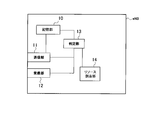
- FIG. 3 is a functional block diagram of the radio base station according to the first embodiment of the present invention.
- FIG. 4 is a diagram illustrating an example of C-RNTI used in each cell in the mobile communication system according to the first embodiment of the invention.
- FIG. 5 is a functional block diagram of the mobile station according to the first embodiment of the present invention.
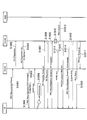
- FIG. 6 is a sequence diagram showing operations of the mobile communication system according to the first embodiment of the present invention.
- FIG. 1 is an overall configuration diagram of a mobile communication system according to a first embodiment of the present invention.
- FIG. 2 is a diagram for explaining the operation of the mobile communication system according to the first embodiment of the present invention.
- FIG. 3 is a functional block diagram of the radio base station according to the first embodiment of the present invention.
- FIG. 4 is
- FIG. 7 is a diagram illustrating an example of RA Preamble used in each cell in the mobile communication system according to the second embodiment of the present invention.
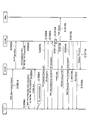
- FIG. 8 is a sequence diagram showing an operation of the mobile communication system according to the second embodiment of the present invention.
- FIG. 9 is a diagram for explaining the operation of a conventional mobile communication system.
- FIG. 10 is a diagram for explaining the operation of a conventional mobile communication system.
- the mobile communication system is an LTE mobile communication system, and includes a radio base station eNB # 1 that manages cell # 1 and a radio base station eNB # that manages cell # 2. 2 and a radio base station eNB # 3 that manages the cell # 3.
- the mobile station UE performs handover from “cell # 1 (Serving cell, Source cell)” to “cell # 2 (Target cell)”. It is configured.
- the configurations of the radio base stations eNB # 1 to eNB # 3 are basically the same, and will be described below as the configuration of the radio base station eNB.
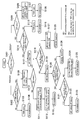
- FIG. 2 shows the operation of the mobile communication system according to the present embodiment when “PCI Confusion” occurs.
- the mobile communication system according to the present embodiment is configured such that “Re-establishment” in step S108 shown in FIG. 2 is performed when “PCI Confusion” occurs.
- the mobile communication system according to the present embodiment configured as described above will be described.
- the radio base station eNB includes a storage unit 10, a transmission unit 11, a reception unit 12, a determination unit 13, and a resource management unit 14.
- the storage unit 10 can use “C-RNTI (Cell- (Radio Network Temporary ID, mobile station identification information) ”.
- a C-RNTI dedicated to each cell that is, a C-RNTI usable in each cell is defined.
- C-RNTIs that can be used are defined so as not to overlap between cells that may have a “PCI confusion” (that is, between neighboring cells that use the same PCI).
- the transmission unit 11 is configured to transmit a signal to the mobile station UE, another radio base station eNB, or the like.
- the transmitter 11 receives the “HO Preparation (handover preparation signal) received from the radio base station eNB # 1 that manages the cell # 1. ) "To the mobile station UE by" HO Command (handover control signal) "from the C-RNTI usable in the cell # 2 to the radio base station eNB # 1 by" HO Preparation ACK (response) " The C-RNTI to be allocated (for example, C-RNTI # 11) is configured to be transmitted.
- the receiving unit 12 is configured to receive a signal transmitted by the mobile station UE, another radio base station eNB, or the like.
- the determination unit 13 determines whether the C-RNTI included in the “HO Complete (handover completion signal)” transmitted by the mobile station UE and received by the reception unit 12 is a C-RNTI usable in the cell # 2. It is configured to determine whether or not.
- the resource allocation unit 14 is configured to allocate radio resources to the mobile station UE that has been handed over to a cell under the radio base station eNB, and notify the mobile station UE of such radio resources.
- the determination unit 13 determines that the C-RNTI included in the “HO Complete” is a C-RNTI usable in the cell # 2, the resource allocation unit 14 is included in the “HO Complete”.
- the radio resource to be allocated to the mobile station UE is notified using the C-RNTI.
- the resource allocation unit 14 determines that the C-RNTI included in the “HO Complete” is not a C-RNTI usable in the cell # 2, the resource allocation unit 14 does not allocate radio resources to the mobile station UE ( In other words, “HO Complete” may be discarded without notifying the radio resource to be allocated to the mobile station UE.
- the mobile station UE includes a transmission unit 21, a reception unit 22, and a reconnection procedure execution unit 23.
- the transmission unit 21 is configured to transmit a signal to the radio base station eNB
- the reception unit 22 is configured to receive a signal transmitted by the radio base station eNB.
- the transmitting unit 21 After the receiving unit 22 receives “HO Command (handover instruction signal)” including the C-RNTI usable in the cell # 2 from the radio base station eNB # 1, the transmitting unit 21 It is configured to transmit “Common RA Preamble (common random access preamble)” to # 2.
- the reception unit 22 receives “RA Response (random access response)” for “Common RA Preamble”
- the C-RNTI included in “HO Command” is transmitted to the radio base station eNB # 2. It is configured to transmit “HO Complete” including.
- the reconnection procedure execution unit 23 when “HO Command” is transmitted by the transmission unit 21 and a predetermined period has elapsed without being notified of radio resources allocated by the radio base station eNB # 2 (for example, , When the timer T304 started upon reception of "HO Command” expires), a reconnection procedure (Re-establishment) is performed.
- step S1001 the mobile station UE transmits “RRC Measurement Report” to the radio base station eNB # 1 that manages the cell # 1.
- step S1002 the radio base station eNB # 1 transmits “HO Preparation” including “first security information” to the radio base station eNB # 2 that manages the cell 2.
- step S1003 the radio base station eNB # 2 transmits, to the radio base station eNB # 1, "HO Preparation Ack” including "C-RNTI # 11" that is one of C-RNTIs that can be used in the cell # 2. ".
- step S1004 the radio base station eNB # 1 transmits “RRC Reconfiguration (HO Command)” including “C-RNTI # 11” to the mobile station UE.
- RRC Reconfiguration HO Command
- step S1005 the mobile station UE notifies the radio base station eNB # 1 that the reception process of “RRC Reconfiguration (HO Command)” in the MAC layer (layer 2) is successful, “HARQ Ack”. Send.
- step S1006 the mobile station UE moves to the cell # 2 indicated by “RRC Reconfiguration (HO Command)” and establishes downlink synchronization for the cell # 2.
- RRC Reconfiguration HO Command
- step S1007 the mobile station UE transmits “Common RA Preamble” to the radio base station eNB # 2 via the RACH.
- step S1008 the radio base station eNB # 2 transmits “RA Response” to the mobile station UE.
- RA Response an uplink resource to be used in the next step 1009 is allocated.
- the mobile station UE includes “C-RNTI # 11” and “second security information” using the uplink resource allocated to the radio base station eNB # 2 by “RA Response”.
- RRC Reconfiguration Complete (HO Command Complete) ”is transmitted.
- step S1010 the radio base station eNB # 2 uses the “second security information” included in the “first security information” and the “RRC Reconfiguration Complete (HO Command Complete)” notified by the radio base station eNB # 1. And verifying the mobile station UE.
- the radio base station eNB # 2 determines whether “C-RNTI # 11” included in “RRC Reconfiguration Complete (HO Command Complete)” is a C-RNTI that can be used in the cell # 2. To do.
- step S1011 when the determination result is “Yes”, the operation proceeds to step S1011.
- the radio base station eNB # 2 determines that the RRC Reconfiguration Complete (HO Command Complete). ) ”Is discarded.
- the mobile station UE performs “Re-establishment (step S108 shown in FIG. 2)”.
- Step S1011 the radio base station eNB # 2 notifies the mobile station UE that the reception process of “RRC Reconfiguration Complete (HO Command Complete)” in the MAC layer (Layer 2) has been successful. Ack "is transmitted.
- step S1012 the radio base station eNB # 2 transmits “Path Switch” to the exchange MME.
- step S ⁇ b> 1013 when data addressed to the mobile station UE is generated, the radio base station eNB # 2 uses the “PDCCH (Physical Downlink Control Channel)” using the “C-RNTI # 11” and the mobile station UE. In response to this, scheduling information is transmitted.
- PDCH Physical Downlink Control Channel
- step S1014 the radio base station eNB # 2 transmits “RRC Reconfiguration Complete Acknowledgment” to the mobile station UE.
- step S1015 the radio base station eNB # 2 transmits data (U-Plane Data) addressed to the mobile station UE to the mobile station UE using the downlink resource assigned by the scheduling information.
- data U-Plane Data
- the mobile station UE transmits data (U-Plane Data) addressed to the cell # 2 to the radio base station eNB # 2 using the uplink resource allocated by the scheduling information.
- data U-Plane Data
- step S1016 the radio base station eNB # 2 transmits “RLC Status” that is RLC layer delivery confirmation information to the mobile station UE.
- step S1017 the radio base station eNB # 2 transmits "Release Resource" to the radio base station eNB # 1.
- the second radio base station eNB # 2 includes a C-RNTI other than the C-RNTI usable in the cell # 2 from the mobile station UE.
- Mobile communication system according to the second embodiment of the present invention With reference to FIG.7 and FIG.8, the mobile communication system which concerns on the 2nd Embodiment of this invention is demonstrated.
- the mobile communication system according to the second embodiment of the present invention will be described by focusing on differences from the above-described mobile communication system according to the first embodiment of the present invention.
- the mobile communication system according to the present embodiment is configured to perform “Re-establishment” in step S104 shown in FIG. 2 when “PCI Confusion” occurs.
- the mobile communication system according to the present embodiment configured as described above will be described.
- the storage unit 10 can use “Dedicated RA Preamble (individually) that can be used in the cell # 2. Random access preamble) ”.
- Dedicated RA Preamble that can be used in each cell is defined as shown in FIG.
- Dedicated RA Preambles that can be used are stipulated so as not to overlap between cells that may have a “PCI confusion” (that is, between neighboring cells that use the same PCI).
- the transmission unit 11 wirelessly transmits “HO Preparation ACK” for “HO Preparation” received from the radio base station eNB # 1.
- “Dedicated RA Preamble # (for example, Dedicated RA Preamble #) assigned to the mobile station UE by“ HO Command (handover control signal) ”from“ Dedicated RA Preamble ”usable in cell # 2 to the base station eNB # 1 3) ".
- the determination unit 13 can use “Dedicated RA Preamble” received from the mobile station UE in “Dedicated RA It is configured to determine whether or not “Preamble”.
- the transmission unit 11 instructs the mobile station UE to “ It is configured to transmit “RA Response”.
- the transmission unit 11 sends “ It is configured not to transmit “RA Response”.
- step S1001A the mobile station UE transmits “RRC Measurement Report” to the radio base station eNB # 1 that manages the cell # 1.
- step S1002A the radio base station eNB # 1 transmits “HO Preparation” including “first security information” to the radio base station eNB # 2 that manages the cell 2.
- the radio base station eNB # 2 includes, for the radio base station eNB # 1, “HO” including “Dedicated RA Preamble # 3” which is one of “Dedicated RA Preamble” that can be used in the cell # 2. Send "Preparation Ack”.
- step S1004A the radio base station eNB # 1 transmits “RRC Reconfiguration (HO Command)” including “Dedicated RA Preamble # 3” to the mobile station UE.
- RRC Reconfiguration HO Command
- step S1005A the mobile station UE notifies the radio base station eNB # 1 that the reception process of “RRC Reconfiguration (HO Command)” in the MAC layer (layer 2) has been successful, “HARQ Ack”. Send.
- step S1006A the mobile station UE moves to cell # 2 instructed by “RRC Reconfiguration (HO Command)”, and establishes downlink synchronization for cell # 2.
- RRC Reconfiguration HO Command
- step S1007A the mobile station UE transmits “Dedicated RA Preamble # 3” included in “RRC Reconfiguration (HO Command)” to the radio base station eNB # 2 via the RACH.
- the radio base station eNB # 2 determines that the radio base station eNB # 2 Then, “RA Response” is transmitted to the mobile station UE. By “RA Response”, an uplink resource to be used in the next step 1009A is allocated.
- step S1008A when the received “Dedicated RA Preamble # 3” is not “Dedicated RA Preamble” that can be used in the cell # 2, in step S1008A, the radio base station eNB # 2 "Response" is not transmitted.
- the mobile station UE performs “Re-establishment (step S104 shown in FIG. 2)”.
- step S1009A the mobile station UE uses the uplink resource assigned by the “RA Response” to the radio base station eNB # 2, and uses the “RRC Reconfiguration Complete (HO Command Complete)” including the “second security information”. ".
- step S1010A the radio base station eNB # 2 uses the “second security information” included in the “first security information” and the “RRC Reconfiguration Complete (HO Command Complete)” notified by the radio base station eNB # 1. And verifying the mobile station UE.
- step S1011A the radio base station eNB # 2 notifies the mobile station UE that the reception process of “RRC Reconfiguration Complete (HO Command Complete)” in the MAC layer (Layer 2) has been successful. Ack "is transmitted.
- step S1012A the radio base station eNB # 2 transmits “Path Switch” to the exchange MME.
- step S1013A when data addressed to the mobile station UE is generated, the radio base station eNB # 2 uses “PDCCH (Physical Downlink Control Channel)” using “new C-RNTI” in the cell # 2. Then, scheduling information is transmitted to the mobile station UE.
- PDCH Physical Downlink Control Channel
- step S1014A the radio base station eNB # 2 transmits “RRC Reconfiguration Complete Acknowledgment” to the mobile station UE.
- step S1015A the radio base station eNB # 2 transmits data (U-Plane Data) addressed to the mobile station UE to the mobile station UE using the downlink resource assigned by the scheduling information.
- data U-Plane Data
- the mobile station UE transmits data (U-Plane Data) addressed to the cell # 2 to the radio base station eNB # 2 using the uplink resource allocated by the scheduling information.
- data U-Plane Data
- step S1016A the radio base station eNB # 2 transmits “RLC Status” that is RLC layer delivery confirmation information to the mobile station UE.
- step S1017A the radio base station eNB # 2 transmits “Release Resource” to the radio base station eNB # 1.
- the mobile station UE transmits “Dedicated RA Preamble” other than “Dedicated RA Preamble” that can be used in the cell # 2, the “Dedicated RA Preamble” is transmitted. Since the second radio base station eNB # 2 does not respond to “Dedicated RA Preamble”, “Re-establishment” in S104 shown in FIG. 2 is performed, and “Deadlock” occurs when “PCI Confusion” occurs. Can be avoided.
- the first feature of the present embodiment is a handover method in which the mobile station UE performs handover from the cell # 1 (first cell) to the cell # 2 (second cell), and the radio base that manages the cell # 1 Station eNB # 1 (first radio base station) transmits “HO Command (handover instruction signal)” including C-RNTI (mobile station identification information) usable in cell # 2 to mobile station UE.
- HO Command handover instruction signal
- C-RNTI mobile station identification information
- HARQ Ack response to the radio base station eNB # 2.
- a step of performing a reconnection procedure may be further included.
- the radio base station eNB # 2 determines that the C-RNTI included in the “HO Complete” is not a C-RNTI that can be used in the cell # 2, the “HO Complete” "HO Complete” may be discarded without responding to ".”
- the second feature of the present embodiment is a handover method in which the mobile station UE performs handover from the cell # 1 to the cell # 2, and the radio base station eNB # 1 that manages the cell # 1 is assigned to the mobile station UE.
- the cell # 2 is transmitted to the radio base station eNB # 2 that manages the cell # 2.
- the “Dedicated RA Preamble” that can be used in the cell 2 and the “Dedicated RA Preamble” that the radio base station eNB # 2 can use the received “Dedicated RA Preamble” in the cell # 2 can be used.
- the radio base station eNB # 2 determines that the received “Dedicated RA Preamble” is not “Dedicated RA Preamble” that can be used in the cell # 2, the mobile station UE You may further have the process of not transmitting "RA Response".
- a third feature of the present embodiment is a radio base station eNB operable as a radio base station eNB # 2 that manages cell # 2 when the mobile station UE performs handover from cell # 1 to cell # 2.
- the radio base station eNB # 1 receives the “HO Preparation ACK (response)” in the cell # 2.
- the C-RNTI included in the “HO Complete” received from the mobile station UE is a C-RNTI that can be used in the cell # 2 and the transmission unit 11 configured to transmit usable C-RNTI. If it is determined that there is a mobile station UE, the C-RNTI included in “HO Complete” is allocated. And a resource allocating unit configured to notify the wireless resource.
- the resource allocation unit 14 determines that the C-RNTI included in the “HO Complete” is not a C-RNTI usable in the cell # 2, the resource allocation unit 14 sets “HO Complete”. Instead, the “HO Complete” may be discarded without responding.
- a fourth feature of the present embodiment is a radio base station eNB operable as a radio base station eNB # 2 that manages cell # 2 when the mobile station UE performs handover from cell # 1 to cell # 2.
- the mobile station UE is configured to transmit an “RA Response”.
- the mobile station UE is configured to notify the radio resource to be allocated to the mobile station UE.
- the resource allocation unit 14 is provided.
- the resource allocating unit 14 determines that the “Dedicated RA Preamble” received from the mobile station UE is not “Dedicated RA Preamble” that can be used in the cell # 2, the resource allocation unit 14 notifies the mobile station UE. Alternatively, it may be configured not to transmit “RA Response”.
- the fifth feature of the present embodiment is a mobile station UE that can perform handover from the cell # 1 to the cell # 2, and is used in the cell # 2 from the radio base station eNB # 1 that manages the cell # 1.
- it After receiving “HO Command” including possible C-RNTI, it is configured to transmit “Common RA Preamble” to the radio base station eNB # 2 managing cell # 2, and “Common RA A transmission configured to transmit “HO Complete” including C-RNTI included in “HO Command” to radio base station eNB # 2 after receiving “RA Response” for “Preamble”
- the gist of the present invention is to include the unit 21.
- a “HARQ Ack (response)” is not received from the radio base station eNB # 2, and a predetermined period has elapsed (for example, a timer If T304 expires), a reconnection procedure execution unit 23 configured to perform the reconnection procedure may be further included.
- the sixth feature of the present embodiment is a mobile station UE that can perform handover from cell # 1 to cell # 2, and receives “HO Command” from the radio base station eNB # 1 that manages cell # 1.
- the radio base station eNB # 2 that manages the cell # 2 is configured to transmit “Dedicated RA Preamble” that can be used in the cell # 2, and the radio base station eNB # 2
- the gist of the present invention is to include a transmission unit 21 configured to transmit “HO Complete” to the radio base station eNB # 2 after receiving “RA Response” for “Dedicated RA Preamble”.
- a reconnection procedure After transmitting “Dedicated RA Preamble”, if a predetermined period has elapsed without receiving “RA Response” (for example, when timer T304 has expired), a reconnection procedure The reconnection procedure execution part 23 comprised so that it may perform may be further provided.
- the “PCI confusion” allows the mobile station UE to manage a cell different from the cell indicated by the “HO Command” transmitted by the radio base station eNB # 1.
- “HO Complete” is transmitted, if the radio base station eNB # 2 does not react to “HO Complete”, a fatal problem such as interference can be avoided.
- C-RNTI In order to ensure that the radio base station eNB # 2 does not receive the “HO Complete” or discards it even if it is received, “C-RNTI” or “ It is conceivable to separate “Dedicated RA Preamble”.
- C-RNTI or “Dedicated RA Preamble” that can be used only has to be divided between neighboring cells where “PCI confusion” can occur.
- the setting of “root sequence” for generating the “RA Preamble” sequence may be changed, or the physical resource block allocation in the time / frequency direction of “PRACH”, that is, “PRACH configuration” may be changed.
- C-RNTI and “Dedicated RA Preamble” settings, “root sequence” and “PRACH configuration” settings are performed by the “plug and play” procedure at the start of the radio base station, etc. It may be set automatically.
- the OAM server when the radio base station is activated, the OAM server is connected, and such setting may be set from the OAM server to the radio base station.
- the neighboring cell in which “PCI confusion” can occur refers to the total number of cells that use the same PCI among the cells that are handover destination candidates from the cell when attention is paid to an arbitrary cell.
- the cells included in the set of neighboring cells that can cause “PCI confusion” may be automatically obtained by the “plug and play” function of the radio base station.
- the operations of the radio base station eNB, the switching center MME, and the mobile station UE described above may be implemented by hardware, may be implemented by a software module executed by a processor, or may be implemented by a combination of both. May be.
- Software modules include RAM (Random Access Memory), flash memory, ROM (Read Only Memory), EPROM (Erasable Programmable ROM), EEPROM (Electronically Erasable and Programmable, Removable ROM, and Hard Disk). Alternatively, it may be provided in a storage medium of an arbitrary format such as a CD-ROM.
- Such a storage medium is connected to the processor so that the processor can read and write information from and to the storage medium. Further, such a storage medium may be integrated in the processor. Such a storage medium and processor may be provided in the ASIC. Such an ASIC may be provided in the radio base station eNB, the exchange MME, or the mobile station UE. Further, the storage medium and the processor may be provided in the radio base station eNB, the exchange MME, and the mobile station UE as discrete components.
Landscapes
- Engineering & Computer Science (AREA)
- Computer Networks & Wireless Communication (AREA)
- Signal Processing (AREA)
- Databases & Information Systems (AREA)
- Mobile Radio Communication Systems (AREA)
Abstract
Description
図1乃至図4を参照して、本発明の第1の実施形態に係る移動通信システムの構成について説明する。
図6を参照して、本発明の第1の実施形態に係る移動通信システムの動作について説明する。以下、本発明の第1の実施形態に係る移動通信システムの動作について、上述した図9の動作との相違点に着目して説明する。
本発明の第1の実施形態に係る移動通信システムによれば、第2無線基地局eNB#2が、移動局UEから、セル#2において使用可能なC-RNTI以外のC-RNTIを含む「HO Complete」を受信した場合には、かかる「HO Complete」に対して応答しないため、図2に示すS108の「Re-establishment」が行われることになり、「PCI Confusion」が発生した際に、「Deadlock」状態となる事態を回避することができる。
図7及び図8を参照して、本発明の第2の実施形態に係る移動通信システムについて説明する。以下、本発明の第2の実施形態に係る移動通信システムについて、上述の本発明の第1の実施形態に係る移動通信システムとの相違点に着目して説明する。
Claims (14)
- 移動局が、第1セルから第2セルにハンドオーバを行うハンドオーバ方法であって、
前記第1セルを管理する第1無線基地局が、前記移動局に対して、前記第2セルにおいて使用可能な移動局識別情報を含むハンドオーバ指示信号を送信する工程と、
前記移動局が、前記ハンドオーバ指示信号を受信した後、前記第2セルを管理する第2無線基地局に対して、共通のランダムアクセスプリアンブルを送信する工程と、
前記移動局が、前記共通のランダムアクセスプリアンブルに対するランダムアクセス応答を受信した後、前記第2無線基地局に対して、前記ハンドオーバ指示信号に含まれている移動局識別情報を含むハンドオーバ完了信号を送信する工程と、
前記第2無線基地局が、前記ハンドオーバ完了信号に含まれている移動局識別情報が前記第2セルにおいて使用可能な移動局識別情報であると判定した場合、該ハンドオーバ完了信号に含まれている移動局識別情報を用いて、前記移動局に対して割り当てる無線リソースを通知する工程とを有することを特徴とするハンドオーバ方法。 - 前記移動局が、前記ハンドオーバ指示信号を送信した後、前記第2無線基地局からの応答を受信することなく、所定期間が経過した場合、再接続手順を行う工程を更に有することを特徴とする請求項1に記載のハンドオーバ方法。
- 前記第2無線基地局が、前記ハンドオーバ完了信号に含まれている移動局識別情報が前記第2セルにおいて使用可能な移動局識別情報でないと判定した場合、該記ハンドオーバ完了信号に対して応答することなく、該ハンドオーバ完了信号を廃棄する工程を更に有することを特徴とする請求項1又は2に記載のハンドオーバ方法。
- 移動局が、第1セルから第2セルにハンドオーバを行うハンドオーバ方法であって、
前記第1セルを管理する第1無線基地局が、前記移動局に対して、移動局識別情報を含むハンドオーバ指示信号を送信する工程と、
前記移動局が、前記ハンドオーバ指示信号を受信した後、前記第2セルを管理する第2無線基地局に対して、該第2セルにおいて使用可能な個別のランダムアクセスプリアンブルを送信する工程と、
前記第2無線基地局が、受信した前記個別のランダムアクセスプリアンブルが前記第2セルにおいて使用可能な個別のランダムアクセスプリアンブルであると判定した場合、前記移動局に対して、ランダムアクセス応答を送信する工程と、
前記移動局が、前記ランダムアクセス応答を受信した後、前記第2無線基地局に対して、ハンドオーバ完了信号を送信する工程と、
前記第2無線基地局が、前記ハンドオーバ完了信号を受信した後、前記移動局に対して割り当てる無線リソースを通知する工程とを有することを特徴とするハンドオーバ方法。 - 前記移動局が、前記個別のランダムアクセスプリアンブルを送信した後、前記ランダムアクセス応答を受信することなく、所定期間が経過した場合、再接続手順を行う工程を更に有することを特徴とする請求項4に記載のハンドオーバ方法。
- 前記第2無線基地局が、受信した前記個別のランダムアクセスプリアンブルが前記第2セルにおいて使用可能な個別のランダムアクセスプリアンブルでないと判定した場合、前記移動局に対してランダムアクセス応答を送信しない工程を更に有することを特徴とする請求項4又は5に記載のハンドオーバ方法。
- 移動局が第1セルから第2セルにハンドオーバを行う場合に該第2セルを管理する第2無線基地局として動作可能な無線基地局であって、
前記第1セルを管理する第1無線基地局から受信したハンドオーバ準備信号に対する応答によって、該第1無線基地局に対して、前記第2セルにおいて使用可能な移動局識別情報を送信するように構成されている送信部と、
前記移動局から受信したハンドオーバ完了信号に含まれている移動局識別情報が前記第2セルにおいて使用可能な移動局識別情報であると判定した場合、該ハンドオーバ完了信号に含まれている移動局識別情報を用いて、該移動局に対して割り当てる無線リソースを通知するように構成されているリソース割当部とを具備することを特徴とする無線基地局。 - 前記リソース割当部は、前記ハンドオーバ完了信号に含まれている移動局識別情報が前記第2セルにおいて使用可能な移動局識別情報でないと判定した場合、該ハンドオーバ完了信号に対して応答することなく、該ハンドオーバ完了信号を廃棄するように構成されていることを特徴とする請求項7に記載の無線基地局。
- 移動局が第1セルから第2セルにハンドオーバを行う場合に該第2セルを管理する第2無線基地局として動作可能な無線基地局であって、
前記移動局から受信した個別のランダムアクセスプリアンブルが前記第2セルにおいて使用可能な個別のランダムアクセスプリアンブルであると判定した場合、前記移動局に対してランダムアクセス応答を送信するように構成されている送信部と、
前記移動局に対して前記ランダムアクセス応答を送信した後、該移動局からハンドオーバ完了信号を受信した場合、該移動局に対して割り当てる無線リソースを通知するように構成されているリソース割当部とを具備することを特徴とする無線基地局。 - 前記リソース割当部は、前記移動局から受信した前記個別のランダムアクセスプリアンブルが前記第2セルにおいて使用可能な個別のランダムアクセスプリアンブルでないと判定した場合、該移動局に対して前記ランダムアクセス応答を送信しないように構成されていることを特徴とする請求項9に記載の無線基地局。
- 第1セルから第2セルにハンドオーバを行うことができる移動局であって、
前記第1セルを管理する第1無線基地局から、前記第2セルにおいて使用可能な移動局識別情報を含むハンドオーバ指示信号を受信した後、前記第2セルを管理する第2無線基地局に対して、共通のランダムアクセスプリアンブルを送信するように構成されているランダムアクセスプリアンブル送信部と、
前記共通のランダムアクセスプリアンブルに対するランダムアクセス応答を受信した後、前記第2無線基地局に対して、前記ハンドオーバ指示信号に含まれている移動局識別情報を含むハンドオーバ完了信号を送信するように構成されているハンドオーバ完了信号送信部とを具備することを特徴とする移動局。 - 前記ハンドオーバ指示信号を送信した後、前記第2無線基地局からの応答を受信することなく、所定期間が経過した場合、再接続手順を行うように構成されている再接続手順実施部を更に具備することを特徴とする請求項11に記載の移動局。
- 第1セルから第2セルにハンドオーバを行うことができる移動局であって、
前記第1セルを管理する第1無線基地局からハンドオーバ指示信号を受信した後、前記第2セルを管理する第2無線基地局に対して、該第2セルにおいて使用可能な個別のランダムアクセスプリアンブルを送信するように構成されているランダムアクセスプリアンブル送信部と、
前記第2無線基地局から、前記個別のランダムアクセスプリアンブルに対するランダムアクセス応答を受信した後、前記第2無線基地局に対して、ハンドオーバ完了信号を送信するように構成されているハンドオーバ完了信号送信部とを具備することを特徴とする移動局。 - 前記個別のランダムアクセスプリアンブルを送信した後、前記ランダムアクセス応答を受信することなく、所定期間が経過した場合、再接続手順を行うように構成されている再接続手順実施部を更に具備することを特徴とする請求項13に記載の移動局。
Priority Applications (9)
| Application Number | Priority Date | Filing Date | Title |
|---|---|---|---|
| KR1020117031191A KR101184667B1 (ko) | 2009-06-22 | 2010-06-10 | 핸드오버 방법, 무선기지국 및 이동국 |
| RU2012100388/07A RU2498533C2 (ru) | 2009-06-22 | 2010-06-10 | Способ выполнения хэндовера, базовая радиостанция и мобильная станция |
| US13/379,732 US8798007B2 (en) | 2009-06-22 | 2010-06-10 | Handover method, radio base station, and mobile station |
| BRPI1011749A BRPI1011749A2 (pt) | 2009-06-22 | 2010-06-10 | "método de transferência, estação base de rádio e estação móvel" |
| MX2012000144A MX2012000144A (es) | 2009-06-22 | 2010-06-10 | Metodo de transferencia, estacion de base de radio y estacion movil. |
| CN201080027801.7A CN102484832B (zh) | 2009-06-22 | 2010-06-10 | 切换方法、无线基站以及移动台 |
| EP10791980A EP2448330A4 (en) | 2009-06-22 | 2010-06-10 | TRANSFER PROCESS, WIRELESS BASE STATION AND MOBILE STATION |
| SG2011095452A SG177333A1 (en) | 2009-06-22 | 2010-06-10 | Handover method, radio base station, and mobile station |
| AU2010263802A AU2010263802A1 (en) | 2009-06-22 | 2010-06-10 | Handover method, wireless base station, and mobile station |
Applications Claiming Priority (2)
| Application Number | Priority Date | Filing Date | Title |
|---|---|---|---|
| JP2009-148143 | 2009-06-22 | ||
| JP2009148143A JP4927123B2 (ja) | 2009-06-22 | 2009-06-22 | ハンドオーバ方法、無線基地局及び移動局 |
Publications (1)
| Publication Number | Publication Date |
|---|---|
| WO2010150662A1 true WO2010150662A1 (ja) | 2010-12-29 |
Family
ID=43386434
Family Applications (1)
| Application Number | Title | Priority Date | Filing Date |
|---|---|---|---|
| PCT/JP2010/059863 Ceased WO2010150662A1 (ja) | 2009-06-22 | 2010-06-10 | ハンドオーバ方法、無線基地局及び移動局 |
Country Status (11)
| Country | Link |
|---|---|
| US (1) | US8798007B2 (ja) |
| EP (1) | EP2448330A4 (ja) |
| JP (1) | JP4927123B2 (ja) |
| KR (1) | KR101184667B1 (ja) |
| CN (1) | CN102484832B (ja) |
| AU (1) | AU2010263802A1 (ja) |
| BR (1) | BRPI1011749A2 (ja) |
| MX (1) | MX2012000144A (ja) |
| RU (1) | RU2498533C2 (ja) |
| SG (1) | SG177333A1 (ja) |
| WO (1) | WO2010150662A1 (ja) |
Cited By (5)
| Publication number | Priority date | Publication date | Assignee | Title |
|---|---|---|---|---|
| KR20120108854A (ko) * | 2011-03-25 | 2012-10-05 | 아주대학교산학협력단 | 이동 통신 시스템에서 랜덤 액세스 방법 및 장치 |
| WO2012139626A1 (en) * | 2011-04-11 | 2012-10-18 | Nokia Siemens Networks Oy | A method and apparatus |
| CN105379338A (zh) * | 2014-04-15 | 2016-03-02 | 华为技术有限公司 | Pci混淆检测的网络设备及方法 |
| US9736865B2 (en) | 2010-04-27 | 2017-08-15 | Ajou University Industry-Academic Cooperation Foundation | Random access method and apparatus in wireless communication system |
| US9780861B2 (en) | 2011-10-04 | 2017-10-03 | Telefonaktiebolaget Lm Ericsson (Publ) | Methods and devices for configuring uplink transmission diversity |
Families Citing this family (11)
| Publication number | Priority date | Publication date | Assignee | Title |
|---|---|---|---|---|
| CN104115514B (zh) | 2012-02-17 | 2019-10-18 | 日本电气株式会社 | 通信系统、标识符分配设备、基站、标识符分配方法、以及体现用于控制设备的指令的非临时性计算机可读介质 |
| JP6062687B2 (ja) * | 2012-08-29 | 2017-01-18 | 株式会社Nttドコモ | 移動通信方法及び移動局 |
| JP6101473B2 (ja) | 2012-11-22 | 2017-03-22 | 株式会社Nttドコモ | 移動局及び無線基地局 |
| CN103997762B (zh) * | 2013-02-19 | 2017-08-25 | 中兴通讯股份有限公司 | 一种小区切换方法及系统 |
| US9210597B2 (en) * | 2013-03-13 | 2015-12-08 | Qualcomm Incorporation | Cell identification collision detection in wireless communications |
| JP6163006B2 (ja) * | 2013-05-09 | 2017-07-12 | 株式会社Nttドコモ | 移動通信方法及び無線基地局 |
| KR102030520B1 (ko) | 2015-01-13 | 2019-10-10 | 후지쯔 가부시끼가이샤 | 무선 통신 시스템, 제어국 및 단말기 |
| KR102327816B1 (ko) * | 2015-07-09 | 2021-11-17 | 한국전자통신연구원 | 소형셀 기지국 장치 및 그의 pci 제어 방법 |
| CN110381602B (zh) * | 2016-11-04 | 2021-10-15 | 华为技术有限公司 | 通信方法、网络设备、通信系统和计算机可读存储介质 |
| CN110519811B (zh) * | 2019-08-16 | 2021-08-20 | 成都电科慧安科技有限公司 | 一种基于s1接口的lte基站小区切换方法 |
| CN112654072B (zh) * | 2019-10-11 | 2022-06-24 | 维沃移动通信有限公司 | 一种小区驻留方法、设备及系统 |
Citations (2)
| Publication number | Priority date | Publication date | Assignee | Title |
|---|---|---|---|---|
| WO2008143163A1 (ja) * | 2007-05-24 | 2008-11-27 | Sharp Kabushiki Kaisha | 移動通信システム、基地局装置および移動局装置 |
| WO2009154038A1 (ja) * | 2008-06-16 | 2009-12-23 | 日本電気株式会社 | 基地局制御モジュール、無線基地局、基地局制御装置および基地局制御方法 |
Family Cites Families (6)
| Publication number | Priority date | Publication date | Assignee | Title |
|---|---|---|---|---|
| KR100827105B1 (ko) * | 2004-02-13 | 2008-05-02 | 삼성전자주식회사 | 광대역 무선 통신 시스템에서 고속 레인징을 통한 빠른핸드오버 수행 방법 및 장치 |
| US8774125B2 (en) * | 2007-03-15 | 2014-07-08 | Lg Electronics Inc. | Method of managing data blocks during handover |
| KR101514841B1 (ko) * | 2007-08-10 | 2015-04-23 | 엘지전자 주식회사 | 효율적인 랜덤 액세스 재시도를 수행하는 방법 |
| US8649353B2 (en) * | 2008-03-04 | 2014-02-11 | Interdigital Patent Holdings, Inc. | Method and apparatus for accessing a random access channel by selectively using dedicated or contention-based preambles during handover |
| US9049581B2 (en) * | 2008-06-23 | 2015-06-02 | Qualcomm Incorporated | Utilizing system access sequences to request resources for GCI reporting in wireless networks |
| JP4625123B2 (ja) * | 2008-12-11 | 2011-02-02 | 株式会社エヌ・ティ・ティ・ドコモ | 移動通信方法及び無線基地局 |
-
2009
- 2009-06-22 JP JP2009148143A patent/JP4927123B2/ja active Active
-
2010
- 2010-06-10 EP EP10791980A patent/EP2448330A4/en not_active Withdrawn
- 2010-06-10 CN CN201080027801.7A patent/CN102484832B/zh active Active
- 2010-06-10 RU RU2012100388/07A patent/RU2498533C2/ru not_active IP Right Cessation
- 2010-06-10 BR BRPI1011749A patent/BRPI1011749A2/pt not_active IP Right Cessation
- 2010-06-10 US US13/379,732 patent/US8798007B2/en active Active
- 2010-06-10 KR KR1020117031191A patent/KR101184667B1/ko not_active Expired - Fee Related
- 2010-06-10 WO PCT/JP2010/059863 patent/WO2010150662A1/ja not_active Ceased
- 2010-06-10 MX MX2012000144A patent/MX2012000144A/es active IP Right Grant
- 2010-06-10 SG SG2011095452A patent/SG177333A1/en unknown
- 2010-06-10 AU AU2010263802A patent/AU2010263802A1/en not_active Abandoned
Patent Citations (2)
| Publication number | Priority date | Publication date | Assignee | Title |
|---|---|---|---|---|
| WO2008143163A1 (ja) * | 2007-05-24 | 2008-11-27 | Sharp Kabushiki Kaisha | 移動通信システム、基地局装置および移動局装置 |
| WO2009154038A1 (ja) * | 2008-06-16 | 2009-12-23 | 日本電気株式会社 | 基地局制御モジュール、無線基地局、基地局制御装置および基地局制御方法 |
Non-Patent Citations (2)
| Title |
|---|
| NTT DOCOMO, INC.: "A solution to resolve potential PCI confusion at handover", 3GPP TSG RAN WG2 LTE RRC AD HOC TDOC-R2-082963, AGENDA ITEM 4.4, 5 June 2008 (2008-06-05), pages 1 - 3, XP050142149 * |
| QUALCOMM EUROPE: "Connected mode mobility in the presence of PCI confusion for HeNBs", 3GPP TSG-RAN WG2 MEETING #65BIS R2-092113, AGENDA ITEM 4.2.1, 23 March 2009 (2009-03-23), XP050339961 * |
Cited By (9)
| Publication number | Priority date | Publication date | Assignee | Title |
|---|---|---|---|---|
| US9736865B2 (en) | 2010-04-27 | 2017-08-15 | Ajou University Industry-Academic Cooperation Foundation | Random access method and apparatus in wireless communication system |
| KR20120108854A (ko) * | 2011-03-25 | 2012-10-05 | 아주대학교산학협력단 | 이동 통신 시스템에서 랜덤 액세스 방법 및 장치 |
| KR101865074B1 (ko) * | 2011-03-25 | 2018-06-07 | 아주대학교산학협력단 | 이동 통신 시스템에서 랜덤 액세스 방법 및 장치 |
| WO2012139626A1 (en) * | 2011-04-11 | 2012-10-18 | Nokia Siemens Networks Oy | A method and apparatus |
| US9374750B2 (en) | 2011-04-11 | 2016-06-21 | Nokia Siemens Networks Oy | Method and apparatus for handover management |
| US9780861B2 (en) | 2011-10-04 | 2017-10-03 | Telefonaktiebolaget Lm Ericsson (Publ) | Methods and devices for configuring uplink transmission diversity |
| US10044429B2 (en) | 2011-10-04 | 2018-08-07 | Telefonaktiebolaget Lm Ericsson (Publ) | Methods and devices for configuring uplink transmission diversity |
| US10404349B2 (en) | 2011-10-04 | 2019-09-03 | Telefonaktiebolaget Lm Ericsson (Publ) | Methods and devices for configuring uplink transmission diversity |
| CN105379338A (zh) * | 2014-04-15 | 2016-03-02 | 华为技术有限公司 | Pci混淆检测的网络设备及方法 |
Also Published As
| Publication number | Publication date |
|---|---|
| RU2498533C2 (ru) | 2013-11-10 |
| US20120140740A1 (en) | 2012-06-07 |
| EP2448330A1 (en) | 2012-05-02 |
| CN102484832A (zh) | 2012-05-30 |
| AU2010263802A1 (en) | 2012-02-09 |
| RU2012100388A (ru) | 2013-07-27 |
| KR20120026572A (ko) | 2012-03-19 |
| SG177333A1 (en) | 2012-02-28 |
| US8798007B2 (en) | 2014-08-05 |
| KR101184667B1 (ko) | 2012-09-21 |
| BRPI1011749A2 (pt) | 2019-09-24 |
| EP2448330A4 (en) | 2013-01-02 |
| JP4927123B2 (ja) | 2012-05-09 |
| CN102484832B (zh) | 2014-09-24 |
| JP2011004377A (ja) | 2011-01-06 |
| MX2012000144A (es) | 2012-02-08 |
Similar Documents
| Publication | Publication Date | Title |
|---|---|---|
| JP4927123B2 (ja) | ハンドオーバ方法、無線基地局及び移動局 | |
| JP6618215B2 (ja) | D2d通信の制御プレーンのためのシステムおよび方法 | |
| KR102772269B1 (ko) | 이동통신 시스템에서 다중 연결을 사용한 핸드오버 시 보안 키를 처리하는 방법 및 장치 | |
| JP6081350B2 (ja) | ユーザ端末、無線基地局及び無線通信方法 | |
| EP2863681A1 (en) | Method of handling handover for dual connectivity communication device and communication device thereof | |
| JP2016524372A (ja) | デュアル・コネクティビティ | |
| AU2011330133B2 (en) | Mobile communication method and radio base station | |
| US9668174B2 (en) | Mobile communication method | |
| JP5123742B2 (ja) | ハンドオーバ方法、移動局及び無線基地局 | |
| JP5123727B2 (ja) | ハンドオーバ方法、無線基地局及び移動局 | |
| WO2014080753A1 (ja) | 移動局及び無線基地局 | |
| JP2014220685A (ja) | 移動通信方法及び無線基地局 | |
| JP6071276B2 (ja) | 移動局 | |
| JP6188537B2 (ja) | 無線基地局 | |
| WO2014181829A1 (ja) | ユーザ端末、セルラ基地局、及びプロセッサ | |
| JP6055255B2 (ja) | 移動通信方法 |
Legal Events
| Date | Code | Title | Description |
|---|---|---|---|
| WWE | Wipo information: entry into national phase |
Ref document number: 201080027801.7 Country of ref document: CN |
|
| 121 | Ep: the epo has been informed by wipo that ep was designated in this application |
Ref document number: 10791980 Country of ref document: EP Kind code of ref document: A1 |
|
| NENP | Non-entry into the national phase |
Ref country code: DE |
|
| ENP | Entry into the national phase |
Ref document number: 20117031191 Country of ref document: KR Kind code of ref document: A |
|
| WWE | Wipo information: entry into national phase |
Ref document number: 9819/CHENP/2011 Country of ref document: IN |
|
| WWE | Wipo information: entry into national phase |
Ref document number: MX/A/2012/000144 Country of ref document: MX |
|
| WWE | Wipo information: entry into national phase |
Ref document number: 2010263802 Country of ref document: AU Ref document number: 2010791980 Country of ref document: EP |
|
| WWE | Wipo information: entry into national phase |
Ref document number: 2012100388 Country of ref document: RU |
|
| ENP | Entry into the national phase |
Ref document number: 2010263802 Country of ref document: AU Date of ref document: 20100610 Kind code of ref document: A |
|
| WWE | Wipo information: entry into national phase |
Ref document number: 13379732 Country of ref document: US |
|
| REG | Reference to national code |
Ref country code: BR Ref legal event code: B01A Ref document number: PI1011749 Country of ref document: BR |
|
| ENP | Entry into the national phase |
Ref document number: PI1011749 Country of ref document: BR Kind code of ref document: A2 Effective date: 20111222 |