WO2010150711A1 - 情報提供装置および方法、プログラム並びに記録媒体 - Google Patents
情報提供装置および方法、プログラム並びに記録媒体 Download PDFInfo
- Publication number
- WO2010150711A1 WO2010150711A1 PCT/JP2010/060386 JP2010060386W WO2010150711A1 WO 2010150711 A1 WO2010150711 A1 WO 2010150711A1 JP 2010060386 W JP2010060386 W JP 2010060386W WO 2010150711 A1 WO2010150711 A1 WO 2010150711A1
- Authority
- WO
- WIPO (PCT)
- Prior art keywords
- identification number
- action
- individual identification
- terminal device
- user group
- Prior art date
- Legal status (The legal status is an assumption and is not a legal conclusion. Google has not performed a legal analysis and makes no representation as to the accuracy of the status listed.)
- Ceased
Links
Images








Classifications
-
- G—PHYSICS
- G06—COMPUTING OR CALCULATING; COUNTING
- G06Q—INFORMATION AND COMMUNICATION TECHNOLOGY [ICT] SPECIALLY ADAPTED FOR ADMINISTRATIVE, COMMERCIAL, FINANCIAL, MANAGERIAL OR SUPERVISORY PURPOSES; SYSTEMS OR METHODS SPECIALLY ADAPTED FOR ADMINISTRATIVE, COMMERCIAL, FINANCIAL, MANAGERIAL OR SUPERVISORY PURPOSES, NOT OTHERWISE PROVIDED FOR
- G06Q30/00—Commerce
- G06Q30/02—Marketing; Price estimation or determination; Fundraising
Definitions
- the present invention relates to an information providing apparatus, method, program, and recording medium, and more particularly, to an information providing apparatus, method, program, and recording medium that can provide a service in a store or the like.
- Non-contact ID (identification) tags are widely used.
- a unique individual identification number is stored in the ID tag, and the individual identification number is read from the ID tag by a reader, and information corresponding to the individual identification number is provided.
- the user When providing a service using an ID tag, the user owns the card-type ID tag, and the user uses the card-type ID tag to provide the user with a service corresponding to the ID tag.
- an RFID (radio frequency identification) reader of a communication device acquires information about the mobile phone stored in the RFID tag using wireless communication by RFID, and based on the information, the Bluetooth module of the communication device
- the Bluetooth module When wireless communication is performed using the Bluetooth module of the mobile phone and Bluetooth, the dial-up connection is requested to the mobile phone, and when the mobile phone dials up to the network, the Bluetooth module carries the advertisement ID and the e-mail address of the mobile phone.
- the information providing server via the telephone and the network, and the information providing server supplies the advertisement data corresponding to the advertisement ID to the mobile phone by sending it as an e-mail addressed to the e-mail address.
- the present invention has been made in view of such a situation, and enables an ID tag to be used to provide a service desired by a service provider to a customer in a store or a service providing place.
- An information providing apparatus identifies a first storage control unit that controls storage of a terminal device identification number that identifies a terminal device of a user, and a contactless ID tag installed by a service provider Second storage control means for controlling storage of an individual identification number and an action associated with the individual identification number; the terminal device identification number transmitted from the terminal device that has read the ID tag; A reception control means for controlling reception of an individual identification number, and an action stored in association with the individual identification number when the terminal device identification number and the individual identification number are received, the service providing And executing means for executing the action of providing a service of a trader to the terminal device of the user identified by the terminal device identification number.
- the terminal device of the user belongs to a user group
- the first storage control means controls storage at the end of the effective period of the user group
- the reception control means receives the terminal device from the terminal device. It also controls reception of the user group registration request transmitted together with the terminal device identification number, and is the action executed in the execution means, and has received the terminal device identification number and the individual identification number
- the action stored in association with the individual identification number may be provided to the terminal device of the user when the end of the user group has not elapsed.
- a third storage control means for controlling the storage of the number of times for each user group, the number of times the individual identification number is received, and the execution means is the number of times the individual identification number is received,
- the number of times for each user group can be stored, and the number of times the individual identification number has been received, and the action corresponding to the number of times for each user group can be executed.
- the second storage control means controls storage of the individual identification number in association with a tag group that is a group of the ID tags, and the execution means assigns the individual identification number to the individual identification number via the tag group. Actions stored in association with each other, and the actions provided to the terminal devices of users belonging to the user group can be executed.
- the first storage control means can control the final storage obtained by adding a predetermined time to the time when the user group registration request is received.
- the reception control unit controls reception of the action setting request transmitted from the information processing apparatus of the service provider, and the second storage control unit is requested to set the action.
- the storage of the individual identification number and the action can be controlled.
- the reception control unit controls reception of the action change request transmitted from the information processing apparatus of the service provider, and the first storage control unit includes the individual identification number and the change. It is possible to control storage of the action performed.
- An information providing method controls storage of a terminal device identification number that identifies a terminal device of a user, identifies an individual identification number that identifies a contactless ID tag installed by a service provider, and the individual Controlling storage of an action associated with an identification number, controlling reception of the terminal device identification number and the individual identification number transmitted from the terminal device that has read the ID tag, and identifying the terminal device
- the terminal device of the user identified by the terminal device identification number which is an action stored in association with the individual identification number when the number and the individual identification number are received Performing the action provided.
- a program controls storage of a terminal device identification number that identifies a user terminal device, identifies an individual identification number that identifies a non-contact type ID tag installed by a service provider, and the individual identification number Control the storage of the action associated with the terminal device, and control the reception of the terminal device identification number and the individual identification number transmitted from the terminal device that has read the ID tag, and the terminal device identification number
- the individual identification number is received, an action stored in association with the individual identification number is provided, and the service of the service provider is provided to the terminal device of the user identified by the terminal device identification number Causing the computer to perform an information providing process including the step of executing the action.
- a recording medium controls storage of a terminal device identification number that identifies a terminal device of a user, identifies an individual identification number that identifies a contactless ID tag installed by a service provider, and the individual identification Control the storage of the action associated with the number, control the reception of the terminal device identification number and the individual identification number transmitted from the terminal device that has read the ID tag, the terminal device identification number And the individual identification number, the action stored in association with the individual identification number, and the service of the service provider is identified in the terminal device of the user identified by the terminal device identification number
- a recording medium storing a program for causing a computer to perform an information providing process including a step of executing the provided action.
- a terminal device identification number that identifies a terminal device of a user belonging to a user group and the end of the effective period of the user group is controlled, and a contactless ID installed by a service provider Storage of an individual identification number for identifying a tag and an action associated with the individual identification number is controlled, and reception of the user group registration request transmitted together with the terminal device identification number from the terminal device And receiving the terminal device identification number and the individual identification number transmitted from the terminal device that has read the ID tag, and receiving the terminal device identification number and the individual identification number
- an action stored in association with the individual identification number The action of providing the service provider's service to the terminal devices of the users belonging to the user group identified by the terminal device identification number is executed.
- a service desired by a service provider can be provided to a customer in a store or a service providing place.
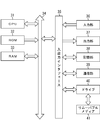
- FIG. 3 is a block diagram illustrating a configuration example of hardware of a server 11.
- FIG. It is a block diagram which shows the example of a structure of the function implement
- 5 is a flowchart for explaining processing for searching for an RFID 22; It is a flowchart explaining the example of the detail of a process of service provision. It is a block diagram which shows the other example of a structure of the function implement
- Embodiments of the present invention will be described below. Correspondences between the configuration requirements of the present invention and the embodiments described in the detailed description of the invention are exemplified as follows. This description is to confirm that the embodiments supporting the present invention are described in the detailed description of the invention. Accordingly, although there are embodiments that are described in the detailed description of the invention but are not described here as embodiments corresponding to the constituent elements of the present invention, It does not mean that the embodiment does not correspond to the configuration requirements. Conversely, even if an embodiment is described here as corresponding to a configuration requirement, that means that the embodiment does not correspond to a configuration requirement other than the configuration requirement. It's not something to do.
- An information providing apparatus firstly includes a first storage control for controlling storage of a terminal device identification number for identifying a terminal device of a user belonging to a user group and an end of an effective period of the user group.
- a first control unit that controls storage of means (for example, the user group DB 70 in FIG. 3), an individual identification number that identifies a contactless ID tag installed by a service provider, and an action associated with the individual identification number; 2 storage control means (for example, action DB 69 in FIG. 3) and reception of the user group registration request transmitted together with the terminal device identification number from the terminal device, and reading the ID tag.
- reception control means for controlling reception of the terminal device identification number and the individual identification number transmitted from the terminal device (for example, the Web server function of FIG. 3) 1), and when the terminal device identification number and the individual identification number are received, when the end of the user group has not elapsed, an action stored in association with the individual identification number
- Execution means for example, the service providing unit 67 in FIG. 3) for executing the action of providing the service provider's service to the terminal device of the user belonging to the user group identified by the terminal device identification number.
- the information providing apparatus is a third storage control unit (for example, FIG. 3) that controls the storage of the number of times for each user group, which is the number of times the individual identification number is received.
- a history DB 71) stores the number of individual identification numbers, stores the number of times for each user group, and the number of times the individual identification number is received, The said action according to the frequency
- An information providing process that an information providing method or program according to one aspect of the present invention causes a computer to control storage of a terminal device identification number that identifies a terminal device of a user belonging to a user group and an end of an effective period of the user group (For example, the process of step S134 in FIG. 8), the storage of the individual identification number for identifying the non-contact type ID tag installed by the service provider and the action associated with the individual identification number is controlled ( For example, the process of step S108 in FIG. 6) controls the reception of the user group registration request transmitted from the terminal device together with the terminal device identification number, and from the terminal device that has read the ID tag. Controls reception of the transmitted terminal device identification number and the individual identification number (for example, step S133 in FIG. 8).
- the terminal group is stored in association with the individual identification number when the end of the user group has not elapsed.
- An action that provides the service provider's service to the terminal device of the user belonging to the user group identified by the terminal device identification number (for example, the process of step S21 in FIG. 11) includes steps.
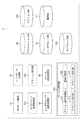
- FIG. 1 is a diagram showing a service providing system.
- the server 11 is managed by a service provider and provides various services via the Internet 12.
- the server 11 is connected to a personal computer 21 provided in the store 13 via the Internet 12.
- the personal computer 21 accesses the server 11 via the Internet 12 and sets / changes the service provided from the server 11.
- a non-contact type ID tag is attached to the equipment in the store, but the non-contact type ID tag may be installed in such a manner that it is arranged under a table cloth. It may be attached to an object outside the store such as a traffic sign or a signboard. Therefore, a store is an aspect of a service provider, and an installation is an aspect of installation.
- the non-contact type ID tags RFID 22-1 and RFID 22-2 are attached to equipment such as coffee cups, plates, chairs, tables, and tablecloths in the store 13, respectively.
- RFID 22-1 and RFID 22-2 can be FeliCa (registered trademark).
- the RFID 22-1 and the RFID 22-2 may be any of a passive type or an active type, a remote type, a proximity type, a proximity type, or a close contact type, an electromagnetic coupling method, an electromagnetic induction method, or a radio wave method. Since RFID 22-1 and RFID 22-2 which are non-contact type ID tags are used, there is no need to newly draw a power line unlike other electronic devices.
- the mobile phone 14-1 and the mobile phone 14-2 are each operated by a user who is a customer of the store 13.
- the cellular phone 14-1 and the cellular phone 14-2 have a reader function for reading the RFID 22-1 and the RFID 22-2.
- a writer function for writing data in the RFID 22-1 and the RFID 22-2 may be provided in the cellular phone 14-1 and the cellular phone 14-2.
- users who operate the cellular phone 14-1 or the cellular phone 14-2 form a user group that is a group of a plurality of users such as friends, couples, family members, and colleagues at work. That is, the mobile phone 14-1 and the mobile phone 14-2 are examples of user terminal devices belonging to the user group.
- the personal computer 21 accesses the server 11 via the Internet 12 and sets an action as a store service provided when the RFID 22-1 or the RFID 22-2 is read. As will be described later, the personal computer 21 is also used to change an action even after it has been set once.
- the cellular phone 14-1 or the cellular phone 14-2 requests the server 11 (to a predetermined address) to register a user group via the Internet 12.
- the cellular phone 14-1 or the cellular phone 14-2 When the cellular phone 14-1 or the cellular phone 14-2 reads the individual identification number for identifying the RFID 22-1 or the RFID 22-2 from the RFID 22-1 or the RFID 22-2, the cellular phone 14-1 or the cellular phone 14-2 -2 transmits an individual identification number to the server 11 (to a predetermined address) via the Internet 12.
- the individual identification number can be IDm when RFID 22-1 and RFID 22-2 are FeliCa (registered trademark).
- the individual identification number is not limited as long as it can identify each of the RFID 22-1 or RFID 22-2, and may be an ID set arbitrarily and uniquely.
- the server 11 executes an action as a store service set by the personal computer 21 for the user group.
- the mobile phone 14-1 and the mobile phone 14-2 each download an application program from the server 11 in advance via the Internet 12 before reading the RFID 22-1 or the RFID 22-2.
- FIG. 2 is a block diagram illustrating a hardware configuration example of the server 11.
- a CPU Central Processing Unit
- ROM Read Only Memory
- RAM Random Access Memory
- the input / output interface 35 is connected to the bus 34.
- the input / output interface 35 includes an input unit 36 including a keyboard, a mouse, and a microphone, an output unit 37 including a display and a speaker, a storage unit 38 including a hard disk and a nonvolatile memory, and a communication unit 39 including a network interface.
- a drive 40 for driving a removable medium 41 such as a magnetic disk, an optical disk, a magneto-optical disk, or a semiconductor memory is connected.
- the CPU 31 loads a program stored in the storage unit 38 to the RAM 33 via the input / output interface 35 and the bus 34 and executes the program, which will be described later. Is performed.
- the program executed by the server 11 includes, for example, a magnetic disk (including a flexible disk), an optical disk (CD-ROM (Compact Disc-Read Only Memory), DVD (Digital Versatile Disc), etc.), a magneto-optical disk, or It is recorded on a removable medium 41 that is a package medium made of a semiconductor memory or the like, or provided via a wired or wireless transmission medium such as a local area network, the Internet 12, or digital satellite broadcasting.
- the program can be installed in the computer by loading the removable medium 41 in the drive 40 and storing it in the storage unit 38 via the input / output interface 35. Further, the program can be installed in a computer by being received by the communication unit 39 via a wired or wireless transmission medium and stored in the storage unit 38. In addition, the program can be installed in the computer in advance by storing it in the ROM 32 or the storage unit 38 in advance.
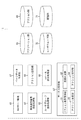
- FIG. 3 is a block diagram illustrating an example of a functional configuration realized in the server 11 that executes the program. That is, when the server 11 executes the program, the Web server function 61, the page data generation unit 62, the individual identification number registration processing unit 63, the action setting unit 64, the user group registration processing unit 65, the email transmission processing unit 66, the service provision Unit 67, application database (DB) 68 (hereinafter referred to as application DB 68), action database (DB) 69 (hereinafter referred to as action DB 69), user group database (DB) 70 (hereinafter referred to as user group DB 70), In addition, a history database (DB) 71 (hereinafter referred to as history DB 71) is realized.
- DB application database
- DB action database
- DB 70 user group database
- DB 70 user group database
- DB 71 a history database (DB) 71 (hereinafter referred to as history DB 71) is realized.
- the application DB 68, the action DB 69, the user group DB 70, and the history DB 71 are each constructed using a database management system, even if they are constructed directly on the file system provided by the operating system. It may be a thing. Further, any one of the application DB 68, the action DB 69, the user group DB 70, and the history DB 71 may be combined to form one database.
- the Web server function 61 is realized by executing a so-called Web server program such as Apache HTTP Server, for example, and various objects such as text or images are provided based on a procedure defined in HTTP (Hypertext Transfer Protocol).
- Web page data such as HTML (Hypertext Markup Language) or XML (Extensible Markup Language).
- the page data generation unit 62 generates Web page data provided by the Web server function 61.
- the individual identification number registration processing unit 63 receives a request for registration of the individual identification number of the RFID 22, and stores the individual identification number in the action DB 69.
- the action setting unit 64 receives an action setting corresponding to the individual identification number, and stores the action in the action DB 69 in association with the individual identification number.
- the user group registration processing unit 65 receives a user group registration request, and stores in the user group DB 70 the machine number that identifies the mobile phone 14 of the user belonging to the user group and the beginning and end of the effective period of the user group. .
- the machine number is an example of a terminal device identification number that identifies a user terminal device.
- the e-mail transmission processing unit 66 performs a process of transmitting an e-mail to the mobile phone 14 of the user belonging to the user group.
- the service providing unit 67 When the service providing unit 67 receives the individual identification number, the service providing unit 67 executes an action associated with the individual identification number.
- the service providing unit 67 includes an action condition acquisition unit 81, a registration determination unit 82, an action determination unit 83, and an action execution unit 84.
- the action condition acquisition unit 81 acquires a condition for executing an action from the action DB 69, the user group DB 70, and the history DB 71.
- the registration determination unit 82 determines whether or not the received individual identification number is stored in the action DB 69.
- the action determination unit 83 determines an action to be executed based on the individual identification number, the number of access times of the user group, and the like.
- the action execution unit 84 executes the determined action.
- the application DB 68 stores application programs downloaded to the mobile phone 14 and programs necessary for executing actions.
- the action DB 69 stores an individual identification number for identifying the RFID 22 and an action associated with the individual identification number in association with each other.
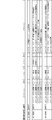
- FIG. 4 is a diagram illustrating an example of data stored in the action DB 69.
- the action DB 69 stores an individual identification number that identifies the RFID 22, a store ID that identifies the store 13, a permission, a flag, and an action as a service of the store 13.
- the permission indicates an item of a condition that permits execution of the action.
- the flag indicates a condition corresponding to the permission. More specifically, the action stores an ID for identifying a process, a program ID for identifying a program for executing the process, and the like.
- the action DB 69 includes, as the first permission, whether or not the number of accesses of the user group is 0, and the number of accesses of the user group as the first flag corresponding to the first permission.
- a third permission a random number is generated, a value obtained by multiplying the random number by 1.2 is set in the variable A, and a variable A is 1 or more as a third flag corresponding to the third permission.
- a flag indicating whether or not is stored.
- the action DB 69 stores an action for distributing the store campaign advertisement to the user group in correspondence with the individual identification number AAA100001 and the store ID S555777.
- the individual identification number of AAA100002, the store ID of S555777, and the first flag corresponding to the first permission indicating whether or not the number of accesses of the user group is 0 are displayed for the user group. “1” indicating that the access count is 0, and the second flag corresponding to the second permission indicating whether or not the campaign is in progress is “1” indicating that the campaign is in progress.
- the third flag corresponding to the third permission for generating a random number and multiplying the random number by 1.2 to set the variable A corresponds to the fact that the variable A is 1 or more.
- the individual identification number of AAA100002, the store ID of S555777, and the first flag corresponding to the first permission indicating whether or not the number of accesses of the user group is 0 are the number of accesses of the user group. Is “1” indicating that it is 0, and the second flag corresponding to the second permission indicating whether or not it is during the campaign period is “1” indicating that it is during the campaign period, and a random number And the third flag corresponding to the third permission for setting the variable A by a value obtained by multiplying the random number by 1.2 corresponds to the variable A being less than 1, and
- the action of setting the number of accesses of the user group is stored in the history DB 71 while delivering the off page.
- the individual identification number of AAA100002, the store ID of S555777, and the first flag corresponding to the first permission indicating whether or not the number of accesses of the user group is 0 are displayed for the user group. “1” indicating that the access count is 0, and the second flag corresponding to the second permission indicating whether or not the campaign is in progress is “0” indicating that the access is not in progress.
- the action of distributing the coupon distribution period end page to the user group is stored.
- the individual identification number of AAA100003, the store ID of S555777, and the first flag corresponding to the first permission indicating whether or not the number of accesses of the user group is 0 are stored in the user group. “1” indicating that the number of accesses is 0, and the second flag corresponding to the second permission indicating whether or not the campaign is in progress is “1” indicating that the campaign is in progress.
- an action for distributing the point acquisition URL to the user group and setting the access count of the user group in the history DB 71 is stored.
- the individual identification number of AAA100003, the store ID of S555777, and the first flag corresponding to the first permission indicating whether or not the number of accesses of the user group is 0 are stored in the user group.
- an action for distributing the advertisement to the user group is stored.
- the permission is not limited to the number of access times of the user group or the campaign period, but the machine number, date, and time for identifying whether the user is a member of the service provider or the store 13 or the mobile phone 14. Etc. can be used.
- the user group DB 70 stores the machine number and the end of the effective period of the user group.
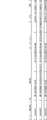
- FIG. 5 is a diagram illustrating an example of data stored in the user group DB 70.
- a user group identification number for identifying (specifying) a user group a user number indicating the number of users belonging to the group, a machine number for identifying the mobile phone 14 of the user belonging to the user group, and a user belonging to the user group E-mail addresses and the start and end of the user group are stored.
- the beginning of the user group indicates the date and time of the beginning of the effective period of the user group, and the end of the user group indicates the date and time of the end of the effective period of the user group.
- the user group DB 70 includes a user group identification number UGAA100001, a number of users 2, an aircraft number BBB100001 and BBB100002, email addresses CCC1001 @ ddd and CCC1002 @ ddd, and The first period of 200901011045 indicating 10:45 on January 1, 2009 and the final period of 200901011245 indicating 12:45 on January 1, 2009 are stored.
- the user group DB 70 includes a user group identification number UGAA100002, a number of users 4, a machine number BBB100003, BBB100005, BBB100006, and BBB100007, CCC1003 @ ddd, CCC1005 @ ddd, CCC1006 @ ddd, and CCC1007 @ An e-mail address that is ddd, and a start period that is 200901021230 indicating 12:30 on January 2, 2009 and an end period that is 200901021430 indicating 14:30 on January 2, 2009 are stored.
- the user group DB 70 includes a user group identification number of UGAA100003, a number of users of 2, an aircraft number of BBB100004 and BBB100008, an email address of CCC1004 @ ddd and CCC1008 @ ddd, and February 3, 2009
- the start period 200902032315 indicating 23:15 on the day and the end period 200902040115 indicating 1:15 on February 4, 2009 are stored.
- the history DB 71 stores a history such as the number of accesses of the user group.
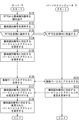
- step S ⁇ b> 201 the personal computer 21 accesses the registration service of the server 11 via the Internet 12.
- the Web server function 61 responds to access to the registration service from the personal computer 21.
- step S202 the personal computer 21 reads the individual identification number from the RFID 22 by a connected reader or a built-in reader.
- step S203 the personal computer 21 transmits the individual identification number to the server 11 via the Internet 12, and requests registration of the individual identification number.
- step S ⁇ b> 102 the individual identification number registration processing unit 63 causes the communication unit 39 to receive the individual identification number and accepts registration of the individual identification number transmitted from the personal computer 21.
- step S103 the individual identification number registration processing unit 63 supplies the individual identification number for which registration has been received to the action DB 69, and the action DB 69 stores (stores) the individual identification number.
- step S204 the personal computer 21 transmits a store ID, an individual identification number, a permission, a flag, and an action via the Internet 12, and requests setting of the permission and action corresponding to the individual identification number.
- the action setting unit 64 causes the communication unit 39 to receive the store ID, the individual identification number, the permission, the flag, and the action transmitted from the personal computer 21, and the permission and action corresponding to the individual identification number. Accept the settings.
- the action setting unit 64 stores the permission and action corresponding to the individual identification number for which the setting has been accepted. That is, the action setting unit 64 supplies the store ID, the individual identification number, the permission, the flag, and the action to the action DB 69.
- the action DB 69 stores (stores) store IDs, individual identification numbers, permissions, flags, and actions in association with each other.
- step S205 the person in charge of the store 13 places the RFID 22 in the store 13.
- the person in charge attaches the RFID 22 to the equipment of the store 13 so that the RFID 22 is difficult to see from the outside (so as to hide the RFID 22).
- the personal computer 21 accesses the registration service of the server 11 via the Internet 12 in step S206.
- the web server function 61 responds to access to the registration service from the personal computer 21.
- the personal computer 21 transmits the store ID and the individual identification number via the Internet 12, and transmits the changed permission, the changed flag, or the changed action to correspond to the individual identification number. Request permission and action changes.
- the action setting unit 64 causes the communication unit 39 to receive the store ID and the individual identification number transmitted from the personal computer 21, and the changed permission, the changed flag, or the changed action.
- the communication unit 39 receives it and accepts the permission and action change corresponding to the individual identification number.
- step S108 the action setting unit 64 stores the changed permission and action corresponding to the individual identification number. That is, the action setting unit 64 supplies the store ID, the individual identification number, the changed permission, the changed flag, and the changed action to the action DB 69.
- the action DB 69 stores the store ID, the individual identification number, the changed permission, the changed flag, and the changed action in association with each other, and the registration process ends.
- the individual identification number and the action are associated with each other.
- the association between the individual identification number and the action can be easily changed from the personal computer 21.
- the server 11 may read the individual identification number from the RFID 22 and set the permission and action.
- FIG. 7 is a flowchart for explaining another example of the registration process.
- the individual identification number registration processing unit 63 reads the individual identification number from the RFID 22 using a connected reader or a built-in reader.
- the individual identification number registration processing unit 63 supplies the individual identification number accepted for registration to the action DB 69, and the action DB 69 stores the individual identification number.
- the person in charge of the service provider provides the RFID 22 to the store 13.
- step S ⁇ b> 221 the person in charge of the store 13 arranges the RFID 22 in the store 13. That is, the person in charge attaches the RFID 22 to the equipment of the store 13 as in step S205.
- step S124 the action setting unit 64 acquires the store ID, the individual identification number, the permission, the flag, and the action input according to the operation of the person in charge to the input unit 36, and corresponds to the individual identification number. Set permissions and actions.
- step S125 the action setting unit 64 stores the permission and action corresponding to the individual identification number. That is, the action setting unit 64 supplies the store ID, the individual identification number, the permission, the flag, and the action to the action DB 69.
- the action DB 69 stores (stores) store IDs, individual identification numbers, permissions, flags, and actions in association with each other.
- step S222, step S223, step S126, step S127, and step S128 are the same as step S206, step S207, step S106, step S107, and step S108, respectively, description thereof is omitted.
- the work of the store 13 can be further reduced.
- the store ID, the individual identification number, the permission, the flag, and the action are stored in the action DB 69 in association with each other.
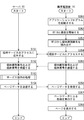
- step S331 the mobile phone 14 executes the application program downloaded in advance from the server 11.
- step S ⁇ b> 332 the mobile phone 14 accesses the user group registration service of the server 11 via the Internet 12.
- the user group registration processing unit 65 responds to the access of the user group registration service from the mobile phone 14.
- step S132 the user group registration processing unit 65 causes the page data generation unit 62 to generate data of the user group registration page, and causes the web server function 61 that controls the communication unit 39 to communicate with the mobile phone via the Internet 12.
- the data of the user group registration page generated for 14 is transmitted.
- step S ⁇ b> 333 the mobile phone 14 receives the user group registration page data transmitted from the server 11.
- step S334 the mobile phone 14 displays a user group registration page.
- step S335 the mobile phone 14 acquires the machine number stored in itself.
- step S336 the mobile phone 14 determines the number of user groups to be newly generated and the email addresses of the users in the user group in response to user operations on an input unit (not shown) including buttons, dials, and a touch panel. To get.
- the number of users in the user group is acquired by data input in response to a user operation on the input unit.
- e-mail addresses of users in the user group are obtained by reading data such as an address book stored in a built-in memory or the like.
- step S337 the mobile phone 14 transmits its machine number, the number of users in the user group, and the email address of the user in the user group to the server 11 via the Internet 12.
- step S133 the user group registration processing unit 65 transmits the body number of the mobile phone 14 and the number of user groups transmitted from the mobile phone 14 to the Web server function 61 that controls the communication unit 39 via the Internet 12. And email addresses of users in the user group.
- step S134 the user group registration processing unit 65 acquires the current time from a real time clock (not shown), and sets the acquired current time as the start of the effective period of the user group.
- the user group registration processing unit 65 sets the time obtained by adding a predetermined time such as 2 hours to the current time as the end of the effective period of the user group. Then, the user group registration processing unit 65 adds, as a new user group, the number of user groups, the body number of the mobile phone 14 of the first user, the email address of the user of the user group, And the end.
- step S135 the user group registration processing unit 65 sends to the e-mail transmission processing unit 66 that controls the communication unit 39 to other users in the user group (users in the user group excluding the first user). Send an email notifying the address of the group registration page.
- a user group identification number for identifying a new user group is described in the e-mail notifying the address of the user group registration page.
- step S136 the user group registration processing unit 65 causes the page data generation unit 62 to generate page data indicating that the user group has been generated, and causes the web server function 61 that controls the communication unit 39 to connect the Internet 12. Via this, the page data indicating that the user group has been generated is transmitted to the mobile phone 14 of the first user.
- step S ⁇ b> 338 the mobile phone 14 receives page data indicating that the user group transmitted from the server 11 has been generated.
- step S339 the mobile phone 14 displays a page indicating that the user group has been generated, and the user group generation process ends.
- step S341 the mobile phone 14 receives an e-mail transmitted from the server 11 for notifying the address of the user group registration page.
- step S342 the mobile phone 14 executes the application program downloaded in advance from the server 11.
- step S343 the mobile phone 14 accesses the user group registration service of the server 11 with reference to the address described in the email received in step S341 via the Internet 12.
- step S ⁇ b> 141 the user group registration processing unit 65 responds to access of the user group registration service from the mobile phone 14.
- step S142 the user group registration processing unit 65 causes the page data generation unit 62 to generate data of the user group registration page, and causes the web server function 61 that controls the communication unit 39 to communicate with the mobile phone via the Internet 12.
- the data of the user group registration page generated for 14 is transmitted.
- step S344 the mobile phone 14 receives the data of the user group registration page transmitted from the server 11.
- step S345 the mobile phone 14 displays a user group registration page.
- step S346 the mobile phone 14 acquires the e-mail address and machine number of the user of the mobile phone 14 stored in the mobile phone 14 itself.
- step S347 the mobile phone 14 transmits the user group identification number described in the e-mail received in step S341 to the server 11 via the Internet 12 and the e-mail address of the user of the mobile phone 14. And the machine number of the mobile phone 14 are transmitted.
- step S143 the user group registration processing unit 65 receives the user group identification number, e-mail address, and machine number that are sent from the mobile phone 14 via the Internet 12 to the Web server function 61 that controls the communication unit 39. Make it receive.
- step S144 the user group registration processing unit 65 stores the body number of the mobile phone 14 accessing the user group registration page in the user group DB 70 in association with the user group identification number and the email address.
- step S 145 the user group registration processing unit 65 causes the page data generation unit 62 to generate page data indicating that the user group has been registered, and causes the Web server function 61 that controls the communication unit 39 to connect the Internet 12. Via this, the data of the page indicating that the user group is registered is transmitted to the mobile phone 14 accessing the user group registration page.
- step S ⁇ b> 348 the mobile phone 14 receives the data of the page indicating that it is registered in the user group transmitted from the server 11.
- step S349 the mobile phone 14 displays a page indicating that it has been registered in the user group.
- step S146 the user group registration processing unit 65 determines whether the machine numbers of all the user groups are stored in the user group DB 70, and determines that the machine numbers of all the user groups are stored in the user group DB 70. If so, the procedure proceeds to step S147, and the user group registration processing unit 65 has registered all the users in the user group in the e-mail transmission processing unit 66 that controls the communication unit 39 to all users of the user group. Is sent, and the registration of the machine number to the user group is completed.
- step S146 If it is determined in step S146 that the machine number of all the user groups is not stored in the user group DB 70, the process of step S147 is skipped, and the machine number of the user group is transmitted without sending an e-mail. The registration process ends.
- the mobile phones 14 of all users belonging to the user group each access the user group registration service, and the machine numbers of all the user groups are stored in the user group DB 70.
- each user of the user group searches the RFID 22 using the mobile phone 14.
- step S ⁇ b> 351 the mobile phone 14 executes an application program downloaded in advance from the server 11.
- the mobile phone 14 comes close to the RFID 22 mounted on the equipment of the store 13, the mobile phone 14 starts communication with the RFID 22 in step S352.
- step S ⁇ b> 353 the mobile phone 14 reads the individual identification number from the RFID 22.
- step S ⁇ b> 354 the mobile phone 14 accesses the service provided by the server 11 via the Internet 12.
- step S151 the service providing unit 67 responds to access to the provided service from the mobile phone 14.
- step S ⁇ b> 355 the mobile phone 14 transmits the individual identification number and the machine number identifying the mobile phone 14 to the server 11 via the Internet 12.
- step S152 the service providing unit 67 causes the communication unit 39 to receive the individual identification number and the machine number transmitted from the mobile phone 14.
- step S153 service provision processing is executed. Details of the service providing process will be described later with reference to the flowchart of FIG.
- step S154 the service providing unit 67 causes the Web server function 61 that controls the communication unit 39 to transmit page data to the mobile phone 14 via the Internet 12.
- step S356 the mobile phone 14 receives the page data transmitted from the server 11.
- step S357 the mobile phone 14 executes processing based on page data.
- step S358 the mobile phone 14 displays the page, and the RFID 22 search process ends.
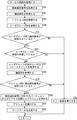
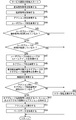
- step S11 the action condition acquisition unit 81 acquires the individual identification number received in the process of step S152.
- step S12 the action condition acquisition unit 81 acquires the machine number received in the process of step S152.
- step S ⁇ b> 13 the action condition acquisition unit 81 refers to the action DB 69 and reads a permission, a flag, and an action corresponding to the acquired individual identification number from the action DB 69.
- step S14 the action condition acquisition unit 81 refers to the user group DB 70, and identifies the user group identification number corresponding to the acquired machine number from the user group DB 70 and the mobile phone 14 of the user belonging to the user group. Get the number and the end of the validity period of the user group.
- step S15 the registration determination unit 82 determines whether or not the machine number received in the process of step S152 is stored in the user group DB 70, and it is determined that the machine number is stored in the user group DB 70. If so, the procedure proceeds to step S16.
- step S16 the registration determination unit 82 compares the current time indicated by a real time clock (not shown) with the end of the effective period of the user group to determine whether or not the end of the user group has passed, and the user If it is determined that the end of the group has not elapsed, the procedure proceeds to step S17.
- step S ⁇ b> 17 the action condition acquisition unit 81 acquires other users of the user group from the user group DB 70 (except for the user of the mobile phone 14 that is accessing the server 11 in the process of searching for RFID 22 in FIG. 10) User) email address.
- step S ⁇ b> 18 the action condition acquisition unit 81 refers to the history DB 71 and reads the user group access count from the history DB 71.
- step S19 the registration determination unit 82 determines whether or not the acquired individual identification number is stored in the action DB 69. If it is determined in step S19 that the individual identification number is stored in the action DB 69, the procedure proceeds to step S20, and the action determination unit 83 determines the action from the permission corresponding to the individual identification number and the number of accesses of the user group. Decide.
- step S21 the action executing unit 84 executes the determined action. For example, the action execution unit 84 reads a program corresponding to the determined action from the application DB 68, and executes the program by executing the program.
- coupons and URLs are distributed by providing a page to the mobile phone 14 accessing the server 11 in the search process of the RFID 22 in FIG. Coupons and URLs are distributed to the telephone 14 using e-mail.
- step S22 the page data generation unit 62 generates page data corresponding to the executed action, and the service providing process ends. If it is determined in step S19 that the individual identification number is not stored in the action DB 69, the procedure proceeds to step S23, the service providing unit 67 executes error processing, and the service providing process ends.
- step S16 If it is determined in step S16 that the end of the user group has elapsed, the procedure proceeds to step S23, the service providing unit 67 executes error processing, and the service providing process ends. If it is determined in step S15 that the machine number is not stored in the user group DB 70, the procedure proceeds to step S23, the service providing unit 67 executes error processing, and the service providing process ends. .
- the store 13 can provide a service to a group of customers (users) who use the mobile phone 14. Since the permission and action corresponding to the individual identification number can be easily changed at the store 13, the service desired by the store can be provided to a group of customers depending on the occasion at a store visited by an unspecified number of customers (users). become.
- a group of ID tags such as RFID 22 is referred to as a tag group.
- FIG. 12 is a block diagram showing another example of a functional configuration realized in the server 11 that executes the program. That is, when the server 11 executes the program, the Web server function 61, the page data generation unit 62, the tag group registration processing unit 101, the action setting unit 102, the user group registration processing unit 65, the email transmission processing unit 66, the service providing unit 103, application DB 68, action database (DB) 103 (hereinafter referred to as action DB 104), user group DB 70, history DB 71, and tag group database (DB) 104 (hereinafter referred to as tag group DB 105) are realized.
- the Web server function 61 the page data generation unit 62, the tag group registration processing unit 101, the action setting unit 102, the user group registration processing unit 65, the email transmission processing unit 66, the service providing unit 103, application DB 68, action database (DB) 103 (hereinafter referred to as action DB 104), user group DB 70, history DB 71, and tag group database
- the web server function 61, page data generation unit 62, user group registration processing unit 65, e-mail transmission processing unit 66, application DB 68, user group DB 70, and history DB 71 are the same as those shown in FIG. To do.
- the tag group registration processing unit 101 receives a tag group registration request, and stores a tag group identification number for identifying the tag group in the action DB 104.
- the action setting unit 102 receives an action setting corresponding to the tag group identification number, and stores the action in the action DB 104 in association with the tag group identification number.
- the service providing unit 103 executes an action associated with the tag group identification number for identifying the tag group.
- the action DB 104 stores a tag group identification number for identifying a tag group and an action associated with the tag group identification number in association with each other.
- FIG. 13 is a diagram illustrating an example of data stored in the action DB 104.
- the action DB 104 stores a tag group identification number that identifies a tag group, a store ID that identifies the store 13, a permission, a flag, and an action as a service of the store 13.
- the action DB 104 includes, as the first permission, whether or not the number of accesses of the user group is 0, and the number of accesses of the user group as the first flag corresponding to the first permission.
- a third permission a random number is generated, a value obtained by multiplying the random number by 1.2 is set in the variable A, and a variable A is 1 or more as a third flag corresponding to the third permission.
- a flag indicating whether or not is stored.
- the action DB 104 stores an action for distributing the store campaign advertisement to the user group in correspondence with the tag group identification number TGAA100001 and the store ID S555777.
- the action DB 104 includes a tag group identification number TGAA100002, a store ID S555777, and a first flag corresponding to the first permission indicating whether or not the number of accesses of the user group is 0. “1” indicating that the number of accesses is “0”, and the second flag corresponding to the second permission indicating whether or not the campaign is in progress is “1” indicating that the campaign is in progress.
- a third flag corresponding to a third permission for generating a random number and multiplying the random number by 1.2 and setting it in the variable A corresponds to the variable A being 1 or more
- An action for distributing the coupon to the user group and setting the number of access times of the user group in the history DB 71 is stored.
- the action DB 104 has a tag group identification number TGAA100002, a store ID S555777, and a first flag corresponding to the first permission indicating whether or not the number of accesses of the user group is 0. “1” indicating that the number of times is 0, and the second flag corresponding to the second permission indicating whether or not the campaign is in progress is “1” indicating that the campaign is in progress, A third flag corresponding to a third permission for generating a random number and multiplying the random number by 1.2 to set the variable A corresponds to the fact that the variable A is less than 1, and the user group In addition, the action of delivering the missing page and setting the access count of the user group in the history DB 71 is stored.
- the action DB 104 includes a tag group identification number TGAA100002, a store ID S555777, and a first flag corresponding to the first permission indicating whether or not the number of accesses of the user group is 0. Is “1” indicating that the number of accesses is “0”, and the second flag corresponding to the second permission indicating whether or not the campaign is in progress is “0” indicating that it is not in the campaign period.
- the action of distributing the coupon distribution period end page to the user group is stored.
- the action DB 104 includes a tag group identification number TGAA100002, a store ID S555777, and a first flag corresponding to the first permission indicating whether the user group access count is 0 or not. Corresponding to “0” indicating that is not 0, the action of distributing the joined page to the user group is stored.
- the action DB 104 includes a tag group identification number TGAA100003, a store ID S555777, and a first flag corresponding to the first permission indicating whether or not the number of accesses of the user group is 0. “1” indicating that the number of accesses is “0”, and the second flag corresponding to the second permission indicating whether or not the campaign is in progress is “1” indicating that the campaign is in progress.
- an action for distributing the point acquisition URL to the user group and setting the access count of the user group in the history DB 71 is stored.
- the action DB 104 has a tag group identification number TGAA100003, a store ID S555777, and a first flag corresponding to the first permission indicating whether or not the number of access times of the user group is 0. It is “1” indicating that the number of times is 0, and the second flag corresponding to the second permission indicating whether or not the campaign is in progress is “0” indicating that the campaign is not in progress.
- an action for distributing the campaign end page to the user group and setting the access count of the user group in the history DB 71 is stored.
- the action DB 104 includes a tag group identification number TGAA100003, a store ID S555777, and a first flag corresponding to the first permission indicating whether or not the number of accesses of the user group is 0. Corresponding to “0” indicating that the number of accesses is not 0, an action for distributing the advertisement to the user group is stored.
- the tag group DB 105 stores the tag group identification number and the individual identification number of the RFID 22 belonging to the tag group.
- FIG. 14 is a diagram illustrating an example of data stored in the tag group DB 105.
- the tag group DB 105 stores a store ID, a tag group identification number, an RFID number that is the number of RFIDs 22 belonging to the tag group, and an individual identification number of the RFID 22 belonging to the tag group.
- the tag group DB 105 includes an RFID number of 2, and AAA100001 and AAA100002 corresponding to the store ID of S555777 and the tag group identification number of TGAA100001. Is stored. Further, the tag group DB 105 stores the RFID number of 2 and the individual identification numbers of AAA100003 and AAA100005, corresponding to the store ID of S555777 and the tag group identification number of TGAA100002. Further, the tag group DB 105 stores the RFID number of 3 and the individual identification numbers of AAA100004, AAA100006, and AAA100007 corresponding to the store ID of S555777 and the tag group identification number of TGAA100003. .
- action DB 104 and the tag group DB 105 may be configured by one database.
- step S ⁇ b> 281 the personal computer 21 accesses the registration service of the server 11 via the Internet 12.
- the web server function 61 responds to access to the registration service from the personal computer 21.
- step S282 the personal computer 21 reads the individual identification number from each RFID 22 of the tag group by a connected reader or a built-in reader.
- step S283 the personal computer 21 requests registration of the tag group via the Internet 12.
- the tag group registration processing unit 101 causes the communication unit 39 to receive a tag group registration request transmitted from the personal computer 21, and accepts the tag group registration.
- the tag group registration processing unit 101 generates a tag group identification number.
- step S284 the personal computer 21 transmits the individual identification number of each RFID group RFID 22 to the server 11 via the Internet 12.
- the tag group registration processing unit 101 causes the communication unit 39 to receive each individual identification number of the RFID 22 of the tag group.
- step S185 the tag group registration processing unit 101 supplies the generated tag group identification number, the number of tag group RFIDs 22, and the individual identification numbers of the tag group RFIDs 22 to the tag group DB 105, and the tag group DB 105 Stores (stores) the newly generated tag group identification number, the number of the RFID 22 of the tag group, and the individual identification number of each of the RFID 22 of the tag group.
- step S285 the personal computer 21 transmits a store ID, a tag group identification number, a permission, a flag, and an action via the Internet 12, and requests setting of the permission and action corresponding to the tag group identification number.
- the action setting unit 102 causes the communication unit 39 to receive the store ID, the tag group identification number, the permission, the flag, and the action transmitted from the personal computer 21, and the permission corresponding to the tag group identification number. And accept action settings.
- the action setting unit 102 stores the permission and action corresponding to the tag group identification number for which the setting has been accepted. That is, the action setting unit 102 supplies the store ID, tag group identification number, permission, flag, and action to the action DB 104.
- the action DB 104 stores (stores) store ID, tag group identification number, permission, flag, and action in association with each other.
- step S286 the person in charge of the store 13 arranges each RFID 22 of the tag group in the store 13.
- the personal computer 21 accesses the registration service of the server 11 via the Internet 12 in step S287.
- the Web server function 61 responds to access to the registration service from the personal computer 21.
- the personal computer 21 transmits the store ID and the tag group identification number via the Internet 12, and transmits the changed permission, the changed flag, or the changed action, and the tag group identification number. Request permission and action changes corresponding to.
- the action setting unit 102 causes the communication unit 39 to receive the store ID and the tag group identification number transmitted from the personal computer 21, and changes the permission, the changed flag, or the changed action. Is received by the communication unit 39 to accept the permission and action change corresponding to the tag group identification number.
- step S190 the action setting unit 102 stores the changed permission and action corresponding to the tag group identification number. That is, the action setting unit 102 supplies the store ID, the tag group identification number, the changed permission, the changed flag, and the changed action to the action DB 104.
- the action DB 104 stores the store ID, the tag group identification number, the changed permission, the changed flag, and the changed action in association with each other, and the registration process ends.
- the tag group identification number and the action are associated with each other.
- the association between the tag group identification number and the action can be easily changed from the personal computer 21.
- the personal computer 21 transmits a store ID, a tag group identification number, an individual identification number, a permission, a flag, and an action via the Internet 12, and the permissions and actions corresponding to the tag group identification number and the individual identification number are transmitted.
- the action setting unit 102 may store the permissions and actions corresponding to the tag group identification number and the individual identification number in the action DB 104.
- the server 11 may read the individual identification number from the RFID 22 and set the permission and action.
- the user group generation process is the same as the process described with reference to the flowchart of FIG.
- the process of registering the machine number to the user group is the same as the process described with reference to the flowchart of FIG.
- search process of the RFID 22 is the same as the process described with reference to the flowchart of FIG.
- step S41 to step S47 is the same as the processing from step S11 to step S17 in FIG. 11, description thereof will be omitted.
- step S48 the action condition acquisition unit 121 reads the tag group record including the individual identification number acquired in the process of step S41 from the tag group DB 105 with reference to the tag group DB 105.
- the tag group record includes a store ID, a tag group identification number, an RFID number, and an individual identification number for each tag group.
- step S49 the action condition acquisition unit 121 acquires the tag group identification number of the tag group to which the individual identification number belongs (RFID22 of the individual identification number belongs) from the read record.
- step S50 the action condition acquisition unit 121 refers to the history DB 71, and reads the access count of the user group from the history DB 71.
- step S51 the registration determination unit 122 determines whether or not the acquired tag group identification number is stored in the action DB 104. If it is determined in step S51 that the tag group identification number is stored in the action DB 104, the procedure proceeds to step S52, and the action determination unit 123 determines the permission corresponding to the tag group identification number and the number of accesses of the user group. Decide the action. In step S53, the action execution unit 124 executes the determined action in the same manner as in step S21.
- step S54 the page data generation unit 62 generates page data corresponding to the executed action, and the service providing process ends. If it is determined in step S51 that the tag group identification number is not stored in the action DB 104, the procedure proceeds to step S55, the service providing unit 103 executes error processing, and the service providing process ends.
- step S46 If it is determined in step S46 that the end of the user group has elapsed, the procedure proceeds to step S55, the service providing unit 103 executes error processing, and the service providing process ends. If it is determined in step S45 that the machine group number is not stored in the user group DB 70, the procedure proceeds to step S55, the service providing unit 103 executes error processing, and the service providing process ends. .
- the store 13 reads all the individual identification numbers of the RFIDs 22 belonging to the tag group when any customer (user) of the user group uses the mobile phone 14 to read all the customers (users) belonging to the user group. Can be serviced.
- the store 13 can provide services to all customers (users) belonging to the user group.
- FIG. 17 is a diagram showing another example of data stored in the action DB 104.
- the action DB 104 has a tag group identification number, a store ID, an individual identification number, a tag group individual identification number, a flag corresponding to the tag group individual identification number, and a user group access count of zero. Whether or not a permission, a flag corresponding to the permission, and an action are stored.
- the tag group individual identification number is an individual identification number of the RFID 22 belonging to the tag group, and is an individual identification number different from the individual identification number transmitted from the mobile phone 14.
- the flag corresponding to the tag group individual identification number indicates whether or not the RFID 22 of the tag group individual identification number has already been accessed by a customer (user) belonging to the user group.
- the flag corresponding to the permission indicates whether or not the number of accesses of the user group is zero.
- the action DB 104 corresponds to the tag group identification number of AAA100002 corresponding to the tag group identification number of TGAA100001, the store ID of S555777, and the individual identification number of AAA100001. Whether the tag group individual identification number of AAA100002 is read by the mobile phone 14 of any user of the user group, and whether the number of accesses of the user group is 0 In response to the flag corresponding to the permission indicating “1” indicating that the number of accesses of the user group is 0, a coupon is distributed to the user group and the number of accesses of the individual identification number to the history DB 71 and the user Actions for setting the number of access times of the group are stored.
- a flag corresponding to the tag group individual identification number of AAA100002 corresponding to the tag group identification number of TGAA100001, the store ID of S555777, and the individual identification number of AAA100001 is AAA100002.
- an action of distributing the joined page to the user group is stored.
- a flag corresponding to the tag group individual identification number of AAA100002 corresponding to the tag group identification number of TGAA100001, the store ID of S555777, and the individual identification number of AAA100001 is AAA100002.
- a tag group individual identification number is “0” indicating that no mobile phone 14 of any user in the user group has read
- a page displaying “one more” is distributed to the user group
- an action for setting the number of accesses of the individual identification number is stored in the history DB 71.
- the action DB 104 has a flag corresponding to the tag group individual identification number AAA100001 corresponding to the tag group identification number TGAA100001, the store ID S555777, and the individual identification number AAA100002.
- the tag group individual identification number is “1” indicating that it has been read by the mobile phone 14 of any user in the user group, and this corresponds to the permission indicating whether the number of accesses of the user group is 0 or not.
- the coupon is distributed to the user group, and the access number of the individual identification number and the number of accesses of the user group are stored in the history DB 71.
- the action for setting is stored.
- a flag corresponding to the tag group individual identification number of AAA100001 corresponding to the tag group identification number of TGAA100001, the store ID of S555777, and the individual identification number of AAA100002 is AAA100001.
- an action of distributing the joined page to the user group is stored.
- a flag corresponding to the tag group individual identification number of AAA100001, corresponding to the tag group identification number of TGAA100001, the store ID of S555777, and the individual identification number of AAA100002, is AAA100001.
- a tag group individual identification number is “0” indicating that no mobile phone 14 of any user in the user group has read
- a page displaying “one more” is distributed to the user group
- an action for setting the number of accesses of the individual identification number is stored in the history DB 71.
- the tag group identification number corresponding to AAA100005 or AAA100003 and the corresponding tag group identification number corresponding to TGAA100002, the store ID corresponding to S555777, and the individual identification number corresponding to AAA100003 or AAA100005 correspond to the action DB 104.
- a flag, a permission and flag indicating whether or not the number of accesses of the user group is 0, and an action are stored.
- the action DB 104 has AAA100004, AAA100006, or AAA100007 corresponding to the tag group identification number that is TGAA100003, the store ID that is S555777, and the individual identification number that is AAA100004, AAA100006, or AAA100007.
- Two tag group individual identification numbers and corresponding two flags, a permission and flag indicating whether or not the number of accesses of the user group is 0, and an action are stored.
- step S71 to step S81 is the same as the processing from step S41 to step S51 in FIG. 16, description thereof will be omitted.
- step S81 If it is determined in step S81 that the tag group identification number is stored in the action DB 104, the procedure proceeds to step S82, and the action condition acquisition unit 121 refers to the history DB 71 and reads the tag group identification from the history DB 71. Reads the access count of the tag group individual identification number associated with the number.
- step S83 the action determination unit 123 determines an action based on the permission corresponding to the tag group identification number, the access count of the individual identification number, the access count of the tag group individual identification number, and the access count of the user group.
- steps S84 to S86 are the same as the processes of steps S53 to S55 in FIG. 16, description thereof will be omitted.
- the store 13 can provide services to all customers (users) belonging to the user group.
- the mobile phone 14 reads a plurality of RFIDs 22 respectively attached to a plurality of fixtures of the store 13 so that the service desired by the store can be obtained from time to time. Depending on the customer group, it can be provided.
- the service provided when the RFID 22 is read can be changed by simply accessing the server 11 from the personal computer 21 and changing the permissions and actions.
- a plurality of RFIDs 22 may be arranged in a plurality of stores 13. For example, when one or a plurality of RFIDs 22 are arranged in a store 13 that is a nail salon, a beauty salon, and an esthetic salon, respectively, or all or a predetermined combination of RFIDs 22 is read, the action is executed. Good. Further, for example, a plurality of RFIDs 22 may be arranged on each floor of the store 13 such as a department store.
- the storage of the terminal device identification number for identifying the terminal device of the user belonging to the user group and the end of the effective period of the user group is controlled, and the contactless ID tag installed by the service provider is identified. Controls the storage of the individual identification number and the action associated with the individual identification number, and controls the reception of the user group registration request transmitted together with the terminal device identification number from the terminal device, and the ID tag Control the reception of the terminal device identification number and the individual identification number transmitted from the terminal device that has read the terminal device identification number and the individual identification number, when the end of the user group has not passed, A user group that is stored in association with an individual identification number and identifies a service provider's service by a terminal device identification number.
- a service desired by the service provider is sometimes obtained at a store or a service providing place visited by an unspecified number of customers (users). Can be provided to a group of customers accordingly.
- subscriber ID is used as terminal device specific information which specifies the mobile telephone 14 which is a terminal device.
- a user ID, an IP address, or an ID set arbitrarily and uniquely may be used.
- the action is described as delivering an advertisement, a coupon, a page, or a URL, but the action is not limited to this, and may be any service of the store 13 (including services of service providers). For example, points, images, music As long as it provides benefits to customers (users), such as providing passwords.
- the program executed by the computer may be a program that is processed in time series in the order described in this specification, or in parallel or at a necessary timing such as when a call is made. It may be a program for processing.
Landscapes
- Business, Economics & Management (AREA)
- Strategic Management (AREA)
- Engineering & Computer Science (AREA)
- Accounting & Taxation (AREA)
- Development Economics (AREA)
- Finance (AREA)
- Economics (AREA)
- Game Theory and Decision Science (AREA)
- Entrepreneurship & Innovation (AREA)
- Marketing (AREA)
- Physics & Mathematics (AREA)
- General Business, Economics & Management (AREA)
- General Physics & Mathematics (AREA)
- Theoretical Computer Science (AREA)
- Information Transfer Between Computers (AREA)
- Management, Administration, Business Operations System, And Electronic Commerce (AREA)
- Telephonic Communication Services (AREA)
- Mobile Radio Communication Systems (AREA)
Abstract
ユーザグループDB(70)は、ユーザの携帯電話機の機体番号を記憶する。アクションDB(69)は、サービス提供業者が設置するRFIDを識別する個体識別番号と、当該個体識別番号に対応付けられたアクションとを記憶する。Webサーバ機能(61)は、携帯電話機から送信されてくる機体番号と個体識別番号との受信を制御する。サービス提供部(67)は、機体番号と個体識別番号とを受信した場合、サービス提供業者のサービスをユーザグループに属するユーザの携帯電話機に提供するアクションを実行する。
Description
本発明は情報提供装置および方法、プログラム並びに記録媒体に関し、特に、店舗等においてサービスを提供できるようにした情報提供装置および方法、プログラム並びに記録媒体に関する。
非接触型のID(identification)タグが広く使用されている。IDタグには、固有の個体識別番号が記憶され、リーダによって、IDタグから個体識別番号が読み出されて、個体識別番号に対応する情報が提供される。
IDタグを用いてサービスを提供する場合、カード型のIDタグをユーザが所有し、ユーザがカード型のIDタグを使用することで、IDタグに応じたサービスがユーザに提供される。
従来、通信装置のRFID(radio frequency identification)リーダは、RFIDによる無線通信を用いて、RFIDタグに記憶されている携帯電話機に関する情報を取得し、その情報に基づいて、通信装置のブルートゥースモジュールは、携帯電話機のブルートゥースモジュールとブルートゥースを用いた無線通信を行い、携帯電話機にダイヤルアップ接続を要求し、携帯電話機がネットワークにダイヤルアップ接続すると、ブルートゥースモジュールは、広告IDおよび携帯電話機の電子メールアドレスを携帯電話機およびネットワークを介して情報提供サーバに供給し、情報提供サーバは、広告IDに対応する広告データを、電子メールアドレス宛に電子メールとして送信することで、携帯電話機に供給するようにしているものもある(例えば、特許文献1参照)。
しかしながら、IDタグを用いたサービスは、IDタグを読み取った相手にしか提供することはできなかった。また、IDタグを用いたサービスは予め定められており、店舗側でサービスを変更することはできなかった。
本発明は、このような状況に鑑みてなされたものであり、IDタグを用いて、店舗やサービス提供場所などにおいて、サービス提供業者の望むサービスを顧客に提供できるようにするものである。
本発明の一側面の情報提供装置は、ユーザの端末装置を特定する端末装置識別番号の記憶を制御する第1の記憶制御手段と、サービス提供業者が設置する非接触型のIDタグを識別する個体識別番号と、当該個体識別番号に対応付けられたアクションとの記憶を制御する第2の記憶制御手段と、前記IDタグを読み取った前記端末装置から送信されてくる前記端末装置識別番号と前記個体識別番号との受信を制御する受信制御手段と、前記端末装置識別番号と前記個体識別番号とを受信した場合、前記個体識別番号に対応付けて記憶されているアクションであって、前記サービス提供業者のサービスを前記端末装置識別番号で識別されるユーザの前記端末装置に提供する前記アクションを実行する実行手段とを備える。
前記ユーザの端末装置は、ユーザグループに属しており、前記第1の記憶制御手段は、前記ユーザグループの有効期間の終期の記憶を制御しており、前記受信制御手段は、前記端末装置から前記端末装置識別番号とともに送信されてきた、前記ユーザグループの登録の要求の受信も制御し、前記実行手段において実行される前記アクションであって、前記端末装置識別番号と前記個体識別番号とを受信した場合に前記個体識別番号に対応付けて記憶されている前記アクションは、前記ユーザグループの終期が経過していないときにユーザの前記端末装置に提供されてもよい。
前記個体識別番号を受信した回数であって、前記ユーザグループ毎の回数の記憶を制御する第3の記憶制御手段をさらに設け、前記実行手段には、前記個体識別番号を受信した回数であって、前記ユーザグループ毎の回数を記憶させると共に、前記個体識別番号を受信した回数であって、前記ユーザグループ毎の回数に応じた前記アクションを実行させることができる。
前記第2の記憶制御手段には、前記IDタグのグループであるタググループに対応付けて前記個体識別番号の記憶を制御し、前記実行手段には、前記タググループを介して前記個体識別番号に対応付けて記憶されているアクションであって、前記ユーザグループに属するユーザの前記端末装置に提供する前記アクションを実行させることができる。
前記第1の記憶制御手段には、前記ユーザグループの登録の要求が受信された時刻に、予め定めた時間を加算して得られる前記終期の記憶を制御させることができる。
前記受信制御手段には、前記サービス提供業者の情報処理装置から送信されてきた、前記アクションの設定の要求の受信を制御し、前記第2の記憶制御手段には、前記アクションの設定が要求された場合、前記個体識別番号と前記アクションとの記憶を制御させることができる。
前記受信制御手段には、前記サービス提供業者の情報処理装置から送信されてきた、前記アクションの変更の要求の受信を制御し、前記第1の記憶制御手段には、前記個体識別番号と、変更された前記アクションとの記憶を制御させることができる。
本発明の一側面の情報提供方法は、ユーザの端末装置を特定する端末装置識別番号の記憶を制御し、サービス提供業者が設置する非接触型のIDタグを識別する個体識別番号と、当該個体識別番号に対応付けられたアクションとの記憶を制御し、前記IDタグを読み取った前記端末装置から送信されてくる前記端末装置識別番号と前記個体識別番号との受信を制御し、前記端末装置識別番号と前記個体識別番号とを受信した場合、前記個体識別番号に対応付けて記憶されているアクションであって、前記サービス提供業者のサービスを前記端末装置識別番号で識別されるユーザの前記端末装置に提供する前記アクションを実行するステップを含む。
本発明の一側面のプログラムは、ユーザの端末装置を特定する端末装置識別番号の記憶を制御し、サービス提供業者が設置する非接触型のIDタグを識別する個体識別番号と、当該個体識別番号に対応付けられたアクションとの記憶を制御し、前記IDタグを読み取った前記端末装置から送信されてくる前記端末装置識別番号と前記個体識別番号との受信を制御し、前記端末装置識別番号と前記個体識別番号とを受信した場合、前記個体識別番号に対応付けて記憶されているアクションであって、前記サービス提供業者のサービスを前記端末装置識別番号で識別されるユーザの前記端末装置に提供する前記アクションを実行するステップを含む情報提供処理をコンピュータに行わせる。
本発明の一側面の記録媒体は、ユーザの端末装置を特定する端末装置識別番号の記憶を制御し、サービス提供業者が設置する非接触型のIDタグを識別する個体識別番号と、当該個体識別番号に対応付けられたアクションとの記憶を制御し、前記IDタグを読み取った前記端末装置から送信されてくる前記端末装置識別番号と前記個体識別番号との受信を制御し、前記端末装置識別番号と前記個体識別番号とを受信した場合、前記個体識別番号に対応付けて記憶されているアクションであって、前記サービス提供業者のサービスを前記端末装置識別番号で識別されるユーザの前記端末装置に提供する前記アクションを実行するステップを含む情報提供処理をコンピュータに行わせるプログラムが記憶された記録媒体である。
本発明の一側面においては、ユーザグループに属するユーザの端末装置を特定する端末装置識別番号と前記ユーザグループの有効期間の終期との記憶が制御され、サービス提供業者が設置する非接触型のIDタグを識別する個体識別番号と、当該個体識別番号に対応付けられたアクションとの記憶が制御され、前記端末装置から前記端末装置識別番号とともに送信されてきた、前記ユーザグループの登録の要求の受信を制御するとともに、前記IDタグを読み取った前記端末装置から送信されてくる前記端末装置識別番号と前記個体識別番号との受信が制御され、前記端末装置識別番号と前記個体識別番号とを受信した場合、前記ユーザグループの終期が経過していないとき、前記個体識別番号に対応付けて記憶されているアクションであって、前記サービス提供業者のサービスを前記端末装置識別番号で識別される前記ユーザグループに属するユーザの前記端末装置に提供する前記アクションが実行される。
以上のように、本発明の一側面によれば、店舗やサービス提供場所などにおいて、サービス提供業者の望むサービスを顧客に提供することができる。
以下に本発明の実施の形態を説明するが、本発明の構成要件と、発明の詳細な説明に記載の実施の形態との対応関係を例示すると、次のようになる。この記載は、本発明をサポートする実施の形態が、発明の詳細な説明に記載されていることを確認するためのものである。従って、発明の詳細な説明中には記載されているが、本発明の構成要件に対応する実施の形態として、ここには記載されていない実施の形態があったとしても、そのことは、その実施の形態が、その構成要件に対応するものではないことを意味するものではない。逆に、実施の形態が構成要件に対応するものとしてここに記載されていたとしても、そのことは、その実施の形態が、その構成要件以外の構成要件には対応しないものであることを意味するものでもない。
本発明の一側面の情報提供装置は、第1に、ユーザグループに属するユーザの端末装置を特定する端末装置識別番号と前記ユーザグループの有効期間の終期との記憶を制御する第1の記憶制御手段(例えば、図3のユーザグループDB70)と、サービス提供業者が設置する非接触型のIDタグを識別する個体識別番号と、当該個体識別番号に対応付けられたアクションとの記憶を制御する第2の記憶制御手段(例えば、図3のアクションDB69)と、前記端末装置から前記端末装置識別番号とともに送信されてきた、前記ユーザグループの登録の要求の受信を制御するとともに、前記IDタグを読み取った前記端末装置から送信されてくる前記端末装置識別番号と前記個体識別番号との受信を制御する受信制御手段(例えば、図3のWebサーバ機能61)と、前記端末装置識別番号と前記個体識別番号とを受信した場合、前記ユーザグループの終期が経過していないとき、前記個体識別番号に対応付けて記憶されているアクションであって、前記サービス提供業者のサービスを前記端末装置識別番号で識別される前記ユーザグループに属するユーザの前記端末装置に提供する前記アクションを実行する実行手段(例えば、図3のサービス提供部67)とを備える。
本発明の一側面の情報提供装置は、第2に、前記個体識別番号を受信した回数であって、前記ユーザグループ毎の回数の記憶を制御する第3の記憶制御手段(例えば、図3の履歴DB71)をさらに設け、前記実行手段には、前記個体識別番号を受信した回数であって、前記ユーザグループ毎の回数を記憶させると共に、前記個体識別番号を受信した回数であって、前記ユーザグループ毎の回数に応じた前記アクションを実行させることができる。
本発明の一側面の情報提供方法またはプログラムがコンピュータに行わせる情報提供処理は、ユーザグループに属するユーザの端末装置を特定する端末装置識別番号と前記ユーザグループの有効期間の終期との記憶を制御し(例えば、図8のステップS134の処理)、サービス提供業者が設置する非接触型のIDタグを識別する個体識別番号と、当該個体識別番号に対応付けられたアクションとの記憶を制御し(例えば、図6のステップS108の処理)、前記端末装置から前記端末装置識別番号とともに送信されてきた、前記ユーザグループの登録の要求の受信を制御するとともに、前記IDタグを読み取った前記端末装置から送信されてくる前記端末装置識別番号と前記個体識別番号との受信を制御し(例えば、図8のステップS133および図10のステップS152の処理)、前記端末装置識別番号と前記個体識別番号とを受信した場合、前記ユーザグループの終期が経過していないとき、前記個体識別番号に対応付けて記憶されているアクションであって、前記サービス提供業者のサービスを前記端末装置識別番号で識別される前記ユーザグループに属するユーザの前記端末装置に提供する前記アクションを実行する(例えば、図11のステップS21の処理)ステップを含む。
図1は、サービス提供システムを示す図である。サーバ11は、サービス提供業者によって管理され、インターネット12を介して、各種のサービスを提供する。サーバ11は、インターネット12を介して、店舗13に設けられているパーソナルコンピュータ21に接続される。パーソナルコンピュータ21は、インターネット12を介して、サーバ11にアクセスして、サーバ11から提供されるサービスを設定・変更する。
以下の実施形態では、店舗内の備品に非接触型のIDタグを装着した態様を例示するが、非接触型のIDタグは、テーブルクロス下に配置されるような態様で設置されてもよく、交通標識や看板などの店舗外物体に装着されてもよい。したがって、店舗とはサービス提供業者の一態様であり、また、装着とは設置の一態様である。
店舗13のコーヒーカップや皿、椅子、テーブル、テーブルクロスなどの備品には、非接触型のIDタグであるRFID22-1およびRFID22-2がそれぞれ装着される。例えば、RFID22-1およびRFID22-2は、FeliCa(登録商標)とすることができる。RFID22-1およびRFID22-2は、パッシブ型若しくはアクティブ型、遠隔型、近接型、近傍型、若しくは密着型、または電磁結合方式、電磁誘導方式若しくは電波方式のいずれであってもよい。非接触型のIDタグであるRFID22-1およびRFID22-2を用いるので、他の電子機器のように、新たに電源線を引いたりする必要がない。
携帯電話機14-1および携帯電話機14-2は、それぞれ、店舗13の顧客であるユーザに操作される。携帯電話機14-1および携帯電話機14-2は、RFID22-1およびRFID22-2を読み取るリーダ機能を備える。なお、RFID22-1およびRFID22-2にデータを書き込むライタ機能を、携帯電話機14-1および携帯電話機14-2に設けるようにしてもよい。
また、携帯電話機14-1または携帯電話機14-2を操作するユーザは、友人同士や夫婦、家族、職場の同僚などの、複数のユーザからなるグループであるユーザグループを形成する。すなわち、携帯電話機14-1および携帯電話機14-2は、ユーザグループに属するユーザの端末装置の一例である。
パーソナルコンピュータ21は、インターネット12を介して、サーバ11にアクセスして、RFID22-1またはRFID22-2が読み取られた場合に提供される、店舗のサービスとしてのアクションを設定する。このパーソナルコンピュータ21は、後述するように、一度設定した後においても、アクションの変更をするためにも用いられる。
携帯電話機14-1または携帯電話機14-2は、インターネット12を介して、サーバ11に(予め決められたアドレス宛てに)、ユーザグループの登録を要求する。
携帯電話機14-1または携帯電話機14-2が、RFID22-1またはRFID22-2から、RFID22-1またはRFID22-2のそれぞれを識別する個体識別番号を読み取ると、携帯電話機14-1または携帯電話機14-2は、インターネット12を介して、サーバ11に(予め決められたアドレス宛てに)、個体識別番号を送信する。例えば、個体識別番号は、RFID22-1およびRFID22-2がFeliCa(登録商標)である場合、IDmとすることができる。個体識別番号は、RFID22-1またはRFID22-2のそれぞれを識別することができるものであれば良く、任意かつ一意に設定したIDなどであってもよい。
サーバ11は、携帯電話機14-1または携帯電話機14-2から個体識別番号が送信されてくると、パーソナルコンピュータ21によって設定された、店舗のサービスとしてのアクションをユーザグループに対して実行する。
なお、携帯電話機14-1および携帯電話機14-2は、それぞれ、RFID22-1またはRFID22-2を読み取る前に、インターネット12を介して、サーバ11からアプリケーションプログラムを予めダウンロードする。
以下、携帯電話機14-1および携帯電話機14-2を個々に区別する必要がない場合、単に携帯電話機14と称する。また、以下、RFID22-1またはRFID22-2を個々に区別する必要がない場合、単にRFID22と称する。
図2は、サーバ11のハードウェアの構成例を示すブロック図である。
サーバ11において、CPU(Central Processing Unit)31,ROM(Read Only Memory)32,RAM(Random Access Memory)33は、バス34により相互に接続されている。
バス34には、さらに、入出力インタフェース35が接続されている。入出力インタフェース35には、キーボード、マウス、マイクロホンなどよりなる入力部36、ディスプレイ、スピーカなどよりなる出力部37、ハードディスクや不揮発性のメモリなどよりなる記憶部38、ネットワークインタフェースなどよりなる通信部39、磁気ディスク、光ディスク、光磁気ディスク、或いは半導体メモリなどのリムーバブルメディア41を駆動するドライブ40が接続されている。
以上のように構成されるコンピュータでは、CPU31が、例えば、記憶部38に記憶されているプログラムを、入出力インタフェース35及びバス34を介して、RAM33にロードして実行することにより、後述する一連の処理が行われる。
サーバ11(CPU31)が実行するプログラムは、例えば、磁気ディスク(フレキシブルディスクを含む)、光ディスク(CD-ROM(Compact Disc-Read Only Memory),DVD(Digital Versatile Disc)等)、光磁気ディスク、もしくは半導体メモリなどよりなるパッケージメディアであるリムーバブルメディア41に記録して、あるいは、ローカルエリアネットワーク、インターネット12、デジタル衛星放送といった、有線または無線の伝送媒体を介して提供される。
そして、プログラムは、リムーバブルメディア41をドライブ40に装着することにより、入出力インタフェース35を介して、記憶部38に記憶することで、コンピュータにインストールすることができる。また、プログラムは、有線または無線の伝送媒体を介して、通信部39で受信し、記憶部38に記憶することで、コンピュータにインストールすることができる。その他、プログラムは、ROM32や記憶部38にあらかじめ記憶しておくことで、コンピュータにあらかじめインストールしておくことができる。
図3は、プログラムを実行するサーバ11において実現される機能の構成の例を示すブロック図である。すなわち、サーバ11がプログラムを実行すると、Webサーバ機能61、ページデータ生成部62、個体識別番号登録処理部63、アクション設定部64、ユーザグループ登録処理部65、eメール送信処理部66、サービス提供部67、アプリケーションデータベース(DB)68(以下、アプリケーションDB68と称する)、アクションデータベース(DB)69(以下、アクションDB69と称する)、ユーザグループデータベース(DB)70(以下、ユーザグループDB70と称する)、および履歴データベース(DB)71(以下、履歴DB71と称する)が実現される。
なお、アプリケーションDB68、アクションDB69、ユーザグループDB70、および履歴DB71は、それぞれ、オペーレーティングシステムによって提供されるファイルシステム上に直接構築されるものであっても、データベース管理システムを用いて構築されるものであってもよい。また、アプリケーションDB68、アクションDB69、ユーザグループDB70、および履歴DB71のうち、いずれかを組み合わせて、1つのデータベースとするようにしてもよい。
Webサーバ機能61は、例えば、Apache HTTP Serverなどの、いわゆるWebサーバプログラムを実行することにより実現され、HTTP(Hypertext Transfer Protocol)に規定される手順に基づいて、テキストまたは画像などの各種のオブジェクトが含まれるHTML(Hypertext Markup Language)方式またはXML(Extensible Markup Language)方式などのWebページのデータを提供する。ページデータ生成部62は、Webサーバ機能61によって提供される、Webページのデータを生成する。
個体識別番号登録処理部63は、RFID22の個体識別番号の登録の要求を受け付けて、個体識別番号をアクションDB69に記憶させる。アクション設定部64は、個体識別番号に対応するアクションの設定を受け付けて、アクションを個体識別番号に対応付けてアクションDB69に記憶させる。
ユーザグループ登録処理部65は、ユーザグループの登録の要求を受け付けて、ユーザグループに属するユーザの携帯電話機14を特定する機体番号とユーザグループの有効期間の始期および終期とをユーザグループDB70に記憶させる。機体番号は、ユーザの端末装置を特定する端末装置識別番号の一例である。eメール送信処理部66は、ユーザグループに属するユーザの携帯電話機14宛てにeメールを送信する処理を行う。
サービス提供部67は、個体識別番号を受信した場合、個体識別番号に対応付けられているアクションを実行する。サービス提供部67は、アクション条件取得部81、登録判定部82、アクション決定部83、およびアクション実行部84を含む。
アクション条件取得部81は、アクションDB69、ユーザグループDB70、および履歴DB71から、アクションを実行する条件を取得する。登録判定部82は、受信した個体識別番号がアクションDB69に記憶されているか否かを判定する。アクション決定部83は、個体識別番号やユーザグループのアクセス回数などから、実行するアクションを決定する。アクション実行部84は、決定されたアクションを実行する。
アプリケーションDB68は、携帯電話機14にダウンロードされるアプリケーションプログラムや、アクションの実行に必要なプログラムを記憶する。アクションDB69は、RFID22を識別する個体識別番号と、個体識別番号に対応付けられたアクションとを対応付けて記憶する。
図4は、アクションDB69に記憶されているデータの例を示す図である。アクションDB69には、RFID22を特定する個体識別番号、店舗13を特定する店舗ID、パーミション、フラグ、および店舗13のサービスとしてのアクションが記憶される。パーミションは、アクションの実行を許可する条件の項目を示す。フラグは、パーミションに対応する条件を示す。アクションとして、より具体的には、処理を特定するIDや、処理を実行するためのプログラムを特定するプログラムIDなどが記憶される。
図4に示される例において、アクションDB69には、第1のパーミションとして、ユーザグループのアクセス回数が0であるか否かと、第1のパーミションに対応する第1のフラグとして、ユーザグループのアクセス回数が0であるか否かを示すフラグ、第2のパーミションとして、キャンペーン期間中であるか否かと、第2のパーミションに対応する第2のフラグとして、キャンペーン期間中であるか否かを示すフラグ、第3のパーミションとして、乱数を生成して、その乱数に1.2を乗じた値を変数Aに設定することと、第3のパーミションに対応する第3のフラグとして、変数Aが1以上であるか否かを示すフラグが記憶される。
より具体的には、アクションDB69には、AAA100001である個体識別番号と、S555777である店舗IDとに対応して、ユーザグループに店舗キャンペーンの広告を配信するアクションが記憶される。
また、アクションDB69には、AAA100002である個体識別番号、S555777である店舗ID、ユーザグループのアクセス回数が0であるか否かを示す第1のパーミションに対応する第1のフラグが、ユーザグループのアクセス回数が0であることを示す”1”であり、キャンペーン期間中であるか否かの第2のパーミションに対応する第2のフラグが、キャンペーン期間中であることを示す”1”であり、乱数を生成して、その乱数に1.2を乗じた値を変数Aに設定する第3のパーミションに対応する第3のフラグが、変数Aが1以上であることに対応して、ユーザグループにクーポンを配信すると共に履歴DB71にユーザグループのアクセス回数を設定するアクションが記憶される。
アクションDB69には、AAA100002である個体識別番号、S555777である店舗ID、ユーザグループのアクセス回数が0であるか否かを示す第1のパーミションに対応する第1のフラグが、ユーザグループのアクセス回数が0であることを示す”1”であり、キャンペーン期間中であるか否かの第2のパーミションに対応する第2のフラグが、キャンペーン期間中であることを示す”1”であり、乱数を生成して、その乱数に1.2を乗じた値を変数Aに設定する第3のパーミションに対応する第3のフラグが、変数Aが1未満であることに対応して、ユーザグループにはずれページを配信すると共に履歴DB71にユーザグループのアクセス回数を設定するアクションが記憶される。
また、アクションDB69には、AAA100002である個体識別番号、S555777である店舗ID、ユーザグループのアクセス回数が0であるか否かを示す第1のパーミションに対応する第1のフラグが、ユーザグループのアクセス回数が0であることを示す”1”であり、キャンペーン期間中であるか否かの第2のパーミションに対応する第2のフラグが、キャンペーン期間中でないことを示す”0”であることに対応して、ユーザグループにクーポン配信期間終了ページを配信するアクションが記憶される。
さらに、アクションDB69には、AAA100002である個体識別番号、S555777である店舗ID、ユーザグループのアクセス回数が0であるか否かを示す第1のパーミションに対応する第1のフラグが、アクセス回数が0でないことを示す”0”であることに対応して、ユーザグループに参加済みページを配信するアクションが記憶される。
また、アクションDB69には、AAA100003である個体識別番号、S555777である店舗ID、ユーザグループのアクセス回数が0であるか否かを示す第1のパーミションに対応する第1のフラグが、ユーザグループのアクセス回数が0であることを示す”1”であり、キャンペーン期間中であるか否かの第2のパーミションに対応する第2のフラグが、キャンペーン期間中であることを示す”1”であることに対応して、ユーザグループにポイント入手URLを配信すると共に履歴DB71にユーザグループのアクセス回数を設定するアクションが記憶される。アクションDB69には、AAA100003である個体識別番号、S555777である店舗ID、ユーザグループのアクセス回数が0であるか否かを示す第1のパーミションに対応する第1のフラグが、ユーザグループのアクセス回数が0であることを示す”1”であり、キャンペーン期間中であるか否かの第2のパーミションに対応する第2のフラグが、キャンペーン期間中でないことを示す”0”であることに対応して、ユーザグループにキャンペーン終了ページを配信すると共に履歴DB71にユーザグループのアクセス回数を設定するアクションが記憶される。
また、アクションDB69には、AAA100003である個体識別番号、S555777である店舗ID、ユーザグループのアクセス回数が0であるか否かを示す第1のパーミションに対応する第1のフラグが、ユーザグループのアクセス回数が0でないことを示す”0”であることに対応して、ユーザグループに広告を配信するアクションが記憶される。
なお、パーミッションとして、ユーザグループのアクセス回数、またはキャンペーン期間などの期間に限らず、ユーザがサービス提供業者の会員であるか、店舗13であるか、携帯電話機14を特定する機体番号、日付、時刻などを用いることができる。
図3に戻り、ユーザグループDB70は、機体番号とユーザグループの有効期間の終期とを記憶する。
図5は、ユーザグループDB70に記憶されているデータの例を示す図である。ユーザグループDB70には、ユーザグループを識別(特定)するユーザグループ識別番号、グループに属するユーザの数を示すユーザ数、ユーザグループに属するユーザの携帯電話機14を特定する機体番号、ユーザグループに属するユーザのeメールアドレス、並びにユーザグループの始期および終期が記憶される。ユーザグループの始期は、ユーザグループの有効期間の始まりの日付および時刻を示し、ユーザグループの終期は、ユーザグループの有効期間の終わりの日付および時刻を示す。
図5に示される例において、ユーザグループDB70には、UGAA100001であるユーザグループ識別番号、2であるユーザ数、BBB100001およびBBB100002である機体番号、CCC1001@dddおよびCCC1002@dddであるeメールアドレス、並びに2009年1月1日10時45分を示す200901011045である始期と2009年1月1日12時45分を示す200901011245である終期が記憶される。また、ユーザグループDB70には、UGAA100002であるユーザグループ識別番号、4であるユーザ数、BBB100003、BBB100005、BBB100006、およびBBB100007である機体番号、CCC1003@ddd、CCC1005@ddd、CCC1006@ddd、およびCCC1007@dddであるeメールアドレス、並びに2009年1月2日12時30分を示す200901021230である始期と2009年1月2日14時30分を示す200901021430である終期が記憶される。
さらにまた、ユーザグループDB70には、UGAA100003であるユーザグループ識別番号、2であるユーザ数、BBB100004およびBBB100008である機体番号、CCC1004@dddおよびCCC1008@dddであるeメールアドレス、並びに2009年2月3日23時15分を示す200902032315である始期と2009年2月4日1時15分を示す200902040115である終期が記憶される。
再度、図3に戻り、履歴DB71は、ユーザグループのアクセス回数などの履歴を記憶する。
次に、図6のフローチャートを参照して登録の処理の例を説明する。ステップS201において、パーソナルコンピュータ21は、インターネット12を介して、サーバ11の登録サービスにアクセスする。ステップS101において、Webサーバ機能61は、パーソナルコンピュータ21からの登録サービスのアクセスに応答する。ステップS202において、パーソナルコンピュータ21は、接続されているリーダまたは内蔵されているリーダによって、RFID22から個体識別番号を読み出す。ステップS203において、パーソナルコンピュータ21は、インターネット12を介して、個体識別番号をサーバ11に送信し、個体識別番号の登録を要求する。ステップS102において、個体識別番号登録処理部63は、通信部39に個体識別番号を受信させて、パーソナルコンピュータ21から送信されてきた個体識別番号の登録を受け付ける。ステップS103において、個体識別番号登録処理部63は、登録を受け付けた個体識別番号をアクションDB69に供給し、アクションDB69は、個体識別番号を保存する(記憶する)。
ステップS204において、パーソナルコンピュータ21は、インターネット12を介して、店舗ID、個体識別番号、パーミション、フラグ、およびアクションを送信し、個体識別番号に対応するパーミションとアクションの設定を要求する。ステップS104において、アクション設定部64は、パーソナルコンピュータ21から送信されてきた、店舗ID、個体識別番号、パーミション、フラグ、およびアクションを通信部39に受信させて、個体識別番号に対応するパーミションとアクションの設定を受け付ける。ステップS105において、アクション設定部64は、設定を受け付けた、個体識別番号に対応するパーミションとアクションを保存させる。すなわち、アクション設定部64は、店舗ID、個体識別番号、パーミション、フラグ、およびアクションをアクションDB69に供給する。アクションDB69は、店舗ID、個体識別番号、パーミション、フラグ、およびアクションを対応付けて保存する(記憶する)。
ステップS205において、店舗13の担当者は、RFID22を店舗13内に配置する。この場合、担当者は、外部からRFID22が見えにくいように(RFID22を隠すように)、RFID22を店舗13の備品に装着する。
個体識別番号に対応するアクションを変更する場合、ステップS206において、パーソナルコンピュータ21は、インターネット12を介して、サーバ11の登録サービスにアクセスする。ステップS106において、Webサーバ機能61は、パーソナルコンピュータ21からの登録サービスのアクセスに応答する。ステップS207において、パーソナルコンピュータ21は、インターネット12を介して、店舗IDおよび個体識別番号を送信すると共に、変更されたパーミション、変更されたフラグ、または変更されたアクションを送信し、個体識別番号に対応するパーミションとアクションの変更を要求する。ステップS107において、アクション設定部64は、パーソナルコンピュータ21から送信されてきた、店舗IDおよび個体識別番号を通信部39に受信させると共に、変更されたパーミション、変更されたフラグ、または変更されたアクションを通信部39に受信させて、個体識別番号に対応するパーミションとアクションの変更を受け付ける。ステップS108において、アクション設定部64は、個体識別番号に対応する、変更されたパーミションとアクションを保存させる。すなわち、アクション設定部64は、店舗ID、個体識別番号、変更されたパーミション、変更されたフラグ、および変更されたアクションをアクションDB69に供給する。アクションDB69は、店舗ID、個体識別番号、変更されたパーミション、変更されたフラグ、および変更されたアクションを対応付けて保存して、登録の処理は終了する。
以上のように、個体識別番号とアクションとが対応付けられる。個体識別番号とアクションとの対応付けは、パーソナルコンピュータ21から簡単に変更できる。
また、登録する場合、最初に、サーバ11で、RFID22から個体識別番号を読み出し、パーミッションとアクションとを設定するようにしてもよい。
図7は、登録の処理の他の例を説明するフローチャートである。ステップS121において、個体識別番号登録処理部63は、接続されているリーダまたは内蔵されているリーダによって、RFID22から個体識別番号を読み出す。ステップS122において、個体識別番号登録処理部63は、登録を受け付けた個体識別番号をアクションDB69に供給し、アクションDB69は、個体識別番号を保存する。サービス提供業者の担当者は、RFID22を店舗13に提供する。ステップS221において、店舗13の担当者は、RFID22を店舗13内に配置する。すなわち、担当者は、ステップS205と同様に、RFID22を店舗13の備品に装着する。
ステップS124において、アクション設定部64は、入力部36への担当者の操作に応じて入力された、店舗ID、個体識別番号、パーミション、フラグ、およびアクションを取得して、個体識別番号に対応するパーミションとアクションを設定する。ステップS125において、アクション設定部64は、個体識別番号に対応するパーミションとアクションを保存させる。すなわち、アクション設定部64は、店舗ID、個体識別番号、パーミション、フラグ、およびアクションをアクションDB69に供給する。アクションDB69は、店舗ID、個体識別番号、パーミション、フラグ、およびアクションを対応付けて保存する(記憶する)。
ステップS222、ステップS223、ステップS126、ステップS127、ステップS128は、それぞれ、ステップS206、ステップS207、ステップS106、ステップS107、ステップS108と同様なので、その説明は省略する。
このように、サーバ11側で、個体識別番号とアクションとを設定する場合、店舗13の作業をより少なくすることができる。
以上のように、アクションDB69に、店舗ID、個体識別番号、パーミション、フラグ、およびアクションが相互に対応付けられて記憶される。
次に、ユーザグループの登録の処理を説明する。まず、ユーザグループに属するユーザの内の最初(一人目)のユーザの携帯電話機14とサーバ11とによって実行されるユーザグループの生成の処理を図8のフローチャートを参照して説明する。
ステップS331において、携帯電話機14は、サーバ11から予めダウンロードしておいたアプリケーションプログラムを実行する。ステップS332において、携帯電話機14は、インターネット12を介して、サーバ11のユーザグループ登録サービスにアクセスする。ステップS131において、ユーザグループ登録処理部65は、携帯電話機14からのユーザグループ登録サービスのアクセスに応答する。ステップS132において、ユーザグループ登録処理部65は、ページデータ生成部62に、ユーザグループ登録ページのデータを生成させて、通信部39を制御するWebサーバ機能61に、インターネット12を介して、携帯電話機14宛てに生成させたユーザグループ登録ページのデータを送信させる。ステップS333において、携帯電話機14は、サーバ11から送信されてきたユーザグループ登録ページのデータを受信する。ステップS334において、携帯電話機14は、ユーザグループ登録ページを表示する。
ステップS335において、携帯電話機14は、自分自身の内部に記憶されている機体番号を取得する。ステップS336において、携帯電話機14は、ボタン、ダイヤル、タッチパネルなどからなる図示せぬ入力部へのユーザの操作に応じて、新たに生成するユーザグループの人数と、ユーザグループのユーザのeメールアドレスとを取得する。例えば、ユーザグループの人数は、入力部へのユーザの操作に応じて入力されたデータによって取得される。また、例えば、ユーザグループのユーザのeメールアドレスは、内蔵されているメモリなどに記憶されているアドレス帳などのデータを読み出すことにより、取得される。
ステップS337において、携帯電話機14は、インターネット12を介して、サーバ11宛てに、自分の機体番号と、ユーザグループの人数と、ユーザグループのユーザのeメールアドレスとを送信する。ステップS133において、ユーザグループ登録処理部65は、通信部39を制御するWebサーバ機能61に、携帯電話機14からインターネット12を介して送信されてくる、携帯電話機14の機体番号と、ユーザグループの人数と、ユーザグループのユーザのeメールアドレスとを受信させる。
ステップS134において、ユーザグループ登録処理部65は、図示せぬリアルタイムクロックから現在時刻を取得して、取得した現在時刻をユーザグループの有効期間の始期とする。また、ユーザグループ登録処理部65は、現在時刻に、例えば、2時間など、予め定めた時間を加算して得られる時刻を、ユーザグループの有効期間の終期とする。そして、ユーザグループ登録処理部65は、ユーザグループDB70に、新たなユーザグループとして、ユーザグループの人数と、最初のユーザの携帯電話機14の機体番号と、ユーザグループのユーザのeメールアドレスと、始期と、終期とを格納する。
ステップS135において、ユーザグループ登録処理部65は、通信部39を制御するeメール送信処理部66に、ユーザグループの他のユーザ(ユーザグループのユーザから最初のユーザを除いたユーザ)宛てに、ユーザグループ登録ページのアドレスを通知するeメールを送信する。なお、ユーザグループ登録ページのアドレスを通知するeメールには、新たなユーザグループを識別するユーザグループ識別番号が記述されている。
ステップS136において、ユーザグループ登録処理部65は、ページデータ生成部62に、ユーザグループを生成した旨を示すページのデータを生成させて、通信部39を制御するWebサーバ機能61に、インターネット12を介して、最初のユーザの携帯電話機14宛てにユーザグループを生成した旨を示すページのデータを送信させる。ステップS338において、携帯電話機14は、サーバ11から送信されてきたユーザグループを生成した旨を示すページのデータを受信する。ステップS339において、携帯電話機14は、ユーザグループを生成した旨を示すページを表示して、ユーザグループの生成の処理は終了する。
このように、ユーザグループに属するユーザの内の最初(一人目)のユーザの携帯電話機14がユーザグループ登録サービスにアクセスすると、新たにユーザグループが生成される。
次に、図9のフローチャートを参照して、ユーザグループの他のユーザ(ユーザグループのユーザから最初のユーザを除いたユーザ)の携帯電話機14とサーバ11とによって実行される、ユーザグループへの機体番号の登録の処理を説明する。ステップS341において、携帯電話機14は、サーバ11から送信されてくる、ユーザグループ登録ページのアドレスを通知するeメールを受信する。
ステップS342において、携帯電話機14は、サーバ11から予めダウンロードしておいたアプリケーションプログラムを実行する。ステップS343において、携帯電話機14は、インターネット12を介して、ステップS341の処理で受信したeメールに記述されているアドレスを参照して、サーバ11のユーザグループ登録サービスにアクセスする。ステップS141において、ユーザグループ登録処理部65は、携帯電話機14からのユーザグループ登録サービスのアクセスに応答する。ステップS142において、ユーザグループ登録処理部65は、ページデータ生成部62に、ユーザグループ登録ページのデータを生成させて、通信部39を制御するWebサーバ機能61に、インターネット12を介して、携帯電話機14宛てに生成させたユーザグループ登録ページのデータを送信させる。ステップS344において、携帯電話機14は、サーバ11から送信されてきたユーザグループ登録ページのデータを受信する。ステップS345において、携帯電話機14は、ユーザグループ登録ページを表示する。
ステップS346において、携帯電話機14は、自分自身の内部に記憶されている、この携帯電話機14のユーザのeメールアドレスと機体番号とを取得する。
ステップS347において、携帯電話機14は、インターネット12を介して、サーバ11宛てに、ステップS341の処理で受信したeメールに記述されているユーザグループ識別番号と、この携帯電話機14のユーザのeメールアドレスと、この携帯電話機14の機体番号とを送信する。ステップS143において、ユーザグループ登録処理部65は、通信部39を制御するWebサーバ機能61に、携帯電話機14からインターネット12を介してされてくる、ユーザグループ識別番号とeメールアドレスと機体番号とを受信させる。
ステップS144において、ユーザグループ登録処理部65は、ユーザグループDB70に、ユーザグループ識別番号とeメールアドレスとに対応させて、ユーザグループ登録ページにアクセスしている携帯電話機14の機体番号を格納する。
ステップS145において、ユーザグループ登録処理部65は、ページデータ生成部62に、ユーザグループに登録した旨を示すページのデータを生成させて、通信部39を制御するWebサーバ機能61に、インターネット12を介して、ユーザグループ登録ページにアクセスしている携帯電話機14宛てにユーザグループに登録した旨を示すページのデータを送信させる。ステップS348において、携帯電話機14は、サーバ11から送信されてきたユーザグループに登録した旨を示すページのデータを受信する。ステップS349において、携帯電話機14は、ユーザグループに登録した旨を示すページを表示する。
ステップS146において、ユーザグループ登録処理部65は、ユーザグループの全員の機体番号がユーザグループDB70に格納されたか否かを判定し、ユーザグループの全員の機体番号がユーザグループDB70に格納されたと判定された場合、手続きはステップS147に進み、ユーザグループ登録処理部65は、通信部39を制御するeメール送信処理部66に、ユーザグループの全部のユーザ宛てに、ユーザグループに全員が登録されたことを通知するeメールを送信させ、ユーザグループへの機体番号の登録の処理は終了する。
ステップS146において、ユーザグループの全員の機体番号がユーザグループDB70に格納されていないと判定された場合、ステップS147の処理はスキップされて、eメールを送信することなく、ユーザグループへの機体番号の登録の処理は終了する。
このように、ユーザグループに属する全部のユーザの携帯電話機14がそれぞれユーザグループ登録サービスにアクセスして、ユーザグループの全員の機体番号がユーザグループDB70に格納される。ユーザグループの全体の機体番号が登録されると、ユーザグループのユーザは、それぞれ、携帯電話機14を用いてRFID22を探索する。
次に、図10のフローチャートを参照して、RFID22の探索の処理を説明する。ステップS351において、携帯電話機14は、サーバ11から予めダウンロードしておいたアプリケーションプログラムを実行する。携帯電話機14が、店舗13の備品に装着されているRFID22に近接すると、ステップS352において、携帯電話機14は、RFID22との通信を開始する。ステップS353において、携帯電話機14は、RFID22から個体識別番号を読み出す。ステップS354において、携帯電話機14は、インターネット12を介して、サーバ11の提供サービスにアクセスする。ステップS151において、サービス提供部67は、携帯電話機14からの提供サービスのアクセスに応答する。ステップS355において、携帯電話機14は、インターネット12を介して、個体識別番号、および携帯電話機14を特定する機体番号をサーバ11に送信する。ステップS152において、サービス提供部67は、携帯電話機14から送信されてくる、個体識別番号および機体番号を通信部39に受信させる。
ステップS153において、サービス提供の処理が実行される。サービス提供の処理の詳細は、図11のフローチャートを参照して後述する。
ステップS154において、サービス提供部67は、通信部39を制御するWebサーバ機能61に、インターネット12を介して、携帯電話機14宛てにページデータを送信させる。ステップS356において、携帯電話機14は、サーバ11から送信されてきたページデータを受信する。ステップS357において、携帯電話機14は、ページデータによる処理を実行する。ステップS358において、携帯電話機14は、ページを表示して、RFID22の探索の処理は終了する。
次に、図11のフローチャートを参照して、ステップS153のサービス提供の処理の詳細の例を説明する。ステップS11において、アクション条件取得部81は、ステップS152の処理で受信した個体識別番号を取得する。ステップS12において、アクション条件取得部81は、ステップS152の処理で受信した機体番号を取得する。ステップS13において、アクション条件取得部81は、アクションDB69を参照して、アクションDB69から、取得した個体識別番号に対応する、パーミション、フラグ、およびアクションを読み出す。ステップS14において、アクション条件取得部81は、ユーザグループDB70を参照して、ユーザグループDB70から、取得した機体番号に対応するユーザグループ識別番号と、ユーザグループに属するユーザの携帯電話機14を特定する機体番号と、ユーザグループの有効期間の終期とを取得する。
ステップS15において、登録判定部82は、ユーザグループDB70に、ステップS152の処理で受信した機体番号が記憶されているか否かを判定し、ユーザグループDB70に機体番号が記憶されていると判定された場合、手続きはステップS16に進む。ステップS16において、登録判定部82は、図示せぬリアルタイムクロックによって示される現在時刻とユーザグループの有効期間の終期とを比較して、ユーザグループの終期が経過しているか否かを判定し、ユーザグループの終期が経過していないと判定された場合、手続きはステップS17に進む。
ステップS17において、アクション条件取得部81は、ユーザグループDB70から、ユーザグループの他のユーザ(図10のRFID22の探索の処理でサーバ11にアクセスしている携帯電話機14のユーザを除く、ユーザグループのユーザ)のeメールアドレスを取得する。ステップS18において、アクション条件取得部81は、履歴DB71を参照して、履歴DB71から、ユーザグループのアクセス回数を読み出す。
ステップS19において、登録判定部82は、アクションDB69に、取得した個体識別番号が記憶されているか否かを判定する。ステップS19において、アクションDB69に個体識別番号が記憶されていると判定された場合、手続きはステップS20に進み、アクション決定部83は、個体識別番号に対応するパーミション、およびユーザグループのアクセス回数からアクションを決める。ステップS21において、アクション実行部84は、決定されたアクションを実行する。例えば、アクション実行部84は、アプリケーションDB68から、決定されたアクションに対応するプログラムを読み出して、そのプログラムを実行することにより、アクションを実行する。なお、図10のRFID22の探索の処理でサーバ11にアクセスしている携帯電話機14に対しては、ページを提供することにより、クーポンやURLが配信されるが、ユーザグループの他のユーザの携帯電話機14に対しては、eメールを用いて、クーポンやURLが配信される。
ステップS22において、ページデータ生成部62は、実行されたアクションに対応するページデータを生成して、サービス提供の処理は終了する。ステップS19において、アクションDB69に個体識別番号が記憶されていないと判定された場合、手続きはステップS23に進み、サービス提供部67は、エラー処理を実行して、サービス提供の処理は終了する。
ステップS16において、ユーザグループの終期が経過したと判定された場合、手続きはステップS23に進み、サービス提供部67は、エラー処理を実行して、サービス提供の処理は終了する。また、ステップS15において、ユーザグループDB70に機体番号が記憶されていないと判定された場合、手続きはステップS23に進み、サービス提供部67は、エラー処理を実行して、サービス提供の処理は終了する。
このように、店舗13は、携帯電話機14を使用する顧客(ユーザ)のグループにサービスを提供できる。店舗13で、個体識別番号に対応するパーミションとアクションを簡単に変更できるので、不特定多数の顧客(ユーザ)が訪れる店舗において、店舗の望むサービスをその時々に応じて顧客のグループに提供できるようになる。
次に、店舗13の複数の備品にそれぞれ装着されたRFID22であって、グループに属するRFID22を、携帯電話機14で読み取ることにより、店舗13のサービスとしてのアクションを提供する例について説明する。以下、RFID22などのIDタグよりなるグループをタググループと称する。
図12は、プログラムを実行するサーバ11において実現される機能の構成の他の例を示すブロック図である。すなわち、サーバ11がプログラムを実行すると、Webサーバ機能61、ページデータ生成部62、タググループ登録処理部101、アクション設定部102、ユーザグループ登録処理部65、eメール送信処理部66、サービス提供部103、アプリケーションDB68、アクションデータベース(DB)103(以下、アクションDB104と称する)、ユーザグループDB70、履歴DB71、およびタググループデータベース(DB)104(以下、タググループDB105と称する)が実現される。
Webサーバ機能61、ページデータ生成部62、ユーザグループ登録処理部65、eメール送信処理部66、アプリケーションDB68、ユーザグループDB70、および履歴DB71は、図3に示す場合と同様なので、その説明は省略する。
タググループ登録処理部101は、タググループの登録の要求を受け付けて、タググループを識別するタググループ識別番号をアクションDB104に記憶させる。アクション設定部102は、タググループ識別番号に対応するアクションの設定を受け付けて、アクションをタググループ識別番号に対応付けてアクションDB104に記憶させる。サービス提供部103は、タググループに属するRFID22の個体識別番号を受信した場合、そのタググループを識別するタググループ識別番号に対応付けられているアクションを実行する。
アクションDB104は、タググループを識別するタググループ識別番号と、タググループ識別番号に対応付けられたアクションとを対応付けて記憶する。
図13は、アクションDB104に記憶されているデータの例を示す図である。アクションDB104には、タググループを識別するタググループ識別番号、店舗13を特定する店舗ID、パーミション、フラグ、および店舗13のサービスとしてのアクションが記憶される。
図13に示される例において、アクションDB104には、第1のパーミションとして、ユーザグループのアクセス回数が0であるか否かと、第1のパーミションに対応する第1のフラグとして、ユーザグループのアクセス回数が0であるか否かを示すフラグ、第2のパーミションとして、キャンペーン期間中であるか否かと、第2のパーミションに対応する第2のフラグとして、キャンペーン期間中であるか否かを示すフラグ、第3のパーミションとして、乱数を生成して、その乱数に1.2を乗じた値を変数Aに設定することと、第3のパーミションに対応する第3のフラグとして、変数Aが1以上であるか否かを示すフラグが記憶される。
より具体的には、アクションDB104には、TGAA100001であるタググループ識別番号と、S555777である店舗IDとに対応して、ユーザグループに店舗キャンペーンの広告を配信するアクションが記憶される。
また、アクションDB104には、TGAA100002であるタググループ識別番号、S555777である店舗ID、ユーザグループのアクセス回数が0であるか否かを示す第1のパーミションに対応する第1のフラグが、ユーザグループのアクセス回数が0であることを示す”1”であり、キャンペーン期間中であるか否かの第2のパーミションに対応する第2のフラグが、キャンペーン期間中であることを示す”1”であり、乱数を生成して、その乱数に1.2を乗じた値を変数Aに設定する第3のパーミションに対応する第3のフラグが、変数Aが1以上であることに対応して、ユーザグループにクーポンを配信すると共に履歴DB71にユーザグループのアクセス回数を設定するアクションが記憶される。
アクションDB104には、TGAA100002であるタググループ識別番号、S555777である店舗ID、ユーザグループのアクセス回数が0であるか否かを示す第1のパーミションに対応する第1のフラグが、ユーザグループのアクセス回数が0であることを示す”1”であり、キャンペーン期間中であるか否かの第2のパーミションに対応する第2のフラグが、キャンペーン期間中であることを示す”1”であり、乱数を生成して、その乱数に1.2を乗じた値を変数Aに設定する第3のパーミションに対応する第3のフラグが、変数Aが1未満であることに対応して、ユーザグループにはずれページを配信すると共に履歴DB71にユーザグループのアクセス回数を設定するアクションが記憶される。
また、アクションDB104には、TGAA100002であるタググループ識別番号、S555777である店舗ID、ユーザグループのアクセス回数が0であるか否かを示す第1のパーミションに対応する第1のフラグが、ユーザグループのアクセス回数が0であることを示す”1”であり、キャンペーン期間中であるか否かの第2のパーミションに対応する第2のフラグが、キャンペーン期間中でないことを示す”0”であることに対応して、ユーザグループにクーポン配信期間終了ページを配信するアクションが記憶される。
さらに、アクションDB104には、TGAA100002であるタググループ識別番号、S555777である店舗ID、ユーザグループのアクセス回数が0であるか否かを示す第1のパーミションに対応する第1のフラグが、アクセス回数が0でないことを示す”0”であることに対応して、ユーザグループに参加済みページを配信するアクションが記憶される。
また、アクションDB104には、TGAA100003であるタググループ識別番号、S555777である店舗ID、ユーザグループのアクセス回数が0であるか否かを示す第1のパーミションに対応する第1のフラグが、ユーザグループのアクセス回数が0であることを示す”1”であり、キャンペーン期間中であるか否かの第2のパーミションに対応する第2のフラグが、キャンペーン期間中であることを示す”1”であることに対応して、ユーザグループにポイント入手URLを配信すると共に履歴DB71にユーザグループのアクセス回数を設定するアクションが記憶される。アクションDB104には、TGAA100003であるタググループ識別番号、S555777である店舗ID、ユーザグループのアクセス回数が0であるか否かを示す第1のパーミションに対応する第1のフラグが、ユーザグループのアクセス回数が0であることを示す”1”であり、キャンペーン期間中であるか否かの第2のパーミションに対応する第2のフラグが、キャンペーン期間中でないことを示す”0”であることに対応して、ユーザグループにキャンペーン終了ページを配信すると共に履歴DB71にユーザグループのアクセス回数を設定するアクションが記憶される。
また、アクションDB104には、TGAA100003であるタググループ識別番号、S555777である店舗ID、ユーザグループのアクセス回数が0であるか否かを示す第1のパーミションに対応する第1のフラグが、ユーザグループのアクセス回数が0でないことを示す”0”であることに対応して、ユーザグループに広告を配信するアクションが記憶される。
図12に戻り、タググループDB105は、タググループ識別番号とタググループに属するRFID22の個体識別番号とを記憶する。
図14は、タググループDB105に記憶されているデータの例を示す図である。タググループDB105には、店舗ID、タググループ識別番号、タググループに属するRFID22の数であるRFID数、およびタググループに属するRFID22の個体識別番号が記憶される。
より具体的には、図14に示される例において、タググループDB105には、S555777である店舗IDと、TGAA100001であるタググループ識別番号とに対応して、2であるRFID数、並びにAAA100001およびAAA100002である個体識別番号が記憶される。また、タググループDB105には、S555777である店舗IDと、TGAA100002であるタググループ識別番号とに対応して、2であるRFID数、並びにAAA100003およびAAA100005である個体識別番号が記憶される。さらに、タググループDB105には、S555777である店舗IDと、TGAA100003であるタググループ識別番号とに対応して、3であるRFID数、並びにAAA100004,AAA100006、およびAAA100007である個体識別番号が記憶される。
なお、アクションDB104とタググループDB105とを1つのデータベースで構成するようにしてもよい。
次に、図15のフローチャートを参照して登録の処理の例を説明する。ステップS281において、パーソナルコンピュータ21は、インターネット12を介して、サーバ11の登録サービスにアクセスする。ステップS181において、Webサーバ機能61は、パーソナルコンピュータ21からの登録サービスのアクセスに応答する。ステップS282において、パーソナルコンピュータ21は、接続されているリーダまたは内蔵されているリーダによって、タググループの各RFID22から個体識別番号を読み出す。ステップS283において、パーソナルコンピュータ21は、インターネット12を介して、タググループの登録を要求する。ステップS182において、タググループ登録処理部101は、通信部39に、パーソナルコンピュータ21から送信されてきたタググループの登録の要求を受信させ、タググループの登録を受け付ける。ステップS183において、タググループ登録処理部101は、タググループ識別番号を生成する。
ステップS284において、パーソナルコンピュータ21は、インターネット12を介して、タググループのRFID22のそれぞれの個体識別番号をサーバ11に送信する。ステップS184において、タググループ登録処理部101は、通信部39に、タググループのRFID22のそれぞれの個体識別番号を受信させる。ステップS185において、タググループ登録処理部101は、生成したタググループ識別番号と、タググループのRFID22の数と、タググループのRFID22のそれぞれの個体識別番号とをタググループDB105に供給し、タググループDB105は、新たに生成したタググループ識別番号と、タググループのRFID22の数と、タググループのRFID22のそれぞれの個体識別番号とを保存する(記憶する)。
ステップS285において、パーソナルコンピュータ21は、インターネット12を介して、店舗ID、タググループ識別番号、パーミション、フラグ、およびアクションを送信し、タググループ識別番号に対応するパーミションとアクションの設定を要求する。ステップS186において、アクション設定部102は、パーソナルコンピュータ21から送信されてきた、店舗ID、タググループ識別番号、パーミション、フラグ、およびアクションを通信部39に受信させて、タググループ識別番号に対応するパーミションとアクションの設定を受け付ける。ステップS187において、アクション設定部102は、設定を受け付けた、タググループ識別番号に対応するパーミションとアクションを保存させる。すなわち、アクション設定部102は、店舗ID、タググループ識別番号、パーミション、フラグ、およびアクションをアクションDB104に供給する。アクションDB104は、店舗ID、タググループ識別番号、パーミション、フラグ、およびアクションを対応付けて保存する(記憶する)。
ステップS286において、店舗13の担当者は、タググループの各RFID22を店舗13内に配置する。
タググループ識別番号に対応するアクションを変更する場合、ステップS287において、パーソナルコンピュータ21は、インターネット12を介して、サーバ11の登録サービスにアクセスする。ステップS188において、Webサーバ機能61は、パーソナルコンピュータ21からの登録サービスのアクセスに応答する。ステップS288において、パーソナルコンピュータ21は、インターネット12を介して、店舗IDおよびタググループ識別番号を送信すると共に、変更されたパーミション、変更されたフラグ、または変更されたアクションを送信し、タググループ識別番号に対応するパーミションとアクションの変更を要求する。ステップS189において、アクション設定部102は、パーソナルコンピュータ21から送信されてきた、店舗IDおよびタググループ識別番号を通信部39に受信させると共に、変更されたパーミション、変更されたフラグ、または変更されたアクションを通信部39に受信させて、タググループ識別番号に対応するパーミションとアクションの変更を受け付ける。ステップS190において、アクション設定部102は、タググループ識別番号に対応する、変更されたパーミションとアクションを保存させる。すなわち、アクション設定部102は、店舗ID、タググループ識別番号、変更されたパーミション、変更されたフラグ、および変更されたアクションをアクションDB104に供給する。アクションDB104は、店舗ID、タググループ識別番号、変更されたパーミション、変更されたフラグ、および変更されたアクションを対応付けて保存して、登録の処理は終了する。
以上のように、タググループ識別番号とアクションとが対応付けられる。タググループ識別番号とアクションとの対応付けは、パーソナルコンピュータ21から簡単に変更できる。なお、パーソナルコンピュータ21が、インターネット12を介して、店舗ID、タググループ識別番号、個体識別番号、パーミション、フラグ、およびアクションを送信して、タググループ識別番号および個体識別番号に対応するパーミションとアクションの設定を要求し、アクション設定部102が、タググループ識別番号および個体識別番号に対応するパーミションとアクションをアクションDB104に保存させるようにしてもよい。
また、登録する場合、最初に、サーバ11で、RFID22から個体識別番号を読み出し、パーミッションとアクションとを設定するようにしてもよい。
ユーザグループの生成の処理は、図8のフローチャートを参照して説明した処理と同様なので、その説明は省略する。ユーザグループへの機体番号の登録の処理は、図9のフローチャートを参照して説明した処理と同様なのでその説明は省略する。
また、RFID22の探索の処理は、図10のフローチャートを参照して説明した処理と同様なので、その説明は省略する。
次に、図16のフローチャートを参照して、グループに属するRFID22を、携帯電話機14で読み取る場合の、サービス提供の処理の詳細の例を説明する。ステップS41乃至ステップS47の処理は、それぞれ、図11のステップS11乃至ステップS17の処理のそれぞれと同様なので、その説明は省略する。
ステップS48において、アクション条件取得部121は、タググループDB105を参照して、タググループDB105から、ステップS41の処理で取得した個体識別番号を含むタググループのレコードを読み出す。タググループのレコードには、それぞれのタググループに関する、店舗ID、タググループ識別番号、RFID数、個体識別番号が含まれている。ステップS49において、アクション条件取得部121は、読み出したレコードから、個体識別番号の属する(その個体識別番号のRFID22が属する)タググループのタググループ識別番号を取得する。
ステップS50において、アクション条件取得部121は、履歴DB71を参照して、履歴DB71から、ユーザグループのアクセス回数を読み出す。
ステップS51において、登録判定部122は、アクションDB104に、取得したタググループ識別番号が記憶されているか否かを判定する。ステップS51において、アクションDB104にタググループ識別番号が記憶されていると判定された場合、手続きはステップS52に進み、アクション決定部123は、タググループ識別番号に対応するパーミション、およびユーザグループのアクセス回数からアクションを決める。ステップS53において、アクション実行部124は、ステップS21の処理と同様に、決定されたアクションを実行する。
ステップS54において、ページデータ生成部62は、実行されたアクションに対応するページデータを生成して、サービス提供の処理は終了する。ステップS51において、アクションDB104にタググループ識別番号が記憶されていないと判定された場合、手続きはステップS55に進み、サービス提供部103は、エラー処理を実行して、サービス提供の処理は終了する。
ステップS46において、ユーザグループの終期が経過したと判定された場合、手続きはステップS55に進み、サービス提供部103は、エラー処理を実行して、サービス提供の処理は終了する。また、ステップS45において、ユーザグループDB70に機体番号が記憶されていないと判定された場合、手続きはステップS55に進み、サービス提供部103は、エラー処理を実行して、サービス提供の処理は終了する。
このように、店舗13は、ユーザグループのいずれかの顧客(ユーザ)が携帯電話機14で、タググループに属するいずれかのRFID22の個体識別番号を読み取ると、ユーザグループに属する顧客(ユーザ)の全員にサービスを提供することができる。
さらに、タググループに属する全部のRFID22の個体識別番号を読み取った場合、店舗13が、ユーザグループに属する顧客(ユーザ)の全員にサービスを提供するようにもできる。
図17は、アクションDB104に記憶されているデータの他の例を示す図である。図17に示される例において、アクションDB104には、タググループ識別番号、店舗ID、個体識別番号、タググループ個体識別番号、タググループ個体識別番号に対応するフラグ、ユーザグループのアクセス回数が0であるか否かであるパーミション、パーミションに対応するフラグ、およびアクションが記憶される。タググループ個体識別番号は、タググループに属するRFID22の個体識別番号であって、携帯電話機14から送信されてきた個体識別番号とは異なる個体識別番号である。タググループ個体識別番号に対応するフラグは、タググループ個体識別番号のRFID22がユーザグループに属する顧客(ユーザ)に既にアクセスされたか否かを示す。パーミションに対応するフラグは、ユーザグループのアクセス回数が0であるか否かを示す。
図17に示される例において、アクションDB104には、TGAA100001であるタググループ識別番号と、S555777である店舗IDと、AAA100001である個体識別番号に対応して、AAA100002であるタググループ個体識別番号に対応するフラグが、AAA100002であるタググループ個体識別番号がユーザグループのいずれかのユーザの携帯電話機14に読み取られたことを示す”1”であり、ユーザグループのアクセス回数が0であるか否かを示すパーミションに対応するフラグが、ユーザグループのアクセス回数が0であることを示す”1”であることに対応して、ユーザグループにクーポンを配信すると共に履歴DB71に個体識別番号のアクセス回数とユーザグループのアクセス回数とを設定するアクションが記憶される。
また、アクションDB104には、TGAA100001であるタググループ識別番号と、S555777である店舗IDと、AAA100001である個体識別番号に対応して、AAA100002であるタググループ個体識別番号に対応するフラグが、AAA100002であるタググループ個体識別番号がユーザグループのいずれかのユーザの携帯電話機14に読み取られたことを示す”1”であり、ユーザグループのアクセス回数が0であるか否かを示すパーミションに対応するフラグが、ユーザグループのアクセス回数が0でないことを示す”0”であることに対応して、ユーザグループに参加済みページを配信するアクションが記憶される。さらに、アクションDB104には、TGAA100001であるタググループ識別番号と、S555777である店舗IDと、AAA100001である個体識別番号に対応して、AAA100002であるタググループ個体識別番号に対応するフラグが、AAA100002であるタググループ個体識別番号がユーザグループのいずれのユーザの携帯電話機14に読み取られていないことを示す”0”であることに対応して、ユーザグループに”あと1つ”と表示するページを配信すると共に履歴DB71に個体識別番号のアクセス回数を設定するアクションが記憶される。
さらにまた、アクションDB104には、TGAA100001であるタググループ識別番号と、S555777である店舗IDと、AAA100002である個体識別番号に対応して、AAA100001であるタググループ個体識別番号に対応するフラグが、AAA100001であるタググループ個体識別番号がユーザグループのいずれかのユーザの携帯電話機14に読み取られたことを示す”1”であり、ユーザグループのアクセス回数が0であるか否かを示すパーミションに対応するフラグが、ユーザグループのアクセス回数が0であることを示す”1”であることに対応して、ユーザグループにクーポンを配信すると共に履歴DB71に個体識別番号のアクセス回数とユーザグループのアクセス回数とを設定するアクションが記憶される。
また、アクションDB104には、TGAA100001であるタググループ識別番号と、S555777である店舗IDと、AAA100002である個体識別番号に対応して、AAA100001であるタググループ個体識別番号に対応するフラグが、AAA100001であるタググループ個体識別番号がユーザグループのいずれかのユーザの携帯電話機14に読み取られたことを示す”1”であり、ユーザグループのアクセス回数が0であるか否かを示すパーミションに対応するフラグが、ユーザグループのアクセス回数が0でないことを示す”0”であることに対応して、ユーザグループに参加済みページを配信するアクションが記憶される。さらに、アクションDB104には、TGAA100001であるタググループ識別番号と、S555777である店舗IDと、AAA100002である個体識別番号に対応して、AAA100001であるタググループ個体識別番号に対応するフラグが、AAA100001であるタググループ個体識別番号がユーザグループのいずれのユーザの携帯電話機14に読み取られていないことを示す”0”であることに対応して、ユーザグループに”あと1つ”と表示するページを配信すると共に履歴DB71に個体識別番号のアクセス回数を設定するアクションが記憶される。
同様に、アクションDB104には、TGAA100002であるタググループ識別番号と、S555777である店舗IDと、AAA100003またはAAA100005である個体識別番号に対応して、AAA100005またはAAA100003であるタググループ個体識別番号および対応するフラグ、ユーザグループのアクセス回数が0であるか否かを示すパーミションおよびフラグ、並びにアクションが記憶される。また、同様に、アクションDB104には、TGAA100003であるタググループ識別番号と、S555777である店舗IDと、AAA100004,AAA100006、またはAAA100007である個体識別番号に対応して、AAA100004,AAA100006、またはAAA100007である2つのタググループ個体識別番号および対応する2つのフラグ、ユーザグループのアクセス回数が0であるか否かを示すパーミションおよびフラグ、並びにアクションが記憶される。
次に、図18のフローチャートを参照して、タググループに属する全部のRFID22の個体識別番号の読み取りに応じて、ユーザグループに属するユーザの全員にサービスを提供する場合の、サービス提供の処理の詳細の例を説明する。ステップS71乃至ステップS81の処理は、それぞれ、図16のステップS41乃至ステップS51の処理のそれぞれと同様なので、その説明は省略する。
ステップS81において、アクションDB104にタググループ識別番号が記憶されていると判定された場合、手続きはステップS82に進み、アクション条件取得部121は、履歴DB71を参照して、履歴DB71から、タググループ識別番号に関係付けられているタググループ個体識別番号のアクセス回数を読み出す。
ステップS83において、アクション決定部123は、タググループ識別番号に対応するパーミション、個体識別番号のアクセス回数、タググループ個体識別番号のアクセス回数、およびユーザグループのアクセス回数からアクションを決める。
ステップS84乃至ステップS86は、それぞれ、図16のステップS53乃至ステップS55の処理のそれぞれと同様なので、その説明は省略する。
このように、タググループに属する全部のRFID22の個体識別番号を読み取った場合、店舗13が、ユーザグループに属する顧客(ユーザ)の全員にサービスを提供することができる。
以上のように、不特定多数の顧客(ユーザ)が訪れる店舗において、店舗13の複数の備品にそれぞれ装着された複数のRFID22を、携帯電話機14で読み取ることにより、店舗の望むサービスをその時々に応じて顧客のグループに提供できるようになる。RFID22を一度配置してしまえば、パーソナルコンピュータ21からサーバ11にアクセスして、パーミションとアクションを変更するだけで、RFID22が読み取られた場合に提供するサービスを変更することができる。
なお、複数のRFID22を、複数の店舗13に配置するようにしてもよい。例えば、それぞれ、ネイルサロン、美容室、エステティックサロンである店舗13に、1つまたは複数のRFID22を配置して、全部または所定の組み合わせのRFID22を読み取った場合に、アクションを実行するようにしてもよい。また、例えば、複数のRFID22を、デパートなどの店舗13のそれぞれのフロアに配置するようにしてもよい。
以上のように、ユーザグループに属するユーザの端末装置を特定する端末装置識別番号とユーザグループの有効期間の終期との記憶を制御し、サービス提供業者が設置する非接触型のIDタグを識別する個体識別番号と、当該個体識別番号に対応付けられたアクションとの記憶を制御し、端末装置から端末装置識別番号とともに送信されてきた、ユーザグループの登録の要求の受信を制御するとともに、IDタグを読み取った端末装置から送信されてくる端末装置識別番号と個体識別番号との受信を制御し、端末装置識別番号と個体識別番号とを受信した場合、ユーザグループの終期が経過していないとき、個体識別番号に対応付けて記憶されているアクションであって、サービス提供業者のサービスを端末装置識別番号で識別されるユーザグループに属するユーザの端末装置に提供するアクションを実行するようにした場合には、不特定多数の顧客(ユーザ)が訪れる店舗やサービス提供場所などにおいて、サービス提供業者の望むサービスをその時々に応じて顧客のグループに提供することができる。
なお、携帯電話機14の機体番号を用いると説明したが、携帯電話機14を特定できるものであればよく、端末装置である携帯電話機14を特定する端末装置特定情報として、サブスクライバーナンバー(サブスクライバID)、ユーザID、IPアドレス、または任意かつ一意に設定したIDなどを用いるようにしてもよい。
また、アクションは、広告、クーポン、ページ、またはURLを配信すると説明したが、これに限らず、店舗13のサービス(サービス提供業者のサービスを含む)であれば良く、例えば、ポイント、画像、音楽、パスワードを提供するなど、顧客(ユーザ)に便益を提供するものであればよい。
上述した一連の処理は、ハードウェアにより実行することもできるし、ソフトウエアにより実行することもできる。
なお、コンピュータが実行するプログラムは、本明細書で説明する順序に沿って時系列に処理が行われるプログラムであっても良いし、並列に、あるいは呼び出しが行われたとき等の必要なタイミングで処理が行われるプログラムであっても良い。
また、本発明の実施の形態は、上述した実施の形態に限定されるものではなく、本発明の要旨を逸脱しない範囲において種々の変更が可能である。
Claims (10)
- ユーザの端末装置を特定する端末装置識別番号の記憶を制御する第1の記憶制御手段と、
サービス提供業者が設置する非接触型のIDタグを識別する個体識別番号と、当該個体識別番号に対応付けられたアクションとの記憶を制御する第2の記憶制御手段と、
前記IDタグを読み取った前記端末装置から送信されてくる前記端末装置識別番号と前記個体識別番号との受信を制御する受信制御手段と、
前記端末装置識別番号と前記個体識別番号とを受信した場合、前記個体識別番号に対応付けて記憶されているアクションであって、前記サービス提供業者のサービスを前記端末装置識別番号で識別されるユーザの前記端末装置に提供する前記アクションを実行する実行手段と
を備える情報提供装置。 - 前記ユーザの端末装置は、ユーザグループに属しており、
前記第1の記憶制御手段は、前記ユーザグループの有効期間の終期の記憶を制御しており、
前記受信制御手段は、前記端末装置から前記端末装置識別番号とともに送信されてきた、前記ユーザグループの登録の要求の受信も制御し、
前記実行手段において実行される前記アクションであって、前記端末装置識別番号と前記個体識別番号とを受信した場合に前記個体識別番号に対応付けて記憶されている前記アクションは、前記ユーザグループの終期が経過していないときにユーザの前記端末装置に提供されることを特徴とする請求項1に記載の情報提供装置。 - 請求項2に記載の情報提供装置において、
前記第1の記憶制御手段は、前記ユーザグループの登録の要求が受信された時刻に、予め定めた時間を加算して得られる前記終期の記憶を制御する
情報提供装置。 - 請求項2又は3に記載の情報提供装置において、
前記個体識別番号を受信した回数であって、前記ユーザグループ毎の回数の記憶を制御する第3の記憶制御手段をさらに備え、
前記実行手段は、前記個体識別番号を受信した回数であって、前記ユーザグループ毎の回数を記憶させると共に、前記個体識別番号を受信した回数であって、前記ユーザグループ毎の回数に応じた前記アクションを実行する
情報提供装置。 - 請求項2~4の何れか一項に記載の情報提供装置において、
前記第2の記憶制御手段は、前記IDタグのグループであるタググループに対応付けて前記個体識別番号の記憶を制御し、
前記実行手段は、前記タググループを介して前記個体識別番号に対応付けて記憶されているアクションであって、前記ユーザグループに属するユーザの前記端末装置に提供する前記アクションを実行する
情報提供装置。 - 請求項1~5の何れか一項に記載の情報提供装置において、
前記受信制御手段は、前記サービス提供業者の情報処理装置から送信されてきた、前記アクションの設定の要求の受信を制御し、
前記第2の記憶制御手段は、前記アクションの設定が要求された場合、前記個体識別番号と前記アクションとの記憶を制御する
情報提供装置。 - 請求項1~6の何れか一項に記載の情報提供装置において、
前記受信制御手段は、前記サービス提供業者の情報処理装置から送信されてきた、前記アクションの変更の要求の受信を制御し、
前記第1の記憶制御手段は、前記個体識別番号と、変更された前記アクションとの記憶を制御する
情報提供装置。 - ユーザの端末装置を特定する端末装置識別番号の記憶を制御し、
サービス提供業者が設置する非接触型のIDタグを識別する個体識別番号と、当該個体識別番号に対応付けられたアクションとの記憶を制御し、
前記IDタグを読み取った前記端末装置から送信されてくる前記端末装置識別番号と前記個体識別番号との受信を制御し、
前記端末装置識別番号と前記個体識別番号とを受信した場合、前記個体識別番号に対応付けて記憶されているアクションであって、前記サービス提供業者のサービスを前記端末装置識別番号で識別されるユーザの前記端末装置に提供する前記アクションを実行する
ステップを含む情報提供方法。 - ユーザの端末装置を特定する端末装置識別番号の記憶を制御し、
サービス提供業者が設置する非接触型のIDタグを識別する個体識別番号と、当該個体識別番号に対応付けられたアクションとの記憶を制御し、
前記IDタグを読み取った前記端末装置から送信されてくる前記端末装置識別番号と前記個体識別番号との受信を制御し、
前記端末装置識別番号と前記個体識別番号とを受信した場合、前記個体識別番号に対応付けて記憶されているアクションであって、前記サービス提供業者のサービスを前記端末装置識別番号で識別されるユーザの前記端末装置に提供する前記アクションを実行する
ステップを含む情報提供処理をコンピュータに行わせるプログラム。 - ユーザの端末装置を特定する端末装置識別番号の記憶を制御し、
サービス提供業者が設置する非接触型のIDタグを識別する個体識別番号と、当該個体識別番号に対応付けられたアクションとの記憶を制御し、
前記IDタグを読み取った前記端末装置から送信されてくる前記端末装置識別番号と前記個体識別番号との受信を制御し、
前記端末装置識別番号と前記個体識別番号とを受信した場合、前記個体識別番号に対応付けて記憶されているアクションであって、前記サービス提供業者のサービスを前記端末装置識別番号で識別されるユーザの前記端末装置に提供する前記アクションを実行する
ステップを含む情報提供処理をコンピュータに行わせるプログラムが記録された記録媒体。
Priority Applications (3)
| Application Number | Priority Date | Filing Date | Title |
|---|---|---|---|
| US13/380,674 US8498665B2 (en) | 2009-06-23 | 2010-06-18 | Information providing device, method therefor, program, and storage medium |
| EP20100792029 EP2447902A4 (en) | 2009-06-23 | 2010-06-18 | INFORMATION EXTRACTION DEVICE, METHOD THEREFOR, PROGRAM AND STORAGE MEDIUM |
| JP2011519861A JP5209118B2 (ja) | 2009-06-23 | 2010-06-18 | 情報提供装置および方法、プログラム並びに記録媒体 |
Applications Claiming Priority (2)
| Application Number | Priority Date | Filing Date | Title |
|---|---|---|---|
| JP2009148287 | 2009-06-23 | ||
| JP2009-148287 | 2009-06-23 |
Publications (1)
| Publication Number | Publication Date |
|---|---|
| WO2010150711A1 true WO2010150711A1 (ja) | 2010-12-29 |
Family
ID=43386480
Family Applications (1)
| Application Number | Title | Priority Date | Filing Date |
|---|---|---|---|
| PCT/JP2010/060386 Ceased WO2010150711A1 (ja) | 2009-06-23 | 2010-06-18 | 情報提供装置および方法、プログラム並びに記録媒体 |
Country Status (6)
| Country | Link |
|---|---|
| US (1) | US8498665B2 (ja) |
| EP (1) | EP2447902A4 (ja) |
| JP (1) | JP5209118B2 (ja) |
| AR (1) | AR077194A1 (ja) |
| TW (1) | TWI416415B (ja) |
| WO (1) | WO2010150711A1 (ja) |
Cited By (3)
| Publication number | Priority date | Publication date | Assignee | Title |
|---|---|---|---|---|
| JP2014102551A (ja) * | 2012-11-16 | 2014-06-05 | Nintendo Co Ltd | サービス提供システム、サービス提供方法、サーバシステムおよびサービス提供プログラム |
| WO2015111111A1 (ja) * | 2014-01-24 | 2015-07-30 | 日産自動車株式会社 | 特典付与システム |
| JP7801513B1 (ja) * | 2025-03-03 | 2026-01-16 | 東芝テック株式会社 | 情報提供システム、情報提供装置及び情報処理プログラム |
Families Citing this family (5)
| Publication number | Priority date | Publication date | Assignee | Title |
|---|---|---|---|---|
| CN102611637A (zh) * | 2011-01-20 | 2012-07-25 | 腾讯科技(深圳)有限公司 | 一种群组的实现方法及系统 |
| US20120278134A1 (en) * | 2011-03-03 | 2012-11-01 | The Cleveland Clinic Foundation | System and method for operational and behavioral business intelligence |
| US9727879B2 (en) * | 2011-03-30 | 2017-08-08 | Nokia Technologies Oy | Method and apparatus for providing tag-based content installation |
| CN107533520B (zh) * | 2015-04-22 | 2021-03-23 | 稻毛浩 | 信息处理系统 |
| JP2024113916A (ja) * | 2023-02-10 | 2024-08-23 | 株式会社キーエンス | 情報読取システム、スキャナシステムの設定方法および情報読取システムを設定する方法 |
Citations (5)
| Publication number | Priority date | Publication date | Assignee | Title |
|---|---|---|---|---|
| JP2002215990A (ja) * | 2001-01-16 | 2002-08-02 | Patent One Kk | 報酬決定システム及び方法、報酬決定サーバ装置、プログラム並びに記録媒体 |
| JP2002251567A (ja) * | 2001-02-23 | 2002-09-06 | Yasuhiro Nakagami | 広告方法および広告システム |
| JP2003224677A (ja) | 2002-01-31 | 2003-08-08 | Sony Corp | 情報提供システム、並びに、情報処理装置および方法 |
| JP2005332257A (ja) * | 2004-05-20 | 2005-12-02 | Nec Corp | 顧客サービス提供/商品動向把握システム、方法およびプログラム |
| JP2005339578A (ja) * | 2005-07-14 | 2005-12-08 | Hitachi Ltd | 情報受信システム及び情報受信端末 |
Family Cites Families (6)
| Publication number | Priority date | Publication date | Assignee | Title |
|---|---|---|---|---|
| JP3719659B2 (ja) * | 2001-12-26 | 2005-11-24 | 株式会社日立製作所 | 情報受信システム及び情報受信端末 |
| CN100524330C (zh) * | 2003-02-06 | 2009-08-05 | 诺基亚有限公司 | 本地共享多媒体内容订阅的系统和方法 |
| NO324406B1 (no) * | 2005-06-20 | 2007-10-08 | Telenor Asa | SIM RFID-leser med WLAN-tilgang |
| JP5138970B2 (ja) * | 2006-12-20 | 2013-02-06 | リプレックス株式会社 | システム、サーバ、情報端末、オペレーティングシステム、ミドルウェア、情報通信機器、認証方法、システム及びアプリケーションソフトウェア |
| US7870076B2 (en) * | 2007-02-27 | 2011-01-11 | Red Hat, Inc. | Method and an apparatus to provide interoperability between different protection schemes |
| JP2008312048A (ja) * | 2007-06-15 | 2008-12-25 | Ripplex Inc | 情報端末の認証方法 |
-
2010
- 2010-06-18 EP EP20100792029 patent/EP2447902A4/en not_active Ceased
- 2010-06-18 JP JP2011519861A patent/JP5209118B2/ja active Active
- 2010-06-18 WO PCT/JP2010/060386 patent/WO2010150711A1/ja not_active Ceased
- 2010-06-18 US US13/380,674 patent/US8498665B2/en active Active
- 2010-06-22 TW TW099120335A patent/TWI416415B/zh active
- 2010-06-23 AR ARP100102204A patent/AR077194A1/es active IP Right Grant
Patent Citations (5)
| Publication number | Priority date | Publication date | Assignee | Title |
|---|---|---|---|---|
| JP2002215990A (ja) * | 2001-01-16 | 2002-08-02 | Patent One Kk | 報酬決定システム及び方法、報酬決定サーバ装置、プログラム並びに記録媒体 |
| JP2002251567A (ja) * | 2001-02-23 | 2002-09-06 | Yasuhiro Nakagami | 広告方法および広告システム |
| JP2003224677A (ja) | 2002-01-31 | 2003-08-08 | Sony Corp | 情報提供システム、並びに、情報処理装置および方法 |
| JP2005332257A (ja) * | 2004-05-20 | 2005-12-02 | Nec Corp | 顧客サービス提供/商品動向把握システム、方法およびプログラム |
| JP2005339578A (ja) * | 2005-07-14 | 2005-12-08 | Hitachi Ltd | 情報受信システム及び情報受信端末 |
Non-Patent Citations (1)
| Title |
|---|
| See also references of EP2447902A4 * |
Cited By (3)
| Publication number | Priority date | Publication date | Assignee | Title |
|---|---|---|---|---|
| JP2014102551A (ja) * | 2012-11-16 | 2014-06-05 | Nintendo Co Ltd | サービス提供システム、サービス提供方法、サーバシステムおよびサービス提供プログラム |
| WO2015111111A1 (ja) * | 2014-01-24 | 2015-07-30 | 日産自動車株式会社 | 特典付与システム |
| JP7801513B1 (ja) * | 2025-03-03 | 2026-01-16 | 東芝テック株式会社 | 情報提供システム、情報提供装置及び情報処理プログラム |
Also Published As
| Publication number | Publication date |
|---|---|
| US20120115458A1 (en) | 2012-05-10 |
| TW201120758A (en) | 2011-06-16 |
| EP2447902A1 (en) | 2012-05-02 |
| TWI416415B (zh) | 2013-11-21 |
| EP2447902A4 (en) | 2013-04-10 |
| US8498665B2 (en) | 2013-07-30 |
| JPWO2010150711A1 (ja) | 2012-12-10 |
| JP5209118B2 (ja) | 2013-06-12 |
| AR077194A1 (es) | 2011-08-10 |
Similar Documents
| Publication | Publication Date | Title |
|---|---|---|
| JP5209118B2 (ja) | 情報提供装置および方法、プログラム並びに記録媒体 | |
| US7680899B1 (en) | Seamless retrieval of non-standard items for a mobile device | |
| US9230274B2 (en) | System and method for RFID dynamic content presentation | |
| JP4674090B2 (ja) | 無線通信端末装置及びプログラム | |
| EP2849447A1 (en) | Content recognition based evaluation system in a mobile environment | |
| TW201403482A (zh) | 攜帶終端裝置、資訊顯示系統、資訊顯示方法以及多標籤 | |
| US20080215442A1 (en) | System and method for enhanced directory assistance including commercial features | |
| CN101833832A (zh) | 多媒体业务的提供方法、刷卡机及移动终端 | |
| JP5046916B2 (ja) | 情報処理装置および方法、プログラム、並びに情報処理システム | |
| KR101841458B1 (ko) | 개점개업일, 주년기념일, 폐점폐업일의 이벤트정보의 전송시스템 | |
| JP5702454B2 (ja) | 情報提供装置、情報提供方法、およびプログラム | |
| JP2004126794A (ja) | 受付装置および受付方法、並びに受付プログラム | |
| JP2009064212A (ja) | ポイントサービスシステムおよびそのネットワークサーバ | |
| KR100747306B1 (ko) | 재생용 데이터 갱신 시스템 및 재생용 데이터 갱신 방법 | |
| JP2009134694A (ja) | 情報提供システム、情報処理装置、および情報処理方法、並びにコンピュータ・プログラム | |
| JP6029414B2 (ja) | 情報処理装置、情報処理方法およびプログラム | |
| JP4253604B2 (ja) | データベース作成方法、アンケート結果送信方法、情報送信方法、データベース作成装置、及びコンピュータプログラム | |
| JP3823691B2 (ja) | 情報検索方法およびシステム並びに情報検索プログラムを記録した記録媒体 | |
| JP2006039930A (ja) | 情報提供システム、情報提供方法および事業者サーバ | |
| JP2003067618A (ja) | 電子クーポン配信システム及び方法、情報提供装置、情報提供方法及び情報提供プログラム、並びに携帯情報端末、情報受信方法及び情報受信プログラム | |
| JP2004348243A (ja) | 情報提供システムおよび情報提供方法 | |
| JP2002230186A (ja) | 曲名通知サービスシステム | |
| KR20060122453A (ko) | 광고 노출 방법 및 장치 | |
| JP5763135B2 (ja) | 携帯端末、設定システムおよび設定方法 | |
| JP5916038B1 (ja) | 企業情報通知システム |
Legal Events
| Date | Code | Title | Description |
|---|---|---|---|
| 121 | Ep: the epo has been informed by wipo that ep was designated in this application |
Ref document number: 10792029 Country of ref document: EP Kind code of ref document: A1 |
|
| WWE | Wipo information: entry into national phase |
Ref document number: 2011519861 Country of ref document: JP |
|
| NENP | Non-entry into the national phase |
Ref country code: DE |
|
| WWE | Wipo information: entry into national phase |
Ref document number: 13380674 Country of ref document: US |
|
| WWE | Wipo information: entry into national phase |
Ref document number: 2010792029 Country of ref document: EP |