WO2011052347A1 - 無線通信システム、基地局装置、移動局装置、無線通信システムの制御方法、基地局装置の制御プログラムおよび移動局装置の制御プログラム - Google Patents
無線通信システム、基地局装置、移動局装置、無線通信システムの制御方法、基地局装置の制御プログラムおよび移動局装置の制御プログラム Download PDFInfo
- Publication number
- WO2011052347A1 WO2011052347A1 PCT/JP2010/067387 JP2010067387W WO2011052347A1 WO 2011052347 A1 WO2011052347 A1 WO 2011052347A1 JP 2010067387 W JP2010067387 W JP 2010067387W WO 2011052347 A1 WO2011052347 A1 WO 2011052347A1
- Authority
- WO
- WIPO (PCT)
- Prior art keywords
- data signal
- reference signal
- simultaneous transmission
- station apparatus
- mobile station
- Prior art date
- Legal status (The legal status is an assumption and is not a legal conclusion. Google has not performed a legal analysis and makes no representation as to the accuracy of the status listed.)
- Ceased
Links
Images



Classifications
-
- H—ELECTRICITY
- H04—ELECTRIC COMMUNICATION TECHNIQUE
- H04W—WIRELESS COMMUNICATION NETWORKS
- H04W52/00—Power management, e.g. Transmission Power Control [TPC] or power classes
- H04W52/04—Transmission power control [TPC]
-
- H—ELECTRICITY
- H04—ELECTRIC COMMUNICATION TECHNIQUE
- H04L—TRANSMISSION OF DIGITAL INFORMATION, e.g. TELEGRAPHIC COMMUNICATION
- H04L5/00—Arrangements affording multiple use of the transmission path
- H04L5/0001—Arrangements for dividing the transmission path
- H04L5/0003—Two-dimensional division
- H04L5/0005—Time-frequency
- H04L5/0007—Time-frequency the frequencies being orthogonal, e.g. OFDM(A) or DMT
- H04L5/001—Time-frequency the frequencies being orthogonal, e.g. OFDM(A) or DMT the frequencies being arranged in component carriers
-
- H—ELECTRICITY
- H04—ELECTRIC COMMUNICATION TECHNIQUE
- H04L—TRANSMISSION OF DIGITAL INFORMATION, e.g. TELEGRAPHIC COMMUNICATION
- H04L5/00—Arrangements affording multiple use of the transmission path
- H04L5/003—Arrangements for allocating sub-channels of the transmission path
- H04L5/0048—Allocation of pilot signals, i.e. of signals known to the receiver
- H04L5/0051—Allocation of pilot signals, i.e. of signals known to the receiver of dedicated pilots, i.e. pilots destined for a single user or terminal
-
- H—ELECTRICITY
- H04—ELECTRIC COMMUNICATION TECHNIQUE
- H04W—WIRELESS COMMUNICATION NETWORKS
- H04W72/00—Local resource management
- H04W72/04—Wireless resource allocation
- H04W72/044—Wireless resource allocation based on the type of the allocated resource
- H04W72/0473—Wireless resource allocation based on the type of the allocated resource the resource being transmission power
-
- H—ELECTRICITY
- H04—ELECTRIC COMMUNICATION TECHNIQUE
- H04L—TRANSMISSION OF DIGITAL INFORMATION, e.g. TELEGRAPHIC COMMUNICATION
- H04L27/00—Modulated-carrier systems
- H04L27/26—Systems using multi-frequency codes
- H04L27/2601—Multicarrier modulation systems
- H04L27/2614—Peak power aspects
-
- H—ELECTRICITY
- H04—ELECTRIC COMMUNICATION TECHNIQUE
- H04L—TRANSMISSION OF DIGITAL INFORMATION, e.g. TELEGRAPHIC COMMUNICATION
- H04L5/00—Arrangements affording multiple use of the transmission path
- H04L5/003—Arrangements for allocating sub-channels of the transmission path
- H04L5/0053—Allocation of signalling, i.e. of overhead other than pilot signals
-
- H—ELECTRICITY
- H04—ELECTRIC COMMUNICATION TECHNIQUE
- H04W—WIRELESS COMMUNICATION NETWORKS
- H04W52/00—Power management, e.g. Transmission Power Control [TPC] or power classes
- H04W52/04—Transmission power control [TPC]
- H04W52/30—Transmission power control [TPC] using constraints in the total amount of available transmission power
- H04W52/34—TPC management, i.e. sharing limited amount of power among users or channels or data types, e.g. cell loading
Definitions
- the present invention relates to a technique in which a mobile station apparatus transmits a reference signal and a data signal for channel measurement to a base station apparatus, and in particular, for simultaneous transmission of a reference signal and a data signal for channel measurement performed by the mobile station apparatus.
- the present invention relates to a control (uplink signal resource allocation control) technique performed by a station apparatus.
- EUTRA Universal Terrestrial Radio Access
- LTE-Advanced Long Term Evolution-Advanced
- SC-FDMA Single Carrier-Frequency Division Multiple Access
- Carrier aggregation is a wireless communication system having a transmission device and a reception device, in which a transmission device and a reception device having a reception bandwidth that exceeds the transmission bandwidth of the transmission device are prepared, and a plurality of different element frequency bands. Transmitting data from a plurality of transmission devices in which a component carrier (CC: Component Carrier) or a carrier element is set, and receiving the data transmitted from the plurality of transmission devices at the reception device This is a technique for improving the data rate.
- CC Component Carrier
- a reception device and a transmission device having a transmission bandwidth exceeding the reception bandwidth of the reception device are prepared, and a plurality of different frequency bands are set.
- the receiving device receives data transmitted from the transmitting device, thereby improving the data rate.
- the EUTRA mobile station apparatus cannot transmit the channel measurement reference signal and the data signal at the same time because the single carrier communication method is applied. For this reason, there is a limit for the base station apparatus to perform optimal resource allocation without wasting the transmission power of the mobile station apparatus to the mobile station apparatus having a margin of allowable power value (PH: Power Headroom).
- PH Power Headroom
- a reference signal for channel measurement is applied to a mobile station apparatus with a margin of power tolerance. It is conceivable that data signals can be assigned simultaneously to the same time symbol.
- the base station apparatus needs to perform optimal resource allocation control based on the allowable power value notified from the mobile station apparatus.
- the present invention has been made in view of the above points, and performs channel allocation reference signals and data signals by performing resource allocation control in accordance with transmission power control using the power allowable value of each mobile station apparatus.
- Wireless communication system, base station apparatus, mobile station apparatus, radio communication system control method, base station apparatus control program, and mobile station apparatus control The purpose is to provide a program.
- the radio communication system of the present invention is a radio communication system including a base station apparatus and a mobile station apparatus that transmits a data signal and a channel measurement reference signal to the base station apparatus,
- the station apparatus sets a simultaneous transmission control information indicating whether or not the mobile station apparatus can simultaneously transmit the data signal and the reference signal, and sets the set simultaneous transmission control information
- a transmission unit that transmits to the mobile station device wherein the mobile station device receives the simultaneous transmission control information transmitted from the base station device, and the data signal and the reference signal have the same time Whether or not to simultaneously transmit the data signal and the reference signal to the base station apparatus based on the received simultaneous transmission control information when assigned to a symbol
- the mobile station apparatus transmits the data signal and the reference signal to the base station apparatus simultaneously based on the received simultaneous transmission control information. Therefore, the base station apparatus can perform optimal resource allocation control corresponding to the power allowable value of the mobile station apparatus.
- the simultaneous transmission control unit may be configured to transmit the reference signal when the simultaneous transmission control information indicates that the data signal and the reference signal can be transmitted simultaneously.
- a time symbol for arranging the reference signal when the data signal is arranged to be arranged at a time symbol to be arranged and the simultaneous transmission control information indicates that simultaneous transmission of the data signal and the reference signal is not possible The control is performed to change the resource allocation of the data signal so that the data signal is not arranged in the network.
- the base station apparatus can always guarantee the channel quality of the reference signal for channel measurement.
- the base station device increases the frequency of channel measurement to increase the uplink signal resources according to the channel quality of the mobile station device. Allocation can be controlled.
- the simultaneous transmission control information indicates that the data signal and the reference signal can be transmitted simultaneously
- the simultaneous transmission control information indicates the reference signal.
- the base station apparatus when the simultaneous transmission control information indicates that simultaneous transmission of the data signal and the reference signal is not possible, the base station apparatus performs control for not transmitting the reference signal in the time frame for transmitting the data signal. Communication quality such as communication speed of data signals can always be guaranteed. This is effective when a large number of data signals are to be transmitted, or when the mobile station apparatus does not move at all, that is, in an environment where the channel quality does not change.
- the simultaneous transmission control information indicates that the simultaneous transmission of the data signal and the reference signal is not possible
- the simultaneous transmission control information When transmission is set once in the setting information, control is performed to change the resource allocation of the data signal so that the data signal is not arranged in the time symbol in which the reference signal is arranged.
- control based on the simultaneous transmission control information is performed.
- the base station apparatus can prioritize channel measurement.
- the simultaneous transmission setting unit sets simultaneous transmission control information indicating that simultaneous transmission of the data signal and the reference signal is not possible
- the data Indicates that control is performed not to transmit the reference signal in the same time frame as the signal, or control is performed to change resource allocation of the data signal so that the data signal is not allocated to a time symbol in which the reference signal is allocated.
- Information is included in the simultaneous transmission control information and notified to the mobile station apparatus via the transmission unit, while the simultaneous transmission control unit includes the simultaneous transmission control information in the simultaneous transmission of the data signal and the reference signal.
- Control indicating that the reference signal is not transmitted in the same time frame as the data signal when indicating that transmission is not possible, or before And characterized by performing the time symbols to place a reference signal the data signal by switching one of the control for changing the resource allocation of the data signal so as not to place.
- the base station apparatus performs control not to transmit the reference signal in the same time frame as the data signal, or changes the data signal resource allocation so that the data signal is not allocated to the time symbol in which the reference signal is allocated. Since information indicating that control is to be performed is included in the simultaneous transmission control information, the mobile station apparatus can perform control based on the simultaneous transmission control information when simultaneous transmission of the data signal and the reference signal is not possible.
- the simultaneous transmission control unit when the simultaneous transmission control information indicates that simultaneous transmission of the data signal and the reference signal is possible, When the control for arranging the data signal and the reference signal is performed while the simultaneous transmission control information indicates that simultaneous transmission of the data signal and the reference signal is not possible, according to the type of information of the data signal Control for not transmitting the reference signal in a time frame for transmitting the data signal, or control for changing resource allocation of the data signal so that the data signal is not allocated to a time symbol in which the reference signal is allocated. It is characterized by switching one of them.
- the reference signal is not transmitted in the time frame for transmitting the data signal according to the type of information of the data signal. Since either the control or the control for changing the resource allocation of the data signal so as not to arrange the data signal in the time symbol for arranging the reference signal is performed, important information for communication with the data signal is obtained.
- the mobile station apparatus can control not to transmit (drop) the channel measurement reference signal in the same time frame as the data signal.
- the simultaneous transmission control unit uses the same time symbol when the simultaneous transmission control information indicates that simultaneous transmission of the data signal and the reference signal is not possible.
- control is performed so that the reference signal is not transmitted in the same time frame as the data signal, while the message 3 is assigned to the data signal. If not, control is performed to change resource allocation of the data signal so that the data signal is not arranged in the time symbol in which the reference signal is arranged.
- the simultaneous transmission control information indicates that simultaneous transmission of the data signal and the reference signal is not possible
- the data signal and the reference signal are allocated to the same time symbol and the message 3 is allocated to the data signal In the same time frame as the data signal
- control is performed so that the reference signal is not transmitted.
- message 3 is not allocated to the data signal
- resource allocation of the data signal is performed so that the data signal is not allocated to the time symbol where the reference signal is allocated Therefore, the base station apparatus changes the resource allocation from the mobile station apparatus without knowing which mobile station apparatus has transmitted the message 3 at the transmission stage of the message 3 of the mobile station apparatus. To avoid the situation where the data signal cannot be demodulated Door can be.
- the simultaneous transmission setting unit sets simultaneous transmission control information indicating that simultaneous transmission of the data signal and the reference signal is possible, and sets the same time symbol to the same time symbol.
- control is performed to reduce only the transmission power of the data signal for a mobile station apparatus in which the total transmission power of the data signal and the reference signal is equal to or greater than the maximum transmission power.
- the simultaneous transmission control information is included in the simultaneous transmission control information and notified to the mobile station apparatus via the transmission unit, while the simultaneous transmission control unit includes the data signal and the reference signal.
- the transmission power of the data signal is reduced to reduce the data Control is performed such that the sum of the signal and the reference signal is less than the maximum transmission power, and the data signal and the reference signal are transmitted simultaneously.
- the base station apparatus when the base station apparatus assigns the data signal and the reference signal to the same time symbol, the base station apparatus transmits the data signal to the mobile station apparatus in which the total transmission power of the data signal and the reference signal is equal to or greater than the maximum transmission power. Since information indicating that control for reducing only power is performed is included in the simultaneous transmission control information, priority is given to the reference signal for channel measurement, so that a band with a better communication state than the band currently used by the mobile station apparatus can be obtained. It can be determined whether or not there is. Moreover, if the base station apparatus can perform scheduling so that the data signal of the mobile station apparatus can be allocated to a band having a good communication state as a result of channel measurement, the communication quality of the data signal of the mobile station apparatus is improved. be able to.
- the simultaneous transmission setting unit sets simultaneous transmission control information indicating that simultaneous transmission of the data signal and the reference signal is possible, and sets the same time symbol to the same time symbol.
- control is performed to reduce only the transmission power of the reference signal for a mobile station apparatus in which the total transmission power of the data signal and the reference signal is equal to or greater than the maximum transmission power.
- the simultaneous transmission control information is included in the simultaneous transmission control information and notified to the mobile station apparatus via the transmission unit, while the simultaneous transmission control unit includes the data signal and the reference signal.
- the transmission power of the reference signal is reduced and the data is reduced. Control is performed such that the sum of the signal and the reference signal is less than the maximum transmission power, and the data signal and the reference signal are transmitted simultaneously.
- the base station apparatus when the base station apparatus allocates the data signal and the reference signal to the same time symbol, the base station apparatus transmits the reference signal to the mobile station apparatus in which the total transmission power of the data signal and the reference signal is equal to or greater than the maximum transmission power. Since information indicating that control for reducing only power is performed is included in the simultaneous transmission control information, communication quality such as communication speed of the data signal can be guaranteed by maintaining the transmission power of the data signal.
- the base station apparatus of the present invention is a base station apparatus that communicates with a mobile station apparatus that transmits a data signal and a reference signal for channel measurement, and the mobile station apparatus transmits the data signal and the reference.
- a simultaneous transmission setting unit that sets simultaneous transmission control information indicating whether or not simultaneous transmission of signals is possible; and a transmission unit that transmits the set simultaneous transmission control information to the mobile station apparatus. It is characterized by.
- the base station apparatus sets the simultaneous transmission control information indicating whether or not the mobile station apparatus can simultaneously transmit the data signal and the reference signal, so that the optimum value corresponding to the power allowable value of the mobile station apparatus is set. Resource allocation control can be performed.
- power tolerance that is a difference between a maximum transmission power value of the mobile station apparatus that is notified from the mobile station apparatus and a predetermined power value estimated for uplink transmission.
- a radio resource control unit that determines whether simultaneous transmission of the data signal and the reference signal is possible based on a value is further provided.
- the base station apparatus transmits the data signal and the reference signal simultaneously based on the power allowable value that is the difference between the maximum transmission power value of the mobile station apparatus and the predetermined power value estimated for uplink transmission. Therefore, it is possible to perform optimal resource allocation control corresponding to the allowable power value of the mobile station apparatus.
- the mobile station apparatus of the present invention is a mobile station apparatus that transmits a data signal and a channel measurement reference signal to the base station apparatus, wherein the data signal and the channel signal are transmitted from the base station apparatus.
- the simultaneous transmission control information indicating whether or not the simultaneous transmission of the reference signal is possible, and when the data signal and the reference signal are allocated to the same time symbol
- the received simultaneous transmission control information A simultaneous transmission control unit that determines whether or not to simultaneously transmit the data signal and the reference signal to the base station apparatus, and a result of the determination that the data signal and the reference signal are transmitted simultaneously
- a mobile station side transmitting unit that transmits the data signal and the reference signal to the base station apparatus at the same time.
- the mobile station apparatus transmits the data signal and the reference signal to the base station apparatus simultaneously based on the received simultaneous transmission control information. Therefore, the base station apparatus can perform optimal resource allocation control corresponding to the allowable power value of the mobile station apparatus.
- the control method of the radio communication system of the present invention is a radio communication system comprising a base station apparatus and a mobile station apparatus that transmits a data signal and a channel measurement reference signal to the base station apparatus.
- the step of transmitting simultaneous transmission control information to the mobile station apparatus, the step of receiving the simultaneous transmission control information transmitted from the base station apparatus in the mobile station apparatus, and the data signal and the reference signal are the same
- the base station apparatus transmits the data signal and the reference signal based on the received simultaneous transmission control information. Determining whether to transmit simultaneously to the base station apparatus, and when transmitting the data signal and the reference signal simultaneously as a result of the determination, simultaneously transmitting the data signal and the reference signal to the base station apparatus And at least a step.
- the base station apparatus sets the simultaneous transmission control information indicating whether or not the mobile station apparatus can simultaneously transmit the data signal and the reference signal, so that the optimum value corresponding to the power allowable value of the mobile station apparatus is set. Resource allocation control can be performed.
- a control program for a base station apparatus is a control program for a base station apparatus that communicates with a mobile station apparatus that transmits a data signal and a reference signal for channel measurement.
- the data signal and the reference signal based on a power allowable value that is a difference between a maximum transmission power value of the mobile station device and a predetermined power value estimated for uplink transmission, notified from the mobile station device
- simultaneous transmission control information indicating whether or not simultaneous transmission of the data signal and the reference signal can be performed in the mobile station device in a simultaneous transmission setting unit
- a series of processes of reading the set simultaneous transmission control information to the mobile station apparatus in the transmitter is read by a computer. Possible and can execute is characterized in that it is the command of.
- the base station apparatus transmits the data signal and the reference signal simultaneously based on the power allowable value that is the difference between the maximum transmission power value of the mobile station apparatus and the predetermined power value estimated for uplink transmission. Therefore, it is possible to perform optimal resource allocation control corresponding to the allowable power value of the mobile station apparatus.
- a mobile station apparatus control program is a mobile station apparatus control program that transmits a data signal and a channel measurement reference signal to a base station apparatus.
- a process of receiving simultaneous transmission control information indicating whether or not simultaneous transmission of the data signal and the reference signal is possible from a base station apparatus, and a simultaneous transmission control unit, wherein the data signal and the reference signal are at the same time A process for determining whether to simultaneously transmit the data signal and the reference signal to the base station apparatus based on the received simultaneous transmission control information when assigned to a symbol, and a result of the determination,
- the data signal and the reference signal When transmitting the data signal and the reference signal at the same time, in the mobile station side transmission unit, the data signal and the reference signal to the base station device
- the mobile station apparatus transmits the data signal and the reference signal to the base station apparatus simultaneously based on the received simultaneous transmission control information. Therefore, the base station apparatus can perform optimal resource allocation control corresponding to the power allowable value of the mobile station apparatus.
- the base station apparatus can instruct a mobile station apparatus having a sufficient power allowance to simultaneously transmit a channel measurement reference signal and a data signal.
- the base station apparatus can perform optimal resource allocation without wasting the transmission power of the mobile station apparatus.
- the base station apparatus does not have a margin for the allowable power value, or the channel measurement is performed for the mobile station apparatus in which the allowable power value is negative by simultaneously transmitting the reference signal for channel measurement and the data signal. It is possible to set so that either the reference signal for channel measurement or the data signal is transmitted without transmitting the reference signal for data and the data signal at the same time. Thereby, when it is set to transmit a reference signal for channel measurement, the channel quality of the reference signal for channel measurement can always be guaranteed. In addition, when the data signal is set to be transmitted, communication quality such as the communication speed of the data signal can always be guaranteed.
- the 3rd Embodiment of this invention it is a figure which shows the resource allocation of the uplink signal when it is set not to transmit simultaneously. It is the schematic of the transmission power distribution of the time symbol of the uplink signal of the mobile station apparatus 3 which concerns on the 4th Embodiment of this invention. It is the schematic of the transmission power distribution of the time symbol of the uplink signal of the mobile station apparatus 3 which concerns on the 5th Embodiment of this invention. It is a figure which shows schematic structure of an uplink signal. It is a sequence chart which shows an example of the procedure of contention based random access.
- Physical channel Physical channels used in EUTRA and Advanced EUTRA include physical broadcast channels, downlink data channels, downlink control channels, downlink reference signals, uplink data channels, uplink control channels, and random access channels. , Uplink reference signals and the like are included.
- EUTRA and Advanced EUTRA the types of physical channels may be added in the future or the channel structure may be changed. Even when such a change is made, each embodiment of the present invention to be described later will be described. Applicable.
- the physical broadcast channel maps the broadcast channel (BCH: Broadcast Channel) at 40 millisecond intervals.
- the timing of 40 milliseconds is a blind detection. That is, explicit signaling is not performed for timing presentation.
- a subframe including a physical broadcast channel (PBCH) can be decoded only by the subframe (self-decodable).
- the physical downlink control channel (PDCCH: Physical Downlink Control Channel) is a downlink channel transmitted from the base station apparatus to the mobile station apparatus and is commonly used for a plurality of mobile station apparatuses.
- the base station apparatus uses a downlink control channel for transmission of transmission timing information and scheduling information (uplink / downlink resource allocation information).
- a physical downlink data channel (PDSCH: Physical Downlink Shared ⁇ ⁇ ⁇ ⁇ Channel) is a channel used for transmitting downlink data or paging information.
- the downlink reference signal (DL-RS: Downlink Reference Signal or Cell-specific Reference Signal) is transmitted from the base station apparatus to the mobile station apparatus using the downlink channel.
- the mobile station apparatus determines downlink reception quality by measuring a downlink reference signal.
- the reception quality is notified to the base station apparatus using a physical uplink control channel (PUCCH) as a quality information index CQI (Channel Quality Indicator).
- the base station apparatus performs downlink communication scheduling for the mobile station apparatus based on the CQI notified from the mobile station apparatus.
- the reception quality includes SIR (Signal-to-InterferenceInterRatio), SINR (Signal-to-Interference plus Noise Ratio), SNR (Signal-to-Noise Ratio). : Signal-to-noise power ratio), CIR (Carrier-to-Interference Ratio), BLER (Block Error Rate), path loss, etc. can be used.
- the physical uplink data channel (PUSCH: Physical Uplink Shared Channel) is a channel mainly used for transmitting uplink data (UL-SCH: Uplink Shared Channel).
- PUSCH Physical Uplink Shared Channel
- channel state information (downlink channel quality identifier CQI, precoding matrix identifier (PMI: Precoding Matrix Indicator), rank identifier (RI: Rank Indicator)) and downlink An acknowledgment (ACK: Acknowledgement) / negative acknowledgment (NACK: Negative Acknowledgment) of a hybrid automatic repeat request (HARQ: Hybrid Automatic Repeat Request) for link transmission is also transmitted using the physical uplink data channel (PUSCH).
- CQI channel quality identifier
- PMI Precoding Matrix Indicator
- RI rank identifier
- ACK Acknowledgement
- NACK Negative Acknowledgment
- HARQ Hybrid Automatic Repeat Request
- uplink data indicates transmission of user data, for example, and UL-SCH is a transport channel.
- UL-SCH HARQ and dynamic adaptive radio link control are supported, and beamforming can be used.
- UL-SCH supports dynamic resource allocation and quasi-static resource allocation.
- the physical uplink control channel (PUCCH: Physical Uplink Control Channel) is a channel used to transmit control data.
- the control data is, for example, channel state information (CQI, PMI, RI) transmitted (feedback) from the mobile station apparatus to the base station apparatus, and resource allocation for the mobile station apparatus to transmit uplink data Scheduling request (SR: Scheduling Request) requesting transmission (UL-SCH transmission), HARQ ACK / NACK for downlink transmission, and the like.
- CQI, PMI, RI channel state information
- SR Scheduling Request
- An uplink reference signal (UL-RS: Uplink Reference Signal) is transmitted from the mobile station apparatus to the base station apparatus.
- the UL-RS includes a sounding reference signal (SRS: Sounding Reference Signal) and a demodulation reference signal (DM-RS: Demodulation Reference Signal).
- the sounding reference signal which is a channel measurement reference signal, is measured by the base station device to determine the reception quality of the uplink radio transmission signal of the mobile station device, and performs uplink scheduling based on the reception quality, This is a reference signal for uplink reception quality measurement used for adjusting link timing synchronization.
- the demodulation reference signal is transmitted together with the uplink data channel, calculates the amplitude, phase, and frequency fluctuation amount of the uplink shared channel signal, and demodulates the signal transmitted using the uplink data channel. Is also used as a reference signal.
- the bandwidth of the channel for SRS is determined according to the bandwidth of the base station apparatus.
- frequency hopping is applied to the SRS for the time axis link. By using this frequency hopping, a frequency diversity effect and an interference averaging effect can be obtained.
- the physical random access channel (PRACH: Physical Random Access Channel) is a physical channel used to transmit a random access preamble and has a guard time.
- the PRACH is mainly used for the mobile station apparatus to synchronize with the base station apparatus, and is used for initial access, handover, reconnection request, and scheduling request.
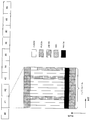
- FIG. 9 is a diagram illustrating a schematic configuration of an uplink signal.
- the horizontal axis is time
- the vertical axis is frequency.
- 14 symbols are arranged in the time axis direction. Seven symbols correspond to one slot, and the length of one slot is 0.5 milliseconds (ms). Further, 14 symbols (corresponding to 2 slots) correspond to 1 subframe, and the length of 1 subframe is 1 millisecond.
- the SRS is assigned to the 14th symbol.
- the SRS resource (bandwidth in the frequency direction) allocated to the 14th symbol is set according to the uplink system bandwidth and the transmission power of the mobile station apparatus.
- the PRACH can be allocated with the bandwidth and the time symbol length being changed according to the type and format of the message to be transmitted.
- the EUTRA mobile station apparatus since it was single carrier transmission, a plurality of PUSCHs and SRSs were not transmitted simultaneously from one mobile station apparatus. However, Advanced EUTRA allows multicarrier communication even in uplink communication. Therefore, the base station apparatus can also be set to perform simultaneous transmission of PUSCH and SRS to a mobile station apparatus with sufficient transmission power.
- Random access method PRACH has the access method of contention based random access (Contention based Random Access) and non-contention based random access (Non-contention based Random Access).
- Contention-based random access is random access that may collide between mobile station apparatuses, and is an access method of random access that is normally performed.
- non-contention based random access is random access in which no collision occurs between mobile station devices, and in special cases such as handover in order to quickly synchronize the uplink between the mobile station device and the base station device, The base station apparatus takes the lead. When the base station apparatus cannot cause the mobile station apparatus to execute non-contention based random access, the base station apparatus may cause the mobile station apparatus to execute contention based random access.
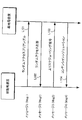
- FIG. 10 is a sequence chart showing an example of a contention based random access procedure.
- the mobile station apparatus selects a random access preamble from a random ID, downlink path loss information, and the like, and transmits only the random access preamble using PRACH (message 1 (Msg1) (step L101)).
- PRACH messages 1 (Msg1) (step L101)
- the base station apparatus When the base station apparatus receives the random access preamble from the mobile station apparatus, the base station apparatus calculates a synchronization timing shift between the mobile station and the base station from the random access preamble, performs scheduling for transmitting the L2 / L3 message, RA ⁇ indicating that a wireless network temporary identifier (Temporary Cell-Radio Network Temporary Identity, hereinafter referred to as Temporary C-RNTI) is assigned and a response addressed to the mobile station apparatus that has transmitted a random access preamble to the PDSCH to the PDCCH is included.
- Temporary C-RNTI Temporary Cell-Radio Network Temporary Identity
- RNTI Random Access-Radio Network Temporary Identity
- Timing Advance synchronization timing deviation information
- scheduling information Temporary C-RNTI
- random access preamble of received random access preamble are arranged in PDSCH
- a random access response including the message number (or random ID) is transmitted (message 2 (Msg2) (step L102)).
- Msg2 message 2
- the mobile station apparatus When the mobile station apparatus confirms that the RA-RNTI is present in the PDCCH, the mobile station apparatus confirms the contents of the random access response arranged in the PDSCH, extracts a response including the transmitted random access preamble number (or random ID), Synchronization timing deviation information is acquired to correct uplink transmission timing, and at least C-RNTI (or contention resolution ID (random value for initial access or s-TMSI (System Architecture Evolution) is used for scheduled radio resources.
- the base station apparatus When the base station apparatus receives the L2 / L3 message from the mobile station apparatus, a collision occurs between the mobile station apparatuses using the C-RNTI (or Temporary C-RNTI) included in the received L2 / L3 message.
- the contention resolution for determining whether or not the message is transmitted to the mobile station apparatus (message 4 (Msg4) (step L104)).
- Msg4 messages 4
- the mobile station apparatus transmits a contention resolution ID in message 3 (when message 3 is a common control channel (CCCH))
- the mobile station apparatus transmits an L2 / L3 message received in contention resolution. It is determined whether or not the random access processing is successful depending on whether or not the contained contention resolution ID is transmitted by itself.
- the mobile station apparatus determines whether or not the random access process is successful by detecting the C-RNTI on the PDCCH from the base station apparatus.
- contention resolution includes mobile station apparatus ID (C-RNTI or contention resolution ID) included in message 3 (L2 / L3 message) and transmitted to the base station apparatus.
- message 4 (contention resolution) is transmitted to the mobile station apparatus.
- the base station apparatus transmits the response to the message 3 including the mobile station apparatus ID transmitted from the mobile station apparatus.
- the mobile station apparatus can confirm that it can access the base station apparatus by confirming its own ID from the message 4. If the mobile station apparatus receives the message 2 or the contention resolution fails, the mobile station apparatus restarts from the message 1.
- the base station device sets a simultaneous transmission control information indicating whether or not the mobile station device can simultaneously transmit a data signal and a reference signal for channel measurement, A transmission unit that transmits the simultaneous transmission control information to the mobile station apparatus.
- the mobile station apparatus receives the simultaneous transmission control information transmitted from the base station apparatus and the data signal and the channel measurement reference signal are assigned to the same time symbol, the received simultaneous transmission control information is received.
- a simultaneous transmission control unit that determines whether or not to simultaneously transmit a data signal and a channel measurement reference signal, and, as a result of the determination, a data signal and a channel measurement reference signal to be transmitted simultaneously, And a transmitter that simultaneously transmits a reference signal for channel measurement to the base station apparatus.
- simultaneous transmission control information for switching whether to simultaneously transmit a sounding reference signal (channel measurement reference signal) and a physical uplink data channel (data signal) is set, and To send.
- the mobile station apparatus is set to transmit the data signal and the channel measurement reference signal at the same time in the base station apparatus, even when the channel measurement reference signal and the data signal are assigned with the same time symbol, A data signal and a reference signal for channel measurement can be transmitted simultaneously.
- the base station apparatus sets that the data signal and the reference signal for channel measurement should not be transmitted simultaneously, the data signal is not transmitted in the same time symbol as the reference signal for channel measurement.
- the information that the resource allocation is changed can be set in the simultaneous transmission control information.
- Transmission control information can be set by the base station apparatus, and the mobile station apparatus can switch whether or not to perform simultaneous transmission based on the simultaneous transmission control information.
- the simultaneous transmission control information may be uniquely determined in advance by the system, may be notified simultaneously from the base station apparatus to the mobile station apparatus as broadcast information, or may be individually transmitted from the base station apparatus to an individual mobile station. The device may be notified.
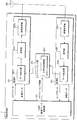
- FIG. 1 is a block diagram showing a schematic functional configuration of the base station apparatus 1 of the present invention.
- the base station device 1 includes a transmission unit 101, a reception unit 103, a scheduling unit 105, an upper layer (radio resource control unit) 107, and an antenna 109.
- the transmission unit 101 includes a data control unit 1011, a modulation unit 1013, and a wireless transmission unit 1015.
- the reception unit 103 includes a wireless reception unit 1031, a demodulation unit 1033, and a data extraction unit 1035.
- the data control unit 1011 receives user data and control data, places control data on the PDCCH, and places transmission data and control data for each mobile station apparatus 3 on the PDSCH according to an instruction from the scheduling unit 105.
- the modulation unit 1013 performs signal processing such as data modulation, serial / parallel conversion of input signals, IFFT, CP insertion, and filtering, and generates a transmission signal.
- the radio transmission unit 1015 transmits the modulated data to the mobile station apparatus 3 via the antenna 109 after up-converting the modulated data to a radio frequency.
- the radio reception unit 1031 receives an uplink signal from the mobile station apparatus 3, down-converts it to a baseband signal, and outputs received data to the demodulation unit 1033.
- the data extraction unit 1035 confirms the correctness of the received data and notifies the scheduling unit 105 of the confirmation result. If the received data is correct, the data extraction unit 1035 separates the received data into user data and control data.
- the data extraction unit 1035 outputs the control data of the second layer such as downlink channel quality indication information and the success / failure of the downlink data (ACK / NACK) in the control data to the scheduling unit 105, and the other data Control data such as the third layer and user data are output to the upper layer (radio resource control unit) 107. If the received data is in error, the data extraction unit 1035 stores the received data for combining with the retransmitted data, and performs a combining process when the retransmitted data is received.
- the scheduling unit 105 performs scheduling for arranging user data and control data on the PDSCH and PDCCH.
- Scheduling section 105 includes simultaneous transmission setting section 1051, and mobile station apparatus 3 sent from higher layer (radio resource control section) 107 may simultaneously transmit a data signal and a reference signal for channel measurement.
- the simultaneous transmission control information is included in the simultaneous transmission control information, and simultaneous transmission can be set and notified to the mobile station apparatus 3.
- the upper layer (radio resource control unit) 107 includes a medium access control (MAC: Medium Access Control) layer, a radio link control (RLC: Radio Link Control) layer, a packet data convergence protocol (PDCP: Packet Data Convergence Protocol) layer, and a radio Performs resource control (RRC: Radio Resource Control) layer processing.
- the upper layer (radio resource control unit) 107 integrates and controls the processing units of the lower layer. Therefore, the upper layer (radio resource control unit) 107, the scheduling unit 105, the antenna 109, the transmission unit 101, the reception unit 103, There is an interface between (but not shown).
- the upper layer (radio resource control unit) 107 can perform simultaneous transmission of a data signal and a reference signal for channel measurement from the allowable power value of the uplink signal transmitted from the mobile station device 3.
- the simultaneous transmission setting unit 1051 can be instructed to determine whether or not it is acceptable and to include it in the simultaneous transmission control information.
- the upper layer (radio resource control unit) 107 has a positive allowable power value of the uplink signal, and the number of radio resources of the data signal (or reference signal for channel measurement) added for simultaneous transmission exceeds a predetermined threshold value. If it is smaller, it is determined that there is a margin in the allowable power value, and it is determined that the mobile station apparatus 3 may simultaneously transmit the data signal and the reference signal for channel measurement.
- the upper layer (radio resource control unit) 107 has requested the mobile station device 3 to transmit power exceeding the maximum transmission power value of the mobile station device 3 when the allowable power value of the uplink signal is negative (mobile It is determined that there is no allowance for the power allowable value of the station device 3), and it is set that simultaneous transmission to the mobile station device 3 is not allowed.
- the upper layer (radio resource control unit) 107 determines how many more radio resources are allocated to the mobile station apparatus 3 based on the allowable power value, the bandwidth (number of radio resources) of the data signal of the mobile station apparatus 3 and the path loss. Can be estimated.
- the upper layer (radio resource control unit) 107 indicates that the mobile station device 3 is connected to the data signal and the channel. It is determined that the reference signal for measurement may be transmitted simultaneously.
- the predetermined threshold is the number of radio resources of the data signal and the reference signal for channel measurement that can be added to the mobile station apparatus 3 that can be estimated from the power allowable value. For example, when the number of radio resources that can be added to the mobile station device 3 that can be estimated from the power allowable value of the mobile station device 3 that transmits a 10 MHz data signal is 5 MHz, the 10 MHz set in the mobile station device 3 in advance.
- the predetermined threshold may be uniquely set in advance by the system, may be notified simultaneously from the base station apparatus 1 to the mobile station apparatus 3 as broadcast information, or may be individually transmitted from the base station apparatus 1 to the individual mobile station apparatus 3. May be notified.
- the power allowable value is a difference between the maximum transmission power value of the mobile station apparatus 3 and a predetermined transmission power value estimated for uplink signal transmission.
- the maximum transmission power value of the mobile station device 3 indicates a limit value of the power value that the mobile station device 3 can transmit, and the performance of the amplifier in the mobile station device 3 and the upper layer (wireless) of the base station device 1 It is determined by designation from the (resource control unit) 107. That is, the maximum transmission power value of the mobile station apparatus 3 may be uniquely determined in advance by the system, may be notified simultaneously from the base station apparatus 1 to the mobile station apparatus 3 as broadcast information, or the base station Notification may be made from the device 1 to the individual mobile station device 3.
- FIG. 2 is a block diagram showing a schematic functional configuration of the mobile station apparatus 3 of the present invention.
- the mobile station device 3 includes a transmission unit (mobile station side transmission unit) 201, a reception unit 203, a scheduling unit 205, an upper layer (radio resource control unit) 207, and an antenna 209.
- the transmission unit 201 includes a data control unit 2011, a modulation unit 2013, and a wireless transmission unit 2015.
- the reception unit 203 includes a wireless reception unit 2031, a demodulation unit 2033, and a data extraction unit 2035.
- User data and control data are input from the upper layer (radio resource control unit) 207 to the data control unit 2011.
- the data control unit 2011 arranges the input data on the PUSCH or PUCCH according to an instruction from the scheduling unit 205.
- an uplink reference signal is also arranged.
- the modulation unit 2013 performs data modulation, and inserts discrete Fourier transform (Discrete Fourier Transform, hereinafter referred to as DFT), subcarrier mapping, inverse fast Fourier transform (Inverse Fastier Transform, hereinafter referred to as IFFT), and CP (Cyclic Prefix) insertion.
- signal processing such as filtering is performed to generate a transmission signal.
- the modulation unit 2013 outputs the modulated signal to the wireless transmission unit 2015.
- the radio transmission unit 2015 up-converts the modulated data to a radio frequency, and then transmits the data to the base station apparatus 1 via the antenna 209.
- the radio reception unit 2031 receives the downlink signal from the base station apparatus 1, down-converts it to a baseband signal, and outputs the received signal to the demodulation unit 2033.
- the demodulator 2033 demodulates the received data.
- the data extraction unit 2035 separates the received data into user data and control data. Also, the data extraction unit 2035 outputs scheduling information, random access response messages, control data related to intermittent reception control, and other second layer control data to the scheduling unit 205, and user data to an upper layer (radio resource control unit) It outputs to 207.
- the scheduling unit 205 analyzes the control data input from the data extraction unit 2035, generates uplink scheduling information, and performs data control to allocate user data and control data to PUSCH and PUCCH based on the scheduling information. Section 2011 is instructed.
- the scheduling unit 205 includes a simultaneous transmission control unit 2051 and controls simultaneous transmission of a data signal and a reference signal for channel measurement based on scheduling information from an upper layer (radio resource control unit) 207.
- the upper layer (radio resource control unit) 207 includes a medium access control (MAC: Medium Access Control) layer, a radio link control (RLC: Radio Link Control) layer, a packet data convergence protocol (PDCP: Packet Data Convergence Protocol) layer, and a radio Performs resource control (RRC: Radio Resource Control) layer processing.
- the upper layer (radio resource control unit) 207 integrates and controls the processing units of the lower layer, so the upper layer (radio resource control unit) 207, the scheduling unit 205, the antenna 209, the transmission unit 201, the reception unit 203, There is an interface between (but not shown).
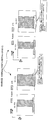
- FIG. 3 is a diagram showing resource allocation of uplink signals when the channel measurement reference signal and the data signal may be transmitted simultaneously and when they should not be transmitted simultaneously in the first embodiment of the present invention. is there.
- the simultaneous transmission setting unit 1051 of the base station device 1 sets that the reference signal for channel measurement and the data signal may be transmitted simultaneously
- the simultaneous transmission control unit 2051 of the mobile station device 3 is based on the simultaneous transmission control information. Then, it is determined that the channel measurement reference signal and the data signal are simultaneously transmitted to the base station apparatus 1.
- the simultaneous transmission control unit 2051 of the mobile station apparatus 3 uses the simultaneous transmission control information.
- the mobile station apparatus 3 assigns and transmits only the reference signal for channel measurement to the 14th symbol.
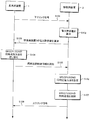
- FIG. 4 is a sequence chart showing a procedure for setting simultaneous transmission control information of the base station apparatus 1 and the mobile station apparatus 3 according to the first embodiment of the present invention.
- the base station apparatus 1 transmits a downlink signal to the mobile station apparatus 3 (step S101).
- the radio resource control unit 207 of the mobile station device 3 calculates an allowable power value based on information included in the downlink signal (step S102).
- the mobile station apparatus 3 notifies the calculated power allowable value to the base station apparatus 1 (step S103).
- the simultaneous transmission setting unit 1051 of the base station apparatus 1 sets whether or not simultaneous transmission of a data signal and a channel measurement reference signal may be performed based on the notified power allowable value (step S104).
- the base station apparatus 1 notifies the simultaneous transmission control information to the mobile station apparatus 3 (step S105).
- the simultaneous transmission control unit 2051 of the mobile station device 3 sets the notified simultaneous transmission control information (step S106), and when the data signal and the reference signal for channel measurement are assigned with the same time symbol, the simultaneous transmission control information Based on, uplink signal resource allocation is performed (step S107).
- the mobile station device 3 transmits an uplink signal to the base station device 1 (step S108).
- the simultaneous transmission setting unit 1051 of the base station apparatus 1 can determine whether or not to perform broadband communication including single carrier and multicarrier based on the allowable power value transmitted from the mobile station apparatus 3. If the simultaneous transmission setting unit 1051 of the base station device 1 determines that there is a margin in the power allowable value of the mobile station device 3, it sets the simultaneous transmission control information in advance so that PUSCH and SRS can be transmitted simultaneously. The simultaneous transmission control unit 2051 of the mobile station apparatus 3 receives the simultaneous transmission control information, and determines that the simultaneous transmission of PUSCH and SRS is performed.
- the simultaneous transmission setting unit 1051 of the base station apparatus 1 sets that simultaneous transmission should not be performed, the resource allocation of the data signal is changed so that the data signal is not arranged in the time symbol in which the channel measurement reference signal is arranged
- the resource allocation of the uplink signal is controlled in accordance with the channel quality of the mobile station apparatus 3 by increasing the frequency of channel measurement. be able to.
- the base station apparatus 1 does not transmit (drop) the channel measurement reference signal when it is set that the channel measurement reference signal and the data signal should not be transmitted simultaneously.
- the simultaneous transmission control unit 2051 arranges the channel measurement reference signal when the simultaneous transmission control information indicates that the data signal and the channel measurement reference signal can be transmitted simultaneously.
- control is performed to place a data signal in a symbol, but the simultaneous transmission control information indicates that a data signal and a reference signal for channel measurement are not possible, the data signal in a time symbol in which the reference signal for channel measurement is placed Control is performed to change the resource allocation of the data signal so as not to place.
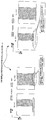
- FIG. 5 is a diagram illustrating resource allocation of uplink signals when the channel measurement reference signal and the data signal may be transmitted simultaneously and when they should not be transmitted simultaneously in the second embodiment of the present invention. is there.
- the simultaneous transmission control unit 2051 of the mobile station device 3 is based on the simultaneous transmission control information. Then, it is determined that the channel measurement reference signal and the data signal are simultaneously transmitted to the base station apparatus 1.
- the simultaneous transmission control unit 2051 of the mobile station apparatus 3 uses the simultaneous transmission control information. Based on this, it is determined that the reference signal for channel measurement is not transmitted (dropped) so as not to be assigned to the same time frame as the data signal, and it is determined that only the data signal is transmitted to the base station apparatus 1.
- the mobile station device 3 places a reference signal for channel measurement in order to prioritize channel measurement.
- the resource allocation of the data signal can be changed so that it is not allocated to the time symbol.
- control is performed so that a channel measurement reference signal is not transmitted (dropped) in a time frame in which a data signal is transmitted, so that data signal communication is always performed. Communication quality such as speed can be guaranteed. Use this method if you want to send many data signals. For example, this is effective in communication where the mobile station device 3 does not move at all, that is, in an environment where the channel quality does not change.
- the simultaneous transmission control unit 2051 arranges the channel measurement reference signal when the simultaneous transmission control information indicates that the data signal and the channel measurement reference signal can be transmitted simultaneously.
- the simultaneous transmission control information indicates that the data signal and the reference signal for channel measurement cannot be transmitted simultaneously, Control not to transmit a reference signal for measurement.
- the simultaneous transmission control unit 2051 when the simultaneous transmission control information 2051 indicates that the simultaneous transmission of the data signal and the reference signal for channel measurement is possible, the simultaneous transmission control unit 2051 Depending on the type of information in the data signal, if the control to arrange the reference signal for channel measurement is performed, but the simultaneous transmission control information indicates that simultaneous transmission of the data signal and the reference signal for channel measurement is not possible Control for not transmitting a reference signal for channel measurement in a time frame for transmitting a data signal, or control for changing resource allocation of a data signal so that a data signal is not allocated to a time symbol for arranging a reference signal for channel measurement Switch either one of them.
- FIG. 6 is a diagram showing resource allocation of uplink signals when it is set that simultaneous transmission is not allowed in the third embodiment of the present invention.
- the simultaneous transmission setting unit 1051 of the base station apparatus 1 sets that the channel measurement reference signal and the data signal are not transmitted simultaneously, and the mobile station apparatus 3 assigns the channel measurement reference signal and the data signal to the same time symbol.
- the simultaneous transmission control unit 2051 of the mobile station apparatus 3 does not assign to the time symbol in which the reference signal for channel measurement is arranged based on the simultaneous transmission control information set by the simultaneous transmission setting unit 1051 of the base station apparatus 1.
- the simultaneous transmission control unit 2051 of the mobile station apparatus 3 that is set not to transmit the channel measurement reference signal and the data signal at the same time depends on the type of information of the data signal.
- the resource allocation of the data signal can be changed so that it is not assigned to the time symbol where the measurement reference signal is allocated, or whether the channel measurement reference signal is not transmitted in the same time frame as the data signal it can.
- the simultaneous transmission control unit 2051 of the mobile station apparatus 3 may perform control so as not to transmit (drop) the channel measurement reference signal in the same time frame as the data signal. it can.
- the base station apparatus 1 since the base station apparatus 1 does not recognize which mobile station apparatus 3 has transmitted, there is a possibility that the base station apparatus 1 cannot demodulate even if the resource allocation is changed and transmitted. . In order to avoid such a situation, it is necessary to preferentially transmit the data signal to which the message 3 is assigned.
- the simultaneous transmission control unit 2051 of the mobile station apparatus 3 when the simultaneous transmission setting unit 1051 of the base station apparatus 1 sets that the reference signal for channel measurement and the data signal should not be transmitted simultaneously, the simultaneous transmission control unit 2051 of the mobile station apparatus 3 However, depending on the type of information in the data signal, either change the resource assignment of the data signal so that it is not assigned to the time symbol where the channel measurement reference signal is allocated, or use the same channel for channel measurement in the same time frame as the data signal. Whether to transmit the reference signal can be switched.
- the base station apparatus 1 is set to transmit the data signal and the channel measurement reference signal at the same time. However, when the mobile station apparatus 3 actually transmits the signal simultaneously, the base station apparatus changes due to a change in path loss or the like. 1 can allocate more power than expected to the data signal and the channel measurement reference signal. As a result, the sum of the transmission power of the data signal and the reference signal exceeds the maximum transmission power of the mobile station apparatus 3 It is expected that it may become.
- the maximum transmission power of the mobile station apparatus 3 is determined by considering the transmission power of the data signal and the reference signal for channel measurement in consideration of such a situation.
- the base station apparatus 1 can set in advance which signal to reduce the transmission power.
- the simultaneous transmission setting unit 1051 sets simultaneous transmission control information indicating that simultaneous transmission of a data signal and a reference signal for channel measurement is possible, and the data signal and channel measurement are performed in the same time symbol.
- the mobile station apparatus 3 in which the total transmission power of the data signal and the reference signal for channel measurement is equal to or greater than the maximum transmission power is controlled to reduce only the transmission power of the data signal Is included in the simultaneous transmission control information and notified to the mobile station apparatus 3 via the transmitter.
- the simultaneous transmission control information indicates that the simultaneous transmission of the data signal and the channel measurement reference signal is possible
- the simultaneous transmission control unit 2051 maximizes the total transmission power of the data signal and the channel measurement reference signal.
- control is performed to arrange the data signal and the channel measurement reference signal in the same time symbol, while if the total transmission power of the data signal and the channel measurement reference signal is equal to or greater than the maximum transmission power
- the transmission power of the data signal is reduced so that the total transmission power of the data signal and the reference signal for channel measurement is less than the maximum transmission power, and the data signal and the reference signal for channel measurement are simultaneously transmitted.
- the mobile station device 3 that is set to be simultaneously transmitted from the base station device 1 has a data signal and a reference signal for channel measurement in the mobile station device 3 due to a change in path loss or the like.
- transmission is performed by reducing the transmission power of the data signal so that the total transmission power of the data signal and the reference signal for channel measurement is less than the maximum transmission power. This enables simultaneous transmission of a reference signal for channel measurement and a data signal.
- the simultaneous transmission setting unit 1051 of the base station apparatus 1 sets that the data signal and the reference signal for channel measurement may be transmitted simultaneously
- the data signal and the reference signal for channel measurement are set.
- the transmission power of the data signal is reduced, and the total transmission power of the data signal and the reference signal for channel measurement is
- the simultaneous transmission control information includes control to be less than the maximum transmission power.
- the simultaneous transmission control unit 2051 of the mobile station apparatus 3 performs the data signal and channel measurement when the total transmission power of the data signal and the channel measurement reference signal is equal to or greater than the maximum transmission power. It is determined that the data signal and the reference signal for channel measurement are transmitted simultaneously to the base station apparatus 1 after reducing the transmission power of the data signal so that the total transmission power of the reference signal for use is less than the maximum transmission power. .
- FIG. 7 is a schematic diagram of transmission power distribution of time symbols of uplink signals of the mobile station apparatus 3 according to the fourth embodiment of the present invention.
- the vertical axis represents the transmission power of the mobile station apparatus 3, and the horizontal axis represents time.
- the mobile station apparatus 3 reduces the transmission power of the data signal of the time symbol in which the reference signal for channel measurement is arranged based on the simultaneous transmission control information transmitted from the base station apparatus 1 (upper right of FIG. 7). (Part) and the transmission power of all symbols of CC1 may be reduced (lower right part in FIG. 7), which one is used is determined by the communication status and the magnitude of the transmission power to be reduced.
- the base station apparatus 1 is currently used by the mobile station apparatus 3 by prioritizing the reference signal for channel measurement. It is possible to determine whether or not there is a band having a better communication state than the band that is being transmitted. As a result of the channel measurement, if scheduling can be performed so that the scheduling unit 105 of the base station apparatus 1 can allocate the data signal of the mobile station apparatus 3 to a band having a good communication state, the data signal of the mobile station apparatus 3 Communication quality can be improved.
- the mobile station device 3 that is set to be simultaneously transmitted from the base station device 1 receives the data signal and the reference signal for channel measurement on the mobile station device 3 side when the path loss changes.
- the transmission power of the reference signal for channel measurement is reduced so that the total transmission power of the data signal and the reference signal for channel measurement is less than the maximum transmission power. Transmission enables simultaneous transmission of a channel measurement reference signal and a data signal.
- the simultaneous transmission setting unit 1051 sets simultaneous transmission control information indicating that simultaneous transmission of a data signal and a reference signal for channel measurement is possible, and the data signal and channel measurement are performed in the same time symbol.
- the reference signal for the channel measurement is assigned, only the transmission power of the reference signal for channel measurement is reduced with respect to the mobile station apparatus 3 in which the total transmission power of the data signal and the reference signal for channel measurement is equal to or greater than the maximum transmission power.
- Information indicating that control is to be performed is included in the simultaneous transmission control information and notified to the mobile station apparatus 3 via the transmission unit 101.
- the simultaneous transmission control unit 2051 maximizes the total transmission power of the data signal and the channel measurement reference signal. If the transmission power is less than the transmission power, control is performed to arrange the data signal and the channel measurement reference signal in the same time symbol, while if the total transmission power of the data signal and the channel measurement reference signal is equal to or greater than the maximum transmission power. The transmission power of the reference signal for channel measurement is reduced so that the sum of the transmission power of the data signal and the reference signal for channel measurement is less than the maximum transmission power, and the data signal and the reference signal for channel measurement are simultaneously controlled. Send.
- the simultaneous transmission setting unit 1051 of the base station apparatus 1 sets that the data signal and the channel measurement reference signal may be transmitted simultaneously, and the data signal and the channel measurement reference.
- the transmission power of the reference signal for channel measurement is reduced, and the total transmission power of the data signal and the reference signal for channel measurement is reduced.
- the simultaneous transmission control unit 2051 of the mobile station apparatus 3 Based on the simultaneous transmission control information, the simultaneous transmission control unit 2051 of the mobile station apparatus 3 performs the data signal and channel measurement when the total transmission power of the data signal and the channel measurement reference signal is equal to or greater than the maximum transmission power.
- the data signal and the channel measurement reference signal are simultaneously transmitted to the base station apparatus 1 after reducing the transmission power of the channel measurement reference signal so that the sum of the transmission powers of the reference signals for use is less than the maximum transmission power. Judge that it is.
- FIG. 8 is a schematic diagram of transmission power distribution of time symbols of uplink signals of the mobile station apparatus 3 according to the fifth embodiment of the present invention.
- the vertical axis represents the transmission power of the mobile station apparatus 3, and the horizontal axis represents time.
- the maximum transmission power (dotted line) may be exceeded. Therefore, the mobile station apparatus 3 reduces the transmission power of the reference signal for channel measurement allocated to the same time frame as the data signal based on the simultaneous transmission control information transmitted from the base station apparatus 1 to reduce the data signal and the channel. Simultaneous transmission of reference signals for measurement can be performed. Furthermore, by maintaining the transmission power of the data signal, communication quality such as the communication speed of the data signal can be guaranteed.
- the simultaneous transmission control information transmitted from the base station apparatus 1 to the mobile station apparatus 3 is used for channel measurement according to the power allowable value of the mobile station apparatus 3.
- a setting table describing the power reduction amount of the reference signal or the data signal may be included.
- the base station apparatus 1 determines that the total transmission power of the data signal and the channel measurement reference signal is the maximum transmission power (or allowable power amount). Can be set so that the excess is reduced evenly (uniformly) with respect to the transmission power of the data signal and the reference signal for channel measurement.
- the mobile station apparatus 3 receives the data signal and the channel measurement reference signal by 3 dB each. Notification can be included in the simultaneous transmission control information so as to reduce, or can be notified as information different from the simultaneous transmission control information. That is, the power reduction amount of the data signal and the reference signal for channel measurement may be notified to the mobile station apparatus 3 together with the simultaneous transmission control information, may be notified all at once using the broadcast information, or the base station apparatus 1 may be individually notified to the mobile station apparatus 3.
- the program for realizing the control function may be recorded on a computer-readable recording medium, and the program recorded on the recording medium may be read by a computer system and executed.
- the “computer system” here includes an OS and hardware such as peripheral devices.
- the “computer-readable recording medium” refers to a storage device such as a flexible medium, a magneto-optical disk, a portable medium such as a ROM or a CD-ROM, and a hard disk incorporated in a computer system.
- the “computer-readable recording medium” is a medium that dynamically holds a program for a short time, such as a communication line when transmitting a program via a network such as the Internet or a communication line such as a telephone line, In such a case, a volatile memory inside a computer system serving as a server or a client may be included and a program that holds a program for a certain period of time.
- the program may be a program for realizing a part of the functions described above, and may be a program capable of realizing the functions described above in combination with a program already recorded in a computer system.
- part or all of the mobile station device 3 and the base station device 1 in the above-described embodiment may be realized as an LSI that is typically an integrated circuit.
- Each functional block of the mobile station device 3 and the base station device 1 may be individually chipped, or part or all of them may be integrated into a chip.
- the method of circuit integration is not limited to LSI, and may be realized by a dedicated circuit or a general-purpose processor.
- an integrated circuit based on the technology can also be used.
Landscapes
- Engineering & Computer Science (AREA)
- Signal Processing (AREA)
- Computer Networks & Wireless Communication (AREA)
- Mobile Radio Communication Systems (AREA)
Abstract
移動局装置の電力許容値などを使用した送信電力制御に合わせたリソース割り当て制御を行なうことにより、チャネル測定用の参照信号とデータ信号を、これらを送信するチャネルの品質を維持しながら同時送信する。移動局装置から通知され、移動局装置の最大送信電力値と上りリンクの送信用に見積もられる所定の電力値との差である電力許容値に基づいて、データ信号および参照信号の同時送信を可能とするか否かを判定する無線リソース制御部107と、データ信号およびチャネル測定用の参照信号を送信する移動局装置と通信を行なう基地局装置1であって、移動局装置でデータ信号および参照信号の同時送信を可能とするか否かを示す同時送信制御情報を設定する同時送信設定部1051と、その設定した同時送信制御情報を移動局装置に対して送信する送信部101と、を備える。
Description
本発明は、移動局装置が基地局装置にチャネル測定用の参照信号とデータ信号を送信する技術に関し、特に、移動局装置が行なうチャネル測定用の参照信号とデータ信号との同時送信について、基地局装置が行なう制御(上りリンク信号のリソース割り当て制御)技術に関する。
標準化団体3GPP(3rd Generation Partnership Project)において、第3世代の無線通信方式を進化させたEvolved Universal Terrestrial Radio Access(以降EUTRAと称する)、さらにその発展形のAdvanced EUTRA(LTE-Advancedとも呼ばれる)の検討が進められている。Advanced EUTRAでは、上りリンク通信方式としてSC-FDMA(Single Carrier-Frequency Division Multiple Access)方式が提案されている。
Advanced EUTRAでは、EUTRAとの互換性を維持しつつ、より高速なデータ伝送が可能な技術として、キャリアアグリゲーション(Carrier Aggregation:周波数帯域集約)が提案されている(非特許文献1)。キャリアアグリゲーションとは、送信装置と受信装置を有する無線通信システムにて、送信装置と、前記送信装置の送信帯域幅を超える受信帯域幅を持つ受信装置とを用意し、それぞれ異なる複数の要素周波数帯域(コンポーネントキャリア(CC:Component Carrier)やキャリア要素と称することもある)が設定された複数の送信装置からデータを送信し、受信装置において、前記複数の送信装置から送信されたデータを受信することで、データレートを向上させる技術である。また、前記送信装置と受信装置を有する無線通信システムにて、受信装置と、前記受信装置の受信帯域幅を超える送信帯域幅を持つ送信装置を用意し、それぞれ異なる周波数帯域が設定された複数の受信装置が、前記送信装置から送信されたデータを受信することで、データレートを向上させる技術である。
Ericsson,R1-082468,3GPP TSG-RAN1 Meeting #53bis,Warsaw,Poland,June 30-July 4,2008
EUTRAの移動局装置は、シングルキャリア通信方式が適用されたため、チャネル測定用の参照信号とデータ信号を同時に送信することができなかった。そのため、基地局装置が電力許容値(PH:Power Headroom)に余裕のある移動局装置に対して移動局装置の送信電力に無駄のない最適なリソース割り当てを行なうことに限界があった。これに対して、Advanced EUTRAの移動局装置にはシングルキャリア通信方式だけでなく、マルチキャリア通信方式が適用できるため、電力許容値に余裕のない移動局装置に対してチャネル測定用の参照信号とデータ信号を同じ時間シンボルに同時に割り当てられることが考えられる。
しかしながら、Advanced EUTRAの移動局装置において、チャネル測定用の参照信号とデータ信号とでは、それぞれ異なるリソース割り当て方法が適用されているため、移動局装置の最大送信電力を超えたリソース割り当てが行なわれるという問題が生じる。基地局装置は、このような場合に対応するために、移動局装置から通知される電力許容値を基に、最適なリソース割り当て制御を行なう必要がある。
本発明は上記の点に鑑みてなされたものであり、各移動局装置の電力許容値などを使用した送信電力制御に合わせたリソース割り当て制御を行なうことにより、チャネル測定用の参照信号とデータ信号を、これらを送信するチャネルの品質を維持しながら同時送信することができる無線通信システム、基地局装置、移動局装置、無線通信システムの制御方法、基地局装置の制御プログラムおよび移動局装置の制御プログラムを提供することを目的とする。
(1)上記の目的を達成するために、本発明は、以下のような手段を講じた。すなわち、本発明の無線通信システムは、基地局装置および前記基地局装置に対してデータ信号とチャネル測定用の参照信号とを送信する移動局装置から構成される無線通信システムであって、前記基地局装置は、前記移動局装置で前記データ信号および前記参照信号の同時送信を可能とするか否かを示す同時送信制御情報を設定する同時送信設定部と、前記設定した同時送信制御情報を前記移動局装置に対して送信する送信部と、を備え、前記移動局装置は、前記基地局装置から送信された同時送信制御情報を受信する受信部と、前記データ信号および前記参照信号が同じ時間シンボルに割り当てられた場合、前記受信した同時送信制御情報に基づいて、前記データ信号および前記参照信号を前記基地局装置に対して同時に送信するか否かを判定する同時送信制御部と、前記判定の結果、前記データ信号および前記参照信号を同時に送信する場合、前記データ信号および前記参照信号を前記基地局装置に対して同時に送信する移動局側送信部と、を備えることを特徴としている。
このように、移動局装置が、データ信号および参照信号が同じ時間シンボルに割り当てられた場合、受信した同時送信制御情報に基づいて、データ信号および参照信号を基地局装置に対して同時に送信するか否かを判定するので、基地局装置は、移動局装置の電力許容値に対応した最適なリソース割り当て制御をすることが可能となる。
(2)また、本発明の無線通信システムにおいて、前記同時送信制御部は、前記同時送信制御情報が、前記データ信号および前記参照信号の同時送信を可能とすることを示す場合、前記参照信号を配置する時間シンボルに前記データ信号を配置する制御を行なう一方、前記同時送信制御情報が、前記データ信号および前記参照信号の同時送信を可能としないことを示す場合、前記参照信号を配置する時間シンボルに前記データ信号を配置しないように前記データ信号のリソース割り当てを変更する制御を行なうことを特徴としている。
このように、同時送信制御情報が、データ信号および参照信号の同時送信を可能としないことを示す場合、参照信号を配置する時間シンボルにデータ信号を配置しないようにデータ信号のリソース割り当てを変更する制御を行なうので、基地局装置は、常にチャネル測定用の参照信号のチャネル品質を保証することができる。また、基地局装置は、移動局装置の移動速度が速い、チャネル品質がすぐに変わってしまう環境においてはチャネル測定の頻度を多くすることで移動局装置のチャネル品質に合わせた上りリンク信号のリソース割り当ての制御を行なうことができる。
(3)また、本発明の無線通信システムにおいて、前記同時送信制御部は、前記同時送信制御情報が、前記データ信号および前記参照信号の同時送信を可能とすることを示す場合、前記参照信号を配置する時間シンボルに前記データ信号を配置する制御を行なう一方、前記同時送信制御情報が、前記データ信号および前記参照信号の同時送信を可能としないことを示す場合、前記データ信号を送信する時間フレームでは前記参照信号を送信しない制御を行なうことを特徴としている。
このように、同時送信制御情報が、データ信号および参照信号の同時送信を可能としないことを示す場合、データ信号を送信する時間フレームでは参照信号を送信しない制御を行なうので、基地局装置は、常にデータ信号の通信速度などの通信品質を保証することができる。データ信号を多く送信したい場合や、移動局装置が全く移動しない場合すなわちチャネル品質が変化しない環境における場合に有効である。
(4)また、本発明の無線通信システムにおいて、前記同時送信制御部は、前記同時送信制御情報が、前記データ信号および前記参照信号の同時送信を可能としないことを示す場合、前記参照信号の設定情報に1回送信が設定されているときは、前記参照信号を配置する時間シンボルに前記データ信号を配置しないように前記データ信号のリソース割り当てを変更する制御を行なう一方、前記参照信号の設定情報に1回送信が設定されていないときは、前記同時送信制御情報に基づいた制御を行なうことを特徴としている。
このように、移動局装置が、参照信号の設定情報に1回送信が設定されているときは、参照信号を配置する時間シンボルにデータ信号を配置しないようにデータ信号のリソース割り当てを変更する制御を行なうので、基地局装置は、チャネル測定を優先させることができる。
(5)また、本発明の無線通信システムにおいて、前記同時送信設定部は、前記データ信号および前記参照信号の同時送信を可能としないことを示す同時送信制御情報を設定した場合、更に、前記データ信号と同じ時間フレームで前記参照信号を送信しない制御を行なうこと、または前記参照信号を配置する時間シンボルに前記データ信号を配置しないように前記データ信号のリソース割り当てを変更する制御を行なうことを示す情報を前記同時送信制御情報に含めて前記送信部を介して前記移動局装置に対して通知する一方、前記同時送信制御部は、前記同時送信制御情報が、前記データ信号および前記参照信号の同時送信を可能としないことを示す場合、前記データ信号と同じ時間フレームで前記参照信号を送信しない制御、または前記参照信号を配置する時間シンボルに前記データ信号を配置しないように前記データ信号のリソース割り当てを変更する制御のいずれか一方を切り替えて行なうことを特徴としている。
このように、基地局装置が、データ信号と同じ時間フレームで参照信号を送信しない制御を行なうこと、または参照信号を配置する時間シンボルにデータ信号を配置しないようにデータ信号のリソース割り当てを変更する制御を行なうことを示す情報を同時送信制御情報に含めるので、移動局装置は、データ信号および参照信号の同時送信を可能としない場合に、同時送信制御情報を基に、制御することができる。
(6)また、本発明の無線通信システムにおいて、前記同時送信制御部は、前記同時送信制御情報が、前記データ信号および前記参照信号の同時送信を可能とすることを示す場合、同じ時間フレームに前記データ信号および前記参照信号を配置する制御を行なう一方、前記同時送信制御情報が、前記データ信号および前記参照信号の同時送信を可能としないことを示す場合、前記データ信号の情報の種類に応じて、前記データ信号を送信する時間フレームで前記参照信号を送信しない制御、または前記参照信号を配置する時間シンボルに前記データ信号を配置しないように前記データ信号のリソース割り当てを変更する制御のいずれか一方を切り替えて行なうことを特徴としている。
このように、同時送信制御情報が、データ信号および参照信号の同時送信を可能としないことを示す場合、データ信号の情報の種類に応じて、データ信号を送信する時間フレームで参照信号を送信しない制御、または参照信号を配置する時間シンボルに前記データ信号を配置しないようにデータ信号のリソース割り当てを変更する制御のいずれか一方を切り替えて行なうので、データ信号に通信を行なう上で重要な情報が割り当てられる場合、移動局装置は、データ信号と同じ時間フレームにチャネル測定用の参照信号を送信しない(ドロップする)ように制御することができる。
(7)また、本発明の無線通信システムにおいて、前記同時送信制御部は、前記同時送信制御情報が、前記データ信号および前記参照信号の同時送信を可能としないことを示す場合、同じ時間シンボルに前記データ信号および前記参照信号が割り当てられ、前記データ信号にメッセージ3が割り当てられるときは、前記データ信号と同じ時間フレームでは前記参照信号を送信しない制御を行なう一方、前記データ信号にメッセージ3が割り当てられないときは、前記参照信号を配置する時間シンボルに前記データ信号を配置しないように前記データ信号のリソース割り当てを変更する制御を行なうことを特徴としている。
このように、同時送信制御情報が、データ信号および参照信号の同時送信を可能としないことを示す場合、同じ時間シンボルにデータ信号および参照信号が割り当てられ、データ信号にメッセージ3が割り当てられるときは、データ信号と同じ時間フレームでは参照信号を送信しない制御を行なう一方、データ信号にメッセージ3が割り当てられないときは、参照信号を配置する時間シンボルにデータ信号を配置しないようにデータ信号のリソース割り当てを変更する制御を行なうので、基地局装置は、移動局装置のメッセージ3の送信段階において、どの移動局装置からメッセージ3を送信されたか認識していない状態で、移動局装置からリソース割り当てを変更して送信された場合に、データ信号を復調できないという状況を回避することができる。
(8)また、本発明の無線通信システムにおいて、前記同時送信設定部は、前記データ信号および前記参照信号の同時送信を可能とすることを示す同時送信制御情報を設定し、同じ時間シンボルに前記データ信号および前記参照信号を割り当てる場合、前記データ信号および前記参照信号の送信電力の合計が最大送信電力以上となる移動局装置に対して、前記データ信号の送信電力のみを低減する制御を行なうことを示す情報を前記同時送信制御情報に含めて前記送信部を介して前記移動局装置に対して通知する一方、前記同時送信制御部は、前記同時送信制御情報が、前記データ信号および前記参照信号の同時送信を可能とすることを示す場合、前記データ信号および前記参照信号の送信電力の合計が最大送信電力未満であれば、同じ時間シンボルに前記データ信号および前記参照信号を配置する制御を行なう一方、前記データ信号および前記参照信号の送信電力の合計が最大送信電力以上であれば、前記データ信号の送信電力を低減して前記データ信号および前記参照信号の合計が最大送信電力未満となる制御を行なって、前記データ信号および前記参照信号を同時に送信することを特徴としている。
このように、基地局装置は、同じ時間シンボルにデータ信号および参照信号を割り当てる場合、データ信号および参照信号の送信電力の合計が最大送信電力以上となる移動局装置に対して、データ信号の送信電力のみを低減する制御を行なうことを示す情報を同時送信制御情報に含めるので、チャネル測定用の参照信号を優先することで、移動局装置が現在使用している帯域より通信状態のよい帯域があるか否かを判断することができる。また、チャネル測定の結果、基地局装置が移動局装置のデータ信号を通信状態のよい帯域に割り当てることができるようなスケジューリングを行なうことができれば、移動局装置のデータ信号の通信品質の改善を行なうことができる。
(9)また、本発明の無線通信システムにおいて、前記同時送信設定部は、前記データ信号および前記参照信号の同時送信を可能とすることを示す同時送信制御情報を設定し、同じ時間シンボルに前記データ信号および前記参照信号を割り当てる場合、前記データ信号および前記参照信号の送信電力の合計が最大送信電力以上となる移動局装置に対して、前記参照信号の送信電力のみを低減する制御を行なうことを示す情報を前記同時送信制御情報に含めて前記送信部を介して前記移動局装置に対して通知する一方、前記同時送信制御部は、前記同時送信制御情報が、前記データ信号および前記参照信号の同時送信を可能とすることを示す場合、前記データ信号および前記参照信号の送信電力の合計が最大送信電力未満であれば、同じ時間シンボルに前記データ信号および前記参照信号を配置する制御を行なう一方、前記データ信号および前記参照信号の送信電力の合計が最大送信電力以上であれば、前記参照信号の送信電力を低減して前記データ信号および前記参照信号の合計が最大送信電力未満となる制御を行なって、前記データ信号および前記参照信号を同時に送信することを特徴としている。
このように、基地局装置は、同じ時間シンボルにデータ信号および参照信号を割り当てる場合、データ信号および参照信号の送信電力の合計が最大送信電力以上となる移動局装置に対して、参照信号の送信電力のみを低減する制御を行なうことを示す情報を同時送信制御情報に含めるので、データ信号の送信電力を維持することによって、データ信号の通信速度などの通信品質を保証することができる。
(10)また、本発明の基地局装置は、データ信号およびチャネル測定用の参照信号を送信する移動局装置と通信を行なう基地局装置であって、前記移動局装置で前記データ信号および前記参照信号の同時送信を可能とするか否かを示す同時送信制御情報を設定する同時送信設定部と、前記設定した同時送信制御情報を前記移動局装置に対して送信する送信部と、を備えることを特徴としている。
このように、基地局装置は、移動局装置でデータ信号および参照信号の同時送信を可能とするか否かを示す同時送信制御情報を設定するので、移動局装置の電力許容値に対応した最適なリソース割り当て制御をすることが可能となる。
(11)また、本発明の基地局装置において、前記移動局装置から通知され、前記移動局装置の最大送信電力値と上りリンクの送信用に見積もられる所定の電力値との差である電力許容値に基づいて、前記データ信号および前記参照信号の同時送信を可能とするか否かを判定する無線リソース制御部を更に備えることを特徴としている。
このように、基地局装置は、移動局装置の最大送信電力値と上りリンクの送信用に見積もられる所定の電力値との差である電力許容値に基づいて、データ信号および参照信号の同時送信を可能とするか否かを判定するので、移動局装置の電力許容値に対応した最適なリソース割り当て制御をすることができる。
(12)また、本発明の移動局装置は、基地局装置に対してデータ信号とチャネル測定用の参照信号とを送信する移動局装置であって、前記基地局装置から、前記データ信号および前記参照信号の同時送信を可能とするか否かを示す同時送信制御情報を受信する受信部と、前記データ信号および前記参照信号が同じ時間シンボルに割り当てられた場合、前記受信した同時送信制御情報に基づいて、前記データ信号および前記参照信号を前記基地局装置に対して同時に送信するか否かを判定する同時送信制御部と、前記判定の結果、前記データ信号および前記参照信号を同時に送信する場合、前記データ信号および前記参照信号を前記基地局装置に対して同時に送信する移動局側送信部と、を備えることを特徴としている。
このように、移動局装置が、データ信号および参照信号が同じ時間シンボルに割り当てられた場合、受信した同時送信制御情報に基づいて、データ信号および参照信号を基地局装置に対して同時に送信するか否かを判定するので、基地局装置は、移動局装置の電力許容値に対応した最適なリソース割り当て制御をすることができる。
(13)また、本発明の無線通信システムの制御方法は、基地局装置および前記基地局装置に対してデータ信号とチャネル測定用の参照信号とを送信する移動局装置から構成される無線通信システムの制御方法であって、前記基地局装置において、前記移動局装置で前記データ信号および前記参照信号の同時送信を可能とするか否かを示す同時送信制御情報を設定するステップと、前記設定した同時送信制御情報を前記移動局装置に対して送信するステップと、前記移動局装置において、前記基地局装置から送信された同時送信制御情報を受信するステップと、前記データ信号および前記参照信号が同じ時間シンボルに割り当てられた場合、前記受信した同時送信制御情報に基づいて、前記データ信号および前記参照信号を前記基地局装置に対して同時に送信するか否かを判定するステップと、前記判定の結果、前記データ信号および前記参照信号を同時に送信する場合、前記データ信号および前記参照信号を前記基地局装置に対して同時に送信するステップと、を少なくとも含むことを特徴としている。
このように、基地局装置は、移動局装置でデータ信号および参照信号の同時送信を可能とするか否かを示す同時送信制御情報を設定するので、移動局装置の電力許容値に対応した最適なリソース割り当て制御をすることができる。
(14)また、本発明の基地局装置の制御プログラムは、データ信号およびチャネル測定用の参照信号を送信する移動局装置と通信を行なう基地局装置の制御プログラムであって、無線リソース制御部において、前記移動局装置から通知され、前記移動局装置の最大送信電力値と上りリンクの送信用に見積もられる所定の電力値との差である電力許容値に基づいて、前記データ信号および前記参照信号の同時送信を可能とするか否かを判定する処理と、同時送信設定部において、前記移動局装置で前記データ信号および前記参照信号の同時送信を可能とするか否かを示す同時送信制御情報を設定する処理と、送信部において、前記設定した同時送信制御情報を前記移動局装置に対して送信する処理と、の一連の処理がコンピュータに読み取り可能および実行可能にコマンド化されたことを特徴としている。
このように、基地局装置は、移動局装置の最大送信電力値と上りリンクの送信用に見積もられる所定の電力値との差である電力許容値に基づいて、データ信号および参照信号の同時送信を可能とするか否かを判定するので、移動局装置の電力許容値に対応した最適なリソース割り当て制御をすることが可能となる。
(15)また、本発明の移動局装置の制御プログラムは、基地局装置に対してデータ信号とチャネル測定用の参照信号とを送信する移動局装置の制御プログラムであって、受信部において、前記基地局装置から、前記データ信号および前記参照信号の同時送信を可能とするか否かを示す同時送信制御情報を受信する処理と、同時送信制御部において、前記データ信号および前記参照信号が同じ時間シンボルに割り当てられた場合、前記受信した同時送信制御情報に基づいて、前記データ信号および前記参照信号を前記基地局装置に対して同時に送信するか否かを判定する処理と、前記判定の結果、前記データ信号および前記参照信号を同時に送信する場合、移動局側送信部において、前記データ信号および前記参照信号を前記基地局装置に対して同時に送信する処理と、の一連の処理がコンピュータに読み取り可能および実行可能にコマンド化されたことを特徴としている。
このように、移動局装置が、データ信号および参照信号が同じ時間シンボルに割り当てられた場合、受信した同時送信制御情報に基づいて、データ信号および参照信号を基地局装置に対して同時に送信するか否かを判定するので、基地局装置は、移動局装置の電力許容値に対応した最適なリソース割り当て制御をすることが可能となる。
本発明によれば、基地局装置は、電力許容値に余裕のある移動局装置に対しては、チャネル測定用の参照信号とデータ信号とを同時に送信することを指示することができる。これにより、基地局装置は、移動局装置の送信電力に無駄のない最適なリソース割り当てを行なうことが可能となる。また、基地局装置は、電力許容値に余裕がないか、もしくは、チャネル測定用の参照信号とデータ信号を同時送信することで電力許容値が負になる移動局装置に対しては、チャネル測定用の参照信号とデータ信号とを同時に送信しないで、チャネル測定用の参照信号とデータ信号のいずれか一方を送信するように設定することができる。これにより、チャネル測定用の参照信号を送信するように設定した場合には、常にチャネル測定用の参照信号のチャネル品質を保証することができる。また、データ信号を送信するように設定した場合には、常にデータ信号の通信速度などの通信品質を保証することができる。
各実施形態の具体的な説明に入る前に、本発明で用いられる通信技術の概要について簡単に説明する。
(1)物理チャネル
EUTRAおよびAdvanced EUTRAで使用される物理チャネルには、物理報知チャネル、下りリンクデータチャネル、下りリンク制御チャネル、下りリンク参照信号、上りリンクデータチャネル、上りリンク制御チャネル、ランダムアクセスチャネル、上りリンク参照信号などが含まれる。EUTRAおよびAdvanced EUTRAにおいて、物理チャネルの種類が今後追加されたり、または、チャネル構造が変更されたりする可能性もあるが、このような変更がなされた場合でも、後述する本発明の各実施形態を適用可能である。
EUTRAおよびAdvanced EUTRAで使用される物理チャネルには、物理報知チャネル、下りリンクデータチャネル、下りリンク制御チャネル、下りリンク参照信号、上りリンクデータチャネル、上りリンク制御チャネル、ランダムアクセスチャネル、上りリンク参照信号などが含まれる。EUTRAおよびAdvanced EUTRAにおいて、物理チャネルの種類が今後追加されたり、または、チャネル構造が変更されたりする可能性もあるが、このような変更がなされた場合でも、後述する本発明の各実施形態を適用可能である。
物理報知チャネル(PBCH:Physical Broadcast Channel)は、40ミリ秒間隔で報知チャネル(BCH:Broadcast Channel)をマッピングする。40ミリ秒のタイミングは、ブラインド検出(blind detection)される。すなわち、タイミング提示のために、明示的なシグナリングを行なわない。また、物理報知チャネル(PBCH)を含むサブフレームは、そのサブフレームだけで復号できる(自己復号可能:self-decodable)。物理下りリンク制御チャネル(PDCCH:Physical Downlink Control Channel)は、基地局装置から移動局装置へ送信される下りリンクチャネルであり、複数の移動局装置に対して共通に使用される。基地局装置は、送信タイミング情報やスケジューリング情報(上りリンク/下りリンクリソース割り当て情報)の送信に下りリンク制御チャネルを用いる。物理下りリンクデータチャネル(PDSCH:Physical Downlink Shared Channel)は、下りリンクデータまたはページング情報を送信するために使用されるチャネルである。
下りリンク参照信号(DL-RS:Downlink Reference Signal、またはCell-specific Reference Signal)は、基地局装置から移動局装置へ下りリンクチャネルを利用して送信される。移動局装置は下りリンク参照信号を測定することで下りリンクの受信品質を判定する。受信品質は、品質情報指標であるCQI(Channel Quality Indicator:チャネル品質識別子)として物理上りリンク制御チャネル(PUCCH:Physical Uplink Control Channel)を用いて基地局装置へ通知される。基地局装置は移動局装置から通知されたCQIに基づいて、移動局装置に対する下りリンク通信のスケジューリングを行なう。なお、受信品質としては、SIR(Signal-to-Interference Ratio:信号対干渉電力比)、SINR(Signal-to-Interference plus Noise Ratio:信号対干渉雑音電力比)、SNR(Signal-to-Noise Ratio:信号対雑音電力比)、CIR(Carrier-to-Interference Ratio:搬送波対干渉電力比)、BLER(Block Error Rate:ブロック誤り率)、パスロスなどを使用することができる。
物理上りリンクデータチャネル(PUSCH:Physical Uplink Shared Channel)は、主に上りリンクデータ(UL-SCH:Uplink Shared Channel)を送信するために使用されるチャネルである。基地局装置が、移動局装置をスケジューリングした場合には、チャネル状態情報(下りリンクのチャネル品質識別子CQI、プレコーディングマトリックス識別子(PMI:Precoding Matrix Indicator)、ランク識別子(RI:Rank Indicator))や下りリンク送信に対するハイブリッド自動再送要求(HARQ:Hybrid Automatic Repeat Request)の肯定応答(ACK:Acknowledgement)/否定応答(NACK:Negative Acknowledgement)も物理上りリンクデータチャネル(PUSCH)を使用して送信される。ここで、上りリンクデータ(UL-SCH)とは、例えば、ユーザデータの送信を示しており、UL-SCHは、トランスポートチャネルである。UL-SCHでは、HARQ、動的適応無線リンク制御がサポートされ、また、ビームフォーミングが利用可能である。UL-SCHは、動的なリソース割り当て、および、準静的なリソース割り当てがサポートされる。
物理上りリンク制御チャネル(PUCCH:Physical Uplink Control Channel)は、制御データを送信するために使用されるチャネルである。ここで制御データとは、例えば、移動局装置から基地局装置へ送信(フィードバック)されるチャネル状態情報(CQI、PMI、RI)、移動局装置が、上りリンクデータを送信するためのリソースの割り当てを要求する(UL-SCHでの送信を要求する)スケジューリング要求(SR:Scheduling Request)、下りリンク送信に対するHARQのACK/NACKなどが含まれる。
上りリンク参照信号(UL-RS:Uplink Reference Signal)は、移動局装置から基地局装置へ送信される。UL-RSには、サウンディング参照信号(SRS:Sounding Reference Signal)とデモジュレーション参照信号(DM-RS:Demodulation Reference Signal)とがある。チャネル測定用の参照信号であるサウンディング参照信号は、基地局装置が測定することで、移動局装置の上りリンク無線送信信号の受信品質の判断をし、受信品質に基づく上りリンクのスケジューリングや、上りリンクタイミング同期の調整に用いられる上りリンク受信品質測定用参照信号である。また、デモジュレーション参照信号は、上りリンクデータチャネルと共に送信され、上りリンク共用チャネルの信号の振幅、位相や周波数の変動量を計算し、上りリンクデータチャネルを利用して送信された信号を復調するための参照信号としても使用される。SRSのためのチャネルの帯域幅は、基地局装置の帯域幅に応じて決定される。また、SRSには、時間軸リンクに対して周波数ホッピングが適用される。この周波数ホッピングを用いることで、周波数ダイバーシティ効果と干渉の平均化効果が得られる。
物理ランダムアクセスチャネル(PRACH:Physical Random Access Channel)は、ランダムアクセスプリアンブルを送信するために使用される物理チャネルであり、ガードタイムを持つ。PRACHは、移動局装置が基地局装置と同期をとることを最大の目的とし、その他に、初期アクセス、ハンドオーバ、再接続要求、およびスケジューリング要求に用いられる。
(2)上りリンク信号の構成
上りリンク信号の構成について説明する。図9は、上りリンク信号の概略構成を示す図である。同図において横軸は時間であり、縦軸は周波数である。同図の例において、時間軸方向に14個のシンボルが並んでいる。7個のシンボルが1スロットに相当し、1スロットの長さは0.5ミリ秒(ms)である。また、14個のシンボル(2スロットに相当)が1サブフレームに相当し、1サブフレームの長さは1ミリ秒である。
上りリンク信号の構成について説明する。図9は、上りリンク信号の概略構成を示す図である。同図において横軸は時間であり、縦軸は周波数である。同図の例において、時間軸方向に14個のシンボルが並んでいる。7個のシンボルが1スロットに相当し、1スロットの長さは0.5ミリ秒(ms)である。また、14個のシンボル(2スロットに相当)が1サブフレームに相当し、1サブフレームの長さは1ミリ秒である。
このように1サブフレームが14シンボルで構成される上りリンク信号において、SRSは14番目のシンボルに割り当てられる。14番目のシンボルに割り当てられるSRSのリソース(周波数方向の帯域幅)は、上りリンクシステム帯域幅や移動局装置の送信電力に応じて、設定される。また、PRACHは送信するメッセージの種類やフォーマットに応じて、帯域幅や時間シンボル長を変更して割り当てることができる。EUTRAの移動局装置では、シングルキャリア送信であったため、1つの移動局装置から複数のPUSCHとSRSが同時に送信されることはなかったが、Advanced EUTRAでは、上りリンク通信においてもマルチキャリア通信が可能となったため、基地局装置は、送信電力に余裕のある移動局装置に対してPUSCHとSRSの同時送信を行なうように設定することもできる。
(3)ランダムアクセス方法
PRACHには、競合ベースランダムアクセス(Contention based Random Access)と非競合ベースランダムアクセス(Non-contention based Random Access)のアクセス方法がある。競合ベースランダムアクセスは、移動局装置間で衝突する可能性のあるランダムアクセスであり、通常行なわれるランダムアクセスのアクセス方法である。一方、非競合ベースランダムアクセスは、移動局装置間で衝突が発生しないランダムアクセスであり、迅速に移動局装置-基地局装置間の上りリンクの同期をとるためにハンドオーバ等の特別な場合に、基地局装置が主導で行なわれる。なお、基地局装置は、移動局装置に非競合ベースランダムアクセスを実行させることができない場合、競合ベースランダムアクセスを移動局装置に実行させる場合もある。
PRACHには、競合ベースランダムアクセス(Contention based Random Access)と非競合ベースランダムアクセス(Non-contention based Random Access)のアクセス方法がある。競合ベースランダムアクセスは、移動局装置間で衝突する可能性のあるランダムアクセスであり、通常行なわれるランダムアクセスのアクセス方法である。一方、非競合ベースランダムアクセスは、移動局装置間で衝突が発生しないランダムアクセスであり、迅速に移動局装置-基地局装置間の上りリンクの同期をとるためにハンドオーバ等の特別な場合に、基地局装置が主導で行なわれる。なお、基地局装置は、移動局装置に非競合ベースランダムアクセスを実行させることができない場合、競合ベースランダムアクセスを移動局装置に実行させる場合もある。
図10は、競合ベースランダムアクセスの手順の一例を示すシーケンスチャートである。まず、移動局装置が、ランダムID、下りリンクのパスロス情報などから、ランダムアクセスプリアンブルを選択し、PRACHでランダムアクセスプリアンブルのみ送信する(メッセージ1(Msg1)(ステップL101))。
基地局装置は、移動局装置からのランダムアクセスプリアンブルを受信すると、ランダムアクセスプリアンブルから移動局-基地局間の同期タイミングずれを算出し、L2/L3メッセージを送信するためのスケジューリングを行ない、一時セル無線ネットワーク一時識別子(Temporary Cell-Radio Network Temporary Identity、以降Temporary C-RNTIと称する)を割り当て、PDCCHに対してPDSCHにランダムアクセスプリアンブルを送信した移動局装置宛の応答を含むということを示すRA-RNTI(Random Access-Radio Network Temporary Identity)を配置し、PDSCHに同期タイミングずれ情報(Timing Advance)、スケジューリング情報、Temporary C-RNTIおよび受信したランダムアクセスプリアンブルのランダムアクセスプリアンブル番号(またはランダムID)を含んだランダムアクセス応答を送信する(メッセージ2(Msg2)(ステップL102))。なお、異なるPRACHに対して異なるRA-RNTIが用いられる。
移動局装置は、PDCCHにRA-RNTIがあることを確認すると、PDSCHに配置されたランダムアクセス応答の中身を確認し、送信したランダムアクセスプリアンブル番号(またはランダムID)が含まれる応答を抽出し、同期タイミングずれ情報を取得して上りリンクの送信タイミングを補正し、スケジューリングされた無線リソースで少なくともC-RNTI(またはコンテンションレゾリューションID(初期アクセス用のランダム値またはs-TMSI(System Architecture Evolution-Temporary Mobile Subscriber Identity)などのUEID(移動局装置ID)))を含むL2/L3メッセージを送信する(メッセージ3(Msg3)(ステップL103))。
基地局装置は、移動局装置からのL2/L3メッセージを受信すると、受信したL2/L3メッセージに含まれるC-RNTI(またはTemporary C-RNTI)を使用して移動局装置間で衝突が起こっているかどうか判断するためのコンテンションレゾリューションを移動局装置に送信する(メッセージ4(Msg4)(ステップL104))。移動局装置は、メッセージ3でコンテンションレゾリューションIDを送信した場合(メッセージ3が共通制御チャネル(CCCH:Common Control Channel)の場合)は、コンテンションレゾリューションで受信したL2/L3メッセージに含まれるコンテンションレゾリューションIDが自身で送信したものかどうかによりランダムアクセス処理が成功か否かを判断する。移動局装置は、メッセージ3でC-RNTIを送信した場合、基地局装置からのPDCCHでC-RNTIを検出することによってランダムアクセス処理が成功か否かを判断する。
ここで、コンテンションレゾリューションとは、移動局装置ID(C-RNTIまたはコンテンションレゾリューションID)をメッセージ3(L2/L3メッセージ)に含めて基地局装置に送信し、基地局装置はそれに対する応答としてメッセージ4(コンテンションレゾリューション)を移動局装置に送信する。この時、基地局装置はメッセージ3に対する応答に移動局装置から送信された移動局装置IDを含めて送信する。移動局装置はメッセージ4の中から自身のIDを確認することで基地局装置とアクセスできたことを確認することができる。また、移動局装置がメッセージ2の受信、またはコンテンションレゾリューションが失敗した場合にはメッセージ1からやり直す。以下、本発明の実施形態について図面を参照して説明する。
<第1の実施形態>
第1の実施形態について以下に説明する。第1の実施形態では、基地局装置は、移動局装置においてデータ信号およびチャネル測定用の参照信号の同時送信を可能とするか否かを示す同時送信制御情報を設定する同時送信設定部と、同時送信制御情報を移動局装置に対して送信する送信部と、を備える。移動局装置は、基地局装置から送信された同時送信制御情報を受信する受信部と、データ信号およびチャネル測定用の参照信号が同じ時間シンボルに割り当てられた場合には、受信した同時送信制御情報に基づいて、データ信号およびチャネル測定用の参照信号を同時送信するか否かを判定する同時送信制御部と、判定の結果、データ信号およびチャネル測定用の参照信号を同時に送信する場合、データ信号およびチャネル測定用の参照信号を基地局装置に対して同時に送信する送信部と、を備える。
第1の実施形態について以下に説明する。第1の実施形態では、基地局装置は、移動局装置においてデータ信号およびチャネル測定用の参照信号の同時送信を可能とするか否かを示す同時送信制御情報を設定する同時送信設定部と、同時送信制御情報を移動局装置に対して送信する送信部と、を備える。移動局装置は、基地局装置から送信された同時送信制御情報を受信する受信部と、データ信号およびチャネル測定用の参照信号が同じ時間シンボルに割り当てられた場合には、受信した同時送信制御情報に基づいて、データ信号およびチャネル測定用の参照信号を同時送信するか否かを判定する同時送信制御部と、判定の結果、データ信号およびチャネル測定用の参照信号を同時に送信する場合、データ信号およびチャネル測定用の参照信号を基地局装置に対して同時に送信する送信部と、を備える。
第1の実施形態では、サウンディング参照信号(チャネル測定用の参照信号)と物理上りリンクデータチャネル(データ信号)を同時送信するか否かを切り替える同時送信制御情報を設定し、移動局装置に対して送信する。移動局装置は、基地局装置でデータ信号とチャネル測定用の参照信号を同時送信してもよいと設定された場合、同じ時間シンボルでチャネル測定用の参照信号とデータ信号が割り当てられた時でもデータ信号とチャネル測定用の参照信号を同時に送信することができる。また、第1の実施形態では、基地局装置がデータ信号とチャネル測定用の参照信号を同時送信してはいけないと設定した場合にデータ信号をチャネル測定用の参照信号と同じ時間シンボルに送信しないようにリソース割り当てを変更する、という情報を同時送信制御情報に設定できる。
第1の実施形態では、チャネル測定用の参照信号とデータ信号が同時送信してもよい場合と、同時送信してはいけない場合にデータ信号のリソース割り当てを変更するか否かを切り替えるための同時送信制御情報を基地局装置で設定でき、移動局装置は同時送信制御情報を基に、同時送信するか否かを切り替えることができる。ここで、同時送信制御情報は、予めシステムで一意に決定されていても良いし、報知情報として基地局装置から移動局装置に一斉に通知されても良いし、基地局装置から個別の移動局装置へ通知されても良い。
図1は、本発明の基地局装置1の概略機能構成を示すブロック図である。基地局装置1は、送信部101と、受信部103と、スケジューリング部105と、上位層(無線リソース制御部)107と、アンテナ109とを含んでいる。送信部101は、データ制御部1011と、変調部1013と、無線送信部1015とを含んでいる。また、受信部103は、無線受信部1031と、復調部1033と、データ抽出部1035とを含んでいる。データ制御部1011は、ユーザデータと制御データとを入力し、スケジューリング部105からの指示により、制御データをPDCCHに配置し、各移動局装置3に対する送信データや制御データをPDSCHに配置する。変調部1013は、データ変調、入力信号の直列/並列変換、IFFT、CP挿入、フィルタリングなどの信号処理を行ない、送信信号を生成する。無線送信部1015は、変調されたデータを無線周波数にアップコンバードした後に、アンテナ109を介して、移動局装置3に送信する。
無線受信部1031は、移動局装置3からの上りリンクの信号を受信し、ベースバンド信号にダウンコンバートして、受信データを復調部1033に出力する。データ抽出部1035は、受信データの正誤を確認し、確認結果をスケジューリング部105に通知する。データ抽出部1035は、受信データが正しい場合、受信データをユーザデータと制御データに分離する。データ抽出部1035は、制御データの中で下りリンクのチャネル品質指示情報、下りリンクデータの成/否(ACK/NACK)などの第2層の制御データはスケジューリング部105に出力し、その他の第3層等の制御データとユーザデータは上位層(無線リソース制御部)107に出力する。データ抽出部1035は、受信データが誤りの場合、再送データと合成するために保存しておき、再送データを受信した時に合成処理を行なう。
スケジューリング部105は、ユーザデータや制御データをPDSCHやPDCCHに配置するためのスケジューリングを行なう。また、スケジューリング部105は、同時送信設定部1051を備え、上位層(無線リソース制御部)107から送られる、移動局装置3がデータ信号とチャネル測定用の参照信号の同時送信を行なってもよいか否かについての判定結果を同時送信制御情報に含めて、同時送信の設定を行ない、移動局装置3に通知することができる。
上位層(無線リソース制御部)107は、媒体アクセス制御(MAC:Medium Access Control)層、無線リンク制御(RLC:Radio Link Control)層、パケットデータ収束プロトコル(PDCP:Packet Data Convergence Protocol)層、無線リソース制御(RRC:Radio Resource Control)層の処理を行なう。上位層(無線リソース制御部)107は、下位層の処理部を統合して制御するため、上位層(無線リソース制御部)107と、スケジューリング部105、アンテナ109、送信部101、受信部103との間のインターフェースが存在する(ただし、図示しない)。また、上位層(無線リソース制御部)107は、移動局装置3から送信された上りリンク信号の電力許容値から移動局装置3がデータ信号とチャネル測定用の参照信号の同時送信を行なってもよいか否かを判定し、同時送信制御情報に含めるよう同時送信設定部1051に指示することができる。
上位層(無線リソース制御部)107は、上りリンク信号の電力許容値が正で、かつ同時送信のために追加するデータ信号(もしくはチャネル測定用の参照信号)の無線リソース数が所定の閾値より小さい場合には、電力許容値に余裕があると判断し、移動局装置3がデータ信号とチャネル測定用の参照信号の同時送信を行なってもよいと判定する。上位層(無線リソース制御部)107は、上りリンク信号の電力許容値が負の場合には、移動局装置3の最大送信電力値を超える送信電力を移動局装置3に要求していた(移動局装置3の電力許容値に余裕がない)と判断し、移動局装置3に対して同時送信してはいけないと設定する。上位層(無線リソース制御部)107は、電力許容値と、移動局装置3のデータ信号の帯域幅(無線リソース数)やパスロスから、当該移動局装置3にあとどれくらい無線リソース数が割り当てられるかを推定できる。
チャネル測定用の参照信号の帯域幅(無線リソース数)が電力許容値から推定した無線リソース数未満の場合には、上位層(無線リソース制御部)107は、移動局装置3がデータ信号とチャネル測定用の参照信号の同時送信を行なってもよいと判定する。ここで、所定の閾値とは、電力許容値から推定できる移動局装置3に追加可能なデータ信号やチャネル測定用の参照信号の無線リソース数のことである。例えば、10MHzのデータ信号を送信する移動局装置3の電力許容値から推定できる当該移動局装置3に追加可能な無線リソース数が5MHzであった場合に、予め移動局装置3に設定された10MHzの無線リソース数を有するチャネル測定参照信号を10MHzのデータ信号と同時送信しようとすれば、移動局装置3の最大送信電力値を超えることは明白であるため、上位層(無線リソース制御部)107は、移動局装置3に対して同時送信を行なってはいけないと判定する。所定の閾値は、予めシステムで一意に設定されても良いし、報知情報として基地局装置1から移動局装置3へ一斉に通知されても良いし、基地局装置1から個別の移動局装置3へ通知されても良い。
ここで、電力許容値とは、移動局装置3の最大送信電力値と上りリンク信号の送信用に見積もられる所定の送信電力値との差のことである。また、移動局装置3の最大送信電力値は、移動局装置3が送信することのできる電力値の限界値を示し、移動局装置3内の増幅器の性能や基地局装置1の上位層(無線リソース制御部)107から指定されることによって決定される。すなわち、移動局装置3の最大送信電力値は、予めシステムで一意に決定されていても良いし、報知情報として基地局装置1から移動局装置3に一斉に通知されても良いし、基地局装置1から個別の移動局装置3へ通知されても良い。
図2は、本発明の移動局装置3の概略機能構成を示すブロック図である。移動局装置3は、送信部(移動局側送信部)201と、受信部203と、スケジューリング部205と、上位層(無線リソース制御部)207と、アンテナ209とを含んでいる。送信部201は、データ制御部2011と、変調部2013と、無線送信部2015とを含んでいる。また、受信部203は、無線受信部2031と、復調部2033と、データ抽出部2035とを含んでいる。
ユーザデータと制御データは、上位層(無線リソース制御部)207からデータ制御部2011に入力される。データ制御部2011は、入力されたデータをスケジューリング部205からの指示により、PUSCHやPUCCHに配置する。また、この時、上りリンク参照信号も配置される。変調部2013は、データ変調を行ない、離散フーリエ変換(Discrete Fourier Transform、以降DFTと称する)、サブキャリアマッピング、逆高速フーリエ変換(Inverse Fast Fourier Transform、以降IFFTと称する)、CP(Cyclic Prefix)挿入、フィルタリングなどの信号処理を行ない、送信信号を生成する。そして、変調部2013は、変調された信号を無線送信部2015に出力する。無線送信部2015は、変調されたデータを無線周波数にアップコンバートした後に、アンテナ209を介して、基地局装置1に送信する。
無線受信部2031は、基地局装置1からの下りリンク信号を受信し、ベースバンド信号にダウンコンバートして、受信信号を復調部2033に出力する。復調部2033は、 受信データを復調する。データ抽出部2035は、受信データをユーザデータと制御データに分離する。また、データ抽出部2035は、スケジューリング情報、ランダムアクセス応答メッセージや間欠受信制御に関する制御データやその他の第2層の制御データはスケジューリング部205に出力し、ユーザデータを上位層(無線リソース制御部)207に出力する。
スケジューリング部205は、データ抽出部2035から入力された制御データを解析し、上りリンクのスケジューリング情報を生成し、そのスケジューリング情報を基に、ユーザデータや制御データをPUSCHやPUCCHに割り当てることをデータ制御部2011に指示する。また、スケジューリング部205は、同時送信制御部2051を有し、上位層(無線リソース制御部)207からのスケジューリング情報に基づいて、データ信号とチャネル測定用の参照信号の同時送信を制御する。
上位層(無線リソース制御部)207は、媒体アクセス制御(MAC:Medium Access Control)層、無線リンク制御(RLC:Radio Link Control)層、パケットデータ収束プロトコル(PDCP:Packet Data Convergence Protocol)層、無線リソース制御(RRC:Radio Resource Control)層の処理を行なう。上位層(無線リソース制御部)207は、下位層の処理部を統合して制御するため、上位層(無線リソース制御部)207と、スケジューリング部205、アンテナ209、送信部201、受信部203との間のインターフェースが存在する(ただし、図示しない)。
図3は、本発明の第1の実施形態において、チャネル測定用の参照信号とデータ信号を同時送信してもよい場合と同時送信してはいけない場合の上りリンク信号のリソース割り当てを示す図である。基地局装置1の同時送信設定部1051でチャネル測定用の参照信号とデータ信号の同時送信してもよいと設定した場合、移動局装置3の同時送信制御部2051は同時送信制御情報に基づいて、チャネル測定用の参照信号とデータ信号を基地局装置1に対して同時送信するものと判定する。また、基地局装置1の同時送信設定部1051でチャネル測定用の参照信号とデータ信号の同時送信してはいけないと設定した場合、移動局装置3の同時送信制御部2051は同時送信制御情報に基づいて、チャネル測定用の参照信号が配置される時間シンボルに割り当てないようにデータ信号のリソース割り当てを変更して、基地局装置1に対して送信するものと判定する。すなわち、移動局装置3は、第14番目のシンボルにチャネル測定用の参照信号のみを割り当てて送信する。
図4は、本発明の第1の実施形態に係る基地局装置1と移動局装置3の同時送信制御情報の設定手順を示すシーケンスチャートである。基地局装置1は、移動局装置3に対して下りリンク信号を送信する(ステップS101)。移動局装置3の無線リソース制御部207は、下りリンク信号に含まれている情報を基に、電力許容値を算出する(ステップS102)。移動局装置3は、算出した電力許容値を基地局装置1に対して通知する(ステップS103)。基地局装置1の同時送信設定部1051は、通知された電力許容値を基に、データ信号とチャネル測定用の参照信号の同時送信を行なってもよいか否かを設定する(ステップS104)。基地局装置1は、同時送信制御情報を移動局装置3に対して通知する(ステップS105)。
移動局装置3の同時送信制御部2051は、通知された同時送信制御情報を設定し(ステップS106)、データ信号とチャネル測定用の参照信号が同じ時間シンボルで割り当てられた時には、同時送信制御情報に基づいて上りリンク信号のリソース割り当てを行なう(ステップS107)。移動局装置3は基地局装置1に対して上りリンク信号を送信する(ステップS108)。
基地局装置1の同時送信設定部1051は、移動局装置3から送信された電力許容値を基に、シングルキャリアおよびマルチキャリアを含んだ広帯域の通信を行なうか否かを判断することができる。基地局装置1の同時送信設定部1051は、移動局装置3の電力許容値に余裕があると判断すると、予めPUSCHとSRSが同時送信できるように同時送信制御情報を設定する。移動局装置3の同時送信制御部2051はその同時送信制御情報を受けて、PUSCHとSRSの同時送信を行なうものと判定する。
基地局装置1の同時送信設定部1051が同時送信をしてはいけないと設定した場合に、チャネル測定用の参照信号を配置する時間シンボルにデータ信号を配置しないようにデータ信号のリソース割り当てを変更するよう制御することによって、常にチャネル測定用の参照信号のチャネル品質を保証することができる。移動局装置3の移動速度が速い、チャネル品質がすぐに変わってしまう環境においてはチャネル測定の頻度を多くすることで移動局装置3のチャネル品質に合わせた上りリンク信号のリソース割り当ての制御を行なうことができる。
<第2の実施形態>
次に、本発明の第2の実施形態について説明する。第2の実施形態における機器の機能構成は、第1の実施形態において示したものと同様であるので、ここではその説明を省略する。第2の実施形態では、基地局装置1は、チャネル測定用の参照信号とデータ信号が同時送信してはいけないと設定した場合に、チャネル測定用の参照信号を送信しない(ドロップする)ように制御する。第2の実施形態では、同時送信制御部2051は、同時送信制御情報がデータ信号およびチャネル測定用の参照信号の同時送信を可能とすることを示す場合、チャネル測定用の参照信号を配置する時間シンボルにデータ信号を配置する制御を行なう一方、同時送信制御情報が、データ信号およびチャネル測定用の参照信号を可能としないことを示す場合、チャネル測定用の参照信号を配置する時間シンボルにデータ信号を配置しないようにデータ信号のリソース割り当てを変更する制御を行なう。
次に、本発明の第2の実施形態について説明する。第2の実施形態における機器の機能構成は、第1の実施形態において示したものと同様であるので、ここではその説明を省略する。第2の実施形態では、基地局装置1は、チャネル測定用の参照信号とデータ信号が同時送信してはいけないと設定した場合に、チャネル測定用の参照信号を送信しない(ドロップする)ように制御する。第2の実施形態では、同時送信制御部2051は、同時送信制御情報がデータ信号およびチャネル測定用の参照信号の同時送信を可能とすることを示す場合、チャネル測定用の参照信号を配置する時間シンボルにデータ信号を配置する制御を行なう一方、同時送信制御情報が、データ信号およびチャネル測定用の参照信号を可能としないことを示す場合、チャネル測定用の参照信号を配置する時間シンボルにデータ信号を配置しないようにデータ信号のリソース割り当てを変更する制御を行なう。
図5は、本発明の第2の実施形態において、チャネル測定用の参照信号とデータ信号を同時送信してもよい場合と同時送信してはいけない場合の上りリンク信号のリソース割り当てを示す図である。基地局装置1の同時送信設定部1051でチャネル測定用の参照信号とデータ信号の同時送信してもよいと設定した場合、移動局装置3の同時送信制御部2051は同時送信制御情報に基づいて、チャネル測定用の参照信号とデータ信号を基地局装置1に対して同時送信するものと判定する。また、基地局装置1の同時送信設定部1051がチャネル測定用の参照信号とデータ信号の同時送信してはいけないと設定した場合、移動局装置3の同時送信制御部2051は同時送信制御情報に基づいて、データ信号と同じ時間フレームに割り当てないようにチャネル測定用の参照信号を送信しない(ドロップする)よう制御して、データ信号のみを基地局装置1に対して送信するものと判定する。
ただし、例外処理として、チャネル測定用の参照信号の設定情報に1回送信(Single Transmission)が設定された場合、移動局装置3は、チャネル測定を優先させるため、チャネル測定用の参照信号が配置される時間シンボルに割り当てないようデータ信号のリソース割り当てを変更することができる。基地局装置1が同時送信をしてはいけないと設定した場合に、データ信号を送信する時間フレームでチャネル測定用の参照信号を送信しない(ドロップする)よう制御することによって、常にデータ信号の通信速度などの通信品質を保証することができる。データ信号を多く送信したい場合にはこの方法を使用する。例えば、移動局装置3が全く移動しない場合、すなわちチャネル品質が変化しない環境における通信において有効である。
<第3の実施形態>
次に、本発明の第3の実施形態について説明する。第3の実施形態における機器の機能構成は、第1の実施形態において示したものと同様であるので、ここではその説明を省略する。第3の実施形態では、同時送信制御部2051は、同時送信制御情報がデータ信号およびチャネル測定用の参照信号の同時送信を可能とすることを示す場合、チャネル測定用の参照信号を配置する時間シンボルにデータ信号を配置する制御を行なう一方、同時送信制御情報が、データ信号およびチャネル測定用の参照信号の同時送信を可能としないことを示す場合に、データ信号を送信する時間フレームでは、チャネル測定用の参照信号を送信しない制御を行なう。
次に、本発明の第3の実施形態について説明する。第3の実施形態における機器の機能構成は、第1の実施形態において示したものと同様であるので、ここではその説明を省略する。第3の実施形態では、同時送信制御部2051は、同時送信制御情報がデータ信号およびチャネル測定用の参照信号の同時送信を可能とすることを示す場合、チャネル測定用の参照信号を配置する時間シンボルにデータ信号を配置する制御を行なう一方、同時送信制御情報が、データ信号およびチャネル測定用の参照信号の同時送信を可能としないことを示す場合に、データ信号を送信する時間フレームでは、チャネル測定用の参照信号を送信しない制御を行なう。
また、第3の実施形態では、同時送信制御部2051は、同時送信制御情報が、データ信号およびチャネル測定用の参照信号の同時送信を可能とすることを示す場合、同じ時間フレームにデータ信号およびチャネル測定用の参照信号を配置する制御を行なう一方、同時送信制御情報が、データ信号およびチャネル測定用の参照信号の同時送信を可能としないことを示す場合、データ信号の情報の種類に応じて、データ信号を送信する時間フレームでチャネル測定用の参照信号を送信しない制御、またはチャネル測定用の参照信号を配置する時間シンボルにデータ信号を配置しないようにデータ信号のリソース割り当てを変更する制御のいずれか一方を切り替えて行なう。
図6は、本発明の第3の実施形態において、同時送信してはいけないと設定された場合の上りリンク信号のリソース割り当てを示す図である。基地局装置1の同時送信設定部1051でチャネル測定用の参照信号とデータ信号を同時送信しないと設定され、移動局装置3でチャネル測定用の参照信号とデータ信号が同じ時間シンボルに割り当てられる場合に、移動局装置3の同時送信制御部2051は基地局装置1の同時送信設定部1051で設定された同時送信制御情報に基づいて、チャネル測定用の参照信号が配置される時間シンボルに割り当てないようにデータ信号のリソース割り当てを変更するか、データ信号と同じ時間フレームにチャネル測定用の参照信号を送信しないようにするかを、切り替えることができる。
第3の実施形態では、チャネル測定用の参照信号とデータ信号の同時送信してはいけないと設定された移動局装置3の同時送信制御部2051が、データ信号の情報の種類に応じて、チャネル測定用の参照信号が配置される時間シンボルに割り当てないようにデータ信号のリソース割り当てを変更するか、データ信号と同じ時間フレームにチャネル測定用の参照信号を送信しないようにするかを切り替えることができる。
例えば、データ信号にメッセージ3が割り当てられる場合、移動局装置3の同時送信制御部2051は、データ信号と同じ時間フレームにチャネル測定用の参照信号を送信しない(ドロップする)ように制御することができる。メッセージ3の送信段階では、基地局装置1は、どの移動局装置3から送信されたかを認識していないため、リソース割り当てを変更して送信されても基地局装置1で復調できない可能性がある。そのような状況を回避するため、メッセージ3が割り当てられたデータ信号を優先して送信する必要がある。
第3の実施形態は、基地局装置1の同時送信設定部1051が、チャネル測定用の参照信号とデータ信号の同時送信してはいけないと設定した時に、移動局装置3の同時送信制御部2051が、データ信号の情報の種類に応じて、チャネル測定用の参照信号が配置される時間シンボルに割り当てないようにデータ信号のリソース割り当てを変更するか、データ信号と同じ時間フレームにチャネル測定用の参照信号を送信しないようにするかを、切り替えることができる。
<第4の実施形態>
次に、本発明の第4の実施形態について説明する。第4の実施形態における機器の機能構成は、第1の実施形態において示したものと同様であるので、ここではその説明を省略する。基地局装置1でデータ信号とチャネル測定用の参照信号を同時送信してもよいと設定したが、移動局装置3で、実際に同時送信する際に、パスロスなどが変化することによって基地局装置1が予想している以上に多くの電力をデータ信号とチャネル測定用の参照信号に割り当てることができ、その結果、データ信号と参照信号の送信電力の合計が移動局装置3の最大送信電力以上になる場合があることが予想される。第4の実施形態と後述する第5の実施形態では、そのような状況が発生した場合を考慮して、データ信号とチャネル測定用の参照信号の送信電力の合計が移動局装置3の最大送信電力以上になった場合には、基地局装置1は、事前にどちらの信号の送信電力を低減するかを設定することができる。
次に、本発明の第4の実施形態について説明する。第4の実施形態における機器の機能構成は、第1の実施形態において示したものと同様であるので、ここではその説明を省略する。基地局装置1でデータ信号とチャネル測定用の参照信号を同時送信してもよいと設定したが、移動局装置3で、実際に同時送信する際に、パスロスなどが変化することによって基地局装置1が予想している以上に多くの電力をデータ信号とチャネル測定用の参照信号に割り当てることができ、その結果、データ信号と参照信号の送信電力の合計が移動局装置3の最大送信電力以上になる場合があることが予想される。第4の実施形態と後述する第5の実施形態では、そのような状況が発生した場合を考慮して、データ信号とチャネル測定用の参照信号の送信電力の合計が移動局装置3の最大送信電力以上になった場合には、基地局装置1は、事前にどちらの信号の送信電力を低減するかを設定することができる。
第4の実施形態では、同時送信設定部1051は、データ信号およびチャネル測定用の参照信号の同時送信を可能とすることを示す同時送信制御情報を設定し、同じ時間シンボルにデータ信号およびチャネル測定用の参照信号を割り当てる場合、データ信号およびチャネル測定用の参照信号の送信電力の合計が最大送信電力以上となる移動局装置3に対して、データ信号の送信電力のみを低減する制御を行なうことを示す情報を同時送信制御情報に含めて送信部を介して移動局装置3へ通知する。同時送信制御部2051は、同時送信制御情報が、データ信号およびチャネル測定用の参照信号の同時送信を可能とすることを示す場合、データ信号およびチャネル測定用の参照信号の送信電力の合計が最大送信電力未満であれば、同じ時間シンボルにデータ信号およびチャネル測定用の参照信号を配置する制御を行なう一方、データ信号およびチャネル測定用の参照信号の送信電力の合計が最大送信電力以上であれば、データ信号の送信電力を低減してデータ信号およびチャネル測定用の参照信号の送信電力の合計が最大送信電力未満となる制御を行ない、データ信号およびチャネル測定用の参照信号の同時送信を
行なう。
行なう。
第4の実施形態において、基地局装置1より同時送信してもよいと設定された移動局装置3は、パスロスなどが変化することにより、移動局装置3でデータ信号とチャネル測定用の参照信号の送信電力の合計が最大送信電力以上になる場合には、データ信号とチャネル測定用の参照信号の送信電力の合計が最大送信電力未満になるようにデータ信号の送信電力だけ低減して送信することでチャネル測定用の参照信号とデータ信号の同時送信を可能にする。
第4の実施形態では、基地局装置1の同時送信設定部1051が、データ信号とチャネル測定用の参照信号の同時送信をしてもよいと設定した場合、データ信号とチャネル測定用の参照信号の送信電力の合計が移動局装置3の最大送信電力以上になる場合には、データ信号の送信電力を低減して、データ信号とチャネル測定用の参照信号の送信電力の合計が移動局装置3の最大送信電力未満になるように制御することを同時送信制御情報に含める。移動局装置3の同時送信制御部2051は、同時送信制御情報を基に、データ信号とチャネル測定用の参照信号の送信電力の合計が最大送信電力以上になる場合には、データ信号とチャネル測定用の参照信号の送信電力の合計が最大送信電力未満になるようにデータ信号の送信電力だけ低減してから基地局装置1にデータ信号とチャネル測定用の参照信号を同時に送信するものと判定する。
図7は、本発明の第4の実施形態に係る移動局装置3の上りリンク信号の時間シンボルの送信電力分布の概略図である。縦軸は移動局装置3の送信電力を表し、横軸は時間を表している。図7左側部分のように、データ信号(CC1のPUSCH)とチャネル測定用の参照信号(CC2のSRS)を同時送信する場合に、最大送信電力(点線)を超える場合がある。そのため、移動局装置3は、基地局装置1から送信された同時送信制御情報に基づいて、チャネル測定用の参照信号が配置される時間シンボルのデータ信号の送信電力を低減する場合(図7右上部分)とCC1のすべてのシンボルの送信電力を低減する場合(図7右下部分)があり、どちらを使用するかは通信状況や低減する送信電力の大きさによって決定される。
データ信号の送信電力を低減することで、データ信号の通信品質は劣化するかもしれないが、チャネル測定用の参照信号を優先することで、基地局装置1は、移動局装置3が現在使用している帯域より通信状態のよい帯域があるか否かを判断することができる。また、チャネル測定の結果、基地局装置1のスケジューリング部105が移動局装置3のデータ信号を通信状態のよい帯域に割り当てることができるようスケジューリングを行なうことができれば、移動局装置3のデータ信号の通信品質の改善を行なうことができる。
<第5の実施形態>
次に、本発明の第5の実施形態について説明する。第5の実施形態における機器の機能構成は、第1の実施形態において示したものと同様であるので、ここではその説明を省略する。第5の実施形態では、基地局装置1より同時送信してよいと設定された移動局装置3は、パスロスなどが変化することにより移動局装置3側でデータ信号とチャネル測定用の参照信号の送信電力の合計が最大送信電力以上になる場合に、データ信号とチャネル測定用の参照信号の送信電力の合計が最大送信電力未満になるようにチャネル測定用の参照信号の送信電力だけ低減して送信することでチャネル測定用の参照信号とデータ信号の同時送信を可能にする。
次に、本発明の第5の実施形態について説明する。第5の実施形態における機器の機能構成は、第1の実施形態において示したものと同様であるので、ここではその説明を省略する。第5の実施形態では、基地局装置1より同時送信してよいと設定された移動局装置3は、パスロスなどが変化することにより移動局装置3側でデータ信号とチャネル測定用の参照信号の送信電力の合計が最大送信電力以上になる場合に、データ信号とチャネル測定用の参照信号の送信電力の合計が最大送信電力未満になるようにチャネル測定用の参照信号の送信電力だけ低減して送信することでチャネル測定用の参照信号とデータ信号の同時送信を可能にする。
第5の実施形態では、同時送信設定部1051は、データ信号およびチャネル測定用の参照信号の同時送信を可能とすることを示す同時送信制御情報を設定し、同じ時間シンボルにデータ信号およびチャネル測定用の参照信号を割り当てる場合、データ信号およびチャネル測定用の参照信号の送信電力の合計が最大送信電力以上となる移動局装置3に対して、チャネル測定用の参照信号の送信電力のみを低減する制御を行なうことを示す情報を同時送信制御情報に含めて送信部101を介して移動局装置3へ通知する。同時送信制御部2051は、同時送信制御情報が、データ信号およびチャネル測定用の参照信号の同時送信を可能とすることを示す場合、データ信号およびチャネル測定用の参照信号の送信電力の合計が最大送信電力未満であれば、同じ時間シンボルにデータ信号およびチャネル測定用の参照信号を配置する制御を行なう一方、データ信号およびチャネル測定用の参照信号の送信電力の合計が最大送信電力以上であれば、チャネル測定用の参照信号の送信電力を低減してデータ信号およびチャネル測定用の参照信号の送信電力の合計が最大送信電力未満となる制御を行ない、データ信号およびチャネル測定用の参照信号の同時送信を行なう。
第5の実施形態では、基地局装置1の同時送信設定部1051は、データ信号とチャネル測定用の参照信号の同時送信をしてもよいと設定した場合で、データ信号とチャネル測定用の参照信号の送信電力の合計が移動局装置3の最大送信電力以上になる場合には、チャネル測定用の参照信号の送信電力を低減して、データ信号とチャネル測定用の参照信号の送信電力の合計が移動局装置3の最大送信電力未満になるように制御することを同時送信制御情報に含める。移動局装置3の同時送信制御部2051は、同時送信制御情報を基に、データ信号とチャネル測定用の参照信号の送信電力の合計が最大送信電力以上になる場合には、データ信号とチャネル測定用の参照信号の送信電力の合計が最大送信電力未満になるようにチャネル測定用の参照信号の送信電力だけ低減してから基地局装置1にデータ信号とチャネル測定用の参照信号を同時に送信するものと判定する。
図8は、本発明の第5の実施形態に係る移動局装置3の上りリンク信号の時間シンボルの送信電力分布の概略図である。縦軸は移動局装置3の送信電力を表し、横軸は時間を表している。図8左側部分のように、データ信号(CC1のPUSCH)とチャネル測定用の参照信号(CC2のSRS)を同時送信する場合に、最大送信電力(点線)を超える場合がある。そのため、移動局装置3は、基地局装置1から送信された同時送信制御情報に基づいて、データ信号と同じ時間フレームに割り当てられるチャネル測定用の参照信号の送信電力を低減してデータ信号とチャネル測定用の参照信号の同時送信を行なうことができる。さらに、データ信号の送信電力を維持することによって、データ信号の通信速度などの通信品質を保証することができる。
なお、第4の実施形態、第5の実施形態では、基地局装置1から移動局装置3に送信される同時送信制御情報に、移動局装置3の電力許容値に応じた、チャネル測定用の参照信号またはデータ信号の電力低減量(あまりに余裕のない場合はどちらかを送信しないことも含む)、を記載した設定表を含めてもよい。また、基地局装置1は、データ信号とチャネル測定用の参照信号が同じ時間シンボルに配置した時に、データ信号とチャネル測定用の参照信号の送信電力の合計が最大送信電力(または電力許容量)を超える場合には、その超過分をデータ信号とチャネル測定用の参照信号の送信電力それぞれに対して均等(一律)に低減するように設定することもできる。例えば、基地局装置1は、電力許容量(または、最大送信電力値)を6dB超過していると判断した場合には、移動局装置3にデータ信号とチャネル測定用の参照信号をそれぞれ3dBずつ低減するように同時送信制御情報に含めて通知することもできるし、同時送信制御情報とは異なる情報として通知することもできる。すなわち、データ信号とチャネル測定用の参照信号の電力低減量を同時送信制御情報とともに移動局装置3へ通知しても良いし、報知情報を用いて一斉に通知しても良いし、基地局装置1から個別に移動局装置3へ通知しても良い。
なお、上述した実施形態における基地局装置1と移動局装置3の一部の機能をコンピュータで実現するようにしても良い。その場合、この制御機能を実現するためのプログラムをコンピュータ読み取り可能な記録媒体に記録して、この記録媒体に記録されたプログラムをコンピュータシステムに読み込ませ、実行することによって実現しても良い。
なお、ここでいう「コンピュータシステム」とは、OSや周辺機器等のハードウェアを含むものとする。また、「コンピュータ読み取り可能な記録媒体」とは、フレキシブルディスク、光磁気ディスク、ROM、CD-ROM等の可搬媒体、コンピュータシステムに内蔵されるハードディスク等の記憶装置のことをいう。さらに「コンピュータ読み取り可能な記録媒体」とは、インターネット等のネットワークや電話回線等の通信回線を介してプログラムを送信する場合の通信線のように、短時間、動的にプログラムを保持するもの、その場合のサーバやクライアントとなるコンピュータシステム内部の揮発性メモリのように、一定時間プログラムを保持しているものも含んでも良い。また上記プログラムは、前述した機能の一部を実現するためのものであっても良く、さらに前述した機能をコンピュータシステムにすでに記録されているプログラムとの組み合わせで実現できるものであっても良い。
また、上述した実施形態における移動局装置3および基地局装置1の一部、または全部を典型的には集積回路であるLSIとして実現してもよい。移動局装置3および基地局装置1の各機能ブロックは個別にチップ化してもよいし、一部、または全部を集積してチップ化してもよい。また、集積回路化の手法はLSIに限らず専用回路、または汎用プロセッサで実現しても良い。また、半導体技術の進歩によりLSIに代替する集積回路化の技術が出現した場合、当該技術による集積回路を用いることも可能である。
以上、この発明の実施形態について図面を参照して詳述してきたが、具体的な構成はこの実施形態に限られるものではなく、この発明の要旨を逸脱しない範囲の設計等も特許請求の範囲に含まれる。
1 基地局装置
3 移動局装置
101 送信部
103 受信部
105 スケジューリング部
107 上位層(無線リソース制御部)
201 送信部(移動局側送信部)
203 受信部
205 スケジューリング部
207 上位層(無線リソース制御部)
1051 同時送信設定部
2051 同時送信制御部
3 移動局装置
101 送信部
103 受信部
105 スケジューリング部
107 上位層(無線リソース制御部)
201 送信部(移動局側送信部)
203 受信部
205 スケジューリング部
207 上位層(無線リソース制御部)
1051 同時送信設定部
2051 同時送信制御部
Claims (15)
- 基地局装置および前記基地局装置に対してデータ信号とチャネル測定用の参照信号とを送信する移動局装置から構成される無線通信システムであって、
前記基地局装置は、
前記移動局装置で前記データ信号および前記参照信号の同時送信を可能とするか否かを示す同時送信制御情報を設定する同時送信設定部と、
前記設定した同時送信制御情報を前記移動局装置に対して送信する送信部と、を備え、
前記移動局装置は、
前記基地局装置から送信された同時送信制御情報を受信する受信部と、
前記データ信号および前記参照信号が同じ時間シンボルに割り当てられた場合、前記受信した同時送信制御情報に基づいて、前記データ信号および前記参照信号を前記基地局装置に対して同時に送信するか否かを判定する同時送信制御部と、
前記判定の結果、前記データ信号および前記参照信号を同時に送信する場合、前記データ信号および前記参照信号を前記基地局装置に対して同時に送信する移動局側送信部と、を備えることを特徴とする無線通信システム。 - 前記同時送信制御部は、
前記同時送信制御情報が、前記データ信号および前記参照信号の同時送信を可能とすることを示す場合、前記参照信号を配置する時間シンボルに前記データ信号を配置する制御を行なう一方、
前記同時送信制御情報が、前記データ信号および前記参照信号の同時送信を可能としないことを示す場合、前記参照信号を配置する時間シンボルに前記データ信号を配置しないように前記データ信号のリソース割り当てを変更する制御を行なうことを特徴とする請求項1記載の無線通信システム。 - 前記同時送信制御部は、
前記同時送信制御情報が、前記データ信号および前記参照信号の同時送信を可能とすることを示す場合、前記参照信号を配置する時間シンボルに前記データ信号を配置する制御を行なう一方、
前記同時送信制御情報が、前記データ信号および前記参照信号の同時送信を可能としないことを示す場合、前記データ信号を送信する時間フレームでは前記参照信号を送信しない制御を行なうことを特徴とする請求項1記載の無線通信システム。 - 前記同時送信制御部は、
前記同時送信制御情報が、前記データ信号および前記参照信号の同時送信を可能としないことを示す場合、前記参照信号の設定情報に1回送信が設定されているときは、前記参照信号を配置する時間シンボルに前記データ信号を配置しないように前記データ信号のリソース割り当てを変更する制御を行なう一方、前記参照信号の設定情報に1回送信が設定されていないときは、前記同時送信制御情報に基づいた制御を行なうことを特徴とする請求項3記載の無線通信システム。 - 前記同時送信設定部は、前記データ信号および前記参照信号の同時送信を可能としないことを示す同時送信制御情報を設定した場合、更に、前記データ信号と同じ時間フレームで前記参照信号を送信しない制御を行なうこと、または前記参照信号を配置する時間シンボルに前記データ信号を配置しないように前記データ信号のリソース割り当てを変更する制御を行なうことを示す情報を前記同時送信制御情報に含めて前記送信部を介して前記移動局装置に対して通知する一方、
前記同時送信制御部は、前記同時送信制御情報が、前記データ信号および前記参照信号の同時送信を可能としないことを示す場合、前記データ信号と同じ時間フレームで前記参照信号を送信しない制御、または前記参照信号を配置する時間シンボルに前記データ信号を配置しないように前記データ信号のリソース割り当てを変更する制御のいずれか一方を切り替えて行なうことを特徴とする請求項2または請求項3記載の無線通信システム。 - 前記同時送信制御部は、
前記同時送信制御情報が、前記データ信号および前記参照信号の同時送信を可能とすることを示す場合、同じ時間フレームに前記データ信号および前記参照信号を配置する制御を行なう一方、
前記同時送信制御情報が、前記データ信号および前記参照信号の同時送信を可能としないことを示す場合、前記データ信号の情報の種類に応じて、前記データ信号を送信する時間フレームで前記参照信号を送信しない制御、または前記参照信号を配置する時間シンボルに前記データ信号を配置しないように前記データ信号のリソース割り当てを変更する制御のいずれか一方を切り替えて行なうことを特徴とする請求項1記載の無線通信システム。 - 前記同時送信制御部は、
前記同時送信制御情報が、前記データ信号および前記参照信号の同時送信を可能としないことを示す場合、同じ時間シンボルに前記データ信号および前記参照信号が割り当てられ、前記データ信号にメッセージ3が割り当てられるときは、前記データ信号と同じ時間フレームでは前記参照信号を送信しない制御を行なう一方、前記データ信号にメッセージ3が割り当てられないときは、前記参照信号を配置する時間シンボルに前記データ信号を配置しないように前記データ信号のリソース割り当てを変更する制御を行なうことを特徴とする請求項6記載の無線通信システム。 - 前記同時送信設定部は、
前記データ信号および前記参照信号の同時送信を可能とすることを示す同時送信制御情報を設定し、同じ時間シンボルに前記データ信号および前記参照信号を割り当てる場合、前記データ信号および前記参照信号の送信電力の合計が最大送信電力以上となる移動局装置に対して、前記データ信号の送信電力のみを低減する制御を行なうことを示す情報を前記同時送信制御情報に含めて前記送信部を介して前記移動局装置に対して通知する一方、
前記同時送信制御部は、
前記同時送信制御情報が、前記データ信号および前記参照信号の同時送信を可能とすることを示す場合、前記データ信号および前記参照信号の送信電力の合計が最大送信電力未満であれば、同じ時間シンボルに前記データ信号および前記参照信号を配置する制御を行なう一方、前記データ信号および前記参照信号の送信電力の合計が最大送信電力以上であれば、前記データ信号の送信電力を低減して前記データ信号および前記参照信号の合計が最大送信電力未満となる制御を行なって、前記データ信号および前記参照信号を同時に送信することを特徴とする請求項1記載の無線通信システム。 - 前記同時送信設定部は、
前記データ信号および前記参照信号の同時送信を可能とすることを示す同時送信制御情報を設定し、同じ時間シンボルに前記データ信号および前記参照信号を割り当てる場合、前記データ信号および前記参照信号の送信電力の合計が最大送信電力以上となる移動局装置に対して、前記参照信号の送信電力のみを低減する制御を行なうことを示す情報を前記同時送信制御情報に含めて前記送信部を介して前記移動局装置に対して通知する一方、
前記同時送信制御部は、
前記同時送信制御情報が、前記データ信号および前記参照信号の同時送信を可能とすることを示す場合、前記データ信号および前記参照信号の送信電力の合計が最大送信電力未満であれば、同じ時間シンボルに前記データ信号および前記参照信号を配置する制御を行なう一方、前記データ信号および前記参照信号の送信電力の合計が最大送信電力以上であれば、前記参照信号の送信電力を低減して前記データ信号および前記参照信号の合計が最大送信電力未満となる制御を行なって、前記データ信号および前記参照信号を同時に送信することを特徴とする請求項1記載の無線通信システム。 - データ信号およびチャネル測定用の参照信号を送信する移動局装置と通信を行なう基地局装置であって、
前記移動局装置で前記データ信号および前記参照信号の同時送信を可能とするか否かを示す同時送信制御情報を設定する同時送信設定部と、
前記設定した同時送信制御情報を前記移動局装置に対して送信する送信部と、を備えることを特徴とする基地局装置。 - 前記移動局装置から通知され、前記移動局装置の最大送信電力値と上りリンクの送信用に見積もられる所定の電力値との差である電力許容値に基づいて、前記データ信号および前記参照信号の同時送信を可能とするか否かを判定する無線リソース制御部を更に備えることを特徴とする請求項10記載の基地局装置。
- 基地局装置に対してデータ信号とチャネル測定用の参照信号とを送信する移動局装置であって、
前記基地局装置から、前記データ信号および前記参照信号の同時送信を可能とするか否かを示す同時送信制御情報を受信する受信部と、
前記データ信号および前記参照信号が同じ時間シンボルに割り当てられた場合、前記受信した同時送信制御情報に基づいて、前記データ信号および前記参照信号を前記基地局装置に対して同時に送信するか否かを判定する同時送信制御部と、
前記判定の結果、前記データ信号および前記参照信号を同時に送信する場合、前記データ信号および前記参照信号を前記基地局装置に対して同時に送信する移動局側送信部と、を備えることを特徴とする移動局装置。 - 基地局装置および前記基地局装置に対してデータ信号とチャネル測定用の参照信号とを送信する移動局装置から構成される無線通信システムの制御方法であって、
前記基地局装置において、
前記移動局装置で前記データ信号および前記参照信号の同時送信を可能とするか否かを示す同時送信制御情報を設定するステップと、
前記設定した同時送信制御情報を前記移動局装置に対して送信するステップと、
前記移動局装置において、
前記基地局装置から送信された同時送信制御情報を受信するステップと、
前記データ信号および前記参照信号が同じ時間シンボルに割り当てられた場合、前記受信した同時送信制御情報に基づいて、前記データ信号および前記参照信号を前記基地局装置に対して同時に送信するか否かを判定するステップと、
前記判定の結果、前記データ信号および前記参照信号を同時に送信する場合、前記データ信号および前記参照信号を前記基地局装置に対して同時に送信するステップと、を少なくとも含むことを特徴とする無線通信システムの制御方法。 - データ信号およびチャネル測定用の参照信号を送信する移動局装置と通信を行なう基地局装置の制御プログラムであって、
無線リソース制御部において、前記移動局装置から通知され、前記移動局装置の最大送信電力値と上りリンクの送信用に見積もられる所定の電力値との差である電力許容値に基づいて、前記データ信号および前記参照信号の同時送信を可能とするか否かを判定する処理と、
同時送信設定部において、前記移動局装置で前記データ信号および前記参照信号の同時送信を可能とするか否かを示す同時送信制御情報を設定する処理と、
送信部において、前記設定した同時送信制御情報を前記移動局装置に対して送信する処理と、の一連の処理がコンピュータに読み取り可能および実行可能にコマンド化されたことを特徴とする基地局装置の制御プログラム。 - 基地局装置に対してデータ信号とチャネル測定用の参照信号とを送信する移動局装置の制御プログラムであって、
受信部において、前記基地局装置から、前記データ信号および前記参照信号の同時送信を可能とするか否かを示す同時送信制御情報を受信する処理と、
同時送信制御部において、前記データ信号および前記参照信号が同じ時間シンボルに割り当てられた場合、前記受信した同時送信制御情報に基づいて、前記データ信号および前記参照信号を前記基地局装置に対して同時に送信するか否かを判定する処理と、
前記判定の結果、前記データ信号および前記参照信号を同時に送信する場合、移動局側送信部において、前記データ信号および前記参照信号を前記基地局装置に対して同時に送信する処理と、の一連の処理がコンピュータに読み取り可能および実行可能にコマンド化されたことを特徴とする移動局装置の制御プログラム。
Priority Applications (3)
| Application Number | Priority Date | Filing Date | Title |
|---|---|---|---|
| EP10826481.3A EP2496032B1 (en) | 2009-10-28 | 2010-10-04 | Mobile station apparatus and method for uplink transmission |
| CN201080048358.1A CN102598819B (zh) | 2009-10-28 | 2010-10-04 | 无线通信系统、基站装置、移动站装置、无线通信系统的控制方法、基站装置的控制程序以及移动站装置的控制程序 |
| US13/504,897 US9699738B2 (en) | 2009-10-28 | 2010-10-04 | Wireless communication system, base station apparatus, mobile station apparatus, control method of wireless communication system, control program of base station apparatus, and control program of mobile station apparatus |
Applications Claiming Priority (2)
| Application Number | Priority Date | Filing Date | Title |
|---|---|---|---|
| JP2009-247899 | 2009-10-28 | ||
| JP2009247899A JP5520003B2 (ja) | 2009-10-28 | 2009-10-28 | 無線通信システム、基地局装置、移動局装置、無線通信システムの制御方法、基地局装置の制御プログラムおよび移動局装置の制御プログラム |
Publications (1)
| Publication Number | Publication Date |
|---|---|
| WO2011052347A1 true WO2011052347A1 (ja) | 2011-05-05 |
Family
ID=43921774
Family Applications (1)
| Application Number | Title | Priority Date | Filing Date |
|---|---|---|---|
| PCT/JP2010/067387 Ceased WO2011052347A1 (ja) | 2009-10-28 | 2010-10-04 | 無線通信システム、基地局装置、移動局装置、無線通信システムの制御方法、基地局装置の制御プログラムおよび移動局装置の制御プログラム |
Country Status (5)
| Country | Link |
|---|---|
| US (1) | US9699738B2 (ja) |
| EP (1) | EP2496032B1 (ja) |
| JP (1) | JP5520003B2 (ja) |
| CN (1) | CN102598819B (ja) |
| WO (1) | WO2011052347A1 (ja) |
Cited By (1)
| Publication number | Priority date | Publication date | Assignee | Title |
|---|---|---|---|---|
| KR20140034283A (ko) * | 2011-07-08 | 2014-03-19 | 퀄컴 인코포레이티드 | 비대칭 캐리어 어그리게이션에서의 사운딩 기준 신호들 |
Families Citing this family (21)
| Publication number | Priority date | Publication date | Assignee | Title |
|---|---|---|---|---|
| KR101328213B1 (ko) | 2010-02-12 | 2013-11-14 | 엘지전자 주식회사 | 무선 통신 시스템에서 데이터 전송 방법 및 장치 |
| KR101327131B1 (ko) | 2010-02-12 | 2013-11-07 | 엘지전자 주식회사 | 무선 통신 시스템에서 데이터 전송 방법 및 장치 |
| US8599744B2 (en) * | 2011-07-27 | 2013-12-03 | Cisco Technology, Inc. | Transmit power control maximizing coverage at a minimum interference |
| US9277511B2 (en) * | 2011-12-02 | 2016-03-01 | St-Ericsson Sa | Method of setting UE mode switching for RPD reduction |
| US9001780B2 (en) * | 2012-01-27 | 2015-04-07 | Qualcomm Incorporated | Physical layer issues related to multi-TA group support |
| WO2014107030A1 (ko) * | 2013-01-02 | 2014-07-10 | 엘지전자 주식회사 | 무선통신 시스템에서 단말의 데이터 전송 방법 및 상기 방법을 이용하는 단말 |
| WO2014149062A1 (en) * | 2013-03-22 | 2014-09-25 | Hitachi, Ltd. | Method and apparatus for configuring demodulation reference signal in lte-advanced networks |
| CN111918349B (zh) * | 2014-08-15 | 2023-05-12 | 交互数字专利控股公司 | Wtru及其实施的方法 |
| EP3288320B1 (en) * | 2015-05-13 | 2023-04-05 | Huawei Technologies Co., Ltd. | Power control method, terminal and base station |
| CN106230545B (zh) * | 2015-07-31 | 2020-08-11 | 北京智谷睿拓技术服务有限公司 | 确定信道质量的方法及其装置 |
| CN105338568B (zh) * | 2015-09-25 | 2019-01-25 | 宇龙计算机通信科技(深圳)有限公司 | 非授权频谱上的lte的传输方法及装置 |
| JP6419117B2 (ja) * | 2016-08-04 | 2018-11-07 | 京セラ株式会社 | 基地局および無線通信端末 |
| WO2018064799A1 (en) * | 2016-10-07 | 2018-04-12 | Qualcomm Incorporated | Power allocation for uplink transmissions |
| JP2020017775A (ja) * | 2016-11-02 | 2020-01-30 | 株式会社Nttドコモ | ユーザ装置 |
| AU2017355743B2 (en) * | 2016-11-02 | 2021-12-09 | Ntt Docomo, Inc. | User equipment and uplink signal transmission method |
| CN108541074B (zh) * | 2017-03-06 | 2023-10-31 | 中兴通讯股份有限公司 | 随机接入发送方法、接收方法及装置、发射端及接收端 |
| KR102298454B1 (ko) * | 2017-07-18 | 2021-09-06 | 삼성전자 주식회사 | 차세대 이동 통신 시스템에서 효율적으로 데이터를 분할하는 방법 및 장치 |
| US10707939B2 (en) * | 2017-10-03 | 2020-07-07 | Mediatek Inc. | Codebook-based uplink transmission in wireless communications |
| CN113396624B (zh) * | 2019-02-14 | 2025-04-08 | 索尼集团公司 | 通信设备、通信方法和记录介质 |
| CN112335297A (zh) * | 2019-04-24 | 2021-02-05 | Oppo广东移动通信有限公司 | 功率分配方法和终端设备 |
| US11818705B1 (en) * | 2019-09-05 | 2023-11-14 | Sprint Spectrum Lp | Dynamically allocating control channel resources |
Citations (2)
| Publication number | Priority date | Publication date | Assignee | Title |
|---|---|---|---|---|
| WO2008108227A1 (ja) * | 2007-03-01 | 2008-09-12 | Ntt Docomo, Inc. | 基地局装置及び通信制御方法 |
| JP2009071544A (ja) * | 2007-09-12 | 2009-04-02 | Nippon Telegr & Teleph Corp <Ntt> | 基地局、通信システムおよび通信方法 |
Family Cites Families (21)
| Publication number | Priority date | Publication date | Assignee | Title |
|---|---|---|---|---|
| CN101154980A (zh) * | 2006-09-25 | 2008-04-02 | 华为技术有限公司 | 上行参考信号资源确定方法及模块 |
| CN101669401B (zh) | 2007-03-01 | 2013-04-03 | 株式会社Ntt都科摩 | 基站装置和通信控制方法 |
| KR20090118074A (ko) | 2007-03-01 | 2009-11-17 | 가부시키가이샤 엔티티 도코모 | 기지국장치 및 통신제어방법 |
| RU2009134935A (ru) | 2007-03-01 | 2011-04-10 | НТТ ДоСоМо, Инк. (JP) | Базовая станция и способ управления связью |
| CN102573085A (zh) | 2007-03-01 | 2012-07-11 | 株式会社Ntt都科摩 | 基站装置 |
| EP2129150A4 (en) | 2007-03-01 | 2014-08-27 | Ntt Docomo Inc | BASIC STATION EQUIPMENT AND COMMUNICATION CONTROL METHOD |
| WO2008108223A1 (ja) | 2007-03-01 | 2008-09-12 | Ntt Docomo, Inc. | 基地局装置及び通信制御方法 |
| CN101978664B (zh) * | 2008-03-20 | 2014-03-05 | 诺基亚西门子通信公司 | 用于探测参考信号的跳频图案和布置 |
| US7965657B2 (en) * | 2008-03-26 | 2011-06-21 | Texas Instruments Incorporated | Sounding reference signal cell specific sub-frame configuration |
| CN101651469B (zh) * | 2008-08-15 | 2013-07-24 | 三星电子株式会社 | 用于lte系统中发送上行监测参考符号的跳频方法 |
| US8274969B2 (en) * | 2008-10-31 | 2012-09-25 | Htc Corporation | Method for improving random access procedure in wireless communications system and related communication device |
| US8355388B2 (en) * | 2008-12-17 | 2013-01-15 | Research In Motion Limited | System and method for initial access to relays |
| KR101697596B1 (ko) * | 2009-01-29 | 2017-01-18 | 엘지전자 주식회사 | 전송 전력을 제어하는 방법 및 이를 위한 장치 |
| JP5302417B2 (ja) | 2009-01-29 | 2013-10-02 | エルジー エレクトロニクス インコーポレイティド | 伝送電力を制御する方法及び伝送電力を制御する装置 |
| KR101674940B1 (ko) * | 2009-01-29 | 2016-11-10 | 엘지전자 주식회사 | 전송 전력을 제어하는 방법 및 이를 위한 장치 |
| PL2409532T3 (pl) * | 2009-03-17 | 2019-04-30 | Samsung Electronics Co Ltd | Sterowanie mocą nadawczą łącza wysyłania w systemach łączności o wielu nośnych |
| EP2409533B1 (en) * | 2009-03-17 | 2019-11-06 | InterDigital Patent Holdings, Inc. | Method and apparatus for power control of sounding reference signal (srs) transmission |
| KR101600655B1 (ko) * | 2009-06-16 | 2016-03-07 | 샤프 가부시키가이샤 | 이동국 장치, 기지국 장치, 무선 통신 방법 및 집적 회로 |
| JP4912478B2 (ja) * | 2010-02-09 | 2012-04-11 | シャープ株式会社 | 移動局装置、無線通信方法および回路装置 |
| JP4913222B2 (ja) * | 2010-02-12 | 2012-04-11 | シャープ株式会社 | 無線通信システム、移動局装置、無線通信方法および集積回路 |
| JP4913221B2 (ja) * | 2010-02-12 | 2012-04-11 | シャープ株式会社 | 移動局装置、通信方法、集積回路、無線通信システムおよび制御プログラム |
-
2009
- 2009-10-28 JP JP2009247899A patent/JP5520003B2/ja active Active
-
2010
- 2010-10-04 US US13/504,897 patent/US9699738B2/en active Active
- 2010-10-04 CN CN201080048358.1A patent/CN102598819B/zh active Active
- 2010-10-04 EP EP10826481.3A patent/EP2496032B1/en active Active
- 2010-10-04 WO PCT/JP2010/067387 patent/WO2011052347A1/ja not_active Ceased
Patent Citations (2)
| Publication number | Priority date | Publication date | Assignee | Title |
|---|---|---|---|---|
| WO2008108227A1 (ja) * | 2007-03-01 | 2008-09-12 | Ntt Docomo, Inc. | 基地局装置及び通信制御方法 |
| JP2009071544A (ja) * | 2007-09-12 | 2009-04-02 | Nippon Telegr & Teleph Corp <Ntt> | 基地局、通信システムおよび通信方法 |
Non-Patent Citations (1)
| Title |
|---|
| ERICSSON, R1-082468, 3GPP TSG-RAN1 MEETING #53BIS, WARSAW, POLAND, 30 June 2008 (2008-06-30) |
Cited By (2)
| Publication number | Priority date | Publication date | Assignee | Title |
|---|---|---|---|---|
| KR20140034283A (ko) * | 2011-07-08 | 2014-03-19 | 퀄컴 인코포레이티드 | 비대칭 캐리어 어그리게이션에서의 사운딩 기준 신호들 |
| KR101594944B1 (ko) * | 2011-07-08 | 2016-02-17 | 퀄컴 인코포레이티드 | 비대칭 캐리어 어그리게이션에서의 사운딩 기준 신호들 |
Also Published As
| Publication number | Publication date |
|---|---|
| US20120281650A1 (en) | 2012-11-08 |
| JP2011097266A (ja) | 2011-05-12 |
| JP5520003B2 (ja) | 2014-06-11 |
| EP2496032A1 (en) | 2012-09-05 |
| CN102598819A (zh) | 2012-07-18 |
| US9699738B2 (en) | 2017-07-04 |
| EP2496032A4 (en) | 2016-07-13 |
| CN102598819B (zh) | 2016-06-08 |
| EP2496032B1 (en) | 2021-12-01 |
Similar Documents
| Publication | Publication Date | Title |
|---|---|---|
| JP5520003B2 (ja) | 無線通信システム、基地局装置、移動局装置、無線通信システムの制御方法、基地局装置の制御プログラムおよび移動局装置の制御プログラム | |
| JP5538930B2 (ja) | 移動局装置、基地局装置、無線通信システムおよび無線通信方法 | |
| US11206644B2 (en) | Methods, apparatuses and system for transmission of a connection request message in a wireless communications system | |
| US9942919B2 (en) | First communication device, second communication device and methods therein, for determining one or more parameters for transmitting on an uplink control channel | |
| JP5550189B2 (ja) | 移動局装置、基地局装置、集積回路、およびランダムアクセス問題の検出方法 | |
| KR20180013808A (ko) | 무선 통신 시스템에서 랜덤 액세스 절차의 Msg3 전송을 개선하기 위한 방법 및 장치 | |
| WO2017175196A1 (en) | Uplink power control on unlicensed carriers | |
| CN117280766A (zh) | 终端装置、基站装置以及通信方法 | |
| JP2022102124A (ja) | 端末装置、基地局装置、および、通信方法 | |
| WO2012111596A1 (ja) | 通信システム、基地局装置、移動局装置、パワーヘッドルーム報告方法、および集積回路 | |
| CN118435684A (zh) | 终端装置、基站装置以及通信方法 | |
| WO2011102181A1 (ja) | 無線通信システム、基地局装置、移動局装置および無線通信方法 | |
| JP2022102123A (ja) | 端末装置、基地局装置、および、通信方法 | |
| JP5756546B2 (ja) | 移動局装置、基地局装置および通信方法 | |
| JP5865937B2 (ja) | 移動局装置、通信方法、集積回路、および基地局装置 | |
| CN117796109A (zh) | 终端装置、基站装置以及通信方法 | |
| JP7711081B2 (ja) | 端末装置、基地局装置、および、通信方法 | |
| JP2011142489A (ja) | 移動局装置、基地局装置、無線通信システム、通信方法、移動局装置の制御プログラムおよび集積回路 | |
| WO2023181746A1 (ja) | 端末装置、基地局装置、および、通信方法 | |
| WO2023181710A1 (ja) | 端末装置、基地局装置、および、通信方法 |
Legal Events
| Date | Code | Title | Description |
|---|---|---|---|
| WWE | Wipo information: entry into national phase |
Ref document number: 201080048358.1 Country of ref document: CN |
|
| 121 | Ep: the epo has been informed by wipo that ep was designated in this application |
Ref document number: 10826481 Country of ref document: EP Kind code of ref document: A1 |
|
| NENP | Non-entry into the national phase |
Ref country code: DE |
|
| WWE | Wipo information: entry into national phase |
Ref document number: 2010826481 Country of ref document: EP |
|
| WWE | Wipo information: entry into national phase |
Ref document number: 13504897 Country of ref document: US |