WO2011057145A2 - Imidazo[1,2-a] pyridine compounds, synthesis thereof, and methods of using same - Google Patents

Imidazo[1,2-a] pyridine compounds, synthesis thereof, and methods of using same Download PDF

Info

Publication number
WO2011057145A2
WO2011057145A2 PCT/US2010/055728 US2010055728W WO2011057145A2 WO 2011057145 A2 WO2011057145 A2 WO 2011057145A2 US 2010055728 W US2010055728 W US 2010055728W WO 2011057145 A2 WO2011057145 A2 WO 2011057145A2
Authority
WO
WIPO (PCT)
Prior art keywords
compound
alkyl
pyridine
substituted
heterocylic
Prior art date
Legal status (The legal status is an assumption and is not a legal conclusion. Google has not performed a legal analysis and makes no representation as to the accuracy of the status listed.)
Ceased
Application number
PCT/US2010/055728
Other languages
French (fr)
Other versions
WO2011057145A3 (en
Inventor
Marvin J. Miller
Garrett C. Moraski
Lowell D. Markley
George E. Davis
Current Assignee (The listed assignees may be inaccurate. Google has not performed a legal analysis and makes no representation or warranty as to the accuracy of the list.)
University of Notre Dame
Corteva Agriscience LLC
Original Assignee
Dow AgroSciences LLC
University of Notre Dame
Priority date (The priority date is an assumption and is not a legal conclusion. Google has not performed a legal analysis and makes no representation as to the accuracy of the date listed.)
Filing date
Publication date
Priority to IN4917DEN2012 priority Critical patent/IN2012DN04917A/en
Priority to CN201080060716.0A priority patent/CN102762556B/en
Priority to US13/508,011 priority patent/US9309238B2/en
Priority to EP10829196.4A priority patent/EP2496578A4/en
Priority to BR112012010752-6A priority patent/BR112012010752B1/en
Priority to RU2012122653A priority patent/RU2608611C2/en
Application filed by Dow AgroSciences LLC, University of Notre Dame filed Critical Dow AgroSciences LLC
Publication of WO2011057145A2 publication Critical patent/WO2011057145A2/en
Publication of WO2011057145A3 publication Critical patent/WO2011057145A3/en
Priority to IL219564A priority patent/IL219564A/en
Anticipated expiration legal-status Critical
Priority to ZA2012/04028A priority patent/ZA201204028B/en
Priority to US15/056,630 priority patent/US9908876B2/en
Priority to US15/888,605 priority patent/US10913737B2/en
Ceased legal-status Critical Current

Links

Classifications

    • CCHEMISTRY; METALLURGY
    • C07ORGANIC CHEMISTRY
    • C07DHETEROCYCLIC COMPOUNDS
    • C07D471/00Heterocyclic compounds containing nitrogen atoms as the only ring hetero atoms in the condensed system, at least one ring being a six-membered ring with one nitrogen atom, not provided for by groups C07D451/00 - C07D463/00
    • C07D471/02Heterocyclic compounds containing nitrogen atoms as the only ring hetero atoms in the condensed system, at least one ring being a six-membered ring with one nitrogen atom, not provided for by groups C07D451/00 - C07D463/00 in which the condensed system contains two hetero rings
    • C07D471/04Ortho-condensed systems
    • AHUMAN NECESSITIES
    • A01AGRICULTURE; FORESTRY; ANIMAL HUSBANDRY; HUNTING; TRAPPING; FISHING
    • A01NPRESERVATION OF BODIES OF HUMANS OR ANIMALS OR PLANTS OR PARTS THEREOF; BIOCIDES, e.g. AS DISINFECTANTS, AS PESTICIDES OR AS HERBICIDES; PEST REPELLANTS OR ATTRACTANTS; PLANT GROWTH REGULATORS
    • A01N43/00Biocides, pest repellants or attractants, or plant growth regulators containing heterocyclic compounds
    • A01N43/90Biocides, pest repellants or attractants, or plant growth regulators containing heterocyclic compounds having two or more relevant hetero rings, condensed among themselves or with a common carbocyclic ring system
    • AHUMAN NECESSITIES
    • A61MEDICAL OR VETERINARY SCIENCE; HYGIENE
    • A61KPREPARATIONS FOR MEDICAL, DENTAL OR TOILETRY PURPOSES
    • A61K31/00Medicinal preparations containing organic active ingredients
    • A61K31/33Heterocyclic compounds
    • A61K31/395Heterocyclic compounds having nitrogen as a ring hetero atom, e.g. guanethidine or rifamycins
    • A61K31/435Heterocyclic compounds having nitrogen as a ring hetero atom, e.g. guanethidine or rifamycins having six-membered rings with one nitrogen as the only ring hetero atom
    • A61K31/4353Heterocyclic compounds having nitrogen as a ring hetero atom, e.g. guanethidine or rifamycins having six-membered rings with one nitrogen as the only ring hetero atom ortho- or peri-condensed with heterocyclic ring systems
    • A61K31/437Heterocyclic compounds having nitrogen as a ring hetero atom, e.g. guanethidine or rifamycins having six-membered rings with one nitrogen as the only ring hetero atom ortho- or peri-condensed with heterocyclic ring systems the heterocyclic ring system containing a five-membered ring having nitrogen as a ring hetero atom, e.g. indolizine, beta-carboline
    • AHUMAN NECESSITIES
    • A61MEDICAL OR VETERINARY SCIENCE; HYGIENE
    • A61KPREPARATIONS FOR MEDICAL, DENTAL OR TOILETRY PURPOSES
    • A61K31/00Medicinal preparations containing organic active ingredients
    • A61K31/33Heterocyclic compounds
    • A61K31/395Heterocyclic compounds having nitrogen as a ring hetero atom, e.g. guanethidine or rifamycins
    • A61K31/495Heterocyclic compounds having nitrogen as a ring hetero atom, e.g. guanethidine or rifamycins having six-membered rings with two or more nitrogen atoms as the only ring heteroatoms, e.g. piperazine or tetrazines
    • A61K31/505Pyrimidines; Hydrogenated pyrimidines, e.g. trimethoprim
    • A61K31/519Pyrimidines; Hydrogenated pyrimidines, e.g. trimethoprim ortho- or peri-condensed with heterocyclic rings
    • AHUMAN NECESSITIES
    • A61MEDICAL OR VETERINARY SCIENCE; HYGIENE
    • A61KPREPARATIONS FOR MEDICAL, DENTAL OR TOILETRY PURPOSES
    • A61K45/00Medicinal preparations containing active ingredients not provided for in groups A61K31/00 - A61K41/00
    • A61K45/06Mixtures of active ingredients without chemical characterisation, e.g. antiphlogistics and cardiaca
    • AHUMAN NECESSITIES
    • A61MEDICAL OR VETERINARY SCIENCE; HYGIENE
    • A61PSPECIFIC THERAPEUTIC ACTIVITY OF CHEMICAL COMPOUNDS OR MEDICINAL PREPARATIONS
    • A61P31/00Antiinfectives, i.e. antibiotics, antiseptics, chemotherapeutics
    • A61P31/04Antibacterial agents
    • A61P31/06Antibacterial agents for tuberculosis
    • AHUMAN NECESSITIES
    • A61MEDICAL OR VETERINARY SCIENCE; HYGIENE
    • A61PSPECIFIC THERAPEUTIC ACTIVITY OF CHEMICAL COMPOUNDS OR MEDICINAL PREPARATIONS
    • A61P31/00Antiinfectives, i.e. antibiotics, antiseptics, chemotherapeutics
    • A61P31/10Antimycotics
    • CCHEMISTRY; METALLURGY
    • C07ORGANIC CHEMISTRY
    • C07DHETEROCYCLIC COMPOUNDS
    • C07D487/00Heterocyclic compounds containing nitrogen atoms as the only ring hetero atoms in the condensed system, not provided for by groups C07D451/00 - C07D477/00
    • C07D487/02Heterocyclic compounds containing nitrogen atoms as the only ring hetero atoms in the condensed system, not provided for by groups C07D451/00 - C07D477/00 in which the condensed system contains two hetero rings
    • C07D487/04Ortho-condensed systems
    • AHUMAN NECESSITIES
    • A01AGRICULTURE; FORESTRY; ANIMAL HUSBANDRY; HUNTING; TRAPPING; FISHING
    • A01NPRESERVATION OF BODIES OF HUMANS OR ANIMALS OR PLANTS OR PARTS THEREOF; BIOCIDES, e.g. AS DISINFECTANTS, AS PESTICIDES OR AS HERBICIDES; PEST REPELLANTS OR ATTRACTANTS; PLANT GROWTH REGULATORS
    • A01N43/00Biocides, pest repellants or attractants, or plant growth regulators containing heterocyclic compounds
    • A01N43/48Biocides, pest repellants or attractants, or plant growth regulators containing heterocyclic compounds having rings with two nitrogen atoms as the only ring hetero atoms
    • A01N43/501,3-Diazoles; Hydrogenated 1,3-diazoles

Definitions

  • Embodiments herein relate to the field of chemistry and biochemistry, and, more specifically, to imidazo[1 ,2-a]pyridine compounds, synthesis thereof, and methods of using same.
  • the current treatment for active, drug-susceptible TB includes a carefully- monitored regimen of a cocktail of rifampin, isoniazid, pyrazinamide and ethambutol for two months, followed by an additional four months of rifampin and isoniazid.
  • Multi-drug resistant TB infection requires a lengthy course of therapy lasting two years or more with drugs that are expensive and poorly tolerated. Because of their length, complexity, and expense, these regimens represent inadequate therapies for most TB cases. New therapeutics are urgently needed to combat TB infection, yet no new drugs have been approved to treat TB in over 40 years.
  • Figure 1 illustrates the low cost of treatment with high- and low-dose imidazo[1 ,2-a]pyridine therapy for TB.
  • Figure 2 shows the SAR of particular imidazo[1 ,2-a]pyridine agents and some trends observed from screening the compounds in an anti-TB assay.
  • Figure 3 shows the SAR of particular imidazo[1 ,2-a]pyridine agents and some trends observed from screening the compounds in an antifungal assay.
  • Figure 4 shows the structures of particular imidazo[1 ,2-a]pyridine agents screened in Figures 2 and 3.
  • a phrase in the form "A B” or in the form “A and/or B” means (A), (B), or (A and B).
  • a phrase in the form "at least one of A, B, and C” means (A), (B), (C), (A and B), (A and C), (B and C), or (A, B and C).
  • a phrase in the form "(A)B” means (B) or (AB) that is, A is an optional element.
  • halogen refers to fluoro, bromo, chloro, and iodo substituents.
  • alkyl refers to a cyclic, branched, or straight chain alkyl group containing only carbon and hydrogen, and unless otherwise mentioned contains one to twelve carbon atoms. This term may be further exemplified by groups such as methyl, ethyl, n-propyl, isopropyl, isobutyl, t-butyl, pentyl, pivalyl, heptyl, adamantyl, and cyclopentyl.
  • Alkyl groups can either be unsubstituted or substituted with one or more substituents, for instance, halogen, alkyl, alkoxy, alkylthio, trifluoromethyl, acyloxy, hydroxy, mercapto, carboxy, aryloxy, aryloxy, aryl, arylalkyl, heteroaryl, amino, alkylamino, dialkylamino, morpholino, piperidino, pyrrolidin-1 -yl, piperazin-1-yl, or other functionality to form a "functionalized alkyl.”
  • substituents for instance, halogen, alkyl, alkoxy, alkylthio, trifluoromethyl, acyloxy, hydroxy, mercapto, carboxy, aryloxy, aryloxy, aryl, arylalkyl, heteroaryl, amino, alkylamino, dialkylamino, morpholino, piperidino, pyrrolidin-1 -
  • cycloalkyl refers to a cyclic alkyl moiety. Unless otherwise stated, cycloalkyl moieties include between 3 and 8 carbon atoms.
  • alkene refers to a hydrocarbon molecule with the general formula C n H 2n that contains one or more double bonds.
  • alkyne refers to a moiety having the general formula C 2 H 2n-2 corresponding to carbon chains with a triple carbon-carbon bond included.
  • alcohol refers to any organic compound in which a hydroxyl group (-OH) is bound to a carbon atom of an alkyi or substituted alkyi group.
  • the general formula for simple acyclic alcohols is C n H 2n +iOH.
  • epoxide refers to any of a class of organic compound, cyclic ethers, having a three-member ring.
  • esters refers to the product of the reaction between a carboxylic acid and an alcohol.
  • ether refers to an organic compound containing the functional group RO-R'.
  • aldehyde refers to an organic compound containing a -CHO group.
  • nitrile refers to any of a class of organic radicals
  • thiol refers to a molecular group that includes a bonded sulfur and hydrogen atom (-SH).
  • thioester refers to a compound resulting from the bonding of sulfur with an acyl group with the general formula R-S-CO-R'. Thioesters are the product of esterification between a carboxylic acid and a thiol (as opposed to an alcohol in regular esters).
  • sulfide refers to an organic compound containing sulfur bonded to carbon.
  • disulfide refers to the structural unit composed of a linked pair of sulfur atoms.
  • sulfone refers to a chemical compound containing a sulfonyl functional group attached to two carbon atoms.
  • the central sulfur atom is twice double bonded to oxygen and has two further hydrocarbon substituents.
  • sulfoxide refers to a chemical compound containing a sulfinyl functional group attached to two carbon atoms. Sulfoxides can be considered oxidized sulfides.
  • amine refers to NH 2 , NHR, or NR 2 .
  • R can be alkyi, alkenyl, alkynyl, cycloalkyl, cycloalkenyl, het or aryl.
  • amide refers to an organic compound containing the -CONH2- group.
  • urea refers to an organic compound with the chemical formula (NH 2 ) 2 CO or RNHCONHR'.
  • carbamate refers to any of a group of organic compounds sharing a common functional group with the general structure -NH(CO)O-.
  • Carbamates are esters of carbamic acid, NH 2 COOH. Since carbamic acid contains nitrogen attached to a carboxyl group, it is also an amide. Therefore, carbamate esters may have alkyl or aryl groups substituted on the nitrogen, or the amide function. For example, ethyl carbamate is unsubstituted, whereas ethyl N-methylcarbamate has a methyl group attached to the nitrogen.
  • nitro refers to NO 2 .
  • aryl refers to phenyl, substituted phenyl, naphthyl, and substituted naphthyl.
  • morpholine refers to an organic chemical compound having the chemical formula O(CH 2 CH 2 ) 2 NH. This heterocycle features both amine and ether functional groups. Because of the amine, morpholine is a base; its conjugate acid is called morpholinium. For example, when morpholine is neutralized by hydrochloric acid, one obtains the salt morpholinium chloride.
  • thiomorpholine refers to C H 9 NS, and is a heterocyclic compound containing nitrogen and sulfur. It may be considered a thio derivative of morpholine.
  • piperazine refers to an organic compound that consists of a six-member ring containing two opposing nitrogen atoms.
  • piperidine refers to an organic compound with the molecular formula (CH 2 ) 5 NH.
  • This heterocyclic amine consists of a six-member ring containing five methylene units and one nitrogen atom.
  • acyl refers to any of a group or radical of the form RCO- where R is an organic group.
  • heterocyclic compounds containing a ring of four carbon atoms and an oxygen atom for instance, C H 4 O.
  • nitrofuran refers to a furan ring with a nitro group.
  • thiophene refers to the heterocyclic compound with the formula C 4 H S. Consisting of a flat five-membered ring, it is aromatic as indicated by its extensive substitution reactions. Related to thiophene are benzothiophene and
  • dibenzothiophene containing the thiophene ring fused with one and two benzene rings, respectively.
  • Compounds analogous to thiophene include furan (C 4 H O) and pyrrole (C 4 H 4 NH).
  • imidazole refers to an organic compound with the formula C3H N 2 . This aromatic heterocyclic is classified as an alkaloid. Imidazole refers to the parent compound whereas imidazoles are a class of heterocycles with similar ring structure but varying substituents. A nitroimidazole is an imidazole derivative that contains a nitro group.
  • oxazole refers to a five-member heterocycle having three carbon atoms, one oxygen atom, one nitrogen atom and two double bonds; the 1 ,3- isomer is aromatic.
  • oxazoline refers to an unsaturated heterocyclic compound containing a five-member ring, two double bonds, one nitrogen and one oxygen atom; and any derivative of this compound.
  • thiazole refers to any of a class of unsaturated heterocyclic compounds containing a ring of three carbon atoms, a sulfur and an nitrogen atom; for instance the simplest one, C 3 H 3 SN.
  • thiazoline refers to an unsaturated heterocyclic compound containing a five-member ring, two double bonds, one nitrogen and one sulfur atom; and any derivative of this compound.
  • triazole refers to either one of a pair of isomeric chemical compounds with molecular formula C2H3N3, having a five-member ring of two carbon atoms and three nitrogen atoms.
  • pyridine refers to any of a class of aromatic heterocyclic compounds containing a ring of five carbon atoms and a nitrogen atom; for instance the simplest one, C 5 H 5 N.
  • pyrazine refers to a diazine in which the two nitrogen atoms are in the para- position.
  • naphthalene refers to an aromatic, white, solid hydrocarbon with formula CioH 8 and the structure of two fused benzene rings.
  • diketopiperazine refers to a class of cyclic organic compounds that result from peptide bonds between two amino acids to form a lactam. They are the smallest possible cyclic peptides.
  • quinoline refers to any of a class of aromatic heterocyclic compounds containing a benzene ring fused with a ring of five carbon atoms and a nitrogen atom; for instance the simplest one, C9H 7 N.
  • Isoquinoline also known as benzo[c]pyridine or 2-benzanine, is a heterocyclic aromatic organic compound. It is a structural isomer of quinoline.
  • Isoquinoline and quinoline are benzopyridines, which are composed of a benzene ring fused to a pyridine ring.
  • isoquinoline is used to make reference to isoquinoline derivatives.
  • oxazolidinone refers to a class of heterocyclic organic compounds containing both nitrogen and oxygen in a 5-member ring.
  • heterocyclic refers to organic compounds containing at least one atom of carbon, and at least one element other than carbon, such as sulfur, oxygen or nitrogen within a ring structure. These structures may comprise either simple aromatic rings or non-aromatic rings. Each mono-cyclic ring may be aromatic, saturated or partially unsaturated.
  • a bi-cyclic ring system may include a mono-cyclic ring containing one or more heteroatom fused with a cycloalkyl or aryl group.
  • a bi-cyclic ring system may also include a mono-cyclic ring containing one or more heteroatom fused with another mono-cyclic ring system.
  • heterocyclics include but are not limited to pyridine, thiophene, furan, pyrazoline, pyrimidine, 2-pyridyl, 3-pyridyl, 4-pyridyl, 2-pyrimidinyl, 4-pyrimidinyl, 5- pyrimidinyl, 3-pyrazinyl, 3-pyridazinyl, 4-pyridazinyl, 4-oxo-2-imidazolyl, 1 ,2,4-oxadiazole, 1 ,3,4-oxadiazole, 4-pyridazinyl, 3-pyrazinyl, 4-oxo-2-imidazolyl, 2-imidazolyl, 4-imidazolyl, 3-isoxazolyl, 4-isoxazolyl, 5-isoxazolyl, 3-pyrazolyl, 4-pyrazolyl, 5-pyrazolyl, 2-oxazolyl, 4- oxazolyl, 4-oxo-2-oxazoxazo
  • heteroaryl refers to a mono- or bicyclic het in which one or more cyclic ring is aromatic.
  • substituted heteroaryl refers to a heteroaryl moiety substituted with one or more functional groups selected from halogen, alkyl, hydroxyl, amino, alkoxy, cyano, and nitro.
  • cycloalkenyl, alkenyl, alkynyl, and aryl being optionally substituted with 1 -3 substituents selected from halogen and Q15.
  • Each Q10 is independently selected from H, alkyl, cydoalkyi, het, cycloalkenyl, and aryl.
  • the het, cydoalkyi, cycloalkenyl, and aryl being optionally substituted with 1 -3 substituents selected from halo and Q13.
  • Each Qn is independently selected from H, halogen, alkyl, aryl, cydoalkyi, and het.
  • Each Qi 4 is independently selected from H, alkyl, cydoalkyi, phenyl, or naphthyl, each optionally substituted with 1 -4 substituents independently selected from F, CI, Br, I, -OQ16, -SQ16, -S(O) 2 Qi 6, -S(O)Qi 6 , -OS(O) 2 Qi 6 , -NQi 6 Qi 6 , -C(O)Qi 6 , -C(S)Qi 6 , - C(O)OQi6, -NO 2 , -C(O)NQi 6 Qi6, -C(S)NQi 6 Qi 6 , -CN, -NQi 6 C(O)Qi 6 , -NQi 6 C(S)Qi 6 , - NQi 6 C(O)NQi 6 Qi 6, -NQi 6 C(S)NQi 6 Qi6, -
  • Each Q 16 is independently selected from H, alkyl, and cycloalkyl.
  • the alkyl and cycloalkyl optionally including 1 -3 halogens.
  • Embodiments of the present disclosure provide novel imidazopyridines, for instance imidazo[1 ,2-a]pyridines. Certain embodiments are directed to compounds and methods for the treatment and prevention of tuberculosis (TB). Other embodiments are directed to compounds and methods for inhibiting fungal growth on plant species. In still other embodiments, methods are provided for the synthesis of the disclosed imidazo[1 ,2- a]pyridine compounds.
  • the imidazo[1 ,2-a]pyridine compounds of this disclosure may be useful in treating or preventing tuberculosis in a subject.
  • the in vitro activity of disclosed compounds may be assessed by standard testing procedures, for instance in H37Rv TB screens.
  • the imidazo[1 ,2-a]pyridine compounds described herein may be useful for treating (for instance, ameliorating or preventing) multi-drug resistant (MDR) and non-MDR TB in a subject.
  • MDR multi-drug resistant
  • a compound may be administered to a subject locally or systemically.
  • an imidazo[1 ,2-a]pyridine compound may be administered parenterally, for instance subcutaneously, intravenously, or
  • imidazo[1 ,2-a]pyridine compound may be used alone or in combination with other anti-tuberculosis agents.
  • an imidazo[1 ,2-a]pyridine compound may be administered in varying concentrations depending upon the infection's susceptibility to the compound being administered, the extent of the disease, whether the infection is latent or active, whether the infection is drug-resistant, and the general health of the subject.
  • imidazo[1 ,2-a]pyridine compounds may be incorporated into a pharmaceutical composition.
  • Embodiments of the present disclosure encompass any racemic, optically-active, polymorphic, tautomeric, or stereoisomeric form or mixture thereof, of a compound of the disclosure, which possesses the useful properties described herein.
  • compositions in accordance with embodiments of the disclosure may be prepared by combining the disclosed compounds with a solid or liquid pharmaceutically acceptable carrier and, optionally, with pharmaceutically acceptable adjuvants and excipients employing standard and conventional techniques.
  • Solid form compositions include powders, tablets, dispersible granules, capsules, cachets and suppositories.
  • a solid carrier may be at least one substance that may also function as a diluent, flavoring agent, solubilizer, lubricant, suspending agent, binder, tablet disintegrating agent, and encapsulating agent.
  • Inert solid carriers include magnesium carbonate, magnesium stearate, talc, sugar, lactose, pectin, dextrin, starch, gelatin, cellulosic materials, low melting wax, cocoa butter, and the like.
  • Liquid form compositions include solutions, suspensions and emulsions.
  • solutions of the compounds disclosed herein dissolved in water and water-propylene glycol systems optionally containing suitable conventional coloring agents, flavoring agents, stabilizers, and/or thickening agents.
  • a pharmaceutical composition may be provided employing conventional techniques in unit dosage form containing effective or appropriate amounts of one or more active component.
  • the quantity of active component may be provided employing conventional techniques in unit dosage form containing effective or appropriate amounts of one or more active component.
  • (compound) in a pharmaceutical composition and unit dosage form thereof may be varied or adjusted widely depending upon the particular application, the potency of the particular compound and the desired concentration.
  • the quantity of active component may range from 0.5% to 90% by weight of the composition.
  • the compounds or pharmaceutical compositions thereof in therapeutic use for treating, ameliorating, preventing, or combating TB in subjects, may be administered orally, parenterally, and/or by inhalation at a dosage to obtain and maintain a concentration or blood-level of active component in the animal undergoing treatment that is therapeutically effective. In an embodiment, such a therapeutically effective
  • amount/dosage of active component may be in the range of from about 0.1 to about 100 mg/kg, for instance, from about 0.1 to about 10 mg/kg, of body weight/day. It is to be understood that the dosages may vary depending upon the requirements of the patient, the severity of the infection, the particular mycobacterial species, whether the infection is latent or active, the drug resistance of the strain, the duration of the infection being treated, and the particular compound being used. Also, it is to be understood that the initial dosage administered may be increased beyond the above upper level in order to rapidly achieve the desired blood-level or the initial dosage may be smaller than the optimum and the daily dosage may be progressively increased during the course of treatment depending on the particular situation. If desired, the daily dose also may be divided into multiple doses for administration, for instance, two to four times per day.
  • an initial imidazo[1 ,2-a]pyridine compound was provided and tested as an exemplary member of the new imidazo[1 ,2-a]pyridine class of antituberculosis agents disclosed herein.
  • Such compound is identified below as compound ND-8454, and the compound's structure is shown in Table 1 .
  • lmidazo[1 ,2-a]pyridine is a simple bicyclic compound with a bridgehead nitrogen atom. This class of molecules is unrepresented within the TB literature, and the scaffold is very attractive because of the low cost of starting materials and the ease with which potent ( ⁇ 1 pg/mL) anti-TB compounds are synthesized therefrom.
  • ND-8454 A/-benzyl-2,7-dimethylimidazo[1 ,2-a]pyridine-3- carboxamide
  • Gatifloxacin OFLOTUB Consortium
  • Moxifloxacin Bayer
  • PA-824 TB Alliance
  • Table 2 illustrates the potency of several exemplary compounds against several individual strains of single drug resistant TB.
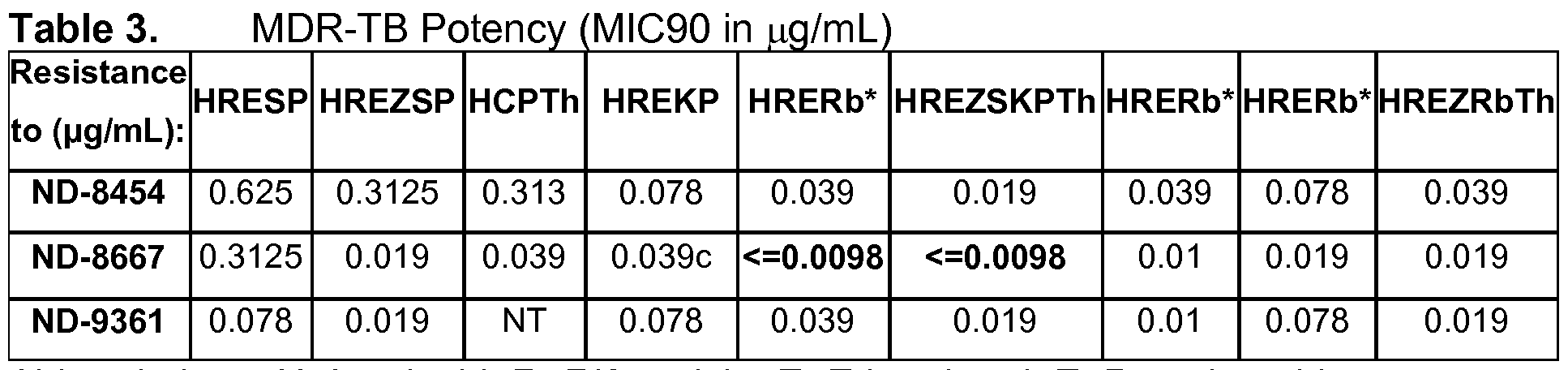
  • Table 3 illustrates the potency of several exemplary compounds against several strains of multi-drug resistant (MDR) TB.
  • H lsoniazid
  • R Rifampicin
  • E Ethambutol
  • Z Pyrazinamide
  • ND-8454 for example, can be made in four synthetic steps from readily available, inexpensive reagents. To evaluate the potential availability and affordability of making this compound on a kilogram scale, the cost to scale up ND-8454 using the following exemplary procedure was evaluated (see Scheme 1 , below). -8454
  • Reagents (a) 1 ,2-dimethoxyethane, reflux, 48 hours; (b) 1 N LiOH, EtOH, reflux, 36 hours; (c) oxalyl chloride, CH 2 CI 2 , DMF (cat.), room temperature, 4 hours; (d) benzylamine, Et 3 N, CH2CI2, reflux, 14 hours
  • imidazo[1 ,2-a]pyridine compounds may be
  • Figure 1 shows that ND-8454 may be made from readily available materials using the process described above.
  • the active pharmaceutical ingredient may be obtained at a $300-10007kg price range on commercial scale. This translates to a remarkably low cost of only $0.03-$0.1/day at a 100 mg daily dose. Therefore, ND-8454 and similar imidazo[1 ,2-a]pyridine agents are very inexpensive to manufacture and may be made readily accessible to populations in need.
  • Embodiments of the present disclosure also provide methods for treating or preventing TB infection in a subject using compounds described herein.
  • the terms “tuberculosis” and “TB” refer to mycobacterial infection, a common and often deadly infectious disease usually caused by Mycobacterium tuberculosis. Tuberculosis usually attacks the lungs (as pulmonary TB), but can also affect the central nervous system, the lymphatic system, the circulatory system, the genitourinary system, the gastrointestinal system, bones, joints, and even the skin. Other mycobacteria such as Mycobacterium bovis, Mycobacterium africanum, Mycobacterium canetti, and Mycobacterium microti also cause tuberculosis, but these species are less common in humans.
  • tuberculosis diagnosis may be made by radiology (commonly chest X-rays), a tuberculin skin test, and blood tests, as well as microscopic examination and microbiological culture of bodily fluids. Tuberculosis treatment is difficult and normally requires long courses of multiple antibiotics, and antibiotic resistance is a growing problem.
  • tuberculosis asymptomatic, latent infection is most common. About one in ten of these latent infections will eventually progress to active disease, which, if left untreated, kills more than half of its victims. In 2004, mortality and morbidity statistics included 14.6 million chronic active cases, 8.9 million new cases, and 1 .6 million deaths, mostly in developing countries. In addition, a rising number of people in the developed world are contracting tuberculosis because of compromised immune systems from immunosuppressive drugs, substance abuse, or AIDS. The distribution of tuberculosis is not uniform worldwide, with about 80% of the population in many Asian and African countries testing positive in tuberculin tests, while only 5-10% of the US population tests positive. It is estimated that the US has 25,000 new cases of tuberculosis each year, 40% of which occur in immigrants from countries where tuberculosis is endemic.
  • An estimated 75% of active TB cases involve pulmonary TB. Symptoms include chest pain, coughing up blood, a productive, prolonged cough for more than three weeks, fever, chills, night sweats, appetite loss, weight loss, pallor, and often a tendency to fatigue very easily. In the other 25% of active cases, the infection moves from the lungs, causing extrapulmonary tuberculosis. This occurs more commonly in immunosuppressed persons and young children. Extrapulmonary infection sites include the pleura in
  • tuberculosis pleurisy, the central nervous system in meningitis, the lymphatic system in scrofula of the neck, the genitourinary system in urogenital tuberculosis, and bones and joints in Pott's disease of the spine.
  • An especially serious form is disseminated TB, more commonly known as miliary tuberculosis. Although extrapulmonary TB is not contagious, it may co-exist with pulmonary TB, which is contagious.
  • M. tuberculosis The primary cause of TB, Mycobacterium tuberculosis, is an aerobic, Gram- positive bacterium.
  • M. tuberculosis complex includes three other TB- causing mycobacteria: M. bovis, M. africanum and M. microti.
  • M. africanum is not widespread, but in parts of Africa it is a significant cause of tuberculosis.
  • M. bovis was once a common cause of tuberculosis, but the introduction of milk pasteurization has largely eliminated this as a public health problem in developed countries.
  • M. microti is mostly seen in immunodeficient people, although it is possible that the prevalence of this pathogen has been underestimated.
  • Nontuberculous mycobacteria cause neither TB nor leprosy, but they do cause pulmonary diseases resembling TB.
  • Other conditions that increase risk include IV drug abuse; recent TB infection or a history of inadequately treated TB; chest X-ray suggestive of previous TB, showing fibrotic lesions and nodules; silicosis; prolonged corticosteroid therapy and other immunosuppressive therapy; head and neck cancers; hematologic and reticuloendothelial diseases, such as leukemia and Hodgkin's disease; end-stage kidney disease; intestinal bypass or gastrectomy; chronic malabsorption syndromes; vitamin D deficiency; and low body weight.
  • rheumatoid arthritis drugs that work by blocking tumor necrosis factor-alpha, raise the risk of activating a latent infection due to the importance of this cytokine in the immune defense against TB.
  • a subject having one or more of these risk factors may be a suitable candidate for effective therapies that treat or prevent TB.
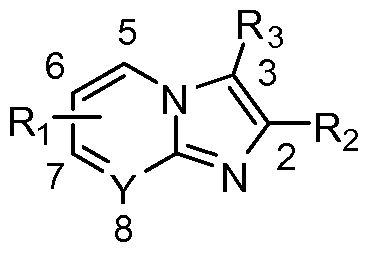
  • the method includes selecting a subject in need of treatment and administering to the subject a therapeutically effective amount of at least one compound having the formula:
  • Ri alkyl, substituted alkyl, cycloalkyl, functionalized alkyl, cycloheteroalkyl, aryl, substituted aryl, heteroaryl, substituted heteroaryl, or heterocylic, wherein Ri is mono or polysubstituted;
  • F3 ⁇ 4 alkyl, substituted alkyl, cycloalkyl, functionalized alkyl, cycloheteroalkyl, aryl, substituted aryl, heteroaryl, substituted heteroaryl, or heterocylic, wherein R 2 is mono or
  • R 3 H, alkyl, substituted alkyl, cycloalkyl, functionalized alkyl,
  • a further compound may have the formula:
  • Ri alkyl, substituted alkyl, cycloalkyl, functionalized alkyl, cycloheteroalkyl, aryl, substituted aryl, heteroaryl, substituted heteroaryl, or heterocylic, wherein Ri is mono or polysubstituted;
  • R2 alkyl, substituted alkyl, cycloalkyl, functionalized alkyl, cycloheteroalkyl, alkoxy, aryl, substituted aryl, heteroaryl, substituted heteroaryl, wherein R 2 is mono or polysubstituted;
  • Y CH or N anywhere on positions 5, 6, 7 or 8; and
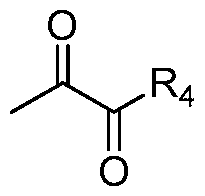
  • R 4 OR1, NHR1, NRiR 2 , NHNR1, or NHOR1.
  • the compounds may have the formula: wherein:
  • the stability of the imidazo[1 ,2-a] pyridine analogs in rat, dog and human microsomes were vastly improved (>80% remained after a 15 minute incubation).
  • the imidazo[1 ,2-a]pyridines were remarkably metabolically stable in a simulated gastric juice assay (>90% remaining after a 15-minute incubation).
  • imidazo[1 ,2-a]pyridine analogs were generated and optimized using in vitro SAR studies to improve potency, metabolism, organism selectivity and formulation. Briefly, a set of imidazo[1 ,2-a]pyridine analogs were prepared and subjected to metabolism and organism selectivity profiling.
  • Figure 2 shows the SAR of particular imidazo[1 ,2-a]pyridine agents and some trends observed from screening the compounds. (See Figure 4 for the structures of the compounds referenced in Figure 2.)
  • the VERO assay is a toxicity assay that measures the viability of African Green Monkey epithelial kidney cells when treated with the compounds being studied.
  • the other assays include three H37Rv TB screens that differ only in the media used: GAS for glycerol- alanine-salts with ferric ammonium citrate, GAST for glycerol-alanine-salts with Tween 80 instead of ferric ammonium citrate, and 7H12, which is a non-glycerol containing medium.
  • the microsomes were derived from male Sprague-Dawley rats and contained drug- metabolizing enzymes, such as cytochrome P450, flavin monooxygenases, and UDP glucuronyl transferases.
  • the simulated gastric juices assay contained pepsins, and was run at pH ⁇ 1 .2.
  • compounds ND-8448, ND-8451 and ND-8454 were all screened against a panel of diverse organisms which included four Gram-positive strains (Bacillus subtilis, Staphylococcus aureus, MRSA Staphylococcus aureus, VRE
  • Enterococcus Faecalis two Gram-negative strains (E. coli, Pseudomonas aeruginosa), a yeast (Sporobolomyces salmonicolor) and fungi (Candida albicans and Penicillium notatum), as well as five cancer cell lines (Huvec, K-562, HeLa, PC-3 and MCF-7) and the VERO cell line to check for mammalian toxicity. Remarkably, these three compounds were inactive against all of the control organisms studied.
  • an evaluation may involve screening of the imidazo[1 ,2- ajpyridines against H37Rv TB in at least two different assay media, for instance, the GAST (glycerol-alanine-salts with Tween 80) and 7H12 (non-glycerol containing medium), to ensure that potency is not adversely affected by either glycerol or Tween and is not carbon source dependant.
  • Compounds that have MIC's less than 5 ⁇ are then screened in the VERO cellular toxicity and LORA TB recovery assay (an assay designed to simulate the latent TB state).
  • the most impressive compounds that have outstanding potency (MIC ⁇ 1 ⁇ ) and a large therapeutic window (IC50 >128 ⁇ in the VERO assay) are then evaluated in rat microsomes and simulated gastric juices.
  • compounds ND-8454, ND-8667, and ND-9361 were all screened against a panel of extreme drug-resistant TB strains HRESPOCTh, HREPKOTh, HRESPO, and then cross screened against M. smegmatis. As illustrated below in Table 4, all three drugs were effective against the extreme drug-resistant (XDR) strains.
  • H lsoniazid
  • R Rifampicin
  • E Ethambutol
  • Z Pyrazinamide
  • S Streptomycin
  • C Cycloserine
  • Th Ethionamide
  • K Kanamycin
  • P p-aminosalicylic acid
  • Rb Rifabutin
  • Th Thioacetazone
  • O Ofloxacin.
  • compounds ND-8454, ND-9652, ND-9758, ND-9872, ND-9902, ND-9903, and ND-9965 were screened against several non-tubercular
  • NTM mycobacteria
  • embodiments provide a method for treating or
  • the method includes selecting a subject in need of treatment and administering to the subject a therapeutically effective amount of at least one compound disclosed herein.
  • a therapeutically effective amount includes a quantity of a specified compound (such as one of the imidazo[1 ,2-a]pyridine compounds disclosed herein, for instance compound ND-8454) required to achieve a desired effect in a subject being treated. For instance, this may be the amount necessary to treat a specified compound (such as one of the imidazo[1 ,2-a]pyridine compounds disclosed herein, for instance compound ND-8454) required to achieve a desired effect in a subject being treated. For instance, this may be the amount necessary to treat a specified compound (such as one of the imidazo[1 ,2-a]pyridine compounds disclosed herein, for instance compound ND-8454) required to achieve a desired effect in a subject being treated. For instance, this may be the amount necessary to treat a specified compound (such as one of the imidazo[1 ,2-a]pyridine compounds disclosed herein, for instance
  • mycobacterial infection such as a Mycobacterium tuberculosis, M. bovis, M. africanum or M. microti infection in a subject, or a dose sufficient to prevent advancement, or to cause regression of a disease (such as TB), or that is capable of relieving symptoms caused by a disease, pulmonary or extrapulmonary symptoms.
  • a therapeutically effective amount of an imidazo[1 ,2-a]pyridine compound is a dose that is sufficient to inhibit the progression from latent TB to active TB, or to prevent re-activation of a TB infection.
  • Such a therapeutically effective amount of active component may be in the range of about 0.1 to about 100 mg/kg, or more preferably about 0.1 to about 10 mg/kg, of body weight/day.
  • Such dosages may vary depending upon the requirements of the patient, the severity of the disease, the duration of the disease, whether the infection is latent or active, the mycobacterial strain, whether the mycobacterium exhibits drug- resistance, or the particular symptoms (for instance, pulmonary or extrapulmonary) of the TB being treated, and the particular compound being used.
  • the anti-TB agent may be administered in conjunction with one or more other anti-TB agents, such as rifampin, isoniazid, pyrazinamide, ethambutol, streptomycin, ethionamide, kanamycin, cycloserine, thioacetazone, p-aminosalicylic acid, or ciprofloxacin.
  • other anti-TB agents such as rifampin, isoniazid, pyrazinamide, ethambutol, streptomycin, ethionamide, kanamycin, cycloserine, thioacetazone, p-aminosalicylic acid, or ciprofloxacin.
  • the anti-TB agent may be administered systemically, whereas in other embodiments the anti-TB agent may be administered locally.
  • An effective dose of a disclosed anti-TB agent may be administered systemically in a variety of ways.
  • systemic administration may be by oral administration or by injection, for instance intravenous, intramuscular, or subcutaneous injection.
  • Local (for instance pulmonary) administration may include inhalational
  • an effective amount of an anti-TB compound may be administered in a single dose, or in multiple doses, for example daily, or every four, eight, or twelve hours, during a course of treatment.
  • a therapeutically effective amount of an anti-TB compound may be administered as a single pulse dose, as a bolus dose, or as pulse doses administered over time.
  • pulse doses of an anti-TB compound may be administered during the course of a day, during the course of a week, during the course of a month, or over the course of years.
  • the imidazo[1 ,2-a]pyridine compounds disclosed herein are used to inhibit fungal growth on plant species.
  • the imidazo[1 ,2- a]pyridine compound may have the formula:
  • Ri alkyl, substituted alkyl, cycloalkyl, functionalized alkyl, cycloheteroalkyl, aryl, substituted aryl, heteroaryl, substituted heteroaryl, or heterocylic, wherein Ri is mono or polysubstituted;
  • F3 ⁇ 4 alkyl, substituted alkyl, cycloalkyl, functionalized alkyl, cycloheteroalkyl, alkoxy, aryl, substituted aryl, heteroaryl, substituted heteroaryl, , wherein R 2 is mono or polysubstituted;
  • R3 H, alkyl, substituted alkyl, cycloalkyl, functionalized alkyl, cycloheteroalkyl, acyl, substituted acyl, haloacyl, aryl, substituted aryl, heteroaryl, substituted heteroaryl, or heterocylic, wherein R 2 is mono or polysubstituted;
  • fungicidal compositions comprising at least one imidazo[1 ,2-a]pyridine compound and a phytologically acceptable carrier.
  • antifungal formulations that further include at least one additional compound selected from the group consisting of insecticides, and herbicides.
  • compositions may include at least one additional compound selected from the group consisting of:
  • the methods may include the steps of: providing at least one imidazo[1 ,2-a]pyridine compound as described herein and applying the compound to a surface having or adjacent to a fungal infection or infestation.
  • the imidazo[1 ,2-a]pyridine compounds described herein may have a significant fungicidal effect, particularly in agricultural applications, for instance, for use with agricultural crops and horticultural plants.
  • the imidazo[1 ,2-a]pyridine compounds described herein may have a significant fungicidal effect, particularly in agricultural applications, for instance, for use with agricultural crops and horticultural plants.
  • imidazo[1 ,2-a]pyridine compounds described herein may be used to effectively control a variety of undesirable fungi that infect useful plant crops.
  • antifungal activity has been demonstrated, for example against the following representative fungi species: brown rust of wheat (Puccinia recondita tritici - PUCCRT) and septoria blotch of wheat ⁇ Septoria tritici - SEPTTR).
  • each exemplary compound's preventative properties were determined by treating a susceptible test plant with the exemplary imidazo[1 ,2-a]pyridine compound and then exposing the plant to fungal spores.
  • the antifungal activity of the imidazo[1 ,2-a]pyridine compounds was determined by determining the extent to which the fungal disease was controlled.
  • the compounds were formulated at rates of 200 ppm in 10 vol.% acetone plus 90 vol.% Triton X water (deionized water 99.99 wt% + 0.01 wt% Triton X100), giving a "formulated test compound.”
  • Formulated test compounds were applied to plants using a turntable sprayer fitted with two opposing air atomization nozzles that delivered approximately 1500 L/ha of spray volume.
  • test plants were inoculated with spores of the fungus (for example,
  • PUCCRT or SEPTTR the day after treatment with the putative fungicide.
  • the plants were incubated in an environment conducive to disease development. Disease severity was evaluated 7 to 25 days later, depending on the speed of disease development.
  • wheat plants (variety 'Yuma') were grown from seed in a soil-less peat-based potting mixture (Metromix) until the seedlings had a fully expanded first leaf. Each pot contained 3-8 seedlings. These plants were sprayed until wet with the formulated test compounds. On the following day, the leaves were inoculated with an aqueous spore suspension of Puccinia recondita tritici and the plants were kept in high humidity overnight to permit the spores to germinate and to infect the leaf. The plants were then transferred to a greenhouse until disease developed on untreated control plants.
  • wheat plants (variety 'Yuma') were grown from seed in a 50% pasteurized soil/50% soil-less mix until the seedlings had a fully expanded first leaf. Each pot contained 3-10 seedlings. These plants were sprayed until wet with the formulated test compound. On the following day, the leaves were inoculated with an aqueous spore suspension of Septoria tritici and the plants were kept in high humidity (one day in a dark dew chamber followed by three days in a lighted dew chamber) to permit the spores to germinate and to infect the leaf. The plants were then transferred to a greenhouse until disease developed on untreated control plants. These tests were carried out at a level of 200 ppm, see, e.g., Figure 3.
  • the imidazo[1 ,2-a]pyridine compounds described herein may be applied in the form of a composition comprising one or more imidazo[1 ,2- a]pyridine compounds with a phytologically-acceptable carrier.
  • the compositions may include, for example, concentrated formulations that are dispersed in water or another liquid for application, or dust or granular formulations that are applied without further treatment.
  • the compositions may be prepared according to procedures which are conventional in the agricultural chemical art.
  • the dispersions in which the imidazo[1 ,2-a]pyridine compounds are applied may be, in some examples, aqueous suspensions or emulsions prepared from
  • any material to which the imidazo[1 ,2-a]pyridine compounds can be added may be used, provided it yields the desired utility without significantly interfering with the fungicidal activity of the imidazo[1 ,2-a]pyridine compounds.
  • wettable powders which may be compacted to form water dispersible granules, may include an intimate mixture of the active imidazo[1 ,2-a]pyridine compound, an inert carrier, and one or more surfactants.
  • concentration of the imidazo[1 ,2-a]pyridine compound may be, for example, from about 10 percent weight/weight (%w/w) to about 90% %w/w, and may be from about 25% to about 75% w/w in particular examples.
  • the active ingredients can be compounded with any finely divided solid, such as pyrophyllite, talc, chalk, gypsum, Fuller's earth, bentonite, attapulgite, starch, casein, gluten,
  • the finely divided carrier may be ground or mixed with the toxicant in a volatile organic solvent.
  • effective surfactants for instance, comprising from about 0.5% to about 10% of the wettable powder, that can be used in combination with the inventive compounds, include sulfonated lignins, naphthalenesulfonates,
  • alkylbenzenesulfonat.es alyl sulfates
  • non-ionic surfactants such as ethylene oxide adducts of alkyl phenols.
  • emulsifiable concentrates of the imidazo[1 ,2- a]pyridine compounds disclosed herein may comprise a convenient concentration, such as from about 10% to about 50% w/w, in a suitable liquid.
  • a convenient concentration such as from about 10% to about 50% w/w
  • one exemplary method for creating these emulsions includes the step of dissolving the compound in an inert carrier (for instance, either a water miscible solvent or a mixture of water-immiscible organic solvents and emulsifiers).
  • the concentrates may be diluted with water and oil to form spray mixtures in the form of oil-in-water emulsions.
  • organic solvents that may be used include aromatics, especially the high-boiling naphthalenic and olefinic portions of petroleum such as heavy aromatic naphtha and the like.
  • other organic solvents may be used, such as terpenic solvents, for instance rosin derivatives, aliphatic ketones, such as cyclohexanone, and complex alcohols such as 1 -ethoxyethanol.
  • emulsifiers may be used, for instance various non- ionic, anionic, cationic, and amphoteric emulsifiers, or a blend of two or more emulsifiers.
  • specific, non-limiting examples of non-ionic emulsifiers useful in preparing the emulsifiable concentrates include the polyalkylene glycol ethers and condensation products of alkyl and aryl phenols, aliphatic alcohols, aliphatic amines, or fatty acids with ethylene oxide, propylene oxides such as the ethoxylated alkyl phenols, and carboxylic esters solubilised with polyol or polyoxyalkylene.
  • Non-limiting examples of cationic emulsifiers include quaternary ammonium compounds and fatty amine salts.
  • Specific, non-limiting examples of nionic emulsifiers include the oil-soluble salts (e.g., calcium) of alkylaryl sulfonic acids, oil-soluble salts of sulphated polyglycol ethers, and appropriate salts of phosphated polyglycol ether.
  • organic liquids that may be employed in preparing the emulsifiable concentrates include aromatic liquids such as xylene, propyl benzene fractions or mixed naphtlalene fractions, mineral oils, substituted aromatic organic liquids such as dioctyl phthalate, kerosene, and dialkyl amides of various fatty acids;
  • organic liquids may be employed in the preparation of the emulsifiable concentrate.
  • organic liquids that may be used include xylene and propyl benzene fractions.
  • surface active dispersing agents may be used in liquid compositions in the amount of from about 0.1 weight % (wt. %) to about 20 (wt. %) of the combined weight of the dispersing agent and active compound.
  • the imidazo[1 ,2-a]pyridine compositions may also contain other compatible additives, for example, plant growth regulators and other biologically active compounds used in agriculture.
  • aqueous suspensions may include suspensions of water-insoluble imidazo[1 ,2-a]pyridine compounds, dispersed in an aqueous vehicle at a concentration in the range of from about 5% to about 50% w/w.
  • a suspension may be prepared by finely grinding the compound and vigorously mixing it into a vehicle including water and surfactants as discussed above.
  • inert ingredients such as inorganic salts and synthetic or natural gums, may also be added, for instance to increase the density and viscosity of the aqueous vehicle.
  • it is effective to grind and mix the compound at the same time by preparing the aqueous mixture and homogenizing it in an implement such as a sand mill, ball mill, or piston-type homogenizer.
  • the imidazo[1 ,2-a]pyridine compounds may be applied as granular compositions, which are particularly useful when applying the composition to the soil.
  • granular compositions may include from about 0.5% w/w of to about 10% w/w of the compound dispersed in an inert carrier that includes entirely or in large part a coarsely divided attapulgite, bentonite, diatomite, clay, or a similar inexpensive substance.
  • Such compositions may be prepared, for example, by dissolving the compound in a suitable solvent and applying it to a granular carrier which has been preformed to the appropriate particle size, for instance, in the range of from about 0.5 to about 3 mm.
  • such compositions may also be formulated by making a dough or paste of the carrier and compound, and crushing, and drying to obtain the desired granular particle.
  • dusts that include the imidazo[1 ,2-a]pyridine
  • compounds may be prepared by intimately mixing the compound in powdered form with a suitable dusty agricultural carrier such as, for example, kaolin clay, ground volcanic rock, and the like.
  • a suitable dusty agricultural carrier such as, for example, kaolin clay, ground volcanic rock, and the like.
  • dusts may include from about 1 % w/w to about 10% w/w of the compound.
  • the imidazo[1 ,2-a]pyridine compositions may contain adjuvant surfactants to enhance properties such as deposition, wetting, and penetration of the compositions onto the target crop and organism.
  • these adjuvant surfactants may be employed as a component of the formulation or as part of a tank mix.
  • the amount of adjuvant surfactant may vary, in specific, non-limiting examples, from about 0.01 percent to about 1 .0% volume/volume based on a spray-volume of water.
  • the amount of adjuvant surfactant may be, for example, from about 0.05% to about 0.5% volume/volume.
  • adjuvant surfactants include ethoxylated nonyl phenols, ethoxylated synthetic or natural alcohols, salts of the esters of sulphosuccinic acids, ethoxylated organosilicones, ethoxylated fatty amines, and blends of surfactants with mineral or vegetable oils.
  • the imidazo[1 ,2-a]pyridine compositions may include combinations that include, for instance, at least 1 % of one or more imidazo[1 ,2-a]pyridine compounds with another agriculturally active ingredient (Al).
  • additional Al may include, for example, fungicides, insecticides, nematocides, miticides, arthropodicides, bactericides, herbicidal, or combinations thereof that are compatible with the imidazo[1 ,2- ajpyridine compounds in the medium selected for application.
  • the other Al is employed as a supplemental Al for the same or for a different use with plants than the inventive compounds.
  • the compounds in combination may generally be present in a ratio of from about 1 :10 to about 100:1 .
  • Other embodiments are methods for the control or prevention of fungal infection. These methods may include applying the active imidazo[1 ,2-a]pyridine
  • the imidazo[1 ,2-a]pyridine compounds may be used for treatment of various plants at fungicidal levels while exhibiting low phytotoxicity.
  • the compounds may be used as a protectant or eradicant.
  • such compounds may be applied by any of a variety of known techniques, either as the compounds or as compositions including the compounds.
  • the compounds may be applied to the roots, seeds, or foliage of plants for the control of various fungi without damaging the commercial value of the plants.
  • the materials are applied in the form of any of the generally used formulation types, for example, as solutions, dusts, wettable powders, flowable concentrates, or emulsifiable concentrates.
  • the imidazo[1 ,2-a]pyridine compounds may have significant fungicidal effects, particularly for agricultural use.
  • the imidazo[1 ,2-a]pyridine compounds are effective for use with agricultural crops and horticultural plants, or for the prevention or treatment of fungal growth in other materials, such as wood, paint, leather, or carpet backing.
  • the imidazo[1 ,2-a]pyridine compounds may effectively control a variety of undesirable fungi which infect useful plant crops.
  • the imidazo[1 ,2-a]pyridine compounds may have activity against a variety of fungi, including, for example, the following representative fungi species: downy mildew of grape (Plasmopara viticola - PLASVI), late blight of tomato (Phytophthora infestants - PHYTIN), apple scab (Venturia inaequalis - VENTIN), brown rust of wheat (Puccinia recondita tritici - PUCCRT), stripe rust of wheat (Puccinia striiformis - PUCCST), rice blast (Pyricularia oryzae - PYRIOR), Cercospora leaf spot of beet (Cercospora beticola - CERCBE), powdery mildew of wheat (Ery
  • the amount of imidazo[1 ,2-a]pyridine compound applied for a particular use may depend not only on the specific active material being applied, but also on the particular action desired, the fungal species to be controlled, and the stage of growth thereof, as well as the part of the plant or other product to be contacted with the active ingredient.

Landscapes

  • Chemical & Material Sciences (AREA)
  • Health & Medical Sciences (AREA)
  • Organic Chemistry (AREA)
  • Life Sciences & Earth Sciences (AREA)
  • General Health & Medical Sciences (AREA)
  • Public Health (AREA)
  • Animal Behavior & Ethology (AREA)
  • Medicinal Chemistry (AREA)
  • Veterinary Medicine (AREA)
  • Pharmacology & Pharmacy (AREA)
  • Epidemiology (AREA)
  • Oncology (AREA)
  • Nuclear Medicine, Radiotherapy & Molecular Imaging (AREA)
  • Communicable Diseases (AREA)
  • General Chemical & Material Sciences (AREA)
  • Chemical Kinetics & Catalysis (AREA)
  • Engineering & Computer Science (AREA)
  • Agronomy & Crop Science (AREA)
  • Pest Control & Pesticides (AREA)
  • Plant Pathology (AREA)
  • Dentistry (AREA)
  • Wood Science & Technology (AREA)
  • Zoology (AREA)
  • Environmental Sciences (AREA)
  • Pulmonology (AREA)
  • Nitrogen Condensed Heterocyclic Rings (AREA)
  • Pharmaceuticals Containing Other Organic And Inorganic Compounds (AREA)
  • Plural Heterocyclic Compounds (AREA)

Abstract

Embodiments relate to the field of chemistry and biochemistry, and, more specifically, to imidazopyridine compounds, synthesis thereof, and methods of using same. Disclosed herein are various imidazo[1,2-a]pyhdine compounds and methods of using the novel compounds to treat or prevent tuberculosis in a subject or to inhibit fungal growth on plant species. Other embodiments include methods of synthesizing imidazo[1,2- a]pyridine compounds, such as the disclosed imidazo[1,2-a]pyridine compounds.

Description

IMIDAZO[1 ,2-a]PYRIDINE COMPOUNDS, SYNTHESIS THEREOF,
AND METHODS OF USING SAME
Government Interests
[0001] This invention was made with Government support under Grant R01 Al 054193 awarded by the National Institutes of Health. The Government has certain rights in the invention.
Cross-Reference to Related Application
[0002] The present application claims priority to U. S. Provisional Patent Application No. 61/258,549, filed November 5, 2009, entitled IMIDAZO[1 ,2-a] PYRIDINE
COMPOUNDS, SYNTHESIS THEREOF, AND METHODS OF USING SAME, the disclosure of which is hereby incorporated by reference in its entirety.
Technical Field
[0003] Embodiments herein relate to the field of chemistry and biochemistry, and, more specifically, to imidazo[1 ,2-a]pyridine compounds, synthesis thereof, and methods of using same.
Background
[0004] Worldwide, over two billion people are infected with tuberculosis (TB), and an estimated 14,400,000 people have active cases of TB. Of these active cases, 83% are located in Africa, South-East Asia and the Western Pacific region. The global impact of TB is enormous: each year, TB kills 1 .5 million HIV-negative people and 0.2 million HIV- positive people. New drug resistant strains emerge each year.
[0005] The current treatment for active, drug-susceptible TB includes a carefully- monitored regimen of a cocktail of rifampin, isoniazid, pyrazinamide and ethambutol for two months, followed by an additional four months of rifampin and isoniazid. Multi-drug resistant TB infection requires a lengthy course of therapy lasting two years or more with drugs that are expensive and poorly tolerated. Because of their length, complexity, and expense, these regimens represent inadequate therapies for most TB cases. New therapeutics are urgently needed to combat TB infection, yet no new drugs have been approved to treat TB in over 40 years. [0006] In addition, in a different technical area, a large number of fungi are known to grow at the expense of commercially important plants that are essential to human survival. A number of fungicides have been developed for use in protecting both ornamental plants and food crops from pathogenic fungi. While many safe and effective fungicides are currently in use, the evolution of pathogenic fungi and the ever-increasing pressure to use lower levels of fungicides create the need for new fungicides. Effective antifungal treatments are urgently needed to treat damaging fungal infections in plant species.
Brief Description of the Drawings
[0007] Embodiments will be readily understood by the following detailed description in conjunction with the accompanying drawings. Embodiments are illustrated by way of example and not by way of limitation in the figures of the accompanying drawings.
[0008] Figure 1 illustrates the low cost of treatment with high- and low-dose imidazo[1 ,2-a]pyridine therapy for TB.
[0009] Figure 2 shows the SAR of particular imidazo[1 ,2-a]pyridine agents and some trends observed from screening the compounds in an anti-TB assay.
[0010] Figure 3 shows the SAR of particular imidazo[1 ,2-a]pyridine agents and some trends observed from screening the compounds in an antifungal assay.
[0011] Figure 4 shows the structures of particular imidazo[1 ,2-a]pyridine agents screened in Figures 2 and 3.
Detailed Description of Disclosed Embodiments
[0012] In the following detailed description, reference is made to the accompanying drawings which form a part hereof, and in which are shown by way of illustration
embodiments that may be practiced. It is to be understood that other embodiments may be utilized and structural or logical changes may be made without departing from the scope. Therefore, the following detailed description is not to be taken in a limiting sense, and the scope of embodiments is defined by the appended claims and their equivalents.
[0013] Various operations may be described as multiple discrete operations in turn, in a manner that may be helpful in understanding embodiments; however, the order of description should not be construed to imply that these operations are order dependent.
[0014] For the purposes of the description, a phrase in the form "A B" or in the form "A and/or B" means (A), (B), or (A and B). For the purposes of the description, a phrase in the form "at least one of A, B, and C" means (A), (B), (C), (A and B), (A and C), (B and C), or (A, B and C). For the purposes of the description, a phrase in the form "(A)B" means (B) or (AB) that is, A is an optional element.
[0015] The description may use the terms "embodiment" or "embodiments," which may each refer to one or more of the same or different embodiments. Furthermore, the terms "comprising," "including," "having," and the like, as used with respect to
embodiments, are synonymous.
[0016] As used herein, the term "halogen" refers to fluoro, bromo, chloro, and iodo substituents.
[0017] As used herein, the term "alkyl" refers to a cyclic, branched, or straight chain alkyl group containing only carbon and hydrogen, and unless otherwise mentioned contains one to twelve carbon atoms. This term may be further exemplified by groups such as methyl, ethyl, n-propyl, isopropyl, isobutyl, t-butyl, pentyl, pivalyl, heptyl, adamantyl, and cyclopentyl. Alkyl groups can either be unsubstituted or substituted with one or more substituents, for instance, halogen, alkyl, alkoxy, alkylthio, trifluoromethyl, acyloxy, hydroxy, mercapto, carboxy, aryloxy, aryloxy, aryl, arylalkyl, heteroaryl, amino, alkylamino, dialkylamino, morpholino, piperidino, pyrrolidin-1 -yl, piperazin-1-yl, or other functionality to form a "functionalized alkyl."
[0018] As used herein, the term "substituted alkyl" refers to an alkyl moiety including 1 -4 substituents selected from halogen, het, cycloalkyl, cycloalkenyl, aryl, amino, cyano, nitro, -OQio, -SQi0, -S(O)2Qio, -S(O)Q10, -OS(O)2Qio, -C(=NQ10)Qio, -C(=NOQi0)Qio, - S(O)2-N=S(O)(Qio)2, -S(O)2-N=S(Qio)2, -NQ10Qio, -C(O)Qi0, -C(S)Qi0, -C(O)OQi0, - OC(O)Qio, -C(O)NQioQio, -C(S)NQi0Qio, -N(Qi0)C(S)NQi0Qio, -C(O)NQi0Qio, - C(S)NQioQio, -C(O)C(Qi6)2OC(O)Qio, -CN, =S, -NQi0C(O)Qi0, -NQi0C(O)NQi0Qio, - S(O)2NQ10Qio, -NQ10S(O)2Qio, -NQ10S(O)Qi0, -NQ10SQi0, and -SNQ10Qi0. Each of the het, cycloalkyl, cycloalkenyl, and aryl being optionally substituted with 1 -4 substituents independently selected from halogen and Qi5.
[0019] As used herein, the term "cycloalkyl" refers to a cyclic alkyl moiety. Unless otherwise stated, cycloalkyl moieties include between 3 and 8 carbon atoms.
[0020] As used herein, the term "alkene" refers to a hydrocarbon molecule with the general formula CnH2n that contains one or more double bonds.
[0021] As used herein, the term "alkyne" refers to a moiety having the general formula C2H2n-2 corresponding to carbon chains with a triple carbon-carbon bond included. [0022] As used herein, the term "alcohol" refers to any organic compound in which a hydroxyl group (-OH) is bound to a carbon atom of an alkyi or substituted alkyi group. The general formula for simple acyclic alcohols is CnH2n+iOH.
[0023] As used herein, the term "epoxide" refers to any of a class of organic compound, cyclic ethers, having a three-member ring.
[0024] As used herein, the term "ketone" refers to an organic compound containing the carbonyl group, >C=O, to which other carbon atoms are attached.
[0025] As used herein, the term "ester" refers to the product of the reaction between a carboxylic acid and an alcohol.
[0026] As used herein, the term "ether" refers to an organic compound containing the functional group RO-R'.
[0027] As used herein, the term "aldehyde" refers to an organic compound containing a -CHO group.
[0028] As used herein, the term "nitrile" refers to any of a class of organic
compounds containing the cyano radical -CN.
[0029] As used herein, the term "thiol" refers to a molecular group that includes a bonded sulfur and hydrogen atom (-SH).
[0030] As used herein, the term "thioester" refers to a compound resulting from the bonding of sulfur with an acyl group with the general formula R-S-CO-R'. Thioesters are the product of esterification between a carboxylic acid and a thiol (as opposed to an alcohol in regular esters).
[0031] As used herein, the term "sulfide" refers to an organic compound containing sulfur bonded to carbon. The term "disulfide" refers to the structural unit composed of a linked pair of sulfur atoms.
[0032] As used herein, the term "sulfone" refers to a chemical compound containing a sulfonyl functional group attached to two carbon atoms. The central sulfur atom is twice double bonded to oxygen and has two further hydrocarbon substituents. The general structural formula is R-S(=O)(=O)-R' where R and R' are the organic groups.
[0033] As used herein, the term "sulfoxide" refers to a chemical compound containing a sulfinyl functional group attached to two carbon atoms. Sulfoxides can be considered oxidized sulfides.
[0034] As used herein, the term "amine" refers to NH2, NHR, or NR2. Unless otherwise stated R can be alkyi, alkenyl, alkynyl, cycloalkyl, cycloalkenyl, het or aryl. [0035] As used herein, the term "amide" refers to an organic compound containing the -CONH2- group.
[0036] As used herein, the term "urea" refers to an organic compound with the chemical formula (NH2)2 CO or RNHCONHR'.
[0037] As used herein, the term "carbamate" refers to any of a group of organic compounds sharing a common functional group with the general structure -NH(CO)O-. Carbamates are esters of carbamic acid, NH2COOH. Since carbamic acid contains nitrogen attached to a carboxyl group, it is also an amide. Therefore, carbamate esters may have alkyl or aryl groups substituted on the nitrogen, or the amide function. For example, ethyl carbamate is unsubstituted, whereas ethyl N-methylcarbamate has a methyl group attached to the nitrogen.
[0038] As used herein, the term "nitro" refers to NO2.
[0039] As used herein, the term "aryl" refers to phenyl, substituted phenyl, naphthyl, and substituted naphthyl.
[0040] As used herein, the term "morpholine" refers to an organic chemical compound having the chemical formula O(CH2CH2)2NH. This heterocycle features both amine and ether functional groups. Because of the amine, morpholine is a base; its conjugate acid is called morpholinium. For example, when morpholine is neutralized by hydrochloric acid, one obtains the salt morpholinium chloride.
[0041] As used herein, the term "thiomorpholine" refers to C H9NS, and is a heterocyclic compound containing nitrogen and sulfur. It may be considered a thio derivative of morpholine.
[0042] As used herein, the term "piperazine" refers to an organic compound that consists of a six-member ring containing two opposing nitrogen atoms.
[0043] As used herein, the term "piperidine" refers to an organic compound with the molecular formula (CH2)5NH. This heterocyclic amine consists of a six-member ring containing five methylene units and one nitrogen atom.
[0044] As used herein, the term "acyl" refers to any of a group or radical of the form RCO- where R is an organic group.
[0045] As used herein, the term "furan" refers to any of a class of aromatic
heterocyclic compounds containing a ring of four carbon atoms and an oxygen atom; for instance, C H4O. As used herein, the term "nitrofuran" refers to a furan ring with a nitro group. [0046] As used herein, the term "thiophene" refers to the heterocyclic compound with the formula C4H S. Consisting of a flat five-membered ring, it is aromatic as indicated by its extensive substitution reactions. Related to thiophene are benzothiophene and
dibenzothiophene, containing the thiophene ring fused with one and two benzene rings, respectively. Compounds analogous to thiophene include furan (C4H O) and pyrrole (C4H4NH).
[0047] As used herein, the term "imidazole" refers to an organic compound with the formula C3H N2. This aromatic heterocyclic is classified as an alkaloid. Imidazole refers to the parent compound whereas imidazoles are a class of heterocycles with similar ring structure but varying substituents. A nitroimidazole is an imidazole derivative that contains a nitro group.
[0048] As used herein, the term "oxazole" refers to a five-member heterocycle having three carbon atoms, one oxygen atom, one nitrogen atom and two double bonds; the 1 ,3- isomer is aromatic.
[0049] As used herein, the tern "oxazoline" refers to an unsaturated heterocyclic compound containing a five-member ring, two double bonds, one nitrogen and one oxygen atom; and any derivative of this compound.
[0050] As used herein, the term "thiazole" refers to any of a class of unsaturated heterocyclic compounds containing a ring of three carbon atoms, a sulfur and an nitrogen atom; for instance the simplest one, C3H3SN.
[0051] As used herein, the term "thiazoline" refers to an unsaturated heterocyclic compound containing a five-member ring, two double bonds, one nitrogen and one sulfur atom; and any derivative of this compound.
[0052] As used herein, the term "triazole" refers to either one of a pair of isomeric chemical compounds with molecular formula C2H3N3, having a five-member ring of two carbon atoms and three nitrogen atoms.
[0053] As used herein, the term "pyridine" refers to any of a class of aromatic heterocyclic compounds containing a ring of five carbon atoms and a nitrogen atom; for instance the simplest one, C5H5N.
[0054] As used herein, the term "pyrazine" refers to a diazine in which the two nitrogen atoms are in the para- position.
[0055] As used herein, the term "naphthalene" refers to an aromatic, white, solid hydrocarbon with formula CioH8 and the structure of two fused benzene rings. [0056] As used herein, the term "diketopiperazine" refers to a class of cyclic organic compounds that result from peptide bonds between two amino acids to form a lactam. They are the smallest possible cyclic peptides.
[0057] As used herein, the term "quinoline" refers to any of a class of aromatic heterocyclic compounds containing a benzene ring fused with a ring of five carbon atoms and a nitrogen atom; for instance the simplest one, C9H7N. Isoquinoline, also known as benzo[c]pyridine or 2-benzanine, is a heterocyclic aromatic organic compound. It is a structural isomer of quinoline. Isoquinoline and quinoline are benzopyridines, which are composed of a benzene ring fused to a pyridine ring. In a broader sense, the term isoquinoline is used to make reference to isoquinoline derivatives.
[0058] As used herein, the term "oxazolidinone" refers to a class of heterocyclic organic compounds containing both nitrogen and oxygen in a 5-member ring.
[0059] As used herein, the term "heterocyclic" refers to organic compounds containing at least one atom of carbon, and at least one element other than carbon, such as sulfur, oxygen or nitrogen within a ring structure. These structures may comprise either simple aromatic rings or non-aromatic rings. Each mono-cyclic ring may be aromatic, saturated or partially unsaturated. A bi-cyclic ring system may include a mono-cyclic ring containing one or more heteroatom fused with a cycloalkyl or aryl group. A bi-cyclic ring system may also include a mono-cyclic ring containing one or more heteroatom fused with another mono-cyclic ring system.
[0060] Examples of "heterocyclics" include but are not limited to pyridine, thiophene, furan, pyrazoline, pyrimidine, 2-pyridyl, 3-pyridyl, 4-pyridyl, 2-pyrimidinyl, 4-pyrimidinyl, 5- pyrimidinyl, 3-pyrazinyl, 3-pyridazinyl, 4-pyridazinyl, 4-oxo-2-imidazolyl, 1 ,2,4-oxadiazole, 1 ,3,4-oxadiazole, 4-pyridazinyl, 3-pyrazinyl, 4-oxo-2-imidazolyl, 2-imidazolyl, 4-imidazolyl, 3-isoxazolyl, 4-isoxazolyl, 5-isoxazolyl, 3-pyrazolyl, 4-pyrazolyl, 5-pyrazolyl, 2-oxazolyl, 4- oxazolyl, 4-oxo-2-oxazolyl, 5-oxazolyl, 1 ,2,3-oxathiazole, 1 ,2,3-oxadiazole, 1 ,2,5- oxadiazole, 2-thiazolyl, 5-thiazolyl, 3-isothiazole, 4-isothiazole, 5-isothiazole, 2-furanyl, 3- furanyl, 2-thienyl, 3-thienyl, 2-pyrrolyl, 3-pyrrolyl, 3-isopyrrolyl, 4-isopyrrolyl, 5-isopyrrolyl, 1 ,2,3-oxathiazole-1 -oxide, 1 ,2,4-oxadiazol-3-yl, 1 ,2,4-oxadiazol-5-yl, 5-oxo-1 ,2,4-oxadiazol- 3-yl, 1 ,2,4-thiadiazol-3-yl, 1 ,2,4-thiadiazol-5-yl, 3-oxo-1 ,2,4-thiadiazol-5-yl, 1 ,3,4-thiadiazol- 5-yl, 2-OXO-1 ,3,4-thiadiazol-5-yl, 1 ,2,4-triazol-3-yl, 1 ,2,4-triazol-5-yl, 1 ,2,3,4-tetrazol-5-yl, 5- oxazolyl, 3-isothiazolyl, 4-isothiazolyl, 5-isothiazolyl, 1 ,3,4-oxadiazole, 4-oxo-2-thiazolinyl, 5-methyl-1 ,3,4-thiadiazol-2-yl, thiazoledione, 1 ,2,3,4-thiatriazole, 1 ,2,4-dithiazolone, phthalimide, quinolinyl, morpholinyl, benzimidazolyl, benzo[d]thiazolyl, benzo[d]oxazolyl, diazinyl, triazinyl, quinolinyl, quinoxalinyl, naphthyridinyl, azetidinyl, pyrrolidinyl, hydantoinyl, oxathiolanyl, dioxolanyl, imidazolidinyl, azabicyclo [2.2.1 ] heptyl, 2-methyl-1 ,4-dioxa-8- azaspiro[4.5]decane, 2,3-dimethyl-1 ,4-dioxa-8-azaspiro[4.5]decane, 3-methyl-1 ,5-dioxa-9- azaspiro[5.5]undecane, and 2,4-dimethyl-1 ,5-dioxa-9-azaspiro[5.5]undecane.
[0061 ] As used herein, the term "heteroaryl" refers to a mono- or bicyclic het in which one or more cyclic ring is aromatic.
[0062] As used herein, the term "substituted heteroaryl" refers to a heteroaryl moiety substituted with one or more functional groups selected from halogen, alkyl, hydroxyl, amino, alkoxy, cyano, and nitro.
[0063] As used herein, the term "substituted aryl" refers to an aryl moiety having 1 -3 substituents selected from halogen, het, alkyl, substituted alkyl, alkenyl, alkynyl, alkoxy, cydoalkyi, cycloalkenyl, aryl, cyano, nitro, -OQ10, -SQ10, -S(O)2Qio, -S(O)Qio, -OS(O)2Qio, - C(=NQio)Qio, -C(=NOQio)Qio, -S(O)2-N=S(O)(Qi0)2, -S(O)2-N=S(Qi0)2, -NQ10Q10, -C(O)Qi0, -C(S)Qio, -C(O)OQio, -OC(O)Qio, -C(O)NQi0Qio, -C(S)NQi0Qio, -C(O)C(Qi6)2OC(O)Qio, - NQ10C(O)Qio, -N(Q10)C(S)NQ10Qio, -N(Q10)C(S)Qi0> -NQ10C(O)NQ10Qio, -S(O)2NQ10Qio, - NQioS(O)2Qio, -NQioS(O)Qio, -NQ10SQ10, and -SNQ10Q10. The het, cydoalkyi,
cycloalkenyl, alkenyl, alkynyl, and aryl being optionally substituted with 1 -3 substituents selected from halogen and Q15.
[0064] Each Q10 is independently selected from H, alkyl, cydoalkyi, het, cycloalkenyl, and aryl. The het, cydoalkyi, cycloalkenyl, and aryl being optionally substituted with 1 -3 substituents selected from halo and Q13.
[0065] Each Qn is independently selected from H, halogen, alkyl, aryl, cydoalkyi, and het. The alkyl, aryl, cydoalkyi, and het being optionally substituted with 1 -3 substituents independently selected from halogen, nitro, cyano, =S, =0, and Qi4.
[0066] Each Q13 is independently selected from Qn , -OQn , -SQn , -S(O)2Qn , -S(O)Qi i , -OS(O)2Qi i , -C(=NQ )Q , -S(O)2-N=S(O)(Qn )2, -S(O)2-N=S(Qn )2, -SC(O)Qn , - NQ11 Q11 , -C(O)Qi i , -C(S)Qi i , -C(O)OQi i , -OC(O)Qn , -C(O)NQnQn , -(S)NQn Qn , - C(O)C(Qi6)2OC(O)Qio, -CN, =O, =S, -NQ C(O)Qn , -NQ C(S)Qn , -NQ CiOJNQ Q , - NQI I C(S)NQI I QI I , -S(Q)2NQn Qn , -NQn S(O)2Qn , -NQnS(O)Qn , -NQn SQn , -NO2, and - SNQ11Q11.
[0067] Each Qi4 is independently selected from H, alkyl, cydoalkyi, phenyl, or naphthyl, each optionally substituted with 1 -4 substituents independently selected from F, CI, Br, I, -OQ16, -SQ16, -S(O)2Qi 6, -S(O)Qi6, -OS(O)2Qi6, -NQi6Qi6, -C(O)Qi6, -C(S)Qi6, - C(O)OQi6, -NO2, -C(O)NQi6Qi6, -C(S)NQi6Qi6, -CN, -NQi6C(O)Qi6, -NQi6C(S)Qi6, - NQi6C(O)NQi6Qi 6, -NQi6C(S)NQi6Qi6, -S(O)2NQi6Qi6, and -NQi6S(O)2Qi6. The alkyl, cycloalkyl, and cycloalkenyl being further optionally substituted with =O or =S.
[0068] Each Q15 is independently selected from H, alkyl, cycloalkyl, heteroaryl, phenyl, or naphthyl, each optionally substituted with 1 -4 substituents independently selected from F, CI, Br, I, -OQi6, -SQi6, -S(O)2Qi6, -S(O)Qi6, -OS(O)2Qi6, -C(=NQi6)Qi6, - S(O)2-N=S(O)(Qie)2, -S(O)2-N=S(Qi6)2, -SC(O)Qi6, -NQ16Q16, -C(O)Qi6, -C(S)Qi6, - C(O)OQ16, -OC(O)Q16, -C(S)NQ16Q16, -C(O)C(Q16)2OC(O)Q16, -CN, -NQ16C(O)Q16, - NQi6C(S)Qi6, -NQi6C(O)NQi6Qi6, -NQi6C(S)NQi6Qi6, -S(O)2NQi6Qi6, -NQi6S(O)2Qi6, - NQi6S(O)Qi6, -NQi6SQi6, -NO2, and -SNQi6Qi 6- The alkyl, cycloalkyl, and cycloalkenyl being further optionally substituted with =O or =S.
[0069] Each Q16 is independently selected from H, alkyl, and cycloalkyl. The alkyl and cycloalkyl optionally including 1 -3 halogens.
[0070] Embodiments of the present disclosure provide novel imidazopyridines, for instance imidazo[1 ,2-a]pyridines. Certain embodiments are directed to compounds and methods for the treatment and prevention of tuberculosis (TB). Other embodiments are directed to compounds and methods for inhibiting fungal growth on plant species. In still other embodiments, methods are provided for the synthesis of the disclosed imidazo[1 ,2- a]pyridine compounds.
[0071] In embodiments, the imidazo[1 ,2-a]pyridine compounds of this disclosure may be useful in treating or preventing tuberculosis in a subject. The in vitro activity of disclosed compounds may be assessed by standard testing procedures, for instance in H37Rv TB screens.
[0072] In embodiments, the imidazo[1 ,2-a]pyridine compounds described herein may be useful for treating (for instance, ameliorating or preventing) multi-drug resistant (MDR) and non-MDR TB in a subject. In an embodiment, a compound may be administered to a subject locally or systemically. In embodiments, an imidazo[1 ,2-a]pyridine compound may be administered parenterally, for instance subcutaneously, intravenously, or
intramuscularly, or it may be administered orally or by inhalation. An imidazo[1 ,2-a]pyridine compound may be used alone or in combination with other anti-tuberculosis agents. In an embodiment, an imidazo[1 ,2-a]pyridine compound may be administered in varying concentrations depending upon the infection's susceptibility to the compound being administered, the extent of the disease, whether the infection is latent or active, whether the infection is drug-resistant, and the general health of the subject. [0073] In an embodiment, imidazo[1 ,2-a]pyridine compounds may be incorporated into a pharmaceutical composition. Embodiments of the present disclosure encompass any racemic, optically-active, polymorphic, tautomeric, or stereoisomeric form or mixture thereof, of a compound of the disclosure, which possesses the useful properties described herein.
[0074] In cases where compounds are sufficiently basic or acidic to form stable nontoxic acid or base salts, use of the compounds as pharmaceutically acceptable salts may be appropriate. Examples of pharmaceutically acceptable salts within the scope of embodiments herein include organic acid addition salts formed with acids which form a physiological acceptable anion and inorganic salts.
[0075] Pharmaceutical compositions in accordance with embodiments of the disclosure may be prepared by combining the disclosed compounds with a solid or liquid pharmaceutically acceptable carrier and, optionally, with pharmaceutically acceptable adjuvants and excipients employing standard and conventional techniques. Solid form compositions include powders, tablets, dispersible granules, capsules, cachets and suppositories. A solid carrier may be at least one substance that may also function as a diluent, flavoring agent, solubilizer, lubricant, suspending agent, binder, tablet disintegrating agent, and encapsulating agent. Inert solid carriers include magnesium carbonate, magnesium stearate, talc, sugar, lactose, pectin, dextrin, starch, gelatin, cellulosic materials, low melting wax, cocoa butter, and the like. Liquid form compositions include solutions, suspensions and emulsions. For example, there may be provided solutions of the compounds disclosed herein dissolved in water and water-propylene glycol systems, optionally containing suitable conventional coloring agents, flavoring agents, stabilizers, and/or thickening agents.
[0076] In an embodiment, a pharmaceutical composition may be provided employing conventional techniques in unit dosage form containing effective or appropriate amounts of one or more active component. In embodiments, the quantity of active component
(compound) in a pharmaceutical composition and unit dosage form thereof may be varied or adjusted widely depending upon the particular application, the potency of the particular compound and the desired concentration. In an embodiment, the quantity of active component may range from 0.5% to 90% by weight of the composition.
[0077] In embodiments, in therapeutic use for treating, ameliorating, preventing, or combating TB in subjects, the compounds or pharmaceutical compositions thereof may be administered orally, parenterally, and/or by inhalation at a dosage to obtain and maintain a concentration or blood-level of active component in the animal undergoing treatment that is therapeutically effective. In an embodiment, such a therapeutically effective
amount/dosage of active component may be in the range of from about 0.1 to about 100 mg/kg, for instance, from about 0.1 to about 10 mg/kg, of body weight/day. It is to be understood that the dosages may vary depending upon the requirements of the patient, the severity of the infection, the particular mycobacterial species, whether the infection is latent or active, the drug resistance of the strain, the duration of the infection being treated, and the particular compound being used. Also, it is to be understood that the initial dosage administered may be increased beyond the above upper level in order to rapidly achieve the desired blood-level or the initial dosage may be smaller than the optimum and the daily dosage may be progressively increased during the course of treatment depending on the particular situation. If desired, the daily dose also may be divided into multiple doses for administration, for instance, two to four times per day.
[0078] In an embodiment, an initial imidazo[1 ,2-a]pyridine compound was provided and tested as an exemplary member of the new imidazo[1 ,2-a]pyridine class of antituberculosis agents disclosed herein. Such compound is identified below as compound ND-8454, and the compound's structure is shown in Table 1 . lmidazo[1 ,2-a]pyridine is a simple bicyclic compound with a bridgehead nitrogen atom. This class of molecules is unrepresented within the TB literature, and the scaffold is very attractive because of the low cost of starting materials and the ease with which potent (<1 pg/mL) anti-TB compounds are synthesized therefrom.
[0079] Many of the existing clinical candidates for TB therapeutics are derivatives of existing scaffolds (for instance, moxifloxacin and gatifloxacin, see Table 1 ), which results in drugs that are much more prone to emerging resistance. Other clinical candidates are complex compounds that are difficult and costly to manufacture (for example anti-TB candidates TMC207, PA-824, OPC-67683, and LL-3858, see Table 1 ).
[0080] In contrast, ND-8454, A/-benzyl-2,7-dimethylimidazo[1 ,2-a]pyridine-3- carboxamide, the initial "hit" based on the imidazo[1 ,2-a]pyridine scaffold, has an in vitro activity against H37Rv TB comparable to the current clinical candidates (MIC = 0.08 g/mL or 286 nM) and no observed toxicity to VERO or HeLa cells (>128 and >50 μΜ,
respectively). Current TB clinical candidates and ND-8454
(initial imidazo[1 ,2-a]pyridine hit)
Figure imgf000013_0001
Gatifloxacin (OFLOTUB Consortium) Moxifloxacin (Bayer) PA-824 (TB Alliance)
MIC = 0.03 - 1.56 .ug/mL H37Rv TB MIC = 0.04 - 0.5 ^glmL H37Rv TB MIC of 0.25 - 0.03 pg/mL
vs. H37Rv and MDR-TB
MIC = 3.12 ng/mL MDR-TB MIC = 0.5 μg/mL MDR-T
Figure imgf000013_0002
MIC of 0.006 - 0.024 pg/mL
vs. H37Rv and MDR-TB TMC207 (Diarylquinoline, J&J)
MIC = 0.06 /rnL vs. H37Rv and MDR-TB
Figure imgf000013_0003
[0081] In accordance with various embodiments, Table 2 illustrates the potency of several exemplary compounds against several individual strains of single drug resistant TB.
Table 2. TB Potency against single drug resistant strains (MIC90 in μΜ)
Figure imgf000014_0001
RMP = Rifampicin; INH - Isoniazid; KM = Kanamycin; SM = Streptomycin
[0082] In accordance with various embodiments, Table 3 illustrates the potency of several exemplary compounds against several strains of multi-drug resistant (MDR) TB.
Figure imgf000014_0002
Abbreviations: H=lsoniazid, R=Rifampicin, E=Ethambutol, Z=Pyrazinamide,
S=Streptomycin, C=Cycloserine, K=Kanamycin, P=p-aminosalicylic acid, Rb=rifabutin, Th=thioacetazone, * genetically different strains.
[0083] In embodiments, the exemplary compounds described above may be synthesized according to the following general procedures. ND-8454, for example, can be made in four synthetic steps from readily available, inexpensive reagents. To evaluate the potential availability and affordability of making this compound on a kilogram scale, the cost to scale up ND-8454 using the following exemplary procedure was evaluated (see Scheme 1 , below). -8454
Figure imgf000015_0001
Reagents: (a) 1 ,2-dimethoxyethane, reflux, 48 hours; (b) 1 N LiOH, EtOH, reflux, 36 hours; (c) oxalyl chloride, CH2CI2, DMF (cat.), room temperature, 4 hours; (d) benzylamine, Et3N, CH2CI2, reflux, 14 hours
[0084] In this specific example of synthesis of ND-8454, a solution of 2-amino-4- picoline (10.0 g, 91 .5 mmol) and ethyl-2-chloroacetoacetate (7.93 g, 45.8 mmol) were dissolved in 92 ml_ of 1 ,2-dimethoxyethane (DME) and heated for 36 h at reflux. The reaction mixture was filtered and solids (2-amino-4-picoline hydrochloride salt) was collected and washed with hexanes. The filtrate liquor was concentrated in vacuo and residue was dissolved in CH2CI2 and washed with 5% acetic acid solution (2x) and brine. The organic phase was collected, dried over sodium sulfate (Na2SO4), filtered and then concentrated in vacuo. Crude material obtained was purified by silica gel column
chromatography with a 20% ethyl acetate : CH2CI2 solvent system to give 7.8 g (78%) of ethyl 2,7-dimethylimidazo[1 ,2-a]pyridine-3-carboxylate as a tan solid. mp 59-61 °C; 1H NMR (300 MHz, CDCI3) 9.14 δ (d, J = 7.1 Hz, 1 H), 7.34 (s, 1 H), 6.78 (dd, J = 7.1 , 1 .7 Hz, 1 H), 4.40 (q, J = 7.1 , 7.1 , 7.1 Hz, 2H), 2.66 (s, 3H), 2.42 (s, 3H), 1 .42 (t, J = 7.1 , 7.1 Hz, 3H). HRMS (El), M+1 calcd. for C12H15N2O2, 219.1 155; found 219.1 128. Retention time = 1 .4 minutes (mobile phase: 60% water : acetonitrile).
The ethyl 2,7-dimethylimidazo[1 ,2-a]pyridine-3-carboxylate (6.4 g, 29.3 mmol) was dissolved in 75 ml_ of ethanol (95%), 1 M LiOH (60 mL, 60 mmol) was added and reaction was heated to reflux for 36 hours. The resulting solution was concentrated to dryness and then made acidic (pH~2-3) with the addition of 4 N HCI; resulting solids were collected by filtration and rigorously dried to give 4.6 grams (82%) of 2,7-dimethylimidazo[1 ,2-a]pyridine- 3-carboxylic acid, an off-white solid, mp 180- 183°C; 1 H NMR (300 MHz, CD3OD) δ 9.52 (d, J = 7.1 Hz, 1 H), 7.73 (td, J = 1 .8, 0.9, 0.9 Hz, 1 H), 7.48 (dd, J = 7.1 , 1 .3 Hz, 1 H), 2.81 (s, 3H), 2.63 (s, 3H). HRMS (El), M+1 calcd. for C10H11 N2O2, 191 .0815; found 191 .0837.
Retention time = 0.6 - 0.7 minutes (mobile phase: 60% water : acetonitrile). [0085] The 2,7-dimethylinnidazo[1 ,2-a]pyridine-3-carboxylic acid (2.8 grams, 14 mmol) was partly dissolved in 35 ml_ anhydrous Ch C^ and oxalyl chloride (3.3 ml_, 39 mmol) was added followed by catalytic (20 μΙ_) N'N-dimethylforamide (DMF).
[0086] The reaction was stirred under argon at room temperature for 4 hours. The clear, orange solution was concentrated to dryness and the resulting acid chloride (3.6 grams, 14 mmol, yellow solid) was dissolved in 35 ml_ anhydrous CH2CI2. Triethylamine (5.9 ml_, 41 .9 mmol) and benzylamine (1 .8 ml_, 16.7 mmol) were added slowly. The reaction was heated to 50°C under argon for 16 hours. The reaction was then concentrated to dryness and the resulting solid was dissolved in ethyl acetate (EtOAc) and washed with saturated sodium bicarbonate solution (2x) and brine washed.
[0087] The organics were collected and dried over Na2SO , the drying agent was filtered off, and the organics were concentrated down to an oil which crystallized upon standing. The solid was purified through a silica gel column eluting with a gradient of 1 :10 (EtOAc : CH2CI2) to 10:1 (EtOAc : CH2CI2). 2.75 grams of /V-benzyl-2,7- dimethylimidazo[1 ,2-a]pyridine-3-carboxamide (ND-8454, 70%) was obtained as an off- white solid, mp 166 - 167°C; 1 H NMR (500 MHz, CDCI3) δ 9.30 (d, J = 7.1 Hz, 1 H), 7.39- 7.28 (m, 5H), 7.25 (s, 1 H), 6.75 (dd, J = 7.2, 1 .8 Hz, 1 H), 6.05 (bs, 1 H, NH), 4.69 (d, J = 5.7 Hz, 2H), 2.65 (s, 3H), 2.41 (s, 3H). 13C NMR (126 MHz, CDCI3) δ 161 .52, 146.54, 145.36, 138.30, 128.84, 127.67, 127.61 , 127.35, 127.31 , 1 15.72, 1 15.05, 43.42, 21 .34, 16.83. HRMS (El), M+1 calcd. for Ci7Hi8N3O, 280.1444; found 280.1480. Retention time = 0.8 - 1 .1 minutes (mobile phase: 60% water : acetonitrile).
[0088] In another embodiment, imidazo[1 ,2-a]pyridine compounds may be
synthesized according to the general procedures shown in Scheme 2, below.
Figure imgf000017_0001
Analog generation: Where: logen, etc.
etc.
( heterocycle, etc.
Figure imgf000017_0002
Re agents: (a) N-Z-succinimide, DMSO, room temperature, 4 hours, where Z=Bromo, Chloro, or lodo; (b) 1 ,2-dimethoxyethane, reflux, 48 hours; (c) 1 N LiOH, EtOH, reflux, 36 hours; (d) oxalyl chloride, CH2CI2, DMF (cat.), room temperature, 4 hours; (e) R-NH2 or R-OH, EDC- HCI, DMAP, CHsCN, 16 hours; when chloride (f) R-NH2 or R-OH, Et3N, CH2CI2, 16 hours.
[0089] Figure 1 shows that ND-8454 may be made from readily available materials using the process described above. The active pharmaceutical ingredient may be obtained at a $300-10007kg price range on commercial scale. This translates to a remarkably low cost of only $0.03-$0.1/day at a 100 mg daily dose. Therefore, ND-8454 and similar imidazo[1 ,2-a]pyridine agents are very inexpensive to manufacture and may be made readily accessible to populations in need.
[0090] Embodiments of the present disclosure also provide methods for treating or preventing TB infection in a subject using compounds described herein. As used herein, the terms "tuberculosis" and "TB" refer to mycobacterial infection, a common and often deadly infectious disease usually caused by Mycobacterium tuberculosis. Tuberculosis usually attacks the lungs (as pulmonary TB), but can also affect the central nervous system, the lymphatic system, the circulatory system, the genitourinary system, the gastrointestinal system, bones, joints, and even the skin. Other mycobacteria such as Mycobacterium bovis, Mycobacterium africanum, Mycobacterium canetti, and Mycobacterium microti also cause tuberculosis, but these species are less common in humans.
[0091] The classic symptoms of tuberculosis are a chronic cough with blood-tinged sputum, fever, night sweats, and weight loss. Infection of other organs causes a wide range of symptoms. In some embodiments, a tuberculosis diagnosis may be made by radiology (commonly chest X-rays), a tuberculin skin test, and blood tests, as well as microscopic examination and microbiological culture of bodily fluids. Tuberculosis treatment is difficult and normally requires long courses of multiple antibiotics, and antibiotic resistance is a growing problem.
[0092] Approximately one third of the world's population is infected with M.
tuberculosis. However, most of these cases will not develop the full-blown disease;
asymptomatic, latent infection is most common. About one in ten of these latent infections will eventually progress to active disease, which, if left untreated, kills more than half of its victims. In 2004, mortality and morbidity statistics included 14.6 million chronic active cases, 8.9 million new cases, and 1 .6 million deaths, mostly in developing countries. In addition, a rising number of people in the developed world are contracting tuberculosis because of compromised immune systems from immunosuppressive drugs, substance abuse, or AIDS. The distribution of tuberculosis is not uniform worldwide, with about 80% of the population in many Asian and African countries testing positive in tuberculin tests, while only 5-10% of the US population tests positive. It is estimated that the US has 25,000 new cases of tuberculosis each year, 40% of which occur in immigrants from countries where tuberculosis is endemic.
[0093] An estimated 75% of active TB cases involve pulmonary TB. Symptoms include chest pain, coughing up blood, a productive, prolonged cough for more than three weeks, fever, chills, night sweats, appetite loss, weight loss, pallor, and often a tendency to fatigue very easily. In the other 25% of active cases, the infection moves from the lungs, causing extrapulmonary tuberculosis. This occurs more commonly in immunosuppressed persons and young children. Extrapulmonary infection sites include the pleura in
tuberculosis pleurisy, the central nervous system in meningitis, the lymphatic system in scrofula of the neck, the genitourinary system in urogenital tuberculosis, and bones and joints in Pott's disease of the spine. An especially serious form is disseminated TB, more commonly known as miliary tuberculosis. Although extrapulmonary TB is not contagious, it may co-exist with pulmonary TB, which is contagious.
[0094] The primary cause of TB, Mycobacterium tuberculosis, is an aerobic, Gram- positive bacterium. In addition, the M. tuberculosis complex includes three other TB- causing mycobacteria: M. bovis, M. africanum and M. microti. M. africanum is not widespread, but in parts of Africa it is a significant cause of tuberculosis. M. bovis was once a common cause of tuberculosis, but the introduction of milk pasteurization has largely eliminated this as a public health problem in developed countries. M. microti is mostly seen in immunodeficient people, although it is possible that the prevalence of this pathogen has been underestimated. [0095] Other known pathogenic mycobacteria include Mycobacterium leprae, Mycobacterium avium and M. kansasii. The last two are part of the non-tuberculous mycobacteria (NTM) group. Nontuberculous mycobacteria cause neither TB nor leprosy, but they do cause pulmonary diseases resembling TB.
[0096] Specific gene polymorphisms in IL12B have been linked to tuberculosis susceptibility. Additionally, patients with diabetes mellitus are at increased risk of contracting tuberculosis, and they have a poorer response to treatment, possibly due to poorer drug absorption. Other conditions that increase risk include IV drug abuse; recent TB infection or a history of inadequately treated TB; chest X-ray suggestive of previous TB, showing fibrotic lesions and nodules; silicosis; prolonged corticosteroid therapy and other immunosuppressive therapy; head and neck cancers; hematologic and reticuloendothelial diseases, such as leukemia and Hodgkin's disease; end-stage kidney disease; intestinal bypass or gastrectomy; chronic malabsorption syndromes; vitamin D deficiency; and low body weight. Furthermore, some drugs, including rheumatoid arthritis drugs that work by blocking tumor necrosis factor-alpha, raise the risk of activating a latent infection due to the importance of this cytokine in the immune defense against TB. In embodiments, a subject having one or more of these risk factors may be a suitable candidate for effective therapies that treat or prevent TB.
[0097] As discussed above, compounds in accordance with embodiments of the present disclosure are designed to exhibit anti-TB activity. Methods are provided, in some embodiments, for treating or preventing tuberculosis in a subject. Briefly, the method includes selecting a subject in need of treatment and administering to the subject a therapeutically effective amount of at least one compound having the formula:
Figure imgf000019_0001
or a pharmaceutically acceptable salt thereof. According to embodiments, Ri = alkyl, substituted alkyl, cycloalkyl, functionalized alkyl, cycloheteroalkyl, aryl, substituted aryl, heteroaryl, substituted heteroaryl, or heterocylic, wherein Ri is mono or polysubstituted; F¾ = alkyl, substituted alkyl, cycloalkyl, functionalized alkyl, cycloheteroalkyl, aryl, substituted aryl, heteroaryl, substituted heteroaryl, or heterocylic, wherein R2 is mono or
polysubstituted; R3 = H, alkyl, substituted alkyl, cycloalkyl, functionalized alkyl,
cycloheteroalkyl, acyl, substituted acyl, haloacyl, aryl, substituted aryl, heteroaryl, substituted heteroaryl, or heterocylic, wherein R3 is mono or polysubstituted, wherein R3 is not a methyl ester, ethyl ester, t-butyl ester, or thiazoline; and Y = CH or N anywhere on positions 5, 6, 7 or 8.
[0098] In an embodiment, a further compound may have the formula:
Figure imgf000020_0001
8
or a pharmaceutically acceptable salt thereof. According to embodiments, Ri = alkyl, substituted alkyl, cycloalkyl, functionalized alkyl, cycloheteroalkyl, aryl, substituted aryl, heteroaryl, substituted heteroaryl, or heterocylic, wherein Ri is mono or polysubstituted; R2 = alkyl, substituted alkyl, cycloalkyl, functionalized alkyl, cycloheteroalkyl, alkoxy, aryl, substituted aryl, heteroaryl, substituted heteroaryl, wherein R2 is mono or polysubstituted; Y = CH or N anywhere on positions 5, 6, 7 or 8; and R4 = OR1, NHR1, NRiR2, NHNR1, or NHOR1.
[0099] In specific, non-limiting examples, the compounds may have the formula:
Figure imgf000020_0002
wherein:
(a) Ri = 7-CH3, R2 = CH3, R = (3-chloro-5-(trifluoromethyl)pyridin-2- yl)methanamine (ND-9902);
(b) Ri = 7-CH3, R2 = CH3, R = 4-(4-(trifluoromethyl)phenoxy)aniline (ND-9903);
(c) Ri = 7-CH3, R2 = CH3, R = 4-(4-fluorophenoxy)benzylamino (ND-9758);
(d) Ri = 7-CH3, R2 = CH3, R = (3-ethoxy)benzylamino (ND-9906);
(e) Ri = 7-CH3, R2 = CH3, R4 = (3- isopropoxy)benzylamino (ND-9872); or
(f) Ri = 6-CH3, R2 = CH3, R = (4-methylsulfonyl)benzylamino (ND-9965).
[00100] In embodiments, when screened in vitro, it was apparent that the imidazo[1 ,2- a]pyridines had advantages over the other anti-TB heterocycles evaluated previously. For instance, while levels of potency of the ester analogs (notably, benzyl and ethyl) were good in various heterocyclic series (oxazolines, oxazoles, thiazolines, thiazoles and imidazo[1 ,2- a]pyridines), these esters were metabolically labile. While the corresponding amides were anticipated to be more stable, their anti-TB activity was dramatically decreased, except for the imidazo[1 ,2-a]pyridine benzyl amides (NHCH2Ph), which were more potent. In addition, the stability of the imidazo[1 ,2-a] pyridine analogs in rat, dog and human microsomes were vastly improved (>80% remained after a 15 minute incubation). Furthermore, unlike the other heterocyclic scaffolds, the imidazo[1 ,2-a]pyridines were remarkably metabolically stable in a simulated gastric juice assay (>90% remaining after a 15-minute incubation).
[00101] In other embodiments, imidazo[1 ,2-a]pyridine analogs were generated and optimized using in vitro SAR studies to improve potency, metabolism, organism selectivity and formulation. Briefly, a set of imidazo[1 ,2-a]pyridine analogs were prepared and subjected to metabolism and organism selectivity profiling. Figure 2 shows the SAR of particular imidazo[1 ,2-a]pyridine agents and some trends observed from screening the compounds. (See Figure 4 for the structures of the compounds referenced in Figure 2.) The VERO assay is a toxicity assay that measures the viability of African Green Monkey epithelial kidney cells when treated with the compounds being studied. The other assays include three H37Rv TB screens that differ only in the media used: GAS for glycerol- alanine-salts with ferric ammonium citrate, GAST for glycerol-alanine-salts with Tween 80 instead of ferric ammonium citrate, and 7H12, which is a non-glycerol containing medium. The microsomes were derived from male Sprague-Dawley rats and contained drug- metabolizing enzymes, such as cytochrome P450, flavin monooxygenases, and UDP glucuronyl transferases. The simulated gastric juices assay contained pepsins, and was run at pH~1 .2.
[00102] In embodiments, compounds ND-8448, ND-8451 and ND-8454 were all screened against a panel of diverse organisms which included four Gram-positive strains (Bacillus subtilis, Staphylococcus aureus, MRSA Staphylococcus aureus, VRE
Enterococcus Faecalis), two Gram-negative strains (E. coli, Pseudomonas aeruginosa), a yeast (Sporobolomyces salmonicolor) and fungi (Candida albicans and Penicillium notatum), as well as five cancer cell lines (Huvec, K-562, HeLa, PC-3 and MCF-7) and the VERO cell line to check for mammalian toxicity. Remarkably, these three compounds were inactive against all of the control organisms studied.
[00103] In an embodiment, an evaluation may involve screening of the imidazo[1 ,2- ajpyridines against H37Rv TB in at least two different assay media, for instance, the GAST (glycerol-alanine-salts with Tween 80) and 7H12 (non-glycerol containing medium), to ensure that potency is not adversely affected by either glycerol or Tween and is not carbon source dependant. Compounds that have MIC's less than 5 μΜ are then screened in the VERO cellular toxicity and LORA TB recovery assay (an assay designed to simulate the latent TB state). The most impressive compounds that have outstanding potency (MIC <1 μΜ) and a large therapeutic window (IC50 >128 μΜ in the VERO assay) are then evaluated in rat microsomes and simulated gastric juices.
[00104] In an embodiment, compounds ND-8454, ND-8667, and ND-9361 were all screened against a panel of extreme drug-resistant TB strains HRESPOCTh, HREPKOTh, HRESPO, and then cross screened against M. smegmatis. As illustrated below in Table 4, all three drugs were effective against the extreme drug-resistant (XDR) strains.
Table 4: XDR-TB activity of imidazopyridine agents (MIC90 values in μg mL)
Figure imgf000022_0001
Abbreviations: H=lsoniazid, R=Rifampicin, E=Ethambutol, Z=Pyrazinamide, S=Streptomycin, C=Cycloserine, Th=Ethionamide, K=Kanamycin, P=p-aminosalicylic acid, Rb=Rifabutin, Th=Thioacetazone, O=Ofloxacin.
[00105] In another embodiment, compounds ND-8454, ND-9652, ND-9758, ND-9872, ND-9902, ND-9903, and ND-9965 were screened against several non-tubercular
mycobacteria (NTM). As illustrated below in Table 5, all seven drugs were effective against M. avium, M. bovis BCG and M. kansasii and other non-tubercular mycobacterial strains to a lesser extent, indicating that the imidazo[1 ,2-a]pyridines are selective anti-mycobacterial agents.
Table 5: NTM activity of imidazopyridine agents (MIC90 in μΜ)
Figure imgf000022_0002
[00106] As discussed above, embodiments provide a method for treating or
preventing TB. The method includes selecting a subject in need of treatment and administering to the subject a therapeutically effective amount of at least one compound disclosed herein. As used herein, the term "therapeutically effective amount" includes a quantity of a specified compound (such as one of the imidazo[1 ,2-a]pyridine compounds disclosed herein, for instance compound ND-8454) required to achieve a desired effect in a subject being treated. For instance, this may be the amount necessary to treat a
mycobacterial infection, such as a Mycobacterium tuberculosis, M. bovis, M. africanum or M. microti infection in a subject, or a dose sufficient to prevent advancement, or to cause regression of a disease (such as TB), or that is capable of relieving symptoms caused by a disease, pulmonary or extrapulmonary symptoms. In some embodiments, a therapeutically effective amount of an imidazo[1 ,2-a]pyridine compound is a dose that is sufficient to inhibit the progression from latent TB to active TB, or to prevent re-activation of a TB infection.
[00107] Various dosage ranges and administration schedules may be adopted for therapeutic treatment of TB in animal and human subjects with the anti-TB agents disclosed herein. In an embodiment, such a therapeutically effective amount of active component may be in the range of about 0.1 to about 100 mg/kg, or more preferably about 0.1 to about 10 mg/kg, of body weight/day. Such dosages may vary depending upon the requirements of the patient, the severity of the disease, the duration of the disease, whether the infection is latent or active, the mycobacterial strain, whether the mycobacterium exhibits drug- resistance, or the particular symptoms (for instance, pulmonary or extrapulmonary) of the TB being treated, and the particular compound being used. In some embodiments, the anti-TB agent may be administered in conjunction with one or more other anti-TB agents, such as rifampin, isoniazid, pyrazinamide, ethambutol, streptomycin, ethionamide, kanamycin, cycloserine, thioacetazone, p-aminosalicylic acid, or ciprofloxacin.
[00108] In some embodiments, the anti-TB agent (for instance, ND-8454) may be administered systemically, whereas in other embodiments the anti-TB agent may be administered locally. An effective dose of a disclosed anti-TB agent may be administered systemically in a variety of ways. For instance, systemic administration may be by oral administration or by injection, for instance intravenous, intramuscular, or subcutaneous injection. Local (for instance pulmonary) administration may include inhalational
administration. By way of example, one method of administration to the lungs of an individual may be by inhalation through the use of a nebulizer or inhaler. For example, the anti-TB agent may be formulated in an aerosol or particulate and drawn into the lungs using a standard nebulizer well known to those skilled in the art. [00109] An effective amount of an anti-TB compound may be administered in a single dose, or in multiple doses, for example daily, or every four, eight, or twelve hours, during a course of treatment. In one embodiment, a therapeutically effective amount of an anti-TB compound may be administered as a single pulse dose, as a bolus dose, or as pulse doses administered over time. In specific, non-limiting examples, pulse doses of an anti-TB compound may be administered during the course of a day, during the course of a week, during the course of a month, or over the course of years.
[00110] In other embodiments, the imidazo[1 ,2-a]pyridine compounds disclosed herein are used to inhibit fungal growth on plant species. In embodiments, the imidazo[1 ,2- a]pyridine compound may have the formula:
Figure imgf000024_0001
or a pharmaceutically acceptable salt thereof, wherein Ri = alkyl, substituted alkyl, cycloalkyl, functionalized alkyl, cycloheteroalkyl, aryl, substituted aryl, heteroaryl, substituted heteroaryl, or heterocylic, wherein Ri is mono or polysubstituted; F¾ = alkyl, substituted alkyl, cycloalkyl, functionalized alkyl, cycloheteroalkyl, alkoxy, aryl, substituted aryl, heteroaryl, substituted heteroaryl, , wherein R2 is mono or polysubstituted; R3 = H, alkyl, substituted alkyl, cycloalkyl, functionalized alkyl, cycloheteroalkyl, acyl, substituted acyl, haloacyl, aryl, substituted aryl, heteroaryl, substituted heteroaryl, or heterocylic, wherein R2 is mono or polysubstituted and wherein R3 is not a methyl ester; and Y = CH or N anywhere on positions 5, 6, 7 or 8. Other embodiments are fungicidal compositions comprising at least one imidazo[1 ,2-a]pyridine compound and a phytologically acceptable carrier. Still other embodiments are antifungal formulations that further include at least one additional compound selected from the group consisting of insecticides, and herbicides.
[00111] Other embodiments are methods for controlling a fungal infestation. The methods may include, for instance, the steps of providing at least one imidazo[1 ,2- a]pyridine compound as described above and applying the compound to a surface having or adjacent to a fungal infection or infestation. In embodiments, the composition may include at least one additional compound selected from the group consisting of:
insecticides, fungicides, and herbicides. Also disclosed are methods of controlling a fungal infestation. In embodiments, the methods may include the steps of: providing at least one imidazo[1 ,2-a]pyridine compound as described herein and applying the compound to a surface having or adjacent to a fungal infection or infestation.
[00112] In embodiments, the imidazo[1 ,2-a]pyridine compounds described herein may have a significant fungicidal effect, particularly in agricultural applications, for instance, for use with agricultural crops and horticultural plants. In various embodiments, the
imidazo[1 ,2-a]pyridine compounds described herein may be used to effectively control a variety of undesirable fungi that infect useful plant crops. In specific, non-limiting examples, antifungal activity has been demonstrated, for example against the following representative fungi species: brown rust of wheat (Puccinia recondita tritici - PUCCRT) and septoria blotch of wheat {Septoria tritici - SEPTTR).
[00113] Referring to Figure 3, exemplary imidazo[1 ,2-a]pyridine compounds were tested in order to measure their ability to prevent fungal infections. (Figure 4 illustrates the structures of the compounds referenced in Figure 3.) In embodiments, each exemplary compound's preventative properties were determined by treating a susceptible test plant with the exemplary imidazo[1 ,2-a]pyridine compound and then exposing the plant to fungal spores. The antifungal activity of the imidazo[1 ,2-a]pyridine compounds was determined by determining the extent to which the fungal disease was controlled. The compounds were formulated at rates of 200 ppm in 10 vol.% acetone plus 90 vol.% Triton X water (deionized water 99.99 wt% + 0.01 wt% Triton X100), giving a "formulated test compound."
Formulated test compounds were applied to plants using a turntable sprayer fitted with two opposing air atomization nozzles that delivered approximately 1500 L/ha of spray volume.
[00114] All test plants were inoculated with spores of the fungus (for example,
PUCCRT or SEPTTR) the day after treatment with the putative fungicide. Next, the plants were incubated in an environment conducive to disease development. Disease severity was evaluated 7 to 25 days later, depending on the speed of disease development.
[00115] In a specific, non-limiting example, wheat plants (variety 'Yuma') were grown from seed in a soil-less peat-based potting mixture (Metromix) until the seedlings had a fully expanded first leaf. Each pot contained 3-8 seedlings. These plants were sprayed until wet with the formulated test compounds. On the following day, the leaves were inoculated with an aqueous spore suspension of Puccinia recondita tritici and the plants were kept in high humidity overnight to permit the spores to germinate and to infect the leaf. The plants were then transferred to a greenhouse until disease developed on untreated control plants.
These tests were carried out at a level of 200 ppm, see, e.g., Figure 3. [00116] In another specific, non-limiting example, wheat plants (variety 'Yuma') were grown from seed in a 50% pasteurized soil/50% soil-less mix until the seedlings had a fully expanded first leaf. Each pot contained 3-10 seedlings. These plants were sprayed until wet with the formulated test compound. On the following day, the leaves were inoculated with an aqueous spore suspension of Septoria tritici and the plants were kept in high humidity (one day in a dark dew chamber followed by three days in a lighted dew chamber) to permit the spores to germinate and to infect the leaf. The plants were then transferred to a greenhouse until disease developed on untreated control plants. These tests were carried out at a level of 200 ppm, see, e.g., Figure 3.
[00117] In embodiments, disease control was determined by visually estimating the percent disease severity in treated and untreated pots 7 to 24 days after inoculation, depending on speed of disease development. Evaluations were typically made 7 or 8 days after inoculation for PUCCRT and 18 to 22 days after inoculation for SEPTTR. Percent disease control (%DC) was calculated by: %DC = (1 -%Disease severity treated/%disease severity untreated)* 100.
[00118] In various embodiments, the imidazo[1 ,2-a]pyridine compounds described herein may be applied in the form of a composition comprising one or more imidazo[1 ,2- a]pyridine compounds with a phytologically-acceptable carrier. The compositions may include, for example, concentrated formulations that are dispersed in water or another liquid for application, or dust or granular formulations that are applied without further treatment. The compositions may be prepared according to procedures which are conventional in the agricultural chemical art.
[00119] The dispersions in which the imidazo[1 ,2-a]pyridine compounds are applied may be, in some examples, aqueous suspensions or emulsions prepared from
concentrated formulations of the compounds. Such water-soluble, water suspendable, or emulsifiable formulations are either solids, usually known as wettable powers, or liquids, usually known as emulsifiable concentrates, or aqueous suspensions. In embodiments, any material to which the imidazo[1 ,2-a]pyridine compounds can be added may be used, provided it yields the desired utility without significantly interfering with the fungicidal activity of the imidazo[1 ,2-a]pyridine compounds.
[00120] In embodiments, wettable powders, which may be compacted to form water dispersible granules, may include an intimate mixture of the active imidazo[1 ,2-a]pyridine compound, an inert carrier, and one or more surfactants. The concentration of the imidazo[1 ,2-a]pyridine compound may be, for example, from about 10 percent weight/weight (%w/w) to about 90% %w/w, and may be from about 25% to about 75% w/w in particular examples. In the preparation of exemplary wettable powder compositions, the active ingredients can be compounded with any finely divided solid, such as pyrophyllite, talc, chalk, gypsum, Fuller's earth, bentonite, attapulgite, starch, casein, gluten,
montmorillonite clays, diatomaceous earth, purified silicate, or the like. In such examples, the finely divided carrier may be ground or mixed with the toxicant in a volatile organic solvent. Specific, non-limiting examples of effective surfactants, for instance, comprising from about 0.5% to about 10% of the wettable powder, that can be used in combination with the inventive compounds, include sulfonated lignins, naphthalenesulfonates,
alkylbenzenesulfonat.es, alyl sulfates, and non-ionic surfactants such as ethylene oxide adducts of alkyl phenols.
[00121] In various embodiments, emulsifiable concentrates of the imidazo[1 ,2- a]pyridine compounds disclosed herein may comprise a convenient concentration, such as from about 10% to about 50% w/w, in a suitable liquid. Briefly, one exemplary method for creating these emulsions includes the step of dissolving the compound in an inert carrier (for instance, either a water miscible solvent or a mixture of water-immiscible organic solvents and emulsifiers). In specific embodiments, the concentrates may be diluted with water and oil to form spray mixtures in the form of oil-in-water emulsions. Specific, non- limiting examples of organic solvents that may be used include aromatics, especially the high-boiling naphthalenic and olefinic portions of petroleum such as heavy aromatic naphtha and the like. In other embodiments, other organic solvents may be used, such as terpenic solvents, for instance rosin derivatives, aliphatic ketones, such as cyclohexanone, and complex alcohols such as 1 -ethoxyethanol.
[00122] In some embodiments, emulsifiers may be used, for instance various non- ionic, anionic, cationic, and amphoteric emulsifiers, or a blend of two or more emulsifiers. Specific, non-limiting examples of non-ionic emulsifiers useful in preparing the emulsifiable concentrates include the polyalkylene glycol ethers and condensation products of alkyl and aryl phenols, aliphatic alcohols, aliphatic amines, or fatty acids with ethylene oxide, propylene oxides such as the ethoxylated alkyl phenols, and carboxylic esters solubilised with polyol or polyoxyalkylene. Specific, non-limiting examples of cationic emulsifiers include quaternary ammonium compounds and fatty amine salts. Specific, non-limiting examples of nionic emulsifiers include the oil-soluble salts (e.g., calcium) of alkylaryl sulfonic acids, oil-soluble salts of sulphated polyglycol ethers, and appropriate salts of phosphated polyglycol ether. [00123] Specific, non-limiting examples of organic liquids that may be employed in preparing the emulsifiable concentrates include aromatic liquids such as xylene, propyl benzene fractions or mixed naphtlalene fractions, mineral oils, substituted aromatic organic liquids such as dioctyl phthalate, kerosene, and dialkyl amides of various fatty acids;
particularly the dimethyl amides of fatty glycols and glycol derivatives such as the n-butyl ether, ethyl ether, or methyl ether of triethylene glycol. In some embodiments, mixtures of two or more organic liquids may be employed in the preparation of the emulsifiable concentrate. Specific, non-limiting examples organic liquids that may be used include xylene and propyl benzene fractions. In specific, non-limiting examples, surface active dispersing agents may be used in liquid compositions in the amount of from about 0.1 weight % (wt. %) to about 20 (wt. %) of the combined weight of the dispersing agent and active compound. In embodiments, the imidazo[1 ,2-a]pyridine compositions may also contain other compatible additives, for example, plant growth regulators and other biologically active compounds used in agriculture.
[00124] According to various embodiments, aqueous suspensions may include suspensions of water-insoluble imidazo[1 ,2-a]pyridine compounds, dispersed in an aqueous vehicle at a concentration in the range of from about 5% to about 50% w/w. In one specific, non-limiting example, a suspension may be prepared by finely grinding the compound and vigorously mixing it into a vehicle including water and surfactants as discussed above. In embodiments, inert ingredients, such as inorganic salts and synthetic or natural gums, may also be added, for instance to increase the density and viscosity of the aqueous vehicle. In particular embodiments, it is effective to grind and mix the compound at the same time by preparing the aqueous mixture and homogenizing it in an implement such as a sand mill, ball mill, or piston-type homogenizer.
[00125] In other embodiments, the imidazo[1 ,2-a]pyridine compounds may be applied as granular compositions, which are particularly useful when applying the composition to the soil. Specific, non-limiting examples of granular compositions may include from about 0.5% w/w of to about 10% w/w of the compound dispersed in an inert carrier that includes entirely or in large part a coarsely divided attapulgite, bentonite, diatomite, clay, or a similar inexpensive substance. Such compositions may be prepared, for example, by dissolving the compound in a suitable solvent and applying it to a granular carrier which has been preformed to the appropriate particle size, for instance, in the range of from about 0.5 to about 3 mm. In various embodiments, such compositions may also be formulated by making a dough or paste of the carrier and compound, and crushing, and drying to obtain the desired granular particle.
[00126] In other embodiments, dusts that include the imidazo[1 ,2-a]pyridine
compounds may be prepared by intimately mixing the compound in powdered form with a suitable dusty agricultural carrier such as, for example, kaolin clay, ground volcanic rock, and the like. In specific, non-limiting examples, such dusts may include from about 1 % w/w to about 10% w/w of the compound.
[00127] According to various embodiments, the imidazo[1 ,2-a]pyridine compositions may contain adjuvant surfactants to enhance properties such as deposition, wetting, and penetration of the compositions onto the target crop and organism. In embodiments, these adjuvant surfactants may be employed as a component of the formulation or as part of a tank mix. The amount of adjuvant surfactant may vary, in specific, non-limiting examples, from about 0.01 percent to about 1 .0% volume/volume based on a spray-volume of water. In particular embodiments, the amount of adjuvant surfactant may be, for example, from about 0.05% to about 0.5% volume/volume. Specific, non-limiting examples of adjuvant surfactants include ethoxylated nonyl phenols, ethoxylated synthetic or natural alcohols, salts of the esters of sulphosuccinic acids, ethoxylated organosilicones, ethoxylated fatty amines, and blends of surfactants with mineral or vegetable oils.
[00128] In embodiments, the imidazo[1 ,2-a]pyridine compositions may include combinations that include, for instance, at least 1 % of one or more imidazo[1 ,2-a]pyridine compounds with another agriculturally active ingredient (Al). Such additional Al may include, for example, fungicides, insecticides, nematocides, miticides, arthropodicides, bactericides, herbicidal, or combinations thereof that are compatible with the imidazo[1 ,2- ajpyridine compounds in the medium selected for application. Accordingly, in such embodiments, the other Al is employed as a supplemental Al for the same or for a different use with plants than the inventive compounds. In specific, non-limiting examples, the compounds in combination may generally be present in a ratio of from about 1 :10 to about 100:1 .
[00129] Other embodiments are methods for the control or prevention of fungal infection. These methods may include applying the active imidazo[1 ,2-a]pyridine
compounds to the locus of the fungus, or to a locus in which the infestation is to be prevented (for example applying it to a cereal or grape plant). In embodiments, the imidazo[1 ,2-a]pyridine compounds may be used for treatment of various plants at fungicidal levels while exhibiting low phytotoxicity. In addition, in embodiments, the compounds may be used as a protectant or eradicant. In embodiments, such compounds may be applied by any of a variety of known techniques, either as the compounds or as compositions including the compounds. For example, the compounds may be applied to the roots, seeds, or foliage of plants for the control of various fungi without damaging the commercial value of the plants. In embodiments, the materials are applied in the form of any of the generally used formulation types, for example, as solutions, dusts, wettable powders, flowable concentrates, or emulsifiable concentrates.
[00130] As described above, in embodiments, the imidazo[1 ,2-a]pyridine compounds may have significant fungicidal effects, particularly for agricultural use. In particular embodiments, the imidazo[1 ,2-a]pyridine compounds are effective for use with agricultural crops and horticultural plants, or for the prevention or treatment of fungal growth in other materials, such as wood, paint, leather, or carpet backing.
[00131] In particular embodiments, the imidazo[1 ,2-a]pyridine compounds may effectively control a variety of undesirable fungi which infect useful plant crops. In specific embodiments, the imidazo[1 ,2-a]pyridine compounds may have activity against a variety of fungi, including, for example, the following representative fungi species: downy mildew of grape (Plasmopara viticola - PLASVI), late blight of tomato (Phytophthora infestants - PHYTIN), apple scab (Venturia inaequalis - VENTIN), brown rust of wheat (Puccinia recondita tritici - PUCCRT), stripe rust of wheat (Puccinia striiformis - PUCCST), rice blast (Pyricularia oryzae - PYRIOR), Cercospora leaf spot of beet (Cercospora beticola - CERCBE), powdery mildew of wheat (Erysiphe graminis - ERYSGT), leaf blotch of wheat (Septoria tritici - SEPTTR), sheath blight of rice (Rhizoctonia solani - RHIZSO), eyespot of wheat (Pseudocercosporella herpotrichoides - PSDCHE), brown rot of peach (Monilinia fructicola - MONIFC), and glume blotch of wheat (Leptosphaeria nodorum - LEPTNO).
[00132] In embodiments, the amount of imidazo[1 ,2-a]pyridine compound applied for a particular use may depend not only on the specific active material being applied, but also on the particular action desired, the fungal species to be controlled, and the stage of growth thereof, as well as the part of the plant or other product to be contacted with the active ingredient.
[00133] Although certain embodiments have been illustrated and described herein, it will be appreciated by those of ordinary skill in the art that a wide variety of alternate and/or equivalent embodiments or implementations calculated to achieve the same purposes may be substituted for the embodiments shown and described without departing from the scope. Those with skill in the art will readily appreciate that embodiments may be implemented in a very wide variety of ways. This application is intended to cover any adaptations or variations of the embodiments discussed herein. Therefore, it is manifestly intended that embodiments be limited only by the claims and the equivalents thereof.

Claims

Claims
What is claimed is:
1 . A compound having the formula:
Figure imgf000032_0001
or a pharmaceutically acceptable salt thereof, wherein
Ri = alkyl, substituted alkyl, cycloalkyl, functionalized alkyl, cycloheteroalkyl, halogen, aryl, substituted aryl, heteroaryl, substituted heteroaryl, or heterocylic, wherein Ri is mono or polysubstituted;
R2 = alkyl, substituted alkyl, cycloalkyl, functionalized alkyl, cycloheteroalkyl, alkoxy, aryl, substituted aryl, heteroaryl, or substituted heteroaryl, wherein R2 is mono or polysubstituted;
R3 = alkyl, substituted alkyl, cycloalkyl, functionalized alkyl, cycloheteroalkyl, acyl, substituted acyl, haloacyl, aryl, substituted aryl, heteroaryl, substituted heteroaryl, or heterocylic, wherein R3 is mono or polysubstituted, and wherein R3 is not a methyl ester, ethyl ester, t-butyl ester, pyrazoline, pyrrole or a thiazole; and
Y = CH or N.
2. The compound of claim 1 , wherein Ri comprises a functionalized alkyl, and wherein the functionalized alkyl comprises an alkene, an alkyne, an alcohol, an epoxide, a ketone, an ester, an ether, an aldehyde, a nitrile, a nitro, a thiol, a sulfide, a disulfide, a sulfone, a sulfoxide, a sulfonamide, an amine, an amide, a urea, a carbamate, SF3, SOF3, or SO2F3.
3. The compound of claim 1 , wherein Ri comprises a cycloheteroalkyl, and wherein the cycloheteroalkyl comprises a morpholine, a thiomorpholine, a piperazine, a piperidine, 2-methyl-1 ,4-dioxa-8-azaspiro[4.5]decane, 2,3-dimethyl-1 ,4-dioxa-8- azaspiro[4.5]decane, 3-methyl-1 ,5-dioxa-9-azaspiro[5.5]undecane, or 2,4-dimethyl-1 ,5- dioxa-9-azaspiro[5.5]undecane.
4. The compound of claim 1 , wherein Ri comprises a heterocylic, and wherein the heterocylic comprises a furan, a thiophene, an imidazole, an oxazole, an oxazoline, an oxadiazole, a thiadiazole, a thiazole, a thiazoline, a triazole, a pyridine, a pyrazine, a naphthalene, a diketopiperazine, a quinoline, an isoquinoline, an imidazopyridine, an oxazolindinone, or a substituted furan, thiophene, imidazole, oxazole, oxazoline, an oxadiazole, a thiadiazole, thiazole, thiazoline, triazole, pyridine, pyrazine, naphthalene, diketopiperazine, quinoline, isoquinoline, imidazopyridine, or oxazolindinone.
5. The compound of claim 1 , wherein R2 comprises a functionalized alkyl, and wherein the functionalized alkyl comprises an alkene, an alkyne, an alcohol, an epoxide, an ester, an ether, an aldehyde, a nitrile, a nitro, a thiol, a sulfide, a disulfide, a sulfone, a sulfoxide, a sulfonamide or an amine.
6. The compound of claim 1 , wherein R2 comprises a cycloheteroalkyl, and wherein the cycloheteroalkyl comprises a morpholine, a thiomorpholine, a piperazine, or a piperidine.
7. The compound of claim 1 , wherein R2 is alkyl, alkoxy, or aryloxy.
8. The compound of claim 1 , wherein R2 is CH3 or CF3.
9. The compound of claim 1 , wherein R3 comprises a functionalized alkyl, and wherein the functionalized alkyl comprises an alkene, an alkyne, an alcohol, an epoxide, a ketone, an ester, an ether, an aldehyde, a nitrile, a nitro, a thiol, a sulfide, a disulfide, a sulfone, a sulfoxide, a sulfonamide, an amine, an amide, a urea, or a carbamate.
10. The compound of claim 1 , wherein R3 comprises a heterocylic, and wherein the heterocylic comprises a furan, a thiophene, an imidazole, an oxazole, an oxazoline, an oxadiazole, a thiadiazole, a thiazoline, a triazole, a pyridine, a pyrazine, a naphthalene, a diketopiperazine, a quinoline, an isoquinoline, an imidazopyridine, an oxazolindinone, or a substituted furan, thiophene, imidazole, oxazole, oxazoline, an oxadiazole, a thiadiazole thiazoline, triazole, pyridine, pyrazine, naphthalene, diketopiperazine, quinoline,
isoquinoline, imidazopyridine, or oxazolindinone.
1 1 . The compound of claim 1 , wherein R3 has the formula:
Figure imgf000034_0001
wherein R is:
(a) ORi or NHRi , wherein R is not NRi R2;
(b)
Figure imgf000034_0002
wherein R6 is CF3, OCF3, a halogen, a alkyl-sulfone, a sulfonamide, an alkoxy, an amine or a nitrile; wherein R6 is mono or polysubstituted; wherein Y is CH or N at any position, and wherein n=0 or 1 -4;
(c)
Figure imgf000034_0003
wherein R7 comprises a heterocylic, wherein the heterocylic comprises a furan, a thiophene, an imidazole, , an oxazole, an oxazoline, an oxadiazole, a thiadiazole, a thiazole, a thiazoline, a triazole, a pyridine, a pyrazine, a naphthalene, a diketopiperazine, a quinoline, an isoquinoline, an imidazopyridine, an oxazolindinone, or a substituted furan, thiophene, imidazole, oxazole, oxazoline, an oxadiazole, a thiadiazole, thiazole, thiazoline, triazole, pyridine, pyrazine, naphthalene, diketopiperazine, quinoline, isoquinoline, imidazopyridine, or oxazolindinone, and wherein n=0 or 1 -4;
(d)
Figure imgf000034_0004
wherein R8 comprises a cycloheteroalkyl, and wherein the cycloheteroalkyl comprises a morpholine, a thiomorpholine, a piperazine, or a piperidine; CF3, OCF3, a halogen, a alkyl- sulfone, a sulfaminde, an amine, an alkoxy, or a nitrile; wherein R8 is mono or
polysubstituted; wherein Y is CH or N at any position, and wherein n=0 or 1 -4;
(e)
Figure imgf000035_0001
wherein A comprises a heterocylic, and wherein the heterocylic comprises a furan, a thiophene, an imidazole, an oxazole, an oxazoline, an oxadiazole, a thiadiazole, a thiazole, a thiazoline, a triazole, a pyridine, a pyrazine, a naphthalene, a diketopiperazine, a quinoline, an isoquinoline, an imidazopyridine, an oxazolindinone, or a substituted furan, thiophene, imidazole, oxazole, oxazoline, an oxadiazole, a thiadiazole, thiazole, thiazoline, triazole, pyridine, pyrazine, naphthalene, diketopiperazine, quinoline, isoquinoline, imidazopyridine, or oxazolindinone; and wherein R9 comprises CF3, OCF3, a halogen, a alkyl-sulfone, a sulfonamide, an amine, an alkoxy, or a nitrile; wherein R9 is mono or polysubstituted ; wherein Y is CH or N at any position; and wherein n=0 or 1 -4; or
(f)
Figure imgf000035_0002
wherein B comprises a cycloheteroalkyl, and wherein the cycloheteroalkyl comprises a piperazine, or a piperidine; wherein R9 comprises CF3, OCF3, a halogen, a alkyl-sulfone, a sulfonamide, an amine, an alkoxy, or a nitrile; wherein R9 is mono or polysubstituted;
wherein Y is CH or N at any position; and wherein n=0 or 1 -4.
12. The compound of claim 1 , wh has the formula:
Figure imgf000035_0003
wherein R is:
(a) ORi , NHRi, or NRiR2;
(b)
Figure imgf000036_0001
wherein R6 is CF3, OCF3, a halogen, a alkyl-sulfone, an alkoxy, a sulfonamide, an amine, or a nitrile; wherein R6 is mono or polysubstituted; wherein Y is CH or N at any position; and wherein n=0 or 1 -4;
(c)
Figure imgf000036_0002
wherein R7 comprises a heterocylic, wherein the heterocylic comprises a furan, a
thiophene, an imidazole, an oxazole, an oxazoline, an oxadiazole, a thiadiazole, a thiazole, a thiazoline, a triazole, a pyridine, a pyrazine, a naphthalene, a diketopiperazine, a quinoline, an isoquinoline, an imidazopyridine, an oxazolindinone, or a substituted furan, thiophene, imidazole, oxazole, oxazoline, an oxadiazole, a thiadiazole, thiazole, thiazoline, triazole, pyridine, pyrazine, naphthalene, diketopiperazine, quinoline, isoquinoline, imidazopyridine, or oxazolindinone, and wherein n=0 or 1 -4;
(d)
Figure imgf000036_0003
wherein R8 comprises a cycloheteroalkyl, and wherein the cycloheteroalkyl comprises a morpholine, a thiomorpholine, a piperazine, or a piperidine; CF3, OCF3, a halogen, a alkyl- sulfone, an alkoxy, a sulfonamide, an amine, or a nitrile; wherein R8 is mono or
polysubstituted; wherein Y is CH or N at any position; and wherein n=0 or 1 -4;
(e)
Figure imgf000036_0004
wherein A comprises a heterocylic, and wherein the heterocylic comprises a furan, a thiophene, an imidazole, an oxazole, an oxazoline, an oxadiazole, a thiadiazole, a thiazole, a thiazoline, a triazole, a pyridine, a pyrazine, a naphthalene, a diketopiperazine, a quinoline, an isoquinoline, an imidazopyridine, an oxazolindinone, or a substituted furan, thiophene, imidazole, oxazole, oxazoline, an oxadiazole, a thiadiazole, thiazole, thiazoline, triazole, pyridine, pyrazine, naphthalene, diketopiperazine, quinoline, isoquinoline, imidazopyridine, or oxazolindinone; and wherein R9 comprises CF3, OCF3, a halogen, a alkyl-sulfone, an alkoxy, a sulfonamide, an amine, or a nitrile; wherein R9 is mono or polysubstituted; wherein Y is CH or N at any position; and wherein n=0 or 1 -4; or
(f)
Figure imgf000037_0001
wherein B comprises a cycloheteroalkyl, and wherein the cycloheteroalkyl comprises a piperazine, or a piperidine; wherein R9 comprises CF3, OCF3, a halogen, a alkyl-sulfone, an alkoxy, a sulfonamide, an amine, or a nitrile; wherein R9 is mono or polysubstituted; wherein Y is CH or N at any position; and wherein n=0 or 1 -4; and wherein R5 is an alkyl, a substituted alkyl, a cycloalkyl, a functionalized alkyl, a
cycloheteroalkyl, an aryl, a substituted aryl, a heteroaryl, a substituted heteroaryl, or a heterocylic, wherein Ri is mono or polysubstituted; and wherein oximine comprises an E or Z stereoisomer.
Figure imgf000038_0001
wherein R is:
(a) ORi or NHR^ wherein R4 is not NR^;
(b)
Figure imgf000038_0002
wherein R6 is CF3, OCF3, a halogen, a alkyl-sulfone, an alkoxy, a sulfonamide, an amine, or a nitrile; wherein R6 is mono or polysubstituted; wherein Y is CH or N at any position; and wherein n=0 or 1 -4;
(c)
Figure imgf000038_0003
wherein R7 comprises a heterocylic, wherein the heterocylic comprises a furan, a
thiophene, an imidazole, , an oxazole, an oxazoline, an oxadiazole, a thiadiazole, a thiazole, a thiazoline, a triazole, a pyridine, a pyrazine, a naphthalene, a diketopiperazine, a quinoline, an isoquinoline, an imidazopyridine, an oxazolindinone, or a substituted furan, thiophene, imidazole, oxazole, oxazoline, an oxadiazole, a thiadiazole, thiazole, thiazoline, triazole, pyridine, pyrazine, naphthalene, diketopiperazine, quinoline, isoquinoline, imidazopyridine, or oxazolindinone, and wherein n=0 or 1 -4;
(d)
Figure imgf000038_0004
wherein R8 comprises a cycloheteroalkyl, and wherein the cycloheteroalkyl comprises a morpholine, a thiomorpholine, a piperazine, or a piperidine; CF3, OCF3, a halogen, a alkyl- sulfone, an alkoxy, a sulfonamide, an amine, or a nitrile; wherein R8 is mono or polysubstituted; wherein Y is CH or N at any position; and wherein n=0 or 1 -4;
(e)
Figure imgf000039_0001
wherein A comprises a heterocylic, and wherein the heterocylic comprises a furan, a thiophene, an imidazole, an oxazole, an oxazoline, an oxadiazole, a thiadiazole, a thiazole, a thiazoline, a triazole, a pyridine, a pyrazine, a naphthalene, a diketopiperazine, a quinoline, an isoquinoline, an imidazopyridine, an oxazolindinone, or a substituted furan, thiophene, imidazole, oxazole, oxazoline, an oxadiazole, a thiadiazole, thiazole, thiazoline, triazole, pyridine, pyrazine, naphthalene, diketopiperazine, quinoline, isoquinoline, imidazopyridine, or oxazolindinone; and wherein R9 comprises CF3, OCF3, a halogen, a alkyl-sulfone, an alkoxy, a sulfonamide, an amine, or a nitrile; wherein R9 is mono or polysubstituted; wherein Y is CH or N at any position; and wherein n=0 or 1 -4; or
(f)
Figure imgf000039_0002
wherein B comprises a cycloheteroalkyl, and wherein the cycloheteroalkyl comprises a piperazine, or a piperidine; wherein R9 comprises CF3, OCF3, a halogen, a alkyl-sulfone, an alkoxy, a sulfonamide, an amine, or a nitrile; wherein R9 is mono or polysubstituted; wherein Y is CH or N at any position; and wherein n=0 or 1 -4.
14. The compound of claim 1 , wherein R3 comprises has the formula:
Figure imgf000039_0003
wherein R is:
(a) ORi or NHR^ wherein R4 is not NR^; (b)
Figure imgf000040_0001
wherein R6 is CF3, OCF3, a halogen, a alkyl-sulfone, an alkoxy, a sulfonamide, an amine, or a nitrile; wherein R6 is mono or polysubstituted; wherein Y is CH or N at any position; and wherein n=0 or 1 -4;
(c)
Figure imgf000040_0002
wherein R7 comprises a heterocylic, wherein the heterocylic comprises a furan, a
thiophene, an imidazole, an oxazole, an oxazoline, an oxadiazole, a thiadiazole, a thiazole, a thiazoline, a triazole, a pyridine, a pyrazine, a naphthalene, a diketopiperazine, a quinoline, an isoquinoline, an imidazopyridine, an oxazolindinone, or a substituted furan, thiophene, imidazole, oxazole, oxazoline, oxadiazole, thiadiazole, thiazole, thiazoline, triazole, pyridine, pyrazine, naphthalene, diketopiperazine, quinoline, a isoquinoline, imidazopyridine, or oxazolindinone; and wherein n=0 or 1 -4;
(d)
Figure imgf000040_0003
wherein R8 comprises a cycloheteroalkyl, and wherein the cycloheteroalkyl comprises a morpholine, a thiomorpholine, a piperazine, or a piperidine; CF3, OCF3, a halogen, a alkyl- sulfone, an alkoxy, a sulfonamide, an amine, or a nitrile; wherein R8 is mono or
polysubstituted; wherein Y is CH or N at any position; and wherein n=0 or 1 -4;
(e)
Figure imgf000040_0004
wherein A comprises a heterocylic, and wherein the heterocylic comprises a furan, a thiophene, an imidazole, an oxazole, an oxazoline, an oxadiazole, a thiadiazole, a thiazole, a thiazoline, a triazole, a pyridine, a pyrazine, a naphthalene, a diketopiperazine, a quinoline, an isoquinoline, an imidazopyridine, an oxazolindinone, or a substituted furan, thiophene, imidazole, oxazole, oxazoline, an oxadiazole, a thiadiazole, thiazole, thiazoline, triazole, pyridine, pyrazine, naphthalene, diketopiperazine, quinoline, isoquinoline, imidazopyridine, or oxazolindinone; and wherein R9 comprises CF3, OCF3, a halogen, a alkyl-sulfone, an alkoxy, a sulfonamide, an amine, or a nitrile; wherein R9 is mono or polysubstituted; wherein Y is CH or N at any position; and wherein n=0 or 1 -4; or
(f)
Figure imgf000041_0001
wherein B comprises a cycloheteroalkyl, and wherein the cycloheteroalkyl comprises a piperazine, or a piperidine; wherein R9 comprises CF3, OCF3, a halogen, a alkyl-sulfone, an alkoxy,a sulfonamide, an amine, or a nitrile; wherein R9 is mono or polysubstituted; wherein Y is CH or N at any position; and wherein n=0 or 1 -4.
15. The compound of claim 1 wherein the compound has the formula:
Figure imgf000041_0002
8
or a pharmaceutically acceptable salt thereof, wherein
Ri = alkyl, substituted alkyl, cycloalkyl, functional ized alkyl, cycloheteroalkyl, halogen, aryl, substituted aryl, heteroaryl, substituted heteroaryl, or heterocylic, wherein Ri is mono or polysubstituted;
R2 = alkyl, substituted alkyl, cycloalkyl, functionalized alkyl, cycloheteroalkyl, alkoxy, aryl, substituted aryl, heteroaryl, or substituted heteroaryl, wherein R2 is mono or polysubstituted; wherein Y = CH or N, and wherein W is selected from the group consisting of: (a) ORi, NHRi, or NRiR2;
(b)
Figure imgf000042_0001
wherein R4 is:
I. ORi or NHRi, wherein R is not NRiR2;
II.
Figure imgf000042_0002
wherein R6 is CF3, OCF3, a halogen, a alkyl-sulfone, an alkoxy, a sulfonamide, an amine, or a nitrile; wherein R6 is mono or polysubstituted; wherein Y is CH or N at any position; and wherein n=0 or 1 -4;
III.
Figure imgf000042_0003
wherein R7 comprises a heterocylic, wherein the heterocylic comprises a furan, a
thiophene, an imidazole, an oxazole, an oxazoline, an oxadiazole, a thiadiazole, a thiazole, a thiazoline, a triazole, a pyridine, a pyrazine, a naphthalene, a diketopiperazine, a quinoline, an isoquinoline, an imidazopyridine, an oxazolindinone, or a substituted furan, thiophene, imidazole, oxazole, oxazoline, oxadiazole, thiadiazole, thiazole, thiazoline, triazole, pyridine, pyrazine, naphthalene, diketopiperazine, quinoline, a isoquinoline, imidazopyridine, or oxazolindinone; and wherein n=0 or 1 -4;
IV.
Figure imgf000042_0004
wherein R8 comprises a cycloheteroalkyl, and wherein the cycloheteroalkyl comprises a morpholine, a thiomorpholine, a piperazine, or a piperidine; CF3, OCF3, a halogen, a alkyl- sulfone, an alkoxy, a sulfonamide, an amine, or a nitrile; wherein R8 is mono or
polysubstituted; wherein Y is CH or N at any position; and wherein n=0 or 1 -4; v.
Figure imgf000043_0001
wherein A comprises a heterocylic, and wherein the heterocylic comprises a furan, a thiophene, an imidazole, an oxazole, an oxazoline, an oxadiazole, a thiadiazole, a thiazole, a thiazoline, a triazole, a pyridine, a pyrazine, a naphthalene, a diketopiperazine, a quinoline, an isoquinoline, an imidazopyridine, an oxazolindinone, or a substituted furan, thiophene, imidazole, oxazole, oxazoline, an oxadiazole, a thiadiazole, thiazole, thiazoline, triazole, pyridine, pyrazine, naphthalene, diketopiperazine, quinoline, isoquinoline, imidazopyridine, or oxazolindinone; and wherein R9 comprises CF3, OCF3, a halogen, a alkyl-sulfone, an alkoxy, or a nitrile; wherein R9 is mono or polysubstituted; wherein Y is CH or N at any position; and wherein n=0 or 1 -4; or
VI.
Figure imgf000043_0002
wherein B comprises a cycloheteroalkyl, and wherein the cycloheteroalkyl comprises a piperazine, or a piperidine; wherein R9 comprises CF3, OCF3, a halogen, a alkyl-sulfone, an alkoxy, a sulfonamide, an amine, or a nitrile; wherein R9 is mono or polysubstituted; wherein Y is CH or N at any position; and wherein n=0 or 1 -4;
(c)
Figure imgf000043_0003
wherein R6 is CF3, OCF3, a halogen, a alkyl-sulfone, an alkoxy, a sulfonamide, an amine, or a nitrile; wherein R6 is mono or polysubstituted; wherein Y is CH or N at any position; and wherein n=0 or 1 -4;
(d)
Figure imgf000044_0001
wherein R7 comprises a heterocylic, wherein the heterocylic comprises a furan, a
thiophene, an imidazole, an oxazole, an oxazoline, an oxadiazole, a thiadiazole, a thiazole, a thiazoline, a triazole, a pyridine, a pyrazine, a naphthalene, a diketopiperazine, a quinoline, an isoquinoline, an imidazopyridine, an oxazolindinone, or a substituted furan, thiophene, imidazole, oxazole, oxazoline, oxadiazole, thiadiazole, thiazole, thiazoline, triazole, pyridine, pyrazine, naphthalene, diketopiperazine, quinoline, a isoquinoline, imidazopyridine, or oxazolindinone; and wherein n=0 or 1 -4;
(e)
Figure imgf000044_0002
wherein R8 comprises a cycloheteroalkyl, and wherein the cycloheteroalkyl comprises a morpholine, a thiomorpholine, a piperazine, a piperidine, CF3, OCF3, a halogen, a alkyl- sulfone, an alkoxy, a sulfonamide, an amine, or a nitrile; wherein R8 is mono or
polysubstituted; wherein Y is CH or N at any position; and wherein n=0 or 1 -4;
(f)
Figure imgf000044_0003
wherein A comprises a heterocylic, and wherein the heterocylic comprises a furan, a thiophene, an imidazole, an oxazole, an oxazoline, an oxadiazole, a thiadiazole, a thiazole, a thiazoline, a triazole, a pyridine, a pyrazine, a naphthalene, a diketopiperazine, a quinoline, an isoquinoline, an imidazopyridine, an oxazolindinone, or a substituted furan, thiophene, imidazole, oxazole, oxazoline, an oxadiazole, a thiadiazole, thiazole, thiazoline, triazole, pyridine, pyrazine, naphthalene, diketopiperazine, quinoline, isoquinoline, imidazopyridine, or oxazolindinone; wherein R9 comprises CF3, OCF3, a halogen, a alkyl- sulfone, an alkoxy, a sulfonamide, an amine, or a nitrile; wherein R9 is mono or
polysubstituted; wherein Y is CH or N at any position; and wherein n=0 or 1 -4; or
(9)
Figure imgf000045_0001
wherein B comprises a cycloheteroalkyi, and wherein the cycloheteroalkyi comprises a piperazine or a piperidine; wherein R9 comprises CF3, OCF3, a halogen, a alkyl-sulfone, an alkoxy, a sulfonamide, an amine, or nitrile; wherein R9 is mono or polysubstituted; wherein Y is CH or N at any position; and wherein n=0 or 1 -4.
16. The compound of claim 15, wherein R2 is alkyl or alkoxy.
17. The compound of claim 15, wherein R2 is CH3 or CF3.
18. The compound of claim 1 , wherein the compound is an imidazo[1 ,2-a]pyridine benzyl amide analog.
19. The compound of claim 18, wherein the compound is /V-benzyl-2,7- dimethylimidazo[1 ,2-a]pyridine-3-carboxamide (ND-8454).
20. The compound of claim 1 , wherein the compound is a benzyl ester derivative.
21 . The compound of claim 1 , wherein Ri = 7-CH3, R2 = CH3, R3 = (2,4- methyl)benzyloxy (ND-8448).
22. The compound of claim 1 , wherein Ri = 7-CH3, R2 = CH3, R3 = (3- trifluoromethyl) benzyloxy (ND-8451 ).
23. The compound of claim 1 , wherein Ri = 8-CH3; R2 = CH3, and R3 = (4- methoxy)benzoxy (ND-9432).
24. The compound of claim 1 , wherein Ri = 8-CH3; R2 = CH3, and R3 = (2- ethyl)benzyloxy (ND-9433).
25. The compound of claim 1 , wherein the compound is a benzyl imidazo[1 ,2- a]pyridine-3-carboxylate (ester) derivative.
26. The compound of claim 1 , wherein the compound is a substituted alkoxy benzyl analog.
27. The compound of claim 26, wherein Ri = 7-CH3, R2 = CH3, R3 = (4- methoxy)benzylamino (ND-8668).
28. The compound of claim 26, wherein Ri = 7-CH3, R2 = CH3, R3 = (3- ethoxy)benzylamino (ND-9906).
29. The compound of claim 26, wherein Ri = 7-CH3, R2 = CH3, R3 = (3- isopropoxy)benzylamino (ND-9872).
30. The compound of claim 1 , wherein the compound is a substituted 2-pyridyl analog.
31 . The compound of claim 30, wherein Ri = 7-CH3, R2 = CH3, R3 = (3-chloro-5- (trifluoromethyl)pyridin-2-yl)methanamine (ND-9902).
32. The compound of claim 1 , wherein the compound is a substituted benzyl sulfone analog.
33. The compound of claim 32, wherein Ri = 6-CH3, R2 = CH3, R3 = (4- (methylsulfonyl)benzylamino (ND-9965).
34. The compound of claim 1 , wherein the compound is a substituted bi-aryl ether aniline analog.
35. The compound of claim 34, wherein Ri = 7-CH3, F¾ = CH3, R3 = 4-(4- (trifluoromethyl)phenoxy)aniline (ND-9903).
36. The compound of claim 1 , wherein the compound is a substituted bi-aryl ether benzyl analog.
37. The compound of claim 36, wherein Ri = 7-CH3, R2 = CH3, R3 = 4-(4- fluorophenoxy)benzylamino (ND-9758).
38. A pharmaceutical composition comprising the compound of claim 1 and a pharmaceutically acceptable carrier.
39. A method of treating or preventing tuberculosis in a subject, the method comprising selecting a subject in need of treatment and administering to the subject a therapeutically effective amount of the compound of claim 1 , thereby treating or preventing the tuberculosis in the subject.
40. The method of claim 39, wherein the subject is human.
41 . The method of claim 39, wherein the infection is an active infection of M. tuberculosis.
42. The method of claim 39, wherein the infection is a latent infection of M.
tuberculosis.
43. The method of claim 39, wherein administration comprises oral, inhalational, or parenteral administration.
44. The method of claim 43, wherein parenteral administration comprises intravenous, intramuscular, or subcutaneous injection.
45. The method of claim 39, further comprising the administration of one or more additional agents effective in treating tuberculosis.
46. The method of claim 45, wherein the one or more additional agents is isoniazid or rifampin.
47. The compound of claim 1 , wherein the compound has antifungal activity.
48. A fungicidal composition, comprising at least one compound according to claim 1 , and a phytologically acceptable carrier.
49. The composition according to claim 48, further including at least one additional compound selected from the group consisting of: insecticides, fungicides, and herbicides.
50. A method of preventing or controlling a fungal infection, comprising the steps of:
providing at least one compound according to claim 1 ; and
applying the compound to an object or surface having or adjacent to a fungal infection.
PCT/US2010/055728 2009-11-05 2010-11-05 Imidazo[1,2-a] pyridine compounds, synthesis thereof, and methods of using same Ceased WO2011057145A2 (en)

Priority Applications (10)

Application Number Priority Date Filing Date Title
RU2012122653A RU2608611C2 (en) 2009-11-05 2010-11-05 Imidazo[1,2-a]pyridine compounds, synthesis thereof and methods of using same
CN201080060716.0A CN102762556B (en) 2009-11-05 2010-11-05 Imidazo[1,2-a]pyridine compounds and methods for their synthesis and use
US13/508,011 US9309238B2 (en) 2009-11-05 2010-11-05 Imidazo [1,2-a]pyridine compounds, synthesis thereof, and methods of using same
EP10829196.4A EP2496578A4 (en) 2009-11-05 2010-11-05 IMIDAZO [1,2-A] PYRIDINE COMPOUNDS, THEIR SYNTHESIS AND METHODS OF USE THEREOF
BR112012010752-6A BR112012010752B1 (en) 2009-11-05 2010-11-05 IMIDAZO[1,2-A]PYRIDINE COMPOUNDS
IN4917DEN2012 IN2012DN04917A (en) 2009-11-05 2010-11-05
IL219564A IL219564A (en) 2009-11-05 2012-05-03 Imidazo [1,2-a] pyridine compounds, synthesis thereof and methods of using same
ZA2012/04028A ZA201204028B (en) 2009-11-05 2012-06-01 Imidazo[1.2-a]pyridine compounds, sysnthesis thereof, and methods of using same
US15/056,630 US9908876B2 (en) 2009-11-05 2016-02-29 Imidazo [1,2-a]pyridine compounds, synthesis thereof, and methods of using same
US15/888,605 US10913737B2 (en) 2009-11-05 2018-02-05 Imidazo [1,2-a]pyridine compounds, synthesis thereof, and methods of using same

Applications Claiming Priority (2)

Application Number Priority Date Filing Date Title
US25854909P 2009-11-05 2009-11-05
US61/258,549 2009-11-05

Related Child Applications (2)

Application Number Title Priority Date Filing Date
US13/508,011 A-371-Of-International US9309238B2 (en) 2009-11-05 2010-11-05 Imidazo [1,2-a]pyridine compounds, synthesis thereof, and methods of using same
US15/056,630 Continuation US9908876B2 (en) 2009-11-05 2016-02-29 Imidazo [1,2-a]pyridine compounds, synthesis thereof, and methods of using same

Publications (2)

Publication Number Publication Date
WO2011057145A2 true WO2011057145A2 (en) 2011-05-12
WO2011057145A3 WO2011057145A3 (en) 2011-09-09

Family

ID=43970798

Family Applications (1)

Application Number Title Priority Date Filing Date
PCT/US2010/055728 Ceased WO2011057145A2 (en) 2009-11-05 2010-11-05 Imidazo[1,2-a] pyridine compounds, synthesis thereof, and methods of using same

Country Status (10)

Country Link
US (3) US9309238B2 (en)
EP (2) EP2496578A4 (en)
CN (3) CN102762556B (en)
BR (1) BR112012010752B1 (en)
HK (1) HK1248676A1 (en)
IL (1) IL219564A (en)
IN (1) IN2012DN04917A (en)
RU (1) RU2608611C2 (en)
WO (1) WO2011057145A2 (en)
ZA (1) ZA201204028B (en)

Cited By (17)

* Cited by examiner, † Cited by third party
Publication number Priority date Publication date Assignee Title
WO2011113606A1 (en) * 2010-03-18 2011-09-22 Institut Pasteur Korea Anti-infective compounds
WO2013057650A1 (en) 2011-10-21 2013-04-25 Torrent Pharmaceuticals Limited Novel substituted imidazopyrimidines as gpbar1 receptor modulators
WO2012143796A3 (en) * 2011-04-21 2013-06-27 Institut Pasteur Korea Anti-inflammation compounds
WO2014021383A1 (en) 2012-07-31 2014-02-06 協和発酵キリン株式会社 Condensed ring heterocyclic compound
WO2015014993A3 (en) * 2013-08-02 2015-04-02 Institut Pasteur Korea Anti-infective compounds
US9000186B2 (en) 2011-02-01 2015-04-07 Kyowa Hakko Kirin Co., Ltd. Ring-fused heterocyclic derivative
JP2017508766A (en) * 2014-03-26 2017-03-30 メルク・シャープ・アンド・ドーム・コーポレーションMerck Sharp & Dohme Corp. TrkA kinase inhibitors, compositions and methods thereof
CN106588916A (en) * 2016-11-21 2017-04-26 浙江司太立制药股份有限公司 N-(phenoxyethyl) imidazo [1,2-a] pyridine-3-amide compound and preparation method thereof
WO2017216283A1 (en) 2016-06-16 2017-12-21 Janssen Sciences Ireland Uc Heterocyclic compounds as antibacte rials
WO2018108730A1 (en) * 2016-12-16 2018-06-21 Bayer Aktiengesellschaft Mesoionic imidazopyridines for use as insecticides
JP2018532723A (en) * 2015-09-17 2018-11-08 ジェー. ミラー,マーヴィン Benzylamine-containing heterocyclic compounds and compositions useful against mycobacterial infections
US10364232B2 (en) 2015-07-02 2019-07-30 Janssen Sciences Ireland Uc Antibacterial compounds
WO2020208510A1 (en) * 2019-04-08 2020-10-15 Pi Industries Limited Novel oxadiazole compounds for controlling or preventing phytopathogenic fungi
US11179396B2 (en) 2016-06-16 2021-11-23 Janssen Sciences Ireland Uc Heterocyclic compounds as antibacterials
US11224596B2 (en) 2017-03-01 2022-01-18 Janssen Sciences Ireland Unlimited Company PZA and cytochrome bc1 inhibitor combination treatment
KR20220062021A (en) 2019-09-10 2022-05-13 시오노기 앤드 컴파니, 리미티드 5,6-heteroaromatic compound containing benzyl amine useful for mycobacterial infection
US12522584B2 (en) 2020-06-02 2026-01-13 Cspc Zhongqi Pharmaceutical Technology (Shijiazhuang) Co., Ltd 3,4-dihydroisoquinoline compound and use thereof

Families Citing this family (9)

* Cited by examiner, † Cited by third party
Publication number Priority date Publication date Assignee Title
EP2496578A4 (en) * 2009-11-05 2013-08-21 Univ Notre Dame Du Lac IMIDAZO [1,2-A] PYRIDINE COMPOUNDS, THEIR SYNTHESIS AND METHODS OF USE THEREOF
CN103965193B (en) * 2014-05-30 2016-04-06 浙江司太立制药股份有限公司 N-(benzene oxyalkyl) imidazo [1,2-a] pyridine-3-amides and preparation method thereof
CN104628721A (en) * 2015-01-22 2015-05-20 湖南华腾制药有限公司 Preparation method of imidazo [1, 2-a] pyridine derivative
CN108159049B (en) * 2018-02-01 2021-01-05 中国科学院广州生物医药与健康研究院 A new use of pyridine compounds
US20210009583A1 (en) * 2018-03-12 2021-01-14 University Of Notre Dame Du Lac Deuterated imidazopyridines
CN110759913B (en) * 2018-07-26 2022-01-28 南开大学 Indolylhydrazone derivatives, preparation method thereof and application thereof in plant virus prevention and control, sterilization and disinsection
CN111662283B (en) * 2019-03-07 2021-11-16 湖南化工研究院有限公司 Imidazopyridine compound and intermediate, preparation method and application thereof
CN115073454B (en) * 2022-08-09 2024-03-08 贵州大学 Imidazo pyridine-2-oxazoline compound and preparation method and application thereof
EP4658638A1 (en) * 2023-02-02 2025-12-10 Council of Scientific and Industrial Research, an Indian Registered Body Incorporated under Regn. of Soc. Act (Act XXI of 1860) Small molecules for the treatment of mycobacterial diseases

Family Cites Families (52)

* Cited by examiner, † Cited by third party
Publication number Priority date Publication date Assignee Title
FR2525602A1 (en) * 1982-04-21 1983-10-28 Synthelabo IMIDAZO (1,2-A) PYRIDINES, THEIR PREPARATION AND THEIR THERAPEUTIC APPLICATION
RO87859B (en) * 1982-12-27 1985-12-31 Eli Lilly And Company PROCESS FOR THE PREPARATION OF DERIVATIVES OF INIDAZOPIRIMIDINE PIREZINA AND TRIAZINA
FR2593818B1 (en) * 1986-02-05 1988-04-29 Synthelabo IMIDAZO (1,2-A) PYRIDINE ACYLAMINOMETHYL-3 DERIVATIVES, THEIR PREPARATION AND THEIR THERAPEUTIC APPLICATION
DE4010797A1 (en) 1990-04-04 1991-10-10 Hoechst Ag SUBSTITUTED AZOLES, METHOD FOR THE PRODUCTION THEREOF, MEANS CONTAINING THEM AND THE USE THEREOF
DE4023215A1 (en) 1990-07-21 1992-01-23 Hoechst Ag New substd. azole derivs. angiotensin II antagonists - for treating hypertension, coronary insufficiency, myocardial infarct, coronary hypertrophy, arteriosclerosis etc.
JPH0539205A (en) 1990-12-21 1993-02-19 Takeda Chem Ind Ltd Agricultural/horticultural mixed composition
JP3026845B2 (en) 1991-02-20 2000-03-27 日清製粉株式会社 Piperidine derivative
US5464843A (en) 1992-06-23 1995-11-07 G.D. Searle & Co. Imidazo[1,2-a]pyridinyldiacid compounds for cognitive enhancement and for treatment of cognitive disorders and neutrotoxic injury
US5721273A (en) * 1993-12-15 1998-02-24 Alcon Laboratories, Inc. Use of certain 9-halo-13,14-dihydroprostaglandins to treat glaucoma and ocular hypertension
AU2223495A (en) 1994-04-15 1995-11-10 Yamanouchi Pharmaceutical Co., Ltd. Spiro compound and medicinal composition thereof
CA2193223A1 (en) 1994-07-15 1996-02-01 Muneo Takatani Tricyclic compounds, their production and use
US6080767A (en) 1996-01-02 2000-06-27 Aventis Pharmaceuticals Products Inc. Substituted n-[(aminoiminomethyl or aminomethyl)phenyl]propyl amides
US6323227B1 (en) 1996-01-02 2001-11-27 Aventis Pharmaceuticals Products Inc. Substituted N-[(aminoiminomethyl or aminomethyl)phenyl]propyl amides
JPH09249666A (en) 1996-01-12 1997-09-22 Takeda Chem Ind Ltd Production of tricyclic compound and its intermediate
SE9700661D0 (en) * 1997-02-25 1997-02-25 Astra Ab New compounds
AUPP278498A0 (en) * 1998-04-03 1998-04-30 Australian Nuclear Science & Technology Organisation Peripheral benzodiazepine receptor binding agents
WO1999063929A2 (en) 1998-06-08 1999-12-16 Advanced Medicine, Inc. Multibinding inhibitors of microsomal triglyceride transferase protein
GB2351081A (en) 1999-06-18 2000-12-20 Lilly Forschung Gmbh Pharmaceutically active imidazoline compounds and analogues thereof
US6632815B2 (en) 1999-09-17 2003-10-14 Millennium Pharmaceuticals, Inc. Inhibitors of factor Xa
JP2003509412A (en) 1999-09-17 2003-03-11 シーオーアール セラピューティクス インコーポレイテッド Factor Xa inhibitor
WO2001083481A1 (en) 2000-04-27 2001-11-08 Yamanouchi Pharmaceutical Co., Ltd. Imidazopyridine derivatives
US6403588B1 (en) * 2000-04-27 2002-06-11 Yamanouchi Pharmaceutical Co., Ltd. Imidazopyridine derivatives
AU2001270297A1 (en) * 2000-06-30 2002-01-14 Neurogen Corporation 2-phenylimidazo(1,2-a)pyridine derivatives: a new class of gaba brain receptor ligands
GB0021670D0 (en) 2000-09-04 2000-10-18 Astrazeneca Ab Chemical compounds
DE10247269A1 (en) * 2002-10-10 2004-04-22 Grünenthal GmbH New C-(imidazo-(1,2-a)-pyridin-3-yl)-methylamines, are nitrogen monoxide synthase inhibitors useful e.g. for treating migraine, septic shock, neurodegenerative diseases, inflammatory pain or cancer
WO2004100868A2 (en) 2003-04-23 2004-11-25 Abbott Laboratories Method of treating transplant rejection
EA009994B1 (en) 2003-12-23 2008-06-30 Пфайзер Инк. Novel quinoline derivatives
CN1950372A (en) * 2004-05-10 2007-04-18 万有制药株式会社 imidazopyridine compounds
US20060084806A1 (en) * 2004-07-21 2006-04-20 Ramasubramanian Sridharan Processes for the preparation of imidazo[1,2-a] pyridine derivatives
JP2008508337A (en) * 2004-08-02 2008-03-21 シュバルツ ファルマ アクチェンゲゼルシャフト Indolizine carboxamide and its aza and diaza derivatives
DK1814880T3 (en) * 2004-11-11 2009-05-18 Ferrer Int Imidazo [1,2-a] pyridine Compounds, and Compositions, Uses and Methods Associated Therewith
NZ555768A (en) * 2004-12-24 2009-12-24 Astrazeneca Ab Benzamide derivatives as inhibitors of cytokine mediated disease
WO2007015866A2 (en) 2005-07-20 2007-02-08 Kalypsys, Inc. Inhibitors of p38 kinase and methods of treating inflammatory disorders
CA2652259A1 (en) 2006-05-18 2007-11-29 Merck & Co., Inc. Substituted esters as cannabinoid-1 receptor modulators
FR2903178B1 (en) 2006-07-03 2008-10-03 Rech S De L Ecole Nationale Su METHOD AND DEVICE FOR CLEANING SURFACES OF RUNNING WATER IN AN AIR / WATER THERMAL EXCHANGER
TW200823227A (en) * 2006-09-29 2008-06-01 Actelion Pharmaceuticals Ltd 3-aza-bicyclo[3.1.0]hexane derivatives
WO2008063287A2 (en) 2006-10-06 2008-05-29 Abbott Laboratories Novel imidazothiazoles and imidazoxazoles
US20100298314A1 (en) * 2006-12-20 2010-11-25 Schering Corporation Novel jnk inhibitors
AU2008223348A1 (en) 2007-03-07 2008-09-12 Alantos Pharmaceuticals Holding, Inc. Metalloprotease inhibitors containing a heterocyclic moiety
EP1980251A1 (en) 2007-04-13 2008-10-15 Glaxo Group Limited Pyrrolo[3,2,1-ij]quinoline-4-one derivatives for treating tuberculosis
CL2008001631A1 (en) 2007-06-06 2009-01-02 Smithkline Beecham Corp Compounds derived from substituted heterocycles, with the presence of a phenoxy group, reverse transcriptase inhibitors; pharmaceutical composition; and use in the treatment of HIV viral infections.
US8148380B2 (en) * 2007-07-23 2012-04-03 Crestone, Inc. Antibacterial amide and sulfonamide substituted heterocyclic urea compounds
CA2709784A1 (en) 2007-12-21 2009-07-09 University Of Rochester Method for altering the lifespan of eukaryotic organisms
CA2724842A1 (en) * 2008-05-19 2009-11-26 Sunovion Pharmaceuticals Inc. Imidazo[1,2-a]pyridine compounds
WO2009148961A2 (en) 2008-05-29 2009-12-10 Wisconsin Alumni Research Foundation Drugs to prevent hpv infection
WO2010019796A1 (en) 2008-08-14 2010-02-18 Chemietek, Llc Heterocyclic amide derivatives as ep4 receptor antagonists
US8198449B2 (en) * 2008-09-11 2012-06-12 Bristol-Myers Squibb Company Compounds for the treatment of hepatitis C
US8293909B2 (en) 2008-09-11 2012-10-23 Bristol-Myers Squibb Company Compounds for the treatment of hepatitis C
US20120010188A1 (en) * 2008-12-04 2012-01-12 Promimagen Ltd. Imidazopyridine Compounds
WO2011050245A1 (en) 2009-10-23 2011-04-28 Yangbo Feng Bicyclic heteroaryls as kinase inhibitors
EP2496578A4 (en) * 2009-11-05 2013-08-21 Univ Notre Dame Du Lac IMIDAZO [1,2-A] PYRIDINE COMPOUNDS, THEIR SYNTHESIS AND METHODS OF USE THEREOF
SG184073A1 (en) * 2010-03-18 2012-10-30 Pasteur Institut Korea Anti-infective compounds

Non-Patent Citations (3)

* Cited by examiner, † Cited by third party
Title
OZDEN KASIMOGULLARI; CESUR, TURK J CHEM., vol. 31, 2007, pages 617 - 622
See also references of EP2496578A4
Z CESUR ET AL., ACTA CHIM. SLOV., vol. 57, 2010, pages 355 - 362

Cited By (30)

* Cited by examiner, † Cited by third party
Publication number Priority date Publication date Assignee Title
US8865734B2 (en) 2010-03-18 2014-10-21 Institut Pasteur Korea Anti-infective compounds
WO2011113606A1 (en) * 2010-03-18 2011-09-22 Institut Pasteur Korea Anti-infective compounds
US9000186B2 (en) 2011-02-01 2015-04-07 Kyowa Hakko Kirin Co., Ltd. Ring-fused heterocyclic derivative
WO2012143796A3 (en) * 2011-04-21 2013-06-27 Institut Pasteur Korea Anti-inflammation compounds
US9029389B2 (en) 2011-04-21 2015-05-12 Institut Pasteur Korea Anti-inflammation compounds
WO2013057650A1 (en) 2011-10-21 2013-04-25 Torrent Pharmaceuticals Limited Novel substituted imidazopyrimidines as gpbar1 receptor modulators
WO2014021383A1 (en) 2012-07-31 2014-02-06 協和発酵キリン株式会社 Condensed ring heterocyclic compound
JP2018158941A (en) * 2013-08-02 2018-10-11 インスティチュート パスツール コリア Anti-infective compound
WO2015014993A3 (en) * 2013-08-02 2015-04-02 Institut Pasteur Korea Anti-infective compounds
CN105745208A (en) * 2013-08-02 2016-07-06 韩国巴斯德研究所 Anti-infective compounds
RU2734760C2 (en) * 2013-08-02 2020-10-23 Энститю Пастер Корея Anti-infectious compounds
JP2017508766A (en) * 2014-03-26 2017-03-30 メルク・シャープ・アンド・ドーム・コーポレーションMerck Sharp & Dohme Corp. TrkA kinase inhibitors, compositions and methods thereof
US11180472B2 (en) 2015-07-02 2021-11-23 Janssen Sciences Ireland Uc Antibacterial compounds
US10364232B2 (en) 2015-07-02 2019-07-30 Janssen Sciences Ireland Uc Antibacterial compounds
US11866419B2 (en) 2015-07-02 2024-01-09 Janssen Sciences Ireland Unlimited Company Antibacterial compounds
JP2018532723A (en) * 2015-09-17 2018-11-08 ジェー. ミラー,マーヴィン Benzylamine-containing heterocyclic compounds and compositions useful against mycobacterial infections
US11820767B2 (en) 2015-09-17 2023-11-21 University Of Notre Dame Du Lac Benzyl amine-containing heterocyclic compounds and compositions useful against mycobacterial infection
JP7055378B2 (en) 2015-09-17 2022-04-18 ユニバーシティ・オブ・ノートル・ダム・デュ・ラック Benzylamine-containing heterocyclic compounds and compositions useful against mycobacterial infections
US11179396B2 (en) 2016-06-16 2021-11-23 Janssen Sciences Ireland Uc Heterocyclic compounds as antibacterials
CN109415349A (en) * 2016-06-16 2019-03-01 爱尔兰詹森科学公司 Heterocyclic compound is as antibacterial agent
JP2019518050A (en) * 2016-06-16 2019-06-27 ヤンセン・サイエンシズ・アイルランド・アンリミテッド・カンパニー Heterocyclic compounds as antibacterial agents
WO2017216283A1 (en) 2016-06-16 2017-12-21 Janssen Sciences Ireland Uc Heterocyclic compounds as antibacte rials
CN106588916A (en) * 2016-11-21 2017-04-26 浙江司太立制药股份有限公司 N-(phenoxyethyl) imidazo [1,2-a] pyridine-3-amide compound and preparation method thereof
WO2018108730A1 (en) * 2016-12-16 2018-06-21 Bayer Aktiengesellschaft Mesoionic imidazopyridines for use as insecticides
JP2020502110A (en) * 2016-12-16 2020-01-23 バイエル・アクチエンゲゼルシヤフト Mesoionic imidazopyridines for use as insecticides
US11224596B2 (en) 2017-03-01 2022-01-18 Janssen Sciences Ireland Unlimited Company PZA and cytochrome bc1 inhibitor combination treatment
US11918575B2 (en) 2017-03-01 2024-03-05 Janssen Sciences Ireland Unlimited Company PZA and cytochrome Bc1 inhibitor combination treatment
WO2020208510A1 (en) * 2019-04-08 2020-10-15 Pi Industries Limited Novel oxadiazole compounds for controlling or preventing phytopathogenic fungi
KR20220062021A (en) 2019-09-10 2022-05-13 시오노기 앤드 컴파니, 리미티드 5,6-heteroaromatic compound containing benzyl amine useful for mycobacterial infection
US12522584B2 (en) 2020-06-02 2026-01-13 Cspc Zhongqi Pharmaceutical Technology (Shijiazhuang) Co., Ltd 3,4-dihydroisoquinoline compound and use thereof

Also Published As

Publication number Publication date
US20180354944A1 (en) 2018-12-13
BR112012010752B1 (en) 2021-07-20
IL219564A (en) 2017-01-31
US20160318925A1 (en) 2016-11-03
US10913737B2 (en) 2021-02-09
RU2012122653A (en) 2013-12-10
CN110483499A (en) 2019-11-22
WO2011057145A3 (en) 2011-09-09
BR112012010752A2 (en) 2020-09-15
US9309238B2 (en) 2016-04-12
IN2012DN04917A (en) 2015-09-25
HK1248676A1 (en) 2018-10-19
CN106866667B (en) 2019-11-15
IL219564A0 (en) 2012-06-28
ZA201204028B (en) 2013-11-27
EP2496578A2 (en) 2012-09-12
CN106866667A (en) 2017-06-20
RU2608611C2 (en) 2017-01-23
EP2496578A4 (en) 2013-08-21
CN102762556B (en) 2017-04-26
US20120220457A1 (en) 2012-08-30
EP3257854A1 (en) 2017-12-20
CN102762556A (en) 2012-10-31
US9908876B2 (en) 2018-03-06

Similar Documents

Publication Publication Date Title
US10913737B2 (en) Imidazo [1,2-a]pyridine compounds, synthesis thereof, and methods of using same
KR101443795B1 (en) Antibacterial compositions
US9181234B2 (en) Antibacterial compounds
US20090192127A1 (en) Combination therapy comprising a diaryl urea compound and a p13, akt kinase or mtor inhibitors (rapamycins) for cancer treatment
EP2089380B1 (en) Substituted dihydropyrazolones and use thereof as hif-prolyl-4 -hydroxylase inhibitors
WO2016011390A1 (en) Irak4 inhibiting agents
WO2017015267A1 (en) Colony stimulating factor-1 receptor (csf-1r) inhibitors
WO2006114213A1 (en) 4-(pyridin-3-yl)-2-(pyridin-2-yl)-1,2-dihydro-3h-pyrazol-3-one derivatives as specific hif-prolyl-4-hydroxylase inhibitors for treating cardiovascular and haematological diseases
EP2097404A1 (en) Substituted dipyridyl-dihydropyrazolones and use thereof
EP2029572A2 (en) Organic compounds
US20090306020A1 (en) Combination therapy comprising diaryl ureas for treating diseases
DE102008057344A1 (en) Aminoalkyl-substituted aryl compounds and their use
TW201111380A (en) Heterocyclic urea derivatives and methods of use thereof
US20210009583A1 (en) Deuterated imidazopyridines
EP3107907A1 (en) Substituted cyclopentanes, tetrahydrofuranes and pyrrolidines as orexin receptor antagonists
WO2024105363A1 (en) Pyridone and pyrimidinone inhibitors of hematopoietic progenitor kinase 1
CA3256954A1 (en) Inhibitors of human respiratory syncytial virus and metapneumovirus
WO2025113625A1 (en) Heteroaromatic and heterobicyclic compound acting as pkmyt1 inhibitor and use thereof
US20170197935A1 (en) Inhibitors of dna gyrase for the treatment of bacterial infections

Legal Events

Date Code Title Description
WWE Wipo information: entry into national phase

Ref document number: 201080060716.0

Country of ref document: CN

121 Ep: the epo has been informed by wipo that ep was designated in this application

Ref document number: 10829196

Country of ref document: EP

Kind code of ref document: A1

WWE Wipo information: entry into national phase

Ref document number: 219564

Country of ref document: IL

Ref document number: 13508011

Country of ref document: US

NENP Non-entry into the national phase

Ref country code: DE

REEP Request for entry into the european phase

Ref document number: 2010829196

Country of ref document: EP

WWE Wipo information: entry into national phase

Ref document number: 2010829196

Country of ref document: EP

WWE Wipo information: entry into national phase

Ref document number: 4917/DELNP/2012

Country of ref document: IN

WWE Wipo information: entry into national phase

Ref document number: 2012122653

Country of ref document: RU

REG Reference to national code

Ref country code: BR

Ref legal event code: B01A

Ref document number: 112012010752

Country of ref document: BR

ENP Entry into the national phase

Ref document number: 112012010752

Country of ref document: BR

Kind code of ref document: A2

Effective date: 20120507