WO2011073473A1 - Vinyl sulphone functionalised lipid systems. synthesis and uses - Google Patents
Vinyl sulphone functionalised lipid systems. synthesis and uses Download PDFInfo
- Publication number
- WO2011073473A1 WO2011073473A1 PCT/ES2010/000525 ES2010000525W WO2011073473A1 WO 2011073473 A1 WO2011073473 A1 WO 2011073473A1 ES 2010000525 W ES2010000525 W ES 2010000525W WO 2011073473 A1 WO2011073473 A1 WO 2011073473A1
- Authority
- WO
- WIPO (PCT)
- Prior art keywords
- compound according
- protein
- compound
- group
- general formula
- Prior art date
- Legal status (The legal status is an assumption and is not a legal conclusion. Google has not performed a legal analysis and makes no representation as to the accuracy of the status listed.)
- Ceased
Links
Classifications
-
- A—HUMAN NECESSITIES
- A61—MEDICAL OR VETERINARY SCIENCE; HYGIENE
- A61K—PREPARATIONS FOR MEDICAL, DENTAL OR TOILETRY PURPOSES
- A61K47/00—Medicinal preparations characterised by the non-active ingredients used, e.g. carriers or inert additives; Targeting or modifying agents chemically bound to the active ingredient
- A61K47/50—Medicinal preparations characterised by the non-active ingredients used, e.g. carriers or inert additives; Targeting or modifying agents chemically bound to the active ingredient the non-active ingredient being chemically bound to the active ingredient, e.g. polymer-drug conjugates
- A61K47/51—Medicinal preparations characterised by the non-active ingredients used, e.g. carriers or inert additives; Targeting or modifying agents chemically bound to the active ingredient the non-active ingredient being chemically bound to the active ingredient, e.g. polymer-drug conjugates the non-active ingredient being a modifying agent
- A61K47/62—Medicinal preparations characterised by the non-active ingredients used, e.g. carriers or inert additives; Targeting or modifying agents chemically bound to the active ingredient the non-active ingredient being chemically bound to the active ingredient, e.g. polymer-drug conjugates the non-active ingredient being a modifying agent the modifying agent being a protein, peptide or polyamino acid
-
- C—CHEMISTRY; METALLURGY
- C07—ORGANIC CHEMISTRY
- C07K—PEPTIDES
- C07K16/00—Immunoglobulins [IG], e.g. monoclonal or polyclonal antibodies
- C07K16/18—Immunoglobulins [IG], e.g. monoclonal or polyclonal antibodies against material from animals or humans
- C07K16/20—Immunoglobulins [IG], e.g. monoclonal or polyclonal antibodies against material from animals or humans from protozoa
-
- A—HUMAN NECESSITIES
- A61—MEDICAL OR VETERINARY SCIENCE; HYGIENE
- A61K—PREPARATIONS FOR MEDICAL, DENTAL OR TOILETRY PURPOSES
- A61K31/00—Medicinal preparations containing organic active ingredients
- A61K31/095—Sulfur, selenium, or tellurium compounds, e.g. thiols
- A61K31/10—Sulfides; Sulfoxides; Sulfones
-
- A—HUMAN NECESSITIES
- A61—MEDICAL OR VETERINARY SCIENCE; HYGIENE
- A61K—PREPARATIONS FOR MEDICAL, DENTAL OR TOILETRY PURPOSES
- A61K39/00—Medicinal preparations containing antigens or antibodies
- A61K39/39—Medicinal preparations containing antigens or antibodies characterised by the immunostimulating additives, e.g. chemical adjuvants
-
- A—HUMAN NECESSITIES
- A61—MEDICAL OR VETERINARY SCIENCE; HYGIENE
- A61K—PREPARATIONS FOR MEDICAL, DENTAL OR TOILETRY PURPOSES
- A61K47/00—Medicinal preparations characterised by the non-active ingredients used, e.g. carriers or inert additives; Targeting or modifying agents chemically bound to the active ingredient
- A61K47/50—Medicinal preparations characterised by the non-active ingredients used, e.g. carriers or inert additives; Targeting or modifying agents chemically bound to the active ingredient the non-active ingredient being chemically bound to the active ingredient, e.g. polymer-drug conjugates
- A61K47/51—Medicinal preparations characterised by the non-active ingredients used, e.g. carriers or inert additives; Targeting or modifying agents chemically bound to the active ingredient the non-active ingredient being chemically bound to the active ingredient, e.g. polymer-drug conjugates the non-active ingredient being a modifying agent
- A61K47/54—Medicinal preparations characterised by the non-active ingredients used, e.g. carriers or inert additives; Targeting or modifying agents chemically bound to the active ingredient the non-active ingredient being chemically bound to the active ingredient, e.g. polymer-drug conjugates the non-active ingredient being a modifying agent the modifying agent being an organic compound
- A61K47/543—Lipids, e.g. triglycerides; Polyamines, e.g. spermine or spermidine
-
- A—HUMAN NECESSITIES
- A61—MEDICAL OR VETERINARY SCIENCE; HYGIENE
- A61K—PREPARATIONS FOR MEDICAL, DENTAL OR TOILETRY PURPOSES
- A61K47/00—Medicinal preparations characterised by the non-active ingredients used, e.g. carriers or inert additives; Targeting or modifying agents chemically bound to the active ingredient
- A61K47/50—Medicinal preparations characterised by the non-active ingredients used, e.g. carriers or inert additives; Targeting or modifying agents chemically bound to the active ingredient the non-active ingredient being chemically bound to the active ingredient, e.g. polymer-drug conjugates
- A61K47/51—Medicinal preparations characterised by the non-active ingredients used, e.g. carriers or inert additives; Targeting or modifying agents chemically bound to the active ingredient the non-active ingredient being chemically bound to the active ingredient, e.g. polymer-drug conjugates the non-active ingredient being a modifying agent
- A61K47/62—Medicinal preparations characterised by the non-active ingredients used, e.g. carriers or inert additives; Targeting or modifying agents chemically bound to the active ingredient the non-active ingredient being chemically bound to the active ingredient, e.g. polymer-drug conjugates the non-active ingredient being a modifying agent the modifying agent being a protein, peptide or polyamino acid
- A61K47/66—Medicinal preparations characterised by the non-active ingredients used, e.g. carriers or inert additives; Targeting or modifying agents chemically bound to the active ingredient the non-active ingredient being chemically bound to the active ingredient, e.g. polymer-drug conjugates the non-active ingredient being a modifying agent the modifying agent being a protein, peptide or polyamino acid the modifying agent being a pre-targeting system involving a peptide or protein for targeting specific cells
-
- A—HUMAN NECESSITIES
- A61—MEDICAL OR VETERINARY SCIENCE; HYGIENE
- A61K—PREPARATIONS FOR MEDICAL, DENTAL OR TOILETRY PURPOSES
- A61K47/00—Medicinal preparations characterised by the non-active ingredients used, e.g. carriers or inert additives; Targeting or modifying agents chemically bound to the active ingredient
- A61K47/50—Medicinal preparations characterised by the non-active ingredients used, e.g. carriers or inert additives; Targeting or modifying agents chemically bound to the active ingredient the non-active ingredient being chemically bound to the active ingredient, e.g. polymer-drug conjugates
- A61K47/69—Medicinal preparations characterised by the non-active ingredients used, e.g. carriers or inert additives; Targeting or modifying agents chemically bound to the active ingredient the non-active ingredient being chemically bound to the active ingredient, e.g. polymer-drug conjugates the conjugate being characterised by physical or galenical forms, e.g. emulsion, particle, inclusion complex, stent or kit
- A61K47/6905—Medicinal preparations characterised by the non-active ingredients used, e.g. carriers or inert additives; Targeting or modifying agents chemically bound to the active ingredient the non-active ingredient being chemically bound to the active ingredient, e.g. polymer-drug conjugates the conjugate being characterised by physical or galenical forms, e.g. emulsion, particle, inclusion complex, stent or kit the form being a colloid or an emulsion
- A61K47/6907—Medicinal preparations characterised by the non-active ingredients used, e.g. carriers or inert additives; Targeting or modifying agents chemically bound to the active ingredient the non-active ingredient being chemically bound to the active ingredient, e.g. polymer-drug conjugates the conjugate being characterised by physical or galenical forms, e.g. emulsion, particle, inclusion complex, stent or kit the form being a colloid or an emulsion the form being a microemulsion, nanoemulsion or micelle
-
- A—HUMAN NECESSITIES
- A61—MEDICAL OR VETERINARY SCIENCE; HYGIENE
- A61K—PREPARATIONS FOR MEDICAL, DENTAL OR TOILETRY PURPOSES
- A61K51/00—Preparations containing radioactive substances for use in therapy or testing in vivo
- A61K51/12—Preparations containing radioactive substances for use in therapy or testing in vivo characterised by a special physical form, e.g. emulsion, microcapsules, liposomes, characterized by a special physical form, e.g. emulsions, dispersions, microcapsules
- A61K51/1268—Preparations containing radioactive substances for use in therapy or testing in vivo characterised by a special physical form, e.g. emulsion, microcapsules, liposomes, characterized by a special physical form, e.g. emulsions, dispersions, microcapsules host-guest, closed hollow molecules, inclusion complexes, e.g. with cyclodextrins, clathrates, cavitates, fullerenes
-
- C—CHEMISTRY; METALLURGY
- C07—ORGANIC CHEMISTRY
- C07C—ACYCLIC OR CARBOCYCLIC COMPOUNDS
- C07C315/00—Preparation of sulfones; Preparation of sulfoxides
- C07C315/04—Preparation of sulfones; Preparation of sulfoxides by reactions not involving the formation of sulfone or sulfoxide groups
-
- C—CHEMISTRY; METALLURGY
- C07—ORGANIC CHEMISTRY
- C07C—ACYCLIC OR CARBOCYCLIC COMPOUNDS
- C07C317/00—Sulfones; Sulfoxides
- C07C317/02—Sulfones; Sulfoxides having sulfone or sulfoxide groups bound to acyclic carbon atoms
- C07C317/08—Sulfones; Sulfoxides having sulfone or sulfoxide groups bound to acyclic carbon atoms of an acyclic unsaturated carbon skeleton
-
- C—CHEMISTRY; METALLURGY
- C07—ORGANIC CHEMISTRY
- C07C—ACYCLIC OR CARBOCYCLIC COMPOUNDS
- C07C317/00—Sulfones; Sulfoxides
- C07C317/16—Sulfones; Sulfoxides having sulfone or sulfoxide groups and singly-bound oxygen atoms bound to the same carbon skeleton
- C07C317/18—Sulfones; Sulfoxides having sulfone or sulfoxide groups and singly-bound oxygen atoms bound to the same carbon skeleton with sulfone or sulfoxide groups bound to acyclic carbon atoms of the carbon skeleton
-
- C—CHEMISTRY; METALLURGY
- C07—ORGANIC CHEMISTRY
- C07C—ACYCLIC OR CARBOCYCLIC COMPOUNDS
- C07C317/00—Sulfones; Sulfoxides
- C07C317/26—Sulfones; Sulfoxides having sulfone or sulfoxide groups and nitrogen atoms, not being part of nitro or nitroso groups, bound to the same carbon skeleton
- C07C317/32—Sulfones; Sulfoxides having sulfone or sulfoxide groups and nitrogen atoms, not being part of nitro or nitroso groups, bound to the same carbon skeleton with sulfone or sulfoxide groups bound to carbon atoms of six-membered aromatic rings of the carbon skeleton
- C07C317/34—Sulfones; Sulfoxides having sulfone or sulfoxide groups and nitrogen atoms, not being part of nitro or nitroso groups, bound to the same carbon skeleton with sulfone or sulfoxide groups bound to carbon atoms of six-membered aromatic rings of the carbon skeleton having sulfone or sulfoxide groups and amino groups bound to carbon atoms of six-membered aromatic rings being part of the same non-condensed ring or of a condensed ring system containing that ring
- C07C317/38—Sulfones; Sulfoxides having sulfone or sulfoxide groups and nitrogen atoms, not being part of nitro or nitroso groups, bound to the same carbon skeleton with sulfone or sulfoxide groups bound to carbon atoms of six-membered aromatic rings of the carbon skeleton having sulfone or sulfoxide groups and amino groups bound to carbon atoms of six-membered aromatic rings being part of the same non-condensed ring or of a condensed ring system containing that ring with the nitrogen atom of at least one amino group being part of any of the groups, X being a hetero atom, Y being any atom, e.g. N-acylaminosulfones
-
- C—CHEMISTRY; METALLURGY
- C07—ORGANIC CHEMISTRY
- C07C—ACYCLIC OR CARBOCYCLIC COMPOUNDS
- C07C323/00—Thiols, sulfides, hydropolysulfides or polysulfides substituted by halogen, oxygen or nitrogen atoms, or by sulfur atoms not being part of thio groups
- C07C323/64—Thiols, sulfides, hydropolysulfides or polysulfides substituted by halogen, oxygen or nitrogen atoms, or by sulfur atoms not being part of thio groups containing thio groups and sulfur atoms, not being part of thio groups, bound to the same carbon skeleton
- C07C323/65—Thiols, sulfides, hydropolysulfides or polysulfides substituted by halogen, oxygen or nitrogen atoms, or by sulfur atoms not being part of thio groups containing thio groups and sulfur atoms, not being part of thio groups, bound to the same carbon skeleton containing sulfur atoms of sulfone or sulfoxide groups bound to the carbon skeleton
-
- C—CHEMISTRY; METALLURGY
- C07—ORGANIC CHEMISTRY
- C07J—STEROIDS
- C07J31/00—Normal steroids containing one or more sulfur atoms not belonging to a hetero ring
- C07J31/006—Normal steroids containing one or more sulfur atoms not belonging to a hetero ring not covered by C07J31/003
-
- A—HUMAN NECESSITIES
- A61—MEDICAL OR VETERINARY SCIENCE; HYGIENE
- A61K—PREPARATIONS FOR MEDICAL, DENTAL OR TOILETRY PURPOSES
- A61K39/00—Medicinal preparations containing antigens or antibodies
- A61K2039/555—Medicinal preparations containing antigens or antibodies characterised by a specific combination antigen/adjuvant
- A61K2039/55511—Organic adjuvants
- A61K2039/55577—Saponins; Quil A; QS21; ISCOMS
Definitions
- the present invention relates to a new compound of general formula (I) which comprises a molecule of a lipid nature and a vinyl sulfone group that allows the lipidation of biomolecules to be carried out in a highly efficient and simple manner.
- the present invention also relates to its methods of obtaining and its uses. More particularly, it refers to the use of these compounds in the development of two new applications of ISCOMs based on nanoencapsulation capacity and the incorporation of antibodies to their membrane: a) Their use in fluorescent immunomarking; b) Development of systems for the targeted transport of drugs.
- lipidomics (Wenk, MR Nature Reviews Druq Discovery (2005), vol. 4 (7), pp 594-610.) Has emerged as a new field of research that advances rapidly and which is of great importance since, like genes and proteins, lipids also play crucial functions in cells. Lipidomics is dedicated to the study and characterization of all cellular lipid species, molecules and macromolecules with which they interact and their biological functions.
- lipids are not defined by a common structural characteristic but by a physical-chemical behavior: their insolubility in water.
- technological advances have revealed the existence of thousands of different lipid species in the human body, suggesting the existence of functions not yet explored, such as cellular signaling, the targeting of proteins to their cellular destiny, the anchoring of proteins to membranes and the entry of toxins, viruses and bacteria.
- membrane lipids through their interactions with integral proteins or associated with membrane modulate their function, anchor and traffic.
- diseases associated with a defective lipid balance such as atherosclerosis, obesity, diabetes and Alzheimer's disease.
- lipid network including lipid mediators for metabolic and gene regulation and their integration into non-lipid signaling systems.
- Protein activity is not only controlled by the speed of synthesis and degradation but also by specific and selective processes of covalent modification or post-transduction modification that modulate molecular interactions, protein localization and stability.
- post-transductional modifications that proteins can undergo, one of them is lipidation, the most relevant being fatty acid acylation.
- the acylation of proteins with fatty acids mainly involves two of them palmitic and myristic. Protein binding can occur through the formation of different types of bonds:
- the incorporation of peptides and proteins into liposomes can be carried out by two different strategies: through the inclusion of proteins in the liposome during formation of the same or by binding the protein to the lipid bilayer of the liposome. In this last option it is necessary that the protein contains a hydrophobic region so that the association is established and for this, in many cases, the chemical incorporation of fatty acids by covalent binding on the structure of the protein has been carried out.
- ISCOMs Barr, IG et al. Immunoloqy and Cell Bioloqy (1996), vol. 74 (1), pp 8-25
- immunostimulatory complex derives from the ability that these particles present to act as immunostimulatory complexes when They are used in vaccines for animals. Research on this type of systems exploits its ability to act as an adjuvant (compounds that act in a non-specific way to increase immunity against an antigen).
- ISCOM Classic ISCOM, consisting of saponin, cholesterol, phospholipids and proteins.
- ISCOMs The basis of the ISCOMs architecture is the interactions that are established between saponin and cholesterol. From a structural point of view they are spherical, hollow and box-shaped particles, with a heterogeneous size around 40 nm in diameter and with a negative charge. Each ISCOM consists of 20 or more globular subunits assembled in a pentagonal dodecahedron, and once formed they are tremendously stable.
- ISCOMs can be prepared by various procedures, many of which are adaptations of liposome preparation methods. To date, five different methods have been described in literature: dialysis, centrifugation, hydration of lipid film, ethanol injection and ether injection. Of these, the most widespread are dialysis and centrifugation due to its simplicity and greater ease of scaling.
- ISCOMs have focused, above all, on their use in vaccines (Sanders, M. T. et al. Immunoloqy and Cell Bioloqy (2005), vol. 83 (2), pp. 1 19-128).
- the incorporation of antigens into the structure of ISCOM leads to a greater immune response, possibly due to the sum of the effect of the antibody and the immunostimulation produced by saponin.
- they have also found application as vehiculization systems for amphotericin B and other drugs of a lipid nature (Morein, B. et al. Proceedinqs of the International Symposium on Controlled Relay of Bioactive Materials (1997), 24th, 1 18).
- they have been used as antigens in immunoassays (Bjorkman, C. et al. Parasite Immunoloqy (1994), vol. 16 (12), pp 643-648).
- a new compound of general formula (I) comprising a molecule of a lipid nature and a vinyl sulfone group that allows the lipidation of biomolecules to be carried out in a highly efficient and simple manner.
- These compounds constitute an alternative to the derivatizations used in lipidomics for the incorporation of lipid moieties in biomolecules.
- the use of these compounds is provided in the development of two new applications of ISCOMs based on their nanoencapsulation capacity and the incorporation of antibodies to the ISCOMs membrane: a) Their use in fluorescent immunomarking; b) Development of systems for the targeted transport of drugs.
- a first aspect of the present invention relates to compounds of general formula (I) (hereafter compounds of the invention): where:
- Y is a group -CH 2 -S0 2 R 1 - or -CH 2 -; preferably Y is -CH 2 - R 1 is a radical selected from the group comprising a (C1-C10) alkyl, a (C 1 -C 10 ) alkenyl, an alkynyl (CC 10 ), a dialkylaryl (Ci-C 0 ) Ar (CrCi 0 ) or a group (CH 2 CH 2 0) n CH 2 CH 2 ; preferably R 1 is a group (CH 2 CH20) nCH 2 CH2;
- n takes values from 1 to 20; preferably n takes values between 2 to 10, more preferably n is 2 to 5 and even more preferably n is 2.
- X is a group -CO-NH-R 2 -Z-CH 2 -, -Z-CH 2 - or -CH 2 -;
- Z is S or O
- R 2 is a radical selected from the group comprising an alkyl (CC 10 ), an alkenyl (C Ci 0 ), an alkynyl (C 1 -C 10 ), a dialkylaryl (C 1 -Ci 0 ) Ar (C 1 -C 10 ) or a group (CH 2 CH 2 0) m CH 2 CH 2 ;
- n takes values from 1 to 20; preferably m takes values from 2 to 10, more preferably m is from 2 to 5 and even more preferably m is 2; Y
- ⁇ ⁇ - ⁇ represents a lipid
- lipid is meant in the present invention a molecule of a non-polar nature, such as saturated or unsaturated hydrocarbons, for example but not limited to alkyl groups (Ci-C 30 ), alkenes (C 2 -C 30 ) , alkynes (C 2 -C 30 ) or sterols. Most of these types of molecules are biomolecules, composed mainly of carbon and hydrogen and to a lesser extent oxygen, although they can also contain phosphorus, sulfur and nitrogen, which have as their main characteristic being hydrophobic or insoluble in water and yes in organic solvents.
- the lipid is a steral or a saturated or unsaturated aliphatic hydrocarbon.
- aliphatic hydrocarbon refers, in the present invention, to organic molecules consisting of carbon and hydrogen, in which the carbon atoms form linear or branched chains, saturated or unsaturated. That is, they can be both alkyl (saturated) and alkenyl or alkynyl (unsaturated) groups.
- the lipid can be selected from a hydrocarbon (C 4 -C 30 ), saturated or unsaturated. And more preferably the carbon number is between 10 and 20.
- steral refers in the present invention to spheroids with 27 to 29 carbon atoms. Its chemical structure derives from cyclopentaneperhydrophenanthrene or esterano, a 17-carbon molecule consisting of three hexagonal and one pentagonal rings. It can be selected from the list comprising, but not limited to cholesterol, epicolesterol, stigmasterol, lanosterol, ergosterol and coprostenol. More preferably the steral is cholesterol.
- alkyl refers in the present invention to aliphatic, linear or branched chains, for example, methyl, ethyl, n-propyl, i-propyl, n-butyl, t-butyl, n-pentyl, etc.
- lipids they would be aliphatic chains having 1 to 30 carbon atoms, more preferably 4 to 30 carbon atoms and even more preferably 10 to 20 carbon atoms.
- R 2 independently, they would preferably be aliphatic chains having 1 to 10 carbon atoms, more preferably 2 to 5 carbon atoms and even more preferably an ethyl.
- alkenyl in the present invention refers to an alkyl radical, described above, and having one or more unsaturated bonds, specifically has at least one double bond, although it can also have at least one triple bond.
- Alkenyl radicals may be optionally substituted by one or more substituents such as an aryl, halogen, hydroxyl, alkoxy, carboxyl, cyano, carbonyl, acyl, alkoxycarbonyl, nitro, etc.
- alkynyl refers in the present invention to an alkyl radical, described above, and having one or more unsaturated bonds, specifically has at least one triple bond, although it can also have at least one double bond.
- Alkenyl radicals may be optionally substituted by one or more substituents such as an aryl, halogen, hydroxyl, alkoxy, carboxyl, cyano, carbonyl, acyl, alkoxycarbonyl, nitro, etc.
- dialkylaryl is meant in the present invention an aryl group that is substituted with two alkyl, alkenyl or alkynyl groups having 1 to 10 carbon atoms, more preferably having 1 to 5 carbon atoms.
- the alkyl, alkenyl or alkynyl groups may be the same or different, preferably they are the same.
- aryl means in the present invention an aromatic or heteroaromatic system having 6 to 12 carbon atoms or some other atom, such as O, N, S, etc., can be single or multiple ring , separated and / or condensed.
- Typical aryl groups contain 1 to 3 separate or condensed rings and from about 6 to 10 about 18 ring carbon atoms, such as phenyl, naphthyl, indenyl, phenanthryl or anthracil radicals
- X is a group -CO-NH- 2 -Z-CH 2 -
- the compounds of the invention have the general formula (II):
- R, Z, Y and ⁇ " ' are defined above.
- the compound of the invention would be of the general formula (I), except for the compound 1 - (vinylsulfonyl) octadecane, that is, when the lipid is a hexadecanyl, X and Y cannot be -CH 2 -.
- the compound of the invention is selected from the list comprising:
- a second aspect of the present invention relates to a method of obtaining the compounds of the invention of general formula (II) and (III) and comprising:
- the bis-vinylsulfone is the DVS divinylsulfone (ie, Y is -CH 2 -).
- the method of obtaining the compounds of the invention comprises reacting: a compound of the general formula (IX) with a bis-vinylsulfone of the formula (VIII):
- the bis-vinylsulfone is the DVS divinylsulfone (ie, Y is -CH 2 -).
- Lipidation agents containing vinyl sulfones can be linked to any biomolecule containing complementary functional groups (such as, for example, the amino, thiol and imidazole groups) present therein naturally or artificially through of a Michael type addition reaction.
- complementary functional groups such as, for example, the amino, thiol and imidazole groups
- the compounds are compatible with the biological nature of the biomolecules and the lipidation reaction does not require any activation strategy.
- the reactions can be carried out under physiological conditions, aqueous medium, narrow pH range, mild temperatures.
- another aspect of the present invention relates to the use of a compound of general formula (I) as a lipidating agent for molecules, and more preferably for biomolecules.
- the compounds of formula (I) that are used as molecule lipidation agents can be selected from the list comprising:
- the selected biomolecules are proteins.
- the protein selected is the usual protein A (42kDa polypeptide constituent of the Staphilococcus aureus wall that has affinity for antibodies through the Fe portion) or protein G (polypeptide of between 30000 and 35000 Daltons isolated from the cell wall of beta-hemolytic streptococcus of strains C or G. Like protein A it has affinity for antibodies).
- lipidation of proteins, or of the molecules in general is carried out in a solution thereof in a buffer that does not contain free amines such as, but not limited to, phosphate, HEPES or carbonate. , of moderate ionic strength (50 - 200 mM) and basic pH (7.5 - 8.7) and reaction with an excess of the labeling reagent of general formula (I) for a sufficient time (usually for a few hours at room temperature or at 4 ° C) the excess of reagent being removed by dialysis.
- a buffer that does not contain free amines such as, but not limited to, phosphate, HEPES or carbonate.
- Another aspect of the present invention is the incorporation of the modified biomolecules with the lipidating agents of general formula (I), forming the covalent bioconjugates, into a nanobox, for example but not limited to the ISCOMs.
- the selected biomolecules are proteins.
- the protein selected is protein A or protein G.
- nucle is understood in the present invention to a type of system such as those described in publications B. Morein K.L. Bengtsson, Methods 19, 94-102 (1999) and H.-X Sun, Y. Xie, Y.-P. Ye, Vaccine 27, 4388-4401 (2009).
- Another aspect of the present invention relates to the use of the compounds of general formula (I) in the preparation of nanoboxes, preferably ISCOMs functionalized with viniisulfone groups and the use of these viniisulfone groups to bind any biomolecule containing complementary functional groups (amino groups , thiols and imidazoles) present therein naturally or artificially through a Michael type addition reaction.
- a complementary functional groups amino groups , thiols and imidazoles
- the selected biomolecules are proteins and compound of general formula (I) contains a cholesterol molecule as a molecule of a lipid nature.
- the protein selected is protein A or protein G.
- Another aspect of the present invention relates to the incorporation of antibodies to the membrane of the lipid nanocases, more preferably to the ISCOMs, through their union with the biomolecule, preferably protein A or protein G previously incorporated (by any of the methodologies previously described).
- the antibodies are IgG against a parasite such as Trypanosoma cruzi.
- Another aspect of the present invention relates to the use of these systems, lipid-antibody nanocages, more preferably ISCOMs-antibody, in the development of two new applications of ISCOMs or similar systems, taking advantage of their nanoencapsulation capacity: a) Their use in fluorescent immunomarking; b) Development of systems for the targeted transport of drugs.
- the encapsulated fluorescent system contains a fluorescent molecule, preferably phycocyanin.
- the lipid-antibody nanocajas system also contains active ingredient.
- active ingredient is meant in the present invention a drug or a molecule of biological origin, for example proteins or nucleic acids, and which are capable of acting by blocking an enzymatic reaction or affecting the biosynthesis of macro-molecules by the cell.
- active ingredient it can be added to the previous system, for example actinomycin-D.
- FIGURE 1 Micrograph taken with confocal laser microscopy. Negative control of immunofluoroassay: epimastigotes of Trypanosoma cruzi with phycocyanin.
- FIGURE 2 Micrograph taken with confocal laser microscopy. Negative control of immunofluoroassay: epimastigotes of Trypanosoma cruzi with ISCOMs-phycocyanin.
- FIGURE 3 Micrograph taken with confocal laser microscopy. Negative control of immunofluoroassay: epimastigotes of Trypanosoma cruzi with ISCOMs-phycocyanin-protein A modified with 4.
- FIGURE 4 Micrograph taken with confocal laser microscopy.
- Immunofluoroassay epimastigotes of Trypanosoma cruzi with ISCOMs-phycocyanin-protein A modified with 4-lgG against Trypanosoma cruzi.
- FIGURE 5 Micrograph taken with confocal laser microscopy. Negative control of immunofluoroassay: epimastigotes of Trypanosoma cruzi with ISCOMs-phycocyanin-protein A modified with 25.
- FIGURE 6 Micrograph taken with confocal laser microscopy.
- Immunofluoroassay epimastigotes of Trypanosoma cruzi with ISCOMs-phycocyanin-protein A modified with 25-lgG against Trypanosoma cruzi.
- FIGURE 7. Micrograph taken with confocal laser microscopy. Negative control of immunofluoroassay: epimastigotes of Trypanosoma cruzi with ISCOMs obtained with compound 15 (1: 1 ratio) -phycocyanin-protein A.
- FIGURE 8 Micrograph taken with confocal laser microscopy.
- Immunofluoroassay epimastigotes of Trypanosoma cruzi with ISCOMs obtained with compound 15 (1: 1 ratio) -phycocyanin-protein A- IgG against Trypanosoma cruzi.
- FIGURE 9 Micrograph taken with confocal laser microscopy. Negative control of immunofluoroassay: epimastigotes of Trypanosoma cruzi with ISCOMs obtained with compound 15 (ratio 2: 3) -phycocyanin-protein A.
- FIGURE 10 Micrograph taken with confocal laser microscopy.
- Immunofluoroassay epimastigotes of Trypanosoma cruzi with ISCOMs obtained with compound 15 (ratio 2: 3) -phycocyanin-protein A- IgG against Trypanosoma cruzi.
- FIGURE 11 Survival rate in the different cytotoxicity tests: A.- Epicastigotes of T. cruzi treated with Actinomycin D. (0.05 pg); B.- Epimastigotes of 7. cross / treated with ISCOM-lgG against T. cruzi containing a total of 2.88x10 "5 pg of Actinomycin D; C- Epimastigotes of T. cruzi treated with ISCOM-lgG against T. cruzi containing a total of 5.76X10 "5 pg of Actinomycin D; D.- Epicastigotes of T. cruzi treated with ISCOM-lgG versus T. cruzi containing a total of 1 1.52 X10 "5 pg of Actinomycin D
- EXAMPLE 5.1 Lipidation of protein A with lipidation agents 4 and 25.
- Compounds 4 and 25 are solubilized in methanol and 0.125 M carbonate buffer, pH 8 until reaching a final concentration of 20mg / ml.
- the compounds are added to a solution of protein A (100mg / mL) in a 5: 1 ratio. The final solution is incubated 12 hours at 4 ° C. After this time, 20 ⁇ of 0.125M carbonate buffer-1 M glycine is added and incubated for 3 hours at 4 ° C.
- EXAMPLE 6 Incorporation of antibodies in the ISCOMs membrane and use in fluorescent immunomarkers. a) Preparation of ISCOMATRIX.
- a solution in 2 ml of distilled water containing cholesterol and phosphatidylcholine (1: 1) is prepared at a final concentration of 15mg / ml and 0.400mg of Mega-10.
- a solution of Quil A is prepared at a concentration of 100mg / ml.
- the appropriate amount is taken to obtain a 1: 1: 5 ratio of cholesterol: phosphatidylcholine: Quil A in a final volume of 12 milliliters. It is incubated one hour at room temperature and concentrated to a volume of approximately 1/5 of the initial.
- the concentrate is dialyzed for 40 hours in PBS with four changes. Once the dialysate has been collected, the ISCOMs formed by a sucrose gradient centrifugation at 50000g for 18 hours are purified and finally dialyzed again b) Phycocyanin binding to ISCOMs.
- the solution obtained in the previous section is mixed in a 1: 3 ratio with the IgG vs. T. cruzi (457 ⁇ g / mL). The resulting solution is incubated at least 1 hour at 4 ° C with stirring. d) Direct immunofluorescence assays.
- the slides must be clean and free of grease, for which they are immersed in acetone for 24 hours and then allowed to dry at room temperature.
- Trypanosoma cruzi epismastigotes were cultured in MTL medium supplemented with 10% fetal bovine serum at 28 ° C for 5 days.
- EXAMPLE 7 Obtaining functionalized ISCOMs with vinyl sulfone groups, incorporation of antibodies in the ISCOMs membrane and use in fluorescent immunomarkers. a) Obtaining functionalized ISCOMs with vinyl sulfone group through compound 15
- ISCOMATRIX are prepared in the same manner described above, but the composition of cholesterol is varied using different proportions of cholesterol: 15. It is prepared on the one hand ISCOMATRIX with the normal formulation that will serve as a positive control and on the other hand, maintaining the final concentration of 15mg / ml of Cholesterol, 15 and phosphatidylcholine, we will vary the composition using 1: 1 cholesterol: 15 and 3: 2 cholesterol: 15. b) Binding of protein A to ISCOMs obtained with compound 15.
- the solution obtained in the previous section is mixed in a 1: 3 ratio with the IgG against T. cruzi.
- the resulting solution is incubated at least 1 hour at 4 ° C with stirring.
- d) Direct immunofluorescence assays.
- EXAMPLE 8 Use of ISCOMs in the development of targeted drug transport systems.
- a solution is prepared in 2 ml of distilled water containing cholesterol and phosphatidylcholine (1: 1) at a final concentration of 15mg / ml in addition to 0.400mg of Mega-10.
- a solution of Quil A is prepared, at a concentration of 100mg / ml.
- Quil A in a final volume of 10 mL and 2 mL of a stock solution of Actinomycin D is added (5mg / ml). Incubate for one hour at room temperature and concentrate in a protein concentrator up to 1/5 of the initial volume.
- the concentration of antibiotic trapped in the nanoparticles (ISCOM-actinomycin D-IgG ⁇ 0.192 mg / mL suspension) was determined spectrophotometrically. e) Cytotoxicity test.
Landscapes
- Chemical & Material Sciences (AREA)
- Organic Chemistry (AREA)
- Health & Medical Sciences (AREA)
- Life Sciences & Earth Sciences (AREA)
- General Health & Medical Sciences (AREA)
- Medicinal Chemistry (AREA)
- Pharmacology & Pharmacy (AREA)
- Epidemiology (AREA)
- Animal Behavior & Ethology (AREA)
- Public Health (AREA)
- Veterinary Medicine (AREA)
- Engineering & Computer Science (AREA)
- Bioinformatics & Cheminformatics (AREA)
- Chemical Kinetics & Catalysis (AREA)
- Proteomics, Peptides & Aminoacids (AREA)
- Molecular Biology (AREA)
- Immunology (AREA)
- Dispersion Chemistry (AREA)
- Biophysics (AREA)
- General Chemical & Material Sciences (AREA)
- Microbiology (AREA)
- Optics & Photonics (AREA)
- Physics & Mathematics (AREA)
- Mycology (AREA)
- Cell Biology (AREA)
- Nanotechnology (AREA)
- Biochemistry (AREA)
- Genetics & Genomics (AREA)
- Organic Low-Molecular-Weight Compounds And Preparation Thereof (AREA)
- Medicinal Preparation (AREA)
- Medicines That Contain Protein Lipid Enzymes And Other Medicines (AREA)
- Steroid Compounds (AREA)
Abstract
Description
SISTEMAS LIPIDIOOS FUNCIONALIZADOS CON VINILSULFONAS. SÍNTESIS Y LIPIDIOUS SYSTEMS FUNCTIONED WITH VINYLSULPHONES. SYNTHESIS AND
USOS APPLICATIONS
La presente invención se refiere a un nuevo compuesto de fórmula general (I) que comprende una molécula de naturaleza lipídica y un grupo vinilsulfona que permite llevar a cabo la lipidación de biomoléculas de una forma altamente eficaz y sencilla. La presente invención también se refiere a sus procedimientos de obtención y a sus usos. Más particularmente se refiere al uso de estos compuestos en el desarrollo de dos nuevas aplicaciones de los ISCOMs basadas en la capacidad de nanoencapsulación y la incorporación de anticuerpos a la membrana de los mismos: a) Su empleo en inmunomarcaje fluorescente; b) Desarrollo de sistemas para el transporte dirigido de fármacos.

(l) (l)
ESTADO DE LA TÉCNICA ANTERIOR STATE OF THE PREVIOUS TECHNIQUE
Tras el gran desarrollo de la genómica y la proteómica, la lipidómica (Wenk, M. R. Nature Reviews Druq Discovery (2005), vol. 4 (7), pp 594-610.) ha surgido como un nuevo campo de investigación que avanza rápidamente y que tiene una gran importancia ya que, al igual que los genes y las proteínas, los lípidos también desempeñan funciones cruciales en las células. La lipidómica se dedica al estudio y caracterización del conjunto de las especies lipídicas celulares, las moléculas y macromoléculas con las que interactúan y sus funciones biológicas. After the great development of genomics and proteomics, lipidomics (Wenk, MR Nature Reviews Druq Discovery (2005), vol. 4 (7), pp 594-610.) Has emerged as a new field of research that advances rapidly and which is of great importance since, like genes and proteins, lipids also play crucial functions in cells. Lipidomics is dedicated to the study and characterization of all cellular lipid species, molecules and macromolecules with which they interact and their biological functions.
A diferencia de lo que ocurre con otro tipo de biomoléculas, los lípidos no se definen mediante una característica estructural común sino por un comportamiento físico- químico: su insolubilidad en agua. Clásicamente se ha considerado que los lípidos cumplen dos funciones generales, una estructural, en las biomembranas, y como reserva energética. Sin embargo, los avances tecnológicos han puesto de manifiesto la existencia de miles de especies lipídicas diferentes en el cuerpo humano sugiriendo la existencia de funciones aún no exploradas como son la señalización celular, el direccionamiento de proteínas hacia su destino celular, el anclaje de proteínas a membranas y la entrada de toxinas, virus y bacterias. Así por ejemplo, los lípidos de membrana, a través de sus interacciones con las proteínas integrales o asociadas a membrana modulan la función de éstas, su anclaje y tráfico. De hecho, existen enfermedades asociadas a un balance defectuoso de lípidos como la aterosclerosis, la obesidad, la diabetes y la enfermedad de Alzheimer. Unlike what happens with other types of biomolecules, lipids are not defined by a common structural characteristic but by a physical-chemical behavior: their insolubility in water. Classically it has been considered that lipids fulfill two general functions, one structural, in biomembranes, and as an energy reserve. However, technological advances have revealed the existence of thousands of different lipid species in the human body, suggesting the existence of functions not yet explored, such as cellular signaling, the targeting of proteins to their cellular destiny, the anchoring of proteins to membranes and the entry of toxins, viruses and bacteria. Thus, for example, membrane lipids, through their interactions with integral proteins or associated with membrane modulate their function, anchor and traffic. In fact, there are diseases associated with a defective lipid balance such as atherosclerosis, obesity, diabetes and Alzheimer's disease.
Los principales objetivos de la lipidómica son: The main objectives of lipidomics are:
Nuevas aproximaciones analíticas para la caracterización del lipidoma. New analytical approaches for the characterization of lipidoma.
Aplicación de métodos biofísicos para el estudio de las interacciones lípido- proteína principalmente en los micro- y nanodominios de las membranas biológicas. Para este tipo de estudios es necesaria, entre otras cosas, la síntesis de lípidos específicos, análogos y sondas. Application of biophysical methods for the study of lipid-protein interactions mainly in the micro- and nanodomains of biological membranes. For this type of studies it is necessary, among other things, the synthesis of specific lipids, analogs and probes.
Identificación de la red lipídica, incluyendo los mediadores lipidíeos para la regulación metabólica y génica y su integración en sistemas de señalización no lipidíeos. Identification of the lipid network, including lipid mediators for metabolic and gene regulation and their integration into non-lipid signaling systems.
La actividad de las proteínas no está únicamente controlada por la velocidad de síntesis y degradación sino también por procesos específicos y selectivos de modificación covalente o modificación post-transduccional que modulan interacciones moleculares, localización de proteínas y estabilidad. De las diferentes modificaciones post-transduccionales que pueden sufrir las proteínas una de ellas es la lipidación, siendo la más relevante la acilación con ácidos grasos. La acilación de proteínas con ácidos grasos implica principalmente a dos de ellos el palmítico y el mirístico. La unión a las proteínas puede darse a través de la formación de distintos tipos de enlaces: Protein activity is not only controlled by the speed of synthesis and degradation but also by specific and selective processes of covalent modification or post-transduction modification that modulate molecular interactions, protein localization and stability. Of the different post-transductional modifications that proteins can undergo, one of them is lipidation, the most relevant being fatty acid acylation. The acylation of proteins with fatty acids mainly involves two of them palmitic and myristic. Protein binding can occur through the formation of different types of bonds:
Formación de un enlace amida con un residuo de glicina N-teminal. o con el grupo ε-amino de las lisinas. Formation of an amide bond with an N-teminal glycine residue. or with the ε-amino group of lysines.
Formación de un enlace tioéster con un residuo de cisteína a través de una S- acilación. Formation of a thioester bond with a cysteine residue through an S-acylation.
Formación de un enlace éster con residuos de serina o treonina. Formation of an ester bond with serine or threonine residues.
La incorporación de ácidos grasos a la estructura de las proteínas facilita la interacción de éstas con las membranas así como su transporte a través de las mismas. Además, modula ciertas interacciones proteína-proteína y diversos procesos de señalización. Debido al gran número de mecanismos celulares en los que las proteínas modificadas con grupos de naturaleza lipídica se encuentran implicadas, tiene un gran interés el estudio físico-químico de este tipo de proteínas y de las interacciones en las que intervienen (proteína-proteína y proteína-membrana). La purificación de péptidos y proteínas modificadas con grupos lipidíeos no es sencilla debido a su baja concentración celular y a la solubilidad de las mismas. Una posible alternativa consiste en la acilacion química de proteínas para su posterior utilización en este tipo de estudios (Draper, J. M. et al. Journal of Lipid Research (2007), vol. 48 (8), pp 1873- 1884). The incorporation of fatty acids to the structure of the proteins facilitates their interaction with the membranes as well as their transport through them. In addition, it modulates certain protein-protein interactions and various signaling processes. Due to the large number of cellular mechanisms in which proteins modified with groups of lipid nature are involved, the physical-chemical study of this type of proteins and the interactions in which they intervene (protein-protein and protein) are of great interest. -membrane). The peptide purification and Modified proteins with lipid groups is not simple due to their low cell concentration and their solubility. A possible alternative is the chemical acylation of proteins for later use in this type of studies (Draper, JM et al. Journal of Lipid Research (2007), vol. 48 (8), pp 1873-1884).
Sin embargo, la acilacion de proteínas presenta muchas otras aplicaciones. Así por ejemplo, se ha observado que aunque la modificación con ácidos grasos de péptidos antimicrobianos es bastante rara la obtención de conjugados sintéticos mejora esta actividad (Chu-Kung, A. F. et al. Bioconjuqate Chemistry (2004), vol.15 (3), pp 530- 535). Los lipopéptidos pueden ser utilizados también en el etiquetado de receptores intracelulares (Thiam, K. et al. Journal of Medicinal Chemistry (1999), vol.42 (18), pp 3732-3736) y en el desarrollo de vacunas sintéticas (Deprez, B. et al. Vaccine 1996, vol. 14 (5), pp 375-382). However, protein acylation has many other applications. For example, it has been observed that although the modification with fatty acids of antimicrobial peptides is quite rare, obtaining synthetic conjugates improves this activity (Chu-Kung, AF et al. Bioconjuqate Chemistry (2004), vol.15 (3), pp 530-535). Lipopeptides can also be used in the labeling of intracellular receptors (Thiam, K. et al. Journal of Medicinal Chemistry (1999), vol.42 (18), pp 3732-3736) and in the development of synthetic vaccines (Deprez, B. et al. Vaccine 1996, vol. 14 (5), pp 375-382).
El empleo de proteínas o péptidos terapéuticos para el tratamiento de ciertas enfermedades presenta una enorme importancia en farmacología y biotecnología, además, tiene un gran potencial debido a su elevada especificidad. Sin embargo, su aplicación clínica está limitada, entre otros motivos, por su baja permeabilidad a través de membranas biológicas debido al carácter hidrofílico de estas proteínas. La modificación de péptidos y proteínas con grupos hidrofóbicos, como los ácidos grasos, constituye hoy día una de las posibilidades para aumentar su transporte a través de membranas biológicas (Kocevar, N. et al. Chemical Bioloqy & Druq Desiqn (2007), vol. 69 (2), pp 124-131 ). Mediante esta metodología no sólo se mejora la capacidad de las proteínas para interaccionar con las membranas sino que, además, se mantiene la actividad biológica de las mismas. De hecho, esta es una de las metodologías que se utiliza para el transporte de agentes terapéuticos hasta el sistema nervioso central a través de la barrera hematoencefálica (Kabanov, A. V. et al. Current Pharmaceutical Desiqn (2004), vol. 10 (12), pp 1355-1363) para el tratamiento de enfermedades neurodegenerativas. The use of therapeutic proteins or peptides for the treatment of certain diseases has an enormous importance in pharmacology and biotechnology, in addition, it has great potential due to its high specificity. However, its clinical application is limited, among other reasons, due to its low permeability through biological membranes due to the hydrophilic nature of these proteins. The modification of peptides and proteins with hydrophobic groups, such as fatty acids, is today one of the possibilities to increase their transport through biological membranes (Kocevar, N. et al. Chemical Bioloqy & Druq Desiqn (2007), vol. 69 (2), pp 124-131). This methodology not only improves the ability of proteins to interact with membranes, but also maintains their biological activity. In fact, this is one of the methodologies used to transport therapeutic agents to the central nervous system through the blood brain barrier (Kabanov, AV et al. Current Pharmaceutical Desiqn (2004), vol. 10 (12), pp 1355-1363) for the treatment of neurodegenerative diseases.
Los sistemas proteína-lípido van más allá. La incorporación de proteínas a liposomas está adquiriendo día a día un mayor interés debido, fundamentalmente, a dos razones: The protein-lipid systems go further. The incorporation of proteins into liposomes is acquiring greater interest every day due, fundamentally, to two reasons:
Estudios de procesos en membranas. El estudio de interacciones proteína- liposoma puede contribuir a entender los procesos que tienen lugar en las membranas naturales. Dirección de fármacos. La unión de ciertas proteínas a liposomas puede ayudar a crear sistemas de dirección de fármacos. Process studies in membranes. The study of protein-liposome interactions can contribute to understanding the processes that take place in natural membranes. Drug management The binding of certain proteins to liposomes can help create drug management systems.
La incorporación de péptidos y proteínas a liposomas se puede llevar a cabo mediante dos estrategias diferentes: a través de la inclusión de proteínas en el liposoma durante la formación del mismo o mediante la unión de la proteína a la bicapa lipídica del liposoma. En esta última opción es necesario que la proteína contenga una región hidrofóbica para que se establezca la asociación y para ello, en muchas ocasiones, se ha llevado a cabo la incorporación química de ácidos grasos mediante unión covalente sobre la estructura de la proteína. The incorporation of peptides and proteins into liposomes can be carried out by two different strategies: through the inclusion of proteins in the liposome during formation of the same or by binding the protein to the lipid bilayer of the liposome. In this last option it is necessary that the protein contains a hydrophobic region so that the association is established and for this, in many cases, the chemical incorporation of fatty acids by covalent binding on the structure of the protein has been carried out.
En terapia génica, la incorporación in vivo de material genético en el interior de células somáticas constituye la metodología ideal. De hecho, la incorporación de material genético en cultivos de células eucariotas es una técnica estándar de gran importancia para el desarrollo de la Biología Molecular moderna. Los vectores víricos, como los retrovirus o los adenovirus, son muy efectivos pero llevan asociados problemas de toxicidad e inmunogenicidad. Una alternativa es el empleo de métodos no virales entre los cuales los liposomas catiónicos parecen muy prometedores, de hecho ya se están empleando para llevar a cabo transfecciones en cultivos celulares. Sin embargo, los polímeros con cargas positivas, como la poli-L-lisina (PLL) o la polietilenimina (PEI), constituyen una alternativa muy atractiva ya que son capaces de unirse al ADN y facilitar su entrada a la célula. La incorporación de unidades hidrofóbicas a estos polímeros, como son los ácidos grasos, mejora la eficiencia de los procesos de transfección (Han, S. O. et al. Bioconjugate Chemistry (2001 ), vol. 12 (3), pp 337-345). In gene therapy, the incorporation in vivo of genetic material into somatic cells is the ideal methodology. In fact, the incorporation of genetic material in eukaryotic cell cultures is a standard technique of great importance for the development of modern Molecular Biology. Viral vectors, such as retroviruses or adenoviruses, are very effective but have associated toxicity and immunogenicity problems. An alternative is the use of non-viral methods among which cationic liposomes seem very promising, in fact they are already being used to carry out transfections in cell cultures. However, positively charged polymers, such as poly-L-lysine (PLL) or polyethyleneimine (PEI), are a very attractive alternative since they are capable of binding to DNA and facilitating their entry into the cell. The incorporation of hydrophobic units to these polymers, such as fatty acids, improves the efficiency of transfection processes (Han, S. O. et al. Bioconjugate Chemistry (2001), vol. 12 (3), pp 337-345).
Para la modificación química de proteínas con grupos hidrofóbicos o la incorporación de éstos a polímeros catiónicos se pueden utilizar diversas metodologías. Así por ejemplo, se puede llevar a cabo la reacción de los grupos amino de las proteínas o los polímeros con cloruros de ácido (Kocevar, N. et al. Chemical Bioloqy & Druq Desiqn (2007), vol. 69 (2), pp 124-131 ) o anhídridos (Pato, C. et al. Journal of Protein Chemistry (2002), vol. 21 (3), pp 195-201 ) dando lugar a la formación de enlaces amida. También es posible conseguir esta unión mediante el empleo de ésteres activados (Abbasi, M. et al. Biomacromolecules (2007), vol. 8 (4), pp 1059-1063). Otros métodos que se han utilizado han sido las modificaciones quimioselectivas (Bonnet, D. et al. Tetrahedron Letters (2000), vol. 41 (1 ), pp 45-48) o el empleo de la "clic -chemistr (Musiol, H. J. et al. Chembiochem (2005), vol. 6 (4), pp 625-628). Uno de los problemas que presenta este tipo de modificaciones es la insolubilidad de los agentes acilantes en disoluciones acuosas. Para solucionar este problema algunos autores han propuesto el empleo de miscelas reversibles (Michel, F. et al. Lanqmuir (1994), vol. 10 (2), pp 390-394) como microreactores o han desarrollado agentes acilantes solubles en agua (Ekrami, H. M. et al. Febs Letters (1995), vol. 371 (3), pp 283-286). Various methodologies can be used for the chemical modification of proteins with hydrophobic groups or their incorporation into cationic polymers. Thus, for example, the reaction of the amino groups of the proteins or polymers with acid chlorides can be carried out (Kocevar, N. et al. Chemical Bioloqy & Druq Desiqn (2007), vol. 69 (2), pp. 124-131) or anhydrides (Pato, C. et al. Journal of Protein Chemistry (2002), vol. 21 (3), pp 195-201) resulting in the formation of amide bonds. It is also possible to achieve this binding through the use of activated esters (Abbasi, M. et al. Biomacromolecules (2007), vol. 8 (4), pp 1059-1063). Other methods that have been used have been chemoselective modifications (Bonnet, D. et al. Tetrahedron Letters (2000), vol. 41 (1), pp 45-48) or the use of "click -chemistr (Musiol, HJ et al. Chembiochem (2005), vol. 6 (4), pp 625-628). One of the problems that this type of modification presents is the insolubility of the acylating agents in aqueous solutions. To solve this problem some authors have proposed the use of reversible miscelas (Michel, F. et al. Lanqmuir (1994), vol. 10 (2), pp 390-394) as microreactors or have developed water soluble acylating agents (Ekrami , HM et al. Febs Letters (1995), vol. 371 (3), pp 283-286).
El acrónimo ISCOMs (Barr, I. G. et al. Immunoloqy and Cell Bioloqy (1996), vol. 74 (1 ), pp 8-25)(" immunostimulating complex") deriva de la capacidad que estas partículas presentan para actuar como complejos inmunoestimuladores cuando se utilizan en vacunas para animales. Las investigaciones de este tipo de sistemas explotan su capacidad para actuar como adyuvante (compuestos que actúan de manera no específica para incrementar la inmunidad frente a un antígeno). The acronym ISCOMs (Barr, IG et al. Immunoloqy and Cell Bioloqy (1996), vol. 74 (1), pp 8-25) ("immunostimulating complex") derives from the ability that these particles present to act as immunostimulatory complexes when They are used in vaccines for animals. Research on this type of systems exploits its ability to act as an adjuvant (compounds that act in a non-specific way to increase immunity against an antigen).
En bibliografía se describen dos tipos de ISCOMs que difieren en su composición: In literature two types of ISCOMs are described that differ in their composition:
ISCOM clásico, constituido por saponina, colesterol, fosfolípidos y proteínas. ISCOM básico, también denominado ISCOM matrix, formado únicamente por saponina, colesterol y fosfolípidos. Classic ISCOM, consisting of saponin, cholesterol, phospholipids and proteins. Basic ISCOM, also called ISCOM matrix, formed solely by saponin, cholesterol and phospholipids.
La base de la arquitectura de los ISCOMs son las interacciones que se establecen entre la saponina y el colesterol. Desde un punto de vista estructural son partículas esféricas, huecas y con forma de caja, con un tamaño heterogéneo en torno a los 40 nm de diámetro y con carga negativa. Cada ISCOM está constituido por 20 o más subunidades globulares ensambladas en un dodecaedro pentagonal, y una vez formados son tremendamente estables. The basis of the ISCOMs architecture is the interactions that are established between saponin and cholesterol. From a structural point of view they are spherical, hollow and box-shaped particles, with a heterogeneous size around 40 nm in diameter and with a negative charge. Each ISCOM consists of 20 or more globular subunits assembled in a pentagonal dodecahedron, and once formed they are tremendously stable.
Los ISCOMs pueden ser preparados por diversos procedimientos, muchos de los cuales son adaptaciones de los métodos de preparación de liposomas. Hasta la fecha se han descrito en bibliografía cinco métodos diferentes: diálisis, centrifugación, hidratación de película lipídica, inyección de etanol e inyección de éter. De todos ellos los más extendidos son el de diálisis y el de centrifugación debido a su simplicidad y mayor facilidad para su escalado. ISCOMs can be prepared by various procedures, many of which are adaptations of liposome preparation methods. To date, five different methods have been described in literature: dialysis, centrifugation, hydration of lipid film, ethanol injection and ether injection. Of these, the most widespread are dialysis and centrifugation due to its simplicity and greater ease of scaling.
Para la incorporación de proteínas a un liposoma se dispone de dos estrategias diferentes. Sin embargo, en el caso de los ISCOMs el atrapamiento de proteínas no es posible debido al pequeño tamaño y volumen interno de los mismos. Por lo tanto, para conseguir la incorporación de proteínas a su estructura es necesario que éstas estén provistas de una región hidrofóbica y una de las alternativas existentes es la modificación química de la proteína con grupos de naturaleza lipídica. Two different strategies are available for the incorporation of proteins into a liposome. However, in the case of ISCOMs, protein entrapment is not possible due to the small size and internal volume of them. Therefore, to achieve the incorporation of proteins into its structure it is necessary that they be provided with a hydrophobic region and one of the existing alternatives is the chemical modification of the protein with groups of lipid nature.
Las aplicaciones de los ISCOMs se han centrado, sobre todo, en su empleo en vacunas (Sanders, M. T. et al. Immunoloqy and Cell Bioloqy (2005), vol. 83 (2), pp 1 19-128). La incorporación de antígenos a la estructura del ISCOM conduce a la obtención de una respuesta inmune mayor, posiblemente debido a la suma del efecto del anticuerpo y a la inmunoestimulación que produce la saponina. Sin embargo, también han encontrado aplicación como sistemas de vehiculización de anfotericina B y otros fármacos de naturaleza lipídica (Morein, B. et al. Proceedinqs of the International Symposium on Controlled Reléase of Bioactive Materials (1997), 24th, 1 18). Además, se han utilizado como antígenos en inmunoensayos (Bjorkman, C. et al. Parasite Immunoloqy (1994), vol. 16 (12), pp 643-648). The applications of ISCOMs have focused, above all, on their use in vaccines (Sanders, M. T. et al. Immunoloqy and Cell Bioloqy (2005), vol. 83 (2), pp. 1 19-128). The incorporation of antigens into the structure of ISCOM leads to a greater immune response, possibly due to the sum of the effect of the antibody and the immunostimulation produced by saponin. However, they have also found application as vehiculization systems for amphotericin B and other drugs of a lipid nature (Morein, B. et al. Proceedinqs of the International Symposium on Controlled Relay of Bioactive Materials (1997), 24th, 1 18). In addition, they have been used as antigens in immunoassays (Bjorkman, C. et al. Parasite Immunoloqy (1994), vol. 16 (12), pp 643-648).
DESCRIPCIÓN DE LA INVENCIÓN DESCRIPTION OF THE INVENTION
En la presente invención se proporciona un nuevo compuesto de fórmula general (I) que comprende una molécula de naturaleza lipídica y un grupo vinilsulfona que permite llevar a cabo la lipidación de biomoléculas de una forma altamente eficaz y sencilla. Estos compuestos constituyen una alternativa a las derivatizaciones empleadas en lipidómica para la incorporación de restos lipidíeos en biomoléculas. Además, se proporciona el empleo de estos compuestos en el desarrollo de dos nuevas aplicaciones de los ISCOMs basadas en su capacidad de nanoencapsulación y la incorporación de anticuerpos a la membrana de los ISCOMs: a) Su empleo en inmunomarcaje fluorescente; b) Desarrollo de sistemas para el transporte dirigido de fármacos. In the present invention there is provided a new compound of general formula (I) comprising a molecule of a lipid nature and a vinyl sulfone group that allows the lipidation of biomolecules to be carried out in a highly efficient and simple manner. These compounds constitute an alternative to the derivatizations used in lipidomics for the incorporation of lipid moieties in biomolecules. In addition, the use of these compounds is provided in the development of two new applications of ISCOMs based on their nanoencapsulation capacity and the incorporation of antibodies to the ISCOMs membrane: a) Their use in fluorescent immunomarking; b) Development of systems for the targeted transport of drugs.
Por tanto, un primer aspecto de la presente invención se refiere a los compuestos de fórmula general (I) (a partir de ahora compuestos de la invención):

Y es un grupo -CH2-S02R1- o -CH2-; preferiblemente Y es -CH2- R1 es un radical seleccionado del grupo que comprende un alquilo (C1-C10), un alquenilo (C1-C10), un alquinilo (C C10), un dialquilarilo (Ci-C 0)Ar(CrCi0) o un grupo (CH2CH20)nCH2CH2; preferentemente R1 es un grupo (CH2CH20)nCH2CH2; Y is a group -CH 2 -S0 2 R 1 - or -CH 2 -; preferably Y is -CH 2 - R 1 is a radical selected from the group comprising a (C1-C10) alkyl, a (C 1 -C 10 ) alkenyl, an alkynyl (CC 10 ), a dialkylaryl (Ci-C 0 ) Ar (CrCi 0 ) or a group (CH 2 CH 2 0) n CH 2 CH 2 ; preferably R 1 is a group (CH 2 CH20) nCH 2 CH2;
n toma valores de 1 a 20; preferiblemente n toma valores de entre 2 a 10, más preferidamente n es de 2 a 5 y aún más preferiblemente n es 2. n takes values from 1 to 20; preferably n takes values between 2 to 10, more preferably n is 2 to 5 and even more preferably n is 2.
X es un grupo -CO-NH-R2-Z-CH2-, -Z-CH2- o -CH2-; X is a group -CO-NH-R 2 -Z-CH 2 -, -Z-CH 2 - or -CH 2 -;
Z es S ó O; Z is S or O;
R2 es un radical seleccionado del grupo que comprende un alquilo (C C10), un alquenilo (C Ci0), un alquinilo (C1-C10), un dialquilarilo (C1-Ci0)Ar(C1-C10) ó un grupo (CH2CH20)mCH2CH2; R 2 is a radical selected from the group comprising an alkyl (CC 10 ), an alkenyl (C Ci 0 ), an alkynyl (C 1 -C 10 ), a dialkylaryl (C 1 -Ci 0 ) Ar (C 1 -C 10 ) or a group (CH 2 CH 2 0) m CH 2 CH 2 ;
m toma valores de 1 a 20; preferiblemente m toma valores de entre 2 a 10, más preferidamente m es de 2 a 5 y aún más preferiblemente m es 2; y m takes values from 1 to 20; preferably m takes values from 2 to 10, more preferably m is from 2 to 5 and even more preferably m is 2; Y
^ ^— ^ representa un lípido. ^ ^ - ^ represents a lipid.
Por "lípido" se entiende en la presente invención a una molécula de naturaleza apolar, como por ejemplo, hidrocarburos saturados o insaturados, como por ejemplo pero sin limitarse a grupos alquilos (Ci-C30), alquenos (C2-C30), alquinos (C2-C30) o esteróles. La mayoría de este tipo de moléculas son biomoléculas, compuestas principalmente por carbono e hidrógeno y en menor medida oxígeno, aunque también pueden contener fósforo, azufre y nitrógeno, que tienen como característica principal el ser hidrofóbicas o insolubles en agua y sí en disolventes orgánicos. Preferiblemente, el lípido es un esteral o un hidrocarburo alifático saturado o insaturado. By "lipid" is meant in the present invention a molecule of a non-polar nature, such as saturated or unsaturated hydrocarbons, for example but not limited to alkyl groups (Ci-C 30 ), alkenes (C 2 -C 30 ) , alkynes (C 2 -C 30 ) or sterols. Most of these types of molecules are biomolecules, composed mainly of carbon and hydrogen and to a lesser extent oxygen, although they can also contain phosphorus, sulfur and nitrogen, which have as their main characteristic being hydrophobic or insoluble in water and yes in organic solvents. Preferably, the lipid is a steral or a saturated or unsaturated aliphatic hydrocarbon.
Por "hidrocarburo alifático" se refiere, en la presente invención, a moléculas orgánicas constituidas por carbono e hidrógeno, en los cuales los átomos de carbono forman cadenas lineales o ramificadas, saturadas o ¡nsaturada. Es decir, que pueden ser, tanto grupos alquilo (saturados) como alquenilos o alquinilos (insaturados). Preferiblemente el lípido se puede seleccionar de entre un hidrocarburo (C4-C30), saturado o insaturado. Y más preferiblemente el número de carbono es de entre 10 y 20. By "aliphatic hydrocarbon" refers, in the present invention, to organic molecules consisting of carbon and hydrogen, in which the carbon atoms form linear or branched chains, saturated or unsaturated. That is, they can be both alkyl (saturated) and alkenyl or alkynyl (unsaturated) groups. Preferably the lipid can be selected from a hydrocarbon (C 4 -C 30 ), saturated or unsaturated. And more preferably the carbon number is between 10 and 20.
Por "esteral" se refiere en la presente invención a esferoides con 27 a 29 átomos de carbono. Su estructura química deriva del ciclopentanoperhidrofenantreno o esterano, una molécula de 17 carbonos formada por tres anillos hexagonales y uno pentagonal. Se puede seleccionar de la lista que comprende, pero sin limitarse a colesterol, epicolesterol, estigmasterol, lanosterol, ergosterol y coprostenol. Más preferiblemente el esteral es colesterol. By "steral" refers in the present invention to spheroids with 27 to 29 carbon atoms. Its chemical structure derives from cyclopentaneperhydrophenanthrene or esterano, a 17-carbon molecule consisting of three hexagonal and one pentagonal rings. It can be selected from the list comprising, but not limited to cholesterol, epicolesterol, stigmasterol, lanosterol, ergosterol and coprostenol. More preferably the steral is cholesterol.
Por "alquilo" se refiere en la presente invención a cadenas alifáticas, lineales o ramificadas, por ejemplo, metilo, etilo, n-propilo, i-propilo, n-butilo, t-butilo, n-pentilo, etc. Cuando nos referimos a lípidos serían cadenas alifáticas que tienen de 1 a 30 átomos de carbonos, más preferiblemente de 4 a 30 átomos de carbono y aún más preferiblemente de 10 a 20 átomos de carbono. Cuando nos referimos al grupo R2, independientemente, preferiblemente serían cadenas alifáticas que tienen de 1 a 10 átomos de carbono, más preferiblemente de 2 a 5 átomos de carbono y aún más preferiblemente es un etilo. By "alkyl" refers in the present invention to aliphatic, linear or branched chains, for example, methyl, ethyl, n-propyl, i-propyl, n-butyl, t-butyl, n-pentyl, etc. When we refer to lipids, they would be aliphatic chains having 1 to 30 carbon atoms, more preferably 4 to 30 carbon atoms and even more preferably 10 to 20 carbon atoms. When we refer to the group R 2 , independently, they would preferably be aliphatic chains having 1 to 10 carbon atoms, more preferably 2 to 5 carbon atoms and even more preferably an ethyl.
Por "alquenilo" se refiere en la presente invención a un radical alquilo, descrito anteriormente, y que tiene uno o más enlaces insaturados, concretamente tiene al menos un enlace doble, aunque también puede tener al menos un enlace triple. Los radicales alquenilo pueden estar opcionalmente sustituidos por uno o más sustituyentes tales como un arilo, halógeno, hidroxilo, alcoxilo, carboxilo, ciano, carbonilo, acilo, alcoxicarbonilo, nitro, etc. By "alkenyl" in the present invention refers to an alkyl radical, described above, and having one or more unsaturated bonds, specifically has at least one double bond, although it can also have at least one triple bond. Alkenyl radicals may be optionally substituted by one or more substituents such as an aryl, halogen, hydroxyl, alkoxy, carboxyl, cyano, carbonyl, acyl, alkoxycarbonyl, nitro, etc.
Por "alquinilo" se refiere en la presente invención a un radical alquilo, descrito anteriormente, y que tiene uno o más enlaces insaturados, concretamente tiene al menos un enlace triple, aunque también puede tener al menos un enlace doble. Los radicales alquenilo pueden estar opcionalmente sustituidos por uno o más sustituyentes tales como un arilo, halógeno, hidroxilo, alcoxilo, carboxilo, ciano, carbonilo, acilo, alcoxicarbonilo, nitro, etc. By "alkynyl" refers in the present invention to an alkyl radical, described above, and having one or more unsaturated bonds, specifically has at least one triple bond, although it can also have at least one double bond. Alkenyl radicals may be optionally substituted by one or more substituents such as an aryl, halogen, hydroxyl, alkoxy, carboxyl, cyano, carbonyl, acyl, alkoxycarbonyl, nitro, etc.
Por "dialquilarilo" se entiende en la presente invención a un grupo arilo que está sustituido con dos grupos alquilo, alquenilo o alquinilo que tienen de 1 a 10 átomos de carbono, más preferiblemente tienen de 1 a 5 átomos de carbono. Los grupos alquilo, alquenilo o alquinilo pueden ser iguales o diferentes, preferiblemente son iguales. Y por "arilo" se entiende en la presente invención a un sistema aromático o heteroaromático que tienen de 6 a 12 átomos de carbono o algún otro átomo, como por ejemplo O, N, S, etc ., pueden ser de anillo único ó múltiple, separado y/o condensado. Los grupos arilo típicos contiene de 1 a 3 anillos separados o condensados y desde 6 hasta 10 aproximadamente 18 átomos de carbono de anillo, tales como radicales fenilo, naftilo, indenilo, fenantrilo o antracilo Cuando X es un grupo -CO-NH- 2-Z-CH2- los compuestos de la invención tienen la fórmula general (II): By "dialkylaryl" is meant in the present invention an aryl group that is substituted with two alkyl, alkenyl or alkynyl groups having 1 to 10 carbon atoms, more preferably having 1 to 5 carbon atoms. The alkyl, alkenyl or alkynyl groups may be the same or different, preferably they are the same. And "aryl" means in the present invention an aromatic or heteroaromatic system having 6 to 12 carbon atoms or some other atom, such as O, N, S, etc., can be single or multiple ring , separated and / or condensed. Typical aryl groups contain 1 to 3 separate or condensed rings and from about 6 to 10 about 18 ring carbon atoms, such as phenyl, naphthyl, indenyl, phenanthryl or anthracil radicals When X is a group -CO-NH- 2 -Z-CH 2 - the compounds of the invention have the general formula (II):

Cuando X es un grupo -Z-CH2- los compuestos de la invención tienen la fórmula general (III):

(III) donde: Z, Y y C ' , están definidos anteriormente. (III) where: Z, Y and C ' , are defined above.
El compuesto de la invención sería de fórmula general (I), excepto el compuesto 1 - (vinilsulfonil)octadecano, es decir, cuando el lípido es un hexadecanilo, X e Y no pueden ser -CH2-. En una realización preferida, el compuesto de la invención se selecciona de la lista que comprende: The compound of the invention would be of the general formula (I), except for the compound 1 - (vinylsulfonyl) octadecane, that is, when the lipid is a hexadecanyl, X and Y cannot be -CH 2 -. In a preferred embodiment, the compound of the invention is selected from the list comprising:
N-(2-(2-(vin¡lsulfonil)etil-tio)etil)oleamida, N- (2- (2- (vinyl sulfonyl) ethyl-thio) ethyl) oleamide,
N-(2-(2-(vinilsulfonil)etoxi)etil)oleamida, N- (2- (2- (vinylsulfonyl) ethoxy) ethyl) oleamide,
N-(2-(2-(vinilsulfonil)etoxi)etil)estearamida, N- (2- (2- (vinylsulfonyl) ethoxy) ethyl) stearamide,
N-(2-(2-(vinilsulfonil)etoxi)etil)dodecanamida, N- (2- (2- (vinylsulfonyl) ethoxy) ethyl) dodecanamide,
3-(2-(vinilsulfonil)etoxi)-2,3,4,7,8,9, 10, 1 1 , 12, 13, 14, 15, 16, 17-tetradecahidro- 10, 13-dimetil-17-(6-metilheptan-2-il)-1 H-ciclopenta[a]fenantreno, y 3- (2- (vinylsulfonyl) ethoxy) -2,3,4,7,8,9, 10, 1 1, 12, 13, 14, 15, 16, 17-tetradecahydro-10, 13-dimethyl-17- (6-methylheptan-2-yl) -1 H-cyclopenta [a] phenanthrene, and
(Z)-1 -(vinilsulfonil)octadec-9-eno. (Z) -1 - (vinyl sulfonyl) octadec-9-ene.
Un segundo aspecto de la presente invención se refiere a un método de obtención de los compuestos de la invención de fórmula general (II) y (III) y que comprende: A second aspect of the present invention relates to a method of obtaining the compounds of the invention of general formula (II) and (III) and comprising:
Para el caso de los compuestos de fórmula general (II): a) La reacción de un cloruro de ácido de fórmula general (IV):

(IV) donde ^ se ha definido anteriormente. (IV) where ^ has been defined above.
- con una amina de fórmula general H2N-R2-ZH o una diamina de fórmula general H2N-R2-S-S-R2-NH2 donde Z y R2 están definidos anteriormente. - with an amine of the general formula H 2 NR 2 -ZH or a diamine of the general formula H 2 NR 2 -SSR 2 -NH 2 where Z and R 2 are defined above.
Dependiendo del tipo de amina que se utilice en la reacción de este paso (a) se obtendrá un compuesto de fórmula (V) o un compuesto de fórmula (VI), representados mediante los siguientes esquemas: Depending on the type of amine used in the reaction of this step (a) a compound of formula (V) or a compound of formula (VI) will be obtained, represented by the following schemes:


(V) (II) donde: Z, Y y , están definidos anteriormente. (V) (II) where: Z, Y and, are defined above.
En una realización preferida de la presente invención la bis-vinilsulfona es la divinilsulfona DVS (es decir, Y es -CH2-). In a preferred embodiment of the present invention the bis-vinylsulfone is the DVS divinylsulfone (ie, Y is -CH 2 -).
Para el caso de los compuestos de fórmula general (III), el método de obtención de los compuestos de la invención comprende hacer reaccionar: un compuesto de fórmula general (IX) con una bis-vinilsulfona de fórmula (VIII): In the case of the compounds of the general formula (III), the method of obtaining the compounds of the invention comprises reacting: a compound of the general formula (IX) with a bis-vinylsulfone of the formula (VIII):

En una realización preferida de la presente invención la bis-vinilsulfona es la divinilsulfona DVS (es decir, Y es -CH2-). In a preferred embodiment of the present invention the bis-vinylsulfone is the DVS divinylsulfone (ie, Y is -CH 2 -).
Los agentes de lipidación conteniendo vinilsulfonas (compuestos de fórmula general (I)) pueden ser ligados a cualquier biomolécula que contenga grupos funcionales complementarios (como por ejemplo, los grupos amino, tioles e imidazoles) presentes en las mismas de forma natural o artificial a través de una reacción de adición tipo Michael. Además, los compuestos son compatibles con la naturaleza biológica de las biomoléculas y la reacción de lipidación no requiere ninguna estrategia de activación. Lipidation agents containing vinyl sulfones (compounds of general formula (I)) can be linked to any biomolecule containing complementary functional groups (such as, for example, the amino, thiol and imidazole groups) present therein naturally or artificially through of a Michael type addition reaction. In addition, the compounds are compatible with the biological nature of the biomolecules and the lipidation reaction does not require any activation strategy.
El uso de la vinilsulfona como derivatización de los reactivos de lipidación para llevar a cabo la unión covalente biomolécula-compuesto de la invención, formando lo que llamamos bioconjugado covalente, presenta las siguientes ventajas: a) Estabilidad de los agentes de etiquetado. The use of vinyl sulfone as derivatization of lipidation reagents to carry out the biomolecule-compound covalent bond of the invention, forming what we call covalent bioconjugate, has the following advantages: a) Stability of the labeling agents.
b) Formación de una unión covalente estable. c) La reacción es rápida y con altos rendimientos no generándose ningún tipo de subproducto. b) Formation of a stable covalent bond. c) The reaction is rapid and with high yields not generating any type of by-product.
d) Las reacciones pueden llevarse a cabo bajo condiciones fisiológicas, medio acuoso, rango de pH estrecho, temperaturas suaves. d) The reactions can be carried out under physiological conditions, aqueous medium, narrow pH range, mild temperatures.
e) Procesos de purificación y aislamiento sencillos. e) Simple purification and isolation processes.
f) Existe una tolerancia hacia los otros grupos funcionales presentes en las biomoléculas distintos a los grupos amino, tioles e imidazoles con los que reaccionan las vinil-sulfonas. f) There is a tolerance towards the other functional groups present in biomolecules other than the amino, thiols and imidazoles groups with which vinyl sulfones react.
Por tanto, otro aspecto de la presente invención se refiere al uso de un compuesto de fórmula general (I) como agente de lipidación de moléculas, y más preferiblemente de biomoléculas. Therefore, another aspect of the present invention relates to the use of a compound of general formula (I) as a lipidating agent for molecules, and more preferably for biomolecules.
donde: Z, Y y

En una realización preferida, los compuestos de fórmula (I) que se utilizan como agentes de lipidación de moléculas se pueden seleccionar de la lista que comprende: In a preferred embodiment, the compounds of formula (I) that are used as molecule lipidation agents can be selected from the list comprising:
N-(2-(2-(vinilsulfonil)etil-tio)etil)oleamida, N- (2- (2- (vinylsulfonyl) ethyl-thio) ethyl) oleamide,
N-(2-(2-(vinilsulfonil)etoxi)etil)oleamida, N- (2- (2- (vinylsulfonyl) ethoxy) ethyl) oleamide,
N-(2-(2-(vinilsulfonil)etoxi)etil)estearamida, N- (2- (2- (vinylsulfonyl) ethoxy) ethyl) stearamide,
N-(2-(2-(vinilsulfonil)etoxi)etil)dodecanamida, N- (2- (2- (vinylsulfonyl) ethoxy) ethyl) dodecanamide,
3-(2-(vinilsulfonil)etoxi)-2,3,4,7,8,9,10,1 1 ,12, 13,14,15,16,17-tetradecahidro- 3- (2- (vinylsulfonyl) ethoxy) -2,3,4,7,8,9,10,1 1, 12, 13,14,15,16,17-tetradecahydro-
10, 13-dimetil-17-(6-metilheptan-2-il)-1 H-ciclopenta[a]fenantreno, 10, 13-dimethyl-17- (6-methylheptan-2-yl) -1 H-cyclopenta [a] phenanthrene,
(Z)-1-(vinilsulfonil)octadec-9-eno, y (Z) -1- (vinyl sulfonyl) octadec-9-ene, and
1 -(vinilsulfonil)octadecano. 1 - (vinyl sulfonyl) octadecane.
En una realización preferida de la presente invención, las biomoléculas seleccionas son proteínas. En una realización aún mas preferida de la presente invención, la proteína seleccionada es la proteína A (polipétido de 42kDa constituyente habitual de la pared de Staphilococcus aureus que posee afinidad por los anticuerpos a través de la porción Fe) o la proteína G (polipétptido de entre 30000 y 35000 Daltons aislado de la pared celular del estreptococo beta-hemolítico de las cepas C o G. Al igual que la proteína A posee afinidad por anticuerpos). In a preferred embodiment of the present invention, the selected biomolecules are proteins. In an even more preferred embodiment of the present invention, the protein selected is the usual protein A (42kDa polypeptide constituent of the Staphilococcus aureus wall that has affinity for antibodies through the Fe portion) or protein G (polypeptide of between 30000 and 35000 Daltons isolated from the cell wall of beta-hemolytic streptococcus of strains C or G. Like protein A it has affinity for antibodies).
En una realización preferida de la presente invención la lipidación de proteínas, o de las moléculas en general, se realiza en una solución de las mismas en un tampón que no contenga aminas libres como por ejemplo, pero sin limitarse a, fosfato, HEPES o carbonato, de fuerza iónica moderada (50 - 200 mM) y pH básico (7,5 -8,7) y reacción con un exceso de los reactivo de etiquetado de fórmula general (I) durante un tiempo suficiente (habitualmente durante unas horas a temperatura ambiente o a 4 °C) eliminándose el exceso de reactivo mediante diálisis. In a preferred embodiment of the present invention lipidation of proteins, or of the molecules in general, is carried out in a solution thereof in a buffer that does not contain free amines such as, but not limited to, phosphate, HEPES or carbonate. , of moderate ionic strength (50 - 200 mM) and basic pH (7.5 - 8.7) and reaction with an excess of the labeling reagent of general formula (I) for a sufficient time (usually for a few hours at room temperature or at 4 ° C) the excess of reagent being removed by dialysis.
Otro aspecto de la presente invención es la incorporación de las biomoléculas modificadas con los agentes de lipidación de fórmula general (I), formando los bioconjugado covalentes, a una nanocaja, por ejemplo pero sin limitarse a los ISCOMs. En una realización preferida de la presente invención, las biomoléculas seleccionas son proteínas. En una realización aún más preferida de la presente invención, la proteína seleccionada es la proteína A o la proteína G. Another aspect of the present invention is the incorporation of the modified biomolecules with the lipidating agents of general formula (I), forming the covalent bioconjugates, into a nanobox, for example but not limited to the ISCOMs. In a preferred embodiment of the present invention, the selected biomolecules are proteins. In an even more preferred embodiment of the present invention, the protein selected is protein A or protein G.
Por "nanocaja" se entiende en la presente invención a un tipo de sistema como los descritos en las publicaciones B. Morein K.L. Bengtsson, Methods 19, 94-102 (1999) y H.-X Sun, Y. Xie, Y.-P. Ye, Vaccine 27, 4388-4401 (2009). By "nanobox" is understood in the present invention to a type of system such as those described in publications B. Morein K.L. Bengtsson, Methods 19, 94-102 (1999) and H.-X Sun, Y. Xie, Y.-P. Ye, Vaccine 27, 4388-4401 (2009).
Otro aspecto de la presente invención se refiere al empleo de los compuestos de fórmula general (I) en la preparación de nanocajas, preferiblemente ISCOMs funcionalizados con grupos viniisulfona y la utilización de estos grupos viniisulfona para ligar cualquier biomolécula que contenga grupos funcionales complementarios (grupos amino, tioles e imidazoles) presentes en las mismas de forma natural o artificial a través de una reacción de adición tipo Michael. Another aspect of the present invention relates to the use of the compounds of general formula (I) in the preparation of nanoboxes, preferably ISCOMs functionalized with viniisulfone groups and the use of these viniisulfone groups to bind any biomolecule containing complementary functional groups (amino groups , thiols and imidazoles) present therein naturally or artificially through a Michael type addition reaction.
En una realización preferida de la presente invención, las biomoléculas seleccionas son proteínas y compuesto de fórmula general (I) contiene una molécula de colesterol como molécula de naturaleza lipídica. En una realización aún mas preferida de la presente invención, la proteína seleccionada es la proteína A o la proteína G. In a preferred embodiment of the present invention, the selected biomolecules are proteins and compound of general formula (I) contains a cholesterol molecule as a molecule of a lipid nature. In an even more preferred embodiment of the present invention, the protein selected is protein A or protein G.
Otro aspecto de la presente invención se refiere a la incorporación de anticuerpos a la membrana de las nanocajas lipídicas, más preferiblemente a los ISCOMs, a través de su unión con la biomolécula, preferiblemente proteína A o proteína G incorporada previamente (por cualquiera de las metodologías anteriormente descritas). En una realización preferida de la presente invención los anticuerpos son IgG frente a un parásito como Trypanosoma cruzi. Another aspect of the present invention relates to the incorporation of antibodies to the membrane of the lipid nanocases, more preferably to the ISCOMs, through their union with the biomolecule, preferably protein A or protein G previously incorporated (by any of the methodologies previously described). In a preferred embodiment of the present invention the antibodies are IgG against a parasite such as Trypanosoma cruzi.
Otro aspecto más de la presente invención se refiere al empleo de estos sistemas, nanocajas lipídica-anticuerpo, más preferiblemente ISCOMs-anticuerpo, en el desarrollo de dos nuevas aplicaciones de los ISCOMs o sistemas similares, aprovechando su capacidad de nanoencapsulación: a) Su empleo en inmunomarcaje fluorescente; b) Desarrollo de sistemas para el transporte dirigido de fármacos. Another aspect of the present invention relates to the use of these systems, lipid-antibody nanocages, more preferably ISCOMs-antibody, in the development of two new applications of ISCOMs or similar systems, taking advantage of their nanoencapsulation capacity: a) Their use in fluorescent immunomarking; b) Development of systems for the targeted transport of drugs.
En una realización preferida de la presente invención el sistema fluorescente encapsulado contiene una molécula fluorescente, preferiblemente la ficocianina. In a preferred embodiment of the present invention the encapsulated fluorescent system contains a fluorescent molecule, preferably phycocyanin.
En otra realización preferida de la presente invención, el sistema nanocajas lipídica- anticuerpo además contiene principio activo. Por "principio activo" se entiende en la presente invención a un fármaco o o una molécula de origen biológico, por ejemplo proteínas o ácidos nucleicos, y que son capaces de actuar bloqueando una reacción enzimática o afectar la biosíntesis de macro-moléculas por parte de la célula. Como principio activo se puede adicionar al sistema anterior, por ejemplo la actinomicina-D. In another preferred embodiment of the present invention, the lipid-antibody nanocajas system also contains active ingredient. By "active ingredient" is meant in the present invention a drug or a molecule of biological origin, for example proteins or nucleic acids, and which are capable of acting by blocking an enzymatic reaction or affecting the biosynthesis of macro-molecules by the cell. As an active ingredient, it can be added to the previous system, for example actinomycin-D.
A lo largo de la descripción y las reivindicaciones la palabra "comprende" y sus variantes no pretenden excluir otras características técnicas, aditivos, componentes o pasos. Para los expertos en la materia, otros objetos, ventajas y características de la invención se desprenderán en parte de la descripción y en parte de la práctica de la invención. Los siguientes ejemplos y dibujos se proporcionan a modo de ilustración, y no se pretende que sean limitativos de la presente invención. Throughout the description and the claims the word "comprises" and its variants are not intended to exclude other technical characteristics, additives, components or steps. For those skilled in the art, other objects, advantages and features of the invention will be derived partly from the description and partly from the practice of the invention. The following examples and drawings are provided by way of illustration, and are not intended to be limiting of the present invention.
DESCRIPCIÓN DE LAS FIGURAS DESCRIPTION OF THE FIGURES
FIGURA 1. Micrografía tomada con microscopía láser confocal. Control negativo del inmunofluoroensayo: epimastigotes de Trypanosoma cruzi con ficocianina. FIGURE 1. Micrograph taken with confocal laser microscopy. Negative control of immunofluoroassay: epimastigotes of Trypanosoma cruzi with phycocyanin.
FIGURA 2. Micrografía tomada con microscopía láser confocal. Control negativo del inmunofluoroensayo: epimastigotes de Trypanosoma cruzi con ISCOMs-ficocianina. FIGURE 2. Micrograph taken with confocal laser microscopy. Negative control of immunofluoroassay: epimastigotes of Trypanosoma cruzi with ISCOMs-phycocyanin.
FIGURA 3. Micrografía tomada con microscopía láser confocal. Control negativo del inmunofluoroensayo: epimastigotes de Trypanosoma cruzi con ISCOMs-ficocianina- proteína A modificada con 4. FIGURE 3. Micrograph taken with confocal laser microscopy. Negative control of immunofluoroassay: epimastigotes of Trypanosoma cruzi with ISCOMs-phycocyanin-protein A modified with 4.
FIGURA 4. Micrografía tomada con microscopía láser confocal. Inmunofluoroensayo: epimastigotes de Trypanosoma cruzi con ISCOMs-ficocianina-proteína A modificada con 4-lgG frente a Trypanosoma cruzi. FIGURE 4. Micrograph taken with confocal laser microscopy. Immunofluoroassay: epimastigotes of Trypanosoma cruzi with ISCOMs-phycocyanin-protein A modified with 4-lgG against Trypanosoma cruzi.
FIGURA 5. Micrografía tomada con microscopía láser confocal. Control negativo del inmunofluoroensayo: epimastigotes de Trypanosoma cruzi con ISCOMs-ficocianina- proteína A modificada con 25. FIGURE 5. Micrograph taken with confocal laser microscopy. Negative control of immunofluoroassay: epimastigotes of Trypanosoma cruzi with ISCOMs-phycocyanin-protein A modified with 25.
FIGURA 6. Micrografía tomada con microscopía láser confocal. Inmunofluoroensayo: epimastigotes de Trypanosoma cruzi con ISCOMs-ficocianina-proteína A modificada con 25-lgG frente a Trypanosoma cruzi. FIGURA 7. Micrografía tomada con microscopía láser confocal. Control negativo del inmunofluoroensayo: epimastigotes de Trypanosoma cruzi con ISCOMs obtenidos con el compuesto 15 (proporción 1 : 1 )-ficocianina-proteína A. FIGURE 6. Micrograph taken with confocal laser microscopy. Immunofluoroassay: epimastigotes of Trypanosoma cruzi with ISCOMs-phycocyanin-protein A modified with 25-lgG against Trypanosoma cruzi. FIGURE 7. Micrograph taken with confocal laser microscopy. Negative control of immunofluoroassay: epimastigotes of Trypanosoma cruzi with ISCOMs obtained with compound 15 (1: 1 ratio) -phycocyanin-protein A.
FIGURA 8. Micrografía tomada con microscopía láser confocal. Inmunofluorensayo: epimastigotes de Trypanosoma cruzi con ISCOMs obtenidos con el compuesto 15 (proporción 1 :1 )-ficocianina-proteína A- IgG frente a Trypanosoma cruzi. FIGURE 8. Micrograph taken with confocal laser microscopy. Immunofluoroassay: epimastigotes of Trypanosoma cruzi with ISCOMs obtained with compound 15 (1: 1 ratio) -phycocyanin-protein A- IgG against Trypanosoma cruzi.
FIGURA 9. Micrografía tomada con microscopía láser confocal. Control negativo del inmunofluoroensayo: epimastigotes de Trypanosoma cruzi con ISCOMs obtenidos con el compuesto 15 (proporción 2:3)-ficocianina-proteína A. FIGURE 9. Micrograph taken with confocal laser microscopy. Negative control of immunofluoroassay: epimastigotes of Trypanosoma cruzi with ISCOMs obtained with compound 15 (ratio 2: 3) -phycocyanin-protein A.
FIGURA 10. Micrografía tomada con microscopía láser confocal. Inmunofluorensayo: epimastigotes de Trypanosoma cruzi con ISCOMs obtenidos con el compuesto 15 (proporción 2:3)-ficocianina-proteína A- IgG frente a Trypanosoma cruzi. FIGURE 10. Micrograph taken with confocal laser microscopy. Immunofluoroassay: epimastigotes of Trypanosoma cruzi with ISCOMs obtained with compound 15 (ratio 2: 3) -phycocyanin-protein A- IgG against Trypanosoma cruzi.
FIGURA 11. Tasa de supervivencia en los distintos ensayos de citotoxicidad: A.- Epimastigotes de T.cruzi tratados con Actinomicina D. (0,05 pg); B.- Epimastigotes de 7. cruz/ tratados con ISCOM-lgG frente a T.cruzi conteniendo un total de 2,88x10 "5 pg de Actinomicina D; C- Epimastigotes de T.cruzi tratados con ISCOM-lgG frente a T.cruzi conteniendo un total de 5,76X10"5 pg de Actinomicina D; D.- Epimastigotes de T.cruzi tratados con ISCOM-lgG frente a T.cruzi conteniendo un total de 1 1.52 X10"5 pg de Actinomicina D FIGURE 11. Survival rate in the different cytotoxicity tests: A.- Epicastigotes of T. cruzi treated with Actinomycin D. (0.05 pg); B.- Epimastigotes of 7. cross / treated with ISCOM-lgG against T. cruzi containing a total of 2.88x10 "5 pg of Actinomycin D; C- Epimastigotes of T. cruzi treated with ISCOM-lgG against T. cruzi containing a total of 5.76X10 "5 pg of Actinomycin D; D.- Epicastigotes of T. cruzi treated with ISCOM-lgG versus T. cruzi containing a total of 1 1.52 X10 "5 pg of Actinomycin D
EJEMPLOS EXAMPLES
A continuación se ilustrará la invención mediante unos ensayos realizados por los inventores, The invention will now be illustrated by tests carried out by the inventors,
EJEMPLO 1. Síntesis de compuestos de fórmula general (II). EJEMPLO 1.1. Síntesis del derivado del ácido oleico 4. EXAMPLE 1. Synthesis of compounds of general formula (II). EXAMPLE 1.1. Synthesis of oleic acid derivative 4.


Compuesto 3: Una disolución de ácido oleico (850 mg, 3 mmol) en CI2SO (10 mL) se mantuvo con agitación magnética a temperatura ambiente durante 1 hora. El exceso de CI2SO se eliminó por evaporación a vacío coevaporándose sucesivamente con tolueno anhidro (3x15 mL). El crudo obtenido (1 ) se disolvió en CI2CH2 anhidro (30 mL) y se añadió sobre una disolución de cistamina 2 (260 mg, 1.15 mmol) y Et3N (0.98 mL, 6.9mmol) en CI2CH2 anhidro (30 mL). La mezcla de reacción se mantuvo a temperatura ambiente con agitación durante 15 minutos. El disolvente se evaporó a presión reducida y el crudo obtenido se purificó por cromatografía en columna (éter- hexano 2:1→ éter) obteniéndose 3 como un sólido (720 mg, 92%). Compound 3: A solution of oleic acid (850 mg, 3 mmol) in CI 2 SO (10 mL) was maintained with magnetic stirring at room temperature for 1 hour. The excess of CI 2 SO was removed by evaporation under vacuum coevaporating successively with anhydrous toluene (3x15 mL). The crude obtained (1) was dissolved in anhydrous CI 2 CH 2 (30 mL) and added over a solution of cystamine 2 (260 mg, 1.15 mmol) and Et 3 N (0.98 mL, 6.9mmol) in CI 2 CH 2 anhydrous (30 mL). The reaction mixture was maintained at room temperature with stirring for 15 minutes. The solvent was evaporated under reduced pressure and the crude obtained was purified by column chromatography (ether: hexane 2: 1 → ether) to obtain 3 as a solid (720 mg, 92%).
Compuesto 4: A una disolución de 3 (960 mg, 1 .4 mmol) en AcOH (20 mL) se le añadió Zn (1.1 g, 17 mmol). La mezcla de reacción se mantuvo con agitación a 50°C durante 40 minutos. La disolución se dejó enfriar y se filtró sobre celita. Se adicionó CI2CH2 (70 mL) y se lavó con H20 (2x30 mL), NaHC03sat (2x30 mL) y con H20 (30 mL). La fracción orgánica secó con Na2S04 anhidro, se filtró y el disolvente se eliminó por evaporación a vacío. El crudo se disolvió en THF:isopropanol (2: 1 , 25 mL), al cual se le burbujeó previamente Ar durante 5 minuntos, y se le añadió diviniisulfona (DVS) (809 pL, 5.65 mmol) y Et3N (40 pL, 0.28 mmol). La disolución resultante se mantuvo bajo agitación magnética a temperatura ambiente y en atmósfera de Ar durante 1.5 horas. El disolvente se evaporó a presión reducida y el crudo obtenido se purificó por cromatografía en columna (éter) obteniéndose 4 como un sólido (890 mg, 69%). Compound 4: To a solution of 3 (960 mg, 1.4 mmol) in AcOH (20 mL) was added Zn (1.1 g, 17 mmol). The reaction mixture was kept under stirring at 50 ° C for 40 minutes. The solution was allowed to cool and filtered over celite. CI 2 CH 2 (70 mL) was added and washed with H 2 0 (2x30 mL), NaHC0 3 sat (2x30 mL) and with H 2 0 (30 mL). The organic fraction was dried with anhydrous Na 2 S0 4 , filtered and the solvent was removed by evaporation in vacuo. The crude was dissolved in THF: isopropanol (2: 1, 25 mL), to which Ar was previously bubbled for 5 minutes, and diviniisulfone (DVS) (809 pL, 5.65 mmol) and Et 3 N (40 pL) were added , 0.28 mmol). The resulting solution was kept under magnetic stirring at room temperature and under an Ar atmosphere for 1.5 hours. The solvent was evaporated under reduced pressure and the crude obtained was purified by column chromatography (ether) to obtain 4 as a solid (890 mg, 69%).
EJEMPLO 1.2. Síntesis del derivado del ácido oleico 7. EXAMPLE 1.2. Synthesis of oleic acid derivative 7.


Compuesto 6: Una disolución de ácido oleico (1.9 g, 6.7 mmol) en CI2SO (15 mL) se mantuvo con agitación magnética a temperatura ambiente durante 1 hora. El exceso de CI2SO se eliminó por evaporación a vacío coevaporándose sucesivamente con tolueno anhidro (3x15 mL). El crudo obtenido (1 ) se disolvió en CI2CH2 anhidro (50 mL) y se añadió sobre una disolución de 2-aminoetanol (0.608 mL, 10.1 mmol) y Et3N (1.9 mL, 13.5 mmol) en CI2CH2 anhidro (50 mL). La mezcla de reacción se mantuvo a temperatura ambiente durante 15 minutos. El disolvente se evaporó a presión reducida y el crudo obtenido se purificó por cromatografía en columna (AcOEt-hexano 2: 1 → AcOEt) obteniéndose 6 como un sólido (1.93 g, 88%). Compound 6: A solution of oleic acid (1.9 g, 6.7 mmol) in CI 2 SO (15 mL) was maintained with magnetic stirring at room temperature for 1 hour. The excess of CI 2 SO was removed by evaporation under vacuum coevaporating successively with anhydrous toluene (3x15 mL). The crude obtained (1) was dissolved in anhydrous CI 2 CH 2 (50 mL) and added over a solution of 2-aminoethanol (0.608 mL, 10.1 mmol) and Et 3 N (1.9 mL, 13.5 mmol) in CI 2 CH 2 anhydrous (50 mL). The reaction mixture was maintained at room temperature for 15 minutes. The solvent was evaporated under reduced pressure and the crude obtained was purified by column chromatography (AcOEt-hexane 2: 1 → AcOEt) to obtain 6 as a solid (1.93 g, 88%).
Compuesto 7: A una disolución de 6 (780 mg, 2.4 mmol) en THF (100 mL) se le añadió DVS (497 pL, 4.8 mmol) y t-BuOK (30 mg, 0.27 mmol). La mezcla de reacción se mantuvo con agitación a temperatura ambiente durante 15 minutos. El disolvente se evaporó a presión reducida y el crudo obtenido se purificó por cromatografía en columna (AcOEt-hexano 2:1 → AcOEt) obteniéndose 7 como un sirope (538 mg, 51 %). Compound 7: To a solution of 6 (780 mg, 2.4 mmol) in THF (100 mL) was added DVS (497 pL, 4.8 mmol) and t-BuOK (30 mg, 0.27 mmol). The reaction mixture was kept under stirring at room temperature for 15 minutes. The solvent was evaporated under reduced pressure and the crude obtained was purified by column chromatography (AcOEt-hexane 2: 1 → AcOEt) to obtain 7 as a syrup (538 mg, 51%).
EJEMPLO 1.3. Síntesis del derivado del ácido esteárico 10. EXAMPLE 1.3. Synthesis of stearic acid derivative 10.


10 10
Compuesto 9: Una disolución de ácido esteárico (1.8 g, 6.3 mmol) en CI2SO (7 mL) se mantuvo con agitación magnética a temperatura ambiente durante 1 hora. El exceso de CI2SO se eliminó por evaporación a vacío coevaporándose sucesivamente con tolueno anhidro (3x15 mL). El crudo obtenido (8) se disolvió en THF anhidro (30 mL) y se añadió sobre una disolución de 2-aminoetanol (0.570 mL, 9.5 mmol) y Et3N (1.8 mL, 12.7 mmol) en THF anhidro (30 mL). La mezcla de reacción se mantuvo a temperatura ambiente durante 15 minutos. El disolvente se evaporó a presión reducida y el crudo obtenido se purificó por cromatografía en columna (CI2CH2-MeOH 15:1 → 5: 1 ) obteniéndose 9 como un sólido (1.89 g, 91 %). Compound 9: A solution of stearic acid (1.8 g, 6.3 mmol) in CI 2 SO (7 mL) was maintained with magnetic stirring at room temperature for 1 hour. The excess of CI 2 SO was removed by evaporation under vacuum coevaporating successively with anhydrous toluene (3x15 mL). The crude obtained (8) was dissolved in anhydrous THF (30 mL) and added over a solution of 2-aminoethanol (0.570 mL, 9.5 mmol) and Et 3 N (1.8 mL, 12.7 mmol) in anhydrous THF (30 mL) . The reaction mixture was maintained at room temperature for 15 minutes. The solvent was evaporated under reduced pressure and the crude obtained was purified by column chromatography (CI 2 CH 2 -MeOH 15: 1 → 5: 1) to obtain 9 as a solid (1.89 g, 91%).
Compuesto 10: A una disolución de 9 (480 mg, 1.5 mmol) en THF (100 mL) se le añadió DVS (310 pL, 2.9 mmol) y t-BuOK (20 mg, 0.18 mmol). La mezcla de reacción se mantuvo con agitación a temperatura ambiente durante 25 minutos. El disolvente se evaporó a presión reducida y el crudo obtenido se purificó por cromatografía en columna (AcOEt) obteniéndose 10 como un sólido (365 mg, 56%). Compound 10: To a solution of 9 (480 mg, 1.5 mmol) in THF (100 mL) was added DVS (310 pL, 2.9 mmol) and t-BuOK (20 mg, 0.18 mmol). The reaction mixture was kept under stirring at room temperature for 25 minutes. The solvent was evaporated under reduced pressure and the crude obtained was purified by column chromatography (AcOEt) to obtain 10 as a solid (365 mg, 56%).
EJEMPLO 1.4. Síntesis del derivado del ácido laúrico 13. EXAMPLE 1.4. Synthesis of the derivative of lauric acid 13.

Compuesto 13: A una disolución de 12 (500 mg, 2.1 mmol) en THF (50 mL) se le añadió DVS (420 pL, 4 mmol) y t-BuOK (23 mg, 0.2 mmol). La mezcla de reacción se mantuvo con agitación a temperatura ambiente durante 25 minutos. El disolvente se evaporó a presión reducida y el crudo obtenido se purificó por cromatografía en columna (AcOEt-hexano 2:1 → AcOEt) obteniéndose 13 como un sólido (394 mg, 53%). Compound 13: To a solution of 12 (500 mg, 2.1 mmol) in THF (50 mL) was added DVS (420 pL, 4 mmol) and t-BuOK (23 mg, 0.2 mmol). The reaction mixture was kept under stirring at room temperature for 25 minutes. The solvent was evaporated under reduced pressure and the crude obtained was purified by column chromatography (AcOEt-hexane 2: 1 → AcOEt) to obtain 13 as a solid (394 mg, 53%).
EJEMPLO 2. Síntesis de compuestos de fórmula general (III). EJEMPLO 2.1. Síntesis del derivado de colesterol 15. EXAMPLE 2. Synthesis of compounds of general formula (III). EXAMPLE 2.1. Synthesis of cholesterol derivative 15.

Compuesto 15: A una disolución de colesterol 14 (300 mg, 0.77 mmol) en THF (20 mL) se le añadió DVS (0.12 mL, 1.16 mmol) y t-BuOK (9 mg, 0.077 mmol). La mezcla de reacción se dejó con agitación a temperatura ambiente durante 1 hora. Se le adicionaron resinas ácidas (amberlita IR 120H) y se mantuvo bajo agitación a t.a durante 30 minutos. Las resinas se filtraron, el disolvente se evaporó a presión reducida y al crudo se le adicionó Ac20 (8 mL) y piridina (4 mL) y se mantuvo a temperatura ambiente una noche. El Ac20 y la piridina se eliminaron a presión reducida y el crudo obtenido se purificó por cromatografía en columna (éter-hexano 1 :2) obteniéndose 15 como un sólido (204 mg, 52%). Compound 15: To a solution of cholesterol 14 (300 mg, 0.77 mmol) in THF (20 mL) was added DVS (0.12 mL, 1.16 mmol) and t-BuOK (9 mg, 0.077 mmol). The reaction mixture was allowed to stir at room temperature for 1 hour. Acid resins (amberlite IR 120H) were added and kept under stirring at rt for 30 minutes. The resins were filtered, the solvent was evaporated under reduced pressure and Ac 2 0 (8 mL) and pyridine (4 mL) were added to the crude and kept at room temperature overnight. Ac 2 0 and pyridine were removed under reduced pressure and the crude obtained was purified by column chromatography (ether: hexane 1: 2) to obtain 15 as a solid (204 mg, 52%).
EJEMPLO 3. Síntesis del compuesto 21. EXAMPLE 3. Synthesis of compound 21.

Compuesto 17: Una disolución de alcohol oleico (300 mg, 1.12 mmol) en 10 mL de THF se enfrió en un baño de hielo y se le adicionó Et3N (0.47 mL, 3.35 mmol) y cloruro de mesilo (0.13 mL, 1.67 mmol). Tras 10 minutos el disolvente se evaporó en el rotavapor y el crudo obtenido se purificó mediante cromatografía en columna (hexano:éter 1 :1 ) obteniéndose 17 como sirope (372 mg, 96%). Compound 17: A solution of oleic alcohol (300 mg, 1.12 mmol) in 10 mL of THF was cooled in an ice bath and Et 3 N (0.47 mL, 3.35 mmol) and mesyl chloride (0.13 mL, 1.67 were added) mmol). After 10 minutes the solvent was evaporated in the rotary evaporator and the crude obtained was purified by column chromatography (hexane: ether 1: 1) to obtain 17 as syrup (372 mg, 96%).
Compuesto 19: A una disolución de 2-tioetanol 18 (0.14 mL, 1.99 mmol) en 15 mL de CH3CN se le pasó una corriente de argón y se le adicionó el compuesto 17 (347 mg, 1 ,01 mmol) y Cs2C03 (652 mg, 2.00 mmol). La disolución se mantuvo bajo agitación magnética a temperatura ambiente durante 2 horas. El disolvente se eliminó a presión reducida y el crudo obtenido se purificó mediante cromatografía en columna (hexano.éter 1 :1 ) obteniéndose 19 como un sirope (310 mg, 94%). Compound 19: A stream of argon was passed to a solution of 2-thioethanol 18 (0.14 mL, 1.99 mmol) in 15 mL of CH 3 CN and compound 17 (347 mg, 1.01 mmol) and Cs were added 2 C0 3 (652 mg, 2.00 mmol). The solution was kept under magnetic stirring at room temperature for 2 hours. The solvent was removed under reduced pressure and the crude obtained was purified by column chromatography (hexane. Ether 1: 1) to obtain 19 as a syrup (310 mg, 94%).
Compuesto 20: A una disolución del compuesto 19 (221 mg, 0.67 mmol) en 3.4 mL de AcOH se le adicionaron 1.3 mL de H202 33%. El matraz se protegió de la luz y se mantuvo bajo agitación magnética a temperatura ambiente durante 7 horas. El disolvente se eliminó a presión reducida y el crudo obtenido se purificó mediante cromatografía en columna (hexano.AcOEt 1 :1 ) obteniéndose 20 como un sirope (164 mg, 68%). Compuesto 21 : Una disolución del compuesto 20 (134 mg, 0.37 mmol) en 10 mL de CH2CI2 anhidro se enfrió en un baño de hielo y se le añadió Et3N (0.32 mL, 2.24 mmol) y cloruro de mesilo (0.09 mL, 1.16 mmol). Se dejó que la disolución alcanzara la temperatura ambiente y se mantuvo bajo agitación magnética durante 6 horas. El disolvente se eliminó en el rotavapor y el crudo obtenido se purificó mediante cromatografía en columna (hexano:AcOEt 5: 1 ) obteniéndose 21 como un líquido (102 mg, 80%). Compound 20: To a solution of compound 19 (221 mg, 0.67 mmol) in 3.4 mL of AcOH was added 1.3 mL of H 2 0 2 33%. The flask was protected from light and kept under magnetic stirring at room temperature for 7 hours. The solvent was removed under reduced pressure and the crude obtained was purified by column chromatography (hexane. AcOEt 1: 1) to obtain 20 as a syrup (164 mg, 68%). Compound 21: A solution of compound 20 (134 mg, 0.37 mmol) in 10 mL of anhydrous CH 2 CI 2 was cooled in an ice bath and Et 3 N (0.32 mL, 2.24 mmol) and mesyl chloride ( 0.09 mL, 1.16 mmol). The solution was allowed to reach room temperature and kept under magnetic stirring for 6 hours. The solvent was removed in the rotary evaporator and the crude obtained was purified by column chromatography (hexane: AcOEt 5: 1) to obtain 21 as a liquid (102 mg, 80%).
EJEMPLO EXAMPLE

Compuesto 23: A una disolución de 2-tioetanol 18 (200 mg, 2.56 mmol) en 30 mL de DMSO:THF (1 :1 ) se le pasó una corriente de argón y se le adicionó el compuesto 22 (1.33 g, 3.84 mmol) y K2C03 (531 mg, 3.84 mmol). La disolución se mantuvo bajo agitación magnética a temperatura ambiente durante 24 horas. La sal se filtró a vacío y el disolvente se eliminó a presión reducida. Al crudo se adicionaron 60 mL de agua y se extrajo con CH2CI2 (2x60 mL). El extracto orgánico se secó con Na2S04 anhidro, se filtró, el disolvente se evaporó a presión reducida y el crudo obtenido se purificó mediante cromatografía en columna (hexano:éter 1 :1 ) obteniéndose 23 como sólido (775 mg, 92%). Compound 23: A solution of argon was passed to a solution of 2-thioethanol 18 (200 mg, 2.56 mmol) in 30 mL of DMSO: THF (1: 1) and compound 22 (1.33 g, 3.84 mmol) was added ) and K 2 C0 3 (531 mg, 3.84 mmol). The solution was kept under magnetic stirring at room temperature for 24 hours. The salt was filtered under vacuum and the solvent was removed under reduced pressure. To the crude oil, 60 mL of water was added and extracted with CH 2 CI 2 ( 2 x 60 mL). The organic extract was dried with anhydrous Na 2 S0 4 , filtered, the solvent was evaporated under reduced pressure and the crude obtained was purified by column chromatography (hexane: ether 1: 1) to obtain 23 as a solid (775 mg, 92% ).
Compuesto 24: A una disolución del compuesto 23 (425 mg, 1.29 mmol) en 6.4 mL de AcOH se le adicionaron 2.6 mL de H202 33%. El matraz se protegió de la luz y se mantuvo bajo agitación magnética a temperatura ambiente durante 24 horas. El disolvente se eliminó a presión reducida y el crudo obtenido se purificó mediante cromatografía en columna (AcOEt) obteniéndose 24 como un sólido (397 mg, 85%). W Compound 24: To a solution of compound 23 (425 mg, 1.29 mmol) in 6.4 mL of AcOH was added 2.6 mL of H 2 0 2 33%. The flask was protected from light and kept under magnetic stirring at room temperature for 24 hours. The solvent was removed under reduced pressure and the crude obtained was purified by column chromatography (AcOEt) to obtain 24 as a solid (397 mg, 85%). W
22 22
Compuesto 25: Una disolución del compuesto 24 (173 mg, 0.48 mmol) en 10 mL de CH2CI2 anhidro se enfrió en un baño de hielo y se le añadió Et3N (0.2 mL, 1.42 mmol) y cloruro de mesilo (57pL, 0.73 mmol). Se dejó que la disolución alcanzara la temperatura ambiente y se mantuvo bajo agitación magnética durante 24 horas. El disolvente se eliminó en el rotavapor y el crudo obtenido se purificó mediante cromatografía en columna (hexano:éter 1 :1 ) obteniéndose 25 como un sólido (133 mg, 81 %). Compound 25: A solution of compound 24 (173 mg, 0.48 mmol) in 10 mL of anhydrous CH 2 CI 2 was cooled in an ice bath and Et 3 N (0.2 mL, 1.42 mmol) and mesyl chloride ( 57pL, 0.73 mmol). The solution was allowed to reach room temperature and kept under magnetic stirring for 24 hours. The solvent was removed on the rotary evaporator and the crude obtained was purified by column chromatography (hexane: ether 1: 1) to obtain 25 as a solid (133 mg, 81%).
EJEMPLO 5. Lipidación de proteínas. EXAMPLE 5. Protein lipidation.
EJEMPLO 5.1. Lipidación de proteína A con los agentes de lipidación 4 y 25. EXAMPLE 5.1. Lipidation of protein A with lipidation agents 4 and 25.
Los compuestos 4 y 25 se solubilizan en metanol y tampón carbonato 0.125 M, pH 8 hasta alcanzar una concentración final de 20mg/ml. Los compuestos se adicionan a una solución de proteína A (100mg/mL) en una proporción 5:1 . La disolución final se incuba 12 horas a 4°C. Una vez transcurrido ese tiempo se le añaden 20 μΙ de tampón carbonato 0.125M-glicina 1 M y se incuban 3 horas a 4°C. Compounds 4 and 25 are solubilized in methanol and 0.125 M carbonate buffer, pH 8 until reaching a final concentration of 20mg / ml. The compounds are added to a solution of protein A (100mg / mL) in a 5: 1 ratio. The final solution is incubated 12 hours at 4 ° C. After this time, 20 μΙ of 0.125M carbonate buffer-1 M glycine is added and incubated for 3 hours at 4 ° C.
EJEMPLO 6. Incorporación de anticuerpos en la membrana de los ISCOMs y empleo en inmunomarcajes fluorescentes. a) Preparación de ISCOMATRIX. EXAMPLE 6. Incorporation of antibodies in the ISCOMs membrane and use in fluorescent immunomarkers. a) Preparation of ISCOMATRIX.
Se prepara una solución en 2 mi de agua destilada que contenga colesterol y fosfatidilcolina (1 :1 ) a una concentración final de 15mg/ml y 0.400mg de Mega-10. Por otra parte se prepara una solución de Quil A a una concentración de 100mg/ml. Una vez están preparadas las dos soluciones se toma la cantidad adecuada para obtener una proporción 1 : 1 :5 de colesterol:fosfatidilcolina:Quil A en un volumen final de 12 mililitros. Se incuba una hora a temperatura ambiente y se concentra a un volumen de aproximadamente 1/5 del inicial. El concentrado se dializa durante 40 horas en PBS con cuatro cambios. Una vez se ha recogido el dializado se procede a purificar los ISCOMs formados mediante una centrifugación en gradiente de sacarosa a 50000g durante 18 horas, y finalmente se vuelve a dializar b) Unión de ficocianina a ISCOMs. A solution in 2 ml of distilled water containing cholesterol and phosphatidylcholine (1: 1) is prepared at a final concentration of 15mg / ml and 0.400mg of Mega-10. On the other hand, a solution of Quil A is prepared at a concentration of 100mg / ml. Once the two solutions are prepared, the appropriate amount is taken to obtain a 1: 1: 5 ratio of cholesterol: phosphatidylcholine: Quil A in a final volume of 12 milliliters. It is incubated one hour at room temperature and concentrated to a volume of approximately 1/5 of the initial. The concentrate is dialyzed for 40 hours in PBS with four changes. Once the dialysate has been collected, the ISCOMs formed by a sucrose gradient centrifugation at 50000g for 18 hours are purified and finally dialyzed again b) Phycocyanin binding to ISCOMs.
Tomamos 1 mL de una concentración de 1 mg/ml de ficocianina con 1 mg de ISCOMs liofilizados. La disolución final se incuba 12 horas a 4 °C. Una vez incubados con la ficocianina fueron centrifugados a 50000g durante 18 horas a fin de eliminar la ficocianina no encapsulada. We take 1 mL of a concentration of 1 mg / ml of phycocyanin with 1 mg of lyophilized ISCOMs. The final solution is incubated 12 hours at 4 ° C. Once incubated with the Phycocyanin were centrifuged at 50,000g for 18 hours in order to eliminate non-encapsulated phycocyanin.
c) Incorporación de proteína A modificada con 4 y 25 a los ISCOMs con ficocianina. c) Incorporation of protein A modified with 4 and 25 into ISCOMs with phycocyanin.
Se mezcla en una proporción 1 :3 (v/v) la solución que contiene los ISCOMs con ficocianina (20 μΙ_) y la solución que contiene la proteína A modificada (60 μΙ_ de una concentración de 100 mg/mL) . La disolución final se incuba 12 horas en agitación. c) Unión de IgG frente a Trypanosoma cruzi a ISCOMs con proteína A y ficocianina para inmunomarcaje The solution containing the ISCOMs with phycocyanin (20 μΙ_) and the solution containing the modified protein A (60 μΙ_ of a concentration of 100 mg / mL) is mixed in a 1: 3 (v / v) ratio. The final solution is incubated 12 hours with stirring. c) IgG binding against Trypanosoma cruzi to ISCOMs with protein A and phycocyanin for immunomarking
Se mezcla la solución obtenida en el apartado anterior en proporción 1 :3 con la IgG frente a T. cruzi.(457 μg/mL). La disolución resultante se incuba al menos 1 hora a 4°C en agitación. d) Ensayos de inmunofluorescencia directa. The solution obtained in the previous section is mixed in a 1: 3 ratio with the IgG vs. T. cruzi (457 μg / mL). The resulting solution is incubated at least 1 hour at 4 ° C with stirring. d) Direct immunofluorescence assays.
A fin de comprobar la especificidad de la unión de los ISCOMs con el aticuerpo IgG frente a Trypanosoma cruzi a través de la proteína A modificada con los compuestos 4 y 25 se lleva a cabo un ensayo de inmunofluorescencia directa y los resultados se observan mediante microscopía láser confocal. In order to verify the specificity of the binding of ISCOMs with the IgG antibody to Trypanosoma cruzi through protein A modified with compounds 4 and 25, a direct immunofluorescence assay is carried out and the results are observed by laser microscopy. confocal
1) Preparación de los portaobjetos. 1) Preparation of slides.
Los portaobjetos deben de estar limpios y libres de grasa, para lo cual se sumergen en acetona durante 24 horas y luego se dejan secar a temperatura ambiente. The slides must be clean and free of grease, for which they are immersed in acetone for 24 hours and then allowed to dry at room temperature.
2) Preparación de las células 2) Preparation of the cells
Epismastigotes de Trypanosoma cruzi fueron cultivados en medio MTL suplementado con suero bovino fetal al 10% a 28°C durante 5 días. Trypanosoma cruzi epismastigotes were cultured in MTL medium supplemented with 10% fetal bovine serum at 28 ° C for 5 days.
3) Protocolo de fijación de epimastigotes de Trypanosoma cruzi con formaldehído. 3) Protocol for fixing epimastigotes of Trypanosoma cruzi with formaldehyde.
- Contar los parásitos en cámara de Neubauer. Se necesitan 1 x10⁸ parásitos totales.- Count the parasites in Neubauer chamber. 1 x10 8 total parasites are needed.
- Centrifugar los parásitos a 1600g durante 10 minutos a 4°C. - Centrifuge the parasites at 1600g for 10 minutes at 4 ° C.
- Retirar el sobrenadante y resuspender en 10 mL de PBS. - Remove the supernatant and resuspend in 10 mL of PBS.
- Lavar tres veces con PBS. - Wash three times with PBS.
- Resuspender el botón de parásitos (1x10⁸) en 1 mL de PBS. - Resuspend the parasite button (1x10 8 ) in 1 mL of PBS.
- Añadir 1 mL de PBS al 4% de formaldehído para una concentración final de formaldehído del 2%. - Add 1 mL of 4% formaldehyde PBS for a final formaldehyde concentration of 2%.
- Leer la absorbancia de la mezcla de parásitos PBS con 2% de formaldehído. - Read the absorbance of the mixture of PBS parasites with 2% formaldehyde.
- Dejar incubando toda la noche a temperatura ambiente. - Centrifugar 10 minutos a 3000 rpm. - Leave incubating overnight at room temperature. - Centrifuge 10 minutes at 3000 rpm.
- Eliminar el sobrenadante y lavar el botón de parásitos dos veces con PBS. - Remove the supernatant and wash the parasite button twice with PBS.
- Resuspender en PBS y ajustar la concentración de parásitos observando al microscopio de tal forma que en 10 μΙ_ los parásitos estén separados. - Resuspend in PBS and adjust the concentration of parasites by observing the microscope in such a way that in 10 μΙ the parasites are separated.
- Agregar 10 μΙ_ de la suspensión a cada pozo en los portaobjetos y dejar secar a temperatura ambiente. - Add 10 μΙ_ of the suspension to each well on the slides and let dry at room temperature.
- Guardar las placas a -20°C hasta el momento de su uso - Store the plates at -20 ° C until the moment of use
4) Procedimiento seguido para la inmunofluorescencia directa. 4) Procedure followed for direct immunofluorescence.
- Añadir 10pL a cada pocilio de la muestra a ensayar. - Add 10pL to each well of the sample to be tested.
a) Control con ficocianina purificada (figura 1). a) Control with purified phycocyanin (Figure 1).
b) Control con ISCOMs-ficocianina (figura 2). b) Control with ISCOMs-phycocyanin (Figure 2).
c) Control con ISCOMs-ficocianina-proteína A modificada con 4 (figura 3). c) Control with ISCOMs-phycocyanin-protein A modified with 4 (Figure 3).
d) ISCOMs-ficocianina-proteína A modificada con 4-lgG frente a Trypanosoma cruzi (figura 4). d) ISCOMs-phycocyanin-protein A modified with 4-lgG against Trypanosoma cruzi (Figure 4).
e) Control con ISCOMs-ficocianina-proteína A modificada con 25 (figura 5). e) Control with ISCOMs-phycocyanin-protein A modified with 25 (Figure 5).
f) ISCOMs-ficocianina-proteína A modificada con 25-lgG frente a Trypanosoma cruzi (figura 6). f) ISCOMs-phycocyanin-protein A modified with 25-lgG against Trypanosoma cruzi (Figure 6).
- Poner los portas en la cámara húmeda e incubar durante 30 minutos a 37 ± 0.5 °C- Put the slides in the humid chamber and incubate for 30 minutes at 37 ± 0.5 ° C
- Retirar la cámara fría de la incubadora. También retirar el conjugado del almacenaje. Aclarar los pocilios con PBS durante 10 minutos. Retirar el sobrenadante de PBS y repetir el lavado sin dejar que los pocilios se sequen. - Remove the cold chamber from the incubator. Also remove the conjugate from storage. Rinse the wells with PBS for 10 minutes. Remove the supernatant from PBS and repeat the wash without allowing the wells to dry.
- Añadir 2 ó 3 gotas de medio de montaje (glicerina tamponada) a cada porta y tapar con un cubreobjeto evitando que se formen burbujas. - Add 2 or 3 drops of mounting medium (buffered glycerin) to each holder and cover with a coverslip preventing bubbles from forming.
EJEMPLO 7. Obtención de ISCOMs funcionalizados con grupos vinilsulfona, incorporación de anticuerpos en la membrana de los ISCOMs y empleo en inmunomarcajes fluorescentes. a) Obtención de ISCOMs funcionalizados con grupo vinilsulfona a través del compuesto 15 EXAMPLE 7. Obtaining functionalized ISCOMs with vinyl sulfone groups, incorporation of antibodies in the ISCOMs membrane and use in fluorescent immunomarkers. a) Obtaining functionalized ISCOMs with vinyl sulfone group through compound 15
Los ISCOMATRIX se preparan de la misma manera descrita anteriormente, pero se varía la composición del colesterol empleando distintas proporciones de colesterol:15. Se prepara por una parte ISCOMATRIX con la formulación normal que va a servir de control positivo y por otra parte, manteniendo la concentración final de 15mg/ml de colesterol, 15 y fosfatidilcolina, vamos a variar la composición usando 1 :1 colesterol: 15 y 3:2 colesterol: 15. b) Unión de proteína A a ISCOMs obtenidos con el compuesto 15. ISCOMATRIX are prepared in the same manner described above, but the composition of cholesterol is varied using different proportions of cholesterol: 15. It is prepared on the one hand ISCOMATRIX with the normal formulation that will serve as a positive control and on the other hand, maintaining the final concentration of 15mg / ml of Cholesterol, 15 and phosphatidylcholine, we will vary the composition using 1: 1 cholesterol: 15 and 3: 2 cholesterol: 15. b) Binding of protein A to ISCOMs obtained with compound 15.
A los ISCOMs funcionalizados obtenidos en la etapa anterior se adicionan 10 ó 20 pL de disolución de proteína A (100 mg/mL). La disolución final se incuba 12 horas a 4°C. Una vez transcurrido ese tiempo se le añaden 20 μΙ de tampón carbonato 0.125M- glicina 1 M y se incuban 2-3 horas más a 4°C. c) Incorporación de ficocianina. To the functionalized ISCOMs obtained in the previous stage, 10 or 20 pL of protein A solution (100 mg / mL) are added. The final solution is incubated 12 hours at 4 ° C. Once this time has elapsed, 20 μΙ of 0.125M carbonate buffer 1 M glycine is added and incubated 2-3 hours more at 4 ° C. c) Incorporation of phycocyanin.
Tomamos 1 ml_ de una solución de 1 mg/ml de ficocianina con 1 mg de ISCOMs- proteína A liofilizados. La disolución final se incuba 12 horas a 4 °C. Una vez incubados con la ficocianina fueron centrifugados a 50000g durante 18 horas a fin de eliminar la ficocianina no encapsulada. We take 1 ml of a solution of 1 mg / ml of phycocyanin with 1 mg of lyophilized ISCOMs-protein A. The final solution is incubated 12 hours at 4 ° C. Once incubated with phycocyanin, they were centrifuged at 50000g for 18 hours to eliminate unencapsulated phycocyanin.
c) Unión de IgG frente a Trypanosoma cruzi a ISCOMs obtenidos con el compuesto 15 y ficocianina para inmunomarcaje. c) IgG binding against Trypanosoma cruzi to ISCOMs obtained with compound 15 and phycocyanin for immunomarking.
Se mezcla la solución obtenida en el apartado anterior en proporción 1 :3 con la IgG frente a T. cruzi. La disolución resultante se incuba al menos 1 hora a 4°C en agitación. d) Ensayos de inmunofluorescencia directa. The solution obtained in the previous section is mixed in a 1: 3 ratio with the IgG against T. cruzi. The resulting solution is incubated at least 1 hour at 4 ° C with stirring. d) Direct immunofluorescence assays.
A fin de comprobar la especificidad de la unión de los ISCOMs con el anticuerpo IgG frente a Trypanosoma cruzi a través de la proteína A unida covalentemente a la estructura del los ISCOMs aprovechando la reactividad de los grupos vinilsulfona incorporados mediante el compuesto 15 se lleva a cabo un ensayo de inmunofluorescencia directa y los resultados se observan mediante microscopía láser confocal. El protocolo seguido es el mismo descrito anteriormente y en este caso las muestras ensayadas son: In order to verify the specificity of the binding of the ISCOMs with the IgG antibody against Trypanosoma cruzi through the protein A covalently bound to the structure of the ISCOMs taking advantage of the reactivity of the vinyl sulfone groups incorporated by the compound 15 is carried out a direct immunofluorescence assay and the results are observed by confocal laser microscopy. The protocol followed is the same as described above and in this case the samples tested are:
a) Control con ficocianina purificada (figura 1). a) Control with purified phycocyanin (Figure 1).
b) Control con ISCOMs-ficocianina (figura 2). b) Control with ISCOMs-phycocyanin (Figure 2).
c) Control con ISCOMs obtenidos con el compuesto 15 (proporción 1 : 1 )- ficocianina-proteína A (figura 7). c) Control with ISCOMs obtained with compound 15 (1: 1 ratio) - phycocyanin-protein A (Figure 7).
d) ISCOMs obtenidos con el compuesto 15 (proporción 1 :1 )-ficocianina-proteína A-lgG frente a Trypanosoma cruzi (figura 8). d) ISCOMs obtained with compound 15 (1: 1 ratio) -phycocyanin-protein A-IgG against Trypanosoma cruzi (Figure 8).
e) Control con ISCOMs obtenidos con el compuesto 15 (proporción 2:3)- ficocíanina-proteína A (figura 9). f) ISCOMs obtenidos con el compuesto 15 (proporción 2:3)-ficocianina-proteína A-lgG frente a Trypanosoma cruzi (figura 10). e) Control with ISCOMs obtained with compound 15 (2: 3 ratio) - phycocyanin-protein A (Figure 9). f) ISCOMs obtained with compound 15 (ratio 2: 3) -phycocyanin-protein A-IgG against Trypanosoma cruzi (Figure 10).
EJEMPLO 8. Empleo de ISCOMs en el desarrollo de sistemas de transporte dirigido de fármacos. EXAMPLE 8. Use of ISCOMs in the development of targeted drug transport systems.
a) Preparación de ISCOMs con actinomicina-D. a) Preparation of ISCOMs with actinomycin-D.
Se prepara una disolución en 2 mi de agua destilada que contenta colesterol y fosfatidilcolina (1 :1 ) a una concentración final de 15mg/ml además de 0.400mg de Mega-10. Por otra parte se prepara una solución de Quil A, a una concentración de 100mg/ml. Una vez preparadas ambas disoluciones se toma la cantidad adecuada de cada una de ellas para obtener una proporción 1 : 1 :5 de colesterol:fosfatidilcolina:Quil A en un volumen final de 10 mL y se adicionan 2 mL de una solución stock de Actinomicina D (5mg/ml). Se incuba una hora a temperatura ambiente y se concentra en un concentrador de proteínas hasta 1/5 del volumen inicial. Dializar durante 40 horas en PBS con cuatro cambios. Una vez se ha recogido el dializado se procede a purificar los ISCOMs formados mediante una centrifugación en gradiente de sacarosa a 50000g durante 18 horas. Finalmente se procede de nuevo a dializar. b) Incorporación de proteína A modificada con 4 a los ISCOMs- actinomicinaD. A solution is prepared in 2 ml of distilled water containing cholesterol and phosphatidylcholine (1: 1) at a final concentration of 15mg / ml in addition to 0.400mg of Mega-10. On the other hand, a solution of Quil A is prepared, at a concentration of 100mg / ml. Once both solutions are prepared, the appropriate amount of each of them is taken to obtain a 1: 1: 5 ratio of cholesterol: phosphatidylcholine: Quil A in a final volume of 10 mL and 2 mL of a stock solution of Actinomycin D is added (5mg / ml). Incubate for one hour at room temperature and concentrate in a protein concentrator up to 1/5 of the initial volume. Dial for 40 hours in PBS with four changes. Once the dialysate has been collected, the ISCOMs formed are purified by a sucrose gradient centrifugation at 50000g for 18 hours. Finally we proceed again to dialyze. b) Incorporation of protein A modified with 4 to the ISCOMs-actinomycinD.
A 20 pL de la solución de ISCOMs-actinomicina-D se le añaden 60 μΙ_ de la solución de proteína A modificada con 4. La solución final se incuba 12 horas en agitación. To 20 pL of the solution of ISCOMs-actinomycin-D is added 60 μΙ_ of the solution of protein A modified with 4. The final solution is incubated for 12 hours with stirring.
c) Unión de IgG frente a Trypanosoma cruzi a ISCOMs-actinomicina-D con proteína A modificada con 4. c) Binding of IgG against Trypanosoma cruzi to ISCOMs-actinomycin-D with protein A modified with 4.
A 30 pL de la solución de ISCOMs-actinomicina-D-proteína A modificada con 4 se le añaden 90 pL de IgG frente a Trypanosoma cruzi (457 mg/mL). La solución final se incuba al menos 1 hora a 4°C con agitación. d) Cálculo de la concentración de actinomicina-D en los ISCOMs. To 30 pL of the solution of ISCOMs-actinomycin-D-protein A modified with 4 90 pL of IgG against Trypanosoma cruzi (457 mg / mL) is added. The final solution is incubated at least 1 hour at 4 ° C with stirring. d) Calculation of the concentration of actinomycin-D in the ISCOMs.
La concentración de antibiótico atrapado en las nanoparticulas (ISCOM-actinomicina D-lgG→ 0.192 mg/mL de suspensión) se determinó espectrofotométricamente. e) Ensayo de citotoxicidad. The concentration of antibiotic trapped in the nanoparticles (ISCOM-actinomycin D-IgG → 0.192 mg / mL suspension) was determined spectrophotometrically. e) Cytotoxicity test.
Para poder determinar la supervivencia de los Trypanosomas tras el tratamiento con los ISCOMs cargados de Actinomicina D y ligados en superficie con los anticuerpos frente al parásito usamos el kit CytoTox 96 Non-Radiactive Cytotoxicity Assay (promega) capaz de medir la liberación al medio del enzima lactato deshidrogenasa presente en el citoplasma de células intactas. Para ello se ajustó el numero de organismos (epimastigotes de T.cruzi) a 1 χ105 /100μΙ en cada uno de los pocilios de una placa de microtitulación de fondo plano y se le añadió a cada uno de dichos pocilio una suspensión de ISCOMs cargados de Actinomicina D de 5, 15 y 30μΙ. El tiempo de interacción fue de 24 horas. Tras lo cual se determino la citotoxicidad en cada pocilio de una forma colorimétrica a 490 nm en un lector de placas. Cada una de los diferentes ensayos se llevó a cabo por triplicado. Para ello y siguiendo las instrucciones del Kit a cada uno de los pocilios se le añaden 15μΙ de una solución de lisis y se incuba en estufa de C02 a 28°C durante 45 minutos. Una vez transcurrido el tiempo se centrifuga a 250g durante 4 minutos. Se toman 50μΙ del sobrenadante y se transfieren a otro pocilio de la placa donde además se le agregará 50μΙ del sustrato, incubándose 30 minutos a temperatura ambiente y en oscuridad. A fin de frenar la reacción enzimático del kit se añaden 50μΙ de la solución de parada. Las placas como se indicó anteriormente fueron leídas en un lector de placas de ELISA a 490nm (figura 11). In order to determine the survival of Trypanosomas after treatment with ISCOMs loaded with Actinomycin D and surface bound with antibodies against the parasite we use the CytoTox 96 Non-Radiactive Cytotoxicity Assay kit (promise) capable of measuring the release to the enzyme medium lactate dehydrogenase present in the cytoplasm of intact cells. For this, the number of organisms (T. cruzi epimastigotes) was adjusted to 1 χ10 5 / 100μΙ in each of the wells of a flat-bottom microtiter plate and a suspension of loaded ISCOMs was added to each of these wells of Actinomycin D of 5, 15 and 30μΙ. The interaction time was 24 hours. After which the cytotoxicity in each well was determined in a colorimetric manner at 490 nm in a plate reader. Each of the different tests was carried out in triplicate. To do this and following the instructions of the Kit to each of the wells 15μΙ of a lysis solution is added and it is incubated in a C0 2 oven at 28 ° C for 45 minutes. Once the time has elapsed, it is centrifuged at 250g for 4 minutes. 50μΙ of the supernatant are taken and transferred to another well of the plate where 50μΙ of the substrate will also be added, incubating 30 minutes at room temperature and in the dark. In order to stop the enzymatic reaction of the kit, 50μΙ of the stop solution is added. The plates as indicated above were read on an ELISA plate reader at 490nm (Figure 11).
Claims



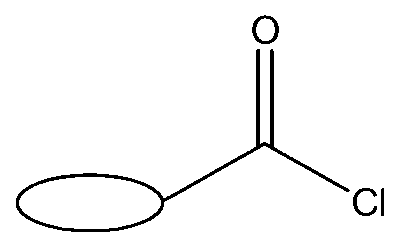


Applications Claiming Priority (2)
| Application Number | Priority Date | Filing Date | Title |
|---|---|---|---|
| ES200902389A ES2337226B2 (en) | 2009-12-16 | 2009-12-16 | LIPID SYSTEMS FUNCTIONED WITH VINYLSULPHONES. SYNTHESIS AND USES. |
| ESP200902389 | 2009-12-16 |
Publications (1)
| Publication Number | Publication Date |
|---|---|
| WO2011073473A1 true WO2011073473A1 (en) | 2011-06-23 |
Family
ID=42077483
Family Applications (1)
| Application Number | Title | Priority Date | Filing Date |
|---|---|---|---|
| PCT/ES2010/000525 Ceased WO2011073473A1 (en) | 2009-12-16 | 2010-12-15 | Vinyl sulphone functionalised lipid systems. synthesis and uses |
Country Status (2)
| Country | Link |
|---|---|
| ES (1) | ES2337226B2 (en) |
| WO (1) | WO2011073473A1 (en) |
Citations (5)
| Publication number | Priority date | Publication date | Assignee | Title |
|---|---|---|---|---|
| US5414135A (en) * | 1991-12-30 | 1995-05-09 | Sterling Winthrop Inc. | Vinyl sulfone coupling of polyoxyalkylenes to proteins |
| WO2001005999A1 (en) * | 1999-07-14 | 2001-01-25 | Nen Life Science Products, Inc. | Assay member and method for its manufacture |
| WO2002049676A2 (en) * | 2000-12-19 | 2002-06-27 | California Institute Of Technology | Compositions containing inclusion complexes |
| FR2912410A1 (en) * | 2007-02-12 | 2008-08-15 | Specific Polymers Sarl | Silicone elastomer made by grafting hydrogen-polyorganosiloxane with alkenyl sulfone using optionally halogenated triphenylborane as Lewis acid catalyst, used as thermoplastic elastomer, e.g. in cable shetahing |
| WO2008156327A2 (en) * | 2007-06-20 | 2008-12-24 | Lg Household & Health Care Ltd. | Lipid having specific functional group and personal care composition comprising the lipid |
-
2009
- 2009-12-16 ES ES200902389A patent/ES2337226B2/en active Active
-
2010
- 2010-12-15 WO PCT/ES2010/000525 patent/WO2011073473A1/en not_active Ceased
Patent Citations (5)
| Publication number | Priority date | Publication date | Assignee | Title |
|---|---|---|---|---|
| US5414135A (en) * | 1991-12-30 | 1995-05-09 | Sterling Winthrop Inc. | Vinyl sulfone coupling of polyoxyalkylenes to proteins |
| WO2001005999A1 (en) * | 1999-07-14 | 2001-01-25 | Nen Life Science Products, Inc. | Assay member and method for its manufacture |
| WO2002049676A2 (en) * | 2000-12-19 | 2002-06-27 | California Institute Of Technology | Compositions containing inclusion complexes |
| FR2912410A1 (en) * | 2007-02-12 | 2008-08-15 | Specific Polymers Sarl | Silicone elastomer made by grafting hydrogen-polyorganosiloxane with alkenyl sulfone using optionally halogenated triphenylborane as Lewis acid catalyst, used as thermoplastic elastomer, e.g. in cable shetahing |
| WO2008156327A2 (en) * | 2007-06-20 | 2008-12-24 | Lg Household & Health Care Ltd. | Lipid having specific functional group and personal care composition comprising the lipid |
Non-Patent Citations (2)
| Title |
|---|
| MOREIN, B. ET AL.: "Immunomodulation by Iscoms, Immune Stimulating Complexes", METHODS, vol. 19, 1999, pages 94 - 102 * |
| SUN, H.-X. ET AL.: "ISCOMs and ISCOMATRIXTM", VACCINE, vol. 27, 2009, pages 4388 - 4401 * |
Also Published As
| Publication number | Publication date |
|---|---|
| ES2337226A1 (en) | 2010-04-21 |
| ES2337226B2 (en) | 2011-09-14 |
Similar Documents
| Publication | Publication Date | Title |
|---|---|---|
| CN117098558A (en) | Polyoxazoline-lipid conjugates and lipid nanoparticles and pharmaceutical compositions containing the same | |
| JP3907662B2 (en) | Self-assembled polynucleotide delivery system | |
| ES2913626T5 (en) | Compounds and compositions for intracellular delivery of agents | |
| US20220370624A1 (en) | Lipid compositions comprising peptide-lipid conjugates | |
| CN1863558B (en) | Polyarginine-modified liposomes having nuclear transfer ability | |
| JPH11511757A (en) | Composition comprising a cationic amphiphile and an auxiliary lipid for intracellular administration of a therapeutic molecule | |
| AU2023317702A1 (en) | Nucleic acid compositions comprising amphiphilic oligo ethylene glycol (oeg)-conjugated compounds and methods of using such compounds and compositions | |
| WO2007102481A1 (en) | Vector for nuclear transport of substance | |
| JP5241711B2 (en) | Amphiphilic molecule, molecular assembly containing the same, and use thereof | |
| US20250325491A1 (en) | Polyvalent molecule based lipid nanoparticles for nucleic acid delivery | |
| US20220378702A1 (en) | Peptide-lipid conjugates | |
| PT1833465E (en) | Lyophilization of virosomes | |
| Makowska et al. | Impact of lipidation site on the activity of α-helical antimicrobial peptides | |
| Miura et al. | Identification and evaluation of the minimum unit of a KALA peptide required for gene delivery and immune activation | |
| JP5069920B2 (en) | Mannose 6-phosphate-polyethylene glycol conjugate | |
| ES2431316T3 (en) | Nanotransport system with dendritic architecture | |
| JP2023515608A (en) | Amino lipid compounds, methods for their preparation, and uses thereof | |
| US20250332275A1 (en) | Branched Polypeptide Carrier for Efficient Nucleic Acid Delivery and Its Variants | |
| ES2337226B2 (en) | LIPID SYSTEMS FUNCTIONED WITH VINYLSULPHONES. SYNTHESIS AND USES. | |
| WO2014016460A1 (en) | Homo- and hetero-functionalised carbosilane dendritic compounds | |
| JP2005515990A (en) | Compound | |
| JPWO2006077857A1 (en) | Method for coating particles with lipid membrane | |
| HK40103124A (en) | Polyoxazoline-lipid conjugates and lipid nanoparticles and pharmaceutical compositions including same | |
| Larson | Development of anionic liposomal carriers containing listeriolysin O and red blood cell ghosts as plasmid DNA delivery platforms | |
| JP2005535666A (en) | Drug delivery system |
Legal Events
| Date | Code | Title | Description |
|---|---|---|---|
| 121 | Ep: the epo has been informed by wipo that ep was designated in this application |
Ref document number: 10837074 Country of ref document: EP Kind code of ref document: A1 |
|
| NENP | Non-entry into the national phase |
Ref country code: DE |
|
| 122 | Ep: pct application non-entry in european phase |
Ref document number: 10837074 Country of ref document: EP Kind code of ref document: A1 |