WO2011074778A2 - 적외선 오피오레이저를 이용한 지방제거 방법 및 장치 - Google Patents
적외선 오피오레이저를 이용한 지방제거 방법 및 장치 Download PDFInfo
- Publication number
- WO2011074778A2 WO2011074778A2 PCT/KR2010/007669 KR2010007669W WO2011074778A2 WO 2011074778 A2 WO2011074778 A2 WO 2011074778A2 KR 2010007669 W KR2010007669 W KR 2010007669W WO 2011074778 A2 WO2011074778 A2 WO 2011074778A2
- Authority
- WO
- WIPO (PCT)
- Prior art keywords
- light
- temperature
- opiolaser
- fat
- wavelength
- Prior art date
- Legal status (The legal status is an assumption and is not a legal conclusion. Google has not performed a legal analysis and makes no representation as to the accuracy of the status listed.)
- Ceased
Links
Images




Classifications
-
- A—HUMAN NECESSITIES
- A61—MEDICAL OR VETERINARY SCIENCE; HYGIENE
- A61B—DIAGNOSIS; SURGERY; IDENTIFICATION
- A61B18/00—Surgical instruments, devices or methods for transferring non-mechanical forms of energy to or from the body
- A61B18/18—Surgical instruments, devices or methods for transferring non-mechanical forms of energy to or from the body by applying electromagnetic radiation, e.g. microwaves
- A61B18/20—Surgical instruments, devices or methods for transferring non-mechanical forms of energy to or from the body by applying electromagnetic radiation, e.g. microwaves using laser
-
- A—HUMAN NECESSITIES
- A61—MEDICAL OR VETERINARY SCIENCE; HYGIENE
- A61B—DIAGNOSIS; SURGERY; IDENTIFICATION
- A61B18/00—Surgical instruments, devices or methods for transferring non-mechanical forms of energy to or from the body
- A61B18/18—Surgical instruments, devices or methods for transferring non-mechanical forms of energy to or from the body by applying electromagnetic radiation, e.g. microwaves
- A61B18/20—Surgical instruments, devices or methods for transferring non-mechanical forms of energy to or from the body by applying electromagnetic radiation, e.g. microwaves using laser
- A61B18/201—Surgical instruments, devices or methods for transferring non-mechanical forms of energy to or from the body by applying electromagnetic radiation, e.g. microwaves using laser with beam delivery through a hollow tube, e.g. forming an articulated arm ; Hand-pieces therefor
-
- A—HUMAN NECESSITIES
- A61—MEDICAL OR VETERINARY SCIENCE; HYGIENE
- A61B—DIAGNOSIS; SURGERY; IDENTIFICATION
- A61B18/00—Surgical instruments, devices or methods for transferring non-mechanical forms of energy to or from the body
- A61B18/18—Surgical instruments, devices or methods for transferring non-mechanical forms of energy to or from the body by applying electromagnetic radiation, e.g. microwaves
- A61B18/20—Surgical instruments, devices or methods for transferring non-mechanical forms of energy to or from the body by applying electromagnetic radiation, e.g. microwaves using laser
- A61B18/22—Surgical instruments, devices or methods for transferring non-mechanical forms of energy to or from the body by applying electromagnetic radiation, e.g. microwaves using laser the beam being directed along or through a flexible conduit, e.g. an optical fibre; Couplings or hand-pieces therefor
-
- A—HUMAN NECESSITIES
- A61—MEDICAL OR VETERINARY SCIENCE; HYGIENE
- A61B—DIAGNOSIS; SURGERY; IDENTIFICATION
- A61B90/00—Instruments, implements or accessories specially adapted for surgery or diagnosis and not covered by any of the groups A61B1/00 - A61B50/00, e.g. for luxation treatment or for protecting wound edges
- A61B90/36—Image-producing devices or illumination devices not otherwise provided for
- A61B90/361—Image-producing devices, e.g. surgical cameras
-
- A—HUMAN NECESSITIES
- A61—MEDICAL OR VETERINARY SCIENCE; HYGIENE
- A61N—ELECTROTHERAPY; MAGNETOTHERAPY; RADIATION THERAPY; ULTRASOUND THERAPY
- A61N5/00—Radiation therapy
- A61N5/06—Radiation therapy using light
-
- A—HUMAN NECESSITIES
- A61—MEDICAL OR VETERINARY SCIENCE; HYGIENE
- A61B—DIAGNOSIS; SURGERY; IDENTIFICATION
- A61B18/00—Surgical instruments, devices or methods for transferring non-mechanical forms of energy to or from the body
- A61B2018/00005—Cooling or heating of the probe or tissue immediately surrounding the probe
-
- A—HUMAN NECESSITIES
- A61—MEDICAL OR VETERINARY SCIENCE; HYGIENE
- A61B—DIAGNOSIS; SURGERY; IDENTIFICATION
- A61B18/00—Surgical instruments, devices or methods for transferring non-mechanical forms of energy to or from the body
- A61B2018/00315—Surgical instruments, devices or methods for transferring non-mechanical forms of energy to or from the body for treatment of particular body parts
- A61B2018/00452—Skin
- A61B2018/00458—Deeper parts of the skin, e.g. treatment of vascular disorders or port wine stains
- A61B2018/00464—Subcutaneous fat, e.g. liposuction, lipolysis
-
- A—HUMAN NECESSITIES
- A61—MEDICAL OR VETERINARY SCIENCE; HYGIENE
- A61B—DIAGNOSIS; SURGERY; IDENTIFICATION
- A61B18/00—Surgical instruments, devices or methods for transferring non-mechanical forms of energy to or from the body
- A61B2018/00636—Sensing and controlling the application of energy
- A61B2018/00642—Sensing and controlling the application of energy with feedback, i.e. closed loop control
-
- A—HUMAN NECESSITIES
- A61—MEDICAL OR VETERINARY SCIENCE; HYGIENE
- A61B—DIAGNOSIS; SURGERY; IDENTIFICATION
- A61B18/00—Surgical instruments, devices or methods for transferring non-mechanical forms of energy to or from the body
- A61B2018/00636—Sensing and controlling the application of energy
- A61B2018/00666—Sensing and controlling the application of energy using a threshold value
- A61B2018/00678—Sensing and controlling the application of energy using a threshold value upper
-
- A—HUMAN NECESSITIES
- A61—MEDICAL OR VETERINARY SCIENCE; HYGIENE
- A61B—DIAGNOSIS; SURGERY; IDENTIFICATION
- A61B18/00—Surgical instruments, devices or methods for transferring non-mechanical forms of energy to or from the body
- A61B2018/00636—Sensing and controlling the application of energy
- A61B2018/00696—Controlled or regulated parameters
- A61B2018/00714—Temperature
-
- A—HUMAN NECESSITIES
- A61—MEDICAL OR VETERINARY SCIENCE; HYGIENE
- A61B—DIAGNOSIS; SURGERY; IDENTIFICATION
- A61B18/00—Surgical instruments, devices or methods for transferring non-mechanical forms of energy to or from the body
- A61B2018/00636—Sensing and controlling the application of energy
- A61B2018/00773—Sensed parameters
- A61B2018/00791—Temperature
-
- A—HUMAN NECESSITIES
- A61—MEDICAL OR VETERINARY SCIENCE; HYGIENE
- A61B—DIAGNOSIS; SURGERY; IDENTIFICATION
- A61B18/00—Surgical instruments, devices or methods for transferring non-mechanical forms of energy to or from the body
- A61B2018/00636—Sensing and controlling the application of energy
- A61B2018/00773—Sensed parameters
- A61B2018/00791—Temperature
- A61B2018/00797—Temperature measured by multiple temperature sensors
-
- A—HUMAN NECESSITIES
- A61—MEDICAL OR VETERINARY SCIENCE; HYGIENE
- A61B—DIAGNOSIS; SURGERY; IDENTIFICATION
- A61B18/00—Surgical instruments, devices or methods for transferring non-mechanical forms of energy to or from the body
- A61B18/18—Surgical instruments, devices or methods for transferring non-mechanical forms of energy to or from the body by applying electromagnetic radiation, e.g. microwaves
- A61B18/20—Surgical instruments, devices or methods for transferring non-mechanical forms of energy to or from the body by applying electromagnetic radiation, e.g. microwaves using laser
- A61B2018/2005—Surgical instruments, devices or methods for transferring non-mechanical forms of energy to or from the body by applying electromagnetic radiation, e.g. microwaves using laser with beam delivery through an interstitially insertable device, e.g. needle
-
- A—HUMAN NECESSITIES
- A61—MEDICAL OR VETERINARY SCIENCE; HYGIENE
- A61B—DIAGNOSIS; SURGERY; IDENTIFICATION
- A61B90/00—Instruments, implements or accessories specially adapted for surgery or diagnosis and not covered by any of the groups A61B1/00 - A61B50/00, e.g. for luxation treatment or for protecting wound edges
- A61B90/36—Image-producing devices or illumination devices not otherwise provided for
- A61B90/37—Surgical systems with images on a monitor during operation
-
- A—HUMAN NECESSITIES
- A61—MEDICAL OR VETERINARY SCIENCE; HYGIENE
- A61N—ELECTROTHERAPY; MAGNETOTHERAPY; RADIATION THERAPY; ULTRASOUND THERAPY
- A61N5/00—Radiation therapy
- A61N5/06—Radiation therapy using light
- A61N2005/0658—Radiation therapy using light characterised by the wavelength of light used
- A61N2005/0659—Radiation therapy using light characterised by the wavelength of light used infrared
-
- A—HUMAN NECESSITIES
- A61—MEDICAL OR VETERINARY SCIENCE; HYGIENE
- A61N—ELECTROTHERAPY; MAGNETOTHERAPY; RADIATION THERAPY; ULTRASOUND THERAPY
- A61N5/00—Radiation therapy
- A61N5/06—Radiation therapy using light
- A61N2005/0658—Radiation therapy using light characterised by the wavelength of light used
- A61N2005/0659—Radiation therapy using light characterised by the wavelength of light used infrared
- A61N2005/066—Radiation therapy using light characterised by the wavelength of light used infrared far infrared
Definitions
- the present invention relates to a method and apparatus for removing fat in vivo using an infrared opiolaser.
- an infrared OPO Optical
- a pump laser having a wavelength of about 1,064 nm
- a method and apparatus for removing fat using an infrared opiolaser which can remove fat in vivo more effectively by directly irradiating fat in vivo with two wavelength infrared lasers of about 2,300 nm and about 1,980 nm generated from Parametric Oscillator) will be.
- 'prior document 1' a 930 nm wavelength, 1230 nm wavelength, 1700 nm wavelength, and The 2300nm wavelength of light has absolutely high absorption in the body fat, and especially when the light of the wavelength is irradiated to the in vivo skin by using the advantage that is more than twice as high as the absorption of the corresponding wavelength for water constituting most of the body -Invasive method can be applied to heat the body fat, thereby destroying the fat tissue, suggesting that it is possible to lose weight.
- the infrared light of 2300nm wavelength has high absorptivity in adipose tissue as well as absolute absorption in the outer skin, so it is impossible to remove the body fat without damaging the outer skin, and it is possible to dissolve the body fat only by invasive method.
- Document 1 a method of effectively removing adipose tissue by selectively using only infrared light having a high power of 1,200 nm wavelength or 2,300 nm wavelength is proposed.
- the Republic of Korea Patent Publication No. 798635 (Invention name: fat removal laser device; referred to as 'prior document 2') can selectively irradiate the laser beam outside and inside the skin, and at the same time of the wavelength that can be oscillated from the laser diode
- a laser device has been proposed to efficiently remove fat by using a laser of 930 nm wavelength having a high absorption of fat.
- the laser oscillator 110 for outputting a laser beam;
- a first optical fiber 112 for guiding the laser beam output from the laser oscillator 110;
- a first parallel light conversion unit (120) positioned at an output end of the first optical fiber (112) and converting the laser beam guided through the optical fiber (112) into parallel light so as not to diverge;
- the parallel laser beam incident from the first parallel light conversion unit 120 is converted into linear polarization and transmitted, and the reflected light that is refracted and retarded after being reflected from the second optical fiber 160 is reflected by the laser oscillation unit (
- a polarizer that prevents feedback to 110; Transmitting the linearly polarized laser beam incident from the polarizer into light of circular polarization, and converting and transmitting the circularly polarized laser beam reflected from the second optical fiber 160 to light of linear polarization.
- Phase delay unit 140 Phase delay unit 140; A convergent lens 150 for converging a circularly polarized laser beam through the phase delay unit 140; A second optical fiber 160 for guiding the beam converged by the converging lens 150 to subcutaneous fat of the skin; And a fiber cutting timing detector 170 which measures the amount of energy of the laser beam reflected by the polarizer after being reflected at the end of the second optical fiber 160 and outputs a fiber cutting notification signal when the set amount of energy is reached. ; And an alarm 172 for outputting an alarm signal based on the fiber cutting notification signal received from the fiber cutting timing detector 170.
- the optical fiber 160 can be selectively irradiated with the laser beam outside and in the skin by selectively providing the contact tip 194 or the cannula 180, and in the laser diode Fat can be efficiently removed by using a laser of 930nm wavelength, which has high absorption of fat among the oscillable wavelengths.
- the laser of 930nm wavelength is only about 0.1, the absorption of fat and the difference between the absorption of water is not so large that not only the energy efficiency is reduced to remove fat tissue, but also to other organs There is a high risk of damage.
- the inventors have used an infrared opiolaser that can remove fat in vivo in a way that is more energy efficient, faster, and at a lower risk of damaging other organs, using a laser light of a particular wavelength.
- Inventions and methods for removing fat in vivo have been invented.
- the present invention has been made to solve the above-mentioned problems, and an object of the present invention is to use a laser light of a specific wavelength in a manner that is more energy efficient, faster, and at a lower risk of damaging other organs. It is to provide a method and apparatus for removing fat using an infrared opiolaser which can remove fat in vivo more effectively.
- the present invention is provided with a pump light having a wavelength of about 1,064nm, which can output a laser light of about 1,980nm wavelength and about 2,300nm wavelength using the pump light as a light source.
- Opiolasers A converging lens that converges the output of the opiolaser; An optical fiber capable of guiding laser light converged by the converging lens; A plastic-metal needle capable of inserting a plastic needle into which one end of the optical fiber is inserted; And a temperature controller configured to measure and monitor the skin temperature of the site where the plastic-metal needle is inserted to remove fat, and to cool the skin or stop laser irradiation when the measured temperature is equal to or greater than a predetermined safe temperature.
- the present invention relates to a fat removal device using an infrared opiolaser.
- the present invention includes a pump light having a wavelength in the range of about 1,054 nm to about 1,074 nm, wherein the pump light is used as a light source and a wavelength in the range of about 1,970 nm to about 1,990 nm and about 2,290 nm to about 2,310.
- an opiolaser capable of outputting laser light in the wavelength range of nm; It is detachably positioned on the line where the output light of the opiolas travels, and reflects light in the wavelength range of about 1,970 nm to about 1,990 nm of the output light of the opiolaser, and only light in the wavelength range of about 2,290 nm to about 2,310 nm.
- a dichroic light filter for selectively transmitting;
- a converging lens that converges the output of the opiolaser passing through the dichroic light filter;
- An optical fiber capable of guiding laser light converged by the converging lens;
- a plastic-metal needle capable of inserting a plastic needle into which one end of the optical fiber is inserted.
- the present invention includes a laser having a pump light as a source, an optical fiber for guiding the output of the laser to adipose tissue, and a needle into which one end of the optical fiber is inserted, wherein the laser is about 1,054 nm to about 1,074.
- Infrared opi laser characterized in that the opio laser capable of receiving a pump light having a wavelength in the wavelength range of about 1,970nm to about 1,990nm and a laser light in the wavelength range of about 2,290nm to about 2,310nm
- the present invention relates to an apparatus for removing fat using an laser.
- the pump light is characterized in that the output light of a diode pumped solid state (Diode Pumped Solid State) laser.
- Diode pumped solid state Diode Pumped Solid State
- the pump light is characterized in that the output light of the fiber (Fiber) laser.
- the opiolaser the input mirror device for receiving the pump light and reflects the infrared light generated inside the opiolaser;
- a nonlinear crystal for generating and amplifying opiolaser light through interaction with the pump light received from the input mirror device;
- an output mirror device which outputs a part of the infrared light generated in the nonlinear crystal and reflects the rest.
- the non-linear crystal is a ferroelectric crystal in which the polarization is periodically inverted by receiving pump light having a wavelength of about 1,064 nm and outputting laser light having a wavelength of about 1,980 nm and about 2,300 nm.
- the nonlinear crystal is a PPLN (linear biopolar Lithium Niobate (LiNbO3)) nonlinear crystal capable of receiving laser light having a wavelength of about 1,980 nm and about 2,300 nm by receiving pump light having a wavelength of about 1,064 nm. do.
- PPLN linear biopolar Lithium Niobate (LiNbO3)
- the nonlinear crystal is a PPMgSLT (periodically poled MgO-doped Stoichiometric Lithium Tantalate (LiTaO3)) nonlinear crystal capable of receiving a pump light having a wavelength of about 1,064 nm and outputting laser light having a wavelength of about 1,980 nm and about 2,300 nm. It is characterized by that.
- PPMgSLT peripherally poled MgO-doped Stoichiometric Lithium Tantalate (LiTaO3) nonlinear crystal capable of receiving a pump light having a wavelength of about 1,064 nm and outputting laser light having a wavelength of about 1,980 nm and about 2,300 nm. It is characterized by that.
- the plastic-metal needle the skin penetrating metal needle having a handle at one end; And a plastic needle surrounding a circumference of the metal needle and having an optical fiber fixture formed at one end and an inclined surface at the other end thereof.
- plastic-free metal needles surrounding the needle instead of plastic-metal needles.
- the temperature control unit comprises a camera for photographing the skin of the area where the adipose tissue is removed; A temperature sensor for measuring a temperature by receiving infrared rays emitted from the skin of the region where the adipose tissue is removed; A cooler for cooling the skin of the area where the adipose tissue is removed; And a color table and a safety temperature, which are connected to the camera, the temperature sensor and the cooler, to set the temperature in color, convert the measured temperature received from the temperature sensor into color, and if the measured temperature is equal to or greater than the safe temperature, It characterized in that it comprises a processor to control the cooler to lower the skin temperature of the area where the adipose tissue is removed or to stop the laser irradiation.
- the temperature controller is connected to the processor for displaying a color corresponding to the measured temperature on the photographed image of the camera; characterized in that it further comprises a.
- an output of an opiolaser which receives pump light having a wavelength ranging from about 1,054 nm to about 1,074 nm and outputs laser light having a wavelength ranging from about 1,970 nm to about 1,990 nm and a wavelength ranging from about 2,290 nm to about 2,310 nm.
- the fat removal step of removing the fat by converging to the convergence lens to be transferred to the fat layer through the optical fiber characterized in that it relates to a fat removal method using an infrared opiolaser.
- a temperature control step of displaying, monitoring and controlling the skin temperature of the site where the fat is removed in the fat removal step by the temperature controller;
- a discharging step of discharging the residue of the fat removed in the fat removing step to the outside through the inside of the plastic needle.
- the laser irradiation direction of the optical fiber inserted into the plastic needle is directed to be directed away from the patient's dermis.
- the fat removing step is a light having a wavelength of about 1,970nm to about 1,990nm and a high degree of water for the output light of the opiolaser to remove the fat of the thick fat layer and about 2,290nm to Irradiating light at a wavelength in the range of about 2,310 nm to the center of the thick fat layer at the same time.
- the fat removing step is to reflect the light of the wavelength range of about 1,970nm to about 1,990nm of the output light of the opiolaser between the opiolaser and the converging lens in order to remove the fat of the thin portion of the fat layer
- the temperature control step the step of continuously receiving the skin image and the temperature of the region from which the fat is removed through the camera and the temperature sensor; A conversion step of synthesizing the color expressed on the image by converting the temperature input in the measuring step by a color table through a processor; A comparison step of determining whether the input temperature is greater than or equal to the safety temperature by comparing the temperature input in the measuring step with a safety temperature; And a control step of maintaining the temperature below the safety temperature or stopping the laser irradiation when the input temperature is greater than the safety temperature as a result of the determination of the comparison step.
- infrared light having a wavelength of about 1,980 nm and about 2,300 nm simultaneously generated through an infrared opiolaser can be used for fat removal, energy efficiency is very high.
- the infrared light having a wavelength of about 1,980 nm among the output light of the infrared opiolaser has a very high absorption of moisture
- the infrared light having a wavelength of about 2,300 nm has a very high absorption of fat.
- the present invention even when the fat layer is thin, it is possible to selectively remove fat using infrared light of about 2,300 nm wavelength by using a dichroic filter, so that the treatment equipment itself can be changed according to the size of the fat tissue changed during the fat removal procedure. It is more efficient because it does not need to be used, and the infrared light of about 2,300 nm wavelength has a very high absorption of fat, so the depth of penetration is relatively short and does not affect surrounding tissue. Therefore, even fat adjacent to skin or muscle can be removed safely. The advantage is that you can.
- FIG. 2 is a configuration diagram schematically showing the configuration of the apparatus described in Prior Art 2;
- FIG. 3 is a block diagram showing a specific embodiment of the fat removal device using an infrared opiolaser according to an embodiment of the present invention
- FIGS. 4 and 5 are diagrams exemplarily illustrating a configuration of a fat removing device using an infrared opiolaser according to an embodiment of the present invention.
- FIG. 6 is a block diagram illustrating a configuration of a plastic-metal needle according to an embodiment of the present invention
- FIG. 7 and 8 is a configuration diagram illustrating a configuration of a temperature control unit according to the present invention.
- FIG. 9 is an explanatory diagram for explaining a method for removing fat using a fat removal device using an infrared opiolaser according to the present invention.
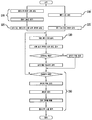
- 10 to 12 are flowcharts illustrating a fat removal method using an infrared opiolaser according to the present invention.
- the term “about” as used herein is generally within 5%, preferably within 3%, more preferably of a given value or range. Preferably within 1%. Numerical values described herein are in the general sense, and the term “about” means that it can be estimated unless otherwise specified.
- FIG 3 is a block diagram showing a specific embodiment of the fat removal apparatus using an infrared opiolaser according to an embodiment of the present invention
- Figures 4 and 5 using an infrared opiolaser according to an embodiment of the present invention It is a block diagram which shows the structure of a fat removal apparatus illustratively.
- the fat removal apparatus using an infrared opiolaser is the opiolaser 20, the converging lens 40, the optical fiber 50, the plastic-metal needle or It may include a metal needle 60 and the temperature control unit 70. Also optionally, the dichroic light filter 30 may be further included.
- the opiolaser 20 uses about 1,970 nm to about pump light of a diode pumped solid state (DPSS) laser that outputs about 1,064 nm wavelength or a fiber laser that outputs a wavelength of about 1,054 nm to about 1,074 nm. It serves to output laser light having a wavelength of 1,990 nm and a wavelength of about 2,290 nm to about 2,310 nm.
- DPSS diode pumped solid state
- the converging lens 40 serves to converge the output of the opiolas 20.
- the optical fiber 50 serves to guide the laser light converged by the converging lens 40 to the adipose tissue.
- the plastic-metal needle 60 is configured to insert a plastic needle into which one end of the optical fiber 50 is inserted, and may optionally insert the optical fiber using only metal needles instead of the plastic-metal needles.
- the temperature control part 70 measures and monitors the skin temperature of the site where the tissue tissue is removed by inserting the plastic-metal needle 60 by contact or non-contact, and cools the skin when the measured temperature is equal to or greater than the set safety temperature. To reduce or cut off the laser output.
- the dichroic light filter 30 is selectively detachable and is detachably positioned on a line through which the output light of the opiolas 20 travels, and has a wavelength of about 1,970 nm to about 1,990 nm of the output light of the opiolas 20. Reflects light and selectively transmits only light having a wavelength of about 2,290 nm to about 2,310 nm.
- the opiolas 20 receives input of pump light having a wavelength of about 1,064 nm and reflects infrared light generated inside the opiolas 20. ;
- a nonlinear crystal 22 for generating and amplifying opiolaser light having a wavelength of about 1,980 nm and about 2,300 nm through interaction with the pump light input from the input mirror device 21; It may include an output mirror device 23 for outputting a portion of the infrared light generated in the non-linear crystal 22 and reflects the rest.
- the aforementioned nonlinear crystal 22 receives pump light of about 1,064 nm wavelength and has about 1,980 nm wavelength and about 2,300. It is preferable to use ferroelectric crystals that invert polarization periodically, such as PPLN (periodically poled Lithium Niobate: LiNbO3) and / or PPMgSLT (periodically poled MgO-doped Stoichiometric Lithium Tantalate: LiTaO3) that outputs laser light at a wavelength of nm.
- PPLN peripherally poled Lithium Niobate: LiNbO3
- PPMgSLT peripheral photonic Lithium Tantalate
- the infrared light having a wavelength of about 1,980 nm among the above-described outputs of the opiolaser 20 is light having a wavelength of high absorption in water after about 3,100 nm, as shown in FIG. 1, and about 2,300 nm. Infrared light can be seen that the wavelength of absorption of fat is the highest.
- the adipose tissue in the living body is not merely composed of fat but contains a large amount of moisture, the adipose tissue is irradiated with infrared light of about 1,980 nm wavelength and about 2,300 nm wavelength, which are output light of the opiolaser 20 described above. In this way, fat can be destroyed in a short time with high energy efficiency.
- a large amount of fat can be safely decomposed at the center of the thick fat by using about 1,980 nm laser having a high absorption in water and about 2,300 nm laser having a particularly high absorption in fat.
- lipolysis of the relatively thinned fat layer 903 in the region close to the skin and the deep layer muscle is performed by using the dichroic light filter 30, as shown in FIG.
- the light reflects and selectively transmits light of about 2,300 nm wavelength that preferentially decomposes fat, thereby outputting as much fat as possible adjacent to the skin and muscles without damaging the skin and muscles.
- the adipose tissue has a very high absorption coefficient for both wavelengths of light, so the depth of penetration is shortened, thereby reducing the risk of damage to other tissues in the vicinity and removing the adipose tissue in a short time.
- the plastic-metal needle 60 is a needle-shaped metal penetrating metal needle 61 having a handle 62 formed at one end thereof and a cylindrical shape surrounding the circumference of the metal needle 61. 50)
- the fixture 64 is formed, and the other end is composed of a plastic type plastic needle 63 through which a laser that does not react to a living body having an inclined surface 65 formed thereon passes well.
- the optical fiber 50 is inclined so that its end portion can be irradiated with laser at various angles such as 30 °, 45 °, 60 °, 90 °, 120 °, 180 °, and the end of the irradiated fiber is about 1 mm long. It consists of a variety of optical fibers 50 according to the output of the laser to irradiate and vary the length of about 40mm in the region and the thickness of the fat to be treated can be inserted into the required type of optical fiber 50 as needed will be.
- the diameter of the metal needle 61 is preferably used 16G-24G, which will not leave a scar on the skin even if inserted into the skin.
- this plastic-metal needle 60 is shown in FIG. 6, by inserting the plastic-metal needle 60 into the subcutaneous fat layer 903 and removing the metal needle 61 of the plastic-metal needle 60. Only the plastic needle 63 through which the inner laser can pass easily remains in the fat layer 903, and the inclined surface 65 of the end of the plastic needle 63 is designed as long as necessary so that the inclined surface 65 of the fat layer 903 Direct the fiber only to the inclined surface 65 so that the laser is directed in the deep direction of the fat layer 903, and then the lasers of about 1,980 nm and about 2,300 nm are simultaneously or sequentially oscillated as necessary to decompose fat. will be.
- the temperature controller 70 may include a camera 71, a temperature sensor 72, a cooler 73, and a processor 74. It may also further include a display 75.
- the camera 71 photographs the skin of the area where the fat tissue is removed.
- the temperature sensor 72 receives the infrared rays emitted from the skin of the region where the adipose tissue is removed and serves to measure the temperature.
- the cooler 73 serves to cool the skin of the site where the adipose tissue is removed.
- the processor 74 is connected to the camera 71, the temperature sensor 72 and the cooler 73, and proposes a color table for expressing the temperature in color and suggests a skin temperature so as not to damage the tissues other than burns or fats.
- the safety temperature is set to convert the measurement temperature received from the temperature sensor 72 into color, and when the measurement temperature is equal to or greater than the safety temperature, the cooler 73 is controlled to lower the skin temperature at the site where the fat tissue is removed. It plays the role of making it work.
- the display 75 is connected to the processor 74 and displays a color corresponding to the measurement temperature on the photographed image of the camera 71.
- the temperature control unit 70 controls to automatically stop the laser irradiation when the temperature of the skin rises above the safe temperature of 44 degrees
- the device may be configured or a program for such operation may be included in the processor 74.
- the temperature sensor 72 can measure the surface temperature of the skin in a non-contact manner, such as a pyrometer sensor, a radiation sensor, the skin surface and the skin
- the method may directly include a method of directly measuring the temperature of the skin by inserting the tip of the temperature sensor 72 directly on the outermost surface of the dermal layer or fat layer 903.
- the cooler 73 is cooled by being supplied with electricity by a temperature drop spray spraying to lower the temperature of the skin surface under the control of the processor 74 described above, or by a cooling fan or a contact cooling method in contact with the skin. Note that it may be configured as a cold plate or the like.
- the display 75 can display a color corresponding to the measurement temperature on the photographed image of the camera 71, the display 75 is not particularly limited even if it uses a known component.
- the temperature controller 70 acquires an image and a temperature of the skin surface of the area where the adipose tissue is removed by using the camera 71 and the temperature sensor 72, and receives the obtained image and temperature into the processor 74. Converts the temperature into a color by using a color table, synthesizes the image into an input image, displays it on the display 75, and compares the measured measured temperature with a set safe temperature (about 44 degrees) to determine that the measured temperature is higher than the safe temperature. It is configured to operate the cooler 73 to maintain the skin temperature below the safety temperature.
- 10 to 12 are flowcharts illustrating a fat removal method using an infrared opiolaser according to the present invention.
- 10 to 12 a method of removing a subcutaneous fat layer by using a fat removal device using an infrared opiolaser will be described. In the meantime, description of overlapping contents will be omitted.
- the fat removing method using an infrared opiolaser includes an inlet forming step S10, an inserting step S20, and a fat removing step S30. In addition, it may further include a temperature control step (S40) and the discharge step (S50). Alternatively, instead of S10 and S20, a metal needle insertion step S10 ′ and an optical fiber insertion step S20 ′ may be included.
- Inlet formation step (S10) is a step of forming an inlet in the patient skin and inserting the plastic-metal needle 60 into the subcutaneous fat layer.
- the inserting step (S20) is a step of inserting the plastic-metal needle 60 subcutaneously, removing the metal needle 61 and inserting the optical fiber 50 into the inserted plastic needle 63.
- the metal needle insertion step (S10 ') is a step of forming an inlet in the patient skin and inserting the metal needle into the subcutaneous fat layer.
- the optical fiber insertion step (S20 ') is a step of inserting the optical fiber 50 into the metal needle.
- the fat removal step (S30) receives the pump light having a wavelength in the range of about 1,054nm to about 1,074nm and outputs the laser light having a wavelength in the range of about 1,970nm to about 1,990nm and a wavelength in the range of about 2,290nm to about 2,310nm.
- the output of the laser 20 is converged to the converging lens 40 to be transferred to the fat layer through the optical fiber 50 to remove fat.
- the temperature control step (S40) is a step of displaying, monitoring and controlling the skin temperature of the site where the fat is removed in the fat removal step (S30) by the temperature control unit 70.
- Discharge step (S50) is a step of discharging the residue of fat removed in the fat removal step (S30) to the outside through the plastic needle (63).
- the fat removal step (S30) is input to the pump light of 1,064nm wavelength in order to remove the fat of the thick layer of fat layer 903
- the laser outputs laser light of about 1,980 nm wavelength and about 2,300 nm wavelength through the laser, and transmits the output light into the fat layer through the fiber.
- an output light adjusting step S31 for mounting the dichroic light filter 30 between the opiolaser 20 and the converging lens 40 is further performed.
- the light of the wavelength range of about 1,970nm to about 1,990nm of the output light of the opiolas 20 is reflected and output only the laser light of the wavelength range of 2,290nm to about 2,310nm and through the fiber Transfer the output light into the fat layer.
- the inclined surface 65 of the plastic needle 63 as shown in Figure 9, it is preferable to direct the output light of the opiolas 20 to be directed away from the patient's dermis.
- In vivo fat removal method and apparatus using an infrared opiolaser according to the present invention can remove the fat present in the body more efficiently and effectively can be applied to various medical and cosmetic fields.
Landscapes
- Health & Medical Sciences (AREA)
- Life Sciences & Earth Sciences (AREA)
- Surgery (AREA)
- Physics & Mathematics (AREA)
- Engineering & Computer Science (AREA)
- Biomedical Technology (AREA)
- Veterinary Medicine (AREA)
- Public Health (AREA)
- General Health & Medical Sciences (AREA)
- Animal Behavior & Ethology (AREA)
- Nuclear Medicine, Radiotherapy & Molecular Imaging (AREA)
- Heart & Thoracic Surgery (AREA)
- Molecular Biology (AREA)
- Medical Informatics (AREA)
- Otolaryngology (AREA)
- Electromagnetism (AREA)
- Optics & Photonics (AREA)
- Pathology (AREA)
- Oral & Maxillofacial Surgery (AREA)
- Radiology & Medical Imaging (AREA)
- Laser Surgery Devices (AREA)
- Radiation-Therapy Devices (AREA)
- Vascular Medicine (AREA)
- Anesthesiology (AREA)
- Hematology (AREA)
Abstract
Description
Claims (17)
- 약 1,064nm의 파장을 갖는 펌프광을 구비하며, 상기 펌프광을 광원으로 하여 약 1,980nm 파장 및 약 2,300nm 파장의 레이저광을 출력할 수 있는 오피오레이저;상기 오피오레이저의 출력을 수렴하는 수렴렌즈;상기 수렴렌즈에 의하여 수렴된 레이저광을 가이드할 수 있는 광섬유;내부에 상기 광섬유의 일단이 삽입되는 플라스틱 니들을 삽입할 수 있는 플라스틱-메탈 니들 또는 메탈니들; 및상기 플라스틱-메탈 니들이 삽입되어 지방이 제거되는 부위의 피부 온도를 측정 및 감시하여 측정된 온도가 기설정된 안전 온도 이상이면 상기 피부를 냉각시키거나 레이저 조사를 중지시키는 온도조절부;를 포함하는 것을 특징으로 하는,적외선 오피오레이저를 이용한 지방제거 장치.
- 약 1,054nm 내지 약 1,074nm 범위의 파장을 갖는 펌프광을 구비하며, 상기 펌프광을 광원으로 하여 약 1,970nm 내지 약 1,990nm 범위의 파장 및 약 2,290nm 내지 약 2,310nm 범위의 파장의 레이저광을 출력할 수 있는 오피오레이저;상기 오피오레이저의 출력광이 진행하는 선상에 탈착식으로 위치하며, 상기 오피오레이저의 출력광 중 약 1,970nm 내지 약 1,990nm 범위 파장의 빛은 반사시키고 약 2,290nm 내지 약 2,310nm 범위 파장의 빛만 선택적으로 투과시키는 이색광필터;상기 이색광필터를 통과한 오피오레이저의 출력을 수렴하는 수렴렌즈;상기 수렴렌즈에 의하여 수렴된 레이저광을 가이드할 수 있는 광섬유; 및내부에 상기 광섬유의 일단이 삽입되는 플라스틱 니들 또는 메탈니들을 삽입할 수 있는 플라스틱-메탈 니들을 포함하는 것을 특징으로 하는,적외선 오피오레이저를 이용한 지방제거 장치.
- 펌프광을 소스로 하는 레이저, 상기 레이저의 출력을 지방 조직으로 가이드하는 광섬유, 상기 광섬유의 일단이 삽입되는 니들을 포함하는 지방 제거 장치에 있어서,상기 레이저는 약 1,054nm 내지 약 1,074nm 범위의 파장을 갖는 펌프광을 입력 받아 약 1,970nm 내지 약 1,990nm 범위의 파장 및 약 2,290nm 내지 약 2,310nm 범위의 파장의 레이저광을 출력할 수 있는 오피오레이저인 것을 특징으로 하는,적외선 오피오레이저를 이용한 지방제거 장치.
- 청구항 제1항 내지 제3항 중 어느 한 항에 있어서,상기 펌프광은 다이오드 펌프 솔리드 스테이트(Diode Pumped Solid State) 레이저의 출력광인 것을 특징으로 하는,적외선 오피오레이저를 이용한 지방제거 장치.
- 청구항 제1항 내지 제3항 중 어느 한 항에 있어서,상기 펌프광은 파이버(Fiber) 레이저의 출력광인 것을 특징으로 하는,적외선 오피오레이저를 이용한 지방제거 장치.
- 청구항 제1항 내지 제3항 중 어느 한 항에 있어서,상기 오피오레이저는,상기 펌프광을 입력받고 상기 오피오레이저 내부에서 발생하는 적외선광을 반사시키는 입력거울장치;상기 입력거울장치로부터 입력받은 펌프광과 상호 작용을 통해 오피오레이저 광을 발생시키고 증폭시키는 비선형결정; 및상기 비선형결정에서 발생한 적외선광의 일부를 출력시키고 나머지는 반사시키는 출력거울장치를 포함하는 것을 특징으로 하는,적외선 오피오레이저를 이용한 지방제거 장치.
- 제6항에 있어서,상기 비선형결정은 약 1,064nm 파장의 펌프광을 입력받아 약 1,980nm 파장 및 약 2,300nm 파장의 레이저 광을 출력할 수 있는 주기적으로 분극을 반전시킨 강유전체결정인 것을 특징으로 하는,적외선 오피오레이저를 이용한 지방제거 장치.
- 제6항에 있어서,상기 비선형결정은 약 1,064nm 파장의 펌프광을 입력받아 약 1,980nm 파장 및 약 2,300nm 파장의 레이저 광을 출력할 수 있는 PPLN(periodically poled Lithium Niobate (LiNbO3)) 비선형결정인 것을 특징으로 하는,적외선 오피오레이저를 이용한 지방제거 장치.
- 제6항에 있어서,상기 비선형결정은 약 1,064nm 파장의 펌프광을 입력받아 약 1,980nm 파장 및 약 2,300nm 파장의 레이저 광을 출력할 수 있는 PPMgSLT(periodically poled MgO-doped Stoichiometric Lithium Tantalate (LiTaO3)) 비선형결정인 것을 특징으로 하는,적외선 오피오레이저를 이용한 지방제거 장치.
- 제1항 또는 제2항에 있어서,상기 플라스틱-메탈 니들과 메탈니들은,일단에 핸들이 형성된 피부 관통용 메탈니들; 및상기 메탈니들의 둘레를 둘러싸며, 일단에 광섬유 고정구가 형성되고, 타단에 경사면이 형성된 플라스틱니들을 포함하는 것을 특징으로 하는,적외선 오피오레이저를 이용한 지방제거 장치.
- 제1항에 있어서,상기 온도조절부는,지방 조직이 제거되는 부위의 피부를 촬영하는 카메라;상기 지방조직이 제거되는 부위의 피부에서 방사되는 적외선을 수광하여 온도를 측정하는 온도센서;상기 지방조직이 제거되는 부위의 피부를 냉각시키는 냉각기; 및상기 카메라, 온도센서 및 냉각기와 연결되고, 온도를 색으로 표현하기 위한 색테이블과 안전온도가 설정되어 상기 온도센서로부터 입력받은 측정온도를 색으로 변환하고, 상기 측정온도가 안전온도 이상이면 상기 냉각기를 제어하여 상기 지방조직이 제거되는 부위의 피부 온도를 낮추거나 레이저 조사를 중지 시키도록 하는 프로세서를 포함하는 것을 특징으로 하는,적외선 오피오레이저를 이용한 지방제거 장치.
- 제11항에 있어서,상기 온도조절부는,상기 프로세서에 연결되어 상기 카메라의 촬영영상위에 측정온도에 해당하는 색을 표시하는 디스플레이;를 더 포함하는 것을 특징으로 하는,적외선 오피오레이저를 이용한 지방제거 장치.
- 피부에 유입구를 형성하도록 플라스틱-메탈 니들을 피하 지방 층으로 삽입하는 유입구형성단계;상기 플라스틱-메탈 니들을 피하로 삽입 한 후 메탈니들을 빼고 삽입되어있는 플라스틱니들 내로 광섬유를 삽입하는 삽입단계와 메탈니들만을 피하에 삽입하여 광섬유를 삽입하는 단계; 및약 1,054nm 내지 약 1,074nm 범위의 파장의 펌프광을 입력받아 약 1,970nm 내지 약 1,990nm 범위의 파장 및 약 2,290nm 내지 약 2,310nm 범위의 파장의 레이저광을 출력하는 오피오레이저의 출력을 수렴렌즈로 수렴하여 광섬유를 통해 지방 층 내로 이송되도록 하여 지방을 제거하는 지방제거단계;를 포함하는 것을 특징으로 하는,적외선 오피오레이저를 이용한 지방제거 방법.
- 제13항에 있어서,상기 지방제거단계에서 지방 제거가 이루어지는 부위의 피부 온도를 온도조절부에 의해 표시, 감시 및 조절되는 온도조절단계; 및상기 지방제거단계에서 제거된 지방의 잔류물을 플라스틱니들 내부를 통해 외부로 배출시키는 배출단계;를 더 포함하는 것을 특징으로 하는,적외선 오피오레이저를 이용한 지방제거 방법.
- 제13항 또는 제14항에 있어서,상기 지방제거단계에서 상기 플라스틱니들내부로 삽입된 광섬유의 레이저 조사 방향이 환자의 진피로부터 먼쪽으로 지향시키도록 함을 특징으로 하는,적외선 오피오레이저를 이용한 지방제거 방법.
- 제13항 또는 제14항에 있어서,상기 지방제거단계는 지방층이 얇은 부위의 지방을 제거하기 위하여 오피오레이저와 수렴렌즈 사이에 상기 오피오레이저의 출력광 중 약 1,970nm 내지 약 1,990nm 범위의 파장의 빛은 반사시키고약 2,290nm 내지 약 2,310nm 범위의 파장의 빛만 선택적으로 투과시키는 이색광필터를 창작시키는 출력광조절단계를 포함하는 것을 특징으로 하는,적외선 오피오레이저를 이용한 지방제거 방법.
- 제14항에 있어서,상기 온도조절단계는,지방이 제거되는 부위의 피부 영상 및 온도를 카메라 및 온도센서를 통해 연속적으로 입력받는 측정단계;프로세서를 통해 상기 측정단계에서 입력된 온도를 색테이블에 의해 변환하여 표현되는 색상을 상기 영상 위에 합성하는 변환단계;상기 측정단계에서 입력된 온도를 안전온도와 비교하여 입력된 온도가 안전 온도 이상인지를 판단하는 비교단계; 및상기 비교단계의 판단 결과 입력된 온도가 안전온도 이상이면 냉각기를 작동시켜 안전온도 이하로 유지시키거나 레이저 조사를 중지시키거나 레이저 조사의 출력을 낮추는 제어단계;를 포함하는 것을 특징으로 하는,적외선 오피오레이저를 이용한 지방제거 방법.
Priority Applications (4)
| Application Number | Priority Date | Filing Date | Title |
|---|---|---|---|
| EP10837775.5A EP2514384B1 (en) | 2009-12-16 | 2010-11-02 | Apparatus for lipid removal using infrared opo laser |
| JP2012544347A JP5524350B2 (ja) | 2009-12-16 | 2010-11-02 | 赤外線opoレーザを用いた脂肪除去方法及び装置 |
| US13/516,138 US20130066300A1 (en) | 2009-12-16 | 2010-11-02 | Method and apparatus for lipid removal using infrared opo laser |
| CN2010800614643A CN102724928A (zh) | 2009-12-16 | 2010-11-02 | 利用红外光学参量振荡器激光器去除脂肪的方法及装置 |
Applications Claiming Priority (2)
| Application Number | Priority Date | Filing Date | Title |
|---|---|---|---|
| KR10-2009-0125750 | 2009-12-16 | ||
| KR1020090125750A KR100963395B1 (ko) | 2009-12-16 | 2009-12-16 | 적외선 오피오레이저를 이용한 지방제거 방법 및 장치 |
Publications (2)
| Publication Number | Publication Date |
|---|---|
| WO2011074778A2 true WO2011074778A2 (ko) | 2011-06-23 |
| WO2011074778A3 WO2011074778A3 (ko) | 2011-09-15 |
Family
ID=42369988
Family Applications (1)
| Application Number | Title | Priority Date | Filing Date |
|---|---|---|---|
| PCT/KR2010/007669 Ceased WO2011074778A2 (ko) | 2009-12-16 | 2010-11-02 | 적외선 오피오레이저를 이용한 지방제거 방법 및 장치 |
Country Status (6)
| Country | Link |
|---|---|
| US (1) | US20130066300A1 (ko) |
| EP (1) | EP2514384B1 (ko) |
| JP (1) | JP5524350B2 (ko) |
| KR (1) | KR100963395B1 (ko) |
| CN (1) | CN102724928A (ko) |
| WO (1) | WO2011074778A2 (ko) |
Cited By (2)
| Publication number | Priority date | Publication date | Assignee | Title |
|---|---|---|---|---|
| CN103479428A (zh) * | 2013-08-26 | 2014-01-01 | 北京龙慧珩医疗科技发展有限公司 | 一种激光溶脂系统 |
| KR101838168B1 (ko) | 2015-07-08 | 2018-03-13 | 주식회사 삼육오엠씨네트웍스 | 지방흡입술 연습장치 |
Families Citing this family (26)
| Publication number | Priority date | Publication date | Assignee | Title |
|---|---|---|---|---|
| US9693825B2 (en) * | 2008-12-14 | 2017-07-04 | C Laser, Inc. | Fiber embedded hollow needle for percutaneous delivery of laser energy |
| US9149647B2 (en) | 2008-12-14 | 2015-10-06 | C Laser, Inc. | Method for deep tissue laser treatments using low intensity laser therapy causing selective destruction of Nociceptive nerves |
| US10220124B2 (en) | 2009-02-27 | 2019-03-05 | Virginia Tech Intellectual Properties, Inc. | Fiber array for optical imaging and therapeutics |
| US10206742B2 (en) | 2010-02-21 | 2019-02-19 | C Laser, Inc. | Fiber embedded hollow spikes for percutaneous delivery of laser energy |
| US9044594B2 (en) | 2010-02-21 | 2015-06-02 | C Laser, Inc. | Laser generator for deep tissue laser treatments using low intensity laser therapy causing selective destruction of nociceptive nerves |
| US9265576B2 (en) | 2010-02-21 | 2016-02-23 | C Laser, Inc. | Laser generator for medical treatment |
| KR101256119B1 (ko) * | 2011-03-25 | 2013-04-23 | 주식회사 루트로닉 | 레이저 치료장치 및 이의 제어방법 |
| KR101586564B1 (ko) * | 2014-05-08 | 2016-01-19 | 단국대학교 천안캠퍼스 산학협력단 | 이득 매질 광섬유를 이용한 지방 분해 장치 및 방법 |
| KR101697121B1 (ko) * | 2015-01-28 | 2017-01-17 | 을지대학교 산학협력단 | 고출력 레이저 구동장치와 이를 이용하는 의료기기 |
| CN104644265B (zh) * | 2015-03-03 | 2017-10-27 | 中国科学院苏州生物医学工程技术研究所 | 具有运动和温度感应的智能激光治疗手具 |
| KR101574474B1 (ko) * | 2015-08-11 | 2015-12-03 | 김유인 | 복합 콤팩트형 지방 분해 장치 |
| KR102610589B1 (ko) | 2016-08-04 | 2023-12-07 | 삼성전자주식회사 | 피부 상태 추정 장치 및 방법 |
| WO2018084342A1 (ko) * | 2016-11-07 | 2018-05-11 | 사단법인 원텍 단국 의광학 연구센터 | 파장가변 레이저 장치 |
| KR102003750B1 (ko) * | 2017-09-11 | 2019-07-25 | 사단법인 원텍 단국 의광학 연구센터 | 하이브리드 지방 융해 시스템 |
| CN107928789B (zh) * | 2017-11-22 | 2023-09-08 | 天津科技大学 | 一种通过激光对血管内脂肪堵塞物进行清除的装置 |
| CN107961072B (zh) * | 2017-11-22 | 2023-09-08 | 天津科技大学 | 一种通过激光对血管内脂肪堵塞物进行清除的装置 |
| KR101989911B1 (ko) * | 2017-12-20 | 2019-06-17 | 사단법인 원텍 단국 의광학 연구센터 | 지방융해장치 |
| CN109893770B (zh) * | 2019-04-02 | 2020-08-18 | 西安交通大学 | 激光溶脂、皮肤表面测温及喷雾冷却相耦合的激光溶脂系统 |
| CN110535020B (zh) * | 2019-09-09 | 2020-09-01 | 山东大学 | 一种用于透明或白色塑料焊接的光参量振荡器 |
| KR102151923B1 (ko) * | 2020-07-30 | 2020-09-03 | 박인규 | 니들 레이저 치료 시스템 |
| KR102328582B1 (ko) * | 2021-05-25 | 2021-11-19 | 주식회사 유니온메디칼 | 시술 부위의 관찰 및 온도 제어가 가능한 핸드피스 |
| KR102328581B1 (ko) * | 2021-05-25 | 2021-11-19 | 주식회사 유니온메디칼 | 온도 및 거리 제어를 통한 핸드피스 |
| KR102328580B1 (ko) * | 2021-05-25 | 2021-11-19 | 주식회사 유니온메디칼 | 다기능 핸드피스 |
| CN116173423A (zh) * | 2021-11-26 | 2023-05-30 | 苏州微创康复医疗科技(集团)有限公司 | 激光治疗仪、激光控制方法及介质 |
| WO2026010202A1 (ko) * | 2024-07-05 | 2026-01-08 | 곽병갑 | 레이저 시술용 니들 어셈블리 |
| KR102902662B1 (ko) * | 2024-08-23 | 2025-12-23 | 원텍 주식회사 | 자동 출력제한이 가능한 광 조사 장치의 제어방법 |
Citations (2)
| Publication number | Priority date | Publication date | Assignee | Title |
|---|---|---|---|---|
| US6605080B1 (en) | 1998-03-27 | 2003-08-12 | The General Hospital Corporation | Method and apparatus for the selective targeting of lipid-rich tissues |
| KR100798635B1 (ko) | 2007-10-25 | 2008-01-28 | 주식회사 루트로닉 | 지방 제거용 레이저 장치 |
Family Cites Families (7)
| Publication number | Priority date | Publication date | Assignee | Title |
|---|---|---|---|---|
| WO1996033538A1 (en) * | 1995-04-17 | 1996-10-24 | Coherent, Inc. | High repetition rate erbium: yag laser for tissue ablation |
| US20060058712A1 (en) * | 2000-12-28 | 2006-03-16 | Palomar Medical Technologies, Inc. | Methods and products for producing lattices of EMR-treated islets in tissues, and uses therefor |
| US7630418B2 (en) * | 2005-01-10 | 2009-12-08 | Kresimir Franjic | Laser system for generation of high-power sub-nanosecond pulses with controllable wavelength in 2-15 μm region |
| US7975702B2 (en) * | 2005-04-05 | 2011-07-12 | El.En. S.P.A. | System and method for laser lipolysis |
| US8357146B2 (en) | 2005-05-18 | 2013-01-22 | Cooltouch Incorporated | Treatment of cellulite and adipose tissue with mid-infrared radiation |
| KR100742973B1 (ko) | 2006-02-22 | 2007-07-27 | 주식회사 루트로닉 | 지방에 직접 조사되는 지방제거 전용 1444㎚ 파장 발진Nd:YAG 레이저 |
| WO2009093230A2 (en) * | 2008-01-24 | 2009-07-30 | Syneron Medical Ltd. | A device, apparatus, and method of adipose tissue treatment |
-
2009
- 2009-12-16 KR KR1020090125750A patent/KR100963395B1/ko not_active Expired - Fee Related
-
2010
- 2010-11-02 CN CN2010800614643A patent/CN102724928A/zh active Pending
- 2010-11-02 WO PCT/KR2010/007669 patent/WO2011074778A2/ko not_active Ceased
- 2010-11-02 US US13/516,138 patent/US20130066300A1/en not_active Abandoned
- 2010-11-02 JP JP2012544347A patent/JP5524350B2/ja not_active Expired - Fee Related
- 2010-11-02 EP EP10837775.5A patent/EP2514384B1/en not_active Not-in-force
Patent Citations (2)
| Publication number | Priority date | Publication date | Assignee | Title |
|---|---|---|---|---|
| US6605080B1 (en) | 1998-03-27 | 2003-08-12 | The General Hospital Corporation | Method and apparatus for the selective targeting of lipid-rich tissues |
| KR100798635B1 (ko) | 2007-10-25 | 2008-01-28 | 주식회사 루트로닉 | 지방 제거용 레이저 장치 |
Non-Patent Citations (1)
| Title |
|---|
| See also references of EP2514384A4 |
Cited By (2)
| Publication number | Priority date | Publication date | Assignee | Title |
|---|---|---|---|---|
| CN103479428A (zh) * | 2013-08-26 | 2014-01-01 | 北京龙慧珩医疗科技发展有限公司 | 一种激光溶脂系统 |
| KR101838168B1 (ko) | 2015-07-08 | 2018-03-13 | 주식회사 삼육오엠씨네트웍스 | 지방흡입술 연습장치 |
Also Published As
| Publication number | Publication date |
|---|---|
| WO2011074778A3 (ko) | 2011-09-15 |
| JP2013514125A (ja) | 2013-04-25 |
| JP5524350B2 (ja) | 2014-06-18 |
| US20130066300A1 (en) | 2013-03-14 |
| EP2514384A4 (en) | 2013-07-10 |
| EP2514384B1 (en) | 2015-02-25 |
| KR100963395B1 (ko) | 2010-06-14 |
| EP2514384A2 (en) | 2012-10-24 |
| CN102724928A (zh) | 2012-10-10 |
Similar Documents
| Publication | Publication Date | Title |
|---|---|---|
| KR100963395B1 (ko) | 적외선 오피오레이저를 이용한 지방제거 방법 및 장치 | |
| US20180243032A1 (en) | Side-firing fiber delivery device with active cooling cap | |
| US8187256B2 (en) | Tattoo removal and other dermatological treatments using multi-photon processing | |
| JP2011509791A (ja) | 脂肪組織治療の機器、装置および方法 | |
| US20160317228A1 (en) | Methods and systems for high speed laser surgery | |
| JPH08509884A (ja) | レーザー放射線を基質に供給するための装置および方法 | |
| WO1991013652A1 (en) | Apparatus for treating abnormal pigmentation of the skin | |
| WO2020050493A1 (ko) | 치료용 핸드 피스, 이를 포함하는 치료 장치 및 이를 이용한 치료 방법 | |
| US20080287936A1 (en) | Telescope with Integrated Optical Filter | |
| US20130085485A1 (en) | Systems and Methods for Treating Pathological Skin Conditions Using a Laser Diode | |
| US9474576B2 (en) | Coherent imaging fiber based hair removal device | |
| WO2013085082A1 (ko) | 비만 치료용 핸드피스 및 비만 치료장치 | |
| KR101855214B1 (ko) | 광치료 핸드피스 및 이에 이용되는 광치료 가이드 | |
| WO2017126805A1 (ko) | Mems 스캐너를 이용한 광음향/초음파 손잡이형 펜타입 프로브, 및 이를 이용한 광음향 영상 획득 시스템 및 방법 | |
| KR101656227B1 (ko) | 교체 가능한 레이저 모듈을 포함하는 레이저 발생 장치 | |
| WO2021118280A1 (ko) | 레이저 장치 | |
| WO2019112189A1 (ko) | 의료용 레이저 장치 | |
| WO2012133979A1 (ko) | 광 수술장치 및 이의 제어방법 | |
| WO2017164558A1 (ko) | 안정형공진기와 불안정형공진기를 이용한 피부치료용 엔디야그 레이저시스템 | |
| WO2013147334A1 (ko) | 광 수술장치 및 이의 제어방법 | |
| Larionov et al. | High-efficient DFG of fiber lasers radiation in the spectral region of 3um for soft tissue ablation | |
| WO2013051859A2 (ko) | 레이저를 이용한 의료장치 및 상기 의료장치에 적용되는 핸드 피스 | |
| US20220202469A1 (en) | Pre-Treatment Protocol Using Topical Anesthetic and Cooling | |
| WO2024195901A1 (ko) | 복수의 파장의 레이저를 이용하여 피부를 치료하는 장치 및 장치의 동작방법 | |
| US7620289B2 (en) | Spring-loaded fiber coupler cover with cam profile |
Legal Events
| Date | Code | Title | Description |
|---|---|---|---|
| WWE | Wipo information: entry into national phase |
Ref document number: 201080061464.3 Country of ref document: CN |
|
| 121 | Ep: the epo has been informed by wipo that ep was designated in this application |
Ref document number: 10837775 Country of ref document: EP Kind code of ref document: A1 |
|
| WWE | Wipo information: entry into national phase |
Ref document number: 2012544347 Country of ref document: JP |
|
| NENP | Non-entry into the national phase |
Ref country code: DE |
|
| WWE | Wipo information: entry into national phase |
Ref document number: 2010837775 Country of ref document: EP |
|
| WWE | Wipo information: entry into national phase |
Ref document number: 13516138 Country of ref document: US |