WO2011080593A2 - Materials and methods for prevention and treatment of viral infections - Google Patents

Materials and methods for prevention and treatment of viral infections Download PDF

Info

Publication number
WO2011080593A2
WO2011080593A2 PCT/IB2010/003482 IB2010003482W WO2011080593A2 WO 2011080593 A2 WO2011080593 A2 WO 2011080593A2 IB 2010003482 W IB2010003482 W IB 2010003482W WO 2011080593 A2 WO2011080593 A2 WO 2011080593A2
Authority
WO
WIPO (PCT)
Prior art keywords
compound
subject
forsythoside
cells
composition
Prior art date
Legal status (The legal status is an assumption and is not a legal conclusion. Google has not performed a legal analysis and makes no representation as to the accuracy of the status listed.)
Ceased
Application number
PCT/IB2010/003482
Other languages
French (fr)
Other versions
WO2011080593A3 (en
Inventor
Allan Sik-Yin Lau
Lai Hung Cindy Yang
Anna Hing-Yee Law
Current Assignee (The listed assignees may be inaccurate. Google has not performed a legal analysis and makes no representation or warranty as to the accuracy of the list.)
Versitech Ltd
Purapharm International HK Ltd
Original Assignee
Versitech Ltd
Purapharm International HK Ltd
Priority date (The priority date is an assumption and is not a legal conclusion. Google has not performed a legal analysis and makes no representation as to the accuracy of the date listed.)
Filing date
Publication date
Application filed by Versitech Ltd, Purapharm International HK Ltd filed Critical Versitech Ltd
Priority to AU2010337947A priority Critical patent/AU2010337947B2/en
Priority to ES10840657.0T priority patent/ES2660229T3/en
Priority to DK10840657.0T priority patent/DK2521554T3/en
Priority to JP2012546519A priority patent/JP2013516400A/en
Priority to US13/519,640 priority patent/US20130029923A1/en
Priority to CA2786169A priority patent/CA2786169C/en
Priority to EP10840657.0A priority patent/EP2521554B1/en
Priority to CN201080064931.8A priority patent/CN102883727B/en
Publication of WO2011080593A2 publication Critical patent/WO2011080593A2/en
Publication of WO2011080593A3 publication Critical patent/WO2011080593A3/en
Anticipated expiration legal-status Critical
Ceased legal-status Critical Current

Links

Classifications

    • AHUMAN NECESSITIES
    • A61MEDICAL OR VETERINARY SCIENCE; HYGIENE
    • A61KPREPARATIONS FOR MEDICAL, DENTAL OR TOILETRY PURPOSES
    • A61K31/00Medicinal preparations containing organic active ingredients
    • A61K31/70Carbohydrates; Sugars; Derivatives thereof
    • A61K31/7028Compounds having saccharide radicals attached to non-saccharide compounds by glycosidic linkages
    • AHUMAN NECESSITIES
    • A61MEDICAL OR VETERINARY SCIENCE; HYGIENE
    • A61KPREPARATIONS FOR MEDICAL, DENTAL OR TOILETRY PURPOSES
    • A61K31/00Medicinal preparations containing organic active ingredients
    • A61K31/185Acids; Anhydrides, halides or salts thereof, e.g. sulfur acids, imidic, hydrazonic or hydroximic acids
    • A61K31/19Carboxylic acids, e.g. valproic acid
    • A61K31/192Carboxylic acids, e.g. valproic acid having aromatic groups, e.g. sulindac, 2-aryl-propionic acids, ethacrynic acid 
    • AHUMAN NECESSITIES
    • A61MEDICAL OR VETERINARY SCIENCE; HYGIENE
    • A61KPREPARATIONS FOR MEDICAL, DENTAL OR TOILETRY PURPOSES
    • A61K31/00Medicinal preparations containing organic active ingredients
    • A61K31/21Esters, e.g. nitroglycerine, selenocyanates
    • A61K31/215Esters, e.g. nitroglycerine, selenocyanates of carboxylic acids
    • AHUMAN NECESSITIES
    • A61MEDICAL OR VETERINARY SCIENCE; HYGIENE
    • A61KPREPARATIONS FOR MEDICAL, DENTAL OR TOILETRY PURPOSES
    • A61K36/00Medicinal preparations of undetermined constitution containing material from algae, lichens, fungi or plants, or derivatives thereof, e.g. traditional herbal medicines
    • A61K36/18Magnoliophyta (angiosperms)
    • A61K36/185Magnoliopsida (dicotyledons)
    • A61K36/33Cactaceae (Cactus family), e.g. pricklypear or Cereus
    • AHUMAN NECESSITIES
    • A61MEDICAL OR VETERINARY SCIENCE; HYGIENE
    • A61KPREPARATIONS FOR MEDICAL, DENTAL OR TOILETRY PURPOSES
    • A61K36/00Medicinal preparations of undetermined constitution containing material from algae, lichens, fungi or plants, or derivatives thereof, e.g. traditional herbal medicines
    • A61K36/18Magnoliophyta (angiosperms)
    • A61K36/185Magnoliopsida (dicotyledons)
    • A61K36/35Caprifoliaceae (Honeysuckle family)
    • A61K36/355Lonicera (honeysuckle)
    • AHUMAN NECESSITIES
    • A61MEDICAL OR VETERINARY SCIENCE; HYGIENE
    • A61KPREPARATIONS FOR MEDICAL, DENTAL OR TOILETRY PURPOSES
    • A61K36/00Medicinal preparations of undetermined constitution containing material from algae, lichens, fungi or plants, or derivatives thereof, e.g. traditional herbal medicines
    • A61K36/18Magnoliophyta (angiosperms)
    • A61K36/185Magnoliopsida (dicotyledons)
    • A61K36/48Fabaceae or Leguminosae (Pea or Legume family); Caesalpiniaceae; Mimosaceae; Papilionaceae
    • AHUMAN NECESSITIES
    • A61MEDICAL OR VETERINARY SCIENCE; HYGIENE
    • A61KPREPARATIONS FOR MEDICAL, DENTAL OR TOILETRY PURPOSES
    • A61K36/00Medicinal preparations of undetermined constitution containing material from algae, lichens, fungi or plants, or derivatives thereof, e.g. traditional herbal medicines
    • A61K36/18Magnoliophyta (angiosperms)
    • A61K36/185Magnoliopsida (dicotyledons)
    • A61K36/48Fabaceae or Leguminosae (Pea or Legume family); Caesalpiniaceae; Mimosaceae; Papilionaceae
    • A61K36/484Glycyrrhiza (licorice)
    • AHUMAN NECESSITIES
    • A61MEDICAL OR VETERINARY SCIENCE; HYGIENE
    • A61KPREPARATIONS FOR MEDICAL, DENTAL OR TOILETRY PURPOSES
    • A61K36/00Medicinal preparations of undetermined constitution containing material from algae, lichens, fungi or plants, or derivatives thereof, e.g. traditional herbal medicines
    • A61K36/18Magnoliophyta (angiosperms)
    • A61K36/185Magnoliopsida (dicotyledons)
    • A61K36/53Lamiaceae or Labiatae (Mint family), e.g. thyme, rosemary or lavender
    • A61K36/534Mentha (mint)
    • AHUMAN NECESSITIES
    • A61MEDICAL OR VETERINARY SCIENCE; HYGIENE
    • A61KPREPARATIONS FOR MEDICAL, DENTAL OR TOILETRY PURPOSES
    • A61K36/00Medicinal preparations of undetermined constitution containing material from algae, lichens, fungi or plants, or derivatives thereof, e.g. traditional herbal medicines
    • A61K36/18Magnoliophyta (angiosperms)
    • A61K36/185Magnoliopsida (dicotyledons)
    • A61K36/53Lamiaceae or Labiatae (Mint family), e.g. thyme, rosemary or lavender
    • A61K36/538Schizonepeta
    • AHUMAN NECESSITIES
    • A61MEDICAL OR VETERINARY SCIENCE; HYGIENE
    • A61KPREPARATIONS FOR MEDICAL, DENTAL OR TOILETRY PURPOSES
    • A61K36/00Medicinal preparations of undetermined constitution containing material from algae, lichens, fungi or plants, or derivatives thereof, e.g. traditional herbal medicines
    • A61K36/18Magnoliophyta (angiosperms)
    • A61K36/185Magnoliopsida (dicotyledons)
    • A61K36/63Oleaceae (Olive family), e.g. jasmine, lilac or ash tree
    • A61K36/634Forsythia
    • AHUMAN NECESSITIES
    • A61MEDICAL OR VETERINARY SCIENCE; HYGIENE
    • A61KPREPARATIONS FOR MEDICAL, DENTAL OR TOILETRY PURPOSES
    • A61K45/00Medicinal preparations containing active ingredients not provided for in groups A61K31/00 - A61K41/00
    • A61K45/06Mixtures of active ingredients without chemical characterisation, e.g. antiphlogistics and cardiaca
    • AHUMAN NECESSITIES
    • A61MEDICAL OR VETERINARY SCIENCE; HYGIENE
    • A61PSPECIFIC THERAPEUTIC ACTIVITY OF CHEMICAL COMPOUNDS OR MEDICINAL PREPARATIONS
    • A61P31/00Antiinfectives, i.e. antibiotics, antiseptics, chemotherapeutics
    • A61P31/12Antivirals
    • AHUMAN NECESSITIES
    • A61MEDICAL OR VETERINARY SCIENCE; HYGIENE
    • A61PSPECIFIC THERAPEUTIC ACTIVITY OF CHEMICAL COMPOUNDS OR MEDICINAL PREPARATIONS
    • A61P31/00Antiinfectives, i.e. antibiotics, antiseptics, chemotherapeutics
    • A61P31/12Antivirals
    • A61P31/14Antivirals for RNA viruses
    • A61P31/16Antivirals for RNA viruses for influenza or rhinoviruses
    • YGENERAL TAGGING OF NEW TECHNOLOGICAL DEVELOPMENTS; GENERAL TAGGING OF CROSS-SECTIONAL TECHNOLOGIES SPANNING OVER SEVERAL SECTIONS OF THE IPC; TECHNICAL SUBJECTS COVERED BY FORMER USPC CROSS-REFERENCE ART COLLECTIONS [XRACs] AND DIGESTS
    • Y02TECHNOLOGIES OR APPLICATIONS FOR MITIGATION OR ADAPTATION AGAINST CLIMATE CHANGE
    • Y02ATECHNOLOGIES FOR ADAPTATION TO CLIMATE CHANGE
    • Y02A50/00TECHNOLOGIES FOR ADAPTATION TO CLIMATE CHANGE in human health protection, e.g. against extreme weather
    • Y02A50/30Against vector-borne diseases, e.g. mosquito-borne, fly-borne, tick-borne or waterborne diseases whose impact is exacerbated by climate change

Definitions

  • Viral infections are responsible for many acute and chronic life-threatening diseases.
  • HIV human immunodeficiency virus
  • Influenza is an acute and one of the most widely spread viral infections worldwide.
  • Major influenza A pandemics include the Asian flu pandemic in 1957 (H2N2), the Hong Kong flu pandemic in 1968 (H3N2), the re-emergence of H1N1 (Russian flu) in 1970, the H5N1 bird flu in 1997 and 2003, and the most recent outbreak of the swine flu (H1N1) in April 2009.
  • H2N2 Asian flu pandemic in 1957
  • H3N2 Hong Kong flu pandemic in 1968
  • H1N1 Russian flu
  • H5N1 the re-emergence of H1N1
  • the avian influenza H5N1 virus still presents a significant health concern.
  • H5N1 results in a high mortality rate of more than 60% as per reported cases.
  • the therapeutic methods of the subject invention can be used to prevent and/or treat viral infection.
  • the method comprises administering, to a subject in need of such treatment, an effective amount of a composition comprising isolated compound A or a prodrug, metabolite or salt thereof, having the following formula:
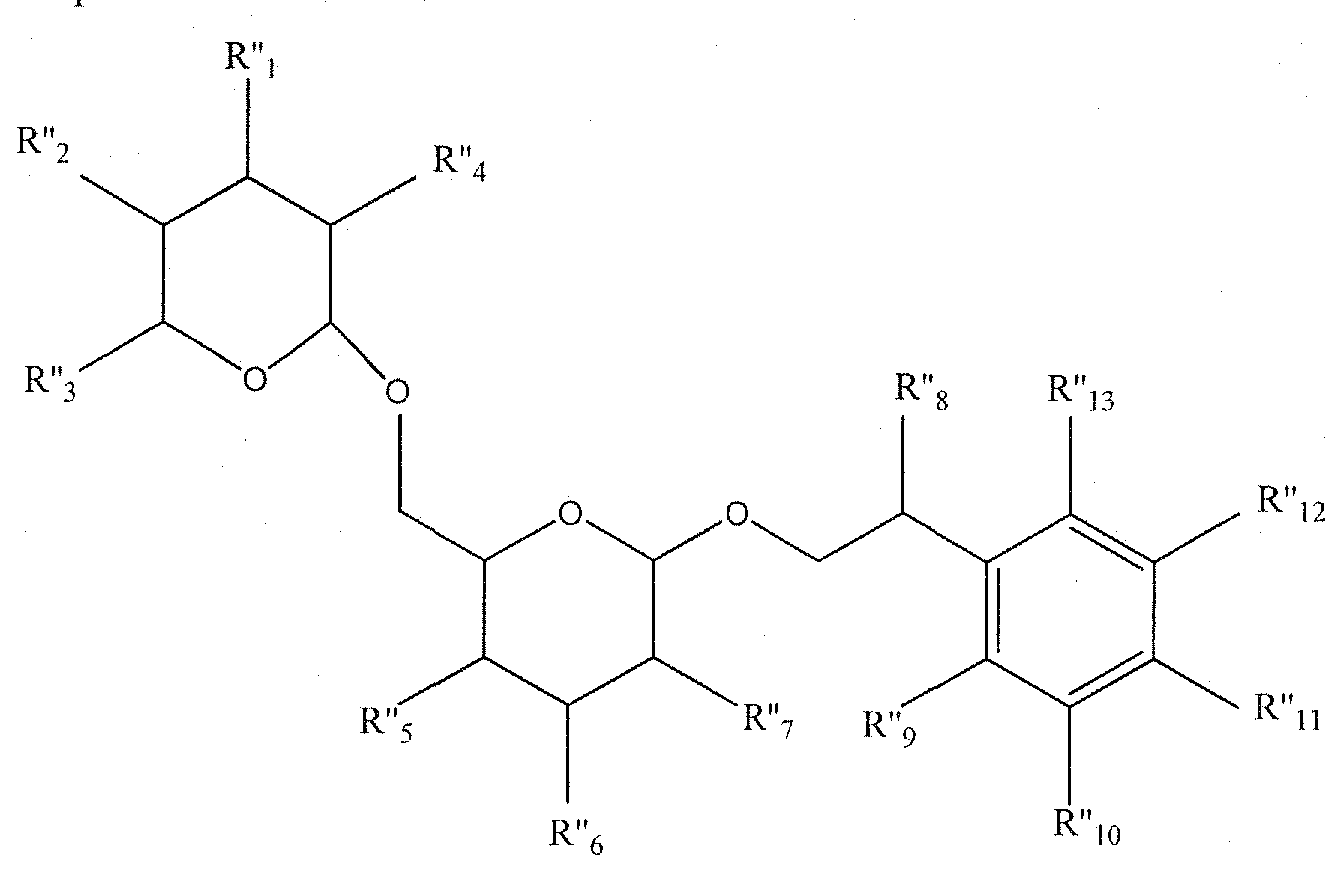
  • R" i - R" i3 are, independently, -H, acyl, halo, haloalkyl, amino, alkylamino, hydroxyl, alkyl, alkoxy, hydroxylalkyl, carboxyl, carboalkoxy, or carboxamide.
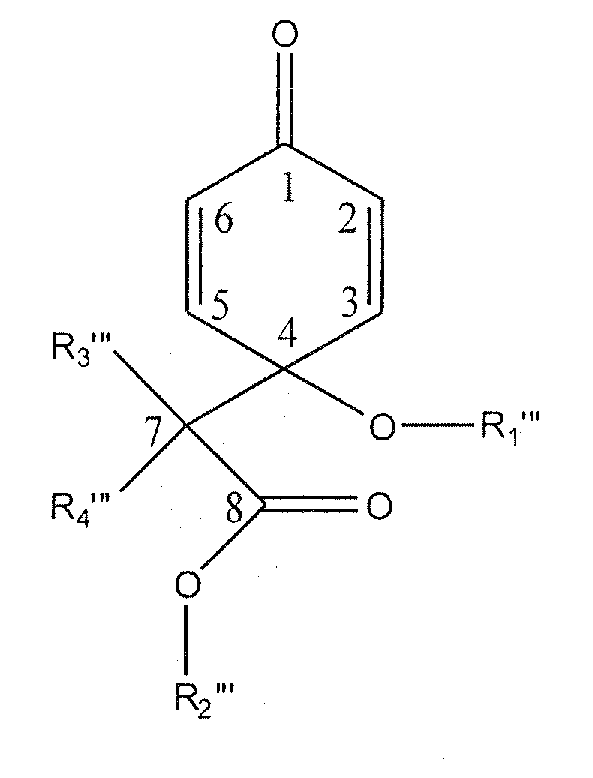
  • the method comprises administering, to a subject in need of such treatment, an effective amount of a composition comprising isolated compound D or a prodrug, metabolite or salt thereof, having the following formula:
  • the method comprises administering a composition comprising isolated compounds in a form, including but not limited to, a salt, stereoisomer, tautomer, crystalline, polymorph, amorphous, solvate, hydrate, ester, prodrug, metabolite, and any combination thereof.
  • Figure 12 shows reverse-phase high performance liquid chromatography (HPLC) chromatogram of Yin Qiao San (YQS) formula.
  • HPLC high performance liquid chromatography
  • YQS Yin Qiao San
  • the method comprises administering, an effective amount of isolated Compound A or a prodrug, metabolite or salt thereof, to a subject.
  • the chemical structure of Compound A is shown as follows:
  • Ri '"" - R2' are, independently, -H, acyl, haloalkyl, alkylamino, alkyl, hydroxylalkyl, carboxyl, carboalkoxy, or carboxamide, and
  • Carboalkoxy means a radical -C(0)R where R is, for example, hydrogen, alkyl or cycloalkyl, heterocycloalkyl, halo, or alkyl halo.
  • Alkylamino means a radical -NHR or ⁇ NR 2 where each R is, independently, an alkyl group. Examples include methylamino, (l-methylethyl)amino, dimethylamino, methylethylamino, di(l-methylethyl)amino, and the like.
  • the subject invention further provides methods for preventing, treating, or ameliorating viral infections by administering a composition comprising isolated enantiomeric compounds.
  • the isolated enantiomeric forms of the compounds of the invention are substantially free from one another (i.e., in enantiomeric excess).
  • the "R” forms of the compounds are substantially free from the "S” forms of the compounds and are, thus, in enantiomeric excess of the "S” forms.
  • “S” forms of the compounds are substantially free of "R” forms of the compounds and are, thus, in enantiomeric excess of the "R” forms, in one embodiment of the invention, the isolated enantiomeric compounds are at least about in 80% enantiomeric excess.
  • the subject invention further provides methods for preventing, treating, or ameliorating viral infections by administering a composition comprising isolated compounds in a form, including but not limited to, a salt, stereoisomer, tautomer, crystalline, polymorph, amorphous, solvate, hydrate, ester, prodrug, metabolite, and any combination thereof.
  • antiviral includes but is not limited to, preventing, inhibiting, suppressing, reducing, adversely impacting, and/or interfering with the growth, survival, replication, function, and/or dissemination of a virus.
  • the subject invention provides therapeutic methods for treating, preventing, ameliorating viral infection by administering, an effective amount of forsythoside A (Compound Al) or a prodrug, metabolite or salt thereof, to a subject.
  • an effective amount of forsythoside A (Compound Al) or a prodrug, metabolite or salt thereof to a subject.
  • the chemical structure of forsythoside A (Compound Al) is:
  • the subject invention provides therapeutic methods for treating, preventing, and/or ameliorating viral infection by administering, an effective amount of jacaranone (Compound Dl) or a prodrug, metabolite or salt thereof, to a subject.
  • an effective amount of jacaranone (Compound Dl) or a prodrug, metabolite or salt thereof, to a subject is:
  • Forsythoside A (Compound Al) and jacaranone (Compound Dl) can be isolated from Fructus forsythiae and related plants using isolation and bioassay-guided procedures as described herein.
  • the subject invention provides therapeutic methods for treating, preventing, or ameliorating viral infection by administering, an effective amount of prodrug and/or metabolite of Compound Al (or salt thereof), to a subject.
  • An exemplified metabolite of Compound Al is Compound B l .
  • the chemical structure of Compound Bl is:
  • the composition comprises an herbal formulation consisting of herbs having relative weight amounts as indicated in the parenthesis: Lian Qiao / Fructus forsythiae suspensae (25%-35%), Jin Yin Hua / Flos Lonicerae Japonicae (25%-35%), Niu Bang Zi / Fructus Arctii Lappae (l%-7% or 15%-25%), Jie Ceng / Radix Platycodi Grandiflori (l %-7%), Bo He / Herba menthae haplocafycis (l%-7%), Dan Dou Chi / Semen Sojae Preparatum (3%-7%), Gan Cao / Radix Gfycyrrhizae Uralensis (8%-20%), Dan Zhu Ye / Herba Lophatheri Gracilis (l%-5%), and Jing Jie (l%-5%).
  • the composition comprises the herbal formulation of YQS-F9 as shown in Table 1.
  • the composition comprises an herbal formulation selected from YQS-F5, YQS-F6A, or YQS-F1 as shown in Table 1.
  • the composition comprises one or more herbal formulations as shown in Table 1.
  • the composition does not comprise the YQS -Traditional formulation as shown in Table 1.
  • Table 1 illustrates embodiments of the herbal formulations of the subject invention.
  • Total Dry Weight in Traditional YQS Decoction is 66 g.
  • the subject invention provides therapeutic methods for treating, preventing, or ameliorating viral infection by administering an effective amount of the composition of the subject invention, or a fraction thereof, to a subject. Also provided is use of the composition of the subject invention, or a fraction thereof, as a medicament for treating, preventing, or ameliorating viral infection.
  • the Yin Qiao San composition is an herbal mixture consisting of Herba menthae haplocalycis, Herba sen Flos Schizonepetae Tenuifoliae, Fructus forsythiae suspensae, Fructus Arctii Lappae, Semen Sojae Preparation, Herba Lophatheri Gracilis, Radix Glycyrrhizae Uralensis, Flos Lonicerae Japonicae, and Radix Platycodi Grandiflori.
  • the Yin Qiao San composition consists of herbs having relative weight amounts as indicated in the parenthesis: Herba menthae haplocalycis (about 60), Herba seu Flos Schizonepetae Tenuifoliae (about 40), Fructus forsythiae suspensae (about 100), Fructus Arctii Lappae (about 60), Semen Sojae Preparatum (about 50), Herba Lophatheri Gracilis (about 40), Radix Glycyrrhizae Uralensis (about 50), Flos Lonicerae Japonicae (about 100) and Radix Platycodi Grandiflori (about 60).
  • the present invention provides one or more fractions F2 - F5 of the Yin Qiao San composition, whose HPLC chromatograph is shown in Figure 12. In a specific embodiment, the present invention provides fraction F2 and/or F3 of the Yin Qiao San composition, whose HPLC chromatograph is shown in Figure 12. In a specific embodiment, the present invention provides fraction S l l of the Yin Qiao San composition, whose HPLC chromatograph is shown in Figure 14.
  • treating includes but is not limited to, reducing, suppressing, inhibiting, lessening, or affecting the progression, severity, and/or scope of a condition, chance of re-occurrence or returning of a disease after a remission.
  • treating may include directly affecting or curing, suppressing, inhibiting, reducing the severity of, delaying the onset of, reducing symptoms associated with an infection, or a combination thereof.
  • treating includes delaying progression, expediting remission, inducing remission, augmenting remission, speeding recovery, increasing efficacy of or decreasing resistance to alternative therapeutics, or a combination thereof.
  • suppressing includes but is not limited to, reducing the severity of symptoms, reducing the severity of an acute episode, reducing the number of symptoms, reducing the incidence of disease-related symptoms, reducing the latency of symptoms, ameliorating symptoms, reducing secondary symptoms, reducing secondary infections, prolonging patient survival, or a combination thereof.
  • preventing includes but is not limited to, delaying the onset of symptoms, preventing relapse to a disease, decreasing the number or frequency of relapse episodes, increasing latency between symptomatic episodes, or a combination thereof.
  • the term "effective amount,” as used herein, refers to an amount that is capable of preventing, ameliorating, or treating viral infection.
  • the term '"effective amount "" also includes an amount that is capable of preventing, ameliorating, or treating viral infections and/or inhibiting or reducing the level of COX-2 and/or PGE2.
  • the effective amount enables at least 5%, 10%, 15%, 20%, 25%, 30%, 35%, 40%, 45%, 50%, 60%, 70%, 80%, 90%, or 100% decrease in viral titers (e.g., TCID 50 ).
  • the decrease in viral titers can be determined from, for example, biological samples obtained from a subject at different time points.
  • the compounds, pharmaceutical compositions, and therapeutic methods of the subject invention are useful for preventing, treating, or ameliorating infections caused by influenza viruses, including but not limited to: any of the subtypes of influenza A, influenza B, or influenza C.
  • Influenza A virus encompasses any strain o influenza A virus that is capable of causing disease in an animal or human subject, or that is an interesting candidate for experimental analysis.
  • a large number of influenza A isolates have been partially or completely sequenced, as is described in see Macken, C, Lu, H., Goodman, J., & Boykin, L., "The value of a database in surveillance and vaccine selection.” in Options for the Control of Influenza IV. A.D.M.E. Osterhaus, N. Cox & A. W. Hampson (Eds.) Amsterdam: Elsevier Science, 2001, 103-106).
  • This database also contains complete sequences for influenza B and C genome segments.
  • H5N1/97 "bird-flu” incident was the first documented direct transmission of an avian influenza virus to humans, causing devastating infections with severe viral pneumonia and a mortality rate of > 30% (9).
  • Other influenza A epidemics include the Asian flu pandemic in 1957 (H2N2), the Hong Kong flu pandemic in 1968 (H3N2), the re-emergence of HlNl ( Russian flu) in 1970, and the most recent swine flu HlNl in April 2009.
  • the subject compounds, pharmaceutical compositions, and therapeutic methods are useful for preventing, treating, or ameliorating infections caused by influenza A viruses, including but not limited to, any o the strains of H l N l , H1N2, H1N3, H1N4, H1N5, H1N6, H1N7, H1N8, H1N9, H2N1, H2N2, H2N3, H2N4, H2N5, H2N6, H2N7, H2N8, H2N9, H3N1 , H3N2, H3N3, H3N4, II3N5.
  • influenza A viruses including but not limited to, any o the strains of H l N l , H1N2, H1N3, H1N4, H1N5, H1N6, H1N7, H1N2, H2N3, H2N4, H2N5, H2N6, H2N7, H2N8, H2N9, H3N1 , H3N2, H3N3, H3N4, II3N5.
  • the subject compounds, pharmaceutical compositions, and therapeutic methods are useful for preventing, treating, or ameliorating infections caused by influenza A viruses, including but not limited to, any of the strains of I I 1 N 1. H9N2, H3N2, H5 1 , H2N2, H7N7, and H7N1.
  • the subject compounds, pharmaceutical compositions, and therapeutic methods are useful for preventing, treating, or ameliorating infections caused by viruses, including but not limited to, respiratory syncytial virus, rhinovirus.
  • HIV virus hepatitis viruses including hepatitis A virus, hepatitis B virus, hepatitis C virus, hepatitis D virus, hepatitis E virus, hepatitis F virus, and hepatitis G virus: oncoviruses; human papilloma virus (HPV); human T-lymphotropic virus Type I (HTLV-1); bovine leukemia virus (BLV); Epstein -Barr virus; herpes simplex virus 1 ; herpes simplex virus 2; coronavirus; and poliovirus .
  • HPV human papilloma virus
  • HTLV-1 human T-lymphotropic virus Type I
  • BLV bovine leukemia virus
  • Epstein -Barr virus herpes simplex virus 1 ; herpes simplex virus
  • subject compounds, pharmaceutical compositions, and therapeutic methods are useful for preventing, treating, or ameliorating infections caused by, including but not limited to, Varicella zoster (also known as chickenpox or herpes zoster), herpes simplex, cytomegalovirus and herpes simplex virus-8 (also known as AIDS-associated Kaposi sarcoma virus).
  • the subject invention is used to treat neuralgia or neurasthenia associated with herpes zoster reactivation, commonly known as shingles.
  • the subject invention is used to treat chronic fatigue syndrome caused by viral infections.
  • genetic variation occurs by two primary mechanisms in viruses such as influenza A.
  • Genetic drift occurs via point mutations, which often occur at antigenicaily significant positions due to selective pressure from host immune responses, and genetic shift, involving substitution of a whole viral genome segment of one subtype by another.
  • many different types of animal species including humans, swine, birds, horses, aquatic mammals, and others, may become infected with viruses.
  • Therapeutic methods useful for preventing, treating, or ameliorating of infections caused by viral variants are embodiments of the subject invention.
  • the subject compounds, pharmaceutical compositions, and therapeutic methods are useful for preventing, treating, or ameliorating infections caused by pathogens, including but not limited to, bacteria, fungi, parasitic microorganisms, RNA, DNA, retroviral vectors, tumor/oncogenic viruses, pirons, protozoan, environmental toxins, and a combination of infectious pathogens.
  • pathogens including but not limited to, bacteria, fungi, parasitic microorganisms, RNA, DNA, retroviral vectors, tumor/oncogenic viruses, pirons, protozoan, environmental toxins, and a combination of infectious pathogens.
  • the subject method for treating or ameliorating viral infection comprises:
  • Ri “ R 2 '” are, independently, -H, acyl, haloalkyl, alkylamino, alkyl, hydroxylalkyl, carboxyl, carboalkoxy, or carboxamide, and
  • the presence and/or level of a type of virus or multiple types of viruses can be determined from a sample of biological fluid obtained for the purpose of evaluation of a subject of interest, such as a patient.
  • the presence and/or level of the viruses can be measured in a biological sample such as, blood, tissue, serum, plasma, urine, saliva, and tears.
  • the sample is a blood sample.
  • the sample is a urine sample.
  • the sample is a saliva sample.
  • the sample is a bodily fluid sample.
  • the presence and/or level of a type of virus or multiple types of viruses can be determined in a manner as is known in the art, such as for example a titration, a viral titer, enzyme-linked immunosorbant assay (ELISA), western blot, and immunological assays.
  • a titration for example a titration, a viral titer, enzyme-linked immunosorbant assay (ELISA), western blot, and immunological assays.
  • Influenza virus-infected human macrophages exhibit delayed onset of apoptosis and hyper-induction of a variety of pro-inflammatory cytokines and related molecules.
  • the H5N1/97 virus is found to induce high levels of pro -inflammatory cytokines in differentiated primary human blood macrophages (n) .
  • This cytokine dysregulation contributes to the pathogenesis and severity of the disease ( 12-13) ⁇
  • p38K a mitogen-activated protein kinase (MAPK)
  • MAPK mitogen-activated protein kinase
  • Influenza such as H5N1 and H9N2/G1 infection also triggers the hyper-induction of IFN- ⁇ and IFN-a (including IFN-a subtypes such as IFNA1 , 2 and 8) in human blood macrophages.
  • IRF3 interferon regulatory factor 3 plays a significant role in the hyper-induction of the cytokines including IFN- ⁇ , IFN- ⁇ 1 and TNF-a in human macrophages infected with H5N1 viruses (15).
  • a switch of cellular response from apoptotic death to the autophagy state, associated with the induction of pro-inflammatory cytokines in the host cells, is also found in other pathogenic infections such as bacterial, fungal, and microbial infections, including infections caused by intracellular microbes such as Listeria and Mycobacteria.
  • the compounds of the subject application have useful immunomodulatory properties by regulating or assisting the regulation of cytokines and cytokine-related molecules during infection. Also, these cytokines and related molecules can serve as bio-markers, such as for the determination of the severity of the condition and progressi on of the infection, appropriateness of therapeutic methods, dosage, route of administration, and/or the need for administration of other pharmaceutical agents.
  • the biomarkers include, but are not limited to, TNF-a; Interleukin-lbeta (IL- ⁇ ⁇ ), COX-2, prostaglandin (e.g., PEG2), interferons such as Interferon-beta (IFN- ⁇ ), Interferon-alpha (IFN-a) which includes IFN-a subtypes such as IFNA1 , 2 and 8, and Interferon-gamma (IFN- ⁇ ); p38K; IRF3; the interleukin family such as Interleukin-1 (IL-l), Interleukin-2 (IL-2), Interleukin-3 (IL-3), Interleukin-4 (IL-4), Interleukin-5 (IL-5), Interleukin-6 (IL-6), Interleukin-7 (IL-7), Interleukin-8 (IL-8), Interleukin-9 (IL-9), Interleukin- 10 (IL-10), Interleukin- 11 (IL-1 1), Interleukin- 12 (IL-12), Interleukin- 13 (IL
  • Interleukin- 16 (IL- l 6), Interleukin- 17 (IL- l 7), Interleukin- 18 (IL-l 8), Interleukin- 19 (IL- l 9), Interleukin-20 (IL-20), Interleukin-21 (IL-21), Interleukin-22 (IL-22), Interleukin-23 (IL-23), Interleukin-24 (IL-24), Interleukin-25 (IL-25), Interleukin-26 (IL-26), Interleukin-27 (IL-27), Interleukin-28 (IL-28), Interleukin-29 (IL-29), Interleukin-30 (IL-30), Interleukin-31 (IL-31), Interleukin-32 (IL-32), Interleukin-33 (IL- ).
  • Interleukin-34 Interleukin-35
  • the interleukin receptor family the macrophage inflammatory protein family such as macrophage inflammatory protein 2 (MIP-2) and macrophage inflammatory protein la (MlP-1 a); macrophage colony-stimulating factor (M-CSF); monocyte ehcmotactie protein- 1 (MCP-1); and immunoglobulins such as IgA, IgG, IgM, IgD, and IgE.
  • MIP-2 macrophage inflammatory protein 2
  • MlP-1 a macrophage colony-stimulating factor
  • M-CSF macrophage colony-stimulating factor
  • MCP-1 monocyte ehcmotactie protein- 1
  • immunoglobulins such as IgA, IgG, IgM, IgD, and IgE.
  • Immunoglobulins include IgG, IgM, IgD, IgE, IgA and subtypes such as for example IgGl, IgG2, IgG3, IgG4, IgAl , and IgA2. They further include molecules in monomeric or multimeric form, whether digested from whole antibody or produced by other means.
  • cytokines and related molecules modulated by the compounds of the subject invention are selected from the group consisting of TNF-a, IFN- ⁇ , IFN-a including subtypes 1, 2 and 8, IFN- ⁇ , p38K, IRF3, IL-1.
  • the presence and/or level of the bio-markers can be determined from a sample of biological fluid obtained from a subject of interest, such as a patient.
  • the presence and/or level of the viruses can be measured in a sample such as, blood, tissue, serum, plasma, urine, saliva, and tears.
  • the sample is a blood sample.
  • the sample is a urine sample.
  • the sample is a saliva sample.
  • the sample is a bodily fluid sample.
  • the level of the bio-marker can be determined by quantitative immunological detection methods, such as for example enzyme-linked immunosorbant assay (ELISA), western blot, immunological assays, microarray and radioimmunoassay.
  • quantitative immunological detection methods such as for example enzyme-linked immunosorbant assay (ELISA), western blot, immunological assays, microarray and radioimmunoassay.
  • a plurality of markers can be measured.
  • analysis of a plurality of markers may be carried out separately or simultaneously. Several markers may be combined into one test for efficient processing of multiple samples from a subject.
  • a therapeutic composition of the subject invention includes compounds A, B, C, prodrugs, metabolite or salts thereof, and any combination thereof, in the absence of other forsythoside compounds.
  • a therapeutic composition of the subject invention includes compounds Al (forsythoside A), Bl , CI, Dl, prodrugs, metabolites or salts thereof, and any combination thereof, in the absence of other forsythoside compounds.
  • the present invention also provides for a therapeutic method by administering therapeutic or pharmaceutical compositions in a form that can be combined with a pharmaceutically acceptable carrier.
  • the compound may be, for example, isolated or substantially pure.
  • carrier refers to a diluent, adjuvant, excipient, or vehicle with which the compound is administered.
  • Such pharmaceutical carriers can be sterile liquids, such as water and oils, including those of petroleum oil such as mineral oil, vegetable oil such as peanut oil, soybean oil, and sesame oil, animal oil, or oil of synthetic origin. Saline solutions and aqueous dextrose and glycerol solutions can also be employed as liquid carriers, particularly for injectable solutions.
  • Suitable methods of administration include, but are not limited to, oral, inhalation, or parenteral administration including intravenous, subcutaneous, topical, transdermal, intradermal, transmucosal, intraperitoneal, intramuscular, intracapsular, intraorbital, intracardiac, transtracheal, subcutaneous, subcuticular, intraarticular, subcapsular, subarachnoid, intraspinal, epidural and intrasternal injection, infusion, and electroporation, as well as co-administration as a component of any medical device or object to be inserted (temporarily or permanently) into a subject.
  • parenteral administration including intravenous, subcutaneous, topical, transdermal, intradermal, transmucosal, intraperitoneal, intramuscular, intracapsular, intraorbital, intracardiac, transtracheal, subcutaneous, subcuticular, intraarticular, subcapsular, subarachnoid, intraspinal, epidural and intrasternal injection, infusion
  • the subject method further comprises administering to a subject a second anti-viral agent, including but not limited to, compounds such as adamantanes and neuraminidase inhibitors, zanamivir, oseltamivir, peramivir, and seltamivir; interferons; nucleotides; siRNAs; or any of the combination thereof; and wherein the second antiviral agent can be administered prior to, subsequent to, or simultaneous with the compounds or pharmaceutical compositions of the subject invention.
  • a second anti-viral agent including but not limited to, compounds such as adamantanes and neuraminidase inhibitors, zanamivir, oseltamivir, peramivir, and seltamivir; interferons; nucleotides; siRNAs; or any of the combination thereof.
  • the subject method further comprises administering to a subject a second anti-viral agent, selected from the group consisting of zanamivir, oseltamivir, peramivir, seltamivir, and any of the combination thereo ; wherein the second antiviral agent can be administered prior to, subsequent to, or simultaneous with the compounds or pharmaceutical compositions of the subject invention.
  • a second anti-viral agent selected from the group consisting of zanamivir, oseltamivir, peramivir, seltamivir, and any of the combination thereo ; wherein the second antiviral agent can be administered prior to, subsequent to, or simultaneous with the compounds or pharmaceutical compositions of the subject invention.
  • the subject compounds or pharmaceutical compositions can be used in combination with at least one second anti-viral agent, optionally administered together with at least one second anti-viral agent as a vaccine; or administered prior to, simultaneously with, or subsequent to at least one second anti-viral agent.
  • compositions contain a therapeutically effective amount of the therapeutic composition, together with a suitable amount of carrier so as to provide the form for proper administration to the patient.
  • suitable pharmaceutical carriers are described in "Remington's Pharmaceutical Sciences” by E. W. Martin.
  • Such compositions contain a therapeutically effective amount of the therapeutic composition, together with a suitable amount of carrier so as to provide the form for proper administration to the patient.
  • the formulation should suit the mode of administration.
  • the composition is formulated in accordance with routine procedures as a pharmaceutical composition adapted for local injection administration to human beings.
  • compositions for local injection administration are solutions in sterile isotonic aqueous buffer.
  • the composition may also include a solubilizing agent and a local anesthetic such as lidocaine to ease pain at the site of the injection.
  • the ingredients are supplied either separately or mixed together in unit dosage form, for example, as a dry lyophilized powder or water free concentrate in a hermetically sealed container such as an ampoule or sachette indicating the quantity of active agent.
  • an ampoule of sterile water for injection or saline can be provided so that the ingredients may be mixed prior to administration.
  • compositions of the invention can be formulated as neutral or salt forms.
  • Pharmaceutically acceptable salts include, but are not limited to, hydrochloric, phosphoric, acetic, oxalic, tartaric acids, sodium, potassium, ammonium, calcium, ferric hydroxides, isopropylamine, triefhylamine, 2-ethylamino ethanol, histidine, procaine, etc.
  • the present invention also provides for the modification of the compound such that it is more stable once administered to a subject, i.e., once administered it has a longer time period of effectiveness as compared to the unmodified compound.
  • modifications are well known to those of skill in the art, e.g., microencapsulation, etc.
  • the amount of the therapeutic or pharmaceutical composition of the invention which is effective in the treatment of a particular disease, condition or disorder will depend on the nature of the disease, condition or disorder and can be determined by standard clinical techniques. In general, the dosage ranges from about 0.001 mg/kg to about 2 mg/kg. In addition, in vitro assays may optionally be employed to help identify optimal dosage ranges. The precise dose to be employed in the formulation will also depend on the route of administration, and the seriousness of the disease, condition or disorder, and should be decided according to the judgment of the practitioner and each patient's circumstances. Effective doses may be extrapolated from dose-response curves derived from in vitro or animal model test systems. For example, in order to obtain an effective mg/kg dose for humans based on data generated from rat studies, the effective mg/kg dosage in rats is divided by six.
  • the invention also provides a pharmaceutical pack or kit comprising one or more containers filled with one or more of the ingredients, e.g., compound, carrier suitable for administration.
  • composition and dosage of the formulation that are effective in the treatment of a particular disease, condition or disorder will depend on the nature of the disease, condition or disorder by standard clinical techniques.
  • the traditional Chinese medicine in prescription amounts can be readily made into any form of drug, suitable for administering to humans or animals. Suitable forms include, for example, tinctures, decoctions, and dry extracts. These can be taken orally, applied through venous injection mucous membranes or inhalation.
  • the active ingredient can also be formulated into capsules, powder, pallets, granules, tablets, pastille, suppositories, oral solutions, pasteurized gastroenteric suspension injections, small or large amounts of injection, frozen powder injections, pasteurized powder injections and the like. All of the above-mentioned methods are known to people skilled in the art, described in books and commonly used by practitioners of herbal medicine.
  • a tincture is prepared by suspending herbs in a solution of alcohol, such as, for example, wine or liquor. After a period of suspension, the liquid (the alcohol solution) may be administered for example, two or three times a day, one teaspoon each time.
  • a solution of alcohol such as, for example, wine or liquor.
  • a decoction is a common form of herbal preparation. It is traditionally prepared in a clay pot, but can also be prepared in glass, enamel or stainless steel containers. The formulation can be soaked for a period of time in water and then brought to a boil and simmered until the amount of water is reduced by, for example, half.
  • An extract is a concentrated preparation of the essential constituents of a medicinal herb.
  • the essential constituents are extracted from the herbs by suspending the herbs in an appropriate choice of solvent, typically, water, ethanol/water mixture, methanol, butanol, iso-butanol, acetone, hexane, petroleum ether or other organic solvents.
  • the extracting process may be further facilitated by means of maceration, percolation, repercolation, counter-current extraction, turbo-extraction, or by carbon-dioxide hypercritical (temperature/pressure) extraction.
  • the extracting solution may be further evaporated and thus concentrated to yield a soft extract (extractum spissum) and/or eventually a dried extract (extractum siccum), by means of spray drying. vacuum oven drying, fluid-bed drying or freeze-drying.
  • the soft extract or dried extract may be further dissolved in a suitable liquid to a desired concentration for administering or processed into a form such as pills, capsules, injections, etc.
  • the subject method further comprises administering to a subject, in addition to a compound of the present invention, a traditional Chinese medicinal material, including but not limited to, fructus forsythiae, Herb sen Flos Schizonepetae Tenuifoliae, Fructus Arctii Lappae, Semen Sojae Preparatum, Flerha Lophatheri Gracilis, Radix Glycyrrhizae Uralensis, and Radix Platycodi Grandiflori.
  • a traditional Chinese medicinal material including but not limited to, fructus forsythiae, Herb sen Flos Schizonepetae Tenuifoliae, Fructus Arctii Lappae, Semen Sojae Preparatum, Flerha Lophatheri Gracilis, Radix Glycyrrhizae Uralensis, and Radix Platycodi Grandiflori.
  • Fnictus forsythiae obtained from Purapharm International (H.K.) Ltd. is dried and grounded into powders. Methods for extracting bioactive compounds are shown in Figure 1 and illustrated as follows.
  • Fructus forsythiae (lOOg) is dried, grounded into powders, and then extracted twice for bioactive compounds. During each extraction, powders are suspended in lOx milli-Q water under reflux for 2 hours. The supernatant from each extraction is collected, combined and evaporated to dryness under vacuum to yield 22.23g light yellowish powders. The powders are re-dissolved in MeOH and fractionated.
  • the resulting MeOH extract is purified by reversed-phase high-performance liquid chromatography (HPLC) (Lichrospher 100 RP CI 8 EC 5 urn, 250x4.6 mm ID) using a gradient elution from 10% acetonitrile (CH 3 CN) to 90% CILCN at a flow rate of 1 mL/min.
  • HPLC reversed-phase high-performance liquid chromatography
  • Peak detection is achieved using an Agilent 1200 series of fast scanning Photo-diode Array detector set at 210, 254 and 280 nm. Eluting peaks are scanned between 200 nm and 300 nm with 1 nm intervals to determine absorbance maxima and minima. A total of 13 fractions are obtained.
  • Fraction 4 shows COX-2 inhibitory effects
  • fraction 5 exhibits significant anti-viral effects; thus, they are subject to further purification.
  • a pure compound (Compound Al) (6.1mg) with anti-viral effects
  • a pure compound (Compound Dl) (2.8mg) with COX-2 inhibitory effects are obtained.
  • the structure of the pure compounds is elucidated through 1 H and 13 C NMR spectrometry as well as through TOF-ESI-MS and EI-MS spectrometry.
  • the NMR spectra are recorded on a Bruker 500 MHz DRX NMR spectrometer, operating at 500 MHz for ⁇ and at 125 MHz for ' NMR, using methanol-i/ with I MS as the solvent.
  • the accurate mass determination for Compound Al is recorded on a micrO l ' OF II ESI-TOF mass spectrometer (Bruker Daltonics), and the sample is dissolved in MeOH.
  • the accurate mass determination for Compound Dl is recorded on a 5975C El -MS (Agilent Technologies).
  • the YQS extract is prepared according to the Chinese Pharmacopeia (2005). Briefly,
  • 3g of Herba menthae haplocalycis and 2g of Herba seu Flos Schizonepetae Tenuifoliae are extracted twice with 20-fold milli-Q water under reflux for 1 hour.
  • the essential oil and the water extract are collected.
  • the residue is combined with other five herbs including Fructus Forsythiae s spensae (5g), Fructus Arctii Lappae (3g), Semen Sojae Preparation (2.5g), Herba Lophatheri Gracilis (2g), and Radix Glycyrrhizae Uralensis (2.5g) and then extracted twice with 10-fold of milli-Q water under reflux for 2 hours.
  • the supernatant is collected and combined with the previous water extract.
  • the resulting extract is then lyophilized under reduced pressure.
  • the dried paste is combined with Flos Lonicerae Japonicae (5g) and Radix Platycodi Grandiflori (3g) and then extracted three times with 10-fold of MeOH. Around 5g of MeOH extract is obtained.
  • the MeOH extract of YQS is fractionated by reversed-phase HPLC (Lichrospher 100 RP CI 8 EC 5 iim, 250x4.6 mm ID), using a gradient elution from 10% acetonitrile (CH 3 CN) to 90% CH 3 CN at a flow rate of 1 mL/min.
  • Peak detection is achieved using an Agilent 1200 series of fast scanning Photo-diode Array detector set at 210, 254 and 280 nm. A total of 5 fractions are obtained.
  • the YQS extract is fractionated by reversed-phase HPLC (Lichrospher 100 RP CI 8
  • Peak detection is achieved using an Agilent 1200 series of fast scanning Photo-diode Array detector set at 210, 254 and 280 nm. A total of 13 fractions are obtained.
  • Human influenza H 1 N 1 virus (A/HK/54/98 (oseltamivir-sensitive strain) and A/Vicotri a/07159200/07 (oseltamivir-resistant strain), H9N2 (A/Quail/HK/Gl /97), and H3N2 (A/H3N2/1 174/99) are prepared as described in Lee et al. 2005 and Mok et al. 2007 ⁇ 14, i 6), which are incorporated by reference in their entirety.
  • the viruses are isolated from human beings.
  • the isolated human influenza H1N1 virus (A/HK 54/98 (oseltamivir-sensitive strain) and A/Vicotria/07159200/07 (oseltamivir-resistant strain), H9N2 (A/Quail/HK/Gl/97), and H3N2 (A/H3N2/1174/99) are cloned by limiting dilution.
  • Seed virus stocks are prepared in MDCK (Madin-Darby canine kidney) cells.
  • MDCK cells and macrophages are infected with the indicated viruses at a multiplicity of infection (m.o.i.) of 0.2 or 2 for 30 min at 37 °C.
  • the supernatant containing the virus inoculum is then removed, and the cells are incubated in MEM or macrophage serum-free medium (Invitrogen).
  • MDCK cells Prior to TCID assays, MDCK cells are seeded at 2 x 10 4 cells per well on the 96- well plates. Culture supernatants are harvested from viral-infected cells at 48 hour post-infection. Serial 2-fold dilutions of the supernatant samples are prepared, and the diluted samples are incubated with MDCK cells for 1 hour for viral adsorption.
  • TCID 5 0 titers are calculated using the Reed-Muench formula.
  • ug protein is heat denatured in a sample buffer (125mMTris, pH 6.8, 4% sodium dodecyl sulfate, 20% glycerol, 5% beta-mercaptoe hanol, 0.01 %> bromophenol blue), separated by 10%) sodium dodecyl sulfate-polyacrylamide gel electrophoresis, and transferred onto a nitrocellulose membrane for assaying protein levels with ECLTM Western Blotting Detection Reagents (GE Healthcare) solution.
  • sample buffer 125mMTris, pH 6.8, 4% sodium dodecyl sulfate, 20% glycerol, 5% beta-mercaptoe hanol, 0.01 %> bromophenol blue
  • RNA Total RNA are extracted with TRlzol reagent (Invitrogen) according to the manufacturer's instructions.
  • the cDNA is synthesized from total RNA with oligo(dT) primers and Superscript 11 reverse transcriptase (Invitrogen).
  • the levels of mRNA encoding COX-2 or II.- 1 ⁇ are assayed with TaqMan gene expression assays.
  • Compound Al is identified as forsythoside A.
  • the chemical structure of forsythoside A is shown in Figure 6A.
  • the % content of forsythoside A in the initial dried herb, Fructus forsythiae, is 1.24% (w/w).
  • 2.8 mg of yellow amorphous powder (Compound Dl) is obtained by repeated purification of the MeOH extracts prepared from Fructus Forsythiae using reversed-phase HPLC. The detailed procedures are summarized in Figure 1. With bioactivity guided purification using sequential HPLC, a molecule that inhibits COX-2 expression is eluted at approximately 10.75 min as a single compound (>95% purity) with UV absorbance maximized at 230 (Fig. 3).
  • the 13 C NMR spectra of Compound Dl displays the signals at 545 (C-7), 52 (C-9), 68 (C-4), 128 (C-2, C-6), 152 (C-3, C-5), 171 (C-8), 187 (C-l) (Fig. 5).
  • Compound Dl shows the mass to charge (m/z) ratio at 182, 169, 150, 122, 109 (100), 94, 81, 74, 69, 43.
  • Compound Dl is identified as jarcaranone, and its chemical structure is shown in Figure 6B (Ogura et al., 1976). The % content of jacaranone in dried herb is 0.036% (w/w).
  • cytotoxicity of forsythoside A is examined as follows. Briefly, Madin-Darby canine kidney (MDCK) cells are seeded in a 24-well plate at a density of lxl 0 3 cells/well and incubated for 18 hours prior to the addition of forsythoside A (Compound A 1 ) at a concentration of lOOug/ml, or dimethylsulfoxide (DMSO) in the control.
  • MDCK Madin-Darby canine kidney
  • MTT Thiazolyl Blue Tetrazolium Bromide
  • the cytotoxicity index is calculated as follows:
  • MDCK cells are infected with human influenza viruses, and a viral titer (TCID 50 ) bioassay is performed according to the procedures illustrated as follows.
  • MDCK cells are seeded at l xl O 3 cells/well on a 24-well plate, and infected with human influenza viruses including H1N1 (A/HK/54/98), an oseltamivir-sensitive strain; H1N1 (A/Vicotria/07159200/07) (H I N ! -R), an oseltamivir-resistant strain; H9N2 (A/Quail/HK Gl/97); and I I3N2 (A/H3 2/ 1174/99) at a multiplicity of infection (m.o.i.) of 2 for 30 minutes, respectively. After that, cells are washed with PBS once to remove non-absorbed viruses, and treated with forsythoside A (Compound Al ) at a concentration of l OOug/ml supplemented with minimum essential medium (MEM).
  • H1N1 A/HK/54/98
  • H1N1 A/Vicotria/07159200/07
  • the cell culture supernatant is collected and subject to a viral titer (TCID 50 ) assay for measuring the inhibitory effects of forsythoside A (Compound Al) on influenza virus replication. Briefly, a two-fold serially diluted supernatant is added to MDCK cells. Cells are incubated for one hour at 37°C with 5% C0 2 for viral adsorption.
  • TCID 50 viral titer
  • TCID 50 titers are calculated using the Reed-Muench formula as is described in Methods and Techniques in Virology, 1993 (17) , which is hereby incorporated by reference in its entirety.
  • forsythoside A Compound Al
  • influenza viruses H I K A/HK/54/98
  • H1N1 A Vicotria/07159200/07
  • H9N2 A/Quail/HK/Gl/97
  • H3N2 A/H3N2/1 174/99
  • Primary human blood macrophages are infected with human influenza viruses including MINI (A/HK/54/98); H9N2 (A/Quail/HK/Gl/97); and I I3N2 (A/H3N2/ 1174/99) at an m.o.i. of 2.
  • Cells are then incubated with forsythoside A (Compound Al , 100 .ug/ml) or DMSO for 48 hours. After that, cell culture supernatants are collected and viral titers (TC 11)50) are measured by titration in MDCK cells. (Representative results from three experiments.) The results, as shown in Figure 8, demonstrate that forsythoside A (Compound Al) possesses anti-influenza virus effects in primary human blood macrophages.
  • MDCK cells arc infected with human influenza virus H9N2/G1 (A/Quail/HK/Gl/97) at an m.o.i. of 0.2. Cells are then incubated with forsythoside A (Compound Al at 100 g/ml) or DMSO for 6 or 10 hours. After that, cells are fixed and influenza nucleoproteins and Ml proteins are stained with the Influenza Detection Kit (Oxoid). The numbers of cells expressing viral proteins are counted and percentages of cells expressing viral proteins are calculated.
  • MDCK cells are infected with human influenza virus H9N2/G1 (A/Quail/HK/Gl/97) at an m.o.i. of 2 or mock infected. After that, cells are then incubated with forsythoside A (Compound Al) (100 ⁇ g/ml) or DMSO. Proteins are harvested at 2, 4, 9 or 24 h.p.i.
  • Expressions of the influenza Ml protein are analyzed by Western blot analysis. Actin is used as a loading control. Expression level of viral Ml proteins is examined and band intensities are measured by Quantity One software (Bio-Rad). The relative intensities are determined by normalizing the Ml intensities to that of actin.
  • the Ml protein expression level is lower in the cells treated with forsythoside A (Compound Al), when compared to those treated with DMSO.
  • the relative intensity of Ml in DMSO-treated cells is higher than that of the forsythoside A-treated cells by more than four fold.
  • the relative intensity increases from 0.13 to 1.7 in DMSO-treated cells.
  • the relative intensity only reaches 0.39 at 24 h.p.i.
  • MDCK cells are infected with human influenza virus H9N2/G1 (A/Quail/H /G 1/97) at an m.o.i. of 2. Cells are then incubated with forsythoside A (Compound Al) ( ⁇ ) (C-D) or DMSO (A-B) for 18 hours. Cells are then fixed and ultrastructures are examined by transmission electron microscopy.
  • H9N2/G1 A/Quail/H /G 1/97
  • the infected cells are further observed under transmission electron microscopy with higher magnifications.
  • a very small portion of virions, attached by thin neck, are still associated with cells incubated with DMSO (B, arrow heads).
  • B arrow heads
  • the budding virions remain connected to the cell by thick stalks (D, arrows). This indicates a slowed or abnormal budding process due to forsythoside A (Compound Al) treatment.
  • H9N2/G1 A/Quail/HK/Gl/97
  • H9N2/G1 A/Quail/HK/Gl/97
  • Cells are then incubated with jacaranone (Compound D 1 ) or DMSO for 3 hours. After that, total RNA are harvested and COX-2 mRNA levels are examined by
  • jacaranone suppresses COX-2 mRNA levels upon H9N2/G1 infection and the suppression occurs in a dose-dependent manner.
  • Jacaranone suppresses COX-2 mRNA level by about 20% at 10 ⁇ g/ml and by 40% at 20 ⁇ ig/ml.
  • FIG. 1 1 B shows that treating non-infected macrophages with jacaranone (Compound Dl) alone does not cause any changes in PGE2 levels, when compared to the mock-treated cells. Infection with H9N2/G1 significantly induces PGE2 levels. Consistent with the RNA results, jacaranone (Compound Dl) suppresses PGE2 levels in a dose-dependent manner.
  • EXAMPLE 8 INHIBITORY EFFECTS OF YQS FORMULA ON INFLUENZA VIRUS REPLICATION
  • MDCK cells are infected with HlN l (A/HK/54/98) or H9N2/G 1 (A/Quail/HK/Gl/97) at an m.o.i. of 2.
  • Cells are then incubated with the Yin Qiao San (YQS) (100 ⁇ g/ml) or DMSO for 48 hours. After that, cell culture supernatants are collected and viral titers (TCID50) are measured by titration in MDCK cells.
  • YQS Yin Qiao San
  • DMSO DMSO
  • FIG 13A shows that YQS inhibits HlNl and H9N2/G1 virus replications.
  • cells are incubated with YQS fractions (Fl - F5) ( l OOng/ml) (as shown in Figure 12) or DMSO after being infected with H9N2/G1 (A/Quail/HK/Gl/97).
  • fractions F2 - F5 show viral inhibitory effects.
  • fractions F2 and F3 have the strongest anti-viral effects.
  • H 1 N 1 Primary human blood macrophages are infected with H 1 N 1 (A/HK/54/98) at an m.o.i. of 2 or mock infected. HlNl -infected cells are then incubated with YQS ( ⁇ or DMSO for 3 hours. After that, total RNA are harvested and interleukin( IL)- l (3 mRNA levels are examined by TaqMan Gene Expression assays.
  • Figure 15A shows that YQS enhances IL-1 ⁇ mRNA production induced by HlNl .
  • FIG. 15B shows that HlNl infection increases IL- ⁇ ⁇ mRNA level by about 3 folds (DMSO), when compared with the mock-infected cells.
  • Treatment with YQS fraction S l l increases IL- ⁇ ⁇ level by about 20 fold, when compared with the mock-infected cells.
  • Novel Swine-Origin Influenza A (H1N1) Virus Investigation Team, Dawood FS, Jain S, Finelli L, Shaw MW, Lindstrom S, Klein RJ, Gubareva LV, Xu X, Bridges CB, Uyeki TM (2009) Emergence of a novel swine-origin influenza A (H1N1) virus in humans.

Landscapes

  • Health & Medical Sciences (AREA)
  • Natural Medicines & Medicinal Plants (AREA)
  • Life Sciences & Earth Sciences (AREA)
  • Animal Behavior & Ethology (AREA)
  • Public Health (AREA)
  • Veterinary Medicine (AREA)
  • General Health & Medical Sciences (AREA)
  • Chemical & Material Sciences (AREA)
  • Pharmacology & Pharmacy (AREA)
  • Medicinal Chemistry (AREA)
  • Epidemiology (AREA)
  • Mycology (AREA)
  • Alternative & Traditional Medicine (AREA)
  • Microbiology (AREA)
  • Biotechnology (AREA)
  • Engineering & Computer Science (AREA)
  • Botany (AREA)
  • Medical Informatics (AREA)
  • Virology (AREA)
  • Molecular Biology (AREA)
  • Organic Chemistry (AREA)
  • Communicable Diseases (AREA)
  • Oncology (AREA)
  • Chemical Kinetics & Catalysis (AREA)
  • General Chemical & Material Sciences (AREA)
  • Nuclear Medicine, Radiotherapy & Molecular Imaging (AREA)
  • Emergency Medicine (AREA)
  • Pulmonology (AREA)
  • Pharmaceuticals Containing Other Organic And Inorganic Compounds (AREA)
  • Medicines Containing Plant Substances (AREA)
  • Acyclic And Carbocyclic Compounds In Medicinal Compositions (AREA)

Abstract

The subject invention provides a novel and advantageous method for preventing and treating viral infection. Specifically exemplified herein are therapeutic uses of forsythoside A and jacaranone, compounds isolated from traditional Chinese medicinal material such as Fructus fυrsythiae (Lian Qiao). Also provided is use of a Yin Qiao San composition for preventing and treating viral infection.

Description

DESCRIPTION
MATERIALS AND METHODS FOR PREVENTION AND TREATMENT OF VIRAL INFECTIONS CROSS-REFERENCE TO A RELATED APPLICATION
This application claims the benefit of U.S. provisional application Serial No. 61/291,073 filed December 30, 2009, which is incorporated herein by reference in its entirety.
BACKGROUND OF THE INVENTION
Viral infections are responsible for many acute and chronic life-threatening diseases.
It is estimated that about 33.4 million people are living with human immunodeficiency virus (HIV) worldwide (1) In addition, an estimated 2 billion people have been infected with hepatitis B virus, and 600,000 people die each year due to the acute or chronic consequences of the infection. (2).
Influenza is an acute and one of the most widely spread viral infections worldwide.
Major influenza A pandemics include the Asian flu pandemic in 1957 (H2N2), the Hong Kong flu pandemic in 1968 (H3N2), the re-emergence of H1N1 (Russian flu) in 1970, the H5N1 bird flu in 1997 and 2003, and the most recent outbreak of the swine flu (H1N1) in April 2009. As of November 2009, worldwide more than 207 countries and territories or communities have reported laboratory confirmed cases of pandemic influenza H1N1 2009, including at least 8768 deaths (¾. In addition, the avian influenza H5N1 virus still presents a significant health concern. According to the World Health Organization, H5N1 results in a high mortality rate of more than 60% as per reported cases.
Despite extensive efforts, the development of effective anti-viral drugs has largely been empirical. There is no cure for HIV. Also, there is no specific treatment for acute hepatitis, although anti-viral treatments may improve the conditions of some patients with chronic hepatitis infection. In addition, almost all circulating strains of seasonal influenza A viruses are resistant to FDA approved antiviral drugs, including the adamantanes and neuraminidase inhibitors (4,5).
In previous research the current inventors have identified a series of potent inhibitors of the H5N1, H1N1 and H9N2 neuraminidases at a level comparable to the known neuraminidase inhibitor oseltamivir (6). They have also used bioactivity-guided purification technologies to analyze and identify the bioactive molecules responsible for anti-inflammatrory actvitics in medicinal herbs including Panax ginseng and Cimicifuga species While these advances are impressive, efforts to isolate and identify useful therapeutic compounds from natural sources remain difficult and largely empirical. Also, as virus strains change over time, the emergence of resistant mutations further diminishes the efficacy of anti-viral agents. Therefore, the development of additional novel anti-viral therapeutics is urgently needed.
BRIEF SUMMARY OF THE INVENTION
The present invention provides novel and advantageous materials and methods for preventing and/or treating viral infection. Specifically exemplified herein are therapeutic uses of forsythoside A and jacaranone, compounds isolated from traditional Chinese medicinal material such as Fructus forsythiae (Lian Qiao). Also provided are herbal formulations, and compositions comprising the herbal formulaiton, for preventing and/or treating viral infection. Preferably, the compounds and compositions of the present invention are formulated for oral administration.
In one embodiment, the therapeutic methods of the subject invention can be used to prevent and/or treat viral infection. The method comprises administering, to a subject in need of such treatment, an effective amount of a composition comprising isolated compound A or a prodrug, metabolite or salt thereof, having the following formula:
Figure imgf000003_0001
wherein Ri - Ri7 are, independently, -H, acyl, halo, haloalkyl, amino, alkylamino, hydroxyl, alkyl, alkoxy, hydroxylalkyl, carboxyl, carboalkoxy, or carboxamide.
In another embodiment, the method comprises administering, an effective amount of isolated prodrug, and/or metabolite of Compound A (or salt thereof), to a subject. An exemplified metabolite of Compound A is Compound B. The chemical structure of Compound B is shown as follows:
Figure imgf000004_0001
wherein
R' i - R'6 are, independently, -H, alkyl, halo, haloalkyl, amino, alkylamino, hydroxyl, alkoxy, hydroxylalkyl, carboxyl, carboalkoxy, or carboxamide. Another exemplified metabolite of Compound A is Compound C. The chemical structure of Compound C is shown as follows:
Figure imgf000004_0002
wherein
R" i - R" i3 are, independently, -H, acyl, halo, haloalkyl, amino, alkylamino, hydroxyl, alkyl, alkoxy, hydroxylalkyl, carboxyl, carboalkoxy, or carboxamide. In another embodiment, the method comprises administering, to a subject in need of such treatment, an effective amount of a composition comprising isolated compound D or a prodrug, metabolite or salt thereof, having the following formula:
wherein
Figure imgf000005_0001
R1'" - R2"' are, independently, -H, acyl, haloalkyl, alkylamino, alkyl, hydroxylalkyl, carboxyl, carboalkoxy, or carboxamide, and
R3 '" - R4'" are, independently, -H, alkyl, halo, haloalkyl, amino, alkylamino, hydroxyl, alkoxy, hydroxylalkyl, carboxyl, carboalkoxy, or carboxamide.
The present invention also provides use of compounds of Formula A-D as medicaments for the prevention and/or treatment of viral infection. In one embodiment, the present invention provides uses of forsythoside A and jacaranone, and prodrugs, metabolites or salts thereof, as medicaments for the prevention and/or treatment of viral infections.
In a further embodiment, the method comprises administering a composition comprising isolated compounds in a form, including but not limited to, a salt, stereoisomer, tautomer, crystalline, polymorph, amorphous, solvate, hydrate, ester, prodrug, metabolite, and any combination thereof.
in a still further embodiment, the subject invention provides therapeutic methods for treating, preventing, or ameliorating a viral infection by administering an effective amount of the Yin Qiao San (YQS) composition, or a fraction thereof, to a subject. Also provided is the use of the Yin Qiao San composition, or a fraction thereof, as medicament for treating, preventing, or ameliorating viral infection.
The present invention further embodies fractions of the Yin Qiao San composition, fractionated by reversed-phase HPLC method described herein. In a specific embodiment, the present invention provides one or more fractions F2 - F5 of a methanol extract of the Yin Qiao San composition, whose HPLC chromatograph is shown in Figure 12. In a specific embodiment, the present invention provides fraction F2 and/or F3 of the methanol extract of the Yin Qiao San composition, whose HPLC chromatograph is shown in Figure 12. In a specific embodiment, the present invention provides fraction Sl l of the Yin Qiao San composition, whose HPLC chromatograph is shown in Figure 14.
In one embodiment, the therapeutic methods of the subject invention can be used to prevent and/or treat viral infection caused by influenza virus A, B or C, including but not limited to, H1N 1 , H9N2, H3N2, H5N1, H2N2, H7N7, H7N1 , and any combination thereof.
In a further embodiment, the methods for preventing and/or treating viral infection further comprise: administering to a subject a second anti-viral agent selected from, for example, zanamivir, oseltamivir, peramivir, seltamivir, and any of the combination thereof; and wherein the second antiviral agent can be administered prior to, simultaneously with, or subsequent to the administration of a compound of the subject invention.
in a still further embodiment, the methods for preventing and/or treating viral infection further comprise administering to a subject, in addition to a compound of the present invention, a traditional Chinese medicinal material including, but not limited to, Fructus forsythiae, Herba sen Flos Schizonepetae Ten ifoliae, Fructus Arctii Lappae, Semen Sojae Preparatum, Herba Lophatheri Gracilis, Radix Glycyrrhizae Uralensis, and Radix Platycodi Grandiflori.
In a still further embodiment, the methods for treating viral infection further comprise a step of determining the level of viral infection in a subject; wherein the determination is optionally made at multiple times to monitor the change over time.
In another further embodiment, the methods for treating viral infection further comprise a step of determining the level of one or more bio-markers in a subject; wherein the determination is optionally made at multiple times to monitor the change over time.
BRIEF DESCRIPTION OF THE FIGURES
Figure 1 shows an extraction scheme of bioactive compounds including forsythoside A (Compound Al) and jacaranone (Compound Dl ) from Fructus forsythiae. Fructus forsythiae is milled and extracted with l Ox of milli-Q water under reflux and boiled for 2 hours. The extraction process is repeated once. Each time, the resulting extract is collected, combined, evaporated to dryness, and re-dissolved in MeOH. Using a bioassay guided isolation scheme, the fractions showing significant anti-viral and/or COX-2 suppressive effects are further purified using the reversed-phase high-performance liquid chromatography (HPLC) until pure compounds are obtained.
Figures 2A-B show reverse-phase high performance liquid chromatography (HPLC) chromatograms (A) and UV absorbance (B) of forsythoside A (Compound Al). Compound A l is purified by reversed-phase HPLC using gradient elution from 10% to 90% of acetonitrile at a flow rate of 1 mL/min. Figure 2A shows that a single peak is detected using Photo-diode Array detector at 254, 210 and 280 nm. Compound Al is eluted at approximate 6.8 min. Figure 2B shows that the UV absorbance of Compounc Al is maximized at 210, 290 and 330 nm.
Figures 3A-B show reverse-phase high performance liquid chromatography (HPLC) chromatograms (A) and UV absorbance (B) of jacaranone (Compound Dl). Compound Dl is purified by reversed-phase HPLC using gradient elution from 10% to 90% of acetonitrile at a flow rate of 1 mL/min. Figure 3 A shows that a single peak is detected using Photo-diode Array detector at 254, 210 and 280 nm. Compound Dl is eluted at approximately 10.75 min. Figure 3B shows that UV absorbance of Compound Dl is maximized at 230 nm.
Figure 4 shows the 1H (upper panel) and 13C (lower panel) chemical shifts of forsythoside A (Compound Al). The structure of Compound Al is elucidated by a Bruker 500 MHz DRX NMR spectrometer, operating at 500 MHz for Ή and at 125 MHz for 13C NMR, using methanol-d with TMS as the solvent.
Figure 5 shows the H (upper panel) and C (lower panel) chemical shifts of jacaranone (Compound Dl). The structure of Compound Dl is elucidated by a Bruker 500 MHz DRX NMR spectrometer, operating at 500 MHz for 1H and at 125 MHz for 13C NMR, using methanol-d with TMS as the solvent.
Figure 6 shows the chemical structures of forsythoside A and jacaranone.
Figures 7A-E show inhibitory effects of forsythoside A (Compound Al ) or oseltamivir on influenza virus replication. MDCK cells are infected with influenza viruses (A) HlNl (A/HK/54/98), (B) HlNl -R (A/Vicotria/07159200/07), (C) H9N2 (A/Quail/HK/Gl/97) or (D) H3N2 (A/H3N2/1174/99). After 48-hour incubation with forsythoside A (Compound Al) (l OOug/ml), viral titers (TCID50) in cell culture supernatant are measured by titration in MDCK cells. (E) After infecting the cells with H lN l (A/HK/54/98) virus, oseltamivir (100 μΜ) or PBS are added to the cells as controls. Viral titers (TCID50) in cell culture supernatant are measured by titration in MDCK cells. (All figures are representative results from three experiments).
Figure 8 shows inhibitory effects of forsythoside A (Compound Al) on influenza virus replication in primary human blood macrophages. Primary human blood macrophages are infected with human influenza viruses including HlNl (A/HK/54/98); H9N2 (A/Quail/HK/Gl/97); and H3N2 (A/H3N2/1174/99) at an m.o.i. of 2. Cells are then incubated with forsythoside A (Compound Al) (100 pg/'ml) or DMSO for 48 hours. After that, cell culture supernatants are collected and viral titers ( TC I D o) are measured by titration in MDCK cells. (Representative results from three experiments.)
Figures 9A-C show inhibitory effects of forsythoside A (Compound Al) on influenza virus as determined by immunocytochemistry (A-B) and Western blot analysis (C). (A) MDCK cells are infected with human influenza virus H9N2/G1 (A/Quail/HK/Gl/97) at an m.o.i. of 0.2. Cells are then incubated with Compound Al (ΙΟΟμ^ηιΙ) or DMSO for 6 or 10 hours. After that, cells are fixed. Influenza nucleoprotein and Ml protein are stained with the Influenza Detection Kit. (B) The numbers of cells expressing viral proteins at 6 and 10 hour post-infection are counted and percentages of cells expressing viral proteins are calculated. (C) MDCK cells are infected with human influenza virus H9N2/G1 (A/Quail/HK/Gl/97) at an m.o.i. of 2 or mock infected (M). After that, cells are then incubated with forsythoside A (Compound Al) (100μg/ml) or DMSO. Proteins are harvested at 2, 4, 9 or 24 hour post-infection. Expressions of the influenza Ml protein are analyzed by Western blot analysis. Actin is used as a loading control. A & C, representative figures from three experiments; B, n=3, * P<0.05.
Figures 10A-D show the ultrastructural examination of virions by transmission electron microscopy. MDCK cells are infected with human influenza virus H9N2/G1 (A/ Quail/HK/G 1 /97) at an m.o.i. of 2. Cells are then incubated with forsythoside A (Compound A l ) (100μg/ml) (C-D) or DMSO (A-B) for 18 hours. Cells are then fixed and ultrastructures are examined by transmission electron microscopy. Arrows in (B) and (D) indicate influenza virions. Magnifications: A, 3200x; B, 6300x; C, 4800x; D, 8900x.
Figures 11 A-B show inhibitory effects of jacaranone (Compound Dl) on cyclooxygenase 2 (COX-2). (A) Primary human blood macrophages are infected with H9N2/G1 (A/Quail/HK/G1 /97) at an m.o.i. of 2. Cells are then incubated with Compound Dl (^g/ml or 20μg/ml) or DMSO for 3 hours. After that, total RNA are harvested and COX-2 mRNA levels are examined by TaqMan Gene Expression assays (n=5). (B) Cells are either infected with H9N2/G1 (AQuail/HK/Gl/97) at an m.o.i. of 2 or mock-infected. After that, cells are treated with Compound Dl (10μg/ml or 20μg/ml ) for 48 hours. Cells culture supernatants arc then harvested and prostaglandin E2 levels are measured by the Prostaglandin
Figure imgf000009_0001
Figure 12 shows reverse-phase high performance liquid chromatography (HPLC) chromatogram of Yin Qiao San (YQS) formula. The fractions are separated by reversed-phase HPLC using gradient elution from 10% to 90% of acetonitrile at a flow rate of 1 mL/min. Total five fractions are obtained.
Figures 13A-C show inhibitory effect of YQS and YQS fractions on virus replications. MDCK cells are infected with HlNl (A/HK/54/98) (A) or H9N2/G1 ( A/Quail/I IK/G 1/97) (B) at an m.o.i. of 2. Cells are then incubated with YQS ( 100μg ml) or DMSO for 48 hours. After that, cell culture supernatants are collected and viral titers (TCID50) are measured by titration in MDCK cells. (C) MDCK cells are infected with H9N2/G1 (A/Quail/HK/Gl/97) at an m.o.i. of 2. Cells are then incubated with YQS fractions (Fl - F5) (100μg/ml) or DMSO for 48 hours. After that, cell culture supernatants are collected and viral titers (TCID50) are measured by titration in MDCK cells. Representative figures from three (A-B) or two (C) independent experiments.
Figure 14 shows a typical chromatogram of YQS obtained by reverse-phase high performance liquid chromatography (HPLC). The fractions are separated by reversed-phase HPLC using gradient elution from 10% to 90% of acetonitrile at a flow rate of 1 mL/min. Total thirteen fractions are obtained.
Figures 15 A-B show YQS and YQS fractions induce interleukin (IL )- l f3. (A) Primary human blood macrophages are infected with HlNl (A HK/54/98) at an m.o.i. of 2 or mock infected. H l N l -infected cells are then incubated with YQS (100μg/ml) or DMSO for 3 hours. After that, total RNA are harvested and IL-Ι β mRNA levels are examined by TaqMan Gene Expression assays. (B) Primary human blood macrophages are infected with HlNl (A/HK 54/98) at an m.o.i. of 2 or mock infected. HlNl -infected cells are then incubated with YQS fractions (SI - S13) (100μg/ml) or DMSO for 3 hours. After that, total RNA are harvested and IL-Ι β mRNA levels are examined by TaqMan Gene Expression assays. Representative figures from three experiments. DETAILED DESCRIPTION OF THE INVENTION
The subject invention provides novel and advantageous materials and methods for preventing, treating and/or ameliorating viral infection in a subject. Specifically exemplified herein are therapeutic uses of forsythoside A and jacaranone, compounds isolated from traditional Chinese medicinal material such as Fructus forsythiae (Lian Qiao). Also provided are herbal formulations, and compositions thereof, for preventing and/or treating viral infection. Preferably, the compounds and compositions of the present invention are formulated for oral administration.
In one embodiment, the method comprises administering, an effective amount of isolated Compound A or a prodrug, metabolite or salt thereof, to a subject. The chemical structure of Compound A is shown as follows:
Figure imgf000010_0001
wherein
Ri - Ri7 are, independently, -· H, acyl, halo, haloalkyl, amino, alkylamino, hydroxyl, alkyl, alkoxy. hydroxylalkyl, carboxyl. carboalkoxy, or carboxarnidc.
In another embodiment, the method comprises administering, an effective amount of isolated prodrug and/or metabolite of Compound A (or salt thereof), to a subject. An exemplified metabolite of Compound A is Compound 13. The chemical structure of Compound B is shown as follows:
Figure imgf000011_0002
wherein
R'1 - R'6 are, independently, -H, alkyl, halo, haloalkyl, amino, alkylamino, hydroxyl, alkoxy, hydroxylalkyl, carboxyl, carboalkoxy, or carboxamide. Another exemplified metabolite of Compound A is Compound C. The chemical structure of Compound C is shown as follows:
Figure imgf000011_0001
wherein
R" i - R" i 3 are, independently, -H, acyl, halo, haloalkyl, amino, alkylamino, hydroxyl, alkyl, alkoxy, hydroxylalkyl, carboxyl, carboalkoxy, or carboxamide. In another embodiment, the method comprises administering, to a subject in need of such treatment, an effective amount of a composition comprising isolated compound D or a prodrug, metabolite or salt thereof, having the following formula:
Figure imgf000012_0001
wherein
Ri '""- R2'" are, independently, -H, acyl, haloalkyl, alkylamino, alkyl, hydroxylalkyl, carboxyl, carboalkoxy, or carboxamide, and
R3 '"- R4'" are, independently, -H, alkyl, halo, haloalkyl, amino, alkylamino, hydroxyl, alkoxy, hydroxylalkyl, carboxyl, carboalkoxy, or carboxamide.
In an embodiment, C-R'" 1 forms an ether or ester bond. In another embodiment, R'"3 - R'"4 are, independently, - I k alkyl, halo, haloalkyl, alkoxy, or hydroxylalkyl.
In a further embodiment, the subject invention provides methods for treating, preventing, or ameliorating viral infection by administering, an effective amount of any of a combination of Compound A, Compound B, Compound C, and Compound D (and prodrugs, metabolites and salts thereof), to a subject.
The present invention also includes the use of compounds of Formula A-D as medicaments for the prevention and/or treatment of viral infections. In one embodiment, the present invention provides use of forsythoside A and jacaranone, and prodrugs, metabolites or salts thereof, as medicaments for the prevention and/or treatment of viral infections.
"Alkyl" means linear saturated monovalent radicals of one to eight carbon atoms or a branched saturated monovalent of three to eight carbon atoms. It may include hydrocarbon radicals of one to four or one to three carbon atoms, which may be linear. Examples include methyl, ethyl, propyl, 2-propyl, n-butyl. i so -butyl, tert-butyl, pentyl, and the like.
"Acyl" means a radical -C(0)R where R is, for example, hydrogen, alkyl or cycloalkyl, heterocycloalkyl, halo, or alkyl halo. Examples further include forirtyl, acetyl, ethylcarbonyl, and the like.
"Carboxyl" means the radical -C(0)OH.
"Carboalkoxy" means a radical -C(0)R where R is, for example, hydrogen, alkyl or cycloalkyl, heterocycloalkyl, halo, or alkyl halo.
"Carboxamide" means a radical -C(0)R, where R is, for example, -NH2 or Alkylamino.
"Halo" means fluoro, chloro, bromo, or iodo, such as bromo and chloro.
"Haloalkyl" means alkyl substituted with one or more, same or different, halo atoms, e.g., -CH2CI, -CH2Br, -CF3, -CH2CH2C1, -CH2CC13, and the like.
"Amino" means the radical -NH 2.
"Alkylamino" means a radical -NHR or ~NR2 where each R is, independently, an alkyl group. Examples include methylamino, (l-methylethyl)amino, dimethylamino, methylethylamino, di(l-methylethyl)amino, and the like.
"Hydroxy" means the radical -OH.
"Hydroxy alkyl" means an alkyl radical as defined herein, substituted with one or more, preferably one, two or three, hydroxy groups. Representative examples include, but are not limited to, hydroxymethyl, 2-hydroxyethyl, 2-hydroxypropyl, 3-hydroxypropyl, l -(hydroxymethyl)-2-methylpropyl, 2-hydroxybutyl, 3-hydroxybutyl, 4-hydroxybutyl, 2,3 -dihydroxypropyl , 2-hydroxy- 1 -hydroxymethylethyl, 2,3 -dihydroxybutyl,
3,4-dihydroxybutyl and 2- (hydroxymethyl )-3 -hydroxy-propyl , preferably 2-hydroxyethyl, 2,3- dihydroxypropyl and 1- (hydroxymethyl) 2-hydroxyethyl.
"Alkoxy" means the radical -ORa , where Ra is an alkyl group. Exemplary alkoxy groups include methoxy, ethoxy, propoxy, and the like.
The subject invention further provides methods for preventing, treating, or ameliorating viral infections by administering a composition comprising isolated enantiomeric compounds. The isolated enantiomeric forms of the compounds of the invention are substantially free from one another (i.e., in enantiomeric excess). In other words, the "R" forms of the compounds are substantially free from the "S" forms of the compounds and are, thus, in enantiomeric excess of the "S" forms. Conversely, "S" forms of the compounds are substantially free of "R" forms of the compounds and are, thus, in enantiomeric excess of the "R" forms, in one embodiment of the invention, the isolated enantiomeric compounds are at least about in 80% enantiomeric excess. In a preferred embodiment, the compounds are in at least about 90% enantiomeric excess. In a more preferred embodiment, the compounds are in at least about 95% enantiomeric excess. In an even more preferred embodiment, the compounds are in at least about 97.5% enantiomeric excess. In a most preferred embodiment, the compounds are in at least about 99% enantiomeric excess.
The subject invention further provides methods for preventing, treating, or ameliorating viral infections by administering a composition comprising isolated compounds in a form, including but not limited to, a salt, stereoisomer, tautomer, crystalline, polymorph, amorphous, solvate, hydrate, ester, prodrug, metabolite, and any combination thereof.
The term "prodrug," as used herein, refers to a metabolic precursor of a compound of the present invention or pharmaceutically acceptable form thereof. In general, a prodrug comprises a functional derivative of a compound, which may be inactive when administered to a subject, but is readily convertible in vivo into an active metabolite compound.
Conventional procedures for the selection and preparation of suitable prodrug derivatives are described, for example, in "Design of Prodrugs", ed. H. Bundgaard, Elsevier, 1985. Preferably, a prodrug of the present invention enhances desirable qualities of the compound of the present invention, including not limited to, solubility, bioavailability, and stability. Hence, the compounds employed in the present methods may, if desired, be delivered in a prodrug form. Prodrugs of the compounds employed in the present invention may be prepared by modifying functional groups present in the compound such that the modifications are cleaved, either in routine manipulation or in vivo, to the parent compound.
The term "metabolite," refers to a pharmacologically active product, including for example, an active intermediate or an ultimate product, produced through in vivo metabolism of a compound of the present invention in a subject. A metabolite may result, for example, from the anabolic and/or catabolic processes of the administered compound in a subject, including but not limited to, the oxidation, reduction, hydrolysis, amidation, deamidation, esterification, deesterification, enzymatic cleavage, and the like.
Metabolites are typically identified by preparing a radiolabeled (e.g., 14C or .3H) isotope of a compound of the present invention, administering it parenteral ly in a detectable dose (e.g., greater than about 0.5 mg/kg) to an animal such as rat, mouse, guinea pig, monkey, or to a human, allowing sufficient time for metabolism to occur (typically about 30 seconds to about 30 hours), and isolating its conversion products from the urine, blood or other biological samples. These products are easily isolated since they are labeled (others are isolated by the use of antibodies capable of binding epitopes surviving in the metabolite). The structure of metabolites can be determined in conventional fashion, e.g., by MS, LC/MS or NMR analysis. In general, analysis of metabolites is performed according to techiniques well known to those skilled in the art of drug metabolism studies.
The term "subject," as used herein, describes an organism, including mammals such as primates, to which treatment with the compositions according to the present invention can be provided. Mammalian species that can benefit from the disclosed methods of treatment include, but are not limited to, apes, chimpanzees, orangutans, humans, monkeys; and domesticated animals such as dogs, cats, horses, cattle, pigs, sheep, goats, chickens, mice, rats, guinea pigs, and hamsters.
The term "antiviral," as used herein, includes but is not limited to, preventing, inhibiting, suppressing, reducing, adversely impacting, and/or interfering with the growth, survival, replication, function, and/or dissemination of a virus.
In one embodiment, the subject invention provides therapeutic methods for treating, preventing, or ameliorating viral infection by administering an effective amount of the compounds of the subject invention.
In a specific embodiment, the subject invention provides therapeutic methods for treating, preventing, ameliorating viral infection by administering, an effective amount of forsythoside A (Compound Al) or a prodrug, metabolite or salt thereof, to a subject. The chemical structure of forsythoside A (Compound Al) is:
Figure imgf000016_0001
In another specific embodiment, the subject invention provides therapeutic methods for treating, preventing, and/or ameliorating viral infection by administering, an effective amount of jacaranone (Compound Dl) or a prodrug, metabolite or salt thereof, to a subject. The chemical structure of jacaranone (Compound Dl) is:
Figure imgf000016_0002
Forsythoside A (Compound Al) and jacaranone (Compound Dl) can be isolated from Fructus forsythiae and related plants using isolation and bioassay-guided procedures as described herein. In another specific embodiment, the subject invention provides therapeutic methods for treating, preventing, or ameliorating viral infection by administering, an effective amount of prodrug and/or metabolite of Compound Al (or salt thereof), to a subject. An exemplified metabolite of Compound Al is Compound B l . The chemical structure of Compound Bl is:
Figure imgf000017_0001
Another exemplified metabolite of Compound Al is Compound CI . The chemical structure of Compound CI is:
Figure imgf000017_0002
In a further embodiment, the subject invention provides therapeutic methods for treating, preventing, or ameliorating viral infection by administering an effective amount of any of a combination of forsythoside A (Compound Al), Compound Bl, Compound CI, and Compound Dl (and prodrugs, metabolites or salts thereof) to a subject.
The subject invention further provides herbal formulations, and compositions comprising the herbal formulation (improved Yin Qiao San formulations), for preventing and/or treating viral infection.
In one embodiment, the composition comprises an herbal formulation consisting of herbs having relative weight amounts as indicated in the parenthesis: Lian Qiao / Fructus forsythiae suspensae (25%-35%), Jin Yin Hua / Flos Lonicerae Japonicae (25%-35%), Niu Bang Zi / Fructus Arctii Lappae (l%-7% or 15%-25%), Jie Ceng / Radix Platycodi Grandiflori (l %-7%), Bo He / Herba menthae haplocafycis (l%-7%), Dan Dou Chi / Semen Sojae Preparatum (3%-7%), Gan Cao / Radix Gfycyrrhizae Uralensis (8%-20%), Dan Zhu Ye / Herba Lophatheri Gracilis (l%-5%), and Jing Jie (l%-5%).
In one embodiment, the composition comprises an herbal formulation consisting of herbs having relative weight amounts as indicated in the parenthesis: Li an Qiao / Fructus forsythiae suspensae (25%-40%), Jin Yin Hua / Flos Lonicerae Japonicae (25%-40%), Niu Bang Zi / Fructus Arctii Lappae (15%-25%), and Gan Cao / Radix Gfycyrrhizae Uralensis (10%-20%); and wherein the composition does not comprise any of the following herbs: Jing Jie, Bo He / Herba menthae haplocafycis; Dan Dou Chi / Semen Sojae Preparatum, Dan Zhu Ye / Herba Lophatheri Gracilis, and Jie Geng / Radix Platycodi Grandiflori.
In a preferred embodiment, the composition comprises the herbal formulation of YQS-F9 as shown in Table 1. In certain preferred embodiments, the composition comprises an herbal formulation selected from YQS-F5, YQS-F6A, or YQS-F1 as shown in Table 1. In certain embodiments, the composition comprises one or more herbal formulations as shown in Table 1. In an embodiment, the composition does not comprise the YQS -Traditional formulation as shown in Table 1.
Table 1 illustrates embodiments of the herbal formulations of the subject invention.
Figure imgf000019_0002
Figure imgf000019_0001
Total Dry Weight in Traditional YQS Decoction is 66 g.
10
20 Advantageously, the compositions of the subject invention provide surprisingly superior anti-viral effects. Specifically, the compositions of the subject invention enhance IL-1 β level in a subject who has viral infection.
In an embodiment, the subject invention provides therapeutic methods for treating, preventing, or ameliorating viral infection by administering an effective amount of the composition of the subject invention, or a fraction thereof, to a subject. Also provided is use of the composition of the subject invention, or a fraction thereof, as a medicament for treating, preventing, or ameliorating viral infection.
In a still further embodiment, the subject invention provides therapeutic methods for treating, preventing, or ameliorating viral infection by administering an effective amount of the Yin Qiao San (YQS) composition (YQS-traditional formulation as shown in Table 1), or a fraction thereof, to a subject. Also provided is use of the Yin Qiao San composition, or a fraction thereof, as a medicament for treating, preventing, or ameliorating viral infection.
The Yin Qiao San composition is an herbal mixture consisting of Herba menthae haplocalycis, Herba sen Flos Schizonepetae Tenuifoliae, Fructus forsythiae suspensae, Fructus Arctii Lappae, Semen Sojae Preparation, Herba Lophatheri Gracilis, Radix Glycyrrhizae Uralensis, Flos Lonicerae Japonicae, and Radix Platycodi Grandiflori.
In a specific embodiment, the Yin Qiao San composition consists of herbs having relative weight amounts as indicated in the parenthesis: Herba menthae haplocalycis (about 60), Herba seu Flos Schizonepetae Tenuifoliae (about 40), Fructus forsythiae suspensae (about 100), Fructus Arctii Lappae (about 60), Semen Sojae Preparatum (about 50), Herba Lophatheri Gracilis (about 40), Radix Glycyrrhizae Uralensis (about 50), Flos Lonicerae Japonicae (about 100) and Radix Platycodi Grandiflori (about 60).
In one embodiment, the present invention provides fractions of the Yin Qiao San composition, fractionated by reversed-phase HPLC (Lichrospher 100 P CI 8 EC 5 μηι, 250x4.6 mm ID) using a gradient elution from 10% acetonitrile (CH3CN) to 90% CH3CN at a flow rate of 1 mL/min. Peak detection is achieved using an Agilent 1200 series of fast scanning Photo-diode Array detector set at 210, 254 and 280 nm.
In a specific embodiment, the present invention provides one or more fractions F2 - F5 of the Yin Qiao San composition, whose HPLC chromatograph is shown in Figure 12. In a specific embodiment, the present invention provides fraction F2 and/or F3 of the Yin Qiao San composition, whose HPLC chromatograph is shown in Figure 12. In a specific embodiment, the present invention provides fraction S l l of the Yin Qiao San composition, whose HPLC chromatograph is shown in Figure 14.
The term "treating," as used herein, includes but is not limited to, reducing, suppressing, inhibiting, lessening, or affecting the progression, severity, and/or scope of a condition, chance of re-occurrence or returning of a disease after a remission. In one embodiment, treating may include directly affecting or curing, suppressing, inhibiting, reducing the severity of, delaying the onset of, reducing symptoms associated with an infection, or a combination thereof. In another embodiment, treating includes delaying progression, expediting remission, inducing remission, augmenting remission, speeding recovery, increasing efficacy of or decreasing resistance to alternative therapeutics, or a combination thereof.
The term "suppressing" or "inhibiting," as used herein, includes but is not limited to, reducing the severity of symptoms, reducing the severity of an acute episode, reducing the number of symptoms, reducing the incidence of disease-related symptoms, reducing the latency of symptoms, ameliorating symptoms, reducing secondary symptoms, reducing secondary infections, prolonging patient survival, or a combination thereof.
The term "preventing," as used herein, includes but is not limited to, delaying the onset of symptoms, preventing relapse to a disease, decreasing the number or frequency of relapse episodes, increasing latency between symptomatic episodes, or a combination thereof.
The term "effective amount," as used herein, refers to an amount that is capable of preventing, ameliorating, or treating viral infection. The term '"effective amount"" also includes an amount that is capable of preventing, ameliorating, or treating viral infections and/or inhibiting or reducing the level of COX-2 and/or PGE2. In certain embodiments, the effective amount enables at least 5%, 10%, 15%, 20%, 25%, 30%, 35%, 40%, 45%, 50%, 60%, 70%, 80%, 90%, or 100% decrease in viral titers (e.g., TCID50). The decrease in viral titers can be determined from, for example, biological samples obtained from a subject at different time points.
Advantageously, the compounds and compositions of the subject invention are capable of preventing, inhibiting, reducing and/or retarding viral replication. In specific embodiments, the replication of influenza viruses H1N1 (A/HK/54/98), H1N1 (A/Vicotria/07159200/07), I I9N2 (A/Quail/HK/Gl/97) and H3N2 (A/H3N2/1174/99) in MDCK cells is suppressed by forsythoside A (Compound Al) for about 1 5-, 3-, 24- and 12-fold, respectively.
In addition, the compounds and compositions of the subject invention are useful for modulating immune responses during viral infection. For instance, the compounds and compositions of the subject invention enhance IL-Ιβ levels. The compounds and compositions of the subject invention can also inhibit COX-2 and prostaglandin E2 (PGE-2) activity, particularly during viral infection. In another embodiment, the novel and advantageous therapeutic method is capable of preventing, treating, or ameliorating viral infection of a subject resistant to existing anti-viral therapies, including but not limited to, compounds such as adamantanes and neuraminidase inhibitors, zanamivir, oseltamivir, peramivir and seltamivir, interferons, nucleosides, siRNAs, or any of the combination thereof.
The compounds, pharmaceutical compositions, and therapeutic methods of the subject invention are useful for preventing, treating, or ameliorating infections caused by influenza viruses, including but not limited to: any of the subtypes of influenza A, influenza B, or influenza C.
The term "influenza virus," as used herein, includes any strain of influenza viruses that is capable of causing disease in an animal or human subject, or that is an interesting candidate for experimental analysis. Influenza viruses are described in Fields, B., et ah, Fields' Virology, 4th ed., Philadelphia: Lippincott Williams and Wilkins; ISBN: 0781718325, 2001.
Influenza A virus, as used herein, encompasses any strain o influenza A virus that is capable of causing disease in an animal or human subject, or that is an interesting candidate for experimental analysis. A large number of influenza A isolates have been partially or completely sequenced, as is described in see Macken, C, Lu, H., Goodman, J., & Boykin, L., "The value of a database in surveillance and vaccine selection." in Options for the Control of Influenza IV. A.D.M.E. Osterhaus, N. Cox & A. W. Hampson (Eds.) Amsterdam: Elsevier Science, 2001, 103-106). This database also contains complete sequences for influenza B and C genome segments.
Influenza viruses are enveloped, negative-stranded RNA viruses of the Orthomyxoviridae family. They are classified as influenza types A, B, and C, of which influenza A is the most pathogenic and is believed to be the only type able to undergo re-assortment with animal strains. Influenza types A, B, and C can be distinguished by differences in their nucleoprotein and matrix proteins. As discussed further below, influenza A subtypes are defined by variation in their hemagglutinin (HA) and neuraminidase (NA) genes and usually distinguished by antibodies that bind to the corresponding proteins.
The influenza A viral genome consists of ten genes distributed in eight RNA segments. The genes encode 10 proteins: the envelope glycoproteins hemagglutinin (HA) and neuraminidase (NA); matrix protein (Ml); nucleoprotein (NP); three polymerases (PB1, PB2, and PA) which are components of an RNA-dependent RNA transcriptase also referred to as a polymerase or polymerase complex herein; ion channel protein (M2), and nonstructural proteins (NS1 and NS2). The organization of the influenza B viral genome is extremely similar to that of influenza A whereas the influenza C viral genome contains seven RNA segments and lacks the NA gene.
Influenza A virus classification is based on the hemagglutinin and neuraminidase genes. Potential hemagglutinin and neuraminidase genes can be determined using the UniProtKB/Swiss-Prot Release 57.5 (07- -2009) or the UniProtKB/TrEMBL Release 40.5 (07-Jul-2009), as is known in the art. World Health Organization (WHO) nomenclature defines each virus strain by its animal host of origin (specified unless human), geographical origin, strain number, year of isolation, and antigenic description of HA and NA. For example, human epidemics have been caused by viruses with HA types HI, H2, and H3 and NA types Nl and N2. For example, the H5N1/97 "bird-flu" incident was the first documented direct transmission of an avian influenza virus to humans, causing devastating infections with severe viral pneumonia and a mortality rate of > 30% (9). Other influenza A epidemics include the Asian flu pandemic in 1957 (H2N2), the Hong Kong flu pandemic in 1968 (H3N2), the re-emergence of HlNl (Russian flu) in 1970, and the most recent swine flu HlNl in April 2009.
In one embodiment, the subject compounds, pharmaceutical compositions, and therapeutic methods are useful for preventing, treating, or ameliorating infections caused by influenza A viruses, including but not limited to, any o the strains of H l N l , H1N2, H1N3, H1N4, H1N5, H1N6, H1N7, H1N8, H1N9, H2N1, H2N2, H2N3, H2N4, H2N5, H2N6, H2N7, H2N8, H2N9, H3N1 , H3N2, H3N3, H3N4, II3N5. H3N6, H3N7, H3N8, H3N9, H4N1, H5N2, H5N3, H5N4, H5N5, H5N6, H5N7, H5N8, H5N9, H6N1. II6N2, H6N3, H6N4, H6N5, H6N6, H6N7, H6N8, H6N9, H7N1, H7N2, H7N3, H7N4, H7N5, H7N6, H7N7, H7N8, H7N9, H8N1, H8N2, H8N3, H8N4, H8N5, H8N6, H8N7, H8N8, H8N9, H9N1, H9N2, H9N3, H9N4, H9N5. H9N6, H9N7, H9N8, H9N9, H I 0Ν1. H10N2, H10N3, H10N4, H10N5, H10N6, H10N7, H10N8, H10N9, H11N1, H11N2, H11N3, H11N4, H11N5, H11N6, H11N7, H I I NK. H1 1N9, H12N1 , H12N2, H12N3, H12N4, F112N5, H12N6, H12N7, H12N8, H12N9, H13N1, H13N2, H13N3, H13N4, H13N5, H13N6, H13N7, H13N8, H13N9, H14N1 , H14N2, H14N3, H14N4, H14N5, H14N6, H14N7, H14N8, H14N9, H15N1, H15N2, H15N3, H15N4, H15N5, H15N6, H1N7, H15N8, and H15N9.
In a specific embodiment, the subject compounds, pharmaceutical compositions, and therapeutic methods are useful for preventing, treating, or ameliorating infections caused by influenza A viruses, including but not limited to, any of the strains of I I 1 N 1. H9N2, H3N2, H5 1 , H2N2, H7N7, and H7N1.
In another specific embodiment, the subject compounds, pharmaceutical compositions, and therapeutic methods are useful for preventing, treating, or ameliorating infections caused by influenza A viruses, including but not limited to, HlNl (Α/ΉΚ/54/98. oseltamivir-sensitive strain), HlNl (A/Vicotria/07159200/07, oseltamivir-resistant strain), H9N2 (A/Quail/HK Gl/97), H3N2 (A/H3N2/1174/99), H5Nl(A/H5Nl/97), HlNl (A/54/98), H9N2/G1 , and H6N1 (A/Teal/HK W312/97).
In another specific embodiment, the subject compounds, pharmaceutical compositions, and therapeutic methods are useful for preventing, treating, or ameliorating infections caused by viruses, including but not limited to, respiratory syncytial virus, rhinovirus. HIV virus; hepatitis viruses including hepatitis A virus, hepatitis B virus, hepatitis C virus, hepatitis D virus, hepatitis E virus, hepatitis F virus, and hepatitis G virus: oncoviruses; human papilloma virus (HPV); human T-lymphotropic virus Type I (HTLV-1); bovine leukemia virus (BLV); Epstein -Barr virus; herpes simplex virus 1 ; herpes simplex virus 2; coronavirus; and poliovirus .
In one embodiment, subject compounds, pharmaceutical compositions, and therapeutic methods are useful for preventing, treating, or ameliorating infections caused by, including but not limited to, Varicella zoster (also known as chickenpox or herpes zoster), herpes simplex, cytomegalovirus and herpes simplex virus-8 (also known as AIDS-associated Kaposi sarcoma virus). In a specific embodiment, the subject invention is used to treat neuralgia or neurasthenia associated with herpes zoster reactivation, commonly known as shingles. In another specific embodiment, the subject invention is used to treat chronic fatigue syndrome caused by viral infections. As is known in the art, genetic variation occurs by two primary mechanisms in viruses such as influenza A. Genetic drift occurs via point mutations, which often occur at antigenicaily significant positions due to selective pressure from host immune responses, and genetic shift, involving substitution of a whole viral genome segment of one subtype by another. In addition, many different types of animal species including humans, swine, birds, horses, aquatic mammals, and others, may become infected with viruses. Therapeutic methods useful for preventing, treating, or ameliorating of infections caused by viral variants are embodiments of the subject invention.
In addition, the subject compounds, pharmaceutical compositions, and therapeutic methods are useful for preventing, treating, or ameliorating infections caused by pathogens, including but not limited to, bacteria, fungi, parasitic microorganisms, RNA, DNA, retroviral vectors, tumor/oncogenic viruses, pirons, protozoan, environmental toxins, and a combination of infectious pathogens.
In one embodiment, the subject compounds, pharmaceutical compositions, and therapeutic methods are useful for treating or ameliorating fever in a subject.
In one embodiment, the subject method for treating or ameliorating viral infection, comprises:
(i) administering, to a subject in need of such treatment, an effective amount of an isolated compound selected from the group consisting of
a) Compound A
Figure imgf000025_0001
Figure imgf000026_0001
e) prodrugs, metabolites and/or salts of these compounds; and
f) any combination thereof;
wherein
Ri - Ri 7, R' 1 - R'6 and R" i - R"13 are, independently, -H, acy], halo, haloalkyl, amino, alkylamino, hydroxyl, alkyl, alkoxy, hydroxylalkyl, carboxyl, carboalkoxy, or carboxamide;
Ri " R2'" are, independently, -H, acyl, haloalkyl, alkylamino, alkyl, hydroxylalkyl, carboxyl, carboalkoxy, or carboxamide, and
R3'" - R.4 "" are, independently, -I k alkyl, halo, haloalkyl, amino, alkylamino, hydroxyl, alkoxy, hydroxylalkyl, carboxyl, carboalkoxy, or carboxamide;
(ii) determining the presence and/or level of one or more viruses in the subject; wherein the determination is optionally made at multiple times to monitor the change over time; and/or optionally, and
(iii) determining the presence and/or level of one or more bio-markers in the subject; wherein the determination is optionally made at multiple times to monitor the change over time.
The presence and/or level of a type of virus or multiple types of viruses can be determined from a sample of biological fluid obtained for the purpose of evaluation of a subject of interest, such as a patient. The presence and/or level of the viruses can be measured in a biological sample such as, blood, tissue, serum, plasma, urine, saliva, and tears. In one embodiment, the sample is a blood sample. In another embodiment, the sample is a urine sample. In another embodiment, the sample is a saliva sample. In another embodiment, the sample is a bodily fluid sample.
The presence and/or level of a type of virus or multiple types of viruses can be determined in a manner as is known in the art, such as for example a titration, a viral titer, enzyme-linked immunosorbant assay (ELISA), western blot, and immunological assays.
Upon viral infection, drastic changes are rapidly induced in the host cells. Among various consequences caused by viral infections, a shared feature is the shifting of the cellular response to pathogens from apoptotic death to autophagy (10) The switch to the autophagy state is associated with the induction of pro-inflammatory cytokines in the virus-infected human macrophages (10). For instance, coronavirus and poliovirus are capable of inducing the autophagy processes in the host cells in favor of the survival and replication of viruses.
Influenza virus-infected human macrophages exhibit delayed onset of apoptosis and hyper-induction of a variety of pro-inflammatory cytokines and related molecules. For instance, the H5N1/97 virus is found to induce high levels of pro -inflammatory cytokines in differentiated primary human blood macrophages (n). This cytokine dysregulation contributes to the pathogenesis and severity of the disease ( 12-13)· In addition, p38K, a mitogen-activated protein kinase (MAPK), also plays a significant role in the hyper-induction of TNF-a in H5Nl-infected macrophages (14). Influenza such as H5N1 and H9N2/G1 infection also triggers the hyper-induction of IFN-β and IFN-a (including IFN-a subtypes such as IFNA1 , 2 and 8) in human blood macrophages. Additionally, interferon regulatory factor 3 (IRF3) plays a significant role in the hyper-induction of the cytokines including IFN-β, IFN-λ1 and TNF-a in human macrophages infected with H5N1 viruses (15).
A switch of cellular response from apoptotic death to the autophagy state, associated with the induction of pro-inflammatory cytokines in the host cells, is also found in other pathogenic infections such as bacterial, fungal, and microbial infections, including infections caused by intracellular microbes such as Listeria and Mycobacteria.
The compounds of the subject application have useful immunomodulatory properties by regulating or assisting the regulation of cytokines and cytokine-related molecules during infection. Also, these cytokines and related molecules can serve as bio-markers, such as for the determination of the severity of the condition and progressi on of the infection, appropriateness of therapeutic methods, dosage, route of administration, and/or the need for administration of other pharmaceutical agents.
The biomarkers include, but are not limited to, TNF-a; Interleukin-lbeta (IL-Ι β), COX-2, prostaglandin (e.g., PEG2), interferons such as Interferon-beta (IFN-β), Interferon-alpha (IFN-a) which includes IFN-a subtypes such as IFNA1 , 2 and 8, and Interferon-gamma (IFN-γ); p38K; IRF3; the interleukin family such as Interleukin-1 (IL-l), Interleukin-2 (IL-2), Interleukin-3 (IL-3), Interleukin-4 (IL-4), Interleukin-5 (IL-5), Interleukin-6 (IL-6), Interleukin-7 (IL-7), Interleukin-8 (IL-8), Interleukin-9 (IL-9), Interleukin- 10 (IL-10), Interleukin- 11 (IL-1 1), Interleukin- 12 (IL-12), Interleukin- 13 (IL-l 3), Interleukin- 14 (IL- l 4), Interleukin-15 ( ( I - 15 ). Interleukin- 16 (IL- l 6), Interleukin- 17 (IL- l 7), Interleukin- 18 (IL-l 8), Interleukin- 19 (IL- l 9), Interleukin-20 (IL-20), Interleukin-21 (IL-21), Interleukin-22 (IL-22), Interleukin-23 (IL-23), Interleukin-24 (IL-24), Interleukin-25 (IL-25), Interleukin-26 (IL-26), Interleukin-27 (IL-27), Interleukin-28 (IL-28), Interleukin-29 (IL-29), Interleukin-30 (IL-30), Interleukin-31 (IL-31), Interleukin-32 (IL-32), Interleukin-33 (IL- ). Interleukin-34 (IL-34), Interleukin-35 (IL-35); the interleukin receptor family; the macrophage inflammatory protein family such as macrophage inflammatory protein 2 (MIP-2) and macrophage inflammatory protein la (MlP-1 a); macrophage colony-stimulating factor (M-CSF); monocyte ehcmotactie protein- 1 (MCP-1); and immunoglobulins such as IgA, IgG, IgM, IgD, and IgE.
Immunoglobulins include IgG, IgM, IgD, IgE, IgA and subtypes such as for example IgGl, IgG2, IgG3, IgG4, IgAl , and IgA2. They further include molecules in monomeric or multimeric form, whether digested from whole antibody or produced by other means.
In a further specific embodiment, cytokines and related molecules modulated by the compounds of the subject invention are selected from the group consisting of TNF-a, IFN-β, IFN-a including subtypes 1, 2 and 8, IFN-γ, p38K, IRF3, IL-1. IL-2, IL-3, IL-5, IL-4, IL-6, IL-8, IL-10, IL-12, IL-13, IL-14, IL-17, IL-18, 1L-23, IL-24, IL-25, IL27, IL-32, G-CSF, M-CSF, MCP-1, MIP-2, MIP-la, IgA, IgG, IgM, IgD and IgE.
The presence and/or level of the bio-markers can be determined from a sample of biological fluid obtained from a subject of interest, such as a patient. The presence and/or level of the viruses can be measured in a sample such as, blood, tissue, serum, plasma, urine, saliva, and tears. In one embodiment, the sample is a blood sample. In another embodiment, the sample is a urine sample. Tn another embodiment, the sample is a saliva sample. In another embodiment, the sample is a bodily fluid sample.
In a further embodiment, the level of the bio-marker can be determined by quantitative immunological detection methods, such as for example enzyme-linked immunosorbant assay (ELISA), western blot, immunological assays, microarray and radioimmunoassay.
Further, a plurality of markers can be measured. In addition, analysis of a plurality of markers may be carried out separately or simultaneously. Several markers may be combined into one test for efficient processing of multiple samples from a subject.
In one embodiment, the subject invention provides a therapeutic method by administering isolated compounds. As used herein, "isolated" refers to compounds that have been removed from any environment in which they may exist in nature. For example, isolated forsythoside A would not refer to the forsythoside A compound as it exists in Fructus forsythiae. In preferred embodiments, the compounds of the subject invention are at least 75% pure, preferably at least 90% pure, more preferably are more than 95% pure, and most preferably are more than 99% pure (substantially pure).
In one specific embodiment, a therapeutic composition of the subject invention includes compounds A, B, C, prodrugs, metabolite or salts thereof, and any combination thereof, in the absence of other forsythoside compounds.
In a further specific embodiment, a therapeutic composition of the subject invention includes compounds Al (forsythoside A), Bl , CI, Dl, prodrugs, metabolites or salts thereof, and any combination thereof, in the absence of other forsythoside compounds.
The present invention also provides for a therapeutic method by administering therapeutic or pharmaceutical compositions in a form that can be combined with a pharmaceutically acceptable carrier. In this context, the compound may be, for example, isolated or substantially pure. The term "carrier" refers to a diluent, adjuvant, excipient, or vehicle with which the compound is administered. Such pharmaceutical carriers can be sterile liquids, such as water and oils, including those of petroleum oil such as mineral oil, vegetable oil such as peanut oil, soybean oil, and sesame oil, animal oil, or oil of synthetic origin. Saline solutions and aqueous dextrose and glycerol solutions can also be employed as liquid carriers, particularly for injectable solutions.
Suitable methods of administration include, but are not limited to, oral, inhalation, or parenteral administration including intravenous, subcutaneous, topical, transdermal, intradermal, transmucosal, intraperitoneal, intramuscular, intracapsular, intraorbital, intracardiac, transtracheal, subcutaneous, subcuticular, intraarticular, subcapsular, subarachnoid, intraspinal, epidural and intrasternal injection, infusion, and electroporation, as well as co-administration as a component of any medical device or object to be inserted (temporarily or permanently) into a subject.
In one embodiment, the subject method further comprises administering to a subject a second anti-viral agent, including but not limited to, compounds such as adamantanes and neuraminidase inhibitors, zanamivir, oseltamivir, peramivir, and seltamivir; interferons; nucleotides; siRNAs; or any of the combination thereof; and wherein the second antiviral agent can be administered prior to, subsequent to, or simultaneous with the compounds or pharmaceutical compositions of the subject invention.
In a specific embodiment, the subject method further comprises administering to a subject a second anti-viral agent, selected from the group consisting of zanamivir, oseltamivir, peramivir, seltamivir, and any of the combination thereo ; wherein the second antiviral agent can be administered prior to, subsequent to, or simultaneous with the compounds or pharmaceutical compositions of the subject invention.
In another specific embodiment, the subject compounds or pharmaceutical compositions can be used in combination with at least one second anti-viral agent, optionally administered together with at least one second anti-viral agent as a vaccine; or administered prior to, simultaneously with, or subsequent to at least one second anti-viral agent.
Suitable pharmaceutical excipients include starch, glucose, lactose, sucrose, gelatin, malt, rice, flour, chalk, silica gel, sodium stearate, glycerol monostearate, talc, sodium chloride, dried skim milk, glycerol, propylene, glycol, water, ethanol and the like. The therapeutic composition, if desired, can also contain minor amounts of wetting or emulsifying agents, or pH buffering agents. These compositions can take the form of solutions, suspensions, emulsion, tablets, capsules, powders, sustained-release formulations and the like. The composition can be formulated with traditional binders and carriers such as triglycerides. Examples of suitable pharmaceutical carriers are described in "Remington's Pharmaceutical Sciences" by E. W. Martin. Such compositions contain a therapeutically effective amount of the therapeutic composition, together with a suitable amount of carrier so as to provide the form for proper administration to the patient. The formulation should suit the mode of administration.
In one embodiment, the composition is formulated in accordance with routine procedures as a pharmaceutical composition adapted for local injection administration to human beings. Typically, compositions for local injection administration are solutions in sterile isotonic aqueous buffer. Where necessary, the composition may also include a solubilizing agent and a local anesthetic such as lidocaine to ease pain at the site of the injection. Generally, the ingredients are supplied either separately or mixed together in unit dosage form, for example, as a dry lyophilized powder or water free concentrate in a hermetically sealed container such as an ampoule or sachette indicating the quantity of active agent. Where the composition is administered by injection, an ampoule of sterile water for injection or saline can be provided so that the ingredients may be mixed prior to administration.
The therapeutic or pharmaceutical compositions of the invention can be formulated as neutral or salt forms. Pharmaceutically acceptable salts include, but are not limited to, hydrochloric, phosphoric, acetic, oxalic, tartaric acids, sodium, potassium, ammonium, calcium, ferric hydroxides, isopropylamine, triefhylamine, 2-ethylamino ethanol, histidine, procaine, etc.
The present invention also provides for the modification of the compound such that it is more stable once administered to a subject, i.e., once administered it has a longer time period of effectiveness as compared to the unmodified compound. Such modifications are well known to those of skill in the art, e.g., microencapsulation, etc.
The amount of the therapeutic or pharmaceutical composition of the invention which is effective in the treatment of a particular disease, condition or disorder will depend on the nature of the disease, condition or disorder and can be determined by standard clinical techniques. In general, the dosage ranges from about 0.001 mg/kg to about 2 mg/kg. In addition, in vitro assays may optionally be employed to help identify optimal dosage ranges. The precise dose to be employed in the formulation will also depend on the route of administration, and the seriousness of the disease, condition or disorder, and should be decided according to the judgment of the practitioner and each patient's circumstances. Effective doses may be extrapolated from dose-response curves derived from in vitro or animal model test systems. For example, in order to obtain an effective mg/kg dose for humans based on data generated from rat studies, the effective mg/kg dosage in rats is divided by six.
The invention also provides a pharmaceutical pack or kit comprising one or more containers filled with one or more of the ingredients, e.g., compound, carrier suitable for administration.
The method of administration can also be practiced consistent with traditional Chinese medicine practices. The composition and dosage of the formulation that are effective in the treatment of a particular disease, condition or disorder will depend on the nature of the disease, condition or disorder by standard clinical techniques.
The traditional Chinese medicine in prescription amounts can be readily made into any form of drug, suitable for administering to humans or animals. Suitable forms include, for example, tinctures, decoctions, and dry extracts. These can be taken orally, applied through venous injection mucous membranes or inhalation. The active ingredient can also be formulated into capsules, powder, pallets, granules, tablets, pastille, suppositories, oral solutions, pasteurized gastroenteric suspension injections, small or large amounts of injection, frozen powder injections, pasteurized powder injections and the like. All of the above-mentioned methods are known to people skilled in the art, described in books and commonly used by practitioners of herbal medicine.
A tincture is prepared by suspending herbs in a solution of alcohol, such as, for example, wine or liquor. After a period of suspension, the liquid (the alcohol solution) may be administered for example, two or three times a day, one teaspoon each time.
A decoction is a common form of herbal preparation. It is traditionally prepared in a clay pot, but can also be prepared in glass, enamel or stainless steel containers. The formulation can be soaked for a period of time in water and then brought to a boil and simmered until the amount of water is reduced by, for example, half.
An extract is a concentrated preparation of the essential constituents of a medicinal herb. Typically, the essential constituents are extracted from the herbs by suspending the herbs in an appropriate choice of solvent, typically, water, ethanol/water mixture, methanol, butanol, iso-butanol, acetone, hexane, petroleum ether or other organic solvents.
The extracting process may be further facilitated by means of maceration, percolation, repercolation, counter-current extraction, turbo-extraction, or by carbon-dioxide hypercritical (temperature/pressure) extraction. After filtration to rid of herb debris, the extracting solution may be further evaporated and thus concentrated to yield a soft extract (extractum spissum) and/or eventually a dried extract (extractum siccum), by means of spray drying. vacuum oven drying, fluid-bed drying or freeze-drying. The soft extract or dried extract may be further dissolved in a suitable liquid to a desired concentration for administering or processed into a form such as pills, capsules, injections, etc.
In one embodiment, the subject method further comprises administering to a subject, in addition to a compound of the present invention, a traditional Chinese medicinal material, including but not limited to, fructus forsythiae, Herb sen Flos Schizonepetae Tenuifoliae, Fructus Arctii Lappae, Semen Sojae Preparatum, Flerha Lophatheri Gracilis, Radix Glycyrrhizae Uralensis, and Radix Platycodi Grandiflori.
Materials and Methods
Plant Material
The medicinal herbs, Herha menthae haplocalycis (60g), Herba seu Flos Schizonepetae Tenuifoliae (40g), Fructus forsythiae suspensae (lOOg), Fruclus Arctii Lappae (60g), Semen Sojae Preparatum (50g), Herba Lophatheri Gracilis (40g), 7?α<Λχ Glycyrrhizae Uralensis (50g), Flos Lonicerae Japonicae (lOOg) and Radix Platycodi Grandiflori (60g) as well as herbal extracts are provided by PuraPharm International (H.K.) Ltd. Extraction and Isolation of Bioactive Molecules
Fnictus forsythiae obtained from Purapharm International (H.K.) Ltd. is dried and grounded into powders. Methods for extracting bioactive compounds are shown in Figure 1 and illustrated as follows.
Briefly, Fructus forsythiae (lOOg) is dried, grounded into powders, and then extracted twice for bioactive compounds. During each extraction, powders are suspended in lOx milli-Q water under reflux for 2 hours. The supernatant from each extraction is collected, combined and evaporated to dryness under vacuum to yield 22.23g light yellowish powders. The powders are re-dissolved in MeOH and fractionated.
The resulting MeOH extract is purified by reversed-phase high-performance liquid chromatography (HPLC) (Lichrospher 100 RP CI 8 EC 5 urn, 250x4.6 mm ID) using a gradient elution from 10% acetonitrile (CH3CN) to 90% CILCN at a flow rate of 1 mL/min.
Peak detection is achieved using an Agilent 1200 series of fast scanning Photo-diode Array detector set at 210, 254 and 280 nm. Eluting peaks are scanned between 200 nm and 300 nm with 1 nm intervals to determine absorbance maxima and minima. A total of 13 fractions are obtained.
Each fraction is examined for its biological activities. Fraction 4 shows COX-2 inhibitory effects, and fraction 5 exhibits significant anti-viral effects; thus, they are subject to further purification. By repeating the purification process using HPLC, a pure compound (Compound Al) (6.1mg) with anti-viral effects and a pure compound (Compound Dl) (2.8mg) with COX-2 inhibitory effects are obtained.
Elucidation of the Molecular Structure
The structure of the pure compounds is elucidated through 1 H and 13C NMR spectrometry as well as through TOF-ESI-MS and EI-MS spectrometry. The NMR spectra are recorded on a Bruker 500 MHz DRX NMR spectrometer, operating at 500 MHz for Ή and at 125 MHz for ' NMR, using methanol-i/ with I MS as the solvent. The accurate mass determination for Compound Al is recorded on a micrO l'OF II ESI-TOF mass spectrometer (Bruker Daltonics), and the sample is dissolved in MeOH. The accurate mass determination for Compound Dl is recorded on a 5975C El -MS (Agilent Technologies).
Preparation of Yingqiaosan (YQS) extract
The YQS extract is prepared according to the Chinese Pharmacopeia (2005). Briefly,
3g of Herba menthae haplocalycis and 2g of Herba seu Flos Schizonepetae Tenuifoliae are extracted twice with 20-fold milli-Q water under reflux for 1 hour. The essential oil and the water extract are collected. The residue is combined with other five herbs including Fructus Forsythiae s spensae (5g), Fructus Arctii Lappae (3g), Semen Sojae Preparation (2.5g), Herba Lophatheri Gracilis (2g), and Radix Glycyrrhizae Uralensis (2.5g) and then extracted twice with 10-fold of milli-Q water under reflux for 2 hours. The supernatant is collected and combined with the previous water extract. The resulting extract is then lyophilized under reduced pressure. The dried paste is combined with Flos Lonicerae Japonicae (5g) and Radix Platycodi Grandiflori (3g) and then extracted three times with 10-fold of MeOH. Around 5g of MeOH extract is obtained.
Fractionation of YQS Extract for Anti-viral Bioassay
The MeOH extract of YQS is fractionated by reversed-phase HPLC (Lichrospher 100 RP CI 8 EC 5 iim, 250x4.6 mm ID), using a gradient elution from 10% acetonitrile (CH3CN) to 90% CH3CN at a flow rate of 1 mL/min.
Peak detection is achieved using an Agilent 1200 series of fast scanning Photo-diode Array detector set at 210, 254 and 280 nm. A total of 5 fractions are obtained.
Fractionation of YQS Extract for IL-Ιβ bioassay
The YQS extract is fractionated by reversed-phase HPLC (Lichrospher 100 RP CI 8
EC 5 μνα, 250x4.6 mm ID) using a gradient elution from 10% acetonitrile (CH3CN) to 90% CH3CN at a flow rate of 1 mL/min.
Peak detection is achieved using an Agilent 1200 series of fast scanning Photo-diode Array detector set at 210, 254 and 280 nm. A total of 13 fractions are obtained.
Preparation of Human Influenza Viruses
Human influenza H 1 N 1 virus (A/HK/54/98 (oseltamivir-sensitive strain) and A/Vicotri a/07159200/07 (oseltamivir-resistant strain), H9N2 (A/Quail/HK/Gl /97), and H3N2 (A/H3N2/1 174/99) are prepared as described in Lee et al. 2005 and Mok et al. 2007 {14, i 6), which are incorporated by reference in their entirety.
To briefly illustrate, first, the viruses are isolated from human beings. The isolated human influenza H1N1 virus (A/HK 54/98 (oseltamivir-sensitive strain) and A/Vicotria/07159200/07 (oseltamivir-resistant strain), H9N2 (A/Quail/HK/Gl/97), and H3N2 (A/H3N2/1174/99) are cloned by limiting dilution. Seed virus stocks are prepared in MDCK (Madin-Darby canine kidney) cells. Viral Infection
MDCK cells and macrophages are infected with the indicated viruses at a multiplicity of infection (m.o.i.) of 0.2 or 2 for 30 min at 37 °C. The supernatant containing the virus inoculum is then removed, and the cells are incubated in MEM or macrophage serum-free medium (Invitrogen).
Determination of Tissue Culture Infective Dose (TCID5o)
Prior to TCID assays, MDCK cells are seeded at 2 x 10⁴ cells per well on the 96- well plates. Culture supernatants are harvested from viral-infected cells at 48 hour post-infection. Serial 2-fold dilutions of the supernatant samples are prepared, and the diluted samples are incubated with MDCK cells for 1 hour for viral adsorption.
The virus inoculum is then removed. Cells are washed once and replenished with MEM supplemented with 1 Lig/ml TPCK-treated trypsin. After four days of incubation, cells are fixed with 10% formaldehyde for 30 min and stained with 0.5% crystal violet to determine viral-induced cytopathic effects. TCID50 titers are calculated using the Reed-Muench formula.
Immunocytochemical Staining
At the indicated time points after infections, cells are fixed and viral nucleoprotein and Ml protein are stained with the Influenza Detection Kit (Oxoid) according to the manufacturer's protocol. Protein Extraction and Western Blot Analysis
Whole-cell lysates are prepared with total lysis buffer (50 niM Tris- HQ, pH 7.4, 150mMNaCl, 50mMNaF, lOmMb-glycerophosphate, O. lmMEDTA, 10% glycerol 1% Triton X-100) containing a protease inhibitor cocktail. For Western blot analysis, 10 ,ug protein is heat denatured in a sample buffer (125mMTris, pH 6.8, 4% sodium dodecyl sulfate, 20% glycerol, 5% beta-mercaptoe hanol, 0.01 %> bromophenol blue), separated by 10%) sodium dodecyl sulfate-polyacrylamide gel electrophoresis, and transferred onto a nitrocellulose membrane for assaying protein levels with ECL™ Western Blotting Detection Reagents (GE Healthcare) solution.
Transmission Electron Microscopy
At 18 hour post-infection, cells are fixed with 2.5% glutaraldehyde in the cacodylate buffer (0.1 M sodium cacodylate-HCl buffer, pH 7.4) for 15 min on ice. Cells are then scraped from the culture dish, and the pellet is harvested by centri (ligation at 5000 rpm for 3 min. Cells are fixed with 2.5% glutaraldehyde in cacodylate buffer at 4 C overnight, and then resuspended in cacodylate buffer with 0.1 M sucrose. After washings with cacodylate buffer, cells are fixed in 1% osmium tetroxide in cacodylate buffer for 30 min at room temperature. Cells are washed three times and then dehydrated with graduated ethanol. After two washings with propylene oxide, cell pellets are embedded in epoxy resin. Ultrathin sections with a thickness of 100 nm are cut. Ultras ructural features o cells are examined under a transmission electron microscope (Philips EM208S).
Quantitative Reverse Transcription-PCR Analyses
Total RNA are extracted with TRlzol reagent (Invitrogen) according to the manufacturer's instructions. The cDNA is synthesized from total RNA with oligo(dT) primers and Superscript 11 reverse transcriptase (Invitrogen). The levels of mRNA encoding COX-2 or II.- 1 β are assayed with TaqMan gene expression assays.
Prostaglandin E2 Assay
At 48 hours post-infection, cell culture supernatants are harvested and prostaglandin
E2 (PGE2) levels in the supernatant are measured by Prostaglandin E2 EI A Kit (Cayman) according to manufacturer's instructions. EXAMPLES
Following are examples that illustrate procedures for practicing the invention. These examples should not be construed as limiting.
EXAMPLE 1 - EXTRACTION AND IDENTIFICATION OF FORSYTHOSIDE A AND JACARNONE
Light yellowish powders are obtained by repeated purification of the MeOH extracts prepared from Fructus Forsythiae using reversed-phase HPLC. The detailed procedures arc summarized in Figure 1.
With bioactivity guided purification using sequential HPLC, an antiviral molecule designated as Compound Al is eluted at approximately 6.8 min as a single compound (>95% purity) with UV absorbance maximized at 220, 290 and 330 (Fig. 2). The C NMR spectra of Compound Al, as shown in Figure 4, display signals at 6131.5 (C-l), 116.5 (C-2), 146.2 (C-3), 144.8 (C-4), 1 1 7.2 (C-5), 12 1 .4 (C-6), 72.4 (C-a), 36.8 (C-β), 104.6 (C-Γ), 75.3 (C-2'), 76.0 (C-3'), 72.5 (C-4'), 74.9 (C-5'), 67.8 (C-6'), 102.4 (C-l"), 72.1 (C-2"), 72.4 (C-3"), 74.1 (C-3"), 70.0 (C-4"), 18.1 (C-5"), 127.8 (C-l '"), 115.2 (C-2'"), 147.0 (C-3'"), 149.9 (C-4'"), 116.6 (C-5"'), 123.2 (C-6'"), 147.7 (C-7'"), 114.8 (C-8'"), 168.4 (C-9'"). Compound Al shows an [M-H]" ion peak at m/z 623 in its HR-ESI-MS.
In comparison of their spectroscopic data with the data reported in the literature,
Compound Al is identified as forsythoside A. The chemical structure of forsythoside A is shown in Figure 6A. The % content of forsythoside A in the initial dried herb, Fructus forsythiae, is 1.24% (w/w). 2.8 mg of yellow amorphous powder (Compound Dl) is obtained by repeated purification of the MeOH extracts prepared from Fructus Forsythiae using reversed-phase HPLC. The detailed procedures are summarized in Figure 1. With bioactivity guided purification using sequential HPLC, a molecule that inhibits COX-2 expression is eluted at approximately 10.75 min as a single compound (>95% purity) with UV absorbance maximized at 230 (Fig. 3). The 13C NMR spectra of Compound Dl displays the signals at 545 (C-7), 52 (C-9), 68 (C-4), 128 (C-2, C-6), 152 (C-3, C-5), 171 (C-8), 187 (C-l) (Fig. 5). Compound Dl shows the mass to charge (m/z) ratio at 182, 169, 150, 122, 109 (100), 94, 81, 74, 69, 43. By comparing its spectroscopic data to the reported data from the literature, Compound Dl is identified as jarcaranone, and its chemical structure is shown in Figure 6B (Ogura et al., 1976). The % content of jacaranone in dried herb is 0.036% (w/w).
EXAMPLE 2 - DETERMINATION OF CYTOTOXICITY OF FORSYTHOSIDE A
After identification of the inhibitory effects of forsythoside A (Compound Al) on the influenza virus replication, the cytotoxicity of forsythoside A (Compound Al) is examined as follows. Briefly, Madin-Darby canine kidney (MDCK) cells are seeded in a 24-well plate at a density of lxl 03 cells/well and incubated for 18 hours prior to the addition of forsythoside A (Compound A 1 ) at a concentration of lOOug/ml, or dimethylsulfoxide (DMSO) in the control.
After incubation at 37°C with 5% C02 for 48 hours, cell viability is measured by the
Thiazolyl Blue Tetrazolium Bromide (MTT) assay. First, MTT is added to cells at a final concentration of O.lmg/ml. After incubation for 90 minutes, the culture supernatant is removed and each well is treated with isopropanol for cell fixation. The MTT metabolic product, formazan, is dissolved in isopropanol for five minutes with continuous shaking. The optical densities of formazan and background are measured at 560nm and 670nm, respectively.
The cytotoxicity index is calculated as follows:
Figure imgf000039_0001
The results, as shown in Table 1, reveal that forsythoside A (Compound Al) does not exhibit significant cytotoxicity on MDCK cells.
Figure imgf000039_0002
EXAMPLE 3 - INHIBITORY EFFECTS OF FORSYTHOSIDE A ON VIRUSES
To determine the inhibitory effects of forsythoside A (Compound Al) on viruses,
MDCK cells are infected with human influenza viruses, and a viral titer (TCID50) bioassay is performed according to the procedures illustrated as follows.
Briefly, MDCK cells are seeded at l xl O3 cells/well on a 24-well plate, and infected with human influenza viruses including H1N1 (A/HK/54/98), an oseltamivir-sensitive strain; H1N1 (A/Vicotria/07159200/07) (H I N ! -R), an oseltamivir-resistant strain; H9N2 (A/Quail/HK Gl/97); and I I3N2 (A/H3 2/ 1174/99) at a multiplicity of infection (m.o.i.) of 2 for 30 minutes, respectively. After that, cells are washed with PBS once to remove non-absorbed viruses, and treated with forsythoside A (Compound Al ) at a concentration of l OOug/ml supplemented with minimum essential medium (MEM).
After incubation for 48 hours with forsythoside A (Compound Al) or DMSO, the cell culture supernatant is collected and subject to a viral titer (TCID50) assay for measuring the inhibitory effects of forsythoside A (Compound Al) on influenza virus replication. Briefly, a two-fold serially diluted supernatant is added to MDCK cells. Cells are incubated for one hour at 37°C with 5% C02 for viral adsorption. The cells are then washed with MEM or phosphate-buffered saline to remove non-absorbed virus inoculum, and replenished with fresh MEM supplemented with lug/ml N-tosyl-L-phenylalanyl chloromethyl ketone (TPCK)-treated trypsin. Cells are further incubated at 37°C with 5% CO2 for four days, then fixed with 10% formaldehyde for 30 minutes and stained with 0.5% crystal violet for examining the virus-induced cytopathic effects. TCID50 titers are calculated using the Reed-Muench formula as is described in Methods and Techniques in Virology, 1993 (17), which is hereby incorporated by reference in its entirety.
The results, as shown in Figure 7, reveal that viral replication in the MDCK cells is suppressed by forsythoside A (Compound Al) at 100 μg/ml. Specifically, the replication of influenza viruses H I K (A/HK/54/98), H1N1 (A Vicotria/07159200/07), H9N2 (A/Quail/HK/Gl/97) and H3N2 (A/H3N2/1 174/99) is suppressed by forsythoside A (Compound Al ) for about 15-, 3-, 24- and 12-fold, respectively when compared with DMSO-treated cells (Figure 7A-D) (Representative results from three experiments). After infecting the cells with H1N1 (A/HK/54/98), Tamifiu (100 μΜ) was also added to the cells as control (Figure 7E). The virus was suppressed by more than 0- folds when compared with the diluent (PBS)-treated cells (Figures 7E).
EXAMPLE 4 - INHIBITORY EFFECTS OF FORSYTHOSIDE A ON INFLUENZA VIRUSES IN PRIMARY HUMAN BLOOD MACROPHAGES
Primary human blood macrophages are infected with human influenza viruses including MINI (A/HK/54/98); H9N2 (A/Quail/HK/Gl/97); and I I3N2 (A/H3N2/ 1174/99) at an m.o.i. of 2. Cells are then incubated with forsythoside A (Compound Al , 100 .ug/ml) or DMSO for 48 hours. After that, cell culture supernatants are collected and viral titers (TC 11)50) are measured by titration in MDCK cells. (Representative results from three experiments.) The results, as shown in Figure 8, demonstrate that forsythoside A (Compound Al) possesses anti-influenza virus effects in primary human blood macrophages.
EXAMPLE 5 - INHIBITORY EFFECTS OF FORSYTHOSIDE A ON INFLUENZA VIRUS REPLICATION SHOWN BY IMMUNOCYTOCHEMISTY AND WESTERN BLOT ANALYSIS
This Example demonstrates that forsythoside A suppresses influenza virus replication. MDCK cells arc infected with human influenza virus H9N2/G1 (A/Quail/HK/Gl/97) at an m.o.i. of 0.2. Cells are then incubated with forsythoside A (Compound Al at 100 g/ml) or DMSO for 6 or 10 hours. After that, cells are fixed and influenza nucleoproteins and Ml proteins are stained with the Influenza Detection Kit (Oxoid). The numbers of cells expressing viral proteins are counted and percentages of cells expressing viral proteins are calculated.
As shown in Figure 9 (A & B), at 6 hour post-infection (h.p.i.), no significant difference is found when comparing the percentages of cells expressing viral proteins upon DMSO or forsythoside A (Compound Al) treatments. However, from 6 h.p.i to 10 h.p.i., the number of cells expressing viral proteins increases by around 100% when treated with DMSO; while the percentage only increases by about 15% when treated with forsythoside A (Compound Al). This indicates that fosythoside A (Compound Al) decreases the number of viral -infected cells.
MDCK cells are infected with human influenza virus H9N2/G1 (A/Quail/HK/Gl/97) at an m.o.i. of 2 or mock infected. After that, cells are then incubated with forsythoside A (Compound Al) (100μg/ml) or DMSO. Proteins are harvested at 2, 4, 9 or 24 h.p.i.
Expressions of the influenza Ml protein are analyzed by Western blot analysis. Actin is used as a loading control. Expression level of viral Ml proteins is examined and band intensities are measured by Quantity One software (Bio-Rad). The relative intensities are determined by normalizing the Ml intensities to that of actin.
As shown in Figure 9C, the Ml protein expression level is lower in the cells treated with forsythoside A (Compound Al), when compared to those treated with DMSO. At 2 h.p.i., the relative intensity of Ml in DMSO-treated cells is higher than that of the forsythoside A-treated cells by more than four fold. Furthermore, over the period of 2 to 24 h.p.i., the relative intensity increases from 0.13 to 1.7 in DMSO-treated cells. On the contrary, in the cells with forsythoside A (Compound Al) treatment, the relative intensity only reaches 0.39 at 24 h.p.i. These results further show treatment with forsythoside A decreases Ml protein expression and reduces viral loads.
EXAMPLE 6 - INHIBITORY EFFECTS OF FORSYTHOSIDE A ON INFLUENZA VIRUS REPLICATION SHOWN BY ELECTRONIC MICROSCOPY
This Example demonstrates that forsythoside A suppresses influenza virus replication. MDCK cells are infected with human influenza virus H9N2/G1 (A/Quail/H /G 1/97) at an m.o.i. of 2. Cells are then incubated with forsythoside A (Compound Al) (ΙΟΟμ^π ) (C-D) or DMSO (A-B) for 18 hours. Cells are then fixed and ultrastructures are examined by transmission electron microscopy.
As shown in Figure 10, in DMSO-treated cells (A-B), most virions have been completely separated from the cells. In contrast, in forsythoside A (Compound Al)-treated cells, a portion of the virions is still attached to the cells (C-D).
The infected cells are further observed under transmission electron microscopy with higher magnifications. A very small portion of virions, attached by thin neck, are still associated with cells incubated with DMSO (B, arrow heads). In contrast, in forsythoside A-treated cells, the budding virions remain connected to the cell by thick stalks (D, arrows). This indicates a slowed or abnormal budding process due to forsythoside A (Compound Al) treatment.
EXAMPLE 7 -INHIBITORY EFFECTS OF JACARANONE ON CYCLOOXYGENASE 2 (COX-2) AND INFLUENZA VIRUS INFECTION
Primary human blood macrophages are infected with H9N2/G1 (A/Quail/HK/Gl/97) at an m.o.i. of 2. Cells are then incubated with jacaranone (Compound D 1 ) or DMSO for 3 hours. After that, total RNA are harvested and COX-2 mRNA levels are examined by
TaqMan Gene Expression assays.
As shown in Figure 11 A, jacaranone (Compound Dl) suppresses COX-2 mRNA levels upon H9N2/G1 infection and the suppression occurs in a dose-dependent manner.
Jacaranone suppresses COX-2 mRNA level by about 20% at 10μg/ml and by 40% at 20^ig/ml.
After incubating the cells with jacaranone (Compound D l ) for 48 hours, prostaglandin E2 (PGE2) levels in the cell culture supernatant are measured by the Prostaglandin E2 ΕΪΑ Kit (Cayman). Figure 1 1 B shows that treating non-infected macrophages with jacaranone (Compound Dl) alone does not cause any changes in PGE2 levels, when compared to the mock-treated cells. Infection with H9N2/G1 significantly induces PGE2 levels. Consistent with the RNA results, jacaranone (Compound Dl) suppresses PGE2 levels in a dose-dependent manner. EXAMPLE 8 - INHIBITORY EFFECTS OF YQS FORMULA ON INFLUENZA VIRUS REPLICATION
MDCK cells are infected with HlN l (A/HK/54/98) or H9N2/G 1 (A/Quail/HK/Gl/97) at an m.o.i. of 2. Cells are then incubated with the Yin Qiao San (YQS) (100μg/ml) or DMSO for 48 hours. After that, cell culture supernatants are collected and viral titers (TCID50) are measured by titration in MDCK cells.
Figure 13A shows that YQS inhibits HlNl and H9N2/G1 virus replications. In addition to YQS, cells are incubated with YQS fractions (Fl - F5) ( l OOng/ml) (as shown in Figure 12) or DMSO after being infected with H9N2/G1 (A/Quail/HK/Gl/97).
After 48-hour incubation, cell culture supernatants are collected and viral titers (TCID50) are measured by titration in MDCK cells. As shown in Figure 13C, fractions F2 - F5 show viral inhibitory effects. Among F2 - F5, fractions F2 and F3 have the strongest anti-viral effects.
EXAMPLE 9 - INDUCTION OF INTERLEUKIN - 1 BETA BY YQS FORMULA
Primary human blood macrophages are infected with H 1 N 1 (A/HK/54/98) at an m.o.i. of 2 or mock infected. HlNl -infected cells are then incubated with YQS (Ι
Figure imgf000043_0001
or DMSO for 3 hours. After that, total RNA are harvested and interleukin( IL)- l (3 mRNA levels are examined by TaqMan Gene Expression assays. Figure 15A shows that YQS enhances IL-1 β mRNA production induced by HlNl .
Primary human blood macrophages cells are incubated with YQS fractions [S I - S-13,
100ng/ml] (as shown in Figure 14) or DMSO after being infected with HlNl . Figure 15B shows that HlNl infection increases IL-Ι β mRNA level by about 3 folds (DMSO), when compared with the mock-infected cells. Treatment with YQS fraction S l l increases IL-Ι β level by about 20 fold, when compared with the mock-infected cells.
All references, including publications, patent applications and patents, cited herein are hereby incorporated by reference to the same extent as if each reference was individually and specifically indicated to be incorporated by reference and was set forth in its entirety herein.
The terms "a" and "an" and "the" and similar referents as used in the context of describing the invention are to be construed to cover both the singular and the plural, unless otherwise indicated herein or clearly contradicted by context.
Recitation of ranges of values herein are merely intended to serve as a shorthand method of referring individually to each separate value falling within the range, unless otherwise indicated herein, and each separate value is incorporated into the specification as if it were individually recited herein. Unless otherwise stated, all exact values provided herein are representative of corresponding approximate values (e.g., all exact exemplary values provided with respect to a particular factor or measurement can be considered to also provide a corresponding approximate measurement, modified by "about," where appropriate).
The use of any and all examples, or exemplary language (e.g. , "such as") provided herein, is intended merely to better illuminate the invention and does not pose a limitation on the scope of the invention unless otherwise indicated. No language in the specification should be construed as indicating any clement is essential to the practice o the invention unless as much is explicitly stated.
The description herein of any aspect or embodiment of the invention using terms such as "comprising", "having", "including" or "containing" with reference to an element or elements is intended to provide support for a similar aspect or embodiment of the invention that "consists of, "consists essentially of, or "substantially comprises" that particular element or elements, unless otherwise stated or clearly contradicted by context (e.g. , a composition described herein as comprising a particular element should be understood as also describing a composition consisting of that element, unless otherwise stated or clearly contradicted by context).
It should be understood that the examples and embodiments described herein are for illustrative purposes only and that various modifications or changes in light thereof will be suggested to persons skilled in the art and are to be included within the spirit and purview of this application. REFERENCES
1. World Health Organization, HIV/AIDS data and statistics, available at
http :// www. who . int/hiv/data/en/index . html (last visited on Dec. 8, 2009).
2. World Health Organization, Hepatitis B key facts, available at
http://www.who.int/mediacentre/factsheets/fs204/en/ (last visited on Dec. 8, 2009).
3. World Health Organization, Pandemic (H1N1) 2009 - update 77, available at http://www.who.int/csr/don/2009 12_04/en/index.html (last visited on Dec. 8, 2009).
4. Neumann G, Noda T, Kawaoka Y. (2009) Emergence and pandemic potential of swine-origin H1N1 influenza virus. Nature. 2009: 459(7249):931-9.
5. Novel Swine-Origin Influenza A (H1N1) Virus Investigation Team, Dawood FS, Jain S, Finelli L, Shaw MW, Lindstrom S, Garten RJ, Gubareva LV, Xu X, Bridges CB, Uyeki TM (2009) Emergence of a novel swine-origin influenza A (H1N1) virus in humans. N Engl J Med. 360(25 ):2605- 15.
6. *An J, Lee DC, Law AH, Yang CL, Poon LL, Lau AS, Jones SJ.(2009) A novel small-molecule inhibitor of the avian influenza H5N1 virus determined through computational screening against the neuraminidase. J Med Chem. 52(9):2667-72.
7. *Yang CL, Chik SC, Li JC, Cheung BK, Lau AS. (2009) Identification of the bioactive constituent and its mechanisms of action in mediating the anti-inflammatory effects of black cohosh and related Cimicifuga species on human primary blood macrophages. J Med Chem. 52(21):6707-15.
8. *Lee DC, Yang CL, Chik SC, Li JC, Rong JH, Chan GC, Lau AS (2009) Bioactivity-guided identification and cell signaling technology to delineate the immunomodulatory effects of Panax ginseng on human promonocytic U937 cells. J Transl Med. 7:34.
9. Jackson WT, Giddings TH, Jr., Taylor MP, Mulinyawe S, Rabinovitch M, Kopito RR, Kirkegaard K (2005) Subversion of cellular autophagosomal machinery by RNA viruses. PLoS Biol 3 : el56.
10. M. Chiara Maiur|, Einat Zalckvar. Adi Kimchi. Guido Kroemer (2007) Self-eating and self-killing: crosstalk between autophagy and apoptosis Nat Rev Mol Cell Biol
8(9):741-52. 11. Cheung CY, Poon LL, Lau AS, Luk W, Lau YL, Shortridge KF, Gordon S, Guan Y, Peiris JS (2002) Induction of proinflammatory cytokines in human macrophages by influenza A (H5N1) viruses: a mechanism for the unusual severity of human disease? Lancet 360: 1831-7.
12. Guan Y, Poon LL, Cheung CY. Ellis TM, Lim W, Lipatov AS. Chan KIL Sturm-Ramirez KM, Cheung CL, Leung YH, Yuen KY, Webster RG, Peiris JS. (2004) H5N1 influenza: a protean pandemic threat. Proc Natl Acad Sci U S A. 101 (21):8156-61.
13. Beigel JH, Farrar J, Han AM, Hayden FG, Hyer R, de Jong MD, Lochindarat S, Nguyen TK, Nguyen TIL Tran TH, Nicoll A, Touch S, Yuen KY; Writing Committee of the World Health Organization (WHO) Consultation on Human Influenza A/H5. (2005) Avian influenza A (H5N1) infection in humans. N Engl J Med. 353( 13 ): 1374-85.
14. *Lee DC, Cheung CY, Law AH, Mok CK, Peiris M, Lau AS (2005) p38 mitogen-activated protein kinase-dependent hyperinduction of tumor necrosis factor alpha expression in response to avian influenza virus H5N1. J Virol 79: 10147-54.
15. Hui KP, Lee SM, Cheung CY, Ng IH, Poon LL, Guan Y, Ip NY, Lau AS. Peiris JS. (2009) Induction of proinflammatory cytokines in primary human macrophages by influenza A virus (H5N1) is selectively regulated by IFN regulatory factor 3 and p38 MAPK. J Immunol. 182(2): 1088-98.
16. *Mok CK. Lee DC. Cheung CY Peiris M. Lau AS. (2007) Differential onset of apoptosis in influenza A virus H5N1- and I UN I -infected human blood macrophages. J Gen
Virol. 88(Pt 4): 1275-80.
17. Methods and Techniques in Virology 1993, edited by Payment P and Trudel M, Marcel Dekker Inc. pp. 32-33.

Claims

CLAIMS We claim:
1. A method for preventing and/or treating viral infection in a subject, wherein said method comprises administering, to a subject in need of such prevention and/or treatment, an effective amount of an isolated compound selected from the group consisting of:
a) Compound A
Figure imgf000047_0001
b) Compound B
Figure imgf000047_0002
Figure imgf000048_0001
e) a prodrug or metabolite of any of a) - d);
f) a salt of any of a) - e);
g) any combination thereof; and
wherein
Ri - Ri7, R'i - R"(, and R"1 - R"13 are, independently, -I I. acyl, halo, haloalkyl, amino, alkylamino, hydroxyl, alkyl, alkoxy, hydroxylalkyl, carboxyl, carboalkoxy, or carboxamide,
Ri '"- R2'" are, independently,-!!, acyl, haloalkyl, alkylamino, alkyl, hydroxylalkyl, carboxyl, carboalkoxy, or carboxamide, and R3'"- R4'*' are, independently, -H, alkyl. halo, haloalkyl. amino, alkylamino, hydroxyl, alkoxy, hydroxylalkyl, carboxyl, carboalkoxy. or carboxamide.
2. The method, according to claim 1, wherein the subject is a human.
3. The method, according to claim 1, wherein the compound is selected from the group consisting of:
a) forsythoside A (Compound Al)
Figure imgf000049_0001
b) Compound Bl
Figure imgf000050_0001
Figure imgf000050_0002
e) a prodrug or metabolite of any of a) - d);
f) a salt of any of a) - e); and
g) any combination thereof.
4. The method, according to claim 1 , wherein the compound is forsythoside A or jacaranone.
5. The method, according to claim 1, used to prevent and/or treat an infection caused by influenza virus A, B or C.
6. The method, according to claim 5, used to prevent and/or treat an infection caused by a virus selected from the group consisting of H1N1, H9N2, H3N2, 1I5N 1 , H2N2, H7N7, and H7N 1.
7. The method, according to claim 5. used to prevent and/or treat an infection caused by a virus selected from the group consisting of H1N1 (A/HK/54/98, oseltamivir-sensitive strain), H1N1 (A/Vicotri a/07159200/07, oseltamivir-resistant strain), H9N2 (A/Quail/HK/Gl/97), 1 I3N2 (A/H3N2/1174/99), H5Nl(A/H5Nl/97), H1N1 (A/54/98), H9N2/G1, and H6N 1 (A/Teal/HK/W312/97).
8. The method, according to claim 1 , wherein said method further comprises administering to the subject a second anti-viral agent selected from the group consisting of zanamivir, oseltamivir, peramivir, seltamivir, and any combination thereof.
9. The method, according to claim 1, used to enhance IL-Ιβ level.
10. The method, according to claim 1 , used to reduce COX-2 level.
11. The method, according to claim 1 , used to reduce PGE2 level.
12. The method, according to claim 1, further comprising a step of determining the level of viral infection in the subject; wherein the determination is optionally made at multiple times to monitor the change over time.
13. The method, according to claim 1 , wherein the administration is orally.
14. The method, according to claim 1 , wherein the compound is administered in the absence of any other forsythoside compound.
15. A therapeutic composition comprising an antiviral amount of an isolated compound selected from the group consisting of:
a) Compound A
Figure imgf000052_0001
Figure imgf000053_0001
e) a prodrug or metabolite of any of a) - d);
f) a salt of any of a) - e);
g) any combination thereof; and
wherein
Ri - R] 7, R' I - R'6, and R" 1 - R"13 are, independently, -H, acyl, halo, haloalkyl, amino, alkylamino, hydroxyl, alkyl, alkoxy, hydroxylalkyl, carboxyl, carboalkoxy, or carboxamide,
Ri are, independently, -H, acyl, haloalkyl, alkylamino, alkyl, hydroxylalkyl, carboxyl, carboalkoxy, or carboxamide, and
R3"' - R4'" are, independently, 11. alkyl, halo, haloalkyl, amino, alkylamino, hydroxyl, alkoxy, hydroxylalkyl, carboxyl, carboalkoxy, or carboxamide.
16. The composition, according to claim 15,
wherein the compound is selected from the group consisting of:
a) forsythoside A (Compound Al)
Figure imgf000054_0001
Figure imgf000054_0002
Figure imgf000054_0003
Figure imgf000055_0001
e) a prodrug or metabolite of any of a) - d);
f) a salt of any of a) - e); and
g) any combination or salt thereof.
17. The composition, according to claim 15, wherein the compound is forsythoside A or jacaranone.
18. The composition, according to claim 15, wherein the composition is formulated for oral administration.
19. The composition, according to claim 15, which does not contain any other forsythoside compound.
20. A method for treating viral infection in a subject, comprising administering, to a subject in need of such treatment, a Yin Qiao San Composition, wherein the Yin Qiao San composition consists of Herba menthae haplocalycis, Herba seu Flos Schizonepetae Tenuifoliae, Fructus forsythiae suspensae, Fritclus Arclii Lappae, Semen Sojae Preparatum, Herba Lophatheri Gracilis, Radix Glycyrrhizae Uralensis, Flos Lonicerae Japonicae, and Radix Plalycodi Grandiflori, wherein the method enhances II.- 1 β level in a subject who has viral infection.
PCT/IB2010/003482 2009-12-30 2010-12-30 Materials and methods for prevention and treatment of viral infections Ceased WO2011080593A2 (en)

Priority Applications (8)

Application Number Priority Date Filing Date Title
AU2010337947A AU2010337947B2 (en) 2009-12-30 2010-12-30 Materials and methods for prevention and treatment of viral infections
ES10840657.0T ES2660229T3 (en) 2009-12-30 2010-12-30 Materials and methods for the prevention and treatment of viral infections
DK10840657.0T DK2521554T3 (en) 2009-12-30 2010-12-30 MATERIALS AND PROCEDURES FOR PREVENTING AND TREATING VIRAL INFECTIONS
JP2012546519A JP2013516400A (en) 2009-12-30 2010-12-30 Materials and methods for prevention and treatment of viral infections
US13/519,640 US20130029923A1 (en) 2009-12-30 2010-12-30 Materials and Methods for Prevention and Treatment of Viral Infections
CA2786169A CA2786169C (en) 2009-12-30 2010-12-30 Materials and methods for prevention and treatment of viral infections
EP10840657.0A EP2521554B1 (en) 2009-12-30 2010-12-30 Materials and methods for prevention and treatment of viral infections
CN201080064931.8A CN102883727B (en) 2009-12-30 2010-12-30 Methods and materials for the prevention and treatment of viral infections

Applications Claiming Priority (2)

Application Number Priority Date Filing Date Title
US29107309P 2009-12-30 2009-12-30
US61/291,073 2009-12-30

Publications (2)

Publication Number Publication Date
WO2011080593A2 true WO2011080593A2 (en) 2011-07-07
WO2011080593A3 WO2011080593A3 (en) 2011-08-25

Family

ID=44226898

Family Applications (1)

Application Number Title Priority Date Filing Date
PCT/IB2010/003482 Ceased WO2011080593A2 (en) 2009-12-30 2010-12-30 Materials and methods for prevention and treatment of viral infections

Country Status (9)

Country Link
US (1) US20130029923A1 (en)
EP (1) EP2521554B1 (en)
JP (2) JP2013516400A (en)
CN (1) CN102883727B (en)
AU (1) AU2010337947B2 (en)
CA (1) CA2786169C (en)
DK (1) DK2521554T3 (en)
ES (1) ES2660229T3 (en)
WO (1) WO2011080593A2 (en)

Cited By (6)

* Cited by examiner, † Cited by third party
Publication number Priority date Publication date Assignee Title
CN102552437A (en) * 2012-01-16 2012-07-11 李泽琳 Chinese medicinal composition for treating acquired immune deficiency syndrome and preparation method thereof
CN102614400A (en) * 2012-03-28 2012-08-01 江西济民可信药业有限公司 Preparation method of Chinese herba preparation vitamin C yinqiao tablet
CN103054886A (en) * 2011-10-18 2013-04-24 鲁南制药集团股份有限公司 Application of Forsythoside A in preparation of anti-herpes simplex virus medicine and preparation thereof
CN103054884A (en) * 2011-10-18 2013-04-24 鲁南制药集团股份有限公司 Application of Forsythoside A in preparation of anti-parainfluenza virus medicine and preparation thereof
JP2015514744A (en) * 2012-04-20 2015-05-21 バギ リサーチ リミテッド Materials and methods for prevention and treatment of viral infections
CN110373497A (en) * 2019-06-20 2019-10-25 上海伯杰医疗科技有限公司 The combined detection kit and detection method of influenza A virus H8N7 and H13N6

Families Citing this family (6)

* Cited by examiner, † Cited by third party
Publication number Priority date Publication date Assignee Title
CN105277721B (en) * 2015-10-14 2017-10-13 广州白云山和记黄埔中药有限公司 A kind of method for differentiating the clear preparation raw material Honeysuckle flower of stomatitis and honeysuckle
CN105586440A (en) * 2016-03-18 2016-05-18 福州大北农生物技术有限公司 Measuring method for titers of avian influenza viruses
CN111870657B (en) * 2020-04-23 2022-03-22 江苏康缘药业股份有限公司 Application of traditional Chinese medicine composition in preparation of medicine for treating or preventing coronavirus infection
WO2022030629A1 (en) * 2020-08-07 2022-02-10 和幸 吉崎 Method for predicting symptom, therapy adequateness, and/or treatment result for viral infection
CN118076242A (en) * 2021-04-12 2024-05-24 湖北天呈药业有限公司 Compositions for treating HIV infection
CN116236473B (en) * 2023-03-17 2024-12-10 成都中医药大学 A pharmaceutical composition for resisting liver fibrosis and a preparation method thereof

Family Cites Families (14)

* Cited by examiner, † Cited by third party
Publication number Priority date Publication date Assignee Title
US4078145A (en) * 1976-05-24 1978-03-07 University Of Illinois Foundation Phytoquinoid possessing anti-tumor activity
CN1154246A (en) * 1996-01-09 1997-07-16 李宏 Recipe of antibacterial and antiviral drug
US5837257A (en) * 1996-07-09 1998-11-17 Sage R&D Use of plant extracts for treatment of HIV, HCV and HBV infections
WO1998030228A1 (en) * 1997-01-13 1998-07-16 Emory University Compounds and their combinations for the treatment of influenza infection
US6083921A (en) * 1998-01-12 2000-07-04 Xu; Kai Jian Pharmaceutical compositions and method of using same
CN1073416C (en) * 1998-03-04 2001-10-24 中国人民解放军空军总医院 New use of caffeic acid and ferulic acid antagonistic endotheliolysin biological effect
US6063383A (en) * 1999-01-28 2000-05-16 Hsu; Wu-Ching Pharmaceutical suppository composites for fever and influenza and method of producing the composites
CN1261143C (en) * 2001-11-12 2006-06-28 北京中医药大学 Effective part of anti-influenza virus drug and separation and preparation method of active ingredient
CN1182851C (en) * 2001-11-12 2005-01-05 北京中医药大学 Compound extracted from effective part of anti-influenza virus
CN101842092A (en) * 2007-05-25 2010-09-22 奥碧医药(香港)有限公司 Materials and methods for treating influenza infection
CN101390869B (en) * 2007-09-19 2011-09-28 山东新时代药业有限公司 Use of high-purity forsythin in preparing bacteriostasis, antivirus medicine
CN101380330A (en) * 2008-06-20 2009-03-11 北京农学院 Research method of forsythiaside-induced IFN-α against PCV2 and PRRSV
CN101342185A (en) * 2008-08-12 2009-01-14 武汉大学 Application of forsythiaside in the preparation of anti-tumor chemotherapy sensitization and attenuation drugs or anti-AIDS sensitization and attenuation drugs
CN101879174A (en) * 2009-05-07 2010-11-10 上海玉森新药开发有限公司 Use of forsythiaside A in preparation of drugs for treating influenza

Non-Patent Citations (21)

* Cited by examiner, † Cited by third party
Title
"Design of Prodrugs", 1985, ELSEVIER
"Methods and Techniques in Virology", 1993, MARCEL DEKKER INC., pages: 32 - 33
AN J; LEE DC; LAW AH; YANG CL; POON LL; LAU AS; JONES SJ.: "A novel small-molecule inhibitor of the avian influenza H5N1 virus determined through computational screening against the neuraminidase", J MED CHEM., vol. 52, no. 9, 2009, pages 2667 - 72
BEIGEL JH; FARRAR J; HAN AM; HAYDEN FG; HYER R; DE JONG MD; LOCHINDARAT S; NGUYEN TK; NGUYEN TH; TRAN TH: "Writing Committee of the World Health Organization (WHO) Consultation on Human Influenza A/H5. (2005) Avian influenza A (H5N1) infection in humans", N ENGL J MED., vol. 353, no. 13, pages 1374 - 85
CHEUNG CY; POON LL; LAU AS; LUK W; LAU YL; SHORTRIDGE KF; GORDON S; GUAN Y; PEIRIS JS: "Induction of proinflammatory cytokines in human macrophages by influenza A (H5N1) viruses: a mechanism for the unusual severity of human disease?", LANCET, vol. 360, 2002, pages 1831 - 7, XP004794299, DOI: doi:10.1016/S0140-6736(02)11772-7
DAWOOD FS; JAIN S; FINELLI L; SHAW MW; LINDSTROM S; GARTEN RJ; GUBAREVA LV; XU X; BRIDGES CB; UYEKI TM: "Emergence of a novel swine-origin influenza A (H1N1) virus in humans", N ENGL J MED., vol. 360, no. 25, 2009, pages 2605 - 15
EPATITIS B KEY FACTS, 8 December 2009 (2009-12-08), Retrieved from the Internet <URL:http://www.who.int/mediacentre/factsheets/fs204/en>
FIELDS, B. ET AL.: "Virology", 2001, LIPPINCOTT WILLIAMS AND WILKINS, article "Fields"
GUAN Y; POON LL; CHEUNG CY; ELLIS TM; LIM W; LIPATOV AS; CHAN KH; STURM-RAMIREZ KM; CHEUNG CL; LEUNG YH: "H5N1 influenza: a protean pandemic threat.", PROC NATL ACAD SCI U S A., vol. 101, no. 21, 2004, pages 8156 - 61
HIV/AIDS DATA AND STATISTICS, 8 December 2009 (2009-12-08), Retrieved from the Internet <URL:http://www.who.int/hiv/datalen/index.html>
HUI KP; LEE SM; CHEUNG CY; NG IH; POON LL; GUAN Y; IP NY; LAU AS; PEIRIS JS.: "Induction of proinflammatory cytokines in primary human macrophages by influenza A virus (H5N1) is selectively regulated by IFN regulatory factor 3 and p38 MAPK", J IMMUNOL., vol. 182, no. 2, 2009, pages 1088 - 98
JACKSON WT; GIDDINGS TH, JR.; TAYLOR MP; MULINYAWE S; RABINOVITCH M; KOPITO RR; KIRKEGAARD K: "Subversion of cellular autophagosomal machinery by RNA viruses", PLOS BIOL, vol. 3, 2005, pages E156
LEE DC; CHEUNG CY; LAW AH; MOK CK; PEIRIS M; LAU AS: "p38 mitogen-activated protein kinase-dependent hyperinduction of tumor necrosis factor alpha expression in response to avian influenza virus H5N1", J VIROL, vol. 79, 2005, pages 10147 - 54
LEE DC; YANG CL; CHIK SC; LI JC; RONG JH; CHAN GC; LAU AS: "Bioactivity-guided identification and cell signaling technology to delineate the immunomodulatory effects of Panax ginseng on human promonocytic U937 cells", J TRANSL MED., vol. 7, 2009, pages 34, XP021059121, DOI: doi:10.1186/1479-5876-7-34
M. CHIARA MAIURL; EINAT ZALCKVAR; ADI KIMCHI; GUIDO KROEMER: "Self-eating and self-killing: crosstalk between autophagy and apoptosis", NAT REV MOL CELL BIOL, vol. 8, no. 9, 2007, pages 741 - 52, XP055329419, DOI: doi:10.1038/nrm2239
MACKEN, C.; LU, H.; GOODMAN, J.; BOYKIN, L.: "Options for the Control of Influenza IV", 2001, ELSEVIER SCIENCE, article "The value of a database in surveillance and vaccine selection", pages: 103 - 106
MOK CK; LEE DC; CHEUNG CY; PEIRIS M; LAU AS: "Differential onset of apoptosis in influenza A virus H5N1- and H1N1-infected human blood macrophages", J GEN VIROL., vol. 88, 2007, pages 1275 - 80
NEUMANN G; NODA T; KAWAOKA Y.: "Emergence and pandemic potential of swine-origin H1N1 influenza virus", NATURE, vol. 459, no. 7249, 2009, pages 931 - 9, XP002620795, DOI: doi:10.1038/nature08157
PANDEMIC (H1N1) 2009, 8 December 2009 (2009-12-08), Retrieved from the Internet <URL:http://www.who.int/csr/don/2009_12_04/en/index.html>
See also references of EP2521554A4
YANG CL; CHIK SC; LI JC; CHEUNG BK; LAU AS: "Identification of the bioactive constituent and its mechanisms of action in mediating the anti-inflammatory effects of black cohosh and related Cimicifuga species on human primary blood macrophages", J MED CHEM., vol. 52, no. 21, 2009, pages 6707 - 15, XP009165923, DOI: doi:10.1021/jm9006164

Cited By (8)

* Cited by examiner, † Cited by third party
Publication number Priority date Publication date Assignee Title
CN103054886A (en) * 2011-10-18 2013-04-24 鲁南制药集团股份有限公司 Application of Forsythoside A in preparation of anti-herpes simplex virus medicine and preparation thereof
CN103054884A (en) * 2011-10-18 2013-04-24 鲁南制药集团股份有限公司 Application of Forsythoside A in preparation of anti-parainfluenza virus medicine and preparation thereof
CN103054884B (en) * 2011-10-18 2015-11-04 鲁南制药集团股份有限公司 Fructus Forsythiae ester glycoside is at the purposes prepared in against parainfluenza virus medicine and preparation thereof
CN102552437A (en) * 2012-01-16 2012-07-11 李泽琳 Chinese medicinal composition for treating acquired immune deficiency syndrome and preparation method thereof
CN102614400A (en) * 2012-03-28 2012-08-01 江西济民可信药业有限公司 Preparation method of Chinese herba preparation vitamin C yinqiao tablet
JP2015514744A (en) * 2012-04-20 2015-05-21 バギ リサーチ リミテッド Materials and methods for prevention and treatment of viral infections
CN110373497A (en) * 2019-06-20 2019-10-25 上海伯杰医疗科技有限公司 The combined detection kit and detection method of influenza A virus H8N7 and H13N6
CN110373497B (en) * 2019-06-20 2021-11-02 上海伯杰医疗科技有限公司 Combined detection kit and detection method of influenza A virus H8N7 and H13N6

Also Published As

Publication number Publication date
JP2015231998A (en) 2015-12-24
CA2786169A1 (en) 2011-07-07
DK2521554T3 (en) 2018-02-26
AU2010337947A1 (en) 2012-07-19
ES2660229T3 (en) 2018-03-21
AU2010337947B2 (en) 2015-11-05
US20130029923A1 (en) 2013-01-31
CN102883727A (en) 2013-01-16
JP6153569B2 (en) 2017-06-28
CA2786169C (en) 2018-09-25
EP2521554A4 (en) 2013-09-11
CN102883727B (en) 2016-09-21
JP2013516400A (en) 2013-05-13
EP2521554B1 (en) 2017-11-22
WO2011080593A3 (en) 2011-08-25
EP2521554A2 (en) 2012-11-14

Similar Documents

Publication Publication Date Title
AU2010337947B2 (en) Materials and methods for prevention and treatment of viral infections
Law et al. Antiviral effect of forsythoside A from Forsythia suspensa (Thunb.) Vahl fruit against influenza A virus through reduction of viral M1 protein
KR101317318B1 (en) A composition comprising the extract of Galla Rhois or the compounds isolated therefrom showing inhibiting activity of novel influenza, avian influenza, or SARS syndrome
EP2504007B1 (en) Novel therapeutic methods for treating inflammation and immune system disorders
KR101782532B1 (en) A composition comprising extract of Angelica dahurica or furanocoumarins isolated therefrom for preventing or treating Avian influenza, Swine influenza or Corona virus
TWI453026B (en) Use of anisomeles indica (l.) kuntze extract and purified products thereof against influenza virus
CN102219687B (en) Elephantopus scaber extract as well as preparation method and applications thereof in preparing antiviral drugs
CN101642450B (en) New application of dicaffeoylquinic acid
Wei et al. Anti-inflammatory and antiviral activities of cynanversicoside A and cynanversicoside C isolated from Cynanchun paniculatum in influenza A virus-infected mice pulmonary microvascular endothelial cells
Kim et al. Dihydrobenzofuran neolignans isolated from Euonymus alatus leaves and twigs attenuated inflammatory responses in the activated RAW264. 7 macrophage cells
HK1173362A (en) Materials and methods for prevention and treatment of viral infections
HK1173362B (en) Materials and methods for prevention and treatment of viral infections
CN103784427B (en) Containing the pharmaceutical composition of eudesmane type sesquiterpene and the application in pharmacy thereof
TW200826954A (en) Herbal extract with anti-influenza virus activity and preparation of same
CN101856347B (en) Use of edelweiss plant extract and its active ingredients in the treatment of hepatitis
CN103768084A (en) Application of saikosaponin a in preparing medicaments for preventing and treating influenza in human and animals
TWI401088B (en) Schisandra extract is used to prepare a medicament for inhibiting or preventing H1N1 influenza virus infection
KR20140115576A (en) A composition comprising the extract of Reynoutria sachalinensis and the compound isolated therefrom for preventing and treating influenza viral disease
CN102603522A (en) Phenol derivatives and application thereof to preparation of anti-HBV (hepatitis B virus) medicines
CN121818738A (en) Application of Ashitaba extract in the preparation of drugs for inhibiting and/or preventing influenza virus infection
CN105111252A (en) Eneyne glucoside ester compounds and drug composition and application thereof
Juranic et al. Jang-Gi Choi, Young-Hee Jin, Heeeun Lee, Tae Woo Oh, Nam-Hui Yim, Won-Kyung Cho* and Jin Yeul Ma
Yang et al. In vitro anti-viral activity of ethanol extract from Ixeris Chinensis against influenza virus
HK1176564A (en) Novel therapeutic methods for treating inflammation and immune system disorders
HK1176564B (en) Novel therapeutic methods for treating inflammation and immune system disorders

Legal Events

Date Code Title Description
WWE Wipo information: entry into national phase

Ref document number: 201080064931.8

Country of ref document: CN

WWE Wipo information: entry into national phase

Ref document number: 2010337947

Country of ref document: AU

ENP Entry into the national phase

Ref document number: 2786169

Country of ref document: CA

WWE Wipo information: entry into national phase

Ref document number: 2012546519

Country of ref document: JP

NENP Non-entry into the national phase

Ref country code: DE

ENP Entry into the national phase

Ref document number: 2010337947

Country of ref document: AU

Date of ref document: 20101230

Kind code of ref document: A

REEP Request for entry into the european phase

Ref document number: 2010840657

Country of ref document: EP

WWE Wipo information: entry into national phase

Ref document number: 2010840657

Country of ref document: EP

121 Ep: the epo has been informed by wipo that ep was designated in this application

Ref document number: 10840657

Country of ref document: EP

Kind code of ref document: A2

WWE Wipo information: entry into national phase

Ref document number: 13519640

Country of ref document: US