WO2011105350A1 - 無線通信装置及び認証処理方法 - Google Patents
無線通信装置及び認証処理方法 Download PDFInfo
- Publication number
- WO2011105350A1 WO2011105350A1 PCT/JP2011/053782 JP2011053782W WO2011105350A1 WO 2011105350 A1 WO2011105350 A1 WO 2011105350A1 JP 2011053782 W JP2011053782 W JP 2011053782W WO 2011105350 A1 WO2011105350 A1 WO 2011105350A1
- Authority
- WO
- WIPO (PCT)
- Prior art keywords
- authentication
- message
- digital signature
- wireless communication
- code
- Prior art date
- Legal status (The legal status is an assumption and is not a legal conclusion. Google has not performed a legal analysis and makes no representation as to the accuracy of the status listed.)
- Ceased
Links
Images




Classifications
-
- H—ELECTRICITY
- H04—ELECTRIC COMMUNICATION TECHNIQUE
- H04L—TRANSMISSION OF DIGITAL INFORMATION, e.g. TELEGRAPHIC COMMUNICATION
- H04L9/00—Cryptographic mechanisms or cryptographic arrangements for secret or secure communications; Network security protocols
- H04L9/32—Cryptographic mechanisms or cryptographic arrangements for secret or secure communications; Network security protocols including means for verifying the identity or authority of a user of the system or for message authentication, e.g. authorization, entity authentication, data integrity or data verification, non-repudiation, key authentication or verification of credentials
- H04L9/3236—Cryptographic mechanisms or cryptographic arrangements for secret or secure communications; Network security protocols including means for verifying the identity or authority of a user of the system or for message authentication, e.g. authorization, entity authentication, data integrity or data verification, non-repudiation, key authentication or verification of credentials using cryptographic hash functions
- H04L9/3242—Cryptographic mechanisms or cryptographic arrangements for secret or secure communications; Network security protocols including means for verifying the identity or authority of a user of the system or for message authentication, e.g. authorization, entity authentication, data integrity or data verification, non-repudiation, key authentication or verification of credentials using cryptographic hash functions involving keyed hash functions, e.g. message authentication codes [MACs], CBC-MAC or HMAC
-
- G—PHYSICS
- G06—COMPUTING OR CALCULATING; COUNTING
- G06F—ELECTRIC DIGITAL DATA PROCESSING
- G06F21/00—Security arrangements for protecting computers, components thereof, programs or data against unauthorised activity
- G06F21/30—Authentication, i.e. establishing the identity or authorisation of security principals
- G06F21/31—User authentication
- G06F21/34—User authentication involving the use of external additional devices, e.g. dongles or smart cards
- G06F21/35—User authentication involving the use of external additional devices, e.g. dongles or smart cards communicating wirelessly
-
- G—PHYSICS
- G06—COMPUTING OR CALCULATING; COUNTING
- G06F—ELECTRIC DIGITAL DATA PROCESSING
- G06F21/00—Security arrangements for protecting computers, components thereof, programs or data against unauthorised activity
- G06F21/70—Protecting specific internal or peripheral components, in which the protection of a component leads to protection of the entire computer
- G06F21/71—Protecting specific internal or peripheral components, in which the protection of a component leads to protection of the entire computer to assure secure computing or processing of information
- G06F21/74—Protecting specific internal or peripheral components, in which the protection of a component leads to protection of the entire computer to assure secure computing or processing of information operating in dual or compartmented mode, i.e. at least one secure mode
-
- H—ELECTRICITY
- H04—ELECTRIC COMMUNICATION TECHNIQUE
- H04L—TRANSMISSION OF DIGITAL INFORMATION, e.g. TELEGRAPHIC COMMUNICATION
- H04L63/00—Network architectures or network communication protocols for network security
- H04L63/08—Network architectures or network communication protocols for network security for authentication of entities
-
- H—ELECTRICITY
- H04—ELECTRIC COMMUNICATION TECHNIQUE
- H04L—TRANSMISSION OF DIGITAL INFORMATION, e.g. TELEGRAPHIC COMMUNICATION
- H04L63/00—Network architectures or network communication protocols for network security
- H04L63/08—Network architectures or network communication protocols for network security for authentication of entities
- H04L63/083—Network architectures or network communication protocols for network security for authentication of entities using passwords
- H04L63/0838—Network architectures or network communication protocols for network security for authentication of entities using passwords using one-time-passwords
-
- H—ELECTRICITY
- H04—ELECTRIC COMMUNICATION TECHNIQUE
- H04L—TRANSMISSION OF DIGITAL INFORMATION, e.g. TELEGRAPHIC COMMUNICATION
- H04L63/00—Network architectures or network communication protocols for network security
- H04L63/08—Network architectures or network communication protocols for network security for authentication of entities
- H04L63/0869—Network architectures or network communication protocols for network security for authentication of entities for achieving mutual authentication
-
- H—ELECTRICITY
- H04—ELECTRIC COMMUNICATION TECHNIQUE
- H04L—TRANSMISSION OF DIGITAL INFORMATION, e.g. TELEGRAPHIC COMMUNICATION
- H04L63/00—Network architectures or network communication protocols for network security
- H04L63/12—Applying verification of the received information
- H04L63/123—Applying verification of the received information received data contents, e.g. message integrity
-
- H—ELECTRICITY
- H04—ELECTRIC COMMUNICATION TECHNIQUE
- H04W—WIRELESS COMMUNICATION NETWORKS
- H04W12/00—Security arrangements; Authentication; Protecting privacy or anonymity
- H04W12/06—Authentication
- H04W12/069—Authentication using certificates or pre-shared keys
-
- G—PHYSICS
- G06—COMPUTING OR CALCULATING; COUNTING
- G06F—ELECTRIC DIGITAL DATA PROCESSING
- G06F2221/00—Indexing scheme relating to security arrangements for protecting computers, components thereof, programs or data against unauthorised activity
- G06F2221/21—Indexing scheme relating to G06F21/00 and subgroups addressing additional information or applications relating to security arrangements for protecting computers, components thereof, programs or data against unauthorised activity
- G06F2221/2105—Dual mode as a secondary aspect
-
- H—ELECTRICITY
- H04—ELECTRIC COMMUNICATION TECHNIQUE
- H04L—TRANSMISSION OF DIGITAL INFORMATION, e.g. TELEGRAPHIC COMMUNICATION
- H04L2209/00—Additional information or applications relating to cryptographic mechanisms or cryptographic arrangements for secret or secure communication H04L9/00
- H04L2209/80—Wireless
-
- H—ELECTRICITY
- H04—ELECTRIC COMMUNICATION TECHNIQUE
- H04L—TRANSMISSION OF DIGITAL INFORMATION, e.g. TELEGRAPHIC COMMUNICATION
- H04L2209/00—Additional information or applications relating to cryptographic mechanisms or cryptographic arrangements for secret or secure communication H04L9/00
- H04L2209/84—Vehicles
Definitions
- the present invention relates to a wireless communication apparatus that performs authentication processing in a mobile body that performs wireless communication with another mobile body or a fixed station, and further relates to an authentication processing method applied thereto, for example, between vehicles or between a vehicle and a roadside.
- the present invention relates to a technique that is effective in improving the safety of wireless communication by applying to the prevention of message spoofing and tampering in wireless communication performed between, for example.
- road-to-vehicle communication services that distribute traffic information, security / safety information, etc., from roadside radios to in-vehicle radios are widely used.
- it is considered to improve the accuracy of traffic jam information and safety / safety information by transmitting vehicle information from an in-vehicle radio to a roadside radio.
- active research into vehicle-to-vehicle communication where each vehicle shares traffic jam information and safety / safety information autonomously through direct or multi-hop communication between vehicles. It has been broken.
- the message sender When it is desired to prevent spoofing and tampering using this feature, the message sender encrypts the message or its hash value (also called a message digest) with a secret key known only to the principal and transmits the message. The recipient who has received the message decrypts the message or its hash value using the sender's public key. At this time, if the message sender's public key can be correctly decrypted, it is confirmed that the person who sent the message is the person who knows the sender's private key, that is, the person himself / herself. It is also confirmed that the tampering has not been performed on the communication path by correctly decoding.
- the message sender encrypts the message or its hash value (also called a message digest) with a secret key known only to the principal and transmits the message.
- the recipient who has received the message decrypts the message or its hash value using the sender's public key.
- the message sender's public key can be correctly decrypted
- authentication is an act of confirming the legitimacy of a target.
- Message authentication is a procedure for ensuring that a message has not been altered.
- This message authentication method includes a method using a message authentication code (MAC: Message Authentication Code) based on a common key encryption method and a method using a digital signature based on a public key encryption method.
- the common key encryption method is an encryption method in which the key used for encryption and the key used for decryption are the same.
- the public key encryption method is an encryption method in which encryption is performed using its own private key and decryption is performed using the public key disclosed to the other party.
- the message authentication code is a code obtained by inputting, for example, a common key and an arbitrary length message to be authenticated to the MAC value generation function as input.
- the digital signature is, for example, a code obtained by inputting a message (or message digest) of an arbitrary length to be authenticated and a secret key into a signature generation function.
- the message digest is generated by a one-way hash function, for example.
- Patent Document 1 describes a vehicle-to-vehicle authentication technique using a message authentication code based on a common key encryption method.
- Non-Patent Document 1 describes ECDSA (an electronic signature scheme using elliptic curve cryptography) as an authentication scheme using a digital signature by a public key cryptosystem.
- the present inventor has clarified that the following problems should be considered when performing message authentication using a public key cryptosystem between vehicles or between vehicles.
- the problem is a delay time to the next process allowed in performing message authentication.
- a collision prevention service that transmits and receives mutual position information and speed information between vehicles and avoids collision as a service related to safety and security is being studied.
- the allowable delay time for message processing (the total time allowed for processing from event occurrence to the end of message processing) is limited. Desired.
- Non-Patent Document 1 ECDSA (electronic signature method using elliptic curve cryptography) has been proposed as a message authentication method.
- ECDSA electronic signature method using elliptic curve cryptography
- An object of the present invention is to provide an authentication method capable of performing message authentication within an allowable time regardless of the number of messages and capable of performing high-accuracy message authentication within the allowable time range, and further applying the authentication method. It is to provide a wireless communication apparatus.
- a message authentication code and a digital signature of communication data are generated, and the generated message authentication code and digital signature are added to the communication data.
- a message authentication code or a digital signature included in the received information is used to determine which authentication is performed according to its own state.
- the own state is, for example, the load state of the central processing unit that performs the authentication process.
- authentication processing using a digital signature with a relatively large data processing load and authentication processing using a message authentication code with a relatively small data processing load are within the allowable range of the authentication processing. It becomes possible to use properly.
- authentication using a digital signature can be used, it is possible to receive a common key required for a message authentication code from outside via a message encrypted by public key cryptography, and obtain the necessary common key as appropriate. Thus, authentication using a message authentication code can be performed.
- FIG. 1 is a system configuration diagram showing an embodiment of inter-vehicle wireless communication in a system to which a communication data authentication method according to the present invention is applied.
- FIG. 2 is a block diagram illustrating the configuration of the vehicle communication device.
- FIG. 3 is a flowchart illustrating a process for transmitting a message with a digital signature and a message authentication code from the vehicle A to the vehicle B.
- FIG. 4 is a flowchart illustrating a specific example of the message generation process (S100).
- FIG. 5 is a flowchart illustrating a specific example of the message signature generation process (S200).
- FIG. 6 is a flowchart illustrating a specific example of the MAC generation process (S300).
- FIG. 1 is a system configuration diagram showing an embodiment of inter-vehicle wireless communication in a system to which a communication data authentication method according to the present invention is applied.
- FIG. 2 is a block diagram illustrating the configuration of the vehicle communication device.
- FIG. 3 is a
- FIG. 7 is a flowchart illustrating a specific example of the message authentication process (S400).
- FIG. 8 is a flowchart illustrating a specific example of the message authentication result process (S500).
- FIG. 9 is a flowchart illustrating an authentication request value generation process by the authentication request generation function.
- FIG. 10 is a flowchart illustrating a method for obtaining a secret key (MAC-dedicated common key) as a common key used for MAC value verification.
- FIG. 11 is a format diagram illustrating a format of communication data in which a digital signature, a message authentication code, and a vehicle ID are added to a message.
- the wireless communication device (113, 123) is a device that performs an authentication process in its own mobile body that performs wireless communication with another mobile body or a fixed station.
- the message authentication code for communication data is generated using a common key shared with other mobile units or fixed stations, and the digital signature is generated using its own private key,
- a second process (S400, S500) for performing authentication by deciding which of the code and the digital signature is used for authentication according to its own state is executed.
- authentication processing using a digital signature with a relatively large data processing load and authentication processing using a message authentication code with a relatively small data processing load is allowed depending on its own state. It becomes possible to use properly as long as time permits. Therefore, it is possible to perform message authentication within an allowable time regardless of the number of messages, and to perform highly accurate message authentication within the allowable time.
- a common key necessary for the message authentication code can be received from outside via a message encrypted by a public key cryptosystem. Appropriately obtained and authenticated by a message authentication code.
- the second process is a process of generating an authentication request value by executing an authentication request generation function having a value indicating its own state as an argument. Is data indicating whether or not authentication processing using a message authentication code is necessary and whether or not authentication processing using a digital signature is necessary. This makes it easy to control which authentication process is performed.
- the wireless communication device includes a central processing unit, and the value indicating the state of the wireless communication device is a value corresponding to a load state of the central processing unit that performs authentication processing as a receiving side. As a result, it is possible to simply determine an authentication process that falls within the time allowed for the authentication process.
- the second process determines that an authentication process using a message authentication code is required and an authentication process using a digital signature is unnecessary when the load on the central processing unit is heavy.
- the load on the central processing unit is small, it is determined that the authentication process using the message authentication code is unnecessary and the authentication process using the digital signature is necessary.
- the value indicating the state of itself is a strength of a correspondence relationship between information newly received as a target of authentication processing and history information of communication that has been received and finished authentication processing. It is a value according to. As a result, it is easy to control to allocate data processing capability to other authentication processes while omitting substantially unnecessary authentication processes.
- the second process determines that an authentication process using a message authentication code is required when the correspondence is strong and an authentication process using a digital signature is unnecessary, If the relationship is weak, it is determined that the authentication process using the message authentication code is unnecessary and the authentication process using the digital signature is necessary.
- the value indicating its own state is a value corresponding to a perspective relationship with respect to another mobile unit or fixed station on the transmission side. This facilitates the control of assigning data processing capability to other authentication processes while omitting a substantially useless authentication process for a meaningless object such as a far away vehicle in a collision avoidance process or the like.
- the second process determines that an authentication process using a message authentication code is required when the perspective relationship is far and an authentication process using a digital signature is unnecessary, and If the relationship is close, it is determined that the authentication process using the message authentication code is unnecessary and the authentication process using the digital signature is necessary.
- the second processing is based on sensor information acquired by a sensor device of the mobile unit or based on a processing result of communication data received by a communication application of the mobile unit. , Generate the perspective relationship.
- the wireless communication device further outputs a request for the message authentication code from the mobile body, and the certificate authority that receives the request performs an authentication process in response to the request to determine its validity. Then, a third process is executed in which the mobile body receives the message authentication code issued by the certificate authority.
- the message authentication code is encrypted by a public encryption key method
- the third process further includes a process of decrypting the received message authentication code.
- An authentication processing method is an authentication processing method in an own mobile body that performs wireless communication with another mobile body or a fixed station.
- a message authentication code for communication data is generated using a common key shared with a station, a digital signature is generated using its own private key, and the generated message authentication code and digital signature are The first process that is added to the communication data and transmitted, and information transmitted from another mobile unit or fixed station is received, and authentication is performed using any of the message authentication code and digital signature included in the received information. And a second process for performing authentication by deciding whether or not according to its own state.
- the second process is a process of generating an authentication request value by executing an authentication request generation function having a value indicating its own state as an argument. Is data indicating whether or not authentication processing using a message authentication code is necessary and whether or not authentication processing using a digital signature is necessary.
- the value indicating its own state is a value corresponding to a load state of a central processing unit that performs authentication processing as a receiving side.
- the second process determines that an authentication process using a message authentication code is required when the load on the central processing unit is large and an authentication process using a digital signature is unnecessary.
- the load on the central processing unit is small, it is determined that the authentication process using the message authentication code is unnecessary and the authentication process using the digital signature is necessary.
- the value indicating the state of itself is the strength of the correspondence between the information newly received as the target of the authentication processing and the history information of the communication that has already been received and has been authenticated. It is a value according to.
- the second processing determines that authentication processing using a message authentication code is required and authentication processing using a digital signature is unnecessary, and If the relationship is weak, it is determined that the authentication process using the message authentication code is unnecessary and the authentication process using the digital signature is necessary.
- the value indicating its own state is a value corresponding to a perspective relationship with another mobile unit or fixed station on the transmission side.
- the second processing determines that authentication processing using a message authentication code is required when the perspective relationship is far and that authentication processing using a digital signature is unnecessary, and If the relationship is close, it is determined that the authentication process using the message authentication code is unnecessary and the authentication process using the digital signature is necessary.
- the second process is based on sensor information acquired by a sensor device of the mobile object or based on a processing result of communication data received by a communication application of the mobile object. , Generate the perspective relationship.
- the request for the message authentication code is output from the mobile body, and the certificate authority that receives the request performs authentication processing in response to the request to determine its validity. And a third process in which the mobile body receives the message authentication code issued by the certificate authority.
- the message authentication code is encrypted by a public encryption key method
- the third process further includes a process of decrypting the received message authentication code.
- FIG. 1 shows an embodiment of inter-vehicle wireless communication in a system to which a communication data authentication method according to the present invention is applied.
- the vehicle-to-vehicle wireless communication system is not particularly limited, and includes an area certification authority 100, a vehicle instep 110 that is representatively shown, and a vehicle clerk 120.
- the vehicle upper 110 includes an antenna 111 for wireless communication, a vehicle communication device 113, a display device 112 that displays various information such as navigation to a driver that drives the vehicle upper, and an in-vehicle that measures information inside and outside the vehicle. And a sensor device 114.
- the in-vehicle sensor device 114 can include a global positioning system (GPS), a gyroscope, a compass, a gyrocompass, a speed sensor, and the like.
- GPS global positioning system
- the GPS measures the latitude, longitude, and time of the vehicle, and the gyroscope
- the acceleration and angle are measured
- the compass and gyrocompass measure the moving direction of the vehicle
- the speed sensor measures the speed of the vehicle.
- the vehicle communication device 113 has a communication function for communicating with other vehicles, area certification authorities, and other networks.
- the vehicle B 120 also includes a communication antenna 121, a vehicle communication device 123, a display device 122, and an in-vehicle sensor 124 each having the same function as described above.
- the area certificate authority is a certificate authority that supports some functions of inter-vehicle authentication described later.
- FIG. 2 is a block diagram illustrating the configuration of the vehicle communication device 113.
- the vehicle communication device 113 includes a central processing transfer (CPU) 201 that decodes fetched instructions and sequentially executes the instructions, an auxiliary storage device 202, a memory 203, an input / output interface 204, a tamper resistant storage device 205, Are connected by an internal signal line 209 such as a bus, and are connected to the antenna 111, the in-vehicle sensor device 114, and the display device 112 through the input / output interface 204.
- CPU central processing transfer
- the memory 203 is used as a work area of the CPU 201, and the tamper-resistant storage device is a memory in which the storage information is protected in hardware or software, and stores a secret key and other control data described later. Stored.
- An operation program in which instructions to be executed by the CPU are described is stored in, for example, the tamper resistant storage device 205 or the auxiliary storage device 202.
- the operation program includes a wireless communication application.
- the wireless communication application includes an application that generates a message that each vehicle transmits to another vehicle or a roadside base station, an application that determines processing for a message received from another vehicle or a roadside base station, and an inter-vehicle wireless An application that transmits and receives mutual position information and speed information through communication to prevent and avoid collision can be cited.
- the vehicle communication apparatus 200 transmits a message authentication code and a digital signature added to a message in transmission / reception of a message between vehicles, that is, a vehicle-to-vehicle communication, and receives a message authentication code and a digital signature received from another vehicle.
- authentication is performed using one or both of them, or the authentication is omitted without using both.
- the secret key used for generating the digital signature and the common key used for generating the message authentication code are stored in the tamper-resistant storage device 205, for example, and the memory 203 stores part or all of the history of the message received by inter-vehicle wireless communication. Information is cached.
- FIG. 3 illustrates a processing flow for transmitting a message with a digital signature and a message authentication code from the vehicle A 110 to the vehicle B 120.
- the message authentication code is also simply referred to as MAC.
- the vehicle A 110 performs a message generation process (S100) to generate a message to be transmitted.
- the vehicle A 110 performs message signature generation processing (S200) for generating a digital signature on the message generated by the message generation processing (S100), and generates a digital signature for the message.
- the vehicle A 110 performs a MAC generation process (S300) for generating a message authentication code for the message generated in the message generation process (S100), and generates a message authentication code (MAC value) for the message.
- a MAC generation process S300
- MAC value message authentication code
- the vehicle A 110 combines the signature generated by the message generation process (S200) and the MAC value generated by the MAC generation process (S300) with the message generated by the message generation process (S100).
- the attached message (D100) is transmitted.
- the bit array of the message data generated by the wireless communication application is connected to the bit array of the digital signature using the public key and the bit array of the MAC value as the message authentication code using the common key.
- a vehicle ID is added as information for specifying the data transmission source vehicle.
- the vehicle B 120 that has received the message with signature and MAC (D100) performs message authentication processing (S400), and generates a signature verification result and a MAC value verification result for the received message with signature and MAC (D100). .
- the vehicle B 120 performs message authentication result processing (S500) on the signature verification result and the MAC value verification result generated in the message authentication processing (S400), outputs the message authentication result, and completes the reception processing. .
- FIG. 4 shows a specific example of the message generation process (S100).
- the vehicle A 110 that performs the message generation process starts the message generation process (S110), initializes an internal variable: [message] assigned to the variable area in the memory 203 or the like (S120), and then performs wireless communication.
- the application is started, a message to be transmitted is generated, and the generated message is set to an internal variable: [message] (S130). Finally, the internal variable: [message] is output and the processing is completed (S140).
- FIG. 5 shows a specific example of the message signature generation process (S200).
- the vehicle A 110 that performs the message signature generation process starts the message signature generation process (S210), initializes an internal variable: [signature] and an internal variable: [signature private key] (S220).
- the tamper storage device 205 is accessed and the stored digital signature generation private key value (signature private key value) is set to an internal variable: [signature private key] (S230).
- [Message] and internal variable: Use the signature generation function with [Signature private key] as a command argument to generate a digital signature (also simply referred to as signature) and set the value to the internal variable: [Signature] (S240)
- the internal variable: [signature] is output to complete the processing (S250).
- the signature generation function is a generic name of a public key encryption function that outputs a signature using a signature target message and a signature private key value as command arguments.
- ECDSA Elliptic Curve Digital Signature Algorithm
- RSA signature ElGamal
- ElGamal a signature.
- FIG. 6 shows a specific example of the MAC generation process (S300).
- the vehicle A 110 that performs the MAC generation process starts the MAC generation process (S310), initializes an internal variable: [MAC value] and an internal variable: [MAC generation secret key] (S320), and then The tamper storage device 205 is accessed, and the stored secret key value (MAC generation secret key value), which is a common key for MAC generation, is set to an internal variable: [MAC generation secret key].
- a MAC value is generated using a MAC value generation function having [message] and an internal variable: [MAC generation secret key] as a command argument, and the value is set to an internal variable: [MAC value] (S330).
- the internal variable: [MAC value] is output to complete the processing (S340).
- the MAC value generation function means an encryption function that outputs a MAC value using the target message and the MAC generation secret key value as command arguments, for example, an HMAC (Keyed-Hashing for Message Authentication code) encryption function.
- HMAC Keyed-Hashing for Message Authentication code
- FIG. 7 shows a specific example of the message authentication process (S400).
- the vehicle B 120 that performs the message authentication process receives the signature and the message with MAC (D100) transmitted by the vehicle A 110 (S410), and then the internal variable: [message for authentication] and the internal variable: [authentication object] Signature, internal variable: [MAC value to be authenticated], internal variable: [signature verification result], internal variable: [MAC value verification result], internal variable: [MAC generation secret key], internal variable : [Authentication request] is initialized (S420).
- the data part of the message of the received signature and message with MAC (D100) is set to an internal variable: [message for authentication], the data part of the signature is set to an internal variable: [signature for authentication], and the MAC value Is set to an internal variable: [MAC value for authentication] (S430).
- an authentication request value is generated using an authentication request generation function (S441) with an internal variable: [message to be authenticated] as a command argument, and the value is set to an internal variable: [authentication request] (S440).
- the authentication request generation function is a function in which the vehicle that has received the message outputs, as an authentication request, 2-bit data indicating whether signature verification is required and MAC value verification is required, using the authentication target message as a command argument.
- the output value is the authentication request value.
- the authentication request value is If 00, “signature verification not required” and “MAC value verification not required”, If it is 10, “Signature verification is necessary” and “MAC value verification is not necessary”, If 01, “No signature verification required” and “MAC value verification required”, 11 means “signature verification is necessary” and “MAC value verification is necessary”.
- the result of “verification success” is generated without performing the verification process. It should be noted that the amount of calculation required for verification is the smallest in the case of the authentication request value 00, subsequently increases in the order of 01, 10 and 11, and is the largest in the case of the authentication request value 11.
- the signature verification result is displayed according to the authentication request value. And the value is set to an internal variable: [signature verification result] (S450).
- the signature verification function verifies an electronic signature using a public key certificate with the above-described authentication target message, authentication target signature, and authentication request as command arguments, and 0 if the verification is successful. Means that the function outputs 1 if the verification fails. However, if the authentication request value is 00 or 01, it is regarded as “no signature verification necessary” and 0 is always output.
- the tamper-resistant storage device is accessed, and the stored MAC generation secret key value is set to an internal variable: [MAC generation secret key].
- the value is set to an internal variable: [MAC value verification result] (S460).
- the MAC value verification function is the MAC value of the HMAC encryption function using the above-described authentication target message, MAC generation secret key value, authentication target MAC value, and authentication request as command arguments.
- the values match it is regarded as a verification success, and 0 is output as the MAC value verification result.
- it does not match it is regarded as a verification failure and 1 is output as the MAC value verification result.
- the authentication request value is 00 or 10
- it is regarded as “no need for MAC value verification” and is always output as 0.
- FIG. 8 shows a specific example of message authentication result processing (S500).
- the vehicle B 120 performing the message authentication result process inputs the internal variable: [signature verification result] and the internal variable: [MAC value verification result], which are output results of the message authentication process (S400) (S510), Internal variable: [message authentication result] is initialized (S520).
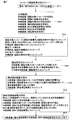
- FIG. 9 illustrates an authentication request value generation processing flow by the authentication request generation function.
- the vehicle B 120 that performs authentication request generation receives the internal variable: [message to be authenticated] as a command argument (S441-a), and then initializes the internal variable: [CPU load value] (S441-b). ), Accessing the CPU 201 and setting the CPU usage rate value (0-100%) to the internal variable: [CPU load value] (S441-c), and the internal variable: [CPU load value] is 0-50% , 51 to 90% and 91 to 100% are classified into three types (S441-d).
- FIG. 10 illustrates a processing flow of a method for obtaining a secret key (MAC-dedicated common key) as a common key used for MAC value verification.
- the vehicle obtains a significant MAC dedicated common key in the area from the area certification authority 100 such as an expressway network or a local government.
- Vehicle A 110 periodically issues a MAC-specific common key request 600.
- the request 600 for the MAC-dedicated common key is accompanied by a digital signature generated by the vehicle instep 110, for example.
- the area certificate authority 100 that has received the MAC-dedicated common key request 600 decrypts the digital signature for the MAC-dedicated common key request 600 and performs vehicle authentication processing (S611).
- the area certification authority 10 returns a message 601 of the MAC-dedicated common key for the area to the vehicle instep 110.
- the MAC dedicated common key communication message 601 is protected by being encrypted by, for example, a public encryption key method.
- the vehicle former 110 receives and decrypts the message 601 to obtain the MAC-dedicated common key and stores it in the tamper-resistant storage device 205.
- the area certification authority 10 generates an error message (S613), returns this error message 602 to the vehicle upper 110, and ends the process.
- the MAC-dedicated common key can be acquired in a wide area.
- the authentication processing using a digital signature with a relatively large data processing load and the authentication processing using a message authentication code with a relatively small data processing load are allowed for the authentication processing. It becomes possible to use properly within the allowable range. Therefore, it is possible to perform message authentication within an allowable time regardless of the number of messages, and to perform highly accurate message authentication within the allowable time.
- ECDSA is exemplified as a signature scheme, but it is not necessarily ECDSA, and any signature scheme that can perform message authentication may be used.
- HMAC scheme is exemplified as a high-speed message authentication scheme, the HMAC scheme is not necessarily required, and any common key authentication scheme capable of message authentication may be used.
- the case where two vehicles perform vehicle-to-vehicle wireless communication is illustrated, it is not necessarily limited to two vehicles, including a plurality of vehicles or a roadside base station.
- a similar message authentication method may be used.
- the method for pre-sharing the MAC generation secret key may be arbitrary.
- a configuration method for receiving the MAC generation secret key by performing authentication in advance with a certificate authority managing a specific range It is not limited.
- the authentication request generation function a function that reduces the amount of calculation required for message verification as the CPU load increases is illustrated.
- the CPU load is necessarily used as a reference for generating an authentication request.
- the vehicle Authentication request may be generated using ID and cache data as command arguments. More generally, authentication request using cache processing, session ID, session key, etc. used for message authentication in web server etc. May be generated.
- the authentication request generation function when the current position information such as the latitude and longitude of the message transmission vehicle and the speed information are included in the message data, the message obtained in advance on the vehicle end 120 side
- the current position of the vehicle upper 110 may be estimated from the data, and the authentication request may be generated using the current position information and the estimated current position as command arguments when generating the authentication request.
- authentication may not be performed when the communication partner is far beyond a certain limit, MAC value verification may be performed when the communication partner is relatively far, and signature verification may be performed when the communication partner is relatively close.
- the authentication request generation function when a collision prevention application uses message data, the importance of a message transmitted by a nearby vehicle is high, and the importance of a message transmitted by a distant vehicle is low. In this case, since resources are not taken for authentication of a message transmitted by a distant vehicle, a countermeasure for reducing the amount of calculation of an authentication request for a message of a distant vehicle can be considered.
- the wireless communication application may calculate the importance for each message data, and use the calculated importance as a command argument when generating the authentication request.
- the present invention can be widely applied to a wireless communication apparatus technology that performs authentication processing in a mobile body that performs wireless communication with other mobile bodies or fixed stations.
Landscapes
- Engineering & Computer Science (AREA)
- Computer Security & Cryptography (AREA)
- Computer Hardware Design (AREA)
- Computer Networks & Wireless Communication (AREA)
- General Engineering & Computer Science (AREA)
- Signal Processing (AREA)
- Theoretical Computer Science (AREA)
- Computing Systems (AREA)
- Physics & Mathematics (AREA)
- Software Systems (AREA)
- General Physics & Mathematics (AREA)
- Mathematical Physics (AREA)
- Power Engineering (AREA)
- Mobile Radio Communication Systems (AREA)
Abstract
Description
この時、メッセージ送信者の公開鍵で正しく復号を行うことができれば、そのメッセージを送信した者は、送信者の秘密鍵を知る者、即ち本人であることが確認される。また、正しく復号されたことによって、通信経路上で改竄が行われていないことも確認される。
先ず、本願において開示される発明の代表的な実施の形態について概要を説明する。代表的な実施の形態についての概要説明で括弧を付して参照する図面中の参照符号はそれが付された構成要素の概念に含まれるものを例示するに過ぎない。
実施の形態について更に詳述する。
00ならば、「署名検証必要なし」及び「MAC値検証必要なし」、
10ならば、「署名検証必要あり」及び「MAC値検証必要なし」、
01ならば、「署名検証必要なし」及び「MAC値検証必要あり」、
11ならば、「署名検証必要あり」及び「MAC値検証必要あり」を意味する。特に制限されないが、「検証必要なし」の支持を受けた検証処理では、検証処理を行なわずに「検証成功」の結果を生成する。尚、検証にかかる計算量は、認証要求値00の場合が最も小さく、続いて、01、10、11の順番に増加し、認証要求値11の場合が最も大きい。
110 車両甲
120 車両乙
113 車両通信装置
112 表示装置
114 車載センサ装置
123 車両通信装置
122 表示装置
124 車載センサ124
201 中央処理送致(CPU)
202 補助記憶装置
203 メモリ
204 入出力インターフェース
205 耐タンパ記憶装置
209 内部信号線
Claims (22)
- 他の移動体又は固定局との間で無線通信を行う自移動体において認証処理を行なう無線通信装置であって、
他の移動体又は固定局との間で共有される共通鍵を用いて通信データのメッセージ認証コードを生成すると共に、自らの固有の秘密鍵を用いてディジタル署名を生成し、生成した前記メッセージ認証コードとディジタル署名を前記通信データに付加して送信する第1処理と、
他の移動体又は固定局から送信された情報を受信し、受信した情報に含まれるメッセージ認証コードとディジタル署名とのどれを用いて認証を行うかを自らの状態に応じて決めて認証を行う第2処理と、を実行する無線通信装置。 - 前記第2処理は、自らの状態を示す値を引数とする認証要求生成関数を実行することによって認証要求値を生成する処理であり、前記認証要求値は、メッセージ認証コードを用いる認証処理の要否と、ディジタル署名を用いる認証処理の要否とを表すデータである、請求項1記載の無線通信装置。
- 中央処理装置を有し、前記自らの状態を示す値は、受信側として認証処理を行なう前記中央処理装置の負荷状態に応じた値である、請求項2記載の無線通信装置。
- 前記第2処理は、前記中央処理装置の負荷が大きい場合にはメッセージ認証コードを用いる認証処理を必要とし且つディジタル署名を用いる認証処理の不要と判定し、中央処理装置の負荷が小さい場合にはメッセージ認証コードを用いる認証処理を不要とし且つディジタル署名を用いる認証処理を必要と判定する、請求項3記載の無線通信装置。
- 前記自らの状態を示す値は、認証処理の対象として新たに受信した情報と既に受信して認証処理を終った通信の履歴情報との対応関係の強弱に応じた値である、請求項2記載の無線通信装置。
- 前記第2処理は、前記対応関係が強い場合にはメッセージ認証コードを用いる認証処理を必要とし且つディジタル署名を用いる認証処理の不要と判定し、前記対応関係が弱い場合にはメッセージ認証コードを用いる認証処理を不要とし且つディジタル署名を用いる認証処理を必要と判定する、請求項5記載の無線通信装置。
- 前記自らの状態を示す値は、送信側の他の移動体又は固定局に対する遠近関係に応じた値である、請求項2記載の無線通信装置。
- 前記第2処理は、前記遠近関係が遠い場合にはメッセージ認証コードを用いる認証処理を必要とし且つディジタル署名を用いる認証処理の不要と判定し、前記遠近関係が近い場合にはメッセージ認証コードを用いる認証処理を不要とし且つディジタル署名を用いる認証処理を必要と判定する、請求項7記載の無線通信装置。
- 前記第2処理は、自移動体のセンサ装置が取得したセンサ情報に基づいて、又は自移動体の通信アプリケーションが受信した通信データの処理結果に基づいて、前記遠近関係を生成する、請求項8記載の無線通信装置。
- 自移動体から前記メッセージ認証コードの要求を出力し、この要求を受信する認証局がその要求に応答して認証処理を行なってその正当性を判別したとき当該認証局が発行する前記メッセージ認証コードを自移動体が受信する第3処理を更に実行する、請求項1記載の無線通信装置。
- 前記メッセージ認証コードは公開暗号鍵方式で暗号化され、更に前記第3処理は受信したメッセージ認証コードを復号する処理を含む、請求項10記載の無線通信装置。
- 他の移動体又は固定局との間で無線通信を行う自移動体における認証処理方法であって、
他の移動体又は固定局との間で共有される共通鍵を用いて通信データのメッセージ認証コードを生成すると共に、自らの固有の秘密鍵を用いてディジタル署名を生成し、生成した前記メッセージ認証コードとディジタル署名を前記通信データに付加して送信する第1処理と、
他の移動体又は固定局から送信された情報を受信し、受信した情報に含まれるメッセージ認証コードとディジタル署名とのどれを用いて認証を行うかを自らの状態に応じて決めて認証を行う第2処理と、を含む認証処理方法。 - 前記第2処理は、自らの状態を示す値を引数とする認証要求生成関数を実行することによって認証要求値を生成する処理であり、前記認証要求値は、メッセージ認証コードを用いる認証処理の要否と、ディジタル署名を用いる認証処理の要否とを表すデータである、請求項12記載の認証処理方法。
- 前記自らの状態を示す値は、受信側として認証処理を行なう中央処理装置の負荷状態に応じた値である、請求項13記載の認証処理方法。
- 前記第2処理は、前記中央処理装置の負荷が大きい場合にはメッセージ認証コードを用いる認証処理を必要とし且つディジタル署名を用いる認証処理の不要と判定し、中央処理装置の負荷が小さい場合にはメッセージ認証コードを用いる認証処理を不要とし且つディジタル署名を用いる認証処理を必要と判定する、請求項14記載の認証処理方法。
- 前記自らの状態を示す値は、認証処理の対象として新たに受信した情報と既に受信して認証処理を終った通信の履歴情報との対応関係の強弱に応じた値である、請求項13記載の認証処理方法。
- 前記第2処理は、前記対応関係が強い場合にはメッセージ認証コードを用いる認証処理を必要とし且つディジタル署名を用いる認証処理の不要と判定し、前記対応関係が弱い場合にはメッセージ認証コードを用いる認証処理を不要とし且つディジタル署名を用いる認証処理を必要と判定する、請求項16記載の認証処理方法。
- 前記自らの状態を示す値は、送信側の他の移動体又は固定局に対する遠近関係に応じた値である、請求項13記載の認証処理方法。
- 前記第2処理は、前記遠近関係が遠い場合にはメッセージ認証コードを用いる認証処理を必要とし且つディジタル署名を用いる認証処理の不要と判定し、前記遠近関係が近い場合にはメッセージ認証コードを用いる認証処理を不要とし且つディジタル署名を用いる認証処理を必要と判定する、請求項18記載の認証処理方法。
- 前記第2処理は、自移動体のセンサ装置が取得したセンサ情報に基づいて、又は自移動体の通信アプリケーションが受信した通信データの処理結果に基づいて、前記遠近関係を生成する、請求項19記載の認証処理方法。
- 自移動体から前記メッセージ認証コードの要求を出力し、この要求を受信する認証局がその要求に応答して認証処理を行なってその正当性を判別したとき当該認証局が発行する前記メッセージ認証コードを自移動体が受信する第3処理を更に含む、請求項12記載の認証処理方法。
- 前記メッセージ認証コードは公開暗号鍵方式で暗号化され、更に前記第3処理は受信したメッセージ認証コードを復号する処理を含む、請求項21記載の認証処理方法。
Priority Applications (4)
| Application Number | Priority Date | Filing Date | Title |
|---|---|---|---|
| CN201180010841.5A CN102771078B (zh) | 2010-02-24 | 2011-02-22 | 无线通信装置及认证处理方法 |
| US13/580,564 US9432197B2 (en) | 2010-02-24 | 2011-02-22 | Wireless communications device and authentication processing method |
| JP2012501778A JP5469238B2 (ja) | 2010-02-24 | 2011-02-22 | 無線通信装置及び認証処理方法 |
| EP11747311.6A EP2541829B1 (en) | 2010-02-24 | 2011-02-22 | Wireless communications device and authentication processing method |
Applications Claiming Priority (2)
| Application Number | Priority Date | Filing Date | Title |
|---|---|---|---|
| JP2010-038874 | 2010-02-24 | ||
| JP2010038874 | 2010-02-24 |
Publications (1)
| Publication Number | Publication Date |
|---|---|
| WO2011105350A1 true WO2011105350A1 (ja) | 2011-09-01 |
Family
ID=44506758
Family Applications (1)
| Application Number | Title | Priority Date | Filing Date |
|---|---|---|---|
| PCT/JP2011/053782 Ceased WO2011105350A1 (ja) | 2010-02-24 | 2011-02-22 | 無線通信装置及び認証処理方法 |
Country Status (5)
| Country | Link |
|---|---|
| US (1) | US9432197B2 (ja) |
| EP (1) | EP2541829B1 (ja) |
| JP (3) | JP5469238B2 (ja) |
| CN (1) | CN102771078B (ja) |
| WO (1) | WO2011105350A1 (ja) |
Cited By (6)
| Publication number | Priority date | Publication date | Assignee | Title |
|---|---|---|---|---|
| JP2014014012A (ja) * | 2012-07-04 | 2014-01-23 | Panasonic Corp | 無線装置 |
| WO2014156328A1 (ja) * | 2013-03-29 | 2014-10-02 | 日立オートモティブシステムズ株式会社 | 車載通信システム及び通信装置 |
| JP2016067023A (ja) * | 2015-11-27 | 2016-04-28 | パナソニックIpマネジメント株式会社 | 無線装置 |
| JP2016226013A (ja) * | 2016-08-03 | 2016-12-28 | パナソニックIpマネジメント株式会社 | 処理装置 |
| US9705679B2 (en) | 2013-06-04 | 2017-07-11 | Mitsubishi Electric Corporation | Data authentication device and data authentication method |
| JP2017531951A (ja) * | 2014-10-10 | 2017-10-26 | アリババ グループ ホウルディング リミテッド | セキュリティチェックのための方法、デバイス、端末およびサーバ |
Families Citing this family (29)
| Publication number | Priority date | Publication date | Assignee | Title |
|---|---|---|---|---|
| JP5793963B2 (ja) | 2011-05-27 | 2015-10-14 | 日産自動車株式会社 | 非接触給電装置 |
| JP5879748B2 (ja) * | 2011-05-27 | 2016-03-08 | 日産自動車株式会社 | 非接触給電装置、車両及び非接触給電システム |
| DE102012201164B4 (de) * | 2012-01-26 | 2017-12-07 | Infineon Technologies Ag | Vorrichtung und verfahren zur erzeugung eines nachrichtenauthentifizierungscodes |
| EP2930643B1 (en) * | 2012-12-05 | 2018-11-14 | Toyota Jidosha Kabushiki Kaisha | Vehicle network authentication system, and vehicle network authentication method |
| DE102013206202A1 (de) * | 2013-04-09 | 2014-10-30 | Robert Bosch Gmbh | Sensormodul und Verfahren zum Betreiben eines Sensorsmoduls |
| US10015153B1 (en) * | 2013-12-23 | 2018-07-03 | EMC IP Holding Company LLC | Security using velocity metrics identifying authentication performance for a set of devices |
| JP6213258B2 (ja) * | 2014-01-21 | 2017-10-18 | 株式会社デンソー | 位置情報認証システム、測位端末、および位置情報取得装置 |
| DE102014226711A1 (de) * | 2014-12-19 | 2016-06-23 | Zf Friedrichshafen Ag | Verfahren und Vorrichtung zum Bereitstellen von Navigationsinformationen aus einem Fahrzeug an einen fahrzeugexternen Datenspeicher und Verfahren und Datenspeicher zum Verarbeiten von signierten Navigationsinformationen |
| JP6345157B2 (ja) * | 2015-06-29 | 2018-06-20 | クラリオン株式会社 | 車載情報通信システム及び認証方法 |
| CN105429945B (zh) * | 2015-10-29 | 2019-08-30 | 深圳市元征科技股份有限公司 | 一种数据传输的方法、装置及系统 |
| US9923722B2 (en) * | 2016-04-18 | 2018-03-20 | GM Global Technology Operations LLC | Message authentication library |
| US11212109B2 (en) * | 2016-08-10 | 2021-12-28 | Kddi Corporation | Data provision system, data security device, data provision method, and computer program |
| US10491405B2 (en) | 2016-10-04 | 2019-11-26 | Denso International America, Inc. | Cryptographic security verification of incoming messages |
| US10674359B2 (en) * | 2016-10-25 | 2020-06-02 | Samsung Electronics Co., Ltd. | Method of authenticating external vehicle and vehicle capable of performing same |
| CN108076016B (zh) * | 2016-11-15 | 2021-07-02 | 中国移动通信有限公司研究院 | 车载设备之间的认证方法及装置 |
| US10104547B1 (en) * | 2017-05-24 | 2018-10-16 | GM Global Technology Operations LLC | Automatic wireless communication authentication |
| EP3641214B1 (en) * | 2017-06-16 | 2025-10-15 | Sony Semiconductor Solutions Corporation | Signal processing device and method, and program |
| US10805086B2 (en) * | 2017-12-20 | 2020-10-13 | Intel Corporation | Methods and arrangements for vehicle-to-vehicle communications |
| WO2020026437A1 (ja) * | 2018-08-03 | 2020-02-06 | 本田技研工業株式会社 | 情報管理装置、車両および方法 |
| US11129024B2 (en) * | 2018-08-21 | 2021-09-21 | Continental Teves Ag & Co. Ohg | Vehicle-to-X communication device and method for realizing a safety integrity level in vehicle-to-X communication |
| EP3921976B1 (en) | 2019-02-06 | 2024-09-18 | Hitachi Energy Ltd | Method for authenticating messages in resource limited systems |
| US11075763B2 (en) * | 2019-02-15 | 2021-07-27 | International Business Machines Corporation | Compute digital signature authentication sign with encrypted key instruction |
| US11108567B2 (en) * | 2019-02-15 | 2021-08-31 | International Business Machines Corporation | Compute digital signature authentication verify instruction |
| JP2020167607A (ja) * | 2019-03-29 | 2020-10-08 | マツダ株式会社 | 自動車用演算システム及び受信データの処理方法 |
| US10474809B1 (en) * | 2019-07-12 | 2019-11-12 | Capital One Services, Llc | Computer-based systems and computing devices configured to utilize one or more authentication servers for securing device commands transmissions and methods of use thereof |
| US12342247B2 (en) * | 2019-08-16 | 2025-06-24 | Nec Corporation | Method and device for reducing security risk in communication |
| JP7302664B2 (ja) * | 2019-08-26 | 2023-07-04 | 日本電気株式会社 | 情報処理装置、データ記録システム、データ記録方法及びプログラム |
| JP7400744B2 (ja) * | 2021-01-14 | 2023-12-19 | トヨタ自動車株式会社 | 車両制御システム |
| KR20250066243A (ko) | 2023-11-06 | 2025-05-13 | 현대자동차주식회사 | 인증 시스템 및 인증 방법 |
Citations (4)
| Publication number | Priority date | Publication date | Assignee | Title |
|---|---|---|---|---|
| JP2005318299A (ja) * | 2004-04-28 | 2005-11-10 | Fuji Electric Holdings Co Ltd | 電子データの証拠性を確保しながら同データを保管する電子データ保管システム |
| JP2006261955A (ja) * | 2005-03-16 | 2006-09-28 | Canon Inc | 画像形成システム、画像形成方法、情報処理装置および情報処理方法 |
| JP2008060809A (ja) | 2006-08-30 | 2008-03-13 | Toyota Infotechnology Center Co Ltd | 車車間通信方法、車車間通信システムおよび車載通信装置 |
| JP2009089045A (ja) * | 2007-09-28 | 2009-04-23 | Toshiba Solutions Corp | 暗号モジュール選定装置およびプログラム |
Family Cites Families (16)
| Publication number | Priority date | Publication date | Assignee | Title |
|---|---|---|---|---|
| JP2637624B2 (ja) * | 1990-11-29 | 1997-08-06 | ローム株式会社 | コードレス電話機の送受信制御回路 |
| US6161180A (en) * | 1997-08-29 | 2000-12-12 | International Business Machines Corporation | Authentication for secure devices with limited cryptography |
| WO1999023538A1 (en) * | 1997-10-28 | 1999-05-14 | Georgia Tech Research Corporation | Adaptive data security system and method |
| US6842860B1 (en) * | 1999-07-23 | 2005-01-11 | Networks Associates Technology, Inc. | System and method for selectively authenticating data |
| EP1094424A3 (en) * | 1999-10-22 | 2004-06-16 | Hitachi, Ltd. | Digital signing method |
| US9219708B2 (en) * | 2001-03-22 | 2015-12-22 | DialwareInc. | Method and system for remotely authenticating identification devices |
| JP2003067340A (ja) | 2001-08-28 | 2003-03-07 | Mitsubishi Electric Corp | 認証の選択システム、認証システム |
| JP4611680B2 (ja) * | 2003-07-25 | 2011-01-12 | 株式会社リコー | 通信装置、通信システム、通信方法及びプログラム |
| JP4619858B2 (ja) * | 2004-09-30 | 2011-01-26 | 株式会社日立製作所 | 分散環境における暗号鍵更新方法、暗号鍵更新システム、暗号鍵更新システムを構成する無線基地局 |
| US7602918B2 (en) * | 2005-06-30 | 2009-10-13 | Alcatel-Lucent Usa Inc. | Method for distributing security keys during hand-off in a wireless communication system |
| US7716721B2 (en) * | 2005-10-18 | 2010-05-11 | Cisco Technology, Inc. | Method and apparatus for re-authentication of a computing device using cached state |
| JP2008059561A (ja) * | 2006-08-04 | 2008-03-13 | Canon Inc | 情報処理装置、データ処理装置、および、それらの方法 |
| JP2008060789A (ja) * | 2006-08-30 | 2008-03-13 | Toyota Infotechnology Center Co Ltd | 公開鍵配布システムおよび公開鍵配布方法 |
| TWI378702B (en) * | 2007-08-24 | 2012-12-01 | Ind Tech Res Inst | Group authentication method |
| US20090254754A1 (en) | 2008-04-04 | 2009-10-08 | Gm Global Technology Operations, Inc. | Lightweight geographic trajectory authentication via one-time signatures |
| US8452969B2 (en) * | 2009-09-16 | 2013-05-28 | GM Global Technology Operations LLC | Flexible broadcast authentication in resource-constrained systems: providing a tradeoff between communication and computational overheads |
-
2011
- 2011-02-22 EP EP11747311.6A patent/EP2541829B1/en active Active
- 2011-02-22 CN CN201180010841.5A patent/CN102771078B/zh active Active
- 2011-02-22 JP JP2012501778A patent/JP5469238B2/ja active Active
- 2011-02-22 WO PCT/JP2011/053782 patent/WO2011105350A1/ja not_active Ceased
- 2011-02-22 US US13/580,564 patent/US9432197B2/en active Active
-
2014
- 2014-01-30 JP JP2014015361A patent/JP5643448B2/ja active Active
- 2014-10-30 JP JP2014221263A patent/JP5818392B2/ja active Active
Patent Citations (4)
| Publication number | Priority date | Publication date | Assignee | Title |
|---|---|---|---|---|
| JP2005318299A (ja) * | 2004-04-28 | 2005-11-10 | Fuji Electric Holdings Co Ltd | 電子データの証拠性を確保しながら同データを保管する電子データ保管システム |
| JP2006261955A (ja) * | 2005-03-16 | 2006-09-28 | Canon Inc | 画像形成システム、画像形成方法、情報処理装置および情報処理方法 |
| JP2008060809A (ja) | 2006-08-30 | 2008-03-13 | Toyota Infotechnology Center Co Ltd | 車車間通信方法、車車間通信システムおよび車載通信装置 |
| JP2009089045A (ja) * | 2007-09-28 | 2009-04-23 | Toshiba Solutions Corp | 暗号モジュール選定装置およびプログラム |
Non-Patent Citations (3)
| Title |
|---|
| DAIKI FUKAYA ET AL.: "Evaluation of a scheme for checking the believability of location-dependent information generated by isolated vehicles in VANETs", IPSJ SIG NOTES, vol. 2009, no. 20, 26 February 2009 (2009-02-26), pages 151 - 156, XP055100252 * |
| EIJI OKAMOTO ET AL.: "Ango Riron Nyumon", 1 October 1996, KYORITSU SHUPPAN CO., LTD., pages: 129 - 136, XP008170371 * |
| SHIN'ICHI IKENO ET AL.: "Gendai Ango Riron", THE INSTITUTE OF ELECTRONICS, INFORMATION AND COMMUNICATION ENGINEERS, 15 November 1997 (1997-11-15), pages 217 - 225, 235-236, XP008167756 * |
Cited By (8)
| Publication number | Priority date | Publication date | Assignee | Title |
|---|---|---|---|---|
| JP2014014012A (ja) * | 2012-07-04 | 2014-01-23 | Panasonic Corp | 無線装置 |
| WO2014156328A1 (ja) * | 2013-03-29 | 2014-10-02 | 日立オートモティブシステムズ株式会社 | 車載通信システム及び通信装置 |
| JP2014195194A (ja) * | 2013-03-29 | 2014-10-09 | Hitachi Automotive Systems Ltd | 車載通信システム及び通信装置 |
| US9705679B2 (en) | 2013-06-04 | 2017-07-11 | Mitsubishi Electric Corporation | Data authentication device and data authentication method |
| JP2017531951A (ja) * | 2014-10-10 | 2017-10-26 | アリババ グループ ホウルディング リミテッド | セキュリティチェックのための方法、デバイス、端末およびサーバ |
| US10721076B2 (en) | 2014-10-10 | 2020-07-21 | Alibaba Group Holding Limited | Method, device, terminal, and server for a security check |
| JP2016067023A (ja) * | 2015-11-27 | 2016-04-28 | パナソニックIpマネジメント株式会社 | 無線装置 |
| JP2016226013A (ja) * | 2016-08-03 | 2016-12-28 | パナソニックIpマネジメント株式会社 | 処理装置 |
Also Published As
| Publication number | Publication date |
|---|---|
| US20120311340A1 (en) | 2012-12-06 |
| US9432197B2 (en) | 2016-08-30 |
| CN102771078A (zh) | 2012-11-07 |
| JP5643448B2 (ja) | 2014-12-17 |
| JP5469238B2 (ja) | 2014-04-16 |
| EP2541829B1 (en) | 2020-04-15 |
| JP5818392B2 (ja) | 2015-11-18 |
| CN102771078B (zh) | 2015-05-20 |
| JPWO2011105350A1 (ja) | 2013-06-20 |
| EP2541829A4 (en) | 2017-04-12 |
| JP2014082790A (ja) | 2014-05-08 |
| EP2541829A1 (en) | 2013-01-02 |
| JP2015043621A (ja) | 2015-03-05 |
Similar Documents
| Publication | Publication Date | Title |
|---|---|---|
| JP5469238B2 (ja) | 無線通信装置及び認証処理方法 | |
| Vasudev et al. | A lightweight mutual authentication protocol for V2V communication in internet of vehicles | |
| CN109600350B (zh) | 用于车辆网络中的控制器间的安全通信的系统和方法 | |
| CN106330910B (zh) | 车联网中基于节点身份和信誉的强隐私保护双重认证方法 | |
| CN110678770B (zh) | 定位信息验证 | |
| US8320912B2 (en) | Wireless communication system, terminal, message sending method, and program for allowing terminal to execute the method | |
| CN107659550A (zh) | 车辆到车辆的私人通信 | |
| US12132839B2 (en) | Decentralised authentication | |
| WO2014196181A1 (ja) | データ認証装置、及びデータ認証方法 | |
| CN109756336B (zh) | 一种认证方法、v2x计算系统及v2x计算节点 | |
| CN112449323B (zh) | 一种通信方法、装置和系统 | |
| JP2023506661A (ja) | 証明書申請方法およびデバイス | |
| CN115868189A (zh) | 建立车辆安全通信的方法、车辆、终端及系统 | |
| CN113115309B (zh) | 车联网的数据处理方法、装置、存储介质和电子设备 | |
| JP2008060809A (ja) | 車車間通信方法、車車間通信システムおよび車載通信装置 | |
| CN116743387A (zh) | 一种基于区块链的车辆雾服务安全通信系统、方法及终端 | |
| JP2020535765A (ja) | Ibcを使用した車外通信の保護 | |
| CN119696842B (zh) | 一种关联控制方法及相关装置 | |
| WO2019201257A1 (zh) | 一种设备到任意d2x通信的方法、装置及存储介质 | |
| JP2003234734A (ja) | 相互認証方法及びサーバ装置及びクライアント装置及び相互認証プログラム及び相互認証プログラムを格納した記憶媒体 | |
| CN115412907B (zh) | 基于区块链的VANETs匿名认证方法、装置和设备 | |
| CN114390478B (zh) | 设备认证系统、方法及终端设备 | |
| CN114584347A (zh) | 验证短信收发方法、服务器、终端及存储介质 | |
| CN119183105B (zh) | 一种车联网v2i认证密钥交换协议及其快速切换认证方法 | |
| CN120128923A (zh) | 入网认证方法、装置、设备及介质 |
Legal Events
| Date | Code | Title | Description |
|---|---|---|---|
| WWE | Wipo information: entry into national phase |
Ref document number: 201180010841.5 Country of ref document: CN |
|
| 121 | Ep: the epo has been informed by wipo that ep was designated in this application |
Ref document number: 11747311 Country of ref document: EP Kind code of ref document: A1 |
|
| WWE | Wipo information: entry into national phase |
Ref document number: 2012501778 Country of ref document: JP |
|
| WWE | Wipo information: entry into national phase |
Ref document number: 2011747311 Country of ref document: EP |
|
| WWE | Wipo information: entry into national phase |
Ref document number: 13580564 Country of ref document: US |
|
| NENP | Non-entry into the national phase |
Ref country code: DE |