WO2011148981A1 - バイオ燃料製造方法 - Google Patents
バイオ燃料製造方法 Download PDFInfo
- Publication number
- WO2011148981A1 WO2011148981A1 PCT/JP2011/061998 JP2011061998W WO2011148981A1 WO 2011148981 A1 WO2011148981 A1 WO 2011148981A1 JP 2011061998 W JP2011061998 W JP 2011061998W WO 2011148981 A1 WO2011148981 A1 WO 2011148981A1
- Authority
- WO
- WIPO (PCT)
- Prior art keywords
- biofuel
- concentration
- culture
- culture solution
- manufacturing
- Prior art date
- Legal status (The legal status is an assumption and is not a legal conclusion. Google has not performed a legal analysis and makes no representation as to the accuracy of the status listed.)
- Ceased
Links
Images
Classifications
-
- C—CHEMISTRY; METALLURGY
- C12—BIOCHEMISTRY; BEER; SPIRITS; WINE; VINEGAR; MICROBIOLOGY; ENZYMOLOGY; MUTATION OR GENETIC ENGINEERING
- C12P—FERMENTATION OR ENZYME-USING PROCESSES TO SYNTHESISE A DESIRED CHEMICAL COMPOUND OR COMPOSITION OR TO SEPARATE OPTICAL ISOMERS FROM A RACEMIC MIXTURE
- C12P1/00—Preparation of compounds or compositions, not provided for in groups C12P3/00 - C12P39/00, by using microorganisms or enzymes
-
- C—CHEMISTRY; METALLURGY
- C10—PETROLEUM, GAS OR COKE INDUSTRIES; TECHNICAL GASES CONTAINING CARBON MONOXIDE; FUELS; LUBRICANTS; PEAT
- C10L—FUELS NOT OTHERWISE PROVIDED FOR; NATURAL GAS; SYNTHETIC NATURAL GAS OBTAINED BY PROCESSES NOT COVERED BY SUBCLASSES C10G OR C10K; LIQUIFIED PETROLEUM GAS; USE OF ADDITIVES TO FUELS OR FIRES; FIRE-LIGHTERS
- C10L1/00—Liquid carbonaceous fuels
- C10L1/02—Liquid carbonaceous fuels essentially based on components consisting of carbon, hydrogen, and oxygen only
-
- C—CHEMISTRY; METALLURGY
- C10—PETROLEUM, GAS OR COKE INDUSTRIES; TECHNICAL GASES CONTAINING CARBON MONOXIDE; FUELS; LUBRICANTS; PEAT
- C10G—CRACKING HYDROCARBON OILS; PRODUCTION OF LIQUID HYDROCARBON MIXTURES, e.g. BY DESTRUCTIVE HYDROGENATION, OLIGOMERISATION, POLYMERISATION; RECOVERY OF HYDROCARBON OILS FROM OIL-SHALE, OIL-SAND, OR GASES; REFINING MIXTURES MAINLY CONSISTING OF HYDROCARBONS; REFORMING OF NAPHTHA; MINERAL WAXES
- C10G3/00—Production of liquid hydrocarbon mixtures from oxygen-containing organic materials, e.g. fatty oils, fatty acids
-
- C—CHEMISTRY; METALLURGY
- C10—PETROLEUM, GAS OR COKE INDUSTRIES; TECHNICAL GASES CONTAINING CARBON MONOXIDE; FUELS; LUBRICANTS; PEAT
- C10L—FUELS NOT OTHERWISE PROVIDED FOR; NATURAL GAS; SYNTHETIC NATURAL GAS OBTAINED BY PROCESSES NOT COVERED BY SUBCLASSES C10G OR C10K; LIQUIFIED PETROLEUM GAS; USE OF ADDITIVES TO FUELS OR FIRES; FIRE-LIGHTERS
- C10L1/00—Liquid carbonaceous fuels
-
- C—CHEMISTRY; METALLURGY
- C11—ANIMAL OR VEGETABLE OILS, FATS, FATTY SUBSTANCES OR WAXES; FATTY ACIDS THEREFROM; DETERGENTS; CANDLES
- C11B—PRODUCING, e.g. BY PRESSING RAW MATERIALS OR BY EXTRACTION FROM WASTE MATERIALS, REFINING OR PRESERVING FATS, FATTY SUBSTANCES, e.g. LANOLIN, FATTY OILS OR WAXES; ESSENTIAL OILS; PERFUMES
- C11B1/00—Production of fats or fatty oils from raw materials
- C11B1/10—Production of fats or fatty oils from raw materials by extracting
-
- C—CHEMISTRY; METALLURGY
- C11—ANIMAL OR VEGETABLE OILS, FATS, FATTY SUBSTANCES OR WAXES; FATTY ACIDS THEREFROM; DETERGENTS; CANDLES
- C11C—FATTY ACIDS FROM FATS, OILS OR WAXES; CANDLES; FATS, OILS OR FATTY ACIDS BY CHEMICAL MODIFICATION OF FATS, OILS, OR FATTY ACIDS OBTAINED THEREFROM
- C11C3/00—Fats, oils, or fatty acids by chemical modification of fats, oils, or fatty acids obtained therefrom
-
- C—CHEMISTRY; METALLURGY
- C12—BIOCHEMISTRY; BEER; SPIRITS; WINE; VINEGAR; MICROBIOLOGY; ENZYMOLOGY; MUTATION OR GENETIC ENGINEERING
- C12P—FERMENTATION OR ENZYME-USING PROCESSES TO SYNTHESISE A DESIRED CHEMICAL COMPOUND OR COMPOSITION OR TO SEPARATE OPTICAL ISOMERS FROM A RACEMIC MIXTURE
- C12P7/00—Preparation of oxygen-containing organic compounds
- C12P7/64—Fats; Fatty oils; Ester-type waxes; Higher fatty acids, i.e. having at least seven carbon atoms in an unbroken chain bound to a carboxyl group; Oxidised oils or fats
-
- C—CHEMISTRY; METALLURGY
- C12—BIOCHEMISTRY; BEER; SPIRITS; WINE; VINEGAR; MICROBIOLOGY; ENZYMOLOGY; MUTATION OR GENETIC ENGINEERING
- C12P—FERMENTATION OR ENZYME-USING PROCESSES TO SYNTHESISE A DESIRED CHEMICAL COMPOUND OR COMPOSITION OR TO SEPARATE OPTICAL ISOMERS FROM A RACEMIC MIXTURE
- C12P7/00—Preparation of oxygen-containing organic compounds
- C12P7/64—Fats; Fatty oils; Ester-type waxes; Higher fatty acids, i.e. having at least seven carbon atoms in an unbroken chain bound to a carboxyl group; Oxidised oils or fats
- C12P7/6436—Fatty acid esters
- C12P7/6445—Glycerides
- C12P7/6463—Glycerides obtained from glyceride producing microorganisms, e.g. single cell oil
-
- C—CHEMISTRY; METALLURGY
- C12—BIOCHEMISTRY; BEER; SPIRITS; WINE; VINEGAR; MICROBIOLOGY; ENZYMOLOGY; MUTATION OR GENETIC ENGINEERING
- C12P—FERMENTATION OR ENZYME-USING PROCESSES TO SYNTHESISE A DESIRED CHEMICAL COMPOUND OR COMPOSITION OR TO SEPARATE OPTICAL ISOMERS FROM A RACEMIC MIXTURE
- C12P7/00—Preparation of oxygen-containing organic compounds
- C12P7/64—Fats; Fatty oils; Ester-type waxes; Higher fatty acids, i.e. having at least seven carbon atoms in an unbroken chain bound to a carboxyl group; Oxidised oils or fats
- C12P7/6436—Fatty acid esters
- C12P7/649—Biodiesel, i.e. fatty acid alkyl esters
-
- C—CHEMISTRY; METALLURGY
- C10—PETROLEUM, GAS OR COKE INDUSTRIES; TECHNICAL GASES CONTAINING CARBON MONOXIDE; FUELS; LUBRICANTS; PEAT
- C10G—CRACKING HYDROCARBON OILS; PRODUCTION OF LIQUID HYDROCARBON MIXTURES, e.g. BY DESTRUCTIVE HYDROGENATION, OLIGOMERISATION, POLYMERISATION; RECOVERY OF HYDROCARBON OILS FROM OIL-SHALE, OIL-SAND, OR GASES; REFINING MIXTURES MAINLY CONSISTING OF HYDROCARBONS; REFORMING OF NAPHTHA; MINERAL WAXES
- C10G2300/00—Aspects relating to hydrocarbon processing covered by groups C10G1/00 - C10G99/00
- C10G2300/10—Feedstock materials
- C10G2300/1011—Biomass
- C10G2300/1014—Biomass of vegetal origin
-
- C—CHEMISTRY; METALLURGY
- C10—PETROLEUM, GAS OR COKE INDUSTRIES; TECHNICAL GASES CONTAINING CARBON MONOXIDE; FUELS; LUBRICANTS; PEAT
- C10G—CRACKING HYDROCARBON OILS; PRODUCTION OF LIQUID HYDROCARBON MIXTURES, e.g. BY DESTRUCTIVE HYDROGENATION, OLIGOMERISATION, POLYMERISATION; RECOVERY OF HYDROCARBON OILS FROM OIL-SHALE, OIL-SAND, OR GASES; REFINING MIXTURES MAINLY CONSISTING OF HYDROCARBONS; REFORMING OF NAPHTHA; MINERAL WAXES
- C10G2300/00—Aspects relating to hydrocarbon processing covered by groups C10G1/00 - C10G99/00
- C10G2300/40—Characteristics of the process deviating from typical ways of processing
- C10G2300/4043—Limiting CO2 emissions
-
- Y—GENERAL TAGGING OF NEW TECHNOLOGICAL DEVELOPMENTS; GENERAL TAGGING OF CROSS-SECTIONAL TECHNOLOGIES SPANNING OVER SEVERAL SECTIONS OF THE IPC; TECHNICAL SUBJECTS COVERED BY FORMER USPC CROSS-REFERENCE ART COLLECTIONS [XRACs] AND DIGESTS
- Y02—TECHNOLOGIES OR APPLICATIONS FOR MITIGATION OR ADAPTATION AGAINST CLIMATE CHANGE
- Y02E—REDUCTION OF GREENHOUSE GAS [GHG] EMISSIONS, RELATED TO ENERGY GENERATION, TRANSMISSION OR DISTRIBUTION
- Y02E50/00—Technologies for the production of fuel of non-fossil origin
- Y02E50/10—Biofuels, e.g. bio-diesel
-
- Y—GENERAL TAGGING OF NEW TECHNOLOGICAL DEVELOPMENTS; GENERAL TAGGING OF CROSS-SECTIONAL TECHNOLOGIES SPANNING OVER SEVERAL SECTIONS OF THE IPC; TECHNICAL SUBJECTS COVERED BY FORMER USPC CROSS-REFERENCE ART COLLECTIONS [XRACs] AND DIGESTS
- Y02—TECHNOLOGIES OR APPLICATIONS FOR MITIGATION OR ADAPTATION AGAINST CLIMATE CHANGE
- Y02P—CLIMATE CHANGE MITIGATION TECHNOLOGIES IN THE PRODUCTION OR PROCESSING OF GOODS
- Y02P30/00—Technologies relating to oil refining and petrochemical industry
- Y02P30/20—Technologies relating to oil refining and petrochemical industry using bio-feedstock
-
- Y—GENERAL TAGGING OF NEW TECHNOLOGICAL DEVELOPMENTS; GENERAL TAGGING OF CROSS-SECTIONAL TECHNOLOGIES SPANNING OVER SEVERAL SECTIONS OF THE IPC; TECHNICAL SUBJECTS COVERED BY FORMER USPC CROSS-REFERENCE ART COLLECTIONS [XRACs] AND DIGESTS
- Y02—TECHNOLOGIES OR APPLICATIONS FOR MITIGATION OR ADAPTATION AGAINST CLIMATE CHANGE
- Y02P—CLIMATE CHANGE MITIGATION TECHNOLOGIES IN THE PRODUCTION OR PROCESSING OF GOODS
- Y02P30/00—Technologies relating to oil refining and petrochemical industry
- Y02P30/40—Ethylene production
Definitions
- the present invention relates to a biofuel production method for producing biofuel.
- Biofuel is fuel produced from biomass-derived raw materials.
- biomass has a photosynthetic ability, such as a plant
- oils and carbohydrates produced from light energy and carbon dioxide serve as raw materials for biofuels, so that fuel with a low environmental load can be produced.
- Biofuels include bioethanol produced by saccharification of carbohydrates and alcohol fermentation, and biodiesel and biojet fuel produced from neutral lipids such as triglycerides and wax esters, which are the main components of vegetable oils.
- photosynthetic microorganisms and protozoa that live widely in ponds and swamps have the same photosynthetic ability as plants, biosynthesize fats and oils from water and carbon dioxide, and accumulate tens of mass% in the cells.
- the production amount is higher than that of plants, and it is known that the production amount per unit area is 10 times or more that of palm, which is said to have a high production amount.
- Patent Document 1 describes that an artificial light whose irradiation light wavelength and intensity are controlled is irradiated to culture algae that are photosynthetic microorganisms to immobilize carbon dioxide. Further, Patent Document 1 describes means, a method and a culture apparatus for producing a target substance by immobilizing carbon dioxide, separating and purifying it. And this patent document 1 proposes immobilizing carbon dioxide using a photosynthetic microorganism and using it as a raw fuel for biofuel as an example of the utilization form of the immobilized carbon dioxide.
- Patent Document 1 does not disclose how to make biofuel from immobilized carbon dioxide.
- the biomass weight increases in proportion to the amount of carbon dioxide fixed by photosynthesis, but industrial utilization is difficult if these cannot be used effectively.
- an object of the present invention is to provide a series of biofuel production methods including a technique for producing biofuel after converting carbon dioxide, which is a carbon source, into biomass by photosynthesis of a photosynthetic microorganism.
- a biofuel production method includes a culturing step of culturing a photosynthetic microorganism that accumulates fats and fats and carbohydrates in cells in a culture solution, and the photosynthetic microorganisms cultured in the culture solution. It comprises an oil fatification step for fattening the accumulated carbohydrates, an extraction step for extracting fats and oils from the cells of the photosynthetic microorganism, and a reforming step for modifying the extracted fats and oils.
- photosynthetic microorganisms are cultured in the culturing process, and carbon dioxide, which is a carbon source, is converted into biomass such as fats and carbohydrates by photosynthesis of the photosynthetic microorganisms and accumulated in the cells. Then, more oils and fats are obtained by making the carbohydrates accumulated in the cells of the photosynthetic microorganisms in the oils and fats step. And in the biofuel manufacturing method which concerns on this invention, after extracting fats and oils by the extraction process performed next, biofuel is manufactured by reforming fats and oils by a modification
- ADVANTAGE OF THE INVENTION after converting the carbon dioxide which is a carbon source into biomass by photosynthesis of a photosynthetic microorganism, a series of biofuel manufacturing methods including the technique of manufacturing a biofuel can be provided. Further, according to the present invention, since the production process includes an oil-fatification process, more biofuel can be produced as compared with the conventional biofuel production method.
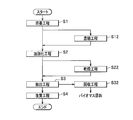
- the biofuel manufacturing method according to the present invention includes a culturing step S1, an oil making step S2, an extracting step S3, and a reforming step S4.
- cultivation process S1 performed initially is a process of culture
- An example of a photosynthetic microorganism that can be used in the present invention is Euglena.
- Euglena is a group of flagellates, including Euglena, which is famous as a motile algae. Most Euglena has chloroplasts and carries out autotrophic life by photosynthesis, but there are also predatory and absorption nutrients.
- Euglena is a genus classified into both zoology and botany.
- Euglenoidina includes Euglena, Trachelemonas, Strombonas, Phacus, Lepocinelis, Astasia and Colacium as genera.
- Euglenophyta has Euglenophyta, followed by Euglenophyceae and Euglenales, and the genus included in this eye is similar to that of Euglena and animal taxonomy. is there.
- one or two species from cyanobacteria, green algae and treboxya, plasino algae (green algae), primordial red algae, diatoms, round stone algae, dinoflagellates, true-eye algae, golden algae, etc. can be selected and used.
- cyanobacteria examples include Chroococcacae, Stigonematacae, Mastigocladacae, and Oscillatroriacae.
- Synechococcus such as Synechococcus lividus and Synechococcus elongatus
- Synechocystis such as Synechocystis minervae
- Mastigocladus such as Mastigocladus laminosus
- Phormidium such as Phormidium laminosus
- Fisherella and the like.
- Green algae and treboxia include, for example, aerial algae such as chlorella (including phylogenetically separated parachlorella), Chlamydomonas, Donariella, Senedesmus, Botryococcus, Sticococcus, Nannochloris, and Desmodemus Can do.
- aerial algae such as chlorella (including phylogenetically separated parachlorella), Chlamydomonas, Donariella, Senedesmus, Botryococcus, Sticococcus, Nannochloris, and Desmodemus Can do.
- the basic properties such as Chlorella vulgaris and Chlorella saccharophila (Chlorella), Dunaliella salina, Dunaliella tertiolecta, and photosynthesis are the same, but are classified as treboxya algae by molecular phylogenetic analysis.
- Parachlorella kessleri Chlorella kessleri
- Chlamydomonas reinhardtii Chlamydomonas moewusii, Chlamydomonas eugametos, Chlamydomonas eugametos, Chlamydomonas doms ⁇ Obricks (Senedesmus obliquus), Stichococcus ampliformis belonging to the genus Stichococcus, Nannochloris bacillaris belonging to the genus Nannochloris, and desmodes mus Desmodesmus subspicatus belonging to the genus can be mentioned.
- examples of the plasino algae include tetracermis
- examples of the primitive red algae include cyanidiozone, cyanidium, gardi area, and porphyridium.
- the photosynthetic microorganisms that can be used in the present invention can produce fats and carbohydrates by photosynthesis and accumulate them in the cells, and the fats accumulated in the cells in the oil-fat step S2 to be described later can be fatified. Any material that can be used can be used, and the present invention is not limited to the above.
- the cultivation of the photosynthetic microorganisms in the culturing step S1 can also be performed in the atmosphere, but in order to increase the amount of oil and fat and carbohydrate produced by photosynthesis, carbon dioxide gas is actively supplied into the culture solution. It is preferable to carry out at a dissolved carbon dioxide concentration higher than the air aeration.
- the positive supply of carbon dioxide gas can be performed by using, for example, combustion exhaust gas discharged from a factory or combustion facility. At this time, it is preferable to remove dust, NOx and SOx in the combustion exhaust gas by a dust collector, a denitration facility, a desulfurization facility or the like.
- the depth of the culture solution in this culturing step S1 is preferably 50 cm or less, and more preferably 30 cm or less. In this way, even if the cultivation proceeds and the photosynthetic microorganism grows, the culture solution is stirred up and down by stirring (upper and lower), so that photosynthesis can be performed efficiently.
- a culture solution to which nutrients such as a nitrogen source, a phosphorus source, and a mineral are added for example, a modified Cramer-Myers medium ((NH 4 ) 2 HPO 4 1.0 g / L, KH 2 PO 4 1.0 g / L, MgSO 4 ⁇ 7H 2 O 0.2 g / L, CaCl 2 ⁇ 2H 2 O 0.02 g / L, Fe 2 (SO 2 ) 3 ⁇ 7H 2 O 3 mg / L, MnCl 2 ⁇ 4H 2 O 1.8 mg / L, CoSO 4 ⁇ 7H 2 O 1.5 mg / L, ZnSO 4 ⁇ 7H 2 O 0.4 mg / L, Na 2 MoO 4 ⁇ 2H 2 O 0.2 mg / L, CuSO 4 ⁇ 5H 2 O 0.02 g / L, thiamine hydrochloride (vitamin B 1 ) 0.1 mg / L, cyan
- the pH of the culture solution in the culturing step S1 is preferably 2 to 6, and more preferably 2 to 4.5. In this way, if the pH is acidified, the photosynthetic microorganisms can grow more predominately than other microorganisms, so that contamination can be suppressed. As a result, in addition to the batch culture method, a continuous culture method can be applied.
- the pH of the culture solution can be adjusted appropriately using a powder reagent or a reagent aqueous solution.
- the powder reagent include sodium bicarbonate
- examples of the reagent aqueous solution include acidic solutions such as sulfuric acid and acetic acid and basic solutions such as an aqueous sodium hydroxide solution.
- the subsequent oil-fat step S2 is a step to fat-fat the carbohydrates accumulated in the cells of the photosynthetic microorganisms cultured in the culture solution.
- photosynthetic microorganisms become anaerobic, they accumulate fats and oils in the cells as a defense reaction. Therefore, as a method for making oils and fats, for example, a culture solution in which photosynthetic microorganisms are cultured can be maintained under anaerobic conditions.
- the anaerobic state in the present invention means a state where oxygen is not present (small).
- the photosynthetic microorganisms densified in the concentration step S12 (sedimentation concentration, centrifugation) are used in a sealed container or pipe in which the inflow of light and air is blocked so that oxygen cannot be produced by photosynthesis.
- concentration step S12 sedimentation concentration, centrifugation
- oxygen is consumed by the respiration of photosynthetic microorganisms, thereby making it possible to create an anaerobic state.
- the method of making an anaerobic state is not limited to what was mentioned above. Anaerobic conditions can also be created by driving out oxygen with an inert gas such as nitrogen or argon.
- the concentration process S12 which concentrates the culture solution which culture
- the photosynthetic microorganisms in which fats and oils and carbohydrates are accumulated in the cells are concentrated in the concentration step S12, and not only the subsequent operation becomes easy by removing unnecessary culture solution, but also, for example, the culture solution concentrated in the concentration step S12 is anaerobic. Since the oxygen dissolved in the concentrated culture medium is consumed earlier by the respiration (photosynthesis) of the photosynthetic microorganisms, the anaerobic state should be made sooner because there is no dissolved oxygen in the removed culture medium. Is possible. Therefore, oiling can be performed at an early stage.
- the concentration in the concentration step S12 can be performed by sedimentation concentration, but it is more preferable to perform centrifugation following this.
- sedimentation concentration means concentrating photosynthetic microorganisms using natural sedimentation.
- the sedimentation concentration may be allowed to stand for about 6 to 36 hours, for example.
- Concentration by centrifugation means concentrating photosynthetic microorganisms by centrifugal force of a centrifuge. When centrifugation is performed, a liquid having a high specific gravity (heavy liquid) containing photosynthetic microorganisms and a liquid having a low specific gravity (supernatant liquid (light liquid)) not containing photosynthetic microorganisms can be obtained.
- the photosynthetic microorganisms contained in the heavy liquid can be suitably concentrated.
- the light liquid is preferably removed as much as possible. Centrifugation can be performed under conditions of, for example, 5,000 to 20,000 ⁇ g.
- the supernatant obtained by precipitation concentration and the light solution obtained by centrifugation may be returned to the culture tank used in the culture step S1 and mixed with the culture solution. In this way, the culture solution can be used effectively. Moreover, the photosynthetic microorganisms that have not been concentrated contained in the supernatant or light liquid can be cultured again.
- the oleaginization step S2 is preferably performed at a temperature of 25 to 40 ° C. under light-shielded conditions.
- the culture solution containing the photosynthetic microorganism is held under such conditions, the carbohydrate accumulated in the cells can be oiled.
- the subsequent extraction step S3 is a step of extracting fats and oils from the cells of the photosynthetic microorganism. Extraction of fats and oils from cells can be performed by, for example, a solvent extraction method using an organic solvent or a supercritical CO 2 extraction method. Examples of the organic solvent used in the solvent extraction method include hexane. The hexane after extracting the fats and oils has great merit in terms of environment and cost because it can be used again for solvent extraction by distillation.
- oils and fats extracted in this manner examples include triglycerides, ester compounds (wax esters) of higher fatty acids and monovalent or divalent higher alcohols, and the like.
- drying process S22 which dries the culture solution containing the cultured photosynthetic microorganism before the extraction process S3, that is, between the oil-fatting process S2 and the extraction process S3.
- the drying process S22 which dries the culture solution containing the cultured photosynthetic microorganism before the extraction process S3, that is, between the oil-fatting process S2 and the extraction process S3.
- Drying in the drying step S22 may be performed by sun drying, hot air drying, freeze drying, or the like, but it is preferable to use waste heat of exhaust gas or exhaust steam discharged from a factory or an incineration facility. This is because the drying can be suitably performed quickly, reliably, and without requiring additional energy.
- a recovery step S32 for recovering the photosynthetic microorganisms extracted by extracting the fats and oils in the extraction step S3 is included.
- proteins and pigment components which are cell components, remain, so that organic substances are solubilized or dried biologically and / or chemically. It can be used as a raw material for biomass such as feed, fertilizer, solid fuel, and raw materials for chemical products.
- the modifying step S4 to be performed is a step of modifying the extracted fats and oils.
- the reforming of fats and oils include reduction treatment such as hydrogenation reaction.
- biofuel such as light oil and jet fuel can be produced by removing oxygen in the wax ester by hydrogenation reaction.
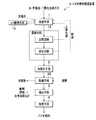
- the biofuel production apparatus A shown in FIG. 2 embodies an example of a preferred embodiment of the biofuel production method according to the present invention.
- the biofuel production apparatus A includes a culture means 1, a concentration means 12 that concentrates the culture solution by sedimentation concentration and centrifugation, an oil-fatification means 2, a drying means 22, and an extraction means 3.
- the reforming means 4 is provided.
- Examples of the culture means 1 include a culture tank. A culture solution prepared for culturing photosynthetic microorganisms is placed in the culture tank.
- carbon dioxide gas supply means (not shown) that actively supplies carbon dioxide gas as a carbon source, and the pH of the culture solution in the culture tank are maintained at an acidity of about 2 to 6.
- PH maintaining means 14 and nutrient salt supply means (not shown) for supplying nutrient salts to the culture solution.
- the culture tank may be cultured under open air conditions in which a lid or the like is not provided on the culture tank body, but when a lid or the like is provided on the culture tank body, at least a part of the culture tank or the lid body
- a light transmission means (not shown) for transmitting sunlight or illumination light.
- an illumination device By providing the light transmitting means and / or the illumination device, the photosynthetic microorganisms can be photosynthesized.
- the culture tank includes a thermometer that measures the temperature of the culture solution and the culture tank, a photometer, a gas concentration meter that measures the concentration of oxygen and carbon dioxide, a thermostat that maintains the culture solution at a constant temperature, You may provide the stirring apparatus etc. which stir a liquid (all are not shown in figure).
- the sedimentation concentration in the concentration means 12 can be performed using, for example, a sedimentation tank.
- the supernatant liquid can be returned to the culture tank using the water head difference. Since the returned supernatant liquid contains a nutrient component, it can be used without wasting it by returning it to the culture tank.
- Centrifugation in the concentration means 12 can be performed using, for example, a separation plate centrifuge.
- the light liquid obtained by centrifugation can be reduced in water consumption by returning it to the culture tank.
- the heavy liquid obtained by concentrating by centrifugation is supplied to the oil making means 2 described later.
- Examples of the oleaginizing means 2 include an airtight container capable of shielding light.
- a constant temperature apparatus that keeps the temperature of the concentrated culture solution constant
- a gas concentration meter that measures the concentration of oxygen and carbon dioxide
- an inert gas such as nitrogen and argon expel oxygen from the airtight container.
- a gas introduction unit and a gas extraction unit both not shown formed using a check valve or the like may be provided.
- drying means 22 examples include a dryer that uses waste heat of exhaust gas and exhaust steam discharged from factories and incineration facilities.
- a dryer is not limited to this, A commercially available hot air dryer, a freeze dryer, etc. can also be used.
- drying process S22 it can dry also by sun drying.
- the drying means 22 the water in the culture solution is evaporated as water vapor and removed from the culture solution.
- the extraction means 3 for example, a supercritical CO 2 extraction device solvent extraction apparatus and CO 2 for extracting to extract in the supercritical state with an organic solvent.
- hexane or the like can be used as the organic solvent.
- the photosynthetic microorganisms extracted by extracting the fats and oils are recovered, and the organic matter is solubilized or dried biologically and / or chemically as it is. It can be used as a raw material for biomass such as feed, fertilizer, solid fuel, and raw materials for chemical products.
- Examples of the reforming means 4 include hydrodesulfurization apparatuses that perform a hydrogenation reaction such as kerosene hydrodesulfurization apparatus, vacuum gas oil hydrodesulfurization apparatus, naphtha hydrorefining apparatus, and heavy oil hydrodesulfurization apparatus. it can.
- hydrodesulfurization apparatuses that perform a hydrogenation reaction
- kerosene hydrodesulfurization apparatus vacuum gas oil hydrodesulfurization apparatus, naphtha hydrorefining apparatus, and heavy oil hydrodesulfurization apparatus.
- biofuels such as light oil and jet fuel can be preferably produced.
- Euglena was used as the photosynthetic microorganism.
- a modified Cramer-Myers medium ((NH 4 ) 2 HPO 4 1.0 g / L, KH 2 PO 4 1, in which water is stored in a culture tank, and nutrient salts such as a nitrogen source, a phosphorus source, and a mineral are added.
- Euglena was inoculated into the prepared culture and cultured for 7 days using sunlight.
- the water temperature of the culture solution during the culture period was 29 ° C. ⁇ 3 ° C.
- Carbon dioxide gas was supplied to the culture tank as a carbon source.
- the pH of the culture broth became acidic by supplying carbon dioxide gas, but was maintained at about 2 to 6 using a pH maintaining device.
- the pH was 2 to 4.5, it was difficult for other microorganisms to grow and contamination could be prevented.
- the depth of the culture solution was 50 cm or less. However, when the culture solution was maintained at 30 cm or less, the culture solution was changed up and down by stirring in the culture solution, and photosynthesis could be performed more efficiently.
- a certain amount of the culture solution containing Euglena grown in the culture tank was drawn out and sent to the sedimentation tank. Euglena has a higher specific gravity than water, so it naturally settled in the settling tank and settled at the bottom.
- a certain amount of the precipitated photosynthetic microorganism was sent to a centrifuge, and the supernatant was returned to the culture tank and again used for culture.
- the concentrated culture solution containing Euglena fed to the centrifuge was centrifuged. A concentrated heavy liquid having a higher Euglena concentration was obtained. The concentrated heavy liquid was then sent to the oiling process. The light liquid containing Euglena that could not be separated by the centrifuge was returned to the culture tank and used again for culture.
- oleaginization metabolism was promoted by maintaining the heavy liquid under anaerobic conditions, and the fat content was improved.
- the anaerobic treatment temperature was in the range of 25 to 40 ° C., and the conditions were such that the light was not shielded from photosynthesis.
- the treatment amount increases, oxygen dissolved in Euglena photosynthesis increases the amount of dissolved oxygen in the culture solution, and the concentration of euglena is low. It took a lot of time and inert gas to reduce the dissolved oxygen concentration to suppress the oxygen.
- concentration treatment after culturing, the amount of oil to be oiled is reduced, the amount of dissolved oxygen in the culture solution is reduced, and the concentration of Euglena in the culture solution is increased. The amount of active gas could be reduced.
- Euglena whose fat content was improved by anaerobic treatment was dried at 110 ° C. for 120 minutes using waste heat.
- Oils and fats were extracted from the dried euglena dry matter by a solvent extraction method using hexane, and the fats and defatted euglena dry matter were separated.
- Oils and fats were refined with kerosene hydrodesulfurization equipment to produce petroleum substitute fuel (biofuel). Since this petroleum alternative fuel had an oil composition centered on carbon length 14, it was suggested that it could be used as light oil or jet fuel.
- degreased Euglena was recovered and used as feedstock, fertilizer, and chemical raw material as biomass raw material.
Landscapes
- Chemical & Material Sciences (AREA)
- Organic Chemistry (AREA)
- Engineering & Computer Science (AREA)
- Life Sciences & Earth Sciences (AREA)
- Wood Science & Technology (AREA)
- Oil, Petroleum & Natural Gas (AREA)
- Zoology (AREA)
- Chemical Kinetics & Catalysis (AREA)
- General Chemical & Material Sciences (AREA)
- Health & Medical Sciences (AREA)
- General Health & Medical Sciences (AREA)
- Biotechnology (AREA)
- Genetics & Genomics (AREA)
- Biochemistry (AREA)
- Bioinformatics & Cheminformatics (AREA)
- General Engineering & Computer Science (AREA)
- Microbiology (AREA)
- Cell Biology (AREA)
- Mycology (AREA)
- Preparation Of Compounds By Using Micro-Organisms (AREA)
- Micro-Organisms Or Cultivation Processes Thereof (AREA)
- Apparatus Associated With Microorganisms And Enzymes (AREA)
- Liquid Carbonaceous Fuels (AREA)
- Production Of Liquid Hydrocarbon Mixture For Refining Petroleum (AREA)
Abstract
Description
また、本発明によれば、製造工程に油脂化工程を含んでいるので従来のバイオ燃料の製造方法と比較してより多くのバイオ燃料を製造することが可能である。
本発明で用いることのできる光合成微生物としては、ユーグレナ(Euglena)を挙げることができる。ユーグレナは鞭毛虫の一群で、運動性のある藻類として有名なミドリムシを含む。大部分のユーグレナは、葉緑体を持っており、光合成を行って独立栄養生活を行うが、捕食性のものや吸収栄養性のものもある。
ユーグレナは、動物学と植物学の双方に分類される属である。
動物学では、原生動物門(Protozoa)の鞭毛虫綱(Mastigophorea)、植物鞭毛虫亜綱(Phytomastigophorea)に属する目の中にミドリムシ目(Euglenida)があり、これは三つの亜目、Euglenoidina、Peranemoidina、Petalomonadoidinaよりなる。
Euglenoidinaには、属としてEuglena、Trachelemonas、Strombonas、Phacus、Lepocinelis、Astasia、Colaciumが含まれる。
植物学では、ミドリムシ植物門(Euglenophyta)があり、その下にミドリムシ藻類綱(Euglenophyceae)、ミドリムシ目(Euglenales)があって、この目に含まれる属としてはEuglenaの他、動物分類表と同様である。
これ以外にも、シアノバクテリア、緑藻およびトレボキシア、プラシノ藻(緑色藻類)、原始紅藻類、珪藻、円石藻、渦べん毛藻、真眼点藻、黄金色藻などから1種または2種以上を選択して用いることができる。
さらには、アナべナ(Anabaena)属に属するアナべナ・バリアビリス(Anabanena variabilis)ATCC 29413、シアノテセ(Cyanothece)属のCyanothece sp. ATCC 51142、シネココッカス(Synechococcus)属に属するSynechococcus sp. PCC 7942およびアナシスティス(Anacystis)属に属するアナシスティス・ニデュランス(Anacystis nidulans)および好熱性シアノバクテリアなどを用いることができる。
なお、本発明で用いることのできる光合成微生物は、光合成により油脂および炭水化物を生成し、細胞内に蓄積することができ、後記する油脂化工程S2で細胞内に蓄積した炭水化物を油脂化することのできるものであれば用いることができ、前記したものに限定されるものではない。
培養液は、用いる光合成微生物に適した培地を用いればよく、これに限定されるものでないことはいうまでもない。
光合成微生物は、嫌気状態になると防衛反応として細胞内に油脂を蓄積する。そのため、油脂化のための手法として、例えば、光合成微生物を培養した培養液を嫌気状態下で保持することを挙げることができる。なお、本発明における嫌気状態とは、酸素が存在しない(少ない)状態を意味する。嫌気状態を作る方法としては、濃縮工程S12(沈降濃縮、遠心分離)で高密度化した光合成微生物を、光合成で酸素を生産できないように光と空気の流入を遮断した密閉容器内や配管内で保持すると、光合成微生物の呼吸で酸素が消費され、これにより嫌気状態を作ることが可能である。なお、嫌気状態を作る方法は前記したものに限定されるものではない。嫌気状態は、窒素やアルゴンなどの不活性ガスで酸素を追い出すことなどによっても作り出すこともできる。
なお、沈降濃縮とは、自然沈降を利用して光合成微生物を濃縮することをいう。沈降濃縮は、例えば、6~36時間程度静置すればよい。
また、遠心分離による濃縮とは、遠心分離機の遠心力によって光合成微生物を濃縮することをいう。遠心分離を行うと、光合成微生物を含む、比重の重い液体(重液)と、光合成微生物を含まない、比重が軽い液体(上澄み液(軽液))とを得ることができる。軽液を取り除くことにより、重液に含まれる光合成微生物を好適に濃縮することができる。なお、軽液は可能な限り取り除くのが好ましい。なお、遠心分離は、例えば5,000~20,000×gの条件で行うことができる。
細胞内からの油脂の抽出は、例えば、有機溶媒を用いた溶媒抽出法や超臨界CO2抽出法などにより行うことができる。溶媒抽出法に用いる有機溶媒としては、例えば、ヘキサンを挙げることができる。油脂を抽出した後のヘキサンは、蒸留することで再度溶媒抽出に使用することができるため環境およびコストの面でメリットが大きい。
油脂の改質は、例えば、水素添加反応のような還元処理などを挙げることができる。例えば、ワックスエステル中の酸素を水素添加反応によって取り除くことにより、軽油やジェット燃料といったバイオ燃料を製造することができる。
なお、これらの手段は、前記した同様の名称を有する各工程と対応するものである。よって、これらの手段についての意義や作用、効果などについての説明は、対応する各工程の項目において既に説明しているので省略する。
さらに、培養槽には、培養液や培養槽内の温度を計測する温度計、光度計、酸素濃度や二酸化炭素の濃度を測定するガス濃度計、培養液を一定の温度に保つ恒温装置、培養液を撹拌する撹拌装置などを備えてもよい(いずれも図示せず)。
抽出工程S3で説明したように、油脂を抽出して脱脂された光合成微生物は回収された後、そのまま、もしくは、生物的および/または化学的に有機物を可溶化したり、乾燥等したりすることで飼料、肥料、固形燃料、化学製品の原料など、バイオマス原料として利用することができる。
まず、培養槽内に水を貯留し、窒素源、リン源、ミネラルなどの栄養塩類を添加した改変Cramer-Myers培地((NH4)2HPO4 1.0g/L、KH2PO4 1.0g/L、MgSO4・7H2O 0.2g/L、CaCl2・2H2O 0.02g/L、Fe2(SO2)3・7H2O 3mg/L、MnCl2・4H2O 1.8mg/L、CoSO4・7H2O 1.5mg/L、ZnSO4・7H2O 0.4mg/L、Na2MoO4・2H2O 0.2mg/L、CuSO4・5H2O 0.02g/L、チアミン塩酸塩(ビタミンB1) 0.1mg/L、シアノコバラミン(ビタミンB12)、(pH3.5))を調製した。
ヘキサンを用いた溶媒抽出法によって、乾燥したユーグレナの乾燥物から油脂を抽出し、油脂と脱脂したユーグレナの乾燥物とを分けた。
油脂は、灯軽油水素化脱硫装置にて精製し、石油代替燃料(バイオ燃料)を製造した。かかる石油代替燃料は、炭素長14を中心とする油脂組成であったことから、軽油やジェット燃料として利用可能なことが示唆された。
一方、脱脂したユーグレナを回収し、バイオマス原料として、飼料や肥料や化学原料として利用することができた。
S12 濃縮工程
S2 油脂化工程
S22 乾燥工程
S3 抽出工程
S32 回収工程
S4 改質工程
A バイオ燃料製造装置
1 培養手段
12 濃縮手段
14 pH維持手段
2 油脂化手段
22 乾燥手段
3 抽出手段
4 改質手段
Claims (12)
- 細胞内に油脂および炭水化物を蓄積する光合成微生物を培養液で培養する培養工程と、
前記培養液で培養した光合成微生物の細胞内に蓄積された炭水化物を油脂化させる油脂化工程と、
前記光合成微生物の細胞内から油脂を抽出する抽出工程と、
前記抽出した油脂を改質する改質工程と、
を含むことを特徴とするバイオ燃料製造方法。 - 請求の範囲第1項に記載のバイオ燃料製造方法において、
前記培養工程と前記油脂化工程との間に、
培養した前記培養液を濃縮する濃縮工程を含んでいる
ことを特徴とするバイオ燃料製造方法。 - 請求の範囲第2項に記載のバイオ燃料製造方法において、
前記濃縮工程における濃縮が、沈降濃縮である
ことを特徴とするバイオ燃料製造方法。 - 請求の範囲第2項に記載のバイオ燃料製造方法において、
前記濃縮工程における濃縮が、沈降濃縮とこれに続けて行われる遠心分離による濃縮である
ことを特徴とするバイオ燃料製造方法。 - 請求の範囲第1項に記載のバイオ燃料製造方法において、
前記油脂化工程と前記抽出工程との間に、
培養した前記光合成微生物を含む前記培養液を乾燥する乾燥工程を含んでいる
ことを特徴とするバイオ燃料製造方法。 - 請求の範囲第1項に記載のバイオ燃料製造方法において、
前記抽出工程後、
油脂を抽出して脱脂された前記光合成微生物を回収する回収工程を含んでいる
ことを特徴とするバイオ燃料製造方法。 - 請求の範囲第3項に記載のバイオ燃料製造方法において、
前記沈殿濃縮にて得られた上澄み液を前記培養工程で用いる培養槽に返送する
ことを特徴とするバイオ燃料製造方法。 - 請求の範囲第4項に記載のバイオ燃料製造方法において、
前記遠心分離にて得られた軽液を前記培養工程で用いる培養槽に返送する
ことを特徴とするバイオ燃料製造方法。 - 請求の範囲第1項に記載のバイオ燃料製造方法において、
前記培養工程は、培養液中への空気ばっ気よりも高い溶存二酸化炭素濃度で前記光合成微生物の培養を行うことを特徴とするバイオ燃料製造方法。 - 請求の範囲第1項に記載のバイオ燃料製造方法において、
前記培養工程における前記培養液の液深さを50cm以下とした
ことを特徴とするバイオ燃料製造方法。 - 請求の範囲第1項に記載のバイオ燃料製造方法において、
前記培養工程における前記培養液のpHを2~6とした
ことを特徴とするバイオ燃料製造方法。 - 請求の範囲第1項に記載のバイオ燃料製造方法において、
前記油脂化工程を、遮光した条件下、25~40℃の温度で行う
ことを特徴とするバイオ燃料製造方法。
Priority Applications (7)
| Application Number | Priority Date | Filing Date | Title |
|---|---|---|---|
| EP11786680.6A EP2578689A4 (en) | 2010-05-26 | 2011-05-25 | METHOD FOR PRODUCING A BIOFUEL |
| AU2011259331A AU2011259331B2 (en) | 2010-05-26 | 2011-05-25 | Method for producing biofuel |
| US13/699,780 US8951773B2 (en) | 2010-05-26 | 2011-05-25 | Production method for biofuel |
| KR1020127031418A KR101462411B1 (ko) | 2010-05-26 | 2011-05-25 | 바이오 연료 제조 방법 |
| PH1/2012/502285A PH12012502285A1 (en) | 2010-05-26 | 2011-05-25 | Production method for biofuel |
| BR112012029999A BR112012029999A2 (pt) | 2010-05-26 | 2011-05-25 | método para a produção de biocombustível |
| CN201180025940.0A CN103003433B (zh) | 2010-05-26 | 2011-05-25 | 生物燃料制造方法 |
Applications Claiming Priority (2)
| Application Number | Priority Date | Filing Date | Title |
|---|---|---|---|
| JP2010121042A JP2011246605A (ja) | 2010-05-26 | 2010-05-26 | バイオ燃料製造方法 |
| JP2010-121042 | 2010-05-26 |
Publications (1)
| Publication Number | Publication Date |
|---|---|
| WO2011148981A1 true WO2011148981A1 (ja) | 2011-12-01 |
Family
ID=45003970
Family Applications (1)
| Application Number | Title | Priority Date | Filing Date |
|---|---|---|---|
| PCT/JP2011/061998 Ceased WO2011148981A1 (ja) | 2010-05-26 | 2011-05-25 | バイオ燃料製造方法 |
Country Status (10)
| Country | Link |
|---|---|
| US (1) | US8951773B2 (ja) |
| EP (1) | EP2578689A4 (ja) |
| JP (1) | JP2011246605A (ja) |
| KR (1) | KR101462411B1 (ja) |
| CN (1) | CN103003433B (ja) |
| AU (1) | AU2011259331B2 (ja) |
| BR (1) | BR112012029999A2 (ja) |
| MY (1) | MY159579A (ja) |
| PH (1) | PH12012502285A1 (ja) |
| WO (1) | WO2011148981A1 (ja) |
Cited By (6)
| Publication number | Priority date | Publication date | Assignee | Title |
|---|---|---|---|---|
| WO2013115137A1 (ja) * | 2012-01-31 | 2013-08-08 | Jx日鉱日石エネルギー株式会社 | 燃料油基材の製造方法 |
| JP2014168409A (ja) * | 2013-03-04 | 2014-09-18 | Univ Of Tokyo | 微細藻類培養液の濃縮方法および装置 |
| WO2015190116A1 (ja) * | 2014-06-13 | 2015-12-17 | 株式会社デンソー | 微細藻類の培養方法、微細藻類、及び油脂の製造方法 |
| JP6031158B1 (ja) * | 2015-06-10 | 2016-11-24 | 株式会社ユーグレナ | ユーグレナの培養方法 |
| JP2017079602A (ja) * | 2015-10-23 | 2017-05-18 | 株式会社デンソー | 光合成微生物の培養装置及び培養方法 |
| JPWO2025239424A1 (ja) * | 2024-05-17 | 2025-11-20 |
Families Citing this family (15)
| Publication number | Priority date | Publication date | Assignee | Title |
|---|---|---|---|---|
| HRP20170273T1 (hr) * | 2010-06-23 | 2017-04-21 | Bernard A. J. Stroïazzo-Mougin | Postupak dobivanja sirove bionafte iz mikroalgi |
| JP5807947B2 (ja) * | 2011-03-07 | 2015-11-10 | Jx日鉱日石エネルギー株式会社 | 炭化水素燃料の製造方法 |
| CA2847894A1 (en) * | 2011-10-28 | 2013-05-02 | Sapphire Energy, Inc. | Processes for upgrading algae oils and products thereof |
| JP6060441B2 (ja) * | 2012-07-06 | 2017-01-18 | 株式会社ユーグレナ | 藻類含有組成物製造システム |
| US9024096B2 (en) * | 2012-12-11 | 2015-05-05 | Lummus Technology Inc. | Conversion of triacylglycerides-containing oils |
| JP6063362B2 (ja) * | 2013-09-10 | 2017-01-18 | 株式会社日立製作所 | 光合成微生物の分離システム及びその分離方法 |
| CN104630065B (zh) * | 2013-11-14 | 2018-08-28 | 中国石油化工股份有限公司 | 一种微藻养殖和废气脱硝的联合方法 |
| JP6290639B2 (ja) * | 2014-01-31 | 2018-03-07 | 株式会社ユーグレナ | ユーグレナの培養方法及びその培養液 |
| CN104445800B (zh) * | 2014-10-21 | 2016-06-01 | 南通大学 | 利用微藻耦合光生物反应器处理污水与生产柴油的方法 |
| JP2016182063A (ja) * | 2015-03-26 | 2016-10-20 | 国立大学法人 東京大学 | 培地及び強光阻害抑制方法 |
| US9901606B2 (en) | 2016-06-09 | 2018-02-27 | Algaeon, Inc. | Euglena lysate composition |
| CA3034122A1 (en) | 2016-08-19 | 2018-02-22 | Noblegen Inc. | Methods and uses of dissolved organic material fractions for binding metal ions |
| JP2020516768A (ja) | 2017-04-07 | 2020-06-11 | ノーブルジェン・インコーポレーテッド | 金属を結合するための方法並びにカプセル化された滲出物及び乾燥ユーグレナ(euglena)バイオマスの使用 |
| KR102612831B1 (ko) * | 2021-06-07 | 2023-12-13 | 한국지역난방공사 | 유출 이산화탄소 농도를 제어하기 위한 도심발전소 적용 이산화탄소 컴팩트 분리막 및 탄소 자원화 하이브리드 시스템 |
| JP2023112609A (ja) * | 2022-02-01 | 2023-08-14 | 住友重機械工業株式会社 | 燃料化システム、燃料化方法、バイオフィルム型リアクター |
Citations (3)
| Publication number | Priority date | Publication date | Assignee | Title |
|---|---|---|---|---|
| JPS63119409A (ja) * | 1986-11-08 | 1988-05-24 | Harima Chem Inc | 皮膚化粧料 |
| WO2009076559A1 (en) * | 2007-12-11 | 2009-06-18 | Synthetic Genomics, Inc. | Secretion of fatty aicds by photosynthetic microorganisms |
| JP2010514446A (ja) * | 2006-12-28 | 2010-05-06 | ソリックス バイオフューエルズ, インコーポレイテッド | 優れた拡散光大表面積水支持式フォトバイオリアクタ |
Family Cites Families (6)
| Publication number | Priority date | Publication date | Assignee | Title |
|---|---|---|---|---|
| JPS59118090A (ja) * | 1982-12-22 | 1984-07-07 | Shozaburo Kitaoka | ロウ・エステル、高級脂肪アルコ−ルおよび高級脂肪酸の製造法 |
| JPS61254193A (ja) * | 1985-05-07 | 1986-11-11 | Harima Chem Inc | 不飽和ワツクスエステルの製造方法 |
| JP3004509B2 (ja) * | 1993-09-27 | 2000-01-31 | 三菱重工業株式会社 | 微細藻からのエタノール製造方法及び装置 |
| JP3468955B2 (ja) * | 1995-12-01 | 2003-11-25 | 三菱重工業株式会社 | 微細藻による乳酸の製造方法 |
| JP3549444B2 (ja) * | 1998-07-28 | 2004-08-04 | 喜温 三浦 | 微生物による水素の生産方法 |
| JP2010057485A (ja) * | 2008-08-08 | 2010-03-18 | Mitsubishi Chemicals Corp | Co2固定化方法及びco2固定化用藻類培養装置 |
-
2010
- 2010-05-26 JP JP2010121042A patent/JP2011246605A/ja active Pending
-
2011
- 2011-05-25 BR BR112012029999A patent/BR112012029999A2/pt not_active Application Discontinuation
- 2011-05-25 CN CN201180025940.0A patent/CN103003433B/zh not_active Expired - Fee Related
- 2011-05-25 KR KR1020127031418A patent/KR101462411B1/ko not_active Expired - Fee Related
- 2011-05-25 EP EP11786680.6A patent/EP2578689A4/en not_active Withdrawn
- 2011-05-25 US US13/699,780 patent/US8951773B2/en active Active
- 2011-05-25 MY MYPI2012005067A patent/MY159579A/en unknown
- 2011-05-25 WO PCT/JP2011/061998 patent/WO2011148981A1/ja not_active Ceased
- 2011-05-25 PH PH1/2012/502285A patent/PH12012502285A1/en unknown
- 2011-05-25 AU AU2011259331A patent/AU2011259331B2/en not_active Ceased
Patent Citations (3)
| Publication number | Priority date | Publication date | Assignee | Title |
|---|---|---|---|---|
| JPS63119409A (ja) * | 1986-11-08 | 1988-05-24 | Harima Chem Inc | 皮膚化粧料 |
| JP2010514446A (ja) * | 2006-12-28 | 2010-05-06 | ソリックス バイオフューエルズ, インコーポレイテッド | 優れた拡散光大表面積水支持式フォトバイオリアクタ |
| WO2009076559A1 (en) * | 2007-12-11 | 2009-06-18 | Synthetic Genomics, Inc. | Secretion of fatty aicds by photosynthetic microorganisms |
Non-Patent Citations (3)
| Title |
|---|
| KENGO SUZUKI ET AL.: "Bisai Morui o Mochiita Nisanka Tanso Kotei Gijutsu no Shokai -Jigyo Kaisha to Shite no Torikumi", BIOPHILLA, vol. 3, no. 2, 2007, pages 56 - 58, XP008170824 * |
| KENGO SUZUKI: "Bisai Morui Euglenids ni yoru Yuyo Busshitsu ni Tsuite", CSJ: THE CHEMICAL SOCIETY OF JAPAN KOEN YOKOSHU, vol. 91ST, no. 1, March 2011 (2011-03-01), pages 26, XP008167797 * |
| NEENAN, B. F. ET AL.: "Fuels from Microalgae: an Assessment of Technology Requirements", SYMP. PAP. ENERGY BIOMASS WASTES, vol. 10TH, 1987, pages 1293 - 1308, XP008167798 * |
Cited By (8)
| Publication number | Priority date | Publication date | Assignee | Title |
|---|---|---|---|---|
| WO2013115137A1 (ja) * | 2012-01-31 | 2013-08-08 | Jx日鉱日石エネルギー株式会社 | 燃料油基材の製造方法 |
| JPWO2013115137A1 (ja) * | 2012-01-31 | 2015-05-11 | Jx日鉱日石エネルギー株式会社 | 燃料油基材の製造方法 |
| JP2014168409A (ja) * | 2013-03-04 | 2014-09-18 | Univ Of Tokyo | 微細藻類培養液の濃縮方法および装置 |
| WO2015190116A1 (ja) * | 2014-06-13 | 2015-12-17 | 株式会社デンソー | 微細藻類の培養方法、微細藻類、及び油脂の製造方法 |
| JP6031158B1 (ja) * | 2015-06-10 | 2016-11-24 | 株式会社ユーグレナ | ユーグレナの培養方法 |
| JP2017079602A (ja) * | 2015-10-23 | 2017-05-18 | 株式会社デンソー | 光合成微生物の培養装置及び培養方法 |
| JPWO2025239424A1 (ja) * | 2024-05-17 | 2025-11-20 | ||
| WO2025239424A1 (ja) * | 2024-05-17 | 2025-11-20 | 三菱化工機株式会社 | バイオマス原料からの有価物の抽出システム及び方法 |
Also Published As
| Publication number | Publication date |
|---|---|
| EP2578689A4 (en) | 2014-05-14 |
| MY159579A (en) | 2017-01-13 |
| EP2578689A1 (en) | 2013-04-10 |
| US20130071889A1 (en) | 2013-03-21 |
| AU2011259331A1 (en) | 2012-12-20 |
| CN103003433A (zh) | 2013-03-27 |
| KR20130025908A (ko) | 2013-03-12 |
| US8951773B2 (en) | 2015-02-10 |
| AU2011259331B2 (en) | 2013-12-05 |
| BR112012029999A2 (pt) | 2015-09-08 |
| PH12012502285A1 (en) | 2022-10-05 |
| KR101462411B1 (ko) | 2014-11-17 |
| CN103003433B (zh) | 2015-04-15 |
| JP2011246605A (ja) | 2011-12-08 |
Similar Documents
| Publication | Publication Date | Title |
|---|---|---|
| WO2011148981A1 (ja) | バイオ燃料製造方法 | |
| Das et al. | Microalgal co-cultivation for biofuel production and bioremediation: current status and benefits | |
| Cai et al. | Cultivation of Nannochloropsis salina using anaerobic digestion effluent as a nutrient source for biofuel production | |
| Widjaja et al. | Study of increasing lipid production from fresh water microalgae Chlorella vulgaris | |
| Singh et al. | Mechanism and challenges in commercialisation of algal biofuels | |
| Chen et al. | Review of biological and engineering aspects of algae to fuels approach | |
| Yeesang et al. | Low-cost production of green microalga Botryococcus braunii biomass with high lipid content through mixotrophic and photoautotrophic cultivation | |
| US20090298159A1 (en) | Method for producing biodiesel from an alga | |
| Goswami et al. | Scenedesmus dimorphus and Scenedesmus quadricauda: two potent indigenous microalgae strains for biomass production and CO2 mitigation—a study on their growth behavior and lipid productivity under different concentration of urea as nitrogen source | |
| JP5052652B2 (ja) | ワックスエステル高含有ユーグレナの生産方法 | |
| US20110054027A1 (en) | Production of biofuel from tissue culture sources | |
| CN105713950A (zh) | 一种利用烟气生产微藻油脂的方法 | |
| Chowdhury et al. | Fatty acid profile and energy efficiency of biodiesel production from an alkaliphilic algae grown in the photobioreactor | |
| CN102492626A (zh) | 拟微绿球藻及其应用 | |
| Badar et al. | Growth evaluation of microalgae isolated from palm oil mill effluent in synthetic media | |
| Dineshkumar et al. | Cultivation and harvesting of micro-algae for bio-fuel production—a review | |
| Can et al. | Evaluating the dilution of municipal wastewater on biomass increase, lipid production and nutrient removal by the blue-green algae Spirulina platensis (Geitler) | |
| Eloka-Eboka et al. | Fuel properties comparison of species of microalgae and selected second-generation oil feedstocks | |
| Choudhary et al. | “Algal” biodiesel: Future prospects and problems | |
| Li et al. | Algae for biofuels | |
| Ali et al. | Methods to Increase Microalgae Carbohydrates for Bioethanol Production | |
| Salem et al. | Effect of nitrogen and phosphorus concentrations in growth medium and salt stress on growth, lipid content, and biodiesel producing ability of microalgae | |
| Bhati | Algae biodiesel: Fundamentals and future prospects | |
| Hassan et al. | Effect of light intensity on biofuel production from green alga Chlorella vulgaris | |
| Rao et al. | 8 MicroalgalAcids Production Biomass, through Lipids, Open and Fatty or Closed Cultivation Systems |
Legal Events
| Date | Code | Title | Description |
|---|---|---|---|
| 121 | Ep: the epo has been informed by wipo that ep was designated in this application |
Ref document number: 11786680 Country of ref document: EP Kind code of ref document: A1 |
|
| WWE | Wipo information: entry into national phase |
Ref document number: 12012502285 Country of ref document: PH |
|
| WWE | Wipo information: entry into national phase |
Ref document number: 10228/DELNP/2012 Country of ref document: IN |
|
| NENP | Non-entry into the national phase |
Ref country code: DE |
|
| WWE | Wipo information: entry into national phase |
Ref document number: 1201006136 Country of ref document: TH Ref document number: 13699780 Country of ref document: US Ref document number: 2011786680 Country of ref document: EP |
|
| ENP | Entry into the national phase |
Ref document number: 20127031418 Country of ref document: KR Kind code of ref document: A |
|
| ENP | Entry into the national phase |
Ref document number: 2011259331 Country of ref document: AU Date of ref document: 20110525 Kind code of ref document: A |
|
| REG | Reference to national code |
Ref country code: BR Ref legal event code: B01A Ref document number: 112012029999 Country of ref document: BR |
|
| ENP | Entry into the national phase |
Ref document number: 112012029999 Country of ref document: BR Kind code of ref document: A2 Effective date: 20121126 |