WO2011162189A1 - 移動通信システムにおける無線基地局及び方法 - Google Patents
移動通信システムにおける無線基地局及び方法 Download PDFInfo
- Publication number
- WO2011162189A1 WO2011162189A1 PCT/JP2011/063978 JP2011063978W WO2011162189A1 WO 2011162189 A1 WO2011162189 A1 WO 2011162189A1 JP 2011063978 W JP2011063978 W JP 2011063978W WO 2011162189 A1 WO2011162189 A1 WO 2011162189A1
- Authority
- WO
- WIPO (PCT)
- Prior art keywords
- communication system
- mobile communication
- base station
- mobile
- radio base
- Prior art date
- Legal status (The legal status is an assumption and is not a legal conclusion. Google has not performed a legal analysis and makes no representation as to the accuracy of the status listed.)
- Ceased
Links
Images




Classifications
-
- H—ELECTRICITY
- H04—ELECTRIC COMMUNICATION TECHNIQUE
- H04W—WIRELESS COMMUNICATION NETWORKS
- H04W36/00—Hand-off or reselection arrangements
- H04W36/0005—Control or signalling for completing the hand-off
- H04W36/0083—Determination of parameters used for hand-off, e.g. generation or modification of neighbour cell lists
- H04W36/0085—Hand-off measurements
- H04W36/0088—Scheduling hand-off measurements
-
- H—ELECTRICITY
- H04—ELECTRIC COMMUNICATION TECHNIQUE
- H04W—WIRELESS COMMUNICATION NETWORKS
- H04W36/00—Hand-off or reselection arrangements
- H04W36/14—Reselecting a network or an air interface
- H04W36/144—Reselecting a network or an air interface over a different radio air interface technology
- H04W36/1443—Reselecting a network or an air interface over a different radio air interface technology between licensed networks
-
- H—ELECTRICITY
- H04—ELECTRIC COMMUNICATION TECHNIQUE
- H04W—WIRELESS COMMUNICATION NETWORKS
- H04W88/00—Devices specially adapted for wireless communication networks, e.g. terminals, base stations or access point devices
- H04W88/02—Terminal devices
- H04W88/06—Terminal devices adapted for operation in multiple networks or having at least two operational modes, e.g. multi-mode terminals
Definitions
- the present invention relates to a radio base station and method in a mobile communication system.
- E-UTRA Evolved Universal Terrestrial Radio Access
- E-UTRAN Evolved Universal Terrestrial Radio Access Network
- WCDMA wideband code division multiple access
- the method based on E-UTRA or E-UTRAN is also called the Long Term Evolution method.
- CSFB Circuit Switching Fall Back
- the user of the first system receives the service by handover to the second system. Can do.
- the radio base station of the first system usually instructs the mobile station to measure the radio quality of the destination system, the mobile station measures, reports the measured value, and then Then, the radio base station requests a handover from the exchange.
- the period from when the radio base station instructs the mobile station to measure radio quality until the measurement value is reported is not short. Rather, there is a concern that the service provision start time in the second system is delayed due to this period.
- the problem of the present invention is that when a mobile station communicating in the first system requests a service that is not provided in the first system but provided in the second system, the mobile station promptly requests the second system. To be able to migrate.
- a radio base station in a first mobile communication system, A wireless communication unit that wirelessly communicates with a mobile station capable of communicating in the first and second mobile communication systems; A network communication unit that communicates with the exchange, A determination unit that determines whether the mobile station should measure the radio quality in the second mobile communication system, and the message received from the switching center by the network communication unit is the first mobile communication system In the case where it is indicated that the mobile station is requesting a service that is not provided in the second mobile communication system but is provided in the second mobile communication system, the determination unit may By determining whether there is coverage of the mobile communication system, it is determined whether the mobile station needs to measure radio quality, When the measurement of the radio quality is unnecessary, the network communication unit does not request the mobile station to measure the radio quality, and the network communication unit determines that the mobile station moves to the second mobile communication system. Request to the station, In response to an instruction from the exchange, the wireless communication unit is a wireless base station that notifies the mobile station that the mobile station should move to the second mobile communication
- the mobile station when a mobile station communicating in the first system requests a service that is not provided in the first system but provided in the second system, the mobile station receives the second system. To be able to move quickly. Thereby, the time until the service provision start in the second system can be shortened.
- movement sequence by one Example The block diagram of the wireless base station by one Example.
- Example of operation 2. Radio base station Existence of coverage 4. Modified Example 4.1 Redirection 4.2 Handover from Standby State 4.3 Redirection from Standby State
- the first mobile communication system and the second mobile communication system overlap geographically at least partially, and the mobile station (UE) can be handed over between the systems.
- the first mobile communication system is an LTE system.
- the second mobile communication system is a third generation system such as the UTRA system.
- the system to which this embodiment is applicable is not limited to the LTE and UTRA systems, and may be other systems.
- the present invention can be applied to a system of a system such as GERAN (GSM), CDMA2000, UMTS, or a fourth generation mobile communication system.
- GSM GERAN
- CDMA2000 Code Division Multiple Access 2000
- UMTS Code Division Multiple Access
- fourth generation mobile communication system a fourth generation mobile communication system.
- the present invention is applicable in situations where some service is not provided by the system.
- the first mobile communication system (LTE) has not provided voice service for a certain period of time at the beginning of system introduction (during this time, the first mobile communication system (LTE) exclusively performs data communication, for example).
- the voice service is provided in the second mobile communication system (3G), but is not provided in the first mobile communication system. Therefore, when a user of the first mobile communication system (LTE) desires voice service, the user needs to communicate with the second mobile communication system (3G). For this reason, it is necessary to perform handover between systems. This handover is not a handover performed according to radio quality degradation, system congestion, or the like, but a handover from a system where a certain service is not provided to a system where the service is provided.
- a mobile station is a user apparatus that can communicate with both the first and second mobile communication systems.
- the user device may be a mobile phone, an information terminal, a personal digital assistant, a portable personal computer, or the like.
- the radio base station (eNB) executes at least an operation in the first mobile communication system (LTE).
- a radio base station may be referred to as an access point AP.
- the radio base station (eNB) may execute processing in the second mobile communication system (3G) as well as the first mobile communication system.
- the radio base station (eNB) in the first mobile communication system performs, for example, radio resource management, IP header compression and encryption processing, user plane data routing, paging message and broadcast information scheduling, and the like.
- the exchange is coupled to the radio base station (eNB) via the S1 interface.
- the switching center is a mobility management entity (MME) that manages the movement of mobile stations. Specifically, it manages mobility between 3GPP access networks, manages tracking area (location registration area) lists, and packet data.
- FIG. 1 shows a sequence according to an embodiment of the present invention.
- a user of a mobile station (UE) located in the first mobile communication system (LTE) desires voice service, and a message indicating that is sent via the radio base station (eNB) to the switching center (MME) (Not shown).
- the voice service is not provided in the first mobile communication system (LTE), but is provided in the second mobile communication system (3G). Accordingly, the switching center (MME) determines that the user should be handed over from the first mobile communication system to the second mobile communication system.
- step S1 the mobile switching center (MME) transmits a line setup request signal (UE Context Modification Request) to the radio base station (eNB), so that the mobile station (UE) can perform the first mobile communication system (LTE). Notifies the second mobile communication system (3G) that it should be handed over.
- UE Context Modification Request UE Context Modification Request
- the radio base station (eNB) confirms whether there is coverage of the second mobile communication system in its own cell.
- the second mobile communication system 3G
- LTE first mobile communication system
- the mobile station (UE) located in the cell In general, it may be considered that radio waves can be received more strongly than a predetermined value.
- the determination of the presence / absence of coverage in the present embodiment is not necessarily based on the measurement value of the actual radio wave reception level, and “having coverage” more accurately means that “there is coverage”. It means "I can do it.” Therefore, the determination that “there is no coverage” in step S2 means that it can not be estimated that there is coverage, and if the radio wave is actually measured, it may be confirmed that there is coverage.
- the presence or absence of coverage is determined based on a predetermined determination criterion, and a specific determination method will be described later.
- the mobile station (UE) When it is determined that there is coverage of the second mobile communication system (3G) in the own cell, the mobile station (UE) does not need to measure the radio quality of the second mobile communication system. In this case, the radio base station (eNB) immediately executes steps S6 and S7 after step S1.
- step S6 the radio base station (eNB) transmits a line setting response signal (UE Context Modification Response) to the switching center (MME). This is a response to the line setting command signal transmitted in step S1.
- UE Context Modification Response UE Context Modification Response
- step S7 the radio base station (eNB) transmits a handover preparation request signal (Handover Required) to the switching center (MME).
- the switching center (MME) sends an instruction to the second mobile communication system so that the mobile station (UE) can be handed over from the first mobile communication system to the second mobile communication system (3G).
- the handover preparation request signal in step S7 is promptly transmitted to the switching center (MME) following steps S1 and S6.
- step S8 the switching center (MME) sends a handover preparation signal and a handover command (Handover Command) to the radio base station (eNB) in response to a response signal from the second mobile communication system (3G) that is the handover destination.
- a handover preparation signal and a handover command Send.
- eNB radio base station
- step S8 the switching center (MME) sends a handover preparation signal and a handover command (Handover Command) to the radio base station (eNB) in response to a response signal from the second mobile communication system (3G) that is the handover destination.
- Handover Command handover command
- step S9 the radio base station (eNB) transmits a handover instruction signal (Mobility From EUTRA Command) to the mobile station (UE) in response to the handover preparation signal.
- a handover instruction signal Mobility From EUTRA Command
- the mobile station (UE) transmits an uplink signal to the second mobile communication system (3G), synchronizes and hands over to the second mobile communication system.
- provision of the voice service is started after the line setting for the voice service in the second mobile communication system (3G).
- step S2 it is assumed that the radio base station (eNB) determines that there is no coverage of the second mobile communication system in the cell of the first mobile communication system.
- “there is no coverage” in step S2 means that it is impossible to estimate that there is coverage. If radio waves are actually measured, it may be confirmed that there is coverage.
- the radio base station (eNB) transmits a line setting / measurement instruction signal (RRC Connection Reconfiguration) to the mobile station (UE) in step S3.
- the mobile station (UE) transmits a line setup / measurement instruction response signal (RRC Connection Reconfiguration Complete) to the radio base station (eNB).
- step S3 when the mobile station (UE) should measure the radio quality for the second mobile communication system is designated by the line setting / measurement instruction signal.
- the mobile station (eNB) measures the radio quality of the second mobile communication system (3G) at a designated timing (gap period ensured for measurement of radio quality of a different frequency or different RAT system).
- the radio quality is synonymous with “reception level” in this embodiment, and may be measured by any appropriate amount known in the art.
- the radio quality or the reception level may be expressed by reception power, field strength RSSI, desired wave reception power RSCP, path loss, S / N, Ec / N 0, or the like.
- step S5 the mobile station (UE) reports a measurement value of radio quality to the radio base station (eNB) by transmitting a measurement result report signal (Measurement Report) to the radio base station (eNB). If the measured value of the radio quality is better than a predetermined threshold, the second mobile communication system has coverage. That is, in step S2, it is determined that there is no coverage based on a criterion different from the actual measurement, but when the mobile station (UE) actually measures, it is confirmed that there is coverage. In this case, the mobile station (UE) can be handed over from the first mobile communication system to the second mobile communication system by executing steps S6, S7, S8 and S9.
- the second mobile communication system does not really have coverage, so that the mobile station (UE) is not allowed to hand over to the second mobile communication system.
- the radio base station (eNB) does not receive the handover preparation response signal as in step S8, and the mobile station (UE) does not receive the handover instruction signal as in step S9.
- the radio base station (eNB) proceeds with preparation for handover without instructing the mobile station (UE) to measure radio quality.
- S3, S4 and S5 can be omitted.
- the time required for steps S3, S4, and S5 can be shortened, and the time at which the mobile station (UE) receives service provision is advanced accordingly.
- FIG. 2 shows a radio base station (eNB) that can be used in this embodiment.
- FIG. 2 schematically shows elements particularly related to the present embodiment among various functional elements included in the radio base station (eNB).
- a control unit 81, an uplink reception unit 82, an uplink transmission unit 83, a downlink reception unit 84, a downlink transmission unit 85, a management unit 86, and an instruction unit 87 are illustrated.
- the control unit 81 controls operations of various functional elements in the radio base station (eNB).
- the uplink (UL) receiving unit 82 receives an uplink radio signal transmitted from the mobile station (UE).
- UE mobile station
- eNB radio base station
- the uplink (UL) transmission unit 83 transmits a signal to notify the switching center (MME) belonging to the evolved packet core (EPC). This signal is transmitted via the S1 interface. In the case of the present embodiment, in particular, a line setting response signal, a handover preparation response signal, and the like are transmitted.
- the downlink (DL) receiving unit 84 receives a signal from the switching center (MME). This signal is also transmitted via the S1 interface. In the case of the present embodiment, in particular, a line setting command signal, a handover preparation response signal, etc. are received.
- the downlink (DL) transmission unit 85 wirelessly transmits a downlink signal to the mobile station (UE).
- a handover instruction signal is transmitted.
- the radio base station (eNB) determines that there is no coverage, a line setting / measurement instruction signal and a handover instruction signal are transmitted.
- the management unit 86 manages the presence / absence of coverage for each system. A specific method for determining the presence or absence of coverage will be described later.
- the instruction unit 87 gives a signal to be transmitted to the mobile station (UE) and / or the switching center (MME) to the DL transmission unit 85 and / or the UL transmission unit 83.
- the first criterion is that there is coverage when antenna system facilities are shared.
- FIG. 3 shows that the radio base station (eNB) of the first mobile communication system (LTE) and the radio base station (BTS) of the second mobile communication system (3G) share the antenna system equipment.
- eNB radio base station
- BTS radio base station
- FIG. 3 shows that the radio base station (eNB) of the first mobile communication system (LTE) and the radio base station (BTS) of the second mobile communication system (3G) share the antenna system equipment.
- eNB radio base station
- BTS radio base station
- the second determination criterion is that there is coverage when the cell of the first mobile communication system is included in the cell of the second mobile communication system.
- FIG. 4 shows a state in which the cell of the first mobile communication system (LTE) is included in the cell of the second mobile communication system (3G).
- the area of an indoor station eNB, HeNB
- BTS outdoor station
- the distinction between outdoor and indoor is not essential in the present embodiment, and there may be a more local outdoor station area in the outdoor station area, or a more local indoor in the indoor station area.
- an indoor station such as an IMCS station (Inbuilding Mobile Communication System) or a home radio base station (HeNB) provided in a home can be considered.
- IMCS station Inbuilding Mobile Communication System
- HeNB home radio base station
- the first mobile communication system (LTE) service is provided in a specific area such as a building, an underground mall, or a house, while the second mobile station is provided in other areas.
- Communication system (3G) services are provided.
- each of the first and second mobile communication systems uses the same frequency, if the first mobile communication system (LTE) can communicate well, it can be expected that the second mobile communication system (3G) can communicate well. it can. Therefore, also in this case, when handing over from the first mobile communication system (LTE) to the second mobile communication system (3G), the radio quality of the second mobile communication system (3G) is measured by the mobile station (UE). Can be omitted.
- the third determination criterion is that there is coverage when the frequency bands of the first and second mobile communication systems are common. In a mobile communication system, various frequency bands are defined.
- FIG. 5 shows an example of a frequency band.
- Such frequency bands are defined in “3GPP TS25.101 V8.10.0 (2010-03), Chapter 5.2”.
- LTE first mobile communication system
- 3G second mobile communication system
- the state can be expected to be similar.
- the difference in frequency is determined by the difference in frequency band.
- the first mobile communication system 1920-1930MHz (Uplink (UL)) and 2110-2120MHz (Downlink (DL)) Is used.
- the second mobile communication system (3G) 1930-1935MHz (Uplink (UL)) and 2120-2125MHz (Downlink (DL)) Is used.
- the frequency band I is 1920-1980MHz (Uplink (UL)) and 2110-2170MHz (Downlink (DL)) This is a frequency in the range.
- the frequencies of the first and second mobile communication systems all belong to the frequency band I.
- the third determination criterion the presence or absence of coverage is determined depending on whether or not the frequency bands to which the frequencies used in both systems belong are the same. In the case of the above example, since both belong to the frequency band I, it is determined that there is coverage.
- the fourth criterion is that coverage is determined when the measured radio quality is good. This criterion is the same as the measurement in steps S3, S4, and S5 in FIG. 1 in that the wireless quality is actually measured. However, the measurement of the radio quality according to the fourth determination criterion is performed by the radio base station, but the measurement in steps S3, S4, and S5 is different in that the measurement is performed by the mobile station.
- the radio base station (eNB) of the first mobile communication system (LTE) receives the radio wave from the second mobile communication system (3G) and measures the reception direction and the reception level. The presence or absence of coverage is determined based on the measured value.
- the reception level when the reception level is better than a predetermined threshold, it may be determined that there is coverage.
- the presence or absence of coverage May be determined.
- the radio base station (eNB) of the first mobile communication system (LTE) may measure the reception level at any appropriate timing. Therefore, by measuring the reception level before the timings such as steps S3, S4, and S5 in FIG. 1, it is possible to prevent delay of handover of the mobile station (UE).
- the above criteria are merely examples, and the presence or absence of coverage may be determined according to criteria other than these. Furthermore, each of the above criteria may be used alone, or a combination of two or more may be used. From the viewpoint of determining the presence or absence of coverage more appropriately and effectively, when the frequency band is common according to the third criterion, further based on the first, second and / or fourth criterion, It is preferable to determine the presence or absence of coverage.
- a positioning service that measures the position of a mobile station (UE) using, for example, GPS may be used instead of or in addition to the voice service.
- the 3G system may be advantageous in that it can provide various services.
- LTE-based systems can provide richer services than 3G-based systems.
- a user residing in the 3G system searches for a service that is not provided in the 3G system and performs a handover to the LTE system.
- a mobile station having a handover function changes the system by executing the operation shown in FIG. 1, while a mobile station not having a handover function changes the system by the method described below. May be.
- redirection is performed by omitting the measurement of the wireless quality of the migration destination system.
- FIG. 6 shows how redirection is performed instead of handover.
- a user of a mobile station (UE) located in the first mobile communication system (LTE) desires a voice service, and a message indicating that is a radio base station (eNB).
- MME radio base station
- the voice service is not provided in the first mobile communication system (LTE), but is provided in the second mobile communication system (3G).
- the switching center (MME) determines that the user should move from the first mobile communication system to the second mobile communication system. Steps S1-S5 are the same as those in FIG.
- step S1 the mobile switching center (MME) transmits a line setup request signal (UE Context Modification Request) to the radio base station (eNB), so that the mobile station (UE) can perform the first mobile communication system (LTE).
- UE Context Modification Request UE Context Modification Request
- eNB radio base station
- LTE first mobile communication system
- 3G second mobile communication system
- step S2 the radio base station (eNB) confirms whether there is coverage of the second mobile communication system in its own cell.
- the radio base station (eNB) needs to measure the radio quality of the second mobile communication system. Absent. In this case, the radio base station (eNB) immediately executes step S61 after step S1.
- the radio base station transmits a control signal (UE Context Release Request) for redirection to the exchange (MME).
- this control signal is a signal requesting release of radio resources in the first mobile communication system (LTE).
- LTE first mobile communication system
- the connection in the first mobile communication system (LTE) is disconnected and the connection is made to the second mobile communication system (3G).
- redirection is performed when the mobile station does not have a handover function, and handover is performed as shown in FIG. 1 when the mobile station has a handover function.
- a mobile station having a handover function may perform redirection.
- step S62 the switching center (MME) transmits a command for redirection (UE Context Release Command) to the radio base station (eNB). Thereby, radio resources in the second mobile communication system (LTE) are released.
- UE Context Release Command UE Context Release Command
- the exchange (MME) does not exchange with the second mobile communication system, and sends the command in step S62 to the radio base station. (ENB).
- step S63 the radio base station (eNB) transmits a redirection instruction signal (RRC Connection Release) to the mobile station (UE) in response to a command for redirection.
- RRC Connection Release a redirection instruction signal
- the mobile station (UE) starts connection to the second mobile communication system (3G).
- the mobile station automatically starts the connection procedure in response to the instruction.
- provision of voice service to the mobile station (UE) is started after setting up a line for voice service in the second mobile communication system (3G).
- Steps S2-S5 are the same as those in FIG.
- FIG. 7 shows a state in which a mobile station (UE) in a standby state in the first mobile communication system (LTE) performs a handover to the second mobile communication system (3G).
- the voice service is not provided in the first mobile communication system (LTE) but is provided in the second mobile communication system (3G).
- step S711 the user of the mobile station (UE) in a standby state in the first mobile communication system (LTE) desires voice service, and accordingly the mobile station (UE) and the radio base station (eNB) ) Is set in between (RRC Connection setting).
- the radio base station (eNB) transmits a signal for call connection to the exchange (MME) (step S712) and returns a response (step S713).
- the radio base station (eNB) checks whether or not there is coverage of the second mobile communication system in its own cell. When there is coverage of the second mobile communication system (3G) in the cell of the first mobile communication system (LTE), the mobile station (UE) measures the radio quality of the second mobile communication system. There is no need. When there is no coverage, the mobile station (UE) needs to measure the radio quality of the second mobile communication system.
- step S715 the radio base station (eNB) transmits a security mode command (Security Mode Command) to the mobile station (UE).
- the security mode command notifies key information and the like used for communication encryption.
- step S716 the radio base station (eNB) transmits a line setting / measurement instruction signal (RRC Connection Reconfiguration) to the mobile station (UE).
- the line setting / measurement instruction signal notifies when the mobile station (UE) should measure the radio quality for the second mobile communication system.
- the mobile station (UE) when there is coverage, the mobile station (UE) does not need to measure the radio quality of the second mobile communication system, but when there is no coverage, the mobile station (UE) (UE) needs to measure the radio quality of the second mobile communication system.
- step S717 the mobile station (UE) responds to the security mode command.
- step S718 the mobile station (UE) responds to the line setting / measurement instruction signal.
- step S719 the radio base station (eNB) returns a response to the initial context setup request (Initial Context Setup Request) received in step S713 to the exchange (MME).
- step S720 the mobile station (UE) reports a measurement value of radio quality in the second mobile communication system by transmitting a measurement report (Measurement Report) to the radio base station (eNB).
- the message transmission in step S720 is performed when there is no coverage of the second mobile communication system (3G) in the cell of the first mobile communication system (LTE). When there is coverage, it is not necessary for the mobile station (UE) to measure the radio quality of the second mobile communication system, and step S720 is omitted.
- step S721 the radio base station (eNB) transmits a handover preparation request signal (Handover Required) to the switching center (MME).
- the switching center (MME) sends an instruction to the second mobile communication system so that the mobile station (UE) can be handed over from the first mobile communication system to the second mobile communication system (3G).
- step S722 the switching center (MME) responds to a response signal from the second mobile communication system (3G) that is the handover destination, and sends a handover preparation signal and a handover command (Handover Command) to the radio base station (eNB). Send.
- the exchange between the switching center (MME) and the second mobile communication system (3G) of the migration destination is not shown.
- the radio base station (eNB) transmits a handover instruction signal (Mobility From EUTRA Command) to the mobile station (UE) in response to the handover preparation signal.
- a handover instruction signal Mobility From EUTRA Command
- the mobile station (UE) transmits an uplink signal to the second mobile communication system (3G), synchronizes and hands over to the second mobile communication system.
- provision of the voice service is started after the line setting for the voice service in the second mobile communication system (3G).
- FIG. 8 illustrates a state in which a mobile station (UE) in a standby state in the first mobile communication system (LTE) performs redirection to the second mobile communication system (3G). 7 is different from the sequence in FIG. 7 in that redirection is performed instead of handover. Therefore, the procedure from step S711 to S720 is the same as that described in FIG.
- step S81 the radio base station (eNB) transmits a control signal (UE Context Release Request) for redirection to the exchange (MME).
- this control signal is a signal requesting release of radio resources in the first mobile communication system (LTE).
- LTE first mobile communication system
- the connection in the first mobile communication system (LTE) is disconnected and the connection is made to the second mobile communication system (3G).
- step S82 the switching center (MME) transmits a redirection command (UE Context Release Command) to the radio base station (eNB). Thereby, radio resources in the second mobile communication system (LTE) are released.
- UE Context Release Command UE Context Release Command
- step S83 the radio base station (eNB) transmits a redirection instruction signal (RRC Connection Release) to the mobile station (UE) in response to a command for redirection.
- RRC Connection Release a redirection instruction signal
- the mobile station (UE) starts connection to the second mobile communication system (3G).
- the mobile station automatically starts the connection procedure in response to the instruction.
- provision of voice service to the mobile station (UE) is started after setting up a line for voice service in the second mobile communication system (3G).
- the present invention may be applied to any appropriate mobile communication system that performs inter-system handover.
- the present invention includes W-CDMA system, HSDPA / HSUPA W-CDMA system, LTE system, LTE-Advanced system, IMT-Advanced system, WiMAX, Wi-Fi system, etc. May be applied.
Landscapes
- Engineering & Computer Science (AREA)
- Computer Networks & Wireless Communication (AREA)
- Signal Processing (AREA)
- Mobile Radio Communication Systems (AREA)
Abstract
無線基地局は、第1及び第2の移動通信システムにおいて通信可能な移動局と無線通信する無線通信部と、交換局と通信するネットワーク通信部と、第2の移動通信システムにおける無線品質を移動局が測定すべきか否かを判断する判断部とを有し、第1の移動通信システムでは提供されていないが第2の移動通信システムでは提供されているサービスを、移動局が要求していた場合、無線基地局のセル内における第2の移動通信システムのカバレッジの有無を確認することで、移動局による無線品質の測定の要否を判断し、無線品質の測定が不要であった場合、無線品質の測定を移動局に要求せずに、移動局が第2の移動通信システムに移行することを許可する。
Description
本発明は、移動通信システムにおける無線基地局及び方法に関する。
この種の技術分野では、第3世代パートナーシッププロジェクト(3GPP)により、現在及び将来の移動通信システムの方式が次々と整備されている。特に、ワイドバンド符号分割多重アクセス(WCDMA)方式のUTRA又はUTRANによるシステムの後継として、E-UTRA(Evolved Universal Terrestrial Radio Access)又はE-UTRAN(Evolved Universal Terrestrial Radio Access Network)と呼ばれる方式がある。E-UTRA又はE-UTRANによる方式は、ロングタームエボリューション(Long Term Evolution)方式とも呼ばれている。
したがって、現在のところ様々な移動通信システムが並存し、システム毎に様々なサービスが提供されている。このため、ある種のサービスが、あるシステムでは提供されているが、別のシステムでは提供されていないこともある。例えば、W-CDMA、CDMA2000、UMTS、GSM等のような第3世代システムと、LTE方式のシステムとが同一の地域で並存し、LTE方式のシステムが、システム導入当初の一定期間、音声サービスを提供していなかったとする(この間、LTE方式のシステムは、専らデータ通信を行う。)。この場合、音声サービスは、第3世代システムでは提供されているが、LTE方式のシステムでは提供されていない。LTE方式のシステムのユーザが、音声サービスを希望する場合、そのユーザは、第3世代システムで通信する必要がある。LTE方式のシステムに在圏していた場合、第3世代システムにハンドオーバする必要がある。LTE方式のシステムから第3世代システムにユーザをハンドオーバさせ、音声サービスを提供できるようにする仕組みは、CSFB(Circuit Switching Fall Back)と呼ばれる。CSFBについては、例えば非特許文献1に記載されている。
3GPP TS23.272 V8.7.0(2010-03)、6.2章、6.3章、6.4章
上述したように、あるサービスが、第1システムでは提供されていないが、第2システムでは提供されている場合、第1システムのユーザは、第2システムにハンドオーバすることで、そのサービスを受けることができる。システム間のハンドオーバを行う場合、通常、第1システムの無線基地局は、移動局が移行先のシステムの無線品質を測定することを指示し、移動局が測定し、測定値を報告し、その後に無線基地局が交換局にハンドオーバを要求する。しかしながら、無線基地局が移動局に無線品質の測定を指示した後、測定値の報告を受けるまでの期間は短くはない。むしろ、この期間に起因して、第2システムにおけるサービス提供開始時点が遅延してしまうことが懸念される。
本発明の課題は、第1システムで通信している移動局が、第1システムでは提供されていないが第2システムでは提供されているサービスを要求した場合、移動局が第2システムに速やかに移行できるようにすることである。
本発明の一形態による無線基地局は、
第1の移動通信システムにおける無線基地局であって、
第1及び第2の移動通信システムにおいて通信可能な移動局と無線通信する無線通信部と、
交換局と通信するネットワーク通信部と、
前記第2の移動通信システムにおける無線品質を移動局が測定すべきか否かを判断する判断部と
を有し、前記ネットワーク通信部が前記交換局から受信したメッセージが、前記第1の移動通信システムでは提供されていないが前記第2の移動通信システムでは提供されているサービスを、前記移動局が要求していることを示す場合、前記判断部は、当該無線基地局のセル内における前記第2の移動通信システムのカバレッジの有無を確認することで、前記移動局による無線品質の測定の要否を判断し、
前記無線品質の測定が不要であった場合、前記無線品質の測定を前記移動局に要求せずに、前記ネットワーク通信部は、前記移動局が前記第2の移動通信システムに移ることを前記交換局に要求し、
前記交換局からの指示に応じて、前記無線通信部は、前記移動局が前記第2の移動通信システムに移るべきことを前記移動局に通知する、無線基地局である。
第1の移動通信システムにおける無線基地局であって、
第1及び第2の移動通信システムにおいて通信可能な移動局と無線通信する無線通信部と、
交換局と通信するネットワーク通信部と、
前記第2の移動通信システムにおける無線品質を移動局が測定すべきか否かを判断する判断部と
を有し、前記ネットワーク通信部が前記交換局から受信したメッセージが、前記第1の移動通信システムでは提供されていないが前記第2の移動通信システムでは提供されているサービスを、前記移動局が要求していることを示す場合、前記判断部は、当該無線基地局のセル内における前記第2の移動通信システムのカバレッジの有無を確認することで、前記移動局による無線品質の測定の要否を判断し、
前記無線品質の測定が不要であった場合、前記無線品質の測定を前記移動局に要求せずに、前記ネットワーク通信部は、前記移動局が前記第2の移動通信システムに移ることを前記交換局に要求し、
前記交換局からの指示に応じて、前記無線通信部は、前記移動局が前記第2の移動通信システムに移るべきことを前記移動局に通知する、無線基地局である。
本発明の一形態によれば、第1システムで通信している移動局が、第1システムでは提供されていないが第2システムでは提供されているサービスを要求した場合、移動局が第2システムに速やかに移行できるようにする。これにより、第2システムにおけるサービス提供開始までの時間を短縮することができる。
以下の観点から実施例を説明する。
1.動作例
2.無線基地局
3.カバレッジの有無
4.変形例
4.1 リダイレクション
4.2 待受状態からのハンドオーバ
4.3 待受状態からのリダイレクション
2.無線基地局
3.カバレッジの有無
4.変形例
4.1 リダイレクション
4.2 待受状態からのハンドオーバ
4.3 待受状態からのリダイレクション
<1.動作例>
以下、本発明の実施例を説明する。実施例では、第1の移動通信システムと第2の移動通信システムが、地理的に少なくとも一部において重複し、移動局(UE)はシステム間でハンドオーバすることができる。第1の移動通信システムは、LTE方式のシステムであるとする。第2の移動通信システムは、例えばUTRA方式のような第3世代のシステムであるとする。しかしながら、本実施例が適用可能なシステムは、LTE及びUTRA方式のシステムに限定されず、他のシステムでもよい。例えば、GERAN(GSM)、CDMA2000、UMTS等の方式のシステムや、第4世代の移動通信システム等にも、本発明は適用可能である。何らかのサービスがシステムによって提供されていたりいなかったりする状況において、本発明は適用可能である。
以下、本発明の実施例を説明する。実施例では、第1の移動通信システムと第2の移動通信システムが、地理的に少なくとも一部において重複し、移動局(UE)はシステム間でハンドオーバすることができる。第1の移動通信システムは、LTE方式のシステムであるとする。第2の移動通信システムは、例えばUTRA方式のような第3世代のシステムであるとする。しかしながら、本実施例が適用可能なシステムは、LTE及びUTRA方式のシステムに限定されず、他のシステムでもよい。例えば、GERAN(GSM)、CDMA2000、UMTS等の方式のシステムや、第4世代の移動通信システム等にも、本発明は適用可能である。何らかのサービスがシステムによって提供されていたりいなかったりする状況において、本発明は適用可能である。
第1の移動通信システム(LTE)が、システム導入当初の一定期間、音声サービスを提供していなかったとする(この間、第1の移動通信システム(LTE)は、例えば専らデータ通信を行う。)。この場合、音声サービスは、第2の移動通信システム(3G)では提供されているが、第1の移動通信システムでは提供されていない。したがって、第1の移動通信システム(LTE)のユーザが、音声サービスを希望する場合、そのユーザは、第2の移動通信システム(3G)で通信する必要がある。このため、システム間のハンドオーバを行う必要がある。このハンドオーバは、無線品質の劣化や、システムの輻輳等に応じて行われるハンドオーバではなく、あるサービスが提供されていないシステムから、そのサービスが提供されているシステムへのハンドオーバである。
移動局(UE)は、第1及び第2の移動通信システム双方で通信することが可能なユーザ装置である。ユーザ装置は、携帯電話、情報端末、パーソナルディジタルアシスタント、携帯用パーソナルコンピュータ等でもよい。
無線基地局(eNB)は、第1の移動通信システム(LTE)における動作を少なくとも実行する。無線基地局は、アクセスポイントAPとして言及されてもよい。無線基地局(eNB)は、第1の移動通信システムだけでなく、第2の移動通信システム(3G)における処理を実行してもよい。第1の移動通信システムにおける無線基地局(eNB)は、例えば、無線リソースの管理、IPヘッダ圧縮及び暗号処理、ユーザプレーンデータのルーティング、ページングメッセージや報知情報のスケジューリング等を行う。
交換局(MME)は、S1インターフェースを介して無線基地局(eNB)に結合される。交換局は、移動局の移動を管理する移動管理要素(MME:Mobility Management Entity)であり、具体的には、3GPPアクセスネットワーク間における移動管理、トラッキングエリア(位置登録エリア)リストの管理、パケットデータネットワーク(PDN)のゲートウェイ(GW)の選択、サービングゲートウェイ(GW)の選択、ハンドオーバにおける交換局(MME)の選択、ローミング、認証、ベアラ管理、加入者情報の管理、移動管理、発着信制御、課金制御、QoS制御等に関する処理を行う。
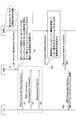
図1は、本発明の実施例によるシーケンスを示す。第1の移動通信システム(LTE)に在圏している移動局(UE)のユーザは、音声サービスを希望し、その旨を示すメッセージが無線基地局(eNB)を介して交換局(MME)に届く(図示せず)。音声サービスは、第1の移動通信システム(LTE)では提供されていないが、第2の移動通信システム(3G)で提供されている。したがって、交換局(MME)は、そのユーザは、第1の移動通信システムから第2の移動通信システムにハンドオーバすべきであると判断する。
ステップS1において、交換局(MME)は、回線設定要求信号(UE Context Modification Request)を無線基地局(eNB)に送信することで、移動局(UE)が、第1の移動通信システム(LTE)から第2の移動通信システム(3G)にハンドオーバすべきことを通知する。
ステップS2において、無線基地局(eNB)は自セル内における第2の移動通信システムのカバレッジの有無を確認する。第1の移動通信システム(LTE)のセル内において、第2の移動通信システム(3G)のカバレッジが有る場合、そのセルに在圏する移動局(UE)は、第2の移動通信システムからの電波を所定値以上強く受信できると考えてよいのが一般的である。しかしながら、本実施例におけるカバレッジの有無の判断は、実際の電波の受信レベルの測定値に基づいているとは限らず、「カバレッジが有る」とは、より正確には「カバレッジが有ることを推定できる」、という意味である。したがって、ステップS2において「カバレッジが無い」との判断は、カバレッジが有ることを推定できない、という意味であり、実際に電波を測定すれば、カバレッジの有ることを確認できるかもしれない。カバレッジの有無は、所定の判断基準に基づいて判断され、具体的な判断方法については後述する。
自セル内における第2の移動通信システム(3G)のカバレッジが有ると判断された場合、移動局(UE)が、第2の移動通信システムの無線品質を測定する必要はない。この場合、無線基地局(eNB)は、ステップS1の後、速やかにステップS6、S7を実行する。
ステップS6において、無線基地局(eNB)は、交換局(MME)へ回線設定応答信号(UE Context Modification Response)を送信する。これは、ステップS1において送信された回線設定命令信号に対する応答である。
ステップS7において、無線基地局(eNB)は、交換局(MME)へハンドオーバ準備要求信号(Handover Required)を送信する。これにより、交換局(MME)は、移動局(UE)が第1の移動通信システムから第2の移動通信システム(3G)へハンドオーバできるように、第2の移動通信システムに指示を送る。従来とは異なり、ステップS1、S6に続いて速やかにステップS7のハンドオーバ準備要求信号が交換局(MME)に送信される。
ステップS8において、交換局(MME)は、ハンドオーバ先の第2の移動通信システム(3G)からの応答信号に応答して、ハンドオーバ準備信号とハンドオーバコマンド(Handover Command)を無線基地局(eNB)に送信する。図示の簡明化を図るため、交換局(MME)と移行先の第2の移動通信システム(3G)とのやりとりは図示されていない。
ステップS9において、無線基地局(eNB)は、ハンドオーバ準備信号に応じて、移動局(UE)にハンドオーバ指示信号(Mobility From EUTRA Command)を送信する。図示されてはいないが、以後、移動局(UE)は第2の移動通信システム(3G)に上り信号を送信し、同期をとり、第2の移動通信システムにハンドオーバする。そして、移動局(UE)に対して、第2の移動通信システム(3G)における音声サービスのための回線設定後に、音声サービスの提供が開始される。
一方、ステップS2において、無線基地局(eNB)が、第1の移動通信システムのセル内において、第2の移動通信システムのカバレッジは無いと判断したとする。上述したように、ステップS2において「カバレッジが無い」とは、カバレッジが有ることを推定できない、という意味であり、実際に電波を測定すれば、カバレッジの有ることを確認できるかもしれない。ステップS2において、カバレッジが無いと判断された場合、無線基地局(eNB)は、ステップS3において、回線設定・測定指示信号(RRC Connection Reconfiguration)を移動局(UE)に送信する。これに応じて、移動局(UE)は、回線設定・測定指示応答信号(RRC Connection Reconfiguration Complete)を無線基地局(eNB)に送信する。
ステップS3では、第2の移動通信システムについて移動局(UE)が無線品質の測定を何時行うべきか等が、回線設定・測定指示信号により指定される。移動局(eNB)は、指定されたタイミング(異周波又は異RATシステムの無線品質の測定用に確保されたギャップ期間)において、第2の移動通信システム(3G)の無線品質を測定する。無線品質は、本実施例では「受信レベル」と同義であり、当該技術分野で既知の適切な如何なる量により測定されてもよい。例えば、無線品質又は受信レベルは、受信電力、電界強度RSSI、希望波受信電力RSCP、パスロス、S/N、Ec/N0等により表現されてもよい。
ステップS5において、移動局(UE)は、測定結果報告信号(Measurement Report)を無線基地局(eNB)に送信することで、無線品質の測定値を無線基地局(eNB)に報告する。無線品質の測定値が、所定の閾値以上良かった場合、第2の移動通信システムのカバレッジは有ることになる。すなわち、ステップS2において、実測とは異なる判断基準によりカバレッジは無いと判断されたが、移動局(UE)が実際に測定したところ、カバレッジは有ることが、確認されたことになる。この場合、ステップS6、S7、S8及びS9の手順を実行することで、移動局(UE)は第1の移動通信システムから第2の移動通信システムへハンドオーバすることが可能である。無線品質の測定値が、所定の閾値以上良くなかった場合、第2の移動通信システムのカバレッジは本当に無いので、移動局(UE)が第2の移動通信システムにハンドオーバすることは許可されない。この場合、無線基地局(eNB)はステップS8のようなハンドオーバ準備応答信号を受信せず、移動局(UE)もステップS9のようなハンドオーバ指示信号を受信しない。
このように、ステップS2において、カバレッジが有ることを確認できた場合、無線基地局(eNB)は、無線品質の測定を移動局(UE)に指示せずに、ハンドオーバの準備を進めるので、ステップS3、S4及びS5を省略できる。これにより、ステップS3、S4及びS5に要する時間を短縮でき、その分、移動局(UE)がサービス提供を受ける時点が早まる。
<2.無線基地局>
図2は、本実施例で使用可能な無線基地局(eNB)を示す。図2には、無線基地局(eNB)に備わる様々な機能要素の内、本実施例に特に関連する要素が模式的に示されている。制御部81、アップリンク受信部82、アップリンク送信部83、ダウンリンク受信部84、ダウンリンク送信部85、管理部86及び指示部87が図示されている。
図2は、本実施例で使用可能な無線基地局(eNB)を示す。図2には、無線基地局(eNB)に備わる様々な機能要素の内、本実施例に特に関連する要素が模式的に示されている。制御部81、アップリンク受信部82、アップリンク送信部83、ダウンリンク受信部84、ダウンリンク送信部85、管理部86及び指示部87が図示されている。
制御部81は、無線基地局(eNB)における各種の機能要素の動作を制御する。
アップリンク(UL)受信部82は、移動局(UE)から送信されたアップリンクの無線信号を受信する。無線基地局(eNB)がカバレッジは無いと判断した場合、回線設定・測定指示応答信号、測定結果報告信号が受信される。
アップリンク(UL)送信部83は、エボルブドパケットコア(EPC)に属する交換局(MME)に通知する信号を送信する。この信号は、S1インターフェースを介して伝送される。本実施例の場合、特に、回線設定応答信号、ハンドオーバ準備応答信号等が送信される。
ダウンリンク(DL)受信部84は、交換局(MME)からの信号を受信する。この信号も、S1インターフェースを介して伝送される。本実施例の場合、特に、回線設定命令信号、ハンドオーバ準備応答信号等が受信される。
ダウンリンク(DL)送信部85は、移動局(UE)に対するダウンリンクの信号を無線送信する。本実施例の場合、特に、ハンドオーバ指示信号が送信される。また、無線基地局(eNB)がカバレッジは無いと判断した場合、回線設定・測定指示信号、ハンドオーバ指示信号が送信される。
管理部86は、カバレッジの有無をシステム毎に管理する。カバレッジの有無の具体的な判断方法については後述する。
指示部87は、移動局(UE)及び/又は交換局(MME)に送信する信号をDL送信部85及び/又はUL送信部83に与える。
<3.カバレッジの有無>
以下、第1の移動通信システム(LTE)の無線基地局(eNB)が、自セル内において、第2の移動通信システム(3G)のカバレッジの有無を判断する際の判断基準を説明する。あるシステムから別のシステムにユーザが移る場合、両システムの周波数や無線アクセス技術(RAT)は一般的には異なるので、ハンドーバの前に移動局が移行先システムの無線品質を測定するのが原則である。しかしながら、以下に説明するような状況の場合、移行元のシステムにおいて良好に通信できるならば、移行先のシステムにおいても良好に通信でき、無線品質を測定するまでもなく移行先システムのカバレッジが有ることを期待できる。そのような場合、ハンドーバの前に移動局が移行先システムの無線品質を測定することを省略することで、移行先システムにおけるサービス提供開始時点を早めることができる。
以下、第1の移動通信システム(LTE)の無線基地局(eNB)が、自セル内において、第2の移動通信システム(3G)のカバレッジの有無を判断する際の判断基準を説明する。あるシステムから別のシステムにユーザが移る場合、両システムの周波数や無線アクセス技術(RAT)は一般的には異なるので、ハンドーバの前に移動局が移行先システムの無線品質を測定するのが原則である。しかしながら、以下に説明するような状況の場合、移行元のシステムにおいて良好に通信できるならば、移行先のシステムにおいても良好に通信でき、無線品質を測定するまでもなく移行先システムのカバレッジが有ることを期待できる。そのような場合、ハンドーバの前に移動局が移行先システムの無線品質を測定することを省略することで、移行先システムにおけるサービス提供開始時点を早めることができる。
以下の判断基準は、例示にすぎず、これら以外の判断基準にしたがってカバレッジの有無が判断されてもよい。
(1)第1の判断基準は、アンテナ系設備が共用されている場合、カバレッジが有ると判断される。
図3は、第1の移動通信システム(LTE)の無線基地局(eNB)と、第2の移動通信システム(3G)の無線基地局(BTS)とが、アンテナ系設備を共有している様子を示す。第1及び第2の移動通信システムの無線基地局が、同じ場所に設けられ、各システムが同様な周波数を使用する場合、第1の移動通信システム(LTE)のカバレッジと、第2の移動通信システム(3G)のカバレッジは、同様になることが期待できる。第1の移動通信システム(LTE)において良好に通信できるならば、第2の移動通信システム(3G)においても良好に通信できる。したがって、第1の移動通信システム(LTE)から第2の移動通信システム(3G)にハンドオーバする際、移動局(UE)による第2の移動通信システム(3G)の無線品質の測定を省略することができる。
(2)第2の判断基準は、第1の移動通信システムのセルが、第2の移動通信システムのセルに包含されている場合、カバレッジがあると判断される。
図4は、第1の移動通信システム(LTE)のセルが、第2の移動通信システム(3G)のセルに包含されている様子を示す。図4では、屋外局(BTS)のエリアに屋内局(eNB、HeNB)のエリアが存在している。ただし、屋外及び屋内の区別は本実施例に必須ではなく、屋外局のエリア内に、さらに局所的な屋外局のエリアがあってもよいし、屋内局のエリア内に、さらに局所的な屋内局のエリアがあってもよい。第1の移動通信システム(LTE)の無線基地局として、IMCS局(Inbuilding Mobile Communication System)や、家庭内に設けられたホーム無線基地局(HeNB)のような屋内局が考えられる。これらの無線基地局が使用される場合、ビル、地下街、家屋等の特定の地域において、第1の移動通信システム(LTE)のサービスが提供される一方、それ以外の地域において、第2の移動通信システム(3G)のサービスが提供される。第1及び第2の移動通信システム各々が同様な周波数を使用する場合、第1の移動通信システム(LTE)で良好に通信できれば、第2の移動通信システム(3G)でも良好に通信できることが期待できる。したがって、この場合も、第1の移動通信システム(LTE)から第2の移動通信システム(3G)にハンドオーバする際、移動局(UE)による第2の移動通信システム(3G)の無線品質の測定を省略することができる。
(3)第3の判断基準は、第1及び第2の移動通信システムの周波数バンドが共通する場合、カバレッジがあると判断される。移動通信システムでは、様々な周波数バンドが規定されている。
図5は、周波数バンドの一例を示す。このような周波数バンドについては、「3GPP TS25.101 V8.10.0(2010-03)、5.2章」に規定されている。上述したように、第1及び第2の移動通信システム各々が、同様な周波数を使用する場合、第1の移動通信システム(LTE)における通信状態と、第2の移動通信システム(3G)における通信状態は、同様になることが期待できる。第3の判断基準では、周波数の異同が、周波数バンドの異同により判断される。
例えば、第1の移動通信システム(LTE)が、
1920-1930MHz(上りリンク(UL))及び
2110-2120MHz(下りリンク(DL))
を使用していたとする。そして、第2の移動通信システム(3G)が、
1930-1935MHz(上りリンク(UL))及び
2120-2125MHz(下りリンク(DL))
を使用していたとする。図5に示されているように、周波数バンドIは、
1920-1980MHz(上りリンク(UL))及び
2110-2170MHz(下りリンク(DL))
の範囲の周波数である。この場合、第1及び第2の移動通信システムの周波数は、いずれも周波数バンドIに属する。第3の判断基準の場合、両システムで使用される周波数が属する周波数バンドが同一であるか否かに応じて、カバレッジの有無が判断される。上記の例の場合、ともに周波数バンドIに属しているので、カバレッジが有ると判断される。
1920-1930MHz(上りリンク(UL))及び
2110-2120MHz(下りリンク(DL))
を使用していたとする。そして、第2の移動通信システム(3G)が、
1930-1935MHz(上りリンク(UL))及び
2120-2125MHz(下りリンク(DL))
を使用していたとする。図5に示されているように、周波数バンドIは、
1920-1980MHz(上りリンク(UL))及び
2110-2170MHz(下りリンク(DL))
の範囲の周波数である。この場合、第1及び第2の移動通信システムの周波数は、いずれも周波数バンドIに属する。第3の判断基準の場合、両システムで使用される周波数が属する周波数バンドが同一であるか否かに応じて、カバレッジの有無が判断される。上記の例の場合、ともに周波数バンドIに属しているので、カバレッジが有ると判断される。
(4)第4の判断基準は、実測した無線品質が良好であった場合、カバレッジがあると判断される。この判断基準は、無線品質を実測する点で、図1のステップS3、S4、S5による測定と同様である。しかしながら、第4の判断基準における無線品質の測定は、無線基地局により行われるのに対して、ステップS3、S4、S5による測定は移動局により行われる点で異なる。第4の判断基準の場合、第1の移動通信システム(LTE)の無線基地局(eNB)は、第2の移動通信システム(3G)からの電波を受信し、受信方向、受信レベルを測定し、測定値に基づいて、カバレッジの有無を判断する。例えば、受信レベルが所定の閾値以上良かった場合、カバレッジが有ると判断されてもよい。あるいは、第2の移動通信システム(3G)からの電波の受信電力と、第1の移動通信システム(LTE)の無線基地局(eNB)からの送信電力との相対的な関係から、カバレッジの有無が判断されてもよい。第1の移動通信システム(LTE)の無線基地局(eNB)は、適切な如何なるタイミングで受信レベルを測定してもよい。したがって、図1のステップS3、S4、S5のようなタイミング以前に受信レベルを測定しておくことで、移動局(UE)のハンドオーバを遅延させないようにすることができる。
上記の判断基準は例示にすぎず、これら以外の判断基準にしたがってカバレッジの有無が判断されてもよい。さらに、上記の判断基準の各々が単独に使用されてもよいし、2つ以上の組み合わせが使用されてもよい。より適切かつ効果的にカバレッジの有無を判断する観点からは、第3の判断基準により周波数バンドが共通していた場合に、さらに第1、第2及び/又は第4の判断基準に基づいて、カバレッジの有無を判断することが好ましい。
上記の実施例では、音声サービスを提供する例が説明されたが、本発明は、特定のサービスに限定されない。例えば、音声サービスの代わりに又は音声サービスに加えて、例えばGPS等を利用して移動局(UE)の位置を測定する測位サービスが使用されてもよい。
上記の実施例では、LTE方式のシステムから3G方式のシステムへのハンドオーバの例が説明されたが、逆向きのハンドオーバが行われてもよい。LTE方式のシステムの導入当初は、3G方式のシステムの方が様々なサービスを提供できる点で有利かもしれない。しかし、LTE方式のシステムが普及するにつれて、LTE方式のシステムの方が、3G方式のシステムよりも充実したサービスを提供できるようになる。そのような場合、3Gシステムに在圏しているユーザが、3Gシステムでは提供されていないサービスを求めて、LTE方式のシステムにハンドオーバすることが考えられる。
<4.変形例>
<4.1 リダイレクション>
上記の説明では、移動局がハンドオーバを行うことで異なるシステムに移行していた。しかしながら、移動局が異なるシステムに移る際に、ハンドオーバの代わりにリダイレクションを行うことも可能である。ハンドオーバの場合、移動局は短時間に移行できる点で有利であるが、移動局は、ハンドオーバの処理を実行するための機能を実装している必要がある。移動局によっては、ハンドオーバの処理を実行する機能を実装していないものもある点で不利である。リダイレクションの場合、接続のやり直しを行うので、移行に時間がかかってしまう点で不利であるが、ハンドオーバの機能を備えていない移動局でも、リダイレクションは可能な点で有利である。接続のやり直しは、システムが自動的に行うので、ユーザの操作は不要であるが、待ち時間が多少長くなってしまうかもしれない。一例として、ハンドオーバの機能を備えている移動局は、図1による動作を実行することでシステムを変更する一方、ハンドオーバの機能を備えていない移動局は、以下に説明する方法によりシステムを変更してもよい。図1の場合と同様に、本実施例の変形例では、カバレッジが有った場合、移行先のシステムの無線品質の測定を省略してリダイレクションが行われる。
<4.1 リダイレクション>
上記の説明では、移動局がハンドオーバを行うことで異なるシステムに移行していた。しかしながら、移動局が異なるシステムに移る際に、ハンドオーバの代わりにリダイレクションを行うことも可能である。ハンドオーバの場合、移動局は短時間に移行できる点で有利であるが、移動局は、ハンドオーバの処理を実行するための機能を実装している必要がある。移動局によっては、ハンドオーバの処理を実行する機能を実装していないものもある点で不利である。リダイレクションの場合、接続のやり直しを行うので、移行に時間がかかってしまう点で不利であるが、ハンドオーバの機能を備えていない移動局でも、リダイレクションは可能な点で有利である。接続のやり直しは、システムが自動的に行うので、ユーザの操作は不要であるが、待ち時間が多少長くなってしまうかもしれない。一例として、ハンドオーバの機能を備えている移動局は、図1による動作を実行することでシステムを変更する一方、ハンドオーバの機能を備えていない移動局は、以下に説明する方法によりシステムを変更してもよい。図1の場合と同様に、本実施例の変形例では、カバレッジが有った場合、移行先のシステムの無線品質の測定を省略してリダイレクションが行われる。
図6は、ハンドオーバの代わりにリダイレクションが行われる様子を示す。図1の場合と同様に、第1の移動通信システム(LTE)に在圏している移動局(UE)のユーザは、音声サービスを希望し、その旨を示すメッセージが無線基地局(eNB)を介して交換局(MME)に届く(図示せず)。音声サービスは、第1の移動通信システム(LTE)では提供されていないが、第2の移動通信システム(3G)で提供されている。したがって、交換局(MME)は、そのユーザは、第1の移動通信システムから第2の移動通信システムに移るべきであると判断する。ステップS1-S5は、図1におけるものと同様である。
ステップS1において、交換局(MME)は、回線設定要求信号(UE Context Modification Request)を無線基地局(eNB)に送信することで、移動局(UE)が、第1の移動通信システム(LTE)から第2の移動通信システム(3G)に移るべきことを通知する。
ステップS2において、無線基地局(eNB)は自セル内における第2の移動通信システムのカバレッジの有無を確認する。第1の移動通信システム(LTE)のセル内において、第2の移動通信システム(3G)のカバレッジが有る場合、移動局(UE)が、第2の移動通信システムの無線品質を測定する必要はない。この場合、無線基地局(eNB)は、ステップS1の後、速やかにステップS61を実行する。
ステップS61において、無線基地局(eNB)は、交換局(MME)へ、リダイレクションのための制御信号(UE Context Release Request)を送信する。この制御信号は、具体的には、第1の移動通信システム(LTE)における無線リソースの解放を要求する信号である。上述したように、リダイレクションの場合、第1の移動通信システム(LTE)における接続を切断し、第2の移動通信システム(3G)に対して接続を行う。本変形例では、移動局がハンドオーバの機能を備えていなかった場合にリダイレクションが行われ、移動局がハンドオーバの機能を備えていた場合、図1のようにハンドオーバが行われる。ただし、このことは本発明に必須ではない。ハンドオーバの機能を備えている移動局が、リダイレクションを行ってもよい。
ステップS62において、交換局(MME)は、リダイレクションのためのコマンド(UE Context Release Command)を無線基地局(eNB)に送信する。これにより、第2の移動通信システム(LTE)における無線リソースは解放される。
なお、図1のシーケンスの場合と異なり、ステップS61における制御信号の送信後、交換機(MME)は、第2の移動通信システムとの間でやり取りを行わずに、ステップS62のコマンドを無線基地局(eNB)に送信する。
ステップS63において、無線基地局(eNB)は、リダイレクションのためのコマンドに応じて、移動局(UE)にリダイレクション指示信号(RRC Connection Release)を送信する。これに応じて、移動局(UE)は第2の移動通信システム(3G)に対して接続を開始する。この場合、ユーザによる操作は不要であり、移動局は指示に応じて自動的に接続手順を開始する。図示されてはいないが、以後、第2の移動通信システム(3G)における音声サービスのための回線設定後に、移動局(UE)に音声サービスの提供が開始される。
ステップS2-S5については図1におけるものと同じであるので、説明を省略する。
<4.2 待受状態からのハンドオーバ>
上記の説明では、通信中の移動局がハンドオーバ又はリダイレクションを行うことで、異なるシステムに移行していた。しかしながら、通信中だけでなく、待受状態からシステムを移行することも可能である。
上記の説明では、通信中の移動局がハンドオーバ又はリダイレクションを行うことで、異なるシステムに移行していた。しかしながら、通信中だけでなく、待受状態からシステムを移行することも可能である。
図7は、第1の移動通信システム(LTE)において待受状態の移動局(UE)が、第2の移動通信システム(3G)へハンドオーバを行う様子を示す。上記の場合と同様に、音声サービスは、第1の移動通信システム(LTE)では提供されていないが、第2の移動通信システム(3G)で提供されているものとする。
ステップS711では、第1の移動通信システム(LTE)において待受状態の移動局(UE)のユーザが、音声サービスを希望しており、これに応じて移動局(UE)及び無線基地局(eNB)間にコネクションが設定される(RRC Connection設定)。無線基地局(eNB)は、呼接続のための信号を交換機(MME)に送信し(ステップS712)、応答を返す(ステップS713)。これに応答して、無線基地局(eNB)は、ステップS714において、自セル内における第2の移動通信システムのカバレッジの有無を確認する。第1の移動通信システム(LTE)のセル内において、第2の移動通信システム(3G)のカバレッジが有った場合、移動局(UE)が、第2の移動通信システムの無線品質を測定する必要はない。カバレッジが無かった場合、移動局(UE)は、第2の移動通信システムの無線品質を測定する必要がある。
ステップS715において、無線基地局(eNB)は、セキュリティモードコマンド(Security Mode Command)を移動局(UE)に送信する。セキュリティモードコマンドは、通信の暗号化に使用される鍵情報等を通知する。
ステップS716において、無線基地局(eNB)は、回線設定・測定指示信号(RRC Connection Reconfiguration)を移動局(UE)に送信する。回線設定・測定指示信号は、第2の移動通信システムについて移動局(UE)が無線品質の測定を何時行うべきか等を通知する。ただし、上記のステップS714のカバレッジ判定において、カバレッジが有った場合、移動局(UE)は、第2の移動通信システムの無線品質を測定する必要はないが、カバレッジが無かった場合、移動局(UE)は、第2の移動通信システムの無線品質を測定する必要がある。
ステップS717において、移動局(UE)は、セキュリティモードコマンドに応答する。
ステップS718において、移動局(UE)は、回線設定・測定指示信号に応答する。
ステップS719において、無線基地局(eNB)は、ステップS713で受信したイニシャルコンテキストセットアップリクエスト(Initial Context Setup Request)に対する応答を交換機(MME)に返す。
ステップS720において、移動局(UE)は、メジャーメントレポート(Measurement Report)を無線基地局(eNB)に送信することで、第2の移動通信システムにおける無線品質の測定値を報告する。ステップS720のメッセージ送信は、第1の移動通信システム(LTE)のセル内において、第2の移動通信システム(3G)のカバレッジが無かった場合に行われる。カバレッジが有った場合、移動局(UE)が、第2の移動通信システムの無線品質を測定する必要はなく、ステップS720は省略される。
ステップS721において、無線基地局(eNB)は、交換局(MME)へハンドオーバ準備要求信号(Handover Required)を送信する。これにより、交換局(MME)は、移動局(UE)が第1の移動通信システムから第2の移動通信システム(3G)へハンドオーバできるように、第2の移動通信システムに指示を送る。
ステップS722において、交換局(MME)は、ハンドオーバ先の第2の移動通信システム(3G)からの応答信号に応答して、ハンドオーバ準備信号とハンドオーバコマンド(Handover Command)を無線基地局(eNB)に送信する。図示の簡明化を図るため、交換局(MME)と移行先の第2の移動通信システム(3G)とのやりとりは図示されていない。
ステップS723において、無線基地局(eNB)は、ハンドオーバ準備信号に応じて、移動局(UE)にハンドオーバ指示信号(Mobility From EUTRA Command)を送信する。図示されてはいないが、以後、移動局(UE)は第2の移動通信システム(3G)に上り信号を送信し、同期をとり、第2の移動通信システムにハンドオーバする。そして、移動局(UE)に対して、第2の移動通信システム(3G)における音声サービスのための回線設定後に、音声サービスの提供が開始される。
<4.3 待受状態からのリダイレクション>
図8は、第1の移動通信システム(LTE)において待受状態の移動局(UE)が、第2の移動通信システム(3G)へリダイレクションを行う様子を示す。ハンドオーバの代わりにリダイレクションを行う点が、図7におけるシーケンスと異なる。したがって、ステップS711-S720までの手順は、図7において説明したものと同様である。
図8は、第1の移動通信システム(LTE)において待受状態の移動局(UE)が、第2の移動通信システム(3G)へリダイレクションを行う様子を示す。ハンドオーバの代わりにリダイレクションを行う点が、図7におけるシーケンスと異なる。したがって、ステップS711-S720までの手順は、図7において説明したものと同様である。
ステップS81において、無線基地局(eNB)は、交換局(MME)へ、リダイレクションのための制御信号(UE Context Release Request)を送信する。この制御信号は、具体的には、第1の移動通信システム(LTE)における無線リソースの解放を要求する信号である。上述したように、リダイレクションの場合、第1の移動通信システム(LTE)における接続を切断し、第2の移動通信システム(3G)に対して接続を行う。
ステップS82において、交換局(MME)は、リダイレクションのためのコマンド(UE Context Release Command)を無線基地局(eNB)に送信する。これにより、第2の移動通信システム(LTE)における無線リソースは解放される。
ステップS83において、無線基地局(eNB)は、リダイレクションのためのコマンドに応じて、移動局(UE)にリダイレクション指示信号(RRC Connection Release)を送信する。これに応じて、移動局(UE)は第2の移動通信システム(3G)に対して接続を開始する。この場合、ユーザによる操作は不要であり、移動局は指示に応じて自動的に接続手順を開始する。図示されてはいないが、以後、第2の移動通信システム(3G)における音声サービスのための回線設定後に、移動局(UE)に音声サービスの提供が開始される。
以上本発明は特定の実施例を参照しながら説明されてきたが、それらは単なる例示に過ぎず、当業者は様々な変形例、修正例、代替例、置換例等を理解するであろう。例えば、本発明は、システム間ハンドオーバを行う適切な如何なる移動通信システムに適用されてもよい。例えば本発明は、W-CDMA方式のシステム、HSDPA/HSUPA方式のW-CDMAシステム、LTE方式のシステム、LTE-Advanced方式のシステム、IMT-Advanced方式のシステム、WiMAX、Wi-Fi方式のシステム等に適用されてもよい。発明の理解を促すため具体的な数値例を用いて説明がなされたが、特に断りのない限り、それらの数値は単なる一例に過ぎず適切な如何なる値が使用されてもよい。実施例又は項目の区分けは本発明に本質的ではなく、2以上の項目に記載された事項が必要に応じて組み合わせて使用されてよいし、ある項目に記載された事項が、別の項目に記載された事項に(矛盾しない限り)適用されてよい。説明の便宜上、本発明の実施例に係る装置は機能的なブロック図を用いて説明されたが、そのような装置はハードウェアで、ソフトウェアで又はそれらの組み合わせで実現されてもよい。ソフトウェアは、ランダムアクセスメモリ(RAM)、フラッシュメモリ、読み取り専用メモリ(ROM)、EPROM、EEPROM、レジスタ、ハードディスク(HDD)、リムーバブルディスク、CD-ROM、データベース、サーバその他の適切な如何なる記憶媒体に用意されてもよい。本発明は上記実施例に限定されず、本発明の精神から逸脱することなく、様々な変形例、修正例、代替例、置換例等が本発明に包含される。
本国際出願は2010年6月21日に出願した日本国特許出願第2010-141075号に基づく優先権を主張するものであり、その日本国特許出願の全内容を本国際出願に援用する。
Claims (9)
- 第1の移動通信システムにおける無線基地局であって、
第1及び第2の移動通信システムにおいて通信可能な移動局と無線通信する無線通信部と、
交換局と通信するネットワーク通信部と、
前記第2の移動通信システムにおける無線品質を移動局が測定すべきか否かを判断する判断部と
を有し、前記ネットワーク通信部が前記交換局から受信したメッセージが、前記第1の移動通信システムでは提供されていないが前記第2の移動通信システムでは提供されているサービスを、前記移動局が要求していることを示す場合、前記判断部は、当該無線基地局のセル内における前記第2の移動通信システムのカバレッジの有無を確認することで、前記移動局による無線品質の測定の要否を判断し、
前記無線品質の測定が不要であった場合、前記無線品質の測定を前記移動局に要求せずに、前記ネットワーク通信部は、前記移動局が前記第2の移動通信システムに移ることを前記交換局に要求し、
前記交換局からの指示に応じて、前記無線通信部は、前記移動局が前記第2の移動通信システムに移るべきことを前記移動局に通知する、無線基地局。 - 前記第1の移動通信システムの周波数バンドと、前記第2の移動通信システムの周波数バンドとが共通していた場合、前記判断部は、当該無線基地局のセル内における前記第2の移動通信システムのカバレッジは有ると判断する、請求項1記載の無線基地局。
- 前記第1の移動通信システムの周波数バンドと、前記第2の移動通信システムの周波数バンドとが共通していた場合において、前記第1の移動通信システム用のアンテナの少なくとも一部が、前記第2の移動通信システム用のアンテナと共用されていた場合、前記判断部は、当該無線基地局のセル内における前記第2の移動通信システムのカバレッジは有ると判断する、請求項1記載の無線基地局。
- 前記第1の移動通信システムの周波数バンドと、前記第2の移動通信システムの周波数バンドとが共通していた場合において、当該無線基地局のセルが、前記第2の移動通信システムのセルに包含されていた場合、前記判断部は、当該無線基地局のセル内における前記第2の移動通信システムのカバレッジは有ると判断する、請求項1記載の無線基地局。
- 前記第1の移動通信システムの周波数バンドと、前記第2の移動通信システムの周波数バンドとが共通していた場合において、当該無線基地局が前記第2の移動通信システムから受信した電波が、所定の条件を満たした場合、前記判断部は、当該無線基地局のセル内における前記第2の移動通信システムのカバレッジは有ると判断する、請求項1記載の無線基地局。
- 前記判断部により、前記無線品質の測定が必要であると判断された場合、前記無線通信部は、前記第2の移動通信システムにおける無線品質を測定すべきことを前記移動局に通知し、無線品質の測定値を受信する、請求項1記載の無線基地局。
- 前記サービスが、音声サービスである、請求項1記載の無線基地局。
- 前記サービスが、位置測位サービスである、請求項1記載の無線基地局。
- 第1の移動通信システムの無線基地局における方法であって、
前記無線基地局が交換局から受信したメッセージが、前記第1の移動通信システムでは提供されていないが前記第2の移動通信システムでは提供されているサービスを、移動局が要求していることを示す場合、前記無線基地局のセル内における前記第2の移動通信システムのカバレッジの有無を確認することで、前記移動局による無線品質の測定の要否を判断し、
前記無線品質の測定が不要であった場合、前記無線品質の測定を前記移動局に要求せずに、前記移動局が前記第2の移動通信システムに移ることを前記交換局に要求し、
前記交換局からの指示に応じて、前記移動局が前記第2の移動通信システムに移るべきことを前記移動局に通知する、方法。
Priority Applications (3)
| Application Number | Priority Date | Filing Date | Title |
|---|---|---|---|
| US13/640,945 US20130029668A1 (en) | 2010-06-21 | 2011-06-17 | Radio base station and method for mobile communication systems |
| CN201180027925XA CN102934494A (zh) | 2010-06-21 | 2011-06-17 | 移动通信系统中的无线基站和方法 |
| EP11798073.0A EP2584841A1 (en) | 2010-06-21 | 2011-06-17 | Wireless base station and method for mobile communication system |
Applications Claiming Priority (2)
| Application Number | Priority Date | Filing Date | Title |
|---|---|---|---|
| JP2010-141075 | 2010-06-21 | ||
| JP2010141075A JP4950323B2 (ja) | 2010-06-21 | 2010-06-21 | 移動通信システムにおける無線基地局及び方法 |
Publications (1)
| Publication Number | Publication Date |
|---|---|
| WO2011162189A1 true WO2011162189A1 (ja) | 2011-12-29 |
Family
ID=45371376
Family Applications (1)
| Application Number | Title | Priority Date | Filing Date |
|---|---|---|---|
| PCT/JP2011/063978 Ceased WO2011162189A1 (ja) | 2010-06-21 | 2011-06-17 | 移動通信システムにおける無線基地局及び方法 |
Country Status (5)
| Country | Link |
|---|---|
| US (1) | US20130029668A1 (ja) |
| EP (1) | EP2584841A1 (ja) |
| JP (1) | JP4950323B2 (ja) |
| CN (1) | CN102934494A (ja) |
| WO (1) | WO2011162189A1 (ja) |
Cited By (2)
| Publication number | Priority date | Publication date | Assignee | Title |
|---|---|---|---|---|
| CN103988556A (zh) * | 2011-12-09 | 2014-08-13 | 株式会社Ntt都科摩 | 无线基站以及无线系统间转移控制方法 |
| US20150215834A1 (en) * | 2012-10-18 | 2015-07-30 | Huawei Technologies Co., Ltd. | Method, apparatus, and system for processing data domain service |
Families Citing this family (9)
| Publication number | Priority date | Publication date | Assignee | Title |
|---|---|---|---|---|
| JP5429077B2 (ja) * | 2010-06-28 | 2014-02-26 | 富士通株式会社 | 移動通信システム、基地局及び通信制御方法 |
| US8761788B2 (en) * | 2012-05-11 | 2014-06-24 | Qualcomm Incorporated | Methods and apparatuses for data throughput optimization in DSDS scenarios |
| US9401874B2 (en) * | 2013-08-14 | 2016-07-26 | Qualcomm Incorporated | Minimizing coverage holes in a communication network |
| CN103634864B (zh) * | 2013-12-23 | 2017-08-25 | 展讯通信(上海)有限公司 | 多模无线终端及其电路域回落方法 |
| US20160337928A1 (en) * | 2015-05-15 | 2016-11-17 | Qualcomm Incorporated | Measurement reporting for circuit switched fall back services |
| CN106604356B (zh) | 2015-10-15 | 2020-02-14 | 华为终端有限公司 | 无线通信接入方法、装置、处理器和无线终端 |
| KR102127723B1 (ko) | 2015-12-18 | 2020-06-29 | 후아웨이 테크놀러지 컴퍼니 리미티드 | 방향 변경 방법 및 장치 |
| CN115399061A (zh) * | 2020-02-13 | 2022-11-25 | 谷歌有限责任公司 | 用于切换和PSCell改变的双活动协议栈操作 |
| US11483746B2 (en) * | 2020-08-19 | 2022-10-25 | Charter Communications Operating, Llc | Wireless connectivity management and handoff control |
Citations (2)
| Publication number | Priority date | Publication date | Assignee | Title |
|---|---|---|---|---|
| JPH10126845A (ja) * | 1996-10-22 | 1998-05-15 | N T T Ido Tsushinmo Kk | 移動通信方式の無線回線割当制御方法 |
| JP2010141075A (ja) | 2008-12-11 | 2010-06-24 | Nippon Telegr & Teleph Corp <Ntt> | Icパッケージ用治具 |
Family Cites Families (11)
| Publication number | Priority date | Publication date | Assignee | Title |
|---|---|---|---|---|
| US7783299B2 (en) * | 1999-01-08 | 2010-08-24 | Trueposition, Inc. | Advanced triggers for location-based service applications in a wireless location system |
| JP3895929B2 (ja) * | 1999-04-30 | 2007-03-22 | ノキア コーポレイション | 位置情報を使用してハンドオーバーを行う方法及び装置 |
| TW595857U (en) * | 2001-11-29 | 2004-06-21 | Us | 091219345 |
| US20030114158A1 (en) * | 2001-12-18 | 2003-06-19 | Lauri Soderbacka | Intersystem handover of a mobile terminal |
| US8812000B2 (en) * | 2004-11-03 | 2014-08-19 | Vringo Infrastructure Inc. | Inter-system hand-over of a mobile terminal operable with a first and a second radio access network |
| JP4716907B2 (ja) * | 2006-03-28 | 2011-07-06 | 富士通株式会社 | サブバンド通知方法及び端末装置 |
| CN101064901B (zh) * | 2006-04-29 | 2010-09-15 | 上海贝尔阿尔卡特股份有限公司 | 无线多跳中继接入网的接入方法、中继站、基站和系统 |
| JP4952135B2 (ja) * | 2006-08-17 | 2012-06-13 | 富士通株式会社 | 無線端末、中継局、無線基地局及び通信方法 |
| CN101141793B (zh) * | 2006-09-08 | 2010-12-08 | 华为技术有限公司 | 移动通信业务的切换判决方法与移动通信系统 |
| US8200239B2 (en) * | 2008-11-11 | 2012-06-12 | Trueposition, Inc. | Femto-cell location by proxy methods |
| US8676226B2 (en) * | 2009-07-09 | 2014-03-18 | Htc Corporation | Method of handling location service and related communication device |
-
2010
- 2010-06-21 JP JP2010141075A patent/JP4950323B2/ja active Active
-
2011
- 2011-06-17 CN CN201180027925XA patent/CN102934494A/zh active Pending
- 2011-06-17 WO PCT/JP2011/063978 patent/WO2011162189A1/ja not_active Ceased
- 2011-06-17 US US13/640,945 patent/US20130029668A1/en not_active Abandoned
- 2011-06-17 EP EP11798073.0A patent/EP2584841A1/en not_active Withdrawn
Patent Citations (2)
| Publication number | Priority date | Publication date | Assignee | Title |
|---|---|---|---|---|
| JPH10126845A (ja) * | 1996-10-22 | 1998-05-15 | N T T Ido Tsushinmo Kk | 移動通信方式の無線回線割当制御方法 |
| JP2010141075A (ja) | 2008-12-11 | 2010-06-24 | Nippon Telegr & Teleph Corp <Ntt> | Icパッケージ用治具 |
Non-Patent Citations (3)
| Title |
|---|
| 3GPP TS 23.272 V8.7.0, March 2010 (2010-03-01), pages 6.2,6.3,6.4 |
| HUAWEI: "Latency reducing for CS fallback", 3GPP TSG RAN WG2 #61BIS R2-082212, 9 May 2008 (2008-05-09), XP050139983 * |
| NTT DOCOMO ET AL.: "CS fallback solutions", 3GPP TSG RAN WG2 #61BIS TDOC-R2-081739, 4 April 2008 (2008-04-04), XP050139449 * |
Cited By (2)
| Publication number | Priority date | Publication date | Assignee | Title |
|---|---|---|---|---|
| CN103988556A (zh) * | 2011-12-09 | 2014-08-13 | 株式会社Ntt都科摩 | 无线基站以及无线系统间转移控制方法 |
| US20150215834A1 (en) * | 2012-10-18 | 2015-07-30 | Huawei Technologies Co., Ltd. | Method, apparatus, and system for processing data domain service |
Also Published As
| Publication number | Publication date |
|---|---|
| JP2012005082A (ja) | 2012-01-05 |
| US20130029668A1 (en) | 2013-01-31 |
| EP2584841A1 (en) | 2013-04-24 |
| JP4950323B2 (ja) | 2012-06-13 |
| CN102934494A (zh) | 2013-02-13 |
Similar Documents
| Publication | Publication Date | Title |
|---|---|---|
| JP4950323B2 (ja) | 移動通信システムにおける無線基地局及び方法 | |
| US11076334B2 (en) | Data forwarding method, device, and communications system | |
| JP5210368B2 (ja) | 無線基地局及び方法 | |
| JP5302964B2 (ja) | テクノロジ間ハンドオフを行うための方法及びシステム | |
| US9084162B2 (en) | Forced DRX during automatic neighbor relation (ANR) in LTE | |
| US20140071951A1 (en) | Method and terminal for implementing a voice service | |
| KR101439938B1 (ko) | 이동통신시스템, 네트워크 장치 및 이동통신방법 | |
| EP3198935A1 (en) | Intelligence in handover assessment for lte/volte calls to improve retainability | |
| CN105580429B (zh) | 一种选择目标网络侧设备的方法及装置 | |
| WO2015018006A1 (zh) | 一种双连接下的通信方法、基站和用户设备 | |
| US11146993B2 (en) | Handover with postponed path switch | |
| EP3855802A1 (en) | Switching processing method, terminal device and network device | |
| CN113316947A (zh) | 无线通信的方法、终端设备和网络设备 | |
| JP2025500593A (ja) | 中継選択又は再選択方法、装置及びシステム | |
| JP5726717B2 (ja) | 無線基地局及び無線システム間遷移制御方法 | |
| CN112970287B (zh) | 一种数据转发方法、设备及存储介质 |
Legal Events
| Date | Code | Title | Description |
|---|---|---|---|
| WWE | Wipo information: entry into national phase |
Ref document number: 201180027925.X Country of ref document: CN |
|
| 121 | Ep: the epo has been informed by wipo that ep was designated in this application |
Ref document number: 11798073 Country of ref document: EP Kind code of ref document: A1 |
|
| WWE | Wipo information: entry into national phase |
Ref document number: 2011798073 Country of ref document: EP |
|
| WWE | Wipo information: entry into national phase |
Ref document number: 13640945 Country of ref document: US |
|
| NENP | Non-entry into the national phase |
Ref country code: DE |