WO2012149736A1 - 一种时间同步的方法和系统及节点设备 - Google Patents
一种时间同步的方法和系统及节点设备 Download PDFInfo
- Publication number
- WO2012149736A1 WO2012149736A1 PCT/CN2011/079530 CN2011079530W WO2012149736A1 WO 2012149736 A1 WO2012149736 A1 WO 2012149736A1 CN 2011079530 W CN2011079530 W CN 2011079530W WO 2012149736 A1 WO2012149736 A1 WO 2012149736A1
- Authority
- WO
- WIPO (PCT)
- Prior art keywords
- time
- node
- packet
- sending
- message
- Prior art date
- Legal status (The legal status is an assumption and is not a legal conclusion. Google has not performed a legal analysis and makes no representation as to the accuracy of the status listed.)
- Ceased
Links
Classifications
-
- H—ELECTRICITY
- H04—ELECTRIC COMMUNICATION TECHNIQUE
- H04J—MULTIPLEX COMMUNICATION
- H04J3/00—Time-division multiplex systems
- H04J3/02—Details
- H04J3/06—Synchronising arrangements
- H04J3/0635—Clock or time synchronisation in a network
- H04J3/0638—Clock or time synchronisation among nodes; Internode synchronisation
- H04J3/0658—Clock or time synchronisation among packet nodes
-
- H—ELECTRICITY
- H04—ELECTRIC COMMUNICATION TECHNIQUE
- H04W—WIRELESS COMMUNICATION NETWORKS
- H04W56/00—Synchronisation arrangements
- H04W56/001—Synchronization between nodes
-
- H—ELECTRICITY
- H04—ELECTRIC COMMUNICATION TECHNIQUE
- H04J—MULTIPLEX COMMUNICATION
- H04J3/00—Time-division multiplex systems
- H04J3/02—Details
- H04J3/06—Synchronising arrangements
- H04J3/0635—Clock or time synchronisation in a network
- H04J3/0638—Clock or time synchronisation among nodes; Internode synchronisation
- H04J3/0658—Clock or time synchronisation among packet nodes
- H04J3/0661—Clock or time synchronisation among packet nodes using timestamps
- H04J3/0667—Bidirectional timestamps, e.g. NTP or PTP for compensation of clock drift and for compensation of propagation delays
Definitions
- the present invention relates to network communication technologies, and in particular, to a method and system for time synchronization and a node device. Background technique
- TD-SCDMA Time Division - Synchronous Code Division Multiple Access
- LTE Long Term Evolution
- Wimax Worldwide Interoperability for Microwave Access
- TDD Time Division Duplexing
- the common time transmission scheme in the bearer network is the 1588 protocol, which can realize time synchronization and transparent transmission through the 1588 protocol, and is considered as a universal time transfer solution.
- the 1588 protocol calculates the path delay and absolute time offset between the master and slave devices by using the timestamps generated when the master and slave devices exchange time packets, and implements time synchronization between the master and slave devices.
- the premise of implementing network time synchronization using the 1588 protocol is that the two-way path delay is consistent. However, in the actual network, it is a common situation that the two-way path delay is inconsistent. The two-way path delay is inconsistent, resulting in an error in the absolute time deviation calculated by the 1588 protocol. In this regard, it is also necessary to accurately measure the path delay of sending and receiving bidirectional and perform corresponding time compensation to meet the time precision required by the mobile network.
- the method of measuring the bidirectional path delay of transmitting and receiving is to use an optical time domain reflectometer (Optical Time) Domain Reflectometer (OTDR), manually measures the length of the fiber of the transceiver line between the devices through OTDR, calculates the time synchronization error, and corrects the time after the 1588 protocol is synchronized.
- OTDR optical Time domain reflectometer
- This method of measuring and calculating 1588 time synchronization error through OTDR and then performing manual compensation to achieve time synchronization requires measuring the length of the fiber of the bidirectional line point by point when the network equipment engineering start, deployment or network maintenance causes the transmission path to change. , measurement accuracy is poor.
- Embodiments of the present invention provide a time synchronization method and system, and a node device, which can implement accurate time synchronization between nodes, and solve the problem of time synchronization error caused by inconsistent bidirectional path delay in the prior art.
- Embodiments of the present invention provide a method for time synchronization, including:
- the first node sends the first time at the first working wavelength at the first time, and the second node receives the first time at the second time;
- the first node sends a second time message at a second working wavelength at a third time, and the second node receives the second time message at a fourth time;
- Embodiments of the present invention provide another method of time synchronization, including:
- the first node sends the first time at the first working wavelength at the first time, and the second node receives the first time in the second time;
- the first node sends a second time message at a second working wavelength at a third time, and the second node receives the second time message at a fourth time; Determining, according to the first time, the second time, the third time, the fourth time, a first signal transmission rate corresponding to the first working wavelength, and a second signal corresponding to the second working wavelength a transmission rate, a signal transmission rate of a wavelength used by the 1588 protocol message when transmitting in the direction from the first node to the second node, and a relationship between the first node and the second node obtained by the 1588 protocol
- Another embodiment of the present invention provides a time synchronization method, where the method includes:
- the first node sends the first time packet at the first working wavelength, the first time packet carries the first time, and the second node receives the first time packet at the second time. And then extracting the first time;
- the second node sends a third time message at a third working wavelength at a fifth time, and the first node receives the third time message at a sixth time;
- the second node sends a fourth time message at a fourth working wavelength at a seventh time, and the first node receives the fourth time message at an eighth time;
- the second node according to the first time, the second time, the third time, the fourth time, the fifth time, the sixth time, the seventh time, The eighth time, the first signal transmission rate corresponding to the first working wavelength, the second signal transmission rate corresponding to the second working wavelength, the third signal transmission rate corresponding to the third working wavelength, and the fourth a fourth signal transmission rate corresponding to the working wavelength, a signal transmission rate of the wavelength used when the 1588 protocol message is transmitted in the direction from the first node to the second node, and a 1588 protocol message in the second node to Calculating a signal transmission rate of the wavelength used in the first node direction, calculating a time synchronization error between the second node and the first node, and synchronizing the first node and the second node The local time of the point.
- the embodiment of the invention provides a node device, including:
- a line processing module configured to receive a first time message sent by the first node at the first working wavelength and a second time message sent by the first node at the second working wavelength;
- a packet processing module configured to record a receiving time of the first time packet and a receiving time of the second time packet, and configured to parse the first time packet and the second time packet, And a sending time of the first time packet carried in the first time packet and a sending time of the second time packet carried in the second time packet;
- a time calculation module configured to: according to the sending time of the first time message and the sending time of the second time message, the receiving time of the first time message, and the second time Receiving time, and a first signal transmission rate corresponding to the first working wavelength and a second signal transmission rate corresponding to the second working wavelength, calculating an absolute time deviation between itself and the first node; a local time module, And the receiving time of the first time message and the receiving time of the second time are sent to the message processing module; and is further used to subtract the absolute time deviation from the local time of the message processing module.
- the local time synchronized with the first node local time.
- a line processing module configured to send a first time message to the second node at a first working wavelength, to send a second time message to the second node at a second working wavelength, and to receive the second node to send Third time message;
- a packet processing module configured to encapsulate the first time packet and the second time packet, where the first time packet carries a sending time of the first time packet, and the second time packet And carrying the sending time of the second time packet; and being used for parsing the third time packet, and extracting an absolute time offset between the self and the second node carried by the third time packet;
- the absolute time deviation is determined by the second node according to the sending time of the first time packet a sending time of the second time, a receiving time of the first time, a receiving time of the second time, and a first signal transmission rate corresponding to the first working wavelength Calculating and obtaining a second signal transmission rate corresponding to the second working wavelength;
- a local time module configured to send, to the packet processing module, a sending time of the first time packet and a sending time of the second time message; and further, adding the local time to the absolute time Time deviation, obtaining the local time synchronized with the local time of the second node.
- An embodiment of the present invention provides another node device, including:
- a line processing module configured to send a first time message to the second node at a first working wavelength, and send a second time message to the second node at a second working wavelength; Four time message;
- a packet processing module configured to encapsulate the first time message and the second time message, and record a sending time of the first time and a sending time of the second time; For parsing the fourth time, extracting the receiving time of the first time and the receiving time of the second time carried by the fourth time;
- a time calculation module configured to: according to the sending time of the first time message and the sending time of the second time message, the receiving time of the first time message, and the second time Receiving time, and a first signal transmission rate corresponding to the first working wavelength and a second signal transmission rate corresponding to the second working wavelength, calculating an absolute time offset between itself and the second node; a local time module, And a sending time of the first time packet and a sending time of the second time to the packet processing module; and is further configured to add the local time to the absolute time offset to obtain The local time synchronized with the second node local time.
- the embodiment of the invention provides another node device, including:
- a line processing module configured to receive a first time message sent by the first node at the first working wavelength, and a second time message sent by the first node by using the second working wavelength
- a packet processing module configured to record a receiving time of the first time packet and a receiving time of the second time packet, and configured to parse the first time packet and the second time packet, And a sending time of the first time packet carried in the first time packet and a sending time of the second time packet carried in the second time packet;
- a 1588 protocol module configured to execute a 1588 protocol, obtain a sum of a bidirectional path delay between the first node and the second node; and is also used to synchronize its local time to a local time of the first node by using the 1588 protocol ;
- a time calculation module configured to: according to the sending time of the first time message and the sending time of the second time message, the receiving time of the first time message, and the second time a receiving time, and a first signal transmission rate corresponding to the first working wavelength and a second signal transmission rate corresponding to the second working wavelength, and a 1588 protocol in the first node to the second node Calculating a time synchronization error between itself and the first node by a signal transmission rate of a wavelength used in the direction of transmission and a sum of the bidirectional path delays;
- a local time module configured to provide the packet processing module with the receiving time of the first time packet and the receiving time of the second time packet; and further configured to provide the local time to the 1588 protocol module;
- the time synchronization error is added to the local time after the 1588 protocol is time synchronized.
- the embodiment of the invention provides another node device, including:
- a line processing module configured to send a first time message to the second node at a first working wavelength, to send a second time message to the second node at a second working wavelength, and to receive the second node to send Sixth time message;
- a packet processing module configured to encapsulate the first time packet and the second time packet, where the first time packet carries a sending time of the first time packet, and the second time packet And carrying the sending time of the second time packet; and the method is further configured to parse the sixth time packet, and extract the first node calculated by the second node that is carried by the sixth time packet to the first The line distance in the direction of the two nodes or the path delay of the 1588 protocol message in the direction from the first node to the second node; The line distance from the first node to the second node is sent by the second node according to the sending time of the first time and the sending time of the second time, the first The receiving time of the time frame and the receiving time of the second time, and the first signal transmission rate corresponding to the first working wavelength and the second signal transmission rate corresponding to the second working wavelength are calculated and obtained pay;
- the path delay of the 1588 protocol packet in the direction from the first node to the second node is sent by the second node according to the sending time of the first time packet and the second time packet.
- a time, a receiving time of the first time, a receiving time of the second time, a first signal transmission rate corresponding to the first working wavelength, and a second corresponding to the second working wavelength a signal transmission rate, and a signal transmission rate of a wavelength used by the 1588 protocol to transmit in the direction from the first node to the second node, obtained by calculation;
- a 1588 protocol module configured to execute a 1588 protocol, obtain a sum of a bidirectional path delay between the first node and the second node; and is further configured to synchronize its local time to the second node by using a 1588 protocol local time;
- a time calculation module or a signal transmission used for transmitting a wavelength according to the line distance from the first node to the second node and the 1588 protocol message being transmitted in the direction from the first node to the second node a rate, and a sum of a bidirectional path delay between the first node and the second node; or a path for the direction from the first node to the second node according to the 1588 protocol a delay, and a sum of a bidirectional path delay between the first node and the second node, calculating a time synchronization error between the second node and the first node;
- a local time module configured to provide the packet processing module with a sending time of the first time packet and a sending time of the second time packet; and configured to provide a local time to the 1588 protocol module;
- the time synchronization error is subtracted from the local time of the 1588 protocol after time synchronization.
- the embodiment of the invention provides another node device, including:
- a line processing module configured to receive a first time packet sent by the first node at the first working wavelength And a second time period that is sent by the first node at the second working wavelength; and is further configured to send, by using the third working wavelength, the third time to the first node, to the fourth working wavelength
- the first node sends a fourth time message; and is further configured to receive the eighth time message sent by the first node;
- a packet processing module configured to record a receiving time of the first time packet and a receiving time of the second time packet, and configured to parse the first time packet and the second time packet, And a sending time of the first time packet carried in the first time packet and a sending time of the second time packet carried in the second time packet;
- the time of the fourth time and the fourth time, the third time 4 ⁇ carries the sending time of the third time 4,
- the fourth time 4 ⁇ carries the fourth time 4
- the sending time of the text is further used to parse the eighth time, and extract the 1588 protocol that is calculated by the first node carried in the eighth time. a path delay from the second node to the direction of the first node;
- the path delay of the 1588 protocol packet in the direction from the second node to the first node is sent by the first node according to the sending time of the third time packet and the fourth time packet.
- the 1588 protocol module is configured to execute the 1588 protocol, and synchronize the local time of the local time to the local time of the first node by using the 1588 protocol;
- a time calculation module configured to: according to the sending time of the first time message and the sending time of the second time message, the receiving time of the first time message, and the second time a receiving time, a first signal transmission rate corresponding to the first working wavelength, and a second signal transmission rate corresponding to the second working wavelength, where the 1588 protocol packet is in the second node to the first node direction a path delay, a signal transmission rate of a wavelength used by the 1588 protocol message when transmitting in the direction from the first node to the second node, and calculating a time synchronization error between the second node and the first node ; a local time module, configured to provide, to the packet processing module, a receiving time of the first time packet, a receiving time of the second time, a sending time of the third time, and a sending time of the third time
- the sending time of the fourth time packet is further used to provide the local time for the 1588 protocol module; and is also used to add the time synchronization error to the local time after the 1588 protocol time
- a first node device configured to send, by using a first working wavelength, a first time packet to the second node device, where the first time carries the sending time of the first time, and the second working wavelength Sending, to the second node device, a second time packet, where the second time packet carries a sending time of the second time packet;
- the second node device is configured to receive, by the first node device, the first time message sent by the first working wavelength and the first node device sending the second working wavelength Recording a time of the first time message and a time of receiving the second time message; and extracting a time and a time of sending the first time message carried by the first time message
- the absolute time offset between the two-node device and the first node device subtracts the absolute time offset from its local time to obtain a local time synchronized with the local time of the first node device.
- Another embodiment of the present invention provides another time synchronization system, where the system includes at least two node devices, where:
- a first node device configured to send, by using a first working wavelength, a first time packet to the second node device, where the first time carries the sending time of the first time, and the second working wavelength Xiangshou
- the second node device sends a second time packet, where the second time packet carries the sending time of the second time packet, and receives the third time packet sent by the second node device, and extracts the An absolute time offset between the second node device and the first node device carried in the three-time packet; adding the local time to the absolute time offset to obtain a local time synchronized with the second node local time time;
- the second node device is configured to receive, by the first node device, the first time message sent by the first working wavelength and the first node device sending the second working wavelength Recording a time of the first time message and a time of receiving the second time message; and extracting a time and a time of sending the first time message carried by the first time message
- An absolute time offset between the two-node device and the first node device transmitting, to the first node device, a third time period carrying the absolute time offset.
- An embodiment of the present invention provides a time synchronization system, where the system includes at least two node devices, where:
- a first node device configured to send a first time message to the second node device at a first working wavelength; send a second time message to the second node device at a second working wavelength; and record the first time Receiving the time of sending the message and the sending time of the second time packet; receiving the fourth time packet sent by the second node device, and extracting the first time packet carried by the fourth time packet Receiving time and the receiving time of the second time; receiving the time according to the first time and the sending time of the second time, and receiving the first time Calculating the second node device by using a time, a receiving time of the second time, and a first signal transmission rate corresponding to the first working wavelength and a second signal transmission rate corresponding to the second working wavelength With the first An absolute time offset between the node devices; adding the local time to the absolute time offset to obtain a local time synchronized with the local time of the second node device;
- the second node device is configured to receive, by the first node device, the first time message sent by the first working wavelength and the first node device sending the second working wavelength Sending a fourth time message to the first node device, where the fourth time message carries the receiving time of the first time and the receiving time of the second time .
- Another embodiment of the present invention provides a time synchronization system, where the system includes at least two node devices, where:
- a first node device configured to send, by using a first working wavelength, a first time packet to the second node device, where the first time carries the sending time of the first time, and the second working wavelength Sending, to the second node device, a second time packet, where the second time packet carries a sending time of the second time packet;
- the second node device is configured to receive, by the first node device, the first time message sent by the first working wavelength and the first node device sending the second working wavelength Recording a time of the first time message and a time of receiving the second time message; and extracting a time and a time of sending the first time message carried by the first time message a sending time of the second time packet carried in the second time packet; obtaining a sum of a bidirectional path delay between the first node device and the second node device by using a 1588 protocol; The sending time of the time message and the sending time of the second time, the receiving time of the first time, the receiving time of the second time, and the first working wavelength a first signal transmission rate and a second signal transmission rate corresponding to the second operating wavelength, and a signal of a wavelength used by the 1588 protocol to transmit in the direction from the first node device to the second node device Transmission rate a sum of a bidirectional path delay between the first node device and the second node device, calculating a time synchronization error between the
- a first node device configured to send, by using a first working wavelength, a first time packet to the second node device, where the first time carries the sending time of the first time, and the second working wavelength Sending a second time packet to the second node device, where the second time packet carries the sending time of the second time packet; receiving the sixth time packet sent by the second node device, and extracting the a line distance from the first node device to the second node device or a 1588 protocol packet calculated by the second node that is carried by the second node in the sixth time packet to the second node Path delay of the device direction; obtaining a sum of bidirectional path delays between the first node device and the second node device by using a 1588 protocol; or according to a line distance from the first node to the second node direction And a signal transmission rate of the wavelength used by the 1588 protocol packet in the direction of the first node to the second node, and a sum of the bidirectional path delays, or according to the 1588 protocol.
- the second node device is configured to receive, by the first node device, the first time message sent by the first working wavelength and the first node device sending the second working wavelength Recording a time of the first time message and a time of receiving the second time message; and extracting a time and a time of sending the first time message carried by the first time message Transmitting the second time ⁇ ⁇ ⁇ text of the second time ⁇ ⁇ ⁇ text transmission time;
- Another embodiment of the present invention provides a time synchronization system, where the system includes at least two node devices, where:
- a first node device configured to send, by using a first working wavelength, a first time packet to the second node device, where the first time carries the sending time of the first time, and the second working wavelength Sending a second time packet to the second node device, where the second time packet carries a sending time of the second time packet; and receiving a third time that the second node device sends the third working wavelength And a fourth time message sent by the second node device at the fourth working wavelength; recording a receiving time of the third time message and a receiving time of the fourth time message; extracting the third The sending time of the third time message carried by the time message and the sending time of the fourth time message carried by the fourth time message; according to the sending time of the third time message a sending time of the fourth time packet, a receiving time of the third time, a receiving time of the fourth time, a third transmission rate corresponding to the third working wavelength, and the Fourth corresponding to the fourth working wavelength a transmission rate, and a signal transmission rate of the wavelength used by the 1588 protocol packet when
- the second node device is configured to receive the first time information sent by the first node device at the first working wavelength, and the second time that the first node sends the second working wavelength a time message; a receiving time of the first time message and a receiving time of the second time message; and a sending time of the first time message carried in the first time message and the Sending, by the second time, the third time packet to the first node device, where the third time packet is carried And sending, by the fourth working wavelength, the fourth time packet to the first node device, where the fourth time carries the fourth time 4 ⁇ Receiving an eighth time packet sent by the first node device, and extracting the 1588 protocol packet carried in the eighth time packet from the second node device to the first node device Path delay in the direction; according to the first And a sending time of the second time, a receiving time of the first time, a receiving time of the second time, and a receiving time of the second time, the first working wavelength Corresponding first signal transmission rate and second signal transmission rate corresponding to the second working wavelength
- the time synchronization method and system and the node device provided by the embodiments of the present invention can implement accurate time synchronization between nodes, and solve the problem of time synchronization error caused by inconsistent bidirectional path delay in the prior art, and the technical solution realizes the single program. , high measurement accuracy and good implementability.
- FIG. 1 is a schematic flowchart of a time synchronization method according to an embodiment of the present invention
- FIG. 1B is a schematic flowchart of a time synchronization method according to still another embodiment of the present invention
- FIG. 2 is a schematic flowchart of a time synchronization method according to still another embodiment of the present invention
- FIG. 2 is a time synchronization method according to Embodiment 1 of the present invention
- FIG. 3 is a flowchart of a time synchronization method according to Embodiment 2 of the present invention.
- FIG. 5 is a flowchart of a time synchronization method according to Embodiment 4 of the present invention.
- FIG. 6 is a flowchart of a time synchronization method according to Embodiment 5 of the present invention.
- FIG. 7 is a flowchart of a time synchronization method according to Embodiment 6 of the present invention.
- FIG. 8 is a flowchart of a time synchronization method according to Embodiment 7 of the present invention.
- FIG. 9 is a schematic diagram of a node relationship according to Embodiments 8 and 9 of the present invention.
- FIG. 10 is a flowchart of a time synchronization method according to Embodiment 8 of the present invention.
- FIG. 11 is a flowchart of a time synchronization method according to Embodiment 9 of the present invention.
- FIG. 12 is a structural block diagram of a node device according to Embodiments 10 and 12 of the present invention.
- FIG. 13 is a structural block diagram of a node device according to Embodiment 11 of the present invention.
- FIG. 14 is a structural block diagram of a node device according to Embodiment 13 of the present invention.
- FIG. 15 is a structural block diagram of a node device according to Embodiment 14 of the present invention.
- FIG. 16 is a structural block diagram of a node device according to Embodiment 15 of the present invention.
- Figure 17 is a schematic diagram of a time synchronization system of the sixteenth, seventeenth, eighteenth, nineteenth, twentyth, and twenty-firstth embodiments of the present invention. detailed description
- the local time between the time synchronization master node and the time synchronization slave node is not synchronized in the initial state.
- a flow of a time synchronization method is shown in FIG. la, and the method includes the following steps:
- Step SlOla the first node sends the first time at the first working wavelength at the first time, and the second node receives the first time in the second time;
- Step S102a the first node sends the second time at the second working wavelength at the third time, and the second node receives the second time in the fourth time.
- Step S103a Calculate the second node according to the first time, the second time, the third time, the fourth time, and the first signal transmission rate corresponding to the first working wavelength and the second signal transmission rate corresponding to the second working wavelength. Absolute time offset between the first nodes;
- Step S104a Synchronize the local time of the second node with the first node.
- a flow synchronization method is shown in FIG. 1b, and the method includes the following steps:
- Step SlOlb the first node sends the first time at the first working wavelength at the first time, and the second node receives the first time in the second time;
- Step S102b The first node sends the second time at the second working time, and the second node receives the second time in the fourth time.
- Step S103b according to the first time, the second time, the third time, the fourth time, the first signal transmission rate corresponding to the first working wavelength, and the second signal transmission rate corresponding to the second working wavelength, the 1588 protocol message is in the first The signal transmission rate of the wavelength used in the transmission from one node to the second node, and the sum of the bidirectional path delays between the first node and the second node obtained by the 1588 protocol, Calculating a time synchronization error between the second node and the first node;
- Step S104b Synchronize the local time of the second node with the first node.
- a flow of a time synchronization method is shown in FIG. 1c, and the method includes the following steps:
- Step S10c the first node sends the first time 4 ⁇ at the first working wavelength, the first time 4 ⁇ carries the first time, and the second node receives the first time 4 ⁇ in the second time, Then extract the first time;
- the first node sends the second time at the second working time at the second time, the second time carries the third time, and the second node receives the second time in the fourth time, and then extracts the first Three times
- Step S102c The second node sends the third time at the third working time at the third time, and the first node receives the third time in the sixth time;
- the second node sends the fourth time message at the fourth working wavelength at the seventh time, and the first node receives the fourth time message at the eighth time;
- Step S103c The first node according to the first time, the second time, the third time, the fourth time, the fifth time, the sixth time, the seventh time, the eighth time, and the first working wavelength corresponding to the first signal transmission rate a second signal transmission rate corresponding to the second working wavelength, a third signal transmission rate corresponding to the third working wavelength, and a fourth signal transmission rate corresponding to the fourth working wavelength, and the 1588 protocol is in the first node to the second node Calculating the signal transmission rate of the wavelength used in the direction transmission, and the signal transmission rate of the wavelength used when the 1588 protocol message is transmitted in the direction from the second node to the first node, and calculating the time synchronization error between the second node and the first node ;
- Step S104c Synchronize the local time of the first node and the second node.
- Tl represents the local time of the first node
- T2 represents the local time of the second node
- ⁇ indicates the local time synchronized with the second node local time when the first node is a slave node
- T2' indicates the local time synchronized with the first node local time when the second node is a slave node
- Tl 1588 indicates that the first node is When the slave node is in the local time after the time synchronization of the 1588 protocol
- ⁇ 2 1588 indicates the local time after the time synchronization of the 1588 protocol when the second node is the slave node; and indicates that the 1588 protocol packet is transmitted in the direction from the first node to the second node.
- V 24 represents a signal transmission rate of a wavelength used when the 1588 protocol packet is transmitted in the direction from the second node to the first node;
- L24 represents the line distance from the second node to the first node direction
- d 24 represents the path delay of the 1588 protocol packet in the direction from the second node to the first node
- D represents the sum of the bidirectional path delays between the first node and the second node, that is, the sum of (1 24 ;
- Offset represents the absolute time deviation between the second node and the first node;
- ⁇ represents the time synchronization error between the second node and the first node.
- Embodiment 1 is a time synchronization method, and the method flow is as shown in FIG. 2.
- the first node is a master node, and the second node is a slave node.
- the method specifically includes the following steps:
- Step S201 The first node sends the first time packet to the second node as the working wavelength.
- the first node sends the first time to the second node for the working wavelength, and the first time is the transmission time tn of the message
- the second node Receiving the first time message when the local time is t 12 , and then extracting the first time message in the first time message Send time t n .
- Step S202 the first node Sending a second time to the second node with ⁇ 2 as the operating wavelength.
- the first node sends the second time packet to the second node with the ⁇ 2 as the working wavelength
- the second time packet carries the packet sending time t 21
- the second time receives the second time 4 when the local time is t 22 , and then extracts the transmission time t 21 of the second time 4 in the second time.
- the signal transmission rate corresponding to a certain working wavelength is determined.
- Step S203 The second node calculates an absolute time offset between the second node and the first node.
- the second node is configured according to the sending time t n of the first time message and the sending time t 21 of the second time message, the receiving time t 12 of the first time message, and the second time 4 Receiving time t 22 , first signal transmission rate ⁇ and second signal transmission rate v 2 , and calculating an absolute time offset Offset between the second node and the first node according to formulas (1), (2):
- Step S204 the second node synchronizes its own local time to the local time of the first node according to the absolute time deviation.
- the second node compensates its local time according to the calculated absolute time offset Offset, and synchronizes its local time to the local time of the first node.
- Embodiment 2 is a time synchronization method, and the method flow is as shown in FIG. 3, where the first node is a slave node and the second node is a master node, and the method specifically includes the following steps:
- Steps S301, S302, and S303 in this embodiment are similar to the implementation methods of steps S201, S202, and S203 in the first embodiment, and are not described herein again.
- Step S304 The second node sends a third time packet carrying an absolute time offset to the first node.
- the second node sends a third time packet to the first node, and the third time packet carries an absolute time offset Offset between the second node and the first node calculated by the second node.
- the format of the third time and the working wavelength thereof are not limited in this embodiment.
- Step S305 The first node receives the third time packet, and synchronizes its local time to the local time of the second node according to the absolute time offset.
- the first node receives the third time packet sent by the second node, and then extracts the absolute time offset Offset carried by the third time packet, compensates the local time according to the absolute time offset, and synchronizes its local time to the first node. Local time.
- Embodiment 3 is a time synchronization method, and the method flow is as shown in FIG. 4, where the first node is a slave node and the second node is a master node, and the method specifically includes the following steps:
- Step S401 The first node sends the first time packet to the second node for the working wavelength.
- the first node sends the first time to the second node for the working wavelength
- the second node receives the first time when the local time is t 12 .
- the signal transmission rate corresponding to a certain working wavelength is determined, and the transmission rate of the signal having the working wavelength is on the line, and the same formula (1) as in the first step S201 of the first embodiment can be obtained.
- Step S402 the first node sends a second time message to the second node with ⁇ 2 as the working wavelength.
- the first node sends the second time to the second node with the ⁇ 2 as the working wavelength
- the second node receives the second time when the local time is t 22 ⁇ Yan Wen.
- the signal transmission rate corresponding to a certain working wavelength is determined, and the transmission rate of the signal having the working wavelength ⁇ 2 on the line is v 2 , and the same formula (2) as in the first step S202 of the first embodiment can be obtained.
- Step S403 The second node sends, to the first node, a fourth time period of carrying the first message receiving time and the second message receiving time.
- the second node after receiving the first time and the second time, the second node sends a fourth time message to the first node, where the fourth time message carries the first time message in the second node.
- the receiving time t 12 and the second time are the receiving time t 22 at the second node.
- the format of the fourth time and the working wavelength thereof are not limited in this embodiment.
- Step S404 The first node receives the fourth time packet, and calculates an absolute time offset between the second node and the first node.
- the first node receives the fourth time packet sent by the second node, and then extracts the receiving time t 12 and the second time of the first time message carried by the fourth time message.
- the receiving time t 22 is combined with the sending time t n of the first time message and the sending time t 21 of the second time message, the first signal transmission rate ⁇ and the second signal transmission rate v 2 according to the formula (1), ( 2) Calculate the absolute time offset Offset between the second node and the first node:
- Offset (tl2 " tll) x Vl " (t22 “ t2l) x V2 ( 3 )
- Step S405 The first node synchronizes its local time to the local time of the second node according to the absolute time deviation.
- the first node compensates its local time according to the calculated absolute time offset Offset, and synchronizes its local time to the local time of the second node.
- T1' T1 + Offset
- the automatic real-time real time deviation between the master and the slave nodes is completed by transmitting the time 4 ⁇ text on at least two wavelengths of the unidirectional path. Measurement, realizing precise time synchronization between nodes, solving the problem of time synchronization error caused by inconsistent bidirectional path delay in the prior art.
- the technical solution realizes the single order, has high measurement accuracy and good implementability.
- Embodiment 4 is a time synchronization method, which implements time synchronization between nodes in combination with the 1588 protocol.
- the method flow is shown in Figure 5.
- the first node is the master node and the second node is the slave node.
- the method specifically includes the following steps:
- Step S501 The first node sends the first time packet to the second node as the working wavelength.
- the first node sends the first time to the second node for the working wavelength, and the sending time tn of the first time is carried.
- the two nodes receive the first time message when the local time is t 12 , and then the sending time t n of the first time message is extracted in the first time message.
- the signal transmission rate corresponding to a certain working wavelength is determined, and the transmission rate of the signal at the working wavelength is V1 , and the following formula can be obtained:
- Step S502 The first node sends the second time packet to the second node by using ⁇ 2 as the working wavelength.
- the first node sends the second time packet to the second node with the ⁇ 2 as the working wavelength, and the second time packet carries the packet sending time t 21 , the second time
- the node receives the second time 4 when the local time is t 22 , and then extracts the transmission time t 21 of the second time 4 in the second time.
- Step S503 the second node obtains a sum of bidirectional path delays, and calculates a time synchronization error between the second node and the first node.
- the 1588 protocol is based on the premise that the two-way path delay is consistent, which results in an error in the unidirectional path delay and absolute time offset calculated according to the 1588 protocol, but the exact bidirectional path delay can be obtained according to the 1588 protocol.
- the second node obtains the sum of the bidirectional path delays D between the first node and the second node through the 1588 protocol.
- the signal transmission rate V ⁇ used when transmitting the 1588 protocol text in the direction from the first node to the second node is used to obtain a calculation formula (5) of the path delay of the 1588 protocol message in the direction from the first node to the second node:
- the second node is configured according to the sending time t n of the first time _t text and the sending time t 21 of the second time 4, the receiving time t 12 of the first time message, and the receiving time t 22 of the second time message.
- a first signal transmission rate V1 and a second signal transmission rate v 2 a sum of two-way path delays between the first node and the second node obtained by the 1588 protocol, and calculating the second node and the first node according to formula (6)
- Step S504 the second node synchronizes its local time to the local time of the first node according to the time synchronization error.
- the second node synchronizes the local time of the second node with the first node by using the 1588 protocol. Since the 1588 protocol is consistent with the bidirectional path delay, the local time of the second node after synchronization may be different from the local time of the first node.
- the second node corrects the local time after the synchronization of the 1588 protocol according to the calculated time synchronization error ⁇ , and accurately synchronizes its local time to the local time of the first node.
- Embodiment 5 is a time synchronization method, which implements time synchronization between nodes in combination with the 1588 protocol. The method flow is shown in Figure 6.
- the first node is a slave node and the second node is a master node. The method specifically includes the following steps:
- Steps S601 and S602 in this embodiment are similar to the implementation methods of steps S501 and S502 in the fourth embodiment, and are not described herein again.
- Step S603 the second node obtains a sum of bidirectional path delays, and calculates a time synchronization error between the second node and the first node.
- the second node obtains the sum of the bidirectional path delays D between the first node and the second node through the 1588 protocol.
- the second node is configured according to the sending time t n of the first time _t text and the sending time t 21 of the second time 4, the receiving time t 12 of the first time message, and the receiving time t 22 of the second time message.
- the first signal transmission rate V1 and the second signal transmission rate v 2 the sum of the bidirectional path delays between the first node and the second node obtained by the 1588 protocol, and the second is obtained according to the formula (6) in the fourth embodiment.
- Step S604 The second node sends a fifth time packet carrying a time synchronization error to the first node.
- the second node sends a fifth time message to the first node, and the fifth time carries the time synchronization error ⁇ between the second node calculated by the second node and the first node.
- the format of the fifth time packet and the working wavelength thereof are not limited in this embodiment.
- Step S605 The first node receives the fifth time packet, and synchronizes its local time to the local time of the second node according to the time synchronization error.
- the first node synchronizes the local time of the second node with the first node through the 1588 protocol. Because the 1588 protocol is consistent with the bidirectional path delay, there may be an error between the local time of the first node and the local time of the second node after synchronization.
- the first node receives the fifth time packet sent by the second node, and then extracts the time synchronization error ⁇ carried by the fifth time packet, and corrects the local time after synchronization by the 1588 protocol according to the time synchronization error. , accurately synchronizes its local time to the local time of the second node.
- Embodiment 6 is a time synchronization method, which implements time synchronization between nodes in combination with the 1588 protocol. The method flow is shown in Figure 7.
- the first node is a slave node and the second node is a master node. The method specifically includes the following steps:
- Steps S701 and S702 in this embodiment are similar to the implementation methods of steps S501 and S502 in the fourth embodiment, and are not described herein again.
- Step S703 The second node sends, to the first node, a sixth time packet carrying a line distance from the first node to the second node or a path delay of the 1588 protocol in the direction from the first node to the second node.
- the second node sends a sixth time packet to the first node, where the sixth time report Calculated message carries a second node the first node to the second node from the direction of line Li_ 2; sixth time or the packet carries the node 1588 calculates the packet delay in the path of the first node to the second node direction When du.
- the format of the sixth time packet and the working wavelength thereof are not limited in this embodiment.
- the second node may receive the time t 12 and the second time message receiving time t 22 according to the first time message, the sending time t n of the first time message, and the sending time t 21 of the second time message.
- the first signal transmission rate V1 and the second signal transmission rate v 2 are calculated according to the formula (4) in the fourth embodiment: the line distance L of the first node to the second node direction is calculated:
- the second node may receive the time t 12 and the second time message receiving time t 22 according to the first time message, the sending time t n of the first time, the sending time of the second time, and the sending time of the second time t 21 , the first signal transmission rate V1 and the second signal transmission rate v 2 , the signal transmission rate Vw used by the 1588 protocol message when transmitting in the direction from the first node to the second node, according to the formula in the fourth embodiment ( 5) Calculate the path delay from the first node to the second node direction du: d _ L t _ 2 _ ((tiz -tii) - (t 22 -tzi )) xvi xv 2 ( 5 )
- Step S704 the first node obtains a sum of bidirectional path delays, and calculates a time synchronization error between the second node and the first node.
- the second node obtains the sum of the bidirectional path delays D between the first node and the second node through the 1588 protocol.
- the first node receives the sixth time message sent by the second node, and then:
- Step S705 the first node synchronizes its local time to the local time of the second node according to the time synchronization error.
- the first node corrects the local time after synchronization by the 1588 protocol according to the time synchronization error, and accurately synchronizes its local time to the local time of the second node.
- Embodiment 7 is a time synchronization method, which implements time synchronization between nodes in combination with the 1588 protocol. The method flow is shown in Figure 8.
- the first node is a slave node and the second node is a master node. The method specifically includes the following steps:
- Step S801 The first node sends the first time packet to the second node as the signal wavelength.
- the first node sends the first time to the second node, and the second node receives the first time at the local time t 12 .
- the signal transmission rate corresponding to a certain working wavelength is determined, and the transmission rate of the signal at the working wavelength is V1 on the line .
- Step S802 the first node sends a second time message to the second node by using ⁇ 2 as a signal wavelength.
- the first node sends the second time to the second node with the ⁇ 2 as the signal wavelength, and the second node receives the second time when the local time is t 22 .
- Step S803 the second node sends a seventh time message carrying the first message receiving time and the second message receiving time to the first node.
- the second node sends a seventh time message to the first node, where the seventh time message carries the first time message at the receiving time t 12 of the second node and the second time message is in the first time.
- the receiving time of the two nodes is t 22 .
- the format of the seventh time and the operating wavelength thereof are not limited in this embodiment.
- Step S804 the first node obtains a sum of bidirectional path delays, and calculates a time synchronization error between the second node and the first node.
- the second node obtains the sum of the bidirectional path delays D between the first node and the second node through the 1588 protocol.
- a first node to a second node receiving a seventh transmission time message extracts the received time of the first time seventh Gen 4 carried by the packet reception time t 12 packets and the second time t 4 the text 22 is Burgundy, binding of The sending time t n of the first message and the sending time t 21 of the second time message, the first signal transmission rate ⁇ and the second signal transmission rate v 2 , 1588 protocol messages are uploaded in the direction from the first node to the second node.
- the sum of the bidirectional path delays between the first node and the second node obtained by the signal transmission rate of the wavelength used in the transmission V ⁇ 1588 protocol, and the second node and the first node are calculated according to the formula (6) in the fourth embodiment.
- Time synchronization error ⁇ is
- Step S805 the first node synchronizes its local time to the local time of the second node according to the time synchronization error.
- Step S805 in this embodiment is similar to the implementation method of step S705 in the sixth embodiment, and details are not described herein again.
- the local time after synchronization realizes accurate time synchronization between nodes, which solves the problem of time synchronization error caused by the inconsistent bidirectional path delay in the prior art, and avoids manual measurement and setting time synchronization error in the time synchronization network deployment process.
- the technical solution realizes the single unit, has high measurement accuracy and good implementability.
- the first node is a master node
- the second node is a slave node
- the first node uses a sum of 2 as a signal wavelength to the second node.
- the first node obtains the sum of the bidirectional path delays between the first node and the second node, and sends the time D message to the second node, where the second node calculates The time synchronization error ⁇ between the two nodes and the first node, and then the second node corrects the local time after synchronization by the 1588 protocol according to the time synchronization error, and obtains the local time accurately synchronized with the local time of the first node;
- a node, the second node is a master node, and the first node sends the first time message and the second time message to the second node with the signal wavelength of 2 and the second node respectively, and the second node obtains the first node and the second node
- the sum of the two-way path delays D is sent to the first node through the time message, and the first node calculates the time synchronization error ⁇ between the second node and the first node, and then the first node according to the time Synchronization error correction
- Embodiment 8 is a time synchronization method, which implements time synchronization between nodes in combination with the 1588 protocol.
- the method flow is shown in FIG. 10, and as shown in FIG. 9, the first node is a master node, and the second node is a slave node.
- the method specifically includes the following steps: Step S1001: The first node sends the first time message to the second node for the working wavelength, and sends the second time message to the second node with the ⁇ 2 as the working wavelength; the second node takes the ⁇ 3 as the working wavelength to the first time.
- the node sends the third time 4 ⁇ , and sends the fourth time to the first node with ⁇ 4 as the working wavelength.
- the first node when the local time is t n , the first node sends the first time to the second node for the working wavelength, and the first time is the transmission time tn of the message, the second node Receiving the first time message when the local time is t 12 , and then extracting the sending time t n of the first time message in the first time message;
- the first node When the local time is t 21 , the first node sends the second time to the second node with the ⁇ 2 as the working wavelength, the second time packet carries the sending time t 21 of the packet, and the second node is in the local time.
- the second node when the local time t 31 to the operating wavelength is ⁇ 3; T 22 receives the second time message, and then extracts the second packet transmission time of the second time t 21 to the packet
- the first node sends a third time message, the third time message carries the message transmission time t 31 , and the first node receives the third time message when the local time is t 32 , and then the third time message extracting a third time text message transmission time t 31;
- the second node when the local time t 41, to the operating wavelength [lambda] 4 is a fourth time transmission packets to the first node Gen 4, the fourth time packet carries The sending time t 41 of the message, the first node receives the fourth time message when the
- the signal transmission rate corresponding to a certain working wavelength is determined.
- the transmission rate of the signal at the working wavelength is V1 ;
- the transmission rate of the signal with the working wavelength ⁇ 2 is v 2 on the line ;
- the signal with the working wavelength is ⁇ 3
- the transmission rate on the line is v 3 ;
- the transmission rate of the signal with the operating wavelength ⁇ 4 on the line is ⁇ 4 , then the following formula can be obtained:
- Step S1002 The first node sends, to the second node, an eighth time packet carrying a line distance from the second node to the first node direction or a path delay of the 1588 protocol message in the second node to the first node direction.
- the first node sends an eighth time to the second node, where the eighth time carries the line distance L ⁇ of the second node to the first node direction calculated by the first node, or carries the first The path delay d 24 of the 1588 protocol message calculated by a node in the direction from the first node to the second node.
- the format of the eighth time packet and the working wavelength thereof are not limited in this embodiment.
- the line distance L 24 from the second node to the first node direction may be received by the first node according to the transmission time t 31 of the third time text and the transmission time t 41 of the fourth time 4, and the third time 4
- the receiving time t 42 of the time t 32 and the fourth time message, the third signal transmission rate v 3 and the fourth signal transmission rate v 4 are calculated according to the formulas (7), (8):
- 1588 Burgundy packet delay path 4 the first node to the second node d 24 direction can be transmitted by the first node according to the time of the third time t 31 4 Burgundy packets and the fourth time-message is sent Gen ⁇ t 41 , 4 reception time of the third time Gen text reception time t 32 and the fourth time packets t 42, the signal transmission rate v 3 of the third and the fourth signal transmission rate v 4, 1588 * ⁇ gen protocol packets at the second node
- the signal transmission rate V 24 of the wavelength used when transmitting in the direction of the first node and is calculated according to the formula (9):
- Step S1003 The second node receives the eighth time packet, and calculates a time synchronization error between the second node and the first node.
- the second node receives the eighth time packet sent by the first node, and then: or extracts the line distance from the second node to the first node carried in the eighth time packet, and combines the first time packet.
- the rate v 2 and the 1588 protocol are transmitted in the direction from the first node to the second node
- the signal transmission rate of the wavelength Vw, 1588 protocol is transmitted in the direction from the second node to the first node.
- Step S1004 The second node synchronizes its local time to the local time of the first node according to the time synchronization error.
- the second node corrects the local time after synchronization by the 1588 protocol according to the time synchronization error, and accurately synchronizes its local time to the local time of the first node.
- Embodiment 9 is a time synchronization method, which implements time synchronization between nodes in combination with the 1588 protocol. The method flow is shown in FIG. 11, and combined with FIG. 9, the first node is a master node, and the second node is a slave node. The method specifically includes the following steps:
- Step S1101 The first node sends the first time to the second node for the working wavelength, Sending a second time to the second node with ⁇ 2 as the working wavelength; the second node sends the third time to the first node with ⁇ 3 as the working wavelength, and sends the ⁇ 4 as the working wavelength to the first node.
- the fourth time is 4 essays.
- the first node when the local time is t n , the first node sends the first time to the second node for the working wavelength, and the first time is the transmission time tn of the message, the second node Receiving the first time message when the local time is t 12 , and then extracting the sending time t n of the first time message in the first time message;
- the first node When the local time is t 21 , the first node sends the second time to the second node with the ⁇ 2 as the working wavelength, the second time packet carries the sending time t 21 of the packet, and the second node is in the local time.
- the second node when the local time t 31 to the operating wavelength is ⁇ 3;
- T 22 receives the second time message, and then extracts the second packet transmission time of the second time t 21 to the packet the first node sending a third message Gen 4 times, the first time point of receiving the third message 4 Gen 32 local time t;
- the second node When the local time is t 41 , the second node sends the fourth time to the first node with ⁇ 4 as the working wavelength, and the first node receives the fourth time when the local time is t 42 .
- the signal transmission rate corresponding to a certain working wavelength is determined.
- the transmission rate of the signal at the working wavelength is V1 ;
- the transmission rate of the signal with the working wavelength ⁇ 2 is v 2 on the line ;
- the signal with the working wavelength is ⁇ 3
- the transmission rate on the line is v 3 ;
- the transmission rate of the signal with the operating wavelength ⁇ 4 is ⁇ 4 on the line .
- Step S1102 The first node sends, to the second node, a ninth time packet carrying a receiving time of the third time message and a receiving time of the fourth time message.
- the first node sends a ninth time ⁇ ⁇ gen packet to the second node, the message carrying the ninth time Gen 4 reception time of the third time ⁇ gen above in the first node and the fourth time t 32 4 Gen
- the text is connected to the first node at time t 42 .
- Step S1103 The second node receives the ninth time packet, and calculates a time synchronization error between the second node and the first node.
- the second node receives the ninth time message sent by the first node, extracting the ninth time message carried in the third time message reception time and the reception time t 32 packets fourth time t 42 Knot
- the receiving time t 12 of the first time message and the receiving time t 22 of the second time message, the sending time t n of the first time message, and the sending time t 21 and the second time 4 of the second time 4 The transmission time t 31 of the message and the transmission time t 41 of the fourth time message, the first signal transmission rate V1 and the second signal transmission rate v 2 , the third signal transmission rate v 3 and the fourth signal transmission rate v 4 ,
- the signal transmission rate of the wavelength used by the signal transmission rate Vu, 1588 protocol message transmitted by the 1588 protocol in the direction from the first node to the second node is transmitted in the direction from the second node to the first node.
- V 24 calculating the time synchronization error ⁇ between the second node and the first node according to the formula (4) in the fourth embodiment and
- Step S1104 the second node synchronizes its local time to the locality of the first node according to the time synchronization error time.
- Step S1104 in this embodiment is similar to the implementation method of step S1004 in the eighth embodiment, and details are not described herein again.
- the specific implementation process of the 1588 protocol mentioned in the above-mentioned Embodiments 8 and 9 follows the existing 1588 protocol, and details are not described in the embodiment.
- Embodiments 8 and 9 combine the 1588 protocol to complete the automatic real-time measurement of the 1588 time synchronization error by transmitting the time 4 ⁇ text on at least two wavelengths in each direction of the bidirectional path, and correct the 1588 time synchronization. After the local time, the precise time synchronization between the nodes is realized, which solves the problem of time synchronization error caused by the inconsistent bidirectional path delay in the prior art, and avoids manual measurement and setting time synchronization error in the time synchronization network deployment process.
- the technical scheme of the invention realizes the single order, has high measurement accuracy and good implementability.
- the first node is a master node
- the second node is a slave node
- the first node transmits the first node to the second node at a working wavelength of 2 and 2 , respectively.
- the second node sends the third time and the fourth time to the second node with ⁇ 3 and ⁇ 4 as working wavelengths.
- the first node sends the time synchronization error ⁇ between the second node calculated by the first node and the first node to the second node, and the second node corrects the synchronization by the 1588 protocol according to the time synchronization error.
- the local time is obtained, and the local time is accurately synchronized with the local time of the first node.
- the second node calculates the line distance from the second node to the first node direction or the 1588 protocol packet is in the second node to the first node.
- the path delay in one node direction is sent to the first node through the time message, and the first node calculates the time synchronization error ⁇ between the second node and the first node, and sends the time synchronization error ⁇ to the second through time and text.
- the node, the second node corrects the local time after synchronization by the 1588 protocol according to the time synchronization error, and obtains the local time that is accurately synchronized with the local time of the first node.
- the wavelength tunable optical module can be used to realize the dynamic adjustment of the working wavelength, so that the message is transmitted at different wavelengths on the line.
- V (comprising: a transmission rate of the signal on the line wavelength of the Vl, wavelength transmission rate of the signal on the line ⁇ 2 is ⁇ 2, the wavelength of the transmission rate [lambda] signal on the line 3 ⁇ 3, a wavelength [lambda] signal line 4
- the signal transmission rate of the wavelength V 24 can be replaced by the reciprocal of the delay coefficient K introduced by the corresponding unit length fiber to calculate the absolute time deviation or the time synchronization error to complete the precise time synchronization between the nodes.
- the line operation can be set to perform measurement in multiple wavelength modes, thereby obtaining a plurality of measurement results: Offset ⁇ Offset 2 , 0ffset 3 ... 0ffset n or AT ⁇ , ⁇ 2 , ⁇ 3 ... ⁇ ⁇ , and average the ⁇ ( ⁇ > 1) results, and synchronize the local time between the nodes according to their average values.
- Embodiment 10 a node device, as shown in FIG. 12, includes:
- the line processing module 1201 is configured to receive a first time message sent by the first node at the first working wavelength and a second time message sent by the first node at the second working wavelength ⁇ 2 ;
- the message processing module 1202 is configured to record the receiving time t 12 of the first time message and the receiving time t 22 of the second time message;
- the method is further configured to parse the first time packet and the second time packet, and extract a sending time t n of the first time carried in the first time message and a second time carried in the second time.
- the sending time t 21 of the text; the time calculating module 1203 is configured to: according to the sending time t n of the first time message and the sending time t 21 of the second time message, the receiving time t 12 and the first time of the first time message.
- the receiving time t 22 of the second time and the first signal transmission rate Vi corresponding to the first working wavelength and the second signal transmission rate v 2 corresponding to the second working wavelength are calculated by the following formula (3). Absolute time offset between the first nodes Offset:
- the local time module 1204 is configured to provide the message processing module 1202 with the receiving time t 12 of the first time message and the receiving time t 22 of the second time message; and also for subtracting the local time from the time calculation module 1203 The calculated absolute time offset gives the local time synchronized with the local time of the first node.
- a node device as shown in FIG. 13, includes:
- the line processing module 1301 is configured to send the first time message to the second node by using the first working wavelength, and send the second time to the second node by using the second working wavelength ⁇ 2 ;
- the method is further configured to receive a third time packet sent by the second node;
- the packet processing module 1302 is configured to encapsulate the first time packet and the second time packet, where the first time packet carries the sending time t n of the first time packet, and the second time packet carries the second time packet
- the sending time of the text is t 21 ;
- the method is further configured to parse the third time packet, and extract an absolute time offset Offset between the self and the second node carried by the third time packet;
- the absolute time deviation Offset is determined by the second node according to the sending time t n of the first time message and the sending time t 21 of the second time message, the receiving time t 12 of the first time message, and the receiving time of the second time message.
- t 22 the first working wavelength and the signal transmission rate corresponding to a first wavelength and a second work signal corresponding to the second transmission rate v 2, using the following equation (3) obtained by calculation:
- Offset (tl2 " tll) x Vl " (t22 “ t2l) x V2 ( 3 )
- the local time module 1303 is configured to provide the message processing module 1302 with the sending time t n of the first time message and the sending time t 21 of the second time message; and also used to add its own local time to the ⁇
- the absolute time offset Offset extracted by the text processing module 1302 obtains the local time synchronized with the second node local time.
- Embodiment 12 A node device, as shown in FIG. 12, includes:
- the line processing module 1201 is configured to send the first time to the second node by using the first working wavelength, and send the second time to the second node by using the second working wavelength ⁇ 2 ;
- the method is further configured to receive a fourth time packet sent by the second node
- the message processing module 1202 is configured to encapsulate the first time message and the second time message, and record the sending time t n of the first time and the sending time t 21 of the second time.
- the fourth time packet is parsed, and the receiving time t 12 of the first time packet carried by the fourth time packet and the receiving time t 22 of the second time 4 ⁇ text are extracted;
- the time calculation module 1203 is configured to receive according to the sending time t n of the first time message and the sending time t 21 of the second time message, the receiving time t 12 of the first time 4, and the receiving time of the second time 4 a time t 22 , and a first signal transmission rate Vi corresponding to the first working wavelength and a second signal corresponding to the second working wavelength
- the transmission rate v 2 is calculated by the following formula (3), and the absolute time deviation Offset between itself and the second node is calculated:
- Offset (tl2 " tll) x Vl " (t22 “ t2l) x V2 ( 3 )
- the local time module 1204 is configured to provide the message processing module 1202 with the sending time t n of the first time message and the sending time t 21 of the second time message;
- a node device as shown in FIG. 14, includes:
- the line processing module 1401 is configured to receive a first time message sent by the first node at the first working wavelength and a second time message sent by the first node at the second working wavelength ⁇ 2 ;
- a first time message processing module 1402 used to record the message reception time and the reception time t 12 packets a second time t 22;
- the method is further configured to parse the first time packet and the second time packet, and extract a sending time t n of the first time carried in the first time message and a second time carried in the second time.
- the sending time of the text is t 21 ;
- the 1588 protocol module 1405 is configured to execute the 1588 protocol, and obtain a sum D of bidirectional path delays between the first node and the second node; and is also used to synchronize the local time of the first node to the local time of the first node by using the 1588 protocol;
- the time calculation module 1403 is configured to receive according to the sending time t n of the first time message and the sending time t 21 of the second time message, the receiving time t 12 of the first time 4, and the receiving time of the second time 4
- the time t 22 , and the first signal transmission rate corresponding to the first working wavelength and the second signal transmission rate v 2 and 1588 corresponding to the second working wavelength are transmitted in the direction from the first node to the second node.
- the signal transmission rate Vw and the sum D of the bidirectional path delays between the first node and the second node obtained by the 1588 protocol module 1405, and the time between the second node and the first node is calculated according to the formula (6) in the fourth embodiment.
- the local time module 1404 is configured to provide the message processing module 1402 with the receiving time t 12 and the second time of the first time message. Receiving time t 22 ;
- Embodiment 14 is a node device, as shown in FIG. 15, including:
- the line processing module 1501 is configured to send the first time message to the second node at the first working wavelength, and send the second time to the second node at the second working wavelength ⁇ 2 ;
- the method is further configured to receive a sixth time packet sent by the second node
- the packet processing module 1502 is configured to encapsulate the first time packet and the second time packet, where the first time packet carries the sending time t n of the first time packet, and the second time packet carries the second time packet.
- the method is further configured to parse the sixth time packet, and extract a line distance from the first node to the second node calculated by the second node carried in the sixth time packet or a path of the 1588 protocol packet in the direction from the first node to the second node. Delay d ⁇ ;
- the line distance from the first node to the second node is determined by the second node according to the transmission time t n of the first time message and the transmission time t 21 of the second time 4, and the reception time t 12 of the first time 4
- the second signal transmission rate v 2 corresponding to the second operating wavelength is calculated by the following formula (4):
- the path delay of the 1588 protocol packet in the direction from the first node to the second node is determined by the second node according to the sending time t u of the first time packet and the sending time t 21 of the second time packet, and the first time packet.
- the 1588 protocol module 1505 is configured to execute the 1588 protocol, and obtain a sum D of bidirectional path delays between the first node and the second node;
- time calculation module 1503 Also used to synchronize its local time to the local time of the second node through the 1588 protocol; time calculation module 1503,
- Equation (6) in calculating the time synchronization error ⁇ between the second node and the first node: ⁇ / 2
- the local time module 1504 is configured to provide the message processing module 1502 with the sending time t n of the first time message and the sending time t 21 of the second time message;
- a node device includes: The line processing module 1601 is configured to receive a first time message sent by the first node at the first working wavelength and a second time message sent by the first node at the second working wavelength ⁇ 2 ;
- the third time is further sent to the first node by using the third working wavelength ⁇ 3
- the fourth time is sent to the first node by the fourth working wavelength ⁇ 4 ;
- the method is further configured to receive an eighth time packet sent by the first node;
- the message processing module 1602 is configured to: record the receiving time t 12 of the first time message and the receiving time t 22 of the second time message; and further, parse the first time message and the second time message, and extract the first The sending time t n of the first time packet carried by the time message and the sending time t 21 of the second time message carried by the second time message;
- the third time 4 ⁇ text carries the third time ⁇ text transmission time t 31
- the fourth time 4 ⁇ text carries the fourth time ⁇ ⁇ ⁇ text Transmission time t 41 ;
- the method is further configured to parse the eighth time packet, and extract a path delay d 24 of the 1588 protocol packet calculated by the first node that is carried by the first node in the direction of the second node to the first node.
- the path delay d 24 of the 1588 protocol message in the direction from the second node to the first node is determined by the first node according to the transmission time t 31 of the third time and the transmission time t 41 of the fourth time.
- the receiving time t 32 of the third time 4 and the receiving time t 42 of the fourth time 4, the third signal transmission rate v 3 corresponding to the third working wavelength, and the fourth signal transmission rate v corresponding to the fourth working wavelength 4 , and the signal transmission rate V 24 used by the 1588 protocol to transmit in the direction from the second node to the first node is calculated by using the formula (10) in the eighth embodiment:
- 1588 Protocol Module 1605 Used to execute the 1588 protocol, and synchronize its own local time to the local time of the first node through the 1588 protocol.
- the time calculation module 1603 is configured to: according to the sending time t n of the first time message and the sending time t 21 of the second time message, the receiving time t 12 of the first time 4, and the receiving of the second time 4 a time t 22 , a first signal transmission rate V1 corresponding to the first working wavelength, and a second signal transmission corresponding to the second working wavelength Transmission rate v 2, 1588 node protocol packets computed paths to the second node to the first node direction delay d 24, 1588 packet protocol used when transmitting wavelength to the first node to the second node direction
- the signal transmission rate Vw calculates the time synchronization error ⁇ between itself and the first node:
- the local time module 1604 is configured to provide the message processing module 1602 with the receiving time t 12 of the first time message, the receiving time t 22 of the second time 4, the sending time t 31 of the third time 4
- the transmission time of the four-time message is t 41 ;
- the first node device 1701 is referred to as a first node 1701
- the second node device 1702 is referred to as a second.
- Embodiment 16 is a time synchronization system, including at least two node devices, where: the first node 1701 includes:
- a line processing module configured to send a first time to the second node 1702 at a first working wavelength and a second time to the second node 1702 at a second working wavelength ⁇ 2 ;
- the packet processing module is configured to encapsulate the first time packet and the second time packet, where the first time packet carries the sending time t n of the first time, and the second time ⁇ text carries the second time. ⁇ 's sending time t 21 ;
- the local time module is configured to provide the packet processing module with the sending time t n of the first time message and the sending time t 21 of the second time message.
- the second node 1702 includes: a line processing module, a message processing module, a time calculation module, and a local time module.
- Embodiment 17 is a time synchronization system, which includes at least two node devices, where: the first node 1701 includes: a line processing module, a message processing module, and a local time module.
- the module 1301, the message processing module 1302, and the local time module 1303 are not described herein.
- the second node 1702 includes:
- a line processing module configured to receive a first time message sent by the first node 1701 at a first working wavelength and a second time message sent by the first node 1701 at a second working wavelength ⁇ 2 ; 1701 sends a third time message;
- a first time message processing module configured to record the message reception time and the reception time t 12 packets a second time t 22; further configured to parse a first packet and a second time period packet, a first time extraction The sending time t u of the first time carried in the message and the sending time t 21 of the second time carried in the second time 4; the third time message is also encapsulated, and the third time report is used.
- the file carries an absolute time offset Offset; a time calculation module, configured to: according to the sending time t u of the first time message and the sending time t 21 of the second time message, the receiving time t 12 and the second time of the first time message.
- the receiving time t 22 of the time 4 ⁇ , and the first signal transmission rate ⁇ 1 corresponding to the first working wavelength and the second signal transmission rate v 2 corresponding to the second working wavelength, the second node is calculated by the following formula (3) Absolute time offset Offset between 1702 and first node 1701:
- Offset (tl2 " tll) x Vl " (t22 “ t2l) x V2 ( 3 )
- the local time module is configured to provide the message processing module with the receiving time t 12 of the first time message and the receiving time t 22 of the second time message.
- Embodiment 18 A time synchronization system, comprising at least two node devices, wherein: the first node 1701 includes: a line processing module, a message processing module, a time calculation module, and a local time module.
- the first node 1701 includes: a line processing module, a message processing module, a time calculation module, and a local time module.
- the line processing module 1201, the message processing module 1202, the time calculation module 1203, and the local time module 1204 are not described herein.
- the second node 1702 includes:
- a line processing module configured to receive a first time message sent by the first node 1701 at a first working wavelength and a second time message sent by the first node 1701 at a second working wavelength ⁇ 2 ; 1701 sends a fourth time message;
- the local time module is configured to provide the message processing module with the receiving time t 12 of the first time message and the receiving time t 22 of the second time message.
- Embodiment 19 A time synchronization system, comprising at least two node devices, where: the first node 1701 includes:
- a line processing module configured to send a first time message to the second node 1702 at a first working wavelength, and send a second time message to the second node 1702 at a second working wavelength ⁇ 2 ;
- the packet processing module is configured to encapsulate the first time packet and the second time packet, where the first time packet carries the sending time t u of the first time, and the second time carries the second time 4 ⁇ Text transmission time t 2 i;
- a 1588 protocol module configured to execute the 1588 protocol, to synchronize the local time of the second node 1702 to the local time of the first node 1701 by using the 1588 protocol;
- the local time module is configured to provide the packet processing module with the sending time t n of the first time message and the sending time t 21 of the second time message; and is also used to provide the local time to the 1588 protocol module.
- the second node 1702 includes: a line processing module, a message processing module, and a 1588 protocol module.
- the time calculation module and the local time module are described in detail. For details, refer to the line processing module 1401, the message processing module 1402, the 1588 protocol module 1405, the time calculation module 1403, and the local time module 1404.
- Embodiment 20 is a time synchronization system, including at least two node devices, where: the first node 1701 includes: a line processing module, a message processing module, a 1588 protocol module, a time calculation module, and a local time module, and specific content.
- the second node 1702 includes:
- a line processing module configured to receive a first time message sent by the first node 1701 at a first working wavelength and a second time message sent by the first node 1701 at a second working wavelength ⁇ 2 ;
- Message processing module a first time for recording the packet reception time t 12 and the time of the second reception time of packets t 22; further configured to parse a first time message packet and the second time, extracting the first transmission of the first time period of 4 4 Burgundy Burgundy packets carrying text ⁇ i of the second time and sending a second message carrying time Gen 4 packets t 21;
- the sixth time packet is also used to encapsulate the line distance from the first node to the second node or the path delay of the 1588 protocol message in the direction from the first node 1701 to the second node 1702 ( ⁇ 2 ;
- the time calculation module is configured to receive according to the sending time t u of the first time message and the sending time t 21 of the second time message, the receiving time t 12 of the first time message, and the receiving time of the second time 4
- the time t 22 , and the first signal transmission rate Vi corresponding to the first working wavelength and the second signal transmission rate v 2 corresponding to the second working wavelength calculate the line from the first node to the second node by using the following formula (4) Distance - 2 : Or for the sending time t n of the first time message and the sending time t 21 of the second time message, the receiving time t 12 of the first time message, and the receiving time t 22 of the second time message, the first The first signal transmission rate V1 corresponding to the working wavelength and the second signal transmission rate v 2 corresponding to the second working wavelength, and the wavelength used by the 1588 protocol in the direction of the first node 1701 to the second node 1702
- the signal transmission rate Vw is calculated by the following formula (5): the path delay d of
- a 1588 protocol module configured to execute the 1588 protocol, to synchronize the local time of the first node 1701 to the local time of the second node 1702 by using the 1588 protocol;
- the local time module is configured to provide the packet processing module with the receiving time t 12 of the first time message and the receiving time t 22 of the second time message; and is also used to provide the local time to the 1588 protocol module.
- Embodiment 21 A time synchronization system includes at least two node devices, where: the first node 1701 includes:
- a line processing module configured to send a first time message to the second node 1702 at a first working wavelength, and send a second time message to the second node 1702 at a second working wavelength ⁇ 2 ;
- the packet processing module is configured to encapsulate the first time packet and the second time packet, where the first time packet carries the sending time t u of the first time, and the second time carries the second time 4 ⁇ Text transmission time t 2 i;
- the eighth time packet is also used to encapsulate the path delay d 24 of the 1588 protocol message in the direction from the second node 1702 to the first node 1701;
- the time calculation module is configured to: according to the sending time t 31 of the third time message and the sending time t 41 of the fourth time message, the receiving time t 32 of the third time 4, and the receiving time of the fourth time 4 t 42, the third operating wavelength corresponding to the third transmission rate v 3 and a fourth operating wavelength corresponding to a fourth transmission rate v 4, and 1588 when transmitting packets to the second node 1702 to node 1701 using direction
- the signal transmission rate V 24 of the wavelength is calculated by the following formula (10): the path delay d 24 of the 1588 protocol in the direction from the second node 1702 to the first node 1701:
- the 1588 protocol module is configured to execute the 1588 protocol, and synchronize the local time of the second node 1702 to the local time of the first node 1701 by using the 1588 protocol;
- the local time module is configured to provide, to the packet processing module, a sending time t n of the first time message, a sending time t21 of the second time message, a receiving time t 32 of the third time message, and a fourth time message Receive time t 42 ; also used to provide local time to the 1588 protocol module.
- the second node 1702 includes: a line processing module, a message processing module, a 1588 protocol module, a time calculation module, and a local time module.
- the technical solution provided by the embodiment of the invention can complete the automatic time measurement of the absolute time deviation between the primary and secondary nodes or the 1588 time synchronization error, and achieve accurate time synchronization between the nodes.
- the technical solution of the invention realizes a single cylinder, has high measurement accuracy, and has good implementability.
- the storage medium may be a ROM/RAM, a magnetic disk or an optical disk or the like.
Landscapes
- Engineering & Computer Science (AREA)
- Computer Networks & Wireless Communication (AREA)
- Signal Processing (AREA)
- Synchronisation In Digital Transmission Systems (AREA)
- Electric Clocks (AREA)
Description



Claims
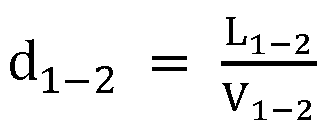
Priority Applications (6)
| Application Number | Priority Date | Filing Date | Title |
|---|---|---|---|
| AU2011367139A AU2011367139B2 (en) | 2011-09-09 | 2011-09-09 | Time synchronization method and system, and node device |
| CA2843201A CA2843201C (en) | 2011-09-09 | 2011-09-09 | Time synchronization method and system, and node device |
| PCT/CN2011/079530 WO2012149736A1 (zh) | 2011-09-09 | 2011-09-09 | 一种时间同步的方法和系统及节点设备 |
| EP11864604.1A EP2568756B1 (en) | 2011-09-09 | 2011-09-09 | Time synchronization method and system, and node device |
| CN201180002188.8A CN103210690B (zh) | 2011-09-09 | 2011-09-09 | 一种时间同步的方法和系统及节点设备 |
| US13/691,232 US9184860B2 (en) | 2011-09-09 | 2012-11-30 | Time synchronization method and system, and node device |
Applications Claiming Priority (1)
| Application Number | Priority Date | Filing Date | Title |
|---|---|---|---|
| PCT/CN2011/079530 WO2012149736A1 (zh) | 2011-09-09 | 2011-09-09 | 一种时间同步的方法和系统及节点设备 |
Related Child Applications (1)
| Application Number | Title | Priority Date | Filing Date |
|---|---|---|---|
| US13/691,232 Continuation US9184860B2 (en) | 2011-09-09 | 2012-11-30 | Time synchronization method and system, and node device |
Publications (1)
| Publication Number | Publication Date |
|---|---|
| WO2012149736A1 true WO2012149736A1 (zh) | 2012-11-08 |
Family
ID=47107756
Family Applications (1)
| Application Number | Title | Priority Date | Filing Date |
|---|---|---|---|
| PCT/CN2011/079530 Ceased WO2012149736A1 (zh) | 2011-09-09 | 2011-09-09 | 一种时间同步的方法和系统及节点设备 |
Country Status (6)
| Country | Link |
|---|---|
| US (1) | US9184860B2 (zh) |
| EP (1) | EP2568756B1 (zh) |
| CN (1) | CN103210690B (zh) |
| AU (1) | AU2011367139B2 (zh) |
| CA (1) | CA2843201C (zh) |
| WO (1) | WO2012149736A1 (zh) |
Cited By (1)
| Publication number | Priority date | Publication date | Assignee | Title |
|---|---|---|---|---|
| CN108270500A (zh) * | 2016-12-30 | 2018-07-10 | 中国移动通信有限公司研究院 | 一种时间同步方法及装置 |
Families Citing this family (14)
| Publication number | Priority date | Publication date | Assignee | Title |
|---|---|---|---|---|
| CN102932905B (zh) * | 2011-08-10 | 2017-06-16 | 中兴通讯股份有限公司 | 自动补偿1588链路非对称性时延的实现方法及系统 |
| WO2014175665A2 (en) * | 2013-04-23 | 2014-10-30 | Lg Electronics Inc. | Method and apparatus for transmitting inactivity indication in wireless communication system |
| US9226253B2 (en) * | 2013-12-04 | 2015-12-29 | Mitsubishi Electric Research Laboratories, Inc. | Passive synchronization in wireless networks |
| CN104199280B (zh) * | 2014-09-23 | 2017-12-15 | 中国电子科技集团公司第二十九研究所 | 一种基于差分gps的时间同步误差测量方法 |
| CN104320240B (zh) * | 2014-11-03 | 2016-08-17 | 武汉数字派特科技有限公司 | 一种提供系统内全局时钟的方法和装置 |
| JP6674171B2 (ja) * | 2016-02-10 | 2020-04-01 | 国立研究開発法人情報通信研究機構 | 通信局間の同期ずれ検出方法 |
| CN106249584B (zh) * | 2016-09-30 | 2019-10-01 | 四川九洲电器集团有限责任公司 | 一种时间同步方法 |
| CN108337063A (zh) * | 2017-01-20 | 2018-07-27 | 华为技术有限公司 | 时间同步方法及装置 |
| CN109792447B (zh) * | 2017-04-21 | 2020-11-06 | 华为技术有限公司 | 应用数据迁移方法及网络设备 |
| CN110100397B (zh) * | 2017-05-31 | 2021-06-08 | 江苏舒茨测控设备股份有限公司 | 时延测量方法及站点 |
| CN109120469B (zh) * | 2017-06-26 | 2021-11-30 | 华为技术有限公司 | 一种线路传输延时计算方法及装置 |
| CN107786294B (zh) * | 2017-09-22 | 2019-04-30 | 烽火通信科技股份有限公司 | 一种集中式1588的实现系统及方法 |
| JP7302192B2 (ja) * | 2019-02-14 | 2023-07-04 | 日本電信電話株式会社 | 伝送装置、時刻伝送システム、および、遅延補正方法 |
| WO2021107513A1 (ko) * | 2019-11-25 | 2021-06-03 | 주식회사 쏠리드 | 통신 노드, 통신 시스템, 및 이의 동작 방법 |
Citations (4)
| Publication number | Priority date | Publication date | Assignee | Title |
|---|---|---|---|---|
| US20050232633A1 (en) * | 2004-04-16 | 2005-10-20 | Haxell Penelope E | Time-domain wavelength interleaved network with communications via hub node |
| CN102098121A (zh) * | 2010-12-29 | 2011-06-15 | 华为技术有限公司 | 时间同步的监测方法和装置 |
| CN102104572A (zh) * | 2009-12-22 | 2011-06-22 | 华为技术有限公司 | 传输系统中的时间同步方法、设备及系统 |
| CN102143571A (zh) * | 2010-02-02 | 2011-08-03 | 华为技术有限公司 | 时间同步方法、dsl设备和宽带接入网络系统 |
Family Cites Families (7)
| Publication number | Priority date | Publication date | Assignee | Title |
|---|---|---|---|---|
| US6418150B1 (en) * | 1998-02-20 | 2002-07-09 | Apple Computer, Inc. | Method and apparatus for calibrating an IEEE-1394 cycle master |
| EP1705620A1 (de) * | 2005-03-24 | 2006-09-27 | ista Shared Services GmbH | Verfahren zur Synchronisation von Netzknoten und zugehöriges Netzwerk |
| KR20070070299A (ko) * | 2005-07-06 | 2007-07-04 | 삼성전자주식회사 | 레지덴셜 이더넷 시스템에서의 시간 동기화 방법 |
| US7602873B2 (en) * | 2005-12-23 | 2009-10-13 | Agilent Technologies, Inc. | Correcting time synchronization inaccuracy caused by asymmetric delay on a communication link |
| US7711009B2 (en) * | 2006-09-29 | 2010-05-04 | Agere Systems Inc. | Methods and apparatus for timing synchronization in packet networks |
| US8902932B2 (en) * | 2008-10-02 | 2014-12-02 | Cortina Systems, Inc. | Systems and methods for a network device to update timing packets to reflect delay |
| BR112012021206A2 (pt) * | 2010-07-23 | 2016-05-17 | Huawei Tech Co Ltd | método e dispositivo para sincronização de tempo |
-
2011
- 2011-09-09 EP EP11864604.1A patent/EP2568756B1/en active Active
- 2011-09-09 WO PCT/CN2011/079530 patent/WO2012149736A1/zh not_active Ceased
- 2011-09-09 AU AU2011367139A patent/AU2011367139B2/en active Active
- 2011-09-09 CN CN201180002188.8A patent/CN103210690B/zh active Active
- 2011-09-09 CA CA2843201A patent/CA2843201C/en active Active
-
2012
- 2012-11-30 US US13/691,232 patent/US9184860B2/en active Active
Patent Citations (4)
| Publication number | Priority date | Publication date | Assignee | Title |
|---|---|---|---|---|
| US20050232633A1 (en) * | 2004-04-16 | 2005-10-20 | Haxell Penelope E | Time-domain wavelength interleaved network with communications via hub node |
| CN102104572A (zh) * | 2009-12-22 | 2011-06-22 | 华为技术有限公司 | 传输系统中的时间同步方法、设备及系统 |
| CN102143571A (zh) * | 2010-02-02 | 2011-08-03 | 华为技术有限公司 | 时间同步方法、dsl设备和宽带接入网络系统 |
| CN102098121A (zh) * | 2010-12-29 | 2011-06-15 | 华为技术有限公司 | 时间同步的监测方法和装置 |
Non-Patent Citations (1)
| Title |
|---|
| See also references of EP2568756A4 * |
Cited By (2)
| Publication number | Priority date | Publication date | Assignee | Title |
|---|---|---|---|---|
| CN108270500A (zh) * | 2016-12-30 | 2018-07-10 | 中国移动通信有限公司研究院 | 一种时间同步方法及装置 |
| CN108270500B (zh) * | 2016-12-30 | 2019-11-08 | 中国移动通信有限公司研究院 | 一种时间同步方法及装置 |
Also Published As
| Publication number | Publication date |
|---|---|
| CN103210690A (zh) | 2013-07-17 |
| CN103210690B (zh) | 2014-12-31 |
| CA2843201C (en) | 2015-12-15 |
| CA2843201A1 (en) | 2012-11-08 |
| US9184860B2 (en) | 2015-11-10 |
| AU2011367139B2 (en) | 2015-06-11 |
| EP2568756A1 (en) | 2013-03-13 |
| EP2568756A4 (en) | 2013-08-14 |
| EP2568756B1 (en) | 2016-05-11 |
| US20130094523A1 (en) | 2013-04-18 |
| AU2011367139A1 (en) | 2014-02-20 |
Similar Documents
| Publication | Publication Date | Title |
|---|---|---|
| CN103210690B (zh) | 一种时间同步的方法和系统及节点设备 | |
| CN102111258A (zh) | 时钟同步方法、设备和系统 | |
| JP5576747B2 (ja) | 通信システム及び時刻同期方法 | |
| EP2675102B1 (en) | Communication system time synchronization method, slave station apparatus, master station apparatus, control apparatus, and program | |
| US8750356B2 (en) | Method, apparatus, and system for measuring asymmetric delay of communication path | |
| EP2288070B1 (en) | Time synchronizing method, device and system of master clock side and slave clock side in synchronous network | |
| CN103168440B (zh) | 时间路径补偿方法和装置 | |
| CN112217588B (zh) | 时间戳抖动补偿方法及系统 | |
| CN102843620B (zh) | 一种实现时间同步传送的otn设备及方法 | |
| CN105187275B (zh) | 一种测量光纤传输链路非对称时延的方法及装置 | |
| CN102412955B (zh) | 光纤不对称时主从设备间的时间偏差获取方法和通信系统 | |
| WO2011085585A1 (zh) | 时间同步的方法和设备 | |
| WO2012065334A1 (zh) | 在时分复用网络中实现时间同步的方法、设备和系统 | |
| CN113259038A (zh) | 时间同步方法、节点、装置及存储介质 | |
| JP2013017104A (ja) | 通信システム | |
| US11963123B2 (en) | Transmission management | |
| WO2015109819A1 (zh) | 光突发传送网节点时隙同步的训练方法、节点设备和网络 | |
| CN104601269A (zh) | 主从时钟同步方法及系统 | |
| WO2013155944A1 (zh) | 一种时钟传输方法、边界时钟及透传时钟 | |
| CN101765199B (zh) | 一种通信网络系统及系统内时间同步方法和otn设备 | |
| WO2011074529A1 (ja) | 時刻同期システム、スレーブノード、時刻同期方法及び時刻同期用プログラム | |
| CN105873207B (zh) | 空口同步系统及其方法 | |
| CN103199950B (zh) | 一种采用e1专线进行高精度时间传递的方法 | |
| CN103532792B (zh) | 网络频宽测量方法 | |
| KR20110014909A (ko) | 네트워크 장치간 시각 보정 방법 및 그 장치 |
Legal Events
| Date | Code | Title | Description |
|---|---|---|---|
| WWE | Wipo information: entry into national phase |
Ref document number: 2011864604 Country of ref document: EP |
|
| 121 | Ep: the epo has been informed by wipo that ep was designated in this application |
Ref document number: 11864604 Country of ref document: EP Kind code of ref document: A1 |
|
| ENP | Entry into the national phase |
Ref document number: 2843201 Country of ref document: CA |
|
| ENP | Entry into the national phase |
Ref document number: 2011367139 Country of ref document: AU Date of ref document: 20110909 Kind code of ref document: A |
|
| NENP | Non-entry into the national phase |
Ref country code: DE |