WO2012160848A1 - 車両用遠隔制御装置 - Google Patents
車両用遠隔制御装置 Download PDFInfo
- Publication number
- WO2012160848A1 WO2012160848A1 PCT/JP2012/054531 JP2012054531W WO2012160848A1 WO 2012160848 A1 WO2012160848 A1 WO 2012160848A1 JP 2012054531 W JP2012054531 W JP 2012054531W WO 2012160848 A1 WO2012160848 A1 WO 2012160848A1
- Authority
- WO
- WIPO (PCT)
- Prior art keywords
- engine
- remote control
- vehicle
- control device
- stop
- Prior art date
- Legal status (The legal status is an assumption and is not a legal conclusion. Google has not performed a legal analysis and makes no representation as to the accuracy of the status listed.)
- Ceased
Links
Images




Classifications
-
- F—MECHANICAL ENGINEERING; LIGHTING; HEATING; WEAPONS; BLASTING
- F02—COMBUSTION ENGINES; HOT-GAS OR COMBUSTION-PRODUCT ENGINE PLANTS
- F02D—CONTROLLING COMBUSTION ENGINES
- F02D45/00—Electrical control not provided for in groups F02D41/00 - F02D43/00
-
- B—PERFORMING OPERATIONS; TRANSPORTING
- B60—VEHICLES IN GENERAL
- B60H—ARRANGEMENTS OF HEATING, COOLING, VENTILATING OR OTHER AIR-TREATING DEVICES SPECIALLY ADAPTED FOR PASSENGER OR GOODS SPACES OF VEHICLES
- B60H1/00—Heating, cooling or ventilating devices
- B60H1/00642—Control systems or circuits; Control members or indication devices for heating, cooling or ventilating devices
- B60H1/0065—Control members, e.g. levers or knobs
- B60H1/00657—Remote control devices
-
- B—PERFORMING OPERATIONS; TRANSPORTING
- B60—VEHICLES IN GENERAL
- B60H—ARRANGEMENTS OF HEATING, COOLING, VENTILATING OR OTHER AIR-TREATING DEVICES SPECIALLY ADAPTED FOR PASSENGER OR GOODS SPACES OF VEHICLES
- B60H1/00—Heating, cooling or ventilating devices
- B60H1/00642—Control systems or circuits; Control members or indication devices for heating, cooling or ventilating devices
- B60H1/00735—Control systems or circuits characterised by their input, i.e. by the detection, measurement or calculation of particular conditions, e.g. signal treatment, dynamic models
- B60H1/00764—Control systems or circuits characterised by their input, i.e. by the detection, measurement or calculation of particular conditions, e.g. signal treatment, dynamic models the input being a vehicle driving condition, e.g. speed
- B60H1/00778—Control systems or circuits characterised by their input, i.e. by the detection, measurement or calculation of particular conditions, e.g. signal treatment, dynamic models the input being a vehicle driving condition, e.g. speed the input being a stationary vehicle position, e.g. parking or stopping
-
- F—MECHANICAL ENGINEERING; LIGHTING; HEATING; WEAPONS; BLASTING
- F02—COMBUSTION ENGINES; HOT-GAS OR COMBUSTION-PRODUCT ENGINE PLANTS
- F02D—CONTROLLING COMBUSTION ENGINES
- F02D17/00—Controlling engines by cutting out individual cylinders; Rendering engines inoperative or idling
- F02D17/04—Controlling engines by cutting out individual cylinders; Rendering engines inoperative or idling rendering engines inoperative or idling, e.g. caused by abnormal conditions
-
- F—MECHANICAL ENGINEERING; LIGHTING; HEATING; WEAPONS; BLASTING
- F02—COMBUSTION ENGINES; HOT-GAS OR COMBUSTION-PRODUCT ENGINE PLANTS
- F02D—CONTROLLING COMBUSTION ENGINES
- F02D41/00—Electrical control of supply of combustible mixture or its constituents
- F02D41/02—Circuit arrangements for generating control signals
- F02D41/04—Introducing corrections for particular operating conditions
- F02D41/042—Introducing corrections for particular operating conditions for stopping the engine
-
- F—MECHANICAL ENGINEERING; LIGHTING; HEATING; WEAPONS; BLASTING
- F02—COMBUSTION ENGINES; HOT-GAS OR COMBUSTION-PRODUCT ENGINE PLANTS
- F02N—STARTING OF COMBUSTION ENGINES; STARTING AIDS FOR SUCH ENGINES, NOT OTHERWISE PROVIDED FOR
- F02N11/00—Starting of engines by means of electric motors
- F02N11/08—Circuits specially adapted for starting of engines
- F02N11/0803—Circuits specially adapted for starting of engines characterised by means for initiating engine start or stop
- F02N11/0807—Remote means
-
- F—MECHANICAL ENGINEERING; LIGHTING; HEATING; WEAPONS; BLASTING
- F02—COMBUSTION ENGINES; HOT-GAS OR COMBUSTION-PRODUCT ENGINE PLANTS
- F02P—IGNITION, OTHER THAN COMPRESSION IGNITION, FOR INTERNAL-COMBUSTION ENGINES; TESTING OF IGNITION TIMING IN COMPRESSION-IGNITION ENGINES
- F02P9/00—Electric spark ignition control, not otherwise provided for
- F02P9/002—Control of spark intensity, intensifying, lengthening, suppression
- F02P9/005—Control of spark intensity, intensifying, lengthening, suppression by weakening or suppression of sparks to limit the engine speed
-
- F—MECHANICAL ENGINEERING; LIGHTING; HEATING; WEAPONS; BLASTING
- F02—COMBUSTION ENGINES; HOT-GAS OR COMBUSTION-PRODUCT ENGINE PLANTS
- F02D—CONTROLLING COMBUSTION ENGINES
- F02D9/00—Controlling engines by throttling air or fuel-and-air induction conduits or exhaust conduits
- F02D9/02—Controlling engines by throttling air or fuel-and-air induction conduits or exhaust conduits concerning induction conduits
- F02D2009/0201—Arrangements; Control features; Details thereof
- F02D2009/0245—Shutting down engine, e.g. working together with fuel cut-off
-
- F—MECHANICAL ENGINEERING; LIGHTING; HEATING; WEAPONS; BLASTING
- F02—COMBUSTION ENGINES; HOT-GAS OR COMBUSTION-PRODUCT ENGINE PLANTS
- F02D—CONTROLLING COMBUSTION ENGINES
- F02D2200/00—Input parameters for engine control
- F02D2200/60—Input parameters for engine control said parameters being related to the driver demands or status
- F02D2200/604—Engine control mode selected by driver, e.g. to manually start particle filter regeneration or to select driving style
-
- F—MECHANICAL ENGINEERING; LIGHTING; HEATING; WEAPONS; BLASTING
- F02—COMBUSTION ENGINES; HOT-GAS OR COMBUSTION-PRODUCT ENGINE PLANTS
- F02N—STARTING OF COMBUSTION ENGINES; STARTING AIDS FOR SUCH ENGINES, NOT OTHERWISE PROVIDED FOR
- F02N11/00—Starting of engines by means of electric motors
- F02N11/08—Circuits specially adapted for starting of engines
- F02N11/0803—Circuits specially adapted for starting of engines characterised by means for initiating engine start or stop
- F02N11/0811—Circuits specially adapted for starting of engines characterised by means for initiating engine start or stop using a timer
-
- F—MECHANICAL ENGINEERING; LIGHTING; HEATING; WEAPONS; BLASTING
- F02—COMBUSTION ENGINES; HOT-GAS OR COMBUSTION-PRODUCT ENGINE PLANTS
- F02N—STARTING OF COMBUSTION ENGINES; STARTING AIDS FOR SUCH ENGINES, NOT OTHERWISE PROVIDED FOR
- F02N11/00—Starting of engines by means of electric motors
- F02N11/08—Circuits specially adapted for starting of engines
- F02N11/0814—Circuits specially adapted for starting of engines comprising means for controlling automatic idle-start-stop
- F02N11/0818—Conditions for starting or stopping the engine or for deactivating the idle-start-stop mode
- F02N11/0822—Conditions for starting or stopping the engine or for deactivating the idle-start-stop mode related to action of the driver
-
- F—MECHANICAL ENGINEERING; LIGHTING; HEATING; WEAPONS; BLASTING
- F02—COMBUSTION ENGINES; HOT-GAS OR COMBUSTION-PRODUCT ENGINE PLANTS
- F02N—STARTING OF COMBUSTION ENGINES; STARTING AIDS FOR SUCH ENGINES, NOT OTHERWISE PROVIDED FOR
- F02N11/00—Starting of engines by means of electric motors
- F02N11/10—Safety devices
- F02N11/101—Safety devices for preventing engine starter actuation or engagement
-
- F—MECHANICAL ENGINEERING; LIGHTING; HEATING; WEAPONS; BLASTING
- F02—COMBUSTION ENGINES; HOT-GAS OR COMBUSTION-PRODUCT ENGINE PLANTS
- F02N—STARTING OF COMBUSTION ENGINES; STARTING AIDS FOR SUCH ENGINES, NOT OTHERWISE PROVIDED FOR
- F02N2200/00—Parameters used for control of starting apparatus
- F02N2200/02—Parameters used for control of starting apparatus said parameters being related to the engine
- F02N2200/022—Engine speed
-
- F—MECHANICAL ENGINEERING; LIGHTING; HEATING; WEAPONS; BLASTING
- F02—COMBUSTION ENGINES; HOT-GAS OR COMBUSTION-PRODUCT ENGINE PLANTS
- F02N—STARTING OF COMBUSTION ENGINES; STARTING AIDS FOR SUCH ENGINES, NOT OTHERWISE PROVIDED FOR
- F02N2200/00—Parameters used for control of starting apparatus
- F02N2200/08—Parameters used for control of starting apparatus said parameters being related to the vehicle or its components
- F02N2200/0801—Vehicle speed
-
- F—MECHANICAL ENGINEERING; LIGHTING; HEATING; WEAPONS; BLASTING
- F02—COMBUSTION ENGINES; HOT-GAS OR COMBUSTION-PRODUCT ENGINE PLANTS
- F02N—STARTING OF COMBUSTION ENGINES; STARTING AIDS FOR SUCH ENGINES, NOT OTHERWISE PROVIDED FOR
- F02N2200/00—Parameters used for control of starting apparatus
- F02N2200/08—Parameters used for control of starting apparatus said parameters being related to the vehicle or its components
- F02N2200/0802—Transmission state, e.g. gear ratio or neutral state
-
- F—MECHANICAL ENGINEERING; LIGHTING; HEATING; WEAPONS; BLASTING
- F02—COMBUSTION ENGINES; HOT-GAS OR COMBUSTION-PRODUCT ENGINE PLANTS
- F02N—STARTING OF COMBUSTION ENGINES; STARTING AIDS FOR SUCH ENGINES, NOT OTHERWISE PROVIDED FOR
- F02N2200/00—Parameters used for control of starting apparatus
- F02N2200/10—Parameters used for control of starting apparatus said parameters being related to driver demands or status
- F02N2200/102—Brake pedal position
-
- F—MECHANICAL ENGINEERING; LIGHTING; HEATING; WEAPONS; BLASTING
- F02—COMBUSTION ENGINES; HOT-GAS OR COMBUSTION-PRODUCT ENGINE PLANTS
- F02N—STARTING OF COMBUSTION ENGINES; STARTING AIDS FOR SUCH ENGINES, NOT OTHERWISE PROVIDED FOR
- F02N2200/00—Parameters used for control of starting apparatus
- F02N2200/10—Parameters used for control of starting apparatus said parameters being related to driver demands or status
- F02N2200/106—Driver presence, e.g. detected by door lock, seat sensor or belt sensor
-
- F—MECHANICAL ENGINEERING; LIGHTING; HEATING; WEAPONS; BLASTING
- F02—COMBUSTION ENGINES; HOT-GAS OR COMBUSTION-PRODUCT ENGINE PLANTS
- F02N—STARTING OF COMBUSTION ENGINES; STARTING AIDS FOR SUCH ENGINES, NOT OTHERWISE PROVIDED FOR
- F02N2300/00—Control related aspects of engine starting
- F02N2300/20—Control related aspects of engine starting characterised by the control method
- F02N2300/2011—Control involving a delay; Control involving a waiting period before engine stop or engine start
-
- F—MECHANICAL ENGINEERING; LIGHTING; HEATING; WEAPONS; BLASTING
- F02—COMBUSTION ENGINES; HOT-GAS OR COMBUSTION-PRODUCT ENGINE PLANTS
- F02P—IGNITION, OTHER THAN COMPRESSION IGNITION, FOR INTERNAL-COMBUSTION ENGINES; TESTING OF IGNITION TIMING IN COMPRESSION-IGNITION ENGINES
- F02P11/00—Safety means for electric spark ignition, not otherwise provided for
Definitions
- the present invention relates to a remote control device for a vehicle capable of remotely controlling start and stop of an engine mounted on the vehicle.
- a remote starter capable of controlling start and stop of an engine mounted on a vehicle by remote control with a remote control is known.
- the remote control starter operates the air conditioner, which operates in conjunction with the operation of the engine, to bring the interior of the vehicle to a comfortable temperature, for example, by starting the engine by remote control before the driver gets into the vehicle. Used for applications.
- JP 11-93 811 A starts the engine with the remote control starter, and if the engine operating state continues for a predetermined time or more, it is determined that the air conditioner is abnormal and the engine is forcibly shut off by interrupting the ignition circuit. It discloses that the suspension will be carried out.
- An object of the present invention is to provide a remote control device for a vehicle capable of forcibly stopping the engine even if a failure that prevents the power supply of the vehicle from being cut off occurs.
- a vehicle remote control device capable of remotely controlling start and stop of an engine mounted on a vehicle.
- the remote control device for a vehicle transmits a start request and a stop request of the engine and the start request receives the start request, the predetermined forced off time elapses and the stop request is received.
- FIG. 1 is a system configuration diagram of a vehicle remote control device in the present embodiment.
- FIG. 2 is a flowchart showing the flow of control of the vehicle remote control device in the present embodiment.
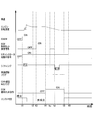
- FIG. 3 is a time chart showing the operation of the vehicle remote control device in the present embodiment.
- FIG. 4 is a time chart showing the operation of the vehicle remote control device in the present embodiment.
- FIG. 5 is a time chart showing the operation of the vehicle remote control device in the present embodiment.
- FIG. 6 is a time chart showing the operation of the vehicle remote control device in the present embodiment.
- FIG. 7 is a time chart showing the operation of the vehicle remote control device in the present embodiment.
- FIG. 8 is a time chart showing the operation of the vehicle remote control device in the present embodiment.
- FIG. 9 is a time chart showing the operation of the vehicle remote control device in the present embodiment.
- FIG. 10 is a time chart showing the operation of the vehicle remote control device in the present embodiment.
- FIG. 1 is a system configuration diagram of a vehicle remote control device 100 in the present embodiment.
- the vehicle remote control device 100 includes an engine control module (ECM) 10, a body control module (BCM) 20, and a remote control 30.
- ECM engine control module
- BCM body control module
- the ECM 10 controls an operating state including start and stop of the engine 40 based on the operation position of the shift lever, the vehicle speed, and a signal transmitted from the BCM 20.
- the BCM 20 transmits a signal regarding engine control to the ECM 10 based on the driving state of the vehicle.
- the BCM 20 and the ECM 10 are interconnected by CAN communication that functions as an in-vehicle LAN.
- the BCM 20 operates the shift lever, the ignition switch ON / OFF, the vehicle speed, the push switch ON / OFF when the driver starts the engine 40 with the driver on, and the brake switch ON / OFF.
- the status is received from a sensor or the like to request the ECM 10 to start and stop the engine 40.
- the BCM 20 transmits an IGNON request for energizing the ignition circuit 11 of the engine 40 to the ECM 10 when requesting the engine start, and an IGNOFF request for interrupting the energizing of the ignition circuit 11 of the engine 40 when requesting the engine stop.
- an IGNON request for energizing the ignition circuit 11 of the engine 40 to the ECM 10 when requesting the engine start
- an IGNOFF request for interrupting the energizing of the ignition circuit 11 of the engine 40 when requesting the engine stop.
- a fuel cut request for stopping the fuel supply to the engine 40 is transmitted to the ECM 10.
- the remote control 30 is a transmission unit that can be carried by the driver, and transmits a signal to the BCM 20 that functions as a reception unit via radio waves, infrared rays, and the like according to the operation of the driver.
- An engine start button 31 and an engine stop button 32 are disposed in the operation unit of the remote control 30, and a signal is transmitted to the BCM 20 in accordance with the button 31, 32 selected by the driver.
- the driver carrying the remote control 30 operates the remote control 30 to remotely start the engine 40 immediately before getting into the vehicle (for example, five minutes ago), and operates the air conditioner that operates in conjunction with the engine 40 to The temperature in the room can be adjusted to an appropriate temperature.
- the BCM 20 controls the increase in fuel consumption when the vehicle does not start even after a predetermined time (for example, 10 minutes) has elapsed. Stop automatically.
- the engine 40 does not stop even if a request to shut off the energization of the ignition circuit 11 is transmitted from the BCM 20, and the engine operating state continues. Even if the driver operates the engine stop button 32 with the remote control 30, the engine operation state continues similarly.
- the BCM 20 transmits to the ECM 10 a fuel cut request to stop the fuel supply to the engine 40.
- the ECM 10 stops the fuel supply to the engine 40 in response to the fuel cut request received from the BCM 20.
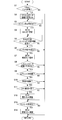
- FIG. 2 is a flowchart showing the flow of control processing performed by the BCM 20 and the ECM 10.
- step S1 the BCM 20 determines that the start by the remote control 30 has been performed.
- the driver operates the remote control 30 to remotely start the engine 40, it is determined that the start by the remote control 30 is performed, the process proceeds to step S2, and the process ends if it is not determined.
- the engine start button push switch
- step S2 the BCM 20 switches the remote control starter starting signal to the ON state.
- the remote control starter starting signal is a signal indicating that the remote control 30 has started the engine 40, and is turned off when the engine 40 is stopped.
- step S3 the BCM 20 determines that there is a request for stopping the engine 40. If it is determined that there is a request for stopping the engine 40, the process proceeds to step S4, and if it is not determined, the process returns to step S3 again. It is determined that there is a request to stop the engine 40 if at least one of the following conditions is satisfied: when the driver operates the engine stop button 32 of the remote control 30 and when a predetermined forced off time has elapsed after engine start by the remote control 30 Ru.
- the predetermined forced off time is a time in which the temperature in the vehicle compartment can be made comfortable by the air conditioner linked to the engine start, and the idle idling state does not continue, for example, 10 minutes. It is set.
- step S4 the BCM 20 transmits an ignition OFF request to the ECM 10.
- the ECM 10 shuts off the energization of the ignition circuit 11.
- step S5 the BCM 20 determines that a predetermined engine off determination time has elapsed after the ignition is turned off. If it is determined that the engine off determination time has elapsed, the process proceeds to step S6. If not determined, the process returns to step S5 again.
- the engine off determination time is set to a time sufficient to accurately determine that the engine 40 is in a stalled state after the ignition is turned off, and is set to, for example, 10 seconds.
- step S6 the BCM 20 determines that the engine stall determination is not established. If it is determined that the engine stall determination is not established, the process proceeds to step S7. If not determined, the process ends.
- the engine stall determination (cranking permission) is established, for example, when the engine 40 is in a stalled state, for example, when the rotational speed of the engine 40 is equal to or less than a predetermined low rotational speed.
- step S7 the BCM 20 transmits a fuel cut request signal of the engine 40 to the ECM 10.
- step S8 the ECM 10 determines that the remote control starter starting signal is in the ON state. If it is determined that the remote control starter in-progress signal is in the ON state, the process proceeds to step S9, and if it is not determined, the process ends.
- step S9 the ECM 10 determines that the travel range (for example, D range, R range) is inexperienced. If it is determined that the traveling range is inexperienced, the process proceeds to step S10. If not determined, the process ends.
- the inexperience in the travel range means that the travel range has never been set since the remote control 30 started the engine 40 remotely.
- step S10 the ECM 10 determines that the vehicle speed is inexperienced. If it is determined that the vehicle speed is inexperienced, the process proceeds to step S11, and if it is not determined, the process ends.
- the fact that the vehicle speed is inexperienced means that the vehicle speed has never been detected since the remote control 30 remotely started the engine 40.
- step S11 the ECM 10 determines that the CAN communication is normal. If it is determined that the CAN communication is normal, the process proceeds to step S12. If not determined, the process ends.
- step S12 the ECM 10 performs a fuel cut of the engine 40.
- step S13 the ECM 10 determines that the engine stall determination is established. If it is determined that the engine stall determination is established, the process proceeds to step S14. If not determined, the process returns to step S13 again.
- step S14 the ECM 10 carries out fuel recovery of the engine 40.
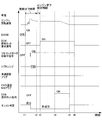
- FIG. 3 is an operation time chart when the control by the BCM 20 and the ECM 10 is executed.
- the time chart of FIG. 3 shows a case where fuel cut is forcibly performed when the engine 40 does not stop even if an ignition OFF request is commanded after the engine start by the remote control 30 and the forced OFF time has elapsed. .
- the ignition is turned on by the ECM 10 and cranking of the engine 40 is started.
- the remote control starter starting signal is turned ON, and the engine stall determination is not established.
- the BCM 20 transmits an ignition OFF request (time t2). If the engine stall determination does not hold between the ignition OFF request and the engine OFF determination time, the BCM 20 transmits a fuel cut request (time t3).
- the ECM 10 performs fuel cut when it is determined that the remote control starter starting signal is in the ON state, the traveling range is inexperienced, the vehicle speed is inexperienced, and the CAN communication is normal. (Time t4).
- the engine 40 is forcibly stopped, and when the engine stall determination is established, the ECM 10 performs fuel recovery (time t5). Furthermore, the fuel cut request by the BCM 20 is withdrawn, and the remote control starter starting signal is turned off (time t6).
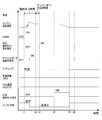
- the time chart of FIG. 4 shows a case where the driver operates the engine stop button 32 of the remote control 30 after the engine start by the remote control 30 and before the forced off time elapses.
- the remote control 30 When the driver operates the engine start button 31 of the remote control 30 (time t1), the ignition is turned on by the ECM 10, and the cranking of the engine 40 is started. When the engine 40 is completely detonated, the remote control starter starting signal is turned ON, and the engine stall determination is not established.
- the BCM 20 transmits an ignition OFF request (time t2). If the engine stall determination does not hold between the ignition OFF request and the engine OFF determination time, the BCM 20 transmits a fuel cut request (time t3).
- the engine 40 can be stopped according to the driver's request.
- the time charts of FIGS. 5 and 6 show the case where the fuel cut request is sent by the BCM 20 and the ECM 10 does not carry out the fuel cut.
- the shift range is the non-traveling range (P, N) until the BCM 20 transmits the fuel cut request (time t3).
- the ECM 10 does not perform the fuel cut even if the fuel cut request is transmitted from the BCM 20 thereafter.
- the time chart of FIG. 7 shows the case where cancellation of the fuel cut request by the BCM 20 and switching of the shift range occur after the fuel cut is performed.
- the fuel cut is continuously performed even when the shift range is switched to the travel range (D, R) after the fuel cut command from the ECM 10 is output (time t4) (time td).
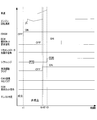
- the time chart of FIG. 8 shows a case where the driver gets on and starts the engine 40 after the engine 40 is forcibly stopped by the fuel cut by the ECM 10. It is the same as FIG. 3 until time t6.
- the time chart in FIG. 9 shows a case where the engine stop operation is performed by the remote control 30 during the engine start by the remote control 30 and until it is determined that the engine 40 has been completely detonated after the ignition is turned on. ing.
- the remote control starter starting signal is in the ON state, and the engine stall determination is not established (time te). If the driver operates the engine 32 stop button (time tf) until the engine 40 is completely detonated, the BCM 20 does not transmit a fuel cut request. That is, the engine start is continued without being interrupted.
- the time chart of FIG. 10 shows a case where the shift range is switched after the BCM 20 transmits the fuel cut request until the ECM 10 commands the fuel cut.
- the remote control starter starting signal is turned OFF. In the state (time tg), the ECM 10 does not output the fuel cut command.
- fuel supply to the engine 40 is stopped and the engine 40 is stopped when a predetermined forced off time has elapsed in an engine start state by the remote control 30.
- the fuel supply to the engine 40 is stopped and the engine 40 is stopped.
- the ignition circuit 11 of the engine 40 is first shut off, and fuel supply to the engine 40 is stopped when the engine 40 does not stop even after the engine off determination time has elapsed. This makes it possible to suppress the stop frequency of the engine 40 in the case of an erroneous determination due to a system failure or the like.
- the shift range is switched from the non-traveling range to the traveling range or when the vehicle speed is experienced after the engine start by the remote control 30 is performed until the BCM 20 transmits the fuel cut request.
- the fuel cut is prohibited, and even if a fuel cut request is sent from the BCM 20 thereafter, the ECM 10 does not carry out the fuel cut.
- it is possible to prevent engine stoppage during traveling in the case of erroneous determination due to a system failure or the like.
- the fuel cut command by the ECM 10 is output, if the fuel cut request by the BCM 20 is canceled or if the shift range is switched to the travel range, the fuel cut is continued until the engine 40 is stopped. carry out.
- the engine 40 can be more reliably stopped regardless of the change in conditions.
- the driver operates the engine stop button between the start of the engine start by the remote control 30 and the complete explosion of the engine 40, the fuel supply is continued without being stopped. As a result, it is possible to prevent the engine stop due to the driver's erroneous operation immediately after starting the engine start, and to more reliably start the engine 40.
Landscapes
- Engineering & Computer Science (AREA)
- Mechanical Engineering (AREA)
- Chemical & Material Sciences (AREA)
- Combustion & Propulsion (AREA)
- General Engineering & Computer Science (AREA)
- Physics & Mathematics (AREA)
- Thermal Sciences (AREA)
- Control Of Vehicle Engines Or Engines For Specific Uses (AREA)
- Output Control And Ontrol Of Special Type Engine (AREA)
- Combined Controls Of Internal Combustion Engines (AREA)
Abstract
Description
Claims (7)
- 車両に搭載されたエンジンの始動及び停止を遠隔操作可能な車両用遠隔制御装置であって、
前記エンジンの始動要求及び停止要求を送信するリモコンと、
前記始動要求を受けて前記エンジンを始動させた状態で、所定の強制オフ時間が経過した場合及び前記停止要求を受信した場合、の少なくとも一方を満たす場合、前記エンジンへの燃料供給を停止させて前記エンジンを停止させるエンジン制御手段と、
を備える車両用遠隔制御装置。 - 請求項1に記載の車両用遠隔制御装置であって、
前記エンジン制御手段は、前記エンジンのイグニッション回路を遮断して前記エンジンを停止させ、前記エンジンが前記イグニッション回路を遮断してから所定のエンジンオフ判定時間経過しても前記エンジンが停止しない場合に、前記エンジンへの燃料供給を停止させる、車両用遠隔制御装置。 - 請求項1又は請求項2に記載の車両用遠隔制御装置であって、
前記車両が走行状態であることを判定する走行状態判定手段を備え、
前記エンジン制御手段は、前記エンジンへの燃料供給を停止させる前に前記車両が走行状態であると判定された場合、前記エンジンへの燃料供給の停止を禁止する、車両用遠隔制御装置。 - 請求項3に記載の車両用遠隔制御装置であって、
前記走行状態判定手段は、前記車両のシフトレンジが非走行レンジから走行レンジに切り換えられた場合、前記車両が走行状態であると判定する、車両用遠隔制御装置。 - 請求項3又は請求項4に記載の車両用遠隔制御装置であって、
前記走行状態判定手段は、車速がゼロ以外である場合、前記車両が走行状態であると判定する、車両用遠隔制御装置。 - 請求項3から請求項5までのいずれか一項に記載の車両用遠隔制御装置であって、
前記エンジン制御手段は、前記エンジンへの燃料供給を停止させた後に、前記車両が走行状態であると判定された場合、前記エンジンが停止するまで前記エンジンへの燃料供給の停止を継続する、車両用遠隔制御装置。 - 請求項1から請求項6までのいずれか一項に記載の車両用遠隔制御装置であって、
前記エンジン制御手段は、前記始動要求を受けてから前記エンジンが完爆するまでの間に前記停止要求を受けた場合、前記エンジンが完爆するまで前記エンジンへの燃料供給の停止を禁止する、車両用遠隔制御装置。
Priority Applications (6)
| Application Number | Priority Date | Filing Date | Title |
|---|---|---|---|
| CN201280023234.7A CN103534479B (zh) | 2011-05-23 | 2012-02-24 | 车辆用远程控制装置 |
| EP12790154.4A EP2716903B1 (en) | 2011-05-23 | 2012-02-24 | Vehicle remote control apparatus |
| BR112013028372-6A BR112013028372B1 (pt) | 2011-05-23 | 2012-02-24 | dispositivo e método de controle remoto para veículo |
| RU2013156807/07A RU2544832C1 (ru) | 2011-05-23 | 2012-02-24 | Устройство удаленного управления для транспортного средства |
| US14/118,779 US9500156B2 (en) | 2011-05-23 | 2012-02-24 | Remote control device for vehicle |
| MX2013012808A MX343101B (es) | 2011-05-23 | 2012-02-24 | Dispositivo de control remoto para vehiculo. |
Applications Claiming Priority (2)
| Application Number | Priority Date | Filing Date | Title |
|---|---|---|---|
| JP2011-114605 | 2011-05-23 | ||
| JP2011114605A JP5929010B2 (ja) | 2011-05-23 | 2011-05-23 | 車両用遠隔制御装置 |
Publications (1)
| Publication Number | Publication Date |
|---|---|
| WO2012160848A1 true WO2012160848A1 (ja) | 2012-11-29 |
Family
ID=47216937
Family Applications (1)
| Application Number | Title | Priority Date | Filing Date |
|---|---|---|---|
| PCT/JP2012/054531 Ceased WO2012160848A1 (ja) | 2011-05-23 | 2012-02-24 | 車両用遠隔制御装置 |
Country Status (9)
| Country | Link |
|---|---|
| US (1) | US9500156B2 (ja) |
| EP (1) | EP2716903B1 (ja) |
| JP (1) | JP5929010B2 (ja) |
| CN (1) | CN103534479B (ja) |
| BR (1) | BR112013028372B1 (ja) |
| MX (1) | MX343101B (ja) |
| MY (1) | MY170752A (ja) |
| RU (1) | RU2544832C1 (ja) |
| WO (1) | WO2012160848A1 (ja) |
Cited By (1)
| Publication number | Priority date | Publication date | Assignee | Title |
|---|---|---|---|---|
| WO2014182222A1 (en) * | 2013-05-06 | 2014-11-13 | Scania Cv Ab | Device and method for controlling operation of an internal combustion engine |
Families Citing this family (18)
| Publication number | Priority date | Publication date | Assignee | Title |
|---|---|---|---|---|
| CN103075261B (zh) * | 2012-12-18 | 2016-05-04 | 中山市宏茂电子有限公司 | 一种涡轮增压式发动机控制系统及其控制方法 |
| CN104948311B (zh) * | 2014-03-28 | 2017-07-11 | 广州汽车集团股份有限公司 | 发动机远程控制方法、装置及系统 |
| US20150283879A1 (en) * | 2014-04-04 | 2015-10-08 | Danny Tjandra | Automatic Cabin Temperature Control for Unattended Vehicle Application |
| CN106347061B (zh) * | 2015-07-15 | 2020-11-06 | 比亚迪股份有限公司 | 远程暖机的控制方法、系统及其装置 |
| US10337438B2 (en) * | 2015-10-01 | 2019-07-02 | GM Global Technology Operations LLC | Push-button start system fault diagnosis |
| CN105804875B (zh) * | 2016-04-18 | 2019-09-03 | 湖南五新隧道智能装备股份有限公司 | 一种发动机远程启停控制系统及高空作业车 |
| MX2017000320A (es) * | 2017-01-06 | 2018-07-05 | Propimex S De R L De C V | Sistema habilitador para maniobras de reversa reversa. |
| DE102017204219A1 (de) * | 2017-03-14 | 2018-09-20 | Continental Automotive Gmbh | Motorfernstart-System und Verfahren |
| JP6805969B2 (ja) * | 2017-05-31 | 2020-12-23 | トヨタ自動車株式会社 | リモート始動システム、端末、車両、リモート始動方法 |
| CN109470302A (zh) * | 2018-10-28 | 2019-03-15 | 北京工业大学 | 一种基于无线通信的机电装备运行状态远程监控系统 |
| JP7225937B2 (ja) * | 2019-03-07 | 2023-02-21 | トヨタ自動車株式会社 | 空調制御システム |
| CN110761907B (zh) * | 2019-11-06 | 2021-12-28 | 西安电子工程研究所 | 一种快艇发动机强制熄火装置 |
| US11548351B2 (en) * | 2020-01-31 | 2023-01-10 | Ford Global Technologies, Llc | Systems and methods for limiting remote start functionality on vehicles |
| JP2021181237A (ja) * | 2020-05-18 | 2021-11-25 | トヨタ自動車株式会社 | 車両の制御装置、車両の制御方法、及び車両の制御システム |
| CN111845627A (zh) * | 2020-07-16 | 2020-10-30 | 东风汽车有限公司 | 车辆发动机远程控制方法、存储介质及电子设备 |
| CN112248809B (zh) * | 2020-10-23 | 2021-11-16 | 深圳百跑科技有限公司 | 一种车辆的油电控制方法及系统 |
| JP7484823B2 (ja) * | 2021-06-10 | 2024-05-16 | トヨタ自動車株式会社 | 自動車 |
| JP7663085B2 (ja) * | 2022-03-17 | 2025-04-16 | トヨタ自動車株式会社 | 駐車支援装置及び携帯端末 |
Citations (4)
| Publication number | Priority date | Publication date | Assignee | Title |
|---|---|---|---|---|
| JPH1193811A (ja) | 1997-09-19 | 1999-04-06 | Tokai Rika Co Ltd | 車両用エンジンの遠隔始動装置 |
| JP2001065368A (ja) * | 1999-08-27 | 2001-03-13 | Toyota Motor Corp | 内燃機関のスロットル制御装置 |
| JP2002339781A (ja) * | 2001-05-17 | 2002-11-27 | Toyota Motor Corp | 車両用エンジンの制御装置 |
| JP2011089467A (ja) * | 2009-10-22 | 2011-05-06 | Mazda Motor Corp | 内燃機関の制御方法及び内燃機関システム |
Family Cites Families (14)
| Publication number | Priority date | Publication date | Assignee | Title |
|---|---|---|---|---|
| US2931166A (en) * | 1958-07-14 | 1960-04-05 | Ohio Fuel Gas Company | Safety starting and stopping system of the pneumatic type for internal combustion engines |
| US5042439A (en) * | 1990-03-15 | 1991-08-27 | Gene Tholl | Remote, safe, and secure operational control of an internal combustion engine |
| JP3730286B2 (ja) * | 1995-07-12 | 2005-12-21 | 富士重工業株式会社 | エンジン停止装置 |
| JPH0948325A (ja) * | 1995-08-07 | 1997-02-18 | Yazaki Corp | 車両用動力機構制御装置 |
| US5942988A (en) * | 1995-09-15 | 1999-08-24 | Bulldog Security Alarm Systems | Remote engine starter with engine cutoff |
| US5794580A (en) * | 1997-02-26 | 1998-08-18 | Remote Products Inc. | Remote start/stop system for magneto ignition engines |
| JP4205261B2 (ja) * | 1999-07-14 | 2009-01-07 | ヤマハモーターエレクトロニクス株式会社 | エンジン停止装置 |
| CA2306335A1 (en) * | 1999-11-22 | 2001-05-22 | Daniel Martens | Method and apparatus for remotely controlling motor vehicles |
| RU2195406C1 (ru) * | 2002-04-18 | 2002-12-27 | Общество с ограниченной ответственностью "Альтоника" | Телематическая охранно-противоугонная система |
| US6812585B2 (en) * | 2002-12-10 | 2004-11-02 | Illinois Tool Works Inc. | Fuel cutoff system for engine-driven generator |
| US7305294B2 (en) * | 2004-01-23 | 2007-12-04 | Volvo Trucks North America Inc. | Vehicle stopping system and method |
| JP4506493B2 (ja) * | 2005-02-08 | 2010-07-21 | トヨタ自動車株式会社 | 内燃機関の制御装置 |
| JP2009007933A (ja) * | 2007-06-26 | 2009-01-15 | Mitsubishi Motors Corp | 内燃機関の始動装置 |
| US8412443B2 (en) * | 2008-11-06 | 2013-04-02 | Ford Global Technologies, Llc | Engine shutdown control |
-
2011
- 2011-05-23 JP JP2011114605A patent/JP5929010B2/ja active Active
-
2012
- 2012-02-24 CN CN201280023234.7A patent/CN103534479B/zh active Active
- 2012-02-24 EP EP12790154.4A patent/EP2716903B1/en active Active
- 2012-02-24 US US14/118,779 patent/US9500156B2/en active Active
- 2012-02-24 MY MYPI2013003952A patent/MY170752A/en unknown
- 2012-02-24 RU RU2013156807/07A patent/RU2544832C1/ru active
- 2012-02-24 WO PCT/JP2012/054531 patent/WO2012160848A1/ja not_active Ceased
- 2012-02-24 BR BR112013028372-6A patent/BR112013028372B1/pt active IP Right Grant
- 2012-02-24 MX MX2013012808A patent/MX343101B/es active IP Right Grant
Patent Citations (4)
| Publication number | Priority date | Publication date | Assignee | Title |
|---|---|---|---|---|
| JPH1193811A (ja) | 1997-09-19 | 1999-04-06 | Tokai Rika Co Ltd | 車両用エンジンの遠隔始動装置 |
| JP2001065368A (ja) * | 1999-08-27 | 2001-03-13 | Toyota Motor Corp | 内燃機関のスロットル制御装置 |
| JP2002339781A (ja) * | 2001-05-17 | 2002-11-27 | Toyota Motor Corp | 車両用エンジンの制御装置 |
| JP2011089467A (ja) * | 2009-10-22 | 2011-05-06 | Mazda Motor Corp | 内燃機関の制御方法及び内燃機関システム |
Cited By (1)
| Publication number | Priority date | Publication date | Assignee | Title |
|---|---|---|---|---|
| WO2014182222A1 (en) * | 2013-05-06 | 2014-11-13 | Scania Cv Ab | Device and method for controlling operation of an internal combustion engine |
Also Published As
| Publication number | Publication date |
|---|---|
| JP2012241662A (ja) | 2012-12-10 |
| BR112013028372A2 (pt) | 2017-01-24 |
| US20140095057A1 (en) | 2014-04-03 |
| EP2716903A4 (en) | 2015-04-01 |
| CN103534479A (zh) | 2014-01-22 |
| MX343101B (es) | 2016-10-25 |
| EP2716903B1 (en) | 2019-06-12 |
| BR112013028372B1 (pt) | 2020-11-03 |
| JP5929010B2 (ja) | 2016-06-01 |
| MY170752A (en) | 2019-08-28 |
| US9500156B2 (en) | 2016-11-22 |
| EP2716903A1 (en) | 2014-04-09 |
| RU2544832C1 (ru) | 2015-03-20 |
| CN103534479B (zh) | 2016-05-25 |
| MX2013012808A (es) | 2014-02-10 |
Similar Documents
| Publication | Publication Date | Title |
|---|---|---|
| JP5929010B2 (ja) | 車両用遠隔制御装置 | |
| EP1992815B1 (en) | Eco-Run control device and engine restart method | |
| KR101199058B1 (ko) | Isg시스템 및 그의 제어 방법 | |
| US8452523B2 (en) | Method of controlling an automatic switch-off and switch-on procedure of a drive unit in a motor vehicle | |
| EP2542773B1 (en) | Vehicle control apparatus and method for controlling start and stop of an engine of a vehicle, especially when a hood of the engine is open | |
| JP2010121511A (ja) | 車両のアイドルストップスタート制御装置 | |
| JP2011157857A (ja) | スタータ制御回路及び制御装置 | |
| JP2012127315A (ja) | アイドルストップ車両の制御装置 | |
| JP6054723B2 (ja) | エンジン始動制御装置 | |
| CN103354870B (zh) | 车辆用发动机起动装置 | |
| JP3111720B2 (ja) | 車両用始動停止装置 | |
| JP5472084B2 (ja) | 車両の制御装置 | |
| JP5240566B2 (ja) | 車両のアイドルストップスタート制御装置 | |
| JP2020051322A (ja) | 車両の制御装置 | |
| JP2001341596A (ja) | 車両電装品の通電制御装置 | |
| JP5234309B2 (ja) | 変速制御装置 | |
| JP2013024266A (ja) | 車載制御システム | |
| JP2015078639A (ja) | アイドルストップ制御装置およびアイドルストップシステム | |
| JPH1193811A (ja) | 車両用エンジンの遠隔始動装置 | |
| JP2014222046A (ja) | 走行復帰制御装置 | |
| JPH09100766A (ja) | エンジン遠隔始動装置 | |
| JP2002227993A (ja) | 自動変速機のシフトレンジ切換え制御装置 | |
| JP2016008541A (ja) | エンジン始動装置 | |
| JPH04125651U (ja) | 電子ガバナ式車両用エンジンのアイドルアツプ制御装置 |
Legal Events
| Date | Code | Title | Description |
|---|---|---|---|
| 121 | Ep: the epo has been informed by wipo that ep was designated in this application |
Ref document number: 12790154 Country of ref document: EP Kind code of ref document: A1 |
|
| WWE | Wipo information: entry into national phase |
Ref document number: 2012790154 Country of ref document: EP |
|
| WWE | Wipo information: entry into national phase |
Ref document number: MX/A/2013/012808 Country of ref document: MX |
|
| WWE | Wipo information: entry into national phase |
Ref document number: IDW00201305336 Country of ref document: ID |
|
| WWE | Wipo information: entry into national phase |
Ref document number: 14118779 Country of ref document: US |
|
| NENP | Non-entry into the national phase |
Ref country code: DE |
|
| ENP | Entry into the national phase |
Ref document number: 2013156807 Country of ref document: RU Kind code of ref document: A |
|
| REG | Reference to national code |
Ref country code: BR Ref legal event code: B01A Ref document number: 112013028372 Country of ref document: BR |
|
| ENP | Entry into the national phase |
Ref document number: 112013028372 Country of ref document: BR Kind code of ref document: A2 Effective date: 20131104 |