WO2013065274A1 - 情報処理装置、情報処理方法及びプログラム - Google Patents
情報処理装置、情報処理方法及びプログラム Download PDFInfo
- Publication number
- WO2013065274A1 WO2013065274A1 PCT/JP2012/006880 JP2012006880W WO2013065274A1 WO 2013065274 A1 WO2013065274 A1 WO 2013065274A1 JP 2012006880 W JP2012006880 W JP 2012006880W WO 2013065274 A1 WO2013065274 A1 WO 2013065274A1
- Authority
- WO
- WIPO (PCT)
- Prior art keywords
- application
- information
- information processing
- ait
- suspend
- Prior art date
- Legal status (The legal status is an assumption and is not a legal conclusion. Google has not performed a legal analysis and makes no representation as to the accuracy of the status listed.)
- Ceased
Links
Images






Classifications
-
- H—ELECTRICITY
- H04—ELECTRIC COMMUNICATION TECHNIQUE
- H04N—PICTORIAL COMMUNICATION, e.g. TELEVISION
- H04N21/00—Selective content distribution, e.g. interactive television or video on demand [VOD]
- H04N21/20—Servers specifically adapted for the distribution of content, e.g. VOD servers; Operations thereof
- H04N21/21—Server components or server architectures
- H04N21/226—Characteristics of the server or Internal components of the server
-
- H—ELECTRICITY
- H04—ELECTRIC COMMUNICATION TECHNIQUE
- H04H—BROADCAST COMMUNICATION
- H04H20/00—Arrangements for broadcast or for distribution combined with broadcast
- H04H20/28—Arrangements for simultaneous broadcast of plural pieces of information
-
- G—PHYSICS
- G06—COMPUTING OR CALCULATING; COUNTING
- G06F—ELECTRIC DIGITAL DATA PROCESSING
- G06F9/00—Arrangements for program control, e.g. control units
- G06F9/06—Arrangements for program control, e.g. control units using stored programs, i.e. using an internal store of processing equipment to receive or retain programs
- G06F9/46—Multiprogramming arrangements
- G06F9/48—Program initiating; Program switching, e.g. by interrupt
- G06F9/4806—Task transfer initiation or dispatching
- G06F9/4843—Task transfer initiation or dispatching by program, e.g. task dispatcher, supervisor, operating system
- G06F9/485—Task life-cycle, e.g. stopping, restarting, resuming execution
-
- H—ELECTRICITY
- H04—ELECTRIC COMMUNICATION TECHNIQUE
- H04H—BROADCAST COMMUNICATION
- H04H60/00—Arrangements for broadcast applications with a direct linking to broadcast information or broadcast space-time; Broadcast-related systems
- H04H60/09—Arrangements for device control with a direct linkage to broadcast information or to broadcast space-time; Arrangements for control of broadcast-related services
- H04H60/13—Arrangements for device control affected by the broadcast information
-
- H—ELECTRICITY
- H04—ELECTRIC COMMUNICATION TECHNIQUE
- H04H—BROADCAST COMMUNICATION
- H04H60/00—Arrangements for broadcast applications with a direct linking to broadcast information or broadcast space-time; Broadcast-related systems
- H04H60/76—Arrangements characterised by transmission systems other than for broadcast, e.g. the Internet
- H04H60/81—Arrangements characterised by transmission systems other than for broadcast, e.g. the Internet characterised by the transmission system itself
- H04H60/82—Arrangements characterised by transmission systems other than for broadcast, e.g. the Internet characterised by the transmission system itself the transmission system being the Internet
-
- H—ELECTRICITY
- H04—ELECTRIC COMMUNICATION TECHNIQUE
- H04N—PICTORIAL COMMUNICATION, e.g. TELEVISION
- H04N21/00—Selective content distribution, e.g. interactive television or video on demand [VOD]
- H04N21/20—Servers specifically adapted for the distribution of content, e.g. VOD servers; Operations thereof
- H04N21/23—Processing of content or additional data; Elementary server operations; Server middleware
- H04N21/236—Assembling of a multiplex stream, e.g. transport stream, by combining a video stream with other content or additional data, e.g. inserting a URL [Uniform Resource Locator] into a video stream, multiplexing software data into a video stream; Remultiplexing of multiplex streams; Insertion of stuffing bits into the multiplex stream, e.g. to obtain a constant bit-rate; Assembling of a packetised elementary stream
- H04N21/2362—Generation or processing of Service Information [SI]
-
- H—ELECTRICITY
- H04—ELECTRIC COMMUNICATION TECHNIQUE
- H04N—PICTORIAL COMMUNICATION, e.g. TELEVISION
- H04N21/00—Selective content distribution, e.g. interactive television or video on demand [VOD]
- H04N21/40—Client devices specifically adapted for the reception of or interaction with content, e.g. set-top-box [STB]; Operations thereof
- H04N21/43—Processing of content or additional data, e.g. demultiplexing additional data from a digital video stream; Elementary client operations, e.g. monitoring of home network or synchronising decoder's clock; Client middleware
- H04N21/434—Disassembling of a multiplex stream, e.g. demultiplexing audio and video streams, extraction of additional data from a video stream; Remultiplexing of multiplex streams; Extraction or processing of SI; Disassembling of packetised elementary stream
- H04N21/4345—Extraction or processing of SI, e.g. extracting service information from an MPEG stream
-
- H—ELECTRICITY
- H04—ELECTRIC COMMUNICATION TECHNIQUE
- H04N—PICTORIAL COMMUNICATION, e.g. TELEVISION
- H04N21/00—Selective content distribution, e.g. interactive television or video on demand [VOD]
- H04N21/40—Client devices specifically adapted for the reception of or interaction with content, e.g. set-top-box [STB]; Operations thereof
- H04N21/43—Processing of content or additional data, e.g. demultiplexing additional data from a digital video stream; Elementary client operations, e.g. monitoring of home network or synchronising decoder's clock; Client middleware
- H04N21/443—OS processes, e.g. booting an STB, implementing a Java virtual machine in an STB or power management in an STB
-
- H—ELECTRICITY
- H04—ELECTRIC COMMUNICATION TECHNIQUE
- H04N—PICTORIAL COMMUNICATION, e.g. TELEVISION
- H04N21/00—Selective content distribution, e.g. interactive television or video on demand [VOD]
- H04N21/60—Network structure or processes for video distribution between server and client or between remote clients; Control signalling between clients, server and network components; Transmission of management data between server and client, e.g. sending from server to client commands for recording incoming content stream; Communication details between server and client
- H04N21/65—Transmission of management data between client and server
- H04N21/654—Transmission by server directed to the client
- H04N21/6543—Transmission by server directed to the client for forcing some client operations, e.g. recording
-
- H—ELECTRICITY
- H04—ELECTRIC COMMUNICATION TECHNIQUE
- H04N—PICTORIAL COMMUNICATION, e.g. TELEVISION
- H04N21/00—Selective content distribution, e.g. interactive television or video on demand [VOD]
- H04N21/80—Generation or processing of content or additional data by content creator independently of the distribution process; Content per se
- H04N21/81—Monomedia components thereof
- H04N21/8166—Monomedia components thereof involving executable data, e.g. software
- H04N21/8173—End-user applications, e.g. Web browser, game
-
- H—ELECTRICITY
- H04—ELECTRIC COMMUNICATION TECHNIQUE
- H04H—BROADCAST COMMUNICATION
- H04H2201/00—Aspects of broadcast communication
- H04H2201/40—Aspects of broadcast communication characterised in that additional data relating to the broadcast data are available via a different channel than the broadcast channel
Definitions
- the present technology relates to an information processing apparatus, an information processing method, and a program capable of executing an application related to broadcast content using an application management table.
- Hybrid Broadcast Broadband TV Hybrid Broadcast Broadband TV
- ETSI TS 102 796 ETSI TS 102 796
- ETSI European Telecommunications Standards Institute
- ETSI TS 102-796 V1.1.1 (2010-06) http://www.etsi.org/deliver/etsi_ts/102700_102799/102796/01.01.01_60/ts_102796v010101p.pdf (2011) (October 21) Japan Radio Industry Association “Application Execution Environment for Digital Broadcasting Standard ARIBARISTD-B23 1.2 Edition” http://www.arib.or.jp/english/html/overview/doc/2-STD-B23v1_2.pdf (October 21, 2011)
- AIT Application Information Table
- an object of the present technology is to provide an information processing apparatus, an information processing method, and a program capable of extending termination control of an application related to broadcast content.
- an information processing apparatus sets a suspend information as control information for controlling a broadcast content processing unit that receives and processes broadcast content and an application related to the broadcast content.
- a controller that obtains an application information table that can be performed and, when the application information table including the suspend information is obtained, places a running application in a suspended state in accordance with the suspend control information.
- the information processing apparatus further includes a memory capable of storing information, and the controller temporarily stores the application being executed by causing the memory to hold the application being executed for each state being executed. It may be in a stopped state.
- the controller when the application information table including predetermined control information is acquired, the controller releases the suspended state of the application according to the predetermined control information.
- the information processing method of the present technology receives and processes broadcast content, and acquires an application information table in which a controller can set suspend information as control information for controlling an application related to the broadcast content.
- an application information table including the suspend information is acquired, the application being executed is suspended according to the suspend control information.
- the program of the present technology acquires an application information table capable of setting suspend information as control information for controlling an application related to broadcast content, and when the application information table including the suspend information is acquired.
- This is a program that causes a computer to function as a controller for temporarily suspending an application being executed in accordance with the suspend control information.
- FIG. 8 is a flowchart showing a procedure of an application activation method from the portal screen of FIGS. 6 and 7. It is a figure which shows the starting method of the application based on broadcast AIT.
- FIG. 1 is a diagram illustrating an overview of an information processing system according to the present embodiment.
- An information processing system 1 according to the present embodiment includes a first network 100 such as the Internet, an application server 200, an edge router 300, a second network 400 such as a LAN (Local Area Network), and an information processing apparatus 500. And a broadcasting station 600.
- Broadcast station 600 transmits a digital broadcast signal via a communication medium such as a terrestrial wave, a satellite wave, or an IP (Internet Protocol) network.
- the broadcasting station 600 includes a PSI / SI (Program Specific Information) that includes a broadcast content stream packet, an application packet that is executed simultaneously with the reproduction of the broadcast content, broadcast content currently being broadcast, and various types of information related to the application.
- PSI / SI includes an application information table (Application Information Table, hereinafter referred to as “AIT”), which is a data structure composed of information for managing the application.
- AIT Application Information Table
- the application server 200 is connectable to the first network 100.
- the application server 200 causes the information processing apparatus 500 to execute in association with the reproduction of the broadcast content through the first network 100, and information for managing the application.
- XML Extensible Markup Language
- -AIT describing a data structure consisting of
- the edge router 300 is a router for connecting the first network 100 and the second network 400.
- the second network 400 may be wired or wireless.
- the information processing device 500 is, for example, a personal computer, a mobile phone, a smartphone, a television device, a game machine, or the like, but the product form is not specifically limited.
- the information processing apparatus 500 can receive a digital broadcast signal from the broadcast station 600 and demodulate it to obtain a transport stream.
- the information processing apparatus 500 separates broadcast content from the transport stream, decodes it, and outputs it to a display unit (not shown) and a speaker unit (not shown) connected to the information processing apparatus 500 and a recording device. It is possible.
- Each of the display unit, the speaker unit, and the recording device may be integrated with the information processing device 500, or may be connected to the information processing device 500 directly or via the second network 400 as an independent device. Also good. Alternatively, a device (not shown) having a display unit and a speaker unit may be connected to the information processing apparatus 500 directly or via the second network 400.
- the information processing apparatus 500 can extract an application and PSI / SI including an AIT from the acquired transport stream, interpret the AIT, and control the application.
- the application is a visible application
- the information processing apparatus 500 may synthesize the video signal generated by the execution of the application with the video signal and the caption signal of the broadcast content and output them to the display unit. Is possible.
- the information processing apparatus 500 can acquire an application and an XML-AIT file from the application server 200 by downloading or the like through the first network 100, the edge router 300, and the second network 400.
- the information processing apparatus 500 can control the application acquired from the application server 200 by interpreting the acquired XML-AIT.
- the application is provided from the broadcast station 600 and the application server 200 to the information processing apparatus 500.
- the application includes, for example, an HTML document, a Java (registered trademark) script, a still image file, a moving image file, and the like.
- the application may be visible or invisible.
- a visible application is an application that allows a user to observe the state through a screen.
- An invisible application is an application in which the user cannot observe the state through a screen. For example, for the purpose of audience rating survey, information and viewing for specifying broadcast content viewed by an information processing device A function that records time and distributes it to a specific server can be considered.
- the application may be an interactive application that can change information and functions to be presented in accordance with an operation of the user of the information processing apparatus 500, or may be an application that presents information in one direction to the user.
- FIG. 2 shows the data structure of the AIT.
- the AIT 10 is a table that stores various information related to a broadcast-linked application, an application control code for controlling the broadcast-linked application, and the like.
- the AIT 10 includes a table ID, a section syntax instruction, a section length, an application format, a version number, a current next instruction, a section number, a final section number, a common descriptor loop length, an application information loop length, and an application identifier.
- Application control code 11, application information descriptor loop length, descriptor, etc. are stored.
- FIG. 3 shows the data structure of XML-AIT.
- the XML-AIT 20 is a table that stores various information related to a broadcast non-linked application, an application control code for controlling the broadcast non-linked application, and the like.
- the XML-AIT 20 includes an application name, an application identifier, an application descriptor, an application type, an application control code 21, a visibility of the application, a flag indicating whether it is valid only in the current service, and an application priority.
- the life cycle of the application is dynamically controlled by the information processing apparatus 500 based on the application control codes 11 and 21 stored in the AIT 10 and the XML-AIT 20.
- FIG. 4 is a diagram showing the definition of the application control codes 11 and 21 stored in the AIT 10 and the XML-AIT 20.
- “AUTOSTART”, "PRESENT”, “DESTROY”, “KILL”, “PREFETCH”, “REMOTE”, “DISABLED”, “PLAYBACK_AUTOSTART” exist in the standard as application control codes. .
- “SUSPEND” is newly added.
- the definitions of these application control codes are as follows.
- AUTOSTART is a code for instructing to automatically start an application in accordance with selection of a service. This is not the case if the application is already running.
- PRESENT is a code for instructing that the application be executable while the service is selected. However, the target application is not automatically activated in accordance with the selection of the service, but is activated in response to an activation instruction from the user.
- DESTROY is a code for instructing permission to end the application.
- KILL is a code for instructing the forced termination of the application.
- PREFETCH is a code for instructing application caching.
- REMOTE is a code indicating that the application cannot be acquired with the current transport stream. The application can be acquired from another transport stream or cache and used.
- DISABLED is a code indicating that the activation of the application is prohibited.
- PLAYBACK_AUTOSTART is a code for starting an application along with reproduction of broadcast content recorded in the storage (recording device).
- SUSPEND is a code newly introduced in the present embodiment, and is a code for instructing to pause execution while storing the state of executing the application being executed.
- the application activation method is as follows.
- an application portal screen is acquired and displayed from the broadcast or application server 200, and is selected by the user on this portal screen.
- One or more pieces of application information that can be used are presented on the portal screen of the application.
- the presented application information is associated with the actual file of the application and the communication protocol and location information necessary for acquiring the XML-AIT of the application.
- the information processing apparatus 500 displays an application portal screen from the broadcast or application server 200. Obtained and displayed (step S12).
- step S13 When desired application information is selected by the user on the portal screen (step S13), if the application information is associated with information necessary for acquiring the application actual file (NO in step S14). Then, the information processing apparatus 500 acquires the actual file of the application based on the information (YES in step S16) and activates it (step S17). In addition, when the information necessary for acquiring the XML-AIT of the application is associated with the selected application information, the information processing apparatus 500 acquires and analyzes the XML-AIT based on the information. , (YES in step S14), an entity file of the application is acquired based on the XML-AIT (step S15) and activated (step S17). If acquisition of XML-AIT or acquisition of an application entity file fails, error processing such as posting a message to that effect is performed (step S18).
- a method for automatically starting an application based on the application control code “AUTOSTART” of the AIT As shown in FIG. 10, when a channel is selected by a predetermined remote control operation or the like by the user of information processing device 500 (step S21), information processing device 500 is sent superimposed on the broadcast content on the broadcast wave of that channel.
- the incoming AIT is acquired (step S22).
- the information processing apparatus 500 analyzes the acquired AIT, acquires an application based on the information for acquiring the application (step S23), and automatically acquires the application based on the application control code “AUTOSTART”.
- the application is activated (step S24).
- step S31 when a channel is selected by a predetermined remote control operation or the like by the user of information processing apparatus 500 (step S31), information processing apparatus 500 is sent superimposed on the broadcast content on the broadcast wave of that channel.
- the incoming AIT is acquired (step S32).
- step S33 When display of a list of available applications is instructed by a predetermined remote control operation by the user, the information processing apparatus 500 displays a list of applications based on the acquired AIT (step S33).
- step S34 When a desired application is selected by the user in the application list (step S34), the application is started based on the AIT of the application (step S35).
- FIG. 13 is a diagram showing a typical operation in the information processing system 1 of FIG.
- the information processing apparatus 500 receives broadcast content (broadcast A) from the broadcast station 600 selected by the user using, for example, a remote controller, and performs decoding processing of video data, audio data, subtitle data, and the like. Broadcast content (broadcast A) is output to a display unit and a speaker unit connected to the information processing apparatus 500.
- first application a broadcast-linked application
- AIT related to the first application are broadcast on the broadcast content from the broadcasting station 600 at time T1.
- This AIT stores an application control code “AUTOSTART” for instructing activation of the first application.
- the information processing apparatus 500 receives the first application and the AIT, the information processing apparatus 500 starts the first application in accordance with the application control code “AUTOSTART” described in the AIT.
- the activated first application is visualized as a window superimposed on the video of the broadcast content A displayed on the display unit, for example.
- a new AIT including an application control code “AUTOSTART” instructing activation of a broadcast-unlinked application (hereinafter referred to as “second application”) is superimposed on the broadcast content. Shall be broadcast.
- the information processing apparatus 500 When the information processing apparatus 500 receives a new AIT, the information processing apparatus 500 acquires the second application according to the application control code “AUTOSTART” described in the new AIT, and starts it.
- the second application is an application having an invisible attribute
- the first application is displayed as it is on the display unit of the information processing apparatus 500.
- an application control code “DESTROY” or “KILL” for instructing termination of the first application and the second application, and another broadcast-unlinked application (hereinafter referred to as “third application”).
- a new AIT including an application control code “AUTOSTART” instructing the activation of “application” is broadcast on the broadcast content.
- the information processing apparatus 500 acquires a new AIT
- the first application and the second application are terminated according to the AIT
- the third application is acquired and activated.
- FIG. 14 is a diagram showing an example of operation according to the standard by a typical information processing system.
- the information processing apparatus receives broadcast content (broadcast A) from a broadcast station selected by the user, performs decoding processing of video data, audio data, subtitle data, and the like, and displays connected to the information processing apparatus Broadcast content (Broadcast A) is output to the unit and the speaker unit.
- Broadcast A Broadcast content
- first application a broadcast-linked application
- AIT an AIT related to the first application
- This AIT stores an application control code “AUTOSTART” for instructing activation of the first application.
- the information processing apparatus receives the first application and the AIT, the information processing apparatus activates the first application according to the application control code “AUTOSTART” described in the AIT.
- the activated first application is visualized as a window superimposed on the video of the broadcast content A displayed on the display unit, for example.
- the broadcast station starts an application control code “DESTROY” or “KILL” for instructing termination of the first application, and a broadcast-unlinked application (hereinafter referred to as “second application”).
- second application a broadcast-unlinked application
- the information processing apparatus terminates the first application being executed according to the application control code “DESTROY” or “KILL” described in the AIT, and the first according to the application control code “AUTOSTART”. 2 application is started. The application executed in this way is switched.
- the application When the application is terminated, the application is deleted from the memory of the information processing apparatus, including information on the running state. Therefore, at time T3, the information processing apparatus obtains a new AIT including the application control code “AUTOSTART” that instructs to start the first application again, and starts the first application based on the AIT. However, the first application is activated only from the initial state.
- “SUSPEND” (reference numeral 26 in FIG. 3) is newly added to the standard application control code set of AIT.
- This “SUSPEND” is an application control code for instructing to suspend execution while the state of execution of the application being executed is stored in the memory.
- FIG. 5 is a block diagram showing the configuration of the information processing apparatus 500 of this embodiment.
- the information processing apparatus 500 includes a broadcast interface 501, a demultiplexer 502, an output processing unit 503, a video decoder 504, an audio decoder 505, a caption decoder 506, a communication interface 507, an application controller 508, and an application / status storage unit 509.
- the broadcast interface 501 includes an antenna and a tuner, and receives a digital broadcast signal selected by the user using these.
- the broadcast interface 501 outputs a transport stream obtained by performing demodulation processing or the like on the received digital broadcast signal to the demultiplexer 502.
- the demultiplexer 502 separates the broadcast content stream packet, application packet, and AIT packet from the transport stream.
- the demultiplexer 502 separates the video ES (Elementary Stream), the audio ES, and the subtitle ES from the stream packet of the broadcast content.
- the demultiplexer 502 distributes the video ES to the video decoder 504, the audio ES to the audio decoder 505, the subtitle ES to the subtitle decoder 506, and the application packet and the AIT packet to the application controller 508, respectively.
- the video decoder 504 generates a video signal by decoding the video ES, and outputs the generated video signal to the output processing unit 503.
- the audio decoder 505 decodes the audio ES to generate an audio signal, and outputs the generated audio signal to the output processing unit 503.
- the subtitle decoder 506 generates a subtitle signal by decoding the subtitle ES, and outputs the generated subtitle signal to the output processing unit 503.
- the communication interface 507 is an interface for communicating with an external device through the second network 400 such as a LAN.
- the communication interface 507 may be wireless communication or wired communication.
- Application controller 508 is a controller that performs processing related to application control.
- the application / state storage unit 509 (memory) is a storage unit that holds an acquired application, a running application and its state, a paused application and its running state, and the like.
- the output processing unit 503 combines the video signal from the video decoder 504, the audio signal from the audio decoder 505, the subtitle signal from the subtitle decoder 506, the video signal and audio signal from the application controller 508, and the like into the information processing apparatus 500.
- the data is output to the connected recording device, display unit, and speaker unit (not shown).
- a part or all of the configuration including at least the application controller 508 and the application / state storage unit 509 of the information processing apparatus 500 can be provided by a computer having a CPU (Central Processing Unit) and a memory and a program. .
- a computer having a CPU (Central Processing Unit) and a memory and a program.
- FIG. 15 is a diagram showing an application switching operation in the information processing system 1 of the present embodiment.
- the information processing apparatus 500 receives broadcast content (broadcast A) from the broadcast station 600 selected by the user using, for example, a remote controller, and performs decoding processing of video data, audio data, subtitle data, and the like. Broadcast content (broadcast A) is output to a display unit and a speaker unit connected to the information processing apparatus 500.
- the broadcast interface 501 receives the digital broadcast signal of the broadcast content (broadcast A) from the broadcast station 600 selected by the user, and sends the transport stream obtained by performing demodulation processing to the demultiplexer 502. Output.
- the demultiplexer 502 separates the broadcast content stream packet from the transport stream, and further separates the broadcast content stream packet into a video ES, an audio ES, and a caption ES.
- the separated video ES, audio ES, and subtitle ES are decoded by the video decoder 504, audio decoder 505, and subtitle decoder 506, respectively, synthesized by the output processing unit 503, and output to the display unit and the speaker unit.
- first application a broadcast-linked application
- AIT an AIT related to the first application
- This AIT stores an application control code “AUTOSTART” for instructing activation of the first application.
- the demultiplexer 502 separates the first application packet and the AIT packet from the transport stream and supplies them to the application controller 508.
- the application controller 508 activates the first application according to the application control code “AUTOSTART” described in the AIT. That is, the application controller 508 develops the acquired application in the application / state storage unit 509 that is the memory of the system, and sets it to an execution state.
- the activated first application is visualized as a window superimposed on the video of the broadcast content A displayed on the display unit, for example.
- the application control code “SUSPEND” for instructing the temporary stop of the first application and, for example, a broadcast non-linked application (hereinafter referred to as “second application”) are started from the broadcasting station 600 at time T2. It is assumed that a new AIT including “AUTOSTART” is transmitted.
- the application controller 508 of the information processing apparatus 500 acquires the new AIT
- the application controller 508 is executing the first application being executed in accordance with “SUSPEND” stored in the AIT as an application control code for the first application. Hold the button and pause. That is, the application controller 508 puts the first application deployed in the application / state storage unit 509 into a paused state while being executed. Subsequently, the application controller 508 activates the second application in accordance with “AUTOSTART” described in the acquired AIT as an application control code for the second application.
- AIT for example, information related to a communication protocol, location information, and the like necessary for accessing the application server 200 and acquiring a broadcast-unlinked application are set.
- the broadcast station 600 issues an application control code “DESTROY” or “KILL” instructing termination of the second application, and “AUTOSTART instructing activation of the first application in the suspended state”. It is assumed that a new AIT including an application control code of “PRESENT” instructing to make the first application executable is broadcast.
- the application controller 508 of the information processing apparatus 500 terminates the second application in accordance with “DESTROY” or “KILL” described in the AIT as an application control code for the second application. Further, the application controller 508 returns the first application from the paused state in accordance with “AUTOSTART” or “PRESENT” described in the acquired AIT as the application control code for the first application. As a result, the first application is started from the state immediately before the previous pause.
- “SUSPEND” is newly added to the set of ETSI standard application control codes in the information processing system capable of controlling the application related to the broadcast content by the AIT.
- a new function can be added in which the application can be changed from the running state to the suspended state.
- it is possible to realize a control that holds the processing result up to the end point of the application and restarts the processing in a state in which the past processing result is taken over when the application is started next time.
- it is not necessary to acquire the application so that the application can be activated and used at a higher speed.
- the case where the first application acquired from the broadcast is set to the pause state has been described.
- the application (second application) acquired from the application server 200 can be similarly set to the pause state. Needless to say.
- this technique can also take the following structures.
- a broadcast content processing unit that receives and processes broadcast content; When an application information table capable of setting suspend information as control information for controlling an application related to the broadcast content is acquired and the application information table including the suspend information is acquired, the suspend control information
- An information processing apparatus comprising: a controller that places a running application in a suspended state according to (2) The information processing apparatus according to (1), A memory capable of storing information; The controller places the running application in a paused state by holding the running application in the memory for each running state. (3) The information processing apparatus according to any one of (1) and (2), When the application information table including predetermined control information is acquired, the controller releases the pause state of the application according to the predetermined control information.
Landscapes
- Engineering & Computer Science (AREA)
- Signal Processing (AREA)
- Multimedia (AREA)
- Software Systems (AREA)
- General Engineering & Computer Science (AREA)
- Theoretical Computer Science (AREA)
- Physics & Mathematics (AREA)
- General Physics & Mathematics (AREA)
- Two-Way Televisions, Distribution Of Moving Picture Or The Like (AREA)
Abstract
【課題】放送コンテンツに関連するアプリケーションの終了制御を拡張する。 【解決手段】放送コンテンツに関連するアプリケーションをAITにより制御可能な情報処理システムにおいて、ETSI標準のアプリケーション制御コードのセットに新たに"SUSPEND"を追加した。この"SUSPEND"を実行することによりアプリケーションを実行状態から一時停止状態にすることができるという新規な機能を追加することができる。これにより、アプリケーションの終了時点までの処理結果を保持し、次回そのアプリケーションが起動されたとき過去の処理結果を引き継いだ状態で処理を再開させるような制御を実現することができる。
Description
本技術は、アプリケーション管理テーブルを用いて放送コンテンツに関連するアプリケーションを実行することが可能な情報処理装置、情報処理方法及びプログラムに関する。
近年、放送コンテンツの再生と同時に、インターネット等のネットワークを通じて配信されるアプリケーションの実行を行うことを可能とする技術が知られている。このような技術として、ハイブリッドブロードバンド放送(Hybrid Broadcast Broadband TV、以下「HbbTV」と称する。)と呼ばれる技術が知られている。HbbTVの標準規格として、欧州では「ETSI TS 102 796」(非特許文献1参照。)が策定されている。また、我が国でもこれに準拠した標準規格「ARIB STD-B23」(非特許文献2参照。)が策定されている。
ETSI(European Telecommunications Standards Institute)「ETSI TS 102 796 V1.1.1 (2010-06)」http://www.etsi.org/deliver/etsi_ts/102700_102799/102796/01.01.01_60/ts_102796v010101p.pdf(平成23年10月21日閲覧)
社団法人電波産業会「デジタル放送におけるアプリケーション実行環境 標準規格 ARIB STD-B23 1.2版」http://www.arib.or.jp/english/html/overview/doc/2-STD-B23v1_2.pdf(平成23年10月21日閲覧)
例えばHbbTVなどのように、放送コンテンツの再生と同時にアプリケーションが実行されるシステムでは、アプリケーションの起動から終了までのライフサイクルが、放送コンテンツに重畳されたAIT(Application Information Table)と呼ばれるデータ構造によって管理される。AITを取得した情報端末は、AITに含まれるアプリケーション制御用のコードをもとにアプリケーションの制御を行う。
また、上記ETSIの標準規格によれば、放送コンテンツの再生と同時に実行されるアプリケーションを切り替えが次のように可能である。例えば、アプリケーションAからアプリケーションBへの切り替えは、実行中のアプリケーションAを"DESTROY"または"KILL"のアプリケーション制御コードにより終了させ、新たなアプリケーションBを"AUTOSTART"のアプリケーション制御コードにより起動させることによって行われる。
しかしながら、アプリケーションが"DESTROY"または"KILL"のアプリケーション制御コードにより終了すると、そのアプリケーションおよびそのアプリケーションの実行中の状態ごとメモリから消去させる。すなわち、これはアプリケーションは毎回初期状態からしか起動されないということを意味する。しかしながら、要求される処理によっては、アプリケーションの終了時点までの処理結果を保持し、次回そのアプリケーションが起動されたとき過去の処理結果を引き継いだ状態で処理を再開させたい場合もある。例えば、表示画面をユーザの操作によって変えることのできるアプリケーションの場合、終了直前にユーザが見ていた画面をアプリケーションの次回の起動時の初期画面として表示させることができれば、ユーザが見たい画面を起動時毎にいちいち探し出すような操作の手間を省くことができる。しかし、上記ETSIの標準規格では、アプリケーションの終了時点までの処理結果を保持し、次回そのアプリケーションが起動されたとき過去の処理結果を引き継いだ状態で処理を再開させるような制御は想定されていない。
以上のような事情に鑑み、本技術の目的は、放送コンテンツに関連するアプリケーションの終了制御を拡張することのできる情報処理装置、情報処理方法およびプログラムを提供することにある。
上記の課題を解決するために、本技術に係る情報処理装置は、放送コンテンツを受信し処理する放送コンテンツ処理部と、前記放送コンテンツに関連するアプリケーションを制御するための制御情報としてサスペンド情報を設定することが可能なアプリケーション情報テーブルを取得し、前記サスペンド情報を含む前記アプリケーション情報テーブルが取得されたとき、当該サスペンド制御情報に従って実行中のアプリケーションを一時停止状態にするコントローラとを具備する。
上記の情報処理装置は、情報を記憶することが可能なメモリをさらに具備し、前記コントローラは、前記実行中のアプリケーションを実行中の状態ごと前記メモリに保持させることによって前記実行中のアプリケーションを一時停止状態にするとしてもよい。
上記の情報処理装置において、前記コントローラは、所定の制御情報を含む前記アプリケーション情報テーブルが取得されたとき、当該所定の制御情報に従って、前記アプリケーションの一時停止状態を解除する。
本技術の情報処理方法は、放送コンテンツを受信して処理し、コントローラが、前記放送コンテンツに関連するアプリケーションを制御するための制御情報としてサスペンド情報を設定することが可能なアプリケーション情報テーブルを取得し、前記サスペンド情報を含む前記アプリケーション情報テーブルが取得されたとき、当該サスペンド制御情報に従って実行中のアプリケーションを一時停止状態にするものである。
本技術のプログラムは、放送コンテンツに関連するアプリケーションを制御するための制御情報としてサスペンド情報を設定することが可能なアプリケーション情報テーブルを取得し、前記サスペンド情報を含む前記アプリケーション情報テーブルが取得されたとき、当該サスペンド制御情報に従って実行中のアプリケーションを一時停止状態にするコントローラとしてコンピュータを機能させるプログラムである。
以上のように、本技術によれば、放送コンテンツに関連するアプリケーションの終了制御を拡張することができる。
以下、本技術の実施の形態を図面をもとに説明する。
[情報処理システム]
図1は、本実施形態の情報処理システムの概要を示す図である。
本実施形態の情報処理システム1は、インターネットなどの第1のネットワーク100と、アプリケーションサーバ200と、エッジルータ300と、LAN(Local Area Network)などの第2のネットワーク400と、情報処理装置500と、放送局600とを有する。
[情報処理システム]
図1は、本実施形態の情報処理システムの概要を示す図である。
本実施形態の情報処理システム1は、インターネットなどの第1のネットワーク100と、アプリケーションサーバ200と、エッジルータ300と、LAN(Local Area Network)などの第2のネットワーク400と、情報処理装置500と、放送局600とを有する。
放送局600は、例えば、地上波、衛星波、IP(Internet Protocol)ネットワークなどの通信媒体を介してデジタル放送信号を送信する。放送局600は、放送コンテンツのストリームパケットと、放送コンテンツの再生と連携して同時に実行されるアプリケーションのパケットと、現在放送中の放送コンテンツ及び当該アプリケーションに関する各種情報を含むPSI/SI(Program Specific Information/Service Information)のパケットとを多重化して送信することが可能である。PSI/SIには、当該アプリケーションを管理するための情報からなるデータ構造であるアプリケーション情報テーブル(Application Information Table、以下「AIT」と呼ぶ。)などが含まれる。
アプリケーションサーバ200は、第1のネットワーク100に接続可能とされ、第1のネットワーク100を通じて情報処理装置500に、放送コンテンツの再生と関連して実行させるアプリケーションのファイルおよびこのアプリケーションを管理するための情報からなるデータ構造が記述されたXML(Extensible Markup Language)-AITをそれぞれ配信可能である。
エッジルータ300は、第1のネットワーク100と第2のネットワーク400とを接続するためのルータである。第2のネットワーク400は有線、無線を問わない。
情報処理装置500は、例えば、パーソナルコンピュータ、携帯電話、スマートフォン、テレビジョン装置、ゲーム機などであるが、具体的に製品形態は問わない。
情報処理装置500は、放送局600からデジタル放送信号を受信し、復調してトランスポートストリームを得ることが可能である。情報処理装置500は、このトランスポートストリームから放送コンテンツを分離し、デコードして情報処理装置500に接続される表示部(図示せず)及びスピーカ部(図示せず)や、記録装置に出力することが可能である。
情報処理装置500は、放送局600からデジタル放送信号を受信し、復調してトランスポートストリームを得ることが可能である。情報処理装置500は、このトランスポートストリームから放送コンテンツを分離し、デコードして情報処理装置500に接続される表示部(図示せず)及びスピーカ部(図示せず)や、記録装置に出力することが可能である。
なお、表示部、スピーカ部および記録装置はそれぞれ、情報処理装置500と一体であってもよいし、互いに独立した機器として直接又は第2のネットワーク400を介して情報処理装置500に接続されていてもよい。あるいは、表示部及びスピーカ部を有する機器(図示せず)が直接又は第2のネットワーク400を介して情報処理装置500に接続されていてもよい。
また、情報処理装置500は、取得したトランスポートストリームからアプリケーションや、AITを含むPSI/SIを抽出し、当該AITを解釈してアプリケーションの制御を行うことが可能である。情報処理装置500は、アプリケーションが可視的なアプリケーションである場合には、このアプリケーションの実行により生成された映像信号を、上記放送コンテンツの映像信号及び字幕信号と合成して表示部に出力することが可能である。
さらに、情報処理装置500は、第1のネットワーク100、エッジルータ300及び第2のネットワーク400を通じて、アプリケーションサーバ200からアプリケーション及びXML-AITのファイルをダウンロードなどにより取得することができる。情報処理装置500は、取得したXML-AITを解釈して、アプリケーションサーバ200から取得したアプリケーションを制御することが可能である。
[アプリケーション]
ここで、アプリケーションについて説明する。アプリケーションは、放送局600およびアプリケーションサーバ200から情報処理装置500に提供される。アプリケーションは、例えばHTML文書、Java(登録商標)スクリプト、静止画ファイル、動画ファイルなどで構成される。
ここで、アプリケーションについて説明する。アプリケーションは、放送局600およびアプリケーションサーバ200から情報処理装置500に提供される。アプリケーションは、例えばHTML文書、Java(登録商標)スクリプト、静止画ファイル、動画ファイルなどで構成される。
アプリケーションは可視的なものであっても不可視的なものであってもよい。可視的なアプリケーションとは、画面を通じてその状態をユーザが観察することのできるアプリケーションである。不可視的なアプリケーションは、画面を通じてその状態をユーザが観察することのできないアプリケーションであり、例えば、視聴率調査などを目的として、情報処理装置にて視聴された放送コンテンツを特定するための情報や視聴時間を記録して特定のサーバに配信するような機能が考えられる。
また、アプリケーションは、情報処理装置500のユーザの操作に従って提示する情報や機能を変えることができる双方向型アプリケーションでもよいし、ユーザに対して一方向に情報を提示するアプリケーションでもよい。
[AIT及びXML-AITのデータ構造]
ここで、放送局600から提供されるAITのデータ構造と、アプリケーションサーバ200から提供されるXML-AITのデータ構造について説明する。なお、本明細書で単に「AIT」と記述するときは、放送局600から提供されるAITのことを言う。
ここで、放送局600から提供されるAITのデータ構造と、アプリケーションサーバ200から提供されるXML-AITのデータ構造について説明する。なお、本明細書で単に「AIT」と記述するときは、放送局600から提供されるAITのことを言う。
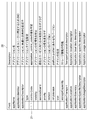
図2は、AITのデータ構造を示す図である。
AIT10は、放送連動型アプリケーションに関する種々の情報や、放送連動型アプリケーションを制御するためのアプリケーション制御コード等が格納されるテーブルである。具体的には、AIT10には、テーブルID、セクションシンタックス指示、セクション長、アプリケーション形式、バージョン番号、カレントネクスト指示、セクション番号、最終セクション番号、共通記述子ループ長、アプリケーション情報ループ長、アプリケーション識別子、アプリケーション制御コード11、アプリケーション情報記述子ループ長、記述子等が格納される。
AIT10は、放送連動型アプリケーションに関する種々の情報や、放送連動型アプリケーションを制御するためのアプリケーション制御コード等が格納されるテーブルである。具体的には、AIT10には、テーブルID、セクションシンタックス指示、セクション長、アプリケーション形式、バージョン番号、カレントネクスト指示、セクション番号、最終セクション番号、共通記述子ループ長、アプリケーション情報ループ長、アプリケーション識別子、アプリケーション制御コード11、アプリケーション情報記述子ループ長、記述子等が格納される。
図3は、XML-AITのデータ構造を示す図である。
XML-AIT20は、放送非連動型アプリケーションに関する種々の情報や、放送非連動型アプリケーションを制御するためのアプリケーション制御コード等が格納されるテーブルである。具体的には、XML-AIT20には、アプリケーション名、アプリケーション識別子、アプリケーション記述子、アプリケーションタイプ、アプリケーション制御コード21、アプリケーションの可視性、現在のサービス内でのみ有効かを示すフラグ、アプリケーションの優先度、アプリケーションのバージョン、プラットフォームプロファイルにあわせたバージョン、アイコン、ストレージ機能の性能、トランスポートプロトコル記述子、アプリケーションロケーション記述子、アプリケーションバウンダリ記述子、アプリケーションスペシフィック記述子、アプリケーションユーセジ記述子等が格納される。
XML-AIT20は、放送非連動型アプリケーションに関する種々の情報や、放送非連動型アプリケーションを制御するためのアプリケーション制御コード等が格納されるテーブルである。具体的には、XML-AIT20には、アプリケーション名、アプリケーション識別子、アプリケーション記述子、アプリケーションタイプ、アプリケーション制御コード21、アプリケーションの可視性、現在のサービス内でのみ有効かを示すフラグ、アプリケーションの優先度、アプリケーションのバージョン、プラットフォームプロファイルにあわせたバージョン、アイコン、ストレージ機能の性能、トランスポートプロトコル記述子、アプリケーションロケーション記述子、アプリケーションバウンダリ記述子、アプリケーションスペシフィック記述子、アプリケーションユーセジ記述子等が格納される。
[アプリケーション制御コードの定義]
アプリケーションのライフサイクルは、AIT10及びXML-AIT20に格納されるアプリケーション制御コード11、21をもとに、情報処理装置500によって動的に制御される。
アプリケーションのライフサイクルは、AIT10及びXML-AIT20に格納されるアプリケーション制御コード11、21をもとに、情報処理装置500によって動的に制御される。
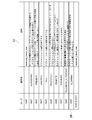
図4はAIT10及びXML-AIT20に格納されるアプリケーション制御コード11、21の定義を示す図である。
同図に示すように、アプリケーション制御コードとしては、"AUTOSTART"、"PRESENT"、"DESTROY"、"KILL"、"PREFETCH"、"REMOTE"、"DISABLED"、"PLAYBACK_AUTOSTART"が標準規格上存在する。本実施形態では、新たに"SUSPEND"が追加される。これらアプリケーション制御コードの定義は以下のとおりである。
同図に示すように、アプリケーション制御コードとしては、"AUTOSTART"、"PRESENT"、"DESTROY"、"KILL"、"PREFETCH"、"REMOTE"、"DISABLED"、"PLAYBACK_AUTOSTART"が標準規格上存在する。本実施形態では、新たに"SUSPEND"が追加される。これらアプリケーション制御コードの定義は以下のとおりである。
"AUTOSTART"は、サービスの選択に伴いアプリケーションを自動で起動することを指示するコードである。アプリケーションが既に実行されている場合にはこの限りでない。
"PRESENT"は、サービスが選択されている間、アプリケーションを実行可能な状態とすることを指示するコードである。但し、対象のアプリケーションは、サービスの選択に伴って自動的にアプリケーションは起動されず、ユーザからの起動の指示を受けて起動される。
"DESTROY"は、アプリケーションの終了の許可を指示するコードである。
"KILL"は、アプリケーションの強制的な終了を指示するコードである。
"PREFETCH"は、アプリケーションのキャッシュを指示するコードである。
"REMOTE"は、現在のトランスポートストリームでは取得できないアプリケーションであることを示すコードである。そのアプリケーションは、別のトランスポートストリームあるいはキャッシュから取得して利用可能となる。
"DISABLED"は、アプリケーションの起動を禁止することを示すコードである。
"PLAYBACK_AUTOSTART"は、ストレージ(記録装置)に録画された放送コンテンツの再生に伴いアプリケーションを起動させるためのコードである。
"SUSPEND"は、本実施形態で新規に導入されたコードであり、実行中のアプリケーションを実行中の状態を記憶したまま実行を一時停止することを指示するコードである。
"PRESENT"は、サービスが選択されている間、アプリケーションを実行可能な状態とすることを指示するコードである。但し、対象のアプリケーションは、サービスの選択に伴って自動的にアプリケーションは起動されず、ユーザからの起動の指示を受けて起動される。
"DESTROY"は、アプリケーションの終了の許可を指示するコードである。
"KILL"は、アプリケーションの強制的な終了を指示するコードである。
"PREFETCH"は、アプリケーションのキャッシュを指示するコードである。
"REMOTE"は、現在のトランスポートストリームでは取得できないアプリケーションであることを示すコードである。そのアプリケーションは、別のトランスポートストリームあるいはキャッシュから取得して利用可能となる。
"DISABLED"は、アプリケーションの起動を禁止することを示すコードである。
"PLAYBACK_AUTOSTART"は、ストレージ(記録装置)に録画された放送コンテンツの再生に伴いアプリケーションを起動させるためのコードである。
"SUSPEND"は、本実施形態で新規に導入されたコードであり、実行中のアプリケーションを実行中の状態を記憶したまま実行を一時停止することを指示するコードである。
[アプリケーションの起動]
アプリケーションの起動方法としては、例えば、以下がある。
アプリケーションの起動方法としては、例えば、以下がある。
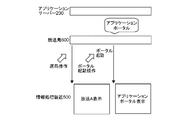
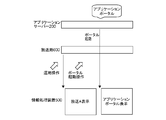
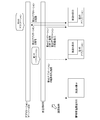
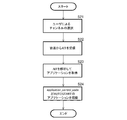
1.図6および図7に示すように、情報処理装置500のユーザによる所定のリモコン操作を契機に、放送もしくはアプリケーションサーバ200よりアプリケーションのポータル画面を取得して表示させ、このポータル画面でユーザにより選択されたアプリケーションを起動させる方法。アプリケーションのポータル画面には利用可能な1以上のアプリケーション情報が提示される。提示されるアプリケーション情報には、そのアプリケーションの実体ファイルや、そのアプリケーションのXML-AITを取得するために必要な通信プロトコルやロケーション情報が紐付けられている。図8に示すように、情報処理装置500のユーザによる所定のリモコン操作などによってポータル画面の起動が指示されると(ステップS11)、情報処理装置500は放送もしくはアプリケーションサーバ200よりアプリケーションのポータル画面を取得して表示する(ステップS12)。ポータル画面でユーザによって所望のアプリケーション情報が選択されると(ステップS13)、そのアプリケーション情報にアプリケーションの実体ファイルを取得するために必要な情報が紐付けられている場合には(ステップS14のNO)、情報処理装置500はその情報をもとにアプリケーションの実体ファイルを取得し(ステップS16のYES)、これを起動させる(ステップS17)。また選択されたアプリケーション情報にそのアプリケーションのXML-AITを取得するために必要な情報が紐付けられている場合には情報処理装置500はその情報をもとにXML-AITを取得して解析し、(ステップS14のYES)、XML-AITをもとにアプリケーションの実体ファイルを取得し(ステップS15)、これを起動させる(ステップS17)。XML-AITを取得またはアプリケーションの実体ファイルの取得に失敗した場合には、その旨をユーザに掲示するなどのエラー処理が行われる(ステップS18)。
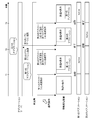
2.図9に示すように、AITのアプリケーション制御コード"AUTOSTART"をもとに自動的にアプリケーションを起動させる方法。図10に示すように、情報処理装置500のユーザによる所定のリモコン操作などによりチャンネルが選択されると(ステップS21)、情報処理装置500はそのチャンネルの放送波に放送コンテンツに重畳されて送られてくるAITを取得する(ステップS22)。情報処理装置500は、取得したAITを解析し、その中のアプリケーションを取得するための情報をもとにアプリケーションを取得し(ステップS23)、アプリケーション制御コード"AUTOSTART"をもとに自動的にそのアプリケーションを起動させる(ステップS24)。
3.図11に示すように、所定のリモコン操作を契機に、AITをもとに現在利用することが可能なアプリケーションのアイコンやリストを作成して表示し、その中から起動させるアプリケーションをユーザに選択させる方法。図12に示すように、情報処理装置500のユーザによる所定のリモコン操作などによりチャンネルが選択されると(ステップS31)、情報処理装置500はそのチャンネルの放送波に放送コンテンツに重畳されて送られてくるAITを取得する(ステップS32)。ユーザによる所定のリモコン操作などによって利用可能なアプリケーションのリストの表示が指示されると、情報処理装置500は取得されたAITをもとにアプリケーションのリストを表示する(ステップS33)。アプリケーションのリストでユーザによって所望のアプリケーションが選択されると(ステップS34)、そのアプリケーションのAITをもとにアプリケーションを起動させる(ステップS35)。
[情報処理システム1の典型的な動作例]
次に、本実施形態の情報処理システム1の動作例を説明する。
図13は図1の情報処理システム1における典型的な動作を示す図である。
次に、本実施形態の情報処理システム1の動作例を説明する。
図13は図1の情報処理システム1における典型的な動作を示す図である。
情報処理装置500は、例えばリモコンなどを使ってユーザにより選局された放送局600からの放送コンテンツ(放送A)を受信し、映像データ、音声データ、字幕データなどのデコード処理などを行って、情報処理装置500に接続された表示部及びスピーカ部に放送コンテンツ(放送A)を出力する。
この例では、放送局600から時刻T1に放送連動型アプリケーション(以下「第1のアプリケーション」と呼ぶ。)とこの第1のアプリケーションに関するAITが放送コンテンツに重畳して放送されるものとする。
このAITには第1のアプリケーションの起動を指示するアプリケーション制御コード"AUTOSTART"が格納されている。情報処理装置500は、第1のアプリケーションとAITを受信すると、このAITに記述されたアプリケーション制御コード"AUTOSTART"に従って第1のアプリケーションを起動させる。起動された第1のアプリケーションは、例えば、表示部に表示された放送コンテンツAの映像の上に重畳されたウィンドウとして可視化される。
続いて、放送局600から時刻T2に、放送非連動型アプリケーション(以下「第2のアプリケーション」と呼ぶ。)の起動を指示するアプリケーション制御コード"AUTOSTART"を含む新たなAITが放送コンテンツに重畳して放送されるものとする。
情報処理装置500は、新たなAITを受信すると、この新たなAITに記述されたアプリケーション制御コード"AUTOSTART"に従って第2のアプリケーションを取得し、これを起動する。ここで、第2のアプリケーションは不可視の属性を有するアプリケーションであり、情報処理装置500の表示部には第1のアプリケーションがそのまま表示される。
続いて、放送局600から時刻T3に、第1のアプリケーションと第2のアプリケーションの終了を指示するアプリケーション制御コード"DESTROY"または"KILL"と、別の放送非連動型アプリケーション(以下「第3のアプリケーション」と呼ぶ。)の起動を指示するアプリケーション制御コード"AUTOSTART"を含む新たなAITが放送コンテンツに重畳して放送される。
情報処理装置500は、新たなAITを取得すると、このAITに従って第1のアプリケーションと第2のアプリケーションの終了させるとともに、第3のアプリケーションを取得し、これを起動させる。
[典型的な情報処理システムによる標準規格に則った動作例]
図14は典型的な情報処理システムによる標準規格に則った動作例を示す図である。
情報処理装置は、ユーザにより選局された放送局からの放送コンテンツ(放送A)を受信し、映像データ、音声データ、字幕データなどのデコード処理などを行って、情報処理装置に接続された表示部及びスピーカ部に放送コンテンツ(放送A)を出力する。
図14は典型的な情報処理システムによる標準規格に則った動作例を示す図である。
情報処理装置は、ユーザにより選局された放送局からの放送コンテンツ(放送A)を受信し、映像データ、音声データ、字幕データなどのデコード処理などを行って、情報処理装置に接続された表示部及びスピーカ部に放送コンテンツ(放送A)を出力する。
放送局から時刻T1に放送連動型アプリケーション(以下「第1のアプリケーション」と呼ぶ。)とこの第1のアプリケーションに関するAITが放送で送信されるものとする。このAITには第1のアプリケーションの起動を指示するアプリケーション制御コード"AUTOSTART"が格納されている。情報処理装置は、第1のアプリケーションとAITを受信すると、このAITに記述されたアプリケーション制御コード"AUTOSTART"に従って第1のアプリケーションを起動させる。起動された第1のアプリケーションは、例えば、表示部に表示された放送コンテンツAの映像の上に重畳されたウィンドウとして可視化される。
続いて時刻T2に、放送局から、第1のアプリケーションの終了を指示するアプリケーション制御コード"DESTROY"または"KILL"と、放送非連動型アプリケーション(以下「第2のアプリケーション」と呼ぶ。)の起動を指示するアプリケーション制御コード"AUTOSTART"を含む新たなAITが放送されるものとする。情報処理装置は、この新たなAITを受信すると、このAITに記述されたアプリケーション制御コード"DESTROY"または"KILL"に従って実行中の第1のアプリケーションを終了させるとともに、アプリケーション制御コード"AUTOSTART"に従って第2のアプリケーションを起動させる。このようにして実行されるアプリケーションが切り替えられる。
アプリケーションが終了されると、そのアプリケーションは実行中の状態の情報を含めて情報処理装置のメモリから消去される。このため、時刻T3に情報処理装置は、再び第1のアプリケーションの起動を指示するアプリケーション制御コード"AUTOSTART"を含む新たなAITを取得し、そのAITをもとに第1のアプリケーションを起動しても、その第1のアプリケーションは初期状態からしか起動されない。
本実施形態では、このような課題を解決するために、図3に示したように、AITの標準のアプリケーション制御コードのセットに"SUSPEND"(図3の符号26)が新たに追加されている。この"SUSPEND"は、実行中のアプリケーションを実行中の状態をメモリに保存したまま実行を一時停止することを指示するアプリケーション制御コードである。
[情報処理装置の構成]
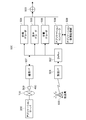
図5は本実施形態の情報処理装置500の構成を示すブロック図である。
情報処理装置500は、放送インタフェース501、デマルチプレクサ502、出力処理部503、映像デコーダ504、音声デコーダ505、字幕デコーダ506、通信インタフェース507、アプリケーションコントローラ508およびアプリケーション・状態記憶部509を有する。
図5は本実施形態の情報処理装置500の構成を示すブロック図である。
情報処理装置500は、放送インタフェース501、デマルチプレクサ502、出力処理部503、映像デコーダ504、音声デコーダ505、字幕デコーダ506、通信インタフェース507、アプリケーションコントローラ508およびアプリケーション・状態記憶部509を有する。
放送インタフェース501は、アンテナ及びチューナを有し、これらを用いてユーザにより選局されたデジタル放送信号を受信する。放送インタフェース501は、受信したデジタル放送信号に対して復調処理などを施して得たトランスポートストリームをデマルチプレクサ502に出力する。
デマルチプレクサ502は、トランスポートストリームから放送コンテンツのストリームパケット、アプリケーションのパケット、AITのパケットをそれぞれ分離する。デマルチプレクサ502は、放送コンテンツのストリームパケットから映像ES(Elementary Stream)、音声ES、字幕ESを分離する。デマルチプレクサ502は、映像ESを映像デコーダ504に、音声ESを音声デコーダ505に、字幕ESを字幕デコーダ506に、そしてアプリケーションのパケットおよびAITのパケットをアプリケーションコントローラ508にそれぞれ分配する。
映像デコーダ504は、映像ESをデコードして映像信号を生成し、生成した映像信号を出力処理部503に出力する。音声デコーダ505は、音声ESをデコードして音声信号を生成し、生成した音声信号を出力処理部503に出力する。字幕デコーダ506は、字幕ESをデコードして字幕信号を生成し、生成した字幕信号を出力処理部503に出力する。
通信インタフェース507は、LANなどの第2のネットワーク400を通じて外部の機器と通信を行うためのインタフェースである。通信インタフェース507は無線による通信、有線による通信を問わない。
アプリケーションコントローラ508は、アプリケーションの制御に関する処理を行うコントローラである。
アプリケーション・状態記憶部509(メモリ)は、取得したアプリケーション、実行中のアプリケーションとその状態、一時停止中のアプリケーションとその実行中の状態などを保持する記憶部である。
出力処理部503は、映像デコーダ504からの映像信号、音声デコーダ505からの音声信号、字幕デコーダ506からの字幕信号及びアプリケーションコントローラ508からの映像信号や音声信号等を合成し、情報処理装置500に接続された記録装置、表示部及びスピーカ部(図示せず)に出力する。
上記の情報処理装置500の少なくともアプリケーションコントローラ508およびアプリケーション・状態記憶部509を含む構成の一部または全ては、CPU(Central Processing Unit)およびメモリを有するコンピュータとプログラムとにより提供することが可能である。
[本実施形態の情報処理システム1のアプリケーション切り替え動作]
図15は本実施形態の情報処理システム1におけるアプリケーション切り替え動作を示す図である。
図15は本実施形態の情報処理システム1におけるアプリケーション切り替え動作を示す図である。
情報処理装置500は、例えばリモコンなどを使ってユーザにより選局された放送局600からの放送コンテンツ(放送A)を受信し、映像データ、音声データ、字幕データなどのデコード処理などを行って、情報処理装置500に接続された表示部及びスピーカ部に放送コンテンツ(放送A)を出力する。
具体的には、放送インタフェース501が、ユーザにより選局された放送局600から放送コンテンツ(放送A)のデジタル放送信号を受信し、復調処理などを施して得たトランスポートストリームをデマルチプレクサ502に出力する。デマルチプレクサ502はトランスポートストリームから放送コンテンツのストリームパケットを分離し、さらに放送コンテンツのストリームパケットを映像ES、音声ES、字幕ESに分離する。分離された映像ES、音声ES、字幕ESはそれぞれ、映像デコーダ504、音声デコーダ505、字幕デコーダ506にてデコードされ、出力処理部503にて合成されて表示部及びスピーカ部に出力される。
この動作例では、放送局600から時刻T1に放送連動型アプリケーション(以下「第1のアプリケーション」と呼ぶ。)とこの第1のアプリケーションに関するAITが放送コンテンツに重畳して放送されるものとする。このAITには第1のアプリケーションの起動を指示するアプリケーション制御コード"AUTOSTART"が格納されている。
デマルチプレクサ502はトランスポートストリームから第1のアプリケーションのパケットとAITのパケットを分離してアプリケーションコントローラ508に供給する。アプリケーションコントローラ508は、放送連動型アプリケーションとAITを取得すると、このAITに記述されたアプリケーション制御コード"AUTOSTART"に従って第1のアプリケーションを起動させる。すなわち、アプリケーションコントローラ508は取得したアプリケーションを、システムのメモリであるアプリケーション・状態記憶部509に展開して実行状態とする。起動された第1のアプリケーションは、例えば、表示部に表示された放送コンテンツAの映像の上に重畳されたウィンドウとして可視化される。
続いて、放送局600から時刻T2に、第1のアプリケーションの一時停止を指示する"SUSPEND"のアプリケーション制御コードと、例えば放送非連動型アプリケーション(以下「第2のアプリケーション」と呼ぶ。)の起動を指示する"AUTOSTART"を含む新たなAITが放送されるものとする。
情報処理装置500のアプリケーションコントローラ508は、この新たなAITを取得すると、このAITに第1のアプリケーションに対するアプリケーション制御コードとして格納された"SUSPEND"に従って、実行中の第1のアプリケーションを実行中の状態を保持したまま一時停止状態にする。すなわち、アプリケーションコントローラ508は、アプリケーション・状態記憶部509に展開された第1のアプリケーションを実行中の状態のまま一時停止状態にする。続いてアプリケーションコントローラ508は、取得したAITに第2のアプリケーションに対するアプリケーション制御コードとして記述された"AUTOSTART"に従って第2のアプリケーションを起動させる。なお、このAITには、アプリケーションサーバ200にアクセスして放送非連動型アプリケーションを取得するために必要な、例えば、通信プロトコルに関する情報とロケーション情報などが設定されている。
続いて、時刻T3に、放送局600から、第2のアプリケーションの終了を指示する"DESTROY"または"KILL"のアプリケーション制御コードと、一時停止状態にある第1のアプリケーションの起動を指示する"AUTOSTART"またはその第1のアプリケーションを実行可能な状態とすることを指示する"PRESENT"のアプリケーション制御コードを含む新たなAITが放送されるものとする。
情報処理装置500のアプリケーションコントローラ508は、この新たなAITを取得すると、このAITに第2のアプリケーションに対するアプリケーション制御コードとして記述された"DESTROY"または"KILL"に従って第2のアプリケーションを終了させる。さらに、アプリケーションコントローラ508は、取得したAITに第1のアプリケーションに対するアプリケーション制御コードとして記述された"AUTOSTART"または"PRESENT"に従って、第1のアプリケーションを一時停止状態から復帰させる。これにより、第1のアプリケーションは前回一時停止とされた直前の状態から起動される。
以上のように、本実施形態によれば、放送コンテンツに関連するアプリケーションをAITにより制御可能な情報処理システムにおいて、ETSI標準のアプリケーション制御コードのセットに新たに"SUSPEND"を追加した。この"SUSPEND"を実行することによりアプリケーションを実行状態から一時停止状態にすることができるという新規な機能を追加することができる。これにより、アプリケーションの終了時点までの処理結果を保持し、次回そのアプリケーションが起動されたとき過去の処理結果を引き継いだ状態で処理を再開させるような制御を実現することができる。
また、アプリケーションの一時停止状態から復帰の際には、そのアプリケーションを取得する必要がないので、より高速にアプリケーションが起動されて利用できるようになる。
また、アプリケーションの一時停止状態から復帰の際には、そのアプリケーションを取得する必要がないので、より高速にアプリケーションが起動されて利用できるようになる。
なお、上記の実施形態では、放送から取得した第1のアプリケーションを一時停止状態にする場合について説明したが、アプリケーションサーバ200より取得したアプリケーション(第2のアプリケーション)を同様に一時停止状態にできることは言うまでもない。
また、上記の実施形態では、1つのアプリケーションを一時停止状態にする場合について説明したが、複数のアプリケーションを一時停止状態にできることは勿論である。
本技術は、上述の実施形態にのみ限定されるものではなく、本発明の要旨を逸脱しない範囲内において種々変更を加え得ることは勿論である。
HbbTVの標準規格を前提とした実施形態を説明したが、本技術は、HbbTVの標準規格を前提とすることに必ずしも限定されるものではない。
HbbTVの標準規格を前提とした実施形態を説明したが、本技術は、HbbTVの標準規格を前提とすることに必ずしも限定されるものではない。
なお、本技術は以下のような構成も採ることができる。
(1)放送コンテンツを受信し処理する放送コンテンツ処理部と、
前記放送コンテンツに関連するアプリケーションを制御するための制御情報としてサスペンド情報を設定することが可能なアプリケーション情報テーブルを取得し、前記サスペンド情報を含む前記アプリケーション情報テーブルが取得されたとき、当該サスペンド制御情報に従って実行中のアプリケーションを一時停止状態にするコントローラと
を具備する情報処理装置。
(2)前記(1)に記載の情報処理装置であって、
情報を記憶することが可能なメモリをさらに具備し、
前記コントローラは、前記実行中のアプリケーションを実行中の状態ごと前記メモリに保持させることによって前記実行中のアプリケーションを一時停止状態にする
情報処理装置。
(3)前記(1)または(2)のいずれか1つに記載の情報処理装置であって、
前記コントローラは、所定の制御情報を含む前記アプリケーション情報テーブルが取得されたとき、当該所定の制御情報に従って、前記アプリケーションの一時停止状態を解除する
情報処理装置。
(1)放送コンテンツを受信し処理する放送コンテンツ処理部と、
前記放送コンテンツに関連するアプリケーションを制御するための制御情報としてサスペンド情報を設定することが可能なアプリケーション情報テーブルを取得し、前記サスペンド情報を含む前記アプリケーション情報テーブルが取得されたとき、当該サスペンド制御情報に従って実行中のアプリケーションを一時停止状態にするコントローラと
を具備する情報処理装置。
(2)前記(1)に記載の情報処理装置であって、
情報を記憶することが可能なメモリをさらに具備し、
前記コントローラは、前記実行中のアプリケーションを実行中の状態ごと前記メモリに保持させることによって前記実行中のアプリケーションを一時停止状態にする
情報処理装置。
(3)前記(1)または(2)のいずれか1つに記載の情報処理装置であって、
前記コントローラは、所定の制御情報を含む前記アプリケーション情報テーブルが取得されたとき、当該所定の制御情報に従って、前記アプリケーションの一時停止状態を解除する
情報処理装置。
1…情報処理システム
10…AIT
12…アプリケーション制御コード
20…AIT
21…アプリケーション制御コード
200…アプリケーションサーバ
500…情報処理装置
501…放送インタフェース
502…デマルチプレクサ
503…出力処理部
504…映像デコーダ
505…音声デコーダ
506…字幕デコーダ
507…通信インタフェース
508…アプリケーションコントローラ
509…アプリケーション・状態記憶部
600…放送局
10…AIT
12…アプリケーション制御コード
20…AIT
21…アプリケーション制御コード
200…アプリケーションサーバ
500…情報処理装置
501…放送インタフェース
502…デマルチプレクサ
503…出力処理部
504…映像デコーダ
505…音声デコーダ
506…字幕デコーダ
507…通信インタフェース
508…アプリケーションコントローラ
509…アプリケーション・状態記憶部
600…放送局
Claims (5)
- 放送コンテンツを受信し処理する放送コンテンツ処理部と、
前記放送コンテンツに関連するアプリケーションを制御するための制御情報としてサスペンド情報を設定することが可能なアプリケーション情報テーブルを取得し、前記サスペンド情報を含む前記アプリケーション情報テーブルが取得されたとき、当該サスペンド制御情報に従って実行中のアプリケーションを一時停止状態にするコントローラと
を具備する情報処理装置。 - 請求項1に記載の情報処理装置であって、
情報を記憶することが可能なメモリをさらに具備し、
前記コントローラは、前記実行中のアプリケーションを実行中の状態ごと前記メモリに保持させることによって前記実行中のアプリケーションを一時停止状態にする
情報処理装置。 - 請求項2に記載の情報処理装置であって、
前記コントローラは、所定の制御情報を含む前記アプリケーション情報テーブルが取得されたとき、当該所定の制御情報に従って、前記アプリケーションの一時停止状態を解除する
情報処理装置。 - 放送コンテンツを受信し処理し、
コントローラが、
前記放送コンテンツに関連するアプリケーションを制御するための制御情報としてサスペンド情報を設定することが可能なアプリケーション情報テーブルを取得し、
前記サスペンド情報を含む前記アプリケーション情報テーブルが取得されたとき、当該サスペンド制御情報に従って実行中のアプリケーションを一時停止状態にする
情報処理方法。 - 放送コンテンツに関連するアプリケーションを制御するための制御情報としてサスペンド情報を設定することが可能なアプリケーション情報テーブルを取得し、前記サスペンド情報を含む前記アプリケーション情報テーブルが取得されたとき、当該サスペンド制御情報に従って実行中のアプリケーションを一時停止状態にするコントローラと
としてコンピュータを機能させるプログラム。
Priority Applications (3)
| Application Number | Priority Date | Filing Date | Title |
|---|---|---|---|
| EP12845647.2A EP2775706A4 (en) | 2011-11-01 | 2012-10-26 | INFORMATION PROCESSING DEVICE, INFORMATION PROCESSING PROCESS AND PROGRAM |
| US14/342,917 US20140201800A1 (en) | 2011-11-01 | 2012-10-26 | Information processing apparatus, information processing method, and program |
| CN201280051149.1A CN103891296A (zh) | 2011-11-01 | 2012-10-26 | 信息处理设备、信息处理方法以及程序 |
Applications Claiming Priority (2)
| Application Number | Priority Date | Filing Date | Title |
|---|---|---|---|
| JP2011-240368 | 2011-11-01 | ||
| JP2011240368A JP5957204B2 (ja) | 2011-11-01 | 2011-11-01 | 情報処理装置、情報処理方法及びプログラム |
Publications (1)
| Publication Number | Publication Date |
|---|---|
| WO2013065274A1 true WO2013065274A1 (ja) | 2013-05-10 |
Family
ID=48191652
Family Applications (1)
| Application Number | Title | Priority Date | Filing Date |
|---|---|---|---|
| PCT/JP2012/006880 Ceased WO2013065274A1 (ja) | 2011-11-01 | 2012-10-26 | 情報処理装置、情報処理方法及びプログラム |
Country Status (5)
| Country | Link |
|---|---|
| US (1) | US20140201800A1 (ja) |
| EP (1) | EP2775706A4 (ja) |
| JP (1) | JP5957204B2 (ja) |
| CN (1) | CN103891296A (ja) |
| WO (1) | WO2013065274A1 (ja) |
Cited By (2)
| Publication number | Priority date | Publication date | Assignee | Title |
|---|---|---|---|---|
| CN105453580A (zh) * | 2013-08-30 | 2016-03-30 | 松下电器(美国)知识产权公司 | 接收方法、发送方法、接收装置及发送装置 |
| EP2985695A4 (en) * | 2013-04-08 | 2016-11-30 | Xiaomi Inc | METHOD AND DEVICE FOR SETTING AN APPLICATION PROGRAM STATUS |
Families Citing this family (8)
| Publication number | Priority date | Publication date | Assignee | Title |
|---|---|---|---|---|
| JP5857636B2 (ja) * | 2011-11-02 | 2016-02-10 | ソニー株式会社 | 情報処理装置、情報処理方法及びプログラム |
| JP6457938B2 (ja) | 2013-07-10 | 2019-01-23 | サターン ライセンシング エルエルシーSaturn Licensing LLC | 受信装置、受信方法、及び、送信方法 |
| JP2015052852A (ja) * | 2013-09-05 | 2015-03-19 | 富士通株式会社 | 情報処理装置、機能制限プログラム及び機能制限方法 |
| JP6418162B2 (ja) * | 2013-09-30 | 2018-11-07 | ソニー株式会社 | 受信装置および受信方法 |
| GB2536887B (en) * | 2015-03-27 | 2021-05-05 | Sony Europe Bv | Video content replay |
| JP6551558B2 (ja) * | 2018-02-16 | 2019-07-31 | ソニー株式会社 | 受信装置並びに受信方法 |
| JP6835989B2 (ja) * | 2020-01-23 | 2021-02-24 | マクセル株式会社 | デジタル放送受信装置、アプリケーション動作の制御方法 |
| JP7517498B2 (ja) * | 2022-01-12 | 2024-07-17 | ソニーグループ株式会社 | 送信装置及び送信方法、受信装置及び受信方法 |
Citations (2)
| Publication number | Priority date | Publication date | Assignee | Title |
|---|---|---|---|---|
| JP2003502920A (ja) * | 1999-06-15 | 2003-01-21 | ウィンク・コミュニケーションズ・インコーポレーテッド | 放送プログラムとの同期動作を維持するための放送及びインタラクティブ・アプリケーションの実行の自動制御 |
| JP2007043735A (ja) * | 1995-04-26 | 2007-02-15 | Wink Communications Inc | コンパクトなグラフィカル対話放送情報システム |
Family Cites Families (12)
| Publication number | Priority date | Publication date | Assignee | Title |
|---|---|---|---|---|
| US5563648A (en) * | 1994-04-28 | 1996-10-08 | Thomson Consumer Electronics, Inc. | Method for controlling execution of an audio video interactive program |
| US6678891B1 (en) * | 1998-11-19 | 2004-01-13 | Prasara Technologies, Inc. | Navigational user interface for interactive television |
| US6760916B2 (en) * | 2000-01-14 | 2004-07-06 | Parkervision, Inc. | Method, system and computer program product for producing and distributing enhanced media downstreams |
| US7222155B1 (en) * | 1999-06-15 | 2007-05-22 | Wink Communications, Inc. | Synchronous updating of dynamic interactive applications |
| US6970641B1 (en) * | 2000-09-15 | 2005-11-29 | Opentv, Inc. | Playback of interactive programs |
| CN100596194C (zh) * | 2002-10-10 | 2010-03-24 | 皇家飞利浦电子股份有限公司 | 在数字界面上进行itv特技播放的方法和设备 |
| EP1593259A1 (en) * | 2003-01-31 | 2005-11-09 | Koninklijke Philips Electronics N.V. | Inter-application control to improve the performance of playback of stored interactive-tv applications |
| DE602004012598D1 (de) * | 2003-11-10 | 2008-04-30 | Matsushita Electric Industrial Co Ltd | Aufzeichnungsmedium, wiedergabeeinrichtung, programm, wiedergabeverfahren und systemintegrierte schaltung |
| US7716403B2 (en) * | 2005-09-30 | 2010-05-11 | Rockwell Automation Technologies, Inc. | Information technology integration with automation systems |
| US8997155B2 (en) * | 2008-11-21 | 2015-03-31 | Echostar Technologies L.L.C. | Locally stored advertisements |
| US8595783B2 (en) * | 2010-08-30 | 2013-11-26 | Sony Corporation | Receiving device, receiving method, program, and broadcasting system |
| TWI528749B (zh) * | 2011-09-06 | 2016-04-01 | Sony Corp | A signal receiving device, a signal receiving method, an information processing program and an information processing system |
-
2011
- 2011-11-01 JP JP2011240368A patent/JP5957204B2/ja active Active
-
2012
- 2012-10-26 US US14/342,917 patent/US20140201800A1/en not_active Abandoned
- 2012-10-26 EP EP12845647.2A patent/EP2775706A4/en not_active Ceased
- 2012-10-26 WO PCT/JP2012/006880 patent/WO2013065274A1/ja not_active Ceased
- 2012-10-26 CN CN201280051149.1A patent/CN103891296A/zh active Pending
Patent Citations (2)
| Publication number | Priority date | Publication date | Assignee | Title |
|---|---|---|---|---|
| JP2007043735A (ja) * | 1995-04-26 | 2007-02-15 | Wink Communications Inc | コンパクトなグラフィカル対話放送情報システム |
| JP2003502920A (ja) * | 1999-06-15 | 2003-01-21 | ウィンク・コミュニケーションズ・インコーポレーテッド | 放送プログラムとの同期動作を維持するための放送及びインタラクティブ・アプリケーションの実行の自動制御 |
Non-Patent Citations (4)
| Title |
|---|
| APPLICATION EXECUTION ENVIRONMENT STANDARD ARIB STD-B23 1.2 IN DIGITAL BROADCAST, 21 October 2011 (2011-10-21), Retrieved from the Internet <URL:http://www.arib.orjp/english/html/overview/doc/2-STD-B23vl-2.pdf> |
| ASSOCIATION OF RADIO INDUSTRIES AND BUSINESSES, DIGITAL HOSO NI OKERU APPLICATION JIKKO KANKYO HYOJUN KIKAKU ARIB STD-B23, 29 July 2009 (2009-07-29), pages 58 - 59, XP008172264 * |
| ETSI TS 102 796 V1.1.1 (2010-06, June 2010 (2010-06-01), Retrieved from the Internet <URL:http://www.etsi.org/deliver/etsi_ts/102700_102799/102796/01.01.01_60/ts_102796 v010101p.pdf> |
| See also references of EP2775706A4 |
Cited By (12)
| Publication number | Priority date | Publication date | Assignee | Title |
|---|---|---|---|---|
| EP2985695A4 (en) * | 2013-04-08 | 2016-11-30 | Xiaomi Inc | METHOD AND DEVICE FOR SETTING AN APPLICATION PROGRAM STATUS |
| US9727351B2 (en) | 2013-04-08 | 2017-08-08 | Xiaomi Inc. | Method and device for setting status of application |
| CN105453580A (zh) * | 2013-08-30 | 2016-03-30 | 松下电器(美国)知识产权公司 | 接收方法、发送方法、接收装置及发送装置 |
| US20160173919A1 (en) * | 2013-08-30 | 2016-06-16 | Panasonic Intellectual Property Corporation Of America | Reception method, transmission method, reception device, and transmission device |
| US10277931B2 (en) * | 2013-08-30 | 2019-04-30 | Panasonic Intellectual Property Corporation Of America | Reception method, transmission method, reception device, and transmission device |
| US20190215547A1 (en) * | 2013-08-30 | 2019-07-11 | Panasonic Intellectual Property Corporation Of America | Reception method, transmission method, reception device, and transmission device |
| CN105453580B (zh) * | 2013-08-30 | 2019-08-16 | 松下电器(美国)知识产权公司 | 接收方法、发送方法、接收装置及发送装置 |
| CN110278474A (zh) * | 2013-08-30 | 2019-09-24 | 松下电器(美国)知识产权公司 | 接收方法、发送方法、接收装置及发送装置 |
| US10911805B2 (en) | 2013-08-30 | 2021-02-02 | Panasonic Intellectual Property Corporation Of America | Reception method, transmission method, reception device, and transmission device |
| CN110278474B (zh) * | 2013-08-30 | 2021-10-08 | 松下电器(美国)知识产权公司 | 接收方法、发送方法、接收装置及发送装置 |
| US11284142B2 (en) | 2013-08-30 | 2022-03-22 | Panasonic Intellectual Property Corporation Of America | Reception method, transmission method, reception device, and transmission device |
| US12192548B2 (en) | 2013-08-30 | 2025-01-07 | Panasonic Intellectual Property Corporation Of America | Reception method, transmission method, reception device, and transmission device |
Also Published As
| Publication number | Publication date |
|---|---|
| EP2775706A1 (en) | 2014-09-10 |
| EP2775706A4 (en) | 2015-06-10 |
| CN103891296A (zh) | 2014-06-25 |
| JP2013098781A (ja) | 2013-05-20 |
| JP5957204B2 (ja) | 2016-07-27 |
| US20140201800A1 (en) | 2014-07-17 |
Similar Documents
| Publication | Publication Date | Title |
|---|---|---|
| JP5957204B2 (ja) | 情報処理装置、情報処理方法及びプログラム | |
| US10244078B2 (en) | Information processing apparatus, information processing method, and program | |
| JP6207673B2 (ja) | 情報処理装置、情報処理方法、プログラム、アプリケーション情報テーブル供給装置およびアプリケーション情報テーブル供給方法 | |
| JP5897468B2 (ja) | 受信装置、受信方法、及びプログラム | |
| JP5815370B2 (ja) | 情報処理装置、情報処理方法及びプログラム | |
| KR101689050B1 (ko) | 정보 처리 장치, 데이터 관리 방법 및 기록 매체 | |
| JP5970160B2 (ja) | 受信装置、送信装置、放送システム及びプログラム | |
| EP3101903A1 (en) | Hybrid network system, channel content replay method, and hybrid set top box | |
| JP2012244339A (ja) | 端末連携システム、受信機及び情報処理端末 | |
| JP5773746B2 (ja) | 端末連携システム | |
| JP5275506B2 (ja) | 受信機、プログラム及び放送システム | |
| JP2025113335A (ja) | アプリケーション起動方法 | |
| JPWO2012157753A1 (ja) | 放送通信連携受信装置 | |
| JP6256952B2 (ja) | 情報処理装置、テレビジョン装置、情報処理方法、プログラム、送信装置および送信方法 | |
| JP6185959B2 (ja) | 情報処理装置、情報処理方法、およびプログラム | |
| JP2016001908A (ja) | 受信方法、受信装置、供給方法、および供給装置 | |
| JP2015029166A (ja) | 放送通信連携システム、及び、外部端末 |
Legal Events
| Date | Code | Title | Description |
|---|---|---|---|
| 121 | Ep: the epo has been informed by wipo that ep was designated in this application |
Ref document number: 12845647 Country of ref document: EP Kind code of ref document: A1 |
|
| WWE | Wipo information: entry into national phase |
Ref document number: 14342917 Country of ref document: US |
|
| WWE | Wipo information: entry into national phase |
Ref document number: 2012845647 Country of ref document: EP |
|
| NENP | Non-entry into the national phase |
Ref country code: DE |