WO2013080329A1 - 情報処理装置、情報処理方法、情報処理装置用プログラム、および、記録媒体 - Google Patents
情報処理装置、情報処理方法、情報処理装置用プログラム、および、記録媒体 Download PDFInfo
- Publication number
- WO2013080329A1 WO2013080329A1 PCT/JP2011/077661 JP2011077661W WO2013080329A1 WO 2013080329 A1 WO2013080329 A1 WO 2013080329A1 JP 2011077661 W JP2011077661 W JP 2011077661W WO 2013080329 A1 WO2013080329 A1 WO 2013080329A1
- Authority
- WO
- WIPO (PCT)
- Prior art keywords
- store
- information
- information processing
- map
- map data
- Prior art date
- Legal status (The legal status is an assumption and is not a legal conclusion. Google has not performed a legal analysis and makes no representation as to the accuracy of the status listed.)
- Ceased
Links
Images








Classifications
-
- G—PHYSICS
- G06—COMPUTING OR CALCULATING; COUNTING
- G06Q—INFORMATION AND COMMUNICATION TECHNOLOGY [ICT] SPECIALLY ADAPTED FOR ADMINISTRATIVE, COMMERCIAL, FINANCIAL, MANAGERIAL OR SUPERVISORY PURPOSES; SYSTEMS OR METHODS SPECIALLY ADAPTED FOR ADMINISTRATIVE, COMMERCIAL, FINANCIAL, MANAGERIAL OR SUPERVISORY PURPOSES, NOT OTHERWISE PROVIDED FOR
- G06Q30/00—Commerce
- G06Q30/06—Buying, selling or leasing transactions
- G06Q30/0601—Electronic shopping [e-shopping]
- G06Q30/0623—Electronic shopping [e-shopping] by investigating goods or services
-
- G—PHYSICS
- G06—COMPUTING OR CALCULATING; COUNTING
- G06Q—INFORMATION AND COMMUNICATION TECHNOLOGY [ICT] SPECIALLY ADAPTED FOR ADMINISTRATIVE, COMMERCIAL, FINANCIAL, MANAGERIAL OR SUPERVISORY PURPOSES; SYSTEMS OR METHODS SPECIALLY ADAPTED FOR ADMINISTRATIVE, COMMERCIAL, FINANCIAL, MANAGERIAL OR SUPERVISORY PURPOSES, NOT OTHERWISE PROVIDED FOR
- G06Q30/00—Commerce
- G06Q30/06—Buying, selling or leasing transactions
- G06Q30/0601—Electronic shopping [e-shopping]
- G06Q30/0639—Locating goods or services, e.g. based on physical position of the goods or services within a shopping facility
Definitions
- the present invention relates to a technical field of an information processing apparatus, an information processing method, a program for an information processing apparatus, and a recording medium that generate a search result based on a search word.
- Patent Document 1 discloses a store information search system that searches for stores in which a business type, a company name, a product name, and an area are set as keywords.
- the present invention has been made in view of such a problem, and an example of the problem is to provide information processing or the like that displays a store that is handled at the time of searching for a search target product on a map. Objective.
- the invention according to claim 1 is a search word acquisition means for acquiring a search word related to a product, location information of a store that provides the product, and inventory information of the product that the store has.
- the location information search means for searching for location information of a store having a predetermined number or more of the products searched by the search word acquired by the search query acquisition means, with reference to the storage means stored therein, and the location information search Map data generating means for generating map data in which information indicating the store is mapped on a map according to the location information of the store searched by means, and output means for outputting the map data.
- the information processing device includes a designated area obtaining unit that obtains information about a designated area that is designated by the user's operation on the map of the map data.
- the map data generation means maps information indicating a store located only in the designated area acquired by the designated area acquisition means on the map.
- the density of the stores on the map is determined according to the position information of the stores searched by the position information searching means.
- the map data generating means comprises the area Only in the area set by the setting means, map data in which information related to the store is mapped on a map is generated.
- the map data generation unit generates map data in which the region set by the region setting unit is emphasized.
- the image processing apparatus when a plurality of areas are set by the area setting unit, the plurality of areas are displayed on the map of the map data.
- the image processing apparatus further includes a specific area acquisition unit that acquires information related to a specific area specified by a user operation among the areas, and the map data generation unit generates map data that emphasizes the specified area.
- the position information search unit is searched by a search word acquired by the search word acquisition unit. It is a store having a predetermined stock quantity or more, and the position information is searched according to user store information from the user for the store.
- a seventh aspect of the present invention is the information processing apparatus according to any one of the first to sixth aspects, wherein information relating to a position designated by a user operation on the map of the map data is acquired. Further comprising: a specified position acquisition means; and a road specifying means for specifying a road on the map of the map data corresponding to the information about the specified position acquired by the specified position acquisition means, the map data generation means, Map data is generated by mapping, on the map, information indicating only the stores within a predetermined width from the road specified by the road specifying means among the stores mapped on the map.
- the invention according to claim 8 is the information processing apparatus according to any one of claims 1 to 7, wherein the information about the position of the trace traced by a user operation on the map of the map data.
- the map data which mapped the information which shows only the shop which exists within on the map is produced
- the invention according to claim 9 is an information processing method of an information processing apparatus that performs information processing, a search word acquisition step of acquiring a search word related to a product, location information of a store that provides the product, and the store A location information search step of searching for location information of a store having a predetermined number or more of the products searched by the search word acquired in the search query acquisition step, with reference to storage means storing the inventory information of the products having A map data generation step for generating map data in which information indicating the store is mapped on a map according to the location information of the store searched in the location information search step; and an output step for outputting the map data; It is characterized by including.
- the invention according to claim 10 is a storage means for storing a search word acquisition means for acquiring a search word related to a product, location information of a store providing the product, and inventory information of the product possessed by the store.
- the location information search means for searching for the location information of a store having a predetermined stock quantity or more of products searched by the search word acquired by the search query acquisition means, and the store searched by the location information search means
- the map data generating means for generating map data in which information indicating the store is mapped on a map and the output means for outputting the map data are functioned.
- the invention according to claim 11 is a storage means for storing a search word acquisition means for acquiring a search word related to a product, location information of a store providing the product, and inventory information of the product possessed by the store.
- the location information search means for searching for the location information of a store having a predetermined stock quantity or more of products searched by the search word acquired by the search query acquisition means, and the store searched by the location information search means
- a program for an information processing apparatus that functions as map data generation means for generating map data in which information indicating the store is mapped on a map, and output means for outputting the map data according to the position information Is recorded in a computer-readable manner.
- a search word related to a product is acquired, and the storage unit that stores the location information of the store that provides the product and the inventory information of the product that the store has stored is searched by the acquired search word.
- searching for location information of stores that have a predetermined number of stocks or more generating map data in which information indicating the stores is mapped on a map according to the searched location information of the stores, and outputting the map data
- the distribution of stores that handle products at the time of searching for the products to be searched can be displayed on the map.
- FIG. 10 It is a block diagram which shows an example of schematic structure of the terminal device of FIG. It is a sequence diagram which shows an example of operation
- FIG. 10 it is a schematic diagram which shows an example of the display with respect to a user's designation
- FIG. 10 it is a schematic diagram which shows an example of the display with respect to a user's designation
- FIG. 14 It is a schematic diagram which shows an example of the locus
- FIG. 14 it is a schematic diagram which shows an example of the display with respect to a user's designation
- it is a schematic diagram which shows an example of the data of the correspondence of a search word and goods and services. It is a schematic diagram which shows an example of the data of the correspondence of a store and the goods and service which the said store provides.
- FIG. 23 It is a schematic diagram which shows an example of the data of correspondence with the number of goods inventory in a store, or the number of vacant services. It is a sequence diagram which shows an example of operation
- FIG. 23 it is a schematic diagram which shows an example of the display with respect to a user's designation
- FIG. 25 it is a schematic diagram which shows an example of the designation
- FIG. 26 it is a schematic diagram which shows an example of the display with respect to a user's designation
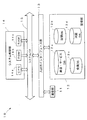
- FIG. 1 is a schematic diagram illustrating a schematic configuration example of an information processing system 1 according to the present embodiment.
- an information processing system 1 is installed to operate a shopping site, and provides an information processing server 10 (an example of an information processing device) that provides information about products and services, and products and services for shopping sites.
- an information processing server 10 an example of an information processing device
- Store terminal device 20 of the store that provides the information
- a terminal device 30 of the user who shop at the shopping site.
- the information processing server 10, the store terminal device 20, and the terminal device 30 can transmit and receive data to and from each other via the network 3 using, for example, TCP / IP as a communication protocol.
- the network 3 is constructed by, for example, the Internet, a dedicated communication line (for example, a CATV (Community Antenna Television) line), a mobile communication network (including a base station and the like), a gateway, and the like.
- the store terminal device 20 is a store operator's computer that provides products to a shopping site.
- a store clerk registers a product or service to be provided in the store terminal device 20.
- the terminal device 30 is a computer of a user who purchases goods and services at a shopping site.
- the terminal device 30 has a web browser function, and when a user searches for a product, the terminal device 30 transmits a search query to the information processing server 10, and displays a search result and a distribution on a map of a store that provides the product or service. Displayed on the screen.
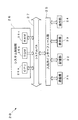
- FIG. 2 is a block diagram illustrating an example of a schematic configuration of the information processing server 10.
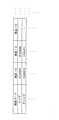
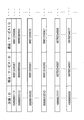
- FIG. 3 is a schematic diagram illustrating an example of data on a correspondence relationship between a search word and a product.
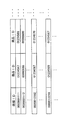
- FIG. 4 is a schematic diagram illustrating an example of data of correspondence between a store and a product provided by the store.
- FIG. 5 is a schematic diagram showing an example of correspondence data between a store and location information of the store.
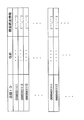
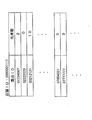
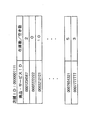
- FIG. 6 is a schematic diagram illustrating an example of data on a correspondence relationship with the number of items in a store.
- the information processing server 10 includes a communication unit 11, a storage unit 12, an input / output interface unit 13, and a system control unit 14.
- the system control unit 14 and the input / output interface unit 13 are connected via a system bus 15.
- the communication unit 11 is connected to the network 3 and controls the communication state with the store terminal device 20 and the terminal device 30.
- the storage unit 12 includes, for example, a hard disk drive and stores various programs such as an operating system and a server program, web page files described in a markup language such as HTML, and the like. Note that the various programs may be acquired from, for example, another server device via the network 3, or may be recorded on a recording medium and read via a drive device.
- a product / service database 12a (hereinafter referred to as “product / service DB 12a”), a store database 12b (hereinafter referred to as “store DB 12b”), a member database 12c (hereinafter referred to as “member DB 12c”). ), A map database 12d (hereinafter referred to as “map DB 12d”) and the like are constructed.
- product information such as a product name, type, product image, specification, and product introduction summary information, advertisement information, etc., associated with a product ID, which is an identifier for identifying the product, etc. Etc. are stored.
- the product / service DB 12a stores a product web page file described in a markup language such as HTML or XML.
- a product / service search database is constructed so that products and services can be searched by a search word.
- the search word is stored in the product / service DB 12a in association with the product ID. For example, for the search word “apple”, a product ID “01234567” stores a product related to the search word, such as an apple of a certain production area, and the product ID “01234568” stores “apple juice”. .
- the product / service DB 12a stores information about each product and service, information about popular products on a shopping site, and information about the ranking of search words used for searching. .
- a shortened URL Uniform Resource Locator
- Store information such as store ID, name, store location information (for example, address, latitude / longitude information), telephone number, and product information of products provided at the store is registered in the store DB 12b (an example of a storage unit). ing. Such store information can be determined for each store by the store ID. Further, in the store DB 12b (as shown in FIG. 4, the store ID of the store providing the product and the product ID of the product provided by the store are stored in association with each other. As described above, the store ID, the store address, and the store location information such as the latitude / longitude information are associated with each other and stored in the store DB 12b.
- the latitude / longitude information is “(latitude value, longitude value).
- the store DB 12b is stored in the store DB 12b for each store ID based on the inventory information of each product transmitted from each store terminal device 20.
- the stock quantity of the product is stored for the product ID of the product handled by the store.
- user information such as user IDs, names, addresses, telephone numbers, e-mail addresses, occupations, hobbies, purchase histories, and themes and genres that the user is interested in are registered in the member DB 12c. Is registered.
- a user ID, a login ID, and a password necessary for the user to log in to the shopping site from the terminal device 30 are registered.
- the login ID and the password are login information used for login processing (user authentication processing).
- the map DB 12d stores map data in which map image information is associated with address and latitude / longitude information.
- the map image information is, for example, image information of the tiled map according to the scale of the map.
- the input / output interface unit 13 performs interface processing between the communication unit 11 and the storage unit 12 and the system control unit 14.
- the system control unit 14 includes a CPU (Central Processing Unit) 14a, a ROM (Read Only Memory) 14b, a RAM (Random Access Memory) 14c, and the like. And the system control part 14 mapped the information which shows a shop on a map according to the positional information on the searched shop by CPU14a reading and executing the various programs memorize
- ROM14b Read Only Memory
- RAM Random Access Memory
- FIG. 7 is a block diagram illustrating an example of a schematic configuration of the store terminal device 20.
- the store terminal device 20 that functions as a computer is a portable terminal such as a portable wireless telephone or a PDA including a personal computer or a smartphone, and includes a communication unit 21, a storage unit 22, and a display unit. 23, an operation unit 24, an input / output interface unit 25, and a system control unit 26.
- the system control unit 26 and the input / output interface unit 25 are connected via a system bus 27.
- the communication unit 21 controls communication with the information processing server 10 and the like through the network 3.
- the communication unit 21 has a wireless communication function in order to connect to the mobile communication network of the network 3.
- the storage unit 22 includes, for example, a hard disk drive and stores an operating system, a web browser program, a web browser toolbar program, and the like.
- the display unit 23 is composed of, for example, a liquid crystal display element or an EL (Electro Luminescence) element, and has a function of a touch switch type display panel such as a touch panel.
- a touch switch type display panel such as a touch panel.
- the operation unit 24 is composed of, for example, a keyboard and a mouse. Further, the operation unit 24 acquires the position information of the display unit 23 that the user touches or approaches by the touch switch method of the display unit 23, or acquires the position information indicated by the pointer by operating the mouse. User operation information is acquired from the operation unit 24.
- the input / output interface unit 25 is an interface between the communication unit 21, the storage unit 22, and the system control unit 26.
- the system control unit 26 includes, for example, a CPU 26a, a ROM 26b, and a RAM 26c.
- the CPU 26 a reads out and executes various programs stored in the ROM 26 b, the RAM 26 c, and the storage unit 22.
- the system control unit 26 executes a web browser program and functions as a web browser.
- FIG. 8 is a block diagram illustrating an example of a schematic configuration of the terminal device 30.
- the terminal device 30 that functions as a computer is a portable terminal such as a portable wireless telephone or a PDA including a personal computer or a smartphone, for example, similarly to the store terminal device 20.
- a storage unit 32, a display unit 33, an operation unit 34, an input / output interface unit 35, and a system control unit 36 are provided.
- the system control unit 36 and the input / output interface unit 35 are connected via a system bus 37.
- the configuration and functions of the terminal device 30 are substantially the same as the configuration and functions of the store terminal device 20, and thus the details are omitted.
- a web page for searching for a product, a web page of a search result, and a web page showing the distribution of stores on a map are displayed by a web browser.
- user operation information on the displayed map is acquired by an operation of the operation unit 34 such as a user operation on the display unit 33 of the touch panel or a user operation with a mouse.
- the terminal device 30 includes a GPS function (Global Positioning System) that can acquire information on the current position of the terminal device 30.
- GPS function Global Positioning System
- FIG. 9 is a sequence diagram illustrating an example of the operation of the information processing server 10 according to the first embodiment.
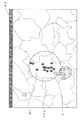
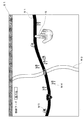
- FIG. 10 is a schematic diagram illustrating an example of display of generated map data.
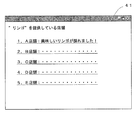
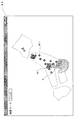
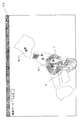
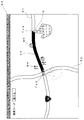
- FIG. 11 and FIG. 12 are schematic diagrams illustrating an example of display in response to user designation.
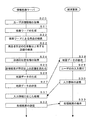
- the terminal device 30 transmits a search word (step S1).
- a user searching for a product as a search target displays a search word (an example of a search word related to a product) on a web page for product search displayed on the display unit 33 of the terminal device 30, for example, “apple”. ).
- the terminal device 30 system control unit 36 transmits the search word to the information processing server 10.
- the information processing server 10 acquires a search word from the terminal device 30 (step S2).
- the information processing server 10 functions as an example of a search word acquisition unit that acquires a search word related to a product.
- the information processing server 10 searches for products using the search word (step S3). Specifically, as shown in FIG. 3, the system control unit 14 of the information processing server 10 refers to the product / service DB 12a storing the correspondence data between the search word and the product, and uses the acquired search word. A product search is performed and a product ID corresponding to the search word is obtained.
- the information processing server 10 searches for stores having more than a predetermined number of products (step S4). Specifically, as shown in FIG. 4, the system control unit 14 of the information processing server 10 refers to the store DB 12b that stores data on the correspondence relationship between the store and the products provided by the store, and obtains each A store corresponding to the product ID is searched, and a store ID corresponding to each product ID is obtained. Then, as shown in FIG. 6, the system control unit 14 of the information processing server 10 refers to the store DB 12b that stores data on the correspondence relationship of the number of items in the store, and corresponds to the obtained store ID and product ID. The number of items in each store is calculated. If the obtained stock quantity is equal to or larger than the predetermined number, the system control unit 14 of the information processing server 10 sets the store search result as a store having the commodity more than the predetermined stock quantity.
- the information processing server 10 acquires store location information (step S5). Specifically, as shown in FIG. 5, the system control unit 14 of the information processing server 10 corresponds to the search word by referring to the store DB 12b that stores data of the correspondence relationship between the store and the location information of the store.
- Store location information such as an address or latitude / longitude information corresponding to a store ID of a store having at least a predetermined number of products to be stocked is acquired.
- the information processing server 10 obtains a store having a store density of a predetermined value or more (step S6). Specifically, the system control unit 14 of the information processing server 10 divides the entire map to be displayed into unit areas having a predetermined area. And the system control part 14 of the information processing server 10 calculates
- the information processing server 10 functions as an example of a density calculating unit that calculates the density of stores on a map in accordance with the location information of stores searched by the location information searching unit. Further, the information processing server 10 functions as an example of an area setting unit that sets an area having a store density calculated by the density calculating unit equal to or greater than a predetermined value on the map.
- the system control unit 14 of the information processing server 10 calculates the distance of each store from the latitude and longitude information, and forms a cluster of stores within a predetermined distance.
- a store included in the cluster may be obtained as a predetermined number or more.
- a region condition conforming region
- a store having a store density of a predetermined value or more is required.
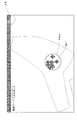
- the information processing server 10 generates map data (step S7). Specifically, as illustrated in FIG. 10, the system control unit 14 of the information processing server 10 displays store areas 40 a and 40 b (stores) that display stores where the stores are dense and stores have a density equal to or higher than a predetermined value.
- An HTML-format web page 40 having an example of an area having a density of a predetermined value or more is generated.
- stores corresponding to a store density equal to or higher than a predetermined value are mapped by a mark M1 (an example of information related to the store) at a location on the map according to the location information of the store. Has been.
- the system control unit 14 of the information processing server 10 refers to the map DB 12, acquires map information to be displayed on the web page 40, and marks M1 indicating a store on the acquired map information according to the location information of the store And the outer frame of the display areas 40a and 40b of the store are displayed.
- the web page 40 also displays map information outside the store display areas 40a and 40b, and the input search word. Note that the mark M1 as an example of information related to the store only needs to be able to identify the store on the map, and therefore, the shape such as a dot or a circle does not matter.
- the information processing server 10 transmits map data (step S8). Specifically, the system control unit 14 of the information processing server 10 transmits information on the web page 40 that is an example of the generated map data to the terminal device 30 that has transmitted the search word. Thus, the information processing server 10 functions as an example of an output unit that outputs map data.
- the terminal device 30 displays map data (step S9). Specifically, the system control unit 36 of the terminal device 30 displays the web page 40 as shown in FIG. 10 on the display unit 33 based on the information on the web page 40 received from the information processing server 10.
- the terminal device 30 receives a user input (step S10).
- the store display area 40 a of the display unit 33 is tapped by the user's finger 5, and the system control unit 36 of the terminal device 30 acquires information on the tapped position coordinates on the display unit 33.
- the system control unit 36 of the terminal device 30 acquires information on the position coordinate where the click is performed. Further, the tapped or clicked position may be anywhere within the display area 40a.
- the terminal device 30 transmits input information (step S11).
- the system control unit 36 of the terminal device 30 determines whether or not the position coordinate where the display unit 33 is tapped is within the store display area 40a. If the position coordinate is within the store display area 40a, the display area 40a indicates The input information determined to be transmitted is transmitted to the information processing server 10.
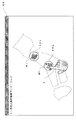
- the information processing server 10 performs processing according to the input information (step S12). Specifically, the system control unit 14 of the information processing server 10 receives the input information that the display area 40a is instructed, and as shown in FIG. 11, a list of stores in the display area 40a is listed. A web page 41 is generated. Alternatively, as shown in FIG. 12, the system control unit 14 of the information processing server 10 does not display the display area 40b, but expands the vicinity of the display area 40a. The map data web page 42 (area set by the area setting unit) An example of map data with emphasis on is generated. Note that the system control unit 14 of the information processing server 10 may determine whether to generate the web page 41 or the web page 42 according to a tap method (for example, one tap or double tap) on the display unit 33.
- a tap method for example, one tap or double tap
- the information processing server 10 when a plurality of areas (store display areas 40a and 40b) are set by the area setting unit, the information processing server 10 is operated by a user operation among the plurality of areas on the map of the map data. It functions as an example of a specific area acquisition unit that acquires information related to the specified specific area (store display area 40a). In addition, the information processing server 10 functions as an example of a map data generation unit that generates map data (web page 42) that emphasizes a designated area.
- the information processing server 10 transmits the processing result (step S13). Specifically, the system control unit 14 of the information processing server 10 transmits to the terminal device 30 information on the web page 41 of the list that lists the stores or information on the web page 42 of the enlarged map data.
- the terminal device 30 displays the processing result (step S14). Specifically, the system control unit 36 of the terminal device 30 displays the web page 41 or the web page 42 on the display unit 33 based on the received information on the web page 41 or the web page 42 as shown in FIG. The web page 42 is displayed.
- the terminal device 30 receives the user's input, and the information processing server 10 is tapped on the display unit 33 in step S12. If the position coordinates are within the store display area 40a, a web page 41 as shown in FIG. 11 may be generated.
- a search word related to a product is acquired, and the store DB 12b (an example of a storage unit) that stores the location information of the store that provides the product and the inventory information of the product that the store has is stored.
- Search for location information of stores having a predetermined number or more of the products searched by the acquired search word, and map mark M1 (an example of information indicating the store) on the map according to the location information of the searched stores By generating the web pages 40 and 42 (map data) and outputting the map data, the distribution of the stores that handle the products at the time of searching for the products to be searched can be displayed on the map.
- the number of objects drawn such as the mark M1 can be saved, the processing speed can be improved, and the memory used can be saved.
- the store density on the map is calculated according to the searched location information of the store, and the calculated store density is set to an area where the calculated store density is greater than or equal to a predetermined value (store display areas 40a and 40b) on the map.
- a predetermined value stored display areas 40a and 40b
- the set area is displayed only for the display areas 40a and 40b of the store having a store density of a predetermined value or more, or the display area 40a of the store is enlarged as shown in FIG.
- the area to be displayed by the store to be presented to the user is automatically focused and emphasized, so that the user can easily select the store and access the information desired by the user. .
- the store display area 40a is automatically enlarged, the user need not perform an enlargement operation.
- FIG. 10 when a plurality of areas are set, on the map of the map data, information on a specific area specified by the user's operation among the plurality of areas is acquired, and FIG. As shown, when generating map data highlighting the designated area, the store display area 40b not designated by the user is deleted, and the store display area 40a designated by the user is displayed. This makes it easier for the user to select. Further, since the area other than the designated area is not shown, the number of drawing objects such as the mark M1 can be reduced, the load on the computer can be reduced, the processing speed can be improved, and the memory to be used can be saved.
- display areas 40a and 40b of a plurality of stores are displayed, and when the display area 40a of one store is specified, where in the display area 40a of the store is selected by tapping or clicking.
- the store display area 40a itself is displayed in an enlarged manner, the user can easily identify the area.
- the display is enlarged, the user can easily select the mark M1 of each store.
- FIG. 13 is a schematic diagram showing a modification of the display of the map data generated by the process of FIG.
- FIG. 14 is a schematic diagram showing an example of a designated area designated by the user in FIG.
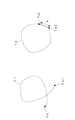
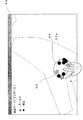
- FIG. 15 is a schematic diagram illustrating an example of a locus for designating a designated area.
- FIG. 16 is a schematic diagram illustrating an example of a display in response to a user designation in FIG.
- the information processing server 10 may omit the process of searching for a store having a store density of a predetermined value or higher in step S ⁇ b> 6.
- step S7 a web page 43 is generated as shown in FIG.
- the web page 43 all the stores searched in step S4 on the map of the web page 43 are displayed.
- step S ⁇ b> 9 the web page 43 is displayed on the display unit 33.
- step S10 as reception of the user's input, the information processing server 10 acquires information on the designated area designated to be enclosed by the user's operation freehand on the map of the map data.
- the data of the position coordinates of the locus T of the position (end point) where the finger is separated from the position (start point) touched by the finger 5 is traced. Acquired by the device 30.
- the system control unit 14 of the information processing server 10 specifies the closed region as the designated region when the closed region is formed by the locus T1 of the position information. That is, when an operation for surrounding an arbitrary region is performed by continuous instruction input from the user to the display unit 33 of the touch panel, the system control unit 14 of the information processing server 10 sets the designated region based on the locus T of the position information. Identify.
- the process of determining whether or not a closed region or a designated region has been formed based on the locus of continuous position information can be realized by applying a known character recognition technique, for example.
- a known character recognition technique for example, an open source library known to those skilled in the art is used.
- the position information between the start point and the end point of the position information may be specified on the assumption that a locus exists.
- the trajectory T2 of the position information reaches the end point Te2 without intersecting from the start point Ts2, and no closed region is formed by the trajectory T2.
- the distance L between the start point Ts2 and the end point Te2 is equal to or less than a predetermined distance, or the ratio of the distance L between the start point Ts2 and the end point Te2 to the length of the trajectory T2 is a predetermined ratio.
- the system control unit 14 of the information processing server 10 identifies the specified region by regarding that the locus of position information exists between the start point TS2 and the end point TE2 of the locus T2. it can.
- System control unit 14 of information processing server 10 may specify the designated region on the assumption that a locus of position information exists between start point Ts2 and end point Te2 of locus T2. .
- information regarding a designated area designated to be enclosed may be acquired from a position indicated by a pointer by operating the mouse.
- step S11 the terminal device 30 inputs the position coordinate data of the trajectory T, the information of the designated area for the area surrounded by the trajectory T, the store ID of the store surrounded by the trajectory T, etc. Is transmitted to the information processing server 10.
- the terminal device 30 may transmit scale information and latitude / longitude information of the displayed map.
- the information processing server 10 deletes stores other than the store display area 40a based on the received input information and the like, and emphasizes the area set by the area setting unit, As shown in FIG. 16, the map is enlarged to generate a web page 45 having a display area 40a.
- the information processing server 10 may set the display area 40a so that the trajectory T is the outer edge of the display area 40a, or may set the display area 40a to include stores surrounded by the trajectory T. Good.
- the information processing server 10 functions as an example of a designated area acquisition unit that acquires information about a designated area that is designated to be enclosed by a user operation.
- the information processing server 10 functions as an example of a map data generation unit that maps information indicating a store located only in the designated area acquired by the specified area acquisition unit on a map.
- step S13 the processing result is transmitted, and in step S14, the web page 45 is displayed on the display unit 33.
- the information processing server 10 deletes the store mark M1 other than the designated region (store display region 40a) and highlights the set region so that only the store display region 40a is displayed.
- the store display area 40b not designated by the user is erased and the store display area 40a designated by the user is displayed, so that the stores are further narrowed down and the user can easily select.
- the area other than the designated area is not shown, the number of drawing objects such as the mark M1 can be reduced, the load on the computer can be reduced, the processing speed can be improved, and the memory to be used can be saved.
- the designated area may be designated by tapping the area where the stores are clustered on the map with the finger 5.
- the terminal device 30 acquires a position where the finger 5 is tapped on the display unit 33 as an input of a user input.
- the information processing server 10 produces
- the user can grasp that there is a lot of information in this area, and the selection of information can be facilitated.
- FIG. 17 is a sequence diagram illustrating a modified example of the operation of the information processing server 10.
- FIG. 18 is a schematic diagram showing an example of display of map data generated by the process of FIG.
- the information processing server 10 acquires user store information (step S20).
- the system control unit 14 of the information processing server 10 refers to the product / service DB 12a, and as an example of the user store information from the user for the store, various users are asked about the product in the store. Information and search words frequently used by users at shopping sites operated by the information processing server 10 are acquired.
- the information processing server 10 may acquire information on the current location measured by the GPS from the user terminal device 30 in order to search for a store near the user's current location.
- a user's vote result for a product or the like handled by the store may be used.
- the information processing server 10 generates a search word (step S21). Specifically, the system control unit 14 of the information processing server 10 parses information received from the store product, and performs high-frequency words or tf-idf (term frequency-inverse document frequency) or the like is used as a search word. In addition, when a search word often used in a shopping site is acquired, the search word is used as a generated search word. Further, from the current information of the terminal device 30, a search word frequently used in the area may be acquired by referring to the product / service DB 12a, and the search word may be generated. Moreover, you may acquire shortened URL information contained in the information offered with respect to the goods of a store as a search word.
- tf-idf term frequency-inverse document frequency
- the information processing server 10 searches for products using the search word (step S22). Processing similar to that in step S3 is performed. In the case of shortened URL information, the product indicated by the URL is obtained.
- the information processing server 10 and the terminal device 30 perform the same processing from step S4 to step S14 from step S23 to step S33.
- the web page 46 is displayed on the display unit 33.
- this embodiment is an embodiment extended to a service provided by a store.
- the product / service DB 12a stores a product name or the like associated with a product / service ID, which is an identifier for identifying the product and service, instead of the product ID. .
- the search word is stored in the product / service DB 12a in association with the product ID.
- the product / service ID “0001234567” has an apple of a certain production area
- the product / service ID “0001234568” has “apple juice”
- the product / service ID “0051234568” has Like services that can pick apples, products and services related to search words are stored.
- a product / service ID “0070234567” has a certain type of massage
- the product / service ID “0070234568” has another type of massage
- a product / service ID In “0001234568”, products and services related to the search word are stored, such as products of massage devices.
- the store DB 12b stores a store ID of a store that provides a product or service and a product / service ID of a product / service provided by the store in association with each other.
- services such as availability of each service, waiting information, and availability of facilities transmitted from each store terminal device 20 of the store providing the service can be used.
- the number of vacancies in the service is stored for each product ID / service ID provided by the store.
- FIG. 22 is a sequence diagram showing an example of the operation of the information processing server according to the second embodiment.
- FIG. 23 is a schematic diagram showing an example of display of map data generated by the process of FIG.
- FIG. 24 is a schematic diagram illustrating an example of a display in response to a user designation in FIG.
- the terminal device 30 transmits a search word as in step S1 (step S41).
- a user searching for a product displays a search word such as “Massage” on the web page for product search displayed on the display unit 33 of the terminal device 30 (an example of a search word related to a product or service). Enter.
- the search button of this web page is clicked or tapped, the terminal device 30 system control unit 36 transmits the search word to the information processing server 10.
- the information processing server 10 acquires a search word from the terminal device 30 as in step S2 (step S42).
- the information processing server 10 functions as an example of a search word acquisition unit that acquires a search word related to a product or service.
- the information processing server 10 searches for goods and services using the search word as in step S3 (step S43). Specifically, the search acquired by the system control unit 14 of the information processing server 10 with reference to the product / service DB 12a storing the correspondence data between the search word and the product or service, as shown in FIG. Search for goods and services by word, and obtain the goods / service ID corresponding to the search word.
- the information processing server 10 searches for stores having products or services equal to or larger than a predetermined inventory number or empty number as in step S4 (step S44).
- the system control unit 14 of the information processing server 10 refers to the store DB 12b that stores data on the correspondence relationship between stores and products / services provided by the store. The store corresponding to each product / service ID is searched, and the store ID corresponding to each product / service ID is obtained.
- the system control unit 14 of the information processing server 10 refers to the store DB 12b that stores the correspondence data of the number of stocks of products in the store or the number of empty services, and determines the store ID obtained.
- the system control unit 14 of the information processing server 10 sets the store or search result as a store having a product or service exceeding the predetermined inventory number or vacancy number.
- the information processing server 10 acquires the location information of the store as in step S5 (step S45). Specifically, as shown in FIG. 5, the system control unit 14 of the information processing server 10 corresponds to the search word by referring to the store DB 12b that stores data of the correspondence relationship between the store and the location information of the store.
- Store location information such as an address or latitude / longitude information corresponding to a store ID of a store having a predetermined number of items or more corresponding to a store or a search word having a predetermined number of vacant services.
- the information processing server 10 obtains a store having a store density of a predetermined value or more as in step S6 (step S46).
- the information processing server 10 generates map data as in step S7 (step S47). Specifically, as shown in FIG. 23, the system control unit 14 of the information processing server 10 displays store display areas 50a and 50b (store density is predetermined) for displaying stores whose store density is equal to or higher than a predetermined value.
- An HTML web page 50 having an example of the above region is generated.
- a store having a store density of a predetermined density or higher is marked with a mark M2 indicating a store providing a service at a location on the map according to the location information of the store.
- An example of related information) and a mark M3 an example of information related to a store indicating a store that provides a product are mapped.
- the information processing server 10 transmits the map data as in step S8 (step S48).
- the terminal device 30 displays the map data as in step S9 (step S49). Specifically, the system control unit 36 of the terminal device 30 displays the web page 50 as shown in FIG. 23 on the display unit 33 based on the information on the web page 50 received from the information processing server 10.
- the terminal device 30 accepts a user input as in step S10 (step S50).
- the store display area 50 a of the display unit 33 is tapped by the user's finger 5, and the system control unit 36 of the terminal device 30 acquires information on the tapped position coordinates on the display unit 33.
- the terminal device 30 transmits the input information as in step S11 (step S51).
- the system control unit 36 of the terminal device 30 determines whether or not the position coordinate where the display unit 33 is tapped is within the store display area 50a. If the position coordinate is within the store display area 50a, the display region 50a indicates The input information determined to be transmitted is transmitted to the information processing server 10.
- the information processing server 10 performs processing according to the input information as in step S12 (step S52). Specifically, the system control unit 14 of the information processing server 10 receives the input information that the display area 50a is instructed, and as shown in FIG. 24, a list of stores in the display area 50a is listed. A web page 51 is generated. On the web page 51, a store that provides a product and a store that provides a service are displayed separately. In addition, as shown in FIG. 12 of 1st Embodiment, the system control part 14 of the information processing server 10 may produce
- the information processing server 10 transmits the processing result as in step S13 (step S53).
- the terminal device 30 displays the processing result as in step S14 (step S54).
- the process may return to step S50 and the terminal device 30 may accept the user's input.
- the information processing server 10 refers to the storage unit that stores the location information of the store that provides the product or service and the inventory information of the product that the store has or the information that the service that the store handles can be used,
- the search word related to the product or service is acquired, the location information of the store that provides the product or service, the inventory information of the product that the store has, or the information that the store handles that can be used Is stored in the store DB 12b (an example of a storage unit), and the location information of stores having a predetermined stock quantity or more or a predetermined service available number or more is searched.
- a web page 50 (map data) in which the mark M1 (an example of information indicating the store) is mapped on the map is generated, and the search target product is searched by outputting the map data. Distribution of stores that handle products at the time can be displayed on the map.
- the second embodiment has the same effect as the first embodiment (the same applies to the following modified examples).
- FIG. 25 is a schematic diagram showing a modification of the display of the map data generated by the process of FIG.
- FIG. 26 is a schematic diagram showing an example of a designated area designated by the user in FIG.
- FIG. 27 is a schematic diagram showing an example of a display in response to a user designation in FIG.
- the information processing server 10 may omit the process of searching for a store having a store density of a predetermined value or higher in step S46 as in the operation of the first embodiment.
- a web page 52 is generated in step S47 as shown in FIG.
- all the stores searched in step S44 on the map of the web page 52 are displayed.
- the web page 52 is displayed on the display unit 33.
- step 50 the information processing server 10 acquires information related to the designated area designated to be enclosed by the user's operation freehand on the map of the map data as reception of the user's input.
- the data of the position coordinates of the locus T of the position (end point) where the finger is separated from the position (start point) touched by the finger 5 is traced. Acquired by the device 30.
- the terminal device 30 inputs the position coordinate data of the trajectory T, the information of the designated area for the area surrounded by the trajectory T, the store ID of the store surrounded by the trajectory T, etc. Is transmitted to the information processing server 10.
- the information processing server 10 deletes stores other than the store display area 50a and emphasizes the area set by the area setting means based on the input information or the like.
- the map is enlarged to generate a web page 54 having a display area 54a.
- the information processing server 10 erases the store marks M2 and M3 other than the designated region (store display region 54a) and emphasizes the set region so as to display only the store display region 54a. Generate map data.
- step S53 the processing result is transmitted, and in step S54, the web page 54 is displayed on the display unit 33.
- step S ⁇ b> 50 the terminal device 30 acquires the position where the finger 5 is tapped on the display unit 33 as an input of a user input. And the information processing server 10 produces
- the user can grasp the position of the store on the map and facilitate the selection of information.
- FIG. 28 is a schematic diagram showing a modification of display of map data generated by the information processing server 1.
- FIG. 29 and FIG. 30 are schematic diagrams showing an example of a display in response to a user designation in FIG.
- step S41 the search word “eat” is transmitted, and in steps S43 to S46 (step S46 may be omitted), a store corresponding to the search word “eat” is searched. .
- step S47 or step S7, as shown in FIG. 28, it is assumed that the information processing server 10 generates a web page 60 as an example of map data in which information indicating a store is mapped on a map.
- the terminal device 30 displays the web page 60 on the display unit 33.
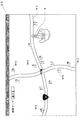
- the web page 60 displays roads R1 and R2, which are examples of roads, and marks M4 and M5 (an example of information related to stores) indicating stores that provide products or services related to the search word “eating”. Is done.
- the road may be a route such as a railroad, a roadway, a sidewalk, or a mountain road.
- step S50 the terminal device 30 taps (designates) the road R1 of the display unit 33 with the user's finger 5 as shown in FIG. get.
- the terminal device 30 transmits the input information where the road R1 is tapped to the information processing server 10. Instead of the position information, information that the road R1 is tapped may be transmitted to the information processing server 10 as input information.
- the information processing server 10 specifies the road on the map of the map data corresponding to the acquired information regarding the specified position based on the received input information or the like. Then, the information processing server 10 sets a store within a predetermined width from the specified road, and, as shown in FIG. 29, among the stores mapped on the map, within the predetermined width from the specified road R1 ( Map data is generated by mapping information indicating only a store in an example of a display area of a store on a map. Here, as shown in FIG. 29, the road R1 is painted in order to emphasize the designated road.
- An example of a store within a predetermined width may be a store within several times the road width of a road, or a store associated with a designated road in advance. Further, a predetermined width may be set based on the map scale information.
- the information processing server 10 functions as an example of designated position acquisition means for acquiring information related to a position specified by a user operation on a map of map data.
- the information processing server 10 functions as an example of a road specifying unit that specifies a road on the map of the map data corresponding to the information regarding the specified position acquired by the specified position acquiring unit. Further, the information processing server 10 generates map data in which information indicating only the stores within a predetermined width from the road specified by the road specifying means among the stores mapped on the map is mapped on the map. It functions as an example of map data generation means.
- the information processing server 10 transmits the processing result in step S53.
- step S54 the terminal device 30 displays the processing result as shown in FIG.
- the marks M4 and M5 are designated by the user, information about the store indicated by the marks is displayed on the display unit 33.
- map data information on the position (road R1) specified by the user's operation is acquired, and the road (road R1) on the map data corresponding to the acquired information on the specified position is acquired.
- map data web page 61 in which information indicating only stores within a predetermined width from the identified road among the stores mapped on the map is generated on the map (web page 61). Since the store related to is deleted and only the store related to the road R1 is displayed, the user can easily focus on the area he is looking for and can easily find the store. Further, since the area other than the designated area is not shown, the number of drawing objects such as marks M4 and M5 can be reduced, the load on the computer can be reduced, the processing speed can be improved, and the memory to be used can be saved.
- the terminal device 30 acquires position information of the traced trajectory (trajectory by continuous instruction input) T3. And the terminal device 30 transmits the positional information on locus
- the information processing server 10 receives the position information of the trajectory T3 as trajectory position acquisition means for acquiring information related to the traced trajectory position by the user's operation. Then, the information processing server 10 sets a store within a predetermined width from the trajectory T3 based on the received input information and the like, and, as shown in FIG. 30, among the stores mapped on the map, the predetermined information from the trajectory T3 is set.
- Map data web page 62
- Map data is generated by mapping information indicating only the stores within the width (an example of the display area of the stores) on the map.
- the road R1 corresponding to the trajectory T3 is painted to emphasize the road of the designated trajectory.
- the trajectory T3 may not be traced along the road, and a store to be displayed may be set from an arbitrary trajectory on the map.
- the information processing server 10 sets a store within a predetermined width from the trace traced on the map, and displays information indicating only the store within the predetermined width from the trace on the map.
- the mapped map data may be generated. In this way, even if the map does not have location information indicating a road, or if the map has location information that indicates a main street, but does not have location information that indicates a narrow road, a store in the vicinity that the user wants Can be easily specified, and stores can be searched.
- the present invention is not limited to the above embodiments.
- Each of the embodiments described above is an exemplification, and any configuration that has substantially the same configuration as the technical idea described in the claims of the present invention and has the same operational effects can be used. It is included in the technical scope of the present invention.
- Information processing system 3 Network 10: Information processing server (information processing apparatus) 12a: Product / Service DB 12b: Store DB 12d: Map DB 30: Terminal device 33: Display unit 40, 42, 43, 44, 45, 46, 50, 52, 53, 54, 60, 61, 62: Web page (map data) 40a, 42b, 50a, 50b, 54a: Store display area M1, M2, M3, M4, M5: Mark (information indicating a store) T: Trajectory (specified area specified to enclose)
Landscapes
- Business, Economics & Management (AREA)
- Accounting & Taxation (AREA)
- Finance (AREA)
- Development Economics (AREA)
- Economics (AREA)
- Marketing (AREA)
- Strategic Management (AREA)
- Physics & Mathematics (AREA)
- General Business, Economics & Management (AREA)
- General Physics & Mathematics (AREA)
- Engineering & Computer Science (AREA)
- Theoretical Computer Science (AREA)
- Information Retrieval, Db Structures And Fs Structures Therefor (AREA)
- User Interface Of Digital Computer (AREA)
- Instructional Devices (AREA)
Abstract
Description
(第1実施形態)
(2.1 情報処理サーバ10の構成および機能)
次に、情報処理サーバ10の構成および機能について、図2から図6を用いて説明する。
次に、店舗端末装置20の構成および機能について、図7を用いて説明する。
図7は、店舗端末装置20の概要構成の一例を示すブロック図である。
次に、端末装置30の構成および機能について、図8を用いて説明する。
図8は、端末装置30の概要構成の一例を示すブロック図である。
次に、本発明の1実施形態に係る情報処理システム1の動作について図9から図12を用い説明する。
図9に示すように、端末装置30が、検索ワードを送信する(ステップS1)。検索対象として商品を探しているユーザが、端末装置30の表示部33に表示された商品検索のためのウェブページに、例えば、”リンゴ”のように検索ワード(商品に関連する検索ワードの一例)を入力する。このウェブページの検索ボタンがクリックまたはタップされると、端末装置30システム制御部36が、検索ワードを情報処理サーバ10に送信する。
次に、地図データの表示の変形例を表示する動作を図13から図16を用いて説明する。
図13は、図9の処理により生成された地図データの表示の変形例を示す模式図である。図14は、図13において、ユーザにより指定された指定領域の一例を示す模式図である。図15は、指定領域を指定するための軌跡の一例を示す模式図である。図16は、図14において、ユーザの指定に対する表示の一例を示す模式図である。
図15に示すように、位置情報の軌跡T1は、始点Ts1から終点Te1に至るまで延びている。また、軌跡T1が始点Ts1から終点Te1までの間に互いに交差する交点を有することにより、位置情報の軌跡T1により、閉領域が形成される。情報処理サーバ10のシステム制御部14は、図15に示すように、位置情報の軌跡T1により閉領域が形成された場合に、その閉領域を指定領域として特定する。すなわち、ユーザからのタッチパネルの表示部33に対する連続的な指示入力により任意の領域を囲む操作が行われると、情報処理サーバ10のシステム制御部14が、位置情報の軌跡Tに基づき、指定領域を特定する。
次に、情報処理システムの動作の変形例について、図17および図18を用いて説明する。
図17は、情報処理サーバ10の動作の変形例を示すシーケンス図である。図18は、図17の処理により生成された地図データの表示の一例を示す模式図である。
[4.情報処理システムの構成および機能概要]
(4.1 の構成および機能)
次に、本発明に係る第2実施形態に係る情報処理システムについて、図19から図24に用いて説明する。なお、本実施形態の情報処理システムの構成は、前記第1実施形態に係る情報処理システムと同様であり、第1実施形態と同一または対応する部分には、同一の符号を用いて構成等を説明する。その他の実施形態および変形例も同様とする。
商品・サービスDB12aおよび店舗DB12bの構成について、第1実施形態と異なるところのみ図19から図21を用いて説明する。
次に、本発明の2実施形態に係る情報処理システム1の動作について図22から図24を用い説明する。なお、本実施形態の情報処理システムの動作は、前記第1実施形態に係る情報処理システムと動作であり、第1実施形態と同一または対応する部分には、同一の符号を用いて動作等を説明する。その他の実施形態および変形例も同様とする。
次に、地図データの表示の変形例を表示する動作を図25から図27を用いて説明する。
図25は、図22の処理により生成された地図データの表示の変形例を示す模式図である。図26は、図25において、ユーザにより指定された指定領域の一例を示す模式図である。図27は、図26において、ユーザの指定に対する表示の一例を示す模式図である。
次に、第1および第2実施形態におけるユーザの指定の変形例について図28から図30を用いて説明する。なお、本変形例は、第2実施形態のサービスの場合を用いて説明する。
図28は、情報処理サーバ1により生成された地図データの表示の変形例を示す模式図である。図29および図30は、図28において、ユーザの指定に対する表示の一例を示す模式図である。
3:ネットワーク
10:情報処理サーバ(情報処理装置)
12a:商品・サービスDB
12b:店舗DB
12d:地図DB
30:端末装置
33:表示部
40、42、43、44、45、46、50、52、53、54、60、61、62:ウェブページ(地図データ)
40a、42b、50a、50b、54a:店舗の表示領域
M1、M2、M3、M4、M5:マーク(店舗を示す情報)
T:軌跡(囲うように指定された指定領域)
Claims (11)
- 商品に関連する検索ワードを取得する検索ワード取得手段と、
前記商品を提供する店舗の位置情報と前記店舗が有する商品の在庫情報とを記憶した記憶手段を参照して、前記検索クエリ取得手段により取得した検索ワードにより検索された商品を所定の在庫数以上有する店舗の位置情報を検索する位置情報検索手段と、
前記位置情報検索手段により検索された前記店舗の位置情報に応じて、前記店舗を示す情報を地図上にマッピングした地図データを生成する地図データ生成手段と、
前記地図データ出力する出力手段と、
を備えることを特徴とする情報処理装置。 - 請求項1に記載の情報処理装置において、
前記地図データの地図上において、ユーザの操作により囲うように指定された指定領域に関する情報を取得する指定領域取得手段を更に備え、
前記地図データ生成手段は、前記指定領域取得手段により取得した指定領域のみに位置する店舗を示す情報を地図上にマッピングすることを特徴とする情報処理装置。 - 請求項1または請求項2に記載の情報処理装置において、
前記位置情報検索手段により検索された前記店舗の位置情報に応じて、前記地図上における店舗の密度を算出する密度算出手段と、
前記密度算出手段により算出された店舗の密度が、所定の以上の領域を前記地図上に設定する領域設定手段と、
を更に備え、
前記地図データ生成手段が、前記領域設定手段により設定された領域のみにおいて、前記店舗に関連する情報を地図上にマッピングした地図データを生成することを特徴とする情報処理装置。 - 請求項3に記載の情報処理装置において、
前記地図データ生成手段が、前記領域設定手段により設定された領域を強調した地図データを生成することを特徴とする情報処理装置。 - 請求項3または請求項4に記載の情報処理装置において、
前記領域設定手段により複数の領域が設定された場合に、前記地図データの地図上において、当該複数の領域のうちユーザの操作により特定された特定領域に関する情報を取得する特定領域取得手段を更に備え、
前記地図データ生成手段が、指定された領域を強調した地図データを生成することを特徴とする情報処理装置。 - 請求項1から請求項5のいずれか1項に記載の情報処理装置において、
前記位置情報検索手段が、前記検索ワード取得手段により取得した検索ワードにより検索された商品を所定の在庫数以上有する店舗であって、当該店舗に対するユーザからのユーザ店舗情報に応じて、前記位置情報を検索することを特徴とする情報処理装置。 - 請求項1から請求項6のいずれか1項に記載の情報処理装置において、
前記地図データの地図上において、ユーザの操作により指定された位置に関する情報を取得する指定位置取得手段と、
前記指定位置取得手段により取得した指定された位置に関する情報に対応する前記地図データの地図上の道を特定する道特定手段と、
を更に備え、
前記地図データ生成手段が、前記地図上にマッピングされた店舗のうち、前記道特定手段により特定された道から所定幅以内にある店舗のみを示す情報を地図上にマッピングした地図データを生成することを特徴とする情報処理装置。 - 請求項1から請求項7のいずれか1項に記載の情報処理装置において、
前記地図データの地図上において、ユーザの操作により、なぞられた軌跡の位置に関する情報を取得する軌跡位置取得手段を更に備え、
前記地図データ生成手段が、前記地図上にマッピングされた店舗のうち、前記軌跡位置取得手段により取得した軌跡の位置に関する情報に基づき、前記軌跡から所定幅以内にある店舗のみを示す情報を地図上にマッピングした地図データを生成することを特徴とする情報処理装置。 - 情報処理を行う情報処理装置の情報処理方法において、
商品に関連する検索ワードを取得する検索ワード取得ステップと、
前記商品を提供する店舗の位置情報と前記店舗が有する商品の在庫情報とを記憶した記憶手段を参照して、前記検索クエリ取得ステップにおいて取得した検索ワードにより検索された商品を所定の在庫数以上有する店舗の位置情報を検索する位置情報検索ステップと、
前記位置情報検索ステップにおいて検索された前記店舗の位置情報に応じて、前記店舗を示す情報を地図上にマッピングした地図データを生成する地図データ生成ステップと、
前記地図データ出力する出力ステップと、
を含むことを特徴とする情報処理方法。 - コンピュータを、
商品に関連する検索ワードを取得する検索ワード取得手段、
前記商品を提供する店舗の位置情報と前記店舗が有する商品の在庫情報とを記憶した記憶手段を参照して、前記検索クエリ取得手段により取得した検索ワードにより検索された商品を所定の在庫数以上有する店舗の位置情報を検索する位置情報検索手段、
前記位置情報検索手段により検索された前記店舗の位置情報に応じて、前記店舗を示す情報を地図上にマッピングした地図データを生成する地図データ生成手段、および、
前記地図データ出力する出力手段として機能させることを特徴とする情報処理装置用プログラム。 - コンピュータを、
商品に関連する検索ワードを取得する検索ワード取得手段、
前記商品を提供する店舗の位置情報と前記店舗が有する商品の在庫情報とを記憶した記憶手段を参照して、前記検索クエリ取得手段により取得した検索ワードにより検索された商品を所定の在庫数以上有する店舗の位置情報を検索する位置情報検索手段、
前記位置情報検索手段により検索された前記店舗の位置情報に応じて、前記店舗を示す情報を地図上にマッピングした地図データを生成する地図データ生成手段、および、
前記地図データ出力する出力手段として機能させることを特徴とする情報処理装置用プログラムがコンピュータ読み取り可能に記録された記録媒体。
Priority Applications (5)
| Application Number | Priority Date | Filing Date | Title |
|---|---|---|---|
| US13/819,904 US9342848B2 (en) | 2011-11-30 | 2011-11-30 | Apparatus and method for providing a search result with position information and recording medium therefor |
| EP20110871098 EP2637134A4 (en) | 2011-11-30 | 2011-11-30 | INFORMATION PROCESSING DEVICE, INFORMATION PROCESSING, INFORMATION PROCESSING AND RECORDING MEDIUM |
| JP2012547363A JP5150799B1 (ja) | 2011-11-30 | 2011-11-30 | 情報処理装置、情報処理方法、情報処理装置用プログラム、および、記録媒体 |
| PCT/JP2011/077661 WO2013080329A1 (ja) | 2011-11-30 | 2011-11-30 | 情報処理装置、情報処理方法、情報処理装置用プログラム、および、記録媒体 |
| CN201180041611.5A CN103229205B (zh) | 2011-11-30 | 2011-11-30 | 信息处理装置及信息处理方法 |
Applications Claiming Priority (1)
| Application Number | Priority Date | Filing Date | Title |
|---|---|---|---|
| PCT/JP2011/077661 WO2013080329A1 (ja) | 2011-11-30 | 2011-11-30 | 情報処理装置、情報処理方法、情報処理装置用プログラム、および、記録媒体 |
Publications (1)
| Publication Number | Publication Date |
|---|---|
| WO2013080329A1 true WO2013080329A1 (ja) | 2013-06-06 |
Family
ID=47890597
Family Applications (1)
| Application Number | Title | Priority Date | Filing Date |
|---|---|---|---|
| PCT/JP2011/077661 Ceased WO2013080329A1 (ja) | 2011-11-30 | 2011-11-30 | 情報処理装置、情報処理方法、情報処理装置用プログラム、および、記録媒体 |
Country Status (5)
| Country | Link |
|---|---|
| US (1) | US9342848B2 (ja) |
| EP (1) | EP2637134A4 (ja) |
| JP (1) | JP5150799B1 (ja) |
| CN (1) | CN103229205B (ja) |
| WO (1) | WO2013080329A1 (ja) |
Cited By (2)
| Publication number | Priority date | Publication date | Assignee | Title |
|---|---|---|---|---|
| JP2016207109A (ja) * | 2015-04-28 | 2016-12-08 | 株式会社日立製作所 | データ加工支援方法、データ処理サーバおよびプログラム |
| JP2017049218A (ja) * | 2015-09-04 | 2017-03-09 | パイオニア株式会社 | 表示装置、表示方法、検索装置、端末装置、及び、プログラム |
Families Citing this family (10)
| Publication number | Priority date | Publication date | Assignee | Title |
|---|---|---|---|---|
| JP6254803B2 (ja) * | 2013-09-20 | 2017-12-27 | 株式会社Nttドコモ | 地図画像表示装置 |
| CN105662020A (zh) * | 2014-11-21 | 2016-06-15 | 陈庭辉 | 一种新型展柜系统 |
| US20170061458A1 (en) * | 2015-09-01 | 2017-03-02 | Mastercard International Incorporated | Method of compiling city guide database using payment system data |
| JP6367847B2 (ja) * | 2016-01-29 | 2018-08-01 | Line株式会社 | 情報処理装置、プログラム、端末、及び表示制御方法 |
| CN107562783A (zh) * | 2017-06-30 | 2018-01-09 | 深圳市瑞锋智能制造有限公司 | 信息查询方法、终端及服务器 |
| CN110019317B (zh) * | 2017-08-01 | 2023-08-29 | 智能云科信息科技有限公司 | 机械加工产能的展示和搜索系统及方法 |
| CN109255011B (zh) * | 2018-07-20 | 2021-07-02 | 深圳点猫科技有限公司 | 一种基于人工智能的搜索提示方法及电子设备 |
| CN109472666A (zh) * | 2018-10-19 | 2019-03-15 | 北京金和网络股份有限公司 | 通过地图检索商品的方法 |
| JP7242258B2 (ja) * | 2018-11-07 | 2023-03-20 | 東芝テック株式会社 | 在庫管理装置 |
| CN114979678B (zh) * | 2021-02-25 | 2024-09-06 | 阿里巴巴集团控股有限公司 | 视频播放方法、设备、系统及计算机程序产品 |
Citations (5)
| Publication number | Priority date | Publication date | Assignee | Title |
|---|---|---|---|---|
| JPH09264750A (ja) * | 1996-03-27 | 1997-10-07 | Aisin Aw Co Ltd | ナビゲーション装置 |
| JP2002082958A (ja) | 2000-09-05 | 2002-03-22 | Nippon Telegraph & Telephone East Corp | 店舗情報検索システム |
| JP2006003286A (ja) * | 2004-06-21 | 2006-01-05 | Alpine Electronics Inc | 車載用ナビゲーション装置 |
| JP2006163639A (ja) * | 2004-12-03 | 2006-06-22 | Nec Corp | 店舗情報提供システム及び方法並びに店舗情報提供用プログラム |
| JP2008224344A (ja) * | 2007-03-12 | 2008-09-25 | Aisin Aw Co Ltd | ナビゲーション装置 |
Family Cites Families (9)
| Publication number | Priority date | Publication date | Assignee | Title |
|---|---|---|---|---|
| EP0767358B1 (en) | 1995-10-04 | 2004-02-04 | Aisin Aw Co., Ltd. | Vehicle navigation system |
| US20070064018A1 (en) * | 2005-06-24 | 2007-03-22 | Idelix Software Inc. | Detail-in-context lenses for online maps |
| KR20070077270A (ko) * | 2006-01-23 | 2007-07-26 | 엘지전자 주식회사 | 네비게이션 시스템의 정보 제공장치 및 방법 |
| US7945484B1 (en) | 2006-09-28 | 2011-05-17 | A9.Com, Inc. | Local product information |
| WO2009066392A1 (ja) * | 2007-11-22 | 2009-05-28 | Pioneer Corporation | 地図検索装置、地図検索方法、地図検索プログラム及び記憶媒体 |
| WO2010085791A1 (en) * | 2009-01-26 | 2010-07-29 | Google Inc. | System and method of displaying search results based on density |
| US9141987B2 (en) * | 2010-11-15 | 2015-09-22 | Microsoft Technology Licensing, Llc | System, method, and medium for generating a map of a geographic region based on client location data |
| CN102176206B (zh) | 2011-01-18 | 2013-08-28 | 宇龙计算机通信科技(深圳)有限公司 | 兴趣点周边查找方法及装置 |
| US8983953B2 (en) * | 2011-10-18 | 2015-03-17 | Nokia Corporation | Methods and apparatuses for facilitating interaction with a geohash-indexed data set |
-
2011
- 2011-11-30 JP JP2012547363A patent/JP5150799B1/ja active Active
- 2011-11-30 US US13/819,904 patent/US9342848B2/en active Active
- 2011-11-30 WO PCT/JP2011/077661 patent/WO2013080329A1/ja not_active Ceased
- 2011-11-30 CN CN201180041611.5A patent/CN103229205B/zh active Active
- 2011-11-30 EP EP20110871098 patent/EP2637134A4/en not_active Ceased
Patent Citations (5)
| Publication number | Priority date | Publication date | Assignee | Title |
|---|---|---|---|---|
| JPH09264750A (ja) * | 1996-03-27 | 1997-10-07 | Aisin Aw Co Ltd | ナビゲーション装置 |
| JP2002082958A (ja) | 2000-09-05 | 2002-03-22 | Nippon Telegraph & Telephone East Corp | 店舗情報検索システム |
| JP2006003286A (ja) * | 2004-06-21 | 2006-01-05 | Alpine Electronics Inc | 車載用ナビゲーション装置 |
| JP2006163639A (ja) * | 2004-12-03 | 2006-06-22 | Nec Corp | 店舗情報提供システム及び方法並びに店舗情報提供用プログラム |
| JP2008224344A (ja) * | 2007-03-12 | 2008-09-25 | Aisin Aw Co Ltd | ナビゲーション装置 |
Non-Patent Citations (1)
| Title |
|---|
| See also references of EP2637134A4 |
Cited By (3)
| Publication number | Priority date | Publication date | Assignee | Title |
|---|---|---|---|---|
| JP2016207109A (ja) * | 2015-04-28 | 2016-12-08 | 株式会社日立製作所 | データ加工支援方法、データ処理サーバおよびプログラム |
| US10235448B2 (en) | 2015-04-28 | 2019-03-19 | Hitachi, Ltd. | Data processing supporting method, data processing server, and program |
| JP2017049218A (ja) * | 2015-09-04 | 2017-03-09 | パイオニア株式会社 | 表示装置、表示方法、検索装置、端末装置、及び、プログラム |
Also Published As
| Publication number | Publication date |
|---|---|
| EP2637134A4 (en) | 2014-08-27 |
| US9342848B2 (en) | 2016-05-17 |
| JPWO2013080329A1 (ja) | 2015-04-27 |
| CN103229205A (zh) | 2013-07-31 |
| JP5150799B1 (ja) | 2013-02-27 |
| US20130332314A1 (en) | 2013-12-12 |
| CN103229205B (zh) | 2015-09-30 |
| EP2637134A1 (en) | 2013-09-11 |
Similar Documents
| Publication | Publication Date | Title |
|---|---|---|
| JP5150799B1 (ja) | 情報処理装置、情報処理方法、情報処理装置用プログラム、および、記録媒体 | |
| US20120124039A1 (en) | Online Search Based On Geography Tagged Recommendations | |
| KR20100128321A (ko) | 광고 표시 방법, 광고 표시 시스템 및 광고 표시 프로그램 | |
| US20120233529A1 (en) | User interface for presenting and searching relationships between document objects located on a network | |
| JP2008226061A (ja) | 画像のタグ指定装置および画像検索装置ならびにそれらの動作制御方法およびそれらのコンピュータを制御するプログラム | |
| JP2009145935A (ja) | 広告情報提供装置、広告情報提供方法及び広告情報提供プログラム | |
| EP1803071B1 (en) | A spatial aggregator system for providing information | |
| JP6123040B1 (ja) | 情報処理装置、情報処理方法、及び情報処理プログラム | |
| JP2008046987A (ja) | 広告情報提供装置及び方法 | |
| JP6989474B2 (ja) | 情報処理装置、情報処理方法および情報処理プログラム | |
| JP5506104B2 (ja) | 情報処理装置、情報処理方法、及び情報処理プログラム | |
| JP6423272B2 (ja) | 法人情報提供装置及びサーバプログラム | |
| JP5841323B2 (ja) | 推薦アイテム検索サーバ、および推薦アイテム検索プログラム | |
| JP2002297615A (ja) | 地図情報提供方法、地図情報提供システム及びコンピュータ読取可能なプログラム | |
| WO2017203631A1 (ja) | 情報処理装置、情報処理方法、及び情報処理プログラム | |
| JP6056327B2 (ja) | 電子商取引サーバ装置 | |
| JP5331166B2 (ja) | 検索サーバ及び方法 | |
| JP6282703B1 (ja) | 配信装置、配信方法および配信プログラム | |
| JP6516812B1 (ja) | 情報処理装置、情報処理方法および情報処理プログラム | |
| JP6554098B2 (ja) | 情報処理装置、情報処理方法、及び情報処理プログラム | |
| JP2001256239A (ja) | コンピュータシステムによる広告情報の供給方法 | |
| US8898135B2 (en) | Information processing device, information processing method, information processing method, information processing program and recording medium | |
| JP2007234057A (ja) | サーバ | |
| JP2012008971A (ja) | 検索情報表示装置、検索情報表示方法、検索情報表示プログラム、情報検索装置、情報検索プログラム、および、記録媒体 | |
| JP2004171323A (ja) | プロファイルマップ表示システム、方法、およびそのプログラムと記録媒体 |
Legal Events
| Date | Code | Title | Description |
|---|---|---|---|
| ENP | Entry into the national phase |
Ref document number: 2012547363 Country of ref document: JP Kind code of ref document: A |
|
| REEP | Request for entry into the european phase |
Ref document number: 2011871098 Country of ref document: EP |
|
| WWE | Wipo information: entry into national phase |
Ref document number: 2011871098 Country of ref document: EP |
|
| WWE | Wipo information: entry into national phase |
Ref document number: 13819904 Country of ref document: US |
|
| 121 | Ep: the epo has been informed by wipo that ep was designated in this application |
Ref document number: 11871098 Country of ref document: EP Kind code of ref document: A1 |
|
| NENP | Non-entry into the national phase |
Ref country code: DE |