WO2013094630A1 - ジアホラーゼ - Google Patents
ジアホラーゼ Download PDFInfo
- Publication number
- WO2013094630A1 WO2013094630A1 PCT/JP2012/082886 JP2012082886W WO2013094630A1 WO 2013094630 A1 WO2013094630 A1 WO 2013094630A1 JP 2012082886 W JP2012082886 W JP 2012082886W WO 2013094630 A1 WO2013094630 A1 WO 2013094630A1
- Authority
- WO
- WIPO (PCT)
- Prior art keywords
- diaphorase
- activity
- amino acid
- seq
- polypeptide
- Prior art date
- Legal status (The legal status is an assumption and is not a legal conclusion. Google has not performed a legal analysis and makes no representation as to the accuracy of the status listed.)
- Ceased
Links
Images






Classifications
-
- C—CHEMISTRY; METALLURGY
- C12—BIOCHEMISTRY; BEER; SPIRITS; WINE; VINEGAR; MICROBIOLOGY; ENZYMOLOGY; MUTATION OR GENETIC ENGINEERING
- C12N—MICROORGANISMS OR ENZYMES; COMPOSITIONS THEREOF; PROPAGATING, PRESERVING, OR MAINTAINING MICROORGANISMS; MUTATION OR GENETIC ENGINEERING; CULTURE MEDIA
- C12N9/00—Enzymes; Proenzymes; Compositions thereof; Processes for preparing, activating, inhibiting, separating or purifying enzymes
- C12N9/0004—Oxidoreductases (1.)
- C12N9/0012—Oxidoreductases (1.) acting on nitrogen containing compounds as donors (1.4, 1.5, 1.6, 1.7)
- C12N9/0036—Oxidoreductases (1.) acting on nitrogen containing compounds as donors (1.4, 1.5, 1.6, 1.7) acting on NADH or NADPH (1.6)
-
- C—CHEMISTRY; METALLURGY
- C12—BIOCHEMISTRY; BEER; SPIRITS; WINE; VINEGAR; MICROBIOLOGY; ENZYMOLOGY; MUTATION OR GENETIC ENGINEERING
- C12Y—ENZYMES
- C12Y106/00—Oxidoreductases acting on NADH or NADPH (1.6)
- C12Y106/99—Oxidoreductases acting on NADH or NADPH (1.6) with other acceptors (1.6.99)
Definitions
- the present invention relates to diaphorase. Specifically, the present invention relates to an enzyme having diaphorase activity, a DNA encoding the enzyme, a microorganism producing the enzyme, a method for producing the enzyme, a clinical diagnostic agent, an enzyme electrode, an enzyme sensor, and the like using the enzyme.
- Diaphorase [EC. 1.6.99. -] Plays an important role in the electron transport system in vivo. Diaphorase has been studied for in vitro use in various technical fields, and a part of it has been put into practical use. Such technical fields include production of useful substances, production of energy-related substances, measurement or analysis, environmental conservation, medical care, and the like. For example, in the field of clinical diagnosis, diaphorase takes advantage of the property that it uses reduced nicotinamide adenine dinucleotide (NADH) or reduced nicotinamide adenine dinucleotide phosphate (NADPH) as a substrate. Used in diagnostic reagents. Diaphorase is also used in an enzyme battery which is a kind of fuel cell (Patent Document 9, Patent Document 10, Patent Document 11, Non-Patent Document 1).
- NADH nicotinamide adenine dinucleotide
- NADPH nicotinamide adenine dinucleotide phosphate
- Patent Document 2 those isolated and purified from microorganisms belonging to the genus Clostridium (Non-patent Document 2) or the genus Bacillus (Patent Document 1, Patent Document 2) are commercially available. Bacillus stearothermophilus producing diaphorase described in Patent Document 1 and Patent Document 2 was reclassified as Geobacillus stearothermophilus in 2001 (non-patented). Reference 3). Known are those derived from Geobacillus stearothermophilus or modified from them, and their gene sequence, amino acid sequence and physicochemical properties have been investigated (Patent Document 2, Patent) Document 3, Patent Document 8, Non-Patent Document 1).
- JP 60-156381 A Japanese Patent No. 3953578 JP2007-143493 JP2008-0487703 JP2008-289398 JP 2008-289419 A Japanese Patent No. 4769412 WO2011 / 148938 JP2009-140760 Japanese Patent No. 4838969 JP2007 − 12281
- An object of the present invention is to provide a new diaphorase that is more suitable for use in clinical diagnosis and industrial use.
- the present inventors have studied day and night, and have not been reported to encode many microorganisms that have not been reported to produce diaphorase or proteins having diaphorase activity.
- Geobacillus It was found that a new gene sequence derived from a microorganism belonging to sp. Y4.1MC1 encodes a protein having diaphorase activity.
- the present inventors have found that the enzyme has excellent heat resistance and high affinity for NADH.
- the related invention was completed and filed as Japanese Patent Application No. 2012-011755.
- the present inventors have examined whether or not a new diaphorase suitable for clinical diagnosis and industrial use can be provided by further modifying the diaphorase by protein engineering.
- the present inventors have found that the enzyme reaction is inhibited when the diaphorase reaction is performed in a state where the substrate concentration such as NADH is high.
- the substrate concentration such as NADH is high.
- the enzyme can easily form a complex with the substrate and can efficiently proceed the catalytic reaction.
- Due to this characteristic for example, in a fuel cell, since the amount of NADH as a substrate cannot be increased, there is a problem that a satisfactory product cannot be obtained in terms of electromotive force and life.
- the present inventors added protein engineering modifications to the diaphorase, and in addition to the above-mentioned characteristics, certain mutant diaphorases further added NADH.
- the present inventors have found that the reaction inhibition when the substrate concentration is high such as has a characteristic that the reaction inhibition is reduced.
- the representative present invention is as follows.
- a diaphorase comprising the polypeptide of any of the following (a) to (c): (A) a polypeptide comprising the amino acid sequence represented by SEQ ID NO: 1, (B) a polypeptide having a diaphorase activity, comprising an amino acid sequence obtained by substitution, deletion, insertion, addition and / or inversion of one or several amino acid residues in the amino acid sequence shown in SEQ ID NO: 1. (C) A polypeptide comprising an amino acid sequence having an identity with the amino acid sequence represented by SEQ ID NO: 1 of 80% or more and having diaphorase activity.
- Item 2 Diaphorase having the following characteristics (1) to (5): (1) Subunit molecular weight: The molecular weight of the polypeptide portion of the enzyme measured by SDS-polyacrylamide electrophoresis is about 23.7 kDa. (2) Complex molecular weight: The molecular weight of the polypeptide portion of the enzyme measured by gel filtration is about 53.3 kDa. (3) Km value: Km value with respect to NADH is about 0.1 mM or less (4) Temperature stability: stable at 70 ° C. or less (5) pH stability: stable in the range of pH 5.0 to 9.0 Item 3.
- the diaphorase according to Item 1 or 2 which is a mutant diaphorase comprising the polypeptide of any one of the following (a) to (c):
- (C) It consists of an amino acid sequence having an identity of 80% or more with the amino acid sequence of SEQ ID NO: 4, wherein glycine at position 122 is altered to aspartic acid in the alignment with SEQ ID NO: 4 and has diaphorase activity Polypeptide.
- Item 4 Item 4.
- D) When the specific activity in the presence of 20 mM NADH is defined as 100%, the specific activity is maintained at 50% or more in the presence of 80 mM NADH.
- E) (1) When DCPIP is used as a mediator, when the activity value at 37 ° C is 100%, the relative activity at 25 ° C is 70% or more, or (2) a naphthoquinone derivative is used as a mediator When used, when the activity value at 37 ° C. is 100%, the relative activity at 25 ° C. is 50% or more.
- the mutant diaphorase according to Item 3 or 4 which has the following property (f): (F) When a naphthoquinone derivative is used as a mediator, the specific activity is 1.5 times or more compared to wild-type diaphorase.
- Item 6 DNA of any of the following (A) to (E): (A) DNA encoding the amino acid sequence represented by SEQ ID NO: 1, (B) DNA comprising the base sequence represented by SEQ ID NO: 2, (C) a DNA comprising a nucleotide sequence having a homology of 80% or more with the nucleotide sequence represented by SEQ ID NO: 2 and encoding a polypeptide having diaphorase activity; (D) a DNA that hybridizes under stringent conditions to a base sequence complementary to the base sequence represented by SEQ ID NO: 2 and encodes a polypeptide having diaphorase activity; (E) In the base sequence shown in SEQ ID NO: 2, one or several bases are substituted, deleted, inserted, added and / or inverted, and encode a polypeptide having diaphorase activity DNA, (F) a polypeptide comprising an amino acid sequence in which one or several amino acid residues are substituted, deleted, inserted, added or inverted in the amino acid sequence shown in SEQ
- Item 7 Item 7.
- Item 8 Item 8.
- Item 9 Item 9.
- Item 10 Item 6.
- Item 11 Item 6.
- a product comprising the diaphorase according to any one of Items 1 to 5.
- Item 3 The diaphorase according to Item 2, further comprising the following property (6): (6) Optimum active pH: pH 6.7 to 8.0 Term B.
- item A provided with the following characteristic (7).
- a mutant diaphorase having the following characteristics (1) to (4): (1) Subunit molecular weight: The molecular weight of the polypeptide portion of the enzyme measured by SDS-polyacrylamide electrophoresis is about 23.7 kDa. (2) Complex molecular weight: The molecular weight of the polypeptide portion of the enzyme measured by gel filtration is about 55.3 kDa. (3) Km value: The Km value for NADH is about 0.37 mM or less.
- the mutant diaphorase according to Item D further comprising the following characteristics (4) and / or (5): (4) Temperature stability: Stable at 70 ° C. or less (5) pH stability: Stability term in the range of pH 5.0 to 9.0
- the mutant diaphorase according to Item D or E further comprising the following property (6): (6)
- Optimum active pH pH 6.5 to 8.0 Term G.
- a method for producing a mutant diaphorase according to any one of Items D to G comprising culturing a microorganism classified into the genus Geobacillus and recovering diaphorase.
- the diaphorase of the present invention has diaphorase activity and has a high affinity with NADH (that is, the Km value for NADH is significantly low), so that it can react with NADH in a sample for a short time with a smaller amount of enzyme.
- the diaphorase of the present invention is excellent in thermal stability, it can be immobilized on the sensor strip under relatively high temperature conditions.
- the diaphorase of the present invention is stable over a wide range of pH, it is suitable for use under a wide range of conditions. Due to these characteristics, the diaphorase of the present invention makes it possible to accurately measure the glucose concentration in any sample containing NADH (for example, blood or food (such as seasonings or beverages)).
- the DNA of the present invention encodes the diaphorase of the present invention, it is possible to efficiently produce the diaphorase of the present invention using genetic engineering techniques.
- the diaphorase of the present invention allows the reaction to proceed efficiently even when the substrate concentration of NADH or the like is high, so that it is possible to achieve both life and electromotive force when applied to a fuel cell.
- Geobacillus stearothermophilus diaphorase ACCESSION AAD24436
- Geobacillus sp. Y4.1MC1 NAD P
- Hdehydrogenase ACCESSESSION YP_003989131
- D Alignment of Geobacillus stearothermophilus diaphorase (ACCESSIONSIAAD24436) and Geobacillus sp. Y4.1MC1 mutant diaphorase
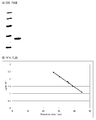
- A The results of SDS-PAGE of purified enzyme of wild type diaphorase derived from Geobacillus sp. Y4.1MC1.
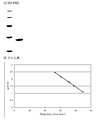
- A The results of SDS-PAGE of a purified enzyme of Geobacillus sp. Y4.1MC1-derived mutant diaphorase are shown.
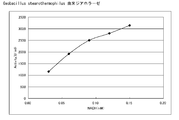
- B Gel filtration of purified enzyme of Geobacillus sp. Y4.1MC1-derived mutant diaphorase is shown.
- A The effect of pH on the activity of Geobacillus sp. Y4.1MC1-derived wild-type diaphorase is shown.
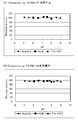
- Y4.1MC1-derived wild-type diaphorase and the NADH concentration is shown.
- B shows the relationship between the reaction rate of Geobacillus sp. Y4.1MC1-derived mutant diaphorase and NADH concentration.
- B The relationship between the reaction rate of Geobacillus stearothermophilus-derived diaphorase (manufactured by Unitika) and the NADH concentration is shown.
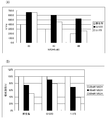
- A NADH concentration and ratio of activity of Geobacillus sp. Y4.1MC1-derived wild-type diaphorase, Geobacillus sp. Show.
- B NADH concentration and ratio of reduced activity of Geobacillus sp. Y4.1MC1-derived wild-type diaphorase, Geobacillus sp.
- Y4.1MC1-derived diaphorase Geobacillus stearothermophilus-derived diaphorase (manufactured by Unitica) Indicates.
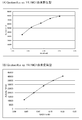
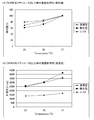
- A The reaction temperature and relative activity of Geobacillus sp. Y4.1MC1-derived wild-type diaphorase, Geobacillus sp. Show.
- B The reaction temperature and specific activity of Geobacillus sp. Y4.1MC1-derived wild-type diaphorase, Geobacillus sp. Show.
- B Reaction temperature and specific activity of Geobacillus sp.
- Diaphorase 1-1 Diaphorase activity “Diaphorase” is an activity that catalyzes a reaction of oxidizing NADH or NADPH with a dye such as potassium ferricyanide, methylene blue, 2,6-dichloroindophenol (DCPIP), tetrazolium salt, etc. (ie, diaphorase activity) It is an enzyme with a wide distribution from microorganisms such as bacteria and yeast to mammals. This diaphorase plays an important role in the in vivo electron transport system, and NADH or NADPH produced by the dehydrogenation reaction from the substrate by NAD or NADP-dependent dehydrogenases by this diaphorase is an electron acceptor. The electron acceptor becomes a reduced form.
- a dye such as potassium ferricyanide, methylene blue, 2,6-dichloroindophenol (DCPIP), tetrazolium salt, etc.
- Diaphorase activity can be measured by a known method. For example, using DCPIP as an electron acceptor, the activity can be measured using the change in absorbance of the sample at a wavelength of 600 nm before and after the reaction as an index. Further, using ANQ as an electron acceptor, the activity can be measured by using the change in absorbance of the sample at a wavelength of 520 nm before and after the reaction as an index. More specifically, the activity can be measured using the following reagents and measurement conditions. In this application, values measured by these methods are used.
- the reaction mixture is prepared by mixing 2.4 mL of distilled water, 0.3 mL of Tris-HCl buffer, and 0.1 mL of NADH aqueous solution and prewarming at 25 ° C. for 5 minutes.
- diaphorase activity is determined according to the following formula.
- 1 unit (U) in the diaphorase activity is the amount of enzyme that reduces the absorbance at 600 nm by 1.0 under the above measurement conditions for 1 minute.
- Activity (U / mL) ⁇ -( ⁇ OD TEST - ⁇ OD BLANK ) ⁇ dilution ratio ⁇ / (1.0 ⁇ 0.1)
- 1.0 represents the unit absorbance at 600 nm determined based on the activity definition
- 0.1 represents the volume (mL) of the enzyme solution.
- the mediator is DCPIP
- the enzyme activity is measured according to the measurement method described above. In Examples 6 to 14 described later, diaphorase activity was measured by this measurement method.
- ⁇ Procedure 2> Mix 71.0 mL of 100 mM sodium phosphate buffer, 1.0 mL of 100 mM 2-amino-1,4-naphthoquinone (also referred to herein as ANQ), and 20 mL of 100 mM sodium phosphate buffer containing 400 mM NADH. To make a 100 mL mixture. By this procedure, a mixed solution with a final concentration of 80 mM NADH is obtained. When preparing mixed solutions having different NADH concentrations, the mixed solution is adjusted by changing the mixed amount of the 100 mM sodium phosphate buffer and the 100 mM sodium phosphate buffer containing 400 mM NADH.
- ANQ 2-amino-1,4-naphthoquinone
- 89.0 mL of 100 mM sodium phosphate buffer, 1.0 mL of 100 mM 2-amino-1,4-naphthoquinone (ANQ) solution, 10 mL of 100 mM sodium phosphate buffer containing 400 mM NADH are mixed to form a 100 mL mixture, A mixed solution with a final concentration of 40 mM NADH is obtained.
- ANQ 2-amino-1,4-naphthoquinone
- ⁇ Measurement conditions Add 0.1 mL of the enzyme solution to 3.0 mL of the reaction mixture, mix gently, and change the absorbance at 520 nm by 2 to 3 using a spectrophotometer (optical path length: 1.0 cm) controlled at 25 ° C. with water as a control. Record for minutes, and then measure the change in absorbance per minute ( ⁇ OD TEST ) from the linear portion (ie, after the reaction rate is constant). In the blind test, an enzyme dilution solution that dissolves diaphorase is added to the reaction mixture instead of the enzyme solution, and the change in absorbance per minute ( ⁇ OD BLANK ) is similarly measured. From these values, diaphorase activity is determined according to the following formula.
- one unit (U) in the diaphorase activity is the amount of enzyme that reduces the absorbance at 520 nm by 1.0 under the above-described measurement conditions.
- Activity (U / mL) ⁇ ( ⁇ OD TEST ⁇ OD BLANK ) ⁇ 3.1 ⁇ dilution ratio ⁇ / ⁇ 0.68 ⁇ 0.1 ⁇ 1.0 ⁇
- 3.1 is the amount of the reaction reagent + enzyme solution (mL)
- 0.68 is the millimolar extinction coefficient (cm 2 / micromole) under the conditions for this activity measurement
- 0.1 is the solution of the enzyme solution.
- Amount (mL), 1.0 indicates the optical path length (cm) of the cell.
- the mediator is ANQ
- the enzyme activity is measured according to the measurement method described above. In Example 15 described later, diaphorase activity was measured by this measurement method.
- the diaphorase of the present invention is preferably an isolated diaphorase or a purified diaphorase.
- the diaphorase of the present invention may be present in a state dissolved in a solution suitable for the storage method described later or in a freeze-dried state (for example, in powder form).
- “Isolated” when used in relation to the enzyme (diaphorase) of the present invention substantially includes components other than the enzyme (for example, contaminating proteins derived from host cells, other components, culture fluid, etc.). No) states.
- the isolated enzyme of the present invention has a contaminant protein content of less than about 20% by weight, preferably less than about 10%, more preferably less than about 5%, even more preferably. Is less than about 1%.
- the diaphorase of the present invention may be present in a solution (for example, a buffer) suitable for storage or measurement of enzyme activity.
- the diaphorase of the present invention is preferably composed of any of the following polypeptides (a) to (c).
- A a polypeptide comprising the amino acid sequence represented by SEQ ID NO: 1;
- B a polypeptide having a diaphorase activity consisting of an amino acid sequence in which one or several amino acid residues are substituted, deleted, inserted, added and / or inverted in the amino acid sequence shown in SEQ ID NO: 1;
- C A polypeptide comprising an amino acid sequence having an identity with the amino acid sequence represented by SEQ ID NO: 1 of 80% or more and having diaphorase activity.
- the amino acid sequence represented by SEQ ID NO: 1 is the amino acid sequence of diaphorase derived from Geobacillus sp. Y4.1MC1, as shown in Example 5, and the following 1-3, 1-4, 1-7 to 1- Satisfy all 11 characteristics.
- the polypeptide of (b) above has a substitution, deletion, insertion, addition and / or inversion of one or several amino acid residues in the amino acid shown in SEQ ID NO: 1 as long as it retains diaphorase activity ( Hereinafter, these may be collectively referred to as “mutation”.)
- a polypeptide comprising an amino acid sequence “several” means diaphorase activity and preferably 1-3, 1-4, 1-7 to 1-10 (especially 1-3, 1-4, 1-8 and 1-9) described later.
- the number is not limited as long as the characteristics are maintained, but is, for example, a number corresponding to less than about 20% of the total amino acids, preferably a number corresponding to less than about 15%, and more preferably a number corresponding to less than about 10%. Even more preferably a number corresponding to less than about 5%, most preferably a number corresponding to less than about 1%. More specifically, the number of amino acid residues to be mutated is, for example, 2 to 127, preferably 2 to 96, more preferably 2 to 64, still more preferably 2 to 32, and even more. The number is preferably 2 to 20, more preferably 2 to 15, even more preferably 2 to 10, and particularly preferably 2 to 5.
- polypeptide of (c) above is shown in SEQ ID NO: 1 as long as it retains diaphorase activity, and preferably as long as it retains the following properties 1-3, 1-4, and 1-7 to 1-10.
- the identity between the amino acid sequence of the diaphorase of the present invention and the amino acid sequence shown in SEQ ID NO: 1 is 85% or more, more preferably 88% or more, still more preferably 90% or more, and still more preferably 93% or more, more preferably 95% or more, particularly preferably 98% or more, and most preferably 99% or more.
- Such a polypeptide comprising an amino acid sequence having a certain identity or more can be prepared based on a known genetic engineering technique as described later.
- the diaphorase of the present invention is preferably composed of any of the following polypeptides (a) to (c).
- A a polypeptide comprising the amino acid sequence of SEQ ID NO: 4,
- B In the amino acid sequence of SEQ ID NO: 4, it consists of an amino acid sequence obtained by substitution, deletion, insertion, addition and / or inversion of one or several amino acid residues at positions other than position 122, and has diaphorase activity Polypeptide
- C It consists of an amino acid sequence having an identity of 80% or more with the amino acid sequence of SEQ ID NO: 4, wherein glycine at position 122 is altered to aspartic acid in the alignment with SEQ ID NO: 4 and has diaphorase activity Polypeptide.
- the polypeptide consisting of the amino acid sequence of SEQ ID NO: 4 is a polypeptide consisting of an amino acid sequence obtained by modifying glycine at position 122 of SEQ ID NO: 1 to aspartic acid, and satisfies all the following characteristics of 1-3 to 1-10.
- the amino acid sequence represented by SEQ ID NO: 1 is Geobacillus. sp. Amino acid sequence of diaphorase derived from Y4.1MC1.
- polypeptide (b) above one or several amino acid residues are substituted, deleted, inserted or added at positions other than position 122 in the amino acid sequence of SEQ ID NO: 4 as long as the diaphorase activity is retained. And / or inversion (hereinafter, these may be collectively referred to as “mutation”).
- “several” is not limited as long as diaphorase activity and preferably one or more of the characteristics of 1-3 to 1-11 described below are maintained. For example, it corresponds to less than about 20% of all amino acids.
- a number corresponding to less than about 15% is preferably a number corresponding to less than about 10%, even more preferably a number corresponding to less than about 6%, even more preferably It is a number corresponding to less than about 5%, most preferably a number corresponding to less than about 1%.
- the number of amino acid residues to be mutated is, for example, 2 to 127, preferably 2 to 96, more preferably 2 to 64, still more preferably 2 to 32, and even more.
- the number is preferably 2 to 20, more preferably 2 to 15, even more preferably 2 to 10, and particularly preferably 2 to 5.
- the type of substitution is not particularly limited, but conservative amino acid substitution is preferred from the standpoint of not having a significant effect on the diaphorase phenotype. “Conservative amino acid substitution” refers to substitution of an amino acid residue with an amino acid residue having a side chain of similar properties.
- a basic side chain eg lysine, arginine, histidine
- an acidic side chain eg aspartic acid, glutamic acid
- an uncharged polar side chain eg glycine, asparagine, glutamine, serine, threonine, tyrosine
- Cysteine eg alanine, valine, leucine, isoleucine, proline, phenylalanine, methionine, tryptophan
- ⁇ -branched side chains eg threonine, valine, isoleucine
- aromatic side chains eg tyrosine, phenylalanine, Like tryptophan and histidine. Therefore, it is preferable to substitute between amino acid residues in the same family.
- One or several mutations include restriction enzyme treatment, treatment with exonuclease, DNA ligase, etc., position-directed mutagenesis (Molecular Cloning, Third Edition, Chapter 13, Cold Spring Harbor Press, New Random York)
- a mutation By introducing a mutation into the DNA encoding the diaphorase of the present invention described below using a known method such as an introduction method (Molecular Cloning, Third Edition, Chapter 13, Cold Spring Harbor Press, New York).
- Variant diaphorase can also be obtained by other methods such as ultraviolet irradiation.
- Variant diaphorase includes naturally occurring variants (for example, single nucleotide polymorphisms are also included) based on individual differences in microorganisms that retain diaphorase, differences in species or genera, and the like.
- wild-type diaphorase before modification in the modified diaphorase of the present invention is not particularly limited. For example, 1-11. And those derived from microorganisms described in 1) or modified ones thereof.
- the “mutation site other than position 122” in the modified diaphorase of the present invention is not particularly limited.
- the modified sites of diaphorase derived from Bacillus stearothermophilus described in Patent Document 8 positions 65, 96, 117, 120, 130, 133, 150, 167 and 168 And a part corresponding to at least one part selected from the group consisting of:
- the mutation is present at a site that does not affect the active site or substrate binding site of diaphorase.
- the polypeptide of (c) is compared with the amino acid sequence of SEQ ID NO: 4 as long as it retains diaphorase activity, and preferably at least one of the characteristics of 1-3 to 1-11.
- the identity between the amino acid sequence of the diaphorase of the present invention and the amino acid sequence of SEQ ID NO: 4 is 85% or more, more preferably 88% or more, still more preferably 90% or more, and still more preferably 93%. More preferably, it is 94% or more, more preferably 95% or more, particularly preferably 98% or more, and most preferably 99% or more.
- Such a polypeptide consisting of an amino acid sequence having a certain level of identity can be prepared based on the known genetic engineering techniques as described above.
- the identity of amino acid sequences can be calculated using analysis tools that are commercially available or available through telecommunication lines (Internet). For example, the homology algorithm BLAST (Basic local alignment) of the National Center for Biotechnology Information (NCBI) search tool) http: // www. ncbi. nlm. nih. It can be calculated by using default (initial setting) parameters in gov / BLAST /. In this application, this method is used to calculate the identity of amino acid sequences.
- NCBI National Center for Biotechnology Information
- the diaphorase of the present invention is preferably stable in a temperature range of at least 0 ° C to 70 ° C.
- the diaphorase of the present invention has a temperature range of at least 0 ° C. to 60 ° C.
- the diaphorase of the present invention is determined when the enzyme is stable under the temperature condition. It is preferably stable at least in the temperature range of 0 ° C. to 70 ° C.
- the diaphorase of the present invention preferably has a high affinity for NADH. Due to the high affinity, the above-described catalytic reaction can proceed even when the concentration of NADH in the sample is low. More accurate measurement of NADH concentration, measurement in a shorter time, and less enzyme This is because it contributes to measurement in quantity.
- the affinity of diaphorase for NADH is indicated by the Km value.
- the Km value is a value obtained from the so-called Michaelis-Menten equation. Specifically, the above 1-1.
- the NADH concentration is varied to measure the activity at each concentration, and a line weaver bark plot is created.
- the enzyme Judging from the reaction kinetics of the enzyme, the lower the Km value, the higher the affinity of the enzyme for the substrate, and even when the substrate concentration is low, the enzyme can form a complex with the substrate. Can proceed.
- the Km value for NADH of the diaphorase of the present invention described in Item 1, Item 2, Item A or Item B is preferably 1 mM or less, more preferably 0.5 mM or less, still more preferably 0.3 mM or less, Still more preferably, it is 0.1 mM or less, Most preferably, it is 0.08 mM or less.
- the Km value for NADH of the diaphorase of the present invention described in Item 3, Item 4, Item 5, Item D, Item E, Item F or Item G is preferably 1.5 mM or less, more preferably 1. It is 0 mM or less, more preferably 0.8 mM or less, still more preferably 0.5 mM or less, and particularly preferably 0.4 mM or less.
- the mutant diaphorase of the present invention has a reduced inhibition of diaphorase enzyme reaction in the presence of high concentration NADH compared to the wild type.
- the mutant diaphorase of the present invention preferably has a specific activity of 90% or more in the presence of 40 mM NADH and / or the presence of 80 mM NADH, assuming that the specific activity in the presence of 20 mM NADH is 100%. It is preferable that the specific activity is kept at 50% or more below.
- the degree of inhibition can be shown by measuring the rate at which the enzymatic reaction proceeds under the role of NADH and mediator. Specifically, the above 1-1-2.
- the activity can be determined by measuring the activity at each concentration by changing the NADH concentration in the activity measurement method shown in FIG.
- the enzyme activity of the diaphorase of the present invention in the presence of a high concentration NADH is preferably 450 U / mg or more, more preferably 500 U / mg or more, still more preferably 550 U / mg or more, and still more preferably 580 U at 40 mM NADH. / Mg or more, particularly preferably 600 U / mg or more.
- the diaphorase of the present invention when the diaphorase of the present invention is applied to various products due to its good affinity for the substrate (NADH) and good temperature stability, its addition amount is very small compared to other diaphorases. Can be kept to a small amount. Theoretically, even if the affinity for the substrate is low or the temperature stability is somewhat poor, there is a possibility that the desired diaphorase performance can be secured by increasing the amount of enzyme added.
- the enzyme is applied on the chip in a dry state, for example, in an enzyme sensor, the solid content increases as the amount added increases, which hinders uniform diffusion of a small amount of blood sample on the sensor. This may cause problems such as adversely affecting the accuracy of measurement.
- impurities that were not a problem when added in a small amount may adversely affect the measurement and reaction as the added amount increases.
- problems can be avoided by using the diaphorase of the present invention.
- the diaphorase of the present invention for example, in a fuel cell, the amount of NADH that is a substrate cannot be increased, so that a satisfactory one in terms of electromotive force and life cannot be obtained. Can be avoided.
- Such a mutant diaphorase is not particularly limited, and preferred examples thereof include diaphorase described in Item 3, Item 4, Item 5, Item D, Item E, Item F, or Item G.
- Temperature Dependence The mutant diaphorase of the present invention has improved (reduced) temperature dependence compared to the wild type.
- temperature dependency means that the enzyme activity changes with temperature change.
- the improvement of temperature dependency means that the enzyme activity changes little and shows a certain enzyme activity in a wide range.
- a method of determining whether “temperature dependency is improved” is as follows. (1) The activity value (U / ml) after treatment at 37 ° C. for 24 hours is measured, and this is designated as A. (2) The activity value (U / ml) after treatment at 25 ° C. for 24 hours is measured, and this is designated as B. (3) The relative value (%) of B when A is 100% is calculated and set as “temperature dependency”.
- the relative value (%) is large, it is determined that the temperature dependency is good. Therefore, if the relative value (%) is wild-type enzyme (WT) ⁇ modified enzyme, it is determined that the temperature dependency is improved.
- said calculation method is a method of comparing between the cases where the value of B does not exceed A. In the comparison between the cases where the value of B exceeds A, it is judged that the temperature dependency is better as the relative value (%) of B is smaller when A is 100%, and the relative value (%) is the wild type enzyme. If (WT)> modified enzyme, it is judged that the temperature dependency is improved.
- the temperature dependence is better when the absolute value of the difference between A and B is smaller. If the absolute value of the difference between A and B is wild-type enzyme (WT)> modified enzyme, it is determined that the temperature dependency is improved.
- WT wild-type enzyme
- the relative activity at 25 ° C. is preferably 70% or more when the activity value at 37 ° C. is defined as 100%.
- the relative activity at 25 ° C. is preferably 50% or more when the activity value at 37 ° C. is 100%.
- the mutant diaphorase of the present invention preferably has a relative activity at 25 ° C. of 90% or more, assuming that the activity value at 30 ° C. is 100%.
- the relative activity at 25 ° C. is preferably 90% or more when the activity value at 30 ° C. is 100%. That is, the temperature dependence of the diaphorase of the present invention is particularly reduced in a temperature range of 25 to 30 ° C., which is close to room temperature.
- the mutant diaphorase of the present invention has a specific activity of 1.5 times or more in the range of 25 to 37 ° C. compared to the wild-type diaphorase.
- Such a mutant diaphorase is not particularly limited, and preferred examples thereof include diaphorase described in Item 3, Item 4, Item 5, Item D, Item E, Item F, or Item G.
- the diaphorase of the present invention described in Item 1, Item 2, Item A or Item B preferably exhibits the highest activity at pH 7.3 (potassium phosphate buffer) as shown in the Examples.
- pH 7.3 potassium phosphate buffer
- the diaphorase of the present invention is active at pH 7.3 (potassium phosphate buffer). It is preferable to show a relative activity of 80% or more, assuming that 100%. That is, the optimum activity pH of the diaphorase of the present invention is 6.7 to 8.0, preferably pH 7.3.
- the diaphorase of the present invention described in Item 3, Item 4, Item 5, Item D, Item E, Item F or Item G has the highest activity at pH 7.9 (potassium phosphate buffer) as shown in Examples. It is preferable to show.
- pH 7.5 to 8.0 TrisHCl buffer
- pH 6.5 to 8.0 potassium phosphate buffer
- the diaphorase of the present invention exhibits activity at pH 7.9 (potassium phosphate buffer).
- pH stability when the residual enzyme activity after treating a 25 U / mL enzyme at 25 ° C. for 16 hours under a specific pH condition is 95% or more compared to the enzyme activity before the treatment. In addition, the enzyme is judged to be stable under the pH condition.
- the diaphorase of the present invention is preferably stable at least in the range of pH 5.0 to 9.0.
- the diaphorase of the present invention according to Item 1, Item 2, Item A, or Item B comprises at least one or more of the characteristics shown in 1-3, 1-4, 1-7, and 1-8. More preferably, it has two or more, more preferably its three characteristics, particularly preferably all.
- the diaphorase of the present invention may have the above characteristics 1-3, 1-4, 1-7, or 1-8 in any combination.
- the diaphorase of the present invention described in Item 3, Item 4, Item 5, Item D, Item E, Item F or Item G comprises at least one or more of the characteristics shown in 1-3 to 1-8 above. More preferably two or more, more preferably further three of the characteristics, even more preferably four or more, more preferably five or more, and even more. Preferably, six or more of them are provided, particularly preferably all of them.
- the diaphorase of the present invention may have the above properties 1-3 to 1-8 in any combination. It should be noted that other characteristics such as pH stability and optimum active pH of the diaphorase of the present invention may have an acceptable variation range.
- the molecular weight of the polypeptide moiety constituting the diaphorase of the present invention is preferably about 23.7 kDa as measured by SDS-PAGE.
- the “about 23.7 kDa” means that a range in which a person skilled in the art normally determines that there is a band at a position of 23.7 kDa when the molecular weight is measured by SDS-PAGE is included.
- Polypeptide moiety means diaphorase in a state in which sugar chains are not substantially bound.
- the molecular weight measurement by SDS-PAGE can be performed using a commercially available molecular weight marker using a general method and apparatus.
- the molecular weight of the polypeptide moiety constituting the diaphorase of the present invention described in Item 1, Item 2, Item A or Item B is preferably about 53.3 kDa when measured by gel filtration.
- the “about 53.3 kDa” means that a range in which a person skilled in the art normally determines that there is a retention time at a position of 53.3 kDa when the molecular weight is measured by gel filtration is included.
- Polypeptide moiety means diaphorase in a state in which sugar chains are not substantially bound.
- the molecular weight of the polypeptide moiety constituting the diaphorase of the present invention according to Item 3, Item 4, Item 5, Item D, Item E, Item F or Item G is about 55.3 kDa as measured by gel filtration. Preferably there is.
- the measurement of the molecular weight by gel filtration can be performed using a commercially available molecular weight marker using a general method and apparatus.
- Item 4 In the diaphorase of the present invention described in Item 3, Item 4, Item 5, Item D, Item E, Item F or Item G, preferably a subunit having a molecular weight of about 23,700 daltons forms a dimer. It is a homodimer with a molecular weight of about 55,300 Da.
- the origin of the diaphorase of the present invention is not particularly limited as long as it has the properties described above.
- the diaphorase of the present invention can be derived from, for example, a microorganism belonging to the genus Geobacillus. Although it does not restrict
- Geobacillus sp. Y4.1MC1 is ATCC (American It is a strain stored in Type Culture Collection and can be sold through a predetermined procedure.
- Examples of other organisms from which the diaphorase of the present invention is derived include microorganisms present in water systems such as soil, rivers, and lakes or in the ocean, and microorganisms that are resident on the surface or inside various animals and plants. Microorganisms that grow in a low temperature environment, a high temperature environment such as a volcano, an oxygen-free / high-pressure / no-light environment such as the deep sea, and a special environment such as an oil field may be used as the isolation source.
- the diaphorase of the present invention includes not only diaphorase directly isolated from microorganisms but also those obtained by modifying the isolated diaphorase by a protein engineering method or by modifying the amino acid sequence by a genetic engineering method. .
- modifying the enzyme obtained from a microorganism classified into the Bacillaceae family, more specifically a microorganism classified into the genus Geobacillus it was modified so as to have the above-described characteristics. It may be a thing.
- DNA encoding diaphorase The DNA of the present invention is a DNA encoding the above-mentioned 1 diaphorase, and specifically is any one of the following (A) to (F).
- D DNA containing a DNA that hybridizes under stringent conditions to a base sequence complementary to the base sequence shown in SEQ ID NO: 2 and that encodes a polypeptide having diaphorase activity;
- the DNA of the present invention contains SEQ ID NO: 2 as long as the protein encoded by it has diaphorase activity, and preferably has at least one of the above properties 1-2 to 1-4 and 1-7 to 1-11. It may be DNA that hybridizes under stringent conditions to a base sequence complementary to the base sequence shown.
- the DNA of the present invention is a DNA encoding the above-mentioned 1 diaphorase, specifically, any one of the following (A) to (F).
- the triplet at positions 364 to 366 in the alignment with SEQ ID NO: 5 encodes aspartic acid, and the protein encoded by it has diaphorase activity, preferably 1-2 to 1- As long as it has at least one of the 11 characteristics, it may be a DNA that hybridizes under stringent conditions to a base sequence complementary to the base sequence shown in SEQ ID NO: 5.
- DNA encoding a protein refers to DNA from which the protein is obtained when it is expressed, that is, DNA having a base sequence corresponding to the amino acid sequence of the protein. Therefore, DNA that differs depending on codon degeneracy is also included.
- the homology (identity) of the base sequence can be calculated using an analysis tool that is commercially available or available through a telecommunication line (Internet). For example, software such as FASTA, BLAST, PSI-BLAST, SSEARCH, etc. Calculated using Main initial conditions generally used for BLAST search are as follows. That is, in Advanced BLAST 2.1, by using blastn as a program and searching with various parameters set to default values, the homology value (%) of the nucleotide sequence can be calculated. In the present application, this method is used to calculate the identity of base sequences.
- stringent conditions refers to conditions under which so-called specific hybrids are formed and non-specific hybrids are not formed. Such stringent conditions are known to those skilled in the art, and include, for example, Molecular Cloning (Third Edition, Cold Spring Harbor Press, New York, Current Protocols in Molecular. 1987).
- Specific stringent conditions include, for example, a hybridization solution (50% formamide, 10 ⁇ SSC (0.15M NaCl, 15 mM sodium citrate, pH 7.0), 5 ⁇ Denhardt solution, 1% SDS, 10% Incubate at about 42 ° C. to about 50 ° C. with dextran sulfate, 10 ⁇ g / ml denatured salmon sperm DNA, 50 mM phosphate buffer (pH 7.5), and then with 0.1 ⁇ SSC, 0.1% SDS And washing at about 65 ° C to about 70 ° C.
- a hybridization solution 50% formamide, 10 ⁇ SSC (0.15M NaCl, 15 mM sodium citrate, pH 7.0
- 5 ⁇ Denhardt solution 1% SDS
- 10% Incubate at about 42 ° C. to about 50 ° C. with dextran sulfate, 10 ⁇ g / ml denatured salmon sperm DNA, 50 mM phosphate buffer (
- stringent conditions for example, 50% formamide, 5 ⁇ SSC (0.15M NaCl, 15 mM sodium citrate, pH 7.0) as a hybridization solution, 1 ⁇ Denhardt solution, 1% SDS, 10% dextran sulfate, Examples include conditions using 10 ⁇ g / ml denatured salmon sperm DNA, 50 mM phosphate buffer (pH 7.5)), and “stringent is a condition” in this application refers to this condition.
- DNA that hybridizes under such conditions may include those in which a stop codon has occurred in the middle or those that have lost activity due to mutations in the active center, but these are incorporated into commercially available active expression vectors. It can be easily removed by expressing it in a suitable host and measuring the enzyme activity by a known method.
- “several” has the same meaning as described in 1-2 above. That is, “several” means, for example, less than about 20% of the total DNA as long as the diaphorase activity and preferably any one or more of the above 1-3 to 1-11 characteristics are maintained. Preferably a number corresponding to less than about 15%, more preferably a number corresponding to less than about 10%, even more preferably a number corresponding to less than about 6%, even more preferably It is a number corresponding to less than about 5%, most preferably a number corresponding to less than about 1%.
- the number of bases to be mutated is, for example, 2 to 382, preferably 2 to 286, more preferably 2 to 290, still more preferably 2 to 95, and still more preferably. It is 2 to 19, more preferably 2 to 15, even more preferably 2 to 10, and particularly preferably 2 to 5.
- the DNA encoding the diaphorase of the present invention is DNA that is present in an isolated state.
- isolated DNA refers to a state separated from other components such as nucleic acids and proteins that coexist in the natural state.
- nucleic acid components such as a nucleic acid sequence adjacent in the natural state (for example, a promoter region sequence and a terminator sequence) may be included.
- an “isolated” state in the case of chromosomal DNA is preferably substantially free of other DNA components that coexist in the natural state.
- the “isolated” state in the case of DNA prepared by genetic engineering techniques such as cDNA molecules is preferably substantially free of cell components, culture medium, and the like.
- the “isolated” state in the case of DNA prepared by chemical synthesis is preferably substantially free of precursors (raw materials) such as dNTPs, chemical substances used in the synthesis process, and the like.
- precursors raw materials
- dNTPs chemical substances used in the synthesis process
- DNA DNA in an isolated state.
- the DNA of the present invention also includes DNA (cDNA) complementary to the above DNAs (A) to (F).
- the DNA of the present invention includes recombinant DNA.
- the DNA of the present invention can be produced and obtained by a chemical DNA synthesis method based on the sequence information disclosed in this specification or the attached sequence listing (particularly SEQ ID NO: 2 or 5). Can be easily prepared by using genetic engineering techniques, molecular biological techniques, biochemical techniques, etc. (Molecular Cloning 2d Ed, Cold Spring Harbor Lab. Press (1989); Secondary Biochemistry Experiment Course (See “Gene Research Methods I, II, III", edited by Japanese Biochemical Society (1986)).
- a chemical DNA synthesis method a solid phase synthesis method by a phosphoramidite method can be exemplified. An automatic synthesizer can be used for this synthesis method.
- a cDNA library is prepared according to a conventional method from an appropriate source microorganism in which the diaphorase of the present invention is expressed, and the DNA sequence of the present invention (for example, it can be carried out by selecting a desired clone using an appropriate probe or antibody specific to the nucleotide sequence of SEQ ID NO: 2 or SEQ ID NO: 5 [Proc. Natl. Acad. Sci. , USA. 78, 6613 (1981); Science 122, 778 (1983), etc.].
- the source microorganism for preparing the cDNA library is not particularly limited as long as it is a microorganism that expresses the diaphorase of the present invention, but is preferably a microorganism classified into the genus Geobacillus.
- Geobacillus species suitable as a source microorganism are Geobacillus sp. Y4.1MC1 is preferred.
- Isolation of total RNA from the above-mentioned microorganism, isolation and purification of mRNA, acquisition of cDNA and its cloning, etc. can all be carried out according to conventional methods.
- the method for screening the DNA of the present invention from a cDNA library is not particularly limited, and can be performed according to a usual method.
- a method for selecting a corresponding cDNA clone by immunoscreening using the polypeptide-specific antibody, a plaque high using a probe that selectively binds to a target nucleotide sequence Hybridization, colony hybridization, etc., and combinations thereof can be selected as appropriate.
- a PCR method [Science 130, 1350 (1985)] or a modified method of DNA or RNA can be preferably used.
- the RACE method Rapid amplification of cDNA ends; experimental medicine, 12 (6), 35 (1994)]
- 5′-RACE method [M . A. Frohman, et al. , Proc. Natl. Acad. Sci. , USA. , 8, 8998 (1988)] and the like are suitable.
- Primers used when adopting the PCR method can also be designed and synthesized as appropriate based on the nucleotide sequence of SEQ ID NO: 2 or SEQ ID NO: 5.
- isolation and purification of the amplified DNA or RNA fragment can be carried out according to a conventional method as described above, for example, by gel electrophoresis, hybridization or the like.
- the diaphorase of the present invention can be easily and stably produced in large quantities.
- the vector of the present invention comprises the above-mentioned 2.
- a vector into which a DNA encoding the diaphorase of the present invention described in 1. is incorporated.
- the “vector” is a nucleic acid molecule (carrier) capable of transporting a nucleic acid molecule inserted therein into a target such as a cell, and can replicate the DNA of the present invention in an appropriate host cell.
- the type and structure are not particularly limited as long as it can be expressed. That is, the vector of the present invention is an expression vector.
- an appropriate vector is selected in consideration of the type of host cell.
- the vector examples include a plasmid vector, a cosmid vector, a phage vector, a virus vector (an adenovirus vector, an adeno-associated virus vector, a retrovirus vector, a herpes virus vector, etc.) and the like. It is also possible to use a vector suitable for using a filamentous fungus as a host or a vector suitable for self-cloning.
- Escherichia coli When Escherichia coli is used as a host, for example, M13 phage or a modified product thereof, ⁇ phage or a modified product thereof, pBR322 or a modified product thereof (pB325, pAT153, pUC8, etc.) can be used.
- yeast When yeast is used as a host, pYepSec1, pMFa, pYES2, etc. can be used.
- insect cells When insect cells are used as hosts, for example, pAc and pVL can be used.
- mammalian cells When mammalian cells are used as hosts, for example, pCDM8 and pMT2PC can be used, but the present invention is not limited thereto. .
- the expression vector usually contains a promoter sequence necessary for the expression of the inserted nucleic acid and an enhancer sequence for promoting the expression.
- An expression vector containing a selectable marker can also be used. When such an expression vector is used, the presence or absence of the expression vector (and the degree thereof) can be confirmed using a selection marker. Insertion of the DNA of the present invention into a vector, insertion of a selectable marker gene (if necessary), insertion of a promoter (if necessary), etc. are performed using standard recombinant DNA techniques (for example, Molecular Cloning, Third Edition, 1.84). , Cold Spring Harbor Laboratory Press, New York, which is a well-known method using a restriction enzyme and DNA ligase).
- Transformant relates to a transformant in which the DNA of the present invention is introduced into a host cell.
- the means for introducing the DNA of the present invention into the host is not particularly limited. And introduced into a host in a state of being incorporated into a vector described in 1.
- the host cell is not particularly limited as long as it can express the DNA of the present invention and produce diaphorase.
- prokaryotic cells such as Escherichia coli and Bacillus subtilis
- eukaryotic cells such as yeast, mold, insect cells, and mammalian cells can be used.
- the host is preferably an E.
- coli K-12-derived strain BL21 (DE3), BB4, BM25.5, BMH71-18mutS, BW313, C-la, C600, CJ236, DH1, DH5, DH5 ⁇ , DH10B, DP50supF, ED8654, ED8767, ER1647, HB101, HMS174, HST02, HST04 dam- / dcm-, HST08 Premium, JM83, JM101, JM105, JM106, JM107, JM108, JM109, JM110, K802, K803, LE392, MC1061, R1184, MV1193, No.
- TAP90, TG1, TG2, TH2, XL1-Blue, ⁇ -1776, ⁇ -1088, ⁇ -1089, ⁇ -1090, etc. are used.
- Bacillus subtilis examples include Bacillus subtilis, Brevibacillus brevis, Brevibacillus choshinensis, etc.
- vectors include pTB53 or a variant thereof, pHY300PLK or a variant thereof, pAL10, pAL12, pHT01, pHT08, pHT09, pHT10, pHT43, pNY326, pNCMO2, etc. are mentioned.
- yeast examples include Saccharomyces cerevisiae, Schizosaccharomyces pombe, Candida utilis, Pichia pastoris
- examples of the vector include pAUR101, pAUR224, and pYE32.
- the host is a filamentous fungal cell, for example, Aspergillus oryzae can be exemplified. It is also preferable to use as a host a microorganism belonging to the genus Geobacillus from which the diaphorase of the present invention has been isolated. That is, in the transformant, exogenous DNA is usually present in the host cell, but a transformant obtained by so-called self-cloning using a microorganism from which the DNA is derived as a host is also a preferred embodiment.
- the transformant of the present invention is preferably the above-mentioned 3. It is prepared by transfection or transformation using the expression vector shown in 1. Transformation may be transient or stable.
- Transformation may be transient or stable.
- calcium phosphate coprecipitation method electroporation (Potter, H. et al., Proc. Natl. Acad. Sci. USA 81, 7161-7165 (1984)), lipofection (Felner) , P.L. et al., Proc.Natl.Acad.Sci.U.S.A. 84, 7413-7417 (1984)), microinjection (Graessmann, M. & Graessmann, A., Proc. Natl. Acad. Sci.
- the transformant of the present invention has the ability to produce the diaphorase of the present invention, the diaphorase of the present invention can be efficiently produced using the transformant.
- the diaphorase of the present invention is produced by culturing a microorganism capable of producing the diaphorase of the present invention.
- the microorganism used for the culture is not particularly limited as long as it has the ability to produce the diaphorase of the present invention.
- 3. A wild-type microorganism belonging to the genus Geobacillus and 4. The transformant shown in can be suitably used.
- Geobacillus Specific microorganisms classified into the genus Geobacillus include Geobacillus. stearothermophilus, Geobacillus kaustophilus HTA426, Geobacillus thermolevorans, Geobacillus thermoglucosidasius, Geobacillus caldoxylolyticus, Geobacillus tepidamans, Debacus, Geobacillus galactosidasis, Geobacillus sp. Y412MC61, Geobacillus sp. zalihae, Geobacillus thermodenitrificans.
- the microorganisms classified into the above-mentioned genus Geobacillus include, for example, NBRC (NITE Biological Resource Center) (Biotechnology Division, Biotechnology Division, National Institute of Technology and Evaluation) and ATCC (American). It is a strain stored in Type Culture Collection and can be sold through a predetermined procedure.
- NBRC NITE Biological Resource Center
- ATCC American
- the culture method and culture conditions are not particularly limited as long as the diaphorase of the present invention is produced. That is, on the condition that diaphorase is produced, a method and conditions suitable for the growth of the microorganism to be used can be appropriately set.
- examples of the culture conditions include a culture medium, a culture temperature, and a culture time.
- the medium is not particularly limited as long as the microorganism to be used can grow.
- carbon sources such as glucose, sucrose, gentiobiose, soluble starch, glycerin, dextrin, molasses, organic acids, ammonium sulfate, ammonium carbonate, ammonium phosphate, ammonium acetate, or peptone, yeast extract, corn steep liquor, casein
- Nitrogen sources such as hydrolysates, bran and meat extracts, and further added with inorganic salts such as potassium salts, magnesium salts, sodium salts, phosphates, manganese salts, iron salts and zinc salts can be used.
- LB medium Lia-Bertai Medium
- M9 medium M9 Minimal Medium
- NZCYM Medium NZCYM Medium
- NZYM Medium NZYM Medium
- SOB Medium SOB Medium
- TB Medium Terific) Broth
- 2XYT medium 2XYT Medium
- the culture conditions may be selected in consideration of the nutritional physiological properties of the microorganism. In many cases, it is advantageous to use liquid culture and industrially perform aeration and agitation culture. However, when productivity is considered, it may be advantageous to carry out by solid culture.
- the pH of the medium is only required to be suitable for the growth of the microorganism to be cultured. For example, it is adjusted to about 4 to 9, preferably about 6 to 8, and the culture temperature is usually about 10 to 50 ° C., preferably about 25 to 35. Culturing is carried out under aerobic conditions at about 0 ° C. for about 1 to 15 days, preferably about 3 to 7 days.
- the culture method for example, a shaking culture method or an aerobic deep culture method using a jar fermenter can be used.
- Diaphorase produced by microorganisms belonging to the genus Geobacillus is basically a secreted protein.
- the microbial cells are crushed by pressure treatment, ultrasonic treatment, mechanical method, or a method using an enzyme such as lysozyme, and if necessary, such as EDTA.
- the enzyme can be obtained by solubilizing diaphorase by adding a chelating agent and a surfactant, separating and collecting it as an aqueous solution, separating and purifying it. After the cells are collected from the culture solution in advance by filtration, centrifugation, or the like, the above series of steps (crushing, separating, and purifying the cells) may be performed.
- Purification includes, for example, concentration under reduced pressure, membrane concentration, salting-out treatment such as ammonium sulfate and sodium sulfate, or precipitation treatment by a fractional precipitation method using a hydrophilic organic solvent such as methanol, ethanol, acetone, etc., heat treatment or isoelectric point treatment.
- adsorbent or a gel filtration agent adsorption chromatography, ion exchange chromatography, affinity chromatography, and the like can be combined as appropriate.
- any one or more of diaphorase activity, thermal stability, etc. may be used as an index.
- each purification step in principle, fractionation is performed using diaphorase activity as an index, and the process proceeds to the next step.
- this does not apply when appropriate conditions can be set in advance by a preliminary test or the like.
- the wild-type diaphorase of the present invention When used as a purified sample, it is preferable to purify it to a state where the lower limit of specific activity is 1000 (U / mg), for example.
- a more preferable lower limit of the specific activity is 2000 (U / mg), a further preferable lower limit of the specific activity is 2200 (U / mg), and a further preferable lower limit of the specific activity is 2400 (U / mg).
- the upper limit of the specific activity is preferably purified to 3000 (U / mg).
- a more preferable upper limit of the specific activity is 2800 (U / mg), and a further preferable upper limit of the specific activity is 2600 (U / mg).
- the final form may be liquid or solid (including powder).
- the mutant diaphorase of the present invention is used as a purified sample, for example, it is preferable to purify to a state where the lower limit of the specific activity is 1000 (U / mg). A more preferable lower limit of the specific activity is 1200 (U / mg).
- the upper limit of the specific activity is preferably purified to 3000 (U / mg). A more preferable upper limit of the specific activity is 2000 (U / mg), and a further preferable upper limit of the specific activity is 1400 (U / mg).
- the final form may be liquid or solid (including powder).
- specific activity when the term “specific activity” is used without particular notice, it means the specific activity when DCPIP is used as a mediator under the measurement conditions of 1-1-1.
- “specific activity” means activity per protein, but in a solution, the value of A280 may be regarded as the protein concentration for relative comparison.
- this enzyme is obtained as a recombinant protein.
- a DNA encoding this enzyme and other appropriate DNA are inserted into the same vector and a recombinant protein is produced using the vector, the peptide consists of a recombinant protein linked to any peptide or protein.
- This enzyme can be obtained.
- modification may be performed so that addition of sugar chain and / or lipid, or processing of N-terminal or C-terminal may occur. By the modification as described above, extraction of recombinant protein, simplification of purification, addition of biological function, and the like are possible.
- the diaphorase of the present invention can be applied to various products.
- the “product” means a product that constitutes a part or all of one set used by a user for the purpose of carrying out a certain use, and that includes the diaphorase of the present invention.
- the product of the present invention can be applied to various uses, and the use is not particularly limited, but typically, one using one of the following two principles can be exemplified.
- A Measuring a substrate such as NADH with diaphorase.
- B generating an electric current by an enzymatic reaction with diaphorase;
- Examples of using the principle (a) include in vitro diagnostic applications (for example, measurement of various biological components). These biological component measuring methods have already been established in the art. Therefore, according to a known method, the amount or concentration of the biological component in various samples can be measured using the diaphorase of the present invention.
- the form is not particularly limited as long as the concentration or amount of the biological component is measured using the diaphorase of the present invention.
- LDH lactate dehydrogenase
- CK creatine kinase
- TG neutral fat
- bile Various forms such as reagents, kits and sensors for measuring biological components such as acids and total branched chain amino acids (BCAA) can be exemplified.
- NADH produced by the LDH reaction reduces nitrotetrazolium blue and the like through diaphorase and returns itself to NAD to produce formazan dye.
- the value can be determined.
- the reaction of 3- ⁇ -hydroxysteroid dehydrogenase proceeds with bile acids as a substrate and NADH is generated.
- the concentration can be determined.
- the reaction of leucine dehydrogenase proceeds with BCAA as a substrate and NADH is generated.
- the concentration of BCAA can be determined by colorimetric determination using the same method as described above.
- the CK activity value can be quantified by diaphorase.
- TG it is possible to quantify the TG concentration by diaphorase by generating NADH using lipoprotein lipase using TG as a substrate and glycerol dehydrogenase as a conjugating enzyme.
- NADH produced by the glucose dehydrogenase reaction reduces the electron acceptor such as DCPIP via diaphorase and returns itself to NAD.
- the concentration of glucose can be determined by colorimetric determination. More specifically, the above 1-1. According to the method shown in FIG.
- the sample containing glucose is not particularly limited, and examples thereof include blood, beverages, and foods.
- Measurement of the glucose concentration in the form of a sensor to be described later can be carried out, for example, as follows. Put buffer in constant temperature cell and maintain at constant temperature. As the mediator, potassium ferricyanide, phenazine methosulfate, or the like can be used. An electrode on which the diaphorase of the present invention is immobilized is used as a working electrode, and a counter electrode (for example, a platinum electrode) and a reference electrode (for example, an Ag / AgCl electrode) are used. After a constant voltage is applied to the carbon electrode and the current becomes steady, a sample containing glucose is added and the increase in current is measured. The glucose concentration in the sample can be calculated according to a calibration curve prepared with a standard concentration glucose solution.
- the form of the kit in the product of the present invention will be described using a glucose assay kit as an example.
- the glucose assay kit of the present invention contains the diaphorase of the present invention in an amount sufficient for at least one assay.
- the kit contains, in addition to the diaphorase of the invention, an NAD-dependent glucose dehydrogenase, buffers required for the assay, mediators, glucose standard solution for creating a calibration curve, and directions for use.
- the diaphorase of the invention can be provided in various forms, for example, as a lyophilized reagent or as a solution in a suitable storage solution.
- glucose sensor The form of the sensor in the product of the present invention will be described using a glucose sensor as an example.
- a carbon electrode, a gold electrode, a platinum electrode or the like is used as an electrode, and the enzyme of the present invention is immobilized on this electrode.
- the immobilization method includes a method using a crosslinking reagent, a method of encapsulating in a polymer matrix, a method of coating with a dialysis membrane, a photocrosslinkable polymer, a conductive polymer, a redox polymer, etc., or ferrocene or a derivative thereof.
- the diaphorase of the present invention may be fixed in a polymer or adsorbed and fixed on an electrode together with a representative electron mediator, or a combination thereof. Since the diaphorase of the present invention is excellent in thermal stability, it can be immobilized under relatively high temperature conditions. Typically, after the diaphorase of the present invention is immobilized on a carbon electrode using glutaraldehyde, the glutaraldehyde is blocked by treatment with a reagent having an amine group.
- the measurement of glucose concentration can be performed as follows. Put buffer in constant temperature cell and maintain at constant temperature.
- As the mediator potassium ferricyanide, phenazine methosulfate, or the like can be used.
- An electrode on which the diaphorase of the present invention is immobilized is used as a working electrode, and a counter electrode (for example, a platinum electrode) and a reference electrode (for example, an Ag / AgCl electrode) are used.
- a counter electrode for example, a platinum electrode
- a reference electrode for example, an Ag / AgCl electrode
- Examples of using the principle of (b) include various forms such as an enzyme electrode (may be an immobilized electrode), an enzyme sensor, a fuel cell, and an electronic device having one or more fuel cells. It can be illustrated. *
- a fuel cell that uses glucose dehydrogenase and diaphorase to extract electrons by the oxidation reaction of glucose has already been established in the art. Therefore, according to a known method, a fuel cell can be produced and operated using the diaphorase of the present invention. As long as the fuel cell is produced and operated using the diaphorase of the present invention, its mode is not particularly limited. For example, it can be operated as a battery by the following means.
- the diaphorase of the present invention is immobilized in an anode of a biofuel cell together with an electron mediator such as glucose dehydrogenase and an osmium complex, and on the other hand, an oxidation selected from bilirubin oxidase (BOD), laccase, ascorbate oxidase and the like at the cathode. Immobilize reductase and mediators such as hexacyanoferrate ions. Further, a structure is constructed in which the negative electrode and the positive electrode are opposed to each other via an electrolyte layer that does not have electron conductivity and conducts only protons.
- an electron mediator such as glucose dehydrogenase and an osmium complex
- BOD bilirubin oxidase
- laccase laccase
- ascorbate oxidase and the like at the cathode.
- reductase and mediators such as hexacyanoferrate ions.
- a structure is constructed
- glucose supplied as fuel is decomposed by an enzyme to extract electrons and protons (H +
- H + glucose supplied as fuel
- water is generated by protons transported from the negative electrode through the electrolyte layer, electrons sent from the negative electrode through an external circuit, and oxygen in the air, for example.
- the sample containing glucose is not particularly limited, and examples thereof include blood, beverages, and foods.
- the fuel cell using the diaphorase of the present invention can be used for anything that requires electric power, and can be of any size.
- this fuel cell is used for, for example, an electronic device, a moving body (automobile, motorcycle, aircraft, rocket, spacecraft, etc.), power unit, construction machine, machine tool, power generation system, cogeneration system, etc. Can do.
- the electronic device may be any device, for example, a portable device or a stationary device.
- An example of the mobile device is a personal digital assistant (PDA).
- PDA personal digital assistant
- the output, size, shape, type of fuel, etc. of the fuel cell can be appropriately determined depending on the design performance of the battery including the conjugate reaction, the application, and the like.
- the diaphorase of the present invention is immobilized on the positive electrode and the negative electrode using a fixing agent composed of poly-L-lysine (PLL) and glutaraldehyde (GA). be able to.
- the enzyme electrode (enzyme-immobilized electrode) thus obtained has already been established in the technical field. Therefore, according to a known method, an enzyme electrode (enzyme-immobilized electrode) can be produced and operated using the diaphorase of the present invention.
- the diaphorase of the present invention When the diaphorase of the present invention is used for sensors, electrodes, fuel cells, etc., compatibility with the mediator is important.
- the mediator applicable to the diaphorase of this invention is not specifically limited, The relationship between a diaphorase and a mediator is investigated.
- 2-amino-1,4-naphthoquinone ANQ
- 2-amino-3-methyl-1,4-naphthoquinone ACNQ
- 2-amino-3-carboxy-1,4-naphthoquinone ACNQ
- 2 3-Diamino-1,4-naphthoquinone
- 4-amino-1,2-naphthoquinone 2-hydroxy-1,4-naphthoquinone, 2-methyl-3-hydroxy-1,4-naphthoquinone
- vitamin K1 (2- Methyl-3-phyty1,4-naphthoquinone
- vitamin K2 (2-farnesyl-3-methyl-1,4-naphthoquinone
- vitamin K3 2-methyl 1,4-naphthoquinone
- the mediator having a naphthoquinone skeleton can be used as mediators .
- a compound having an anthraquinone skeleton such as anthraquinone-1-sulfonate, anthraquinone-2-sulfonate, or a derivative thereof can be used.
- derivatives of molecules having a naphthoquinone skeleton are inexpensive and safe as mediators (Patent Literature 3, Patent Literature 4, Patent Literature 5, Patent Literature 6, Patent Literature 7, Patent Literature 9, Patent Literature 10, Patent Literature 11).
- Non-patent document 1 Non-patent document 4
- the mediator having a naphthoquinone skeleton has high reactivity.
- Example 1 Search for Homologous Proteins
- the amino acid sequence of Geobacillus stearothermophilus diaphorase (SEQ ID NO: 3) was obtained from the National Center for Biotechnology Information (NCBI) database.
- the obtained 211 amino acid residues were searched by the protein blast algorithm blastp of the National Center for Biotechnology Information (NCBI).
- NCBI National Center for Biotechnology Information
- a protein having amino acid sequence homology with the amino acid sequence of diaphorase (ACCESSION AAD24436) of Geobacillus stearothermophilus was identified.
- amino acid sequences having a homology of Identities 128/211 (61%) or more were excluded from the search results of blastp.
- Example 2 Acquisition of Gene Encoding Full-Length Protein Geobacillus sp. Identified in Example 1 It is necessary to confirm that NAD (P) H dehydrogenase (ACCESSION YP — 003989131) of Y4.1MC1 is a polypeptide having diaphorase activity. Therefore, a 636-base synthetic gene encoding 211 amino acid residues was designed based on 211 amino residues (SEQ ID NO: 2). In addition, in order to facilitate the production of enzyme protein in E. coli, a synthetic gene was designed in which a Shine-Dalgarno sequence (Shine-Dalgarno sequence), which is a ribosome binding sequence, was added upstream of the starting methionine. The synthetic gene was synthesized by GenScript. The synthetic gene received by GenScript was inserted into pUC57, a plasmid for cloning vectors.
- GenScript Shine-Dalgarno sequence
- Example 3 Obtaining Transformant
- the synthetic gene obtained in Example 2 was inserted downstream of the LacZ promoter of plasmid pUC57. Therefore, the plasmid into which the synthetic gene was inserted was used as an expression vector as it was, and this was designated as a recombinant expression plasmid pUC-DI-1.
- pUC-DI-1 was used to transform Escherichia coli DH5 ⁇ strain competent cells (manufactured by Toyobo), pre-cultured in SOC medium at 37 ° C for 1 hr, and then developed on LB-amp agar medium Then, the transformant as a colony was obtained. The resulting transformant was named Escherichia coli DH5 ⁇ (pUC-DI-1).
- Example 4 Introduction of mutation and acquisition of transformant (1) Introduction of mutation Geobacillus sp. Identified in Example 1 and Example 2.
- NAD (P) H of 211 amino acid residues which is a mutant polypeptide designed in this way
- a 636-base synthetic gene encoding 211 amino acid residues obtained by substituting glycine as the 122nd amino acid with aspartic acid was designed (SEQ ID NO: 5).
- a Shine-Dalgarno sequence (Shine-Dalgarno sequence), which is a ribosome binding sequence, was previously added upstream of the starting methionine of the synthetic gene to facilitate the production of enzyme protein in E. coli.
- the production of the synthetic gene was outsourced to GenScript.
- the synthetic gene received from GenScript was inserted into pUC57, a plasmid for cloning vectors.
- Example 5 Preparation of Culture Supernatant A colony of the transformant Escherichia coli DH5 ⁇ (pUC-DI-1) obtained in Example 3 was inoculated into a 5 ml LB-amp liquid medium in one platinum ear test tube. The cells were cultured at 16 ° C for 16 hours. At the end of the culture, the cells are collected by centrifugation, suspended in 50 mM phosphate buffer (pH 7.5), sonicated with a sonicator, further centrifuged, and the supernatant is used as a crude enzyme solution. Got as. The same procedure was performed on the transformant Escherichia coli DH5 ⁇ (pUC-DI-1G122D) obtained in Example 4 to obtain a crude enzyme solution.
- pUC-DI-1G122D 50 mM phosphate buffer
- Example 6 Confirmation of Diaphorase Activity
- the diaphorase activity in the crude enzyme solution obtained in Example 5 was determined according to 1-1. It was measured using the diaphorase activity measuring method shown in 1. As a result, it was confirmed that diaphorase activity was present in the crude enzyme solution derived from the transformant Escherichia coli DH5 ⁇ (pUC-DI-1). Therefore, this synthetic gene is Geobacillus It was found to be a gene encoding NAD (P) H dehydrogenase of sp. Y4.1MC1. The same operation was performed on the crude enzyme solution derived from the transformant Escherichia coli DH5 ⁇ (pUC-DI-1G122D), and it was confirmed that diaphorase activity was also present. Therefore, it was found that the pUC-DI-1G122D synthetic gene that coats the mutant polypeptide has diaphorase activity.
- Example 7 Geobacillus Preparation of sp. Y4.1MC1-derived wild-type diaphorase and mutant diaphorase (culture and purification) 5 mL of LB liquid medium (tryptone 1.0%, yeast extract 0.5%, NaCl 1.0%, pH 7.0) was put in a test tube and sterilized by an autoclave to obtain a medium for preculture.
- Escherichia coli DH5 ⁇ pUC-DI-1
- pUC-DI-1 a transformant previously cultured in an LB plate medium
- the same operation was performed on the transformant Escherichia coli DH5 ⁇ (pUC-DI-1G122D) to obtain a seed culture solution.
- the suspension was fed to a French press (manufactured by Niro Soavi) at a flow rate of 160 mL / min and crushed at 700 to 1000 bar. Subsequently, a 5% polyethyleneimine solution (pH 7.5) prepared by adjusting ethyleneimine (polymer) (Nacalai Tesque Co., Ltd.) so as to have a polyethyleneimine content of 5% was prepared. %, And the mixture was stirred at room temperature for 30 minutes, and then excess precipitate was removed using a filter aid.
- a 5% polyethyleneimine solution pH 7.5
- ethyleneimine (polymer) Nacalai Tesque Co., Ltd.
- ammonium sulfate (manufactured by Sumitomo Chemical Co., Ltd.) is gradually added so as to reach 0.5 saturation, and ammonium sulfate fractionation is performed to precipitate and recover a protein having diaphorase activity.
- the suspension was then desalted using a Sephadex G-25 gel. Thereafter, it is applied to a 400 mL DEAE Sepharose FastFlow (manufactured by GE Healthcare) column previously equilibrated with 20 mM potassium phosphate buffer (pH 7.5), and 20 mM potassium phosphate buffer (pH 7.5) containing 0.5 M NaCl is added. Elute with a linear gradient.
- the eluted diaphorase fraction was concentrated with a hollow fiber membrane (manufactured by Spectrum Laboratories) having a fractional molecular weight of 10,000.
- the concentrated solution was desalted using Sephadex G-25 gel to obtain a purified enzyme.
- diaphorase obtained from the transformant Escherichia coli DH5 ⁇ (pUC-DI-1) is referred to as “wild-type diaphorase”.
- the diaphorase obtained from the transformant Escherichia coli DH5 ⁇ (pUC-DI-1G122D) is referred to as “mutant diaphorase”.
- the purified enzyme thus obtained was subjected to SDS-polyacrylamide gel electrophoresis (PhastSystem and PhasGel TM Gradient 10-15, manufactured by GE Healthcare Bioscience). At this time, phosphorylase b (97,000 dalton), albumin (66,000 dalton), ovalbumin (45,000 dalton), carbonic anhydrase (30,000 dalton), trypsin inhibitor (20, 100 Dalton) and ⁇ -lactalbumin (14,400 Dalton) were used.
- Example 9 Molecular Weight of Subunit
- the molecular weight of the subunit was measured by a conventional SDS-polyacrylamide gel electrophoresis method (PhastSystem and PastGel TM Gradient 10-15, manufactured by GE Healthcare Bioscience).
- Protein molecular weight marker Low Molecular Weight Calibration Kit, manufactured by GE Healthcare Bioscience
- Phosphorylase b Phosphorylase b
- Albumin Albumin
- Ovalbumin 45,000 daltons
- Carbonic anhydrase 30,000 Daltons
- Trypsin inhibitor 20,100 Daltons
- ⁇ -Lactalbumin ⁇ -Lactalbumin
- the molecular weight determined from the mobility of 14,400 Daltons is at least Wild-type diaphorase is a subunit with a molecular weight of about 23,700 daltons. Horaze was subunits of molecular weight of about 23,700 daltons. The result of wild type diaphorase is shown in FIG. 3 (A),
- Example 10 Molecular Weight of Complex The molecular weight of this enzyme was measured using TSK-gel. G3000SW (7.5 mm ID X60 cm, TOSOH) was used. Buffer solution is 0.15 A 20 mM potassium phosphate buffer (pH 7) containing M NaCl was used, and measurement was performed at a flow rate of 0.5 ml / min. MW-Marker as a protein marker for measuring molecular weight Proteins (HPLC) (Oriental Yeast) was used to determine the molecular weight of the purified enzyme. The molecular weight of the protein marker is as follows.
- Glutamate dehydrogenase (Glutamate dehydrogenase: 290 kDa, lactate dehydrogenase: 142 kDa, enolase: 67 kDa, myokinase: 32 kDa, cytochrome C (Ctyochrome) C): 12.4 kDa.
- the retention time of the protein marker and the present enzyme is glutamate dehydrogenase: 26.47.
- wild-type diaphorase forms a dimer with a subunit with a molecular weight of about 23,700 daltons.
- the mutant diaphorase is a homodimer with a molecular weight of about 55,300 Da in which a subunit with a molecular weight of about 23,700 daltons forms a dimer.
- Example 11 Optimum active pH The optimum pH was examined using the diaphorase enzyme solution (2 U / mL) obtained in Example 5. 100 mM potassium phosphate buffer (pH 6.0-8.0, plotted with ⁇ in the figure), 100 mM Tris-HCl buffer (pH 7.5-9.0, plotted with ⁇ in the figure), 100 mM Using glycine-NaOH buffer (pH 9.0-10.0, plotted with ⁇ in the figure), enzymatic reaction was performed at each temperature at a temperature of 25 ° C., and the relative activities were compared. The results are shown in FIG. FIG. 5A shows Geobacillus sp. Y4.1MC1-derived wild-type diaphorase, FIG. 5 (B) shows Geobacillus sp. It is the result of investigating optimal active pH using each Y4.1MC1-derived mutant diaphorase.
- the optimum activity pH of wild-type diaphorase showed the highest activity value at pH 7.3. Further, since the relative activity of about 6.7 to pH 8.0 showed a relative activity of 80% or more of the maximum activity value, it can be suitably used in this pH range.
- the optimum activity pH of the mutant diaphorase showed the highest activity value at pH 7.9.
- the relative activity of about 60% or more of the maximum activity value was exhibited between about pH 6.5 and pH 8.0, and therefore it can be suitably used in this pH range.
- Example 12 pH stability Using the diaphorase enzyme solution (25 U / mL) obtained in Example 5, pH stability was examined. 100 mM potassium acetate buffer (pH 5.0-pH 6.0: plotted with ⁇ in the figure), 100 mM potassium phosphate buffer (pH 6.0-pH 8.0: plotted with ⁇ in the figure), 100 mM Tris-HCl buffer The residual ratio of the activity after treatment at 25 ° C. for 16 hours was measured using a solution (pH 7.5-pH 9.0: plotted with ⁇ in the figure). The results are shown in FIG. FIG. 6 (A) shows Geobacillus sp. Y4.1MC1-derived wild type diaphorase, FIG. 6 (B) shows Geobacillus sp. It is the result of having examined pH stability using Y4.1MC1-derived mutant diaphorase.
- both the wild-type diaphorase and the mutant diaphorase are stable between pH 5.0 and pH 9.0.
- Example 13 Temperature Stability Using the diaphorase enzyme solution (50 U / mL) obtained in Example 5, temperature stability was examined. A diaphorase enzyme solution was treated with a 100 mM potassium acetate buffer (pH 7.5) at each temperature (50 ° C., 60 ° C., 70 ° C.) for 15 to 60 minutes, and then the apparent activity remaining rate was measured. The results are shown in FIG. FIG. 7A shows Geobacillus sp. The temperature stability of Y4.1MC1-derived wild-type diaphorase, FIG. 7 (B) shows Geobacillus sp. The temperature stability of Y4.1MC1-derived mutant diaphorase is shown. Furthermore, the temperature stability of Geobacillus stearothermophilus-derived diaphorase (manufactured by Unitika) was examined by the same method (FIG. 8).
- wild-type diaphorase has a residual rate of 83% after treatment at 70 ° C. for 60 minutes, and has a higher residual activity at 70 ° C. or lower (90% or higher at 50 ° C. and 60 ° C.). It was.
- Geobacillus Stearothermophilus-derived diaphorase manufactured by Unitika
- the wild-type diaphorase of the present invention has a residual rate of 90% or more after treatment for 60 minutes at 4 ° C., 30 ° C., and 40 ° C., indicating that it is stable over a wide temperature range.
- the enzyme activities after 15 minutes of treatment at 50 ° C., 60 ° C., and 70 ° C. were all 90% or more.
- the mutant diaphorase of the present invention has a residual rate of 88.5% after treatment at 70 ° C. for 60 minutes, and a higher residual activity (90% residual at 50 ° C. and 60 ° C. at 70 ° C. or lower). More). From this, it was shown that the mutant diaphorase is stable at 70 ° C. or lower.
- Example 14 Measurement of Km value for NADH Using the diaphorase enzyme solution obtained in Example 5, in the above-described diaphorase activity measurement method, the concentration of NADH as a substrate was changed to measure the activity, and the substrate concentration and A Lineweaver-burk plot was created from the reaction rate graph (FIGS. 9A and 9B), and the Km value was calculated. As a result, Geobacillus sp. The Km value for NADH of Y4.1MC1-derived wild-type diaphorase was found to be 0.073 mM (FIG. 9 (A)). In a similar manner, the Geobacillus sp. The activity of Y4.1MC1-derived mutant diaphorase was measured.
- the Km value for NADH of the mutant diaphorase of the present invention was 0.363 mM (FIG. 9B). Furthermore, the activity of Geobacillus stearothermophilus-derived diaphorase (manufactured by Unitika) was measured by the same method (FIG. 10). As a result, the Km value for NADH of Geobacillus stearothermophilus-derived diaphorase (manufactured by Unitika) was found to be 0.115 mM.
- Example 15 Specific activity when ANQ was used as a mediator Using the diaphorase enzyme solution (0.01 to 0.02 mg / mL) obtained in Example 5, the reactivity to ANQ was examined (FIG. 11 (A (B)).
- ANQ can be synthesized and used by the method described in Non-Patent Document 5.
- the enzyme activity of stearothermophilus-derived diaphorase manufactured by Unitika was measured, and the relationship between NADH concentration and specific activity (U / mg) was listed (Table 1).
- Geobacillus sp. A mutant diaphorase derived from Y4.1MC1 is Geobacillus sp. Compared with the wild type diaphorase derived from Y4.1MC1, the specific activity was 1.7 to 2.6 times higher (FIG. 11 (A)). When the NADH concentration is 20 mM or more, Geobacillus sp. Y4.1MC1-derived mutant diaphorase is Geobacillus It was found that the specific activity was higher than stearothermophilus-derived diaphorase (manufactured by Unitika).
- FIG. 11B is a graph showing the relative activity when the enzyme activity is 100% when NADH is 20 mM.
- Geobacillus sp. Y4.1MC1-derived mutant diaphorase had a relative activity of 79% at 80 mM NADH.
- Geobacillus sp. Y4.1MC1-derived wild-type diaphorase had a relative activity of 50% at 80 mM NADH.
- Geobacillus stearothermophilus-derived diaphorase (manufactured by Unitika) had a relative activity of 39% at 80 mM NADH. From this result, it can be seen that the activity inhibition of the mutant diaphorase of the present invention when the NADH concentration is high is suppressed as compared with the wild type.
- Example 16 Temperature dependency when DCPIP was used as a mediator In the method for measuring the activity of diaphorase described in 1-1-1, using the diaphorase enzyme solution obtained in Example 5, at 25 ° C., 30 ° C., and 37 ° C. The temperature dependence was measured.
- FIG. 12 (A) shows the temperature dependence defined by 1-6. The relationship between reaction temperature and specific activity is shown in FIG. As shown in FIG. 12 (A), Geobacillus sp. Y4.1MC1-derived mutant diaphorase had a relative value at 25 ° C. of 79.6% relative to 37 ° C., whereas Geobacillus sp. Y4.1MC1-derived wild type diaphorase had a relative value at 25 ° C.
- Geobacillus For stearothermophilus-derived diaphorase manufactured by Unitika
- the relative value at 25 ° C. was 69.6% relative to 37 ° C. From this result, it can be seen that the mutant diaphorase of the present invention has improved temperature dependency compared to the wild type.
- Geobacillus sp. Y4.1MC1-derived mutant diaphorase had a relative value at 25 ° C. of 93.0% relative to 30 ° C.
- Geobacillus sp. Y4.1MC1-derived wild-type diaphorase had a relative value at 25 ° C. of 84.1% relative to 30 ° C.
- Example 17 Temperature dependency when ANQ was used as a mediator In the method for measuring diaphorase activity described in 1-1-2, using the diaphorase enzyme solution obtained in Example 4 and Example 25, 25 times at 20 mM NADH Temperature dependence was investigated by measuring at 30 ° C. and 37 ° C.
- the temperature dependency defined by 1-6 is shown in FIG.
- the relationship between the reaction temperature and specific activity is shown in FIG.
- FIG. 13 (A) Geobacillus sp. Y4.1MC1-derived mutant diaphorase had a relative value at 25 ° C. of 52.9% relative to 37 ° C.
- Geobacillus sp. Y4.1MC1-derived wild-type diaphorase had a relative value at 25 ° C.
- the relative value of stearothermophilus-derived diaphorase (manufactured by Unitika) at 25 ° C. was 83.0% with respect to 30 ° C. From this result, it can be seen that the mutant diaphorase of the present invention is particularly improved in temperature dependency in the temperature range of 25-30 ° C., which is close to room temperature, as compared with the wild type. From these results, it can be seen that the temperature dependence of the mutant diaphorase of the present invention is improved compared to the wild type. In particular, it can be seen that the temperature dependency is improved at 25 to 30 ° C., which is a temperature range close to room temperature.
- Geobacillus sp. Y4.1MC1-derived mutant diaphorase is in the range of 25-37 ° C. and at any temperature, Geobacillus sp. Y4.1MC1-derived wild-type diaphorase and Geobacillus Specific activity is higher than stearothermophilus-derived diaphorase (manufactured by Unitika). The specific activity at 37 ° C. is determined by Geobacillus sp. The wild type diaphorase derived from Y4.1MC1 was 678.8 U / mg, whereas Geobacillus sp. Y4.1MC1-derived mutant diaphorase was 942.8 U / mg, which was 1.39 times.
- the specific activity at 30 ° C. is determined by Geobacillus sp. Y4.1MC1-derived wild-type diaphorase was 413.3 U / mg, whereas Geobacillus sp. Y4.1MC1-derived mutant diaphorase was 509.6 U / mg, 1.23 times.
- the specific activity at 25 ° C. is shown in Geobacillus sp.
- the wild type diaphorase derived from Y4.1MC1 was 244.2 U / mg
- Geobacillus sp. Y4.1MC1-derived mutant diaphorase was 498.8 U / mg, which was more than twice as high.
- the mutant diaphorase of the present invention has improved temperature dependency compared to the wild type, and the specific activity is further improved compared to the wild type. I understand that. In particular, the effect is remarkable in the range of 25 to 37 ° C.
- the diaphorase of the present invention is excellent in affinity with NADH and makes it possible to measure the amount of NADH more accurately. Therefore, it can be said that the diaphorase of the present invention is suitable for the measurement of NADH.
Landscapes
- Life Sciences & Earth Sciences (AREA)
- Chemical & Material Sciences (AREA)
- Health & Medical Sciences (AREA)
- Genetics & Genomics (AREA)
- Organic Chemistry (AREA)
- Zoology (AREA)
- Engineering & Computer Science (AREA)
- Bioinformatics & Cheminformatics (AREA)
- Wood Science & Technology (AREA)
- Microbiology (AREA)
- Biotechnology (AREA)
- Biomedical Technology (AREA)
- Molecular Biology (AREA)
- Biochemistry (AREA)
- General Engineering & Computer Science (AREA)
- General Health & Medical Sciences (AREA)
- Medicinal Chemistry (AREA)
- Enzymes And Modification Thereof (AREA)
- Micro-Organisms Or Cultivation Processes Thereof (AREA)
- Apparatus Associated With Microorganisms And Enzymes (AREA)
Abstract
【課題】新規なジアホラーゼ及びその製造法、並びにその用途を提供することを課題とする。 【解決手段】下記の(a)~(c)のいずれかのポリペプチドからなるジアホラーゼ。 (a)配列番号1に示されるアミノ酸配列からなるポリペプチド、 (b)配列番号1に示されるアミノ酸配列において、1若しくは数個のアミノ酸残基の置換、欠失、挿入、付加および/または逆位したアミノ酸配列からなり、ジアホラーゼ活性を有するポリペプチド、 (c)配列番号1に示されるアミノ酸配列との同一性が80%以上であるアミノ酸配列からなり、ジアホラーゼ活性を有するポリペプチド。
Description
本発明はジアホラーゼに関する。詳しくは、本発明はジアホラーゼ活性を有する酵素、それをコードするDNA、及び当該酵素の生産菌、当該酵素の製造方法、当該酵素を使用した、臨床診断薬、酵素電極、酵素センサなどに関する。
ジアホラーゼ[EC.1.6.99.-]は、生体内では電子伝達系において重要な役割を果たしている。
ジアホラーゼは、様々な技術分野において、その生体外での利用が検討され、一部が実用化されている。そのような技術分野としては、有用物質の生産、エネルギー関連物質の生産、測定又は分析、環境保全、医療などが挙げられる。例えば、臨床診断の分野では、ジアホラーゼは、それが還元型ニコチンアミドアデニンジヌクレオチド(NADH)または還元型ニコチンアミドアデニンジヌクレオチドリン酸(NADPH)を基質とするという特性を利用して、種々の体外診断用試薬に使用されている。また、ジアホラーゼは、燃料電池の一種である酵素電池にも使用されている(特許文献9、特許文献10、特許文献11、非特許文献1)。
ジアホラーゼは、様々な技術分野において、その生体外での利用が検討され、一部が実用化されている。そのような技術分野としては、有用物質の生産、エネルギー関連物質の生産、測定又は分析、環境保全、医療などが挙げられる。例えば、臨床診断の分野では、ジアホラーゼは、それが還元型ニコチンアミドアデニンジヌクレオチド(NADH)または還元型ニコチンアミドアデニンジヌクレオチドリン酸(NADPH)を基質とするという特性を利用して、種々の体外診断用試薬に使用されている。また、ジアホラーゼは、燃料電池の一種である酵素電池にも使用されている(特許文献9、特許文献10、特許文献11、非特許文献1)。
ジアホラーゼは、クロストリジウム(Clostridium)属(非特許文献2)、または、バチルス(Bacillus)属(特許文献1、特許文献2)に属する微生物から単離・精製されたものが市販されている。特許文献1および特許文献2で記載のジアホラーゼを生産するバチルス・ステアロサーモフィラス(Bacillus・stearothermophilus)は、2001年にゲオバチルス・ステアロサーモフィラス(Geobacillus stearothermophilus)として再分類された(非特許文献3)。ゲオバチルス・ステアロサーモフィラス(Geobacillus stearothermophilus)由来のもの、あるいは、それらを改変したものなどが知られており、その遺伝子配列、アミノ酸配列および理化学的特性が調べられている(特許文献2、特許文献3、特許文献8、非特許文献1)。
Sugiyama et al., Biosens Bioelectron. 2010 Oct 15;26(2):452-7. Epub 2010 Aug 3.
Kaplan, N.O.,et al.,Arch. Biochem. Biophys, vol132, p91-98, 1969
T.N.Nazina., Int.Jour.Syst.Evol.Micro.51:433-446. 2001
Tokita et al., ECS Transactions. 2008;13(21):89-97.
本発明は、臨床診断・産業利用における使用により適した、新たなジアホラーゼを提供することを目的とする。
上記課題を解決するために、本発明者らは日夜検討を重ね、これまでにジアホラーゼを生産することが報告されていない多くの微生物や、ジアホラーゼ活性を有する蛋白質をコードすることが報告されていない多くの遺伝子情報に接してスクリーニングした結果、Geobacillus
sp. Y4.1MC1に属する微生物に由来する新たな遺伝子配列がジアホラーゼ活性を有する蛋白質をコードすることを見出した。そして、本発明者等は、当該酵素を単離精製し、その特性を調べた結果、優れた耐熱性、高いNADHに対する親和性を備えていることを見出し、更に研究を重ねて、該ジアホラーゼおよびそれに関連する発明を完成させ、特願2012-011755として出願した。
sp. Y4.1MC1に属する微生物に由来する新たな遺伝子配列がジアホラーゼ活性を有する蛋白質をコードすることを見出した。そして、本発明者等は、当該酵素を単離精製し、その特性を調べた結果、優れた耐熱性、高いNADHに対する親和性を備えていることを見出し、更に研究を重ねて、該ジアホラーゼおよびそれに関連する発明を完成させ、特願2012-011755として出願した。
本発明者らは、係る知見を基に、該ジアホラーゼにさらに蛋白質工学的な改変を加えることで、臨床診断・産業利用により適した新たなジアホラーゼを提供できないか検討した。
その過程で、本発明者らは、ジアホラーゼの反応を、NADHなどの基質濃度が高い状態で行おうとすると、酵素反応が阻害されることを見出した。酵素の反応速度論によれば、通常、基質濃度がKm値より高いと、酵素は基質との複合体を形成しやすく効率的に触媒反応を進めることができると考えられているが、この知見はそれに反する意外なものであった。
この特性により、例えば燃料電池において、基質であるNADHの添加量を上げることが出来ないため、起電力や寿命などの点で満足のいくものが得られないという問題点が発生する。
そこで、本発明者らは、この新たに見出した課題を解決するために、該ジアホラーゼに蛋白質工学的な改変を加え、ある種の変異型ジアホラーゼが、上記の諸特性に加えて、さらに、NADHなどの基質濃度が高いときの反応阻害が低減した特性を有することを見出し、本発明を完成させた。
代表的な本発明は、以下の通りである。
その過程で、本発明者らは、ジアホラーゼの反応を、NADHなどの基質濃度が高い状態で行おうとすると、酵素反応が阻害されることを見出した。酵素の反応速度論によれば、通常、基質濃度がKm値より高いと、酵素は基質との複合体を形成しやすく効率的に触媒反応を進めることができると考えられているが、この知見はそれに反する意外なものであった。
この特性により、例えば燃料電池において、基質であるNADHの添加量を上げることが出来ないため、起電力や寿命などの点で満足のいくものが得られないという問題点が発生する。
そこで、本発明者らは、この新たに見出した課題を解決するために、該ジアホラーゼに蛋白質工学的な改変を加え、ある種の変異型ジアホラーゼが、上記の諸特性に加えて、さらに、NADHなどの基質濃度が高いときの反応阻害が低減した特性を有することを見出し、本発明を完成させた。
代表的な本発明は、以下の通りである。
項1
下記の(a)~(c)のいずれかのポリペプチドからなるジアホラーゼ;
(a)配列番号1に示されるアミノ酸配列からなるポリペプチド、
(b)配列番号1に示されるアミノ酸配列において、1若しくは数個のアミノ酸残基の置換、欠失、挿入、付加および/または逆位したアミノ酸配列からなり、ジアホラーゼ活性を有するポリペプチド、
(c)配列番号1に示されるアミノ酸配列との同一性が80%以上であるアミノ酸配列からなり、ジアホラーゼ活性を有するポリペプチド。
項2
下記の特性(1)~(5)を有するジアホラーゼ。
(1)サブユニット分子量: SDS-ポリアクリルアミド電気泳動で測定した酵素のポリペプチド部分の分子量が約23.7kDa
(2)複合体分子量: ゲルろ過で測定した酵素のポリペプチド部分の分子量が約53.3kDa
(3)Km値: NADHに対するKm値が約0.1mM以下
(4)温度安定性:70℃以下で安定
(5)pH安定性: pH5.0~9.0の範囲で安定
項3
下記の(a)~(c)のいずれかのポリペプチドからなる変異型ジアホラーゼである、項1または項2に記載のジアホラーゼ。
(a)配列番号4のアミノ酸配列からなるポリペプチド、
(b)配列番号4のアミノ酸配列において、122位以外の箇所で、1若しくは数個のアミノ酸残基の置換、欠失、挿入、付加および/または逆位したアミノ酸配列からなり、ジアホラーゼ活性を有するポリペプチド、
(c)配列番号4のアミノ酸配列との同一性が80%以上であるアミノ酸配列からなり、配列番号4とのアラインメントにおいて122位のグリシンがアスパラギン酸に改変されていて、且つ、ジアホラーゼ活性を有するポリペプチド。
項4
さらに、下記の(d)または(e)のいずれか1つ以上の特性を有する、項3に記載の変異型ジアホラーゼ。
(d)20mM NADH存在下の比活性を100%としたとき、80mM NADH存在下で比活性が50%以上保たれる。
(e)(1)DCPIPをメディエータとして用いた場合、37℃での活性値を100%とした時、25℃の相対活性が70%以上であるか、または、(2)ナフトキノン誘導体をメディエータとして用いた場合、37℃での活性値を100%とした時、25℃の相対活性が50%以上である。
項5
さらに、下記の(f)の特性を有する、項3または項4の変異型ジアホラーゼ。
(f)ナフトキノン誘導体をメディエータとして用いた場合、比活性が野生型ジアホラーゼと比較して1.5倍以上である。
項6
以下の(A)~(E)のいずれかのDNA:
(A)配列番号1に示されるアミノ酸配列をコードするDNA、
(B)配列番号2に示される塩基配列をからなるDNA、
(C)配列番号2に示される塩基配列との相同性が80%以上である塩基配列からなり、且つ、ジアホラーゼ活性を有するポリペプチドをコードするDNA;
(D)配列番号2に示される塩基配列に相補的な塩基配列に対してストリンジェントな条件下でハイブリダイズするDNAであり、且つジアホラーゼ活性を有するポリペプチドをコードするDNA、
(E)配列番号2に示される塩基配列において、一若しくは数個の塩基が置換、欠失、挿入、付加及び/又は逆位されている塩基配列であり、ジアホラーゼ活性を有するポリペプチドをコードするDNA、
(F)配列番号1に示されるアミノ酸配列において、1若しくは数個のアミノ酸残基が置換、欠失、挿入、付加、又は逆位したアミノ酸配列からなり、且つ、ジアホラーゼ活性を有するポリペプチドをコードするDNA。
項7
以下の(A)~(F)のいずれかのDNAである、項6に記載のDNA。
(A)配列番号4のアミノ酸配列をコードするDNA、
(B)配列番号5の塩基配列からなるDNA、
(C)配列番号5の塩基配列との同一性が80%以上である塩基配列からなり、配列番号5とのアラインメントにおいて364位~366位のトリプレットがアスパラギン酸をコードし、且つ、ジアホラーゼ活性を有するポリペプチドをコードするDNA。
(D)配列番号5の塩基配列に相補的な塩基配列に対してストリンジェントな条件下でハイブリダイズするDNAであり、配列番号5とのアラインメントにおいて364位~366位のトリプレットがアスパラギン酸をコードし、且つ、ジアホラーゼ活性を有するポリペプチドをコードするDNA、
(E)配列番号5に示される塩基配列において、一若しくは数個の塩基が置換、欠失、挿入、付加及び/又は逆位されている塩基配列であり、配列番号5とのアラインメントにおいて364位~366位のトリプレットがアスパラギン酸をコードし、且つ、ジアホラーゼ活性を有するポリペプチドをコードするDNA、
(F)配列番号4のアミノ酸配列において、122位以外の箇所で、1若しくは数個のアミノ酸残基が置換、欠失、挿入、付加、又は逆位したアミノ酸配列からなり、且つ、ジアホラーゼ活性を有するポリペプチドをコードするDNA。
項8
項6または項7に記載のDNAを組み込んだベクター。
項9
項8に記載のベクターを含む形質転換体。
項10
項9に記載の形質転換体を培養することを含む、項1~項5のいずれかに記載のジアホラーゼの製造方法。
項11
項1~項5のいずれかに記載のジアホラーゼを含むプロダクト。
項A.更に下記の特性(6)を備える、項2に記載のジアホラーゼ。
(6)至適活性pH: pH6.7~8.0
項B.更に下記の特性(7)を備える、項2または項Aに記載のジアホラーゼ。
(7)由来: ゲオバチルス(Geobacillus)属に分類される微生物に由来する
項C.ゲオバチルス属に分類される微生物を培養すること、及び、ジアホラーゼを回収すること、を含む、項2、項Aまたは項Bのいずれかに記載のジアホラーゼの製造方法。
項D.下記の特性(1)~(4)を備える変異型ジアホラーゼ。
(1)サブユニット分子量: SDS-ポリアクリルアミド電気泳動で測定した酵素のポリペプチド部分の分子量が約23.7kDa
(2)複合体分子量: ゲルろ過で測定した酵素のポリペプチド部分の分子量が約55.3kDa
(3)Km値: NADHに対するKm値が約0.37mM以下
項E.更に下記の特性(4)および/または(5)を備える、項Dに記載の変異型ジアホラーゼ。
(4)温度安定性: 70℃以下で安定
(5)pH安定性: pH5.0~9.0の範囲で安定
項F.更に下記の特性(6)を備える、項Dまたは項Eに記載の変異型ジアホラーゼ。
(6)至適活性pH: pH6.5~8.0
項G.更に下記の特性(7)を備える、項D~項Fのいずれかに記載の変異型ジアホラーゼ。
(7)由来: ゲオバチルス(Geobacillus)属に分類される微生物に由来する
項H.ゲオバチルス属に分類される微生物を培養すること、及び
ジアホラーゼを回収すること
を含む、項D~項Gのいずれかに記載の変異型ジアホラーゼの製造方法。
下記の(a)~(c)のいずれかのポリペプチドからなるジアホラーゼ;
(a)配列番号1に示されるアミノ酸配列からなるポリペプチド、
(b)配列番号1に示されるアミノ酸配列において、1若しくは数個のアミノ酸残基の置換、欠失、挿入、付加および/または逆位したアミノ酸配列からなり、ジアホラーゼ活性を有するポリペプチド、
(c)配列番号1に示されるアミノ酸配列との同一性が80%以上であるアミノ酸配列からなり、ジアホラーゼ活性を有するポリペプチド。
項2
下記の特性(1)~(5)を有するジアホラーゼ。
(1)サブユニット分子量: SDS-ポリアクリルアミド電気泳動で測定した酵素のポリペプチド部分の分子量が約23.7kDa
(2)複合体分子量: ゲルろ過で測定した酵素のポリペプチド部分の分子量が約53.3kDa
(3)Km値: NADHに対するKm値が約0.1mM以下
(4)温度安定性:70℃以下で安定
(5)pH安定性: pH5.0~9.0の範囲で安定
項3
下記の(a)~(c)のいずれかのポリペプチドからなる変異型ジアホラーゼである、項1または項2に記載のジアホラーゼ。
(a)配列番号4のアミノ酸配列からなるポリペプチド、
(b)配列番号4のアミノ酸配列において、122位以外の箇所で、1若しくは数個のアミノ酸残基の置換、欠失、挿入、付加および/または逆位したアミノ酸配列からなり、ジアホラーゼ活性を有するポリペプチド、
(c)配列番号4のアミノ酸配列との同一性が80%以上であるアミノ酸配列からなり、配列番号4とのアラインメントにおいて122位のグリシンがアスパラギン酸に改変されていて、且つ、ジアホラーゼ活性を有するポリペプチド。
項4
さらに、下記の(d)または(e)のいずれか1つ以上の特性を有する、項3に記載の変異型ジアホラーゼ。
(d)20mM NADH存在下の比活性を100%としたとき、80mM NADH存在下で比活性が50%以上保たれる。
(e)(1)DCPIPをメディエータとして用いた場合、37℃での活性値を100%とした時、25℃の相対活性が70%以上であるか、または、(2)ナフトキノン誘導体をメディエータとして用いた場合、37℃での活性値を100%とした時、25℃の相対活性が50%以上である。
項5
さらに、下記の(f)の特性を有する、項3または項4の変異型ジアホラーゼ。
(f)ナフトキノン誘導体をメディエータとして用いた場合、比活性が野生型ジアホラーゼと比較して1.5倍以上である。
項6
以下の(A)~(E)のいずれかのDNA:
(A)配列番号1に示されるアミノ酸配列をコードするDNA、
(B)配列番号2に示される塩基配列をからなるDNA、
(C)配列番号2に示される塩基配列との相同性が80%以上である塩基配列からなり、且つ、ジアホラーゼ活性を有するポリペプチドをコードするDNA;
(D)配列番号2に示される塩基配列に相補的な塩基配列に対してストリンジェントな条件下でハイブリダイズするDNAであり、且つジアホラーゼ活性を有するポリペプチドをコードするDNA、
(E)配列番号2に示される塩基配列において、一若しくは数個の塩基が置換、欠失、挿入、付加及び/又は逆位されている塩基配列であり、ジアホラーゼ活性を有するポリペプチドをコードするDNA、
(F)配列番号1に示されるアミノ酸配列において、1若しくは数個のアミノ酸残基が置換、欠失、挿入、付加、又は逆位したアミノ酸配列からなり、且つ、ジアホラーゼ活性を有するポリペプチドをコードするDNA。
項7
以下の(A)~(F)のいずれかのDNAである、項6に記載のDNA。
(A)配列番号4のアミノ酸配列をコードするDNA、
(B)配列番号5の塩基配列からなるDNA、
(C)配列番号5の塩基配列との同一性が80%以上である塩基配列からなり、配列番号5とのアラインメントにおいて364位~366位のトリプレットがアスパラギン酸をコードし、且つ、ジアホラーゼ活性を有するポリペプチドをコードするDNA。
(D)配列番号5の塩基配列に相補的な塩基配列に対してストリンジェントな条件下でハイブリダイズするDNAであり、配列番号5とのアラインメントにおいて364位~366位のトリプレットがアスパラギン酸をコードし、且つ、ジアホラーゼ活性を有するポリペプチドをコードするDNA、
(E)配列番号5に示される塩基配列において、一若しくは数個の塩基が置換、欠失、挿入、付加及び/又は逆位されている塩基配列であり、配列番号5とのアラインメントにおいて364位~366位のトリプレットがアスパラギン酸をコードし、且つ、ジアホラーゼ活性を有するポリペプチドをコードするDNA、
(F)配列番号4のアミノ酸配列において、122位以外の箇所で、1若しくは数個のアミノ酸残基が置換、欠失、挿入、付加、又は逆位したアミノ酸配列からなり、且つ、ジアホラーゼ活性を有するポリペプチドをコードするDNA。
項8
項6または項7に記載のDNAを組み込んだベクター。
項9
項8に記載のベクターを含む形質転換体。
項10
項9に記載の形質転換体を培養することを含む、項1~項5のいずれかに記載のジアホラーゼの製造方法。
項11
項1~項5のいずれかに記載のジアホラーゼを含むプロダクト。
項A.更に下記の特性(6)を備える、項2に記載のジアホラーゼ。
(6)至適活性pH: pH6.7~8.0
項B.更に下記の特性(7)を備える、項2または項Aに記載のジアホラーゼ。
(7)由来: ゲオバチルス(Geobacillus)属に分類される微生物に由来する
項C.ゲオバチルス属に分類される微生物を培養すること、及び、ジアホラーゼを回収すること、を含む、項2、項Aまたは項Bのいずれかに記載のジアホラーゼの製造方法。
項D.下記の特性(1)~(4)を備える変異型ジアホラーゼ。
(1)サブユニット分子量: SDS-ポリアクリルアミド電気泳動で測定した酵素のポリペプチド部分の分子量が約23.7kDa
(2)複合体分子量: ゲルろ過で測定した酵素のポリペプチド部分の分子量が約55.3kDa
(3)Km値: NADHに対するKm値が約0.37mM以下
項E.更に下記の特性(4)および/または(5)を備える、項Dに記載の変異型ジアホラーゼ。
(4)温度安定性: 70℃以下で安定
(5)pH安定性: pH5.0~9.0の範囲で安定
項F.更に下記の特性(6)を備える、項Dまたは項Eに記載の変異型ジアホラーゼ。
(6)至適活性pH: pH6.5~8.0
項G.更に下記の特性(7)を備える、項D~項Fのいずれかに記載の変異型ジアホラーゼ。
(7)由来: ゲオバチルス(Geobacillus)属に分類される微生物に由来する
項H.ゲオバチルス属に分類される微生物を培養すること、及び
ジアホラーゼを回収すること
を含む、項D~項Gのいずれかに記載の変異型ジアホラーゼの製造方法。
本発明のジアホラーゼは、ジアホラーゼ活性を有し、NADHとの親和性が高い(即ち、NADHに対するKm値が有意に低い)ため、より少ない酵素量で試料中のNADHと短時間反応することを可能にする。更に、本発明のジアホラーゼは、熱安定性に優れるため、センサストリップへの固定化を比較的高い温度条件下で実施することができる。加えて、本発明のジアホラーゼは、広い範囲のpH領域に対して安定であるため、幅広い条件下での使用に適している。これらの特性を備えるため、本発明のジアホラーゼは、NADHを含むあらゆる試料(例えば、血液や食品(調味料や飲料等))におけるグルコース濃度を正確に測定することを可能にする。更に本発明のDNAは、本発明のジアホラーゼをコードするため、遺伝子工学的手法を用いて、効率的に本発明のジアホラーゼを製造することを可能にする。
さらに本発明のジアホラーゼは、NADHなどの基質濃度が高くても反応が効率的に進行するため、燃料電池に適用する場合などに、寿命と起電力を両立させることを可能にする。
以下、本発明を詳細に説明する。
1.ジアホラーゼ
1-1.ジアホラーゼ活性
「ジアホラーゼ(Diaphorase)」は、NADH又はNADPHをフェリシアン化カリウム、メチレンブルー、2,6-ジクロルインドフェノール(DCPIP)、テトラゾリウム塩等の色素で酸化する反応を触媒する活性(即ち、ジアホラーゼ活性)を持つ酵素であり、細菌、酵母等の微生物から哺乳類動物まで広く分布する。このジアホラーゼは、生体内の電子伝達系において重要な役割を果たし、このジアホラーゼによって、NAD又はNADP依存性の脱水素酵素類による基質からの脱水素反応により生成されるNADH又はNADPHは、電子受容体で酸化され、電子受容体は還元型となる。
1.ジアホラーゼ
1-1.ジアホラーゼ活性
「ジアホラーゼ(Diaphorase)」は、NADH又はNADPHをフェリシアン化カリウム、メチレンブルー、2,6-ジクロルインドフェノール(DCPIP)、テトラゾリウム塩等の色素で酸化する反応を触媒する活性(即ち、ジアホラーゼ活性)を持つ酵素であり、細菌、酵母等の微生物から哺乳類動物まで広く分布する。このジアホラーゼは、生体内の電子伝達系において重要な役割を果たし、このジアホラーゼによって、NAD又はNADP依存性の脱水素酵素類による基質からの脱水素反応により生成されるNADH又はNADPHは、電子受容体で酸化され、電子受容体は還元型となる。
ジアホラーゼ活性は、公知の方法で測定することができる。例えば、DCPIPを電子受容体として用い、反応前後における600nmの波長における試料の吸光度の変化を指標に活性を測定することができる。また、ANQを電子受容体として用い、反応前後における520nmの波長における試料の吸光度の変化を指標に活性を測定することができる。より具体的には、下記の試薬及び測定条件を用いて活性を測定することができ、本願ではこれらの方法で測定した値を用いる。
1-1-1 DCPIPをもちいたジアホラーゼ活性の測定方法
<試薬>
蒸留水
200mM Tris-HCl緩衝液pH7.5
6.0mM NADH水溶液
1.2mM 2,6-ジクロロフェノールインドフェノール(DCPIP)溶液
酵素希釈溶液 0.1%牛血清アルブミンを含む200mM Tris-HCl緩衝液pH7.5
<手順1>
ジアホラーゼ溶液を、予め氷冷した上記酵素希釈溶液で0.4~0.8U/mlに希釈し、氷冷保存したものを酵素溶液とする。
<手順2>
上記蒸留水2.4mL、Tris-HCl緩衝液0.3mL、NADH水溶液0.1mLを混合し、25℃にて5分間予備加温したものを反応混液とする。
<試薬>
蒸留水
200mM Tris-HCl緩衝液pH7.5
6.0mM NADH水溶液
1.2mM 2,6-ジクロロフェノールインドフェノール(DCPIP)溶液
酵素希釈溶液 0.1%牛血清アルブミンを含む200mM Tris-HCl緩衝液pH7.5
<手順1>
ジアホラーゼ溶液を、予め氷冷した上記酵素希釈溶液で0.4~0.8U/mlに希釈し、氷冷保存したものを酵素溶液とする。
<手順2>
上記蒸留水2.4mL、Tris-HCl緩衝液0.3mL、NADH水溶液0.1mLを混合し、25℃にて5分間予備加温したものを反応混液とする。
<測定条件>
反応混液2.8mLに、酵素溶液0.1mL、DCPIP溶液0.1mLの順番で添加しゆるやかに混和後、水を対照に25℃に制御された分光光度計(光路長1.0cm)で、600nmの吸光度変化を2~3分間記録し、その後直線部分から(即ち、反応速度が一定になってから)1分間あたりの吸光度変化(ΔODTEST)を測定する。盲検は酵素溶液の代わりにジアホラーゼを溶解する酵素希釈溶液とDCPIP溶液を反応混液に加えて同様に1分間あたりの吸光度変化(ΔODBLANK)を測定する。これらの値から次の式に従ってジアホラーゼ活性を求める。ここでジアホラーゼ活性における1単位(U)とは、上記の測定条件で1分間に600nmの吸光度を1.0減少させる酵素量である。
活性(U/mL)=
{-(ΔODTEST-ΔODBLANK)×希釈倍率}/(1.0×0.1)
なお、式中の1.0は活性定義に基いて定められた600nmにおける単位吸光度、0.1は酵素溶液の液量(mL)を示す。本書においては、メディエータをDCPIPにした場合、酵素活性は上記の測定方法に従って、測定される。後述の実施例6~14において、ジアホラーゼ活性の測定は本測定方法にて行った。
反応混液2.8mLに、酵素溶液0.1mL、DCPIP溶液0.1mLの順番で添加しゆるやかに混和後、水を対照に25℃に制御された分光光度計(光路長1.0cm)で、600nmの吸光度変化を2~3分間記録し、その後直線部分から(即ち、反応速度が一定になってから)1分間あたりの吸光度変化(ΔODTEST)を測定する。盲検は酵素溶液の代わりにジアホラーゼを溶解する酵素希釈溶液とDCPIP溶液を反応混液に加えて同様に1分間あたりの吸光度変化(ΔODBLANK)を測定する。これらの値から次の式に従ってジアホラーゼ活性を求める。ここでジアホラーゼ活性における1単位(U)とは、上記の測定条件で1分間に600nmの吸光度を1.0減少させる酵素量である。
活性(U/mL)=
{-(ΔODTEST-ΔODBLANK)×希釈倍率}/(1.0×0.1)
なお、式中の1.0は活性定義に基いて定められた600nmにおける単位吸光度、0.1は酵素溶液の液量(mL)を示す。本書においては、メディエータをDCPIPにした場合、酵素活性は上記の測定方法に従って、測定される。後述の実施例6~14において、ジアホラーゼ活性の測定は本測定方法にて行った。
1-1-2 ANQをもちいたジアホラーゼ活性の測定方法
<試薬>
蒸留水
100mM リン酸カリウム緩衝液pH8.0
100mM 2-amino-1,4-naphthoquinone(ANQ)溶液(DMSOに溶解)
400mM NADHを含む100mM リン酸カリウム緩衝液pH8.0
酵素希釈溶液 0.1%TritonX-100を含む200mM リン酸カリウム緩衝液pH7.5
<手順1>
ジアホラーゼ溶液を、予め氷冷した上記酵素希釈溶液で0.01~0.02mg/mlに希釈し、氷冷保存したものを酵素溶液とする。
<手順2>
上記100mM リン酸ナトリウム緩衝液79.0mL、100mM 2-amino-1,4-naphthoquinone(本明細書ではANQとも表記する。)溶液1.0mL、400mM NADHを含む100mM リン酸ナトリウム緩衝液20mLを混合し、100mL混合液とする。本手順により、終濃度80mM NADHの混合液となる。
NADH濃度の異なる混合液を作成する場合は、100mM リン酸ナトリウム緩衝液と400mM NADHを含む100mM リン酸ナトリウム緩衝液の混合量を変えることにより、混合液を調整する。例えば、100mM リン酸ナトリウム緩衝液89.0mL、100mM 2-amino-1,4-naphthoquinone(ANQ)溶液1.0mL、400mM NADHを含む100mM リン酸ナトリウム緩衝液10mLを混合し、100mL混合液とし、終濃度40mM NADHの混合液となる。あるいは、100mM リン酸ナトリウム緩衝液94.0mL、100mM 2-amino-1,4-naphthoquinone(ANQ)溶液1.0mL、400mM NADHを含む100mM リン酸ナトリウム緩衝液5mLを混合し、100mL混合液とし、終濃度20mM NADHの混合液となる。
<手順3>
手順2で作成した混合液から3.0mlを抜き取り、25℃にて5分間予備加温したものを反応混液とする。
<試薬>
蒸留水
100mM リン酸カリウム緩衝液pH8.0
100mM 2-amino-1,4-naphthoquinone(ANQ)溶液(DMSOに溶解)
400mM NADHを含む100mM リン酸カリウム緩衝液pH8.0
酵素希釈溶液 0.1%TritonX-100を含む200mM リン酸カリウム緩衝液pH7.5
<手順1>
ジアホラーゼ溶液を、予め氷冷した上記酵素希釈溶液で0.01~0.02mg/mlに希釈し、氷冷保存したものを酵素溶液とする。
<手順2>
上記100mM リン酸ナトリウム緩衝液79.0mL、100mM 2-amino-1,4-naphthoquinone(本明細書ではANQとも表記する。)溶液1.0mL、400mM NADHを含む100mM リン酸ナトリウム緩衝液20mLを混合し、100mL混合液とする。本手順により、終濃度80mM NADHの混合液となる。
NADH濃度の異なる混合液を作成する場合は、100mM リン酸ナトリウム緩衝液と400mM NADHを含む100mM リン酸ナトリウム緩衝液の混合量を変えることにより、混合液を調整する。例えば、100mM リン酸ナトリウム緩衝液89.0mL、100mM 2-amino-1,4-naphthoquinone(ANQ)溶液1.0mL、400mM NADHを含む100mM リン酸ナトリウム緩衝液10mLを混合し、100mL混合液とし、終濃度40mM NADHの混合液となる。あるいは、100mM リン酸ナトリウム緩衝液94.0mL、100mM 2-amino-1,4-naphthoquinone(ANQ)溶液1.0mL、400mM NADHを含む100mM リン酸ナトリウム緩衝液5mLを混合し、100mL混合液とし、終濃度20mM NADHの混合液となる。
<手順3>
手順2で作成した混合液から3.0mlを抜き取り、25℃にて5分間予備加温したものを反応混液とする。
<測定条件>
反応混液3.0mLに、酵素溶液0.1mLを添加しゆるやかに混和後、水を対照に25℃に制御された分光光度計(光路長1.0cm)で、520nmの吸光度変化を2~3分間記録し、その後直線部分から(即ち、反応速度が一定になってから)1分間あたりの吸光度変化(ΔODTEST)を測定する。盲検は酵素溶液の代わりにジアホラーゼを溶解する酵素希釈溶液を反応混液に加えて同様に1分間あたりの吸光度変化(ΔODBLANK)を測定する。これらの値から次の式に従ってジアホラーゼ活性を求める。ここでジアホラーゼ活性における1単位(U)とは、上記の測定条件で1分間に520nmの吸光度を1.0減少させる酵素量である。
活性(U/mL)=
{-(ΔODTEST-ΔODBLANK)×3.1×希釈倍率}/{0.68×0.1×1.0}
なお、式中の3.1は反応試薬+酵素溶液の液量(mL)、0.68は本活性測定条件におけるミリモル分子吸光係数(cm2/マイクロモル)、0.1は酵素溶液の液量(mL)、1.0はセルの光路長(cm)を示す。本書においては、メディエータをANQにした場合、酵素活性は上記の測定方法に従って、測定される。後述の実施例15において、ジアホラーゼ活性の測定は本測定方法にて行った。
反応混液3.0mLに、酵素溶液0.1mLを添加しゆるやかに混和後、水を対照に25℃に制御された分光光度計(光路長1.0cm)で、520nmの吸光度変化を2~3分間記録し、その後直線部分から(即ち、反応速度が一定になってから)1分間あたりの吸光度変化(ΔODTEST)を測定する。盲検は酵素溶液の代わりにジアホラーゼを溶解する酵素希釈溶液を反応混液に加えて同様に1分間あたりの吸光度変化(ΔODBLANK)を測定する。これらの値から次の式に従ってジアホラーゼ活性を求める。ここでジアホラーゼ活性における1単位(U)とは、上記の測定条件で1分間に520nmの吸光度を1.0減少させる酵素量である。
活性(U/mL)=
{-(ΔODTEST-ΔODBLANK)×3.1×希釈倍率}/{0.68×0.1×1.0}
なお、式中の3.1は反応試薬+酵素溶液の液量(mL)、0.68は本活性測定条件におけるミリモル分子吸光係数(cm2/マイクロモル)、0.1は酵素溶液の液量(mL)、1.0はセルの光路長(cm)を示す。本書においては、メディエータをANQにした場合、酵素活性は上記の測定方法に従って、測定される。後述の実施例15において、ジアホラーゼ活性の測定は本測定方法にて行った。
本発明のジアホラーゼは、単離されたジアホラーゼ又は精製されたジアホラーゼであることが好ましい。また、本発明のジアホラーゼは、後述の保存方法に適した溶液中に溶解した状態又は凍結乾燥された状態(例えば、粉末状)で存在してもよい。本発明の酵素(ジアホラーゼ)に関して使用する場合の「単離された」とは、当該酵素以外の成分(例えば、宿主細胞に由来する夾雑タンパク質、他の成分、培養液等)を実質的に含まない)状態をいう。具体的には例えば、本発明の単離された酵素は、夾雑タンパク質の含有量が重量換算で全体の約20%未満、好ましくは約10%未満、更に好ましくは約5%未満、より一層好ましくは約1%未満である。一方で、本発明のジアホラーゼは、保存又は酵素活性の測定に適した溶液(例えば、バッファー)中に存在してもよい。
1-2.ポリペプチド
本発明のジアホラーゼは、下記(a)~(c)のいずれかのポリペプチドで構成されることが好ましい。
(a)配列番号1に示されるアミノ酸配列からなるポリペプチド;
(b)配列番号1に示されるアミノ酸配列において、1若しくは数個のアミノ酸残基が置換、欠失、挿入、付加および/または逆位したアミノ酸配列からなり、ジアホラーゼ活性を有するポリペプチド;
(c)配列番号1に示されるアミノ酸配列との同一性が80%以上であるアミノ酸配列からなり、ジアホラーゼ活性を有するポリペプチド。
配列番号1で示されるアミノ酸配列とは、実施例5に示される通り、Geobacillus sp. Y4.1MC1に由来するジアホラーゼのアミノ酸配列であり、下記1-3、1-4、1-7~1-11の特性を全て満たす。
本発明のジアホラーゼは、下記(a)~(c)のいずれかのポリペプチドで構成されることが好ましい。
(a)配列番号1に示されるアミノ酸配列からなるポリペプチド;
(b)配列番号1に示されるアミノ酸配列において、1若しくは数個のアミノ酸残基が置換、欠失、挿入、付加および/または逆位したアミノ酸配列からなり、ジアホラーゼ活性を有するポリペプチド;
(c)配列番号1に示されるアミノ酸配列との同一性が80%以上であるアミノ酸配列からなり、ジアホラーゼ活性を有するポリペプチド。
配列番号1で示されるアミノ酸配列とは、実施例5に示される通り、Geobacillus sp. Y4.1MC1に由来するジアホラーゼのアミノ酸配列であり、下記1-3、1-4、1-7~1-11の特性を全て満たす。
上記(b)のポリペプチドは、ジアホラーゼ活性を保持する限度で、配列番号1に示されるアミノ酸において、1若しくは数個のアミノ酸配残基が置換、欠失、挿入、付加及び/又は逆位(以下、これらを纏めて「変異」とする場合がある。)されたアミノ酸配列からなるポリペプチドである。ここで「数個」とは、ジアホラーゼ活性及び好ましくは後述する1-3、1-4、1-7~1-10(特に1-3、1-4、1-8および1-9)の特性が維持される限り制限されないが、例えば、全アミノ酸の約20%未満に相当する数であり、好ましくは約15%未満に相当する数であり、さらに好ましくは約10%未満に相当する数であり、より一層好ましくは約5%未満に相当する数であり、最も好ましくは約1%未満に相当する数である。より具体的には、変異されるアミノ酸残基の個数は、例えば、2~127個、好ましくは2~96個、より好ましくは2~64個、更に好ましくは2~32個であり、より更に好ましくは2~20個、一層好ましくは2~15個、より一層好ましくは2~10個、特に好ましくは2~5個である。
上記(c)のポリペプチドは、ジアホラーゼ活性を保持することを限度で、好ましくは下記1-3、1-4、1-7~1-10の特性を保持する限度で、配列番号1に示されるアミノ酸配列と比較した同一性が80%以上であるアミノ酸配列からなるポリペプチドである。好ましくは、本発明のジアホラーゼが有するアミノ酸配列と配列番号1に示されるアミノ酸配列との同一性は、85%以上であり、より好ましくは88%以上、更に好ましくは90%以上、より更に好ましくは93%以上、一層好ましくは95%以上、特に好ましくは98%以上、最も好ましくは99%以上である。このような一定以上の同一性を有するアミノ酸配列からなるポリペプチドは、後述するような公知の遺伝子工学的手法に基づいて作成することができる。
あるいは、本発明のジアホラーゼは、下記(a)~(c)のいずれかのポリペプチドで構成されることが好ましい。
(a)配列番号4のアミノ酸配列からなるポリペプチド、
(b)配列番号4のアミノ酸配列において、122位以外の箇所で、1若しくは数個のアミノ酸残基の置換、欠失、挿入、付加および/または逆位したアミノ酸配列からなり、ジアホラーゼ活性を有するポリペプチド、
(c)配列番号4のアミノ酸配列との同一性が80%以上であるアミノ酸配列からなり、配列番号4とのアラインメントにおいて122位のグリシンがアスパラギン酸に改変されていて、且つ、ジアホラーゼ活性を有するポリペプチド。
(a)配列番号4のアミノ酸配列からなるポリペプチド、
(b)配列番号4のアミノ酸配列において、122位以外の箇所で、1若しくは数個のアミノ酸残基の置換、欠失、挿入、付加および/または逆位したアミノ酸配列からなり、ジアホラーゼ活性を有するポリペプチド、
(c)配列番号4のアミノ酸配列との同一性が80%以上であるアミノ酸配列からなり、配列番号4とのアラインメントにおいて122位のグリシンがアスパラギン酸に改変されていて、且つ、ジアホラーゼ活性を有するポリペプチド。
配列番号4のアミノ酸配列からなるポリペプチドは、配列番号1の122位のグリシンをアスパラギン酸に改変したアミノ酸配列からなるポリペプチドであり、下記1-3~1-10の特性を全て満たす。
配列番号1で示されるアミノ酸配列とは、実施例6に示される通り、Geobacillus
sp. Y4.1MC1に由来するジアホラーゼのアミノ酸配列である。
配列番号1で示されるアミノ酸配列とは、実施例6に示される通り、Geobacillus
sp. Y4.1MC1に由来するジアホラーゼのアミノ酸配列である。
上記(b)のポリペプチドは、ジアホラーゼ活性を保持する限度で、配列番号4のアミノ酸配列において、122位以外の箇所で、1若しくは数個のアミノ酸配残基が置換、欠失、挿入、付加及び/又は逆位(以下、これらを纏めて「変異」とする場合がある。)されたアミノ酸配列からなるポリペプチドである。
ここで「数個」とは、ジアホラーゼ活性及び好ましくは後述する1-3~1-11の特性のうち1つ以上が維持される限り制限されないが、例えば、全アミノ酸の約20%未満に相当する数であり、好ましくは約15%未満に相当する数であり、さらに好ましくは約10%未満に相当する数であり、さらに好ましくは約6%未満に相当する数であり、より一層好ましくは約5%未満に相当する数であり、最も好ましくは約1%未満に相当する数である。より具体的には、変異されるアミノ酸残基の個数は、例えば、2~127個、好ましくは2~96個、より好ましくは2~64個、更に好ましくは2~32個であり、より更に好ましくは2~20個、一層好ましくは2~15個、より一層好ましくは2~10個、特に好ましくは2~5個である。
ここで「数個」とは、ジアホラーゼ活性及び好ましくは後述する1-3~1-11の特性のうち1つ以上が維持される限り制限されないが、例えば、全アミノ酸の約20%未満に相当する数であり、好ましくは約15%未満に相当する数であり、さらに好ましくは約10%未満に相当する数であり、さらに好ましくは約6%未満に相当する数であり、より一層好ましくは約5%未満に相当する数であり、最も好ましくは約1%未満に相当する数である。より具体的には、変異されるアミノ酸残基の個数は、例えば、2~127個、好ましくは2~96個、より好ましくは2~64個、更に好ましくは2~32個であり、より更に好ましくは2~20個、一層好ましくは2~15個、より一層好ましくは2~10個、特に好ましくは2~5個である。
当該変異がアミノ酸の置換である場合、置換の種類は、特に制限されないが、ジアホラーゼの表現型に顕著な影響を与えないという観点から保存的アミノ酸置換が好ましい。「保存的アミノ酸置換」とは、あるアミノ酸残基を、同様の性質の側鎖を有するアミノ酸残基に置換することをいう。アミノ酸残基はその側鎖によって塩基性側鎖(例えばリシン、アルギニン、ヒスチジン)、酸性側鎖(例えばアスパラギン酸、グルタミン酸)、非荷電極性側鎖(例えばグリシン、アスパラギン、グルタミン、セリン、スレオニン、チロシン、システイン)、非極性側鎖(例えばアラニン、バリン、ロイシン、イソロイシン、プロリン、フェニルアラニン、メチオニン、トリプトファン)、β分岐側鎖(例えばスレオニン、バリン、イソロイシン)、芳香族側鎖(例えばチロシン、フェニルアラニン、トリプトファン、ヒスチジン)のように、いくつかのファミリーに分類されている。よって、同一のファミリー内のアミノ酸残基間で置換されることが好ましい。
一又は数個の変異は、制限酵素処理、エキソヌクレアーゼやDNAリガーゼ等による処理、位置指定突然変異導入法(Molecular Cloning, Third Edition, Chapter 13 ,Cold Spring Harbor Laboratory Press, New York)やランダム突然変異導入法(Molecular Cloning, Third Edition, Chapter 13 ,Cold Spring Harbor Laboratory Press, New York)など公知の手法を利用して後述する本発明のジアホラーゼをコードするDNAに変異を導入することによって実施することが可能である。また、紫外線照射など他の方法によってもバリアントジアホラーゼを得ることができる。バリアントジアホラーゼには、ジアホラーゼを保持する微生物の個体差、種や属の違いに基づく場合などの天然に生じるバリアント(例えば、一塩基多型も含まれる。)
本発明の改変型ジアホラーゼにおける「改変前の野生型ジアホラーゼ」は特に限定されない。たとえば後述の1-11.に記載される微生物等に由来するもの、あるいは、それらを改変したものを挙げることができる。
また、本発明の改変型ジアホラーゼにおける「122位以外の変異箇所」は、特に限定されない。例えば、特許文献8に記載のバチルス・ステアロサーモフィラス由来のジアホラーゼの改変部位である、65位、96位、117位、120位、130位、133位、150位、167位および168位からなる群より選択される少なくとも1以上の箇所に相当する箇所が挙げられる。
また、ジアホラーゼの活性を維持するという観点からは、ジアホラーゼの活性部位又は基質結合部位に影響を与えない部位において上記変異が存在することが好ましい。
上記(c)のポリペプチドは、ジアホラーゼ活性を保持することを限度で、好ましくは1-3~1-11の特性のうち少なくとも1つ以上を保持する限度で、配列番号4のアミノ酸配列と比較した同一性が80%以上であるアミノ酸配列からなり、配列番号4とのアラインメントにおいて122位のグリシンがアスパラギン酸に改変されているポリペプチドである。
好ましくは、本発明のジアホラーゼが有するアミノ酸配列と配列番号4のアミノ酸配列との同一性は、85%以上であり、より好ましくは88%以上、更に好ましくは90%以上、より更に好ましくは93%以上、より更に好ましくは94%以上、一層好ましくは95%以上、特に好ましくは98%以上、最も好ましくは99%以上である。このような一定以上の同一性を有するアミノ酸配列からなるポリペプチドは、上述するような公知の遺伝子工学的手法に基づいて作成することができる。
好ましくは、本発明のジアホラーゼが有するアミノ酸配列と配列番号4のアミノ酸配列との同一性は、85%以上であり、より好ましくは88%以上、更に好ましくは90%以上、より更に好ましくは93%以上、より更に好ましくは94%以上、一層好ましくは95%以上、特に好ましくは98%以上、最も好ましくは99%以上である。このような一定以上の同一性を有するアミノ酸配列からなるポリペプチドは、上述するような公知の遺伝子工学的手法に基づいて作成することができる。
アミノ酸配列の同一性は、市販の又は電気通信回線(インターネット)を通じて利用可能な解析ツールを用いて算出することができ、例えば、全米バイオテクノロジー情報センター(NCBI)の相同性アルゴリズムBLAST(Basic local alignment search tool)http://www.ncbi.nlm.nih.gov/BLAST/ においてデフォルト(初期設定)のパラメータを用いることにより、算出することができる。本願ではアミノ酸配列の同一性の計算にこの方法を用いる。
1-3.温度安定性
本明細書において、特定の温度条件の下、適当な緩衝液中(例えばリン酸カリウムバッファー(pH7.5))で50U/mLの精製酵素を60分間処理した後の残存酵素活性が、処理前の酵素活性と比較して実質的な低下が認められない(つまり約80%以上を維持する)とき、当該酵素は当該温度条件において安定であると判断する。本発明のジアホラーゼは、少なくとも0℃~70℃の温度範囲において安定であることが好ましい。
上記条件における処理後の酵素活性が約90%以上を維持するとき、当該酵素が当該温度条件において安定である、と判断する場合では、本発明のジアホラーゼは、少なくとも0℃~60℃の温度範囲において安定であることが好ましい。
あるいは、上記条件において処理時間が15分間であり、処理後の酵素活性が約90%以上を維持するとき、当該酵素が当該温度条件において安定である、と判断する場合では、本発明のジアホラーゼは、少なくとも0℃~70℃の温度範囲において安定であることが好ましい。
本明細書において、特定の温度条件の下、適当な緩衝液中(例えばリン酸カリウムバッファー(pH7.5))で50U/mLの精製酵素を60分間処理した後の残存酵素活性が、処理前の酵素活性と比較して実質的な低下が認められない(つまり約80%以上を維持する)とき、当該酵素は当該温度条件において安定であると判断する。本発明のジアホラーゼは、少なくとも0℃~70℃の温度範囲において安定であることが好ましい。
上記条件における処理後の酵素活性が約90%以上を維持するとき、当該酵素が当該温度条件において安定である、と判断する場合では、本発明のジアホラーゼは、少なくとも0℃~60℃の温度範囲において安定であることが好ましい。
あるいは、上記条件において処理時間が15分間であり、処理後の酵素活性が約90%以上を維持するとき、当該酵素が当該温度条件において安定である、と判断する場合では、本発明のジアホラーゼは、少なくとも0℃~70℃の温度範囲において安定であることが好ましい。
1-4.NADHに対する親和性
本発明のジアホラーゼは、NADHに対する親和性が高いことが好ましい。親和性が高いことにより、試料中のNADHの濃度が低い場合であっても、上述する触媒反応を進めることができ、より正確なNADH濃度の測定、より短時間での測定、及びより少ない酵素量での測定に資するからである。ジアホラーゼのNADHに対する親和性は、Km値によって示される。Km値は、いわゆるミカエリス・メンテン式から求められる値であり、具体的には、上記1-1.に示す活性測定方法においてNADHの濃度を変化させて各濃度における活性を測定し、ラインウィーバー・バーク・プロットを作成することによって求めることができる。
本発明のジアホラーゼは、NADHに対する親和性が高いことが好ましい。親和性が高いことにより、試料中のNADHの濃度が低い場合であっても、上述する触媒反応を進めることができ、より正確なNADH濃度の測定、より短時間での測定、及びより少ない酵素量での測定に資するからである。ジアホラーゼのNADHに対する親和性は、Km値によって示される。Km値は、いわゆるミカエリス・メンテン式から求められる値であり、具体的には、上記1-1.に示す活性測定方法においてNADHの濃度を変化させて各濃度における活性を測定し、ラインウィーバー・バーク・プロットを作成することによって求めることができる。
酵素の反応速度論から判断して、Km値が低いほど、酵素は基質に対する親和性が高く、基質濃度が低い場合でも基質との複合体を形成することができ、より早い速度で触媒反応を進めることができる。
項1、項2、項Aまたは項Bに記載の、本発明のジアホラーゼのNADHに対するKm値は、1mM以下であることが好ましく、より好ましくは0.5mM以下、更に好ましくは0.3mM以下、より更に好ましくは0.1mM以下であり、特に好ましくは0.08mM以下である。
項3、項4、項5、項D、項E、項Fまたは項Gに記載の、本発明のジアホラーゼのNADHに対するKm値は、1.5mM以下であることが好ましく、より好ましくは1.0mM以下、更に好ましくは0.8mM以下、より更に好ましくは0.5mM以下であり、特に好ましくは0.4mM以下である。
1-5.高濃度NADH存在下でのジアホラーゼ酵素反応阻害
本発明の変異型ジアホラーゼは、野生型に比べて、高濃度NADH存在下でのジアホラーゼ酵素反応阻害が低減されている。本発明の変異型ジアホラーゼは、20mMのNADH存在下の比活性を100%としたとき、40mMのNADH存在下で比活性が90%以上保たれることが好ましく、および/または、80mMのNADH存在下で比活性が50%以上保たれることが好ましい。
本発明の変異型ジアホラーゼは、野生型に比べて、高濃度NADH存在下でのジアホラーゼ酵素反応阻害が低減されている。本発明の変異型ジアホラーゼは、20mMのNADH存在下の比活性を100%としたとき、40mMのNADH存在下で比活性が90%以上保たれることが好ましく、および/または、80mMのNADH存在下で比活性が50%以上保たれることが好ましい。
阻害の程度は、NADHとメディエータの供役下で酵素反応の進行する速度を測定することで示すことができる。具体的には、上記1-1-2.に示す活性測定方法においてNADHの濃度を変化させて各濃度における活性を測定することによって求めることができる。
本発明のジアホラーゼの高濃度NADH存在下での酵素活性は、40mMNADHで450U/mg以上であることが好ましく、より好ましくは500U/mg以上、更に好ましくは550U/mg以上以下、より更に好ましくは580U/mg以上であり、特に好ましくは600U/mg以上である。
上記のように、基質(NADH)に対する親和性が良く、かつ、温度安定性が良いことによって、本発明のジアホラーゼを種々のプロダクトに適用するときには、その添加量を他のジアホラーゼと比較してごく少量に抑えることができる。
理論上は、基質に対する親和性が低かったり、また、温度安定性が多少良くなかったりしても、酵素添加量を上げれば所望のジアホラーゼの性能を確保できる可能性はある。しかし、例えば酵素センサのようにチップ上に酵素を乾燥状態で塗布する場合には、添加量を上げるにともなって固形分が増え、少量の血液試料のセンサ上への均一な拡散に支障が出て測定の精密性に悪影響を与える等の問題点が考えられる。あるいは、少量の添加では問題にならなかった不純物が、添加量の上昇と共に測定や反応に悪影響を与える可能性もある。しかし、本発明のジアホラーゼを用いることによってそのような問題点を回避することができる。
さらに、本発明のジアホラーゼを用いることによって、例えば燃料電池において、基質であるNADHの添加量を上げることが出来ないため、起電力や寿命などの点で満足のいくものが得られないという問題点を回避することができる。
理論上は、基質に対する親和性が低かったり、また、温度安定性が多少良くなかったりしても、酵素添加量を上げれば所望のジアホラーゼの性能を確保できる可能性はある。しかし、例えば酵素センサのようにチップ上に酵素を乾燥状態で塗布する場合には、添加量を上げるにともなって固形分が増え、少量の血液試料のセンサ上への均一な拡散に支障が出て測定の精密性に悪影響を与える等の問題点が考えられる。あるいは、少量の添加では問題にならなかった不純物が、添加量の上昇と共に測定や反応に悪影響を与える可能性もある。しかし、本発明のジアホラーゼを用いることによってそのような問題点を回避することができる。
さらに、本発明のジアホラーゼを用いることによって、例えば燃料電池において、基質であるNADHの添加量を上げることが出来ないため、起電力や寿命などの点で満足のいくものが得られないという問題点を回避することができる。
このような変異型ジアホラーゼとしては、特に限定されないが、項3、項4、項5、項D、項E、項Fまたは項Gに記載のジアホラーゼが好ましいものとして例示できる。
1-6.温度依存性
本発明の変異型ジアホラーゼは、野生型に比べて温度依存性が改善(低減)している。本願において、温度依存性とは、温度変化に伴って酵素活性が変化することを意味する。温度依存性の改善とは酵素活性の変化が少なく、広い範囲で一定の酵素活性を示すことを意味する。
本願請求項において「温度依存性が改善されているか」を判断する方法は以下のとおりである。
(1)37℃、24時間処理後における活性値(U/ml)を測定し、これをAとする。
(2)25℃、24時間処理後における活性値(U/ml)を測定し、これをBとする。
(3)Aを100%としたときのBの相対値(%)を計算し、「温度依存性」とする。
(4)相対値(%)が大きければ、温度依存性は良いと判断する。よって、相対値(%)が野生型酵素(WT)<改変型酵素であれば温度依存性は改善されていると判断する。
なお、上記の計算方法は、Bの値がAを超えない場合間での比較を行う方法である。Bの値がAを越える場合間の比較においては、Aを100%としたときのBの相対値(%)は小さいほど温度依存性がよいと判断し、相対値(%)が野生型酵素(WT)>改変型酵素であれば温度依存性は改善されていると判断する。また、「Bの値がAを超えない場合」と「Bの値がAを越える場合」との比較であれば、AとBとの差の絶対値が小さい方が温度依存性がよいと判断し、AとBとの差の絶対値が野生型酵素(WT)>改変型酵素であれば温度依存性は改善されていると判断する。
本発明の変異型ジアホラーゼは、野生型に比べて温度依存性が改善(低減)している。本願において、温度依存性とは、温度変化に伴って酵素活性が変化することを意味する。温度依存性の改善とは酵素活性の変化が少なく、広い範囲で一定の酵素活性を示すことを意味する。
本願請求項において「温度依存性が改善されているか」を判断する方法は以下のとおりである。
(1)37℃、24時間処理後における活性値(U/ml)を測定し、これをAとする。
(2)25℃、24時間処理後における活性値(U/ml)を測定し、これをBとする。
(3)Aを100%としたときのBの相対値(%)を計算し、「温度依存性」とする。
(4)相対値(%)が大きければ、温度依存性は良いと判断する。よって、相対値(%)が野生型酵素(WT)<改変型酵素であれば温度依存性は改善されていると判断する。
なお、上記の計算方法は、Bの値がAを超えない場合間での比較を行う方法である。Bの値がAを越える場合間の比較においては、Aを100%としたときのBの相対値(%)は小さいほど温度依存性がよいと判断し、相対値(%)が野生型酵素(WT)>改変型酵素であれば温度依存性は改善されていると判断する。また、「Bの値がAを超えない場合」と「Bの値がAを越える場合」との比較であれば、AとBとの差の絶対値が小さい方が温度依存性がよいと判断し、AとBとの差の絶対値が野生型酵素(WT)>改変型酵素であれば温度依存性は改善されていると判断する。
本発明の変異型ジアホラーゼは、DCPIPをメディエータとして用いた場合、37℃での活性値を100%とした時、25℃の相対活性が70%以上であることが好ましい。または、本発明の変異型ジアホラーゼは、ナフトキノン誘導体をメディエータとして用いた場合、37℃での活性値を100%とした時、25℃の相対活性が50%以上であることが好ましい。
さらに、本発明の変異型ジアホラーゼは、30℃での活性値を100%とした時、25℃の相対活性が90%以上であることが好ましい。または、本発明の変異型ジアホラーゼは、ナフトキノン誘導体をメディエータとして用いた場合、30℃での活性値を100%とした時、25℃の相対活性が90%以上であることが好ましい。すなわち本発明のジアホラーゼは、室温に近い温度範囲である25~30℃において、特に温度依存性が低減されている。
さらに、本発明の変異型ジアホラーゼは、30℃での活性値を100%とした時、25℃の相対活性が90%以上であることが好ましい。または、本発明の変異型ジアホラーゼは、ナフトキノン誘導体をメディエータとして用いた場合、30℃での活性値を100%とした時、25℃の相対活性が90%以上であることが好ましい。すなわち本発明のジアホラーゼは、室温に近い温度範囲である25~30℃において、特に温度依存性が低減されている。
本発明の変異型ジアホラーゼは、さらに好ましくは、ナフトキノン誘導体をメディエータとして用いた場合、25~37℃の範囲において、比活性が野生型ジアホラーゼと比較して1.5倍以上である。
このような変異型ジアホラーゼとしては、特に限定されないが、項3、項4、項5、項D、項E、項Fまたは項Gに記載のジアホラーゼが好ましいものとして例示できる。
1-7.至適活性pH
項1、項2、項Aまたは項Bに記載の、本発明のジアホラーゼは、実施例に示す通り、pH7.3(リン酸カリウム緩衝液)において最も高い活性を示すことが好ましい。また、pH6.5~8.0(リン酸カリウム緩衝液)、pH7.5~8.0(Tris HCl緩衝液)において、本発明のジアホラーゼは、pH7.3(リン酸カリウム緩衝液)における活性を100%として、80%以上の相対活性を示すことが好ましい。即ち、本発明のジアホラーゼの至適活性pHは6.7~8.0であり、好ましくはpH7.3である。
項1、項2、項Aまたは項Bに記載の、本発明のジアホラーゼは、実施例に示す通り、pH7.3(リン酸カリウム緩衝液)において最も高い活性を示すことが好ましい。また、pH6.5~8.0(リン酸カリウム緩衝液)、pH7.5~8.0(Tris HCl緩衝液)において、本発明のジアホラーゼは、pH7.3(リン酸カリウム緩衝液)における活性を100%として、80%以上の相対活性を示すことが好ましい。即ち、本発明のジアホラーゼの至適活性pHは6.7~8.0であり、好ましくはpH7.3である。
項3、項4、項5、項D、項E、項Fまたは項Gに記載の、本発明のジアホラーゼは、実施例に示す通り、pH7.9(リン酸カリウム緩衝液)において最も高い活性を示すことが好ましい。また、pH7.5~8.0(TrisHCl緩衝液)、pH6.5~8.0(リン酸カリウム緩衝液)において、本発明のジアホラーゼは、pH7.9(リン酸カリウム緩衝液)における活性を100%として、60%以上の相対活性を示すことが好ましい。即ち、本発明のジアホラーゼの至適活性pHは6.5~8.0である。より好ましくは80%以上の相対活性を示す6.8~8.0である。さらに好ましくはpH7.9である。
1-8.pH安定性
本明細書において、特定のpH条件の下、25U/mLの酵素を25℃で16時間処理した後の残存酵素活性が、処理前の酵素活性と比較して95%以上である場合に、当該酵素は、当該pH条件において安定であると判断する。本発明のジアホラーゼは、少なくともpH5.0~9.0の範囲で安定であることが好ましい。
本明細書において、特定のpH条件の下、25U/mLの酵素を25℃で16時間処理した後の残存酵素活性が、処理前の酵素活性と比較して95%以上である場合に、当該酵素は、当該pH条件において安定であると判断する。本発明のジアホラーゼは、少なくともpH5.0~9.0の範囲で安定であることが好ましい。
項1、項2、項Aまたは項Bに記載の、本発明のジアホラーゼは、上記1-3、1-4、1-7および1-8で示される特徴のうち少なくとも1つ以上を備えていることが好ましく、より好ましくはその2つ以上を備え、更に好ましくはその3つの特性を備え、特に好ましくはその全てを備える。本発明のジアホラーゼは、上記1-3、1-4、1-7または1-8の特性を如何なる組合せで備えていても良い。
項3、項4、項5、項D、項E、項Fまたは項Gに記載の、本発明のジアホラーゼは、上記1-3~1-8で示される特徴のうち少なくとも1つ以上を備えていることが好ましく、より好ましくはその2つ以上を備え、更に好ましくはその3つの特性を更に備え、より更に好ましくはその4つ以上を備え、一層好ましくはその5つ以上を備え、より一層好ましくはその6つ以上を備え、特に好ましくはその全てを備える。本発明のジアホラーゼは、上記1-3~1-8の特性を如何なる組合せで備えていても良い。
なお、本発明のジアホラーゼのpH安定性や至適活性pH等その他の特性は、許容可能な変動の幅を有する場合がありうる。
なお、本発明のジアホラーゼのpH安定性や至適活性pH等その他の特性は、許容可能な変動の幅を有する場合がありうる。
1-9.サブユニットの分子量
本発明のジアホラーゼを構成するポリペプチド部分の分子量は、SDS-PAGEで測定した場合に約23.7kDaであることが好ましい。「約23.7kDa」とは、SDS-PAGEで分子量を測定した際に、当業者が、通常23.7kDaの位置にバンドがあると判断する範囲を含むことを意味する。「ポリペプチド部分」とは、実質的に糖鎖が結合していない状態のジアホラーゼを意味する。
本発明のジアホラーゼを構成するポリペプチド部分の分子量は、SDS-PAGEで測定した場合に約23.7kDaであることが好ましい。「約23.7kDa」とは、SDS-PAGEで分子量を測定した際に、当業者が、通常23.7kDaの位置にバンドがあると判断する範囲を含むことを意味する。「ポリペプチド部分」とは、実質的に糖鎖が結合していない状態のジアホラーゼを意味する。
SDS-PAGEでの分子量の測定は、一般的な手法及び装置を用い、市販される分子量マーカーを用いて行うことができる。
1-10.複合体の分子量
項1、項2、項Aまたは項Bに記載の、本発明のジアホラーゼを構成するポリペプチド部分の分子量は、ゲルろ過で測定した場合に約53.3kDaであることが好ましい。「約53.3kDa」とは、ゲルろ過で分子量を測定した際に、当業者が、通常53.3kDaの位置に保持時間(Retention time)があると判断する範囲を含むことを意味する。「ポリペプチド部分」とは、実質的に糖鎖が結合していない状態のジアホラーゼを意味する。
項1、項2、項Aまたは項Bに記載の、本発明のジアホラーゼを構成するポリペプチド部分の分子量は、ゲルろ過で測定した場合に約53.3kDaであることが好ましい。「約53.3kDa」とは、ゲルろ過で分子量を測定した際に、当業者が、通常53.3kDaの位置に保持時間(Retention time)があると判断する範囲を含むことを意味する。「ポリペプチド部分」とは、実質的に糖鎖が結合していない状態のジアホラーゼを意味する。
項3、項4、項5、項D、項E、項Fまたは項Gに記載の、本発明のジアホラーゼを構成するポリペプチド部分の分子量は、ゲルろ過で測定した場合に約55.3kDaであることが好ましい。
ゲルろ過での分子量の測定は、一般的な手法及び装置を用い、市販される分子量マーカーを用いて行うことができる。
項3、項4、項5、項D、項E、項Fまたは項Gに記載の、本発明のジアホラーゼは、好ましくは、分子量約23,700ダルトンのサブユニットが2量体を形成する、分子量約55,300Daのホモ2量体である。
1-11.由来
本発明のジアホラーゼは、上述する特性を備える限り、その由来は特に制限されない。本発明のジアホラーゼは、例えば、ゲオバチルス(Geobacillus)属に帰属する微生物であるに由来し得る。ゲオバチルス属に属する微生物としては、特に制限されないが、例えば、Geobacillus
stearothermophilus、 Geobacillus
kaustophilus HTA426、 Geobacillus thermoleovorans、 Geobacillus thermoglucosidasius、
Geobacillus caldoxylosilyticus、 Geobacillus tepidamans、 Geobacillus toebii subsp. decanicus、 Geobacillus galactosidasius、Geobacillus sp. Y412MC61、Geobacillus sp. Y412MC52、Geobacillus sp. G11MC16、Geobacillus sp. Y4.1MC1、Geobacillus
zalihae、Geobacillus thermodenitrificansを例示することができる。より具体的には、Geobacillus sp. Y4.1MC1を例示することができる。Geobacillus sp. Y4.1MC1はATCC(American
Type Culture Collection)に保管された菌株であり、所定の手続を経ることによってその分譲を受けることができる。
本発明のジアホラーゼは、上述する特性を備える限り、その由来は特に制限されない。本発明のジアホラーゼは、例えば、ゲオバチルス(Geobacillus)属に帰属する微生物であるに由来し得る。ゲオバチルス属に属する微生物としては、特に制限されないが、例えば、Geobacillus
stearothermophilus、 Geobacillus
kaustophilus HTA426、 Geobacillus thermoleovorans、 Geobacillus thermoglucosidasius、
Geobacillus caldoxylosilyticus、 Geobacillus tepidamans、 Geobacillus toebii subsp. decanicus、 Geobacillus galactosidasius、Geobacillus sp. Y412MC61、Geobacillus sp. Y412MC52、Geobacillus sp. G11MC16、Geobacillus sp. Y4.1MC1、Geobacillus
zalihae、Geobacillus thermodenitrificansを例示することができる。より具体的には、Geobacillus sp. Y4.1MC1を例示することができる。Geobacillus sp. Y4.1MC1はATCC(American
Type Culture Collection)に保管された菌株であり、所定の手続を経ることによってその分譲を受けることができる。
本発明のジアホラーゼが由来する他の生物としては、例えば、土壌や河川・湖沼などの水系又は海洋に存在する微生物や各種動植物の表面または内部に常在する微生物などを挙げることができる。低温環境、火山などの高温環境、深海などの無酸素・高圧・無光環境、油田など特殊な環境に生育する微生物を単離源としてもよい。
本発明のジアホラーゼには、微生物から直接単離されるジアホラーゼだけでなく、単離されたジアホラーゼを蛋白質工学的な方法によりアミノ酸配列等を改変したものや、遺伝子工学的手法により改変したものも含まれる。例えば、バチラス(Bacillaceae)科に分類される微生物、より具体的にはゲオバチルス(Geobacillus)属に分類される微生物等から取得した酵素に改変を加えることによって上述する上述する特性を備えるように改変したものであってもよい。更に具体的には、Geobacillus
stearothermophilus、 Geobacillus
kaustophilus HTA426、Geobacillus thermoleovorans、 Geobacillus thermoglucosidasius、
Geobacillus caldoxylosilyticus、 Geobacillus tepidamans、 Geobacillus toebii subsp. decanicus、 Geobacillus galactosidasius、Geobacillus sp. Y412MC61、Geobacillus sp. Y412MC52、Geobacillus sp. G11MC16、Geobacillussp. Y4.1MC1、Geobacillus
zalihae、Geobacillus thermodenitrificansに帰属する微生物に由来するものを改変したものであっても良い。
stearothermophilus、 Geobacillus
kaustophilus HTA426、Geobacillus thermoleovorans、 Geobacillus thermoglucosidasius、
Geobacillus caldoxylosilyticus、 Geobacillus tepidamans、 Geobacillus toebii subsp. decanicus、 Geobacillus galactosidasius、Geobacillus sp. Y412MC61、Geobacillus sp. Y412MC52、Geobacillus sp. G11MC16、Geobacillussp. Y4.1MC1、Geobacillus
zalihae、Geobacillus thermodenitrificansに帰属する微生物に由来するものを改変したものであっても良い。
2.ジアホラーゼをコードするDNA
本発明のDNAは、上記1のジアホラーゼをコードするDNAであり、具体的には以下の(A)~(F)のいずれかである。
(A)配列番号1に示されるアミノ酸配列をコードするDNA;
(B)配列番号2に示される塩基配列をからなるDNA;
(C)配列番号2に示される塩基配列との相同性が80%以上である塩基配列をからなり、且つ、ジアホラーゼ活性を有するポリペプチドをコードするDNA;
(D)配列番号2に示される塩基配列に相補的な塩基配列に対してストリンジェントな条件下でハイブリダイズするDNAを含み、且つジアホラーゼ活性を有するポリペプチドをコードするDNA;
(E)配列番号2に示される塩基配列において、一若しくは数個の塩基が置換、欠失、挿入、付加及び/又は逆位されている塩基配列であり、ジアホラーゼ活性を有するポリペプチドをコードするDNA;
(F)配列番号1に示されるアミノ酸配列において、1若しくは数個のアミノ酸残基が置換、欠失、挿入、付加、又は逆位したアミノ酸配列からなり、且つ、ジアホラーゼ活性を有するポリペプチドをコードするDNA。
本発明のDNAは、上記1のジアホラーゼをコードするDNAであり、具体的には以下の(A)~(F)のいずれかである。
(A)配列番号1に示されるアミノ酸配列をコードするDNA;
(B)配列番号2に示される塩基配列をからなるDNA;
(C)配列番号2に示される塩基配列との相同性が80%以上である塩基配列をからなり、且つ、ジアホラーゼ活性を有するポリペプチドをコードするDNA;
(D)配列番号2に示される塩基配列に相補的な塩基配列に対してストリンジェントな条件下でハイブリダイズするDNAを含み、且つジアホラーゼ活性を有するポリペプチドをコードするDNA;
(E)配列番号2に示される塩基配列において、一若しくは数個の塩基が置換、欠失、挿入、付加及び/又は逆位されている塩基配列であり、ジアホラーゼ活性を有するポリペプチドをコードするDNA;
(F)配列番号1に示されるアミノ酸配列において、1若しくは数個のアミノ酸残基が置換、欠失、挿入、付加、又は逆位したアミノ酸配列からなり、且つ、ジアホラーゼ活性を有するポリペプチドをコードするDNA。
本発明のDNAは、それがコードするタンパク質がジアホラーゼ活性を有し、好ましくは上記1-2~1-4および1-7~1-11の特性の少なくとも1つを備える限り、配列番号2に示される塩基配列に相補的な塩基配列に対してストリンジェントな条件下でハイブリダイズするDNAであっても良い。
あるいは、本発明のDNAは、上記1のジアホラーゼをコードするDNAであり、具体的には以下の(A)~(F)のいずれかである。
(A)配列番号4のアミノ酸配列をコードするDNA、
(B)配列番号5の塩基配列からなるDNA、
(C)配列番号5の塩基配列との同一性が80%以上である塩基配列からなり、配列番号5とのアラインメントにおいて364位~366位のトリプレットがアスパラギン酸をコードし、且つ、ジアホラーゼ活性を有するポリペプチドをコードするDNA。
(D)配列番号5の塩基配列に相補的な塩基配列に対してストリンジェントな条件下でハイブリダイズするDNAであり、配列番号5とのアラインメントにおいて364位~366位のトリプレットがアスパラギン酸をコードし、且つ、ジアホラーゼ活性を有するポリペプチドをコードするDNA、
(E)配列番号5に示される塩基配列において、一若しくは数個の塩基が置換、欠失、挿入、付加及び/又は逆位されている塩基配列であり、配列番号5とのアラインメントにおいて364位~366位のトリプレットがアスパラギン酸をコードし、且つ、ジアホラーゼ活性を有するポリペプチドをコードするDNA、
(F)配列番号4のアミノ酸配列において、122位以外の箇所で、1若しくは数個のアミノ酸残基が置換、欠失、挿入、付加、又は逆位したアミノ酸配列からなり、且つ、ジアホラーゼ活性を有するポリペプチドをコードするDNA。
(A)配列番号4のアミノ酸配列をコードするDNA、
(B)配列番号5の塩基配列からなるDNA、
(C)配列番号5の塩基配列との同一性が80%以上である塩基配列からなり、配列番号5とのアラインメントにおいて364位~366位のトリプレットがアスパラギン酸をコードし、且つ、ジアホラーゼ活性を有するポリペプチドをコードするDNA。
(D)配列番号5の塩基配列に相補的な塩基配列に対してストリンジェントな条件下でハイブリダイズするDNAであり、配列番号5とのアラインメントにおいて364位~366位のトリプレットがアスパラギン酸をコードし、且つ、ジアホラーゼ活性を有するポリペプチドをコードするDNA、
(E)配列番号5に示される塩基配列において、一若しくは数個の塩基が置換、欠失、挿入、付加及び/又は逆位されている塩基配列であり、配列番号5とのアラインメントにおいて364位~366位のトリプレットがアスパラギン酸をコードし、且つ、ジアホラーゼ活性を有するポリペプチドをコードするDNA、
(F)配列番号4のアミノ酸配列において、122位以外の箇所で、1若しくは数個のアミノ酸残基が置換、欠失、挿入、付加、又は逆位したアミノ酸配列からなり、且つ、ジアホラーゼ活性を有するポリペプチドをコードするDNA。
本発明のDNAは、配列番号5とのアラインメントにおいて364位~366位のトリプレットがアスパラギン酸をコードし、且つ、それがコードするタンパク質がジアホラーゼ活性を有し、好ましくは上記1-2~1-11の特性の少なくとも1つを備える限り、配列番号5に示される塩基配列に相補的な塩基配列に対してストリンジェントな条件下でハイブリダイズするDNAであっても良い。
本書において「タンパク質をコードするDNA」とは、それを発現させた場合に当該タンパク質が得られるDNA、即ち、当該タンパク質のアミノ酸配列に対応する塩基配列を有するDNAのことをいう。従ってコドンの縮重によって相違するDNAも含まれる。
塩基配列の相同性(同一性)は、市販の又は電気通信回線(インターネット)を通じて利用可能な解析ツールを用いて算出することができ、例えば、FASTA、BLAST、PSI-BLAST、SSEARCH等のソフトウェアを用いて計算される。BLAST検索に一般的に用いられる主な初期条件は、以下の通りである。即ち、Advanced BLAST 2.1において、プログラムにblastnを用い、各種パラメータはデフォルト値に設定して検索を行うことにより、ヌクレオチド配列の相同性の値(%)を算出することができる。本願では塩基配列の同一性の計算にこの方法を用いる。
本書において「ストリンジェントな条件」とは、いわゆる特異的なハイブリッドが形成され、非特異的なハイブリッドが形成されない条件をいう。このようなストリンジェントな条件は当業者に公知であって、例えば、Molecular Cloning(Third Edition, Cold Spring Harbor Laboratory Press, New York)やCurrent protocols in molecular biology(edited by Frederick M. Ausubel et al., 1987)を参照して設定することができる。
具体的なストリンジェントな条件としては、例えば、ハイブリダイゼーション液(50%ホルムアミド、10×SSC(0.15M NaCl, 15mM sodium citrate, pH 7.0)、5×Denhardt溶液、1% SDS、10% デキストラン硫酸、10μg/mlの変性サケ精子DNA、50mMリン酸バッファー(pH7.5))を用いて約42℃~約50℃でインキュベーションし、その後0.1×SSC、0.1% SDSを用いて約65℃~約70℃で洗浄する条件を挙げることができる。更に好ましいストリンジェントな条件として例えば、ハイブリダイゼーション液として50%ホルムアミド、5×SSC(0.15M NaCl, 15mM sodium citrate, pH 7.0)、1×Denhardt溶液、1%SDS、10%デキストラン硫酸、10μg/mlの変性サケ精子DNA、50mMリン酸バッファー(pH7.5))を用いる条件を挙げることができ、本願における「ストリンジェントは条件」はこの条件を指す。
このような条件でハイブリダイズするDNAの中には途中にストップコドンが発生したものや、活性中心の変異により活性を失ったものも含まれ得るが、それらについては、市販の活性発現ベクターに組み込み、適当な宿主で発現させて、酵素活性を公知の手法で測定することによって容易に取り除くことができる。
上記のDNAの変異箇所数に関し、「数個」とは上記1-2に説明したものと同義である。即ち、「数個」とは、ジアホラーゼ活性及び好ましくは上述の1-3~1-11の特性のうちいずれか1つ以上が維持される限りにおいて、例えば、全DNAの約20%未満に相当する数であり、好ましくは約15%未満に相当する数であり、さらに好ましくは約10%未満に相当する数であり、さらに好ましくは約6%未満に相当する数であり、より一層好ましくは約5%未満に相当する数であり、最も好ましくは約1%未満に相当する数である。より具体的には、変異される塩基の個数は、例えば、2~382個、好ましくは2~286個、より好ましくは2~290個、更に好ましくは2~95個であり、より更に好ましくは2~19個、一層好ましくは2~15個、より一層好ましくは2~10個、特に好ましくは2~5個である。
好適な一実施形態において、本発明のジアホラーゼをコードするDNAは、単離された状態で存在するDNAである。ここで「単離されたDNA」とは、天然状態において共存するその他の核酸やタンパク質等の成分から分離された状態であることをいう。但し、天然状態において隣接する核酸配列(例えばプロモーター領域の配列やターミネーター配列など)など一部の他の核酸成分を含んでいてもよい。例えば染色体DNAの場合の「単離された」状態とは、好ましくは、天然状態において共存する他のDNA成分を実質的に含まない。一方、cDNA分子など遺伝子工学的手法によって調製されるDNAの場合の「単離された」状態では、好ましくは、細胞成分や培養液などを実質的に含まない。同様に、化学合成によって調製されるDNAの場合の「単離された」状態では、好ましくは、dNTPなどの前駆体(原材料)や合成過程で使用される化学物質等を実質的に含まない。尚、それと異なる意味を表すことが明らかでない限り、本明細書において単に「DNA」と記載した場合には単離された状態のDNAを意味する。本発明のDNAには、上記(A)~(F)のDNAと相補的なDNA(cDNA)も含まれる。本発明のDNAには、組換DNAも含まれる。
本発明のDNAは、本明細書又は添付の配列表が開示する配列情報(特に、配列番号2または配列番号5)を基に、化学的DNA合成法により製造、取得することができるが、標準的な遺伝子工学的手法、分子生物学的手法、生化学的手法などを用いることによって容易に調製することができる(Molecular Cloning 2d Ed, Cold Spring Harbor Lab. Press (1989);続生化学実験講座「遺伝子研究法I、II、III」、日本生化学会編(1986)等参照)。化学的DNA合成法としては、フォスフォアミダイト法による固相合成法を例示することができる。この合成法には自動合成機を利用することができる。
標準的な遺伝子工学的手法としては、具体的には、本発明のジアホラーゼが発現される適当な起源微生物より、常法に従ってcDNAライブラリーを調製し、該ライブラリーから、本発明のDNA配列(例えば、配列番号2または配列番号5の塩基配列)に特有の適当なプローブや抗体を用いて所望クローンを選択することにより実施できる〔Proc. Natl. Acad. Sci., USA., 78, 6613 (1981);Science122, 778 (1983)等〕。
cDNAライブラリーを調整するための起源微生物は、本発明ジアホラーゼを発現する微生物であれば特に制限されないが、好ましくは、ゲオバチルス(Geobacillus)属に分類される微生物である。起源微生物として好適なゲオバチルス属種は、Geobacillus
sp. Y4.1MC1が好ましい。
sp. Y4.1MC1が好ましい。
上記の微生物からの全RNAの分離、mRNAの分離や精製、cDNAの取得とそのクローニング等は、いずれも常法に従って実施することができる。本発明のDNAをcDNAライブラリーからスクリーニングする方法も、特に制限されず、通常の方法に従うことができる。例えば、cDNAによって産生されるポリペプチドに対して、該ポリペプチド特異抗体を使用した免疫的スクリーニングにより対応するcDNAクローンを選択する方法、目的のヌクレオチド配列に選択的に結合するプローブを用いたプラークハイブリダイゼーション、コロニーハイブリダイゼーション等やこれらの組合せ等を適宜選択して実施することができる。
DNAの取得に際しては、PCR法〔Science130, 1350 (1985)〕またはその変法によるDNA若しくはRNA増幅法が好適に利用できる。殊に、ライブラリーから全長のcDNAが得られ難いような場合には、RACE法〔Rapid amplification of cDNA ends;実験医学、12(6), 35 (1994)〕、特に5’-RACE法〔M.A. Frohman, et al., Proc. Natl. Acad. Sci., USA., 8, 8998 (1988)〕等の採用が好適である。
PCR法の採用に際して使用されるプライマーも配列番号2または配列番号5の塩基配列に基づいて適宜設計し合成することができる。尚、増幅させたDNA若しくはRNA断片の単離精製は、前記の通り常法に従うことができ、例えばゲル電気泳動法、ハイブリダイゼーション法等によることができる。
本発明のDNAを使用することにより、本発明のジアホラーゼを容易に大量に、安定して製造することができる。
3.ベクター
本発明のベクターは、上記2.で説明する本発明のジアホラーゼをコードするDNAが組み込まれたベクターである。ここで「ベクター」とは、それに挿入された核酸分子を細胞等のターゲット内へと輸送することができる核酸性分子(キャリアー)であり、適当な宿主細胞内で本発明のDNAを複製可能であり、且つ、その発現が可能である限り、その種類や構造は特に限定されない。即ち、本発明のベクターは発現ベクターである。ベクターの種類は、宿主細胞の種類を考慮して適当なベクターが選択される。ベクターの具体例としては、プラスミドベクター、コスミドベクター、ファージベクター、ウイルスベクター(アデノウイルスベクター、アデノ随伴ウイルスベクター、レトロウイルスベクター、ヘルペスウイルスベクター等)等を挙げることができる。また、糸状菌を宿主とする場合に適したベクターや、セルフクローニングに適したベクターを使用することも可能である。
本発明のベクターは、上記2.で説明する本発明のジアホラーゼをコードするDNAが組み込まれたベクターである。ここで「ベクター」とは、それに挿入された核酸分子を細胞等のターゲット内へと輸送することができる核酸性分子(キャリアー)であり、適当な宿主細胞内で本発明のDNAを複製可能であり、且つ、その発現が可能である限り、その種類や構造は特に限定されない。即ち、本発明のベクターは発現ベクターである。ベクターの種類は、宿主細胞の種類を考慮して適当なベクターが選択される。ベクターの具体例としては、プラスミドベクター、コスミドベクター、ファージベクター、ウイルスベクター(アデノウイルスベクター、アデノ随伴ウイルスベクター、レトロウイルスベクター、ヘルペスウイルスベクター等)等を挙げることができる。また、糸状菌を宿主とする場合に適したベクターや、セルフクローニングに適したベクターを使用することも可能である。
大腸菌を宿主とする場合は、例えば、M13ファージ又はその改変体、λファージ又はその改変体、pBR322又はその改変体(pB325、pAT153、pUC8など)など)を使用することができる。酵母を宿主とする場合は、pYepSec1、pMFa、pYES2等を使用することができる。昆虫細胞を宿主とする場合は、例えば、pAc、pVL等が使用でき、哺乳類細胞を宿主とする場合は、例えば、pCDM8、pMT2PC等を使用することができるが、これらに限定される訳ではない。
発現ベクターは通常、挿入された核酸の発現に必要なプロモーター配列や発現を促進させるエンハンサー配列等を含む。選択マーカーを含む発現ベクターを使用することもできる。かかる発現ベクターを用いた場合には選択マーカーを利用して発現ベクターの導入の有無(及びその程度)を確認することができる。本発明のDNAのベクターへの挿入、選択マーカー遺伝子の挿入(必要な場合)、プロモーターの挿入(必要な場合)等は標準的な組換えDNA技術(例えば、Molecular Cloning, Third Edition, 1.84, Cold Spring Harbor Laboratory Press, New Yorkを参照することができる、制限酵素及びDNAリガーゼを用いた周知の方法)を用いて行うことができる。
4.形質転換体
本発明は、宿主細胞に本発明のDNAが導入された形質転換体に関する。本発明のDNAの宿主への導入手段は特に制限されないが、例えば、上記3.で説明するベクターに組み込まれた状態で宿主に導入される。宿主細胞は、本発明のDNAを発現してジアホラーゼを生産することが可能である限り、特に制限されない。
具体的には、大腸菌、枯草菌等の原核細胞や、酵母、カビ、昆虫細胞、哺乳動物細胞等の真核細胞等を使用することができる。
宿主が大腸菌の特にK-12由来株が好ましく、BL21(DE3),BB4,BM25.5,BMH71-18mutS,BW313,C-la,C600,CJ236,DH1,DH5,DH5α,DH10B,DP50supF,ED8654,ED8767,ER1647,HB101,HMS174,HST02,HST04dam-/dcm-,HST08Premium,JM83,JM101,JM105,JM106,JM107,JM108,JM109,JM110,K802,K803,LE392,MC1061,MV1184,MV1193,NovaBlue,RR1,TAP90,TG1,TG2,TH2,XL1-Blue,Χ-1776,γ-1088,γ-1089,γ-1090などが用いられ、ベクターとしてはpBR322、pUC19、pUC57、pBluescript、pET22b,pUC18,pHSG398,pHSG399,pRIT2T,pUEX1~3,pKK223-3,pINIII 1,pTTQ18,pGEMEX-1,pGH-L9,pKK233-2などが例として挙げられる。
宿主が枯草菌の場合は、バチルス・スブチルス、ブレビバチルス・ブレビス、ブレビバチルス・チョウシネンシスなどが例として挙げられ、ベクターとしてはpTB53又はその改変体、pHY300PLK又はその改変体、pAL10,pAL12、pHT01、pHT08、pHT09、pHT10、pHT43、pNY326、pNCMO2などが挙げられる。
宿主が酵母の場合は、サッカロミセス・セレビシエ、シゾサッカロミセス・ポンベ、キャンデイダ・ウチリス、ピキア・パストリスなどが例として挙げられ、ベクターとしてはpAUR101、pAUR224、pYE32などが挙げられる。
宿主が糸状菌細胞である場合は、例えば、Aspergillus oryzae等を例示することができる。
また、本発明のジアホラーゼが単離されたゲオバチルス属に帰属する微生物を宿主とすることも好ましい。即ち、形質転換体では、通常、外来性のDNAが宿主細胞中に存在するが、DNAが由来する微生物を宿主とするいわゆるセルフクローニングによって得られる形質転換体も好適な実施形態である。
本発明は、宿主細胞に本発明のDNAが導入された形質転換体に関する。本発明のDNAの宿主への導入手段は特に制限されないが、例えば、上記3.で説明するベクターに組み込まれた状態で宿主に導入される。宿主細胞は、本発明のDNAを発現してジアホラーゼを生産することが可能である限り、特に制限されない。
具体的には、大腸菌、枯草菌等の原核細胞や、酵母、カビ、昆虫細胞、哺乳動物細胞等の真核細胞等を使用することができる。
宿主が大腸菌の特にK-12由来株が好ましく、BL21(DE3),BB4,BM25.5,BMH71-18mutS,BW313,C-la,C600,CJ236,DH1,DH5,DH5α,DH10B,DP50supF,ED8654,ED8767,ER1647,HB101,HMS174,HST02,HST04dam-/dcm-,HST08Premium,JM83,JM101,JM105,JM106,JM107,JM108,JM109,JM110,K802,K803,LE392,MC1061,MV1184,MV1193,NovaBlue,RR1,TAP90,TG1,TG2,TH2,XL1-Blue,Χ-1776,γ-1088,γ-1089,γ-1090などが用いられ、ベクターとしてはpBR322、pUC19、pUC57、pBluescript、pET22b,pUC18,pHSG398,pHSG399,pRIT2T,pUEX1~3,pKK223-3,pINIII 1,pTTQ18,pGEMEX-1,pGH-L9,pKK233-2などが例として挙げられる。
宿主が枯草菌の場合は、バチルス・スブチルス、ブレビバチルス・ブレビス、ブレビバチルス・チョウシネンシスなどが例として挙げられ、ベクターとしてはpTB53又はその改変体、pHY300PLK又はその改変体、pAL10,pAL12、pHT01、pHT08、pHT09、pHT10、pHT43、pNY326、pNCMO2などが挙げられる。
宿主が酵母の場合は、サッカロミセス・セレビシエ、シゾサッカロミセス・ポンベ、キャンデイダ・ウチリス、ピキア・パストリスなどが例として挙げられ、ベクターとしてはpAUR101、pAUR224、pYE32などが挙げられる。
宿主が糸状菌細胞である場合は、例えば、Aspergillus oryzae等を例示することができる。
また、本発明のジアホラーゼが単離されたゲオバチルス属に帰属する微生物を宿主とすることも好ましい。即ち、形質転換体では、通常、外来性のDNAが宿主細胞中に存在するが、DNAが由来する微生物を宿主とするいわゆるセルフクローニングによって得られる形質転換体も好適な実施形態である。
本発明の形質転換体は、好ましくは、上記3.に示される発現ベクターを用いたトランスフェクション乃至はトランスフォーメーションによって調製される。形質転換は、一過性であっても安定的な形質転換であってもよい。
トランスフェクション、トランスフォーメーションはリン酸カルシウム共沈降法、エレクトロポーレーション(Potter, H. et al., Proc. Natl. Acad. Sci. U.S.A. 81, 7161-7165(1984))、リポフェクション(Felgner, P.L. et al., Proc. Natl. Acad. Sci. U.S.A. 84,7413-7417(1984))、マイクロインジェクション(Graessmann, M. & Graessmann,A., Proc. Natl. Acad. Sci. U.S.A. 73,366-370(1976))、Hanahanの方法(Hanahan, D., J. Mol. Biol. 166, 557-580(1983))、酢酸リチウム法(Schiestl, R.H. et al., Curr. Genet. 16, 339-346(1989))、プロトプラスト-ポリエチレングリコール法(Yelton, M.M. et al., Proc. Natl. Acad. Sci. 81, 1470-1474(1984))等を利用して実施することができる。
トランスフェクション、トランスフォーメーションはリン酸カルシウム共沈降法、エレクトロポーレーション(Potter, H. et al., Proc. Natl. Acad. Sci. U.S.A. 81, 7161-7165(1984))、リポフェクション(Felgner, P.L. et al., Proc. Natl. Acad. Sci. U.S.A. 84,7413-7417(1984))、マイクロインジェクション(Graessmann, M. & Graessmann,A., Proc. Natl. Acad. Sci. U.S.A. 73,366-370(1976))、Hanahanの方法(Hanahan, D., J. Mol. Biol. 166, 557-580(1983))、酢酸リチウム法(Schiestl, R.H. et al., Curr. Genet. 16, 339-346(1989))、プロトプラスト-ポリエチレングリコール法(Yelton, M.M. et al., Proc. Natl. Acad. Sci. 81, 1470-1474(1984))等を利用して実施することができる。
本発明の形質転換体は、本発明のジアホラーゼを産生する能力を有するため、それを用いて効率的に本発明のジアホラーゼを製造することが可能となる。
5.ジアホラーゼの製造方法
本発明のジアホラーゼは、本発明のジアホラーゼの生産能を有する微生物を培養することで製造される。培養に供される微生物は、本発明のジアホラーゼを産生する能力を有する限り特に制限されず、例えば、上記1.に示すゲオバチルス属に帰属する野生型の微生物及び上記4.に示す形質転換体を好適に利用することができる。
本発明のジアホラーゼは、本発明のジアホラーゼの生産能を有する微生物を培養することで製造される。培養に供される微生物は、本発明のジアホラーゼを産生する能力を有する限り特に制限されず、例えば、上記1.に示すゲオバチルス属に帰属する野生型の微生物及び上記4.に示す形質転換体を好適に利用することができる。
具体的なゲオバチルス属に分類される微生物としては、Geobacillus
stearothermophilus、Geobacillus kaustophilus HTA426、Geobacillus thermoleovorans、
Geobacillus thermoglucosidasius、 Geobacillus caldoxylosilyticus、 Geobacillus tepidamans、
Geobacillus toebii subsp. decanicus、 Geobacillus galactosidasius、Geobacillus sp. Y412MC61、Geobacillus sp. Y412MC52、Geobacillus sp. G11MC16、Geobacillussp. Y4.1MC1、Geobacillus
zalihae、Geobacillus thermodenitrificansが挙げられる。
stearothermophilus、Geobacillus kaustophilus HTA426、Geobacillus thermoleovorans、
Geobacillus thermoglucosidasius、 Geobacillus caldoxylosilyticus、 Geobacillus tepidamans、
Geobacillus toebii subsp. decanicus、 Geobacillus galactosidasius、Geobacillus sp. Y412MC61、Geobacillus sp. Y412MC52、Geobacillus sp. G11MC16、Geobacillussp. Y4.1MC1、Geobacillus
zalihae、Geobacillus thermodenitrificansが挙げられる。
上記のゲオバチルス(Geobacillus)属に分類される微生物は、例えば、NBRC(NITE Biological Resource Center)(独立行政法人製品評価技術基盤機構 バイオテクノロジー本部 生物遺伝資源部門)とATCC(American
Type Culture Collection)に保管された菌株であり、所定の手続を経ることによってその分譲を受けることができる。
Type Culture Collection)に保管された菌株であり、所定の手続を経ることによってその分譲を受けることができる。
培養方法及び培養条件は、本発明のジアホラーゼが生産される限り特に限定されない。即ち、ジアホラーゼが生産されることを条件として、使用する微生物の生育に適合した方法及び条件を適宜設定できる。以下に、培養条件として、培地、培養温度、及び培養時間を例示する。
培地としては、使用する微生物が生育可能な培地であれば、特に制限されない。例えば、グルコース、シュクロース、ゲンチオビオース、可溶性デンプン、グリセリン、デキストリン、糖蜜、有機酸等の炭素源、更に硫酸アンモニウム、炭酸アンモニウム、リン酸アンモニウム、酢酸アンモニウム、あるいは、ペプトン、酵母エキス、コーンスティープリカー、カゼイン加水分解物、ふすま、肉エキス等の窒素源、更にカリウム塩、マグネシウム塩、ナトリウム塩、リン酸塩、マンガン塩、鉄塩、亜鉛塩等の無機塩を添加したものを用いることができる。使用する微生物の生育を促進するためにビタミン、アミノ酸などを培地に添加してもよい。
市販のLB培地(Luria-Bertai Medium)、M9培地(M9
Minimal Medium)、NZCYM培地(NZCYM Medium)、NZYM培地(NZYM Medium)、NZM培地(NZM Medium)、SOB培地(SOB Medium)、TB培地(Terrific
Broth)、2XYT培地(2XYT Medium)を用いてもよい。
市販のLB培地(Luria-Bertai Medium)、M9培地(M9
Minimal Medium)、NZCYM培地(NZCYM Medium)、NZYM培地(NZYM Medium)、NZM培地(NZM Medium)、SOB培地(SOB Medium)、TB培地(Terrific
Broth)、2XYT培地(2XYT Medium)を用いてもよい。
ゲオバチルス(Geobacillus)属に分類される微生物を培養して本発明のジアホラーゼを得る場合は、その微生物の栄養生理的性質を考慮して培養条件を選択すればよい。多くの場合は液体培養で行い、工業的には通気攪拌培養を行うのが有利である。ただし、生産性を考えた場合に、固体培養で行った方が有利な場合もある。
培地のpHは、培養する微生物の生育に適していればよく、例えば約4~9、好ましくは約6~8程度に調整し、培養温度は通常約10~50℃、好ましくは約25~35℃程度で、1~15日間、好ましくは3~7日間程度好気的条件下で培養する。培養法としては例えば振盪培養法、ジャー・ファーメンターによる好気的深部培養法が利用できる。
上記のような条件で培養した後、培養液又は菌体よりジアホラーゼを回収することが好ましい。ジアホラーゼを菌体外に分泌する微生物を用いる場合は、例えば培養上清をろ過、遠心処理等することによって不溶物を除去した後、限外ろ過膜による濃縮、硫安沈殿等の塩析、透析、各種クロマトグラフィーなどを適宜組み合わせて分離、精製を行うことにより本酵素を得ることができる。ゲオバチルス属に属する微生物が産生するジアホラーゼは基本的に分泌型のタンパク質である。
他方、菌体内から回収する場合には、例えば菌体を加圧処理、超音波処理、機械的手法、又はリゾチーム等の酵素を利用した手法等によって破砕した後、必要に応じて、EDTA等のキレート剤及び界面活性剤を添加してジアホラーゼを可溶化し、水溶液として分離採取し、分離、精製を行うことにより本酵素を得ることができる。ろ過、遠心処理などによって予め培養液から菌体を回収した後、上記一連の工程(菌体の破砕、分離、精製)を行ってもよい。
精製は、例えば、減圧濃縮、膜濃縮、さらに硫酸アンモニウム、硫酸ナトリウムなどの塩析処理、あるいは親水性有機溶媒、例えばメタノール、エタノール、アセトンなどによる分別沈殿法により沈殿処理、加熱処理や等電点処理、吸着剤あるいはゲルろ過剤などによるゲルろ過、吸着クロマトグラフィー、イオン交換クロマトグラフィー、アフィニティクロマトグラフィー等を適宜組み合わせて実施することができる。
カラムクロマトグラフィーを用いる場合は、例えば、セファデックス(Sephadex)ゲル(GEヘルスケア バイオサイエンス社製)などによるゲルろ過、DEAEセファロースCL-6B (GEヘルスケア バイオサイエンス社製)、オクチルセファロースCL-6B(GEヘルスケア バイオサイエンス社製)等を用いることができる。該精製酵素標品は、電気泳動(SDS-PAGE)的に単一のバンドを示す程度に純化されていることが好ましい。
なお、培養液からのジアホラーゼ活性を有するタンパク質の採取(抽出、精製など)にあたっては、ジアホラーゼ活性、熱安定性などのうちいずれか1つ以上を指標に行ってもよい。
各精製工程では原則としてジアホラーゼ活性を指標として分画を行い、次のステップへと進む。但し、予備試験などによって、適切な条件を予め設定可能な場合にはこの限りでない。
本発明の野生型ジアホラーゼを精製標品とする場合は、例えば比活性の下限が1000(U/mg)の状態に精製することが好ましい。さらに好ましい比活性の下限は2000(U/mg)であり、さらに好ましい比活性の下限は2200(U/mg)であり、さらに好ましい比活性の下限は2400(U/mg)である。また、比活性の上限は3000(U/mg)の状態に精製することが好ましい。さらに好ましい比活性の上限は2800(U/mg)であり、さらに好ましい比活性の上限は2600(U/mg)である。また、最終的な形態は液体状であっても固体状(粉体状を含む)であってもよい。
本発明の変異型ジアホラーゼを精製標品とする場合は、例えば比活性の下限が1000(U/mg)の状態に精製することが好ましい。さらに好ましい比活性の下限は1200(U/mg)である。また、比活性の上限は3000(U/mg)の状態に精製することが好ましい。さらに好ましい比活性の上限は2000(U/mg)であり、さらに好ましい比活性の上限は1400(U/mg)である。また、最終的な形態は液体状であっても固体状(粉体状を含む)であってもよい。
なお、本書において「比活性」という用語を特に断りなく用いる場合は、1-1-1の測定条件にてDCPIPをメディエータとした時の比活性を指すものとする。また、「比活性」は、タンパク質当たりの活性を意味するが、溶液においてはA280の値をタンパク質濃度とみなして相対比較を行ってもよい。
本発明の変異型ジアホラーゼを精製標品とする場合は、例えば比活性の下限が1000(U/mg)の状態に精製することが好ましい。さらに好ましい比活性の下限は1200(U/mg)である。また、比活性の上限は3000(U/mg)の状態に精製することが好ましい。さらに好ましい比活性の上限は2000(U/mg)であり、さらに好ましい比活性の上限は1400(U/mg)である。また、最終的な形態は液体状であっても固体状(粉体状を含む)であってもよい。
なお、本書において「比活性」という用語を特に断りなく用いる場合は、1-1-1の測定条件にてDCPIPをメディエータとした時の比活性を指すものとする。また、「比活性」は、タンパク質当たりの活性を意味するが、溶液においてはA280の値をタンパク質濃度とみなして相対比較を行ってもよい。
組換えタンパク質として本酵素を得ることにすれば種々の修飾が可能である。例えば、本酵素をコードするDNAと他の適当なDNAとを同じベクターに挿入し、当該ベクターを用いて組換えタンパク質の生産を行えば、任意のペプチドないしタンパク質が連結された組換えタンパク質からなる本酵素を得ることができる。また、糖鎖及び/又は脂質の付加や、あるいはN末端若しくはC末端のプロセッシングが生ずるような修飾を施してもよい。以上のような修飾により、組換えタンパク質の抽出、精製の簡便化、又は生物学的機能の付加等が可能である。
6.本発明のジアホラーゼの用途
本発明のジアホラーゼは、種々のプロダクトに適用できる。
本明細書において「プロダクト」とは、使用者が或る用途を実行する目的で用いる1セットのうち一部または全部を構成する製品であって、本発明のジアホラーゼを含むものを意味する。
本発明のジアホラーゼは、種々のプロダクトに適用できる。
本明細書において「プロダクト」とは、使用者が或る用途を実行する目的で用いる1セットのうち一部または全部を構成する製品であって、本発明のジアホラーゼを含むものを意味する。
本発明のプロダクトは、種々の用途に適用することができ、その用途は特に限定されるものではないが、典型的には以下の2つの原理のうちいずれかを利用するものが例示できる。
(a)ジアホラーゼによりNADHなどの基質を測定すること。
(b)ジアホラーゼによる酵素反応により電流を発生させること。
(a)ジアホラーゼによりNADHなどの基質を測定すること。
(b)ジアホラーゼによる酵素反応により電流を発生させること。
上記の(a)の原理を用いるものとしては、体外診断の用途(例えば種々の生体成分の測定)が挙げられる。これらの生体成分測定方法は既に当該技術分野において確立されている。よって、公知の方法に従い、本発明のジアホラーゼを用いて、各種試料中の生体成分の量又は濃度を測定することができる。
本発明のジアホラーゼを用いて生体成分の濃度又は量を測定する限り、その態様は特に制限されないが、例えば、グルコース、ラクテートデヒドロゲナーゼ(LDH)、クレアチンキナーゼ(CK)、中性脂肪(TG)、胆汁酸および総分岐鎖アミノ酸(BCAA)などの生体成分等を測定するための試薬、キット、センサなど種々の形態が例示できる。
本発明のジアホラーゼを用いて生体成分の濃度又は量を測定する限り、その態様は特に制限されないが、例えば、グルコース、ラクテートデヒドロゲナーゼ(LDH)、クレアチンキナーゼ(CK)、中性脂肪(TG)、胆汁酸および総分岐鎖アミノ酸(BCAA)などの生体成分等を測定するための試薬、キット、センサなど種々の形態が例示できる。
LDHを測定する場合は、LDH反応により生じたNADHが、ジアホラーゼを介して、ニトロテトラゾリウムブルーなどを還元させ自身はNADに戻りホルマザン色素を生成させるので、これを比色定量することによりLDHの活性値を求めることができる。
胆汁酸を測定する場合においても、3-α-ヒドロキシステロイド脱水素酵素が胆汁酸を基質として反応が進みNADHが発生するので、これを上記と同様の方法により比色定量することで胆汁酸の濃度を求めることができる。
BCAAを測定する場合においても、ロイシンデヒドロゲナーゼがBCAAを基質として反応が進みNADHが発生するので、これを上記と同様の方法により比色定量することでBCAAの濃度を求めることができる。
胆汁酸を測定する場合においても、3-α-ヒドロキシステロイド脱水素酵素が胆汁酸を基質として反応が進みNADHが発生するので、これを上記と同様の方法により比色定量することで胆汁酸の濃度を求めることができる。
BCAAを測定する場合においても、ロイシンデヒドロゲナーゼがBCAAを基質として反応が進みNADHが発生するので、これを上記と同様の方法により比色定量することでBCAAの濃度を求めることができる。
CKを測定する場合は、CK反応においてはNADHを直接生じないので、CK反応で発生したATPを、予め試薬に添加したグルコースと共にグルコキナーゼと反応させてグルコース6リン酸を生じさせ、さらに、グルコース6リン酸を、予め試薬に添加したNADと共にグルコース6リン酸デヒドロゲナーゼと反応させてNADHを生じさせる、いわゆる共役反応を設計することにより、ジアホラーゼによるCK活性値の定量が可能になる。
TGを測定する場合は、TGを基質とするリポプロテインリパーゼ、および、共役酵素としてグリセロールデヒドロゲナーゼを用いてNADHを生じさせることにより、ジアホラーゼによるTG濃度の定量が可能になる。
このような共役反応を適宜設計することにより、上記以外の生体成分の濃度又は量を測定することも可能である。
TGを測定する場合は、TGを基質とするリポプロテインリパーゼ、および、共役酵素としてグリセロールデヒドロゲナーゼを用いてNADHを生じさせることにより、ジアホラーゼによるTG濃度の定量が可能になる。
このような共役反応を適宜設計することにより、上記以外の生体成分の濃度又は量を測定することも可能である。
グルコースを測定する場合は、グルコースデヒドロゲナーゼ反応により生じたNADHが、ジアホラーゼを介して、DCPIPなどの電子受容体を還元させて自身はNADに戻り、DCPIPの構造が変化することによって生じる吸光度の差を比色定量することにより、グルコースの濃度を求めることができる。より具体的には、上記1-1.に示す方法に従って、実施することができる。
グルコースを含有する試料は、特に制限されないが、例えば、血液、飲料、食品等を挙げることができる。
グルコースを含有する試料は、特に制限されないが、例えば、血液、飲料、食品等を挙げることができる。
後述するセンサの形態でのグルコース濃度の測定は、例えば、以下のようにして実施することができる。恒温セルに緩衝液を入れ、一定温度に維持する。メディエータとしては、フェリシアン化カリウム、フェナジンメトサルフェートなどを用いることができる。作用電極として本発明のジアホラーゼなどを固定化した電極を用い、対極(例えば白金電極)および参照電極(例えばAg/AgCl電極)を用いる。カーボン電極に一定の電圧を印加して、電流が定常になった後、グルコースを含む試料を加えて電流の増加を測定する。標準濃度のグルコース溶液により作製したキャリブレーションカーブに従い、試料中のグルコース濃度を計算することができる。
[グルコースアッセイキット]
本発明のプロダクトにおけるキットの形態を、グルコースアッセイキットを事例に説明する。本発明のグルコースアッセイキットは、本発明のジアホラーゼを少なくとも1回のアッセイに十分な量で含む。典型的には、キットは、本発明のジアホラーゼに加えて、NAD依存性グルコースデヒドロゲナーゼ、アッセイに必要な緩衝液、メディエータ、キャリブレーションカーブ作製のためのグルコース標準溶液、ならびに使用の指針を含む。本発明のジアホラーゼは種々の形態で、例えば、凍結乾燥された試薬として、または適切な保存溶液中の溶液として提供することができる。
本発明のプロダクトにおけるキットの形態を、グルコースアッセイキットを事例に説明する。本発明のグルコースアッセイキットは、本発明のジアホラーゼを少なくとも1回のアッセイに十分な量で含む。典型的には、キットは、本発明のジアホラーゼに加えて、NAD依存性グルコースデヒドロゲナーゼ、アッセイに必要な緩衝液、メディエータ、キャリブレーションカーブ作製のためのグルコース標準溶液、ならびに使用の指針を含む。本発明のジアホラーゼは種々の形態で、例えば、凍結乾燥された試薬として、または適切な保存溶液中の溶液として提供することができる。
[グルコースセンサ]
本発明のプロダクトにおけるセンサの形態を、グルコースセンサを事例に説明する。本発明のグルコースセンサにおいて、電極としては、カーボン電極、金電極、白金電極などを用い、この電極上に本発明の酵素を固定化する。固定化方法としては、架橋試薬を用いる方法、高分子マトリックス中に封入する方法、透析膜で被覆する方法、光架橋性ポリマー、導電性ポリマー、酸化還元ポリマーなどがあり、あるいはフェロセンあるいはその誘導体に代表される電子メディエータとともにポリマー中に固定あるいは電極上に吸着固定してもよく、またこれらを組み合わせて用いてもよい。本発明のジアホラーゼは、熱安定性に優れるため、比較的高温度条件下で固定化を実施することができる。典型的には、グルタルアルデヒドを用いて本発明のジアホラーゼをカーボン電極上に固定化した後、アミン基を有する試薬で処理してグルタルアルデヒドをブロッキングする。
本発明のプロダクトにおけるセンサの形態を、グルコースセンサを事例に説明する。本発明のグルコースセンサにおいて、電極としては、カーボン電極、金電極、白金電極などを用い、この電極上に本発明の酵素を固定化する。固定化方法としては、架橋試薬を用いる方法、高分子マトリックス中に封入する方法、透析膜で被覆する方法、光架橋性ポリマー、導電性ポリマー、酸化還元ポリマーなどがあり、あるいはフェロセンあるいはその誘導体に代表される電子メディエータとともにポリマー中に固定あるいは電極上に吸着固定してもよく、またこれらを組み合わせて用いてもよい。本発明のジアホラーゼは、熱安定性に優れるため、比較的高温度条件下で固定化を実施することができる。典型的には、グルタルアルデヒドを用いて本発明のジアホラーゼをカーボン電極上に固定化した後、アミン基を有する試薬で処理してグルタルアルデヒドをブロッキングする。
グルコース濃度の測定は、以下のようにして行うことができる。恒温セルに緩衝液を入れ、一定温度に維持する。メディエータとしては、フェリシアン化カリウム、フェナジンメトサルフェートなどを用いることができる。作用電極として本発明のジアホラーゼを固定化した電極を用い、対極(例えば白金電極)および参照電極(例えばAg/AgCl電極)を用いる。カーボン電極に一定の電圧を印加して、電流が定常になった後、グルコースを含む試料を加えて電流の増加を測定する。標準濃度のグルコース溶液により作製したキャリブレーションカーブに従い、試料中のグルコース濃度を計算することができる。
上記の(b)の原理を用いるものとしては、酵素電極(固定化電極であっても良い)、酵素センサ、燃料電池、さらには一つまたは複数の燃料電池を有する電子機器など種々の形態が例示できる。
[燃料電池]
グルコースデヒドロゲナーゼおよびジアホラーゼを用いた、グルコースの酸化反応により電子を取り出す燃料電池は既に当該技術分野において確立されている。よって、公知の方法に従い、本発明のジアホラーゼを用いて、燃料電池を作製し稼動させることができる。
本発明のジアホラーゼを用いて燃料電池を作製し稼動させる限り、その態様は特に制限されないが、例えば、以下のような手段により電池として稼動させることができる。まず、本発明のジアホラーゼをバイオ燃料電池の負極において、グルコースデヒドロゲナーゼ、オスミウム錯体などの電子メディエータなどとともに固定化し、一方、正極において、ビリルビンオキシダーゼ(BOD)、ラッカーゼ、アスコルビン酸オキシダーゼなどから選択される酸化還元酵素と、ヘキサシアノ鉄酸イオンなどのメディエータを固定化する。さらに、負極と正極とを電子伝導性を持たずプロトンのみ伝導する電解質層を介して対向した構造を構築し、負極では、燃料として供給されたグルコースを酵素により分解し電子を取り出すとともにプロトン(H+)を発生させ、正極では、負極から電解質層を通って輸送されたプロトンと負極から外部回路を通って送られた電子と例えば空気中の酸素とにより水を生成させる。
グルコースを含有する試料は、特に制限されないが、例えば、血液、飲料、食品等を挙げることができる。
グルコースデヒドロゲナーゼおよびジアホラーゼを用いた、グルコースの酸化反応により電子を取り出す燃料電池は既に当該技術分野において確立されている。よって、公知の方法に従い、本発明のジアホラーゼを用いて、燃料電池を作製し稼動させることができる。
本発明のジアホラーゼを用いて燃料電池を作製し稼動させる限り、その態様は特に制限されないが、例えば、以下のような手段により電池として稼動させることができる。まず、本発明のジアホラーゼをバイオ燃料電池の負極において、グルコースデヒドロゲナーゼ、オスミウム錯体などの電子メディエータなどとともに固定化し、一方、正極において、ビリルビンオキシダーゼ(BOD)、ラッカーゼ、アスコルビン酸オキシダーゼなどから選択される酸化還元酵素と、ヘキサシアノ鉄酸イオンなどのメディエータを固定化する。さらに、負極と正極とを電子伝導性を持たずプロトンのみ伝導する電解質層を介して対向した構造を構築し、負極では、燃料として供給されたグルコースを酵素により分解し電子を取り出すとともにプロトン(H+)を発生させ、正極では、負極から電解質層を通って輸送されたプロトンと負極から外部回路を通って送られた電子と例えば空気中の酸素とにより水を生成させる。
グルコースを含有する試料は、特に制限されないが、例えば、血液、飲料、食品等を挙げることができる。
[燃料電池を有する電子機器など]
本発明のジアホラーゼを用いた燃料電池は電力が必要なものであれば何にでも用いることができ、また、大きさも問わない。具体的には、この燃料電池は、例えば、電子機器、移動体(自動車、二輪車、航空機、ロケット、宇宙船など)、動力装置、建設機械、工作機械、発電システム、コージェネレーションシステムなどに用いることができる。
電子機器は、どのようなものであってもよく、例えば、携帯型のものであっても、据え置き型のものであっても良い。例えば、携帯電話、モバイル機器、ロボット、パーソナルコンピュータ(デスクトップ型、ノート型の双方を含む)、ゲーム機器、カメラ一体型VTR(ビデオテープレコーダ)、車載機器、家庭電気製品、工業製品などが挙げられる。モバイル機器は、携帯情報端末機(PDA)などが例示できる。
燃料電池の出力、大きさ、形状、燃料の種類などは、共役反応を含めた電池の設計性能や、用途などによって適宜決めることができる。
本発明のジアホラーゼを用いた燃料電池は電力が必要なものであれば何にでも用いることができ、また、大きさも問わない。具体的には、この燃料電池は、例えば、電子機器、移動体(自動車、二輪車、航空機、ロケット、宇宙船など)、動力装置、建設機械、工作機械、発電システム、コージェネレーションシステムなどに用いることができる。
電子機器は、どのようなものであってもよく、例えば、携帯型のものであっても、据え置き型のものであっても良い。例えば、携帯電話、モバイル機器、ロボット、パーソナルコンピュータ(デスクトップ型、ノート型の双方を含む)、ゲーム機器、カメラ一体型VTR(ビデオテープレコーダ)、車載機器、家庭電気製品、工業製品などが挙げられる。モバイル機器は、携帯情報端末機(PDA)などが例示できる。
燃料電池の出力、大きさ、形状、燃料の種類などは、共役反応を含めた電池の設計性能や、用途などによって適宜決めることができる。
[酵素電極(酵素固定化電極)]
上記の燃料電池の例において、例えば、ポリ-L-リシン(PLL)とグルタルアルデヒド(GA)とからなる組成からなる固定化剤を用いて、本発明のジアホラーゼ等を正極および負極に固定化することができる。このようにして得られる酵素電極(酵素固定化電極)もまた、既に当該技術分野において確立されている。よって、公知の方法に従い、本発明のジアホラーゼを用いて、酵素電極(酵素固定化電極)を作製し稼動させることができる。
上記の燃料電池の例において、例えば、ポリ-L-リシン(PLL)とグルタルアルデヒド(GA)とからなる組成からなる固定化剤を用いて、本発明のジアホラーゼ等を正極および負極に固定化することができる。このようにして得られる酵素電極(酵素固定化電極)もまた、既に当該技術分野において確立されている。よって、公知の方法に従い、本発明のジアホラーゼを用いて、酵素電極(酵素固定化電極)を作製し稼動させることができる。
[酵素センサ]
上記で得られた酵素電極(酵素固定化電極)を用いて、グルコースを測定するための酵素センサ(グルコースセンサ)を作製することもまた、既に当該技術分野において確立されている。よって、公知の方法に従い、本発明のジアホラーゼを用いて、酵素センサ(グルコースセンサ)を作製し稼動させることができる。
上記で得られた酵素電極(酵素固定化電極)を用いて、グルコースを測定するための酵素センサ(グルコースセンサ)を作製することもまた、既に当該技術分野において確立されている。よって、公知の方法に従い、本発明のジアホラーゼを用いて、酵素センサ(グルコースセンサ)を作製し稼動させることができる。
本発明のジアホラーゼを、センサ、電極、燃料電池などに用いる場合、メディエータとの相性が重要となる。本発明のジアホラーゼに適用できるメディエータは特に限定されるものではないが、ジアホラーゼとメディエータの関係が調べられている。例えば、2-アミノ-1,4-ナフトキノン(ANQ)、2-アミノ-3-メチル-1,4-ナフトキノン(AMNQ)、2-アミノ-3-カルボキシ-1,4-ナフトキノン(ACNQ)、2,3-ジアミノ-1,4-ナフトキノン、4-アミノ-1,2-ナフトキノン、2-ヒドロキシ-1,4-ナフトキノン、2-メチル-3-ヒドロキシ-1,4-ナフトキノン、ビタミンK1(2-methyl-3-phyty1,4-naphthoquinone)、ビタミンK2(2-farnesyl-3-methyl-1,4-naphtoquinone)、ビタミンK3(2-methy 1,4-naphthoquinone)、などをメディエータとして用いることができる。また、キノン骨格を有する化合物としては、例えば、anthraquinone-1-sulfonate、anthraquinone-2-sulfonateなどのようなアントラキノン骨格を有する化合物やその誘導体を用いることもできる。特に、ナフトキノン骨格を有する分子の誘導体はメディエータとして安価で安全性がある(特許文献3、特許文献4、特許文献5、特許文献6、特許文献7、特許文献9、特許文献10、特許文献11、非特許文献1、非特許文献4)。よって、ナフトキノン骨格を有するメディエータに反応性が高いことが好ましい。
以下に、本発明を実施例により具体的に説明する。
実施例1 相同性タンパク質の検索
Geobacillus stearothermophilusのジアホラーゼのアミノ酸配列(ACCESSION AAD24436)(配列番号3)を全米バイオテクノロジー情報センター(NCBI)のデータベースより取得した。取得した211アミノ酸残基を全米バイオテクノロジー情報センター(NCBI)のprotein blastのアルゴリズムblastpにより検索した。その結果、Geobacillus stearothermophilusのジアホラーゼのアミノ酸配列(ACCESSION AAD24436)とアミノ酸配列相同性をもつタンパク質を同定した。
次に、blastp の検索結果においてIdentities = 128/211 (61%)以上の相同性を持つアミノ酸配列は除外した。次に、Identities = 126/211 (60%)以下の相同性であり、好熱菌由来のアミノ酸配列を同定した。その結果、Identities = 126/211 (60%)であるGeobacillus sp. Y4.1MC1のNAD(P)H dehydrogenase (ACCESSION YP_003989131)(配列番号1)を見出した。アライメント比較をEuropean Bioinformatics Instituteのホームページにて利用できるClustalW2(http://www.ebi.ac.uk/Tools/msa/clustalw2/)にて行い、アミノ酸配列の相違点を明らかにした(図1)。
Geobacillus stearothermophilusのジアホラーゼのアミノ酸配列(ACCESSION AAD24436)(配列番号3)を全米バイオテクノロジー情報センター(NCBI)のデータベースより取得した。取得した211アミノ酸残基を全米バイオテクノロジー情報センター(NCBI)のprotein blastのアルゴリズムblastpにより検索した。その結果、Geobacillus stearothermophilusのジアホラーゼのアミノ酸配列(ACCESSION AAD24436)とアミノ酸配列相同性をもつタンパク質を同定した。
次に、blastp の検索結果においてIdentities = 128/211 (61%)以上の相同性を持つアミノ酸配列は除外した。次に、Identities = 126/211 (60%)以下の相同性であり、好熱菌由来のアミノ酸配列を同定した。その結果、Identities = 126/211 (60%)であるGeobacillus sp. Y4.1MC1のNAD(P)H dehydrogenase (ACCESSION YP_003989131)(配列番号1)を見出した。アライメント比較をEuropean Bioinformatics Instituteのホームページにて利用できるClustalW2(http://www.ebi.ac.uk/Tools/msa/clustalw2/)にて行い、アミノ酸配列の相違点を明らかにした(図1)。
実施例2 全長タンパク質をコードする遺伝子の取得
実施例1において同定したGeobacillus sp. Y4.1MC1のNAD(P)H dehydrogenase (ACCESSION YP_003989131)がジアホラーゼ活性を持つポリペプチドであることを確認する必要がある。よって、211アミノ残基を元に、211アミノ酸残基をコードする636塩基の合成遺伝子を設計した(配列番号2)。また、大腸菌にて酵素タンパク質を生産させやすくするため、あらかじめリボゾーム結合配列であるシャイン-ダルガルノ配列(Shine‐Dalgarno sequence)を開始メチオニンの上流に付加した合成遺伝子を設計した。合成遺伝子は、GenScript社により合成した。GenScript社により受領した合成遺伝子はクローニングベクター用プラスミドであるpUC57に挿入されていた。
実施例1において同定したGeobacillus sp. Y4.1MC1のNAD(P)H dehydrogenase (ACCESSION YP_003989131)がジアホラーゼ活性を持つポリペプチドであることを確認する必要がある。よって、211アミノ残基を元に、211アミノ酸残基をコードする636塩基の合成遺伝子を設計した(配列番号2)。また、大腸菌にて酵素タンパク質を生産させやすくするため、あらかじめリボゾーム結合配列であるシャイン-ダルガルノ配列(Shine‐Dalgarno sequence)を開始メチオニンの上流に付加した合成遺伝子を設計した。合成遺伝子は、GenScript社により合成した。GenScript社により受領した合成遺伝子はクローニングベクター用プラスミドであるpUC57に挿入されていた。
実施例3 形質転換体の取得
実施例2において取得した合成遺伝子はプラスミドであるpUC57のLacZプロモーター下流に挿入されていた。そこで、合成遺伝子が挿入されていたプラスミドをそのまま発現ベクターとして用いることとし、これを組換え発現プラスミドpUC-DI-1と命名した。pUC-DI-1を用いて、エシェリヒア・コリー(Escherichia coli)DH5α株コンピテントセル(東洋紡製)を形質転換し、SOC培地中で1hr、37℃で前培養後、LB-amp寒天培地に展開し、コロニーである該形質転換体を取得した。得られた形質転換体を、エシェリヒア・コリーDH5α(pUC-DI-1)と命名した。
実施例2において取得した合成遺伝子はプラスミドであるpUC57のLacZプロモーター下流に挿入されていた。そこで、合成遺伝子が挿入されていたプラスミドをそのまま発現ベクターとして用いることとし、これを組換え発現プラスミドpUC-DI-1と命名した。pUC-DI-1を用いて、エシェリヒア・コリー(Escherichia coli)DH5α株コンピテントセル(東洋紡製)を形質転換し、SOC培地中で1hr、37℃で前培養後、LB-amp寒天培地に展開し、コロニーである該形質転換体を取得した。得られた形質転換体を、エシェリヒア・コリーDH5α(pUC-DI-1)と命名した。
実施例4 変異の導入および形質転換体の取得
(1)変異の導入
実施例1と実施例2において同定したGeobacillus sp. Y4.1MC1の211アミノ酸残基のNAD(P)H
dehydrogenaseに変異を導入した。変異部位は公知情報(非特許文献1)をもとに決定した。具体的には、122番目のアミノ酸であるグリシンをアスパラギン酸に置換した(配列番号4)(図2)。このようにして設計した変異型ポリペプチドである、211アミノ酸残基のNAD(P)H
dehydrogenaseがジアホラーゼ活性を持つポリペプチドであることを確認するために、122番目のアミノ酸であるグリシンをアスパラギン酸に置換した211アミノ酸残基をコードする636塩基の合成遺伝子を設計した(配列番号5)。合成遺伝子の開始メチオニンの上流には、大腸菌にて酵素タンパク質を生産させやすくするため、あらかじめリボゾーム結合配列であるシャイン-ダルガルノ配列(Shine‐Dalgarno sequence)を付加した。合成遺伝子の作製は、GenScript社に委託した。GenScript社より受領した合成遺伝子はクローニングベクター用プラスミドであるpUC57に挿入されていた。
(1)変異の導入
実施例1と実施例2において同定したGeobacillus sp. Y4.1MC1の211アミノ酸残基のNAD(P)H
dehydrogenaseに変異を導入した。変異部位は公知情報(非特許文献1)をもとに決定した。具体的には、122番目のアミノ酸であるグリシンをアスパラギン酸に置換した(配列番号4)(図2)。このようにして設計した変異型ポリペプチドである、211アミノ酸残基のNAD(P)H
dehydrogenaseがジアホラーゼ活性を持つポリペプチドであることを確認するために、122番目のアミノ酸であるグリシンをアスパラギン酸に置換した211アミノ酸残基をコードする636塩基の合成遺伝子を設計した(配列番号5)。合成遺伝子の開始メチオニンの上流には、大腸菌にて酵素タンパク質を生産させやすくするため、あらかじめリボゾーム結合配列であるシャイン-ダルガルノ配列(Shine‐Dalgarno sequence)を付加した。合成遺伝子の作製は、GenScript社に委託した。GenScript社より受領した合成遺伝子はクローニングベクター用プラスミドであるpUC57に挿入されていた。
(2)形質転換体の取得
取得した変異型ポリペプチドの合成遺伝子はプラスミドであるpUC57のLacZプロモーター下流に挿入されていた。そこで、合成遺伝子が挿入されていたプラスミドをそのまま発現ベクターとして用いることとし、これを組換え発現プラスミドpUC-DI-1G122Dと命名した。pUC-DI-1G122Dを用いて、エシェリヒア・コリー(Escherichia coli)DH5α株コンピテントセル(東洋紡製)を形質転換し、SOC培地中で1hr、37℃で前培養後、LB-amp寒天培地に展開し、コロニーである該形質転換体を取得した。得られた形質転換体を、エシェリヒア・コリーDH5α(pUC-DI-1G122D)と命名した。
取得した変異型ポリペプチドの合成遺伝子はプラスミドであるpUC57のLacZプロモーター下流に挿入されていた。そこで、合成遺伝子が挿入されていたプラスミドをそのまま発現ベクターとして用いることとし、これを組換え発現プラスミドpUC-DI-1G122Dと命名した。pUC-DI-1G122Dを用いて、エシェリヒア・コリー(Escherichia coli)DH5α株コンピテントセル(東洋紡製)を形質転換し、SOC培地中で1hr、37℃で前培養後、LB-amp寒天培地に展開し、コロニーである該形質転換体を取得した。得られた形質転換体を、エシェリヒア・コリーDH5α(pUC-DI-1G122D)と命名した。
実施例5 培養上清の準備
実施例3にて取得した形質転換体エシェリヒア・コリーDH5α(pUC-DI-1)のコロニーを一白金耳試験管5mlのLB-amp液体培地に植菌し、30℃で16時間培養した。培養終了より菌体を遠心分離により集菌し、50mMリン酸緩衝液(pH7.5)に懸濁した後、ソニケーターにて超音波破砕し、更に遠心分離を行い、上清液を粗酵素液として得た。
実施例4にて取得した形質転換体エシェリヒア・コリーDH5α(pUC-DI-1G122D)についても同様の操作を行い、粗酵素液を得た。
実施例3にて取得した形質転換体エシェリヒア・コリーDH5α(pUC-DI-1)のコロニーを一白金耳試験管5mlのLB-amp液体培地に植菌し、30℃で16時間培養した。培養終了より菌体を遠心分離により集菌し、50mMリン酸緩衝液(pH7.5)に懸濁した後、ソニケーターにて超音波破砕し、更に遠心分離を行い、上清液を粗酵素液として得た。
実施例4にて取得した形質転換体エシェリヒア・コリーDH5α(pUC-DI-1G122D)についても同様の操作を行い、粗酵素液を得た。
実施例6 ジアホラーゼ活性の確認
実施例5で得た粗酵素液中のジアホラーゼ活性を、上記1-1.に示したジアホラーゼ活性測定方法を用いて測定した。
その結果、形質転換体エシェリヒア・コリーDH5α(pUC-DI-1)由来の粗酵素液にジアホラーゼ活性が存在することが確認された。よって、本合成遺伝子はGeobacillus
sp. Y4.1MC1のNAD(P)H dehydrogenaseをコードしている遺伝子であることがわかった。
また、形質転換体エシェリヒア・コリーDH5α(pUC-DI-1G122D)由来の粗酵素液についても同様の操作を行い、もジアホラーゼ活性が存在することを確認した。よって、変異型ポリペプチドをコートするpUC-DI-1G122D合成遺伝子はジアホラーゼ活性を持っていることがわかった。
実施例5で得た粗酵素液中のジアホラーゼ活性を、上記1-1.に示したジアホラーゼ活性測定方法を用いて測定した。
その結果、形質転換体エシェリヒア・コリーDH5α(pUC-DI-1)由来の粗酵素液にジアホラーゼ活性が存在することが確認された。よって、本合成遺伝子はGeobacillus
sp. Y4.1MC1のNAD(P)H dehydrogenaseをコードしている遺伝子であることがわかった。
また、形質転換体エシェリヒア・コリーDH5α(pUC-DI-1G122D)由来の粗酵素液についても同様の操作を行い、もジアホラーゼ活性が存在することを確認した。よって、変異型ポリペプチドをコートするpUC-DI-1G122D合成遺伝子はジアホラーゼ活性を持っていることがわかった。
実施例7 Geobacillus
sp. Y4.1MC1由来野生型ジアホラーゼと変異型ジアホラーゼの調製(培養および精製)
5mLのLB液体培地(トリプトン1.0%、イーストイクストラクト0.5%、NaCl1.0%、pH7.0)を試験管に入れ、オートクレーブで滅菌し、前培養用の培地とした。予めLBプレート培地で培養した形質転換体であるエシェリヒア・コリーDH5α(pUC-DI-1)を前培養培地に一白金耳植菌し、30℃、180rpmで16時間振とう培養し、種培養液を得た。
形質転換体エシェリヒア・コリーDH5α(pUC-DI-1G122D)についても同様の操作を行い、種培養液を得た。
sp. Y4.1MC1由来野生型ジアホラーゼと変異型ジアホラーゼの調製(培養および精製)
5mLのLB液体培地(トリプトン1.0%、イーストイクストラクト0.5%、NaCl1.0%、pH7.0)を試験管に入れ、オートクレーブで滅菌し、前培養用の培地とした。予めLBプレート培地で培養した形質転換体であるエシェリヒア・コリーDH5α(pUC-DI-1)を前培養培地に一白金耳植菌し、30℃、180rpmで16時間振とう培養し、種培養液を得た。
形質転換体エシェリヒア・コリーDH5α(pUC-DI-1G122D)についても同様の操作を行い、種培養液を得た。
次に、上記で得た2種類の種培養液を用いて、それぞれ下記の操作を行った。
500mLのTB液体培地(トリプトン1.2%、イーストイクストラクト2.4%、グリセロール0.4%、KH2PO4 0.23%、K2HPO4 1.25%、pH7.0)を2L坂口フラスコに入れ、オートクレーブで滅菌し、本培養培地の培地とした。5mLの種培養液を本培養培地に植菌し、培養温度30℃、180rpmで24時間振とう培養した。その後、培養液を遠心分離して集菌し、菌体を回収した。得られた菌体を20mMリン酸カリウム緩衝液(pH7.5)に懸濁した。
500mLのTB液体培地(トリプトン1.2%、イーストイクストラクト2.4%、グリセロール0.4%、KH2PO4 0.23%、K2HPO4 1.25%、pH7.0)を2L坂口フラスコに入れ、オートクレーブで滅菌し、本培養培地の培地とした。5mLの種培養液を本培養培地に植菌し、培養温度30℃、180rpmで24時間振とう培養した。その後、培養液を遠心分離して集菌し、菌体を回収した。得られた菌体を20mMリン酸カリウム緩衝液(pH7.5)に懸濁した。
次に、上記で得た2種類の懸濁液を用いて、それぞれ下記の操作を行った。
懸濁液をフレンチプレス(Niro Soavi製)に流速160mL/分で送液し、700~1000barで破砕した。続いて、エチレンイミン(ポリマー)(ナカライテスク株式会社)をポリエチレンイミン含有量5%になるように調整した5%ポリエチレンイミン溶液(pH7.5)を準備し、破砕液へ破砕液量に対し5%になるように徐々に添加して、室温で30分間攪拌した後、ろ過助剤を用いて余分な沈殿を除去した。次に0.5飽和になるように硫酸アンモニウム(住友化学(株)製)を徐々に添加し、硫安分画を行い、ジアホラーゼ活性を持つタンパク質を沈殿させ回収し、回収したタンパク質の沈殿を20mMリン酸カリウム緩衝液(pH7.5)に懸濁した。次に、懸濁液をSephadex G-25のゲルを用いて脱塩した。その後、予め20mMリン酸カリウム緩衝液(pH7.5)で平衡化した400mLのDEAEセファロースFastFlow(GEヘルスケア製)カラムにかけ、0.5M NaClを含む20mMリン酸カリウム緩衝液(pH7.5)のリニアグラジエントで溶出させた。そして、溶出されたジアホラーゼ画分を分画分子量10,000の中空糸膜(スペクトラムラボラトリーズ製)で濃縮した。濃縮液をSephadex G-25のゲルを用いて脱塩し、精製酵素を得た。
本実施例では、形質転換体エシェリヒア・コリーDH5α(pUC-DI-1)から得られたジアホラーゼを「野生型ジアホラーゼ」と表記する。また、形質転換体エシェリヒア・コリーDH5α(pUC-DI-1G122D)から得られたジアホラーゼ「変異型ジアホラーゼ」と表記する。
懸濁液をフレンチプレス(Niro Soavi製)に流速160mL/分で送液し、700~1000barで破砕した。続いて、エチレンイミン(ポリマー)(ナカライテスク株式会社)をポリエチレンイミン含有量5%になるように調整した5%ポリエチレンイミン溶液(pH7.5)を準備し、破砕液へ破砕液量に対し5%になるように徐々に添加して、室温で30分間攪拌した後、ろ過助剤を用いて余分な沈殿を除去した。次に0.5飽和になるように硫酸アンモニウム(住友化学(株)製)を徐々に添加し、硫安分画を行い、ジアホラーゼ活性を持つタンパク質を沈殿させ回収し、回収したタンパク質の沈殿を20mMリン酸カリウム緩衝液(pH7.5)に懸濁した。次に、懸濁液をSephadex G-25のゲルを用いて脱塩した。その後、予め20mMリン酸カリウム緩衝液(pH7.5)で平衡化した400mLのDEAEセファロースFastFlow(GEヘルスケア製)カラムにかけ、0.5M NaClを含む20mMリン酸カリウム緩衝液(pH7.5)のリニアグラジエントで溶出させた。そして、溶出されたジアホラーゼ画分を分画分子量10,000の中空糸膜(スペクトラムラボラトリーズ製)で濃縮した。濃縮液をSephadex G-25のゲルを用いて脱塩し、精製酵素を得た。
本実施例では、形質転換体エシェリヒア・コリーDH5α(pUC-DI-1)から得られたジアホラーゼを「野生型ジアホラーゼ」と表記する。また、形質転換体エシェリヒア・コリーDH5α(pUC-DI-1G122D)から得られたジアホラーゼ「変異型ジアホラーゼ」と表記する。
次に、上記で得た2種類の精製酵素を用いて、それぞれ下記の操作を行った。
得られた精製酵素をSDS-ポリアクリルアミドゲル電気泳動法(PhastSystemおよびPhastGelTM Gradient 10-15 、GEヘルスケアバイオサイエンス製)に供した。この際、タンパク質分子量マーカーとしてフォスフォリラーゼb(97,000ダルトン)、アルブミン(66,000ダルトン)、オバルブミン(45,000ダルトン)、カルボニックアンヒドラーゼ(30,000ダルトン)、トリプシンインヒビター(20,100ダルトン)、α・ラクトアルブミン(14,400ダルトン)を用いた。
得られた精製酵素をSDS-ポリアクリルアミドゲル電気泳動法(PhastSystemおよびPhastGelTM Gradient 10-15 、GEヘルスケアバイオサイエンス製)に供した。この際、タンパク質分子量マーカーとしてフォスフォリラーゼb(97,000ダルトン)、アルブミン(66,000ダルトン)、オバルブミン(45,000ダルトン)、カルボニックアンヒドラーゼ(30,000ダルトン)、トリプシンインヒビター(20,100ダルトン)、α・ラクトアルブミン(14,400ダルトン)を用いた。
その結果、それぞれの酵素において単一のバンドが得られたことから、野生型ジアホラーゼと変異型ジアホラーゼが十分に精製されていることが分かった。
実施例9 サブユニットの分子量
サブユニット分子量の測定は、定法のSDS-ポリアクリルアミドゲル電気泳動法(PhastSystemおよびPhastGelTM Gradient 10-15 、GEヘルスケアバイオサイエンス製)で測定を行った。タンパク質分子量マーカー(Low Molicular Weight Calibration Kit、GEヘルスケアバイオサイエンス製)フォスフォリラーゼb(Phosphorylase b):97,000ダルトン、アルブミン(Albumin):66,000ダルトン、オバルブミン(Ovalbumin):45,000ダルトン、カルボニックアンヒドラーゼ(Carbonic anhydrase):30,000ダルトン、トリプシンインヒビター(Trypsin inhibitor):20,100ダルトン、α・ラクトアルブミン(α-Lactalbumin):14,400ダルトンの移動度より求めた分子量は少なくとも野生型ジアホラーゼが分子量約23,700ダルトンのサブユニット、変異型ジアホラーゼが分子量約23,700ダルトンのサブユニットであった。野生型ジアホラーゼの結果を図3(A)、変異型ジアホラーゼの結果を図4(A)に示す。
サブユニット分子量の測定は、定法のSDS-ポリアクリルアミドゲル電気泳動法(PhastSystemおよびPhastGelTM Gradient 10-15 、GEヘルスケアバイオサイエンス製)で測定を行った。タンパク質分子量マーカー(Low Molicular Weight Calibration Kit、GEヘルスケアバイオサイエンス製)フォスフォリラーゼb(Phosphorylase b):97,000ダルトン、アルブミン(Albumin):66,000ダルトン、オバルブミン(Ovalbumin):45,000ダルトン、カルボニックアンヒドラーゼ(Carbonic anhydrase):30,000ダルトン、トリプシンインヒビター(Trypsin inhibitor):20,100ダルトン、α・ラクトアルブミン(α-Lactalbumin):14,400ダルトンの移動度より求めた分子量は少なくとも野生型ジアホラーゼが分子量約23,700ダルトンのサブユニット、変異型ジアホラーゼが分子量約23,700ダルトンのサブユニットであった。野生型ジアホラーゼの結果を図3(A)、変異型ジアホラーゼの結果を図4(A)に示す。
実施例10 複合体の分子量
本酵素の分子量測定はTSK-gel
G3000SW (7.5mm I.D. X60センチ, TOSOH)を使用した。緩衝液は0.15
M NaClを含む20 mM リン酸カリウム緩衝液(pH 7)を使用し、流速0.5ml/minで測定した。分子量を測定するタンパク質マーカーとして、MW-Marker
Proteins (HPLC) (オリエンタル酵母)を使用し、本精製酵素の分子量を決定した。タンパク質マーカーの分子量は以下のとおりである。グルタミン酸脱水素酵素(Glutamate
dehydrogenase):290kDa、乳酸脱水素酵素(Lactate dehydrogenase):142kDa、エノラーゼ(Enolase):67kDa、ミオキナーゼ(Myokinase):32kDa、シトクローム C(Ctyochrome
C):12.4kDa。本測定条件において、タンパク質マーカーと本酵素の保持時間は、グルタミン酸脱水素酵素(Glutamate dehydrogenase):26.47
min、乳酸脱水素酵素(Lactate dehydrogenase):30.44 min、エノラーゼ(Enolase):35.63 min、ミオキナーゼ(Myokinase):38.79
min、シトクローム C(Ctyochrome C):44.84 min、野生型ジアホラーゼ:36.31min、変異型ジアホラーゼ:36.06minであった。以上の結果から、野生型ジアホラーゼの分子量は約53,300Da、変異型ジアホラーゼの分子量は約55,300Daであることが確認された。野生型ジアホラーゼの結果を図3(B)、変異型ジアホラーゼの結果を図4(B)に示す。
本酵素の分子量測定はTSK-gel
G3000SW (7.5mm I.D. X60センチ, TOSOH)を使用した。緩衝液は0.15
M NaClを含む20 mM リン酸カリウム緩衝液(pH 7)を使用し、流速0.5ml/minで測定した。分子量を測定するタンパク質マーカーとして、MW-Marker
Proteins (HPLC) (オリエンタル酵母)を使用し、本精製酵素の分子量を決定した。タンパク質マーカーの分子量は以下のとおりである。グルタミン酸脱水素酵素(Glutamate
dehydrogenase):290kDa、乳酸脱水素酵素(Lactate dehydrogenase):142kDa、エノラーゼ(Enolase):67kDa、ミオキナーゼ(Myokinase):32kDa、シトクローム C(Ctyochrome
C):12.4kDa。本測定条件において、タンパク質マーカーと本酵素の保持時間は、グルタミン酸脱水素酵素(Glutamate dehydrogenase):26.47
min、乳酸脱水素酵素(Lactate dehydrogenase):30.44 min、エノラーゼ(Enolase):35.63 min、ミオキナーゼ(Myokinase):38.79
min、シトクローム C(Ctyochrome C):44.84 min、野生型ジアホラーゼ:36.31min、変異型ジアホラーゼ:36.06minであった。以上の結果から、野生型ジアホラーゼの分子量は約53,300Da、変異型ジアホラーゼの分子量は約55,300Daであることが確認された。野生型ジアホラーゼの結果を図3(B)、変異型ジアホラーゼの結果を図4(B)に示す。
TSK-gel G3000SWによるゲルろ過の分子量測定とSDS-PAGEによる分子量測定から、野生型ジアホラーゼは分子量約23,700ダルトンのサブユニットが2量体を形成する、分子量約53,300Daのホモ2量体である。
TSK-gel
G3000SWによるゲルろ過による分子量測定とSDS-PAGEによる分子量測定から、変異型ジアホラーゼは分子量約23,700ダルトンのサブユニットが2量体を形成する、分子量約55,300Daのホモ2量体である。
G3000SWによるゲルろ過による分子量測定とSDS-PAGEによる分子量測定から、変異型ジアホラーゼは分子量約23,700ダルトンのサブユニットが2量体を形成する、分子量約55,300Daのホモ2量体である。
実施例11 至適活性pH
実施例5で得られたジアホラーゼ酵素液(2U/mL)を用いて、至適pHを調べた。100mM リン酸カリウム緩衝液(pH6.0-8.0、図中◆印でプロット)、100mMTris-HCl緩衝液(pH7.5-9.0、図中■印でプロット)、100mM
グリシン-NaOH緩衝液(pH9.0-10.0、図中▲でプロット)、を用い、それぞれのpHにおいて、温度25℃にて酵素反応を行い、相対活性を比較した。結果を図5に示す。図5(A)はGeobacillus sp. Y4.1MC1由来野生型ジアホラーゼ、図5(B)は本発明のGeobacillus sp. Y4.1MC1由来変異型ジアホラーゼをそれぞれ用いて至適活性pHを検討した結果である。
実施例5で得られたジアホラーゼ酵素液(2U/mL)を用いて、至適pHを調べた。100mM リン酸カリウム緩衝液(pH6.0-8.0、図中◆印でプロット)、100mMTris-HCl緩衝液(pH7.5-9.0、図中■印でプロット)、100mM
グリシン-NaOH緩衝液(pH9.0-10.0、図中▲でプロット)、を用い、それぞれのpHにおいて、温度25℃にて酵素反応を行い、相対活性を比較した。結果を図5に示す。図5(A)はGeobacillus sp. Y4.1MC1由来野生型ジアホラーゼ、図5(B)は本発明のGeobacillus sp. Y4.1MC1由来変異型ジアホラーゼをそれぞれ用いて至適活性pHを検討した結果である。
その結果、野生型ジアホラーゼの至適活性pHは、pH7.3において最も高い活性値を示した。また、凡そpH6.7~pH8.0の間においては、最大活性値の80%以上の相対活性を示したことから、このpH域では好適に使用できると考えられる。
また、変異型ジアホラーゼの至適活性pHは、pH7.9において最も高い活性値を示した。また、凡そpH6.5~pH8.0の間においては、最大活性値の60%以上の相対活性を示したことから、このpH域では好適に使用できると考えられる。
実施例12 pH安定性
実施例5で得られたジアホラーゼ酵素液(25U/mL)を用いて、pH安定性を調べた。100mM 酢酸カリウム緩衝液(pH5.0-pH6.0:図中◆印でプロット)、100mM リン酸カリウム緩衝液(pH6.0-pH8.0:図中■印でプロット)、100mM Tris-HCl緩衝液(pH7.5-pH9.0:図中▲印でプロット)、を用い、25℃、16時間処理した後の活性の残存率を測定した。結果を図6に示す。図6(A)はGeobacillus sp. Y4.1MC1由来野生型ジアホラーゼ、図6(B)は本発明のGeobacillus sp. Y4.1MC1由来変異型ジアホラーゼをそれぞれ用いてpH安定性を検討した結果である。
実施例5で得られたジアホラーゼ酵素液(25U/mL)を用いて、pH安定性を調べた。100mM 酢酸カリウム緩衝液(pH5.0-pH6.0:図中◆印でプロット)、100mM リン酸カリウム緩衝液(pH6.0-pH8.0:図中■印でプロット)、100mM Tris-HCl緩衝液(pH7.5-pH9.0:図中▲印でプロット)、を用い、25℃、16時間処理した後の活性の残存率を測定した。結果を図6に示す。図6(A)はGeobacillus sp. Y4.1MC1由来野生型ジアホラーゼ、図6(B)は本発明のGeobacillus sp. Y4.1MC1由来変異型ジアホラーゼをそれぞれ用いてpH安定性を検討した結果である。
その結果、野生型ジアホラーゼおよび変異型ジアホラーゼは、いずれもpH5.0~pH9.0の間において安定であることが示された。
実施例13 温度安定性
実施例5で得られたジアホラーゼ酵素液(50U/mL)を用いて、温度安定性を調べた。100mM酢酸カリウム緩衝液(pH7.5)を用いて、ジアホラーゼ酵素液を各温度(50℃、60℃、70℃)で15~60分間処理した後、見かけの活性の残存率を測定した。結果を図7に示す。図7(A)はGeobacillus sp. Y4.1MC1由来野生型ジアホラーゼの温度安定性、図7(B)は本発明のGeobacillus sp. Y4.1MC1由来変異型ジアホラーゼの温度安定性をそれぞれ示す。さらに、同様の方法にてGeobacillus stearothermophilus由来ジアホラーゼ(ユニチカ製)の温度安定性を調べた(図8)。
実施例5で得られたジアホラーゼ酵素液(50U/mL)を用いて、温度安定性を調べた。100mM酢酸カリウム緩衝液(pH7.5)を用いて、ジアホラーゼ酵素液を各温度(50℃、60℃、70℃)で15~60分間処理した後、見かけの活性の残存率を測定した。結果を図7に示す。図7(A)はGeobacillus sp. Y4.1MC1由来野生型ジアホラーゼの温度安定性、図7(B)は本発明のGeobacillus sp. Y4.1MC1由来変異型ジアホラーゼの温度安定性をそれぞれ示す。さらに、同様の方法にてGeobacillus stearothermophilus由来ジアホラーゼ(ユニチカ製)の温度安定性を調べた(図8)。
その結果、野生型ジアホラーゼは70℃・60分間での処理後83%の残存率を有しており、70℃以下ではより高い残存活性(50℃および60℃で残存90%以上)を有していた。それに対し、Geobacillus
stearothermophilus由来ジアホラーゼ(ユニチカ製)は70℃・60分間での処理後44%の残存率であった。このことから、本発明の野生型ジアホラーゼは、70℃以下で安定であることが示された。
なお、本発明の野生型ジアホラーゼは4℃、30℃、40℃においても60分間での処理後90%以上の残存率を有しており、広い温度範囲において安定であることが示された。
また、50℃、60℃、70℃のそれぞれにおいて15分間処理後の酵素活性はいずれも90%以上であった。
stearothermophilus由来ジアホラーゼ(ユニチカ製)は70℃・60分間での処理後44%の残存率であった。このことから、本発明の野生型ジアホラーゼは、70℃以下で安定であることが示された。
なお、本発明の野生型ジアホラーゼは4℃、30℃、40℃においても60分間での処理後90%以上の残存率を有しており、広い温度範囲において安定であることが示された。
また、50℃、60℃、70℃のそれぞれにおいて15分間処理後の酵素活性はいずれも90%以上であった。
また、本発明の変異型ジアホラーゼは、70℃・60分間での処理後88.5%の残存率を有しており、70℃以下ではより高い残存活性(50℃および60℃で残存90%以上)を有していた。このことから、変異型ジアホラーゼは、70℃以下で安定であることが示された。
実施例14 NADHに対するKm値の測定
実施例5で得られたジアホラーゼ酵素液を用いて、上述したジアホラーゼの活性測定法において、基質であるNADHの濃度を変化させて活性測定を行い、基質濃度と反応速度のグラフ(図9(A)(B))からLineweaver-burk plotを作成し、Km値を算出した。その結果、Geobacillus sp. Y4.1MC1由来野生型ジアホラーゼのNADHに対するKm値は、0.073mMであることが判明した(図9(A))。同様の方法にて、本発明のGeobacillus sp. Y4.1MC1由来変異型ジアホラーゼの活性測定を行った。その結果、本発明の変異型ジアホラーゼのNADHに対するKm値は、0.363mMであることが判明した(図9(B))。さらに、同様の方法にてGeobacillus stearothermophilus由来ジアホラーゼ(ユニチカ製)の活性測定を行った(図10)。その結果、Geobacillus stearothermophilus由来ジアホラーゼ(ユニチカ製)のNADHに対するKm値は、0.115mMであることが判明した。
実施例5で得られたジアホラーゼ酵素液を用いて、上述したジアホラーゼの活性測定法において、基質であるNADHの濃度を変化させて活性測定を行い、基質濃度と反応速度のグラフ(図9(A)(B))からLineweaver-burk plotを作成し、Km値を算出した。その結果、Geobacillus sp. Y4.1MC1由来野生型ジアホラーゼのNADHに対するKm値は、0.073mMであることが判明した(図9(A))。同様の方法にて、本発明のGeobacillus sp. Y4.1MC1由来変異型ジアホラーゼの活性測定を行った。その結果、本発明の変異型ジアホラーゼのNADHに対するKm値は、0.363mMであることが判明した(図9(B))。さらに、同様の方法にてGeobacillus stearothermophilus由来ジアホラーゼ(ユニチカ製)の活性測定を行った(図10)。その結果、Geobacillus stearothermophilus由来ジアホラーゼ(ユニチカ製)のNADHに対するKm値は、0.115mMであることが判明した。
実施例15 ANQをメディエータとした時の比活性
実施例5で得られたジアホラーゼ酵素液(0.01~0.02mg/mL)を用いて、ANQへの反応性を調べた(図11(A)(B))。ANQは非特許文献5に記載の方法によって合成し、利用することができる。Geobacillus sp. Y4.1MC1由来野生型ジアホラーゼ、Geobacillus sp. Y4.1MC1由来変異型ジアホラーゼ、Geobacillus
stearothermophilus由来ジアホラーゼ(ユニチカ製)の酵素活性を測定し、NADH濃度と比活性(U/mg)の関係を一覧表にした(表1)。
実施例5で得られたジアホラーゼ酵素液(0.01~0.02mg/mL)を用いて、ANQへの反応性を調べた(図11(A)(B))。ANQは非特許文献5に記載の方法によって合成し、利用することができる。Geobacillus sp. Y4.1MC1由来野生型ジアホラーゼ、Geobacillus sp. Y4.1MC1由来変異型ジアホラーゼ、Geobacillus
stearothermophilus由来ジアホラーゼ(ユニチカ製)の酵素活性を測定し、NADH濃度と比活性(U/mg)の関係を一覧表にした(表1)。

その結果、Geobacillus sp. Y4.1MC1由来変異型ジアホラーゼはGeobacillus sp. Y4.1MC1由来野生型ジアホラーゼに比べ、1.7~2.6倍の高い比活性を示した(図11(A))。
NADH濃度が20mM以上では、Geobacillus sp. Y4.1MC1由来変異型ジアホラーゼはGeobacillus
stearothermophilus由来ジアホラーゼ(ユニチカ製)に比べ、比活性が高いことが判明した。
NADH濃度が20mM以上では、Geobacillus sp. Y4.1MC1由来変異型ジアホラーゼはGeobacillus
stearothermophilus由来ジアホラーゼ(ユニチカ製)に比べ、比活性が高いことが判明した。
また、高濃度NADHによるジアホラーゼ活性阻害効果を図11(B)にて示す。図11(B)はNADHが20mMのときの酵素活性を100%とした時の相対活性をグラフにしたものである。その結果、Geobacillus sp. Y4.1MC1由来変異型ジアホラーゼは80mM NADH時の相対活性が79%であった。Geobacillus sp. Y4.1MC1由来野生型ジアホラーゼは80mM NADH時の相対活性が50%であった。Geobacillus
stearothermophilus由来ジアホラーゼ(ユニチカ製)は80mM NADH時の相対活性が39%であった。
この結果から、本発明の変異型ジアホラーゼは、野生型に比べて、NADHの濃度が高いときの活性阻害が抑制されていることがわかる。
stearothermophilus由来ジアホラーゼ(ユニチカ製)は80mM NADH時の相対活性が39%であった。
この結果から、本発明の変異型ジアホラーゼは、野生型に比べて、NADHの濃度が高いときの活性阻害が抑制されていることがわかる。
実施例16 DCPIPをメディエータとした時の温度依存性
実施例5で得られたジアホラーゼ酵素液を用いて、1-1-1記載のジアホラーゼの活性測定法において、25℃、30℃、37℃で測定し温度依存性を調べた。1-6で定義された温度依存性を図12(A)に示す。反応温度と比活性との関係を図12(B)に示す。
図12(A)が示すとおり、Geobacillus sp. Y4.1MC1由来変異型ジアホラーゼは25℃の相対値が37℃に対して79.6%であったのに対し、Geobacillus sp. Y4.1MC1由来野生型ジアホラーゼは25℃の相対値が37℃に対して61.3%であった。Geobacillus
stearothermophilus由来ジアホラーゼ(ユニチカ製)は25℃の相対値が37℃に対して69.6%であった。この結果から、本発明の変異型ジアホラーゼは、野生型に比べて、温度依存性が改良されていることがわかる。
また、Geobacillus sp. Y4.1MC1由来変異型ジアホラーゼは25℃の相対値が30℃に対して93.0%であったのに対し、Geobacillus sp. Y4.1MC1由来野生型ジアホラーゼは25℃の相対値が30℃に対して84.1%であった。Geobacillus
stearothermophilus由来ジアホラーゼ(ユニチカ製)は25℃の相対値が30℃に対して83.7%であった。この結果から、本発明の変異型ジアホラーゼは、野生型に比べて、室温に近い温度範囲である25~30℃において、特に温度依存性が改善されていることがわかる。
実施例5で得られたジアホラーゼ酵素液を用いて、1-1-1記載のジアホラーゼの活性測定法において、25℃、30℃、37℃で測定し温度依存性を調べた。1-6で定義された温度依存性を図12(A)に示す。反応温度と比活性との関係を図12(B)に示す。
図12(A)が示すとおり、Geobacillus sp. Y4.1MC1由来変異型ジアホラーゼは25℃の相対値が37℃に対して79.6%であったのに対し、Geobacillus sp. Y4.1MC1由来野生型ジアホラーゼは25℃の相対値が37℃に対して61.3%であった。Geobacillus
stearothermophilus由来ジアホラーゼ(ユニチカ製)は25℃の相対値が37℃に対して69.6%であった。この結果から、本発明の変異型ジアホラーゼは、野生型に比べて、温度依存性が改良されていることがわかる。
また、Geobacillus sp. Y4.1MC1由来変異型ジアホラーゼは25℃の相対値が30℃に対して93.0%であったのに対し、Geobacillus sp. Y4.1MC1由来野生型ジアホラーゼは25℃の相対値が30℃に対して84.1%であった。Geobacillus
stearothermophilus由来ジアホラーゼ(ユニチカ製)は25℃の相対値が30℃に対して83.7%であった。この結果から、本発明の変異型ジアホラーゼは、野生型に比べて、室温に近い温度範囲である25~30℃において、特に温度依存性が改善されていることがわかる。
実施例17 ANQをメディエータとした時の温度依存性
実施例4および実施例5で得られたジアホラーゼ酵素液を用いて、1-1-2記載のジアホラーゼの活性測定法において、20mM NADH時の25℃、30℃、37℃で測定し温度依存性を調べた。1-6で定義された温度依存性を図13(A)に示す。反応温度と比活性との関係を図13(B)に示す。
図13(A)が示すとおり、Geobacillus sp. Y4.1MC1由来変異型ジアホラーゼは25℃の相対値が37℃に対して52.9%であった。Geobacillus sp. Y4.1MC1由来野生型ジアホラーゼは25℃の相対値が37℃に対して36.0%であった。Geobacillus
stearothermophilus由来ジアホラーゼ(ユニチカ製)は25℃の相対値が37℃に対して46.3%であった。この結果から、本発明の変異型ジアホラーゼは、野生型に比べて、温度依存性が改良されていることがわかる。
また、Geobacillus sp. Y4.1MC1由来変異型ジアホラーゼは25℃の相対値が30℃に対して98.0%であったのに対し、Geobacillus sp. Y4.1MC1由来野生型ジアホラーゼは25℃の相対値が30℃に対して59.0%であった。Geobacillus
stearothermophilus由来ジアホラーゼ(ユニチカ製)は25℃の相対値が30℃に対して83.0%であった。この結果から、本発明の変異型ジアホラーゼは、野生型に比べて、室温に近い温度範囲である25~30℃において、特に温度依存性が改善されていることがわかる。
これらの結果から、本発明の変異型ジアホラーゼは、野生型に比べて、温度依存性が改良されていることがわかる。特に、室温に近い温度範囲である25~30℃で温度依存性が改良されていることがわかる。
実施例4および実施例5で得られたジアホラーゼ酵素液を用いて、1-1-2記載のジアホラーゼの活性測定法において、20mM NADH時の25℃、30℃、37℃で測定し温度依存性を調べた。1-6で定義された温度依存性を図13(A)に示す。反応温度と比活性との関係を図13(B)に示す。
図13(A)が示すとおり、Geobacillus sp. Y4.1MC1由来変異型ジアホラーゼは25℃の相対値が37℃に対して52.9%であった。Geobacillus sp. Y4.1MC1由来野生型ジアホラーゼは25℃の相対値が37℃に対して36.0%であった。Geobacillus
stearothermophilus由来ジアホラーゼ(ユニチカ製)は25℃の相対値が37℃に対して46.3%であった。この結果から、本発明の変異型ジアホラーゼは、野生型に比べて、温度依存性が改良されていることがわかる。
また、Geobacillus sp. Y4.1MC1由来変異型ジアホラーゼは25℃の相対値が30℃に対して98.0%であったのに対し、Geobacillus sp. Y4.1MC1由来野生型ジアホラーゼは25℃の相対値が30℃に対して59.0%であった。Geobacillus
stearothermophilus由来ジアホラーゼ(ユニチカ製)は25℃の相対値が30℃に対して83.0%であった。この結果から、本発明の変異型ジアホラーゼは、野生型に比べて、室温に近い温度範囲である25~30℃において、特に温度依存性が改善されていることがわかる。
これらの結果から、本発明の変異型ジアホラーゼは、野生型に比べて、温度依存性が改良されていることがわかる。特に、室温に近い温度範囲である25~30℃で温度依存性が改良されていることがわかる。
図13(B)が示すとおり、Geobacillus sp. Y4.1MC1由来変異型ジアホラーゼは、25~37℃の範囲において、何れの温度においても、Geobacillus sp. Y4.1MC1由来野生型ジアホラーゼとGeobacillus
stearothermophilus由来ジアホラーゼ(ユニチカ製)より、比活性が高い。37℃での比活性は、Geobacillus sp. Y4.1MC1由来野生型ジアホラーゼが678.8U/mgに対し、Geobacillus sp. Y4.1MC1由来変異型ジアホラーゼは942.8U/mgで、1.39倍であった。また、30℃での比活性は、Geobacillus sp. Y4.1MC1由来野生型ジアホラーゼが413.3U/mgに対し、Geobacillus sp. Y4.1MC1由来変異型ジアホラーゼは509.6U/mgで、1.23倍であった。特に、25℃での比活性は、Geobacillus sp. Y4.1MC1由来野生型ジアホラーゼが244.2U/mgに対し、Geobacillus sp. Y4.1MC1由来変異型ジアホラーゼは498.8U/mgと、2倍以上高くなっていた。
これらの結果から、本発明の変異型ジアホラーゼは、ナフトキノン誘導体をメディエータとして用いた場合、野生型に比べて温度依存性が改良されており、かつ、さらに比活性が野生型に比べて向上していることがわかる。特に25~37℃の範囲において、その効果が顕著である。
stearothermophilus由来ジアホラーゼ(ユニチカ製)より、比活性が高い。37℃での比活性は、Geobacillus sp. Y4.1MC1由来野生型ジアホラーゼが678.8U/mgに対し、Geobacillus sp. Y4.1MC1由来変異型ジアホラーゼは942.8U/mgで、1.39倍であった。また、30℃での比活性は、Geobacillus sp. Y4.1MC1由来野生型ジアホラーゼが413.3U/mgに対し、Geobacillus sp. Y4.1MC1由来変異型ジアホラーゼは509.6U/mgで、1.23倍であった。特に、25℃での比活性は、Geobacillus sp. Y4.1MC1由来野生型ジアホラーゼが244.2U/mgに対し、Geobacillus sp. Y4.1MC1由来変異型ジアホラーゼは498.8U/mgと、2倍以上高くなっていた。
これらの結果から、本発明の変異型ジアホラーゼは、ナフトキノン誘導体をメディエータとして用いた場合、野生型に比べて温度依存性が改良されており、かつ、さらに比活性が野生型に比べて向上していることがわかる。特に25~37℃の範囲において、その効果が顕著である。
この発明は、上記発明の実施の形態及び実施例の説明に何ら限定されるものではない。特許請求の範囲の記載を逸脱せず、当業者が容易に想到できる範囲で種々の変形態様もこの発明に含まれる。
本明細書の中で明示した論文、公開特許公報、及び特許公報などの内容は、その全ての内容を援用によって引用することとする。
本明細書の中で明示した論文、公開特許公報、及び特許公報などの内容は、その全ての内容を援用によって引用することとする。
本発明のジアホラーゼはNADHとの親和性に優れNADH量をより正確に測定することを可能にする。従って本発明のジアホラーゼはNADHの測定などに好適といえる。
Claims (11)
- 下記の(a)~(c)のいずれかのポリペプチドからなるジアホラーゼ;
(a)配列番号1に示されるアミノ酸配列からなるポリペプチド、
(b)配列番号1に示されるアミノ酸配列において、1若しくは数個のアミノ酸残基の置換、欠失、挿入、付加および/または逆位したアミノ酸配列からなり、ジアホラーゼ活性を有するポリペプチド、
(c)配列番号1に示されるアミノ酸配列との同一性が80%以上であるアミノ酸配列からなり、ジアホラーゼ活性を有するポリペプチド。 - 下記の特性(1)~(5)を有するジアホラーゼ。
(1)サブユニット分子量: SDS-ポリアクリルアミド電気泳動で測定した酵素のポリペプチド部分の分子量が約23.7kDa
(2)複合体分子量: ゲルろ過で測定した酵素のポリペプチド部分の分子量が約53.3kDa
(3)Km値: NADHに対するKm値が約0.1mM以下
(4)温度安定性:70℃以下で安定
(5)pH安定性: pH5.0~9.0の範囲で安定 - 下記の(a)~(c)のいずれかのポリペプチドからなる変異型ジアホラーゼである、請求項1または2に記載のジアホラーゼ。
(a)配列番号4のアミノ酸配列からなるポリペプチド、
(b)配列番号4のアミノ酸配列において、122位以外の箇所で、1若しくは数個のアミノ酸残基の置換、欠失、挿入、付加および/または逆位したアミノ酸配列からなり、ジアホラーゼ活性を有するポリペプチド、
(c)配列番号4のアミノ酸配列との同一性が80%以上であるアミノ酸配列からなり、配列番号4とのアラインメントにおいて122位のグリシンがアスパラギン酸に改変されていて、且つ、ジアホラーゼ活性を有するポリペプチド。 - さらに、下記の(d)または(e)のいずれか1つ以上の特性を有する、請求項3に記載の変異型ジアホラーゼ。
(d)20mM NADH存在下の比活性を100%としたとき、80mM NADH存在下で比活性が50%以上保たれる。
(e)(1)DCPIPをメディエータとして用いた場合、37℃での活性値を100%とした時、25℃の相対活性が70%以上であるか、または、(2)ナフトキノン誘導体をメディエータとして用いた場合、37℃での活性値を100%とした時、25℃の相対活性が50%以上である。 - さらに、下記の(f)の特性を有する、請求項3または4の変異型ジアホラーゼ。
(f)ナフトキノン誘導体をメディエータとして用いた場合、比活性が野生型ジアホラーゼと比較して1.5倍以上である。 - 以下の(A)~(E)のいずれかのDNA:
(A)配列番号1に示されるアミノ酸配列をコードするDNA、
(B)配列番号2に示される塩基配列をからなるDNA、
(C)配列番号2に示される塩基配列との相同性が80%以上である塩基配列からなり、且つ、ジアホラーゼ活性を有するポリペプチドをコードするDNA;
(D)配列番号2に示される塩基配列に相補的な塩基配列に対してストリンジェントな条件下でハイブリダイズするDNAであり、且つジアホラーゼ活性を有するポリペプチドをコードするDNA、
(E)配列番号2に示される塩基配列において、一若しくは数個の塩基が置換、欠失、挿入、付加及び/又は逆位されている塩基配列であり、ジアホラーゼ活性を有するポリペプチドをコードするDNA、
(F)配列番号1に示されるアミノ酸配列において、1若しくは数個のアミノ酸残基が置換、欠失、挿入、付加、又は逆位したアミノ酸配列からなり、且つ、ジアホラーゼ活性を有するポリペプチドをコードするDNA。 - 以下の(A)~(F)のいずれかのDNAである、請求項6に記載のDNA。
(A)配列番号4のアミノ酸配列をコードするDNA、
(B)配列番号5の塩基配列からなるDNA、
(C)配列番号5の塩基配列との同一性が80%以上である塩基配列からなり、配列番号5とのアラインメントにおいて364位~366位のトリプレットがアスパラギン酸をコードし、且つ、ジアホラーゼ活性を有するポリペプチドをコードするDNA。
(D)配列番号5の塩基配列に相補的な塩基配列に対してストリンジェントな条件下でハイブリダイズするDNAであり、配列番号5とのアラインメントにおいて364位~366位のトリプレットがアスパラギン酸をコードし、且つ、ジアホラーゼ活性を有するポリペプチドをコードするDNA、
(E)配列番号5に示される塩基配列において、一若しくは数個の塩基が置換、欠失、挿入、付加及び/又は逆位されている塩基配列であり、配列番号5とのアラインメントにおいて364位~366位のトリプレットがアスパラギン酸をコードし、且つ、ジアホラーゼ活性を有するポリペプチドをコードするDNA、
(F)配列番号4のアミノ酸配列において、122位以外の箇所で、1若しくは数個のアミノ酸残基が置換、欠失、挿入、付加、又は逆位したアミノ酸配列からなり、且つ、ジアホラーゼ活性を有するポリペプチドをコードするDNA。 - 請求項6または7に記載のDNAを組み込んだベクター。
- 請求項8に記載のベクターを含む形質転換体。
- 請求項9に記載の形質転換体を培養することを含む、請求項1~5のいずれかに記載のジアホラーゼの製造方法。
- 請求項1~5のいずれかに記載のジアホラーゼを含むプロダクト。
Priority Applications (2)
| Application Number | Priority Date | Filing Date | Title |
|---|---|---|---|
| EP12860985.6A EP2796551A4 (en) | 2011-12-21 | 2012-12-19 | diaphorase |
| US14/367,822 US9506043B2 (en) | 2011-12-21 | 2012-12-19 | Diaphorase |
Applications Claiming Priority (8)
| Application Number | Priority Date | Filing Date | Title |
|---|---|---|---|
| JP2011279180 | 2011-12-21 | ||
| JP2011-279180 | 2011-12-21 | ||
| JP2012011755 | 2012-01-24 | ||
| JP2012-011755 | 2012-01-24 | ||
| JP2012-030161 | 2012-02-15 | ||
| JP2012030161 | 2012-02-15 | ||
| JP2012229545 | 2012-10-17 | ||
| JP2012-229545 | 2012-10-17 |
Publications (1)
| Publication Number | Publication Date |
|---|---|
| WO2013094630A1 true WO2013094630A1 (ja) | 2013-06-27 |
Family
ID=48668514
Family Applications (1)
| Application Number | Title | Priority Date | Filing Date |
|---|---|---|---|
| PCT/JP2012/082886 Ceased WO2013094630A1 (ja) | 2011-12-21 | 2012-12-19 | ジアホラーゼ |
Country Status (4)
| Country | Link |
|---|---|
| US (1) | US9506043B2 (ja) |
| EP (1) | EP2796551A4 (ja) |
| JP (1) | JP6127496B2 (ja) |
| WO (1) | WO2013094630A1 (ja) |
Cited By (1)
| Publication number | Priority date | Publication date | Assignee | Title |
|---|---|---|---|---|
| JP2016202085A (ja) * | 2015-04-23 | 2016-12-08 | 東洋紡株式会社 | 改変型ジアホラーゼ |
Families Citing this family (1)
| Publication number | Priority date | Publication date | Assignee | Title |
|---|---|---|---|---|
| JP6765191B2 (ja) * | 2016-01-07 | 2020-10-07 | 花王株式会社 | 洗浄剤組成物 |
Citations (12)
| Publication number | Priority date | Publication date | Assignee | Title |
|---|---|---|---|---|
| JPS60156381A (ja) | 1984-01-27 | 1985-08-16 | Unitika Ltd | Uk563菌株 |
| JP2007012281A (ja) | 2005-06-28 | 2007-01-18 | Sony Corp | 燃料電池、電子機器、移動体、発電システムおよび酵素反応利用装置 |
| JP2007143493A (ja) | 2005-11-29 | 2007-06-14 | Sony Corp | ジアホラーゼ活性を有する変異型タンパク質 |
| JP3953578B2 (ja) | 1997-05-09 | 2007-08-08 | ユニチカ株式会社 | 耐熱性ジアホラーゼ遺伝子 |
| JP2008048703A (ja) | 2006-08-28 | 2008-03-06 | Sony Corp | ジアホラーゼ活性を有する変異型タンパク質 |
| JP2008289419A (ja) | 2007-05-25 | 2008-12-04 | Sony Corp | ジアホラーゼ活性を有する変異型タンパク質 |
| JP2008289398A (ja) | 2007-05-23 | 2008-12-04 | Sony Corp | ジアホラーゼ活性を有する変異型タンパク質 |
| JP2009140760A (ja) | 2007-12-06 | 2009-06-25 | Sony Corp | 燃料電池およびその動作方法ならびに電子機器ならびに酵素反応利用装置およびその動作方法 |
| JP4769412B2 (ja) | 2003-09-02 | 2011-09-07 | 積水メディカル株式会社 | 電子メディエーター、電子メディエーター固定化電極およびこれを用いた生物燃料電池 |
| WO2011148938A1 (ja) | 2010-05-24 | 2011-12-01 | ユニチカ株式会社 | ジアホラーゼ活性を有するタンパク質 |
| JP4839569B2 (ja) | 2003-06-05 | 2011-12-21 | ソニー株式会社 | 酵素固定化電極およびその製造方法ならびに電極反応利用装置およびその製造方法 |
| JP2012011755A (ja) | 2010-07-05 | 2012-01-19 | Mitsuboshi Diamond Industrial Co Ltd | 分断装置 |
Family Cites Families (4)
| Publication number | Priority date | Publication date | Assignee | Title |
|---|---|---|---|---|
| DE10037101A1 (de) * | 2000-07-27 | 2002-02-07 | Degussa | Rekombinant hergestellte Enzyme mit verbesserter NAD(H)-Akzeptanz |
| US7785851B2 (en) | 2005-11-29 | 2010-08-31 | Sony Corporation | Mutant protein having diaphorase activity |
| US20070196899A1 (en) | 2005-11-29 | 2007-08-23 | Sony Corporation | Mutant protein having diaphorase activity |
| JP4228121B2 (ja) * | 2006-09-08 | 2009-02-25 | 富山県 | 機能改変フェニルアラニン脱水素酵素、およびこの酵素を用いた生体試料中のアミノ酸の分析方法 |
-
2012
- 2012-12-19 JP JP2012276736A patent/JP6127496B2/ja active Active
- 2012-12-19 EP EP12860985.6A patent/EP2796551A4/en not_active Withdrawn
- 2012-12-19 WO PCT/JP2012/082886 patent/WO2013094630A1/ja not_active Ceased
- 2012-12-19 US US14/367,822 patent/US9506043B2/en active Active
Patent Citations (12)
| Publication number | Priority date | Publication date | Assignee | Title |
|---|---|---|---|---|
| JPS60156381A (ja) | 1984-01-27 | 1985-08-16 | Unitika Ltd | Uk563菌株 |
| JP3953578B2 (ja) | 1997-05-09 | 2007-08-08 | ユニチカ株式会社 | 耐熱性ジアホラーゼ遺伝子 |
| JP4839569B2 (ja) | 2003-06-05 | 2011-12-21 | ソニー株式会社 | 酵素固定化電極およびその製造方法ならびに電極反応利用装置およびその製造方法 |
| JP4769412B2 (ja) | 2003-09-02 | 2011-09-07 | 積水メディカル株式会社 | 電子メディエーター、電子メディエーター固定化電極およびこれを用いた生物燃料電池 |
| JP2007012281A (ja) | 2005-06-28 | 2007-01-18 | Sony Corp | 燃料電池、電子機器、移動体、発電システムおよび酵素反応利用装置 |
| JP2007143493A (ja) | 2005-11-29 | 2007-06-14 | Sony Corp | ジアホラーゼ活性を有する変異型タンパク質 |
| JP2008048703A (ja) | 2006-08-28 | 2008-03-06 | Sony Corp | ジアホラーゼ活性を有する変異型タンパク質 |
| JP2008289398A (ja) | 2007-05-23 | 2008-12-04 | Sony Corp | ジアホラーゼ活性を有する変異型タンパク質 |
| JP2008289419A (ja) | 2007-05-25 | 2008-12-04 | Sony Corp | ジアホラーゼ活性を有する変異型タンパク質 |
| JP2009140760A (ja) | 2007-12-06 | 2009-06-25 | Sony Corp | 燃料電池およびその動作方法ならびに電子機器ならびに酵素反応利用装置およびその動作方法 |
| WO2011148938A1 (ja) | 2010-05-24 | 2011-12-01 | ユニチカ株式会社 | ジアホラーゼ活性を有するタンパク質 |
| JP2012011755A (ja) | 2010-07-05 | 2012-01-19 | Mitsuboshi Diamond Industrial Co Ltd | 分断装置 |
Non-Patent Citations (20)
| Title |
|---|
| "Molecular Cloning", COLD SPRING HARBOR LABORATORY PRESS |
| "Molecular Cloning", vol. 1.84, COLD SPRING HARBOR LABORATORY PRESS |
| DATABASE GENBANK [online] 21 November 2011 (2011-11-21), LUCAS, S. ET AL.: "Definition: Geobacillus sp. Y4.1MC1, complete genome", XP003033750, Database accession no. CP002293 * |
| FELGNER, P. L. ET AL., PROC. NATL. ACAD. SCI. U.S.A., vol. 84, 1984, pages 7413 - 7417 |
| GRAESSMANN, M.; GRAESSMANN, A., PROC. NATL. ACAD. SCI. U.S.A., vol. 73, 1976, pages 366 - 370 |
| HANAHAN, D., J. MOL. BIOL., vol. 166, 1983, pages 557 - 580 |
| JIKKEN IGAKU, vol. 12, no. 6, 1994, pages 35 |
| KAPLAN, N.O. ET AL., ARCH. BIOCHEM. BIOPHYS, vol. 132, 1969, pages 91 - 98 |
| M. A. FROHMAN ET AL., PROC. NATL. ACAD. SCI., U.S.A., vol. 8, 1988, pages 8998 |
| POTTER, H. ET AL., PROC. NATL. ACAD. SCI. U.S.A., vol. 81, 1984, pages 7161 - 7165 |
| PROC. NATL. ACAD. SCI., U.S.A., vol. 78, 1981, pages 6613 |
| SCHIESTL, R.H. ET AL., CURR. GENET., vol. 16, 1989, pages 339 - 346 |
| SCIENCE, vol. 122, 1983, pages 778 |
| SCIENCE, vol. 130, 1985, pages 1350 |
| See also references of EP2796551A4 * |
| SUGIYAMA ET AL., BIOSENS BIOELECTRON., vol. 26, no. 2, 3 August 2010 (2010-08-03), pages 452 - 7 |
| SUGIYAMA T. ET AL.: "A mediator-adapted diaphorase variant for a glucose dehydrogenase- diaphorase biocatalytic system.", BIOSENSORS AND BIOELECTRONICS, vol. 26, no. 2, 2010, pages 452 - 457, XP027320335 * |
| T.N. NAZINA, INT. JOUR. SYST. EVOL. MICRO., vol. 51, 2001, pages 433 - 446 |
| TOKITA ET AL., ECS TRANSACTIONS, vol. 13, no. 21, 2008, pages 89 - 97 |
| YELTON, M.M. ET AL., PROC. NATL. ACAD. SCI., vol. 81, 1984, pages 1470 - 1474 |
Cited By (1)
| Publication number | Priority date | Publication date | Assignee | Title |
|---|---|---|---|---|
| JP2016202085A (ja) * | 2015-04-23 | 2016-12-08 | 東洋紡株式会社 | 改変型ジアホラーゼ |
Also Published As
| Publication number | Publication date |
|---|---|
| EP2796551A1 (en) | 2014-10-29 |
| US9506043B2 (en) | 2016-11-29 |
| EP2796551A4 (en) | 2015-06-17 |
| JP2014097049A (ja) | 2014-05-29 |
| JP6127496B2 (ja) | 2017-05-17 |
| US20150344852A1 (en) | 2015-12-03 |
Similar Documents
| Publication | Publication Date | Title |
|---|---|---|
| JP6460152B2 (ja) | 新規なグルコース脱水素酵素 | |
| JP6212852B2 (ja) | 新規なグルコース脱水素酵素 | |
| JP6079038B2 (ja) | 新規なグルコース脱水素酵素 | |
| US9506042B2 (en) | Glucose dehydrogenase | |
| JP6465156B2 (ja) | 新規なグルコース脱水素酵素 | |
| JP2015084676A (ja) | 耐熱性に優れたフラビンアデニンジヌクレオチド依存性グルコースデヒドロゲナーゼ | |
| US9796963B2 (en) | Glucose dehydrogenase | |
| JP6127496B2 (ja) | ジアホラーゼ | |
| JP2014097050A (ja) | ジアホラーゼ | |
| JP6036826B2 (ja) | Nad依存型グルコースデヒドロゲナーゼおよびその製造方法 | |
| JP6160094B2 (ja) | ジアホラーゼ組成物 | |
| WO2017002896A1 (ja) | フラビン結合型グルコース脱水素酵素 | |
| JPWO2017122650A1 (ja) | フラビン結合型グルコース脱水素酵素 | |
| JP2026004420A (ja) | グルコースデヒドロゲナーゼ | |
| JP2014180223A (ja) | アルドヘキソースデヒドロゲナーゼ及びその製造方法 | |
| WO2020116330A1 (ja) | グルコースデヒドロゲナーゼ | |
| JP2017112858A (ja) | 新規グルコースデヒドロゲナーゼ | |
| JP2017221147A (ja) | 新規グルコースデヒドロゲナーゼ | |
| JP2017112860A (ja) | 新規グルコースデヒドロゲナーゼ |
Legal Events
| Date | Code | Title | Description |
|---|---|---|---|
| 121 | Ep: the epo has been informed by wipo that ep was designated in this application |
Ref document number: 12860985 Country of ref document: EP Kind code of ref document: A1 |
|
| WWE | Wipo information: entry into national phase |
Ref document number: 14367822 Country of ref document: US |
|
| NENP | Non-entry into the national phase |
Ref country code: DE |
|
| REEP | Request for entry into the european phase |
Ref document number: 2012860985 Country of ref document: EP |
|
| WWE | Wipo information: entry into national phase |
Ref document number: 2012860985 Country of ref document: EP |