WO2013114627A1 - 端末固有情報の送信方法およびシステム - Google Patents
端末固有情報の送信方法およびシステム Download PDFInfo
- Publication number
- WO2013114627A1 WO2013114627A1 PCT/JP2012/052560 JP2012052560W WO2013114627A1 WO 2013114627 A1 WO2013114627 A1 WO 2013114627A1 JP 2012052560 W JP2012052560 W JP 2012052560W WO 2013114627 A1 WO2013114627 A1 WO 2013114627A1
- Authority
- WO
- WIPO (PCT)
- Prior art keywords
- terminal
- public key
- specific
- encrypted
- certificate
- Prior art date
- Legal status (The legal status is an assumption and is not a legal conclusion. Google has not performed a legal analysis and makes no representation as to the accuracy of the status listed.)
- Ceased
Links
Images








Classifications
-
- H—ELECTRICITY
- H04—ELECTRIC COMMUNICATION TECHNIQUE
- H04L—TRANSMISSION OF DIGITAL INFORMATION, e.g. TELEGRAPHIC COMMUNICATION
- H04L9/00—Cryptographic mechanisms or cryptographic arrangements for secret or secure communications; Network security protocols
- H04L9/32—Cryptographic mechanisms or cryptographic arrangements for secret or secure communications; Network security protocols including means for verifying the identity or authority of a user of the system or for message authentication, e.g. authorization, entity authentication, data integrity or data verification, non-repudiation, key authentication or verification of credentials
- H04L9/3263—Cryptographic mechanisms or cryptographic arrangements for secret or secure communications; Network security protocols including means for verifying the identity or authority of a user of the system or for message authentication, e.g. authorization, entity authentication, data integrity or data verification, non-repudiation, key authentication or verification of credentials involving certificates, e.g. public key certificate [PKC] or attribute certificate [AC]; Public key infrastructure [PKI] arrangements
- H04L9/3268—Cryptographic mechanisms or cryptographic arrangements for secret or secure communications; Network security protocols including means for verifying the identity or authority of a user of the system or for message authentication, e.g. authorization, entity authentication, data integrity or data verification, non-repudiation, key authentication or verification of credentials involving certificates, e.g. public key certificate [PKC] or attribute certificate [AC]; Public key infrastructure [PKI] arrangements using certificate validation, registration, distribution or revocation, e.g. certificate revocation list [CRL]
-
- H—ELECTRICITY
- H04—ELECTRIC COMMUNICATION TECHNIQUE
- H04L—TRANSMISSION OF DIGITAL INFORMATION, e.g. TELEGRAPHIC COMMUNICATION
- H04L9/00—Cryptographic mechanisms or cryptographic arrangements for secret or secure communications; Network security protocols
- H04L9/08—Key distribution or management, e.g. generation, sharing or updating, of cryptographic keys or passwords
- H04L9/0816—Key establishment, i.e. cryptographic processes or cryptographic protocols whereby a shared secret becomes available to two or more parties, for subsequent use
- H04L9/0819—Key transport or distribution, i.e. key establishment techniques where one party creates or otherwise obtains a secret value, and securely transfers it to the other(s)
- H04L9/0825—Key transport or distribution, i.e. key establishment techniques where one party creates or otherwise obtains a secret value, and securely transfers it to the other(s) using asymmetric-key encryption or public key infrastructure [PKI], e.g. key signature or public key certificates
-
- H—ELECTRICITY
- H04—ELECTRIC COMMUNICATION TECHNIQUE
- H04N—PICTORIAL COMMUNICATION, e.g. TELEVISION
- H04N21/00—Selective content distribution, e.g. interactive television or video on demand [VOD]
- H04N21/20—Servers specifically adapted for the distribution of content, e.g. VOD servers; Operations thereof
- H04N21/25—Management operations performed by the server for facilitating the content distribution or administrating data related to end-users or client devices, e.g. end-user or client device authentication, learning user preferences for recommending movies
- H04N21/258—Client or end-user data management, e.g. managing client capabilities, user preferences or demographics, processing of multiple end-users preferences to derive collaborative data
- H04N21/25808—Management of client data
- H04N21/2585—Generation of a revocation list, e.g. of client devices involved in piracy acts
-
- H—ELECTRICITY
- H04—ELECTRIC COMMUNICATION TECHNIQUE
- H04N—PICTORIAL COMMUNICATION, e.g. TELEVISION
- H04N21/00—Selective content distribution, e.g. interactive television or video on demand [VOD]
- H04N21/60—Network structure or processes for video distribution between server and client or between remote clients; Control signalling between clients, server and network components; Transmission of management data between server and client, e.g. sending from server to client commands for recording incoming content stream; Communication details between server and client
- H04N21/63—Control signaling related to video distribution between client, server and network components; Network processes for video distribution between server and clients or between remote clients, e.g. transmitting basic layer and enhancement layers over different transmission paths, setting up a peer-to-peer communication via Internet between remote STB's; Communication protocols; Addressing
- H04N21/633—Control signals issued by server directed to the network components or client
- H04N21/6332—Control signals issued by server directed to the network components or client directed to client
- H04N21/6334—Control signals issued by server directed to the network components or client directed to client for authorisation, e.g. by transmitting a key
- H04N21/63345—Control signals issued by server directed to the network components or client directed to client for authorisation, e.g. by transmitting a key by transmitting keys
-
- H—ELECTRICITY
- H04—ELECTRIC COMMUNICATION TECHNIQUE
- H04N—PICTORIAL COMMUNICATION, e.g. TELEVISION
- H04N21/00—Selective content distribution, e.g. interactive television or video on demand [VOD]
- H04N21/60—Network structure or processes for video distribution between server and client or between remote clients; Control signalling between clients, server and network components; Transmission of management data between server and client, e.g. sending from server to client commands for recording incoming content stream; Communication details between server and client
- H04N21/63—Control signaling related to video distribution between client, server and network components; Network processes for video distribution between server and clients or between remote clients, e.g. transmitting basic layer and enhancement layers over different transmission paths, setting up a peer-to-peer communication via Internet between remote STB's; Communication protocols; Addressing
- H04N21/637—Control signals issued by the client directed to the server or network components
- H04N21/6377—Control signals issued by the client directed to the server or network components directed to server
- H04N21/63775—Control signals issued by the client directed to the server or network components directed to server for uploading keys, e.g. for a client to communicate its public key to the server
-
- H—ELECTRICITY
- H04—ELECTRIC COMMUNICATION TECHNIQUE
- H04N—PICTORIAL COMMUNICATION, e.g. TELEVISION
- H04N5/00—Details of television systems
- H04N5/76—Television signal recording
- H04N5/91—Television signal processing therefor
- H04N5/913—Television signal processing therefor for scrambling ; for copy protection
-
- H—ELECTRICITY
- H04—ELECTRIC COMMUNICATION TECHNIQUE
- H04N—PICTORIAL COMMUNICATION, e.g. TELEVISION
- H04N5/00—Details of television systems
- H04N5/76—Television signal recording
- H04N5/91—Television signal processing therefor
- H04N5/913—Television signal processing therefor for scrambling ; for copy protection
- H04N2005/91357—Television signal processing therefor for scrambling ; for copy protection by modifying the video signal
- H04N2005/91364—Television signal processing therefor for scrambling ; for copy protection by modifying the video signal the video signal being scrambled
Definitions
- the present invention relates to a terminal-specific information transmission method and system.
- a terminal having a function of storing (dubbing) download content and broadcast content in an internal hard disk drive (HDD) or an external HDD is used.
- the stored data can be reproduced only by the receiving terminal. Otherwise, there is a possibility that the number of terminals that can be used by copying the data stored in the HDD without limitation increases.
- the server manages the information for restoring the stored data for each terminal to the user.
- the stored data can be reproduced by acquiring information for reproducing the stored data from the center with a new terminal.
- a new terminal breaks while acquiring information for playing back stored data
- the user gives up on acquiring information for playing back stored data, or the server prepares for user fraud. Had to send information for playing back the stored data.
- an object of the present invention is to prevent an unauthorized increase in the number of terminals that can use stored data.
- the method according to the embodiment is a method for transmitting terminal-specific information used for generating a terminal-specific work key used for encrypting a scramble key used for data encryption.
- the server receives a terminal-specific information acquisition request including the terminal-specific public key certificate of the terminal from the terminal, encrypts the terminal-specific public key certificate of the terminal, and generates an encrypted terminal-specific public key certificate To do. Then, the server refers to the discarded terminal information table in which the encrypted terminal unique public key certificate of the terminal that does not permit the acquisition of the terminal unique information is described, and the generated encrypted terminal unique public key certificate is It is checked whether it is described in the discarded terminal information table. If not described, the terminal-specific information of the terminal is transmitted to the terminal.
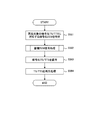
- 1 is a configuration diagram of a system according to an embodiment. It is a detailed block diagram of the terminal which concerns on embodiment. 4 is a flowchart of IP broadcast reception / playback / storage processing according to the embodiment. It is a flowchart of the terminal specific work key generation process which concerns on embodiment. It is a flowchart of the terminal specific information acquisition process which concerns on embodiment. It is a flowchart of the accumulation
- FIG. 1 is a configuration diagram of a system according to an embodiment.
- the system 101 includes a terminal 201 and a server 301.
- the terminal 201 and the server 301 are connected via a wired or wireless network.
- the terminal 201 is a device that receives, stores, and reproduces broadcast data.
- the terminal 201 is, for example, a personal computer, a mobile phone, a mobile terminal, or a video recording device.
- the terminal 201 includes a terminal unique work key generation unit 211, a terminal unique work key restoration unit 231, an Internet Protocol (IP) broadcast processing unit 251, an accumulated data decryption unit 271, a nonvolatile storage area 281, a storage unit 291, and a reproduction processing unit. 299.
- IP Internet Protocol
- the terminal specific work key generation unit 211 generates a terminal specific work key.
- the terminal unique work key restoration unit 231 restores the terminal unique work key.
- the IP broadcast processing unit 251 receives an IP broadcast (broadcast data), decrypts the broadcast data, re-encrypts the broadcast data, and stores it in the storage unit.
- the accumulated data decryption unit 271 decrypts the encrypted data stored in the storage unit 291.
- the nonvolatile storage area 281 is a nonvolatile storage device or storage medium that stores data.
- the nonvolatile storage area 281 is, for example, a magnetic disk device (hard disk drive), a semiconductor storage device, or the like.
- the storage unit 291 is a storage device or storage medium that stores data.
- the storage unit 291 is, for example, a magnetic disk device (hard disk drive), a semiconductor storage device, or a memory card.
- the storage unit 291 is detachable from the terminal 201 and can be connected to another terminal.
- the reproduction processing unit 299 performs reproduction processing on the decoded data.
- the server 301 includes a terminal specific information distribution unit 311, a terminal specific information restoration unit 331, a work key distribution unit 351, a broadcast data distribution unit 361, and a storage unit 371.
- the terminal specific information distribution unit 311 transmits the encrypted terminal specific information to the terminal.
- the terminal specific information is terminal specific information that is different for each terminal.
- the terminal unique information restoring unit 331 receives the terminal unique information restoration request, determines whether or not the terminal 201 has been discarded, and transmits encrypted terminal unique information.
- the work key distribution unit 351 transmits the work key to the terminal 201.
- Broadcast data distribution unit 361 transmits broadcast data to terminal 201.
- Broadcast data includes encrypted TS / TTS and encrypted ECM.
- the storage unit 371 is a storage device that stores data.
- the storage unit 371 is, for example, a magnetic disk device (hard disk drive), a semiconductor storage device, or the like.
- FIG. 2 is a detailed configuration diagram of the terminal according to the embodiment.
- components related to reception, storage, and reproduction of stored data are described, and other components are omitted.
- description since what attached
- the IP broadcast processing unit 251 includes a work key acquisition unit 252, a broadcast data reception unit 253, an ECM decryption unit 254, a TS / TTS decryption unit 255, an accumulation ECM generation unit 256, a TS / TTS re-encryption unit 257, and an ECM re-transmission unit.
- An encryption unit 258 is provided.
- the work key acquisition unit 252 acquires the work key 282 from the work key distribution unit 351 and stores it in the nonvolatile storage area 281.
- the broadcast data receiving unit 253 receives broadcast data from the broadcast data distribution unit 361.
- the broadcast data includes an encrypted Transport Stream (TS) / Timestamped TS (TTS) 259 and an encrypted Entitlement Control Message (ECM) 260.
- TS Transport Stream
- TTS Timestamped TS
- ECM Entitlement Control Message
- the encrypted TS / TTS 259 is obtained by encrypting TS format or TTS format data (TS / TTS) with a scramble key.
- the encrypted ECM 260 includes a work key ID and an encrypted scramble key.
- the work key ID is an identifier indicating the work key used for encrypting the scramble key.
- the encrypted scramble key is obtained by encrypting a scramble key with a work key.
- the broadcast data reception unit 253 outputs the encrypted ECM 260 to the ECM decryption unit 254 and the encrypted TS / TTS 259 to the TS / TTS decryption unit 255, respectively.
- the ECM decryption unit 254 decrypts the encrypted ECM 260 (specifically, decrypts the encrypted scramble key) using the work key 282 indicated by the work key ID, and generates the ECM 261 with the TS / TTS decryption unit 255 and the storage ECM.
- the ECM 261 includes a work key ID and a decrypted scramble key.
- the TS / TTS decryption unit 255 decrypts the encrypted TS / TTS 259 using the scramble key included in the ECM 261, and outputs the TS / TTS 262 to the reproduction processing unit 299 and the TS / TTS re-encryption unit 257.
- the storage ECM generation unit 256 generates an ECM 263 including a newly generated scramble key (storage scramble key) and a work key ID (terminal unique work key ID) indicating the terminal unique work key 221.
- the generated ECM 263 is referred to as an accumulation ECM 263.
- the terminal unique work key ID is an identifier indicating the terminal unique work key 221 or the encrypted terminal unique work key 293 obtained by encrypting the terminal unique work key 221.
- the TS / TTS re-encryption unit 257 encrypts the TS / TTS 262 using the storage scramble key, and stores the encrypted TS / TTS 295 in the storage unit 291.
- the encrypted TS / TTS 295 stored in the storage unit 291 is also referred to as an accumulation TS / TTS 295.
- the ECM re-encryption unit 258 encrypts the storage ECM 263 using the terminal-specific work key 221 indicated by the terminal-specific work key ID, and stores the encrypted ECM 294 in the storage unit 291. Specifically, the ECM re-encryption unit 258 encrypts the storage scramble key included in the storage ECM 263 using the terminal specific work key 221.
- the encrypted ECM 294 includes a terminal-specific work key ID and an encrypted scramble key (encrypted storage scramble key).
- the encrypted ECM 294 stored in the storage unit 291 may be referred to as an accumulated ECM 294.
- the terminal-specific work key generation unit 211 includes a terminal-specific information acquisition processing unit 212, a terminal-specific work key generation processing unit 213, a terminal certificate encryption key generation unit 214, a terminal-specific work key encryption unit 215, and a terminal certificate encryption Unit 216 and encrypted terminal unique work key management unit 217.
- the terminal specific information acquisition processing unit 212 acquires the encrypted terminal specific information 219 and the encryption time limit information 220 from the server 301.
- the terminal unique work key generation processing unit 213 generates a terminal unique work key 221.
- the terminal certificate encryption key generation unit 214 generates a terminal certificate encryption key 285.
- the terminal specific work key encryption unit 215 encrypts the terminal specific work key 221 and stores the encrypted terminal specific work key 293 in the storage unit 291.
- the terminal certificate encryption unit 216 encrypts the terminal unique public key certificate 284 and stores the encrypted terminal unique public key certificate 292 in the storage unit 291.
- the encrypted terminal unique work key management unit 217 manages the encrypted terminal unique work key 293.
- the nonvolatile storage area 281 stores a work key 282, a terminal unique secret key 283, a terminal unique public key certificate 284, and a terminal certificate encryption key 285.
- the terminal-specific secret key 283 is a terminal-specific secret key that is different for each terminal.
- the terminal-specific public key certificate 284 is a certificate of a terminal-specific public key that is different for each terminal.
- the terminal specific public key certificate 284 includes the public key of the terminal 201.
- the storage unit 291 stores the encrypted terminal unique public key certificate 292, the encrypted terminal unique work key 293, the encrypted ECM 294, and the encrypted TS / TTS 295.
- the accumulated data decoding unit 271 includes an accumulated ECM decoding unit 272 and a TS / TTS decoding unit 273.
- the accumulated ECM decryption unit 272 decrypts the encrypted ECM 294 stored in the storage unit 291 and outputs the ECM 274 to the TS / TTS decryption unit 273.
- the TS / TTS decryption unit 273 decrypts the encrypted TS / TTS 295 stored in the storage unit 291 with the scramble key of the ECM 274, and outputs the TS / TTS 275 to the reproduction processing unit 299.
- the reproduction processing unit 299 reproduces data by performing decoding of TS / TTS 262, 275, digital / analog conversion processing, and the like.
- FIG. 3 is a flowchart of IP broadcast reception / reproduction / storage processing according to the embodiment.
- the terminal 201 has received broadcast data of a reception target channel from the server 301.
- step S501 the ECM decryption unit 254 acquires the work key ID of the reception target channel.
- the work key ID is included in the received encrypted ECM 260.
- step S502 the ECM decryption unit 254 searches the nonvolatile storage area 281 for the work key 282 corresponding to the acquired work key ID.
- step S503 if the work key 282 exists, the control proceeds to step S505, and if not, the control proceeds to step S504.
- step S ⁇ b> 504 the work key acquisition unit 252 acquires a work key from the work key distribution unit 351 and stores it in the nonvolatile storage area 281.
- step S505 the encrypted terminal unique work key management unit 217 searches whether the encrypted terminal unique work key 293 corresponding to the terminal unique work key ID exists in the storage unit 291.
- step S506 if the encrypted terminal unique work key exists, the control proceeds to step S510. If the encrypted terminal unique work key does not exist, the control proceeds to step S507.
- step S507 the terminal-specific work key generation unit 211 specifies a work key ID indicating the terminal-specific work key to be generated, and generates a terminal-specific work key.
- the terminal unique work key is generated by the processes of steps S525 to S532 of the terminal unique work key generation process described later.
- step S508 if the generation of the terminal-specific work key has been completed normally, the control proceeds to step S510, and if not, the control proceeds to step S509.
- step S509 the IP broadcast processing unit 251 notifies the user of an error and ends the process.
- step S510 the encrypted terminal unique work key management unit 217 decrypts the encrypted terminal unique work key 293 using the terminal certificate encryption key 285, and outputs the terminal unique work key to the ECM re-encryption unit 258. .
- step S511 the IP broadcast processing unit 251 performs a process of decoding and storing broadcast data. Specifically, the ECM decryption unit 254 decrypts the encrypted ECM 260 using the work key 282 corresponding to the work key ID of the reception target channel (specifically, decrypts the encrypted scramble key included in the encrypted ECM 260). The ECM 261 is output to the TS / TTS decoding unit 255 and the storage ECM generation unit 256.
- the storage ECM generation unit 256 generates a storage ECM 263 including a newly generated scramble key (storage scramble key) and a terminal unique work key ID indicating the terminal unique work key 221.
- the ECM re-encryption unit 258 encrypts the storage ECM 263 using the terminal-specific work key 221 (specifically, encrypts the storage scramble key included in the storage ECM 263), and stores the encrypted ECM 294 in the storage unit 291. To store.
- the TS / TTS decryption unit 255 decrypts the encrypted TS / TTS 259 using the scramble key included in the ECM 261, and outputs the TS / TTS 262 to the reproduction processing unit 299 and the TS / TTS re-encryption unit 257.
- the reproduction processing unit 299 performs decoding of the TS / TTS 262, digital / analog conversion processing, and the like to reproduce data.
- the TS / TTS re-encryption unit 257 encrypts the TS / TTS 262 using the storage scramble key included in the storage ECM 263 and stores the encrypted TS / TTS 295 in the storage unit 291.
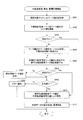
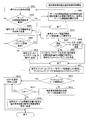
- FIG. 4 is a flowchart of terminal-specific work key generation processing according to the embodiment.
- the terminal specific work key generation unit 211 reads the terminal certificate encryption key 285 from the nonvolatile storage area 281.
- step S522 the terminal-specific work key generation unit 211 decrypts the encrypted terminal-specific work key 293 corresponding to the specified work key ID using the terminal certificate encryption key 285.
- the terminal specific work key generation unit 211 refers to the time limit information of the terminal specific work key 221, compares the time limit information of the terminal specific work key 221 and the terminal time, and determines whether the terminal specific work key 221 has expired. Judge whether or not.
- the terminal time is the time set in the terminal 201 and is the current time.
- the time limit information includes an end time indicating the expiration date of the terminal-specific work key 221, and it is determined whether the terminal-specific work key 221 has expired based on whether the end time has passed the terminal time.
- step S524 if the terminal-specific work key 221 has expired, the process ends. If not expired, control proceeds to step S525.
- step S525 the terminal unique information acquisition processing unit 212 designates the terminal unique public key certificate 284 and executes the terminal unique information acquisition process. Details of the terminal specific information acquisition process will be described later.
- step S526 if an error is returned in the terminal specific information acquisition process, control proceeds to step S527, and if no error is returned, control proceeds to step S528.
- step S527 the terminal-specific work key generation unit 211 responds with an error.
- the terminal unique work key generation processing unit 213 generates a terminal unique work key 221 from the terminal unique information, the time limit information, and the designated work key ID. Specifically, the terminal unique work key generation processing unit 213 generates key information using the terminal unique information and the designated work key ID.
- the key information is a unique value generated from the terminal unique information and the specified work key ID.
- the key information is, for example, data obtained by encrypting the terminal unique information and the specified work key ID.
- the terminal-specific work key generation processing unit 213 adds time limit information to the key information, and sets the key information to which the time limit information is added as the terminal-specific work key 221.
- step S530 the terminal certificate encryption key generation unit 214 generates a shared key from the public key in the server public key certificate received from the server 301 and the terminal unique secret key 283 by the Diffie-Hellman (DH) method. . Then, the terminal certificate encryption key generation unit 214 stores the shared key in the nonvolatile storage area 281 as the terminal certificate encryption key 285.
- DH Diffie-Hellman
- step S531 the terminal specific work key encryption unit 215 encrypts the terminal specific work key 221 using the terminal certificate encryption key 285, and stores the encrypted terminal specific work key 293 in the storage unit 291.
- step S532 the terminal certificate encryption unit 216 encrypts the terminal unique public key certificate 284 using the terminal certificate encryption key 285, and stores the encrypted terminal unique public key certificate 292 in the storage unit 291. .
- FIG. 5 is a detailed flowchart of terminal-specific information acquisition processing according to the embodiment.
- the flowchart in FIG. 5 corresponds to step S525 in FIG.
- the terminal unique information acquisition processing unit 212 reads the terminal unique public key certificate 284 from the nonvolatile storage area 281.
- step S542 the terminal unique information acquisition processing unit 212 designates the terminal unique public key certificate 284 and transmits a server public key certificate acquisition request to the server 301. If an error response is received from the server 301 in step S543, control proceeds to step S544, and if no error response is received, control proceeds to step S545.
- step S544 the terminal specific information acquisition processing unit 212 responds with an error.
- step S545 the terminal unique information acquisition processing unit 212 decrypts the encrypted server public key certificate received from the server 301 using the terminal unique secret key 283, and stores the server public key certificate in the nonvolatile storage area 281.
- the server public key certificate is a server public key certificate and includes a server public key (server public key).
- step S546 the terminal specific information acquisition processing unit 212 encrypts the user authentication information 226 using the public key of the server public key certificate, and creates a one-time password acquisition request.
- the one-time password acquisition request includes encrypted user authentication information. Note that the user authentication information 226 to be used is specified as an input parameter at the start of processing.
- step S547 the terminal specific information acquisition processing unit 212 transmits a one-time password acquisition request to the server 301.
- step S548 if the terminal specific information acquisition processing unit 212 receives an error response from the server 301, the control proceeds to step S549, and if the error response is not received, the control proceeds to step S550.
- step S549 the terminal specific information acquisition processing unit 212 responds with an error.
- step S550 the terminal specific information acquisition processing unit 212 receives the encrypted one-time password from the server 301.
- step S551 the terminal unique information acquisition processing unit 212 decrypts the encrypted one-time password using the terminal unique secret key 283.
- the terminal specific information acquisition processing unit 212 encrypts the one-time password and the terminal specific public key certificate 284 using the public key of the server public key certificate, and creates a terminal specific information acquisition request. That is, the terminal specific information acquisition request includes an encrypted one-time password (encrypted one-time password) and an encrypted terminal specific public key certificate (encrypted terminal specific public key certificate).
- step S ⁇ b> 553 the terminal specific information acquisition processing unit 212 transmits a terminal specific information acquisition request to the server 301.
- step S554 when the terminal specific information acquisition processing unit 212 receives an error response from the server 301, the control proceeds to step S555, and when the error response is not received, the control proceeds to step S556.
- step S555 the terminal specific information acquisition processing unit 212 responds with an error.
- step S ⁇ b> 556 the terminal unique information acquisition processing unit 212 receives the encrypted terminal unique information 219 and the encryption time limit information 220 from the server 301.
- FIG. 6 is a flowchart of the stored data reproduction process according to the embodiment.
- step S561 the stored ECM decryption unit 272 identifies the encrypted ECM 294 corresponding to the encrypted TS / TTS 295 to be reproduced. That is, the stored ECM decryption unit 272 identifies the encrypted ECM 294 including the scramble key used for encryption of the encrypted TS / TTS 295.
- step S562 the stored ECM decryption unit 272 designates the specified encrypted ECM 294, performs a stored ECM decryption process, and outputs the decrypted ECM 274 to the TS / TTS decryption unit 273. Details of the stored ECM decoding process will be described later.
- step S563 the TS / TTS decryption unit 273 decrypts the encrypted TS / TTS 295 with the scramble key of the ECM 274, and outputs the TS / TTS 275 to the reproduction processing unit 299.
- step S564 the reproduction processing unit 299 performs decoding of TS / TTS 275, digital / analog conversion processing, and the like to reproduce data.
- FIG. 7 is a flowchart of the accumulated ECM decoding process according to the embodiment.
- the flowchart in FIG. 7 corresponds to step S562 in FIG.
- step S571 the accumulated ECM decryption unit 272 acquires the work key ID included in the designated encrypted ECM 294.
- step S572 the stored ECM decryption unit 272 searches the storage unit 291 for the existence of the encrypted terminal specific work key 293 corresponding to the acquired work key ID.
- step S573 the stored ECM decryption unit 272 proceeds to step S575 when the encrypted terminal unique work key 293 exists, and proceeds to step S574 when it does not exist.
- step S574 the stored ECM decoding unit 272 responds with an error.
- step S575 the stored ECM decryption unit 272 executes the terminal-specific work key generation process by specifying the acquired work key ID, and acquires the terminal certificate encryption key 285.
- the terminal-specific work key generation process is as described with reference to FIG.
- step S576 if the terminal-specific work key generation process is normally completed (error is not responded), the control proceeds to step S578, and if it is not normally terminated (error is responded), the control is step S577. Proceed to
- step S577 the accumulated ECM decoding unit 272 responds with an error.
- step S578 the stored ECM decryption unit 272 decrypts the encrypted terminal unique work key 293 using the terminal certificate encryption key 285, and obtains the terminal unique work key 211.
- step S579 the stored ECM decryption unit 272 decrypts the specified encrypted ECM 294 using the terminal-specific work key 221. Specifically, the stored ECM decryption unit 272 decrypts the encrypted scramble key included in the designated encrypted ECM 294 using the key information of the terminal specific work key 221. The stored ECM decryption unit 272 outputs the ECM 274 including the decrypted scramble key to the TS / TTS decryption unit 273.
- FIG. 8 is a detailed configuration diagram of the server according to the embodiment.
- the terminal specific information distribution unit 311 includes a user authentication unit 312, a user management unit 313, a terminal specific information management unit 314, a terminal specific information search / generation unit 315, and a terminal specific information encryption unit 316.
- the user authentication unit 312 decrypts the encrypted user authentication information.
- the user management unit 313 performs user authentication.
- the terminal unique information management unit 314 performs writing and deletion of data in the terminal unique information management table 372 and the discarded terminal unique information management table 373.
- the terminal specific information search / generation unit 315 searches the terminal specific information management table 372, generates a record, and the like.
- the terminal unique information encryption unit 316 encrypts the terminal unique information 322, the term information 323, and the server public key certificate 324, and encrypts the terminal unique information 219, the encryption term information 220, and the encrypted server public key certificate. 325 is generated.
- the storage unit 371 includes a terminal unique information management table 372 and a discarded terminal unique information management table 373.
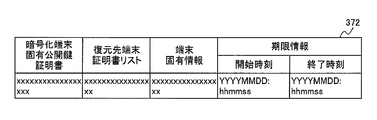
- FIG. 9 is an example of the terminal specific information management table.
- the terminal unique information management table 372 an encrypted terminal unique public key certificate, a restoration destination terminal certificate list, terminal unique information, and term information are described in association with each other.
- the encrypted terminal specific public key certificate is an encrypted public key certificate specific to the terminal.
- the restoration destination terminal certificate list is information indicating terminals that have been subjected to terminal unique work key restoration processing in the past. Details of the restoration destination terminal certificate list will be described later.
- the terminal specific information is information specific to the terminal generated from the terminal specific public key certificate.
- the time limit information indicates the start time and end time of the expiration date of the terminal specific work key.
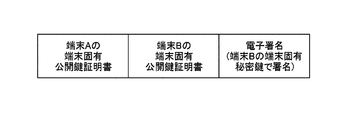
- FIG. 10 is an example of a restoration destination terminal certificate list of the terminal specific information management table.
- the restoration destination terminal certificate list includes a terminal unique public key certificate and an electronic signature of a terminal that has performed terminal unique work key restoration processing in the past.
- Terminal-specific public key certificates of terminals that have been subjected to terminal-specific work key restoration processing in the past are arranged from the top in the order in which terminal-specific work key restoration processing has been performed.
- the terminal-specific public key certificate of the terminal that has been subjected to the terminal-specific work key restoration process in the past with the terminal's private key of the last terminal-specific public key certificate as an electronic signature. The signed value is described.
- the restoration destination terminal certificate list of FIG. 10 is composed of a digital signature obtained by signing the terminal-specific public key certificate of terminals A and B with the terminal-specific public key certificate of terminals A and B and the terminal-specific private key of terminal B. Has been.
- FIG. 11 is an example of the discarded terminal specific information management table.
- the discarded terminal unique information management table 373 the encrypted terminal unique public key certificate corresponding to the discarded terminal is described.
- the discarded terminal unique information management table 373 describes encrypted terminal unique public key certificates corresponding to terminals that are not permitted to acquire terminal unique information.
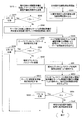
- FIG. 12 is a flowchart of terminal-specific information distribution processing according to the embodiment.
- the terminal specific information distribution unit 311 receives a request from the terminal 201.
- step S602 the terminal specific information distribution unit 311 determines whether the request is a server public key certificate acquisition request. If the request is a server public key certificate acquisition request, control proceeds to step S603. If the request is not a server public key certificate acquisition request, control proceeds to step S605.
- step S603 the terminal unique information encryption unit 316 encrypts the server public key certificate 324 with the public key of the terminal unique public key certificate specified in the server public key certificate acquisition request, and encrypts the server public key certificate.
- a book 325 is created.
- step S604 the terminal unique information encryption unit 316 transmits the encrypted server public key certificate to the terminal 201.
- the terminal specific information distribution unit 311 determines whether the request is a one-time password acquisition request. If the request is a one-time password acquisition request, control proceeds to step S606. If the request is not a one-time password acquisition request, control proceeds to step S611. If the request is not a one-time password acquisition request, the request received from the terminal is a terminal-specific information acquisition request.
- step S606 the user authentication unit 312 decrypts the encrypted user authentication information included in the one-time password request using the server secret key, and acquires the user authentication information 226.
- step S607 the user management unit 313 checks the user authentication information and performs user authentication. If the user authentication is an error, the control proceeds to step S608, and if the user authentication is not an error, the control proceeds to step S609.
- step S ⁇ b> 608 the terminal specific information distribution unit 311 transmits an error response to the terminal 201.
- the terminal unique information distribution unit 311 generates a one-time password, encrypts it with the public key of the terminal unique public key certificate, and creates an encrypted one-time password.
- step S ⁇ b> 610 the terminal specific information distribution unit 311 transmits the encrypted one-time password to the terminal 201.
- the user authentication unit 312 decrypts the terminal specific information acquisition request using the server private key, and acquires the one-time password and the terminal specific public key certificate 284. Then, the user authentication unit 312 checks whether the one-time password has expired.
- step S612 if the one-time password has expired, control proceeds to step S613, and if it has not expired, control proceeds to step S614.
- step S ⁇ b> 613 the terminal specific information distribution unit 311 transmits an error response to the terminal 201.
- the terminal unique information search / generation unit 315 generates the encrypted terminal unique public key certificate 321. Specifically, the terminal unique information search / generation unit 315 generates a shared key from the public key of the terminal unique public key certificate 284 and the server private key by the Diffie-Hellman (DH) method. The terminal unique information search / generation unit 315 uses the generated shared key as a terminal certificate encryption key. Then, the terminal unique information search / generation unit 315 encrypts the terminal unique public key certificate 284 using the terminal certificate encryption key, and generates an encrypted terminal unique public key certificate 321.
- DH Diffie-Hellman
- step S615 the terminal unique information search / generation unit 315 refers to the discarded terminal unique information management table 373 and determines whether the encrypted terminal unique public key certificate 321 belongs to the discarded terminal, that is, the discarded terminal. It is checked whether or not the encrypted terminal unique public key certificate 321 is described in the unique information management table 373. If the encrypted terminal unique public key certificate 321 is described in the discarded terminal unique information management table 373, the control proceeds to step S616, and if not described, the control proceeds to step S617.
- step S616 the terminal specific information distribution unit 311 transmits an error response to the terminal 201.
- step S617 the terminal unique information search / generation unit 315 detects a record in which the generated encrypted terminal unique public key certificate 321 appears from the terminal unique information management table 372.
- step S618 the terminal specific information search / generation unit 315 determines whether or not the terminal specific information is registered (described) in the detected record. If the terminal specific information is registered in the detected record, the control proceeds to step S620. If not registered, the control proceeds to step S619.
- the terminal specific information search / generation unit 315 outputs the terminal specific information and the time limit information of the detected record to the terminal specific information encryption unit 316.
- step S619 the terminal unique information search / generation unit 315 creates terminal unique information from the terminal unique public key certificate and the random number, sets time limit information, and sets the terminal unique information and time limit information to the terminal unique information management unit 314 and The data is output to the terminal specific information encryption unit 316.
- the terminal specific information management unit 314 writes the terminal specific information and the time limit information in the terminal specific information management table 372.
- the terminal unique information is a unique value generated from the terminal unique public key certificate and a random number.
- step S620 the terminal unique information encryption unit 316 encrypts the terminal unique information and the term information using the public key of the terminal unique public key certificate, and creates the encrypted terminal unique information and the encryption term information.
- step S621 the terminal unique information encryption unit 316 transmits the encrypted terminal unique information and the encryption time limit information to the terminal 201. Next, restoration of the terminal-specific work key will be described.
- the user removes the storage unit from the failed terminal and connects to another terminal. Alternatively, the user copies the data in the storage unit of the failed terminal to the storage unit of another terminal.
- the terminal-specific work key is required for reproducing the accumulated data.
- the terminal certificate encryption key differs from terminal to terminal, so the encrypted terminal-specific work key stored in the storage unit cannot be decrypted by the new terminal .
- the stored data stored in the storage unit cannot be reproduced only by moving the storage unit from the failed terminal to a new terminal.
- a terminal-specific work key corresponding to the new terminal is required.
- the user when the user connects the storage unit to a new terminal, the user causes the new terminal to execute a terminal-specific work key restoration process as described below.
- the encrypted terminal unique work key stored in the storage unit is updated to an encrypted terminal unique work key that can be decrypted by a new terminal.
- FIG. 13 is a detailed configuration diagram of the terminal according to the embodiment.
- the components related to the recovery of the terminal-specific work key are described, and the other components or the components already described are omitted.
- the terminal unique work key restoration unit 231 includes a terminal unique information restoration processing unit 232, a terminal unique work key generation processing unit 233, a terminal certificate encryption key generation unit 234, a terminal unique work key encryption unit 235, and a terminal certificate encryption unit. 236 and a restoration request generation unit 237.
- the terminal unique information restoration processing unit 232 executes terminal unique information restoration processing (terminal side).
- the terminal unique work key generation processing unit 233 generates a terminal unique work key 242.
- the terminal certificate encryption key generation unit 234 generates a terminal certificate encryption key 285.
- the terminal-specific work key encryption unit 235 encrypts the terminal-specific work key 242 using the terminal certificate encryption key 285, and stores the encrypted terminal-specific work key 293 in the storage unit 291.
- the terminal certificate encryption unit 236 encrypts the terminal unique public key certificate 284 using the terminal certificate encryption key 285, and stores the encrypted terminal unique public key certificate 292 in the storage unit 291.
- the restoration request generation unit 237 generates a terminal specific information restoration request 243.
- the nonvolatile storage area 281 stores a terminal unique secret key 283, a terminal unique public key certificate 284, and a terminal certificate encryption key 285.
- the storage unit 291 stores an encrypted terminal unique public key certificate 292, an encrypted terminal unique work key 293, an encrypted ECM 294, an encrypted TS / TTS 295, and a restoration destination terminal certificate list 296.
- FIG. 14 is an example of a restoration destination terminal certificate list.
- the restoration destination terminal certificate list 296 includes a terminal unique public key certificate and an electronic signature of a terminal that has been subjected to terminal unique work key restoration processing in the past.
- Terminal-specific public key certificates of terminals that have been subjected to terminal-specific work key restoration processing in the past are arranged from the top in the order in which terminal-specific work key restoration processing has been performed.
- the terminal of the terminal that has been subjected to terminal-specific work key recovery processing in the past with the terminal's private key (terminal-specific private key) of the last terminal-specific public key certificate as an electronic signature The value that signed the unique key certificate is described.
- the restoration destination terminal certificate list of FIG. 14 is composed of a digital signature obtained by signing the terminal-specific public key certificate of terminals A and B with the terminal-specific public key certificate of terminals A and B and the terminal-specific private key of terminal B. Has been.
- step S ⁇ b> 701 the terminal specific work key restoration unit 231 checks whether the terminal certificate encryption key 285 exists in the nonvolatile storage area 281. If the terminal certificate encryption key 285 exists, the Bible proceeds to step S702, and if the terminal certificate encryption key 285 does not exist, control proceeds to step S712.
- step S702 the terminal certificate encryption unit 236 encrypts the terminal unique public key certificate 284 using the terminal certificate encryption key 285, and generates an encrypted terminal unique public key certificate.
- step S703 the terminal unique work key restoration unit 231 determines whether the encrypted terminal unique public key certificate 292 stored in the storage unit 291 is equal to the encrypted terminal unique public key certificate generated in step S702. To determine. If the encrypted terminal unique public key certificate 292 and the encrypted terminal unique public key certificate generated in step S702 are equal, control proceeds to step S704, and if not, control proceeds to step S712.
- step S704 the terminal-specific work key restoration unit 231 checks whether the restoration destination terminal certificate list 296 exists in the storage unit 291. When the restoration destination terminal certificate list 296 is stored in the storage unit 291, the terminal unique work key restoration unit 231 deletes the restoration destination terminal certificate list 296.
- step S705 the terminal unique information acquisition processing unit 212 specifies a terminal unique public key certificate and executes a terminal unique information acquisition process.
- step S706 if an error is returned in the terminal specific information acquisition process, control proceeds to step S707, and if no error is returned, control proceeds to step S708.
- step S707 the terminal-specific work key generation unit 211 responds with an error.
- step S708 the terminal unique work key generation processing unit 233 decrypts the encrypted terminal unique information 240 and the encryption time limit information 241 received from the server 301 by the terminal unique information acquisition process using the terminal unique secret key 283.
- step S709 the terminal certificate encryption key generation unit 234 generates a shared key from the public key in the server public key certificate received from the server 301 and the terminal unique secret key 283 by the Diffie-Hellman (DH) method. .
- the terminal certificate encryption key generation unit 234 stores the shared key in the nonvolatile storage area 281 as the terminal certificate encryption key 285.
- step S710 the terminal certificate encryption unit 236 encrypts the terminal unique public key certificate 284 using the terminal certificate encryption key 285, and stores the encrypted terminal unique public key certificate 292 in the storage unit 291. .
- the terminal-specific work key restoration unit 231 includes the encrypted terminal-specific public key certificate 292 and the restoration-destination terminal certificate list 296 stored in the storage unit 291 and the terminal-specific public information stored in the nonvolatile storage area 281. Refer to the key certificate 284.
- the terminal unique work key restoration unit 231 sets the latest element of the restoration destination terminal certificate list 296 as a comparison target.
- the latest element of the restoration destination terminal certificate list 296 is a terminal unique public key certificate described at the end (last) of the terminal unique public key certificates included in the restoration destination terminal certificate list 296.
- An element (terminal unique public key certificate) set as a comparison target is called a comparison target element.
- step S714 if there is no element set as a comparison target, the control proceeds to step S715, and if there is an element set as a comparison target, the control proceeds to step S718.
- step S715 the terminal unique work key restoration unit 231 adds (describes) the terminal unique public key certificate 284 to the tail of the terminal unique public key certificate in the restoration destination terminal certificate list 296.
- the newly described terminal unique public key certificate 284 becomes the latest element.
- step S 716 the terminal unique work key restoration unit 231 creates an electronic signature created using the terminal unique secret key 283 and adds the electronic signature to the restoration destination terminal certificate list 296. The old electronic signature is overwritten with the new electronic signature.
- step S717 the terminal unique work key restoration unit 231 writes the newly created restoration destination terminal certificate list 296 in the storage unit 291.
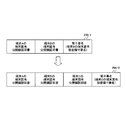
- a list of restoration destination terminal certificates before execution (before update) and after execution (after update) of steps S715 to S717 is shown.
- FIG. 16 is an example of the restoration destination terminal certificate list before and after the update.
- the restoration destination terminal certificate list 296-1 before update is the same as the restoration destination terminal certificate list 296 described with reference to FIG.
- a newly generated (updated) restoration destination terminal certificate list 296-2 includes the terminal A, B, and C terminal-specific public key certificate and the terminal C terminal-specific secret key, and the terminals A, B, and It is composed of an electronic signature obtained by signing a C terminal unique key certificate.
- the terminal unique public key certificate of terminal C is added after the terminal unique public key certificate of terminal B in the restoration destination terminal certificate list 296-1 before updating.
- An electronic signature in which the terminal unique key certificate of the terminal A, B, and C is signed with the terminal unique secret key of the terminal C after the terminal unique public key certificate of the terminal C is described.
- step S718 the terminal unique work key restoration unit 231 determines whether the terminal unique public key certificate 284 in the nonvolatile storage area 281 is equal to the terminal unique public key certificate set as the comparison target. If the terminal unique public key certificate 284 is equal to the terminal unique public key certificate set as the comparison target, the control proceeds to step S720, and if not equal, the control proceeds to step S719.
- step S719 the terminal-specific work key restoration unit 231 sets the element immediately before the comparison target element as a new comparison target.
- step S720 the terminal unique work key restoration unit 231 determines whether the terminal unique public key certificate in the restoration destination terminal certificate list 296 equal to the terminal unique public key certificate 284 is the latest element. When the terminal unique public key certificate in the restoration destination terminal certificate list 296 equal to the terminal unique public key certificate 284 is the latest element, the control proceeds to step S722, and when it is not the latest element, the control proceeds to step S721.
- step S721 the terminal unique work key restoration unit 231 responds with an error.
- the terminal-specific work key restoration process has been performed previously and the terminal-specific work key has been restored to another terminal, an error occurs.
- step S722 the terminal unique information restoration processing unit 232 specifies the encrypted terminal unique public key certificate 292 and the restoration destination terminal certificate list 296, and executes the terminal unique information restoration process. Details of the terminal-specific information restoring process (terminal side) will be described later.
- step S723 if an error is returned in the terminal specific information restoration process (terminal side), control proceeds to step S724, and if no error is returned, control proceeds to step S725.
- step S724 the terminal unique information restoration processing unit 232 responds with an error.
- step S725 the terminal unique work key restoration unit 231 uses the terminal unique secret key 283 to decrypt the encrypted terminal unique information 240 and the encryption time limit information 241 received from the server 301.
- step S726 the terminal certificate encryption key generation unit 234 generates a shared key from the public key in the server public key certificate 239 received from the server 301 and the terminal unique secret key 283 by the Diffie-Hellman (DH) method. To do.
- the terminal certificate encryption key generation unit 234 stores the shared key in the nonvolatile storage area 281 as the terminal certificate encryption key 285.
- step S727 the terminal certificate encryption unit 236 encrypts the terminal unique public key certificate 284 using the terminal certificate encryption key 285, and stores the encrypted terminal unique public key certificate 292 in the storage unit 291. .
- step S728 the terminal unique work key restoration unit 231 deletes the restoration destination terminal certificate list 296 stored in the storage unit 291.
- step S729 the terminal-specific work key restoration unit 231 selects an unprocessed encrypted terminal-specific work among the encrypted terminal-specific work keys 293 stored in the storage unit 291 (that is, not overwritten in step S732). One key 293 is read.
- step S730 if there is a read error (that is, if there is no unprocessed encrypted terminal specific work key 293), the process ends. If there is no read error, the process proceeds to step S731.
- step S731 the terminal-specific work key generation processing unit 233 uses the terminal-specific gazette received from the server 301, the time limit information, and the work key ID of the encrypted terminal-specific work key 293 read from the storage unit 291 to identify the terminal-specific work key.
- a work key 242 is created.
- step S732 the terminal-specific work key encryption unit 235 encrypts the created terminal-specific work key 242 using the terminal certificate encryption key 285, and generates an encrypted terminal-specific work key.
- the terminal unique work key encryption unit 235 then encrypts the encrypted terminal stored in the storage unit 291 indicated by the work key ID of the encrypted terminal unique work key 293 read out from the storage unit 291.
- the work key 293 is overwritten.
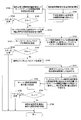
- FIG. 17 is a flowchart of terminal-specific information restoration processing (terminal side) according to the embodiment.
- the flowchart in FIG. 17 corresponds to step 722 in FIG. 15C.
- step S 741 the terminal unique information restoration processing unit 232 reads the terminal unique public key certificate 284 from the nonvolatile storage area 281.
- step S742 the terminal unique information restoration processing unit 232 designates the terminal unique public key certificate 284 and transmits a server public key certificate acquisition request to the server 301.
- step S743 If an error response is received from the server 301 in step S743, control proceeds to step S744, and if no error response is received, control proceeds to step S745. In step S744, the terminal specific information restoration processing unit 232 responds with an error.
- step S745 the terminal unique information restoration processing unit 232 decrypts the encrypted server public key certificate received from the server 301 using the terminal unique private key 283, and obtains the server public key certificate 239.
- step S746 the terminal unique information restoration processing unit 232 encrypts the user authentication information 247 using the public key of the server public key certificate 239, and creates a one-time password acquisition request.
- the one-time password acquisition request includes the encrypted user authentication information 247. Note that the user authentication information 247 to be used is specified as an input parameter at the start of processing.
- step S747 the terminal specific information restoration processing unit 232 transmits a one-time password acquisition request to the server 301.
- step S748 if the terminal specific information restoration processing unit 232 receives an error response from the server 301, the control proceeds to step S749. If the error response is not received, the control proceeds to step S750.
- step S749 the terminal-specific information restoration processing unit 232 responds with an error.
- step S750 the terminal specific information restoration processing unit 232 receives the encrypted one-time password from the server 301.
- step S751 the terminal unique information restoration processing unit 232 decrypts the encrypted one-time password using the terminal unique secret key 283, and acquires the one-time password.
- step S752 the restoration request generation unit 237 encrypts the one-time password, the encrypted terminal unique public key certificate 292, and the restoration destination terminal certificate list 296 using the public key of the server public key certificate 239, and the terminal unique An information restoration request 243 is created.
- step S ⁇ b> 753 the terminal unique information restoration processing unit 232 transmits a terminal unique information restoration request 243 to the server 301.
- step S754 if the terminal specific information restoration processing unit 232 receives an error response from the server 301, the control proceeds to step S755, and if no error response is received, the control proceeds to step S756.
- step S755 the terminal specific information restoration processing unit 232 responds with an error.
- step S ⁇ b> 756 the terminal unique information restoration processing unit 232 receives the encrypted terminal unique information 240 and the encryption time limit information 241 from the server 301.
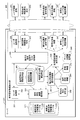
- FIG. 18 is a detailed configuration diagram of the server according to the embodiment.
- the terminal unique information restoration unit 331 includes a user authentication unit 332, a user management unit 333, a terminal unique information management unit 334, a restoration destination terminal certificate list processing unit 335, a terminal unique information encryption unit 336, and a terminal unique information restoration processing unit. 337.
- the user authentication unit 332 decrypts the encrypted user authentication information 247, the terminal specific information restoration request 243, and the like.
- the user management unit 333 performs user authentication.
- the terminal unique information management unit 334 performs writing and deletion of data in the terminal unique information management table 372 and the discarded terminal unique information management table 373.
- the restoration destination terminal certificate list processing unit 335 extracts and outputs the terminal unique public key certificate 341 in the restoration destination terminal certificate list.
- the restoration destination terminal certificate list processing unit 335 decrypts the encrypted terminal unique public key certificate and outputs the terminal unique public key certificate 342.
- the terminal unique information encryption unit 336 encrypts the terminal unique information 344, the term information 345, and the server public key certificate 346, and the encrypted terminal unique information 240, the encryption term information 241 and the encrypted server public key certificate 347. Output.
- the terminal unique information restoration processing unit 337 performs terminal unique information restoration processing (server side).
- FIG. 19 is a flowchart of terminal-specific information restoration request reception processing according to the embodiment.
- the terminal specific information restoring unit 331 receives a request from the terminal 201.
- step S802 the terminal unique information restoring unit 331 determines whether the request is a server public key certificate acquisition request. If the request is a server public key certificate acquisition request, control proceeds to step S803. If the request is not a server public key certificate acquisition request, control proceeds to step S805.
- step S803 the terminal unique information encryption unit 336 encrypts the server public key certificate 346 with the public key of the terminal unique public key certificate specified in the server public key certificate acquisition request, and encrypts the server public key certificate.
- a book 347 is created.
- step S804 the terminal unique information encryption unit 336 transmits the encryption server public key certificate 347 to the terminal 201.
- the terminal specific information restoration unit 331 determines whether the request is a one-time password acquisition request. If the request is a one-time password acquisition request, control proceeds to step S806. If the request is not a one-time password acquisition request, control proceeds to step S811. If the request is not a one-time password acquisition request, the request received from the terminal is a terminal-specific information restoration request.
- step S806 the user authentication unit 332 decrypts the encrypted user authentication information included in the one-time password request using the server secret key.
- step S807 the user management unit 333 checks user authentication information and performs user authentication. If the user authentication is an error, the control proceeds to step S808, and if the user authentication is not an error, the control proceeds to step S809.
- step S808 the terminal specific information restoring unit 331 transmits an error response to the terminal 201.
- step S809 the terminal unique information restoring unit 331 generates a one-time password, encrypts it with the public key of the terminal unique public key certificate, and creates an encrypted one-time password.
- step S810 the terminal unique information restoring unit 331 transmits the encrypted one-time password to the terminal 201.
- the user authentication unit 332 decrypts the encrypted one-time password included in the terminal-specific information restoration request using the server secret key, and checks whether the one-time password has expired.
- the user authentication unit 332 uses the server private key for the encrypted encrypted terminal unique public key certificate 292 and the encrypted encrypted restoration destination terminal certificate list 296 included in the terminal unique information restoration request. The decryption is performed, and the encrypted terminal unique public key certificate 292 and the restoration destination terminal certificate list 296 are obtained.
- the encrypted terminal unique public key certificate 292 and the restoration destination terminal certificate list 296 are used in terminal unique information restoration processing (server side) (step S814) described later.
- step S812 if the one-time password has expired, control proceeds to step S813, and if it has not expired, control proceeds to step S814.
- step S813 the terminal specific information restoring unit 331 transmits an error response to the terminal 201.
- step S814 the terminal unique information restoration processing unit 337 executes terminal unique information restoration processing (server side). Details of the terminal-specific information restoring process (on the server side) will be described later.
- step S815 if an error is returned in the terminal-specific information restoration process, control proceeds to step S813. If no error is returned, control proceeds to step S816.
- step S816 the terminal unique information encryption unit 336 transmits the encryption server public key certificate, the encrypted terminal unique information, and the encryption time limit information to the terminal 201.
- FIG. 20 is a flowchart of terminal-specific information restoration processing (server side) according to the embodiment.
- step S821 the terminal unique information restoration processing unit 337 searches the terminal unique information management table 372 using the encrypted terminal unique public key certificate received from the terminal 201 as a search key.
- step S822 if a record that matches the search key exists in the terminal-specific information management table 372, the control proceeds to step S823, and if not, the control proceeds to step S830.
- a record that matches the search key detected by the search is called a detected record.
- the terminal unique information restoration processing unit 337 includes the public key of the terminal unique public key certificate that is the latest element among the terminal unique public key certificates included in the restoration destination terminal certificate list 296 received from the terminal 201.
- a shared key is generated from the server private key by Diffie-Hellman (DH) method. Then, the terminal unique information restoration processing unit 337 uses the generated shared key as a terminal certificate encryption key.
- DH Diffie-Hellman
- step S824 the terminal unique information restoration processing unit 337 obtains the terminal unique public key certificate that is the latest element among the terminal unique public key certificates included in the restoration destination terminal certificate list 296 received from the terminal 201 in step S823. It encrypts using the terminal certificate encryption key produced
- step S825 the terminal unique information restoration processing unit 337 checks whether the new encrypted terminal unique public key certificate generated in step S824 is registered in the discarded terminal unique information management table 373.
- step S826 if a new encrypted terminal unique public key certificate is registered in the discarded terminal unique information management table, the control proceeds to step S837. If not registered, the control proceeds to step S827.
- step S827 the terminal unique information restoration processing unit 337 registers the encrypted terminal unique public key certificate of the detection record in the discarded terminal unique information management table 373.
- step S828 the terminal unique information restoration processing unit 337 updates the encrypted terminal unique public key certificate of the detection record with the new encrypted terminal unique public key certificate generated in step S824. Further, the terminal specific information restoration processing unit 337 updates the restoration destination terminal certificate list of the detected record to the restoration destination terminal certificate list 296 received from the terminal 201.
- step S829 the terminal unique information encryption unit 336 encrypts the server public key certificate 346 and the terminal unique information and time limit information of the record updated in step S828 using the public key of the terminal unique public key certificate 342, An encryption server public key certificate 347, encryption terminal specific information 240, and encryption time limit information 241 are generated.
- step S830 the terminal unique information restoration processing unit 337 uses the terminal unique public key certificate that is the latest element of the restoration destination terminal certificate list 296 to receive the electronic signature included in the restoration destination terminal certificate list 296 received from the terminal 201. Validate.
- step S831 in the case of a verification error, control proceeds to step S837, and in the case of no verification error, control proceeds to step S832.
- step S832 the terminal unique information restoration processing unit 337 sets the latest element of the terminal unique public key certificate of the restoration destination terminal certificate list 296 received from the terminal 201 as the comparison target final element.
- the latest element of the restoration destination terminal certificate list 296 is a terminal unique public key certificate described at the end (last) of the terminal unique public key certificates included in the restoration destination terminal certificate list 296.
- step S833 the terminal unique information restoration processing unit 337 searches for the terminal unique public key certificate from the oldest (first) element of the restoration destination terminal certificate list 296 received from the terminal 201 to the comparison target final element.
- the terminal specific information management table 372 is searched.
- the terminal unique information restoration processing unit 337 detects a record in which a restoration destination terminal certificate list that matches the search key is described.
- step S834 if a record that matches the search key exists in the terminal-specific information management table 372, control proceeds to step S823, and if not, control proceeds to step S835.
- a record that matches the search key detected by the search is called a detected record.
- step S835 the terminal specific information restoration processing unit 337 sets the previous (old) element of the current comparison target final element as a new comparison target final element.
- step S836 if a new comparison target final element is set, control returns to step S833, and if a new comparison target final element cannot be set (that is, the current comparison target final element is the first element). The control proceeds to step S837.
- step S837 the terminal specific information restoration processing unit 337 responds with an error. According to the system of the embodiment, it is possible to prevent an unauthorized increase in the number of terminals that can use accumulated data.
- the update source data and the update are updated by checking the restoration destination terminal certificate list. With the combination of the previous terminals, it can be determined whether the restoration process can be performed again, and the right to restore can be prevented from being unfairly lost.
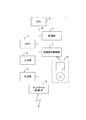
- FIG. 21 is a configuration diagram of an information processing apparatus (computer).
- the terminal 201 and the server 301 of the embodiment are realized by an information processing apparatus 1 as shown in FIG. 21, for example.
- the information processing apparatus 1 includes a CPU 2, a memory 3, an input unit 4, an output unit 5, a storage unit 6, a recording medium drive unit 7, and a network connection unit 8, which are connected to each other by a bus 9.
- the CPU 2 is a central processing unit that controls the entire information processing apparatus 1.
- the CPU 2 includes a terminal unique work key generation unit 211, a terminal unique work key restoration unit 231, an IP broadcast processing unit 251, an accumulated data decryption unit 271, a reproduction processing unit 299, a terminal unique information distribution unit 311, a terminal unique information restoration unit 331, This corresponds to the work key distribution unit 351 and the broadcast data distribution unit 361.
- the memory 3 is a Read Only Memory (ROM) or Random Access Memory (RAM) that temporarily stores a program or data stored in the storage unit 6 (or the portable recording medium 10) during program execution. It is memory.
- the CPU 2 executes the various processes described above by executing a program using the memory 3.
- the input unit 4 is, for example, a keyboard, a mouse, a touch panel, or the like.
- the output unit 5 is, for example, a display, a printer, or the like.
- the storage unit 6 is, for example, a magnetic disk device, an optical disk device, a tape device, or the like.
- the information processing apparatus 1 stores the above-described program and data in the storage unit 6 and reads them into the memory 3 and uses them as necessary.
- the memory 3 or the storage unit 6 corresponds to the nonvolatile storage area 281 and the storage units 291 and 371.
- the recording medium driving unit 7 drives the portable recording medium 10 and accesses the recorded contents.
- the portable recording medium any computer-readable recording medium such as a memory card, a flexible disk, a compact disk read only memory (CD-ROM), an optical disk, and a magneto-optical disk is used.
- the user stores the above-described program and data in the portable recording medium 10 and reads them into the memory 3 and uses them as necessary.
- the network connection unit 8 is connected to an arbitrary communication network such as a LAN, and performs data conversion accompanying communication.
Landscapes
- Engineering & Computer Science (AREA)
- Signal Processing (AREA)
- Computer Security & Cryptography (AREA)
- Multimedia (AREA)
- Computer Networks & Wireless Communication (AREA)
- Databases & Information Systems (AREA)
- Computer Graphics (AREA)
- Storage Device Security (AREA)
- Two-Way Televisions, Distribution Of Moving Picture Or The Like (AREA)
Abstract
データの暗号化に用いられるスクランブル鍵の暗号化に用いられる端末固有ワーク鍵の生成に用いられる端末固有情報の送信方法であって、サーバは、端末から、前記端末の端末固有公開鍵証明書を含む端末固有情報取得要求を受信し、前記端末固有情報の取得を許可しない端末の暗号化端末固有公開鍵証明書が記述された破棄済み端末情報テーブルを参照し、前記端末の暗号化端末固有公開鍵証明書が前記破棄済み端末情報テーブルに記述されているか否かチェックし、記述されていない場合、前記端末固有情報を前記端末に送信する。
Description
本発明は、端末固有情報の送信方法およびシステムに関する。
現在、ダウンロードコンテンツや放送コンテンツを内蔵ハードディスクドライブ(HDD)あるいは外部HDDに蓄積(ダビング)できる機能を持つ端末が利用されている。
それらの蓄積データは、受信した端末でしか再生できないようになっている。そうしないと、HDDに蓄積されたデータを無制限に複写して利用可能な端末が無制限に増えてしまう可能性があるからである。
それらの蓄積データは、受信した端末でしか再生できないようになっている。そうしないと、HDDに蓄積されたデータを無制限に複写して利用可能な端末が無制限に増えてしまう可能性があるからである。
しかしながら、受信した端末でしか再生できない場合、受信した端末が壊れてしまうと、ユーザは蓄積データの再生をあきらめなければならなかった。
その様な問題を解決するため、受信した端末が壊れてしまった場合、蓄積データを再生するために、従来は、サーバで端末毎の蓄積データ復元のための情報を利用者にくくりつけて管理しておき、端末が破損した場合でも、新しい端末でその蓄積データ再生のための情報をセンターから取得することにより蓄積データを再生可能としている。
その様な問題を解決するため、受信した端末が壊れてしまった場合、蓄積データを再生するために、従来は、サーバで端末毎の蓄積データ復元のための情報を利用者にくくりつけて管理しておき、端末が破損した場合でも、新しい端末でその蓄積データ再生のための情報をセンターから取得することにより蓄積データを再生可能としている。
しかしながら、従来の方式では、端末が破損していなくても別の端末で蓄積データの再生のための情報を取得することにより、蓄積データを再生可能な端末が不正に増加してしまう問題があった。
また、新しい端末が蓄積データの再生のための情報を取得中に破損してしまった場合、ユーザは、蓄積データの再生のための情報の取得をあきらめるか、サーバはユーザの不正を覚悟した上で蓄積データの再生のための情報を送信しなければならなかった。
1つの側面では、本発明の課題は、蓄積データを利用可能な端末が不正に増加することを抑止することを目的とするである。
実施の形態の方法は、データの暗号化に用いられるスクランブル鍵の暗号化に用いられる端末固有ワーク鍵の生成に用いられる端末固有情報の送信方法である。
サーバは、端末から、前記端末の端末固有公開鍵証明書を含む端末固有情報取得要求を受信し、前記端末の端末固有公開鍵証明書を暗号化して、暗号化端末固有公開鍵証明書を生成する。そして、サーバは、前記端末固有情報の取得を許可しない端末の暗号化端末固有公開鍵証明書が記述された破棄済み端末情報テーブルを参照し、生成された暗号化端末固有公開鍵証明書が前記破棄済み端末情報テーブルに記述されているか否かチェックし、記述されていない場合、前記端末の前記端末固有情報を前記端末に送信する。
サーバは、端末から、前記端末の端末固有公開鍵証明書を含む端末固有情報取得要求を受信し、前記端末の端末固有公開鍵証明書を暗号化して、暗号化端末固有公開鍵証明書を生成する。そして、サーバは、前記端末固有情報の取得を許可しない端末の暗号化端末固有公開鍵証明書が記述された破棄済み端末情報テーブルを参照し、生成された暗号化端末固有公開鍵証明書が前記破棄済み端末情報テーブルに記述されているか否かチェックし、記述されていない場合、前記端末の前記端末固有情報を前記端末に送信する。
実施の形態の方法によれば、蓄積データを利用可能な端末が不正に増加することを抑止できる。
以下、図面を参照しながら実施の形態を説明する。
図1は、実施の形態に係るシステムの構成図である。
システム101は、端末201およびサーバ301を備える。
図1は、実施の形態に係るシステムの構成図である。
システム101は、端末201およびサーバ301を備える。
端末201とサーバ301は、有線または無線のネットワークを介して接続されている。
端末201は、放送データの受信、蓄積、再生等を行う装置である。端末201は、例えば、パーソナルコンピュータ、携帯電話、携帯端末、または映像録画装置などである。
端末201は、放送データの受信、蓄積、再生等を行う装置である。端末201は、例えば、パーソナルコンピュータ、携帯電話、携帯端末、または映像録画装置などである。
端末201は、端末固有ワーク鍵生成部211、端末固有ワーク鍵復元部231、Internet Protocol(IP)放送処理部251、蓄積データ復号部271、不揮発記憶域281、および記憶部291、および再生処理部299を備える。
端末固有ワーク鍵生成部211は、端末固有ワーク鍵を生成する。
端末固有ワーク鍵復元部231は、端末固有ワーク鍵を復元する。
IP放送処理部251は、IP放送(放送データ)を受信し、放送データの復号、放送データの再暗号化や記憶部への格納を行う。
端末固有ワーク鍵復元部231は、端末固有ワーク鍵を復元する。
IP放送処理部251は、IP放送(放送データ)を受信し、放送データの復号、放送データの再暗号化や記憶部への格納を行う。
蓄積データ復号部271は、記憶部291に格納された暗号化データを復号する。
不揮発記憶域281は、データを格納する不揮発性の記憶装置または記憶媒体である。不揮発記憶域281は、例えば、磁気ディスク装置(ハードディスクドライブ)、半導体記憶装置等である。
不揮発記憶域281は、データを格納する不揮発性の記憶装置または記憶媒体である。不揮発記憶域281は、例えば、磁気ディスク装置(ハードディスクドライブ)、半導体記憶装置等である。
記憶部291は、データを格納する記憶装置または記憶媒体である。記憶部291は、例えば、磁気ディスク装置(ハードディスクドライブ)、半導体記憶装置、またはメモリカード等である。記憶部291は、端末201から着脱可能であり、他の端末に接続することが出来る。
再生処理部299は、復号されたデータを再生処理する。
サーバ301は、端末固有情報配信部311、端末固有情報復元部331、ワーク鍵配信部351、放送データ配信部361、および記憶部371を備える。
サーバ301は、端末固有情報配信部311、端末固有情報復元部331、ワーク鍵配信部351、放送データ配信部361、および記憶部371を備える。
端末固有情報配信部311は、暗号化された端末固有情報を端末に送信する。端末固有情報は、端末ごとに異なる端末固有の情報である。
端末固有情報復元部331は、端末固有情報復元要求を受信し、端末201が破棄済みであるか否かの判定や暗号化された端末固有情報の送信などを行う。
端末固有情報復元部331は、端末固有情報復元要求を受信し、端末201が破棄済みであるか否かの判定や暗号化された端末固有情報の送信などを行う。
ワーク鍵配信部351は、ワーク鍵を端末201に送信する。
放送データ配信部361は、放送データを端末201に送信する。放送データは、暗号化TS/TTSおよび暗号化ECMを含む。
記憶部371は、データを格納する記憶装置である。記憶部371は、例えば、磁気ディスク装置(ハードディスクドライブ)、半導体記憶装置等である。
放送データ配信部361は、放送データを端末201に送信する。放送データは、暗号化TS/TTSおよび暗号化ECMを含む。
記憶部371は、データを格納する記憶装置である。記憶部371は、例えば、磁気ディスク装置(ハードディスクドライブ)、半導体記憶装置等である。
図2は、実施の形態に係る端末の詳細な構成図である。
図2では、放送データの受信、蓄積、および蓄積データの再生に関連する構成要素について記載され、それ以外の構成要素については省略されている。
以下の説明において、図面において同一の符号を付したものは同一の物及び同様の効果を奏するものであるから、説明を省略する場合がある。
図2では、放送データの受信、蓄積、および蓄積データの再生に関連する構成要素について記載され、それ以外の構成要素については省略されている。
以下の説明において、図面において同一の符号を付したものは同一の物及び同様の効果を奏するものであるから、説明を省略する場合がある。
IP放送処理部251は、ワーク鍵取得部252、放送データ受信部253、ECM復号部254、TS/TTS復号部255、蓄積用ECM生成部256、TS/TTS再暗号化部257、およびECM再暗号化部258を備える。
ワーク鍵取得部252は、ワーク鍵配信部351からワーク鍵282を取得し、不揮発記憶域281に格納する。
放送データ受信部253は、放送データ配信部361から放送データを受信する。
放送データ受信部253は、放送データ配信部361から放送データを受信する。
放送データは、暗号化Transport Stream(TS)/Timestamped TS(TTS)259および暗号化Entitlement Control Message(ECM)260を含む。
暗号化TS/TTS259は、TS形式またはTTS形式のデータ(TS/TTS)をスクランブル鍵で暗号化したものである。
暗号化TS/TTS259は、TS形式またはTTS形式のデータ(TS/TTS)をスクランブル鍵で暗号化したものである。
暗号化ECM260は、ワーク鍵IDと暗号化スクランブル鍵を含む。ワーク鍵IDは、スクランブル鍵の暗号化に用いられたワーク鍵を示す識別子である。暗号化スクランブル鍵は、スクランブル鍵をワーク鍵で暗号化したものである。
放送データ受信部253は、暗号化ECM260をECM復号部254、暗号化TS/TTS259をTS/TTS復号部255にそれぞれに出力する。
ECM復号部254は、ワーク鍵IDで示されるワーク鍵282を用いて暗号化ECM260を復号(詳細には、暗号化スクランブル鍵を復号)し、ECM261をTS/TTS復号部255および蓄積用ECM生成部256に出力する。ECM261は、ワーク鍵IDと復号されたスクランブル鍵を含む。
ECM復号部254は、ワーク鍵IDで示されるワーク鍵282を用いて暗号化ECM260を復号(詳細には、暗号化スクランブル鍵を復号)し、ECM261をTS/TTS復号部255および蓄積用ECM生成部256に出力する。ECM261は、ワーク鍵IDと復号されたスクランブル鍵を含む。
TS/TTS復号部255は、暗号化TS/TTS259をECM261に含まれるスクランブル鍵を用いて復号し、TS/TTS262を再生処理部299およびTS/TTS再暗号化部257に出力する。
蓄積用ECM生成部256は、新たに生成したスクランブル鍵(蓄積用スクランブル鍵)と端末固有ワーク鍵221を示すワーク鍵ID(端末固有ワーク鍵ID)を含むECM263を生成する。生成されたECM263は、蓄積用ECM263と呼ぶ。端末固有ワーク鍵IDは、端末固有ワーク鍵221または端末固有ワーク鍵221を暗号化した暗号化端末固有ワーク鍵293を示す識別子である。
TS/TTS再暗号化部257は、蓄積用スクランブル鍵を用いてTS/TTS262を暗号化し、暗号化TS/TTS295を記憶部291に格納する。記憶部291に格納された暗号化TS/TTS295は、蓄積用TS/TTS295とも呼ぶ。
ECM再暗号化部258は、蓄積用ECM263を端末固有ワーク鍵IDが示す端末固有ワーク鍵221を用いて暗号化し、暗号化ECM294を記憶部291に格納する。詳細には、ECM再暗号化部258は、蓄積用ECM263に含まれる蓄積用スクランブル鍵を端末固有ワーク鍵221を用いて暗号化する。暗号化ECM294は、端末固有ワーク鍵IDと暗号化スクランブル鍵(暗号化された蓄積用スクランブル鍵)を含む。尚、記憶部291に格納された暗号化ECM294は、蓄積ECM294と呼称する場合がある。
端末固有ワーク鍵生成部211は、端末固有情報取得処理部212、端末固有ワーク鍵生成処理部213、端末証明書暗号化鍵生成部214、端末固有ワーク鍵暗号化部215、端末証明書暗号化部216、および暗号化端末固有ワーク鍵管理部217を備える。
端末固有情報取得処理部212は、サーバ301から暗号化端末固有情報219および暗号化期限情報220を取得する。
端末固有ワーク鍵生成処理部213は、端末固有ワーク鍵221を生成する。
端末固有ワーク鍵生成処理部213は、端末固有ワーク鍵221を生成する。
端末証明書暗号化鍵生成部214は、端末証明書暗号化鍵285を生成する。
端末固有ワーク鍵暗号化部215は、端末固有ワーク鍵221を暗号化し、暗号化端末固有ワーク鍵293を記憶部291に格納する。
端末固有ワーク鍵暗号化部215は、端末固有ワーク鍵221を暗号化し、暗号化端末固有ワーク鍵293を記憶部291に格納する。
端末証明書暗号化部216は、端末固有公開鍵証明書284を暗号化し、暗号化端末固有公開鍵証明書292を記憶部291に格納する。
暗号化端末固有ワーク鍵管理部217は、暗号化端末固有ワーク鍵293を管理する。
暗号化端末固有ワーク鍵管理部217は、暗号化端末固有ワーク鍵293を管理する。
不揮発記憶域281は、ワーク鍵282、端末固有秘密鍵283、端末固有公開鍵証明書284、および端末証明書暗号化鍵285を格納する。端末固有秘密鍵283は、端末ごとに異なる端末固有の秘密鍵である。端末固有公開鍵証明書284は、端末ごとに異なる端末固有の公開鍵の証明書である。端末固有公開鍵証明書284は、端末201の公開鍵を含む。
記憶部291は、暗号化端末固有公開鍵証明書292、暗号化端末固有ワーク鍵293、暗号化ECM294、および暗号化TS/TTS295を格納する。
蓄積データ復号部271は、蓄積ECM復号部272およびTS/TTS復号部273を備える。
蓄積データ復号部271は、蓄積ECM復号部272およびTS/TTS復号部273を備える。
蓄積ECM復号部272は、記憶部291に格納された暗号化ECM294を復号し、ECM274をTS/TTS復号部273に出力する。
TS/TTS復号部273は、記憶部291に格納された暗号化TS/TTS295をECM274のスクランブル鍵で復号し、TS/TTS275を再生処理部299に出力する。
再生処理部299は、TS/TTS262、275のデコードやデジタル/アナログ変換処理などを行い、データを再生する。
TS/TTS復号部273は、記憶部291に格納された暗号化TS/TTS295をECM274のスクランブル鍵で復号し、TS/TTS275を再生処理部299に出力する。
再生処理部299は、TS/TTS262、275のデコードやデジタル/アナログ変換処理などを行い、データを再生する。
図3は、実施の形態に係るIP放送の受信・再生・蓄積処理のフローチャートである。
ここで、端末201は、サーバ301から受信対象チャネルの放送データを受信しているものとする。
ここで、端末201は、サーバ301から受信対象チャネルの放送データを受信しているものとする。
ステップS501において、ECM復号部254は、受信対象チャネルのワーク鍵IDを取得する。尚、ワーク鍵IDは、受信された暗号化ECM260に含まれている。
ステップS502において、ECM復号部254は、取得したワーク鍵IDに対応するワーク鍵282を不揮発記憶域281から検索する。
ステップS502において、ECM復号部254は、取得したワーク鍵IDに対応するワーク鍵282を不揮発記憶域281から検索する。
ステップS503において、ワーク鍵282が存在する場合、制御はステップS505に進み、存在しない場合、制御はステップS504に進む。
ステップS504において、ワーク鍵取得部252は、ワーク鍵配信部351からワーク鍵を取得し、不揮発記憶域281に格納する。
ステップS504において、ワーク鍵取得部252は、ワーク鍵配信部351からワーク鍵を取得し、不揮発記憶域281に格納する。
ステップS505において、暗号化端末固有ワーク鍵管理部217は、端末固有ワーク鍵IDに対応する暗号化端末固有ワーク鍵293が記憶部291に存在するか否か検索する。
ステップS506において、暗号化端末固有ワーク鍵が存在する場合、制御はステップS510に進み、暗号化端末固有ワーク鍵が存在しない場合、制御はステップS507に進む。
ステップS507において、端末固有ワーク鍵生成部211は、生成する端末固有ワーク鍵を示すワーク鍵IDを指定して、端末固有ワーク鍵を生成する。端末固有ワーク鍵は、後述の端末固有ワーク鍵生成処理のステップS525~S532の処理により生成される。
ステップS508において、端末固有ワーク鍵の生成が正常に終了した場合、制御はステップS510に進み、正常に終了しなかった場合、制御はステップS509に進む。
ステップS509において、IP放送処理部251は、エラーをユーザに通知し、処理を終了する。
ステップS509において、IP放送処理部251は、エラーをユーザに通知し、処理を終了する。
ステップS510において、暗号化端末固有ワーク鍵管理部217は、暗号化端末固有ワーク鍵293を端末証明書暗号化鍵285を用いて復号し、端末固有ワーク鍵をECM再暗号化部258に出力する。
ステップS511において、IP放送処理部251は、放送データの復号処理および蓄積処理を行う。詳細には、ECM復号部254は、受信対象チャネルのワーク鍵IDに対応するワーク鍵282を用いて暗号化ECM260を復号(詳細には、暗号化ECM260に含まれる暗号化スクランブル鍵を復号)し、ECM261をTS/TTS復号部255および蓄積用ECM生成部256に出力する。
蓄積用ECM生成部256は、新たに生成したスクランブル鍵(蓄積用スクランブル鍵)と端末固有ワーク鍵221を示す端末固有ワーク鍵IDを含む蓄積用ECM263を生成する。
ECM再暗号化部258は、蓄積用ECM263を端末固有ワーク鍵221を用いて暗号化(詳細には、蓄積用ECM263に含まれる蓄積用スクランブル鍵を暗号化)し、暗号化ECM294を記憶部291に格納する。
TS/TTS復号部255は、暗号化TS/TTS259をECM261に含まれるスクランブル鍵を用いて復号し、TS/TTS262を再生処理部299およびTS/TTS再暗号化部257に出力する。
再生処理部299は、TS/TTS262のデコードやデジタル/アナログ変換処理などを行い、データを再生する。
TS/TTS再暗号化部257は、蓄積用ECM263に含まれる蓄積用スクランブル鍵を用いてTS/TTS262を暗号化し、暗号化TS/TTS295を記憶部291に格納する。
TS/TTS再暗号化部257は、蓄積用ECM263に含まれる蓄積用スクランブル鍵を用いてTS/TTS262を暗号化し、暗号化TS/TTS295を記憶部291に格納する。
図4は、実施の形態に係る端末固有ワーク鍵生成処理のフローチャートである。
ステップS521において、端末固有ワーク鍵生成部211は、不揮発記憶域281から端末証明書暗号化鍵285を読み出す。
ステップS521において、端末固有ワーク鍵生成部211は、不揮発記憶域281から端末証明書暗号化鍵285を読み出す。
ステップS522において、端末固有ワーク鍵生成部211は、指定されたワーク鍵IDに対応する暗号化端末固有ワーク鍵293を端末証明書暗号化鍵285を用いて復号する。
ステップS523において、端末固有ワーク鍵生成部211は、端末固有ワーク鍵221の期限情報を参照し、端末固有ワーク鍵221の期限情報と端末時刻と比較し、端末固有ワーク鍵221が期限切れであるか否か判定する。端末時刻は、端末201に設定されている時刻であり、現在の時刻である。期限情報には、端末固有ワーク鍵221の有効期限を示す終了時刻が含まれており、終了時刻が端末時刻を過ぎているか否かで、端末固有ワーク鍵221が期限切れであるか否か判定される。
ステップS524において、端末固有ワーク鍵221が期限切れの場合、処理は終了し、期限切れで無い場合、制御はステップS525に進む。
ステップS525において、端末固有情報取得処理部212は、端末固有公開鍵証明書284を指定して、端末固有情報取得処理を実行する。尚、端末固有情報取得処理の詳細は後述する。
ステップS525において、端末固有情報取得処理部212は、端末固有公開鍵証明書284を指定して、端末固有情報取得処理を実行する。尚、端末固有情報取得処理の詳細は後述する。
ステップS526において、端末固有情報取得処理でエラーが応答された場合、制御はステップS527に進み、エラーが応答されなかった場合、制御はステップS528に進む。
ステップS527において、端末固有ワーク鍵生成部211は、エラーを応答する。
ステップS528において、端末固有ワーク鍵生成処理部213は、端末固有情報取得処理によりサーバ301から受信した暗号化端末固有情報219と暗号化期限情報220を端末固有秘密鍵283を用いて復号する。
ステップS528において、端末固有ワーク鍵生成処理部213は、端末固有情報取得処理によりサーバ301から受信した暗号化端末固有情報219と暗号化期限情報220を端末固有秘密鍵283を用いて復号する。
ステップS529において、端末固有ワーク鍵生成処理部213は、端末固有情報、期限情報、および指定されたワーク鍵IDから端末固有ワーク鍵221を生成する。詳細には、端末固有ワーク鍵生成処理部213は、端末固有情報および指定されたワーク鍵IDを用いて鍵情報を生成する。鍵情報は、端末固有情報および指定されたワーク鍵IDから生成される一意な値である。鍵情報は、例えば、端末固有情報および指定されたワーク鍵IDを暗号化したデータである。そして、端末固有ワーク鍵生成処理部213は、鍵情報に期限情報を付加し、期限情報が付加された鍵情報を端末固有ワーク鍵221とする。
ステップS530において、端末証明書暗号化鍵生成部214は、サーバ301から受信したサーバ公開鍵証明書内の公開鍵と端末固有秘密鍵283からDiffie-Hellman(DH)方式により、共用鍵を生成する。そして、端末証明書暗号化鍵生成部214は、共用鍵を端末証明書暗号化鍵285として不揮発記憶域281に格納する。
ステップS531において、端末固有ワーク鍵暗号化部215は、端末固有ワーク鍵221を端末証明書暗号化鍵285を用いて暗号化し、暗号化端末固有ワーク鍵293を記憶部291に格納する。
ステップS532において、端末証明書暗号化部216は、端末固有公開鍵証明書284を端末証明書暗号化鍵285を用いて暗号化し、暗号化端末固有公開鍵証明書292を記憶部291に格納する。
図5は、実施の形態に係る端末固有情報取得処理の詳細なフローチャートである。
図5のフローチャートは、図4のステップS525に対応する。
ステップS541において、端末固有情報取得処理部212は、不揮発記憶域281から端末固有公開鍵証明書284を読み出す。
図5のフローチャートは、図4のステップS525に対応する。
ステップS541において、端末固有情報取得処理部212は、不揮発記憶域281から端末固有公開鍵証明書284を読み出す。
ステップS542において、端末固有情報取得処理部212は、端末固有公開鍵証明書284を指定してサーバ301にサーバ公開鍵証明書取得要求を送信する。
ステップS543において、サーバ301からエラー応答を受信した場合、制御はステップS544に進み、エラー応答を受信しない場合、制御はステップS545に進む。
ステップS543において、サーバ301からエラー応答を受信した場合、制御はステップS544に進み、エラー応答を受信しない場合、制御はステップS545に進む。
ステップS544において、端末固有情報取得処理部212は、エラーを応答する。
ステップS545において、端末固有情報取得処理部212は、サーバ301から受信した暗号化サーバ公開鍵証明書を端末固有秘密鍵283を用いて復号し、サーバ公開鍵証明書を不揮発記憶域281に格納する。サーバ公開鍵証明書は、サーバの公開鍵の証明書であり、サーバの公開鍵(サーバ公開鍵)を含む。
ステップS545において、端末固有情報取得処理部212は、サーバ301から受信した暗号化サーバ公開鍵証明書を端末固有秘密鍵283を用いて復号し、サーバ公開鍵証明書を不揮発記憶域281に格納する。サーバ公開鍵証明書は、サーバの公開鍵の証明書であり、サーバの公開鍵(サーバ公開鍵)を含む。
ステップS546において、端末固有情報取得処理部212は、ユーザ認証情報226をサーバ公開鍵証明書の公開鍵を用いて暗号化し、ワンタイムパスワード取得要求を作成する。ワンタイムパスワード取得要求には、暗号化されたユーザ認証情報が含まれる。尚、使用されるユーザ認証情報226は、処理開始時に入力パラメータとして指定される。
ステップS547において、端末固有情報取得処理部212は、サーバ301にワンタイムパスワード取得要求を送信する。
ステップS548において、端末固有情報取得処理部212は、サーバ301からエラー応答を受信した場合、制御はステップS549に進み、エラー応答を受信しない場合、制御はステップS550に進む。
ステップS548において、端末固有情報取得処理部212は、サーバ301からエラー応答を受信した場合、制御はステップS549に進み、エラー応答を受信しない場合、制御はステップS550に進む。
ステップS549において、端末固有情報取得処理部212は、エラーを応答する。
ステップS550において、端末固有情報取得処理部212は、サーバ301から暗号化ワンタイムパスワードを受信する。
ステップS550において、端末固有情報取得処理部212は、サーバ301から暗号化ワンタイムパスワードを受信する。
ステップS551において、端末固有情報取得処理部212は、暗号化ワンタイムパスワードを端末固有秘密鍵283を用いて復号する。
ステップS552において、端末固有情報取得処理部212は、ワンタイムパスワードと端末固有公開鍵証明書284をサーバ公開鍵証明書の公開鍵を用いて暗号化し、端末固有情報取得要求を作成する。すなわち、端末固有情報取得要求には、暗号化されたワンタイムパスワード(暗号化ワンタイムパスワード)と暗号化された端末固有公開鍵証明書(暗号化端末固有公開鍵証明書)が含まれる。
ステップS552において、端末固有情報取得処理部212は、ワンタイムパスワードと端末固有公開鍵証明書284をサーバ公開鍵証明書の公開鍵を用いて暗号化し、端末固有情報取得要求を作成する。すなわち、端末固有情報取得要求には、暗号化されたワンタイムパスワード(暗号化ワンタイムパスワード)と暗号化された端末固有公開鍵証明書(暗号化端末固有公開鍵証明書)が含まれる。
ステップS553において、端末固有情報取得処理部212は、端末固有情報取得要求をサーバ301に送信する。
ステップS554において、端末固有情報取得処理部212は、サーバ301からエラー応答を受信した場合、制御はステップS555に進み、エラー応答を受信しない場合、制御はステップS556に進む。
ステップS554において、端末固有情報取得処理部212は、サーバ301からエラー応答を受信した場合、制御はステップS555に進み、エラー応答を受信しない場合、制御はステップS556に進む。
ステップS555において、端末固有情報取得処理部212は、エラーを応答する。
ステップS556において、端末固有情報取得処理部212は、サーバ301から暗号化端末固有情報219および暗号化期限情報220を受信する。
ステップS556において、端末固有情報取得処理部212は、サーバ301から暗号化端末固有情報219および暗号化期限情報220を受信する。
次に、記憶部291に格納された暗号化TS/TTS(蓄積データ)295の再生処理について説明する。
図6は、実施の形態に係る蓄積データ再生処理のフローチャートである。
図6は、実施の形態に係る蓄積データ再生処理のフローチャートである。
ステップS561において、蓄積ECM復号部272は、再生対象の暗号化TS/TTS295に対応する暗号化ECM294を特定する。すなわち、蓄積ECM復号部272は、暗号化TS/TTS295の暗号化に用いられたスクランブル鍵を含む暗号化ECM294を特定する。
ステップS562において、蓄積ECM復号部272は、特定された暗号化ECM294を指定して蓄積ECM復号処理を行い、復号されたECM274をTS/TTS復号部273に出力する。尚、蓄積ECM復号処理の詳細については後述する。
ステップS563において、TS/TTS復号部273は、暗号化TS/TTS295をECM274のスクランブル鍵で復号し、TS/TTS275を再生処理部に299に出力する。
ステップS564において、再生処理部299は、TS/TTS275のデコードやデジタル/アナログ変換処理などを行い、データを再生する。
ステップS564において、再生処理部299は、TS/TTS275のデコードやデジタル/アナログ変換処理などを行い、データを再生する。
図7は、実施の形態に係る蓄積ECM復号処理のフローチャートである。
図7のフローチャートは、図6のステップS562に対応する。
ステップS571において、蓄積ECM復号部272は、指定された暗号化ECM294に含まれるワーク鍵IDを取得する。
図7のフローチャートは、図6のステップS562に対応する。
ステップS571において、蓄積ECM復号部272は、指定された暗号化ECM294に含まれるワーク鍵IDを取得する。
ステップS572において、蓄積ECM復号部272は、取得したワーク鍵IDに対応する暗号化端末固有ワーク鍵293が記憶部291に存在するか否か検索する。
ステップS573において、蓄積ECM復号部272は、暗号化端末固有ワーク鍵293が存在する場合、制御はステップS575に進み、存在しない場合、制御はステップS574に進む。
ステップS573において、蓄積ECM復号部272は、暗号化端末固有ワーク鍵293が存在する場合、制御はステップS575に進み、存在しない場合、制御はステップS574に進む。
ステップS574において、蓄積ECM復号部272は、エラーを応答する。
ステップS575において、蓄積ECM復号部272は、取得したワーク鍵IDを指定して端末固有ワーク鍵生成処理を実行し、端末証明書暗号化鍵285を取得する。端末固有ワーク鍵生成処理は、図4で説明した通りである。
ステップS575において、蓄積ECM復号部272は、取得したワーク鍵IDを指定して端末固有ワーク鍵生成処理を実行し、端末証明書暗号化鍵285を取得する。端末固有ワーク鍵生成処理は、図4で説明した通りである。
ステップS576において、端末固有ワーク鍵生成処理において、正常終了した(エラーが応答されなかった)場合、制御はステップS578に進み、正常終了しなかった(エラーが応答された)場合、制御はステップS577に進む。
ステップS577において、蓄積ECM復号部272は、エラーを応答する。
ステップS578において、蓄積ECM復号部272は、暗号化端末固有ワーク鍵293を端末証明書暗号化鍵285を用いて復号し、端末固有ワーク鍵211を取得する。
ステップS578において、蓄積ECM復号部272は、暗号化端末固有ワーク鍵293を端末証明書暗号化鍵285を用いて復号し、端末固有ワーク鍵211を取得する。
ステップS579において、蓄積ECM復号部272は、指定された暗号化ECM294を端末固有ワーク鍵221を用いて復号する。詳細には、蓄積ECM復号部272は、指定された暗号化ECM294に含まれる暗号化スクランブル鍵を端末固有ワーク鍵221の鍵情報を用いて復号する。蓄積ECM復号部272は、復号されたスクランブル鍵を含むECM274をTS/TTS復号部273に出力する。
次に、端末固有情報取得処理時のサーバ側の処理(端末固有情報配信処理)について説明する。
図8は、実施の形態に係るサーバの詳細な構成図である。
図8は、実施の形態に係るサーバの詳細な構成図である。
図8では、端末固有情報の配信に関連する構成要素について記載され、それ以外の構成要素については省略されている。
端末固有情報配信部311は、ユーザ認証部312、ユーザ管理部313、端末固有情報管理部314、端末固有情報検索・生成部315、および端末固有情報暗号化部316を備える。
端末固有情報配信部311は、ユーザ認証部312、ユーザ管理部313、端末固有情報管理部314、端末固有情報検索・生成部315、および端末固有情報暗号化部316を備える。
ユーザ認証部312は、暗号化ユーザ認証情報を復号する。
ユーザ管理部313は、ユーザ認証を行う。
端末固有情報管理部314は、端末固有情報管理テーブル372および破棄済端末固有情報管理テーブル373へのデータの書き込み、削除等を行う。
ユーザ管理部313は、ユーザ認証を行う。
端末固有情報管理部314は、端末固有情報管理テーブル372および破棄済端末固有情報管理テーブル373へのデータの書き込み、削除等を行う。
端末固有情報検索・生成部315は、端末固有情報管理テーブル372の検索やレコードの生成等を行う。
端末固有情報暗号化部316は、端末固有情報322、期限情報323、およびサーバ公開鍵証明書324を暗号化し、暗号化端末固有情報219、暗号化期限情報220、および暗号化サーバ公開鍵証明書325を生成する。
端末固有情報暗号化部316は、端末固有情報322、期限情報323、およびサーバ公開鍵証明書324を暗号化し、暗号化端末固有情報219、暗号化期限情報220、および暗号化サーバ公開鍵証明書325を生成する。
記憶部371は、端末固有情報管理テーブル372および破棄済端末固有情報管理テーブル373を有する。
図9は、端末固有情報管理テーブルの例である。
図9は、端末固有情報管理テーブルの例である。
端末固有情報管理テーブル372には、暗号化端末固有公開鍵証明書、復元先端末証明書リスト、端末固有情報、期限情報が対応付けられて記述されている。
暗号化端末固有公開鍵証明書は、暗号化された端末固有の公開鍵の証明書である。
暗号化端末固有公開鍵証明書は、暗号化された端末固有の公開鍵の証明書である。
復元先端末証明書リストは、過去に端末固有ワーク鍵復元処理を行った端末を示す情報である。尚、復元先端末証明書リストの詳細については後述する。
端末固有情報は、端末固有公開鍵証明書から生成される端末固有の情報である。
端末固有情報は、端末固有公開鍵証明書から生成される端末固有の情報である。
期限情報は、端末固有ワーク鍵の有効期限の開始時刻と終了時刻を示す。
図10は、端末固有情報管理テーブルの復元先端末証明書リストの例である。
復元先端末証明書リストは、過去に端末固有ワーク鍵復元処理を行った端末の端末固有公開鍵証明書と電子署名を含む。
図10は、端末固有情報管理テーブルの復元先端末証明書リストの例である。
復元先端末証明書リストは、過去に端末固有ワーク鍵復元処理を行った端末の端末固有公開鍵証明書と電子署名を含む。
過去に端末固有ワーク鍵復元処理を行った端末の端末固有公開鍵証明書は、端末固有ワーク鍵復元処理を行った順に先頭から配置される。
復元先端末証明書リストの最後尾には、電子署名として、最後の端末固有公開鍵証明書の端末の秘密鍵で過去に端末固有ワーク鍵復元処理を行った端末の端末固有公開鍵証明書を署名した値が記述されている。
復元先端末証明書リストの最後尾には、電子署名として、最後の端末固有公開鍵証明書の端末の秘密鍵で過去に端末固有ワーク鍵復元処理を行った端末の端末固有公開鍵証明書を署名した値が記述されている。
図10の復元先端末証明書リストは、端末Aおよび端末Bの端末固有公開鍵証明書と端末Bの端末固有秘密鍵で端末AおよびBの端末固有公開鍵証明書を署名した電子署名で構成されている。
図11は、破棄済端末固有情報管理テーブルの例である。
破棄済端末固有情報管理テーブル373には、破棄済みとなった端末に対応する暗号化端末固有公開鍵証明書が記述されている。すなわち、破棄済端末固有情報管理テーブル373には、端末固有情報の取得を許可しない端末に対応する暗号化端末固有公開鍵証明書が記述されている。
破棄済端末固有情報管理テーブル373には、破棄済みとなった端末に対応する暗号化端末固有公開鍵証明書が記述されている。すなわち、破棄済端末固有情報管理テーブル373には、端末固有情報の取得を許可しない端末に対応する暗号化端末固有公開鍵証明書が記述されている。
図12は、実施の形態に係る端末固有情報配信処理のフローチャートである。
ステップS601において、端末固有情報配信部311は、端末201から要求を受信する。
ステップS601において、端末固有情報配信部311は、端末201から要求を受信する。
ステップS602において、端末固有情報配信部311は、要求がサーバ公開鍵証明書取得要求であるか否か判定する。要求がサーバ公開鍵証明書取得要求である場合、制御はステップS603に進み、サーバ公開鍵証明書取得要求でない場合、制御はステップS605に進む。
ステップS603において、端末固有情報暗号化部316は、サーバ公開鍵証明書324をサーバ公開鍵証明書取得要求で指定された端末固有公開鍵証明書の公開鍵で暗号化し、暗号化サーバ公開鍵証明書325を作成する。
ステップS604において、端末固有情報暗号化部316は、暗号化サーバ公開鍵証明書を端末201に送信する。
ステップS605において、端末固有情報配信部311は、要求がワンタイムパスワード取得要求であるか否か判定する。要求がワンタイムパスワード取得要求である場合、制御はステップS606に進み、ワンタイムパスワード取得要求でない場合、制御はステップS611に進む。なお、要求がワンタイムパスワード取得要求でない場合、端末から受信した要求は、端末固有情報取得要求である。
ステップS605において、端末固有情報配信部311は、要求がワンタイムパスワード取得要求であるか否か判定する。要求がワンタイムパスワード取得要求である場合、制御はステップS606に進み、ワンタイムパスワード取得要求でない場合、制御はステップS611に進む。なお、要求がワンタイムパスワード取得要求でない場合、端末から受信した要求は、端末固有情報取得要求である。
ステップS606において、ユーザ認証部312は、ワンタイムパスワード要求に含まれる暗号化ユーザ認証情報をサーバ秘密鍵を用いて復号し、ユーザ認証情報226を取得する。
ステップS607において、ユーザ管理部313は、ユーザ認証情報をチェックし、ユーザ認証を行う。ユーザ認証がエラーの場合、制御はステップS608に進み、ユーザ認証がエラーでない場合、制御はステップS609に進む。
ステップS608において、端末固有情報配信部311は、エラー応答を端末201に送信する。
ステップS609において、端末固有情報配信部311は、ワンタイムパスワードを生成し、端末固有公開鍵証明書の公開鍵で暗号化し、暗号化ワンタイムパスワードを作成する。
ステップS609において、端末固有情報配信部311は、ワンタイムパスワードを生成し、端末固有公開鍵証明書の公開鍵で暗号化し、暗号化ワンタイムパスワードを作成する。
ステップS610において、端末固有情報配信部311は、暗号化ワンタイムパスワードを端末201に送信する。
ステップS611において、ユーザ認証部312は、端末固有情報取得要求をサーバ秘密鍵を用いて復号し、ワンタイムパスワードおよび端末固有公開鍵証明書284を取得する。そして、ユーザ認証部312は、ワンタイムパスワードが期限切れであるかチェックする。
ステップS611において、ユーザ認証部312は、端末固有情報取得要求をサーバ秘密鍵を用いて復号し、ワンタイムパスワードおよび端末固有公開鍵証明書284を取得する。そして、ユーザ認証部312は、ワンタイムパスワードが期限切れであるかチェックする。
ステップS612において、ワンタイムパスワードが期限切れである場合、制御はステップS613に進み、期限切れでない場合、制御はステップS614に進む。
ステップS613において、端末固有情報配信部311は、エラー応答を端末201に送信する。
ステップS613において、端末固有情報配信部311は、エラー応答を端末201に送信する。
ステップS614において、端末固有情報検索・生成部315は、暗号化端末固有公開鍵証明書321を生成する。詳細には、端末固有情報検索・生成部315は、端末固有公開鍵証明書284の公開鍵とサーバ秘密鍵からDiffie-Hellman(DH)方式により、共用鍵を生成する。端末固有情報検索・生成部315は、生成した共用鍵を端末証明書暗号化鍵とする。そして、端末固有情報検索・生成部315は、端末固有公開鍵証明書284を端末証明書暗号化鍵を用いて暗号化し、暗号化端末固有公開鍵証明書321を生成する。
ステップS615において、端末固有情報検索・生成部315は、破棄済端末固有情報管理テーブル373を参照し、暗号化端末固有公開鍵証明書321が破棄済み端末のものであるか、すなわち、破棄済端末固有情報管理テーブル373に暗号化端末固有公開鍵証明書321が記述されているかチェックする。破棄済端末固有情報管理テーブル373に暗号化端末固有公開鍵証明書321が記述されている場合、制御はステップS616に進み、記述されていない場合、制御はステップS617に進む。
ステップS616において、端末固有情報配信部311は、エラー応答を端末201に送信する。
ステップS617において、端末固有情報検索・生成部315は、端末固有情報管理テーブル372から、生成された暗号化端末固有公開鍵証明書321が出現するレコードを検出する。
ステップS617において、端末固有情報検索・生成部315は、端末固有情報管理テーブル372から、生成された暗号化端末固有公開鍵証明書321が出現するレコードを検出する。
ステップS618において、端末固有情報検索・生成部315は、検出されたレコードに端末固有情報が登録(記述)されているか否か判定する。検出されたレコードに端末固有情報が登録されている場合、制御はステップS620に進み、登録されていない場合、制御はステップS619に進む。また、検出されたレコードに端末固有情報が登録されている場合、端末固有情報検索・生成部315は、検出されたレコードの端末固有情報と期限情報を端末固有情報暗号化部316に出力する。
ステップS619において、端末固有情報検索・生成部315は、端末固有公開鍵証明書と乱数から端末固有情報を作成し、期限情報を設定し、端末固有情報および期限情報を端末固有情報管理部314および端末固有情報暗号化部316に出力する。端末固有情報管理部314は、端末固有情報および期限情報を端末固有情報管理テーブル372に書き込む。尚、端末固有情報は、端末固有公開鍵証明書と乱数から生成される一意な値である。
ステップS620において、端末固有情報暗号化部316は、端末固有情報と期限情報を端末固有公開鍵証明書の公開鍵を用いて暗号化し、暗号化端末固有情報および暗号化期限情報を作成する。
ステップS621において、端末固有情報暗号化部316は、暗号化端末固有情報および暗号化期限情報を端末201に送信する。
次に端末固有ワーク鍵の復元について説明する。
次に端末固有ワーク鍵の復元について説明する。
端末が故障した場合、ユーザは、記憶部を故障した端末から取り外し、他の端末に接続する。若しくは、ユーザは、故障した端末の記憶部のデータを他の端末の記憶部にコピーする。
上述の蓄積データ再生処理で説明したように、蓄積データの再生には、端末固有ワーク鍵が必要となる。端末固有ワーク鍵を得るためには、暗号化端末固有ワーク鍵を端末証明書暗号化鍵を用いて復号する必要がある。
故障した端末から新たな端末に記憶部を移動させた場合、端末証明書暗号化鍵は、端末ごとに異なるため、記憶部に格納された暗号化端末固有ワーク鍵は、新たな端末で復号できない。
したがって、故障した端末から新たな端末に記憶部を移動させただけでは、記憶部に格納された蓄積データを再生することは出来ない。
新たな端末で、破損した端末で格納した蓄積データを再生するためには、新たな端末に対応した端末固有ワーク鍵が必要となる。
新たな端末で、破損した端末で格納した蓄積データを再生するためには、新たな端末に対応した端末固有ワーク鍵が必要となる。
したがって、ユーザは、記憶部を新たな端末に接続したときは、以下に説明するような端末固有ワーク鍵復元処理を新たな端末に実行させる。
それにより、記憶部に格納された暗号化端末固有ワーク鍵は、新たな端末で復号可能な暗号化端末固有ワーク鍵に更新される。
それにより、記憶部に格納された暗号化端末固有ワーク鍵は、新たな端末で復号可能な暗号化端末固有ワーク鍵に更新される。
図13は、実施の形態に係る端末の詳細な構成図である。
図13では、端末固有ワーク鍵の復元に関連する構成要素について記載され、それ以外の構成要素または説明済みの構成要素については省略されている。
図13では、端末固有ワーク鍵の復元に関連する構成要素について記載され、それ以外の構成要素または説明済みの構成要素については省略されている。
端末固有ワーク鍵復元部231は、端末固有情報復元処理部232、端末固有ワーク鍵生成処理部233、端末証明書暗号鍵生成部234、端末固有ワーク鍵暗号化部235、端末証明書暗号化部236、および復元要求生成部237を備える。
端末固有情報復元処理部232は、端末固有情報復元処理(端末側)を実行する。
端末固有ワーク鍵生成処理部233は、端末固有ワーク鍵242を生成する。
端末証明書暗号鍵生成部234は、端末証明書暗号化鍵285を生成する。
端末固有ワーク鍵生成処理部233は、端末固有ワーク鍵242を生成する。
端末証明書暗号鍵生成部234は、端末証明書暗号化鍵285を生成する。
端末固有ワーク鍵暗号化部235は、端末固有ワーク鍵242を端末証明書暗号化鍵285を用いて暗号化し、暗号化端末固有ワーク鍵293を記憶部291に格納する。
端末証明書暗号化部236は、端末固有公開鍵証明書284を端末証明書暗号化鍵285を用いて暗号化し、暗号化端末固有公開鍵証明書292を記憶部291に格納する。
端末証明書暗号化部236は、端末固有公開鍵証明書284を端末証明書暗号化鍵285を用いて暗号化し、暗号化端末固有公開鍵証明書292を記憶部291に格納する。
復元要求生成部237は、端末固有情報復元要求243を生成する。
不揮発記憶域281は、端末固有秘密鍵283、端末固有公開鍵証明書284、端末証明書暗号化鍵285を格納する。
不揮発記憶域281は、端末固有秘密鍵283、端末固有公開鍵証明書284、端末証明書暗号化鍵285を格納する。
記憶部291は、暗号化端末固有公開鍵証明書292、暗号化端末固有ワーク鍵293、暗号化ECM294、暗号化TS/TTS295、および復元先端末証明書リスト296を格納する。
図14は、復元先端末証明書リストの例である。
復元先端末証明書リスト296は、過去に端末固有ワーク鍵復元処理を行った端末の端末固有公開鍵証明書と電子署名を含む。
復元先端末証明書リスト296は、過去に端末固有ワーク鍵復元処理を行った端末の端末固有公開鍵証明書と電子署名を含む。
過去に端末固有ワーク鍵復元処理を行った端末の端末固有公開鍵証明書は、端末固有ワーク鍵復元処理を行った順に先頭から配置される。
復元先端末証明書リストの最後尾には、電子署名として、最後の端末固有公開鍵証明書の端末の秘密鍵(端末固有秘密鍵)で過去に端末固有ワーク鍵復元処理を行った端末の端末固有鍵証明書を署名した値が記述されている。
復元先端末証明書リストの最後尾には、電子署名として、最後の端末固有公開鍵証明書の端末の秘密鍵(端末固有秘密鍵)で過去に端末固有ワーク鍵復元処理を行った端末の端末固有鍵証明書を署名した値が記述されている。
図14の復元先端末証明書リストは、端末Aおよび端末Bの端末固有公開鍵証明書と端末Bの端末固有秘密鍵で端末AおよびBの端末固有公開鍵証明書を署名した電子署名で構成されている。
図15A、15B、および15Cは、実施の形態に係る端末固有ワーク鍵復元処理のフローチャートである。
ステップS701において、端末固有ワーク鍵復元部231は、不揮発記憶域281に端末証明書暗号化鍵285が存在するかチェックする。端末証明書暗号化鍵285が存在する場合、聖書はステップS702に進み、端末証明書暗号化鍵285が存在しない場合、制御はステップS712に進む。
ステップS701において、端末固有ワーク鍵復元部231は、不揮発記憶域281に端末証明書暗号化鍵285が存在するかチェックする。端末証明書暗号化鍵285が存在する場合、聖書はステップS702に進み、端末証明書暗号化鍵285が存在しない場合、制御はステップS712に進む。
ステップS702において、端末証明書暗号化部236は、端末固有公開鍵証明書284を端末証明書暗号化鍵285を用いて暗号化し、暗号化端末固有公開鍵証明書を生成する。
ステップS703において、端末固有ワーク鍵復元部231は、記憶部291に格納されている暗号化端末固有公開鍵証明書292とステップS702で生成された暗号化端末固有公開鍵証明書とが等しいか否か判定する。暗号化端末固有公開鍵証明書292とステップS702で生成された暗号化端末固有公開鍵証明書とが等しい場合、制御はステップS704に進み、等しくない場合、制御はステップS712に進む。
ステップS704において、端末固有ワーク鍵復元部231は、記憶部291に復元先端末証明書リスト296があるかチェックする。端末固有ワーク鍵復元部231は、記憶部291に復元先端末証明書リスト296がある場合、復元先端末証明書リスト296を削除する。
ステップS705において、端末固有情報取得処理部212は、端末固有公開鍵証明書を指定して、端末固有情報取得処理を実行する。
ステップS706において、端末固有情報取得処理でエラーが応答された場合、制御はステップS707に進み、エラーが応答されなかった場合、制御はステップS708に進む。
ステップS706において、端末固有情報取得処理でエラーが応答された場合、制御はステップS707に進み、エラーが応答されなかった場合、制御はステップS708に進む。
ステップS707において、端末固有ワーク鍵生成部211は、エラーを応答する。
ステップS708において、端末固有ワーク鍵生成処理部233は、端末固有情報取得処理によりサーバ301から受信した暗号化端末固有情報240と暗号化期限情報241を端末固有秘密鍵283を用いて復号する。
ステップS708において、端末固有ワーク鍵生成処理部233は、端末固有情報取得処理によりサーバ301から受信した暗号化端末固有情報240と暗号化期限情報241を端末固有秘密鍵283を用いて復号する。
ステップS709において、端末証明書暗号化鍵生成部234は、サーバ301から受信したサーバ公開鍵証明書内の公開鍵と端末固有秘密鍵283からDiffie-Hellman(DH)方式により、共用鍵を生成する。そして、端末証明書暗号化鍵生成部234は、共用鍵を端末証明書暗号化鍵285として不揮発記憶域281に格納する。
ステップS710において、端末証明書暗号化部236は、端末固有公開鍵証明書284を端末証明書暗号化鍵285を用いて暗号化し、暗号化端末固有公開鍵証明書292を記憶部291に格納する。
ステップS712において、端末固有ワーク鍵復元部231は、記憶部291に格納された暗号化端末固有公開鍵証明書292と復元先端末証明書リスト296、および不揮発記憶域281に格納された端末固有公開鍵証明書284を参照する。
ステップS713において、端末固有ワーク鍵復元部231は、復元先端末証明書リスト296の最新エレメントを比較対象に設定する。復元先端末証明書リスト296の最新エレメントは、復元先端末証明書リスト296に含まれる端末固有公開鍵証明書の内、最後(最後尾)に記述された端末固有公開鍵証明書である。比較対象に設定されたエレメント(端末固有公開鍵証明書)は、比較対象エレメントと呼ぶ。
ステップS714において、比較対象として設定されるエレメントが無い場合、制御はステップS715に進み、比較対象として設定されるエレメントがある場合、制御はステップS718に進む。
ステップS715において、端末固有ワーク鍵復元部231は、復元先端末証明書リスト296の端末固有公開鍵証明書の最後尾に端末固有公開鍵証明書284を追加(記述)する。新たに記述された端末固有公開鍵証明書284は最新エレメントとなる。
ステップS716において、端末固有ワーク鍵復元部231は、端末固有秘密鍵283を用いて作成した電子署名を作成し、電子署名を復元先端末証明書リスト296に付加する。尚、古い電子署名は新たな電子署名に上書きされる。
ステップS717において、端末固有ワーク鍵復元部231は、新たに生成された復元先端末証明書リスト296を記憶部291に書き込む。
ここで、ステップS715~S717の実行前(更新前)と実行後(更新後)の復元先端末証明書リストについて示す。
ここで、ステップS715~S717の実行前(更新前)と実行後(更新後)の復元先端末証明書リストについて示す。
図16は、更新前と更新後の復元先端末証明書リストの例である。
ここで、端末固有ワーク鍵復元処理は、端末Cで実行されているとする。
更新前の復元先端末証明書リスト296-1は、図14で説明した復元先端末証明書リスト296と同様である。
ここで、端末固有ワーク鍵復元処理は、端末Cで実行されているとする。
更新前の復元先端末証明書リスト296-1は、図14で説明した復元先端末証明書リスト296と同様である。
新たに生成された(更新後の)復元先端末証明書リスト296-2は、端末A、B、およびCの端末固有公開鍵証明書と端末Cの端末固有秘密鍵で端末A、B、およびCの端末固有鍵証明書を署名した電子署名で構成されている。
すなわち、更新後の復元先端末証明書リスト296-2は、更新前の復元先端末証明書リスト296-1の端末Bの端末固有公開鍵証明書の後に端末Cの端末固有公開鍵証明書が記述され、端末Cの端末固有公開鍵証明書の後に端末Cの端末固有秘密鍵で端末A、B、およびCの端末固有鍵証明書を署名した電子署名が記述されたものである。
ステップS718において、端末固有ワーク鍵復元部231は、不揮発記憶域281の端末固有公開鍵証明書284と比較対象に設定された端末固有公開鍵証明書とが等しいか判定する。端末固有公開鍵証明書284と比較対象に設定された端末固有公開鍵証明書とが等しい場合、制御はステップS720に進み、等しくない場合、制御はステップS719に進む。
ステップS719において、端末固有ワーク鍵復元部231は、比較対象エレメントの1つ前のエレメントを新たな比較対象として設定する。
ステップS720において、端末固有ワーク鍵復元部231は、端末固有公開鍵証明書284と等しい復元先端末証明リスト296内の端末固有公開鍵証明書は、最新エレメントであるか否か判定する。端末固有公開鍵証明書284と等しい復元先端末証明リスト296内の端末固有公開鍵証明書が最新エレメントである場合、制御はステップS722に進み、最新エレメントで無い場合、制御はステップS721に進む。
ステップS720において、端末固有ワーク鍵復元部231は、端末固有公開鍵証明書284と等しい復元先端末証明リスト296内の端末固有公開鍵証明書は、最新エレメントであるか否か判定する。端末固有公開鍵証明書284と等しい復元先端末証明リスト296内の端末固有公開鍵証明書が最新エレメントである場合、制御はステップS722に進み、最新エレメントで無い場合、制御はステップS721に進む。
ステップS721において、端末固有ワーク鍵復元部231は、エラーを応答する。このように、以前に端末固有ワーク鍵復元処理を行い、他の端末に端末固有ワーク鍵を復元済みの端末である場合は、エラーとなる。
ステップS722において、端末固有情報復元処理部232は、暗号化端末固有公開鍵証明書292と復元先端末証明書リスト296を指定して、端末固有情報復元処理を実行する。端末固有情報復元処理(端末側)の詳細については、後述する。
ステップS723において、端末固有情報復元処理(端末側)でエラーが応答された場合、制御はステップS724進み、エラーが応答されなかった場合、制御はステップS725に進む。
ステップS724において、端末固有情報復元処理部232は、エラーを応答する。
ステップS725において、端末固有ワーク鍵復元部231は、サーバ301から受信した暗号化端末固有情報240および暗号化期限情報241を端末固有秘密鍵283を用いて復号する。
ステップS725において、端末固有ワーク鍵復元部231は、サーバ301から受信した暗号化端末固有情報240および暗号化期限情報241を端末固有秘密鍵283を用いて復号する。
ステップS726において、端末証明書暗号化鍵生成部234は、サーバ301から受信したサーバ公開鍵証明書239内の公開鍵と端末固有秘密鍵283からDiffie-Hellman(DH)方式により、共用鍵を生成する。そして、端末証明書暗号化鍵生成部234は、共用鍵を端末証明書暗号化鍵285として不揮発記憶域281に格納する。
ステップS727において、端末証明書暗号化部236は、端末固有公開鍵証明書284を端末証明書暗号化鍵285を用いて暗号化し、暗号化端末固有公開鍵証明書292を記憶部291に格納する。
ステップS728において、端末固有ワーク鍵復元部231は、記憶部291に格納された復元先端末証明書リスト296を削除する。
ステップS729において、端末固有ワーク鍵復元部231は、記憶部291に格納された暗号化端末固有ワーク鍵293の内、未処理の(すなわち、ステップS732の上書きをされていない)暗号化端末固有ワーク鍵293を一つ読み込む。
ステップS729において、端末固有ワーク鍵復元部231は、記憶部291に格納された暗号化端末固有ワーク鍵293の内、未処理の(すなわち、ステップS732の上書きをされていない)暗号化端末固有ワーク鍵293を一つ読み込む。
ステップS730において、読み込みエラーの場合(すなわち、未処理の暗号化端末固有ワーク鍵293が無かった場合)、処理を終了し、読み込みエラーで無い場合、ステップS731に進む。
ステップS731において、端末固有ワーク鍵生成処理部233は、サーバ301から受信した端末固有公報、期限情報、および記憶部291から読み出した暗号化端末固有ワーク鍵293のワーク鍵IDを用いて、端末固有ワーク鍵242を作成する。
ステップS732において、端末固有ワーク鍵暗号化部235は、作成した端末固有ワーク鍵242を端末証明書暗号化鍵285を用いて暗号化し、暗号化端末固有ワーク鍵を作成する。そして、端末固有ワーク鍵暗号化部235は、作成した暗号化端末固有ワーク鍵を記憶部291から読み出した暗号化端末固有ワーク鍵293のワーク鍵IDが示す記憶部291に格納された暗号化端末ワーク鍵293に上書きする。
図17は、実施の形態に係る端末固有情報復元処理(端末側)のフローチャートである。
図17のフローチャートは、図15Cのステップ722に対応する。
図17のフローチャートは、図15Cのステップ722に対応する。
ステップS741において、端末固有情報復元処理部232は、不揮発記憶域281から端末固有公開鍵証明書284を読み出す。
ステップS742において、端末固有情報復元処理部232は、端末固有公開鍵証明書284を指定してサーバ301にサーバ公開鍵証明書取得要求を送信する。
ステップS742において、端末固有情報復元処理部232は、端末固有公開鍵証明書284を指定してサーバ301にサーバ公開鍵証明書取得要求を送信する。
ステップS743において、サーバ301からエラー応答を受信した場合、制御はステップS744に進み、エラー応答を受信しない場合、制御はステップS745に進む。
ステップS744において、端末固有情報復元処理部232は、エラーを応答する。
ステップS744において、端末固有情報復元処理部232は、エラーを応答する。
ステップS745において、端末固有情報復元処理部232は、サーバ301から受信した暗号化サーバ公開鍵証明書を端末固有秘密鍵283を用いて復号し、サーバ公開鍵証明書239を取得する。
ステップS746において、端末固有情報復元処理部232は、ユーザ認証情報247をサーバ公開鍵証明書239の公開鍵を用いて暗号化し、ワンタイムパスワード取得要求を作成する。ワンタイムパスワード取得要求には、暗号化されたユーザ認証情報247が含まれる。尚、使用されるユーザ認証情報247は、処理開始時に入力パラメータとして指定される。
ステップS747において、端末固有情報復元処理部232は、サーバ301にワンタイムパスワード取得要求を送信する。
ステップS748において、端末固有情報復元処理部232は、サーバ301からエラー応答を受信した場合、制御はステップS749に進み、エラー応答を受信しない場合、制御はステップS750に進む。
ステップS748において、端末固有情報復元処理部232は、サーバ301からエラー応答を受信した場合、制御はステップS749に進み、エラー応答を受信しない場合、制御はステップS750に進む。
ステップS749において、端末固有情報復元処理部232は、エラーを応答する。
ステップS750において、端末固有情報復元処理部232は、サーバ301から暗号化ワンタイムパスワードを受信する。
ステップS750において、端末固有情報復元処理部232は、サーバ301から暗号化ワンタイムパスワードを受信する。
ステップS751において、端末固有情報復元処理部232は、暗号化ワンタイムパスワードを端末固有秘密鍵283を用いて復号し、ワンタイムパスワードを取得する。
ステップS752において、復元要求生成部237は、ワンタイムパスワードと暗号化端末固有公開鍵証明書292と復元先端末証明書リスト296をサーバ公開鍵証明書239の公開鍵を用いて暗号化し、端末固有情報復元要求243を作成する。
ステップS752において、復元要求生成部237は、ワンタイムパスワードと暗号化端末固有公開鍵証明書292と復元先端末証明書リスト296をサーバ公開鍵証明書239の公開鍵を用いて暗号化し、端末固有情報復元要求243を作成する。
ステップS753において、端末固有情報復元処理部232は、端末固有情報復元要求243をサーバ301に送信する。
ステップS754において、端末固有情報復元処理部232は、サーバ301からエラー応答を受信した場合、制御はステップS755に進み、エラー応答を受信しない場合、制御はステップS756に進む。
ステップS754において、端末固有情報復元処理部232は、サーバ301からエラー応答を受信した場合、制御はステップS755に進み、エラー応答を受信しない場合、制御はステップS756に進む。
ステップS755において、端末固有情報復元処理部232は、エラーを応答する。
ステップS756において、端末固有情報復元処理部232は、サーバ301から暗号化端末固有情報240および暗号化期限情報241を受信する。
ステップS756において、端末固有情報復元処理部232は、サーバ301から暗号化端末固有情報240および暗号化期限情報241を受信する。
次に、端末固有情報復元処理(端末側)時のサーバ側の処理(端末固有情報復元要求受信処理)について説明する。
図18は、実施の形態に係るサーバの詳細な構成図である。
図18は、実施の形態に係るサーバの詳細な構成図である。
図18では、端末固有情報復元要求受信処理に関連する構成要素について記載され、それ以外の構成要素または説明済みの構成要素については省略されている。
端末固有情報復元部331は、ユーザ認証部332、ユーザ管理部333、端末固有情報管理部334、復元先端末証明書リスト処理部335、端末固有情報暗号化部336、および端末固有情報復元処理部337を備える。
端末固有情報復元部331は、ユーザ認証部332、ユーザ管理部333、端末固有情報管理部334、復元先端末証明書リスト処理部335、端末固有情報暗号化部336、および端末固有情報復元処理部337を備える。
ユーザ認証部332は、暗号化されたユーザ認証情報247や端末固有情報復元要求243等を復号する。
ユーザ管理部333は、ユーザ認証を行う。
ユーザ管理部333は、ユーザ認証を行う。
端末固有情報管理部334は、端末固有情報管理テーブル372および破棄済端末固有情報管理テーブル373へのデータの書き込み、削除等を行う。
復元先端末証明書リスト処理部335は、復元先端末証明書リスト内の端末固有公開鍵証明書341を抽出し、出力する。また復元先端末証明書リスト処理部335は、暗号された端末固有公開鍵証明書を復号し、端末固有公開鍵証明書342を出力する。
復元先端末証明書リスト処理部335は、復元先端末証明書リスト内の端末固有公開鍵証明書341を抽出し、出力する。また復元先端末証明書リスト処理部335は、暗号された端末固有公開鍵証明書を復号し、端末固有公開鍵証明書342を出力する。
端末固有情報暗号化部336は、端末固有情報344、期限情報345、サーバ公開鍵証明書346を暗号化し、暗号化端末固有情報240、暗号化期限情報241、暗号化サーバ公開鍵証明書347を出力する。
端末固有情報復元処理部337は、端末固有情報復元処理(サーバ側)を行う。
図19は、実施の形態に係る端末固有情報復元要求受信処理のフローチャートである。
ステップS801において、端末固有情報復元部331は、端末201から要求を受信する。
図19は、実施の形態に係る端末固有情報復元要求受信処理のフローチャートである。
ステップS801において、端末固有情報復元部331は、端末201から要求を受信する。
ステップS802において、端末固有情報復元部331は、要求がサーバ公開鍵証明書取得要求であるか否か判定する。要求がサーバ公開鍵証明書取得要求である場合、制御はステップS803に進み、サーバ公開鍵証明書取得要求でない場合、制御はステップS805に進む。
ステップS803において、端末固有情報暗号化部336は、サーバ公開鍵証明書346をサーバ公開鍵証明書取得要求で指定された端末固有公開鍵証明書の公開鍵で暗号化し、暗号化サーバ公開鍵証明書347を作成する。
ステップS804において、端末固有情報暗号化部336は、暗号化サーバ公開鍵証明書347を端末201に送信する。
ステップS805において、端末固有情報復元部331は、要求がワンタイムパスワード取得要求であるか否か判定する。要求がワンタイムパスワード取得要求である場合、制御はステップS806に進み、ワンタイムパスワード取得要求でない場合、制御はステップS811に進む。なお、要求がワンタイムパスワード取得要求でない場合、端末から受信した要求は、端末固有情報復元要求である。
ステップS805において、端末固有情報復元部331は、要求がワンタイムパスワード取得要求であるか否か判定する。要求がワンタイムパスワード取得要求である場合、制御はステップS806に進み、ワンタイムパスワード取得要求でない場合、制御はステップS811に進む。なお、要求がワンタイムパスワード取得要求でない場合、端末から受信した要求は、端末固有情報復元要求である。
ステップS806において、ユーザ認証部332は、ワンタイムパスワード要求に含まれる暗号化ユーザ認証情報をサーバ秘密鍵を用いて復号する。
ステップS807において、ユーザ管理部333は、ユーザ認証情報をチェックし、ユーザ認証を行う。ユーザ認証がエラーの場合、制御はステップS808に進み、ユーザ認証がエラーでない場合、制御はステップS809に進む。
ステップS807において、ユーザ管理部333は、ユーザ認証情報をチェックし、ユーザ認証を行う。ユーザ認証がエラーの場合、制御はステップS808に進み、ユーザ認証がエラーでない場合、制御はステップS809に進む。
ステップS808において、端末固有情報復元部331は、エラー応答を端末201に送信する。
ステップS809において、端末固有情報復元部331は、ワンタイムパスワードを生成し、端末固有公開鍵証明書の公開鍵で暗号化し、暗号化ワンタイムパスワードを作成する。
ステップS809において、端末固有情報復元部331は、ワンタイムパスワードを生成し、端末固有公開鍵証明書の公開鍵で暗号化し、暗号化ワンタイムパスワードを作成する。
ステップS810において、端末固有情報復元部331は、暗号化ワンタイムパスワードを端末201に送信する。
ステップS811において、ユーザ認証部332は、端末固有情報復元要求に含まれる暗号化ワンタイムパスワードをサーバ秘密鍵を用いて復号し、ワンタイムパスワードが期限切れであるかチェックする。また、ユーザ認証部332は、端末固有情報復元要求に含まれる暗号化された暗号化端末固有公開鍵証明書292および暗号化された暗号化復元先端末証明書リスト296をサーバ秘密鍵を用いて復号し、暗号化端末固有公開鍵証明書292および復元先端末証明書リスト296を取得する。尚、暗号化端末固有公開鍵証明書292および復元先端末証明書リスト296は、後述の端末固有情報復元処理(サーバ側)(ステップS814)で使用される。
ステップS811において、ユーザ認証部332は、端末固有情報復元要求に含まれる暗号化ワンタイムパスワードをサーバ秘密鍵を用いて復号し、ワンタイムパスワードが期限切れであるかチェックする。また、ユーザ認証部332は、端末固有情報復元要求に含まれる暗号化された暗号化端末固有公開鍵証明書292および暗号化された暗号化復元先端末証明書リスト296をサーバ秘密鍵を用いて復号し、暗号化端末固有公開鍵証明書292および復元先端末証明書リスト296を取得する。尚、暗号化端末固有公開鍵証明書292および復元先端末証明書リスト296は、後述の端末固有情報復元処理(サーバ側)(ステップS814)で使用される。
ステップS812において、ワンタイムパスワードが期限切れである場合、制御はステップS813に進み、期限切れでない場合、制御はステップS814に進む。
ステップS813において、端末固有情報復元部331は、エラー応答を端末201に送信する。
ステップS813において、端末固有情報復元部331は、エラー応答を端末201に送信する。
ステップS814において、端末固有情報復元処理部337は、端末固有情報復元処理(サーバ側)を実行する。端末固有情報復元処理(サーバ側)の詳細については、後述する。
ステップS815において、端末固有情報復元処理においてエラーが応答された場合、制御はステップS813に進み、エラーが応答されなかった場合、制御はステップS816に進む。
ステップS816において、端末固有情報暗号化部336は、暗号化サーバ公開鍵証明書、暗号化端末固有情報、および暗号化期限情報を端末201に送信する。
図20は、実施の形態に係る端末固有情報復元処理(サーバ側)のフローチャートである。
図20は、実施の形態に係る端末固有情報復元処理(サーバ側)のフローチャートである。
図20のフローチャートは、図19のステップS814に対応する。
ステップS821において、端末固有情報復元処理部337は、端末201から受信した暗号化端末固有公開鍵証明書を検索キーとして、端末固有情報管理テーブル372を検索する。
ステップS821において、端末固有情報復元処理部337は、端末201から受信した暗号化端末固有公開鍵証明書を検索キーとして、端末固有情報管理テーブル372を検索する。
ステップS822において、検索キーに一致するレコードが端末固有情報管理テーブル372に存在する場合、制御はステップS823に進み、存在しない場合、制御はステップS830に進む。尚、検索により検出された検索キーに一致するレコードは、検出レコードと呼ぶ。
ステップS823において、端末固有情報復元処理部337は、端末201から受信した復元先端末証明書リスト296に含まれる端末固有公開鍵証明書のうち、最新エレメントである端末固有公開鍵証明書の公開鍵とサーバ秘密鍵からDiffie-Hellman(DH)方式により、共用鍵を生成する。そして、端末固有情報復元処理部337は、生成した共用鍵を端末証明書暗号化鍵とする。
ステップS824において、端末固有情報復元処理部337は、端末201から受信した復元先端末証明書リスト296に含まれる端末固有公開鍵証明書のうち、最新エレメントである端末固有公開鍵証明書をステップS823で生成した端末証明書暗号化鍵を用いて暗号化し、新しい暗号化端末固有公開鍵証明書を生成する。
ステップS825において、端末固有情報復元処理部337は、ステップS824で生成した新しい暗号化端末固有公開鍵証明書が破棄済端末固有情報管理テーブル373に登録されているかチェックする。
ステップS826において、新しい暗号化端末固有公開鍵証明書が破棄済端末固有情報管理テーブルに登録されている場合、制御はステップS837に進み、登録されていない場合、制御はステップS827に進む。
ステップS827において、端末固有情報復元処理部337は、検出レコードの暗号化端末固有公開鍵証明書を破棄済端末固有情報管理テーブル373に登録する。
ステップS828において、端末固有情報復元処理部337は、検出レコードの暗号化端末固有公開鍵証明書をステップS824で生成した新しい暗号化端末固有公開鍵証明書に更新する。さらに、端末固有情報復元処理部337は、検出したレコードの復元先端末証明書リストを端末201から受信した復元先端末証明書リスト296に更新する。
ステップS828において、端末固有情報復元処理部337は、検出レコードの暗号化端末固有公開鍵証明書をステップS824で生成した新しい暗号化端末固有公開鍵証明書に更新する。さらに、端末固有情報復元処理部337は、検出したレコードの復元先端末証明書リストを端末201から受信した復元先端末証明書リスト296に更新する。
ステップS829において、端末固有情報暗号化部336は、サーバ公開鍵証明書346、ステップS828で更新したレコードの端末固有情報と期限情報を端末固有公開鍵証明書342の公開鍵を用いて暗号化し、暗号化サーバ公開鍵証明書347、暗号化端末固有情報240、および暗号化期限情報241を生成する。
ステップS830において、端末固有情報復元処理部337は、端末201から受信した復元先端末証明書リスト296に含まれる電子署名を復元先端末証明書リスト296の最新エレメントである端末固有公開鍵証明書により検証する。
ステップS831において、検証エラーの場合、制御はステップS837に進み、検証エラーで無い場合、制御はステップS832に進む。
ステップS832において、端末固有情報復元処理部337は、端末201から受信した復元先端末証明書リスト296の端末固有公開鍵証明書の最新エレメントを比較対象最終エレメントに設定する。復元先端末証明書リスト296の最新エレメントは、復元先端末証明書リスト296に含まれる端末固有公開鍵証明書の内、最後(最後尾)に記述された端末固有公開鍵証明書である。
ステップS832において、端末固有情報復元処理部337は、端末201から受信した復元先端末証明書リスト296の端末固有公開鍵証明書の最新エレメントを比較対象最終エレメントに設定する。復元先端末証明書リスト296の最新エレメントは、復元先端末証明書リスト296に含まれる端末固有公開鍵証明書の内、最後(最後尾)に記述された端末固有公開鍵証明書である。
ステップS833において、端末固有情報復元処理部337は、端末201から受信した復元先端末証明書リスト296の1番古い(先頭の)エレメントから比較対象最終エレメントまでの端末固有公開鍵証明書を検索キーとして、端末固有情報管理テーブル372を検索する。そして、端末固有情報復元処理部337は、検索キーと一致する復元先端末証明書リストが記述されたレコードを検出する。
ステップS834において、検索キーに一致するレコードが端末固有情報管理テーブル372に存在する場合、制御はステップS823に進み、存在しない場合、制御はステップS835に進む。尚、検索により検出された検索キーに一致するレコードは、検出レコードと呼ぶ。
ステップS835において、端末固有情報復元処理部337は、現在の比較対象最終エレメントの一つ前の(古い)エレメントを新たな比較対象最終エレメントとして設定する。
ステップS836において、新たな比較対象最終エレメントが設定された場合、制御はステップS833に戻り、新たな比較対象最終エレメントが設定できなかった場合(すなわち、現在の比較対象最終エレメントが先頭のエレメントであった場合)、制御はステップS837に進む。
ステップS837において、端末固有情報復元処理部337は、エラーを応答する。
実施の形態のシステムによれば、蓄積データを利用可能な端末が不正に増加することを抑止できる。
実施の形態のシステムによれば、蓄積データを利用可能な端末が不正に増加することを抑止できる。
実施の形態のシステムによれば、端末固有ワーク鍵復元処理時に、端末固有ワーク鍵の復元中に端末が破損した場合でも、復元先端末証明書リストをチェックすることにより、更新元のデータと更新先の端末の組み合わせで、再度復元処理を行って良いか判断出来、不当に復元の権利が無くなるのを抑止できる。
図21は、情報処理装置(コンピュータ)の構成図である。
実施の形態の端末201およびサーバ301は、例えば、図21に示すような情報処理装置1によって実現される。
実施の形態の端末201およびサーバ301は、例えば、図21に示すような情報処理装置1によって実現される。
情報処理装置1は、CPU2、メモリ3、入力部4、出力部5、記憶部6、記録媒体駆動部7、およびネットワーク接続部8を備え、それらはバス9により互いに接続されている。
CPU2は、情報処理装置1全体を制御する中央処理装置である。CPU2は、端末固有ワーク鍵生成部211、端末固有ワーク鍵復元部231、IP放送処理部251、蓄積データ復号部271、再生処理部299、端末固有情報配信部311、端末固有情報復元部331、ワーク鍵配信部351、および放送データ配信部361に対応する。
メモリ3は、プログラム実行の際に、記憶部6(あるいは可搬記録媒体10)に記憶されているプログラムあるいはデータを一時的に格納するRead Only Memory(ROM)やRandom Access Memory(RAM)等のメモリである。CPU2は、メモリ3を利用してプログラムを実行することにより、上述した各種処理を実行する。
この場合、可搬記録媒体10等から読み出されたプログラムコード自体が実施の形態の機能を実現する。
入力部4は、例えば、キーボード、マウス、タッチパネル等である。
入力部4は、例えば、キーボード、マウス、タッチパネル等である。
出力部5は、例えば、ディスプレイ、プリンタ等である。
記憶部6は、例えば、磁気ディスク装置、光ディスク装置、テープ装置等である。情報処理装置1は、記憶部6に、上述のプログラムとデータを保存しておき、必要に応じて、それらをメモリ3に読み出して使用する。
記憶部6は、例えば、磁気ディスク装置、光ディスク装置、テープ装置等である。情報処理装置1は、記憶部6に、上述のプログラムとデータを保存しておき、必要に応じて、それらをメモリ3に読み出して使用する。
メモリ3または記憶部6は、不揮発記憶域281、記憶部291、371に対応する。
記録媒体駆動部7は、可搬記録媒体10を駆動し、その記録内容にアクセスする。可搬記録媒体としては、メモリカード、フレキシブルディスク、Compact Disk Read Only Memory(CD-ROM)、光ディスク、光磁気ディスク等、任意のコンピュータ読み取り可能な記録媒体が用いられる。ユーザは、この可搬記録媒体10に上述のプログラムとデータを格納しておき、必要に応じて、それらをメモリ3に読み出して使用する。
記録媒体駆動部7は、可搬記録媒体10を駆動し、その記録内容にアクセスする。可搬記録媒体としては、メモリカード、フレキシブルディスク、Compact Disk Read Only Memory(CD-ROM)、光ディスク、光磁気ディスク等、任意のコンピュータ読み取り可能な記録媒体が用いられる。ユーザは、この可搬記録媒体10に上述のプログラムとデータを格納しておき、必要に応じて、それらをメモリ3に読み出して使用する。
ネットワーク接続部8は、LAN等の任意の通信ネットワークに接続され、通信に伴うデータ変換を行う。
Claims (10)
- データの暗号化および復号に用いられるスクランブル鍵の暗号化および復号に用いられる端末固有ワーク鍵の生成に用いられる端末固有情報の送信方法であって、
サーバは、
端末から、前記端末の端末固有公開鍵証明書を含む端末固有情報取得要求を受信し、
前記端末の端末固有公開鍵証明書を暗号化して、暗号化端末固有公開鍵証明書を生成し、
前記端末固有情報の取得を許可しない端末の暗号化端末固有公開鍵証明書が記述された破棄済み端末情報テーブルを参照し、
生成された暗号化端末固有公開鍵証明書が前記破棄済み端末情報テーブルに記述されているか否かチェックし、
記述されていない場合、前記端末の前記端末固有情報を前記端末に送信する、
ことを特徴とする送信方法。 - 前記端末固有情報の送信処理において、
暗号化端末固有公開鍵証明書と端末固有情報が対応付けられて記述された端末固有情報テーブルを参照し、
前記端末固有情報テーブルに前記生成された暗号化端末固有公開鍵証明書に対応付けられた前記端末固有情報が記述されているか否かチェックし、
記述されている場合、前記生成された暗号化端末固有公開鍵証明書に対応付けられた前記端末固有情報を送信し、
記述されていない場合、前記端末の端末固有公開鍵証明書を用いて、前記端末固有情報を生成し、前記端末固有情報を送信することを特徴とする請求項1記載の送信方法。 - 前記サーバは、さらに
前記端末から、他の端末の端末固有公開鍵証明書を暗号化した他の暗号化端末固有公開鍵証明書、および最新エレメントとして少なくとも前記端末の端末固有公開鍵証明書が記述された復元先端末証明書リストを含む端末固有情報更新要求を受信し、
前記端末固有情報テーブルに前記他の暗号化端末固有公開鍵証明書が記述されているか否かチェックし、
記述されている場合、前記他の暗号化端末固有公開鍵証明書に対応付けられた前記端末固有情報を前記端末に送信し、前記他の暗号化端末固有公開鍵証明書を前記破棄済み端末情報テーブルに記述する、
ことを特徴とする請求項1または2記載の送信方法。 - 前記端末固有情報テーブルには、端末固有公開鍵証明書が記述された他の復元先端末証明書リストが暗号化端末固有公開鍵証明書および端末固有情報と対応付けられてさらに記述され、
前記端末固有情報テーブルに前記他の暗号化端末固有公開鍵証明書が記述されていない場合、
前記端末固有情報更新要求に含まれる復元先端末証明書リストの先頭エレメントからいずれかのエレメントまでを検索キーとして、前記端末固有情報テーブルを検索し、
前記検索キーと一致する前記他の復元先端末証明書リストを有するレコードを検出した場合、検出したレコードの端末固有情報を前記端末に送信し、
前記検出したレコードの暗号化端末固有公開鍵証明書を前記破棄済み端末情報テーブルに記述する、
ことを特徴とする請求項3記載の送信方法。 - データの暗号化に用いられるスクランブル鍵の暗号化に用いられる端末固有ワーク鍵の生成に用いられる端末固有情報の送受信を行うシステムであって、
前記システムは、端末とサーバを備え、
前記端末は、
前記データを暗号化するデータ処理部と、
暗号化された前記データを格納する第1の記憶部と、
前記データの暗号化時に、前記サーバに前記端末の端末固有公開鍵証明書を含む端末固有情報取得要求を送信し、前記サーバから受信した端末固有情報を用いて、前記端末固有ワーク鍵を生成する端末固有ワーク鍵生成部と、
を備え、
前記サーバは、
前記端末固有情報の取得を許可しない端末の暗号化端末固有公開鍵証明書が記述された破棄済み端末情報テーブルを格納する第2の記憶部と、
前記端末固有情報取得要求を受信し、前記端末の端末固有公開鍵証明書を暗号化して、暗号化端末固有公開鍵証明書を生成し、生成された暗号化端末固有公開鍵証明書が前記破棄済み端末情報テーブルに記述されているか否かチェックし、記述されていない場合、前記端末の前記端末固有情報を前記端末に送信する端末固有情報送信部と、
を備えることを特徴とするシステム。 - 前記端末固有ワーク鍵生成部は、暗号化された前記データの復号時に、前記端末固有ワーク鍵の期限をチェックし、期限切れの場合、前記端末固有情報取得要求を送信することを特徴とする請求項5記載のシステム。
- 前記第2の記憶部は、暗号化端末固有公開鍵証明書と端末固有情報が対応付けられて記述された端末固有情報テーブルを格納し、
端末固有情報送信部は、
前記端末固有情報テーブルを参照し、
前記端末固有情報テーブルに前記端末固有情報取得要求の前記暗号化端末固有公開鍵証明書に対応付けられた前記端末固有情報が記述されているか否かチェックし、
記述されている場合、前記生成された暗号化端末固有公開鍵証明書に対応付けられた前記端末固有情報を送信し、
記述されていない場合、前記端末の端末固有公開鍵証明書を用いて、前記端末固有情報を生成し、前記端末固有情報を送信することを特徴とする請求項5または6記載システム。 - 第1の記憶部は、他の端末の端末固有公開鍵証明書を暗号化した他の暗号化端末固有公開鍵証明書および端末固有公開鍵証明書が記述された復元先端末証明書リストを格納し、
前記端末は、
前記他の暗号化端末固有公開鍵証明書および最新エレメントとして前記端末の端末固有公開鍵証明書が記述された復元先端末証明書リストを含む端末固有情報更新要求を送信し、前記サーバから受信した端末固有情報を用いて新たな端末固有ワーク鍵を生成し、前記新たな端末固有ワーク鍵を暗号化し、前記第1の記憶部に格納されている暗号化された前記端末固有ワーク鍵を暗号化された前記新たな端末固有ワーク鍵で更新する端末固有ワーク鍵更新部、
をさらに備え、
前記サーバは、
前記端末固有情報更新要求を受信し、前記端末固有情報テーブルに前記他の暗号化端末固有公開鍵証明書が記述されているか否かチェックし、記述されている場合、前記他の暗号化端末固有公開鍵証明書に対応付けられた前記端末固有情報を前記端末に送信する端末固有情報更新部、
をさらに備えることを特徴とする請求項5乃至7のいずれか1項に記載のシステム。 - 前記端末固有ワーク鍵更新部は、
前記第1の記憶部に格納された前記復元先端末証明書リストに前記端末の端末固有公開鍵証明書が記述されているかチェックし、
記述されていない場合、前記端末の端末固有公開鍵証明書を最新エレメントとして前記復元先端末証明書リストに付加し、前記他の暗号化端末固有公開鍵証明書および最新エレメントとして前記端末の端末固有公開鍵証明書が付加された復元先端末証明書リストを含む前記端末固有情報更新要求を送信し、
記述されている場合、前記復元先端末証明書リストの最新エレメントが前記端末の端末固有公開鍵証明書と一致するかチェックし、一致する場合、前記他の暗号化端末固有公開鍵証明書および前記復元先端末証明書リストを含む前記端末固有情報更新要求を送信する、
ことを特徴とする請求項8記載のシステム。 - 前記端末固有情報テーブルには、端末固有公開鍵証明書が記述された他の復元先端末証明書リストが暗号化端末固有公開鍵証明書および端末固有情報と対応付けられてさらに記述され、
前記端末固有情報更新部は、
前記端末固有情報テーブルに前記他の暗号化端末固有公開鍵証明書が記述されていない場合、
前記端末固有情報更新要求に含まれる復元先端末証明書リストの先頭エレメントからいずれかのエレメントまでを検索キーとして、前記端末固有情報テーブルを検索し、
前記検索キーと一致する前記他の復元先端末証明書リストを有するレコードを検出した場合、検出したレコードの端末固有情報を前記端末に送信する、
ことを特徴とする請求項8または9記載のシステム。
Priority Applications (4)
| Application Number | Priority Date | Filing Date | Title |
|---|---|---|---|
| EP12867236.7A EP2811685B1 (en) | 2012-02-03 | 2012-02-03 | Transmission method and system for terminal-specific information |
| JP2013556178A JP5725210B2 (ja) | 2012-02-03 | 2012-02-03 | 端末固有情報の送信方法およびシステム |
| PCT/JP2012/052560 WO2013114627A1 (ja) | 2012-02-03 | 2012-02-03 | 端末固有情報の送信方法およびシステム |
| US14/333,574 US9553731B2 (en) | 2012-02-03 | 2014-07-17 | Transmission method and system for terminal unique information |
Applications Claiming Priority (1)
| Application Number | Priority Date | Filing Date | Title |
|---|---|---|---|
| PCT/JP2012/052560 WO2013114627A1 (ja) | 2012-02-03 | 2012-02-03 | 端末固有情報の送信方法およびシステム |
Related Child Applications (1)
| Application Number | Title | Priority Date | Filing Date |
|---|---|---|---|
| US14/333,574 Continuation US9553731B2 (en) | 2012-02-03 | 2014-07-17 | Transmission method and system for terminal unique information |
Publications (1)
| Publication Number | Publication Date |
|---|---|
| WO2013114627A1 true WO2013114627A1 (ja) | 2013-08-08 |
Family
ID=48904703
Family Applications (1)
| Application Number | Title | Priority Date | Filing Date |
|---|---|---|---|
| PCT/JP2012/052560 Ceased WO2013114627A1 (ja) | 2012-02-03 | 2012-02-03 | 端末固有情報の送信方法およびシステム |
Country Status (4)
| Country | Link |
|---|---|
| US (1) | US9553731B2 (ja) |
| EP (1) | EP2811685B1 (ja) |
| JP (1) | JP5725210B2 (ja) |
| WO (1) | WO2013114627A1 (ja) |
Cited By (1)
| Publication number | Priority date | Publication date | Assignee | Title |
|---|---|---|---|---|
| JP2018136591A (ja) * | 2017-02-20 | 2018-08-30 | 富士通フロンテック株式会社 | 取引システムおよび取引方法 |
Families Citing this family (5)
| Publication number | Priority date | Publication date | Assignee | Title |
|---|---|---|---|---|
| EP2849448A1 (fr) * | 2013-09-13 | 2015-03-18 | Nagravision S.A. | Méthode pour contrôler l'accès à du contenu diffusé |
| US11032589B1 (en) * | 2016-08-09 | 2021-06-08 | Google Llc | Methods, systems, and media for ensuring consumption of portions of media content |
| US11451405B2 (en) * | 2019-02-14 | 2022-09-20 | Microsoft Technology Licensing, Llc | On-demand emergency management operations in a distributed computing system |
| CN111277802B (zh) * | 2020-03-03 | 2021-09-14 | 浙江宇视科技有限公司 | 视频码流的处理方法、装置、设备及存储介质 |
| JP7502618B2 (ja) * | 2020-07-20 | 2024-06-19 | 富士通株式会社 | 通信プログラム、通信装置、及び通信方法 |
Citations (5)
| Publication number | Priority date | Publication date | Assignee | Title |
|---|---|---|---|---|
| JP2001060945A (ja) | 1999-06-15 | 2001-03-06 | Matsushita Electric Ind Co Ltd | デジタルデータ書込装置、デジタルデータ記録装置、デジタルデータ利用装置 |
| JP2002374240A (ja) * | 2001-04-12 | 2002-12-26 | Matsushita Electric Ind Co Ltd | 公開鍵暗号方式の鍵の更新方法、受信端末及び鍵管理装置 |
| WO2003005208A1 (en) | 2001-07-06 | 2003-01-16 | Sony Corporation | Recording device, recording method, storage medium, program, and communication device |
| WO2005088896A1 (en) * | 2004-03-11 | 2005-09-22 | Koninklijke Philips Electronics N.V. | Improved domain manager and domain device |
| JP2010220093A (ja) * | 2009-03-18 | 2010-09-30 | Canon Inc | 放送受信装置、放送設備、放送システム、及び放送受信方法 |
Family Cites Families (7)
| Publication number | Priority date | Publication date | Assignee | Title |
|---|---|---|---|---|
| US7010808B1 (en) * | 2000-08-25 | 2006-03-07 | Microsoft Corporation | Binding digital content to a portable storage device or the like in a digital rights management (DRM) system |
| US20020073310A1 (en) * | 2000-12-11 | 2002-06-13 | Ibm Corporation | Method and system for a secure binding of a revoked X.509 certificate to its corresponding certificate revocation list |
| EP1249964A3 (en) | 2001-04-12 | 2004-01-07 | Matsushita Electric Industrial Co., Ltd. | Reception terminal, key management apparatus, and key updating method for public key cryptosystem |
| US8539233B2 (en) * | 2007-05-24 | 2013-09-17 | Microsoft Corporation | Binding content licenses to portable storage devices |
| JP4594962B2 (ja) * | 2007-06-04 | 2010-12-08 | 株式会社日立製作所 | 検証サーバ、プログラム及び検証方法 |
| US20090327702A1 (en) * | 2008-06-27 | 2009-12-31 | Microsoft Corporation | Key Escrow Service |
| WO2010134996A2 (en) * | 2009-05-20 | 2010-11-25 | Intertrust Technologies Corporation | Content sharing systems and methods |
-
2012
- 2012-02-03 EP EP12867236.7A patent/EP2811685B1/en active Active
- 2012-02-03 WO PCT/JP2012/052560 patent/WO2013114627A1/ja not_active Ceased
- 2012-02-03 JP JP2013556178A patent/JP5725210B2/ja not_active Expired - Fee Related
-
2014
- 2014-07-17 US US14/333,574 patent/US9553731B2/en not_active Expired - Fee Related
Patent Citations (5)
| Publication number | Priority date | Publication date | Assignee | Title |
|---|---|---|---|---|
| JP2001060945A (ja) | 1999-06-15 | 2001-03-06 | Matsushita Electric Ind Co Ltd | デジタルデータ書込装置、デジタルデータ記録装置、デジタルデータ利用装置 |
| JP2002374240A (ja) * | 2001-04-12 | 2002-12-26 | Matsushita Electric Ind Co Ltd | 公開鍵暗号方式の鍵の更新方法、受信端末及び鍵管理装置 |
| WO2003005208A1 (en) | 2001-07-06 | 2003-01-16 | Sony Corporation | Recording device, recording method, storage medium, program, and communication device |
| WO2005088896A1 (en) * | 2004-03-11 | 2005-09-22 | Koninklijke Philips Electronics N.V. | Improved domain manager and domain device |
| JP2010220093A (ja) * | 2009-03-18 | 2010-09-30 | Canon Inc | 放送受信装置、放送設備、放送システム、及び放送受信方法 |
Cited By (1)
| Publication number | Priority date | Publication date | Assignee | Title |
|---|---|---|---|---|
| JP2018136591A (ja) * | 2017-02-20 | 2018-08-30 | 富士通フロンテック株式会社 | 取引システムおよび取引方法 |
Also Published As
| Publication number | Publication date |
|---|---|
| EP2811685A4 (en) | 2015-07-22 |
| EP2811685B1 (en) | 2019-03-06 |
| JPWO2013114627A1 (ja) | 2015-05-11 |
| JP5725210B2 (ja) | 2015-05-27 |
| US20140331053A1 (en) | 2014-11-06 |
| US9553731B2 (en) | 2017-01-24 |
| EP2811685A1 (en) | 2014-12-10 |
Similar Documents
| Publication | Publication Date | Title |
|---|---|---|
| JP5725210B2 (ja) | 端末固有情報の送信方法およびシステム | |
| JP3815950B2 (ja) | デジタルデータ書込装置、デジタルデータ記録装置、デジタルデータ利用装置 | |
| JP4719145B2 (ja) | 記録装置、記録媒体及びコンテンツ保護システム | |
| JP4802123B2 (ja) | 情報送信装置、情報送信方法、情報送信プログラムおよび該プログラムを記録した記録媒体 | |
| JP2000236325A5 (ja) | ||
| CN101276624A (zh) | 内容处理设备及加密处理方法 | |
| WO2003088565A1 (en) | System and devices for information input/output and key management | |
| KR20170081504A (ko) | 암호 데이터의 중복 제거 방법 및 장치 | |
| US7925895B2 (en) | Data management apparatus, data management method, and storage medium | |
| JP2000332742A (ja) | 情報処理装置および方法、並びに提供媒体 | |
| JP2013058006A (ja) | 情報処理装置及び情報処理プログラム | |
| JP2009157848A (ja) | データ送信装置、データ受信装置及びデータ送受信システム | |
| JP5075509B2 (ja) | コンテンツ移動システムおよび情報端末 | |
| JP4498946B2 (ja) | データ管理装置およびそのプログラム | |
| JP2010268149A (ja) | 復号装置及び復号方法及びプログラム | |
| JP4370564B2 (ja) | プリンタ、印刷システム、及び、位置情報による暗号化データ処理システム | |
| JP2004334392A (ja) | 記録媒体読取装置、画像形成装置、記録媒体及びプログラム | |
| JP4624638B2 (ja) | デジタルデータ書込装置、デジタルデータ記録装置、デジタルデータ利用装置 | |
| JP4923582B2 (ja) | 機器バインドコンテンツの受渡方法、コンテンツ保存装置及びプログラム | |
| US20180157855A1 (en) | Image processing apparatus, method of notification of the number of ic card processes for the image processing apparatus, and recording medium | |
| JP4675644B2 (ja) | コンテンツ送信装置、コンテンツ受信装置、及びコンテンツ処理方法 | |
| JP5567078B2 (ja) | 情報端末、コンテンツ移動方法、及びプログラム | |
| JP2004072134A5 (ja) | ||
| JP2008311806A (ja) | コンテンツ提供システム | |
| JP5476155B2 (ja) | コンテンツ処理装置、および、そのコンテンツ移動方法 |
Legal Events
| Date | Code | Title | Description |
|---|---|---|---|
| 121 | Ep: the epo has been informed by wipo that ep was designated in this application |
Ref document number: 12867236 Country of ref document: EP Kind code of ref document: A1 |
|
| ENP | Entry into the national phase |
Ref document number: 2013556178 Country of ref document: JP Kind code of ref document: A |
|
| WWE | Wipo information: entry into national phase |
Ref document number: 2012867236 Country of ref document: EP |
|
| NENP | Non-entry into the national phase |
Ref country code: DE |