WO2013120438A1 - 治疗或缓解疼痛的物质 - Google Patents
治疗或缓解疼痛的物质 Download PDFInfo
- Publication number
- WO2013120438A1 WO2013120438A1 PCT/CN2013/071515 CN2013071515W WO2013120438A1 WO 2013120438 A1 WO2013120438 A1 WO 2013120438A1 CN 2013071515 W CN2013071515 W CN 2013071515W WO 2013120438 A1 WO2013120438 A1 WO 2013120438A1
- Authority
- WO
- WIPO (PCT)
- Prior art keywords
- pain
- receptor
- subunit
- group
- gaba
- Prior art date
- Legal status (The legal status is an assumption and is not a legal conclusion. Google has not performed a legal analysis and makes no representation as to the accuracy of the status listed.)
- Ceased
Links
- VDOIKMZXNLMJQG-UHFFFAOYSA-N CC(C)(C)C1C(OCc2ncccc2)=NN2C(c3n[o]c(CO)c3)=NN=CC12 Chemical compound CC(C)(C)C1C(OCc2ncccc2)=NN2C(c3n[o]c(CO)c3)=NN=CC12 VDOIKMZXNLMJQG-UHFFFAOYSA-N 0.000 description 1
- HFRRPIOHPBZYIO-UHFFFAOYSA-N Cc(nc1)c(C[n]2ncnc2-c2c3)[n]1-c2ccc3I Chemical compound Cc(nc1)c(C[n]2ncnc2-c2c3)[n]1-c2ccc3I HFRRPIOHPBZYIO-UHFFFAOYSA-N 0.000 description 1
- LLJUUCOIBTZXIJ-UHFFFAOYSA-N Clc(nc1)c(C[n]2ncnc2-c2c3)[n]1-c2ccc3Br Chemical compound Clc(nc1)c(C[n]2ncnc2-c2c3)[n]1-c2ccc3Br LLJUUCOIBTZXIJ-UHFFFAOYSA-N 0.000 description 1
- RYVZURHYRVPRAP-UHFFFAOYSA-N OCc1cc(-c2nnc(c3ccccc33)[n]2nc3OCc(cccc2)c2Br)n[o]1 Chemical compound OCc1cc(-c2nnc(c3ccccc33)[n]2nc3OCc(cccc2)c2Br)n[o]1 RYVZURHYRVPRAP-UHFFFAOYSA-N 0.000 description 1
Classifications
-
- A—HUMAN NECESSITIES
- A61—MEDICAL OR VETERINARY SCIENCE; HYGIENE
- A61K—PREPARATIONS FOR MEDICAL, DENTAL OR TOILETRY PURPOSES
- A61K31/00—Medicinal preparations containing organic active ingredients
- A61K31/33—Heterocyclic compounds
- A61K31/395—Heterocyclic compounds having nitrogen as a ring hetero atom, e.g. guanethidine or rifamycins
- A61K31/53—Heterocyclic compounds having nitrogen as a ring hetero atom, e.g. guanethidine or rifamycins having six-membered rings with three nitrogens as the only ring hetero atoms, e.g. chlorazanil, melamine
-
- A—HUMAN NECESSITIES
- A61—MEDICAL OR VETERINARY SCIENCE; HYGIENE
- A61K—PREPARATIONS FOR MEDICAL, DENTAL OR TOILETRY PURPOSES
- A61K31/00—Medicinal preparations containing organic active ingredients
- A61K31/33—Heterocyclic compounds
- A61K31/395—Heterocyclic compounds having nitrogen as a ring hetero atom, e.g. guanethidine or rifamycins
- A61K31/495—Heterocyclic compounds having nitrogen as a ring hetero atom, e.g. guanethidine or rifamycins having six-membered rings with two or more nitrogen atoms as the only ring heteroatoms, e.g. piperazine or tetrazines
- A61K31/50—Pyridazines; Hydrogenated pyridazines
- A61K31/5025—Pyridazines; Hydrogenated pyridazines ortho- or peri-condensed with heterocyclic ring systems
-
- A—HUMAN NECESSITIES
- A61—MEDICAL OR VETERINARY SCIENCE; HYGIENE
- A61K—PREPARATIONS FOR MEDICAL, DENTAL OR TOILETRY PURPOSES
- A61K31/00—Medicinal preparations containing organic active ingredients
- A61K31/33—Heterocyclic compounds
- A61K31/395—Heterocyclic compounds having nitrogen as a ring hetero atom, e.g. guanethidine or rifamycins
- A61K31/55—Heterocyclic compounds having nitrogen as a ring hetero atom, e.g. guanethidine or rifamycins having seven-membered rings, e.g. azelastine, pentylenetetrazole
- A61K31/551—Heterocyclic compounds having nitrogen as a ring hetero atom, e.g. guanethidine or rifamycins having seven-membered rings, e.g. azelastine, pentylenetetrazole having two nitrogen atoms, e.g. dilazep
-
- A—HUMAN NECESSITIES
- A61—MEDICAL OR VETERINARY SCIENCE; HYGIENE
- A61K—PREPARATIONS FOR MEDICAL, DENTAL OR TOILETRY PURPOSES
- A61K31/00—Medicinal preparations containing organic active ingredients
- A61K31/33—Heterocyclic compounds
- A61K31/395—Heterocyclic compounds having nitrogen as a ring hetero atom, e.g. guanethidine or rifamycins
- A61K31/55—Heterocyclic compounds having nitrogen as a ring hetero atom, e.g. guanethidine or rifamycins having seven-membered rings, e.g. azelastine, pentylenetetrazole
- A61K31/551—Heterocyclic compounds having nitrogen as a ring hetero atom, e.g. guanethidine or rifamycins having seven-membered rings, e.g. azelastine, pentylenetetrazole having two nitrogen atoms, e.g. dilazep
- A61K31/5513—1,4-Benzodiazepines, e.g. diazepam or clozapine
- A61K31/5517—1,4-Benzodiazepines, e.g. diazepam or clozapine condensed with five-membered rings having nitrogen as a ring hetero atom, e.g. imidazobenzodiazepines, triazolam
-
- A—HUMAN NECESSITIES
- A61—MEDICAL OR VETERINARY SCIENCE; HYGIENE
- A61P—SPECIFIC THERAPEUTIC ACTIVITY OF CHEMICAL COMPOUNDS OR MEDICINAL PREPARATIONS
- A61P25/00—Drugs for disorders of the nervous system
- A61P25/02—Drugs for disorders of the nervous system for peripheral neuropathies
-
- A—HUMAN NECESSITIES
- A61—MEDICAL OR VETERINARY SCIENCE; HYGIENE
- A61P—SPECIFIC THERAPEUTIC ACTIVITY OF CHEMICAL COMPOUNDS OR MEDICINAL PREPARATIONS
- A61P25/00—Drugs for disorders of the nervous system
- A61P25/04—Centrally acting analgesics, e.g. opioids
-
- A—HUMAN NECESSITIES
- A61—MEDICAL OR VETERINARY SCIENCE; HYGIENE
- A61P—SPECIFIC THERAPEUTIC ACTIVITY OF CHEMICAL COMPOUNDS OR MEDICINAL PREPARATIONS
- A61P29/00—Non-central analgesic, antipyretic or antiinflammatory agents, e.g. antirheumatic agents; Non-steroidal antiinflammatory drugs [NSAID]
-
- A—HUMAN NECESSITIES
- A61—MEDICAL OR VETERINARY SCIENCE; HYGIENE
- A61P—SPECIFIC THERAPEUTIC ACTIVITY OF CHEMICAL COMPOUNDS OR MEDICINAL PREPARATIONS
- A61P29/00—Non-central analgesic, antipyretic or antiinflammatory agents, e.g. antirheumatic agents; Non-steroidal antiinflammatory drugs [NSAID]
- A61P29/02—Non-central analgesic, antipyretic or antiinflammatory agents, e.g. antirheumatic agents; Non-steroidal antiinflammatory drugs [NSAID] without antiinflammatory effect
-
- G—PHYSICS
- G01—MEASURING; TESTING
- G01N—INVESTIGATING OR ANALYSING MATERIALS BY DETERMINING THEIR CHEMICAL OR PHYSICAL PROPERTIES
- G01N33/00—Investigating or analysing materials by specific methods not covered by groups G01N1/00 - G01N31/00
- G01N33/48—Biological material, e.g. blood, urine; Haemocytometers
- G01N33/50—Chemical analysis of biological material, e.g. blood, urine; Testing involving biospecific ligand binding methods; Immunological testing
- G01N33/53—Immunoassay; Biospecific binding assay; Materials therefor
- G01N33/566—Immunoassay; Biospecific binding assay; Materials therefor using specific carrier or receptor proteins as ligand binding reagents where possible specific carrier or receptor proteins are classified with their target compounds
-
- G—PHYSICS
- G01—MEASURING; TESTING
- G01N—INVESTIGATING OR ANALYSING MATERIALS BY DETERMINING THEIR CHEMICAL OR PHYSICAL PROPERTIES
- G01N33/00—Investigating or analysing materials by specific methods not covered by groups G01N1/00 - G01N31/00
- G01N33/48—Biological material, e.g. blood, urine; Haemocytometers
- G01N33/50—Chemical analysis of biological material, e.g. blood, urine; Testing involving biospecific ligand binding methods; Immunological testing
- G01N33/94—Chemical analysis of biological material, e.g. blood, urine; Testing involving biospecific ligand binding methods; Immunological testing involving narcotics or drugs or pharmaceuticals, neurotransmitters or associated receptors
- G01N33/9406—Neurotransmitters
- G01N33/9426—GABA, i.e. gamma-amino-butyrate
-
- G—PHYSICS
- G01—MEASURING; TESTING
- G01N—INVESTIGATING OR ANALYSING MATERIALS BY DETERMINING THEIR CHEMICAL OR PHYSICAL PROPERTIES
- G01N2500/00—Screening for compounds of potential therapeutic value
- G01N2500/02—Screening involving studying the effect of compounds C on the interaction between interacting molecules A and B (e.g. A = enzyme and B = substrate for A, or A = receptor and B = ligand for the receptor)
-
- G—PHYSICS
- G01—MEASURING; TESTING
- G01N—INVESTIGATING OR ANALYSING MATERIALS BY DETERMINING THEIR CHEMICAL OR PHYSICAL PROPERTIES
- G01N2500/00—Screening for compounds of potential therapeutic value
- G01N2500/10—Screening for compounds of potential therapeutic value involving cells
-
- G—PHYSICS
- G01—MEASURING; TESTING
- G01N—INVESTIGATING OR ANALYSING MATERIALS BY DETERMINING THEIR CHEMICAL OR PHYSICAL PROPERTIES
- G01N2800/00—Detection or diagnosis of diseases
- G01N2800/28—Neurological disorders
- G01N2800/2842—Pain, e.g. neuropathic pain, psychogenic pain
Definitions
- the present invention is in the field of biotechnology; more specifically, the present invention relates to a substance for treating or relieving pain. Background technique
- Pain is a sensory expression that is different from touch, pressure, heat or cold. Patients often describe pain in terms such as sharp pain, dull pain, soreness, stinging, cutting pain, or burning pain.
- the pain caused by the injury nerve and manifested as hyperalgesia is generally called “neurogenic” pain; the pain caused by stimulating the nociceptor is called “nociceptive” pain.
- pain can be divided into two categories: acute pain and chronic pain.
- Acute pain is caused by damage to the skin, body structure or internal organs and/or harmful stimuli caused by the disease, or by abnormal function of the muscle or viscera that does not cause actual tissue damage; and chronic pain can be defined as a disease that continues beyond the usual course of acute disease. Or a reasonable time for the injury to be cured, or associated with a chronic pathological process that causes persistent pain, or pain that recurs at intervals of months or years, and if there is still pain after the cure has been reached, it is considered chronic pain.
- chronic pain can be chronic non-remission or relapse, and the definition of definition between acute and chronic pain is not only a semantic difference, but an important clinical correlation, such as acute pain. With good control, it will develop into chronic pain.
- Acute and chronic pain differ in the etiology, pathology, and diagnosis and treatment.
- chronic pain is caused by chronic pathological processes in the body's structure or internal organs, or by extended or sometimes permanent skill disorders in the peripheral or central nervous system or both.
- chronic pain can sometimes be attributed to psychological mechanisms or / and environmental factors.
- Acute pain generally refers to non-neurological pain, including common conditions such as arthritis pain, musculoskeletal pain, post-operative pain, and fibromyalgia. Most of these pains are thought to be caused by soft tissue and bone damage, such as arthritis pain, musculoskeletal pain, and post-operative pain, which cause inflammation in the normally functioning nervous system, and pain is only an inflammatory process. result.
- Chronic pain includes neuropathic pain, inflammatory pain, and cancer pain. These pains can be associated with hyperalgesia and/or abnormal pain, where hyperalgesia refers to increased sensitivity to typical noxious stimuli and abnormal sensation refers to increased sensitivity to typical non-noxious stimuli.
- Somatic-derived pain is caused by peripheral sensory nerve injury or infection, including but not limited to peripheral nerve injury, herpes virus infection, diabetes, burning, avulsion of blood vessels or plexus, neuralgia, amputation and nodular veins Pain caused by tube inflammation, neurogenic pain is also caused by chronic environmental poisoning, human immunodeficiency virus infection, hypothyroidism, uremia or vitamin deficiency caused by nerve damage, clinical manifestations including but not limited to inflammatory pain, bone and joint pain , trigeminal neuralgia, cancer pain, diabetic neuropathy, leg hyperactivity syndrome, postherpetic neuralgia, burning pain, avulsion of the brachial plexus, occipital neuralgia, gout, phantom limbs, burns and other forms of neuralgia, Neurological and spontaneous pain syndrome.
- peripheral sensory nerve injury or infection including but not limited to peripheral nerve injury, herpes virus infection, diabetes, burning, avulsion of blood vessels or plexus, neuralgi
- Neuropathic pain is generally considered to be chronic pain caused by damage or lesions in the peripheral or central nervous system. Lesions associated with neuropathic pain include long-term peripheral or central neuronal sensitization, central sensitization associated with impaired nervous system inhibition and/or excitatory function, and abnormal interactions between parasympathetic and sympathetic nervous systems. Many clinical symptoms are associated with neurogenic pain or form the basis of neuropathic pain, such as diabetes, postoperative pain from severing, lower back pain, cancer, chemical damage or toxins, other serious surgeries, and compression from traumatic damage. Peripheral nerve damage, nutritional deficiencies, infections (such as herpes zoster, HIV).
- Analgesics are drugs that relieve pain by increasing the pain threshold of the patient without losing consciousness. Analgesics can have an anti-allergic sensitivity in individuals with hyperalgesia.
- prescription analgesics approved by the US Food and Drug Administration (FDA) fall into two categories: opioids and anti-inflammatory drugs.
- opioids belong to different classifications.
- Opioid analgesics act by mimicking the body's endogenous opioids, endorphins and enkephalins, which are produced by the body to help alleviate pain, through opioids acting throughout the central and peripheral nervous systems. Receptors to block pain.
- Anti-inflammatory drugs include non-selective non-anti-inflammatory analgesics and specific
- COX-2 inhibitors attempt to reduce inflammation caused by chemical transmitters such as prostaglandins caused by damage to the body.
- opioid analgesics Of all the opioid analgesics, morphine remains the most widely used analgesic. However, in addition to its therapeutic properties, it has several disadvantages, including respiratory depression, decreased gastrointestinal motility (causing constipation), nausea and vomiting. Tolerance and physical dependence also limit the clinical use of opioids.
- Anti-inflammatory analgesics including aspirin and other salicylic acid compounds, can prevent the enlargement of the inflammatory process and temporarily reduce the pain, however, the above drugs are not effective for neuropathic pain. And many anti-inflammatory drugs, especially non-anti-inflammatory drugs, can cause gastrointestinal side effects, especially when taken orally. This side effects include causing gastrointestinal ulcers and erosions, which often become as serious as the need for hospitalization. It can even be fatal.
- Gabapentin is currently the first-line clinical drug for the treatment of neuropathic pain and has been widely used. Gabapentin has significant side effects, including lethargy, dizziness, walking instability, and fatigue, which are common in the early stages of medication. Children occasionally become irritable and will disappear after stopping the drug.
- analgesics which are very safe and resistant, and are not addictive.
- the ideal analgesic will reduce or eliminate the patient's feeling of pain, produce analgesia in the occurrence of various types of pain, and the effect is satisfactory regardless of oral or other modes of administration, with minimal or no side effects, and does not produce Drug tolerance and drug dependence.
- GABA Gamma-aminobutyric acid
- GABA A receptor which is a ligand gate
- GABA B receptor which is a member of the G protein-coupled receptor superfamily.
- the GABA A receptor subunits in mammals are found to have subunits such as ⁇ 1-6, ⁇ 1-4, ⁇ 1-3, ⁇ , ⁇ , ⁇ , and pl-2, of which ⁇ subunit, ⁇ subunit, and ⁇ subunit.
- the base pair is essential for the formation of a complete functional GABA A receptor, and the alpha subunit is critical for the binding of benzodiazepine to the GABA A receptor.
- the GABA A receptor containing ⁇ 1, ⁇ 2, ⁇ 3 or ⁇ 5 subunits which is mainly capable of binding to benzodiazepine, has been reported to have a role in mediating and relaxing muscle relaxation of GABA A receptors containing ⁇ subunits. And contains (2 and (x3 receptors mainly mediate anticonvulsant effects.
- GABA A receptors The central nervous system suppresses pain, and in 2008, an agonist of the GABA A receptor comprising the ⁇ 2 and ⁇ 3 subunits was reported to significantly inhibit neuropathic pain and inflammatory pain at the spinal level. Whether the inhibitor or inverse agonist of GABA A receptor can inhibit pain is unclear. It has been reported in the literature that GABA can cause an excitatory current in the rat or human peripheral nervous system, while the GABA A receptor agonist Muscimol can inhibit formalin-induced pain at low doses, while high doses promote Fuer. Marlin-induced pain. The role of GABA A receptors in pain is unclear, and the widespread expression of GABA A receptors in the central nervous system limits the use of ligands in the treatment of pain.
- the ⁇ 5-containing GABA A receptor accounts for less than 5% of the GABA A receptor in the mammalian brain, and has a very low expression level in the cerebral cortex, but GABA in the hippocampus of the brain. The proportion of A receptors is greater than 20%, and other brain regions are hardly expressed.
- a5-GABA A receptors may be associated with cognition (Collinson N et al, Enhanced learning and memory and altered GABAergic synaptic transmission in mice lacking the alpha 5 subunit of the GABAA receptor J Neurosci. 2002 Jul . l ;22(13):5572-80.)
- A5I and MRK016 are compounds developed by Merck for the treatment of cognitive-related diseases, and A5I was found in clinical phase II trials. Nephrotoxicity due to too low solubility of the compound; and MRK016 has problems in safety. In Phase I clinical trials, the drug was found to cause side effects such as top-heavy, headache, and nausea and vomiting.
- the role of (x5-GABA A receptor in the peripheral nervous system has not been reported.
- the peripheral nervous system is composed of the somatic nervous system and the autonomic nervous system.
- the somatic nervous system is divided into the sensory nervous system (; afferent nerve) and the motor nervous system.
- Two types of (efferent nerves) are distributed to various parts of the body. Neurons that transmit nerve impulses from the periphery to the nerve center are called primary sensory neurons.
- In the sensory nervous system only the thoracic nerve is rooted in the ribs. Walking on the lower edge, forming intercostal nerves, innervating the skin and muscles of the chest wall and abdominal wall.
- the rest of the sensory nerves are joined by several adjacent nerves, forming nerve plexus, such as cervical plexus, brachial plexus, lumbar plexus and plexus.
- nerve plexus such as cervical plexus, brachial plexus, lumbar plexus and plexus.
- a number of nerves are separated from each nerve plexus and distributed to the skin, muscles, etc. of the neck, upper chest, upper limbs, lower limbs, and perineum.
- the primary sensory neurons of the dorsal root ganglia are divided into different sizes according to the diameter of the cells. Functional groups, usually divided into small cells, medium cells, and large cells.
- small and medium cells are cells that transmit nociceptive (pain), some Small cell free nerve endings to noxious stimuli sensitive or persistent, called nociceptors has been found comprising a (main x5-GABA A receptors are expressed in small neurons, increased expression of nerve and cut (Xiao model HS et al, Identification of gene expression profile of dorsal root ganglion in the rat peripheral axotomy model of neuropathic pain.” Proc Natl Acad Sci US A. 2002 Jun 1 1 ;99(12):8360-5.), but whether it is Closely related to injury or pain, there is no in-depth research in this field.
- the object of the present invention is to provide a substance and a method for treating or relieving pain, and also to propose a new pain and analgesia. Drug screening method.
- the inverse agonist of the a5-GABA A receptor is a ligand that selectively binds to the benzodiazepine binding site of the receptor.
- the a5-GABA A receptor ligand binding to a (capacity x5-GABA A receptor is greater than binding capacity to contain ⁇ or ⁇ 2 or ⁇ 3 subunit of the GABA A receptor.
- the a5-GABA A receptor inverse agonist ligand efficiency of GABA-A receptors A5 efficiency of greater than or inverse agonism comprising ⁇ ⁇ 2 or ⁇ 3 subunit receptor GAB ⁇ ⁇ .
- the inverse agonist of the a5-GABA A receptor is a compound having a structure represented by the formula (I) and ( ⁇ ) structure or a drug thereof
- R' a represents halogen; or d_ 6 alkyl, C 3 _ 7 cycloalkyl, C 4 _ 7 cycloalkenyl, C 6 -8 bicycloalkyl, C 6 _ 10 aryl, C 3 _ 7 Heterocycloalkyl, defined or containing 6 atoms, wherein 1, 2 or 3 are nitrogen or contain 5 atoms; wherein 1, 2 or 3 are independently selected from oxygen, nitrogen or sulfur and wherein oxygen or sulfur is not More than one aromatic ring heteroaryl, or bis(d- 6 )alkylamino group, any of these groups may be optionally substituted with one or more substituents selected from the group consisting of: halogen, R 3 , OR 3 , OC(0)R 3 , NR 4 R 5 , NR 4 R 5 (C 1 -6 )alkyl, NR 4 R 5 C(0), NR 4 R 5 C(0) (Cw) alkyl, CN , cyano (Cw) alkyl
- R lb represents d- 6 alkyl, C 3 _ 7 cycloalkyl, C 4 _ 7 cycloalkenyl, aryl, C 3 -7 heterocycloalkyl, heterocyclic aryl, two
- R 3 represents C 2 -6 alkyl, ⁇ 6 6 alkenyl, C 2 -6 block, ⁇ 6 6 cycloalkyl, C 3 -6 cycloalkyl (d- 6 ) alkyl, cyano (d- 6)
- An alkyl group, a hydroxy (d- 6 ) alkyl group and R 3 is optionally 1, 2 or 3 fluoro.
- R 4 and R 5 are each independently hydrogen, d 6 alkyl, ⁇ 6 6 alkenyl, C 2 -6 block, -6 cycloalkyl or CF 3 , or R 4 and R 5 are co-linked thereto
- the nitrogen atoms together form a 4-7 membered heteroaliphatic ring containing the nitrogen atom and one additional heteroatom selected from the group consisting of 0, N and S, the ring being capable of being interrupted by one or more R 3 groups Optional replacement.
- R 6 is C 6 _ 1Q aryl, C 6 _ 1Q aryl (C1-6) alkyl, heteroaryl or heteroaryl (d- 6 )alkyl. wherein heteroaryl is as defined above, and R 6 is optional substituted by one, two or three substituents independently selected from the following group: a halogen atom and d_ 4 alkyl, C 2 _ 4 alkenyl, C 2 _ 4 block basis, C1-4 alkoxy, C 2 _ a 4 -alkenyloxy group and a C 2 - 4 -oxy group, wherein each group is unsubstituted or substituted with one, two or three halogen atoms.
- X' is NR 4 R 5 ; or X' is a 5-membered heteroaryl ring containing 1, 2, 3 or 4 heteroatoms independently selected from the group consisting of oxygen, nitrogen and sulfur, and at most one of the heteroatoms is oxygen or sulfur, Or a 6-membered heteroaryl ring containing 1, 2 or 3 nitrogen atoms, optionally fused to a benzene or pyridine ring and optionally substituted by RW and/or R y and/or R z substituted, wherein R w is halogen, R 3 , OR 3 , OC(0) R 3 , C(0)OR 3 , NR 4 R 5 , NR 4 C(0)R 5 , OH , three (C 1 -6 alkane Methylsilyl 6 methoxy.4 alkyl, CN or R 6 , R Y is halogen, R 3 , OR 3 , OC(0) R 3 , NR 4 R 5 , NR 4 C(0) R 5 , NR 4
- Z' represents a 5-membered heteroaryl ring containing 1, 2 or 3 hetero atoms independently selected from the group consisting of oxygen, nitrogen and sulfur, and at most one hetero atom is oxygen or sulfur, and provided that one atom is oxygen or sulfur At least one nitrogen atom is also present, or a 6-membered heteroaryl ring other than pyrazine containing 2 or 3 nitrogen atoms, and any one of the rings may be one or more selected from the group consisting of optionally substituted with: halo, R 3, OR 3, OC (0) R 3, NR 4 R 5, NR 4 R 5 (. C 1 6) alkyl, NR 4 R 5 C (0 ), CN, cyano (d. 6 ) fluorenyl or R 6 .
- the inverse agonist of the a5-GABA A receptor further comprises: an isomer, a precursor of a compound having the structure represented by the formula (I and II).
- the inverse agonist of the a5-GABA A receptor is a compound having the structure represented by formula (III or V) or a pharmaceutical thereof (III), (V),
- R LE represents bromine, thienyl, tert-butyl, phenyl or furyl
- R LD represents aryl, d. 6 fluorenyl, C 3 . 7 cyclodecyl 1 is a nitrogen atom containing 1, 2 or 3 a 5-membered heterocyclic ring, wherein at most one of the heteroatoms is oxygen or sulfur, or a 6-membered heteroaryl ring containing 1, 2 or 3 nitrogen atoms, and any of the 5 or 6-membered heteroaromatic rings
- the one may be optionally substituted by one or more substituents selected from the group consisting of: d. 6 fluorenyl, amino, pyridyl, CF 3 , aryl (d.
- the a5-GABA A receptor Inverse agonists also include: isomers, precursors of compounds having the structure shown by formula (III or V).
- the inverse agonist of the a5-GABA A receptor is the following compound or a pharmaceutically acceptable salt thereof, which is:
- the inverse agonist of the a5-GABA A receptor is more preferably the following compound or a drug thereof:
- the inverse agonist of the a5-GABA A receptor is a chemically acceptable salt having the structure represented by the formula (VI)) -
- halogen d 7 embankment group, C 2 7 alkynyl group, a cycloalkyl group, C1-7 alkoxy embankment, OCF 3, -NHR, -NHC ( 0) R or -NHS02R;..
- R is hydrogen, d. 7 alkyl, d.
- R 2 is halogen, hydrogen, -C ( 0) 0(C 1-4 )alkyl, C(0)NHCH 2 CCH, C(0)NHCH 2 CH 2 , S0 2 CH 2 CH 3 , C 1-7 alkyl, d. 7 substituted by halogen .
- embankment, cyano, C 3 6 cycloalkyl; n is 0, 1, 2 or 3.
- the inverse agonist of the a5-GABA A receptor is the following compound or a pharmaceutically acceptable compound thereof
- the inverse agonist of the a5-GABA A receptor is more preferably the following compound or a pharmaceutically acceptable compound thereof
- the a5-GABA A receptor binding receptor inverse agonist is the expression of peripheral nerve receptors but a5-GABA A with the hub can not effectively expressed receptor receptor a5-GABA A Combine.
- the pain is chronic pain associated with peripheral nerves.
- the chronic pain is neuropathic pain, inflammatory pain, and cancer pain.
- the pain condition includes (but is not limited to): headache, facial pain, neck pain, shoulder pain, back pain, chest pain, abdominal pain, back pain, back pain, lower limb pain, musculoskeletal pain, Physical pain, vascular pain, replacement page (Article 26) Gout, arthritis pain, pain associated with somatic-like mental disorders, visceral pain, pain caused by infectious diseases (such as AIDS and post-herpetic neuralgia), bone pain, sickle cell anemia, autoimmune diseases, Multiple sclerosis or inflammation-related pain, acute and chronic inflammatory pain, cancer pain, neuropathic pain, injury or surgery-induced pain, cancer pain, nociceptive pain, diabetes, peripheral neuropathy, post-pustular neuralgia, trigeminal Neuralgia, lumbar or cervical radiculopathy, glossopharyngeal neuralgia, autonomic reflex pain, reflex sympathetic dystrophy, nerve root avulsion, cancer, chemical damage, toxins, nutritional deficiencies, viral or bacterial infections, regression Osteoarth
- a method of screening for a medicament for preventing, ameliorating or treating pain comprising:
- step (2) administering the candidate substance to the system of step (1), and observing the binding of the candidate substance to (x5-GABA A receptor; if the candidate substance is capable of binding to (x5-GABA A , the candidate substance is prevention, improvement or A potential drug for treating pain.
- the binding to the a5-GABA A receptor is: selective binding to a benzodiazepine binding site.
- the candidate substance is not effective to bind to the centrally expressed (x5-GABA A receptor.
- the candidate substance is a small amount that passes through or does not pass through the animal body.
- the substance of the blood-brain barrier, in the tissue distribution of animals, the distribution of candidate compounds in brain tissue is less than 50% of the distribution in plasma tissue.
- the a5-GABA A consists of an ⁇ 5 subunit of the GABA A receptor, a ⁇ subunit (such as ⁇ 2, ⁇ 3), and a ⁇ subunit (such as ⁇ 1, ⁇ 3).
- the step (2) includes observing the inhibition of the candidate substance (for example, inhibiting 20% or more, more preferably inhibiting 40% or more, and more preferably inhibiting 50% or more).
- GABA passes through the GABA A receptor.
- the condition of the induced current; if the candidate substance is capable of inhibiting the current induced by GABA through the GABA A receptor, the candidate substance is a potential drug for preventing, ameliorating or treating pain.
- the step (1) further comprises the step of: providing a control group selected from the group consisting of: a system comprising (eg, expressing) a GABA A receptor comprising an ⁇ subunit, comprising (eg, expressing a system comprising a GABA A receptor of the ⁇ 2 subunit and/or a system comprising (eg, expressing) a GABA A receptor comprising an ⁇ 3 subunit, the control GABA A receptor having intact GABA A receptor function; (2) wherein the method comprises: detecting a binding substance of the candidate substance to the a5-GABA A receptor in a system comprising (eg, expressing) (x5-GABA A receptor, and comparing with the control group, if the candidate substance
- Ki (nM) to (x5-GABA A receptor) is statistically smaller (eg, 20% smaller, More preferably, it is 40% or more, more preferably, more preferably
- the candidate substance is incapable of effectively inhibiting the central binding of the ligand of the a5-GABA A receptor (as can be identified by isotopic labeling methods). Giving the experimental animal a dose of candidate substance and Known (a specific ligand for the x5-GABA A receptor, which can be labeled (eg, isotopically labeled), and then tested whether the candidate inhibits the distribution of the known a5-GABA A receptor-specific ligand at the central If the candidate substance inhibits the known distribution of the specific ligand of the x5-GABA A receptor in the central portion by less than 60%, it indicates that the candidate is a potential drug for preventing, ameliorating or treating pain.
- the candidate substance does not effectively cross the blood-brain barrier, and the distribution ratio of the candidate substance in the brain and plasma is less than 50%, indicating that the candidate is a potential drug for preventing, ameliorating or treating pain.
- the step (1) further comprises the step of: providing a control group selected from the group consisting of: a system comprising (eg, expressing) a GABA A receptor comprising an ⁇ subunit, comprising (eg, expressing a system comprising a GABA A receptor of the ⁇ 2 subunit and/or a system comprising (eg, expressing) a GABA A receptor comprising an ⁇ 3 subunit, the control GABA A receptor having intact GABA A receptor function;
- the method comprises: detecting, by an electrophysiological method, the inhibition of the GABA A -induced current by the candidate substance, if the test substance can be significantly inhibited (eg, inhibiting 20% or more, and more preferably suppressing 40% or more) , more preferably inhibits more than 50% of the a5-GABA A receptor-mediated current, but at the same time does not significantly inhibit the inclusion of cd or (2 or (x3 GABA A receptor-induced current, indicating that the candidate substance is preventive, A potential drug to improve
- the candidate substance includes, but is not limited to, a small molecule compound (e.g., gamma-aminobutyric acid)
- the system is selected from the group consisting of: a cell system (or cell culture system) (e.g., dorsal root ganglion cells), a subcellular system, a solution system, a tissue system, an organ system, or an animal system.
- a cell system or cell culture system
- a subcellular system e.g., a cell system, or cell culture system
- a solution system e.g., a tissue system, an organ system, or an animal system.
- the method further comprises: performing further cell experiments and/or animal tests on the obtained potential substances to further select and determine substances that are truly useful for preventing, ameliorating or treating pain.
- a method of preventing, ameliorating or treating pain comprising administering to a patient in need thereof a safe and effective amount of an inverse agonist of the a5-GABA A receptor or a pharmaceutically acceptable salt thereof.
- the inverse agonist of the a5-GABA A receptor or a pharmaceutically acceptable salt thereof can be administered orally, subcutaneously, transdermally, intranasally or by an automatic injection device.
- GABA A receptor ⁇ 5 subunit protein is elevated in the dorsal root ganglia under partial neuronal injury (Sredifice Nerve Injury, SNI).
- GABA A receptor ⁇ 5 subunit protein is elevated in dorsal root ganglia under conditions of complete Freund's adjuvant-induced (CFA) inflammatory pain model.
- CFA complete Freund's adjuvant-induced
- the expression of the (alpha5 subunit protein) of the GABA A receptor was determined by immunohistochemistry.
- B The protein level of the ⁇ 5 subunit of the GABA A receptor was determined by immunoblotting.
- Figure 3 The GABA A receptor ct5 subunit protein in the dorsal root ganglia can be transported to the sciatic nerve.
- GABA A receptor x5 subunit protein in the sciatic nerve, dorsal root ganglion cell, dorsal root nerve, and spinal dorsal horn.
- Figure 4 In the SNI-induced pain model, MRK016 was administered. Or MRK016-M3 effectively inhibits neuropathic pain.
- Rats with 10 days of SNI establishment were used as experimental animals, and MRK016-M3 was injected into the paws of rats to inhibit the effectiveness of neuropathic pain.
- MRK016-M3 can not significantly increase the threshold of pain under the condition of intrathecal injection of siRNA specific for GABA A receptor ⁇ 5 subunit mRNA. In the case of injection of control siRNA, MRK016-M3 can significantly increase the threshold of pain. Figure 5. In a CFA-induced inflammatory pain model, administration of MRK016 or MRK016-M3 inhibited the pain response in rats.
- MRK016 (2 mg/kg body weight) was intraperitoneally injected at 7 days, and the compound was found to be effective in inhibiting mechanical pain.
- MRK016 (2 mg/kg body weight) was intraperitoneally injected for 3 days, and the compound was found to be effective in suppressing heat pain.
- intraperitoneal injection of A5I can also effectively treat heat pain.
- Compound C5 has no effect on pentylenetetrazol-induced epilepsy.
- different doses of compound C5 were first administered subcutaneously at doses of 1 mg/kg, 3 mg/kg, 10 mg/kg and 15 mg/kg, respectively, after 0.5 hours. Injection of pentylenetetrazol 100 mg/kg, respectively, the test results showed that different doses of compound C5 had no effect on the pentylenetetrazol-induced seizures in the reaction order and latency.
- the inventors have intensively studied for the first time to disclose a new method for treating pain, treating pain with an inverse agonist against the peripheral nerve a5-GABA A receptor.
- the present invention discloses that the ct5 subunit protein of the GABA A receptor is mainly transported to the peripheral plexus or sciatic nerve, and the expression of the gene protein is elevated under the conditions of the SNI model and the CFA-induced inflammatory pain model.
- the present inventors hypothesized that those inverse agonists of GABA A receptors that pass through or do not cross the blood-brain barrier can bind to peripheral nerves (x5-GABA A receptors, inhibit neuropathic pain and inflammatory pain).
- peripheral nerves x5-GABA A receptors, inhibit neuropathic pain and inflammatory pain.
- the ct5 subunit of the GABA A receptor is mainly expressed in the nervous system, such compounds are theoretically an analgesic drug with no side effects or less side effects.
- gamma-aminobutyric acid A receptor is used interchangeably with “GABA A receptor”.
- (a) ligand for a GABA A receptor comprising a ct5 subunit is defined as a compound capable of binding to an a5-GABA A receptor that modulates a pain response.
- inverse agonist of a GABA A receptor comprising a ct5 subunit refers to a compound capable of binding to the a5-GABA A receptor, and the compound is capable of inhibiting GABA to a5-GABA A receptor The role.
- treatment also includes prophylactic administration, once the condition is established, to alleviate or eliminate the condition.
- patient is defined as any warm-blooded animal, such as, but not limited to, a mouse, a guinea pig, a dog, a horse, or a human, preferably a human.
- acute pain is defined as pain caused by damage to the skin, body structure or internal organs and/or harmful irritation of the disease, or pain caused by abnormal function of the muscle or viscera that does not cause actual tissue damage. .
- chronic pain is defined as a reasonable period of time beyond the usual course of the acute disease or the healing of the injury, or associated with a chronic pathological process that causes persistent pain, or pain that recurs at intervals of months or years, if It is considered to be chronic pain after the cure has been reached or after the usual treatment process.
- the length of time required for pain depends on the nature of the pain and the course of the pain-related treatment. If the pain exceeds the usual course of treatment, the pain is chronic.
- Chronic pain includes, but is not limited to, headache, facial pain, neck pain, shoulder pain, chest pain, abdominal pain, back pain, low back pain, lower limb pain, musculoskeletal pain, pain associated with somatic-like mental disorders, visceral pain, painful diabetes sexual neuropathy, vascular pain, gout, arthritic pain, cancer pain, autonomic reflex pain, pain caused by infectious diseases (such as AIDS and herpes zoster), pain caused by autoimmune diseases (rheumatoid) Pain, pain caused by acute and chronic inflammation, post-operative pain and pain after burns.
- infectious diseases such as AIDS and herpes zoster
- autoimmune diseases rheumatoid Pain
- the medicament disclosed in the present invention is effective for treating chronic pain as defined above, and the medicament disclosed in the present invention can be used for treating pain sensitivity accompanying other disorders, including hyperalgesia, allodynia, pain enhancement, and pain memory enhancement, and the invention will improve Treatment of its pain.
- headache can be divided into primary headaches and secondary headaches.
- Primary headaches include tense headaches, migraine headaches, and cluster headaches, while secondary headaches are caused by other diseases. Pain-sensitive tissue of the head and face can cause various headaches when it is damaged or stimulated. These pain-sensitive tissues include the scalp, face, mouth and throat. Because they are mainly the muscles or blood vessels of the head, they are rich in nerves. Fiber, which is sensitive to pain, can cause headaches when these tissues are damaged.
- facial pain includes, but is not limited to, trigeminal neuralgia, atypical facial pain, facial paralysis, and hemifacial spasm.
- trigeminal neuralgia is a unique chronic painful condition, also known as painful convulsion, which refers to the appearance of transient, paroxysmal, and recurrent electric shock-like severe pain in the trigeminal distribution. Or accompanied by the same side tendon. Trigeminal neuralgia is divided into two types: primary and secondary. Primary trigeminal neuralgia refers to no clinical signs of the nervous system. No organic lesions are found. Secondary trigeminal neuralgia refers to clinical There are signs of the nervous system, and organic diseases such as tumors and inflammation are found.
- typical facial pain refers to pain caused by a variety of causes. It is characterized by persistent burning pain, no intermittentness, and no special action or triggering. The pain is mostly bilateral, and the pain often exceeds the distribution of the trigeminal nerve and even the skin of the neck. The cause can be caused by sinusitis, malignant tumors, infection of the jaw and skull base, etc., or damage to the trigeminal nerve.
- neck pain, back pain, shoulder pain refers to pain caused by acute and chronic muscle strain and degenerative changes and trauma of bones and joints.
- Common diseases that cause pain in the neck, shoulders and upper limbs include neck and shoulder muscle fasciitis, ligament inflammation, cervical spondylosis, frozen shoulder, thoracic outlet syndrome, external humeral epicondylitis, or pain caused by autoimmune diseases.
- rheumatoid arthritis, ankylosing spondylitis and rheumatoid arthritis other diseases that may cause neck pain, back pain, shoulder pain, neck and shoulder tumors, neuritis, arteriovenous diseases and Infection and pain involved in chest and abdominal organ diseases.
- chest, abdomen and back pain refers to pain caused by diseases of the visceral and thoracic and abdominal tissues of the chest and abdomen, including but not limited to intercostal neuralgia, intercostal chondritis, angina pectoris, abdominal pain (acute abdominal visceral pain). And lumbar back myofascial syndrome.
- Waist, lower limb pain refers to lower back, lumbosacral, sacral, hip, hip, and lower extremity pain. Waist and lower extremity pain is often not an independent disease, but a common feature of multiple diseases, diverse clinical manifestations, complex causes, degenerative and damage, including but not limited to lumbar disc herniation, acute lumbar sprain, sciatica , Osteoporosis, Third Lumbar Vertebrae Transverse Syndrome, Piriformis Syndrome, Knee Osteoarthritis, Tail Pain and Foot Root Pain.
- muscle and bone pain includes, but is not limited to, myofascial pain, pain caused by trauma, and chronic Regional pain syndrome.
- painful diabetes refers to pain caused by a neurological injury associated with diabetes, which is caused, at least in part, by decreased blood flow and hyperglycemia. Some diabetic patients do not develop neuropathy, and other patients develop the disease early. Diabetic neuropathic pain can be divided into single neuropathy and systemic polyneuropathy involving one or more lesion sites, which may be diffusion and symmetry. Often, it mainly involves the way of feeling (Merrit's Textbook of Neurology, 9th edition). The manifestations of diabetic neuropathy can include plant neurological dysfunction, leading to dysregulation including the heart, smooth muscles, and glands, causing hypotension, diarrhea, constipation, and sexual incompetence.
- Diabetic neuropathy often develops in stages, early in the nerve ending area, autonomic or sensory neuropathy occurs in the foot, cranial neuropathy occurs around the face and around the eyes, intermittent pain and tingling, in the subsequent stages, Pain is stronger and more frequent. Finally, when pain loss occurs in a certain area, it occurs as a painless neuropathy. Since there is no pain as an indication of injury, the risk of serious tissue damage is greatly increased.
- visceral pain includes, but is not limited to, irritable bowel syndrome (IBS), with or without chronic fatigue syndrome (CFS), inflammatory bowel disease (IBD), and interstitial cystitis. .
- IBS irritable bowel syndrome
- CFS chronic fatigue syndrome
- IBD inflammatory bowel disease
- interstitial cystitis interstitial cystitis
- vascular pain is pain that results from one or more of the following factors.
- the organization's injections are not appropriate.
- occlusive arteriosclerosis occlusive thromboangiitis
- acute arterial occlusion embolism
- congenital arteriovenous stenosis vasospasm disease
- Rayaud disease hand and foot cyanosis
- acute venous closure thrombophlebitis
- varicose veins And lymphedema examples include, but are not limited to, occlusive arteriosclerosis, occlusive thromboangiitis, acute arterial occlusion, embolism, congenital arteriovenous stenosis, vasospasm disease, Rayaud disease, hand and foot cyanosis, acute venous closure, thrombophlebitis, varicose veins And lymphedema.
- cancer pain refers to the pain that occurs when a malignant tumor develops. Cancer pain is currently thought to have three mechanisms, namely: pain directly caused by cancer development, pain caused by cancer treatment, and cancer patients. Complicated with painful diseases.
- autonomic reflex pain refers to pain caused by "reflex sympathetic atrophy.”
- Reflex sympathetic atrophy sign refers to the body's acute and chronic pain, severe spontaneous pain, allergies to touch and pain, accompanied by edema and blood disorder, followed by dystrophic and atrophic symptoms of skin and musculoskeletal.
- postoperative pain refers to a complex physiological response of the body to the disease itself and to tissue damage caused by surgery, which manifests itself as an unpleasant experience of psychology and behavior.
- arthritic pain includes, but is not limited to, osteoarthritis, rheumatoid arthritis, ankylosing spondylitis, psoriasis joint disease, gout, pseudogout, infectious arthritis, tendonitis, bursa Pain caused by diseases such as inflammation, bone damage and joint soft tissue inflammation.
- post-herpetic neuralgia means that the herpes zoster rashes after healing in the original rash area The intense pain that persists under the skin for a long time.
- nociceptive pain is pain caused by a process of tissue damage that induces noxious receptors, or by excitability caused by nociceptors.
- the pain caused by the excitability of the nociceptors may be caused by the persistent noxious stimuli of the nociceptors or their sensitization or both, or they may be caused by these factors, and by their persistence, various reflex mechanisms and other factors And extended.
- Pain refers to the neural mechanism by which harmful stimuli are detected. Pain involves two steps: peripheral nerve conduction damage stimulation and transmission of these signals to the central nervous system.
- alkyl refers to a saturated, straight or branched aliphatic hydrocarbon group.
- alkyl groups include, but are not limited to, methyl, ethyl, n-propyl, isopropyl, n-butyl, isobutyl, t-butyl.
- the "alkyl group” is preferably a d- 8 alkyl group; more preferably a d- 6 alkyl group; more preferably a d- 4 alkyl group.
- alkenyl denotes a straight or branched chain hydrocarbon radical containing at least one carbon to carbon double bond and at least 2 carbon atoms, preferably 2 to 6 carbon atoms.
- the "alkenyl group” is preferably a C 2 -8 alkenyl group; more preferably a C 2 -6 alkenyl group; more preferably a C 2 _ 4 alkenyl group.
- block group means having at least one carbon-carbon triple bond and at least 2 carbon atoms (preferably 2-8 carbon atoms; more preferably 2-6 carbon atoms; more preferably 2- Linear and branched hydrocarbon groups of 4 carbon atoms.
- halogen used herein? , Cl, Br or I, especially F, C1 or Br.
- alkoxy refers to an oxygen-containing alkyl group such as methoxy, ethoxy, n-propoxy, isopropoxy and the like. Preferably it contains 2-8 carbon atoms; more preferably 2-6 carbon atoms; more preferably 2-4 carbon atoms.
- cycloalkyl refers to a cycloalkyl group having from 3 to 7 carbon atoms, such as cyclopropyl, cyclopentyl, cyclohexyl and cycloheptyl.
- cycloalkenyl as used herein is defined as “cycloalkyl” and contains at least one unsaturated carbon-carbon double bond.
- aryl refers to an aromatic system which may be a single ring or a polyaromatic ring which is originally fused or linked together such that at least a portion of the fused or linked ring forms a conjugated aromatic system.
- Aryl groups include (but are not limited to): phenyl, naphthyl
- heterocycle refers to a stable 4-7 membered monocyclic or stable polycyclic heterocycle which may be saturated, partially unsaturated or unsaturated, and which consists of a carbon atom and is selected from the group consisting of The 1-4 heteroatoms make up: N, 0 and S atoms. The N and S atoms can be oxidized.
- the heterocyclic ring may also include any polycyclic ring in which any of the above heterocyclic rings may be fused to the aromatic ring.
- heteroaryl refers to a heterocyclic aryl group.
- isomer as used herein includes: conformational isomers, optical isomers (such as enantiomers and diastereomers), geometric isomers (such as cis and trans isomers).
- optical isomers such as enantiomers and diastereomers
- geometric isomers such as cis and trans isomers.
- Inverse agonist of ⁇ -aminobutyric acid ruthenium receptor containing ⁇ 5 subunit and use thereof
- Studies on the inverse agonist of the x5-GABA A receptor have been carried out for more than a decade, and new compounds have been synthesized one after another. Previous studies have suggested that it may treat learning and memory (cognitive) related diseases.
- the inventors of the present inventors have found that an inverse agonist of the x5-GABA A receptor can effectively inhibit pain.
- the inverse agonist of the x5-GABA A receptor is capable of binding to the (x5-GABA A receptor).
- the compound which can bind to (x5-GABA a receptor benzodiazepine binding site the compound may be (x5-GABA a receptor inverse agonists. preferably some not effectively enter the blood brain barrier A compound that binds to the (X5-GABA A receptor in the central nervous system.
- the ⁇ 5 subunit protein of the GABA A receptor is expressed in the dorsal root ganglia and is mainly transported to the periphery; whereas the ct5 subunit protein of the GABA A receptor is elevated in the CFA-induced inflammatory pain model and the SNI model.
- the expression of the ct5 subunit protein of the GABA A receptor in the dorsal root ganglion can significantly inhibit inflammatory pain and neuropathic pain.
- an inverse agonist of the (x5-GABA A receptor) can significantly inhibit inflammatory pain and neuropathic pain.
- the ability of the inverse agonist of a5-GABA A to bind to the a5-GABA A receptor is greater than the ability to bind to a GABA A receptor comprising only the alpha or alpha 2 or alpha 3 subunit.
- the present invention provides a (x5-GABA A receptor) as shown in the structural formula (I and ⁇ )
- each group has the same definition as before.
- the present invention provides a structure represented by (IV) of the ct5-GABA A receptor represented by the structural formula ( ⁇ ).
- each group has the same definition as before.
- Inverse agonists of 5-GABAA receptors also include those mentioned in the following patents: WO 201 1/107812 A2, WO 2010/1 12475 Al, WO 2010/104843 A2, WO 2010/002451 A1, WO 2010/127978 Al, WO 2010/127968 Al, WO 2010/097368 Al, WO 2010/125042 Al, WO 2010/028769 Al, WO 2010/094669 Al, WO 2010/127976 Al, WO 2010/127975 Al, WO 2009/ 000662 Al , WO 2009/071464 Al , WO 2009/071476 Al , WO 2009/071477 Al , WO 2008/154438 Al , WO 2008/154442 Al , WO 2008/154447 Al , WO 2007074089 Al , WO 2007/071598 Al , WO 2007/074078 A2, WO 2010/127974 Al, WO 2007/137954 Al, WO 2007/042420 Al, WO 2007/054444 A2,
- Inverse agonists of the GABA A receptor comprising an alpha 5 subunit include, but are not limited to, the compounds described in the above patents.
- the drugs for the brain barrier are:
- M K016 can be in vivo Metabolism is MRK016-M1, MRK016-M2. MRK016-M3 and other structures.
- MRK016-M3 and replacement page (Article 26) MRK016-M2 has an obvious reverse agonistic effect of the x5-GABA A receptor, but it does not effectively bind to the x5-GABA A receptor. This suggests that x5-GABA cannot effectively enter the blood-brain barrier. Inverse agonists of the A receptor are effective in the treatment of inflammatory pain and neuropathic pain, and are highly safe drugs.
- the inventors have also discovered that It can effectively inhibit inflammatory pain and neuropathic pain. They can hardly cross the blood-brain barrier and do not directly affect the central function. They are drugs that have small central side effects and can effectively treat pain. These compounds are preferred compounds in the present invention.
- the present invention also includes isomers, racemates, pharmaceutically acceptable salts, hydrates or precursors of the various compounds enumerated above.
- the "pharmaceutically acceptable salt” means a salt formed by reacting the above compound with an inorganic acid, an organic acid, an alkali metal or an alkaline earth metal or the like.
- These salts include, but are not limited to: (1) salts with the following inorganic acids: such as hydrochloric acid, hydrobromic acid, hydroiodic acid, sulfuric acid, nitric acid, phosphoric acid; (2) salts with the following organic acids, such as acetic acid , lactic acid, citric acid, succinic acid, fumaric acid, gluconic acid, benzoic acid, methanesulfonic acid, ethanesulfonic acid, benzenesulfonic acid, p-toluenesulfonic acid, oxalic acid, succinic acid, tartaric acid, maleic acid, or refined ammonia acid.
- inorganic acids such as hydrochloric acid, hydrobromic acid, hydroiodic acid, sulfuric acid, ni
- salts include those formed with alkali or alkaline earth metals such as sodium, potassium, calcium or magnesium, ammonium or water-soluble amine salts such as N-methylglucamine salts, and lower alkanolammonium salts.
- other pharmaceutically acceptable amine salts such as methylamine salt, ethylamine salt, propylamine salt, dimethylamine salt, trimethylamine salt, diethylamine salt, triethylamine salt, tert-butylamine
- a salt an ethylenediamine salt, a hydroxyethylamine salt, a dihydroxyethylamine salt, a trishydroxyethylamine salt, and an amine salt formed from morpholine, piperazine, and lysine, respectively, or other conventional "prodrugs" " form.
- the compound has one or more asymmetric centers. Thus, these compounds may exist as racemic mixtures, as individual enantiomers, as individual diastereomers, as mixtures of diastere
- precursor of a compound means a compound which is converted into a compound of the formula I, or a compound of the formula I, by a metabolic or chemical reaction of a precursor of the compound in a patient after administration by an appropriate method. Salt or solution.
- Precursors of the compounds include, but are not limited to, carboxylates, carbonates, phosphates, nitrates, sulfates, sulfone esters, sulfoxide esters, amino compounds, carbamates, azo compounds, phosphoramides of the compounds. , glucoside, ether, acetal, etc.
- MRK-016 a GABAA receptor alpha5 subtype-selective inverse agonist. J Pharmacol Exp Ther. 2009 Nov;331(2):470-84 .
- MRK016, MRK016-M3, and a5IA are all inverse agonists that bind to benzodiazepine binding site selectivity a5, MRK016 (MRK-016) and its major metabolites (Ml, M2, M3)
- the binding affinity (Affinity) and potency (Efficacy) of each subtype of GABA A receptor are shown in Table 1. Screening method
- an inverse agonist of the a5-GABA A receptor can be screened for binding to (x5-GABA A receptor) based on this characteristic by selectively binding to the (x5-GABA A receptor to exert a pain-inhibiting effect).
- the substance of the body After that, a drug that is really useful for suppressing pain can be found from the substance.
- the present invention provides methods of screening prevention, amelioration or treatment of pain, said method comprising: (1) providing a system a5-GABA A receptor, the a5-GABA A receptor for GABA A subject having a complete (2)
- the candidate substance is administered to the system of step (1) to observe the binding of the candidate substance to the (x5-GABA A receptor; if the candidate substance is capable of binding to the (x5-GABA A receptor receptor,
- the candidate substance is a potential drug for preventing, ameliorating or treating pain.
- the system comprising the ct5 subunit of the GABA A receptor may be, for example, a cell (such as a dorsal root ganglion cell) system, and the cell may be endogenous.
- ct5 cells expressing GABA a subunit receptor may also be a subcellular system, solution system. , tissue system, organ system or animal system (such as animal models, preferably animal models of non-human mammals, such as rats, rabbits, sheep, monkeys, etc.) and the like.
- a control group in the screening, in order to make it easier to observe the difference in binding of the ct5 subunit comprising the GABA A receptor to the candidate substance, a control group may be provided, and the control group may not be added.
- candidate substances may include, but are not limited to, small molecule compounds (inverse agonists of the GABA A receptor), polypeptides, ligands.
- the candidate substance is a substance that does not cross the blood-brain barrier of the animal.
- the method further comprises: performing further cell experiments and/or animal tests on the obtained potential substances to further select and determine substances that are truly useful for preventing, ameliorating or treating pain.
- the present invention also includes a pain-suppressing substance obtained by the screening method.
- Detection of whether a compound binds to a receptor or a partial subunit of a receptor is a technique known in the art. It has been done to test whether a compound is an inverse agonist or antagonist against the a5-GABA A receptor.
- GABA A is used in the international application patents WO 92/22652 and WO 94/13799.
- the combination of ⁇ 5, ⁇ 3 and ⁇ 2 of the receptor detects whether a compound binds to the receptor; in the process of drug screening, Goeders et al. (Goeders NE and Kuhar MJ, Benzodiazepine binding in vivo with [ 3 H] are usually used. Ro 15-1788. Life Sci, 1985 Jul, 37(4): 345-355).
- Detection of a ligand that binds to the a5-GABA A receptor is an antagonist, agonist or inverse agonist.
- MRK016 can effectively inhibit the binding of ( 3 H)Ro-15-1788 in the central, while MRK016-M3 does not significantly inhibit the binding of (1H)RO-15-1788 in the central. It can also be determined by detecting the drug in different tissues, such as detecting the distribution of drugs in the brain and plasma to determine whether the drug can effectively enter the blood-brain barrier.
- the present invention provides for the safe and effective treatment of acute and chronic pain by providing a method of treating pain.
- a method of treating pain according to the present invention comprises administering to a patient in need of such treatment an effective amount of an inverse agonist of the X5-GABA A receptor.
- the invention is particularly applicable to elderly patients suffering from pain, liver function and people with poor renal function.
- Chronic pain is a common condition for most elderly people, and pain is often thought to be a concomitant symptom of organ aging and disease in the elderly.
- Pain in the elderly mainly includes joints from the joints of the bones and joints, back and neck pain, headaches and other chronic diseases. The most common manifestations are joint pain, stiffness and limited mobility.
- Degenerative osteoarthrosis includes articular cartilage degeneration and bone hyperplasia (spur or osteophyte). In people over 50 years of age, the incidence is second only to heart disease, and the incidence rate can reach 60 in people over 65 years old. % ⁇ 90%.
- Osteoarthritis is the most common cause of pain. More than 80% of the elderly over the age of 60 have osteoarthritis, such as joint pain, ringing during movement, walking obstacles and morning stiffness. In severe cases, there may be joint swelling. However, elderly patients are often accompanied by other chronic diseases such as hypertension, diabetes and heart disease. In order to treat the corresponding diseases, it is necessary to take a variety of different drugs at the same time, and the elderly are less tolerant to drugs and prone to adverse reactions.
- the present invention provides a method of treating pain, and more particularly a method of treating acute pain and chronic pain.
- the method is to treat pain with a ligand for the a5-GABA A receptor, and these drugs can be administered orally, subcutaneously, transdermally, intranasally or by an automatic injection device.
- the ligand for treating pain is directed against an inverse agonist of the x5-GABA A receptor, which specifically targets (x5-GABA A receptor, cannot effectively cross the blood-brain barrier, but at the same time It may also be an antagonist or inverse agonist of a GABA A receptor comprising alpha or alpha 2 or alpha 3.
- the ligand may also be an antagonist of the GABA A receptor.
- the method of treating pain in the present invention can be prepared and administered in various administration forms such as oral and parenteral.
- the compounds of the present invention may be administered by injection, i.e., intravenously, intramuscularly, intradermally, subcutaneously, intraduodenally or intraperitoneally; the compounds of the present invention may also be administered by inhalation, for example Intranasal inhalation; further, the compounds of the invention may be administered transdermally.
- the compound of the present invention can be used to prepare a pharmaceutical composition.
- the pharmaceutically acceptable carrier can be a solid or a liquid.
- the solid preparation includes a powder, a tablet, a pill, a capsule, a sachet, a suppository and a dispersible granule.
- the solid carrier can be one or more. They can be used as diluents, flavoring agents, binders, preservatives, tablet disintegrating agents or encapsulating materials.
- the carrier is a finely divided solid, and the compound of the invention is present in the mixture with the finely divided active component.
- the compound is mixed with the desired binding carrier in an appropriate ratio and compressed into the desired shape and size.
- Powders and tablets preferably contain from 5 to 70% active compound, suitable carriers are magnesium carbonate, magnesium stearate, talc, sugar, lactose, pectin, dextrin, starch, gelatin, carboxymethylcellulose, carboxymethyl Sodium cellulose, low melting wax and cocoa butter.
- suitable carriers are magnesium carbonate, magnesium stearate, talc, sugar, lactose, pectin, dextrin, starch, gelatin, carboxymethylcellulose, carboxymethyl Sodium cellulose, low melting wax and cocoa butter.
- cachets or lozenges, tablets, powders, capsules, pills, cachets, and lozenges may be solid dosage forms suitable for oral administration.
- Formulations in solution form include solutions, suspensions and emulsions such as water or aqueous propylene glycol solutions.
- aqueous solution suitable for oral administration can be prepared by dissolving the active ingredient in water and adding a suitable coloring agent, flavoring agent, emulsifier and thickening agent as needed.
- Aqueous suspensions suitable for oral administration can be prepared by dissolving the finely divided active component in aqueous viscous materials such as natural or synthetic gums, resins, methylcellulose, sodium hydroxymethylcellulose, and other well known suspensions. Agent.
- solid form preparations which are intended to be converted shortly before use to liquid formulations for oral administration.
- liquid forms include solutions, suspensions and emulsions, which may contain, in addition to the active ingredient, colorants, flavors, stabilizers, buffers, synthetic or natural sweeteners, dispersing agents, thickening agents and supplements. Solvents, etc.
- the pharmaceutical preparation is preferably in a unit dosage form, in which the preparation is subdivided into unit doses containing appropriate amounts of the active ingredient, which may be a packaged preparation containing a quantity of preparation such as a packaged tablet , capsules and powders in vials or capsules.
- the unit dosage form can also be a capsule, tablet, cachet or lozenge itself, or any suitable amount of any of these powders may be present in the package.
- the amount of the active ingredient in a unit dose preparation may vary depending on the particular application and the effectiveness of the active ingredient, and may be adjusted from 0.01 mg to about 0.1 go.
- the drug may be in the form of a capsule of from 0.1 to about 3 mg per day. Administration is three times and, if desired, the composition may also contain other compatible therapeutic agents.
- the compounds used in the present invention are administered at a starting dose of from 0.001 mg to 10 mg/kg body weight per day.
- these dosages may vary depending on the needs of the patient, the severity of the condition being treated, and the compound employed.
- treatment begins with a smaller dose that is less than the optimal dose of the compound, after which a small increase in the dose is achieved.
- the total daily dose can be subdivided into fractionated doses per day if needed.
- compositions of this invention may also be used in combination with other therapeutic agents or adjuvants, including but not limited to morphine, gabapentin, and the like.
- the present invention provides a medicament for treating pain which is not only effective but has no obvious side effects, and another object of the present invention is to provide a special patient population such as an elderly person having liver or kidney function.
- the invention is further illustrated below in conjunction with specific embodiments. It is to be understood that the examples are merely illustrative of the invention and are not intended to limit the scope of the invention.
- the experimental methods in the following examples which do not specify the specific conditions are usually carried out according to the conditions described in the "Molecular Cloning Experimental Guide” (Science Press, 2002) compiled by conventional conditions such as J. Sambrook et al., or according to the manufacturer. Recommended conditions. Percentages and parts are by weight unless otherwise stated.
- mice Male Sprague-Dawley rats (200-250 g) were placed in cages in groups of 6 and all animals were placed on a 12-hour light/cycle (ie 12 hours of illumination and 12 hours of darkness per day), with any food and water. All trials were performed without the observer's knowledge of the medication.
- Partial nerve injury model (SNI): intraperitoneal injection of 10% chloral hydrate, resulting in anesthesia in rats, incision of the skin on the upper limbs of the hind limbs, longitudinal separation of muscles, exposure of the main sciatic nerve and its branches under the sacral nerve, sputum total
- the muscles and skin are sutured layer by layer, and then antibiotics are taken by intraperitoneal injection for antibacterial prevention.
- the specific method can be referred to (Decosterd I and Woo If CJ. Spared nerve injury: an animal model of persistent peripheral neuropathic pain. 2000 Aug; Pain 87(2): 149-58.).
- CFA Complete Finnish Adjuvant (CFA)-induced Inflammatory Pain Model: After 10% chloral hydrate was intraperitoneally injected (0.3 ml/100 g body weight), CFA 200 ⁇ l was injected subcutaneously into both hind toes and feet.
- CFA liquid preparation method CFA liquid (physiological saline of Mycobacterium tuberculosis: oil suspension) sold by American Sigma Company.
- Sciatic nerve and dorsal root nerve ligation model Normal rats, injected with 10% chloral hydrate, causing anesthesia in rats, incision of the skin on the upper limbs of the hind limbs, longitudinal separation of muscles, exposure of the sciatic nerve trunk with ligation of the gut; Nerve ligation, routine alcohol disinfection after shaving on the buttocks, longitudinal 2 cm incision at the lumbar 3 and lumbar vertebrae, blunt From the muscle tissue on both sides of the spine, the expander expands the muscles and skin, so that the surgical field is exposed sufficiently large, the waist 3 vertebrae are destroyed with a surgical forceps, and the dorsal nerves of the waist 5 and the waist 6 are exposed, and the gut is ligated with the gut. After 24 hours, the rats were perfused and then taken, and the dorsal root ganglia, dorsal root nerve, spinal dorsal horn and sciatic nerve were taken.
- Pentylenetetrazol-induced epilepsy test Rats were first injected with C5 or 70% PGE400, and half an hour later, rats were injected subcutaneously with 100 mg/kg of pentylenetetrazol, and pentylenetetrazol was dissolved in saline, and then the rats were observed. Convulsion reaction. The convulsion score was performed using the Fatholahi grading method. Grade 0, no response; Grade 1, rhythmic mouth and facial twitching; Grade 2, body wandering migratory sputum; Grade 3, whole body myoclonus, buttocks up; Grade 4, body Flip to one side; level 5, tilt up position, body tonic attack. Observe for 30 minutes after each administration. The maximum number of seizures in rats and the latency of pentylenetetrazol injection to induce the maximum response level were counted.
- the rat sacral cancer pain model reflects the metastatic cancer pain model in clinical patients.
- 10% chloral hydrate was injected, the rats were anesthetized, the skin was cut in the upper limbs of the hind limbs, the muscles were longitudinally separated, the tibia was exposed, and the 3x10 3 MRMT of the homologous rat was injected into the medullary cavity of the tibia.
- the rats showed significant pain-sensitive responses.
- the rats in the operation model were perfused with the fixative at different time points, and fixed for 1.5 hours.
- the tissue soaked for 10 hours in 10% sucrose for 24 hours or more was cut into 14 ⁇ slices in a cryostat, and placed in -20. °C refrigerator to save.
- Sections and antibodies (anti-015-0 8 4 receptor (8 & & 03 ⁇ 42) goat-derived, effective dilution ratio 1: 100 ⁇ 200) were incubated overnight, then washed three times with 0.01 M PBS, then the secondary antibody was incubated for 40 minutes. Then wash three times with 0.01 M PBS, protected from light. Finally, observe under the microscope and take a film.
- Immunofluorescence intensity The immunofluorescence intensity was quantitatively analyzed by Image-pro.
- the dorsal root ganglia of the material used were RIPAC50 mM Tris (pH 7.4), 150 mM NaCl, 1% Triton X-100, 1% sodium deoxycholate, 0.1% SDS, And sodium ortho vanadate, sodium fluoride, EDTA, leupeptin and other inhibitors. Cracking, boiling at 100 °C for 5 minutes to denature the protein, waiting for the protein sample to cool After pipetting 10-20 ⁇ , the sample was added to the prepared pores.
- the SDS gel containing the target strip is cut, and the membrane transfer operation is performed, that is, the negatively charged protein is transferred to the PVDF membrane with the positive electrode by electroporation, and in the blocking solution containing 5% skim milk powder. Block for 1 hour to reduce non-specific binding of the antibody. After the end of the blocking, the PVDF membrane was infiltrated in a blocking solution containing primary antibody at 4 ° C overnight or at room temperature for 1-2 hours.
- the PVDF membrane was washed three times with TBST eluate for a total of 1 hour, and then The secondary antibody with horseradish peroxidase was incubated for 1 hour at room temperature. After incubation of the secondary antibody, it was washed with TBST eluent for 1 hour. Finally, the PVDFA membrane and the horseradish peroxidase substrate ECL-PLUS were reacted for 5 minutes in the dark to generate a fluorescent signal, and then X-ray film was used. Obtain a fluorescent signal on the PVDF membrane. The film is fixed by the developer and fixer. (4) Pain detection method
- the rats were injected with CFA solution for 24 hours on the plantar, and the heat-induced sensitivity test was used to determine the contractile response of rats to thermal radiation stimulation.
- the rats were placed in a plexiglass box with a transparent glass plate, and the paws of the rats were stimulated with a thermal radiometer (BME-410C; CAMS).
- the thermal pain threshold is the length of time that the light source shines on the rat's foot and reaches the rat's reflex response.
- the dose is 3 mg/kg as an injection.
- the siRNA was configured as an injectable solution according to the methodology described in EX 500.
- the rats were then anesthetized and the siRNA solution was injected from the site of the waist 5 or waist 6 into the spinal cord.
- the siRNA sequence for the a5-GABA A receptor mRNA is: 5 'GGUGCGAACAGACAUCUAUTT 3 ⁇
- the control siRNA sequence is: 5 'UUCUCCGAACGUGUCACGUTT 3'.
- Example 1 Increased expression of the ⁇ 5 subunit of GABA A receptor under SNI model conditions
- Immunohistochemistry experiments showed that the SNI model can induce an increase in the expression of the ⁇ 5 subunit protein of the GABA A receptor.
- the expression of the ct5 subunit protein of the GABA A receptor was increased 14 days after the SNI model preparation, and the control was the dorsal root ganglion section of the normal rat (normal), as shown in Fig. 1A.
- the results showed that the expression of the ct5 subunit of GABA A receptor was increased in the dorsal root ganglia. More interestingly, the fluorescence signal intensity of the ct5 subunit protein of GABA A receptor was significantly increased in small cells.
- GABA A receptor ct5 subunit protein was found to be elevated in small cell expression in dorsal root ganglia. Statistics show that the expression level of GABA A receptor ct5 subunit is increased in the dorsal root ganglia. Western blotting showed that the protein amount of the GABA A receptor ct5 subunit was significantly increased in the inflammatory pain model (Fig. 2B), and glyceraldehyde-3-phosphate dehydrogenase (GAPDH) was used as a positive control.
- GABA A receptor ct5 subunit protein was found to be elevated in small cell expression in dorsal root ganglia.
- Statistics show that the expression level of GABA A receptor ct5 subunit is increased in the dorsal root ganglia.
- Western blotting showed that the protein amount of the GABA A receptor ct5 subunit was significantly increased in the inflammatory pain model (Fig. 2B), and glyceraldehyde-3-phosphate dehydrogenas
- the ⁇ 5 subunit protein of the GABA A receptor is expressed in the dorsal root ganglia and transported to the sciatic nerve in the model of sciatic nerve and dorsal root nerve ligation, and the amount of GABA A receptor ct5 subunit protein is observed.
- Figure 3 shows.
- FIG. 3 shows that the GABA A receptor ct5 subunit protein can be transported to the sciatic nerve with little transport to the dorsal root nerve.
- CGRP calcium phosphate phosphate
- CGRP calcium phosphate
- GABA A receptor subunit ct5 sciatic nerve was significantly higher than the amount of dorsal root ganglia, spinal cord and less in the amount of protein in the GABA A receptor subunits ct5, glyceraldehyde-3-phosphate dehydrogenase ( GAPDH) was used as a positive control.
- GAPDH glyceraldehyde-3-phosphate dehydrogenase
- the SNI model mimics neuropathic pain associated with nerve damage, which can be directly caused by trauma and crush, or can be caused indirectly by a range of diseases such as infections, cancer, metabolic diseases, toxins, Nutritional deficiencies, immune dysfunction, and musculoskeletal changes.
- Neuropathic pain is one of the most difficult pains in the current clinical practice, which seriously affects the quality of life of patients.
- Gabapentin is currently the first line of treatment for neuropathic pain, but gabapentin can cause side effects such as drowsiness, dizziness, unstable walking and fatigue.
- the present inventors have found that the compound MRK016 and its metabolite MRK016-M3 can effectively inhibit pain.
- subcutaneous injection of MRK016 was effective in inhibiting neuropathic pain, and the results showed that pain was significantly inhibited 1 hour after the drug was administered, as shown in Fig. 4A.
- MRK016-M3 The inventors examined whether MRK016-M3 can inhibit neuropathic pain. Through dose-dependent testing, MRK016-M3 was also found to be effective in inhibiting neuropathic pain, as shown in Figure 4B. In this experiment, the inventors used rats established with the SNI model for 10 days to 20 days as experimental animals, and found that doses of 10 mg/kg, 3 mg/kg, and 1 mg/kg were administered 1 hour after oral administration. Both can significantly inhibit the mechanical pain threshold.
- the present inventors simultaneously examined the effect of gabapentin in the treatment of neuropathic pain.
- the SNI model of the 1 day rat as an experimental animal found that gabapentin can effectively treat neuropathic pain, as shown in Fig. 4C; but MRK016-M3
- the dose is much smaller than that of gabapentin, and the effect of treating pain is similar.
- MRK016-M3 acts through the peripheral nerve
- the inventors established the SNI model as a laboratory animal for 10 days as a laboratory animal, and administered MRK016-M3 (1 mg/ml) 100 ⁇ l to the paw of the rat.
- MRK016-M3 1 mg/ml
- neuropathic pain can also be significantly suppressed, as shown in Fig. 4D.
- the role of the a5-GABA A receptor in the SNI model was examined by gene knockout experiments.
- the inventors targeted the GABA A receptor ⁇ 5 subunit by intrathecal injection.
- the siRNA of the base mRNA was statistically found to significantly knock out the expression of the GABA A receptor ⁇ 5 subunit protein in the dorsal root ganglia, as shown in Fig. 4 ⁇ .
- GABA A receptor ⁇ 5 subunit protein was significantly decreased in the dorsal root ganglia after injection of specific siRNA.
- the control siRNA did not significantly change the GABA A receptor ct5 subunit protein.
- Glyceraldehyde-3-phosphate dehydrogenase (GAPDH) was used as a positive control.
- GABA A receptor ct5 subunit was found to significantly increase the threshold for pain, and non-specific siRNA had no significant effect on pain, as shown in Figure 4F.
- the inventors injected siRNA against the GABA A receptor ⁇ 5 subunit into the rat spinal cord 7 days after the SNI model was established, and then in the SNI model for 9 days, 1 day, 13 days, 15 days, and 17 days.
- the pain threshold of the rats was separately measured.
- the pain threshold was measured 4 days after the establishment of the SNI model, followed by injection of control siRNA and siRNA against the GABA A receptor ⁇ 5 subunit. The effect of MRK016-M3 on the pain threshold of rats was examined after 4 days.
- MRK016-M3C was orally administered in rats injected with control siRNA, 3 mg/kg) To significantly inhibit neuropathic pain; in rats injected with specific siRNA against the GABA A receptor ct5 subunit,
- MRK016-M3 oral, 3 mg/kg had no significant effect, as shown in Figure 4G.
- X5-GABA A receptors are biologically active substances that are potential substances for the prevention and treatment of pain.
- Inflammatory pain is generally caused by inflammation of the tissue or organ due to inflammation of the lesion, and there is acute pain and chronic pain.
- the tissue injury pathological pain model is a model similar to clinical inflammatory pain, in which the CFA-induced inflammatory pain model reflects various indicators of clinical chronic inflammatory pain.
- the inflammatory response begins at the injection site 2-3 hours after CFA injection, peaking at 6-24 hours, and pain sensitivity and edema can last for 1-2 weeks (Ladarola et al" Differential activation of spinal cord dynorphin and enkephalin neurons During hyperalgesia: evidence using cDNA hybridization.” Brain Res. 1988, vol. 455, No. 2, pp: 205-12), the model has significant inflammatory pain characteristics and a long duration.
- the present inventors have found that the compound MRK016 and its metabolite MRK016-M3 can effectively inhibit inflammatory pain.
- Intraperitoneal injection of MRK016 can effectively inhibit inflammatory pain.
- the present inventors injected MRK016 (2 mg/kg body weight) intraperitoneally and found that the compound can effectively inhibit mechanical pain (Fig. 5C); In the inflammatory pain model, it is sensitive to heat pain for 3 days.
- intraperitoneal injection of MRK016 (2 mg / kg body weight)
- the compound was found to be effective in inhibiting heat pain (Fig. 5D); the experimental results showed that MRK016 can significantly inhibit inflammatory pain 1 hour after the fight.
- Oral administration of MRK016-M3 can also effectively inhibit inflammatory pain.
- the present inventors detected mechanical pain in the model of inflammatory pain for 3 days to detect thermal pain and inflammatory pain for 7 days, and the results showed that MRK016-M3 was administered 1 hour after the fight. Significant inhibition of inflammatory pain, as shown in Figures 5E and F.
- the experiment also proved that: the inverse agonist acting on the peripheral nerve (x5-GABA A receptor can also treat inflammatory pain.
- the experiment shows: can bind a5-GABA A receptor but not cross the blood brain barrier Specific inverse agonists can effectively inhibit inflammatory pain, providing a new screening method for screening clinical drugs for potential analgesia.
- Example 6 a5-GABA A receptor inverse agonist A5I treatment of neuropathic pain and Inflammatory pain
- ⁇ 5 ⁇ ( ⁇ 5 ⁇ ) is an inverse agonist specifically developed for the a5-GABA A receptor by Merck. In clinical trials, it was found that the drug caused certain toxicity problems due to water solubility problems.
- the inventors found that intraperitoneal injection of A5I (3 mg/kg body weight) can also effectively treat inflammatory pain, as shown in Figures 6C and D.
- the inflammatory pain model was established for 3 days to detect the effect of A5I on thermal pain.
- the pain threshold was measured at 0.5, 1.0, 2.0, and 3.0 hours after the drug was administered, and the A5I was detected on the machine 7 days after the establishment of the inflammatory pain model.
- the effect of the pain threshold was tested for mechanical pain thresholds at 0.5, 1.0, 2.0, and 24 hours after drug administration.
- Different subunits of the GABA A receptor are expressed in cell lines, including the human renal epithelial cell line 293 cell line or the L(tk-) cell line.
- the cells were cultured in a medium, and the cells were used as a cell model for screening drugs for inhibiting pain.
- An et subunit, beta subunit and gamma subunit are essential for the formation of a complete functional GABA A receptor.
- the inventors established the following cell model:
- the composition contains the a5-GABA A receptor;
- a GABA A receptor comprising an ⁇ -purine subunit
- the ⁇ 3 subunit (see GenBank accession number 000000808.3), the ⁇ 3 subunit and the ⁇ 2 subunit were simultaneously expressed in the 293 cell line to constitute a GABA A receptor containing the ⁇ 3 subunit.
- the cell membrane is then extracted and the protein concentration is detected, and the competitive binding of the test substance to the radiolabeled compound (for example, 1 nM [1H]Ro-0151788) is detected, and the Ki value of the substance to be tested is calculated.
- the above method can be referred to the literature (BallardTM et al., R04938581, a novel cognitive enhancer acting at GABAA alpha5 subunit-containing receptors. Psychopharmacology (Berl). 2009 Jan; 202(1-3): 207-23).
- the candidate is a potential drug for preventing, ameliorating or treating pain.
- the candidate is a potential drug for preventing, ameliorating or treating pain.
- Those skilled in the art are aware of a number of methods that can be used to assess the ability of a5-GABA A receptor-containing ligands to bind to (x5-GABA A receptors, including but It is not limited to the above method.
- the inventors detected the reverse activation efficiency of the substance to be tested by an electrophysiological method. This method can refer to the literature
- test substance can significantly inhibit GABA-induced current through the a5-GABA A receptor, but at the same time can not significantly inhibit GABA-induced cd-containing or (x2 or (x3 GABA A receptor-induced current, it indicates that the candidate is preventive) , amelioration or treatment of pain in a medicament.
- field of the art can be used to evaluate a number of methods understood ligand receptor a5-GABA a inverse agonists of GABA-a receptors efficiency of A5, including but not limited to the above-described method.
- the blood-brain barrier is detected by detecting the substance to be tested effectively by the blood-brain barrier model (BBBM).
- BBBM blood-brain barrier model
- brain microvascular endothelial cells Brain microvessl endothelial cells
- astrocytes were co-cultured, and then the test substance was tested for effective passage through the cell membrane.
- HTS high throughput
- MRK016, MRK016-M3, and a5IA were tested as candidate substances.
- the results showed that in Table 2, MRK016, MRK016-M3 and ⁇ 5 ⁇ have similar affinity to each subtype of GABA A receptor, but to a5-GABA A receptor.
- the inverse agonistic efficiency (Efficacy) is much higher than the reverse agonistic efficiency of the GABA A receptor containing ⁇ or ⁇ 2 or ⁇ 3, so that they are useful for inhibiting pain in mammals.
- MRK016-M3 cannot be worn significantly
- the blood-brain barrier is theoretically an effective analgesic drug with no side effects.
- the binding factor Ki (nM) of the candidate substance in the test group to the ct5 subunit of ⁇ -aminobutyric acid A is smaller than the other subunits (cd subunit, (x2 subunit or (x3 subunit)), this candidate is indicated.
- the test substance can significantly inhibit GABA-induced currents induced by the ABA5 subunit GABA A receptor, it does not significantly inhibit GABA-induced cd-containing or (x2 or (The current induced by the GABA A receptor of x3 indicates that the candidate is a drug for prevention, amelioration or treatment of pain, or both.
- the above indicates that the candidate is a drug for preventing, ameliorating or treating pain.
- the animals are administered intraperitoneally (or by oral administration) with a subcutaneous injection of the candidate substance, and the distribution of the candidate substance in the animal is determined at an appropriate time after the treatment.
- the binding efficiency of the test compound to the central a5-GABA A receptor can be detected by the following two methods.
- the first method detects the distribution of the drug to be tested in the animal. In this process, whether competitive or inhibition e.g. isotope labeled substance (3 H) Ro- 15- 1788 in hippocampus tissue binding, it can not exceed 60% of the suppression efficiency by detecting a substance to be detected.
- the experimental animal is given a dose of the candidate substance and (1H)Ro-15-1788 in the experimental animal, and then it is detected whether the candidate substance inhibits the known (x5-GABA A receptor specific ligand in the central distribution, if the candidate substance inhibits The distribution of (1H)Ro- 15- 1788 in the central center is less than 60%, indicating that the candidate is a potential drug for preventing, improving or treating pain.
- the second method detects the tissue distribution of the test compound in the animal.
- the test substance is injected (or orally) into the animal, and then the brain tissue and plasma tissue are extracted after 0.25-2.0 hours of injection, and the concentration of the drug is detected by chromatography-mass spectrometry (L-MS), if the compound
- L-MS chromatography-mass spectrometry
- reaction solution was evaporated, then washed with water (20 mL) rinse, and then extracted with ethyl acetate (20 mL x 3), the organic layer was dried over MgS0 4, evaporated to a low pressure to give 2 g of product (4-t-butyl-3- (hydroxyalkyl Methyl) -1 hydrogen-pyrazole-5-ol) is a white solid.
- Example 9 C2, C3, C4 compounds can inhibit neuropathic pain and inflammatory pain
- the inventors examined the therapeutic analgesic effects of C2, C3, C4 (Fig. 7A) compounds in the SNI model and in the inflammatory pain model.
- Figure 7A shows the chemical structural formula of compounds C2, C3, and C4.
- Figure 7B shows that intraperitoneal injection of C2, C3, and C4 compounds is effective in treating neuropathic pain.
- C2, C3, and C4 compounds 3 mg/kg body weight
- the pain threshold was measured 1 hour after the drug was administered. The results showed that the compound can effectively inhibit neurogenicity. pain.
- Example 8 A method for obtaining ethyl 5-hydroxymethyl-isoxazole-3-carboxylate can be referred to in Example 8.
- Ethyl 5-hydroxymethyl-isoxazole-3-carboxylate (Reference Example 8, 1.5 g; 8.76 mmol) and 1 M sodium hydroxide (18 mL, 18 mmol) were stirred at room temperature for 1.5 hr. Brine (40 mL) was added and the pH was adjusted to 2 with 6N hydrochloric acid. Extract with ethyl acetate (6 x 60 mL). It was then dried over MgSO.sub.4, evaporated.
- Step 1 Replace the page (Article 26) (a) ⁇ ,-( ⁇ chlorophenylindol-4-yl)-5-(hydroxymethyl)isoxazol-3-carbohydrazide N'-(l-chloro ohydrazide
- N,-(l-chlorophenylindol-4-yl)-5-(hydroxymethyl)isoxazole-3-carboxylic acid ethyl ester (900 mg, 2.82 mmol) and ethylamine quinadine (154 mg, 0.13 mmol, 0.4 eq.) was refluxed in xylene (60 mL) for 3 h.
- DCM CH 2 C1 2
- Example 11 C5, C6, C7, C8 compounds can inhibit neuropathic pain and inflammatory pain
- the compounds C5, C6, C7 and C8 synthesized in the above examples were dissolved in 70% PGE400 at a dose of 3 mg/kg body weight, respectively, as an injection.
- the inventors examined the analgesic effects of C5, C6, C7 and C8 compounds in the SNI model and in the inflammatory pain model.
- Figure 8A shows the chemical structural formulas of the compounds C5, C6, C7 and C8.
- Figure 8B shows that intraperitoneal injection of C5, C6, C7 and C8 compounds is effective in the treatment of neuropathic pain.
- C5, C6, C7, and C8 compounds 3 mg/kg body weight
- C5 has the best analgesic effect in behavioral testing.
- Figure 8E subcutaneous C5 was administered at a dose of 1 mg/kg body weight and 3 mg/kg body weight, respectively, and then 0.5 hours, 1 hour, 2 hours, 3 hours, 6 hours, and 12 hours after drug administration.
- the pain threshold of the rats was examined, and it was confirmed that the compound can effectively inhibit neuropathic pain.
- morphine was used as a positive control and injected subcutaneously at a dose of 10 mg/kg.
- the inventors also examined whether C5 affects the central nervous system response, and we examined whether C5 potentially induces epileptic response.
- the inventors examined the distribution of this type of compound in rat tissues.
- the test substance is first injected subcutaneously into the animal, and then brain tissue and plasma tissue are extracted 1 hour after the injection, and the concentration of the drug is detected by chromatography-mass spectrometry (L-MS), if the compound is in brain tissue and plasma tissue.
- L-MS chromatography-mass spectrometry
- the ratio of brain/plasma ratio is less than 0.1, indicating that the candidate is a potential drug with less side effects and can treat pain.
Landscapes
- Health & Medical Sciences (AREA)
- Life Sciences & Earth Sciences (AREA)
- Chemical & Material Sciences (AREA)
- General Health & Medical Sciences (AREA)
- Medicinal Chemistry (AREA)
- Pharmacology & Pharmacy (AREA)
- Engineering & Computer Science (AREA)
- Public Health (AREA)
- Veterinary Medicine (AREA)
- Animal Behavior & Ethology (AREA)
- Epidemiology (AREA)
- Biomedical Technology (AREA)
- Molecular Biology (AREA)
- Immunology (AREA)
- Hematology (AREA)
- Urology & Nephrology (AREA)
- Nuclear Medicine, Radiotherapy & Molecular Imaging (AREA)
- Organic Chemistry (AREA)
- Bioinformatics & Cheminformatics (AREA)
- Chemical Kinetics & Catalysis (AREA)
- General Chemical & Material Sciences (AREA)
- Food Science & Technology (AREA)
- Physics & Mathematics (AREA)
- Biotechnology (AREA)
- Pathology (AREA)
- Microbiology (AREA)
- General Physics & Mathematics (AREA)
- Biochemistry (AREA)
- Cell Biology (AREA)
- Analytical Chemistry (AREA)
- Pain & Pain Management (AREA)
- Neurosurgery (AREA)
- Rheumatology (AREA)
- Neurology (AREA)
- Pharmaceuticals Containing Other Organic And Inorganic Compounds (AREA)
- Medicines That Contain Protein Lipid Enzymes And Other Medicines (AREA)
- Investigating Or Analysing Biological Materials (AREA)
Abstract
Description


Claims

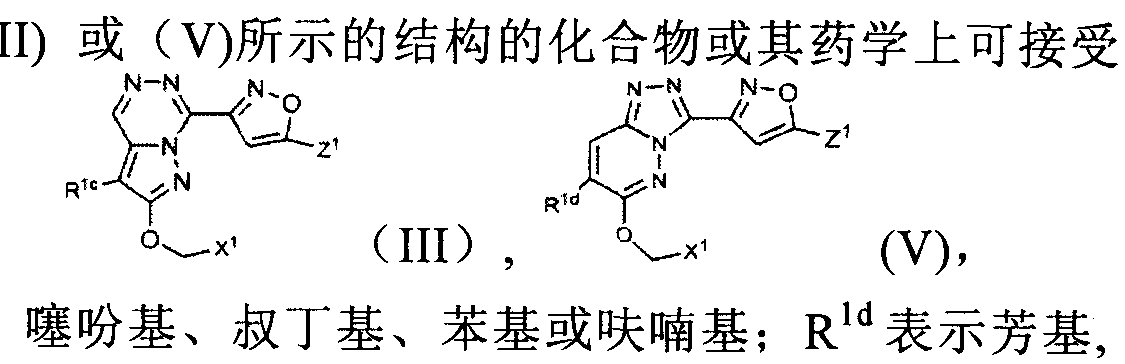


Priority Applications (3)
| Application Number | Priority Date | Filing Date | Title |
|---|---|---|---|
| US14/378,812 US20150374705A1 (en) | 2012-02-14 | 2013-02-02 | Substances for treatment or relief of pain |
| JP2014556911A JP6061956B2 (ja) | 2012-02-14 | 2013-02-07 | 痛みを治療・緩和する物質 |
| EP13749318.5A EP3025716B1 (en) | 2012-02-14 | 2013-02-07 | Substance for treatment or relief of pain |
Applications Claiming Priority (4)
| Application Number | Priority Date | Filing Date | Title |
|---|---|---|---|
| CN201210032922 | 2012-02-14 | ||
| CN201210032922.1 | 2012-02-14 | ||
| CN201210506153 | 2012-11-30 | ||
| CN201210506153.4 | 2012-11-30 |
Publications (1)
| Publication Number | Publication Date |
|---|---|
| WO2013120438A1 true WO2013120438A1 (zh) | 2013-08-22 |
Family
ID=48919823
Family Applications (1)
| Application Number | Title | Priority Date | Filing Date |
|---|---|---|---|
| PCT/CN2013/071515 Ceased WO2013120438A1 (zh) | 2012-02-14 | 2013-02-07 | 治疗或缓解疼痛的物质 |
Country Status (5)
| Country | Link |
|---|---|
| US (1) | US20150374705A1 (zh) |
| EP (1) | EP3025716B1 (zh) |
| JP (1) | JP6061956B2 (zh) |
| CN (1) | CN103239720B (zh) |
| WO (1) | WO2013120438A1 (zh) |
Cited By (3)
| Publication number | Priority date | Publication date | Assignee | Title |
|---|---|---|---|---|
| JP2017500334A (ja) * | 2013-12-20 | 2017-01-05 | エージンバイオ, インコーポレイテッド | ベンゾジアゼピン誘導体、組成物、および認知障害を処置するための方法 |
| WO2019174577A1 (zh) | 2018-03-12 | 2019-09-19 | 上海赛默罗生物科技有限公司 | 酞嗪异噁唑烷氧基衍生物、其制备方法、药物组合物和用途 |
| CN110662541A (zh) * | 2017-03-12 | 2020-01-07 | 王晓冬 | 多环胺作为阿片受体调节剂 |
Families Citing this family (13)
| Publication number | Priority date | Publication date | Assignee | Title |
|---|---|---|---|---|
| WO2016205739A1 (en) | 2015-06-19 | 2016-12-22 | Belew Mekonnen | Benzodiazepine derivatives, compositions, and methods for treating cognitive impairment |
| CN106854207B (zh) | 2015-12-08 | 2019-10-29 | 上海赛默罗生物科技有限公司 | 呔嗪类衍生物、其制备方法、药物组合物和用途 |
| CN107344936B (zh) * | 2016-05-06 | 2022-06-03 | 上海赛默罗生物科技有限公司 | 三唑哒嗪类衍生物、其制备方法、药物组合物和用途 |
| CN107344938B (zh) * | 2016-05-06 | 2022-05-06 | 上海赛默罗生物科技有限公司 | 吡唑-三嗪类衍生物、其制备方法、药物组合物和用途 |
| US20180170941A1 (en) * | 2016-12-19 | 2018-06-21 | Agenebio, Inc. | Benzodiazepine derivatives, compositions, and methods for treating cognitive impairment |
| US11505555B2 (en) | 2016-12-19 | 2022-11-22 | Agenebio, Inc. | Benzodiazepine derivatives, compositions, and methods for treating cognitive impairment |
| BR112020026062B1 (pt) | 2018-06-19 | 2023-04-04 | Agenebio, Inc | Compostos derivados de benzodiazepina ou um sal farmaceuticamente aceitavel, isômero ou combinação dos mesmos, composição farmacêutica compreendendo os mesmos e usos dos mesmos para o tratamento de comprometimento cognitivo, câncer cerebral e psicose da doença de parkinson |
| CN112979655A (zh) | 2019-12-16 | 2021-06-18 | 上海赛默罗生物科技有限公司 | 三唑并哒嗪类衍生物、其制备方法、药物组合物和用途 |
| CN111812314B (zh) * | 2020-07-09 | 2023-03-10 | 嘉兴市第二医院 | 一种完全弗氏佐剂诱导的冻结肩动物模型建立方法 |
| CA3228655A1 (en) | 2021-08-12 | 2023-02-16 | Shanghai SIMR Biotechnology Co., Ltd | Substituted triazole derivative, preparation method therefor, pharmaceutical composition thereof, and use thereof |
| CN115137829A (zh) * | 2022-08-08 | 2022-10-04 | 山东大学 | 用于减轻放疗诱导的肠道损伤的药物 |
| CN116008442B (zh) * | 2023-03-27 | 2023-06-30 | 上海赛默罗生物科技有限公司 | α5-GABAA受体调节剂的合成中间体的杂质检测方法 |
| CN116008443B (zh) * | 2023-03-28 | 2023-06-30 | 上海赛默罗生物科技有限公司 | α5-GABAA受体调节剂类药物中有关物质的检测方法 |
Citations (113)
| Publication number | Priority date | Publication date | Assignee | Title |
|---|---|---|---|---|
| WO1992022652A1 (en) | 1991-06-11 | 1992-12-23 | Merck Sharp & Dohme Limited | GABA-A RECEPTOR SUBUNITS (α-2, α-3, α-5, α-6, β-2) AND TRANSFECTED CELLS EXPRESSING THEM |
| WO1994013799A1 (en) | 1992-12-10 | 1994-06-23 | Merck Sharp & Dohme Limited | Stably transfected cell lines expressing gaba-a receptors |
| WO1996008494A1 (en) | 1994-09-14 | 1996-03-21 | Neurosearch A/S | Indole-2,3-dione-3-oxime derivatives, their preparation and use |
| WO1996025948A1 (en) | 1995-02-23 | 1996-08-29 | Merck Sharp & Dohme Limited | PREPARATION AND USE OF A SPECIFIC GABA-Aα5 RECEPTOR LIGAND FOR TREATMENT OF ALZHEIMER'S DISEASE |
| WO1998004560A1 (en) | 1996-07-25 | 1998-02-05 | Merck Sharp & Dohme Limited | SUBSTITUTED TRIAZOLO PYRIDAZINE DERIVATIVES AS INVERSE AGONISTS OF THE GABAAα5 RECEPTOR SUBTYPE |
| WO1998018792A1 (en) | 1996-10-28 | 1998-05-07 | Merck Sharp & Dohme Limited | THIENYLCYCLOHEXANONE DERIVATIVES AS LIGANDS OF THE GABAA α5 RECEPTOR SUBTYPE |
| WO1998024435A1 (en) | 1996-12-06 | 1998-06-11 | Merck Sharp & Dohme Limited | Use of 2-(4-methoxyphenyl)-pyrazolo(4,3-c)quinolin-3-one in the manufacture of a medicament for enhancing cognition |
| WO1998050385A1 (en) | 1997-05-08 | 1998-11-12 | Merck Sharp & Dohme Limited | SUBSTITUTED 1,2,4-TRIAZOLO[3,4-a]PHTHALAZINE DERIVATIVES AS GABA ALPHA 5 LIGANDS |
| WO1999006401A1 (en) | 1997-08-01 | 1999-02-11 | Merck Sharp & Dohme Limited | 2-ARYL-2,5-DIHYDRO-PYRAZOLO[4,3-c]QUINOLIN-3-ONES AS GABA ALPHA 5 RECEPTOR INVERSE AGONISTS |
| WO1999006399A1 (en) | 1997-08-01 | 1999-02-11 | Merck Sharp & Dohme Limited | Aryl-substituted pyrazoloquinolinone derivatives as gaba alpha 5 receptor inverse agonists |
| WO1999006400A1 (en) | 1997-08-01 | 1999-02-11 | Merck Sharp & Dohme Limited | Pyrazoloquinolinone derivatives as gaba alpha 5 receptor inverse agonists |
| WO2000012505A2 (en) | 1998-08-27 | 2000-03-09 | Merck Sharp & Dohme Limited | Triazolopyridazine derivatives for treating anxiety and enhancing cognition |
| WO2000027849A2 (en) | 1998-11-12 | 2000-05-18 | Merck & Co., Inc. | Therapeutic polymorphs of a gaba-a alpha-5 inverse agonist and pamoate formulations of the same |
| WO2000029412A1 (en) | 1998-11-12 | 2000-05-25 | Merck Sharp & Dohme Limited | PENTAAZA-CYCLOPENTA[A]NAPHTHALENE DERIVATIVES AS LIGANDS FOR GABAA α5 RECEPTORS |
| WO2000059905A1 (en) | 1999-04-02 | 2000-10-12 | Neurogen Corporation | ARYL AND HETEROARYL FUSED AMINOALKYL-IMIDAZOLE DERIVATIVES: SELECTIVE MODULATORS OF GABAa RECEPTORS |
| WO2000077008A2 (en) | 1999-06-15 | 2000-12-21 | Neurogen Corporation | Heteroaryl substituted piperidines as gaba brain receptor lingands |
| WO2001016103A1 (en) | 1999-08-31 | 2001-03-08 | Neurogen Corporation | Fused pyrrolecarboxamides: gaba brain receptor ligands |
| WO2001018001A1 (en) | 1999-09-09 | 2001-03-15 | Merck Sharp & Dohme Limited | Pyrido-pyridazine derivatives as ligands for gaba receptors |
| WO2001038331A2 (en) | 1999-11-25 | 2001-05-31 | Merck Sharp & Dohme Limited | Pyrazolo[1,5-d][1,2,4]triazines for enhancing cognition |
| WO2001044250A1 (en) | 1999-12-14 | 2001-06-21 | Merck Sharp & Dohme Limited | SUBSTITUTED 1,2,3-TRIAZOLO[1,5-a]QUINAZOLINES FOR ENHANCING COGNITION |
| WO2001051492A1 (en) | 2000-01-11 | 2001-07-19 | Merck Sharp & Dohme Limited | Pyrazino-pyridazine derivatives as ligands for gaba receptors |
| WO2001090108A1 (en) | 2000-05-24 | 2001-11-29 | Merck Sharp & Dohme Limited | 3-phenyl-imidazo-pyrimidine derivatives as ligands for gaba receptors |
| WO2001092258A1 (en) | 2000-05-30 | 2001-12-06 | Neurogen Corporation | Imidazoloisoquinolines |
| WO2001092257A1 (en) | 2000-05-26 | 2001-12-06 | Neurogen Corporation | Oxo-imidazopyrimidine-carboxamides and their use as gaba brain receptor ligands |
| WO2002000623A2 (en) | 2000-06-26 | 2002-01-03 | Neurogen Corporation | Aryl fused substituted 4-oxy-pyridines |
| WO2002002557A2 (en) | 2000-06-30 | 2002-01-10 | Neurogen Corporation | 2-phenylimidazo[1,2-a]pyridine derivatives: a new class of gaba brain receptor ligands |
| WO2002006285A1 (en) | 2000-07-17 | 2002-01-24 | Merck Sharp & Dohme Limited | Imidazolophthalazine derivatives as ligands for gabaa receptors |
| WO2002016363A1 (en) | 2000-07-17 | 2002-02-28 | Merck Sharp & Dohme Limited | Imidazolophthalazine derivatives as ligands for gabaa receptors |
| WO2002020480A1 (en) | 2000-09-06 | 2002-03-14 | Neurogen Corporation | Substituted fused pyrroleimines and pyrazoleimines |
| WO2002020492A1 (en) | 2000-09-06 | 2002-03-14 | Neurogen Corporation | Aryl substituted tetrahydroindazoles and their use as ligands for the gaba-a receptor |
| US6395905B1 (en) | 1999-01-06 | 2002-05-28 | Merck Sharp & Dohme Ltd. | Tetrahydroindazole derivatives as ligands for GABA-A α 5 receptors |
| US6395766B1 (en) | 1998-06-04 | 2002-05-28 | Merck Sharp & Dohme Limited | Tetrahydroindolone derivatives as gabaaalpha5 ligands for enhancing cognition |
| WO2002042305A1 (en) | 2000-11-23 | 2002-05-30 | Merck Sharp & Dohme Limited | Nitrogen substituted 1,2,4-triazolo[3,4-a]phthalazine derivatives for enhancing cognition |
| US20020103371A1 (en) | 2000-11-16 | 2002-08-01 | Raffaello Masciadri | Substituted imidazo [1,5-a] [1,2,4] triazolo [4,3-d] [1,4] benzodiazepine derivatives |
| WO2002074773A1 (en) | 2001-03-21 | 2002-09-26 | Merck Sharp & Dohme Limited | Imidazo-pyrimidine derivatives as ligands for gaba receptors |
| WO2002076987A1 (en) | 2001-03-27 | 2002-10-03 | Neurogen Corporation | (oxo-pyrazolo[1,5a]pyrimidin-2-yl)alkyl-carboxamides |
| WO2002076983A1 (en) | 2001-03-23 | 2002-10-03 | Merck Sharp & Dohme Limited | Imidazo-pyrimidine derivatives as ligands for gaba receptors |
| WO2002081474A1 (en) | 2001-04-04 | 2002-10-17 | Merck Sharp & Dohme Limited | Triazolophthalazine / quinoline / isoquinoline derivatives which are ligands for gaba-a receptors containing the alpha 5 subtype |
| WO2002094834A1 (en) | 2001-05-18 | 2002-11-28 | F. Hoffmann-La Roche Ag | Imidazo [1,5-a] pyrimido [5,4-d] benzazepine derivatives as gaba a receptor modulators |
| WO2003004018A1 (en) | 2001-07-06 | 2003-01-16 | Pfizer Products Inc. | Cycloalkylpyrrole-3-carboxylic acid derivatives and heterocycloalkylpyrrole-3-carboxylic acid derivatives as gaba-a receptor ligands |
| WO2003006471A1 (en) | 2001-07-13 | 2003-01-23 | Neurogen Corporation | Heteroaryl substituted fused bicyclic heteroaryl compounds as gabaa receptor ligands |
| US6511987B1 (en) | 1999-11-12 | 2003-01-28 | Neurogen Corporation | Bicyclic and tricyclic heteroaromatic compounds |
| WO2003008418A1 (en) | 2001-07-16 | 2003-01-30 | Merck Sharp & Dohme Limited | Imidazo-triazine derivatives as ligands for gaba receptors |
| WO2003044018A1 (en) | 2001-11-19 | 2003-05-30 | Neurogen Corporation | 1h-pyrrolo[3,2-b]pyridine-3-carboxylic acid amides |
| WO2003048132A1 (en) | 2001-11-28 | 2003-06-12 | Merck Sharp & Dohme Limited | Imidazopyridines, pyrimidines and triazines for enhancing cognition as gaba-a alpha 5 receptor subtype ligands |
| WO2003066634A1 (en) | 2002-02-07 | 2003-08-14 | Neurogen Corporation | Substituted fused pyrazolecarboxylic acid arylamides and related compounds |
| WO2003086406A1 (en) | 2002-04-11 | 2003-10-23 | Merck Sharp & Dohme Limited | Imidazo-pyridine derivatives as ligands for gaba receptors |
| WO2003087099A1 (en) | 2002-04-11 | 2003-10-23 | Merck Sharp & Dohme Limited | Imidazo-pyridine derivatives as ligands for gaba receptors |
| WO2003093272A1 (en) | 2002-05-02 | 2003-11-13 | Merck Sharp & Dohme Limited | Imidazo-triazine derivatives as ligands for gaba receptors |
| WO2003093273A1 (en) | 2002-05-02 | 2003-11-13 | Merck Sharp & Dohme Limited | Imidazo-triazine derivatives as ligands for gaba receptors |
| WO2003093263A1 (en) | 2002-05-02 | 2003-11-13 | Neurogen Corporation | Substituted imidazole derivatives: gabaa receptor ligands |
| WO2003097643A1 (en) | 2002-05-17 | 2003-11-27 | Neurogen Corporation | Substituted ring-fused imidazole derivates: gabaa receptor ligands |
| US20030220348A1 (en) | 2002-05-08 | 2003-11-27 | Neurogen Corporation | Substituted imidazolylmethyl pyridine and pyrazine deriviatives GABAa receptor ligands |
| WO2003099816A1 (en) | 2002-05-24 | 2003-12-04 | Merck Sharp & Dohme Limited | Imidazo-pyridine derivatives as ligands for gaba receptors |
| WO2003099817A1 (en) | 2002-05-24 | 2003-12-04 | Merck Sharp & Dohme Limited | 8-fluorimidazo`1,2-a!pyridine derivatives as ligands for gaba receptors |
| US20040006226A1 (en) | 2001-11-23 | 2004-01-08 | Tamara Ladduwahetty | Isoxazole pyrazoloindane derivatives as cognition enhancing GABA-A alpha 5 subtype ligands |
| WO2004014891A1 (en) | 2002-08-13 | 2004-02-19 | Merck Sharp & Dohme Limited | Pyridazine derivatives as ligands for gaba receptors |
| WO2004014865A1 (en) | 2002-08-13 | 2004-02-19 | Merck Sharp & Dohme Limited | Phenylpyridazine derivatives as ligands for gaba receptors |
| US20040058970A1 (en) | 2001-10-18 | 2004-03-25 | Boase Amanda Louise | Cognition enhancing derivatives of isoxazole triazoloindane GABA-A alpha 5 receptor subunit ligands |
| WO2004031174A1 (en) | 2002-10-07 | 2004-04-15 | Neurogen Corporation | Imidazol-1-ylmethyl pyridazine derivatives |
| WO2004039802A1 (en) | 2002-11-01 | 2004-05-13 | Merck Sharp & Dohme Limited | Substituted pyrido-pyridazine derivatives which enhance cognition via the gaba-a receptor |
| WO2004041808A1 (en) | 2002-11-08 | 2004-05-21 | Neurogen Corporation | 4-imidazol-1-ylmethyl-pyrimidine derivatives_as ligands for gabaa receptors |
| WO2004043930A1 (en) | 2002-11-13 | 2004-05-27 | Merck Sharp & Dohme Limited | Quinoline derivatives which enhance cognition via the gaba-a receptor |
| US20040110778A1 (en) | 2000-08-07 | 2004-06-10 | Daniel Yohannes | Heterocyclic compounds as ligands of the GABAA receptor |
| WO2004065388A1 (en) | 2003-01-21 | 2004-08-05 | Merck Sharp & Dohme Limited | Fluoroimidazopyrimidines as gaba-a alpha 2/3 ligands for depression/anxiety |
| WO2004074259A1 (en) | 2003-02-19 | 2004-09-02 | Neurogen Corporation | Aryl acid pyrimidinyl methyl amides, pyridazinyl methyl amides and related compounds |
| WO2004076452A1 (en) | 2003-02-26 | 2004-09-10 | Merck Sharp & Dohme Limited | 5,8-DIFLUOROIMIDAZO[1,2-a]PYRIDINES AS GABA-A α2/α3 LIGANDS FOR TREATING ANXIETY AND/OR DEPRESSION |
| WO2004087137A1 (en) | 2003-04-03 | 2004-10-14 | Neurosearch A/S | Benzimidazole derivatives and their use for modulating the gabaa receptor complex |
| US20040235844A1 (en) | 2003-05-22 | 2004-11-25 | Goodacre Simon Charles | Imidazotriazinone derivatives as ligands for GABA receptors |
| WO2004107863A1 (en) | 2003-05-05 | 2004-12-16 | Neurogen Corporation | Sustituted imidazolopyrazine and triazolopyrazine derivatives: gabaa receptor ligands |
| WO2005080355A1 (en) | 2004-02-12 | 2005-09-01 | Neurogen Corporation | Imidazo-pyridazines, triazolo-pyridazines and related benzodiazepine receptor ligands |
| EP1368342B1 (en) | 2000-12-21 | 2005-09-07 | Neurogen Corporation | Benzimidazole and pyridylimidazole derivatives as ligands for gaba receptors |
| WO2005084439A1 (en) | 2004-03-02 | 2005-09-15 | Dov Pharmaceutical, Inc. | 2-pyridinyl[7-(substituted-pyridin-4-yl) pyrazolo[1,5-a]pyrimidin-3-yl]methanones |
| WO2005108401A1 (en) | 2004-04-29 | 2005-11-17 | Dov Pharmaceutical, Inc. | 2-pyridinyl[7-(substituted-pyridin-4-yl) pyrazolo[1,5-a]pyrimidin-3-yl]methanones |
| WO2006040038A1 (en) | 2004-10-12 | 2006-04-20 | F.Hoffmann-La Roche Ag | Imidazo [1, 5-a]triazolo[1, 5-d]benzodiazepine derivatives for the treatment of cognitive disorders |
| US20060084642A1 (en) | 2004-10-20 | 2006-04-20 | Henner Knust | Substituted imidazol[1,5-A][1,2,4]triazolo[1,5-D][1,4]benzodiazepine derivatives |
| WO2006045429A1 (en) | 2004-10-20 | 2006-05-04 | F. Hoffmann-La Roche Ag | Halogen substituted benzodiazepine derivatives |
| WO2006063708A1 (en) | 2004-12-14 | 2006-06-22 | F.Hoffmann-La Roche Ag | Tetracyclic imidazo-benzodiazepines as gaba receptors modulators |
| WO2006078891A2 (en) | 2005-01-21 | 2006-07-27 | Neurogen Corporation | Imidazolylmethyl and pyrazolylmethyl heteroaryl derivatives |
| US20070082890A1 (en) | 2005-10-11 | 2007-04-12 | Bernd Buettelmann | Substituted imidazo-[1,5-a][1,2,4]triazolo[1,5-d][1,4] benzodiazepine derivatives |
| WO2007039389A1 (en) | 2005-09-19 | 2007-04-12 | F. Hoffmann-La Roche Ag | Isoxazolo derivatives as gaba a alpha5 inverse agonists |
| WO2007042420A1 (en) | 2005-10-11 | 2007-04-19 | F. Hoffmann-La Roche Ag | Isoxazole derivatives |
| WO2007054444A2 (en) | 2005-11-09 | 2007-05-18 | F. Hoffmann-La Roche Ag | 3-aryl-isoxazole-4-carbonyl-benzofuran derivatives |
| WO2007071598A1 (en) | 2005-12-23 | 2007-06-28 | F. Hoffmann-La Roche Ag | Aryl-isoxazolo-4-yl-oxadiazole derivatives |
| WO2007074078A2 (en) | 2005-12-27 | 2007-07-05 | F. Hoffmann-La Roche Ag | Aryl-isoxazol-4-yl-imidazole derivatives |
| WO2007074089A1 (en) | 2005-12-27 | 2007-07-05 | F. Hoffmann-La Roche Ag | Aryl-isoxazol-4-yl-imidazo[1, 5-a]pyridine derivatives |
| WO2007082806A1 (en) | 2006-01-17 | 2007-07-26 | F. Hoffmann-La Roche Ag | Aryl-isoxazol-4-yl-imidazo[1,2-a]pyridine useful for the treatment of alzheimer’s disease via gaba receptors |
| WO2007137954A1 (en) | 2006-05-31 | 2007-12-06 | F. Hoffmann-La Roche Ag | Aryl-4-ethynyl-isoxazole derivatives |
| US20080033061A1 (en) | 2001-06-06 | 2008-02-07 | Jensen Marianne L | Cation conducting gabaa receptors and their use |
| US20080064748A1 (en) | 2004-05-06 | 2008-03-13 | Hogenkamp Derk J | Substituted enaminones, their derivatives and uses thereof |
| US20080167324A1 (en) | 2005-03-02 | 2008-07-10 | Yuelian Xu | Thiazolymethyl and Oxazolylmethyl Heteroaryl Derivatives |
| WO2008154442A1 (en) | 2007-06-08 | 2008-12-18 | Helicon Therapeutics, Inc. | Therapeutic pyrazoloquinoline urea derivatives |
| WO2008154438A1 (en) | 2007-06-08 | 2008-12-18 | Helicon Therapeutics, Inc. | Therapeutic pyrazoloquinoline derivatives |
| WO2008154447A1 (en) | 2007-06-08 | 2008-12-18 | Helicon Therapeutics, Inc. | Therapeutic pyrazolonaphthyridine derivatives |
| WO2009000662A1 (en) | 2007-06-22 | 2008-12-31 | F. Hoffmann-La Roche Ag | Isoxazole-imidazole derivatives |
| WO2009071477A1 (en) | 2007-12-04 | 2009-06-11 | F. Hoffmann-La Roche Ag | Isoxazolo-pyridazine derivatives |
| WO2009071464A1 (en) | 2007-12-04 | 2009-06-11 | F. Hoffmann-La Roche Ag | Isoxazolo-pyrazine derivatives |
| WO2009071476A1 (en) | 2007-12-04 | 2009-06-11 | F. Hoffmann-La Roche Ag | Isoxazolo-pyridine derivatives |
| WO2010002451A1 (en) | 2008-07-01 | 2010-01-07 | Concert Pharmaceuticals, Inc. | Naphthyridin derivatives |
| WO2010028769A1 (en) | 2008-09-10 | 2010-03-18 | Merz Pharma Gmbh & Co. Kgaa | 1-amino-alkylcyclohexane derivatives for the treatment of cognitive impairment in tinnitus |
| US20100130481A1 (en) | 2002-03-28 | 2010-05-27 | Cook James M | Anticonvulsant and anxiolytic methods of using receptor subtype selective agents |
| WO2010094669A1 (en) | 2009-02-19 | 2010-08-26 | F. Hoffmann-La Roche Ag | Isoxazole-isoxazole and isoxazole-isothiazole derivatives |
| US20100216752A1 (en) | 2003-03-11 | 2010-08-26 | Trophos | Use as medicaments of derivatives of cholest-4-en-3-one, pharmaceutical compositions containing them, novel derivatives and their preparation process |
| WO2010097368A1 (en) | 2009-02-25 | 2010-09-02 | F. Hoffmann-La Roche Ag | Isoxazole / o-pyridine derivatives with ethyl and ethenyl linker |
| WO2010104843A2 (en) | 2009-03-09 | 2010-09-16 | The Regents Of The University Of California | Substituted heterocycles and their use as allosteric modulators of nicotinic and gabaa receptors |
| WO2010112475A1 (en) | 2009-04-02 | 2010-10-07 | F. Hoffmann-La Roche Ag | Hydroxy-methyl isoxazole derivatives as gaba a modulators |
| WO2010125042A1 (en) | 2009-04-30 | 2010-11-04 | F. Hoffmann-La Roche Ag | Isoxazole derivatives |
| WO2010127978A1 (en) | 2009-05-07 | 2010-11-11 | F. Hoffmann-La Roche Ag | Isoxazole-pyridine derivatives as gaba modulators |
| WO2010127976A1 (en) | 2009-05-05 | 2010-11-11 | F. Hoffmann-La Roche Ag | Isoxazole-pyridine derivatives |
| WO2010127974A1 (en) | 2009-05-05 | 2010-11-11 | F. Hoffmann-La Roche Ag | Isoxazole-thiazole derivatives as gaba a receptor inverse agonists for use in the treatment of cognitive disorders |
| WO2010127975A1 (en) | 2009-05-05 | 2010-11-11 | F. Hoffmann-La Roche Ag | Isoxazole-pyrazole derivatives |
| WO2010127968A1 (en) | 2009-05-05 | 2010-11-11 | F. Hoffmann-La Roche Ag | Isoxazole-pyridazine derivatives |
| WO2011107812A2 (en) | 2010-03-01 | 2011-09-09 | Egis Gyógyszergyár Nyilvánosan Működő Részvénytársaság | Stabilized pharmaceutical composition |
Family Cites Families (3)
| Publication number | Priority date | Publication date | Assignee | Title |
|---|---|---|---|---|
| AU760688B2 (en) * | 1998-10-16 | 2003-05-22 | Merck Sharp & Dohme Limited | Pyrazolo-triazine derivatives as ligands for GABA receptors |
| US8557815B2 (en) * | 2009-08-14 | 2013-10-15 | Concert Pharmaceuticals, Inc. | Substituted triazolophthalazine derivatives |
| EP2298296A1 (en) * | 2009-08-25 | 2011-03-23 | CNRS Centre National De La Recherche Scientifique | Composition and method for treating cognitive impairments in down syndrome subjects |
-
2013
- 2013-02-02 US US14/378,812 patent/US20150374705A1/en not_active Abandoned
- 2013-02-07 JP JP2014556911A patent/JP6061956B2/ja active Active
- 2013-02-07 EP EP13749318.5A patent/EP3025716B1/en active Active
- 2013-02-07 CN CN201310050017.3A patent/CN103239720B/zh active Active
- 2013-02-07 WO PCT/CN2013/071515 patent/WO2013120438A1/zh not_active Ceased
Patent Citations (128)
| Publication number | Priority date | Publication date | Assignee | Title |
|---|---|---|---|---|
| WO1992022652A1 (en) | 1991-06-11 | 1992-12-23 | Merck Sharp & Dohme Limited | GABA-A RECEPTOR SUBUNITS (α-2, α-3, α-5, α-6, β-2) AND TRANSFECTED CELLS EXPRESSING THEM |
| WO1994013799A1 (en) | 1992-12-10 | 1994-06-23 | Merck Sharp & Dohme Limited | Stably transfected cell lines expressing gaba-a receptors |
| WO1996008494A1 (en) | 1994-09-14 | 1996-03-21 | Neurosearch A/S | Indole-2,3-dione-3-oxime derivatives, their preparation and use |
| WO1996025948A1 (en) | 1995-02-23 | 1996-08-29 | Merck Sharp & Dohme Limited | PREPARATION AND USE OF A SPECIFIC GABA-Aα5 RECEPTOR LIGAND FOR TREATMENT OF ALZHEIMER'S DISEASE |
| WO1998004560A1 (en) | 1996-07-25 | 1998-02-05 | Merck Sharp & Dohme Limited | SUBSTITUTED TRIAZOLO PYRIDAZINE DERIVATIVES AS INVERSE AGONISTS OF THE GABAAα5 RECEPTOR SUBTYPE |
| WO1998018792A1 (en) | 1996-10-28 | 1998-05-07 | Merck Sharp & Dohme Limited | THIENYLCYCLOHEXANONE DERIVATIVES AS LIGANDS OF THE GABAA α5 RECEPTOR SUBTYPE |
| WO1998024435A1 (en) | 1996-12-06 | 1998-06-11 | Merck Sharp & Dohme Limited | Use of 2-(4-methoxyphenyl)-pyrazolo(4,3-c)quinolin-3-one in the manufacture of a medicament for enhancing cognition |
| WO1998050385A1 (en) | 1997-05-08 | 1998-11-12 | Merck Sharp & Dohme Limited | SUBSTITUTED 1,2,4-TRIAZOLO[3,4-a]PHTHALAZINE DERIVATIVES AS GABA ALPHA 5 LIGANDS |
| WO1999006401A1 (en) | 1997-08-01 | 1999-02-11 | Merck Sharp & Dohme Limited | 2-ARYL-2,5-DIHYDRO-PYRAZOLO[4,3-c]QUINOLIN-3-ONES AS GABA ALPHA 5 RECEPTOR INVERSE AGONISTS |
| WO1999006399A1 (en) | 1997-08-01 | 1999-02-11 | Merck Sharp & Dohme Limited | Aryl-substituted pyrazoloquinolinone derivatives as gaba alpha 5 receptor inverse agonists |
| WO1999006400A1 (en) | 1997-08-01 | 1999-02-11 | Merck Sharp & Dohme Limited | Pyrazoloquinolinone derivatives as gaba alpha 5 receptor inverse agonists |
| US6395766B1 (en) | 1998-06-04 | 2002-05-28 | Merck Sharp & Dohme Limited | Tetrahydroindolone derivatives as gabaaalpha5 ligands for enhancing cognition |
| WO2000012505A2 (en) | 1998-08-27 | 2000-03-09 | Merck Sharp & Dohme Limited | Triazolopyridazine derivatives for treating anxiety and enhancing cognition |
| WO2000027849A2 (en) | 1998-11-12 | 2000-05-18 | Merck & Co., Inc. | Therapeutic polymorphs of a gaba-a alpha-5 inverse agonist and pamoate formulations of the same |
| WO2000029412A1 (en) | 1998-11-12 | 2000-05-25 | Merck Sharp & Dohme Limited | PENTAAZA-CYCLOPENTA[A]NAPHTHALENE DERIVATIVES AS LIGANDS FOR GABAA α5 RECEPTORS |
| US6395905B1 (en) | 1999-01-06 | 2002-05-28 | Merck Sharp & Dohme Ltd. | Tetrahydroindazole derivatives as ligands for GABA-A α 5 receptors |
| WO2000059905A1 (en) | 1999-04-02 | 2000-10-12 | Neurogen Corporation | ARYL AND HETEROARYL FUSED AMINOALKYL-IMIDAZOLE DERIVATIVES: SELECTIVE MODULATORS OF GABAa RECEPTORS |
| WO2000077008A2 (en) | 1999-06-15 | 2000-12-21 | Neurogen Corporation | Heteroaryl substituted piperidines as gaba brain receptor lingands |
| US6297256B1 (en) | 1999-06-15 | 2001-10-02 | Neurogen Corporation | Aryl and heteroaryl substituted pyridino derivatives GABA brain receptor ligands |
| WO2001016103A1 (en) | 1999-08-31 | 2001-03-08 | Neurogen Corporation | Fused pyrrolecarboxamides: gaba brain receptor ligands |
| WO2001018001A1 (en) | 1999-09-09 | 2001-03-15 | Merck Sharp & Dohme Limited | Pyrido-pyridazine derivatives as ligands for gaba receptors |
| US6511987B1 (en) | 1999-11-12 | 2003-01-28 | Neurogen Corporation | Bicyclic and tricyclic heteroaromatic compounds |
| WO2001038331A2 (en) | 1999-11-25 | 2001-05-31 | Merck Sharp & Dohme Limited | Pyrazolo[1,5-d][1,2,4]triazines for enhancing cognition |
| US6355638B1 (en) | 1999-11-25 | 2002-03-12 | Merck Sharp & Dohme Ltd. | Pyrazolo[1,5-d][1,2,4] triazines for enhancing cognition |
| WO2001044250A1 (en) | 1999-12-14 | 2001-06-21 | Merck Sharp & Dohme Limited | SUBSTITUTED 1,2,3-TRIAZOLO[1,5-a]QUINAZOLINES FOR ENHANCING COGNITION |
| WO2001051492A1 (en) | 2000-01-11 | 2001-07-19 | Merck Sharp & Dohme Limited | Pyrazino-pyridazine derivatives as ligands for gaba receptors |
| US20030176449A1 (en) | 2000-05-24 | 2003-09-18 | Blackaby Wesley Peter | 3-Phenyl-imidazo-pyrimidine derivatives as ligands for gaba receptors |
| US6642229B2 (en) | 2000-05-24 | 2003-11-04 | Merck Sharp & Dohme Ltd. | 3-Phenyl-imidazo-pyrimidine derivatives as ligands for GABA receptors |
| WO2001090108A1 (en) | 2000-05-24 | 2001-11-29 | Merck Sharp & Dohme Limited | 3-phenyl-imidazo-pyrimidine derivatives as ligands for gaba receptors |
| WO2001092257A1 (en) | 2000-05-26 | 2001-12-06 | Neurogen Corporation | Oxo-imidazopyrimidine-carboxamides and their use as gaba brain receptor ligands |
| WO2001092258A1 (en) | 2000-05-30 | 2001-12-06 | Neurogen Corporation | Imidazoloisoquinolines |
| WO2002000623A2 (en) | 2000-06-26 | 2002-01-03 | Neurogen Corporation | Aryl fused substituted 4-oxy-pyridines |
| WO2002002557A2 (en) | 2000-06-30 | 2002-01-10 | Neurogen Corporation | 2-phenylimidazo[1,2-a]pyridine derivatives: a new class of gaba brain receptor ligands |
| WO2002016363A1 (en) | 2000-07-17 | 2002-02-28 | Merck Sharp & Dohme Limited | Imidazolophthalazine derivatives as ligands for gabaa receptors |
| WO2002006285A1 (en) | 2000-07-17 | 2002-01-24 | Merck Sharp & Dohme Limited | Imidazolophthalazine derivatives as ligands for gabaa receptors |
| US20040110778A1 (en) | 2000-08-07 | 2004-06-10 | Daniel Yohannes | Heterocyclic compounds as ligands of the GABAA receptor |
| WO2002020492A1 (en) | 2000-09-06 | 2002-03-14 | Neurogen Corporation | Aryl substituted tetrahydroindazoles and their use as ligands for the gaba-a receptor |
| WO2002020480A1 (en) | 2000-09-06 | 2002-03-14 | Neurogen Corporation | Substituted fused pyrroleimines and pyrazoleimines |
| US20020103371A1 (en) | 2000-11-16 | 2002-08-01 | Raffaello Masciadri | Substituted imidazo [1,5-a] [1,2,4] triazolo [4,3-d] [1,4] benzodiazepine derivatives |
| WO2002042305A1 (en) | 2000-11-23 | 2002-05-30 | Merck Sharp & Dohme Limited | Nitrogen substituted 1,2,4-triazolo[3,4-a]phthalazine derivatives for enhancing cognition |
| EP1368342B1 (en) | 2000-12-21 | 2005-09-07 | Neurogen Corporation | Benzimidazole and pyridylimidazole derivatives as ligands for gaba receptors |
| WO2002074773A1 (en) | 2001-03-21 | 2002-09-26 | Merck Sharp & Dohme Limited | Imidazo-pyrimidine derivatives as ligands for gaba receptors |
| WO2002076983A1 (en) | 2001-03-23 | 2002-10-03 | Merck Sharp & Dohme Limited | Imidazo-pyrimidine derivatives as ligands for gaba receptors |
| WO2002076987A1 (en) | 2001-03-27 | 2002-10-03 | Neurogen Corporation | (oxo-pyrazolo[1,5a]pyrimidin-2-yl)alkyl-carboxamides |
| WO2002081474A1 (en) | 2001-04-04 | 2002-10-17 | Merck Sharp & Dohme Limited | Triazolophthalazine / quinoline / isoquinoline derivatives which are ligands for gaba-a receptors containing the alpha 5 subtype |
| WO2002094834A1 (en) | 2001-05-18 | 2002-11-28 | F. Hoffmann-La Roche Ag | Imidazo [1,5-a] pyrimido [5,4-d] benzazepine derivatives as gaba a receptor modulators |
| US20080033061A1 (en) | 2001-06-06 | 2008-02-07 | Jensen Marianne L | Cation conducting gabaa receptors and their use |
| WO2003004018A1 (en) | 2001-07-06 | 2003-01-16 | Pfizer Products Inc. | Cycloalkylpyrrole-3-carboxylic acid derivatives and heterocycloalkylpyrrole-3-carboxylic acid derivatives as gaba-a receptor ligands |
| WO2003006471A1 (en) | 2001-07-13 | 2003-01-23 | Neurogen Corporation | Heteroaryl substituted fused bicyclic heteroaryl compounds as gabaa receptor ligands |
| WO2003008418A1 (en) | 2001-07-16 | 2003-01-30 | Merck Sharp & Dohme Limited | Imidazo-triazine derivatives as ligands for gaba receptors |
| US20040058970A1 (en) | 2001-10-18 | 2004-03-25 | Boase Amanda Louise | Cognition enhancing derivatives of isoxazole triazoloindane GABA-A alpha 5 receptor subunit ligands |
| WO2003044018A1 (en) | 2001-11-19 | 2003-05-30 | Neurogen Corporation | 1h-pyrrolo[3,2-b]pyridine-3-carboxylic acid amides |
| US20040006226A1 (en) | 2001-11-23 | 2004-01-08 | Tamara Ladduwahetty | Isoxazole pyrazoloindane derivatives as cognition enhancing GABA-A alpha 5 subtype ligands |
| US20060040940A1 (en) | 2001-11-28 | 2006-02-23 | Michela Bettati | Imidazopyridines pyrimidines and triazines for enhancing cognition as gaba-a-alphas 5 receoptor subtype ligands |
| WO2003048132A1 (en) | 2001-11-28 | 2003-06-12 | Merck Sharp & Dohme Limited | Imidazopyridines, pyrimidines and triazines for enhancing cognition as gaba-a alpha 5 receptor subtype ligands |
| AU2002343110A1 (en) | 2001-11-28 | 2003-06-17 | Merck Sharp & Dohme Limited | Imidazopyridines, pyrimidines and triazines for enhancing cognition as gaba-a alpha 5 receptor subtype ligands |
| EP1451161B1 (en) | 2001-11-28 | 2007-04-18 | Merck Sharp & Dohme Limited | Imidazopyridines, pyrimidines and triazines for enhancing cognition as gaba-a alpha 5 receptor subtype ligands |
| WO2003066634A1 (en) | 2002-02-07 | 2003-08-14 | Neurogen Corporation | Substituted fused pyrazolecarboxylic acid arylamides and related compounds |
| US20100130481A1 (en) | 2002-03-28 | 2010-05-27 | Cook James M | Anticonvulsant and anxiolytic methods of using receptor subtype selective agents |
| WO2003087099A1 (en) | 2002-04-11 | 2003-10-23 | Merck Sharp & Dohme Limited | Imidazo-pyridine derivatives as ligands for gaba receptors |
| WO2003086406A1 (en) | 2002-04-11 | 2003-10-23 | Merck Sharp & Dohme Limited | Imidazo-pyridine derivatives as ligands for gaba receptors |
| WO2003093263A1 (en) | 2002-05-02 | 2003-11-13 | Neurogen Corporation | Substituted imidazole derivatives: gabaa receptor ligands |
| US20060058303A1 (en) | 2002-05-02 | 2006-03-16 | Chambers Mark S | Imidazo-triazine derivatives as ligands for gaba receptors |
| US7176203B2 (en) | 2002-05-02 | 2007-02-13 | Merck Sharp & Dohme Ltd. | Imidazo-triazine derivatives as ligands for gaba receptors |
| WO2003093273A1 (en) | 2002-05-02 | 2003-11-13 | Merck Sharp & Dohme Limited | Imidazo-triazine derivatives as ligands for gaba receptors |
| WO2003093272A1 (en) | 2002-05-02 | 2003-11-13 | Merck Sharp & Dohme Limited | Imidazo-triazine derivatives as ligands for gaba receptors |
| US20030220348A1 (en) | 2002-05-08 | 2003-11-27 | Neurogen Corporation | Substituted imidazolylmethyl pyridine and pyrazine deriviatives GABAa receptor ligands |
| WO2003097643A1 (en) | 2002-05-17 | 2003-11-27 | Neurogen Corporation | Substituted ring-fused imidazole derivates: gabaa receptor ligands |
| WO2003099817A1 (en) | 2002-05-24 | 2003-12-04 | Merck Sharp & Dohme Limited | 8-fluorimidazo`1,2-a!pyridine derivatives as ligands for gaba receptors |
| WO2003099816A1 (en) | 2002-05-24 | 2003-12-04 | Merck Sharp & Dohme Limited | Imidazo-pyridine derivatives as ligands for gaba receptors |
| WO2004014865A1 (en) | 2002-08-13 | 2004-02-19 | Merck Sharp & Dohme Limited | Phenylpyridazine derivatives as ligands for gaba receptors |
| WO2004014891A1 (en) | 2002-08-13 | 2004-02-19 | Merck Sharp & Dohme Limited | Pyridazine derivatives as ligands for gaba receptors |
| WO2004031174A1 (en) | 2002-10-07 | 2004-04-15 | Neurogen Corporation | Imidazol-1-ylmethyl pyridazine derivatives |
| US20060041125A1 (en) | 2002-11-01 | 2006-02-23 | Goodacre Simon C | Substituted pyrido-pyridazine derivatives which enhance cognition via the gaba-a receptors |
| AU2003276424A1 (en) | 2002-11-01 | 2004-05-25 | Merck Sharp And Dohme Limited | Substituted pyrido-pyridazine derivatives which enhance cognition via the gaba-a receptor |
| WO2004039802A1 (en) | 2002-11-01 | 2004-05-13 | Merck Sharp & Dohme Limited | Substituted pyrido-pyridazine derivatives which enhance cognition via the gaba-a receptor |
| US7148222B2 (en) | 2002-11-01 | 2006-12-12 | Merck Sharp & Dohme Ltd. | Substituted pyrido-pyridazine derivatives which enhance cognition via the GABA-A receptors |
| WO2004041808A1 (en) | 2002-11-08 | 2004-05-21 | Neurogen Corporation | 4-imidazol-1-ylmethyl-pyrimidine derivatives_as ligands for gabaa receptors |
| AU2003282222A1 (en) | 2002-11-13 | 2004-06-03 | Merck Sharp And Dohme Limited | Quinoline derivatives which enhance cognition via the gaba-a receptor |
| WO2004043930A1 (en) | 2002-11-13 | 2004-05-27 | Merck Sharp & Dohme Limited | Quinoline derivatives which enhance cognition via the gaba-a receptor |
| WO2004065388A1 (en) | 2003-01-21 | 2004-08-05 | Merck Sharp & Dohme Limited | Fluoroimidazopyrimidines as gaba-a alpha 2/3 ligands for depression/anxiety |
| WO2004074259A1 (en) | 2003-02-19 | 2004-09-02 | Neurogen Corporation | Aryl acid pyrimidinyl methyl amides, pyridazinyl methyl amides and related compounds |
| WO2004076452A1 (en) | 2003-02-26 | 2004-09-10 | Merck Sharp & Dohme Limited | 5,8-DIFLUOROIMIDAZO[1,2-a]PYRIDINES AS GABA-A α2/α3 LIGANDS FOR TREATING ANXIETY AND/OR DEPRESSION |
| US20100216752A1 (en) | 2003-03-11 | 2010-08-26 | Trophos | Use as medicaments of derivatives of cholest-4-en-3-one, pharmaceutical compositions containing them, novel derivatives and their preparation process |
| WO2004087137A1 (en) | 2003-04-03 | 2004-10-14 | Neurosearch A/S | Benzimidazole derivatives and their use for modulating the gabaa receptor complex |
| WO2004107863A1 (en) | 2003-05-05 | 2004-12-16 | Neurogen Corporation | Sustituted imidazolopyrazine and triazolopyrazine derivatives: gabaa receptor ligands |
| US20040235844A1 (en) | 2003-05-22 | 2004-11-25 | Goodacre Simon Charles | Imidazotriazinone derivatives as ligands for GABA receptors |
| WO2005080355A1 (en) | 2004-02-12 | 2005-09-01 | Neurogen Corporation | Imidazo-pyridazines, triazolo-pyridazines and related benzodiazepine receptor ligands |
| WO2005084439A1 (en) | 2004-03-02 | 2005-09-15 | Dov Pharmaceutical, Inc. | 2-pyridinyl[7-(substituted-pyridin-4-yl) pyrazolo[1,5-a]pyrimidin-3-yl]methanones |
| WO2005108401A1 (en) | 2004-04-29 | 2005-11-17 | Dov Pharmaceutical, Inc. | 2-pyridinyl[7-(substituted-pyridin-4-yl) pyrazolo[1,5-a]pyrimidin-3-yl]methanones |
| US20080064748A1 (en) | 2004-05-06 | 2008-03-13 | Hogenkamp Derk J | Substituted enaminones, their derivatives and uses thereof |
| WO2006040038A1 (en) | 2004-10-12 | 2006-04-20 | F.Hoffmann-La Roche Ag | Imidazo [1, 5-a]triazolo[1, 5-d]benzodiazepine derivatives for the treatment of cognitive disorders |
| US20060084642A1 (en) | 2004-10-20 | 2006-04-20 | Henner Knust | Substituted imidazol[1,5-A][1,2,4]triazolo[1,5-D][1,4]benzodiazepine derivatives |
| WO2006045430A1 (en) | 2004-10-20 | 2006-05-04 | F. Hoffmann-La Roche Ag | Imidazo-benzodiazepine derivatives |
| WO2006045429A1 (en) | 2004-10-20 | 2006-05-04 | F. Hoffmann-La Roche Ag | Halogen substituted benzodiazepine derivatives |
| WO2006063708A1 (en) | 2004-12-14 | 2006-06-22 | F.Hoffmann-La Roche Ag | Tetracyclic imidazo-benzodiazepines as gaba receptors modulators |
| WO2006078891A2 (en) | 2005-01-21 | 2006-07-27 | Neurogen Corporation | Imidazolylmethyl and pyrazolylmethyl heteroaryl derivatives |
| US20080167324A1 (en) | 2005-03-02 | 2008-07-10 | Yuelian Xu | Thiazolymethyl and Oxazolylmethyl Heteroaryl Derivatives |
| WO2007039389A1 (en) | 2005-09-19 | 2007-04-12 | F. Hoffmann-La Roche Ag | Isoxazolo derivatives as gaba a alpha5 inverse agonists |
| US20070082890A1 (en) | 2005-10-11 | 2007-04-12 | Bernd Buettelmann | Substituted imidazo-[1,5-a][1,2,4]triazolo[1,5-d][1,4] benzodiazepine derivatives |
| WO2007042421A1 (en) | 2005-10-11 | 2007-04-19 | F. Hoffmann-La Roche Ag | Imidazo benzodiazepine derivatives |
| WO2007042420A1 (en) | 2005-10-11 | 2007-04-19 | F. Hoffmann-La Roche Ag | Isoxazole derivatives |
| WO2007054444A2 (en) | 2005-11-09 | 2007-05-18 | F. Hoffmann-La Roche Ag | 3-aryl-isoxazole-4-carbonyl-benzofuran derivatives |
| WO2007071598A1 (en) | 2005-12-23 | 2007-06-28 | F. Hoffmann-La Roche Ag | Aryl-isoxazolo-4-yl-oxadiazole derivatives |
| WO2007074078A2 (en) | 2005-12-27 | 2007-07-05 | F. Hoffmann-La Roche Ag | Aryl-isoxazol-4-yl-imidazole derivatives |
| WO2007074089A1 (en) | 2005-12-27 | 2007-07-05 | F. Hoffmann-La Roche Ag | Aryl-isoxazol-4-yl-imidazo[1, 5-a]pyridine derivatives |
| WO2007082806A1 (en) | 2006-01-17 | 2007-07-26 | F. Hoffmann-La Roche Ag | Aryl-isoxazol-4-yl-imidazo[1,2-a]pyridine useful for the treatment of alzheimer’s disease via gaba receptors |
| WO2007137954A1 (en) | 2006-05-31 | 2007-12-06 | F. Hoffmann-La Roche Ag | Aryl-4-ethynyl-isoxazole derivatives |
| WO2008154442A1 (en) | 2007-06-08 | 2008-12-18 | Helicon Therapeutics, Inc. | Therapeutic pyrazoloquinoline urea derivatives |
| WO2008154438A1 (en) | 2007-06-08 | 2008-12-18 | Helicon Therapeutics, Inc. | Therapeutic pyrazoloquinoline derivatives |
| WO2008154447A1 (en) | 2007-06-08 | 2008-12-18 | Helicon Therapeutics, Inc. | Therapeutic pyrazolonaphthyridine derivatives |
| WO2009000662A1 (en) | 2007-06-22 | 2008-12-31 | F. Hoffmann-La Roche Ag | Isoxazole-imidazole derivatives |
| WO2009071477A1 (en) | 2007-12-04 | 2009-06-11 | F. Hoffmann-La Roche Ag | Isoxazolo-pyridazine derivatives |
| WO2009071476A1 (en) | 2007-12-04 | 2009-06-11 | F. Hoffmann-La Roche Ag | Isoxazolo-pyridine derivatives |
| WO2009071464A1 (en) | 2007-12-04 | 2009-06-11 | F. Hoffmann-La Roche Ag | Isoxazolo-pyrazine derivatives |
| WO2010002451A1 (en) | 2008-07-01 | 2010-01-07 | Concert Pharmaceuticals, Inc. | Naphthyridin derivatives |
| WO2010028769A1 (en) | 2008-09-10 | 2010-03-18 | Merz Pharma Gmbh & Co. Kgaa | 1-amino-alkylcyclohexane derivatives for the treatment of cognitive impairment in tinnitus |
| WO2010094669A1 (en) | 2009-02-19 | 2010-08-26 | F. Hoffmann-La Roche Ag | Isoxazole-isoxazole and isoxazole-isothiazole derivatives |
| WO2010097368A1 (en) | 2009-02-25 | 2010-09-02 | F. Hoffmann-La Roche Ag | Isoxazole / o-pyridine derivatives with ethyl and ethenyl linker |
| WO2010104843A2 (en) | 2009-03-09 | 2010-09-16 | The Regents Of The University Of California | Substituted heterocycles and their use as allosteric modulators of nicotinic and gabaa receptors |
| WO2010112475A1 (en) | 2009-04-02 | 2010-10-07 | F. Hoffmann-La Roche Ag | Hydroxy-methyl isoxazole derivatives as gaba a modulators |
| WO2010125042A1 (en) | 2009-04-30 | 2010-11-04 | F. Hoffmann-La Roche Ag | Isoxazole derivatives |
| WO2010127976A1 (en) | 2009-05-05 | 2010-11-11 | F. Hoffmann-La Roche Ag | Isoxazole-pyridine derivatives |
| WO2010127974A1 (en) | 2009-05-05 | 2010-11-11 | F. Hoffmann-La Roche Ag | Isoxazole-thiazole derivatives as gaba a receptor inverse agonists for use in the treatment of cognitive disorders |
| WO2010127975A1 (en) | 2009-05-05 | 2010-11-11 | F. Hoffmann-La Roche Ag | Isoxazole-pyrazole derivatives |
| WO2010127968A1 (en) | 2009-05-05 | 2010-11-11 | F. Hoffmann-La Roche Ag | Isoxazole-pyridazine derivatives |
| WO2010127978A1 (en) | 2009-05-07 | 2010-11-11 | F. Hoffmann-La Roche Ag | Isoxazole-pyridine derivatives as gaba modulators |
| WO2011107812A2 (en) | 2010-03-01 | 2011-09-09 | Egis Gyógyszergyár Nyilvánosan Működő Részvénytársaság | Stabilized pharmaceutical composition |
Non-Patent Citations (23)
Cited By (5)
| Publication number | Priority date | Publication date | Assignee | Title |
|---|---|---|---|---|
| JP2017500334A (ja) * | 2013-12-20 | 2017-01-05 | エージンバイオ, インコーポレイテッド | ベンゾジアゼピン誘導体、組成物、および認知障害を処置するための方法 |
| JP2021080287A (ja) * | 2013-12-20 | 2021-05-27 | エージンバイオ, インコーポレイテッド | ベンゾジアゼピン誘導体、組成物、および認知障害を処置するための方法 |
| CN110662541A (zh) * | 2017-03-12 | 2020-01-07 | 王晓冬 | 多环胺作为阿片受体调节剂 |
| WO2019174577A1 (zh) | 2018-03-12 | 2019-09-19 | 上海赛默罗生物科技有限公司 | 酞嗪异噁唑烷氧基衍生物、其制备方法、药物组合物和用途 |
| US11512089B2 (en) | 2018-03-12 | 2022-11-29 | Shanghai SIMR Biotechnology Co., Ltd | Substituted [1,2,4]triazolo[3,4-a]phthalazines as modulators of GABAA receptor activity |
Also Published As
| Publication number | Publication date |
|---|---|
| EP3025716A4 (en) | 2016-10-19 |
| EP3025716A1 (en) | 2016-06-01 |
| CN103239720B (zh) | 2016-03-16 |
| EP3025716B1 (en) | 2018-04-04 |
| CN103239720A (zh) | 2013-08-14 |
| JP2015509935A (ja) | 2015-04-02 |
| US20150374705A1 (en) | 2015-12-31 |
| JP6061956B2 (ja) | 2017-01-18 |
Similar Documents
| Publication | Publication Date | Title |
|---|---|---|
| CN103239720B (zh) | 治疗或缓解疼痛的物质 | |
| EP3423443B1 (en) | Cyano-substituted indole compounds and uses thereof as lsd1 inhibitors | |
| CN108026026B (zh) | 作为化疗剂的β-取代的β-氨基酸和类似物及其应用 | |
| CN102177153B (zh) | 治疗酒精使用障碍,疼痛和其他疾病的药物组合与方法 | |
| JP7514534B2 (ja) | 認知障害を処置するためのベンゾジアゼピン誘導体、組成物および方法 | |
| JPWO2019074116A1 (ja) | Axl阻害剤を有効成分として含む固形がん治療剤 | |
| BR112020025618A2 (pt) | piridinila e pirazinil-(aza)indolsulfonamidas | |
| EA021672B1 (ru) | Модуляторы рецепторов сфингозин-1-фосфата и их применение | |
| EA007504B1 (ru) | Синергическая комбинация лиганда альфа-2-дельта и ингибитора pde5 для применения при лечении боли | |
| BRPI0718754A2 (pt) | Tratamento de tinido usando profármacos de gabapentina e pregabalina. | |
| TW201710248A (zh) | 做為nr2b nmda受體拮抗劑之3,3-二氟哌啶胺基甲酸酯雜環化合物 | |
| JP2021107435A (ja) | せん妄の予防または治療剤 | |
| JP2014514259A (ja) | 疼痛および他の障害の処置のための化合物および方法 | |
| JP2015083610A (ja) | 疼痛および他の疾患の処置のための化合物および方法 | |
| RU2320369C2 (ru) | Комбинации, содержащие альфа-2-дельта лиганды и ингибиторы обратного захвата серотонина/норадреналина | |
| BR112019012920A2 (pt) | amidas aromáticas de ácido carboxílico como antagonistas do receptor b1 de bradicinina | |
| CN104292125A (zh) | 萘衍生物及其在药物上的应用 | |
| CN104230742B (zh) | 萘衍生物及其在药物上的应用 | |
| JP2025501411A (ja) | 重水素化有機化合物およびその使用 | |
| US8530453B2 (en) | Compounds and methods for the treatment of pain and other diseases | |
| JP2016506918A (ja) | イソメテプテン異性体 | |
| US9265774B2 (en) | Methods, compounds and pharmaceutical compositions for treating anxiety and mood disorders | |
| JP6921100B2 (ja) | 複素環化合物 | |
| RU2800064C2 (ru) | Гетероароматические модуляторы nmda-рецептора и их применение | |
| CA3233083A1 (en) | Small molecules for dot1l degradation and uses thereof |
Legal Events
| Date | Code | Title | Description |
|---|---|---|---|
| 121 | Ep: the epo has been informed by wipo that ep was designated in this application |
Ref document number: 13749318 Country of ref document: EP Kind code of ref document: A1 |
|
| ENP | Entry into the national phase |
Ref document number: 2014556911 Country of ref document: JP Kind code of ref document: A |
|
| WWE | Wipo information: entry into national phase |
Ref document number: 2013749318 Country of ref document: EP |
|
| NENP | Non-entry into the national phase |
Ref country code: DE |
|
| WWE | Wipo information: entry into national phase |
Ref document number: 14378812 Country of ref document: US |