WO2013127129A1 - 一种信号传输方法、装置及系统 - Google Patents
一种信号传输方法、装置及系统 Download PDFInfo
- Publication number
- WO2013127129A1 WO2013127129A1 PCT/CN2012/075784 CN2012075784W WO2013127129A1 WO 2013127129 A1 WO2013127129 A1 WO 2013127129A1 CN 2012075784 W CN2012075784 W CN 2012075784W WO 2013127129 A1 WO2013127129 A1 WO 2013127129A1
- Authority
- WO
- WIPO (PCT)
- Prior art keywords
- matrix
- power
- signal stream
- precoding
- preliminary
- Prior art date
- Legal status (The legal status is an assumption and is not a legal conclusion. Google has not performed a legal analysis and makes no representation as to the accuracy of the status listed.)
- Ceased
Links
Classifications
-
- H—ELECTRICITY
- H04—ELECTRIC COMMUNICATION TECHNIQUE
- H04L—TRANSMISSION OF DIGITAL INFORMATION, e.g. TELEGRAPHIC COMMUNICATION
- H04L1/00—Arrangements for detecting or preventing errors in the information received
- H04L1/004—Arrangements for detecting or preventing errors in the information received by using forward error control
- H04L1/0045—Arrangements at the receiver end
-
- H—ELECTRICITY
- H04—ELECTRIC COMMUNICATION TECHNIQUE
- H04B—TRANSMISSION
- H04B7/00—Radio transmission systems, i.e. using radiation field
- H04B7/02—Diversity systems; Multi-antenna system, i.e. transmission or reception using multiple antennas
- H04B7/04—Diversity systems; Multi-antenna system, i.e. transmission or reception using multiple antennas using two or more spaced independent antennas
- H04B7/0413—MIMO systems
- H04B7/0456—Selection of precoding matrices or codebooks, e.g. using matrices antenna weighting
-
- H—ELECTRICITY
- H04—ELECTRIC COMMUNICATION TECHNIQUE
- H04K—SECRET COMMUNICATION; JAMMING OF COMMUNICATION
- H04K1/00—Secret communication
- H04K1/10—Secret communication by using two signals transmitted simultaneously or successively
-
- H—ELECTRICITY
- H04—ELECTRIC COMMUNICATION TECHNIQUE
- H04L—TRANSMISSION OF DIGITAL INFORMATION, e.g. TELEGRAPHIC COMMUNICATION
- H04L25/00—Baseband systems
- H04L25/02—Details ; arrangements for supplying electrical power along data transmission lines
- H04L25/03—Shaping networks in transmitter or receiver, e.g. adaptive shaping networks
- H04L25/03891—Spatial equalizers
- H04L25/03898—Spatial equalizers codebook-based design
-
- H—ELECTRICITY
- H04—ELECTRIC COMMUNICATION TECHNIQUE
- H04B—TRANSMISSION
- H04B7/00—Radio transmission systems, i.e. using radiation field
- H04B7/02—Diversity systems; Multi-antenna system, i.e. transmission or reception using multiple antennas
- H04B7/04—Diversity systems; Multi-antenna system, i.e. transmission or reception using multiple antennas using two or more spaced independent antennas
- H04B7/06—Diversity systems; Multi-antenna system, i.e. transmission or reception using multiple antennas using two or more spaced independent antennas at the transmitting station
- H04B7/0613—Diversity systems; Multi-antenna system, i.e. transmission or reception using multiple antennas using two or more spaced independent antennas at the transmitting station using simultaneous transmission
- H04B7/0615—Diversity systems; Multi-antenna system, i.e. transmission or reception using multiple antennas using two or more spaced independent antennas at the transmitting station using simultaneous transmission of weighted versions of same signal
- H04B7/0619—Diversity systems; Multi-antenna system, i.e. transmission or reception using multiple antennas using two or more spaced independent antennas at the transmitting station using simultaneous transmission of weighted versions of same signal using feedback from receiving side
- H04B7/0621—Feedback content
- H04B7/0632—Channel quality parameters, e.g. channel quality indicator [CQI]
-
- H—ELECTRICITY
- H04—ELECTRIC COMMUNICATION TECHNIQUE
- H04L—TRANSMISSION OF DIGITAL INFORMATION, e.g. TELEGRAPHIC COMMUNICATION
- H04L1/00—Arrangements for detecting or preventing errors in the information received
- H04L2001/0092—Error control systems characterised by the topology of the transmission link
- H04L2001/0093—Point-to-multipoint
-
- Y—GENERAL TAGGING OF NEW TECHNOLOGICAL DEVELOPMENTS; GENERAL TAGGING OF CROSS-SECTIONAL TECHNOLOGIES SPANNING OVER SEVERAL SECTIONS OF THE IPC; TECHNICAL SUBJECTS COVERED BY FORMER USPC CROSS-REFERENCE ART COLLECTIONS [XRACs] AND DIGESTS
- Y02—TECHNOLOGIES OR APPLICATIONS FOR MITIGATION OR ADAPTATION AGAINST CLIMATE CHANGE
- Y02D—CLIMATE CHANGE MITIGATION TECHNOLOGIES IN INFORMATION AND COMMUNICATION TECHNOLOGIES [ICT], I.E. INFORMATION AND COMMUNICATION TECHNOLOGIES AIMING AT THE REDUCTION OF THEIR OWN ENERGY USE
- Y02D30/00—Reducing energy consumption in communication networks
- Y02D30/70—Reducing energy consumption in communication networks in wireless communication networks
Definitions
- the present invention relates to the field of communications technologies, and in particular, to a signal transmission method, apparatus, and system. Background technique
- MIMO Multiple-Input Multiple-Output
- the base station transmits two signal streams to the user (a high power signal flow). a low-power signal stream), the two signal streams are directly combined on the two transmitting antennas to form two identical superimposed signal streams simultaneously to the user terminal, and the user terminal demodulates one of the superimposed signal streams. Get the signal flow you need.
- Embodiments of the present invention provide a signal transmission method, apparatus, and system, which can superimpose signals by different superposition methods to obtain a plurality of different superimposed signal streams, improve signal reception quality, and enhance system performance.
- a signal transmission method includes:
- the superimposed signal stream is transmitted to a user terminal, and the user terminal includes a cell edge user receiving terminal and a cell center user receiving terminal.
- a signal transmission method includes:
- the superimposed signal stream includes a pre-encoded high-power signal stream and a low-power signal stream
- the receiving matrix includes a high-power interference matrix and a low-power receiving matrix
- a preliminary estimate of the high power signal stream is demodulated and then remodulated to obtain an accurate estimate of the high power signal stream;
- a low power signal stream required by the cell center user receiving terminal is obtained through the low power receiving matrix by eliminating the accurate estimate of the high power signal from the superimposed signal stream.
- a base station comprising:
- a calculating unit configured to obtain a high power precoding matrix and a low power precoding matrix according to channel quality information
- a precoding unit configured to perform precoding on the high power signal stream to be transmitted according to the high power precoding matrix to obtain a precoded first signal stream, where the high power signal stream is a signal stream sent to a cell edge user And precoding the low-power signal stream to be transmitted according to the low-power precoding matrix to obtain a pre-coded second signal stream, where the low-power signal stream is a signal stream sent to a cell center user;
- a superimposing unit configured to superimpose the first signal stream pre-coded by the pre-coding unit and the second signal stream to obtain a superimposed signal stream
- a user terminal configured to send, to the user terminal, the superposed signal stream obtained by superimposing the superposition unit, where the user terminal includes the cell edge user receiving terminal and the cell center user receiving terminal.
- a user terminal comprising:
- a receiving unit configured to receive a superposed signal stream and a receiving matrix sent by the base station;
- the superposed signal stream includes a pre-encoded high-power signal stream and a low-power signal stream;
- the receiving matrix includes a high-power interference matrix and a low Power receiving matrix
- a decoding unit configured to decode the superposed signal stream according to a high power interference matrix to obtain a preliminary estimate of the high power signal stream
- a modulating unit configured to demodulate a preliminary estimate of the high power signal stream and then remodulate to obtain an accurate estimate of the high power signal stream
- a signal acquiring unit configured to obtain an accurate estimate of the high power signal from the superposed signal stream, and obtain a low power signal stream required by the cell center user receiving terminal through the low power receiving matrix.
- a system comprising: a base station and a user terminal;
- the base station is the foregoing base station; and the user terminal is the user terminal.
- the embodiment of the invention provides a signal transmission method, device and system.
- the base station obtains a high power precoding matrix and a low power precoding matrix according to the channel quality information, and then separates the corresponding pair according to the high power precoding matrix.
- the high-power signal stream is pre-coded to obtain a first signal stream
- the corresponding low-power signal stream is pre-coded according to the low-power precoding matrix to obtain a second signal stream
- the first signal stream is
- the superimposed signal stream obtained by superimposing the second signal stream is sent to the user terminal; the user terminal decodes the received superimposed signal stream through the receiving matrix to obtain a signal stream required by the user terminal; the method is based on different channels.
- FIG. 1 is a flowchart of a signal transmission method provided by Embodiment 1;
- FIG. 2 is a schematic flow chart of another signal transmission method provided by Embodiment 1;
- FIG. 3 is a schematic flowchart of a signal transmission method provided by Embodiment 2;
- Embodiment 4 is a structural block diagram of a base station provided in Embodiment 2;
- FIG. 5 is a structural block diagram of a user terminal according to Embodiment 2;
- FIG. FIG. 6 is a schematic structural diagram of a system provided in Embodiment 2. detailed description
- Embodiments of the present invention are applied to a multi-antenna communication system in which a base station and a user terminal communicate over a channel.
- the embodiment of the present invention provides a signal transmission method, where the execution body of the method is a base station. As shown in FIG. 1, the method includes the following steps:
- the channel quality information includes a high power channel matrix corresponding to the cell edge user receiving terminal and a low power channel matrix of the corresponding cell center user receiving terminal; the high power receiving terminal is configured to receive the transmitting power higher than the preset first power. a power signal stream, the low power receiving terminal is configured to receive a low power signal stream whose transmit power is not higher than a preset second power, where the preset first power is not lower than the preset second power.
- the setting of the preset first power and the preset second power is determined according to a specific situation, and is not limited herein.
- the base station serves two kinds of user terminals, and one type of user terminal is a cell edge user receiving terminal, which is usually located in an edge zone of a cell served by the base station, and is used to receive a high power signal stream; and another user terminal is a cell center user receiving terminal. Usually located in the middle of the cell served by the base station to receive low power signal streams.
- Each user terminal and the base station correspond to channel quality information, and the channel quality information includes a channel matrix.
- the base station calculates, according to the high power channel matrix corresponding to the cell edge user receiving terminal and the low power channel matrix corresponding to the cell center user receiving terminal, a high power precoding matrix for precoding the high power signal stream, and the low power signal stream. A pre-coded low power precoding matrix is performed.
- the base station has a total of A+B user terminals, wherein the user terminals include A cell edge user receiving terminals and B cell center user receiving terminals. Then, the base station can be based on A high power channel matrices H H1 , H H2 , .. ⁇ and B low power channel matrices H u , H L2 , ...! ! Calculating A high-power precoding matrices PI, P2, ..., ⁇ corresponding to the A cell edge user receiving terminals and a plurality of low-power precodings corresponding to the receiving terminals of the cell center users Matrix SI, S2, SB.
- the high power signal stream is a signal stream sent to a cell edge user; the low power signal stream is a signal stream sent to a cell center user.
- the base station pre-codes the high-power signal stream sent to the cell edge user receiving terminal according to the high-power precoding matrix corresponding to the high-power signal stream received by the cell edge user receiving terminal, to obtain the first signal stream; according to the cell center
- the user receives the low power precoding matrix of the low power signal stream received by the terminal, and precodes the low power signal stream sent to the receiving terminal of the cell center user to obtain a second signal stream.
- the high power signal stream and the low power signal stream are digital signal streams that have been modulated and encoded by the base station.
- the base station has a total of A+B user terminals, wherein the user terminals include A cell edge user receiving terminals and B cell center user receiving terminals.
- a high-power precoding matrices PI, P2, ... corresponding to the receiving terminals of the A cell edge users, respectively, for receiving a type A high-power signal stream of the cell edge user receiving terminal ⁇ , 1 , ⁇ ⁇ 2 , ... , ⁇ ⁇ precoding to obtain a first signal stream, and two low-power precoding matrices SI, S2, SB corresponding to the receiving terminals of the cell center users respectively
- the cell center user receives the low-power signal streams X u , X L2 , ...
- the first signal stream generated by the high-power signal flowing through the pre-coding has four signals, and the A high-power signal streams are modulated in each of the signals in different superposition manners; similarly, the second signal stream also has Four signals, the B low-power signal streams are also modulated in each of the signals in different superpositions.
- the difference in the superposition manner is that the channel matrix reflects the base station because the precoding matrix obtained according to the channel matrix corresponding to each receiving terminal is different. Different from the channel quality of the user terminal, the difference in the superposition mode is due to the difference in channel quality, that is, the precoding here is to superimpose the signal in different superimposed manners according to different channel qualities.
- the base station has four transmit antennas
- the four signals in the first signal stream and the four signals in the second signal stream are superimposed, that is, the signal in the first signal stream plus one way.
- the signal in the second signal stream, the superimposed signal stream thus superimposed also has four signals, and each of the superimposed signal streams includes A high-power signal streams and B low-power signal streams superimposed in different forms. .
- the base station transmits four of the superimposed signal streams to the cell edge user receiving terminal and the cell center user receiving terminal through four transmitting antennas.
- the embodiment of the present invention provides a signal transmission method, where the execution entity of the method is a user terminal. As shown in FIG. 2, the method includes the following steps:
- the superimposed signal stream includes a pre-encoded high-power signal stream and a low-power signal stream; the base station pre-codes the high-power signal stream and the low-power signal stream through respective corresponding precoding matrices.
- the superimposed signal stream is superimposed and then transmitted to the user terminal through the transmitting antenna of the base station.
- the user terminal described herein is a low-power user terminal, and the receiving matrix is calculated by the base station and then sent to the user terminal, the receiving matrix high power interference matrix and the low power receiving matrix.
- the user terminal receives a corresponding high power receiving matrix. If the user terminal is a cell center user receiving terminal, the user terminal receives a corresponding high power interference matrix and a low power receiving matrix. .
- the user terminal may also calculate the receiving matrix by itself.
- the user terminal needs to measure the channel quality information required by the receiving matrix, that is, the channel matrix, and then calculate according to the precoding matrix information sent by the base station.
- the acceptance matrix The specific calculation formula is the same as the calculation formula used by the base station to calculate the receiving matrix. This is not detailed.
- the original signal received by the i-th cell center user is:
- Y u ll u SiX u + ⁇ J ⁇ I H n SjX Lj + Z U , where the channel noise of the channel vehicle H u of the terminal corresponding to the i-th cell edge user is received. It is used as a preliminary estimate of the high power signal flow.
- the cell center user receiving terminal may obtain a preliminary estimate of the preliminary estimate of the high power signal using Maximum Likelihood Detection (ML, Maximum Likelihood Detection), in which case the receiving matrix is not required.
- ML Maximum Likelihood Detection
- the preliminary estimate of the high power signal stream is subjected to the demodulation and remodulation to obtain an accurate estimate of the high power signal stream, denoted as ⁇ «.
- the same cell center user receiving terminal also demodulates and decodes it to obtain the information represented by the low power signal stream Xu.
- the embodiment of the present invention provides a signal transmission method, in which a base station obtains a high-power precoding matrix and a low-power precoding matrix according to channel quality information, and then pre-predicts the corresponding high-power signal stream according to the high-power precoding matrix.
- the superimposed signal stream obtained by superimposing is sent to the user terminal; the user terminal decodes the received superimposed signal stream through the receiving matrix to obtain a signal stream required by the user terminal; the method uses different superposition methods according to different channel qualities.
- the signal is superimposed and transmitted, which improves the reception quality of the signal and enhances system performance.
- the embodiment of the invention provides a signal transmission method, as shown in FIG. 3, the method Includes the following steps:
- the base station obtains a high power precoding matrix and a low power precoding matrix according to channel quality information.
- the channel quality information includes a high power channel matrix corresponding to the cell edge user receiving terminal and a low power channel matrix of the corresponding cell center user receiving terminal; the high power receiving terminal is configured to receive the high power signal stream with the transmitting power as the first power.
- the low power receiving terminal is configured to receive a low power signal stream whose transmit power is a second power; the first power is greater than the second power;
- the base station serves two kinds of user terminals, and one type of user terminal is a cell edge user receiving terminal, which is usually located in an edge zone of a cell served by the base station, and is used to receive a high power signal stream; and another user terminal is a cell center user receiving terminal. Usually located in the middle of the cell served by the base station to receive low power signal streams.
- Each user terminal and the base station correspond to channel quality information, and the channel quality information includes a channel matrix.
- the base station calculates, according to the high power channel matrix corresponding to the cell edge user receiving terminal and the low power channel matrix corresponding to the cell center user receiving terminal, a high power precoding matrix for precoding the high power signal stream, and the low power signal stream. A pre-coded low power precoding matrix is performed.
- the base station serves a total of A+B user terminals, wherein the user terminals include A cell edge user receiving terminals and B cell center user receiving terminals.
- the base station may be based on A high power channel matrices H H1 , H H2 , ... H H p B low power channel matrices H u , H L2 , ...! ! Calculating A high-power precoding matrices PI, P2, ..., ⁇ corresponding to the A cell edge user receiving terminals and ⁇ s power precoding corresponding to the ⁇ cell center user receiving terminals Matrix S1, S2, ⁇ ⁇ ⁇ , SB.
- the obtaining the high power precoding matrix and the low power precoding matrix according to the channel quality information includes the following steps:
- the power of the low power signal stream is less than or equal to, according to the channel quality
- the quantity information is calculated by a high power precoding preliminary matrix, a low power precoding preliminary matrix, a high power reception preliminary matrix, a high power interference preliminary matrix, and a low power reception preliminary matrix.
- the calculation method can be calculated according to the algorithm of the existing multi-user MIMO transceiver according to the transmission power of the base station.
- the calculation method can be calculated according to the algorithm of the existing multi-user MIMO transceiver according to the transmission power of the base station. Will come from launch B
- the interference of the low power signal stream is regarded as an interference signal of the neighboring cell.
- the B low-power signal streams transmitted to the B-cell center user receiving terminals are regarded as interference, and the existing receiver algorithms are used to calculate B high-powers of the B-cell center user receiving terminals to receive the high-power signal stream.
- Interference preliminary matrix Tl*, T2*, TB* is calculated, and the low power receiving terminal corresponds to a low power pre.
- the S is sufficient for the following formula:
- the matrix is a matrix composed of singular vectors corresponding to the M singular values of the matrix I - 1/2 HJ
- I L is a covariance matrix received by the cell center user receiving terminal and interference from other base stations.
- the low power channel matrix, qi max (0, ⁇ - ⁇ , 1 )
- ⁇ is the ith singular value of the matrix ⁇ ⁇
- 11 is the conjugate transposed matrix of H, which is guaranteed to be less than q.
- the maximum value equal to. That is, the upper limit power value assigned to the low power signal stream
- the receiver corresponding to the low power reception preliminary matrix is a receiver adopting a linear MMSE (linear minimum mean square error) reception criterion, + IJ- 1 , where S is the conjugate transposed matrix of the low-power precoding preliminary matrix Si, and I is the covariance matrix of the cell center user receiving noise at the terminal and other base station interference.
- MMSE linear minimum mean square error
- V H is the largest singular value of the matrix ( HHSA'HH+IH ) - 1/2 H H
- H H is the high power channel matrix
- ! ⁇ is a conjugate transposed matrix of H H , S
- the upper power value assigned to the high power signal stream affects the high power precoding preliminary matrix d by the value, according to the high power precoding preliminary matrix Pi and the low power precoding preliminary matrix to the corresponding High power reception preliminary matrix
- the receiver corresponding to the high power reception preliminary matrix is a receiver employing linear MMSE reception criteria, +H H P 1 P 1 H H +I H ) _1 , where
- P is a low power precoding preliminary matrix P conjugate transposed matrix
- I H is a covariance matrix of cell edge user reception terminal noise and other base station interference.
- the high power interference preliminary matrix ⁇ is calculated by W l 5 .
- the formula for calculating the high power interference preliminary matrix ⁇ is:
- the power of the high power signal stream is guaranteed to be less than or equal to ⁇ _ ⁇ and the emission is low
- the power quality of the power signal stream is less than or equal to, according to the channel quality information
- the base station will calculate the preliminary matrix PI*, P2*, ..., PA*, low power precoding preliminary matrix SI*, S2*, SB*, high power receiving preliminary matrix Ql*, Q2* according to the calculated high power precoding matrix.
- QA*, high power interference preliminary matrix Tl*, T2*, ..., TB* and low power reception preliminary matrix Wl*, W2*, ... WB* calculate useful signals at all receiving terminals of the cell edge user
- the average signal dry-to-noise ratio or mean square error is calculated here.
- the average signal-to-noise ratio or mean square error of the wanted signal can be calculated, depending on the situation.
- the high power is The precoding preliminary matrix and the low power precoding preliminary matrix are respectively set to the high power precoding matrix and the low power precoding matrix.
- the base station preliminarily adopts the high power receiving preliminary matrix and high power interference.
- the matrix, low power receiving preliminary matrix is respectively set to a high power receiving matrix, a high power interference matrix, a low power receiving matrix, and the high power receiving matrix, the high power interference matrix and the low power receiving matrix are sent to the corresponding user terminals.
- a pre-coded second signal stream is obtained.
- the low power signal stream is a signal stream sent to a cell center user; the high power signal stream is a signal stream sent to a cell edge user.
- the base station pre-codes the high-power signal stream sent to the cell edge user receiving terminal according to the high-power precoding matrix corresponding to the high-power signal stream received by the cell edge user receiving terminal, to obtain the first signal stream; according to the cell center
- the user receives the low power precoding matrix of the low power signal stream received by the terminal, and precodes the low power signal stream sent to the receiving terminal of the cell center user to obtain a second signal stream.
- the high power signal stream and the low power signal stream are digital signal streams that have been modulated and encoded by the base station.
- the base station serves a total of A+B user terminals, wherein the user terminals include A cell edge user receiving terminals and B cell center user receiving terminals.
- the central user receives the B kinds of low-power signal streams X u , X L2 , ... , ⁇ ⁇ that the terminal needs to receive to obtain a second signal stream.
- the first signal stream generated by the pre-coding of the high-power signal has four signals, and the A high-power signal streams are modulated in different superposition manners.
- the second signal stream also has 4 signals, and the B low-power signal streams are also modulated in each signal in different superposition manners.
- the difference in the superposition manner is that the channel matrix reflects the channel quality of the base station and the user terminal because the precoding matrix obtained according to the channel matrix corresponding to each receiving terminal is different, so the difference in the superposition manner is due to The difference in channel quality, that is, the precoding here is to multiply the signals by different superposition methods according to different channel qualities.
- the number of high-power signal streams in each of the high-power signal streams X H1 , X H2 , ⁇ is different, and the high-power signal streams in all high-power signal streams ⁇ 1 , ⁇ ⁇ 2 , ... , ⁇ ⁇
- the sum of the numbers should be less than or equal to the number of transmitting antennas 4.
- the number of low-power signal streams in each of the low-power signal streams X u , X L2 , ... , ⁇ ⁇ is different, and all low-power signal streams X u ,
- the sum of the number of low power signal streams in X L2 , ... , ⁇ ⁇ is less than or equal to the number of transmitting antennas 4.
- each of the high power signal streams and each of the low power signal streams are already The base station modulates the digital signal stream generated by the coding.
- the number of signal streams in the high-power signal stream X H i is 2, that is, the high-power signal stream 111 is a matrix of 2 ⁇ 1, and the corresponding high-power precoding matrix P1 is 4 ⁇ 2. matrix, it is encoded in accordance with the obtained 4 ⁇ 1 ⁇ ⁇ 1 XL matrix, the first matrix signal stream superposing all the high power signal precoded stream obtained 4 X 1 matrix, i.e., four signals, a low-empathy
- the number of low-power signal streams in the power signal stream X u is 3, that is, the low-power signal stream!
- ⁇ is a matrix of 3 x l
- S is a matrix of 3xM L. Therefore, a matrix of 4 ⁇ is obtained by S X X encoding, and a second signal stream obtained by superimposing all pre-coded matrixes of low-power signal streams is 4 ⁇ .
- the matrix that is, the 4-way signal.
- the base station superimposes the first signal stream and the second signal stream to obtain a superposed signal stream.
- the obtained four-way superimposed signal stream includes a high-power signal stream and a low-power signal stream superimposed in different forms in each superimposed signal stream.
- the base station sends the superposed signal stream to the user terminal.
- the user terminal includes the cell edge user receiving terminal and a cell center user receiving terminal.
- the base station transmits four signals in the superposed signal stream to the cell edge user receiving terminal and the cell center user receiving terminal through four transmitting antennas.
- the user terminal receives the superposed signal stream sent by the base station.
- the superimposed signal stream includes a pre-encoded high power signal stream and a low power signal stream that are superimposed.
- the number of required high-power signal flows required by the cell edge user to receive the terminal is M H , and the N H is greater than or equal to the M H .
- the number of antennas of the cell center user receiving terminal is N L
- the number of required low-power signal streams required by the cell center user receiving terminal is ML
- the NL is greater than or equal to the M
- the M is the total number of the high-power signal streams in the superposed signal stream.
- the user terminal receives the receiving matrix.
- the receiving matrix is calculated by the base station and sent to the user terminal, and the receiving matrix includes a high power receiving matrix, or a high power interference matrix and a low power receiving matrix. If the user terminal is a cell edge user receiving terminal, the user terminal receives a corresponding high power receiving matrix. If the user terminal is a cell center user receiving terminal, the user terminal receives a corresponding high power interference matrix and a low power receiving matrix. .
- the user terminal may also calculate the receiving matrix by itself.
- the user terminal needs to measure the channel quality information required by the receiving matrix, that is, the channel matrix, and then calculate according to the precoding matrix information sent by the base station.
- the acceptance matrix The specific calculation formula is the same as the calculation formula used by the base station to calculate the receiving matrix, and will not be described in detail herein.
- the user terminal After receiving the superimposed signal stream by the receiving antenna, the user terminal decodes the superimposed signal stream by using a receiving matrix to obtain a signal stream required by the user terminal. That is, the cell edge user receiving terminal obtains the high power signal stream that it needs, or the cell center user receiving terminal obtains the low power signal stream that it needs.
- the channel matrix corresponding to the i-th cell edge user receiving terminal is H Hl
- the base station sends the high-power signal stream sent by the terminal to the i-th cell edge user as X ffl
- the corresponding i-th high-power precoding matrix is Pi
- the high-power signal stream sent by the base station to the i-th cell center user receiving terminal is X u
- the corresponding ith low-power precoding matrix is Si.
- the superposed signal stream is decoded by a high power receiving matrix to obtain a high power signal stream required by the cell edge user receiving terminal.
- the original signal received by the i-th cell edge user receiving terminal is:
- Ym H ffi PiX Hi + ⁇ . ⁇ i H ffi PjX Hj + XH ffi SjX Lj + Z ffi , where Z ffl corresponds to the channel noise of the channel matrix H ffl of the i-th cell edge user receiving terminal.
- the high power receiving matrix corresponding to the precoding matrix Pi of the ith high power signal terminal is Qi, For the high power signal stream to be an estimated value of X ffl , the high power signal stream required by the i th cell edge user receiving terminal is obtained.
- the user terminal is a cell center user receiving terminal, the following steps should be obtained.
- the user at the center of the cell receives the low power signal stream required by the terminal.
- the superimposed signal stream is decoded according to a high power interference matrix to obtain a preliminary estimate of the high power signal stream.
- the original signal received by the i-th cell center user receiving terminal is:
- ⁇ is the channel noise corresponding to the channel matrix H u of the receiving terminal of the i-th cell.
- TiY u is used as a preliminary estimate of the high power signal flow.
- the cell center user receiving terminal may obtain a preliminary estimate of the preliminary estimate of the high power signal by using Maximum Likelihood Detection, and the receiving matrix is not needed at this time.
- Q2 Demodulating and decoding the preliminary estimate of the high power signal stream and then performing code modulation to obtain an accurate estimate of the high power signal stream.
- the preliminary estimate of the high power signal stream is subjected to the demodulation and remodulation to obtain an accurate estimate of the high power signal stream, denoted as X Hj .
- the same cell center user receiving terminal also needs to solve it to obtain the information represented by the low power signal stream X u .
- the preliminary estimate of the high power signal stream is subjected to the demodulation and remodulation to obtain an accurate estimate of the high power signal stream, denoted as ⁇ ⁇ .
- the specific formula for obtaining a low power signal stream is W(YL - X H ).
- the base station has four transmit antennas, and the base station serves two user terminals, one of which is a cell edge user receiving terminal, and the other user terminal B is a cell center user receiving terminal, and the user terminal A is usually located in a cell served by the base station.
- the edge position assumes that A has two receiving antennas, and user terminal B is usually located at the center of the cell served by the base station.
- B has 4 receiving antennas, and the base station sends 2 high-power signal streams to A and 3 lows to B. Power signal flow.
- the base station pre-codes the two high-power signal streams that have been modulated into digital signals through the high-power precoding matrix corresponding to A to obtain four high-power signals, in each high-power signal of the four high-power signals. Both contain the two high power signal streams that have been modulated into digital signals.
- the three low-power signal streams that have been modulated into digital signals are pre-coded by the low-power precoding matrix corresponding to B to obtain four low-power signals, and each of the four low-power signals includes the low-power signal. There are three low power signal streams that have been modulated into digital signals.
- the four high-power signals and the four low-power signals are added together, that is, one high-power signal is added to one low-power signal, and thus the superimposed signal stream has four superimposed signals, and the base station 4
- the root antenna simultaneously transmits the four signals to A and B through the corresponding channel, and the user terminal A receives the antenna through the second receiving antenna, and the user terminal A decodes the received signal by its own high power signal receiving matrix.
- User terminal B receives through four receiving antennas, and user terminal B decodes three high-power signal streams in the received signal through its own high-power signal interference matrix and low-power signal receiving matrix.
- the embodiment of the present invention further provides a base station in a wireless communication system.
- the base station includes: a calculating unit 401, a precoding unit 402, a superimposing unit 403, and a sending unit 404.
- the calculating unit 401 obtains a high power precoding matrix and a low power precoding matrix according to the channel quality information.
- the channel quality information includes a high power channel matrix corresponding to the cell edge user receiving terminal and a low power channel matrix of the corresponding cell center user receiving terminal; the high power receiving terminal is configured to receive the high power signal stream with the transmitting power as the first power.
- the low power receiving terminal is configured to receive a low power signal stream whose transmit power is a second power; the first power is greater than the second power.
- the base station serves two kinds of user terminals, and one type of user terminal is a cell edge user receiving terminal, which is usually located in an edge zone of a cell served by the base station, and is used to receive a high power signal stream; and another user terminal is a cell center user receiving terminal. Usually located in the middle of the cell served by the base station to receive low power signal streams.
- Each user terminal and the base station correspond to channel quality information, and the channel quality information includes a channel matrix.
- the base station calculates, according to the high power channel matrix corresponding to the cell edge user receiving terminal and the low power channel matrix corresponding to the cell center user receiving terminal, a high power precoding matrix for precoding the high power signal stream, and the low power signal stream. A pre-coded low power precoding matrix is performed.
- the base station serves a total of A+B user terminals, wherein the user terminal includes A cell edge user receiving terminal and B cell center user receiving terminals.
- the base station may calculate and the A cells according to the A high power channel matrices Hm, H H2 , . . . H HA and the B low power channel matrices Hu , H L2 , . . .
- the edge user receives A high-power precoding matrices PI, P2, ..., ⁇ corresponding to the terminal and a plurality of low-power precoding matrices S1, S2, SB corresponding to the receiving terminals of the cell center users.
- the obtaining the high power precoding matrix and the low power precoding matrix according to the channel quality information are the steps S1 to S5, which have been specifically described above, and are not described herein again.
- the precoding unit 402 is configured to perform precoding on the high power signal stream to be transmitted according to the high power precoding matrix to obtain a precoded first signal stream, and according to the low power precoding matrix, the low power to be transmitted
- the signal stream is precoded to obtain a precoded second signal stream.
- the high power signal stream is a signal stream sent to a cell edge user; the low power signal stream is a signal stream sent to a cell center user.
- the base station pre-codes the high-power signal stream sent to the cell edge user receiving terminal according to the high-power precoding matrix corresponding to the high-power signal stream received by the cell edge user receiving terminal, to obtain the first signal stream; according to the cell center
- the user receives the low power precoding matrix of the low power signal stream received by the terminal, and precodes the low power signal stream sent to the receiving terminal of the cell center user to obtain a second signal stream.
- the high power signal stream and the low power signal stream are digital signal streams that have been modulated and encoded by the base station.
- the base station serves a total of A+B user terminals, wherein the user terminals include A cell edge user receiving terminals and B cell center user receiving terminals.
- the user terminals include A cell edge user receiving terminals and B cell center user receiving terminals.
- the cell center user receives the low-power signal streams Xu, XL2 that the terminal needs to receive, and performs precoding to obtain a second signal stream.
- the base station has four transmit antennas, and the first signal stream generated by the pre-coding of the A high-power signals has four signals, and the A high-power signal streams are all Different superposition modes are modulated in each channel signal; similarly, the second signal stream also has 4 channels of signals, and the B kinds of low-power signal streams are also modulated in each of the signals in different superposition manners.
- the difference in the superposition manner is because the precoding matrix obtained according to the channel matrix corresponding to each receiving terminal is different, and the channel matrix reflects the channel quality of the base station and the user terminal, so the difference in the superposition manner is due to The difference in channel quality, that is, the precoding here is to superimpose the signals in different superposition manners according to different channel qualities.
- the number of high-power signal streams in each of the high-power signal streams Xm, ⁇ 2, ..., ⁇ is different, and the high-power signal streams in all the high-power signal streams Xm, ⁇ 2, ..., ⁇ ⁇
- the sum of the numbers should be less than or equal to the number of transmitting antennas 4, each of the low-power signal streams Xu,
- the number of low-power signal streams is different, and the sum of the number of low-power signal streams in all low-power signal streams XU, XL2, is less than or equal to the number of transmitting antennas.
- Each of the high power signal streams and each of the low power signal streams are digital signal streams that have been modulated and encoded by a base station.
- the number of signal streams in a high power signal stream XH i is 2, that is, high power.
- the signal stream is a 2 xl matrix, and the corresponding high power precoding matrix P1 is a 4x2 matrix. Therefore, a 4 xl matrix is obtained according to PlxXm encoding, and the first signal obtained by superimposing all the high power signal streams precoded matrix is obtained.
- the stream is a 4 xl matrix, that is, 4 channels.
- the number of low-power signal streams in a low-power signal stream is 3, that is, the low-power signal stream Xu is a matrix of 3 xl, and S is a matrix of 3 ⁇ ML. According to the SXXL encoding, a 4 xl matrix is obtained, and the second signal stream obtained by superimposing the matrixes of all the low power signal streams is a 4 xl matrix, that is, 4 signals.
- the superimposing unit 403 is configured to superimpose the first signal stream and the second signal stream to obtain a superimposed signal stream.
- the superimposing unit 403 superimposes four signals in the first signal stream and four signals in the second signal stream, that is, a signal in one first signal stream and a second signal stream in one channel
- the signal such a superimposed 4-channel superimposed signal stream, each superimposed signal stream contains a high-power signal stream and a low-power signal stream superimposed in different forms.
- the sending unit 404 is configured to send the superposed signal stream to the user terminal, where the user terminal includes a cell edge user receiving terminal and a cell center user receiving terminal.
- the user terminal includes the cell edge user receiving terminal and a cell center user receiving terminal.
- the base station transmits four signals in the superposed signal stream to the cell edge user receiving terminal and the cell center user receiving terminal through four transmitting antennas.
- the embodiment of the present invention further provides a user terminal.
- the user terminal includes a receiving unit 501, a decoding unit 502, a modulating unit 503, and a signal acquiring unit 504.
- the receiving unit 501 is configured to receive a superposed signal stream and a receiving matrix sent by the base station, where the superimposed signal stream includes a pre-encoded high-power signal stream and a low-power signal stream that are superimposed; and the receiving matrix is calculated by the base station. After being sent to the user terminal, the receiving matrix includes a high power interference matrix and a low power receiving matrix.
- the superimposed signal stream includes a pre-encoded high-power signal stream and a low-power signal stream; the base station pre-codes the high-power signal stream and the low-power signal stream through respective corresponding precoding matrices.
- the superimposed signal stream is superimposed and then transmitted to the user terminal through the transmit antenna of the base station.
- the user terminal described herein is a low-power user terminal, and the receiving matrix is calculated by the base station and then sent to the user terminal, the receiving matrix high power interference matrix and the low power receiving matrix.
- the user terminal receives a corresponding high power receiving matrix. If the user terminal is a cell center user receiving terminal, the user terminal receives a corresponding high power interference matrix and a low power receiving matrix. .
- the user terminal may also calculate the receiving matrix by itself.
- the user terminal needs to measure the channel quality information required by the receiving matrix, that is, the channel matrix, and then calculate according to the precoding matrix information sent by the base station.
- the acceptance matrix The specific calculation formula is the same as the calculation formula used by the base station to calculate the receiving matrix, and will not be described in detail herein.
- a decoding unit 502 configured to solve the superposed signal stream according to a high power interference matrix
- the code obtains a preliminary estimate of the high power signal stream.
- the original signal received by the i-th cell center user receiving terminal is:
- Y u ll u SiX u + ⁇ j ⁇ i H n SjX Lj + Z U , where the channel noise of the channel vehicle H u of the terminal corresponding to the i-th cell edge user is received. It is used as a preliminary estimate of the high power signal flow.
- the cell center user receiving terminal may obtain a preliminary estimate of the preliminary estimate of the high power signal using Maximum Likelihood Detection (ML, Maximum Likelihood Detection), in which case the receiving matrix is not required.
- ML Maximum Likelihood Detection
- the modulating unit 503 is configured to demodulate the preliminary estimate of the high power signal stream and then re-modulate to obtain an accurate estimate of the high power signal stream.
- the preliminary estimate of the high power signal stream can be accurately demodulated and remodulated to obtain an accurate estimate of the high power signal stream, denoted as X HJ .
- the signal acquisition unit 504 is configured to obtain, after the accurate estimation of the high power signal from the superposed signal stream, obtain a low power signal stream required by the cell center user receiving terminal through the low power receiving matrix.
- the superposed signal is decoded by a high power receiving matrix to obtain a high power signal stream required by the cell edge user receiving terminal.
- the embodiment of the present invention further provides a system. As shown in FIG. 6, the system includes a base station 61 and a user terminal 62.
- the base station 61 is configured to obtain a high power precoding matrix and a low power precoding matrix according to the channel quality information, and precode the high power signal stream according to the high power precoding matrix to obtain a first signal stream, according to the first signal stream.
- the low-power precoding matrix pre-encodes the low-power signal stream to obtain a second signal stream, and the superimposed signal stream obtained by superimposing the first signal stream and the second signal stream is sent to a user terminal.
- the user terminal 62 is configured to receive a superimposed signal stream sent by the base station by using a receiving antenna, and decode the superimposed signal stream by using a receiving matrix to obtain a signal required by the user terminal. Stream.
- the user terminal 62 has two types, one is a cell edge user receiving terminal, and the other is a cell center user receiving terminal.
- the superposed signal is directly decoded by the high power receiving matrix, so that the cell edge user receives the high power signal stream required by the terminal.
- the user terminal 62 needs to decode the superposed signal according to a high power interference matrix to obtain a preliminary estimate of the high power signal, and preliminary estimate of the high power signal stream. Performing demodulation and decoding, re-encoding and modulating to obtain an accurate estimation of the high-power signal stream, and then eliminating the accurate estimation of the high-power signal from the superposed signal, and obtaining the required location of the cell center user receiving terminal through the low-power receiving matrix Low power signal flow.
- the embodiment of the invention provides a signal transmission method, device and system.
- the base station obtains a high power precoding matrix and a low power precoding matrix according to the channel quality information, and then separates the corresponding pair according to the high power precoding matrix.
- the high-power signal stream is pre-coded to obtain a first signal stream
- the corresponding low-power signal stream is pre-coded according to the low-power precoding matrix to obtain a second signal stream
- the first signal stream is
- the superimposed signal stream obtained by superimposing the second signal stream is sent to the user terminal; the user terminal decodes the received superimposed signal stream through the receiving matrix to obtain a signal stream required by the user terminal; the method is based on different channels.
- the quality is superimposed and transmitted by different superposition methods, which improves the reception quality of the signal and enhances the system performance.
Landscapes
- Engineering & Computer Science (AREA)
- Computer Networks & Wireless Communication (AREA)
- Signal Processing (AREA)
- Physics & Mathematics (AREA)
- Mathematical Physics (AREA)
- Power Engineering (AREA)
- Mobile Radio Communication Systems (AREA)
Abstract
本发明实施例提供了一种信号传输方法、装置及系统,涉及通信技术领域,可以根据不同的信道质量用不同的叠加方式对信号进行叠加传输,提高了信号的接收质量,增强系统性能。所述方法包括:基站根据信道质量信息获得高功率预编码矩阵、低功率预编码矩阵后根据所述高功率预编码矩阵分别对对应的所述高功率信号流进行预编码得到第一信号流,根据所述低功率预编码矩阵分别对对应的所述低功率信号流进行预编码得到第二信号流,并将所述第一信号流和所述第二信号流进行叠加后得到的叠加信号流发送给用户终端;所述用户终端通过接收矩阵对接收到的叠加信号流进行解码,得到用户终端需要的信号流。本发明实施例用于多输入多输出系统中信号的传输。
Description
一种信号传输方法、 装置及系统 技术领域
本发明涉及通信技术领域, 尤其涉及一种信号传输方法、 装置及 系统。 背景技术
多输入多输出 (Multiple-Input Multiple- output, MIMO ) 技术, 能够在不增加系统带宽和天线发射功率情况下成倍的提高无线信道 容量, 因而成为未来无线通信的一项关键技术。
现有技术中有一种在多输入多输出系统中进行的信号传输的方 法, 假设基站上有两根发射天线来服务一个或多个用户, 基站向用户 发射两个信号流(一个高功率信号流, 一个低功率信号流) , 这两个 信号流在两根发射天线上直接用相同的叠加方式形成两个相同的叠 加信号流同时发送给用户终端, 用户终端解调其中一个叠加信号流, 就可以获得自己需要的信号流。
在实现上述信号传输的过程中, 所述两个信号流直接叠加后, 用 两根天线发射两个相同的叠加信号流, 这样不仅浪费了天线资源, 而 且用户只用一个叠加信号流解调出自己需要的信号流,使得信号的接 收质量较差。 发明内容 本发明的实施例提供一种信号传输方法、 装置及系统, 可以用不 同的叠加方式对信号进行叠加得到多个不同的叠加信号流,提高了信 号的接收质量, 增强系统性能。
本发明的实施例采用如下技术方案:
一种信号传输方法, 包括:
根据信道质量信息获得高功率预编码矩阵、 低功率预编码矩阵; 根据所述高功率预编码矩阵对需要发送的高功率信号流进行预 编码获得预编码后的第一信号流,所述高功率信号流为向小区边缘用
户发送的信号流;
根据所述低功率预编码矩阵对需要发送的低功率信号流进行预 编码获得预编码后的第二信号流,所述低功率信号流为向小区中心用 户发送的信号流;
将所述第一信号流和所述第二信号流进行叠加, 得到叠加信号 流;
向用户终端发送所述叠加信号流,所述用户终端包括小区边缘用 户接收终端和小区中心用户接收终端。
一种信号传输方法, 包括:
接收基站发送的叠加信号流及接收矩阵;所述叠加信号流包括预 编码后的进行叠加的高功率信号流和低功率信号流; 所述接收矩阵包 括高功率干扰矩阵和低功率接收矩阵;
根据高功率干扰矩阵对所述叠加信号流进行解码获得高功率信 号流的初步估值;
对所述高功率信号流的初步估值解调后重新进行调制获得所述 高功率信号流的精确估值;
从所述叠加信号流中消除所述高功率信号的精确估值后通过低 功率接收矩阵获得小区中心用户接收终端需要的低功率信号流。
一种基站, 包括:
计算单元, 用于根据信道质量信息获得高功率预编码矩阵、 低功 率预编码矩阵;
预编码单元,用于根据所述高功率预编码矩阵对需要发送的高功 率信号流进行预编码获得预编码后的第一信号流,所述高功率信号流 为向小区边缘用户发送的信号流;根据所述低功率预编码矩阵对需要 发送的低功率信号流进行预编码获得预编码后的第二信号流,所述低 功率信号流为向小区中心用户发送的信号流;
叠加单元,用于将所述预编码单元预编码得到的所述第一信号流 和所述第二信号流进行叠加, 得到叠加信号流;
发送单元,用于向用户终端发送所述叠加单元叠加得到的所述叠 加信号流,所述用户终端包括所述小区边缘用户接收终端和所述小区 中心用户接收终端。
一种用户终端, 包括:
接收单元, 用于接收基站发送的叠加信号流及接收矩阵; 所述叠 加信号流包括预编码后的进行叠加的高功率信号流和低功率信号流; 所述接收矩阵包括高功率干扰矩阵和低功率接收矩阵;
解码单元,用于根据高功率干扰矩阵对所述叠加信号流进行解码 获得高功率信号流的初步估值;
调制单元,用于对所述高功率信号流的初步估值解调后重新进行 调制获得所述高功率信号流的精确估值;
信号获取单元,用于从所述叠加信号流中消除所述高功率信号的 精确估值后通过低功率接收矩阵获得小区中心用户接收终端需要的 低功率信号流。
一种系统, 包括: 基站和用户终端;
所述基站为上述的基站; 所述用户终端为上述的用户终端。
本发明实施例提供了一种信号传输方法、 装置及系统, 基站根据 信道质量信息获得高功率预编码矩阵、低功率预编码矩阵后根据所述 高功率预编码矩阵分另 'J对对应的所述高功率信号流进行预编码得到 第一信号流,根据所述低功率预编码矩阵分别对对应的所述低功率信 号流进行预编码得到第二信号流, 并将所述第一信号流和所述第二信 号流进行叠加后得到的叠加信号流发送给用户终端; 所述用户终端通 过接收矩阵对接收到的叠加信号流进行解码,得到用户终端需要的信 号流; 本方法根据不同的信道质量用不同的叠加方式对信号进行叠加 传输, 提高了信号的接收质量, 增强了系统性能。 附图说明 图 1为实施例 1提供的一种信号传输方法流程图;
图 2为实施例 1提供的另一种信号传输方法流程示意图; 图 3为实施例 2提供的一种信号传输方法流程示意图;
图 4为实施例 2提供的一种基站的结构框图;
图 5为实施例 2提供的一种用户终端的结构框图;
图 6为实施例 2提供的一种系统的结构示意图。 具体实施方式
下面将结合本发明实施例中的附图,对本发明实施例中的技术方案进 行清楚、完整地描述,显然,所描述的实施例仅仅是本发明一部分实施例, 而不是全部的实施例。 基于本发明中的实施例, 本领域普通技术人员在没 有做出创造性劳动前提下所获得的所有其他实施例, 都属于本发明保护的 范围。
本发明各实施例应用于多天线的通信系统, 在该系统中基站和用户终 端通过信道进行通信。
实施例 1:
本发明实施例提供了一种信号传输方法,所述方法的执行主体为基 站, 如图 1所示, 所述方法包括以下步骤:
101、 根据信道质量信息获得高功率预编码矩阵、 低功率预编码 矩阵。
所述信道质量信息包括对应小区边缘用户接收终端的高功率信 道矩阵和对应小区中心用户接收终端的低功率信道矩阵; 所述高功率 接收终端用于接收发送功率高于预设第一功率的高功率信号流,所述 低功率接收终端用于接收发射功率不高于预设第二功率的低功率信 号流, 其中所述预设第一功率不低于所述预设第二功率。 所述预设第 一功率和所述预设第二功率的设定视具体情况而定, 在此不作限定。
所述基站服务两种用户终端,一种用户终端为小区边缘用户接收 终端,通常位于基站所服务小区的边缘地带,用来接收高功率信号流; 另一种用户终端为小区中心用户接收终端,通常位于基站所服务小区 的中间地带, 用来接收低功率信号流。 每一个用户终端与基站之间都 对应有信道质量信息, 所述信道质量信息包括信道矩阵。 基站根据与 小区边缘用户接收终端对应的高功率信道矩阵以及与小区中心用户 接收终端对应的低功率信道矩阵计算获得对高功率信号流进行预编 码的高功率预编码矩阵, 以及对低功率信号流进行预编码的低功率预 编码矩阵。
所述基站共 良务 A+B个用户终端, 其中所述用户终端包括 A个 小区边缘用户接收终端和 B个小区中心用户接收终端。则基站可根据 与所述用户终端的 A个高功率信道矩阵 HH1 , HH2 , .. ^和 B个低 功率信道矩阵 Hu , HL2 , …!!^计算得到与所述 A个小区边缘用户接 收终端对应的 A个高功率预编码矩阵 PI , P2, ...,ΡΑ 以及与所述 Β 个小区中心用户接收终端对应的 Β个低功率预编码矩阵 SI , S2, SB。
102、 根据所述高功率预编码矩阵对需要发送的高功率信号流进 行预编码获得预编码后的第一信号流,根据所述低功率预编码矩阵对 需要发送的低功率信号流进行预编码获得预编码后的第二信号流。
所述高功率信号流为向小区边缘用户发送的信号流;所述低功率 信号流为向小区中心用户发送的信号流。
基站根据对应于小区边缘用户接收终端接收的高功率信号流的 高功率预编码矩阵,对发送给小区边缘用户接收终端的高功率信号流 进行预编码, 得到第一信号流; 根据对应于小区中心用户接收终端接 收的低功率信号流的低功率预编码矩阵,对发送给所述小区中心用户 接收终端的低功率信号流进行预编码得到第二信号流。 其中, 所述高 功率信号流和低功率信号流是已经基站调制编码生成的数字信号流。
所述基站共 良务 A+B个用户终端, 其中所述用户终端包括 A个 小区边缘用户接收终端和 B个小区中心用户接收终端。则根据计算得 到与所述 A个小区边缘用户接收终端对应的 A个高功率预编码矩阵 PI , P2, ...,ΡΑ分别对 Α个小区边缘用户接收终端需要接收的 A种 高功率信号流 Χ Η1 , Χ Η2 , ... , ΧΗΑ进行预编码, 得到第一信号流, 以 及与所述 Β个小区中心用户接收终端对应的 Β个低功率预编码矩阵 SI , S2, SB分别对 Β个小区中心用户接收终端需要接收的 Β种 低功率信号流 Xu , XL2 , ... , Χω进行预编码, 得到第二信号流, 如果基站有 4根发射天线, 则所述 Α种高功率信号流经预编码 后生成的第一信号流就有 4路信号,所述 A种高功率信号流都以不同 的叠加方式调制在每一路信号中; 同理所述第二信号流也有 4 路信 号,所述 B种低功率信号流也都以不同的叠加方式调制在每一路信号 中。 其中, 所述叠加方式的不同是由于根据各个接收终端对应的信道 矩阵的不同获得的预编码矩阵不同的缘故,所述信道矩阵反映了基站
与用户终端的信道质量, 故叠加方式的不同是由于信道质量的不同, 即此处的预编码是根据不同的信道质量用不同的叠加方式对信号进 行叠力口。
103、 将所述第一信号流和所述第二信号流进行叠加, 得到叠加 信号流。
仍假设基站有 4根发射天线,则将所述第一信号流中的 4路信号 和所述第二信号流中的 4路信号两两叠加, 即一路第一信号流中的信 号加上一路第二信号流中的信号, 这样叠加得到的叠加信号流也有 4 路信号, 叠加信号流中的每一路信号中都包含有以不同形式叠加的 A 种高功率信号流和 B种低功率信号流。
104、 向用户终端发送所述叠加信号流, 所述用户终端包括所述 小区边缘用户接收终端和小区中心用户接收终端。
基站通过 4根发射天线将叠加信号流中的 4路信号发射给小区边 缘用户接收终端和小区中心用户接收终端。
本发明实施例提供了一种信号传输方法,所述方法的执行主体为用 户终端, 如图 2所示, 所述方法包括以下步骤:
201、 接收基站发送的叠加信号流及接收矩阵。
所述叠加信号流包括预编码后的进行叠加的高功率信号流和低 功率信号流;基站将所述高功率信号流和低功率信号流先通过各自对 应的预编码矩阵进行预编码后再进行叠加生成叠加信号流, 然后通过 基站的发射天线将所述叠加信号流发送给用户终端。
此处所述的用户终端为低功率用户终端,所述接收矩阵由所述基 站计算得出后发送给用户终端,所述接收矩阵高功率干扰矩阵和低功 率接收矩阵。
若所述用户终端为小区边缘用户接收终端,则用户终端接收对应 的高功率接收矩阵, 若所述用户终端为小区中心用户接收终端, 则用 户终端接收对应的高功率干扰矩阵和低功率接收矩阵。
当然, 所述用户终端也可以自己计算得到所述接收矩阵, 此时, 所述用户终端需要自己测量所述接收矩阵需要的信道质量信息即信 道矩阵, 然后根据基站发送过来的预编码矩阵信息计算所述接受矩 阵。 其具体计算公式和基站计算所述接收矩阵用的计算公式相同, 在
此不再详述。
202、 根据高功率干扰矩阵对所述叠加信号流进行解码获得高功 率信号流的初步估值。 第 i个小区中心用户接收 原始信号为:
Yu = lluSiXu +∑J≠IHnSjXLj
 + ZU , 其中 对应第 i个 小区边缘用户接收终端的信道 车 Hu的信道噪声。用 了丫^故为高功 率信号流的初步估值。
或者, 小区中心用户接收终端可使用 Maximum Likelihood Detection ( ML, 最大似然检测) 的方式获得高功率信号的初步估值的 初步估计值, 此时则不需要使用接收矩阵。
203、 对所述高功率信号流的初步估值解调后重新进行调制获得 所述高功率信号流的精确估值。
所述高功率信号流的初步估值经过所述解调和重新调制后就可 以获得高功率信号流的精确估值, 记为 Χι«。
204、 从所述叠加信号流中消除所述高功率信号的精确估值后通 过低功率接收矩阵获得小区中心用户接收终端需要的低功率信号流。
得到第 i个低功率信号流接收终端需要的低功率信号流的具体公 式为 Wi ( XHi

本发明实施例提供了一种信号传输方法,基站根据信道质量信息 获得高功率预编码矩阵、低功率预编码矩阵后根据所述高功率预编码 矩阵分别对对应的所述高功率信号流进行预编码得到第一信号流, 并 根据所述低功率预编码矩阵分别对对应的所述低功率信号流进行预 编码得到第二信号流, 并将所述第一信号流和所述第二信号流进行叠 加后得到的叠加信号流发送给用户终端; 所述用户终端通过接收矩阵 对接收到的叠加信号流进行解码, 得到用户终端需要的信号流; 本方 法根据不同的信道质量用不同的叠加方式对信号进行叠加传输,提高 了信号的接收质量, 增强了系统性能。
实施例 2:
本发明实施例提供了一种信号传输方法, 如图 3所示, 所述方法
包括以下步骤:
301、 基站根据信道质量信息获得高功率预编码矩阵、 低功率预 编码矩阵。
所述信道质量信息包括对应小区边缘用户接收终端的高功率信 道矩阵和对应小区中心用户接收终端的低功率信道矩阵; 所述高功率 接收终端用来接收发射功率为第一功率的高功率信号流,所述低功率 接收终端用来接收发射功率为第二功率的低功率信号流; 所述第一功 率大于所述第二功率;
所述基站服务两种用户终端,一种用户终端为小区边缘用户接收 终端,通常位于基站所服务小区的边缘地带,用来接收高功率信号流; 另一种用户终端为小区中心用户接收终端,通常位于基站所服务小区 的中间地带, 用来接收低功率信号流。 每一个用户终端与基站之间都 对应有信道质量信息, 所述信道质量信息包括信道矩阵。 基站根据与 小区边缘用户接收终端对应的高功率信道矩阵以及与小区中心用户 接收终端对应的低功率信道矩阵计算获得对高功率信号流进行预编 码的高功率预编码矩阵, 以及对低功率信号流进行预编码的低功率预 编码矩阵。
假设所述基站共服务 A+B 个用户终端, 其中所述用户终端包括 A个小区边缘用户接收终端和 B个小区中心用户接收终端。则基站可 根据与所述用户终端的 A个高功率信道矩阵 HH1 , H H2 , ...HH p B 个低功率信道矩阵 Hu , HL2 , …!!^计算得到与所述 A个小区边缘用 户接收终端对应的 A个高功率预编码矩阵 PI , P2, ...,ΡΑ以及与所 述 Β 个小区中心用户接收终端对应的 Β 个氏功率预编码矩阵 S1 , S2, · · · , SB。
具体的,所述根据信道质量信息获得高功率预编码矩阵和低功率 预编码矩阵包括以下步骤:
Sl、 根据预设的 k个功率数值, 为所述高功率信号流和所述低功 率信号流分配功率, 所述 k个功率数值记为 每个 功率数值均小于 1且按照递减顺序排列,其中分配给高功率信号流的 上限功率为 , 分配给低功率信号流的上限功率为 , Ε
为基站的总功率, m大于等于 1并小于等于 k。
S2、 在保证发射所述高功率信号流的功率小于等于 发射
l + am
所述低功率信号流的功率小于等于 的条件下,根据所述信道质
l + am
量信息计算高功率预编码初步矩阵、 低功率预编码初步矩阵、 高功率 接收初步矩阵、 高功率干扰初步矩阵和低功率接收初步矩阵。 首先,计算对应 B个小区中心用户接收终端的的 B个低功率预编 码初步矩阵 SI* , S2* , SB*和 B个低功率接收初步矩阵 Wl *、
W2*、 ...WB*。所述计算方法可以按照现有的多用户 MIMO收发机的 算法, 按照基站的发射功率为」 进行计算。
l + am
然后, 计算对应 A个小区边缘用户接收终端的的 A个高功率预 编码初步矩阵 PI* , P2* , ... , PA*和 A个高功率接收初步矩阵 Q1 * ,
Q2* , QA*。 所述计算方法可以按照现有的多用户 MIMO收发机 的算法, 按照基站的发射功率为 进行计算。 将来自发射 B种
l + am
低功率信号流的干扰视为邻近小区的干扰信号。
最后, 将发射给 B个小区中心用户接收终端的 B种低功率信号 流视为干扰,采用现有的接收机算法计算 B个小区中心用户接收终端 接收所述高功率信号流的 B个高功率干扰初步矩阵 Tl *, T2* , TB*。 具体的, 当只有一个高功率接收终端和一个低功率接收终端时计 算所述高功率接收终端对应的高功率预编码初步矩阵和高功率接收 初步矩阵, 所述低功率接收终端对应的低功率预编码初步矩阵、 高功 率干扰初步矩阵和低功率接收初步矩阵的具体计算步骤为:
a、 计算所述低功率预编码初步矩阵 Si , 所述 S 足以下公式:
 其中, 矩阵 是由矩阵 I -1/2HJ 最大的 M 个奇异值对应的奇异 向量构成的矩阵, IL是小区中心用户接收终端收到的噪声和来自其他基站 干扰的协方差矩阵, 为所述低功率信道矩阵, qi=max (0, μλ^-λ,1 ) , ^为矩阵 Η Ι^Η 的第 i大的奇异值, 11 为 H 的共轭转置矩阵, 是保证 q.小于等于 的最大值。 即分配给低功率信号流的上限功率值
1=1 1 l + am
通过/ ^值来影响所述低功率预编码初步矩阵
b、 根据所述低功率预编码初步矩阵 Si得到对应的所述低功率接 收初步矩阵 Wi。
在这里该低功率接收初步矩阵对应的接收机为采用 linear MMSE ( 线 性 最 小 均 方 误 差 ) 接 收 准 则 的 接 收 机 , 则
 + IJ-1, 其中 S;为低功率预编码初步矩阵 Si的共轭 转置矩阵, I 为小区中心用户接收终端处噪声以及其他基站干扰的协 方差矩阵。
c、 计算所述高功率预编码初步矩阵 Pi , 所述 P满足以下公式:

其中, VH是由矩阵( HHSA'HH+IH ) -1/2HH 最大的 ^^个奇异值
对应的奇异向量构成的矩阵, HH为所述高功率信道矩阵, !^为 HH的共 轭转置矩阵, S;为所述低功率预编码初步矩阵 S 共轭转置矩阵,:^为 小区边缘用户接收终端处的噪声以及其他基站干扰的协方差矩阵;
1
ti=max (0, +ΙΗ ) - iHjj的第 i大的奇异值, 是保证
i=i

即分配给高功率信号流的上限功率值通过 ^值来影响所述高功率 预编码初步矩阵 d、 根据所述高功率预编码初步矩阵 Pi和所述低功率预编码初步 矩阵 到对应的所述高功率接收初步矩阵 在这里该高功率接收初步矩阵对应的接收机为采用 linear MMSE 接收准则的接收机, 则
 +HHP1P1HH+IH ) _1, 其中
P;为低功率预编码初步矩阵 P 共轭转置矩阵,IH为小区边缘用户接 收终端处噪声以及其他基站干扰的协方差矩阵。
e、 根据所述高功率预编码初步矩阵 所述高功率接收初步矩 阵 所述低功率预编码初步矩阵 Si和所述低功率接收初步矩阵
Wl 5 计算得到所述高功率干扰初步矩阵 Ί\。
具体的, 所述计算所述高功率干扰初步矩阵 Ί\的公式为:
PJHLCHLS!S!HL + HLPJPJHL+IL ) — 至此, 已在在保证高功率信号流的功率小于等于^ _Ε , 发射低
a l + am
功率信号流的功率小于等于 的条件下,根据所述信道质量信息
1 + am
计算得到高功率预编码初步矩阵 Pi、 低功率预编码初步矩阵 高 功率接收初步矩阵 、 高功率干扰初步矩阵 Ί\、 低功率接收初步矩 阵 W10
S3、 根据所述高功率预编码初步矩阵、 低功率预编码初步矩阵、 高功率接收初步矩阵、 高功率干扰初步矩阵和低功率接收初步矩阵计
算所有所述小区边缘用户接收终端处的有用信号的平均信干噪比或 均方误差。 基站会根据算得的高功率预编码初步矩阵 PI* , P2* , ... , PA*、 低功率预编码初步矩阵 SI * , S2* , SB*、 高功率接收初步矩阵 Ql* , Q2* , QA*、 高功率干扰初步矩阵 Tl*, T2* , ... , TB*和 低功率接收初步矩阵 Wl *、 W2*、 ...WB*计算所有所述小区边缘用户 接收终端处的有用信号的平均信干噪比或均方误差,在这里计算有用 信号的平均信干噪比或均方误差都可以, 视具体情况而定。
54、 判断所述平均信干噪比是否高于预设的信干噪比门限值, 或 所述均方误差是否低于预设的均方误差门限值或 m是否等于 k。
55、若所述平均信干噪比高于预设的信干噪比门限值或所述均方 误差低于预设的均方误差门限值或 m等于 k, 则将所述高功率预编码 初步矩阵和低功率预编码初步矩阵分别设置为所述高功率预编码矩 阵和低功率预编码矩阵。
若所述平均信干噪比低于预设的信干噪比门限值或所述均方误 差高于预设的均方误差门限值, 并且 m不等于 k, 则令 01按照递减 顺序取下一值, 继续给所述高功率信号流和所述低功率信号流分配功 率, 直至获得所述平均信干噪比高于预设的信干噪比门限值或所述均 方误差低于预设的均方误差门限值或 m等于 k情况下的所述高功率 预编码矩阵和低功率预编码矩阵。
在将所述高功率预编码初步矩阵和低功率预编码初步矩阵分别 设置为所述高功率预编码矩阵和低功率预编码矩阵的同时,基站将所 述高功率接收初步矩阵、 高功率干扰初步矩阵、 低功率接收初步矩阵 分别设置为高功率接收矩阵、 高功率干扰矩阵、 低功率接收矩阵, 并 将所述高功率接收矩阵, 高功率干扰矩阵和低功率接收矩阵发送给对 应的用户终端。
302、 根据所述高功率预编码矩阵对需要发送的高功率信号流进 行预编码获得预编码后的第一信号流,根据所述低功率预编码矩阵对 需要发送的低功率信号流进行预编码获得预编码后的第二信号流。
所述低功率信号流为向小区中心用户发送的信号流;所述高功率 信号流为向小区边缘用户发送的信号流。
基站根据对应于小区边缘用户接收终端接收的高功率信号流的 高功率预编码矩阵,对发送给小区边缘用户接收终端的高功率信号流 进行预编码, 得到第一信号流; 根据对应于小区中心用户接收终端接 收的低功率信号流的低功率预编码矩阵,对发送给所述小区中心用户 接收终端的低功率信号流进行预编码得到第二信号流。 其中, 所述高 功率信号流和低功率信号流是已经基站调制编码生成的数字信号流。
仍然假设所述基站共服务 A+B 个用户终端, 其中所述用户终端 包括 A个小区边缘用户接收终端和 B个小区中心用户接收终端。 则 根据计算得到与所述 A个小区边缘用户接收终端对应的 A个高功率 预编码矩阵 PI , P2, ...,ΡΑ分别对 Α个小区边缘用户接收终端需要 接收的 A种高功率信号流 ΧΗ1 , ΧΗ2 , ... , 进行预编码, 得到第一 信号流, 以及与所述 Β个小区中心用户接收终端对应的 Β个氏功率 预编码矩阵 SI , S2, SB分别对 Β个小区中心用户接收终端需要 接收的 B种低功率信号流 Xu , XL2 , ... , Χω进行预编码, 得到第二 信号流 ,
假设基站有 4根发射天线, 则所述 Α种高功率信号流经预编码 后生成的第一信号流就有 4路信号,所述 A种高功率信号流都以不同 的叠加方式调制在每一路信号中; 同理所述第二信号流也有 4 路信 号,所述 B种低功率信号流也都以不同的叠加方式调制在每一路信号 中。 其中, 所述叠加方式的不同是由于根据各个接收终端对应的信道 矩阵的不同获得的预编码矩阵不同的缘故,所述信道矩阵反映了基站 与用户终端的信道质量, 故叠加方式的不同是由于信道质量的不同, 即此处的预编码是根据不同的信道质量用不同的叠加方式对信号进 行叠力口。
其中, 每一种高功率信号流 X H1 , XH2 , ^中的高功率信号 流的个数不同, 所有高功率信号流 ΧΗ1 , ΧΗ2 , ... , ΧΗΑ中的高功率信 号流的个数总和应小于等于发射天线数 4, 每一种低功率信号流 Xu , XL2 , ... , Χω中的低功率信号流的个数不同, 所有低功率信号流 Xu , XL2 , ... , Χω中的低功率信号流的个数的总和小于等于发射天线数 4。
其中,每种所述高功率信号流和每种所述低功率信号流都是已经
基站调制编码生成的数字信号流, 一种高功率信号流 X H i中信号流的 个数为 2即高功率信号流 111为 2 X1的矩阵,则对应的高功率预编码 矩阵 P1为 4x2的矩阵, 故按照 Ρ1χΧΗ1编码后得到 4 xl的矩阵, 将 所有高功率信号流预编码后的矩阵叠加得到的第一信号流为 4 X1 的 矩阵, 即 4路信号, 同理一种低功率信号流 Xu中低功率信号流的个 数为 3即低功率信号流 !^为 3 xl的矩阵, , S为 3xML的矩阵, 故 按照 SXX 编码后得到 4 χΐ的矩阵,将所有低功率信号流预编码后的 矩阵叠加得到的第二信号流为 4 χΐ的矩阵, 即 4路信号。
303、 基站将所述第一信号流和所述第二信号流进行叠加, 得到 叠加信号流。
将所述第一信号流中的 4路信号和所述第二信号流中的 4路信号 两两叠加, 即一路第一信号流中的信号加上一路第二信号流中的信 号, 这样叠加得到的 4路叠加信号流, 每路叠加信号流中都包含有以 不同形式叠加的高功率信号流和低功率信号流。
304、 基站向用户终端发送所述叠加信号流。
所述用户终端包括所述小区边缘用户接收终端和小区中心用户 接收终端。基站通过 4根发射天线将叠加信号流中的 4路信号发射给 小区边缘用户接收终端和小区中心用户接收终端。
305、 用户终端接收基站发送的叠加信号流。
所述叠加信号流包括预编码后的进行叠加的高功率信号流和低 功率信号流。
若所述用户终端为小区边缘用户接收终端,所述小区边缘用户接 收终端需要的高功率信号流需要的个数为 MH , 所述 NH大于等于所 述 MH。
若所述用户终端为小区中心用户接收终端,则所述小区中心用户 接收终端的天线数为 NL, 所述小区中心用户接收终端需要的低功率 信号流需要的个数为 ML, 所述 NL大于等于所述 ML, 所述 NL大于等 于所述 M,所述 M为所述叠加信号流中的所述高功率信号流的总个数。
306、 用户终端接收所述接收矩阵。
所述接收矩阵由所述基站计算得出后发送给用户终端,所述接收 矩阵包括高功率接收矩阵, 或高功率干扰矩阵和低功率接收矩阵。
若所述用户终端为小区边缘用户接收终端,则用户终端接收对应 的高功率接收矩阵, 若所述用户终端为小区中心用户接收终端, 则用 户终端接收对应的高功率干扰矩阵和低功率接收矩阵。
当然, 所述用户终端也可以自己计算得到所述接收矩阵, 此时, 所述用户终端需要自己测量所述接收矩阵需要的信道质量信息即信 道矩阵, 然后根据基站发送过来的预编码矩阵信息计算所述接受矩 阵。 其具体计算公式和基站计算所述接收矩阵用的计算公式相同, 在 此不再详述。
307、 通过接收矩阵对所述叠加信号流进行解码, 得到用户终端 需要的信号流。
所述用户终端通过接收天线接收到所述叠加信号流后,通过接收 矩阵对所述叠加信号流进行解码, 得到用户终端需要的信号流。 即小 区边缘用户接收终端得到自己需要的高功率信号流,或小区中心用户 接收终端得到自己需要的低功率信号流。
假设对应第 i个小区边缘用户接收终端的信道矩阵为 HHl , 基站 向第 i个小区边缘用户接收终端发送的高功率信号流为 Xffl , 对应的 第 i个高功率预编码矩阵为 Pi; 对应第 i个小区中心用户接收终端的 信道矩阵为 Hu , 基站向第 i个小区中心用户接收终端发送的高功率 信号流为 Xu , 对应的第 i个低功率预编码矩阵为 Si。
具体的, 若所述用户终端为小区边缘用户接收终端, 则通过高功 率接收矩阵对所述叠加信号流进行解码,得到小区边缘用户接收终端 需要的高功率信号流。 第 i个小区边缘用户接收终端接收的原始信号为:
Ym = HffiPiXHi +∑.≠i HffiPjXHj +XHffiSjXLj + Zffi , 其中 Zffl 对应第 i 个小区边缘用户接收终端的信道矩阵 Hffl的信道噪声。 对应第 i个高 功率信号终端的预编码矩阵 Pi的高功率接收矩阵为 Qi, 用
 为高功率信号流为 Xffl的估计值, 得到第 i个小区边缘用户接收终端 需要的高功率信号流。
若所述用户终端为小区中心用户接收终端,则应通过以下步骤得
到小区中心用户接收终端需要的低功率信号流。
Q 1、 根据高功率干扰矩阵对所述叠加信号流进行解码获得高功 率信号流的初步估值。 第 i个小区中心用户接收终端接收的原始信号为:
YU = UuSiXu +∑j≠iHnSjXLj
 +ZU
+ZU
其中 ^为对应第 i个小区 £缘用户接收终端的信道矩阵 Hu的信 道噪声。 用 TiYu做为高功率信号流的初步估值。 或者, 小区中心用户接收终端可使用 Maximum Likelihood Detection的方式获得高功率信号的初步估值的初步估计值,此时则不 需要使用接收矩阵。
Q2、 对所述高功率信号流的初步估值进行解调和解码后重新进 行编码调制获得高功率信号流的精确估值。
所述高功率信号流的初步估值经过所述解调和重新调制后就可 以获得高功率信号流的精确估值, 记为 XHj 。
Q3、 从所述叠加信号中消除所述高功率信号流的精确估值后通 过低功率接收矩阵获得小区中心用户接收终端需要的低功率信号流。
得到第 i个低功率信号流接收终端需要的低功率信号流的具体公 式为 Wi ( XHi

以上所述,在只有一个小区边缘用户接收终端和一个低功率接收 终端的情况下时, 所述小区边缘用户接收终端接收到的叠加信号为 YH =HHP1XH +HHS1XL+ZH (ZH为所述小区边缘用户接收终端与基站之 间的信道噪声) , 小区边缘用户接收终端通过 0丫11可以计算得到小 区边缘用户接收终端需要的高功率信号流 XH的估计值。 小区中心用 户接收终端接收到的叠加信号为 =
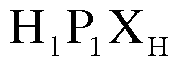 + HLS1XL +Zl ( 为所述小 区中心用户接收终端与基站之间的信道噪声) , 用 Ί\Υ 做为高功率 信号的初步估值。所述高功率信号流的初步估值经过所述解调和重新 调制后就可以获得高功率信号流的精确估值, 记为 ΧΗ。 得到低功率 信号流的具体公式为 W(YL - XH )。
具体的, 上述方法可用于以下场景中:
基站有 4根发射天线, 所述基站服务于两个用户终端, 其中一个用 户终端 A为小区边缘用户接收终端, 另一个用户终端 B为小区中心用 户接收终端,用户终端 A通常位于基站所服务小区的边缘位置,假设 A 有 2根接收天线, 用户终端 B通常位于基站所服务小区的中心位置, 假设 B有 4根接收天线, 基站向 A发送 2个高功率信号流, 向 B发送 3个低功率信号流。
首先, 基站将已调制成数字信号的 2 个高功率信号流经过对应 A 的高功率预编码矩阵进行预编码, 得到 4路高功率信号, 在这 4路高功 率信号的每一路高功率信号中都包含有所述已调制成数字信号的 2 个 高功率信号流。 另外, 将已调制成数字信号的 3个低功率信号流经过对 应 B的低功率预编码矩阵进行预编码得到 4路低功率信号, 所述 4路 低功率信号的每一路低功率信号中都包含有所述已调制成数字信号的 3个低功率信号流。
然后,将所述 4路高功率信号与 4路低功率信号两两相加即一路高 功率信号与一路低功率信号相加,从而得到的叠加信号流中就有 4路叠 加信号,基站的 4根天线通过对应的信道将所述 4路信号同时发送给 A 和 B , 用户终端 A通过 2才艮接收天线接收, 用户终端 A通过自己的高 功率信号接收矩阵解码出接收到的信号中的 2个高功率信号流。用户终 端 B通过 4根接收天线接收, 用户终端 B通过自己的高功率信号干扰 矩阵和低功率信号接收矩阵解码出接收到的信号中的 3 个高功率信号 流。
本发明实施例还提供了一种应用无线通信系统中的基站, 如图 4 所示, 所述基站包括: 计算单元 401 , 预编码单元 402, 叠加单元 403 , 发送单元 404。
计算单元 401 , 根据信道质量信息获得高功率预编码矩阵、 低功率 预编码矩阵。
所述信道质量信息包括对应小区边缘用户接收终端的高功率信道 矩阵和对应小区中心用户接收终端的低功率信道矩阵;所述高功率接收 终端用来接收发射功率为第一功率的高功率信号流,所述低功率接收终 端用来接收发射功率为第二功率的低功率信号流;所述第一功率大于所 述第二功率。
所述基站服务两种用户终端,一种用户终端为小区边缘用户接收终 端, 通常位于基站所服务小区的边缘地带, 用来接收高功率信号流; 另 一种用户终端为小区中心用户接收终端,通常位于基站所服务小区的中 间地带, 用来接收低功率信号流。 每一个用户终端与基站之间都对应有 信道质量信息, 所述信道质量信息包括信道矩阵。 基站根据与小区边缘 用户接收终端对应的高功率信道矩阵以及与小区中心用户接收终端对 应的低功率信道矩阵计算获得对高功率信号流进行预编码的高功率预 编码矩阵, 以及对低功率信号流进行预编码的低功率预编码矩阵。
假设在本实施例中所述基站共服务 A+B个用户终端, 其中所述用 户终端包括 A个小区边缘用户接收终端和 B个小区中心用户接收终端。 则基站可根据与所述用户终端的 A个高功率信道矩阵 Hm , H H2 , .. .H HA 和 B个低功率信道矩阵 Hu , H L2 , ...H 计算得到与所述 A个小区边缘 用户接收终端对应的 A个高功率预编码矩阵 PI , P2, ...,ΡΑ以及与所 述 Β个小区中心用户接收终端对应的 Β个低功率预编码矩阵 S1 , S2, SB。
具体的,所述根据信道质量信息获得高功率预编码矩阵和低功率预 编码矩阵为步骤 S1~S5 , 在上文已有具体描述, 在此不再赘述。
预编码单元 402, 用于根据所述高功率预编码矩阵对需要发送的高 功率信号流进行预编码获得预编码后的第一信号流,根据所述低功率预 编码矩阵对需要发送的低功率信号流进行预编码获得预编码后的第二 信号流。
所述高功率信号流为向小区边缘用户发送的信号流;所述低功率信 号流为向小区中心用户发送的信号流。
基站根据对应于小区边缘用户接收终端接收的高功率信号流的高 功率预编码矩阵,对发送给小区边缘用户接收终端的高功率信号流进行 预编码, 得到第一信号流; 根据对应于小区中心用户接收终端接收的低 功率信号流的低功率预编码矩阵,对发送给所述小区中心用户接收终端 的低功率信号流进行预编码得到第二信号流。 其中, 所述高功率信号流 和低功率信号流是已经基站调制编码生成的数字信号流。
仍然假设所述基站共服务 A+B个用户终端, 其中所述用户终端包 括 A个小区边缘用户接收终端和 B个小区中心用户接收终端。 则根据
计算得到与所述 A个小区边缘用户接收终端对应的 A个高功率预编码 矩阵 PI, P2, ...,ΡΑ分别对 Α个小区边缘用户接收终端需要接收的 A 种高功率信号流 χΗ1, χΗ2, ..., χΗΑ进行预编码, 得到第一信号流, 以 及与所述 Β个小区中心用户接收终端对应的 Β个氏功率预编码矩阵 S 1 , S2, SB分别对 Β个小区中心用户接收终端需要接收的 Β种低功率 信号流 Xu, XL2, 进行预编码, 得到第二信号流。
假设在本实施例中所述基站有 4根发射天线, 则所述 A种高功率 信号流经预编码后生成的第一信号流就有 4路信号, 所述 A种高功率 信号流都以不同的叠加方式调制在每一路信号中;同理所述第二信号流 也有 4路信号, 所述 B种低功率信号流也都以不同的叠加方式调制在 每一路信号中。 其中, 所述叠加方式的不同是由于根据各个接收终端对 应的信道矩阵的不同获得的预编码矩阵不同的缘故,所述信道矩阵反映 了基站与用户终端的信道质量,故叠加方式的不同是由于信道质量的不 同,即此处的预编码是根据不同的信道质量用不同的叠加方式对信号进 行叠加。
其中, 每一种高功率信号流 Xm, ΧΗ2, ..., ΧΚΑ中的高功率信号流 的个数不同, 所有高功率信号流 Xm, ΧΗ2, ..., χΗΑ中的高功率信号流 的个数总和应小于等于发射天线数 4, 每一种低功率信号流 Xu,
XL2, 中的低功率信号流的个数不同, 所有低功率信号流 XU , XL2, 中的低功率信号流的个数的总和小于等于发射天线数 4。
其中,每种所述高功率信号流和每种所述低功率信号流都是已经基 站调制编码生成的数字信号流, 一种高功率信号流 X H i中信号流的个数 为 2即高功率信号流 为 2 xl的矩阵, 则对应的高功率预编码矩阵 P1为 4x2的矩阵, 故按照 PlxXm编码后得到 4 xl的矩阵, 将所有高 功率信号流预编码后的矩阵叠加得到的第一信号流为 4 xl的矩阵, 即 4路信号, 同理一种低功率信号流 中低功率信号流的个数为 3即低 功率信号流 Xu为 3 xl的矩阵, , S为 3xML 的矩阵, 故按照 SXXL编 码后得到 4 xl的矩阵, 将所有低功率信号流预编码后的矩阵叠加得到 的第二信号流为 4 xl的矩阵, 即 4路信号。
叠加单元 403, 用于将所述第一信号流和所述第二信号流进行叠 加, 得到叠加信号流。
所述叠加单元 403将所述第一信号流中的 4路信号和所述第二信号 流中的 4路信号两两叠加,即一路第一信号流中的信号加上一路第二信 号流中的信号, 这样叠加得到的 4路叠加信号流, 每路叠加信号流中都 包含有以不同形式叠加的高功率信号流和低功率信号流。
发送单元 404 , 用于向用户终端发送所述叠加信号流, 所述用户终 端包括小区边缘用户接收终端和小区中心用户接收终端。
所述用户终端包括所述小区边缘用户接收终端和小区中心用户接 收终端。基站通过 4根发射天线将叠加信号流中的 4路信号发射给小区 边缘用户接收终端和小区中心用户接收终端。
本发明实施例还提供了一种用户终端, 如图 5所示, 所述用户终端 包括接收单元 501 , 解码单元 502, 调制单元 503 , 信号获取单元 504。
接收单元 501 , 用于接收基站发送的叠加信号流及接收矩阵; 所述 叠加信号流包括预编码后的进行叠加的高功率信号流和低功率信号流; 所述接收矩阵由所述基站计算得出后发送给用户终端,所述接收矩阵包 括高功率干扰矩阵和低功率接收矩阵。
所述叠加信号流包括预编码后的进行叠加的高功率信号流和低功 率信号流;基站将所述高功率信号流和低功率信号流先通过各自对应的 预编码矩阵进行预编码后再进行叠加生成叠加信号流,然后通过基站的 发射天线将所述叠加信号流发送给用户终端。
此处所述的用户终端为低功率用户终端,所述接收矩阵由所述基站 计算得出后发送给用户终端,所述接收矩阵高功率干扰矩阵和低功率接 收矩阵。
若所述用户终端为小区边缘用户接收终端,则用户终端接收对应的 高功率接收矩阵, 若所述用户终端为小区中心用户接收终端, 则用户终 端接收对应的高功率干扰矩阵和低功率接收矩阵。
当然, 所述用户终端也可以自己计算得到所述接收矩阵, 此时, 所 述用户终端需要自己测量所述接收矩阵需要的信道质量信息即信道矩 阵, 然后根据基站发送过来的预编码矩阵信息计算所述接受矩阵。 其具 体计算公式和基站计算所述接收矩阵用的计算公式相同, 在此不再详 述。
解码单元 502 , 用于根据高功率干扰矩阵对所述叠加信号流进行解
码获得高功率信号流的初步估值。 第 i个小区中心用户接收终端接收的原始信号为:
Yu = lluSiXu +∑j≠i HnSjXLj
 + ZU , 其中 对应第 i个 小区边缘用户接收终端的信道 车 Hu的信道噪声。用 了丫^故为高功 率信号流的初步估值。
或者, 小区中心用户接收终端可使用 Maximum Likelihood Detection ( ML, 最大似然检测) 的方式获得高功率信号的初步估值的 初步估计值, 此时则不需要使用接收矩阵。
调制单元 503 , 用于对所述高功率信号流的初步估值解调后重新进 行调制获得所述高功率信号流的精确估值。
所述高功率信号流的初步估值经^所述解调和重新调制后就可以 获得高功率信号流的精确估值, 记为 XHJ 。
信号获取单元 504, 用于从所述叠加信号流中消除所述高功率信号 的精确估值后通过低功率接收矩阵获得小区中心用户接收终端需要的 低功率信号流。
得到第 i个^氏功率„信号流接收终端需要的低功率信号流的具体公式 为 Wi ( Yu _∑^ HuPj X Hi ) , 同样的小区中心用户接收终端也要对其进 行解调和解码即可得到低功率信号流 X u所代表的信息。
另外, 若所述用户终端为小区边缘用户接收终端, 则通过高功率接 收矩阵对所述叠加信号进行解码,得到小区边缘用户接收终端需要的高 功率信号流。
本发明实施例还提供了一种系统, 如图 6所示, 所述系统包括基站 61 , 用户终端 62。
所述基站 61用于根据信道质量信息获得高功率预编码矩阵、 低功 率预编码矩阵后,根据所述高功率预编码矩阵分别对所述高功率信号流 进行预编码得到第一信号流,根据所述低功率预编码矩阵分别对所述低 功率信号流进行预编码得到第二信号流,并将所述第一信号流和所述第 二信号流进行叠加后得到的叠加信号流发送给用户终端。
所述用户终端 62用于通过接收天线接收基站发送的叠加信号流, 通过接收矩阵对所述叠加信号流进行解码, 得到用户终端需要的信号
流。
所述用户终端 62有两种类型, 一种是小区边缘用户接收终端, 一 种是小区中心用户接收终端。
若所述用户终端 62是小区边缘用户接收终端则直接通过高功率接 收矩阵对所述叠加信号进行解码,得到小区边缘用户接收终端需要的高 功率信号流。
若所述用户终端 62是小区中心用户接收终端则用户终端 62需根据 高功率干扰矩阵对所述叠加信号进行解码获得高功率信号的初步估值, 并对所述高功率信号流的初步估值进行解调解码后重新进行编码调制 获得高功率信号流的精确估值,然后从所述叠加信号中消除所述高功率 信号的精确估值后通过低功率接收矩阵获得小区中心用户接收终端需 要的低功率信号流。
本发明实施例提供了一种信号传输方法、 装置及系统, 基站根据信 道质量信息获得高功率预编码矩阵、低功率预编码矩阵后根据所述高功 率预编码矩阵分另 'J对对应的所述高功率信号流进行预编码得到第一信 号流,根据所述低功率预编码矩阵分别对对应的所述低功率信号流进行 预编码得到第二信号流,并将所述第一信号流和所述第二信号流进行叠 加后得到的叠加信号流发送给用户终端;所述用户终端通过接收矩阵对 接收到的叠加信号流进行解码, 得到用户终端需要的信号流; 本方法根 据不同的信道质量用不同的叠加方式对信号进行叠加传输,提高了信号 的接收质量, 增强了系统性能。
本领域普通技术人员可以理解: 实现上述方法实施例的全部或部分 步骤可以通过程序指令相关的硬件来完成,前述的程序可以存储于一计 算机可读取存储介质中, 该程序在执行时, 执行包括上述方法实施例的 步骤; 而前述的存储介质包括: ROM、 RAM , 磁碟或者光盘等各种可 以存储程序代码的介质。
Claims
1、 一种信号传输方法, 其特征在于, 包括:
根据信道质量信息获得高功率预编码矩阵、 低功率预编码矩阵; 根据所述高功率预编码矩阵对需要发送的高功率信号流进行预 编码获得预编码后的第一信号流,所述高功率信号流为向小区边缘用 户发送的信号流;
根据所述低功率预编码矩阵对需要发送的低功率信号流进行预 编码获得预编码后的第二信号流,所述低功率信号流为向小区中心用 户发送的信号流;
将所述第一信号流和所述第二信号流进行叠加, 得到叠加信号 流;
向用户终端发送所述叠加信号流,所述用户终端包括小区边缘用 户接收终端和小区中心用户接收终端。
2、 根据权利要求 1 所述的方法, 其特征在于, 所述根据信道质 量信息获得高功率预编码矩阵和低功率预编码矩阵包括:
根据预设的 k个功率数值, 为所述高功率信号流和所述低功率信 号流分配功率, 所述 k个功率数值记为 ai , a , ak , 每个功率 数值均小于 1且按照递减顺序排列,其中分配给所述高功率信号流的 上限功率为 ,

E为基站的总功率, m大于等于 1并小于等于 k;
在保证发射所述高功率信号流的功率小于等于 T^ E,发射所述 低功率信号流的功率小于等于 E的条件下,根据所述信道质量信 息计算对应的高功率预编码初步矩阵、 低功率预编码初步矩阵、 高功
率接收初步矩阵、 高功率干扰初步矩阵和低功率接收初步矩阵; 根据所述高功率预编码初步矩阵、 低功率预编码初步矩阵、 高功 率接收初步矩阵、 高功率干扰初步矩阵和低功率接收初步矩阵计算所 有所述小区边缘用户接收终端处的有用信号的平均信干噪比或均方 误差;
判断所述平均信干噪比是否高于预设的信干噪比门限值,或所述 均方误差是否低于预设的均方误差门限值或 m是否等于 k;
若所述平均信干噪比高于预设的信干噪比门限值或所述均方误 差低于预设的均方误差门限值或 m等于 k, 则将所述高功率预编码初 步矩阵和低功率预编码初步矩阵分别设置为所述高功率预编码矩阵 和低功率预编码矩阵; 若所述平均信干噪比低于预设的信干噪比门限值或所述均方误 差高于预设的均方误差门限值, 并且 m不等于 k, 则令 a»按照递减 顺序取下一值, 继续给所述高功率信号流和所述低功率信号流分配功 率, 直至获得所述平均信干噪比高于预设的信干噪比门限值或所述均 方误差低于预设的均方误差门限值或 m等于 k情况下的所述高功率 预编码矩阵和低功率预编码矩阵。
3、 根据权利要求 2所述的方法, 其特征在于, 所述若所述平均 信干噪比高于预设的信干噪比门限值或所述均方误差低于预设的均 方误差门限值或 m等于 k, 则将所述高功率预编码初步矩阵和低功率 预编码初步矩阵分别设置为所述高功率预编码矩阵和低功率预编码 矩阵还包括:
将所述高功率接收初步矩阵、 高功率干扰初步矩阵、 低功率接收
初步矩阵分别设置为高功率接收矩阵、 高功率干扰矩阵、 低功率接收 矩阵, 并将所述高功率接收矩阵、 高功率干扰矩阵和低功率接收矩阵 发送给所述用户终端。
4、 根据权利要求 1~3任一项所述的方法, 其特征在于, 在所述 用户终端包括一个小区边缘用户接收终端和一个小区中心用户接收 终端的情况下, 所述在保证发送所述高功率信号流的功率小于等 于 , 发送所述低功率信号流的功率小于等于 E 的条件 l + am 丄 + am
下, 根据所述信道质量信息计算高功率预编码初步矩阵、 低功率预编 码初步矩阵、 高功率接收初步矩阵、 高功率干扰初步矩阵和低功率接 收初步矩阵, 具体包括:
计算所述低功率预编码初步矩阵 S l 所述 S 满足以下公式:

ML
A为矩阵 Η Ι ^Η 的第 i大的奇异值, 11 为 H 的共轭转置矩阵, 是保证
i=l 小于等于 ^一 E的最大值;
i + am
根据所述低功率预编码初步矩阵 s i得到对应的所述低功率接收 初步矩阵 w 计算所述高功率预编码初步矩阵 P L 所述 P满足以下公式:
.. 0 .. 0
p = V 0 :: .. 0
0 .. 0 ·· 小 MH 其中, VH是由矩阵 ( HHSA'HH+IH ) - 1/2 Hh的最大的 MH个奇异 值对应的奇异向量构成的矩阵, HH为所述高功率信道矩阵, H'H为 HH 的共轭转置矩阵, 为所述低功率预编码初步矩阵 Si的共轭转置矩 阵, IH为小区边缘用户信号接收终端收到的噪声和来自其他基站干扰
1
的协方差矩阵; ^=ιη χ ( 0, ^'- 1 ) , Α为 HH(HHSS'HH +LH ) - 1ηη的 第 i大的奇异值, 是保证 小于等于 J一 E 的最大值;
i=i l + am
根据所述高功率预编码初步矩阵 Pi和所述低功率预编码初步矩 阵 Si得到对应的所述高功率接收初步矩阵 Qi; 根据所述高功率预编码初步矩阵 Ρι、 所述高功率接收初步矩阵 所述低功率预编码初步矩阵 Si、 所述低功率接收初步矩阵 Wi, 计算得到所述高功率干扰初步矩阵 T
5、 根据权利要求 1~3任一项所述的方法, 其特征在于, 所述小 区边缘用户接收终端的天线数为 ΝΗ ,所述小区边缘用户接收终端需 要的高功率信号流需要的个数为 ΜΗ, 所述 ΝΗ大于等于所述 ΜΗ 。
6、 根据权利要求 1~3任一项所述的方法, 其特征在于, 所述小 区中心用户接收终端的天线数为 NL, 所述小区中心用户接收终端需 要的低功率信号流需要的个数为 ML , 所述 NL大于等于所述 ML, 所述 NL大于等于 M, 所述 M为所述叠加信号流中的所述高功率信 号流的总个数。
7、 一种信号传输方法, 其特征在于, 包括:
接收基站发送的叠加信号流及接收矩阵;所述叠加信号流包括预 编码后的进行叠加的高功率信号流和低功率信号流; 所述接收矩阵包 括高功率干扰矩阵和低功率接收矩阵; 根据高功率干扰矩阵对所述叠加信号流进行解码获得高功率信 号流的初步估值; 对所述高功率信号流的初步估值解调后重新进行调制获得所述 高功率信号流的精确估值; 从所述叠加信号流中消除所述高功率信号的精确估值后通过低 功率接收矩阵获得小区中心用户接收终端需要的低功率信号流。
8、 根据权利要求 7所述的方法, 其特征在于, 所述小区中心用 户接收终端的天线数为 NL, 所述小区中心用户接收终端需要的低功 率信号流需要的个数为 ML , 所述 NL大于等于所述 ML, 所述 NL 大于等于所述 M, 所述 M为所述叠加信号流中的所述高功率信号流的 总个数。
9、 一种基站, 其特征在于, 包括: 计算单元, 用于根据信道质量信息获得高功率预编码矩阵、 低功 率预编码矩阵; 预编码单元,用于根据所述高功率预编码矩阵对需要发送的高功 率信号流进行预编码获得预编码后的第一信号流, 所述高功率信号流 为向小区边缘用户发送的信号流;根据所述低功率预编码矩阵对需要 发送的低功率信号流进行预编码获得预编码后的第二信号流,所述低 功率信号流为向小区中心用户发送的信号流;
叠加单元,用于将所述预编码单元预编码得到的所述第一信号流 和所述第二信号流进行叠加, 得到叠加信号流;
发送单元,用于向用户终端发送所述叠加单元叠加得到的所述叠 加信号流,所述用户终端包括所述小区边缘用户接收终端和所述小区 中心用户接收终端。
10、 根据权利要求 9所述的基站, 其特征在于, 所述计算单元, 用于根据信道质量信息获得高功率预编码矩阵、 低功率预编码矩阵, 具体包括:
根据预设的 k个功率数值, 为所述高功率信号流和所述低功率信 号流分配功率, 所述 k个功率数值记为 每个功率 数值均小于 1且按照递减顺序排列,其中分配给所述高功率信号流的 上限功率为 τ^ Ε , 分配给所述低功率信号流的上限功率为 ,
l + am l + am
E为基站的总功率, m大于等于 1并小于等于 k;
在保证发送所述高功率信号流的功率小于等于 T^E,发送低功 率信号流的功率小于等于 E的条件下,根据所述信道质量信息计
i + am
算对应的高功率预编码初步矩阵、 低功率预编码初步矩阵、 高功率接 收初步矩阵、 高功率干扰初步矩阵和低功率接收初步矩阵;
根据所述高功率预编码初步矩阵、 低功率预编码初步矩阵、 高功 率接收初步矩阵、 高功率干扰初步矩阵和低功率接收初步矩阵计算所 述高功率信号接收用户处的有用信号的平均信干噪比或均方误差; 判断所述平均信干噪比是否高于预设的信干噪比门限值,或所述 均方误差是否低于预设的均方误差门限值或 m是否等于 k;
若所述平均信干噪比高于预设的信干噪比门限值或所述均方误 差低于预设的均方误差门限值或 m等于 k, 则将所述高功率预编码初 步矩阵和低功率预编码初步矩阵分别设置为所述高功率预编码矩阵
和低功率预编码矩阵; 若所述平均信干噪比低于预设的信干噪比门限值或所述均方误 差高于预设的均方误差门限值, 并且 m不等于 k, 则令 a»按照递减 顺序取下一值, 继续给所述高功率信号流和所述低功率信号流分配功 率, 直至获得所述平均信干噪比高于预设的信干噪比门限值或所述均 方误差低于预设的均方误差门限值或 m等于 k情况下的所述高功率 预编码矩阵和低功率预编码矩阵。
11、 根据权利要求 10所述的基站, 其特征在于, 所述若所述平 均信干噪比高于预设的信干噪比门限值或所述均方误差低于预设的 均方误差门限值或 m等于 k, 则将所述高功率预编码初步矩阵和低功 率预编码初步矩阵分别设置为所述高功率预编码矩阵和低功率预编 码矩阵还包括:
将所述高功率接收初步矩阵、 高功率干扰初步矩阵、 低功率接收 初步矩阵分别设置为高功率接收矩阵、 高功率干扰矩阵、 低功率接收 矩阵, 并将所述高功率接收矩阵、 高功率干扰矩阵和低功率接收矩阵 发送给所述用户终端。
12、 根据权利要求 9~11 任一项所述的基站, 其特征在于, 在所 述用户终端包括一个小区边缘用户接收终端和一个小区中心用户接 收终端的情况下, 所述在保证发送所述高功率信号流的功率小于等 于 T^~E, 发送所述低功率信号流的功率小于等于 7^~E的条件下, 根据所述信道质量信息计算高功率预编码初步矩阵、低功率预编码初 步矩阵、 高功率接收初步矩阵、 高功率干扰初步矩阵和低功率接收初 步矩阵, 具体包括:
计算所述低功率预编码初步矩阵 Sl 所述 S 满足以下公式:

其中, 矩阵 是由矩阵 I -1/2HJ 最大的 M 个奇异值对应的奇异 向量构成的矩阵, t是小区中心用户接收终端收到的噪声和来自其他基站 干扰的协方差矩阵, 为所述低功率信道矩阵, q^max iO, μλ ^-λ^ ) ,
ML
A为矩阵 Η Ι^Η 的第 i大的奇异值, 11 为 H 的共轭转置矩阵, 是保证 i=l 小于等于^^ E 的最大值;
l + am
根据所述低功率预编码初步矩阵 S i得到对应的所述低功率接收 初步矩阵 计算所述高功率预编码初步矩阵 Pl 所述 P满足以下公式:

其中, VH是由矩阵( H HH+IH ) -1/2HH的最大的 MH个奇异值对 应的奇异向量构成的矩阵, HH为所述高功率信道矩阵, !^为 HH的共轭 转置矩阵, S;为所述低功率预编码初步矩阵 Si的共轭转置矩阵, :^为 小区边缘用户接收终端接收的噪声和来自其他基站干扰的协方差矩
1
阵; ti=max (0, ) , A为 HH (HHSS'HH +IH ) - 的第 i大的奇异 值, 是保证 小于等于 E的最大值;
i=l m
根据所述高功率预编码初步矩阵 Pi和所述低功率预编码初步矩 阵 到对应的所述高功率接收初步矩阵
根据所述高功率预编码初步矩阵 Ρι、 所述高功率接收初步矩阵 所述低功率预编码初步矩阵 S i、 所述低功率接收初步矩阵 Wi , 计算得到所述高功率干扰初步矩阵 τ
13、 根据权利要求 9~11任一项所述的基站, 其特征在于, 所述 小区边缘用户接收终端的天线数为 ΝΗ ,所述小区边缘用户接收终端 需要的高功率信号流需要的个数为 ΜΗ,所述 ΝΗ大于等于所述 ΜΗ 。
14、 根据权利要求 9~11任一项所述的基站, 其特征在于, 所述 小区中心用户接收终端的天线数为 NL, 所述小区中心用户接收终端 需要的低功率信号流需要的个数为 ML ,所述 NL大于等于所述 ML, 所述 NL大于等于 M, 所述 M为所述叠加信号流中的所述高功率信 号流的总个数。
15、 一种用户终端, 其特征在于, 包括:
接收单元, 用于接收基站发送的叠加信号流及接收矩阵; 所述叠 加信号流包括预编码后的进行叠加的高功率信号流和低功率信号流; 所述接收矩阵包括高功率干扰矩阵和低功率接收矩阵;
解码单元,用于根据高功率干扰矩阵对所述叠加信号流进行解码 获得高功率信号流的初步估值; 调制单元,用于对所述高功率信号流的初步估值解调后重新进行 调制获得所述高功率信号流的精确估值;
信号获取单元,用于从所述叠加信号流中消除所述高功率信号的 精确估值后通过低功率接收矩阵获得小区中心用户接收终端需要的 低功率信号流。
16、 根据权利要求 15所述的用户终端, 其特征在于, 所述小区
中心用户接收终端的天线数为 NL, 所述小区中心用户接收终端需要 的低功率信号流需要的个数为 ML , 所述 NL大于等于所述 ML, 所 述 NL大于等于所述 M, 所述 M为所述叠加信号流中的所述高功率 信号流的总个数 。
17、 一种信号传输系统, 其特征在于, 包括: 基站和用户终端; 所述基站用于根据信道质量信息获得高功率预编码矩阵、低功率 预编码矩阵; 根据所述高功率预编码矩阵对需要发送的高功率信号流 进行预编码获得预编码后的第一信号流, 所述高功率信号流为向小区 边缘用户发送的信号流;根据所述低功率预编码矩阵对需要发送的低 功率信号流进行预编码获得预编码后的第二信号流,所述低功率信号 流为向小区中心用户发送的信号流; 将所述第一信号流和所述第二信 号流进行叠加, 得到叠加信号流; 向所述用户终端发送所述叠加信号 流, 所述用户终端包括小区边缘用户接收终端和小区中心用户接收终 端;
所述用户终端用于接收所述基站发送的所述叠加信号流及接收 矩阵; 所述接收矩阵由所述基站计算得出后发送给用户终端, 所述接 收矩阵包括高功率干扰矩阵和低功率接收矩阵;根据高功率干扰矩阵 对所述叠加信号流进行解码获得高功率信号流的初步估值;对所述高 功率信号流的初步估值解调后重新进行调制获得所述高功率信号流 的精确估值;从所述叠加信号流中消除所述高功率信号的精确估值后 通过低功率接收矩阵获得小区中心用户接收终端需要的低功率信号 流。
Priority Applications (2)
| Application Number | Priority Date | Filing Date | Title |
|---|---|---|---|
| EP12870293.3A EP2814192B1 (en) | 2012-02-29 | 2012-05-19 | Signal transmission method, device and system |
| US13/624,260 US8472542B1 (en) | 2012-02-29 | 2012-09-21 | Method, apparatus, and system for signal transmission |
Applications Claiming Priority (2)
| Application Number | Priority Date | Filing Date | Title |
|---|---|---|---|
| CN201210050074.7 | 2012-02-29 | ||
| CN201210050074.7A CN103297178B (zh) | 2012-02-29 | 2012-02-29 | 一种信号传输方法、装置及系统 |
Related Child Applications (1)
| Application Number | Title | Priority Date | Filing Date |
|---|---|---|---|
| US13/624,260 Continuation US8472542B1 (en) | 2012-02-29 | 2012-09-21 | Method, apparatus, and system for signal transmission |
Publications (1)
| Publication Number | Publication Date |
|---|---|
| WO2013127129A1 true WO2013127129A1 (zh) | 2013-09-06 |
Family
ID=49081573
Family Applications (1)
| Application Number | Title | Priority Date | Filing Date |
|---|---|---|---|
| PCT/CN2012/075784 Ceased WO2013127129A1 (zh) | 2012-02-29 | 2012-05-19 | 一种信号传输方法、装置及系统 |
Country Status (4)
| Country | Link |
|---|---|
| US (1) | US8472542B1 (zh) |
| EP (1) | EP2814192B1 (zh) |
| CN (1) | CN103297178B (zh) |
| WO (1) | WO2013127129A1 (zh) |
Families Citing this family (10)
| Publication number | Priority date | Publication date | Assignee | Title |
|---|---|---|---|---|
| US7778826B2 (en) * | 2005-01-13 | 2010-08-17 | Intel Corporation | Beamforming codebook generation system and associated methods |
| US8412252B2 (en) * | 2009-12-31 | 2013-04-02 | Samsung Electronics Co., Ltd. | System and method using rate split scheme based on cooperation between receivers |
| US9136907B2 (en) * | 2014-02-07 | 2015-09-15 | Alcatel Lucent | Vectoring for low power modes |
| CN106712814B (zh) * | 2015-08-11 | 2020-07-17 | 上海诺基亚贝尔股份有限公司 | 采用基于码本的闭环预编码的叠加传输方法和装置 |
| CN113645012B (zh) | 2015-08-14 | 2025-04-18 | 索尼公司 | 无线通信网络中的电子设备和方法 |
| EP3420660B1 (en) | 2016-02-23 | 2020-04-08 | Telefonaktiebolaget LM Ericsson (PUBL) | Hybrid multiband and subband scheduling in multi-user superposition transmission |
| CN106131945A (zh) * | 2016-07-11 | 2016-11-16 | 清华大学 | 一种通过非正交多址实现广播通信业务的叠加传输方法 |
| SG11201810785VA (en) * | 2016-07-15 | 2019-01-30 | Panasonic Ip Corp America | Transmission apparatus and transmission method |
| CN110972221B (zh) * | 2019-12-06 | 2022-03-25 | Tcl移动通信科技(宁波)有限公司 | 一种通讯信号处理的方法、装置和移动终端 |
| EP4207616A4 (en) * | 2020-09-22 | 2023-10-11 | Huawei Technologies Co., Ltd. | WIRELESS COMMUNICATION METHOD AND APPARATUS |
Citations (4)
| Publication number | Priority date | Publication date | Assignee | Title |
|---|---|---|---|---|
| CN1983918A (zh) * | 2005-12-12 | 2007-06-20 | 华为技术有限公司 | 实现软频率复用、数据发送的方法及接入设备 |
| CN101305529A (zh) * | 2005-10-07 | 2008-11-12 | 诺基亚公司 | 为软频率重用提供公共导频信道的装置、方法和计算机程序产品 |
| CN102158310A (zh) * | 2011-02-15 | 2011-08-17 | 中兴通讯股份有限公司 | 一种实现多小区预编码的方法和装置 |
| US8078185B2 (en) * | 2009-03-31 | 2011-12-13 | Intel Corporation | User group-based adaptive soft frequency reuse method to mitigate downlink interference for wireless cellular networks |
Family Cites Families (8)
| Publication number | Priority date | Publication date | Assignee | Title |
|---|---|---|---|---|
| US7423987B2 (en) * | 2001-04-27 | 2008-09-09 | The Directv Group, Inc. | Feeder link configurations to support layered modulation for digital signals |
| JP4777440B2 (ja) | 2006-02-01 | 2011-09-21 | エルジー エレクトロニクス インコーポレイティド | 無線通信システムにおける重畳変調を用いたデータ送受信方法 |
| KR100966565B1 (ko) * | 2006-04-25 | 2010-06-29 | 엘지전자 주식회사 | 무선 통신 시스템에서 다중 사용자 패킷의 구성 방법 및 구조 |
| WO2007133051A2 (en) * | 2006-05-17 | 2007-11-22 | Lg Electronics Inc. | A method of implementing superposition coding for a forward link in a wireless commnication system |
| US8374257B2 (en) * | 2006-06-16 | 2013-02-12 | Samsung Electronics Co., Ltd. | System and method for superposition coding and interference cancellation in a MIMO system |
| CN101939931A (zh) | 2007-09-28 | 2011-01-05 | 何品翰 | 利用叠加调制进行无线数据组播的鲁棒系统和方法 |
| US20100046644A1 (en) | 2008-08-19 | 2010-02-25 | Motorola, Inc. | Superposition coding |
| JP5039110B2 (ja) * | 2009-10-05 | 2012-10-03 | 株式会社エヌ・ティ・ティ・ドコモ | 基地局装置、移動局装置及び送信電力制御方法 |
-
2012
- 2012-02-29 CN CN201210050074.7A patent/CN103297178B/zh active Active
- 2012-05-19 WO PCT/CN2012/075784 patent/WO2013127129A1/zh not_active Ceased
- 2012-05-19 EP EP12870293.3A patent/EP2814192B1/en active Active
- 2012-09-21 US US13/624,260 patent/US8472542B1/en active Active
Patent Citations (4)
| Publication number | Priority date | Publication date | Assignee | Title |
|---|---|---|---|---|
| CN101305529A (zh) * | 2005-10-07 | 2008-11-12 | 诺基亚公司 | 为软频率重用提供公共导频信道的装置、方法和计算机程序产品 |
| CN1983918A (zh) * | 2005-12-12 | 2007-06-20 | 华为技术有限公司 | 实现软频率复用、数据发送的方法及接入设备 |
| US8078185B2 (en) * | 2009-03-31 | 2011-12-13 | Intel Corporation | User group-based adaptive soft frequency reuse method to mitigate downlink interference for wireless cellular networks |
| CN102158310A (zh) * | 2011-02-15 | 2011-08-17 | 中兴通讯股份有限公司 | 一种实现多小区预编码的方法和装置 |
Also Published As
| Publication number | Publication date |
|---|---|
| US8472542B1 (en) | 2013-06-25 |
| EP2814192B1 (en) | 2019-11-06 |
| EP2814192A4 (en) | 2015-07-15 |
| CN103297178B (zh) | 2016-12-14 |
| CN103297178A (zh) | 2013-09-11 |
| EP2814192A1 (en) | 2014-12-17 |
Similar Documents
| Publication | Publication Date | Title |
|---|---|---|
| WO2013127129A1 (zh) | 一种信号传输方法、装置及系统 | |
| CN102571279B (zh) | 双向中继系统中源端和中继端的联合信号处理方法 | |
| CN101626264B (zh) | 一种无线通信系统中实现开环预编码的方法 | |
| WO2013034088A1 (zh) | 多用户多输入多输出系统中线性预编码的方法及装置 | |
| CN102724145B (zh) | 双向多中继系统中源端和中继端鲁棒性联合信号处理方法 | |
| CN102694628B (zh) | 基于多用户mimo协同中继系统的干扰抑制方法 | |
| CN101359953B (zh) | Td-scdma系统室外宏蜂窝中应用多输入多输出技术的方法 | |
| WO2013033919A1 (zh) | 数据传输方法、系统、发射机和接收机 | |
| JP5900707B2 (ja) | Dlmu−mimo通信システムにおける伝送能力向上方法 | |
| CN104113399B (zh) | 多用户mimo系统中基于矩阵条件数的用户选择方法 | |
| CN102355291A (zh) | 一种基于放大转发的多流双向中继传输方法 | |
| WO2012010017A1 (zh) | 在mimo中继系统中实现天线选择的方法和系统 | |
| CN102142874B (zh) | 一种基于物理层网络编码的联合天线选择空间复用方法 | |
| WO2012122810A1 (zh) | 一种实现协同预编码的方法和系统 | |
| CN102420679B (zh) | 基于中继协同预编码的多用户双向通信方法 | |
| CN105227226A (zh) | 基于干扰合成的迫零及串行干扰消除的多用户接收方法 | |
| CN102739344B (zh) | 一种上报信道状态信息的方法及装置、系统 | |
| US10256954B2 (en) | Data transmission method, device and system for downlink virtual multi-antenna system | |
| CN102769486B (zh) | 双向多跳中继系统中的中继端信号处理方法 | |
| CN102394682B (zh) | 多用户多输入多输出协同中继系统信息处理方法 | |
| WO2014015681A1 (zh) | 一种信号处理方法以及相关设备 | |
| WO2011035728A1 (zh) | 协作中继系统中预编码方法、通信装置和中继装置 | |
| CN102137502B (zh) | 无线双向中继网络编码系统的用户调度方法 | |
| CN102882632B (zh) | 一种分级优化传输参数的协作基站传输方法 | |
| CN102811188B (zh) | 双向中继系统中中继端鲁棒性信号处理方法 |
Legal Events
| Date | Code | Title | Description |
|---|---|---|---|
| 121 | Ep: the epo has been informed by wipo that ep was designated in this application |
Ref document number: 12870293 Country of ref document: EP Kind code of ref document: A1 |
|
| NENP | Non-entry into the national phase |
Ref country code: DE |
|
| WWE | Wipo information: entry into national phase |
Ref document number: 2012870293 Country of ref document: EP |