WO2013168581A1 - 受信装置、受信方法、送信装置、送信方法、及びプログラム - Google Patents
受信装置、受信方法、送信装置、送信方法、及びプログラム Download PDFInfo
- Publication number
- WO2013168581A1 WO2013168581A1 PCT/JP2013/062166 JP2013062166W WO2013168581A1 WO 2013168581 A1 WO2013168581 A1 WO 2013168581A1 JP 2013062166 W JP2013062166 W JP 2013062166W WO 2013168581 A1 WO2013168581 A1 WO 2013168581A1
- Authority
- WO
- WIPO (PCT)
- Prior art keywords
- application
- priority
- data
- broadcast content
- broadcast
- Prior art date
- Legal status (The legal status is an assumption and is not a legal conclusion. Google has not performed a legal analysis and makes no representation as to the accuracy of the status listed.)
- Ceased
Links
Images




Classifications
-
- H—ELECTRICITY
- H04—ELECTRIC COMMUNICATION TECHNIQUE
- H04N—PICTORIAL COMMUNICATION, e.g. TELEVISION
- H04N21/00—Selective content distribution, e.g. interactive television or video on demand [VOD]
- H04N21/40—Client devices specifically adapted for the reception of or interaction with content, e.g. set-top-box [STB]; Operations thereof
- H04N21/45—Management operations performed by the client for facilitating the reception of or the interaction with the content or administrating data related to the end-user or to the client device itself, e.g. learning user preferences for recommending movies, resolving scheduling conflicts
- H04N21/462—Content or additional data management e.g. creating a master electronic programme guide from data received from the Internet and a Head-end or controlling the complexity of a video stream by scaling the resolution or bit-rate based on the client capabilities
-
- H—ELECTRICITY
- H04—ELECTRIC COMMUNICATION TECHNIQUE
- H04H—BROADCAST COMMUNICATION
- H04H60/00—Arrangements for broadcast applications with a direct linking to broadcast information or broadcast space-time; Broadcast-related systems
- H04H60/09—Arrangements for device control with a direct linkage to broadcast information or to broadcast space-time; Arrangements for control of broadcast-related services
- H04H60/13—Arrangements for device control affected by the broadcast information
-
- H—ELECTRICITY
- H04—ELECTRIC COMMUNICATION TECHNIQUE
- H04H—BROADCAST COMMUNICATION
- H04H60/00—Arrangements for broadcast applications with a direct linking to broadcast information or broadcast space-time; Broadcast-related systems
- H04H60/76—Arrangements characterised by transmission systems other than for broadcast, e.g. the Internet
- H04H60/81—Arrangements characterised by transmission systems other than for broadcast, e.g. the Internet characterised by the transmission system itself
- H04H60/82—Arrangements characterised by transmission systems other than for broadcast, e.g. the Internet characterised by the transmission system itself the transmission system being the Internet
-
- H—ELECTRICITY
- H04—ELECTRIC COMMUNICATION TECHNIQUE
- H04N—PICTORIAL COMMUNICATION, e.g. TELEVISION
- H04N21/00—Selective content distribution, e.g. interactive television or video on demand [VOD]
- H04N21/20—Servers specifically adapted for the distribution of content, e.g. VOD servers; Operations thereof
- H04N21/23—Processing of content or additional data; Elementary server operations; Server middleware
- H04N21/236—Assembling of a multiplex stream, e.g. transport stream, by combining a video stream with other content or additional data, e.g. inserting a URL [Uniform Resource Locator] into a video stream, multiplexing software data into a video stream; Remultiplexing of multiplex streams; Insertion of stuffing bits into the multiplex stream, e.g. to obtain a constant bit-rate; Assembling of a packetised elementary stream
- H04N21/23605—Creation or processing of packetized elementary streams [PES]
-
- H—ELECTRICITY
- H04—ELECTRIC COMMUNICATION TECHNIQUE
- H04N—PICTORIAL COMMUNICATION, e.g. TELEVISION
- H04N21/00—Selective content distribution, e.g. interactive television or video on demand [VOD]
- H04N21/20—Servers specifically adapted for the distribution of content, e.g. VOD servers; Operations thereof
- H04N21/23—Processing of content or additional data; Elementary server operations; Server middleware
- H04N21/236—Assembling of a multiplex stream, e.g. transport stream, by combining a video stream with other content or additional data, e.g. inserting a URL [Uniform Resource Locator] into a video stream, multiplexing software data into a video stream; Remultiplexing of multiplex streams; Insertion of stuffing bits into the multiplex stream, e.g. to obtain a constant bit-rate; Assembling of a packetised elementary stream
- H04N21/2362—Generation or processing of Service Information [SI]
-
- H—ELECTRICITY
- H04—ELECTRIC COMMUNICATION TECHNIQUE
- H04N—PICTORIAL COMMUNICATION, e.g. TELEVISION
- H04N21/00—Selective content distribution, e.g. interactive television or video on demand [VOD]
- H04N21/40—Client devices specifically adapted for the reception of or interaction with content, e.g. set-top-box [STB]; Operations thereof
- H04N21/43—Processing of content or additional data, e.g. demultiplexing additional data from a digital video stream; Elementary client operations, e.g. monitoring of home network or synchronising decoder's clock; Client middleware
- H04N21/434—Disassembling of a multiplex stream, e.g. demultiplexing audio and video streams, extraction of additional data from a video stream; Remultiplexing of multiplex streams; Extraction or processing of SI; Disassembling of packetised elementary stream
- H04N21/4343—Extraction or processing of packetized elementary streams [PES]
-
- H—ELECTRICITY
- H04—ELECTRIC COMMUNICATION TECHNIQUE
- H04N—PICTORIAL COMMUNICATION, e.g. TELEVISION
- H04N21/00—Selective content distribution, e.g. interactive television or video on demand [VOD]
- H04N21/40—Client devices specifically adapted for the reception of or interaction with content, e.g. set-top-box [STB]; Operations thereof
- H04N21/43—Processing of content or additional data, e.g. demultiplexing additional data from a digital video stream; Elementary client operations, e.g. monitoring of home network or synchronising decoder's clock; Client middleware
- H04N21/434—Disassembling of a multiplex stream, e.g. demultiplexing audio and video streams, extraction of additional data from a video stream; Remultiplexing of multiplex streams; Extraction or processing of SI; Disassembling of packetised elementary stream
- H04N21/4345—Extraction or processing of SI, e.g. extracting service information from an MPEG stream
-
- H—ELECTRICITY
- H04—ELECTRIC COMMUNICATION TECHNIQUE
- H04N—PICTORIAL COMMUNICATION, e.g. TELEVISION
- H04N21/00—Selective content distribution, e.g. interactive television or video on demand [VOD]
- H04N21/40—Client devices specifically adapted for the reception of or interaction with content, e.g. set-top-box [STB]; Operations thereof
- H04N21/45—Management operations performed by the client for facilitating the reception of or the interaction with the content or administrating data related to the end-user or to the client device itself, e.g. learning user preferences for recommending movies, resolving scheduling conflicts
- H04N21/462—Content or additional data management e.g. creating a master electronic programme guide from data received from the Internet and a Head-end or controlling the complexity of a video stream by scaling the resolution or bit-rate based on the client capabilities
- H04N21/4622—Retrieving content or additional data from different sources, e.g. from a broadcast channel and the Internet
-
- H—ELECTRICITY
- H04—ELECTRIC COMMUNICATION TECHNIQUE
- H04N—PICTORIAL COMMUNICATION, e.g. TELEVISION
- H04N21/00—Selective content distribution, e.g. interactive television or video on demand [VOD]
- H04N21/60—Network structure or processes for video distribution between server and client or between remote clients; Control signalling between clients, server and network components; Transmission of management data between server and client, e.g. sending from server to client commands for recording incoming content stream; Communication details between server and client
- H04N21/61—Network physical structure; Signal processing
- H04N21/6106—Network physical structure; Signal processing specially adapted to the downstream path of the transmission network
- H04N21/6125—Network physical structure; Signal processing specially adapted to the downstream path of the transmission network involving transmission via Internet
-
- H—ELECTRICITY
- H04—ELECTRIC COMMUNICATION TECHNIQUE
- H04N—PICTORIAL COMMUNICATION, e.g. TELEVISION
- H04N21/00—Selective content distribution, e.g. interactive television or video on demand [VOD]
- H04N21/60—Network structure or processes for video distribution between server and client or between remote clients; Control signalling between clients, server and network components; Transmission of management data between server and client, e.g. sending from server to client commands for recording incoming content stream; Communication details between server and client
- H04N21/65—Transmission of management data between client and server
- H04N21/654—Transmission by server directed to the client
- H04N21/6543—Transmission by server directed to the client for forcing some client operations, e.g. recording
-
- H—ELECTRICITY
- H04—ELECTRIC COMMUNICATION TECHNIQUE
- H04N—PICTORIAL COMMUNICATION, e.g. TELEVISION
- H04N21/00—Selective content distribution, e.g. interactive television or video on demand [VOD]
- H04N21/80—Generation or processing of content or additional data by content creator independently of the distribution process; Content per se
- H04N21/81—Monomedia components thereof
- H04N21/8166—Monomedia components thereof involving executable data, e.g. software
- H04N21/8173—End-user applications, e.g. Web browser, game
-
- H—ELECTRICITY
- H04—ELECTRIC COMMUNICATION TECHNIQUE
- H04N—PICTORIAL COMMUNICATION, e.g. TELEVISION
- H04N21/00—Selective content distribution, e.g. interactive television or video on demand [VOD]
- H04N21/80—Generation or processing of content or additional data by content creator independently of the distribution process; Content per se
- H04N21/85—Assembly of content; Generation of multimedia applications
- H04N21/854—Content authoring
- H04N21/8543—Content authoring using a description language, e.g. Multimedia and Hypermedia information coding Expert Group [MHEG], eXtensible Markup Language [XML]
-
- H—ELECTRICITY
- H04—ELECTRIC COMMUNICATION TECHNIQUE
- H04N—PICTORIAL COMMUNICATION, e.g. TELEVISION
- H04N21/00—Selective content distribution, e.g. interactive television or video on demand [VOD]
- H04N21/80—Generation or processing of content or additional data by content creator independently of the distribution process; Content per se
- H04N21/85—Assembly of content; Generation of multimedia applications
- H04N21/854—Content authoring
- H04N21/8545—Content authoring for generating interactive applications
Definitions
- the present technology relates to a reception device, a reception method, a transmission device, a transmission method, and a program.
- the data broadcast content and an application program executed in conjunction with the broadcast content can be activated according to priority.
- the present invention relates to a receiving device, a receiving method, a transmitting device, a transmitting method, and a program.
- the application program is produced by a business operator who produces a general application program, which is different from the business operator that produces the broadcast content.
- the application program delivered in the linked service will be HTML (HyperText Markup Language) method, but in the future, it will be different from the HTML method produced by multiple operators.
- HTML HyperText Markup Language
- another application program is defined as a method linked to broadcast content.
- the present technology has been made in view of such a situation, and enables data broadcasting content and an application program executed in conjunction with the broadcasting content to be activated according to priority.
- a receiving device is executed in conjunction with a receiving unit that receives broadcast content transmitted by a broadcast wave of digital broadcasting, data broadcast content transmitted by the broadcast wave, and the broadcast content.
- An acquisition unit that acquires priority information indicating a priority of activation with one or a plurality of application programs to be executed, and activation of the data broadcast content or the application program is controlled according to the acquired priority information A control unit.
- information indicating the priority of activation of the data broadcast content is stored in the data ES (Elementary Stream) description area for the data broadcast content of the PMT (Program Map Table) transmitted by the broadcast wave.
- Information described in the first descriptor to be described and indicating the priority of activation of the application program is described in application control information for controlling the operation of the application program.
- the first descriptor describes information indicating whether or not the data broadcasting content is activated preferentially, and the application control information includes a plurality of information when the data broadcasting content is not activated preferentially. Information indicating the activation order among the application programs is described.
- the application control information is included in AIT (Application Information Table) defined by a predetermined standard or XML-AIT expressing the AIT in XML (Extensible Markup Language).
- AIT Application Information Table
- XML-AIT expressing the AIT in XML (Extensible Markup Language).
- the priority information is described in a second descriptor described in the program description area of the PMT transmitted by the broadcast wave.
- the data broadcast content and the application program are specified in order of priority.
- the priority information is described in a third descriptor in the data ES description area for each of the data broadcast content and one or a plurality of the application programs in the PMT transmitted by the broadcast wave.
- the third descriptor in the data ES description area for the data broadcast content information indicating whether or not the data broadcast content is preferentially activated is described, and is defined by a predetermined standard for the application program.
- information indicating a priority with another application program when the data broadcasting content is not activated preferentially is described.
- the application program is distributed via the Internet.
- the receiving device may be an independent device or an internal block constituting one device.
- the reception method or program according to the first aspect of the present technology is a reception method or program corresponding to the reception device according to the first aspect of the present technology.
- broadcast content transmitted by a broadcast wave of digital broadcast is received, and the data broadcast content transmitted by the broadcast wave and the broadcast content are Priority information indicating the priority of activation with one or a plurality of application programs executed in conjunction with each other is acquired, and activation of the data broadcast content or the application program is performed according to the acquired priority information. Be controlled.
- a transmission device is executed in conjunction with a transmission unit that transmits broadcast content transmitted by a broadcast wave of digital broadcasting, data broadcast content transmitted by the broadcast wave, and the broadcast content
- a generating unit that generates priority information indicating the priority of activation with one or a plurality of application programs to be transmitted, and the transmitting unit transmits the generated priority information using the broadcast wave.
- the transmission device may be an independent device or an internal block constituting one device.
- the transmission method according to the second aspect of the present technology is a transmission method corresponding to the transmission device according to the second aspect of the present technology.
- broadcast content transmitted by a broadcast wave of digital broadcast is transmitted, and data broadcast content transmitted by the broadcast wave is linked to the broadcast content.
- Priority information indicating the priority of activation with one or a plurality of application programs to be executed is generated, and the generated priority information is transmitted by the broadcast wave.
- the data broadcast content and the application program executed in conjunction with the broadcast content can be activated according to priority.
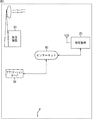
- FIG. 1 is a diagram illustrating a configuration of an embodiment of a broadcasting system to which the present technology is applied.
- the broadcasting system 1 includes a broadcasting device 10, a receiving device 20, and an application server 30.
- the receiving device 20 and the application server 30 are connected to each other via the Internet 40.
- the broadcasting device 10 is configured to transmit a broadcast signal of a broadcast content such as a TV program or a CM using a broadcast wave of a digital broadcast. In addition, the broadcast device 10 transmits data broadcast content using broadcast waves.
- the receiving device 20 receives a broadcast signal transmitted from the broadcasting device 10 by a broadcast wave of digital broadcasting, and acquires video and audio of broadcast content or video of data broadcast content.
- the receiving device 20 outputs the acquired video to a display and outputs audio to a speaker.
- the receiving device 20 may exist as a single unit, or may be incorporated in, for example, a television receiver or a video recorder. The detailed configuration of the receiving device 20 will be described later with reference to FIG.
- the broadcast device 10 transmits application control information for controlling the operation of the linked application included in the broadcast signal.
- the conjunction application is an application program that is executed in conjunction with broadcast content such as a television program, and is distributed by the application server 30 connected to the Internet 40.
- the receiving device 20 for example, there are cases where a plurality of linked applications such as HTML and Java (registered trademark) are activated, and the first linked application needs to be distinguished from each other. Or it distinguishes by calling a 2nd cooperation application. Further, when it is not necessary to distinguish between the first conjunction application and the second conjunction application, the description will be simply referred to as the conjunction application.
- a plurality of linked applications such as HTML and Java (registered trademark) are activated, and the first linked application needs to be distinguished from each other. Or it distinguishes by calling a 2nd cooperation application.
- the description will be simply referred to as the conjunction application.
- the application control information is transmitted by being included in, for example, an AIT (Application Information Table) defined by ARIB STD-B23.
- AIT Application Information Table
- “Auto Start”, “Present”, “Kill”, or “Prefetch” is described as a control command for controlling the operation of the conjunction application.
- “Auto Start” is a command that causes the receiving device 20 to automatically and immediately execute the linked application.
- “Present” is a command to indicate whether or not a linked application can be executed when the linked application is executed at an arbitrary timing in response to an external request. is there.
- “Kill” is a command for causing the receiving device 20 to end the execution of the conjunction application. Furthermore, “Prefetch” is a command for acquiring a linked application in advance.
- the URL Uniform Resource Locator
- the broadcasting device 10 generates priority information and sends it in a broadcast signal.
- the priority information is information indicating the priority of activation between the data broadcast content and one or a plurality of linked applications.
- the receiving device 20 controls the activation of the data broadcast content or the linked application according to the priority information transmitted by the broadcast wave.
- the receiving device 20 acquires and executes, for example, a linked application set to be automatically executed immediately, based on application control information transmitted by broadcast waves. At that time, the receiving device 20 accesses the application server 30 via the Internet 40 according to the URL described in the application control information, and acquires the linked application.
- Application server 30 manages linked applications.
- the application server 30 is provided by, for example, a broadcaster that broadcasts broadcast content on the broadcast device 10 or a provider that produces linked applications.
- the application server 30 distributes the managed linked application to the receiving device 20 via the Internet 40 in response to an inquiry from the receiving device 20.
- Broadcast system 1 is configured as described above.
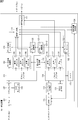
- FIG. 2 is a diagram illustrating a configuration of an embodiment of a reception device to which the present technology is applied.
- the reception device 20 mainly implements a first block for realizing a broadcast content reception / playback function transmitted by a broadcast wave of digital broadcasting, and a communication content reception / playback function distributed via the Internet 40. It consists of a second block for doing this.
- the first block includes a tuner 101, a descrambler 102, a CAS module 103, a demultiplexer 104, a data broadcast processing unit 105, a video decoder 106, an audio decoder 107, a caption decoder 108, and a data broadcast engine 109.
- the second block includes a communication I / F 112, a streaming processing unit 113, a demultiplexer 114, a DRM processing unit 115, a video decoder 116, an audio decoder 117, and a caption decoder 118.
- the video output unit 110, the audio output unit 111, the presentation synchronization control unit 119, the application arbitration unit 120, the application control unit 121, the application engine 122, and the like are provided to provide functions common to the first and second blocks.
- the tuner 101 extracts and demodulates the broadcast signal of the channel instructed to be selected from the received broadcast signal, and supplies the transport stream obtained as a result to the descrambler 102.
- the descrambler 102 de-scrambles the scrambled transport stream supplied from the tuner 101 and supplies it to the demultiplexer 104.
- information for performing broadcast content viewing control and contract management is stored in a CAS (Conditional Access System) module 103, and the descrambler 102 refers to the CAS module 103 and performs limited reception on the transmission side.
- the scrambled transport stream is descrambled.
- the demultiplexer 104 separates the transport stream supplied from the descrambler 102 into a video stream, an audio stream, caption data, and section data. Of the separated streams, the demultiplexer 104 supplies section data to the data broadcast processing unit 105, a video stream to the video decoder 106, an audio stream to the audio decoder 107, and subtitle data to the subtitle decoder 108, respectively.
- the transport stream is multiplexed with a stream for control information in addition to the above stream.
- the control information stream includes information such as PSI / SI.
- PSI Program Specific Information
- PSI includes PMT.
- a PMT Program Map
- PID Packet ID
- SI Service Information
- EIT Event Information Table
- the EIT includes information on the program such as the program name, broadcast date and time, and broadcast content.
- the data broadcast processing unit 105 performs various processes on the section data supplied from the demultiplexer 104.
- the data broadcast processing unit 105 performs section filtering on a DSM-CC (Digital Storage Media-Command Control) section transmitted by the carousel transmission method in the section data. Then, the data broadcast processing unit 105 performs analysis processing of DII (Download Info Indication) and DDB (Download Data Block) obtained as a result.
- the data broadcast processing unit 105 supplies data such as a BML document and image data included in the DDB obtained as a result of the DII and DDB analysis processing to the data broadcast engine 109 in units of modules.
- the data of the data broadcasting content is transmitted by the data carousel transmission method for each object constituting the data called a module.
- the data broadcast engine 109 controls the execution of the BML browser based on the module unit data supplied from the data broadcast processing unit 105 to generate a video signal of the data broadcast content and supply it to the video output unit 110. .
- the video decoder 106 decodes the video stream supplied from the demultiplexer 104 and supplies the video signal obtained as a result to the video output unit 110.
- the audio decoder 107 decodes the audio stream supplied from the demultiplexer 104 and supplies the audio signal obtained as a result to the audio output unit 111.
- the subtitle decoder 108 decodes the subtitle data supplied from the demultiplexer 104 and supplies the video signal obtained as a result to the video output unit 110.
- the video output unit 110 outputs the video signal supplied from the video decoder 106 to an external display (not shown). Thereby, the video of broadcast content such as a TV program is displayed on the display.
- the video output unit 110 synthesizes the video signal with the video signal from the video decoder 106, and the resulting video signal is combined. Output to the display.
- a video in which data broadcast information such as captions or weather forecast is superimposed on a television program is displayed on the display.
- the audio output unit 111 outputs the audio signal supplied from the audio decoder 107 to an external speaker (not shown). Thereby, the sound corresponding to the video of the broadcast content is output from the speaker.
- the communication I / F 112 receives data of communication content instructed to be played back by streaming, and supplies the data to the streaming processing unit 113.
- the streaming processing unit 113 performs various types of processing necessary for performing streaming playback on the communication content supplied from the communication I / F 112 and supplies the resulting data to the demultiplexer 114.
- the demultiplexer 114 separates the data supplied from the streaming processing unit 113 into a video stream, an audio stream, and subtitle data. Of the separated streams, the demultiplexer 114 supplies a video stream to the video decoder 116, an audio stream to the audio decoder 117, and subtitle data to the subtitle decoder 118.
- a DRM (Digital Rights Management) processing unit 115 performs processing for controlling copyright management of communication contents and restrictions on copying. For example, when the communication content for which streaming playback is instructed is encrypted, only the receiving device of the user who has obtained the permission of the author enables the streaming playback by supplying the encryption key and decrypting the encryption. .
- the video decoder 116 decodes the video stream supplied from the demultiplexer 114 and supplies the resulting video signal to the video output unit 110.
- the audio decoder 117 decodes the audio stream supplied from the demultiplexer 114 and supplies the audio signal obtained as a result to the audio output unit 111.
- the subtitle decoder 118 decodes the subtitle data supplied from the demultiplexer 114 and supplies the video signal obtained as a result to the video output unit 110.
- the video output unit 110 outputs the video signal supplied from the video decoder 116 to the display. Further, when a video signal is supplied from the caption decoder 118, the video output unit 110 synthesizes the video signal with the video signal from the video decoder 116, and outputs the resulting video signal to the display. Thereby, the video and subtitles of the communication content are displayed on the display.
- the audio output unit 111 outputs the audio signal supplied from the audio decoder 117 to the speaker. As a result, audio corresponding to the video of the communication content is output from the speaker.
- the presentation synchronization control unit 119 controls the video decoder 106, the audio decoder 107, and the caption decoder 108 so that the video signal and the audio signal supplied to the video output unit 110 and the audio output unit 111 are synchronized. Further, the presentation synchronization control unit 119 controls the video decoder 116, the audio decoder 117, and the caption decoder 118 so that the video signal and the audio signal supplied to the video output unit 110 and the audio output unit 111 are synchronized. To do.
- the application arbitration unit 120 monitors the demultiplexer 104 and acquires the PMT or AIT separated from the transport stream. Based on the acquired PMT or AIT, the application arbitration unit 120 determines the data broadcasting content and the linked application with the highest priority.
- Application arbitration unit 120 controls activation of data broadcast content by data broadcast engine 109 based on the determination result.
- the application arbitration unit 120 controls the activation of the conjunction application by the application control unit 121 based on the determination result.
- Application control unit 121-1 controls application engine 122-1 based on application control information.
- the application engine 122-1 controls the operation of the first conjunction application according to the control from the application control unit 121-1.
- the application control unit 121-2 controls the application engine 122-2 based on the application control information.
- the application engine 122-2 controls the operation of the second conjunction application according to the control from the application control unit 121-2.
- the application control unit 121 and the application engine 122 are provided according to the number of linked applications that can be activated by the receiving device 20, and in the present embodiment, the first linked application and the second linked application. Since two linked applications are taken as an example, two each are provided.
- the communication I / F 112 accesses the application server 30 via the Internet 40 according to control from the application engine 122-1, and requests the first linked application.
- the communication I / F 112 receives the first conjunction application distributed from the application server 30 and stores it in the memory 123.
- the application engine 122-1 activates the first conjunction application stored in the memory 123 according to the control from the application control unit 121-1, and controls its operation.
- the application engine 122-1 controls the execution of the HTML browser to generate a video signal of the first linked application and output the video. To the unit 110.
- the application engine 122-2 acquires the second conjunction application from the application server 30 and controls its operation, like the application engine 122-1.
- the terminal cooperation control unit 124 When an external device (not shown) is connected to the reception device 20, the terminal cooperation control unit 124 performs various processes for cooperation with the external device according to control from the application control unit 121 and the application engine 122. .
- the video signal and the audio signal are output to the outside.
- these signals are displayed in the built-in display. Are supplied to the speaker.
- the receiving device 20 is configured as described above.
- FIG. 3 is a diagram showing the structure of the PMT.
- section_length the section length of PMT is described. Further, service_id of the service is described in program_number.
- Version information is described in version_number. In current_next_indicator, “1” is described. In section_number, “0x00” is described. “0x00” is described in last_section_number.
- PCR_PID describes the PID of the PCR of the service.
- program_info_length the loop length of the first loop is described.
- CA_descriptor which is a descriptor used in the pay / copyright protection service
- digital_copy_control_descriptor and content_availability_descriptor which are descriptors used in copy control are described.
- stream_type the target stream format identification is described.
- elementary_PID describes the PID of a TS packet that transmits the associated elementary stream or payload.
- ES_info_length describes the length of the subsequent ES descriptor.
- CA_descriptor used in the paid / copyright protection service in elementary stream units CA_descriptor used in the paid / copyright protection service in elementary stream units, digital_copy_control_descriptor, content_availability_descriptor used in copy control in elementary stream units, and the like are described. Furthermore, data_component_descriptor is described as a data encoding scheme descriptor.
- FIG. 4 is a diagram showing the structure of the AIT.
- AIT identification information is described.
- section_syntax_indicator “1” is described.
- section_length the section length of AIT is described.
- version_number the version number is described.
- current_next_indicator “1” is described.
- section_number “0x00” is described.
- last_section_number the last section number is described.
- Descriptor () in the first loop describes descriptors that apply to all applications in the AIT.
- Application_loop_length describes the loop length of the application information. Then, application identification information is described in application_identifier () in the second loop.
- Application_control_code describes a control code for controlling the state of the application.
- Application_descriptors_loop_length describes the application information descriptor loop length.
- Descriptor () in the second loop describes a descriptor that applies only to the specified application.
- AIT has the above structure.
- Application control information Next, the details of the application control information will be described with reference to FIG.
- the application control information is described in, for example, AIT, and items shown in FIG. 5 are described.
- the application type describes the type of linked application.
- HTML5 is fixed and specified as the type.
- the provider ID describes the identification information of the provider that provides the linked application.
- the application ID identification information of a linked application that is unique within a specific operator is described. That is, the application ID can be uniquely identified by using the application ID in combination with the provider ID.
- the application control command describes the control action for the target linked application.
- specified operations such as “Auto Start”, “Present”, “Kill”, “Prefetch” and the like are described.
- the version information for each application type is described in the application specification version.
- a profile value indicating a function requested by the conjunction application to the receiving device 20 is described. That is, the receiving device 20 determines that the conjunction application can be used when it has the function described in the profile value.
- the acquisition URL of the linked application is described. That is, the URL of the application server 30 is specified as the application URL.
- the application boundary describes the operation range of the linked application.
- the operation range is specified by the boundary information.
- a specific domain is designated as the operation range of the conjunction application, and if it is within the range of the domain, the operation of the conjunction application is permitted.
- the domain of the acquisition URL of the linked application described in the application URL can also be used as boundary information.
- the application system priority indicates the priority between the type of the first linked application, the type of the data broadcasting content, and the type of the second linked application when the first linked application is started with Auto Start. Information is described.
- the receiving device 20 activates the data broadcast content or the linked application of the type having the maximum priority.
- the link operation range of the link application is described.
- the linked operation range is specified as a bind type.
- the conjunction application when service bound (Service_bound) is specified as the bind type, the conjunction application operates in conjunction with a predetermined service.
- the conjunction application When the provider bound (Provider_bound) is designated, the conjunction application operates in conjunction with the same broadcaster.
- unbound U-bound
- the conjunction application operates in conjunction with no restriction.
- the application priority describes the priority within the same application type. For example, in the application priority, a value indicating which application program is given priority among application programs of a plurality of HTML5 format documents is designated.
- a control parameter for distributing access to the application server 30 by distributing command application timing is described.
- the application type, provider ID, application ID, application control command, and application specification version are indispensable items.
- the receiver request function profile, application URL, application boundary, application system priority, and application broadcast link range are optional items with conditions. Further, the application permission function, application priority, and server access distribution parameter are completely optional items.
- the provider ID and the application ID are described in the application_identifier () of the AIT in FIG.
- An application control command is described in application_control_code of AIT.
- the other items are basically described in descriptor () in the second loop, but may be described in descriptor () in the first loop.
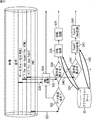
- application control information and an event message are multiplexed and transmitted in the broadcast stream.
- the application control information is described in the AIT transmitted by the broadcast wave.
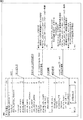
- the receiving device 20 acquires the application control information when the control command of the application control information included in the AIT transmitted by the broadcast wave specifies Auto Start of the conjunction application app1 (S1).
- the receiving device 20 accesses the application server 30 via the Internet 40 according to the acquired application control information, and acquires and activates the conjunction application app1 (S2). As a result, a video in which the video P11 of the conjunction application app1 is superimposed on the video of the television program is displayed on the display.
- the receiving device 20 ignites the event specified by the event message (S3). Thereby, for example, the video P11 of the conjunction application app1 being displayed on the display is switched to the video P12.
- the receiving device 20 acquires the application control information (S4).
- the receiving device 20 terminates the running conjunction application app1 according to the acquired application control information (S5). As a result, the video of the linked application app1 that has been superimposed on the video of the TV program is erased.
- the receiving device 20 acquires the application control information (S6).
- the receiving device 20 accesses the application server 30 via the Internet 40 according to the acquired application control information, acquires the linked application app2, and starts it (S7). As a result, a video in which the video P13 of the conjunction application app2 is superimposed on the video of the television program is displayed on the display.
- application control information and event messages transmitted by broadcast waves are constantly monitored, and the operation of the linked application is controlled according to control commands and events.
- the receiving device 20 in addition to starting such a linked application, it is also possible to start data broadcasting content, so start-up control based on priority information described in the PMT or AIT is performed.
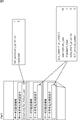
- FIG. 7 is a diagram illustrating a description example of the PMT according to the first method.
- an application priority descriptor (application_priority_descriptor ()) is described as descriptor () in the first loop (in the program description area) in the PMT shown in FIG. 3, and priority information is described there. Is done.
- Descriptor_tag describes the tag value assigned to the descriptor.
- descriptor_length the descriptor length of the descriptor is described.
- Application_type describes the application type. That is, the application types are designated in order of priority by the application type loop.
- the value specified for the application type corresponds to the application_type of AIT.
- the receiving device 20 is assigned with information for identifying the data broadcasting content fixedly assigned in advance. Can identify the priority of the data broadcast content.
- the PMT is described as above.
- the description content of the application priority descriptor according to the first method is arbitrary, and is not limited to the description example of FIG. In the first method, since priority information is described in the PMT, the application system priority (FIG. 5) is not described in the AIT.
- a broadcast stream includes section data for transmitting data broadcast content by a data carousel transmission method, an AIT for type 1, an AIT for type 2, and a PMT ( FIG. 7) is multiplexed.
- the data broadcast content is a BML document
- the first linked application is type 1 (HTML document)
- the second linked application is type 2 (for example, Java (registered trademark)).
- step S11 the application arbitration unit 120 acquires and holds the PMT at the timing of selecting a television program.
- step S12 the application arbitration unit 120 determines the priority for each type of data broadcast content and linked application based on the application_type described in the PMT.
- step S12 If it is determined in step S12 that the priority of the BML document is the highest, the processes of steps S13 and S14 are executed. That is, the data broadcasting engine 109 acquires module unit data transmitted by the data carousel transmission method (S13), and activates the data broadcasting content by controlling the execution of the BML browser (S14). As a result, the data broadcast content is preferentially activated.
- step S12 If it is determined in step S12 that the priority of the HTML document is the highest, the processes in steps S15 to S18 are executed. That is, the application control unit 121-1 acquires the AIT for the first conjunction application (S15). Then, the application engine 122-1 accesses the application server 30 according to the control from the application control unit 121-1 (S16), and acquires the first conjunction application (S17).
- the application engine 122-1 activates the acquired first conjunction application in accordance with the control from the application control unit 121-1 (S18). As a result, the first conjunction application is preferentially activated.
- step S12 when it is determined in step S12 that the type 2 (for example, Java (registered trademark)) type has the highest priority, the processing of steps S19 to S22 is executed. That is, the application control unit 121-2 acquires the AIT for the second conjunction application (S19). The application engine 122-2 accesses the application server 30 according to the control from the application control unit 121-2 (S20), and acquires the second conjunction application (S21).
- the type 2 for example, Java (registered trademark) type has the highest priority
- the processing of steps S19 to S22 is executed. That is, the application control unit 121-2 acquires the AIT for the second conjunction application (S19).
- the application engine 122-2 accesses the application server 30 according to the control from the application control unit 121-2 (S20), and acquires the second conjunction application (S21).
- the application engine 122-2 activates the acquired second conjunction application according to the control from the application control unit 121-2 (S22). As a result, the second conjunction application is preferentially activated.
- the data broadcasting content and the first linked application are selected according to the priority for each type specified in the application_type described in the application priority descriptor in the program description area of the PMT. Or the second conjunction application is activated preferentially.
- the priority can be determined only from the priority information described in the PMT regardless of the application control information. Therefore, the activation control can be performed regardless of the method of providing the application control information. . In addition, when performing the activation control, there is an advantage that the receiving device 20 is not loaded.
- the receiving device 20 since the PMT is information transmitted at a frequency within 100 msec and is acquired at the time of channel selection or the like, the receiving device 20 indicates the priority level when the data broadcasting content or the linked application is activated. A value can always be obtained. As a result, the receiving device 20 can immediately determine the priority at the time of activation, and can activate the one with higher priority with priority.
- the first method has been described above.
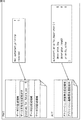
- FIG. 9 is a diagram illustrating a description example of the PMT according to the second method.
- the descriptor () in the second loop in the data ES description area for each elementary stream (ES: Elementary Stream) has a data encoding method descriptor (data_component_descriptor). ) And priority information is described there.
- Bml_autostart_priority is described in the data encoding method descriptor described in the data ES description area for the data broadcasting content.
- Bml_autostart_priority describes information indicating the priority of automatic start of data broadcasting content. For example, when “1” is described, it indicates that data broadcasting content is preferentially activated, and when “0” is described, linked applications other than data broadcasting content are preferentially activated. Indicates that
- ait_identifier_info is described in the data encoding method descriptor described in the data ES description area that transmits the AIT for the first conjunction application. The following contents are described in ait_identifier_info ().
- application_type the type of the linked application that operates according to the control command is described.
- HTML5 is designated as the type
- the receiving device 20 can perform an operation such as starting up and preparing an HTML browser in advance.
- the AIT is assumed to be transmitted as an XML document file by the data carousel transmission method or distributed via the Internet 40. In that case, the AIT is transmitted by any of these methods. One-bit information indicating whether or not is described.
- auto_start_priority a value indicating a priority with the type of another linked application (for example, the second linked application) when the first linked application is automatically started (Auto (Start) is described.
- AIT_version_number describes the AIT version information.
- ait_identifier_info () is described in the data encoding descriptor described in the data ES description area for transmitting the AIT for the second conjunction application. Since the contents of this ait_identifier_info () are the same as those described above, description thereof is omitted.
- the auto_start_priority of the first linked application and the second linked application are compared, and the priority is set.
- the linked application with the higher degree will be started.
- the PMT is described as above.
- the description content of the data encoding descriptor according to the second method is arbitrary, and is not limited to the description example of FIG. Also in the second method, since priority information is described in the PMT, the application system priority (FIG. 5) is not described in the AIT.
- the operation sequence of the receiving apparatus 20 in the second method is as follows. Since the PMT (FIG. 9) is multiplexed in the broadcast stream, the following processing is performed. That is, in the second method, as compared with the operation sequence in the first method described above, the determination process in step S12 is performed based on bml_autostart_priority and auto_start_priority (FIG. 9) instead of application_type (FIG. 7). Except for this, the same processing is performed.
- the data broadcast content is determined according to the priority of the type specified by bml_autostart_priority and auto_start_priority described in the data encoding method descriptor in each data ES description area of the PMT.
- Either the first linked application or the second linked application is preferentially activated.
- the second method has an advantage that the existing method can be used as it is because the priority information is described in the data encoding method descriptor in each data ES description area of the PMT.
- FIG. 10 is a diagram showing a description example of PMT and AIT according to the third method.
- a data encoding scheme descriptor (data_component_descriptor) is described in the data ES description area for data broadcast content, and priority information is described therein.
- bml_autostart_priority is described in the data encoding scheme descriptor.
- bml_autostart_priority information indicating the priority of automatic start of the data broadcast content is described. For example, when “1” is described, it indicates that data broadcasting content is preferentially activated, and when “0” is described, linked applications other than data broadcasting content are preferentially activated. Indicates that
- the priority information of the linked application is not described in the PMT.
- the PMT is described as above.
- an application start priority descriptor (autostart_priority_descriptor ()) is described as descriptor () in the second loop (in the application control unit description area) of the AIT shown in FIG. Priority information is described.
- Descriptor_tag describes the tag value assigned to the descriptor.
- descriptor_length the descriptor length of the descriptor is described.
- Priority_value describes a value indicating the priority of the linked application that is the target of the AIT.
- the priority value for example, the activation order of linked applications is designated. Specifically, when “first” is specified as the activation order in the AIT for the first conjunction application, and “second” is designated as the activation order in the AIT for the second conjunction application, the first linkage is performed. The application will be activated with priority.
- the description content of the application priority descriptor according to the third method is arbitrary, and is not limited to the description example of FIG.
- the application activation priority descriptor is described as being described in the second loop of the AIT (FIG. 4). However, the application activation priority descriptor is described in descriptor () in the first loop. Also good.
- the video stream, audio stream, section data, type 1 AIT, type 2 AIT, and PMT are multiplexed in the broadcast stream.
- the data broadcast content is a BML document
- the first linked application is type 1 (HTML document)
- the second linked application is type 2 (for example, Java (registered trademark)), and each is set to be automatically activated.
- step S31 the application mediation unit 120 acquires and holds the PMT at the timing of selecting a television program.
- step S32 the application arbitration unit 120 determines whether or not the automatic start of the data broadcasting content is prioritized based on bml_autostart_priority described in the PMT.
- step S32 If it is determined in step S32 that the automatic start of the data broadcasting content is prioritized, the processes of steps S33 and S34 are executed. That is, the data broadcasting engine 109 acquires module unit data transmitted by the data carousel transmission method (S33), and activates the data broadcasting content by controlling the execution of the BML browser (S34). As a result, the data broadcast content is preferentially activated.
- step S32 If it is determined in step S32 that the automatic activation of the data broadcasting content is not prioritized, the processes of steps S35 and S36 are executed. That is, the application arbitration unit 120 acquires an AIT for the first conjunction application (S35). In step S36, the application arbitration unit 120 determines whether or not the priority of the first conjunction application is the highest, based on the priority_value described in the AIT for the first conjunction application.
- Step S36 when it is determined that the priority of the first conjunction application is the highest (for example, “first”), the processes of Steps S37 to S39 are executed. That is, the application engine 122-1 accesses the application server 30 according to the control from the application control unit 121-1 (S37), and acquires the first conjunction application (S38). Then, the application engine 122-1 activates the acquired first conjunction application according to the control from the application control unit 121-1 (S39). As a result, the first conjunction application is preferentially activated.
- the application engine 122-1 accesses the application server 30 according to the control from the application control unit 121-1 (S37), and acquires the first conjunction application (S38). Then, the application engine 122-1 activates the acquired first conjunction application according to the control from the application control unit 121-1 (S39). As a result, the first conjunction application is preferentially activated.
- step S36 If it is determined in step S36 that the priority of the first conjunction application is not the highest (for example, “second”), the processes of steps S40 and S41 are executed. That is, the application arbitration unit 120 acquires an AIT for the second conjunction application (S40). In step S41, the application arbitration unit 120 determines whether the priority of the second conjunction application is the highest based on the priority_value described in the AIT for the second conjunction application.
- step S41 when it is determined that the priority of the second conjunction application is the highest (for example, “first”), the processing of steps S42 to S44 is executed. That is, the application engine 122-2 accesses the application server 30 according to the control from the application control unit 121-2 (S42), and acquires the second conjunction application (S43). Then, the application engine 122-2 activates the acquired second linked application according to the control from the application control unit 121-2 (S44). As a result, the second conjunction application is preferentially activated.
- step S32 If it is determined in step S32 that automatic activation of the data broadcasting content is not prioritized, an attempt to acquire both the AIT of the first linked application and the AIT of the second linked application at the same time has been obtained first. A method of confirming the priority from the above may be adopted. In addition, when there are three or more linked applications, and it is determined in step S41 that the priority of the second linked application is not the highest, the priority of the third linked application is the same as described above. It is determined whether or not is the most significant.
- step S32 the data broadcasting content is automatically activated based on the bml_autostart_priority of the PMT.
- the first linked application may be activated immediately without performing the determination process of step S36.
- the third method first, whether or not to automatically start data broadcasting content preferentially based on bml_autostart_priority described in the data encoding method descriptor in the data ES description area of the PMT. Is determined and the data broadcasting content is preferentially activated. If the data broadcast content is not activated preferentially, the activation order of the linked application is acquired based on the priority_value described in the application activation priority descriptor in the application control unit description area of the AIT. Is the highest, the target linked application is preferentially activated.
- the information described in the PMT can be kept to a minimum by using the AIT.
- the operational risks that arise can be avoided.
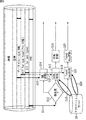
- the receiving device 20 controls the activation of the data broadcast content and the linked application by any one of the first to third methods. That is, for example, as shown in FIG. 12, when the data broadcast content is the BML format, the first linked application is the HTML format, and the second linked application is Java (registered trademark), the receiving device 20 is described in PTM or AIT.
- the activation control based on the priority information to be performed is performed, and among those types, the type with higher priority can be activated with priority.
- AIT is described as being transmitted as binary data by broadcast waves.
- XML-AIT expressed in XML (Extensible Markup A Language) defined in ETSI TS 102 809
- the XML-AIT is managed by a dedicated server connected to the Internet 40 and is provided in response to a request from the receiving device 20.
- the AIT is described as being sent for each linked application.
- AITs for a plurality of linked applications can be sent together as appropriate.
- the linked application is described as being executed in conjunction with the broadcast content.
- the linked application is executed in conjunction with the communication content that is streamed from a dedicated distribution server connected to the Internet 40. It may be.
- the first linked application and the second linked application are examples, and three or more linked applications different from those types may be provided.
- the series of processes described above can be executed by hardware or software.
- a program constituting the software is installed in the computer.
- the computer includes, for example, a general-purpose personal computer capable of executing various functions by installing a computer incorporated in dedicated hardware and various programs.
- FIG. 13 is a block diagram showing an example of the hardware configuration of a computer that executes the above-described series of processing by a program.
- a CPU Central Processing Unit
- ROM Read Only Memory
- RAM Random Access Memory
- An input / output interface 205 is further connected to the bus 204.
- An input unit 206, an output unit 207, a recording unit 208, a communication unit 209, and a drive 210 are connected to the input / output interface 205.
- the input unit 206 includes a keyboard, a mouse, a microphone, and the like.
- the output unit 207 includes a display, a speaker, and the like.
- the recording unit 208 includes a hard disk, a nonvolatile memory, and the like.
- the communication unit 209 includes a network interface and the like.
- the drive 210 drives a removable medium 211 such as a magnetic disk, an optical disk, a magneto-optical disk, or a semiconductor memory.
- the CPU 201 loads the program stored in the recording unit 208 to the RAM 203 via the input / output interface 205 and the bus 204 and executes the program, as described above. A series of processing is performed.
- the program executed by the computer 200 can be provided by being recorded in, for example, a removable medium 211 such as a package medium.
- the program can be provided via a wired or wireless transmission medium such as a local area network, the Internet, or digital satellite broadcasting.
- the program can be installed in the recording unit 208 via the input / output interface 205 by attaching the removable medium 211 to the drive 210. Further, the program can be received by the communication unit 209 via a wired or wireless transmission medium and installed in the recording unit 208. In addition, the program can be installed in the ROM 202 or the recording unit 208 in advance.
- the program executed by the computer 200 may be a program that is processed in time series in the order described in this specification, or a necessary timing such as in parallel or when a call is made. It may be a program in which processing is performed.
- processing steps for describing a program for causing the computer 200 to perform various processes do not necessarily have to be processed in time series according to the order described in the flowchart, and may be performed in parallel or individually. (For example, parallel processing or object processing).
- the program may be processed by one computer, or may be processed in a distributed manner by a plurality of computers. Furthermore, the program may be transferred to a remote computer and executed.
- the system means a set of a plurality of components (devices, modules (parts), etc.), and it does not matter whether all the components are in the same housing. Accordingly, a plurality of devices housed in separate housings and connected via a network and a single device housing a plurality of modules in one housing are all systems. .
- the present technology can take a configuration of cloud computing in which one function is shared by a plurality of devices via a network and is jointly processed.
- each step described in the above-described flowchart can be executed by one device or can be shared by a plurality of devices.
- the plurality of processes included in the one step can be executed by being shared by a plurality of apparatuses in addition to being executed by one apparatus.
- this technique can take the following structures.
- a receiver for receiving broadcast content transmitted by broadcast waves of digital broadcasting An acquisition unit for acquiring priority information indicating a priority of activation between the data broadcast content transmitted by the broadcast wave and one or a plurality of application programs executed in conjunction with the broadcast content; And a control unit that controls activation of the data broadcast content or the application program in accordance with the acquired priority information.
- the information indicating the priority of activation of the data broadcast content is a first description described in a data ES (Elementary Stream) description area for the data broadcast content of a PMT (Program Map Table) transmitted by the broadcast wave. Described in the child, The receiving device according to (1), wherein the information indicating the priority of starting the application program is described in application control information for controlling an operation of the application program.
- the receiving apparatus In the first descriptor, information indicating whether or not to preferentially activate the data broadcasting content is described, The receiving apparatus according to (2), wherein the application control information describes information indicating an activation order among the plurality of application programs when the data broadcasting content is not activated preferentially.
- the application control information is included in an AIT (Application Information Table) defined by a predetermined standard or an XML-AIT in which the AIT is expressed in XML (Extensible Markup Language). (2) or (3) .
- the receiving apparatus wherein the priority information is described in a second descriptor described in a program description area of a PMT transmitted by the broadcast wave.
- the receiving device wherein the data broadcasting content and the application program are specified in the second descriptor in order of priority.
- the priority information is described in a third descriptor in the data ES description area for each of the data broadcast content and one or a plurality of the application programs in the PMT transmitted by the broadcast wave. Receiver device.
- the third descriptor in the data ES description area for the data broadcast content information indicating whether or not the data broadcast content is activated preferentially is described
- the third descriptor in each data ES description area that transmits the AIT defined by the predetermined standard for the application program includes another application program when the data broadcasting content is not activated preferentially.
- the receiving apparatus in which information indicating priority is described.
- the receiving apparatus according to any one of (1) to (8), wherein the application program is distributed via the Internet.
- the receiving device is Receive broadcast content transmitted by broadcast waves of digital broadcasting, Obtaining priority information indicating the priority of activation between the data broadcast content transmitted by the broadcast wave and one or more application programs executed in conjunction with the broadcast content; A receiving method including a step of controlling activation of the data broadcast content or the application program according to the acquired priority information.
- the transmitting device is Send broadcast content transmitted by broadcast waves of digital broadcasting, Generating priority information indicating the priority of activation between the data broadcast content transmitted by the broadcast wave and one or more application programs executed in conjunction with the broadcast content;
- a transmission method including a step of transmitting the generated priority information by the broadcast wave.
- 1 broadcasting system 10 broadcasting device, 20 receiving device, 30 application server, 40 internet, 101 tuner, 109 data broadcasting engine, 112 communication I / F, 120 application arbitration unit, 121-1, 121-2, 121 application control unit , 122-1, 122-2, 122 Application engine, 200 computers, 201 CPU
Landscapes
- Engineering & Computer Science (AREA)
- Signal Processing (AREA)
- Multimedia (AREA)
- Databases & Information Systems (AREA)
- Computer Security & Cryptography (AREA)
- General Engineering & Computer Science (AREA)
- Software Systems (AREA)
- Two-Way Televisions, Distribution Of Moving Picture Or The Like (AREA)
- Information Transfer Between Computers (AREA)
Abstract
Description
図1は、本技術を適用した放送システムの一実施の形態の構成を示す図である。
図2は、本技術を適用した受信装置の一実施の形態の構成を示す図である。
ところで、受信装置20では、データ放送コンテンツのほか、1又は複数の連動アプリケーションが起動され、放送コンテンツに重畳表示されるが、それらを起動する際には、デジタル放送の放送波により伝送されるPMT又はAITに記述された起動の優先度を示す優先度情報に基づいた起動制御が行われる。そこで、次に、図3乃至図12を参照して、優先度情報に基づいた起動制御の具体的な運用例について説明する。
まず、図3を参照して、PMTの詳細について説明する。図3は、PMTの構造を示す図である。
次に、図4を参照して、AITの詳細について説明する。図4は、AITの構造を示す図である。
次に、図5を参照して、アプリケーション制御情報の詳細について説明する。アプリケーション制御情報は、例えばAITに記述されるものであって、図5に示す項目が記述される。
次に、図6を参照して、受信装置20がアプリケーション制御情報等に応じて、連動アプリケーションの動作の制御をする際の基本的な動作シーケンスについて説明する。
まず、図7及び図8を参照して、第1の方式について説明する。
次に、図8を参照して、第1の方式における受信装置20の動作シーケンスについて説明する。
次に、図9を参照して、第2の方式について説明する。
また、第2の方式における受信装置20の動作シーケンスであるが、放送ストリームには、PMT(図9)が多重化されているため、次の処理が行われる。すなわち、第2の方式では、前述した第1の方式における動作シーケンスと比べて、ステップS12の判定処理が、application_type(図7)の代わりに、bml_autostart_priority及びauto_start_priority(図9)に基づき行われる点を除いては、同様の処理が行われる。
最後に、図10及び図11を参照して、第3の方式について説明する。
次に、図11を参照して、第3の方式における受信装置20の動作シーケンスについて説明する。
前述した一連の処理は、ハードウェアにより実行することもできるし、ソフトウェアにより実行することもできる。一連の処理をソフトウェアにより実行する場合には、そのソフトウェアを構成するプログラムが、コンピュータにインストールされる。ここで、コンピュータには、専用のハードウェアに組み込まれているコンピュータや、各種のプログラムをインストールすることで、各種の機能を実行することが可能な、例えば汎用のパーソナルコンピュータなどが含まれる。
デジタル放送の放送波により伝送される放送コンテンツを受信する受信部と、
前記放送波により伝送されるデータ放送コンテンツと、前記放送コンテンツに連動して実行される1又は複数のアプリケーションプログラムとの間の起動の優先度を示す優先度情報を取得する取得部と、
取得した前記優先度情報に応じて、前記データ放送コンテンツ又は前記アプリケーションプログラムの起動を制御する制御部と
を備える受信装置。
(2)
前記優先度情報のうち、
前記データ放送コンテンツの起動の優先度を示す情報は、前記放送波によって伝送されるPMT(Program Map Table)の前記データ放送コンテンツ用のデータES(Elementary Stream)記述領域に記述される第1の記述子に記述され、
前記アプリケーションプログラムの起動の優先度を示す情報は、前記アプリケーションプログラムの動作を制御するためのアプリケーション制御情報に記述される
(1)に記載の受信装置。
(3)
前記第1の記述子には、前記データ放送コンテンツを優先的に起動するか否かを示す情報が記述され、
前記アプリケーション制御情報には、前記データ放送コンテンツを優先的に起動しない場合における、複数の前記アプリケーションプログラムの間の起動順位を示す情報が記述される
(2)に記載の受信装置。
(4)
前記アプリケーション制御情報は、所定の規格により規定されるAIT(Application Information Table)又は前記AITをXML(Extensible Markup Language)で表現したXML-AITに含まれる
(2)又は(3)に記載の受信装置。
(5)
前記優先度情報は、前記放送波によって伝送されるPMTのプログラム記述領域に記述される第2の記述子に記述される
(1)に記載の受信装置。
(6)
前記第2の記述子には、前記データ放送コンテンツ及び前記アプリケーションプログラムが優先度順に指定される
(5)に記載の受信装置。
(7)
前記優先度情報は、前記放送波によって伝送されるPMTにおける、前記データ放送コンテンツ及び1又は複数の前記アプリケーションプログラムごとのデータES記述領域における第3の記述子に記述される
(1)に記載の受信装置。
(8)
前記データ放送コンテンツ用のデータES記述領域における第3の記述子には、前記データ放送コンテンツを優先的に起動するか否かを示す情報が記述され、
前記アプリケーションプログラム用の所定の規格により規定されるAITを伝送する各データES記述領域における第3の記述子には、前記データ放送コンテンツを優先的に起動しない場合における、他のアプリケーションプログラムとの間の優先度を示す情報が記述される
(7)に記載の受信装置。
(9)
前記アプリケーションプログラムは、インターネットを介して配信される
(1)乃至(8)のいずれかに記載の受信装置。
(10)
受信装置の受信方法において、
前記受信装置が、
デジタル放送の放送波により伝送される放送コンテンツを受信し、
前記放送波により伝送されるデータ放送コンテンツと、前記放送コンテンツに連動して実行される1又は複数のアプリケーションプログラムとの間の起動の優先度を示す優先度情報を取得し、
取得した前記優先度情報に応じて、前記データ放送コンテンツ又は前記アプリケーションプログラムの起動を制御する
ステップを含む受信方法。
(11)
コンピュータを、
デジタル放送の放送波により伝送される放送コンテンツを受信する受信部と、
前記放送波により伝送されるデータ放送コンテンツと、前記放送コンテンツに連動して実行される1又は複数のアプリケーションプログラムとの間の起動の優先度を示す優先度情報を取得する取得部と、
取得した前記優先度情報に応じて、前記データ放送コンテンツ又は前記アプリケーションプログラムの起動を制御する制御部と
して機能させるためのプログラム。
(12)
デジタル放送の放送波により伝送される放送コンテンツを送信する送信部と、
前記放送波により伝送されるデータ放送コンテンツと、前記放送コンテンツに連動して実行される1又は複数のアプリケーションプログラムとの間の起動の優先度を示す優先度情報を生成する生成部と
を備え、
前記送信部は、前記放送波によって、生成した前記優先度情報を送信する
送信装置。
(13)
送信装置の送信方法において、
前記送信装置が、
デジタル放送の放送波により伝送される放送コンテンツを送信し、
前記放送波により伝送されるデータ放送コンテンツと、前記放送コンテンツに連動して実行される1又は複数のアプリケーションプログラムとの間の起動の優先度を示す優先度情報を生成し、
前記放送波によって、生成した前記優先度情報を送信する
ステップを含む送信方法。
Claims (13)
- デジタル放送の放送波により伝送される放送コンテンツを受信する受信部と、
前記放送波により伝送されるデータ放送コンテンツと、前記放送コンテンツに連動して実行される1又は複数のアプリケーションプログラムとの間の起動の優先度を示す優先度情報を取得する取得部と、
取得した前記優先度情報に応じて、前記データ放送コンテンツ又は前記アプリケーションプログラムの起動を制御する制御部と
を備える受信装置。 - 前記優先度情報のうち、
前記データ放送コンテンツの起動の優先度を示す情報は、前記放送波によって伝送されるPMT(Program Map Table)の前記データ放送コンテンツ用のデータES(Elementary Stream)記述領域に記述される第1の記述子に記述され、
前記アプリケーションプログラムの起動の優先度を示す情報は、前記アプリケーションプログラムの動作を制御するためのアプリケーション制御情報に記述される
請求項1に記載の受信装置。 - 前記第1の記述子には、前記データ放送コンテンツを優先的に起動するか否かを示す情報が記述され、
前記アプリケーション制御情報には、前記データ放送コンテンツを優先的に起動しない場合における、複数の前記アプリケーションプログラムの間の起動順位を示す情報が記述される
請求項2に記載の受信装置。 - 前記アプリケーション制御情報は、所定の規格により規定されるAIT(Application Information Table)又は前記AITをXML(Extensible Markup Language)で表現したXML-AITに含まれる
請求項3に記載の受信装置。 - 前記優先度情報は、前記放送波によって伝送されるPMTのプログラム記述領域に記述される第2の記述子に記述される
請求項1に記載の受信装置。 - 前記第2の記述子には、前記データ放送コンテンツ及び前記アプリケーションプログラムが優先度順に指定される
請求項5に記載の受信装置。 - 前記優先度情報は、前記放送波によって伝送されるPMTにおける、前記データ放送コンテンツ及び1又は複数の前記アプリケーションプログラムごとのデータES記述領域における第3の記述子に記述される
請求項1に記載の受信装置。 - 前記データ放送コンテンツ用のデータES記述領域における第3の記述子には、前記データ放送コンテンツを優先的に起動するか否かを示す情報が記述され、
前記アプリケーションプログラム用の所定の規格により規定されるAITを伝送する各データES記述領域における第3の記述子には、前記データ放送コンテンツを優先的に起動しない場合における、他のアプリケーションプログラムとの間の優先度を示す情報が記述される
請求項7に記載の受信装置。 - 前記アプリケーションプログラムは、インターネットを介して配信される
請求項1に記載の受信装置。 - 受信装置の受信方法において、
前記受信装置が、
デジタル放送の放送波により伝送される放送コンテンツを受信し、
前記放送波により伝送されるデータ放送コンテンツと、前記放送コンテンツに連動して実行される1又は複数のアプリケーションプログラムとの間の起動の優先度を示す優先度情報を取得し、
取得した前記優先度情報に応じて、前記データ放送コンテンツ又は前記アプリケーションプログラムの起動を制御する
ステップを含む受信方法。 - コンピュータを、
デジタル放送の放送波により伝送される放送コンテンツを受信する受信部と、
前記放送波により伝送されるデータ放送コンテンツと、前記放送コンテンツに連動して実行される1又は複数のアプリケーションプログラムとの間の起動の優先度を示す優先度情報を取得する取得部と、
取得した前記優先度情報に応じて、前記データ放送コンテンツ又は前記アプリケーションプログラムの起動を制御する制御部と
して機能させるためのプログラム。 - デジタル放送の放送波により伝送される放送コンテンツを送信する送信部と、
前記放送波により伝送されるデータ放送コンテンツと、前記放送コンテンツに連動して実行される1又は複数のアプリケーションプログラムとの間の起動の優先度を示す優先度情報を生成する生成部と
を備え、
前記送信部は、前記放送波によって、生成した前記優先度情報を送信する
送信装置。 - 送信装置の送信方法において、
前記送信装置が、
デジタル放送の放送波により伝送される放送コンテンツを送信し、
前記放送波により伝送されるデータ放送コンテンツと、前記放送コンテンツに連動して実行される1又は複数のアプリケーションプログラムとの間の起動の優先度を示す優先度情報を生成し、
前記放送波によって、生成した前記優先度情報を送信する
ステップを含む送信方法。
Priority Applications (8)
| Application Number | Priority Date | Filing Date | Title |
|---|---|---|---|
| EP13788572.9A EP2728896B1 (en) | 2012-05-10 | 2013-04-25 | Receiving device, receiving method, and program |
| JP2013520309A JP5871332B2 (ja) | 2012-05-10 | 2013-04-25 | 受信装置、受信方法、送信装置、及び送信方法 |
| MX2013014956A MX2013014956A (es) | 2012-05-10 | 2013-04-25 | Dispositivo de recepcion, metodo de recepcion, dispositivo de transmision, metodo de transmision y programa. |
| ES13788572T ES2806154T3 (es) | 2012-05-10 | 2013-04-25 | Aparato receptor, método de recepción, y programa |
| US14/126,713 US9661387B2 (en) | 2012-05-10 | 2013-04-25 | Receiving apparatus, reception method, transmitting apparatus, transmission method, and program |
| CN201380002035.2A CN103650520A (zh) | 2012-05-10 | 2013-04-25 | 接收设备、接收方法、发送设备、发送方法和程序 |
| CA2838471A CA2838471C (en) | 2012-05-10 | 2013-04-25 | Receiving apparatus, reception method, transmitting apparatus, transmission method, and program |
| BR112013033878A BR112013033878A2 (pt) | 2012-05-10 | 2013-04-25 | aparelho de recepção, método de recepção de um aparelho de recepção, programa, aparelho de transmissão, e, método de transmissão de um aparelho de transmissão |
Applications Claiming Priority (2)
| Application Number | Priority Date | Filing Date | Title |
|---|---|---|---|
| JP2012108135 | 2012-05-10 | ||
| JP2012-108135 | 2012-05-10 |
Publications (1)
| Publication Number | Publication Date |
|---|---|
| WO2013168581A1 true WO2013168581A1 (ja) | 2013-11-14 |
Family
ID=49550627
Family Applications (1)
| Application Number | Title | Priority Date | Filing Date |
|---|---|---|---|
| PCT/JP2013/062166 Ceased WO2013168581A1 (ja) | 2012-05-10 | 2013-04-25 | 受信装置、受信方法、送信装置、送信方法、及びプログラム |
Country Status (9)
| Country | Link |
|---|---|
| US (1) | US9661387B2 (ja) |
| EP (1) | EP2728896B1 (ja) |
| JP (5) | JP5871332B2 (ja) |
| CN (1) | CN103650520A (ja) |
| BR (1) | BR112013033878A2 (ja) |
| CA (1) | CA2838471C (ja) |
| ES (1) | ES2806154T3 (ja) |
| MX (1) | MX2013014956A (ja) |
| WO (1) | WO2013168581A1 (ja) |
Cited By (5)
| Publication number | Priority date | Publication date | Assignee | Title |
|---|---|---|---|---|
| WO2015083315A1 (en) * | 2013-12-05 | 2015-06-11 | Sony Corporation | Information processing apparatus, broadcast apparatus, and receiving method |
| EP3089465A4 (en) * | 2013-12-27 | 2017-07-05 | Hitachi Maxell, Ltd. | Broadcast reception device and video display method |
| JP2019134299A (ja) * | 2018-01-31 | 2019-08-08 | 東芝映像ソリューション株式会社 | 受信機 |
| JP2019134298A (ja) * | 2018-01-31 | 2019-08-08 | 東芝映像ソリューション株式会社 | 受信機 |
| JP2020058051A (ja) * | 2019-12-05 | 2020-04-09 | マクセル株式会社 | 放送受信装置及びアプリケーション制御方法 |
Families Citing this family (12)
| Publication number | Priority date | Publication date | Assignee | Title |
|---|---|---|---|---|
| ES2806154T3 (es) | 2012-05-10 | 2021-02-16 | Sony Corp | Aparato receptor, método de recepción, y programa |
| MX385662B (es) * | 2015-07-23 | 2025-03-18 | Sony Corp | Aparato de recepcion, aparato de transmision y metodo de procesamiento de datos. |
| JP6723709B2 (ja) | 2015-09-11 | 2020-07-15 | キヤノン株式会社 | 撮像装置、画像処理装置及びそれらの制御方法 |
| MX2018002982A (es) | 2015-09-18 | 2018-05-02 | Sony Corp | Dispositivo de transmision, dispositivo de recepcion y metodo de procesamiento de datos. |
| US11336957B2 (en) | 2016-02-15 | 2022-05-17 | Saturn Licensing, Llc | Reception apparatus, transmission apparatus, and data processing method |
| US11362748B2 (en) | 2016-06-08 | 2022-06-14 | Saturn Licensing Llc | Reception device, transmission device, and data processing method |
| EP3490265A4 (en) * | 2016-07-25 | 2019-05-29 | Sony Corporation | RECEIVING DEVICE, TRANSMISSION DEVICE AND DATA PROCESSING METHOD |
| EP3664457A1 (en) * | 2018-12-05 | 2020-06-10 | Advanced Digital Broadcast S.A. | System and method for improved parental control ratings delivery to a content receiver |
| JP7381711B2 (ja) * | 2020-02-27 | 2023-11-15 | ファナック株式会社 | 情報処理装置 |
| JP7164682B2 (ja) * | 2020-07-27 | 2022-11-01 | マクセル株式会社 | 情報処理方法 |
| JP7447321B2 (ja) * | 2022-09-08 | 2024-03-11 | マクセル株式会社 | コンテンツの蓄積及び出力方法 |
| JP2024069092A (ja) * | 2022-11-09 | 2024-05-21 | シャープ株式会社 | 受信装置、受信方法、及びプログラム |
Citations (2)
| Publication number | Priority date | Publication date | Assignee | Title |
|---|---|---|---|---|
| JP2003230111A (ja) * | 2002-01-31 | 2003-08-15 | Canon Inc | データ処理装置、データ処理システム、データ受信制御方法、記憶媒体、及びプログラム |
| JP2011066556A (ja) | 2009-09-15 | 2011-03-31 | Sony Corp | 情報処理装置、データ管理方法、およびプログラム |
Family Cites Families (24)
| Publication number | Priority date | Publication date | Assignee | Title |
|---|---|---|---|---|
| WO1997034384A1 (en) * | 1996-03-13 | 1997-09-18 | Digital D.J. Incorporated | Broadcast system using adaptive data structure |
| KR100654430B1 (ko) * | 1999-05-20 | 2006-12-07 | 삼성전자주식회사 | 데이터를 브로드캐스팅하는 디지털 방송 시스템에서 어플리케이션을 처리하는 장치 및 방법 |
| US6951030B2 (en) * | 2000-04-21 | 2005-09-27 | Matsushita Electric Industrial Co., Ltd. | Data broadcast apparatus capable of stopping reproduction of broadcast data in reception apparatus when an event requiring to stop the reproduction of the broadcast data occurs |
| FR2832580B1 (fr) | 2001-11-16 | 2004-01-30 | Thales Sa | Signal de programme de diffusion avec commande, systemes d'inscription et de lecture de commande, chaine de production et de diffusion associes |
| JP4371639B2 (ja) | 2002-09-09 | 2009-11-25 | キヤノン株式会社 | 受信装置 |
| JPWO2004034698A1 (ja) | 2002-10-09 | 2006-02-09 | 松下電器産業株式会社 | 情報処理装置 |
| CN1751503B (zh) * | 2003-03-03 | 2010-05-26 | 诺基亚有限公司 | 用于指示宽带传输中载送的传输流的分级模式的方法、系统和网络实体 |
| AU2004202425A1 (en) * | 2003-06-04 | 2004-12-23 | Panasonic Corporation | Program replacing method |
| JP2005102150A (ja) * | 2003-08-29 | 2005-04-14 | Matsushita Electric Ind Co Ltd | 放送受信装置 |
| US7475384B2 (en) * | 2004-10-19 | 2009-01-06 | Microsoft Corporation | Binding to types |
| KR100689474B1 (ko) * | 2005-01-27 | 2007-03-08 | 삼성전자주식회사 | 다중 화면을 제공하는 트랜스포트 스트림 수신 장치 및 그제어 방법 |
| WO2006129815A1 (en) | 2005-05-31 | 2006-12-07 | Matsushita Electric Industrial Co., Ltd. | Recording and reproduction apparatus and recording and reproduction method |
| US20070050808A1 (en) * | 2005-08-26 | 2007-03-01 | Sharp Kabushiki Kaisha | Program content reproduciton apparatus capable of appropriately notifying viewer of presence of sub content |
| KR100813985B1 (ko) * | 2006-09-06 | 2008-03-14 | 삼성전자주식회사 | 저장된 데이터 방송 서비스들 중에서 애플리케이션을포함하는 데이터 방송 서비스를 필터링하기 위한 데이터방송 서비스 제공 장치 및 방법 |
| JP4818060B2 (ja) * | 2006-10-13 | 2011-11-16 | シャープ株式会社 | 携帯通信端末 |
| WO2009005326A2 (en) * | 2007-07-04 | 2009-01-08 | Lg Electronics Inc. | Digital broadcasting system and method of processing data |
| JP2010004498A (ja) | 2008-06-23 | 2010-01-07 | Panasonic Corp | コンテンツ表示装置およびコンテンツ表示方法 |
| WO2009157740A2 (en) * | 2008-06-26 | 2009-12-30 | Lg Electronics Inc. | An internet protocol tv(iptv) receiver and a method for receiving application information in an iptv receiver |
| EP2320650B1 (en) * | 2009-10-20 | 2014-06-04 | Lg Electronics Inc. | Method of processing application in digital broadcast receiver connected with interactive network and the digital broadcast receiver |
| EP2343881B1 (en) * | 2010-01-07 | 2019-11-20 | LG Electronics Inc. | Method of processing application in digital broadcast receiver connected with interactive network, and digital broadcast receiver |
| TW201234833A (en) * | 2010-10-25 | 2012-08-16 | Panasonic Corp | Encoding method, display apparatus, and decoding method |
| JP5913301B2 (ja) * | 2011-05-19 | 2016-04-27 | 日本放送協会 | 放送通信連携受信装置 |
| EP2838273B1 (en) * | 2012-04-12 | 2022-03-30 | Saturn Licensing LLC | Reception apparatus, reception method, transmission apparatus, transmission method, and program |
| ES2806154T3 (es) | 2012-05-10 | 2021-02-16 | Sony Corp | Aparato receptor, método de recepción, y programa |
-
2013
- 2013-04-25 ES ES13788572T patent/ES2806154T3/es active Active
- 2013-04-25 US US14/126,713 patent/US9661387B2/en not_active Expired - Fee Related
- 2013-04-25 JP JP2013520309A patent/JP5871332B2/ja not_active Expired - Fee Related
- 2013-04-25 CN CN201380002035.2A patent/CN103650520A/zh active Pending
- 2013-04-25 BR BR112013033878A patent/BR112013033878A2/pt not_active Application Discontinuation
- 2013-04-25 CA CA2838471A patent/CA2838471C/en not_active Expired - Fee Related
- 2013-04-25 EP EP13788572.9A patent/EP2728896B1/en not_active Not-in-force
- 2013-04-25 MX MX2013014956A patent/MX2013014956A/es active IP Right Grant
- 2013-04-25 WO PCT/JP2013/062166 patent/WO2013168581A1/ja not_active Ceased
-
2014
- 2014-12-18 JP JP2014256727A patent/JP5777794B2/ja active Active
- 2014-12-18 JP JP2014256725A patent/JP5777793B2/ja active Active
- 2014-12-18 JP JP2014256726A patent/JP5757601B2/ja active Active
-
2015
- 2015-04-08 JP JP2015078830A patent/JP2015180065A/ja active Pending
Patent Citations (2)
| Publication number | Priority date | Publication date | Assignee | Title |
|---|---|---|---|---|
| JP2003230111A (ja) * | 2002-01-31 | 2003-08-15 | Canon Inc | データ処理装置、データ処理システム、データ受信制御方法、記憶媒体、及びプログラム |
| JP2011066556A (ja) | 2009-09-15 | 2011-03-31 | Sony Corp | 情報処理装置、データ管理方法、およびプログラム |
Non-Patent Citations (2)
| Title |
|---|
| OTSUKI ET AL.: "A Method of Controlling Presentation for Applications in Hybridcast", ITE TECHNICAL REPORT, vol. 36, no. 7, 9 February 2012 (2012-02-09), pages 29 - 32, XP032124912 * |
| See also references of EP2728896A4 |
Cited By (8)
| Publication number | Priority date | Publication date | Assignee | Title |
|---|---|---|---|---|
| WO2015083315A1 (en) * | 2013-12-05 | 2015-06-11 | Sony Corporation | Information processing apparatus, broadcast apparatus, and receiving method |
| US10547912B2 (en) | 2013-12-05 | 2020-01-28 | Sony Corporation | Information processing apparatus, broadcast apparatus, and receiving method |
| EP3089465A4 (en) * | 2013-12-27 | 2017-07-05 | Hitachi Maxell, Ltd. | Broadcast reception device and video display method |
| JP2019134299A (ja) * | 2018-01-31 | 2019-08-08 | 東芝映像ソリューション株式会社 | 受信機 |
| JP2019134298A (ja) * | 2018-01-31 | 2019-08-08 | 東芝映像ソリューション株式会社 | 受信機 |
| JP7123566B2 (ja) | 2018-01-31 | 2022-08-23 | Tvs Regza株式会社 | 受信機 |
| JP7123567B2 (ja) | 2018-01-31 | 2022-08-23 | Tvs Regza株式会社 | 受信機 |
| JP2020058051A (ja) * | 2019-12-05 | 2020-04-09 | マクセル株式会社 | 放送受信装置及びアプリケーション制御方法 |
Also Published As
| Publication number | Publication date |
|---|---|
| JP5777793B2 (ja) | 2015-09-09 |
| US9661387B2 (en) | 2017-05-23 |
| JP5757601B2 (ja) | 2015-07-29 |
| JP5871332B2 (ja) | 2016-03-01 |
| JP2015180065A (ja) | 2015-10-08 |
| CA2838471C (en) | 2020-08-18 |
| CN103650520A (zh) | 2014-03-19 |
| CA2838471A1 (en) | 2013-11-14 |
| JP2015097399A (ja) | 2015-05-21 |
| MX2013014956A (es) | 2014-02-27 |
| JPWO2013168581A1 (ja) | 2016-01-07 |
| EP2728896B1 (en) | 2020-06-17 |
| ES2806154T3 (es) | 2021-02-16 |
| JP5777794B2 (ja) | 2015-09-09 |
| JP2015100112A (ja) | 2015-05-28 |
| BR112013033878A2 (pt) | 2017-02-14 |
| JP2015097398A (ja) | 2015-05-21 |
| EP2728896A1 (en) | 2014-05-07 |
| US20140173665A1 (en) | 2014-06-19 |
| EP2728896A4 (en) | 2015-01-14 |
Similar Documents
| Publication | Publication Date | Title |
|---|---|---|
| JP5777794B2 (ja) | 送受信システム、及び、送受信方法 | |
| JP6575831B2 (ja) | 送信装置、送信方法、およびプログラム | |
| US9538260B2 (en) | Receiving device, receiving method, program, and broadcasting system | |
| CN104685895B (zh) | 接收装置、接收方法、发送装置,和发送方法 | |
| CN103548358B (zh) | 接收设备、接收方法以及信息提供设备 | |
| US9661371B2 (en) | Method for transmitting a broadcast service, apparatus for receiving same, and method for processing an additional service using the apparatus for receiving same | |
| JP6316196B2 (ja) | 受信装置、受信方法、送信装置、送信方法、及び、プログラム | |
| JP5903939B2 (ja) | 受信装置、受信方法、及びプログラム | |
| KR20130137130A (ko) | 수신 장치, 수신 방법 및 프로그램 | |
| US20160105717A1 (en) | Receiving device, receiving method, transmitting device, transmitting method, and program | |
| US11405683B2 (en) | Reception apparatus, reception method, transmission apparatus, and transmission method for controlling termination of application | |
| EP3054701B1 (en) | Receiver device, broadcast device, server device and reception method |
Legal Events
| Date | Code | Title | Description |
|---|---|---|---|
| ENP | Entry into the national phase |
Ref document number: 2013520309 Country of ref document: JP Kind code of ref document: A |
|
| ENP | Entry into the national phase |
Ref document number: 2838471 Country of ref document: CA |
|
| WWE | Wipo information: entry into national phase |
Ref document number: 14126713 Country of ref document: US |
|
| WWE | Wipo information: entry into national phase |
Ref document number: MX/A/2013/014956 Country of ref document: MX |
|
| WWE | Wipo information: entry into national phase |
Ref document number: 2013788572 Country of ref document: EP |
|
| 121 | Ep: the epo has been informed by wipo that ep was designated in this application |
Ref document number: 13788572 Country of ref document: EP Kind code of ref document: A1 |
|
| REG | Reference to national code |
Ref country code: BR Ref legal event code: B01A Ref document number: 112013033878 Country of ref document: BR |
|
| NENP | Non-entry into the national phase |
Ref country code: DE |
|
| ENP | Entry into the national phase |
Ref document number: 112013033878 Country of ref document: BR Kind code of ref document: A2 Effective date: 20131230 |