WO2013184577A1 - Alpha-amylase variants derived from the alpha amylase of cytophaga sp.amylase|(cspamy2). - Google Patents
Alpha-amylase variants derived from the alpha amylase of cytophaga sp.amylase|(cspamy2). Download PDFInfo
- Publication number
- WO2013184577A1 WO2013184577A1 PCT/US2013/043897 US2013043897W WO2013184577A1 WO 2013184577 A1 WO2013184577 A1 WO 2013184577A1 US 2013043897 W US2013043897 W US 2013043897W WO 2013184577 A1 WO2013184577 A1 WO 2013184577A1
- Authority
- WO
- WIPO (PCT)
- Prior art keywords
- amylase
- composition
- variant
- starch
- acid
- Prior art date
- Legal status (The legal status is an assumption and is not a legal conclusion. Google has not performed a legal analysis and makes no representation as to the accuracy of the status listed.)
- Ceased
Links
Classifications
-
- C—CHEMISTRY; METALLURGY
- C12—BIOCHEMISTRY; BEER; SPIRITS; WINE; VINEGAR; MICROBIOLOGY; ENZYMOLOGY; MUTATION OR GENETIC ENGINEERING
- C12N—MICROORGANISMS OR ENZYMES; COMPOSITIONS THEREOF; PROPAGATING, PRESERVING, OR MAINTAINING MICROORGANISMS; MUTATION OR GENETIC ENGINEERING; CULTURE MEDIA
- C12N9/00—Enzymes; Proenzymes; Compositions thereof; Processes for preparing, activating, inhibiting, separating or purifying enzymes
- C12N9/14—Hydrolases (3)
- C12N9/24—Hydrolases (3) acting on glycosyl compounds (3.2)
- C12N9/2402—Hydrolases (3) acting on glycosyl compounds (3.2) hydrolysing O- and S- glycosyl compounds (3.2.1)
- C12N9/2405—Glucanases
- C12N9/2408—Glucanases acting on alpha -1,4-glucosidic bonds
-
- C—CHEMISTRY; METALLURGY
- C12—BIOCHEMISTRY; BEER; SPIRITS; WINE; VINEGAR; MICROBIOLOGY; ENZYMOLOGY; MUTATION OR GENETIC ENGINEERING
- C12N—MICROORGANISMS OR ENZYMES; COMPOSITIONS THEREOF; PROPAGATING, PRESERVING, OR MAINTAINING MICROORGANISMS; MUTATION OR GENETIC ENGINEERING; CULTURE MEDIA
- C12N9/00—Enzymes; Proenzymes; Compositions thereof; Processes for preparing, activating, inhibiting, separating or purifying enzymes
- C12N9/14—Hydrolases (3)
- C12N9/24—Hydrolases (3) acting on glycosyl compounds (3.2)
- C12N9/2402—Hydrolases (3) acting on glycosyl compounds (3.2) hydrolysing O- and S- glycosyl compounds (3.2.1)
- C12N9/2405—Glucanases
- C12N9/2408—Glucanases acting on alpha -1,4-glucosidic bonds
- C12N9/2411—Amylases
- C12N9/2414—Alpha-amylase (3.2.1.1.)
-
- A—HUMAN NECESSITIES
- A23—FOODS OR FOODSTUFFS; TREATMENT THEREOF, NOT COVERED BY OTHER CLASSES
- A23L—FOODS, FOODSTUFFS OR NON-ALCOHOLIC BEVERAGES, NOT OTHERWISE PROVIDED FOR; PREPARATION OR TREATMENT THEREOF
- A23L2/00—Non-alcoholic beverages; Dry compositions or concentrates therefor; Preparation or treatment thereof
- A23L2/38—Other non-alcoholic beverages
- A23L2/382—Other non-alcoholic beverages fermented
-
- C—CHEMISTRY; METALLURGY
- C11—ANIMAL OR VEGETABLE OILS, FATS, FATTY SUBSTANCES OR WAXES; FATTY ACIDS THEREFROM; DETERGENTS; CANDLES
- C11D—DETERGENT COMPOSITIONS; USE OF SINGLE SUBSTANCES AS DETERGENTS; SOAP OR SOAP-MAKING; RESIN SOAPS; RECOVERY OF GLYCEROL
- C11D3/00—Other compounding ingredients of detergent compositions covered in group C11D1/00
- C11D3/16—Organic compounds
- C11D3/38—Products with no well-defined composition, e.g. natural products
- C11D3/386—Preparations containing enzymes, e.g. protease or amylase
-
- C—CHEMISTRY; METALLURGY
- C12—BIOCHEMISTRY; BEER; SPIRITS; WINE; VINEGAR; MICROBIOLOGY; ENZYMOLOGY; MUTATION OR GENETIC ENGINEERING
- C12N—MICROORGANISMS OR ENZYMES; COMPOSITIONS THEREOF; PROPAGATING, PRESERVING, OR MAINTAINING MICROORGANISMS; MUTATION OR GENETIC ENGINEERING; CULTURE MEDIA
- C12N9/00—Enzymes; Proenzymes; Compositions thereof; Processes for preparing, activating, inhibiting, separating or purifying enzymes
- C12N9/14—Hydrolases (3)
- C12N9/24—Hydrolases (3) acting on glycosyl compounds (3.2)
- C12N9/2402—Hydrolases (3) acting on glycosyl compounds (3.2) hydrolysing O- and S- glycosyl compounds (3.2.1)
- C12N9/2405—Glucanases
- C12N9/2408—Glucanases acting on alpha -1,4-glucosidic bonds
- C12N9/2411—Amylases
- C12N9/2414—Alpha-amylase (3.2.1.1.)
- C12N9/2417—Alpha-amylase (3.2.1.1.) from microbiological source
-
- C—CHEMISTRY; METALLURGY
- C12—BIOCHEMISTRY; BEER; SPIRITS; WINE; VINEGAR; MICROBIOLOGY; ENZYMOLOGY; MUTATION OR GENETIC ENGINEERING
- C12N—MICROORGANISMS OR ENZYMES; COMPOSITIONS THEREOF; PROPAGATING, PRESERVING, OR MAINTAINING MICROORGANISMS; MUTATION OR GENETIC ENGINEERING; CULTURE MEDIA
- C12N9/00—Enzymes; Proenzymes; Compositions thereof; Processes for preparing, activating, inhibiting, separating or purifying enzymes
- C12N9/14—Hydrolases (3)
- C12N9/24—Hydrolases (3) acting on glycosyl compounds (3.2)
- C12N9/2402—Hydrolases (3) acting on glycosyl compounds (3.2) hydrolysing O- and S- glycosyl compounds (3.2.1)
- C12N9/2405—Glucanases
- C12N9/2408—Glucanases acting on alpha -1,4-glucosidic bonds
- C12N9/2411—Amylases
- C12N9/2414—Alpha-amylase (3.2.1.1.)
- C12N9/2417—Alpha-amylase (3.2.1.1.) from microbiological source
- C12N9/242—Fungal source
-
- C—CHEMISTRY; METALLURGY
- C12—BIOCHEMISTRY; BEER; SPIRITS; WINE; VINEGAR; MICROBIOLOGY; ENZYMOLOGY; MUTATION OR GENETIC ENGINEERING
- C12P—FERMENTATION OR ENZYME-USING PROCESSES TO SYNTHESISE A DESIRED CHEMICAL COMPOUND OR COMPOSITION OR TO SEPARATE OPTICAL ISOMERS FROM A RACEMIC MIXTURE
- C12P19/00—Preparation of compounds containing saccharide radicals
- C12P19/02—Monosaccharides
-
- C—CHEMISTRY; METALLURGY
- C12—BIOCHEMISTRY; BEER; SPIRITS; WINE; VINEGAR; MICROBIOLOGY; ENZYMOLOGY; MUTATION OR GENETIC ENGINEERING
- C12P—FERMENTATION OR ENZYME-USING PROCESSES TO SYNTHESISE A DESIRED CHEMICAL COMPOUND OR COMPOSITION OR TO SEPARATE OPTICAL ISOMERS FROM A RACEMIC MIXTURE
- C12P19/00—Preparation of compounds containing saccharide radicals
- C12P19/14—Preparation of compounds containing saccharide radicals produced by the action of a carbohydrase (EC 3.2.x), e.g. by alpha-amylase, e.g. by cellulase, hemicellulase
-
- C—CHEMISTRY; METALLURGY
- C12—BIOCHEMISTRY; BEER; SPIRITS; WINE; VINEGAR; MICROBIOLOGY; ENZYMOLOGY; MUTATION OR GENETIC ENGINEERING
- C12Y—ENZYMES
- C12Y302/00—Hydrolases acting on glycosyl compounds, i.e. glycosylases (3.2)
- C12Y302/01—Glycosidases, i.e. enzymes hydrolysing O- and S-glycosyl compounds (3.2.1)
- C12Y302/01001—Alpha-amylase (3.2.1.1)
-
- A—HUMAN NECESSITIES
- A23—FOODS OR FOODSTUFFS; TREATMENT THEREOF, NOT COVERED BY OTHER CLASSES
- A23V—INDEXING SCHEME RELATING TO FOODS, FOODSTUFFS OR NON-ALCOHOLIC BEVERAGES AND LACTIC OR PROPIONIC ACID BACTERIA USED IN FOODSTUFFS OR FOOD PREPARATION
- A23V2002/00—Food compositions, function of food ingredients or processes for food or foodstuffs
-
- C—CHEMISTRY; METALLURGY
- C11—ANIMAL OR VEGETABLE OILS, FATS, FATTY SUBSTANCES OR WAXES; FATTY ACIDS THEREFROM; DETERGENTS; CANDLES
- C11D—DETERGENT COMPOSITIONS; USE OF SINGLE SUBSTANCES AS DETERGENTS; SOAP OR SOAP-MAKING; RESIN SOAPS; RECOVERY OF GLYCEROL
- C11D2111/00—Cleaning compositions characterised by the objects to be cleaned; Cleaning compositions characterised by non-standard cleaning or washing processes
- C11D2111/10—Objects to be cleaned
- C11D2111/12—Soft surfaces, e.g. textile
-
- C—CHEMISTRY; METALLURGY
- C11—ANIMAL OR VEGETABLE OILS, FATS, FATTY SUBSTANCES OR WAXES; FATTY ACIDS THEREFROM; DETERGENTS; CANDLES
- C11D—DETERGENT COMPOSITIONS; USE OF SINGLE SUBSTANCES AS DETERGENTS; SOAP OR SOAP-MAKING; RESIN SOAPS; RECOVERY OF GLYCEROL
- C11D2111/00—Cleaning compositions characterised by the objects to be cleaned; Cleaning compositions characterised by non-standard cleaning or washing processes
- C11D2111/10—Objects to be cleaned
- C11D2111/14—Hard surfaces
Definitions
- compositions and methods relating to variant a-amylases are useful, for example, for starch liquefaction and saccharification, cleaning starchy stains, textile desizing, baking, and brewing.
- Starch consists of a mixture of amylose (15-30% w/w) and amylopectin (70-85% w/w).
- Amylose consists of linear chains of a-l,4-linked glucose units having a molecular weight
- Amylopectin is a branched polymer containing a- 1,6 branch points every 24-30 glucose units; its MW may be as high as 100 million.
- the resulting syrup also may be fermented with microorganisms, such as yeast, to produce commercial products including ethanol, citric acid, lactic acid, succinic acid, itaconic acid, monosodium glutamate, gluconates, lysine, other organic acids, other amino acids, and other biochemicals, for example. Fermentation and saccharification can be conducted simultaneously (i.e., an SSF process) to achieve greater economy and efficiency.
- a-amylases hydrolyze starch, glycogen, and related polysaccharides by cleaving internal a-l,4-glucosidic bonds at random, ⁇ -amylases, particularly from Bacilli, have been used for a variety of different purposes, including starch liquefaction and saccharification, textile desizing, starch modification in the paper and pulp industry, brewing, baking, production of syrups for the food industry, production of feedstocks for fermentation processes, and in animal feed to increase digestability. These enzymes can also be used to remove starchy soils and stains during dishwashing and laundry washing.
- compositions and methods relate to variant amylase polypeptides, and methods of use, thereof. Aspects and embodiments of the present compositions and methods are summarized in the following separately- numbered paragraphs:
- the productive position is an amino acid position that can be substituted with a plurality of different amino acid residues, each of which substitutions result in a variant ⁇ -amylase that meets the requirements of (i), and (iii) the combinable mutation is listed in Lists A, B, C, D, E, or F, or in Table D, which uses SEQ ID NO: 1 for numbering.
- each of the at least one combinable mutations produce a variant amylase wherein the minimum performance indices (PI) relative to the parental amylase for (i) protein expression, (ii) activity, and (iii) detergent stability or thermostability are greater than or equal to 0.9, and the PI for any one of (i), (ii), or
- each of the at least one combinable mutations produce a variant amylase wherein the minimum performance indices (PI) relative to the parental amylase for (i) protein expression, (ii) activity, and (iii) detergent stability or thermostability are greater than or equal to 0.8, and the PI for any one of (i), (ii), or (iii) that is greater than or equal to 1.2.
- PI minimum performance indices
- each of the at least one combinable mutations produce a variant amylase wherein the minimum performance indices (PI) relative to the parental amylase for (i) protein expression, (ii) activity, and (iii) detergent stability or thermostability are greater than or equal to 0.5, and the PI for any one of (i), (ii), or (iii) that is greater than or equal to 1.5. 5.
- each of the at least one combinable mutations have a suitability score of +++, ++++, or +++++, referring to Table C.
- each of the at least one combinable mutation have a suitability score of ++++, or +++++, referring to
- each of the at least one combinable mutation has a suitability score of +++++, referring to Table C.
- each of the at least one combinable mutation has a productivity score of 1 or 2, referring to Table B.
- the variant amylase of any of the preceding paragraphs further comprises a deletion corresponding to a residue selected from the group consisting of Arg-178, Gly-179, Thr-180, and Gly-181, using SEQ ID NO: 1 for numbering.
- the variant amylase of any of the preceding paragraphs further comprises deletions corresponding to residues Arg-178 and Gly-179, using SEQ ID NO: 1 for numbering.
- the parental ⁇ -amylase or the variant ⁇ -amylase has at least 60% amino acid sequence identity to the amino acid sequence of SEQ ID NO: 1 or SEQ ID NO: 2.
- the parental ⁇ -amylase or the variant ⁇ -amylase has at least 70% amino acid sequence identity to the amino acid sequence of SEQ ID NO: 1 or SEQ ID NO: 2. 14. In some embodiments of the variant amylase of any of the preceding paragraphs, the parental ⁇ -amylase or the variant ⁇ -amylase has at least 80% amino acid sequence identity to the amino acid sequence of SEQ ID NO: 1 or SEQ ID NO: 2.
- the parental ⁇ -amylase or the variant ⁇ -amylase has at least 90% amino acid sequence identity to the amino acid sequence of SEQ ID NO: 1 or SEQ ID NO: 2. 16.
- a composition comprising the variant amylase of any of paragraphs 1-15 is provided.
- composition of paragraph 16 is effective for removing starchy stains from laundry, dishes, or textiles. 18. In some embodiments of the composition of paragraphs 16 or 17, further comprising a surfactant.
- the composition is a detergent composition.
- the composition is a laundry detergent or a laundry detergent additive.
- the composition is a manual or automatic dishwashing detergent.
- composition of paragraphs 16-21 further comprises one or more additional enzymes selected from the group consiting of protease, hemicellulase, cellulase, peroxidase, lipolytic enzyme, metallolipolytic enzyme, xylanase, lipase,
- the composition of paragraph 16 is for liquifying starch.
- composition of paragraph 16 is for saccharifying a composition comprising starch, for SSF post liquefaction, or for direct SSF without prior liquefaction.
- composition of paragraph 16 is for producing a fermented beverage.
- composition of paragraph 16 is for producing a baked food product.
- composition of paragraph 16 is for textile desizing.
- a method for removing a starchy stain or soil from a surface comprising: contacting the surface in the presence of a aqueous composition comprising an effective amount of the variant amylase of any of the paragraphs 1-15 and, allowing the polypeptide to hydrolyze starch components present in the starchy stain to produce smaller starch-derived molecules that dissolve in the aqueous composition, and rinsing the surface, thereby removing the starchy stain from the surface.
- the aqueous composition further comprises a surfactant.
- the surface is a textile surface.
- the surface is on dishes.
- the surface is a soiled hard surface.
- the composition further comprises at least one additional enzymes selected from the group consiting of protease, hemicellulase, cellulase, peroxidase, lipolytic enzyme, metallolipolytic enzyme, xylanase, lipase, phospholipase, esterase, perhydrolase, cutinase, pectinase, pectate lyase, mannanase, keratinase, reductase, oxidase, phenoloxidase, lipoxygenase, ligninase, pullulanase, tannase, pentosanase, malanase, ⁇ -glucanase, arabinosidase, hyaluronidase, chondroitinase, laccase, and an amylase other than the amylase of any one of paragraphs 1-15
- a method of saccharifying a composition comprising starch to produce a composition comprising glucose comprises: (i) contacting the solution comprising starch with effective amount of the variant amylase of any of the paragraphs 1-15; and (ii) saccharifying the solution comprising starch to produce the composition comprising glucose; wherein the variant amylase catalyzes the saccharification of the starch solution to glucose.
- the composition comprising starch comprises liquefied starch, gelatinized starch, or granular starch.
- saccharification is conducted at a temperature range of about 30°C to about 75°C.
- the temperature range is 47°C-74°C. 38.
- saccharification is conducted over a pH range of pH 2.0-7.5. 39.
- the pH range is pH 3.5-5.5.
- the pH range is pH 3.5-4.5.
- the method of any of paragraphs 34-40 further comprises fermenting the glucose composition to produce an end of fermentation (EOF) product.
- EEF end of fermentation
- the fermentation is a simultaneous saccharification and fermentation (SSF) reaction.
- the fermentation is conducted for 48-70 hours at pH 2-8 and in a temperature range of 25°C-70°C.
- the EOF product comprises ethanol.
- the EOF product comprises 8-18% (v/v) ethanol.
- the method further comprises contacting a mash and/or a wort with an amylase. 47. In some embodiments of the method of paragraph 46, the method further comprises:
- step (a) preparing a mash; (b) filtering the mash to obtain a wort; and (c) fermenting the wort to obtain a fermented beverage, wherein the variant amylase of any one of paragraphs 1-16 and 74- 80 is added to: (i) the mash of step (a) and/or (ii) the wort of step (b) and/or (iii) the wort of step (c).
- the EOF product comprises a metabolite.
- the metabolite is citric acid, lactic acid, succinic acid, monosodium glutamate, gluconic acid, sodium gluconate, calcium gluconate, potassium gluconate, glucono delta-lactone, sodium erythorbate, omega 3 fatty acid, butanol, an amino acid, lysine, itaconic acid, 1,3-propanediol, or isoprene.
- the method of any of paragraphs 34-49 further comprises adding glucoamylase, hexokinase, xylanase, glucose isomerase, xylose isomerase, phosphatase, phytase, pullulanase, ⁇ -amylase, a-amylase that is not the variant a-amylase, protease, cellulase, hemicellulase, lipase, cutinase, isoamylase, redox enzyme, esterase, transferase, pectinase, alpha-glucosidase, beta-glucosidase, or a combination thereof, to the starch solution. 51.
- the glucoamylase is added to 0.1-2 glucoamylase units (GAU)/g ds.
- the amylase is expressed and secreted by a host cell.
- the composition comprising starch is contacted with the host cell.
- the host cell further expresses and secretes a glucoamylase or other enzyme.
- the host cell is capable of fermenting the composition.
- composition comprising glucose produced by the method of any one of paragraphs 34-55 is provided.
- a liquefied starch produced by the method of any one of paragraphs 34-55 is provided.
- a fermented beverage produced by the method of any one of paragraphs 34-55 is provided.
- the fermented beverage or end of fermentation product is selected from the group consisting of (i) a beer selected from the group consisting of full malted beer, beer brewed under the "Rösgebot", ale, IPA, lager, bitter, Happoshu (second beer), third beer, dry beer, near beer, light beer, low alcohol beer, low calorie beer, porter, bock beer, stout, malt liquor, non-alcoholic beer, and non-alcoholic malt liquor; and (ii) cereal or malt beverages selected from the group consisting of fruit flavoured malt beverages, liquor flavoured malt beverages, and coffee flavoured malt beverages.
- a method of producing a food composition comprising combining: (i) one or more food ingredients, and (ii) a variant a- amylase of any of paragraphs 1-15, wherein the variant a- amylase thereof catalyzes the hydrolysis of starch components present in the food ingredients to produce glucose.
- the food composition is selected from the group consisting of a food product, a baking composition, a food additive, an animal food product, a feed product, a feed additive, an oil, a meat, and a lard.
- the one or more food ingredients comprise a baking ingredient or an additive.
- the one or more food ingredients is/are selected from the group consisting of flour; an anti-staling amylase; a phospholipase; a phospholipid; a maltogenic alpha-amylase or a variant, homologue, or mutants thereof which has maltogenic alpha-amylase activity; a bakery xylanase; and a lipase.
- the one or more food ingredients is/are selected from the group consisting of: (i) a maltogenic alpha-amylase from Bacillus stearothermophilus, (ii) a bakery xylanase is from Bacillus, Aspergillus, Thermomyces or Trichoderma, (iii) a glycolipase from Fusarium heterosporum.
- the food composition comprises a dough or a dough product, preferably a processed dough product.
- the method of any one of paragraphs 65-70 further comprises baking the food composition to produce a baked good.
- the method of any one of paragraphs 65-70 further comprises: (i) providing a starch medium; (ii) adding to the starch medium an amylase; and (iii) applying heat to the starch medium during or after step (b) to produce a bakery product.
- a method of desizing a textile comprising contacting a desizing composition with a sized textile for a time sufficient to desize the textile, wherein the desizing composition comprises a variant a-amylase of any one of paragraphs 1-15.
- the desizing composition comprises a variant a-amylase of any one of paragraphs 1-15.
- an isolated polynucleotide encoding a polypeptide of any of paragraphs 1-15 is provided.
- an expression vector comprising the polynucleotide of paragraph 74 is provided.
- a host cell comprising the expression vector of paragraph 75 is provided.
- SEQ ID NO: 1 sets forth the amino acid sequence of the mature form of Cytophaga sp. amylase (CspAmy2).
- SEQ ID NO: 2 sets forth the amino acid sequence of the mature form of a variant Cytophaga sp. amylase (CspAmy2-vl) having deletions of both Arginine 178 and Glycine 179.
- SEQ ID NO: 3 sets forth the amino acid sequence of the immature/precursor form of the variant form of Cytophaga sp. amylase (CspAmy2-vl) having a signal peptide.
- SEQ ID NO: 4 sets forth the nucleotide sequence of a synthetic DNA fragment
- CspAmy2-vl DNA encoding CspAmy2-vl amylase (SEQ ID NO: 2).
- compositions and methods relating to variant amylase enzymes were discovered by a combination of experimental approaches, as detailed in the appended Examples.
- the approaches include the use of site evaluation libraries (SELs) and structure-based analysis.
- Exemplary applications for the variant amylase enzymes are for starch liquefaction and saccharification, for cleaning starchy stains in laundry, dishwashing, and other applications, for textile processing (e.g., desizing), in animal feed for improving digestibility, and and for baking and brewing.
- IPTG isopropyl ⁇ -D-thiogalactoside
- PAHBAH p-hydroxybenzoic acid hydrazide
- ppm parts per million e.g., ⁇ g protein per gram dry solid
- TrGA Trichoderma reesei glucoamylase
- amylase or "amylolytic enzyme” refer to an enzyme that is, among other things, capable of catalyzing the degradation of starch
- a- Amylases are hydrolases that cleave the a-D-(l ⁇ 4) O-glycosidic linkages in starch.
- a-amylases (EC 3.2.1.1; a-D-(l ⁇ 4)- glucan glucanohydrolase) are defined as endo-acting enzymes cleaving a-D-(l ⁇ 4) O-glycosidic linkages within the starch molecule in a random fashion yielding polysaccharides containing three or more (l-4)-a-linked D-glucose units.
- the exo-acting amylolytic enzymes such as ⁇ -amylases (EC 3.2.1.2; a-D-(l ⁇ 4)-glucan maltohydrolase) and some product- specific amylases like maltogenic a-amylase (EC 3.2.1.133) cleave the polysaccharide molecule from the non-reducing end of the substrate, ⁇ -amylases, a-glucosidases (EC 3.2.1.20; a-D-glucoside glucohydrolase), glucoamylase (EC 3.2.1.3; a-D-(l ⁇ 4)-glucan glucohydrolase), and product- specific amylases like the maltotetraosidases (EC 3.2.1.60) and the maltohexaosidases (EC 3.2.1.98) can produce malto-oligosaccharides of a specific length or enriched syrups of specific maltooligosaccharides.
- Enzyme units herein refer to the amount of product formed per time under the specified conditions of the assay.
- a "glucoamylase activity unit” GAU
- a "soluble starch unit” SSU
- SSU soluble starch unit
- starch refers to any material comprised of the complex polysaccharide carbohydrates of plants, comprised of amylose and amylopectin with the formula (C 6 H 10 O5) x , wherein X can be any number.
- the term includes plant-based materials such as grains, cereal, grasses, tubers and roots, and more specifically materials obtained from wheat, barley, corn, rye, rice, sorghum, brans, cassava, millet, milo, potato, sweet potato, and tapioca.
- starch includes granular starch.
- granular starch refers to raw, i.e., uncooked starch, e.g., starch that has not been subject to gelatinization.
- wild-type refers to a naturally-occurring polypeptide that does not include a man-made substitution, insertion, or deletion at one or more amino acid positions.
- wild-type refers to a naturally-occurring polynucleotide that does not include a man-made nucleoside change.
- a polynucleotide encoding a wild-type, parental, or reference polypeptide is not limited to a naturally-occurring
- polynucleotide encompasses any polynucleotide encoding the wild- type, parental, or reference polypeptide.
- a "mature" polypeptide or variant, thereof, is one in which a signal sequence is absent, for example, cleaved from an immature form of the polypeptide during or following expression of the polypeptide.
- variant refers to a polypeptide that differs from a specified wild-type, parental, or reference polypeptide in that it includes one or more naturally-occurring or man-made substitutions, insertions, or deletions of an amino acid.
- variant refers to a polynucleotide that differs in nucleotide sequence from a specified wild- type, parental, or reference polynucleotide.
- identity of the wild-type, parental, or reference polypeptide or polynucleotide will be apparent from context.
- recombinant when used in reference to a subject cell, nucleic acid, protein or vector, indicates that the subject has been modified from its native state.
- recombinant cells express genes that are not found within the native (non-recombinant) form of the cell, or express native genes at different levels or under different conditions than found in nature.
- Recombinant nucleic acids differ from a native sequence by one or more nucleotides and/or are operably linked to heterologous sequences, e.g., a heterologous promoter in an expression vector.
- Recombinant proteins may differ from a native sequence by one or more amino acids and/or are fused with heterologous sequences.
- a vector comprising a nucleic acid encoding an amylase is a recombinant vector.
- Combinatorial variants are variants comprising two or more mutations, e.g., 2, 3, 4, 5, 6, 7, 8, 9, 10, etc., substitutions, deletions, and/or insertions.
- Combinable mutations are mutations at any amino acid position that can be used to make combinatorial variants. Combinable mutations improve at least one desired property of the molecule (in this case, an amylase), while not significantly decreasing either expression, activity, or stability. Combinable mutations can be grouped as follows:
- Group A A mutation that produces a variant wherein the minimum performance indices (PI) relative to a defined parental protein for: (i) protein expression, (ii) CS-28 microswatch activity at pH 8 (25°C) or pHIO (50°C), or activity in Ceralpha assay, or activity in corn flour or corn starch application assays, and (iii) detergent stability or thermostability at pH 5.0 or pH 5.7 is greater than or equal to 0.9, and in addition have a PI for any one of these tests that is greater than or equal to 1.0.
- PI minimum performance indices
- Group B A mutation that produces a variant wherein the minimum performance indices (PI) relative to a defined parental protein for: (i) protein expression, (ii) CS-28 microswatch activity at pH 8 (25°C) or pHIO (50°C), or activity in Ceralpha assay, or activity in corn flour or corn starch application assays, and (iii) detergent stability or thermostability at pH 5.0 or pH 5.7 is greater than or equal to 0.8, and in addition have a PI for any one of these tests that is greater than or equal to 1.2.
- PI minimum performance indices
- Group C A mutation that produces a variant wherein the minimum performance indices (PI) relative to a defined parental protein for: (i) protein expression, (ii) CS-28 microswatch activity at pH 8 (25°C) or pHIO (50°C), or activity in Ceralpha assay, or activity in corn flour or corn starch application assays, and (iii) detergent stability or thermostability at pH 5.0 or pH 5.7 is greater than or equal to 0.5, and in addition have a PI for any one of these tests that is greater than or equal to 1.5.
- PI minimum performance indices
- Preferred combinable mutations are at "productive positions,” as described, below.
- activity refers to amylase activity, which can be measured as described, herein.
- Productive positions are amino acid positions that are tolerant to substitution with different amino acid residues, wherein the resulting variants meet a set of performance criteria for combinability, as set forth above.
- Productive positions can be assigned a Productivity Score as follows: Positions where less than 15% of the substitutions at a given position fall within groups A, B, or C are given a Productivity Score of "1.” Positions where less than 30%, but greater than, or equal to 15% of the substitutions at a given position fall within groups A, B, or C are given a Productivity Score of "2.” Positions where less than 50%, but greater than, or equal to 30% of the substitutions at a given position fall within groups A, B, or C are given a Productivity Score of "3.” Positions where 50% or more of the substitutions at a given position fall within groups A, B, or C are given a Productivity Score of "4.” Productivity scores are described in the following Table:
- Preferred productive positions are combinable mutations.
- Suitability score refers to the ability of one or more combinable mutations to be used to make combinatorial variants, based on the performance criteria for combinability (i.e. , A, B, and C, as set forth, above) in which each of the mutations fall. A higher suitability score indicates a mutation or mutations that are more suitable for use in making combinatorial variants. Suitability scores are described in the following Table:
- polypeptides cell, nucleic acid, amino acid, or other specified material or component that is removed from at least one other material or component with which it is naturally associated as found in nature.
- the term “purified” refers to material (e.g. , an isolated polypeptide or polynucleotide) that is in a relatively pure state, e.g., at least about 90% pure, at least about 95% pure, at least about 98% pure, or even at least about 99% pure.
- enriched refers to material (e.g., an isolated polypeptide or polynucleotide) that is in about 50% pure, at least about 60% pure, at least about 70% pure, or even at least about 70% pure.
- thermostable and “thermostability,” with reference to an enzyme, refer to the ability of the enzyme to retain activity after exposure to an elevated temperature.
- the thermostability of an enzyme is measured by its half-life (t ⁇ ) given in minutes, hours, or days, during which half the enzyme activity is lost under defined conditions. The half-life may be calculated by measuring residual a- amylase activity following exposure to (i.e. , challenge by) an elevated temperature.
- a "pH range,” with reference to an enzyme refers to the range of pH values under which the enzyme exhibits catalytic activity.
- pH stable and “pH stability,” with reference to an enzyme, relate to the ability of the enzyme to retain activity over a wide range of pH values for a predetermined period of time (e.g., 15 min., 30 min., 1 hour).
- amino acid sequence is synonymous with the terms “polypeptide,” “protein,” and “peptide,” and are used interchangeably. Where such amino acid sequences exhibit activity, they may be referred to as an "enzyme.”
- amino acid sequences exhibit activity, they may be referred to as an "enzyme.”
- the conventional one-letter or three-letter codes for amino acid residues are used, with amino acid sequences being presented in the standard amino- to-carboxy terminal orientation (i.e., N ⁇ C).
- nucleic acid encompasses DNA, RNA, heteroduplexes, and synthetic molecules capable of encoding a polypeptide. Nucleic acids may be single stranded or double stranded, and may be chemical modifications. The terms “nucleic acid” and “polynucleotide” are used interchangeably. Because the genetic code is degenerate, more than one codon may be used to encode a particular amino acid, and the present compositions and methods encompass nucleotide sequences that encode a particular amino acid sequence. Unless otherwise indicated, nucleic acid sequences are presented in 5'-to-3' orientation.
- Hybridization refers to the process by which one strand of nucleic acid forms a duplex with, i.e., base pairs with, a complementary strand, as occurs during blot hybridization techniques and PCR techniques.
- Hybridized, duplex nucleic acids are characterized by a melting temperature (T m ), where one-half of the hybridized nucleic acids are unpaired with the complementary strand. Mismatched nucleotides within the duplex lower the T m .
- a nucleic acid encoding a variant a-amylase may have a T m reduced by 1°C - 3°C or more compared to a duplex formed between the nucleotide of SEQ ID NO: 2 and its identical complement.
- a "synthetic" molecule is produced by in vitro chemical or enzymatic synthesis rather than by an organism.
- transformed means that the cell contains a non-native (e.g., heterologous) nucleic acid sequence integrated into its genome or carried as an episome that is maintained through multiple generations.
- introduction in the context of inserting a nucleic acid sequence into a cell, means “transfection”, “transformation” or “transduction,” as known in the art.
- a "host strain” or “host cell” is an organism into which an expression vector, phage, virus, or other DNA construct, including a polynucleotide encoding a polypeptide of interest (e.g. , an amylase) has been introduced.
- exemplary host strains are microorganism cells (e.g. , bacteria, filamentous fungi, and yeast) capable of expressing the polypeptide of interest and/or fermenting saccharides.
- the term "host cell” includes protoplasts created from cells.
- heterologous with reference to a polynucleotide or protein refers to a polynucleotide or protein that does not naturally occur in a host cell.
- endogenous with reference to a polynucleotide or protein refers to a polynucleotide or protein that occurs naturally in the host cell.
- expression refers to the process by which a polypeptide is produced based on a nucleic acid sequence.
- the process includes both transcription and translation.
- a "selective marker” or “selectable marker” refers to a gene capable of being expressed in a host to facilitate selection of host cells carrying the gene.
- selectable markers include but are not limited to antimicrobials (e.g. , hygromycin, bleomycin, or chloramphenicol) and/or genes that confer a metabolic advantage, such as a nutritional advantage on the host cell.
- a "vector” refers to a polynucleotide sequence designed to introduce nucleic acids into one or more cell types.
- Vectors include cloning vectors, expression vectors, shuttle vectors, plasmids, phage particles, cassettes and the like.
- An "expression vector” refers to a DNA construct comprising a DNA sequence encoding a polypeptide of interest, which coding sequence is operably linked to a suitable control sequence capable of effecting expression of the DNA in a suitable host.
- control sequences may include a promoter to effect transcription, an optional operator sequence to control transcription, a sequence encoding suitable ribosome binding sites on the mRNA, enhancers and sequences which control termination of transcription and translation.
- operably linked means that specified components are in a relationship (including but not limited to juxtaposition) permitting them to function in an intended manner.
- a regulatory sequence is operably linked to a coding sequence such that expression of the coding sequence is under control of the regulatory sequences.
- a "signal sequence” is a sequence of amino acids attached to the N-terminal portion of a protein, which facilitates the secretion of the protein outside the cell. The mature form of an extracellular protein lacks the signal sequence, which is cleaved off during the secretion process.
- Bioly active refer to a sequence having a specified biological activity, such an enzymatic activity.
- specific activity refers to the number of moles of substrate that can be converted to product by an enzyme or enzyme preparation per unit time under specific conditions. Specific activity is generally expressed as units (U)/mg of protein.
- water hardness is a measure of the minerals (e.g. , calcium and magnesium) present in water.
- a "swatch" is a piece of material such as a fabric that has a stain applied thereto.
- the material can be, for example, fabrics made of cotton, polyester or mixtures of natural and synthetic fibers.
- the swatch can further be paper, such as filter paper or nitrocellulose, or a piece of a hard material such as ceramic, metal, or glass.
- the stain is starch based, but can include blood, milk, ink, grass, tea, wine, spinach, gravy, chocolate, egg, cheese, clay, pigment, oil, or mixtures of these compounds.
- a "smaller swatch" is a section of the swatch that has been cut with a single hole punch device, or has been cut with a custom manufactured 96-hole punch device, where the pattern of the multi-hole punch is matched to standard 96-well microtiter plates, or the section has been otherwise removed from the swatch.
- the swatch can be of textile, paper, metal, or other suitable material.
- the smaller swatch can have the stain affixed either before or after it is placed into the well of a 24-, 48- or 96-well microtiter plate.
- the smaller swatch can also be made by applying a stain to a small piece of material.
- the smaller swatch can be a stained piece of fabric 5/8" or 0.25" in diameter.
- the custom manufactured punch is designed in such a manner that it delivers 96 swatches simultaneously to all wells of a 96-well plate.
- the device allows delivery of more than one swatch per well by simply loading the same 96-well plate multiple times.
- Multi-hole punch devices can be conceived of to deliver simultaneously swatches to any format plate, including but not limited to 24- well, 48- well, and 96-well plates.
- the soiled test platform can be a bead made of metal, plastic, glass, ceramic, or another suitable material that is coated with the soil substrate.
- a cultured cell material comprising an amylase refers to a cell lysate or supernatant (including media) that includes an amylase as a component.
- the cell material may be from a heterologous host that is grown in culture for the purpose of producing the amylase.
- Percent sequence identity means that a particular sequence has at least a certain percentage of amino acid residues identical to those in a specified reference sequence, when aligned using the CLUSTAL W algorithm with default parameters. See Thompson et al. (1994) Nucleic Acids Res. 22:4673-4680. Default parameters for the CLUSTAL W algorithm are:
- Gap extension penalty 0.05
- Deletions are counted as non-identical residues, compared to a reference sequence. Deletions occurring at either termini are included. For example, a variant with five amino acid deletions of the C-terminus of the mature CspAmy2 polypeptide of SEQ ID NO: 1 would have a percent sequence identity of 99% (612 / 617 identical residues x 100, rounded to the nearest whole number) relative to the mature polypeptide. Such a variant would be encompassed by a variant having "at least 99% sequence identity" to a mature amylase polypeptide.
- fused polypeptide sequences are connected, i.e. , operably linked, via a peptide bond between two subject polypeptide sequences.
- filamentous fungi refers to all filamentous forms of the subdivision
- Eumycotina particulary Pezizomycotina species.
- the term "degree of polymerization” refers to the number (n) of anhydro- glucopyranose units in a given saccharide.
- DPI the monosaccharides glucose and fructose.
- DP2 the disaccharides maltose and sucrose.
- DE or "dextrose equivalent,” is defined as the percentage of reducing sugar, i.e., D-glucose, as a fraction of total carbohydrate in a syrup.
- dry solids content (ds) refers to the total solids of a slurry in a dry weight percent basis.
- slurry refers to an aqueous mixture containing insoluble solids.
- SSF saccharification and fermentation
- An "ethanologenic microorganism” refers to a microorganism with the ability to convert a sugar or oligosaccharide to ethanol.
- the term "fermented beverage” refers to any beverage produced by a method comprising a fermentation process, such as a microbial fermentation, e.g., a bacterial and/or fungal fermentation.
- a fermentation process such as a microbial fermentation, e.g., a bacterial and/or fungal fermentation.
- "Beer” is an example of such a fermented beverage, and the term “beer” is meant to comprise any fermented wort produced by fermentation/brewing of a starch-containing plant material. Often, beer is produced exclusively from malt or adjunct, or any combination of malt and adjunct. Examples of beers include: full malted beer, beer brewed under the
- fruit flavored malt beverages e.g., citrus flavored, such as lemon-, orange-, lime-, or berry-flavored malt beverages
- liquor flavored malt beverages e.g., vodka-, rum-, or tequila
- malt refers to any malted cereal grain, such as malted barley or wheat.
- adjct refers to any starch and/or sugar containing plant material that is not malt, such as barley or wheat malt. Examples of adjuncts include common corn grits, refined corn grits, brewer's milled yeast, rice, sorghum, refined corn starch, barley, barley starch, dehusked barley, wheat, wheat starch, torrified cereal, cereal flakes, rye, oats, potato, tapioca, cassava and syrups, such as corn syrup, sugar cane syrup, inverted sugar syrup, barley and/or wheat syrups, and the like.
- wort refers to an aqueous slurry of any starch and/or sugar containing plant material, such as grist, e.g., comprising crushed barley malt, crushed barley, and/or other adjunct or a combination thereof, mixed with water later to be separated into wort and spent grains.
- grist e.g., comprising crushed barley malt, crushed barley, and/or other adjunct or a combination thereof, mixed with water later to be separated into wort and spent grains.
- wort refers to the unfermented liquor run-off following extracting the grist during mashing.
- Iodine-positive starch or "IPS” refers to (1) amylose that is not hydrolyzed after liquefaction and saccharification, or (2) a retrograded starch polymer.
- IPS a retrograded starch polymer.
- the high DPn amylose or the retrograded starch polymer binds iodine and produces a characteristic blue color.
- the saccharide liquor is thus termed “iodine-positive saccharide,” “blue saccharide,” or “blue sac.”
- compositions and methods are variant amylase enzymes discovered using a combination of experimental approaches, including the use of site evaluation libraries (SELs) and structure-based analysis.
- SELs site evaluation libraries
- structure-based analysis 2.1 a-Amylase variants based on an SEL library of Cytophaga sp. a-amylase
- CspAmy2 amylase An a-amylase from Cytophaga sp. (herein, CspAmy2 amylase”) has been previously described (Jeang,C-L et al. (2002) Applied and Environmental Microbiology, 68:3651-54). The amino acid sequence of the mature CspAmy2 amylase polypeptide is shown, below (SEQ ID NO: 1):
- Cytophaga sp. ⁇ -amylase having a deletion of both Arginine 178 and Glycine 179 has also been described (Shiau, R-J. et al. (2003) Applied and Environmental Microbiology, 69:2383-85).
- the amino acid sequence of the mature CspAmy2-vl amylase polypeptide is shown, below, as SEQ ID NO: 2:
- a-amylase variants that include combinable mutations were identified by making a site evaluation library (SEL) based on CspAmy2-vl and testing the resulting variants for corn flour and corn starch hydrolysis, thermostability assay, cleaning performance, detergent stability, activity in a standardized amylases assay, and expression levels, the detailed procedures for which are described in the Examples or otherwise known.
- SEL site evaluation library
- PI performance index
- PI values were then used to identify combinable mutations and productive positions.
- Combinable mutations are mutations at any amino acid position that improve at least one desired property of the molecule, while not significantly decreasing expression, activity, or stability. Combinable mutations are assigned to one of three Groups (i.e., A, B, or C), as set forth, herein. Preferred combinable mutations are at productive positions. Productive positions are amino acid positions that are tolerant to substitution with different amino acid residues, wherein the resulting variants meet a set of performance criteria for combinability, as set forth herein.
- combinable mutations may be only incrementally beneficial in improving any one performance or stability feature of an variant amylase. However, they are carefully selected to be minimally detrimental to other desired performance or stability features, making them well suited for use in combination with other combinable mutations to contract variant amylases having desired improved enzymatic and biochemical properties without being crippled in others, resulting in robust variants having a good balance of performance, stability, and expression potential.
- the suitability scores of the different mutations for making combinatorial variants were determined.
- the suitabilty score refers to the ability of one or more combinable mutations to be used to make combinatorial variants, based on the performance criteria for combinability (i.e., A, B, and C, as set forth, above), in which each of the mutations fall.
- suitability scores of individual substitutions in CspAmy2-vl are shown in Table D.
- the position numbering is based on the amino acid sequence of the mature CspAmy2 polypeptide (SEQ ID NO: 1). Wild-type residues at the indicated postitions are given a suitability score of +++. Substitutions more likely to be combinable with other mutations are given a suitability score of ++++, or even +++++.
- preferred suitabilty scores are +++, ++++, or +++++, ++++ or +++++, or even +++++.
- the first listed amino acid residue is the wild-type residue.
- Each productive position identified in the following lists with specified criteria, and each substitution identified in parenthesis following the numerical position identifier in each of these lists, represents a mutation, identified by experimental data, that either directly contributes to the performance of an amylase variant, or is determined to be combinable with other mutations to produce a amylase variant with improved performance.
- 150 (Y,D,F,G,H,I,M,P,Q,W); 151(S,D); 152(N,A,C,D,E,F,G,H,L,M,Q,R,S,T,V,W);
- 170 (S,C,G,H,N,R,T); 171(L,F,G,H,I,K,M,N,Q,R,S,V,W,Y); 172(S,A,C,D,E,H,K,N,R,T);
- 318 (N,A,C,D,E,F,H,I,K,L,M,Q,R,S,V,W,Y); 320(T,A,C,D,E,G,H,K,M,N,P,Q,R,V,W,Y);
- 318 (N,A,C,D,E,F,H,I,K,L,M,Q,R,S,V,W,Y); 320(T,A,C,D,E,G,H,K,M,N,P,Q,R,V,W,Y);
- 215 K,E,F,L,M,N,Q,R,T,Y
- 241 S,A,C,D,E,F,G,H,I,K,L,N,P,Q,R,T,V,W,Y
- 317 (S,A,C,D,E,G,H,K,L,M,Q,T,W,Y); 318(N,A,C,D,E,F,H,I,K,L,M,Q,R,S,V,W,Y);
- 112 T,A,C,D,E,F,G,I,L,M,P,Q,R,V,W,Y); 116(T,A,C,D,E,G,H,I,K,L,M,N,S,V,W);
- 171 (L,F,G,H,I,K,M,N,Q,R,S,V,W,Y); 172(S,A,C,D,E,H,K,N,R,T); 193(G,A,C,F,H,I,K,R,S,T,V); 203(I,A,C,F,H,L,M,N,Q,V,Y); 207(H,A,D,E,F,K,M,N,R,S,Y); 208(P,A,D,E,H,K,L,N,Q,R,S,T); 211(V,C,D,E,F,I,L,M,N,Q,S,T);
- 317 (S,A,C,D,E,G,H,K,L,M,Q,T,W,Y); 318(N,A,C,D,E,F,H,I,K,L,M,Q,R,S,V,W,Y);
- CspAmy2-vl SEQ ID NO: 2
- Bacillus amylases e.g., from fi.
- Carbohydrate- Active Enzymes database (CAZy) Family 13 amylases, or any amylase that has heretofore been referred to by the descriptive term, "Termamyl-like."
- CAZy Carbohydrate- Active Enzymes database
- the present ⁇ -amylase variants have at least one combinable mutation at a productive position corresponding to the combinable mutations at productive positions described, above, in Lists A, B, C, D, E, and/or F, and/or a combinable mutation as described in Table D (which use SEQ ID NO: 1 for numbering) and a defined degree of amino acid sequence homology/identity to SEQ ID NO: 1 or SEQ ID NO: 2, for example, at least 60%, at least 65%, at least 70%, at least 75%, at least 76%, at least 77%, at least 78%, at least 79%, at least 80%, at least 81%, at least 82%, at least 83%, at least 84%, at least 85%, at least 86%, at least 87%, at least 88%, at least 89%, at least 90%, at least 91%, at least 92%, at least 93%, at least 94%, at least 95%, at least 96%, at least 97%, at least 98% or even at
- the suitability score of the at least one mutation is +++, ++++, or +++++. In some embodiments, the suitability score of the at least one mutation is ++++, or +++++. In some embodiments, the suitability score of the at least one mutation is +++++. In some embodiments, the variants have a plurality (e.g., 2, 3, 4, 5, 6, 7, 8, 9, 10, 11, 12, 13, 14, 15, 16, 17, 18, 19, 20, 21, 22, 23, 24, 25, 26, 27, 28, 29, 30, 31, 32, 33, 34, 35, 36, 37, 38, 39, 40, or more) combinable mutations.
- a plurality e.g., 2, 3, 4, 5, 6, 7, 8, 9, 10, 11, 12, 13, 14, 15, 16, 17, 18, 19, 20, 21, 22, 23, 24, 25, 26, 27, 28, 29, 30, 31, 32, 33, 34, 35, 36, 37, 38, 39, 40, or more
- the present a-amylase variants have at least one combinable mutation at a productive position corresponding to the combinable mutations at productive positions described, above, in Lists A, B, C, D, E, and/or F, and/or a combinable mutation as described in Table D (which use SEQ ID NO: 1 for numbering) and are derived from a parental amylase having a defined degree of amino acid sequence homology/identity to SEQ ID NO: 1 or SEQ ID NO: 2, for example, at least 60%, at least 65%, at least 70%, at least 75%, at least 76%, at least 77%, at least 78%, at least 79%, at least 80%, at least 81%, at least 82%, at least 83%, at least 84%, at least 85%, at least 86%, at least 87%, at least 88%, at least 89%, at least 90%, at least 91%, at least 92%, at least 93%, at least 94%, at least 95%, at least 96%, at least
- the suitability score of the at least one mutation is +++, ++++, or +++++. In some embodiments, the suitability score of the at least one mutation is ++++, or +++++. In some embodiments, the suitability score of the at least one mutation is +++++. In some embodiments, the variants have, 2, 3, 4, 5, 6, 7, 8, 9, 10, 11, 12, 13, 14, 15, 16, 17, 18, 19, 20, or more combinable mutations.
- the present a-amylase variants have a mutation in the calcium binding loop based on the work of Suzuki et al. (1989) J. Biol. Chem. 264: 18933-938.
- Exemplary mutations include a deletion or substitution at one or more residues corresponding to Arg-178, Gly-179, Thr-180, or Gly-181 in SEQ ID NO: 1.
- the mutation corresponds to the deletion of Arg-178 and Gly-179 or Thr-180 and Gly-181 (using SEQ ID NO: 1 numbering).
- Homologous residues in other amylases can be determined by structural alignment, or by primary structure alignment, as illustrated by Figure 6.
- the mutation(s) in the calcium binding loop are combined with any of the aforementioned combinable mutations and mutations at productive positions.
- the present amylases further include one or more mutations that provide a further performance or stability benefit.
- Exemplary performance benfits include but are not limited to increased hydrolysis of a starch substrate, increased grain, cereal or other starch substrate liquifaction performance, increased cleaning performance, increased thermal stability, increased storage stability, increased solubility, an altered pH profile, decreased calcium dependence, increased specific activity, modified substrate specificity, modified substrate binding, modified pH-dependent activity, modified pH-dependent stability, increased oxidative stability, and increased expression.
- the performance benefit is realized at a relatively low temperature. In some cases, the performance benefit is realized at relatively high temperature.
- the present amylases may include any number of conservative amino acid substitutions. Exemplary conservative amino acid substitutions are listed in the Table E
- Tyrosine Y D-Tyr Phe, D-Phe, L-Dopa, His, D-His
- the present amylase may be "precursor,” “immature,” or “full-length,” in which case they include a signal sequence, or “mature,” in which case they lack a signal sequence. Mature forms of the polypeptides are generally the most useful. Unless otherwise noted, the amino acid residue numbering used herein refers to the mature forms of the respective amylase
- amylase polypeptides may also be truncated to remove the N or C- termini, so long as the resulting polypeptides retain amylase activity.
- the present amylase may be a "chimeric" or “hybrid” polypeptide, in that it includes at least a portion of a first amylase polypeptide, and at least a portion of a second amylase polypeptide (such chimeric amylases have recently been “rediscovered” as domain-swap amylases).
- the present amylases may further include heterologous signal sequence, an epitope to allow tracking or purification, or the like.
- Exemplary heterologous signal sequences are from B. licheniformis amylase (LAT), B. subtilis (AmyE or AprE), and Streptomyces CelA.
- nucleic acids encoding a variant amylase polypeptide are provided.
- the nucleic acid may encode a particular amylase polypeptide, or an amylase having a specified degree of amino acid sequence identity to the particular amylase.
- the nucleic acid encodes an amylase having at least 60%, at least 65%, at least 70%, at least 75%, at least 76%, at least 77%, at least 78%, at least 79%, at least 80%, at least 81%, at least 82%, at least 83%, at least 84%, at least 85%, at least 86%, at least 87%, at least 88%, at least 89%, at least 90%, at least 91%, at least 92%, at least 93%, at least 94%, at least 95%, at least 96%, at least 97%, at least 98% or even at least 99%
- SEQ ID NO: 1 or SEQ ID NO: 2 (excluding the portion of the nucleic acid that encodes the signal sequence). It will be appreciated that due to the degeneracy of the genetic code, a plurality of nucleic acids may encode the same polypeptide.
- the nucleic acid hybridizes under stringent or very stringent conditions to a nucleic acid encoding (or complementary to a nucleic acid encoding) an amylase having at least 60%, at least 65%, at least 70%, at least 75%, at least 76%, at least 77%, at least 78%, at least 79%, at least 80%, at least 81%, at least 82%, at least 83%, at least 84%, at least 85%, at least 86%, at least 87%, at least 88%, at least 89%, at least 90%, at least 91%, at least 92%, at least 93%, at least 94%, at least 95%, at least 96%, at least 97%, at least 98% or even at least 99% homology/identity to SEQ ID NO: 1 or SEQ ID NO: 2 (excluding the portion of the nucleic acid that encodes the signal sequence).
- Such hybridization conditions are described herein but are also well known in the art.
- Nucleic acids may encode a "full-length” (“fl” or “FL”) amylase, which includes a signal sequence, only the mature form of an amylase, which lacks the signal sequence, or a truncated form of an amylase, which lacks the N or C-terminus of the mature form.
- fl full-length amylase
- a nucleic acid that encodes a a-amylase can be operably linked to various promoters and regulators in a vector suitable for expressing the a-amylase in host cells.
- exemplary promoters are from B. licheniformis amylase (LAT), B. subtilis (AmyE or AprE), and
- Streptomyces CelA Such a nucleic acid can also be linked to other coding sequences, e.g., to encode a chimeric polypeptide. 3. Production of Variant Amylases
- the present variant amylases can be produced in host cells, for example, by secretion or intracellular expression.
- a cultured cell material ⁇ e.g., a whole-cell broth) comprising a variant amylase can be obtained following secretion of the variant amylase into the cell medium.
- the variant amylase can be isolated from the host cells, or even isolated from the cell broth, depending on the desired purity of the final variant amylase.
- a gene encoding a variant amylase can be cloned and expressed according to methods well known in the art.
- Suitable host cells include bacterial, fungal (including yeast and filamentous fungi), and plant cells (including algae). Particularly useful host cells include Aspergillus niger, Aspergillus oryzae or
- Trichoderma reesei Other host cells include bacterial cells, e.g., Bacillus subtilis or B.
- the host cell further may express a nucleic acid encoding a homologous or heterologous glucoamylase, i.e., a glucoamylase that is not the same species as the host cell, or one or more other enzymes.
- the glucoamylase may be a variant glucoamylase, such as one of the glucoamylase variants disclosed in U.S. Patent No. 8,058,033 (Danisco US Inc.), for example.
- the host may express one or more accessory enzymes, proteins, peptides. These may benefit liquefaction, saccharification, fermentation, SSF, etc processes.
- the host cell may produce biochemicals in addition to enzymes used to digest the various feedstock(s). Such host cells may be useful for fermentation or simultaneous saccharification and fermentation processes to reduce or eliminate the need to add enzymes.
- a DNA construct comprising a nucleic acid encoding variant amylases can be constructed to be expressed in a host cell.
- Representative nucleic acids that encode variant amylases include SEQ ID NO: 4. Because of the well-known degeneracy in the genetic code, variant polynucleotides that encode an identical amino acid sequence can be designed and made with routine skill. It is also well known in the art to optimize codon use for a particular host cell. Nucleic acids encoding variant amylases can be incorporated into a vector. Vectors can be transferred to a host cell using well-known transformation techniques, such as those disclosed below.
- the vector may be any vector that can be transformed into and replicated within a host cell.
- a vector comprising a nucleic acid encoding a variant amylase can be transformed and replicated in a bacterial host cell as a means of propagating and amplifying the vector.
- the vector also may be transformed into an expression host, so that the encoding nucleic acids can be expressed as a functional amylase.
- Host cells that serve as expression hosts can include filamentous fungi, for example.
- the Fungal Genetics Stock Center (FGSC) Catalogue of Strains lists suitable vectors for expression in fungal host cells. See FGSC, Catalogue of Strains, University of Missouri, at www.fgsc.net (last modified January 17, 2007).
- pJG153 a promoterless Cre expression vector that can be replicated in a bacterial host. See Harrison et al. (June 2011) Applied Environ. Microbiol. 77: 3916-22.
- pJG153can be modified with routine skill to comprise and express a nucleic acid encoding an amylase variant.
- a nucleic acid encoding a variant amylase can be operably linked to a suitable promoter, which allows transcription in the host cell.
- the promoter may be any DNA sequence that shows transcriptional activity in the host cell of choice and may be derived from genes encoding proteins either homologous or heterologous to the host cell.
- Exemplary promoters for directing the transcription of the DNA sequence encoding a variant amylase, especially in a bacterial host are the promoter of the lac operon of E. coli, the Streptomyces coelicolor agarase gene dagA or celA promoters, the promoters of the Bacillus licheniformis a-amylase gene
- myL the promoters of the Bacillus stearothermophilus maltogenic amylase gene (amyM), the promoters of the Bacillus amyloliquefaciens a-amylase (amyQ), the promoters of the Bacillus subtilis xylA and xylB genes etc.
- useful promoters are those derived from the gene encoding Aspergillus oryzae TAKA amylase, Rhizomucor miehei aspartic proteinase, Aspergillus niger neutral a-amylase, A. niger acid stable a-amylase, A.
- a suitable promoter can be selected, for example, from a bacteriophage promoter including a T7 promoter and a phage lambda promoter.
- Suitable promoters for the expression in a yeast species include but are not limited to the Gal 1 and Gal 10 promoters of Saccharomyces cerevisiae and the Pichia pastoris AOXl or AOX2 promoters, cbhl is an endogenous, inducible promoter from T. reesei. See Liu et al. (2008) "Improved heterologous gene expression in Trichoderma reesei by cellobiohydrolase I gene (cbhl) promoter optimization," Acta Biochim. Biophys. Sin (Shanghai) 40(2): 158-65.
- the coding sequence can be operably linked to a signal sequence.
- the DNA encoding the signal sequence may be the DNA sequence naturally associated with the amylase gene to be expressed or from a different Genus or species.
- a signal sequence and a promoter sequence comprising a DNA construct or vector can be introduced into a fungal host cell and can be derived from the same source.
- the signal sequence is the cbhl signal sequence that is operably linked to a cbhl promoter.
- An expression vector may also comprise a suitable transcription terminator and, in eukaryotes, polyadenylation sequences operably linked to the DNA sequence encoding a variant amylase. Termination and polyadenylation sequences may suitably be derived from the same sources as the promoter.
- the vector may further comprise a DNA sequence enabling the vector to replicate in the host cell.
- a DNA sequence enabling the vector to replicate in the host cell. Examples of such sequences are the origins of replication of plasmids pUC19, pACYC177, pUBHO, pE194, pAMBl, and pLJ702.
- the vector may also comprise a selectable marker, e.g., a gene the product of which complements a defect in the isolated host cell, such as the dal genes from B. subtilis or B.
- a selectable marker e.g., a gene the product of which complements a defect in the isolated host cell, such as the dal genes from B. subtilis or B.
- the vector may comprise Aspergillus selection markers such as amdS, argB, niaD and xxsC, a marker giving rise to hygromycin resistance, or the selection may be accomplished by co-transformation, such as known in the art. See e.g., International PCT Application WO 91/17243.
- Intracellular expression may be advantageous in some respects, e.g., when using certain bacteria or fungi as host cells to produce large amounts of amylase for subsequent enrichment or purification.
- the expression vector typically includes the components of a cloning vector, such as, for example, an element that permits autonomous replication of the vector in the selected host organism and one or more phenotypically detectable markers for selection purposes.
- the expression vector normally comprises control nucleotide sequences such as a promoter, operator, ribosome binding site, translation initiation signal and optionally, a repressor gene or one or more activator genes.
- the expression vector may comprise a sequence coding for an amino acid sequence capable of targeting the amylase to a host cell organelle such as a peroxisome, or to a particular host cell compartment.
- a targeting sequence includes but is not limited to the sequence, SKL.
- the nucleic acid sequence of the amylase is operably linked to the control sequences in proper manner with respect to expression.
- An isolated cell is advantageously used as a host cell in the recombinant production of an amylase.
- the cell may be transformed with the DNA construct encoding the enzyme, conveniently by integrating the DNA construct (in one or more copies) in the host chromosome.
- This integration is generally considered to be an advantage, as the DNA sequence is more likely to be stably maintained in the cell. Integration of the DNA constructs into the host chromosome may be performed according to conventional methods, e.g., by homologous or heterologous recombination.
- the cell may be transformed with an expression vector as described above in connection with the different types of host cells.
- suitable bacterial host organisms are Gram positive bacterial species such as Bacillaceae including Bacillus subtilis, Bacillus licheniformis, Bacillus lentus, Bacillus brevis, Geobacillus (formerly Bacillus) stearothermophilus, Bacillus alkalophilus, Bacillus amyloliquefaciens, Bacillus coagulans, Bacillus lautus, Bacillus megaterium, and Bacillus thuringiensis; Streptomyces species such as Streptomyces murinus; lactic acid bacterial species including Lactococcus sp. such as Lactococcus lactis; Lactobacillus sp.
- Bacillaceae including Bacillus subtilis, Bacillus licheniformis, Bacillus lentus, Bacillus brevis, Geobacillus (formerly Bacillus) stearothermophilus, Bacillus alkalophilus, Bacillus amyloliquefaciens, Bacillus coagulans,
- strains of a Gram negative bacterial species belonging to Enterobacteriaceae including E. coli, or to Pseudomonadaceae can be selected as the host organism.
- a suitable yeast host organism can be selected from the biotechnologically relevant yeasts species such as but not limited to yeast species such as Pichia sp., Hansenula sp., or Kluyveromyces, Yarrowinia, Schizosaccharomyces species or a species of Saccharomyces, including Saccharomyces cerevisiae or a species belonging to Schizosaccharomyces such as, for example, S. pombe species.
- a strain of the methylotrophic yeast species, Pichia pastoris can be used as the host organism.
- the host organism can be a Hansenula species.
- Suitable host organisms among filamentous fungi include species of Aspergillus, e.g.,
- Aspergillus nidulans strains of a Fusarium species, e.g., Fusarium oxysporum or of a Rhizomucor species such as Rhizomucor miehei can be used as the host organism. Other suitable strains include Thermomyces and Mucor species.
- Trichoderma sp. can be used as a host.
- a suitable procedure for transformation of Aspergillus host cells includes, for example, that described in EP 238023.
- An amylase expressed by a fungal host cell can be glycosylated, i.e., will comprise a glycosyl moiety.
- the glycosylation pattern can be the same or different as present in the wild-type amylase.
- the type and/or degree of glycosylation may impart changes in enzymatic and/or biochemical properties.
- Gene inactivation may be accomplished by complete or partial deletion, by insertional inactivation or by any other means that renders a gene nonfunctional for its intended purpose, such that the gene is prevented from expression of a functional protein.
- Any gene from a Trichoderma sp. or other filamentous fungal host that has been cloned can be deleted, for example, cbhl, cbh2, egll, and egl2 genes.
- Gene deletion may be accomplished by inserting a form of the desired gene to be inactivated into a plasmid by methods known in the art.
- Introduction of a DNA construct or vector into a host cell includes techniques such as transformation; electroporation; nuclear microinjection; transduction; transfection, e.g., lipofection mediated and DEAE-Dextrin mediated transfection; incubation with calcium phosphate DNA precipitate; high velocity bombardment with DNA-coated microprojectiles; and protoplast fusion.
- General transformation techniques are known in the art. See, e.g., Sambrook et al. (2001), supra.
- the expression of heterologous protein in Trichoderma is described, for example, in U.S. Patent No. 6,022,725. Reference is also made to Cao et al. (2000) Science 9:991-1001 for transformation of Aspergillus strains.
- Trichoderma sp. for transformation may involve the preparation of protoplasts from fungal mycelia. See Campbell et al. (1989) Curr. Genet. 16: 53- 56.
- the mycelia can be obtained from germinated vegetative spores.
- the mycelia are treated with an enzyme that digests the cell wall, resulting in protoplasts.
- the protoplasts are protected by the presence of an osmotic stabilizer in the suspending medium. These stabilizers include sorbitol, mannitol, potassium chloride, magnesium sulfate, and the like.
- stabilizers include sorbitol, mannitol, potassium chloride, magnesium sulfate, and the like.
- concentration of these stabilizers varies between 0.8 M and 1.2 M, e.g., a 1.2 M solution of sorbitol can be used in the suspension medium.
- Uptake of DNA into the host Trichoderma sp. strain depends upon the calcium ion concentration. Generally, between about 10-50 mM CaCl 2 is used in an uptake solution.
- Suitable compounds include a buffering system, such as TE buffer (10 mM Tris, pH 7.4; 1 mM EDTA) or 10 mM MOPS, pH 6.0 and polyethylene glycol.
- TE buffer 10 mM Tris, pH 7.4; 1 mM EDTA
- MOPS 10 mM MOPS
- polyethylene glycol The polyethylene glycol is believed to fuse the cell membranes, thus permitting the contents of the medium to be delivered into the cytoplasm of the Trichoderma sp. strain. This fusion frequently leaves multiple copies of the plasmid DNA integrated into the host chromosome.
- TE buffer 10 mM Tris, pH 7.4; 1 mM EDTA
- MOPS 10 mM MOPS
- polyethylene glycol polyethylene glycol
- the polyethylene glycol is believed to fuse the cell membranes, thus permitting the contents of the medium to be delivered into the cytoplasm of the Trichoderma sp. strain. This fusion frequently leaves multiple copies of the plasmid DNA integrated into
- a volume of 100 of these protoplasts or cells in an appropriate solution ⁇ e.g., 1.2 M sorbitol and 50 mM CaCl 2 ) may be mixed with the desired DNA.
- an appropriate solution ⁇ e.g., 1.2 M sorbitol and 50 mM CaCl 2
- a high concentration of PEG is added to the uptake solution.
- From 0.1 to 1 volume of 25% PEG 4000 can be added to the protoplast suspension; however, it is useful to add about 0.25 volumes to the protoplast suspension.
- Additives, such as dimethyl sulfoxide, heparin, spermidine, potassium chloride and the like, may also be added to the uptake solution to facilitate transformation.
- a method of producing an amylase may comprise cultivating a host cell as described above under conditions conducive to the production of the enzyme and recovering the enzyme from the cells and/or culture medium.
- the medium used to cultivate the cells may be any conventional medium suitable for growing the host cell in question and obtaining expression of an amylase. Suitable media and media components are available from commercial suppliers or may be prepared according to published recipes (e.g., as described in catalogues of the American Type Culture Collection).
- An enzyme secreted from the host cells can be used in a whole broth preparation.
- the preparation of a spent whole fermentation broth of a recombinant microorganism can be achieved using any cultivation method known in the art resulting in the expression of an a-amylase. Fermentation may, therefore, be understood as comprising shake flask cultivation, small- or large-scale fermentation (including continuous, batch, fed-batch, or solid state fermentations) in laboratory or industrial fermenters performed in a suitable medium and under conditions allowing the amylase to be expressed or isolated.
- the term "spent whole fermentation broth” is defined herein as unfractionated contents of fermentation material that includes culture medium, extracellular proteins (e.g. , enzymes), and cellular biomass.
- spent whole fermentation broth also encompasses cellular biomass that has been lysed or permeabilized using methods well known in the art.
- An enzyme secreted from the host cells may conveniently be recovered from the culture medium by well-known procedures, including separating the cells from the medium by centrifugation or filtration, and precipitating proteinaceous components of the medium by means of a salt such as ammonium sulfate, followed by the use of chromatographic procedures such as ion exchange chromatography, affinity chromatography, or the like.
- the polynucleotide encoding an amylase in a vector can be operably linked to a control sequence that is capable of providing for the expression of the coding sequence by the host cell, i.e. the vector is an expression vector.
- the control sequences may be modified, for example by the addition of further transcriptional regulatory elements to make the level of transcription directed by the control sequences more responsive to transcriptional modulators.
- the control sequences may in particular comprise promoters.
- Host cells may be cultured under suitable conditions that allow expression of an amylase. Expression of the enzymes may be constitutive such that they are continually produced, or inducible, requiring a stimulus to initiate expression. In the case of inducible expression, protein production can be initiated when required by, for example, addition of an inducer substance to the culture medium, for example dexamethasone or IPTG or Sophorose. Polypeptides can also be produced recombinantly in an in vitro cell-free system, such as the TNTTM (Promega) rabbit reticulocyte system.
- An expression host also can be cultured in the appropriate medium for the host, under aerobic conditions.
- Shaking or a combination of agitation and aeration can be provided, with production occurring at the appropriate temperature for that host, e.g., from about 25°C to about 75°C (e.g., 30°C to 45°C), depending on the needs of the host and production of the desired variant amylase. Culturing can occur from about 12 to about 100 hours or greater (and any hour value there between, e.g., from 24 to 72 hours).
- the culture broth is at a pH of about 4.0 to about 8.0, again depending on the culture conditions needed for the host relative to production of an amylase.
- assays can measure the expressed protein, corresponding mRNA, or a-amylase activity.
- suitable assays include Northern blotting, reverse transcriptase polymerase chain reaction, and in situ hybridization, using an appropriately labeled hybridizing probe.
- Suitable assays also include measuring amylase activity in a sample, for example, by assays directly measuring reducing sugars such as glucose in the culture media. For example, glucose concentration may be determined using glucose reagent kit No. 15-UV (Sigma Chemical Co.) or an instrument, such as Technicon Autoanalyzer.
- a- Amylase activity also may be measured by any known method, such as the PAHBAH or ABTS assays, described below.
- Fermentation, separation, and concentration techniques are well known in the art and conventional methods can be used in order to prepare a concentrated a variant a-amylase polypeptide-containing solution.
- a fermentation broth is obtained, the microbial cells and various suspended solids, including residual raw fermentation materials, are removed by conventional separation techniques in order to obtain an amylase solution. Filtration, centrifugation, microfiltration, rotary vacuum drum filtration, ultrafiltration, centrifugation followed by ultrafiltration, extraction, or chromatography, or the like, are generally used.
- the enzyme containing solution is concentrated using conventional concentration techniques until the desired enzyme level is obtained. Concentration of the enzyme containing solution may be achieved by any of the techniques discussed herein. Exemplary methods of enrichment and purification include but are not limited to rotary vacuum filtration and/or ultrafiltration.
- the enzyme solution is concentrated into a concentrated enzyme solution until the enzyme activity of the concentrated variant ⁇ -amylase polypeptide-containing solution is at a desired level.
- Concentration may be performed using, e.g., a precipitation agent, such as a metal halide precipitation agent.
- a precipitation agent such as a metal halide precipitation agent.
- Metal halide precipitation agents include but are not limited to alkali metal chlorides, alkali metal bromides and blends of two or more of these metal halides.
- Exemplary metal halides include sodium chloride, potassium chloride, sodium bromide, potassium bromide and blends of two or more of these metal halides.
- the metal halide precipitation agent, sodium chloride can also be used as a preservative.
- the metal halide precipitation agent is used in an amount effective to precipitate an amylase.
- the selection of at least an effective amount and an optimum amount of metal halide effective to cause precipitation of the enzyme, as well as the conditions of the precipitation for maximum recovery including incubation time, pH, temperature and concentration of enzyme, will be readily apparent to one of ordinary skill in the art, after routine testing.
- metal halide precipitation agent Generally, at least about 5% w/v (weight/volume) to about 25% w/v of metal halide is added to the concentrated enzyme solution, and usually at least 8% w/v. Generally, no more than about 25% w/v of metal halide is added to the concentrated enzyme solution and usually no more than about 20% w/v.
- concentration of the metal halide precipitation agent will depend, among others, on the nature of the specific variant ⁇ -amylase polypeptide and on its concentration in the concentrated enzyme solution.
- organic compound precipitating agents include: 4-hydroxybenzoic acid, alkali metal salts of 4-hydroxybenzoic acid, alkyl esters of 4-hydroxybenzoic acid, and blends of two or more of these organic compounds.
- the addition of the organic compound precipitation agents can take place prior to, simultaneously with or subsequent to the addition of the metal halide precipitation agent, and the addition of both precipitation agents, organic compound and metal halide, may be carried out sequentially or simultaneously.
- the organic precipitation agents are selected from the group consisting of alkali metal salts of 4-hydroxybenzoic acid, such as sodium or potassium salts, and linear or branched alkyl esters of 4-hydroxybenzoic acid, wherein the alkyl group contains from 1 to 12 carbon atoms, and blends of two or more of these organic compounds.
- the organic compound precipitation agents can be, for example, linear or branched alkyl esters of 4-hydroxybenzoic acid, wherein the alkyl group contains from 1 to 10 carbon atoms, and blends of two or more of these organic compounds.
- Exemplary organic compounds are linear alkyl esters of 4- hydroxybenzoic acid, wherein the alkyl group contains from 1 to 6 carbon atoms, and blends of two or more of these organic compounds.
- Methyl esters of 4-hydroxybenzoic acid, propyl esters of 4-hydroxybenzoic acid, butyl ester of 4-hydroxybenzoic acid, ethyl ester of 4-hydroxybenzoic acid and blends of two or more of these organic compounds can also be used.
- Additional organic compounds also include but are not limited to 4-hydroxybenzoic acid methyl ester (named methyl PARABEN), 4-hydroxybenzoic acid propyl ester (named propyl PARABEN), which also are both amylase preservative agents.
- methyl PARABEN 4-hydroxybenzoic acid methyl ester
- propyl PARABEN 4-hydroxybenzoic acid propyl ester
- Addition of the organic compound precipitation agent provides the advantage of high flexibility of the precipitation conditions with respect to pH, temperature, variant amylase concentration, precipitation agent concentration, and time of incubation.
- the organic compound precipitation agent is used in an amount effective to improve precipitation of the enzyme by means of the metal halide precipitation agent.
- the selection of at least an effective amount and an optimum amount of organic compound precipitation agent, as well as the conditions of the precipitation for maximum recovery including incubation time, pH, temperature and concentration of enzyme, will be readily apparent to one of ordinary skill in the art, in light of the present disclosure, after routine testing.
- the concentrated polypeptide solution containing the metal halide precipitation agent, and the organic compound precipitation agent, can be adjusted to a pH, which will, of necessity, depend on the enzyme to be enriched or purified.
- the pH is adjusted at a level near the isoelectric point of the amylase.
- the pH can be adjusted at a pH in a range from about 2.5 pH units below the isoelectric point (pi) up to about 2.5 pH units above the isoelectric point.
- the incubation time necessary to obtain an enriched or purified enzyme precipitate depends on the nature of the specific enzyme, the concentration of enzyme, and the specific precipitation agent(s) and its (their) concentration. Generally, the time effective to precipitate the enzyme is between about 1 to about 30 hours; usually it does not exceed about 25 hours. In the presence of the organic compound precipitation agent, the time of incubation can still be reduced to less about 10 hours and in most cases even about 6 hours. [00154] Generally, the temperature during incubation is between about 4°C and about 50°C. Usually, the method is carried out at a temperature between about 10°C and about 45°C (e.g. , between about 20°C and about 40°C). The optimal temperature for inducing precipitation varies according to the solution conditions and the enzyme or precipitation agent(s) used.
- the overall recovery of enriched or purified enzyme precipitate, and the efficiency with which the process is conducted, is improved by agitating the solution comprising the enzyme, the added metal halide and the added organic compound.
- the agitation step is done both during addition of the metal halide and the organic compound, and during the subsequent incubation period. Suitable agitation methods include mechanical stirring or shaking, vigorous aeration, or any similar technique.
- the enriched or purified enzyme is then separated from the dissociated pigment and other impurities and collected by conventional separation techniques, such as filtration, centrifugation, microfiltration, rotary vacuum filtration, ultrafiltration, press filtration, cross membrane microfiltration, cross flow membrane
- Further enrichment or purification of the enzyme precipitate can be obtained by washing the precipitate with water.
- the enriched or purified enzyme precipitate is washed with water containing the metal halide precipitation agent, or with water containing the metal halide and the organic compound precipitation agents.
- a variant a-amylase polypeptide accumulates in the culture broth.
- the culture broth is centrifuged or filtered to eliminate cells, and the resulting cell-free liquid is used for enzyme enrichment or purification.
- the cell-free broth is subjected to salting out using ammonium sulfate at about 70% saturation; the 70% saturation-precipitation fraction is then dissolved in a buffer and applied to a column such as a Sephadex G- 100 column, and eluted to recover the enzyme-active fraction.
- a conventional procedure such as ion exchange chromatography may be used.
- Enriched or purified enzymes are useful for laundry and cleaning applications. For example, they can be used in laundry detergents and spot removers. They can be made into a final product that is either liquid (solution, slurry) or solid (granular, powder).
- Streptomyces lividans TK24 culture supernatant was treated with (NH 4 ) 2 S0 4 at 80% saturation.
- the precipitate was recovered by centrifugation at 10,000 x g (20 min. and 4°C) and re- dissolved in 20 mM Tris/HCl buffer (pH 7.0) containing 5 mM CaCl 2 .
- the solubilized precipitate was then dialyzed against the same buffer.
- the dialyzed sample was then applied to a Sephacryl S-200 column, which had previously been equilibrated with 20 mM Tris/HCl buffer, (pH 7.0), 5 mM CaCl 2 , and eluted at a linear flow rate of 7 mL/hr with the same buffer.
- Tris/HCl buffer pH 7.0 containing 5 mM CaCl 2 and 1.5 M (NH 4 ) 2 S0 4 .
- the enzyme was eluted with a linear gradient of 1.5 to 0 M (NH 4 ) 2 S0 4 in 20 mM Tris/HCL buffer, pH 7.0 containing 5 mM CaCl 2 .
- the active fractions were collected, and the enzyme precipitated with (NH 4 ) 2 S0 4 at 80% saturation.
- the precipitate was recovered, re-dissolved, and dialyzed as described above. The dialyzed sample was then applied to a Mono Q HR5/5 column (Amersham Pharmacia; Cat. No.
- variant ⁇ -amylase polypeptides can be enriched or partially purified as generally described above by removing cells via flocculation with polymers.
- the enzyme can be enriched or purified by microfiltration followed by
- the enzyme does not need to be enriched or purified, and whole broth culture can be lysed and used without further treatment.
- the enzyme can then be processed, for example, into granules.
- Variants amylases are useful for a variety of industrial applications.
- variant amylases are useful in a starch conversion process, particularly in a saccharification process of a starch that has undergone liquefaction.
- the desired end-product may be any product that may be produced by the enzymatic conversion of the starch substrate.
- the desired product may be a syrup rich in glucose and maltose, which can be used in other processes, such as the preparation of HFCS, or which can be converted into a number of other useful products, such as ascorbic acid intermediates (e.g.
- gluconate gluconate; 2-keto-L-gulonic acid; 5- keto-gluconate; and 2,5-diketogluconate); 1,3-propanediol; aromatic amino acids (e.g. , tyrosine, phenylalanine and tryptophan); organic acids (e.g. , lactate, pyruvate, succinate, isocitrate, and oxaloacetate); amino acids (e.g., serine and glycine); antibiotics; antimicrobials; enzymes;
- aromatic amino acids e.g. , tyrosine, phenylalanine and tryptophan
- organic acids e.g. , lactate, pyruvate, succinate, isocitrate, and oxaloacetate
- amino acids e.g., serine and glycine
- antibiotics e.g., antimicrobials; enzymes;
- the starch conversion process may be a precursor to, or simultaneous with, a fermentation process designed to produce alcohol for fuel or drinking (i.e. , potable alcohol).
- a fermentation process designed to produce alcohol for fuel or drinking (i.e. , potable alcohol).
- One skilled in the art is aware of various fermentation conditions that may be used in the production of these end-products.
- Variant amylases are also useful in compositions and methods of food preparation. These various uses of variant amylases are described in more detail below.
- a useful starch substrate may be obtained from tubers, roots, stems, legumes, cereals or whole grain. More specifically, the granular starch may be obtained from corn, cobs, wheat, barley, rye, triticale, milo, sago, millet, cassava, tapioca, sorghum, rice, peas, bean, banana, or potatoes. Corn contains about 60-68% starch; barley contains about 55-65% starch; millet contains about 75-80% starch; wheat contains about 60-65% starch; and polished rice contains 70-72% starch.
- starch substrates are corn starch and wheat starch.
- the starch from a grain may be ground or whole and includes corn solids, such as kernels, bran and/or cobs.
- the starch may also be highly refined raw starch or feedstock from starch refinery processes.
- starches also are commercially available.
- corn starch is available from Cerestar, Sigma, and Katayama Chemical Industry Co. (Japan); wheat starch is available from Sigma; sweet potato starch is available from Wako Pure Chemical Industry Co. (Japan); and potato starch is available from Nakaari Chemical Pharmaceutical Co. (Japan).
- the starch substrate can be a crude starch from milled whole grain, which contains non-starch fractions, e.g., germ residues and fibers.
- Milling may comprise either wet milling or dry milling or grinding.
- wet milling whole grain is soaked in water or dilute acid to separate the grain into its component parts, e.g., starch, protein, germ, oil, kernel fibers.
- Wet milling efficiently separates the germ and meal (i.e., starch granules and protein) and is especially suitable for production of syrups.
- whole kernels are ground into a fine powder and often processed without fractionating the grain into its component parts. In some cases, oils from the kernels are recovered.
- Dry ground grain thus will comprise significant amounts of non-starch carbohydrate compounds, in addition to starch. Dry grinding of the starch substrate can be used for production of ethanol and other biochemicals.
- the starch to be processed may be a highly refined starch quality, for example, at least 90%, at least 95%, at least 97%, or at least 99.5% pure.
- the term "liquefaction” or “liquefy” means a process by which starch is converted to less viscous and shorter chain dextrins. Generally, this process involves gelatinization of starch simultaneously with or followed by the addition of an a-amylase, although additional liquefaction-inducing enzymes optionally may be added.
- the starch substrate prepared as described above is slurried with water.
- the starch slurry may contain starch as a weight percent of dry solids of about 10-55%, about 20-45%, about 30-45%, about 30-40%, or about 30-35%.
- a-Amylase (EC 3.2.1.1) may be added to the slurry, with a metering pump, for example.
- the a-amylase typically used for this application is a thermally stable, bacterial a-amylase, such as a Geobacillus stearothermophilus a-amylase.
- the ⁇ -amylase is usually supplied, for example, at about 1500 units per kg dry matter of starch.
- the pH of the slurry typically is adjusted to about pH 5.5-6.5 and about 1 mM of calcium (about 40 ppm free calcium ions) can also be added.
- Geobacillus stearothermophilus variants or other a- amylases may require different conditions.
- Bacterial ⁇ -amylase remaining in the slurry following liquefaction may be deactivated via a number of methods, including lowering the pH in a subsequent reaction step or by removing calcium from the slurry in cases where the enzyme is dependent upon calcium.
- the slurry of starch plus the a-amylase may be pumped continuously through a jet cooker, which is steam heated to 105°C. Gelatinization occurs rapidly under these conditions, and the enzymatic activity, combined with the significant shear forces, begins the hydrolysis of the starch substrate. The residence time in the jet cooker is brief.
- the partly gelatinized starch may be passed into a series of holding tubes maintained at 105-110°C and held for 5-8 min.
- primary liquefaction Hydrolysis to the required DE is completed in holding tanks at 85-95°C or higher temperatures for about 1 to 2 hours (“secondary liquefaction”). These tanks may contain baffles to discourage back mixing.
- minutes of secondary liquefaction refers to the time that has elapsed from the start of secondary liquefaction to the time that the Dextrose Equivalent (DE) is measured. The slurry is then allowed to cool to room temperature. This cooling step can be 30 minutes to 180 minutes, e.g. 90 minutes to 120 minutes.
- the liquefied starch typically is in the form of a slurry having a dry solids content (w/w) of about 10-50%; about 10-45%; about 15-40%; about 20-40%; about 25-40%; or about 25-35%.
- Liquefaction with variant amylases advantageously can be conducted at low pH, eliminating the requirement to adjust the pH to about pH 5.5-6.5.
- Variants amylases can be used for liquefaction at a pH range of 2 to 7, e.g., pH 3.0 - 7.5, pH 4.0 - 6.0, or pH 4.5 - 5.8.
- Variant amylases can maintain liquefying activity at a temperature range of about 85°C - 95°C, e.g., 85°C, 90°C, or 95°C.
- liquefaction can be conducted with 800 ⁇ g an amylase in a solution of 25% DS corn starch for 10 min at pH 5.8 and 85°C, or pH 4.5 and 95°C, for example.
- Liquefying activity can be assayed using any of a number of known viscosity assays in the art.
- the liquefied starch can be saccharified into a syrup rich in lower DP (e.g., DPI + DP2) saccharides, using variant amylases, optionally in the presence of another enzyme(s).
- DP e.g., DPI + DP2
- variant amylases optionally in the presence of another enzyme(s).
- the exact composition of the products of saccharification depends on the combination of enzymes used, as well as the type of granular starch processed.
- the syrup obtainable using the provided variant amylases may contain a weight percent of DP2 of the total oligosaccharides in the saccharified starch exceeding 30%, e.g., 45% - 65% or 55% - 65%.
- the weight percent of (DPI + DP2) in the saccharified starch may exceed about 70%, e.g., 75% - 85% or 80% - 85%.
- the present amylases also produce a relatively high yield of glucose, e.g., DPI > 20%, in the syrup product.
- Saccharification typically is most effective at temperatures of about 60-65°C and a pH of about 4.0-4.5, e.g., pH 4.3, necessitating cooling and adjusting the pH of the liquefied starch.
- Saccharification may be performed, for example, at a temperature between about 40°C, about 50°C, or about 55°C to about 60°C or about 65°C. Saccharification is normally conducted in stirred tanks, which may take several hours to fill or empty. Enzymes typically are added either at a fixed ratio to dried solids as the tanks are filled or added as a single dose at the commencement of the filling stage. A saccharification reaction to make a syrup typically is run over about 24-72 hours, for example, 24-48 hours. When a maximum or desired DE has been attained, the reaction is stopped by heating to 85°C for 5 min., for example.
- saccharification optimally is conducted at a temperature range of about 30°C to about 75°C, e.g., 45°C - 75°C or 47°C - 74°C.
- the saccharifying may be conducted over a pH range of about pH 3 to about pH 7, e.g., pH 3.0 - pH 7.5, pH 3.5 - pH 5.5, pH 3.5, pH 3.8, or pH 4.5.
- An amylase may be added to the slurry in the form of a composition.
- Amylase can be added to a slurry of a granular starch substrate in an amount of about 0.6 - 10 ppm ds, e.g., 2 ppm ds.
- An amylase can be added as a whole broth, clarified, enriched, partially purified, or purified enzyme.
- the specific activity of the amylase may be about 300 U/mg of enzyme, for example, measured with the PAHBAH assay.
- the amylase also can be added as a whole broth product.
- An amylase may be added to the slurry as an isolated enzyme solution.
- an amylase can be added in the form of a cultured cell material produced by host cells expressing an amylase.
- An amylase may also be secreted by a host cell into the reaction medium during the fermentation or SSF process, such that the enzyme is provided continuously into the reaction.
- the host cell producing and secreting amylase may also express an additional enzyme, such as a glucoamylase.
- U.S. Patent No. 5,422,267 discloses the use of a glucoamylase in yeast for production of alcoholic beverages.
- a host cell e.g., Trichoderma reesei or Aspergillus niger
- a host cell may be engineered to co-express an amylase and a glucoamylase, e.g., HgGA, TrGA, or a TrGA variant, during saccharification.
- the host cell can be genetically modified so as not to express its endogenous glucoamylase and/or other enzymes, proteins or other materials.
- the host cell can be engineered to express a broad spectrum of various saccharolytic enzymes.
- the recombinant yeast host cell can comprise nucleic acids encoding a glucoamylase, an alpha-glucosidase, an enzyme that utilizes pentose sugar, an a-amylase, a pullulanase, an isoamylase, and/or an isopullulanase. See, e.g., WO 2011/153516 A2.
- HFSS high fructose starch-based syrup
- HFCS high fructose corn syrup
- Suitable isomerases include Sweetzyme®, ⁇ (Novozymes A/S); G-zyme® IMGI, and G-zyme® G993, Ketomax®, G-zyme® G993, G-zyme® G993 liquid, and GenSweet® IGI. Following isomerization, the mixture typically contains about 40-45% fructose, e.g., 42% fructose.
- the soluble starch hydrolysate can be fermented by contacting the starch hydrolysate with a fermenting organism typically at a temperature around 32°C, such as from 30°C to 35°C for alcohol-producing yeast.
- a fermenting organism typically at a temperature around 32°C, such as from 30°C to 35°C for alcohol-producing yeast.
- the temperature and pH of the fermentation will depend upon the fermenting organism.
- EOF products include metabolites, such as citric acid, lactic acid, succinic acid, mono sodium glutamate, gluconic acid, sodium gluconate, calcium gluconate, potassium gluconate, itaconic acid and other carboxylic acids, glucono delta-lactone, sodium erythorbate, lysine and other amino acids, omega 3 fatty acid, butanol, isoprene, 1,3-propanediol and other biomaterials.
- metabolites such as citric acid, lactic acid, succinic acid, mono sodium glutamate, gluconic acid, sodium gluconate, calcium gluconate, potassium gluconate, itaconic acid and other carboxylic acids, glucono delta-lactone, sodium erythorbate, lysine and other amino acids, omega 3 fatty acid, butanol, isoprene, 1,3-propanediol and other biomaterials.
- Ethanologenic microorganisms include yeast, such as Saccharomyces cerevisiae and bacteria, e.g., Zymomonas moblis, expressing alcohol dehydrogenase and pyruvate
- the ethanologenic microorganism can express xylose reductase and xylitol dehydrogenase, which convert xylose to xylulose. Improved strains of ethanologenic microorganisms, which can withstand higher temperatures, for example, are known in the art and can be used. See Liu et al. (2011) Sheng Wu Gong Cheng Xue Bao 27(7): 1049-56.
- yeast Commercial sources of yeast include ETHANOL RED® (LeSaffre); Thermosacc®
- Microorganisms that produce other metabolites, such as citric acid and lactic acid, by fermentation are also known in the art. See, e.g., Papagianni (2007) "Advances in citric acid fermentation by Aspergillus niger. biochemical aspects, membrane transport and modeling," Biotechnol. Adv. 25(3): 244-63; John et al. (2009) “Direct lactic acid fermentation: focus on simultaneous saccharification and lactic acid production,” Biotechnol. Adv. 27(2): 145-52.
- the saccharification and fermentation processes may be carried out as an SSF process. Fermentation may comprise subsequent enrichment purification, and recovery of ethanol, for example. During the fermentation, the ethanol content of the broth or "beer" may reach about 8-18% v/v, e.g., 14-15% v/v. The broth may be distilled to produce enriched, e.g., 96% pure, solutions of ethanol. Further, C0 2 generated by fermentation may be collected with a C0 2 scrubber, compressed, and marketed for other uses, e.g., carbonating beverage or dry ice production. Solid waste from the fermentation process may be used as protein-rich products, e.g., livestock feed.
- an SSF process can be conducted with fungal cells that express and secrete amylase continuously throughout SSF.
- the fungal cells expressing amylase also can be the fermenting microorganism, e.g., an ethanologenic microorganism. Ethanol production thus can be carried out using a fungal cell that expresses sufficient amylase so that less or no enzyme has to be added exogenously.
- the fungal host cell can be from an appropriately engineered fungal strain. Fungal host cells that express and secrete other enzymes, in addition to amylase, also can be used.
- Such cells may express glucoamylase and/or a pullulanase, phytase, ⁇ / ⁇ -glucosidase, isoamylase, beta-amylase cellulase, xylanase, other hemicellulases, protease, beta-glucosidase, pectinase, esterase, redox enzymes, transferase, or other enzyme.
- a variation on this process is a "fed-batch fermentation" system, where the substrate is added in increments as the fermentation progresses. Fed-batch systems are useful when catabolite repression may inhibit the metabolism of the cells and where it is desirable to have limited amounts of substrate in the medium.
- the actual substrate concentration in fed-batch systems is estimated by the changes of measurable factors such as pH, dissolved oxygen and the partial pressure of waste gases, such as C0 2 . Batch and fed-batch fermentations are common and well known in the art.
- Continuous fermentation is an open system where a defined fermentation medium is added continuously to a bioreactor, and an equal amount of conditioned medium is removed simultaneously for processing.
- Continuous fermentation generally maintains the cultures at a constant high density where cells are primarily in log phase growth.
- Continuous fermentation permits modulation of cell growth and/or product concentration. For example, a limiting nutrient such as the carbon source or nitrogen source is maintained at a fixed rate and all other parameters are allowed to moderate. Because growth is maintained at a steady state, cell loss due to medium being drawn off should be balanced against the cell growth rate in the fermentation.
- Variant amylases may be combined with a glucoamylase (EC 3.2.1.3), e.g., a Trichoderma glucoamylase or variant thereof.
- a glucoamylase is Trichoderma reesei glucoamylase (TrGA) and variants thereof that possess superior specific activity and thermal stability. See U.S. Published Applications Nos. 2006/0094080, 2007/0004018, and 2007/0015266 (Danisco US Inc.).
- Suitable variants of TrGA include those with glucoamylase activity and at least 80%, at least 90%, or at least 95% sequence identity to wild-type TrGA.
- Variant amylases advantageously increase the yield of glucose produced in a saccharification process catalyzed by TrGA.
- the glucoamylase may be another glucoamylase derived from plants (including algae), fungi, or bacteria.
- the glucoamylases may be Aspergillus niger Gl or G2 glucoamylase or its variants ⁇ e.g., Boel et al. (1984) EMBO J. 3: 1097-1102; WO 92/00381; WO 00/04136 (Novo Nordisk A/S)); and A. awamori glucoamylase ⁇ e.g., WO 84/02921 (Cetus Corp.)).
- Aspergillus glucoamylase include variants with enhanced thermal stability, e.g., G137A and G139A (Chen et al. (1996) Prot. Eng. 9: 499-505); D257E and D293E/Q (Chen et al. (1995) Prot. Eng. 8: 575-582); N182 (Chen et al. (1994) Biochem. J. 301: 275-281); A246C (Fierobe et al. (1996) Biochemistry, 35: 8698-8704); and variants with Pro residues in positions A435 and S436 (Li et al. (1997) Protein Eng. 10: 1199- 1204).
- glucoamylases include Talaromyces glucoamylases, in particular derived from T. emersonii ⁇ e.g., WO 99/28448 (Novo Nordisk A/S), T. leycettanus ⁇ e.g., U.S. Patent No. RE 32,153 (CPC International, Inc.)), T. duponti, or T. thermophilus ⁇ e.g., U.S. Patent No. 4,587,215).
- Contemplated bacterial glucoamylases include glucoamylases from the genus Clostridium, in particular C. thermoamylolyticum ⁇ e.g., EP 135,138 (CPC International, Inc.) and C.
- thermohydrosulfuricum ⁇ e.g., WO 86/01831 (Michigan Biotechnology Institute)
- Suitable glucoamylases include the glucoamylases derived from Aspergillus oryzae, such as a glucoamylase shown in SEQ ID NO:2 in WO 00/04136 (Novo Nordisk A/S).
- glucoamylases such as AMG 200L; AMG 300 L; SANTM SUPER and AMGTM E (Novozymes); OPTIDEX® 300 and OPTIDEX L-400 (Danisco US Inc.); AMIGASETM and AMIGASETM PLUS (DSM); G-ZYME® G900 (Enzyme Bio-Systems); and G-ZYME® G990 ZR ⁇ A. niger glucoamylase with a low protease content).
- glucoamylases include Aspergillus fumigatus glucoamylase, Talaromyces glucoamylase, Thielavia glucoamylase, Trametes glucoamylase, Thermomyces glucoamylase, Athelia glucoamylase, or Humicola glucoamylase (e.g., HgGA).
- Glucoamylases typically are added in an amount of about 0.1 - 2 glucoamylase units (GAU)/g ds, e.g., about 0.16 GAU/g ds, 0.23 GAU/g ds, or 0.33 GAU/g ds.
- GAU glucoamylase units
- amylase Other suitable enzymes that can be used with amylase include a phytase, protease, pullulanase, ⁇ -amylase, isoamylase, a different a-amylase, alpha-glucosidase, cellulase, xylanase, other hemicellulases, beta-glucosidase, transferase, pectinase, lipase, cutinase, esterase, redox enzymes, or a combination thereof.
- a debranching enzyme such as an isoamylase (EC 3.2.1.68), may be added in effective amounts well known to the person skilled in the art.
- a pullulanase (EC 3.2.1.41), e.g., Promozyme®, is also suitable. Pullulanase typically is added at 100 U/kg ds.
- Further suitable enzymes include proteases, such as fungal and bacterial proteases. Fungal proteases include those obtained from Aspergillus , such as A. niger, A. awamori, A. oryzae; Mucor (e.g., M. miehei); Rhizopus; and Trichoderma.
- ⁇ -Amylases (EC 3.2.1.2) are exo-acting maltogenic amylases, which catalyze the hydrolysis of 1,4-a-glucosidic linkages into amylopectin and related glucose polymers, thereby releasing maltose.
- ⁇ -Amylases have been isolated from various plants and microorganisms. See Fogarty et al. (1979) in PROGRESS IN INDUSTRIAL MICROBIOLOGY, Vol. 15, pp. 112-115. These ⁇ -Amylases have optimum temperatures in the range from 40°C to 65°C and optimum pH in the range from about 4.5 to about 7.0.
Landscapes
- Chemical & Material Sciences (AREA)
- Life Sciences & Earth Sciences (AREA)
- Organic Chemistry (AREA)
- Health & Medical Sciences (AREA)
- Engineering & Computer Science (AREA)
- Wood Science & Technology (AREA)
- Zoology (AREA)
- Bioinformatics & Cheminformatics (AREA)
- Genetics & Genomics (AREA)
- Biotechnology (AREA)
- General Health & Medical Sciences (AREA)
- General Engineering & Computer Science (AREA)
- Biochemistry (AREA)
- Biomedical Technology (AREA)
- Molecular Biology (AREA)
- Microbiology (AREA)
- Medicinal Chemistry (AREA)
- Chemical Kinetics & Catalysis (AREA)
- General Chemical & Material Sciences (AREA)
- Oil, Petroleum & Natural Gas (AREA)
- Mycology (AREA)
- Nutrition Science (AREA)
- Food Science & Technology (AREA)
- Polymers & Plastics (AREA)
- Micro-Organisms Or Cultivation Processes Thereof (AREA)
- Enzymes And Modification Thereof (AREA)
- Detergent Compositions (AREA)
- Fodder In General (AREA)
- Preparation Of Compounds By Using Micro-Organisms (AREA)
- Bakery Products And Manufacturing Methods Therefor (AREA)
Description


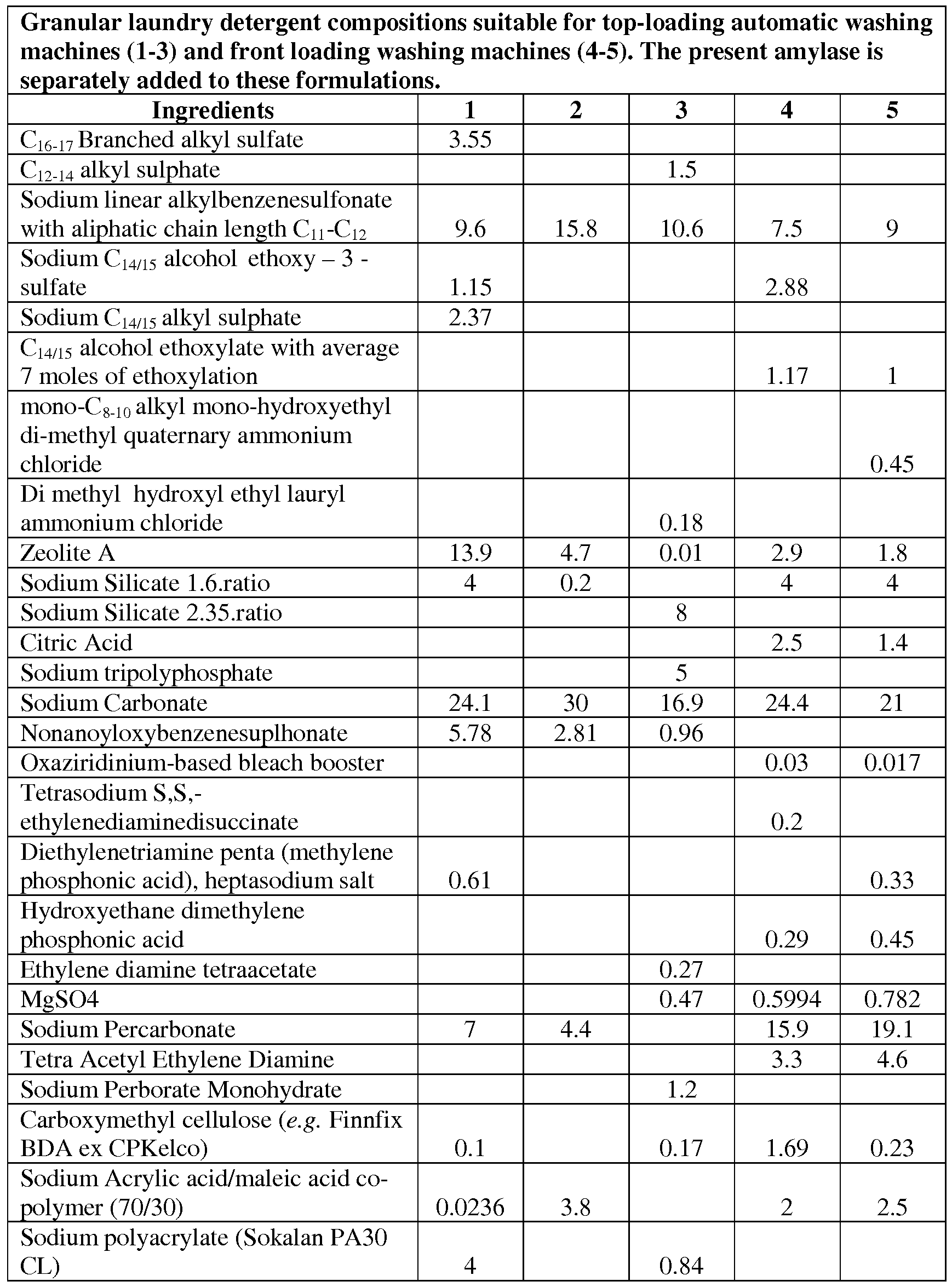


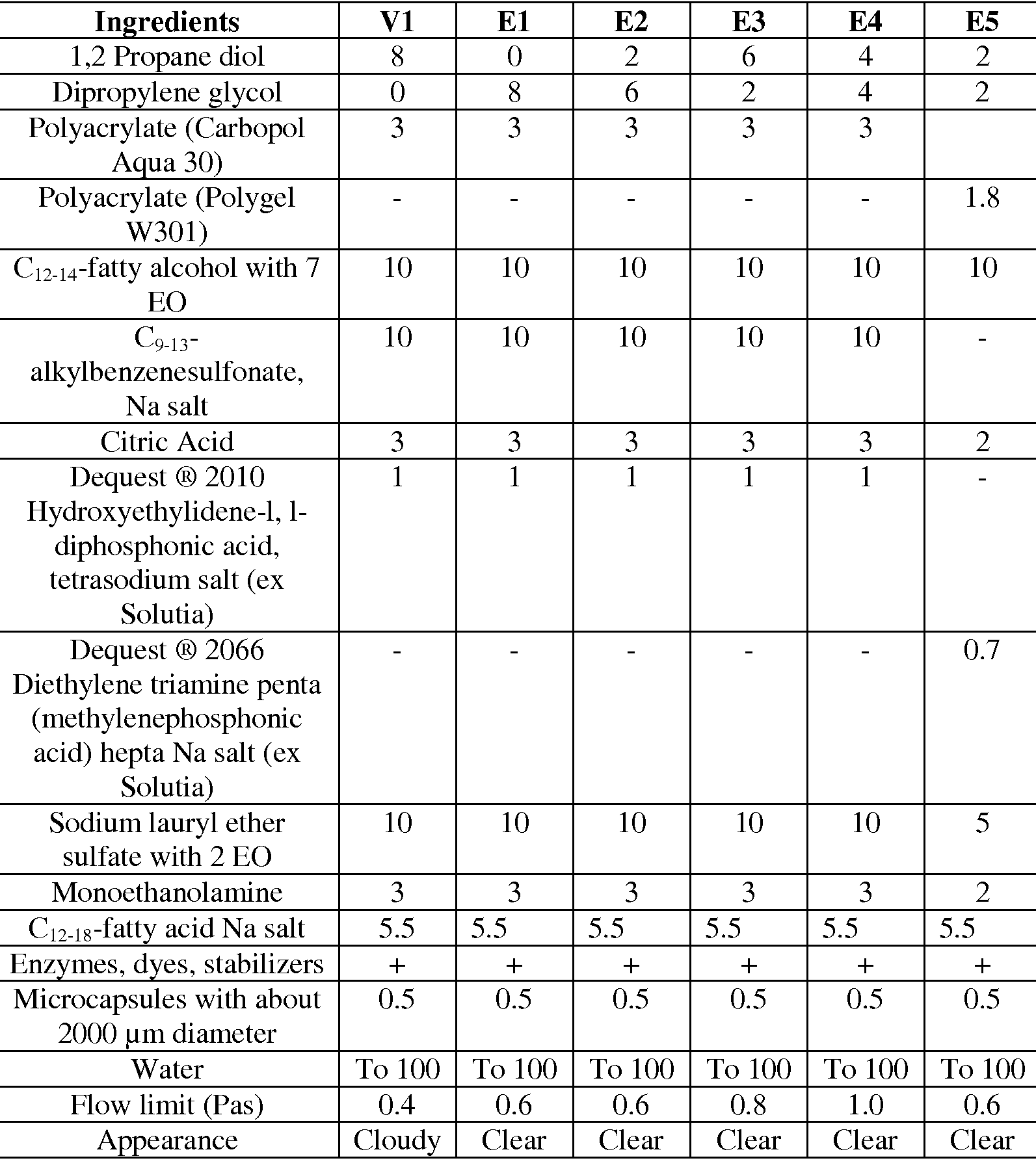


Claims

Priority Applications (10)
| Application Number | Priority Date | Filing Date | Title |
|---|---|---|---|
| US14/406,494 US20150152401A1 (en) | 2012-06-08 | 2013-06-03 | Alpha amylase variants derived from the alpha amylase of cytophaga sp. amylase (cspamy2) |
| EP24154279.4A EP4389885B1 (en) | 2012-06-08 | 2013-06-03 | Alpha-amylase variants |
| ES13729864T ES2905323T5 (en) | 2012-06-08 | 2013-06-03 | Alpha-amylase variants derived from the alpha amylase of cytophaga sp. amylasei(cspamy2). |
| CA2874198A CA2874198A1 (en) | 2012-06-08 | 2013-06-03 | Alpha-amylase variants derived from the alpha amylase of cytophaga sp.amylase|(cspamy2). |
| EP13729864.2A EP2859097B2 (en) | 2012-06-08 | 2013-06-03 | Alpha-amylase variants derived from the alpha amylase of cytophaga sp. amylasei(cspamy2). |
| DK13729864.2T DK2859097T4 (en) | 2012-06-08 | 2013-06-03 | ALPHA-AMYLASE VARIANTS DERIVED FROM ALPHA-AMYLASE OF CYTOPHAGA SP. AMYLASEI (CSPAMY2) |
| BR112014030449A BR112014030449A2 (en) | 2012-06-08 | 2013-06-03 | alpha-amylase variants derived from cytophaga sp (cspamy2) alpha amylase amylase |
| EP21193640.6A EP3967757B1 (en) | 2012-06-08 | 2013-06-03 | Alpha-amylase variants derived from the alpha amylase of cytophaga sp. amylase (cspamy2). |
| CN201380030152.XA CN104379738A (en) | 2012-06-08 | 2013-06-03 | Alpha Amylase Variants Derived from Alpha Amylase of Cellulophage sp. (CYTOPHAGA SP.) Amylase | (CSPAMY2) |
| US15/288,901 US20170037387A1 (en) | 2012-06-08 | 2016-10-07 | Alpha amylase variants derived from the alpha amylase of cytophaga sp. amylase (cspamy2) |
Applications Claiming Priority (2)
| Application Number | Priority Date | Filing Date | Title |
|---|---|---|---|
| US201261657501P | 2012-06-08 | 2012-06-08 | |
| US61/657,501 | 2012-06-08 |
Related Child Applications (2)
| Application Number | Title | Priority Date | Filing Date |
|---|---|---|---|
| US14/406,494 A-371-Of-International US20150152401A1 (en) | 2012-06-08 | 2013-06-03 | Alpha amylase variants derived from the alpha amylase of cytophaga sp. amylase (cspamy2) |
| US15/288,901 Continuation US20170037387A1 (en) | 2012-06-08 | 2016-10-07 | Alpha amylase variants derived from the alpha amylase of cytophaga sp. amylase (cspamy2) |
Publications (1)
| Publication Number | Publication Date |
|---|---|
| WO2013184577A1 true WO2013184577A1 (en) | 2013-12-12 |
Family
ID=48626134
Family Applications (2)
| Application Number | Title | Priority Date | Filing Date |
|---|---|---|---|
| PCT/US2013/042702 Ceased WO2014007921A1 (en) | 2012-06-08 | 2013-05-24 | Variant alpha amylases with enhanced activity on starch polymers |
| PCT/US2013/043897 Ceased WO2013184577A1 (en) | 2012-06-08 | 2013-06-03 | Alpha-amylase variants derived from the alpha amylase of cytophaga sp.amylase|(cspamy2). |
Family Applications Before (1)
| Application Number | Title | Priority Date | Filing Date |
|---|---|---|---|
| PCT/US2013/042702 Ceased WO2014007921A1 (en) | 2012-06-08 | 2013-05-24 | Variant alpha amylases with enhanced activity on starch polymers |
Country Status (9)
| Country | Link |
|---|---|
| US (3) | US20150141316A1 (en) |
| EP (5) | EP4026902B1 (en) |
| CN (2) | CN104379737B (en) |
| BR (1) | BR112014030449A2 (en) |
| CA (2) | CA2874061A1 (en) |
| DK (6) | DK4026902T3 (en) |
| ES (4) | ES2909509T3 (en) |
| HU (3) | HUE057894T2 (en) |
| WO (2) | WO2014007921A1 (en) |
Cited By (221)
| Publication number | Priority date | Publication date | Assignee | Title |
|---|---|---|---|---|
| WO2014183921A1 (en) | 2013-05-17 | 2014-11-20 | Novozymes A/S | Polypeptides having alpha amylase activity |
| WO2015121134A1 (en) * | 2014-02-11 | 2015-08-20 | Novozymes A/S | Detergent composition, method and use of detergent composition |
| WO2015150457A1 (en) | 2014-04-01 | 2015-10-08 | Novozymes A/S | Polypeptides having alpha amylase activity |
| WO2015189371A1 (en) | 2014-06-12 | 2015-12-17 | Novozymes A/S | Alpha-amylase variants and polynucleotides encoding same |
| WO2016079110A2 (en) | 2014-11-19 | 2016-05-26 | Novozymes A/S | Use of enzyme for cleaning |
| WO2016096996A1 (en) | 2014-12-16 | 2016-06-23 | Novozymes A/S | Polypeptides having n-acetyl glucosamine oxidase activity |
| WO2016135351A1 (en) | 2015-06-30 | 2016-09-01 | Novozymes A/S | Laundry detergent composition, method for washing and use of composition |
| EP3101108A1 (en) | 2015-06-04 | 2016-12-07 | The Procter and Gamble Company | Hand dishwashing liquid detergent composition |
| EP3101109A1 (en) | 2015-06-04 | 2016-12-07 | The Procter and Gamble Company | Hand dishwashing liquid detergent composition |
| WO2016201040A1 (en) | 2015-06-09 | 2016-12-15 | Danisco Us Inc. | Water-triggered enzyme suspension |
| WO2016201069A1 (en) | 2015-06-09 | 2016-12-15 | Danisco Us Inc | Low-density enzyme-containing particles |
| WO2016201044A1 (en) | 2015-06-09 | 2016-12-15 | Danisco Us Inc | Osmotic burst encapsulates |
| WO2016202785A1 (en) | 2015-06-17 | 2016-12-22 | Novozymes A/S | Container |
| WO2016205755A1 (en) | 2015-06-17 | 2016-12-22 | Danisco Us Inc. | Bacillus gibsonii-clade serine proteases |
| WO2017046232A1 (en) | 2015-09-17 | 2017-03-23 | Henkel Ag & Co. Kgaa | Detergent compositions comprising polypeptides having xanthan degrading activity |
| WO2017046260A1 (en) | 2015-09-17 | 2017-03-23 | Novozymes A/S | Polypeptides having xanthan degrading activity and polynucleotides encoding same |
| WO2017079751A1 (en) | 2015-11-05 | 2017-05-11 | Danisco Us Inc | Paenibacillus sp. mannanases |
| WO2017079756A1 (en) | 2015-11-05 | 2017-05-11 | Danisco Us Inc | Paenibacillus and bacillus spp. mannanases |
| WO2017100720A1 (en) * | 2015-12-09 | 2017-06-15 | Danisco Us Inc. | Alpha-amylase combinatorial variants |
| WO2017106676A1 (en) | 2015-12-18 | 2017-06-22 | Danisco Us Inc | Polypeptides with endoglucanase activity and uses thereof |
| WO2017129754A1 (en) | 2016-01-29 | 2017-08-03 | Novozymes A/S | Beta-glucanase variants and polynucleotides encoding same |
| WO2017144008A1 (en) * | 2016-02-26 | 2017-08-31 | 南京百斯杰生物工程有限公司 | Αlpha amylase variant and use thereof |
| WO2017174769A2 (en) | 2016-04-08 | 2017-10-12 | Novozymes A/S | Detergent compositions and uses of the same |
| WO2017192692A1 (en) | 2016-05-03 | 2017-11-09 | Danisco Us Inc | Protease variants and uses thereof |
| WO2017192300A1 (en) | 2016-05-05 | 2017-11-09 | Danisco Us Inc | Protease variants and uses thereof |
| WO2017207762A1 (en) | 2016-06-03 | 2017-12-07 | Novozymes A/S | Subtilase variants and polynucleotides encoding same |
| WO2017210295A1 (en) | 2016-05-31 | 2017-12-07 | Danisco Us Inc. | Protease variants and uses thereof |
| WO2017219011A1 (en) | 2016-06-17 | 2017-12-21 | Danisco Us Inc | Protease variants and uses thereof |
| WO2017220422A1 (en) | 2016-06-23 | 2017-12-28 | Novozymes A/S | Use of enzymes, composition and method for removing soil |
| WO2018001959A1 (en) | 2016-06-30 | 2018-01-04 | Novozymes A/S | Lipase variants and compositions comprising surfactant and lipase variant |
| EP3284805A1 (en) | 2016-08-17 | 2018-02-21 | The Procter & Gamble Company | Cleaning composition comprising enzymes |
| WO2018060216A1 (en) | 2016-09-29 | 2018-04-05 | Novozymes A/S | Use of enzyme for washing, method for washing and warewashing composition |
| EP3309249A1 (en) | 2013-07-29 | 2018-04-18 | Novozymes A/S | Protease variants and polynucleotides encoding same |
| WO2018085524A2 (en) | 2016-11-07 | 2018-05-11 | Danisco Us Inc | Laundry detergent composition |
| WO2018099762A1 (en) | 2016-12-01 | 2018-06-07 | Basf Se | Stabilization of enzymes in compositions |
| WO2018108865A1 (en) | 2016-12-12 | 2018-06-21 | Novozymes A/S | Use of polypeptides |
| WO2018118950A1 (en) | 2016-12-21 | 2018-06-28 | Danisco Us Inc. | Bacillus gibsonii-clade serine proteases |
| WO2018118917A1 (en) | 2016-12-21 | 2018-06-28 | Danisco Us Inc. | Protease variants and uses thereof |
| WO2018169750A1 (en) | 2017-03-15 | 2018-09-20 | Danisco Us Inc | Trypsin-like serine proteases and uses thereof |
| WO2018184004A1 (en) | 2017-03-31 | 2018-10-04 | Danisco Us Inc | Alpha-amylase combinatorial variants |
| WO2018183662A1 (en) | 2017-03-31 | 2018-10-04 | Danisco Us Inc | Delayed release enzyme formulations for bleach-containing detergents |
| WO2018177936A1 (en) | 2017-03-31 | 2018-10-04 | Novozymes A/S | Polypeptides having dnase activity |
| WO2018177203A1 (en) | 2017-03-31 | 2018-10-04 | Novozymes A/S | Polypeptides having dnase activity |
| WO2018178061A1 (en) | 2017-03-31 | 2018-10-04 | Novozymes A/S | Polypeptides having rnase activity |
| WO2018185269A1 (en) | 2017-04-06 | 2018-10-11 | Novozymes A/S | Cleaning compositions and uses thereof |
| WO2018185267A1 (en) | 2017-04-06 | 2018-10-11 | Novozymes A/S | Cleaning compositions and uses thereof |
| WO2018185280A1 (en) | 2017-04-06 | 2018-10-11 | Novozymes A/S | Cleaning compositions and uses thereof |
| WO2018185048A1 (en) | 2017-04-03 | 2018-10-11 | Novozymes A/S | Recovery process |
| WO2018185152A1 (en) | 2017-04-04 | 2018-10-11 | Novozymes A/S | Polypeptide compositions and uses thereof |
| WO2018185181A1 (en) | 2017-04-04 | 2018-10-11 | Novozymes A/S | Glycosyl hydrolases |
| WO2018184873A1 (en) | 2017-04-06 | 2018-10-11 | Novozymes A/S | Detergent compositions and uses thereof |
| WO2018184816A1 (en) | 2017-04-06 | 2018-10-11 | Novozymes A/S | Cleaning compositions and uses thereof |
| EP3401385A1 (en) | 2017-05-08 | 2018-11-14 | Henkel AG & Co. KGaA | Detergent composition comprising polypeptide comprising carbohydrate-binding domain |
| WO2018206535A1 (en) | 2017-05-08 | 2018-11-15 | Novozymes A/S | Carbohydrate-binding domain and polynucleotides encoding the same |
| WO2019006077A1 (en) | 2017-06-30 | 2019-01-03 | Danisco Us Inc | Low-agglomeration, enzyme-containing particles |
| WO2019036721A2 (en) | 2017-08-18 | 2019-02-21 | Danisco Us Inc | Alpha-amylase variants |
| WO2019057758A1 (en) | 2017-09-20 | 2019-03-28 | Novozymes A/S | Use of enzymes for improving water absorption and/or whiteness |
| WO2019086532A1 (en) | 2017-11-01 | 2019-05-09 | Novozymes A/S | Methods for cleaning medical devices |
| WO2019086530A1 (en) | 2017-11-01 | 2019-05-09 | Novozymes A/S | Polypeptides and compositions comprising such polypeptides |
| WO2019086528A1 (en) | 2017-11-01 | 2019-05-09 | Novozymes A/S | Polypeptides and compositions comprising such polypeptides |
| WO2019105781A1 (en) | 2017-11-29 | 2019-06-06 | Basf Se | Storage-stable enzyme preparations, their production and use |
| WO2019108599A1 (en) | 2017-11-29 | 2019-06-06 | Danisco Us Inc | Subtilisin variants having improved stability |
| WO2019125683A1 (en) | 2017-12-21 | 2019-06-27 | Danisco Us Inc | Enzyme-containing, hot-melt granules comprising a thermotolerant desiccant |
| WO2019156670A1 (en) | 2018-02-08 | 2019-08-15 | Danisco Us Inc. | Thermally-resistant wax matrix particles for enzyme encapsulation |
| WO2019180111A1 (en) | 2018-03-23 | 2019-09-26 | Novozymes A/S | Subtilase variants and compositions comprising same |
| WO2019201793A1 (en) | 2018-04-17 | 2019-10-24 | Novozymes A/S | Polypeptides comprising carbohydrate binding activity in detergent compositions and their use in reducing wrinkles in textile or fabric. |
| WO2019206994A1 (en) | 2018-04-26 | 2019-10-31 | Basf Se | Lipase enzymes |
| WO2019211143A1 (en) | 2018-05-03 | 2019-11-07 | Basf Se | Amylase enzymes |
| WO2019238761A1 (en) | 2018-06-15 | 2019-12-19 | Basf Se | Water soluble multilayer films containing wash active chemicals and enzymes |
| WO2019245704A1 (en) | 2018-06-19 | 2019-12-26 | Danisco Us Inc | Subtilisin variants |
| WO2019245705A1 (en) | 2018-06-19 | 2019-12-26 | Danisco Us Inc | Subtilisin variants |
| WO2020002608A1 (en) | 2018-06-29 | 2020-01-02 | Novozymes A/S | Detergent compositions and uses thereof |
| WO2020002604A1 (en) | 2018-06-28 | 2020-01-02 | Novozymes A/S | Detergent compositions and uses thereof |
| WO2020002255A1 (en) | 2018-06-29 | 2020-01-02 | Novozymes A/S | Subtilase variants and compositions comprising same |
| WO2020007875A1 (en) | 2018-07-03 | 2020-01-09 | Novozymes A/S | Cleaning compositions and uses thereof |
| WO2020007863A1 (en) | 2018-07-02 | 2020-01-09 | Novozymes A/S | Cleaning compositions and uses thereof |
| WO2020008024A1 (en) | 2018-07-06 | 2020-01-09 | Novozymes A/S | Cleaning compositions and uses thereof |
| WO2020028443A1 (en) | 2018-07-31 | 2020-02-06 | Danisco Us Inc | Variant alpha-amylases having amino acid substitutions that lower the pka of the general acid |
| EP3611260A1 (en) | 2013-07-29 | 2020-02-19 | Novozymes A/S | Protease variants and polynucleotides encoding same |
| WO2020047215A1 (en) | 2018-08-30 | 2020-03-05 | Danisco Us Inc | Enzyme-containing granules |
| WO2020068486A1 (en) | 2018-09-27 | 2020-04-02 | Danisco Us Inc | Compositions for medical instrument cleaning |
| WO2020070199A1 (en) | 2018-10-03 | 2020-04-09 | Novozymes A/S | Polypeptides having alpha-mannan degrading activity and polynucleotides encoding same |
| WO2020070009A1 (en) | 2018-10-02 | 2020-04-09 | Novozymes A/S | Endonuclease 1 ribonucleases for cleaning |
| WO2020070249A1 (en) | 2018-10-03 | 2020-04-09 | Novozymes A/S | Cleaning compositions |
| WO2020069915A1 (en) | 2018-10-05 | 2020-04-09 | Basf Se | Compounds stabilizing hydrolases in liquids |
| WO2020070063A2 (en) | 2018-10-01 | 2020-04-09 | Novozymes A/S | Detergent compositions and uses thereof |
| WO2020069914A1 (en) | 2018-10-05 | 2020-04-09 | Basf Se | Compounds stabilizing amylases in liquids |
| WO2020069913A1 (en) | 2018-10-05 | 2020-04-09 | Basf Se | Compounds stabilizing hydrolases in liquids |
| WO2020070011A1 (en) | 2018-10-02 | 2020-04-09 | Novozymes A/S | Cleaning composition |
| WO2020070014A1 (en) | 2018-10-02 | 2020-04-09 | Novozymes A/S | Cleaning composition comprising anionic surfactant and a polypeptide having rnase activity |
| WO2020070209A1 (en) | 2018-10-02 | 2020-04-09 | Novozymes A/S | Cleaning composition |
| WO2020074545A1 (en) | 2018-10-11 | 2020-04-16 | Novozymes A/S | Cleaning compositions and uses thereof |
| WO2020077331A2 (en) | 2018-10-12 | 2020-04-16 | Danisco Us Inc | Alpha-amylases with mutations that improve stability in the presence of chelants |
| EP3647398A1 (en) | 2018-10-31 | 2020-05-06 | Henkel AG & Co. KGaA | Cleaning compositions containing dispersins v |
| EP3647397A1 (en) | 2018-10-31 | 2020-05-06 | Henkel AG & Co. KGaA | Cleaning compositions containing dispersins iv |
| WO2020112599A1 (en) | 2018-11-28 | 2020-06-04 | Danisco Us Inc | Subtilisin variants having improved stability |
| WO2020114968A1 (en) | 2018-12-03 | 2020-06-11 | Novozymes A/S | Powder detergent compositions |
| WO2020114965A1 (en) | 2018-12-03 | 2020-06-11 | Novozymes A/S | LOW pH POWDER DETERGENT COMPOSITION |
| WO2020127796A2 (en) | 2018-12-21 | 2020-06-25 | Novozymes A/S | Polypeptides having peptidoglycan degrading activity and polynucleotides encoding same |
| WO2020127775A1 (en) | 2018-12-21 | 2020-06-25 | Novozymes A/S | Detergent pouch comprising metalloproteases |
| EP3677676A1 (en) | 2019-01-03 | 2020-07-08 | Basf Se | Compounds stabilizing amylases in liquids |
| EP3690037A1 (en) | 2014-12-04 | 2020-08-05 | Novozymes A/S | Subtilase variants and polynucleotides encoding same |
| WO2020169563A1 (en) | 2019-02-20 | 2020-08-27 | Basf Se | Industrial fermentation process for bacillus using defined medium and magnesium feed |
| WO2020169564A1 (en) | 2019-02-20 | 2020-08-27 | Basf Se | Industrial fermentation process for bacillus using defined medium and trace element feed |
| EP3702452A1 (en) | 2019-03-01 | 2020-09-02 | Novozymes A/S | Detergent compositions comprising two proteases |
| WO2020188095A1 (en) | 2019-03-21 | 2020-09-24 | Novozymes A/S | Alpha-amylase variants and polynucleotides encoding same |
| WO2020193535A2 (en) | 2019-03-25 | 2020-10-01 | Basf Se | Amylase enzymes |
| WO2020193534A2 (en) | 2019-03-25 | 2020-10-01 | Basf Se | Amylase enzymes |
| WO2020193532A1 (en) | 2019-03-25 | 2020-10-01 | Basf Se | Cleaning composition having amylase enzymes |
| EP3134521B1 (en) | 2014-04-25 | 2020-10-28 | Basf Se | Amylase variants |
| EP3739029A1 (en) | 2014-07-04 | 2020-11-18 | Novozymes A/S | Subtilase variants and polynucleotides encoding same |
| WO2020229480A1 (en) | 2019-05-14 | 2020-11-19 | Basf Se | Compounds stabilizing hydrolases in liquids |
| EP3741848A2 (en) | 2014-12-19 | 2020-11-25 | Novozymes A/S | Protease variants and polynucleotides encoding same |
| EP3741849A2 (en) | 2014-12-19 | 2020-11-25 | Novozymes A/S | Protease variants and polynucleotides encoding same |
| WO2020242858A1 (en) | 2019-05-24 | 2020-12-03 | Danisco Us Inc | Subtilisin variants and methods of use |
| WO2020247582A1 (en) | 2019-06-06 | 2020-12-10 | Danisco Us Inc | Methods and compositions for cleaning |
| WO2020249546A1 (en) | 2019-06-13 | 2020-12-17 | Basf Se | Method of recovering a protein from fermentation broth using a divalent cation |
| WO2021004830A1 (en) | 2019-07-05 | 2021-01-14 | Basf Se | Industrial fermentation process for microbial cells using a fed-batch pre-culture |
| WO2021009067A1 (en) | 2019-07-12 | 2021-01-21 | Novozymes A/S | Enzymatic emulsions for detergents |
| WO2021032881A1 (en) | 2019-08-22 | 2021-02-25 | Basf Se | Amylase variants |
| EP3786269A1 (en) | 2013-06-06 | 2021-03-03 | Novozymes A/S | Alpha-amylase variants and polynucleotides encoding same |
| WO2021053127A1 (en) | 2019-09-19 | 2021-03-25 | Novozymes A/S | Detergent composition |
| WO2021064068A1 (en) | 2019-10-03 | 2021-04-08 | Novozymes A/S | Polypeptides comprising at least two carbohydrate binding domains |
| WO2021074430A1 (en) | 2019-10-18 | 2021-04-22 | Basf Se | Storage-stable hydrolase containing liquids |
| WO2021080948A2 (en) | 2019-10-24 | 2021-04-29 | Danisco Us Inc | Variant maltopentaose/maltohexaose-forming alpha-amylases |
| WO2021105336A1 (en) | 2019-11-29 | 2021-06-03 | Basf Se | Compositions comprising polymer and enzyme |
| WO2021115912A1 (en) | 2019-12-09 | 2021-06-17 | Basf Se | Formulations comprising a hydrophobically modified polyethyleneimine and one or more enzymes |
| WO2021122120A2 (en) | 2019-12-20 | 2021-06-24 | Henkel Ag & Co. Kgaa | Cleaning compositions comprising dispersins viii |
| WO2021123307A2 (en) | 2019-12-20 | 2021-06-24 | Novozymes A/S | Polypeptides having proteolytic activity and use thereof |
| WO2021121394A1 (en) | 2019-12-20 | 2021-06-24 | Novozymes A/S | Stabilized liquid boron-free enzyme compositions |
| WO2021122118A1 (en) | 2019-12-20 | 2021-06-24 | Henkel Ag & Co. Kgaa | Cleaning compositions comprising dispersins vi |
| WO2021122117A1 (en) | 2019-12-20 | 2021-06-24 | Henkel Ag & Co. Kgaa | Cleaning composition coprising a dispersin and a carbohydrase |
| EP3872175A1 (en) | 2015-06-18 | 2021-09-01 | Novozymes A/S | Subtilase variants and polynucleotides encoding same |
| EP3872174A1 (en) | 2015-05-13 | 2021-09-01 | Danisco US Inc. | Aprl-clade protease variants and uses thereof |
| EP3878960A1 (en) | 2014-07-04 | 2021-09-15 | Novozymes A/S | Subtilase variants and polynucleotides encoding same |
| WO2021214059A1 (en) | 2020-04-21 | 2021-10-28 | Novozymes A/S | Cleaning compositions comprising polypeptides having fructan degrading activity |
| WO2021239818A1 (en) | 2020-05-26 | 2021-12-02 | Novozymes A/S | Subtilase variants and compositions comprising same |
| WO2021259099A1 (en) | 2020-06-24 | 2021-12-30 | Novozymes A/S | Use of cellulases for removing dust mite from textile |
| EP3936593A1 (en) | 2020-07-08 | 2022-01-12 | Henkel AG & Co. KGaA | Cleaning compositions and uses thereof |
| WO2022008732A1 (en) | 2020-07-10 | 2022-01-13 | Basf Se | Enhancing the activity of antimicrobial preservatives |
| EP3957711A2 (en) | 2015-10-28 | 2022-02-23 | Novozymes A/S | Detergent composition comprising amylase and protease variants |
| EP3783102A4 (en) * | 2018-03-21 | 2022-02-23 | Feed Research Institute, Chinese Academy of Agricultural Sciences | MUTANT AMYLASE HAVING HIGH SPECIFIC ACTIVITY AND HIGH THERMAL STABILITY, MUTANT GENE AND THEIR APPLICATIONS |
| WO2022043547A1 (en) | 2020-08-28 | 2022-03-03 | Novozymes A/S | Protease variants with improved solubility |
| WO2022047149A1 (en) | 2020-08-27 | 2022-03-03 | Danisco Us Inc | Enzymes and enzyme compositions for cleaning |
| WO2022044629A1 (en) * | 2020-08-31 | 2022-03-03 | 花王株式会社 | α-AMYLASE VARIANT |
| WO2022063699A1 (en) | 2020-09-22 | 2022-03-31 | Basf Se | Improved combination of protease and protease inhibitor with secondary enzyme |
| WO2022063698A1 (en) | 2020-09-22 | 2022-03-31 | Basf Se | Liquid composition comprising peptide aldehyde |
| WO2022074037A2 (en) | 2020-10-07 | 2022-04-14 | Novozymes A/S | Alpha-amylase variants |
| WO2022084303A2 (en) | 2020-10-20 | 2022-04-28 | Novozymes A/S | Use of polypeptides having dnase activity |
| EP4015629A1 (en) | 2020-12-18 | 2022-06-22 | Basf Se | Polymer mixtures for increasing stability and performance of hydrolase-containing detergents |
| EP4032966A1 (en) | 2021-01-22 | 2022-07-27 | Novozymes A/S | Liquid enzyme composition with sulfite scavenger |
| WO2022165107A1 (en) | 2021-01-29 | 2022-08-04 | Danisco Us Inc | Compositions for cleaning and methods related thereto |
| WO2022171780A2 (en) | 2021-02-12 | 2022-08-18 | Novozymes A/S | Alpha-amylase variants |
| WO2022171872A1 (en) | 2021-02-12 | 2022-08-18 | Novozymes A/S | Stabilized biological detergents |
| EP4047088A1 (en) | 2021-02-22 | 2022-08-24 | Basf Se | Amylase variants |
| WO2022175435A1 (en) | 2021-02-22 | 2022-08-25 | Basf Se | Amylase variants |
| WO2022189521A1 (en) | 2021-03-12 | 2022-09-15 | Novozymes A/S | Polypeptide variants |
| WO2022268885A1 (en) | 2021-06-23 | 2022-12-29 | Novozymes A/S | Alpha-amylase polypeptides |
| WO2023278297A1 (en) | 2021-06-30 | 2023-01-05 | Danisco Us Inc | Variant lipases and uses thereof |
| WO2023034486A2 (en) | 2021-09-03 | 2023-03-09 | Danisco Us Inc. | Laundry compositions for cleaning |
| WO2023039270A2 (en) | 2021-09-13 | 2023-03-16 | Danisco Us Inc. | Bioactive-containing granules |
| WO2023114936A2 (en) | 2021-12-16 | 2023-06-22 | Danisco Us Inc. | Subtilisin variants and methods of use |
| WO2023114988A2 (en) | 2021-12-16 | 2023-06-22 | Danisco Us Inc. | Variant maltopentaose/maltohexaose-forming alpha-amylases |
| WO2023114932A2 (en) | 2021-12-16 | 2023-06-22 | Danisco Us Inc. | Subtilisin variants and methods of use |
| WO2023114939A2 (en) | 2021-12-16 | 2023-06-22 | Danisco Us Inc. | Subtilisin variants and methods of use |
| WO2023118015A1 (en) | 2021-12-21 | 2023-06-29 | Basf Se | Environmental attributes for care composition ingredients |
| EP4206309A1 (en) | 2021-12-30 | 2023-07-05 | Novozymes A/S | Protein particles with improved whiteness |
| JP2023095355A (en) * | 2021-12-24 | 2023-07-06 | 花王株式会社 | Detergent composition containing amylase |
| WO2023168234A1 (en) | 2022-03-01 | 2023-09-07 | Danisco Us Inc. | Enzymes and enzyme compositions for cleaning |
| WO2023165507A1 (en) | 2022-03-02 | 2023-09-07 | Novozymes A/S | Use of xyloglucanase for improvement of sustainability of detergents |
| WO2023225459A2 (en) | 2022-05-14 | 2023-11-23 | Novozymes A/S | Compositions and methods for preventing, treating, supressing and/or eliminating phytopathogenic infestations and infections |
| WO2023250301A1 (en) | 2022-06-21 | 2023-12-28 | Danisco Us Inc. | Methods and compositions for cleaning comprising a polypeptide having thermolysin activity |
| WO2024012894A1 (en) | 2022-07-15 | 2024-01-18 | Basf Se | Alkanolamine formates for enzyme stabilization in liquid formulations |
| WO2024033136A1 (en) | 2022-08-11 | 2024-02-15 | Basf Se | Amylase variants |
| WO2024033135A2 (en) | 2022-08-11 | 2024-02-15 | Basf Se | Amylase variants |
| WO2024050346A1 (en) | 2022-09-02 | 2024-03-07 | Danisco Us Inc. | Detergent compositions and methods related thereto |
| WO2024050339A1 (en) | 2022-09-02 | 2024-03-07 | Danisco Us Inc. | Mannanase variants and methods of use |
| WO2024050343A1 (en) | 2022-09-02 | 2024-03-07 | Danisco Us Inc. | Subtilisin variants and methods related thereto |
| WO2024094733A1 (en) | 2022-11-04 | 2024-05-10 | Basf Se | Polypeptides having protease activity for use in detergent compositions |
| WO2024094735A1 (en) | 2022-11-04 | 2024-05-10 | Basf Se | Polypeptides having protease activity for use in detergent compositions |
| WO2024094732A1 (en) | 2022-11-04 | 2024-05-10 | Basf Se | Polypeptides having protease activity for use in detergent compositions |
| WO2024102698A1 (en) | 2022-11-09 | 2024-05-16 | Danisco Us Inc. | Subtilisin variants and methods of use |
| WO2024121070A1 (en) | 2022-12-05 | 2024-06-13 | Novozymes A/S | Protease variants and polynucleotides encoding same |
| EP4389864A1 (en) | 2022-12-20 | 2024-06-26 | Basf Se | Cutinases |
| WO2024137248A1 (en) | 2022-12-19 | 2024-06-27 | Novozymes A/S | Compositions comprising arabinofuranosidases and a xylanase, and use thereof for increasing hemicellulosic fiber solubilization |
| WO2024137250A1 (en) | 2022-12-19 | 2024-06-27 | Novozymes A/S | Carbohydrate esterase family 3 (ce3) polypeptides having acetyl xylan esterase activity and polynucleotides encoding same |
| WO2024131880A2 (en) | 2022-12-23 | 2024-06-27 | Novozymes A/S | Detergent composition comprising catalase and amylase |
| WO2024137246A1 (en) | 2022-12-19 | 2024-06-27 | Novozymes A/S | Carbohydrate esterase family 1 (ce1) polypeptides having ferulic acid esterase and/or acetyl xylan esterase activity and polynucleotides encoding same |
| WO2024137252A1 (en) | 2022-12-19 | 2024-06-27 | Novozymes A/S | Process for reducing syrup viscosity in the backend of a process for producing a fermentation product |
| WO2024156628A1 (en) | 2023-01-23 | 2024-08-02 | Novozymes A/S | Cleaning compositions and uses thereof |
| EP4410938A1 (en) | 2023-02-02 | 2024-08-07 | AMSilk GmbH | Automatic dishwashing composition comprising a structural polypeptide |
| WO2024163584A1 (en) | 2023-02-01 | 2024-08-08 | Danisco Us Inc. | Subtilisin variants and methods of use |
| WO2024186819A1 (en) | 2023-03-06 | 2024-09-12 | Danisco Us Inc. | Subtilisin variants and methods of use |
| WO2024191711A1 (en) | 2023-03-16 | 2024-09-19 | Nutrition & Biosciences USA 4, Inc. | Brevibacillus fermentate extracts for cleaning and malodor control and use thereof |
| WO2024213755A1 (en) | 2023-04-14 | 2024-10-17 | Basf Se | Porous starch |
| WO2024226828A2 (en) | 2023-04-26 | 2024-10-31 | Novozymes A/S | Cleaning composition and cleaning method |
| EP4461795A1 (en) | 2023-05-10 | 2024-11-13 | Novozymes A/S | Detergent composition comprising laccase |
| EP4461796A1 (en) | 2023-05-10 | 2024-11-13 | Novozymes A/S | Detergent composition comprising laccase |
| WO2024256175A1 (en) | 2023-06-13 | 2024-12-19 | Basf Se | Stabilized cleaning compositions comprising edds and enzymes and their use |
| US12173260B2 (en) | 2017-02-01 | 2024-12-24 | The Procter & Gamble Company | Cleaning compositions comprising amylase variants |
| WO2025071996A1 (en) | 2023-09-28 | 2025-04-03 | Danisco Us Inc. | Variant cutinase enzymes with improved solubility and uses thereof |
| WO2025085351A1 (en) | 2023-10-20 | 2025-04-24 | Danisco Us Inc. | Subtilisin variants and methods of use |
| WO2025088003A1 (en) | 2023-10-24 | 2025-05-01 | Novozymes A/S | Use of xyloglucanase for replacement of optical brightener |
| US12291696B2 (en) | 2017-11-01 | 2025-05-06 | Henkel Ag & Co. Kgaa | Cleaning compositions containing Dispersins III |
| WO2025093368A1 (en) | 2023-11-02 | 2025-05-08 | Basf Se | Enzyme stabilization in compositions containing a protease inhibitor |
| WO2025128568A1 (en) | 2023-12-11 | 2025-06-19 | Novozymes A/S | Composition and use thereof for increasing hemicellulosic fiber solubilization |
| WO2025132258A1 (en) | 2023-12-20 | 2025-06-26 | Basf Se | Stabilized enzyme composition comprising a protease |
| WO2025153046A1 (en) | 2024-01-19 | 2025-07-24 | Novozymes A/S | Detergent compositions and uses thereof |
| EP4624572A1 (en) | 2024-03-27 | 2025-10-01 | Basf Se | Polypeptides having protease activity for use in detergent compositions |
| WO2025202372A1 (en) | 2024-03-27 | 2025-10-02 | Basf Se | Polypeptides having protease activity for use in detergent compositions |
| WO2025202369A1 (en) | 2024-03-27 | 2025-10-02 | Basf Se | Polypeptides having protease activity for use in detergent compositions |
| WO2025202370A1 (en) | 2024-03-27 | 2025-10-02 | Basf Se | Polypeptides having protease activity for use in detergent compositions |
| WO2025202374A1 (en) | 2024-03-27 | 2025-10-02 | Basf Se | Polypeptides having protease activity for use in detergent compositions |
| WO2025202379A1 (en) | 2024-03-27 | 2025-10-02 | Basf Se | Polypeptides having protease activity for use in detergent compositions |
| WO2025257254A1 (en) | 2024-06-12 | 2025-12-18 | Novozymes A/S | Lipases and lipase variants and the use thereof |
| WO2026008449A2 (en) | 2024-07-04 | 2026-01-08 | Novozymes A/S | A process for producing a fermentation product and a concentrated protein co-product |
| WO2026024922A1 (en) | 2024-07-25 | 2026-01-29 | Danisco Us Inc. | Subtilisin variants and methods of use |
| EP4495232A4 (en) * | 2022-03-18 | 2026-02-25 | Kao Corp | ALPHA-AMYLASE VARIANT |
| WO2026050315A1 (en) | 2024-08-29 | 2026-03-05 | Danisco Us Inc. | Subtilisin variants and methods of use |
| EP4502161A4 (en) * | 2022-03-31 | 2026-03-25 | Kao Corp | ALPHA-AMYLASE VARIANT |
| WO2026068782A1 (en) | 2024-09-30 | 2026-04-02 | Novozymes A/S | Protease variants and polynucleotides encoding same |
Families Citing this family (19)
| Publication number | Priority date | Publication date | Assignee | Title |
|---|---|---|---|---|
| ATE449840T1 (en) | 2001-05-15 | 2009-12-15 | Novozymes As | ALPHA-AMYLASE VARIANT WITH MODIFIED PROPERTIES |
| BR122020009747B1 (en) | 2011-06-30 | 2021-07-20 | Novozymes A/S | POLYPEPTIDE AND ALPHA-AMYLASE VARIANTS, DETERGENT COMPOSITION, AND, USE OF AN ALPHA-AMYLASE VARIANT |
| ES2676895T5 (en) | 2013-03-11 | 2022-04-27 | Danisco Us Inc | Combinatorial variants of alpha-amylase |
| MX394036B (en) * | 2013-09-09 | 2025-03-24 | Ecolab Usa Inc | SYNERGIC STAIN REMOVAL THROUGH A NOVEL CHELATION COMBINATION. |
| EP3101107B1 (en) | 2015-06-05 | 2019-04-24 | The Procter and Gamble Company | Compacted liquid laundry detergent composition |
| EP3101102B2 (en) | 2015-06-05 | 2023-12-13 | The Procter & Gamble Company | Compacted liquid laundry detergent composition |
| EP3101100B1 (en) | 2015-06-05 | 2018-02-07 | The Procter and Gamble Company | Compacted liquid laundry detergent composition |
| CN105386324B (en) * | 2015-12-18 | 2017-12-12 | 江南大学 | A kind of cotton or the pre-treating method of polyester cotton |
| EP3257931A1 (en) * | 2016-06-17 | 2017-12-20 | The Procter and Gamble Company | Detergent composition |
| AU2017345307B2 (en) * | 2016-10-18 | 2020-04-30 | Sterilex LLC | Ambient moisture-activated surface treatment powder |
| EP3638763A4 (en) | 2017-06-16 | 2021-04-28 | BASF Enzymes LLC | PROCESS FOR INCREASING OIL YIELD DURING ETHANOL PRODUCTION |
| MY208884A (en) * | 2017-11-09 | 2025-06-05 | Ajinomoto Kk | Meat-modifying composition |
| EP3517597B1 (en) * | 2018-01-25 | 2024-03-20 | The Procter & Gamble Company | Polymer composition |
| BR112020018530A2 (en) * | 2018-03-13 | 2020-12-29 | Lallemand Hungary Liquidity Management Llc. | YEAST EXPRESSING THERMOSTABLE ALPHA-AMYLASES FOR STARCH HYDROLYSIS |
| BR112020022475A2 (en) * | 2018-05-04 | 2021-02-09 | Danisco Us Inc. | simplified process to produce maltodextrin and specialty syrups |
| AU2020354499B2 (en) * | 2019-09-27 | 2026-02-05 | Société des Produits Nestlé S.A. | Cocoa and/or malt beverage products |
| CN112391369A (en) * | 2020-11-24 | 2021-02-23 | 吉林中粮生化有限公司 | Compound saccharifying enzyme capable of remarkably improving saccharifying effect, and preparation method and application thereof |
| WO2024151580A1 (en) * | 2023-01-11 | 2024-07-18 | University Of Washington | Design of amyloidogenic peptide traps |
| WO2025235815A1 (en) * | 2024-05-09 | 2025-11-13 | TemperPack Technologies, Inc. | Starch slurries, systems and methods of making starch slurries, and systems and methods of making insulated products using starch slurries |
Citations (86)
| Publication number | Priority date | Publication date | Assignee | Title |
|---|---|---|---|---|
| GB1372034A (en) | 1970-12-31 | 1974-10-30 | Unilever Ltd | Detergent compositions |
| GB1483591A (en) | 1973-07-23 | 1977-08-24 | Novo Industri As | Process for coating water soluble or water dispersible particles by means of the fluid bed technique |
| US4106991A (en) | 1976-07-07 | 1978-08-15 | Novo Industri A/S | Enzyme granulate composition and process for forming enzyme granulates |
| US4435307A (en) | 1980-04-30 | 1984-03-06 | Novo Industri A/S | Detergent cellulase |
| WO1984002921A2 (en) | 1983-01-28 | 1984-08-02 | Cetus Corp | Glucoamylase cdna |
| EP0135138A2 (en) | 1983-08-17 | 1985-03-27 | Cpc International Inc. | A novel thermostable glucoamylase and method for its production |
| WO1986001831A1 (en) | 1984-09-18 | 1986-03-27 | Michigan Biotechnology Institute | Thermostable starch converting enzymes |
| US4587215A (en) | 1984-06-25 | 1986-05-06 | Uop Inc. | Highly thermostable amyloglucosidase |
| USRE32153E (en) | 1978-09-01 | 1986-05-20 | Cpc International Inc. | Highly thermostable glucoamylaseand process for its production |
| EP0200362A2 (en) | 1985-03-28 | 1986-11-05 | F. Hoffmann-La Roche Ag | Process for amplifying, detecting, and/or cloning nucleic acid sequences |
| EP0201184A2 (en) | 1985-03-28 | 1986-11-12 | F. Hoffmann-La Roche Ag | Process for amplifying nucleic acid sequences |
| EP0218272A1 (en) | 1985-08-09 | 1987-04-15 | Gist-Brocades N.V. | Novel lipolytic enzymes and their use in detergent compositions |
| US4661452A (en) | 1984-05-29 | 1987-04-28 | Novo Industri A/S | Enzyme containing granulates useful as detergent additives |
| US4683195A (en) | 1986-01-30 | 1987-07-28 | Cetus Corporation | Process for amplifying, detecting, and/or-cloning nucleic acid sequences |
| EP0238023A2 (en) | 1986-03-17 | 1987-09-23 | Novo Nordisk A/S | Process for the production of protein products in Aspergillus oryzae and a promoter for use in Aspergillus |
| EP0238216A1 (en) | 1986-02-20 | 1987-09-23 | Albright & Wilson Limited | Protected enzyme systems |
| EP0258068A2 (en) | 1986-08-29 | 1988-03-02 | Novo Nordisk A/S | Enzymatic detergent additive |
| EP0260105A2 (en) | 1986-09-09 | 1988-03-16 | Genencor, Inc. | Preparation of enzymes having altered activity |
| EP0305216A1 (en) | 1987-08-28 | 1989-03-01 | Novo Nordisk A/S | Recombinant Humicola lipase and process for the production of recombinant humicola lipases |
| JPS6474992A (en) | 1987-09-16 | 1989-03-20 | Fuji Oil Co Ltd | Dna sequence, plasmid and production of lipase |
| WO1989006279A1 (en) | 1988-01-07 | 1989-07-13 | Novo-Nordisk A/S | Mutated subtilisin genes |
| WO1989006270A1 (en) | 1988-01-07 | 1989-07-13 | Novo-Nordisk A/S | Enzymatic detergent |
| EP0331376A2 (en) | 1988-02-28 | 1989-09-06 | Amano Pharmaceutical Co., Ltd. | Recombinant DNA, bacterium of the genus pseudomonas containing it, and process for preparing lipase by using it |
| WO1989009259A1 (en) | 1988-03-24 | 1989-10-05 | Novo-Nordisk A/S | A cellulase preparation |
| EP0407225A1 (en) | 1989-07-07 | 1991-01-09 | Unilever Plc | Enzymes and enzymatic detergent compositions |
| WO1991016422A1 (en) | 1990-04-14 | 1991-10-31 | Kali-Chemie Aktiengesellschaft | Alkaline bacillus lipases, coding dna sequences therefor and bacilli which produce these lipases |
| WO1991017243A1 (en) | 1990-05-09 | 1991-11-14 | Novo Nordisk A/S | A cellulase preparation comprising an endoglucanase enzyme |
| WO1992000381A1 (en) | 1990-06-29 | 1992-01-09 | Novo Nordisk A/S | Enzymatic hydrolysis of starch to glucose, using a genetically engineered enzyme |
| WO1992005249A1 (en) | 1990-09-13 | 1992-04-02 | Novo Nordisk A/S | Lipase variants |
| WO1992006154A1 (en) | 1990-09-28 | 1992-04-16 | The Procter & Gamble Company | Polyhydroxy fatty acid amide surfactants to enhance enzyme performance |
| EP0495257A1 (en) | 1991-01-16 | 1992-07-22 | The Procter & Gamble Company | Compact detergent compositions with high activity cellulase |
| WO1992019729A1 (en) | 1991-05-01 | 1992-11-12 | Novo Nordisk A/S | Stabilized enzymes and detergent compositions |
| WO1992019708A1 (en) | 1991-04-30 | 1992-11-12 | The Procter & Gamble Company | Liquid detergents with aromatic borate ester to inhibit proteolytic enzyme |
| WO1992019709A1 (en) | 1991-04-30 | 1992-11-12 | The Procter & Gamble Company | Built liquid detergents with boric-polyol complex to inhibit proteolytic enzyme |
| EP0531315A1 (en) | 1990-05-09 | 1993-03-17 | Novo Nordisk As | ENZYME CAPABLE OF DEGRADING CELLULOSE OR HEMICELLULOSE. |
| WO1993024618A1 (en) | 1992-06-01 | 1993-12-09 | Novo Nordisk A/S | Peroxidase variants with improved hydrogen peroxide stability |
| WO1994001541A1 (en) | 1992-07-06 | 1994-01-20 | Novo Nordisk A/S | C. antarctica lipase and lipase variants |
| US5281526A (en) | 1992-10-20 | 1994-01-25 | Solvay Enzymes, Inc. | Method of purification of amylase by precipitation with a metal halide and 4-hydroxybenzic acid or a derivative thereof |
| WO1994007998A1 (en) | 1992-10-06 | 1994-04-14 | Novo Nordisk A/S | Cellulase variants |
| WO1994025583A1 (en) | 1993-05-05 | 1994-11-10 | Novo Nordisk A/S | A recombinant trypsin-like protease |
| WO1994025578A1 (en) | 1993-04-27 | 1994-11-10 | Gist-Brocades N.V. | New lipase variants for use in detergent applications |
| WO1995000636A1 (en) | 1993-06-28 | 1995-01-05 | Novo Nordisk A/S | A fungal protein disulfide isomerase |
| WO1995006720A1 (en) | 1993-08-30 | 1995-03-09 | Showa Denko K.K. | Novel lipase, microorganism producing the lipase, process for producing the lipase, and use of the lipase |
| WO1995010602A1 (en) | 1993-10-13 | 1995-04-20 | Novo Nordisk A/S | H2o2-stable peroxidase variants |
| WO1995014783A1 (en) | 1993-11-24 | 1995-06-01 | Showa Denko K.K. | Lipase gene and variant lipase |
| US5422267A (en) | 1984-05-22 | 1995-06-06 | Robert R. Yocum | Industrial yeast comprising an integrated glucoamylase gene |
| WO1995022615A1 (en) | 1994-02-22 | 1995-08-24 | Novo Nordisk A/S | A method of preparing a variant of a lipolytic enzyme |
| WO1995024471A1 (en) | 1994-03-08 | 1995-09-14 | Novo Nordisk A/S | Novel alkaline cellulases |
| WO1995030744A2 (en) | 1994-05-04 | 1995-11-16 | Genencor International Inc. | Lipases with improved surfactant resistance |
| WO1995035381A1 (en) | 1994-06-20 | 1995-12-28 | Unilever N.V. | Modified pseudomonas lipases and their use |
| WO1996000292A1 (en) | 1994-06-23 | 1996-01-04 | Unilever N.V. | Modified pseudomonas lipases and their use |
| WO1996011262A1 (en) | 1994-10-06 | 1996-04-18 | Novo Nordisk A/S | An enzyme and enzyme preparation with endoglucanase activity |
| WO1996012012A1 (en) | 1994-10-14 | 1996-04-25 | Solvay S.A. | Lipase, microorganism producing same, method for preparing said lipase and uses thereof |
| WO1996013580A1 (en) | 1994-10-26 | 1996-05-09 | Novo Nordisk A/S | An enzyme with lipolytic activity |
| WO1996027002A1 (en) | 1995-02-27 | 1996-09-06 | Novo Nordisk A/S | Novel lipase gene and process for the production of lipase with the use of the same |
| WO1996029397A1 (en) | 1995-03-17 | 1996-09-26 | Novo Nordisk A/S | Novel endoglucanases |
| WO1997004079A1 (en) | 1995-07-14 | 1997-02-06 | Novo Nordisk A/S | A modified enzyme with lipolytic activity |
| WO1997007202A1 (en) | 1995-08-11 | 1997-02-27 | Novo Nordisk A/S | Novel lipolytic enzymes |
| US5648263A (en) | 1988-03-24 | 1997-07-15 | Novo Nordisk A/S | Methods for reducing the harshness of a cotton-containing fabric |
| WO1998008940A1 (en) | 1996-08-26 | 1998-03-05 | Novo Nordisk A/S | A novel endoglucanase |
| WO1998012307A1 (en) | 1996-09-17 | 1998-03-26 | Novo Nordisk A/S | Cellulase variants |
| WO1998015257A1 (en) | 1996-10-08 | 1998-04-16 | Novo Nordisk A/S | Diaminobenzoic acid derivatives as dye precursors |
| WO1998020115A1 (en) | 1996-11-04 | 1998-05-14 | Novo Nordisk A/S | Subtilase variants and compositions |
| WO1998020116A1 (en) | 1996-11-04 | 1998-05-14 | Novo Nordisk A/S | Subtilase variants and compositions |
| WO1998034946A1 (en) | 1997-02-12 | 1998-08-13 | Massachusetts Institute Of Technology | Daxx, a novel fas-binding protein that activates jnk and apoptosis |
| WO1999028448A1 (en) | 1997-11-26 | 1999-06-10 | Novo Nordisk A/S | Thermostable glucoamylase |
| WO2000004136A1 (en) | 1998-07-15 | 2000-01-27 | Novozymes A/S | Glucoamylase variants |
| US6022725A (en) | 1990-12-10 | 2000-02-08 | Genencor International, Inc. | Cloning and amplification of the β-glucosidase gene of Trichoderma reesei |
| US6077316A (en) | 1995-07-19 | 2000-06-20 | Novo Nordisk A/S | Treatment of fabrics |
| WO2001014629A1 (en) | 1999-08-20 | 2001-03-01 | Genencor International, Inc. | Enzymatic modification of the surface of a polyester fiber or article |
| WO2001034899A1 (en) | 1999-11-05 | 2001-05-17 | Genencor International, Inc. | Enzymes useful for changing the properties of polyester |
| WO2002014490A2 (en) | 2000-08-11 | 2002-02-21 | Genencor International, Inc. | Bacillus transformation, transformants and mutant libraries |
| US6472184B1 (en) | 1997-08-22 | 2002-10-29 | Peter Hegemann | Method for producing nucleic acid polymers |
| WO2003014358A2 (en) * | 2001-08-07 | 2003-02-20 | Henkel Kommanditgesellschaft Auf Aktien | Detergent and cleaning agent with hybrid alpha amylases |
| US20040091994A1 (en) | 2000-10-13 | 2004-05-13 | Carsten Andersen | Alpha-amylase variant with altered properties |
| WO2004059556A2 (en) | 2002-12-23 | 2004-07-15 | Geneart Gmbh | Method and device for optimizing a nucleotide sequence for the purpose of expression of a protein |
| WO2005056783A1 (en) | 2003-12-05 | 2005-06-23 | Government Of The United States Of America As Represented By The Secretary Of The Department Of Health And Human Services | Catalytic domains of beta(1,4)-galactosyltransferase i having altered metal ion specificity |
| US20060094080A1 (en) | 2004-05-27 | 2006-05-04 | Nigel Dunn-Coleman | Trichoderma reesei glucoamylase and homologs thereof |
| US7498158B2 (en) * | 2001-05-15 | 2009-03-03 | Novozymes A/S | Alpha-amylase variant with altered properties |
| US20110033882A1 (en) * | 2007-05-30 | 2011-02-10 | Wolfgang Aehle | Variants of the bacillus licheniformis alpha-amylase |
| WO2011080352A1 (en) * | 2010-01-04 | 2011-07-07 | Novozymes A/S | Alpha-amylases |
| US8058033B2 (en) | 2007-11-20 | 2011-11-15 | Danisco Us Inc. | Glucoamylase variants with altered properties |
| WO2011153516A2 (en) | 2010-06-03 | 2011-12-08 | Mascoma Corporation | Yeast expressing saccharolytic enzymes for consolidated bioprocessing using starch and cellulose |
| WO2013001078A1 (en) | 2011-06-30 | 2013-01-03 | Novozymes A/S | Alpha-amylase variants |
| WO2013057141A2 (en) | 2011-10-17 | 2013-04-25 | Novozymes A/S | Alpha-amylase variants and polynucleotides encoding same |
| WO2013063460A2 (en) * | 2011-10-28 | 2013-05-02 | Danisco Us Inc. | Variant maltohexaose-forming alpha-amylase variants |
Family Cites Families (20)
| Publication number | Priority date | Publication date | Assignee | Title |
|---|---|---|---|---|
| WO1994002597A1 (en) | 1992-07-23 | 1994-02-03 | Novo Nordisk A/S | MUTANT α-AMYLASE, DETERGENT, DISH WASHING AGENT, AND LIQUEFACTION AGENT |
| DK154292D0 (en) | 1992-12-23 | 1992-12-23 | Novo Nordisk As | NEW ENZYM |
| CA2173329C (en) | 1993-10-08 | 2011-07-12 | Henrik Bisgard-Frantzen | Amylase variants |
| ES2432519T3 (en) * | 1996-04-30 | 2013-12-04 | Novozymes A/S | Alpha-amylase mutants |
| US6187576B1 (en) | 1997-10-13 | 2001-02-13 | Novo Nordisk A/S | α-amylase mutants |
| US6197565B1 (en) | 1998-11-16 | 2001-03-06 | Novo-Nordisk A/S | α-Amylase variants |
| JP5571274B2 (en) | 2000-03-08 | 2014-08-13 | ノボザイムス アクティーゼルスカブ | Variants with altered properties |
| EP1326965A2 (en) | 2000-10-13 | 2003-07-16 | Novozymes A/S | Alpha-amylase variant with altered properties |
| EP2292784A3 (en) | 2001-02-21 | 2011-06-22 | Verenium Corporation | Enzymes having alpha amylase activity and methods of use thereof |
| WO2003001078A1 (en) | 2001-06-22 | 2003-01-03 | Toyo Tire & Rubber Co., Ltd | Vibration isolating device |
| DK1654355T3 (en) * | 2003-06-13 | 2010-08-09 | Danisco | Pseudomonas polypeptide variants with non-maltogenic exoamylase activity and their use in food preparation |
| ES2554635T3 (en) | 2004-07-05 | 2015-12-22 | Novozymes A/S | Variants of alpha-amylase with altered properties |
| DE102004047777B4 (en) | 2004-10-01 | 2018-05-09 | Basf Se | Alpha-amylase variants with increased solvent stability, process for their preparation and their use |
| MX2010013113A (en) * | 2008-06-06 | 2010-12-21 | Danisco Inc | Geobacillus stearothermophilus alpha-amylase (amys) variants with improved properties. |
| EP2414515A2 (en) | 2009-04-01 | 2012-02-08 | Danisco US Inc. | Cleaning system comprising an alpha-amylase and a protease |
| EP3404087A1 (en) | 2010-02-10 | 2018-11-21 | Novozymes A/S | Alpha-amylase variants with high stability in presence of a chelating agent |
| BR122020009747B1 (en) | 2011-06-30 | 2021-07-20 | Novozymes A/S | POLYPEPTIDE AND ALPHA-AMYLASE VARIANTS, DETERGENT COMPOSITION, AND, USE OF AN ALPHA-AMYLASE VARIANT |
| EP3495479B1 (en) | 2011-10-17 | 2025-08-06 | Novozymes A/S | Alpha-amylase variants and polynucleotides encoding same |
| US20140342431A1 (en) | 2011-12-22 | 2014-11-20 | Danisco Us Inc. | Variant Alpha-Amylases and Methods of Use, Thereof |
| CN104884614A (en) * | 2012-12-21 | 2015-09-02 | 丹尼斯科美国公司 | Alpha-amylase variants |
-
2013
- 2013-05-24 DK DK21205366.4T patent/DK4026902T3/en active
- 2013-05-24 ES ES13728877T patent/ES2909509T3/en active Active
- 2013-05-24 CN CN201380029784.4A patent/CN104379737B/en active Active
- 2013-05-24 US US14/406,499 patent/US20150141316A1/en not_active Abandoned
- 2013-05-24 EP EP21205366.4A patent/EP4026902B1/en active Active
- 2013-05-24 WO PCT/US2013/042702 patent/WO2014007921A1/en not_active Ceased
- 2013-05-24 HU HUE13728877A patent/HUE057894T2/en unknown
- 2013-05-24 DK DK13728877.5T patent/DK2825643T4/en active
- 2013-05-24 EP EP13728877.5A patent/EP2825643B2/en active Active
- 2013-05-24 ES ES21205366T patent/ES3035568T3/en active Active
- 2013-05-24 CA CA2874061A patent/CA2874061A1/en active Pending
- 2013-06-03 CA CA2874198A patent/CA2874198A1/en not_active Abandoned
- 2013-06-03 EP EP21193640.6A patent/EP3967757B1/en active Active
- 2013-06-03 DK DK21193640.6T patent/DK3967757T5/en active
- 2013-06-03 BR BR112014030449A patent/BR112014030449A2/en not_active Application Discontinuation
- 2013-06-03 ES ES21193640T patent/ES2978034T3/en active Active
- 2013-06-03 EP EP13729864.2A patent/EP2859097B2/en active Active
- 2013-06-03 CN CN201380030152.XA patent/CN104379738A/en active Pending
- 2013-06-03 EP EP24154279.4A patent/EP4389885B1/en active Active
- 2013-06-03 DK DK24154279.4T patent/DK4389885T3/en active
- 2013-06-03 HU HUE21193640A patent/HUE067114T2/en unknown
- 2013-06-03 HU HUE13729864A patent/HUE058058T2/en unknown
- 2013-06-03 WO PCT/US2013/043897 patent/WO2013184577A1/en not_active Ceased
- 2013-06-03 ES ES13729864T patent/ES2905323T5/en active Active
- 2013-06-03 DK DK13729864.2T patent/DK2859097T4/en active
- 2013-06-03 US US14/406,494 patent/US20150152401A1/en not_active Abandoned
-
2016
- 2016-10-07 US US15/288,901 patent/US20170037387A1/en not_active Abandoned
-
2020
- 2020-11-04 DK DKBA202000115U patent/DK202000115Y3/en not_active IP Right Cessation
Patent Citations (100)
| Publication number | Priority date | Publication date | Assignee | Title |
|---|---|---|---|---|
| GB1372034A (en) | 1970-12-31 | 1974-10-30 | Unilever Ltd | Detergent compositions |
| GB1483591A (en) | 1973-07-23 | 1977-08-24 | Novo Industri As | Process for coating water soluble or water dispersible particles by means of the fluid bed technique |
| US4106991A (en) | 1976-07-07 | 1978-08-15 | Novo Industri A/S | Enzyme granulate composition and process for forming enzyme granulates |
| USRE32153E (en) | 1978-09-01 | 1986-05-20 | Cpc International Inc. | Highly thermostable glucoamylaseand process for its production |
| US4435307A (en) | 1980-04-30 | 1984-03-06 | Novo Industri A/S | Detergent cellulase |
| WO1984002921A2 (en) | 1983-01-28 | 1984-08-02 | Cetus Corp | Glucoamylase cdna |
| EP0135138A2 (en) | 1983-08-17 | 1985-03-27 | Cpc International Inc. | A novel thermostable glucoamylase and method for its production |
| US5422267A (en) | 1984-05-22 | 1995-06-06 | Robert R. Yocum | Industrial yeast comprising an integrated glucoamylase gene |
| US4661452A (en) | 1984-05-29 | 1987-04-28 | Novo Industri A/S | Enzyme containing granulates useful as detergent additives |
| US4587215A (en) | 1984-06-25 | 1986-05-06 | Uop Inc. | Highly thermostable amyloglucosidase |
| WO1986001831A1 (en) | 1984-09-18 | 1986-03-27 | Michigan Biotechnology Institute | Thermostable starch converting enzymes |
| EP0200362A2 (en) | 1985-03-28 | 1986-11-05 | F. Hoffmann-La Roche Ag | Process for amplifying, detecting, and/or cloning nucleic acid sequences |
| EP0201184A2 (en) | 1985-03-28 | 1986-11-12 | F. Hoffmann-La Roche Ag | Process for amplifying nucleic acid sequences |
| US4683202A (en) | 1985-03-28 | 1987-07-28 | Cetus Corporation | Process for amplifying nucleic acid sequences |
| US4683202B1 (en) | 1985-03-28 | 1990-11-27 | Cetus Corp | |
| EP0218272A1 (en) | 1985-08-09 | 1987-04-15 | Gist-Brocades N.V. | Novel lipolytic enzymes and their use in detergent compositions |
| US4683195A (en) | 1986-01-30 | 1987-07-28 | Cetus Corporation | Process for amplifying, detecting, and/or-cloning nucleic acid sequences |
| US4683195B1 (en) | 1986-01-30 | 1990-11-27 | Cetus Corp | |
| EP0238216A1 (en) | 1986-02-20 | 1987-09-23 | Albright & Wilson Limited | Protected enzyme systems |
| EP0238023A2 (en) | 1986-03-17 | 1987-09-23 | Novo Nordisk A/S | Process for the production of protein products in Aspergillus oryzae and a promoter for use in Aspergillus |
| EP0258068A2 (en) | 1986-08-29 | 1988-03-02 | Novo Nordisk A/S | Enzymatic detergent additive |
| EP0260105A2 (en) | 1986-09-09 | 1988-03-16 | Genencor, Inc. | Preparation of enzymes having altered activity |
| EP0305216A1 (en) | 1987-08-28 | 1989-03-01 | Novo Nordisk A/S | Recombinant Humicola lipase and process for the production of recombinant humicola lipases |
| JPS6474992A (en) | 1987-09-16 | 1989-03-20 | Fuji Oil Co Ltd | Dna sequence, plasmid and production of lipase |
| WO1989006270A1 (en) | 1988-01-07 | 1989-07-13 | Novo-Nordisk A/S | Enzymatic detergent |
| WO1989006279A1 (en) | 1988-01-07 | 1989-07-13 | Novo-Nordisk A/S | Mutated subtilisin genes |
| EP0331376A2 (en) | 1988-02-28 | 1989-09-06 | Amano Pharmaceutical Co., Ltd. | Recombinant DNA, bacterium of the genus pseudomonas containing it, and process for preparing lipase by using it |
| US5691178A (en) | 1988-03-22 | 1997-11-25 | Novo Nordisk A/S | Fungal cellulase composition containing alkaline CMC-endoglucanase and essentially no cellobiohydrolase |
| WO1989009259A1 (en) | 1988-03-24 | 1989-10-05 | Novo-Nordisk A/S | A cellulase preparation |
| US5648263A (en) | 1988-03-24 | 1997-07-15 | Novo Nordisk A/S | Methods for reducing the harshness of a cotton-containing fabric |
| US5776757A (en) | 1988-03-24 | 1998-07-07 | Novo Nordisk A/S | Fungal cellulase composition containing alkaline CMC-endoglucanase and essentially no cellobiohydrolase and method of making thereof |
| EP0407225A1 (en) | 1989-07-07 | 1991-01-09 | Unilever Plc | Enzymes and enzymatic detergent compositions |
| WO1991016422A1 (en) | 1990-04-14 | 1991-10-31 | Kali-Chemie Aktiengesellschaft | Alkaline bacillus lipases, coding dna sequences therefor and bacilli which produce these lipases |
| US5457046A (en) | 1990-05-09 | 1995-10-10 | Novo Nordisk A/S | Enzyme capable of degrading cellullose or hemicellulose |
| EP0531315A1 (en) | 1990-05-09 | 1993-03-17 | Novo Nordisk As | ENZYME CAPABLE OF DEGRADING CELLULOSE OR HEMICELLULOSE. |
| EP0531372A1 (en) | 1990-05-09 | 1993-03-17 | Novo Nordisk As | PREPARATION OF CELLULASE COMPRISING AN ENDOGLUCANASE ENZYME. |
| US5686593A (en) | 1990-05-09 | 1997-11-11 | Novo Nordisk A/S | Enzyme capable of degrading cellulose or hemicellulose |
| WO1991017243A1 (en) | 1990-05-09 | 1991-11-14 | Novo Nordisk A/S | A cellulase preparation comprising an endoglucanase enzyme |
| US5763254A (en) | 1990-05-09 | 1998-06-09 | Novo Nordisk A/S | Enzyme capable of degrading cellulose or hemicellulose |
| WO1992000381A1 (en) | 1990-06-29 | 1992-01-09 | Novo Nordisk A/S | Enzymatic hydrolysis of starch to glucose, using a genetically engineered enzyme |
| WO1992005249A1 (en) | 1990-09-13 | 1992-04-02 | Novo Nordisk A/S | Lipase variants |
| WO1992006154A1 (en) | 1990-09-28 | 1992-04-16 | The Procter & Gamble Company | Polyhydroxy fatty acid amide surfactants to enhance enzyme performance |
| US6022725A (en) | 1990-12-10 | 2000-02-08 | Genencor International, Inc. | Cloning and amplification of the β-glucosidase gene of Trichoderma reesei |
| EP0495257A1 (en) | 1991-01-16 | 1992-07-22 | The Procter & Gamble Company | Compact detergent compositions with high activity cellulase |
| WO1992019709A1 (en) | 1991-04-30 | 1992-11-12 | The Procter & Gamble Company | Built liquid detergents with boric-polyol complex to inhibit proteolytic enzyme |
| WO1992019708A1 (en) | 1991-04-30 | 1992-11-12 | The Procter & Gamble Company | Liquid detergents with aromatic borate ester to inhibit proteolytic enzyme |
| WO1992019729A1 (en) | 1991-05-01 | 1992-11-12 | Novo Nordisk A/S | Stabilized enzymes and detergent compositions |
| WO1993024618A1 (en) | 1992-06-01 | 1993-12-09 | Novo Nordisk A/S | Peroxidase variants with improved hydrogen peroxide stability |
| WO1994001541A1 (en) | 1992-07-06 | 1994-01-20 | Novo Nordisk A/S | C. antarctica lipase and lipase variants |
| WO1994007998A1 (en) | 1992-10-06 | 1994-04-14 | Novo Nordisk A/S | Cellulase variants |
| US5281526A (en) | 1992-10-20 | 1994-01-25 | Solvay Enzymes, Inc. | Method of purification of amylase by precipitation with a metal halide and 4-hydroxybenzic acid or a derivative thereof |
| WO1994025578A1 (en) | 1993-04-27 | 1994-11-10 | Gist-Brocades N.V. | New lipase variants for use in detergent applications |
| WO1994025583A1 (en) | 1993-05-05 | 1994-11-10 | Novo Nordisk A/S | A recombinant trypsin-like protease |
| WO1995000636A1 (en) | 1993-06-28 | 1995-01-05 | Novo Nordisk A/S | A fungal protein disulfide isomerase |
| WO1995006720A1 (en) | 1993-08-30 | 1995-03-09 | Showa Denko K.K. | Novel lipase, microorganism producing the lipase, process for producing the lipase, and use of the lipase |
| WO1995010602A1 (en) | 1993-10-13 | 1995-04-20 | Novo Nordisk A/S | H2o2-stable peroxidase variants |
| WO1995014783A1 (en) | 1993-11-24 | 1995-06-01 | Showa Denko K.K. | Lipase gene and variant lipase |
| WO1995022615A1 (en) | 1994-02-22 | 1995-08-24 | Novo Nordisk A/S | A method of preparing a variant of a lipolytic enzyme |
| WO1995024471A1 (en) | 1994-03-08 | 1995-09-14 | Novo Nordisk A/S | Novel alkaline cellulases |
| WO1995030744A2 (en) | 1994-05-04 | 1995-11-16 | Genencor International Inc. | Lipases with improved surfactant resistance |
| WO1995035381A1 (en) | 1994-06-20 | 1995-12-28 | Unilever N.V. | Modified pseudomonas lipases and their use |
| WO1996000292A1 (en) | 1994-06-23 | 1996-01-04 | Unilever N.V. | Modified pseudomonas lipases and their use |
| WO1996011262A1 (en) | 1994-10-06 | 1996-04-18 | Novo Nordisk A/S | An enzyme and enzyme preparation with endoglucanase activity |
| WO1996012012A1 (en) | 1994-10-14 | 1996-04-25 | Solvay S.A. | Lipase, microorganism producing same, method for preparing said lipase and uses thereof |
| WO1996013580A1 (en) | 1994-10-26 | 1996-05-09 | Novo Nordisk A/S | An enzyme with lipolytic activity |
| WO1996027002A1 (en) | 1995-02-27 | 1996-09-06 | Novo Nordisk A/S | Novel lipase gene and process for the production of lipase with the use of the same |
| WO1996029397A1 (en) | 1995-03-17 | 1996-09-26 | Novo Nordisk A/S | Novel endoglucanases |
| WO1997004079A1 (en) | 1995-07-14 | 1997-02-06 | Novo Nordisk A/S | A modified enzyme with lipolytic activity |
| US6077316A (en) | 1995-07-19 | 2000-06-20 | Novo Nordisk A/S | Treatment of fabrics |
| WO1997007202A1 (en) | 1995-08-11 | 1997-02-27 | Novo Nordisk A/S | Novel lipolytic enzymes |
| WO1998008940A1 (en) | 1996-08-26 | 1998-03-05 | Novo Nordisk A/S | A novel endoglucanase |
| WO1998012307A1 (en) | 1996-09-17 | 1998-03-26 | Novo Nordisk A/S | Cellulase variants |
| WO1998015257A1 (en) | 1996-10-08 | 1998-04-16 | Novo Nordisk A/S | Diaminobenzoic acid derivatives as dye precursors |
| WO1998020116A1 (en) | 1996-11-04 | 1998-05-14 | Novo Nordisk A/S | Subtilase variants and compositions |
| WO1998020115A1 (en) | 1996-11-04 | 1998-05-14 | Novo Nordisk A/S | Subtilase variants and compositions |
| WO1998034946A1 (en) | 1997-02-12 | 1998-08-13 | Massachusetts Institute Of Technology | Daxx, a novel fas-binding protein that activates jnk and apoptosis |
| US6472184B1 (en) | 1997-08-22 | 2002-10-29 | Peter Hegemann | Method for producing nucleic acid polymers |
| WO1999028448A1 (en) | 1997-11-26 | 1999-06-10 | Novo Nordisk A/S | Thermostable glucoamylase |
| WO2000004136A1 (en) | 1998-07-15 | 2000-01-27 | Novozymes A/S | Glucoamylase variants |
| WO2001014629A1 (en) | 1999-08-20 | 2001-03-01 | Genencor International, Inc. | Enzymatic modification of the surface of a polyester fiber or article |
| WO2001034899A1 (en) | 1999-11-05 | 2001-05-17 | Genencor International, Inc. | Enzymes useful for changing the properties of polyester |
| US6933140B1 (en) | 1999-11-05 | 2005-08-23 | Genencor International, Inc. | Enzymes useful for changing the properties of polyester |
| WO2002014490A2 (en) | 2000-08-11 | 2002-02-21 | Genencor International, Inc. | Bacillus transformation, transformants and mutant libraries |
| US20040091994A1 (en) | 2000-10-13 | 2004-05-13 | Carsten Andersen | Alpha-amylase variant with altered properties |
| US7498158B2 (en) * | 2001-05-15 | 2009-03-03 | Novozymes A/S | Alpha-amylase variant with altered properties |
| WO2003014358A2 (en) * | 2001-08-07 | 2003-02-20 | Henkel Kommanditgesellschaft Auf Aktien | Detergent and cleaning agent with hybrid alpha amylases |
| WO2004059556A2 (en) | 2002-12-23 | 2004-07-15 | Geneart Gmbh | Method and device for optimizing a nucleotide sequence for the purpose of expression of a protein |
| WO2005056783A1 (en) | 2003-12-05 | 2005-06-23 | Government Of The United States Of America As Represented By The Secretary Of The Department Of Health And Human Services | Catalytic domains of beta(1,4)-galactosyltransferase i having altered metal ion specificity |
| US20070004018A1 (en) | 2004-05-27 | 2007-01-04 | Nigel Dunn-Coleman | Trichoderma reesei glucoamylase and homologs thereof |
| US20070015266A1 (en) | 2004-05-27 | 2007-01-18 | Nigel Dunn-Coleman | Trichoderma reesei glucoamylase and homologs thereof |
| US20060094080A1 (en) | 2004-05-27 | 2006-05-04 | Nigel Dunn-Coleman | Trichoderma reesei glucoamylase and homologs thereof |
| US20110033882A1 (en) * | 2007-05-30 | 2011-02-10 | Wolfgang Aehle | Variants of the bacillus licheniformis alpha-amylase |
| US8058033B2 (en) | 2007-11-20 | 2011-11-15 | Danisco Us Inc. | Glucoamylase variants with altered properties |
| WO2011080352A1 (en) * | 2010-01-04 | 2011-07-07 | Novozymes A/S | Alpha-amylases |
| WO2011080353A1 (en) | 2010-01-04 | 2011-07-07 | Novozymes A/S | Stabilization of alpha-amylases towards calcium depletion and acidic ph |
| WO2011153516A2 (en) | 2010-06-03 | 2011-12-08 | Mascoma Corporation | Yeast expressing saccharolytic enzymes for consolidated bioprocessing using starch and cellulose |
| WO2013001078A1 (en) | 2011-06-30 | 2013-01-03 | Novozymes A/S | Alpha-amylase variants |
| EP2726607A1 (en) | 2011-06-30 | 2014-05-07 | Novozymes A/S | Alpha-amylase variants |
| WO2013057141A2 (en) | 2011-10-17 | 2013-04-25 | Novozymes A/S | Alpha-amylase variants and polynucleotides encoding same |
| WO2013063460A2 (en) * | 2011-10-28 | 2013-05-02 | Danisco Us Inc. | Variant maltohexaose-forming alpha-amylase variants |
Non-Patent Citations (33)
| Title |
|---|
| "Efficient manganese catalysts for low-temperature bleaching", NATURE, vol. 369, 1994, pages 637 - 639 |
| BOEL ET AL., EMBO J., vol. 3, 1984, pages 1097 - 1102 |
| CAMPBELL ET AL., CURR. GENET., vol. 16, 1989, pages 53 - 56 |
| CAO ET AL., SCIENCE, vol. 9, 2000, pages 991 - 1001 |
| CHEN ET AL., BIOCHEM. J., vol. 301, 1994, pages 275 - 281 |
| CHEN ET AL., PROT. ENG., vol. 8, 1995, pages 575 - 582 |
| CHEN ET AL., PROT. ENG., vol. 9, 1996, pages 499 - 505 |
| CHRISTOPHERSEN ET AL., STARCH, vol. 50, 1997, pages 39 - 45 |
| DARTOIS ET AL., BIOCHEMICA ET BIOPHYSICAACTA, vol. 1131, 1993, pages 253 - 360 |
| DATABASE Geneseq [online] 1 September 2011 (2011-09-01), "Cytophaga sp. calcium-sensitive alpha-amylase, SEQ ID 30.", XP055074244, retrieved from EBI accession no. GSP:AZK99874 Database accession no. AZK99874 * |
| DATABASE Geneseq [online] 10 May 2003 (2003-05-10), "Bacillus alpha-amylase fusion protein ALA34-84 SEQ ID NO 14.", retrieved from EBI accession no. GSP:ABP60493 Database accession no. ABP60493 * |
| DECLERCK N ET AL: "Probing structural determinants specifying high thermostability in Bacillus licheniformis alpha-amylase", JOURNAL OF MOLECULAR BIOLOGY, ACADEMIC PRESS, UNITED KINGDOM, vol. 301, no. 4, 25 August 2000 (2000-08-25), pages 1041 - 1057, XP004461752, ISSN: 0022-2836, DOI: 10.1006/JMBI.2000.4025 * |
| FIEROBE ET AL., BIOCHEMISTRY, vol. 35, 1996, pages 8698 - 8704 |
| FOGARTY ET AL., PROGRESS IN INDUSTRIAL MICROBIOLOGY, vol. 15, 1979, pages 112 - 115 |
| HARRISON, APPLIED ENVIRON. MICROBIOL., vol. 77, June 2011 (2011-06-01), pages 3916 - 22 |
| J.A. RADLEY: "STARCH AND ITS DERIVATIVES", 1968, CHAPMAN AND HALL, pages: 194 - 201 |
| JEANG,C-L ET AL., APPLIED AND ENVIRONMENTAL MICROBIOLOGY, vol. 68, 2002, pages 3651 - 54 |
| JOHN ET AL.: "Direct lactic acid fermentation: focus on simultaneous saccharification and lactic acid production", BIOTECHNOL. ADV., vol. 27, no. 2, 2009, pages 145 - 52 |
| LI, PROTEIN ENG., vol. 10, 1997, pages 1199 - 1204 |
| LING ET AL., APPL. ENVIRON. MICROBIOL., vol. 68, no. 7, 2002, pages 3651 - 3654 |
| LIU ET AL., SHENG WU GONG CHENG XUE BAO, vol. 27, no. 7, 2011, pages 1049 - 56 |
| LIU ET AL.: "Improved heterologous gene expression in Trichoderma reesei by cellobiohydrolase I gene (cbhl) promoter optimization", ACTA BIOCHIM. BIOPHYS. SIN (SHANGHAI, vol. 40, no. 2, 2008, pages 158 - 65 |
| MCKENZIE ET AL., PLASMID, vol. 15, 1986, pages 93 - 103 |
| PAPAGIANNI: "Advances in citric acid fermentation by Aspergillus niger: biochemical aspects, membrane transport and modeling", BIOTECHNOL. ADV., vol. 25, no. 3, 2007, pages 244 - 63 |
| RONG-JEN ET AL., APPL. ENVIRON. MICROBIOL., vol. 69, no. 4, 2003, pages 2383 - 2385 |
| SAMBROOK: "MOLECULAR CLONING: A LABORATORY MANUAL, 2d ed.,", 1989, COLD SPRING HARBOR |
| SHIAU, R-J. ET AL., APPLIED AND ENVIRONMENTAL MICROBIOLOGY, vol. 69, 2003, pages 2383 - 85 |
| SOLINGEN ET AL., EXTREMOPHILES, vol. 5, 2001, pages 333 - 341 |
| SUMITANI ET AL., BIOCHEM. J., vol. 350, 2000, pages 477 - 484 |
| SUMITANI ET AL.: "New type of starch-binding domain: the direct repeat motif in the C-terminal region of Bacillus sp. 195 a-amylase contributes to starch binding and raw starch degrading", BIOCHEM. J., vol. 350, 2000, pages 477 - 484 |
| SUZUKI ET AL., J. BIOL. CHEM., vol. 264, 1989, pages 18933 - 938 |
| THOMPSON ET AL., NUCLEIC ACIDS RES., vol. 22, 1994, pages 4673 - 4680 |
| WOLFGANG KUNZE: "Technology Brewing and Malting, 3rd edition.", 2004, RESEARCH AND TEACHING INSTITUTE OF BREWING |
Cited By (271)
| Publication number | Priority date | Publication date | Assignee | Title |
|---|---|---|---|---|
| WO2014183921A1 (en) | 2013-05-17 | 2014-11-20 | Novozymes A/S | Polypeptides having alpha amylase activity |
| EP3786269A1 (en) | 2013-06-06 | 2021-03-03 | Novozymes A/S | Alpha-amylase variants and polynucleotides encoding same |
| EP3309249A1 (en) | 2013-07-29 | 2018-04-18 | Novozymes A/S | Protease variants and polynucleotides encoding same |
| EP3613853A1 (en) | 2013-07-29 | 2020-02-26 | Novozymes A/S | Protease variants and polynucleotides encoding same |
| EP3611260A1 (en) | 2013-07-29 | 2020-02-19 | Novozymes A/S | Protease variants and polynucleotides encoding same |
| EP4477734A2 (en) | 2013-07-29 | 2024-12-18 | Novozymes A/S | Protease variants and polynucleotides encoding same |
| WO2015121134A1 (en) * | 2014-02-11 | 2015-08-20 | Novozymes A/S | Detergent composition, method and use of detergent composition |
| WO2015150457A1 (en) | 2014-04-01 | 2015-10-08 | Novozymes A/S | Polypeptides having alpha amylase activity |
| CN106103708A (en) * | 2014-04-01 | 2016-11-09 | 诺维信公司 | There is the polypeptide of alpha amylase activity |
| EP3134521B1 (en) | 2014-04-25 | 2020-10-28 | Basf Se | Amylase variants |
| WO2015189371A1 (en) | 2014-06-12 | 2015-12-17 | Novozymes A/S | Alpha-amylase variants and polynucleotides encoding same |
| EP3739029A1 (en) | 2014-07-04 | 2020-11-18 | Novozymes A/S | Subtilase variants and polynucleotides encoding same |
| EP3878960A1 (en) | 2014-07-04 | 2021-09-15 | Novozymes A/S | Subtilase variants and polynucleotides encoding same |
| WO2016079110A2 (en) | 2014-11-19 | 2016-05-26 | Novozymes A/S | Use of enzyme for cleaning |
| EP3690037A1 (en) | 2014-12-04 | 2020-08-05 | Novozymes A/S | Subtilase variants and polynucleotides encoding same |
| WO2016096996A1 (en) | 2014-12-16 | 2016-06-23 | Novozymes A/S | Polypeptides having n-acetyl glucosamine oxidase activity |
| EP3741848A2 (en) | 2014-12-19 | 2020-11-25 | Novozymes A/S | Protease variants and polynucleotides encoding same |
| EP3741849A2 (en) | 2014-12-19 | 2020-11-25 | Novozymes A/S | Protease variants and polynucleotides encoding same |
| EP3872174A1 (en) | 2015-05-13 | 2021-09-01 | Danisco US Inc. | Aprl-clade protease variants and uses thereof |
| EP4219704A2 (en) | 2015-05-13 | 2023-08-02 | Danisco US Inc | Aprl-clade protease variants and uses thereof |
| US10377973B2 (en) | 2015-06-04 | 2019-08-13 | The Procter & Gamble Company | Hand dishwashing liquid detergent composition |
| WO2016196872A1 (en) | 2015-06-04 | 2016-12-08 | The Procter & Gamble Company | Hand dishwashing liquid detergent composition |
| EP3287513A1 (en) | 2015-06-04 | 2018-02-28 | The Procter & Gamble Company | Hand dishwashing liquid detergent composition |
| WO2016196874A1 (en) | 2015-06-04 | 2016-12-08 | The Procter & Gamble Company | Hand dishwashing liquid detergent composition |
| EP3284811A1 (en) | 2015-06-04 | 2018-02-21 | The Procter & Gamble Company | Hand dishwashing liquid detergent composition |
| EP3101109A1 (en) | 2015-06-04 | 2016-12-07 | The Procter and Gamble Company | Hand dishwashing liquid detergent composition |
| EP3101108A1 (en) | 2015-06-04 | 2016-12-07 | The Procter and Gamble Company | Hand dishwashing liquid detergent composition |
| US10377974B2 (en) | 2015-06-04 | 2019-08-13 | The Procter & Gamble Company | Hand dishwashing liquid detergent composition |
| WO2016201044A1 (en) | 2015-06-09 | 2016-12-15 | Danisco Us Inc | Osmotic burst encapsulates |
| WO2016201069A1 (en) | 2015-06-09 | 2016-12-15 | Danisco Us Inc | Low-density enzyme-containing particles |
| WO2016201040A1 (en) | 2015-06-09 | 2016-12-15 | Danisco Us Inc. | Water-triggered enzyme suspension |
| WO2016202785A1 (en) | 2015-06-17 | 2016-12-22 | Novozymes A/S | Container |
| WO2016205755A1 (en) | 2015-06-17 | 2016-12-22 | Danisco Us Inc. | Bacillus gibsonii-clade serine proteases |
| EP4234693A2 (en) | 2015-06-17 | 2023-08-30 | Danisco US Inc | Bacillus gibsonii-clade serine proteases |
| EP3872175A1 (en) | 2015-06-18 | 2021-09-01 | Novozymes A/S | Subtilase variants and polynucleotides encoding same |
| EP4071244A1 (en) | 2015-06-18 | 2022-10-12 | Novozymes A/S | Subtilase variants and polynucleotides encoding same |
| WO2016135351A1 (en) | 2015-06-30 | 2016-09-01 | Novozymes A/S | Laundry detergent composition, method for washing and use of composition |
| WO2017046232A1 (en) | 2015-09-17 | 2017-03-23 | Henkel Ag & Co. Kgaa | Detergent compositions comprising polypeptides having xanthan degrading activity |
| WO2017046260A1 (en) | 2015-09-17 | 2017-03-23 | Novozymes A/S | Polypeptides having xanthan degrading activity and polynucleotides encoding same |
| EP3957711A2 (en) | 2015-10-28 | 2022-02-23 | Novozymes A/S | Detergent composition comprising amylase and protease variants |
| EP4729596A2 (en) | 2015-10-28 | 2026-04-22 | Novozymes A/S | Detergent composition comprising amylase and protease variants |
| WO2017079751A1 (en) | 2015-11-05 | 2017-05-11 | Danisco Us Inc | Paenibacillus sp. mannanases |
| WO2017079756A1 (en) | 2015-11-05 | 2017-05-11 | Danisco Us Inc | Paenibacillus and bacillus spp. mannanases |
| EP4141113A1 (en) | 2015-11-05 | 2023-03-01 | Danisco US Inc | Paenibacillus sp. mannanases |
| EP4483721A2 (en) | 2015-11-05 | 2025-01-01 | Danisco US Inc. | Paenibacillus and bacillus spp. mannanases |
| US12480110B2 (en) | 2015-12-09 | 2025-11-25 | Danisco Us Inc. | Alpha-amylase combinatorial variants |
| EP3901257A1 (en) * | 2015-12-09 | 2021-10-27 | Danisco US Inc. | Alpha-amylase combinatorial variants |
| WO2017100720A1 (en) * | 2015-12-09 | 2017-06-15 | Danisco Us Inc. | Alpha-amylase combinatorial variants |
| EP3387124B1 (en) * | 2015-12-09 | 2021-05-19 | Danisco US Inc. | Alpha-amylase combinatorial variants |
| US11920170B2 (en) | 2015-12-09 | 2024-03-05 | Danisco Us Inc. | Alpha-amylase combinatorial variants |
| WO2017106676A1 (en) | 2015-12-18 | 2017-06-22 | Danisco Us Inc | Polypeptides with endoglucanase activity and uses thereof |
| WO2017129754A1 (en) | 2016-01-29 | 2017-08-03 | Novozymes A/S | Beta-glucanase variants and polynucleotides encoding same |
| CN108699544B (en) * | 2016-02-26 | 2021-10-26 | 南京百斯杰生物工程有限公司 | Alpha-amylase variants and uses thereof |
| WO2017144008A1 (en) * | 2016-02-26 | 2017-08-31 | 南京百斯杰生物工程有限公司 | Αlpha amylase variant and use thereof |
| US11104909B2 (en) | 2016-02-26 | 2021-08-31 | Nanjing Bestzyme Bio-Engineering Co., Ltd. | α-amylase variant and use thereof |
| CN108699544A (en) * | 2016-02-26 | 2018-10-23 | 南京百斯杰生物工程有限公司 | Alpha-amylase variants and its application |
| WO2017174769A2 (en) | 2016-04-08 | 2017-10-12 | Novozymes A/S | Detergent compositions and uses of the same |
| WO2017192692A1 (en) | 2016-05-03 | 2017-11-09 | Danisco Us Inc | Protease variants and uses thereof |
| EP3845642A1 (en) | 2016-05-05 | 2021-07-07 | Danisco US Inc. | Protease variants and uses thereof |
| WO2017192300A1 (en) | 2016-05-05 | 2017-11-09 | Danisco Us Inc | Protease variants and uses thereof |
| WO2017210295A1 (en) | 2016-05-31 | 2017-12-07 | Danisco Us Inc. | Protease variants and uses thereof |
| WO2017207762A1 (en) | 2016-06-03 | 2017-12-07 | Novozymes A/S | Subtilase variants and polynucleotides encoding same |
| EP4151726A1 (en) | 2016-06-17 | 2023-03-22 | Danisco US Inc | Protease variants and uses thereof |
| EP4527923A2 (en) | 2016-06-17 | 2025-03-26 | Danisco US Inc | Protease variants and uses thereof |
| WO2017219011A1 (en) | 2016-06-17 | 2017-12-21 | Danisco Us Inc | Protease variants and uses thereof |
| WO2017220422A1 (en) | 2016-06-23 | 2017-12-28 | Novozymes A/S | Use of enzymes, composition and method for removing soil |
| WO2018001959A1 (en) | 2016-06-30 | 2018-01-04 | Novozymes A/S | Lipase variants and compositions comprising surfactant and lipase variant |
| WO2018034842A1 (en) | 2016-08-17 | 2018-02-22 | The Procter & Gamble Company | Cleaning composition comprising enzymes |
| EP3284805A1 (en) | 2016-08-17 | 2018-02-21 | The Procter & Gamble Company | Cleaning composition comprising enzymes |
| WO2018060216A1 (en) | 2016-09-29 | 2018-04-05 | Novozymes A/S | Use of enzyme for washing, method for washing and warewashing composition |
| WO2018085524A2 (en) | 2016-11-07 | 2018-05-11 | Danisco Us Inc | Laundry detergent composition |
| WO2018099762A1 (en) | 2016-12-01 | 2018-06-07 | Basf Se | Stabilization of enzymes in compositions |
| WO2018108865A1 (en) | 2016-12-12 | 2018-06-21 | Novozymes A/S | Use of polypeptides |
| WO2018112123A1 (en) | 2016-12-15 | 2018-06-21 | Danisco Us Inc. | Polypeptides with endoglucanase activity and uses thereof |
| EP4424805A2 (en) | 2016-12-21 | 2024-09-04 | Danisco Us Inc | Bacillus gibsonii-clade serine proteases |
| EP4520820A2 (en) | 2016-12-21 | 2025-03-12 | Danisco Us Inc | Protease variants and uses thereof |
| EP4212622A2 (en) | 2016-12-21 | 2023-07-19 | Danisco US Inc. | Bacillus gibsonii-clade serine proteases |
| WO2018118950A1 (en) | 2016-12-21 | 2018-06-28 | Danisco Us Inc. | Bacillus gibsonii-clade serine proteases |
| WO2018118917A1 (en) | 2016-12-21 | 2018-06-28 | Danisco Us Inc. | Protease variants and uses thereof |
| US12173260B2 (en) | 2017-02-01 | 2024-12-24 | The Procter & Gamble Company | Cleaning compositions comprising amylase variants |
| WO2018169750A1 (en) | 2017-03-15 | 2018-09-20 | Danisco Us Inc | Trypsin-like serine proteases and uses thereof |
| WO2018184004A1 (en) | 2017-03-31 | 2018-10-04 | Danisco Us Inc | Alpha-amylase combinatorial variants |
| WO2018183662A1 (en) | 2017-03-31 | 2018-10-04 | Danisco Us Inc | Delayed release enzyme formulations for bleach-containing detergents |
| WO2018177936A1 (en) | 2017-03-31 | 2018-10-04 | Novozymes A/S | Polypeptides having dnase activity |
| WO2018177203A1 (en) | 2017-03-31 | 2018-10-04 | Novozymes A/S | Polypeptides having dnase activity |
| WO2018178061A1 (en) | 2017-03-31 | 2018-10-04 | Novozymes A/S | Polypeptides having rnase activity |
| WO2018185048A1 (en) | 2017-04-03 | 2018-10-11 | Novozymes A/S | Recovery process |
| WO2018185181A1 (en) | 2017-04-04 | 2018-10-11 | Novozymes A/S | Glycosyl hydrolases |
| WO2018185152A1 (en) | 2017-04-04 | 2018-10-11 | Novozymes A/S | Polypeptide compositions and uses thereof |
| WO2018184816A1 (en) | 2017-04-06 | 2018-10-11 | Novozymes A/S | Cleaning compositions and uses thereof |
| EP3967756A1 (en) | 2017-04-06 | 2022-03-16 | Novozymes A/S | Detergent compositions and uses thereof |
| WO2018184873A1 (en) | 2017-04-06 | 2018-10-11 | Novozymes A/S | Detergent compositions and uses thereof |
| WO2018185280A1 (en) | 2017-04-06 | 2018-10-11 | Novozymes A/S | Cleaning compositions and uses thereof |
| WO2018185267A1 (en) | 2017-04-06 | 2018-10-11 | Novozymes A/S | Cleaning compositions and uses thereof |
| WO2018185269A1 (en) | 2017-04-06 | 2018-10-11 | Novozymes A/S | Cleaning compositions and uses thereof |
| EP3401385A1 (en) | 2017-05-08 | 2018-11-14 | Henkel AG & Co. KGaA | Detergent composition comprising polypeptide comprising carbohydrate-binding domain |
| WO2018206535A1 (en) | 2017-05-08 | 2018-11-15 | Novozymes A/S | Carbohydrate-binding domain and polynucleotides encoding the same |
| WO2018206178A1 (en) | 2017-05-08 | 2018-11-15 | Henkel Ag & Co. Kgaa | Detergent composition comprising polypeptide comprising carbohydrate-binding domain |
| WO2019006077A1 (en) | 2017-06-30 | 2019-01-03 | Danisco Us Inc | Low-agglomeration, enzyme-containing particles |
| WO2019036721A2 (en) | 2017-08-18 | 2019-02-21 | Danisco Us Inc | Alpha-amylase variants |
| WO2019057758A1 (en) | 2017-09-20 | 2019-03-28 | Novozymes A/S | Use of enzymes for improving water absorption and/or whiteness |
| EP4379029A1 (en) | 2017-11-01 | 2024-06-05 | Novozymes A/S | Polypeptides and compositions comprising such polypeptides |
| WO2019086532A1 (en) | 2017-11-01 | 2019-05-09 | Novozymes A/S | Methods for cleaning medical devices |
| WO2019086530A1 (en) | 2017-11-01 | 2019-05-09 | Novozymes A/S | Polypeptides and compositions comprising such polypeptides |
| WO2019086528A1 (en) | 2017-11-01 | 2019-05-09 | Novozymes A/S | Polypeptides and compositions comprising such polypeptides |
| US12291696B2 (en) | 2017-11-01 | 2025-05-06 | Henkel Ag & Co. Kgaa | Cleaning compositions containing Dispersins III |
| WO2019105781A1 (en) | 2017-11-29 | 2019-06-06 | Basf Se | Storage-stable enzyme preparations, their production and use |
| WO2019108599A1 (en) | 2017-11-29 | 2019-06-06 | Danisco Us Inc | Subtilisin variants having improved stability |
| WO2019125683A1 (en) | 2017-12-21 | 2019-06-27 | Danisco Us Inc | Enzyme-containing, hot-melt granules comprising a thermotolerant desiccant |
| WO2019156670A1 (en) | 2018-02-08 | 2019-08-15 | Danisco Us Inc. | Thermally-resistant wax matrix particles for enzyme encapsulation |
| EP3783102A4 (en) * | 2018-03-21 | 2022-02-23 | Feed Research Institute, Chinese Academy of Agricultural Sciences | MUTANT AMYLASE HAVING HIGH SPECIFIC ACTIVITY AND HIGH THERMAL STABILITY, MUTANT GENE AND THEIR APPLICATIONS |
| US11377647B2 (en) * | 2018-03-21 | 2022-07-05 | Institute Of Animal Science Of Chinese Academy | Amylase mutant having high specific activity and thermal stability, gene of mutant, and applications thereof |
| WO2019180111A1 (en) | 2018-03-23 | 2019-09-26 | Novozymes A/S | Subtilase variants and compositions comprising same |
| WO2019201793A1 (en) | 2018-04-17 | 2019-10-24 | Novozymes A/S | Polypeptides comprising carbohydrate binding activity in detergent compositions and their use in reducing wrinkles in textile or fabric. |
| WO2019206994A1 (en) | 2018-04-26 | 2019-10-31 | Basf Se | Lipase enzymes |
| WO2019211143A1 (en) | 2018-05-03 | 2019-11-07 | Basf Se | Amylase enzymes |
| WO2019238761A1 (en) | 2018-06-15 | 2019-12-19 | Basf Se | Water soluble multilayer films containing wash active chemicals and enzymes |
| WO2019245704A1 (en) | 2018-06-19 | 2019-12-26 | Danisco Us Inc | Subtilisin variants |
| WO2019245705A1 (en) | 2018-06-19 | 2019-12-26 | Danisco Us Inc | Subtilisin variants |
| WO2020002604A1 (en) | 2018-06-28 | 2020-01-02 | Novozymes A/S | Detergent compositions and uses thereof |
| WO2020002608A1 (en) | 2018-06-29 | 2020-01-02 | Novozymes A/S | Detergent compositions and uses thereof |
| WO2020002255A1 (en) | 2018-06-29 | 2020-01-02 | Novozymes A/S | Subtilase variants and compositions comprising same |
| WO2020007863A1 (en) | 2018-07-02 | 2020-01-09 | Novozymes A/S | Cleaning compositions and uses thereof |
| WO2020007875A1 (en) | 2018-07-03 | 2020-01-09 | Novozymes A/S | Cleaning compositions and uses thereof |
| WO2020008024A1 (en) | 2018-07-06 | 2020-01-09 | Novozymes A/S | Cleaning compositions and uses thereof |
| WO2020028443A1 (en) | 2018-07-31 | 2020-02-06 | Danisco Us Inc | Variant alpha-amylases having amino acid substitutions that lower the pka of the general acid |
| US12584119B2 (en) | 2018-07-31 | 2026-03-24 | Danisco Us Inc | Variant alpha-amylases having amino acid substitutions that lower the PKA of the general acid |
| WO2020047215A1 (en) | 2018-08-30 | 2020-03-05 | Danisco Us Inc | Enzyme-containing granules |
| WO2020068486A1 (en) | 2018-09-27 | 2020-04-02 | Danisco Us Inc | Compositions for medical instrument cleaning |
| WO2020070063A2 (en) | 2018-10-01 | 2020-04-09 | Novozymes A/S | Detergent compositions and uses thereof |
| WO2020070011A1 (en) | 2018-10-02 | 2020-04-09 | Novozymes A/S | Cleaning composition |
| WO2020070009A1 (en) | 2018-10-02 | 2020-04-09 | Novozymes A/S | Endonuclease 1 ribonucleases for cleaning |
| WO2020070014A1 (en) | 2018-10-02 | 2020-04-09 | Novozymes A/S | Cleaning composition comprising anionic surfactant and a polypeptide having rnase activity |
| WO2020070209A1 (en) | 2018-10-02 | 2020-04-09 | Novozymes A/S | Cleaning composition |
| WO2020070199A1 (en) | 2018-10-03 | 2020-04-09 | Novozymes A/S | Polypeptides having alpha-mannan degrading activity and polynucleotides encoding same |
| WO2020070249A1 (en) | 2018-10-03 | 2020-04-09 | Novozymes A/S | Cleaning compositions |
| WO2020069915A1 (en) | 2018-10-05 | 2020-04-09 | Basf Se | Compounds stabilizing hydrolases in liquids |
| WO2020069913A1 (en) | 2018-10-05 | 2020-04-09 | Basf Se | Compounds stabilizing hydrolases in liquids |
| WO2020069914A1 (en) | 2018-10-05 | 2020-04-09 | Basf Se | Compounds stabilizing amylases in liquids |
| WO2020074545A1 (en) | 2018-10-11 | 2020-04-16 | Novozymes A/S | Cleaning compositions and uses thereof |
| WO2020077331A2 (en) | 2018-10-12 | 2020-04-16 | Danisco Us Inc | Alpha-amylases with mutations that improve stability in the presence of chelants |
| EP3647397A1 (en) | 2018-10-31 | 2020-05-06 | Henkel AG & Co. KGaA | Cleaning compositions containing dispersins iv |
| WO2020088957A1 (en) | 2018-10-31 | 2020-05-07 | Henkel Ag & Co. Kgaa | Cleaning compositions containing dispersins iv |
| WO2020088958A1 (en) | 2018-10-31 | 2020-05-07 | Henkel Ag & Co. Kgaa | Cleaning compositions containing dispersins v |
| EP3647398A1 (en) | 2018-10-31 | 2020-05-06 | Henkel AG & Co. KGaA | Cleaning compositions containing dispersins v |
| WO2020112599A1 (en) | 2018-11-28 | 2020-06-04 | Danisco Us Inc | Subtilisin variants having improved stability |
| WO2020114968A1 (en) | 2018-12-03 | 2020-06-11 | Novozymes A/S | Powder detergent compositions |
| WO2020114965A1 (en) | 2018-12-03 | 2020-06-11 | Novozymes A/S | LOW pH POWDER DETERGENT COMPOSITION |
| WO2020127796A2 (en) | 2018-12-21 | 2020-06-25 | Novozymes A/S | Polypeptides having peptidoglycan degrading activity and polynucleotides encoding same |
| WO2020127775A1 (en) | 2018-12-21 | 2020-06-25 | Novozymes A/S | Detergent pouch comprising metalloproteases |
| EP3677676A1 (en) | 2019-01-03 | 2020-07-08 | Basf Se | Compounds stabilizing amylases in liquids |
| WO2020169563A1 (en) | 2019-02-20 | 2020-08-27 | Basf Se | Industrial fermentation process for bacillus using defined medium and magnesium feed |
| WO2020169564A1 (en) | 2019-02-20 | 2020-08-27 | Basf Se | Industrial fermentation process for bacillus using defined medium and trace element feed |
| EP4524225A2 (en) | 2019-03-01 | 2025-03-19 | Novozymes A/S | Protease variants and detergent compositions comprising same |
| EP3702452A1 (en) | 2019-03-01 | 2020-09-02 | Novozymes A/S | Detergent compositions comprising two proteases |
| WO2020178102A1 (en) | 2019-03-01 | 2020-09-10 | Novozymes A/S | Detergent compositions comprising two proteases |
| WO2020188095A1 (en) | 2019-03-21 | 2020-09-24 | Novozymes A/S | Alpha-amylase variants and polynucleotides encoding same |
| US12606809B2 (en) | 2019-03-25 | 2026-04-21 | Basf Se | Amylase enzymes |
| WO2020193535A2 (en) | 2019-03-25 | 2020-10-01 | Basf Se | Amylase enzymes |
| WO2020193534A2 (en) | 2019-03-25 | 2020-10-01 | Basf Se | Amylase enzymes |
| WO2020193532A1 (en) | 2019-03-25 | 2020-10-01 | Basf Se | Cleaning composition having amylase enzymes |
| WO2020229480A1 (en) | 2019-05-14 | 2020-11-19 | Basf Se | Compounds stabilizing hydrolases in liquids |
| WO2020242858A1 (en) | 2019-05-24 | 2020-12-03 | Danisco Us Inc | Subtilisin variants and methods of use |
| WO2020247582A1 (en) | 2019-06-06 | 2020-12-10 | Danisco Us Inc | Methods and compositions for cleaning |
| US12146171B2 (en) | 2019-06-13 | 2024-11-19 | Basf Se | Method of recovering a protein from fermentation broth using a divalent cation |
| WO2020249546A1 (en) | 2019-06-13 | 2020-12-17 | Basf Se | Method of recovering a protein from fermentation broth using a divalent cation |
| WO2021004830A1 (en) | 2019-07-05 | 2021-01-14 | Basf Se | Industrial fermentation process for microbial cells using a fed-batch pre-culture |
| WO2021009067A1 (en) | 2019-07-12 | 2021-01-21 | Novozymes A/S | Enzymatic emulsions for detergents |
| US12595471B2 (en) | 2019-08-22 | 2026-04-07 | Basf Se | Amylase variants |
| WO2021032881A1 (en) | 2019-08-22 | 2021-02-25 | Basf Se | Amylase variants |
| WO2021053127A1 (en) | 2019-09-19 | 2021-03-25 | Novozymes A/S | Detergent composition |
| WO2021064068A1 (en) | 2019-10-03 | 2021-04-08 | Novozymes A/S | Polypeptides comprising at least two carbohydrate binding domains |
| WO2021074430A1 (en) | 2019-10-18 | 2021-04-22 | Basf Se | Storage-stable hydrolase containing liquids |
| WO2021080948A2 (en) | 2019-10-24 | 2021-04-29 | Danisco Us Inc | Variant maltopentaose/maltohexaose-forming alpha-amylases |
| WO2021105336A1 (en) | 2019-11-29 | 2021-06-03 | Basf Se | Compositions comprising polymer and enzyme |
| WO2021115912A1 (en) | 2019-12-09 | 2021-06-17 | Basf Se | Formulations comprising a hydrophobically modified polyethyleneimine and one or more enzymes |
| WO2021122118A1 (en) | 2019-12-20 | 2021-06-24 | Henkel Ag & Co. Kgaa | Cleaning compositions comprising dispersins vi |
| WO2021122120A2 (en) | 2019-12-20 | 2021-06-24 | Henkel Ag & Co. Kgaa | Cleaning compositions comprising dispersins viii |
| WO2021122117A1 (en) | 2019-12-20 | 2021-06-24 | Henkel Ag & Co. Kgaa | Cleaning composition coprising a dispersin and a carbohydrase |
| WO2021121394A1 (en) | 2019-12-20 | 2021-06-24 | Novozymes A/S | Stabilized liquid boron-free enzyme compositions |
| WO2021123307A2 (en) | 2019-12-20 | 2021-06-24 | Novozymes A/S | Polypeptides having proteolytic activity and use thereof |
| WO2021214059A1 (en) | 2020-04-21 | 2021-10-28 | Novozymes A/S | Cleaning compositions comprising polypeptides having fructan degrading activity |
| WO2021239818A1 (en) | 2020-05-26 | 2021-12-02 | Novozymes A/S | Subtilase variants and compositions comprising same |
| WO2021259099A1 (en) | 2020-06-24 | 2021-12-30 | Novozymes A/S | Use of cellulases for removing dust mite from textile |
| EP3936593A1 (en) | 2020-07-08 | 2022-01-12 | Henkel AG & Co. KGaA | Cleaning compositions and uses thereof |
| WO2022008387A1 (en) | 2020-07-08 | 2022-01-13 | Henkel Ag & Co. Kgaa | Cleaning compositions and uses thereof |
| WO2022008732A1 (en) | 2020-07-10 | 2022-01-13 | Basf Se | Enhancing the activity of antimicrobial preservatives |
| WO2022047149A1 (en) | 2020-08-27 | 2022-03-03 | Danisco Us Inc | Enzymes and enzyme compositions for cleaning |
| WO2022043547A1 (en) | 2020-08-28 | 2022-03-03 | Novozymes A/S | Protease variants with improved solubility |
| WO2022043563A1 (en) | 2020-08-28 | 2022-03-03 | Novozymes A/S | Polyester degrading protease variants |
| WO2022044629A1 (en) * | 2020-08-31 | 2022-03-03 | 花王株式会社 | α-AMYLASE VARIANT |
| JP2022041064A (en) * | 2020-08-31 | 2022-03-11 | 花王株式会社 | α-Amylase mutant |
| JP7510309B2 (en) | 2020-08-31 | 2024-07-03 | 花王株式会社 | α-Amylase Variants |
| WO2022063698A1 (en) | 2020-09-22 | 2022-03-31 | Basf Se | Liquid composition comprising peptide aldehyde |
| WO2022063699A1 (en) | 2020-09-22 | 2022-03-31 | Basf Se | Improved combination of protease and protease inhibitor with secondary enzyme |
| WO2022074037A2 (en) | 2020-10-07 | 2022-04-14 | Novozymes A/S | Alpha-amylase variants |
| WO2022084303A2 (en) | 2020-10-20 | 2022-04-28 | Novozymes A/S | Use of polypeptides having dnase activity |
| EP4015629A1 (en) | 2020-12-18 | 2022-06-22 | Basf Se | Polymer mixtures for increasing stability and performance of hydrolase-containing detergents |
| EP4032966A1 (en) | 2021-01-22 | 2022-07-27 | Novozymes A/S | Liquid enzyme composition with sulfite scavenger |
| WO2022157311A1 (en) | 2021-01-22 | 2022-07-28 | Novozymes A/S | Liquid enzyme composition with sulfite scavenger |
| WO2022165107A1 (en) | 2021-01-29 | 2022-08-04 | Danisco Us Inc | Compositions for cleaning and methods related thereto |
| WO2022171780A2 (en) | 2021-02-12 | 2022-08-18 | Novozymes A/S | Alpha-amylase variants |
| WO2022171872A1 (en) | 2021-02-12 | 2022-08-18 | Novozymes A/S | Stabilized biological detergents |
| WO2022175435A1 (en) | 2021-02-22 | 2022-08-25 | Basf Se | Amylase variants |
| EP4047088A1 (en) | 2021-02-22 | 2022-08-24 | Basf Se | Amylase variants |
| WO2022189521A1 (en) | 2021-03-12 | 2022-09-15 | Novozymes A/S | Polypeptide variants |
| WO2022268885A1 (en) | 2021-06-23 | 2022-12-29 | Novozymes A/S | Alpha-amylase polypeptides |
| WO2023278297A1 (en) | 2021-06-30 | 2023-01-05 | Danisco Us Inc | Variant lipases and uses thereof |
| WO2023034486A2 (en) | 2021-09-03 | 2023-03-09 | Danisco Us Inc. | Laundry compositions for cleaning |
| WO2023039270A2 (en) | 2021-09-13 | 2023-03-16 | Danisco Us Inc. | Bioactive-containing granules |
| WO2023114939A2 (en) | 2021-12-16 | 2023-06-22 | Danisco Us Inc. | Subtilisin variants and methods of use |
| WO2023114936A2 (en) | 2021-12-16 | 2023-06-22 | Danisco Us Inc. | Subtilisin variants and methods of use |
| WO2023114988A2 (en) | 2021-12-16 | 2023-06-22 | Danisco Us Inc. | Variant maltopentaose/maltohexaose-forming alpha-amylases |
| WO2023114932A2 (en) | 2021-12-16 | 2023-06-22 | Danisco Us Inc. | Subtilisin variants and methods of use |
| WO2023118015A1 (en) | 2021-12-21 | 2023-06-29 | Basf Se | Environmental attributes for care composition ingredients |
| JP2023095355A (en) * | 2021-12-24 | 2023-07-06 | 花王株式会社 | Detergent composition containing amylase |
| WO2023126254A1 (en) | 2021-12-30 | 2023-07-06 | Novozymes A/S | Protein particles with improved whiteness |
| EP4206309A1 (en) | 2021-12-30 | 2023-07-05 | Novozymes A/S | Protein particles with improved whiteness |
| WO2023168234A1 (en) | 2022-03-01 | 2023-09-07 | Danisco Us Inc. | Enzymes and enzyme compositions for cleaning |
| WO2023165507A1 (en) | 2022-03-02 | 2023-09-07 | Novozymes A/S | Use of xyloglucanase for improvement of sustainability of detergents |
| EP4495232A4 (en) * | 2022-03-18 | 2026-02-25 | Kao Corp | ALPHA-AMYLASE VARIANT |
| EP4502161A4 (en) * | 2022-03-31 | 2026-03-25 | Kao Corp | ALPHA-AMYLASE VARIANT |
| WO2023225459A2 (en) | 2022-05-14 | 2023-11-23 | Novozymes A/S | Compositions and methods for preventing, treating, supressing and/or eliminating phytopathogenic infestations and infections |
| WO2023250301A1 (en) | 2022-06-21 | 2023-12-28 | Danisco Us Inc. | Methods and compositions for cleaning comprising a polypeptide having thermolysin activity |
| WO2024012894A1 (en) | 2022-07-15 | 2024-01-18 | Basf Se | Alkanolamine formates for enzyme stabilization in liquid formulations |
| WO2024033136A1 (en) | 2022-08-11 | 2024-02-15 | Basf Se | Amylase variants |
| WO2024033135A2 (en) | 2022-08-11 | 2024-02-15 | Basf Se | Amylase variants |
| WO2024050346A1 (en) | 2022-09-02 | 2024-03-07 | Danisco Us Inc. | Detergent compositions and methods related thereto |
| WO2024050339A1 (en) | 2022-09-02 | 2024-03-07 | Danisco Us Inc. | Mannanase variants and methods of use |
| WO2024050343A1 (en) | 2022-09-02 | 2024-03-07 | Danisco Us Inc. | Subtilisin variants and methods related thereto |
| WO2024094733A1 (en) | 2022-11-04 | 2024-05-10 | Basf Se | Polypeptides having protease activity for use in detergent compositions |
| WO2024094735A1 (en) | 2022-11-04 | 2024-05-10 | Basf Se | Polypeptides having protease activity for use in detergent compositions |
| WO2024094732A1 (en) | 2022-11-04 | 2024-05-10 | Basf Se | Polypeptides having protease activity for use in detergent compositions |
| WO2024102698A1 (en) | 2022-11-09 | 2024-05-16 | Danisco Us Inc. | Subtilisin variants and methods of use |
| WO2024121070A1 (en) | 2022-12-05 | 2024-06-13 | Novozymes A/S | Protease variants and polynucleotides encoding same |
| WO2024137248A1 (en) | 2022-12-19 | 2024-06-27 | Novozymes A/S | Compositions comprising arabinofuranosidases and a xylanase, and use thereof for increasing hemicellulosic fiber solubilization |
| WO2024137250A1 (en) | 2022-12-19 | 2024-06-27 | Novozymes A/S | Carbohydrate esterase family 3 (ce3) polypeptides having acetyl xylan esterase activity and polynucleotides encoding same |
| WO2024137246A1 (en) | 2022-12-19 | 2024-06-27 | Novozymes A/S | Carbohydrate esterase family 1 (ce1) polypeptides having ferulic acid esterase and/or acetyl xylan esterase activity and polynucleotides encoding same |
| WO2024137252A1 (en) | 2022-12-19 | 2024-06-27 | Novozymes A/S | Process for reducing syrup viscosity in the backend of a process for producing a fermentation product |
| EP4389864A1 (en) | 2022-12-20 | 2024-06-26 | Basf Se | Cutinases |
| WO2024132625A1 (en) | 2022-12-20 | 2024-06-27 | Basf Se | Cutinases |
| WO2024131880A2 (en) | 2022-12-23 | 2024-06-27 | Novozymes A/S | Detergent composition comprising catalase and amylase |
| WO2024156628A1 (en) | 2023-01-23 | 2024-08-02 | Novozymes A/S | Cleaning compositions and uses thereof |
| WO2024163584A1 (en) | 2023-02-01 | 2024-08-08 | Danisco Us Inc. | Subtilisin variants and methods of use |
| EP4410938A1 (en) | 2023-02-02 | 2024-08-07 | AMSilk GmbH | Automatic dishwashing composition comprising a structural polypeptide |
| WO2024186819A1 (en) | 2023-03-06 | 2024-09-12 | Danisco Us Inc. | Subtilisin variants and methods of use |
| WO2024191711A1 (en) | 2023-03-16 | 2024-09-19 | Nutrition & Biosciences USA 4, Inc. | Brevibacillus fermentate extracts for cleaning and malodor control and use thereof |
| WO2024213755A1 (en) | 2023-04-14 | 2024-10-17 | Basf Se | Porous starch |
| WO2024226828A2 (en) | 2023-04-26 | 2024-10-31 | Novozymes A/S | Cleaning composition and cleaning method |
| EP4461796A1 (en) | 2023-05-10 | 2024-11-13 | Novozymes A/S | Detergent composition comprising laccase |
| EP4461795A1 (en) | 2023-05-10 | 2024-11-13 | Novozymes A/S | Detergent composition comprising laccase |
| WO2024256175A1 (en) | 2023-06-13 | 2024-12-19 | Basf Se | Stabilized cleaning compositions comprising edds and enzymes and their use |
| WO2025071996A1 (en) | 2023-09-28 | 2025-04-03 | Danisco Us Inc. | Variant cutinase enzymes with improved solubility and uses thereof |
| WO2025085351A1 (en) | 2023-10-20 | 2025-04-24 | Danisco Us Inc. | Subtilisin variants and methods of use |
| WO2025088003A1 (en) | 2023-10-24 | 2025-05-01 | Novozymes A/S | Use of xyloglucanase for replacement of optical brightener |
| WO2025093368A1 (en) | 2023-11-02 | 2025-05-08 | Basf Se | Enzyme stabilization in compositions containing a protease inhibitor |
| WO2025128568A1 (en) | 2023-12-11 | 2025-06-19 | Novozymes A/S | Composition and use thereof for increasing hemicellulosic fiber solubilization |
| WO2025132258A1 (en) | 2023-12-20 | 2025-06-26 | Basf Se | Stabilized enzyme composition comprising a protease |
| WO2025153046A1 (en) | 2024-01-19 | 2025-07-24 | Novozymes A/S | Detergent compositions and uses thereof |
| WO2025202379A1 (en) | 2024-03-27 | 2025-10-02 | Basf Se | Polypeptides having protease activity for use in detergent compositions |
| WO2025202374A1 (en) | 2024-03-27 | 2025-10-02 | Basf Se | Polypeptides having protease activity for use in detergent compositions |
| WO2025202370A1 (en) | 2024-03-27 | 2025-10-02 | Basf Se | Polypeptides having protease activity for use in detergent compositions |
| WO2025202369A1 (en) | 2024-03-27 | 2025-10-02 | Basf Se | Polypeptides having protease activity for use in detergent compositions |
| WO2025202372A1 (en) | 2024-03-27 | 2025-10-02 | Basf Se | Polypeptides having protease activity for use in detergent compositions |
| EP4624572A1 (en) | 2024-03-27 | 2025-10-01 | Basf Se | Polypeptides having protease activity for use in detergent compositions |
| WO2025257254A1 (en) | 2024-06-12 | 2025-12-18 | Novozymes A/S | Lipases and lipase variants and the use thereof |
| WO2026008449A2 (en) | 2024-07-04 | 2026-01-08 | Novozymes A/S | A process for producing a fermentation product and a concentrated protein co-product |
| WO2026024922A1 (en) | 2024-07-25 | 2026-01-29 | Danisco Us Inc. | Subtilisin variants and methods of use |
| WO2026024921A1 (en) | 2024-07-25 | 2026-01-29 | The Procter & Gamble Company | Detergent composition comprising a subtilisin variant and methods of use |
| WO2026050315A1 (en) | 2024-08-29 | 2026-03-05 | Danisco Us Inc. | Subtilisin variants and methods of use |
| WO2026068782A1 (en) | 2024-09-30 | 2026-04-02 | Novozymes A/S | Protease variants and polynucleotides encoding same |
Also Published As
Similar Documents
| Publication | Publication Date | Title |
|---|---|---|
| US12338467B2 (en) | Variant maltohexaose-forming α-amylase variants | |
| EP3967757B1 (en) | Alpha-amylase variants derived from the alpha amylase of cytophaga sp. amylase (cspamy2). | |
| EP3071691B1 (en) | Variant alpha-amylases having reduced susceptibility to protease cleavage, and methods of use, thereof | |
| EP3060659B1 (en) | Alpha-amylases from exiguobacterium, and methods of use, thereof | |
| EP3052622B1 (en) | Alpha-amylases from a subset of exiguobacterium, and methods of use, thereof | |
| US20180112203A1 (en) | Amylase with maltogenic properties | |
| WO2014200658A1 (en) | Alpha-amylase from promicromonospora vindobonensis | |
| WO2014200656A1 (en) | Alpha-amylase from streptomyces umbrinus | |
| US20160130571A1 (en) | Alpha-Amylase from Bacillaceae Family Member | |
| WO2014200657A1 (en) | Alpha-amylase from streptomyces xiamenensis |
Legal Events
| Date | Code | Title | Description |
|---|---|---|---|
| 121 | Ep: the epo has been informed by wipo that ep was designated in this application |
Ref document number: 13729864 Country of ref document: EP Kind code of ref document: A1 |
|
| WWE | Wipo information: entry into national phase |
Ref document number: 2013729864 Country of ref document: EP |
|
| ENP | Entry into the national phase |
Ref document number: 2874198 Country of ref document: CA |
|
| NENP | Non-entry into the national phase |
Ref country code: DE |
|
| WWE | Wipo information: entry into national phase |
Ref document number: 14406494 Country of ref document: US |
|
| REG | Reference to national code |
Ref country code: BR Ref legal event code: B01A Ref document number: 112014030449 Country of ref document: BR |
|
| ENP | Entry into the national phase |
Ref document number: 112014030449 Country of ref document: BR Kind code of ref document: A2 Effective date: 20141204 |