WO2013190758A1 - 医療情報管理装置および医療情報管理システム - Google Patents
医療情報管理装置および医療情報管理システム Download PDFInfo
- Publication number
- WO2013190758A1 WO2013190758A1 PCT/JP2013/002570 JP2013002570W WO2013190758A1 WO 2013190758 A1 WO2013190758 A1 WO 2013190758A1 JP 2013002570 W JP2013002570 W JP 2013002570W WO 2013190758 A1 WO2013190758 A1 WO 2013190758A1
- Authority
- WO
- WIPO (PCT)
- Prior art keywords
- medical
- device setting
- setting information
- information management
- order
- Prior art date
- Legal status (The legal status is an assumption and is not a legal conclusion. Google has not performed a legal analysis and makes no representation as to the accuracy of the status listed.)
- Ceased
Links
Images

Classifications
-
- A—HUMAN NECESSITIES
- A61—MEDICAL OR VETERINARY SCIENCE; HYGIENE
- A61B—DIAGNOSIS; SURGERY; IDENTIFICATION
- A61B1/00—Instruments for performing medical examinations of the interior of cavities or tubes of the body by visual or photographical inspection, e.g. endoscopes; Illuminating arrangements therefor
- A61B1/04—Instruments for performing medical examinations of the interior of cavities or tubes of the body by visual or photographical inspection, e.g. endoscopes; Illuminating arrangements therefor combined with photographic or television appliances
-
- A—HUMAN NECESSITIES
- A61—MEDICAL OR VETERINARY SCIENCE; HYGIENE
- A61B—DIAGNOSIS; SURGERY; IDENTIFICATION
- A61B1/00—Instruments for performing medical examinations of the interior of cavities or tubes of the body by visual or photographical inspection, e.g. endoscopes; Illuminating arrangements therefor
- A61B1/00002—Operational features of endoscopes
- A61B1/00004—Operational features of endoscopes characterised by electronic signal processing
- A61B1/00006—Operational features of endoscopes characterised by electronic signal processing of control signals
-
- A—HUMAN NECESSITIES
- A61—MEDICAL OR VETERINARY SCIENCE; HYGIENE
- A61B—DIAGNOSIS; SURGERY; IDENTIFICATION
- A61B1/00—Instruments for performing medical examinations of the interior of cavities or tubes of the body by visual or photographical inspection, e.g. endoscopes; Illuminating arrangements therefor
- A61B1/00002—Operational features of endoscopes
- A61B1/00004—Operational features of endoscopes characterised by electronic signal processing
- A61B1/00009—Operational features of endoscopes characterised by electronic signal processing of image signals during a use of endoscope
-
- A—HUMAN NECESSITIES
- A61—MEDICAL OR VETERINARY SCIENCE; HYGIENE
- A61B—DIAGNOSIS; SURGERY; IDENTIFICATION
- A61B1/00—Instruments for performing medical examinations of the interior of cavities or tubes of the body by visual or photographical inspection, e.g. endoscopes; Illuminating arrangements therefor
- A61B1/00002—Operational features of endoscopes
- A61B1/00039—Operational features of endoscopes provided with input arrangements for the user
- A61B1/0004—Operational features of endoscopes provided with input arrangements for the user for electronic operation
-
- A—HUMAN NECESSITIES
- A61—MEDICAL OR VETERINARY SCIENCE; HYGIENE
- A61B—DIAGNOSIS; SURGERY; IDENTIFICATION
- A61B1/00—Instruments for performing medical examinations of the interior of cavities or tubes of the body by visual or photographical inspection, e.g. endoscopes; Illuminating arrangements therefor
- A61B1/00002—Operational features of endoscopes
- A61B1/00043—Operational features of endoscopes provided with output arrangements
- A61B1/00045—Display arrangement
-
- G—PHYSICS
- G06—COMPUTING OR CALCULATING; COUNTING
- G06Q—INFORMATION AND COMMUNICATION TECHNOLOGY [ICT] SPECIALLY ADAPTED FOR ADMINISTRATIVE, COMMERCIAL, FINANCIAL, MANAGERIAL OR SUPERVISORY PURPOSES; SYSTEMS OR METHODS SPECIALLY ADAPTED FOR ADMINISTRATIVE, COMMERCIAL, FINANCIAL, MANAGERIAL OR SUPERVISORY PURPOSES, NOT OTHERWISE PROVIDED FOR
- G06Q10/00—Administration; Management
- G06Q10/06—Resources, workflows, human or project management; Enterprise or organisation planning; Enterprise or organisation modelling
- G06Q10/063—Operations research, analysis or management
- G06Q10/0631—Resource planning, allocation, distributing or scheduling for enterprises or organisations
-
- G—PHYSICS
- G16—INFORMATION AND COMMUNICATION TECHNOLOGY [ICT] SPECIALLY ADAPTED FOR SPECIFIC APPLICATION FIELDS
- G16H—HEALTHCARE INFORMATICS, i.e. INFORMATION AND COMMUNICATION TECHNOLOGY [ICT] SPECIALLY ADAPTED FOR THE HANDLING OR PROCESSING OF MEDICAL OR HEALTHCARE DATA
- G16H30/00—ICT specially adapted for the handling or processing of medical images
- G16H30/20—ICT specially adapted for the handling or processing of medical images for handling medical images, e.g. DICOM, HL7 or PACS
-
- G—PHYSICS
- G16—INFORMATION AND COMMUNICATION TECHNOLOGY [ICT] SPECIALLY ADAPTED FOR SPECIFIC APPLICATION FIELDS
- G16H—HEALTHCARE INFORMATICS, i.e. INFORMATION AND COMMUNICATION TECHNOLOGY [ICT] SPECIALLY ADAPTED FOR THE HANDLING OR PROCESSING OF MEDICAL OR HEALTHCARE DATA
- G16H70/00—ICT specially adapted for the handling or processing of medical references
- G16H70/60—ICT specially adapted for the handling or processing of medical references relating to pathologies
Definitions
- the present invention relates to a medical information management apparatus and a medical information management system for managing device setting information of an endoscope system.
- the endoscope system includes various devices such as an endoscope scope, a light source device, a display device, and an endoscope processing device that processes an image captured by the endoscope scope.
- the settings of these devices are adjusted according to the type of medical practice using the endoscope system and the preference of the doctor. For example, preferences such as redness, enhancement, and contrast of an endoscopic image displayed on a display device by a doctor are different. Also, the easy-to-see image settings differ depending on the affected part.
- the setting items of these devices are diverse, and it is a cumbersome task to manually set and change all of them.
- a method of automatically setting a device in advance based on a patient's medical record information has been proposed (see, for example, Patent Document 1).
- the medical practice type changes from endoscopy to endoscopic treatment. Due to the change, it is necessary to connect additional equipment or to change the operation setting of the endoscope processing apparatus. Thus, when the medical practice type is changed during the medical practice, it is necessary to change the device setting of the endoscope system. During this device setting change, the medical practice for the patient is interrupted. From the viewpoint of reducing the burden on the patient, avoiding a delay in progress, and avoiding a setting error, it is necessary to change the device setting quickly and accurately.
- the present invention has been made in view of such a situation, and an object thereof is to provide a technique for efficiently changing a device setting during a medical practice.
- a medical information management apparatus is a medical information management apparatus connected to an endoscope system via a communication line, and orders of medical actions to be performed using the endoscope system.
- a control unit that transmits device setting information associated with at least one of a doctor and a medical practice type specified in the order.
- the control unit receives a change notification from the endoscope system during the medical action specified by the order, the control unit transmits new device setting information corresponding to the change to the endoscope system.
- the medical information management system is a medical information management system including an endoscope system connected to a communication line and a medical information management device, and the medical information management device is implemented using the endoscope system.
- a first order holding unit for holding an order of medical action to be performed; a device setting information holding unit for holding device setting information for performing device setting of the endoscope system; and the endoscope via the communication line
- a first control unit that transmits an order to the system and transmits device setting information associated with at least one of a doctor and a medical practice type defined in the order.
- the endoscope system includes a processing device to which an endoscope scope is connected.
- the processing device includes a second order holding unit that holds an order received from the medical information management device, a device setting unit that performs device setting according to the device setting information received from the medical information management device, and the order A second control unit that transmits a change notification to the medical information management device when the medical action type is changed during the medical action to be performed.
- the first control unit receives a change notification from the endoscope system, the first control unit transmits new device setting information corresponding to the change to the endoscope system.
- FIG. 1 It is a figure which shows the structure of the medical information management system which concerns on embodiment of this invention. It is a figure which shows each structure of the endoscope processing apparatus, endoscope scope, medical information management apparatus, and terminal device which concern on embodiment of this invention. It is a figure which shows an example of the order hold
- FIGS. 11A and 11B are diagrams showing another example of a screen describing events including changes in device settings in time series. It is a flowchart for demonstrating the registration process of apparatus setting information by the medical information management apparatus which concerns on embodiment of this invention.
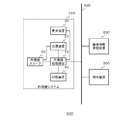
- FIG. 1 is a diagram showing a configuration of a medical information management system 500 according to an embodiment of the present invention.
- the medical information management system 500 according to the present embodiment is a system for supporting endoscopic work.
- the medical information management system 500 includes an endoscope system 100, a medical information management device 200, and a terminal device 300, which are interconnected via a communication line 400.
- a wired LAN is assumed as the communication line 400.
- FIG. 1 is a diagram showing a configuration of a medical information management system 500 according to an embodiment of the present invention.
- the medical information management system 500 is a system for supporting endoscopic work.
- the medical information management system 500 includes an endoscope system 100, a medical information management device 200, and a terminal device 300, which are interconnected via a communication line 400.
- a wired LAN is assumed as the communication line 400.
- FIG. 1 is a diagram showing a configuration of a medical information management system 500 according to an embodiment of the present invention.
- the medical information management system 500 is
- the medical information management system 500 can be linked with another system in the hospital.
- a gateway device (not shown) is connected to the communication line 400, and the medical information management system 500 can cooperate with an ordering system, an electronic medical record system, and a reception system via the gateway device.
- orders for examinations, treatments, and treatments using the endoscope system 100 are received from the ordering system.
- the endoscope system 100 includes an endoscope processing device 10, a light source device 20, a display device 30, a printing device 40, and an endoscope scope 50.
- the endoscope scope 50 is used by being inserted into a body cavity of a patient.
- the endoscope scope 50 images the inside of the body cavity and outputs it to the endoscope processing apparatus 10.
- the endoscope scope 50 includes a type having a forceps channel, an air supply channel, or a water supply channel.
- a treatment instrument such as a forceps or an ESD (Endoscopic submucosal dissection) instrument is used.
- ESD Endoscopic submucosal dissection
- the endoscope processing apparatus 10 controls the entire endoscope system 100 in an integrated manner.
- An image captured mainly by the endoscope scope 50 is transmitted to the medical information management apparatus 200 for filing.
- the light source device 20 sends light into the endoscope scope 50.
- the display device 30 displays an image based on the image signal input from the endoscope processing device 10.
- An image captured mainly by the endoscope scope 50 is displayed in real time.
- the printing apparatus 40 prints out data input from the endoscope processing apparatus 10.
- the image data captured mainly by the endoscope scope 50 is printed out.
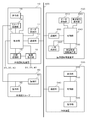
- FIG. 2 is a diagram showing a configuration of each of the endoscope processing device 10, the medical information management device 200, and the terminal device 300 according to the embodiment of the present invention.
- the endoscope scope 50 includes an imaging unit 51 and an operation unit 52.
- the imaging unit 51 includes a solid-state imaging device (for example, a CCD image sensor or a CMOS image sensor) and a signal processing circuit.
- the solid-state image sensor converts incident light into an electrical signal.
- the signal processing circuit performs signal processing such as A / D conversion and noise removal on the image signal photoelectrically converted by the solid-state imaging device, and outputs the processed signal to the endoscope processing apparatus 10.
- the operation unit 52 receives an operation of a doctor who is a user.
- the operation unit 52 is provided with a release button for photographing, a dial for adjusting the direction of the tip, a control button, and the like. When the doctor presses the control button, the operation unit 52 outputs an operation signal based on the operation to the endoscope processing apparatus 10.
- the endoscope processing apparatus 10 includes an order holding unit 11, a device setting unit 12, a control unit 13, a scope connection unit 14, an image processing unit 15, an operation unit 16, and a communication unit 17.
- the order holding unit 11 holds a medical action order received from the medical information management apparatus 200.
- the device setting unit 12 performs device setting according to the device setting information received from the medical information management apparatus 200. Specifically, brightness setting, size setting, setting of effect processing, setting regarding medical treatment end conditions, setting of the light amount of the light source device 20, and display method of the display device 30 for an image photographed by the endoscope scope 50 Setting and setting of the printing method of the printing apparatus 40 are performed. For example, redness, contour enhancement, and contrast are set as the effect processing settings. These device settings are adjusted based on the medical practice type, the status of the affected area, the doctor's preference, and the like.
- the control unit 13 controls the endoscope processing apparatus 10 as a whole. The specific operation of the control unit 13 will be described later.
- the scope connection unit 14 detects the connection of the endoscope scope 50. When the insertion of the endoscope scope 50 is detected or when the removal of the endoscope scope 50 is detected, the scope connection unit 14 outputs a detection signal to the control unit 13. In addition, when receiving an operation signal from the operation unit 52 of the endoscope scope 50, the scope connection unit 14 outputs the operation signal to the control unit 13.
- the image processing unit 15 performs various types of image processing on the image signal input from the endoscope scope 50. Specifically, the brightness adjustment, size adjustment, and various effect processes described above are performed. When the image is compressed and recorded, compression encoding is also performed.
- the operation unit 16 receives the operation of the doctor or nurse and outputs an operation signal based on the operation to the control unit 13.
- the communication unit 17 performs communication control for connecting the endoscope processing apparatus 10 to the communication line 400.
- the medical information management apparatus 200 is configured by a server in the present embodiment.
- the medical information management apparatus 200 includes an order holding unit 210, an execution record holding unit 220, a device setting information holding unit 230, a control unit 240, a temporary holding unit 250, and a communication unit 260.
- the order holding unit 210 holds an order of medical practice to be performed using the endoscope system 100. This order is obtained from the above-described ordering system.
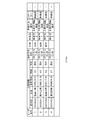
- FIG. 3 is a diagram illustrating an example of an order held in the order holding unit 210.
- the order list 210a illustrated in FIG. 3 includes a plurality of orders to be executed in the endoscope system 100.
- Each order includes items such as an order number, patient information, scheduled examination date and time, a doctor, a laboratory, a medical practice type, a status, and so on. Items other than those shown in FIG. 3 may include a patient's medical history, infectious diseases, and the like.
- Patient information includes patient ID, name, date of birth, age and gender.
- Order 4 is blank because the doctor has not yet decided.
- the medical information management system 500 includes a plurality of endoscope systems 100 and that one endoscope system 100 is installed in each examination room. Therefore, when the examination room is specified, the endoscope system 100 that should perform the medical practice related to the order is uniquely specified.
- the implementation record holding unit 220 holds an implementation record of medical practice defined by each order. Specifically, as an execution record, an endoscope image taken during a medical practice, a report created by a doctor, equipment and medicine used for the medical practice, and the like are held for each order.
- the device setting information holding unit 230 holds device setting information for performing device setting of the endoscope system 100.
- device setting information for collectively setting a plurality of device setting items of the endoscope system 100 is held.
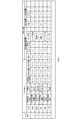
- FIG. 4 is a diagram illustrating an example of the device setting information table 230a held in the device setting information holding unit 230.
- the device setting information table 230a illustrated in FIG. 4 includes a plurality of device setting information.
- Each device setting information includes a master number, a master condition, and setting information.
- the master condition includes a doctor, a medical practice type, an endoscope scope model number, an endoscope processing device model number, a light source device model number, and a printing device model number.
- Each device setting information basically reflects doctor's preference.
- a doctor may not be given as a search key.
- the doctor is extracted from the device setting information defined as general-purpose.
- endoscope scopes there are various types. Specifically, there are an upper gastrointestinal scope, a lower gastrointestinal scope, a duodenal scope, a bronchoscope, etc. Each scope is further subdivided according to use or characteristics.
- the upper gastrointestinal scope includes a general purpose scope, a menstrual scope, a nasal scope, an optical magnification scope, a treatment scope, and the like.
- ultrasonic scope that uses ultrasonic waves.
- the setting information includes setting information of the endoscope processing device 10, setting information of the light source device 20, setting information of the printing device 40, and so on.
- the setting information of the endoscope processing apparatus 10 includes redness, contrast, image size, end condition, and so on.
- the termination condition is defined as a condition for completing a medical practice defined by one order. In the example illustrated in FIG. 4, the termination condition includes removal of the endoscope scope 50 from the endoscope processing apparatus 10 and power-off of the endoscope scope 50.
- the action specified in the end condition serves as a trigger for closing the order.
- the layout setting of the printing apparatus 40 indicates the number of images arranged on one sheet.
- a pneumoperitoneum may be used in endoscopy or endoscopic procedures.
- the pneumoperitoneum is a device for inflating the abdominal cavity by sending carbon dioxide into the patient's body.
- the device setting information further includes setting information such as the model number and pressure of the insufflation apparatus. A method for registering the device setting information in the device setting information holding unit 230 will be described later.
- the control unit 240 comprehensively controls the entire medical information management apparatus 200. The specific operation of the control unit 240 will be described later.
- the temporary holding unit 250 is a work memory for temporarily holding device setting information received from the endoscope system 100.
- the communication unit 260 performs communication control for connecting the medical information management apparatus 200 to the communication line 400.
- the terminal device 300 is composed of a PC in this embodiment.
- the terminal device 300 is mainly used for report input by a doctor, confirmation of a captured endoscopic image, registration processing of device setting information, and the like. Details of the device setting information registration process will be described later.
- the terminal device 300 includes a control unit 310, a display unit 320, an operation unit 330, and a communication unit 340.
- the control unit 310 comprehensively controls the terminal device 300 as a whole.
- the display unit 320 displays information input from the control unit 310.
- the operation unit 330 includes input devices such as a keyboard and a mouse.
- the operation unit 330 receives an operation from the user and outputs an operation signal based on the operation to the control unit 310.
- the communication unit 340 performs communication control for the terminal device 300 to connect to the communication line 400.
- the control unit 240 of the medical information management apparatus 200 transmits an order to the endoscope system 100 via the communication line 400 when a predetermined time arrives or when an order acquisition request is received from the endoscope system 100. . At that time, device setting information associated with at least one of the doctor and the medical practice type specified in the order is transmitted.
- the control unit 240 of the medical information management apparatus 200 extracts a medical practice type and a doctor included in the transmitted order.
- the control unit 240 searches the device setting information table 230a held in the device setting information holding unit 230 using the extracted medical practice type and doctor as a search key, and extracts device setting information that matches the conditions.
- the control unit 240 when transmitting the order of the order number 1 in FIG. 3 to the endoscope system 100, the control unit 240 extracts the upper endoscopy as the medical action type and Tanaka as the doctor from the order.
- the control unit 240 searches the device setting information table 230a of FIG. 4 using the upper endoscopy and Tanaka as search keys.
- the control unit 240 extracts the device setting information of the master number 1 from the device setting information table 230a of FIG.
- the control unit 240 extracts only the medical practice type from the order.
- the upper endoscopy is extracted as the medical practice type.
- the control unit 240 searches the device setting information table 230a of FIG. 4 using the upper endoscopy as a search key. At that time, the doctor searches only general-purpose orders.
- the control unit 240 extracts the device setting information of the master number 5 from the device setting information table 230a of FIG.
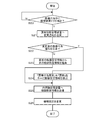
- FIG. 5 is a flowchart for explaining order and device setting information transmission processing by the medical information management apparatus 200 according to the embodiment of the present invention.
- the control unit 240 of the medical information management device 200 extracts the medical practice type from the order to be transmitted (S11).
- the control unit 240 determines whether or not a doctor can be extracted from the order (S12). If extraction is possible (Y in S12), the control unit 240 extracts a doctor from the order, and extracts device setting information that matches the conditions from the device setting information table using the medical practice type and the doctor as search keys (S13). .
- the control unit 240 sets general-purpose for the doctor, and extracts device setting information that matches the conditions from the device setting information table using the medical action type and doctor as a search key. (S14).
- the control unit 240 transmits the extracted device setting information to the endoscope processing apparatus 10 together with the order (S15).
- the endoscope processing apparatus 10 When receiving the order and the device setting information, the endoscope processing apparatus 10 holds the order in the order holding unit 11. When the order is selected from the operation unit 16 of the endoscope processing apparatus 10, the control unit 13 acquires the device setting information, and the device setting unit 12 performs device setting according to the device setting information.
- the control unit 13 of the endoscope processing apparatus 10 transmits a change notification to the medical information management apparatus 200.
- the change in the medical practice type occurs, for example, when a polyp is found in the stomach during upper endoscopy and is removed on the spot. In this case, the upper endoscopy is changed to the upper endoscopic procedure.
- the control unit 13 can recognize the change of the medical practice type by any one of the three methods described below or any combination.
- the first method is a case where a change in the medical practice type is input from the operation unit 16 of the endoscope processing apparatus 10 by a doctor or a nurse. Since this method can also transmit the changed medical practice type to the medical information management apparatus 200, the medical information management apparatus 200 can easily extract new device setting information to be changed.
- the operation unit 16 of the endoscope processing apparatus 10 needs to include a user interface for inputting or selecting the changed medical practice type. In addition, it takes time to perform the input operation or selection operation, and time loss is likely to occur.
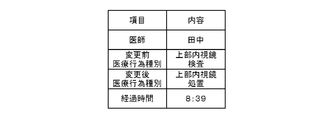
- FIG. 6 is a diagram illustrating an example of a change format of a medical practice type change notification transmitted from the endoscope processing apparatus 10 to the medical information management apparatus 200.
- This change notification includes, as items, a doctor, a medical practice type before the change, a medical practice type after the change, and an elapsed time from the start of the medical practice.
- the second method for the control unit 13 of the endoscope processing apparatus 10 to recognize the change in the medical practice type uses the extraction detection signal and the insertion detection signal of the endoscope scope 50 input from the scope connection unit 14. It is a method to do.
- the endoscope scope 50 may be replaced.
- the observation may be exchanged from the main scope to the main scope.
- the control unit 13 recognizes the replacement of the endoscope scope 50 by receiving an insertion detection signal of a scope having other identification information from the scope connection unit 14.
- the control unit 13 receives the scope removal detection signal from the scope connection unit 14 and then receives the scope insertion detection signal before the end of the medical practice. Recognizing the replacement of the endoscope scope 50.
- this processing it is necessary to set the system so that the medical action is ended when the end key provided in the operation unit 16 is pressed, not the system setting where the medical action ends when the scope is removed or the scope is turned off.
- the control unit 13 When the control unit 13 recognizes the replacement of the endoscope scope 50, the control unit 13 transmits a change notification to the medical information management apparatus 200.
- This change notification does not include the changed medical practice type as in the first method.
- the identification information of the scope after exchange can be acquired, the identification information is included in the change notification.
- the change of the medical practice type can be transmitted to the medical information management apparatus 200 simultaneously with the replacement of the endoscope scope 50.
- the type of the endoscope scope 50 and the medical practice type do not necessarily correspond 1: 1, it is necessary to estimate the changed medical practice type on the medical information management apparatus 200 side.
- the third method for the control unit 13 of the endoscope processing apparatus 10 to recognize the change of the medical practice type is to accept an operation signal from the operation unit 52 of the endoscope scope 50 via the scope connection unit 14.
- This is a method for recognizing a change in medical practice type based on an accepted operation signal.
- a button for changing the medical practice type is provided on the operation unit 52 of the endoscope scope 50.
- a medical action type changing function may be assigned to an existing button.
- the control unit 13 interprets the change as a medical practice type change operation.
- the control unit 13 transmits a change notification to the medical information management apparatus 200 when recognizing a change in the medical practice type by an operation signal from the operation unit 52 of the endoscope scope 50.
- This change notification does not include the changed medical practice type as in the first method.
- the operation burden on the doctor is light, and the change notification of the medical practice type can be transmitted to the medical information management apparatus 200 simultaneously with the pressing of the operation button of the endoscope scope 50 by the doctor.
- an operation button is required for the endoscope scope 50.
- the control unit 240 of the medical information management apparatus 200 When receiving the medical action type change notification from the endoscope system 100, the control unit 240 of the medical information management apparatus 200 extracts new device setting information corresponding to the change from the device setting information table 230a. When the information for specifying the changed medical practice type is included in the change notification, the control unit 240 performs the same processing as the extraction of the device setting information when transmitting the order described above. When the change notification does not include information for specifying the changed medical practice type, the device setting information to be changed is estimated from the device setting information before the change.
- the device setting information estimation table 230b for estimating the device setting information after changing the medical practice type is used.
- the change notification from the endoscope processing apparatus 10 does not include scope identification information.
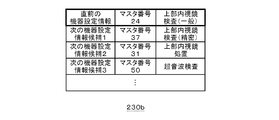
- FIG. 7 is a diagram illustrating an example of a device setting information estimation table 230b for estimating the device setting information after changing the medical practice type.
- the device setting information estimation table 230b is a table for predicting the next device setting information to be transitioned from the device setting information before the change when the medical action type is changed during the medical action.
- FIG. 7 shows an example in which the medical practice type before the change is upper endoscopy (general) and the master number of the device setting information used is 24.
- the device setting information estimation table 230b defines the next device setting information candidates in the order of medical practice types that are most likely to be deployed next. Usually, since it is considered that there is no change of the doctor before and after the medical practice type change, if the medical practice type that is likely to be deployed next is identified, the device setting information to be adopted next can also be identified.
- the control unit 240 of the medical information management apparatus 200 When receiving the medical action type change notification from the endoscope system 100, the control unit 240 of the medical information management apparatus 200 identifies the current device setting information and refers to the device setting information estimation table 230b to determine the next device. Setting information is identified and extracted from the device setting information table 230a. The control unit 240 transmits the extracted device setting information to the endoscope processing apparatus 10.
- the control unit 13 of the endoscope processing apparatus 10 receives the device setting information, and the device setting unit 12 performs device setting according to the device setting information.
- the device setting information is not predicted by the control unit 240 of the medical information management apparatus 200 and the device setting is not intended.
- the control unit 240 of the medical information management apparatus 200 When receiving the device setting information change request notification from the endoscope system 100, the control unit 240 of the medical information management apparatus 200 refers to the device setting information estimation table 230b, except for the device setting information transmitted last time, and then prioritized. Identify device setting information with higher rank. The following processing is the same as the processing for transmitting the previous device setting information.
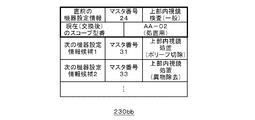
- FIG. 8 is a diagram showing another example of a device setting information estimation table for estimating device setting information after changing the medical practice type.
- This device setting information estimation table 230bb is a table for predicting the next device setting information to be transitioned from the device setting information before the change and the scope model number after replacement when the medical action type is changed during the medical action. It is.
- the medical practice type before the change is upper endoscopy (general)
- the master number of the device setting information used is 24, and the scope type after replacement is AA-02 (for treatment) ) Is an example.
- the medical practice to be performed next can be estimated to some extent. For example, if an upper gastrointestinal scope is inserted, it can be assumed that at least the next medical practice is not a lower endoscopy or ultrasonic examination.
- the immediately preceding device setting information is the same, but depending on whether or not the scope type after replacement is an additional parameter. The priorities of the next device setting information candidates are different.
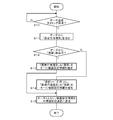
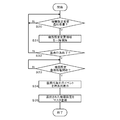
- FIG. 9 is a flowchart for explaining processing for transmitting device setting information resulting from a change in medical practice type during a medical practice by the medical information management system 500 according to the embodiment of the present invention.
- the control unit 13 of the endoscope processing apparatus 10 detects a medical practice type change trigger in the middle of the medical practice specified in the order (Y in S20)
- the medical action type change notification is sent to the medical information management apparatus 200. Transmit (S21).
- the control unit 240 of the medical information management apparatus 200 receives the change notification and determines whether or not the changed medical action type is included in the change notification (S22). If not included (N in S22), the control unit 240 estimates the next device setting information from the previous device setting information and extracts it from the device setting information table (S23). If the change notification includes the replacement scope identification information, the control unit 240 estimates the next device setting information from the immediately preceding device setting information and the replaced scope model number, and from the device setting information table. Extract.
- the control unit 240 uses the changed medical action type and doctor as a search key as a condition from the device setting information table.
- the matching device setting information is extracted (S24).
- the doctor uses the doctor used in the search at the time of order transmission.
- the control unit 240 transmits the extracted device setting information to the endoscope processing apparatus 10 (S25).
- the control unit 13 of the endoscope processing apparatus 10 receives new device setting information from the medical information management device 200, and the device setting unit 12 changes the device setting according to the device setting information (S26).
- the doctor may want to change the device settings during the medical practice. For example, when a polyp is found in the stomach during the upper endoscopy, the intensity of contour emphasis may be increased or the light amount of the light source device 20 may be increased.
- the doctor or the nurse who receives the instruction from the doctor operates the operation unit 16 of the endoscope processing apparatus 10 to change the device setting.
- the operation part for changing the apparatus setting of the light source device 20 the display apparatus 30, or the printing apparatus 40 is installed in each apparatus, an operation part is operated and an apparatus setting is changed.
- the control of the endoscope processing apparatus 10 is performed.
- the unit 13 transmits device setting change information indicating the changed device setting to the medical information management apparatus 200.
- the control unit 240 of the medical information management apparatus 200 holds the device setting change information received from the endoscope processing apparatus 10 in the temporary holding unit 250.
- the control unit 240 determines whether or not to register the device setting information reflecting the device setting change information held in the temporary holding unit 250 in the device setting information holding unit 230 after the end of the medical practice specified by the order.
- a screen for causing the terminal device 300 to select is displayed on the display unit 320 of the terminal device 300.
- the device setting information reflecting the device setting change information refers to the device setting of the entire endoscope system 100 at the time when the device setting is changed.
- the control unit 240 generates device setting information reflecting the above-described device setting change information based on the device setting information of the entire endoscope system 100 immediately before the device setting is changed and the device setting change information.
- the control unit 240 displays, as the above-described screen, for example, a screen in which events including changes in device settings from the start to the end of medical practice are described in time series. Such a registration screen for device setting information is displayed due to a user operation on the operation unit 330 of the terminal device 300.
- a doctor may be automatically displayed when a doctor creates a report using the terminal device 300.
- the above-described screen may be displayed when the report creation screen is entered or when the report creation screen is closed.
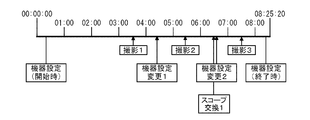
- FIG. 10 is a diagram showing an example of a screen in which events including device setting changes are described in time series.
- the device setting is changed twice, three endoscopic images are taken, and the endoscope scope 50 is exchanged once.
- the doctor looks at this time-series display, determines whether or not to register the device settings, and if so, determines at which point the device settings are registered, and performs a registration operation.
- each event is represented by characters, but each event may be represented by an icon.
- an actually shot endoscope image may be displayed.
- the cursor is moved to the device setting icon or the device setting change icon, a list of device setting values at that time may be displayed in a balloon. It may be possible to transition from the balloon display to the master registration screen.
- an endoscope image based on the device setting before the change and an endoscope image based on the device setting after the change may be displayed.
- a display for selecting a device setting at both time points is displayed so that the device setting at the start of the medical practice and the device setting at the end of the medical practice can be registered as a master. It may be omitted.
- FIGS. 11A to 11B are diagrams showing another example of a screen describing events including changes in device settings in time series.
- the device setting is changed four times, three endoscope images are taken, and the endoscope scope 50 is exchanged once.
- the first three device settings are made at approximately the same time. If device settings are made multiple times within a short time, they are considered as a series of device settings. For example, when redness, contour enhancement, and contrast settings are changed in a certain situation, it is more convenient to treat them as one device setting change.
- the same setting item is changed a plurality of times within a short time, it is considered that the doctor has reached the best fit value due to trial and error. Also in this case, it is more convenient to treat it as one device setting change.
- FIG. 11B shows device setting change 1, device setting change 2, and device setting change 3 in the medical practice shown in FIG.
- the control unit 240 of the medical information management apparatus 200 extracts each change time (a reception time may be substituted) of a plurality of device setting change information in a certain medical practice held in the temporary holding unit 250.
- the control unit 240 searches for a combination of device setting change information existing within a set time (for example, 3 minutes) based on the extracted change times. When the combination is detected, the control unit 240 integrates the device setting information related to the combination into one.
- FIG. 12 is a flowchart for explaining registration processing of device setting information by the medical information management apparatus 200 according to the embodiment of the present invention.
- the control unit 13 of the endoscope processing apparatus 10 detects a change in device setting operated by a doctor or a nurse who has received an instruction from the doctor during a medical practice, the control unit 13 sends a device setting change notification including device setting change information. It transmits to the medical information management apparatus 200.
- the control unit 240 of the medical information management device 200 temporarily holds the device setting change information included in the temporary setting unit 250 (S31). .
- the control unit 240 of the medical information management device 200 displays an event during the medical practice on the terminal device 300. Time series display is performed on the display unit 320 (S34).
- the control unit 240 of the medical information management apparatus 200 master-registers the device setting selected and operated by the doctor among the displayed device setting changes in the device setting information holding unit 230 (S35).
- the endoscope processing apparatus 10 when transmitting an order to the endoscope system 100, together with the order, device setting information of the endoscope system 100 when performing a medical practice prescribed in the order. Send.
- the endoscope processing apparatus 10 collectively performs device settings of the endoscope system 100 according to the device setting information. This eliminates the need for a doctor or a nurse who has received an instruction from the doctor to manually set the device. Since this device setting reflects the type of medical practice and the preference of the doctor, the doctor can perform the medical practice in a comfortable device setting environment.
- the doctor has previously registered device setting information from which such a setting has been removed, when the doctor starts a medical practice, the device setting according to the device setting information is automatically performed. . Therefore, such a situation can be avoided without manually changing the device setting.
- the medical practice type when the medical practice type is changed during a medical practice, it is necessary to change the device settings of the endoscope system 100 according to the changed medical practice type.
- the change operation takes time. Medical practice is suspended until the change operation is completed. Longer interruptions in medical practice increase patient burden. In addition, the waiting time of the patient who will be changed later becomes longer.
- the medical information management apparatus 200 when the medical practice type is changed, displays the new device setting information that matches the changed medical practice type in the endoscope. To system 100. Thereby, the apparatus setting of the endoscope system 100 required when the medical practice type is changed during the medical practice can be quickly changed. This improves the work efficiency of medical practice.
- the above-described burden on the patient and an increase in the waiting time of the subsequent patient can be suppressed. In addition, the increase in working hours of medical staff can be suppressed.
- the medical information management apparatus 200 changes the medical action after the change.
- Device setting information suitable for the type can be estimated. Thereby, the operation in which the doctor or nurse inputs the changed medical practice type to the endoscope processing apparatus 10 can be omitted. If this input operation is omitted, work efficiency of medical practice is improved.
- the change of the device setting is transmitted to the medical information management apparatus 200, and medical information is stored.
- the management apparatus 200 temporarily holds the change history of the device setting. Thereby, after the end of the medical practice, the doctor can accurately and easily master-register the device setting information that is actually used and determined to be used again.
- the control unit 240 of the medical information management apparatus 200 holds the device setting information unconditionally unless the device setting at the end of the medical practice overlaps with the device setting information already registered in the device setting information holding unit 230. It may be registered in the unit 230. Note that the confirmation screen may be displayed on the display unit 320 of the terminal device 300 before confirming the registration.
- 100 endoscope system 200 medical information management device, 300 terminal device, 400 communication line, 500 medical information management system, 10 endoscope processing device, 20 light source device, 30 display device, 40 printing device, 50 endoscope scope , 11 Order holding unit, 12 Device setting unit, 13 Control unit, 14 Scope connection unit, 15 Image processing unit, 16 Operation unit, 17 Communication unit, 51 Imaging unit, 52 Operation unit, 210 Order holding unit, 220 Execution record holding Unit, 230 device setting information holding unit, 240 control unit, 250 temporary holding unit, 260 communication unit, 310 control unit, 320 display unit, 330 operation unit, 340 communication unit.
- the present invention can be used in the field of managing device setting information of an endoscope system.
Landscapes
- Health & Medical Sciences (AREA)
- Life Sciences & Earth Sciences (AREA)
- Engineering & Computer Science (AREA)
- Surgery (AREA)
- General Health & Medical Sciences (AREA)
- Medical Informatics (AREA)
- Public Health (AREA)
- Physics & Mathematics (AREA)
- Nuclear Medicine, Radiotherapy & Molecular Imaging (AREA)
- Radiology & Medical Imaging (AREA)
- Business, Economics & Management (AREA)
- Optics & Photonics (AREA)
- Heart & Thoracic Surgery (AREA)
- Molecular Biology (AREA)
- Animal Behavior & Ethology (AREA)
- Biomedical Technology (AREA)
- Pathology (AREA)
- Veterinary Medicine (AREA)
- Biophysics (AREA)
- Human Resources & Organizations (AREA)
- Economics (AREA)
- Strategic Management (AREA)
- Signal Processing (AREA)
- Entrepreneurship & Innovation (AREA)
- Primary Health Care (AREA)
- Epidemiology (AREA)
- Tourism & Hospitality (AREA)
- Marketing (AREA)
- General Business, Economics & Management (AREA)
- General Physics & Mathematics (AREA)
- Theoretical Computer Science (AREA)
- Operations Research (AREA)
- Quality & Reliability (AREA)
- Educational Administration (AREA)
- Development Economics (AREA)
- Game Theory and Decision Science (AREA)
- Endoscopes (AREA)
- Medical Treatment And Welfare Office Work (AREA)
- Child & Adolescent Psychology (AREA)
Abstract
Description
Claims (12)
- 内視鏡システムと通信回線を介して接続された医療情報管理装置であって、
前記内視鏡システムを用いて実施されるべき医療行為のオーダを保持するオーダ保持部と、
前記内視鏡システムの機器設定を行うための機器設定情報を保持する機器設定情報保持部と、
前記通信回線を介して前記内視鏡システムにオーダを送信するとともに、そのオーダで規定される医師および医療行為種別の少なくとも一方に紐付けられた機器設定情報を送信する制御部と、
を備え、
前記制御部は、前記オーダで規定される医療行為中に、前記内視鏡システムから変更通知を受信した場合、その変更に応じた新たな機器設定情報を前記内視鏡システムに送信することを特徴とする医療情報管理装置。 - 前記制御部は、前記変更通知に変更後の医療行為種別を特定するための情報が含まれていない場合、変更前の機器設定情報から変更すべき機器設定情報を推測することを特徴とする請求項1に記載の医療情報管理装置。
- 前記機器設定情報保持部は、前記内視鏡システムの複数の機器設定項目を一括設定するための機器設定情報を保持することを特徴とする請求項1または2に記載の医療情報管理装置。
- 前記制御部は、前記オーダで規定される医療行為中に、前記内視鏡システムのユーザ操作により前記内視鏡システムの機器設定が変更された場合、変更された機器設定を示す機器設定変更情報を前記医療情報管理装置から受信し、
本医療情報管理装置は、
前記内視鏡システムから受信した機器設定変更情報を一時保持する一時保持部を、さらに備え、
前記制御部は、前記オーダで規定される医療行為の終了後、前記一時保持部に保持される機器設定変更情報を反映した機器設定情報を、前記機器設定情報保持部に登録するか否かユーザに選択させるための画面を表示装置に表示させることを特徴とする請求項1から3のいずれかに記載の医療情報管理装置。 - 前記制御部は、前記オーダで規定される医療行為の開始から終了までの、前記機器設定の変更を含むイベントを時系列に記述した画面を表示させることを特徴とする請求項4に記載の医療情報管理装置。
- 通信回線に接続された内視鏡システムと医療情報管理装置を備える医療情報管理システムであって、
前記医療情報管理装置は、
前記内視鏡システムを用いて実施されるべき医療行為のオーダを保持する第1オーダ保持部と、
前記内視鏡システムの機器設定を行うための機器設定情報を保持する機器設定情報保持部と、
前記通信回線を介して前記内視鏡システムにオーダを送信するとともに、そのオーダで規定される医師および医療行為種別の少なくとも一方に紐付けられた機器設定情報を送信する第1制御部と、を有し、
前記内視鏡システムは、内視鏡スコープが接続される処理装置を有し、
前記処理装置は、
前記医療情報管理装置から受信したオーダを保持する第2オーダ保持部と、
前記医療情報管理装置から受信した機器設定情報にしたがい機器設定を行う機器設定部と、
前記オーダで規定される医療行為中に医療行為種別が変更されたとき、前記医療情報管理装置に変更通知を送信する第2制御部と、を含み、
前記第1制御部は、前記内視鏡システムから変更通知を受信した場合、その変更に応じた新たな機器設定情報を前記内視鏡システムに送信することを特徴とする医療情報管理システム。 - 前記第1制御部は、前記変更通知に変更後の医療行為種別を特定するための情報が含まれていない場合、変更前の機器設定情報から変更すべき機器設定情報を推測することを特徴とする請求項6に記載の医療情報管理システム。
- 前記処理装置は、内視鏡スコープの接続を検出するスコープ接続部を、さらに含み、
前記第2制御部は、前記医療行為中に内視鏡スコープの交換が検出されると、前記変更通知を送信することを特徴とする請求項6または7に記載の医療情報管理システム。 - 前記内視鏡スコープは第1操作部を含み、
前記第2制御部は、前記第1操作部から操作信号を受け付け、受け付けた操作信号をもとに、前記変更通知を送信することを特徴とする請求項6または7に記載の医療情報管理システム。 - 前記機器設定情報保持部は、前記内視鏡システムの複数の機器設定項目を一括設定するための機器設定情報を保持することを特徴とする請求項6から9のいずれかに記載の医療情報管理システム。
- 前記処理装置は、前記内視鏡システムの機器設定を行うための第2操作部を、さらに備え、
前記第2制御部は、前記オーダで規定される医療行為中に、前記第2操作部からの操作信号により前記内視鏡システムの機器設定が変更された場合、変更された機器設定を示す機器設定変更情報を前記医療情報管理装置に送信し、
前記医療情報管理装置は、前記内視鏡システムから受信した機器設定変更情報を一時保持する一時保持部を、さらに備え、
前記第1制御部は、前記オーダで規定される医療行為の終了後、前記一時保持部に保持される機器設定変更情報を反映した機器設定情報を、前記機器設定情報保持部に登録するか否かユーザに選択させるための画面を表示装置に表示させることを特徴とする請求項6から10のいずれかに記載の医療情報管理システム。 - 前記第1制御部は、前記オーダで規定される医療行為の開始から終了までの、前記機器設定の変更を含むイベントを時系列に記述した画面を表示させることを特徴とする請求項11に記載の医療情報管理システム。
Priority Applications (4)
| Application Number | Priority Date | Filing Date | Title |
|---|---|---|---|
| CN201380003609.8A CN103889307B (zh) | 2012-06-20 | 2013-04-16 | 医疗信息管理装置和医疗信息管理系统 |
| EP13807190.7A EP2865321B1 (en) | 2012-06-20 | 2013-04-16 | Medical information management device and medical information management system |
| JP2013547746A JP5498628B1 (ja) | 2012-06-20 | 2013-04-16 | 医療情報管理装置および医療情報管理システム |
| US14/064,682 US8970687B2 (en) | 2012-06-20 | 2013-10-28 | Medical information management apparatus and medical information management system |
Applications Claiming Priority (2)
| Application Number | Priority Date | Filing Date | Title |
|---|---|---|---|
| JP2012139154 | 2012-06-20 | ||
| JP2012-139154 | 2012-06-20 |
Related Child Applications (1)
| Application Number | Title | Priority Date | Filing Date |
|---|---|---|---|
| US14/064,682 Continuation US8970687B2 (en) | 2012-06-20 | 2013-10-28 | Medical information management apparatus and medical information management system |
Publications (1)
| Publication Number | Publication Date |
|---|---|
| WO2013190758A1 true WO2013190758A1 (ja) | 2013-12-27 |
Family
ID=49768373
Family Applications (1)
| Application Number | Title | Priority Date | Filing Date |
|---|---|---|---|
| PCT/JP2013/002570 Ceased WO2013190758A1 (ja) | 2012-06-20 | 2013-04-16 | 医療情報管理装置および医療情報管理システム |
Country Status (5)
| Country | Link |
|---|---|
| US (1) | US8970687B2 (ja) |
| EP (1) | EP2865321B1 (ja) |
| JP (1) | JP5498628B1 (ja) |
| CN (1) | CN103889307B (ja) |
| WO (1) | WO2013190758A1 (ja) |
Cited By (3)
| Publication number | Priority date | Publication date | Assignee | Title |
|---|---|---|---|---|
| CN106455963A (zh) * | 2014-06-30 | 2017-02-22 | 磪大明 | 内窥镜管理系统及方法 |
| JP2017131265A (ja) * | 2016-01-25 | 2017-08-03 | オリンパス株式会社 | 内視鏡検査業務支援システム |
| JP2023532474A (ja) * | 2020-06-26 | 2023-07-28 | レスメド・プロプライエタリー・リミテッド | 呼吸デバイスの遠隔配置 |
Families Citing this family (10)
| Publication number | Priority date | Publication date | Assignee | Title |
|---|---|---|---|---|
| US10588486B2 (en) * | 2013-09-19 | 2020-03-17 | Physio-Control, Inc | Multi-function video system with interchangeable medical tool |
| WO2016017227A1 (ja) * | 2014-08-01 | 2016-02-04 | オリンパス株式会社 | 内視鏡業務支援装置 |
| EP3232397A4 (en) * | 2014-12-12 | 2018-09-05 | Olympus Corporation | Endoscopic inspection operation assistance system |
| EP3252702A4 (en) * | 2015-01-28 | 2018-10-24 | Olympus Corporation | Examination work support system |
| JP2017035376A (ja) | 2015-08-12 | 2017-02-16 | Hoya株式会社 | 内視鏡システム |
| US11166628B2 (en) | 2016-02-02 | 2021-11-09 | Physio-Control, Inc. | Laryngoscope with handle-grip activated recording |
| JP2018157918A (ja) * | 2017-03-22 | 2018-10-11 | ソニー株式会社 | 手術用制御装置、制御方法、手術システム、およびプログラム |
| JP7031344B2 (ja) * | 2018-02-13 | 2022-03-08 | 富士フイルムビジネスイノベーション株式会社 | 情報処理装置、情報処理システムおよびプログラム |
| JP2020005751A (ja) * | 2018-07-04 | 2020-01-16 | オリンパス株式会社 | 内視鏡システム |
| US10905309B2 (en) * | 2019-03-19 | 2021-02-02 | Reed Cam, Inc. | Method and apparatus for enforced provisioning and compliant usage authorization of endoscope applications |
Citations (5)
| Publication number | Priority date | Publication date | Assignee | Title |
|---|---|---|---|---|
| JP2000081577A (ja) * | 1998-06-26 | 2000-03-21 | Asahi Optical Co Ltd | 電子内視鏡 |
| JP2001128993A (ja) * | 1999-11-02 | 2001-05-15 | Olympus Optical Co Ltd | 医療用システム |
| JP2008529161A (ja) | 2005-01-26 | 2008-07-31 | シーメンス メディカル ソリューションズ ユーエスエー インコーポレイテッド | 統合形医療装置および健康管理情報システム |
| JP2010213871A (ja) * | 2009-03-16 | 2010-09-30 | Olympus Corp | 内視鏡装置 |
| JP2011186802A (ja) * | 2010-03-09 | 2011-09-22 | Fujifilm Corp | 医療機器用のユーザ設定情報管理装置及び方法 |
Family Cites Families (12)
| Publication number | Priority date | Publication date | Assignee | Title |
|---|---|---|---|---|
| US6545703B1 (en) * | 1998-06-26 | 2003-04-08 | Pentax Corporation | Electronic endoscope |
| JP4223609B2 (ja) * | 1998-12-24 | 2009-02-12 | Hoya株式会社 | 内視鏡装置 |
| US6589162B2 (en) * | 2000-02-21 | 2003-07-08 | Pentax Corporation | Endoscope system and video camera for endoscope |
| JP4024116B2 (ja) * | 2002-09-12 | 2007-12-19 | 宏文 平野 | 医用データ管理システム |
| EP1752083A4 (en) * | 2004-05-24 | 2013-10-16 | Olympus Corp | LIGHT SOURCE DEVICE FOR ENDOSCOPE |
| US7335159B2 (en) * | 2004-08-26 | 2008-02-26 | Scimed Life Systems, Inc. | Endoscope having auto-insufflation and exsufflation |
| JP2006218238A (ja) * | 2005-02-14 | 2006-08-24 | Olympus Corp | 手術システム |
| EP1938274A2 (en) * | 2005-09-12 | 2008-07-02 | D.V.P. Technologies Ltd. | Medical image processing |
| US8310529B2 (en) * | 2006-05-15 | 2012-11-13 | Olympus Medical Systems Corp. | System and method for automatic processing of endoscopic images |
| JP4157573B2 (ja) * | 2006-06-09 | 2008-10-01 | オリンパスメディカルシステムズ株式会社 | 問診票データ作成装置 |
| WO2008061833A1 (en) * | 2006-11-20 | 2008-05-29 | Quadrat | Electronic whiteboard for appointment management |
| CN101904120A (zh) * | 2007-12-21 | 2010-12-01 | 罗姆股份有限公司 | 信息交换装置 |
-
2013
- 2013-04-16 CN CN201380003609.8A patent/CN103889307B/zh not_active Expired - Fee Related
- 2013-04-16 JP JP2013547746A patent/JP5498628B1/ja not_active Expired - Fee Related
- 2013-04-16 WO PCT/JP2013/002570 patent/WO2013190758A1/ja not_active Ceased
- 2013-04-16 EP EP13807190.7A patent/EP2865321B1/en not_active Not-in-force
- 2013-10-28 US US14/064,682 patent/US8970687B2/en active Active
Patent Citations (5)
| Publication number | Priority date | Publication date | Assignee | Title |
|---|---|---|---|---|
| JP2000081577A (ja) * | 1998-06-26 | 2000-03-21 | Asahi Optical Co Ltd | 電子内視鏡 |
| JP2001128993A (ja) * | 1999-11-02 | 2001-05-15 | Olympus Optical Co Ltd | 医療用システム |
| JP2008529161A (ja) | 2005-01-26 | 2008-07-31 | シーメンス メディカル ソリューションズ ユーエスエー インコーポレイテッド | 統合形医療装置および健康管理情報システム |
| JP2010213871A (ja) * | 2009-03-16 | 2010-09-30 | Olympus Corp | 内視鏡装置 |
| JP2011186802A (ja) * | 2010-03-09 | 2011-09-22 | Fujifilm Corp | 医療機器用のユーザ設定情報管理装置及び方法 |
Non-Patent Citations (1)
| Title |
|---|
| See also references of EP2865321A4 |
Cited By (4)
| Publication number | Priority date | Publication date | Assignee | Title |
|---|---|---|---|---|
| CN106455963A (zh) * | 2014-06-30 | 2017-02-22 | 磪大明 | 内窥镜管理系统及方法 |
| JP2017131265A (ja) * | 2016-01-25 | 2017-08-03 | オリンパス株式会社 | 内視鏡検査業務支援システム |
| JP2023532474A (ja) * | 2020-06-26 | 2023-07-28 | レスメド・プロプライエタリー・リミテッド | 呼吸デバイスの遠隔配置 |
| JP7890940B2 (ja) | 2020-06-26 | 2026-07-15 | レスメド・プロプライエタリー・リミテッド | 呼吸デバイスの遠隔配置 |
Also Published As
| Publication number | Publication date |
|---|---|
| EP2865321B1 (en) | 2017-08-30 |
| US8970687B2 (en) | 2015-03-03 |
| CN103889307A (zh) | 2014-06-25 |
| JPWO2013190758A1 (ja) | 2016-02-08 |
| US20140118517A1 (en) | 2014-05-01 |
| EP2865321A4 (en) | 2016-03-02 |
| EP2865321A1 (en) | 2015-04-29 |
| CN103889307B (zh) | 2016-03-30 |
| JP5498628B1 (ja) | 2014-05-21 |
Similar Documents
| Publication | Publication Date | Title |
|---|---|---|
| JP5498628B1 (ja) | 医療情報管理装置および医療情報管理システム | |
| CN103458760B (zh) | 无线影像传输系统以及发送装置 | |
| US7840694B2 (en) | Converter for converting communication method and/or communication protocol | |
| CN103348374B (zh) | 医疗信息管理系统和管理装置 | |
| JP5026886B2 (ja) | 医療装置及びこの医療装置を備えた医療システム | |
| JP6284439B2 (ja) | 医療情報処理システム | |
| CN101632100A (zh) | 数据传送方法和系统、辅助服务器以及检查设备 | |
| JP4009583B2 (ja) | 医療用画像記録システム | |
| CN105283114B (zh) | 胶囊型内窥镜系统 | |
| JPWO2018074223A1 (ja) | 内視鏡システム、端末装置、サーバ、送信方法およびプログラム | |
| JP5639312B2 (ja) | 検査情報管理装置及び検査情報管理システム | |
| JP5568198B1 (ja) | 検査管理装置、検査管理システム、検査管理方法、及び検査管理プログラム | |
| WO2014061554A1 (ja) | 画像処理装置及び画像処理方法 | |
| US8284244B2 (en) | Signal processing system | |
| US10993608B2 (en) | Endoscope system and control method | |
| WO2007023771A1 (ja) | 画像表示装置 | |
| JP2013116234A (ja) | 医療機器管理装置 | |
| JP6249908B2 (ja) | 情報処理システム | |
| JP2014021662A (ja) | 医療画像管理装置 | |
| JP5751495B2 (ja) | 医療情報管理装置 | |
| US20250228429A1 (en) | Medical system, medical imaging instrument, method of operating a medical system and/or a medical imaging instrument, and method of connecting a medical imaging instrument to a display device | |
| US20250228430A1 (en) | Medical system, method of operating a medical system and method of coupling a medical imaging instrument to a display device | |
| US20250232870A1 (en) | Medical system, data transmission adapter, method of retrofitting a medical imaging instrument, method of transmitting image data and method of operating a medical system | |
| US20250228443A1 (en) | Medical system, medical imaging instrument, method of operating a medical system and method with a medical system | |
| JP2015037477A (ja) | 電子内視鏡システム及びその使用条件設定方法 |
Legal Events
| Date | Code | Title | Description |
|---|---|---|---|
| WWE | Wipo information: entry into national phase |
Ref document number: 201380003609.8 Country of ref document: CN |
|
| ENP | Entry into the national phase |
Ref document number: 2013547746 Country of ref document: JP Kind code of ref document: A |
|
| 121 | Ep: the epo has been informed by wipo that ep was designated in this application |
Ref document number: 13807190 Country of ref document: EP Kind code of ref document: A1 |
|
| NENP | Non-entry into the national phase |
Ref country code: DE |
|
| REEP | Request for entry into the european phase |
Ref document number: 2013807190 Country of ref document: EP |