WO2014013892A1 - 移動通信方法 - Google Patents
移動通信方法 Download PDFInfo
- Publication number
- WO2014013892A1 WO2014013892A1 PCT/JP2013/068473 JP2013068473W WO2014013892A1 WO 2014013892 A1 WO2014013892 A1 WO 2014013892A1 JP 2013068473 W JP2013068473 W JP 2013068473W WO 2014013892 A1 WO2014013892 A1 WO 2014013892A1
- Authority
- WO
- WIPO (PCT)
- Prior art keywords
- base station
- radio base
- enb
- bearer
- sequence number
- Prior art date
- Legal status (The legal status is an assumption and is not a legal conclusion. Google has not performed a legal analysis and makes no representation as to the accuracy of the status listed.)
- Ceased
Links
Images






Classifications
-
- H—ELECTRICITY
- H04—ELECTRIC COMMUNICATION TECHNIQUE
- H04W—WIRELESS COMMUNICATION NETWORKS
- H04W36/00—Hand-off or reselection arrangements
- H04W36/0005—Control or signalling for completing the hand-off
- H04W36/0011—Control or signalling for completing the hand-off for data sessions of end-to-end connection
-
- H—ELECTRICITY
- H04—ELECTRIC COMMUNICATION TECHNIQUE
- H04W—WIRELESS COMMUNICATION NETWORKS
- H04W76/00—Connection management
- H04W76/10—Connection setup
- H04W76/19—Connection re-establishment
-
- H—ELECTRICITY
- H04—ELECTRIC COMMUNICATION TECHNIQUE
- H04W—WIRELESS COMMUNICATION NETWORKS
- H04W36/00—Hand-off or reselection arrangements
- H04W36/0005—Control or signalling for completing the hand-off
- H04W36/0055—Transmission or use of information for re-establishing the radio link
- H04W36/0072—Transmission or use of information for re-establishing the radio link of resource information of target access point
Definitions
- the present invention relates to a mobile communication method.
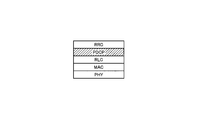
- the radio base station eNB and the mobile station UE corresponding to the LTE (Long Term Evolution) scheme include a PHY (physical) layer, a MAC (Media Access Control) layer, and an RLC (Radio Link Control) layer. And a PDCP (Packet Data Convergence Protocol) layer and an RRC (Radio Resource Control) layer.
- PHY physical
- MAC Media Access Control
- RLC Radio Link Control
- PDCP Packet Data Convergence Protocol
- RRC Radio Resource Control
- the PDCP layer is configured to perform concealment processing, falsification detection processing, and header compression processing.
- the COUNT value is used in the concealment process and the falsification detection process.
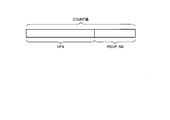
- the COUNT value is composed of HFN (Hyper Frame Number) and PDCP-SN (Sequence Number).
- PDCP-SN is composed of 12 bits or 7 bits, and is configured to be incremented every time a packet is transmitted to the RLC by the PDCP layer.
- the HFN is configured with 20 bits or 25 bits, and is configured to be incremented each time the PDCP-SN circulates.
- the PDCP layer on the transmitting side performs concealment processing (header compression processing and tamper detection processing) on the packet (PDCP-SDU) received from the RRC layer using the COUNT value, and PDCP is applied to the header.
- concealment processing header compression processing and tamper detection processing
- PDCP-SDU packet received from the RRC layer using the COUNT value
- the PDCP layer on the receiving side manages the reception window.
- the PDCP-SN assigned to the received packet (PDCP-PDU) is a PDCP-SN outside the reception window. For example, the packet is discarded.
- the PDCP layer on the receiving side performs the packet deciphering process from the current reception state.
- An HFN to be used is estimated, and a packet (PDCP-SDU) obtained by performing a concealment process on the packet using the estimated HFN is transmitted to an upper layer, and a reception window is updated. Has been.
- the PDCP layer on the transmission side starts transmission for all packets whose delivery confirmation has not been taken in the RLC layer.
- the PDCP layer on the receiving side can report the reception status of “PDCP-SN” by “PDCP status report”, and the PDCP layer on the transmitting side can report the received packets. It is also possible to cancel retransmission.
- the radio base station S-eNB transfers PDCP-SDUs for which RLC-ACK has not been confirmed to the radio base station T-eNB.
- the PDU is multiplexed on the RLC-PDU, a “HFN missmatch” occurs between the radio base station T-eNB and the mobile station UE, the decryption process on the receiving side fails, and a normal packet is extracted. There was a problem that it was impossible.
- the PDCP-SN length is extended, that is, “extended” which is a sequence number longer than “conventional PDCP-SN (see FIG. 19A)”. It has been proposed to adopt “PDCP-SN (see FIG. 19B)” (Non-patent Document 3).
- extended PDCP-SN is configured such that the radio base station eNB designates the mobile station UE via RRC signaling.
- the mobile station UE communicates with the radio base station S-eNB that supports “extended PDCP-SN”, and the “extended PDCP-SN”.
- the handover process is performed for the radio base station T-eNB that supports ""
- the PDCP-SN length to be used is different between the mobile station UE and the radio base station T-eNB, so that the communication is continued. There was a problem that could not.
- An object of the present invention is to provide a mobile communication method capable of continuing communication even when a handover process is performed for a radio base station T-eNB that does not support “extended PDCP-SN”.
- a first feature of the present invention is a mobile communication method, in which a first bearer using an extended sequence number as a sequence number in a PDCP layer is established between a first radio base station and a mobile station. Determining whether to perform handover processing of the mobile station for a second radio base station that does not support the extension sequence number, and the first radio base station deletes the first bearer and the extension And a step of generating a connection reset signal instructing addition of the second bearer using a normal sequence number which is a sequence number shorter than the sequence number, and transmitting the signal to the mobile station.
- a second feature of the present invention is a mobile communication method, in which a first bearer using an extended sequence number as a sequence number in a PDCP layer is established between a first radio base station and a mobile station. Determining whether to perform handover processing of the mobile station for a second radio base station that does not correspond to the extended sequence number, and the second radio base station deletes the first bearer and moves And a step of generating a handover instruction signal for instructing addition of a second bearer between the station and the second radio base station, and transmitting the handover instruction signal to the first radio base station.
- a third feature of the present invention is a mobile communication method, in which a first bearer using an extended sequence number as a sequence number in a PDCP layer is established between a first radio base station and a mobile station. Determining whether to perform handover processing of the mobile station for a second radio base station that does not support the extended sequence number, and the first radio base station deletes the first bearer and And a step of generating a handover instruction signal for instructing addition of the second bearer between the two radio base stations and transmitting the handover instruction signal to the mobile station.
- a fourth feature of the present invention is a mobile communication method, in which a first bearer using an extended sequence number as a sequence number in the PDCP layer is established between the first radio base station and the mobile station. Determining whether to perform handover processing of the mobile station for the second radio base station that does not support the extended sequence number, and the second radio base station deletes all bearers and the mobile station And a step of generating a handover instruction signal instructing addition of a second bearer between the first radio base station and the second radio base station, and transmitting the handover instruction signal to the first radio base station.
- a fifth feature of the present invention is a mobile communication method, in which a first bearer using an extended sequence number as a sequence number in the PDCP layer is established between the first radio base station and the mobile station. Determining whether to perform handover processing of the mobile station for a second radio base station that does not correspond to the extended sequence number in the state, and the first radio base station transmits the extended sequence number in the first bearer. And a step of generating a connection reset signal for instructing to reset the setting and transmitting the signal to the mobile station.
- a sixth feature of the present invention is a mobile communication method, in which a first bearer using an extended sequence number as a sequence number in the PDCP layer is established between the first radio base station and the mobile station. Determining whether to perform handover processing of the mobile station for a second radio base station that does not correspond to the extended sequence number in the state, and the first radio base station transmits the extended sequence number in the first bearer. And a step of generating a handover instruction signal instructing to switch the connection destination of the first bearer to the second radio base station and transmitting the handover instruction signal to the mobile station. And
- a seventh feature of the present invention is a mobile communication method, in which a first bearer using an extended sequence number as a sequence number in a PDCP layer is established between a first radio base station and a mobile station.
- the mobile station determines to perform handover processing of the mobile station for the second radio base station that does not support the extended sequence number, and the mobile station uses the extended sequence number for the received handover instruction signal. And a step of resetting the setting of the extended sequence number in the first bearer and switching the connection destination of the first bearer to the second radio base station. .
- An eighth feature of the present invention is a mobile communication method, in which a first bearer using an extended sequence number as a sequence number in the PDCP layer is established between the first radio base station and the mobile station. And detecting that the second radio base station does not support the extended sequence number in a state, determining that the mobile station does not perform handover processing for the second radio base station; And establishing a second bearer using a normal sequence number that is a sequence number shorter than the extended sequence number by performing a reconnection process with the second radio base station. And
- FIG. 1 is an overall configuration diagram of a mobile communication system according to a first embodiment of the present invention.
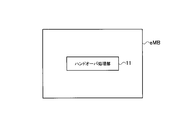
- FIG. 2 is a functional block diagram of the radio base station according to the first embodiment of the present invention.
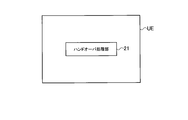
- FIG. 3 is a functional block diagram of the mobile station according to the first embodiment of the present invention.
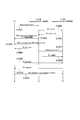
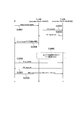
- FIG. 4 is a sequence diagram showing operations of the mobile communication system according to the first embodiment of the present invention.
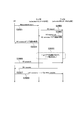
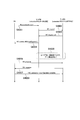
- FIG. 5 is a sequence diagram showing operations of the mobile communication system according to the first embodiment of the present invention.
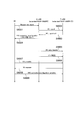
- FIG. 6 is a sequence diagram showing operations of the mobile communication system according to the first embodiment of the present invention.
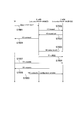
- FIG. 7 is a sequence diagram showing operations of the mobile communication system according to the first embodiment of the present invention.
- FIG. 1 is an overall configuration diagram of a mobile communication system according to a first embodiment of the present invention.
- FIG. 2 is a functional block diagram of the radio base station according to the first embodiment of the present invention.
- FIG. 3 is a functional block diagram of the mobile station according to
- FIG. 8 is a sequence diagram showing operations of the mobile communication system according to the first embodiment of the present invention.
- FIG. 9 is a sequence diagram showing operations of the mobile communication system according to the first embodiment of the present invention.
- FIG. 10 is a sequence diagram showing operations of the mobile communication system according to the first embodiment of the present invention.
- FIG. 11 is a sequence diagram showing operations of the mobile communication system according to the first embodiment of the present invention.
- FIG. 12 is a diagram for explaining a conventional mobile communication system.
- FIG. 13 is a diagram for explaining a conventional mobile communication system.
- FIG. 14 is a diagram for explaining a conventional mobile communication system.
- FIG. 15 is a diagram for explaining a conventional mobile communication system.
- FIG. 16 is a diagram for explaining a conventional mobile communication system.
- FIG. 16 is a diagram for explaining a conventional mobile communication system.
- FIG. 17 is a diagram for explaining a conventional mobile communication system.
- FIG. 18 is a diagram for explaining a conventional mobile communication system.
- FIG. 19 is a diagram for explaining a conventional mobile communication system.
- FIG. 20 is a diagram for explaining a conventional mobile communication system.
- FIG. 21 is a diagram for explaining a conventional mobile communication system.
- Mobile communication system according to the first embodiment of the present invention A mobile communication system according to a first embodiment of the present invention will be described with reference to FIG. 1 to FIG.
- an LTE mobile communication system will be described as an example.
- the present invention is not limited to such a mobile communication system, and is applicable to other mobile communication systems.
- the mobile communication system does not support a radio base station S-eNB corresponding to “extended PDCP-SN” and “extended PDCP-SN”. And a radio base station T-eNB that supports only “conventional PDCP-SN”.
- the radio base station eNB includes a handover processing unit 11.
- the handover processing unit 11 is configured to perform processing (see FIGS. 4 to 11) necessary for realizing the handover processing of the mobile station UE.
- the mobile station UE includes a handover processing unit 21.
- the handover processing unit 21 is configured to perform processing (see FIGS. 4 to 11) necessary for realizing the handover processing of the mobile station UE.
- step S1001 the mobile station UE in a state where the first bearer using the “extended PDCP-SN” is established with the radio base station S-eNB is transmitted to the radio base station S- “Measurement report” is transmitted to the eNB.
- the radio base station S-eNB decides to perform the handover process of the mobile station UE for the radio base station T-eNB based on the “Measurement report”.
- the radio base station S-eNB can grasp that the radio base station T-eNB does not support “extended PDCP-SN” based on the station information and the like.
- step S1002 the radio base station S-eNB transmits “HO request” instructing the radio base station T-eNB to perform the above-described handover process.
- the radio base station S-eNB interprets the radio base station T-eNB from the information elements in the “HO request” so that the radio base station T-eNB does not execute the “Full configuration function”. Delete information elements that cannot.
- the radio base station T-eNB deletes all settings (including bearers) other than C-RNTI (Cell-Radio Network Temporary Identity) for the mobile station UE. To reset it.
- C-RNTI Cell-Radio Network Temporary Identity
- step S1003 the radio base station T-eNB transmits “HO request ack” to the radio base station S-eNB.
- step S1004 the radio base station S-eNB generates “RRC connection reconfiguration” instructing the deletion of the first bearer and the addition of the second bearer using the “conventional PDCP-SN”, and generates the mobile station UE. Send to.
- step S1005 the mobile station UE deletes the first bearer described above, sets up a second bearer using “conventional PDCP-SN” with the radio base station S-eNB, and sets the radio base station S- “RRC connection reconfiguration complete” is transmitted to the eNB.
- the radio base station S-eNB can once delete the first bearer and set a second bearer using “conventional PDCP-SN” with the mobile station UE.
- steps S1004 and S1005 may be performed before step S1002.
- step S1006 the radio base station S-eNB transmits the “HO command” included in the received “HO request ack” to the mobile station UE.
- the radio base station S-eNB transmits “SN status transfer” to the radio base station T-eNB in step S1007, and performs data transfer in step S1008.
- step S1009 the mobile station UE transmits “RA preamble” to the radio base station T-eNB.
- the radio base station T-eNB transmits “RA response” to the mobile station UE.
- the mobile station UE transmits “RRC connection reconfiguration complete” to the radio base station T-eNB.
- connection destination of the second bearer is switched from the radio base station S-eNB to the radio base station T-eNB.
- step S2001 the mobile station UE in a state in which the first bearer using “extended PDCP-SN” is established with the radio base station S-eNB is transmitted to the radio base station S-e. “Measurement report” is transmitted to the eNB.
- the radio base station S-eNB decides to perform the handover process of the mobile station UE for the radio base station T-eNB based on the “Measurement report”.
- the radio base station S-eNB can grasp that the radio base station T-eNB does not support “extended PDCP-SN” based on the station information and the like.
- step S2002 the radio base station S-eNB transmits “HO request” instructing the radio base station T-eNB to perform the above-described handover process.
- the radio base station S-eNB interprets the radio base station T-eNB from the information elements in the “HO request” so that the radio base station T-eNB does not execute the “Full configuration function”. Delete information elements that cannot.
- the radio base station S-eNB deletes the first bearer and the mobile station UE and the radio base station with respect to the radio base station T-eNB by the information element (newly defined) in the “HO request” described above. Request to add a second bearer with the station T-eNB.
- step S2003 the radio base station T-eNB instructs the deletion of the first bearer and the addition of the second bearer between the mobile station UE and the radio base station T-eNB based on the above-described “HO request”. “HO command” is generated, and “HO request ack” including the “HO command” is transmitted to the radio base station S-eNB.
- step S2004 the radio base station S-eNB transmits the “HO command” included in the received “HO request ack” to the mobile station UE.
- the mobile station UE deletes the first bearer described above in accordance with the “HO command”.
- step S2005 since the first bearer is once deleted, data transfer from the radio base station S-eNB to the radio base station T-eNB is not performed (step S2005).
- step S2006 the mobile station UE transmits “RA preamble” to the radio base station T-eNB.
- step S2007 the radio base station T-eNB sends “RA response” to the mobile station UE.
- step S2008 the mobile station UE transmits “RRC connection reconfiguration complete” to the radio base station T-eNB.
- a second bearer using “conventional PDCP-SN” is set between the mobile station UE and the radio base station T-eNB.
- step S3001 the mobile station UE in a state in which the first bearer using “extended PDCP-SN” is established with the radio base station S-eNB is transmitted to the radio base station S-e. “Measurement report” is transmitted to the eNB.
- the radio base station S-eNB decides to perform the handover process of the mobile station UE for the radio base station T-eNB based on the “Measurement report”.
- the radio base station S-eNB can grasp that the radio base station T-eNB does not support “extended PDCP-SN” based on the station information and the like.
- step S3002 the radio base station S-eNB transmits “HO request” instructing the radio base station T-eNB to perform the above-described handover process.
- the radio base station S-eNB interprets the radio base station T-eNB from the information elements in the “HO request” so that the radio base station T-eNB does not execute the “Full configuration function”. Delete information elements that cannot.
- the radio base station S-eNB deletes the first bearer and the mobile station UE and the radio base station with respect to the radio base station T-eNB by the information element (newly defined) in the “HO request” described above. You may request
- step S3003 the radio base station T-eNB generates a “HO command” based on the “HO request” described above, and transmits the “HO request ack” including the “HO command” to the radio base station S-eNB. Send to.
- step S3004 the radio base station S-eNB deletes the first bearer and the mobile station UE and the radio base station T-eNB with respect to the “HO command” included in the received “HO request ack”. It transmits with respect to the mobile station UE including the instruction
- the mobile station UE deletes the first bearer described above in accordance with the “HO command”.
- step S3005 since the first bearer is once deleted, data transfer from the radio base station S-eNB to the radio base station T-eNB is not performed (step S3005).
- step S3006 the mobile station UE transmits “RA preamble” to the radio base station T-eNB.
- the radio base station T-eNB sends “RA response” to the mobile station UE.
- step S3008 the mobile station UE transmits “RRC connection reconfiguration complete” to the radio base station T-eNB.
- a second bearer using “conventional PDCP-SN” is set between the mobile station UE and the radio base station T-eNB.
- step S4001 the mobile station UE in a state where the first bearer using the “extended PDCP-SN” is established with the radio base station S-eNB is transmitted to the radio base station S- “Measurement report” is transmitted to the eNB.
- the radio base station S-eNB decides to perform the handover process of the mobile station UE for the radio base station T-eNB based on the “Measurement report”.
- step S4002 the radio base station S-eNB transmits “HO request” instructing the radio base station T-eNB to perform the above-described handover process.
- the radio base station S-eNB knows that the radio base station T-eNB does not support “extended PDCP-SN” based on the station information and the like, To prevent the station T-eNB from executing the “Full configuration function”, the information element in the “HO request” is not removed from the information element that cannot be interpreted by the radio base station T-eNB. Shall.
- the radio base station T-eNB executes the “Full configuration function”. To do.
- the radio base station T-eNB instructs the deletion of all bearers and the addition of the second bearer between the mobile station UE and the radio base station T-eNB “HO command (Full configuration). ”Is generated, and“ HO request ack ”including the“ HO command (Full configuration) ”is transmitted to the radio base station S-eNB.
- step S4004 the radio base station S-eNB transmits the “HO command (Full configuration)” included in the received “HO request ack” to the mobile station UE.
- the mobile station UE deletes all bearers including the first bearer according to the “HO command (Full configuration)”.
- step S4005 since all bearers are once deleted, data transfer from the radio base station S-eNB to the radio base station T-eNB is not performed (step S4005). In such a case, data loss occurs in all bearers.
- step S4006 the mobile station UE transmits “RA preamble” to the radio base station T-eNB.
- the radio base station T-eNB transmits “RA response” to the mobile station UE.
- step S4008 the mobile station UE transmits “RRC connection reconfiguration complete” to the radio base station T-eNB.
- a second bearer using “conventional PDCP-SN” is set between the mobile station UE and the radio base station T-eNB.
- step S5001 the mobile station UE in a state where the first bearer using “extended PDCP-SN” is established with the radio base station S-eNB is transmitted to the radio base station S-e. “Measurement report” is transmitted to the eNB.
- the radio base station S-eNB decides to perform the handover process of the mobile station UE for the radio base station T-eNB based on the “Measurement report”.
- the radio base station S-eNB can grasp that the radio base station T-eNB does not support “extended PDCP-SN” based on the station information and the like.
- step S5002 the radio base station S-eNB transmits “HO request” instructing the radio base station T-eNB to perform the above-described handover process.
- the radio base station S-eNB interprets the radio base station T-eNB from the information elements in the “HO request” so that the radio base station T-eNB does not execute the “Full configuration function”. Delete information elements that cannot.
- step S5003 the radio base station T-eNB transmits "HO reality ack" to the radio base station S-eNB.
- step S5004 the radio base station S-eNB generates “RRC connection reconfiguration” instructing to reset the setting (including the COUNT value) of “extended PDCP-SN” and transmits the generated “RRC connection reconfiguration” to the mobile station UE. .
- the radio base station S-eNB once resets the setting (including the COUNT value) of “extended PDCP-SN” in the first bearer.
- step S5005 the mobile station UE resets the “extended PDCP-SN” setting (including the COUNT value) in the first bearer, and transmits “RRC connection reconfiguration complete” to the radio base station S-eNB.
- extended PDCP-SN including the COUNT value
- RRC connection reconfiguration complete to the radio base station S-eNB.
- steps S5004 and S5005 may be performed before step S5002.
- step S5006 the radio base station S-eNB transmits the “HO command” included in the received “HO request ack” to the mobile station UE.
- the radio base station S-eNB transmits “SN status transfer” to the radio base station T-eNB in step S5007, and performs data transfer in step S5008.
- step S5009 the mobile station UE transmits “RA preamble” to the radio base station T-eNB.
- the radio base station T-eNB transmits “RA response” to the mobile station UE.
- the mobile station UE transmits “RRC connection reconfiguration complete” to the radio base station T-eNB.
- connection destination of the first bearer is switched from the radio base station S-eNB to the radio base station T-eNB.
- step S6001 the mobile station UE in a state where the first bearer using “extended PDCP-SN” is established with the radio base station S-eNB is transmitted to the radio base station S-e. “Measurement report” is transmitted to the eNB.
- the radio base station S-eNB decides to perform the handover process of the mobile station UE for the radio base station T-eNB based on the “Measurement report”.
- the radio base station S-eNB can grasp that the radio base station T-eNB does not support “extended PDCP-SN” based on the station information and the like.
- step S6002 the radio base station S-eNB transmits “HO request” instructing the radio base station T-eNB to perform the above-described handover process.
- the radio base station S-eNB interprets the radio base station T-eNB from the information elements in the “HO request” so that the radio base station T-eNB does not execute the “Full configuration function”. Delete information elements that cannot.
- step S6003 the radio base station T-eNB transmits “HO reality ack” to the radio base station S-eNB.
- step S6004 the radio base station S-eNB resets the “extended PDCP-SN” setting (including the COUNT value) in the first bearer and switches the connection destination of the first bearer to the radio base station T-eNB.
- the “HO command” instructing this is generated and transmitted to the mobile station UE.
- the mobile station UE resets the setting (including the COUNT value) of “extended PDCP-SN” in the first bearer.
- extended PDCP-SN extended PDCP-SN
- conventional PDCP-SN is used in the first bearer.
- the radio base station S-eNB transmits “SN status transfer” to the radio base station T-eNB in step S6005, and performs data transfer in step S6006.
- step S6007 the mobile station UE transmits “RA preamble” to the radio base station T-eNB.
- the radio base station T-eNB transmits “RA response” to the mobile station UE.
- the mobile station UE transmits “RRC connection reconfiguration complete” to the radio base station T-eNB.
- connection destination of the first bearer is switched from the radio base station S-eNB to the radio base station T-eNB.
- step S7001 the mobile station UE in a state where the first bearer using “extended PDCP-SN” is established with the radio base station S-eNB is transmitted to the radio base station S-e. “Measurement report” is transmitted to the eNB.
- the radio base station S-eNB decides to perform the handover process of the mobile station UE for the radio base station T-eNB based on the “Measurement report”.
- the radio base station S-eNB can grasp that the radio base station T-eNB does not support “extended PDCP-SN” based on the station information and the like.
- step S7002 the radio base station S-eNB transmits “HO request” instructing the radio base station T-eNB to perform the above-described handover process.
- the radio base station S-eNB interprets the radio base station T-eNB from the information elements in the “HO request” so that the radio base station T-eNB does not execute the “Full configuration function”. Delete information elements that cannot.
- the radio base station T-eNB includes “HO request” including “HO command” instructing the radio base station S-eNB to switch the connection destination of the first bearer to the radio base station T-eNB. ack "is transmitted.
- step S7004 the radio base station S-eNB generates and transmits “HO command” instructing the mobile station UE to switch the connection destination of the first bearer to the radio base station T-eNB.
- the radio base station S-eNB resets the setting of “extended PDCP-SN” (including the COUNT value).
- the mobile station UE If the received “HO command” does not include an instruction to use “extended PDCP-SN”, the mobile station UE resets the setting of the “extended PDCP-SN” (including the COUNT value) in the first bearer. To do.
- “conventional PDCP-SN” is used in the first bearer.
- the radio base station S-eNB transmits “SN status transfer” to the radio base station T-eNB in step S7005, and performs data transfer in step S7006.
- step S7007 the mobile station UE transmits “RA preamble” to the radio base station T-eNB.
- the radio base station T-eNB transmits “RA response” to the mobile station UE.
- the mobile station UE transmits “RRC connection reconfiguration complete” to the radio base station T-eNB.
- connection destination of the first bearer is switched from the radio base station S-eNB to the radio base station T-eNB.
- step S8001 the mobile station UE in a state where the first bearer using “extended PDCP-SN” is established with the radio base station S-eNB is transmitted to the radio base station S- “Measurement report” is transmitted to the eNB.
- step S8002 when the radio base station T-eNB selects the radio base station T-eNB as a handover destination candidate based on “Measurement report”, the radio base station T-eNB When it detects that it does not support “extended PDCP-SN”, it decides not to perform the handover process of the mobile station UE for the radio base station T-eNB.
- the radio base station S-eNB discards the “Measurement report” described above.
- step S8003 the mobile station UE transitions to the cell # 2 under the radio base station T-eNB.
- step S8004 the mobile station UE transmits “RA preamble” to the radio base station T-eNB.
- step S8005 the radio base station T-eNB transmits “RA response” to the mobile station UE. Send.
- step S8006 the mobile station UE transmits “RRC connection re-establishment request” to the radio base station T-eNB.
- step S8007 the radio base station T-eNB transmits to the mobile station UE. “RRC connection re-establishment” is transmitted, and in step S8008, the mobile station UE transmits “RRC connection re-establishment complete” to the radio base station T-eNB.
- the mobile station UE can establish a second bearer using “conventional PDCP-SN” by performing reconnection processing with the radio base station T-eNB.
- the mobile station UE communicates with the radio base station S-eNB compatible with “extended PDCP-SN” by the operations shown in FIGS. 4 to 11. Communication can be continued even when a handover process is performed for a radio base station T-eNB that does not support “extended PDCP-SN”.
- the first feature of the present embodiment is a mobile communication method, in which a radio base station S-eNB (first radio base station) communicates with a mobile station UE as an extended PDCP- as a sequence number in the PDCP layer.
- a radio base station S-eNB first radio base station
- the mobile station UE of the radio base station T-eNB second radio base station
- the step of determining to perform the handover process, and the radio base station S-eNB instructs the deletion of the first bearer and the addition of the second bearer using “conventional PDCP-SN” “RRC connection reconfiguration (connection reconfiguration).
- a step of generating a setting signal) and transmitting it to the mobile station UE.
- a second feature of the present embodiment is a mobile communication method, in which a radio bearer S-eNB establishes a first bearer using “extended PDCP-SN” with a mobile station UE.
- the step of determining to perform the handover process of the mobile station UE to the radio base station T-eNB that does not support “extended PDCP-SN”, and the radio base station T-eNB deletes the first bearer and A step of generating “HO command (handover instruction signal)” for instructing addition of the second bearer between the mobile station UE and the radio base station T-eNB, and transmitting it to the radio base station S-eNB.
- HO command handover instruction signal
- a third feature of the present embodiment is a mobile communication method, in which a radio bearer S-eNB establishes a first bearer using “extended PDCP-SN” with a mobile station UE.
- the step of determining to perform the handover process of the mobile station UE to the radio base station T-eNB that does not support “extended PDCP-SN”, and the radio base station S-eNB deletes the first bearer and And a step of generating “HO command” instructing addition of the second bearer with the radio base station T-eNB and transmitting it to the mobile station UE.
- a fourth feature of the present embodiment is a mobile communication method, in which a first bearer using “extended PDCP-SN” is established between the radio base station S-eNB and the mobile station UE.
- the step of determining to perform the handover process of the mobile station UE to the radio base station T-eNB that does not support “extended PDCP-SN”, and the radio base station T-eNB deletes all bearers and And a step of generating “HO command” instructing addition of the second bearer between the mobile station UE and the radio base station T-eNB, and transmitting the generated “HO command” to the radio base station S-eNB.
- a fifth feature of the present embodiment is a mobile communication method, in which a radio bearer S-eNB establishes a first bearer using “extended PDCP-SN” with a mobile station UE.
- the mobile base station S-eNB determines to perform handover processing of the mobile station UE for the radio base station T-eNB that does not support “extended PDCP-SN” in the state, and the radio base station S-eNB performs “extended And a step of generating “RRC connection reconfiguration” instructing to reset the setting of “PDCP-SN” and transmitting it to the mobile station UE.
- a sixth feature of the present embodiment is a mobile communication method, in which a first bearer using “extended PDCP-SN” is established between the radio base station S-eNB and the mobile station UE.
- the mobile base station S-eNB determines to perform handover processing of the mobile station UE for the radio base station T-eNB that does not support “extended PDCP-SN” in the state, and the radio base station S-eNB performs “extended Generating “HO command” instructing to reset the setting of “PDCP-SN” and switching the connection destination of the first bearer to the radio base station T-eNB, and transmitting to the mobile station UE; It is summarized as having.
- the seventh feature of the present embodiment is a mobile communication method, in which a first bearer using “extended PDCP-SN” is established between the radio base station S-eNB and the mobile station UE.
- the mobile station UE determines to perform handover processing of the mobile station UE for the radio base station T-eNB that does not support “extended PDCP-SN”, and the mobile station UE receives “extended” in the received “HO command”. If the instruction to use “PDCP-SN” is not included, the setting of “extended PDCP-SN” in the first bearer is reset and the connection destination of the first bearer is switched to the radio base station T-eNB. It is summarized as having.
- the eighth feature of the present embodiment is a mobile communication method, in which a first bearer using “extended PDCP-SN” is established between the radio base station S-eNB and the mobile station UE. Determining that the radio base station T-eNB does not support “extended PDCP-SN” in the state, the mobile station UE handover processing for the radio base station T-eNB is not performed, The gist is that the station UE has a step of establishing a second bearer using “conventional PDCP-SN” by performing reconnection processing with the radio base station T-eNB.
- the operations of the mobile station UE and the radio base station eNB described above may be implemented by hardware, may be implemented by a software module executed by a processor, or may be implemented by a combination of both. .
- the software modules include RAM (Random Access Memory), flash memory, ROM (Read Only Memory), EPROM (Erasable Programmable ROM), EEPROM (Electronically Erasable and Programmable, Removable ROM, Hard Disk, and Removable ROM).
- RAM Random Access Memory
- flash memory ROM (Read Only Memory)
- EPROM Erasable Programmable ROM
- EEPROM Electrically Erasable and Programmable, Removable ROM, Hard Disk, and Removable ROM.
- it may be provided in a storage medium of an arbitrary format such as a CD-ROM.
- the storage medium is connected to the processor so that the processor can read and write information from and to the storage medium. Further, such a storage medium may be integrated in the processor. Such a storage medium and processor may be provided in the ASIC. Such an ASIC may be provided in the mobile station UE or the radio base station eNB. Further, the storage medium and the processor may be provided as a discrete component in the mobile station UE or the radio base station eNB.
- the mobile station UE in the state where the mobile station UE is communicating with the radio base station S-eNB corresponding to “extended PDCP-SN”, the “extended PDCP-SN” Even if it is a case where the hand-over process with respect to the radio base station T-eNB which does not support "is performed, the mobile communication method which can continue communication can be provided.
Landscapes
- Engineering & Computer Science (AREA)
- Computer Networks & Wireless Communication (AREA)
- Signal Processing (AREA)
- Mobile Radio Communication Systems (AREA)
- Telephone Function (AREA)
Abstract
移動局UEが、「extended PDCP-SN」に対応している無線基地局S-eNBとの間で通信している状態で、「extended PDCP-SN」に対応していない無線基地局T-eNBに対するハンドオーバ処理を行う場合であっても、通信を継続する。本発明に係る移動通信方法は、無線基地局S-eNBが、移動局UEとの間で「extended PDCP-SN」を用いた第1ベアラが確立されている状態で「extended PDCP-SN」に対応していない無線基地局T-eNBに対する移動局UEのハンドオーバ処理を行うことを決定する工程と、無線基地局S-eNBが、第1ベアラの削除及び「従来のPDCP-SN」を用いた第2ベアラの追加を指示する「RRC connection reconfiguration」を生成して移動局UEに対して送信する工程とを有する。
Description
本発明は、移動通信方法に関する。
LTE(Long Term Evolution)方式に対応する無線基地局eNB及び移動局UEは、図12に示すように、PHY(物理)レイヤと、MAC(Media Access Control)レイヤと、RLC(Radio Link Control)レイヤと、PDCP(Packet Data Convergence Protocol)レイヤと、RRC(Radio Resource Control)レイヤとを有している。
PDCPレイヤは、秘匿処理や改竄検出処理やヘッダ圧縮処理を行うように構成されている。
ここで、秘匿処理及び改竄検出処理では、COUNT値が用いられる。図13に示すように、かかるCOUNT値は、HFN(Hyper Frame Number)とPDCP-SN(Sequnece Number)」とによって構成されている。
PDCP-SNは、12ビット又は7ビットで構成されており、PDCPレイヤによってRLCに対してパケットが送出される度にインクリメントされるように構成されている。
また、HFNは、20ビット又は25ビットで構成されており、PDCP-SNが周回する度にインクリメントされるように構成されている。
なお、送信側のPDCPレイヤと受信側のPDCPレイヤとの間で、COUNT値が同期していなければ、受信側のPDCPレイヤにおいて、正しく解匿処理を行うことができない。
具体的には、送信側のPDCPレイヤは、RRCレイヤから受け取ったパケット(PDCP-SDU)に対して、COUNT値を用いて、秘匿処理(ヘッダ圧縮処理及び改竄検出処理)を施し、ヘッダにPDCP-SNを付与することによって、PDCP-PDUとしてRLCレイヤに送出するように構成されている。
一方、受信側のPDCPレイヤは、受信ウィンドウを管理しており、図14に示すように、受信したパケット(PDCP-PDU)に付与されているPDCP-SNが受信ウィンドウ外のPDCP-SNであれば、かかるパケットを破棄するように構成されている。
なお、受信側のPDCPレイヤは、受信したパケット(PDCP-PDU)に付与されているPDCP-SNが受信ウィンドウ内のPDCP-SNであれば、現在の受信状態から、かかるパケットの解匿処理に用いるべきHFNを推測し、かかるパケットに対して、推測したHFNを用いて解匿処理を施すことによって得られたパケット(PDCP-SDU)を上位レイヤに送出し、受信ウィンドウを更新するように構成されている。
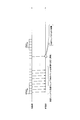
図15及び図16に示すように、ハンドオーバ処理が完了すると、送信側のPDCPレイヤは、RLCレイヤで送達確認がとれていないパケットの全てについての送信を開始する。
受信側のPDCPレイヤは、「out-of-sequence」状態であっても、上位に送出できるパケットについては全て上位レイヤに送出し、ハンドオーバ処理が完了した後に、再び受信ウィンドウ内での受信を試みる。
また、ハンドオーバ処理が完了した後に、受信側のPDCPレイヤは、「PDCP status report」により、「PDCP-SN」についての受信状況を報告可能であり、送信側のPDCPレイヤは、受信済みのパケットの再送をキャンセルすることも可能である。
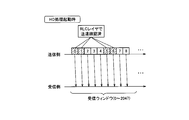
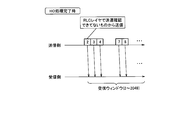
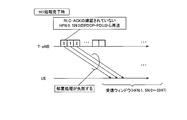
図17及び図18に示すように、無線基地局S-eNBは、無線基地局T-eNBに対して、RLC-ACKが確認されていないPDCP-SDUを転送するが、例えば、大量のPDCP-PDUがRLC-PDUに多重されていると、無線基地局T-eNBと移動局UEとの間で「HFN mismatch」が発生し、受信側における解匿処理が失敗し、正常なパケットを抽出することができなくなるという問題点があった。
特に、1個のRLC-PDUに対して大量のPDCP-PDUが多重されるような場合には、RLC-ACKが受信されずに転送されるPDCP-PDUの数が多くなるため、「HFN mismatch」が発生する可能性が高くなる。
例えば、伝送レートが高い場合、或いは、PDCP-SDUのサイズが非常に小さいパケットが大量に発生する場合等に、「HFN mismatch」が発生する可能性が高くなる。
そこで、かかる「HFN mismatch」の発生を回避するために、PDCP-SN長を拡張すること、すなわち、「従来のPDCP-SN(図19(a)参照)」よりも長いシーケンス番号である「extended PDCP-SN(図19(b)参照)」を採用することが提案されている(非特許文献3)。
「extended PDCP-SN」を用いることで、PDCP-SNが一巡し難くなるため、「HFN mismatch」が発生しにくくなる。
なお、「extended PDCP-SN」を用いることについては、無線基地局eNBが、移動局UEに対して、RRCシグナリングを介して指定するように構成されている。
3GPP TS36.322
3GPP TS36.323
3GPP寄書 R2-122651
しかしながら、図20及び図21に示すように、移動局UEが、「extended PDCP-SN」に対応している無線基地局S-eNBとの間で通信している状態で、「extended PDCP-SN」に対応している無線基地局T-eNBに対するハンドオーバ処理を行う場合には、移動局UEと無線基地局T-eNBとの間で使用するPDCP-SN長が異なるため、通信を継続することができないという問題点があった。
そこで、本発明は、上述の課題に鑑みてなされたものであり、移動局UEが、「extended PDCP-SN」に対応している無線基地局S-eNBとの間で通信している状態で、「extended PDCP-SN」に対応していない無線基地局T-eNBに対するハンドオーバ処理を行う場合であっても、通信を継続することができる移動通信方法を提供することを目的とする。
本発明の第1の特徴は、移動通信方法であって、第1無線基地局が、移動局との間で、PDCPレイヤにおけるシーケンス番号として拡張シーケンス番号を用いた第1ベアラが確立されている状態で、該拡張シーケンス番号に対応していない第2無線基地局に対する該移動局のハンドオーバ処理を行うことを決定する工程と、前記第1無線基地局が、前記第1ベアラの削除及び前記拡張シーケンス番号よりも短いシーケンス番号である通常シーケンス番号を用いた第2ベアラの追加を指示するコネクション再設定信号を生成して、前記移動局に対して送信する工程とを有することを要旨とする。
本発明の第2の特徴は、移動通信方法であって、第1無線基地局が、移動局との間で、PDCPレイヤにおけるシーケンス番号として拡張シーケンス番号を用いた第1ベアラが確立されている状態で、該拡張シーケンス番号に対応していない第2無線基地局に対する該移動局のハンドオーバ処理を行うことを決定する工程と、前記第2無線基地局が、前記第1ベアラの削除及び前記移動局と該第2無線基地局との間の第2ベアラの追加を指示するハンドオーバ指示信号を生成して、前記第1無線基地局に対して送信する工程とを有することを要旨とする。
本発明の第3の特徴は、移動通信方法であって、第1無線基地局が、移動局との間で、PDCPレイヤにおけるシーケンス番号として拡張シーケンス番号を用いた第1ベアラが確立されている状態で、該拡張シーケンス番号に対応していない第2無線基地局に対する該移動局のハンドオーバ処理を行うことを決定する工程と、前記第1無線基地局が、前記第1ベアラの削除及び前記第2無線基地局との間の第2ベアラの追加を指示するハンドオーバ指示信号を生成して、前記移動局に対して送信する工程とを有することを要旨とする。
本発明の第4の特徴は、移動通信方法であって、第1無線基地局が、移動局との間で、PDCPレイヤにおけるシーケンス番号として拡張シーケンス番号を用いた第1ベアラが確立されている状態で、該拡張シーケンス番号に対応していない第2無線基地局に対する該移動局のハンドオーバ処理を行うことを決定する工程と、前記第2無線基地局が、全てのベアラの削除及び前記移動局と該第2無線基地局との間の第2ベアラの追加を指示するハンドオーバ指示信号を生成して、前記第1無線基地局に対して送信する工程とを有することを要旨とする。
本発明の第5の特徴は、移動通信方法であって、第1無線基地局が、移動局との間で、PDCPレイヤにおけるシーケンス番号として拡張シーケンス番号を用いた第1ベアラが確立されている状態で、該拡張シーケンス番号に対応していない第2無線基地局に対する該移動局のハンドオーバ処理を行うことを決定する工程と、前記第1無線基地局が、前記第1ベアラにおける前記拡張シーケンス番号の設定をリセットすることを指示するコネクション再設定信号を生成して、前記移動局に対して送信する工程とを有することを要旨とする。
本発明の第6の特徴は、移動通信方法であって、第1無線基地局が、移動局との間で、PDCPレイヤにおけるシーケンス番号として拡張シーケンス番号を用いた第1ベアラが確立されている状態で、該拡張シーケンス番号に対応していない第2無線基地局に対する該移動局のハンドオーバ処理を行うことを決定する工程と、前記第1無線基地局が、前記第1ベアラにおける前記拡張シーケンス番号の設定をリセットすること及び該第1ベアラの接続先を前記第2無線基地局に切り替えることを指示するハンドオーバ指示信号を生成して、前記移動局に対して送信する工程とを有することを要旨とする。
本発明の第7の特徴は、移動通信方法であって、第1無線基地局が、移動局との間で、PDCPレイヤにおけるシーケンス番号として拡張シーケンス番号を用いた第1ベアラが確立されている状態で、該拡張シーケンス番号に対応していない第2無線基地局に対する該移動局のハンドオーバ処理を行うことを決定する工程と、前記移動局が、受信したハンドオーバ指示信号に前記拡張シーケンス番号を用いる旨の指示が含まれていない場合、前記第1ベアラにおける前記拡張シーケンス番号の設定をリセットし、該第1ベアラの接続先を前記第2無線基地局に切り替える工程とを有することを要旨とする。
本発明の第8の特徴は、移動通信方法であって、第1無線基地局が、移動局との間で、PDCPレイヤにおけるシーケンス番号として拡張シーケンス番号を用いた第1ベアラが確立されている状態で、第2無線基地局が該拡張シーケンス番号に対応していないことを検出すると、該第2無線基地局に対する該移動局のハンドオーバ処理を行わないことを決定する工程と、前記移動局が、前記第2無線基地局との間で、再接続処理を行うことによって、前記拡張シーケンス番号よりも短いシーケンス番号である通常シーケンス番号を用いた第2ベアラを確立する工程とを有することを要旨とする。
(本発明の第1の実施形態に係る移動通信システム)
図1乃至図11を参照して、本発明の第1の実施形態に係る移動通信システムについて説明する。
図1乃至図11を参照して、本発明の第1の実施形態に係る移動通信システムについて説明する。
本実施形態では、LTE方式の移動通信システムを例に挙げて説明するが、本発明は、かかる移動通信システムに限定されず、他の方式の移動通信システムにも適用可能である。
図1に示すように、本実施形態に係る移動通信システムは、「extended PDCP-SN」に対応している無線基地局S-eNBと、「extended PDCP-SN」に対応していない、すなわち、「従来のPDCP-SN」にのみ対応している無線基地局T-eNBとを具備している。
図2に示すように、本実施形態に係る無線基地局eNBは、ハンドオーバ処理部11を具備している。ハンドオーバ処理部11は、移動局UEのハンドオーバ処理を実現するために必要な処理(図4乃至図11参照)を行うように構成されている。
図3に示すように、本実施形態に係る移動局UEは、移動局UEは、ハンドオーバ処理部21を具備している。ハンドオーバ処理部21は、移動局UEのハンドオーバ処理を実現するために必要な処理(図4乃至図11参照)を行うように構成されている。
以下、図4乃至図11を参照して、本実施形態に係る移動通信システムの動作例について説明する。
第1に、図4を参照して、本実施形態に係る移動通信システムの動作例1について説明する。
図4に示すように、ステップS1001において、無線基地局S-eNBとの間で「extended PDCP-SN」を用いた第1ベアラが確立されている状態の移動局UEが、無線基地局S-eNBに対して、「Measurement report」を送信する。
無線基地局S-eNBは、かかる「Measurement report」に基づいて、無線基地局T-eNBに対する移動局UEのハンドオーバ処理を行うことを決定する。
ここで、無線基地局S-eNBは、局情報等に基づいて、無線基地局T-eNBが「extended PDCP-SN」に対応していないことを把握することができるものとする。
ステップS1002において、無線基地局S-eNBは、無線基地局T-eNBに対して、上述のハンドオーバ処理を行うように指示する「HO request」を送信する。
ここで、無線基地局S-eNBは、無線基地局T-eNBが「Full configuration機能」を実行しないように、「HO request」内の情報要素の中から、無線基地局T-eNBによって解釈することができない情報要素を削除する。
なお、無線基地局T-eNBは、「Full configuration機能」を実行すると、移動局UEに対して、C-RNTI(Cell-Radio Network Temporary Identity)以外の全ての設定(ベアラを含む)を削除して再設定するように指示する。
ステップS1003において、無線基地局T-eNBは、無線基地局S-eNBに対して、「HO reauest ack」を送信する。
ステップS1004において、無線基地局S-eNBは、上述の第1ベアラの削除及び「従来のPDCP-SN」を用いた第2ベアラの追加を指示する「RRC connection reconfiguration」を生成して移動局UEに対して送信する。
ステップS1005において、移動局UEは、上述の第1ベアラを削除し、無線基地局S-eNBとの間で「従来のPDCP-SN」を用いた第2ベアラを設定し、無線基地局S-eNBに対して、「RRC connection reconfiguration complete」を送信する。
この結果、無線基地局S-eNBは、一旦、上述の第1ベアラを削除し、移動局UEとの間で「従来のPDCP-SN」を用いた第2ベアラを設定することができる。
なお、ステップS1004及びS1005の動作は、ステップS1002の前に行われてもよい。
ステップS1006において、無線基地局S-eNBは、移動局UEに対して、受信した「HO reauest ack」に含まれていた「HO command」を送信する。
無線基地局S-eNBは、無線基地局T-eNBに対して、ステップS1007において、「SN status transfer」を送信し、ステップS1008において、データ転送を行う。
ステップS1009において、移動局UEは、無線基地局T-eNBに対して、「RA preamble」を送信し、ステップS1010において、無線基地局T-eNBは、移動局UEに対して、「RA response」を送信し、ステップS1011において、移動局UEは、無線基地局T-eNBに対して、「RRC connection reconfiguration complete」を送信する。
この結果、上述の第2ベアラの接続先は、無線基地局S-eNBから無線基地局T-eNBに切り替わる。
第2に、図5を参照して、本実施形態に係る移動通信システムの動作例2について説明する。
図5に示すように、ステップS2001において、無線基地局S-eNBとの間で「extended PDCP-SN」を用いた第1ベアラが確立されている状態の移動局UEが、無線基地局S-eNBに対して、「Measurement report」を送信する。
無線基地局S-eNBは、かかる「Measurement report」に基づいて、無線基地局T-eNBに対する移動局UEのハンドオーバ処理を行うことを決定する。
ここで、無線基地局S-eNBは、局情報等に基づいて、無線基地局T-eNBが「extended PDCP-SN」に対応していないことを把握することができるものとする。
ステップS2002において、無線基地局S-eNBは、無線基地局T-eNBに対して、上述のハンドオーバ処理を行うように指示する「HO request」を送信する。
ここで、無線基地局S-eNBは、無線基地局T-eNBが「Full configuration機能」を実行しないように、「HO request」内の情報要素の中から、無線基地局T-eNBによって解釈することができない情報要素を削除する。
また、無線基地局S-eNBは、上述の「HO request」内の情報要素(新たに定義する)によって、無線基地局T-eNBに対して、第1ベアラの削除及び移動局UEと無線基地局T-eNBとの間の第2ベアラの追加を行うように要求する。
ステップS2003において、無線基地局T-eNBは、上述の「HO request」に基づいて、第1ベアラの削除及び移動局UEと無線基地局T-eNBとの間の第2ベアラの追加を指示する「HO command」を生成して、かかる「HO command」を含む「HO request ack」を無線基地局S-eNBに対して送信する。
ステップS2004において、無線基地局S-eNBは、移動局UEに対して、受信した「HO reauest ack」に含まれていた「HO command」を送信する。
ここで、移動局UEは、かかる「HO command」に応じて、上述の第1ベアラを削除する。
なお、かかるハンドオーバ処理において、一旦、第1ベアラが削除されるため、無線基地局S-eNBから無線基地局T-eNBに対するデータ転送は行われない(ステップS2005)。
ステップS2006において、移動局UEは、無線基地局T-eNBに対して、「RA preamble」を送信し、ステップS2007において、無線基地局T-eNBは、移動局UEに対して、「RA response」を送信し、ステップS2008において、移動局UEは、無線基地局T-eNBに対して、「RRC connection reconfiguration complete」を送信する。
この結果、移動局UEと無線基地局T-eNBとの間で「従来のPDCP-SN」を用いた第2ベアラが設定される。
第3に、図6を参照して、本実施形態に係る移動通信システムの動作例3について説明する。
図6に示すように、ステップS3001において、無線基地局S-eNBとの間で「extended PDCP-SN」を用いた第1ベアラが確立されている状態の移動局UEが、無線基地局S-eNBに対して、「Measurement report」を送信する。
無線基地局S-eNBは、かかる「Measurement report」に基づいて、無線基地局T-eNBに対する移動局UEのハンドオーバ処理を行うことを決定する。
ここで、無線基地局S-eNBは、局情報等に基づいて、無線基地局T-eNBが「extended PDCP-SN」に対応していないことを把握することができるものとする。
ステップS3002において、無線基地局S-eNBは、無線基地局T-eNBに対して、上述のハンドオーバ処理を行うように指示する「HO request」を送信する。
ここで、無線基地局S-eNBは、無線基地局T-eNBが「Full configuration機能」を実行しないように、「HO request」内の情報要素の中から、無線基地局T-eNBによって解釈することができない情報要素を削除する。
また、無線基地局S-eNBは、上述の「HO request」内の情報要素(新たに定義する)によって、無線基地局T-eNBに対して、第1ベアラの削除及び移動局UEと無線基地局T-eNBとの間の第2ベアラの追加を行うように要求してもよい。
ステップS3003において、無線基地局T-eNBは、上述の「HO request」に基づいて、「HO command」を生成して、かかる「HO command」を含む「HO request ack」を無線基地局S-eNBに対して送信する。
ステップS3004において、無線基地局S-eNBは、受信した「HO reauest ack」に含まれていた「HO command」に対して、第1ベアラの削除及び移動局UEと無線基地局T-eNBとの間の第2ベアラの追加の指示を含めて移動局UEに対して送信する。
ここで、移動局UEは、かかる「HO command」に応じて、上述の第1ベアラを削除する。
なお、かかるハンドオーバ処理において、一旦、第1ベアラが削除されるため、無線基地局S-eNBから無線基地局T-eNBに対するデータ転送は行われない(ステップS3005)。
ステップS3006において、移動局UEは、無線基地局T-eNBに対して、「RA preamble」を送信し、ステップS3007において、無線基地局T-eNBは、移動局UEに対して、「RA response」を送信し、ステップS3008において、移動局UEは、無線基地局T-eNBに対して、「RRC connection reconfiguration complete」を送信する。
この結果、移動局UEと無線基地局T-eNBとの間で「従来のPDCP-SN」を用いた第2ベアラが設定される。
第4に、図7を参照して、本実施形態に係る移動通信システムの動作例4について説明する。
図7に示すように、ステップS4001において、無線基地局S-eNBとの間で「extended PDCP-SN」を用いた第1ベアラが確立されている状態の移動局UEが、無線基地局S-eNBに対して、「Measurement report」を送信する。
無線基地局S-eNBは、かかる「Measurement report」に基づいて、無線基地局T-eNBに対する移動局UEのハンドオーバ処理を行うことを決定する。
ステップS4002において、無線基地局S-eNBは、無線基地局T-eNBに対して、上述のハンドオーバ処理を行うように指示する「HO request」を送信する。
ここで、無線基地局S-eNBは、局情報等に基づいて、無線基地局T-eNBが「extended PDCP-SN」に対応していないことを把握していた場合であっても、無線基地局T-eNBが「Full configuration機能」を実行しないように、「HO request」内の情報要素の中から、無線基地局T-eNBによって解釈することができない情報要素を削除するという措置を施さないものとする。
無線基地局T-eNBは、「HO request」内の情報要素の少なくとも一部について解釈することができない場合、或いは、「extended PDCP-SN」に対応していない場合、「Full configuration機能」を実行する。
その結果、ステップS4003において、無線基地局T-eNBは、全てのベアラの削除及び移動局UEと無線基地局T-eNBとの間の第2ベアラの追加を指示する「HO command(Full configuration)」を生成して、かかる「HO command(Full configuration)」を含む「HO request ack」を無線基地局S-eNBに対して送信する。
ステップS4004において、無線基地局S-eNBは、移動局UEに対して、受信した「HO reauest ack」に含まれていた「HO command(Full configuration)」を送信する。
ここで、移動局UEは、かかる「HO command(Full configuration)」に応じて、第1ベアラを含む全てのベアラを削除する。
なお、かかるハンドオーバ処理において、一旦、全てのベアラが削除されるため、無線基地局S-eNBから無線基地局T-eNBに対するデータ転送は行われない(ステップS4005)。また、かかる場合、全てのベアラにおいてデータロスが発生する。
ステップS4006において、移動局UEは、無線基地局T-eNBに対して、「RA preamble」を送信し、ステップS4007において、無線基地局T-eNBは、移動局UEに対して、「RA response」を送信し、ステップS4008において、移動局UEは、無線基地局T-eNBに対して、「RRC connection reconfiguration complete」を送信する。
この結果、移動局UEと無線基地局T-eNBとの間で「従来のPDCP-SN」を用いた第2ベアラが設定される。
第5に、図8を参照して、本実施形態に係る移動通信システムの動作例5について説明する。
図8に示すように、ステップS5001において、無線基地局S-eNBとの間で「extended PDCP-SN」を用いた第1ベアラが確立されている状態の移動局UEが、無線基地局S-eNBに対して、「Measurement report」を送信する。
無線基地局S-eNBは、かかる「Measurement report」に基づいて、無線基地局T-eNBに対する移動局UEのハンドオーバ処理を行うことを決定する。
ここで、無線基地局S-eNBは、局情報等に基づいて、無線基地局T-eNBが「extended PDCP-SN」に対応していないことを把握することができるものとする。
ステップS5002において、無線基地局S-eNBは、無線基地局T-eNBに対して、上述のハンドオーバ処理を行うように指示する「HO request」を送信する。
ここで、無線基地局S-eNBは、無線基地局T-eNBが「Full configuration機能」を実行しないように、「HO request」内の情報要素の中から、無線基地局T-eNBによって解釈することができない情報要素を削除する。
ステップS5003において、無線基地局T-eNBは、無線基地局S-eNBに対して、「HO reauest ack」を送信する。
ステップS5004において、無線基地局S-eNBは、「extended PDCP-SN」の設定(COUNT値を含む)をリセットすることを指示する「RRC connection reconfiguration」を生成して移動局UEに対して送信する。
ここで、無線基地局S-eNBは、一旦、第1ベアラにおける「extended PDCP-SN」の設定(COUNT値を含む)をリセットする。
ステップS5005において、移動局UEは、第1ベアラにおける「extended PDCP-SN」の設定(COUNT値を含む)をリセットし、無線基地局S-eNBに対して、「RRC connection reconfiguration complete」を送信する。以降、第1ベアラでは、「従来のPDCP-SN」が用いられる。
なお、ステップS5004及びS5005の動作は、ステップS5002の前に行われてもよい。
ステップS5006において、無線基地局S-eNBは、移動局UEに対して、受信した「HO reauest ack」に含まれていた「HO command」を送信する。
無線基地局S-eNBは、無線基地局T-eNBに対して、ステップS5007において、「SN status transfer」を送信し、ステップS5008において、データ転送を行う。
ステップS5009において、移動局UEは、無線基地局T-eNBに対して、「RA preamble」を送信し、ステップS5010において、無線基地局T-eNBは、移動局UEに対して、「RA response」を送信し、ステップS5011において、移動局UEは、無線基地局T-eNBに対して、「RRC connection reconfiguration complete」を送信する。
この結果、上述の第1ベアラの接続先が、無線基地局S-eNBから無線基地局T-eNBに切り替わる。
第6に、図9を参照して、本実施形態に係る移動通信システムの動作例6について説明する。
図9に示すように、ステップS6001において、無線基地局S-eNBとの間で「extended PDCP-SN」を用いた第1ベアラが確立されている状態の移動局UEが、無線基地局S-eNBに対して、「Measurement report」を送信する。
無線基地局S-eNBは、かかる「Measurement report」に基づいて、無線基地局T-eNBに対する移動局UEのハンドオーバ処理を行うことを決定する。
ここで、無線基地局S-eNBは、局情報等に基づいて、無線基地局T-eNBが「extended PDCP-SN」に対応していないことを把握することができるものとする。
ステップS6002において、無線基地局S-eNBは、無線基地局T-eNBに対して、上述のハンドオーバ処理を行うように指示する「HO request」を送信する。
ここで、無線基地局S-eNBは、無線基地局T-eNBが「Full configuration機能」を実行しないように、「HO request」内の情報要素の中から、無線基地局T-eNBによって解釈することができない情報要素を削除する。
ステップS6003において、無線基地局T-eNBは、無線基地局S-eNBに対して、「HO reauest ack」を送信する。
ステップS6004において、無線基地局S-eNBは、第1ベアラにおける「extended PDCP-SN」の設定(COUNT値を含む)をリセットすること及び第1ベアラの接続先を無線基地局T-eNBに切り替えることを指示する「HO command」を生成して移動局UEに対して送信する。
ここで、移動局UEは、第1ベアラにおける「extended PDCP-SN」の設定(COUNT値を含む)をリセットする。以降、第1ベアラでは「従来のPDCP-SN」が用いられる。
無線基地局S-eNBは、無線基地局T-eNBに対して、ステップS6005において、「SN status transfer」を送信し、ステップS6006において、データ転送を行う。
ステップS6007において、移動局UEは、無線基地局T-eNBに対して、「RA preamble」を送信し、ステップS6008において、無線基地局T-eNBは、移動局UEに対して、「RA response」を送信し、ステップS6009において、移動局UEは、無線基地局T-eNBに対して、「RRC connection reconfiguration complete」を送信する。
この結果、上述の第1ベアラの接続先が、無線基地局S-eNBから無線基地局T-eNBに切り替わる。
第7に、図10を参照して、本実施形態に係る移動通信システムの動作例7について説明する。
図10に示すように、ステップS7001において、無線基地局S-eNBとの間で「extended PDCP-SN」を用いた第1ベアラが確立されている状態の移動局UEが、無線基地局S-eNBに対して、「Measurement report」を送信する。
無線基地局S-eNBは、かかる「Measurement report」に基づいて、無線基地局T-eNBに対する移動局UEのハンドオーバ処理を行うことを決定する。
ここで、無線基地局S-eNBは、局情報等に基づいて、無線基地局T-eNBが「extended PDCP-SN」に対応していないことを把握することができるものとする。
ステップS7002において、無線基地局S-eNBは、無線基地局T-eNBに対して、上述のハンドオーバ処理を行うように指示する「HO request」を送信する。
ここで、無線基地局S-eNBは、無線基地局T-eNBが「Full configuration機能」を実行しないように、「HO request」内の情報要素の中から、無線基地局T-eNBによって解釈することができない情報要素を削除する。
ステップS7003において、無線基地局T-eNBは、無線基地局S-eNBに対して、第1ベアラの接続先を無線基地局T-eNBに切り替えることを指示する「HO command」を含む「HO request ack」を送信する。
ステップS7004において、無線基地局S-eNBは、移動局UEに対して、第1ベアラの接続先を無線基地局T-eNBに切り替えることを指示する「HO command」を生成して送信する。
ここで、無線基地局S-eNBは、「extended PDCP-SN」の設定(COUNT値を含む)をリセットする。
移動局UEは、受信した「HO command」に「extended PDCP-SN」を用いる旨の指示が含まれていない場合、第1ベアラにおける「extended PDCP-SN」の設定(COUNT値を含む)をリセットする。以降、第1ベアラでは「従来のPDCP-SN」が用いられる。
無線基地局S-eNBは、無線基地局T-eNBに対して、ステップS7005において、「SN status transfer」を送信し、ステップS7006において、データ転送を行う。
ステップS7007において、移動局UEは、無線基地局T-eNBに対して、「RA preamble」を送信し、ステップS7008において、無線基地局T-eNBは、移動局UEに対して、「RA response」を送信し、ステップS7009において、移動局UEは、無線基地局T-eNBに対して、「RRC connection reconfiguration complete」を送信する。
この結果、上述の第1ベアラの接続先が、無線基地局S-eNBから無線基地局T-eNBに切り替わる。
第8に、図11を参照して、本実施形態に係る移動通信システムの動作例8について説明する。
図11に示すように、ステップS8001において、無線基地局S-eNBとの間で「extended PDCP-SN」を用いた第1ベアラが確立されている状態の移動局UEが、無線基地局S-eNBに対して、「Measurement report」を送信する。
ステップS8002において、無線基地局S-eNBは、「Measurement report」に基づいて、ハンドオーバ先候補として無線基地局T-eNBを選択した場合、局情報等に基づいて、無線基地局T-eNBが「extended PDCP-SN」に対応していないことを検出すると、無線基地局T-eNBに対する移動局UEのハンドオーバ処理を行わないことを決定する。
ここで、無線基地局S-eNBは、上述の「Measurement report」を破棄する。
ステップS8003において、移動局UEは、無線基地局T-eNB配下のセル#2に遷移する。
ステップS8004において、移動局UEは、無線基地局T-eNBに対して、「RA preamble」を送信し、ステップS8005において、無線基地局T-eNBは、移動局UEに対して、「RA response」を送信する。
ステップS8006において、移動局UEは、無線基地局T-eNBに対して、「RRC connection re-establishment request」を送信し、ステップS8007において、無線基地局T-eNBは、移動局UEに対して、「RRC connection re-establishment」を送信し、ステップS8008において、移動局UEは、無線基地局T-eNBに対して、「RRC connection re-establishment complete」を送信する。
上述のように、移動局UEは、無線基地局T-eNBとの間で、再接続処理を行うことによって、「従来のPDCP-SN」を用いた第2ベアラを確立することができる。
本実施形態に係る移動通信システムによれば、図4乃至図11に示す動作によって、移動局UEが、「extended PDCP-SN」に対応している無線基地局S-eNBとの間で通信している状態で、「extended PDCP-SN」に対応していない無線基地局T-eNBに対するハンドオーバ処理を行う場合であっても、通信を継続することができる。
以上に述べた本実施形態の特徴は、以下のように表現されていてもよい。
本実施形態の第1の特徴は、移動通信方法であって、無線基地局S-eNB(第1無線基地局)が、移動局UEとの間で、PDCPレイヤにおけるシーケンス番号として「extended PDCP-SN(拡張シーケンス番号)」を用いた第1ベアラが確立されている状態で、「extended PDCP-SN」に対応していない無線基地局T-eNB(第2無線基地局)に対する移動局UEのハンドオーバ処理を行うことを決定する工程と、無線基地局S-eNBが、第1ベアラの削除及び「従来のPDCP-SN」を用いた第2ベアラの追加を指示する「RRC connection reconfiguration(コネクション再設定信号)」を生成して、移動局UEに対して送信する工程とを有することを要旨とする。
本実施形態の第2の特徴は、移動通信方法であって、無線基地局S-eNBが、移動局UEとの間で、「extended PDCP-SN」を用いた第1ベアラが確立されている状態で、「extended PDCP-SN」に対応していない無線基地局T-eNBに対する移動局UEのハンドオーバ処理を行うことを決定する工程と、無線基地局T-eNBが、第1ベアラの削除及び移動局UEと無線基地局T-eNBとの間の第2ベアラの追加を指示する「HO command(ハンドオーバ指示信号)」を生成して、無線基地局S-eNBに対して送信する工程とを有することを要旨とする。
本実施形態の第3の特徴は、移動通信方法であって、無線基地局S-eNBが、移動局UEとの間で、「extended PDCP-SN」を用いた第1ベアラが確立されている状態で、「extended PDCP-SN」に対応していない無線基地局T-eNBに対する移動局UEのハンドオーバ処理を行うことを決定する工程と、無線基地局S-eNBが、第1ベアラの削除及び無線基地局T-eNBとの間の第2ベアラの追加を指示する「HO command」を生成して、移動局UEに対して送信する工程とを有することを要旨とする。
本実施形態の第4の特徴は、移動通信方法であって、無線基地局S-eNBが、移動局UEとの間で、「extended PDCP-SN」を用いた第1ベアラが確立されている状態で、「extended PDCP-SN」に対応していない無線基地局T-eNBに対する移動局UEのハンドオーバ処理を行うことを決定する工程と、無線基地局T-eNBが、全てのベアラの削除及び移動局UEと無線基地局T-eNBとの間の第2ベアラの追加を指示する「HO command」を生成して、無線基地局S-eNBに対して送信する工程とを有することを要旨とする。
本実施形態の第5の特徴は、移動通信方法であって、無線基地局S-eNBが、移動局UEとの間で、「extended PDCP-SN」を用いた第1ベアラが確立されている状態で、「extended PDCP-SN」に対応していない無線基地局T-eNBに対する移動局UEのハンドオーバ処理を行うことを決定する工程と、無線基地局S-eNBが、第1ベアラにおける「extended PDCP-SN」の設定をリセットすることを指示する「RRC connection reconfiguration」を生成して、移動局UEに対して送信する工程とを有することを要旨とする。
本実施形態の第6の特徴は、移動通信方法であって、無線基地局S-eNBが、移動局UEとの間で、「extended PDCP-SN」を用いた第1ベアラが確立されている状態で、「extended PDCP-SN」に対応していない無線基地局T-eNBに対する移動局UEのハンドオーバ処理を行うことを決定する工程と、無線基地局S-eNBが、第1ベアラにおける「extended PDCP-SN」の設定をリセットすること及び第1ベアラの接続先を無線基地局T-eNBに切り替えることを指示する「HO command」を生成して、移動局UEに対して送信する工程とを有することを要旨とする。
本実施形態の第7の特徴は、移動通信方法であって、無線基地局S-eNBが、移動局UEとの間で、「extended PDCP-SN」を用いた第1ベアラが確立されている状態で、「extended PDCP-SN」に対応していない無線基地局T-eNBに対する移動局UEのハンドオーバ処理を行うことを決定する工程と、移動局UEが、受信した「HO command」に「extended PDCP-SN」を用いる旨の指示が含まれていない場合、第1ベアラにおける「extended PDCP-SN」の設定をリセットし、第1ベアラの接続先を無線基地局T-eNBに切り替える工程とを有することを要旨とする。
本実施形態の第8の特徴は、移動通信方法であって、無線基地局S-eNBが、移動局UEとの間で、「extended PDCP-SN」を用いた第1ベアラが確立されている状態で、無線基地局T-eNBが「extended PDCP-SN」に対応していないことを検出すると、無線基地局T-eNBに対する移動局UEのハンドオーバ処理を行わないことを決定する工程と、移動局UEが、無線基地局T-eNBとの間で、再接続処理を行うことによって、「従来のPDCP-SN」を用いた第2ベアラを確立する工程とを有することを要旨とする。
なお、上述の移動局UEや無線基地局eNBの動作は、ハードウェアによって実施されてもよいし、プロセッサによって実行されるソフトウェアモジュールによって実施されてもよいし、両者の組み合わせによって実施されてもよい。
ソフトウェアモジュールは、RAM(Random Access Memory)や、フラッシュメモリや、ROM(Read Only Memory)や、EPROM(Erasable Programmable ROM)や、EEPROM(Electronically Erasable and Programmable ROM)や、レジスタや、ハードディスクや、リムーバブルディスクや、CD-ROMといった任意形式の記憶媒体内に設けられていてもよい。
かかる記憶媒体は、プロセッサが当該記憶媒体に情報を読み書きできるように、当該プロセッサに接続されている。また、かかる記憶媒体は、プロセッサに集積されていてもよい。また、かかる記憶媒体及びプロセッサは、ASIC内に設けられていてもよい。かかるASICは、移動局UEや無線基地局eNB内に設けられていてもよい。また、かかる記憶媒体及びプロセッサは、ディスクリートコンポーネントとして移動局UEや無線基地局eNB内に設けられていてもよい。
以上、上述の実施形態を用いて本発明について詳細に説明したが、当業者にとっては、本発明が本明細書中に説明した実施形態に限定されるものではないということは明らかである。本発明は、請求の範囲の記載により定まる本発明の趣旨及び範囲を逸脱することなく修正及び変更態様として実施することができる。従って、本明細書の記載は、例示説明を目的とするものであり、本発明に対して何ら制限的な意味を有するものではない。
なお、日本国特許出願第2012-161674号(2012年7月20日出願)の全内容が、参照により、本願明細書に組み込まれている。
以上説明したように、本発明によれば、移動局UEが、「extended PDCP-SN」に対応している無線基地局S-eNBとの間で通信している状態で、「extended PDCP-SN」に対応していない無線基地局T-eNBに対するハンドオーバ処理を行う場合であっても、通信を継続することができる移動通信方法を提供することができる。
eNB…無線基地局
UE…移動局
11、21…ハンドオーバ処理部
UE…移動局
11、21…ハンドオーバ処理部
Claims (8)
- 第1無線基地局が、移動局との間で、PDCPレイヤにおけるシーケンス番号として拡張シーケンス番号を用いた第1ベアラが確立されている状態で、該拡張シーケンス番号に対応していない第2無線基地局に対する該移動局のハンドオーバ処理を行うことを決定する工程と、
前記第1無線基地局が、前記第1ベアラの削除及び前記拡張シーケンス番号よりも短いシーケンス番号である通常シーケンス番号を用いた第2ベアラの追加を指示するコネクション再設定信号を生成して、前記移動局に対して送信する工程とを有することを特徴とする移動通信方法。 - 第1無線基地局が、移動局との間で、PDCPレイヤにおけるシーケンス番号として拡張シーケンス番号を用いた第1ベアラが確立されている状態で、該拡張シーケンス番号に対応していない第2無線基地局に対する該移動局のハンドオーバ処理を行うことを決定する工程と、
前記第2無線基地局が、前記第1ベアラの削除及び前記移動局と該第2無線基地局との間の第2ベアラの追加を指示するハンドオーバ指示信号を生成して、前記第1無線基地局に対して送信する工程とを有することを特徴とする移動通信方法。 - 第1無線基地局が、移動局との間で、PDCPレイヤにおけるシーケンス番号として拡張シーケンス番号を用いた第1ベアラが確立されている状態で、該拡張シーケンス番号に対応していない第2無線基地局に対する該移動局のハンドオーバ処理を行うことを決定する工程と、
前記第1無線基地局が、前記第1ベアラの削除及び前記第2無線基地局との間の第2ベアラの追加を指示するハンドオーバ指示信号を生成して、前記移動局に対して送信する工程とを有することを特徴とする移動通信方法。 - 第1無線基地局が、移動局との間で、PDCPレイヤにおけるシーケンス番号として拡張シーケンス番号を用いた第1ベアラが確立されている状態で、該拡張シーケンス番号に対応していない第2無線基地局に対する該移動局のハンドオーバ処理を行うことを決定する工程と、
前記第2無線基地局が、全てのベアラの削除及び前記移動局と該第2無線基地局との間の第2ベアラの追加を指示するハンドオーバ指示信号を生成して、前記第1無線基地局に対して送信する工程とを有することを特徴とする移動通信方法。 - 第1無線基地局が、移動局との間で、PDCPレイヤにおけるシーケンス番号として拡張シーケンス番号を用いた第1ベアラが確立されている状態で、該拡張シーケンス番号に対応していない第2無線基地局に対する該移動局のハンドオーバ処理を行うことを決定する工程と、
前記第1無線基地局が、前記第1ベアラにおける前記拡張シーケンス番号の設定をリセットすることを指示するコネクション再設定信号を生成して、前記移動局に対して送信する工程とを有することを特徴とする移動通信方法。 - 第1無線基地局が、移動局との間で、PDCPレイヤにおけるシーケンス番号として拡張シーケンス番号を用いた第1ベアラが確立されている状態で、該拡張シーケンス番号に対応していない第2無線基地局に対する該移動局のハンドオーバ処理を行うことを決定する工程と、
前記第1無線基地局が、前記第1ベアラにおける前記拡張シーケンス番号の設定をリセットすること及び該第1ベアラの接続先を前記第2無線基地局に切り替えることを指示するハンドオーバ指示信号を生成して、前記移動局に対して送信する工程とを有することを特徴とする移動通信方法。 - 第1無線基地局が、移動局との間で、PDCPレイヤにおけるシーケンス番号として拡張シーケンス番号を用いた第1ベアラが確立されている状態で、該拡張シーケンス番号に対応していない第2無線基地局に対する該移動局のハンドオーバ処理を行うことを決定する工程と、
前記移動局が、受信したハンドオーバ指示信号に前記拡張シーケンス番号を用いる旨の指示が含まれていない場合、前記第1ベアラにおける前記拡張シーケンス番号の設定をリセットし、該第1ベアラの接続先を前記第2無線基地局に切り替える工程とを有することを特徴とする移動通信方法。 - 第1無線基地局が、移動局との間で、PDCPレイヤにおけるシーケンス番号として拡張シーケンス番号を用いた第1ベアラが確立されている状態で、第2無線基地局が該拡張シーケンス番号に対応していないことを検出すると、該第2無線基地局に対する該移動局のハンドオーバ処理を行わないことを決定する工程と、
前記移動局が、前記第2無線基地局との間で、再接続処理を行うことによって、前記拡張シーケンス番号よりも短いシーケンス番号である通常シーケンス番号を用いた第2ベアラを確立する工程とを有することを特徴とする移動通信方法。
Priority Applications (3)
| Application Number | Priority Date | Filing Date | Title |
|---|---|---|---|
| CN201380038595.3A CN104488319B (zh) | 2012-07-20 | 2013-07-05 | 移动通信方法 |
| EP13820074.6A EP2876934A4 (en) | 2012-07-20 | 2013-07-05 | MOBILE COMMUNICATION METHOD |
| US14/415,748 US9591530B2 (en) | 2012-07-20 | 2013-07-05 | Mobile communication method |
Applications Claiming Priority (2)
| Application Number | Priority Date | Filing Date | Title |
|---|---|---|---|
| JP2012161674A JP5859394B2 (ja) | 2012-07-20 | 2012-07-20 | 移動通信方法 |
| JP2012-161674 | 2012-07-20 |
Publications (1)
| Publication Number | Publication Date |
|---|---|
| WO2014013892A1 true WO2014013892A1 (ja) | 2014-01-23 |
Family
ID=49948722
Family Applications (1)
| Application Number | Title | Priority Date | Filing Date |
|---|---|---|---|
| PCT/JP2013/068473 Ceased WO2014013892A1 (ja) | 2012-07-20 | 2013-07-05 | 移動通信方法 |
Country Status (5)
| Country | Link |
|---|---|
| US (1) | US9591530B2 (ja) |
| EP (1) | EP2876934A4 (ja) |
| JP (1) | JP5859394B2 (ja) |
| CN (1) | CN104488319B (ja) |
| WO (1) | WO2014013892A1 (ja) |
Cited By (2)
| Publication number | Priority date | Publication date | Assignee | Title |
|---|---|---|---|---|
| WO2015030109A1 (ja) * | 2013-08-30 | 2015-03-05 | 株式会社Nttドコモ | 移動通信方法及び無線基地局 |
| CN105101312A (zh) * | 2014-05-15 | 2015-11-25 | 中兴通讯股份有限公司 | 一种上行数据处理的方法及装置 |
Families Citing this family (11)
| Publication number | Priority date | Publication date | Assignee | Title |
|---|---|---|---|---|
| EP3114882B1 (en) * | 2014-03-06 | 2018-10-10 | LG Electronics Inc. | Method and apparatus for performing handover in wireless communication system |
| CN109661835B (zh) * | 2017-02-23 | 2020-06-26 | Oppo广东移动通信有限公司 | 一种配置pdcp实体的方法、接收装置和发送装置 |
| CN108512628A (zh) * | 2017-02-24 | 2018-09-07 | 上海朗帛通信技术有限公司 | 一种被用于基站、ue中的用于高层传输的方法和装置 |
| US10645228B2 (en) * | 2017-06-26 | 2020-05-05 | Apple Inc. | Adaptability in EVS codec to improve power efficiency |
| WO2019047163A1 (zh) * | 2017-09-08 | 2019-03-14 | Oppo广东移动通信有限公司 | 配置分组数据汇聚协议pdcp的方法、终端设备和网络设备 |
| US12069528B2 (en) * | 2018-01-17 | 2024-08-20 | T-Mobile Usa, Inc. | Telecommunications network bearer allocation and deallocation |
| CN110635929A (zh) * | 2018-06-21 | 2019-12-31 | 中兴通讯股份有限公司 | 一种数据流的配置方法、装置、系统、设备及计算机介质 |
| CN112335286B (zh) * | 2018-06-21 | 2024-11-29 | 株式会社Ntt都科摩 | 通信装置及通信方法 |
| TWI696396B (zh) * | 2018-10-29 | 2020-06-11 | 財團法人工業技術研究院 | 無線基站與其換手方法 |
| WO2020172656A1 (en) | 2019-02-22 | 2020-08-27 | Apple Inc. | System and method for reduction of handover interruption |
| CN115226122B (zh) * | 2021-04-21 | 2025-12-02 | 上海华为技术有限公司 | 一种信息配置方法以及相关设备 |
Citations (1)
| Publication number | Priority date | Publication date | Assignee | Title |
|---|---|---|---|---|
| JP2007336490A (ja) * | 2006-06-19 | 2007-12-27 | Ntt Docomo Inc | 移動局装置およびハンドオーバ方法 |
Family Cites Families (3)
| Publication number | Priority date | Publication date | Assignee | Title |
|---|---|---|---|---|
| US8284734B2 (en) * | 2007-09-28 | 2012-10-09 | Qualcomm Incorporated | Methods for intra base station handover optimizations |
| WO2011017849A1 (zh) * | 2009-08-14 | 2011-02-17 | 华为技术有限公司 | 数据处理方法和装置 |
| CN109982378A (zh) * | 2012-05-21 | 2019-07-05 | 三星电子株式会社 | 用于在移动通信系统中传送和接收数据的方法和设备 |
-
2012
- 2012-07-20 JP JP2012161674A patent/JP5859394B2/ja active Active
-
2013
- 2013-07-05 EP EP13820074.6A patent/EP2876934A4/en not_active Withdrawn
- 2013-07-05 US US14/415,748 patent/US9591530B2/en active Active
- 2013-07-05 WO PCT/JP2013/068473 patent/WO2014013892A1/ja not_active Ceased
- 2013-07-05 CN CN201380038595.3A patent/CN104488319B/zh active Active
Patent Citations (1)
| Publication number | Priority date | Publication date | Assignee | Title |
|---|---|---|---|---|
| JP2007336490A (ja) * | 2006-06-19 | 2007-12-27 | Ntt Docomo Inc | 移動局装置およびハンドオーバ方法 |
Non-Patent Citations (7)
| Title |
|---|
| 3RD GENERATION PARTNERSHIP PROJECT: "(3GPP TS 36.322) Evolved Universal Terrestrial Radio Access (E-UTRA); Radio Link Control (RLC) protocol specification", 3GPP |
| 3RD GENERATION PARTNERSHIP PROJECT: "(3GPP TS36.323) Evolved Universal Terrestrial Radio Access (E-UTRA); Packet Data Convergence Protocol (PDCP) specification", 3GPP |
| ERICSSON, ST-ERICSSON: "(Tdoc R2-122651) Limitation of PDCP SN and FMS-fields", 3GPP TSG-RAN WG2 #78, 21 May 2012 (2012-05-21) - 25 May 2012 (2012-05-25) |
| ERICSSON, ST-ERICSSON: "Limitation of PDCP SN and FMS-fields", 3GPP TSG-RAN WG2 #78 R2- 122651, 25 May 2012 (2012-05-25), XP050607347 * |
| ERICSSON, ST-ESICSSON: "Limitation of PDCP SN and FMS-fields", 3GPP TSG-RAN WG2 #79 R2- 123875, 17 August 2012 (2012-08-17), XP050665722 * |
| SAMSUNG: "Discussion on PDCP SN extension", 3GPP TSG RAN WG2 MEETING #79 R2-124088, 17 August 2012 (2012-08-17), XP050665789 * |
| See also references of EP2876934A4 |
Cited By (4)
| Publication number | Priority date | Publication date | Assignee | Title |
|---|---|---|---|---|
| WO2015030109A1 (ja) * | 2013-08-30 | 2015-03-05 | 株式会社Nttドコモ | 移動通信方法及び無線基地局 |
| US9942806B2 (en) | 2013-08-30 | 2018-04-10 | Ntt Docomo, Inc. | Mobile communication method and radio base station |
| CN105101312A (zh) * | 2014-05-15 | 2015-11-25 | 中兴通讯股份有限公司 | 一种上行数据处理的方法及装置 |
| CN105101312B (zh) * | 2014-05-15 | 2019-11-19 | 南京中兴软件有限责任公司 | 一种上行数据处理的方法及装置 |
Also Published As
| Publication number | Publication date |
|---|---|
| JP5859394B2 (ja) | 2016-02-10 |
| CN104488319B (zh) | 2018-04-06 |
| JP2014023043A (ja) | 2014-02-03 |
| US9591530B2 (en) | 2017-03-07 |
| EP2876934A4 (en) | 2016-08-10 |
| CN104488319A (zh) | 2015-04-01 |
| EP2876934A1 (en) | 2015-05-27 |
| US20150195748A1 (en) | 2015-07-09 |
Similar Documents
| Publication | Publication Date | Title |
|---|---|---|
| JP5859394B2 (ja) | 移動通信方法 | |
| US9264964B2 (en) | Traffic offload via local network based on APN-specific or non-APN-specific information | |
| EP2139260B1 (en) | Method for performing security negotiation during handoff between different wireless access technology and device thereof | |
| JP4429363B2 (ja) | 移動通信方法、交換局及び無線基地局 | |
| JP5052583B2 (ja) | 移動通信方法及び移動局 | |
| EP2205014A2 (en) | Method of handling inter-system handover security in wireless communications system and related communication device | |
| US20190090144A1 (en) | Method of Handling Secondary Cell Group Failure | |
| US9167424B2 (en) | Method of handling security in SRVCC handover and related communication device | |
| US20100166184A1 (en) | Method of handling security configuration in wireless communications system and related communication device | |
| WO2018229657A1 (en) | Apparatuses and methods for handling of data radio bearer integrity protection failure in new radio (nr) network | |
| WO2010067841A1 (ja) | 移動通信方法及び無線基地局 | |
| AU2009280326A1 (en) | Mobile communication method, mobile station, and mobile switching center | |
| US12490329B2 (en) | Telecommunications apparatus and methods | |
| JP6227933B2 (ja) | 移動通信方法 | |
| CN102870471A (zh) | 移动通信方法、交换台以及移动台 | |
| JP5856022B2 (ja) | 移動通信方法及び移動局 | |
| JP2010093838A (ja) | 移動通信方法、交換局及び無線基地局 | |
| JP2010141887A (ja) | 移動通信方法及び無線基地局 |
Legal Events
| Date | Code | Title | Description |
|---|---|---|---|
| 121 | Ep: the epo has been informed by wipo that ep was designated in this application |
Ref document number: 13820074 Country of ref document: EP Kind code of ref document: A1 |
|
| NENP | Non-entry into the national phase |
Ref country code: DE |
|
| WWE | Wipo information: entry into national phase |
Ref document number: 14415748 Country of ref document: US |
|
| WWE | Wipo information: entry into national phase |
Ref document number: 2013820074 Country of ref document: EP |
|
| WWE | Wipo information: entry into national phase |
Ref document number: IDP00201500879 Country of ref document: ID |