WO2014024728A1 - 移動局 - Google Patents
移動局 Download PDFInfo
- Publication number
- WO2014024728A1 WO2014024728A1 PCT/JP2013/070560 JP2013070560W WO2014024728A1 WO 2014024728 A1 WO2014024728 A1 WO 2014024728A1 JP 2013070560 W JP2013070560 W JP 2013070560W WO 2014024728 A1 WO2014024728 A1 WO 2014024728A1
- Authority
- WO
- WIPO (PCT)
- Prior art keywords
- function
- transmission
- uplink signal
- layer
- mobile station
- Prior art date
- Legal status (The legal status is an assumption and is not a legal conclusion. Google has not performed a legal analysis and makes no representation as to the accuracy of the status listed.)
- Ceased
Links
Images



Classifications
-
- H—ELECTRICITY
- H04—ELECTRIC COMMUNICATION TECHNIQUE
- H04B—TRANSMISSION
- H04B7/00—Radio transmission systems, i.e. using radiation field
- H04B7/24—Radio transmission systems, i.e. using radiation field for communication between two or more posts
- H04B7/26—Radio transmission systems, i.e. using radiation field for communication between two or more posts at least one of which is mobile
-
- H—ELECTRICITY
- H04—ELECTRIC COMMUNICATION TECHNIQUE
- H04W—WIRELESS COMMUNICATION NETWORKS
- H04W72/00—Local resource management
- H04W72/04—Wireless resource allocation
-
- H—ELECTRICITY
- H04—ELECTRIC COMMUNICATION TECHNIQUE
- H04W—WIRELESS COMMUNICATION NETWORKS
- H04W76/00—Connection management
- H04W76/20—Manipulation of established connections
- H04W76/25—Maintenance of established connections
-
- H—ELECTRICITY
- H04—ELECTRIC COMMUNICATION TECHNIQUE
- H04W—WIRELESS COMMUNICATION NETWORKS
- H04W88/00—Devices specially adapted for wireless communication networks, e.g. terminals, base stations or access point devices
- H04W88/02—Terminal devices
Definitions
- the present invention relates to a mobile station.
- PUSCH Physical Uplink Shared Physical Channel
- PUCCH Physical Uplink Control Channel
- PR channel control channel Physical Uplink Control channel
- PR channel control channel Physical random access channel
- SRS Sounding Reference Signal
- PUSCH is a shared channel for transmitting U-plane data, C-plane data, and MAC (Media Access Control) layer control data from the mobile station UE.
- PUCCH is a physical control channel for transmitting control information from the mobile station UE.
- the control information includes PUCCH-CQI (Channel Quality Indicator), PUCCH-SR (Scheduling Request), ACK / NACK for downlink signals, and the like.
- the PRACH is a physical channel used for transmission of a scheduling request signal from the mobile station UE and synchronization establishment in connection processing and reconnection processing.
- the SRS is a signal transmitted using the uplink shared resource, and is used for reporting the quality in the uplink.
- the MAC layer function of the mobile station UE is configured to count the number of times that the physical layer function is instructed to transmit in the PRACH, PUSCH, and PUCCH-SR.
- the MAC layer function of the mobile station UE counts the number of times the physical layer function is instructed to transmit on the PRACH, and if this number reaches the maximum number of transmissions, it is considered that “Random Access problem” has occurred. This is configured to notify the upper layer function to that effect.
- the MAC layer function of the mobile station UE counts the number of times the physical layer function is instructed to transmit on the PUSCH, and when this number reaches the maximum number of transmissions, data related to the transmission (for example, MAC-PDU) ) Is configured to discard.
- the MAC layer function of the mobile station UE counts the number of times the physical layer function has been instructed to transmit PUCCH-SR, and when this number reaches the maximum number of transmissions, it is considered that uplink synchronization has been lost,
- the configured uplink dedicated resources (such as PUCCH and SRS) are configured to be released.
- the MAC layer function recognizes that an uplink signal has been transmitted, but the physical layer function does not actually transmit an uplink signal. There was a problem that the MAC layer function might increment the counter.
- the MAC layer function when the above-mentioned number of times reaches the maximum number of transmissions, the MAC layer function considers that a problem has occurred in the physical layer function, and performs resource release and reconnection procedure startup. Regardless of the presence or absence, the counter is incremented. Therefore, although there is no problem in the physical layer function, the resource release and the reconnection procedure are started, which is not desirable from the viewpoint of system stability.
- ACK / NACK repetition means that the mobile station UE transmits acknowledgment information (ACK / NACK) multiple times to the received downlink signal, so that the mobile station UE having poor uplink quality The purpose is to reliably feed back the delivery confirmation information.
- the resource for transmitting the delivery confirmation information is configured to be instructed from the radio base station eNB to the mobile station UE.
- the MAC layer function recognizes that an uplink signal has been transmitted, but the physical layer function does not actually transmit an uplink signal. There was a problem that mismatch occurred.
- a CA that performs broadband (high-speed) communication by bundling a plurality of CCs (Component Carriers) is defined.
- the mobile station UE transmits an uplink signal using a plurality of CCs, but when the uplink quality is poor and the required uplink quality cannot be guaranteed, that is, “power”
- transmission in multiple CCs is performed by reducing the transmission power in the uplink in each CC according to a predetermined priority, or in the physical layer function as shown in FIG.
- the uplink signal with a low priority is not transmitted.
- the MAC layer function recognizes that an uplink signal has been transmitted, but the physical layer function does not actually transmit an uplink signal. There was a problem that mismatch occurred.
- CA in the LTE-Advanced system, more broadband (high-speed) communication is performed by simultaneously transmitting and receiving using a plurality of CCs.
- the uplink signal There are cases where simultaneous transmission is not possible.
- the simultaneous transmission capability in PUCCH and PUSCH in CA is an optional function, there may be a mobile station UE that does not have the simultaneous transmission capability.
- the MAC layer function recognizes that an uplink signal has been transmitted, but the physical layer function does not actually transmit an uplink signal. There was a problem that mismatch occurred.
- the present invention has been made in view of the above-described problems, and the MAC layer function recognizes that an uplink signal has been transmitted, but the physical layer function actually transmits an uplink signal. It is an object of the present invention to provide a mobile station capable of avoiding a situation in which the two states do not match, and resource release and reconnection procedure activation caused by the mismatch.
- a first feature of the present invention is a mobile station having a layer 1 function and a layer 2 function, and the layer 1 function is configured to transmit an uplink signal to a radio base station.
- a transmission unit, and the layer 2 function is configured to control a counter and a transmission management unit configured to instruct the transmission unit to transmit the uplink signal.
- the counter control unit is configured to transmit the uplink signal by the transmission unit after the instruction from the transmission management unit to the transmission unit is performed. Further, the gist of the invention is that the increment of the counter is stopped.
- FIG. 1 is an overall configuration diagram of a mobile communication system according to a first embodiment of the present invention.
- FIG. 2 is a functional block diagram of the mobile station according to the first embodiment of the present invention.
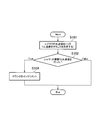
- FIG. 3 is a flowchart showing the operation of the mobile station according to the first embodiment of the present invention.
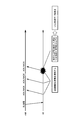
- FIG. 4 is a diagram for explaining problems of the conventional mobile communication system.
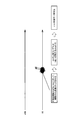
- FIG. 5 is a diagram for explaining problems of the conventional mobile communication system.
- FIG. 6 is a diagram for explaining problems of the conventional mobile communication system.
- the mobile communication system includes a radio base station eNB that supports the LTE-Advanced scheme and a mobile station UE that supports the LTE-Advanced scheme.
- the mobile station UE has a layer 1 function (physical layer function) and a layer 2 function (MAC layer function).
- layer 1 function physical layer function
- MAC layer function layer 2 function
- the layer 1 function includes a transmission unit 13 and a reception unit 14, and the layer 2 function includes a counter control unit 11 and a transmission management unit 12.
- the transmission unit 13 is configured to transmit an uplink signal to the radio base station eNB based on an instruction from the transmission management unit 12 of the layer 2 function. Further, the reception unit 14 is configured to receive a downlink signal (for example, a scheduling signal) from the radio base station eNB.
- a downlink signal for example, a scheduling signal
- the transmission management unit 12 is configured to instruct the transmission unit 13 of the layer 1 function to transmit an uplink signal.
- the counter control unit 11 sets a counter for managing the transmission status of the uplink signal. Configured to control.
- the counter control unit 11 performs the above-described processing when the transmission unit 13 transmits the uplink signal after the transmission management unit 12 instructs the transmission unit 13 to transmit the uplink signal.
- the counter is configured to increment.
- the counter control unit 11 receives the uplink signal transmission instruction from the transmission management unit 12 to the transmission unit 13 and then does not transmit the uplink signal by the transmission unit 13. It is configured to stop incrementing.
- the counter control unit 11 may be configured to monitor the transmission status of the uplink signal by the transmission unit 13 of the layer 1 function.
- the counter control unit 11 may be configured to increment the above-described counter when detecting that the transmission of the uplink signal by the transmission unit 13 in the layer 1 is completed.
- the counter control unit 11 does not detect that the transmission of the uplink signal by the transmission unit 13 in layer 1 is completed, or the transmission of the uplink signal by the transmission unit 13 in layer 1 is not completed. It may be configured to stop incrementing the counter when it is detected.
- the transmission unit 13 of the layer 1 function is configured to notify the counter control unit 11 of the layer 2 function when an uplink signal is transmitted to the radio base station eNB.
- the counter control unit 11 may be configured to increment the counter described above in response to the notification.
- the transmission management unit 12 having the layer 2 function transmits the uplink signal to the transmission unit 13 having the layer 1 function.
- the transmission unit 13 of the layer 1 function when the transmission confirmation information transmission instruction by “ACK / NACK repetition” and the uplink signal transmission instruction overlap, Priority is given to transmission of acknowledgment information by “NACK repetition”, and transmission of the uplink signal is not performed.
- the transmission management unit 12 of the layer 2 function may be configured to stop incrementing the counter described above.
- the “power limited case” is When it occurs and the priority of the uplink signal is low, the transmission unit 13 of the layer 1 function does not transmit the uplink signal.
- the transmission management unit 12 of the layer 2 function may be configured to stop incrementing the counter described above.
- the layer 1 function transmission unit 13 even when the layer 2 function transmission management unit 12 instructs the layer 1 function transmission unit 13 to transmit an uplink signal, the layer 1 function transmission unit 13, when the mobile station UE does not have the simultaneous transmission capability and when an instruction to transmit a plurality of uplink signals is given, which uplink signal has priority, or Neither uplink signal is transmitted.
- the transmission management unit 12 of the layer 2 function may be configured to stop incrementing the above-described counter related to the uplink signal that has not been transmitted.
- step S101 in the mobile station UE, the layer 2 function decides to transmit an uplink signal, and instructs the layer 1 function to transmit the uplink signal.
- the layer 2 function determines whether or not the layer 1 function actually transmitted the uplink signal.
- the layer 2 function may make such a determination based on the monitoring result of the transmission status of the layer 1 function, or may make such a determination based on a notification from the layer 1 function.
- the layer 2 function increments the counter described above in step S104.
- the layer 2 function does not increment the counter described above.
- the layer 2 function increments the counter for managing the uplink signal transmission status only when it is determined that the layer 1 function actually transmits the uplink signal.
- the layer 2 function recognizes that an uplink signal has been transmitted, but the layer 1 function actually does not transmit an uplink signal, resulting in a state mismatch between the two. Can be avoided, and when the physical layer function is normal, it is possible to avoid the situation where resources are released or reconnection procedures are activated, and the system can be stabilized. .
- a first feature of the present embodiment is a mobile station UE having a layer 1 function and a layer 2 function, and the layer 1 function is configured to transmit an uplink signal to the radio base station eNB.
- the layer 2 function is configured to control a counter and a transmission management unit 12 configured to instruct the transmission unit 13 to transmit an uplink signal.
- the counter control unit 11 transmits an uplink signal by the transmission unit 13 after the transmission management unit 12 gives an instruction to transmit the uplink signal to the transmission unit 13.
- the gist of the present invention is that the above-described counter increment is stopped when the above is not performed.
- the counter control unit 11 may be configured to monitor the transmission status of the uplink signal by the transmission unit 13.
- the transmission unit 13 is configured to notify the counter control unit 11 when an uplink signal is transmitted, and the counter control unit 11 May be configured to increment the counter described above in response to such notification.
- the MAC layer function and the physical layer function have been described as examples of the layer 1 function and the layer 2 function.
- the processing according to the present invention may be performed between any layers. .
- the operations of the mobile station UE and the radio base station eNB described above may be implemented by hardware, may be implemented by a software module executed by a processor, or may be implemented by a combination of both. .
- the software modules include RAM (Random Access Memory), flash memory, ROM (Read Only Memory), EPROM (Erasable Programmable ROM), EEPROM (Electronically Erasable and Programmable, Removable ROM, Hard Disk, and Removable ROM).
- RAM Random Access Memory
- flash memory ROM (Read Only Memory)
- EPROM Erasable Programmable ROM
- EEPROM Electrically Erasable and Programmable, Removable ROM, Hard Disk, and Removable ROM.
- it may be provided in a storage medium of an arbitrary format such as a CD-ROM.
- the storage medium is connected to the processor so that the processor can read and write information from and to the storage medium. Further, such a storage medium may be integrated in the processor. Such a storage medium and processor may be provided in the ASIC. Such an ASIC may be provided in the mobile station UE or the radio base station eNB. Further, the storage medium and the processor may be provided as a discrete component in the mobile station UE or the radio base station eNB.
- the MAC layer function recognizes that an uplink signal has been transmitted, but the physical layer function does not actually transmit an uplink signal. It is possible to provide a mobile station that can avoid a situation in which a mismatch occurs.
- UE ... mobile station eNB ... radio base station 11 ... counter control unit 12 ... transmission management unit 13 ... transmitting unit 14 ... receiving unit
Landscapes
- Engineering & Computer Science (AREA)
- Computer Networks & Wireless Communication (AREA)
- Signal Processing (AREA)
- Mobile Radio Communication Systems (AREA)
Abstract
MACレイヤ機能では、上りリンク信号が送信されたと認識しているが、物理レイヤ機能では、実際に、上りリンク信号を送信していないという両者の状態不一致が発生するという事態を回避する。本発明に係る移動局UEでは、レイヤ1機能は、無線基地局eNBに対して、上りリンク信号を送信するように構成されている送信部13を具備しており、レイヤ2機能は、送信部13に対して、上りリンク信号の送信を指示するように構成されている送信管理部12と、カウンタを制御するように構成されているカウンタ制御部11とを具備しており、カウンタ制御部11は、送信管理部12から送信部13に対する上りリンク信号の送信指示が行われた後、送信部13による上りリンク信号の送信が行われなかった場合に、上述のカウンタのインクリメントを中止するように構成されている。
Description
本発明は、移動局に関する。
現在、LTE(Long Term Evolution)方式では、上りリンクにおいて用いられるチャネルとして、PUSCH(Physical Uplink Shared Channel、物理上りリンク共有チャネル)やPUCCH(Physical Uplink Control Channel、物理上りリンク制御チャネル)やPRACH(Physical Random Access Channel、物理ランダムアクセスチャネル)が規定されており、上りリンクにおいて送信される信号として、SRS(Sounding reference Signal)が規定されている。
ここで、PUSCHは、移動局UEからのU-planeデータやC-planeデータやMAC(Media Access Control)レイヤの制御データを送信するための共有チャネルである。
また、PUCCHは、移動局UEからの制御情報を送信するための物理制御チャネルである。ここで、制御情報としては、PUCCH-CQI(Channel Quality Indicator)やPUCCH-SR(Scheduling Request)や下りリンク信号に対するACK/NACK等が含まれる。
また、PRACHは、移動局UEからのスケジューリング要求信号の送信や、接続処理及び再接続処理における同期確立に用いられる物理チャネルである。
さらに、SRSは、上りリンクの共有リソースで送信される信号であり、上りリンクにおける品質を報告するために用いられるものである。
ここで、移動局UEのMACレイヤ機能は、PRACHやPUSCHやPUCCH-SRにおける送信を物理レイヤ機能に指示した回数についてカウントするように構成されている。
例えば、移動局UEのMACレイヤ機能は、PRACHにおける送信を物理レイヤ機能に指示した回数をカウントし、かかる回数が最大送信回数に至った場合には、「Random Access problem」が発生したと見なして、その旨を上位レイヤ機能に通知するように構成されている。
或いは、移動局UEのMACレイヤ機能は、PUSCHにおける送信を物理レイヤ機能に指示した回数をカウントし、かかる回数が最大送信回数に至った場合には、かかる送信に係るデータ(例えば、MAC-PDU)を破棄するように構成されている。
或いは、移動局UEのMACレイヤ機能は、PUCCH-SRの送信を物理レイヤ機能に指示した回数をカウントし、かかる回数が最大送信回数に至った場合には、上りリンク同期が外れたと見なして、設定された上りリンク用個別リソース(PUCCHやSRS等)を解放するように構成されている。
3GPP TS36.213
しかしながら、従来のLTE方式の移動通信システムでは、MACレイヤ機能が、上りリンク信号が送信されたと認識しているが、物理レイヤ機能が、実際に、上りリンク信号を送信していないというケースにおいて、MACレイヤ機能が、カウンタをインクリメントしてしまう可能性があるという問題があった。
基本的に、上述の回数が最大送信回数に至った場合、MACレイヤ機能は、物理レイヤ機能で問題が生じたと見なし、リソース解放や再接続手順の起動を行うが、上述のケースでは、送信の有無に関わらず、カウンタをインクリメントしてしまうため、物理レイヤ機能に問題がないにも関わらず、リソース解放や再接続手順の起動が行われてしまい、システム安定性の観点から望ましくない。
以下、図4乃至図6を参照して、かかるケースの具体例1~3について説明する。
第1の例として、3GPPの仕様TS36.213に規定されている「ACK/NACK repeteion」が適用されているケースが想定される。
ここで、「ACK/NACK repeteion」は、移動局UEが、受信した下りリンク信号に対して複数回送達確認情報(ACK/NACK)を送信することで、上りリンクの品質が悪い移動局UEにおいても、確実に送達確認情報をフィードバックすることを目的とするものである。
かかる送達確認情報を送信するためのリソースは、無線基地局eNBから移動局UEに対して指示されるように構成されている。
かかるケースにおいて、図4に示すように、「ACK/NACK repeteion」による送達確認情報の送信と、他の上りリンク信号の送信とが重なった場合には、「ACK/NACK repeteion」による送達確認情報の送信が優先されるため、移動局UEの物理レイヤ機能が、他の上りリンク信号の送信を行わない。
この結果、かかるケースでは、移動局UEにおいて、MACレイヤ機能では、上りリンク信号が送信されたと認識しているが、物理レイヤ機能では、実際に、上りリンク信号を送信していないという両者の状態不一致が発生するという問題点があった。
第2の例として、「UL CA(Uplink Carrier Aggregation)」における「power limited case」が発生するケースが想定される(3GPPの仕様TS36.213参照)。
LTE-Advanded方式では、複数のCC(Component Carrier)を束ねてより広帯域(高速)通信を行うCAが規定されている。
「UL CA」が行われる場合には、移動局UEは、複数のCCにて上りリンク信号を送信するが、上りリンクの品質が悪く所要の上りリンクの品質が担保できない場合、すなわち、「power limited case」が発生した場合には、所定の優先度に従い、各CCにおける上りリンクにおける送信電力を低減して複数のCCにおける送信を行うか、或いは、図5に示すように、物理レイヤ機能において、優先度の低い上りリンク信号の送信を行わない。
この結果、かかるケースでは、移動局UEにおいて、MACレイヤ機能では、上りリンク信号が送信されたと認識しているが、物理レイヤ機能では、実際に、上りリンク信号を送信していないという両者の状態不一致が発生するという問題点があった。
第3の例として、同時送信能力を具備していない移動局UEに対して複数の上りリンク信号の送信が同時にトリガされたケースが想定される。
LTE-Advanded方式におけるCAでは、複数のCCを使って同時に送受信を行うことで、より広帯域(高速)通信を行うが、移動局UEの能力により(或いは、ネットワークの設定により)、上りリンク信号の同時送信ができないケースがある。
例えば、CAにおけるPUCCH及びPUSCHにおける同時送信能力についてはオプションの機能であるため、かかる同時送信能力を具備していない移動局UEも存在し得る。
同時送信能力を具備していない移動局UEに対して複数の上りリンク信号の送信がトリガされるのは、基本的には、エラーケースであるため、物理レイヤ機能において、どちらの上りリンク信号を優先するか、或いは、どちらの上りリンク信号も送信しないかについて、各移動局UEの実装に任されている。
この結果、かかるケースでは、移動局UEにおいて、MACレイヤ機能では、上りリンク信号が送信されたと認識しているが、物理レイヤ機能では、実際に、上りリンク信号を送信していないという両者の状態不一致が発生するという問題点があった。
そこで、本発明は、上述の課題に鑑みてなされたものであり、MACレイヤ機能では、上りリンク信号が送信されたと認識しているが、物理レイヤ機能では、実際に、上りリンク信号を送信していないという両者の状態不一致、それに起因するリソース解放や再接続手順の起動が発生するという事態を回避することができる移動局を提供することを目的とする。
本発明の第1の特徴は、レイヤ1機能及びレイヤ2機能を具備する移動局であって、前記レイヤ1機能は、無線基地局に対して、上りリンク信号を送信するように構成されている送信部を具備しており、前記レイヤ2機能は、前記送信部に対して、前記上りリンク信号の送信を指示するように構成されている送信管理部と、カウンタを制御するように構成されているカウンタ制御部とを具備しており、前記カウンタ制御部は、前記送信管理部から前記送信部に対する前記指示が行われた後、前記送信部による前記上りリンク信号の送信が行われなかった場合に、前記カウンタのインクリメントを中止するように構成されていることを要旨とする。
(本発明の第1の実施形態に係る移動通信システム)
図1乃至図3を参照して、本発明の第1の実施形態に係る移動通信システムについて説明する。
図1乃至図3を参照して、本発明の第1の実施形態に係る移動通信システムについて説明する。
図1に示すように、本実施形態に係る移動通信システムは、LTE-Advanced方式をサポートする無線基地局eNBと、LTE-Advanced方式をサポートする移動局UEとを具備している。
図2に示すように、移動局UEは、レイヤ1機能(物理レイヤ機能)と、レイヤ2機能(MACレイヤ機能)とを具備している。
レイヤ1機能は、送信部13と、受信部14とを具備しており、レイヤ2機能は、カウンタ制御部11と、送信管理部12とを具備している。
送信部13は、レイヤ2機能の送信管理部12からの指示に基づいて、無線基地局eNBに対して、上りリンク信号を送信するように構成されている。また、受信部14は、無線基地局eNBからの下りリンク信号(例えば、スケジューリング信号等)を受信するように構成されている。
送信管理部12は、レイヤ1機能の送信部13に対して、上りリンク信号の送信を指示するように構成されている
カウンタ制御部11は、上りリンク信号の送信状況を管理するためのカウンタを制御するように構成されている。
カウンタ制御部11は、上りリンク信号の送信状況を管理するためのカウンタを制御するように構成されている。
具体的には、カウンタ制御部11は、送信管理部12から送信部13に対する上りリンク信号の送信指示が行われた後、送信部13による上りリンク信号の送信が行われた場合に、上述のカウンタをインクリメントするように構成されている。
すなわち、カウンタ制御部11は、送信管理部12から送信部13に対する上りリンク信号の送信指示が行われた後、送信部13による上りリンク信号の送信が行われなかった場合に、上述のカウンタのインクリメントを中止するように構成されている。
ここで、カウンタ制御部11は、レイヤ1機能の送信部13による上りリンク信号の送信状況を監視するように構成されていてもよい。
すなわち、カウンタ制御部11は、レイヤ1における送信部13による上りリンク信号の送信が完了したことを検出した場合に、上述のカウンタをインクリメントするように構成されていてもよい。
一方、カウンタ制御部11は、レイヤ1における送信部13による上りリンク信号の送信が完了したことを検出しなかった場合に、或いは、レイヤ1における送信部13による上りリンク信号の送信が完了しなかったことを検出した場合に、上述のカウンタのインクリメントを中止するように構成されていてもよい。
或いは、レイヤ1機能の送信部13は、無線基地局eNBに対する上りリンク信号の送信が行われた場合に、その旨をレイヤ2機能のカウンタ制御部11に対して通知するように構成されており、カウンタ制御部11は、かかる通知に応じて、上述のカウンタをインクリメントするように構成されていてもよい。
例えば、図4に示すように、「ACK/NACK repeteion」が適用されているケースにおいて、レイヤ2機能の送信管理部12が、レイヤ1機能の送信部13に対して、上りリンク信号の送信を指示した場合であっても、レイヤ1機能の送信部13は、「ACK/NACK repeteion」による送達確認情報の送信指示と、かかる上りリンク信号の送信指示とが重なった場合には、「ACK/NACK repeteion」による送達確認情報の送信を優先し、かかる上りリンク信号の送信を行わない。
かかる場合、レイヤ2機能の送信管理部12は、上述のカウンタのインクリメントを中止するように構成されていてもよい。
また、図5に示すように、レイヤ2機能の送信管理部12が、レイヤ1機能の送信部13に対して、上りリンク信号の送信を指示した場合であっても、「power limited case」が発生した場合で、かつ、かかる上りリンク信号の優先度が低い場合には、レイヤ1機能の送信部13は、かかる上りリンク信号の送信を行わない。
かかる場合、レイヤ2機能の送信管理部12は、上述のカウンタのインクリメントを中止するように構成されていてもよい。
或いは、図6に示すように、レイヤ2機能の送信管理部12が、レイヤ1機能の送信部13に対して、上りリンク信号の送信を指示した場合であっても、レイヤ1機能の送信部13は、かかる移動局UEが、同時送信能力を具備していない場合で、かつ、複数の上りリンク信号の送信指示が行われた場合には、どちらの上りリンク信号を優先するか、或いは、どちらの上りリンク信号も送信しない。
かかる場合、レイヤ2機能の送信管理部12は、送信されなかった上りリンク信号に係る上述のカウンタのインクリメントを中止するように構成されていてもよい。
以下、図3を参照して、本実施形態に係る移動局UEの動作について説明する。
図3に示すように、ステップS101において、移動局UEにおいて、レイヤ2機能は、上りリンク信号を送信することを決定し、レイヤ1機能に対して、かかる上りリンク信号の送信指示を行う。
ステップS102において、レイヤ2機能は、実際に、レイヤ1機能が、かかる上りリンク信号の送信を行ったか否かについて判定する。ここで、レイヤ2機能は、レイヤ1機能の送信状況の監視結果に基づいて、かかる判定を行ってもよいし、レイヤ1機能からの通知に基づいて、かかる判定を行ってもよい。
レイヤ2機能は、かかる上りリンク信号の送信が行われたと判定した場合、ステップS104において、上述のカウンタをインクリメントする。
一方、レイヤ2機能は、かかる上りリンク信号の送信が行われていないと判定した場合、上述のカウンタをインクリメントしない。
本実施形態に係る発明によれば、レイヤ2機能は、実際にレイヤ1機能が上りリンク信号の送信を行ったと判定した場合にのみ、上りリンク信号の送信状況を管理するためのカウンタをインクリメントするように構成されているため、レイヤ2機能では、上りリンク信号が送信されたと認識しているが、レイヤ1機能では、実際に、上りリンク信号を送信していないという両者の状態不一致が発生するという事態を回避することができ、物理レイヤ機能が、正常である場合に、リソースの解放や再接続手順の起動が発生するという事態を回避することができ、システムの安定化を図ることができる。
以上に述べた本実施形態の特徴は、以下のように表現されていてもよい。
本実施形態の第1の特徴は、レイヤ1機能及びレイヤ2機能を具備する移動局UEであって、レイヤ1機能は、無線基地局eNBに対して、上りリンク信号を送信するように構成されている送信部13を具備しており、レイヤ2機能は、送信部13に対して、上りリンク信号の送信を指示するように構成されている送信管理部12と、カウンタを制御するように構成されているカウンタ制御部11とを具備しており、カウンタ制御部11は、送信管理部12から送信部13に対する上りリンク信号の送信指示が行われた後、送信部13による上りリンク信号の送信が行われなかった場合に、上述のカウンタのインクリメントを中止するように構成されていることを要旨とする。
本実施形態の第1の特徴において、カウンタ制御部11は、送信部13による上りリンク信号の送信状況を監視するように構成されていてもよい。
かかる構成によれば、レイヤ1機能とレイヤ2機能との間に、インタラクションを設けることなく、また、低遅延に、本発明の課題を解決することができる。
本実施形態の第1の特徴において、送信部13は、上りリンク信号の送信が行われた場合に、その旨をカウンタ制御部11に対して通知するように構成されており、カウンタ制御部11は、かかる通知に応じて、上述のカウンタをインクリメントするように構成されていてもよい。
かかる構成によれば、レイヤ2機能に対してレイヤ1機能における送信状況を監視する機能を設けることなく、また、レイヤ1機能からのフィードバックによってより信頼性が高い状態でインクリメントの要否を判定し、本発明の課題を解決することができる。
また、本実施形態では、レイヤ1機能及びレイヤ2機能として、MACレイヤ機能及び物理レイヤ機能を例に挙げて説明を行ったが、本発明に係る処理は、いかなるレイヤ間で行われてもよい。
なお、上述の移動局UEや無線基地局eNBの動作は、ハードウェアによって実施されてもよいし、プロセッサによって実行されるソフトウェアモジュールによって実施されてもよいし、両者の組み合わせによって実施されてもよい。
ソフトウェアモジュールは、RAM(Random Access Memory)や、フラッシュメモリや、ROM(Read Only Memory)や、EPROM(Erasable Programmable ROM)や、EEPROM(Electronically Erasable and Programmable ROM)や、レジスタや、ハードディスクや、リムーバブルディスクや、CD-ROMといった任意形式の記憶媒体内に設けられていてもよい。
かかる記憶媒体は、プロセッサが当該記憶媒体に情報を読み書きできるように、当該プロセッサに接続されている。また、かかる記憶媒体は、プロセッサに集積されていてもよい。また、かかる記憶媒体及びプロセッサは、ASIC内に設けられていてもよい。かかるASICは、移動局UEや無線基地局eNB内に設けられていてもよい。また、かかる記憶媒体及びプロセッサは、ディスクリートコンポーネントとして移動局UEや無線基地局eNB内に設けられていてもよい。
以上、上述の実施形態を用いて本発明について詳細に説明したが、当業者にとっては、本発明が本明細書中に説明した実施形態に限定されるものではないということは明らかである。本発明は、請求の範囲の記載により定まる本発明の趣旨及び範囲を逸脱することなく修正及び変更態様として実施することができる。従って、本明細書の記載は、例示説明を目的とするものであり、本発明に対して何ら制限的な意味を有するものではない。
なお、日本国特許出願第2012-174147号(2012年8月6日出願)の全内容が、参照により、本願明細書に組み込まれている。
以上説明したように、本発明によれば、MACレイヤ機能では、上りリンク信号が送信されたと認識しているが、物理レイヤ機能では、実際に、上りリンク信号を送信していないという両者の状態不一致が発生するという事態を回避することができる移動局を提供することができる。
UE…移動局
eNB…無線基地局
11…カウンタ制御部
12…送信管理部
13…送信部
14…受信部
eNB…無線基地局
11…カウンタ制御部
12…送信管理部
13…送信部
14…受信部
Claims (3)
- レイヤ1機能及びレイヤ2機能を具備する移動局であって、
前記レイヤ1機能は、
無線基地局に対して、上りリンク信号を送信するように構成されている送信部を具備しており、
前記レイヤ2機能は、
前記送信部に対して、前記上りリンク信号の送信を指示するように構成されている送信管理部と、
カウンタを制御するように構成されているカウンタ制御部とを具備しており、
前記カウンタ制御部は、前記送信管理部から前記送信部に対する前記指示が行われた後、前記送信部による前記上りリンク信号の送信が行われなかった場合に、前記カウンタのインクリメントを中止するように構成されていることを特徴とする移動局。 - 前記カウンタ制御部は、前記送信部による前記上りリンク信号の送信状況を監視するように構成されていることを特徴とする請求項1に記載の移動局。
- 前記送信部は、前記上りリンク信号の送信が行われた場合に、その旨を前記カウンタ制御部に対して通知するように構成されており、
前記カウンタ制御部は、前記通知に応じて、前記カウンタをインクリメントするように構成されていることを特徴とする請求項1に記載の移動局。
Priority Applications (2)
| Application Number | Priority Date | Filing Date | Title |
|---|---|---|---|
| US14/419,659 US20150215988A1 (en) | 2012-08-06 | 2013-07-30 | Mobile station |
| EP13827071.5A EP2882253B1 (en) | 2012-08-06 | 2013-07-30 | Mobile station |
Applications Claiming Priority (2)
| Application Number | Priority Date | Filing Date | Title |
|---|---|---|---|
| JP2012174147A JP5950746B2 (ja) | 2012-08-06 | 2012-08-06 | 移動局 |
| JP2012-174147 | 2012-08-06 |
Publications (1)
| Publication Number | Publication Date |
|---|---|
| WO2014024728A1 true WO2014024728A1 (ja) | 2014-02-13 |
Family
ID=50067960
Family Applications (1)
| Application Number | Title | Priority Date | Filing Date |
|---|---|---|---|
| PCT/JP2013/070560 Ceased WO2014024728A1 (ja) | 2012-08-06 | 2013-07-30 | 移動局 |
Country Status (4)
| Country | Link |
|---|---|
| US (1) | US20150215988A1 (ja) |
| EP (1) | EP2882253B1 (ja) |
| JP (1) | JP5950746B2 (ja) |
| WO (1) | WO2014024728A1 (ja) |
Cited By (1)
| Publication number | Priority date | Publication date | Assignee | Title |
|---|---|---|---|---|
| WO2019186919A1 (ja) * | 2018-03-29 | 2019-10-03 | 富士通株式会社 | 無線通信方法、無線通信システム及び端末装置 |
Families Citing this family (1)
| Publication number | Priority date | Publication date | Assignee | Title |
|---|---|---|---|---|
| WO2021087855A1 (en) * | 2019-11-07 | 2021-05-14 | Nokia Shanghai Bell Co., Ltd. | Counting of devices |
Citations (1)
| Publication number | Priority date | Publication date | Assignee | Title |
|---|---|---|---|---|
| JP2012054658A (ja) * | 2010-08-31 | 2012-03-15 | Yokogawa Electric Corp | 無線通信装置 |
Family Cites Families (5)
| Publication number | Priority date | Publication date | Assignee | Title |
|---|---|---|---|---|
| US5400322A (en) * | 1993-08-20 | 1995-03-21 | Amati Communications Corp. | Updating of bit allocations in a multicarrier modulation transmission system |
| US7813754B2 (en) * | 2004-06-17 | 2010-10-12 | Ntt Docomo, Inc. | Transfer rate control method, transmission power control method, transmission power ratio control method, mobile communication system, mobile station, and radio base station |
| US7706799B2 (en) * | 2006-03-24 | 2010-04-27 | Intel Corporation | Reduced wireless context caching apparatus, systems, and methods |
| JP5052258B2 (ja) * | 2007-08-15 | 2012-10-17 | 株式会社エヌ・ティ・ティ・ドコモ | 移動通信システム、移動局及び無線基地局 |
| US20120300715A1 (en) * | 2011-05-10 | 2012-11-29 | Interdigital Patent Holdings, Inc. | Method and apparatus for obtaining uplink timing alignment on a secondary cell |
-
2012
- 2012-08-06 JP JP2012174147A patent/JP5950746B2/ja active Active
-
2013
- 2013-07-30 US US14/419,659 patent/US20150215988A1/en not_active Abandoned
- 2013-07-30 WO PCT/JP2013/070560 patent/WO2014024728A1/ja not_active Ceased
- 2013-07-30 EP EP13827071.5A patent/EP2882253B1/en active Active
Patent Citations (1)
| Publication number | Priority date | Publication date | Assignee | Title |
|---|---|---|---|---|
| JP2012054658A (ja) * | 2010-08-31 | 2012-03-15 | Yokogawa Electric Corp | 無線通信装置 |
Non-Patent Citations (3)
| Title |
|---|
| RESEARCH IN MOTION UK LIMITED: "Handling of a SR collision with ACK/NACK repetition", R2-121282, 3GPP TSG-RAN WG2 MEETING #77BIS, 26 March 2012 (2012-03-26), XP050605862, Retrieved from the Internet <URL:http://www.3gpp.org/ftp/tsg_ran/WG2_RL2/TSGR2_77bis/Docs/R2-121282.zip> * |
| See also references of EP2882253A4 * |
| TOSHIHARU ONO: "Experimental development of a memory card image viewer & temperature logger on TOPPERS", INTERFACE, vol. 36, no. 5, 1 May 2010 (2010-05-01), pages 122 - 131, XP008176423 * |
Cited By (1)
| Publication number | Priority date | Publication date | Assignee | Title |
|---|---|---|---|---|
| WO2019186919A1 (ja) * | 2018-03-29 | 2019-10-03 | 富士通株式会社 | 無線通信方法、無線通信システム及び端末装置 |
Also Published As
| Publication number | Publication date |
|---|---|
| EP2882253B1 (en) | 2019-05-29 |
| JP2014033412A (ja) | 2014-02-20 |
| US20150215988A1 (en) | 2015-07-30 |
| EP2882253A4 (en) | 2016-03-23 |
| EP2882253A1 (en) | 2015-06-10 |
| JP5950746B2 (ja) | 2016-07-13 |
Similar Documents
| Publication | Publication Date | Title |
|---|---|---|
| EP3577987B1 (en) | Uplink puncturing of mini-slot on slot transmissions | |
| US10595166B2 (en) | Systems and methods for processing time reduction signaling | |
| JP7597807B2 (ja) | 複数のアクティブグラント設定におけるタイマーハンドリング | |
| EP3823409B1 (en) | Scheduling multiple subframes in unlicensed spectrum | |
| EP3437241B1 (en) | Sounding reference signal triggering for enhanced carrier aggregation | |
| KR102293632B1 (ko) | 비허가된 대역에서의 셀룰러를 위한 서브프레임 정렬된 리슨-비포-토크 | |
| EP3408963B1 (en) | Srs transmission management in carrier aggregation | |
| EP3266274B1 (en) | Drx handling in lte license assisted access operation | |
| US10172156B2 (en) | Method and apparatus for scheduling uplink transmissions with reduced latency | |
| US11153880B2 (en) | Power allocation across multiple carriers using shared and dedicated radio frequency spectrum | |
| EP3192204B1 (en) | Radio access node, communication terminal and methods performed therein | |
| EP3413653A1 (en) | Method and device for transmitting uplink control information | |
| US20160360422A1 (en) | Method for processing data after unlicensed spectrum is released, and user equipment | |
| EP3198965B1 (en) | Cross-carrier indication signal in lbt systems | |
| CN108781143A (zh) | 用于调度具有减少的延迟的上行链路传输的方法和装置 | |
| AU2016215287A1 (en) | Method and apparatus for time division LTE transmission in unlicensed radio frequency bands | |
| WO2017136759A1 (en) | Systems and methods for contention access | |
| WO2016045099A1 (zh) | 一种上行信号的传输方法和相关设备 | |
| US9843420B2 (en) | Cross carrier scheduling method and apparatus | |
| JP2019508930A (ja) | アンライセンス帯域動作のためのb−ifdma構成 | |
| CN104904291A (zh) | 用户装置、以及上行控制信息发送方法 | |
| CN110798248A (zh) | 用户装置、以及上行发送定时控制方法 | |
| CN107078835A (zh) | 混合自动重传反馈的获取方法、装置以及通信系统 | |
| CN108713345A (zh) | 用户终端、无线基站以及无线通信方法 | |
| WO2014038349A1 (ja) | 移動通信方法、無線基地局及び移動局 |
Legal Events
| Date | Code | Title | Description |
|---|---|---|---|
| 121 | Ep: the epo has been informed by wipo that ep was designated in this application |
Ref document number: 13827071 Country of ref document: EP Kind code of ref document: A1 |
|
| WWE | Wipo information: entry into national phase |
Ref document number: 14419659 Country of ref document: US |
|
| NENP | Non-entry into the national phase |
Ref country code: DE |
|
| WWE | Wipo information: entry into national phase |
Ref document number: 2013827071 Country of ref document: EP |