WO2014031936A2 - Heterocyclic modulators of hif activity for treatment of disease - Google Patents
Heterocyclic modulators of hif activity for treatment of disease Download PDFInfo
- Publication number
- WO2014031936A2 WO2014031936A2 PCT/US2013/056346 US2013056346W WO2014031936A2 WO 2014031936 A2 WO2014031936 A2 WO 2014031936A2 US 2013056346 W US2013056346 W US 2013056346W WO 2014031936 A2 WO2014031936 A2 WO 2014031936A2
- Authority
- WO
- WIPO (PCT)
- Prior art keywords
- group
- alkyl
- hydrogen
- deuterium
- methyl
- Prior art date
- Legal status (The legal status is an assumption and is not a legal conclusion. Google has not performed a legal analysis and makes no representation as to the accuracy of the status listed.)
- Ceased
Links
- 0 CC(*)(*)C(*)(*)F Chemical compound CC(*)(*)C(*)(*)F 0.000 description 15
- LHBDKQWNXFYQGR-UHFFFAOYSA-N Cc1nc(-c2nc(-c(cc3)ccc3OC(F)(F)F)n[o]2)n[n]1Cc(cc1)ccc1C(N1CCN(C)CC1)=O Chemical compound Cc1nc(-c2nc(-c(cc3)ccc3OC(F)(F)F)n[o]2)n[n]1Cc(cc1)ccc1C(N1CCN(C)CC1)=O LHBDKQWNXFYQGR-UHFFFAOYSA-N 0.000 description 2
- GMGSGNVQZWAPMJ-UHFFFAOYSA-N Cc1nc(-c2nc(-c(cc3)ccc3OC(F)(F)F)n[o]2)n[n]1Cc1cnc(N2CCOCC2)[s]1 Chemical compound Cc1nc(-c2nc(-c(cc3)ccc3OC(F)(F)F)n[o]2)n[n]1Cc1cnc(N2CCOCC2)[s]1 GMGSGNVQZWAPMJ-UHFFFAOYSA-N 0.000 description 2
- ZPCJPJQUVRIILS-UHFFFAOYSA-N BrCc1cc(Br)ccc1 Chemical compound BrCc1cc(Br)ccc1 ZPCJPJQUVRIILS-UHFFFAOYSA-N 0.000 description 1
- QBRKZRZYRDLQHY-UHFFFAOYSA-N CC(OC(F)(F)F)SC(C(NNC(C)=N)=O)=N Chemical compound CC(OC(F)(F)F)SC(C(NNC(C)=N)=O)=N QBRKZRZYRDLQHY-UHFFFAOYSA-N 0.000 description 1
- ISMVJBYEIBUKJX-UHFFFAOYSA-N CC(OC(F)(F)F)SC(c1n[nH]c(C)n1)=N Chemical compound CC(OC(F)(F)F)SC(c1n[nH]c(C)n1)=N ISMVJBYEIBUKJX-UHFFFAOYSA-N 0.000 description 1
- CQNVNZYLXLXEFB-UHFFFAOYSA-N CC1(CCCCCCCCCC1)C(F)(F)F Chemical compound CC1(CCCCCCCCCC1)C(F)(F)F CQNVNZYLXLXEFB-UHFFFAOYSA-N 0.000 description 1
- OGTLRQVDRSIQEF-UHFFFAOYSA-N CCOC(c1nc(-c(cc2)ccc2OC(F)(F)F)c[s]1)=O Chemical compound CCOC(c1nc(-c(cc2)ccc2OC(F)(F)F)c[s]1)=O OGTLRQVDRSIQEF-UHFFFAOYSA-N 0.000 description 1
- ZXBUAPSNJVMKFJ-UHFFFAOYSA-N CCOC(c1nc(-c(cc2)ccc2OC(F)(F)F)n[o]1)=O Chemical compound CCOC(c1nc(-c(cc2)ccc2OC(F)(F)F)n[o]1)=O ZXBUAPSNJVMKFJ-UHFFFAOYSA-N 0.000 description 1
- MXCCWORSANZFLH-UHFFFAOYSA-N CCOC(c1nc(C2CCCCCCCCC2)n[o]1)=O Chemical compound CCOC(c1nc(C2CCCCCCCCC2)n[o]1)=O MXCCWORSANZFLH-UHFFFAOYSA-N 0.000 description 1
- BDRDICBDRAHXIN-UHFFFAOYSA-N Cc1nc(-c2nc(-c(cc3)ccc3OC(F)(F)F)c[s]2)n[n]1Cc1cccc(S(C)(=O)=O)c1 Chemical compound Cc1nc(-c2nc(-c(cc3)ccc3OC(F)(F)F)c[s]2)n[n]1Cc1cccc(S(C)(=O)=O)c1 BDRDICBDRAHXIN-UHFFFAOYSA-N 0.000 description 1
- HQQHPFFBJAPYGN-UHFFFAOYSA-N Cc1nc(-c2nc(-c(cc3)ccc3OC(F)(F)F)c[s]2)n[n]1Cc1ccnc(N2CCN(C)CC2)c1 Chemical compound Cc1nc(-c2nc(-c(cc3)ccc3OC(F)(F)F)c[s]2)n[n]1Cc1ccnc(N2CCN(C)CC2)c1 HQQHPFFBJAPYGN-UHFFFAOYSA-N 0.000 description 1
- FJVUZQDLAFYBBR-UHFFFAOYSA-N Cc1nc(-c2nc(-c(cc3)ccc3OC(F)(F)F)n[o]2)n[nH]1 Chemical compound Cc1nc(-c2nc(-c(cc3)ccc3OC(F)(F)F)n[o]2)n[nH]1 FJVUZQDLAFYBBR-UHFFFAOYSA-N 0.000 description 1
- SMSZBWJUMWKISS-UHFFFAOYSA-N Cc1nc(-c2nc(-c(cc3)ccc3OC(F)(F)F)n[o]2)n[n]1Cc([s]1)cnc1Cl Chemical compound Cc1nc(-c2nc(-c(cc3)ccc3OC(F)(F)F)n[o]2)n[n]1Cc([s]1)cnc1Cl SMSZBWJUMWKISS-UHFFFAOYSA-N 0.000 description 1
- AALUUKLYGSNSCS-UHFFFAOYSA-N Cc1nc(-c2nc(-c(cc3)ccc3OC(F)(F)F)n[o]2)n[n]1Cc(cc1)ccc1C(OC)=O Chemical compound Cc1nc(-c2nc(-c(cc3)ccc3OC(F)(F)F)n[o]2)n[n]1Cc(cc1)ccc1C(OC)=O AALUUKLYGSNSCS-UHFFFAOYSA-N 0.000 description 1
- WLHONMHYHZLRGA-UHFFFAOYSA-N Cc1nc(-c2nc(-c(cc3)ccc3OC(F)(F)F)n[o]2)n[n]1Cc1cc(Br)ccc1 Chemical compound Cc1nc(-c2nc(-c(cc3)ccc3OC(F)(F)F)n[o]2)n[n]1Cc1cc(Br)ccc1 WLHONMHYHZLRGA-UHFFFAOYSA-N 0.000 description 1
- ZRNZLXMORYFXJB-UHFFFAOYSA-N Cc1nc(-c2nc(-c(cc3)ccc3OC(F)(F)F)n[o]2)n[n]1Cc1cc(N)ccc1 Chemical compound Cc1nc(-c2nc(-c(cc3)ccc3OC(F)(F)F)n[o]2)n[n]1Cc1cc(N)ccc1 ZRNZLXMORYFXJB-UHFFFAOYSA-N 0.000 description 1
- HDOVXQLRPJVLPZ-UHFFFAOYSA-N Cc1nc(-c2nc(-c(cc3)ccc3OC(F)(F)F)n[o]2)n[n]1Cc1cc(OCCN)ccc1 Chemical compound Cc1nc(-c2nc(-c(cc3)ccc3OC(F)(F)F)n[o]2)n[n]1Cc1cc(OCCN)ccc1 HDOVXQLRPJVLPZ-UHFFFAOYSA-N 0.000 description 1
- NLGYGHOEQYZLJS-UHFFFAOYSA-N Cc1nc(-c2nc(-c(cc3)ccc3OC(F)(F)F)n[o]2)n[n]1Cc1cc(OCCOC)ccc1 Chemical compound Cc1nc(-c2nc(-c(cc3)ccc3OC(F)(F)F)n[o]2)n[n]1Cc1cc(OCCOC)ccc1 NLGYGHOEQYZLJS-UHFFFAOYSA-N 0.000 description 1
- IZISLNAADMDEER-UHFFFAOYSA-N Cc1nc(-c2nc(-c(cc3)ccc3OC(F)(F)F)n[o]2)n[n]1Cc1cc(S(Cl)(=O)=O)ccc1 Chemical compound Cc1nc(-c2nc(-c(cc3)ccc3OC(F)(F)F)n[o]2)n[n]1Cc1cc(S(Cl)(=O)=O)ccc1 IZISLNAADMDEER-UHFFFAOYSA-N 0.000 description 1
- NWFAJAYMTWLKED-UHFFFAOYSA-N Cc1nc(-c2nc(-c(cc3)ccc3OC(F)(F)F)n[o]2)n[n]1Cc1cccc(N2CCOCC2)c1 Chemical compound Cc1nc(-c2nc(-c(cc3)ccc3OC(F)(F)F)n[o]2)n[n]1Cc1cccc(N2CCOCC2)c1 NWFAJAYMTWLKED-UHFFFAOYSA-N 0.000 description 1
- JOZBBLIBPUDOFG-UHFFFAOYSA-N Cc1nc(-c2nc(-c(cc3)ccc3OC(F)(F)F)n[o]2)n[n]1Cc1cccc(NCCN(C)C)c1 Chemical compound Cc1nc(-c2nc(-c(cc3)ccc3OC(F)(F)F)n[o]2)n[n]1Cc1cccc(NCCN(C)C)c1 JOZBBLIBPUDOFG-UHFFFAOYSA-N 0.000 description 1
- TXOSLZIHMPXRHL-UHFFFAOYSA-N Cc1nc(-c2nc(-c(cc3)ccc3OC(F)(F)F)n[o]2)n[n]1Cc1cccc(S(N2CCN(C)CC2)(=O)=O)c1 Chemical compound Cc1nc(-c2nc(-c(cc3)ccc3OC(F)(F)F)n[o]2)n[n]1Cc1cccc(S(N2CCN(C)CC2)(=O)=O)c1 TXOSLZIHMPXRHL-UHFFFAOYSA-N 0.000 description 1
- ZUJHVEWGFQEEIJ-UHFFFAOYSA-N Cc1nc(-c2nc(-c(cc3)ccc3OC(F)(F)F)n[o]2)n[n]1Cc1ccnc(N(C)C)c1 Chemical compound Cc1nc(-c2nc(-c(cc3)ccc3OC(F)(F)F)n[o]2)n[n]1Cc1ccnc(N(C)C)c1 ZUJHVEWGFQEEIJ-UHFFFAOYSA-N 0.000 description 1
- MBMHRYXQPGYWJX-UHFFFAOYSA-N Cc1nc(-c2nc(-c(cc3)ccc3OC(F)(F)F)n[o]2)n[n]1Cc1ccnc(NCCN(C)C)c1 Chemical compound Cc1nc(-c2nc(-c(cc3)ccc3OC(F)(F)F)n[o]2)n[n]1Cc1ccnc(NCCN(C)C)c1 MBMHRYXQPGYWJX-UHFFFAOYSA-N 0.000 description 1
- LPLHGXRXXWAJEM-UHFFFAOYSA-N Cc1nc(-c2nc(-c(cc3)ccc3OC(F)(F)F)n[o]2)n[n]1Cc1nc(N2CCN(C)CC2)ncc1 Chemical compound Cc1nc(-c2nc(-c(cc3)ccc3OC(F)(F)F)n[o]2)n[n]1Cc1nc(N2CCN(C)CC2)ncc1 LPLHGXRXXWAJEM-UHFFFAOYSA-N 0.000 description 1
- CEWVDMBFLZGPAQ-UHFFFAOYSA-N Cc1nc(-c2nnc(-c(cc3)ccc3OC(F)(F)F)[o]2)n[n]1Cc1ccnc(Cl)c1 Chemical compound Cc1nc(-c2nnc(-c(cc3)ccc3OC(F)(F)F)[o]2)n[n]1Cc1ccnc(Cl)c1 CEWVDMBFLZGPAQ-UHFFFAOYSA-N 0.000 description 1
- IRUCTLZDAINFHQ-UHFFFAOYSA-N Cc1nc(C(NN)=O)n[n]1Cc1cc(Cl)ncc1 Chemical compound Cc1nc(C(NN)=O)n[n]1Cc1cc(Cl)ncc1 IRUCTLZDAINFHQ-UHFFFAOYSA-N 0.000 description 1
- SKVKLQBHMJNEEX-UHFFFAOYSA-N FC(Oc(cc1)ccc1-c1n[o]c(-c2n[n](Cc3ccccc3)c(-c3cccnc3)n2)n1)(F)F Chemical compound FC(Oc(cc1)ccc1-c1n[o]c(-c2n[n](Cc3ccccc3)c(-c3cccnc3)n2)n1)(F)F SKVKLQBHMJNEEX-UHFFFAOYSA-N 0.000 description 1
- FFQYIGIBVRTYMD-UHFFFAOYSA-N N/C(/C1CCCCCCC1)=N/O Chemical compound N/C(/C1CCCCCCC1)=N/O FFQYIGIBVRTYMD-UHFFFAOYSA-N 0.000 description 1
- LKDRPOUDBPPMRS-UHFFFAOYSA-N NNC(C(SOC(F)(F)F)=N)=O Chemical compound NNC(C(SOC(F)(F)F)=N)=O LKDRPOUDBPPMRS-UHFFFAOYSA-N 0.000 description 1
- AOAGGWLQIILIIV-UHFFFAOYSA-N O=C(CBr)c(cc1)ccc1OC(F)(F)F Chemical compound O=C(CBr)c(cc1)ccc1OC(F)(F)F AOAGGWLQIILIIV-UHFFFAOYSA-N 0.000 description 1
- LDPQIYKFRVVWOT-UHFFFAOYSA-N O=C(c1nc(-c(cc2)ccc2OC(F)(F)F)n[o]1)NNCc1ccccc1 Chemical compound O=C(c1nc(-c(cc2)ccc2OC(F)(F)F)n[o]1)NNCc1ccccc1 LDPQIYKFRVVWOT-UHFFFAOYSA-N 0.000 description 1
Classifications
-
- C—CHEMISTRY; METALLURGY
- C07—ORGANIC CHEMISTRY
- C07D—HETEROCYCLIC COMPOUNDS
- C07D495/00—Heterocyclic compounds containing in the condensed system at least one hetero ring having sulfur atoms as the only ring hetero atoms
- C07D495/02—Heterocyclic compounds containing in the condensed system at least one hetero ring having sulfur atoms as the only ring hetero atoms in which the condensed system contains two hetero rings
- C07D495/04—Ortho-condensed systems
-
- A—HUMAN NECESSITIES
- A61—MEDICAL OR VETERINARY SCIENCE; HYGIENE
- A61K—PREPARATIONS FOR MEDICAL, DENTAL OR TOILETRY PURPOSES
- A61K31/00—Medicinal preparations containing organic active ingredients
- A61K31/33—Heterocyclic compounds
- A61K31/395—Heterocyclic compounds having nitrogen as a ring hetero atom, e.g. guanethidine or rifamycins
- A61K31/41—Heterocyclic compounds having nitrogen as a ring hetero atom, e.g. guanethidine or rifamycins having five-membered rings with two or more ring hetero atoms, at least one of which being nitrogen, e.g. tetrazole
- A61K31/4196—1,2,4-Triazoles
-
- A—HUMAN NECESSITIES
- A61—MEDICAL OR VETERINARY SCIENCE; HYGIENE
- A61K—PREPARATIONS FOR MEDICAL, DENTAL OR TOILETRY PURPOSES
- A61K31/00—Medicinal preparations containing organic active ingredients
- A61K31/33—Heterocyclic compounds
- A61K31/395—Heterocyclic compounds having nitrogen as a ring hetero atom, e.g. guanethidine or rifamycins
- A61K31/41—Heterocyclic compounds having nitrogen as a ring hetero atom, e.g. guanethidine or rifamycins having five-membered rings with two or more ring hetero atoms, at least one of which being nitrogen, e.g. tetrazole
- A61K31/42—Oxazoles
-
- A—HUMAN NECESSITIES
- A61—MEDICAL OR VETERINARY SCIENCE; HYGIENE
- A61K—PREPARATIONS FOR MEDICAL, DENTAL OR TOILETRY PURPOSES
- A61K31/00—Medicinal preparations containing organic active ingredients
- A61K31/33—Heterocyclic compounds
- A61K31/395—Heterocyclic compounds having nitrogen as a ring hetero atom, e.g. guanethidine or rifamycins
- A61K31/41—Heterocyclic compounds having nitrogen as a ring hetero atom, e.g. guanethidine or rifamycins having five-membered rings with two or more ring hetero atoms, at least one of which being nitrogen, e.g. tetrazole
- A61K31/4245—Oxadiazoles
-
- A—HUMAN NECESSITIES
- A61—MEDICAL OR VETERINARY SCIENCE; HYGIENE
- A61K—PREPARATIONS FOR MEDICAL, DENTAL OR TOILETRY PURPOSES
- A61K31/00—Medicinal preparations containing organic active ingredients
- A61K31/33—Heterocyclic compounds
- A61K31/395—Heterocyclic compounds having nitrogen as a ring hetero atom, e.g. guanethidine or rifamycins
- A61K31/41—Heterocyclic compounds having nitrogen as a ring hetero atom, e.g. guanethidine or rifamycins having five-membered rings with two or more ring hetero atoms, at least one of which being nitrogen, e.g. tetrazole
- A61K31/425—Thiazoles
- A61K31/426—1,3-Thiazoles
-
- A—HUMAN NECESSITIES
- A61—MEDICAL OR VETERINARY SCIENCE; HYGIENE
- A61K—PREPARATIONS FOR MEDICAL, DENTAL OR TOILETRY PURPOSES
- A61K31/00—Medicinal preparations containing organic active ingredients
- A61K31/33—Heterocyclic compounds
- A61K31/395—Heterocyclic compounds having nitrogen as a ring hetero atom, e.g. guanethidine or rifamycins
- A61K31/41—Heterocyclic compounds having nitrogen as a ring hetero atom, e.g. guanethidine or rifamycins having five-membered rings with two or more ring hetero atoms, at least one of which being nitrogen, e.g. tetrazole
- A61K31/425—Thiazoles
- A61K31/427—Thiazoles not condensed and containing further heterocyclic rings
-
- A—HUMAN NECESSITIES
- A61—MEDICAL OR VETERINARY SCIENCE; HYGIENE
- A61K—PREPARATIONS FOR MEDICAL, DENTAL OR TOILETRY PURPOSES
- A61K31/00—Medicinal preparations containing organic active ingredients
- A61K31/33—Heterocyclic compounds
- A61K31/395—Heterocyclic compounds having nitrogen as a ring hetero atom, e.g. guanethidine or rifamycins
- A61K31/435—Heterocyclic compounds having nitrogen as a ring hetero atom, e.g. guanethidine or rifamycins having six-membered rings with one nitrogen as the only ring hetero atom
- A61K31/4353—Heterocyclic compounds having nitrogen as a ring hetero atom, e.g. guanethidine or rifamycins having six-membered rings with one nitrogen as the only ring hetero atom ortho- or peri-condensed with heterocyclic ring systems
- A61K31/437—Heterocyclic compounds having nitrogen as a ring hetero atom, e.g. guanethidine or rifamycins having six-membered rings with one nitrogen as the only ring hetero atom ortho- or peri-condensed with heterocyclic ring systems the heterocyclic ring system containing a five-membered ring having nitrogen as a ring hetero atom, e.g. indolizine, beta-carboline
-
- A—HUMAN NECESSITIES
- A61—MEDICAL OR VETERINARY SCIENCE; HYGIENE
- A61K—PREPARATIONS FOR MEDICAL, DENTAL OR TOILETRY PURPOSES
- A61K31/00—Medicinal preparations containing organic active ingredients
- A61K31/33—Heterocyclic compounds
- A61K31/395—Heterocyclic compounds having nitrogen as a ring hetero atom, e.g. guanethidine or rifamycins
- A61K31/435—Heterocyclic compounds having nitrogen as a ring hetero atom, e.g. guanethidine or rifamycins having six-membered rings with one nitrogen as the only ring hetero atom
- A61K31/44—Non condensed pyridines; Hydrogenated derivatives thereof
- A61K31/4427—Non condensed pyridines; Hydrogenated derivatives thereof containing further heterocyclic ring systems
- A61K31/4439—Non condensed pyridines; Hydrogenated derivatives thereof containing further heterocyclic ring systems containing a five-membered ring with nitrogen as a ring hetero atom, e.g. omeprazole
-
- A—HUMAN NECESSITIES
- A61—MEDICAL OR VETERINARY SCIENCE; HYGIENE
- A61K—PREPARATIONS FOR MEDICAL, DENTAL OR TOILETRY PURPOSES
- A61K31/00—Medicinal preparations containing organic active ingredients
- A61K31/33—Heterocyclic compounds
- A61K31/395—Heterocyclic compounds having nitrogen as a ring hetero atom, e.g. guanethidine or rifamycins
- A61K31/435—Heterocyclic compounds having nitrogen as a ring hetero atom, e.g. guanethidine or rifamycins having six-membered rings with one nitrogen as the only ring hetero atom
- A61K31/44—Non condensed pyridines; Hydrogenated derivatives thereof
- A61K31/445—Non condensed piperidines, e.g. piperocaine
- A61K31/4523—Non condensed piperidines, e.g. piperocaine containing further heterocyclic ring systems
- A61K31/454—Non condensed piperidines, e.g. piperocaine containing further heterocyclic ring systems containing a five-membered ring with nitrogen as a ring hetero atom, e.g. pimozide, domperidone
-
- A—HUMAN NECESSITIES
- A61—MEDICAL OR VETERINARY SCIENCE; HYGIENE
- A61K—PREPARATIONS FOR MEDICAL, DENTAL OR TOILETRY PURPOSES
- A61K31/00—Medicinal preparations containing organic active ingredients
- A61K31/33—Heterocyclic compounds
- A61K31/395—Heterocyclic compounds having nitrogen as a ring hetero atom, e.g. guanethidine or rifamycins
- A61K31/435—Heterocyclic compounds having nitrogen as a ring hetero atom, e.g. guanethidine or rifamycins having six-membered rings with one nitrogen as the only ring hetero atom
- A61K31/44—Non condensed pyridines; Hydrogenated derivatives thereof
- A61K31/445—Non condensed piperidines, e.g. piperocaine
- A61K31/4523—Non condensed piperidines, e.g. piperocaine containing further heterocyclic ring systems
- A61K31/4545—Non condensed piperidines, e.g. piperocaine containing further heterocyclic ring systems containing a six-membered ring with nitrogen as a ring hetero atom, e.g. pipamperone, anabasine
-
- A—HUMAN NECESSITIES
- A61—MEDICAL OR VETERINARY SCIENCE; HYGIENE
- A61K—PREPARATIONS FOR MEDICAL, DENTAL OR TOILETRY PURPOSES
- A61K31/00—Medicinal preparations containing organic active ingredients
- A61K31/33—Heterocyclic compounds
- A61K31/395—Heterocyclic compounds having nitrogen as a ring hetero atom, e.g. guanethidine or rifamycins
- A61K31/435—Heterocyclic compounds having nitrogen as a ring hetero atom, e.g. guanethidine or rifamycins having six-membered rings with one nitrogen as the only ring hetero atom
- A61K31/47—Quinolines; Isoquinolines
- A61K31/4709—Non-condensed quinolines and containing further heterocyclic rings
-
- A—HUMAN NECESSITIES
- A61—MEDICAL OR VETERINARY SCIENCE; HYGIENE
- A61K—PREPARATIONS FOR MEDICAL, DENTAL OR TOILETRY PURPOSES
- A61K31/00—Medicinal preparations containing organic active ingredients
- A61K31/33—Heterocyclic compounds
- A61K31/395—Heterocyclic compounds having nitrogen as a ring hetero atom, e.g. guanethidine or rifamycins
- A61K31/495—Heterocyclic compounds having nitrogen as a ring hetero atom, e.g. guanethidine or rifamycins having six-membered rings with two or more nitrogen atoms as the only ring heteroatoms, e.g. piperazine or tetrazines
- A61K31/496—Non-condensed piperazines containing further heterocyclic rings, e.g. rifampin, thiothixene or sparfloxacin
-
- A—HUMAN NECESSITIES
- A61—MEDICAL OR VETERINARY SCIENCE; HYGIENE
- A61K—PREPARATIONS FOR MEDICAL, DENTAL OR TOILETRY PURPOSES
- A61K31/00—Medicinal preparations containing organic active ingredients
- A61K31/33—Heterocyclic compounds
- A61K31/395—Heterocyclic compounds having nitrogen as a ring hetero atom, e.g. guanethidine or rifamycins
- A61K31/495—Heterocyclic compounds having nitrogen as a ring hetero atom, e.g. guanethidine or rifamycins having six-membered rings with two or more nitrogen atoms as the only ring heteroatoms, e.g. piperazine or tetrazines
- A61K31/4965—Non-condensed pyrazines
- A61K31/497—Non-condensed pyrazines containing further heterocyclic rings
-
- A—HUMAN NECESSITIES
- A61—MEDICAL OR VETERINARY SCIENCE; HYGIENE
- A61K—PREPARATIONS FOR MEDICAL, DENTAL OR TOILETRY PURPOSES
- A61K31/00—Medicinal preparations containing organic active ingredients
- A61K31/33—Heterocyclic compounds
- A61K31/395—Heterocyclic compounds having nitrogen as a ring hetero atom, e.g. guanethidine or rifamycins
- A61K31/495—Heterocyclic compounds having nitrogen as a ring hetero atom, e.g. guanethidine or rifamycins having six-membered rings with two or more nitrogen atoms as the only ring heteroatoms, e.g. piperazine or tetrazines
- A61K31/505—Pyrimidines; Hydrogenated pyrimidines, e.g. trimethoprim
- A61K31/506—Pyrimidines; Hydrogenated pyrimidines, e.g. trimethoprim not condensed and containing further heterocyclic rings
-
- A—HUMAN NECESSITIES
- A61—MEDICAL OR VETERINARY SCIENCE; HYGIENE
- A61K—PREPARATIONS FOR MEDICAL, DENTAL OR TOILETRY PURPOSES
- A61K31/00—Medicinal preparations containing organic active ingredients
- A61K31/33—Heterocyclic compounds
- A61K31/395—Heterocyclic compounds having nitrogen as a ring hetero atom, e.g. guanethidine or rifamycins
- A61K31/495—Heterocyclic compounds having nitrogen as a ring hetero atom, e.g. guanethidine or rifamycins having six-membered rings with two or more nitrogen atoms as the only ring heteroatoms, e.g. piperazine or tetrazines
- A61K31/505—Pyrimidines; Hydrogenated pyrimidines, e.g. trimethoprim
- A61K31/519—Pyrimidines; Hydrogenated pyrimidines, e.g. trimethoprim ortho- or peri-condensed with heterocyclic rings
-
- A—HUMAN NECESSITIES
- A61—MEDICAL OR VETERINARY SCIENCE; HYGIENE
- A61K—PREPARATIONS FOR MEDICAL, DENTAL OR TOILETRY PURPOSES
- A61K31/00—Medicinal preparations containing organic active ingredients
- A61K31/33—Heterocyclic compounds
- A61K31/395—Heterocyclic compounds having nitrogen as a ring hetero atom, e.g. guanethidine or rifamycins
- A61K31/535—Heterocyclic compounds having nitrogen as a ring hetero atom, e.g. guanethidine or rifamycins having six-membered rings with at least one nitrogen and one oxygen as the ring hetero atoms, e.g. 1,2-oxazines
- A61K31/5375—1,4-Oxazines, e.g. morpholine
- A61K31/5377—1,4-Oxazines, e.g. morpholine not condensed and containing further heterocyclic rings, e.g. timolol
-
- A—HUMAN NECESSITIES
- A61—MEDICAL OR VETERINARY SCIENCE; HYGIENE
- A61K—PREPARATIONS FOR MEDICAL, DENTAL OR TOILETRY PURPOSES
- A61K31/00—Medicinal preparations containing organic active ingredients
- A61K31/33—Heterocyclic compounds
- A61K31/395—Heterocyclic compounds having nitrogen as a ring hetero atom, e.g. guanethidine or rifamycins
- A61K31/54—Heterocyclic compounds having nitrogen as a ring hetero atom, e.g. guanethidine or rifamycins having six-membered rings with at least one nitrogen and one sulfur as the ring hetero atoms, e.g. sulthiame
- A61K31/541—Non-condensed thiazines containing further heterocyclic rings
-
- A—HUMAN NECESSITIES
- A61—MEDICAL OR VETERINARY SCIENCE; HYGIENE
- A61K—PREPARATIONS FOR MEDICAL, DENTAL OR TOILETRY PURPOSES
- A61K45/00—Medicinal preparations containing active ingredients not provided for in groups A61K31/00 - A61K41/00
- A61K45/06—Mixtures of active ingredients without chemical characterisation, e.g. antiphlogistics and cardiaca
-
- A—HUMAN NECESSITIES
- A61—MEDICAL OR VETERINARY SCIENCE; HYGIENE
- A61P—SPECIFIC THERAPEUTIC ACTIVITY OF CHEMICAL COMPOUNDS OR MEDICINAL PREPARATIONS
- A61P35/00—Antineoplastic agents
-
- A—HUMAN NECESSITIES
- A61—MEDICAL OR VETERINARY SCIENCE; HYGIENE
- A61P—SPECIFIC THERAPEUTIC ACTIVITY OF CHEMICAL COMPOUNDS OR MEDICINAL PREPARATIONS
- A61P35/00—Antineoplastic agents
- A61P35/02—Antineoplastic agents specific for leukemia
-
- A—HUMAN NECESSITIES
- A61—MEDICAL OR VETERINARY SCIENCE; HYGIENE
- A61P—SPECIFIC THERAPEUTIC ACTIVITY OF CHEMICAL COMPOUNDS OR MEDICINAL PREPARATIONS
- A61P35/00—Antineoplastic agents
- A61P35/04—Antineoplastic agents specific for metastasis
-
- C—CHEMISTRY; METALLURGY
- C07—ORGANIC CHEMISTRY
- C07D—HETEROCYCLIC COMPOUNDS
- C07D405/00—Heterocyclic compounds containing both one or more hetero rings having oxygen atoms as the only ring hetero atoms, and one or more rings having nitrogen as the only ring hetero atom
- C07D405/14—Heterocyclic compounds containing both one or more hetero rings having oxygen atoms as the only ring hetero atoms, and one or more rings having nitrogen as the only ring hetero atom containing three or more hetero rings
-
- C—CHEMISTRY; METALLURGY
- C07—ORGANIC CHEMISTRY
- C07D—HETEROCYCLIC COMPOUNDS
- C07D413/00—Heterocyclic compounds containing two or more hetero rings, at least one ring having nitrogen and oxygen atoms as the only ring hetero atoms
- C07D413/02—Heterocyclic compounds containing two or more hetero rings, at least one ring having nitrogen and oxygen atoms as the only ring hetero atoms containing two hetero rings
- C07D413/04—Heterocyclic compounds containing two or more hetero rings, at least one ring having nitrogen and oxygen atoms as the only ring hetero atoms containing two hetero rings directly linked by a ring-member-to-ring-member bond
-
- C—CHEMISTRY; METALLURGY
- C07—ORGANIC CHEMISTRY
- C07D—HETEROCYCLIC COMPOUNDS
- C07D413/00—Heterocyclic compounds containing two or more hetero rings, at least one ring having nitrogen and oxygen atoms as the only ring hetero atoms
- C07D413/14—Heterocyclic compounds containing two or more hetero rings, at least one ring having nitrogen and oxygen atoms as the only ring hetero atoms containing three or more hetero rings
-
- C—CHEMISTRY; METALLURGY
- C07—ORGANIC CHEMISTRY
- C07D—HETEROCYCLIC COMPOUNDS
- C07D417/00—Heterocyclic compounds containing two or more hetero rings, at least one ring having nitrogen and sulfur atoms as the only ring hetero atoms, not provided for by group C07D415/00
- C07D417/02—Heterocyclic compounds containing two or more hetero rings, at least one ring having nitrogen and sulfur atoms as the only ring hetero atoms, not provided for by group C07D415/00 containing two hetero rings
- C07D417/04—Heterocyclic compounds containing two or more hetero rings, at least one ring having nitrogen and sulfur atoms as the only ring hetero atoms, not provided for by group C07D415/00 containing two hetero rings directly linked by a ring-member-to-ring-member bond
-
- C—CHEMISTRY; METALLURGY
- C07—ORGANIC CHEMISTRY
- C07D—HETEROCYCLIC COMPOUNDS
- C07D417/00—Heterocyclic compounds containing two or more hetero rings, at least one ring having nitrogen and sulfur atoms as the only ring hetero atoms, not provided for by group C07D415/00
- C07D417/14—Heterocyclic compounds containing two or more hetero rings, at least one ring having nitrogen and sulfur atoms as the only ring hetero atoms, not provided for by group C07D415/00 containing three or more hetero rings
-
- C—CHEMISTRY; METALLURGY
- C07—ORGANIC CHEMISTRY
- C07D—HETEROCYCLIC COMPOUNDS
- C07D471/00—Heterocyclic compounds containing nitrogen atoms as the only ring hetero atoms in the condensed system, at least one ring being a six-membered ring with one nitrogen atom, not provided for by groups C07D451/00 - C07D463/00
- C07D471/02—Heterocyclic compounds containing nitrogen atoms as the only ring hetero atoms in the condensed system, at least one ring being a six-membered ring with one nitrogen atom, not provided for by groups C07D451/00 - C07D463/00 in which the condensed system contains two hetero rings
- C07D471/04—Ortho-condensed systems
-
- C—CHEMISTRY; METALLURGY
- C07—ORGANIC CHEMISTRY
- C07D—HETEROCYCLIC COMPOUNDS
- C07D513/00—Heterocyclic compounds containing in the condensed system at least one hetero ring having nitrogen and sulfur atoms as the only ring hetero atoms, not provided for in groups C07D463/00, C07D477/00 or C07D499/00 - C07D507/00
- C07D513/02—Heterocyclic compounds containing in the condensed system at least one hetero ring having nitrogen and sulfur atoms as the only ring hetero atoms, not provided for in groups C07D463/00, C07D477/00 or C07D499/00 - C07D507/00 in which the condensed system contains two hetero rings
- C07D513/04—Ortho-condensed systems
Definitions
- the heterodimeric HIF transcription factor is composed of a stable HIFi (aka ARNT) and an oxygen regulatable HIFa subunit (HIFla or EPAS1 (aka HIF2a)(Semenza, 2012b). Under normal physiological conditions, the capacity of the cell to degrade the HIFa subunits exceeds the amount of HIFa protein that is being synthesized.
- the HIFa subunit is regulated by hydroxylation at two key proline residues (ie.
- HIFla proline hydroxylases
- PHDl proline hydroxylases
- PHD2 and PHD3 proline hydroxylases
- a-ketoglutarate and oxygen as substrates to generate hydroxylated HIFa, succinate and C0 2
- Hydroxylation of HIFa makes it a substrate for the VHL ubiquitin ligase complex, which promotes HIFa polyubiquitination, thus targeting HIFa for proteosomal degradation.
- This process is very rapid at normal oxygen levels, with a ⁇ 5 minute half-life of HIFa protein, thus enabling rapid regulation of the complex and HIF activity in response to changes in oxygen levels (Maxwell et al., 1999).
- HIF pathway is activated by either reduced oxygen levels or genetic alterations that increase the amount of stabilized HIFa subunit (Semenza, 2012a). Increased HIFa levels occur through several mechanisms that include increased in HIFa subunit mRNA expression, HIFa protein translation, or through a decrease in HIFa protein degradation. Increased HIF leads to several biological pathways being activated through HIF mediated transcription of genes that promote stem cell maintenance, metabolic
- HIF endothelial to mesenchymal transition
- tumor hypoxia has been reported to correlate with poor prognosis and incomplete response to current therapeutic agents, including various chemotherapies as well as radiotherapy (Harada et al., 2012; Rohwer and Cramer, 2011 ; Wilson and Hay, 2011). This is most likely due to HIF regulation of precancerous mechanisms, including increased proliferation, activation of survival pathways such as autophagy, enhanced glycolysis as part of a metabolic reprogramming shift away from oxidative phosphorylation, increased migration/invasion promoting metastasis, maintenance of pluripotent "stem cell” population and stimulation of angiogenesis through the synthesis and secretion of pro- angiogenic growth factors.
- HIFa accumulation occurs due to inhibition of PHDs by succinate and fumarate (Bardella et al., 2011; Gill, 2012; Isaacs et al., 2005; Pollard et al., 2005).
- FH fumarate hydratase
- SDH succinate dehydrogenase
- the Pi3K pathway is frequently mutated (ie., PTEN loss, AKT, PIK3CA, TSC 1/2, LKB1 and others) ultimately leading to an increase in the activity of mammalian target of rapaycin (mTOR), which results in an increase in HIFa protein translation to the point where it overwhelms the degradation pathway. Therefore, in tumors with active Pi3K pathway, HIF pathway activity is frequently increased (Wouters and Koritzinsky, 2008). Taken together, in tumors where the HIF pathway is driven by specific genetic changes, therapeutic interventions that inactivate the HIF pathway in genetically driven HIF dependent tumors may provide substantial therapeutic benefit as monotherapy or as part of a combination therapy.
- mTOR mammalian target of rapaycin
- HIF is also activated in hypoxia that results from the tumor outgrowing the vasculature as well as a result of therapeutic intervention.
- HIF mediated survival of cells in hypoxia is a major contributor to resistance to therapies, lack of durable response and the foundation of residual disease.
- tumor cells become hypoxic, several HIF dependent mechanisms prolong the survival of the cells in the harsh nutrient and oxygen deprived environment. These include genomic instability to promote adaptation (Klein and Glazer, 2010; Koi and Boland, 2011), metabolic
- hypoxia mediates innate resistance to radiotherapy and chemotherapy, which require oxygen and proliferation, respectively, as part of their mechanisms of action.
- resistance can be adaptive as in the case of anti- angiogenic therapies, such as anti-VEGF therapies, that create hypoxic niches due to the destruction of the vasculature, which creates more intratumoral hypoxia thus activating HIF and promoting its milieu of precancerous pathways.
- amplifications and translocations give rise to tumor heterogeneity and evolution that provide the genetic alterations that enable adaptive resistance of tumors.
- HIF pathway activity will senstitize tumors to standard of care therapies such as anti- angiogenic therapies, radiotherapies, chemotherapies and targeted therapies by either improving the perfusion of drug and oxygen throughout the tumor via normalization of vascular function (Carmeliet and Jain, 2011 ; Chauhan et al., 2012) and by directly targeting the resistent HIF activated tumor cells to inhibit HIF mediated survival pathways.
- standard of care therapies such as anti- angiogenic therapies, radiotherapies, chemotherapies and targeted therapies by either improving the perfusion of drug and oxygen throughout the tumor via normalization of vascular function (Carmeliet and Jain, 2011 ; Chauhan et al., 2012) and by directly targeting the resistent HIF activated tumor cells to inhibit HIF mediated survival pathways.
- HIF pathway activate In addition to cancer, inactivation of HIF pathway activate would be beneficial for conditions where activation of HIF promotes the disease state through aberrant survival or through promotion of neovascularization.
- traumatic shock pulmonary arterial hypertension
- obstructive sleep apnea cardiovascular diseases such as cardiac arrhythmia and heart failure
- diseases that involve neoangiogenesis such as ocular macular degeneration and rheumatoid arthritis
- sepsis and inflammation and diseases of the lung and kidney where fibrosis occurs due HIF mediated EMT (Arjamaa et al., 2009; Semenza, 2012a; Westra et al., 2010).
- HIFa mRNA downregulates the HIF pathway via several direct and indirect mechanisms which target various HIF intervention points
- HIF intervention points Jones and Harris, 2012; Poon et al., 2009; Semenza, 2012b.
- These include reducing HIFa mRNA, reducing HIFa protein translation, reducing reactive oxygen species (ROS), increasing HIFa degradation, disrupting HIFa/HIFi dimerization or the HIFa interaction with p300, a co-factor for HIF translation.
- ROS reactive oxygen species
- Genetic and pharmacological inhibition of the HIF pathway utilizing RNAi, genetic ablation or via small molecule inhibitors have been reported to reduce the growth of tumors in preclinical models clearly establishing that the HIF pathway performs a critical function in tumor growth and maintenance (Onnis et al., 2009). Promoting HIFa degradation as part of a therapeutic intervention regime would be highly beneficial to patients.
- n 0, 1, or 2;
- p 0, 1, or 2;
- q 0, 1, 2, 3, or 4;
- u 0, 1, or 2;
- A is selected from the group consisting of aryl and heteroaryl
- D is selected from the group consisting of alkyl, heteroalkyl, alkoxy, alkylthio, carbonyl, alkylcarbonyl, carboxyl, oxy, thio, sulfinyl, sulfonyl, sulfonamido, amino, amido, alkylamino, and heteroaryl, any of which can be optionally substituted with one or more substituents selected from the group consisting of hydrogen, deuterium, halogen, alkyl, haloalkyl, perhaloalkyl, heteroalkyl, hydroxyalkyl, acyl, cyano, hydroxy, alkoxy, haloalkoxy, perhaloalkoxy, cycloalkyl, aryl,
- heterocycloalkyl heteroaryl, and oxo, any of which may be optionally substituted;
- E is selected from the group consisting of aryl and heteroaryl
- G is selected from the group consisting of saturated 3- to 7-membered cycloalkyl and saturated 3- to 7-membered heterocycloalkyl;
- Ri is selected from the group consisting of -Y2-alkyl-N(R4)Rs, hydrogen, deuterium, halogen, alkyl, alkenyl, alkynyl, haloalkyl, perhaloalkyl, heteroalkyl, hydroxyalkyl, aminoalkyl, acyl, carboxylalkyl, carbonyl, carboxyl, cyano, hydroxy, alkoxy, haloalkoxy, perhaloalkoxy, oxo, alkylthio, thiolalkyl, mercaptyl, thiol, sulfonate, sulfonamido, alkylsulfonyl, amino, amido, alkylamino, dialkylamino, carbamate, nitro, cycloalkyl, aryl, heterocycloalkyl, heteroaryl, cycloalkyloxy, aryloxy, heterocycloalkyloxy, heteroaryloxy, 5 cycl
- heteroarylalkyl any of which can be optionally substituted with one or more substituents selected from the group consisting of hydrogen, deuterium, halogen, alkyl, alkenyl, alkynyl, haloalkyl, perhaloalkyl, heteroalkyl, hydroxyalkyl, amidoalkyl, acyl, carbonyl, carboxyl, carboxylalkyl, alkylcarbonyl,
- heteroalkylcarbonyl hydroxyalkylcarbonyl, aminoalkylcarbonyl,
- alkylaminoalkylcarbonyl alkenylcarbonyl, alkynylcarbonyl, alkoxyalkyl, carboxyl, cyano, hydroxy, alkoxy, haloalkoxy, perhaloalkoxy, oxo, alkylthio, thiol, acylthio, sulfonamido, alkylsulfonyl, amino, amido, carbamate, alkylamino, dialkylamino, alkylaminoalkyl, dialkylaminoalkyl, nitro, trisubstituted silyl, trisubstituted siloxy, cycloalkyl, aryl, heterocycloalkyl, heteroaryl, alkylheterocycloalkyl, any of which may be optionally substituted;
- R 3 is selected from the group consisting of hydrogen, deuterium, halogen, alkyl, haloalkyl, perhaloalkyl, heteroalkyl, hydroxyalkyl, alkoxyalkyl, aminoalkyl, acyl, carbonyl, carboxyl, cyano, cyanoalkyl, hydroxy, alkoxy, haloalkoxy,
- R4 and R5 are independently selected from the group consisting of hydrogen, deuterium, alkyl, alkenyl, alkynyl, haloalkyl, perhaloalkyl, heteroalkyl, hydroxyalkyl, acyl, carbonyl, carboxyl, alkoxy, haloalkoxy, perhaloalkoxy, alkylsulfonyl, sulfonamido, amido, cycloalkyl, aryl, heterocycloalkyl, heteroaryl, cycloalkylalkyl, arylalkyl, heterocycloalkylalkyl, and heteroarylalkyl, or R 4 and R5, taken together, form a heterocyloalkyl or heteroaryl, any of which can be optionally substituted with one or more substituents selected from the group consisting of hydrogen, deuterium, halogen, alkyl, alkenyl, alkynyl, haloalkyl, perhaloalky
- heteroarylalkyl any of which may be optionally substituted;
- each R2 3 is independently selected from the group consisting of hydrogen, deuterium, halogen, alkyl, haloalkyl, perhaloalkyl, heteroalkyl, hydroxyalkyl, aminoalkyl, acyl, carbonyl, carboxyl, cyano, hydroxy, alkoxy, haloalkoxy, perhaloalkoxy, oxo, alkylthio, amino, alkylamino, dialkylamino, nitro, cycloalkyl, aryl, and heteroaryl, any of which may be optionally substituted;
- R 3 1, R 3 2, R 33 , R 34 , and R 3 6 are independently selected from the group consisting of hydrogen, deuterium, alkyl, and perfluoroalkyl, any of which can be optionally substituted;
- R 3 5 is selected from the group consisting of hydrogen, deuterium, alkyl, perfluoroalkyl, cycloalkyl, and saturated heterocycloalkyl, any of which can be optionally substituted;
- R 3 7 and R 38 are independently selected from the group consisting of alkyl and perfluoroalkyl, or R 3 7 and R 38 , taken together, form a heterocyloalkyl, any of which can be optionally substituted;
- Yi is selected from the group consisting of alkyl, alkenyl, alkynyl, heteroalkyl, alkoxy, alkylthio, carbonyl, alkylcarbonyl, carboxyl, oxy, thio, sulfinyl, sulfonyl, sulfonamido, amino, amido, alkylamino, and carbamate, any of which can be optionally substituted with one or more substituents selected from the group consisting of hydrogen, deuterium, halogen, alkyl, haloalkyl, perhaloalkyl, heteroalkyl, hydroxyalkyl, aminoalkyl, acyl, carbonyl, carboxyl, cyano, hydroxy, alkoxy, haloalkoxy, perhaloalkoxy, oxo, alkylthio, amino, alkylamino,
- Y 2 is selected from the group consisting of a bond, carbonyl, alkylcarbonyl, carboxyl, oxy, thio, sulfinyl, sulfonyl, sulfonamido, amino, amido, alkylamino, and carbamate, any of which can be optionally substituted with one or more substituents selected from the group consisting of hydrogen, deuterium, halogen, alkyl, alkenyl, alkynyl, haloalkyl, perhaloalkyl, heteroalkyl, hydroxyalkyl, acyl, carbonyl, carboxyl, cyano, hydroxy, alkoxy, haloalkoxy, perhaloalkoxy, oxo, alkylthio, mercaptyl, thiol, sulfonate, sulfonamido, amino, amido, alkylamino, dialkylamino, carbamate, cycloalkyl
- heterocycloalkylalkyl and heteroarylalkyl, any of which may be optionally substituted.
- Certain compounds disclosed herein may possess useful HIF pathway inhibiting activity, and may be used in the treatment or prophylaxis of a disease or condition in which the HIF pathway plays an active role.
- certain embodiments also provide pharmaceutical compositions comprising one or more compounds disclosed herein together with a pharmaceutically acceptable carrier, as well as methods of making and using the compounds and compositions.
- Certain embodiments provide methods for inhibiting the HIF pathway.
- Other embodiments provide methods for treating a HIF pathway-mediated disorder in a patient in need of such treatment, comprising administering to said patient a therapeutically effective amount of a compound or composition according to the present invention.
- certain compounds disclosed herein for use in the manufacture of a medicament for the treatment of a disease or condition ameliorated by the inhibition of the HIF pathway.
- A is selected from the group consisting of aryl and mono- or bicyclic heteroaryl
- D is selected from the group consisting of amido, 5-membered heteroaryl, and 6-membered heteroaryl, any of which can be optionally substituted with one or more substituents selected from the group consisting of hydrogen, deuterium, halogen, alkyl, haloalkyl, perhaloalkyl, heteroalkyl, hydroxyalkyl, acyl, cyano, hydroxy, alkoxy, haloalkoxy, perhaloalkoxy, cycloalkyl, aryl, heterocycloalkyl, heteroaryl, and oxo, any of which may be optionally substituted;
- E is selected from the group consisting of phenyl, 5-membered heteroaryl, 6- membered heteroaryl, and 9-membered bicyclic heteroaryl;
- R4 and R5 are independently selected from the group consisting of hydrogen, deuterium, alkyl, alkenyl, alkynyl, haloalkyl, perhaloalkyl, heteroalkyl, hydroxyalkyl, acyl, carbonyl, carboxyl, alkoxy, haloalkoxy, perhaloalkoxy, alkylsulfonyl, sulfonamido, amido, cycloalkyl, aryl, heterocycloalkyl, heteroaryl, cycloalkylalkyl, arylalkyl, heterocycloalkylalkyl, and heteroarylalkyl, or R 4 and R5, taken together, form a heterocyloalkyl or heteroaryl, any of which can be optionally substituted with one or more substituent
- R23 is selected from the group consisting of hydrogen, deuterium, halogen, alkyl, haloalkyl, perhaloalkyl, heteroalkyl, hydroxyalkyl, cyano, hydroxy, alkoxy, haloalkoxy, perhaloalkoxy, alkylthio, amino, alkylamino, dialkylamino, cycloalkyl, aryl, and heteroaryl;
- Yi is alkyl, which can be optionally substituted with one or more substituents selected from the group consisting of hydrogen, deuterium, alkyl, cycloalkyl, and halogen; and
- Y 2 is selected from the group consisting of a bond, carbonyl, alkylcarbonyl, carboxyl, oxy, thio, sulfinyl, sulfonyl, sulfonamido, amino, amido, alkylamino, and carbamate, any of which can be optionally substituted with one or more substituents selected from the group consisting of hydrogen, deuterium, halogen, alkyl, haloalkyl, perhaloalkyl, heteroalkyl, hydroxyalkyl, acyl, carbonyl, carboxyl, cyano, hydroxy, alkoxy, haloalkoxy, perhaloalkoxy, oxo, alkylthio, mercaptyl, thiol, sulfonamido, amino, amido, alkylamino, dialkylamino, carbamate, and cycloalkyl, any of which may be optionally substituted.
- B is
- E is selected from the group consisting of phenyl, pyrimidine, 1,3-benzodioxol, indole, and 1-benzofuran;
- Ri is selected from the group consisting of -Y2-alkyl-N(R4)Rs, hydrogen, deuterium, halogen, alkyl, alkenyl, haloalkyl, perhaloalkyl, heteroalkyl, hydroxyalkyl, aminoalkyl, acyl, carboxylalkyl, carbonyl, carboxyl, cyano, hydroxy, alkoxy, haloalkoxy, perhaloalkoxy, oxo, alkylthio, thiolalkyl, sulfonamido, alkylsulfonyl, amino, amido, alkylamino, dialkylamino, nitro, cycloalkyl, aryl, heterocycloalkyl, heteroaryl, cycloalkyloxy, aryloxy, heterocycloalkyloxy, heteroaryloxy, 5 cycloalkylcarbonyl, arylcarbonyl,
- heterocycloalkylcarbonyl, and heterocycloalkylcarbonylalkyl any of which can be optionally substituted with one or more substituents selected from the group consisting of hydrogen, deuterium, halogen, alkyl, alkenyl, alkynyl, amidoalkyl, acyl, carboxylalkyl, alkylcarbonyl, heteroalkylcarbonyl, hydroxyalkylcarbonyl, aminoalkylcarbonyl, alkylaminoalkylcarbonyl, alkenylcarbonyl, alkynylcarbonyl, haloalkyl, perhaloalkyl, heteroalkyl, hydroxyalkyl, alkoxyalkyl, carboxyl, cyano, hydroxy, alkoxy, haloalkoxy, perhaloalkoxy, oxo, thiol, acylthio, sulfonamido, alkylsulfonyl, amino, amido, carbamate,
- alkylaminoalkyl dialkylaminoalkyl, trisubstituted silyl, trisubstituted siloxy, cycloalkyl, aryl, heterocycloalkyl, heteroaryl, alkylheterocycloalkyl, any of which may be optionally substituted;
- R 3 is selected from the group consisting of hydrogen, deuterium, halogen, alkyl, haloalkyl, perhaloalkyl, heteroalkyl, hydroxyalkyl, alkoxyalkyl, aminoalkyl, dialkylamino, acyl, carbonyl, carboxyl, cyano, cyanoalkyl, hydroxy, alkoxy, haloalkoxy, perhaloalkoxy, alkoxyalkoxy, hydroxyalkoxy, oxo, alkylthio, haloalkyl thio, perhaloalkylthio, cyanoalkylthio, alkylsulfonyl, alkoxy alkylsulfonyl, cyanoalkylsulfonyl, haloalkylsulfonyl, sulfonamido, alkylsulfonamido, amino, alkylamino, dialkylamino, amido, cycloalky
- Rii is selected from the group consisting of hydrogen, deuterium, alkyl, haloalkyl, perhaloalkyl, heteroalkyl, hydroxyalkyl, cycloalkyl, aryl,
- heterocycloalkyl and heteroaryl, any of which may be optionally substituted;
- Y 2 is selected from the group consisting of a bond, carbonyl, amino, and alkylamino.
- A is selected from the group consisting of phenyl, 5-membered heteroaryl, and 6-membered heteroaryl;
- E is phenyl
- Ri is selected from the group consisting of -Y2-alkyl-N(R4)Rs, hydrogen, deuterium, halogen, alkyl, alkenyl, haloalkyl, perhaloalkyl, heteroalkyl, hydroxyalkyl, acyl, carboxylalkyl, carboxyl, carbonyl, cyano, hydroxy, alkoxy, haloalkoxy, perhaloalkoxy, oxo, thiolalkyl, sulfonyl, sulfonamido, alkylsulfonyl, amino, amido, alkylamino, dialkylamino, nitro, heterocycloalkyl, heterocycloalkyloxy, 5 heterocycloalkylcarbonylalkyl, and
- heterocycloalkylcarbonyl any of which can be optionally substituted with one or more substituents selected from the group consisting of hydrogen, deuterium, halogen, alkyl, alkenyl, amidoalkyl, acyl, carboxylalkyl, hydroxyalkylcarbonyl, alkynylcarbonyl, heteroalkyl, hydroxyalkyl, alkoxyalkyl, carboxyl, cyano, hydroxy, alkoxy, oxo, sulfonamido, alkylsulfonyl, amino, amido, carbamate, dialkylamino, dialkylaminoalkyl, trisubstituted siloxy, cycloalkyl, heterocycloalkyl,
- alkylheterocycloalkyl any of which may be optionally substituted;
- R11 is selected from the group consisting of hydrogen, deuterium, alkyl, and cycloalkyl, any of which may be optionally substituted;
- each R 2 3 is independently selected from the group consisting of hydrogen, deuterium, hydroxyl, alkyl, haloalkyl, perhaloalkyl, cyano, saturated 3- to 6- membered cycloalkyl, 4- to 6-membered heterocycloalkyl, and 5- to 6-membered heteroaryl.
- R23 is selected from the group consisting of alkyl, haloalkyl, perhaloalkyl, hydroxy, and cyclopropyl.
- X 2 , X 4 , and X5 are independently selected from the group consisting of CR21, N, O, and S, and wherein X 2 , X 4 , and X5, taken together, form a 5-membered heteroaryl;
- Ri is selected from the group consisting of -Y 2 -alkyl-N(R 4 )Rs, hydrogen, deuterium, halogen, alkyl, alkenyl, haloalkyl, perhaloalkyl, heteroalkyl, hydroxyalkyl, aminoalkyl, acyl, carboxylalkyl, carbonyl, carboxyl, carbonyl, cyano, hydroxy, alkoxy, haloalkoxy, perhaloalkoxy, oxo, alkylthio, thiolalkyl, sulfonyl, sulfonamido, alkylsulfonyl, amino, amido, alkylamino, dialkylamino, nitro, cycloalkyl, aryl, heterocycloalkyl, heteroaryl, cycloalkyloxy, aryloxy, heterocycloalkyloxy, heteroaryloxy, 5 cycloalkylcarbonyl, arylcarbony
- Ri2, i 3 , and R14 are independently selected from the group consisting of hydrogen, deuterium, halogen, alkyl, haloalkyl, perhaloalkyl, cyano, hydroxy, alkoxy, haloalkoxy, perhaloalkoxy, alkylthio, amino, and saturated 3- to 7- membered cycloalkyl, any of which may be optionally substituted;
- Ri6, R19, and R2 0 are independently selected from the group consisting of hydrogen, deuterium, halogen, alkyl, haloalkyl, perhaloalkyl, cyano, hydroxy, alkoxy, haloalkoxy, perhaloalkoxy, alkylthio, amino, and cycloalkyl, any of which may be optionally substituted;
- Ri7 and Ris are independently selected from the group consisting of hydrogen, deuterium, halogen, alkyl, haloalkyl, perhaloalkyl, heteroalkyl, hydroxyalkyl, alkoxyalkyl, aminoalkyl, dialkylamino, acyl, carbonyl, carboxyl, cyano, cyanoalkyl, hydroxy, alkoxy, haloalkoxy, perhaloalkoxy, alkoxyalkoxy, hydroxyalkoxy, oxo, alkylthio, haloalkylthio, perhaloalkylthio, cyanoalkylthio, alkylsulfonyl, alkoxyalkylsulfonyl, cyanoalkylsulfonyl, haloalkylsulfonyl, sulfonamido, alkylsulfonamido, amino, alkylamino, dialkylamino, amido, cycl
- R21 is selected from the group consisting of null, hydrogen, deuterium, halogen, alkyl, haloalkyl, perhaloalkyl, heteroalkyl, hydroxyalkyl, cyano, hydroxy, alkoxy, haloalkoxy, perhaloalkoxy, alkylthio, amino, alkylamino, and dialkylamino; and
- R2 3 is selected from the group consisting of hydrogen, deuterium, hydroxyl, alkyl, haloalkyl, perhaloalkyl, cyano, saturated 3- to 6-membered cycloalkyl, 4- to 6-membered heterocycloalkyl, and 5- to 6-membered heteroaryl.
- one of X 2 , X 4 , and X5 is N; one of X 2 , X 4 , and X5 is O; and one of X 2 , X 4 , and X 5 is CH; and
- R2 3 is selected from the group consisting of hydrogen, deuterium, hydroxyl, alkyl, haloalkyl, perhaloalkyl, cyano, and saturated 3- to 6-membered cycloalkyl.
- At least one of Zi or Z 2 is CRi
- Ri is selected from the group consisting of -Y2-alkyl-N(R 4 )Rs, hydrogen, deuterium, halogen, alkyl, alkenyl, haloalkyl, perhaloalkyl, heteroalkyl, hydroxyalkyl, acyl, carboxylalkyl, carboxyl, carbonyl, cyano, hydroxy, alkoxy, haloalkoxy, perhaloalkoxy, oxo, thiolalkyl, sulfonyl, sulfonamido, alkylsulfonyl, amino, amido, alkylamino, dialkylamino, nitro, heterocycloalkyl, heterocycloalkyloxy, 5 heterocycloalkylcarbonylalkyl, and
- heterocycloalkylcarbonyl any of which can be optionally substituted with one or more substituents selected from the group consisting of hydrogen, deuterium, halogen, alkyl, alkenyl, amidoalkyl, acyl, carboxylalkyl, hydroxyalkylcarbonyl, alkynylcarbonyl, heteroalkyl, hydroxyalkyl, alkoxyalkyl, carboxyl, cyano, hydroxy, alkoxy, oxo, sulfonamido, alkylsulfonyl, amino, amido, carbamate, dialkylamino, dialkylaminoalkyl, trisubstituted siloxy, cycloalkyl, heterocycloalkyl,
- alkylheterocycloalkyl any of which may be optionally substituted;
- Ri2, i3, and R M are hydrogen
- Ri6, Ri7, Ri9, and R 20 are hydrogen;
- R 21 is selected from the group consisting of null, hydrogen, deuterium, halogen, and alkyl;
- R23 is selected from the group consisting of hydrogen, deuterium, hydroxyl, alkyl, haloalkyl, perhaloalkyl, cyano, and saturated 3- to 6-membered cycloalkyl.
- Ri is selected from the group consisting of hydrogen, deuterium, fluorine, bromine, cyano, methyl, isopropyl, trifluoromethyl, bromomethyl, hydroxymethyl, difluoromethoxy, methoxy, ethoxy, isopropoxy, hydroxy, nitro, acetyl, carboxyl, SH
- Ri 8 is selected from the group consisting of hydrogen, deuterium, halogen, methyl, isopropyl, tert-butyl, cyclopropyl, cyclohexyl, acetyl, hydroxymethyl, methoxymethyl, methoxy, isopropoxy, methylamino, dimethylamino, methylthio, cyanomethyl, cyanomethylthio, cyano, -SO2CH 3 , -SC>2CH(CH 3 )2, - -SO2NHCH2CH2CH3, -SO2CHF2, -SO2CF3, ⁇ 5 ⁇ .
- HO hydrogen, deuterium, halogen, methyl, isopropyl, tert-butyl, cyclopropyl, cyclohexyl, acetyl, hydroxymethyl, methoxymethyl, methoxy, isopropoxy, methylamino, dimethylamino, methylthio, cyanomethyl,
- R22 sisting of hydrogen, deuterium, methyl, acetyl, , and O ;
- R2 3 is selected from the group consisting of hydrogen, deuterium, methyl, ethyl, 3-pyridyl, and cyclopropyl. [025] In further embodiments,
- Ri is s hydrogen, halogen, cyano, methyl
- R23 is methyl
- two of X 2 , X 4 , and X5 are N; and one of X 2 , X 4 , and X5 is O.
- one of X 2 , X 4 , and X5 is N; one of X 2 , X 4 , and X5 is O; and one of X 2 , X 4 , and X5 is CH.
- X 2 and X 4 are N and X5 is O; X 4 and X5 are N and X 2 is O; X 2 and X5 are N and X 4 is O; X 2 is CH, X 4 is N, and X 5 is O; or X 2 is CH, X 4 is O, and X 5 is N;
- Z 2 is selected from the group consisting of N and CRi 4 ;
- Ri is selected from the group consisting of heterocycloalkyl, alkoxyalkoxy, alkylsulfonylalkoxy, heterocycloalkyloxy, heterocycloalkylcarbonyl,
- alkoxyalkylamido heterocycloalkylsulfonyl, alkoxyalkylsulfonamido, wherein said heterocycloalkyl, heterocycloalkyloxy, heterocycloalkylcarbonyl, and
- heterocycloalkylsulfonyl can be optionally substituted with one or more substituents selected from the group consisting hydrogen, alkyl, and oxo;
- Ri4, R39, and R4 0 are independently selected from the group consisting of hydrogen, deuterium, halogen, alkyl, haloalkyl, perhaloalkyl, cyano, hydroxy, alkoxy, haloalkoxy, perhaloalkoxy, alkylthio, amino, and saturated 3- to 7- membered cycloalkyl, any of which may be optionally substituted; and
- Ri 8 is selected from the group consisting of alkyl, haloalkyl, perhaloalkyl, alkoxy, haloalkoxy, perhaloalkoxy, alkylthio, haloalkylthio, and perhaloalkylthio.
- Ris is selected from the group consisting of isopropyl, tert-butyl, -CF 3 , -OCF 3 , -OCHF 2 , and -SCF 3 .
- Ri 3 , Ri4, Ri6, Ri7, and R19 are hydrogen;
- Ri 8 is selected from the group consisting of isopropyl, tert-butyl, -CF 3 , -OCF 3 , - [032] In certain embodiments, disclosed herein are compounds having structural Formula
- Zi and Z 2 are independently selected from the group consisting of N, NRi,
- Ri is selected from the group consisting of -Y 2 -alkyl-N(R4)Rs, hydrogen, deuterium, halogen, alkyl, alkenyl, haloalkyl, perhaloalkyl, heteroalkyl, hydroxyalkyl, aminoalkyl, acyl, carboxylalkyl, carbonyl, carboxyl, carbonyl, cyano, hydroxy, alkoxy, haloalkoxy, perhaloalkoxy, oxo, alkylthio, thiolalkyl, sulfonyl,
- alkylsulfonyl amino, amido, alkylamino, dialkylamino, nitro, cycloalkyl, aryl, heterocycloalkyl, heteroaryl, cycloalkyloxy, aryloxy, heterocycloalkyloxy, heteroaryloxy, 5 cycloalkylcarbonyl, arylcarbonyl, heterocycloalkylcarbonyl, and heterocycloalkylcarbonylalkyl, any of which can be optionally substituted with one or more substituents selected from the group consisting of hydrogen, deuterium, halogen, alkyl, alkenyl, alkynyl, amidoalkyl, acyl, carboxylalkyl, alkylcarbonyl, heteroalkylcarbonyl, hydroxyalkylcarbonyl, aminoalkylcarbonyl, alkylaminoalkylcarbonyl, alkenylcarbonyl, alkynylcarbonyl,
- Rii is selected from the group consisting of hydrogen, deuterium, alkyl, haloalkyl, perhaloalkyl, heteroalkyl, hydroxyalkyl, cycloalkyl, aryl,
- heterocycloalkyl and heteroaryl
- Ri2, Ri 3 , and R14 are independently selected from the group consisting of hydrogen, deuterium, halogen, alkyl, haloalkyl, perhaloalkyl, cyano, hydroxy, alkoxy, haloalkoxy, perhaloalkoxy, alkylthio, amino, and saturated 3- to 7- membered cycloalkyl, any of which may be optionally substituted;
- Ri6, R19, and R 2 o are independently selected from the group consisting of hydrogen, deuterium, halogen, alkyl, haloalkyl, perhaloalkyl, cyano, hydroxy, alkoxy, haloalkoxy, perhaloalkoxy, alkylthio, amino, and cycloalkyl, any of which may be optionally substituted;
- Ri7 and Ris are independently selected from the group consisting of hydrogen, deuterium, halogen, alkyl, haloalkyl, perhaloalkyl, heteroalkyl, hydroxyalkyl, alkoxyalkyl, aminoalkyl, dialkylamino, acyl, carbonyl, carboxyl, cyano, cyanoalkyl, hydroxy, alkoxy, haloalkoxy, perhaloalkoxy, alkoxyalkoxy, hydroxyalkoxy, oxo, alkylthio, haloalkylthio, perhaloalkylthio, cyanoalkylthio, alkylsulfonyl, alkoxyalkylsulfonyl, cyanoalkylsulfonyl, haloalkylsulfonyl, sulfonamido, alkylsulfonamido, amino, alkylamino, dialkylamino, amido, cycl
- R2 3 is selected from the group consisting of hydrogen, deuterium, hydroxyl, alkyl, haloalkyl, perhaloalkyl, cyano, saturated 3- to 6-membered cycloalkyl, 4- to 6-membered heterocycloalkyl, and 5- to 6-membered heteroaryl.
- Rn is hydrogen
- At least one of Zi or Z 2 is CRi ;
- Ri is selected from the group consisting of -Y 2 -alkyl-N(R4)Rs, hydrogen, deuterium, halogen, alkyl, alkenyl, haloalkyl, perhaloalkyl, heteroalkyl, hydroxyalkyl, acyl, carboxylalkyl, carboxyl, carbonyl, cyano, hydroxy, alkoxy, haloalkoxy, perhaloalkoxy, oxo, thiolalkyl, sulfonyl, sulfonamido, alkylsulfonyl, amino, amido, alkylamino, dialkylamino, nitro, heterocycloalkyl, heterocycloalkyloxy, 5 heterocycloalkylcarbonylalkyl, and
- heterocycloalkylcarbonyl any of which can be optionally substituted with one or more substituents selected from the group consisting of hydrogen, deuterium, halogen, alkyl, alkenyl, amidoalkyl, acyl, carboxylalkyl, hydroxyalkylcarbonyl, alkynylcarbonyl, heteroalkyl, hydroxyalkyl, alkoxyalkyl, carboxyl, cyano, hydroxy, alkoxy, oxo, sulfonamido, alkylsulfonyl, amino, amido, carbamate, dialkylamino, dialkylaminoalkyl, trisubstituted siloxy, cycloalkyl, heterocycloalkyl,
- alkylheterocycloalkyl any of which may be optionally substituted;
- Rii is selected from the group consisting of hydrogen, deuterium, alkyl, and cycloalkyl;
- Ri2, Ri 3 , and R14 are hydrogen;
- Ri6, Ri7, R19, and R 2 o are hydrogen
- R2 3 is selected from the group consisting of hydrogen, deuterium, hydroxyl, alkyl, haloalkyl, perhaloalkyl, cyano, and saturated 3- to 6-membered cycloalkyl.
- Ri is selected from the group consisting of hydrogen, deuterium, fluorine, bromine, cyano, methyl, isopropyl, 5 , ethylene, ⁇ ⁇ , trifluoromethyl, bromomethyl, hydroxymethyl, difluoromethoxy, methoxy, ethoxy, isopropoxy, hydroxy, nitro, acetyl, carboxyl,
- Ri 8 is selected from the group consisting of hydrogen, deuterium, halogen, methyl, isopropyl, tert-butyl, cyclopropyl, cyclohexyl, acetyl, hydroxymethyl, methoxymethyl, methoxy, isopropoxy, methylamino, dimethylamino, methylthio, cyanomethyl, cyanomethylthio, cyano, -SO2CH 3 , -SC>2CH(CH 3 )2, - -SO2NHCH2CH2CH3, -SO2CHF2, -SO2CF3, ⁇ 5 ⁇ .
- HO hydrogen, deuterium, halogen, methyl, isopropyl, tert-butyl, cyclopropyl, cyclohexyl, acetyl, hydroxymethyl, methoxymethyl, methoxy, isopropoxy, methylamino, dimethylamino, methylthio, cyanomethyl,
- R22 sisting of hydrogen, deuterium, methyl, acetyl, , and O ;
- R2 3 is selected from the group consisting of hydrogen, deuterium, methyl, ethyl, 3-pyridyl, and cyclopropyl.
- Ri is s hydrogen, halogen, cyano, methyl
- R23 is methyl
- Rn is hydrogen
- Z 2 is selected from the group consisting of N and CR14;
- Ri is selected from the group consisting of heterocycloalkyl, alkoxyalkoxy, alkylsulfonylalkoxy, heterocycloalkyloxy, heterocycloalkylcarbonyl,
- alkoxyalkylamido heterocycloalkylsulfonyl, alkoxyalkylsulfonamido, wherein said heterocycloalkyl, heterocycloalkyloxy, heterocycloalkylcarbonyl, and
- heterocycloalkylsulfonyl can be optionally substituted with one or more substituents selected from the group consisting hydrogen, alkyl, and oxo;
- Ri 4 , R39, and R4 are independently selected from the group consisting of hydrogen, deuterium, halogen, alkyl, haloalkyl, perhaloalkyl, cyano, hydroxy, alkoxy, haloalkoxy, perhaloalkoxy, alkylthio, amino, and saturated 3- to 7- membered cycloalkyl, any of which may be optionally substituted; and
- Ri 8 is selected from the group consisting of alkyl, haloalkyl, perhaloalkyl, alkoxy, haloalkoxy, perhaloalkoxy, alkylthio, haloalkylthio, and perhaloalkylthio.
- Ri is selected from the group consisting of
- Ris is selected from the group consisting of isopropyl, tert-butyl, -CF 3 , -OCF 3 , -OCHF 2 , and -SCF 3 .
- Ri is selected from the group consisting of
- Ri 3 , Ri4, Ri6, Ri7, and R19 are hydrogen;
- Ri 8 is selected from the group consisting of isopropyl, tert-butyl, -CF 3 , OCF 3 , -OCHF2, and -SCF 3 .
- a pharmaceutical composition comprising a compound as disclosed herein together with a pharmaceutically acceptable carrier.
- a method of treatment of a HIF pathway-mediated disease comprising the administration of a therapeutically effective amount of a compound as disclosed herein to a patient in need thereof.
- said disease is cancer.
- said cancer is selected from the group consisting of colon cancer, breast cancer, ovarian cancer, lung cancer, prostrate cancer; cancers of the oral cavity and pharynx (lip, tongue, mouth, larynx, pharynx), esophagus, stomach, small intestine, large intestine, colon, rectum, liver and biliary passages; pancreas, bone, connective tissue, skin, cervix, uterus, corpus endometrium, testis, bladder, kidney and other urinary tissues, including renal cell carcinoma (RCC); cancers of the eye, brain, spinal cord, and other components of the central and peripheral nervous systems, as well as associated structures such as the meninges; cancers of the thyroid and other endocrine glands; Hodgkin's disease, non- Hodgkin' s lymphomas, multiple myeloma, hematopoietic malignancies including leuk
- retinoblastoma retinoblastoma
- rhabdomyosarcoma sebaceous gland carcinoma
- seminoma skin cancers
- melanoma small cell lung carcinoma, non-small cell lung carcinoma, squamous cell carcinoma, sweat gland carcinoma, synovioma, thyroid cancer, uveal melanoma, and Wilm's tumor.
- a method of treatment of a disease caused by abnormal cell proliferation comprising the administration of a therapeutically effective amount of a compound as disclosed herein to a patient in need thereof.
- a method of treatment of a HIF pathway-mediated disease comprising the administration of:
- a method for achieving an effect in a patient comprising the administration of a therapeutically effective amount of a compound as disclosed herein to a patient, wherein the effect is selected from the group consisting of preventing or reducing resistance to radiotherapy and chemotherapy, preventing or reducing tumor invasion and tumor metastasis, and preventing or reducing angiogenesis.
- compositions and methods disclosed herein may be used to inhibit HIF pathway activity, to downregulate HIF- la (which is induced by hypoxia or genetic alterations, as well as in various disease states, e.g. in persons with certain genetic backgrounds), by increasing HIF-1 a degradation, decreasing HIF heterodimer formation, increasing HIF-1 a prolyl hydroxylation, and/or to reduce transcription of hypoxia response element (HRE) downstream elements.
- HIF- la which is induced by hypoxia or genetic alterations, as well as in various disease states, e.g. in persons with certain genetic backgrounds
- compositions and methods disclosed herein may be used to reduce tumor growth, to inhibit neoangiogenesis (e.g., by downregulating VEGF), to normalize tumor vasculature, to enhance radiotherapy and chemotherapy, to prevent metastasis, to reduce tumor stem cell numbers, and to prevent induction of anaerobic cellular metabolism.
- neoangiogenesis e.g., by downregulating VEGF
- compositions and methods disclosed herein may be used to treat HIF-deregulated diseases with an inflammatory component, such as cancers, stroke, and rheumatoid arthritis.
- compositions and methods disclosed herein may be used to treat HIF-deregulated diseases cardiovascular diseases such as cardiac arrhythmia and heart failure.
- compositions and methods disclosed herein are useful for preventing or reducing resistance to radiotherapy and chemotherapy.
- compositions and methods disclosed herein are useful for preventing or reducing tumor invasion and tumor metastasis.
- compositions and methods disclosed herein are useful for preventing or reducing angiogenesis and disorders related to angiogenesis.
- the compounds disclosed herein may be used as a medicament.
- said compounds which may be used as a medicament include the compounds of Formula I, II, III, IV, and V, optionally including any further limitation to the scope of said Formulas as defined above.
- said compounds may be selected from the group consisting of Examples 1 to 163, or a salt thereof.
- the disclosed are compounds for use in the treatment of a HIF pathway-mediated disease.
- said compounds which may be used in the treatment of a HIF pathway-mediated disease include the compounds of Formula I, II, III, IV, and V, optionally including any further limitation to the scope of said Formulas as defined above.
- said compounds may be selected from the group consisting of Examples 1 to 163, or a salt thereof.
- said disease is cancer
- said cancer is selected from the group consisting of colon cancer, breast cancer, ovarian cancer, lung cancer, prostrate cancer; cancers of the oral cavity and pharynx (lip, tongue, mouth, larynx, pharynx), esophagus, stomach, small intestine, large intestine, colon, rectum, liver and biliary passages; pancreas, bone, connective tissue, skin, cervix, uterus, corpus endometrium, testis, bladder, kidney and other urinary tissues, including renal cell carcinoma (RCC); cancers of the eye, brain, spinal cord, and other components of the central and peripheral nervous systems, as well as associated structures such as the meninges; cancers of the thyroid and other endocrine glands; Hodgkin's disease, non- Hodgkin' s lymphomas, multiple myeloma, hematopoietic malignancies including leukemias (Chronic Lymphocytic Leukemia
- retinoblastoma retinoblastoma
- rhabdomyosarcoma sebaceous gland carcinoma
- seminoma skin cancers
- melanoma small cell lung carcinoma, non-small cell lung carcinoma, squamous cell carcinoma, sweat gland carcinoma, synovioma, thyroid cancer, uveal melanoma, and Wilm's tumor.
- inflammatory component such as cancers, stroke, and rheumatoid arthritis.
- cardiovascular diseases such as cardiac arrhythmia and heart failure.
- said compounds which may be used in the treatment of a disease caused by abnormal cell proliferation, HIF-deregulated diseases with an inflammatory component, such as cancers, stroke, and rheumatoid arthritis, HIF-deregulated cardiovascular diseases such as cardiac arrhythmia and heart failure, for use in preventing or reducing resistance to radiotherapy and chemotherapy, prevention or reduction of tumor invasion and tumor metastasis, or prevention or reduction of angiogenesis and disorders related to angiogenesis include the compounds of Formula I, II, III, IV, and V, optionally including any further limitation to the scope of said Formulas as defined above.
- said compounds may be selected from the group consisting of Examples 1 to 163, or a salt thereof.
- FIGURE 1 Compounds of this invention inhibit the growth of diffuse large B-cell lymphoma TMD8 cells as shown by reduced number of viable cells following treatment with Example 80.
- FIGURE 2 Compounds of this invention inhibit the growth of neuroblastoma NB-1 cells as shown by reduced number of viable cells following treatment with Examples 2 and 80.
- FIGURE 3 Compounds of this invention inhibit the growth of glioblastoma Gli56 cells as shown by reduced number of viable cells following treatment with Example 80.
- FIGURE 4 Compounds of this invention inhibit the growth of glioblastoma D423 cells as shown by reduced number of viable cells following treatment with Examples 2 and 80.
- FIGURE 5 Compounds of this invention inhibit the growth of NB-1 xenografts in vivo, daily oral treatment with 10 mg/kg of Example 80 reduces the tumor growth.
- FIGURE 6 Compounds of this invention inhibit the growth of H460 xenografts in vivo, daily oral treatment with 150 mg/kg of Example 2 reduces the tumor growth.
- FIGURE 7 Compounds of this invention reduce the level of hypoxia in H460 xenografts, daily oral treatment with 150 mg/kg of Example 2 reduce the level of hypoxia as measure by hypoxyprobe.
- FIGURE 8 Compounds of this invention reduce the level of the HIF regulated gene carbonic anhydrase FX in H460 xenografts, daily oral treatment with 150 mg/kg of Example 2 reduce the level of CAIX as shown by IHC.
- FIGURE 9 Compounds of this invention inhibit the growth of leukemia OCI-AML3 cells as shown by reduced number of viable cells following treatment with Example 80.
- FIGURE 10 Compounds of this invention reduce disease burden in human leukemia model, daily oral treatment with 10 mg/kg of Example 80 reduces disease burden in OCI-AML3 models in NSG mice as measured by IVIS imaging.
- FIGURE 11 Compounds of this invention prolong the survival in human leukemia model, daily oral treatment with 10 mg/kg of Example 80 extends survival in OCI-AML3 models in NSG mice.
- acyl refers to a carbonyl attached to an alkenyl, alkyl, aryl, cycloalkyl, heteroaryl, heterocycle, or any other moiety were the atom attached to the carbonyl is carbon.
- An “acetyl” group refers to a -C(0)CH 3 group.
- An “alkylcarbonyl” or “alkanoyl” group refers to an alkyl group attached to the parent molecular moiety through a carbonyl group. Examples of such groups include methylcarbonyl and ethylcarbonyl. Examples of acyl groups include formyl, alkanoyl and aroyl.
- alkenyl refers to a straight-chain or branched-chain hydrocarbon radical having one or more double bonds and containing from 2 to 20 carbon atoms. In certain embodiments, said alkenyl will comprise from 2 to 6 carbon atoms.
- alkoxy refers to an alkyl ether radical, wherein the term alkyl is as defined below.
- suitable alkyl ether radicals include methoxy, ethoxy, n-propoxy, isopropoxy, n-butoxy, iso- butoxy, sec-butoxy, tert-butoxy, and the like.
- alkyl refers to a straight-chain or branched-chain alkyl radical containing from 1 to 20 carbon atoms. In certain embodiments, said alkyl will comprise from 1 to 10 carbon atoms. In further embodiments, said alkyl will comprise from 1 to 6 carbon atoms. Alkyl groups may be optionally substituted as defined herein.
- alkyl radicals include methyl, ethyl, n-propyl, isopropyl, n-butyl, isobutyl, sec-butyl, tert- butyl, pentyl, iso-amyl, hexyl, octyl, noyl and the like.
- alkylene refers to a saturated aliphatic group derived from a straight or branched chain saturated hydrocarbon attached at two or more positions, such as methylene (-CH 2 -). Unless otherwise specified, the term “alkyl” may include “alkylene” groups.
- alkylamino refers to an alkyl group attached to the parent molecular moiety through an amino group. Suitable alkylamino groups may be mono- or dialkylated, forming groups such as, for example, N-methylamino, N-ethylamino, ⁇ , ⁇ -dimethylamino, N,N- ethylmethylamino and the like.
- alkylidene refers to an alkenyl group in which one carbon atom of the carbon-carbon double bond belongs to the moiety to which the alkenyl group is attached.
- alkylthio refers to an alkyl thioether (R-S-) radical wherein the term alkyl is as defined above and wherein the sulfur may be singly or doubly oxidized.
- suitable alkyl thioether radicals include methylthio, ethylthio, n-propylthio, isopropylthio, n- butylthio, iso-butylthio, sec-butylthio, tert-butylthio, methanesulfonyl,
- alkynyl refers to a straight-chain or branched chain hydrocarbon radical having one or more triple bonds and containing from 2 to 20 carbon atoms. In certain embodiments, said alkynyl comprises from 2 to 6 carbon atoms. In further embodiments, said alkynyl comprises from 2 to 4 carbon atoms.
- alkynylene refers to a carbon- carbon triple bond attached at two positions such as ethynylene (-C:::C-, -C ⁇ C-).
- alkynyl radicals include ethynyl, propynyl, hydroxypropynyl, butyn-1- yl, butyn-2-yl, pentyn-l-yl, 3-methylbutyn-l-yl, hexyn-2-yl, and the like.
- alkynyl may include "alkynylene” groups.
- acylamino as used herein, alone or in combination, embraces an acyl group attached to the parent moiety through an amino group.
- An example of an “acylamino” group is acetylamino (CH 3 C(0)NH-).
- amino refers to— NRR , wherein R and R are independently selected from the group consisting of hydrogen, alkyl, acyl, heteroalkyl, aryl, cycloalkyl, heteroaryl, and
- heterocycloalkyl any of which may themselves be optionally substituted.
- R and R' may combine to form heterocycloalkyl, either of which may be optionally substituted.
- aryl as used herein, alone or in combination, means a carbocyclic aromatic system containing one, two or three rings wherein such polycyclic ring systems are fused together.
- aryl embraces aromatic groups such as phenyl, naphthyl, anthracenyl, and phenanthryl.
- arylalkenyl or “aralkenyl,” as used herein, alone or in combination, refers to an aryl group attached to the parent molecular moiety through an alkenyl group.
- arylalkoxy or “aralkoxy,” as used herein, alone or in combination, refers to an aryl group attached to the parent molecular moiety through an alkoxy group.
- arylalkyl or “aralkyl,” as used herein, alone or in combination, refers to an aryl group attached to the parent molecular moiety through an alkyl group.
- arylalkynyl or “aralkynyl,” as used herein, alone or in combination, refers to an aryl group attached to the parent molecular moiety through an alkynyl group.
- arylalkanoyl or “aralkanoyl” or “aroyl,”as used herein, alone or in combination, refers to an acyl radical derived from an aryl-substituted alkanecarboxylic acid such as benzoyl, napthoyl, phenylacetyl, 3-phenylpropionyl (hydrocinnamoyl), 4-phenylbutyryl, (2-naphthyl)acetyl, 4-chlorohydrocinnamoyl, and the like.
- aryloxy refers to an aryl group attached to the parent molecular moiety through an oxy.
- carbamate refers to an ester of carbamic acid (-NHCOO-) which may be attached to the parent molecular moiety from either the nitrogen or acid end, and which may be optionally substituted as defined herein.
- O-carbamyl refers to a -OC(0)NRR', group- with R and R' as defined herein.
- N-carbamyl as used herein, alone or in combination, refers to a ROC(0)NR'- group, with R and R' as defined herein.
- carbonyl when alone includes formyl [- C(0)H] and in combination is a -C(O)- group.
- carboxyl refers to -C(0)OH or the corresponding "carboxylate” anion, such as is in a carboxylic acid salt.
- An "O-carboxy” group refers to a RC(0)0- group, where R is as defined herein.
- a “C-carboxy” group refers to a -C(0)OR groups where R is as defined herein.
- cyano as used herein, alone or in combination, refers to - CN.
- cycloalkyl or, alternatively, “carbocycle,” as used herein, alone or in combination, refers to a saturated or partially saturated monocyclic, bicyclic or tricyclic alkyl group wherein each cyclic moiety contains from 3 to 12 carbon atom ring members and which may optionally be a benzo fused ring system which is optionally substituted as defined herein.
- said cycloalkyl will comprise from 5 to 7 carbon atoms.
- cycloalkyl groups examples include cyclopropyl, cyclobutyl, cyclopentyl, cyclohexyl, cycloheptyl, tetrahydronapthyl, indanyl, octahydronaphthyl, 2,3-dihydro-lH-indenyl, adamantyl and the like.
- "Bicyclic” and "tricyclic” as used herein are intended to include both fused ring systems, such as decahydronaphthalene, octahydronaphthalene as well as the multicyclic (multicentered) saturated or partially unsaturated type, including spiro-ring fused systems.
- bicyclic and tricyclic types of isomer are exemplified in general by, bicyclo[l,l,l]pentane, camphor, adamantane, bicyclo[3,2,l]octane, and [4,4.1]-bicyclononane.
- esters refers to a carboxy group bridging two moieties linked at carbon atoms.
- ether refers to an oxy group bridging two moieties linked at carbon atoms.
- halo or halogen
- haloalkoxy refers to a haloalkyl group attached to the parent molecular moiety through an oxygen atom.
- haloalkyl refers to an alkyl radical having the meaning as defined above wherein one or more hydrogens are replaced with a halogen. Specifically embraced are monohaloalkyl, dihaloalkyl and polyhaloalkyl radicals.
- a monohaloalkyl radical for one example, may have an iodo, bromo, chloro or fluoro atom within the radical.
- Dihalo and polyhaloalkyl radicals may have two or more of the same halo atoms or a combination of different halo radicals.
- haloalkyl radicals include fluoromethyl, difluoromethyl, trifluoromethyl, chloromethyl, dichloromethyl, trichloromethyl, pentafluoroethyl, heptafluoropropyl, difluorochloromethyl, dichlorofluoromethyl, difluoroethyl, difluoropropyl, dichloroethyl and
- Haloalkylene refers to a haloalkyl group attached at two or more positions. Examples include fluoromethylene
- heteroalkyl refers to a stable straight or branched chain, or cyclic hydrocarbon radical, or combinations thereof, fully saturated or containing from 1 to 3 degrees of unsaturation, consisting of the stated number of carbon atoms and from one to three heteroatoms selected from the group consisting of O, N, and S, and wherein the nitrogen and sulfur atoms may optionally be oxidized and the nitrogen heteroatom may optionally be quaternized.
- the heteroatom(s) O, N and S may be placed at any interior position of the heteroalkyl group. Up to two heteroatoms may be consecutive, such as, for example, -CH 2 -NH-OCH 3 .
- heteroaryl refers to a 3 to 15 membered unsaturated heteromonocyclic ring, or a fused monocyclic, bicyclic, or tricyclic ring system in which at least one of the fused rings is aromatic, which contains at least one atom selected from the group consisting of O, S, and N.
- said heteroaryl will comprise from 5 to 7 carbon atoms.
- heterocyclic rings are fused with aryl rings, wherein heteroaryl rings are fused with other heteroaryl rings, wherein heteroaryl rings are fused with heterocycloalkyl rings, or wherein heteroaryl rings are fused with cycloalkyl rings.
- heteroaryl groups include pyrrolyl, pyrrolinyl, imidazolyl, pyrazolyl, pyridyl, pyrimidinyl, pyrazinyl, pyridazinyl, triazolyl, pyranyl, furyl, thienyl, oxazolyl, isoxazolyl, oxadiazolyl, thiazolyl, thiadiazolyl, isothiazolyl, indolyl, isoindolyl, indolizinyl, benzimidazolyl, quinolyl, isoquinolyl, quinoxalinyl, quinazolinyl, indazolyl, benzotriazolyl, benzodioxolyl, benzopyranyl, benzoxazolyl, benzoxadiazolyl, benzothiazolyl, benzothiadiazolyl, benzofuryl, benzothienyl, chromonyl,
- Exemplary tricyclic heterocyclic groups include carbazolyl, benzidolyl, phenanthrolinyl, dibenzofuranyl, acridinyl, phenanthridinyl, xanthenyl and the like.
- heterocycloalkyl and, interchangeably, “heterocycle,” as used herein, alone or in combination, each refer to a saturated, partially unsaturated, or fully unsaturated monocyclic, bicyclic, or tricyclic heterocyclic group containing at least one heteroatom as a ring member, wherein each said heteroatom may be independently selected from the group consisting of nitrogen, oxygen, and sulfur
- said hetercycloalkyl will comprise from 1 to 4 heteroatoms as ring members.
- said hetercycloalkyl will comprise from 1 to 2 heteroatoms as ring members.
- said hetercycloalkyl will comprise from 3 to 8 ring members in each ring.
- said hetercycloalkyl will comprise from 3 to 7 ring members in each ring. In yet further embodiments, said hetercycloalkyl will comprise from 5 to 6 ring members in each ring.
- "Heterocycloalkyl” and “heterocycle” are intended to include sulfones, cyclic sulfonamides, sulfoxides, N-oxides of tertiary nitrogen ring members, and carbocyclic fused, benzo fused, and spiro-ring fused ring systems; additionally, both terms also include systems where a heterocycle ring is fused to an aryl group, as defined herein, or an additional heterocycle group.
- heterocycle groups include aziridinyl, azetidinyl, 1,3-benzodioxolyl, dihydroisoindolyl, dihydroisoquinolinyl, dihydrocinnolinyl, dihydrobenzodioxinyl,
- dihydro[l,3]oxazolo[4,5-b]pyridinyl benzothiazolyl, dihydroindolyl, dihy- dropyridinyl, 1,3-dioxanyl, 1 ,4-dioxanyl, 1,3-dioxolanyl, isoindolinyl, morpholinyl, piperazinyl, pyrrolidinyl, tetrahydropyridinyl, piperidinyl, thiomorpholinyl, isothiazolidine, and the like.
- the heterocycle groups may be optionally substituted unless specifically prohibited.
- hydrogen refers to both protium (3 ⁇ 4 and deuterium ( 2 H).
- This definition extends to hydrogen atoms which appear in chemical structural drawings disclosed herein, including at sites where hydrogen atoms are not explicitly shown.
- a chemical structure disclosed herein may include an ethyl group represented as , which includes five hydrogen atoms which are not explicitly drawn, any of which can be protium (3 ⁇ 4 or deuterium ( 2 H).
- This definition also extends to hydrogen atoms which form a part of a named chemical substituent disclosed herein.
- a generic chemical structure disclosed herein may recite an aryl group, which encompasses specific embodiments such as a phenyl group, which comprises five hydrogen atoms, any of which can be protium or deuterium ( 2 H).
- deuterium enrichment refers to the percentage of incorporation of deuterium at a given position in a molecule in the place of hydrogen. For example, deuterium enrichment of 1 % at a given position means that 1 % of molecules in a given sample contain deuterium at the specified position. Because the naturally occurring distribution of deuterium is about 0.0156%, deuterium enrichment at any position in a compound synthesized using non- enriched starting materials is about 0.0156%. The deuterium enrichment can be determined using conventional analytical methods known to one of ordinary skill in the art, including mass spectrometry and nuclear magnetic resonance spectroscopy.
- compounds disclosed herein are enriched with deuterium.
- Carbon-hydrogen bond strength is directly proportional to the absolute value of the ground- state vibrational energy of the bond. This vibrational energy depends on the mass of the atoms that form the bond, and increases as the mass of one or both of the atoms making the bond increases. Since deuterium (D) has twice the mass of protium (3 ⁇ 4, a C-D bond is stronger than the corresponding C- 1 ! bond. If a C- 1 !! bond is broken during a rate-determining step in a chemical reaction (i.e.
- DKIE Deuterium Kinetic Isotope Effect
- Various deuteration patterns can be used to (a) reduce or eliminate unwanted metabolites, (b) increase the half-life of the parent drug, (c) decrease the number of doses needed to achieve a desired effect, (d) decrease the amount of a dose needed to achieve a desired effect, (e) increase the formation of active metabolites, if any are formed, (f) decrease the production of deleterious metabolites in specific tissues, and/or (g) create a more effective drug and/or a safer drug for polypharmacy, whether the polypharmacy be intentional or not.
- Deuterium can be introduced into a compound as disclosed herein by synthetic techniques that employ deuterated reagents, whereby incorporation rates are pre-determined; and/or by exchange techniques, wherein incorporation rates are determined by equilibrium conditions, and may be highly variable depending on the reaction conditions. Synthetic techniques where deuterium is directly and specifically inserted by a deuterated reagent of known isotopic content, can yield high deuterium abundance, but can be limited by the chemistry required. Exchange techniques, on the other hand, may yield lower deuterium incorporation, often with the isotope being distributed over many sites on the molecule.
- hydrazinyl as used herein, alone or in combination, refers to two amino groups joined by a single bond, i.e., -N-N-.
- hydroxyalkyl refers to a hydroxy group attached to the parent molecular moiety through an alkyl group.
- isocyanato refers to a -NCO group.
- isothiocyanato refers to a -NCS group.
- linear chain of atoms refers to the longest straight chain of atoms independently selected from carbon, nitrogen, oxygen and sulfur.
- lower means containing from 1 to and including 6 carbon atoms.
- lower aryl as used herein, alone or in combination, means phenyl or naphthyl, either of which may be optionally substituted as provided.
- lower heteroaryl means either 1) monocyclic heteroaryl comprising five or six ring members, of which between one and four said members may be heteroatoms selected from the group consisting of O, S, and N, or 2) bicyclic heteroaryl, wherein each of the fused rings comprises five or six ring members, comprising between them one to four heteroatoms selected from the group consisting of O, S, and N.
- lower cycloalkyl as used herein, alone or in combination, means a monocyclic cycloalkyl having between three and six ring members. Lower cycloalkyls may be unsaturated. Examples of lower cycloalkyl include
- lower heterocycloalkyl as used herein, alone or in combination, means a monocyclic heterocycloalkyl having between three and six ring members, of which between one and four may be heteroatoms selected from the group consisting of O, S, and N.
- lower heterocycloalkyls include pyrrolidinyl, imidazolidinyl, pyrazolidinyl, piperidinyl, piperazinyl, and morpholinyl.
- Lower heterocycloalkyls may be unsaturated.
- lower amino refers to— NRR , wherein R and R are independently selected from the group consisting of hydrogen, lower alkyl, and lower heteroalkyl, any of which may be optionally substituted. Additionally, the R and R' of a lower amino group may combine to form a five- or six-membered heterocycloalkyl, either of which may be optionally substituted.
- mercaptyl as used herein, alone or in combination, refers to an RS- group, where R is as defined herein.
- nitro refers to - N0 2 .
- perhaloalkoxy refers to an alkoxy group where all of the hydrogen atoms are replaced by halogen atoms.
- perhaloalkyl refers to an alkyl group where all of the hydrogen atoms are replaced by halogen atoms.
- sulfonate refers the -SO 3 H group and its anion as the sulfonic acid is used in salt formation.
- sulfanyl refers to - S-.
- thia and thio refer to a -S- group or an ether wherein the oxygen is replaced with sulfur.
- the oxidized derivatives of the thio group namely sulfinyl and sulfonyl, are included in the definition of thia and thio.
- thiol as used herein, alone or in combination, refers to an - SH group.
- thiocarbonyl when alone includes thioformyl -C(S)H and in combination is a -C(S)- group.
- N-thiocarbamyl refers to an ROC(S)NR'- group, with R and R'as defined herein.
- O-thiocarbamyl refers to a -OC(S)NRR' , group with R and R' as defined herein.
- thiocyanato refers to a -CNS group.
- trihalomethanesulfonamido refers to a X 3 CS(0) 2 NR- group with X is a halogen and R as defined herein.
- trihalomethanesulfonyl refers to a X 3 CS(0) 2 - group where X is a halogen.
- trihalomethoxy refers to a X 3 CO- group where X is a halogen.
- trimethysilyl tert-butyldimethylsilyl, triphenylsilyl and the like.
- Any definition herein may be used in combination with any other definition to describe a composite structural group.
- the trailing element of any such definition is that which attaches to the parent moiety.
- the composite group alkylamido would represent an alkyl group attached to the parent molecule through an amido group
- the term alkoxyalkyl would represent an alkoxy group attached to the parent molecule through an alkyl group.
- the term "optionally substituted” means the anteceding group may be substituted or unsubstituted.
- the substituents of an "optionally substituted” group may include, without limitation, one or more substituents independently selected from the following groups or a particular designated set of groups, alone or in combination: lower alkyl, lower alkenyl, lower alkynyl, lower alkanoyl, lower heteroalkyl, lower heterocycloalkyl, lower haloalkyl, lower haloalkenyl, lower haloalkynyl, lower perhaloalkyl, lower perhaloalkoxy, lower cycloalkyl, phenyl, aryl, aryloxy, lower alkoxy, lower haloalkoxy, oxo, lower acyloxy, carbonyl, carboxyl, lower alkylcarbonyl, lower carboxyester, lower carboxamido, cyano, hydrogen, halogen, hydroxy, amino, lower alkylcarbonyl
- Two substituents may be joined together to form a fused five-, six-, or seven-membered carbocyclic or heterocyclic ring consisting of zero to three heteroatoms, for example forming methylenedioxy or ethylenedioxy.
- An optionally substituted group may be unsubstituted (e.g., -CH 2 CH 3 ), fully substituted (e.g., - CF 2 CF 3 ), monosubstituted (e.g., -CH 2 CH 2 F) or substituted at a level anywhere in- between fully substituted and monosubstituted (e.g., -CH 2 CF 3 ).
- substituents are recited without qualification as to substitution, both substituted and
- R or the term R' appearing by itself and without a number designation, unless otherwise defined, refers to a moiety selected from the group consisting of hydrogen, alkyl, cycloalkyl, heteroalkyl, aryl, heteroaryl and heterocycloalkyl, any of which may be optionally substituted. Such R and R' groups should be understood to be optionally substituted as defined herein.
- substituent, or term e.g. aryl, heterocycle, R, etc.
- Those of skill in the art will further recognize that certain groups may be attached to a parent molecule or may occupy a position in a chain of elements from either end as written. Thus, by way of example only, an unsymmetrical group such as -C(0)N(R)- may be attached to the parent moiety at either the carbon or the nitrogen.
- bond refers to a covalent linkage between two atoms, or two moieties when the atoms joined by the bond are considered to be part of larger substructure.
- a bond may be single, double, or triple unless otherwise specified.
- a dashed line between two atoms in a drawing of a molecule indicates that an additional bond may be present or absent at that position.
- modulate means to increase or decrease the activity of a target or the amount of a substance.
- an increase generally refers to at least a 10% increase in a given parameter, and can encompass at least a 20% increase, 30% increase, 40% increase, 50% increase, 60% increase, 70% increase, 80% increase, 90% increase, 95% increase, 97% increase, 99% or even a 100% increase over the control, baseline, or prior-in-time value.
- Inhibition generally refers to at least a 10% decrease in a given parameter, and can encompass at least a 20% decrease, 30% decrease, 40% decrease, 50% decrease, 60% decrease, 70% decrease, 80% decrease, 90% decrease, 95% decrease, 97% decrease, 99% or even a 100% decrease over the control value.
- condition in medical condition, in that all reflect an abnormal condition of the human or animal body or of one of its parts that impairs normal functioning, is typically manifested by distinguishing signs and symptoms, and causes the human or animal to have a reduced duration or quality of life.
- composition therapy means the administration of two or more therapeutic agents to treat a therapeutic condition or disorder described in the present disclosure. Such administration encompasses co-administration of these therapeutic agents in a substantially simultaneous manner, such as in a single formulation (e.g., a capsule or injection) having a fixed ratio of active ingredients or in multiple, separate dosage forms for each active ingredient. In addition, such administration also encompasses use of each type of therapeutic agent in a sequential manner. In either case, the treatment regimen will provide beneficial effects of the drug combination in treating the conditions or disorders described herein.
- the phrase "therapeutically effective" is intended to qualify the amount of active ingredients used in the treatment of a disease or disorder. This amount will achieve the goal of reducing or eliminating the said disease or disorder.
- terapéuticaally acceptable refers to those compounds (or salts, polymorphs, prodrugs, tautomers, zwitterionic forms, etc.) which are suitable for use in contact with the tissues of patients without undue toxicity, irritation, and allergic response, are commensurate with a reasonable benefit/risk ratio, and are effective for their intended use.
- treatment of a patient is intended to include prophylaxis.
- the term "radiation” means ionizing radiation comprising particles or photons that have sufficient energy or can produce sufficient energy via nuclear interactions to produce ionization (gain or loss of electrons).
- An exemplary and preferred ionizing radiation is an x-radiation.
- Means for delivering x-radiation to a target tissue or cell are well known in the art. The amount of ionizing radiation needed in a given cell generally depends on the nature of that cell. Means for determining an effective amount of radiation are well known in the art. Used herein, the term "an effective dose" of ionizing radiation means a dose of ionizing radiation that produces an increase in cell damage or death.
- radiation therapy refers to the use of electromagnetic or particulate radiation in the treatment of neoplasia and includes the use of ionizing and non-ionizing radiation.
- the term "patient” means all mammals including humans. Examples of patients include humans, cows, dogs, cats, goats, sheep, pigs, and rabbits. Preferably, the patient is a human.
- prodrug refers to a compound that is made more active in vivo.
- Certain compounds disclosed herein may also exist as prodrugs, as described in Hydrolysis in Drug and Prodrug Metabolism : Chemistry, Biochemistry, and Enzymology (Testa, Bernard and Mayer, Joachim M. Wiley- VHCA, Zurich, Switzerland 2003).
- Prodrugs of the compounds described herein are structurally modified forms of the compound that readily undergo chemical changes under physiological conditions to provide the compound.
- prodrugs can be converted to the compound by chemical or biochemical methods in an ex vivo environment. For example, prodrugs can be slowly converted to a compound when placed in a transdermal patch reservoir with a suitable enzyme or chemical reagent.
- Prodrugs are often useful because, in some situations, they may be easier to administer than the compound, or parent drug. They may, for instance, be bioavailable by oral administration whereas the parent drug is not. The prodrug may also have improved solubility in pharmaceutical compositions over the parent drug.
- a wide variety of prodrug derivatives are known in the art, such as those that rely on hydrolytic cleavage or oxidative activation of the prodrug.
- An example, without limitation, of a prodrug would be a compound which is administered as an ester (the "prodrug"), but then is metabolically hydrolyzed to the carboxylic acid, the active entity. Additional examples include peptidyl derivatives of a compound and N- oxides of amines or heterocyclic groups such as pyridine.
- the term "metabolite” refers to a compound produced through biological transformation of a compound following administration to a subject.
- the animal body expresses various enzymes, such as the cytochrome P450 enzymes (CYPs), esterases, proteases, reductases, dehydrogenases, and monoamine oxidases, to react with and convert these foreign substances to more polar intermediates or metabolites for renal excretion.
- CYPs cytochrome P450 enzymes
- esterases such as the cytochrome P450 enzymes (CYPs), esterases, proteases, reductases, dehydrogenases, and monoamine oxidases
- Such metabolic reactions frequently involve the oxidation of a carbon-hydrogen (C-H) bond to either a carbon-oxygen (C-O) or a carbon-carbon (C-C) -bond, N-oxidation, or covalent bonding of a polar molecule or functional group (such as sulfate, glucuronic acid, glutathione, or glycine, to the therapeutic agent.
- C-H carbon-hydrogen
- C-O carbon-oxygen
- C-C carbon-carbon
- covalent bonding of a polar molecule or functional group such as sulfate, glucuronic acid, glutathione, or glycine
- the resultant metabolites may be stable or unstable under physiological conditions, and can have substantially different pharmacokinetic, pharmacodynamic, and acute and long-term toxicity profiles relative to the parent compounds.
- Certain compounds disclosed herein may, after administration to a subject result in formation of metabolites, which in some cases have biological activity as HIF pathway modulators or activity against other
- Suitable acid addition salts include those formed with both organic and inorganic acids, and will normally be pharmaceutically acceptable. However, salts of non-pharmaceutically acceptable salts may be of utility in the preparation and purification of the compound in question. Basic addition salts may also be formed and be pharmaceutically acceptable.
- Representative acid addition salts include acetate, adipate, alginate, L-ascorbate, aspartate, benzoate, benzenesulfonate (besylate), bisulfate, butyrate, camphorate, camphorsulfonate, citrate, digluconate, formate, fumarate, gentisate, glutarate, glycerophosphate, glycolate, hemisulfate, heptanoate, hexanoate, hippurate, hydrochloride, hydrobromide, hydroiodide, 2- hydroxyethansulfonate (isethionate), lactate, maleate, malonate, DL-mandelate, mesitylenesulfonate, methanesulfonate, naphthylenesulfonate, nicotinate, 2- naphthalenesulfonate, oxalate, pamoate, pectinate, persulfate, 3-phen
- basic groups in the compounds disclosed herein can be quaternized with methyl, ethyl, propyl, and butyl chlorides, bromides, and iodides; dimethyl, diethyl, dibutyl, and diamyl sulfates; decyl, lauryl, myristyl, and steryl chlorides, bromides, and iodides; and benzyl and phenethyl bromides.
- terapéuticaally acceptable salt represents salts or zwitterionic forms of the compounds disclosed herein which are water or oil-soluble or dispersible and therapeutically acceptable as defined herein.
- the salts can be prepared during the final isolation and purification of the compounds or separately by reacting the appropriate compound in the form of the free base with a suitable acid.
- acids which can be employed to form therapeutically acceptable addition salts include inorganic acids such as hydrochloric,
- hydrobromic, sulfuric, and phosphoric, and organic acids such as oxalic, maleic, succinic, and citric.
- Salts can also be formed by coordination of the compounds with an alkali metal or alkaline earth ion.
- Basic addition salts can be prepared during the final isolation and purification of the compounds, often by reacting a carboxy group with a suitable base such as the hydroxide, carbonate, or bicarbonate of a metal cation or with ammonia or an organic primary, secondary, or tertiary amine.
- a suitable base such as the hydroxide, carbonate, or bicarbonate of a metal cation or with ammonia or an organic primary, secondary, or tertiary amine.
- the cations of therapeutically acceptable salts include lithium, sodium (e.g., NaOH), potassium (e.g., KOH), calcium (including Ca(OH) 2 ), magnesium (including Mg(OH) 2 and magnesium acetate), zinc, (including Zn(OH) 2 and zinc acetate) and aluminum, as well as nontoxic quaternary amine cations such as ammonium,
- tetramethylammonium tetraethylammonium
- methylamine dimethylamine, trimethylamine, triethylamine, diethylamine, ethylamine, tributylamine, pyridine, ⁇ , ⁇ -dimethylaniline, N-methylpiperidine, N-methylmorpholine,
- dicyclohexylamine procaine, dibenzylamine, ⁇ , ⁇ -dibenzylphenethylamine, 1- ephenamine, and ⁇ , ⁇ '-dibenzylethylenediamine.
- Other representative organic amines useful for the formation of base addition salts include ethylenediamine, ethanolamine, diethanolamine, piperidine, piperazine, choline hydroxide, hydroxyethyl morpholine, hydroxyethyl pyrrolidone, imidazole, n-methyl-d- glucamine, N, N'-dibenzylethylenediamine, N, N'-diethylethanolamine, N, N'- dimethylethanolamine, triethanolamine, and tromethamine.
- Basic amino acids such as 1-glycine and 1-arginine, and amino acids which may be zwitterionic at neutral pH, such as betaine ( ⁇ , ⁇ , ⁇ -trimethylglycine) are also contemplated.
- Salts disclosed herein may combine in 1 : 1 molar ratios, and in fact this is often how they are initially synthesized. However, it will be recognized by one of skill in the art that the stoichiometry of one ion in a salt to the other may be otherwise. Salts shown herein may be, for the sake of convenience in notation, shown in a 1 :1 ratio; all possible stoichiometric arrangements are encompassed by the scope of the present invention.
- polymorphs and “polymorphic forms” and related terms herein refer to crystal forms of the same molecule, and different polymorphs may have different physical properties such as, for example, melting temperatures, heats of fusion, solubilities, dissolution rates and/or vibrational spectra as a result of the arrangement or conformation of the molecules in the crystal lattice.
- the differences in physical properties exhibited by polymorphs affect pharmaceutical parameters such as storage stability, compressibility and density (important in formulation and product manufacturing), and dissolution rates (an important factor in
- Differences in stability can result from changes in chemical reactivity (e.g. differential oxidation, such that a dosage form discolors more rapidly when comprised of one polymorph than when comprised of another polymorph) or mechanical changes (e.g. tablets crumble on storage as a kinetically favored polymorph converts to thermodynamically more stable polymorph) or both (e. g., tablets of one polymorph are more susceptible to breakdown at high humidity).
- solubility/dissolution differences in the extreme case, some polymorphic transitions may result in lack of potency or, at the other extreme, toxicity.
- the physical properties of the crystal may be important in processing, for example, one polymorph might be more likely to form solvates or might be difficult to filter and wash free of impurities (i.e., particle shape and size distribution might be different between polymorphs).
- Polymorphs of a molecule can be obtained by a number of methods, as known in the art. Such methods include, but are not limited to, melt
- compositions which comprise one or more of certain compounds and prodrugs disclosed herein, or one or more pharmaceutically acceptable salts, esters, amides, or solvates thereof, together with one or more pharmaceutically acceptable carriers thereof and optionally one or more other therapeutic ingredients.
- the carrier(s) must be "acceptable” in the sense of being compatible with the other ingredients of the formulation and not deleterious to the recipient thereof. Proper formulation is dependent upon the route of administration chosen. Any of the well-known techniques, carriers, and excipients may be used as suitable and as understood in the art; e.g., in Remington's Pharmaceutical Sciences.
- the pharmaceutical formulations which comprise one or more of certain compounds and prodrugs disclosed herein, or one or more pharmaceutically acceptable salts, esters, amides, or solvates thereof, together with one or more pharmaceutically acceptable carriers thereof and optionally one or more other therapeutic ingredients.
- the carrier(s) must be "acceptable” in the sense of being compatible with the other ingredients of the formulation and not deleterious to the recipient thereof. Proper formulation
- compositions disclosed herein may be manufactured in any manner known in the art, e.g., by means of conventional mixing, dissolving, granulating, dragee-making, levigating, emulsifying, encapsulating, entrapping or compression processes.
- the formulations include those suitable for oral, parenteral (including subcutaneous, intradermal, intramuscular, intravenous, intraarticular, and intramedullary), intraperitoneal, transmucosal, transdermal, intranasal, rectal and topical (including dermal, buccal, sublingual and intraocular) administration although the most suitable route may depend upon for example the condition and disorder of the recipient.
- the formulations may conveniently be presented in unit dosage form and may be prepared by any of the methods well known in the art of pharmacy. Typically, these methods include the step of bringing into association a compound of the subject invention or a pharmaceutically acceptable salt, ester, amide, prodrug or solvate thereof ("active ingredient") with the carrier which constitutes one or more accessory ingredients. In general, the formulations are prepared by uniformly and intimately bringing into association the active ingredient with liquid carriers or finely divided solid carriers or both and then, if necessary, shaping the product into the desired formulation.
- Formulations of the compounds and prodrugs disclosed herein suitable for oral administration may be presented as discrete units such as capsules, cachets or tablets each containing a predetermined amount of the active ingredient; as a powder or granules; as a solution or a suspension in an aqueous liquid or a nonaqueous liquid; or as an oil-in-water liquid emulsion or a water-in-oil liquid emulsion.
- the active ingredient may also be presented as a bolus, electuary or paste.
- compositions which can be used orally include tablets, push-fit capsules made of gelatin, as well as soft, sealed capsules made of gelatin and a plasticizer, such as glycerol or sorbitol. Tablets may be made by compression or molding, optionally with one or more accessory ingredients. Compressed tablets may be prepared by compressing in a suitable machine the active ingredient in a free-flowing form such as a powder or granules, optionally mixed with binders, inert diluents, or lubricating, surface active or dispersing agents. Molded tablets may be made by molding in a suitable machine a mixture of the powdered compound moistened with an inert liquid diluent.
- the tablets may optionally be coated or scored and may be formulated so as to provide slow or controlled release of the active ingredient therein. All formulations for oral administration should be in dosages suitable for such administration.
- the push-fit capsules can contain the active ingredients in admixture with filler such as lactose, binders such as starches, and/or lubricants such as talc or magnesium stearate and, optionally, stabilizers.
- the active compounds and prodrugs may be dissolved or suspended in suitable liquids, such as fatty oils, liquid paraffin, or liquid polyethylene glycols.
- stabilizers may be added.
- Dragee cores are provided with suitable coatings.
- concentrated sugar solutions may be used, which may optionally contain gum arabic, talc, polyvinyl pyrrolidone, carbopol gel, polyethylene glycol, and/or titanium dioxide, lacquer solutions, and suitable organic solvents or solvent mixtures.
- Dyestuffs or pigments may be added to the tablets or dragee coatings for identification or to characterize different combinations of active compound doses.
- the compounds and prodrugs may be formulated for parenteral administration by injection, e.g., by bolus injection or continuous infusion.
- Formulations for injection may be presented in unit dosage form, e.g., in ampoules or in multi-dose containers, with an added preservative.
- the compositions may take such forms as suspensions, solutions or emulsions in oily or aqueous vehicles, and may contain formulatory agents such as suspending, stabilizing and/or dispersing agents.
- the formulations may be presented in unit-dose or multi-dose containers, for example sealed ampoules and vials, and may be stored in powder form or in a freeze-dried (lyophilized) condition requiring only the addition of the sterile liquid carrier, for example, saline or sterile pyrogen-free water, immediately prior to use.
- Extemporaneous injection solutions and suspensions may be prepared from sterile powders, granules and tablets of the kind previously described.
- Formulations for parenteral administration include aqueous and nonaqueous (oily) sterile injection solutions of the active compounds and prodrugs which may contain antioxidants, buffers, bacteriostats and solutes which render the formulation isotonic with the blood of the intended recipient; and aqueous and nonaqueous sterile suspensions which may include suspending agents and thickening agents.
- Suitable lipophilic solvents or vehicles include fatty oils such as sesame oil, or synthetic fatty acid esters, such as ethyl oleate or triglycerides, or liposomes.
- Aqueous injection suspensions may contain substances which increase the viscosity of the suspension, such as sodium carboxymethyl cellulose, sorbitol, or dextran.
- the suspension may also contain suitable stabilizers or agents which increase the solubility of the compounds and prodrugs to allow for the preparation of highly concentrated solutions.
- a compound or prodrug as disclosed herein may also be formulated as a depot preparation. Such long acting formulations may be administered by implantation (for example subcutaneously or intramuscularly) or by intramuscular injection.
- the compounds and prodrugs may be formulated with suitable polymeric or hydrophobic materials (for example as an emulsion in an acceptable oil) or ion exchange resins, or as sparingly soluble derivatives, for example, as a sparingly soluble salt.
- compositions may take the form of tablets, lozenges, pastilles, or gels formulated in conventional manner.
- Such compositions may comprise the active ingredient in a flavored basis such as sucrose and acacia or tragacanth.
- the compounds and prodrugs may also be formulated in rectal compositions such as suppositories or retention enemas, e.g., containing conventional suppository bases such as cocoa butter, polyethylene glycol, or other glycerides.
- Certain compounds and prodrugs disclosed herein may be administered topically, that is by non-systemic administration. This includes the application of a compound disclosed herein externally to the epidermis or the buccal cavity and the instillation of such a compound into the ear, eye and nose, such that the compound does not significantly enter the blood stream.
- systemic administration refers to oral, intravenous, intraperitoneal and intramuscular administration.
- Formulations suitable for topical administration include liquid or semi- liquid preparations suitable for penetration through the skin to the site of inflammation such as gels, liniments, lotions, creams, ointments or pastes, and drops suitable for administration to the eye, ear or nose.
- the active ingredient for topical administration may comprise, for example, from 0.001% to 10% w/w (by weight) of the formulation. In certain embodiments, the active ingredient may comprise as much as 10% w/w. In other embodiments, it may comprise less than 5% w/w. In certain embodiments, the active ingredient may comprise from 2% w/w to 5% w/w. In other embodiments, it may comprise from 0.1% to 1% w/w of the formulation.
- compounds and prodrugs may be conveniently delivered from an insufflator, nebulizer pressurized packs or other convenient means of delivering an aerosol spray.
- Pressurized packs may comprise a suitable propellant such as dichlorodifluoromethane, trichlorofluoromethane, dichlorotetrafluoroethane, carbon dioxide or other suitable gas.
- the dosage unit may be determined by providing a valve to deliver a metered amount.
- the compounds and prodrugs disclosed herein may take the form of a dry powder composition, for example a powder mix of the compound and a suitable powder base such as lactose or starch.
- the powder composition may be presented in unit dosage form, in for example, capsules, cartridges, gelatin or blister packs from which the powder may be administered with the aid of an inhalator or insufflator.
- Intranasal delivery in particular, may be useful for delivering compounds to the CNS. It had been shown that intranasal drug administration is a noninvasive method of bypassing the blood-brain barrier (BBB) to deliver neurotrophins and other therapeutic agents to the brain and spinal cord. Delivery from the nose to the CNS occurs within minutes along both the olfactory and trigeminal neural pathways. Intranasal delivery occurs by an extracellular route and does not require that drugs bind to any receptor or undergo axonal transport.
- BBB blood-brain barrier
- Intranasal delivery also targets the nasal associated lymphatic tissues (NALT) and deep cervical lymph nodes.
- NALT nasal associated lymphatic tissues
- intranasally administered therapeutics are observed at high levels in the blood vessel walls and perivascular spaces of the cerebrovasculature.
- researchers have successfully reduced stroke damage, reversed Alzheimer's neurodegeneration, reduced anxiety, improved memory, stimulated cerebral neurogenesis, and treated brain tumors.
- intranasal insulin has been shown to improve memory in normal adults and patients with Alzheimer's disease. Hanson LR and Frey WH, 2nd, J Neuroimmune Pharmacol. 2007 Mar;2(l):81-6. Epub 2006 Sep 15.
- Preferred unit dosage formulations are those containing an effective dose, as herein below recited, or an appropriate fraction thereof, of the active ingredient.
- compositions described above may include other agents conventional in the art having regard to the type of formulation in question, for example those suitable for oral administration may include flavoring agents.
- Compounds and prodrugs may be administered orally or via injection at a dose of from 0.1 to 500 mg/kg per day. The dose range for adult humans is generally from 5 mg to 2 g/day. Tablets or other forms of presentation provided in discrete units may conveniently contain an amount of one or more compound or prodrug which is effective at such dosage or as a multiple of the same, for instance, units containing 5 mg to 500 mg, usually around 10 mg to 200 mg.
- the amount of active ingredient that may be combined with the carrier materials to produce a single dosage form will vary depending upon the host treated and the particular mode of administration.
- the compounds and prodrugs can be administered in various modes, e.g. orally, topically, or by injection.
- the precise amount of compound administered to a patient will be the responsibility of the attendant physician.
- the specific dose level for any particular patient will depend upon a variety of factors including the activity of the specific compound employed, the age, body weight, general health, sex, diets, time of administration, route of administration, rate of excretion, drug combination, the precise disorder being treated, and the severity of the indication or condition being treated.
- the route of administration may vary depending on the condition and its severity.
- the compounds and prodrugs described herein may be administered in combination with another therapeutic agent.
- another therapeutic agent such as a pharmaceutically acceptable salt or ester thereof.
- the therapeutic effectiveness of one of the compounds described herein may be enhanced by administration of an adjuvant (i.e., by itself the adjuvant may only have minimal therapeutic benefit, but in combination with another therapeutic agent, the overall therapeutic benefit to the patient is enhanced).
- the benefit of experienced by a patient may be increased by administering one of the compounds described herein with another therapeutic agent (which also includes a therapeutic regimen) that also has therapeutic benefit.
- another therapeutic agent which also includes a therapeutic regimen
- increased therapeutic benefit may result by also providing the patient with another therapeutic agent for cancer.
- the overall benefit experienced by the patient may simply be additive of the two therapeutic agents or the patient may experience a synergistic benefit.
- the compounds disclosed herein, including compounds of Formula I, are also useful as chemo- and radio-sensitizers for cancer treatment. They are useful for the treatment of mammals who have previously undergone or are presently undergoing or will be undergoing treatment for cancer. Such other treatments include chemotherapy, radiation therapy, surgery or immunotherapy, such as cancer vaccines.
- the instant compounds are particularly useful in combination with therapeutic, anti-cancer and/or radiotherapeutic agents.
- the present invention provides a combination of the presently compounds of Formula I with therapeutic, anti-cancer and/or radiotherapeutic agents for simultaneous, separate or sequential administration.
- the compounds of this invention and the other anticancer agent can act additively or synergistically.
- a synergistic combination of the present compounds and another anticancer agent might allow the use of lower dosages of one or both of these agents and/or less frequent dosages of one or both of the instant compounds and other anticancer agents and/or to administer the agents less frequently can reduce any toxicity associated with the administration of the agents to a subject without reducing the efficacy of the agents in the treatment of cancer.
- a synergistic effect might result in the improved efficacy of these agents in the treatment of cancer and/or the reduction of any adverse or unwanted side effects associated with the use of either agent alone.
- the therapeutic agent, anti-cancer agent and/or radiation therapy can be administered according to therapeutic protocols well known in the art. It will be apparent to those skilled in the art that the administration of the therapeutic agent, anti-cancer agent and/or radiation therapy can be varied depending on the disease being treated and the known effects of the anti-cancer agent and/or radiation therapy on that disease. Also, in accordance with the knowledge of the skilled clinician, the therapeutic protocols (e.g., dosage amounts and times of
- Dosage ranges for x-rays range from daily doses of 50 to 200 roentgens for prolonged periods of time (3 to 4 weeks), to single doses of 2000 to 6000 roentgens.
- Dosage ranges for radioisotopes vary widely, and depend on the half- life of the isotope, the strength and type of radiation emitted, and the uptake by the neoplastic cells.
- any suitable means for delivering radiation to a tissue may be employed in the present invention.
- Common means of delivering radiation to a tissue is by an ionizing radiation source external to the body being treated.
- Alternative methods for delivering radiation to a tissue include, for example, first delivering in vivo a radiolabeled antibody that immunoreacts with an antigen of the tumor, followed by delivering in vivo an effective amount of the radio labeled antibody to the tumor.
- radioisotopes may be used to deliver ionizing radiation to a tissue or cell.
- the radiation may be delivered by means of a radiomimetic agent.
- a "radiomimetic agent” is a chemotherapeutic agent, for example melphalan, that causes the same type of cellular damage as radiation therapy, but without the application of radiation.
- the compounds of formula I can be administered in combination with one or more agent selected from aromatase inhibitors, anti- estrogens, anti-progesterons, anti-androgens, or gonadorelin agonists, antiinflammatory agents, antihistamines, anti-cancer agent, inhibitors of angiogenesis, topoisomerase land 2 inhibitors, microtubule active agents, alkylating agents, antineoplastic, antimetabolite, dacarbazine (DTIC), platinum containing compound, lipid or protein kinase targeting agents, protein or lipid phosphatase targeting agents, anti- angiogenic agents, agents that induce cell differentiation, bradykinin 1 receptor and angiotensin II antagonists, cyclooxygenase inhibitors, heparanase inhibitors, lymphokines or cytokine inhibitors, bisphosphanates, rapamycin derivatives, anti-apoptotic pathway inhibitors, apoptotic pathway agonists, PP
- aminopeptidase inhibitors e.g., a tyrosine kinase or serine/threonine kinase inhibitor.
- a protein kinase inhibitor e.g., a tyrosine kinase or serine/threonine kinase inhibitor.
- a combination of a compound of formula I and an anti-cancer agent for simultaneous, separate or sequential administration.
- cancer agents or chemotherapeutic agents for use in combination with the compounds as disclosed herein can be found in Cancer Principles and Practice of Oncology by V.T. Devita and S. Hellman (editors), 6th edition (February 15, 2001), Lippincott Williams & Wilkins Publishers, and WO 2006/061638. A person of ordinary skill in the art would be able to discern which combinations of agents would be useful based on the particular characteristics of the drugs and the cancer involved.
- Classes of such agents include the following: estrogen receptor modulators, androgen receptor modulators, retinoid receptor modulators, cytotoxic/cytostatic agents, antiproliferative agents, prenyl-protein transferase inhibitors, HMG-CoA reductase inhibitors and other angiogenesis inhibitors, HIV protease inhibitors, reverse transcriptase inhibitors, inhibitors of cell proliferation and survival signaling, bisphosphonates, aromatase inhibitors, siRNA therapeutics, ⁇ -secretase inhibitors, agents that interfere with receptor tyrosine kinases (RTKs), agents that interfere with cell cycle checkpoints, PARP inhibitors, HDAC inhibitors, Smo antagonists (HH inhibitors), HSP90 inhibitors, CYP17 inhibitors, 3rd generation AR antagonists, JAK inhibitors e.g. Ruxolitinib (trade name Jakafi, and BTK kinase inhibitors.
- RTKs receptor tyrosine kinases
- Anticancer agents suitable for use in the combination therapy with compounds as disclosed herein include, but are not limited to:
- alkaloids and natrual product drugs including, microtubule inhibitors (e.g., Vincristine, Vinblastine, and Vindesine, and vinorelbine etc.), microtubule stabilizers (e.g., Paclitaxel [Taxol], and Docetaxel, Taxotere, etc.), and chromatin function inhibitors, including, topoisomerase inhibitors, such as,
- epipodophyllotoxins e.g., Etoposide [VP-161, and Teniposide [VM-261, etc.
- agents that target topoisomerase I e.g., Camptothecin, topotecan (Hycamtin) and Irinotecan [CPT-11], rubitecan (Orathecin)etc
- topoisomerase I e.g., Camptothecin, topotecan (Hycamtin) and Irinotecan [CPT-11], rubitecan (Orathecin)etc
- alkylating agents including, nitrogen mustards (e.g., Mechloretharnine, chlormethine, Chlorambucil, Cyclophosphamide, estramustine (Emcyt, Estracit), ifosfamide, Ifosphamide, melphalan (Alkeran) etc.); alkyl sulfonates like Busulfan [Myleran], nitrosoureas (e.g., Carmustine or BCNU (bis-chloroethylnitrosourea), fotemustine Lomustine, and Semustine, streptozocin etc.), and other alkylating agents (e.g., dacarbazine, procarbazine
- nitrogen mustards e.g., Mechloretharnine, chlormethine, Chlorambucil, Cyclophosphamide, estramustine (Emcyt, Estracit), ifosfamide, Ifosphamide
- ethylenimine/methylmelamine ethriethylenemelamine (TEM), Methylene thiophosphoramide (thiotepa), hexamethylmelamine (HMM, altretamine), and Mitocycin, uramustine etc.) including Temozolomide (brand names Temodar and Temodal and Temcad), altretamine (also hexalen) and mitomycin;
- noncovalent DNA-binding agents include nucleic acid inhibitors (e.g., Dactinomycin [Actinomycin Dl, etc.), anthracyclines (e.g., Daunorubicin [Daunomycin, and Cerubidine], Doxorubicin [Adrianycin], epirubicin (Ellence), and Idarubicin [Idamycin], valrubicin (Valstar) etc.), anthracenediones (e.g., anthracycline analogues, such as, [Mitoxantrone], etc.), bleomycins (Blenoxane), etc., amsacrine and plicamycin (Mithramycin), dactinomycin, mitomycin C:
- nucleic acid inhibitors e.g., Dactinomycin [Actinomycin Dl, etc.
- anthracyclines e.g., Daunorubicin [Daunomycin, and Ce
- antimetabolites including, antifolates (e.g., Methotrexate, Folex, aminopterin, pemetrexed, raltitrexed and Mexate, trimetrexate etc.), purine antimetabolites (e.g., 6-Mercaptopurine [6-MP, Purinethol], cladribine, 6- Thioguanine [6-TG], clofarabine (Clolar, Evoltra), Azathioprine, Acyclovir, Fludarabine or fludarabine phosphate (Fludara) Ganciclovir,
- antifolates e.g., Methotrexate, Folex, aminopterin, pemetrexed, raltitrexed and Mexate, trimetrexate etc.
- purine antimetabolites e.g., 6-Mercaptopurine [6-MP, Purinethol], cladribine, 6- Thioguanine [6-TG], clofarabine (Cl
- pyrimidine antagonists e.g., fluoropyrimidines [e.g., 5- fluorouracil (Adrucil), 5-fluorodeoxyuridine (FdUrd) (Floxuridine)], capecitabine Carmofur or HCFU (l-hexylcarbamoyl-5-fluorouracil), tegafur etc.), gemcitabine (Gemzar), and cytosine arabinosides (e.g., Cytarabine, or cytosine arabinoside, Cytosar [ara-C] and Fludarabine, 5-azacytidine, 2,2'-difluorodeoxycytidine etc.) and hydroxyurea (Hydrea and Droxia, hydroxycarbamide), plus lonidamine;
- fluoropyrimidines e.g., 5- fluorouracil (Adrucil), 5-fluorodeoxyuridine (FdUrd) (Floxur
- enzymes including, L-asparaginase and derivatives such as pegaspargase (Oncaspar), and RNAse A;
- hormones and antagonists examples include, but are not limited to antiestrogens and selective estrogen receptor modulators (SERMs), such as tamoxifen, toremifene, raloxifene, iodoxyfene, droloxifene, 4-hydroxytamoxifen, trioxifene, keoxifene, onapristone; anti-androgens; such as enzalutamide (Xtandi®), flutamide, nilutamide, bicalutamide, leuprolide, and goserelin, and cyproterone acetate; adrenocorticosteroids such as prednisone and prednisolone;
- SERMs selective estrogen receptor modulators
- estrogen Receptor Downregulators including Faslodex or fulvestrant, progestrins such as megestrol acetate
- Sa-reductase inhibitors such as finasteride and dutasteride
- gonadotropin-releasing hormones GnRH
- LHRH Leutinizing Hormone-releasing Hormone agonists and antagonists such as goserelin luprolide, leuprorelin and buserelin.
- platinum compounds e.g., Cisplatin and Carboplatin, oxaliplatin, Triplatin tetranitrate (rINN; also known as BBR3464), eptaplatin, lobaplatin, nedaplatin, or satraplatin etc.
- retinoids such as bexarotene (Targretin).
- proteasome inhibitors such as bortezomib and carfilzomib (Kyprolis®).
- anti-mitotics in addition to diterpenoids and vinca alkaloids include polo-like kinase (PLK) inhibitors, mitotic kinesin spindle protein (KSP) inhibitors including SB-743921 and MK-833 and CenpE inhibitors.
- PLK polo-like kinase
- KSP mitotic kinesin spindle protein
- monoclonal antibodies including cancer immunotherapy monoclonal antibodies and humanized monoclonal antibodies.
- cancer immunotherapy monoclonal antibodies include cancer immunotherapy monoclonal antibodies and humanized monoclonal antibodies.
- humanized monoclonal antibodies include cancer immunotherapy monoclonal antibodies and humanized monoclonal antibodies.
- cancer immunotherapy monoclonal antibodies include agents selected from the group consisting of Trastuzumab (Herceptin®), an example of an anti- erbB2 antibody inhibitor of growth factor function; cetuximab (ErbituxTM, C225), an example of an anti-erbBl antibody inhibitor of growth factor function;
- bevacizumab (Avastin®), an example of a monoclonal antibody directed against VEGFR; rituximab, alemtuzumab, gemtuzumab, panitumumab, tositumomab, pertuzumab.
- humanized monoclonal antibodies with therapeutic potential as chemotherapeutic agents in combination include: alemtuzumab, apolizumab, aselizumab, atlizumab, bapineuzumab, bevacizumab, bivatuzumab mertansine, cantuzumab mertansine, cedelizumab, certolizumab pegol, cidfusituzumab, cidtuzumab, daclizumab, eculizumab, efalizumab, epratuzumab, erlizumab, felvizumab, fontolizumab, gemtuzumab ozogamicin, inotuzumab ozogamicin, ipilimumab, labetuzumab, lintuzumab, matuzumab, mepolizumab, motavizumab, motovizumab, natalizuma
- biological response modifiers e.g., interferons [e.g., IFN-. alpha., etc.] and interleukins [e.g., IL-2, etc.], denileukin diftitox (Ontak), G-CSF, GM-CSF: etc.);
- Immunotherapeutic regimens include ex-vivo and in- vivo approaches to increasing immunogenicity of patient tumor cells such as transfection with cytokines (eg. IL-2 or aldesleukin, IL-4, GMCFS), as well as IL- 1, IL-3, IL-4, IL-5, IL-6, IL-7, IL-8, IL-9, IL-1 0, IL-11, IL-12, and active biological variants approaches to increase T-cell activity, approaches with transfected immune cells and approaches with antiidiotypic antibodies;
- cytokines eg. IL-2 or aldesleukin, IL-4, GMCFS
- IL- 1, IL-3, IL-4, IL-5, IL-6, IL-7, IL-8, IL-9, IL-1 0, IL-11, IL-12 active biological variants approaches to increase T-cell activity, approaches with transfected immune cells and approaches with antiidiotypic antibodies
- immunosuppressant selected from the group consisting of fingolimod, cyclosporine A, Azathioprine, dexamethasone, tacrolimus, sirolimus, pimecrolimus, mycophenolate salts, everolimus, basiliximab, daclizumab, anti-thymocyte globulin, anti-lymphocyte globulin, and tofacitinib.
- Agents capable of enhancing antitumor immune responses such as CTLA4 (cytotoxic lymphocyte antigen 4) antibodies such as Ipilimumab (MDX-010 or MDX-101, Yervoy) and
- tremelimumab and other agents capable of blocking CTLA4 ;
- immune modulators for use in conjunction with the compound as disclosed herein include staurosprine and macrocyclic analogs thereof, including UCN-01, CEP-701 and midostaurin; squalamine; DA-9601 ; alemtuzumab;
- interferons e.g. IFN-a, IFN-b etc.
- altretamine Hexalen®
- SU 101 or
- imidazoquinolines such as resiquimod,imiquimod, anti-PD-1 human monoclonal antibodies MDX-1106 (also known as BMS-936558), MK3475, CT-011, and AMP-224, anti-PD-Ll monoclonal antibodies such as MDX-1105, anti-OX40 monoclonal antibodies, and LAG3 fusion proteins such as IMP321g, anti-B7-H3 monoclonal antibodies such as MGA271, anti-B7-H4 monoclonal antibodies, and anti-TIM3 monoclonal antibodies;
- agents that induce tumor cell differentiation e.g., tretinoin (all trans retinoic acid) (brand names Aberela, Airol, Renova, Atralin, Retin-A, Avita, Retacnyl, Refissa, or Stieva-A)
- gene therapy techniques such as gene therapy vaccines, for example, ALLOVECTIN®, LEUVECTIN®, and V AXID®;
- tumor vaccines include Avicine® ; oregovomab (OvaRex®);
- Theratope® (STn-KLH); Melanoma Vaccines; Gl-4000 series (GI-4014, Gl-4015, and Gl-4016), which are directed to five mutations in the Ras protein; GlioVax-1; MelaVax; Advexin® or INGN-201 ; Sig/E7/LAMP- 1 , encoding HPV-16 E7;
- MAGE-3 Vaccine or M3TK MAGE-3 Vaccine or M3TK
- HER-2VAX ACTIVE, which stimulates T-cells specific for tumors
- GM-CSF cancer vaccine GM-CSF cancer vaccine
- Listeria onocytogenes-based vaccines MAGE-3 Vaccine or M3TK
- inhibitors of angiogenesis may also find use in the present invention.
- Other inhibitors may be used in combination with the compounds of the invention.
- anti-VEGF antibodies which do not recognize VEGFR (the receptor tyrosine kinase), but bind to the ligand; small molecule inhibitors of integrin (alphav beta3) that inhibit angiogenesis; endostatin and angiostatin (non- RT) may also prove useful in combination with the compounds of the invention.
- VEGFR antibody is bevacizumab (Avastin®).
- anti- angiogenic compounds include acitretin, fenretinide, thalidomide, zoledronic acid, angiostatin, aplidine, cilengtide, combretastatin A-4, endostatin, halofuginone, rebimastat, removab, Lenalidomid (Revlimid), squalamine, Vitaxin, and pomalidomide (Pomalyst®);
- Signal transduction pathway inhibitors are those inhibitors which block or inhibit a chemical process which evokes an intracellular change. As used herein these changes include, but are not limited to, cell proliferation or differentiation or survival.
- Signal transduction pathway inhibitors useful in the present invention include, but are not limited to, inhibitors of receptor tyrosine kinases, non-receptor tyrosine kinases, SH2/SH3 domain blockers, serine/threonine kinases, phosphatidyl inositoi-3-OH kinases, myoinositol signaling, and Ras oncogenes.
- Signal transduction pathway inhibitors may be employed in combination with the compounds of the invention; 26) kinase inhibitors, including tyrosine kinases, serine/threonine kinases, kinases involved in the IGF- 1 R signaling axis, PI3k/AKT/mTOR pathway inhibitors, and SH2/SH3 domain blockers.
- kinase inhibitors including tyrosine kinases, serine/threonine kinases, kinases involved in the IGF- 1 R signaling axis, PI3k/AKT/mTOR pathway inhibitors, and SH2/SH3 domain blockers.
- relevant kinases include:
- tyrosine kinases Several protein tyrosine kinases catalyze the phosphorylation of specific tyrosine residues in various proteins involved in the regulation of cell growth. Such protein tyrosine kinases can be broadly classified as receptor or non-receptor kinases.
- Receptor tyrosine kinase inhibitors which may be combined with the compounds of the invention include those involved in the regulation of cell growth, which receptor tyrosine kinases are sometimes referred to as "growth factor receptors."
- growth factor receptor inhibitors include but are not limited to inhibitors of: insulin growth factor receptors (IGF-1 R, IR and IRR); epidermal growth factor family receptors (EGFR, ErbB2, and ErbB4);
- PDGFRs platelet derived growth factor receptors
- VEGFRs vascular endothelial growth factor receptors
- TIE-2 tyrosine kinase with immunoglobulin-like and epidermal growth factor homology domains
- c-FMS macrophage colony stimulating factor
- FGFRs fibroblast growth factor receptors
- HGFRs hepatocyte growth factor receptors
- Trk receptors TrkA, TrkB, and TrkC
- Eph Human Epidermal Growth Factor Receptor 2
- HER-2 Human Epidermal Growth Factor Receptor 2
- small molecule inhibitors of epidermal growth factor receptors include but are not limited to gefitinib, lapatinib (Tykerb®), erlotinib (Tarceva®), afatinib (Gilotrif®, Tomtovok®, and Tovok®), and .
- lmatinib is one example of a PDGFR inhibitor.
- VEGFR inhibitors include pazopanib (VotrientTM), Vandetanib (ZD6474),
- PTK-787 Protein Kinase C
- Axitinib AG013736; Inlyta®
- dovitinib CHR- 258
- cabozantinib Cometriq®
- sunitinib sunitinib
- PKC Protein Kinase C
- PDC Protein Kinase C
- ruboxistaurin AEB071 (Sotrastaurin) LY-317615
- perifosine examples include but are not limited to bosutinib (Bosulif®) and .
- kinase inhibitors include but are not limited to BIBF-1120, dasatinib (sprycel), pelitinib, nilotinib, and lestaurtinib (CEP-701).
- Tyrosine kinases that are not transmembrane growth factor receptor kinases are termed non-receptor, or intracellular tyrosine kinases.
- Inhibitors of nonreceptor tyrosine kinases are sometimes referred to as "anti-metastatic agents" and are useful in the present invention.
- Targets or potential targets of anti-metastatic agents include, but are not limited to, c-Src, Lck, Fyn, Yes, Jak, Abl kinase (c-Abl and Bcr-Abl), FAK (focal adhesion kinase) and Bruton's tyrosine kinase (BTK).
- Bcr-Abl examples include but are not limited to ponatinib (Iclusig®).
- Non-receptor kinases and agents, which inhibit non-receptor tyrosine kinase function are described in Sinha, S. and Corey, S.J., /. Hematother. Stem Cell Res. (1999) 8 465-80; and Bolen, J.B. and Brugge, J.S., Annu. Rev.
- serine/threonine kinases include, but are not limited to, polo-like kinase inhibitors (Pik family e.g., Plkl , Plk2, and Plk3), which play critical roles in regulating processes in the cell cycle including the entry into and the exit from mitosis; MAP kinase cascade blockers, which include other Ras/Raf kinase inhibitors, mitogen or extracellular regulated kinases (MEKs), and extracellular regulated kinases (ERKs); Aurora kinase inhibitors (including inhibitors of Aurora A and Aurora B); protein kinase C (PKC) family member blockers, including inhibitors of PKC subtype
- PKC protein kinase C
- IGF-1 R signaling axis Inhibitors of kinases involved in the IGF- 1 R signaling axis may also be useful in combination with the compounds of the present invention. Such inhibitors include but are not limited to inhibitors of JNK1/2/3, PI3K, AKT and MEK, and 14.3.3 signaling inhibitors;
- PI3k/AKT/mTOR pathway inhibitors including GDC-0941 , XL- 147, GSK690693 and temsirolimus, SF-1126 (PI3K inhibitor,), BEZ-235 (PI3K inhibitor);
- SH2/SH3 domain blockers are agents that disrupt SH2 or SH3 domain binding in a variety of enzymes or adaptor proteins including, but not limited to, PI3-K p85 subunit, Src family kinases, adaptor molecules (She, Crk, Nek, Grb2) and Ras-GAP.
- Src inhibitors include, but are not limited to, dasatinib and BMS-354825 (J. Med. Chern. (2004) 4 7 6658- 27) inhibitors of Ras oncogenes. Inhibitors of Ras oncogene may also be useful in combination with the compounds of the present invention.
- inhibitors include, but are not limited to, inhibitors of farnesyltransferase, geranyl-geranyl transferase, and CAAX proteases as well as anti- sense oligonucleotides, ribozymes and immunotherapy. Such inhibitors have been shown to block Ras activation in cells containing mutant Ras, thereby acting as antiproliferative agents.
- Raf/MEK/ERK pathway modulators The Raf/MEK/ERK pathway is critical for cell survival, growth, proliferation and tumorigenesis.
- Li Nanxin, et al. "B-Raf kinase inhibitors for cancer treatment.” Current Opinion in Investigational Drugs. Vol. 8, No. 6 (2007): 452-456.
- Raf kinases exist as three isoforms, A-Raf, B-Raf and C-Raf. Among the three isoforms, studies have shown that B-Raf functions as the primary MEK activator.
- B-Raf is one of the most frequently mutated genes in human cancers.
- B-Raf kinase represents an excellent target for anticancer therapy based on preclinical target validation, epidemiology and drugability.
- Small molecule inhibitors of B-Raf are being developed for anticancer therapy.
- Examples of small molecule inhibitors of B-Raf include but are not limited to dabrafenib (Tafinlar®).
- Nexavar® (sorafenib tosylate) is a multikinase inhibitor, which includes inhibition ofB-Raf, and is approved for the treatment of patients with advanced renal cell carcinoma and unresectable hepatocellular carcinoma.
- Raf inhibitors have also been disclosed or have entered clinical trials, for example GSK-2118436, RAF-265, vemurafenib (Zelboraf, PLX-4032), PLX3603 and XL-281.
- small molecule inhibitors of MEK include but are not limited to trametinib (Mekinist®), Other MEK inhibitors include ARRY -886 (AZD6244);
- Cell cycle signaling inhibitors including inhibitors of cyclin dependent kinases (CDKs) are also useful in combination with the compounds of the invention in the compositions and methods described above.
- CDKs cyclin dependent kinases
- Examples of cyclin dependent kinases, including CDK2, CDK4, and CDK6 and inhibitors for the same are described in, for instance, Rosania G. R. et al., Exp. Opin. Ther. Patents (2000) 10 215-230;
- Inhibitors of phosphatidyl inositoi-3-OH kinase family members including blockers of P13-kinase, ATM, DNA-PK, and Ku may also be useful in combination with the present invention
- Antagonists of smoothened receptor (SMO) may also be useful in combination with the present invention.
- Examples of antagonists of smoothened receptor include but are not limited to vismodegib (Erivedge ®);
- Inhibitors of protein translation may also be useful in combination with the present invention.
- Examples of inhibitors of protein translation include but are not limited to omacetaxine mepesuccinate (Synribo®); and
- anti-cancer agents with other mechanisms of action including miltefosine (Impavido and Miltex), masoprocol, mitoguazone, alitretinoin, mitotane, arsenic trioxide, celecoxib, and anagrelide.
- Compounds disclosed herein may also be employed in conjunction with anti-emetic agents to treat nausea or emesis, including acute, delayed, late-phase, and anticipatory emesis, which may result from the use of a compound as disclosed herein, alone or with radiation therapy.
- a compound as disclosed herein may be used in conjunction with other anti-emetic agents, especially neurokinin- 1 receptor antagonists, 5HT3 receptor antagonists, such as ondansetron, granisetron, tropisetron, and zatisetron, GABAB receptor agonists, such as baclofen, a corticosteroid such as Decadron (dexamethasone), Kenalog, Aristocort, Nasalide, Preferid, Benecorten or others such as disclosed in U.S.Patent Nos.
- neurokinin- 1 receptor antagonists especially 5HT3 receptor antagonists, such as ondansetron, granisetron, tropisetron, and zatisetron, GABAB receptor agonists, such as baclofen, a corticosteroid such as Decadron (dexamethasone), Kenalog, Aristocort, Nasalide, Preferid, Benecorten or others such as disclosed in U.S.Patent No
- an antidopaminergic such as the phenothiazines (for example prochlorperazine, fluphenazine, thioridazine and mesoridazine), metoclopramide or dronabinol.
- phenothiazines for example prochlorperazine, fluphenazine, thioridazine and mesoridazine
- metoclopramide metoclopramide or dronabinol.
- conjunctive therapy with an anti-emesis agent selected from a neurokinin- 1 receptor antagonist, a 5HT3 receptor antagonist and a corticosteroid is disclosed for the treatment or prevention of emesis that may result upon administration of the instant compounds.
- a compound as disclosed herein may also be administered with an agent useful in the treatment of anemia.
- an anemia treatment agent is, for example, a continuous eythropoiesis receptor activator (such as epoetin alfa).
- a compound as disclosed herein may also be administered with an agent useful in the treatment of neutropenia.
- a neutropenia treatment agent is, for example, a hematopoietic growth factor which regulates the production and function of neutrophils such as a human granulocyte colony stimulating factor, (G- CSF).
- G- CSF human granulocyte colony stimulating factor
- a compound as disclosed herein may also be useful for treating or preventing cancer in combination with siRNA therapeutics.
- a compound as disclosed herein may also be useful for treating cancer in combination with the following therapeutic agents: abarelix (Plenaxis depot®); aldesleukin (Prokine®); Aldesleukin (Proleukin®); Alemtuzumabb (Campath®); alitretinoin (Panretin®); allopurinol (Zyloprim®); altretamine (Hexalen®);
- amifostine Ethyol®
- anastrozole Arimidex®
- arsenic trioxide Trisenox®
- asparaginase Elspar®
- Axitinib Inlyta®
- azacitidine Vidaza®
- bevacuzimab Avastin®
- bexarotene capsules Targretin®
- bexarotene gel Targretin®
- bicalutamide (Casodex®), bleomycin (Blenoxane®); bortezomib (Velcade®); busulfan intravenous (Busulfex®); busulfan oral (Myleran®); calusterone
- Meethosarb® capecitabine (Xeloda®); carboplatin (Paraplatin®); carmustine (BCNU®, BiCNU®); carmustine (Gliadel®); carmustine with Polifeprosan 20 Implant (Gliadel Wafer®); celecoxib (Celebrex®); cetuximab (Erbitux®);
- chlorambucil (Leukeran®); cisplatin (Platinol®); cladribine (Leustatin®, 2-CdA®); clofarabine (Clolar®); cyclophosphamide (Cytoxan®, Neosar®);
- cyclophosphamide (Cytoxan Injection®); cyclophosphamide (Cytoxan Tablet®); cytarabine (Cytosar-U®); cytarabine liposomal (DepoCyt®); dacarbazine (DTIC- Dome®); dactinomycin, actinomycin D (Cosmegen®); Darbepoetin alfa
- daunorubicin daunomycin (Daunorubicin®); daunorubicin, daunomycin
- temozolomide Temodar®
- temsirolimus temsirolimus
- teniposide VM-26
- ARRY -886 Mek inhibitor, AZD6244
- SF- 1126 PI3K inhibitor,
- BEZ-235 PI3K inhibitor
- XL-147 PI3K inhibitor
- PTK787/ZK 222584 crizotinib (Xalkori®), and vemurafenib (Zelboraf®).
- the multiple therapeutic agents (at least one of which is a compound disclosed herein) may be administered in any order or even
- the multiple therapeutic agents may be provided in a single, unified form, or in multiple forms (by way of example only, either as a single pill or as two separate pills).
- One of the therapeutic agents may be given in multiple doses, or both may be given as multiple doses.
- the timing between the multiple doses may be any duration of time ranging from a few minutes to four weeks.
- certain embodiments provide methods for treating disorders and symptoms relating cancer in a human or animal subject in need of such treatment comprising administering to said subject an amount of a compound disclosed herein effective to reduce or prevent said disorder in the subject, in combination with at least one additional agent for the treatment of said disorder that is known in the art.
- certain embodiments provide therapeutic compositions comprising at least one compound disclosed herein in combination with one or more additional agents for the treatment of disorders and symptoms relating to cancer.
- the diseases is one of dysregulated cellular proliferation, including cancer.
- the cancer may be hormone- dependent or hormone-resistant, such as in the case of breast cancers.
- the cancer is a solid tumor.
- the cancer is a lymphoma or leukemia.
- the cancer is and a drug resistant phenotype of a cancer disclosed herein or known in the art. Tumor invasion, tumor growth, tumor metastasis, and angiogenesis may also be treated using the compositions and methods disclosed herein. Precancerous neoplasias are also treated using the compositions and methods disclosed herein.
- Cancers to be treated by the methods disclosed herein include colon cancer, breast cancer, ovarian cancer, lung cancer and prostrate cancer; cancers of the oral cavity and pharynx (lip, tongue, mouth, larynx, pharynx), esophagus, stomach, small intestine, large intestine, colon, rectum, liver and biliary passages; pancreas, bone, connective tissue, skin, cervix, uterus, corpus endometrium, testis, bladder, kidney and other urinary tissues, including renal cell carcinoma (RCC); cancers of the eye, brain, spinal cord, and other components of the central and peripheral nervous systems, as well as associated structures such as the meninges; and thyroid and other endocrine glands.
- RCC renal cell carcinoma
- cancer also encompasses cancers that do not necessarily form solid tumors, including Hodgkin's disease, non-Hodgkin' s lymphomas, multiple myeloma and hematopoietic malignancies including leukemias (Chronic Lymphocytic Leukemia (CLL), Acute Lymphocytic Leukemia(ALL)) and lymphomas including lymphocytic, granulocytic and monocytic.
- CLL Chronic Lymphocytic Leukemia
- ALL Acute Lymphocytic Leukemia
- cancers which may be treated using the compounds and methods of the invention include, but are not limited to, adrenocarcinoma, angiosarcoma, astrocytoma, acoustic neuroma, anaplastic astrocytoma, basal cell carcinoma, blastoglioma, chondrosarcoma, choriocarcinoma, chordoma, craniopharyngioma, cutaneous melanoma, cystadenocarcinoma, endotheliosarcoma, embryonal carcinoma, ependymoma, Ewing's tumor, epithelial carcinoma, fibrosarcoma, gastric cancer, genitourinary tract cancers, glioblastoma multiforme, head and neck cancer, hemangioblastoma, hepatocellular carcinoma, hepatoma, Kaposi's sarcoma, large cell carcinoma, leiomyosarcoma, leukemias, lipos
- lymphangioendotheliosarcoma medullary thyroid carcinoma, medulloblastoma, meningioma mesothelioma, myelomas, myxosarcoma neuroblastoma,
- neurofibrosarcoma oligodendroglioma, osteogenic sarcoma, epithelial ovarian cancer, papillary carcinoma, papillary adenocarcinomas, paraganglioma, parathyroid tumours, pheochromocytoma, pinealoma, plasmacytomas,
- retinoblastoma retinoblastoma, rhabdomyosarcoma, sebaceous gland carcinoma, seminoma, skin cancers, melanoma, small cell lung carcinoma, non-small cell lung carcinoma, squamous cell carcinoma, sweat gland carcinoma, synovioma, thyroid cancer, uveal melanoma, and Wilm' s tumor.
- compositions and methods disclosed herein are useful for preventing or reducing tumor invasion and tumor metastasis.
- compositions and methods disclosed herein are useful for preventing or reducing angiogenesis and disorders related to angiogenesis.
- certain compounds and formulations disclosed herein may also be useful for veterinary treatment of companion animals, exotic animals and farm animals, including mammals, rodents, and the like. More preferred animals include horses, dogs, and cats.
- HOBT 1-hydroxybenzotriazole
- PyBop (Benzotriazol-1- yloxy)tripyrrolidinophosphonium hexafluorophosphate
- LiCl lithium chloride
- Nal sodium iodide
- NaBr sodium bromide
- N 2 nitrogen
- Ar argon
- Mn0 2 manganese dioxide
- HATU 2-(lH-7-Azabenzotriazol- 1-yl)- 1 , 1 ,3,3-tetramethyl uronium hexafluorophosphate methanaminium
- BH 3 -THF borane tetrahydrofuran complex solution
- POCI 3 phosphorus oxychloride
- Ac 2 0 acetic anhydride
- NH 2 NH 2 .H 2 0 hydrazine hydrate
- NaBH 4 sodium borohydride
- NaBH 3 CN sodium cyanoborohydride
- the hydrazide can be mixed with the amidine hydrochloride salt in the presence of a base such as sodium hydroxide in a solvent such as xylene and the mixture stirred at 170 °C for 36 h to yield the 1,2,4- triazole directly.
- a base such as sodium hydroxide in a solvent such as xylene
- Alkylation of the triazole with an appropriately substituted benzyl halide, or heterocyclic methyl halide, or equivalent synthon yields a mixture of regioisomers.
- This transformation can be achieved using reagents such CS2CO3 or K2CO3 in a polar solvent like DMF or DMSO, or K2CO3 in the presence of Nal in THF.
- regioisomer can be separated at this stage, or later in the synthetic sequence by chromographic methods such as column chromatography or HPLC to yield compounds of this invention.
- heterocyclic carboxylic acids can be transformed to the corresponding hydrazide, for instance as depicted in Scheme 2 by coupling with Boc hydrazide, using a coupling reagent such as HATU in the presence of a base like K2CO 3 in a solvent like DCM. Thereafter the Boc group can be removed using acid such as TFA in a solvent such as DCM.
- the resulting hydrazides can be coupled as described above with a substituted amidine to yield the corresponding 1 ,2,4-triazole, and alkylated as described in Scheme 1 above to yield the desired compound of this invention.
- These compounds can be further manipulated synthetically as described hereafter.
- these heterocyclic halides or aromatic halides can be cross coupled with amines using palladium catalysis, using methods known to those trained in the art [Scheme 4].
- aromatic bromides can be coupled using a catalyst system comprising of dicyclohexyl(2',6'-diisopropoxy-[l,l '-biphenyl]-2- yl)phosphine and chloro-(2-dicyclohexylphosphino-2 ' ,6 ' -diisopropoxy- 1,1'- biphenyl)[2-(2'-amino-l,l '-biphenyl)]palladium(II) in the presence of a base such as NaOtBu in THF at 65 °C for 2 h.
- a base such as NaOtBu in THF at 65 °C for 2 h.
- a catalyst system comprising of X-Phos, Pd 2 (dba) 3 and N',N'-dimethylethane-l,2-diamine in the presence of a base such as CS2CO 3 and be used for the transformation in a solvent such as dioxane.
- the reaction being conducted by microwave irradiation at 120 °C for 1 h.
- this transformation can be conducted using a catalytic system comprising of X-Phos andPd 2 (dba) 3 in the presence of a base such as CS2CO 3 in a solvent such as toluene, by heating at 140 °C for 18 h.
- heterocyclic halides or aromatic halides can be cross coupled with stannanes or boronates using palladium catalysis, applying methods known to those trained in the art [Scheme 5].
- aromatic bromides can be coupled with alkenyl stannanes using a catalyst system comprising of tetrakis(triphenylphosphine)palladium(0) in the presence of a base such as K2CO 3 in a solvent such as dioxane, conducting the reaction thermally at 110 °C for 12 h.
- compounds of the present invention containing a primary or a secondary amine can be further manipulated by reaction with a carboxylic acid in the presence of coupling agents like EDCI or HATU, a carboxylic acid chloride, or a sulfonyl chloride in the presence of a base such as triethylamine in a suitable solvent, for example DCM, as depicted in Scheme 7.
- a carboxylic acid in the presence of coupling agents like EDCI or HATU, a carboxylic acid chloride, or a sulfonyl chloride in the presence of a base such as triethylamine in a suitable solvent, for example DCM, as depicted in Scheme 7.
- compounds described in this invention bearing an unsubstituted aniline group can be further manipulated by methods known to those skilled in the art and converted into compounds bearing a sulfonamide moiety, as depicted in Scheme 11.
- suitable acidifing reagents such as acetic acid and hydrochloric acid
- sulfur dioxide in the presence of a suitable inorganic salt such as CuCl 2
- a suitable inorganic salt such as CuCl 2
- the latter could then be further progressed to a sulfonamide by reaction with an amine in the presence of a base such as pyridine, in a suitable solvent, for example DCM.
- Scheme 13 Another route for the preparation of compounds of the present invention is depicted in Scheme 13 for targeting isomeric oxadiazoles.
- Substituted triazole esters are converted to the corresponding primary amides, for instance by using methanolic ammonia solution at elevated temperature.
- These amides are alkylated with suitable functionalized alkyl halides and tosylates, for example using a base such as CS2CO 3 or K2CO 3 in a solvent such as DMF or THF to yield isomeric N- substituted triazoles which can be separated using chromographic techniques such as column chromatography on silica.
- the primary amide can then be dehydrated to the corresponding nitrile, for example by using trifluoroacetic anhydride and triethylamine in a solvent such as DCM or other methods known to those trained in the art. Fictionalization on the periphery of the molecule can then be undertaken if required using methods described above and below.
- the nitrile can then be transformed into the hydroxyamidine through treatment with hydroxylamine hydrochloride in the presence of a tertiary amine base, in a alcohol solvent at elevated temperature.
- Reaction with a suitable amidine followed by thermal cyclization for example in a high boiling solvent such as ethylene glycol, can be used to access a thiazole-containing tricyclic intermediate.
- a suitable amidine followed by thermal cyclization for example in a high boiling solvent such as ethylene glycol
- the latter can in turn be alkylated as previously described in Scheme 1 , and substituent A could be further manipulated as described in Schemes 3 to 11.
- compounds described in this invention containing an oxazole ring can be prepared by those skilled in the art according to a synthetic route like the one decsribed in Scheme 15.
- a suitable alpha-amino acetophenone can be acylated with a 2-chloro-2-oxo-acetate in the presence of a base such as triethylamine in a solvent such as including DCM, NMP, MeCN.
- the resulting alpha-ketoamide product can then be cyclized to the corresponding oxazole-2- carboxylate by heating in the presence of a condensing agent such as POCI 3 , and the resulting product can in turn be converted to the carbohydrazide by stirring in a solvent such as MeOH or EtOH in the presence of hydrazine hydrate.
- a condensing agent such as POCI 3
- reaction with a suitable amidine followed by condensation in a solvent such as ethylene glycol or THF affords the desired oxazole-containing tricyclic intermediate.
- the latter can in turn be alkylated as previously described in Scheme 1 , and substituent A could be further manipulated as described in Schemes 3 to 11.
- tert-Butyl 2-(5-phenylfuran-2-carbonyl)hydrazinecarboxylate To a stirred suspension of 5-phenylfuran-2-carboxylic acid (200 mg, 1.06 mmol), tert- butyl hydrazinecarboxylate (140 mg, 1.06 mmol) and K2CO 3 (440 mg, 3.19 mmol) in DCM (20 mL), HATU (404 mg, 1.06 mmol) was added.
- Ci 9 H 15 ClN 4 0 requires: 350, found: 351 [M+H] + .
- N'-benzyl-3-(4-(trifluoromethoxy)phenyl)-l,2,4-oxadiazole-5- carbohydrazide To a suspension of ethyl 3-(4-(trifluoromethoxy)phenyl)- 1,2,4- oxadiazole-5-carboxylate (Intermediate A) (1.0 g, 3.3 mmol) and K2CO 3 (1.1 g, 13 mmol) in THF (17 rriL) was added benzylhydrazine dihydrochloride (780 mg, 5.0 mmol). The mixture was heated to 70 °C for 3 h.
- the mixture was cooled to RT and concentrated under reduced pressure.
- the crude mixture was taken up in NMP (0.5 mL) and heated to 140 °C for 2 h.
- the mixture was cooled to RT and partitioned between H 2 0 (0.5 mL) and EtOAc (0.5 mL).
- the aqueous layer was extracted with EtOAc (3 x 0.5 mL).
- the combined organic layers were washed with H 2 0 (3 x 0.5 mL) and brine (0.5 mL), dried (Na 2 S0 4 ), filtered and concentrated under reduced pressure.
- the crude oil was purified by reverse-phase HPLC to provide the TFA salt as a white solid (1.8 mg, 3%): !
- reaction mixture was stirred at 65 °C for 2 h, and then the solvent was removed under reduced pressure.
- Ethyl l-((2-chloropyridin-4-yl)methyl)-5-methyl-lH-l,2,4-triazole-3- carboxylate To a solution of ethyl 5-methyl-lH-l ,2,4-triazole-3-carboxylate (50 mg, 0.28 mmol) and 2-chloro-4-(chloromethyl)pyridine (50 mg, 0.31 mmol) in DMF (2 mL), K 2 CO 3 (116 mg, 0.84mmol) was added.
- Ci 3 H 14 BrN 3 02 requires: 323, 325 found: 324, 326 [M+H] + (l :l).
- reaction mixture was stirred at 65 °C for 2 h, and then the solvent was removed under reduced pressure.
- Step 3 [0270] 3-(4-(tert-Butyl)phenyl)-5-(5-methyl-l-((2-(4-methylpiperazin-l- yl)pyridin-4-yl)methyl)-lH-l,2,4-triazol-3-yl)-l,2,4-oxadiazole: 3-(4-(tert- Butyl)phenyl)-5 l (2-chloropyridin-4-yl)methyl)-5-methyl H-l,2,4-triazol-3-yl)- 1 ,2,4-oxadiazole (90 mg, 0.221 mmol) and 1 -methylpiperazine (265 mg, 2.65 mmol) were dissolved in DMSO (3 mL) in a sealed tube reaction vessel.
- N-(3-methoxypropyl)-3-((5-methyl-3-(3-(4- (trifluoromethoxy)phenyl)-l,2,4-oxadiazol-5-yl)-lH-l,2,4-triazol-l- yl)methyl)benzamide A mixture of methyl 3-((5-methyl-3-(3-(4- (trifluoromethoxy)phenyl)- 1 ,2,4-oxadiazol-5-yl)- 1 H- 1 ,2,4-triazol- 1 - yl)methyl)benzoate (46 mg, 0.1 mmol) and 3-methoxypropylamine (27 mg, 0.3 mmol) was treated with 1,2,4-triazole (7 mg, 0.1 mmol) and DBU (15mg, 0.1 mmol), and heated to 70 °C overnight.
- Step 1 4-(hydroxymethyl)pyridin-2(lH)-one.
- methyl 2-oxo- 1 ,2-dihydropyridine-4-carboxylate 300 mg, 1.96 mmol
- diisobutylaluminium hydride 1.0 M in THF, 20 mL, 20 mmol.
- MeOH 2 mL
- H 2 0 1 mL
- Step 2 4-(bromomethyl)pyridin-2(lH)-one.
- a mixture of 4- (hydroxymethyl)pyridin-2(lH)-one (150 mg, 1.2 mmol) and aqueous hydrogen bromide (48%, 10 mL) was heated to 100°C for 16 h.
- the reaction mixture was cooled to RT and concentrated under reduced pressure to afford 4- (bromomethyl)pyridin-2(lH)-one as a brown solid (225 mg, 100%), which was directly used for next step without further purification.
- MS (ES+) 0 6 ⁇ 6 ⁇ requires: 188, found: 189 [M+H] + .
Landscapes
- Chemical & Material Sciences (AREA)
- Health & Medical Sciences (AREA)
- Organic Chemistry (AREA)
- General Health & Medical Sciences (AREA)
- Veterinary Medicine (AREA)
- Medicinal Chemistry (AREA)
- Public Health (AREA)
- Pharmacology & Pharmacy (AREA)
- Life Sciences & Earth Sciences (AREA)
- Animal Behavior & Ethology (AREA)
- Epidemiology (AREA)
- Nuclear Medicine, Radiotherapy & Molecular Imaging (AREA)
- General Chemical & Material Sciences (AREA)
- Chemical Kinetics & Catalysis (AREA)
- Oncology (AREA)
- Hematology (AREA)
- Pharmaceuticals Containing Other Organic And Inorganic Compounds (AREA)
- Plural Heterocyclic Compounds (AREA)
- Nitrogen Condensed Heterocyclic Rings (AREA)
- Nitrogen And Oxygen Or Sulfur-Condensed Heterocyclic Ring Systems (AREA)
- Medicines That Contain Protein Lipid Enzymes And Other Medicines (AREA)
Description


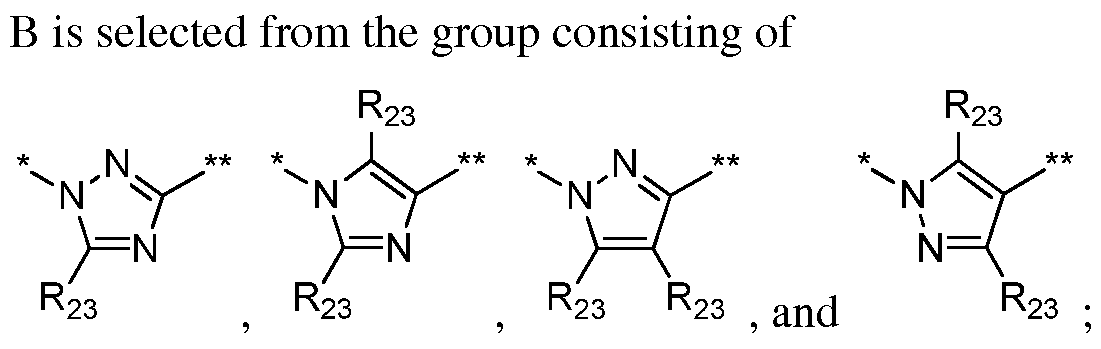


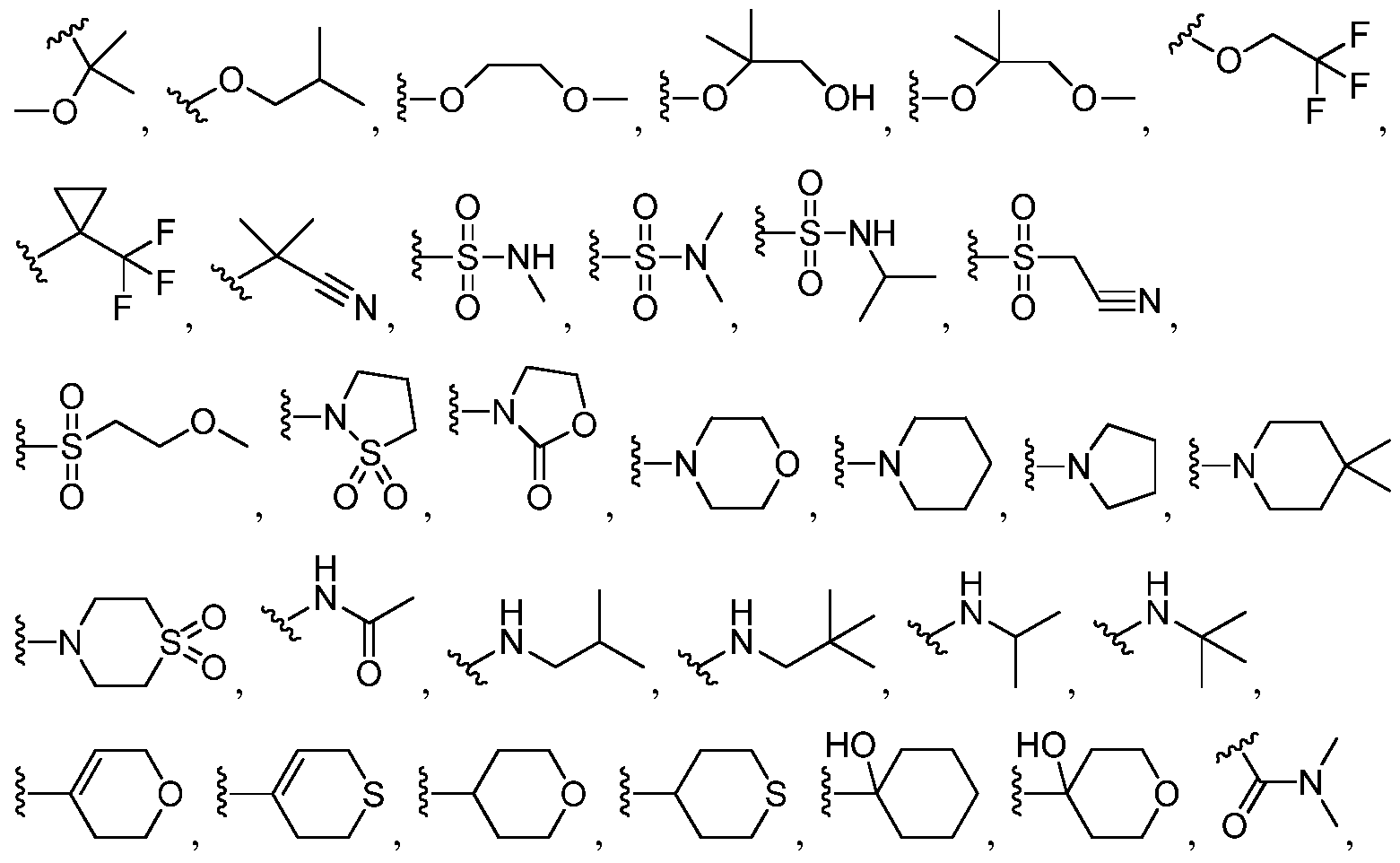
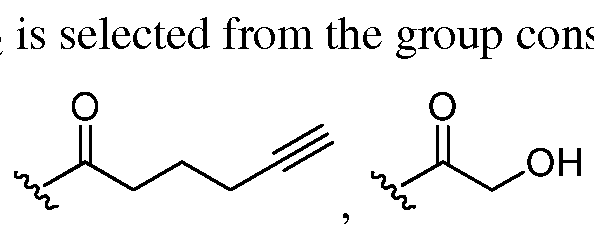


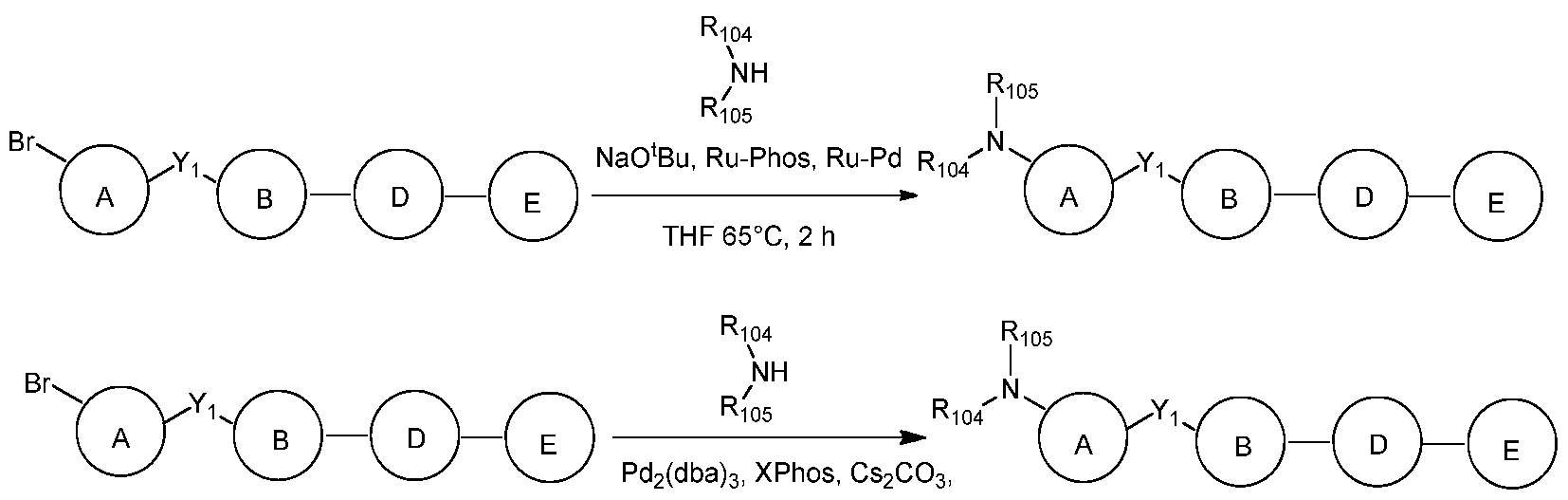


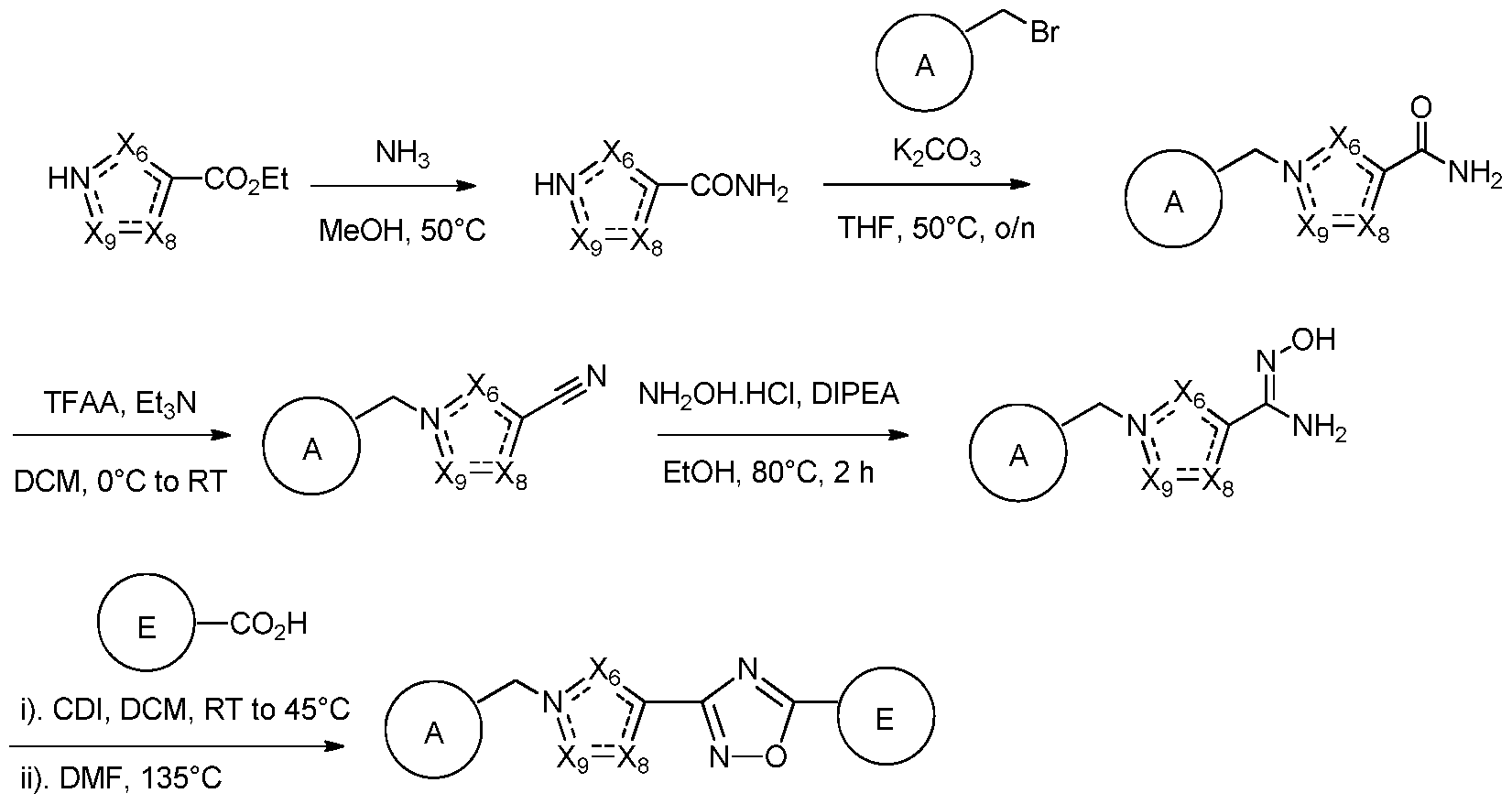


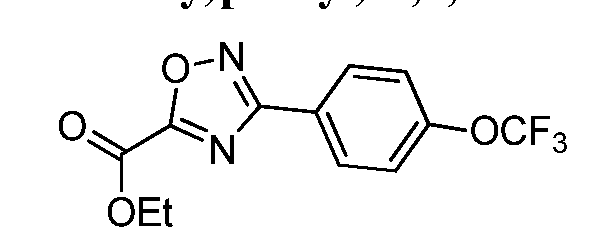


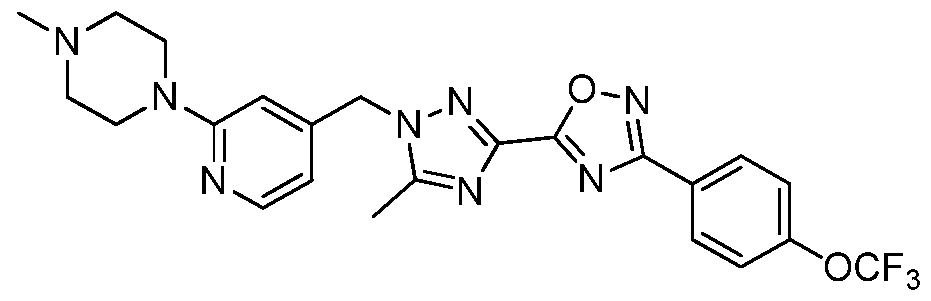


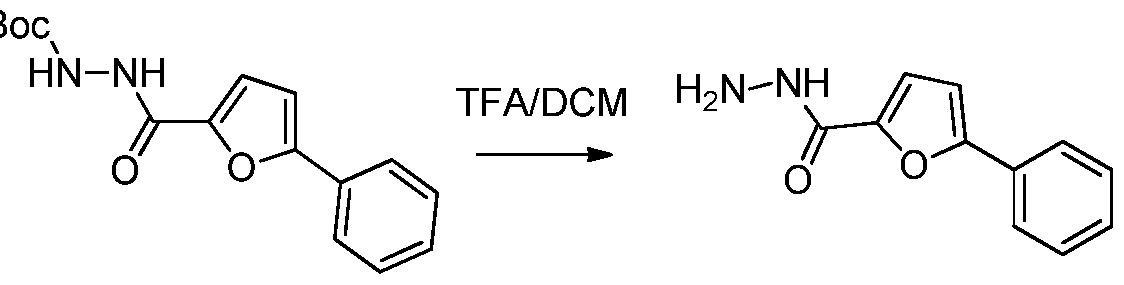


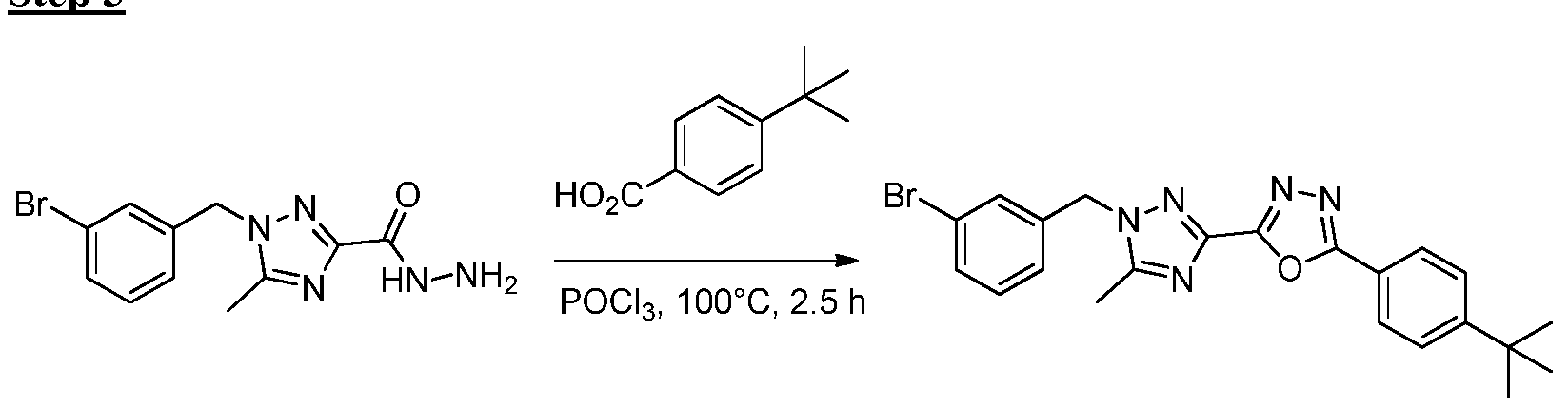






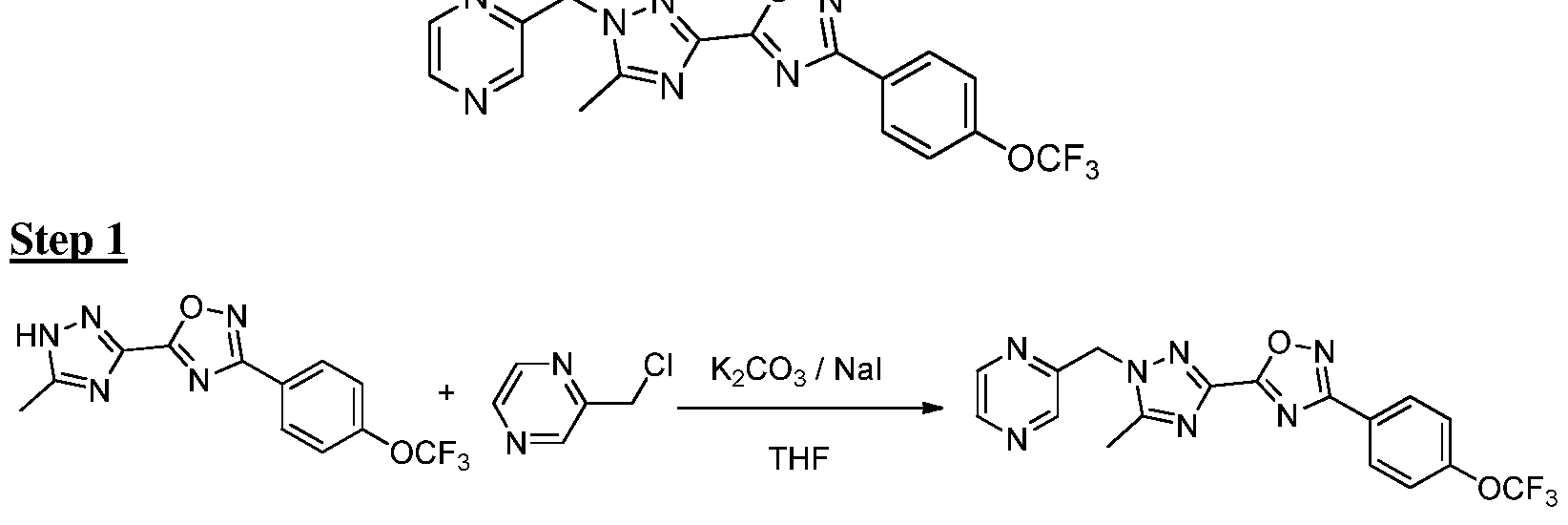


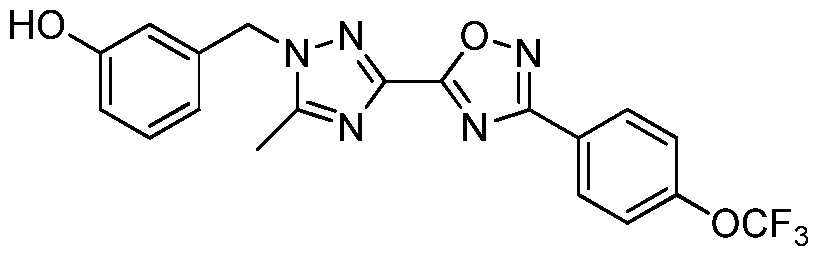


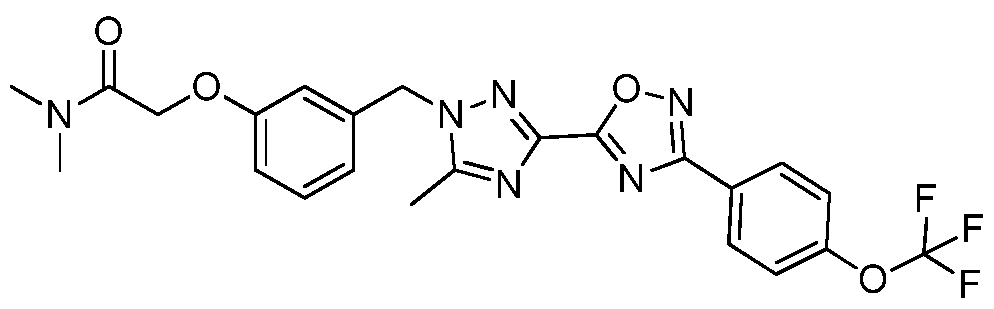


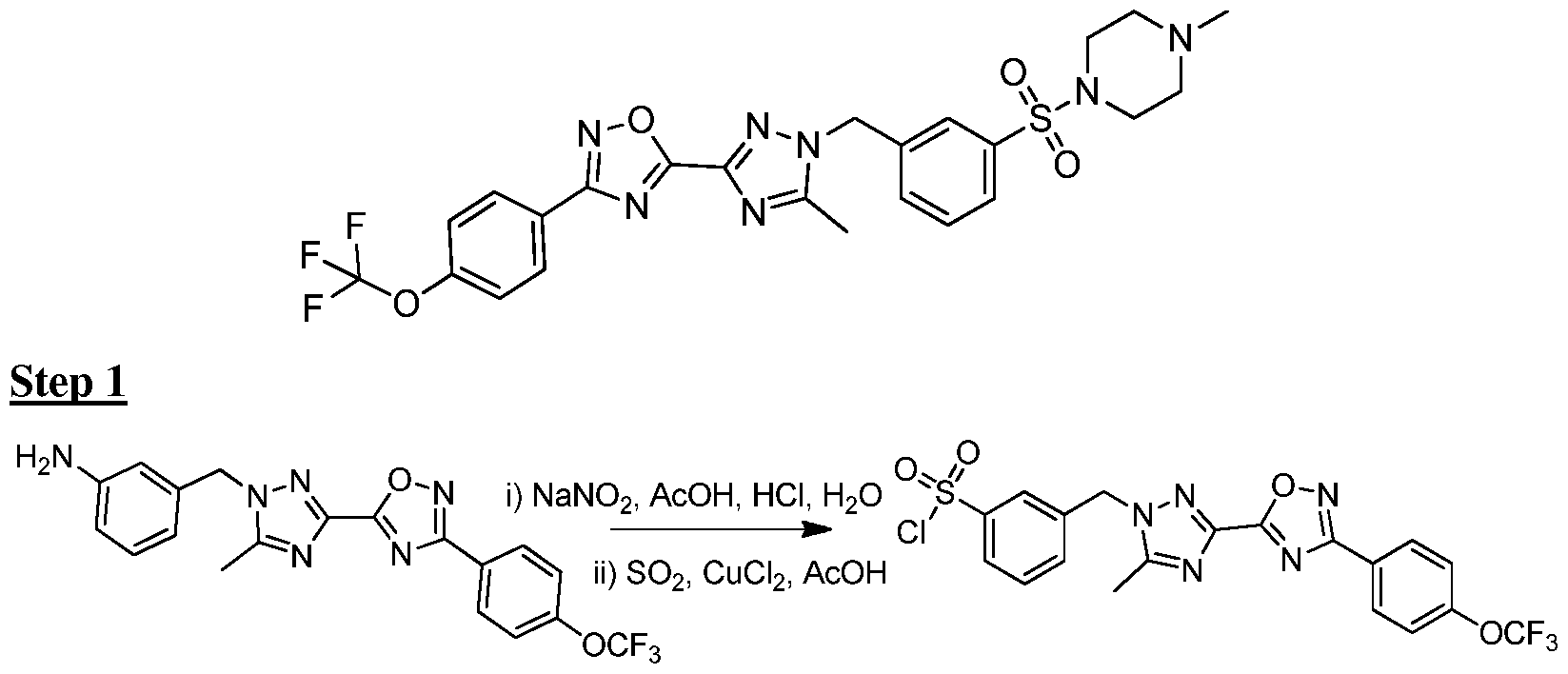



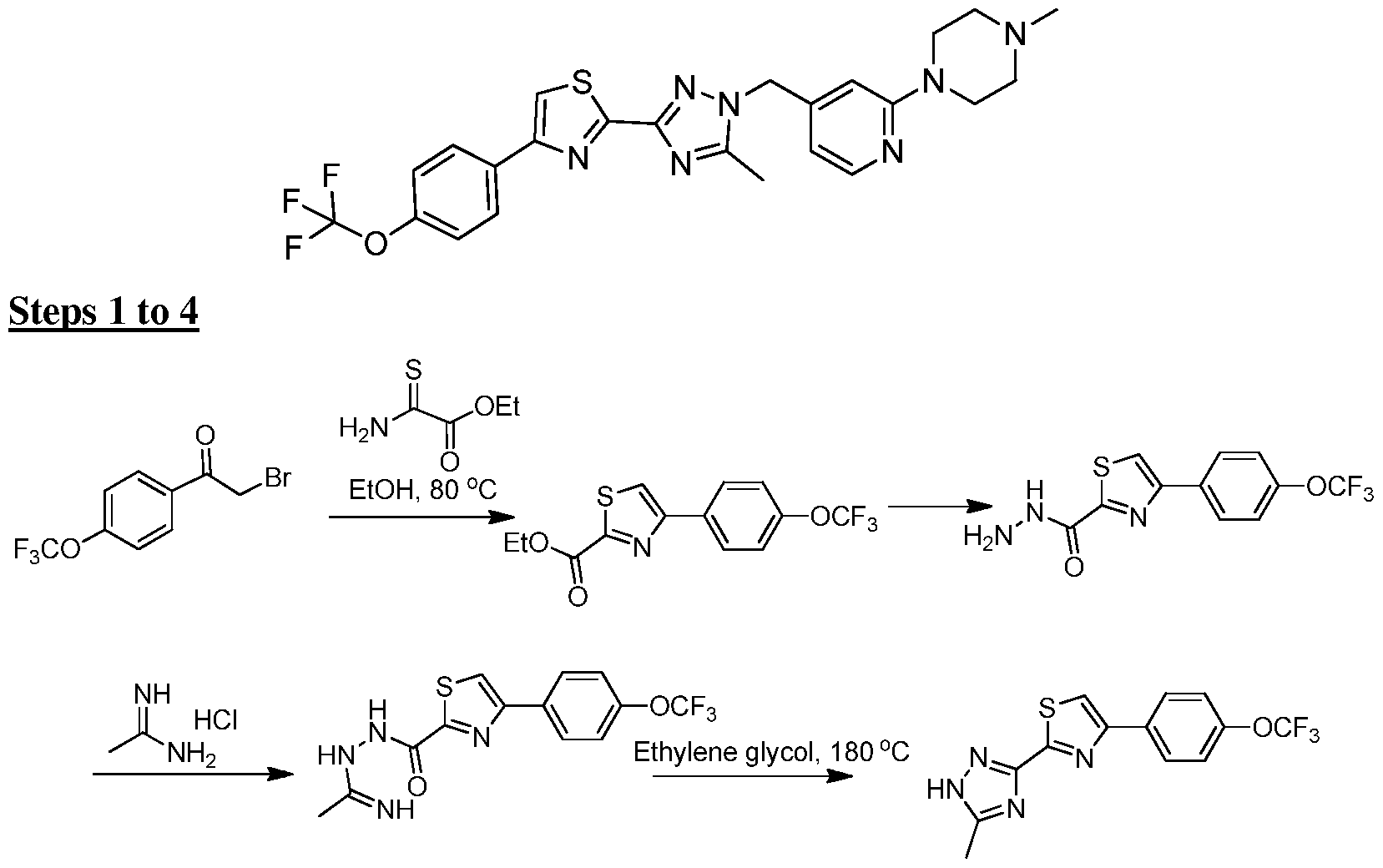


Claims


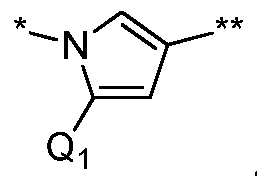


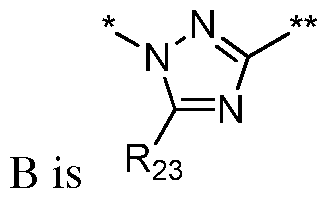


Priority Applications (13)
| Application Number | Priority Date | Filing Date | Title |
|---|---|---|---|
| RU2015105521A RU2698197C2 (en) | 2012-08-24 | 2013-08-23 | Heterocyclic hif activity modulators for treating diseases |
| HK15107139.0A HK1206713B (en) | 2012-08-24 | 2013-08-23 | Heterocyclic modulators of hif activity for treatment of disease |
| NZ704799A NZ704799A (en) | 2012-08-24 | 2013-08-23 | Heterocyclic modulators of hif activity for treatment of disease |
| JP2015528678A JP6453218B2 (en) | 2012-08-24 | 2013-08-23 | Heterocyclic modifiers of HIF activity for treating diseases |
| ES13830374.8T ES2691643T3 (en) | 2012-08-24 | 2013-08-23 | Heterocyclic modulators of HIF activity for the treatment of diseases |
| BR112015003729A BR112015003729A2 (en) | 2012-08-24 | 2013-08-23 | compound of formula I; pharmaceutical composition; method of treating a hyphenated pathway disease; method of treating a disease caused by abnormal cell proliferation; and method to achieve an effect on a patient |
| CN201380050695.8A CN104736535B (en) | 2012-08-24 | 2013-08-23 | Heterocyclic modulators of HIF activity useful in the treatment of disease |
| EP13830374.8A EP2888255B1 (en) | 2012-08-24 | 2013-08-23 | Heterocyclic modulators of hif activity for treatment of disease |
| CA2882306A CA2882306A1 (en) | 2012-08-24 | 2013-08-23 | Heterocyclic modulators of hif activity for treatment of disease |
| AU2013305633A AU2013305633B2 (en) | 2012-08-24 | 2013-08-23 | Heterocyclic modulators of HIF activity for treatment of disease |
| DK13830374.8T DK2888255T3 (en) | 2012-08-24 | 2013-08-23 | HETOCYCLIC MODULATORS OF HIF ACTIVITY FOR TREATMENT OF DISEASE |
| ZA2015/01024A ZA201501024B (en) | 2012-08-24 | 2015-02-13 | Heterocyclic modulators of hif activity for treatment of disease |
| IL23737815A IL237378B (en) | 2012-08-24 | 2015-02-23 | 1-(phenyl/pyrid-4-yl)-3-(phenyl-oxazolyl)-5-methyl-1,2,4-triazole derivatives and pharmaceutical compositions comprising them |
Applications Claiming Priority (2)
| Application Number | Priority Date | Filing Date | Title |
|---|---|---|---|
| US201261743131P | 2012-08-24 | 2012-08-24 | |
| US61/743,131 | 2012-08-24 |
Publications (2)
| Publication Number | Publication Date |
|---|---|
| WO2014031936A2 true WO2014031936A2 (en) | 2014-02-27 |
| WO2014031936A3 WO2014031936A3 (en) | 2014-05-22 |
Family
ID=50150500
Family Applications (1)
| Application Number | Title | Priority Date | Filing Date |
|---|---|---|---|
| PCT/US2013/056346 Ceased WO2014031936A2 (en) | 2012-08-24 | 2013-08-23 | Heterocyclic modulators of hif activity for treatment of disease |
Country Status (15)
| Country | Link |
|---|---|
| US (4) | US9018380B2 (en) |
| EP (1) | EP2888255B1 (en) |
| JP (1) | JP6453218B2 (en) |
| CN (1) | CN104736535B (en) |
| AU (1) | AU2013305633B2 (en) |
| BR (1) | BR112015003729A2 (en) |
| CA (1) | CA2882306A1 (en) |
| DK (1) | DK2888255T3 (en) |
| ES (1) | ES2691643T3 (en) |
| HU (1) | HUE040025T2 (en) |
| IL (1) | IL237378B (en) |
| NZ (1) | NZ704799A (en) |
| RU (1) | RU2698197C2 (en) |
| WO (1) | WO2014031936A2 (en) |
| ZA (1) | ZA201501024B (en) |
Cited By (12)
| Publication number | Priority date | Publication date | Assignee | Title |
|---|---|---|---|---|
| WO2015130790A3 (en) * | 2014-02-25 | 2016-01-28 | Board Of Regents, University Of Texas System | Salts of heterocyclic modulators of hif activity for treatment of disease |
| WO2016044445A2 (en) | 2014-09-17 | 2016-03-24 | Ironwood Pharmaceuticals, Inc. | sGC STIMULATORS |
| US9481692B2 (en) | 2012-08-24 | 2016-11-01 | Board Of Regents, The University Of Texas System | Heterocyclic modulators of HIF activity for treatment of disease |
| WO2016202935A1 (en) | 2015-06-19 | 2016-12-22 | Bayer Pharma Aktiengesellschaft | Glucose transport inhibitors |
| WO2018002220A1 (en) | 2016-06-30 | 2018-01-04 | Basilea Pharmaceutica International AG | Mitochondrial inhibitors for the treatment of proliferation disorders |
| WO2019072978A1 (en) | 2017-10-12 | 2019-04-18 | Basilea Pharmaceutica International AG | Mitochondrial inhibitors for the treatment of proliferation disorders |
| WO2019115709A1 (en) | 2017-12-14 | 2019-06-20 | Basilea Pharmaceutica International AG | Mitochondrial inhibitors for the treatment of proliferation disorders |
| US10450269B1 (en) | 2013-11-18 | 2019-10-22 | Global Blood Therapeutics, Inc. | Compounds and uses thereof for the modulation of hemoglobin |
| WO2020264480A1 (en) * | 2019-06-28 | 2020-12-30 | The Johns Hopkins University | Compositions and methods of treating liver cancers |
| WO2021017880A1 (en) | 2019-07-31 | 2021-02-04 | 上海宇耀生物科技有限公司 | Class of triaromatic compounds targeting bifunctional phosphorylation site of stat3 and applications thereof |
| US11053195B2 (en) | 2013-03-15 | 2021-07-06 | Global Blood Therapeutics, Inc. | Compounds and uses thereof for the modulation of hemoglobin |
| WO2024118667A1 (en) * | 2022-11-29 | 2024-06-06 | The United States Government As Represented By The Department Of Veterans Affairs | Eif4a1 inhibitors with antitumor activity |
Families Citing this family (4)
| Publication number | Priority date | Publication date | Assignee | Title |
|---|---|---|---|---|
| WO2020113094A1 (en) | 2018-11-30 | 2020-06-04 | Nuvation Bio Inc. | Pyrrole and pyrazole compounds and methods of use thereof |
| CN111548320B (en) * | 2019-10-09 | 2023-03-24 | 贵州大学 | 1,3,4-oxadiazole hydrazide compounds and preparation method and application thereof |
| CN120981455A (en) * | 2023-03-27 | 2025-11-18 | 上海宇耀生物科技有限公司 | Salts, crystal forms, preparation methods, and uses of triaromatic ring derivatives |
| CN118845775B (en) * | 2024-09-24 | 2024-12-20 | 四川大学华西第二医院 | Use of IACS-010759 in the preparation of a medicament for preventing and/or treating primary ciliary immobility syndrome |
Citations (11)
| Publication number | Priority date | Publication date | Assignee | Title |
|---|---|---|---|---|
| US2789118A (en) | 1956-03-30 | 1957-04-16 | American Cyanamid Co | 16-alpha oxy-belta1, 4-pregnadienes |
| US2990401A (en) | 1958-06-18 | 1961-06-27 | American Cyanamid Co | 11-substituted 16alpha, 17alpha-substituted methylenedioxy steroids |
| US3048581A (en) | 1960-04-25 | 1962-08-07 | Olin Mathieson | Acetals and ketals of 16, 17-dihydroxy steroids |
| US3126375A (en) | 1964-03-24 | Chioacyl | ||
| US3749712A (en) | 1970-09-25 | 1973-07-31 | Sigma Tau Ind Farmaceuti | Triamcinolone acetonide esters and process for their preparation |
| US3928326A (en) | 1972-05-19 | 1975-12-23 | Bofors Ab | Process for the separation of stereoisomeric mixtures into their components and components obtained hereby |
| US3929768A (en) | 1972-05-19 | 1975-12-30 | Bofors Ab | Steroids, processes for their manufacture and preparations containing same |
| US3996359A (en) | 1972-05-19 | 1976-12-07 | Ab Bofors | Novel stereoisomeric component A of stereoisomeric mixtures of 2'-unsymmetrical 16,17-methylenedioxy steroid 21-acylates, compositions thereof, and method of treating therewith |
| WO2004014899A1 (en) | 2002-08-08 | 2004-02-19 | Smithkline Beecham Corporation | Thiophene compounds |
| WO2006061638A2 (en) | 2004-12-10 | 2006-06-15 | Istituto Di Ricerche Di Biologia Molecolare P Angeletti Spa | Heterocycle derivatives as histone deacetylase (hdac) inhibitors |
| WO2007003036A1 (en) | 2005-06-30 | 2007-01-11 | Streetlight Intelligence, Inc. | Method and system for luminance characterization |
Family Cites Families (27)
| Publication number | Priority date | Publication date | Assignee | Title |
|---|---|---|---|---|
| TW401408B (en) | 1995-07-21 | 2000-08-11 | Fujisawa Pharmaceutical Co | Heterocyclic compounds having prostaglandin I2 agonism |
| AUPP608898A0 (en) | 1998-09-23 | 1998-10-15 | Fujisawa Pharmaceutical Co., Ltd. | New use of prostaglandin E2 antagonists |
| GB9824310D0 (en) * | 1998-11-05 | 1998-12-30 | Univ London | Activators of soluble guanylate cyclase |
| RS52392B (en) | 2002-02-14 | 2013-02-28 | Pharmacia Corporation | SUBSTITUTED PYRIDINONES AS P38 MAP KINASE MODULATORS |
| GB0315657D0 (en) | 2003-07-03 | 2003-08-13 | Astex Technology Ltd | Pharmaceutical compounds |
| CL2004002050A1 (en) | 2003-08-13 | 2005-06-03 | Pharmacia Corp Sa Organizada B | COMPOUNDS DERIVED FROM REPLACED PIRIDINONES; ITS USE IN THE TREATMENT OF AFFECTIONS CAUSED OR EXACTED BY ACTIVITY P38 MAP KINASA AND / OR NON-REGULATED TNF, SUCH AS INFLAMMATIONS, TUMORS, AIDS AND OTHERS. |
| WO2005070198A1 (en) | 2004-01-23 | 2005-08-04 | Hatchtech Group B.V. | Method for holding poikilothermic poultry, and device for holding poikilothermic poultry |
| WO2005116736A1 (en) | 2004-05-28 | 2005-12-08 | Koninklijke Philips Electronics N.V. | Method of forming a film for a colour filter of a transflective liquid crystal display |
| US20100160324A1 (en) * | 2004-12-30 | 2010-06-24 | Astex Therapeutics Limited | Pyrazole derivatives as that modulate the activity of cdk, gsk and aurora kinases |
| EP1875239B1 (en) | 2005-04-27 | 2011-10-05 | Siemens Medical Solutions USA, Inc. | A method for the preparation of imaging probes using click chemistry |
| RU2008112691A (en) | 2005-10-03 | 2009-10-10 | Оно Фармасьютикал Ко., Лтд. (Jp) | NITROGEN-CONTAINING HETEROCYCLIC COMPOUND AND ITS PHARMACEUTICAL APPLICATION |
| US8778977B2 (en) | 2006-06-30 | 2014-07-15 | Sunesis Pharmaceuticals, Inc. | Pyridinonyl PDK1 inhibitors |
| CA2687306A1 (en) | 2007-05-18 | 2008-11-27 | Bayer Schering Pharma Aktiengesellschaft | Heteroaryl substituted pyrazole derivatives useful for treating hyper-proliferative disorders and diseases associated with angiogenesis |
| DE102007025718A1 (en) | 2007-06-01 | 2008-12-04 | Merck Patent Gmbh | pyridazinone derivatives |
| CN101687844B (en) * | 2007-07-02 | 2013-11-13 | 弗·哈夫曼-拉罗切有限公司 | Imidazole derivatives as CCR2 receptor antagonists |
| WO2010039248A1 (en) | 2008-10-01 | 2010-04-08 | Ludwig Institute For Cancer Research | Methods for the treatment of cancer |
| DE102008057344A1 (en) | 2008-11-14 | 2010-05-20 | Bayer Schering Pharma Aktiengesellschaft | Aminoalkyl-substituted aryl compounds and their use |
| WO2010054764A1 (en) | 2008-11-14 | 2010-05-20 | Bayer Schering Pharma Aktiengesellschaft | Heteroaromatic compounds for use as hif inhibitors |
| AU2009316019A1 (en) | 2008-11-14 | 2010-05-20 | Bayer Intellectual Property Gmbh | Heterocyclically substituted aryl compounds as HIF inhibitors |
| JP2012532912A (en) * | 2009-07-15 | 2012-12-20 | ジヤンセン・フアーマシユーチカルズ・インコーポレーテツド | Substituted triazole and imidazole derivatives as gamma secretase modulators |
| PE20130228A1 (en) | 2010-05-08 | 2013-03-15 | Bayer Ip Gmbh | HETEROCYCLYLBENZYLPYRAZOLES SUBSTITUTED |
| WO2011141325A1 (en) | 2010-05-08 | 2011-11-17 | Bayer Pharma Aktiengesellschaft | Hydroxyalkyl benzyl pyrazoles, and use thereof for the treatment of hyperproliferative and angiogenic diseases |
| WO2013057101A1 (en) | 2011-10-17 | 2013-04-25 | Bayer Intellectual Property Gmbh | Substituted oxadiazolyl pyridinones and oxadiazolyl pyridazinones as hif inhibitors |
| ES2691643T3 (en) | 2012-08-24 | 2018-11-28 | Board Of Regents, The University Of Texas System | Heterocyclic modulators of HIF activity for the treatment of diseases |
| EP2888253A4 (en) | 2012-08-24 | 2016-01-06 | Univ Texas | HETEROCYCLIC MODULATORS OF HIF FACTOR ACTIVITY USED FOR THE TREATMENT OF DISEASES |
| US20140073634A1 (en) | 2012-08-24 | 2014-03-13 | Institute For Applied Cancer Science/The University of Texas MD Anderson Cancer Center | Heterocyclic modulators of hif activity for treatment of disease |
| WO2015130790A2 (en) | 2014-02-25 | 2015-09-03 | Board Of Regents, University Of Texas System | Salts of heterocyclic modulators of hif activity for treatment of disease |
-
2013
- 2013-08-23 ES ES13830374.8T patent/ES2691643T3/en active Active
- 2013-08-23 CN CN201380050695.8A patent/CN104736535B/en not_active Expired - Fee Related
- 2013-08-23 RU RU2015105521A patent/RU2698197C2/en active
- 2013-08-23 US US13/974,258 patent/US9018380B2/en not_active Expired - Fee Related
- 2013-08-23 EP EP13830374.8A patent/EP2888255B1/en not_active Not-in-force
- 2013-08-23 JP JP2015528678A patent/JP6453218B2/en not_active Expired - Fee Related
- 2013-08-23 NZ NZ704799A patent/NZ704799A/en not_active IP Right Cessation
- 2013-08-23 DK DK13830374.8T patent/DK2888255T3/en active
- 2013-08-23 CA CA2882306A patent/CA2882306A1/en not_active Abandoned
- 2013-08-23 WO PCT/US2013/056346 patent/WO2014031936A2/en not_active Ceased
- 2013-08-23 HU HUE13830374A patent/HUE040025T2/en unknown
- 2013-08-23 BR BR112015003729A patent/BR112015003729A2/en not_active Application Discontinuation
- 2013-08-23 AU AU2013305633A patent/AU2013305633B2/en not_active Ceased
-
2015
- 2015-02-13 ZA ZA2015/01024A patent/ZA201501024B/en unknown
- 2015-02-23 IL IL23737815A patent/IL237378B/en active IP Right Grant
- 2015-03-12 US US14/645,591 patent/US9481692B2/en not_active Expired - Fee Related
-
2016
- 2016-10-04 US US15/285,177 patent/US10208059B2/en not_active Expired - Fee Related
-
2018
- 2018-12-21 US US16/229,015 patent/US11001594B2/en not_active Expired - Fee Related
Patent Citations (11)
| Publication number | Priority date | Publication date | Assignee | Title |
|---|---|---|---|---|
| US3126375A (en) | 1964-03-24 | Chioacyl | ||
| US2789118A (en) | 1956-03-30 | 1957-04-16 | American Cyanamid Co | 16-alpha oxy-belta1, 4-pregnadienes |
| US2990401A (en) | 1958-06-18 | 1961-06-27 | American Cyanamid Co | 11-substituted 16alpha, 17alpha-substituted methylenedioxy steroids |
| US3048581A (en) | 1960-04-25 | 1962-08-07 | Olin Mathieson | Acetals and ketals of 16, 17-dihydroxy steroids |
| US3749712A (en) | 1970-09-25 | 1973-07-31 | Sigma Tau Ind Farmaceuti | Triamcinolone acetonide esters and process for their preparation |
| US3928326A (en) | 1972-05-19 | 1975-12-23 | Bofors Ab | Process for the separation of stereoisomeric mixtures into their components and components obtained hereby |
| US3929768A (en) | 1972-05-19 | 1975-12-30 | Bofors Ab | Steroids, processes for their manufacture and preparations containing same |
| US3996359A (en) | 1972-05-19 | 1976-12-07 | Ab Bofors | Novel stereoisomeric component A of stereoisomeric mixtures of 2'-unsymmetrical 16,17-methylenedioxy steroid 21-acylates, compositions thereof, and method of treating therewith |
| WO2004014899A1 (en) | 2002-08-08 | 2004-02-19 | Smithkline Beecham Corporation | Thiophene compounds |
| WO2006061638A2 (en) | 2004-12-10 | 2006-06-15 | Istituto Di Ricerche Di Biologia Molecolare P Angeletti Spa | Heterocycle derivatives as histone deacetylase (hdac) inhibitors |
| WO2007003036A1 (en) | 2005-06-30 | 2007-01-11 | Streetlight Intelligence, Inc. | Method and system for luminance characterization |
Non-Patent Citations (35)
| Title |
|---|
| "Hydrolysis in Drug and Prodrug Metabolism : Chemistry, Biochemistry, and Enzymology", 2003, WILEY-VHCA |
| "Principles and Practice of Oncology", 15 February 2001, LIPPINCOTT WILLIAMS & WILKINS PUBLISHERS |
| BARDELLA, C.; P.J. POLLARD; I. TOMLINSON: "SDH mutations in cancer", BIOCHIM BIOPHYS ACTA, vol. 1807, 2011, pages 1432 - 1443, XP028388843, DOI: doi:10.1016/j.bbabio.2011.07.003 |
| BOLEN, J.B.; BRUGGE, J.S., ANNU. REV. OFLMMUNOL., vol. 15, 1997, pages 371 - 404 |
| EBOS, J.M.; C.R. LEE; W. CRUZ-MUNOZ; G.A. BJARNASON; J.G. CHRISTENSEN; R.S. KERBEL: "Accelerated metastasis after short-term treatment with a potent inhibitor of tumor angiogenesis", CANCER CELL, vol. 15, 2009, pages 232 - 239 |
| GILL, A.J.: "Succinate dehydrogenase (SDH) and mitochondrial driven neoplasia", PATHOLOGY, vol. 44, 2012, pages 285 - 292 |
| HANSON LR; FREY WH, 2ND, J NEUROIMMUNE PHARMACOL., vol. 2, no. 1, 15 September 2006 (2006-09-15), pages 81 - 86 |
| HARADA, H.; M. INOUE; S. ITASAKA; K. HIROTA; A. MORINIBU; K. SHINOMIYA; L. ZENG; G. OU; Y. ZHU; M. YOSHIMURA: "Cancer cells that survive radiation therapy acquire HIF-1 activity and translocate towards tumour blood vessels", NAT COMMUN., vol. 3, 2012, pages 783 |
| ISAACS, J.S.; Y.J. JUNG; D.R. MOLE; S. LEE; C. TORRES-CABALA; Y.L. CHUNG; M. MERINO; J. TREPEL; B. ZBAR; J. TORO: "HIF overexpression correlates with biallelic loss of fumarate hydratase in renal cancer: novel role of fumarate in regulation of HIF stability", CANCER CELL, vol. 8, 2005, pages 143 - 153 |
| J. MED. CHERN., vol. 4, no. 7, 2004, pages 6658 - 6661 |
| JONES, D.T.; A.L. HARRIS: "Small-molecule inhibitors of the HIF pathway and synthetic lethal interactions", EXPERT OPIN THER TARGETS, 2012 |
| KAELIN, W.G., JR.: "Cancer and altered metabolism: potential importance of hypoxia-inducible factor and 2-oxoglutarate-dependent dioxygenases", COLD SPRING HARB SYMP QUANT BIOL., vol. 76, 2011, pages 335 - 345 |
| KAELIN, W.G., JR.; P.J. RATCLIFFE: "Oxygen sensing by metazoans: the central role of the HIF hydroxylase pathway", MOL CELL, vol. 30, 2008, pages 393 - 402 |
| KIM, W.Y.; W.G. KAELIN: "Role of VHL gene mutation in human cancer", J CLIN ONCOL., vol. 22, 2004, pages 4991 - 5004, XP008176515, DOI: doi:10.1200/JCO.2004.05.061 |
| KLEIN, T.J.; P.M. GLAZER: "The tumor microenvironment and DNA repair", SEMIN RADIAT ONCOL., vol. 20, 2010, pages 282 - 287 |
| KOI, M.; C.R. BOLAND: "Tumor hypoxia and genetic alterations in sporadic cancers", J OBSTET GYNAECOL RES., vol. 37, 2011, pages 85 - 98 |
| LI, L.; X. LIN; M. STAVER; A. SHOEMAKER; D. SEMIZAROV; S.W. FESIK; Y. SHEN: "Evaluating hypoxia-inducible factor-1 alpha as a cancer therapeutic target via inducible RNA interference in vivo", CANCER RES., vol. 65, 2005, pages 7249 - 7258 |
| LI, NANXIN ET AL.: "B-Raf kinase inhibitors for cancer treatment.", CURRENT OPINION IN INVESTIGATIONAL DRUGS, vol. 8, no. 6, 2007, pages 452 - 456, XP008119140 |
| MAXWELL, P.H.; M.S. WIESENER; G.W. CHANG; S.C. CLIFFORD; E.C. VAUX; M.E. COCKMAN; C.C. WYKOFF; C.W. PUGH; E.R. MAHER; P.J. RATCLIF: "The tumour suppressor protein VHL targets hypoxia-inducible factors for oxygen-dependent proteolysis", NATURE, vol. 399, 1999, pages 271 - 275, XP002207790, DOI: doi:10.1038/20459 |
| MAZURE, N.M.; J. POUYSSEGUR: "Hypoxia-induced autophagy: cell death or cell survival?", CURR OPIN CELL BIOL., vol. 22, 2010, pages 177 - 180 |
| MISTUNOBU ET AL., SYNTHESIS, 1981, pages 1 - 28 |
| MULLER, F. ET AL., NATURE, vol. 488, 2012, pages 337 - 342 |
| ONNIS, B.; A. RAPISARDA; G. MELILLO: "Development of HIF-1 inhibitors for cancer therapy", J CELL MOL MED., vol. 13, 2009, pages 2780 - 2786, XP002608195, DOI: doi:10.1111/J.1582-4934.2009.00876.X |
| PAEZ-RIBES, M.; E. ALLEN; J. HUDOCK; T. TAKEDA; H. OKUYAMA; F. VINALS; M. INOUE; G. BERGERS; D. HANAHAN; O. CASANOVAS: "Antiangiogenic therapy elicits malignant progression of tumors to increased local invasion and distant metastasis", CANCER CELL, vol. 15, 2009, pages 220 - 231 |
| POLLARD, P.J.; J.J. BRIERE; N.A. ALAM; J. BARWELL; E. BARCLAY; N.C. WORTHAM; T. HUNT; M. MITCHELL; S. OLPIN; S.J. MOAT: "Accumulation of Krebs cycle intermediates and over-expression of HIFlalpha in tumours which result from germline FH and SDH mutations", HUM MOL GENET., vol. 14, 2005, pages 2231 - 2239 |
| POON, E.; A.L. HARRIS; M. ASHCROFT: "Targeting the hypoxia-inducible factor (HIF) pathway in cancer", EXPERT REV MOL MED., vol. 1 1, 2009, pages E26 |
| ROHWER, N.; T. CRAMER: "Hypoxia-mediated drug resistance: novel insights on the functional interaction of HIFs and cell death pathways", DRUG RESIST UPDAT., vol. 14, 2011, pages 191 - 201, XP055066606, DOI: doi:10.1016/j.drup.2011.03.001 |
| ROSANIA G. R. ET AL., EXP. OPIN. THER. PATENTS, vol. 10, 2000, pages 215 - 230 |
| See also references of EP2888255A4 |
| SEMENZA, G.L.: "Hypoxia-inducible factors in physiology and medicine", CELL, vol. 148, 2012, pages 399 - 408, XP028397793, DOI: doi:10.1016/j.cell.2012.01.021 |
| SEMENZA, G.L.: "Hypoxia-inducible factors: mediators of cancer progression and targets for cancer therapy", TRENDS PHARMACOL SCI., vol. 33, 2012, pages 207 - 214, XP055066736, DOI: doi:10.1016/j.tips.2012.01.005 |
| SINHA, S.; COREY, S.J., J. HEMATOTHER. STEM CELL RES., vol. 8, 1999, pages 465 - 480 |
| STAHL, P. HEINRICH: "Pharmaceutical Salts: Properties, Selection, and Use", 2002, WILEY-VCHA |
| WILSON, W.R.; M.P. HAY: "Targeting hypoxia in cancer therapy", NAT REV CANCER, vol. 11, 2011, pages 393 - 410, XP055142665, DOI: doi:10.1038/nrc3064 |
| WOUTERS, B.G.; M. KORITZINSKY: "Hypoxia signalling through mTOR and the unfolded protein response in cancer", NAT REV CANCER, vol. 8, 2008, pages 851 - 864 |
Cited By (20)
| Publication number | Priority date | Publication date | Assignee | Title |
|---|---|---|---|---|
| US10208059B2 (en) | 2012-08-24 | 2019-02-19 | Board Of Regents, The University Of Texas System | Heterocyclic modulators of HIF activity for treatment of disease |
| US9481692B2 (en) | 2012-08-24 | 2016-11-01 | Board Of Regents, The University Of Texas System | Heterocyclic modulators of HIF activity for treatment of disease |
| US11001594B2 (en) | 2012-08-24 | 2021-05-11 | Board Of Regents, The University Of Texas System | Heterocyclic modulators of HIF activity for treatment of disease |
| US11053195B2 (en) | 2013-03-15 | 2021-07-06 | Global Blood Therapeutics, Inc. | Compounds and uses thereof for the modulation of hemoglobin |
| US10450269B1 (en) | 2013-11-18 | 2019-10-22 | Global Blood Therapeutics, Inc. | Compounds and uses thereof for the modulation of hemoglobin |
| EP3110420A4 (en) * | 2014-02-25 | 2017-07-05 | Board of Regents, University of Texas System | Salts of heterocyclic modulators of hif activity for treatment of disease |
| WO2015130790A3 (en) * | 2014-02-25 | 2016-01-28 | Board Of Regents, University Of Texas System | Salts of heterocyclic modulators of hif activity for treatment of disease |
| US10363248B2 (en) | 2014-02-25 | 2019-07-30 | Board Of Regents, The University Of Texas System | Salts of heterocyclic modulators of HIF activity for treatment of disease |
| US9663504B2 (en) | 2014-02-25 | 2017-05-30 | Board Of Regents, The University Of Texas System | Salts of heterocyclic modulators of HIF activity for treatment of disease |
| US10888554B2 (en) | 2014-02-25 | 2021-01-12 | Board Of Regents, The University Of Texas System | Salts of heterocyclic modulators of HIF activity for treatment of disease |
| WO2016044445A2 (en) | 2014-09-17 | 2016-03-24 | Ironwood Pharmaceuticals, Inc. | sGC STIMULATORS |
| WO2016202935A1 (en) | 2015-06-19 | 2016-12-22 | Bayer Pharma Aktiengesellschaft | Glucose transport inhibitors |
| WO2018002220A1 (en) | 2016-06-30 | 2018-01-04 | Basilea Pharmaceutica International AG | Mitochondrial inhibitors for the treatment of proliferation disorders |
| WO2019072978A1 (en) | 2017-10-12 | 2019-04-18 | Basilea Pharmaceutica International AG | Mitochondrial inhibitors for the treatment of proliferation disorders |
| WO2019115709A1 (en) | 2017-12-14 | 2019-06-20 | Basilea Pharmaceutica International AG | Mitochondrial inhibitors for the treatment of proliferation disorders |
| WO2020264480A1 (en) * | 2019-06-28 | 2020-12-30 | The Johns Hopkins University | Compositions and methods of treating liver cancers |
| WO2021017880A1 (en) | 2019-07-31 | 2021-02-04 | 上海宇耀生物科技有限公司 | Class of triaromatic compounds targeting bifunctional phosphorylation site of stat3 and applications thereof |
| EP4006026A4 (en) * | 2019-07-31 | 2022-09-14 | Shanghai Yuyao Biotech Ltd. | CLASS OF TRIAROMATIC COMPOUNDS TARGETING THE BIFUNCTIONAL PHOSPHORYLATION SITE OF STAT3 AND ASSOCIATED USES |
| US12448372B2 (en) | 2019-07-31 | 2025-10-21 | Shanghai Yuyao Biotech Ltd. | Class of triaromatic compounds targeting bifunctional phosphorylation site of STAT3 and applications thereof |
| WO2024118667A1 (en) * | 2022-11-29 | 2024-06-06 | The United States Government As Represented By The Department Of Veterans Affairs | Eif4a1 inhibitors with antitumor activity |
Also Published As
| Publication number | Publication date |
|---|---|
| US20190270753A1 (en) | 2019-09-05 |
| US11001594B2 (en) | 2021-05-11 |
| US20150252058A1 (en) | 2015-09-10 |
| RU2015105521A (en) | 2016-10-20 |
| US9018380B2 (en) | 2015-04-28 |
| CN104736535A (en) | 2015-06-24 |
| IL237378A0 (en) | 2015-04-30 |
| ES2691643T3 (en) | 2018-11-28 |
| NZ704799A (en) | 2018-06-29 |
| US20170121342A1 (en) | 2017-05-04 |
| US9481692B2 (en) | 2016-11-01 |
| RU2698197C2 (en) | 2019-08-23 |
| BR112015003729A2 (en) | 2018-06-05 |
| HUE040025T2 (en) | 2019-02-28 |
| JP6453218B2 (en) | 2019-01-16 |
| EP2888255A4 (en) | 2016-04-13 |
| US20140066424A1 (en) | 2014-03-06 |
| AU2013305633A1 (en) | 2015-02-26 |
| CN104736535B (en) | 2017-12-19 |
| DK2888255T3 (en) | 2018-10-29 |
| WO2014031936A3 (en) | 2014-05-22 |
| EP2888255A2 (en) | 2015-07-01 |
| US10208059B2 (en) | 2019-02-19 |
| ZA201501024B (en) | 2019-01-30 |
| HK1206713A1 (en) | 2016-01-15 |
| JP2015526478A (en) | 2015-09-10 |
| BR112015003729A8 (en) | 2017-07-04 |
| AU2013305633B2 (en) | 2018-03-08 |
| EP2888255B1 (en) | 2018-07-18 |
| IL237378B (en) | 2019-10-31 |
| CA2882306A1 (en) | 2014-02-27 |
Similar Documents
| Publication | Publication Date | Title |
|---|---|---|
| US11001594B2 (en) | Heterocyclic modulators of HIF activity for treatment of disease | |
| US9115120B2 (en) | Heterocyclic modulators of HIF activity for treatment of disease | |
| WO2014031928A2 (en) | Heterocyclic modulators of hif activity for treatment of disease | |
| US10888554B2 (en) | Salts of heterocyclic modulators of HIF activity for treatment of disease | |
| US11459312B2 (en) | Sulphur substituted 3-oxo-2,3-dihydropyridazine-4-carboxamides | |
| US12522594B2 (en) | 2-heteroaryl-3-oxo-2,3-dihydropyridazine-4-carboxamides for the treatment of cancer | |
| EP3713931B1 (en) | 3-oxo-6-heteroaryl-2-phenyl-2,3-dihydropyridazine-4-carboxamides | |
| US10392389B2 (en) | Heterocyclic compounds for the inhibition of PASK | |
| WO2023164237A1 (en) | Compounds and methods useful for stabilizing phenylalanine hydroxylase mutations | |
| HK1206713B (en) | Heterocyclic modulators of hif activity for treatment of disease |
Legal Events
| Date | Code | Title | Description |
|---|---|---|---|
| 121 | Ep: the epo has been informed by wipo that ep was designated in this application |
Ref document number: 13830374 Country of ref document: EP Kind code of ref document: A2 |
|
| WWE | Wipo information: entry into national phase |
Ref document number: 2013830374 Country of ref document: EP |
|
| ENP | Entry into the national phase |
Ref document number: 2882306 Country of ref document: CA Ref document number: 2015528678 Country of ref document: JP Kind code of ref document: A |
|
| WWE | Wipo information: entry into national phase |
Ref document number: 237378 Country of ref document: IL |
|
| ENP | Entry into the national phase |
Ref document number: 2013305633 Country of ref document: AU Date of ref document: 20130823 Kind code of ref document: A |
|
| ENP | Entry into the national phase |
Ref document number: 2015105521 Country of ref document: RU Kind code of ref document: A |
|
| REG | Reference to national code |
Ref country code: BR Ref legal event code: B01A Ref document number: 112015003729 Country of ref document: BR |
|
| ENP | Entry into the national phase |
Ref document number: 112015003729 Country of ref document: BR Kind code of ref document: A2 Effective date: 20150220 |
|
| REG | Reference to national code |
Ref country code: BR Ref legal event code: B01E Ref document number: 112015003729 Country of ref document: BR Kind code of ref document: A2 |
|
| REG | Reference to national code |
Ref country code: BR Ref legal event code: B01Y Ref document number: 112015003729 Country of ref document: BR Kind code of ref document: A2 |
|
| REG | Reference to national code |
Ref country code: BR Ref legal event code: B01E Ref document number: 112015003729 Country of ref document: BR Kind code of ref document: A2 |
|
| ENP | Entry into the national phase |
Ref document number: 112015003729 Country of ref document: BR Kind code of ref document: A2 Effective date: 20150220 |