WO2014074886A1 - Compositions and methods for biological production of fatty acid derivatives - Google Patents
Compositions and methods for biological production of fatty acid derivatives Download PDFInfo
- Publication number
- WO2014074886A1 WO2014074886A1 PCT/US2013/069252 US2013069252W WO2014074886A1 WO 2014074886 A1 WO2014074886 A1 WO 2014074886A1 US 2013069252 W US2013069252 W US 2013069252W WO 2014074886 A1 WO2014074886 A1 WO 2014074886A1
- Authority
- WO
- WIPO (PCT)
- Prior art keywords
- fatty
- methanotroph
- acyl
- metabolizing
- natural
- Prior art date
- Legal status (The legal status is an assumption and is not a legal conclusion. Google has not performed a legal analysis and makes no representation as to the accuracy of the status listed.)
- Ceased
Links
Classifications
-
- C—CHEMISTRY; METALLURGY
- C12—BIOCHEMISTRY; BEER; SPIRITS; WINE; VINEGAR; MICROBIOLOGY; ENZYMOLOGY; MUTATION OR GENETIC ENGINEERING
- C12P—FERMENTATION OR ENZYME-USING PROCESSES TO SYNTHESISE A DESIRED CHEMICAL COMPOUND OR COMPOSITION OR TO SEPARATE OPTICAL ISOMERS FROM A RACEMIC MIXTURE
- C12P7/00—Preparation of oxygen-containing organic compounds
- C12P7/64—Fats; Fatty oils; Ester-type waxes; Higher fatty acids, i.e. having at least seven carbon atoms in an unbroken chain bound to a carboxyl group; Oxidised oils or fats
- C12P7/6409—Fatty acids
-
- C—CHEMISTRY; METALLURGY
- C12—BIOCHEMISTRY; BEER; SPIRITS; WINE; VINEGAR; MICROBIOLOGY; ENZYMOLOGY; MUTATION OR GENETIC ENGINEERING
- C12N—MICROORGANISMS OR ENZYMES; COMPOSITIONS THEREOF; PROPAGATING, PRESERVING, OR MAINTAINING MICROORGANISMS; MUTATION OR GENETIC ENGINEERING; CULTURE MEDIA
- C12N15/00—Mutation or genetic engineering; DNA or RNA concerning genetic engineering, vectors, e.g. plasmids, or their isolation, preparation or purification; Use of hosts therefor
- C12N15/09—Recombinant DNA-technology
- C12N15/11—DNA or RNA fragments; Modified forms thereof; Non-coding nucleic acids having a biological activity
- C12N15/52—Genes encoding for enzymes or proenzymes
-
- C—CHEMISTRY; METALLURGY
- C12—BIOCHEMISTRY; BEER; SPIRITS; WINE; VINEGAR; MICROBIOLOGY; ENZYMOLOGY; MUTATION OR GENETIC ENGINEERING
- C12N—MICROORGANISMS OR ENZYMES; COMPOSITIONS THEREOF; PROPAGATING, PRESERVING, OR MAINTAINING MICROORGANISMS; MUTATION OR GENETIC ENGINEERING; CULTURE MEDIA
- C12N9/00—Enzymes; Proenzymes; Compositions thereof; Processes for preparing, activating, inhibiting, separating or purifying enzymes
- C12N9/0004—Oxidoreductases (1.)
- C12N9/0006—Oxidoreductases (1.) acting on CH-OH groups as donors (1.1)
-
- C—CHEMISTRY; METALLURGY
- C12—BIOCHEMISTRY; BEER; SPIRITS; WINE; VINEGAR; MICROBIOLOGY; ENZYMOLOGY; MUTATION OR GENETIC ENGINEERING
- C12N—MICROORGANISMS OR ENZYMES; COMPOSITIONS THEREOF; PROPAGATING, PRESERVING, OR MAINTAINING MICROORGANISMS; MUTATION OR GENETIC ENGINEERING; CULTURE MEDIA
- C12N9/00—Enzymes; Proenzymes; Compositions thereof; Processes for preparing, activating, inhibiting, separating or purifying enzymes
- C12N9/0004—Oxidoreductases (1.)
- C12N9/0008—Oxidoreductases (1.) acting on the aldehyde or oxo group of donors (1.2)
-
- C—CHEMISTRY; METALLURGY
- C12—BIOCHEMISTRY; BEER; SPIRITS; WINE; VINEGAR; MICROBIOLOGY; ENZYMOLOGY; MUTATION OR GENETIC ENGINEERING
- C12N—MICROORGANISMS OR ENZYMES; COMPOSITIONS THEREOF; PROPAGATING, PRESERVING, OR MAINTAINING MICROORGANISMS; MUTATION OR GENETIC ENGINEERING; CULTURE MEDIA
- C12N9/00—Enzymes; Proenzymes; Compositions thereof; Processes for preparing, activating, inhibiting, separating or purifying enzymes
- C12N9/0004—Oxidoreductases (1.)
- C12N9/0012—Oxidoreductases (1.) acting on nitrogen containing compounds as donors (1.4, 1.5, 1.6, 1.7)
- C12N9/0026—Oxidoreductases (1.) acting on nitrogen containing compounds as donors (1.4, 1.5, 1.6, 1.7) acting on CH-NH groups of donors (1.5)
-
- C—CHEMISTRY; METALLURGY
- C12—BIOCHEMISTRY; BEER; SPIRITS; WINE; VINEGAR; MICROBIOLOGY; ENZYMOLOGY; MUTATION OR GENETIC ENGINEERING
- C12N—MICROORGANISMS OR ENZYMES; COMPOSITIONS THEREOF; PROPAGATING, PRESERVING, OR MAINTAINING MICROORGANISMS; MUTATION OR GENETIC ENGINEERING; CULTURE MEDIA
- C12N9/00—Enzymes; Proenzymes; Compositions thereof; Processes for preparing, activating, inhibiting, separating or purifying enzymes
- C12N9/0004—Oxidoreductases (1.)
- C12N9/0071—Oxidoreductases (1.) acting on paired donors with incorporation of molecular oxygen (1.14)
- C12N9/0077—Oxidoreductases (1.) acting on paired donors with incorporation of molecular oxygen (1.14) with a reduced iron-sulfur protein as one donor (1.14.15)
-
- C—CHEMISTRY; METALLURGY
- C12—BIOCHEMISTRY; BEER; SPIRITS; WINE; VINEGAR; MICROBIOLOGY; ENZYMOLOGY; MUTATION OR GENETIC ENGINEERING
- C12N—MICROORGANISMS OR ENZYMES; COMPOSITIONS THEREOF; PROPAGATING, PRESERVING, OR MAINTAINING MICROORGANISMS; MUTATION OR GENETIC ENGINEERING; CULTURE MEDIA
- C12N9/00—Enzymes; Proenzymes; Compositions thereof; Processes for preparing, activating, inhibiting, separating or purifying enzymes
- C12N9/14—Hydrolases (3)
- C12N9/16—Hydrolases (3) acting on ester bonds (3.1)
-
- C—CHEMISTRY; METALLURGY
- C12—BIOCHEMISTRY; BEER; SPIRITS; WINE; VINEGAR; MICROBIOLOGY; ENZYMOLOGY; MUTATION OR GENETIC ENGINEERING
- C12N—MICROORGANISMS OR ENZYMES; COMPOSITIONS THEREOF; PROPAGATING, PRESERVING, OR MAINTAINING MICROORGANISMS; MUTATION OR GENETIC ENGINEERING; CULTURE MEDIA
- C12N9/00—Enzymes; Proenzymes; Compositions thereof; Processes for preparing, activating, inhibiting, separating or purifying enzymes
- C12N9/93—Ligases (6)
-
- C—CHEMISTRY; METALLURGY
- C12—BIOCHEMISTRY; BEER; SPIRITS; WINE; VINEGAR; MICROBIOLOGY; ENZYMOLOGY; MUTATION OR GENETIC ENGINEERING
- C12P—FERMENTATION OR ENZYME-USING PROCESSES TO SYNTHESISE A DESIRED CHEMICAL COMPOUND OR COMPOSITION OR TO SEPARATE OPTICAL ISOMERS FROM A RACEMIC MIXTURE
- C12P7/00—Preparation of oxygen-containing organic compounds
- C12P7/24—Preparation of oxygen-containing organic compounds containing a carbonyl group
-
- C—CHEMISTRY; METALLURGY
- C12—BIOCHEMISTRY; BEER; SPIRITS; WINE; VINEGAR; MICROBIOLOGY; ENZYMOLOGY; MUTATION OR GENETIC ENGINEERING
- C12P—FERMENTATION OR ENZYME-USING PROCESSES TO SYNTHESISE A DESIRED CHEMICAL COMPOUND OR COMPOSITION OR TO SEPARATE OPTICAL ISOMERS FROM A RACEMIC MIXTURE
- C12P7/00—Preparation of oxygen-containing organic compounds
- C12P7/40—Preparation of oxygen-containing organic compounds containing a carboxyl group including Peroxycarboxylic acids
- C12P7/42—Hydroxy-carboxylic acids
-
- C—CHEMISTRY; METALLURGY
- C12—BIOCHEMISTRY; BEER; SPIRITS; WINE; VINEGAR; MICROBIOLOGY; ENZYMOLOGY; MUTATION OR GENETIC ENGINEERING
- C12P—FERMENTATION OR ENZYME-USING PROCESSES TO SYNTHESISE A DESIRED CHEMICAL COMPOUND OR COMPOSITION OR TO SEPARATE OPTICAL ISOMERS FROM A RACEMIC MIXTURE
- C12P7/00—Preparation of oxygen-containing organic compounds
- C12P7/40—Preparation of oxygen-containing organic compounds containing a carboxyl group including Peroxycarboxylic acids
- C12P7/44—Polycarboxylic acids
-
- C—CHEMISTRY; METALLURGY
- C12—BIOCHEMISTRY; BEER; SPIRITS; WINE; VINEGAR; MICROBIOLOGY; ENZYMOLOGY; MUTATION OR GENETIC ENGINEERING
- C12P—FERMENTATION OR ENZYME-USING PROCESSES TO SYNTHESISE A DESIRED CHEMICAL COMPOUND OR COMPOSITION OR TO SEPARATE OPTICAL ISOMERS FROM A RACEMIC MIXTURE
- C12P7/00—Preparation of oxygen-containing organic compounds
- C12P7/64—Fats; Fatty oils; Ester-type waxes; Higher fatty acids, i.e. having at least seven carbon atoms in an unbroken chain bound to a carboxyl group; Oxidised oils or fats
-
- C—CHEMISTRY; METALLURGY
- C12—BIOCHEMISTRY; BEER; SPIRITS; WINE; VINEGAR; MICROBIOLOGY; ENZYMOLOGY; MUTATION OR GENETIC ENGINEERING
- C12P—FERMENTATION OR ENZYME-USING PROCESSES TO SYNTHESISE A DESIRED CHEMICAL COMPOUND OR COMPOSITION OR TO SEPARATE OPTICAL ISOMERS FROM A RACEMIC MIXTURE
- C12P7/00—Preparation of oxygen-containing organic compounds
- C12P7/64—Fats; Fatty oils; Ester-type waxes; Higher fatty acids, i.e. having at least seven carbon atoms in an unbroken chain bound to a carboxyl group; Oxidised oils or fats
- C12P7/6436—Fatty acid esters
-
- C—CHEMISTRY; METALLURGY
- C12—BIOCHEMISTRY; BEER; SPIRITS; WINE; VINEGAR; MICROBIOLOGY; ENZYMOLOGY; MUTATION OR GENETIC ENGINEERING
- C12Y—ENZYMES
- C12Y101/00—Oxidoreductases acting on the CH-OH group of donors (1.1)
- C12Y101/01—Oxidoreductases acting on the CH-OH group of donors (1.1) with NAD+ or NADP+ as acceptor (1.1.1)
-
- C—CHEMISTRY; METALLURGY
- C12—BIOCHEMISTRY; BEER; SPIRITS; WINE; VINEGAR; MICROBIOLOGY; ENZYMOLOGY; MUTATION OR GENETIC ENGINEERING
- C12Y—ENZYMES
- C12Y602/00—Ligases forming carbon-sulfur bonds (6.2)
- C12Y602/01—Acid-Thiol Ligases (6.2.1)
-
- C—CHEMISTRY; METALLURGY
- C12—BIOCHEMISTRY; BEER; SPIRITS; WINE; VINEGAR; MICROBIOLOGY; ENZYMOLOGY; MUTATION OR GENETIC ENGINEERING
- C12Y—ENZYMES
- C12Y101/00—Oxidoreductases acting on the CH-OH group of donors (1.1)
- C12Y101/01—Oxidoreductases acting on the CH-OH group of donors (1.1) with NAD+ or NADP+ as acceptor (1.1.1)
- C12Y101/01001—Alcohol dehydrogenase (1.1.1.1)
-
- C—CHEMISTRY; METALLURGY
- C12—BIOCHEMISTRY; BEER; SPIRITS; WINE; VINEGAR; MICROBIOLOGY; ENZYMOLOGY; MUTATION OR GENETIC ENGINEERING
- C12Y—ENZYMES
- C12Y102/00—Oxidoreductases acting on the aldehyde or oxo group of donors (1.2)
- C12Y102/99—Oxidoreductases acting on the aldehyde or oxo group of donors (1.2) with other acceptors (1.2.99)
- C12Y102/99006—Carboxylate reductase (1.2.99.6)
-
- C—CHEMISTRY; METALLURGY
- C12—BIOCHEMISTRY; BEER; SPIRITS; WINE; VINEGAR; MICROBIOLOGY; ENZYMOLOGY; MUTATION OR GENETIC ENGINEERING
- C12Y—ENZYMES
- C12Y301/00—Hydrolases acting on ester bonds (3.1)
- C12Y301/02—Thioester hydrolases (3.1.2)
Definitions
- Fatty alcohols are aliphatic alcohols that are predominantly linear and monohydric. They are composed of a nonpolar lipophilic, saturated or unsaturated hydrocarbon chain, usually from C 6 to C 24 , and a polar, hydrophilic hydroxyl group attached to the terminal carbon. Fatty alcohols are high value chemicals with a multitude of applications, such as surfactants, detergents, lubricant additives, defoamers, solubility retarders, and consistency giving factors. Fatty alcohol production capacity was approximately 2 million metric tons per year in 2009. Included in the capacity are C 12 /C 14 alcohols, C 16 /C 18 alcohols, and C 15 /C 18 alcohols. The global surfactant market is expected to reach $16.65 billion by 2012. Nonionic surfactants constitute the second largest group of products in the surfactant market. Fatty acid based surfactants represent some 20% of the nonionic type of surfactants.
- Natural alcohols are prepared from natural oils, fats, and waxes of plants or animals, such as coconut or palm oil, using transesterification and hydrogenation processes.
- Synthetic alcohols are produced from petrochemical feedstocks such as ethene, olefins and paraffins, mainly from the Ziegler alcohol process, SHOP process, and Oxo process.
- these processes either require harsh production environments, questionable land use practices, or environmentally detrimental byproducts.
- the present disclosure is directed to a method for making a fatty acid derivative by culturing a non-natural Ci metabolizing non-photosynthetic microorganism with a Ci substrate feedstock and recovering the fatty acid derivative, wherein the Ci metabolizing non-photosynthetic microorganism comprises a recombinant nucleic acid molecule encoding a fatty acid converting enzyme, and wherein the Ci metabolizing non-photosynthetic microorganism converts the Ci substrate into a C 8 -C24 fatty acid derivative comprising a fatty aldehyde, a fatty alcohol, a hydroxy fatty acid, a dicarboxylic acid, or a combination thereof.
- the present disclosure provides a non-natural methanotroph, comprising a recombinant nucleic acid molecule encoding a fatty acid converting enzyme, wherein the methanotroph is capable of converting a Ci substrate into a C 8 -C24 fatty aldehyde, fatty alcohol, fatty ester wax, a hydroxy fatty acid, dicarboxylic acid, or a combination thereof.
- non-natural methanotrophs containing a recombinant nucleic acid molecule encoding a heterologous acyl-CoA dependent or independent fatty acyl-CoA reductase, a recombinant nucleic acid molecule encoding a heterologous thioesterase, and a recombinant nucleic acid molecule encoding a heterologous acyl-CoA synthetase, wherein the methanotroph is capable of converting a Ci substrate into a C 8 -C24 fatty alcohol.
- non-natural methanotrophs containing a recombinant nucleic acid molecule encoding a carboxylic acid reductase, a recombinant nucleic acid molecule encoding a phosphopantetheinyl tranferase, and a recombinant nucleic acid molecule encoding an alcohol dehydrogenase, wherein the methanotroph is capable of converting a Ci substrate into a C8-C24 fatty alcohol.
- non-natural methanotrophs containing a recombinant nucleic acid molecule encoding a heterologous fatty acyl- CoA reductase, a recombinant nucleic acid molecule encoding a heterologous thioesterase, and a recombinant nucleic acid molecule encoding a heterologous P450 or monooxygenase, wherein the native alcohol dehydrogenase is inhibited and the methanotroph is capable of converting a Ci substrate into a C8-C24 co-hydroxy fatty acid.
- non-natural methanotrophs containing a recombinant nucleic acid molecule encoding a heterologous fatty acyl-CoA reductase, and a recombinant nucleic acid molecule encoding a heterologous thioesterase, wherein the methanotroph is over-expressing native alcohol dehydrogenase as compared to the normal expression level of native alcohol dehydrogenase, transformed with a recombinant nucleic acid molecule encoding a heterologous alcohol dehydrogenase, or both, and wherein the methanotroph is capable of converting a Ci substrate into a C8-C24 dicarboxylic acid alcohol.
- a Ci metabolizing microorganism biomass comprising a fatty acid derivative composition, wherein the fatty acid derivative containing biomass or a fatty acid derivative composition therefrom has a 5 13 C of about -35%o to about -50%o, -45%o to about -35%o, or about -50%o to about -40%o, or about -45%o to about -65%o, or about -60%o to about -70%o, or about -30%o to about -70%o.
- a fatty acid derivative composition comprises fatty aldehyde, fatty alcohol, fatty ester wax, hydroxy fatty acid, dicarboxylic acid, or any combination thereof.
- a fatty acid derivative composition comprises C8-C24 fatty alcohol, C8-C24 branched chain fatty alcohol, C8-C24 fatty aldehyde, C8-C24 co-hydroxy fatty acid, or C8-C24 dicarboxylic acid alcohol.
- a fatty acid derivative composition comprises a majority (more than 50% w/w) of fatty acids having carbon chain lengths ranging from Cs to C M or from C10 to Ci 6 or from C14 to C24, or a majority of fatty acid derivatives having carbon chain lengths of less than C 18 , or a fatty alcohol containing composition wherein at least 70% of the total fatty alcohol comprises C 10 to C 18 fatty alcohol.
- Figure 1 shows an overview of an acyl-CoA dependent FAR Pathway for fatty alcohol production.
- Figure 2 shows an overview of an acyl-CoA independent FAR pathway for fatty alcohol production.
- Figure 3 shows an overview of an acyl-CoA independent CAR pathway for fatty alcohol production.
- Figure 4 shows an overview of a co-hydroxy fatty acid production pathway.
- Figure 5 shows an overview of a dicarboxylic acid production pathway.
- Figure 6 shows an overview of an acyl-CoA dependent FAR pathway for fatty ester production.
- Figure 7 shows a schematic of the 5 13 C distribution of various carbon sources.
- compositions and methods for generating fatty acid derivatives For example, recombinant Ci metabolizing microorganisms are cultured with a Ci substrate feedstock (e.g., methane) to generate Cg to C 24 fatty aldehyde, fatty alcohol, fatty ester wax, hydroxy fatty acid, dicarboxylic acid, or any combination thereof.
- a Ci substrate feedstock e.g., methane
- This new approach allows for the use of methylotroph or methanotroph bacteria as a new host system to generate fatty acid derivatives for use in producing, for example, surfactants, lubricants, solvents, or detergents.
- methane from a variety of sources represents an abundant domestic resource.
- carbohydrate based feedstocks contain more than half of their mass in oxygen, which is a significant limitation in conversion efficiency as long chain fatty alcohols have significantly lower oxygen content than these feedstocks.
- a solution to address the limitations of current systems is to utilize methane or natural gas as a feedstock for conversion.
- Methane from natural gas is cheap and abundant, and importantly contains no oxygen, which allows for significant improvements in theoretical conversion efficiency.
- Ci carbon sources are cheap and abundant compared to carbohydrate feedstocks, which also contributes to improved economics of fatty alcohol production.
- Fatty acid production is an important pathway in virtually all organisms as it is required for membrane biosynthesis.
- metabolic engineering techniques are applied to increase overall carbon flux to the production of fatty acids, for example, by over-expressing genes associated with fatty acid biosynthesis (e.g., acyl-coA synthase, acetyl-coA carboxylase, acyl carrier protein, pyruvate dehydrogenase) while simultaneously inhibiting, down-regulating or eliminating enzymes associated with fatty acid degradation or competing metabolic pathways.
- composition and chain length of fatty acids are controlled by introducing heterologous thioesterase genes that are specific for a desired chain length while optionally inhibiting, down-regulating or eliminating native thioesterase genes (e.g., in bacteria, introducing fatBl thioesterase from Umbellularia californica, which selectively produces C 12 fatty acid chains, and eliminating the native thioesterases that typically produce chain lengths of Ci 6 -Ci 8 in bacteria).
- branched chain fatty acids are produced by introduction of various enzymes in the branched chain a-ketoacid synthesis pathway (branched chains also provide significant advantages for some surfactant and detergent applications).
- the present disclosure provides a method for a fatty acid derivative, comprising culturing a non-natural Ci metabolizing non-photosynthetic microorganism in the presence of a Ci substrate feedstock and recovering the fatty acid derivative, wherein the Ci metabolizing non-photosynthetic microorganism comprises a recombinant nucleic acid molecule encoding a fatty acid converting enzyme, and wherein the Ci metabolizing non-photosynthetic microorganism converts the Ci substrate into a C 8 -C24 fatty acid derivative comprising a fatty aldehyde, a fatty alcohol, a fatty ester wax, a hydroxy fatty acid, a dicarboxylic acid, or a combination thereof.
- this disclosure provides a non-natural methanotroph that includes a recombinant nucleic acid molecule encoding a fatty acid converting enzyme, wherein the methanotroph is capable of converting a Ci substrate into a C 8 -C24 fatty aldehyde, fatty alcohol, fatty ester wax, hydroxy fatty acid, dicarboxylic acid, or a combination thereof.
- any concentration range, percentage range, ratio range, or integer range is to be understood to include the value of any integer within the recited range and, when appropriate, fractions thereof (such as one tenth and one hundredth of an integer), unless otherwise indicated.
- any number range recited herein relating to any physical feature, such as polymer subunits, size or thickness are to be understood to include any integer within the recited range, unless otherwise indicated.
- the term “about” means ⁇ 20% of the indicated range, value, or structure, unless otherwise indicated.
- the term "recombinant” or “non-natural” refers to an organism, microorganism, cell, nucleic acid molecule, or vector that includes at least one genetic alternation or has been modified by the introduction of an exogenous nucleic acid, or refers to a cell that has been altered such that the expression of an endogenous nucleic acid molecule or gene can be controlled, where such alterations or modifications are introduced by genetic engineering.
- Genetic alterations include, for example, modifications introducing expressible nucleic acid molecules encoding proteins or enzymes, other nucleic acid additions, nucleic acid deletions, nucleic acid substitutions, or other functional disruption of the cell's genetic material.
- modifications include, for example, coding regions and functional fragments thereof for heterologous or homologous polypeptides for the referenced species. Additional modifications include, for example, non-coding regulatory regions in which the modifications alter expression of a gene or operon.
- Exemplary proteins or enzymes include proteins or enzymes (i.e., components) within a fatty acid biosynthesis pathway (e.g., fatty acyl-CoA reductase, a thioesterase, acyl-CoA synthetase, or a combination thereof).
- Genetic modifications to nucleic acid molecules encoding enzymes, or functional fragments thereof can confer a biochemical reaction capability or a metabolic pathway capability to the recombinant cell that is altered from its naturally occurring state.
- fatty acyl reductase or "fatty alcohol forming acyl-CoA reductase” is referred to as "FAR";
- acyl carrier protein is referred to as “ACP”
- coenzyme A is referred to as “CoA”
- thioesterase is referred to as "TE”; "fatty acid synthase” or “fatty acid synthetase” is referred to as “FAS”; “fatty acyl-CoA reductase” is referred to as “FACR”; "fatty acyl- CoA synthase” or “fatty acyl-CoA synthetase” or “acyl-CoA synthase” or “acyl-CoA synthetase” are used interchangeably herein and are referred to as “FACS”; and "acetyl-
- CoA carboxylase is referred to as "ACC".
- Fatty Acyl Reductase refers to an enzyme that catalyzes the reduction of a fatty acyl-CoA, a fatty acyl-ACP, or other fatty acyl thioester complex (each having a structure of R-(CO)-S-Ri, Formula
- R-OH a fatty alcohol
- Formula II a fatty alcohol
- R-(CO)-S-Ri is converted to R-OH (Formula II) and Ri-SH (Formula III) when two molecules of NADPH are oxidized to NADP + , wherein R is a Cg to C 24 saturated, unsaturated, linear, branched or cyclic hydrocarbon, and Ri represents CoA, ACP or other fatty acyl thioester substrate.
- CoA is a non-protein acyl carrier group involved in the synthesis and oxidation of fatty acids.
- ACP is a polypeptide or protein subunit of FAS used in the synthesis of fatty acids. FARs are distinct from FACRs.
- Fatty aldehyde refers to a saturated or unsaturated aliphatic aldehyde, wherein R is as defined above.
- fatty acid refers to a compound of structure R- COOH (Formula IV), wherein R is a Cg to C 24 saturated, unsaturated, linear, branched or cyclic hydrocarbon and the carboxyl group is at position 1.
- Saturated or unsaturated fatty acids can be described as "Cx:y”, wherein "x” is an integer that represents the total number of carbon atoms and “y” is an integer that refers to the number of double bonds in the carbon chain.
- a fatty acid referred to as C 12:0 or 1-dodecanoic acid means the compound has 12 carbons and zero double bonds.
- hydroxyl fatty acid refers to a compound of structure OH-R-COOH (Formula V), wherein R is a Cg to C 24 saturated, unsaturated, linear, branched or cyclic hydrocarbon.
- Omega hydroxy fatty acids also known as ⁇ - hydroxy acids
- ⁇ - hydroxy acids are a class of naturally occurring straight-chain aliphatic organic acids having a certain number of carbon atoms long with the carboxyl group at position 1 and a hydroxyl at position n.
- exemplary C 16 ⁇ -hydroxy fatty acids are 16- hydroxy palmitic acid (having 16 carbon atoms, with the carboxyl group at position 1 and the hydroxyl group at position 16) and 10,16-dihydroxy palmitic acid (having 16 carbon atoms, with the carboxyl group at position 1, a first hydroxyl group at position 10, and a second hydroxyl group at position 16).
- fatty alcohol refers to an aliphatic alcohol of Formula II, wherein R is a Cg to C 24 saturated, unsaturated, linear, branched or cyclic hydrocarbon. Saturated or unsaturated fatty alcohols can be described as "Cx:y-OH", wherein “x” is an integer that represents the total number of carbon atoms in the fatty alcohol and “y” is an integer that refers to the number of double bonds in carbon chain.
- Unsaturated fatty acids or fatty alcohols can be referred to as "cisA z " or “transA 2 ", wherein “cis” and “trans” refer to the carbon chain configuration around the double bond and “z” indicates the number of the first carbon of the double bond, wherein the numbering begins with the carbon having the carboxylic acid of the fatty acid or the carbon bound to the -OH group of the fatty alcohol.
- fatty acyl-thioester or "fatty acyl-thioester complex” refers to a compound of Formula I, wherein a fatty acyl moiety is covalently linked via a thioester linkage to a carrier moiety.
- Fatty acyl-thioesters are substrates for the FAR enzymes described herein.
- fatty acyl-CoA refers to a compound of Formula I, wherein Ri is Coenzyme A
- fatty acyl-ACP refers to a compound of Formula I, wherein Ri is an acyl carrier protein ACP
- acyl-CoA independent pathway refers to the production of fatty alcohols by the direct enzymatic conversion of fatty acyl-ACP substrates to fatty alcohols and does not involve the use of free fatty acids or fatty acyl-CoA intermediates.
- This biosynthetic pathway differs from two types of fatty acyl-CoA dependent pathways - one that converts fatty acyl-ACP directly to fatty acyl CoA via an acyl-transfer reaction, and a second that converts fatty acyl-ACP to fatty acyl-CoA via a free fatty acid intermediate (see Figure 1).
- the acyl-CoA independent pathway has the advantage of bypassing the step of form a fatty acyl-CoA substrate from free fatty acid, which requires the use of ATP. Therefore, the acyl-CoA independent pathway may use less energy than the acyl-CoA dependent pathway that utilizes a free fatty acid intermediate.
- alcohol dehydrogenase refers to any enzyme capable of converting an alcohol into its corresponding aldehyde, ketone, or acid.
- An alcohol dehydrogenase may have general specificity, capable of converting at least several alcohol substrates, or may have narrow specificity, accepting one, two or a few alcohol substrates.
- pMMO particle methane monooxygenase
- soluble methane monooxygenase refers to an enzyme found in the soluble fraction of cell lysates (cytoplasm) that catalyzes the oxidation of methane to methanol in methanotrophic bacteria.
- sMMO means either the multi-component enzyme or the subunit comprising the enzyme's active site.
- P450 also known as “cytochrome P450” or “CYP” refers to a group of enzymes with broad substrate specificity that catalyze the oxidation of organic compounds, including lipids, steroidal hormones, and xenobiotic substances.
- the P450 enzyme most commonly catalyzes a monooxgenase reaction by inserting an oxygen atom into the R-H bond of an organic substrate.
- Conversion refers to the enzymatic conversion of a substrate to one or more corresponding products.
- Percent conversion refers to the percent of substrate that is reduced to one or more products within a period of time under specified conditions.
- the "enzymatic activity” or “activity” of a polypeptide enzyme can be expressed as “percent conversion” of a substrate to product.
- the term "host” refers to a microorganism (e.g., methanotroph) that is being genetically modified with fatty acid biosynthesis components (e.g., thioesterase, fatty acyl-CoA reductase) to convert a Ci substrate feedstock into a C8-C24 fatty aldehyde, fatty alcohol, fatty ester wax, a hydroxy fatty acid, dicarboxylic acid, or any combination thereof.
- a host cell may already possess other genetic modifications that confer desired properties unrelated to the fatty acid biosynthesis pathway disclosed herein.
- a host cell may possess genetic modifications conferring high growth, tolerance of contaminants or particular culture conditions, ability to metabolize additional carbon substrates, or ability to synthesize desirable products or intermediates.
- methanotroph refers to a methylotrophic bacteria capable of utilizing Ci substrates, such as methane or unconventional natural gas, as its primary or sole carbon and energy source.
- methanotrophic bacteria include "obligate methanotrophic bacteria” that can only utilize Ci substrates for carbon and energy sources and "facultative methanotrophic bacteria” that are naturally able to use multi- carbon substrates, such as acetate, pyruvate, succinate, malate, or ethanol, in addition to Ci substrates as their sole carbon and energy source.
- Facultative methanotrophs include some species of Methylocella, Methylocystis, and Methylocapsa (e.g., Methylocella silvestris, Methylocella palustris, Methylocella tundrae, Methylocystis daltona SB2, Methylocystis bryophila, and Methylocapsa aurea KYG), and Methylobacterium organophilum (ATCC 27,886).
- Methylocella Methylocella silvestris, Methylocella palustris, Methylocella tundrae, Methylocystis daltona SB2, Methylocystis bryophila, and Methylocapsa aurea KYG
- Methylobacterium organophilum ATCC 27,886
- Ci substrate refers to an organic compound having lacking carbon to carbon bonds.
- Ci substrates include syngas, natural gas, unconventional natural gas, methane, methanol, formaldehyde, formic acid (formate), carbon monoxide, carbon dioxide, methylated amines (e.g., methylamine, dimethylamine, trimethylamine, etc.), methylated thiols, methyl halogens (e.g., bromomethane, chloromethane, iodomethane, dichloromethane, etc.), and cyanide.
- methylated amines e.g., methylamine, dimethylamine, trimethylamine, etc.
- methylated thiols e.g., methylated thiols
- methyl halogens e.g., bromomethane, chloromethane, iodomethane, dichloromethane, etc.
- Ci metabolizing microorganism or “Ci metabolizing non-photosynthetic microorganism” refers to any microorganism having the ability to use a Ci substrate as a source of energy or as its primary source of energy or as its sole source of energy and biomass, and may or may not use other carbon substrates (such as sugars and complex carbohydrates) for energy and biomass.
- a Ci metabolizing microorganism may oxidize a Ci substrate, such as methane, natural gas, or methanol.
- Ci metabolizing microorganisms include bacteria (such as Methanotrophs and Methylotrophs) and yeast.
- a Ci metabolizing microorganism include bacteria (such as Methanotrophs and Methylotrophs) and yeast.
- a Ci metabolizing microorganism does not include a photosynthetic microorganism, such as algae.
- a Ci metabolizing microorganism will be an "obligate Ci metabolizing microorganism," meaning its primary source of energy are Ci substrates.
- a Ci metabolizing microorganism e.g., methanotroph
- a Ci substrate feedstock i.e., using the Ci substrate as the primary or sole source of energy
- methylotroph refers to any bacteria capable of oxidizing organic compounds that do not contain carbon-carbon bonds.
- a methylotrophic bacterium may be a methanotroph.
- methanotrophic bacteria refers to any methylotrophic bacteria that have the ability to oxidize methane as it primary source of carbon and energy.
- exemplary methanotrophic bacteria include Methylomonas, Methylobacter, Methylococcus, Methylosinus, Methylocystis, Methylomicrobium, or Methanomonas.
- the methylotrophic bacterium is an "obligate methylotrophic bacterium," which refers to bacteria that are limited to the use of Ci substrates for the generation of energy.
- CO utilizing bacterium refers to a bacterium that naturally possesses the ability to oxidize carbon monoxide (CO) as a source of carbon and energy.
- Carbon monoxide may be utilized from “synthesis gas” or “syngas”, a mixture of carbon monoxide and hydrogen produced by gasification of any organic feedstock, such as coal, coal oil, natural gas, biomass, and waste organic matter.
- CO utilizing bacterium does not include bacteria that must be genetically modified for growth on CO as its carbon source.
- natural gas refers to naturally occurring gas mixtures that have formed in porous reservoirs and can be accessed by conventional processes (e.g., drilling) and are primarily made up of methane, but may also have other components such as carbon dioxide, nitrogen or hydrogen sulfide.
- unconventional natural gas refers to a naturally occurring gas mixture created in formations with low permeability that must be accessed by unconventional methods, such as hydraulic fracturing, horizontal drilling or directional drilling.
- exemplary unconventional natural gas deposits include tight gas sands formed in sandstone or carbonate, coal bed methane formed in coal deposits and adsorbed in coal particles, shale gas formed in fine-grained shale rock and adsorbed in clay particles or held within small pores or microfractures, methane hydrates that are a crystalline combination of natural gas and water formed at low temperature and high pressure in places such as under the oceans and permafrost.
- syngas refers to a mixture of carbon monoxide (CO) and hydrogen (H 2 ). Syngas may also include C0 2 , methane, and other gases in smaller quantities relative to CO and H 2 .
- methane refers to the simplest alkane compound with the chemical formula C3 ⁇ 4. Methane is a colorless and odorless gas at room temperature and pressure.
- Sources of methane include natural sources, such as natural gas fields, "unconventional natural gas” sources (such as shale gas or coal bed methane, wherein content will vary depending on the source), and biological sources where it is synthesized by, for example, methanogenic microorganisms, and industrial or laboratory synthesis.
- Methane includes pure methane, substantially purified compositions, such as "pipeline quality natural gas” or “dry natural gas”, which is 95- 98% percent methane, and unpurified compositions, such as "wet natural gas", wherein other hydrocarbons have not yet been removed and methane comprises more than 60% of the composition.
- nucleic acid molecule also known as a polynucleotide, refers to a polymeric compound comprised of covalently linked subunits called nucleotides.
- Nucleic acid molecules include polyribonucleic acid (RNA), polydeoxyribonucleic acid (DNA), both of which may be single or double stranded.
- DNA includes cDNA, genomic DNA, synthetic DNA, semi-synthetic DNA, or the like.
- transformation refers to the transfer of a nucleic acid molecule (e.g., exogenous or heterologous nucleic acid molecule) into a host.
- the transformed host may carry the exogenous or heterologous nucleic acid molecule extra- chromosomally or the nucleic acid molecule may integrate into the chromosome. Integration into a host genome and self-replicating vectors generally result in genetically stable inheritance of the transformed nucleic acid molecule.
- Host cells containing the transformed nucleic acids are referred to as "recombinant” or “non- naturally occurring” or “genetically engineered” or “transformed” or “transgenic” cells (e.g., bacteria).
- endogenous or “native” refers to a gene, protein, compound or activity that is normally present in a host cell.
- heterologous nucleic acid molecule, construct or sequence refers to a nucleic acid molecule or portion of a nucleic acid molecule sequence that is not native to a host cell or is a nucleic acid molecule with an altered expression as compared to the native expression levels in similar conditions.
- a heterologous control sequence e.g., promoter, enhancer
- heterologous nucleic acid molecules may not be endogenous to a host cell or host genome, but instead may have been added to a host cell by conjugation, transformation, transfection, electroporation, or the like, wherein the added molecule may integrate into the host genome or can exist as extra- chromosomal genetic material (e.g., as a plasmid or other self replicating vector).
- heterologous can refer to an enzyme, protein or other activity that is different or altered from that found in a host cell, or is not native to a host cell but instead is encoded by a nucleic acid molecule introduced into the host cell.
- homologous refers to a molecule or activity found in or derived from a host cell, species or strain.
- a heterologous nucleic acid molecule may be homologous to a native host cell gene, but may have an altered expression level or have a different sequence or both.
- more than one heterologous nucleic acid molecules can be introduced into a host cell as separate nucleic acid molecules, as a polycistronic nucleic acid molecule, as a single nucleic acid molecule encoding a fusion protein, or any combination thereof, and still be considered as more than one heterologous nucleic acid.
- a Ci metabolizing microorganism can be modified to express two or more heterologous or exogenous nucleic acid molecules encoding desired fatty acid biosynthesis pathway components (e.g., thioesterase, fatty acyl-CoA reductase, alcohol dehydrogenase).
- the two more exogenous nucleic acid molecules can be introduced as a single nucleic acid molecule, for example, on a single vector, on separate vectors, can be integrated into the host chromosome at a single site or multiple sites, and still be considered two or more exogenous nucleic acid molecules.
- the number of referenced heterologous nucleic acid molecules or protein activities refers to the number of encoding nucleic acid molecules or the number of protein activities, not the number of separate nucleic acid molecules introduced into a host cell.
- chimeric refers to any nucleic acid molecule or protein that is not endogenous and comprises sequences joined or linked together that are not normally found joined or linked together in nature.
- a chimeric nucleic acid molecule may comprise regulatory sequences and coding sequences that are derived from different sources, or regulatory sequences and coding sequences that are derived from the same source but arranged in a manner different than that found in nature.
- the comparison of sequences and determination of percent identity between two or more sequences can be accomplished using a mathematical algorithm, such as BLAST and Gapped BLAST programs at their default parameters (e.g., Altschul et al, J. Mol. Biol. 215:403, 1990; see also BLASTN at www.ncbi.nlm.nih.gov/BLAST).
- a "conservative substitution” is recognized in the art as a substitution of one amino acid for another amino acid that has similar properties.
- Exemplary conservative substitutions are well known in the art (see, e.g., WO 97/09433, page 10, published March 13, 1997; Lehninger, Biochemistry, Second Edition; Worth Publishers, Inc. NY:NY (1975), pp.71-77; Lewin, Genes IV, Oxford University Press, NY and Cell Press, Cambridge, MA (1990), p. 8).
- “Inhibit” or “inhibited,” as used herein, refers to an alteration, reduction, down regulation or abrogation, directly or indirectly, in the expression of a target gene or in the activity of a target molecule (e.g., thioesterase, acyl-CoA synthetase, alcohol dehydrogenase) relative to a control, endogenous or reference molecule, wherein the alteration, reduction, down regulation or abrogation is statistically, biologically, industrially, or clinically significant.
- a target molecule e.g., thioesterase, acyl-CoA synthetase, alcohol dehydrogenase
- the term "derivative" refers to a modification of a compound by chemical or biological means, with or without an enzyme, which modified compound is structurally similar to a parent compound and (actually or theoretically) derivable from that parent compound.
- a derivative may have different chemical, biological or physical properties of the parent compound, such as being more hydrophilic or having altered reactivity as compared to the parent compound.
- Derivatization i.e., modification
- a hydrogen may be substituted with a halogen, such as fluorine or chlorine, or a hydroxyl group (-OH) may be replaced with a carboxylic acid moiety (-COOH).
- exemplary derivatizations include glycosylation, alkylation, acylation, acetylation, ubiqutination, esterification, and amidation.
- fatty acid derivatives include intermediates and products of the fatty acid biosynthesis pathway found in cells, such as fatty acyl carrier proteins, activated fatty acids (e.g., acyl or CoA containing), fatty aldehydes, fatty alcohols, fatty ester wax, hydroxy fatty acids, dicarboxylic acids, branched fatty acids, or the like.
- derivative also refers to all solvates, for example, hydrates or adducts (e.g., adducts with alcohols), active metabolites, and salts of the parent compound.
- solvates for example, hydrates or adducts (e.g., adducts with alcohols), active metabolites, and salts of the parent compound.
- the type of salt that may be prepared depends on the nature of the moieties within the compound.
- acidic groups such as carboxylic acid groups can form alkali metal salts or alkaline earth metal salts (e.g., sodium salts, potassium salts, magnesium salts and calcium salts, and also salts with physiologically tolerable quaternary ammonium ions and acid addition salts with ammonia and physiologically tolerable organic amines such as, for example, triethylamine, ethanolamine or tris-(2- hydroxyethyl)amine).
- alkali metal salts or alkaline earth metal salts e.g., sodium salts, potassium salts, magnesium salts and calcium salts
- physiologically tolerable quaternary ammonium ions and acid addition salts with ammonia and physiologically tolerable organic amines such as, for example, triethylamine, ethanolamine or tris-(2- hydroxyethyl)amine.
- Basic groups can form acid addition salts, for example, with inorganic acids such as hydrochloric acid, sulfuric acid or phosphoric acid, or with organic carboxylic acids and sulfonic acids such as acetic acid, citric acid, lactic acid, benzoic acid, maleic acid, fumaric acid, tartaric acid, methanesulfonic acid or p- toluenesulfonic acid.
- Compounds that simultaneously contain a basic group and an acidic group for example, a carboxyl group in addition to basic nitrogen atoms, can be present as zwitterions. Salts can be obtained by customary methods known to those skilled in the art, for example, by combining a compound with an inorganic or organic acid or base in a solvent or diluent, or from other salts by cation exchange or anion exchange.
- the Ci metabolizing microorganisms used to produce fatty acid derivatives can be recombinantly modified to include nucleic acid sequences that express or over-express polypeptides of interest.
- a Ci metabolizing microorganism can be modified to increase the production of acyl-CoA and reduce the catabolism of fatty acid derivatives and intermediates in the fatty acid biosynthetic pathway, such as acyl-CoA, or to reduce feedback inhibition at specific points in the fatty acid biosynthetic pathway.
- additional cellular resources can be diverted to over-produce fatty acids, for example, the lactate, succinate or acetate pathways can be attenuated, and acetyl-CoA carboxylase (acc) can be over-expressed.
- the modifications to a Ci metabolizing microorganisms described herein can be through genomic alterations, addition of recombinant expression systems, or a combination thereof.
- fatty acid biosynthetic pathways involved are illustrated in Figures 1 to 6. Different steps in the pathway are catalyzed by different enzymes and each step is a potential place for over-expression of the gene to produce more enzyme and thus drive the production of more fatty acids and fatty acid derivatives. Nucleic acid molecules encoding enzymes required for the pathway may also be recombinantly added to a Ci metabolizing microorganism lacking such enzymes. Finally, steps that would compete with the pathway leading to production of fatty acids and fatty acid derivatives can be attenuated or blocked in order to increase the production of the desired products.
- Fatty acid synthases are a group of enzymes that catalyze the initiation and elongation of acyl chains (Marrakchi et al., Biochemical Society 50: 1050, 2002).
- the acyl carrier protein (ACP) along with the enzymes in the FAS pathway control the length, degree of saturation, and branching of the fatty acids produced.
- the steps in this pathway are catalyzed by enzymes of the fatty acid biosynthesis (fab) and acetyl-CoA carboxylase (acc) gene families.
- fab fatty acid biosynthesis
- acc acetyl-CoA carboxylase
- one or more of these genes can be attenuated, expressed or over-expressed (see Figures 1-6 for a depiction of the enzymatic activity of each enzyme and its enzyme classification number).
- the fatty acid biosynthetic pathway in the production host uses the precursors acetyl-CoA and malonyl-CoA (see, e.g., Figure 1).
- the steps in this pathway are catalyzed by enzymes of the fatty acid biosynthesis (fab) and acetyl-CoA carboxylase (acc) gene families.
- This pathway is described in Heath et al., Prog. Lipid Res. 40:461, 2001.
- Acetyl-CoA is carboxylated by acetyl-CoA carboxylase (Acc, a multisubunit enzyme encoded by four separate genes, accABCD), to form malonyl- CoA.
- the malonate group is transferred to ACP by malonyl-CoA:ACP transacylase (FabD) to form malonyl-ACP.
- a condensation reaction then occurs, where malonyl- ACP merges with acetyl-CoA, resulting in ⁇ -ketoacyl-ACP.
- ⁇ -ketoacyl-ACP synthase III initiates the FAS cycle, while ⁇ -ketoacyl-ACP synthase I (FabB) and ⁇ - ketoacyl-ACP synthase II (FabF) are involved in subsequent cycles.
- a cycle of steps is repeated until a saturated fatty acid of the appropriate length is made.
- the ⁇ -ketoacyl-ACP is reduced by NADPH to form ⁇ - hydroxyacyl-ACP.
- This step is catalyzed by ⁇ -ketoacyl-ACP reductase (FabG).
- ⁇ - hydroxyacyl-ACP is then dehydrated to form trans-2-enoyl-ACP.
- ⁇ -hydroxyacyl-ACP dehydratase/isomerase (FabA) or ⁇ -hydroxyacyl-ACP dehydratase (FabZ) catalyzes this step.
- NADPH-dependent trans-2-enoyl-ACP reductase I, II, or III reduces trans-2-enoyl-ACP to form acyl-ACP. Subsequent cycles are started by the condensation of malonyl-ACP with acyl-ACP by ⁇ -ketoacyl-ACP synthase I or ⁇ -ketoacyl-ACP synthase II (FabB and FabF, respectively).
- Ci metabolizing microorganisms as described herein may be engineered to overproduce acetyl-CoA and malonyl-CoA.
- Several different modifications can be made, either in combination or individually, to a Ci metabolizing microorganism to obtain increased acetyl-CoA/malonyl-CoA/fatty acid and fatty acid derivative production.
- Ci metabolizing microorganism pdh, panK, aceEF (encoding the Elp dehydrogenase component and the E2p dihydrolipoamide acyltransferase component of the pyruvate and 2-oxoglutarate dehydrogenase complexes), fabH, fabD, fabG, acpP, or fabF.
- additional DNA sequence encoding fatty-acyl-CoA reductases and aldehyde decarbonylases could be expressed in a Ci metabolizing microorganism.
- a plasmid containing one or more of the aforementioned genes can be constructed.
- Exemplary GenBank accession numbers for these genes are pdh (BAB34380, AAC73227, AAC73226), panK (also known as coaA, AAC76952), aceEF (AAC73227, AAC73226), fabH (AAC74175), fabD (AAC74176), fabG (AAC74177), acpP (AAC74178), fabF (AAC74179).
- the expression levels of fadE, gpsA, ldhA, pflb, adhE, pta, poxB, ackA, or ackB can be reduced, inhibited or knocked-out in the engineered microorganism by transformation with conditionally replicative or non-replicative plasmids containing null or deletion mutations of the corresponding genes, or by substituting promoter or enhancer sequences.
- Exemplary GenBank accession numbers for these genes are fadE (AAC73325), gspA (AAC76632), ldhA (AAC74462), pflb (AAC73989), adhE (AAC74323), pta (AAC75357), poxB (AAC73958), ackA (AAC75356), and ackB (BAB81430).
- the resulting engineered Ci metabolizing microorganisms will have increased acetyl-CoA production levels when grown in an appropriate environment, such as with a Ci substrate feedstock.
- malonyl-CoA overproduction can be affected by engineering the Ci metabolizing microorganisms as described herein with accABCD (e.g., accession number AAC73296, EC 6.4.1.2) included in the plasmid synthesized de novo.
- Fatty acid overproduction can be achieved by further including a nucleic acid molecule encoding lipase ⁇ e.g., Genbank Accession Nos. CAA89087, CAA98876) in the plasmid synthesized de novo.
- acetyl-CoA carboxylase is over-expressed to increase the intracellular concentration thereof by at least about 2-fold, preferably at least about 5 -fold, or more preferably at least about 10-fold, relative to native expression levels.
- the plsB ⁇ e.g., Genbank Accession No. AAC7701 1) D31 1E mutation can be used to increase the amount of available acyl- CoA.
- over-expression of a sfa gene suppressor of FabA, e.g., Genbank Accession No. AAN79592 can be included in a Ci metabolizing microorganism to increase production of monounsaturated fatty acids (Rock et al., J. Bacteriology 775:5382, 1996).
- acetyl-CoA and malonyl-CoA are processed in several steps to form acyl-ACP chains.
- the enzyme sn-glycerol-3 -phosphate acyltransferase (PlsB) catalyzes the transfer of an acyl group from acyl-ACP or acyl- CoA to the sn-1 position of glycerol-3 -phosphate.
- PlsB is a key regulatory enzyme in phospholipid synthesis, which is part of the fatty acid pathway.
- Inhibiting PlsB leads to an increase in the levels of long chain acyl-ACP, which feedback will inhibit early steps in the pathway ⁇ e.g., accABCD, fabH, and fabl). Uncoupling of this regulation, for example, by thioesterase overexpression leads to increased fatty acid production.
- the tes and fat gene families express thioesterase.
- Fabl is also inhibited in vitro by long-chain acyl-
- Ci metabolizing microorganism for the production of a homogeneous or mixed population of fatty acid derivatives, one or more endogenous genes can be attenuated, inhibited or functionally deleted and, as a result, one or more thioesterases can be expressed.
- C 10 fatty acid derivatives can be produced by attenuating thioesterase C 18 ⁇ e.g., Genbank Accession Nos. AAC73596 and P0ADA1), which uses Cig : i-ACP, and at the same time expressing thioesterase C 10 ⁇ e.g., Genbank Accession No. Q39513), which uses Cio-ACP.
- C 14 fatty acid derivatives can be produced by attenuating endogenous thioesterases that produce non- C 14 fatty acids and expressing the thioesterase accession number Q39473 (which uses C14-ACP).
- C 12 fatty acid derivatives can be produced by expressing thioesterases that use C12-ACP (for example, Genbank Accession No. Q41635) and attenuating thioesterases that produce non-Ci 2 fatty acids.
- Acetyl-CoA, malonyl-CoA, and fatty acid overproduction can be verified using methods known in the art, for example by using radioactive precursors, HPLC, and GC-MS subsequent to cell lysis.
- radioactive precursors for example by using radioactive precursors, HPLC, and GC-MS subsequent to cell lysis.
- Non-limiting examples of thioesterases useful in the claimed methods and Ci metabolizing microorganisms of this disclosure are listed in Table 1 of U.S. Patent No. 8,283,143, which table is hereby incorporated by reference in its entirety.
- Acyl-CoA synthase esterifies free fatty acids to acyl-CoA by a two-step mechanism.
- the free fatty acid first is converted to an acyl-AMP intermediate (an adenylate) through the pyrophosphoro lysis of ATP.
- the activated carbonyl carbon of the adenylate is then coupled to the thiol group of CoA, releasing AMP and the acyl- CoA final product. See Shockey et al., Plant. Physiol. 129: 1710, 2002.
- FadD and the fatty acid transport protein FadL are essential components of a fatty acid uptake system. FadL mediates transport of fatty acids into the bacterial cell, and FadD mediates formation of acyl-CoA esters. When no other carbon source is available, exogenous fatty acids are taken up by bacteria and converted to acyl-CoA esters, which bind to the transcription factor FadR and derepress the expression of the fad genes that encode proteins responsible for fatty acid transport (FadL), activation (FadD), and ⁇ -oxidation (FadA, FadB, FadE, and FadH).
- acyl-CoA and acyl-ACP are both independent sources of fatty acids that will result in different end-products. See Caviglia et al., J. Biol. Chem. 279: 1 163, 2004.
- Ci metabolizing microorganisms can be engineered using nucleic acid molecules encoding known polypeptides to produce fatty acids of various lengths, which can then be converted to acyl-CoA and ultimately to fatty acid derivatives, such as fatty alcohol.
- One method of making fatty acid derivatives involves increasing the expression, or expressing more active forms, of one or more acyl-CoA synthase peptides (EC 6.2.1.-).
- a list of acyl-CoA synthases that can be expressed to produce acyl-CoA and fatty acid derivatives is shown in Table 2 of U.S. Patent No. 8,283, 143, which table is hereby incorporated by reference in its entirety. These acyl-CoA synthases can be used to improve any pathway that uses fatty-acyl-CoAs as substrates.
- Acyl-CoA is reduced to a fatty aldehyde by NADH-dependent acyl-CoA reductase (e.g., Acrl).
- NADH-dependent acyl-CoA reductase e.g., Acrl
- the fatty aldehyde is then reduced to a fatty alcohol by NADPH-dependent alcohol dehydrogenase (e.g., YqhD).
- NADPH-dependent alcohol dehydrogenase e.g., YqhD
- fatty alcohol forming acyl-CoA reductase catalyzes the reduction of an acyl-CoA into a fatty alcohol and CoASH.
- FAR uses NADH or NADPH as a cofactor in this four-electron reduction. Although the alcohol-generating FAR reactions proceed through an aldehyde intermediate, a free aldehyde is not released.
- alcohol-forming FARs are distinct from those enzymes that carry out two-electron reductions of acyl-CoA and yield free fatty aldehyde as a product. (See Cheng and Russell, J. Biol. Chem., 27P:37789, 2004; Metz et al, Plant Physiol. 122:635, 2000).
- Ci metabolizing microorganisms can be engineered using known polypeptides to produce fatty alcohols from acyl-CoA.
- One method of making fatty alcohols involves increasing the expression of, or expressing more active forms of, fatty alcohol forming acyl-CoA reductases (encoded by a gene such as acrl from FAR, EC 1.2.1.50/1.1.1) or acyl-CoA reductases (EC 1.2.1.50) and alcohol dehydrogenase (EC 1.1.1.1).
- acyl-CoA reductases encoded by a gene such as acrl from FAR, EC 1.2.1.50/1.1.1
- acyl-CoA reductases encoded by a gene such as acrl from FAR, EC 1.2.1.50/1.1.1
- acyl-CoA reductases EC 1.2.1.50
- alcohol dehydrogenase EC 1.1.1.1.
- Fatty alcohols can be described as hydrocarbon-based surfactants.
- a Ci metabolizing microorganism is modified so that it produces a surfactant from a Ci substrate feedstock.
- Such a Ci metabolizing microorganism includes a first exogenous nucleic acid molecule encoding a protein capable of converting a fatty acid to a fatty aldehyde and a second exogenous nucleic acid molecule encoding a protein capable of converting a fatty aldehyde to an alcohol.
- a first exogenous nucleic acid molecule encodes a fatty acid reductase (FAR).
- a second exogenous nucleic acid molecule encodes mammalian microsomal aldehyde reductase or long-chain aldehyde dehydrogenase.
- first and second exogenous nucleic acid molecules are from Arthrobacter AK 19, Rhodotorula glutinins, Acinetobacter sp. M-l , or Candida lipolytica.
- first and second heterologous nucleic acid molecules are from a multienzyme complex from Acinetobacter sp. M-l or Candida lipolytica.
- a fatty acid derivative is a saturated or unsaturated surfactant product having a carbon chain length of about 8 to about 24 carbon atoms, about 8 to about 18 carbon atoms, about 8 to about 14 carbon atoms, about 10 to about 18 carbon atoms, or about 12 to about 16 carbon atoms.
- the surfactant product has a carbon chain length of about 10 to about 14 carbon atoms, or about 12 to about 14 carbon atoms.
- Ci metabolizing microorganisms for producing surfactants can be either eukaryotic or prokaryotic microorganisms.
- Ci metabolizing microorganisms that demonstrate an innate ability to synthesize high levels of surfactant precursors from Ci feedstock in the form of fatty acid derivatives, such as methanogens engineered to express acetyl CoA carboxylase are used.
- Production hosts can be engineered using known polypeptides to produce fatty esters of various lengths.
- One method of making fatty esters includes increasing the expression of, or expressing more active forms of, one or more alcohol O-acetyltransferase peptides (EC 2.3.1.84). These peptides catalyze the acetylation of an alcohol by converting an acetyl-CoA and an alcohol to a CoA and an ester.
- the alcohol O-acetyltransferase peptides can be expressed in conjunction with selected thioesterase peptides, FAS peptides, and fatty alcohol forming peptides, thus allowing the carbon chain length, saturation, and degree of branching to be controlled.
- a bkd operon can be coexpressed to enable branched fatty acid precursors to be produced.
- alcohol O-acetyltransferase peptides include peptides in enzyme classification number EC 2.3.1.84, as well as any other peptide capable of catalyzing the conversion of acetyl-CoA and an alcohol to form a CoA and an ester. Additionally, one of ordinary skill in the art will appreciate that alcohol O- acetyltransferase peptides will catalyze other reactions.
- alcohol O-acetyltransferase peptides will accept other substrates in addition to fatty alcohols or acetyl-CoA thioester, such as other alcohols and other acyl-CoA thioesters. Such non-specific or divergent-specificity alcohol O-acetyltransferase peptides are, therefore, also included.
- Alcohol O- acetyltransferase peptide sequences are publicly available and exemplary GenBank Accession Numbers are listed in Figure 1 of U.S. Patent No. 8,283,143, which figure is hereby incorporated by reference in its entirety.
- O-acetyltransferase peptides are well known in the art.
- O- acyltransferases can be engineered to have new activities and specificities for the donor acyl group or acceptor alcohol moiety.
- Engineered enzymes can be generated through well-documented rational and evolutionary approaches.
- Fatty esters are synthesized by acyl-CoA:fatty alcohol acyltransferase (e.g., ester synthase), which conjugate a long chain fatty alcohol to a fatty acyl-CoA via an ester linkage.
- Ester synthases and encoding genes are known from the jojoba plant and the bacterium Acinetobacter sp. ADP1 (formerly Acinetobacter calcoaceticus ADP1).
- the bacterial ester synthase is a bifunctional enzyme, exhibiting ester synthase activity and the ability to form triacylglycerols from diacylglycerol substrates and fatty acyl-CoAs (acyl-CoA:diglycerol acyltransferase (DGAT) activity).
- the gene wax/dgat encodes both ester synthase and DGAT. See Cheng et al, J. Biol. Chem. 279:3779%, 2004; Kalscheuer and Steinbuchel, J. Biol. Chem. 275:8075, 2003. Ester synthases may also be used to produce certain fatty esters.
- fatty esters including waxes, from acyl-CoA and alcohols
- One method of making fatty esters includes increasing the expression of, or expressing more active forms of, one or more ester synthases (EC 2.3.1.20, 2.3.1.75).
- Ester synthase peptide sequences are publicly available and exemplary GenBank Accession Numbers are listed in Figure 1 of U.S. Patent No. 8,283, 143, which figure is hereby incorporated by reference in its entirety. Methods to identify ester synthase activity are provided in U.S. Pat. No. 7, 1 18,896.
- a Ci metabolizing microorganism is modified so that it produces an ester.
- a Ci metabolizing microorganism includes an exogenous nucleic acid molecule encoding an ester synthase that is expressed so as to confer upon a Ci metabolizing microorganism the ability to synthesize a saturated, unsaturated, or branched fatty ester from a Ci substrate feedstock.
- a Ci metabolizing microorganism can also express nucleic acid molecules encoding the following exemplary proteins: fatty acid elongases, acyl-CoA reductases, acyltransferases, ester synthases, fatty acyl transferases, diacylglycerol acyltransferases, acyl-coA wax alcohol acyltransferases, or any combination thereof.
- Ci metabolizing microorganisms comprises a nucleic acid molecule encoding a bifunctional ester synthase/acyl- CoA: diacylglycerol acyltransferase.
- the bifunctional ester synthase/acyl- CoA: diacylglycerol acyltransferase can be selected from the multienzyme complexes from Simmondsia chinensis, Acinetobacter sp. ADP1 (formerly Acinetobacter calcoaceticus ADP1), Alcanivorax borkumensis, Pseudomonas aeruginosa, Fundibacter jadensis, Arabidopsis thaliana, or Alcaligenes eutrophus (later renamed Ralstonia eutropha).
- fatty acid elongases, acyl-CoA reductases or wax synthases are from a multienzyme complex from Ralstonia eutropha or other organisms known in the literature to produce esters, such as wax or fatty esters.
- ADP1 at locus AAO 17391 (described in Kalscheuer and Steinbuchel, J. Biol. Chem. 275:8075, 2003) is used.
- an ester synthase from Simmondsia chinensis at locus AAD38041 is used.
- an ester exporter such as a member of the FATP family can be used to facilitate the release of esters into the extracellular environment.
- a non- limiting example of an ester exporter that can be used is fatty acid (long chain) transport protein CG7400-PA, isoform A, from Drosophila melanogaster, at locus NP_524723.
- Transport proteins export fatty acid derivatives out of a Ci metabolizing microorganism. Many transport and efflux proteins serve to excrete a large variety of compounds, and can naturally be modified to be selective for particular types of fatty acid derivatives.
- suitable transport proteins are ATP-Binding Cassette (ABC) transport proteins, efflux proteins, and fatty acid transporter proteins (FATP).
- ABC transport proteins include the ABC transport proteins from organisms such as Caenorhabditis elegans, Arabidopsis thalania, Alkaligenes eutrophus, Rhodococcus erythropolis .
- Exemplary ABC transport proteins which could be used are CER5, AtMRP5, AmiS2, or AtPGPl .
- an ABC transport protein is CER5 (e.g., AY734542).
- Vectors containing genes that express suitable transport proteins can be inserted into the protein production host to increase the release of fatty acid derivatives.
- Ci metabolizing microorganisms can also be chosen for their endogenous ability to release fatty acid derivatives.
- the efficiency of product production and release into the fermentation broth can be expressed as a ratio of intracellular product to extracellular product. In some examples, the ratio can be about 5 : 1 , 4: 1 , 3 : 1 , 2: 1 , 1 : 1 , 1 :2, 1 :3, 1 :4, or 1 :5.
- Ci metabolizing microorganisms that naturally produce particular derivatives can be chosen as the initial host cell.
- genes that express enzymes that will produce particular fatty acid derivatives can be inserted into a Ci metabolizing microorganism as described herein.
- exogenous FAS genes originating from different species or engineered variants can be introduced into a Ci metabolizing microorganism to allow for the biosynthesis of fatty acids that are structurally different (in length, branching, degree of unsaturation, etc.) from those of the native host cell.
- These heterologous gene products can also be chosen or engineered to be unaffected by the natural regulatory mechanisms in the host cell, and therefore allow for control of the production of the desired commercial product.
- FAS enzymes from Bacillus subtilis, Saccharomyces cerevisiae, Streptomyces spp., Ralstonia, Rhodococcus, Corynebacteria, Brevibacteria, Mycobacteria, oleaginous yeast, or the like can be expressed in a Ci metabolizing microorganism.
- the expression of such exogenous enzymes will alter the structure of the fatty acid produced and ultimately the fatty acid derivative.
- Ci metabolizing microorganism When a Ci metabolizing microorganism is engineered to produce a fatty acid with a specific level of unsaturation, branching, or carbon chain length, the resulting engineered fatty acid can be used in the production of fatty acid derivatives. Fatty acid derivatives generated from such Ci metabolizing microorganisms can display the characteristics of the engineered fatty acid.
- a production host can be engineered to make branched, short chain fatty acids, which may then be used by the production host to produce branched, short chain fatty alcohols.
- a hydrocarbon can be produced by engineering a production host to produce a fatty acid having a defined level of branching, unsaturation, or carbon chain length; thus, producing a homogeneous hydrocarbon population. Additional steps can be employed to improve the homogeneity of the resulting product.
- a Ci metabolizing microorganism can be engineered to produce low levels of saturated fatty acids and in addition can be modified to express an additional desaturase to lessen or reduce the production of a saturated product.
- Fatty acids are a key intermediate in the production of fatty acid derivatives.
- Fatty acid derivatives can be produced to contain branch points, cyclic moieties, and combinations thereof, by using branched or cyclic fatty acids to make the fatty acid derivatives.
- Ci metabolizing microorganisms may naturally produce straight chain fatty acids.
- bkd operon a gene that provide branched precursors (e.g., bkd operon) can be introduced into a Ci metabolizing microorganism (e.g., methanogen) and expressed to allow initiation of fatty acid biosynthesis from branched precursors (e.g., fabH).
- the bkd, ilv, icm, and fab gene families may be expressed or over- expressed to produce branched chain fatty acid derivatives.
- genes that provide cyclic precursors can be introduced into the production host and expressed to allow initiation of fatty acid biosynthesis from cyclic precursors.
- the ans, chc, and plm gene families may be expressed or over-expressed to produce cyclic fatty acids.
- Non-limiting examples of genes in these gene families that may be used in the present methods and Ci metabolizing microorganisms of this disclosure are listed in U.S. Patent No. 8,283, 143 ( Figure 1 , which figure is herein incorporated by reference).
- the production host can be engineered to express genes encoding proteins for the elongation of branched fatty acids (e.g., ACP, FabF, etc.) or to delete or attenuate the corresponding genes that normally lead to straight chain fatty acids.
- genes encoding proteins for the elongation of branched fatty acids e.g., ACP, FabF, etc.
- endogenous genes that would compete with the introduced genes e.g., fabH, fabF are deleted, inhibited or attenuated.
- the branched acyl-CoA (e.g., 2-methyl-butyryl-CoA, isovaleryl-CoA, isobutyryl-CoA, etc.) are the precursors of branched fatty acids.
- the branched fatty acids are synthesized in two steps from branched amino acids (e.g., isoleucine, leucine, and valine) (Kadena, Microbiol. Rev. 55:288, 1991).
- a Ci metabolizing microorganism can be engineered to express or over-express one or more of the enzymes involved in these two steps to produce branched fatty acid derivatives, or to over-produce branched fatty acid derivatives.
- a Ci metabolizing microorganism may have an endogenous enzyme that can accomplish one step leading to branched fatty acid derivative; therefore, only genes encoding enzymes involved in the second step need to be introduced recombinantly.
- the first step in forming branched fatty acid derivatives is the production of the corresponding a-keto acids by a branched-chain amino acid aminotransferase.
- Ci metabolizing microorganisms such as methanotrophs, may endogenously include genes encoding such enzymes or such genes may be recombinantly introduced.
- a heterologous branched-chain amino acid aminotransferase may not be expressed.
- IlvE from E may be expressed.
- any other branched-chain amino acid aminotransferase ⁇ e.g., IlvE from Lactococcus lactis (GenBank accession AAF34406), IlvE from Pseudomonas putida (GenBank accession NP 745648), or IlvE from Streptomyces coelicolor (GenBank accession NP 629657)
- the second step is the oxidative decarboxylation of the a-ketoacids to the corresponding branched-chain acyl-CoA.
- This reaction can be catalyzed by a branched-chain a-keto acid dehydrogenase complex ⁇ bkd; EC 1.2.4 A.) (Denoya et al., J. Bacteriol. 777:3504, 1995), which includes ⁇ 1 ⁇ / ⁇ (decarboxylase), E2 (dihydrolipoyl transacylase) and E3 (dihydrolipoyl dehydrogenase) subunits.
- branched-chain a- keto acid dehydrogenase complexes are similar to pyruvate and a-ketoglutarate dehydrogenase complexes. Every microorganism that possesses branched fatty acids or grows on branched-chain amino acids can be used as a source to isolate bkd genes for expression in Ci metabolizing microorganisms, such as methanotrophs. Furthermore, if the Ci metabolizing microorganism has an E3 component as part of its pyruvate dehydrogenase complex (lpd, EC 1.8.1.4), then it may be sufficient to only express the El / ⁇ and E2 bkd genes.
- isobutyryl-CoA can be made in a Ci metabolizing microorganism, for example, in a methanotroph, through the coexpression of a crotonyl-CoA reductase (Ccr, EC 1.6.5.5, 1.1.1.1) and isobutyryl-CoA mutase (large subunit IcmA, EC 5.4.99.2; small subunit IcmB, EC 5.4.99.2) (Han and Reynolds, J. Bacteriol. 179:5151, 1997).
- Crotonyl-CoA is an intermediate in fatty acid biosynthesis in E. coli and other microorganisms.
- FabH ⁇ -ketoacyl-acyl-carrier-protein synthase III
- a fabH gene that is involved in fatty acid biosynthesis of any branched fatty acid- containing microorganism can be expressed in a Ci metabolizing microorganism of this disclosure.
- Bkd and FabH enzymes from production hosts that do not naturally make branched fatty acids or derivatives thereof may not support branched fatty acid production; therefore, Bkd and FabH can be expressed recombinantly.
- Vectors containing the bkd and fabH genes can be inserted into such a Ci metabolizing microorganism.
- the endogenous level of Bkd and FabH production may not be sufficient to produce branched fatty acid derivatives, so in certain embodiments they are over-expressed.
- acyl carrier proteins ACPs
- ⁇ -ketoacyl-acyl-carrier-protein synthase II fabric, EC 2.3.1.41
- some genes in the endogenous fatty acid biosynthesis pathway may be attenuated in the Ci metabolizing microorganisms of this disclosure.
- Genes encoding enzymes that would compete for substrate with the enzymes of the pathway that result in brFA production may be attenuated or inhibited to increase branched fatty acid derivative production.
- branched chain alcohols can be produced through the combination of expressing genes that support branched fatty acid synthesis and alcohol synthesis.
- an alcohol reductase such as Acrl from Acinetobacter baylyi ADP1
- Ci metabolizing microorganisms of this disclosure can synthesize isopentanol, isobutanol or 2-methyl butanol.
- Acrl is coexpressed with ccrlicm genes
- Ci metabolizing microorganisms of this disclosure can synthesize isobutanol.
- Ci metabolizing microorganisms of this disclosure such as a methanotroph
- a gene that provides the cyclic precursor cyclohexylcarbonyl-CoA (CHC-CoA) is introduced and expressed in the Ci metabolizing microorganisms of this disclosure.
- Non-limiting examples of genes that provide CHC-CoA include ansJ, ansK, ansL, chcA and ansM from the ansatrienin gene cluster of Streptomyces collinus (Chen et al., Eur. J. Biochem. 261 :9%, 1999) or plmJ, plmK, plmL, chcA and plmM from the phoslactomycin B gene cluster of Streptomyces sp. HK803 (Palaniappan et al., J. Biol. Chem. 278:35552, 2003) together with the chcB gene (Patton et al., Biochem. 39:1595, 2000) from S. collinus, S.
- the FabH, ACP and fabF genes can be expressed to allow initiation and elongation of co-cyclic fatty acids.
- the homologous genes can be isolated from microorganisms that make cyFA and expressed in Ci metabolizing microorganisms of this disclosure.
- the genes fabH, acp and fabF are sufficient to allow initiation and elongation of co-cyclic fatty acids because they can have broad substrate specificity. If the coexpression of any of these genes with the ansJKLM/chcAB or pmlJKLM/chcAB genes does not yield cyFA, then fabH, acp or fabF homologs from microorganisms that make cyFAs can be isolated (e.g., by using degenerate PCR primers or heterologous DNA sequence probes) and co-expressed.
- Fatty acids are a key intermediate in the production of fatty acid derivatives. The degree of saturation in fatty acid derivatives can be controlled by regulating the degree of saturation of the fatty acid intermediates.
- the sfa, gns, and fab families of genes can be expressed or over-expressed to control the saturation of fatty acids.
- Non-limiting examples of genes in these gene families that may be used in the present methods, and with Ci metabolizing microorganisms of this disclosure, are listed in Figure 1 of U.S. Patent No. 8,283, 143 , which figure is herein incorporated by reference in its entirety.
- Ci metabolizing microorganisms of this disclosure can be engineered to produce unsaturated fatty acid derivatives by engineering the Ci metabolizing microorganisms (e.g., methanotrophs) to over-express fabB, or by growing the Ci metabolizing microorganism at low temperatures (e.g., less than 37°C).
- FabB has preference to cisA 3 decenoyl-ACP and results in unsaturated fatty acid production. Over-expression of FabB results in the production of a significant percentage of unsaturated fatty acids (de Mendoza et al., J. Biol. Chem. 255:2098, 1983).
- a nucleic acid molecule encoding a fabB may be inserted into and expressed in Ci metabolizing microorganisms (e.g., methanotrophs) not naturally having the gene. These unsaturated fatty acids can then be used as intermediates in Ci metabolizing microorganisms that are engineered to produce fatty acid derivatives, such as fatty alcohols, fatty esters, waxes, hydroxy fatty acids, dicarboxylic acids, or the like.
- Ci metabolizing microorganisms e.g., methanotrophs
- a repressor of fatty acid biosynthesis for example, fabR can be inhibited or deleted in Ci metabolizing microorganisms (e.g., methanotrophs), which may also result in increased unsaturated fatty acid production as is seen in E. coli (Zhang et al., J. Biol. Chem. 277: 15558, 2002). Further increase in unsaturated fatty acids may be achieved, for example, by over-expression of fabM (trans-2, cis-3- decenoyl-ACP isomerase) and controlled expression of fabK (trans-2-enoyl-ACP reductase II) from Streptococcus pneumoniae (Marrakchi et al., J.
- Ci metabolizing microorganisms e.g., methanotrophs
- a Ci metabolizing microorganism e.g., methanotroph
- fabB encoding ⁇ -ketoacyl-ACP synthase I, Accession No. EC:2.3.1.41
- sfa encoding a suppressor of fabA
- gnsA and gnsB both encoding secG null mutant suppressors, i.e., cold shock proteins.
- an endogenous fabF gene can be attenuated, which can increase the percentage of palmitoleate (Ci 6 :i) produced.
- a desired fatty acid derivative is a hydroxy lated fatty acid.
- Hydroxyl modification can occur throughout the chain using specific enzymes.
- ⁇ -hydroxylation produces a particularly useful molecule containing functional groups at both ends of the molecule (e.g. , allowing for linear polymerization to produce polyester plastics).
- a Ci metabolizing microorganism may comprise one or more modified CYP52A type cytochrome P450 selected from CYP52A13, CYP52A14, CYP52A17, CYP52A18, CYP52A12, and CYP52A12B, wherein the cytochrome modifies fatty acids into, for example, co-hydroxy fatty acids. Different fatty acids are hydroxylated at different rates by different cytochrome P450s. To achieve efficient hydroxylation of a desired fatty acid feedstock, Ci metabolizing microorganisms are generated to express one or more P450 enzymes that can co-hydroxylate a wide range of highly abundant fatty acid substrates.
- P450 enzymes that catalyze co-hydroxylation of lauric acid (Ci 2: o), myristic acid (Ci 4 :0), palmitic acid (Ci 6 :o), stearic acid (Cig : o), oleic acid (Ci8:i), linoleic acid (Cig :2 ), and a-linolenic acid ( ⁇ 3, Ci8:3).
- Examples of P450 enzymes with known ⁇ -hydroxylation activity on different fatty acids that may be cloned into a Ci metabolizing non-photosynthetic microorganism include CYP94A1 from Vicia sativa (Tijet et al., Biochem. J.
- CYP 94A5 from Nicotiana tabacum (Le Bouquin et al., Eur. J. Biochem. 265:3083, 2001); CYP78A1 from Zea mays (Larkin, Plant Mol. Biol. 25:343, 1994); CYP 86A1 (Benveniste et al, Biochem. Biophys. Res. Commun. 245:688, 1998) and CYP86A8 (Wellesen et al, Proc. Natl Acad. Sci.
- a Ci metabolizing non-photosynthetic microorganisms comprises a nucleic acid molecule encoding a P450 enzyme capable of introducing additional internal hydroxylation at specific sites of fatty acids or co- hydroxy fatty acids, wherein the recombinant Ci metabolizing microorganisms can produce internally oxidized fatty acids or co-hydroxy fatty acids or aldehydes or dicarboxylic acids.
- P450 enzymes with known in-chain hydroxylation activity on different fatty acids examples include CYP81B1 from Helianthus tuberosus with co-l to co-5 hydroxylation (Cabello-Hurtado et al., J. Biol. Chem. 275:7260, 1998); CYP790C1 from Helianthus tuberosus with co-l and co-2 hydroxylation (Kandel et al., J. Biol. Chem. 250:35881 , 2005); CYP726A1 from Euphorbia lagscae with epoxidation on fatty acid unsaturation (Cahoon et al., Plant Physiol.
- CYP152B1 from Sphingomonas paucimobilis with a-hydroxylation (Matsunaga et al., Biomed. Life Sci. 55:365, 2000); CYP2E1 and 4A1 from human liver with ⁇ -l hydroxylation (Adas et al., J. Lip. Res. 40: 1990, 1999); P450BSP from Bacillus substilis with a- and ⁇ - hydroxylation (Lee et al, J. Biol. Chem. 278:9161 , 2003); and CYP102A1 (BM-3) from Bacillus megaterium with ⁇ -1 , ⁇ -2 and ⁇ -3 hydroxylation (Shirane et al., Biochem. 52: 13732, 1993).
- a Ci metabolizing non-photosynthetic microorganisms comprises a nucleic acid molecule encoding a P450 enzyme capable of modifying fatty acids to comprise a co-hydroxylation can be further modified to further oxidize the ⁇ -hydroxy fatty acid derivative to yield dicarboxylic acids.
- a P450 enzyme capable of performing the hydroxylation in the first instance is also capable of performing further oxidation to yield a dicarboxylic acid.
- non-specific native alcohol dehydrogenases in the host organism may oxidize the ⁇ -hydroxy fatty acid to a dicarboxylic acid.
- a Ci metabolizing non-photosynthetic organism further comprises a nucleic acid molecule that encodes one or more fatty alcohol oxidases, (such as FAOl , FAOIB, FA02, FA02B) or alcohol dehydrogenases (such as ADH-A4, ADH-A4B, ADH-B4, ADH- B4B, ADH-A10 and ADH-B1 1) (e.g., from Candida tropicalis as listed in U.S. Patent Application Publication 2010/0291653, which list is incorporated herein in its entirety) to facilitate production of dicarboxylic acids.
- fatty alcohol oxidases such as FAOl , FAOIB, FA02, FA02B
- alcohol dehydrogenases such as ADH-A4, ADH-A4B, ADH-B4, ADH- B4B, ADH-A10 and ADH-B1 1
- the methods described herein permit production of fatty esters and fatty acid derivatives having varied carbon chain lengths.
- Chain length is controlled by thioesterase, which is produced by expression of the tes and fat gene families.
- thioesterases By expressing specific thioesterases, fatty acid derivatives having a desired carbon chain length can be produced.
- suitable thioesterases are described herein and listed in U.S. Patent No. 8,283, 143 ( Figure 1 , which figure is herein incorporated by reference).
- a nucleic acid molecule encoding a particular thioesterase may be introduced into a Ci metabolizing microorganism (e.g., methanotroph) so that a fatty acid derivative of a particular carbon chain length is produced.
- expression of endogenous thioesterases are inhibited, suppressed, or down-regulated.
- a fatty acid derivative has a carbon chain of about 8 to 24 carbon atoms, about 8 to 18 carbon atoms, about 10 to 18 carbon atoms, about 10 to 16 carbon atoms, about 12 to 16 carbon atoms, about 12 to 14 carbon atoms, about 14 to 24 carbon atoms, about 14 to 18 carbon atoms, about 8 to 16 carbon atoms, or about 8 to 14 carbon atoms.
- a fatty acid derivative has a carbon chain of less than about 20 carbon atoms, less than about 18 carbon atoms, less than about 16 carbon atoms, less than about 14 carbon atoms, or less than about 12 carbon atoms.
- a fatty ester product is a saturated or unsaturated fatty ester product having a carbon atom content between 8 and 24 carbon atoms. In further embodiments, a fatty ester product has a carbon atom content between 8 and 14 carbon atoms. In still further embodiments, a fatty ester product has a carbon content of 14 and 20 carbons. In yet other embodiments, a fatty ester is the methyl ester of C 18: 1 . In further embodiments, a fatty ester is the ethyl ester of C 16:1 . In other embodiments, a fatty ester is the methyl ester of C 16: 1 . In yet other embodiments, a fatty ester is octadecyl ester of octanol.
- Some microorganisms preferentially produce even- or odd-numbered carbon chain fatty acids and fatty acid derivatives.
- E. coli normally produce even-numbered carbon chain fatty acids and fatty acid ethyl esters (FAEE).
- the methods disclosed herein may be used to alter that production in Ci metabolizing microorganisms ⁇ e.g., methanotrophs) such that Ci metabolizing microorganisms ⁇ e.g., methanotrophs) can be made to produce odd-numbered carbon chain fatty acid derivatives.
- An ester includes what may be designated an "A" side and a "B" side.
- the B side may be contributed by a fatty acid produced from de novo synthesis in a Ci metabolizing microorganism ⁇ e.g., methanotroph) of this disclosure.
- a Ci metabolizing microorganism ⁇ e.g., methanotroph is additionally engineered to make alcohols, including fatty alcohols
- the A side is also produced by a Ci metabolizing microorganism ⁇ e.g., methanotroph).
- the A side can be provided in the medium.
- a B side (and an A side when fatty alcohols are being made) can be designed to be have certain carbon chain characteristics. These characteristics include points of branching, unsaturation, and desired carbon chain lengths.
- the A and B side will have similar carbon chain characteristics when they are both contributed by a Ci metabolizing microorganism ⁇ e.g., methanotroph) using fatty acid biosynthetic pathway intermediates.
- a Ci metabolizing microorganism ⁇ e.g., methanotroph
- fatty acid biosynthetic pathway intermediates For example, at least about 50%, 60%, 70%>, or 80%> of the fatty esters produced will have A sides and B sides that vary by about 2, 4, 6, 8, 10, 12, or 14 carbons in length.
- the A side and the B side can also display similar branching and saturation levels.
- a Ci metabolizing microorganism e.g., methanotroph
- butanol can be made by a Ci metabolizing microorganism (e.g., methanotroph).
- a Ci metabolizing microorganism e.g., methanotroph
- a Ci metabolizing microorganism can be further engineered to express atoB (acetyl-CoA acetyltransferase) from Escherichia coli K12, ⁇ -hydroxybutyryl-CoA dehydrogenase from Butyrivibrio fibrisolvens, crotonase from Clostridium beijerinckii, butyryl CoA dehydrogenase from Clostridium beijerinckii, CoA-acylating aldehyde dehydrogenase (ALDH) from Cladosporium fulvum, and adhE encoding an aldehyde-alcohol dehydrogenase of Clostridium acetobutylicum in, for example, a pBAD24 expression vector under a prpBCDE promoter system.
- atoB acetyl-CoA acetyltransfer
- Ci metabolizing microorganisms may be similarly modified to produce other short chain alcohols.
- ethanol can be produced in a production host using the methods taught by Kalscheuer et al. (Microbiol. 152:2529, 2006).
- the Ci metabolizing microorganisms of the instant disclosure may be a natural strain, strain adapted (e.g., performing fermentation to select for strains with improved growth rates and increased total biomass yield compared to the parent strain), or recombinantly modified to produce fatty acid derivatives of interest or to have increased growth rates or both (e.g., genetically altered to express a fatty acyl-CoA reductase, a thioesterase, acyl-CoA synthetase, or a combination thereof).
- the Ci metabolizing microorganisms are not photosynthetic microorganisms, such as algae or plants.
- the present disclosure provides Ci metabolizing microorganisms that are prokaryotes or bacteria, such as Methylomonas, Methylobacter, Methylococcus, Methylosinus, Methylocystis, Methylomicrobium, Methanomonas, Methylophilus, Methylobacillus, Methylobacterium, Hyphomicrobium, Xanthobacter, Bacillus, Paracoccus, Nocardia, Arthrobacter, Rhodopseudomonas, or Pseudomonas.
- prokaryotes or bacteria such as Methylomonas, Methylobacter, Methylococcus, Methylosinus, Methylocystis, Methylomicrobium, Methanomonas, Methylophilus, Methylobacillus, Methylobacterium, Hyphomicrobium, Xanthobacter, Bacill
- the Ci metabolizing bacteria are a methanotroph or a methylotroph.
- exemplary methanotrophs include Methylomonas, Methylobacter, Methylococcus, Methylosinus, Methylocystis, Methylomicrobium, Methanomonas, Methylocella, or a combination thereof.
- exemplary methylotrophs include Methylobacterium extorquens, Methylobacterium radiotolerans, Methylobacterium populi, Methylobacterium chloromethanicum, Methylobacterium nodulans, or a combination thereof.
- methanotrophic bacteria are genetically engineered with the capability to convert Ci substrate feedstock into fatty alcohols.
- Methanotrophic bacteria have the ability to oxidize methane as a carbon and energy source.
- Methanotrophic bacteria are classified into three groups based on their carbon assimilation pathways and internal membrane structure: type I (gamma proteobacteria), type II (alpha proteobacteria, and type X (gamma proteobacteria).
- Type I methanotrophs use the ribulose monophosphate (RuMP) pathway for carbon assimilation whereas type II methanotrophs use the serine pathway.
- Type X methanotrophs use the RuMP pathway but also express low levels of enzymes of the serine pathway.
- Methanotrophic bacteria include obligate methanotrophs, which can only utilize C I substrates for carbon and energy sources, and facultative methanotrophs, which naturally have the ability to utilize some multi-carbon substrates as a sole carbon and energy source.
- Exemplary facultative methanotrophs include some species of Methylocella, Methylocystis, and Methylocapsa (e.g., Methylocella silvestris, Methylocella palustris, Methylocella tundrae, Methylocystis daltona strain SB2, Methylocystis bryophila, and Methylocapsa aurea KYG), Methylobacterium organophilum (ATCC 27,886), Methylibium petroleiphilum, or high growth variants thereof.
- Methylocella Methylocystis
- Methylocapsa e.g., Methylocella silvestris, Methylocella palustris, Methylocella tundrae, Methylocystis daltona strain SB2, Methylocystis bryophila, and Methylocapsa aurea KYG
- Methylobacterium organophilum
- Exemplary obligate methanotrophic bacteria include: Methylococcus capsulatus Bath, Methylomonas 16a (ATCC PTA 2402), Methylosinus trichosporium OB3b (NRRL B- 1 1 , 196), Methylosinus sporium (NRRL B- 1 1 , 197), Methylocystis parvus (NRRL B- 1 1 , 198), Methylomonas methanica (NRRL B- 1 1 , 199), Methylomonas albus (NRRL B- 1 1 ,200), Methylobacter capsulatus (NRRL B- 1 1 ,201), Methylomonas flagellata sp AJ-3670 (FERM P-2400), Methylacidiphilum infernorum and Methylomicrobium alcaliphilum, or a high growth variants thereof.
- Methylococcus capsulatus Bath Methyl
- the present disclosure provides Ci metabolizing microorganisms that are syngas metabolizing bacteria, such as Clostridium, Moorella, Pyrococcus, Eubacterium, Desulfobacterium, Carboxydothermus, Acetogenium, Acetobacterium, Acetoanaerobium, Butyribaceterium, Peptostreptococcus, or a combination thereof.
- syngas metabolizing bacteria such as Clostridium, Moorella, Pyrococcus, Eubacterium, Desulfobacterium, Carboxydothermus, Acetogenium, Acetobacterium, Acetoanaerobium, Butyribaceterium, Peptostreptococcus, or a combination thereof.
- Exemplary methylotrophs include Clostridium autoethanogenum, Clostridium ljungdahli, Clostridium ragsdalei, Clostridium carboxydivorans, Butyribacterium methylotrophicum, Clostridium woodii, Clostridium neopropanologen, or a combination thereof.
- Ci metabolizing non-photosynthetic microorganisms are eukaryotes such as yeast, including Candida, Yarrowia, Hansenula, Pichia, Torulopsis, or Rhodotorula.
- the Ci metabolizing non-photosynthetic microorganism is an obligate Ci metabolizing non-photosynthetic microorganism, such as an obligate methanotroph or methylotroph.
- the Ci metabolizing non-photosynthetic microorganism is a recombinant microorganism comprising a heterologous polynucleotide encoding a fatty acyl-CoA reductase, a thioesterase, acyl-CoA synthetase, a combination thereof, or all three.
- recombinant Ci metabolizing microorganisms may have a fatty acyl-CoA reductase (FAR) that utilize a Ci substrate feedstock ⁇ e.g., methane) to generate Cg to C 24 fatty acid derivatives, such as fatty alcohol.
- a recombinant Ci metabolizing microorganism expresses or over expresses a nucleic acid molecule that encodes a FAR enzyme.
- a FAR enzyme may be endogenous to the Ci metabolizing microorganism or a FAR enzyme may be heterologous to the Ci metabolizing microorganism.
- the present disclosure provides a non-natural methanotroph having a recombinant nucleic acid molecule encoding a fatty acid converting enzyme, wherein the methanotroph is capable of converting a Ci substrate into a Cs-C 24 fatty aldehyde, fatty alcohol, fatty ester wax, hydroxy fatty acid, dicarboxylic acid, or a combination thereof.
- the non-natural methanotroph contains a fatty acid converting enzyme that is an acyl-CoA dependent fatty acyl-CoA reductase, such as acrl , FAR, CER4 (Genbank Accession No.
- the non-natural methanotroph contains a fatty acid converting enzyme that is an acyl-CoA dependent fatty acyl-CoA reductase capable of forming a fatty aldehyde, such as acrl .
- the process will result in the production of fatty alcohols comprising Cg, Cio, C 12 , Ci 4 , Ci 6 , C 18 , C 2 o, C 22 or C 24 carbons in length.
- the non-natural methanotrophs further comprise a recombinant nucleic acid molecule encoding a thioesterase, such as a tesA lacking a leader sequence, UcFatB, or BTE.
- a thioesterase such as a tesA lacking a leader sequence, UcFatB, or BTE.
- the endogenous thioesterase activity is reduced, minimal or abolished as compared to unaltered endogenous thioesterase activity.
- the non-natural methanotrophs further comprise a recombinant nucleic acid molecule encoding an acyl-CoA synthetase, such as FadD, yngl , or FAA2.
- an acyl-CoA synthetase such as FadD, yngl , or FAA2.
- the endogenous acyl-CoA synthetase activity is reduced, minimal or abolished as compared to unaltered endogenous acyl-CoA synthetase activity.
- the present disclosure provides a non-natural methanotroph having a recombinant nucleic acid molecule encoding a heterologous acyl-CoA dependent fatty acyl-CoA reductase, a recombinant nucleic acid molecule encoding a heterologous thioesterase, and a recombinant nucleic acid molecule encoding a heterologous acyl-CoA synthetase, wherein the methanotroph is capable of converting a Ci substrate into a C 8 -C24 fatty alcohol.
- the fatty acyl-CoA reductase is over-expressed in the non-natural methanotroph as compared to the expression level of the native fatty acyl-CoA reductase.
- the acyl-CoA dependent fatty acyl-CoA reductase capable of forming a fatty aldehyde, fatty alcohol, or both is acrl
- the acyl-CoA independent fatty acyl-CoA reductase capable of forming a fatty alcohol is FAR, CER4, or Maqu_2220.
- the acyl-CoA synthetase is FadD, yngl , or FAA2.
- a non-natural methanotroph having a recombinant nucleic acid molecule encoding a heterologous acyl-CoA independent fatty acyl-CoA reductase, and a recombinant nucleic acid molecule encoding a heterologous thioesterase, wherein the methanotroph is capable of converting a Ci substrate into a C 8 -C24 fatty alcohol.
- the fatty acyl-CoA reductase is over-expressed in the non-natural methanotroph as compared to the expression level of the native fatty acyl-CoA reductase.
- Ci metabolizing microorganisms may have a FAR enzyme or functional fragment thereof can be derived or obtained from a species of Marinobacter, such as M. algicola, M. alkaliphilus, M. aquaeolei, M. arcticus, M. bryozoorum, M. daepoensis, M. excellens, M. flavimaris, M. guadonensis, M. hydrocarbonoclasticus, M. koreenis, M. lipolyticus, M. litoralis, M. lutaoensis, M. maritimus, M. sediminum, M.
- Marinobacter such as M. algicola, M. alkaliphilus, M. aquaeolei, M. arcticus, M. bryozoorum, M. daepoensis, M. excellens, M. flavimaris, M. guadonensis, M. hydrocarbonoclasticus, M. kore
- a FAR enzyme for use in the compositions and methods disclosed herein is from marine bacterium Marinobacter algicola DG893 (Genbank Accession No. EDM49836.1 , FAR "Maa_893”) or Marinobacter aquaeolei VT8 (Genbank Accession No. YP 959486.1 , FAR "Maqu_2220”) or Oceanobacter sp. RED65 (Genbank Accession No. EAT13695.1 , FAR "Ocs_65”).
- Ci metabolizing microorganisms ⁇ e.g. , non-natural methanotroph bacteria
- a FAR enzyme or functional fragment thereof is FAR Hch Hahella chejuensis KCTC 2396, GenBank Accession No. YP 436183.1); FAR Act (from marine Actinobacterium strain PHSC20C1 , GenBank Accession No. EAR25464.1), FAR Mme (marine metagenome, GenBank Accession No. EDD40059.1), FAR Aec (Acromyrmex echinatior, GenBank Accession No. EGI61731.1), FAR_Cfl (Camponotus floridanus, GenBank Accession No.
- FAR_Sca Streptomyces cattleya NRRL 8057, GenBank Accession No. YP 006052652.1
- a FAR enzyme or functional fragment thereof is isolated or derived from Vitis vinifera (FAR Vvi, GenBank Accession No. CAO22305.1 or CA067776.1), Desulfatibacillum alkenivorans AK-01 (FAR Dal, GenBank Accession No. YP 002430327.1), Simmondsia chinensis (FAR_Sch, GenBank Accession No. AAD38039.1), Bombyx mori (FAR_Bmo, GenBank Accession No.
- a FAR enzyme or functional fragment thereof is derived or obtained from M. algicola DG893 or Marinobacter aquaeolei YT8 and has an amino acid sequence that is at least at least 75%, at least 80% identical, at least 85% identical, at least 90% identical, at least 91% identical, at least 92% identical, at least 93% identical, at least 94% identical, at least 95% identical, at least 96% identical, at least 97%) identical, at least 98%> identical, or at least 99% identical to the sequence set forth in Genbank Accession No. EDM49836.1 or YP 959486.1 , respectively, or a functional fragment thereof.
- the recombinant encoded FAR enzyme has an amino acid sequence that is identical to the sequence set forth in Genbank Accession No. EDM49836.1 or YP 959486.1.
- recombinant Ci metabolizing microorganisms capable of producing fatty acid derivatives e.g., fatty alcohols
- recombinant microorganisms will additionally comprise one or more heterologous nucleic acid molecules selected from an acyl-ACP thioesterase (TE), alcohol dehydrogenase (ADH), or phosphopantetheinyl transferase (PPTase), as further described herein.
- TE acyl-ACP thioesterase
- ADH alcohol dehydrogenase
- PPTase phosphopantetheinyl transferase
- the present disclosure provides a process for using a recombinant Ci metabolizing microorganism or non-natural methanotroph to convert a Ci substrate (e.g., natural gas, methane) into C8-C24 fatty alcohols.
- a Ci substrate e.g., natural gas, methane
- Microorganisms have evolved efficient processes for the conversion of carbon sources to fatty aldehydes, fatty alcohols, fatty ester wax, hydroxy fatty acids, dicarboxylic acids, branched fatty acids, or the like.
- the presently disclosed process exploits such efficiency by diverting the fatty acids so produced to generate derivatives, such as long chain fatty alcohols, by metabolic engineering of a host Ci metabolizing microorganism.
- this is accomplished by developing a pathway within a recombinant Ci metabolizing host cell or a non-natural methanotroph.
- the enzymes of the pathway may include an acyl-ACP thioesterase (TE), a carboxylic acid reductase (CAR), and a ketoreductase/alcohol dehydrogenase (ADH).
- TE acyl-ACP thioesterase
- CAR carboxylic acid reductase
- ADH ketoreductase/alcohol dehydrogenase
- a CAR will be heterologous to the host cell.
- a recombinant Ci metabolizing microorganism or non-natural methanotroph will include at least one additional heterologous nucleic acid molecule encoding a polypeptide selected from the set of enzymes comprising acyl-ACP thioesterase (TE), alcohol dehydrogenase / ketoreductase (ADH), or both.
- the pathway is engineered in a Ci metabolizing bacterial host cell, such as a methanotroph host cell.
- Carboxylic acid reductases are unique ATP- and NADPH-dependent enzymes that reduce carboxylic acids, such as fatty acids to the corresponding aldehyde.
- CARs are multi-component enzymes comprising a reductase domain; an adenylation domain and a phosphopantetheine attachment site.
- fatty acids such as those fatty acids comprising 8 to 24 carbon atoms and particularly those fatty acids comprising 12 carbon atoms (dodecanoic acid) to 18 carbon atoms (stearic acid) may be reduced by a carboxylic acid reductase or variant thereof of this disclosure, such as those having at least 85%, at least 86%, at least 87%>, at least 88%, at least 89%, at least 90%, at least 91%, at least 92%, at least 93%, at least 94%, at least 95%, at least 96%, at least 97%, at least 98%, at least 99%, or 100% sequence identity to the CAR of Mycobacterium sp. JLS, Nocardia sp. NRRL5646, or Streptomyces griseus.
- a variant CAR comprises at least 90% (e.g., at least 91 %, at least 92%, at least 93%, at least 94%, at least 95%, at least 96%, at least 97%), at least 98%>, or at least 99%) sequence identity with CAR from Mycobacterium sp. JLS and a substitution of an amino acid at a position corresponding to position 8270, A271 , K274, A275, P467, Q584, E626, and/or D701 when aligned with CAR from Mycobacterium sp. JLS.
- a variant CAR may include an amino acid sequence that is at least 85%, (e.g., at least 86%, at least 87%, at least 88%, at least 89%, at least 90%, at least 91%, at least 92%, at least 93%, at least 94%, at least 95%, at least 96%, at least 97%, at least 98% and at least 99%) identical to CAR from Mycobacterium sp.
- a variant CAR will comprise an amino acid substitution at position K274 and one or more (e.g., 1 , 2 or 3) further amino acid substitutions when the variant is aligned with CAR from Mycobacterium sp. JLS.
- CAR activity of the variant will be greater than CAR activity of a reference or parent sequence.
- CAR activity can be determined, for example, by assays known in the art (see, e.g., U.S. Patent Application Publication No. 2010/0298612).
- a variant CAR may encompass additional amino acid substitutions at positions other than those listed herein, including, for example, variants having one or more conservative substitutions.
- conservatively substituted variants of a CAR will include substitutions of a small percentage, such as less than 5%, less than 4%, less than 3%, less than 2%, or less than 1%) of the amino acids of a CAR polypeptide sequence.
- a carboxylic acid reductase of this disclosure will lead to production not only of the fatty aldehyde but also the corresponding fatty alcohol. This is the result of alcohol dehydrogenase activity within a recombinant host cell.
- the process will result in the production of fatty alcohols comprising C 8 , C 10 , C 12 , C 14 , C 16 , C 18 , C 2 o, C 22 or C 24 carbons in length.
- a Ci metabolizing microorganism or non-natural methanotroph having a recombinant nucleic acid molecule encoding a carboxylic acid reductase, a recombinant nucleic acid molecule encoding a phosphopantetheinyl tranferase, and a recombinant nucleic acid molecule encoding an alcohol dehydrogenase, wherein the methanotroph is capable of converting a Ci substrate into a C8-C24 fatty alcohol.
- this disclosure provides any of the aforementioned Ci metabolizing microorganism or non-natural methanotrophs further comprise a recombinant nucleic acid molecule encoding a P450 enzyme or monoxygenase enzyme to produce an co-hydroxy fatty acid.
- the endogenous alcohol dehydrogenase activity is inhibited as compared to unaltered endogenous alcohol dehydrogenase activity.
- the endogenous alcohol dehydrogenase activity is increased or elevated as compared to unaltered endogenous alcohol dehydrogenase activity to produce dicarboxylic acid.
- a fatty alcohol is produced comprising one or more of Cg-Ci4 or C10-C16 or C12-C14 or C14-C18 or C14- C24 fatty alcohols.
- the methanotroph produces fatty alcohol comprising C10 to C 18 fatty alcohol and the C 10 to C 18 fatty alcohols comprise at least 70% of the total fatty alcohol.
- the methanotroph produces fatty alcohol comprising a branched chain fatty alcohol.
- a Ci substrate feedstock for a Ci metabolizing microorganism or non- natural methanotroph as described is methane, methanol, formaldehyde, formic acid or a salt thereof, carbon monoxide, carbon dioxide, a methylamine, a methylthiol, a methylhalogen, natural gas, or unconventional natural gas.
- a Ci metabolizing microorganism or non-natural methanotroph is capable of converting natural gas, unconventional natural gas or syngas (or syngas comprising methane) into a Cg-Cis fatty aldehyde, fatty alcohol, hydroxy fatty acid, or dicarboxylic acid.
- a Ci metabolizing microorganism or non-natural methanotroph having a recombinant nucleic acid molecule encoding a heterologous fatty acyl-CoA reductase, a recombinant nucleic acid molecule encoding a heterologous thioesterase, and a recombinant nucleic acid molecule encoding a heterologous P450 or monooxygenase, wherein the native alcohol dehydrogenase is inhibited, and wherein the Ci metabolizing microorganism or methanotroph is capable of converting a Ci substrate into a C8-C24 co-hydroxy fatty acid.
- a Ci metabolizing microorganism or non-natural methanotroph having a recombinant nucleic acid molecule encoding a heterologous fatty acyl-CoA reductase, and a recombinant nucleic acid molecule encoding a heterologous thioesterase, wherein the methanotroph is over- expressing native alcohol dehydrogenase as compared to the normal expression level of native alcohol dehydrogenase, transformed with a recombinant nucleic acid molecule encoding a heterologous alcohol dehydrogenase, or both, and wherein the Ci metabolizing microorganism or methanotroph is capable of converting a Ci substrate into a C8-C24 dicarboxylic acid alcohol.
- the host methanotroph can be Methylococcus capsulatus Bath strain, Methylomonas 16a (ATCC PTA 2402), Methylosinus trichosporium OB3b (NRRL B- 1 1 ,196), Methylosinus sporium (NRRL B- 1 1 ,197), Methylocystis parvus (NRRL B-l 1 , 198), Methylomonas methanica (NRRL B-l 1 , 199), Methylomonas albus (NRRL B-l 1 ,200), Methylobacter capsulatus (NRRL B-l 1 ,201), Methylobacterium organophilum (ATCC 27,886), Methylomonas sp AJ-3670 (FERM P-2400), Methylocella silvestris, Methylocella palustri
- Ci metabolizing microorganisms or non- natural methanotroph bacteria may also have undergone strain adaptation under selective conditions to produce variants with improved properties for fatty acid derivative production, before or after introduction of the recombinant nucleic acid molecules. Improved properties may include increased growth rate, yield of desired products (e.g., fatty alcohols), or tolerance to process or culture contaminants.
- a high growth variant Ci metabolizing microorganism or methanotroph comprises a host bacteria that is capable of growing on a methane feedstock as a primary carbon and energy source and that possesses a faster exponential phase growth rate (i.e., shorter doubling time) than its parent, reference, or wild-type bacteria (see, e.g. , U.S. Patent No. 6,689,601).
- Each of the microorganisms of this disclosure may be grown as an isolated culture, with a heterologous organism that may aid with growth, or one or more of these bacteria may be combined to generate a mixed culture.
- Ci metabolizing non-photosynthetic microorganisms of this disclosure are obligate Ci metabolizing non-photosynthetic microorganisms.
- fatty acid derivatives by culturing a non-natural Ci metabolizing non-photosynthetic microorganism with a Ci substrate feedstock and recovering the fatty acid derivative, wherein the Ci metabolizing non-photosynthetic microorganism comprises a recombinant nucleic acid molecule encoding a fatty acid converting enzyme, and wherein the Ci metabolizing non-photosynthetic microorganism converts the Ci substrate into a C8-C24 fatty acid derivative comprising a fatty aldehyde, a fatty alcohol, a hydroxy fatty acid, a dicarboxylic acid, or a combination thereof.
- the Ci metabolizing non-photosynthetic microorganism being cultured is Methylomonas, Methylobacter, Methylococcus, Methylosinus, Methylocystis, Methylomicrobium, Methanomonas, Methylophilus, Methylobacillus, Methylobacterium, Hyphomicrobium, Xanthobacter, Bacillus, Paracoccus, Nocardia, Arthrobacter, Rhodopseudomonas, Pseudomonas, Candida, Yarrowia, Hansenula, Pichia, Torulopsis, or Rhodotorula.
- Ci metabolizing non-photosynthetic microorganism being cultured is bacteria, such as a methanotroph or methylotroph.
- the methanotroph may be a Methylomonas sp. 16a (ATCC PTA 2402), Methylosinus trichosporium (NRRL B- 1 1 , 196), Methylosinus sporium (NRRL B- 1 1 , 197), Methylocystis parvus (NRRL B-l 1 ,198), Methylomonas methanica (NRRL fil l , 199), Methylomonas albus (NRRL B-l 1 ,200), Methylobacter capsulatus (NRRL B- 1 1 ,201), Methylobacterium organophilum (ATCC 27,886), Methylomonas sp.
- Methylomonas sp. 16a ATCC PTA 2402
- Methylosinus trichosporium NRRL B- 1 1 , 196
- Methylosinus sporium NRRL B- 1 1 ,
- the methanotroph culture further comprises one or more heterologous bacteria.
- the methylotroph may be a Methylobacterium extorquens, Methylobacterium radiotolerans, Methylobacterium populi, Methylobacterium chloromethanicum, Methylobacterium nodulans, or a combination thereof.
- the Ci metabolizing microorganism or bacteria can metabolize natural gas, unconventional natural gas, or syngas.
- the syngas metabolizing bacteria include Clostridium autoethanogenum, Clostridium ljungdahli, Clostridium ragsdalei, Clostridium carboxydivorans, Butyribacterium methylotrophicum, Clostridium woodii, Clostridium neopropanologen, or a combination thereof.
- the metabolizing non- photosynthetic microorganism is an obligate Ci metabolizing non-photosynthetic microorganism.
- the metabolizing non-photosynthetic microorganism is an facultative Ci metabolizing non-photosynthetic microorganism.
- the cultured Ci metabolizing microorganism contains a fatty acid converting enzyme that is an acyl-CoA dependent fatty acyl-CoA reductase, such as acrl , FAR, CER4 (Genbank Accession No. JN315781.1), or Maqu_2220, capable of forming a fatty alcohol.
- the Ci metabolizing microorganism being cultured contains a fatty acid converting enzyme that is an acyl-CoA dependent fatty acyl-CoA reductase capable of forming a fatty aldehyde, such as acrl .
- the process will result in the production of fatty alcohols comprising C 8 , Cio, C 12 , C 14 , C 16 , C 18 , C 2 o, C 22 or C 24 carbons in length.
- the Ci metabolizing microorganisms further comprise a recombinant nucleic acid molecule encoding a thioesterase, such as a tesA lacking a leader sequence, UcFatB, or BTE.
- a thioesterase such as a tesA lacking a leader sequence, UcFatB, or BTE.
- the endogenous thioesterase activity is reduced, minimal or abolished as compared to unaltered endogenous thioesterase activity.
- the Ci metabolizing microorganisms further comprise a recombinant nucleic acid molecule encoding an acyl-CoA synthetase, such as FadD, yngl , or FAA2.
- an acyl-CoA synthetase such as FadD, yngl , or FAA2.
- the endogenous acyl-CoA synthetase activity is reduced, minimal or abolished as compared to unaltered endogenous acyl-CoA synthetase activity.
- the present methods provide a Ci metabolizing microorganism having a recombinant nucleic acid molecule encoding a heterologous acyl-CoA dependent fatty acyl-CoA reductase, a recombinant nucleic acid molecule encoding a heterologous thioesterase, and a recombinant nucleic acid molecule encoding a heterologous acyl-CoA synthetase, wherein the Ci metabolizing
- the microorganism is capable of converting a Ci substrate into a Cs-C 24 fatty alcohol.
- the fatty acyl-CoA reductase is over-expressed in the cultured Ci metabolizing microorganism as compared to the expression level of the native fatty acyl-CoA reductase.
- the acyl-CoA dependent fatty acyl-CoA reductase capable of forming a fatty aldehyde, fatty alcohol, or both is acrl
- the acyl-CoA independent fatty acyl-CoA reductase capable of forming a fatty alcohol is FAR, CER4, or Maqu_2220.
- the acyl-CoA synthetase is FadD, yngl , or FAA2.
- the methods provide a Ci metabolizing microorganism having a recombinant nucleic acid molecule encoding a heterologous acyl-CoA independent fatty acyl-CoA reductase, and a recombinant nucleic acid molecule encoding a heterologous thioesterase, wherein the methanotroph converts a Ci substrate into a C8-C24 fatty alcohol.
- the fatty acyl-CoA reductase is over-expressed in the Ci metabolizing microorganism as compared to the expression level of the native fatty acyl-CoA reductase.
- the methods provide a cultured Ci metabolizing microorganism having a recombinant nucleic acid molecule encoding a carboxylic acid reductase, a recombinant nucleic acid molecule encoding a phosphopantetheinyl tranferase, and a recombinant nucleic acid molecule encoding an alcohol dehydrogenase, wherein the methanotroph is capable of converting a Ci substrate into a C8-C24 fatty alcohol.
- the methods of this disclosure provide any of the aforementioned cultured Ci metabolizing microorganisms further comprising a recombinant nucleic acid molecule encoding a P450 enzyme or monoxygenase enzyme to produce ⁇ -hydroxy fatty acid.
- the endogenous alcohol dehydrogenase activity is inhibited as compared to unaltered endogenous alcohol dehydrogenase activity.
- the endogenous alcohol dehydrogenase activity is increased or elevated as compared to unaltered endogenous alcohol dehydrogenase activity to produce dicarboxylic acid.
- the methods produce a fatty alcohol comprising one or more of Cg-Ci4 or C10-C16 or C12-C14 or C14-C18 or C14-C24 fatty alcohols.
- the Ci metabolizing microorganisms produce fatty alcohol comprising C10 to C 18 fatty alcohol and the C 10 to C 18 fatty alcohols comprise at least 70% of the total fatty alcohol.
- the Ci metabolizing microorganisms produce fatty alcohol comprising a branched chain fatty alcohol.
- the amount of fatty aldehyde, fatty alcohol, fatty acid, or dicarboxylic acid produced by the Ci metabolizing microorganisms range from about 1 mg/L to about 500 g/L.
- the Ci substrate feedstock for the Ci metabolizing microorganisms used in the methods of making fatty acid derivatives is methane, methanol, formaldehyde, formic acid or a salt thereof, carbon monoxide, carbon dioxide, a methylamine, a methylthiol, a methylhalogen, natural gas, or unconventional natural gas.
- the Ci metabolizing microorganisms convert natural gas, unconventional natural gas or syngas comprising methane into a Cs-Cis fatty aldehyde, fatty alcohol, hydroxy fatty acid, or dicarboxylic acid.
- the methods provide a Ci metabolizing microorganism having a recombinant nucleic acid molecule encoding a heterologous fatty acyl-CoA reductase, a recombinant nucleic acid molecule encoding a heterologous thioesterase, and a recombinant nucleic acid molecule encoding a heterologous P450 or monooxygenase, wherein the native alcohol dehydrogenase is inhibited, and wherein the Ci metabolizing microorganism converts a Ci substrate into a C 8 -C24 co-hydroxy fatty acid.
- the methods provide a Ci metabolizing microorganism having a recombinant nucleic acid molecule encoding a heterologous fatty acyl-CoA reductase, and a recombinant nucleic acid molecule encoding a heterologous thioesterase, wherein the Ci metabolizing microorganism over-expresses native alcohol dehydrogenase as compared to the normal expression level of native alcohol dehydrogenase, is transformed with a recombinant nucleic acid molecule encoding a heterologous alcohol dehydrogenase, or both, wherein the Ci metabolizing microorganism is capable of converting a Ci substrate into a C 8 -C24 dicarboxylic acid alcohol.
- the Ci metabolizing microorganisms can be cultured in a controlled culturing unit, such as a fermentor or bioreactor.
- nucleic acids e.g. , nucleic acids encoding fatty alcohol forming enzymes
- nucleic acids may undergo codon optimization to enhance protein expression.
- Codon optimization refers to alteration of codons in genes or coding regions of nucleic acids for transformation of a methanotrophic bacterium to reflect the typical codon usage of the host bacteria species without altering the polypeptide for which the DNA encodes. Codon optimization methods for optimum gene expression in heterologous hosts have been previously described (see, e.g., Welch et al., PLoS One 4:e7002, 2009; Gustafsson et al., Trends Biotechnol. 22:346, 2004; Wu et al., Nucl. Acids Res. J5:D76, 2007; Villalobos et al., BMC Bioinformatics 7:285, 2006; U.S. Patent Application Publication Nos. US 201 1/01 1 1413; US 2008/0292918; disclosure of which are incorporated herein by reference, in their entirety).
- Ci metabolizing microorganisms or methanotrophic bacteria described herein may be transformed to comprise at least one exogenous nucleic acid to provide the host bacterium with a new or enhanced activity (e.g. , enzymatic activity) or may be genetically modified to remove or substantially reduce an endogenous gene function using a variety of methods known in the art.
- a new or enhanced activity e.g. , enzymatic activity
- Transformation refers to the transfer of a nucleic acid (e.g. , exogenous nucleic acid) into the genome of a host cell, resulting in genetically stable inheritance.
- Host cells containing the transformed nucleic acid molecules are referred to as "non- naturally occurring” or “recombinant” or “transformed” or “transgenic” cells.
- Ci metabolizing microorganisms or methanotrophic bacteria are known.
- Ci metabolizing bacteria has been previously described in Toyama et al., FEMS Microbiol. Lett. 166: 1 , 1998; Kim and Wood, Appl. Microbiol. Biotechnol. 45: 105, 1997; Yoshida et al., Biotechnol. Lett. 23: ⁇ % ⁇ , 2001 , and U.S. Patent Application Publication No. US 2008/0026005.
- Bacterial conjugation which refers to a particular type of transformation involving direct contact of donor and recipient cells, is more frequently used for the transfer of nucleic acids into Ci metabolizing bacteria. Bacterial conjugation involves mixing "donor” and "recipient” cells together in close contact with each other. Conjugation occurs by formation of cytoplasmic connections between donor and recipient bacteria, with unidirectional transfer of newly synthesized donor nucleic acid molecules into the recipient cells.
- a recipient in a conjugation reaction is any cell that can accept nucleic acids through horizontal transfer from a donor bacterium.
- a donor in a conjugation reaction is a bacterium that contains a conjugative plasmid, conjugative transposon, or mobilized plasmid.
- the physical transfer of the donor plasmid can occur through a self-transmissible plasmid or with the assistance of a "helper" plasmid.
- Conjugations involving Ci metabolizing bacteria have been previously described in Stolyar et al., Mikrobiologiya 64:686, 1995; Motoyama et al., Appl. Micro. Biotech. 42:61, 1994; Lloyd et al, Arch. Microbiol. 171 :364, 1999; and Odom et al., PCT Publication No. WO 02/18617; Ali et al., Microbiol. 152:2931 , 2006.
- heterologous nucleic acids in C 1 metabolizing bacteria is known in the art (see, e.g., U.S. Patent No. 6,818,424; U.S. Patent Application Publication No. US 2003/0003528).
- Mu transposon based transformation of methylotrophic bacteria has been described (Akhverdyan et al., Appl. Microbiol. Biotechnol. 91 :851, 201 1).
- a mini-Tn7 transposon system for single and multicopy expression of heterologous genes without insertional inactivation of host genes in Methylobacterium has been described (U.S. Patent Application Publication No. US 2008/0026005).
- Ci metabolizing bacteria Various methods for inactivating, knocking-out, or deleting endogenous gene function in Ci metabolizing bacteria may be used. Allelic exchange using suicide vectors to construct deletion/insertional mutants in slow growing Ci metabolizing bacteria have also been described in Toyama and Lidstrom, Microbiol. 144: 183, 1998; Stolyar et al., Microbiol. 145: 1235, 1999; Ali et al., Microbiol. 152:2931 , 2006; Van Dien et al., Microbiol. 149:601 , 2003.
- Suitable homologous or heterologous promoters for high expression of exogenous nucleic acids may be utilized.
- U.S. Patent No. 7,098,005 describes the use of promoters that are highly expressed in the presence of methane or methanol for heterologous gene expression in Ci metabolizing bacteria. Additional promoters that may be used include deoxy-xylulose phosphate synthase methanol dehydrogenase operon promoter (Springer et al., FEMS Microbiol. Lett. 160: 1 19, 1998); the promoter for PHA synthesis (Foellner et al., Appl. Microbiol. Biotechnol.
- promoters identified from a native plasmid in methylotrophs European Patent No. EP 296484.
- Non-native promoters include the lac operon Plac promoter (Toyama et al., Microbiol. 143:595, 1997) or a hybrid promoter such as Ptrc (Brosius et al., Gene 27: 161 , 1984).
- promoters or codon optimization are used for high constitutive expression of exogenous nucleic acids encoding glycerol utilization pathway enzymes in host methanotrophic bacteria. Regulated expression of an exogenous nucleic acid in the host methanotrophic bacterium may also be utilized.
- regulated expression of exogenous nucleic acids encoding glycerol utilization enzymes may be desirable to optimize growth rate of the non-naturally occurring methanotrophic bacteria. It is possible that in the absence of glycerol (e.g. , during growth on methane as a carbon source), for the glycerol utilization pathway to run in reverse, resulting in secretion of glycerol from the bacteria, thereby lowering growth rate. Controlled expression of nucleic acids encoding glycerol utilization pathway enzymes in response to the presence of glycerol may optimize bacterial growth in a variety of carbon source conditions.
- an inducible/regulatable system of recombinant protein expression in methylotrophic and methanotrophic bacteria may be used.
- Regulation of glycerol utilization genes in bacteria is well established (Schweizer and Po, J. Bacteriol. 178:5215, 1996; Abram et al., Appl. Environ. Microbiol. 74:594, 2008; Darbon et al., Mol. Microbiol. 43: 1039, 2002; Weissenborn et al., J. Biol. Chem. 267:6122, 1992).
- Glycerol utilization regulatory elements may also be introduced or inactivated in host methanotrophic bacteria for desired expression levels of exogenous nucleic acid molecules encoding glycerol utilization pathway enzymes.
- methanotrophic bacteria may be grown by batch culture or continuous culture methodologies.
- the cultures are grown in a controlled culture unit, such as a fermentor, bioreactor, hollow fiber membrane bioreactor, or the like.
- a classical batch culturing method is a closed system where the composition of the media is set at the beginning of the culture and not subject to external alterations during the culture process.
- the media is inoculated with the desired Ci metabolizing microorganism (e.g., methanotroph) and growth or metabolic activity is permitted to occur without adding anything to the system.
- Ci metabolizing microorganism e.g., methanotroph
- a "batch" culture is batch with respect to the addition of carbon source and attempts are often made at controlling factors such as pH and oxygen concentration.
- the metabolite and biomass compositions of the system change constantly up to the time the culture is terminated.
- the Fed-Batch system is a variation on the standard batch system.
- Batch culture processes comprise a typical batch system with the modification that the substrate is added in increments as the culture progresses.
- Fed-Batch systems are useful when catabolite repression is apt to inhibit the metabolism of the cells and where it is desirable to have limited amounts of substrate in the media. Measurement of the actual substrate concentration in Fed-Batch systems is difficult and is therefore estimated on the basis of the changes of measureable factors, such as pH, dissolved oxygen, and the partial pressure of waste gases such as C0 2 .
- Batch and Fed-Batch culturing methods are common and known in the art (see, e.g., Thomas D. Brock, Biotechnology: A Textbook of Industrial Microbiology, 2 nd Ed. (1989) Sinauer Associates, Inc., Sunderland, MA; Deshpande, Appl. Biochem. Biotechnol. 36:227, 1992).
- Continuous cultures are "open" systems where a defined culture media is added continuously to a bioreactor and an equal amount of conditioned media is removed simultaneously for processing. Continuous cultures generally maintain the cells at a constant high liquid phase density where cells are primarily in logarithmic phase growth. Alternatively, continuous culture may be practiced with immobilized cells where carbon and nutrients are continuously added and valuable products, byproducts, and waste products are continuously removed from the cell mass. Cell immobilization may be performed using a wide range of solid supports composed of natural and/or synthetic materials.
- Continuous or semi-continuous culture allows for the modulation of one factor or any number of factors that affect cell growth or end product concentration.
- one method will maintain a limited nutrient, such as the carbon source or nitrogen level, at a fixed rate and allow all other parameters to modulate.
- a number of factors affecting growth can be altered continuously while the cell concentration, measured by media turbidity, is kept constant.
- Continuous systems strive to maintain steady state growth conditions and thus the cell loss due to media being drawn off must be balanced against the cell growth rate in the culture.
- Formaldehyde can be further oxidized to C0 2 to provide energy to the cell in the form of reducing equivalents (NADH), or incorporated into biomass through either the RuMP or Serine cycles (Hanson and Hanson, Microbiol. Rev. 60:439, 1996), which are directly analogous to carbon assimilation pathways in photosynthetic organisms.
- NADH reducing equivalents
- a Type I methanotroph uses the RuMP pathway for biomass synthesis and generates biomass entirely from CH 4
- a Type II methanotroph uses the serine pathway that assimilates 50-70% of the cell carbon from CH 4 and 30-50% from C0 2 (Hanson and Hanson, 1996).
- Methods for measuring carbon isotope compositions are provided in, for example, Templeton et al. (Geochim. Cosmochim. Acta 70: 1739, 2006), which methods are hereby incorporated by reference in their entirety.
- the 13 C/ 12 C stable carbon ratio of an oil composition from a biomass (provided as a "delta" value %o, 5 13 C) can vary depending on the source and purity of the Ci substrate used (see, e.g., Figure 7).
- Fatty acid derivative compositions produced using a Ci metabolizing non-photosynthetic microorganisms and methods described herein may be distinguished from fatty acids produced from petrochemicals or from photosynthetic microorganisms or plants by carbon fingerprinting.
- compositions of Cg to C 24 fatty aldehyde, fatty alcohol, fatty ester wax, hydroxy fatty acid, dicarboxylic acid, or any combination thereof have a 5 13 C of less than -30%o, less than -31%o, less than -32%o, less than -33%o, less than -34%o, less than -35%o, less than -36%o, less than -37%o, less than -38%o, less than -39%o, less than -40%o, less than -41%o, less than -42%o, less than -43%o, less than -44%o, less than -45%o, less than -46%o, less than -47%o, less than -48%o, less than -49%o, less than -50%o, less than -51%o, less than -52%o, less than -53%o, less than -54%o, less than -55%o, less than -56%o, less than -57%o, less than -5
- a Ci metabolizing microorganism biomass comprises a fatty acid derivative composition as described herein, wherein the fatty acid derivative containing biomass or a fatty acid derivative composition has a 5 13 C of about -35%o to about -50%o, -45%o to about -35%o, or about -50%o to about -40%o, or about -45%o to about -65%o, or about -60%o to about -70%o, or about -30%o to about -70%o.
- a fatty acid derivative composition comprises at least 50% fatty acids or comprises at least 50% fatty acid derivatives.
- a fatty acid derivative composition comprises fatty aldehyde, fatty alcohol, fatty ester wax, hydroxy fatty acid, dicarboxylic acid, or any combination thereof.
- a fatty acid derivative composition comprises C 8 -C24 fatty alcohol, C8-C24 branched chain fatty alcohol, C8-C24 fatty aldehyde, C8-C24 co-hydroxy fatty acid, or C 8 -C24 dicarboxylic acid alcohol.
- a fatty acid derivative composition comprises a majority (more than 50% w/w) of fatty acids having carbon chain lengths ranging from Cs to C14 or from C10 to Ci 6 or from C14 to C24, or a majority of fatty acid derivatives having carbon chain lengths of less than C 18 , or a fatty alcohol containing composition wherein at least 70% of the total fatty alcohol comprises C 10 to C 18 fatty alcohol.
- a Ci metabolizing non-photosynthetic microorganism fatty acid derivative containing biomass or a fatty acid derivative composition has a 5 13 C of less than about -30%o, or ranges from about -40%o to about -60%o.
- the fatty acid derivative containing biomass comprises a recombinant Ci metabolizing non-photosynthetic microorganism together with the spent media, or the fatty acid derivative containing biomass comprises a spent media supernatant composition from a culture of a recombinant Ci metabolizing non-photosynthetic microorganism, wherein the 5 13 C of the fatty acid derivative containing biomass or a fatty acid derivative composition obtained therefrom is less than about -30%o.
- a fatty acid derivative composition is isolated, extracted or concentrated from a fatty acid derivative containing biomass, which can comprise recombinant Ci metabolizing non-photosynthetic microorganisms together with the spent media from a culture, or a spent media supernatant composition from a culture of a recombinant Ci metabolizing non-photosynthetic microorganism.
- a heterologous polynucleotide encodes a fatty acyl-CoA reductase, carboxylic acid reductase, thioesterase, acyl-CoA synthetase, P450, monoxygenase, or any combination thereof.
- fatty acid derivative containing biomass or a fatty acid derivative composition is of a recombinant Ci metabolizing non-photosynthetic microorganism comprising a heterologous nucleic acid sequence as described herein that is codon optimized for efficient expression in a Ci metabolizing non-photosynthetic microorganism.
- Exemplary organisms for use in generating fatty acid derivative containing biomass or a fatty acid derivative composition is of a recombinant Ci metabolizing non-photosynthetic microorganisms of this disclosure include bacteria or yeast.
- fatty acid derivative containing biomass or a fatty acid derivative composition is of a Ci metabolizing bacteria from a methanotroph or methylotroph, such as a Methylomonas sp.
- Methylosinus trichosporium OB3b (NRRL B- 1 1 ,196), Methylosinus sporium (NRRL B- 1 1 , 197), Methylocystis parvus (NRRL B- 1 1 ,198), Methylomonas methanica (NRRL B- 1 1 , 199), Methylomonas albus (NRRL B- 1 1 ,200), Methylobacter capsulatus Y (NRRL fil l , 201), Methylococcus capsulatus Bath (NCIMB 1 1 132), Methylobacterium organophilum (ATCC 27,886), Methylomonas sp.
- AJ-3670 (FERM P-2400), Methylomicrobium alcaliphilum, Methylocella silvestris, Methylacidiphilum infernorum, Methylibium petroleiphilum, Methylobacterium extorquens, Methylobacterium radiotolerans, Methylobacterium populi, Methylobacterium chloromethanicum, Methylobacterium nodulans, or any combination thereof.
- a fatty acid derivative containing biomass or a fatty acid derivative composition is of a Ci metabolizing bacteria from a recombinant Ci metabolizing bacteria of this disclosure is a syngas metabolizing bacteria, such as Clostridium autoethanogenum, Clostridium ljungdahli, Clostridium ragsdalei, Clostridium carboxydivorans, Butyribacterium methylotrophicum, Clostridium woodii, Clostridium neopropanologen, or a combination thereof.
- a syngas metabolizing bacteria such as Clostridium autoethanogenum, Clostridium ljungdahli, Clostridium ragsdalei, Clostridium carboxydivorans, Butyribacterium methylotrophicum, Clostridium woodii, Clostridium neopropanologen, or a combination thereof.
- a fatty acid oil composition contained within a harvested bacterial biomass was extracted using a modified version of Folch's extraction protocol (Folch et al., J. Biol. Chem. 226:497, 1957), performed at 20°C (i.e., room temperature) and in an extraction solution made up of one volume methanol in two volumes chloroform (CM solution). About 5 g wet cell weight (WCW) of either fresh bacterial biomass (or bacterial biomass stored at -80°C and subsequently thawed) was used for extractions. A 100 mL CM solution was added to the cell material and the mixture was extracted vigorously in a separatory funnel. After at least 10 minutes, three phases were resolved.
- Folch's extraction protocol Folch et al., J. Biol. Chem. 226:497, 1957
- the organic phase containing extracted lipids settled at the bottom of the separatory funnel, which was drained into a clean glass bottle.
- the middle layer contained primarily lysed cellular materials and could be separated from the light water phase containing salts and other soluble cellular components.
- solids in the water phase can be concentrated using a centrifuge or other mechanical concentration equipment.
- the water removed from the solids may be recycled, while the solids, with some residual water, can be fed to a solids processing unit.
- a second extraction step was carried out by adding an additional 100 mL fresh CM solution directly into the separatory funnel containing the remaining lysed cell mass and residual water. The mixture was again mixed thoroughly, the phases allowed to separate, and the bottom organic phases from the two extractions were pooled. The pooled organic phases were then washed with 100 mL deionized water in a separatory funnel to remove any residual water-soluble material. The separated organic fraction was again isolated from the bottom of the separatory funnel and solvent was removed by rotary evaporation with heat, preferably in the absence of oxygen, or by evaporation at 55°C under a stream of nitrogen. Table 1. Extracted Lipid Content from Three Different Methanotrophs
- DCW dry cell weight
- the solidified fatty acid compositions extracted from the harvested cultures of M. trichosporium OB3b, Methylococcus capsulatus Bath, and Methylomonas sp. 16a were each weighed and are shown as the weight fraction of the original dry cell weight (DCW) in Table 1. These data show that a significant fraction of the DCW from these Ci metabolizing microorganisms is made up of lipids.
- the fatty acid composition from Methylomonas sp. 16a biomass was also extracted using hexane:isopropanol (HIP) extraction method of Hara and Radin ⁇ Anal. Biochem. 90:420, 1978). Analysis of the fatty acid composition extracted using the HIP method showed that the fatty acid composition was essentially identical to the fatty acid composition extracted using the modified Folch method (data not shown).
- HIP hexane:isopropanol
- the lipid fractions extracted from M. capsulatus Bath, M. trichosporium OB3b, and Methylomonas sp. 16a culture biomass in the form of dry solids were individually hydrolyzed with potassium hydroxide (KOH) and converted into fatty acid methyl esters (FAMEs) via reaction with methanol in a single step.
- KOH potassium hydroxide
- FAMEs fatty acid methyl esters
- Dry samples of M. trichosporium biomass and lipid fractions were analyzed for carbon and nitrogen content (% dry weight), and carbon ( 13 C) and nitrogen ( 15 N) stable isotope ratios via elemental analyzer/continuous flow isotope ratio mass spectrometry using a CFiNOS Elemental Analyzer (vario ISOTOPE cube, Elementar, Hanau, Germany) coupled with an IsoPrimelOO IRMS (Isoprime, Cheadle, UK).
- the standard for carbon is the Vienna Pee Dee Belemnite (V-PDB) and for nitrogen is air.
- the NIST National Institute of Standards and Technology
- SRM Standard Reference Material No. 1547, peach leaves, was used as a calibration standard. All isotope analyses were conducted at the Center for Stable Isotope Biogeochemistry at the University of California, Berkeley. Long-term external precision for C and N isotope analyses is 0.10%o and 0.15%o, respectively.
- M. trichosporium strain OB3b was grown on methane in three different fermentation batches, M. capsulatus Bath was grown on methane in two different fermentation batches, and Methylomonas sp. 16a was grown on methane in a single fermentation batch.
- the biomass from each of these cultures was analyzed for stable carbon isotope distribution (5 13 C values; see Table 3).
- Dry Cell Weight is reported in g/L calculated from the measured optical densities (OD 6 oo) using specific correlation factors relating OD of 1.0 to 0.558 g/L for Mt OB3b, OD of 1.0 to 0.355 g/L for Mc Bath, and
- concentration of bicarbonate used per fermentation was 1.2 mM or 0.01%
- Biomass from strains Mt OB3b, Mc Bath and Mms 16a were harvested at 94 h (3.14 g DCW/L), 26 h (2.2 g DCW/L) and 39 h (1.14 g DCW/L), respectively.
- the 5 13 C values for lipids in Table 4 represent an average of duplicate determinations.
- the composition of medium MMS 1.0 was as follows: 0.8 mM MgS0 4 * 7H 2 0, 30 mM NaN0 3 , 0.14 mM CaCl 2 , 1.2 mM NaHC0 3 , 2.35 mM KH 2 P0 4 , 3.4 mM K 2 HP0 4 , 20.7 ⁇ Na 2 Mo0 4 * 2H 2 0, 6 ⁇ CuS0 4 * 5H 2 0, 10 ⁇ Fe in -Na-EDTA, and 1 mL per liter of a trace metals solution (containing, per L: 500 mg FeS04 * 7H 2 0, 400 mg ZnS0 4 * 7H 2 0, 20 mg MnCl 2 * 7H20, 50 mg CoCl 2 * 6H 2 0, 10 mg NiCl 2 * 6H 2 0, 15 mg H 3 B0 3 , 250 mg EDTA). Phosphate, bicarbonate, and Fe in -Na-EDTA were added after media was autoclaved and cooled. The final pH of the media
- the inoculated bottles were sealed with rubber sleeve stoppers and injected with 60 mL methane gas added via syringe through sterile 0.45 ⁇ filter and sterile 27G needles.
- Duplicate cultures were each injected with 60 mL volumes of (A) methane of 99% purity (grade 2.0, Praxair through Alliance Gas, San Carlos, CA), (B) methane of 70% purity representing a natural gas standard (Sigma-Aldrich; also containing 9% ethane, 6% propane, 3% methylpropane, 3% butane, and other minor hydrocarbon components), (C) methane of 85% purity delivered as a 1 :1 mixture of methane sources A and B; and (D) >93% methane (grade 1.3, Specialty Chemical Products, South Houston, TX; in-house analysis showed composition >99%> methane).
- the cultures were incubated at 30°C (M. trichosporium strain OB3b) or 42°C (M capsulatus Bath) with rotary shaking at 250 rpm and growth was measured at approximately 12 hour intervals by withdrawing 1 mL samples to determine OD 6 oo. At these times, the bottles were vented and headspace replaced with 60 mL of the respective methane source (A, B, C, or D) and 60 mL of concentrated oxygen (at least 85%o purity). At about 24 hour intervals, 5 mL samples were removed, cells recovered by centrifugation (8,000 rpm, 10 minutes), and then stored at -80°C before analysis.
- 30°C M. trichosporium strain OB3b
- 42°C M capsulatus Bath
- methane methane, natural gas standard (contains 9% ethane, 6% propane, 3%
- Methane sources and purity A: 99% methane (grade 2.0); D: >93% methane (grade 1.3)
Landscapes
- Chemical & Material Sciences (AREA)
- Life Sciences & Earth Sciences (AREA)
- Organic Chemistry (AREA)
- Health & Medical Sciences (AREA)
- Engineering & Computer Science (AREA)
- Zoology (AREA)
- Wood Science & Technology (AREA)
- Genetics & Genomics (AREA)
- Bioinformatics & Cheminformatics (AREA)
- General Engineering & Computer Science (AREA)
- General Health & Medical Sciences (AREA)
- Biochemistry (AREA)
- Biotechnology (AREA)
- Microbiology (AREA)
- Biomedical Technology (AREA)
- Molecular Biology (AREA)
- Medicinal Chemistry (AREA)
- Chemical Kinetics & Catalysis (AREA)
- General Chemical & Material Sciences (AREA)
- Oil, Petroleum & Natural Gas (AREA)
- Biophysics (AREA)
- Physics & Mathematics (AREA)
- Plant Pathology (AREA)
- Micro-Organisms Or Cultivation Processes Thereof (AREA)
- Preparation Of Compounds By Using Micro-Organisms (AREA)
- Sustainable Development (AREA)
- Tropical Medicine & Parasitology (AREA)
- Virology (AREA)
- Mycology (AREA)
Abstract
Description
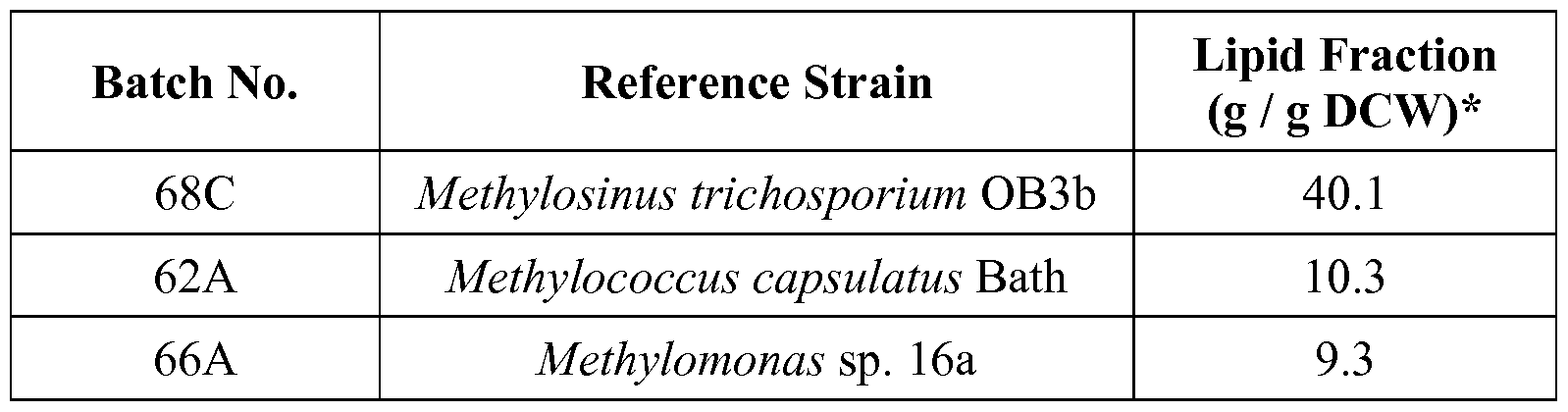


Claims
Priority Applications (10)
| Application Number | Priority Date | Filing Date | Title |
|---|---|---|---|
| AU2013342143A AU2013342143B2 (en) | 2012-11-09 | 2013-11-08 | Compositions and methods for biological production of fatty acid derivatives |
| KR1020157011199A KR20150082251A (en) | 2012-11-09 | 2013-11-08 | Compositions and methods for biological production of fatty acid derivatives |
| US14/441,153 US9909153B2 (en) | 2012-11-09 | 2013-11-08 | Compositions and methods for biological production of fatty acid derivatives |
| CN201380056663.9A CN104781411B (en) | 2012-11-09 | 2013-11-08 | Compositions and methods for the biological production of fatty acid derivatives |
| JP2015541944A JP2015534831A (en) | 2012-11-09 | 2013-11-08 | Compositions and methods for biological production of fatty acid derivatives |
| EP13853782.4A EP2917358B1 (en) | 2012-11-09 | 2013-11-08 | Compositions and methods for biological production of fatty acid derivatives |
| CA2886642A CA2886642A1 (en) | 2012-11-09 | 2013-11-08 | Compositions and methods for biological production of fatty acid derivatives |
| RU2015109898A RU2015109898A (en) | 2012-11-09 | 2013-11-08 | COMPOSITIONS AND METHODS OF BIOLOGICAL PRODUCTION OF FATTY ACID DERIVATIVES |
| DK13853782.4T DK2917358T3 (en) | 2012-11-09 | 2013-11-08 | COMPOSITIONS AND PROCEDURES FOR BIOLOGICAL PREPARATION OF FATIC ACID DERIVATIVES |
| US15/877,747 US10113188B2 (en) | 2012-11-09 | 2018-01-23 | Compositions and methods for biological production of fatty acid derivatives |
Applications Claiming Priority (2)
| Application Number | Priority Date | Filing Date | Title |
|---|---|---|---|
| US201261724733P | 2012-11-09 | 2012-11-09 | |
| US61/724,733 | 2012-11-09 |
Related Child Applications (2)
| Application Number | Title | Priority Date | Filing Date |
|---|---|---|---|
| US14/441,153 A-371-Of-International US9909153B2 (en) | 2012-11-09 | 2013-11-08 | Compositions and methods for biological production of fatty acid derivatives |
| US15/877,747 Continuation US10113188B2 (en) | 2012-11-09 | 2018-01-23 | Compositions and methods for biological production of fatty acid derivatives |
Publications (1)
| Publication Number | Publication Date |
|---|---|
| WO2014074886A1 true WO2014074886A1 (en) | 2014-05-15 |
Family
ID=50685200
Family Applications (1)
| Application Number | Title | Priority Date | Filing Date |
|---|---|---|---|
| PCT/US2013/069252 Ceased WO2014074886A1 (en) | 2012-11-09 | 2013-11-08 | Compositions and methods for biological production of fatty acid derivatives |
Country Status (11)
| Country | Link |
|---|---|
| US (2) | US9909153B2 (en) |
| EP (1) | EP2917358B1 (en) |
| JP (1) | JP2015534831A (en) |
| KR (1) | KR20150082251A (en) |
| CN (1) | CN104781411B (en) |
| AU (1) | AU2013342143B2 (en) |
| CA (1) | CA2886642A1 (en) |
| DK (1) | DK2917358T3 (en) |
| MY (1) | MY173663A (en) |
| RU (1) | RU2015109898A (en) |
| WO (1) | WO2014074886A1 (en) |
Cited By (7)
| Publication number | Priority date | Publication date | Assignee | Title |
|---|---|---|---|---|
| WO2016036751A1 (en) * | 2014-09-03 | 2016-03-10 | Coffa Gianguido | Genetically modified microbes for the biological conversion of carbonaceous materials to fatty acids |
| WO2016183413A1 (en) | 2015-05-13 | 2016-11-17 | Calysta, Inc. | Proline auxotrophs |
| JP2017515480A (en) * | 2014-05-15 | 2017-06-15 | キャリスタ, インコーポレイテッド | Method for biological production of very long carbon chain compounds |
| WO2018169972A1 (en) * | 2017-03-14 | 2018-09-20 | Intrexon Corporation | Methods and microorganisms for making 1,4-butanediol and derivatives thereof from c1 carbons |
| US10450548B2 (en) | 2013-06-18 | 2019-10-22 | Calysta, Inc. | Compositions and methods for biological production of lactate from C1 compounds using lactate dehydrogenase transformants |
| WO2026003194A1 (en) * | 2024-06-27 | 2026-01-02 | Basf Se | Production of c6-c26 fatty alcohols from methanol |
| WO2026003192A3 (en) * | 2024-06-27 | 2026-02-12 | Basf Se | Production of c6-c26 fatty acids from methanol |
Families Citing this family (11)
| Publication number | Priority date | Publication date | Assignee | Title |
|---|---|---|---|---|
| CN106029870A (en) | 2014-01-16 | 2016-10-12 | 凯利斯塔公司 | Microorganisms and related methods for enhanced amino acid production |
| EP3325607A1 (en) * | 2015-07-22 | 2018-05-30 | E. I. du Pont de Nemours and Company | High level production of long-chain dicarboxylic acids with microbes |
| EP3376859B1 (en) | 2015-11-18 | 2021-01-06 | Provivi, Inc. | Microorganisms for the production of insect pheromones and related compounds |
| WO2017214133A2 (en) | 2016-06-06 | 2017-12-14 | Provivi, Inc. | Semi-biosynthetic production of fatty alcohols and fatty aldehydes |
| CN106434705B (en) * | 2016-07-01 | 2019-11-26 | 浙江仙琚制药股份有限公司 | A kind of acyl-CoA-reductase gene phsR and its application |
| JP6689729B2 (en) * | 2016-10-25 | 2020-04-28 | 積水化学工業株式会社 | Organic composition, method for producing organic composition, and fuel |
| MX382401B (en) | 2017-05-17 | 2025-03-13 | Provivi Inc | MICROORGANISMS FOR THE PRODUCTION OF INSECT PHEROMONES AND RELATED COMPOUNDS. |
| CN111057570B (en) * | 2019-11-26 | 2022-05-27 | 大连立和盈海科技有限公司 | System and method for preparing biofuel |
| JP7004763B2 (en) * | 2020-04-07 | 2022-01-21 | 積水化学工業株式会社 | Method for producing ethanol solution derived from waste, method for producing synthetic product, and method for producing fuel |
| US20220119851A1 (en) * | 2020-10-20 | 2022-04-21 | Calysta, Inc. | Heme-containing cell culture media and uses thereof |
| WO2024004921A1 (en) * | 2022-06-27 | 2024-01-04 | 天野エンザイム株式会社 | Polypeptide, oxygenase, and use applications thereof |
Citations (23)
| Publication number | Priority date | Publication date | Assignee | Title |
|---|---|---|---|---|
| EP0296484A2 (en) | 1987-06-24 | 1988-12-28 | Hoechst Aktiengesellschaft | Promoters for the expression of foreign DNA in methylotropic bacteria, their production and use |
| WO1997009433A1 (en) | 1995-09-06 | 1997-03-13 | Icos Corporation | Cell-cycle checkpoint genes |
| WO2002018617A2 (en) | 2000-09-01 | 2002-03-07 | E.I. Dupont De Nemours And Company | Carotenoid production by recombinant, c1-metabolizing methanothropic bacteria |
| US6689601B2 (en) | 2000-09-01 | 2004-02-10 | E. I. Du Pont De Nemours And Company | High growth methanotropic bacterial strain |
| US20060057726A1 (en) | 2003-12-03 | 2006-03-16 | Sharpe Pamela L | Method for the positive selection of chromosomal mutations in C1 metabolizing bacteria via homologous recombination |
| US7098005B2 (en) | 2002-10-21 | 2006-08-29 | E. I. Du Pont De Nemours And Company | Natural promoters for gene expression in C1 metabolizing bacteria |
| US7118896B2 (en) | 2002-03-01 | 2006-10-10 | Monsanto Technology, L.L.C. | Methods and compositions for modification of lipid biosynthesis |
| US20070065902A1 (en) | 2005-09-19 | 2007-03-22 | Dicosimo Deana J | Process for chromosomal expression of foreign genes in the fliC region of a methylotrophic microbial host cell |
| WO2007136762A2 (en) | 2006-05-19 | 2007-11-29 | Ls9, Inc. | Production of fatty acids and derivatives thereof |
| US20080026005A1 (en) | 2005-07-26 | 2008-01-31 | National Research Council Of Canada | Multicopy-integration of heterologous genes and expression in methylobacterium |
| US20080292918A1 (en) | 2007-05-25 | 2008-11-27 | Caine Finnerty | Electrochemical system having multiple independent circuits |
| US20100221813A1 (en) | 2005-08-23 | 2010-09-02 | Miguez Carlos B | Regulation of heterologous recombinant protein expression in methylotrophic and methanotrophic bacteria |
| US20100251601A1 (en) * | 2006-05-19 | 2010-10-07 | Ls9, Inc. | Enhanced production of fatty acid derivatives |
| US20100291653A1 (en) | 2009-05-06 | 2010-11-18 | Ness Jon E | Biotransformation using genetically modified candida |
| US20100298612A1 (en) | 2009-05-22 | 2010-11-25 | Codexis, Inc. | Engineered biosynthesis of fatty alcohols |
| WO2011044279A2 (en) * | 2009-10-06 | 2011-04-14 | Bio Architecture Lab, Inc. | Microbial systems for producing commodity chemicals |
| US20110111413A1 (en) | 2001-02-02 | 2011-05-12 | Padgett Hal S | Method of optimizing codon usage through dna shuffling |
| US20110162259A1 (en) | 2009-09-25 | 2011-07-07 | Ls9, Inc. | Production of fatty acid derivatives |
| US20110306100A1 (en) * | 2008-06-02 | 2011-12-15 | De Crecy Eudes | Method of producing fatty acids for biofuel, biodiesel, and other valuable chemicalspct/ |
| US20120282663A1 (en) * | 2008-05-16 | 2012-11-08 | Ls9, Inc. | Methods and compositions for producing fatty alcohols and fatty aldehydes |
| WO2014012055A1 (en) | 2012-07-13 | 2014-01-16 | Calysta Energy, Llc | Biorefinery system, methods and compositions thereof |
| WO2014089436A1 (en) | 2012-12-07 | 2014-06-12 | Ginkgo Bioworks, Inc. | Methods and systems for methylotrophic production of organic compounds |
| WO2014210535A2 (en) | 2013-06-28 | 2014-12-31 | Metabolix, Inc. | Genetically engineered methylotrophs for the production of pha biopolymers and c3, c4, and c5 biochemicals from methanol or methane as sole carbon feedstock |
Family Cites Families (24)
| Publication number | Priority date | Publication date | Assignee | Title |
|---|---|---|---|---|
| US4269940A (en) | 1978-04-14 | 1981-05-26 | Exxon Research & Engineering Co. | Microbiological alkane oxidation process |
| GR74161B (en) * | 1980-03-28 | 1984-06-06 | Ici Ltd | |
| CA2373288C (en) | 1999-05-18 | 2009-08-11 | Ebbe Busch Larsen | U-shape and/or nozzle-u-loop fermentor and method of carrying out a fermentation process |
| GB0003620D0 (en) | 2000-02-16 | 2000-04-05 | Norferm Da | Method |
| US7579163B2 (en) | 2001-08-16 | 2009-08-25 | Statoil Asa | Method of fermentation |
| GB0203307D0 (en) | 2002-02-12 | 2002-03-27 | Norferm Da | Method |
| GB0204722D0 (en) | 2002-02-28 | 2002-04-17 | Norferm Da | Method |
| GB0209007D0 (en) | 2002-04-19 | 2002-05-29 | Norferm Da | Product |
| US7214509B2 (en) | 2003-06-30 | 2007-05-08 | University Of Iowa Research Foundation | Methods and compositions for degradation of nitroaromatic and nitramine pollutants |
| US7745197B1 (en) | 2003-10-15 | 2010-06-29 | Newlight Technologies, Llc | Process for the utilization of ruminant animal methane emissions |
| US7091031B2 (en) * | 2004-08-16 | 2006-08-15 | E. I. Du Pont De Nemours And Company | Carotenoid hydroxylase enzymes |
| CN101490241A (en) * | 2006-05-19 | 2009-07-22 | Ls9公司 | Preparation of fatty acids and derivatives thereof |
| CA3178593A1 (en) | 2007-03-28 | 2008-10-02 | Genomatica, Inc. | Enhanced production of fatty acid derivatives |
| US20100199548A1 (en) | 2007-07-06 | 2010-08-12 | Ls9, Inc. | Systems and methods for the production of fatty esters |
| BRPI0915017B1 (en) | 2008-06-09 | 2018-12-26 | Lanzatech New Zealand Limited | a method for producing 2,3-butanediol by microbial fermentation of a gaseous substrate comprising co |
| US20110165639A1 (en) | 2008-08-15 | 2011-07-07 | Brijen Biotech, Llc | Refinery process to produce biofuels and bioenergy products from home and municipal solid waste |
| WO2010027455A1 (en) | 2008-09-04 | 2010-03-11 | Ciris Energy, Inc. | Solubilization of algae and algal materials |
| KR101700296B1 (en) * | 2008-10-28 | 2017-01-26 | 알이지 라이프 사이언시스, 엘엘씨 | Methods and compositions for producing fatty alcohols |
| WO2010124030A1 (en) | 2009-04-21 | 2010-10-28 | Sapphire Energy, Inc. | Methods of preparing oil compositions for fuel refining |
| EP2427200B1 (en) | 2009-05-08 | 2014-04-30 | Bioprotein AS | Feed composition for the treatment or prevention of enteritis in fish |
| WO2010141468A1 (en) | 2009-06-01 | 2010-12-09 | Way Jeffrey C | Methods and molecules for yield improvement involving metabolic engineering |
| RU2012102900A (en) * | 2009-06-30 | 2013-08-10 | Кодексис, Инк. | PRODUCTION OF FAT ALCOHOLS USING THE FORMING FAT ALCOHOL Acyl-COA-REDUCTASES (FAR) |
| ES2713526T3 (en) | 2009-07-17 | 2019-05-22 | Korea Advanced Inst Sci & Tech | Process for the production of alkyl esters of fatty acids using microorganisms that have the capacity to produce oil |
| WO2013090769A2 (en) | 2011-12-14 | 2013-06-20 | Kiverdi, Inc. | Method and apparatus for growing microbial cultures that require gaseous electron donors, electron acceptors, carbon sources, or other nutrients |
-
2013
- 2013-11-08 DK DK13853782.4T patent/DK2917358T3/en active
- 2013-11-08 US US14/441,153 patent/US9909153B2/en not_active Expired - Fee Related
- 2013-11-08 JP JP2015541944A patent/JP2015534831A/en active Pending
- 2013-11-08 EP EP13853782.4A patent/EP2917358B1/en not_active Not-in-force
- 2013-11-08 AU AU2013342143A patent/AU2013342143B2/en not_active Ceased
- 2013-11-08 WO PCT/US2013/069252 patent/WO2014074886A1/en not_active Ceased
- 2013-11-08 CN CN201380056663.9A patent/CN104781411B/en not_active Expired - Fee Related
- 2013-11-08 CA CA2886642A patent/CA2886642A1/en not_active Abandoned
- 2013-11-08 MY MYPI2015001211A patent/MY173663A/en unknown
- 2013-11-08 RU RU2015109898A patent/RU2015109898A/en not_active Application Discontinuation
- 2013-11-08 KR KR1020157011199A patent/KR20150082251A/en not_active Abandoned
-
2018
- 2018-01-23 US US15/877,747 patent/US10113188B2/en not_active Expired - Fee Related
Patent Citations (26)
| Publication number | Priority date | Publication date | Assignee | Title |
|---|---|---|---|---|
| EP0296484A2 (en) | 1987-06-24 | 1988-12-28 | Hoechst Aktiengesellschaft | Promoters for the expression of foreign DNA in methylotropic bacteria, their production and use |
| WO1997009433A1 (en) | 1995-09-06 | 1997-03-13 | Icos Corporation | Cell-cycle checkpoint genes |
| WO2002018617A2 (en) | 2000-09-01 | 2002-03-07 | E.I. Dupont De Nemours And Company | Carotenoid production by recombinant, c1-metabolizing methanothropic bacteria |
| US20030003528A1 (en) | 2000-09-01 | 2003-01-02 | Brzostowicz Patricia C. | Carotenoid production from a single carbon substrate |
| US6689601B2 (en) | 2000-09-01 | 2004-02-10 | E. I. Du Pont De Nemours And Company | High growth methanotropic bacterial strain |
| US6818424B2 (en) | 2000-09-01 | 2004-11-16 | E. I. Du Pont De Nemours And Company | Production of cyclic terpenoids |
| US20110111413A1 (en) | 2001-02-02 | 2011-05-12 | Padgett Hal S | Method of optimizing codon usage through dna shuffling |
| US7118896B2 (en) | 2002-03-01 | 2006-10-10 | Monsanto Technology, L.L.C. | Methods and compositions for modification of lipid biosynthesis |
| US7098005B2 (en) | 2002-10-21 | 2006-08-29 | E. I. Du Pont De Nemours And Company | Natural promoters for gene expression in C1 metabolizing bacteria |
| US20060057726A1 (en) | 2003-12-03 | 2006-03-16 | Sharpe Pamela L | Method for the positive selection of chromosomal mutations in C1 metabolizing bacteria via homologous recombination |
| US20080026005A1 (en) | 2005-07-26 | 2008-01-31 | National Research Council Of Canada | Multicopy-integration of heterologous genes and expression in methylobacterium |
| US20100221813A1 (en) | 2005-08-23 | 2010-09-02 | Miguez Carlos B | Regulation of heterologous recombinant protein expression in methylotrophic and methanotrophic bacteria |
| US20070065902A1 (en) | 2005-09-19 | 2007-03-22 | Dicosimo Deana J | Process for chromosomal expression of foreign genes in the fliC region of a methylotrophic microbial host cell |
| US20100251601A1 (en) * | 2006-05-19 | 2010-10-07 | Ls9, Inc. | Enhanced production of fatty acid derivatives |
| WO2007136762A2 (en) | 2006-05-19 | 2007-11-29 | Ls9, Inc. | Production of fatty acids and derivatives thereof |
| US8283143B2 (en) | 2006-05-19 | 2012-10-09 | Ls9, Inc. | Enhanced production of fatty acid derivatives |
| US20080292918A1 (en) | 2007-05-25 | 2008-11-27 | Caine Finnerty | Electrochemical system having multiple independent circuits |
| US20120282663A1 (en) * | 2008-05-16 | 2012-11-08 | Ls9, Inc. | Methods and compositions for producing fatty alcohols and fatty aldehydes |
| US20110306100A1 (en) * | 2008-06-02 | 2011-12-15 | De Crecy Eudes | Method of producing fatty acids for biofuel, biodiesel, and other valuable chemicalspct/ |
| US20100291653A1 (en) | 2009-05-06 | 2010-11-18 | Ness Jon E | Biotransformation using genetically modified candida |
| US20100298612A1 (en) | 2009-05-22 | 2010-11-25 | Codexis, Inc. | Engineered biosynthesis of fatty alcohols |
| US20110162259A1 (en) | 2009-09-25 | 2011-07-07 | Ls9, Inc. | Production of fatty acid derivatives |
| WO2011044279A2 (en) * | 2009-10-06 | 2011-04-14 | Bio Architecture Lab, Inc. | Microbial systems for producing commodity chemicals |
| WO2014012055A1 (en) | 2012-07-13 | 2014-01-16 | Calysta Energy, Llc | Biorefinery system, methods and compositions thereof |
| WO2014089436A1 (en) | 2012-12-07 | 2014-06-12 | Ginkgo Bioworks, Inc. | Methods and systems for methylotrophic production of organic compounds |
| WO2014210535A2 (en) | 2013-06-28 | 2014-12-31 | Metabolix, Inc. | Genetically engineered methylotrophs for the production of pha biopolymers and c3, c4, and c5 biochemicals from methanol or methane as sole carbon feedstock |
Non-Patent Citations (74)
| Title |
|---|
| ABRAM ET AL., APPL. ENVIRON. MICROBIOL., vol. 74, 2008, pages 594 |
| ADAS ET AL., J. LIP. RES., vol. 40, 1999, pages 1990 |
| AKHVERDYAN ET AL., APPL. MICROBIOL. BIOTECHNOL., vol. 91, 2011, pages 857 |
| ALI ET AL., MICROBIOL., vol. 152, 2006, pages 2931 |
| ALTSCHUL ET AL., J. MOL. BIOL., vol. 215, 1990, pages 403 |
| BENVENISTE ET AL., BIOCHEM. BIOPHYS. RES. COMMUN., vol. 243, 1998, pages 688 |
| BROSIUS ET AL., GENE, vol. 27, 1984, pages 161 |
| CABELLO-HURTADO ET AL., J. BIOL. CHEM., vol. 273, 1998, pages 7260 |
| CAHOON ET AL., PLANT PHYSIOL., vol. 128, 2002, pages 615 |
| CAVIGLIA ET AL., J. BIOL. CHEM., vol. 279, 2004, pages 1163 |
| CHEN ET AL., EUR. J. BIOCHEM., vol. 261, 1999, pages 98 |
| CHENG ET AL., J. BIOL. CHEM., vol. 279, 2004, pages 37798 |
| CHENG; RUSSELL, J. BIOL. CHEM., vol. 2 79, 2004, pages 37789 |
| CROPP ET AL., NATURE BIOTECH., vol. 18, 2000, pages 980 |
| DARBON ET AL., MOL. MICROBIOL., vol. 43, 2002, pages 1039 |
| DE MENDOZA ET AL., J. BIOL. CHEM., vol. 258, 1983, pages 2098 |
| DENOYA ET AL., J. BACTERIOL., vol. 177, 1995, pages 3504 |
| DESHPANDE, APPL. BIOCHEM. BIOTECHNOL., vol. 36, 1992, pages 227 |
| FOELLNER ET AL., APPL. MICROBIOL. BIOTECHNOL., vol. 40, 1993, pages 284 |
| FOLCH ET AL., J. BIOL. CHEM., vol. 226, 1957, pages 497 |
| GUSTAFSSON ET AL., TRENDS BIOTECHNOL., vol. 22, 2004, pages 346 |
| HAN; REYNOLDS, J. BACTERIOL., vol. 179, 1997, pages 5157 |
| HANSON; HANSON, MICROBIOL. REV., vol. 60, 1996, pages 439 |
| HARA; RADIN, ANAL. BIOCHEM., vol. 90, 1978, pages 420 |
| HARDWICK, BIOCHEM. PHARMACOL., vol. 75, 2008, pages 2263 |
| HEATH ET AL., PROG. LIPID RES., vol. 40, 2001, pages 467 |
| KADENA, MICROBIOL. REV., vol. 55, 1991, pages 288 |
| KALSCHEUER ET AL., MICROBIOL., vol. 152, 2006, pages 2529 |
| KALSCHEUER; STEINBUCHEL, J. BIOL. CHEM., vol. 275, 2003, pages 8075 |
| KALSCHEUER; STEINBUCHEL, J. BIOL. CHEM., vol. 278, 2003, pages 8075 |
| KANDEL ET AL., J. BIOL. CHEM., vol. 280, 2005, pages 35881 |
| KIM; WOOD, APPL. MICROBIOL. BIOTECHNOL., vol. 48, 1997, pages 105 |
| LARKIN, PLANT MOL. BIOL., vol. 25, 1994, pages 343 |
| LE BOUQUIN ET AL., EUR. J. BIOCHEM., vol. 268, 2001, pages 3083 |
| LEE ET AL., J. BIOL. CHEM., vol. 278, 2003, pages 9161 |
| LEHNINGER: "Biochemistry", 1975, WORTH PUBLISHERS, INC., pages: 71 - 77 |
| LEWIN: "Genes IV", 1990, OXFORD UNIVERSITY PRESS, pages: 8 |
| LI ET AL., J. BACTERIOL., vol. 187, 2005, pages 3795 |
| LLOYD ET AL., ARCH. MICROBIOL., vol. 171, 1999, pages 364 |
| MARRAKCHI ET AL., BIOCHEMICAL SOCIETY, vol. 30, 2002, pages 1050 |
| MARRAKCHI ET AL., J. BIOL. CHEM., vol. 277, 2002, pages 44809 |
| MATSUNAGA ET AL., BIOMED. LIFE SCI., vol. 35, 2000, pages 365 |
| METZ ET AL., PLANT PHYSIOL., vol. 122, 2000, pages 635 |
| MOTOYAMA ET AL., APPL. MICRO. BIOTECH., vol. 42, 1994, pages 67 |
| OLIVER ET AL., BIOCHEM., vol. 36, 1997, pages 1567 |
| PALANIAPPAN ET AL., J. BIOL. CHEM., vol. 278, 2003, pages 35552 |
| PATTON ET AL., BIOCHEM., vol. 39, 2000, pages 7595 |
| PETKOVA-ANDONOVA ET AL., BIOSCI. BIOTECHNOL. BIOCHEM., vol. 66, 2002, pages 1819 |
| ROCK ET AL., J. BACTERIOLOGY, vol. 178, 1996, pages 5382 |
| SCHWEIZER; PO, J. BACTERIOL., vol. 178, 1996, pages 5215 |
| See also references of EP2917358A4 |
| SHARP ET AL., NUCL. ACIDS. RES., vol. 33, 2005, pages 1141 |
| SHIRANE ET AL., BIOCHEM., vol. 32, 1993, pages 13732 |
| SHOCKEY ET AL., PLANT. PHYSIOL., vol. 129, 2002, pages 1710 |
| SPRINGER ET AL., FEMS MICROBIOL. LETT., vol. 160, 1998, pages 119 |
| STOLYAR ET AL., MICROBIOL., vol. 145, 1999, pages 1235 |
| STOLYAR ET AL., MIKROBIOLOGIYA, vol. 64, 1995, pages 686 |
| TEMPLETON ET AL., GEOCHIM. COSMOCHIM. ACTA, vol. 70, 2006, pages 1739 |
| TEREKHOVA, E. A. ET AL.: "Stearic acid methyl ether: a new extracellular metabolite of the obligate methylotrophic bacterium Methylophilus quaylei", BIOCHEMISTRY AND MICROBIOLOGY, vol. 46, no. 2, 2010, pages 166 - 172, XP055246676 * |
| THOMAS D. BROCK: "Biotechnology: A Textbook of Industrial Microbiology", 1989, SINAUER ASSOCIATES, INC. |
| TIJET ET AL., BIOCHEM. J., vol. 332, 1988, pages 583 |
| TOYAMA ET AL., FEMS MICROBIOL. LETT., vol. 166, 1998, pages 1 |
| TOYAMA ET AL., MICROBIOL., vol. 143, 1997, pages 595 |
| TOYAMA; LIDSTROM, MICROBIOL., vol. 144, 1998, pages 183 |
| VAN DIEN ET AL., MICROBIOL., vol. 149, 2003, pages 601 |
| VILLALOBOS ET AL., BMC BIOINFORMATICS, vol. 7, 2006, pages 285 |
| WEISSENBORN ET AL., J. BIOL. CHEM., vol. 267, 1992, pages 6122 |
| WELCH ET AL., PLOS ONE, vol. 4, 2009, pages e7002 |
| WELLESEN ET AL., PROC. NAT'L. ACAD. SCI. USA, vol. 98, 2001, pages 9694 |
| WHITICAR, ORG. GEOCHEM., vol. 16, 1990, pages 531 |
| WHITICAR; FABER, ORG. GEOCHEM., vol. 10, 1986, pages 759 |
| WU ET AL., NUCL. ACIDS RES., vol. 35, 2007, pages D76 |
| YOSHIDA ET AL., BIOTECHNOL. LETT., vol. 23, 2001, pages 787 |
| ZHANG ET AL., J. BIOL. CHEM., vol. 277, 2002, pages 15558 |
Cited By (10)
| Publication number | Priority date | Publication date | Assignee | Title |
|---|---|---|---|---|
| US10450548B2 (en) | 2013-06-18 | 2019-10-22 | Calysta, Inc. | Compositions and methods for biological production of lactate from C1 compounds using lactate dehydrogenase transformants |
| JP2017515480A (en) * | 2014-05-15 | 2017-06-15 | キャリスタ, インコーポレイテッド | Method for biological production of very long carbon chain compounds |
| WO2016036751A1 (en) * | 2014-09-03 | 2016-03-10 | Coffa Gianguido | Genetically modified microbes for the biological conversion of carbonaceous materials to fatty acids |
| WO2016183413A1 (en) | 2015-05-13 | 2016-11-17 | Calysta, Inc. | Proline auxotrophs |
| WO2018169972A1 (en) * | 2017-03-14 | 2018-09-20 | Intrexon Corporation | Methods and microorganisms for making 1,4-butanediol and derivatives thereof from c1 carbons |
| CN110621691A (en) * | 2017-03-14 | 2019-12-27 | 英特瑞克斯顿股份有限公司 | Method and microorganism for producing 1, 4-butanediol and derivatives thereof from CI carbon |
| US11155837B2 (en) | 2017-03-14 | 2021-10-26 | Precigen, Inc. | Methods and microorganisms for making 1,4-butanediol and derivatives thereof from C1 carbons |
| US12018310B2 (en) | 2017-03-14 | 2024-06-25 | Precigen, Inc. | Methods and microorganisms for making 1,4-butanediol and derivatives thereof from C1 carbons |
| WO2026003194A1 (en) * | 2024-06-27 | 2026-01-02 | Basf Se | Production of c6-c26 fatty alcohols from methanol |
| WO2026003192A3 (en) * | 2024-06-27 | 2026-02-12 | Basf Se | Production of c6-c26 fatty acids from methanol |
Also Published As
| Publication number | Publication date |
|---|---|
| MY173663A (en) | 2020-02-14 |
| EP2917358B1 (en) | 2019-07-10 |
| CN104781411B (en) | 2019-10-18 |
| US9909153B2 (en) | 2018-03-06 |
| EP2917358A1 (en) | 2015-09-16 |
| EP2917358A4 (en) | 2016-04-13 |
| DK2917358T3 (en) | 2019-09-30 |
| AU2013342143A1 (en) | 2015-04-09 |
| KR20150082251A (en) | 2015-07-15 |
| RU2015109898A (en) | 2017-01-10 |
| CA2886642A1 (en) | 2014-05-15 |
| AU2013342143B2 (en) | 2017-08-10 |
| CN104781411A (en) | 2015-07-15 |
| US20150299745A1 (en) | 2015-10-22 |
| US10113188B2 (en) | 2018-10-30 |
| US20180282769A1 (en) | 2018-10-04 |
| JP2015534831A (en) | 2015-12-07 |
Similar Documents
| Publication | Publication Date | Title |
|---|---|---|
| US10113188B2 (en) | Compositions and methods for biological production of fatty acid derivatives | |
| AU2015259096B2 (en) | Methods for biological production of very long carbon chain compounds | |
| US20210355071A1 (en) | Enhanced production of fatty acid derivatives | |
| CN102459622B (en) | Production of fatty acid esters | |
| JP5863088B2 (en) | Enhanced production of fatty acid derivatives |
Legal Events
| Date | Code | Title | Description |
|---|---|---|---|
| 121 | Ep: the epo has been informed by wipo that ep was designated in this application |
Ref document number: 13853782 Country of ref document: EP Kind code of ref document: A1 |
|
| ENP | Entry into the national phase |
Ref document number: 2886642 Country of ref document: CA |
|
| ENP | Entry into the national phase |
Ref document number: 2013342143 Country of ref document: AU Date of ref document: 20131108 Kind code of ref document: A |
|
| WWE | Wipo information: entry into national phase |
Ref document number: 2013853782 Country of ref document: EP |
|
| ENP | Entry into the national phase |
Ref document number: 20157011199 Country of ref document: KR Kind code of ref document: A |
|
| ENP | Entry into the national phase |
Ref document number: 2015541944 Country of ref document: JP Kind code of ref document: A |
|
| WWE | Wipo information: entry into national phase |
Ref document number: 14441153 Country of ref document: US Ref document number: P572/2015 Country of ref document: AE |
|
| NENP | Non-entry into the national phase |
Ref country code: DE |
|
| WWE | Wipo information: entry into national phase |
Ref document number: IDP00201503286 Country of ref document: ID |
|
| ENP | Entry into the national phase |
Ref document number: 2015109898 Country of ref document: RU Kind code of ref document: A |
|
| REG | Reference to national code |
Ref country code: BR Ref legal event code: B01A Ref document number: 112015010198 Country of ref document: BR |
|
| ENP | Entry into the national phase |
Ref document number: 112015010198 Country of ref document: BR Kind code of ref document: A2 Effective date: 20150505 |