WO2014084111A1 - 移動局及び制御方法 - Google Patents
移動局及び制御方法 Download PDFInfo
- Publication number
- WO2014084111A1 WO2014084111A1 PCT/JP2013/081351 JP2013081351W WO2014084111A1 WO 2014084111 A1 WO2014084111 A1 WO 2014084111A1 JP 2013081351 W JP2013081351 W JP 2013081351W WO 2014084111 A1 WO2014084111 A1 WO 2014084111A1
- Authority
- WO
- WIPO (PCT)
- Prior art keywords
- secondary cell
- state
- mobile station
- uplink control
- base station
- Prior art date
- Legal status (The legal status is an assumption and is not a legal conclusion. Google has not performed a legal analysis and makes no representation as to the accuracy of the status listed.)
- Ceased
Links
Images




Classifications
-
- H—ELECTRICITY
- H04—ELECTRIC COMMUNICATION TECHNIQUE
- H04W—WIRELESS COMMUNICATION NETWORKS
- H04W36/00—Hand-off or reselection arrangements
- H04W36/04—Reselecting a cell layer in multi-layered cells
-
- H—ELECTRICITY
- H04—ELECTRIC COMMUNICATION TECHNIQUE
- H04W—WIRELESS COMMUNICATION NETWORKS
- H04W72/00—Local resource management
- H04W72/04—Wireless resource allocation
-
- G—PHYSICS
- G07—CHECKING-DEVICES
- G07C—TIME OR ATTENDANCE REGISTERS; REGISTERING OR INDICATING THE WORKING OF MACHINES; GENERATING RANDOM NUMBERS; VOTING OR LOTTERY APPARATUS; ARRANGEMENTS, SYSTEMS OR APPARATUS FOR CHECKING NOT PROVIDED FOR ELSEWHERE
- G07C9/00—Individual registration on entry or exit
- G07C9/00174—Electronically operated locks; Circuits therefor; Nonmechanical keys therefor, e.g. passive or active electrical keys or other data carriers without mechanical keys
- G07C9/00571—Electronically operated locks; Circuits therefor; Nonmechanical keys therefor, e.g. passive or active electrical keys or other data carriers without mechanical keys operated by interacting with a central unit
-
- H—ELECTRICITY
- H04—ELECTRIC COMMUNICATION TECHNIQUE
- H04W—WIRELESS COMMUNICATION NETWORKS
- H04W72/00—Local resource management
- H04W72/04—Wireless resource allocation
- H04W72/044—Wireless resource allocation based on the type of the allocated resource
- H04W72/0453—Resources in frequency domain, e.g. a carrier in FDMA
-
- H—ELECTRICITY
- H04—ELECTRIC COMMUNICATION TECHNIQUE
- H04W—WIRELESS COMMUNICATION NETWORKS
- H04W72/00—Local resource management
- H04W72/20—Control channels or signalling for resource management
-
- H—ELECTRICITY
- H04—ELECTRIC COMMUNICATION TECHNIQUE
- H04W—WIRELESS COMMUNICATION NETWORKS
- H04W76/00—Connection management
- H04W76/30—Connection release
- H04W76/34—Selective release of ongoing connections
- H04W76/36—Selective release of ongoing connections for reassigning the resources associated with the released connections
-
- H—ELECTRICITY
- H04—ELECTRIC COMMUNICATION TECHNIQUE
- H04L—TRANSMISSION OF DIGITAL INFORMATION, e.g. TELEGRAPHIC COMMUNICATION
- H04L5/00—Arrangements affording multiple use of the transmission path
- H04L5/0091—Signalling for the administration of the divided path, e.g. signalling of configuration information
- H04L5/0096—Indication of changes in allocation
- H04L5/0098—Signalling of the activation or deactivation of component carriers, subcarriers or frequency bands
-
- H—ELECTRICITY
- H04—ELECTRIC COMMUNICATION TECHNIQUE
- H04W—WIRELESS COMMUNICATION NETWORKS
- H04W84/00—Network topologies
- H04W84/02—Hierarchically pre-organised networks, e.g. paging networks, cellular networks, WLAN [Wireless Local Area Network] or WLL [Wireless Local Loop]
- H04W84/04—Large scale networks; Deep hierarchical networks
- H04W84/042—Public Land Mobile systems, e.g. cellular systems
Definitions
- the present invention relates to a mobile station and a control method.
- LTE-A Long Term Evolution-Advanced
- CA carrier aggregation
- LTE carrier also called component carrier
- LTE carrier with a maximum bandwidth of 20 MHz supported by LTE system is used as a basic component, and by using multiple component carriers at the same time, wider bandwidth communication is realized. It is planned to do.
- carrier aggregation for example, the arrangement of component carriers as shown in FIG. 1 is assumed.
- two adjacent 20 MHz bands can be used as a 40 MHz band by carrier aggregation.
- Case 1 is effectively used in a case where a continuous band larger than 20 MHz can be secured, and can achieve a throughput higher than that of the LTE system while ensuring backward compatibility with the LTE system.
- case 2 two 10 MHz bands separated from each other can be used as a 20 MHz band by carrier aggregation.
- Case 2 is effectively used when the frequency band allocation to the operator is fragmented, and can achieve a throughput higher than that of the LTE system while ensuring backward compatibility with the LTE system. .
- a mobile station In carrier aggregation, a mobile station (UE: User Equipment) can communicate with a base station (eNB: evolved NodeB) using a plurality of component carriers simultaneously.
- a reliable primary cell Pcell: Primary Cell
- Scell Secondary Cell
- Pcell Primary Cell
- Scell Secondary Cell
- one of two component carriers may be set as a primary cell and the other may be set as a secondary cell (3GPP TS36.300 V11.3.0 (2012-09) section 7 .5).
- the primary cell is a cell similar to the LTE system, and is a cell for ensuring connectivity between the mobile station and the network. That is, in the primary cell, the mobile station receives a physical downlink control channel (PDCCH: Physical Downlink Control Channel) and a physical downlink shared channel (PDSCH: Physical Downlink Shared Channel), and a physical uplink control channel (PUCCHP). It is possible to transmit an Uplink Control Channel), a physical uplink shared channel (PUSCH: Physical Uplink Shared Channel), and a physical random access channel (PRACH: Physical Random Access Channel). Further, when changing the primary cell, the mobile station needs to execute handover.
- PDCCH Physical Downlink Control Channel
- PDSCH Physical Downlink Shared Channel
- PRACH Physical Random Access Channel
- the secondary cell is a cell that is added to the primary cell and set in the mobile station.
- the addition and deletion of the secondary cell are executed by RRC (Radio Resource Control) configuration.
- the mobile station does not transmit PUCCH and PRACH.
- the secondary cell immediately after the secondary cell is set as a mobile station, it is in an inactive state, and communication or scheduling is possible only when it is activated in the MAC (Medium Access Control) layer. For this reason, in order to make the set secondary cell in a communicable state, that is, in a schedulable state, it is necessary to change the secondary cell to an active state.
- the base station transmits a MAC CE (Control Element) to the mobile station in the MAC layer.
- MAC CE Control Element
- the mobile station is instructed to activate / deactivate the set secondary cell.
- the mobile station transitions the secondary cell to the instructed state.
- the mobile station when receiving the MAC CE for activating the secondary cell from the base station, the mobile station activates the secondary cell, and after a predetermined period of time, the Scell Deactivation for transitioning the secondary cell to the inactive state Start Timer.
- the base station also activates the Scell Deactivation Timer at the timing when the MAC CE is transmitted or when the mobile station receives a delivery confirmation (ACK) for the MAC CE. That is, the base station and the mobile station maintain their Scell Deactivation Timer and manage the state of the activated secondary cell.
- the Scell Deactivation Timer is activated, when the base station schedules a new radio resource in the secondary cell to the mobile station, the base station and the mobile station restart their Scell Deactivation Timer.
- the mobile station transitions the secondary cell to the inactive state.
- the base station also deactivates the secondary cell when the Scell Deactivation Timer managed for the secondary cell expires or receives a notification from the mobile station that the secondary cell is deactivated.
- the radio resource scheduling to the mobile station in the secondary cell is stopped. In this way, the active state / inactive state of the secondary cell can be matched between the base station and the mobile station.
- uplink control information such as acknowledgment (ACK / NACK), scheduling request (SR: Scheduling Request), and channel quality information (CQI: Channel Quality Indicator) is PUCCH of the primary cell. Sent.
- UCI Uplink Control Information
- ACK / NACK acknowledgment
- SR Scheduling Request
- CQI Channel Quality Indicator
- the PUCCH resource is insufficient as the number of mobile stations using a specific cell as the primary cell increases.
- the PUCCH resource of the macro cell may be insufficient.
- PUCCH resources may be insufficient when a macro cell is set as a primary cell in order to schedule voice in the macro cell.
- the number of mobile stations that can be connected as primary cells for each cell can be limited. That is, another cell can be used as a primary cell for a mobile station exceeding a predetermined number.
- a handover procedure is required to change the primary cell, it is not desirable from the viewpoint of control load and user throughput. Therefore, it is desired to support PUCCH also in the secondary cell.
- Inter-site CA carrier aggregation using component carriers under different base stations. This is called Inter-site CA.
- Inter-site CA the uplink control information transmitted on the PUCCH should be transmitted to the base station that has performed the downlink transmission. Therefore, it is desired to support the PUCCH also in the secondary cell.
- the MAC CE transmitted from the base station in order to activate the set secondary cell is not properly received by the mobile station, and the base station may not receive this due to noise or interference. If it is erroneously determined that an ACK has been received from the mobile station for the transmitted MAC CE (NACK ⁇ ACK error), the mobile station keeps the secondary cell in an inactive state, while the base station puts the secondary cell in an active state. It will be mistaken for transition. That is, a mismatch between the active state / inactive state of the secondary cell occurs between the base station and the mobile station. Such a mismatch between the active state / inactive state of the secondary cell also occurs due to misalignment of the Scell Deactivation Timer.
- the base station When the mobile station keeps the secondary cell in an inactive state, and the base station recognizes the secondary cell as an active state, the base station acquires uplink control information to be transmitted on the PUCCH of the secondary cell I can't.
- the mobile station and the base station process the PUCCH of the secondary cell even when the mobile station keeps the secondary cell in an inactive state and the base station may recognize the secondary cell as an active state. It aims to provide a technique that can be used.
- a mobile station is: A mobile station that communicates using carrier aggregation, A secondary cell state management unit that manages whether the state of the secondary cell is an active state or an inactive state; In the transmission timing of the physical uplink control channel of the first secondary cell, when the state of the first secondary cell managed by the secondary cell state management unit is an inactive state, the first secondary cell A transmission control unit that stops transmission of uplink control information on the physical uplink control channel; It is characterized by having.
- a control method includes: A control method in a mobile station that communicates using carrier aggregation, Managing in the secondary cell state management unit whether the state of the secondary cell is an active state or an inactive state; In the transmission timing of the physical uplink control channel of the first secondary cell, when the state of the first secondary cell managed by the secondary cell state management unit is an inactive state, the first secondary cell Stopping the transmission of uplink control information on the physical uplink control channel; It is characterized by having.
- a mobile station is A mobile station that communicates using carrier aggregation, A secondary cell state management unit that manages whether the state of the secondary cell is an active state or an inactive state; A state mismatch detection unit that detects a state mismatch in which the state of the secondary cell managed by the secondary cell state management unit is an inactive state and the state of the secondary cell managed by the base station is an active state When, When a mismatch in the state of the secondary cell is detected by the state mismatch detection unit, a transmission unit that transmits a notification that the state of the secondary cell is an inactive state to the base station; It is characterized by having.
- a control method includes: A control method in a mobile station that communicates using carrier aggregation, Managing in the secondary cell state management unit whether the state of the secondary cell is an active state or an inactive state; Detecting a state mismatch that the state of the secondary cell managed by the secondary cell state management unit is an inactive state and the state of the secondary cell managed by the base station is an active state; When a mismatch in the state of the secondary cell is detected, transmitting a notification that the state of the secondary cell is in an inactive state to the base station; It is characterized by having.
- a mobile station is A mobile station that communicates using carrier aggregation, A receiving unit that receives from the base station an instruction to transition the secondary cell to the inactive state from the base station; A transition instruction control unit that discards the instruction received by the reception unit when the instruction received by the reception unit is an instruction for a secondary cell that supports a physical uplink control channel; It is characterized by having.
- a control method includes: A control method in a mobile station that communicates using carrier aggregation, Receiving from the base station an instruction to transition the secondary cell to the inactive state from the base station; When the received instruction is an instruction for a secondary cell supporting a physical uplink control channel, discarding the instruction received by the receiving unit; It is characterized by having.
- the mobile station and the base station may change the PUCCH of the secondary cell even when the base station may recognize the secondary cell as the active state. It becomes possible to process.
- FIG. 5 is a flowchart illustrating a control method in a mobile station according to an embodiment of the present invention. It is a block diagram which shows the structure of the base station by one Example of this invention.
- 3 is a flowchart illustrating a control method in a base station according to an embodiment of the present invention. 5 is a flowchart illustrating a control method in a mobile station according to an embodiment of the present invention.
- 3 is a flowchart illustrating a control method in a base station according to an embodiment of the present invention. It is a block diagram which shows the structure of the mobile station by one Example of this invention.
- 5 is a flowchart illustrating a control method in a mobile station according to an embodiment of the present invention. It is a block diagram which shows the structure of the base station by one Example of this invention.
- 3 is a flowchart illustrating a control method in a base station according to an embodiment of the present invention. It is a block diagram which shows the structure of the mobile station by one Example of this invention.
- 5 is a flowchart illustrating a control method in a mobile station according to an embodiment of the present invention.
- a mobile station and a base station that communicate using carrier aggregation in a wireless communication system such as an LTE-A (Long Term Evolution Advanced) system
- a base station eNB: evolved NodeB
- UE User Equipment
- Secondary cells are used. Further, it is assumed that not only the primary cell but also the secondary cell supports PUCCH. That is, the mobile station transmits uplink control information (UCI: Uplink Control Information) such as acknowledgment (ACK / NACK), scheduling request (SR: Scheduling Request) and channel quality information (CQI: Channel Quality Indicator). It is assumed that not only the PUCCH of the secondary cell but also the PUCCH of the secondary cell is transmitted. Note that all secondary cells may support PUCCH, and some secondary cells may support PUCCH.
- UCI Uplink Control Information
- ACK / NACK acknowledgment
- SR Scheduling Request
- CQI Channel Quality Indicator
- the PUCCH of the secondary cell is not appropriately processed when a mismatch between the active state / inactive state of the secondary cell occurs between the base station and the mobile station. For example, when the mobile station keeps the secondary cell in an inactive state while the base station recognizes the secondary cell as an active state, the base station acquires uplink control information to be transmitted on the PUCCH of the secondary cell. Cannot be scheduled properly.
- the embodiment of the present invention controls the PUCCH transmission of the secondary cell by any of the following methods.
- the mobile station may uplink in the PUCCH of the secondary cell Stop sending control information.
- the mobile station may transmit uplink control information to be transmitted on the PUCCH of the secondary cell using the PUSCH.
- a method for notifying the base station that the state of the secondary cell supporting PUCCH is inactive The mobile station has recognized a mismatch between the active state / inactive state with the base station for the secondary cell supporting PUCCH In this case, the mobile station transmits a notification that the state of the secondary cell is an inactive state to the base station.
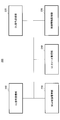
- FIG. 4 shows a configuration of the mobile station 100 according to an embodiment of the present invention.
- the mobile station 100 may be any suitable device having a wireless communication function such as a mobile phone or a smartphone.
- the mobile station 100 includes a downlink (DL) signal reception unit 110, an uplink (UL) signal transmission unit 120, a secondary cell (Scell) state management unit 130, an uplink (UL) resource management unit 140, a transmission And a control unit 150.
- DL downlink
- UL uplink
- Scell secondary cell
- UL uplink
- control unit 150 transmission And a control unit 150.
- the DL signal receiving unit 110 receives a radio signal including data and / or control information from the base station via the primary cell and / or the secondary cell.
- the DL signal reception unit 110 receives control information indicating a PUCCH resource from the base station.
- the base station allocates PUCCH resources so that uplink control information to be transmitted on the PUCCH from a cell different from the secondary cell can be received. Secure. For example, when PUCCH is supported in two active secondary cells in addition to the primary cell, the base station may reserve PUCCH resources of two secondary cells in the primary cell, and two secondary cells in each secondary cell.
- a PUCCH resource of a cell may be secured.
- the base station may reserve PUCCH resources of two secondary cells in a secondary cell having a large index or a secondary cell having a small index.
- the secondary cell index is a value specified together with the cell ID of the secondary cell by the base station when the secondary cell is added.
- the base station may reserve the PUCCH resources of the two secondary cells in the cell with the best quality.
- the cell with the highest quality indicates the cell with the highest quality among the secondary cells supporting the primary cell and the PUCCH.
- the UL signal transmission unit 120 transmits a radio signal including data and / or control information to the base station via the primary cell and / or the secondary cell.
- UL signal transmission section 120 transmits uplink control information (UCI) such as ACK / NACK, SR, and CQI using the PUCCH resource instructed by the base station.
- UCI uplink control information
- the Scell state management unit 130 manages whether the state of the secondary cell is an active state or an inactive state.
- the secondary cell is in an inactive state immediately after being added by the RRC configuration. For this reason, in order to make the set secondary cell in a communicable state, that is, in a schedulable state, it is necessary to change the secondary cell to the active state.
- the base station transmits the MAC CE to the mobile station 100 in the MAC layer, thereby making the mobile station 100 active / non-active. Transition to the active state.
- the Scell state management unit 130 transitions the state of the secondary cell according to the transition instruction from such a base station.
- the Scell state management unit 130 activates the Scell Deactivation Timer for causing the secondary cell to transition to the inactive state when the timer expires.
- the Scell state management unit 130 resets and restarts the Scell Deactivation Timer.
- the Scell state management unit 130 To the inactive state.
- the UL resource management unit 140 manages uplink radio resources. In this method, when the DL signal reception unit 110 receives control information indicating a PUCCH resource, the UL resource management unit 140 notifies the UL signal transmission unit 120 and the transmission control unit 150 of the PUCCH resource indicated by the base station.
- the transmission control unit 150 controls transmission of radio signals by the UL signal transmission unit 120.
- the transmission control part 150 confirms the state of the said secondary cell managed by the Scell state management part 130 in the transmission timing of PUCCH of a secondary cell.
- the transmission control unit 150 stops transmitting uplink control information on the PUCCH of the secondary cell.
- the base station reserves PUCCH resources so that uplink control information to be transmitted on PUCCH from a cell different from the secondary cell can be received. Therefore, the transmission control unit 150 can control to transmit uplink control information to be transmitted on the PUCCH of the secondary cell in the inactive state using the PUCCH of the primary cell or the PUCCH of the other secondary cell in the active state. .
- the transmission control unit 150 may select a cell that transmits uplink control information to be transmitted on the PUCCH of the inactive secondary cell based on the index of the secondary cell or the cell quality. For example, the uplink control information to be transmitted on the PUCCH of the inactive secondary cell may be transmitted on the primary cell. Further, uplink control information to be transmitted on the PUCCH of the inactive secondary cell may be transmitted on the active secondary cell that supports the PUCCH. Furthermore, when there are a plurality of active secondary cells that support PUCCH, the cell may be transmitted in a cell with a large index or a cell with a small index. Moreover, the uplink control information which should be transmitted by PUCCH of the inactive secondary cell may be transmitted by the cell with the best quality.
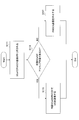
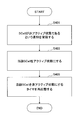
- FIG. 5 shows a control method in the mobile station 100 according to an embodiment of the present invention.
- step S101 PUCCH transmission is triggered in the secondary cell. That is, the transmission control unit 150 recognizes that the PUCCH transmission timing of the secondary cell has come.
- step S103 the transmission control unit 150 confirms the state of the secondary cell managed by the Scell state management unit 130.
- the state of the secondary cell to which uplink control information should be transmitted on the PUCCH is an active state (S103: Yes)
- step S105 the transmission control unit 150 performs ACK / NACK, SR, and CQI in the secondary cell. And control to transmit uplink control information (UCI).
- UCI uplink control information
- step 107 the transmission control unit 150 transmits the uplink control information in the secondary cell. Cancel. Instead, the transmission control unit 150 performs control such that uplink control information (UCI) such as ACK / NACK, SR, and CQI is transmitted using the PUCCH of the primary cell or the PUCCH of the active secondary cell.
- UCI uplink control information
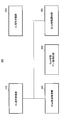
- FIG. 6 shows the configuration of a base station 200 according to an embodiment of the present invention.
- the base station 200 wirelessly connects to the mobile station 100 to transmit the downlink data received from the exchange station or the like to the mobile station 100 and to transmit the uplink data received from the mobile station 100 to the exchange station or the like.
- the base station 200 includes an uplink (UL) signal reception unit 210, a downlink (DL) signal transmission unit 220, a secondary cell (Scell) state management unit 230, an uplink (UL) resource management unit 240, a control And an information processing unit 250.
- UL uplink
- DL downlink
- Scell secondary cell
- UL uplink
- UL uplink
- the UL signal receiving unit 210 receives a radio signal including data and / or control information from the mobile station via the primary cell and / or the secondary cell.
- the UL signal reception unit 210 receives uplink control information (UCI) such as ACK / NACK, SR, and CQI from the mobile station.
- UCI uplink control information
- the base station 200 prepares for the mismatch of the active state / inactive state of the secondary cell, so that the PUCCH resource can receive uplink control information to be transmitted on the PUCCH from a cell different from the secondary cell. Secure. For this reason, UL signal reception section 210 may receive uplink control information to be transmitted on the PUCCH of the secondary cell from a cell different from the secondary cell.
- the DL signal transmission unit 220 transmits a radio signal including data and / or control information to the mobile station via the primary cell and / or the secondary cell. For PUCCH reception, the DL signal transmission unit 220 transmits control information indicating a PUCCH resource. The DL signal transmission unit 220 transmits control information indicating a PUCCH resource secured so that uplink control information to be transmitted on the PUCCH of the secondary cell can be received from another cell.
- the Scell state management unit 230 manages whether the state of the secondary cell is an active state or an inactive state. As described above, the secondary cell is in an inactive state immediately after being added by the RRC configuration. In order to transition the secondary cell to the active state and the inactive state, the base station 200 transitions the mobile station to the active state / inactive state by transmitting MAC CE to the mobile station in the MAC layer. The Scell state management unit 230 transitions the state of the secondary cell based on the delivery confirmation (ACK / NACK) of the mobile station in response to the transition instruction from the base station 200.
- ACK / NACK delivery confirmation
- the Scell state management unit 230 determines that the secondary cell is activated, and transitions the secondary cell to the inactive state when the timer expires. Start the Scell Deactivation Timer. After the Scell Deactivation Timer is started, when the base station 200 schedules a new radio resource in the secondary cell, the Scell state management unit 230 resets and restarts the Scell Deactivation Timer. After that, when the Scell Deactivation Timer expires or when a delivery confirmation (ACK) for an explicit state transition instruction for deactivating the secondary cell is received, the Scell state management unit 230 displays the secondary cell. Transition to inactive state.
- ACK delivery confirmation
- the Scell state management unit 230 when receiving the PUCCH uplink control information from another cell, the Scell state management unit 230 recognizes that the state of the secondary cell of the base station 200 and the state of the secondary cell of the mobile station do not match. May be. In this case, the Scell state management unit 230 may set the state of the secondary cell to an inactive state. Alternatively, the Scell state management unit 230 may cause the mobile station to transition the secondary cell to the active state by transmitting the MAC CE to the mobile station.
- the UL resource management unit 240 manages uplink resources. As described above, the UL resource management unit 240 secures the PUCCH resource in the secondary cell that supports the PUCCH, and also secures the PUCCH resource of the secondary cell in the primary cell or another secondary cell that supports the PUCCH. . For example, when the PUCCH is supported by two active secondary cells in addition to the primary cell, the UL resource management unit 240 may reserve the PUCCH resources of the two secondary cells in the primary cell. You may reserve the PUCCH resource of two secondary cells. Moreover, UL resource management part 240 may ensure the PUCCH resource of two secondary cells in the secondary cell with a large index, or a small secondary cell. Further, the UL resource management unit 240 may reserve the PUCCH resources of the two secondary cells in the cell with the best quality.
- the control information processing unit 250 monitors the PUCCH resource secured by the UL resource management unit 240 and processes the uplink control information of the PUCCH of the secondary cell.
- the control information processing unit 250 uses the received uplink control information for scheduling or the like.
- the control information processing unit 250 uses the received uplink control information for scheduling or the like even when uplink control information to be transmitted on the PUCCH of the secondary cell is received from another cell.
- FIG. 7 shows a control method in the base station 200 according to an embodiment of the present invention.
- step S201 the UL resource management unit 240 secures the PUCCH resource in the secondary cell that supports the PUCCH, and also secures the PUCCH resource of the secondary cell in the secondary cell that supports the primary cell or the PUCCH.
- step S203 the control information processing unit 250 monitors the PUCCH resource secured by the UL resource management unit 240, and receives uplink control information (UCI) to be transmitted on the PUCCH of the secondary cell in another cell. Determine whether or not.
- UCI uplink control information
- step 205 the control information processing unit 250 transmits the PUCCH of the secondary cell from another cell. Even if the uplink control information to be processed is received, it is processed as the uplink control information of the secondary cell.
- the uplink control information to be transmitted on the PUCCH of the secondary cell is not received in another cell (S203: No), that is, the uplink control information of the PUCCH of the secondary cell is received from the secondary cell supporting the PUCCH. If received, in step 207, the control information processing unit 250 processes the received uplink control information as usual.
- the DL signal reception unit 110 receives a radio signal including data and / or control information from the base station via the primary cell and / or the secondary cell.
- the control information includes control information indicating PUSCH resources allocated by the base station.
- the base station can receive uplink control information to be transmitted on the PUCCH from a cell different from the secondary cell in preparation for a mismatch between the active state / inactive state of the secondary cell. PUCCH resources are not reserved.
- the UL signal transmission unit 120 transmits a radio signal including data and / or control information to the base station via the primary cell and / or the secondary cell.
- the UL signal transmission unit 120 may transmit uplink control information to be transmitted on the PUCCH of the secondary cell using the PUSCH. Good.
- the Scell state management unit 130 manages whether the state of the secondary cell is an active state or an inactive state.
- the UL resource management unit 140 manages uplink radio resources as described with reference to FIG. In this method, the UL resource management unit 140 manages PUSCH resources allocated by the base station. In this technique, when the DL signal receiving unit 110 receives control information indicating a PUSCH resource, the UL resource management unit 140 notifies the UL signal transmitting unit 120 and the transmission control unit 150 of the PUSCH resource indicated by the base station.
- the transmission control unit 150 controls transmission of radio signals by the UL signal transmission unit 120.
- the transmission control part 150 confirms the state of the said secondary cell managed by the Scell state management part 130 in the transmission timing of PUCCH of a secondary cell.
- the transmission control unit 150 stops transmitting uplink control information on the PUCCH of the secondary cell.
- the transmission control unit 150 may control to transmit uplink control information to be transmitted on the PUCCH of the secondary cell using the PUSCH when the PUSCH resource exists at the transmission timing of the PUCCH of the secondary cell.
- the uplink control information to be transmitted on the PUCCH may be piggybacked on the PUSCH.
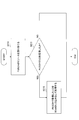
- FIG. 8 shows a control method in the mobile station 100 according to an embodiment of the present invention.
- step S111 PUCCH transmission is triggered in the secondary cell. That is, the transmission control unit 150 recognizes that the PUCCH transmission timing of the secondary cell has come.
- step S113 the transmission control unit 150 confirms the state of the secondary cell managed by the Scell state management unit 130.
- the state of the secondary cell that should transmit the PUCCH is the active state (S113: Yes)
- step S115 the transmission control unit 150 performs uplink control information such as ACK / NACK, SR, and CQI in the secondary cell. Control to transmit (UCI).
- the transmission control unit 150 transmits the uplink control information in the secondary cell. Cancel.
- the transmission control unit 150 may control to transmit uplink control information to be transmitted on the PUCCH of the secondary cell using the PUSCH.
- the base station 200 is configured in the same manner as in FIG.
- the UL signal reception unit 210 receives a radio signal including data and / or control information from the mobile station via the primary cell and / or the secondary cell as described with reference to FIG.
- the base station prepares for the mismatch of the active state / inactive state of the secondary cell, so that the PUCCH resource can receive the uplink control information to be transmitted on the PUCCH from a cell different from the secondary cell. Do not secure.
- the UL signal reception unit 210 may receive uplink control information to be transmitted on the PUCCH of the secondary cell using the PUSCH.
- the DL signal transmission unit 220 transmits a radio signal including data and / or control information to the mobile station via the primary cell and / or the secondary cell.
- the Scell state management unit 230 manages whether the state of the secondary cell is an active state or an inactive state.
- the Scell state management unit 230 when the Scell state management unit 230 receives the PUCCH uplink control information from the PUSCH, the Scell state management unit 230 recognizes that the state of the secondary cell of the base station 200 does not match the state of the secondary cell of the mobile station. Good. In this case, the Scell state management unit 230 may set the state of the secondary cell to an inactive state. Alternatively, the Scell state management unit 230 may cause the mobile station to transition the secondary cell to the active state by transmitting the MAC CE to the mobile station.
- the UL resource management unit 240 manages uplink resources. In this method, the UL resource management unit 240 secures the PUCCH resource and allocates the PUSCH resource to the mobile station.
- the control information processing unit 250 monitors the PUCCH resource and the PUSCH resource managed by the UL resource management unit 240, and processes the uplink control information of the PUCCH of the secondary cell.
- the control information processing unit 250 uses the received uplink control information for scheduling or the like.
- the control information processing unit 250 uses the received uplink control information for scheduling or the like even when uplink control information to be transmitted on the PUCCH of the secondary cell is received from the PUSCH.
- FIG. 9 shows a control method in the base station 200 according to an embodiment of the present invention.
- step S211 the UL resource management unit 240 secures the PUCCH resource and allocates the PUSCH resource to the mobile station.
- step S213 the control information processing unit 250 monitors the PUSCH resource allocated by the UL resource management unit 240, and determines whether uplink control information (UCI) to be transmitted on the PUCCH of the secondary cell is received from the PUSCH. to decide.
- UCI uplink control information
- step 215 the control information processing unit 250 receives the uplink control information of the PUCCH of the secondary cell from the PUSCH. Even if it is a case, it processes as the uplink control information of the said PUCCH.
- the control information processing part 250 is PUCCH normally. Process uplink control information.
- FIG. 10 shows the configuration of a mobile station 300 according to an embodiment of the present invention.
- the mobile station 300 includes a downlink (DL) signal reception unit 310, an uplink (UL) signal transmission unit 320, a secondary cell (Scell) state management unit 330, a secondary cell (Scell) state mismatch detection unit 340, A secondary cell (Scell) state notification unit 350.
- DL downlink
- UL uplink
- Scell secondary cell
- Scell secondary cell
- Scell secondary cell
- Scell secondary cell
- Scell secondary cell
- a secondary cell (Scell) state notification unit 350 A secondary cell (Scell) state notification unit 350.
- the DL signal receiving unit 310 receives a radio signal including data and / or control information from the base station via the primary cell and / or the secondary cell.
- the base station does not secure the PUCCH resource so that the PUCCH can be received from a cell different from the secondary cell in preparation for the mismatch between the active state / inactive state of the secondary cell.
- the UL signal transmission unit 320 transmits a radio signal including data and / or control information to the base station via the primary cell and / or the secondary cell.
- the Scell state management unit 330 manages whether the state of the secondary cell is an active state or an inactive state.
- the Scell state mismatch detection unit 340 detects a mismatch in the state of the secondary cell between the mobile station 300 and the base station.
- the Scell state mismatch detection unit 340 is in a state where the secondary cell managed by the Scell state management unit 330 is inactive, and the state of the secondary cell managed by the base station is active. Detect inconsistencies in the state of being.
- a secondary cell that supports PUCCH needs to be in an active state with PUCCH set in order to transmit feedback information to the base station.
- the Scell state The mismatch detection unit 340 can detect a state mismatch.
- the Scell state mismatch detection unit 340 is in the state when the PUCCH transmission of the secondary cell is triggered even though the state of the secondary cell managed by the Scell state management unit 330 is an inactive state. A mismatch may be detected.
- the Scell state notification unit 350 transmits a notification that the state of the secondary cell is in an inactive state to the base station.
- the Scell state notification unit 350 may transmit the notification to the base station when the state mismatch is detected, or may transmit the notification to the base station when the PUCCH transmission is triggered. Further, such notification may be transmitted by any layer signal such as MAC CE, RRC signal, physical layer signal, and the like.
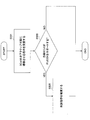
- FIG. 11 shows a control method in the mobile station 300 according to an embodiment of the present invention.
- step S301 the Scell state management unit 330 transitions the secondary cell to the inactive state in response to an instruction from the base station or the expiration of the Scell Deactivation Timer.
- step S303 the Scell state mismatch detection unit 340 confirms whether the PUCCH is set in the secondary cell that has transitioned to the inactive state.
- the Scell state mismatch detection unit 340 detects a mismatch in the state of the secondary cell between the mobile station 300 and the base station.
- the Scell state notification unit 350 transmits a notification that the state of the secondary cell is in an inactive state to the base station.
- the PUCCH is not set in the secondary cell that has transitioned to the inactive state (S303: No)
- the state is considered to match, and thus the Scell state notification unit 350 does not transmit the notification to the base station.
- FIG. 12 shows the configuration of a base station 400 according to an embodiment of the present invention.
- the base station 400 includes an uplink (UL) signal reception unit 410, a downlink (DL) signal transmission unit 420, and a secondary cell (Scell) state management unit 430.
- UL uplink
- DL downlink
- Scell secondary cell
- the UL signal receiving unit 410 receives a radio signal including data and / or control information from the mobile station via the primary cell and / or the secondary cell. In this method, the UL signal reception unit 210 may receive a notification that the state of the secondary cell is inactive from the mobile station.
- the DL signal transmission unit 420 transmits a radio signal including data and / or control information to the mobile station via the primary cell and / or the secondary cell.
- the Scell state management unit 430 manages whether the state of the secondary cell is an active state or an inactive state.
- the Scell state management unit 430 receives a notification that the state of the secondary cell is an inactive state for the secondary cell in the active state, the state of the secondary cell of the base station 400 and the state of the secondary cell of the mobile station Recognize that they do not match.
- the Scell state management unit 430 may set the state of the secondary cell to an inactive state.
- the Scell state management unit 430 may cause the mobile station to transition the secondary cell to the active state by transmitting the MAC CE to the mobile station and restart the Scell Deactivation Timer.
- FIG. 13 shows a control method in the base station 400 according to an embodiment of the present invention.
- step S401 the UL signal reception unit 410 receives a notification from the mobile station that the secondary cell is in an inactive state.
- the Scell state management unit 430 receives a notification that the state of the secondary cell is an inactive state for the secondary cell in the active state, the state of the secondary cell of the base station 400 and the state of the secondary cell of the mobile station Recognize that they do not match.
- step S403 when the Scell state management unit 430 recognizes a mismatch in the state of the secondary cell, the Scell state management unit 430 causes the mobile station to transition the secondary cell to the active state.
- step S405 the Scell state management unit 430 restarts the Scell Deactivation Timer.
- the Scell state management unit 430 may not cause the mobile station to transition the secondary cell to the active state, and may simply set the state of the Scell state management unit 430 to the inactive state. .
- FIG. 14 shows the configuration of a mobile station 500 according to an embodiment of the present invention.
- the mobile station 500 includes a downlink (DL) signal reception unit 510, an uplink (UL) signal transmission unit 520, a secondary cell (Scell) state management unit 530, and a transition instruction control unit 540.
- DL downlink
- UL uplink
- Scell secondary cell
- the DL signal receiving unit 510 receives a radio signal including data and / or control information from the base station via the primary cell and / or the secondary cell.
- the control information includes an instruction (MAC CE) for transitioning the secondary cell to the inactive state.
- MAC CE an instruction
- the base station does not secure the PUCCH resource so that the PUCCH can be received from a cell different from the secondary cell in preparation for the mismatch between the active state / inactive state of the secondary cell.
- the UL signal transmission unit 520 transmits a radio signal including data and / or control information to the base station via the primary cell and / or the secondary cell.
- the Scell state management unit 530 manages whether the state of the secondary cell is an active state or an inactive state. Moreover, the Scell state management unit 530 manages whether or not PUCCH is supported in the secondary cell.
- the transition instruction control unit 540 When the transition instruction control unit 540 receives an instruction from the base station to transition the secondary cell to the inactive state for the secondary cell supporting the PUCCH, the transition instruction control unit 540 discards the instruction. When the instruction is discarded, the transition instruction control unit 540 may transmit a notification that the instruction is discarded from the UL signal transmission unit 520 to the base station. Moreover, even if the Scell Deactivation Timer expires, the transition instruction control unit 540 does not transition the secondary cell to the inactive state.
- FIG. 15 shows a control method in the mobile station 500 according to an embodiment of the present invention.
- step S501 the UL signal reception unit 510 receives an instruction to transition the secondary cell to the inactive state from the base station.
- step S503 the transition instruction control unit 540 confirms whether or not the instruction from the base station is an instruction for a secondary cell that supports the PUCCH.
- the transition instruction control unit 540 When receiving an instruction to transition to an inactive state for a secondary cell that supports the PUCCH (S503: Yes), the transition instruction control unit 540 discards the instruction in step S505. In addition, when the instruction
- the base station since the base station does not receive an acknowledgment (ACK) to the MAC CE for activating the secondary cell, the base station does not set the state of the secondary cell to the inactive state. .
- ACK acknowledgment
- the base station may recognize the secondary cell as an active state. It becomes possible for a station and a base station to process PUCCH of a secondary cell.
- the base station can determine whether the uplink of the PUCCH is the same regardless of the match / mismatch of the state of the secondary cell. Control information can be received.
- the technique of notifying the base station that the state of the secondary cell supporting the PUCCH is an inactive state it becomes possible to eliminate the state inconsistency between the base station and the mobile station. In this state, it is possible to process the uplink control information of PUCCH.
- the secondary cell supporting PUCCH is not set to the inactive state, it is possible to avoid a state mismatch between the base station and the mobile station.
- the mobile station and the base station according to the embodiment of the present invention have been described using functional block diagrams. A combination thereof may be realized. In addition, the functional units may be used in combination as necessary. Moreover, although the control method according to the embodiment of the present invention is described using a flowchart showing the flow of processing, the control method according to the embodiment of the present invention is performed in an order different from the order shown in the embodiment. Also good.
- the mobile station and the base station may process the PUCCH of the secondary cell even when the base station may recognize the secondary cell as the active state.
- a mobile station, a base station, and a control method may be expressed as follows.
- a mobile station that communicates using carrier aggregation A secondary cell state management unit that manages whether the state of the secondary cell is an active state or an inactive state; In the transmission timing of the physical uplink control channel of the first secondary cell, when the state of the first secondary cell managed by the secondary cell state management unit is an inactive state, the first secondary cell A transmission control unit that stops transmission of uplink control information on the physical uplink control channel; A mobile station.
- the transmission control unit uses the physical uplink control channel of the primary cell or the physical uplink control channel of the second secondary cell in the active state at the transmission timing of the physical uplink control channel of the first secondary cell.
- the mobile station according to (1) wherein control is performed so as to transmit uplink control information to be transmitted on the physical uplink control channel of the first secondary cell.
- the transmission control unit selects a cell to transmit uplink control information to be transmitted on the physical uplink control channel of the first secondary cell based on the secondary cell index or cell quality.
- the mobile station according to (2).
- the transmission control unit uses the physical uplink shared channel to The mobile station according to (1), which performs control so as to transmit uplink control information to be transmitted on a physical uplink control channel.
- a base station that communicates using carrier aggregation, In the first secondary cell that supports the physical uplink control channel, the resource of the physical uplink control channel is secured, and also in the second secondary cell that supports the primary cell or the physical uplink control channel, the first secondary cell A resource management unit for securing resources of uplink control information to be transmitted on the physical uplink control channel of the secondary cell; When uplink control information to be transmitted on the physical uplink control channel of the first secondary cell is received using the physical uplink control channel resource secured by the resource management unit, the received uplink control information is A control information processing unit to process; Base station with
- a control method in a base station that communicates using carrier aggregation In the first secondary cell that supports the physical uplink control channel, the resource of the physical uplink control channel is secured, and also in the second secondary cell that supports the primary cell or the physical uplink control channel, the first secondary cell Securing uplink control information resources to be transmitted on the physical uplink control channel of the secondary cell; When uplink control information to be transmitted on the physical uplink control channel of the first secondary cell is received with the resources of the reserved physical uplink control channel, processing the received uplink control information; Control method.
- a base station that communicates using carrier aggregation, A resource management unit that allocates physical uplink shared channel resources to mobile stations;
- the received uplink control information is A control information processing unit to process;
- a mobile station that communicates using carrier aggregation, A secondary cell state management unit that manages whether the state of the secondary cell is an active state or an inactive state; A state mismatch detection unit that detects a state mismatch in which the state of the secondary cell managed by the secondary cell state management unit is an inactive state and the state of the secondary cell managed by the base station is an active state When, When a mismatch in the state of the secondary cell is detected by the state mismatch detection unit, a transmission unit that transmits a notification that the state of the secondary cell is an inactive state to the base station; A mobile station.
- a base station that communicates using carrier aggregation, A secondary cell state management unit that manages whether the state of the secondary cell is an active state or an inactive state; A receiver that receives a notification from the mobile station that the state of the secondary cell is an inactive state; Have When the secondary cell state management unit receives a notification that the secondary cell state is in an inactive state with respect to the active secondary cell, the secondary cell state management unit transitions the secondary cell of the mobile station to the active state. base station.
- a mobile station that communicates using carrier aggregation, A receiving unit that receives from the base station an instruction to transition the secondary cell to the inactive state from the base station; A transition instruction control unit that discards the instruction received by the reception unit when the instruction received by the reception unit is an instruction for a secondary cell that supports a physical uplink control channel; A mobile station.
- the transition instruction control unit is configured to perform the secondary cell even if the timer expires.
- the mobile station according to (15) or (16).
- a control method in a mobile station that communicates using carrier aggregation Receiving from the base station an instruction to transition the secondary cell to the inactive state from the base station; When the received instruction is an instruction for a secondary cell supporting a physical uplink control channel, discarding the instruction received by the receiving unit; Control method.
Landscapes
- Engineering & Computer Science (AREA)
- Computer Networks & Wireless Communication (AREA)
- Signal Processing (AREA)
- Physics & Mathematics (AREA)
- General Physics & Mathematics (AREA)
- Mobile Radio Communication Systems (AREA)
Abstract
キャリアアグリゲーションを利用して通信する移動局は、セカンダリセルの状態がアクティブ状態であるか非アクティブ状態であるかを管理するセカンダリセル状態管理部と、第1のセカンダリセルの物理上りリンク制御チャネルの送信タイミングにおいて、前記セカンダリセル状態管理部により管理されている当該第1のセカンダリセルの状態が非アクティブ状態である場合、当該第1のセカンダリセルの物理上りリンク制御チャネルでの上りリンク制御情報の送信を中止する送信制御部とを有する。
Description
本発明は、移動局及び制御方法に関する。
現在、3GPP(3rd Generation Partnership Project)では、LTE(Long Term Evolution)の次世代の通信規格として、LTE-A(Long Term Evolution-Advanced)の標準化が進められている。LTE-Aシステムでは、LTEシステムとのバックワードコンパチビリティを確保しつつ、LTEシステムを上回るスループットを実現するため、キャリアアグリゲーション(CA:Carrier Aggregation)技術が導入される。キャリアアグリゲーション技術では、LTEシステムによりサポートされている20MHzの最大帯域幅を有するLTEキャリア(コンポーネントキャリアとも呼ばれる)が基本コンポーネントとして利用され、複数のコンポーネントキャリアを同時に用いることによって、より広帯域な通信を実現することが図られている。
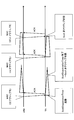
キャリアアグリゲーションでは、例えば、図1に示されるようなコンポーネントキャリアの配置が想定される。ケース1では、隣接する20MHzの2つの帯域が、キャリアアグリゲーションによって40MHzの帯域として利用可能になる。ケース1は、20MHzより大きな連続する帯域を確保可能なケースなどに効果的に用いられ、LTEシステムとのバックワードコンパチビリティを確保しつつ、LTEシステムを上回るスループットを実現することができる。ケース2では、離間した10MHzの2つの帯域が、キャリアアグリゲーションによって20MHzの帯域として利用可能になる。ケース2は、事業者への周波数帯域の割当てが断片的である場合などに効果的に用いられ、LTEシステムとのバックワードコンパチビリティを確保しつつ、LTEシステムを上回るスループットを実現することができる。
キャリアアグリゲーションでは、移動局(UE:User Equipment)は、複数のコンポーネントキャリアを同時に用いて基地局(eNB:evolved NodeB)と通信することが可能である。キャリアアグリゲーションでは、移動局との接続性を担保する信頼性の高いプライマリセル(Pcell:Primary Cell)と、プライマリセルに接続中の移動局に追加的に設定されるセカンダリセル(Scell:Secondary Cell)とが設定される。例えば、図1に示される具体例において、2つのコンポーネントキャリアの一方がプライマリセルに設定され、他方がセカンダリセルに設定されてもよい(3GPP TS36.300 V11.3.0(2012-09) section7.5参照)。
プライマリセルは、LTEシステムと同様のセルであり、移動局とネットワークとの間の接続性を担保するためのセルである。すなわち、プライマリセルでは、移動局は、物理下りリンク制御チャネル(PDCCH:Physical Downlink Control Channel)や物理下りリンク共有チャネル(PDSCH:Physical Downlink Shared Channel)を受信し、物理上りリンク制御チャネル(PUCCH:Physical Uplink Control Channel)、物理上りリンク共有チャネル(PUSCH:Physical Uplink Shared Channel)及び物理ランダムアクセスチャネル(PRACH:Physical Random Access Channel)を送信することが可能である。また、プライマリセルを変更する場合、移動局は、ハンドオーバを実行する必要がある。
他方、セカンダリセルは、プライマリセルに追加されて移動局に設定されるセルである。セカンダリセルの追加及び削除は、RRC(Radio Resource Control)のコンフィギュレーション(Configuration)により実行される。セカンダリセルでは、移動局は、PUCCH及びPRACHを送信しない。また、セカンダリセルが移動局に設定された直後は非アクティブ(deactivate)状態であり、MAC(Medium Access Control)レイヤにおいてアクティブ化(activation)することではじめて通信可能又はスケジューリング可能となる。このため、設定されたセカンダリセルを通信可能な状態、すなわち、スケジューリング可能な状態にするには、セカンダリセルをアクティブ(activate)状態に遷移させる必要がある。
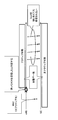
現在検討されているLTE-Aシステムでは、セカンダリセルをアクティブ状態及び非アクティブ状態に遷移させるため、図2に示されるように、基地局は、MACレイヤにおいてMAC CE(Control Element)を移動局に送信することによって、設定されたセカンダリセルをアクティブ化/非アクティブ化するよう移動局に指示する。移動局は、これら明示的な状態遷移指示を受信すると、セカンダリセルを指示された状態に遷移させる。
また、セカンダリセルをアクティブ化するためのMAC CEを基地局から受信すると、移動局は、当該セカンダリセルをアクティブ化すると共に、所定の期間後に当該セカンダリセルを非アクティブ状態に遷移させるためのScell Deactivation Timerを起動する。他方、基地局もまた、MAC CEを送信したタイミングで、或いは、移動局からMAC CEに対する送達確認(ACK)を受信すると、Scell Deactivation Timerを起動する。すなわち、基地局と移動局とが、各自のScell Deactivation Timerを保持し、アクティブ化された当該セカンダリセルの状態を管理する。Scell Deactivation Timerの起動後、基地局が当該セカンダリセルにおいて新規無線リソースを移動局にスケジューリングすると、基地局と移動局とは、各自のScell Deactivation Timerを再起動する。その後、Scell Deactivation Timerが満了するか、又は基地局から当該セカンダリセルを非アクティブ化するための明示的な状態遷移指示を受信すると、移動局は、当該セカンダリセルを非アクティブ状態に遷移させる。基地局もまた、当該セカンダリセルに対して管理しているScell Deactivation Timerが満了するか、或いは、移動局から当該セカンダリセルを非アクティブ化したという通知を受信すると、当該セカンダリセルが非アクティブ化されたと判断し、当該セカンダリセルにおける移動局への無線リソースのスケジューリングをやめる。このようにして、基地局と移動局との間でセカンダリセルのアクティブ状態/非アクティブ状態を一致させることが可能である。
上記のように、PUCCHは、プライマリセルのみでサポートされている。すなわち、送達確認(ACK/NACK)、スケジューリングリクエスト(SR:Scheduling Request)及びチャネル品質情報(CQI:Channel Quality Indicator)のような上りリンク制御情報(UCI:Uplink Control Information)は、プライマリセルのPUCCHで送信される。
しかしながら、PUCCHをプライマリセルのみでサポートする場合、特定のセルをプライマリセルとして使用する移動局の数の増加に伴い、PUCCHリソースが不足する可能性がある。例えば、マクロセルにオーバーレイする形でピコセルやフェムトセルのようなスモールセルをカバーする基地局を配置し、移動局のモビリティ管理をマクロセルで担保する場合、マクロセルのPUCCHリソースが不足する可能性がある。また、例えば、音声をマクロセルでスケジューリングするためにマクロセルをプライマリセルとして設定する場合にもPUCCHリソースが不足する可能性がある。
PUCCHリソースの不足に対処するために、各セルについてプライマリセルとして接続できる移動局の数を制限することもできる。すなわち、所定数を超えた移動局については別のセルをプライマリセルとして使用させることもできる。しかし、プライマリセルを変更するためにはハンドオーバ手順が必要になるため、制御負荷の観点やユーザスループットの観点から望ましくない。従って、セカンダリセルにおいてもPUCCHをサポートすることが望まれる。
また、異なる基地局配下のコンポーネントキャリアを用いたキャリアアグリゲーションが採用されることが想定される。これは、Inter-site CAと呼ばれる。Inter-site CAでは、PUCCHで送信される上りリンク制御情報は、下りリンク送信を行った基地局に対して送信されるべきであるため、セカンダリセルにおいてもPUCCHをサポートすることが望まれる。
ここで、セカンダリセルにおいてもPUCCHをサポートする場合、基地局と移動局との間でセカンダリセルのアクティブ状態/非アクティブ状態の不一致が生じた場合に、セカンダリセルのPUCCHが適切に処理されないという問題がある。
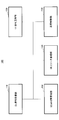
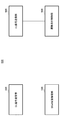
例えば、図3に示されるように、設定されたセカンダリセルをアクティブ化するために基地局から送信されたMAC CEが移動局に適切に受信されず、さらに基地局が、ノイズや干渉などによりこの送信したMAC CEに対して移動局からACKを受信したと誤判定した場合(NACK→ACK誤り)、移動局は当該セカンダリセルを非アクティブ状態に留める一方、基地局は当該セカンダリセルがアクティブ状態に遷移したと誤認することになる。すなわち、基地局と移動局との間で当該セカンダリセルのアクティブ状態/非アクティブ状態の不一致が生じることになる。このようなセカンダリセルのアクティブ状態/非アクティブ状態の不一致は、Scell Deactivation Timerのミスアライメントによっても生じる。
移動局がセカンダリセルを非アクティブ状態に留める一方、基地局が当該セカンダリセルをアクティブ状態と認識している場合、基地局は、当該セカンダリセルのPUCCHで送信されるべき上りリンク制御情報を取得することができない。
本発明は、移動局がセカンダリセルを非アクティブ状態に留める一方、基地局が当該セカンダリセルをアクティブ状態と認識する可能性がある場合においても、移動局及び基地局がセカンダリセルのPUCCHを処理することができる手法を提供することを目的とする。
本発明の一形態による移動局は、
キャリアアグリゲーションを利用して通信する移動局であって、
セカンダリセルの状態がアクティブ状態であるか非アクティブ状態であるかを管理するセカンダリセル状態管理部と、
第1のセカンダリセルの物理上りリンク制御チャネルの送信タイミングにおいて、前記セカンダリセル状態管理部により管理されている当該第1のセカンダリセルの状態が非アクティブ状態である場合、当該第1のセカンダリセルの物理上りリンク制御チャネルでの上りリンク制御情報の送信を中止する送信制御部と、
を有することを特徴とする。
キャリアアグリゲーションを利用して通信する移動局であって、
セカンダリセルの状態がアクティブ状態であるか非アクティブ状態であるかを管理するセカンダリセル状態管理部と、
第1のセカンダリセルの物理上りリンク制御チャネルの送信タイミングにおいて、前記セカンダリセル状態管理部により管理されている当該第1のセカンダリセルの状態が非アクティブ状態である場合、当該第1のセカンダリセルの物理上りリンク制御チャネルでの上りリンク制御情報の送信を中止する送信制御部と、
を有することを特徴とする。
また、本発明の一形態による制御方法は、
キャリアアグリゲーションを利用して通信する移動局における制御方法であって、
セカンダリセルの状態がアクティブ状態であるか非アクティブ状態であるかをセカンダリセル状態管理部において管理するステップと、
第1のセカンダリセルの物理上りリンク制御チャネルの送信タイミングにおいて、前記セカンダリセル状態管理部により管理されている当該第1のセカンダリセルの状態が非アクティブ状態である場合、当該第1のセカンダリセルの物理上りリンク制御チャネルでの上りリンク制御情報の送信を中止するステップと、
を有することを特徴とする。
キャリアアグリゲーションを利用して通信する移動局における制御方法であって、
セカンダリセルの状態がアクティブ状態であるか非アクティブ状態であるかをセカンダリセル状態管理部において管理するステップと、
第1のセカンダリセルの物理上りリンク制御チャネルの送信タイミングにおいて、前記セカンダリセル状態管理部により管理されている当該第1のセカンダリセルの状態が非アクティブ状態である場合、当該第1のセカンダリセルの物理上りリンク制御チャネルでの上りリンク制御情報の送信を中止するステップと、
を有することを特徴とする。
また、本発明の一形態による移動局は、
キャリアアグリゲーションを利用して通信する移動局であって、
セカンダリセルの状態がアクティブ状態であるか非アクティブ状態であるかを管理するセカンダリセル状態管理部と、
前記セカンダリセル状態管理部により管理されているセカンダリセルの状態が非アクティブ状態であり、基地局により管理されている当該セカンダリセルの状態がアクティブ状態であるという状態の不一致を検出する状態不一致検出部と、
前記状態不一致検出部により当該セカンダリセルの状態の不一致が検出された場合、当該セカンダリセルの状態が非アクティブ状態であるという通知を前記基地局に送信する送信部と、
を有することを特徴とする。
キャリアアグリゲーションを利用して通信する移動局であって、
セカンダリセルの状態がアクティブ状態であるか非アクティブ状態であるかを管理するセカンダリセル状態管理部と、
前記セカンダリセル状態管理部により管理されているセカンダリセルの状態が非アクティブ状態であり、基地局により管理されている当該セカンダリセルの状態がアクティブ状態であるという状態の不一致を検出する状態不一致検出部と、
前記状態不一致検出部により当該セカンダリセルの状態の不一致が検出された場合、当該セカンダリセルの状態が非アクティブ状態であるという通知を前記基地局に送信する送信部と、
を有することを特徴とする。
また、本発明の一形態による制御方法は、
キャリアアグリゲーションを利用して通信する移動局における制御方法であって、
セカンダリセルの状態がアクティブ状態であるか非アクティブ状態であるかをセカンダリセル状態管理部において管理するステップと、
前記セカンダリセル状態管理部により管理されているセカンダリセルの状態が非アクティブ状態であり、基地局により管理されている当該セカンダリセルの状態がアクティブ状態であるという状態の不一致を検出するステップと、
当該セカンダリセルの状態の不一致が検出された場合、当該セカンダリセルの状態が非アクティブ状態であるという通知を前記基地局に送信するステップと、
を有することを特徴とする。
キャリアアグリゲーションを利用して通信する移動局における制御方法であって、
セカンダリセルの状態がアクティブ状態であるか非アクティブ状態であるかをセカンダリセル状態管理部において管理するステップと、
前記セカンダリセル状態管理部により管理されているセカンダリセルの状態が非アクティブ状態であり、基地局により管理されている当該セカンダリセルの状態がアクティブ状態であるという状態の不一致を検出するステップと、
当該セカンダリセルの状態の不一致が検出された場合、当該セカンダリセルの状態が非アクティブ状態であるという通知を前記基地局に送信するステップと、
を有することを特徴とする。
また、本発明の一形態による移動局は、
キャリアアグリゲーションを利用して通信する移動局であって、
基地局からセカンダリセルを非アクティブ状態に遷移させる指示を基地局から受信する受信部と、
前記受信部により受信した指示が物理上りリンク制御チャネルをサポートするセカンダリセルについての指示である場合、前記受信部により受信した指示を破棄する遷移指示制御部と、
を有することを特徴とする。
キャリアアグリゲーションを利用して通信する移動局であって、
基地局からセカンダリセルを非アクティブ状態に遷移させる指示を基地局から受信する受信部と、
前記受信部により受信した指示が物理上りリンク制御チャネルをサポートするセカンダリセルについての指示である場合、前記受信部により受信した指示を破棄する遷移指示制御部と、
を有することを特徴とする。
また、本発明の一形態による制御方法は、
キャリアアグリゲーションを利用して通信する移動局における制御方法であって、
基地局からセカンダリセルを非アクティブ状態に遷移させる指示を基地局から受信するステップと、
受信した指示が物理上りリンク制御チャネルをサポートするセカンダリセルについての指示である場合、前記受信部により受信した指示を破棄するステップと、
を有することを特徴とする。
キャリアアグリゲーションを利用して通信する移動局における制御方法であって、
基地局からセカンダリセルを非アクティブ状態に遷移させる指示を基地局から受信するステップと、
受信した指示が物理上りリンク制御チャネルをサポートするセカンダリセルについての指示である場合、前記受信部により受信した指示を破棄するステップと、
を有することを特徴とする。
本発明によれば、移動局がセカンダリセルを非アクティブ状態に留める一方、基地局が当該セカンダリセルをアクティブ状態と認識する可能性がある場合においても、移動局及び基地局がセカンダリセルのPUCCHを処理することが可能になる。
以下、本発明の実施例について、図面を参照して説明する。
本発明の実施例では、LTE-A(Long Term Evolution Advanced)システムのような無線通信システムにおいて、キャリアアグリゲーションを利用して通信する移動局及び基地局について説明する。キャリアアグリゲーションでは、基地局(eNB:evolved NodeB)は、移動局(UE:User Equipment)との接続性を担保するためのプライマリセルと、プライマリセルに接続中の移動局に追加的に設定されるセカンダリセルとが用いられる。また、プライマリセルのみならず、セカンダリセルにおいてもPUCCHをサポートすることを想定する。すなわち、移動局は、送達確認(ACK/NACK)、スケジューリングリクエスト(SR:Scheduling Request)及びチャネル品質情報(CQI:Channel Quality Indicator)のような上りリンク制御情報(UCI:Uplink Control Information)をプライマリセルのPUCCHだけでなく、セカンダリセルのPUCCHでも送信することを想定する。なお、全てのセカンダリセルがPUCCHをサポートしてもよく、一部のセカンダリセルがPUCCHをサポートしてもよい。
セカンダリセルにおいてもPUCCHをサポートする場合、基地局と移動局との間でセカンダリセルのアクティブ状態/非アクティブ状態の不一致が生じた場合に、セカンダリセルのPUCCHが適切に処理されない。例えば、移動局がセカンダリセルを非アクティブ状態に留める一方、基地局が当該セカンダリセルをアクティブ状態と認識している場合、基地局は、セカンダリセルのPUCCHで送信されるべき上りリンク制御情報を取得することができず、適切にスケジューリングを行うことができない。
このような場合、本発明の実施例は、下記のいずれかの手法によりセカンダリセルのPUCCH送信を制御する。
(1)PUCCHをサポートしている別のセルで送信する手法
セカンダリセルのPUCCHの送信タイミングにおいて当該セカンダリセルの状態が非アクティブ状態である場合、移動局は、当該セカンダリセルのPUCCHでの上りリンク制御情報の送信を中止する。その代わりに、移動局は、PUCCHをサポートしている別のセルで、当該セカンダリセルのPUCCHで送信されるべき上りリンク制御情報を送信する。
セカンダリセルのPUCCHの送信タイミングにおいて当該セカンダリセルの状態が非アクティブ状態である場合、移動局は、当該セカンダリセルのPUCCHでの上りリンク制御情報の送信を中止する。その代わりに、移動局は、PUCCHをサポートしている別のセルで、当該セカンダリセルのPUCCHで送信されるべき上りリンク制御情報を送信する。
(2)非アクティブ状態のセカンダリセルのPUCCH送信を中止する手法
セカンダリセルのPUCCHの送信タイミングにおいて当該セカンダリセルの状態が非アクティブ状態である場合、移動局は、当該セカンダリセルのPUCCHでの上りリンク制御情報の送信を中止する。なお、PUCCHの送信タイミングにおいてPUSCHのリソースが割り当てられている場合、移動局は、PUSCHを用いて、当該セカンダリセルのPUCCHで送信されるべき上りリンク制御情報を送信してもよい。
セカンダリセルのPUCCHの送信タイミングにおいて当該セカンダリセルの状態が非アクティブ状態である場合、移動局は、当該セカンダリセルのPUCCHでの上りリンク制御情報の送信を中止する。なお、PUCCHの送信タイミングにおいてPUSCHのリソースが割り当てられている場合、移動局は、PUSCHを用いて、当該セカンダリセルのPUCCHで送信されるべき上りリンク制御情報を送信してもよい。
(3)PUCCHをサポートするセカンダリセルの状態が非アクティブ状態であることを基地局に通知する手法
PUCCHをサポートするセカンダリセルについて移動局が基地局とのアクティブ状態/非アクティブ状態の不一致を認識した場合、移動局は、当該セカンダリセルの状態が非アクティブ状態であるという通知を基地局に送信する。
PUCCHをサポートするセカンダリセルについて移動局が基地局とのアクティブ状態/非アクティブ状態の不一致を認識した場合、移動局は、当該セカンダリセルの状態が非アクティブ状態であるという通知を基地局に送信する。
(4)PUCCHをサポートするセカンダリセルは非アクティブ状態に設定しない手法
PUCCHをサポートするセカンダリセルについては、移動局が基地局から非アクティブ状態に遷移させる指示を受信した場合であっても、移動局は当該指示を破棄する。また、所定の期間後に当該セカンダリセルを非アクティブ状態に遷移させるためのScell Deactivation Timerが満了しても、移動局は、当該セカンダリセルを非アクティブ状態に遷移させない。
PUCCHをサポートするセカンダリセルについては、移動局が基地局から非アクティブ状態に遷移させる指示を受信した場合であっても、移動局は当該指示を破棄する。また、所定の期間後に当該セカンダリセルを非アクティブ状態に遷移させるためのScell Deactivation Timerが満了しても、移動局は、当該セカンダリセルを非アクティブ状態に遷移させない。
それぞれの手法について、以下に説明する。
(1)PUCCHをサポートしている別のセルで送信する手法
<移動局の構成及び動作>
図4に、本発明の一実施例による移動局100の構成を示す。移動局100は、携帯電話やスマートフォンなどの無線通信機能を備えた何れか適切な装置であってもよい。
<移動局の構成及び動作>
図4に、本発明の一実施例による移動局100の構成を示す。移動局100は、携帯電話やスマートフォンなどの無線通信機能を備えた何れか適切な装置であってもよい。
移動局100は、下りリンク(DL)信号受信部110と、上りリンク(UL)信号送信部120と、セカンダリセル(Scell)状態管理部130と、上りリンク(UL)リソース管理部140と、送信制御部150とを有する。
DL信号受信部110は、プライマリセル及び/又はセカンダリセルを介して、基地局からデータ及び/又は制御情報を含む無線信号を受信する。PUCCH送信に関して、DL信号受信部110は、基地局からPUCCHリソースを示す制御情報を受信する。本手法では、基地局は、セカンダリセルのアクティブ状態/非アクティブ状態の不一致に備えて、当該セカンダリセルとは別のセルからPUCCHで送信されるべき上りリンク制御情報を受信できるようにPUCCHリソースを確保する。例えば、プライマリセルの他に2つのアクティブ状態のセカンダリセルでPUCCHがサポートされる場合、基地局は、プライマリセルにおいて2つのセカンダリセルのPUCCHリソースを確保してもよく、各セカンダリセルにおいて2つのセカンダリセルのPUCCHリソースを確保してもよい。また、基地局は、インデックスの大きいセカンダリセル又は小さいセカンダリセルに、2つのセカンダリセルのPUCCHリソースを確保してもよい。なお、セカンダリセルのインデックスとは、セカンダリセルが追加される場合に基地局によりセカンダリセルのセルIDと共に指定される値である。また、基地局は、最も品質の良いセルに、2つのセカンダリセルのPUCCHリソースを確保してもよい。ここで、最も品質の良いセルとは、プライマリセル及びPUCCHをサポートするセカンダリセルのうち最も品質の良いセルを示す。DL信号受信部110がこのように確保したPUCCHリソースを示す制御情報を受信することにより、移動局100は、上りリンク制御情報を送信するセルを把握する。
UL信号送信部120は、プライマリセル及び/又はセカンダリセルを介して、基地局にデータ及び/又は制御情報を含む無線信号を送信する。PUCCH送信に関して、UL信号送信部120は、基地局から指示されたPUCCHリソースを用いて、ACK/NACK、SR及びCQIのような上りリンク制御情報(UCI)を送信する。
Scell状態管理部130は、セカンダリセルの状態がアクティブ状態であるか非アクティブ状態であるかを管理する。セカンダリセルは、RRCのコンフィギュレーションにより追加された直後は、非アクティブ状態である。このため、設定されたセカンダリセルを通信可能な状態、すなわち、スケジューリング可能な状態にするには、当該セカンダリセルをアクティブ状態に遷移させる必要がある。例えば、LTE-Aシステムでは、セカンダリセルをアクティブ状態及び非アクティブ状態に遷移させるため、基地局は、それぞれMACレイヤにおいてMAC CEを移動局100に送信することによって、移動局100をアクティブ状態/非アクティブ状態に遷移させる。Scell状態管理部130は、このような基地局からの遷移指示により、セカンダリセルの状態を遷移させる。
また、Scell状態管理部130は、セカンダリセルをアクティブ化するためのMAC CEを基地局から受信すると、当該セカンダリセルをタイマ満了時に非アクティブ状態に遷移させるためのScell Deactivation Timerを起動する。Scell Deactivation Timerの起動後、基地局が当該セカンダリセルにおいて新規無線リソースをスケジューリングすると、Scell状態管理部130は、Scell Deactivation Timerをリセットして再起動する。その後、Scell Deactivation Timerが満了した場合、又は当該セカンダリセルを非アクティブ化するための明示的な状態遷移指示が基地局から移動局100に送信された場合、Scell状態管理部130は、当該セカンダリセルを非アクティブ状態に遷移させる。
ULリソース管理部140は、上りリンクの無線リソースを管理する。本手法では、ULリソース管理部140は、DL信号受信部110がPUCCHリソースを示す制御情報を受信すると、基地局により指示されたPUCCHリソースをUL信号送信部120及び送信制御部150に通知する。
送信制御部150は、UL信号送信部120による無線信号の送信を制御する。PUCCH送信について、送信制御部150は、セカンダリセルのPUCCHの送信タイミングにおいて、Scell状態管理部130により管理されている当該セカンダリセルの状態を確認する。当該セカンダリセルの状態が非アクティブ状態である場合、送信制御部150は、当該セカンダリセルのPUCCHでの上りリンク制御情報の送信を中止する。上記のように、基地局は、当該セカンダリセルとは別のセルからPUCCHで送信されるべき上りリンク制御情報を受信できるようにPUCCHリソースを確保する。従って、送信制御部150は、プライマリセルのPUCCH又はアクティブ状態の他のセカンダリセルのPUCCHを用いて、非アクティブ状態のセカンダリセルのPUCCHで送信されるべき上りリンク制御情報を送信するように制御できる。
送信制御部150は、セカンダリセルのインデックス又はセルの品質に基づいて、非アクティブ状態のセカンダリセルのPUCCHで送信されるべき上りリンク制御情報を送信するセルを選択してもよい。例えば、非アクティブ状態のセカンダリセルのPUCCHで送信されるべき上りリンク制御情報は、プライマリセルで送信されてもよい。また、非アクティブ状態のセカンダリセルのPUCCHで送信されるべき上りリンク制御情報は、PUCCHをサポートするアクティブ状態のセカンダリセルで送信されてもよい。更に、PUCCHをサポートするアクティブ状態のセカンダリセルが複数存在する場合には、インデックスの大きいセル又は小さいセルで送信されてもよい。また、非アクティブ状態のセカンダリセルのPUCCHで送信されるべき上りリンク制御情報は、最も品質の良いセルで送信されてもよい。
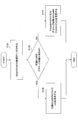
図5に、本発明の一実施例による移動局100における制御方法を示す。
ステップS101において、セカンダリセルでPUCCH送信がトリガされる。すなわち、送信制御部150は、セカンダリセルのPUCCHの送信タイミングになったことを把握する。
ステップS103において、送信制御部150は、Scell状態管理部130により管理されているセカンダリセルの状態を確認する。PUCCHで上りリンク制御情報を送信すべきセカンダリセルの状態がアクティブ状態である場合(S103:Yes)、ステップS105において、送信制御部150は、当該セカンダリセルで、ACK/NACK、SR及びCQIのような上りリンク制御情報(UCI)を送信するように制御する。
一方、PUCCHで上りリンク制御情報を送信すべきセカンダリセルの状態が非アクティブ状態である場合(S103:No)、ステップ107において、送信制御部150は、当該セカンダリセルでの上りリンク制御情報の送信を中止する。その代わりに、送信制御部150は、プライマリセルのPUCCH又はアクティブ状態のセカンダリセルのPUCCHで、ACK/NACK、SR及びCQIのような上りリンク制御情報(UCI)を送信するように制御する。
<基地局の構成及び動作>
図6に、本発明の一実施例による基地局200の構成を示す。基地局200は、移動局100と無線接続することによって、交換局等から受信した下りリンクデータを移動局100に送信すると共に、移動局100から受信した上りリンクデータを交換局等に送信する。
図6に、本発明の一実施例による基地局200の構成を示す。基地局200は、移動局100と無線接続することによって、交換局等から受信した下りリンクデータを移動局100に送信すると共に、移動局100から受信した上りリンクデータを交換局等に送信する。
基地局200は、上りリンク(UL)信号受信部210と、下りリンク(DL)信号送信部220と、セカンダリセル(Scell)状態管理部230と、上りリンク(UL)リソース管理部240と、制御情報処理部250とを有する。
UL信号受信部210は、プライマリセル及び/又はセカンダリセルを介して、移動局からデータ及び/又は制御情報を含む無線信号を受信する。PUCCH受信に関して、UL信号受信部210は、移動局からACK/NACK、SR及びCQIのような上りリンク制御情報(UCI)を受信する。本手法では、基地局200は、セカンダリセルのアクティブ状態/非アクティブ状態の不一致に備えて、当該セカンダリセルとは別のセルからPUCCHで送信されるべき上りリンク制御情報を受信できるようにPUCCHリソースを確保する。このため、UL信号受信部210は、セカンダリセルのPUCCHで送信されるべき上りリンク制御情報を当該セカンダリセルとは別のセルから受信してもよい。
DL信号送信部220は、プライマリセル及び/又はセカンダリセルを介して、移動局にデータ及び/又は制御情報を含む無線信号を送信する。PUCCH受信のために、DL信号送信部220は、PUCCHリソースを示す制御情報を送信する。DL信号送信部220は、別のセルからセカンダリセルのPUCCHで送信されるべき上りリンク制御情報を受信できるように確保したPUCCHリソースを示す制御情報を送信する。
Scell状態管理部230は、セカンダリセルの状態がアクティブ状態であるか非アクティブ状態であるかを管理する。上記のように、セカンダリセルは、RRCのコンフィギュレーションにより追加された直後は、非アクティブ状態である。セカンダリセルをアクティブ状態及び非アクティブ状態に遷移させるため、基地局200は、それぞれMACレイヤにおいてMAC CEを移動局に送信することによって、移動局をアクティブ状態/非アクティブ状態に遷移させる。Scell状態管理部230は、このような基地局200からの遷移指示に対する移動局の送達確認(ACK/NACK)により、セカンダリセルの状態を遷移させる。
また、Scell状態管理部230は、移動局からMAC CEに対する送達確認(ACK)を受信した場合、当該セカンダリセルがアクティブ化されていると判断し、当該セカンダリセルをタイマ満了時に非アクティブ状態に遷移させるためのScell Deactivation Timerを起動する。Scell Deactivation Timerの起動後、基地局200が当該セカンダリセルにおいて新規無線リソースをスケジューリングすると、Scell状態管理部230は、Scell Deactivation Timerをリセットして再起動する。その後、Scell Deactivation Timerが満了した場合、又は当該セカンダリセルを非アクティブ化するための明示的な状態遷移指示に対する送達確認(ACK)が受信された場合、Scell状態管理部230は、当該セカンダリセルを非アクティブ状態に遷移させる。
なお、Scell状態管理部230は、別のセルからPUCCHの上りリンク制御情報を受信した場合、基地局200のセカンダリセルの状態と移動局のセカンダリセルの状態とが一致していないことを認識してもよい。この場合、Scell状態管理部230は、当該セカンダリセルの状態を非アクティブ状態に設定してもよい。或いは、Scell状態管理部230は、MAC CEを移動局に送信することによって、移動局に対して当該セカンダリセルをアクティブ状態に遷移させてもよい。
ULリソース管理部240は、上りリンクのリソースを管理する。上記のように、ULリソース管理部240は、PUCCHをサポートするセカンダリセルにおいて、PUCCHリソースを確保すると共に、プライマリセル又はPUCCHをサポートする別のセカンダリセルにおいても、当該セカンダリセルのPUCCHリソースを確保する。例えば、プライマリセルの他に2つのアクティブ状態のセカンダリセルでPUCCHがサポートされる場合、ULリソース管理部240は、プライマリセルにおいて2つのセカンダリセルのPUCCHリソースを確保してもよく、各セカンダリセルにおいて2つのセカンダリセルのPUCCHリソースを確保してもよい。また、ULリソース管理部240は、インデックスの大きいセカンダリセル又は小さいセカンダリセルに、2つのセカンダリセルのPUCCHリソースを確保してもよい。また、ULリソース管理部240は、最も品質の良いセルに、2つのセカンダリセルのPUCCHリソースを確保してもよい。
制御情報処理部250は、ULリソース管理部240により確保したPUCCHリソースを監視し、セカンダリセルのPUCCHの上りリンク制御情報を処理する。制御情報処理部250は、PUCCHをサポートするセカンダリセルから当該セカンダリセルのPUCCHの上りリンク制御情報を受信した場合、受信した上りリンク制御情報をスケジューリング等に利用する。制御情報処理部250は、別のセルから当該セカンダリセルのPUCCHで送信されるべき上りリンク制御情報が受信された場合であっても、受信した上りリンク制御情報をスケジューリング等に利用する。
図7に、本発明の一実施例による基地局200における制御方法を示す。
ステップS201において、ULリソース管理部240は、PUCCHをサポートするセカンダリセルにおいて、PUCCHリソースを確保すると共に、プライマリセル又はPUCCHをサポートする別のセカンダリセルにおいても、当該セカンダリセルのPUCCHリソースを確保する。
ステップS203において、制御情報処理部250は、ULリソース管理部240により確保したPUCCHリソースを監視し、別のセルにおいて、当該セカンダリセルのPUCCHで送信されるべき上りリンク制御情報(UCI)を受信したか否かを判断する。
別のセルにおいて当該セカンダリセルのPUCCHで送信されるべき上りリンク制御情報を受信した場合(S203:Yes)、ステップ205において、制御情報処理部250は、別のセルから当該セカンダリセルのPUCCHで送信されるべき上りリンク制御情報が受信された場合であっても、当該セカンダリセルの上りリンク制御情報として処理する。
別のセルにおいて当該セカンダリセルのPUCCHで送信されるべき上りリンク制御情報を受信しなかった場合(S203:No)、すなわち、PUCCHをサポートするセカンダリセルから当該セカンダリセルのPUCCHの上りリンク制御情報を受信した場合、ステップ207において、制御情報処理部250は、通常通り、受信した上りリンク制御情報を処理する。
(2)非アクティブ状態のセカンダリセルのPUCCH送信を中止する手法
<移動局の構成及び動作>
本手法において、移動局100は、図4と同様に構成される。
<移動局の構成及び動作>
本手法において、移動局100は、図4と同様に構成される。
DL信号受信部110は、図4を参照して説明した通り、プライマリセル及び/又はセカンダリセルを介して、基地局からデータ及び/又は制御情報を含む無線信号を受信する。制御情報には、基地局により割り当てられたPUSCHリソースを示す制御情報が含まれる。ただし、本手法においては、基地局は、セカンダリセルのアクティブ状態/非アクティブ状態の不一致に備えて、当該セカンダリセルとは別のセルからPUCCHで送信されるべき上りリンク制御情報を受信できるようにPUCCHリソースを確保しない。
UL信号送信部120は、図4を参照して説明した通り、プライマリセル及び/又はセカンダリセルを介して、基地局にデータ及び/又は制御情報を含む無線信号を送信する。セカンダリセルのPUCCH送信が中止されている場合、以下に説明するように、UL信号送信部120は、PUSCHを用いて、当該セカンダリセルのPUCCHで送信されるべき上りリンク制御情報を送信してもよい。
Scell状態管理部130は、図4を参照して説明した通り、セカンダリセルの状態がアクティブ状態であるか非アクティブ状態であるかを管理する。
ULリソース管理部140は、図4を参照して説明した通り、上りリンクの無線リソースを管理する。本手法では、ULリソース管理部140は、基地局により割り当てられたPUSCHのリソースを管理する。本手法では、ULリソース管理部140は、DL信号受信部110がPUSCHリソースを示す制御情報を受信すると、基地局により指示されたPUSCHリソースをUL信号送信部120及び送信制御部150に通知する。
送信制御部150は、UL信号送信部120による無線信号の送信を制御する。PUCCH送信について、送信制御部150は、セカンダリセルのPUCCHの送信タイミングにおいて、Scell状態管理部130により管理されている当該セカンダリセルの状態を確認する。当該セカンダリセルの状態が非アクティブ状態である場合、送信制御部150は、当該セカンダリセルのPUCCHでの上りリンク制御情報の送信を中止する。送信制御部150は、セカンダリセルのPUCCHの送信タイミングにおいて、PUSCHのリソースが存在する場合、PUSCHを用いて当該セカンダリセルのPUCCHで送信されるべき上りリンク制御情報を送信するように制御してもよい。例えば、PUCCHで送信されるべき上りリンク制御情報は、PUSCHにピギーバック(piggy back)されてもよい。
図8に、本発明の一実施例による移動局100における制御方法を示す。
ステップS111において、セカンダリセルでPUCCH送信がトリガされる。すなわち、送信制御部150は、セカンダリセルのPUCCHの送信タイミングになったことを把握する。
ステップS113において、送信制御部150は、Scell状態管理部130により管理されているセカンダリセルの状態を確認する。PUCCHを送信すべきセカンダリセルの状態がアクティブ状態である場合(S113:Yes)、ステップS115において、送信制御部150は、当該セカンダリセルで、ACK/NACK、SR及びCQIのような上りリンク制御情報(UCI)を送信するように制御する。
一方、PUCCHで上りリンク制御情報を送信すべきセカンダリセルの状態が非アクティブ状態である場合(S113:No)、ステップ117において、送信制御部150は、当該セカンダリセルでの上りリンク制御情報の送信を中止する。送信制御部150は、PUCCHの送信タイミングにおいてPUSCHのリソースが存在する場合、PUSCHを用いてセカンダリセルのPUCCHで送信されるべき上りリンク制御情報を送信するように制御してもよい。
<基地局の構成及び動作>
本手法において、基地局200は、図6と同様に構成される。
本手法において、基地局200は、図6と同様に構成される。
UL信号受信部210は、図6を参照して説明した通り、プライマリセル及び/又はセカンダリセルを介して、移動局からデータ及び/又は制御情報を含む無線信号を受信する。本手法においては、基地局は、セカンダリセルのアクティブ状態/非アクティブ状態の不一致に備えて、当該セカンダリセルとは別のセルからPUCCHで送信されるべき上りリンク制御情報を受信できるようにPUCCHリソースを確保しない。ただし、セカンダリセルのPUCCHの送信タイミングにおいてPUSCHのリソースが存在する場合、UL信号受信部210は、PUSCHを用いて、セカンダリセルのPUCCHで送信されるべき上りリンク制御情報を受信してもよい。
DL信号送信部220は、図6を参照して説明した通り、プライマリセル及び/又はセカンダリセルを介して、移動局にデータ及び/又は制御情報を含む無線信号を送信する。
Scell状態管理部230は、図6を参照して説明した通り、セカンダリセルの状態がアクティブ状態であるか非アクティブ状態であるかを管理する。
なお、Scell状態管理部230は、PUSCHからPUCCHの上りリンク制御情報を受信した場合、基地局200のセカンダリセルの状態と移動局のセカンダリセルの状態とが一致していないことを認識してもよい。この場合、Scell状態管理部230は、当該セカンダリセルの状態を非アクティブ状態に設定してもよい。或いは、Scell状態管理部230は、MAC CEを移動局に送信することによって、移動局に対して当該セカンダリセルをアクティブ状態に遷移させてもよい。
ULリソース管理部240は、上りリンクのリソースを管理する。本手法では、ULリソース管理部240は、PUCCHリソースを確保すると共に、PUSCHのリソースを移動局に割り当てる。
制御情報処理部250は、ULリソース管理部240により管理されているPUCCHリソース及びPUSCHリソースを監視し、セカンダリセルのPUCCHの上りリンク制御情報を処理する。制御情報処理部250は、PUCCHでセカンダリセルのPUCCHの上りリンク制御情報を受信した場合、受信した上りリンク制御情報をスケジューリング等に利用する。制御情報処理部250は、PUSCHからセカンダリセルのPUCCHで送信されるべき上りリンク制御情報が受信された場合であっても、受信した上りリンク制御情報をスケジューリング等に利用する。
図9に、本発明の一実施例による基地局200における制御方法を示す。
ステップS211において、ULリソース管理部240は、PUCCHリソースを確保すると共に、PUSCHのリソースを移動局に割り当てる。
ステップS213において、制御情報処理部250は、ULリソース管理部240により割り当てたPUSCHリソースを監視し、PUSCHからセカンダリセルのPUCCHで送信されるべき上りリンク制御情報(UCI)を受信したか否かを判断する。
PUSCHからセカンダリセルのPUCCHで送信されるべき上りリンク制御情報を受信した場合(S213:Yes)、ステップ215において、制御情報処理部250は、PUSCHからセカンダリセルのPUCCHの上りリンク制御情報が受信された場合であっても、当該PUCCHの上りリンク制御情報として処理する。なお、PUSCHからセカンダリセルのPUCCHの上りリンク制御情報を受信しなかった場合(S213:No)、すなわち、PUCCHで上りリンク制御情報を受信した場合、制御情報処理部250は、通常通り、PUCCHの上りリンク制御情報を処理する。
(3)PUCCHをサポートするセカンダリセルの状態が非アクティブ状態であることを基地局に通知する手法
<移動局の構成及び動作>
図10に、本発明の一実施例による移動局300の構成を示す。移動局300は、下りリンク(DL)信号受信部310と、上りリンク(UL)信号送信部320と、セカンダリセル(Scell)状態管理部330と、セカンダリセル(Scell)状態不一致検出部340と、セカンダリセル(Scell)状態通知部350とを有する。
<移動局の構成及び動作>
図10に、本発明の一実施例による移動局300の構成を示す。移動局300は、下りリンク(DL)信号受信部310と、上りリンク(UL)信号送信部320と、セカンダリセル(Scell)状態管理部330と、セカンダリセル(Scell)状態不一致検出部340と、セカンダリセル(Scell)状態通知部350とを有する。
DL信号受信部310は、図4を参照して説明した通り、プライマリセル及び/又はセカンダリセルを介して、基地局からデータ及び/又は制御情報を含む無線信号を受信する。ただし、本手法においては、基地局は、セカンダリセルのアクティブ状態/非アクティブ状態の不一致に備えて、当該セカンダリセルとは別のセルからPUCCHを受信できるようにPUCCHリソースを確保しない。
UL信号送信部320は、図4を参照して説明した通り、プライマリセル及び/又はセカンダリセルを介して、基地局にデータ及び/又は制御情報を含む無線信号を送信する。
Scell状態管理部330は、図4を参照して説明した通り、セカンダリセルの状態がアクティブ状態であるか非アクティブ状態であるかを管理する。
Scell状態不一致検出部340は、移動局300と基地局との間のセカンダリセルの状態の不一致を検出する。本手法においては、Scell状態不一致検出部340は、Scell状態管理部330により管理されているセカンダリセルの状態が非アクティブ状態であり、基地局により管理されている当該セカンダリセルの状態がアクティブ状態であるという状態の不一致を検出する。典型的には、PUCCHをサポートするセカンダリセルは、基地局へのフィードバック情報の送信のため、PUCCHが設定されてアクティブ状態になっている必要がある。このような状態において、基地局から誤って非アクティブ状態に遷移させる指示(MAC CE)を受信した場合、又はScell Deactivation Timerのミスアライメントにより移動局300においてのみScell Deactivation Timerが満了した場合、Scell状態不一致検出部340は、状態の不一致を検出できる。また、Scell状態不一致検出部340は、Scell状態管理部330により管理されているセカンダリセルの状態が非アクティブ状態であるにも拘らず、当該セカンダリセルのPUCCH送信がトリガされた場合に、状態の不一致を検出してもよい。
Scell状態通知部350は、Scell状態不一致検出部340によりセカンダリセルの状態の不一致が検出された場合、当該セカンダリセルの状態が非アクティブ状態であるという通知を基地局に送信する。Scell状態通知部350は、状態の不一致を検出した時点で通知を基地局に送信してもよく、PUCCH送信がトリガされた時点で通知を基地局に送信してもよい。また、このような通知は、MAC CE、RRC信号、物理レイヤ信号等の如何なるレイヤの信号で送信されてもよい。
図11に、本発明の一実施例による移動局300における制御方法を示す。
ステップS301において、Scell状態管理部330は、基地局からの指示又はScell Deactivation Timerの満了により、セカンダリセルを非アクティブ状態に遷移させる。
ステップS303において、Scell状態不一致検出部340は、非アクティブ状態に遷移したセカンダリセルにPUCCHが設定されているか否かを確認する。PUCCHが設定されている場合、Scell状態不一致検出部340は、移動局300と基地局との間のセカンダリセルの状態の不一致を検出する。
非アクティブ状態に遷移したセカンダリセルにPUCCHが設定されている場合(S303:Yes)、Scell状態通知部350は、当該セカンダリセルの状態が非アクティブ状態であるという通知を基地局に送信する。非アクティブ状態に遷移したセカンダリセルにPUCCHが設定されていない場合(S303:No)、状態が一致していると考えられるため、Scell状態通知部350は、通知を基地局に送信しない。
<基地局の構成及び動作>
図12に、本発明の一実施例による基地局400の構成を示す。基地局400は、上りリンク(UL)信号受信部410と、下りリンク(DL)信号送信部420と、セカンダリセル(Scell)状態管理部430とを有する。
図12に、本発明の一実施例による基地局400の構成を示す。基地局400は、上りリンク(UL)信号受信部410と、下りリンク(DL)信号送信部420と、セカンダリセル(Scell)状態管理部430とを有する。
UL信号受信部410は、プライマリセル及び/又はセカンダリセルを介して、移動局からデータ及び/又は制御情報を含む無線信号を受信する。本手法においては、UL信号受信部210は、セカンダリセルの状態が非アクティブ状態であるという通知を移動局から受信してもよい。
DL信号送信部420は、プライマリセル及び/又はセカンダリセルを介して、移動局にデータ及び/又は制御情報を含む無線信号を送信する。
Scell状態管理部430は、図6を参照して説明した通り、セカンダリセルの状態がアクティブ状態であるか非アクティブ状態であるかを管理する。Scell状態管理部430は、アクティブ状態のセカンダリセルについて、当該セカンダリセルの状態が非アクティブ状態であるという通知を受信した場合、基地局400のセカンダリセルの状態と移動局のセカンダリセルの状態とが一致していないことを認識する。この場合、Scell状態管理部430は、当該セカンダリセルの状態を非アクティブ状態に設定してもよい。或いは、Scell状態管理部430は、MAC CEを移動局に送信することによって、移動局に対して当該セカンダリセルをアクティブ状態に遷移させると共に、Scell Deactivation Timerを再起動してもよい。
図13に、本発明の一実施例による基地局400における制御方法を示す。
ステップS401において、UL信号受信部410は、セカンダリセルの状態が非アクティブ状態であるという通知を移動局から受信する。Scell状態管理部430は、アクティブ状態のセカンダリセルについて、当該セカンダリセルの状態が非アクティブ状態であるという通知を受信した場合、基地局400のセカンダリセルの状態と移動局のセカンダリセルの状態とが一致していないことを認識する。
ステップS403において、Scell状態管理部430は、セカンダリセルの状態の不一致を認識した場合、移動局に対して当該セカンダリセルをアクティブ状態に遷移させる。
ステップS405において、Scell状態管理部430は、Scell Deactivation Timerを再起動する。
なお、ステップS403において、Scell状態管理部430は、移動局に対して当該セカンダリセルをアクティブ状態に遷移させなくてもよく、単にScell状態管理部430の状態を非アクティブ状態に設定してもよい。
(4)PUCCHをサポートするセカンダリセルは非アクティブ状態に設定しない手法
<移動局の構成及び動作>
図14に、本発明の一実施例による移動局500の構成を示す。移動局500は、下りリンク(DL)信号受信部510と、上りリンク(UL)信号送信部520と、セカンダリセル(Scell)状態管理部530と、遷移指示制御部540とを有する。
<移動局の構成及び動作>
図14に、本発明の一実施例による移動局500の構成を示す。移動局500は、下りリンク(DL)信号受信部510と、上りリンク(UL)信号送信部520と、セカンダリセル(Scell)状態管理部530と、遷移指示制御部540とを有する。
DL信号受信部510は、図4を参照して説明した通り、プライマリセル及び/又はセカンダリセルを介して、基地局からデータ及び/又は制御情報を含む無線信号を受信する。制御情報には、セカンダリセルを非アクティブ状態に遷移させる指示(MAC CE)が含まれる。ただし、本手法においては、基地局は、セカンダリセルのアクティブ状態/非アクティブ状態の不一致に備えて、当該セカンダリセルとは別のセルからPUCCHを受信できるようにPUCCHリソースを確保しない。
UL信号送信部520は、図4を参照して説明した通り、プライマリセル及び/又はセカンダリセルを介して、基地局にデータ及び/又は制御情報を含む無線信号を送信する。
Scell状態管理部530は、図4を参照して説明した通り、セカンダリセルの状態がアクティブ状態であるか非アクティブ状態であるかを管理する。また、Scell状態管理部530は、セカンダリセルにおいてPUCCHをサポートするか否かを管理する。
遷移指示制御部540は、PUCCHをサポートするセカンダリセルについて、基地局からセカンダリセルを非アクティブ状態に遷移させる指示を受信した場合、当該指示を破棄する。遷移指示制御部540は、指示が破棄された場合、UL信号送信部520から当該指示が破棄されたという通知を基地局に送信してもよい。また、遷移指示制御部540は、Scell Deactivation Timerが満了しても、セカンダリセルを非アクティブ状態に遷移させない。
図15に、本発明の一実施例による移動局500における制御方法を示す。
ステップS501において、UL信号受信部510は、基地局からセカンダリセルを非アクティブ状態に遷移させる指示を受信する。
ステップS503において、遷移指示制御部540は、基地局からの指示がPUCCHをサポートするセカンダリセルについての指示であるか否かを確認する。
PUCCHをサポートするセカンダリセルについて非アクティブ状態に遷移させる指示を受信した場合(S503:Yes)、ステップS505において、遷移指示制御部540は、当該指示を破棄する。なお、PUCCHをサポートしないセカンダリセルについて非アクティブ状態に遷移させる指示を受信した場合(S503:No)、遷移指示制御部540は、通常通り、当該セカンダリセルを非アクティブ状態に遷移させる。
なお、本手法においては、基地局は、セカンダリセルをアクティブ化するためのMAC CEに対する送達確認(ACK)を受信しないため、基地局は、セカンダリセルの状態を非アクティブ状態に設定することはない。
(5)実施例の効果
本発明の実施例によれば、移動局がセカンダリセルを非アクティブ状態に留める一方、基地局が当該セカンダリセルをアクティブ状態と認識する可能性がある場合においても、移動局及び基地局がセカンダリセルのPUCCHを処理することが可能になる。
本発明の実施例によれば、移動局がセカンダリセルを非アクティブ状態に留める一方、基地局が当該セカンダリセルをアクティブ状態と認識する可能性がある場合においても、移動局及び基地局がセカンダリセルのPUCCHを処理することが可能になる。
PUCCHをサポートしている別のセルで送信する手法によれば、別のセルにおいてPUCCHリソースが確保されているため、基地局は、セカンダリセルの状態の一致/不一致に拘らず、PUCCHの上りリンク制御情報を受信することが可能になる。
非アクティブ状態のセカンダリセルのPUCCH送信を中止する手法によれば、別のセルにおいてPUCCHリソースを確保する必要がないため、PUCCHのリソース不足を懸念する必要がなくなる。
PUCCHをサポートするセカンダリセルの状態が非アクティブ状態であることを基地局に通知する手法によれば、基地局と移動局との間での状態の不一致を解消することが可能になり、正常な状態でPUCCHの上りリンク制御情報を処理することが可能になる。
PUCCHをサポートするセカンダリセルは非アクティブ状態に設定しない手法によれば、基地局と移動局との間で状態の不一致が生じることを回避することができる。
説明の便宜上、本発明の実施例に係る移動局及び基地局は機能的なブロック図を用いて説明しているが、本発明の実施例に係る移動局及び基地局は、ハードウェア、ソフトウェア又はそれらの組み合わせで実現されてもよい。また、各機能部が必要に応じて組み合わせて使用されてもよい。また、本発明の実施例に係る制御方法は処理の流れを示すフローチャートを用いて説明しているが、本発明の実施例に係る制御方法は、実施例に示す順序と異なる順序で実施されてもよい。
以上、移動局がセカンダリセルを非アクティブ状態に留める一方、基地局が当該セカンダリセルをアクティブ状態と認識する可能性がある場合においても、移動局及び基地局がセカンダリセルのPUCCHを処理することができる手法について説明したが、本発明は、上記の実施例に限定されることなく、請求の範囲内において、種々の変更・応用が可能である。
例えば、本発明の一形態において、移動局、基地局及び制御方法は以下のように表現されてもよい。
(1)キャリアアグリゲーションを利用して通信する移動局であって、
セカンダリセルの状態がアクティブ状態であるか非アクティブ状態であるかを管理するセカンダリセル状態管理部と、
第1のセカンダリセルの物理上りリンク制御チャネルの送信タイミングにおいて、前記セカンダリセル状態管理部により管理されている当該第1のセカンダリセルの状態が非アクティブ状態である場合、当該第1のセカンダリセルの物理上りリンク制御チャネルでの上りリンク制御情報の送信を中止する送信制御部と、
を有する移動局。
セカンダリセルの状態がアクティブ状態であるか非アクティブ状態であるかを管理するセカンダリセル状態管理部と、
第1のセカンダリセルの物理上りリンク制御チャネルの送信タイミングにおいて、前記セカンダリセル状態管理部により管理されている当該第1のセカンダリセルの状態が非アクティブ状態である場合、当該第1のセカンダリセルの物理上りリンク制御チャネルでの上りリンク制御情報の送信を中止する送信制御部と、
を有する移動局。
(2)前記送信制御部は、第1のセカンダリセルの物理上りリンク制御チャネルの送信タイミングにおいて、プライマリセルの物理上りリンク制御チャネル又はアクティブ状態の第2のセカンダリセルの物理上りリンク制御チャネルを用いて、当該第1のセカンダリセルの物理上りリンク制御チャネルで送信されるべき上りリンク制御情報を送信するように制御する、(1)に記載の移動局。
(3)前記送信制御部は、セカンダリセルのインデックス又はセルの品質に基づいて、当該第1のセカンダリセルの物理上りリンク制御チャネルで送信されるべき上りリンク制御情報を送信するセルを選択する、(2)に記載の移動局。
(4)物理上りリンク共有チャネルのリソースを管理するリソース管理部を更に有し、
前記送信制御部は、第1のセカンダリセルの物理上りリンク制御チャネルの送信タイミングにおいて、物理上りリンク共有チャネルのリソースが存在する場合、物理上りリンク共有チャネルを用いて、当該第1のセカンダリセルの物理上りリンク制御チャネルで送信されるべき上りリンク制御情報を送信するように制御する、(1)に記載の移動局。
前記送信制御部は、第1のセカンダリセルの物理上りリンク制御チャネルの送信タイミングにおいて、物理上りリンク共有チャネルのリソースが存在する場合、物理上りリンク共有チャネルを用いて、当該第1のセカンダリセルの物理上りリンク制御チャネルで送信されるべき上りリンク制御情報を送信するように制御する、(1)に記載の移動局。
(5)キャリアアグリゲーションを利用して通信する移動局における制御方法であって、
セカンダリセルの状態がアクティブ状態であるか非アクティブ状態であるかをセカンダリセル状態管理部において管理するステップと、
第1のセカンダリセルの物理上りリンク制御チャネルの送信タイミングにおいて、前記セカンダリセル状態管理部により管理されている当該第1のセカンダリセルの状態が非アクティブ状態である場合、当該第1のセカンダリセルの物理上りリンク制御チャネルでの上りリンク制御情報の送信を中止するステップと、
を有する制御方法。
セカンダリセルの状態がアクティブ状態であるか非アクティブ状態であるかをセカンダリセル状態管理部において管理するステップと、
第1のセカンダリセルの物理上りリンク制御チャネルの送信タイミングにおいて、前記セカンダリセル状態管理部により管理されている当該第1のセカンダリセルの状態が非アクティブ状態である場合、当該第1のセカンダリセルの物理上りリンク制御チャネルでの上りリンク制御情報の送信を中止するステップと、
を有する制御方法。
(6)キャリアアグリゲーションを利用して通信する基地局であって、
物理上りリンク制御チャネルをサポートする第1のセカンダリセルにおいて、物理上りリンク制御チャネルのリソースを確保すると共に、プライマリセル又は物理上りリンク制御チャネルをサポートする第2のセカンダリセルにおいても、当該第1のセカンダリセルの物理上りリンク制御チャネルで送信されるべき上りリンク制御情報のリソースを確保するリソース管理部と、
前記リソース管理部により確保した物理上りリンク制御チャネルのリソースで、当該第1のセカンダリセルの物理上りリンク制御チャネルで送信されるべき上りリンク制御情報が受信された場合、受信した上りリンク制御情報を処理する制御情報処理部と、
を有する基地局。
物理上りリンク制御チャネルをサポートする第1のセカンダリセルにおいて、物理上りリンク制御チャネルのリソースを確保すると共に、プライマリセル又は物理上りリンク制御チャネルをサポートする第2のセカンダリセルにおいても、当該第1のセカンダリセルの物理上りリンク制御チャネルで送信されるべき上りリンク制御情報のリソースを確保するリソース管理部と、
前記リソース管理部により確保した物理上りリンク制御チャネルのリソースで、当該第1のセカンダリセルの物理上りリンク制御チャネルで送信されるべき上りリンク制御情報が受信された場合、受信した上りリンク制御情報を処理する制御情報処理部と、
を有する基地局。
(7)キャリアアグリゲーションを利用して通信する基地局における制御方法であって、
物理上りリンク制御チャネルをサポートする第1のセカンダリセルにおいて、物理上りリンク制御チャネルのリソースを確保すると共に、プライマリセル又は物理上りリンク制御チャネルをサポートする第2のセカンダリセルにおいても、当該第1のセカンダリセルの物理上りリンク制御チャネルで送信されるべき上りリンク制御情報のリソースを確保するステップと、
確保した物理上りリンク制御チャネルのリソースで、当該第1のセカンダリセルの物理上りリンク制御チャネルで送信されるべき上りリンク制御情報が受信された場合、受信した上りリンク制御情報を処理するステップと、
を有する制御方法。
物理上りリンク制御チャネルをサポートする第1のセカンダリセルにおいて、物理上りリンク制御チャネルのリソースを確保すると共に、プライマリセル又は物理上りリンク制御チャネルをサポートする第2のセカンダリセルにおいても、当該第1のセカンダリセルの物理上りリンク制御チャネルで送信されるべき上りリンク制御情報のリソースを確保するステップと、
確保した物理上りリンク制御チャネルのリソースで、当該第1のセカンダリセルの物理上りリンク制御チャネルで送信されるべき上りリンク制御情報が受信された場合、受信した上りリンク制御情報を処理するステップと、
を有する制御方法。
(8)キャリアアグリゲーションを利用して通信する基地局であって、
物理上りリンク共有チャネルのリソースを移動局に割り当てるリソース管理部と、
前記リソース管理部により割り当てた物理上りリンク共有チャネルのリソースで、前記移動局からセカンダリセルの物理上りリンク制御チャネルで送信されるべき上りリンク制御情報が受信された場合、受信した上りリンク制御情報を処理する制御情報処理部と、
を有する基地局。
物理上りリンク共有チャネルのリソースを移動局に割り当てるリソース管理部と、
前記リソース管理部により割り当てた物理上りリンク共有チャネルのリソースで、前記移動局からセカンダリセルの物理上りリンク制御チャネルで送信されるべき上りリンク制御情報が受信された場合、受信した上りリンク制御情報を処理する制御情報処理部と、
を有する基地局。
(9)キャリアアグリゲーションを利用して通信する基地局における制御方法であって、
物理上りリンク共有チャネルのリソースを移動局に割り当てるステップと、
割り当てた物理上りリンク共有チャネルのリソースで、前記移動局からセカンダリセルの物理上りリンク制御チャネルで送信されるべき上りリンク制御情報が受信された場合、受信した上りリンク制御情報を処理するステップと、
を有する制御方法。
物理上りリンク共有チャネルのリソースを移動局に割り当てるステップと、
割り当てた物理上りリンク共有チャネルのリソースで、前記移動局からセカンダリセルの物理上りリンク制御チャネルで送信されるべき上りリンク制御情報が受信された場合、受信した上りリンク制御情報を処理するステップと、
を有する制御方法。
(10)キャリアアグリゲーションを利用して通信する移動局であって、
セカンダリセルの状態がアクティブ状態であるか非アクティブ状態であるかを管理するセカンダリセル状態管理部と、
前記セカンダリセル状態管理部により管理されているセカンダリセルの状態が非アクティブ状態であり、基地局により管理されている当該セカンダリセルの状態がアクティブ状態であるという状態の不一致を検出する状態不一致検出部と、
前記状態不一致検出部により当該セカンダリセルの状態の不一致が検出された場合、当該セカンダリセルの状態が非アクティブ状態であるという通知を前記基地局に送信する送信部と、
を有する移動局。
セカンダリセルの状態がアクティブ状態であるか非アクティブ状態であるかを管理するセカンダリセル状態管理部と、
前記セカンダリセル状態管理部により管理されているセカンダリセルの状態が非アクティブ状態であり、基地局により管理されている当該セカンダリセルの状態がアクティブ状態であるという状態の不一致を検出する状態不一致検出部と、
前記状態不一致検出部により当該セカンダリセルの状態の不一致が検出された場合、当該セカンダリセルの状態が非アクティブ状態であるという通知を前記基地局に送信する送信部と、
を有する移動局。
(11)キャリアアグリゲーションを利用して通信する移動局における制御方法であって、
セカンダリセルの状態がアクティブ状態であるか非アクティブ状態であるかをセカンダリセル状態管理部において管理するステップと、
前記セカンダリセル状態管理部により管理されているセカンダリセルの状態が非アクティブ状態であり、基地局により管理されている当該セカンダリセルの状態がアクティブ状態であるという状態の不一致を検出するステップと、
当該セカンダリセルの状態の不一致が検出された場合、当該セカンダリセルの状態が非アクティブ状態であるという通知を前記基地局に送信するステップと、
を有する制御方法。
セカンダリセルの状態がアクティブ状態であるか非アクティブ状態であるかをセカンダリセル状態管理部において管理するステップと、
前記セカンダリセル状態管理部により管理されているセカンダリセルの状態が非アクティブ状態であり、基地局により管理されている当該セカンダリセルの状態がアクティブ状態であるという状態の不一致を検出するステップと、
当該セカンダリセルの状態の不一致が検出された場合、当該セカンダリセルの状態が非アクティブ状態であるという通知を前記基地局に送信するステップと、
を有する制御方法。
(12)キャリアアグリゲーションを利用して通信する基地局であって、
セカンダリセルの状態がアクティブ状態であるか非アクティブ状態であるかを管理するセカンダリセル状態管理部と、
セカンダリセルの状態が非アクティブ状態であるという通知を移動局から受信する受信部と、
を有し、
前記セカンダリセル状態管理部は、アクティブ状態のセカンダリセルについて、前記受信部により当該セカンダリセルの状態が非アクティブ状態であるという通知を受信した場合、前記移動局の当該セカンダリセルをアクティブ状態に遷移させる基地局。
セカンダリセルの状態がアクティブ状態であるか非アクティブ状態であるかを管理するセカンダリセル状態管理部と、
セカンダリセルの状態が非アクティブ状態であるという通知を移動局から受信する受信部と、
を有し、
前記セカンダリセル状態管理部は、アクティブ状態のセカンダリセルについて、前記受信部により当該セカンダリセルの状態が非アクティブ状態であるという通知を受信した場合、前記移動局の当該セカンダリセルをアクティブ状態に遷移させる基地局。
(13)前記セカンダリセル状態管理部は、前記移動局の当該セカンダリセルを非アクティブ状態に遷移させるタイマを再起動する、(12)に記載の基地局。
(14)キャリアアグリゲーションを利用して通信する基地局における制御方法であって、
セカンダリセルの状態がアクティブ状態であるか非アクティブ状態であるかをセカンダリセル状態管理部において管理するステップと、
セカンダリセルの状態が非アクティブ状態であるという通知を移動局から受信するステップと、
前記セカンダリセル状態管理部においてアクティブ状態のセカンダリセルについて、当該セカンダリセルの状態が非アクティブ状態であるという通知を受信した場合、前記移動局の当該セカンダリセルをアクティブ状態に遷移させるステップと、
を有する制御方法。
セカンダリセルの状態がアクティブ状態であるか非アクティブ状態であるかをセカンダリセル状態管理部において管理するステップと、
セカンダリセルの状態が非アクティブ状態であるという通知を移動局から受信するステップと、
前記セカンダリセル状態管理部においてアクティブ状態のセカンダリセルについて、当該セカンダリセルの状態が非アクティブ状態であるという通知を受信した場合、前記移動局の当該セカンダリセルをアクティブ状態に遷移させるステップと、
を有する制御方法。
(15)キャリアアグリゲーションを利用して通信する移動局であって、
基地局からセカンダリセルを非アクティブ状態に遷移させる指示を基地局から受信する受信部と、
前記受信部により受信した指示が物理上りリンク制御チャネルをサポートするセカンダリセルについての指示である場合、前記受信部により受信した指示を破棄する遷移指示制御部と、
を有する移動局。
基地局からセカンダリセルを非アクティブ状態に遷移させる指示を基地局から受信する受信部と、
前記受信部により受信した指示が物理上りリンク制御チャネルをサポートするセカンダリセルについての指示である場合、前記受信部により受信した指示を破棄する遷移指示制御部と、
を有する移動局。
(16)前記受信制御部により指示が破棄された場合、当該指示が破棄されたという通知を前記基地局に送信する送信部を更に有する、(15)に記載の移動局。
(17)前記遷移指示制御部は、物理上りリンク制御チャネルをサポートするセカンダリセルに、当該セカンダリセルを非アクティブ状態に遷移させるタイマが設定されている場合、当該タイマが満了しても当該セカンダリセルをアクティブ状態に保持する、(15)又は(16)に記載の移動局。
(18)キャリアアグリゲーションを利用して通信する移動局における制御方法であって、
基地局からセカンダリセルを非アクティブ状態に遷移させる指示を基地局から受信するステップと、
受信した指示が物理上りリンク制御チャネルをサポートするセカンダリセルについての指示である場合、前記受信部により受信した指示を破棄するステップと、
を有する制御方法。
基地局からセカンダリセルを非アクティブ状態に遷移させる指示を基地局から受信するステップと、
受信した指示が物理上りリンク制御チャネルをサポートするセカンダリセルについての指示である場合、前記受信部により受信した指示を破棄するステップと、
を有する制御方法。
本国際出願は2012年11月30日に出願した日本国特許出願2012-262579号に基づく優先権を主張するものであり、2012-262579号の全内容を本国際出願に援用する。
100 移動局
110 下りリンク(DL)信号受信部
120 上りリンク(UL)信号送信部
130 セカンダリセル(Scell)状態管理部130
140 上りリンク(UL)リソース管理部
150 送信制御部
200 基地局
210 上りリンク(UL)信号受信部
220 下りリンク(DL)信号送信部
230 セカンダリセル(Scell)状態管理部
240 上りリンク(UL)リソース管理部
250 制御情報処理部
300 移動局
310 下りリンク(DL)信号受信部
320 上りリンク(UL)信号送信部
330 セカンダリセル(Scell)状態管理部
340 セカンダリセル(Scell)状態不一致検出部
350 セカンダリセル(Scell)状態通知部
400 基地局
410 上りリンク(UL)信号受信部
420 下りリンク(DL)信号送信部
430 セカンダリセル(Scell)状態管理部
500 移動局
510 下りリンク(DL)信号受信部
520 上りリンク(UL)信号送信部
530 セカンダリセル(Scell)状態管理部
540 遷移指示制御部
110 下りリンク(DL)信号受信部
120 上りリンク(UL)信号送信部
130 セカンダリセル(Scell)状態管理部130
140 上りリンク(UL)リソース管理部
150 送信制御部
200 基地局
210 上りリンク(UL)信号受信部
220 下りリンク(DL)信号送信部
230 セカンダリセル(Scell)状態管理部
240 上りリンク(UL)リソース管理部
250 制御情報処理部
300 移動局
310 下りリンク(DL)信号受信部
320 上りリンク(UL)信号送信部
330 セカンダリセル(Scell)状態管理部
340 セカンダリセル(Scell)状態不一致検出部
350 セカンダリセル(Scell)状態通知部
400 基地局
410 上りリンク(UL)信号受信部
420 下りリンク(DL)信号送信部
430 セカンダリセル(Scell)状態管理部
500 移動局
510 下りリンク(DL)信号受信部
520 上りリンク(UL)信号送信部
530 セカンダリセル(Scell)状態管理部
540 遷移指示制御部
Claims (10)
- キャリアアグリゲーションを利用して通信する移動局であって、
セカンダリセルの状態がアクティブ状態であるか非アクティブ状態であるかを管理するセカンダリセル状態管理部と、
第1のセカンダリセルの物理上りリンク制御チャネルの送信タイミングにおいて、前記セカンダリセル状態管理部により管理されている当該第1のセカンダリセルの状態が非アクティブ状態である場合、当該第1のセカンダリセルの物理上りリンク制御チャネルでの上りリンク制御情報の送信を中止する送信制御部と、
を有する移動局。 - 前記送信制御部は、第1のセカンダリセルの物理上りリンク制御チャネルの送信タイミングにおいて、プライマリセルの物理上りリンク制御チャネル又はアクティブ状態の第2のセカンダリセルの物理上りリンク制御チャネルを用いて、当該第1のセカンダリセルの物理上りリンク制御チャネルで送信されるべき上りリンク制御情報を送信するように制御する、請求項1に記載の移動局。
- 前記送信制御部は、セカンダリセルのインデックス又はセルの品質に基づいて、当該第1のセカンダリセルの物理上りリンク制御チャネルで送信されるべき上りリンク制御情報を送信するセルを選択する、請求項2に記載の移動局。
- 物理上りリンク共有チャネルのリソースを管理するリソース管理部を更に有し、
前記送信制御部は、第1のセカンダリセルの物理上りリンク制御チャネルの送信タイミングにおいて、物理上りリンク共有チャネルのリソースが存在する場合、物理上りリンク共有チャネルを用いて、当該第1のセカンダリセルの物理上りリンク制御チャネルで送信されるべき上りリンク制御情報を送信するように制御する、請求項1に記載の移動局。 - キャリアアグリゲーションを利用して通信する移動局における制御方法であって、
セカンダリセルの状態がアクティブ状態であるか非アクティブ状態であるかをセカンダリセル状態管理部において管理するステップと、
第1のセカンダリセルの物理上りリンク制御チャネルの送信タイミングにおいて、前記セカンダリセル状態管理部により管理されている当該第1のセカンダリセルの状態が非アクティブ状態である場合、当該第1のセカンダリセルの物理上りリンク制御チャネルでの上りリンク制御情報の送信を中止するステップと、
を有する制御方法。 - キャリアアグリゲーションを利用して通信する移動局であって、
セカンダリセルの状態がアクティブ状態であるか非アクティブ状態であるかを管理するセカンダリセル状態管理部と、
前記セカンダリセル状態管理部により管理されているセカンダリセルの状態が非アクティブ状態であり、基地局により管理されている当該セカンダリセルの状態がアクティブ状態であるという状態の不一致を検出する状態不一致検出部と、
前記状態不一致検出部により当該セカンダリセルの状態の不一致が検出された場合、当該セカンダリセルの状態が非アクティブ状態であるという通知を前記基地局に送信する送信部と、
を有する移動局。 - キャリアアグリゲーションを利用して通信する移動局における制御方法であって、
セカンダリセルの状態がアクティブ状態であるか非アクティブ状態であるかをセカンダリセル状態管理部において管理するステップと、
前記セカンダリセル状態管理部により管理されているセカンダリセルの状態が非アクティブ状態であり、基地局により管理されている当該セカンダリセルの状態がアクティブ状態であるという状態の不一致を検出するステップと、
当該セカンダリセルの状態の不一致が検出された場合、当該セカンダリセルの状態が非アクティブ状態であるという通知を前記基地局に送信するステップと、
を有する制御方法。 - キャリアアグリゲーションを利用して通信する移動局であって、
基地局からセカンダリセルを非アクティブ状態に遷移させる指示を基地局から受信する受信部と、
前記受信部により受信した指示が物理上りリンク制御チャネルをサポートするセカンダリセルについての指示である場合、前記受信部により受信した指示を破棄する遷移指示制御部と、
を有する移動局。 - 前記遷移指示制御部は、物理上りリンク制御チャネルをサポートするセカンダリセルに、当該セカンダリセルを非アクティブ状態に遷移させるタイマが設定されている場合、当該タイマが満了しても当該セカンダリセルをアクティブ状態に保持する、請求項8に記載の移動局。
- キャリアアグリゲーションを利用して通信する移動局における制御方法であって、
基地局からセカンダリセルを非アクティブ状態に遷移させる指示を基地局から受信するステップと、
受信した指示が物理上りリンク制御チャネルをサポートするセカンダリセルについての指示である場合、前記受信部により受信した指示を破棄するステップと、
を有する制御方法。
Priority Applications (3)
| Application Number | Priority Date | Filing Date | Title |
|---|---|---|---|
| EP13857752.3A EP2928247B1 (en) | 2012-11-30 | 2013-11-21 | Mobile station and control method |
| US14/443,737 US9622126B2 (en) | 2012-11-30 | 2013-11-21 | Mobile station and control method |
| EP17154567.6A EP3182789B1 (en) | 2012-11-30 | 2013-11-21 | Mobile station and control method |
Applications Claiming Priority (2)
| Application Number | Priority Date | Filing Date | Title |
|---|---|---|---|
| JP2012-262579 | 2012-11-30 | ||
| JP2012262579A JP6192288B2 (ja) | 2012-11-30 | 2012-11-30 | 移動局及び制御方法 |
Publications (1)
| Publication Number | Publication Date |
|---|---|
| WO2014084111A1 true WO2014084111A1 (ja) | 2014-06-05 |
Family
ID=50827749
Family Applications (1)
| Application Number | Title | Priority Date | Filing Date |
|---|---|---|---|
| PCT/JP2013/081351 Ceased WO2014084111A1 (ja) | 2012-11-30 | 2013-11-21 | 移動局及び制御方法 |
Country Status (4)
| Country | Link |
|---|---|
| US (1) | US9622126B2 (ja) |
| EP (3) | EP2928247B1 (ja) |
| JP (1) | JP6192288B2 (ja) |
| WO (1) | WO2014084111A1 (ja) |
Cited By (7)
| Publication number | Priority date | Publication date | Assignee | Title |
|---|---|---|---|---|
| WO2016161548A1 (zh) * | 2015-04-07 | 2016-10-13 | 富士通株式会社 | 辅小区的去激活方法、装置以及通信系统 |
| WO2017049463A1 (zh) * | 2015-09-22 | 2017-03-30 | 华为技术有限公司 | 载波聚合下的上行控制信息传输方法及装置 |
| CN107113838A (zh) * | 2015-01-13 | 2017-08-29 | Lg电子株式会社 | 在载波聚合系统中将小区从pucch资源解除配置的方法及其装置 |
| EP3245828A4 (en) * | 2015-01-13 | 2018-08-22 | LG Electronics Inc. | Method for de-configuring a cell from pucch resource in a carrier aggregation system and a device therefor |
| EP3251442A4 (en) * | 2015-01-30 | 2018-09-05 | Nokia Solutions and Networks Oy | Methods, apparatus, computer program, computer pro-gram product and mobile communications network for serving cells comprising primary cell and secondary sells |
| CN111492611A (zh) * | 2017-12-19 | 2020-08-04 | 高通股份有限公司 | 载波聚合scell新状态转换设计 |
| WO2021129135A1 (zh) * | 2019-12-25 | 2021-07-01 | 中兴通讯股份有限公司 | 通信方法、通信系统、通信设备及计算机可读存储介质 |
Families Citing this family (18)
| Publication number | Priority date | Publication date | Assignee | Title |
|---|---|---|---|---|
| JP2015088997A (ja) * | 2013-10-31 | 2015-05-07 | 株式会社Nttドコモ | 移動局 |
| US10187803B2 (en) * | 2014-10-27 | 2019-01-22 | Telefonaktiebolaget Lm Ericsson (Publ) | Systems and methods for controlling SCell on/off durations |
| US11818717B2 (en) * | 2014-12-31 | 2023-11-14 | Texas Instruments Incorporated | Method and apparatus for uplink control signaling with massive Carrier Aggregation |
| EP3253150B1 (en) * | 2015-01-28 | 2020-04-29 | Sharp Kabushiki Kaisha | Terminal device and corresponding communication method |
| JP2018041997A (ja) * | 2015-01-28 | 2018-03-15 | シャープ株式会社 | 端末装置、集積回路、および、通信方法 |
| HUE049216T2 (hu) * | 2015-01-29 | 2020-09-28 | Nokia Solutions & Networks Oy | Szekunder ütemezési kérelem |
| JP2018050092A (ja) * | 2015-02-02 | 2018-03-29 | シャープ株式会社 | 端末装置、基地局装置、集積回路、および、通信方法 |
| JPWO2016125580A1 (ja) * | 2015-02-02 | 2017-11-09 | シャープ株式会社 | 端末装置、基地局装置、集積回路、および、通信方法 |
| KR101987525B1 (ko) * | 2015-03-09 | 2019-06-12 | 주식회사 케이티 | 채널상태정보 전송 방법 및 그 장치 |
| US20160302184A1 (en) * | 2015-04-10 | 2016-10-13 | Telefonaktiebolaget Lm Ericsson (Publ) | Systems and methods for mapping control information on carriers |
| US20160338084A1 (en) * | 2015-05-12 | 2016-11-17 | Htc Corporation | Device and Method of Handling PUCCH Resource for Scheduling Request |
| JP6174094B2 (ja) * | 2015-09-24 | 2017-08-02 | 株式会社Nttドコモ | ユーザ端末、無線基地局及び無線通信方法 |
| BR112020002780A2 (pt) * | 2017-08-11 | 2020-07-28 | Huawei Technologies Co., Ltd. | método para ativar célula secundária, aparelho de comunicações, dispositivo de rede, e meio de armazenamento legível por computador |
| CN111669800B (zh) * | 2018-03-22 | 2022-01-04 | Oppo广东移动通信有限公司 | 切换辅载波状态的方法、终端设备和网络设备 |
| WO2019178844A1 (zh) * | 2018-03-23 | 2019-09-26 | Oppo广东移动通信有限公司 | 数据传输方法及装置 |
| KR102664557B1 (ko) * | 2019-01-15 | 2024-05-10 | 삼성전자 주식회사 | Dual Connectivity 지원 망에서 RRC_IDLE 상태 단말을 위한 SN(Secondary Node)에서의 V2X 자원 할당 방법 및 장치 |
| US12520235B2 (en) * | 2019-11-18 | 2026-01-06 | Qualcomm Incorporated | Configuration for secondary cell dormancy indications |
| US12531674B2 (en) * | 2023-02-10 | 2026-01-20 | Qualcomm Incorporated | Intra-band carrier aggregation based subband full-duplex operations |
Family Cites Families (10)
| Publication number | Priority date | Publication date | Assignee | Title |
|---|---|---|---|---|
| US8917605B2 (en) * | 2009-11-19 | 2014-12-23 | Interdigital Patent Holdings, Inc. | Component carrier activation/deactivation in multi-carrier systems |
| KR101512706B1 (ko) * | 2010-06-01 | 2015-04-16 | 노키아 솔루션스 앤드 네트웍스 오와이 | 캐리어 정보를 제공하기 위한 장치 및 방법 |
| KR101614096B1 (ko) * | 2010-08-12 | 2016-04-29 | 한국전자통신연구원 | 이동통신 시스템에서 멀티 캐리어 구조를 위한 채널 관리 방법 |
| KR101562718B1 (ko) * | 2010-12-02 | 2015-10-22 | 엘지전자 주식회사 | 반송파 집성 시스템에서 채널 상태 정보 전송 방법 및 장치 |
| US8724550B2 (en) * | 2011-02-14 | 2014-05-13 | Htc Corporation | Apparatuses and methods for handling secondary cell (SCell) reactivation |
| CN102740444B (zh) * | 2011-04-04 | 2016-03-23 | 上海贝尔股份有限公司 | 在蜂窝通信系统中初始化从小区的方法、用户设备和基站 |
| WO2012146305A1 (en) * | 2011-04-29 | 2012-11-01 | Nokia Siemens Networks Oy | Method and apparatus for for deactivating one of a primary and secondary cells of a user equipment |
| US9042315B2 (en) * | 2011-05-03 | 2015-05-26 | Mediatek Inc. | SCELL radio link monitoring and radio link failure handling |
| JP5667011B2 (ja) * | 2011-08-12 | 2015-02-12 | シャープ株式会社 | 通信システム、移動局装置、基地局装置、同期状態管理方法及び集積回路 |
| WO2013079092A1 (en) * | 2011-11-29 | 2013-06-06 | Nokia Siemens Networks Oy | Informing a user equipment of an activity status of a communication carrier |
-
2012
- 2012-11-30 JP JP2012262579A patent/JP6192288B2/ja active Active
-
2013
- 2013-11-21 EP EP13857752.3A patent/EP2928247B1/en active Active
- 2013-11-21 WO PCT/JP2013/081351 patent/WO2014084111A1/ja not_active Ceased
- 2013-11-21 US US14/443,737 patent/US9622126B2/en active Active
- 2013-11-21 EP EP17154567.6A patent/EP3182789B1/en active Active
- 2013-11-21 EP EP17154568.4A patent/EP3182790A1/en not_active Withdrawn
Non-Patent Citations (4)
| Title |
|---|
| "Discussion on restarting deactivation timer at Scell reactivation", 3GPP TSG RAN WG2 #72BIS R2 -110470, 17 January 2011 (2011-01-17), pages 1 - 5, XP050493072, Retrieved from the Internet <URL:http://www.3gpp.org/FTP/tsg_ran/WG2_RL2/TSGR2_72bis/Docs/R2-110470.zip> [retrieved on 20140205] * |
| "Glitch upon SCell operation", 3GPP TSG-RAN2 #79 MEETING R2-123610, 13 August 2012 (2012-08-13), pages 1 - 4, XP050665335, Retrieved from the Internet <URL:http://www.3gpp.org/FTP/tsg_ran/WG2_RL2/TSGR2_79/Docs/R2-123610.zip> [retrieved on 20140205] * |
| "Way Forward on CSI reporting for CA", 3GPP TSG-RAN1#65 R1-111940, 9 May 2011 (2011-05-09), pages 1 - 10, XP050491568, Retrieved from the Internet <URL:http://www.3gpp.org/ftp/tsg_ran/wg1_rl1/TSGR1_65/Docs/R1-111940.zip> [retrieved on 20140205] * |
| See also references of EP2928247A4 * |
Cited By (18)
| Publication number | Priority date | Publication date | Assignee | Title |
|---|---|---|---|---|
| US10425941B2 (en) | 2015-01-13 | 2019-09-24 | Lg Electronics Inc. | Method for de-configuring a cell from PUCCH resource in a carrier aggregation system and a device therefor |
| CN107113838B (zh) * | 2015-01-13 | 2020-09-29 | Lg电子株式会社 | 在载波聚合系统中将小区从pucch资源解除配置的方法及其装置 |
| CN107113838A (zh) * | 2015-01-13 | 2017-08-29 | Lg电子株式会社 | 在载波聚合系统中将小区从pucch资源解除配置的方法及其装置 |
| EP3245757A4 (en) * | 2015-01-13 | 2018-08-15 | LG Electronics Inc. | Method for de-configuring a cell from pucch resource in a carrier aggregation system and a device therefor |
| EP3245828A4 (en) * | 2015-01-13 | 2018-08-22 | LG Electronics Inc. | Method for de-configuring a cell from pucch resource in a carrier aggregation system and a device therefor |
| US10159076B2 (en) | 2015-01-13 | 2018-12-18 | Lg Electronics Inc. | Method for de-configuring a cell from PUCCH resource in a carrier aggregation system and a device therefor |
| EP3251442A4 (en) * | 2015-01-30 | 2018-09-05 | Nokia Solutions and Networks Oy | Methods, apparatus, computer program, computer pro-gram product and mobile communications network for serving cells comprising primary cell and secondary sells |
| US10284354B2 (en) | 2015-01-30 | 2019-05-07 | Nokia Solutions And Networks Oy | Methods, apparatus, computer program, computer program product and mobile communications network for serving cells comprising primary cell and secondary cells |
| US10313938B2 (en) | 2015-04-07 | 2019-06-04 | Fujitsu Limited | Deactivation method and apparatus for a secondary cell and communications system |
| WO2016161548A1 (zh) * | 2015-04-07 | 2016-10-13 | 富士通株式会社 | 辅小区的去激活方法、装置以及通信系统 |
| US10708832B2 (en) | 2015-04-07 | 2020-07-07 | Fujitsu Limited | Deactivation method and apparatus for a secondary cell and communications system |
| US10433290B2 (en) | 2015-09-22 | 2019-10-01 | Huawei Technologies Co., Ltd. | Uplink control information transmission method and apparatus in carrier aggregation |
| WO2017049463A1 (zh) * | 2015-09-22 | 2017-03-30 | 华为技术有限公司 | 载波聚合下的上行控制信息传输方法及装置 |
| CN111492611A (zh) * | 2017-12-19 | 2020-08-04 | 高通股份有限公司 | 载波聚合scell新状态转换设计 |
| CN111492611B (zh) * | 2017-12-19 | 2023-06-06 | 高通股份有限公司 | 载波聚合scell新状态转换设计 |
| US11968154B2 (en) | 2017-12-19 | 2024-04-23 | Qualcomm Incorporated | Carrier aggregation SCell new state transition design |
| US12621116B2 (en) | 2017-12-19 | 2026-05-05 | Qualcomm Incorporated | Carrier aggregation SCell new state transition design |
| WO2021129135A1 (zh) * | 2019-12-25 | 2021-07-01 | 中兴通讯股份有限公司 | 通信方法、通信系统、通信设备及计算机可读存储介质 |
Also Published As
| Publication number | Publication date |
|---|---|
| EP2928247B1 (en) | 2017-03-29 |
| EP3182789B1 (en) | 2018-07-11 |
| EP3182790A1 (en) | 2017-06-21 |
| US9622126B2 (en) | 2017-04-11 |
| EP2928247A1 (en) | 2015-10-07 |
| JP6192288B2 (ja) | 2017-09-06 |
| JP2014110451A (ja) | 2014-06-12 |
| EP2928247A4 (en) | 2016-04-06 |
| EP3182789A1 (en) | 2017-06-21 |
| US20150304915A1 (en) | 2015-10-22 |
Similar Documents
| Publication | Publication Date | Title |
|---|---|---|
| JP6192288B2 (ja) | 移動局及び制御方法 | |
| US12376097B2 (en) | Digital signal reception | |
| JP7674791B2 (ja) | 搬送波感知による共用スペクトルにおけるlte波形を送信するための方法及び装置 | |
| US20250119260A1 (en) | Wireless Resource Determination and Use | |
| US10904940B2 (en) | Configuration for beam failure recovery | |
| US20200259601A1 (en) | Uplink Pre-emption Mechanism | |
| US9712308B2 (en) | Method for enhancing small cell | |
| US20140050113A1 (en) | Method and Apparatus for Deactivating One of a Primary and Secondary Cells of a User Equipment | |
| JP6197108B2 (ja) | 無線通信システムにおいて制御情報取得方法及び装置 | |
| EP3251262B1 (en) | Secondary scheduling request | |
| US10271315B2 (en) | User terminal, radio base station, radio communication system, and radio communication method | |
| JP6343015B2 (ja) | ユーザ端末および無線通信方法 | |
| CN103348721A (zh) | 避免装置内干扰 | |
| JP6038556B2 (ja) | 基地局、無線通信システム及び方法 |
Legal Events
| Date | Code | Title | Description |
|---|---|---|---|
| 121 | Ep: the epo has been informed by wipo that ep was designated in this application |
Ref document number: 13857752 Country of ref document: EP Kind code of ref document: A1 |
|
| WWE | Wipo information: entry into national phase |
Ref document number: 14443737 Country of ref document: US |
|
| REEP | Request for entry into the european phase |
Ref document number: 2013857752 Country of ref document: EP |
|
| WWE | Wipo information: entry into national phase |
Ref document number: 2013857752 Country of ref document: EP |
|
| NENP | Non-entry into the national phase |
Ref country code: DE |