WO2014107411A1 - Method and compositions for improving selective catabolysis and viability in cells of keratin surfaces - Google Patents
Method and compositions for improving selective catabolysis and viability in cells of keratin surfaces Download PDFInfo
- Publication number
- WO2014107411A1 WO2014107411A1 PCT/US2013/078057 US2013078057W WO2014107411A1 WO 2014107411 A1 WO2014107411 A1 WO 2014107411A1 US 2013078057 W US2013078057 W US 2013078057W WO 2014107411 A1 WO2014107411 A1 WO 2014107411A1
- Authority
- WO
- WIPO (PCT)
- Prior art keywords
- composition
- pro
- activator
- group
- dna
- Prior art date
- Legal status (The legal status is an assumption and is not a legal conclusion. Google has not performed a legal analysis and makes no representation as to the accuracy of the status listed.)
- Ceased
Links
Classifications
-
- A—HUMAN NECESSITIES
- A61—MEDICAL OR VETERINARY SCIENCE; HYGIENE
- A61K—PREPARATIONS FOR MEDICAL, DENTAL OR TOILETRY PURPOSES
- A61K8/00—Cosmetics or similar toiletry preparations
- A61K8/18—Cosmetics or similar toiletry preparations characterised by the composition
- A61K8/30—Cosmetics or similar toiletry preparations characterised by the composition containing organic compounds
- A61K8/64—Proteins; Peptides; Derivatives or degradation products thereof
- A61K8/66—Enzymes
-
- A—HUMAN NECESSITIES
- A61—MEDICAL OR VETERINARY SCIENCE; HYGIENE
- A61K—PREPARATIONS FOR MEDICAL, DENTAL OR TOILETRY PURPOSES
- A61K8/00—Cosmetics or similar toiletry preparations
- A61K8/18—Cosmetics or similar toiletry preparations characterised by the composition
- A61K8/30—Cosmetics or similar toiletry preparations characterised by the composition containing organic compounds
- A61K8/64—Proteins; Peptides; Derivatives or degradation products thereof
- A61K8/645—Proteins of vegetable origin; Derivatives or degradation products thereof
-
- A—HUMAN NECESSITIES
- A61—MEDICAL OR VETERINARY SCIENCE; HYGIENE
- A61K—PREPARATIONS FOR MEDICAL, DENTAL OR TOILETRY PURPOSES
- A61K8/00—Cosmetics or similar toiletry preparations
- A61K8/18—Cosmetics or similar toiletry preparations characterised by the composition
- A61K8/72—Cosmetics or similar toiletry preparations characterised by the composition containing organic macromolecular compounds
- A61K8/73—Polysaccharides
- A61K8/733—Alginic acid; Salts thereof
-
- A—HUMAN NECESSITIES
- A61—MEDICAL OR VETERINARY SCIENCE; HYGIENE
- A61K—PREPARATIONS FOR MEDICAL, DENTAL OR TOILETRY PURPOSES
- A61K8/00—Cosmetics or similar toiletry preparations
- A61K8/18—Cosmetics or similar toiletry preparations characterised by the composition
- A61K8/96—Cosmetics or similar toiletry preparations characterised by the composition containing materials, or derivatives thereof of undetermined constitution
- A61K8/97—Cosmetics or similar toiletry preparations characterised by the composition containing materials, or derivatives thereof of undetermined constitution from algae, fungi, lichens or plants; from derivatives thereof
- A61K8/9706—Algae
- A61K8/9717—Rhodophycota or Rhodophyta [red algae], e.g. Porphyra
-
- A—HUMAN NECESSITIES
- A61—MEDICAL OR VETERINARY SCIENCE; HYGIENE
- A61K—PREPARATIONS FOR MEDICAL, DENTAL OR TOILETRY PURPOSES
- A61K8/00—Cosmetics or similar toiletry preparations
- A61K8/18—Cosmetics or similar toiletry preparations characterised by the composition
- A61K8/96—Cosmetics or similar toiletry preparations characterised by the composition containing materials, or derivatives thereof of undetermined constitution
- A61K8/97—Cosmetics or similar toiletry preparations characterised by the composition containing materials, or derivatives thereof of undetermined constitution from algae, fungi, lichens or plants; from derivatives thereof
- A61K8/9728—Fungi, e.g. yeasts
-
- A—HUMAN NECESSITIES
- A61—MEDICAL OR VETERINARY SCIENCE; HYGIENE
- A61K—PREPARATIONS FOR MEDICAL, DENTAL OR TOILETRY PURPOSES
- A61K8/00—Cosmetics or similar toiletry preparations
- A61K8/18—Cosmetics or similar toiletry preparations characterised by the composition
- A61K8/96—Cosmetics or similar toiletry preparations characterised by the composition containing materials, or derivatives thereof of undetermined constitution
- A61K8/97—Cosmetics or similar toiletry preparations characterised by the composition containing materials, or derivatives thereof of undetermined constitution from algae, fungi, lichens or plants; from derivatives thereof
- A61K8/9783—Angiosperms [Magnoliophyta]
- A61K8/9789—Magnoliopsida [dicotyledons]
-
- A—HUMAN NECESSITIES
- A61—MEDICAL OR VETERINARY SCIENCE; HYGIENE
- A61K—PREPARATIONS FOR MEDICAL, DENTAL OR TOILETRY PURPOSES
- A61K8/00—Cosmetics or similar toiletry preparations
- A61K8/18—Cosmetics or similar toiletry preparations characterised by the composition
- A61K8/96—Cosmetics or similar toiletry preparations characterised by the composition containing materials, or derivatives thereof of undetermined constitution
- A61K8/99—Cosmetics or similar toiletry preparations characterised by the composition containing materials, or derivatives thereof of undetermined constitution from microorganisms other than algae or fungi, e.g. protozoa or bacteria
-
- A—HUMAN NECESSITIES
- A61—MEDICAL OR VETERINARY SCIENCE; HYGIENE
- A61P—SPECIFIC THERAPEUTIC ACTIVITY OF CHEMICAL COMPOUNDS OR MEDICINAL PREPARATIONS
- A61P17/00—Drugs for dermatological disorders
-
- A—HUMAN NECESSITIES
- A61—MEDICAL OR VETERINARY SCIENCE; HYGIENE
- A61P—SPECIFIC THERAPEUTIC ACTIVITY OF CHEMICAL COMPOUNDS OR MEDICINAL PREPARATIONS
- A61P43/00—Drugs for specific purposes, not provided for in groups A61P1/00-A61P41/00
-
- A—HUMAN NECESSITIES
- A61—MEDICAL OR VETERINARY SCIENCE; HYGIENE
- A61Q—SPECIFIC USE OF COSMETICS OR SIMILAR TOILETRY PREPARATIONS
- A61Q19/00—Preparations for care of the skin
-
- A—HUMAN NECESSITIES
- A61—MEDICAL OR VETERINARY SCIENCE; HYGIENE
- A61Q—SPECIFIC USE OF COSMETICS OR SIMILAR TOILETRY PREPARATIONS
- A61Q19/00—Preparations for care of the skin
- A61Q19/08—Anti-ageing preparations
-
- A—HUMAN NECESSITIES
- A61—MEDICAL OR VETERINARY SCIENCE; HYGIENE
- A61K—PREPARATIONS FOR MEDICAL, DENTAL OR TOILETRY PURPOSES
- A61K2800/00—Properties of cosmetic compositions or active ingredients thereof or formulation aids used therein and process related aspects
- A61K2800/10—General cosmetic use
Definitions
- the invention is in the field of compositions for application to skin which enhance selective catabolysis in skin cells.
- DNA repair enzymes and autophagy activators most unexpectedly will beneficially affect the normal cellular cleansing processes, promote cellular health and longevity, and minimize the deleterious effects of environment, UV light, pollution, and other environmental insults on skin.
- the selective catabolysis is due to enhancing autophagy activity and promoting DNA repair using DNA repair enzymes.
- compositions containing at least one autophagy activator and at least one DNA repair enzyme in selective cellular catabolysis that is, cleansing cells of toxic waste products by breaking down the waste products into molecules that may be recycled and used by the cell in normal metabolic functions.
- the invention is directed to a composition for treatment of keratin surfaces to stimulate selective catabolysis comprising at least one autophagy activator and at least one DNA repair enzyme.
- the invention is further directed to a method for stimulating selective catabolysis in cells of keratin surfaces by applying to such surfaces a composition comprising at least one autophagy activator and at least one DNA repair enzyme.
- “Autophagy” means the process by which cells cleanse themselves of toxins and debris by forming a membrane around the debris, segregating it from the rest of the cell, and adjoining the formed vacuole with cellular lysosomes, which are cellular organelles that contain acid hydrolase enzymes that break down the cellular debris and waste found in the vacuole.
- Autophagy Activator means an ingredient that stimulates the normal cellular autophagy processes.
- CLOCK gene activator means an ingredient that activates one or more CLOCK genes present in keratinocytes.
- DNA repair enzyme means an enzyme that is operable to repair DNA base mutagenic damage. Such enzymes are often categorized by the type of DNA damage they repair, for example BER (base excision repair) enzymes, nucleotide excision repair (NER) enzymes; mismatch repair (MMR) enzymes; DNA helicases; DNA polymerases, and so on.
- BER base excision repair
- NER nucleotide excision repair
- MMR mismatch repair
- DNA helicases DNA polymerases, and so on.
- mutations such as 8-oxo-7,8-dihydro-2'-deoxyguanosine may be repaired by
- OGG1 8-oxoGuanine glycosylase
- T-T dimers which may be repaired by (Nucleotide excision repair (NER) Photolyase); 6-4 photoproducts (which may be repaired by NER); and 06-methyl guanine (which may be repaired by 06-alkyl guanine transferase (AGT)).
- NER Nucleotide excision repair
- AGT 06-methyl guanine
- keratin surfaces means skin, hair, and nails.
- PERI gene activator means an ingredient that activates one or more PERI genes found in keratinocytes.
- Proteasome means a protein complex typically located in the nucleus or cytoplasm of cells that is operable to degrade damaged cellular proteins by proteolysis into smaller subunits which may then be further digested into single amino acids. These recycled amino acids may be used by the cell in the synthesis of new proteins.
- Protein activator means an active ingredient that stimulates the activity of proteasomes in cells of keratin surfaces such as keratinocytes, fibroblasts, etc.
- Recycle means, with respect to the degradation of cellular debris and toxins, that the debris and toxins may be broken down into molecules such as proteins, lipids, amino acids, or other biological materials that are usable by the cell in its normal healthy metabolic processes.
- Repair means, with respect to skin cells, that the damaged portions of cells, such as DNA, mitochondria, proteins, lipids, or other cellular materials are reduced or eliminated.
- “Selective catabolysis” means, with respect to the cells of keratin surfaces, that the cells are able to cleanse themselves of debris, waste, and toxins selectively without compromising healthy cellular constituents, and preferably by one or more of mechanisms such as activating cellular autophagy or activating cellular proteasome processes.
- the composition of the invention contains at least one ingredient that is operable to activate normal cellular autophagic processes.
- the autophagy activator is present in amounts ranging from about 0.00001 to 20%, preferably 0.0001-15%, more preferably from about 0.001 to 10%).
- the cellular autophagy process comprises four general steps. Step 1 is the initiation of vacuole formation; Step 2 the formation of the initial vacuole or
- Step 3 is the maturation of the autophagosome into a degradative vacuole.
- Step 4 is the actual degradation of the sequestered material.
- ingredients with autophagy activation activity can be identified by their ability to either stimulate or inhibit various cellular metabolic pathways.
- ingredients that stimulate the expression of MAP-LC3, ATG5-12, protein p53, AMPK, or DRAM are suitable autophagy activators.
- Ingredients that inhibit the expression of mTOR are also suitable autophagy activators.
- the gene MAP-LC3 codes for microtubule-associated protein 1 light chain 3, a protein that initiates formation of autophagosomes.
- ATG5-12 also stimulates formation of autophagosomes.
- mTOR also known as mammalian target of rapamycin, is also known as the mechanistic target of rapamycin or FK506 binding protein 12-rapamycin associated protein 1 (FRAPl).
- FRAPl is encoded by the FRAP gene. Any ingredient that inhibits the expression of mTOR, involved in autophagosome creation, will have autophagy activating properties. Also suitable as autophagy activators are ingredients that stimulate expression of protein p53, AMPK, and/or DRAM (damage remedy autophagy modulator protein) in keratinocytes.
- Protein p53 also known as a tumor suppressor protein, is encoded by the p53 gene.
- AMPK means AMP activated protein kinase and DRAM, damage related autophagy modulator. Both are known to stimulate autophagy activation in keratinocytes.
- any ingredient that has the above mentioned effects on the genes may be suitable autophagy activators.
- cellular debris such as oxidized proteins and peroxidized lipids are degraded. Such cellular debris often affects normal metabolic function.
- Screening of ingredients to determine efficacy by ability to stimulate or inhibit cellular, preferably keratinocyte, genes and/or proteins mentioned above may be done according to methods as set forth in US Patent Publication No. 2011/0243983 or other methods known in the art.
- one general process for identifying ingredients that may be autophagy activators is by first inducing nutritive stress in cultured cells such as keratinocytes. For example, the cells are first cultured in complete culture medium with growth factors, for about 24 hours.
- the culture medium is then removed and replaced with a non-nutritive culture medium, for example one that does not contain growth factors.
- the cells are cultured for about 30 minutes to about 25 hours in a state of nutritive stress.
- the non-nutritive culture medium is removed and replaced with complete culture medium to promote cellular recovery.
- the cells are evaluated for autophagocytic activity by measuring the expression of one or more of MAP-LC3; ATGS-12; phosphorylated mTOR; phosphorylated p53; DRAM; or phosphorylated AMPK in those cells. Measurement of such expression can take place by immunofluorescence measurements. In addition, the expression can be ascertained by Western Blot analysis of phosphorylated proteins associated with the expressed genes.
- ingredients that are known to exert either the stimulatory or inhibitory effects on the above mentioned genes which, in turn, stimulate autophagy are yeast extracts including but not limited to those from the genuses such as Lithothamnium, Melilot, Citrus, Candida, Lens, Urtica, Carambola, Momordica, Yarrowia, Plumbago, etc. Further specific examples include Lithothamniumn calcareum, Melilotus officinalis, Citrus limonum, Candida saitoana, Lens culinaria, Urtica dioica, Averrhoa carambola, Momordica charantia,
- ingredients such as amiodarone hydrochloride, GF 109203X which is also referred to as (3-(N-[Dimethylamino]propyl-3-indolyl)-4-(3-indolyl)maleimide 3-[l-[3- (Dimethylamino)propyl] 1 H-indol-3 -yl] -4-( 1 Hindol-3 -yl) 1 H-pyrrole-2,5 dione
- Streptomyces hygroscopicus which is also referred to as (l-[6-[(3-Acetyl-2,4,6- trihydroxy-5-methylphenyl)methyl]-5,7-dihydroxy-2,2-dimethyl-2H-l-benzopyran-8-yl]-3- phenyl-2-propen-l-one, Mallotoxin); STF-62247, also known as 5-Pyridin-4-yl-thiazol-2-yl- m-tolyl-amine; Tamoxifen; Temsirolimus which is also known as 42-[3-Hydroxy-2- methylpropanoate, CCI-779, Rapamycin; ATG1 autophagy related 1 homo log; ATG1, Serine/threonine-protein kinase ULKl, UNC-51-like kinase; or Z36 which is also referred to as ((Z)-5 -Fluoro- 1 -(3 '
- Bufalin also referred to as 3P,14-Dihydroxy-5P,20(22)- bufadienolide, 5 ,20(22)-Bufadienolide-3 ,14-diol.
- Bufalin also referred to as 3P,14-Dihydroxy-5P,20(22)- bufadienolide, 5 ,20(22)-Bufadienolide-3 ,14-diol.
- Such ingredients may be purchased from Sigma-Aldrich Chemical Company.
- the composition contains one or more DNA repair enzymes. Suggested ranges are from about 0.00001 to about 35%, preferably from about 0.00005 to about 30%, more preferably from about 0.0001 to about 25% of one or more DNA repair enzymes. DNA repair enzymes as disclosed in U.S. Patent Nos. 5,077,211; 5,190,762;
- Roxisomes® has the INCI name Arabidopsis Thaliana extract. It may be present alone or in admixture with lecithin and water. This DNA repair enzyme is known to be effective in repairing 8-oxo-Guanine base damage.
- DNA repair enzyme Another type of DNA repair enzyme that may be used is one that is known to be effective in repairing 06-methyl guanine base damage. It is sold by AGI/Dermatics under the tradename Adasomes®, and has the INCI name Lactobacillus ferment, which may be added to the composition of the invention by itself or in admixture with lecithin and water.
- Ultrasomes® comprises a mixture of Micrococcus lysate (an end product of the controlled lysis of various species of micrococcus), lecithin, and water.
- Photosomes® comprise a mixture of plankton extract (which is the extract of marine biomass which includes one or more of the following organisms: thalassoplankton, green micro-algae, diatoms, greenish-blue and nitrogen-fixing seaweed), water, and lecithin.
- DNA repair enzyme may be a component of various inactivated bacterial lysates such as Bifida lysate or Bifida ferment lysate, the latter a lysate from Bifido bacteria which contains the metabolic products and cytoplasmic fractions when Bifido bacteria are cultured, inactivated and then disintegrated.
- Bifida lysate or Bifida ferment lysate a lysate from Bifido bacteria which contains the metabolic products and cytoplasmic fractions when Bifido bacteria are cultured, inactivated and then disintegrated.
- This material has the INCI name Bifida Ferment Lysate.
- DNA repair enzymes include Endonuclease V, which may be produced by the denV gene of the bacteriophage T4. Also suitable are T4 endonuclease; O 6 - methylguanine-DNA methyltransferases; photolyases such as uracil- and hypoxanthine-DNA glycosylases; apyrimidinic/apurinic endonucleases; DNA exonucleases, damaged-bases glycosylases (e.g., 3-methyladenine-DNA glycosylase); correndonucleases either alone or in complexes (e.g., E.
- APEX nuclease which is a multi-functional DNA repair enzyme often referred to as "APE"; dihydrofolate reductase; terminal transferase; topoisomerase; O 6 benzyl guanine; DNA glycosylases.
- APE DNA repair enzyme
- Other types of suitable DNA repair enzymes may be categorized by the type of repair facilitated and include BER (base excision repair) or BER factor enzymes such as uracil-DNA glycosylase (UNG); single strand selective mono functional uracil DNA glycosylase
- SMUG1 3,N(4)-ethenocytosine glycosylase (MBD4); thymine DNA-glycosylase (TDG); A/G-specific adenine DNA glycosylase (MUTYH); 8-oxoguanine DNA glycosylase (OGG1); endonuclease Ill-like (NTHL1); 3-methyladenine DNA glycosidase (MPG); DNA
- DNA repair enzymes include those that are believed to directly reverse damage such as 0 6 -MeG alkyl transferase (MGMT); 1-meA dioxygenase (ALKBH2 or ALKBH3).
- TDP 1 Tyr-DNA phosphodiesterase
- MMR mismatch exision repair
- DNA repair enzymes such as MutS protein homolog (MSH2); mismatch repair protein (MSH3); mutS homolog 4 (MSH4); MutS homolog 5 (MSH5); or G/T mismatch-binding protein (MSH6); DNA mismatch repair protein (PMS 1 , PMS2, MLH1 , MLH3); Postmeiotic segregation increased 2-like protein (PMS2L3); or postmeiotic segregation increased 2-like 4 pseudogene (PMS2L4).
- MSH2 MutS protein homolog
- MSH3 mismatch repair protein
- MSH4 mutS homolog 4
- MSH5 MutS homolog 5
- PMS 1 DNA mismatch repair protein
- PMS2L3 Postmeiotic segregation increased 2-like protein
- PMS2L4 postmeiotic segregation increased 2-like 4 pseudogene
- DNA repair enzymes are those known as nucleotide excision repair (NER) enzymes and include those such as Xeroderma pigmentosum group C-complementing protein (XPC); RAD23 (S. cerevisiae) homolog (RAD23B); caltractin isoform (CETN2);
- NER nucleotide excision repair
- RFA Protein 1, 2, of 3 (RPAl, 2, or 3); 3' to 5' DNA helicase (ERCC3); 5' to 3' DNA helicase
- ERCC2 basic transcription factor
- GTF2H1, GTF2H2, GTF2H3, GTF2H4, GTF2H5 CDK activating kinase
- CDK7, CCNH CDK activating kinase
- MNAT1 cyclin Gl -interacting protein
- ERCC1 DNA excision repair protein ERCC-51; excision repair cross-complementing 1 (ERCC1); DNA ligase 1 (LIG1); ATP-dependent helicase (ERCC6); and the like.
- DNA repair enzymes in the category that facilitate homologous recombination include, but are not limited to DNA repair protein RAD51 homolog (RAD51 , RAD51L1, RAD5 IB etc.); DNA repair protein XRCC2; DNA repair protein
- DNA repair enzymes that are DNA polymerases are also suitable and include DNA polymerase beta subunit (POLB); DNA polymerase gamma (POLG); DNA polymerase subunit delta (POLD1); DNA polymerase II subunit A (POLE); DNA polymerase delta auxiliary protein (PCNA); DNA polymerase zeta (POLZ); MAD2 homolog ((REV7); DNA polymerase eta (POLH): DNA polymerase kappa (POLK): and the like.
- POLB DNA polymerase beta subunit
- POLG DNA polymerase gamma
- POLD1 DNA polymerase subunit delta
- POLE DNA polymerase II subunit A
- PCNA DNA polymerase delta auxiliary protein
- POLZ DNA polymerase zeta
- MAD2 homolog (REV7)
- DNA polymerase eta DNA polymerase kappa (POLK): and the like.
- DNA repair enzymes that are often referred to as "editing and processing nucleases” include 3 '-nuclease; 3 '-exonuclease; 5 '-exonuclease; endonuclease; and the like.
- Other examples of DNA repair enzymes include DNA helicases including such as ATP
- the DNA repair enzymes may be present as components of botanical extracts, bacterial lysates, biological materials, and the like.
- botanical extracts may contain DNA repair enzymes.
- compositions of the invention may contain one or more DNA repair enzymes.
- the composition may contain one more proteasome activators in amounts ranging from about 0.0001 to 65%, preferably from about 0.0005 to 50%, more preferably from about 0.001 to 40%.
- Suitable proteasome activators are any compounds, molecules, or active ingredients that stimulate proteasome activity in the cells of keratin surfaces.
- proteasome activators include, but are not limited to, algin, alginates, hydrolyzed algin, molasses extract, Trametes extracts, including extracts from Trametes versicolor, olea hydroxol.
- the composition of the invention may be in the form of an emulsion, aqueous solution or dispersion, gel, or anhydrous composition. If in the form of an emulsion, it may be a water in oil or oil in water emulsion. If in the form of an emulsion, the composition may contain from about 1-99%, preferably from about 5-90%, more preferably from about 10-85% water and from about 1-99%, preferably from about 5-90%, more preferably from about 5-75% of oil. If in the form of an aqueous suspension or dispersion, the composition may generally contain from about 1-99.9%, preferably from about 5-95%, more preferably from about 10- 90% water, with the remaining ingredients being the active ingredients or other formula ingredients.
- composition may additionally contain other ingredients including but not limited to those set forth herein.
- composition of the invention may contain a CLOCK or PERI cellular gene activator. Suggested ranges are from about 0.000001 to about 40%>, preferably from about 0.000005 to 35%, more preferably from about 0.00001 to 25%. Suitable CLOCK or PERI activators may be present in the form of botanical extracts, polypeptides, peptides, amino acids, and the like.
- a particularly preferred CLOCK and/or PERI gene activator comprises a peptide of the formula (I):
- Xi represents a threonine, a serine, or is equal to zero
- X 2 represents an isoleucine, leucine, proline, valine, alanine, glycine, or is equal to zero
- AA represents any amino acid or derivative thereof, and n and p are whole numbers between 0 and 4,
- Ri represents the primary amine function of the N-terminal amino acid, either free or substituted by a protective grouping that may be chosen from either an acetyl group, a benzoyl group, a tosyl group, or a benzyloxycarbonyl group,
- R 2 represents the hydroxyl group of the carboxyl function of the C-terminal amino acid, substituted by a protective grouping that may be chosen from either a Ci to C 2 o alkyl chain or an NH 2 , NHY, or NYY group with Y representing a Ci to C 4 alkyl chain,
- sequence of general formula (I) comprises from about 3 to 13 amino acid residues
- sequence of general formula (I) possibly containing substitutions of amino acids Xi and X 2 with other chemically equivalent amino acids;
- amino acids are:
- T Threonine
- W Tryptophan
- SEQ ID No. 6 CH 3 NH - H -S -T -P -E - CH 3 NH CH 3 -NH-His-Ser-Thr-Pro-Glu-CH 3 -NH More preferred is the S-T-P-NH 2 peptide, SEQ ID No. 4, or mixtures thereof.
- peptide manufactured by ISP-Vinscience under the trademark Chronolux® having the INCl name Tripeptide-32 or Chronogen® having the INCl name Tetrapeptide-26, which has an amino acid sequence of:
- Cichoric acid may be synthetic or naturally derived. Synthetic cichoric acid may be purchased from a number of commercial manufacturers including Sigma Aldrich. Cichoric acid may also be extracted from botanical sources that are known to contain cichoric acid such as Echinacea, Cichorium, Taraxacum, Ocimum, Melissa, or from algae or sea grasses. More specifically, botanical extracts such as Echinacea purpurea, Cichorium intybus, Taraxacum officinale, Ocimum basilicum, or Melissa officinalis. The term "cichoric acid” when used herein also includes any isomers thereof that are operable to increase PERI gene expression in skin cells.
- a specific example includes a botanical extract from Echinacea purpurea sold by Symrise under the brand name SymfinityTM 1298 which is an extract of Echinacea purpurea which is standardized during the extraction process to contain about 3% by weight of the total extract composition of cichoric acid.
- Echinacea extracts from different sources will vary in cichoric acid content, and as such will yield variable results in induction of PERI gene expression. For example, we have observed that another component commonly found in extracts of Echinacea, specifically caftaric acid, does not increase PERI gene expression in skin cells. Moreover, each species of Echinacea will differ in content of phenolic and cichoric acids.
- Ethanolic extract of the roots of Echinacea purpura will provide more cichoric acid than ethanolic extracts of Echineacea angustifolia or Echinacea pallida.
- the content of active ingredients in any extract is also very dependent on the method of extraction. For example, it is known that in many cases enzymatic browning during the extraction process will reduce the phenolic acid content of the resulting extract.
- sunscreens include chemical UVA or UVB sunscreens or physical sunscreens in the particulate form. Inclusion of sunscreens in the compositions containing the whitening active ingredient will provide additional protection to skin during daylight hours and promote the effectiveness of the whitening active ingredient on the skin. If present, the sunscreens may range from about 0.1 to 50%, preferably from about 0.5 to 40%, more preferably from about 1 to 35%.
- the composition may comprise one or more UVA sunscreens.
- UVA sunscreen means a chemical compound that blocks UV radiation in the wavelength range of about 320 to 400 nm.
- Preferred UVA sunscreens are dibenzoylmethane compounds of the formula:
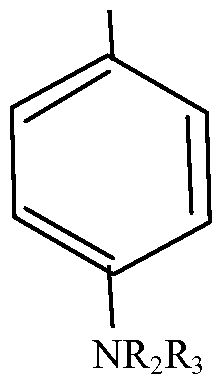
- Ri is H, OR and NRR wherein each R is independently H, Ci_ 2 o straight or branched chain alkyl; R 2 is H or OH; and R 3 is H, Ci_ 2 o straight or branched chain alkyl.
- Ri is OR where R is a Ci_ 2 o straight or branched alkyl, preferably methyl; R 2 is H; and R 3 is a Ci_ 2 o straight or branched chain alkyl, more preferably, butyl.
- UVA sunscreen compounds of this general formula include 4- methyldibenzoylmethane, 2-methyldibenzoylmethane, 4-isopropyldibenzoylmethane, 4-tert- butyldibenzoylmethane, 2,4-dimethyldibenzoylmethane, 2,5-dimethyldibenzoylmethane, 4,4'diisopropylbenzoylmethane, 4-tert-butyl-4'-methoxydibenzoylmethane, 4,4'- diisopropylbenzoylmethane, 2-methyl-5-isopropyl-4'-methoxydibenzoymethane, 2-methyl-5- tert-butyl-4'-methoxydibenzoylmethane, and so on.
- Avobenzone is 4-tert-butyl-4'- methoxydibenzoylmethane, also referred to as Avobenzone.
- Avobenzone is commercially available from Givaudan-Roure under the trademark Parsol® 1789, and Merck & Co. under the tradename Eusolex® 9020.
- UVA sunscreens include dicamphor sulfonic acid derivatives, such as ecamsule, a sunscreen sold under the trade name Mexoryl®, which is terephthalylidene dicamphor sulfonic acid, having the formula:
- the composition may contain from about 0.001-20%, preferably 0.005-5%, more preferably about 0.005-3%) by weight of the composition of UVA sunscreen.
- the UVA sunscreen is Avobenzone, and it is present at not greater than about 3% by weight of the total composition.
- UVB sunscreen means a compound that blocks UV radiation in the wavelength range of from about 290 to 320 nm.
- Octocrylene is 2-ethylhexyl 2- cyano-3,3-diphenylacrylate.
- the composition may contain no more than about 10% by weight of the total composition of octocrylene. Suitable amounts range from about 0.001-10% by weight.
- Octocrylene may be purchased from BASF under the tradename
- Suitable sunscreens include benzylidene camphor derivatives as set forth in U.S. Pat. No. 3,781,417, which is hereby incorporated by reference in its entirety.
- Such benzylidene camphor derivatives have the general formula: wherein R is p-tolyl or styryl, preferably styryl.
- Particularly preferred is 4-methylbenzylidene camphor, which is a lipid soluble UVB sunscreen compound sold under the tradename Eusolex 6300 by Merck.
- R and Ri are each independently a Ci_ 2 o straight or branched chain alkyl. Preferred is where R is methyl and Ri is a branched chain C 1-10 , preferably Cg alkyl.
- the preferred compound is ethylhexyl methoxycmnamate, also referred to as Octoxinate or octyl methoxycmnamate.
- the compound may be purchased from Givaudan Corporation under the tradename Parsol® MCX, or BASF under the tradename Uvinul® MC 80.
- Cinoxate the aromatic ether derivative of the above compound is also acceptable. If present, the Cinoxate should be found at no more than about 3% by weight of the total composition.
- UVB screening agents are various benzophenone derivatives having the general formula: R 3 R4 R 9 R 8 wherein R through R 9 are each independently H, OH, Na0 3 S, S0 3 H, S0 3 Na, CI, R", OR" where R" is Ci_ 2 o straight or branched chain alkyl
- R 3 R4 R 9 R 8 wherein R through R 9 are each independently H, OH, Na0 3 S, S0 3 H, S0 3 Na, CI, R", OR" where R" is Ci_ 2 o straight or branched chain alkyl
- examples of such compounds include Benzophenone 1 , 2, 3, 4, 5, 6, 7, 8, 9, 10, 1 1 , and 12.
- the benzophenone derivative is Benzophenone 3 (also referred to as Oxybenzone), Benzophenone 4 (also referred to as Sulisobenzone), Benzophenone 5 (Sulisobenzone Sodium), and the like.
- Benzophenone 3 also referred to as Oxybenz
- menthyl salicylate derivatives having the general formula:
- R l s R 2 , R 3 , and R 4 are each independently H, OH, NH 2 , or Ci_ 2 o straight or branched chain alkyl. Particularly preferred is where R l s R 2 , and R 3 are methyl and R 4 is hydroxyl or NH 2 , the compound having the name homomenthyl salicylate (also known as Homosalate) or menthyl anthranilate. Homosalate is available commercially from Merck under the trademark
- Eusolex® HMS and menthyl anthranilate is commercially available from Haarmann & Reimer under the trademark Heliopan®. If present, the Homosalate should be found at no more than about 15% by weight of the total composition.
- UVB absorbers including those having the general formula: wherein R ls R 2 , and R 3 are each independently H, Ci_ 2 o straight or branched chain alkyl which may be substituted with one or more hydroxy groups. Particularly preferred is wherein Ri is H or Ci_8 straight or branched alkyl, and R 2 and R 3 are H, or Ci_g straight or branched chain alkyl. Particularly preferred are PABA, ethyl hexyl dimethyl PABA (Padimate O),
- Padimate O should be found at no more than about 8% by weight of the total composition.
- Salicylate derivatives are also acceptable UVB absorbers. Such compounds have the general formula: wherein R is a straight or branched chain alkyl, including derivatives of the above compound formed from mono-, di-, or triethanolamines. Particular preferred are octyl salicylate, TEA-salicylate, DEA-salicylate, and mixtures thereof.
- the amount of the UVB chemical sunscreen present may range from about 0.001- 45%, preferably 0.005-40%, more preferably about 0.01-35% by weight of the total composition.
- compositions of the invention may be formulated to have certain SPF (sun protective factor) values ranging from about 1-50, preferably about 2-45, most preferably about 5-30. Calculation of SPF values is well known in the art.
- the composition may contain one more surfactants, especially if in the emulsion form.
- surfactants may be used if the compositions are solutions, suspensions, or anhydrous also, and will assist in dispersing ingredients that have polarity, for example pigments.
- Such surfactants may be silicone or organic based.
- the surfactants will also aid in the formation of stable emulsions of either the water-in-oil or oil-in- water form. If present, the surfactant may range from about 0.001 to 30%, preferably from about 0.005 to 25%, more preferably from about 0.1 to 20% by weight of the total composition. 1.
- Organic Nonionic Surfactants may range from about 0.001 to 30%, preferably from about 0.005 to 25%, more preferably from about 0.1 to 20% by weight of the total composition.
- the composition may comprise one or more nonionic organic surfactants.
- Suitable nonionic surfactants include alkoxylated alcohols or ethers, formed by the reaction of an alcohol with an alkylene oxide, usually ethylene or propylene oxide.
- Suitable alcohols include mono-, di-, or polyhydric short chain (CI -6) alcohols; aromatic or aliphatic saturated or unsaturated fatty (CI 2-40) alcohols, of cholesterol; and so on.
- the alcohol is cholesterol, or an aromatic or aliphatic saturated or unsaturated fatty alcohol which may have from 6 to 40, preferably from about 10 to 30, more preferably from about 12 to 22 carbon atoms.
- examples include oleyl alcohol, cetearyl alcohol, cetyl alcohol, stearyl alcohol, isostearyl alcohol, behenyl alcohol, and the like.
- ingredients examples include Oleth 2-100; Steareth 2-100; Beheneth 5-30; Ceteareth 2-100; Ceteth 2-100; Choleth 2-100 wherein the number range means the number of repeating ethylene oxide units, e.g. Ceteth 2-100 means Ceteth where the number of repeating ethylene oxide units ranges from 2 to 100.
- Derivatives of alkoxylated alcohols are also suitable, such as phosphoric acid esters thereof.
- Some preferred organic nonionic surfactants include Oleth-3, Oleth-5, Oleth-3 phosphate, Choleth-24; Ceteth-24; and so on.
- alkoxylated alcohols formed with mono-, di-, or polyhydric short chain alcohols, for example those having from about 1 to 6 carbon atoms.
- alkoxylated alcohols formed with mono-, di-, or polyhydric short chain alcohols, for example those having from about 1 to 6 carbon atoms.
- Examples include glucose, glycerin, or alkylated derivatives thereof.
- Examples include glycereth 2-100; gluceth 2-100; methyl gluceth 2-100 and so on. More preferred are methyl gluceth-20; glycereth-26 and the like.
- alkoxylated alcohols are suitable surfactants, including ethylene oxide polymers having varying numbers of repeating EO groups, generally referred to as PEG 12 to 200. More preferred are PEG-75, which is may be purchased from Dow Chemical under the trade name Carbowax PEG-3350.
- Suitable nonionic surfactants include alkoxylated sorbitan and alkoxylated sorbitan derivatives.
- alkoxylation, in particular ethoxylation of sorbitan provides polyalkoxylated sorbitan derivatives.
- Esterification of polyalkoxylated sorbitan provides sorbitan esters such as the polysorbates.
- the polyalkyoxylated sorbitan can be esterified with C6-30, preferably C12-22 fatty acids. Examples of such ingredients include Polysorbates 20-85, sorbitan oleate, sorbitan sesquioleate, sorbitan palmitate, sorbitan sesquiisostearate, sorbitan stearate, and so on.
- silicone or silane-based surfactants include organosiloxanes substituted with ethylene oxide or propylene oxide groups such as PEG dimethicones which are dimethicones substituted with polyethylene glycols including those having the INCI names PEG-1 dimethicone; PEG-4 dimethicone; PEG-8 dimethicone; PEG- 12 dimethicone; PEG-20 dimethicone; and so on.
- organosiloxanes substituted with ethylene oxide or propylene oxide groups such as PEG dimethicones which are dimethicones substituted with polyethylene glycols including those having the INCI names PEG-1 dimethicone; PEG-4 dimethicone; PEG-8 dimethicone; PEG- 12 dimethicone; PEG-20 dimethicone; and so on.
- silanes substituted with ethoxy groups or propoxy groups or both such as various types of PEG methyl ether silanes such as bis-PEG-18 methyl ether dimethyl silane; and so on.
- silicone based surfactants include those having the generic names dimethicone copolyol; cetyl dimethicone copolyol; and so on.
- Suitable botanical extracts include extracts from plants (herbs, roots, flowers, fruits, seeds) such as flowers, fruits, vegetables, and so on, including yeast ferment extract, Padina Pavonica extract, Thermus Thermophilis ferment extract, Camelina Sativa seed oil, Boswellia Serrata extract, olive extract, Acacia Dealbata extract, Acer Saccharinum (sugar maple), Acidopholus, Acorus, Aesculus, Agaricus, Agave, Agrimonia, algae, aloe, citrus, Brassica, cinnamon, orange, apple, blueberry, cranberry, peach, pear, lemon, lime, pea, seaweed, caffeine, green tea, chamomile, willowbark, mulberry, poppy, and those set forth on pages 1646 through 1660 of the CT
- Glycyrrhiza Glabra Salix Nigra, Macrocycstis Pyrifera, Pyrus Mains, Saxifraga Sarmentosa, Vitis Vinifera, Morus Nigra, Scutellaria Baicalensis, Anthemis Nobilis, Salvia Sclarea, Rosmarinus Officianalis, Citrus Medica Limonum, Panax Ginseng, Siegesbeckia Orientalis, Fructus Mume, Ascophyllum Nodosum, Glycine Soja extract, Beta Vulgaris, Haberlea Rhodopensis, Polygonum Cuspidatum, Citrus Aurantium Dulcis, Vitis Vinifera, Selaginella Tamariscina, Humulus Lupulus, Citrus Reticulata Peel, Punica
- Such botanical extracts may be fermented to increase potency or activity. Fermentation may be accomplished by standard fermentation techniques using bacteria or yeast.
- RNA fragments are also suitable.
- biological materials such as those derived from cells, fermented materials, and so on. If present such materials may range from about 0.001 to 30%, preferably from about 0.005 to 25%, more preferably from about 0.01 to 20%. Examples include fragments of cellular RNA or DNA, probiotic microorganisms, or ferments of microorganisms and organic materials from plants such as leaves, seeds, extracts, flowers, etc. Particularly preferred are RNA fragments.
- the aqueous phase may contain one or more aqueous phase structuring agents, that is, an agent that increases the viscosity or, or thickens, the aqueous phase of the composition.
- aqueous phase structuring agent that is, an agent that increases the viscosity or, or thickens, the aqueous phase of the composition.
- Suitable ranges of aqueous phase structuring agent are from about 0.01 to 30%, preferably from about 0.1 to 20%, more preferably from about 0.5 to 15% by weight of the total composition.
- examples of such agents include various acrylate based thickening agents, natural or synthetic gums, polysaccharides, and the like, including but not limited to those set forth below.
- Polysaccharides may be suitable aqueous phase thickening agents.
- polysaccharides include naturally derived materials such as agar, agarose, alicaligenes polysaccharides, algin, alginic acid, acacia gum, amylopectin, chitin, dextran, cassia gum, cellulose gum, gelatin, gellan gum, hyaluronic acid, hydroxyethyl cellulose, methyl cellulose, ethyl cellulose, pectin, sclerotium gum, xanthan gum, pectin, trehelose, gelatin, and so on.
- acrylic polymeric thickeners comprised of monomers A and B wherein A is selected from the group consisting of acrylic acid, methacrylic acid, and mixtures thereof; and B is selected from the group consisting of a Ci_ 22 alkyl acrylate, a Ci_ 22 alky methacrylate, and mixtures thereof are suitable.
- the A monomer comprises one or more of acrylic acid or methacrylic acid
- the B monomer is selected from the group consisting of a C 1-10 , most preferably Ci_ 4 alkyl acrylate, a C 1-10 , most preferably Ci_ 4 alkyl methacrylate, and mixtures thereof.
- the B monomer is one or more of methyl or ethyl acrylate or methacrylate.
- the acrylic copolymer may be supplied in an aqueous solution having a solids content ranging from about 10-60%, preferably 20-50%, more preferably 25-45% by weight of the polymer, with the remainder water.
- the composition of the acrylic copolymer may contain from about 0. 1-99 parts of the A monomer, and about 0.1-99 parts of the B monomer.
- Acrylic polymer solutions include those sold by Seppic, Inc., under the tradename Capigel.
- acrylic polymeric thickeners that are copolymers of A, B, and C monomers wherein A and B are as defined above, and C has the general formula:
- Examples of the secondary thickening agent above, are copolymers where A and B are defined as above, and C is CO, and wherein n, o, and R are as above defined.
- secondary thickening agents include acrylates/steareth-20 methacrylate copolymer, which is sold by Rohm & Haas under the tradename Acrysol ICS-1.
- acrylate based anionic amphiphilic polymers containing at least one hydrophilic unit and at least one allyl ether unit containing a fatty chain.
- R denotes H
- n is equal to 10
- R denotes a stearyl (CI 8) radical.
- Anionic amphiphilic polymers of this type are described and prepared in U.S. Patent Nos. 4,677,152 and 4,702,844, both of which are hereby incorporated by reference in their entirety.
- anionic amphiphilic polymers polymers formed of 20 to 60% by weight acrylic acid and/or methacrylic acid, of 5 to 60% by weight lower alkyl methacrylates, of 2 to 50% by weight allyl ether containing a fatty chain as mentioned above, and of 0 to 1% by weight of a crosslinking agent which is a well-known copolymerizable polyethylenic unsaturated monomer, for instance diallyl phthalate, allyl (meth)acrylate, divinylbenzene, (poly)ethylene glycol dimethacrylate and methylenebisacrylamide.
- a crosslinking agent which is a well-known copolymerizable polyethylenic unsaturated monomer, for instance diallyl phthalate, allyl (meth)acrylate, divinylbenzene, (poly)ethylene glycol dimethacrylate and methylenebisacrylamide.
- polymers are crosslinked terpolymers of methacrylic acid, of ethyl acrylate, of polyethylene glycol (having 10 EO units) ether of stearyl alcohol or steareth-10, in particular those sold by the company Allied Colloids under the names SALCARE SC80 and SALCARE SC90, which are aqueous emulsions containing 30% of a crosslinked terpolymer of methacrylic acid, of ethyl acrylate and of steareth-10 allyl ether (40/50/10).
- acrylate copolymers such as Polyacrylate-3 which is a copolymer of methacrylic acid, methylmethacrylate, methylstyrene isopropylisocyanate, and PEG-40 behenate monomers; Polyacrylate-10 which is a copolymer of sodium
- Polyacrylate-11 which is a copolymer of sodium acryloyldimethylacryloyldimethyl taurate, sodium acrylate, hydroxyethyl acrylate, lauryl acrylate, butyl acrylate, and acrylamide monomers.
- crosslinked acrylate based polymers where one or more of the acrylic groups may have substituted long chain alkyl (such as 6-40, 10-30, and the like) groups, for example acrylates/Cio-30 alkyl acrylate crosspolymer which is a copolymer of C I 0-30 alkyl acrylate and one or more monomers of acrylic acid, methacrylic acid, or one of their simple esters crosslinked with the allyl ether of sucrose or the allyl ether of pentaerythritol.
- Such polymers are commonly sold under the Carbopol or Pemulen tradenames and have the CTFA name carbomer.
- acrylate based polymeric thickeners sold by Clariant under the Aristoflex trademark such as Aristoflex AVC, which is ammonium
- Aristoflex AVL which is the same polymer has found in AVC dispersed in mixture containing caprylic/capric triglyceride, trilaureth-4, and polyglyceryl-2 sesquiisostearate; or Aristoflex HMB which is ammonium
- aqueous phase thickening agents are various polyethylene glycols (PEG) derivatives where the degree of polymerization ranges from 1 ,000 to 200,000. Such ingredients are indicated by the designation "PEG” followed by the degree of polymerization in thousands, such as PEG-45M, which means PEG having 45,000 repeating ethylene oxide units.
- PEG derivatives include PEG 2M, 5M, 7M, 9M, 14M, 20M, 23M, 25M, 45M, 65M, 90M, 1 15M, 160M, 180M, and the like.
- polyglycerins which are repeating glycerin moieties where the number of repeating moieties ranges from 15 to 200, preferably from about 20-100.
- suitable polyglycerins include those having the CFTA names polyglycerin-20, polyglycerin- 40, and the like.
- the composition may contain one or more humectants. If present, they may range from about 0.01 to 75%, preferably from about 0.5 to 70%, more preferably from about 0.5 to 40%).
- suitable humectants include glycols, sugars, and the like.
- Suitable glycols are in monomeric or polymeric form and include polyethylene and polypropylene glycols such as PEG 4-10, which are polyethylene glycols having from 4 to 10 repeating ethylene oxide units; as well as Ci_ 6 alkylene glycols such as propylene glycol, butylene glycol, pentylene glycol, and the like.
- Suitable sugars, some of which are also polyhydric alcohols, are also suitable humectants.
- sugars examples include glucose, fructose, honey, hydrogenated honey, inositol, maltose, mannitol, maltitol, sorbitol, sucrose, xylitol, xylose, and so on.
- urea is also suitable.
- the humectants used in the composition of the invention are C 1-6 , preferably C 2 _ 4 alkylene glycols, most particularly butylene glycol.
- the compositions of the invention are in emulsion form, the composition will comprise an oil phase.
- Oily ingredients are desirable for the skin moisturizing and protective properties.
- Suitable oils include silicones, esters, vegetable oils, synthetic oils, including but not limited to those set forth herein.
- the oils may be volatile or nonvolatile, and are preferably in the form of a pourable liquid at room temperature.
- volatile means that the oil has a measurable vapor pressure, or a vapor pressure of at least about 2 mm. of mercury at 20° C.
- nonvolatile means that the oil has a vapor pressure of less than about 2 mm. of mercury at 20° C. If present, such oils may range from about 0.01 to 85%, preferably from about 0.05 to 80%, more preferably from about 0.1 to 50%.
- Suitable volatile oils generally have a viscosity ranging from about 0.5 to 5 centistokes 25° C. and include linear silicones, cyclic silicones, paraffmic hydrocarbons, or mixtures thereof.
- Cyclic silicones are one type of volatile silicone that may be used in the composition. Such silicones have the general formula:
- n 3-6, preferably 4, 5, or 6.
- linear volatile silicones for example, those having the general formula:
- Cyclic and linear volatile silicones are available from various commercial sources including Dow Corning Corporation and General Electric.
- the Dow Corning linear volatile silicones are sold under the tradenames Dow Corning 244, 245, 344, and 200 fluids. These fluids include hexamethyldisiloxane (viscosity 0.65 centistokes (abbreviated est)),
- Suitable branched volatile silicones include alkyl trimethicones such as methyl trimethicone having the general formula:
- Methyl trimethicone may be purchased from Shin-Etsu Silicones under the tradename TMF- 1.5, having a viscosity of 1.5 centistokes at 25° C.
- volatile oils are various straight or branched chain paraffmic hydrocarbons having 5, 6, 7, 8, 9, 10, 11, 12, 13, 14, 15, 16, 17, 18, 19, or 20 carbon atoms, more preferably 8 to 16 carbon atoms.
- Suitable hydrocarbons include pentane, hexane, heptane, decane, dodecane, tetradecane, tridecane, and Cg- 2 o isoparaffms as disclosed in U.S. Pat. Nos. 3,439,088 and 3,818,105, both of which are hereby incorporated by reference.
- Preferred volatile paraffmic hydrocarbons have a molecular weight of 70-225, preferably 160 to 190 and a boiling point range of 30 to 320, preferably 60 to 260° C, and a viscosity of less than about 10 est. at 25° C.
- Such paraffinic hydrocarbons are available from EXXON under the ISOPARS trademark, and from the Permethyl Corporation.
- Suitable C 12 isoparaffins are manufactured by Permethyl Corporation under the tradename Permethyl 99 A.
- Non- Volatile Oils A variety of nonvolatile oils are also suitable for use in the compositions of the invention.
- the nonvolatile oils generally have a viscosity of greater than about 5 to 10 centistokes at 25° C, and may range in viscosity up to about 1,000,000 centipoise at 25° C.
- Examples of nonvolatile oils include, but are not limited to:
- Suitable esters are mono-, di-, and triesters.
- the composition may comprise one or more esters selected from the group, or mixtures thereof.
- Monoesters are defined as esters formed by the reaction of a monocarboxylic acid having the formula R-COOH, wherein R is a straight or branched chain saturated or unsaturated alkyl having 2 to 45 carbon atoms, or phenyl; and an alcohol having the formula R-OH wherein R is a straight or branched chain saturated or unsaturated alkyl having 2-30 carbon atoms, or phenyl. Both the alcohol and the acid may be substituted with one or more hydroxyl groups. Either one or both of the acid or alcohol may be a "fatty" acid or alcohol, and may have from about 6 to 30 carbon atoms, more preferably 12, 14, 16, 18, or 22 carbon atoms in straight or branched chain, saturated or unsaturated form.
- monoester oils examples include hexyl laurate, butyl isostearate, hexadecyl isostearate, cetyl palmitate, isostearyl neopentanoate, stearyl heptanoate, isostearyl isononanoate, steary lactate, stearyl octanoate, stearyl stearate, isononyl isononanoate, and so on.
- Suitable diesters are the reaction product of a dicarboxylic acid and an aliphatic or aromatic alcohol or an aliphatic or aromatic alcohol having at least two substituted hydroxyl groups and a monocarboxylic acid.
- the dicarboxylic acid may contain from 2 to 30 carbon atoms, and may be in the straight or branched chain, saturated or unsaturated form.
- the dicarboxylic acid may be substituted with one or more hydroxyl groups.
- the aliphatic or aromatic alcohol may also contain 2 to 30 carbon atoms, and may be in the straight or branched chain, saturated, or unsaturated form.
- one or more of the acid or alcohol is a fatty acid or alcohol, i.e. contains 12-22 carbon atoms.
- the dicarboxylic acid may also be an alpha hydroxy acid.
- the ester may be in the dimer or trimer form.
- diester oils that may be used in the compositions of the invention include diisotearyl malate, neopentyl glycol dioctanoate, dibutyl sebacate, dicetearyl dimer dilinoleate, dicetyl adipate, diisocetyl adipate, diisononyl adipate, diisostearyl dimer dilinoleate, diisostearyl fumarate, diisostearyl malate, dioctyl malate, and so on.
- Suitable triesters comprise the reaction product of a tricarboxylic acid and an aliphatic or aromatic alcohol or alternatively the reaction product of an aliphatic or aromatic alcohol having three or more substituted hydroxyl groups with a monocarboxylic acid.
- the acid and alcohol contain 2 to 30 carbon atoms, and may be saturated or unsaturated, straight or branched chain, and may be substituted with one or more hydroxyl groups.
- one or more of the acid or alcohol is a fatty acid or alcohol containing 12 to 22 carbon atoms.
- triesters include esters of arachidonic, citric, or behenic acids, such as triarachidin, tributyl citrate, triisostearyl citrate, tri C 12 - 13 alkyl citrate, tricaprylin, tricaprylyl citrate, tridecyl behenate, trioctyldodecyl citrate, tridecyl behenate; or tridecyl cocoate, tridecyl isononanoate, and so on.
- Esters suitable for use in the composition are further described in the C.T.F.A.
- nonvolatile hydrocarbon oils include paraffinic hydrocarbons and olefins, preferably those having greater than about 20 carbon atoms.
- hydrocarbon oils include C24-28 olefins, C30-45 olefins, C20-40 isoparaffms, hydrogenated polyisobutene, polyisobutene, polydecene, hydrogenated polydecene, mineral oil,
- Synthetic or naturally occurring glyceryl esters of fatty acids, or triglycerides are also suitable for use in the compositions. Both vegetable and animal sources may be used.
- oils examples include castor oil, lanolin oil, Cio-is triglycerides,
- caprylic/capric/triglycerides sweet almond oil, apricot kernel oil, sesame oil, camelina sativa oil, tamanu seed oil, coconut oil, corn oil, cottonseed oil, linseed oil, ink oil, olive oil, palm oil, illipe butter, rapeseed oil, soybean oil, grapeseed oil, sunflower seed oil, walnut oil, and the like.
- glyceryl esters such as fatty acid mono-, di-, and triglycerides which are natural fats or oils that have been modified, for example, mono-, di- or triesters of polyols such as glycerin.
- a fatty (C 12 - 22 ) carboxylic acid is reacted with one or more repeating glyceryl groups, glyceryl stearate, diglyceryl diiosostearate, polyglyceryl-3 isostearate, polyglyceryl-4 isostearate, polyglyceryl-6 ricinoleate, glyceryl dioleate, glyceryl diisotearate, glyceryl tetraisostearate, glyceryl trioctanoate, diglyceryl distearate, glyceryl linoleate, glyceryl myristate, glyceryl isostearate, PEG castor oils, PEG glyceryl oleates, PEG glyceryl stearates, PEG glyceryl tallowates, and so on.
- glyceryl groups glyceryl stearate, diglyceryl diiosostear
- Nonvolatile silicone oils both water soluble and water insoluble, are also suitable for use in the composition.
- Such silicones preferably have a viscosity ranging from about greater than 5 to 800,000 est, preferably 20 to 200,000 est at 25° C.
- Suitable water insoluble silicones include amine functional silicones such as amodimethicone.
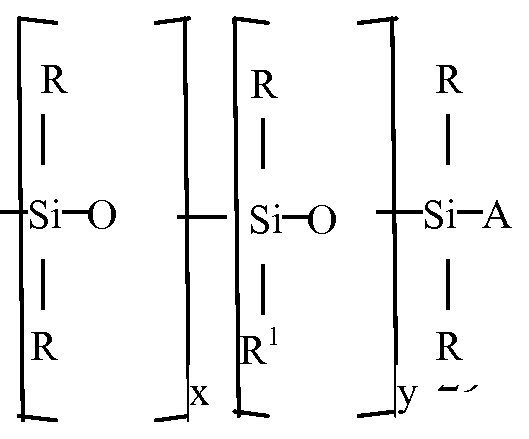
- nonvolatile silicones may have the following general formula:
- R and R' are each independently Ci_ 3 o straight or branched chain, saturated or unsaturated alkyl, phenyl or aryl, trialkylsiloxy, and x and y are each independently 1- 1 ,000,000; with the proviso that there is at least one of either x or y, and A is alkyl siloxy endcap unit.
- A is a methyl siloxy endcap unit; in particular
- R and R are each independently a Ci_ 3 o straight or branched chain alkyl, phenyl, or trimethylsiloxy, more preferably a Ci-22 alkyl, phenyl, or trimethylsiloxy, most preferably methyl, phenyl, or trimethylsiloxy, and resulting silicone is dimethicone, phenyl dimethicone, diphenyl dimethicone, phenyl trimethicone, or trimethylsiloxyphenyl dimethicone.
- alkyl dimethicones such as cetyl dimethicone, and the like wherein at least one R is a fatty alkyl (C12, C14, Ci 6 , C 18 , C20, or C 22 ), and the other R is methyl, and A is a trimethylsiloxy endcap unit, provided such alkyl dimethicone is a pourable liquid at room temperature.
- Phenyl trimethicone can be purchased from Dow Corning Corporation under the tradename 556 Fluid.
- Trimethylsiloxyphenyl dimethicone can be purchased from Wacker-Chemie under the tradename PDM-1000.
- Cetyl dimethicone also referred to as a liquid silicone wax, may be purchased from Dow Corning as Fluid 2502, or from DeGussa Care & Surface Specialties under the trade names Abil Wax 9801 , or 9814.
- vitamins or antioxidants may be desirable to incorporate one or more vitamins or antioxidants in the compositions. If present, suggested ranges are from about 0.001 to 20%, preferably from about 0.005 to 15%, more preferably from about 0.010 to 10%.
- vitamins, vitamin derivatives and/or antioxidants are operable to scavenge free radicals in the form of singlet oxygen.
- Such vitamins may include tocopherol or its derivatives such as tocopherol acetate, tocopherol ferulate; ascorbic acid or its derivatives such as ascorbyl palmitate, magnesium ascorbyl phosphate; Vitamin A or its derivatives such as retinyl palmitate; or vitamins D, K, B, or derivatives thereof.
- compositions are in the aqueous solution or emulsion form and contain at least one autophagy activator and at least one DNA repair enzyme.
- the composition may optionally contain at least one CLOCK or PERI gene activator and/or at least one proteasome activator. More preferred is where within the composition the autophagy activator is a yeast extract that may be fermented and the DNA repair enzyme is one or more of Arabidopsis thaliana or ferment thereof. If present the proteasome activator is algin, hydrolyzed algin, or alginate.
- the nonionic organic surfactant is an alkoxylated alcohol
- the chemical sunscreen is a UVB sunscreen
- the CLOCK or PERI keratinocyte gene activator is Tripeptide- 32 or Tetrapeptide-26
- the DNA repair enzyme if present, is a mixture of Arabidopsis Thaliana extract, Micrococcus lysate, Bifida Ferment lysate, Lactobacillus ferment, and Plankton extract
- the at least one oil is an organic ester or hydrocarbon.
- the invention is also directed to a method for improving normal cellular detoxification processes by treating the cells with a composition that stimulates selective catabolysis by activating or enhancing cellular autophagy processes and/or repairing cellular DNA.
- a CLOCK or PERI gene activator may be present, it may improve the
- the composition may be applied to keratin surfaces such as skin, scalp, nails or hair one or more times per day.
- the composition may be applied to skin in the morning prior to beginning daily activities and/or at night prior to retiring.
- the composition may be applied as part of a regimen; that is, the skin is cleansed and treated with toner, after which the composition of the invention is applied.
- the composition may be part of a kit containing a cleanser, toner, and the composition of the invention.
- the composition is applied to the face and/or neck and decolletage prior to retiring to repair or eliminate damaged cellular material and provide general improvement of the skin. Combining the composition of the invention at night prior to retiring maximizes the cellular detoxification processes.
- treatment of skin with the composition of the invention promotes cellular viability, longevity, and health.
- Arabidopsis thaliana extract 1% autophagy activator in the form of yeast extract, and a solution containing a mixture of 0.025% Arabidopsis thaliana extract and 1% yeast extract autophagy activator.
- the fibroblasts were placed in concentrations of 150,000 cells per plate for the 48 hour test, and 300,000 cells per plate for the 24 hour test on 96 well plates. The cells were incubated at 37° C, 5% C0 2 , and 95% humidity for 24 hours.
- the test compositions were prepared as follows:
- a Autophagy Activator.
- 1% Yeast Extract 300ul of yeast extract was added to 14.7 ml of Media Dulbecco's Modified Eagle Media (DMEM) to create a 2% stock solution. Then 2.5 ml of this stock solution was added to 2.5 ml of DMEM to create 1% by weight solution.
- DMEM Media Dulbecco's Modified Eagle Media
- Roxisomes® was combined with 14.985 ml of DMEM and filtered to create a 0.1% stock solution. Then 2.5ml of this stock solution was diluted with 2.5 ml of DMEM to create a 0.05% solution. Then 2.5 ml of this 0.05% solution was diluted with 2.5 ml of DMEM to make a 0.025% solution of the extract.
- Normal human dermal fibroblasts were seeded into a 96 well plate at a concentration of 150,000/well and incubated at 37° C. in 5% C0 2 for 24 hours to enable cells to acclimate. The next day each well was treated with 200 ul of mixture with each mixture being applied to 6 wells. The plate was incubated at 37° C. for 72 hours with 5% C0 2 .
- a 10%) solution of Alamar Blue in 100 ul of DMEM was prepared. 100 ⁇ of a 10% solution of the Alamar Blue reagent was added to each well. The plate was incubated at 37° C, 5% C0 2 for 2 hours. The fluorescence was read on a plate reader. Cells were then irradiated with 10 J/cm 2 radiation UV Radiation Chamber (Dr.
- the DPBS was aspirated and the treatment compositions applied once again for 24 hours. The next morning the medium was aspirated and 100 ⁇ of 10% Alamar Blue solution was added. The plate was incubated at 37° C. for 1.5 to 2 hours. The fluorescence was measured at 530/590 nanometers using a Spectra Max Gemini reader. The cell viability was calculated and expressed as the percentage of survival of cells treated with hydrogen peroxide.
- a skin treatment composition in accordance with the invention was prepared as follows:
- the composition was prepared by combining the ingredients and mixing well to form liquid.
- the composition was stored in brown glass bottles.
Landscapes
- Life Sciences & Earth Sciences (AREA)
- Health & Medical Sciences (AREA)
- Veterinary Medicine (AREA)
- Public Health (AREA)
- General Health & Medical Sciences (AREA)
- Animal Behavior & Ethology (AREA)
- Epidemiology (AREA)
- Birds (AREA)
- Engineering & Computer Science (AREA)
- Biotechnology (AREA)
- Mycology (AREA)
- Microbiology (AREA)
- Botany (AREA)
- Dermatology (AREA)
- Tropical Medicine & Parasitology (AREA)
- Gerontology & Geriatric Medicine (AREA)
- Chemical & Material Sciences (AREA)
- Organic Chemistry (AREA)
- Nuclear Medicine, Radiotherapy & Molecular Imaging (AREA)
- Chemical Kinetics & Catalysis (AREA)
- General Chemical & Material Sciences (AREA)
- Medicinal Chemistry (AREA)
- Pharmacology & Pharmacy (AREA)
- Bioinformatics & Cheminformatics (AREA)
- Cosmetics (AREA)
- Enzymes And Modification Thereof (AREA)
- Peptides Or Proteins (AREA)
- Pharmaceuticals Containing Other Organic And Inorganic Compounds (AREA)
- Medicines That Contain Protein Lipid Enzymes And Other Medicines (AREA)
- Medicines Containing Material From Animals Or Micro-Organisms (AREA)
- Preparation Of Compounds By Using Micro-Organisms (AREA)
Abstract
Description





Claims
Priority Applications (7)
| Application Number | Priority Date | Filing Date | Title |
|---|---|---|---|
| EP13869925.1A EP2941241B1 (en) | 2013-01-07 | 2013-12-27 | Method and compositions for improving selective catabolysis and viability in cells of keratin surfaces |
| CN201380069685.9A CN104902872A (en) | 2013-01-07 | 2013-12-27 | Methods and compositions for improving selective catabolism and viability in cells of keratin surfaces |
| CA2894764A CA2894764C (en) | 2013-01-07 | 2013-12-27 | Method and compositions for improving selective catabolysis and viability in cells of keratin surfaces |
| ES13869925T ES2831102T3 (en) | 2013-01-07 | 2013-12-27 | Method and compositions to improve selective catabolysis and viability in cells of keratin surfaces |
| AU2013371414A AU2013371414B2 (en) | 2013-01-07 | 2013-12-27 | Method and compositions for improving selective catabolysis and viability in cells of keratin surfaces |
| KR1020157017739A KR101827616B1 (en) | 2013-01-07 | 2013-12-27 | Method and compositions for improving selective catabolysis and viability in cells of keratin surfaces |
| JP2015551735A JP6449780B2 (en) | 2013-01-07 | 2013-12-27 | Methods and compositions for improving selective degradation metabolism and viability in cells on keratin surfaces |
Applications Claiming Priority (2)
| Application Number | Priority Date | Filing Date | Title |
|---|---|---|---|
| US201361749633P | 2013-01-07 | 2013-01-07 | |
| US61/749,633 | 2013-01-07 |
Publications (1)
| Publication Number | Publication Date |
|---|---|
| WO2014107411A1 true WO2014107411A1 (en) | 2014-07-10 |
Family
ID=51061111
Family Applications (1)
| Application Number | Title | Priority Date | Filing Date |
|---|---|---|---|
| PCT/US2013/078057 Ceased WO2014107411A1 (en) | 2013-01-07 | 2013-12-27 | Method and compositions for improving selective catabolysis and viability in cells of keratin surfaces |
Country Status (9)
| Country | Link |
|---|---|
| US (2) | US9814664B2 (en) |
| EP (1) | EP2941241B1 (en) |
| JP (3) | JP6449780B2 (en) |
| KR (1) | KR101827616B1 (en) |
| CN (2) | CN111494253A (en) |
| AU (1) | AU2013371414B2 (en) |
| CA (1) | CA2894764C (en) |
| ES (1) | ES2831102T3 (en) |
| WO (1) | WO2014107411A1 (en) |
Cited By (1)
| Publication number | Priority date | Publication date | Assignee | Title |
|---|---|---|---|---|
| CN111499700A (en) * | 2020-05-06 | 2020-08-07 | 中国海洋大学 | A novel algin-specific binding protein and its preparation and application |
Families Citing this family (8)
| Publication number | Priority date | Publication date | Assignee | Title |
|---|---|---|---|---|
| US10383815B2 (en) | 2012-09-14 | 2019-08-20 | Elc Management Llc | Method and compositions for improving selective catabolysis in cells of keratin surfaces |
| US20150098934A1 (en) | 2013-10-03 | 2015-04-09 | Wilson A. Lee | Topical Preparations Comprising Grape Seed, Folic Acid, Biotin, Bifidobacterium longum and Echinacea purpurea |
| KR102704127B1 (en) | 2015-07-28 | 2024-09-05 | 마리 케이 인코포레이티드 | Topical skin formulations |
| US9789070B2 (en) * | 2015-07-28 | 2017-10-17 | Elc Management Llc | Sheet packs for treating facial or body surfaces |
| US10675319B2 (en) | 2016-06-21 | 2020-06-09 | Tci Co., Ltd. | Method for regulating circadian clock, regulating diurnal preference, adjusting a biological clock, improving sleep quality and/or facilitating sleep by using momordica charantia extract |
| CN110022870B (en) * | 2016-09-30 | 2022-05-10 | 株式会社爱茉莉太平洋 | Composition comprising benzoic acid amide compound and solubilizer |
| US20180125778A1 (en) * | 2016-11-09 | 2018-05-10 | Elc Management Llc | Topical Compositions And Methods For Stimulating MIR-146A In Skin Cells |
| CN111544372A (en) * | 2020-06-15 | 2020-08-18 | 溯源生命科技股份有限公司 | Fermentation product compound plant extract anti-aging repair composition, application and essence milk containing composition |
Citations (14)
| Publication number | Priority date | Publication date | Assignee | Title |
|---|---|---|---|---|
| US3215724A (en) | 1961-09-18 | 1965-11-02 | Gen Aniline & Film Corp | alpha-cyano-beta, beta-diphenyl acrylic acid esters |
| US3439088A (en) | 1964-06-16 | 1969-04-15 | Exxon Research Engineering Co | Cosmetic preparations-wax rouge and foundation make-up |
| US3781417A (en) | 1970-10-22 | 1973-12-25 | Merck Patent Gmbh | Light protection agent for cosmetic purposes |
| US3818105A (en) | 1971-08-23 | 1974-06-18 | Exxon Research Engineering Co | Composition and process for lubricating the skin |
| US4677152A (en) | 1984-08-15 | 1987-06-30 | Allied Colloids Limited | Polymeric compositions |
| US4702844A (en) | 1984-08-15 | 1987-10-27 | Allied Colloids Limited | Flocculants and their use |
| US5077211A (en) | 1988-07-06 | 1991-12-31 | Applied Genetics, Inc. | Purification and administration of dna repair enzymes |
| US5190762A (en) | 1988-07-06 | 1993-03-02 | Applied Genetics, Inc. | Method of administering proteins to living skin cells |
| US5272079A (en) | 1988-07-06 | 1993-12-21 | Applied Genetics, Inc. | Purification and administration of DNA repair enzymes |
| US20030223982A1 (en) * | 2000-12-20 | 2003-12-04 | Kordula Schlotmann | Use of DNA repair enzymes as MMP 1 inhibitors |
| US20090220481A1 (en) * | 2009-02-09 | 2009-09-03 | Maes Daniel H | Method and compositions for treating skin |
| US20110243983A1 (en) | 2008-12-05 | 2011-10-06 | Societe Industrielle Limousine D'application Biologique Dite Silab | Cosmetic use of skin cell autophagy activators |
| US20110269694A1 (en) * | 2009-01-09 | 2011-11-03 | Isp Investments | Novel anti-aging peptides and cosmetic and/or pharmaceutical composition containing same |
| KR20120095296A (en) * | 2011-02-18 | 2012-08-28 | (주)아모레퍼시픽 | Cosmetic composition for improving skin tone or skin elasticity |
Family Cites Families (12)
| Publication number | Priority date | Publication date | Assignee | Title |
|---|---|---|---|---|
| JP4975412B2 (en) * | 2006-11-02 | 2012-07-11 | ホーユー株式会社 | Moisturizer for skin and external preparation for skin |
| US8703161B2 (en) | 2007-08-13 | 2014-04-22 | Elc Management, Llc | Skin repair compositions comprising circadian gene activators and a synergistic combination of Sirt1 gene activators |
| US20090047309A1 (en) * | 2007-08-13 | 2009-02-19 | Maes Daniel H | Cosmetic methods and compositions for repairing human skin |
| US8999661B2 (en) * | 2008-07-30 | 2015-04-07 | Dana-Farber Cancer Institute, Inc. | Compositions for detecting cell death and methods of use thereof |
| FR2949684B1 (en) * | 2009-09-04 | 2011-12-16 | Silab Sa | ACTIVE PRINCIPLE FROM CANDIDA SAITOANA AND COSMETIC USE FOR DETOXIFICATION OF SKIN CELLS |
| ES2373704B1 (en) * | 2010-02-18 | 2013-01-24 | Lipotec S.A. | LIPOSOMES FOR THE TREATMENT OF TEXTILE MATERIALS. |
| US20110280850A1 (en) | 2010-05-12 | 2011-11-17 | Starr Elizabeth I | Compositions Containing DNA Repair Enzyme And Anogeissus Extract |
| US20110294876A1 (en) * | 2010-05-25 | 2011-12-01 | Symrise Ag | Cyclohexyl carbamate compounds as anti-ageing actives |
| US20120237494A1 (en) | 2010-09-30 | 2012-09-20 | Daly Susan M | Compositions Containing Zinc PCA And Anogeissus Extract |
| CN102641223A (en) | 2011-02-18 | 2012-08-22 | 株式会社爱茉莉太平洋 | Cosmetic composition for improving skin tone or skin elasticity |
| CN104797237B (en) * | 2012-09-14 | 2020-11-24 | Elc 管理有限责任公司 | Methods and compositions for improving selective catabolism in cells on keratin surfaces |
| US10383815B2 (en) | 2012-09-14 | 2019-08-20 | Elc Management Llc | Method and compositions for improving selective catabolysis in cells of keratin surfaces |
-
2013
- 2013-12-27 KR KR1020157017739A patent/KR101827616B1/en active Active
- 2013-12-27 AU AU2013371414A patent/AU2013371414B2/en active Active
- 2013-12-27 JP JP2015551735A patent/JP6449780B2/en active Active
- 2013-12-27 CN CN202010187435.7A patent/CN111494253A/en active Pending
- 2013-12-27 WO PCT/US2013/078057 patent/WO2014107411A1/en not_active Ceased
- 2013-12-27 CA CA2894764A patent/CA2894764C/en active Active
- 2013-12-27 ES ES13869925T patent/ES2831102T3/en active Active
- 2013-12-27 EP EP13869925.1A patent/EP2941241B1/en active Active
- 2013-12-27 CN CN201380069685.9A patent/CN104902872A/en active Pending
- 2013-12-27 US US14/142,212 patent/US9814664B2/en active Active
-
2015
- 2015-06-29 US US14/753,748 patent/US9814665B2/en active Active
-
2017
- 2017-09-15 JP JP2017177220A patent/JP2018052927A/en active Pending
-
2019
- 2019-02-07 JP JP2019020310A patent/JP2019089818A/en active Pending
Patent Citations (15)
| Publication number | Priority date | Publication date | Assignee | Title |
|---|---|---|---|---|
| US3215724A (en) | 1961-09-18 | 1965-11-02 | Gen Aniline & Film Corp | alpha-cyano-beta, beta-diphenyl acrylic acid esters |
| US3439088A (en) | 1964-06-16 | 1969-04-15 | Exxon Research Engineering Co | Cosmetic preparations-wax rouge and foundation make-up |
| US3781417A (en) | 1970-10-22 | 1973-12-25 | Merck Patent Gmbh | Light protection agent for cosmetic purposes |
| US3818105A (en) | 1971-08-23 | 1974-06-18 | Exxon Research Engineering Co | Composition and process for lubricating the skin |
| US4677152A (en) | 1984-08-15 | 1987-06-30 | Allied Colloids Limited | Polymeric compositions |
| US4702844A (en) | 1984-08-15 | 1987-10-27 | Allied Colloids Limited | Flocculants and their use |
| US5077211A (en) | 1988-07-06 | 1991-12-31 | Applied Genetics, Inc. | Purification and administration of dna repair enzymes |
| US5190762A (en) | 1988-07-06 | 1993-03-02 | Applied Genetics, Inc. | Method of administering proteins to living skin cells |
| US5272079A (en) | 1988-07-06 | 1993-12-21 | Applied Genetics, Inc. | Purification and administration of DNA repair enzymes |
| US5296231A (en) | 1988-07-06 | 1994-03-22 | Applied Genetics, Inc. | Purification and administration of DNA repair enzymes |
| US20030223982A1 (en) * | 2000-12-20 | 2003-12-04 | Kordula Schlotmann | Use of DNA repair enzymes as MMP 1 inhibitors |
| US20110243983A1 (en) | 2008-12-05 | 2011-10-06 | Societe Industrielle Limousine D'application Biologique Dite Silab | Cosmetic use of skin cell autophagy activators |
| US20110269694A1 (en) * | 2009-01-09 | 2011-11-03 | Isp Investments | Novel anti-aging peptides and cosmetic and/or pharmaceutical composition containing same |
| US20090220481A1 (en) * | 2009-02-09 | 2009-09-03 | Maes Daniel H | Method and compositions for treating skin |
| KR20120095296A (en) * | 2011-02-18 | 2012-08-28 | (주)아모레퍼시픽 | Cosmetic composition for improving skin tone or skin elasticity |
Non-Patent Citations (2)
| Title |
|---|
| "C.T.F.A. Cosmetic Ingredient Dictionary and Handbook", vol. 2, 2006 |
| WANG, CHIEN- YU ET AL.: "Genomics and proteomics of immune modulatory effects of a butanol fraction of echinacea purpurea in human dendritic cells", BMC GENOMICS, vol. 9, no. 479, 13 October 2008 (2008-10-13), pages 1 - 30, XP021042217 * |
Cited By (2)
| Publication number | Priority date | Publication date | Assignee | Title |
|---|---|---|---|---|
| CN111499700A (en) * | 2020-05-06 | 2020-08-07 | 中国海洋大学 | A novel algin-specific binding protein and its preparation and application |
| CN111499700B (en) * | 2020-05-06 | 2022-02-01 | 中国海洋大学 | Novel alginate specific binding protein and preparation and application thereof |
Also Published As
| Publication number | Publication date |
|---|---|
| US20150313830A1 (en) | 2015-11-05 |
| US9814665B2 (en) | 2017-11-14 |
| US20140193391A1 (en) | 2014-07-10 |
| KR20150091397A (en) | 2015-08-10 |
| EP2941241B1 (en) | 2020-10-21 |
| ES2831102T3 (en) | 2021-06-07 |
| CN111494253A (en) | 2020-08-07 |
| CN104902872A (en) | 2015-09-09 |
| JP2019089818A (en) | 2019-06-13 |
| EP2941241A4 (en) | 2016-08-10 |
| US9814664B2 (en) | 2017-11-14 |
| AU2013371414A1 (en) | 2015-07-23 |
| CA2894764A1 (en) | 2014-07-10 |
| AU2013371414B2 (en) | 2016-11-03 |
| JP2018052927A (en) | 2018-04-05 |
| EP2941241A1 (en) | 2015-11-11 |
| JP6449780B2 (en) | 2019-01-09 |
| JP2016505618A (en) | 2016-02-25 |
| CA2894764C (en) | 2018-07-10 |
| KR101827616B1 (en) | 2018-02-08 |
Similar Documents
| Publication | Publication Date | Title |
|---|---|---|
| EP2396019B1 (en) | Method and compositions for treating skin | |
| JP6644102B2 (en) | Methods and compositions for improving selective degradation metabolism in cells of keratin surfaces | |
| AU2013371414B2 (en) | Method and compositions for improving selective catabolysis and viability in cells of keratin surfaces | |
| US10537517B2 (en) | Method or improving selective catabolysis in cells of keratin surfaces | |
| HK40033284A (en) | Method and compositions for improving selective catabolysis and viability in cells of keratin surfaces |
Legal Events
| Date | Code | Title | Description |
|---|---|---|---|
| 121 | Ep: the epo has been informed by wipo that ep was designated in this application |
Ref document number: 13869925 Country of ref document: EP Kind code of ref document: A1 |
|
| ENP | Entry into the national phase |
Ref document number: 2894764 Country of ref document: CA |
|
| ENP | Entry into the national phase |
Ref document number: 20157017739 Country of ref document: KR Kind code of ref document: A |
|
| ENP | Entry into the national phase |
Ref document number: 2015551735 Country of ref document: JP Kind code of ref document: A |
|
| NENP | Non-entry into the national phase |
Ref country code: DE |
|
| ENP | Entry into the national phase |
Ref document number: 2013371414 Country of ref document: AU Date of ref document: 20131227 Kind code of ref document: A |
|
| WWE | Wipo information: entry into national phase |
Ref document number: 2013869925 Country of ref document: EP |