WO2014125870A1 - エンジンの排気浄化装置 - Google Patents
エンジンの排気浄化装置 Download PDFInfo
- Publication number
- WO2014125870A1 WO2014125870A1 PCT/JP2014/050801 JP2014050801W WO2014125870A1 WO 2014125870 A1 WO2014125870 A1 WO 2014125870A1 JP 2014050801 W JP2014050801 W JP 2014050801W WO 2014125870 A1 WO2014125870 A1 WO 2014125870A1
- Authority
- WO
- WIPO (PCT)
- Prior art keywords
- exhaust gas
- exhaust
- engine
- passage
- recirculation
- Prior art date
- Legal status (The legal status is an assumption and is not a legal conclusion. Google has not performed a legal analysis and makes no representation as to the accuracy of the status listed.)
- Ceased
Links
Images



Classifications
-
- F—MECHANICAL ENGINEERING; LIGHTING; HEATING; WEAPONS; BLASTING
- F01—MACHINES OR ENGINES IN GENERAL; ENGINE PLANTS IN GENERAL; STEAM ENGINES
- F01N—GAS-FLOW SILENCERS OR EXHAUST APPARATUS FOR MACHINES OR ENGINES IN GENERAL; GAS-FLOW SILENCERS OR EXHAUST APPARATUS FOR INTERNAL-COMBUSTION ENGINES
- F01N3/00—Exhaust or silencing apparatus having means for purifying, rendering innocuous, or otherwise treating exhaust
- F01N3/08—Exhaust or silencing apparatus having means for purifying, rendering innocuous, or otherwise treating exhaust for rendering innocuous
- F01N3/10—Exhaust or silencing apparatus having means for purifying, rendering innocuous, or otherwise treating exhaust for rendering innocuous by thermal or catalytic conversion of noxious components of exhaust
- F01N3/18—Exhaust or silencing apparatus having means for purifying, rendering innocuous, or otherwise treating exhaust for rendering innocuous by thermal or catalytic conversion of noxious components of exhaust characterised by methods of operation; Control
- F01N3/20—Exhaust or silencing apparatus having means for purifying, rendering innocuous, or otherwise treating exhaust for rendering innocuous by thermal or catalytic conversion of noxious components of exhaust characterised by methods of operation; Control specially adapted for catalytic conversion
- F01N3/206—Adding periodically or continuously substances to exhaust gases for promoting purification, e.g. catalytic material in liquid form, NOx reducing agents
- F01N3/208—Control of selective catalytic reduction [SCR], e.g. by adjusting the dosing of reducing agent
-
- F—MECHANICAL ENGINEERING; LIGHTING; HEATING; WEAPONS; BLASTING
- F01—MACHINES OR ENGINES IN GENERAL; ENGINE PLANTS IN GENERAL; STEAM ENGINES
- F01N—GAS-FLOW SILENCERS OR EXHAUST APPARATUS FOR MACHINES OR ENGINES IN GENERAL; GAS-FLOW SILENCERS OR EXHAUST APPARATUS FOR INTERNAL-COMBUSTION ENGINES
- F01N13/00—Exhaust or silencing apparatus characterised by constructional features
- F01N13/009—Exhaust or silencing apparatus characterised by constructional features having two or more separate purifying devices arranged in series
- F01N13/0093—Exhaust or silencing apparatus characterised by constructional features having two or more separate purifying devices arranged in series the purifying devices are of the same type
-
- F—MECHANICAL ENGINEERING; LIGHTING; HEATING; WEAPONS; BLASTING
- F01—MACHINES OR ENGINES IN GENERAL; ENGINE PLANTS IN GENERAL; STEAM ENGINES
- F01N—GAS-FLOW SILENCERS OR EXHAUST APPARATUS FOR MACHINES OR ENGINES IN GENERAL; GAS-FLOW SILENCERS OR EXHAUST APPARATUS FOR INTERNAL-COMBUSTION ENGINES
- F01N3/00—Exhaust or silencing apparatus having means for purifying, rendering innocuous, or otherwise treating exhaust
- F01N3/08—Exhaust or silencing apparatus having means for purifying, rendering innocuous, or otherwise treating exhaust for rendering innocuous
- F01N3/10—Exhaust or silencing apparatus having means for purifying, rendering innocuous, or otherwise treating exhaust for rendering innocuous by thermal or catalytic conversion of noxious components of exhaust
- F01N3/18—Exhaust or silencing apparatus having means for purifying, rendering innocuous, or otherwise treating exhaust for rendering innocuous by thermal or catalytic conversion of noxious components of exhaust characterised by methods of operation; Control
- F01N3/20—Exhaust or silencing apparatus having means for purifying, rendering innocuous, or otherwise treating exhaust for rendering innocuous by thermal or catalytic conversion of noxious components of exhaust characterised by methods of operation; Control specially adapted for catalytic conversion
- F01N3/206—Adding periodically or continuously substances to exhaust gases for promoting purification, e.g. catalytic material in liquid form, NOx reducing agents
- F01N3/2066—Selective catalytic reduction [SCR]
- F01N3/2073—Means for generating a reducing substance from the exhaust gases
-
- F—MECHANICAL ENGINEERING; LIGHTING; HEATING; WEAPONS; BLASTING
- F01—MACHINES OR ENGINES IN GENERAL; ENGINE PLANTS IN GENERAL; STEAM ENGINES
- F01N—GAS-FLOW SILENCERS OR EXHAUST APPARATUS FOR MACHINES OR ENGINES IN GENERAL; GAS-FLOW SILENCERS OR EXHAUST APPARATUS FOR INTERNAL-COMBUSTION ENGINES
- F01N9/00—Electrical control of exhaust gas treating apparatus
-
- F—MECHANICAL ENGINEERING; LIGHTING; HEATING; WEAPONS; BLASTING
- F01—MACHINES OR ENGINES IN GENERAL; ENGINE PLANTS IN GENERAL; STEAM ENGINES
- F01N—GAS-FLOW SILENCERS OR EXHAUST APPARATUS FOR MACHINES OR ENGINES IN GENERAL; GAS-FLOW SILENCERS OR EXHAUST APPARATUS FOR INTERNAL-COMBUSTION ENGINES
- F01N2900/00—Details of electrical control or of the monitoring of the exhaust gas treating apparatus
- F01N2900/06—Parameters used for exhaust control or diagnosing
- F01N2900/08—Parameters used for exhaust control or diagnosing said parameters being related to the engine
-
- F—MECHANICAL ENGINEERING; LIGHTING; HEATING; WEAPONS; BLASTING
- F01—MACHINES OR ENGINES IN GENERAL; ENGINE PLANTS IN GENERAL; STEAM ENGINES
- F01N—GAS-FLOW SILENCERS OR EXHAUST APPARATUS FOR MACHINES OR ENGINES IN GENERAL; GAS-FLOW SILENCERS OR EXHAUST APPARATUS FOR INTERNAL-COMBUSTION ENGINES
- F01N2900/00—Details of electrical control or of the monitoring of the exhaust gas treating apparatus
- F01N2900/06—Parameters used for exhaust control or diagnosing
- F01N2900/14—Parameters used for exhaust control or diagnosing said parameters being related to the exhaust gas
- F01N2900/1404—Exhaust gas temperature
-
- F—MECHANICAL ENGINEERING; LIGHTING; HEATING; WEAPONS; BLASTING
- F01—MACHINES OR ENGINES IN GENERAL; ENGINE PLANTS IN GENERAL; STEAM ENGINES
- F01N—GAS-FLOW SILENCERS OR EXHAUST APPARATUS FOR MACHINES OR ENGINES IN GENERAL; GAS-FLOW SILENCERS OR EXHAUST APPARATUS FOR INTERNAL-COMBUSTION ENGINES
- F01N3/00—Exhaust or silencing apparatus having means for purifying, rendering innocuous, or otherwise treating exhaust
- F01N3/02—Exhaust or silencing apparatus having means for purifying, rendering innocuous, or otherwise treating exhaust for cooling, or for removing solid constituents of, exhaust
- F01N3/021—Exhaust or silencing apparatus having means for purifying, rendering innocuous, or otherwise treating exhaust for cooling, or for removing solid constituents of, exhaust by means of filters
- F01N3/033—Exhaust or silencing apparatus having means for purifying, rendering innocuous, or otherwise treating exhaust for cooling, or for removing solid constituents of, exhaust by means of filters in combination with other devices
- F01N3/035—Exhaust or silencing apparatus having means for purifying, rendering innocuous, or otherwise treating exhaust for cooling, or for removing solid constituents of, exhaust by means of filters in combination with other devices with catalytic reactors
-
- F—MECHANICAL ENGINEERING; LIGHTING; HEATING; WEAPONS; BLASTING
- F02—COMBUSTION ENGINES; HOT-GAS OR COMBUSTION-PRODUCT ENGINE PLANTS
- F02M—SUPPLYING COMBUSTION ENGINES IN GENERAL WITH COMBUSTIBLE MIXTURES OR CONSTITUENTS THEREOF
- F02M26/00—Engine-pertinent apparatus for adding exhaust gases to combustion-air, main fuel or fuel-air mixture, e.g. by exhaust gas recirculation [EGR] systems
- F02M26/02—EGR systems specially adapted for supercharged engines
- F02M26/04—EGR systems specially adapted for supercharged engines with a single turbocharger
- F02M26/05—High pressure loops, i.e. wherein recirculated exhaust gas is taken out from the exhaust system upstream of the turbine and reintroduced into the intake system downstream of the compressor
-
- F—MECHANICAL ENGINEERING; LIGHTING; HEATING; WEAPONS; BLASTING
- F02—COMBUSTION ENGINES; HOT-GAS OR COMBUSTION-PRODUCT ENGINE PLANTS
- F02M—SUPPLYING COMBUSTION ENGINES IN GENERAL WITH COMBUSTIBLE MIXTURES OR CONSTITUENTS THEREOF
- F02M26/00—Engine-pertinent apparatus for adding exhaust gases to combustion-air, main fuel or fuel-air mixture, e.g. by exhaust gas recirculation [EGR] systems
- F02M26/02—EGR systems specially adapted for supercharged engines
- F02M26/04—EGR systems specially adapted for supercharged engines with a single turbocharger
- F02M26/06—Low pressure loops, i.e. wherein recirculated exhaust gas is taken out from the exhaust downstream of the turbocharger turbine and reintroduced into the intake system upstream of the compressor
-
- Y—GENERAL TAGGING OF NEW TECHNOLOGICAL DEVELOPMENTS; GENERAL TAGGING OF CROSS-SECTIONAL TECHNOLOGIES SPANNING OVER SEVERAL SECTIONS OF THE IPC; TECHNICAL SUBJECTS COVERED BY FORMER USPC CROSS-REFERENCE ART COLLECTIONS [XRACs] AND DIGESTS
- Y02—TECHNOLOGIES OR APPLICATIONS FOR MITIGATION OR ADAPTATION AGAINST CLIMATE CHANGE
- Y02T—CLIMATE CHANGE MITIGATION TECHNOLOGIES RELATED TO TRANSPORTATION
- Y02T10/00—Road transport of goods or passengers
- Y02T10/10—Internal combustion engine [ICE] based vehicles
- Y02T10/12—Improving ICE efficiencies
-
- Y—GENERAL TAGGING OF NEW TECHNOLOGICAL DEVELOPMENTS; GENERAL TAGGING OF CROSS-SECTIONAL TECHNOLOGIES SPANNING OVER SEVERAL SECTIONS OF THE IPC; TECHNICAL SUBJECTS COVERED BY FORMER USPC CROSS-REFERENCE ART COLLECTIONS [XRACs] AND DIGESTS
- Y02—TECHNOLOGIES OR APPLICATIONS FOR MITIGATION OR ADAPTATION AGAINST CLIMATE CHANGE
- Y02T—CLIMATE CHANGE MITIGATION TECHNOLOGIES RELATED TO TRANSPORTATION
- Y02T10/00—Road transport of goods or passengers
- Y02T10/10—Internal combustion engine [ICE] based vehicles
- Y02T10/40—Engine management systems
Definitions
- the present invention relates to an exhaust gas purification apparatus for an engine, and more particularly, to an exhaust gas purification apparatus for an engine provided with a selective reduction catalyst and an exhaust gas recirculation passage.
- the exhaust passage of the engine is provided with an exhaust gas purification device for purifying the exhaust gas.
- a diesel particulate filter is mounted in an exhaust passage of a diesel engine and has a function of collecting PM (particulate matter) in the exhaust gas.
- an oxidation catalyst is provided on the upstream side of the diesel particulate filter, the fuel is supplied to the oxidation catalyst for combustion, the exhaust temperature is raised, and the PM trapped in the diesel particulate filter is burned and removed.
- a selective reduction catalyst is provided that reduces and removes NOx (nitrogen oxide) in the exhaust gas using a reducing agent such as urea water.
- an exhaust gas recirculation apparatus is known as a method for reducing the amount of NOx emissions from the engine.
- the exhaust gas recirculation apparatus includes a communication passage connecting the exhaust passage and the intake passage, and by partially recirculating the exhaust gas to the intake passage, the combustion temperature is suppressed to suppress the generation of NOx.
- a selective reduction catalyst is provided, and urea water (ammonia precursor) is supplied to the selective reduction catalyst to reduce and remove NOx in the selective reduction catalyst.
- An exhaust gas recirculation system is provided to reduce the generation of NOx when the reduction type catalyst is in an inactive state.
- Patent Document 1 the reduction and removal of NOx by the selective reduction catalyst and the reduction of NOx generation by the exhaust gas recirculation device are selectively used based on the operating state of the engine. For example, at high engine speed and high load, NOx is reduced and removed by the selective reduction catalyst using urea water, and at low engine speed and low engine load, the supply of urea water is stopped, and the exhaust gas recirculation system reduces NOx emissions. .
- Patent Document 1 since one of the reduction and removal of NOx by urea water supply and the reduction of NOx emissions by the exhaust gas recirculation device is selectively used based on the operating state of the engine, the NOx reduction effect is sufficient. There is a risk that can not be obtained. Further, as in the transient operation, the exhaust gas may be at a low temperature even in the high-rotation high-load operation state, and the urea water supplied into the exhaust passage is not sufficiently hydrolyzed to be a selective reduction catalyst. There is also a possibility that the urea may be deposited and deposited outside the vehicle.
- the present invention has been made to solve such problems, and in an engine capable of both the exhaust gas purification by the supply of an ammonia precursor and the exhaust gas purification by the exhaust gas recirculation, after ensuring the exhaust gas purification performance, ammonia
- An object of the present invention is to provide an engine exhaust purification device capable of suppressing wasteful supply of precursors.
- an ammonia precursor is supplied upstream of the selective reduction catalyst provided in the exhaust passage of the engine and the selective reduction catalyst, and the ammonia precursor is Ammonia precursor supply means for introducing ammonia decomposed and generated in the exhaust passage into the selective reduction catalyst and reducing and purifying nitrogen oxides in the exhaust of the engine with the selective reduction catalyst, and exhaust gas from the exhaust passage
- the exhaust gas recirculation passage introduced into the intake passage of the engine and exhaust gas recirculation amount control means for controlling the flow rate of the exhaust gas returned to the intake passage via the exhaust gas recirculation passage; and ammonia precursor based on the operating condition of the engine Control means for setting the ratio between the supply amount and the exhaust gas recirculation amount, and controlling the operation of the ammonia precursor supply device and the exhaust gas recirculation amount control device based on the ratio;
- the exhaust gas temperature detecting means for detecting the exhaust gas temperature in the exhaust gas passage between the means and the selective reduction catalyst and the exhaust gas temperature detected by the exhaust gas
- control means is configured to supply the ammonia precursor and recirculate the exhaust gas through the exhaust gas recirculation passage in a predetermined operation area defined by the rotational speed and the load of the engine.
- the ratio is set so as to be used in combination, and the changing unit changes the ratio based on the exhaust gas temperature detected by the exhaust gas temperature detecting unit in a predetermined operation area.
- the changing means sets the amount of exhaust gas recirculation by the exhaust gas recirculation passage to the maximum limit value in the predetermined operation range, and then sets the nitrogen oxide by the exhaust gas recirculation. It was decided to change the ratio so that the shortage of the reduction amount could be compensated by the exhaust purification by the supply of the ammonia precursor.
- the exhaust gas purification apparatus of the engine of the present invention as the exhaust gas temperature in the exhaust gas passage between the ammonia precursor supply means and the selective reduction catalyst decreases, the supply amount of the ammonia precursor is reduced and the exhaust gas is reduced Thus, it is possible to suppress the wasteful supply of the ammonia precursor which flows into the selective reduction catalyst without decomposition of the ammonia precursor.
- This makes it possible to suppress the discharge of the ammonia precursor downstream of the selective reduction catalyst and the deposition of urea in the selective reduction catalyst and the exhaust passage on the downstream side thereof, and at the same time suppress the consumption of the ammonia precursor. can do.
- FIG. 1 is a schematic configuration diagram of an intake and exhaust system of a diesel engine (hereinafter referred to as an engine 1) of a first embodiment to which an exhaust gas purification apparatus of the present invention is applied.
- the engine 1 is mounted on a vehicle as a traveling drive source, and is a multi-cylinder in-cylinder direct injection type engine (for example, a common rail type diesel engine) provided with a turbocharger 23.
- the high-pressure fuel accumulated in the common rail 2 is supplied to the fuel injection nozzle 3 of each cylinder, and can be injected from the fuel injection nozzle 3 into the combustion chamber 4 of each cylinder at any injection timing and amount.
- Each cylinder of the engine 1 is provided with a piston 5 that can slide up and down. And the said piston 5 is connected with the crankshaft 6 via the connecting rod.
- a flywheel is provided at one end of the crankshaft 6.
- An intake port 7 and an exhaust port 8 communicate with the combustion chamber 4.
- the intake port 7 is provided with an intake valve 9 for interrupting communication between the combustion chamber 4 and the intake port 7.
- the exhaust port 8 is provided with an exhaust valve 10 for communicating and blocking communication between the combustion chamber 4 and the exhaust port 8.
- an intake manifold 11 for distributing intake air to each cylinder is provided in communication.
- an exhaust manifold 12 is provided downstream of the exhaust port 8 so as to communicate the exhaust gases discharged from the respective cylinders.
- a high pressure exhaust gas recirculation passage 15 is provided between the intake manifold 11 and the exhaust manifold 12, for returning a part of the exhaust gas to the intake air, that is, introducing a high temperature and high pressure exhaust gas into the intake air.
- an exhaust gas recirculation valve 16 is interposed in the high pressure exhaust gas recirculation passage 15 to adjust the amount of the high temperature and high pressure exhaust gas returned to the intake air.
- the high pressure exhaust gas recirculation passage 15 is provided with an exhaust gas recirculation cooler 17 for cooling the exhaust gas introduced into the intake manifold 11.
- Electronically controlled throttle valve 22 exhaust gas recirculation control means for adjusting the flow rate of low pressure exhaust gas introduced from the low pressure exhaust gas recirculation passage 45 described later while adjusting the flow rate, the compressor 24 of the turbocharger 23, and the compressor
- An intercooler 25 for cooling the intake air compressed at a high temperature by 23 and an electronically controlled throttle valve 27 for adjusting the flow rate of the exhaust introduced from the high pressure exhaust gas recirculation passage 15 are interposed.
- a turbine 31 of the turbocharger 22 In the exhaust pipe 30, which is an exhaust passage downstream of the exhaust manifold 12, in order from the upstream side, a turbine 31 of the turbocharger 22, an oxidation catalyst 32 that oxidizes components to be oxidized in the exhaust, and graphite in the exhaust
- a diesel particulate filter 33 for collecting and burning particulate matter to be formed, and a selective reduction catalyst 34 for reducing and purifying nitrogen oxides (hereinafter referred to as NOx) in exhaust gas using ammonia are provided.
- the oxidation catalyst 32 and the diesel particulate filter 33 are housed in the same casing 35 and disposed in the engine room of the vehicle.
- the selective reduction catalyst 34 is divided into four, arranged in series two each in the two casings 36 and 37, and arranged under the floor of the vehicle.
- a urea water injector 40 injects and supplies urea water (ammonia precursor) to the exhaust pipe 30 between the diesel particulate filter 33 and the selective reduction catalyst 34 located on the most upstream side. Is provided. Urea water is supplied to the urea water injector 40 from a urea water tank (not shown) mounted on the vehicle. The injection position of the urea water injector 40 is set so that the urea water injected from the urea water injector 40 into the exhaust pipe 30 is sufficiently hydrolyzed by the heat of the exhaust to generate ammonia and reach the selective reduction catalyst 34 It is done.
- a low pressure exhaust gas recirculation passage 45 (in which the intake pipe 20 between the electronically controlled throttle valve 22 and the compressor 24 of the turbocharger 23 and the exhaust pipe 30 between the diesel particulate filter 33 and the urea water injector 40 are communicated.
- An exhaust gas recirculation passage is provided.
- the low pressure exhaust gas recirculation passage 45 has a function of introducing (refluxing) part of the low temperature and low pressure exhaust gas that has passed through the turbine 31, the oxidation catalyst 32 and the diesel particulate filter 33 into the intake air.
- an exhaust gas recirculation filter 46 for removing foreign substances from the exhaust gas returned to the intake, an exhaust gas recirculation cooler 47 for cooling the exhaust gas to be recirculated, and an exhaust gas recirculation valve 48 for opening and closing the low pressure exhaust gas recirculation passage 45 ) Is provided.
- An intake air temperature sensor 50 is provided in the intake pipe 20 between the air cleaner 21 and the electronically controlled throttle valve 22 to detect the temperature of the air (fresh air) to be drawn.
- the intake manifold 11 is provided with an intake air temperature sensor 51 for detecting the temperature of intake air flowing into the combustion chamber 4 of the engine 1 and an oxygen concentration sensor 52 for detecting the oxygen concentration in the intake air.
- the exhaust pipe 30 between the turbine 31 and the oxidation catalyst 32 is provided with an oxygen concentration sensor 53 for detecting the oxygen concentration in the exhaust gas.
- An exhaust temperature sensor 54 for detecting the temperature of exhaust flowing into the oxidation catalyst 32 is provided upstream of the oxidation catalyst 32 in the casing 35.
- an exhaust temperature sensor 55 for detecting the temperature of the exhaust flowing out of the oxidation catalyst 32 is provided between the oxidation catalyst 32 of the casing 35 and the diesel particulate filter 33.
- an exhaust temperature sensor 55 for detecting the temperature of the exhaust flowing out of the oxidation catalyst 32 is provided between the oxidation catalyst 32 of the casing 35 and the diesel particulate filter 33.
- an exhaust temperature sensor 55 for detecting the temperature of the exhaust flowing out of the oxidation catalyst 32 is provided between the oxidation catalyst 32 of the casing 35 and the diesel particulate filter 33.
- an exhaust temperature sensor 56 for detecting the temperature of the exhaust flowing out of the diesel particulate filter 33 is provided downstream of the diesel particulate filter 33 of the casing
- a NOx sensor 57 for detecting the concentration of NOx in the exhaust is provided in the exhaust pipe 30 between the exhaust water introduction portion 45a of the low pressure exhaust gas recirculation passage 45 for introducing the exhaust gas from the exhaust pipe 30 and the urea water injector 40 .
- An exhaust gas temperature sensor 58 for detecting the temperature of the exhaust gas between the urea water injector 40 and the selective reduction catalyst 34 is provided in the exhaust pipe 30 near the urea water injector 40.
- the exhaust pipe 30 downstream of the selective reduction catalyst 34 located at the most downstream position is provided with a NOx sensor 59 for detecting the concentration of NOx in the exhaust gas flowing out of the most downstream selective reduction catalyst 34.
- Various devices of the exhaust gas recirculation valves 16 and 48 and the urea water injector 40 are electrically connected to an engine control unit 70 (control means, change means).
- the engine control unit 70 includes an input / output unit, a storage unit (ROM, RAM, non-volatile RAM, etc.), a timer, a central processing unit (CPU), etc.
- Information such as fuel injection amount, fuel injection timing, electronically controlled throttle valve 22, 27 and exhaust recirculation valve 16, 48 opening amount, urea water injection amount, urea water injection timing based on the various information.
- the operation control of the engine 1 is performed by calculating and performing operation control of the various devices.
- FIG. 2 is an explanatory view showing a use area of the exhaust purification system.
- the engine control unit 70 controls the high pressure exhaust gas recirculation by the high pressure exhaust gas recirculation passage 15, the low pressure exhaust gas recirculation by the low pressure exhaust gas recirculation passage 45, and the urea water based on the operating condition (rotational speed and load) of the engine 1.
- Three exhaust gas purification devices for exhaust gas purification with the selective reduction catalyst 34 by supply are executed.
- the high pressure exhaust gas recirculation among the three exhaust gas purification devices is performed in the low load / low rotation region
- only the low pressure exhaust gas recirculation is performed in the medium load / middle rotation region
- only the urea water supply is performed in the high load / high rotation region.
- a region in which the high pressure exhaust gas recirculation and the low pressure exhaust gas recirculation are used in combination is provided between the low load low rotation region and the medium load medium rotation region.
- an intermediate region in which the low pressure exhaust gas recirculation and the urea water supply are used in combination is provided between the medium load / medium rotation region and the high load / high rotation region.
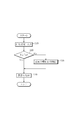
- FIGS. 3 and 4 are flowcharts showing an operation control procedure of the urea water injector 40 and the exhaust gas recirculation valve 48 based on the exhaust gas temperature in the engine control unit 70. This control is performed in the intermediate area.
- step S10 the exhaust temperature T is input from the exhaust temperature sensor 58. Then, the process proceeds to step S20.
- step S20 it is determined whether the exhaust gas temperature T input in step S10 is equal to or higher than a predetermined temperature T1.
- the predetermined temperature T1 may be set to an exhaust temperature at which the urea water injected from the urea water injector 40 sufficiently hydrolyzes to ammonia and then reaches the selective reduction catalyst 34 on the most upstream side. If the exhaust gas temperature T is equal to or higher than the predetermined temperature T1, the process proceeds to step S40. If the exhaust gas temperature T is less than the predetermined temperature T1, the process proceeds to step S30.
- step S30 a subroutine of urea water injection standby control shown in FIG. 4 is executed. Then, the process proceeds to step S40.
- step S40 urea water is injected and supplied from the urea water injector 40. Then, this routine ends.
- a subroutine of urea water injection standby control shown in FIG. 4 will be described.
- step S50 the opening degree of the exhaust gas recirculation valve 48 is increased by a predetermined amount. Then, the process proceeds to step S60. At this time, the opening degree of the electronically controlled throttle valve 22 may be decreased so that the exhaust ring flow rate by the low pressure exhaust gas recirculation passage 45 is increased. In step S60, the exhaust temperature T is input from the exhaust temperature sensor 58. Then, the process proceeds to step S70.
- step S70 it is determined whether the exhaust gas temperature T input in step S60 is equal to or higher than a predetermined temperature T1. If the exhaust gas temperature T is equal to or higher than the predetermined temperature T1, the present subroutine ends. If the exhaust gas temperature T is less than the predetermined temperature T1, the process returns to step S50.
- the exhaust temperature T detected by the exhaust temperature sensor 58 in the intermediate region where the low pressure exhaust gas recirculation and the urea aqueous solution are used in combination that is, the urea aqueous solution injector 40 and the selective reduction type
- the urea aqueous solution supply from the urea aqueous solution injector 40 is on standby until the temperature of the exhaust gas in the exhaust pipe 30 between the catalyst 34 becomes equal to or higher than the predetermined hydrolyzable temperature T1. This can prevent urea water which is not hydrolyzed from flowing into the selective reduction catalyst 34.
- the opening degree of the exhaust gas recirculation valve 48 is increased while waiting for the urea water supply, the low pressure exhaust gas recirculation amount is increased.
- the ratio between the supply amount of urea water and the low pressure exhaust gas recirculation amount is increased.
- the emission of NOx and the like to the outside is suppressed even if the urea water supply is stopped. can do.
- the NOx purification efficiency required for the selective reduction catalyst 34 can be reduced, the catalyst capacity of the selective reduction catalyst 34 can be reduced and the size can be reduced, and the cost reduction of the selective reduction catalyst 34 It is possible to improve the mountability to a vehicle.
- the exhaust gas purification performance can be secured by the increase of low pressure exhaust gas recirculation, so compared to, for example, post injection to raise the catalyst temperature, It is possible to improve fuel efficiency and reduce oil dilution.
- the low pressure exhaust gas recirculation amount is set to the maximum limit value based on the exhaust gas temperature T, and the urea aqueous solution supply amount and the low pressure are supplied so as to supply the urea aqueous solution only for the shortage due to the reduction by the low pressure exhaust gas recirculation.
- the ratio to the exhaust gas recirculation amount may be changed to reduce NOx.
- the low pressure exhaust gas recirculation amount is set to the maximum limit value, and the low-pressure exhaust gas recirculation is given priority over the urea aqueous solution supply. Can be reduced.
- the present invention is not limited to the above embodiment.
- the injection of urea water is on standby until the exhaust gas temperature T reaches the predetermined temperature T1. However, the injection may be performed while suppressing it to a hydrolysable amount.
- the low pressure exhaust gas recirculation and the urea water supply are used in combination in the intermediate region, and the ratio of the low pressure exhaust gas recirculation amount and the urea aqueous solution supply amount is changed based on the exhaust gas temperature in this intermediate region.
- the ratio between the low pressure exhaust gas recirculation amount and the urea water supply amount may be changed outside the intermediate region.
- the exhaust gas temperature T is equal to or higher than the predetermined temperature T1
- the urea water is supplied even if the operating condition of the engine 1 is a middle rotation medium load or less, that is, a region set so as not to perform urea water injection.
- the exhaust gas recirculation may be performed even in a region where the operating state of the engine 1 is set to a high rotation speed and high load, that is, no exhaust gas recirculation.
- the reduction purification amount of NOx in the selective reduction catalyst 34 can be suppressed, and the consumption amount of urea water can be reduced, and the selective reduction It is possible to reduce the cost of the selective reduction catalyst 40 and to improve the vehicle mountability by suppressing the capacity of the catalyst 34.
- the present invention relates to an engine equipped with an exhaust gas purification apparatus using both a solid ammonium salt and an ammonia precursor such as urea water described in the embodiment and a selective reduction catalyst as an exhaust gas purification apparatus for the engine and an exhaust gas recirculation apparatus. It can be widely applied.
- Engine 20 intake pipe (intake passage) 22 Electronically controlled throttle valve (exhaust recirculation control means) 30 Exhaust pipe (exhaust passage) 34 Selective reduction type catalyst 40 Urea water injector (ammonia precursor supply means) 45 Low pressure exhaust gas recirculation passage (exhaust gas recirculation passage) 48 Exhaust Reflux Valve (Exhaust Reflux Control Unit) 70 Engine control unit (control means, change means)
Landscapes
- Engineering & Computer Science (AREA)
- Chemical & Material Sciences (AREA)
- Chemical Kinetics & Catalysis (AREA)
- Combustion & Propulsion (AREA)
- Mechanical Engineering (AREA)
- General Engineering & Computer Science (AREA)
- Health & Medical Sciences (AREA)
- Toxicology (AREA)
- Exhaust Gas After Treatment (AREA)
- Output Control And Ontrol Of Special Type Engine (AREA)
Abstract
エンジン1の排気管30に設けられた選択還元型触媒34の上流側に尿素水を供給し、当該尿素水を排気管30内で加水分解して発生させたアンモニアを選択還元型触媒34に流入させて排気中の窒素酸化物を還元浄化する尿素水インジェクタ40と、排気管30から排気を導入してエンジン1の吸気管20に還流する低圧排気還流路45と、を備えたエンジン1の排気浄化装置であって、尿素水インジェクタ40と選択還元型触媒34との間の排気管30内の排気温度が低下するに伴って、尿素水の供給量を減少させるとともに排気の還流量を増加させる。
Description
本発明は、エンジンの排気浄化装置に係り、詳しくは、選択還元型触媒と排気還流路を備えたエンジンの排気浄化装置に関する。
エンジンの排気通路には、排気を浄化するための排気浄化装置が備えられている。例えばディーゼルエンジンの排気通路には、ディーゼルパティキュレートフィルタが搭載され、排気中のPM(粒子状物質)を捕集する機能を有する。更に、ディーゼルパティキュレートフィルタの上流側に酸化触媒を備え、酸化触媒に燃料を供給して燃焼させ、排気温度を上昇させ、ディーゼルパティキュレートフィルタに捕集されたPMを燃焼除去するものが知られている。更に、ディーゼルエンジンの排気通路には、尿素水等の還元剤を用いて排気中のNOx(窒素酸化物)を還元除去する選択還元型触媒が備えられているものもある。
また、エンジンからのNOxの排出量を低下させる方法として、排気還流装置が知られている。排気還流装置は、排気通路と吸気通路とを連通する連通路を備え、排気の一部を吸気通路に還流することで、燃焼温度を抑えてNOxの発生を抑える。
例えば特許文献1では、上記のように選択還元型触媒を備え、選択還元型触媒に尿素水(アンモニア前駆体)を供給して選択還元型触媒においてNOxを還元除去可能となっているとともに、選択還元型触媒が未活性状態である場合にNOxの発生を低減させるように、排気還流装置を備えている。
例えば特許文献1では、上記のように選択還元型触媒を備え、選択還元型触媒に尿素水(アンモニア前駆体)を供給して選択還元型触媒においてNOxを還元除去可能となっているとともに、選択還元型触媒が未活性状態である場合にNOxの発生を低減させるように、排気還流装置を備えている。
上記特許文献1では、エンジンの運転状態に基づいて、選択還元型触媒によるNOxの還元除去と、排気還流装置によるNOx発生低減とを使い分けるようにしている。例えば高回転高負荷時には、尿素水を用いて選択還元型触媒においてNOxを還元除去するとともに、低回転低負荷時には尿素水の供給を停止して、排気還流装置によりNOxの排出を低減させている。
しかしながら、上記特許文献1では、エンジンの運転状態に基づいて、尿素水供給によるNOxの還元除去と排気還流装置によるNOx排出低減とのいずれか一方を選択的に用いるので、NOxの低減効果を十分に得られることができない虞がある。
また、過渡運転時のように、高回転高負荷運転状態であっても排気が低温である可能性もあり、排気通路内に供給した尿素水が十分に加水分解されずに選択還元型触媒に流入して、尿素が堆積してしまったり、車外へ排出されたりする虞もある。
また、過渡運転時のように、高回転高負荷運転状態であっても排気が低温である可能性もあり、排気通路内に供給した尿素水が十分に加水分解されずに選択還元型触媒に流入して、尿素が堆積してしまったり、車外へ排出されたりする虞もある。
本発明はこのような問題点を解決するためになされたもので、アンモニア前駆体の供給による排気浄化と排気還流による排気浄化の両方が可能なエンジンにおいて、排気浄化性能を確保した上で、アンモニア前駆体の無駄な供給を抑制することが可能なエンジンの排気浄化装置を提供することにある。
上記の目的を達成するために、請求項1の発明では、エンジンの排気通路に設けられた選択還元型触媒と、選択還元型触媒の上流側にアンモニア前駆体を供給し、当該アンモニア前駆体を排気通路内で分解して発生させたアンモニアを選択還元型触媒に流入させ、選択還元型触媒にてエンジンの排気中の窒素酸化物を還元浄化するアンモニア前駆体供給手段と、排気通路から排気を導入し、エンジンの吸気通路に還流する排気還流路と、排気還流路を介して吸気通路に還流する排気の流量を制御する排気還流量制御手段と、エンジンの運転状態に基づいてアンモニア前駆体の供給量と排気の還流量との比率を設定し、当該比率に基づいてアンモニア前駆体供給手段及び排気還流量制御手段の作動を制御する制御手段と、アンモニア前駆体供給手段と選択還元型触媒との間の排気通路内の排気温度を検出する排気温度検出手段と、排気温度検出手段により検出された排気温度が低下するに伴って、アンモニア前駆体の供給量を減少するとともに排気の還流量を増加するように、制御手段において設定されたアンモニア前駆体の供給量と排気の還流量との比率を変更する変更手段と、をエンジンの排気浄化装置に備えることとした。
また、請求項2の発明では、請求項1において、制御手段は、エンジンの回転速度と負荷により規定される所定の運転領域において、アンモニア前駆体の供給と排気還流路を介した排気の還流とを併用するように比率を設定し、変更手段は、所定の運転領域において、排気温度検出手段により検出された排気温度に基づいて比率を変更することとした。
また、請求項3の発明では、請求項2において、変更手段は、所定の運転領域において、排気還流路による排気の還流量を最大限界値に設定した上で、排気の還流による窒素酸化物の低減量の不足分をアンモニア前駆体の供給による排気浄化によって補うように、比率を変更することとした。
本発明のエンジンの排気浄化装置によれば、アンモニア前駆体供給手段と選択還元型触媒との間の排気通路内の排気温度が低下するに伴って、アンモニア前駆体の供給量を減少するとともに排気の還流量を増加させるので、アンモニア前駆体が分解されずに選択還元型触媒へ流入するようなアンモニア前駆体の無駄な供給を抑制することができる。これにより、アンモニア前駆体の選択還元型触媒より下流への排出や、選択還元型触媒及びその下流側の排気通路での尿素の堆積を抑制することができるとともに、アンモニア前駆体の消費量を抑制することができる。
以下、図面に基づき本発明の実施形態について説明する。
図1は、本発明の排気浄化装置が適用された第1の実施形態のディーゼルエンジン(以下、エンジン1という)の吸排気系の概略構成図である。
エンジン1は、走行駆動源として車両に搭載されており、ターボチャージャ23を備えた多気筒の筒内直接噴射式エンジン(例えばコモンレール式ディーゼルエンジン)である。詳しくは、コモンレール2に蓄圧された高圧燃料を各気筒の燃料噴射ノズル3に供給し、任意の噴射時期及び噴射量で当該燃料噴射ノズル3から各気筒の燃焼室4内に噴射可能な構成を成している。
図1は、本発明の排気浄化装置が適用された第1の実施形態のディーゼルエンジン(以下、エンジン1という)の吸排気系の概略構成図である。
エンジン1は、走行駆動源として車両に搭載されており、ターボチャージャ23を備えた多気筒の筒内直接噴射式エンジン(例えばコモンレール式ディーゼルエンジン)である。詳しくは、コモンレール2に蓄圧された高圧燃料を各気筒の燃料噴射ノズル3に供給し、任意の噴射時期及び噴射量で当該燃料噴射ノズル3から各気筒の燃焼室4内に噴射可能な構成を成している。
エンジン1の各気筒には、上下摺動可能なピストン5が設けられている。そして、当該ピストン5は、コンロッドを介してクランクシャフト6に連結されている。また、クランクシャフト6の一端部にはフライホイールが設けられている。
燃焼室4には、インテークポート7とエキゾーストポート8とが連通されている。
インテークポート7には、燃焼室4と当該インテークポート7との連通と遮断を行うインテークバルブ9が設けられている。また、エキゾーストポート8には、燃焼室4と当該エキゾーストポート8との連通と遮断とを行うエキゾーストバルブ10が設けられている。
燃焼室4には、インテークポート7とエキゾーストポート8とが連通されている。
インテークポート7には、燃焼室4と当該インテークポート7との連通と遮断を行うインテークバルブ9が設けられている。また、エキゾーストポート8には、燃焼室4と当該エキゾーストポート8との連通と遮断とを行うエキゾーストバルブ10が設けられている。
インテークポート7の上流には、吸入した空気を各気筒に分配するインテークマニフォールド11が連通するように設けられている。そして、エキゾーストポート8の下流には、各気筒から排出される排気をまとめるエキゾーストマニフォールド12が連通するように設けられている。
インテークマニフォールド11とエキゾーストマニフォールド12との間には、排気の一部を吸気へ戻す、即ち高温・高圧の排気を吸気に導入する高圧排気還流通路15が設けられている。また、高圧排気還流通路15には、高温・高圧の排気が吸気に戻る量を調整する排気還流バルブ16が介装されている。また、高圧排気還流通路15には、インテークマニフォールド11に導入する排気を冷却する排気還流クーラ17が設けられている。
インテークマニフォールド11とエキゾーストマニフォールド12との間には、排気の一部を吸気へ戻す、即ち高温・高圧の排気を吸気に導入する高圧排気還流通路15が設けられている。また、高圧排気還流通路15には、高温・高圧の排気が吸気に戻る量を調整する排気還流バルブ16が介装されている。また、高圧排気還流通路15には、インテークマニフォールド11に導入する排気を冷却する排気還流クーラ17が設けられている。
インテークマニフォールド11には、吸気通路である吸気管20が接続され、吸気管20には、上流側からインテークマニフォールド11に向かって順番に、新気中のゴミを取り除くエアークリーナ21と、新気の流量を調整しつつ、後述する低圧排気還流通路45より導入される低圧の排気の流量を調整するための電子制御スロットルバルブ22(排気還流量制御手段)と、ターボチャージャ23のコンプレッサ24と、コンプレッサ23により圧縮され高温となった吸気を冷却するインタークーラ25と、高圧排気還流通路15より導入される排気の流量を調整するための電子制御スロットルバルブ27が介装されている。
エキゾーストマニフォールド12の下流の排気通路である排気管30には、上流側より順番に、ターボチャージャ22のタービン31、排気中の被酸化成分を酸化する酸化触媒32と、排気中の黒鉛を主成分とする微粒子状物資を捕集し燃焼させるディーゼルパティキュレートフィルタ33及び排気中の窒素酸化物(以下、NOx)をアンモニアを用いて還元浄化する選択還元型触媒34が設けられている。なお、酸化触媒32とディーゼルパティキュレートフィルタ33は、同一のケーシング35内に収納され、車両のエンジンルームに配設されている。また、選択還元型触媒34は、4分割され、2つのケーシング36、37内に夫々2つずつ直列に配設されており、車両のフロア下に配設されている。
また、ディーゼルパティキュレートフィルタ33と最上流に位置する選択還元型触媒34との間の排気管30には、尿素水(アンモニア前駆体)を噴射供給する尿素水インジェクタ40(アンモニア前駆体供給手段)が設けられている。尿素水インジェクタ40には、車両に搭載された図示しない尿素水タンクから尿素水が供給される。尿素水インジェクタ40から排気管30内に噴射された尿素水が排気の熱により十分に加水分解されてアンモニアを発生し選択還元型触媒34に到達するように、尿素水インジェクタ40の噴射位置が設定されている。
更に、電子制御スロットルバルブ22とターボチャージャ23のコンプレッサ24との間の吸気管20と、ディーゼルパティキュレートフィルタ33と尿素水インジェクタ40との間の排気管30とを連通する低圧排気還流通路45(排気還流路)が設けられている。低圧排気還流通路45は、タービン31、酸化触媒32及びディーゼルパティキュレートフィルタ33を通過した低温・低圧の排気の一部を吸気に導入する(還流する)機能を有する。
低圧排気還流通路45には、吸気に戻す排気から異物を取り除く排気還流フィルタ46、還流する排気を冷却する排気還流クーラ47及び低圧排気還流通路45を開閉する排気還流バルブ48(排気還流量制御手段)が設けられている。
エアークリーナ21と電子制御スロットルバルブ22との間の吸気管20には、吸入される空気(新気)の温度を検出する吸気温度センサ50が設けられている。インテークマニフォールド11には、エンジン1の燃焼室4に流入する吸気の温度を検出する吸気温度センサ51及び吸気中の酸素濃度を検出する酸素濃度センサ52が設けられている。
エアークリーナ21と電子制御スロットルバルブ22との間の吸気管20には、吸入される空気(新気)の温度を検出する吸気温度センサ50が設けられている。インテークマニフォールド11には、エンジン1の燃焼室4に流入する吸気の温度を検出する吸気温度センサ51及び吸気中の酸素濃度を検出する酸素濃度センサ52が設けられている。
タービン31と酸化触媒32との間の排気管30には、排気中の酸素濃度を検出する酸素濃度センサ53が設けられている。
ケーシング35の酸化触媒32の上流には、酸化触媒32に流入する排気の温度を検出する排気温度センサ54が設けられている。ケーシング35の酸化触媒32とディーゼルパティキュレートフィルタ33との間には、酸化触媒32から流出する排気の温度を検出する排気温度センサ55が設けられている。また、ケーシング35のディーゼルパティキュレートフィルタ33の下流には、ディーゼルパティキュレートフィルタ33から流出する排気の温度を検出する排気温度センサ56が設けられている。
ケーシング35の酸化触媒32の上流には、酸化触媒32に流入する排気の温度を検出する排気温度センサ54が設けられている。ケーシング35の酸化触媒32とディーゼルパティキュレートフィルタ33との間には、酸化触媒32から流出する排気の温度を検出する排気温度センサ55が設けられている。また、ケーシング35のディーゼルパティキュレートフィルタ33の下流には、ディーゼルパティキュレートフィルタ33から流出する排気の温度を検出する排気温度センサ56が設けられている。
排気管30から排気を導入する低圧排気還流通路45の排気導入部45aと尿素水インジェクタ40との間の排気管30には、排気中のNOxの濃度を検出するNOxセンサ57が設けられている。
尿素水インジェクタ40の近傍の排気管30には、尿素水インジェクタ40と選択還元型触媒34との間の排気の温度を検出する排気温度センサ58が設けられている。
尿素水インジェクタ40の近傍の排気管30には、尿素水インジェクタ40と選択還元型触媒34との間の排気の温度を検出する排気温度センサ58が設けられている。
最下流に位置する選択還元型触媒34の下流の排気管30には、最下流の選択還元型触媒34から流出する排気中のNOxの濃度を検出するNOxセンサ59が設けられている。
そして、吸気温度センサ50、51、酸素濃度センサ52、53、排気温度センサ54、55、56、58及びNOxセンサ57、59の各センサと、燃料噴射ノズル3、電子制御スロットルバルブ22、27、排気還流バルブ16、48及び尿素水インジェクタ40の各種機器は、エンジンコントロールユニット70(制御手段、変更手段)に電気的に接続されている。
そして、吸気温度センサ50、51、酸素濃度センサ52、53、排気温度センサ54、55、56、58及びNOxセンサ57、59の各センサと、燃料噴射ノズル3、電子制御スロットルバルブ22、27、排気還流バルブ16、48及び尿素水インジェクタ40の各種機器は、エンジンコントロールユニット70(制御手段、変更手段)に電気的に接続されている。
エンジンコントロールユニット70は、入出力装置、記憶装置(ROM、RAM、不揮発性RAM等)、タイマ及び中央演算処理装置(CPU)等を含んで構成され、上記各センサからの検出情報及びアクセル操作量等の情報を入力し、当該各種情報に基づいて、燃料噴射量、燃料噴射時期、電子制御スロットルバルブ22、27及び排気還流バルブ16、48の開度、尿素水噴射量、尿素水噴射時期を演算して、上記各種機器の作動制御を行うことで、エンジン1の運転制御を行う。
図2は、排気浄化装置の使用領域を示す説明図である。
図2に示すように、エンジンコントロールユニット70は、エンジン1の運転状態(回転速度及び負荷)に基づいて、高圧排気還流通路15による高圧排気還流、低圧排気還流通路45による低圧排気還流及び尿素水供給による選択還元型触媒34での排気浄化の3つの排気浄化装置を実行する。
図2に示すように、エンジンコントロールユニット70は、エンジン1の運転状態(回転速度及び負荷)に基づいて、高圧排気還流通路15による高圧排気還流、低圧排気還流通路45による低圧排気還流及び尿素水供給による選択還元型触媒34での排気浄化の3つの排気浄化装置を実行する。
例えば、低負荷低回転領域では上記3つの排気浄化装置のうち高圧排気還流のみ実施し、中負荷中回転領域では低圧排気還流のみ実施し、高負荷高回転領域では尿素水供給のみ実施する。また、低負荷低回転領域と中負荷中回転領域との間には高圧排気還流と低圧排気還流を併用する領域が設けられている。更に、中負荷中回転領域と高負荷高回転領域との間には、低圧排気還流と尿素水供給が併用される中間領域が設けられている。
更に、本実施形態では、上記中間領域において、排気温度に基づいて、尿素水インジェクタ40、排気還流バルブ48の作動制御を行う。
図3及び図4は、エンジンコントロールユニット70における排気温度に基づく尿素水インジェクタ40及び排気還流バルブ48の作動制御要領を示すフローチャートである。
本制御は、上記中間領域において実行される。
図3及び図4は、エンジンコントロールユニット70における排気温度に基づく尿素水インジェクタ40及び排気還流バルブ48の作動制御要領を示すフローチャートである。
本制御は、上記中間領域において実行される。
始めに、ステップS10では、排気温度センサ58から排気温度Tを入力する。そして、ステップS20に進む。
ステップS20では、ステップS10で入力した排気温度Tが所定温度T1以上であるか否かを判別する。所定温度T1は、尿素水インジェクタ40から噴射された尿素水が十分にアンモニアに加水分解した上で最上流側の選択還元型触媒34に到達するような排気温度に設定すればよい。排気温度Tが所定温度T1以上である場合には、ステップS40に進む。排気温度Tが所定温度T1未満である場合には、ステップS30に進む。
ステップS20では、ステップS10で入力した排気温度Tが所定温度T1以上であるか否かを判別する。所定温度T1は、尿素水インジェクタ40から噴射された尿素水が十分にアンモニアに加水分解した上で最上流側の選択還元型触媒34に到達するような排気温度に設定すればよい。排気温度Tが所定温度T1以上である場合には、ステップS40に進む。排気温度Tが所定温度T1未満である場合には、ステップS30に進む。
ステップS30では、図4に示す尿素水噴射待機制御のサブルーチンを実行する。そして、ステップS40に進む。
ステップS40では、尿素水インジェクタ40から尿素水を噴射供給する。そして、本ルーチンを終了する。
図4に示す尿素水噴射待機制御のサブルーチンについて説明する。
ステップS40では、尿素水インジェクタ40から尿素水を噴射供給する。そして、本ルーチンを終了する。
図4に示す尿素水噴射待機制御のサブルーチンについて説明する。
尿素水噴射待機制御のサブルーチンは、始めにステップS50では、排気還流バルブ48の開度を所定量増加する。そして、ステップS60に進む。なお、このとき、低圧排気還流通路45による排気環流量が増加するように電子制御スロットルバルブ22の開度を減少させてもよい。
ステップS60では、排気温度センサ58から排気温度Tを入力する。そして、ステップS70に進む。
ステップS60では、排気温度センサ58から排気温度Tを入力する。そして、ステップS70に進む。
ステップS70では、ステップS60で入力した排気温度Tが所定温度T1以上であるか否かを判別する。排気温度Tが所定温度T1以上である場合には、本サブルーチンを終了する。排気温度Tが所定温度T1未満である場合には、ステップS50に戻る。
以上のように制御することで、本実施形態では、低圧排気還流と尿素水供給が併用される中間領域において、排気温度センサ58によって検出する排気温度T、即ち、尿素水インジェクタ40と選択還元型触媒34との間の排気管30内における排気の温度が、十分に加水分解可能な所定温度T1以上になるまで、尿素水インジェクタ40からの尿素水供給が待機される。これにより、加水分解されない尿素水が選択還元型触媒34に流入することを防止することができる。したがって、尿素水の車外への排出や、選択還元型触媒34及びその下流の排気管30での尿素の堆積を抑制することができる。また、尿素水の無駄な噴射供給を抑え尿素水の消費量を抑制することができる。
以上のように制御することで、本実施形態では、低圧排気還流と尿素水供給が併用される中間領域において、排気温度センサ58によって検出する排気温度T、即ち、尿素水インジェクタ40と選択還元型触媒34との間の排気管30内における排気の温度が、十分に加水分解可能な所定温度T1以上になるまで、尿素水インジェクタ40からの尿素水供給が待機される。これにより、加水分解されない尿素水が選択還元型触媒34に流入することを防止することができる。したがって、尿素水の車外への排出や、選択還元型触媒34及びその下流の排気管30での尿素の堆積を抑制することができる。また、尿素水の無駄な噴射供給を抑え尿素水の消費量を抑制することができる。
また、尿素水供給を待機しているときに、排気還流バルブ48の開度を増加するので、低圧排気還流量が増加する。このように、尿素水の供給量と低圧排気還流量との比率を変更して、低圧排気還流量を増加させることで、尿素水供給が停止していてもNOx等の車外への排出を抑制することができる。また、選択還元型触媒34で要求されるNOx浄化効率を低減させることができるので、選択還元型触媒34の触媒容量を低減させコンパクト化することが可能となり、選択還元型触媒34のコスト低減及び車両への搭載性の向上を図ることができる。
更には、選択還元型触媒34の触媒温度を迅速に上昇させなくとも、低圧排気還流の増加により排気浄化性能を確保できるので、触媒温度を上昇すべく例えばポスト噴射を行う場合と比較して、燃費を向上させるとともにオイルダイリューションの低減を図ることができる。
更に、上記中間領域において、排気温度Tに基づいて低圧排気還流量を最大限界値に設定し、低圧排気環流による低減で不足する分のみ尿素水供給を行うように、尿素水の供給量と低圧排気還流量との比率を変更してNOxを低減させるようにしてもよい。
更に、上記中間領域において、排気温度Tに基づいて低圧排気還流量を最大限界値に設定し、低圧排気環流による低減で不足する分のみ尿素水供給を行うように、尿素水の供給量と低圧排気還流量との比率を変更してNOxを低減させるようにしてもよい。
このように、低圧排気還流と尿素水供給とを併用する領域では、低圧排気還流量を最大限界値に設定し、尿素水供給よりも低圧排気還流を優先して行うことで、尿素水の消費を抑えることができる。
なお、本願発明は、上記実施形態に限定するものではない。例えば、上記実施形態では、排気温度Tが所定温度T1に到達するまで尿素水の噴射を待機するが、加水分解可能な量に抑えて噴射してもよい。
なお、本願発明は、上記実施形態に限定するものではない。例えば、上記実施形態では、排気温度Tが所定温度T1に到達するまで尿素水の噴射を待機するが、加水分解可能な量に抑えて噴射してもよい。
また、以上の実施形態では、中間領域において、低圧排気還流と尿素水供給とを併用し、この中間領域において排気温度に基づいて低圧排気還流量と尿素水供給量の比率を変更しているが、中間領域以外でも、低圧排気還流量と尿素水供給量の比率を変更するようにしてもよい。例えば、排気温度Tが所定温度T1以上である場合には、エンジン1の運転状態が中回転中負荷以下、即ち尿素水噴射を行わないように設定される領域であっても、尿素水の供給を行ってもよい。このように、排気温度Tが高い場合には、例えエンジン1の運転状態が中回転中負荷以下であっても、尿素水供給によってNOxの浄化が可能であるので、排気浄化効を向上させることができる。
また、エンジン1の運転状態が高回転高負荷、即ち排気還流を行わないように設定される領域であっても、排気還流を行ってもよい。このように高回転高負荷でも排気還流を行うことで、選択還元型触媒34におけるNOxの還元浄化量を抑制することができ、尿素水の消費量を低減させることが可能となるとともに、選択還元型触媒34の容量を抑制して選択還元型触媒40のコスト低減及び車両搭載性の向上を図ることができる。
以上のように、エンジン1の運転状態のみによって排気還流と尿素水供給を選択するのでなく、排気温度に基づいて排気還流と尿素水供給の選択を行うことで、特に過渡運転時のようにエンジン1の運転状態が変動する場合に、尿素水供給による排気浄化と排気還流による排気浄化を適切に実行して、排気浄化効率を向上させることができる。
また、本願発明は、エンジンの排気浄化装置として固体アンモニウム塩や実施形態で説明した尿素水などのアンモニア前駆体と選択還元型触媒とによる排気浄化装置と、排気還流装置の両方を備えたエンジンに広く適用することができる。
また、本願発明は、エンジンの排気浄化装置として固体アンモニウム塩や実施形態で説明した尿素水などのアンモニア前駆体と選択還元型触媒とによる排気浄化装置と、排気還流装置の両方を備えたエンジンに広く適用することができる。
1 エンジン
20 吸気管(吸気通路)
22 電子制御スロットルバルブ(排気還流量制御手段)
30 排気管(排気通路)
34 選択還元型触媒
40 尿素水インジェクタ(アンモニア前駆体供給手段)
45 低圧排気還流通路(排気還流路)
48 排気還流バルブ(排気還流量制御手段)
70 エンジンコントロールユニット(制御手段、変更手段)
20 吸気管(吸気通路)
22 電子制御スロットルバルブ(排気還流量制御手段)
30 排気管(排気通路)
34 選択還元型触媒
40 尿素水インジェクタ(アンモニア前駆体供給手段)
45 低圧排気還流通路(排気還流路)
48 排気還流バルブ(排気還流量制御手段)
70 エンジンコントロールユニット(制御手段、変更手段)
Claims (3)
- エンジンの排気通路に設けられた選択還元型触媒と、
前記選択還元型触媒の上流側にアンモニア前駆体を供給し、当該アンモニア前駆体を前記排気通路内で分解して発生させたアンモニアを前記選択還元型触媒に流入させ、前記選択還元型触媒にて前記エンジンの排気中の窒素酸化物を還元浄化するアンモニア前駆体供給手段と、
前記排気通路から排気を導入し、前記エンジンの吸気通路に還流する排気還流路と、
前記排気還流路を介して前記吸気通路に還流する排気の流量を制御する排気還流量制御手段と、
前記エンジンの運転状態に基づいて設定された前記アンモニア前駆体の供給量と前記排気の還流量との比率を設定し、当該比率に基づいて前記アンモニア前駆体供給手段及び前記排気還流量制御手段の作動を制御する制御手段と、
前記アンモニア前駆体供給手段と前記選択還元型触媒との間の排気通路内の排気温度を検出する排気温度検出手段と、
前記排気温度検出手段により検出された前記排気温度が低下するに伴って、前記アンモニア前駆体の供給量を減少するとともに前記排気の還流量を増加するように、前記制御手段において設定された前記アンモニア前駆体の供給量と前記排気の還流量との比率を変更する変更手段と、
を備えたエンジンの排気浄化装置。 - 前記制御手段は、前記エンジンの回転速度と負荷により規定される所定の運転領域において、前記アンモニア前駆体の供給と前記排気還流路を介した前記排気の還流とを併用するように前記比率を設定し、
前記変更手段は、前記所定の運転領域において、前記排気温度検出手段により検出された前記排気温度に基づいて前記比率を変更する、請求項1に記載のエンジンの排気浄化装置。 - 前記変更手段は、前記所定の運転領域において、前記排気還流路による前記排気の還流量を最大限界値に設定した上で、前記排気の還流による前記窒素酸化物の低減量の不足分を前記アンモニア前駆体の供給による排気浄化によって補うように、前記比率を変更する、請求項2に記載のエンジンの排気浄化装置。
Priority Applications (1)
| Application Number | Priority Date | Filing Date | Title |
|---|---|---|---|
| EP14751218.0A EP2957737B1 (en) | 2013-02-14 | 2014-01-17 | Engine exhaust-gas purification device |
Applications Claiming Priority (2)
| Application Number | Priority Date | Filing Date | Title |
|---|---|---|---|
| JP2013-026462 | 2013-02-14 | ||
| JP2013026462A JP6112297B2 (ja) | 2013-02-14 | 2013-02-14 | エンジンの排気浄化装置 |
Publications (1)
| Publication Number | Publication Date |
|---|---|
| WO2014125870A1 true WO2014125870A1 (ja) | 2014-08-21 |
Family
ID=51353880
Family Applications (1)
| Application Number | Title | Priority Date | Filing Date |
|---|---|---|---|
| PCT/JP2014/050801 Ceased WO2014125870A1 (ja) | 2013-02-14 | 2014-01-17 | エンジンの排気浄化装置 |
Country Status (3)
| Country | Link |
|---|---|
| EP (1) | EP2957737B1 (ja) |
| JP (1) | JP6112297B2 (ja) |
| WO (1) | WO2014125870A1 (ja) |
Cited By (1)
| Publication number | Priority date | Publication date | Assignee | Title |
|---|---|---|---|---|
| CN113685250A (zh) * | 2021-08-24 | 2021-11-23 | 一汽解放汽车有限公司 | 发动机尾气后处理系统、方法、车辆及存储介质 |
Families Citing this family (2)
| Publication number | Priority date | Publication date | Assignee | Title |
|---|---|---|---|---|
| CN106437957A (zh) * | 2016-11-30 | 2017-02-22 | 凯德斯环保科技(烟台)有限公司 | 一种柴油发动机后处理系统的尾气净化装置 |
| DE102017202574B4 (de) * | 2017-02-17 | 2026-04-09 | Ford Global Technologies, Llc | Verfahren zum Betrieb einer Abgasnachbehandlungseinrichtung eines Kraftfahrzeugs |
Citations (3)
| Publication number | Priority date | Publication date | Assignee | Title |
|---|---|---|---|---|
| JPH047046B2 (ja) | 1982-04-07 | 1992-02-07 | Furukawa Electric Co Ltd | |
| JP2008291671A (ja) * | 2007-05-22 | 2008-12-04 | Toyota Motor Corp | 内燃機関の排気再循環制御装置 |
| JP2012233414A (ja) * | 2011-04-28 | 2012-11-29 | Mitsubishi Fuso Truck & Bus Corp | 内燃機関の運転制御方法及び装置 |
Family Cites Families (1)
| Publication number | Priority date | Publication date | Assignee | Title |
|---|---|---|---|---|
| JP5293811B2 (ja) * | 2009-04-28 | 2013-09-18 | トヨタ自動車株式会社 | エンジンの排気浄化装置 |
-
2013
- 2013-02-14 JP JP2013026462A patent/JP6112297B2/ja not_active Expired - Fee Related
-
2014
- 2014-01-17 EP EP14751218.0A patent/EP2957737B1/en not_active Not-in-force
- 2014-01-17 WO PCT/JP2014/050801 patent/WO2014125870A1/ja not_active Ceased
Patent Citations (3)
| Publication number | Priority date | Publication date | Assignee | Title |
|---|---|---|---|---|
| JPH047046B2 (ja) | 1982-04-07 | 1992-02-07 | Furukawa Electric Co Ltd | |
| JP2008291671A (ja) * | 2007-05-22 | 2008-12-04 | Toyota Motor Corp | 内燃機関の排気再循環制御装置 |
| JP2012233414A (ja) * | 2011-04-28 | 2012-11-29 | Mitsubishi Fuso Truck & Bus Corp | 内燃機関の運転制御方法及び装置 |
Cited By (1)
| Publication number | Priority date | Publication date | Assignee | Title |
|---|---|---|---|---|
| CN113685250A (zh) * | 2021-08-24 | 2021-11-23 | 一汽解放汽车有限公司 | 发动机尾气后处理系统、方法、车辆及存储介质 |
Also Published As
| Publication number | Publication date |
|---|---|
| EP2957737A1 (en) | 2015-12-23 |
| EP2957737A4 (en) | 2016-10-19 |
| JP2014156785A (ja) | 2014-08-28 |
| EP2957737B1 (en) | 2018-03-21 |
| JP6112297B2 (ja) | 2017-04-12 |
Similar Documents
| Publication | Publication Date | Title |
|---|---|---|
| CN101283169B (zh) | 柴油机的排气净化装置 | |
| CN204327283U (zh) | 一种车用发动机 | |
| EP2685072B1 (en) | Control device for internal combustion engine | |
| JP2013142363A (ja) | ディーゼルエンジンの排気ガス浄化装置 | |
| JP2011111945A (ja) | 排気浄化装置 | |
| EP3090155A1 (en) | Exhaust gas control device for internal combustion engine mounted on vehicle | |
| JP6589365B2 (ja) | 排出ガス浄化システム | |
| JP6112297B2 (ja) | エンジンの排気浄化装置 | |
| CN103590876B (zh) | 柴油发动机尾气净化方法 | |
| JP5716687B2 (ja) | 内燃機関の排気浄化装置 | |
| JP2012197681A (ja) | エンジン装置の排気ガス再循環システム | |
| JP6108078B2 (ja) | エンジンの排気浄化装置 | |
| JP2006200473A (ja) | 排ガス後処理装置付きエンジンの制御装置 | |
| JP2008157188A (ja) | 排気浄化装置 | |
| JP6319561B2 (ja) | 排気浄化システム | |
| JP5823842B2 (ja) | ターボチャージャ付多気筒内燃機関の排気還流装置 | |
| JP2014005741A (ja) | 内燃機関の排気浄化装置 | |
| JP5915856B2 (ja) | 内燃機関の排気浄化装置 | |
| JP6213260B2 (ja) | 排ガス浄化システム及びその制御方法 | |
| JP2012167562A (ja) | ディーゼルエンジン | |
| JP2010270612A (ja) | 内燃機関のバーナー装置 | |
| JP5915855B2 (ja) | 内燃機関の排気浄化装置 | |
| JP6115711B2 (ja) | エンジンの排気浄化装置 | |
| JP2020012407A (ja) | エンジンシステム | |
| JP2008127997A (ja) | 内燃機関の排気浄化装置 |
Legal Events
| Date | Code | Title | Description |
|---|---|---|---|
| 121 | Ep: the epo has been informed by wipo that ep was designated in this application |
Ref document number: 14751218 Country of ref document: EP Kind code of ref document: A1 |
|
| WWE | Wipo information: entry into national phase |
Ref document number: 2014751218 Country of ref document: EP |
|
| NENP | Non-entry into the national phase |
Ref country code: DE |