WO2014157565A1 - 光クロスリンク能を有する光応答性ヌクレオチドアナログ - Google Patents
光クロスリンク能を有する光応答性ヌクレオチドアナログ Download PDFInfo
- Publication number
- WO2014157565A1 WO2014157565A1 PCT/JP2014/058988 JP2014058988W WO2014157565A1 WO 2014157565 A1 WO2014157565 A1 WO 2014157565A1 JP 2014058988 W JP2014058988 W JP 2014058988W WO 2014157565 A1 WO2014157565 A1 WO 2014157565A1
- Authority
- WO
- WIPO (PCT)
- Prior art keywords
- group
- hydrogen atom
- formula
- represented
- following formula
- Prior art date
- Legal status (The legal status is an assumption and is not a legal conclusion. Google has not performed a legal analysis and makes no representation as to the accuracy of the status listed.)
- Ceased
Links
- 0 C*C[C@@](*)C(C1=C*=C2C1C2)=C(C)CCC=C* Chemical compound C*C[C@@](*)C(C1=C*=C2C1C2)=C(C)CCC=C* 0.000 description 3
Images


Classifications
-
- C—CHEMISTRY; METALLURGY
- C07—ORGANIC CHEMISTRY
- C07F—ACYCLIC, CARBOCYCLIC OR HETEROCYCLIC COMPOUNDS CONTAINING ELEMENTS OTHER THAN CARBON, HYDROGEN, HALOGEN, OXYGEN, NITROGEN, SULFUR, SELENIUM OR TELLURIUM
- C07F9/00—Compounds containing elements of Groups 5 or 15 of the Periodic Table
- C07F9/02—Phosphorus compounds
- C07F9/547—Heterocyclic compounds, e.g. containing phosphorus as a ring hetero atom
- C07F9/553—Heterocyclic compounds, e.g. containing phosphorus as a ring hetero atom having one nitrogen atom as the only ring hetero atom
- C07F9/572—Five-membered rings
- C07F9/5728—Five-membered rings condensed with carbocyclic rings or carbocyclic ring systems
-
- B—PERFORMING OPERATIONS; TRANSPORTING
- B01—PHYSICAL OR CHEMICAL PROCESSES OR APPARATUS IN GENERAL
- B01J—CHEMICAL OR PHYSICAL PROCESSES, e.g. CATALYSIS OR COLLOID CHEMISTRY; THEIR RELEVANT APPARATUS
- B01J19/00—Chemical, physical or physico-chemical processes in general; Their relevant apparatus
- B01J19/08—Processes employing the direct application of electric or wave energy, or particle radiation; Apparatus therefor
- B01J19/12—Processes employing the direct application of electric or wave energy, or particle radiation; Apparatus therefor employing electromagnetic waves
- B01J19/121—Coherent waves, e.g. laser beams
-
- B—PERFORMING OPERATIONS; TRANSPORTING
- B01—PHYSICAL OR CHEMICAL PROCESSES OR APPARATUS IN GENERAL
- B01J—CHEMICAL OR PHYSICAL PROCESSES, e.g. CATALYSIS OR COLLOID CHEMISTRY; THEIR RELEVANT APPARATUS
- B01J19/00—Chemical, physical or physico-chemical processes in general; Their relevant apparatus
- B01J19/08—Processes employing the direct application of electric or wave energy, or particle radiation; Apparatus therefor
- B01J19/12—Processes employing the direct application of electric or wave energy, or particle radiation; Apparatus therefor employing electromagnetic waves
- B01J19/122—Incoherent waves
- B01J19/123—Ultraviolet light
-
- C—CHEMISTRY; METALLURGY
- C07—ORGANIC CHEMISTRY
- C07D—HETEROCYCLIC COMPOUNDS
- C07D209/00—Heterocyclic compounds containing five-membered rings, condensed with other rings, with one nitrogen atom as the only ring hetero atom
- C07D209/56—Ring systems containing three or more rings
- C07D209/80—[b, c]- or [b, d]-condensed
- C07D209/82—Carbazoles; Hydrogenated carbazoles
- C07D209/86—Carbazoles; Hydrogenated carbazoles with only hydrogen atoms, hydrocarbon or substituted hydrocarbon radicals, directly attached to carbon atoms of the ring system
-
- C—CHEMISTRY; METALLURGY
- C07—ORGANIC CHEMISTRY
- C07D—HETEROCYCLIC COMPOUNDS
- C07D209/00—Heterocyclic compounds containing five-membered rings, condensed with other rings, with one nitrogen atom as the only ring hetero atom
- C07D209/56—Ring systems containing three or more rings
- C07D209/80—[b, c]- or [b, d]-condensed
- C07D209/82—Carbazoles; Hydrogenated carbazoles
- C07D209/88—Carbazoles; Hydrogenated carbazoles with hetero atoms or with carbon atoms having three bonds to hetero atoms with at the most one bond to halogen, e.g. ester or nitrile radicals, directly attached to carbon atoms of the ring system
-
- C—CHEMISTRY; METALLURGY
- C07—ORGANIC CHEMISTRY
- C07H—SUGARS; DERIVATIVES THEREOF; NUCLEOSIDES; NUCLEOTIDES; NUCLEIC ACIDS
- C07H19/00—Compounds containing a hetero ring sharing one ring hetero atom with a saccharide radical; Nucleosides; Mononucleotides; Anhydro-derivatives thereof
- C07H19/02—Compounds containing a hetero ring sharing one ring hetero atom with a saccharide radical; Nucleosides; Mononucleotides; Anhydro-derivatives thereof sharing nitrogen
- C07H19/04—Heterocyclic radicals containing only nitrogen atoms as ring hetero atom
-
- C—CHEMISTRY; METALLURGY
- C07—ORGANIC CHEMISTRY
- C07H—SUGARS; DERIVATIVES THEREOF; NUCLEOSIDES; NUCLEOTIDES; NUCLEIC ACIDS
- C07H21/00—Compounds containing two or more mononucleotide units having separate phosphate or polyphosphate groups linked by saccharide radicals of nucleoside groups, e.g. nucleic acids
-
- C—CHEMISTRY; METALLURGY
- C07—ORGANIC CHEMISTRY
- C07H—SUGARS; DERIVATIVES THEREOF; NUCLEOSIDES; NUCLEOTIDES; NUCLEIC ACIDS
- C07H21/00—Compounds containing two or more mononucleotide units having separate phosphate or polyphosphate groups linked by saccharide radicals of nucleoside groups, e.g. nucleic acids
- C07H21/02—Compounds containing two or more mononucleotide units having separate phosphate or polyphosphate groups linked by saccharide radicals of nucleoside groups, e.g. nucleic acids with ribosyl as saccharide radical
-
- C—CHEMISTRY; METALLURGY
- C07—ORGANIC CHEMISTRY
- C07H—SUGARS; DERIVATIVES THEREOF; NUCLEOSIDES; NUCLEOTIDES; NUCLEIC ACIDS
- C07H21/00—Compounds containing two or more mononucleotide units having separate phosphate or polyphosphate groups linked by saccharide radicals of nucleoside groups, e.g. nucleic acids
- C07H21/04—Compounds containing two or more mononucleotide units having separate phosphate or polyphosphate groups linked by saccharide radicals of nucleoside groups, e.g. nucleic acids with deoxyribosyl as saccharide radical
-
- C—CHEMISTRY; METALLURGY
- C08—ORGANIC MACROMOLECULAR COMPOUNDS; THEIR PREPARATION OR CHEMICAL WORKING-UP; COMPOSITIONS BASED THEREON
- C08F—MACROMOLECULAR COMPOUNDS OBTAINED BY REACTIONS ONLY INVOLVING CARBON-TO-CARBON UNSATURATED BONDS
- C08F232/00—Copolymers of cyclic compounds containing no unsaturated aliphatic radicals in a side chain, and having one or more carbon-to-carbon double bonds in a carbocyclic ring system
- C08F232/08—Copolymers of cyclic compounds containing no unsaturated aliphatic radicals in a side chain, and having one or more carbon-to-carbon double bonds in a carbocyclic ring system having condensed rings
Definitions
- the present invention includes a photoreactive nucleobase-like structure capable of crosslinking with nucleic acids and a photoreactive cross-linking agent having a deoxyribose substitute structure, and the deoxyribose substitute structure comprising the nucleobase-like structure as a base moiety.
- the present invention relates to a photoresponsive nucleotide analog compound (photoresponsive nucleotide analog) having a photocrosslinking (photocrosslinking) ability, which is provided as a deoxyribose moiety.
- Nucleic acid linking and nucleic acid cross-linking are basic techniques in the field of molecular biology. Nucleic acid linkage and cross-linking are used, for example, in combination with hybridization to introduce genes and detect nucleotide sequences, or to inhibit gene expression, for example.
- nucleic acid linking and cross-linking techniques are not limited to basic molecular biology research, but include, for example, diagnosis and treatment in the medical field, or development and production of therapeutic drugs and diagnostic agents, enzymes in the industrial and agricultural fields, It is an extremely important technology used for the development and production of microorganisms.
- nucleic acid linking or crosslinking technique As a nucleic acid linking or crosslinking technique, a technique using an optical reaction that does not use enzymes is free from temporal and spatial control of the reaction, and is more relaxed than a general organic chemical reaction. It has been attracting attention because of its advantages such as being able to react under conditions.
- Patent Document 1 a photoligation technique using 5-cyanovinyldeoxyuridine
- Patent Document 2 Patent No. 3753942
- Patent Document 3 Patent No. 4,814,904
- Patent Document 4 Patent No. 4,940,311
- An object of the present invention is to provide a new photoreactive compound that can be used in a photoreaction technique for nucleic acids, and a photoreactive crosslinking agent using the photoreactive compound.
- the present inventor has eagerly searched for a photoreactive compound serving as a photoreactive cross-linking agent that can be used in the photoreaction technology of nucleic acid, and has a vinylcarbazole skeleton structure instead of the base portion of the nucleobase, and has ribose and It has been found that a compound having a skeleton structure represented by the formula I described later in place of the deoxyribose moiety can be used as a photoreactive cross-linking agent that can be used in such a photoreaction technique of nucleic acid, and has reached the present invention. did.
- the compound according to the present invention has a skeletal structure represented by the formula I described later, and does not have a sugar structure by ribose or deoxyribose that a natural nucleoside and nucleotide should have. Furthermore, the compound according to the present invention does not have a base structure based on a purine base or a pyrimidine base that natural nucleosides and nucleotides should have. That is, the compound according to the present invention has a chemical structure that does not seem to be structurally quite similar to natural nucleosides and nucleotides.
- the compound according to the present invention when the compound according to the present invention is formed as a single-stranded nucleic acid, it can form a double helix with a complementary single-stranded nucleic acid, and the vinylcarbazole moiety is photoreactive.
- the photo-reactive compound according to the present invention is specific to the desired sequence because it forms a photo-crosslink formed from one strand of the double helix to the other. It can be used as an optically reactive double helix photocrosslinking agent (photocrosslinking agent).
- the present invention includes the following (1) to (1).
- R4 represents a hydrogen atom or a Q 1 —O—CH 2 — group
- R5 represents an —O—Q 1 group, a hydrogen atom, a methyl group, or an ethyl group
- R4 represents a hydrogen atom
- R5 represents a —O—Q 1 group
- R6 represents a —O—Q 2 group, a —CH 2 —O—Q 2 group, or a —CH (CH 3 ) —O—Q 2 group
- Q 1 represents a hydrogen atom, a phosphodiester bond to be formed phosphate group which is formed by a O integral to bind to Q 1, by O and phosphate groups formed together to bind to Q 1
- Q 1 represents a hydrogen atom, a phosphodiester bond to be formed phosphate group which is formed by a O integral to bind to Q 1, by O and phosphate groups formed together to bind to Q 1
- Q 1 represents a nucleotide or nucleic acid or D
- R5 represents a hydrogen atom, a methyl group, or an ethyl group
- Q 1 represents a hydrogen atom, a phosphodiester bond to be formed phosphate group which is formed by a O integral to bind to Q 1
- Q 2 is a hydrogen atom, a phosphodiester bond to be formed phosphate group which is formed by a O integral to bind to Q 2
- the phosphate group is formed in an O integral to bind to Q 2
- R7 represents a hydrogen atom or a methyl group
- Q 1 represents a hydrogen atom
- Represents a nucleotide or nucleic acid or DMTr group linked via Q 2 is a hydrogen atom, a phosphodiester bond to be formed phosphate group which is formed by a O integral to bind to Q 2
- the phosphate group is formed in an O integral to bind to Q 2
- R3 is hydrogen atom, hydroxyl group, C1-C3 alkoxy group, C1-C3 alkylsulfanyl group, nitro group, fluorine atom, trifluoromethyl group, phenyl group, 2-naphthyl group, 2-indolyl group, benzimidazole-
- Q 1 is a nucleotide or nucleic acid linked through a phosphodiester bond formed by a phosphate group formed integrally with O that binds to Q 1 ;
- Q 2 is a nucleotide or nucleic acid linked via a phosphodiester bond formed by a phosphate group formed integrally with O that binds to Q 2 .
- Q 1 is a hydrogen atom and Q 2 is a hydrogen atom.
- Q 1 is a DMTr group
- Q 2 is a hydrogen atom, a phosphate group formed integrally with O bonded to Q 2
- the following formula: (However, the above formula represents a monovalent group having a free valence in P) Or a group represented by the following formula: (However, the above formula represents a monovalent group having a free valence in P)
- a photoreactive crosslinking agent comprising the compound according to any one of (9).
- the present invention also includes the following (11) to (11).
- (11) A method for forming a photocrosslink with a nucleobase having a pyrimidine ring, using the compound according to any one of (9) to (9).
- (12) A step of hybridizing the compound according to (7) and a nucleic acid having a pyrimidine ring as a nucleobase to form a double helix; Irradiating the formed double helix with light,
- a method for forming photocrosslinks comprising: (13) Use of the compound according to any one of (1) to (9) for forming a photocrosslink with a nucleobase having a pyrimidine ring.
- (14) Use of the compound according to (7) for forming a photocrosslink with other nucleic acids having a pyrimidine ring as a nucleobase in a duplex formed by hybridization.
- the present invention also includes the following (21) to (21).
- (21) The following formula IV: (However, in Formula IV, Ra represents a cyano group, an amide group, a carboxyl group, a C2-C7 alkoxycarbonyl group, a phosphono group, a sulfo group, or a hydrogen atom, R1 and R2 each independently represent a cyano group, an amide group, a carboxyl group, a C2-C7 alkoxycarbonyl group, or a hydrogen atom, R3 is a hydrogen atom, a hydroxyl group, a C1-C3 alkoxy group, a C1-C3 alkylsulfanyl group, a nitro group, a fluorine atom, a methyl fluoride group, or a C6-C12 monocyclic or bicyclic aromatic compound.
- formula VI By the dehydration condensation reaction with the compound represented by the following formula VI: (However, in Formula VI, Ra, R1, R2, R3, R
- Ra represents a cyano group, an amide group, a carboxyl group, a C2-C7 alkoxycarbonyl group, a phosphono group, a sulfo group, or a hydrogen atom
- R1 and R2 each independently represent a cyano group, an amide group, a carboxyl group, a C2-C7 alkoxycarbonyl group, or a hydrogen atom
- R3 is a hydrogen atom, a hydroxyl group, a C1-C3 alkoxy group, a C1-C3 alkylsulfanyl group, a nitro group, a fluorine atom, a methyl fluoride group, or a C6-C12 monocyclic or bicyclic aromatic compound.
- R4 represents a hydrogen atom or a Q 1 —O—CH 2 — group
- R5 represents an —O—Q 1 group, a hydrogen atom, a methyl group, or an ethyl group
- R6 represents a —O—Q 2 group, a —CH 2 —O—Q 2 group, or a —CH (CH 3 ) —O—Q 2 group
- Q 1 represents a hydrogen atom
- Q 2 represents a hydrogen atom
- R4 represents a hydrogen atom or a Q 1 —O—CH 2 — group
- R5 represents an —O—Q 1 group, a hydrogen atom, a methyl group, or an ethyl group
- R6 represents a —O—Q 2 group, a —CH 2 —O—Q 2 group, or a —CH (CH 3 ) —O—Q 2 group
- Q 1 represents a DMTr group
- Q 2 is a phosphate group formed integrally with O bonded to Q 2 , and has the following formula: (However, the above formula represents a monovalent group having a free valence in P) Or a group represented by the following formula:
- the present invention provides a novel photoreactive crosslinking agent that can be used in the photoreaction technology of nucleic acids. This is due to a novel chemical structure having neither a natural sugar structure nor a base structure. According to the present invention, a photoreactive crosslinking agent exhibiting a high conversion rate in a short time can be obtained by a simpler and higher yield synthesis than in the past.
- FIG. 1 is a diagram showing the procedure and results of a photodimer formation experiment by photocrosslinking.
- FIG. 2 is a diagram for explaining the number of synthesis steps and the total yield.
- Ra is a cyano group, an amide group (—CO—NH 2 ), a carboxyl group, an alkoxycarbonyl group, a phosphono group (—PO (OH) 2 ), a sulfo group (—SO 2 (OH)), or hydrogen
- a cyano group, an amide group, a carboxyl group, an alkoxycarbonyl group, or hydrogen is preferable, and a cyano group, an amide group, a carboxyl group, or an alkoxycarbonyl group is more preferable.
- the alkoxycarbonyl group is preferably C2 to C7, more preferably C2 to C6, more preferably C2 to C5, more preferably C2 to C4, still more preferably C2 to C3, and particularly preferably C2. it can.
- R1 and R2 are each independently a cyano group, an amide group, a carboxyl group, an alkoxycarbonyl group, or hydrogen, preferably a cyano group, an amide group, a carboxyl group, an alkoxycarbonyl group, or hydrogen, and more preferably Is a cyano group, an amide group, a carboxyl group, or an alkoxycarbonyl group.
- the alkoxycarbonyl group is preferably C2 to C7, more preferably C2 to C6, more preferably C2 to C5, more preferably C2 to C4, still more preferably C2 to C3, and particularly preferably C2. it can.
- R3 is a hydrogen atom, a hydroxyl group, a C1-C3 alkoxy group, a C1-C3 alkylsulfanyl group, a nitro group, a fluorine atom, a methyl fluoride group, or a C6-C12 monocyclic or bicyclic aromatic compound.
- R3 is a hydrogen atom, a hydroxyl group, a C1-C3 alkoxy group, a C1-C3 alkylsulfanyl group, a nitro group, a fluorine atom, a trifluoromethyl group, a phenyl group, a 2-naphthyl group, 2 -It can be an indolyl group, a benzimidazol-2-yl group or a benzothiophen-2-yl group.
- the following groups can be used as R3. (However, the wavy line indicates the position of the free valence.)
- R4 represents a hydrogen atom or a Q 1 —O—CH 2 — group
- R5 represents an —O—Q 1 group, a hydrogen atom, a methyl group, or an ethyl group
- R6 represents a —O—Q 2 group, a —CH 2 —O—Q 2 group, or a —CH (CH 3 ) —O—Q 2 group.
- the Q 1 represents phosphodiester formed hydrogen atom, a phosphate group, which is formed in an O integral to bind to Q 1, the phosphate group is formed in an O integral to bind to Q 1 Represents a nucleotide or nucleic acid linked through a bond, or a DMTr group
- Q 2 is a hydrogen atom, a phosphodiester bond to be formed phosphate group which is formed by a O integral to bind to Q 2
- the phosphate group is formed in an O integral to bind to Q 2
- R4 in the above formula I can be a Q 1 —O—CH 2 — group
- R5 can be a hydrogen atom, a methyl group or an ethyl group
- R6 can be a —O—Q 2 group.
- the compound of formula I above has the following formula II: It is a compound represented by these.
- R4 in the above formula I is a hydrogen atom
- R5 is a —O—Q 1 group
- R6 is a —CH 2 —O—Q 2 group or —CH (CH 3 ) —O—Q 2 group
- R6 can be —CH (R7) —OQ 2 group, wherein R7 is a hydrogen atom or a methyl group.
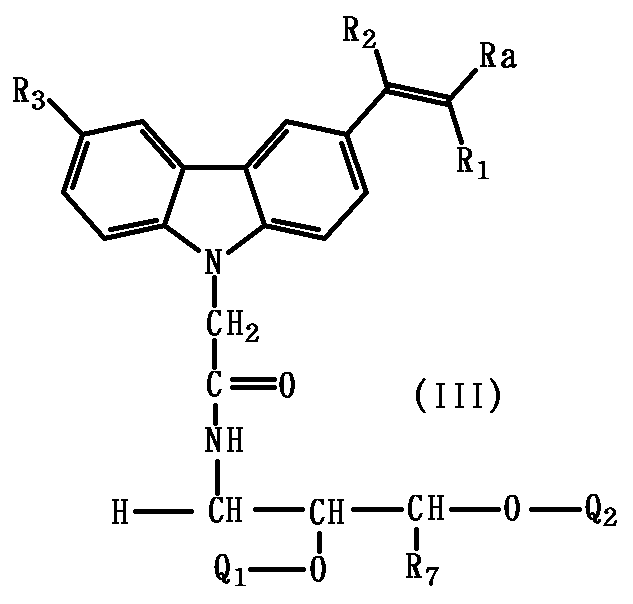
- the compound of formula I above has the following formula III: It is a compound represented by these.
- the Q 1, as a nucleotide or nucleic acids are linked via phosphodiester bonds formed by O and phosphate groups formed together to bind to Q 1, the Q 2 , A nucleotide or nucleic acid linked via a phosphodiester bond formed by a phosphate group formed integrally with O that binds to Q 2 .
- the compound represented by the above formula I is a nucleic acid or oligonucleotide in which a photoresponsive artificial nucleotide analog having a characteristic structure is incorporated into a sequence (modified nucleic acid or modified oligonucleotide according to the present invention, the present invention Modified nucleic acids).
- a photoresponsive artificial nucleotide analog having a characteristic structure may be located at the terminal in the sequence.
- Q 1 or Q 2 Only the side becomes a nucleotide or nucleic acid linked through a phosphodiester bond formed by a phosphate group formed integrally with O that binds to Q 1 or Q 2 .
- Q 1 and Q 2 can be hydrogen atoms. That is, the compound represented by the above formula I can be a photoresponsive artificial nucleoside analog molecule having a characteristic structure (sometimes referred to as a nucleoside analog according to the present invention).
- Q 1 can be a phosphate group formed integrally with O bonded to Q 1
- Q 2 can be a hydrogen atom. That is, the compound represented by the formula I can be a photoresponsive artificial nucleotide analog molecule having a characteristic structure (sometimes referred to as a nucleotide analog according to the present invention).
- the Q 1, may be a DMTr group
- the Q 2 phosphate groups are formed in an O integral to bind to Q 2, and O and integral to bind to Q 2
- the compound represented by the formula I can be a monomer for photoresponsive modified nucleic acid synthesis having a characteristic structure (sometimes referred to as a modified nucleic acid synthesis monomer according to the present invention).
- a monomer having such a structure becomes a nucleic acid synthesis reagent that can be used by the phosphoramidite method and the H-phosphonate method.
- modified nucleic acid synthesis monomers include the following monomers.
- the modified nucleic acid according to the present invention when used as a single-stranded nucleic acid, it can hybridize with a complementary single-stranded nucleic acid to form a double helix.
- the nucleobase at a position where a base pair should be formed in the complementary strand with respect to the vinyl carbazole structure portion can be freely selected without any particular restriction.
- a crosslink can be formed by a photoreaction between the nucleic acid strands forming the double helix.
- This photo-crosslinking is a position where a base pair is formed in the complementary strand from the position where the vinylcarbazole structural moiety is located as a nucleobase in the sequence to the nucleobase which is located at the 5 ′ end side by one base in the sequence It is formed between the nucleobase in and the vinyl carbazole structure.
- this photocrosslinking is performed with respect to the vinyl carbazole structure portion from a nucleobase at a position where a base pair should be formed in the complementary strand to a nucleobase located at the 3 ′ end side by one base in the sequence. , Formed between the vinyl carbazole structure.
- the counterpart base with which the vinyl carbazole structure of the photoreactive compound according to the present invention can form a photocrosslink is a base having a pyrimidine ring.
- the photoreactive artificial nucleobase according to the present invention does not form a photocrosslink with a base having a purine ring. That is, the photocrosslinkable compound according to the present invention forms photocrosslinks with respect to cytosine, uracil, and thymine as natural nucleobases, whereas it does not form photocrosslinks with respect to guanine and adenine. It has a strong specificity.
- the photoreactive compound according to the present invention is hybridized with a sequence having a base sequence complementary to the modified nucleic acid by using it as a photoreactive modified nucleic acid (photocrosslinkable modified nucleic acid). Since a double helix can be formed, a photocrosslinking reaction (photocrosslinking reaction) can be performed only on a specific target sequence. That is, the photocrosslinker compound according to the present invention can impart a very high sequence selectivity by designing the sequence as desired.
- the light irradiated for photocrosslinking is generally light having a wavelength of 350 to 380 nm, preferably 360 to 370 nm, more preferably 366 nm, and particularly preferably 366 nm single wavelength laser light. is there.
- the photoreactive compound according to the present invention enables reversible photocrosslinking and can be used as a reversible photocrosslinking agent.
- light having a wavelength in the range of generally 330 to 370 nm, preferably 330 to 360 nm can be used.
- light having a wavelength of 366 nm, particularly preferably, laser light having a single wavelength of 366 nm can be used.
- these photocrosslinking and photocleavage photoreactions can be carried out by irradiation with light comprising a wavelength in the range of 350 to 370 nm, preferably using a single wavelength laser beam of 366 nm. It can be carried out.
- Use of light having a wavelength in this range is advantageous in that both photocrosslinking and photocleavage photoreactions can be performed by the same light source, and it is not necessary to prepare two types of light sources.
- light having a wavelength in this range is used, it is possible to control which photoreaction of photocrosslinking or photocleavage proceeds depending on the temperature condition.
- the photocrosslinking reaction it is generally 0 to 50 ° C., preferably 0 to 40 ° C., more preferably 0 to 30 ° C., more preferably 0 to 20 ° C., more preferably 0 to 10 ° C., more preferably
- Light irradiation is performed at a temperature in the range of 0 to 5 ° C., particularly preferably at 0 ° C.
- light irradiation is generally performed at a temperature in the range of 60 to 100 ° C., preferably 60 to 90 ° C., more preferably 70 to 90 ° C.
- photocrosslinking and photocleavage according to the present invention utilize photoreactions, there are no particular restrictions on pH, temperature, salt concentration, etc., and pH and temperature at which biopolymers such as nucleic acids can exist stably. It can be carried out by light irradiation in a solution having a salt concentration.
- the photocrosslinking and photocleavage according to the present invention proceeds very rapidly. For example, in the case of psoralen known as a photoreactive compound, it takes only 1 second (366 nm light irradiation) under conditions that require several hours (350 nm light irradiation).
- the photoreaction proceeds. That is, when the photocrosslinking agent according to the present invention is used, the photoreaction proceeds by light irradiation for several seconds, for example, 1 to 9 seconds, 1 to 7 seconds, 1 to 5 seconds, or 1 to 3 seconds. To form a photocrosslink.
- the compound according to the present invention has shorter light compared to the conventional photoresponsive artificial nucleotide (photocrosslinking agent) having the structure of deoxyribose even when it has the same vinylcarbazole structure.
- An excellent effect of exhibiting a higher conversion rate (that is, a rate of formation of photocrosslinking) in the irradiation time was obtained.
- the photoresponsive artificial nucleoside analog molecule according to the present invention can be synthesized along the synthesis route shown in Scheme 1 (Scheme 1) described later.
- the synthetic route of this Scheme 1 has the following formula VIII: From the modified vinylcarbazole molecule (VIII) represented by the following formula IV: Is synthesized by the following formula V: (However, in Formula V, R4 represents a hydrogen atom or a Q 1 —O—CH 2 — group, R5 represents an —O—Q 1 group, a hydrogen atom, a methyl group, or an ethyl group, (However, when R4 is a hydrogen atom, R5 represents a —O—Q 1 group, When R4 is a Q 1 —O—CH 2 — group, R5 represents a hydrogen atom, a methyl group, or an ethyl group) R6 represents a —O—Q 2 group, a —CH 2 —O
- the skeleton structure of the portion that should correspond to the sugar structure in the resulting photoresponsive artificial nucleoside analog molecule (VI) directly reflects the structure of the amine (V) used. .
- the skeleton structure of the portion corresponding to the sugar structure in the photoresponsive artificial nucleoside analog molecule (VI) is to be a D-threoninol structure
- D-threoninol is used as the amine (V).
- L-threoninol may be used as an amine (V).
- serinol may be used as an amine (V).
- (R) -3-amino-1,2-propanediol when it is desired to have the (R) -3-amino-1,2-propanediol structure, (R) -3-amino-1,2-propanediol may be used as the amine (V).
- (S) -3-amino-1,2-propanediol structure, (S) -3-amino-1,2- Propanediol may be used.
- the synthesis route is advantageous in that it does not include steps that require attention and skill in operation, such as an activation step with hydrogen chloride.
- the steps in the synthetic pathway are compared with the synthetic pathway of the present invention described above. Are complicated, and the total yield is a fraction of the total yield of the synthesis route of the present invention, which is low.
- the compound according to the present invention is excellent in terms of the ease of synthesis and the high total yield.
- the present invention also resides in the above excellent synthesis method (manufacturing method).
- nucleic acid synthesis reagent by a known method such as the phosphoramidite method and the H-phosphonate method, a photoresponsive artificial nucleoside analog Nucleic acids or oligonucleotides (modified nucleic acids according to the present invention) in which the molecule (VI) is incorporated into the sequence can be obtained.
- the modified nucleic acid synthesis monomer according to the present invention is excellent in that it can be used as a nucleic acid synthesis reagent in known techniques such as the phosphoramidite method and the H-phosphonate method.
- Oligo DNA was identified by MALDI-TOF-MS analysis. ([(M + H) +]; Calcd. 2809.55, Found 2809.35)
- an oligo DNA containing a conventional photoreactive modified nucleoside (5'-TGCAXCCGT-3 ', X is CNV K) is obtained by an automatic DNA synthesizer according to a general cyanoethyl phosphoramidite method. Synthesized.
- the solution was analyzed by UPLC (eluent: acetonitrile / 50 mM ammonium formate, 1-20% acetonitrile / 10 min, flow rate: 0.2 mL / min) to evaluate photoreactivity.
- FIG. 1A is an explanatory diagram showing the contents of this operation.
- a nucleoside analog (photoreactive element) according to the present invention is introduced as an improved photoreactive element at the position X in the sequence (Production Example 2).
- an oligo DNA containing a conventional photoreactive modified nucleoside obtained in Production Example 3 was used.
- CNV K is introduced at the position of X in the sequence.
- FIG. 1 is a figure which shows the result analyzed by UPLC after irradiating light using the oligo DNA of manufacture example 2, and complementary oligo DNA.
- the charts arranged in the vertical axis direction correspond to light irradiation times (0.0 seconds, 0.2 seconds, 0.5 seconds, 1.0 seconds, 3.0 seconds, 5.0 seconds), respectively.
- the horizontal axis indicates the retention time (minutes).
- Two types of single-stranded ODN (monomer) that existed before light irradiation (0.0 seconds) are reduced by light irradiation, and at the same time, a single-chain ODN photodimer is formed. Increased by light irradiation.
- FIG. 1C is a graph showing this change.
- the horizontal axis of (c) in FIG. 1 is the light irradiation time (second), and the vertical axis is the conversion rate (%).
- a white circle ( ⁇ ) represents a conventional type, and a black square ( ⁇ ) represents an improved type.
- This conversion rate that is, the rate of change from monomer to dimer was defined as 100% conversion when completely changed to dimer.
- the nucleoside analog according to the present invention ie, the improved photoreactive element, showed a high conversion rate of about 57% after 0.2 seconds, about 83% after 0.5 seconds, and 96% after 1.0 seconds.
- the conventional photoreactive modified nucleoside as a comparative example showed a conversion rate of about 35% after 0.2 seconds, about 71% after 0.5 seconds, and 90% after 1.0 seconds. Even with this conventional conversion rate, a sufficiently high conversion rate is achieved in a short time reflecting the photochemical reaction, but the improved conversion rate is, for example, It showed a high conversion rate of about 1.6 times in 0.2 seconds.
- the nucleoside analog according to the present invention (improved type) can be synthesized by the route shown in the above-mentioned scheme 1, and it is synthesized in 5 steps from an easily available starting material, and the total yield is 30%. Met.
- the conventional photoreactive modified nucleoside can be synthesized by the route as described above, and it was synthesized in 7 steps from an easily available starting material, and the total yield was 17%.
- FIG. 2 is an explanatory diagram comparing these synthesis steps and the total yield.
- the synthesis of the nucleoside analog according to the present invention requires fewer synthesis steps than the synthesis of the conventional photoreactive modified nucleoside retaining the sugar structure, and has a high total yield of about 2.3 times. The rate could be achieved. Furthermore, the synthesis of the nucleoside analog according to the present invention involves steps requiring attention and skill in operation, such as an activation step with hydrogen chloride, which is necessary in the synthesis of a conventional photoreactive modified nucleoside retaining a sugar structure. It was advantageous in that it was not included in the synthesis route.
- the present invention provides a novel photoreactive crosslinking agent that can be used in the photoreaction technology of nucleic acids.
- the present invention is industrially useful.
Landscapes
- Chemical & Material Sciences (AREA)
- Organic Chemistry (AREA)
- Health & Medical Sciences (AREA)
- Life Sciences & Earth Sciences (AREA)
- Biochemistry (AREA)
- Molecular Biology (AREA)
- General Health & Medical Sciences (AREA)
- Engineering & Computer Science (AREA)
- Biotechnology (AREA)
- Genetics & Genomics (AREA)
- Chemical Kinetics & Catalysis (AREA)
- Physics & Mathematics (AREA)
- Electromagnetism (AREA)
- Toxicology (AREA)
- Medicinal Chemistry (AREA)
- Polymers & Plastics (AREA)
- Optics & Photonics (AREA)
- Saccharide Compounds (AREA)
- Organic Low-Molecular-Weight Compounds And Preparation Thereof (AREA)
- Indole Compounds (AREA)
- Addition Polymer Or Copolymer, Post-Treatments, Or Chemical Modifications (AREA)
Abstract
Description
(1)
次の式I:
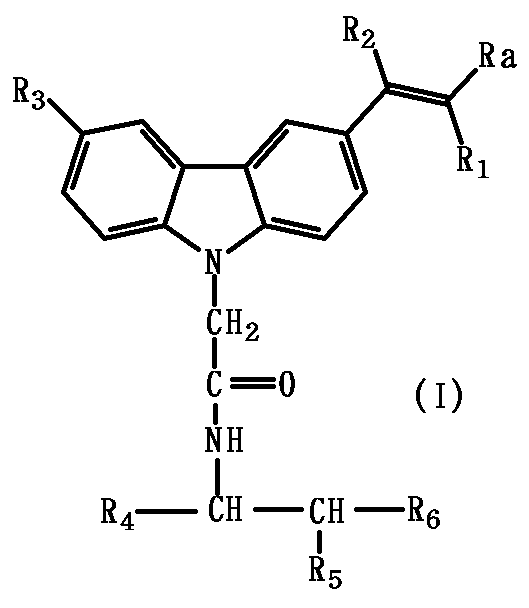
Raは、シアノ基、アミド基、カルボキシル基、C2~C7のアルコキシカルボニル基、ホスホノ基、スルホ基、又は水素原子を表し、
R1及びR2は、それぞれ独立に、シアノ基、アミド基、カルボキシル基、C2~C7のアルコキシカルボニル基、又は水素原子を表し、
R3は、水素原子、水酸基、C1~C3のアルコキシ基、C1~C3のアルキルスルファニル基、ニトロ基、フッ素原子、フッ化メチル基、C6~C12の単環式又は二環式の芳香族化合物の1価基、C6~C12の単環式又は二環式の複素環系芳香族化合物の1価基、又は、次の式:

で表される1価基を表し、
R4は、水素原子、又は Q1-O-CH2-基を表し、
R5は、-O-Q1基、水素原子、メチル基、又はエチル基を表し、
(ただし、R4が水素原子である場合には、R5は-O-Q1基を表し、
R4がQ1-O-CH2-基である場合には、R5は水素原子、メチル基、又はエチル基を表す)
R6は、-O-Q2基、-CH2-O-Q2基、又は-CH(CH3)-O-Q2基を表し、
Q1は、水素原子、Q1に結合するOと一体となって形成されるリン酸基、Q1に結合するOと一体となって形成されるリン酸基によって形成されるリン酸ジエステル結合を介して連結されるヌクレオチド又は核酸、又はDMTr基を表し、
Q2は、水素原子、Q2に結合するOと一体となって形成されるリン酸基、Q2に結合するOと一体となって形成されるリン酸基によって形成されるリン酸ジエステル結合を介して連結されるヌクレオチド又は核酸、次の式:

によって表される基、又は次の式:
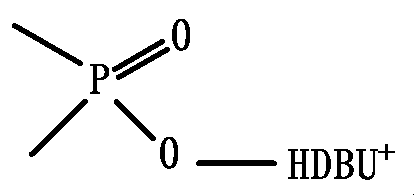
によって表される基、を表す)
によって表される、光反応性の化合物。
(2)
次の式II:
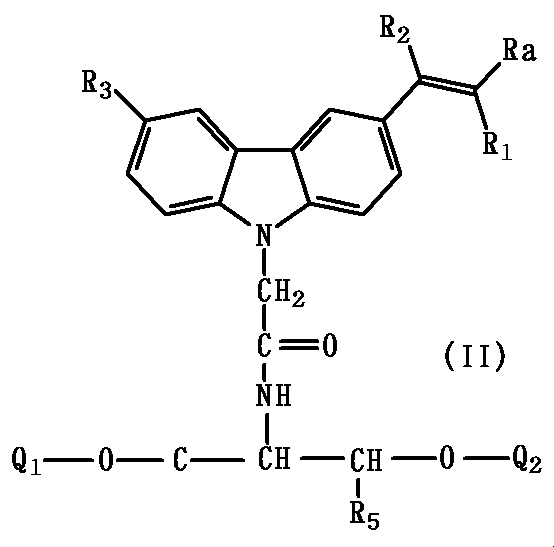
Raは、シアノ基、アミド基、カルボキシル基、C2~C7のアルコキシカルボニル基、ホスホノ基、スルホ基、又は水素原子を表し、
R1及びR2は、それぞれ独立に、シアノ基、アミド基、カルボキシル基、C2~C7のアルコキシカルボニル基、又は水素原子を表し、
R3は、水素原子、水酸基、C1~C3のアルコキシ基、C1~C3のアルキルスルファニル基、ニトロ基、フッ素原子、フッ化メチル基、C6~C12の単環式又は二環式の芳香族化合物の1価基、C6~C12の単環式又は二環式の複素環系芳香族化合物の1価基、又は、次の式:
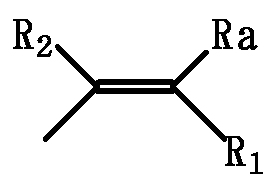
で表される1価基を表し、
R5は、水素原子、メチル基、又はエチル基を表し、
Q1は、水素原子、Q1に結合するOと一体となって形成されるリン酸基、Q1に結合するOと一体となって形成されるリン酸基によって形成されるリン酸ジエステル結合を介して連結されるヌクレオチド又は核酸、又はDMTr基を表し、
Q2は、水素原子、Q2に結合するOと一体となって形成されるリン酸基、Q2に結合するOと一体となって形成されるリン酸基によって形成されるリン酸ジエステル結合を介して連結されるヌクレオチド又は核酸、次の式:
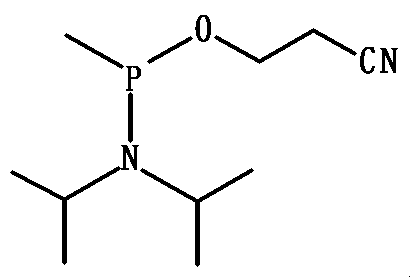
によって表される基、又は次の式:

によって表される基、を表す)
によって表される、(1)に記載の化合物。
(3)
次の式III:

Raは、シアノ基、アミド基、カルボキシル基、C2~C7のアルコキシカルボニル基、ホスホノ基、スルホ基、又は水素原子を表し、
R1及びR2は、それぞれ独立に、シアノ基、アミド基、カルボキシル基、C2~C7のアルコキシカルボニル基、又は水素原子を表し、
R3は、水素原子、水酸基、C1~C3のアルコキシ基、C1~C3のアルキルスルファニル基、ニトロ基、フッ素原子、フッ化メチル基、C6~C12の単環式又は二環式の芳香族化合物の1価基、C6~C12の単環式又は二環式の複素環系芳香族化合物の1価基、又は、次の式:

で表される1価基を表し、
R7は、水素原子、又はメチル基を表し、
Q1は、水素原子、Q1に結合するOと一体となって形成されるリン酸基、Q1に結合するOと一体となって形成されるリン酸基によって形成されるリン酸ジエステル結合を介して連結されるヌクレオチド又は核酸、又はDMTr基を表し、
Q2は、水素原子、Q2に結合するOと一体となって形成されるリン酸基、Q2に結合するOと一体となって形成されるリン酸基によって形成されるリン酸ジエステル結合を介して連結されるヌクレオチド又は核酸、次の式:

によって表される基、又は次の式:
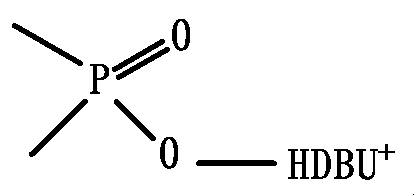
によって表される基、を表す)
によって表される、(1)に記載の化合物。
(4)
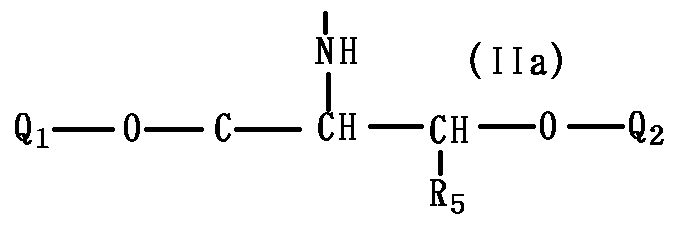
上記式IIによって表される(2)に記載の化合物であって、式II中の次の式IIa:
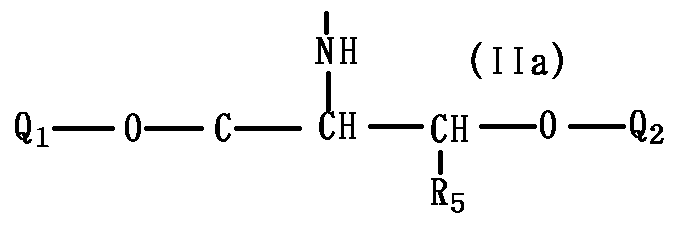
次の式:
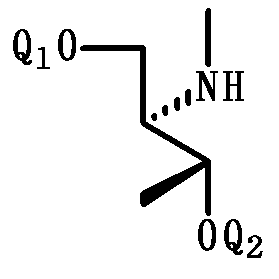
次の式:

又は、次の式:

(5)
上記式IIIによって表される(3)に記載の化合物であって、式III中の次の式IIIa:
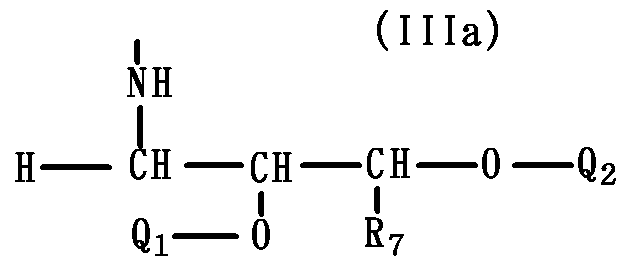
次の式:
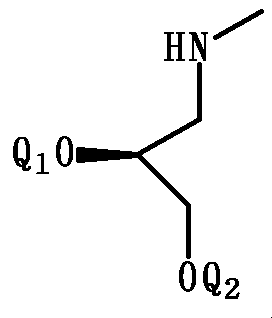
又は、次の式:

(6)
R3が、水素原子、水酸基、C1~C3のアルコキシ基、C1~C3のアルキルスルファニル基、ニトロ基、フッ素原子、トリフルオロメチル基、フェニル基、2-ナフチル基、2-インドリル基、ベンゾイミダゾール-2-イル基、又はベンゾチオフェン-2-イル基である、(1)~(5)のいずれかに記載の化合物。
(7)
(1)~(6)のいずれかに記載の化合物であって、
Q1が、Q1に結合するOと一体となって形成されるリン酸基によって形成されるリン酸ジエステル結合を介して連結されるヌクレオチド又は核酸であり、
Q2が、Q2に結合するOと一体となって形成されるリン酸基によって形成されるリン酸ジエステル結合を介して連結されるヌクレオチド又は核酸である、化合物。
(8)
(1)~(6)のいずれかに記載の化合物であって、
Q1が、水素原子であり、Q2が、水素原子である、化合物。
(9)
(1)~(6)のいずれかに記載の化合物であって、
Q1が、DMTr基であり、
Q2が、水素原子、Q2に結合するOと一体となって形成されるリン酸基、次の式:

によって表される基、又は次の式:
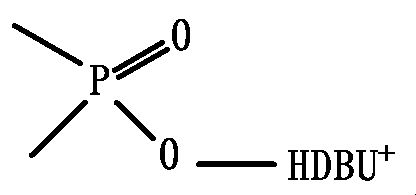
によって表される基である、化合物。
(10)
(1)~(9)のいずれかに記載の化合物からなる、光反応性架橋剤。
(11)
(1)~(9)の何れかに記載の化合物を使用して、ピリミジン環を有する核酸塩基との間に光架橋を形成する方法。
(12)
(7)に記載の化合物と、ピリミジン環を核酸塩基として有する核酸を、ハイブリダイズして二重らせんを形成させる工程、
形成された二重らせんに光照射する工程、
を含む、光架橋の形成方法。
(13)
(1)~(9)の何れかに記載の化合物の、ピリミジン環を有する核酸塩基との間に光架橋を形成するための使用(use)。
(14)
(7)に記載の化合物の、ハイブリダイズして形成された二重らせんにおいてピリミジン環を核酸塩基として有する他の核酸類との間に光架橋を形成するための使用。
(21)
次の式IV:
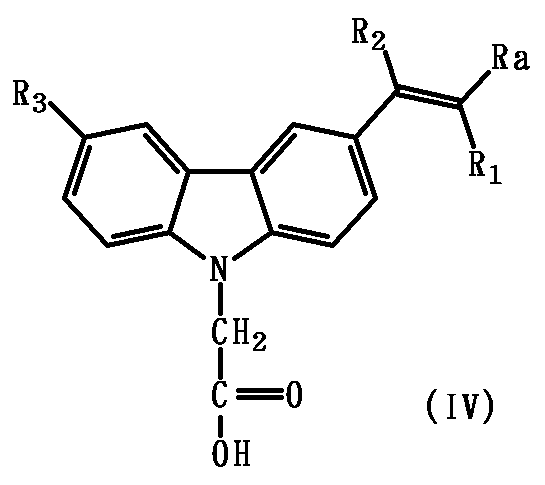
Raは、シアノ基、アミド基、カルボキシル基、C2~C7のアルコキシカルボニル基、ホスホノ基、スルホ基、又は水素原子を表し、
R1及びR2は、それぞれ独立に、シアノ基、アミド基、カルボキシル基、C2~C7のアルコキシカルボニル基、又は水素原子を表し、
R3は、水素原子、水酸基、C1~C3のアルコキシ基、C1~C3のアルキルスルファニル基、ニトロ基、フッ素原子、フッ化メチル基、C6~C12の単環式又は二環式の芳香族化合物の1価基、C6~C12の単環式又は二環式の複素環系芳香族化合物の1価基、又は、次の式:
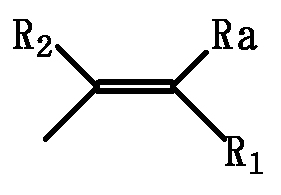
で表される1価基を表わす)
で表される化合物を、次の式V:
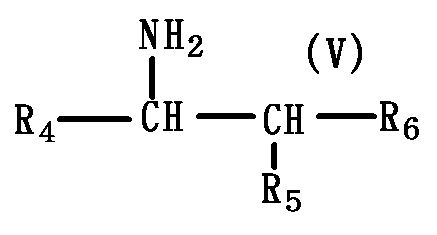
R4は、水素原子、又は Q1-O-CH2-基を表し、
R5は、-O-Q1基、水素原子、メチル基、又はエチル基を表し、
(ただし、R4が水素原子である場合には、R5は-O-Q1基を表し、
R4がQ1-O-CH2-基である場合には、R5は水素原子、メチル基、又はエチル基を表す)
R6は、-O-Q2基、-CH2-O-Q2基、又は-CH(CH3)-O-Q2基を表し、
Q1は、水素原子を表し、Q2は、水素原子を表す)
で表される化合物と脱水縮合反応させることによって、次の式VI:

Ra、R1、R2、R3、R4、R5、R6は、上記式IV及び式Vについて、上述した通りの基を表す)
で表される化合物を製造する方法。
(22)
次の式VI:
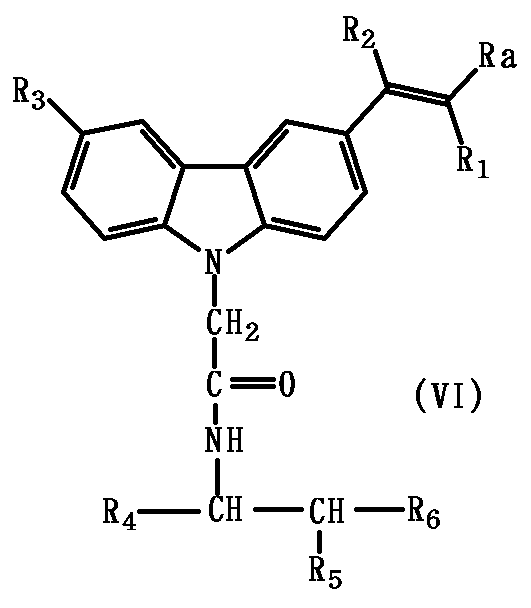
Raは、シアノ基、アミド基、カルボキシル基、C2~C7のアルコキシカルボニル基、ホスホノ基、スルホ基、又は水素原子を表し、
R1及びR2は、それぞれ独立に、シアノ基、アミド基、カルボキシル基、C2~C7のアルコキシカルボニル基、又は水素原子を表し、
R3は、水素原子、水酸基、C1~C3のアルコキシ基、C1~C3のアルキルスルファニル基、ニトロ基、フッ素原子、フッ化メチル基、C6~C12の単環式又は二環式の芳香族化合物の1価基、C6~C12の単環式又は二環式の複素環系芳香族化合物の1価基、又は、次の式:
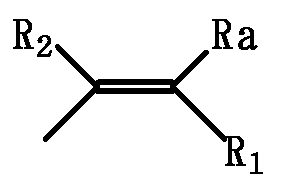
で表される1価基を表わし、
R4は、水素原子、又は Q1-O-CH2-基を表し、
R5は、-O-Q1基、水素原子、メチル基、又はエチル基を表し、
(ただし、R4が水素原子である場合には、R5は-O-Q1基を表し、
R4がQ1-O-CH2-基である場合には、R5は水素原子、メチル基、又はエチル基を表す)
R6は、-O-Q2基、-CH2-O-Q2基、又は-CH(CH3)-O-Q2基を表し、
Q1は、水素原子を表し、Q2は、水素原子を表す)
で表される化合物を、ヌクレオシド分子の代替分子として使用して、次の式VII:
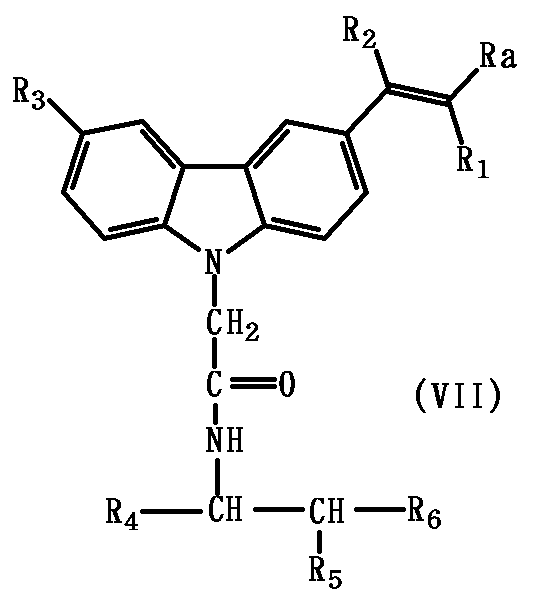
Ra、R1、R2、R3は、上記式VIにおいて、上述した基を表し、
R4は、水素原子、又は Q1-O-CH2-基を表し、
R5は、-O-Q1基、水素原子、メチル基、又はエチル基を表し、
(ただし、R4が水素原子である場合には、R5は-O-Q1基を表し、
R4がQ1-O-CH2-基である場合には、R5は水素原子、メチル基、又はエチル基を表す)
R6は、-O-Q2基、-CH2-O-Q2基、又は-CH(CH3)-O-Q2基を表し、
Q1は、DMTr基を表し、
Q2は、Q2に結合するOと一体となって形成されるリン酸基、次の式:
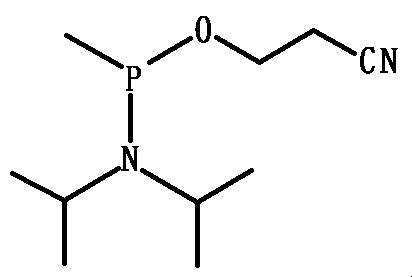
によって表される基、又は次の式:

によって表される基、を表す)
によって表される、核酸合成用の化合物を製造する方法。
(23)
次の式VII:
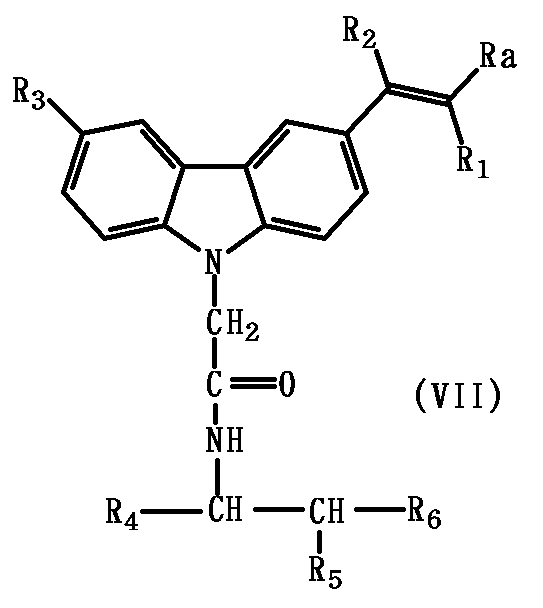
Raは、シアノ基、アミド基、カルボキシル基、C2~C7のアルコキシカルボニル基、ホスホノ基、スルホ基、又は水素原子を表し、
R1及びR2は、それぞれ独立に、シアノ基、アミド基、カルボキシル基、C2~C7のアルコキシカルボニル基、又は水素原子を表し、
R3は、水素原子、水酸基、C1~C3のアルコキシ基、C1~C3のアルキルスルファニル基、ニトロ基、フッ素原子、フッ化メチル基、C6~C12の単環式又は二環式の芳香族化合物の1価基、C6~C12の単環式又は二環式の複素環系芳香族化合物の1価基、又は、次の式:
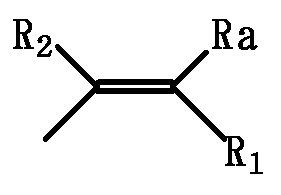
で表される1価基を表わし、
R4は、水素原子、又は Q1-O-CH2-基を表し、
R5は、-O-Q1基、水素原子、メチル基、又はエチル基を表し、
(ただし、R4が水素原子である場合には、R5は-O-Q1基を表し、
R4がQ1-O-CH2-基である場合には、R5は水素原子、メチル基、又はエチル基を表す)
R6は、-O-Q2基、-CH2-O-Q2基、又は-CH(CH3)-O-Q2基を表し、
Q1は、DMTr基を表し、
Q2は、Q2に結合するOと一体となって形成されるリン酸基、次の式:
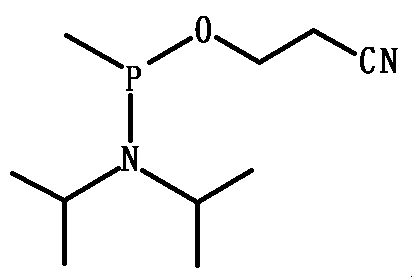
によって表される基、又は次の式:

によって表される基、を表す)
によって表される、核酸合成用の化合物を使用して、次の式I:
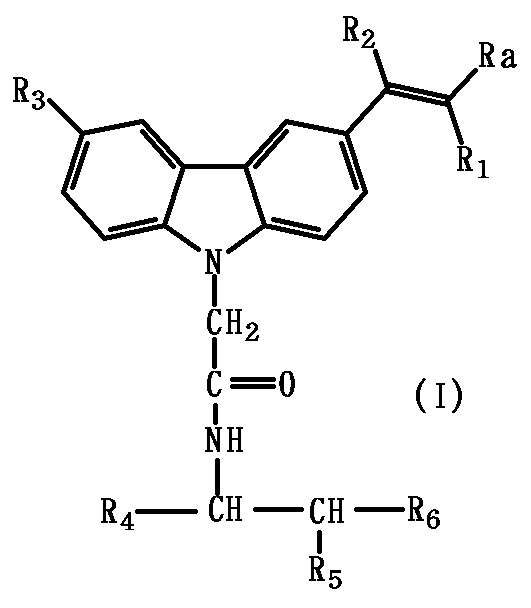
Ra、R1、R2、R3は、上記式VIIにおいて、上述した基を表し、
R4は、水素原子、又は Q1-O-CH2-基を表し、
R5は、-O-Q1基、水素原子、メチル基、又はエチル基を表し、
(ただし、R4が水素原子である場合には、R5は-O-Q1基を表し、
R4がQ1-O-CH2-基である場合には、R5は水素原子、メチル基、又はエチル基を表す)
R6は、-O-Q2基、-CH2-O-Q2基、又は-CH(CH3)-O-Q2基を表し、
Q1は、Q1に結合するOと一体となって形成されるリン酸基によって形成されるリン酸ジエステル結合を介して連結されるヌクレオチド又は核酸を表し、
Q2は、Q2に結合するOと一体となって形成されるリン酸基によって形成されるリン酸ジエステル結合を介して連結されるヌクレオチド又は核酸を表す)
によって表される、光反応性の化合物を製造する方法。
本発明は、次の式I:

Raは、シアノ基、アミド基(-CO-NH2)、カルボキシル基、アルコキシカルボニル基、ホスホノ基(-PO(OH)2)、スルホ基(-SO2(OH))、又は水素であり、好ましくは、シアノ基、アミド基、カルボキシル基、アルコキシカルボニル基、又は水素であり、さらに好ましくは、シアノ基、アミド基、カルボキシル基、又はアルコキシカルボニル基である。アルコキシカルボニル基は、好ましくはC2~C7、さらに好ましくはC2~C6、さらに好ましくはC2~C5、さらに好ましくはC2~C4、さらに好ましくはC2~C3、特に好ましくはC2のものを使用することができる。
R1及びR2は、それぞれ独立に、シアノ基、アミド基、カルボキシル基、アルコキシカルボニル基、又は水素であり、好ましくは、シアノ基、アミド基、カルボキシル基、アルコキシカルボニル基、又は水素であり、さらに好ましくは、シアノ基、アミド基、カルボキシル基、又はアルコキシカルボニル基である。アルコキシカルボニル基は、好ましくはC2~C7、さらに好ましくはC2~C6、さらに好ましくはC2~C5、さらに好ましくはC2~C4、さらに好ましくはC2~C3、特に好ましくはC2のものを使用することができる。
R3は、水素原子、水酸基、C1~C3のアルコキシ基、C1~C3のアルキルスルファニル基、ニトロ基、フッ素原子、フッ化メチル基、C6~C12の単環式又は二環式の芳香族化合物の1価基、C6~C12の単環式又は二環式の複素環系芳香族化合物の1価基、又は、次の式:

で表される1価基である。
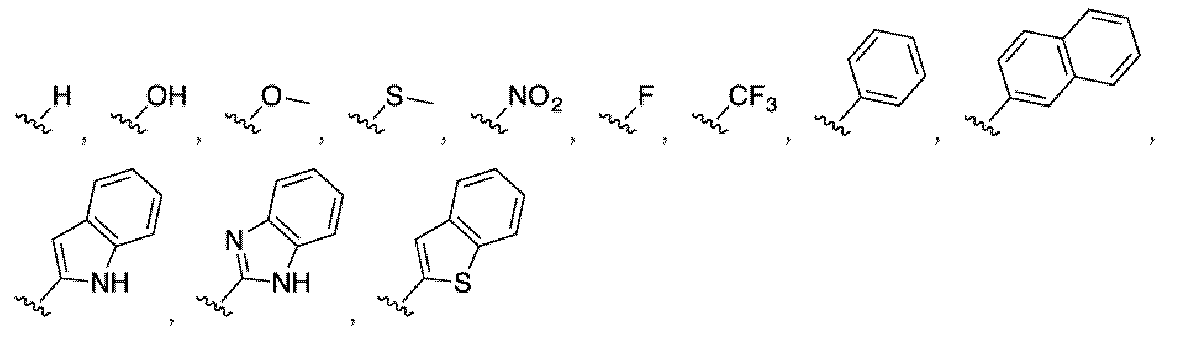
R4は、水素原子、又は Q1-O-CH2-基を表し、
R5は、-O-Q1基、水素原子、メチル基、又はエチル基を表し、
(ただし、R4が水素原子である場合には、R5は-O-Q1基を表し、
R4がQ1-O-CH2-基である場合には、R5は水素原子、メチル基、又はエチル基を表す)
R6は、-O-Q2基、-CH2-O-Q2基、又は-CH(CH3)-O-Q2基を表わす。
Q2は、水素原子、Q2に結合するOと一体となって形成されるリン酸基、Q2に結合するOと一体となって形成されるリン酸基によって形成されるリン酸ジエステル結合を介して連結されるヌクレオチド又は核酸、次の式:

によって表される基、又は次の式:
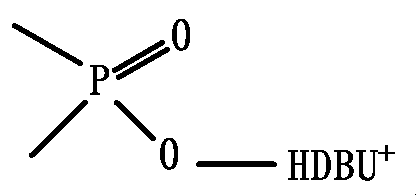
によって表される基、を表す。

次の式:
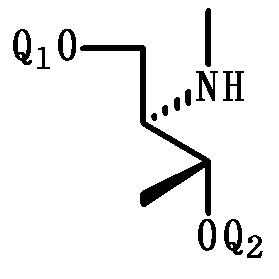
次の式:
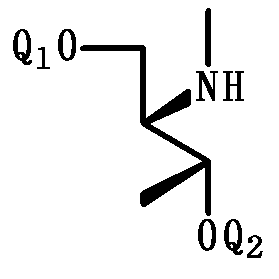
又は、次の式:


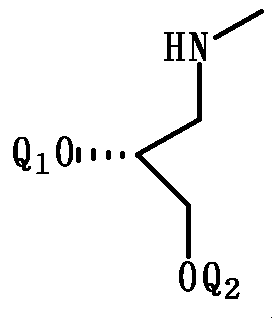
次の式:
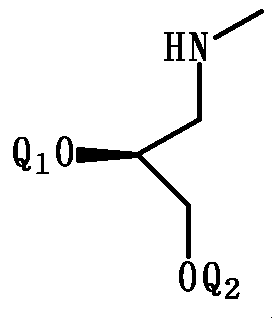
又は、次の式:
好適な実施の態様において、Q1を、Q1に結合するOと一体となって形成されるリン酸基によって形成されるリン酸ジエステル結合を介して連結されるヌクレオチド又は核酸として、Q2を、Q2に結合するOと一体となって形成されるリン酸基によって形成されるリン酸ジエステル結合を介して連結されるヌクレオチド又は核酸とすることができる。すなわち、上記式Iで表される化合物は、特徴的な構造を備えた光応答性人工ヌクレオチドアナログが配列中に取り込まれた核酸又はオリゴヌクレオチド(本発明に係る修飾核酸又は修飾オリゴヌクレオチド、本発明に係る修飾核酸類ということがある)とすることができる。また、本発明に係る修飾核酸類において、特徴的な構造を備えた光応答性人工ヌクレオチドアナログが配列中の末端に位置していてもよく、この場合にはQ1又はQ2のいずれかの側のみがQ1又はQ2に結合するOと一体となって形成されるリン酸基によって形成されるリン酸ジエステル結合を介して連結されるヌクレオチド又は核酸となる。
好適な実施の態様において、Q1及びQ2を、水素原子とすることができる。すなわち、上記式Iで表される化合物は、特徴的な構造を備えた光応答性人工ヌクレオシドアナログ分子(本発明に係るヌクレオシドアナログということがある)とすることができる。
好適な実施の態様において、Q1を、Q1に結合するOと一体となって形成されるリン酸基とすることができ、Q2を、水素原子とすることができる。すなわち、上記式Iで表される化合物は、特徴的な構造を備えた光応答性人工ヌクレオチドアナログ分子(本発明に係るヌクレオチドアナログということがある)とすることができる。
好適な実施の態様において、Q1を、DMTr基とすることができ、Q2を、Q2に結合するOと一体となって形成されるリン酸基、Q2に結合するOと一体となって形成されるリン酸基によって形成されるリン酸ジエステル結合を介して連結されるヌクレオチド又は核酸、次の式:
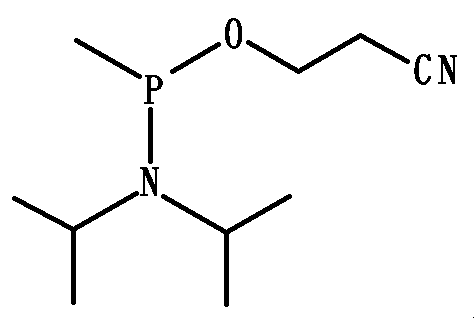
によって表される基、又は次の式:
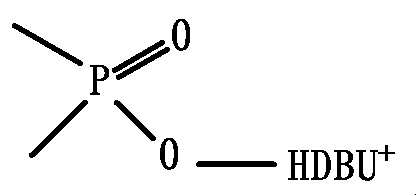
によって表される基、
とすることができる。すなわち、上記式Iで表される化合物は、特徴的な構造を備えた光応答性修飾核酸合成用のモノマー(本発明に係る修飾核酸合成モノマーということがある)とすることができる。よく知られているように、このような構造のモノマーは、ホスホロアミダイト法、及びH-ホスホネート法によって使用可能な核酸合成試薬となる。

本発明に係る修飾核酸類は、これを1本鎖核酸として使用すると、これと相補的な1本鎖核酸とハイブリダイズして二重らせんを形成することができる。二重らせんの形成にあたって、ビニルカルバゾール構造部分に対して、相補鎖中において塩基対を形成すべき位置にある核酸塩基については、特段の制約がなく、自由に選択できる。形成された二重らせんに光照射を行うと、二重らせんを形成する核酸鎖の間に、光反応によって架橋を形成することができる。この光架橋は、配列中でビニルカルバゾール構造部分が核酸塩基として位置する位置から配列中で1塩基分だけ5’末端側に位置する核酸塩基に対して、相補鎖中において塩基対を形成する位置にある核酸塩基と、ビニルカルバゾール構造との間に形成される。言い換えれば、この光架橋は、ビニルカルバゾール構造部分に対して、相補鎖中において塩基対を形成すべき位置にある核酸塩基から、配列中で1塩基分だけ3’末端側に位置する核酸塩基と、ビニルカルバゾール構造との間に形成される。
本発明者は、光応答性人工ヌクレオチドとして、リボース又はデオキシリボースの構造を備えた人工ヌクレオチド構造を、長年にわたって研究してきた(特許文献1~4参照)。ところが、上述のように、本発明に係る化合物は、リボース及びデオキシリボースの構造を備えていないにもかかわらず、光応答性人工ヌクレオチドと同様に使用して、光架橋反応を進行させることができるものであった。つまり、本発明者による特許文献4(日本国特許第4940311号)で開示した優れた特性を、リボース及びデオキシリボースの構造を備えていないにもかかわらず、同様に発揮することができるものとなっていた。それどころか、本発明による化合物は、同一のビニルカルバゾール構造を備えた場合であっても、デオキシリボースの構造を備えた従来型の光応答性人工ヌクレオチド(光架橋剤)と比較して、より短い光照射時間で、より高い転化率(すなわち、光架橋の形成の割合)を示すという、優れた効果を奏するものとなっていた。
本発明に係る光応答性人工ヌクレオシドアナログ分子は、後述するスキーム1(Scheme 1)に示す合成経路に沿って、合成することができる。
このスキーム1の合成経路は、次の式VIII:
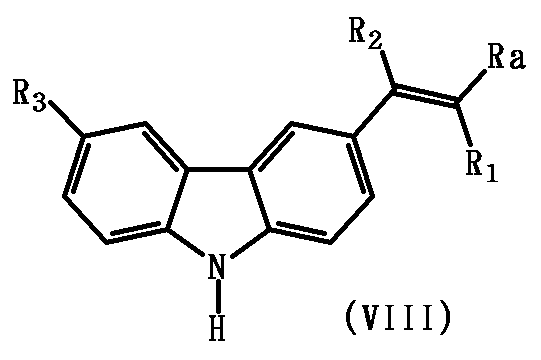
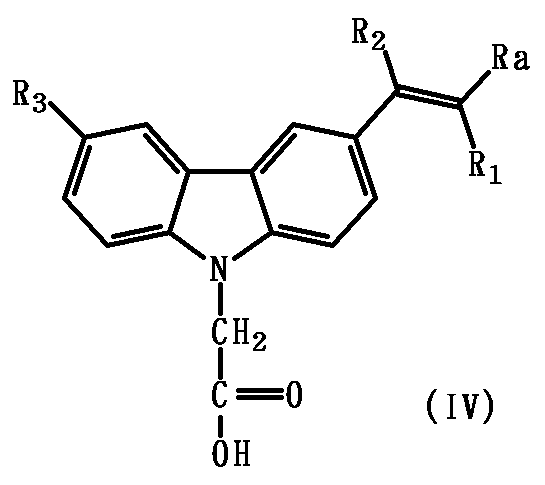

R4は、水素原子、又は Q1-O-CH2-基を表し、
R5は、-O-Q1基、水素原子、メチル基、又はエチル基を表し、
(ただし、R4が水素原子である場合には、R5は-O-Q1基を表し、
R4がQ1-O-CH2-基である場合には、R5は水素原子、メチル基、又はエチル基を表す)
R6は、-O-Q2基、-CH2-O-Q2基、又は-CH(CH3)-O-Q2基を表し、
Q1は、水素原子を表し、Q2は、水素原子を表す)
で表されるアミンと脱水縮合反応させることによって、次の式VI:

で表される光応答性人工ヌクレオシドアナログ分子を得るというものである。
上記の合成経路によって得られる光応答性人工ヌクレオシドアナログ分子(VI)を用いて、後述するスキーム1に記載の手法、あるいは当業者に公知の手法を使用して、本発明に係る修飾核酸合成モノマーを得ることができる。本発明に係る修飾核酸合成モノマーの構造は上述した通りであり、これを、ホスホロアミダイト法、及びH-ホスホネート法等の公知の手法によって核酸合成試薬として使用すれば、光応答性人工ヌクレオシドアナログ分子(VI)が配列中に取り込まれた核酸又はオリゴヌクレオチド(本発明に係る修飾核酸類)を得ることができる。このように、本発明に係る修飾核酸合成モノマーは、ホスホロアミダイト法、及びH-ホスホネート法等の公知の手法において核酸合成試薬として使用できる点で、優れたものである。
[ヌクレオシドアナログ(光反応性素子)の合成]
次のスキーム1に示す合成経路に沿って、光応答性人工ヌクレオシドアナログ分子(ヌクレオシドアナログ、あるいは光反応性素子ということがある)、さらに修飾核酸合成モノマーの合成を行った。
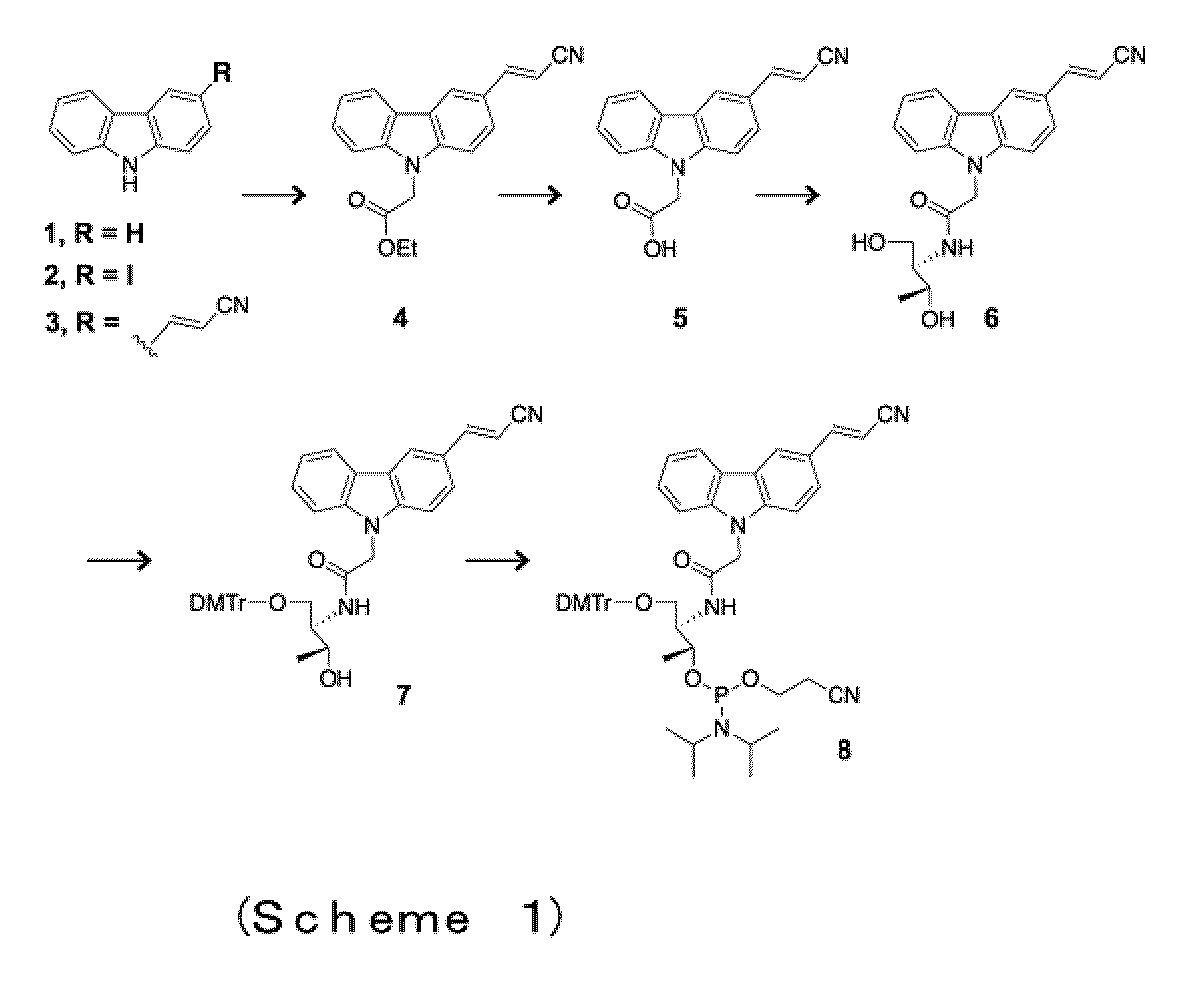
1 Lの3つ口フラスコ中でCarbazole(化合物1、4.0 g、23.6 mmol)をエタノール(800 mL)に溶解しヨウ素(3.0 g)、NaIO4 (1.28 g)をフラスコに加え、濃硫酸エタノール溶液(2.5 mL/100 mL)添加後、60℃で2時間撹拌した。TLC(ヘキサン:酢酸エチル、4:1)で反応の終了を確認後、水酸化ナトリウムのエタノール溶液で中和し、溶媒を除去した。残渣をクロロホルムに溶解し水・飽和炭酸水素ナトリウム溶液・飽和食塩水で洗浄後、エバポレータにより溶媒を除去した。残渣をエタノールに溶解し、再結晶により化合物2を得た。(収量:3.4 g、収率:49%)
1H-NMR (400 MHz, DMSO-d6): δ 11.40 (s, 1H, NH), 8.51 (d, 1H, J=1.7 Hz, H-4), 8.14 (d, 1H, J=7.8 Hz, H-5), 7.62 (dd, 1H, J=8.5, 1.7 Hz, H-2), 7.51 (d, 1H, J=8.1 Hz, H-8), 7.40 (m, 1H, H-7), 7.36 (d, 1H, J=8.5 Hz, H-1), 7.19 (m,1H, H-6)
化合物2(3.4 g、12 mmol)のDMF溶液(6 mL)に酢酸パラジウム(269 mg、1.2 mmol)、アクリロニトリル(2.0 mL、31 mmol)、トリブチルアミン(2.9 mL、12 mmol)を加え、マイクロウェーブ照射下(60 W)、160°で10分撹拌した。TLC(ヘキサン:酢酸エチル、4:1)で反応の終了を確認後、クロロホルムに溶解し水・飽和炭酸水素ナトリウム溶液・飽和食塩水で洗浄後、エバポレータにより溶媒を除去した。硫酸ナトリウムで乾燥後、シリカゲルカラムクロマトグラフィー(クロロホルム)にて精製を行い、化合物3を得た。(収量:2.2 g、収率:83%)
1H-NMR (400 MHz, DMSO-d6): δ 11.60 (s, 1H, NH), 8.44 (s, 1H, H-4), 8.12 (d, 1H, J=7.6 Hz, H-5), 7.77 (d, 1H, J=16.6 Hz, vinyl), 7.69 (dd, 1H, J=14.3, 1.7 Hz, H-8), 7.53 (m, 1H, H-1), 7.51 (d, 1H, J=3.5 Hz, H-2), 7.45 (m,1H, H-7), 7.24 (m, 1H, H-6), 6.38 (d, 1H, J=16.6 Hz, vinyl)
化合物3(0.6 g、2.8 mmol)、KOH(0.46 g、8.3 mmol)、テトラブチルアンモニウムブロマイド(28 mg、0.09 mmol)をアセトン(15 mL)に溶解し、85℃で30 分間撹拌した。Ethyl bromoacetate (0.8 mL、3.3 mmol)を反応溶液に滴下した後、12時間還流した。TLC(クロロホルム:メタノール、9:1)で原料の消失を確認した後、溶媒を除去、クロロホルムに再溶解後、水で洗浄した。有機層をエバポレータにより濃縮しシリカゲルカラムクロマトグラフィー(クロロホルム)により精製を行った。(収量:0.72 g、2.4 mmol、収率:85 %)
1H-NMR (400 MHz, CDCl3): δ 8.03-7.03 (m, 8H, ArH, ArCH), 5.87 (d, 0.85H, trans-CNCH), 5.35 (d, 1H, 0.15H, cis-CNCH), 5.00 (s, 2H, CH2CO), 4.22 (q, 2H, CH3CH2), 1.24 (t, 3H, CH3). MALDI-TOF-MS: calcd.; 305.12 ([(M+H)+]), found; 304.68.
化合物4(0.12 g, 0.41 mmol)をクロロホルム(6 mL)に溶解し、メタノール(7 mL)、水(3 mL)を加え撹拌した。さらに水酸化ナトリウム(0.39 g、1 mmol)を加え、室温で4時間撹拌を行った。TLCで原料の消失を確認した後、反応混合物に塩酸のメタノール溶液を加え、pHを2に調整した。濃縮後、酢酸エチルに溶解させ、水で洗浄、硫酸マグネシウムで乾燥させた後、シリカゲルカラムクロマトグラフィー(クロロホルム:メタノール、7:3)により精製した。(収量:0.1 g、0.34 mmol、収率:92%)
1H-NMR (400 MHz, DMSO-d6): δ 8.4 (s, 1H, OH), 8.08-7.26 (m, 8H, Ar-H, ArCH), 6.4 (d, 0.92H, trans-CNCH), 5.7 (d, 0.08H, cis-CNCH), 4.8 (s, 2H, CH2CO).
化合物5(0.75 g、2.7 mmol)、WSC(0.5 g、2.7 mmol)、HOBt(0.35 g、2.7 mmol)のDMF溶液(20 mL)にD-トレオニノール(0.27 g、2.7 mmol)を加え、室温で24時間攪拌した。TLC(クロロホルム:メタノール、9:1)で原料の消失を確認した後、反応液をクロロホルムで希釈した。この溶液を水および飽和炭酸水素ナトリウム水溶液で洗浄し、シリカゲルカラムクロマトグラフィー(クロロホルム:メタノール、9:1)により精製した。(収量:0.92 g、2.6 mmol、収率:94%)
1H-NMR (400 MHz, DMSO-d6): δ 8.5 (s, 1H, NHCO), 8.0-7.2 (m, 8H, Ar-H, ArCH), 6.4 (d, 0.78H, trans-CNCH), 5.7 (d, 0.21H, cis-CNCH), 5.1 (t, 2H, CH2CO), 4.7 (m, 2H, CH2OH), 3.9 (m, 1H, NCH), 3.6 (q, 1H, CH2OH), 3.5 (m, 1H, CHOH), 3.4 (m, 1H, CHOH), 1.0 (d, 3H, CH3). MALDI-TOF-MS: calcd.; 363.15 [(M+H)+], found; 364.71.
100 mL二口ナスフラスコに化合物6(0.95 g, 2.4 mmol)を加え窒素置換した後、DMTrCl (0.90 g, 2.7 mmol)、DMAP (60 mg, 0.49 mmol)のピリジン溶液(20 mL)を滴下し室温で一晩撹拌した。反応溶液にメタノールを加えた後、炭酸水素ナトリウム水溶液を加え溶液をクロロホルムで抽出後、有機層をエバポレートし濃縮した。シリカゲルカラムクロマトグラフィー(0.2% trietylamine, 1% MeOH in CHCl3)により目的物を精製した。(収量:0.86 g、1.3 mmol、収率:54%)
1H-NMR (400 MHz, CDCl3): δ 8.1 (s, 1H, NHCO), 7.5-6.3 (m, 21H, Ar-H, ArCH), 5.8 (d, 0.9H, trans-CNCH), 5.3 (d, 0.1H, cis-CNCH), 4.9 (t, 2H, CH2CO), 3.9 (m, 1H, CHOH), 3.8 (m, 1H, NCH), 3.74 (s, 6H, OCH3), 3.1-3.2 (m, 2H, CH2O), 2.7 (m, 1H, CHOH), 0.9 (d, 3H, CH3).
ゴムシールボトル(25 mL)に化合物7(0.37 g, 0.55 mmol)の無水アセトニトリル溶液を加え、密栓後、2回共沸させた。その後容器内を窒素置換し、無水アセトニトリル(5.0 mL)、2-cyanoethyl-N,N,N’,N’-tetraisopropylphosphordiamidite (0.17 g, 0.55 mmol)、0.25 M BTT in MeCN(2.2 mL, 0.55 mmol)を添加し、室温で1時間撹拌した。TLCにより原料の消失を確認後、反応混合物を脱酢酸処理した酢酸エチルで希釈し、炭酸水素ナトリウム水溶液と塩化ナトリウム水溶液で洗浄した。有機層を無水硫酸マグネシウムで乾燥後、濾過、溶媒の除去を行い、化合物8を得た。(収量:0.48 g、0.52 mmol、収率:94 %)
[光反応性素子を含むオリゴDNAの合成]
一般的なシアノエチルホスホロアミダイト法に従い、DNA自動合成機により光反応性素子(核酸光反応性素子ということがある)を含むオリゴDNAを合成した。化合物8の固相縮合反応のみ反応時間を999秒に設定した。トリチリルモニターによる化合物8のカップリング収率は97%以上であった。28%アンモニア水溶液による固相からの切出し・脱保護を行った後、逆相HPLCによる精製を行い目的の核酸光反応性素子を含むオリゴDNA(5’-TGCAXCCGT-3’、Xは核酸光反応性素子)を得た。オリゴDNAの同定はMALDI-TOF-MS解析により行った。([(M+H)+]; Calcd. 2809.55, Found 2809.35)
[従来型の光反応性修飾ヌクレオシドを含むオリゴDNAの合成]
対照実験のために、核酸塩基の塩基部分に代えてビニルカルバゾール骨格構造を備えて、デオキシリボース部分にはデオキシリボースを備えた、従来型の光反応性修飾ヌクレオシドとして、次式:

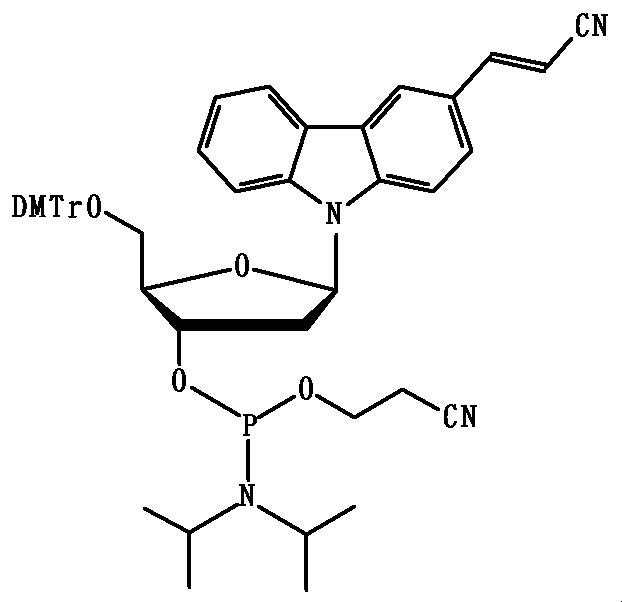
製造例2で得られた光反応性素子を含むオリゴDNAと、相補的オリゴDNA(5’-ACGGGTGCA-3’)の等量混合液(5 μM in 50 mM Na-Cacodylate buffer (pH 7.4), 100 mM NaCl)に内部標準としてデオキシウリジン(25 μM)を添加し、0℃にて光照射(366 nm、1,600 mW/cm2)を行った。この溶液をUPLC(溶離液:アセトニトリル/50 mMギ酸アンモニウム、1~20% アセトニトリル/10 min、流速:0.2 mL/min)により分析することで、光反応性を評価した。
本発明に係るヌクレオシドアナログ(改良型)は、上述したスキーム1で示した通りの経路で合成可能であり、これは入手容易な出発材料から、5ステップでの合成となり、総収率は30%であった。一方、従来型の光反応性修飾ヌクレオシドは、上述した通りの経路で合成可能であり、これは入手容易な出発材料から、7ステップでの合成となり、総収率は17%であった。図2は、これらの合成のステップと総収率を対比させた説明図である。このように、本発明に係るヌクレオシドアナログの合成は、糖構造を保持した従来型の光反応性修飾ヌクレオシドの合成と比較して、少ない合成ステップ数でよく、約2.3倍という高い総収率を達成できるものであった。さらに、本発明に係るヌクレオシドアナログの合成は、糖構造を保持した従来型の光反応性修飾ヌクレオシドの合成において必要となる、塩化水素による活性化のステップなど、操作に注意と熟練を要するステップを合成経路中に含んでいないという点で、有利なものとなっていた。
Claims (6)
- 次の式I:
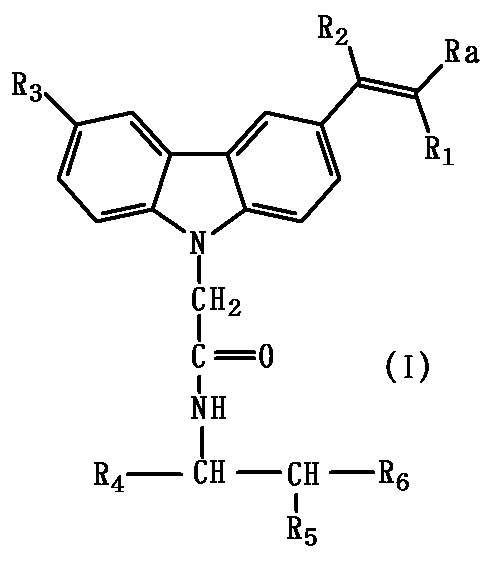
Raは、シアノ基、アミド基、カルボキシル基、C2~C7のアルコキシカルボニル基、ホスホノ基、スルホ基、又は水素原子を表し、
R1及びR2は、それぞれ独立に、シアノ基、アミド基、カルボキシル基、C2~C7のアルコキシカルボニル基、又は水素原子を表し、
R3は、水素原子、水酸基、C1~C3のアルコキシ基、C1~C3のアルキルスルファニル基、ニトロ基、フッ素原子、フッ化メチル基、C6~C12の単環式又は二環式の芳香族化合物の1価基、C6~C12の単環式又は二環式の複素環系芳香族化合物の1価基、又は、次の式:
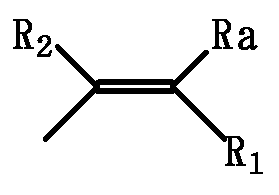
で表される1価基を表し、
R4は、水素原子、又は Q1-O-CH2-基を表し、
R5は、-O-Q1基、水素原子、メチル基、又はエチル基を表し、
(ただし、R4が水素原子である場合には、R5は-O-Q1基を表し、
R4がQ1-O-CH2-基である場合には、R5は水素原子、メチル基、又はエチル基を表す)
R6は、-O-Q2基、-CH2-O-Q2基、又は-CH(CH3)-O-Q2基を表し、
Q1は、水素原子、Q1に結合するOと一体となって形成されるリン酸基、Q1に結合するOと一体となって形成されるリン酸基によって形成されるリン酸ジエステル結合を介して連結されるヌクレオチド又は核酸、又はDMTr基を表し、
Q2は、水素原子、Q2に結合するOと一体となって形成されるリン酸基、Q2に結合するOと一体となって形成されるリン酸基によって形成されるリン酸ジエステル結合を介して連結されるヌクレオチド又は核酸、次の式:

によって表される基、又は次の式:
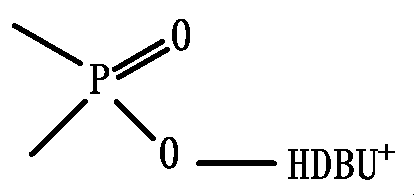
によって表される基、を表す)
によって表される、光反応性の化合物。 - 次の式II:
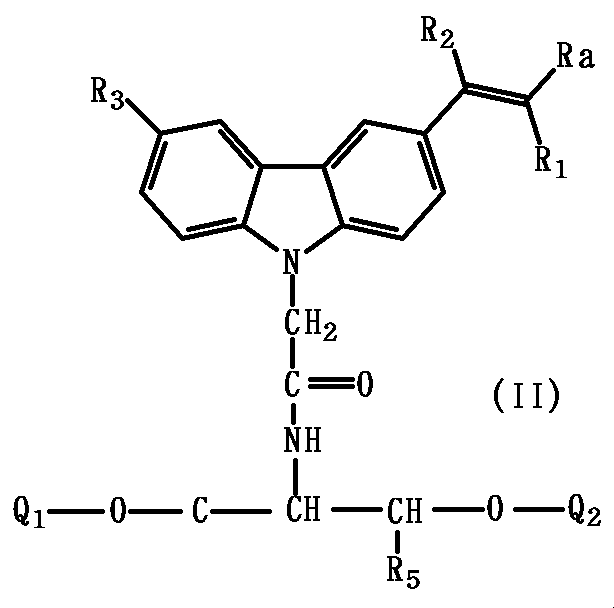
Raは、シアノ基、アミド基、カルボキシル基、C2~C7のアルコキシカルボニル基、ホスホノ基、スルホ基、又は水素原子を表し、
R1及びR2は、それぞれ独立に、シアノ基、アミド基、カルボキシル基、C2~C7のアルコキシカルボニル基、又は水素原子を表し、
R3は、水素原子、水酸基、C1~C3のアルコキシ基、C1~C3のアルキルスルファニル基、ニトロ基、フッ素原子、フッ化メチル基、C6~C12の単環式又は二環式の芳香族化合物の1価基、C6~C12の単環式又は二環式の複素環系芳香族化合物の1価基、又は、次の式:
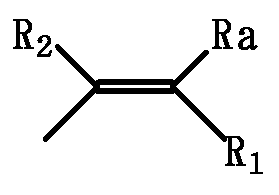
で表される1価基を表し、
R5は、水素原子、メチル基、又はエチル基を表し、
Q1は、水素原子、Q1に結合するOと一体となって形成されるリン酸基、Q1に結合するOと一体となって形成されるリン酸基によって形成されるリン酸ジエステル結合を介して連結されるヌクレオチド又は核酸、又はDMTr基を表し、
Q2は、水素原子、Q2に結合するOと一体となって形成されるリン酸基、Q2に結合するOと一体となって形成されるリン酸基によって形成されるリン酸ジエステル結合を介して連結されるヌクレオチド又は核酸、次の式:

によって表される基、又は次の式:
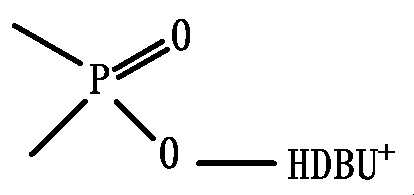
によって表される基、を表す)
によって表される、請求項1に記載の化合物。 - R3が、水素原子、水酸基、C1~C3のアルコキシ基、C1~C3のアルキルスルファニル基、ニトロ基、フッ素原子、トリフルオロメチル基、フェニル基、2-ナフチル基、2-インドリル基、ベンゾイミダゾール-2-イル基、又はベンゾチオフェン-2-イル基である、請求項1~2のいずれかに記載の化合物。
- 請求項1~3のいずれかに記載の化合物からなる、光反応性架橋剤。
- 請求項1~3のいずれかに記載の化合物を使用して、ピリミジン環を有する核酸塩基との間に光架橋を形成する方法。
- 次の式IV:
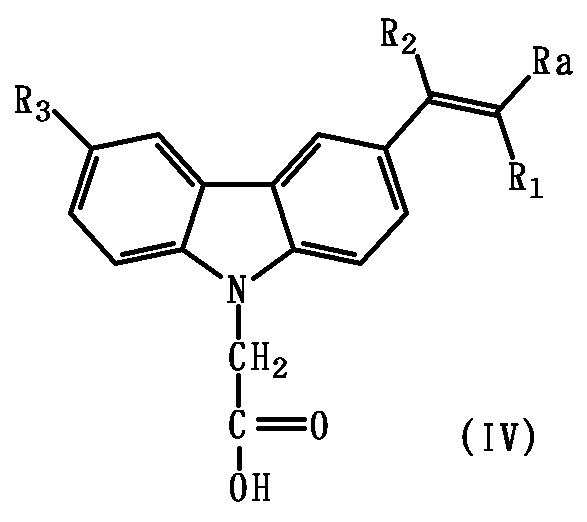
Raは、シアノ基、アミド基、カルボキシル基、C2~C7のアルコキシカルボニル基、ホスホノ基、スルホ基、又は水素原子を表し、
R1及びR2は、それぞれ独立に、シアノ基、アミド基、カルボキシル基、C2~C7のアルコキシカルボニル基、又は水素原子を表し、
R3は、水素原子、水酸基、C1~C3のアルコキシ基、C1~C3のアルキルスルファニル基、ニトロ基、フッ素原子、フッ化メチル基、C6~C12の単環式又は二環式の芳香族化合物の1価基、C6~C12の単環式又は二環式の複素環系芳香族化合物の1価基、又は、次の式:

で表される1価基を表わす)
で表される化合物を、次の式V:
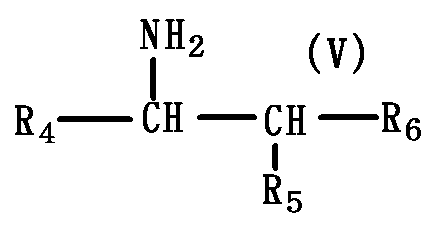
R4は、水素原子、又は Q1-O-CH2-基を表し、
R5は、-O-Q1基、水素原子、メチル基、又はエチル基を表し、
(ただし、R4が水素原子である場合には、R5は-O-Q1基を表し、
R4がQ1-O-CH2-基である場合には、R5は水素原子、メチル基、又はエチル基を表す)
R6は、-O-Q2基、-CH2-O-Q2基、又は-CH(CH3)-O-Q2基を表し、
Q1は、水素原子を表し、Q2は、水素原子を表す)
で表される化合物と脱水縮合反応させることによって、次の式VI:
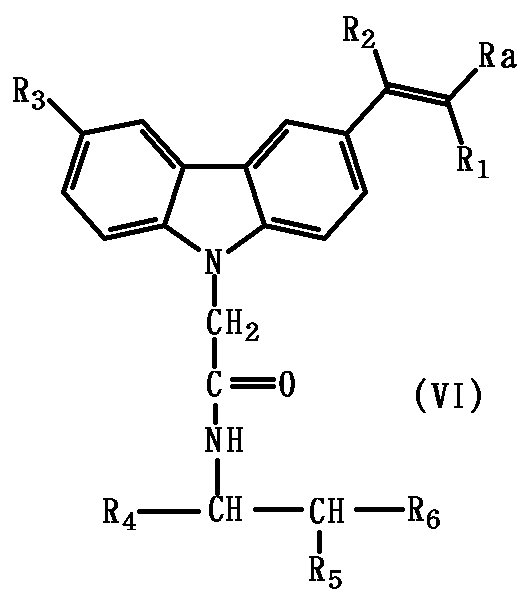
Ra、R1、R2、R3、R4、R5、R6は、上記式IV及び式Vについて、上述した通りの基を表す)
で表される、化合物を製造する方法。
Priority Applications (5)
| Application Number | Priority Date | Filing Date | Title |
|---|---|---|---|
| EP14773781.1A EP2980073B1 (en) | 2013-03-28 | 2014-03-27 | Photoresponsive nucleotide analogue having photocrosslinking ability |
| CA2908379A CA2908379C (en) | 2013-03-28 | 2014-03-27 | Photoresponsive nucleotide analogue having photocrosslinking ability |
| CN201480030704.1A CN105579437B (zh) | 2013-03-28 | 2014-03-27 | 具有光致交联能力的光响应性核苷酸类似物 |
| JP2015508725A JP5925383B2 (ja) | 2013-03-28 | 2014-03-27 | 光クロスリンク能を有する光応答性ヌクレオチドアナログ |
| US14/780,187 US10450334B2 (en) | 2013-03-28 | 2014-03-27 | Photoresponsive nucleotide analogue having photocrosslinking ability |
Applications Claiming Priority (2)
| Application Number | Priority Date | Filing Date | Title |
|---|---|---|---|
| JP2013070381 | 2013-03-28 | ||
| JP2013-070381 | 2013-03-28 |
Publications (1)
| Publication Number | Publication Date |
|---|---|
| WO2014157565A1 true WO2014157565A1 (ja) | 2014-10-02 |
Family
ID=51624521
Family Applications (1)
| Application Number | Title | Priority Date | Filing Date |
|---|---|---|---|
| PCT/JP2014/058988 Ceased WO2014157565A1 (ja) | 2013-03-28 | 2014-03-27 | 光クロスリンク能を有する光応答性ヌクレオチドアナログ |
Country Status (6)
| Country | Link |
|---|---|
| US (1) | US10450334B2 (ja) |
| EP (1) | EP2980073B1 (ja) |
| JP (2) | JP5925383B2 (ja) |
| CN (1) | CN105579437B (ja) |
| CA (1) | CA2908379C (ja) |
| WO (1) | WO2014157565A1 (ja) |
Cited By (5)
| Publication number | Priority date | Publication date | Assignee | Title |
|---|---|---|---|---|
| WO2015064718A1 (ja) * | 2013-10-30 | 2015-05-07 | 国立大学法人北陸先端科学技術大学院大学 | 光架橋形成抑制方法、及び自己架橋体形成抑制型光応答性核酸 |
| WO2018013999A1 (en) | 2016-07-15 | 2018-01-18 | Am Chemicals Llc | Non-nucleosidic solid supports and phosphoramidite building blocks for oligonucleotide synthesis |
| WO2019021945A1 (ja) * | 2017-07-26 | 2019-01-31 | 国立大学法人北陸先端科学技術大学院大学 | 可視光域で光架橋可能な光応答性ヌクレオチドアナログ |
| JP2019182760A (ja) * | 2018-04-04 | 2019-10-24 | 国立大学法人北陸先端科学技術大学院大学 | 光反応性人工アミノ酸、及び光架橋性人工ポリペプチド |
| US11214590B2 (en) | 2017-07-26 | 2022-01-04 | Japan Advanced Institute Of Science And Technology | Photoresponsive nucleotide analog capable of photocrosslinking in visible light region |
Families Citing this family (3)
| Publication number | Priority date | Publication date | Assignee | Title |
|---|---|---|---|---|
| US10450334B2 (en) * | 2013-03-28 | 2019-10-22 | Japan Science And Technology Agency | Photoresponsive nucleotide analogue having photocrosslinking ability |
| CN115803462A (zh) | 2020-04-22 | 2023-03-14 | 日华化学株式会社 | 核酸的检测方法及寡核苷酸探针 |
| CN117105996B (zh) * | 2023-10-24 | 2024-02-06 | 北京瑞博奥医药科技有限公司 | 一种脱氧核糖衍生物的制备的方法 |
Citations (7)
| Publication number | Priority date | Publication date | Assignee | Title |
|---|---|---|---|---|
| JPH05507419A (ja) * | 1990-08-09 | 1993-10-28 | ジンタ・インコーポレイテッド | オリゴマーのための改善された非ヌクレオチド系リンカー試薬 |
| WO2005083073A1 (ja) * | 2004-02-27 | 2005-09-09 | Japan Science And Technology Agency | Dnaエンザイムおよびその活性制御方法 |
| JP3753942B2 (ja) | 2000-03-10 | 2006-03-08 | 独立行政法人科学技術振興機構 | 5−ピリミジン含有核酸、それを用いた可逆的連結方法 |
| JP3753938B2 (ja) | 2000-12-15 | 2006-03-08 | 独立行政法人科学技術振興機構 | 光連結性ヌクレオシド含有dnaを用いて塩基を点変異する方法 |
| WO2009066447A1 (ja) * | 2007-11-19 | 2009-05-28 | Japan Advanced Institute Of Science And Technology | 光クロスリンク能を有する光応答性人工ヌクレオチド |
| WO2010147673A2 (en) * | 2009-06-19 | 2010-12-23 | University Of Florida Research Foundation, Inc. | Single-dna molecule nanomotor regulated by photons |
| JP4814904B2 (ja) | 2008-04-16 | 2011-11-16 | 国立大学法人北陸先端科学技術大学院大学 | 核酸類の配列選択的な精製方法 |
Family Cites Families (3)
| Publication number | Priority date | Publication date | Assignee | Title |
|---|---|---|---|---|
| WO2010017264A2 (en) * | 2008-08-05 | 2010-02-11 | Cornell University | Photo-crosslinked nucleic acid hydrogels |
| US10450334B2 (en) * | 2013-03-28 | 2019-10-22 | Japan Science And Technology Agency | Photoresponsive nucleotide analogue having photocrosslinking ability |
| EP3064506B1 (en) * | 2013-10-30 | 2023-10-18 | Japan Science And Technology Agency | Method of suppressing formation of photocrosslink, and photoreactive nucleic acid in which auto-crosslink formation is suppressed |
-
2014
- 2014-03-27 US US14/780,187 patent/US10450334B2/en active Active
- 2014-03-27 CN CN201480030704.1A patent/CN105579437B/zh active Active
- 2014-03-27 EP EP14773781.1A patent/EP2980073B1/en active Active
- 2014-03-27 WO PCT/JP2014/058988 patent/WO2014157565A1/ja not_active Ceased
- 2014-03-27 JP JP2015508725A patent/JP5925383B2/ja active Active
- 2014-03-27 CA CA2908379A patent/CA2908379C/en active Active
-
2016
- 2016-03-03 JP JP2016041446A patent/JP6312729B2/ja active Active
Patent Citations (8)
| Publication number | Priority date | Publication date | Assignee | Title |
|---|---|---|---|---|
| JPH05507419A (ja) * | 1990-08-09 | 1993-10-28 | ジンタ・インコーポレイテッド | オリゴマーのための改善された非ヌクレオチド系リンカー試薬 |
| JP3753942B2 (ja) | 2000-03-10 | 2006-03-08 | 独立行政法人科学技術振興機構 | 5−ピリミジン含有核酸、それを用いた可逆的連結方法 |
| JP3753938B2 (ja) | 2000-12-15 | 2006-03-08 | 独立行政法人科学技術振興機構 | 光連結性ヌクレオシド含有dnaを用いて塩基を点変異する方法 |
| WO2005083073A1 (ja) * | 2004-02-27 | 2005-09-09 | Japan Science And Technology Agency | Dnaエンザイムおよびその活性制御方法 |
| WO2009066447A1 (ja) * | 2007-11-19 | 2009-05-28 | Japan Advanced Institute Of Science And Technology | 光クロスリンク能を有する光応答性人工ヌクレオチド |
| JP4940311B2 (ja) | 2007-11-19 | 2012-05-30 | 国立大学法人北陸先端科学技術大学院大学 | 光クロスリンク能を有する光応答性人工ヌクレオチド |
| JP4814904B2 (ja) | 2008-04-16 | 2011-11-16 | 国立大学法人北陸先端科学技術大学院大学 | 核酸類の配列選択的な精製方法 |
| WO2010147673A2 (en) * | 2009-06-19 | 2010-12-23 | University Of Florida Research Foundation, Inc. | Single-dna molecule nanomotor regulated by photons |
Cited By (12)
| Publication number | Priority date | Publication date | Assignee | Title |
|---|---|---|---|---|
| WO2015064718A1 (ja) * | 2013-10-30 | 2015-05-07 | 国立大学法人北陸先端科学技術大学院大学 | 光架橋形成抑制方法、及び自己架橋体形成抑制型光応答性核酸 |
| JPWO2015064718A1 (ja) * | 2013-10-30 | 2017-03-09 | 国立研究開発法人科学技術振興機構 | 光架橋形成抑制方法、及び自己架橋体形成抑制型光応答性核酸 |
| US10844087B2 (en) | 2013-10-30 | 2020-11-24 | Japan Science And Technology Agency | Method of suppressing formation of photocrosslink, and photoreactive nucleic acid in which auto-crosslink formation is suppressed |
| WO2018013999A1 (en) | 2016-07-15 | 2018-01-18 | Am Chemicals Llc | Non-nucleosidic solid supports and phosphoramidite building blocks for oligonucleotide synthesis |
| US10781175B2 (en) | 2016-07-15 | 2020-09-22 | Am Chemicals Llc | Solid supports and phosphoramidite building blocks for oligonucleotide conjugates |
| US11447451B2 (en) | 2016-07-15 | 2022-09-20 | Am Chemicals Llc | Solid supports and phosphoramidite building blocks for oligonucleotide conjugates |
| WO2019021945A1 (ja) * | 2017-07-26 | 2019-01-31 | 国立大学法人北陸先端科学技術大学院大学 | 可視光域で光架橋可能な光応答性ヌクレオチドアナログ |
| JP2019026569A (ja) * | 2017-07-26 | 2019-02-21 | 日華化学株式会社 | 可視光域で光架橋可能な光応答性ヌクレオチドアナログ |
| US11078211B2 (en) | 2017-07-26 | 2021-08-03 | Japan Advanced Institute Of Science And Technology | Photoresponsive nucleotide analog capable of photocrosslinking in visible light region |
| US11214590B2 (en) | 2017-07-26 | 2022-01-04 | Japan Advanced Institute Of Science And Technology | Photoresponsive nucleotide analog capable of photocrosslinking in visible light region |
| JP2019182760A (ja) * | 2018-04-04 | 2019-10-24 | 国立大学法人北陸先端科学技術大学院大学 | 光反応性人工アミノ酸、及び光架橋性人工ポリペプチド |
| JP7104399B2 (ja) | 2018-04-04 | 2022-07-21 | 国立大学法人北陸先端科学技術大学院大学 | 光反応性人工アミノ酸、及び光架橋性人工ポリペプチド |
Also Published As
| Publication number | Publication date |
|---|---|
| CN105579437A (zh) | 2016-05-11 |
| JP6312729B2 (ja) | 2018-04-18 |
| CN105579437B (zh) | 2019-03-08 |
| EP2980073B1 (en) | 2020-05-13 |
| JP2016145229A (ja) | 2016-08-12 |
| JPWO2014157565A1 (ja) | 2017-02-16 |
| US10450334B2 (en) | 2019-10-22 |
| US20160031918A1 (en) | 2016-02-04 |
| EP2980073A4 (en) | 2016-11-30 |
| JP5925383B2 (ja) | 2016-05-25 |
| CA2908379A1 (en) | 2014-10-02 |
| EP2980073A1 (en) | 2016-02-03 |
| CA2908379C (en) | 2021-03-30 |
Similar Documents
| Publication | Publication Date | Title |
|---|---|---|
| JP6312729B2 (ja) | 光クロスリンク能を有する光応答性ヌクレオチドアナログ | |
| JP5427902B2 (ja) | 光クロスリンク能を有する光応答性人工ヌクレオチド | |
| JP5364380B2 (ja) | ポリヌクレオチド標識試薬 | |
| CN110719912B (zh) | 在可见光区能进行光交联的光响应性核苷酸类似物 | |
| JP7186165B2 (ja) | 可視光域で光架橋可能な光応答性ヌクレオチドアナログ | |
| JP5393021B2 (ja) | トリアゾール骨格を有する光応答性塩基 | |
| KR20230041975A (ko) | Tdt-기반 효소적 핵산을 위한 기질로서의 염기-변형된 뉴클레오티드 | |
| JP7475056B2 (ja) | 光応答性ヌクレオチドアナログの製造方法 | |
| JP2025116757A (ja) | チミン選択的光応答性ヌクレオチドアナログ | |
| JP2021020883A (ja) | 光応答性ヌクレオチドアナログ | |
| JPWO2010013442A1 (ja) | 光応答性ヌクレオチド分子、及び該光応答性ヌクレオチド分子を使用して光応答性修飾核酸類を製造する方法 |
Legal Events
| Date | Code | Title | Description |
|---|---|---|---|
| WWE | Wipo information: entry into national phase |
Ref document number: 201480030704.1 Country of ref document: CN |
|
| 121 | Ep: the epo has been informed by wipo that ep was designated in this application |
Ref document number: 14773781 Country of ref document: EP Kind code of ref document: A1 |
|
| DPE1 | Request for preliminary examination filed after expiration of 19th month from priority date (pct application filed from 20040101) | ||
| ENP | Entry into the national phase |
Ref document number: 2015508725 Country of ref document: JP Kind code of ref document: A |
|
| WWE | Wipo information: entry into national phase |
Ref document number: 14780187 Country of ref document: US |
|
| ENP | Entry into the national phase |
Ref document number: 2908379 Country of ref document: CA |
|
| NENP | Non-entry into the national phase |
Ref country code: DE |
|
| WWE | Wipo information: entry into national phase |
Ref document number: 2014773781 Country of ref document: EP |