WO2015064211A1 - 送信装置、送信方法、受信装置、及び、受信方法 - Google Patents
送信装置、送信方法、受信装置、及び、受信方法 Download PDFInfo
- Publication number
- WO2015064211A1 WO2015064211A1 PCT/JP2014/073352 JP2014073352W WO2015064211A1 WO 2015064211 A1 WO2015064211 A1 WO 2015064211A1 JP 2014073352 W JP2014073352 W JP 2014073352W WO 2015064211 A1 WO2015064211 A1 WO 2015064211A1
- Authority
- WO
- WIPO (PCT)
- Prior art keywords
- service
- information
- attribute
- metadata
- thumbnail
- Prior art date
- Legal status (The legal status is an assumption and is not a legal conclusion. Google has not performed a legal analysis and makes no representation as to the accuracy of the status listed.)
- Ceased
Links
Images









Classifications
-
- H—ELECTRICITY
- H04—ELECTRIC COMMUNICATION TECHNIQUE
- H04N—PICTORIAL COMMUNICATION, e.g. TELEVISION
- H04N21/00—Selective content distribution, e.g. interactive television or video on demand [VOD]
- H04N21/20—Servers specifically adapted for the distribution of content, e.g. VOD servers; Operations thereof
- H04N21/23—Processing of content or additional data; Elementary server operations; Server middleware
- H04N21/235—Processing of additional data, e.g. scrambling of additional data or processing content descriptors
-
- H—ELECTRICITY
- H04—ELECTRIC COMMUNICATION TECHNIQUE
- H04N—PICTORIAL COMMUNICATION, e.g. TELEVISION
- H04N21/00—Selective content distribution, e.g. interactive television or video on demand [VOD]
- H04N21/20—Servers specifically adapted for the distribution of content, e.g. VOD servers; Operations thereof
- H04N21/23—Processing of content or additional data; Elementary server operations; Server middleware
- H04N21/238—Interfacing the downstream path of the transmission network, e.g. adapting the transmission rate of a video stream to network bandwidth; Processing of multiplex streams
- H04N21/2381—Adapting the multiplex stream to a specific network, e.g. an Internet Protocol [IP] network
-
- H—ELECTRICITY
- H04—ELECTRIC COMMUNICATION TECHNIQUE
- H04N—PICTORIAL COMMUNICATION, e.g. TELEVISION
- H04N21/00—Selective content distribution, e.g. interactive television or video on demand [VOD]
- H04N21/20—Servers specifically adapted for the distribution of content, e.g. VOD servers; Operations thereof
- H04N21/23—Processing of content or additional data; Elementary server operations; Server middleware
- H04N21/238—Interfacing the downstream path of the transmission network, e.g. adapting the transmission rate of a video stream to network bandwidth; Processing of multiplex streams
- H04N21/2389—Multiplex stream processing, e.g. multiplex stream encrypting
- H04N21/23892—Multiplex stream processing, e.g. multiplex stream encrypting involving embedding information at multiplex stream level, e.g. embedding a watermark at packet level
-
- H—ELECTRICITY
- H04—ELECTRIC COMMUNICATION TECHNIQUE
- H04N—PICTORIAL COMMUNICATION, e.g. TELEVISION
- H04N21/00—Selective content distribution, e.g. interactive television or video on demand [VOD]
- H04N21/40—Client devices specifically adapted for the reception of or interaction with content, e.g. set-top-box [STB]; Operations thereof
- H04N21/43—Processing of content or additional data, e.g. demultiplexing additional data from a digital video stream; Elementary client operations, e.g. monitoring of home network or synchronising decoder's clock; Client middleware
- H04N21/431—Generation of visual interfaces for content selection or interaction; Content or additional data rendering
- H04N21/4312—Generation of visual interfaces for content selection or interaction; Content or additional data rendering involving specific graphical features, e.g. screen layout, special fonts or colors, blinking icons, highlights or animations
- H04N21/4316—Generation of visual interfaces for content selection or interaction; Content or additional data rendering involving specific graphical features, e.g. screen layout, special fonts or colors, blinking icons, highlights or animations for displaying supplemental content in a region of the screen, e.g. an advertisement in a separate window
-
- H—ELECTRICITY
- H04—ELECTRIC COMMUNICATION TECHNIQUE
- H04N—PICTORIAL COMMUNICATION, e.g. TELEVISION
- H04N21/00—Selective content distribution, e.g. interactive television or video on demand [VOD]
- H04N21/40—Client devices specifically adapted for the reception of or interaction with content, e.g. set-top-box [STB]; Operations thereof
- H04N21/43—Processing of content or additional data, e.g. demultiplexing additional data from a digital video stream; Elementary client operations, e.g. monitoring of home network or synchronising decoder's clock; Client middleware
- H04N21/435—Processing of additional data, e.g. decrypting of additional data, reconstructing software from modules extracted from the transport stream
-
- H—ELECTRICITY
- H04—ELECTRIC COMMUNICATION TECHNIQUE
- H04N—PICTORIAL COMMUNICATION, e.g. TELEVISION
- H04N21/00—Selective content distribution, e.g. interactive television or video on demand [VOD]
- H04N21/40—Client devices specifically adapted for the reception of or interaction with content, e.g. set-top-box [STB]; Operations thereof
- H04N21/47—End-user applications
- H04N21/482—End-user interface for programme selection
-
- H—ELECTRICITY
- H04—ELECTRIC COMMUNICATION TECHNIQUE
- H04N—PICTORIAL COMMUNICATION, e.g. TELEVISION
- H04N21/00—Selective content distribution, e.g. interactive television or video on demand [VOD]
- H04N21/80—Generation or processing of content or additional data by content creator independently of the distribution process; Content per se
- H04N21/83—Generation or processing of protective or descriptive data associated with content; Content structuring
- H04N21/84—Generation or processing of descriptive data, e.g. content descriptors
Definitions
- the present technology relates to a transmitting device, a transmitting method, a receiving device, and a receiving method, and more particularly to, for example, a transmitting device, a transmitting method, a receiving device, and a receiving method that make it possible to easily obtain a mosaic screen.
- OTT-V Over The Top Video
- MPEG-DASH Moving Picture Experts Group-Dynamic Adaptive Streaming over HTTP (Hypertext Transfer Protocol)
- DASH Dynamic Adaptive Streaming over HTTP
- a server that delivers a stream notifies an MPD (Media Presentation Description) as metadata including attribute information for optimally selecting a stream having different characteristics from the same source to a client that receives the stream.
- the client can realize network environment adaptive streaming by using the MPD (see, for example, Non-Patent Document 1).
- the server prepares, as content having the same content, a plurality of streams having different image quality, image size, and the like according to the communication environment of the distribution path and the capability and state of the client.
- the client adaptively selects a stream that can be received by the client and that is suitable for the client's capability (such as decoding capability) among a plurality of streams prepared by the server, and receives that stream To play.
- Metadata used for content reproduction control is distributed from the server to the client so that the client can adaptively select and receive a stream.
- a URL Uniform Resource Locator
- the client transmits an HTTP request to the web server serving as the distribution source of the content based on the URL or the like described in the MPD, and in response to the HTTP request, the web server receives and reproduces the segment for unicast distribution.
- the client when viewing live broadcast content, for example, the client displays a mosaic screen in which videos of a plurality of contents are arranged in a lattice shape, and the user displays a plurality of mosaic screens displayed on the mosaic screen. It would be useful if you could watch the content video and select the channel (content) to watch.
- the present technology has been made in view of such a situation, and makes it possible to easily obtain a mosaic screen.
- a first transmission device of the present technology is metadata described using an attribute and an attribute value, and signaling information indicating that the video is a thumbnail video suitable for constructing a mosaic screen, and a service And a distribution unit for distributing metadata of the content including the attribute representing the information for referring to the file including the information for receiving the content to be provided.
- a first transmission method of the present technology is metadata described using an attribute and an attribute value, and signaling information indicating that the video is a thumbnail video suitable for constructing a mosaic screen, and a service Distributing the metadata of the content including the attribute representing the information for referring to the file including the information for receiving the content provided by.
- the metadata is metadata described using the attribute and the attribute value
- the video is a thumbnail video suitable for forming a mosaic screen
- Content metadata is distributed including signaling information indicating that the information is included, and the attribute indicating information for referring to a file including information for receiving content provided by the service.
- a first receiving device of the present technology is metadata described using an attribute and an attribute value, and signaling information indicating that the video is a thumbnail video suitable for constructing a mosaic screen, and a service
- a receiver including a receiving unit for receiving metadata of content including the attribute representing information for referring to a file including information for receiving content provided by the server.
- a first reception method of the present technology is metadata described using an attribute and an attribute value, and signaling information indicating that the video is a thumbnail video suitable for constructing a mosaic screen, and a service And receiving the metadata of the content including the attribute representing the information for referring to the file including the information for receiving the content provided by the.
- the metadata is metadata described using the attribute and the attribute value
- the video is a thumbnail video suitable for forming a mosaic screen
- Content metadata is received that includes: signaling information indicating that the information is included, and the attribute that represents information for referencing a file that includes information for receiving content provided by the service.
- a second transmission device of the present technology is metadata described using an attribute and an attribute value, and signaling information indicating that the video is a thumbnail video suitable for constructing a mosaic screen, and USD It is a transmission apparatus provided with the delivery part which delivers the metadata of the content containing the information for referring (User Service Description).
- the second transmission method of the present technology is metadata described using an attribute and an attribute value, and signaling information indicating that the video is a thumbnail video suitable for constructing a mosaic screen, and USD It is a transmission method including the step of delivering metadata of content including information for referring to (User Service Description).
- the metadata is metadata described using the attribute and the attribute value
- the video is a thumbnail video suitable for forming a mosaic screen
- Content metadata is distributed that includes signaling information indicating that the information is and information for referring to a user service description (USD).
- USD user service description
- a second receiving device of the present technology is metadata described using an attribute and an attribute value, and signaling information indicating that the video is a thumbnail video suitable for constructing a mosaic screen, and USD
- a second receiving method of the present technology is metadata described using an attribute and an attribute value, and signaling information indicating that the video is a thumbnail video suitable for constructing a mosaic screen, and USD. It is a receiving method including the step of receiving metadata of content including information for referring to (User Service Description).
- the metadata is metadata described using the attribute and the attribute value
- the video is a thumbnail video suitable for forming a mosaic screen
- Content metadata is received that includes signaling information indicating that the information is and information for referring to a User Service Description (USD).
- USD User Service Description
- the transmitting device and the receiving device may be independent devices or may be internal blocks constituting one device.
- a mosaic screen can be easily obtained.
- FIG. 1 is a block diagram showing a configuration example of an embodiment of a content providing system to which the present technology is applied.
- FIG. 2 is a block diagram showing a configuration example of a channel server 11;
- FIG. 2 is a block diagram showing an example of configuration of an aggregation server 12;
- FIG. 2 is a block diagram showing an exemplary configuration of a client 13; It is a figure explaining the process of provision of the thumbnail video by a content provision system.
- FIG. 2 is a diagram showing an example of data distributed via the network 10 in the content providing system. It is a figure explaining MPD, SDP, USD, and OMA-ESG. It is a figure which shows the protocol stack of MBMS.
- FIG. 1 shows the element of XML which comprises OMA-ESG as thumbnail metadata described by XML, and the example of an attribute. It is a figure which shows the example of OMA-ESG as thumbnail metadata described by XML. It is a figure explaining OMA-ESG as thumbnail metadata. It is a figure which shows the 1st example of the delivery method of the content containing a thumbnail video. It is a figure which shows the 2nd example of the delivery method of the content containing a thumbnail video. It is a figure which shows the 3rd example of the delivery method of the content containing a thumbnail video. It is a figure which shows the example of a display of the mosaic screen in the client 13.
- FIG. 1st example of the delivery method of the content containing a thumbnail video It is a figure which shows the 2nd example of the delivery method of the content containing a thumbnail video. It is a figure which shows the 3rd example of the delivery method of the content containing a thumbnail video. It is a figure which shows the example of a
- FIG. 21 is a block diagram illustrating a configuration example of an embodiment of a computer to which the present technology is applied.
- FIG. 1 is a block diagram showing a configuration example of an embodiment of a content providing system to which the present technology is applied.
- the content providing system is configured by connecting a plurality of channel servers 11, one or more aggregation servers 12, one or more clients 13, and an NTP (Network Time Protocol) server 14 to the network 10.
- NTP Network Time Protocol
- content is provided from the channel server 11 or aggregation server 12 to the client 13 via the network 10 using the DASH.
- the mosaic screen can be easily and efficiently performed in the client 13 by grouping (aggregating) a plurality of videos constituting the mosaic screen and distributing them in one FLUTE multicast session or the like. Enable to generate (get).
- the network 10 includes a bidirectional network such as the Internet which is capable of unicasting and multicasting, and a broadcast network which is capable of broadcasting and multicasting.
- a bidirectional network such as the Internet which is capable of unicasting and multicasting
- a broadcast network which is capable of broadcasting and multicasting.
- MBMS Multimedia Broadcast Multicast Service
- eMBMS evolved MBMS
- 3GPP 3rd Generation Partnership Project
- the channel server 11 corresponds to, for example, a broadcasting station, and is a stream of contents having the same content as a program of a channel (service) of the broadcasting station, and a plurality of streams having different bit rates, image sizes, etc. Deliver through.
- the plurality of streams distributed by the channel server 11 include a main video to be provided for viewing, a stream such as audio and subtitles, and a stream of thumbnail video suitable for forming a mosaic screen.
- a thumbnail video suitable for constructing a mosaic screen is a video having the same content as the main video, but, for example, a plurality of videos having a size smaller than the main video and having a size smaller than that of the main video, By tiling in a grid or the like on a display screen of a certain size, it means a video in which a mosaic screen is configured.
- the aggregation server 12 corresponds to, for example, a broadcast station that broadcasts a mosaic screen as a program, and as a program of a channel (service) of the broadcast station, (a stream of) a plurality of thumbnail videos distributed by a plurality of channel servers 11 Group (aggregate) and distribute via the network 10.
- the client 13 receives and reproduces the main video and the like distributed by the channel server 11 and the thumbnail video distributed by the aggregation server 12.
- the NTP server 14 provides an NTP time, which is time information according to Coordinated Universal Time (UTC) time format, via the network 10.
- UTC Coordinated Universal Time
- the channel server 11, the aggregation server 12, and the client 13 can operate in synchronization with the NTP time provided by the NTP server 14.
- the program distributed by the channel server 11 may be a real time program (a program of live broadcasting) or a recorded program.
- FIG. 2 is a block diagram showing a configuration example of the channel server 11 of FIG.
- the channel server 11 includes a content management server 21, a segment streamer 22, and an MPD server 23.
- the content management server 21, the segment streamer 22, and the MPD server 23 can be arranged at one place on the network 10 or can be distributed and arranged on the network 10.
- the content management server 21, the segment streamer 22, and the MPD server 23 are distributedly arranged on the network 10, communication between each other is performed via a dedicated line or any other communication line besides the network 10. It can be carried out.
- the content management server 21 manages video, audio, subtitles and the like as source data of content to be distributed as a program of a channel of the channel server 11, and the bit rate differs from video as the source data of content and the like.
- a plurality of streaming data are generated and supplied to the segment streamer 22.
- the plurality of streaming data for the video include the main video and the thumbnail video.
- the segment streamer 22 generates segment streams of segments obtained by dividing each streaming data from the content management server 21 in the time direction.
- the segment streamer 22 divides streaming data into, for example, fragments of fragmented MP4 (moof and mdat), collects one or more of the fragments, and generates a file of segments.
- the segment streamer 22 supplies, to the MPD server 23, the metadata of the segment necessary for generating the MPD, such as the URL of the segment (the URL of the server providing the segment (for example, the channel server 11)).
- segment streamer 22 responds to an HTTP request as a request for a segment from the client 13 as a web server, sends (a file of) the segment requested by the HTTP request to the client 13 via the network 10 HTTP unicast delivery.
- the segment streamer 22 also delivers the thumbnail video segments to the aggregation server 12 (unicast or multicast) via the network 10.
- the MPD server 23 uses the metadata of the segment supplied from the segment streamer 22 to generate an MPD in which the URL of the segment, etc. necessary for the client 13 to receive the segment and perform playback control is described.
- the MPD server 23 distributes the MPD to the client 13 via the network 10 in response to the HTTP request as a request for the MPD from the client 13 as a web server.
- the MPD server 23 distributes the MPDs of thumbnail video to the aggregation server 12 (unicast or multicast) via the network 10.
- the client 13 can receive the MPD to which the MPD server 23 performs HTTP unicast distribution in response to the request.
- the client 13 requests the segment streamer 22 for a segment based on the MPD from the MPD server 23, and in response to the request, the segment streamer 22 receives the segment for HTTP unicast delivery, and further, Segments can be played based on MPD.
- FIG. 3 is a block diagram showing a configuration example of the aggregation server 12 of FIG.
- the aggregation server 12 includes a stream aggregator 31, a metadata generator 32, a file delivery over Unidirectional Transport (FLUTE) streamer 33, a multicast server 34, and a web server 35.
- a stream aggregator 31 a metadata generator 32, a file delivery over Unidirectional Transport (FLUTE) streamer 33, a multicast server 34, and a web server 35.
- FLUTE Unidirectional Transport
- the stream aggregator 31 to the web server 35 can be arranged at one place on the network 10 or can be distributed and arranged on the network 10. .
- the stream aggregators 31 to the web servers 35 are distributed and arranged on the network 10, communication between each other can be performed via a dedicated line other than the network 10 or any other communication line.
- the stream aggregator 31 mosaics two or more thumbnail videos constituting a channel with a mosaic screen (hereinafter also referred to as a mosaic channel) out of (a segment of) a plurality of thumbnail videos distributed from a plurality of channel servers 11.
- the channel thumbnail video is selected (aggregated) and supplied to the FLUTE streamer 33.
- the stream aggregator 31 selects two or more thumbnail videos suitable for constructing one mosaic screen from among a plurality of thumbnail videos distributed from the plurality of channel servers 11 as thumbnail videos for the mosaic channel. Do.
- the two or more thumbnail videos suitable for constructing one mosaic screen are, for example, at least two or more thumbnail videos having the same size.
- the stream aggregator 31 for example, on the display screen of a certain size, it is an image size suitable for tiling in a lattice shape or the like, and a video of the same genre such as baseball broadcast etc. Two or more thumbnail videos meeting one or more of those conditions can be selected as thumbnail videos for the mosaic channel.
- the metadata generator 32 selects an MPD for each of two or more thumbnail videos selected by the stream aggregator 31 among MPDs of a plurality of thumbnail videos distributed from a plurality of channel servers 11, and uses the MPDs , Thumbnail metadata which is metadata for the mosaic channel.
- the metadata generator 32 supplies the thumbnail metadata to the FLUTE streamer 33 and the web server 35.
- thumbnail metadata for example, a combination of USD (User Service Description) of MBMS, MPD of DASH, and SDP (Session Description Protocol) (file) of Internet Engineering Task Force (IETF), or OMA- A combination of Open Mobile Alliance-Electronic Service Guide (ESG), USD, MPD, and SDP can be used.
- OMA-ESG OMA-ESG
- USD USD
- MPD MPD
- SDP SDP
- attribute name
- attribute value set for the attribute.
- Attributes and attribute values may also be referred to, for example, as keys and values.
- the FLUTE streamer 33 stores (segments of) the thumbnail video supplied from the stream aggregator 31 into FLUTE packets, that is, LCT (Layered Coding Transport) packets (ALC (Asynchronous Layered Coding) packets), and supplies them to the multicast server 34. Do.
- LCT Layerered Coding Transport
- ALC Asynchronous Layered Coding
- the FLUTE streamer 33 stores thumbnail metadata supplied from the metadata generator 32 in an LCT packet, and supplies it to the multicast server 34.
- the multicast server 34 distributes FLUTE multicast the LCT packet from the FLUTE streamer 33 via the network 10.
- the multicast video server 34 stores the thumbnail video and the thumbnail metadata. It will be distributed by multicast.
- the web server 35 In response to a request (HTTP request) from the client 13, the web server 35 distributes the thumbnail metadata from the metadata generator 32 to the client 13 via the network 10 by HTTP unicast.
- the multicast server 34 and the web server 35 function as a distribution unit that distributes thumbnail metadata.
- the thumbnail video is distributed by multicast, but in the aggregation server 12, from the channel server 11, the main video, audio, subtitles, etc. (Segments of) can be obtained and multicasted as well as thumbnail videos.
- the channel server 11 can perform multicast distribution in the same manner as the aggregation server 12 distributes thumbnail video by multicast.
- unicast distribution can be performed in the web server 35.
- FIG. 4 is a block diagram showing a configuration example of the client 13 of FIG.
- the client 13 has a receiving unit 40 and a reproducing unit 43.
- the receiving unit 40 functions as a receiving unit that receives, for example, the MPD distributed from the channel server 11 and the thumbnail metadata distributed from the aggregation server 12 according to the user's operation of the client 13 or the like.
- the receiving unit 40 is distributed from the channel server 11 based on, for example, the MPD received from the channel server 11 or the thumbnail metadata received from the aggregation server 12 in response to the user's operation of the client 13 or the like. It receives segments (such as video) and segments (such as thumbnail video) distributed by multicast from the aggregation server 12.
- the receiving unit 40 supplies the segments received from the channel server 11 and the aggregation server 12 to the reproducing unit 43, and based on the MPD received from the channel server 11 and the thumbnail metadata received from the aggregation server 12, Control playback of the segment at 43.
- the reproduction unit 43 reproduces a segment supplied from the reception unit 40, that is, a mosaic screen composed of thumbnail videos, main video, audio, subtitles and the like according to the control of the reception unit 40.
- the receiving unit 40 includes the middleware 41 and the DASH client 42.
- the DASH client 42 outputs, to the middleware 41, an HTTP request requesting a segment such as an MPD, a thumbnail video, or a main video, as necessary.
- the middleware 41 receives the MPD, the thumbnail metadata, and the segment, which are distributed by multicast, as necessary.
- the DASH client 42 outputs an HTTP request
- the MPD or segment requested by the HTTP request is It is determined based on thumbnail metadata or the like whether or not multicast distribution is performed.
- the middleware 41 receives the MPD or segment to be multicast-distributed and supplies it to the DASH client 42 Do.
- the middleware 41 supplies the received MPD or segment to the DASH client 42.
- the middleware 41 transmits the HTTP request output from the DASH client 42 to the network 10 as it is. Then, in response to the HTTP request, the middleware 41 receives the MPD or segment being unicast-distributed and supplies the MPD or segment to the DASH client 42.
- the DASH client 42 outputs an HTTP request for requesting a necessary MPD or segment as in a general DASH client, and receives an MPD or segment supplied from the middleware 41 in response to the HTTP request. To process.
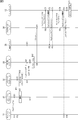
- FIG. 5 is a diagram for explaining an example of processing for providing thumbnail video by the content providing system of FIG.
- the channel server 11 delivers the thumbnail video to the stream aggregator 31 of the aggregation server 12 (FIG. 3) in step S11.
- step S12 the channel server 11 distributes the MPD of the thumbnail video to the metadata generator 32 of the aggregation server 12.
- step S13 when an HTTP request for requesting a thumbnail video is transmitted from the client 13, the channel server 11 receives the HTTP request.
- step S14 the channel server 11 unicasts (parts of) the thumbnail video requested by the HTTP request from the client 13 to the client 13.
- the stream aggregator 31 of the aggregation server 12 receives the thumbnail video distributed by the plurality of channel servers 11 in step S11 in step S21.
- step S22 the stream aggregator 31 selects two or more thumbnail videos for forming a mosaic channel from among the plurality of thumbnail videos received from the plurality of channel servers 11, and supplies them to the FLUTE streamer 33 in step S23. Do.
- step S31 the metadata generator 32 of the aggregation server 12 receives the MPD of the thumbnail video distributed by the plurality of channel servers 11 in step S12.
- step S32 the metadata generator 32 selects an MPD for each of two or more thumbnail videos selected by the stream aggregator 31 among the MPDs of the plurality of thumbnail videos received from the plurality of channel servers 11.
- the thumbnail metadata is generated using the MPD.
- the metadata generator 32 supplies thumbnail metadata to the FLUTE streamer 33 and the web server 35 in step S33.
- step S41 the FLUTE streamer 33 of the aggregation server 12 receives the thumbnail metadata supplied from the metadata generator 32 in step S33.
- step S42 the FLUTE streamer 33 receives (the segment of) the thumbnail video supplied from the stream aggregator 31 in step S23.
- step S43 the FLUTE streamer 33 packetizes the thumbnail metadata from the metadata generator 32 and the thumbnail video from the stream aggregator 31 into an LCT packet, and supplies the packet to the multicast server 34 in step S44.
- step S51 the web server 35 of the aggregation server 12 receives the thumbnail metadata supplied from the metadata generator 32 in step S33.
- step S52 when an HTTP request for requesting thumbnail metadata is sent from the client 13, the web server 35 receives the HTTP request.
- step S53 the web server 35 unicasts the thumbnail metadata requested by the HTTP request from the client 13 to the client 13.
- the multicast server 34 of the aggregation server 12 receives the LCT packet supplied from the FLUTE streamer 33 at step S44 at step S61.
- step S62 the multicast server 34 distributes by multicast the LCT packet in which the thumbnail metadata from the FLUTE streamer 33 is stored.
- step S63 the multicast server 34 distributes by multicast the LCT packet in which the thumbnail video from the FLUTE streamer 33 is arranged.
- step S71 the reception unit 40 receives (the LCT packet of) thumbnail metadata to which the multicast server 34 performs multicast distribution in step S62.
- the receiving unit 40 transmits an HTTP request for requesting thumbnail metadata in step S72.
- the web server 35 receives the HTTP request transmitted by the client 13 in step S72 in step S52 as described above, and in step S53 unicasts the thumbnail metadata requested by the HTTP request to the client 13. To deliver.
- step S73 the receiving unit 40 of the client 13 receives the thumbnail metadata that has been unicast-distributed as described above.
- step S74 the reception unit 40 of the client 13 receives (the LCT packet of) the thumbnail video that the multicast server 34 multicasts in step S63 based on the thumbnail metadata.
- step S75 the receiving unit 40 transmits an HTTP request for requesting a thumbnail video based on the thumbnail metadata.
- the channel server 11 receives the HTTP request transmitted by the client 13 in step S75 in step S13, and the thumbnail video requested by the HTTP request is unicasted to the client 13 in step S14. Do.
- step S76 the reception unit 40 of the client 13 receives the thumbnail video that is unicast-distributed as described above.
- step S77 the reproduction unit 43 of the client 13 reproduces the thumbnail video (s) received by the reception unit 40 in step S74 or S76, and displays a mosaic screen in which the thumbnail videos are arranged in a lattice.
- the user of the client 13 can easily view the mosaic screen and select a channel corresponding to the thumbnail video constituting the mosaic screen as a target for viewing.
- FIG. 6 is a diagram showing an example of data distributed via the network 10 in the content providing system of FIG.
- Metadata such as MPD, SDP, USD, OMA-ESG, and segments such as thumbnail video and main video are distributed to the client 13.
- Metadata and segments can be multicast or unicast distributed.
- thumbnail metadata a combination of MPD, SDP, and USD, or a combination of them with OMA-ESG is used.
- FIG. 7 is a diagram for explaining MPD, SDP, USD, and OMA-ESG.
- the OMA-ESG of the program of interest describes detailed information of the program of interest, a method of accessing the USD of the program of interest, and the like.
- the USD of the program of interest can be acquired by referring to the method for accessing the USD described in the OMA-ESG.
- the USD of the program of interest describes the URI (Uniform Resource Identifier) of the SDP of the program of interest, the URI of the MPD of the program of interest, and the like.
- URI Uniform Resource Identifier
- the SDP and MPD of the program of interest can be obtained by referring to the URI of the SDP and MPD described in the USD.
- IP address for multicast distribution of the segment of the program of interest and transport attributes such as port numbers are described.
- the segment of the program of interest can be received in unicast based on the URL described in the MPD.
- the segment of the program of interest can be reproduced based on the MPD of the program of interest.
- the MPD since the MPD contains information necessary for segment reproduction control, the MPD is necessary not only to receive the segment in unicast but also to reproduce the segment.
- the client 13 in order to receive thumbnail videos and configure a mosaic screen composed of a plurality of thumbnail videos, it is necessary to let the client 13 know (recognize) which video is a thumbnail video. is there.
- the aggregation server 12 announces the thumbnail video in order to let the client 13 know which video is the thumbnail video.
- the announcement of the thumbnail video is performed by delivering thumbnail metadata including thumbnail signaling information indicating that the video is a thumbnail video.
- thumbnail signaling information can be included in USD as thumbnail metadata, MPD, and OMA-ESG.
- thumbnail metadata including thumbnail signaling information is, for example, an MBMS interaction channel (unicast on a two-way (ptp: point to point) bearer) or a broadcast multicast channel (one-way (ptm: point to) It can be distributed via (multicast) (multi-point) bearer on broadcast.
- ptp point to point
- ptm point to
- the thumbnail metadata is, as described in FIG. 3, FLUTE multicast (on a broadcast network (including a multicast network on a bidirectional network)), (on a bidirectional network), ) It can be distributed by HTTP unicast.
- thumbnail metadata is distributed using MBMS, which is a mobile broadcast system on a mobile network.
- FIG. 8 is a diagram showing a protocol stack of MBMS.
- the MBMS has an interaction channel for two-way communication and a broadcast multicast channel for one-way communication.
- the interaction channel of MBMS is used for HTTP unicast delivery of metadata such as segments and MPD (including MPD as thumbnail metadata).
- the broadcast multicast channel of MBMS is used for FLUTE multicast distribution of metadata such as segments and MPD.
- All of MPD, USD, MPD, and OMA-ESG as thumbnail metadata can be distributed as Service Announcement & Metadata 51 of an interaction channel or Service Announcement & Metadata 52 of a broadcast multicast channel.
- FLUTE multicast distribution of segments is performed as Download 3GPP file format, Binary data, Still images, Text, etc. 53 of a broadcast multicast channel.
- FIG. 9 is a diagram illustrating an example of a data model of USD as thumbnail metadata.
- r12: appServiceDescription (element) 66 is newly introduced in the data model of the USD of the MBMS.
- User Service Bundle Description 61 is an element of the route, and User Service Description 62 is information on a service.
- Delivery Method 63 is information on the delivery method of the segment, and includes a URI of Session Description 64 representing SDP, and the like. Session Description 64 represents SDP, and media Presentation Description 65 represents MPD.
- appServiceDescription 66 is information for signaling to the client 13 whether (the segment of) the content provided by the service (the broadcasting station) (the channel) is multicast-distributed (or broadcast-distributed) or unicast-distributed It is.
- the description “1..N” on the User Service Description 62 side of the link (line) L connecting the User Service Bundle Description 61 and the User Service Description 62 is the description “1.
- User Service Bundle Description 61 on the opposite side to N represents including (or referring to) a number of User Service Descriptions 62 in the range of 1 to N.
- the description “1” on the User Service Bundle Description 61 side of the link L is that the User Service Description 62 on the opposite side of the description “1” of the link L is included in one User Service Bundle Description 61 (or Represents the reference).
- FIG. 10 is a diagram showing an example of XML elements and attributes constituting a USD as thumbnail metadata described in XML (Extensible Markup Language).
- the USD includes a bundleDescription (element), a bundleDescription / UserServiceDescription (element), a bundleDescription / userServiceDescription / @ serviceId (attribute), a bundleDescription / userServiceDescription / DeliveryMethod (element), and a bundleDescription / userServiceDescription / DeliveryMethod / @ sessionDescriptionURI (attribute).
- bundleDescription / UserServiceDescription indicates that the UserServiceDescription (element) is an element included in the bundleDescription (element), and is also described as UserServiceDescription or / UserServiceDescription below.
- bundleDescription / userServiceDescription / @ serviceId represents that the serviceId is an attribute belonging to / userServiceDescription, and is also described as serviceId or / @ serviceId below.
- the bundleDescription element is information of a set of one or more services
- the UserServiceDescription element is information of an individual service.
- the serviceId attribute is a service identifier that identifies a service
- the DeliveryMethod element is information of a delivery method of content provided by the service.
- the sessionDescriptionURI attribute represents information for referring to a file including information for receiving content provided by a service.
- SDP file
- information for receiving content provided by a service includes, for example, multicast of the content when the content is delivered by multicast.
- Information including IP address and port number is adopted.
- an SDP URI or the like is set as an attribute value.
- USD as thumbnail metadata includes thumbnail signaling information in addition to the above-described bundleDescription element, UserServiceDescription element, serviceId attribute, DeliveryMethod element, and sessionDescriptionURI attribute.
- thumbnail metadata instead of the bundleDescription element, the UserServiceDescription element, the serviceId attribute, the DeliveryMethod element, the sessionDescriptionURI attribute, and the USD including the thumbnail signaling information as described above, the bundleDescription element, the UserServiceDescription element, the serviceId attribute, the DeliveryMethod element And, any metadata including information equivalent to one or more of the sessionDescriptionURI attribute and thumbnail signaling information can be adopted.
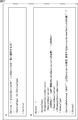
- FIG. 11 is a diagram illustrating an example of a USD as thumbnail metadata described in XML.
- the bundleDescription element 71 corresponds to the User Service Bundle Description 61 of FIG. 9 and is an element of the route of the USD.
- the UserServiceDescription element 72 corresponds to the UserServiceDescription 62 of FIG.
- the UserServiceDescription element 72 is included in the bundleDescription element 71 and corresponds to an individual service.
- the / @ r7: serviceClass attribute 73 belongs to the UserServiceDescription element 72.
- "r7" of / @ r7: serviceClass attribute 73 indicates that / @ r7: serviceClass attribute 73 is introduced in Release 7 of the 3GPP specification.
- the new attribute value "urn: MosaicableComponents” has the attribute value "urn: MosaicableComponents" set / @ r7:
- the video corresponding to the USD in which the serviceClass attribute 73 is described (the video in which the information is described in the USD Represents that the service (channel) for delivering) is a service for delivering (including video) thumbnail videos suitable for constructing a mosaic screen.
- the attribute value "urn: MosaicableComponents" is set.
- serviceClass attribute 73 functions as thumbnail signaling information indicating that the video is a thumbnail video (it serves as thumbnail signaling information).
- / @ r7 serviceClass attribute 73 in the USD of FIG. 11, / @ thumbnailVideo attribute described later also functions as thumbnail signaling information. Therefore, / @ r7: serviceClass attribute 73 as thumbnail signaling information can be omitted.
- the / DeliveryMethod element 74 corresponds to the Delivery Method 63 of FIG. 9 and includes the / @ sessionDescriptionURI attribute 75.
- / @ sessionDescriptionURI attribute 75 is the URI of SDP 121 in which the IP address and port number of the multicast are described for receiving the content provided by the service whose information is described in USD including / @ sessionDescriptionURI attribute 75 Information for referring to the SDP 121 is set.
- Descriptions 80, 90, and 100 are descriptions in which the / r12: appServiceDescription element is the top (hierarchical) element, respectively, and a plurality of different services (channels) that can constitute one mosaic screen MZ (broadcast (broadcast) Station) Information on content provided by each.
- appServiceDescription element is the top (hierarchical) element, respectively, and a plurality of different services (channels) that can constitute one mosaic screen MZ (broadcast (broadcast) Station) Information on content provided by each.
- the USD includes an / r12: appServiceDescription element for each of a plurality of contents that can constitute one mosaic screen.
- descriptions 80, 90 and 100 are assumed to be information of contents provided by the services ch # 1, ch # 2 and ch # 3, respectively.
- the description 80 includes the / r12: appServiceDescription element 81 included in the / UserServiceDescription element 72.
- / r12: appServiceDescription element 81 is information for signaling to the client 13 whether (the segment of) the content provided by the service ch # 1 is multicast-distributed (or broadcast-distributed) or unicast-distributed. is there.
- the / r12: appServiceDescription element 81 includes the / @ mpdURI attribute, and further includes (includes) one or more / broadcast elements and / or one or more / unicast elements.
- the URI of the MPD for performing playback control of the content in which the / @ 12: appServiceDescription element including the / @ mpdURI attribute represents the delivery method is set.
- the / broadcast element includes a / b12 that includes the / broadcast element / r12:
- the appServiceDescription element includes a baseURL attribute that represents the URL of the content that represents the delivery method, and the content whose URL is represented by the baseURL attribute is distributed by multicast. Represent.
- / unicast element includes / unis element / r12: appServiceDescription element includes a baseURL attribute that represents the URL of the content that represents the delivery method, and the content whose URL is represented by the baseURL attribute is delivered in unicast Represents
- the / r12: appServiceDescription element 81 in the description 80 includes the / @ mpdURI attribute 82, and further includes one / broadcast element 83 and two / unicast elements 86 and 87.
- the / r12: appServiceDescription element 81 includes one / broadcast element 83 and two / unicast elements 86 and 87, the / r12: appServiceDescription element 81 indicates the content of the service ch # 1 representing the delivery method. As the stream), it can be recognized that there is one stream to be multicast-distributed and two streams to be unicasted.
- the URI of the MPD 111 of the content provided by the service ch # 1 is set.
- / broadcast element 83 indicates that the stream 131 1 with service ch # contents 1 provides may multicast distribution includes 11, / @ and baseURL attributes, / @ and thumbnailVideo attributes.
- the baseURL attribute, / broadcast stream 131 first URL of the content elements 83 represents be multicast distribution, i.e., / broadcast service element 83 indicates that the multicast distribution ch # 1 of AdaptasionSet / baseURL111A streams 131 1 described in the MPD111 content is set.
- / broadcast is included is / @ thumbnailVideo attribute element 83, is an attribute of the boolean type, / broadcast element 83 is stream 131 first content indicating that the multicast distribution, whether the thumbnail video (stream) It functions as a thumbnail signaling information to represent.
- stream 131 1 has a stream of the thumbnail video TS # 1.
- the / broadcast element 83 further includes the / association element 84, and the / association element 84 includes the / sessionDescription element 85.
- / SessionDescription elements 85, / broadcast element 83 represents a URI of SDP121 the IP address and port number of streams 131 1 is multicast distribution of content is described which indicates that the multicast distribution. That is, the / sessionDescription element 85 represents the SDP 121 identical to (the URI of) the SDP 121 represented by the / @ sessionDescriptionURI attribute 75.
- the / unicast element 86 represents that another stream of content provided by the service ch # 1 (for example, the stream of the main video MS # 1) is unicast-distributed, and includes an / @ baseURL attribute.
- the / @ baseURL attribute included in the / unicast element 86 indicates that the URL of another stream of content indicating that the / unicast element 86 is to be unicasted, that is, the / unicast element 86 is to be unicasted.
- AdaptationSet / baseURL 111 B of another stream described in the content MPD 111 is set.
- the / unicast element 87 represents that another stream (for example, an audio stream) of the content provided by the service ch # 1 is to be unicasted, and includes the / @ baseURL attribute.
- the / @ baseURL attribute included in the / unicast element 87 indicates that the URL of still another stream of content representing that the / unicast element 87 is to be unicasted, ie, the / unicast element 87 is to be unicasted.
- AdaptationSet / baseURL 111 C of still another stream described in the MPD 111 of the content to be represented is set.
- the descriptions 90 and 100 also include the same information as the description 80 for the services ch # 1 and ch # 2, respectively.
- the / r12: appServiceDescription element 91 to the / unicast element 97 is the same information as the / r12: appServiceDescription element 81 to the / unicast element 87, respectively.
- the MPDs 112 and 113 are MPDs of contents provided by the services ch # 2 and ch # 3, respectively.
- (stream of) thumbnail video TS # 2 is multicast-distributed, and main video MS # 2 and audio (stream) are unicast-distributed In the MPD 112, their AdaptationSet / baseURL (and segmentURL), that is, AdaptationSet / baseURL112A of the thumbnail video TS # 2, AdaptationSet / baseURL112B of the main video MS # 2, and AdaptasionSet / baseURL112C of the audio. Is described.
- the thumbnail video TS # 1 provided by the service ch # 1, the thumbnail video TS # 2 provided by the service ch # 2, and the thumbnail video provided by the service ch # 3 have image sizes, for example, The same display of 480 ⁇ 270 (horizontal ⁇ vertical) pixels, for example, a video arranged in 4 rows and 4 columns on a display screen of 1920 ⁇ 1080 pixels, for example.
- the stream 131 1 of the thumbnail video TS # 1 provided by the service ch # 1 , the stream 131 2 of the thumbnail video TS # 2 provided by the service ch # 2 , and the stream 131 of the thumbnail video provided by the service ch # 3 3 are, for example, collectively distributed by multicast on one FLUTE session on an MBMS bearer.
- the stream 131 1 of the thumbnail video TS # 1 provided by the service ch # 1 , the stream 131 2 of the thumbnail video TS # 2 provided by the service ch # 2 , and the service ch # 3 are provided in the SDP 121.
- the stream 131 3 thumbnail video of providing, IP address, for multicast distribution in a single FLUTE session, and the port number is described.
- the thumbnail video is distributed by / @ r7: serviceClass attribute 73 or / @ thumbnailVideo attribute in which the attribute value "urn: MosaicableComponents" as thumbnail signaling information is set. Can be recognized.
- the client 13 recognizes that there is a stream to be multicast-distributed by the / broadcast element 83 or the like including the / @ thumbnailVideo attribute, and that the stream to be multicast-distributed is (stream of) thumbnail video. it can.
- the client 13 receives the IP address to which the thumbnail video is multicast-distributed and the SDP 121 in which the port number is described by the URI of the SDP 121 represented by the / broadcast element 83 / association element 84 / sessionDescription element 85 etc.
- stream 131 1 of thumbnail video TS # 1 provided by service ch # 1 distributed by multicast in one FLUTE session thumbnail video provided by service ch # 2 TS # 2 streams 131 2
- the service ch # 3 can receive the stream 131 3 thumbnail video to be provided.
- the thumbnail video TS # 1 of the service ch # 1 as the content provided by each of the plurality of services, the thumbnail video TS # 2 of the service ch # 2, and the service which constitute one mosaic screen MZ, and the service The thumbnail video of ch # 3 can be received, and the mosaic screen MZ can be easily generated using those thumbnail videos.
- the USD in FIG. 11 has three / r12: appServiceDescription elements (/ r12: appServiceDescription elements 81 and 91) indicating whether the content is to be multicast-distributed (or broadcast-distributed) or unicast-distributed. Although it is described, the number of / r12: appServiceDescription elements described in one USD is not limited to three.
- one USD can describe, for example, as many / r12: appServiceDescription elements as the number of services providing thumbnail video that can constitute one mosaic screen MZ.
- thumbnail videos which can constitute one mosaic screen MZ for example, thumbnail videos of the same genre such as baseball relay can be adopted.
- thumbnail videos that can constitute one mosaic screen MZ are not limited to thumbnail videos of the same genre.
- a user who has viewed the mosaic screen MZ in which the thumbnail video TS # 1 of the service ch # 1, the thumbnail video TS # 2 of the service ch # 2, and the thumbnail video of the service ch # 3 are arranged When a certain thumbnail video in the mosaic screen MZ is selected, a channel selection is performed to switch the display screen from the mosaic screen MZ to the main video (and audio) provided by the service providing the thumbnail video selected by the user be able to.
- the thumbnail video TS # 1 of the service ch # 1 when the user selects the thumbnail video TS # 1 of the service ch # 1, at the client 13, / r12 for the service ch # 1: appServiceDescription element 81 (the thumbnail video TS # 1 of the service ch # 1 is multicast-distributed It is possible to obtain (receive, recognize) the MPD 111 of the content of the service ch # 1 based on the / @ mpdURI attribute 82 included in / r12: appServiceDescription element 81) including / broadcast element 83 indicating that it is to be performed.
- the client 13 unicasts the main video MS # 1 and audio of the service ch # 1 based on the / unis elements 86 and 87 included in the / r12: appServiceDescription element 81 for the service ch # 1. It can be recognized.
- the client 13 transmits the main video MS # 1 of the service ch # 1 and the HTTP request for requesting the audio based on the MPD 111, and the main video MS of the service ch # 1 to be unicast distributed according to the HTTP request. It can receive and play # 1 and audio.
- the main video MS # 1 and the audio of the service ch # 1 can be multicast-distributed in the same manner as the thumbnail video TS # 1 of the service ch # 1, in addition to unicast distribution.
- the main video MS # 1 of the service ch # 1 and the audio are the thumbnail video TS # 1 of the service ch # 1 ( Furthermore, it is possible to perform multicast distribution in the same FLUTE session together with thumbnail videos of other channels that may constitute one mosaic screen MZ.
- FIG. 12 is a diagram showing an outline of the MPD as thumbnail metadata.
- the MPD as thumbnail metadata is configured similarly to the MPD of DASH.
- the MPD of a certain content C has one or more Periods.
- Period represents a section in which the content C is divided in the time direction, and the period describes the start time and the like of the section represented by the Period.
- the Period has the required number of AdaptationSets.
- the AdaptationSet is prepared, for example, for each medium such as video, audio, and subtitles, and the AdaptationSet describes information such as language and codec.
- the AdaptationSet has the necessary number of Representations.
- Representation for example, is prepared for each bit rate and the like, and in the Representation, a bit rate, an image size, and the like are described.
- SegmentInfo describes segment information.
- FIG. 13 is a diagram showing an example of XML elements and attributes constituting an MPD as thumbnail metadata described in XML.
- the MPD includes an MPD (element), an MPD / @ profile (attribute), an MPD / Period (element), and an MPD / @ minBufferTime (attribute).
- the MPD element is an element of the root and includes / @ profile attribute and / @ minBufferTime attribute.
- the / Period element is information of a section in which content corresponding to the MPD in which the / Period element is described (content for which playback control is performed by the MPD) is divided in the time direction, and is used to organize segments in the section Be
- the / @ profile attribute represents the operation profile followed by the MPD in which the / @ profile attribute is described, and the / @ minBufferTime attribute is before the playback of the content corresponding to the MPD in which the / @ minBufferTime attribute is described.
- the MPD as thumbnail metadata includes thumbnail signaling information in addition to the above-described MPD element, / @ profile attribute, / Period element, and / @ minBufferTime attribute.
- the thumbnail signaling information included in the MPD for example, the MPD / Period / AdaptationSet / ViewPoint / @ schemeIdURI attribute is adopted in which information indicating that the content for which playback control is performed by the MPD is a thumbnail video is described as an attribute value. can do.
- thumbnail metadata instead of the MPD element as described above, / @ profile attribute, / Period element, / @ minBufferTime attribute, and MPD including thumbnail signaling information, MPD element, / @ profile attribute, / Arbitrary metadata including information equivalent to one or more of the Period element and / @ minBufferTime attribute and thumbnail signaling information can be adopted.
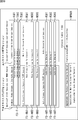
- FIG. 14 is a diagram illustrating an example of MPD as thumbnail metadata described in XML.
- FIG. 14 shows an example of the MPD of content including video thumbnails (for example, thumbnail video TS # 1, main video MS # 1, and audio as content provided by service ch # 1).
- video thumbnails for example, thumbnail video TS # 1, main video MS # 1, and audio as content provided by service ch # 1).
- a MPD element is described as a root element, a Period element belonging to the MPD element, an AdaptationSet element belonging to the Period element, and a ViewPoint element belonging to the AdaptationSet element are described.
- the AdaptationSet element in the description 141 is an AdaptationSet (element) of a thumbnail video, and includes a width attribute and a height attribute.
- Information related to display of thumbnail video is described as an attribute belonging to the AdaptationSet element in the description 141 or an element included in the AdaptationSet element.
- the ViewPoint element in the description 142 includes a schemeIdURI attribute, and in FIG. 14, the attribute value “urn: thumbnailVideo” is set in the schemeIdURI attribute.
- An attribute value "urn: thumbnailVideo” is a new scheme indicating that the content to be subjected to playback control by an MPD (MPD / Period / AdaptationSet / ViewPoint / @ schemeIdURI) including the attribute value "urn: thumbnailVideo” is a thumbnail video It is an identifier.
- the schemeIdURI attribute belonging to the ViewPoint element, in which the attribute value “urn: thumbnailVideo” is set, functions as thumbnail signaling information.
- AdaptationSet elements in the description 141 should include Representation elements for each of multiple bit rates of thumbnail video. it can.
- the client 13 can identify (segments of) the thumbnail video, acquire the thumbnail video, and easily generate a mosaic screen composed of the thumbnail video.
- FIG. 15 is a diagram showing an example of a data model of OMA-ESG as thumbnail metadata.
- the data model of thumbnail metadata in FIG. 15 is configured similarly to the data model of OMA-ESG.
- the service 151 includes thumbnail signaling information indicating that the video of the content provided by the service in which the information is described in the OMA-ESG is a thumbnail video.
- the Access 152 includes, for example, the URI of the USD as a reference to the USD (FIG. 11) in which the information of the thumbnail video is described.
- FIG. 16 is a diagram showing an example of XML elements and attributes that constitute OMA-ESG as thumbnail metadata described in XML.
- OMA-ESG includes Access (element), Access / @ id (attribute), Access / @ version (attribute), Access / AccessType (element), Access / AccessType / BroadcastServiceDelivery (element), Access / AccessType / BroadcastServiceDelivery / SessionDescription ( Element), Access / AccessType / UnicastServiceDelivery (element), Access / ServiceClass (element), and Access / AccessType / BroadcastServiceDelivery / SessionDescription / USBDRef (element).
- the Access element corresponds to the Access 152 of FIG. 15, and is access information for accessing a service that refers to service information on the service.
- the / @ id attribute is an access information identifier for identifying access information (Access element), and the / @ version attribute is version information indicating a version of the description content of the access information.
- the / AccessType element is information indicating whether the service is a broadcast service or an interactive service
- the / BroadcastServiceDelivery element is information indicating that the service is a broadcast service .
- the / SessionDescription element is information representing a session description
- the UnicastServiceDelivery element is information representing that the service is an interactive service.
- the / ServiceClass element is information representing the class of service
- the / USBDRef element is information including, for example, the URI of the USD for referring to the USD (FIG. 11) in which the information of the thumbnail video is described.
- the OMA-ESG as thumbnail metadata includes the above Access element, Access / @ id attribute, Access / @ version attribute, Access / AccessType element, Access / AccessType / BroadcastServiceDelivery element, Access / AccessType / BroadcastServiceDelivery / SessionDescription element, Access / In addition to the AccessType / UnicastServiceDelivery element, the Access / ServiceClass element, and the / USBDRef element, thumbnail signaling information is included.
- thumbnail signaling information included in OMA-ESG for example, information indicating that the content provided by a service corresponding to the OMA-ESG (a service whose information is described in the OMA-ESG) is described
- the / ServiceType element can be adopted.
- the / ServiceType element is information included in the Service element.
- the Service element corresponds to the Service 151 of FIG. 15, and is service information on a service.
- the Service element belongs to (includes) the globalServiceID attribute as a service identifier that identifies the Service element (service information).
- thumbnail metadata the above Access elements, Access / @ id attributes, Access / @ version attributes, Access / AccessType elements, Access / AccessType / BroadcastServiceDelivery elements, Access / AccessType / BroadcastServiceDelivery / SessionDescription elements, Access / Access element, Access / @ id attribute, Access / @ version attribute, Access / AccessType element, Access / Access type element instead of OMA-ESG including AccessType / UnicastServiceDelivery element, Access / ServiceClass element, / USBDRef element, and thumbnail signaling information Arbitrary information including information equivalent to one or more of an AccessType / BroadcastServiceDelivery element, an Access / AccessType / BroadcastServiceDelivery / SessionDescription element, an Access / AccessType / UnicastServiceDelivery element, an Access / ServiceClass element, and a / USBDRef element, and thumbnail signaling information Metadata can be adopted.
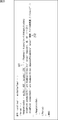
- FIG. 17 is a diagram showing an example of OMA-ESG as thumbnail metadata described in XML.
- a of FIG. 17 shows an example of a Service element of OMA-ESG as thumbnail metadata
- B of FIG. 17 shows an example of an Access element of OMA-ESG as thumbnail metadata.
- Service element of FIG. 17A for example, 12 as a value indicating that the video provided by the service corresponding to the OMA-ESG in which the Service element is described is a thumbnail video, for example, a new / ServiceType element It has been introduced as a value.
- the Service element of A of FIG. 17 includes a Service / globalServiceID attribute as a service identifier, and in the globalServiceID attribute, an ID (Identification) as a service identifier of the Service element of A of FIG. 17 is set.
- the new value 12 is set in the / ServiceType element
- at least the thumbnail video suitable for constructing the mosaic screen is included in the content whose information is described in the Service element including the / ServiceType element. included.
- the / USBDRef element is the bundleDescription element which is the element of the USD (the element of the root of the USD (the element of which is the element of the USD video provided by the service corresponding to the OMA-ESG in which the / USBDRef element is described).
- the bundleDescription element which is the element of the USD (the element of the root of the USD (the element of which is the element of the USD video provided by the service corresponding to the OMA-ESG in which the / USBDRef element is described).
- FIG. 11 for example, information including the URI of the USD is described.
- the Access element in B of FIG. 17 includes an Access / ServiceReference element, and the / ServiceReference element includes an Access / ServiceReference / @ idRef attribute.
- the value set in the globalServiceID attribute of the Service element of A in FIG. 17 is set in the / @ idRef attribute as the ID of the Service element to which the Access element in which the / @ idRef attribute is described should refer. There is.
- FIG. 18 is a diagram for explaining the OMA-ESG as thumbnail metadata of FIG.
- the client 13 When the client 13 receives the OMA-ESG as the thumbnail metadata of FIG. 17, it can refer to the Service element of A of FIG. 17 based on the / @ idRef attribute of the Access element of B of FIG.
- the client 13 refers to the / ServiceType element in which the new value 12 is described in the Service element of FIG. 17A, and the video provided by the service corresponding to the OMA-ESG in which the Service element is described is It can recognize that it is a thumbnail video.
- the client 13 can receive a thumbnail video as in the case of receiving the USD shown in FIG. 11 and can easily generate a mosaic screen using the thumbnail video.
- FIG. 19 is a diagram illustrating a first example of a delivery method of content including thumbnail video.
- main videos MS # 1 to MS # 3, audio ASs # 1 to AS # 3, and thumbnail videos TM # 1 to TM # 3 are distributed by multicast (for example, multicast distribution by a multicast FLUTE session), and And unicast delivery (eg, unicast delivery via a unicast HTTP session).
- multicast for example, multicast distribution by a multicast FLUTE session
- unicast delivery eg, unicast delivery via a unicast HTTP session
- the thumbnail videos TM # 1 to TM # 3 are distributed. 3 is distributed by multicast in one FLUTE session FS-T.
- main video MS # 1 is one FLUTE session FS-M # 1
- main video MS # 2 is one FLUTE session FS-M # 2
- main video MS # 3 is one FLUTE session FS -Multicast is distributed by M # 3.
- audio AS # 1 is one FLUTE session FS-A # 1
- audio AS # 2 is one FLUTE session FS-A # 2
- audio AS # 3 is one FLUTE session FS-A #. At 3, each is multicast distributed.
- the MPD # 1 of the content of the channel ch # 1 includes the AdaptationSet (element) of each of the main video MS # 1, the audio AS # 1, and the thumbnail video TM # 1. Furthermore, the AdaptationSet of the thumbnail video TM # 1 of MPD # 1 is set to have the attribute value "urn: thumbnailVideo" as thumbnail signaling information that signals that the AdaptationSet (video of that) is a thumbnail video.
- ViewPoint Contains the / @ schemeIdURI attribute.
- As elements to which attribute value "urn: thumbnailVideo” etc. are set / @ schemeIdURI attribute belongs elements having the same structure as ViewPoint elements such as Role element, EssentialProperty element, SupplementalProperty element, etc. other than ViewPoint element It can be adopted.
- the MPDs of the contents of the channels ch # 2 and ch # 3 are the same.
- FIG. 20 is a diagram illustrating a second example of a delivery method of content including thumbnail video.
- the main video MS # 1 to MS # 3, the audio AS # 1 to AS # 3, and the thumbnail video TM # 1 to TM # 3 are multicast and unicast distributed. It can also be delivered by
- the thumbnail videos TM # 1 to TM # are distributed.
- 3 is distributed by multicast in one FLUTE session FS-T, as in FIG.
- main video MS # 1 and audio AS # 1 are one FLUTE session FS # 1
- main video MS # 2 and audio AS # 2 are one FLUTE session FS # 2
- main video The MS # 3 and the audio AS # 3 are respectively multicast-distributed in one FLUTE session FS # 3.
- the MPD # 1 of the content of channel ch # 1 and the MPD of the content of channel ch # 2 and the MPD of the content of channel ch # 3 are configured as in the case of FIG.
- FIG. 21 is a diagram illustrating a third example of a delivery method of content including thumbnail video.
- the main videos MS # 1 to MS # 3, the audio ASs # 1 to AS # 3, and the thumbnail videos TM # 1 to TM # 3 are multicast and unicast distributed. It can also be delivered by
- the main videos MS # 1 to MS # 3 when the main videos MS # 1 to MS # 3, the audio ASs # 1 to AS # 3 and the thumbnail videos TM # 1 to TM # 3 are multicast-distributed, the main videos MS # 1 to MS # 1 to MS # 3 are distributed. All of MS # 3, audio AS # 1 to AS # 3, and thumbnail videos TM # 1 to TM # 3 are multicast-delivered in one FLUTE session FS.
- the MPD # 1 of the content of channel ch # 1 and the MPD of the content of channel ch # 2 and the MPD of the content of channel ch # 3 are configured as in the case of FIG.
- FIG. 22 is a view showing a display example of the mosaic screen on the client 13.
- the client 13 receives the thumbnail video based on the combination of MPD, SDP and USD as thumbnail metadata or a combination of them with OMA-ESG, and grids the thumbnail video. It is possible to display the mosaic screen arranged in the etc.
- FIG. 22A shows an example of a mosaic screen in which 16 thumbnail videos are arranged in 4 rows and 4 columns
- FIG. 22B shows a mosaic in which 4 thumbnail videos are arranged in 2 rows and 2 columns An example of the screen is shown.
- each thumbnail video is, for example, 480 ⁇ 270 pixels
- the size of the display screen of the client 13 is, for example, 1920 ⁇ 1080 pixels (or more)
- the client 13 displays it as a mosaic screen even if 16 thumbnail videos are received.
- the number of thumbnail videos is limited to four as shown in B of FIG.
- the size of the display screen of the client 13 is small and the number of thumbnail videos displayed as a mosaic screen is limited to a number smaller than the number of thumbnail videos received by the client 13, for example
- the thumbnail video size is processed into a small size in accordance with the size of the display screen 13
- all of the thumbnail videos received by the client 13 can be displayed on the mosaic screen.
- the client 13 needs to process the image size of the thumbnail video, and the processing load on the client 13 becomes large. Furthermore, when the image size of the thumbnail video is processed into a small image size to configure (generate) a mosaic screen, it may be difficult to view each thumbnail video.
- thumbnail videos thumbnail videos displayed as a mosaic screen constituting the mosaic screen are If it is possible to select (filter) the thumbnail video constituting the mosaic screen based on the user's preference, some priority, or the like, it is possible to provide a mosaic screen appropriate (optimal) for the user.
- content description metadata that is an attribute that describes the content of content (thumbnail video) is introduced, and the client 13 selects the thumbnail video that configures the mosaic screen using the content description metadata. To provide a mosaic screen appropriate for the user.
- FIG. 23 is a diagram showing a first example of an MPD as thumbnail metadata into which content description metadata has been introduced.
- the MPD of FIG. 23 is configured the same as the MPD of FIG. 14 except that the description 201 is provided instead of the description 142 of FIG.
- the ViewPoint element in the description 201 includes a schemeIdURI attribute as in the description 142 in FIG. 14.
- the attribute value "urn: thumbnailVideo: dic" is set in the schemeIdURI attribute.
- thumbnailVideo on the front side of the colon (:) among the attribute values "urn: thumbnailVideo: dic” is a new scheme identifier indicating that the content is a thumbnail video as described in FIG. According to this scheme identifier "urn: thumbnailVideo", the client 13 can recognize that (the video of) the content is a thumbnail video.
- the ViewPoint element in the description 201 includes a value attribute which is a new attribute in addition to the schemeIdURI attribute as described above.
- the value attribute is content description metadata that describes the content of the content for which playback control is performed by the MPD (MPD / Period / AdaptationSet / ViewPoint) including the value attribute, and the value attribute is an item that represents the content of the content. Is set as an attribute value.
- attribute values "X, Y, Z, " are described in the value attribute.
- one or more items can be described as attribute values, and in the case where multiple items are set as attribute values in the value attribute, a plurality of items X, Y, Z, ... are For example, as shown in FIG. 23, they are described separated by commas (,).
- the item which is a component configuring the attribute value set in the value attribute is defined by the dictionary specified by the description "dic" following the colon of the attribute value "urn: thumbnailVideo: dic”.
- the client 13 recognizes the definition (meaning content) of each item of the attribute value set in the value attribute based on the dictionary specified by the description "dic" following the colon of the attribute value "urn: thumbnailVideo: dic" can do.
- the first, second and third of the attribute values set in the value attribute Items are defined as genre identification information indicating a genre, country identification information indicating a country, and area identification information indicating an area, respectively.
- the genre of (content thumbnail video) is “baseball (baseball relay)” which relays a baseball game
- the host country where the baseball game is held is "US (US)”
- CA California
- the aggregation server 12 sets the attribute value "baseball, US, CA” in the value attribute. "Is set (encoded).
- the client 13 uses the attribute value "baseball, US, CA” set in the value attribute based on the dictionary specified by the description "dic” following the colon of the attribute value "urn: thumbnailVideo: dic”, and the content genre However, it can be recognized that it is a baseball broadcast and that a baseball game is being held in California in the United States.
- FIG. 24 is a view schematically showing an example of (a stream of) a plurality of thumbnail videos distributed by multicast in one FLUTE session.
- the same 16 thumbnail videos are distributed by multicast with an image size of 480 ⁇ 270 pixels, and in the 16 thumbnail video MPDs (in which the AdaptationSet is described), the thumbnail videos It is assumed that the attribute value "urn: thumbnailVideo: dic" similar to that in FIG. 23 is set in the attribute schemeIdURI attribute belonging to the ViewPoint element included in the AdaptationSet element.
- the client 13 when the size of the display screen of the client 13 is, for example, 1920 ⁇ 1080 pixels (or more), the client 13 can be delivered in one FLUTE session as shown in A of FIG. A mosaic screen is displayed in which all 16 thumbnail videos of 480 ⁇ 270 pixels in size are arranged in 4 rows and 4 columns.
- the size of the display screen of the client 13 is smaller than 1920 ⁇ 1080 pixels, for example, 960 ⁇ 540 pixels
- the number of thumbnail videos displayed as a mosaic screen in the client 13 is shown in B of FIG.
- the 16 thumbnail videos it is limited to 4 in 2 rows and 2 columns.
- the client 13 performs filtering to select four thumbnail videos to be displayed on the mosaic screen (constituting a mosaic screen) using the value attribute (attribute value set to the value attribute of the thumbnail video (hereinafter, thumbnail filtering) Also known as
- the thumbnail filtering can be performed, for example, based on preference information or the like representing the preference of the user of the client 13.
- thumbnail filtering the country identification information of the attribute values set in the value attribute out of 16 thumbnail videos is "US" representing America and the region identification information is "CA” representing California.
- the thumbnail video being selected is selected as the thumbnail video to be displayed on the mosaic screen.
- the client 13 selects, for example, from among the thumbnail videos selected by the thumbnail filtering.
- a number of thumbnail videos that can be displayed on the mosaic screen can be selected randomly, for example.
- a mosaic screen larger in size than the display screen of the client 13 can be generated, and the mosaic screen can be scrolled in accordance with the user's operation or the like.
- the size of the display screen as a constraint of the device rendering environment of the client 13 It is possible to realize a service selection process (channel selection) with a combined and efficient mosaic screen.
- FIG. 25 is a diagram illustrating a second example of the MPD as thumbnail metadata into which content description metadata is introduced.
- the MPD of FIG. 25 is configured in the same manner as the MPD of FIG. 23 except that descriptions 211 and 212 are provided instead of the description 201 of FIG.
- the ViewPoint element in the descriptions 211 and 212 includes a schemeIdURI attribute and a value attribute as content description metadata, similarly to the ViewPoint element in the description 201 of FIG.
- the attribute value "urn: thumbnailVideo: dic” is set in the schemeIdURI attribute.
- the attribute value "urn: thumbnailVideo: JapaneseParameters” is set in the schemeIdURI attribute.
- the first, second and third items of the attribute value set in the value attribute are respectively genres It is defined that it is genre identification information representing, country identification information representing a country, and area identification information representing an area.
- the language of genre identification information, country identification information, and area identification information is, for example, English (definition
- JapaneseParameters” Japanese (JapaneseParameters” dictionary
- the language of genre identification information, country identification information, and region identification information is a language different from English, for example, It is defined to be Japanese.
- the attribute value as genre identification information, country identification information, and area identification information in the value attribute is "baseball, US, CA", etc. It is written in English.
- the attribute value as genre identification information, country identification information, and area identification information in the value attribute is "Japan like baseball, USA, California", Japan. It is described in words.
- a plurality of ViewPoint elements can be arranged, and the value attribute (attribute value to be set) can be described in different languages.
- FIG. 26 is a diagram illustrating a third example of the MPD as thumbnail metadata into which content description metadata is introduced.
- the MPD of FIG. 26 is configured the same as the MPD of FIG. 23 except that the description 221 is provided instead of the description 201 of FIG.
- the ViewPoint element in the description 221 includes a schemeIdURI attribute and a value attribute as content description metadata, similarly to the ViewPoint element in the description 201 of FIG.
- the attribute value “http://baseballAuthority.com/thumbnailVideoGenre” is set in the schemeIdURI attribute.
- the attribute value "http://baseballAuthority.com/thumbnailVideoGenre” plays both roles of a scheme identifier indicating that the content is a thumbnail video and information (dictionary definition) specifying a dictionary defining the component of the value attribute. Play.
- the client 13 can recognize that (the video of) the content is a thumbnail video by the attribute value "http://baseballAuthority.com/thumbnailVideoGenre".
- the attribute value "http://baseballAuthority.com/thumbnailVideoGenre” is a URL of http
- the URL of http represents the address of a dictionary that defines the component (item) of the value attribute.
- the dictionary that defines the component of the value attribute when specifying the dictionary that defines the component of the value attribute by the URL of http, place the dictionary that defines the component of the value attribute on a (web) server on a network such as the Internet Also, it can be delivered in the same FLUTE session as delivering the thumbnail video (in case the client 13 can not use the interactive bearer).
- FIG. 27, FIG. 28, and FIG. 29 are diagrams showing an example of a delivery method of content including thumbnail video when the value attribute as content description metadata is introduced to the MPD.
- FIG. 27 shows a fourth example of a delivery method of content including thumbnail video
- FIG. 28 shows a fifth example of delivery method of content including thumbnail video
- FIG. 29 shows content of content including thumbnail video. It is a figure which shows the 6th example of a delivery method, respectively.
- main videos MS # 1 to MS # 3 of channels ch # 1 to ch # 3 of three broadcasting stations (services) and audio AS # 1 are the same as in FIGS. 19 to 21, respectively.
- an attribute as thumbnail signaling information that includes each AdaptationSet (element) of 1 and the AdaptationSet of the thumbnail video TM # 1 of MPD # 1 signals that the AdaptationSet (video) is a thumbnail video.
- FIGS. 27 to 29 show values as content description metadata in the AdaptationSet of the thumbnail video TM # 1 of the MPD # 1 (the MPD of each content of the channels ch # 2 and ch # 3 are the same). The description is omitted because it is the same as each of FIGS. 19 to 21 except that the attribute is included.
- FIG. 30 is a flowchart for explaining an example of processing of displaying a mosaic screen on the client 13.
- step S101 the middleware 41 (FIG. 4) collects the USD of the thumbnail video by receiving the USD, or receiving the OMA-ESG and receiving the USD based on the OMA-ESG. Then, the process proceeds to step S102.
- step S102 the middleware 41 receives the MPD of the thumbnail video based on the USD of the thumbnail video, supplies (passes) to the DASH client 42 (FIG. 4), and the process proceeds to step S103.
- step S103 the DASH client 42 issues an HTTP request for requesting (the segment of) the thumbnail video to the middleware 41 based on the MPD of the thumbnail video from the middleware 41, and the process proceeds to step S104.
- step S104 the middleware 41 determines whether the thumbnail video requested by the HTTP request from the DASH client 42 is distributed by multicast, based on the USD or OMA-ESG.
- step S104 If it is determined in step S104 that the thumbnail video is being multicast-distributed, the process proceeds to step S105, and the middleware 41 receives the thumbnail video that is multicast-distributed and supplies it to the DASH client 42 for processing. The process proceeds to step S107.
- step S104 when it is determined in step S104 that the thumbnail video is not multicast-distributed, the process proceeds to step S106, and the middleware 41 issues an HTTP request from the DASH client 42 on the network 10. Further, in response to the HTTP request, the middleware 41 receives the thumbnail video unicast-distributed from the channel server 11 (or the aggregation server 12) and supplies it to the DASH client 42, and the process proceeds to step S107. .
- step S107 the receiving unit 40 (FIG. 4) determines whether thumbnail filtering is turned on.
- on and off of the thumbnail filtering that is, whether or not the thumbnail filtering is performed can be set by operating the client 13, for example.
- step S107 If it is determined in step S107 that thumbnail filtering is turned on, the process proceeds to step S108, and the DASH client 42 describes the thumbnail video supplied from the middleware 41 in the MPD of the thumbnail video as a target
- the thumbnail filtering is performed using the value attribute as the content description metadata, and the thumbnail video forming the mosaic screen is selected from the thumbnail videos supplied from the middleware 41, and the playback unit 43 (FIG. Supply).
- the client 13 selects, for example, among the thumbnail videos selected by the thumbnail filtering. From the above, it is possible to, for example, randomly select a number (or less) of thumbnail videos that can be displayed on the mosaic screen.
- step S107 when it is determined in step S107 that the thumbnail filtering is not turned on, the process proceeds to step S109, and the DASH client 42 displays the thumbnail video supplied from the middleware 41 on the mosaic screen. For example, randomly selected thumbnail videos are supplied to the playback unit 43 as many as possible.
- step S110 the playback unit 43 configures and displays a mosaic screen in which thumbnail videos from the DASH client 42 are arranged, and the process of displaying the mosaic screen ends.
- FIG. 31 illustrates an example configuration of an embodiment of a computer in which a program that executes the series of processes described above is installed.
- the program can be recorded in advance in a hard disk 405 or ROM 403 as a recording medium built in the computer.
- the program can be stored (recorded) in the removable recording medium 411.
- Such removable recording medium 411 can be provided as so-called package software.
- examples of the removable recording medium 411 include a flexible disc, a compact disc read only memory (CD-ROM), a magneto optical disc (MO), a digital versatile disc (DVD), a magnetic disc, a semiconductor memory, and the like.
- the program may be installed on the computer from the removable recording medium 411 as described above, or may be downloaded to the computer via a communication network or a broadcast network and installed on the built-in hard disk 405. That is, for example, the program is wirelessly transferred from the download site to the computer via an artificial satellite for digital satellite broadcasting, or transferred to the computer via a network such as a LAN (Local Area Network) or the Internet. be able to.
- a network such as a LAN (Local Area Network) or the Internet.
- the computer incorporates a CPU (Central Processing Unit) 402, and an input / output interface 410 is connected to the CPU 402 via a bus 401.
- a CPU Central Processing Unit
- an input / output interface 410 is connected to the CPU 402 via a bus 401.
- CPU 402 executes a program stored in ROM (Read Only Memory) 403 according to a command supplied by a user operating input unit 407 or the like via input / output interface 410. .
- the CPU 402 loads a program stored in the hard disk 405 into a random access memory (RAM) 404 and executes the program.
- RAM random access memory
- the CPU 402 performs the processing according to the above-described flowchart or the processing performed by the configuration of the above-described block diagram. Then, the CPU 402 causes the processing result to be output from the output unit 406, transmitted from the communication unit 408, or recorded on the hard disk 405, for example, through the input / output interface 410, as necessary.
- the input unit 407 includes a keyboard, a mouse, a microphone, and the like. Further, the output unit 406 is configured by an LCD (Liquid Crystal Display), a speaker, and the like.
- LCD Liquid Crystal Display
- the processing performed by the computer according to the program does not necessarily have to be performed chronologically in the order described as the flowchart. That is, the processing performed by the computer according to the program includes processing executed in parallel or separately (for example, parallel processing or processing by an object).
- the program may be processed by one computer (processor) or may be distributed and processed by a plurality of computers. Furthermore, the program may be transferred to a remote computer for execution.
- the system means a set of a plurality of components (apparatus, modules (parts), etc.), and it does not matter whether all the components are in the same housing or not. Therefore, a plurality of devices housed in separate housings and connected via a network, and one device housing a plurality of modules in one housing are all systems. .
- the present technology can have a cloud computing configuration in which one function is shared and processed by a plurality of devices via a network.
- each step described in the above-described flowchart can be executed by one device or in a shared manner by a plurality of devices.
- the plurality of processes included in one step can be executed by being shared by a plurality of devices in addition to being executed by one device.
- present technology can be applied to the delivery of content other than DASH.
- the present technology can be configured as follows.
- a transmission unit comprising: a distribution unit that distributes metadata of content including the attribute representing information for referring to a file including information for receiving content provided by a service.
- the information for receiving the content provided by the service includes a multicast IP address and a port number.
- the file is an SDP (Session Description Protocol) file.
- the metadata further includes one or more of information on a set of one or more services, information on individual services, a service identifier that is the attribute identifying a service, and information on a delivery method of content provided by the service.
- the transmitter according to any one of ⁇ 1> to ⁇ 3>.
- the metadata is a User Service Description (USD) of Multimedia Broadcast Multicast Service (MBMS), A bundleDescription element which is information of the set of one or more services;
- the bundleDescription / UserServiceDescription element which is information of the individual service,
- the bundle Description / userServiceDescription / @ serviceId attribute which is the service identifier,
- the bundleDescription / userServiceDescription / DeliveryMethod element which is information on the delivery method of the content provided by the service;
- the bundleDescription / userServiceDescription / DeliveryMethod / @ sessionDescriptionURI attribute which is the attribute representing information for referring to a file including information for receiving content provided by the service;
- the transmitting device according to ⁇ 4>, which includes bundleDescription / userServiceDescription / @ r7: serviceClass attribute which is the signaling information.
- the transmitting apparatus further includes an r12: appServiceDescription element indicating whether the content provided by the service is to be delivered by multicast or unicast delivery method.
- the r12: appServiceDescription element includes one or both of a broadcast element and a unicast element,
- the broadcast element and the unicast element include a baseURL attribute representing a URL (Uniform Resource Locator) of content provided by the service,
- the broadcast element represents that the content whose URL is represented by the baseURL attribute included in the broadcast element is distributed by multicast.
- the transmitting apparatus according to ⁇ 6>, wherein the unicast element indicates that the content represented by the URL in the baseURL attribute included in the unicast element is delivered by unicast.
- the transmitting apparatus includes a thumbnailVideo attribute indicating whether the content represented by the URL in the baseURL attribute included in the broadcast element is the thumbnail video as the signaling information.
- the USD includes the r12: appServiceDescription element for each of a plurality of contents that can constitute one mosaic screen.
- the broadcast element is a seccionDescription element representing information for referring to an SDP (Session Description Protocol) file including the IP address and port number of the multicast to which the content represented by the URL is expressed by the baseURL attribute included in the broadcast element.
- SDP Session Description Protocol
- the r12: appServiceDescription element is a metadata for controlling reproduction of content, the r12: appServiceDescription element of which represents a delivery method.
- MPD Media Presentation Description
- MPEG-DASH Moving Picture Experts Group-Dynamic Adaptive Streaming over HTTP
- Metadata described using attributes and attribute values Signaling information indicating that the video is a thumbnail video suitable for constructing a mosaic screen; Distributing the metadata of the content including the attribute representing the information for referring to the file including the information for receiving the content provided by the service.
- Metadata described using attributes and attribute values Signaling information indicating that the video is a thumbnail video suitable for constructing a mosaic screen;
- a receiver configured to receive metadata of content including the attribute representing information for referring to a file including information for receiving content provided by a service;
- the receiving device according to ⁇ 13> or ⁇ 14>, wherein the file is an SDP (Session Description Protocol) file.
- the metadata further includes one or more of information on a set of one or more services, information on individual services, a service identifier that is the attribute identifying a service, and information on a delivery method of content provided by the service.
- the receiver according to any one of ⁇ 13> to ⁇ 15>.
- the metadata is a User Service Description (USD) of Multimedia Broadcast Multicast Service (MBMS), A bundleDescription element which is information of the set of one or more services;
- the bundleDescription / UserServiceDescription element which is information of the individual service,
- the bundle Description / userServiceDescription / @ serviceId attribute which is the service identifier,
- the bundleDescription / userServiceDescription / DeliveryMethod element which is information on the delivery method of the content provided by the service;
- the bundleDescription / userServiceDescription / DeliveryMethod / @ sessionDescriptionURI attribute which is the attribute representing information for referring to a file including information for receiving content provided by the service;
- the receiving device according to ⁇ 16>, which includes bundleDescription / userServiceDescription / @ r7: serviceClass attribute which is the signaling information.
- the receiving device further includes an r12: appServiceDescription element indicating whether the content provided by the service is to be delivered by multicast or unicast delivery method.
- the r12: appServiceDescription element includes one or both of a broadcast element and a unicast element,
- the broadcast element and the unicast element include a baseURL attribute representing a URL (Uniform Resource Locator) of content provided by the service,
- the broadcast element represents that the content whose URL is represented by the baseURL attribute included in the broadcast element is distributed by multicast.
- the receiver according to ⁇ 18>, wherein the unicast element indicates that the content represented by the URL in the baseURL attribute included in the unicast element is delivered by unicast.
- the broadcast element includes a thumbnailVideo attribute indicating whether the content represented by the URL in the baseURL attribute included in the broadcast element is the thumbnail video as the signaling information.
- the USD includes the r12: appServiceDescription element for each of a plurality of contents which can constitute one mosaic screen.
- the broadcast element is a seccionDescription element representing information for referring to an SDP (Session Description Protocol) file including the IP address and port number of the multicast to which the content represented by the URL is expressed by the baseURL attribute included in the broadcast element.
- SDP Session Description Protocol
- the receiver according to any one of ⁇ 19> to ⁇ 21>, including: ⁇ 23>
- the r12: appServiceDescription element is a metadata for controlling reproduction of content, the r12: appServiceDescription element of which represents a delivery method.
- MPD Media Presentation Description
- MPEG-DASH Moving Picture Experts Group-Dynamic Adaptive Streaming over HTTP
- the receiver according to any one of ⁇ 18> to ⁇ 22>, which includes an mpdURI attribute representing a URI (Uniform Resource Identifier) of.
- Metadata described using attributes and attribute values Signaling information indicating that the video is a thumbnail video suitable for constructing a mosaic screen; Receiving the metadata of the content including the attribute representing the information for referring to the file including the information for receiving the content provided by the service.
- Metadata described using attributes and attribute values Signaling information indicating that the video is a thumbnail video suitable for constructing a mosaic screen;
- a transmission apparatus comprising: a distribution unit that distributes metadata of content including information for referencing USD (User Service Description).
- the metadata is Service information about the service, The transmitting apparatus according to ⁇ 25>, further including: access information for accessing a service, which refers to the service information.
- the transmitting device wherein the service information includes a service identifier that is the attribute that identifies the service information.
- the access information includes information for referring to the USD.
- An access information identifier that is the attribute that identifies the access information; Version information which is the attribute representing the version of the description content of the access information; Information indicating whether the service is a broadcast service or an interactive service; Information indicating that the service is a broadcast type service, Information representing a session description, Information indicating that the service is an interactive service;
- the transmitter including one or more of the following: information indicating a class of service.
- the metadata is an OMA-ESG (Open Mobile Alliance-Electronic Service Guide), Service element which is the service information, Service / @ globalServiceID attribute which is the service identifier, An Access element which is the access information; The Access / @ id attribute, which is the access information identifier, The Access / @ version attribute, which is the version information, An Access / AccessType element, which is information indicating whether the service is a broadcast service or an interactive service; An Access / AccessType / BroadcastServiceDelivery element which is information indicating that the service is a broadcast type service; An Access / AccessType / BroadcastServiceDelivery / SessionDescription element which is information representing the session description; An Access / AccessType / UnicastServiceDelivery element which is information indicating that the service is an interactive service; An Access / ServiceClass element which is information representing a class of the service; The transmitting device according to ⁇ 28>, including an Access / AccessType / BroadcastServiceDelivery / SessionDescription
- the OMA-ESG includes, as the signaling information, a Service / ServiceType element in which information indicating that content provided by the service is the thumbnail video is described.
- a Service / ServiceType element in which information indicating that content provided by the service is the thumbnail video is described.
- Metadata described using attributes and attribute values Signaling information indicating that the video is a thumbnail video suitable for constructing a mosaic screen; Distributing content metadata including information for referring to user service description (USD).
- USD user service description
- Metadata described using attributes and attribute values Signaling information indicating that the video is a thumbnail video suitable for constructing a mosaic screen;
- a receiver comprising: a receiver configured to receive metadata of content including information for referring to a user service description (USD).
- the metadata is Service information about the service
- the receiving device further including: access information for accessing a service, which refers to the service information.
- access information includes a service identifier that is the attribute that identifies the service information.
- the access information includes information for referring to the USD.
- An access information identifier that is the attribute that identifies the access information; Version information which is the attribute representing the version of the description content of the access information; Information indicating whether the service is a broadcast service or an interactive service; Information indicating that the service is a broadcast type service, Information representing a session description, Information indicating that the service is an interactive service;
- the receiving device including one or more of information representing a class of service.
- the metadata is an OMA-ESG (Open Mobile Alliance-Electronic Service Guide), Service element which is the service information, Service / @ globalServiceID attribute which is the service identifier, An Access element which is the access information; The Access / @ id attribute, which is the access information identifier, The Access / @ version attribute, which is the version information, An Access / AccessType element, which is information indicating whether the service is a broadcast service or an interactive service; An Access / AccessType / BroadcastServiceDelivery element which is information indicating that the service is a broadcast type service; An Access / AccessType / BroadcastServiceDelivery / SessionDescription element which is information representing the session description; An Access / AccessType / UnicastServiceDelivery element which is information indicating that the service is an interactive service; An Access / ServiceClass element which is information representing a class of the service; The receiving device according to ⁇ 35>, including an Access / AccessType / BroadcastServiceDelivery / SessionDescription
- the OMA-ESG includes, as the signaling information, a Service / ServiceType element in which information indicating that the content provided by the service is the thumbnail video is described.
- a Service / ServiceType element in which information indicating that the content provided by the service is the thumbnail video is described.
- Metadata described using attributes and attribute values Signaling information indicating that the video is a thumbnail video suitable for constructing a mosaic screen; Receiving the metadata of the content including information for referring to User Service Description (USD).
- USD User Service Description
Landscapes
- Engineering & Computer Science (AREA)
- Multimedia (AREA)
- Signal Processing (AREA)
- Human Computer Interaction (AREA)
- Business, Economics & Management (AREA)
- Marketing (AREA)
- Two-Way Televisions, Distribution Of Moving Picture Or The Like (AREA)
Abstract
Description
属性と属性値とを用いて記述されるメタデータであり、
ビデオが、モザイク画面を構成するのに適したサムネイルビデオであることを表すシグナリング情報と、
サービスが提供するコンテンツを受信するための情報を含むファイルを参照するための情報を表す前記属性と
を含むコンテンツのメタデータを配信する配信部を備える
送信装置。
<2>
前記サービスが提供するコンテンツを受信するための情報は、マルチキャストのIPアドレス及びポート番号を含む
<1>に記載の送信装置。
<3>
前記ファイルは、SDP(Session Description Protocol)ファイルである
<1>又は<2>に記載の送信装置。
<4>
前記メタデータは、1以上のサービスの集合の情報、個々のサービスの情報、サービスを識別する前記属性であるサービス識別子、及び、サービスが提供するコンテンツの配信方法の情報のうちの1以上をさらに含む
<1>ないし<3>のいずれかに記載の送信装置。
<5>
前記メタデータは、MBMS(Multimedia Broadcast Multicast Service)のUSD(User Service Description)であり、
前記1以上のサービスの集合の情報であるbundleDescription要素と、
前記個々のサービスの情報であるbundleDescription/UserServiceDescription要素と、
前記サービス識別子であるbundleDescription/userServiceDescription/@serviceId属性と、
前記サービスが提供するコンテンツの配信方法の情報であるbundleDescription/userServiceDescription/DeliveryMethod要素と、
前記サービスが提供するコンテンツを受信するための情報を含むファイルを参照するための情報を表す前記属性であるbundleDescription/userServiceDescription/DeliveryMethod/@sessionDescriptionURI属性と、
前記シグナリング情報であるbundleDescription/userServiceDescription/@r7:serviceClass属性と
を含む
<4>に記載の送信装置。
<6>
前記USDは、前記サービスが提供するコンテンツが、マルチキャスト及びユニキャストのいずれの配信方法で配信されるかを表すr12:appServiceDescription要素をさらに含む
<5>に記載の送信装置。
<7>
前記r12:appServiceDescription要素は、broadcast要素、及び、unicast要素のうちの一方、又は、両方を含み、
前記broadcast要素、及び、unicast要素は、前記サービスが提供するコンテンツのURL(Uniform Resource Locator)を表すbaseURL属性を含み、
前記broadcast要素は、そのbroadcast要素が含む前記baseURL属性でURLが表されるコンテンツが、マルチキャストで配信されることを表し、
前記unicast要素は、そのunicast要素が含む前記baseURL属性でURLが表されるコンテンツが、ユニキャストで配信されることを表す
<6>に記載の送信装置。
<8>
前記broadcast要素は、そのbroadcast要素が含む前記baseURL属性でURLが表されるコンテンツが、前記サムネイルビデオであるかどうかを表すthumbnailVideo属性を、前記シグナリング情報として含む
<7>に記載の送信装置。
<9>
前記USDは、1つのモザイク画面を構成し得る複数のコンテンツそれぞれについての前記r12:appServiceDescription要素を含む
<8>に記載の送信装置。
<10>
前記broadcast要素は、そのbroadcast要素が含む前記baseURL属性でURLが表されるコンテンツが配信されるマルチキャストのIPアドレス及びポート番号を含むSDP(Session Description Protocol)ファイルを参照するための情報を表すseccionDescription要素を含む
<7>ないし<9>のいずれかに記載の送信装置。
<11>
前記r12:appServiceDescription要素は、そのr12:appServiceDescription要素が配信方法を表すコンテンツの再生制御を行うためのメタデータであるMPEG-DASH(Moving Picture Experts Group-Dynamic Adaptive Streaming over HTTP)のMPD(Media Presentation Description)のURI(Uniform Resource Identifier)を表すmpdURI属性を含む
<6>ないし<10>のいずれかに記載の送信装置。
<12>
属性と属性値とを用いて記述されるメタデータであり、
ビデオが、モザイク画面を構成するのに適したサムネイルビデオであることを表すシグナリング情報と、
サービスが提供するコンテンツを受信するための情報を含むファイルを参照するための情報を表す前記属性と
を含むコンテンツのメタデータを配信する
ステップを含む送信方法。
<13>
属性と属性値とを用いて記述されるメタデータであり、
ビデオが、モザイク画面を構成するのに適したサムネイルビデオであることを表すシグナリング情報と、
サービスが提供するコンテンツを受信するための情報を含むファイルを参照するための情報を表す前記属性と
を含むコンテンツのメタデータを受信する受信部を備える
受信装置。
<14>
前記サービスが提供するコンテンツを受信するための情報は、マルチキャストのIPアドレス及びポート番号を含む
<13>に記載の受信装置。
<15>
前記ファイルは、SDP(Session Description Protocol)ファイルである
<13>又は<14>に記載の受信装置。
<16>
前記メタデータは、1以上のサービスの集合の情報、個々のサービスの情報、サービスを識別する前記属性であるサービス識別子、及び、サービスが提供するコンテンツの配信方法の情報のうちの1以上をさらに含む
<13>ないし<15>のいずれかに記載の受信装置。
<17>
前記メタデータは、MBMS(Multimedia Broadcast Multicast Service)のUSD(User Service Description)であり、
前記1以上のサービスの集合の情報であるbundleDescription要素と、
前記個々のサービスの情報であるbundleDescription/UserServiceDescription要素と、
前記サービス識別子であるbundleDescription/userServiceDescription/@serviceId属性と、
前記サービスが提供するコンテンツの配信方法の情報であるbundleDescription/userServiceDescription/DeliveryMethod要素と、
前記サービスが提供するコンテンツを受信するための情報を含むファイルを参照するための情報を表す前記属性であるbundleDescription/userServiceDescription/DeliveryMethod/@sessionDescriptionURI属性と、
前記シグナリング情報であるbundleDescription/userServiceDescription/@r7:serviceClass属性と
を含む
<16>に記載の受信装置。
<18>
前記USDは、前記サービスが提供するコンテンツが、マルチキャスト及びユニキャストのいずれの配信方法で配信されるかを表すr12:appServiceDescription要素をさらに含む
<17>に記載の受信装置。
<19>
前記r12:appServiceDescription要素は、broadcast要素、及び、unicast要素のうちの一方、又は、両方を含み、
前記broadcast要素、及び、unicast要素は、前記サービスが提供するコンテンツのURL(Uniform Resource Locator)を表すbaseURL属性を含み、
前記broadcast要素は、そのbroadcast要素が含む前記baseURL属性でURLが表されるコンテンツが、マルチキャストで配信されることを表し、
前記unicast要素は、そのunicast要素が含む前記baseURL属性でURLが表されるコンテンツが、ユニキャストで配信されることを表す
<18>に記載の受信装置。
<20>
前記broadcast要素は、そのbroadcast要素が含む前記baseURL属性でURLが表されるコンテンツが、前記サムネイルビデオであるかどうかを表すthumbnailVideo属性を、前記シグナリング情報として含む
<19>に記載の受信装置。
<21>
前記USDは、1つのモザイク画面を構成し得る複数のコンテンツそれぞれについての前記r12:appServiceDescription要素を含む
<20>に記載の受信装置。
<22>
前記broadcast要素は、そのbroadcast要素が含む前記baseURL属性でURLが表されるコンテンツが配信されるマルチキャストのIPアドレス及びポート番号を含むSDP(Session Description Protocol)ファイルを参照するための情報を表すseccionDescription要素を含む
<19>ないし<21>のいずれかに記載の受信装置。
<23>
前記r12:appServiceDescription要素は、そのr12:appServiceDescription要素が配信方法を表すコンテンツの再生制御を行うためのメタデータであるMPEG-DASH(Moving Picture Experts Group-Dynamic Adaptive Streaming over HTTP)のMPD(Media Presentation Description)のURI(Uniform Resource Identifier)を表すmpdURI属性を含む
<18>ないし<22>のいずれかに記載の受信装置。
<24>
属性と属性値とを用いて記述されるメタデータであり、
ビデオが、モザイク画面を構成するのに適したサムネイルビデオであることを表すシグナリング情報と、
サービスが提供するコンテンツを受信するための情報を含むファイルを参照するための情報を表す前記属性と
を含むコンテンツのメタデータを受信する
ステップを含む受信方法。
<25>
属性と属性値とを用いて記述されるメタデータであり、
ビデオが、モザイク画面を構成するのに適したサムネイルビデオであることを表すシグナリング情報と、
USD(User Service Description)を参照するための情報と
を含むコンテンツのメタデータを配信する配信部を備える
送信装置。
<26>
前記メタデータは、
サービスに関するサービス情報と、
前記サービス情報を参照する、サービスにアクセスするためのアクセス情報と
をさらに含む
<25>に記載の送信装置。
<27>
前記サービス情報は、そのサービス情報を識別する前記属性であるサービス識別子を含む
<26>に記載の送信装置。
<28>
前記アクセス情報は、前記USDを参照するための情報を含むとともに、
前記アクセス情報を識別する前記属性であるアクセス情報識別子と、
前記アクセス情報の記述内容のバージョンを表す前記属性であるバージョン情報と、
サービスが、放送型サービス、及び、双方向型サービスのうちのいずれであるかを表す情報と、
サービスが、放送型サービスであることを表す情報と、
セッションディスクリプションを表す情報と、
サービスが、双方向型サービスであることを表す情報と、
サービスのクラスを表す情報と
のうちの1以上を含む
<27>に記載の送信装置。
<29>
前記メタデータは、OMA-ESG(Open Mobile Alliance-Electronic Service Guide)であり、
前記サービス情報であるService要素と、
前記サービス識別子であるService/@globalServiceID属性と、
前記アクセス情報であるAccess要素と、
前記アクセス情報識別子であるAccess/@id属性と、
前記バージョン情報であるAccess/@version属性と、
前記サービスが、放送型サービス、及び、双方向型サービスのうちのいずれであるかを表す情報であるAccess/AccessType要素と、
前記サービスが、放送型サービスであることを表す情報であるAccess/AccessType/BroadcastServiceDelivery要素と、
前記セッションディスクリプションを表す情報であるAccess/AccessType/BroadcastServiceDelivery/SessionDescription要素と、
前記サービスが、双方向型サービスであることを表す情報であるAccess/AccessType/UnicastServiceDelivery要素と、
前記サービスのクラスを表す情報であるAccess/ServiceClass要素と、
前記USDを参照するための情報であるAccess/AccessType/BroadcastServiceDelivery/SessionDescription/USBDRef要素と
を含む
<28>に記載の送信装置。
<30>
前記OMA-ESGは、前記サービスが提供するコンテンツが前記サムネイルビデオであることを表す情報が記述されたService/ServiceType要素を、前記シグナリング情報として含む
<29>に記載の送信装置。
<31>
属性と属性値とを用いて記述されるメタデータであり、
ビデオが、モザイク画面を構成するのに適したサムネイルビデオであることを表すシグナリング情報と、
USD(User Service Description)を参照するための情報と
を含むコンテンツのメタデータを配信する
ステップを含む送信方法。
<32>
属性と属性値とを用いて記述されるメタデータであり、
ビデオが、モザイク画面を構成するのに適したサムネイルビデオであることを表すシグナリング情報と、
USD(User Service Description)を参照するための情報と
を含むコンテンツのメタデータを受信する受信部を備える
受信装置。
<33>
前記メタデータは、
サービスに関するサービス情報と、
前記サービス情報を参照する、サービスにアクセスするためのアクセス情報と
をさらに含む
<32>に記載の受信装置。
<34>
前記サービス情報は、そのサービス情報を識別する前記属性であるサービス識別子を含む
<33>に記載の受信装置。
<35>
前記アクセス情報は、前記USDを参照するための情報を含むとともに、
前記アクセス情報を識別する前記属性であるアクセス情報識別子と、
前記アクセス情報の記述内容のバージョンを表す前記属性であるバージョン情報と、
サービスが、放送型サービス、及び、双方向型サービスのうちのいずれであるかを表す情報と、
サービスが、放送型サービスであることを表す情報と、
セッションディスクリプションを表す情報と、
サービスが、双方向型サービスであることを表す情報と、
サービスのクラスを表す情報と
のうちの1以上を含む
<34>に記載の受信装置。
<36>
前記メタデータは、OMA-ESG(Open Mobile Alliance-Electronic Service Guide)であり、
前記サービス情報であるService要素と、
前記サービス識別子であるService/@globalServiceID属性と、
前記アクセス情報であるAccess要素と、
前記アクセス情報識別子であるAccess/@id属性と、
前記バージョン情報であるAccess/@version属性と、
前記サービスが、放送型サービス、及び、双方向型サービスのうちのいずれであるかを表す情報であるAccess/AccessType要素と、
前記サービスが、放送型サービスであることを表す情報であるAccess/AccessType/BroadcastServiceDelivery要素と、
前記セッションディスクリプションを表す情報であるAccess/AccessType/BroadcastServiceDelivery/SessionDescription要素と、
前記サービスが、双方向型サービスであることを表す情報であるAccess/AccessType/UnicastServiceDelivery要素と、
前記サービスのクラスを表す情報であるAccess/ServiceClass要素と、
前記USDを参照するための情報であるAccess/AccessType/BroadcastServiceDelivery/SessionDescription/USBDRef要素と
を含む
<35>に記載の受信装置。
<37>
前記OMA-ESGは、前記サービスが提供するコンテンツが前記サムネイルビデオであることを表す情報が記述されたService/ServiceType要素を、前記シグナリング情報として含む
<36>に記載の受信装置。
<38>
属性と属性値とを用いて記述されるメタデータであり、
ビデオが、モザイク画面を構成するのに適したサムネイルビデオであることを表すシグナリング情報と、
USD(User Service Description)を参照するための情報と
を含むコンテンツのメタデータを受信する
ステップを含む受信方法。
Claims (38)
- 属性と属性値とを用いて記述されるメタデータであり、
ビデオが、モザイク画面を構成するのに適したサムネイルビデオであることを表すシグナリング情報と、
サービスが提供するコンテンツを受信するための情報を含むファイルを参照するための情報を表す前記属性と
を含むコンテンツのメタデータを配信する配信部を備える
送信装置。 - 前記サービスが提供するコンテンツを受信するための情報は、マルチキャストのIPアドレス及びポート番号を含む
請求項1に記載の送信装置。 - 前記ファイルは、SDP(Session Description Protocol)ファイルである
請求項2に記載の送信装置。 - 前記メタデータは、1以上のサービスの集合の情報、個々のサービスの情報、サービスを識別する前記属性であるサービス識別子、及び、サービスが提供するコンテンツの配信方法の情報のうちの1以上をさらに含む
請求項3に記載の送信装置。 - 前記メタデータは、MBMS(Multimedia Broadcast Multicast Service)のUSD(User Service Description)であり、
前記1以上のサービスの集合の情報であるbundleDescription要素と、
前記個々のサービスの情報であるbundleDescription/UserServiceDescription要素と、
前記サービス識別子であるbundleDescription/userServiceDescription/@serviceId属性と、
前記サービスが提供するコンテンツの配信方法の情報であるbundleDescription/userServiceDescription/DeliveryMethod要素と、
前記サービスが提供するコンテンツを受信するための情報を含むファイルを参照するための情報を表す前記属性であるbundleDescription/userServiceDescription/DeliveryMethod/@sessionDescriptionURI属性と、
前記シグナリング情報であるbundleDescription/userServiceDescription/@r7:serviceClass属性と
を含む
請求項4に記載の送信装置。 - 前記USDは、前記サービスが提供するコンテンツが、マルチキャスト及びユニキャストのいずれの配信方法で配信されるかを表すr12:appServiceDescription要素をさらに含む
請求項5に記載の送信装置。 - 前記r12:appServiceDescription要素は、broadcast要素、及び、unicast要素のうちの一方、又は、両方を含み、
前記broadcast要素、及び、unicast要素は、前記サービスが提供するコンテンツのURL(Uniform Resource Locator)を表すbaseURL属性を含み、
前記broadcast要素は、そのbroadcast要素が含む前記baseURL属性でURLが表されるコンテンツが、マルチキャストで配信されることを表し、
前記unicast要素は、そのunicast要素が含む前記baseURL属性でURLが表されるコンテンツが、ユニキャストで配信されることを表す
請求項6に記載の送信装置。 - 前記broadcast要素は、そのbroadcast要素が含む前記baseURL属性でURLが表されるコンテンツが、前記サムネイルビデオであるかどうかを表すthumbnailVideo属性を、前記シグナリング情報として含む
請求項7に記載の送信装置。 - 前記USDは、1つのモザイク画面を構成し得る複数のコンテンツそれぞれについての前記r12:appServiceDescription要素を含む
請求項8に記載の送信装置。 - 前記broadcast要素は、そのbroadcast要素が含む前記baseURL属性でURLが表されるコンテンツが配信されるマルチキャストのIPアドレス及びポート番号を含むSDP(Session Description Protocol)ファイルを参照するための情報を表すseccionDescription要素を含む
請求項9に記載の送信装置。 - 前記r12:appServiceDescription要素は、そのr12:appServiceDescription要素が配信方法を表すコンテンツの再生制御を行うためのメタデータであるMPEG-DASH(Moving Picture Experts Group-Dynamic Adaptive Streaming over HTTP)のMPD(Media Presentation Description)のURI(Uniform Resource Identifier)を表すmpdURI属性を含む
請求項9に記載の送信装置。 - 属性と属性値とを用いて記述されるメタデータであり、
ビデオが、モザイク画面を構成するのに適したサムネイルビデオであることを表すシグナリング情報と、
サービスが提供するコンテンツを受信するための情報を含むファイルを参照するための情報を表す前記属性と
を含むコンテンツのメタデータを配信する
ステップを含む送信方法。 - 属性と属性値とを用いて記述されるメタデータであり、
ビデオが、モザイク画面を構成するのに適したサムネイルビデオであることを表すシグナリング情報と、
サービスが提供するコンテンツを受信するための情報を含むファイルを参照するための情報を表す前記属性と
を含むコンテンツのメタデータを受信する受信部を備える
受信装置。 - 前記サービスが提供するコンテンツを受信するための情報は、マルチキャストのIPアドレス及びポート番号を含む
請求項13に記載の受信装置。 - 前記ファイルは、SDP(Session Description Protocol)ファイルである
請求項14に記載の受信装置。 - 前記メタデータは、1以上のサービスの集合の情報、個々のサービスの情報、サービスを識別する前記属性であるサービス識別子、及び、サービスが提供するコンテンツの配信方法の情報のうちの1以上をさらに含む
請求項15に記載の受信装置。 - 前記メタデータは、MBMS(Multimedia Broadcast Multicast Service)のUSD(User Service Description)であり、
前記1以上のサービスの集合の情報であるbundleDescription要素と、
前記個々のサービスの情報であるbundleDescription/UserServiceDescription要素と、
前記サービス識別子であるbundleDescription/userServiceDescription/@serviceId属性と、
前記サービスが提供するコンテンツの配信方法の情報であるbundleDescription/userServiceDescription/DeliveryMethod要素と、
前記サービスが提供するコンテンツを受信するための情報を含むファイルを参照するための情報を表す前記属性であるbundleDescription/userServiceDescription/DeliveryMethod/@sessionDescriptionURI属性と、
前記シグナリング情報であるbundleDescription/userServiceDescription/@r7:serviceClass属性と
を含む
請求項16に記載の受信装置。 - 前記USDは、前記サービスが提供するコンテンツが、マルチキャスト及びユニキャストのいずれの配信方法で配信されるかを表すr12:appServiceDescription要素をさらに含む
請求項17に記載の受信装置。 - 前記r12:appServiceDescription要素は、broadcast要素、及び、unicast要素のうちの一方、又は、両方を含み、
前記broadcast要素、及び、unicast要素は、前記サービスが提供するコンテンツのURL(Uniform Resource Locator)を表すbaseURL属性を含み、
前記broadcast要素は、そのbroadcast要素が含む前記baseURL属性でURLが表されるコンテンツが、マルチキャストで配信されることを表し、
前記unicast要素は、そのunicast要素が含む前記baseURL属性でURLが表されるコンテンツが、ユニキャストで配信されることを表す
請求項18に記載の受信装置。 - 前記broadcast要素は、そのbroadcast要素が含む前記baseURL属性でURLが表されるコンテンツが、前記サムネイルビデオであるかどうかを表すthumbnailVideo属性を、前記シグナリング情報として含む
請求項19に記載の受信装置。 - 前記USDは、1つのモザイク画面を構成し得る複数のコンテンツそれぞれについての前記r12:appServiceDescription要素を含む
請求項20に記載の受信装置。 - 前記broadcast要素は、そのbroadcast要素が含む前記baseURL属性でURLが表されるコンテンツが配信されるマルチキャストのIPアドレス及びポート番号を含むSDP(Session Description Protocol)ファイルを参照するための情報を表すseccionDescription要素を含む
請求項21に記載の受信装置。 - 前記r12:appServiceDescription要素は、そのr12:appServiceDescription要素が配信方法を表すコンテンツの再生制御を行うためのメタデータであるMPEG-DASH(Moving Picture Experts Group-Dynamic Adaptive Streaming over HTTP)のMPD(Media Presentation Description)のURI(Uniform Resource Identifier)を表すmpdURI属性を含む
請求項21に記載の受信装置。 - 属性と属性値とを用いて記述されるメタデータであり、
ビデオが、モザイク画面を構成するのに適したサムネイルビデオであることを表すシグナリング情報と、
サービスが提供するコンテンツを受信するための情報を含むファイルを参照するための情報を表す前記属性と
を含むコンテンツのメタデータを受信する
ステップを含む受信方法。 - 属性と属性値とを用いて記述されるメタデータであり、
ビデオが、モザイク画面を構成するのに適したサムネイルビデオであることを表すシグナリング情報と、
USD(User Service Description)を参照するための情報と
を含むコンテンツのメタデータを配信する配信部を備える
送信装置。 - 前記メタデータは、
サービスに関するサービス情報と、
前記サービス情報を参照する、サービスにアクセスするためのアクセス情報と
をさらに含む
請求項25に記載の送信装置。 - 前記サービス情報は、そのサービス情報を識別する前記属性であるサービス識別子を含む
請求項26に記載の送信装置。 - 前記アクセス情報は、前記USDを参照するための情報を含むとともに、
前記アクセス情報を識別する前記属性であるアクセス情報識別子と、
前記アクセス情報の記述内容のバージョンを表す前記属性であるバージョン情報と、
サービスが、放送型サービス、及び、双方向型サービスのうちのいずれであるかを表す情報と、
サービスが、放送型サービスであることを表す情報と、
セッションディスクリプションを表す情報と、
サービスが、双方向型サービスであることを表す情報と、
サービスのクラスを表す情報と
のうちの1以上を含む
請求項27に記載の送信装置。 - 前記メタデータは、OMA-ESG(Open Mobile Alliance-Electronic Service Guide)であり、
前記サービス情報であるService要素と、
前記サービス識別子であるService/@globalServiceID属性と、
前記アクセス情報であるAccess要素と、
前記アクセス情報識別子であるAccess/@id属性と、
前記バージョン情報であるAccess/@version属性と、
前記サービスが、放送型サービス、及び、双方向型サービスのうちのいずれであるかを表す情報であるAccess/AccessType要素と、
前記サービスが、放送型サービスであることを表す情報であるAccess/AccessType/BroadcastServiceDelivery要素と、
前記セッションディスクリプションを表す情報であるAccess/AccessType/BroadcastServiceDelivery/SessionDescription要素と、
前記サービスが、双方向型サービスであることを表す情報であるAccess/AccessType/UnicastServiceDelivery要素と、
前記サービスのクラスを表す情報であるAccess/ServiceClass要素と、
前記USDを参照するための情報であるAccess/AccessType/BroadcastServiceDelivery/SessionDescription/USBDRef要素と
を含む
請求項28に記載の送信装置。 - 前記OMA-ESGは、前記サービスが提供するコンテンツが前記サムネイルビデオであることを表す情報が記述されたService/ServiceType要素を、前記シグナリング情報として含む
請求項29に記載の送信装置。 - 属性と属性値とを用いて記述されるメタデータであり、
ビデオが、モザイク画面を構成するのに適したサムネイルビデオであることを表すシグナリング情報と、
USD(User Service Description)を参照するための情報と
を含むコンテンツのメタデータを配信する
ステップを含む送信方法。 - 属性と属性値とを用いて記述されるメタデータであり、
ビデオが、モザイク画面を構成するのに適したサムネイルビデオであることを表すシグナリング情報と、
USD(User Service Description)を参照するための情報と
を含むコンテンツのメタデータを受信する受信部を備える
受信装置。 - 前記メタデータは、
サービスに関するサービス情報と、
前記サービス情報を参照する、サービスにアクセスするためのアクセス情報と
をさらに含む
請求項32に記載の受信装置。 - 前記サービス情報は、そのサービス情報を識別する前記属性であるサービス識別子を含む
請求項33に記載の受信装置。 - 前記アクセス情報は、前記USDを参照するための情報を含むとともに、
前記アクセス情報を識別する前記属性であるアクセス情報識別子と、
前記アクセス情報の記述内容のバージョンを表す前記属性であるバージョン情報と、
サービスが、放送型サービス、及び、双方向型サービスのうちのいずれであるかを表す情報と、
サービスが、放送型サービスであることを表す情報と、
セッションディスクリプションを表す情報と、
サービスが、双方向型サービスであることを表す情報と、
サービスのクラスを表す情報と
のうちの1以上を含む
請求項34に記載の受信装置。 - 前記メタデータは、OMA-ESG(Open Mobile Alliance-Electronic Service Guide)であり、
前記サービス情報であるService要素と、
前記サービス識別子であるService/@globalServiceID属性と、
前記アクセス情報であるAccess要素と、
前記アクセス情報識別子であるAccess/@id属性と、
前記バージョン情報であるAccess/@version属性と、
前記サービスが、放送型サービス、及び、双方向型サービスのうちのいずれであるかを表す情報であるAccess/AccessType要素と、
前記サービスが、放送型サービスであることを表す情報であるAccess/AccessType/BroadcastServiceDelivery要素と、
前記セッションディスクリプションを表す情報であるAccess/AccessType/BroadcastServiceDelivery/SessionDescription要素と、
前記サービスが、双方向型サービスであることを表す情報であるAccess/AccessType/UnicastServiceDelivery要素と、
前記サービスのクラスを表す情報であるAccess/ServiceClass要素と、
前記USDを参照するための情報であるAccess/AccessType/BroadcastServiceDelivery/SessionDescription/USBDRef要素と
を含む
請求項35に記載の受信装置。 - 前記OMA-ESGは、前記サービスが提供するコンテンツが前記サムネイルビデオであることを表す情報が記述されたService/ServiceType要素を、前記シグナリング情報として含む
請求項36に記載の受信装置。 - 属性と属性値とを用いて記述されるメタデータであり、
ビデオが、モザイク画面を構成するのに適したサムネイルビデオであることを表すシグナリング情報と、
USD(User Service Description)を参照するための情報と
を含むコンテンツのメタデータを受信する
ステップを含む受信方法。
Priority Applications (6)
| Application Number | Priority Date | Filing Date | Title |
|---|---|---|---|
| KR1020167010408A KR20160077066A (ko) | 2013-10-30 | 2014-09-04 | 송신 장치, 송신 방법, 수신 장치, 및 수신 방법 |
| JP2015544850A JPWO2015064211A1 (ja) | 2013-10-30 | 2014-09-04 | 送信装置、送信方法、受信装置、及び、受信方法 |
| EP14858943.5A EP3065409A4 (en) | 2013-10-30 | 2014-09-04 | Transmission device, transmission method, reception device, and reception method |
| CN201480058365.8A CN105765984B (zh) | 2013-10-30 | 2014-09-04 | 发射设备、发射方法、接收设备和接收方法 |
| US15/030,539 US9998771B2 (en) | 2013-10-30 | 2014-09-04 | Transmission apparatus, transmission method, reception apparatus, and reception method |
| US15/948,685 US10382801B2 (en) | 2013-10-30 | 2018-04-09 | Transmission apparatus, transmission method, reception apparatus, and reception method |
Applications Claiming Priority (2)
| Application Number | Priority Date | Filing Date | Title |
|---|---|---|---|
| JP2013224901 | 2013-10-30 | ||
| JP2013-224901 | 2013-10-30 |
Related Child Applications (2)
| Application Number | Title | Priority Date | Filing Date |
|---|---|---|---|
| US15/030,539 A-371-Of-International US9998771B2 (en) | 2013-10-30 | 2014-09-04 | Transmission apparatus, transmission method, reception apparatus, and reception method |
| US15/948,685 Continuation US10382801B2 (en) | 2013-10-30 | 2018-04-09 | Transmission apparatus, transmission method, reception apparatus, and reception method |
Publications (1)
| Publication Number | Publication Date |
|---|---|
| WO2015064211A1 true WO2015064211A1 (ja) | 2015-05-07 |
Family
ID=53003824
Family Applications (1)
| Application Number | Title | Priority Date | Filing Date |
|---|---|---|---|
| PCT/JP2014/073352 Ceased WO2015064211A1 (ja) | 2013-10-30 | 2014-09-04 | 送信装置、送信方法、受信装置、及び、受信方法 |
Country Status (6)
| Country | Link |
|---|---|
| US (2) | US9998771B2 (ja) |
| EP (1) | EP3065409A4 (ja) |
| JP (1) | JPWO2015064211A1 (ja) |
| KR (1) | KR20160077066A (ja) |
| CN (1) | CN105765984B (ja) |
| WO (1) | WO2015064211A1 (ja) |
Cited By (1)
| Publication number | Priority date | Publication date | Assignee | Title |
|---|---|---|---|---|
| JP2018526845A (ja) * | 2015-06-19 | 2018-09-13 | クアルコム,インコーポレイテッド | DASHクライアントQoEメトリックのミドルウェア配信 |
Families Citing this family (9)
| Publication number | Priority date | Publication date | Assignee | Title |
|---|---|---|---|---|
| CN105765984B (zh) * | 2013-10-30 | 2019-10-11 | 索尼公司 | 发射设备、发射方法、接收设备和接收方法 |
| EP3197151B1 (en) * | 2014-10-28 | 2019-08-14 | Huawei Technologies Co. Ltd. | Mosaic service presentation/delivery method and apparatus |
| US10601532B2 (en) * | 2015-01-18 | 2020-03-24 | Lg Electronics Inc. | Broadcast signal transmission apparatus, broadcast signal receiving apparatus, broadcast signal transmission method, and broadcast signal receiving method |
| CN106302377B (zh) * | 2015-06-29 | 2019-10-15 | 华为技术有限公司 | 媒体会话处理方法和相关设备及通信系统 |
| WO2017068794A1 (en) | 2015-10-23 | 2017-04-27 | Sharp Kabushiki Kaisha | File recovery |
| US11362748B2 (en) * | 2016-06-08 | 2022-06-14 | Saturn Licensing Llc | Reception device, transmission device, and data processing method |
| KR102219103B1 (ko) * | 2016-11-04 | 2021-02-23 | 샤프 가부시키가이샤 | 동적 이벤트 시그널링 |
| IT201600128328A1 (it) * | 2016-12-19 | 2018-06-19 | Inst Rundfunktechnik Gmbh | Sendernetzwerk versehen mit wenigstens zwei sendern, sender im sendernetzwerk und empfänger in diesem sendernetzwerk |
| US10511828B2 (en) * | 2017-03-29 | 2019-12-17 | Intel Corporation | Camera platforms with rolling light projection |
Family Cites Families (17)
| Publication number | Priority date | Publication date | Assignee | Title |
|---|---|---|---|---|
| US6029200A (en) * | 1998-03-09 | 2000-02-22 | Microsoft Corporation | Automatic protocol rollover in streaming multimedia data delivery system |
| US7073193B2 (en) * | 2002-04-16 | 2006-07-04 | Microsoft Corporation | Media content descriptions |
| US8917706B2 (en) * | 2005-08-11 | 2014-12-23 | Samsung Electronics Co., Ltd. | Method and apparatus for transmitting/receiving access information of broadcast service in a broadcasting system, and system thereof |
| EP1941724B1 (en) * | 2005-10-07 | 2013-11-20 | Nokia Corporation | Notification as a service or as an access to a service |
| CN101766010A (zh) * | 2007-06-19 | 2010-06-30 | 诺基亚公司 | 通信会话中会话特征的信号通知系统和方法 |
| KR101418591B1 (ko) * | 2007-10-05 | 2014-07-10 | 삼성전자주식회사 | 휴대 방송 시스템에서의 서비스 가이드 제공 방법 및 장치 |
| CA2781827C (en) * | 2009-11-25 | 2016-05-24 | Lg Electronics Inc. | Method of processing epg metadata in network device and network device for controlling the same |
| US9584238B2 (en) * | 2011-06-24 | 2017-02-28 | Nokia Corporation | Accessing service guide information in a digital video broadcast system |
| US9380079B2 (en) * | 2011-06-29 | 2016-06-28 | Cable Television Laboratories, Inc. | Content multicasting |
| US9590814B2 (en) * | 2011-08-01 | 2017-03-07 | Qualcomm Incorporated | Method and apparatus for transport of dynamic adaptive streaming over HTTP (DASH) initialization segment description fragments as user service description fragments |
| US20130179588A1 (en) * | 2011-09-21 | 2013-07-11 | General Instrument Corporation | Adaptive streaming to multicast and constrained-fidelity constant bit rate encoding |
| WO2013166178A2 (en) * | 2012-05-02 | 2013-11-07 | One Mainstream, Inc. | System and method for multimedia content publishing on multiple platforms |
| EP2888892B1 (en) * | 2012-10-24 | 2019-06-12 | Huawei Technologies Co., Ltd. | Communication receiver |
| CN105765984B (zh) * | 2013-10-30 | 2019-10-11 | 索尼公司 | 发射设备、发射方法、接收设备和接收方法 |
| JP2015104055A (ja) * | 2013-11-27 | 2015-06-04 | ソニー株式会社 | 受信装置、受信方法、送信装置、及び、送信方法 |
| WO2016093537A1 (ko) * | 2014-12-10 | 2016-06-16 | 엘지전자 주식회사 | 방송 신호 송신 장치, 방송 신호 수신 장치, 방송 신호 송신 방법, 및 방송 신호 수신 방법 |
| WO2016140478A1 (ko) * | 2015-03-01 | 2016-09-09 | 엘지전자 주식회사 | 방송 신호 송신 장치, 방송 신호 수신 장치, 방송 신호 송신 방법, 및 방송 신호 수신 방법 |
-
2014
- 2014-09-04 CN CN201480058365.8A patent/CN105765984B/zh not_active Expired - Fee Related
- 2014-09-04 US US15/030,539 patent/US9998771B2/en active Active
- 2014-09-04 KR KR1020167010408A patent/KR20160077066A/ko not_active Abandoned
- 2014-09-04 JP JP2015544850A patent/JPWO2015064211A1/ja not_active Ceased
- 2014-09-04 EP EP14858943.5A patent/EP3065409A4/en not_active Ceased
- 2014-09-04 WO PCT/JP2014/073352 patent/WO2015064211A1/ja not_active Ceased
-
2018
- 2018-04-09 US US15/948,685 patent/US10382801B2/en active Active
Non-Patent Citations (4)
| Title |
|---|
| "3rd Generation Partnership Project; Technical Specification Group Services and System Aspects; Multimedia Broadcast/ Multicast Service (MBMS); Enhanced MBMS Operation (Release 12", 3GPP TR 26.848 V0.5.1, 27 September 2013 (2013-09-27), pages 17 - 19, XP050727841, Retrieved from the Internet <URL:http://www.3gpp.org/ftp/tsg_sa/WG4_CODEC/TSGS4_75/Docs/S4-131095.zip(TR26848v0.5.1-EMO-cl.doc> [retrieved on 20141111] * |
| "MI-EMO: On Signaling Fast Zap Video or Mosaic Service", 29 October 2013 (2013-10-29), XP050766879, Retrieved from the Internet <URL:http://www.3gpp.org/ftp/tsg_sa/WG4_CODEC/TSGS4_76/Docs/S4-131218.zip(S4-131218MI-EMOOnSignalingFastZapVideoOrMosaicService.doc> [retrieved on 20141111] * |
| MITSUHIRO HIRABAYASHI: "Achieving Uninterrupted Video Streaming Using Existing Web Servers", NIKKEI ELECTRONICS, 19 March 2012 (2012-03-19) |
| See also references of EP3065409A4 * |
Cited By (2)
| Publication number | Priority date | Publication date | Assignee | Title |
|---|---|---|---|---|
| JP2018526845A (ja) * | 2015-06-19 | 2018-09-13 | クアルコム,インコーポレイテッド | DASHクライアントQoEメトリックのミドルウェア配信 |
| US11095537B2 (en) | 2015-06-19 | 2021-08-17 | Qualcomm Incorporated | Middleware delivery of dash client QoE metrics |
Also Published As
| Publication number | Publication date |
|---|---|
| CN105765984B (zh) | 2019-10-11 |
| US9998771B2 (en) | 2018-06-12 |
| US20180227605A1 (en) | 2018-08-09 |
| US10382801B2 (en) | 2019-08-13 |
| US20160277774A1 (en) | 2016-09-22 |
| CN105765984A (zh) | 2016-07-13 |
| EP3065409A1 (en) | 2016-09-07 |
| KR20160077066A (ko) | 2016-07-01 |
| JPWO2015064211A1 (ja) | 2017-03-09 |
| EP3065409A4 (en) | 2017-08-09 |
Similar Documents
| Publication | Publication Date | Title |
|---|---|---|
| US10382801B2 (en) | Transmission apparatus, transmission method, reception apparatus, and reception method | |
| JP6329964B2 (ja) | 送信装置、送信方法、受信装置、及び、受信方法 | |
| WO2015064212A1 (ja) | 送信装置、送信方法、受信装置、及び、受信方法 | |
| JP6570999B2 (ja) | コンテンツ供給装置、コンテンツ供給方法、プログラム、端末装置、およびコンテンツ供給システム | |
| US10034042B2 (en) | Content supply apparatus, content supply method, program, terminal apparatus, and content supply system | |
| JP2015012305A (ja) | コンテンツ供給装置、コンテンツ供給方法、プログラム、端末装置、およびコンテンツ供給システム | |
| JP6492006B2 (ja) | コンテンツ供給装置、コンテンツ供給方法、プログラム、および、コンテンツ供給システム | |
| US10637904B2 (en) | Multimedia streaming service presentation method, related apparatus, and related system | |
| WO2015146647A1 (ja) | 送信装置、送信方法、受信装置、受信方法、及び、プログラム | |
| WO2015151487A1 (en) | Reception apparatus, reception method, transmission apparatus, and transmission method | |
| JP6610538B2 (ja) | 受信装置、受信方法、送信装置、及び、送信方法 | |
| WO2015012140A1 (ja) | コンテンツ供給装置、コンテンツ供給方法、プログラム、端末装置、およびコンテンツ供給システム | |
| WO2015064384A1 (ja) | 送信装置、送信方法、受信装置、及び、受信方法 |
Legal Events
| Date | Code | Title | Description |
|---|---|---|---|
| 121 | Ep: the epo has been informed by wipo that ep was designated in this application |
Ref document number: 14858943 Country of ref document: EP Kind code of ref document: A1 |
|
| ENP | Entry into the national phase |
Ref document number: 2015544850 Country of ref document: JP Kind code of ref document: A |
|
| WWE | Wipo information: entry into national phase |
Ref document number: 15030539 Country of ref document: US |
|
| ENP | Entry into the national phase |
Ref document number: 20167010408 Country of ref document: KR Kind code of ref document: A |
|
| REEP | Request for entry into the european phase |
Ref document number: 2014858943 Country of ref document: EP |
|
| NENP | Non-entry into the national phase |
Ref country code: DE |