WO2015111700A1 - 希少脂肪酸を含む代謝改善剤 - Google Patents
希少脂肪酸を含む代謝改善剤 Download PDFInfo
- Publication number
- WO2015111700A1 WO2015111700A1 PCT/JP2015/051843 JP2015051843W WO2015111700A1 WO 2015111700 A1 WO2015111700 A1 WO 2015111700A1 JP 2015051843 W JP2015051843 W JP 2015051843W WO 2015111700 A1 WO2015111700 A1 WO 2015111700A1
- Authority
- WO
- WIPO (PCT)
- Prior art keywords
- cis
- acid
- hydroxy
- oxo
- fatty acid
- Prior art date
- Legal status (The legal status is an assumption and is not a legal conclusion. Google has not performed a legal analysis and makes no representation as to the accuracy of the status listed.)
- Ceased
Links
Images
Classifications
-
- A—HUMAN NECESSITIES
- A61—MEDICAL OR VETERINARY SCIENCE; HYGIENE
- A61K—PREPARATIONS FOR MEDICAL, DENTAL OR TOILETRY PURPOSES
- A61K31/00—Medicinal preparations containing organic active ingredients
- A61K31/185—Acids; Anhydrides, halides or salts thereof, e.g. sulfur acids, imidic, hydrazonic or hydroximic acids
- A61K31/19—Carboxylic acids, e.g. valproic acid
- A61K31/20—Carboxylic acids, e.g. valproic acid having a carboxyl group bound to a chain of seven or more carbon atoms, e.g. stearic, palmitic, arachidic acids
- A61K31/202—Carboxylic acids, e.g. valproic acid having a carboxyl group bound to a chain of seven or more carbon atoms, e.g. stearic, palmitic, arachidic acids having three or more double bonds, e.g. linolenic
-
- A—HUMAN NECESSITIES
- A23—FOODS OR FOODSTUFFS; TREATMENT THEREOF, NOT COVERED BY OTHER CLASSES
- A23L—FOODS, FOODSTUFFS OR NON-ALCOHOLIC BEVERAGES, NOT OTHERWISE PROVIDED FOR; PREPARATION OR TREATMENT THEREOF
- A23L33/00—Modifying nutritive qualities of foods; Dietetic products; Preparation or treatment thereof
- A23L33/10—Modifying nutritive qualities of foods; Dietetic products; Preparation or treatment thereof using additives
- A23L33/115—Fatty acids or derivatives thereof; Fats or oils
- A23L33/12—Fatty acids or derivatives thereof
-
- A—HUMAN NECESSITIES
- A61—MEDICAL OR VETERINARY SCIENCE; HYGIENE
- A61K—PREPARATIONS FOR MEDICAL, DENTAL OR TOILETRY PURPOSES
- A61K31/00—Medicinal preparations containing organic active ingredients
- A61K31/185—Acids; Anhydrides, halides or salts thereof, e.g. sulfur acids, imidic, hydrazonic or hydroximic acids
- A61K31/19—Carboxylic acids, e.g. valproic acid
- A61K31/20—Carboxylic acids, e.g. valproic acid having a carboxyl group bound to a chain of seven or more carbon atoms, e.g. stearic, palmitic, arachidic acids
-
- A—HUMAN NECESSITIES
- A61—MEDICAL OR VETERINARY SCIENCE; HYGIENE
- A61K—PREPARATIONS FOR MEDICAL, DENTAL OR TOILETRY PURPOSES
- A61K31/00—Medicinal preparations containing organic active ingredients
- A61K31/185—Acids; Anhydrides, halides or salts thereof, e.g. sulfur acids, imidic, hydrazonic or hydroximic acids
- A61K31/19—Carboxylic acids, e.g. valproic acid
- A61K31/20—Carboxylic acids, e.g. valproic acid having a carboxyl group bound to a chain of seven or more carbon atoms, e.g. stearic, palmitic, arachidic acids
- A61K31/201—Carboxylic acids, e.g. valproic acid having a carboxyl group bound to a chain of seven or more carbon atoms, e.g. stearic, palmitic, arachidic acids having one or two double bonds, e.g. oleic, linoleic acids
-
- A—HUMAN NECESSITIES
- A61—MEDICAL OR VETERINARY SCIENCE; HYGIENE
- A61P—SPECIFIC THERAPEUTIC ACTIVITY OF CHEMICAL COMPOUNDS OR MEDICINAL PREPARATIONS
- A61P1/00—Drugs for disorders of the alimentary tract or the digestive system
- A61P1/16—Drugs for disorders of the alimentary tract or the digestive system for liver or gallbladder disorders, e.g. hepatoprotective agents, cholagogues, litholytics
-
- A—HUMAN NECESSITIES
- A61—MEDICAL OR VETERINARY SCIENCE; HYGIENE
- A61P—SPECIFIC THERAPEUTIC ACTIVITY OF CHEMICAL COMPOUNDS OR MEDICINAL PREPARATIONS
- A61P3/00—Drugs for disorders of the metabolism
- A61P3/04—Anorexiants; Antiobesity agents
-
- A—HUMAN NECESSITIES
- A61—MEDICAL OR VETERINARY SCIENCE; HYGIENE
- A61P—SPECIFIC THERAPEUTIC ACTIVITY OF CHEMICAL COMPOUNDS OR MEDICINAL PREPARATIONS
- A61P3/00—Drugs for disorders of the metabolism
- A61P3/06—Antihyperlipidemics
-
- A—HUMAN NECESSITIES
- A61—MEDICAL OR VETERINARY SCIENCE; HYGIENE
- A61P—SPECIFIC THERAPEUTIC ACTIVITY OF CHEMICAL COMPOUNDS OR MEDICINAL PREPARATIONS
- A61P3/00—Drugs for disorders of the metabolism
- A61P3/08—Drugs for disorders of the metabolism for glucose homeostasis
- A61P3/10—Drugs for disorders of the metabolism for glucose homeostasis for hyperglycaemia, e.g. antidiabetics
-
- A—HUMAN NECESSITIES
- A61—MEDICAL OR VETERINARY SCIENCE; HYGIENE
- A61P—SPECIFIC THERAPEUTIC ACTIVITY OF CHEMICAL COMPOUNDS OR MEDICINAL PREPARATIONS
- A61P43/00—Drugs for specific purposes, not provided for in groups A61P1/00-A61P41/00
Definitions
- the present invention relates to a metabolism improving agent containing a rare fatty acid. More specifically, the present invention relates to a metabolism improving agent utilizing physiological functions of rare fatty acids such as oxo fatty acid and hydroxylated fatty acid, for example, lipid, sugar and energy metabolism improving action.
- the present invention also relates to foods, pharmaceuticals, feeds and the like containing the agent.
- Metabolic syndrome refers to a state in which two or more of hyperglycemia, hypertension, and dyslipidemia are caused by visceral fat obesity and arteriosclerosis is easily caused. It is estimated that 40 to 74-year-old Japanese, one in two for men and one in five for women, are metabolic syndrome and their reserves. Therefore, the importance of optimizing calorie intake through diet therapy has been proposed for the purpose of preventing and eliminating the progress of lipid accumulation in the metabolic syndrome.
- Non-patent Document 1 Conjugated fatty acids such as conjugated linoleic acid (Non-patent Document 1), ⁇ 3 polyunsaturated fatty acids such as eicosapentaenoic acid and docosahexaenoic acid, which have been reported to have lipid metabolism improving action, diabetes improving action, etc. in the diet ( There is a great interest in ingesting functional lipids including Patent Document 1), medium chain fatty acids (Patent Document 2) and the like.
- oxo fatty acids such as 9-oxo-octadecadienoic acid and 13-oxo-octadecadienoic acid contained in tomato have been reported to have activities to improve lifestyle-related diseases such as lipid metabolism improvement. For this reason (Patent Document 3, Non-Patent Documents 2 and 3), attention has been focused on the physiological functions of rare fatty acids such as oxo fatty acids and hydroxylated fatty acids.
- An object of the present invention is to provide a novel metabolism-improving agent that improves the metabolism of lipids and / or sugars including rare fatty acids.
- a hydroxylated fatty acid such as 13-hydroxy-cis-9-octadecenoic acid or an oxo fatty acid such as 13-oxo-cis-9-octadecene. It has been found that acid has a peroxisome proliferator-activated receptor (hereinafter also referred to as “PPAR”) activating action, which is a physiological function not conventionally known.
- PPAR peroxisome proliferator-activated receptor
- the present invention is as follows: [1] Metabolism improving agent containing the following fatty acids: (1) a C18 fatty acid having a hydroxyl group or a carbonyl group at the 13-position, (2) a C20 fatty acid having a hydroxyl group or a carbonyl group at the 15-position, (3) a C20 fatty acid having a hydroxyl group or a carbonyl group at the 12-position, or (4) a C16 fatty acid having a hydroxyl group or a carbonyl group at the 10-position; [2] The agent according to [1], comprising the following fatty acids: (1) C18 saturated fatty acid having a hydroxyl group or a carbonyl group at position 13, or an unsaturated fatty acid having at least one cis-type double bond at positions 6, 9, and 15.
- hydroxylated fatty acids or oxo fatty acids such as 13-hydroxy-cis-9-octadecenoic acid or 13-oxo-cis-9-octadecenoic acid are conventionally known. It was found to have PPAR activation which is a physiological function that did not exist. Based on this function, the present invention provides a metabolism improving agent containing rare fatty acids such as the above-mentioned hydroxylated fatty acids. Since the agent can be used in various fields such as pharmaceuticals, foods, and feeds, the present invention is extremely useful industrially.
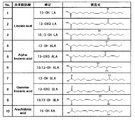
- the structural formulas of hydroxylated fatty acid and oxo fatty acid for which PPAR ⁇ / ⁇ agonist activity was measured are shown.
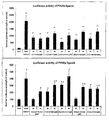
- the result of the PPAR (alpha) agonist activity of a hydroxylated fatty acid and an oxo fatty acid is shown.
- EtOH represents a negative control (ethanol added)
- GW7647 represents a positive control (PPAR ⁇ agonist added).
- the vertical axis shows relative luciferase activity.
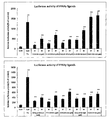
- the result of the PPAR ⁇ agonist activity of hydroxylated fatty acid and oxo fatty acid is shown.
- EtOH represents a negative control (ethanol added)
- Tro represents a positive control (PPAR ⁇ agonist added).
- the vertical axis shows relative luciferase activity.
- lipid metabolism improvement means that lipid and / or sugar and / or energy metabolism is improved.
- lipid metabolism improvement refers to promoting the degradation of lipids present in body tissues, blood, or lymphoid tissues, suppressing lipid synthesis, and accumulation of lipids in body tissues such as adipose tissues. This refers to preventing and / or suppressing the action, or reducing lipid accumulated in body tissues and the like.
- Lipid refers to triglycerides and / or cholesterol and includes fatty acids.
- the improvement in glucose metabolism refers to suppressing an increase in sugar and / or glycated hemoglobin (HbA1c) present in blood, reducing a fasting blood glucose level, or promoting glucose metabolism after a meal. Furthermore, the improvement of glucose metabolism includes the improvement of abnormal glucose tolerance (a pathological condition that is not included in both normal and diabetic types and can be regarded as a diabetic reserve army). “Sugar” refers to a monosaccharide, disaccharide or polysaccharide. Improvement of energy metabolism means that a state in which the balance between the intake energy amount and the released energy amount is abnormal or cannot be adjusted normally is brought to a normal state or brought close to it.
- ⁇ PPAR activity can be measured as an index of the metabolic improvement. It is known that there are at least three types of subtypes PPAR ⁇ , PPAR ⁇ (identical to ⁇ ), and PPAR ⁇ in PPAR. PPAR ⁇ is expressed mainly in the liver, heart, kidney, skeletal muscle, brown adipocytes, and is involved in the regulation of many genes involved in fatty acid ⁇ -oxidation. PPAR ⁇ is expressed relatively in the whole body (brain, adipose tissue, skin, etc.). PPAR ⁇ has at least three types of isoforms, which are mainly expressed in white adipocytes and macrophages and are involved in adipocyte differentiation.
- PPARs if at least one or more PPARs are checked for the presence or absence of ligand (agonist, antagonist) activity, and exhibiting agonist activity, there is a high possibility of having a metabolic improvement effect, or having a metabolic improvement effect to decide.
- the PPAR reporter assay described in FEBS Letters 514 (2002) p.315-322 can be performed, but the method is not limited thereto.
- the rare fatty acid of the present invention is administered to an obese / diabetic model animal, and body weight, organ weight, blood glucose level, triglyceride level, oxygen consumption, rectal temperature, etc. are measured, and the change Can be confirmed.
- the obesity / diabetes model animal is not limited as long as it is an animal exhibiting the property. Examples of the model animal include commercially available KKAy mice, NOD mice, NSY mice, TSOD mice, ZDF / Crl-Leprfa rats, SDT / Jcl rats, and the like. Body weight, organ weight, blood glucose level, neutral fat level, oxygen consumption, rectal temperature and the like can be measured by known methods.
- the lipid synthesis promoting action induced by the LXR agonist is suppressed by the addition of the rare fatty acid of the present invention.
- the method can be performed with reference to, for example, Journal of Lipid Research 47, (2006) 2712-2717, but is not limited to this method.
- an LXR agonist is added, and a lipid synthesis-related factor, for example, (1) SREBP-1c, mature and immature SREBP-1, SCD-1, FAS, ACC1, and / or
- the expression level of ACC2 mRNA and / or protein can be measured, (2) the amount of intracellular triacylglycerol can be measured, or (3) a luciferase assay can be performed.
- LXR agonists include, but are not limited to, T0901317, 22 (R) -hydroxycholesterol, 24 (S) -hydroxycholesterol and the like.
- the C18 fatty acid having a hydroxyl group or a carbonyl group at the 13-position refers to an 18-hydroxylated fatty acid having a hydroxyl group at the 13-position (hereinafter sometimes abbreviated as "13-hydroxy fatty acid”).
- an oxo fatty acid having 18 carbon atoms having a carbonyl group at the 13-position hereinafter sometimes abbreviated as “13-oxo fatty acid”.
- a C18 fatty acid having a hydroxyl group or a carbonyl group at the 10th and 13th positions (hereinafter sometimes abbreviated as “10,13-dihydroxy fatty acid” or “10,13-dioxo fatty acid”), or
- An 18-carbon fatty acid having a hydroxyl group at position 13 and a carbonyl group at position 10 (hereinafter sometimes abbreviated as “10-oxo-13-hydroxy fatty acid”) is also referred to as “13-hydroxy fatty acid” or “13-oxo It is included as an embodiment of “fatty acid”.
- the C18 fatty acid having a hydroxyl group or a carbonyl group at the 13-position may be a saturated fatty acid or an unsaturated fatty acid.
- an unsaturated fatty acid an unsaturated fatty acid having at least one cis-type double bond at the 6th, 9th and 15th positions is preferable.
- the C 20 fatty acid having a hydroxyl group or a carbonyl group at the 15-position is sometimes abbreviated as “15-hydroxy fatty acid” having 20 hydroxyl groups having a hydroxyl group at the 15-position.
- an oxo fatty acid having 20 carbon atoms having a carbonyl group at the 15-position (hereinafter sometimes abbreviated as “15-oxo fatty acid”).
- the C 20 fatty acid having a hydroxyl group or a carbonyl group at the 15-position may be a saturated fatty acid or an unsaturated fatty acid.
- an unsaturated fatty acid an unsaturated fatty acid having at least one cis-type double bond at the 5-position, 8-position, 11-position, and 17-position is preferable.
- the 20-carbon fatty acid having a hydroxyl group or a carbonyl group at the 12-position is sometimes abbreviated as a 20-carbon hydroxylated fatty acid having a hydroxyl group at the 12-position (hereinafter referred to as “12-hydroxy fatty acid”).
- an oxo fatty acid having 20 carbon atoms having a carbonyl group at the 12-position hereinafter sometimes abbreviated as “12-oxo fatty acid”.
- the C 20 fatty acid having a hydroxyl group or a carbonyl group at the 12-position may be a saturated fatty acid or an unsaturated fatty acid.
- an unsaturated fatty acid having at least one cis-type double bond at the 5-position, 8-position, 14-position and 17-position is preferred.
- a fatty acid having 16 or 16 carbon atoms having a hydroxyl group or a carbonyl group may be abbreviated as a 16-hydroxy fatty acid having 16 hydroxyl groups (hereinafter referred to as “10-hydroxy fatty acid”).
- a 16-carbon oxo fatty acid having a carbonyl group at the 10-position hereinafter sometimes abbreviated as “10-oxo fatty acid”.
- the C 16 fatty acid having a hydroxyl group or a carbonyl group at the 10-position may be a saturated fatty acid or an unsaturated fatty acid. More specifically, the saturated fatty acid having 18 carbon atoms having a hydroxyl group or a carbonyl group at the 13-position or an unsaturated fatty acid having at least one cis-type double bond at the 6-position, 9-position, and 15-position is not particularly limited.
- the unsaturated fatty acid having at least one cis-type double bond at the 5-position, 8-position, 11-position, and 17-position having 20 hydroxyl groups or carbonyl groups at the 15-position is not particularly limited. Hydroxy-cis-11-eicosenoic acid, 15-hydroxy-cis-11, cis-17-eicosadienoic acid, 15-hydroxy-cis-8, cis-11-eicosadienoic acid, 15-hydroxy-cis-5, cis-8 Cis-11-eicosatrienoic acid, 15-hydroxy-cis-8, cis-11, cis-17-eicosatrienoic acid, 15-hydroxy-cis-5, cis-11-eicosadienoic acid, 15-hydroxy- Cis-5, cis-11, cis-17-eicosatrienoic acid, 15-oxo-cis-11-eicosenoic acid, 15-oxo-cis-11, cis-17-eicosa
- saturated fatty acid having 20 carbon atoms having a hydroxyl group or a carbonyl group at the 12th position or an unsaturated fatty acid having at least one cis type double bond at the 5th, 8th, 14th and 17th positions is not particularly limited.
- the saturated fatty acid having 16 or 16 carbon atoms having a hydroxyl group or a carbonyl group is not particularly limited, and examples thereof include 10-hydroxy-hexadecanoic acid and 10-oxo-hexadecanoic acid.
- Rare fatty acids such as oxo fatty acids or hydroxylated fatty acids used in the present invention are produced from unsaturated fatty acids having 16, 18, and 20 carbon atoms into hydroxylated fatty acids by a novel fatty acid hydrase (FA-HY),
- An oxo fatty acid can be produced by oxidating a hydroxyl group of a hydroxylated fatty acid by an enzymatic reaction or a chemical reaction. Specifically, it can be prepared by the following method.
- the novel fatty acid hydrating enzyme ⁇ FA-HY '' (A) an enzyme protein consisting of the amino acid sequence shown in SEQ ID NO: 2, (B) In the amino acid sequence shown in SEQ ID NO: 2, the amino acid sequence shown in SEQ ID NO: 2 includes an amino acid sequence in which one or more amino acids are deleted and / or substituted and / or inserted and / or added.
- amino acid sequence in which the amino acid is replaced with another amino acid or (v) a protein comprising an amino acid sequence combining them And the like.
- amino acids of similar properties for example, glycine and alanine, valine and leucine and isoleucine, serine and threonine, aspartic acid and glutamic acid, asparagine and glutamine, lysine and arginine, cysteine and methionine, phenylalanine and tyrosine, etc.
- amino acids of similar properties for example, glycine and alanine, valine and leucine and isoleucine, serine and threonine, aspartic acid and glutamic acid, asparagine and glutamine, lysine and arginine, cysteine and methionine, phenylalanine and tyrosine, etc.
- substitutions for example, there can be a greater number of substitutions.
- stringent conditions means that nucleotide sequences having high identity, for example, nucleotide sequences having 70, 80, 90, 95, or 99% identity or more hybridize to each other and are identical to each other.
- washing conditions for normal Southern hybridization 60 ° C., 1 ⁇ SSC, 0.1% SDS, preferably 0.1 ⁇ SSC, 0.1% SDS, more preferably 68 Examples include conditions of washing once, more preferably 2 to 3 times at a salt concentration and temperature corresponding to 0 ° C., 0.1 ⁇ SSC, and 0.1% SDS.
- the enzymatic activity of the enzyme protein comprising the amino acid sequence shown in SEQ ID NO: 2 includes (1) an unsaturated fatty acid having 18 carbon atoms having a cis-type double bond at position 12 (
- enzyme activity reaction
- C18 hydroxylated fatty acid 13-hydroxy fatty acid
- hydroxyl group at the 13th position using “cis-12 unsaturated fatty acid” as a substrate.
- cis-12 unsaturated fatty acid “cis-9 unsaturated fatty acid”, “cis-14 unsaturated fatty acid”, “cis-11 unsaturated fatty acid” are respectively cis-type double bonds at the 12th position.
- C18 unsaturated fatty acid having a cis-type double bond at the 9th position C20 unsaturated fatty acid having a cis-type double bond at the 14th position, and cis at the 11th position.
- fatty acid includes not only free acids but also esters and salts with basic compounds.
- DHA and “myristoleic acid” include not only free acids but also esters and salts with basic compounds.
- the FA-HY can be isolated from, for example, Lactobacillus acidophilus cells or culture solution by a known protein separation and purification technique.
- FA-HY may be used as a bacterial body of Lactobacillus acidophilus containing FA-HY itself or a disrupted body thereof.
- Lactobacillus acidophilus cells containing FA-HY are not particularly limited as long as they contain FA-HY.
- NPMD National Institute for Product Evaluation Technology
- 2014 NITE BP-01788 deposited on the 17th of May.
- a gene encoding FA-HY can be isolated, subcloned into an appropriate vector, introduced into an appropriate host such as Escherichia coli and cultured, and then produced as a recombinant protein.
- FA-HY may be purified or roughly purified. Alternatively, it may be expressed in bacterial cells such as Escherichia coli, and the bacterial cells themselves may be used, or a culture solution may be used.
- the enzyme may be free or immobilized by various carriers.
- the vector containing the nucleic acid encoding FA-HY can be appropriately selected and used for a host cell into which the vector is introduced according to the purpose (for example, protein expression).
- an expression vector it contains the nucleic acid of the present invention operably linked to a suitable promoter, and preferably contains a transcription termination signal, that is, a terminator region downstream of the nucleic acid of the present invention.
- a selection marker gene drug resistance gene, gene complementing an auxotrophic mutation, etc.
- the vector may be one that is integrated into the genome of the target host cell.
- the vector of the present invention can be introduced into a target host cell by a transformation method known per se, such as a competent cell method, a protoplast method, a calcium phosphate coprecipitation method or the like.
- the “host cell” may be any cell as long as it can express a vector containing the nucleic acid encoding the FA-HY, and examples thereof include bacteria, yeast, fungi, and higher eukaryotic cells. Examples of bacteria include gram positive bacteria such as Bacillus or Streptomyces or gram negative bacteria such as E. coli. Recombinant cells into which a vector containing a nucleic acid encoding FA-HY has been introduced can be cultured by a method known per se suitable for host cells.
- the above-mentioned “purification” of FA-HY is a method known per se, for example, after microbial cells collected by centrifugation or the like are ground with ultrasonic waves or glass beads, and then solidified such as cell debris by centrifugation or the like.
- a salting-out method with ammonium sulfate, sodium sulfate, etc. ion-exchange chromatography, gel filtration chromatography, chromatographic methods such as affinity chromatography, gel electrophoresis, etc. be able to.
- the FA-HY uses cis-12 unsaturated fatty acid, cis-9 unsaturated fatty acid, cis-14 unsaturated fatty acid, cis-11 unsaturated fatty acid, DHA, myristoleic acid as a substrate, 13-hydroxy fatty acid, 10-hydroxy fatty acid, 15-hydroxy fatty acid, 12-hydroxy fatty acid, 14-hydroxy-cis-4, cis-7, cis-10, cis-16, cis-19-docosapentaenoic acid, 10 -Enzyme activity that can be converted into hydroxy-tetradecanoic acid, respectively.
- a method for producing 13-hydroxy fatty acid from cis-12 unsaturated fatty acid by the hydration reaction using FA-HY (Production method 1), [2] From cis-9 unsaturated fatty acid, Method of producing 10-hydroxy fatty acid by hydration reaction using FA-HY (Production method 2), [3] From cis-14 unsaturated fatty acid, hydration reaction using FA-HY, Method for producing 15-hydroxy fatty acid (Production method 3), [4] Method for producing 12-hydroxy fatty acid from cis-11 unsaturated fatty acid by hydration reaction using FA-HY (Production method 4), [A] 14-hydroxy-cis-4, cis-7, cis-10, cis-16, cis-19-docosapentaenoic acid is produced from DHA by the hydration reaction using FA-HY.
- Production Method A and [I] A method (Production Method I) for producing 10-hydroxy-tetradecanoic acid from myristoleic acid by hydration using the FA-HY of the present invention is proposed.
- Examples of the “cis-12 unsaturated fatty acid” in Production Method 1 include, for example, cis-9, cis-12-octadecadienoic acid (linoleic acid), cis-6, cis-9, cis-12-octadecatriene.
- the substrate may be obtained by a method other than WO2013 / 168310.
- the “13-hydroxy fatty acid” produced by the production method 1, for example, 13-hydroxy-cis-9-octadecenoic acid derived from cis-9, cis-12-octadecadienoic acid (linoleic acid), 13-hydroxy-cis-6, cis-9-octadecadienoic acid, cis-9, cis-12 derived from cis-6, cis-9, cis-12-octadecatrienoic acid ( ⁇ -linolenic acid) 13-hydroxy-cis-9, cis-15-octadecadienoic acid, cis-6, cis-9, cis-12, cis-, derived from cis-15-octadecatrienoic acid ( ⁇ -linolenic acid) Derived from 13-hydroxy-cis-6, cis-9, cis-15
- Examples of the “cis-9 unsaturated fatty acid” in Production Method 2 include cis-9-hexadecenoic acid (palmitoleic acid).
- Examples of the “10-hydroxy fatty acid” produced by the above production method 2 include 10-hydroxy-hexadecanoic acid derived from cis-9-hexadecenoic acid (palmitoleic acid).
- Examples of the “cis-14 unsaturated fatty acid” in the production method 3 include, for example, cis-11, cis-14-eicosadienoic acid, cis-11, cis-14, cis-17-eicosatrienoic acid, cis-8, Cis-11, cis-14-eicosatrienoic acid (dihomo- ⁇ -linolenic acid), cis-5, cis-8, cis-11, cis-14-eicosatetraenoic acid (arachidonic acid), cis-8 Cis-11, cis-14, cis-17-eicosatetraenoic acid, cis-5, cis-11, cis-14-eicosatrienoic acid, cis-5, cis-11, cis- 14, cis-17-eicosatetraenoic acid (juniperonic acid) and the like.
- Examples of the “15-hydroxy fatty acid” produced by the above-mentioned production method 3 include, for example, 15-hydroxy-cis-11-eicosenoic acid, cis-11, cis-derived from cis-11, cis-14-eicosadienoic acid.
- Examples of the “cis-11 unsaturated fatty acid” in the production method 4 include, for example, cis-11, cis-14-eicosadienoic acid, cis-11, cis-14, cis-17-eicosatrienoic acid, cis-8, Cis-11, cis-14-eicosatrienoic acid (dihomo- ⁇ -linolenic acid), cis-5, cis-8, cis-11-eicosatrienoic acid (mead acid), cis-8, cis-11, Examples thereof include cis-14, cis-17-eicosatetraenoic acid, cis-5, cis-8, cis-11, cis-14-eicosatetraenoic acid (arachidonic acid).
- Examples of the “12-hydroxy fatty acid” produced by the production method 4 include, for example, 12-hydroxy-cis-14-eicosenoic acid, cis-11, cis-derived from cis-11, cis-14-eicosadienoic acid.
- an unsaturated fatty acid as a substrate and the above-mentioned FA-HY are mixed at an appropriate concentration in an appropriate buffer (eg, phosphate buffer, Tris buffer, borate buffer, etc.). Can be performed by incubating.
- the substrate concentration is, for example, 1 to 1000 g / L, preferably 10 to 500 g / L, more preferably 20 to 250 g / L.
- the amount of FA-HY added is, for example, 0.001 to 10 mg / m L, preferably 0.1 to 5 mg / m L, more preferably 0.2 to 2 mg / m L.
- a “cofactor” may be used for the hydration reaction (reactions 1 to 4, reaction A or reaction I).
- FAD or the like can be used.
- the addition concentration may be a concentration at which the hydration reaction proceeds efficiently. The amount is preferably 0.001 to 20 mM, more preferably 0.01 to 10 mM.
- an “activator” may be used for the hydration reaction, and examples thereof include 1 or 2 compounds selected from the group consisting of NADH and NADPH.
- the addition concentration may be a concentration at which the hydration reaction proceeds efficiently. Preferably it is 0.1 to 20 mM, more preferably 1 to 10 mM.
- the hydration reaction is desirably carried out within the above-mentioned preferred temperature range and preferred pH range of FA-HY.
- the reaction temperature is 5 to 50 ° C., preferably 20 to 45 ° C.
- the pH of the reaction solution is, for example, pH 4 to 10, preferably pH 5 to 9.
- the reaction time is not particularly limited, but is, for example, 10 minutes to 72 hours, preferably 30 minutes to 36 hours.
- the FA-HY is a recombinant cell (for example, E. coli, Bacillus subtilis, yeast, insect cell, animal cell, etc.) into which an expression vector containing a nucleic acid encoding it is introduced.
- the reaction system Provided to the reaction system.
- the hydration reaction can also be performed by culturing the cells by adding a substrate and, if necessary, a cofactor or an activator to a liquid medium suitable for culturing the cells.
- the oxo fatty acid having 18 carbon atoms having a carbonyl group at the 13-position from the 13-hydroxy fatty acid obtained by the above production methods 1 to 4, production method A and production method I.
- 13-oxo fatty acid 16-carbon oxo fatty acid having a carbonyl group at the 10-position from 10-hydroxy fatty acid (hereinafter abbreviated as “10-oxo fatty acid”) (Reaction 6), 20-carbon oxo fatty acid having a carbonyl group at the 15-position from 15-hydroxy fatty acid (hereinafter sometimes abbreviated as “15-oxo fatty acid”) (Reaction 7), 12- 20-carbon oxo fatty acid having a carbonyl group at position 12 from hydroxy fatty acid (hereinafter sometimes abbreviated as “12-oxo fatty acid”) (Reaction 8), 14-hydroxy-cis-4, cis-7, cis -10, cis-16, cis-19-docosapentaenoic acid to 14-oxo-cis-4, cis-7, -10, cis -16, cis -19-docosapentaenoic acid to 14-oxo-
- 13-hydroxy fatty acid is derived from [5] cis-12 unsaturated fatty acid by the hydration reaction using FA-HY, and from the 13-hydroxy fatty acid by dehydrogenation reaction or chemical oxidation, Method for producing 13-oxo fatty acid (Production method 5), [6] 10-hydroxy fatty acid is derived from cis-9 unsaturated fatty acid by hydration reaction using FA-HY, and the 10-hydroxy fatty acid is produced.
- the above-mentioned production methods 5 to 8 include “cis-12 unsaturated fatty acid”, “cis-9 unsaturated fatty acid”, “cis-14 unsaturated fatty acid”, and “cis-11 unsaturated fatty acid”. This is the same as the substrate described in 4.
- Examples of the “13-oxo fatty acid” produced by the production method 5 include, for example, 13-oxo-cis-9-octadecenoic acid derived from cis-9, cis-12-octadecadienoic acid (linoleic acid), 13-oxo-cis-6, cis-9-octadecadienoic acid, cis-9, cis-12 derived from cis-6, cis-9, cis-12-octadecatrienoic acid ( ⁇ -linolenic acid) 13-oxo-cis-9, cis-15-octadecadienoic acid, cis-6, cis-9, cis-12, cis-, derived from cis-15-octadecatrienoic acid ( ⁇ -linolenic acid) 13-oxo-cis-6, cis-9, cis-15-octadecatrienoic acid, 10-hydroxy
- Examples of the “10-oxo fatty acid” produced by the production method 6 include 10-oxo-hexadecanoic acid derived from cis-9-hexadecenoic acid (palmitoleic acid).
- Examples of the “15-oxo fatty acid” produced by the production method 7 include, for example, 15-oxo-cis-11-eicosenoic acid, cis-11, cis-derived from cis-11, cis-14-eicosadienoic acid.
- Examples of the “12-oxo fatty acid” produced by the above production method 8 include, for example, 12-oxo-cis-14-eicosenoic acid, cis-11, cis-derived from cis-11, cis-14-eicosadienoic acid.
- the dehydrogenases used in the above production methods 5-8, production method B or production method II include 13-hydroxy fatty acid, 10-hydroxy fatty acid, 15-hydroxy fatty acid, 12-hydroxy fatty acid, 14-hydroxy-cis-4, cis. -7, cis-10, cis-16, cis-19-docosapentaenoic acid, 10-hydroxy-tetradecanoic acid as substrate, 13-oxo fatty acid, 10-oxo fatty acid, 15-oxo fatty acid, 12-oxo
- the enzyme can be converted into fatty acid, 14-oxo-cis-4, cis-7, cis-10, cis-16, cis-19-docosapentaenoic acid and 10-oxo-tetradecanoic acid, respectively.
- CLA-DH hydroxylated fatty acid dehydrogenase derived from lactic acid bacteria
- CLA-DH hydroxylated fatty acid dehydrogenase
- More preferred is CLA-DH derived from Lactobacillus plantarum.
- CLA-DH can be obtained by the method described in JP2007-259712A or the method described in WO2013 / 168310.
- the dehydrogenase may be purified or roughly purified. Alternatively, it may be expressed in bacterial cells such as Escherichia coli, and the bacterial cells themselves may be used, or a culture solution may be used.
- the enzyme may be free or immobilized by various carriers.
- the dehydrogenation reaction is carried out in a suitable buffer solution (for example, phosphate buffer solution, Tris buffer solution, borate buffer solution, etc.), and the substrate 13-hydroxy fatty acid, 10-hydroxy fatty acid, 15-hydroxy fatty acid, 12- Hydroxy fatty acid, 14-hydroxy-cis-4, cis-7, cis-10, cis-16, cis-19-docosapentaenoic acid, 10-hydroxy-tetradecanoic acid and dehydrogenase are mixed at an appropriate concentration. Can be performed by incubating.
- the substrate concentration is, for example, 0.01 to 100 g / L, preferably 0.05 to 50 g / L, more preferably 0.1 to 5 g / L.
- the amount of dehydrogenase added is, for example, 0.001 to 10 mg / mL, preferably 0.005 to 1 mg / mL, more preferably 0.05 to 0.2 mg / mL.
- a “cofactor” may be used for the dehydrogenation reaction, and for example, NAD + or NADP + can be used.
- the addition concentration may be a concentration at which the oxidation reaction proceeds efficiently.
- the amount is preferably 0.001 to 20 mM, more preferably 0.01 to 10 mM.
- the dehydrogenation reaction is performed within a range of a suitable temperature and a suitable pH of the dehydrogenase.
- the reaction temperature is 5 to 50 ° C., preferably 20 to 45 ° C.
- the pH of the reaction solution is, for example, pH 4 to 10, preferably pH 5 to 9.
- the reaction time is not particularly limited, but is, for example, 10 minutes to 72 hours, preferably 30 minutes to 36 hours.
- the dehydrogenase is in the form of a recombinant cell (for example, E. coli, Bacillus subtilis, yeast, insect cell, animal cell, etc.) into which an expression vector containing a nucleic acid encoding it is introduced.
- a recombinant cell for example, E. coli, Bacillus subtilis, yeast, insect cell, animal cell, etc.
- the oxidation reaction can also be performed by culturing the cells by adding a substrate and, if necessary, a cofactor or an activator to a liquid medium suitable for culturing the cells.
- Examples of chemical oxidation include methods known per se, such as chromic acid oxidation, preferably Jones oxidation.
- chromic acid salts and complexes of compounds such as chromic anhydride CrO 3 , chromic acid H 2 CrO 4 , and dichromic acid H 2 Cr 2 O 7 can be used.
- a chromic acid solution is prepared by adding 90 ml of acetone to a mixture of 2.67 g of chromic anhydride with 2.3 ml of sulfuric acid and 7.7 ml of water.
- the extract (mixture containing the substrate and the product (oxo fatty acid)) obtained by the oxidation reaction with chromic anhydride is subjected to medium pressure chromatography, and the solution coming out of the column is divided into fractions and collected. Each collected fraction is analyzed by LC / MS and gas chromatography, and fractions containing only oxo fatty acids are collected and concentrated on a rotary evaporator. After methyl esterification using a part of the final product obtained, the purity of the oxo fatty acid can be evaluated by gas chromatography, and an oxo fatty acid having a purity of 98% or more can be obtained.
- the metabolism improving agent containing rare fatty acids of the present invention can also be applied to the improvement of lifestyle-related diseases.
- “Lifestyle related diseases” refers to a group of diseases in which lifestyle habits such as eating habits, exercise habits, rest, smoking, and drinking are related to the onset and progression of it.
- the metabolism improving agent of the present invention includes diabetes (type 1 diabetes, type 2 diabetes, maternal diabetes, etc.), diabetic complications (arteriosclerotic disease, diabetic retinopathy, diabetic nephropathy, diabetic neuropathy, etc.). It can also be used to prevent or ameliorate dyslipidemia, hyperlipidemia, hypercholesterolemia, hypertriglyceridemia, insulin resistance, fatty liver.
- the metabolism of the present invention is applied to humans or non-human animals (eg, dogs, cats, mice, rats, hamsters, guinea pigs, rabbits, pigs, cows, chickens, parakeets, nine-birds, goats, horses, sheep, monkeys, etc.). Administering an improving agent to prevent or treat at least one selected from the group consisting of obesity, diabetes, dyslipidemia, hyperlipidemia, hypercholesterolemia, hypertriglyceridemia, insulin resistance, fatty liver Can be used for.
- the rare fatty acid of the present invention can also be used as an accelerator for PPAR activity.
- PPAR ⁇ there are at least three subtypes PPAR ⁇ , PPAR ⁇ (identical to ⁇ ), and PPAR ⁇ in PPAR P.
- the rare fatty acid of the present invention had agonist activity against PPAR ⁇ and PPAR ⁇ . Therefore, the presence or absence of ligand (agonist, antagonist) activity is confirmed for at least one of these PPARs (preferably PPAR ⁇ or PPAR ⁇ ), and when agonist activity is exhibited, PPAR activity for improving metabolism is demonstrated.
- the metabolism improving agent (or PPAR activity promoter) containing the rare fatty acid of the present invention can be used, for example, as a pharmaceutical, food, feed, cosmetics or the like, or blended in them.
- the pharmaceutical dosage forms include powders, granules, pills, soft capsules, hard capsules, tablets, chewable tablets, quick-disintegrating tablets, syrups, solutions, suspensions, suppositories, ointments, creams, gels, and stickies. Agents, inhalants, injections and the like.
- hydroxylated fatty acids and the like are hardly soluble in water, they can be dissolved in non-hydrophilic organic solvents such as vegetable oils and animal oils, or emulsifiers, dispersants or Along with a surfactant and the like, a homogenizer (high pressure homogenizer) is used to disperse and emulsify in an aqueous solution.
- a homogenizer high pressure homogenizer
- Additives that can be used for formulation include animal and vegetable oils such as soybean oil, safflower oil, olive oil, germ oil, sunflower oil, beef tallow, sardine oil, polyethylene glycol, propylene glycol, glycerin, sorbitol, etc.
- Surfactant such as polyhydric alcohol, sorbitan fatty acid ester, sucrose fatty acid ester, glycerin fatty acid ester, polyglycerin fatty acid ester, purified water, lactose, starch, crystalline cellulose, D-mannitol, lecithin, gum arabic, sorbitol solution, sugar Examples include excipients such as liquids, sweeteners, colorants, pH adjusters, and fragrances.
- the liquid preparation may be dissolved or suspended in water or other suitable medium at the time of taking. Tablets and granules may be coated by a known method.
- Intravenous administration When administered in the form of an injection, it can be administered intravenously, intraperitoneally, intramuscularly, subcutaneously, transdermally, intraarticularly, within the bursa, intravesicular, intraperiosteally, sublingually, orally.
- intravenous administration or intraperitoneal administration is preferred.
- Intravenous administration may be either drip administration or bolus administration.
- the food is not particularly limited as long as it can be taken orally, such as a solution, a suspension, a powder, and a solid molded product.
- Specific examples include supplements (powder, granules, soft capsules, hard capsules, tablets, chewable tablets, quick-disintegrating tablets, syrups, liquids, etc.), beverages (carbonated beverages, lactic acid beverages, sports beverages, fruit juice beverages, vegetable beverages, soy milk beverages) , Coffee beverages, tea beverages, powdered beverages, concentrated beverages, nutritional beverages, alcoholic beverages, etc.), confectionery (gummy, jelly, gum, chocolate, cookies, candy, caramel, Japanese confectionery, snacks, etc.), instant foods (immediate noodles, Retort food, Canned food, Microwave food, Instant soup / Miso soup, Freeze-dried food, etc.) Oil, Fat food (Mayonnaise, Dressing, Butter, Cream, Margarine, etc.), Flour products (Bread, Past
- the above foods include various nutrients, various vitamins (vitamin A, vitamin B1, vitamin B2, vitamin B6, vitamin C, vitamin D, vitamin E, vitamin K, etc.) and various minerals (magnesium, zinc, Iron, sodium, potassium, selenium, etc.), dietary fiber, dispersants, emulsifiers and other stabilizers, sweeteners, taste ingredients (citric acid, malic acid, etc.), flavors, royal jelly, propolis, agarics, etc. it can.
- the metabolism improving agent of the present invention When used as a feed or feed additive, examples of the feed include pet food, livestock or aquaculture feed additives.
- the metabolism improving agent of the present invention when used as cosmetics or cosmetic additives, the cosmetics include creams, gels, emulsions, serums, lotions, microemulsion essences, packs, foundations, lipsticks, eye shadows, shampoos, conditioners, A bath agent etc. are mentioned, and you may mix a fragrance
- the hydroxylated fatty acid and oxo fatty acid blended in the pharmaceutical, food, feed, cosmetic and the like of the present invention may be used alone or in combination of two or more.
- the dose of the pharmaceutical of the present invention or the intake of the food of the present invention can be appropriately determined depending on the age and weight of the patient or the user, symptoms, administration time, dosage form, administration method, combination of drugs, and the like.
- the total amount of the active ingredient, such as hydroxylated fatty acid is 0.02 to 100 mg / kg body weight per day for an adult, preferably 0.2 to 50 mg / kg body weight.
- the total amount of active ingredients such as hydroxylated fatty acids should be in the range of 1 to 6000 mg, preferably 10 to 3000 mg per adult per day. Can be blended.
- the intake of the feed of the present invention and the usage of the cosmetic of the present invention can also be appropriately determined according to the intake of the food and the dose of the pharmaceutical product, respectively.
- FIG. 1 shows structural formulas (1) to (10) and fatty acids derived therefrom.
- GW7647 PPAR ⁇ agonist
- Troglitazone PPAR ⁇ agonist
- Example 1 Measurement of PPAR ⁇ and ⁇ Ligand Activity
- the activation ability of PPAR ⁇ and ⁇ was measured. This measurement was performed according to Nobuyuki Takahashi et al., FEBS Letters 514 (2002) p315-322, ⁇ Dual action of isoprenols from herbal medicines on both PPARgamma and PPARalpha in 3T3-L1 adipocytes and HepG2 hepatocytes. '' This was done by referring to the column.
- PPAR ⁇ , ⁇ ligand activity was measured by a reporter assay in which the binding of a PPAR ligand binding region and a GAL4 DNA binding region to a fusion protein and target gene activation were evaluated by luciferase expression.
- a plasmid containing DNA encoding a fusion protein of PPAR ⁇ , ⁇ ligand binding region and GAL4 DNA binding region and a reporter plasmid in which luciferase is connected to the GAL4 binding DNA sequence are introduced into CV-1 cells. The following ligands were added to the cells and incubated, and then luciferase activity was detected. Samples were adjusted in concentration (10 ⁇ M and 30 ⁇ M) using ethanol.
- Ethanol was used as a negative control, and PPAR ⁇ and ⁇ ligand agents GW7647 (10 nM) and troglitazone (5 ⁇ M) were used as positive controls.
- the results are shown in FIGS. 2 and 3, PPAR ⁇ and ⁇ agonist activities were observed in all the fatty acids (1) to (10).
- 13-OXO GLA showed strong PPAR ⁇ agonist activity
- (5) 13-OXO ALA showed strong PPAR ⁇ agonist activity.
- the present invention has been clarified to have an effect of improving lipid and / or sugar and / or energy metabolism, which is not conventionally known as a physiological function such as hydroxylated fatty acid.
- the lipid and / or sugar and / or energy metabolism-improving agent containing the hydroxylated fatty acid and / or oxo fatty acid can be applied to various fields such as pharmaceuticals, foods, feeds, etc., and the present invention is extremely useful industrially. .
- This application is based on Japanese Patent Application No. 2014-011871 (filing date: January 24, 2014) filed in Japan, the contents of which are incorporated in full herein.
Landscapes
- Health & Medical Sciences (AREA)
- Life Sciences & Earth Sciences (AREA)
- Chemical & Material Sciences (AREA)
- Animal Behavior & Ethology (AREA)
- Veterinary Medicine (AREA)
- Public Health (AREA)
- General Health & Medical Sciences (AREA)
- Medicinal Chemistry (AREA)
- Pharmacology & Pharmacy (AREA)
- Epidemiology (AREA)
- Engineering & Computer Science (AREA)
- Organic Chemistry (AREA)
- Nuclear Medicine, Radiotherapy & Molecular Imaging (AREA)
- General Chemical & Material Sciences (AREA)
- Chemical Kinetics & Catalysis (AREA)
- Diabetes (AREA)
- Bioinformatics & Cheminformatics (AREA)
- Obesity (AREA)
- Hematology (AREA)
- Oil, Petroleum & Natural Gas (AREA)
- Mycology (AREA)
- Nutrition Science (AREA)
- Food Science & Technology (AREA)
- Polymers & Plastics (AREA)
- Child & Adolescent Psychology (AREA)
- Gastroenterology & Hepatology (AREA)
- Emergency Medicine (AREA)
- Endocrinology (AREA)
- Acyclic And Carbocyclic Compounds In Medicinal Compositions (AREA)
- Fodder In General (AREA)
- Coloring Foods And Improving Nutritive Qualities (AREA)
- Pharmaceuticals Containing Other Organic And Inorganic Compounds (AREA)
Abstract
Description
即ち、本発明は下記のとおりである:
[1]以下の脂肪酸を含む、代謝改善剤:
(1)13位に水酸基またはカルボニル基を有する炭素数18の脂肪酸、
(2)15位に水酸基またはカルボニル基を有する炭素数20の脂肪酸、
(3)12位に水酸基またはカルボニル基を有する炭素数20の脂肪酸、または
(4)10位に水酸基またはカルボニル基を有する炭素数16の脂肪酸;
[2]以下の脂肪酸を含む、[1]に記載の剤:
(1)13位に水酸基もしくはカルボニル基を有する炭素数18の飽和脂肪酸または6位、9位、15位に少なくとも1つのシス型二重結合を有する不飽和脂肪酸、
(2)15位に水酸基またはカルボニル基を有する炭素数20の5位、8位、11位、17位に少なくとも1つのシス型二重結合を有する不飽和脂肪酸、
(3)12位に水酸基もしくはカルボニル基を有する炭素数20の飽和脂肪酸または5位、8位、14位、17位に少なくとも1つのシス型二重結合を有する不飽和脂肪酸、または
(4)10位に水酸基またはカルボニル基を有する炭素数16の飽和脂肪酸;
[3]以下の脂肪酸を含む、[2]に記載の剤:
(1)13位に水酸基もしくはカルボニル基を有する炭素数18の飽和脂肪酸または6位、9位、15位に少なくとも1つのシス型二重結合を有する不飽和脂肪酸、または
(2)15位に水酸基もしくはカルボニル基を有する炭素数20の5位、8位、11位、17位に少なくとも1つのシス型二重結合を有する不飽和脂肪酸;
[4]以下の脂肪酸を含む、[2]に記載の剤:
(1)13位に水酸基もしくはカルボニル基を有する炭素数18の飽和脂肪酸または6位、9位、15位に少なくとも1つのシス型二重結合を有する不飽和脂肪酸が、13-ヒドロキシ-シス-9-オクタデセン酸、13-ヒドロキシ-シス-6,シス-9-オクタデカジエン酸、13-ヒドロキシ-シス-9,シス-15-オクタデカジエン酸、13-ヒドロキシ-シス-6,シス-9,シス-15-オクタデカトリエン酸、10,13-ジヒドロキシ-オクタデカン酸、10,13-ジヒドロキシ-シス-6-オクタデセン酸、10,13-ジヒドロキシ-シス-15-オクタデセン酸、10,13-ジヒドロキシ-シス-6,シス-15-オクタデカジエン酸、10-オキソ-13-ヒドロキシ-オクタデカン酸、10-オキソ-13-ヒドロキシ-シス-6-オクタデセン酸、10-オキソ-13-ヒドロキシ-シス-15-オクタデセン酸、10-オキソ-13-ヒドロキシ-シス-6,シス-15-オクタデカジエン酸、13-ヒドロキシ-シス-5,シス-9-オクタデカジエン酸、13-ヒドロキシ-トランス-5,シス-9-オクタデカジエン酸、13-オキソ-シス-9-オクタデセン酸、13-オキソ-シス-6,シス-9-オクタデカジエン酸、13-オキソ-シス-9,シス-15-オクタデカジエン酸、13-オキソ-シス-6,シス-9,シス-15-オクタデカトリエン酸、10,13-ジオキソ-オクタデカン酸、10,13-ジオキソ-シス-6-オクタデセン酸、10,13-ジオキソ-シス-15-オクタデセン酸、10,13-ジオキソ-シス-6,シス-15-オクタデカジエン酸、13-オキソ-シス-5,シス-9-オクタデカジエン酸または13-オキソ-トランス-5,シス-9-オクタデカジエン酸、
(2)15位に水酸基またはカルボニル基を有する炭素数20の5位、8位、11位、17位に少なくとも1つのシス型二重結合を有する不飽和脂肪酸が、15-ヒドロキシ-シス-11-エイコセン酸、15-ヒドロキシ-シス-11,シス-17-エイコサジエン酸、15-ヒドロキシ-シス-8,シス-11-エイコサジエン酸、15-ヒドロキシ-シス-5,シス-8,シス-11-エイコサトリエン酸、15-ヒドロキシ-シス-8,シス-11,シス-17-エイコサトリエン酸、15-ヒドロキシ-シス-5,シス-11-エイコサジエン酸、15-ヒドロキシ-シス-5,シス-11,シス-17-エイコサトリエン酸、15-オキソ-シス-11-エイコセン酸、15-オキソ-シス-11,シス-17-エイコサジエン酸、15-オキソ-シス-8,シス-11-エイコサジエン酸、15-オキソ-シス-5,シス-8,シス-11-エイコサトリエン酸、15-オキソ-シス-8,シス-11,シス-17-エイコサトリエン酸、15-オキソ-シス-5,シス-11-エイコサジエン酸または15-オキソ-シス-5,シス-11,シス-17-エイコサトリエン酸、
(3)12位に水酸基もしくはカルボニル基を有する炭素数20の飽和脂肪酸または5位、8位、14位、17位に少なくとも1つのシス型二重結合を有する不飽和脂肪酸が、12-ヒドロキシ-シス-14-エイコセン酸、12-ヒドロキシ-シス-14,シス-17-エイコサジエン酸、12-ヒドロキシ-シス-8,シス-14-エイコサジエン酸、12-ヒドロキシ-シス-5,シス-8-エイコサジエン酸、12-ヒドロキシ-シス-8,シス-14,シス-17-エイコサトリエン酸、12-ヒドロキシ-シス-5,シス-8,シス-14-エイコサトリエン酸、12-オキソ-シス-14-エイコセン酸、12-オキソ-シス-14,シス-17-エイコサジエン酸、12-オキソ-シス-8,シス-14-エイコサジエン酸、12-オキソ-シス-5,シス-8-エイコサジエン酸、12-オキソ-シス-8,シス-14,シス-17-エイコサトリエン酸、または12-オキソ-シス-5,シス-8,シス-14-エイコサトリエン酸、
(4)10位に水酸基またはカルボニル基を有する炭素数16の飽和脂肪酸が、10-ヒドロキシ-ヘキサデカン酸または10-オキソ-ヘキサデカン酸;
[5]以下の脂肪酸を含む、[3]に記載の剤:
(1)13位に水酸基もしくはカルボニル基を有する炭素数18の飽和脂肪酸または6位、9位、15位に少なくとも1つのシス型二重結合を有する不飽和脂肪酸が、13-ヒドロキシ-シス-9-オクタデセン酸、13-ヒドロキシ-シス-6,シス-9-オクタデカジエン酸、13-ヒドロキシ-シス-9,シス-15-オクタデカジエン酸、10,13-ジヒドロキシ-オクタデカン酸、10,13-ジヒドロキシ-シス-6-オクタデセン酸、10,13-ジヒドロキシ-シス-15-オクタデセン酸、13-オキソ-シス-9-オクタデセン酸、13-オキソ-シス-6,シス-9-オクタデカジエン酸、または13-オキソ-シス-9,シス-15-オクタデカジエン酸、
(2)15位に水酸基またはカルボニル基を有する炭素数20の5位、8位、11位、17位に少なくとも1つのシス型二重結合を有する不飽和脂肪酸が、15-ヒドロキシ-シス-5,シス-8,シス-11-エイコサトリエン酸;
[6]肥満、糖尿病、脂質代謝異常、高脂血症、及び脂肪肝からなる群から選択される少なくとも1種の予防又は改善に使用される[1]-[5]のいずれか1つに記載の剤;
[7]食品もしくは食品添加物である、[1]-[5]のいずれか1つに記載の剤;
[8]医薬品である、[1]-[5]のいずれか1つに記載の剤;
[9]飼料もしくは飼料添加物である、[1]-[5]のいずれか1つに記載の剤;
[10]以下の脂肪酸を含む、PPAR活性促進剤:
(1)13位に水酸基またはカルボニル基を有する炭素数18の脂肪酸、
(2)15位に水酸基またはカルボニル基を有する炭素数20の脂肪酸、
(3)12位に水酸基またはカルボニル基を有する炭素数20の脂肪酸、または
(4)10位に水酸基またはカルボニル基を有する炭素数16の脂肪酸;
[11]以下の脂肪酸を含む、[10]に記載の剤:
(1)13位に水酸基もしくはカルボニル基を有する炭素数18の飽和脂肪酸または6位、9位、15位に少なくとも1つのシス型二重結合を有する不飽和脂肪酸、
(2)15位に水酸基またはカルボニル基を有する炭素数20の5位、8位、11位、17位に少なくとも1つのシス型二重結合を有する不飽和脂肪酸、または、
(3)12位に水酸基もしくはカルボニル基を有する炭素数20の飽和脂肪酸または5位、8位、14位、17位に少なくとも1つのシス型二重結合を有する不飽和脂肪酸、または
(4)10位に水酸基またはカルボニル基を有する炭素数16の飽和脂肪酸;
[12]以下の脂肪酸を含む、[11]に記載の剤:
(1)13位に水酸基もしくはカルボニル基を有する炭素数18の飽和脂肪酸または6位、9位、15位に少なくとも1つのシス型二重結合を有する不飽和脂肪酸、または
(2)15位に水酸基もしくはカルボニル基を有する炭素数20の5位、8位、11位、17位に少なくとも1つのシス型二重結合を有する不飽和脂肪酸;
[13]以下の脂肪酸を含む、[11]に記載の剤:
(1)13位に水酸基もしくはカルボニル基を有する炭素数18の飽和脂肪酸または6位、9位、15位に少なくとも1つのシス型二重結合を有する不飽和脂肪酸が、13-ヒドロキシ-シス-9-オクタデセン酸、13-ヒドロキシ-シス-6,シス-9-オクタデカジエン酸、13-ヒドロキシ-シス-9,シス-15-オクタデカジエン酸、13-ヒドロキシ-シス-6,シス-9,シス-15-オクタデカトリエン酸、10,13-ジヒドロキシ-オクタデカン酸、10,13-ジヒドロキシ-シス-6-オクタデセン酸、10,13-ジヒドロキシ-シス-15-オクタデセン酸、10,13-ジヒドロキシ-シス-6,シス-15-オクタデカジエン酸、10-オキソ-13-ヒドロキシ-オクタデカン酸、10-オキソ-13-ヒドロキシ-シス-6-オクタデセン酸、10-オキソ-13-ヒドロキシ-シス-15-オクタデセン酸、10-オキソ-13-ヒドロキシ-シス-6,シス-15-オクタデカジエン酸、13-ヒドロキシ-シス-5,シス-9-オクタデカジエン酸、13-ヒドロキシ-トランス-5,シス-9-オクタデカジエン酸、13-オキソ-シス-9-オクタデセン酸、13-オキソ-シス-6,シス-9-オクタデカジエン酸、13-オキソ-シス-9,シス-15-オクタデカジエン酸、13-オキソ-シス-6,シス-9,シス-15-オクタデカトリエン酸、10,13-ジオキソ-オクタデカン酸、10,13-ジオキソ-シス-6-オクタデセン酸、10,13-ジオキソ-シス-15-オクタデセン酸、10,13-ジオキソ-シス-6,シス-15-オクタデカジエン酸、13-オキソ-シス-5,シス-9-オクタデカジエン酸または13-オキソ-トランス-5,シス-9-オクタデカジエン酸、
(2)15位に水酸基またはカルボニル基を有する炭素数20の5位、8位、11位、17位に少なくとも1つのシス型二重結合を有する不飽和脂肪酸が、15-ヒドロキシ-シス-11-エイコセン酸、15-ヒドロキシ-シス-11,シス-17-エイコサジエン酸、15-ヒドロキシ-シス-8,シス-11-エイコサジエン酸、15-ヒドロキシ-シス-5,シス-8,シス-11-エイコサトリエン酸、15-ヒドロキシ-シス-8,シス-11,シス-17-エイコサトリエン酸、15-ヒドロキシ-シス-5,シス-11-エイコサジエン酸、15-ヒドロキシ-シス-5,シス-11,シス-17-エイコサトリエン酸、15-オキソ-シス-11-エイコセン酸、15-オキソ-シス-11,シス-17-エイコサジエン酸、15-オキソ-シス-8,シス-11-エイコサジエン酸、15-オキソ-シス-5,シス-8,シス-11-エイコサトリエン酸、15-オキソ-シス-8,シス-11,シス-17-エイコサトリエン酸、15-オキソ-シス-5,シス-11-エイコサジエン酸または15-オキソ-シス-5,シス-11,シス-17-エイコサトリエン酸、
(3)12位に水酸基もしくはカルボニル基を有する炭素数20の飽和脂肪酸または5位、8位、14位、17位に少なくとも1つのシス型二重結合を有する不飽和脂肪酸が、12-ヒドロキシ-シス-14-エイコセン酸、12-ヒドロキシ-シス-14,シス-17-エイコサジエン酸、12-ヒドロキシ-シス-8,シス-14-エイコサジエン酸、12-ヒドロキシ-シス-5,シス-8-エイコサジエン酸、12-ヒドロキシ-シス-8,シス-14,シス-17-エイコサトリエン酸、12-ヒドロキシ-シス-5,シス-8,シス-14-エイコサトリエン酸、12-オキソ-シス-14-エイコセン酸、12-オキソ-シス-14,シス-17-エイコサジエン酸、12-オキソ-シス-8,シス-14-エイコサジエン酸、12-オキソ-シス-5,シス-8-エイコサジエン酸、12-オキソ-シス-8,シス-14,シス-17-エイコサトリエン酸、または12-オキソ-シス-5,シス-8,シス-14-エイコサトリエン酸、
(4)10位に水酸基またはカルボニル基を有する炭素数16の飽和脂肪酸が、10-ヒドロキシ-ヘキサデカン酸または10-オキソ-ヘキサデカン酸;
[14]以下の脂肪酸を含む、[12]に記載の剤:
(1)13位に水酸基もしくはカルボニル基を有する炭素数18の飽和脂肪酸または6位、9位、15位に少なくとも1つのシス型二重結合を有する不飽和脂肪酸が、13-ヒドロキシ-シス-9-オクタデセン酸、13-ヒドロキシ-シス-6,シス-9-オクタデカジエン酸、13-ヒドロキシ-シス-9,シス-15-オクタデカジエン酸、10,13-ジヒドロキシ-オクタデカン酸、10,13-ジヒドロキシ-シス-6-オクタデセン酸、10,13-ジヒドロキシ-シス-15-オクタデセン酸、13-オキソ-シス-9-オクタデセン酸、13-オキソ-シス-6,シス-9-オクタデカジエン酸、または13-オキソ-シス-9,シス-15-オクタデカジエン酸、
(2)15位に水酸基またはカルボニル基を有する炭素数20の5位、8位、11位、17位に少なくとも1つのシス型二重結合を有する不飽和脂肪酸が、15-ヒドロキシ-シス-5,シス-8,シス-11-エイコサトリエン酸;
[15]PPARがPPARαまたはPPARγである、[10]―「14」のいずれか1つに記載の剤;
[16][1]-[5]のいずれか1つに記載の脂肪酸の有効量を患者に投与することを含む、代謝に関わる疾患の予防または治療方法;
[17]代謝に関わる疾患が肥満、糖尿病、脂質代謝異常、高脂血症、及び脂肪肝からなる群から選択される少なくとも1種である、[16]に記載の方法;
[18]代謝に関わる疾患の予防または治療に使用するための、[1]-[5]のいずれか1つに記載の脂肪酸;
[19]代謝に関わる疾患が肥満、糖尿病、脂質代謝異常、高脂血症、及び脂肪肝からなる群から選択される少なくとも1種である、[18]に記載の脂肪酸;
[20]代謝に関わる疾患の予防または治療剤を製造するための、[1]-[5]のいずれか1つに記載の脂肪酸の使用;
[21]代謝に関わる疾患が肥満、糖尿病、脂質代謝異常、高脂血症、及び脂肪肝からなる群から選択される少なくとも1種である、[20]に記載の使用。
本発明は、当該機能に基づき、前記の水酸化脂肪酸等の希少脂肪酸を含む代謝改善剤を提供する。当該剤は、医薬品、食品、飼料等、様々な分野において使用し得ることからも、本発明は、産業上極めて有用である。
糖代謝改善とは、血中に存在する糖、及び/又は、糖化ヘモグロビン(HbA1c)の上昇を抑制する、空腹時血糖値を低下させる、若しくは、食事後の糖代謝を促進することをいう。さらに、糖代謝改善には、耐糖能異常(正常型と糖尿病型のいずれにも含まれない、糖尿病予備軍ともいえる病態)が改善されることも含まれる。「糖」とは、単糖、二糖または多糖をいう。
エネルギー代謝改善とは、摂取エネルギー量及び放出エネルギー量のバランスが、異常又は正常に調節できない状態を、正常な状態にする、又は近付けることをいう。
また、本発明において、15位に水酸基またはカルボニル基を有する炭素数20の脂肪酸とは、15位に水酸基を有する炭素数20の水酸化脂肪酸(以下、「15-hydroxy脂肪酸」と略記する場合がある)、又は15位にカルボニル基を有する炭素数20のオキソ脂肪酸(以下、「15-oxo脂肪酸」と略記する場合がある)をいう。また、15位に水酸基またはカルボニル基を有する炭素数20の脂肪酸は、飽和脂肪酸であっても不飽和脂肪酸であってもよい。不飽和脂肪酸である場合は、5位、8位、11位、17位に少なくとも1つのシス型二重結合を有する不飽和脂肪酸が好ましい。
また、本発明において、12位に水酸基またはカルボニル基を有する炭素数20の脂肪酸とは、12位に水酸基を有する炭素数20の水酸化脂肪酸(以下、「12-hydroxy脂肪酸」と略記する場合がある)、又は12位にカルボニル基を有する炭素数20のオキソ脂肪酸(以下、「12-oxo脂肪酸」と略記する場合がある)をいう。また、12位に水酸基またはカルボニル基を有する炭素数20の脂肪酸は、飽和脂肪酸であっても不飽和脂肪酸であってもよい。不飽和脂肪酸である場合は、5位、8位、14位、17位に少なくとも1つのシス型二重結合を有する不飽和脂肪酸が好ましい。
また、本発明において、10位に水酸基またはカルボニル基を有する炭素数16の脂肪酸とは、10位に水酸基を有する炭素数16の水酸化脂肪酸(以下、「10-hydroxy脂肪酸」と略記する場合がある)、又は10位にカルボニル基を有する炭素数16のオキソ脂肪酸(以下、「10-oxo脂肪酸」と略記する場合がある)をいう。また、10位に水酸基またはカルボニル基を有する炭素数16の脂肪酸は、飽和脂肪酸であっても不飽和脂肪酸であってもよい。
より具体的には、13位に水酸基もしくはカルボニル基を有する炭素数18の飽和脂肪酸または6位、9位、15位に少なくとも1つのシス型二重結合を有する不飽和脂肪酸としては、とくに限定されないが、13-ヒドロキシ-シス-9-オクタデセン酸、13-ヒドロキシ-シス-6,シス-9-オクタデカジエン酸、13-ヒドロキシ-シス-9,シス-15-オクタデカジエン酸、13-ヒドロキシ-シス-6,シス-9,シス-15-オクタデカトリエン酸、10,13-ジヒドロキシ-オクタデカン酸、10,13-ジヒドロキシ-シス-6-オクタデセン酸、10,13-ジヒドロキシ-シス-15-オクタデセン酸、10,13-ジヒドロキシ-シス-6,シス-15-オクタデカジエン酸、10-オキソ-13-ヒドロキシ-オクタデカン酸、10-オキソ-13-ヒドロキシ-シス-6-オクタデセン酸、10-オキソ-13-ヒドロキシ-シス-15-オクタデセン酸、10-オキソ-13-ヒドロキシ-シス-6,シス-15-オクタデカジエン酸、13-ヒドロキシ-シス-5,シス-9-オクタデカジエン酸、13-ヒドロキシ-トランス-5,シス-9-オクタデカジエン酸、13-オキソ-シス-9-オクタデセン酸、13-オキソ-シス-6,シス-9-オクタデカジエン酸、13-オキソ-シス-9,シス-15-オクタデカジエン酸、13-オキソ-シス-6,シス-9,シス-15-オクタデカトリエン酸、10,13-ジオキソ-オクタデカン酸、10,13-ジオキソ-シス-6-オクタデセン酸、10,13-ジオキソ-シス-15-オクタデセン酸、10,13-ジオキソ-シス-6,シス-15-オクタデカジエン酸、13-オキソ-シス-5,シス-9-オクタデカジエン酸または13-オキソ-トランス-5,シス-9-オクタデカジエン酸等が挙げられ、より好ましくは、13-ヒドロキシ-シス-9-オクタデセン酸、13-ヒドロキシ-シス-6,シス-9-オクタデカジエン酸、13-ヒドロキシ-シス-9,シス-15-オクタデカジエン酸、10,13-ジヒドロキシ-オクタデカン酸、10,13-ジヒドロキシ-シス-6-オクタデセン酸、10,13-ジヒドロキシ-シス-15-オクタデセン酸、13-オキソ-シス-9-オクタデセン酸、13-オキソ-シス-6,シス-9-オクタデカジエン酸、または13-オキソ-シス-9,シス-15-オクタデカジエン酸が挙げられる。
また、15位に水酸基またはカルボニル基を有する炭素数20の5位、8位、11位、17位に少なくとも1つのシス型二重結合を有する不飽和脂肪酸としては、とくに限定されないが、15-ヒドロキシ-シス-11-エイコセン酸、15-ヒドロキシ-シス-11,シス-17-エイコサジエン酸、15-ヒドロキシ-シス-8,シス-11-エイコサジエン酸、15-ヒドロキシ-シス-5,シス-8,シス-11-エイコサトリエン酸、15-ヒドロキシ-シス-8,シス-11,シス-17-エイコサトリエン酸、15-ヒドロキシ-シス-5,シス-11-エイコサジエン酸、15-ヒドロキシ-シス-5,シス-11,シス-17-エイコサトリエン酸、15-オキソ-シス-11-エイコセン酸、15-オキソ-シス-11,シス-17-エイコサジエン酸、15-オキソ-シス-8,シス-11-エイコサジエン酸、15-オキソ-シス-5,シス-8,シス-11-エイコサトリエン酸、15-オキソ-シス-8,シス-11,シス-17-エイコサトリエン酸、15-オキソ-シス-5,シス-11-エイコサジエン酸または15-オキソ-シス-5,シス-11,シス-17-エイコサトリエン酸等が挙げられ、より好ましくは、15-ヒドロキシ-シス-5,シス-8,シス-11-エイコサトリエン酸が挙げられる。
また、12位に水酸基もしくはカルボニル基を有する炭素数20の飽和脂肪酸または5位、8位、14位、17位に少なくとも1つのシス型二重結合を有する不飽和脂肪酸としては、とくに限定されないが、12-ヒドロキシ-シス-14-エイコセン酸、12-ヒドロキシ-シス-14,シス-17-エイコサジエン酸、12-ヒドロキシ-シス-8,シス-14-エイコサジエン酸、12-ヒドロキシ-シス-5,シス-8-エイコサジエン酸、12-ヒドロキシ-シス-8,シス-14,シス-17-エイコサトリエン酸、12-ヒドロキシ-シス-5,シス-8,シス-14-エイコサトリエン酸、12-オキソ-シス-14-エイコセン酸、12-オキソ-シス-14,シス-17-エイコサジエン酸、12-オキソ-シス-8,シス-14-エイコサジエン酸、12-オキソ-シス-5,シス-8-エイコサジエン酸、12-オキソ-シス-8,シス-14,シス-17-エイコサトリエン酸、または12-オキソ-シス-5,シス-8,シス-14-エイコサトリエン酸等が挙げられる。
また、10位に水酸基またはカルボニル基を有する炭素数16の飽和脂肪酸としては、とくに限定されないが、10-ヒドロキシ-ヘキサデカン酸または10-オキソ-ヘキサデカン酸等が挙げられる。
(a)配列番号2に示されるアミノ酸配列からなる酵素タンパク質、
(b)配列番号2に示されるアミノ酸配列において、1又は複数個のアミノ酸が欠失及び/又は置換及び/又は挿入及び/又は付加されたアミノ酸配列を含み、かつ配列番号2に示されるアミノ酸配列からなる酵素タンパク質が有する酵素活性を有するタンパク質、あるいは
(c)配列番号1に示される塩基配列の相補鎖配列からなる核酸と、ストリンジェントな条件下でハイブリダイズする塩基配列によってコードされ、かつ配列番号2に示されるアミノ酸配列からなる酵素タンパク質が有する酵素活性を有するタンパク質である。
上記のようにアミノ酸が欠失、置換又は挿入されている場合、その欠失、置換、挿入の位置は、上記酵素活性が保持される限り、特に限定されない。
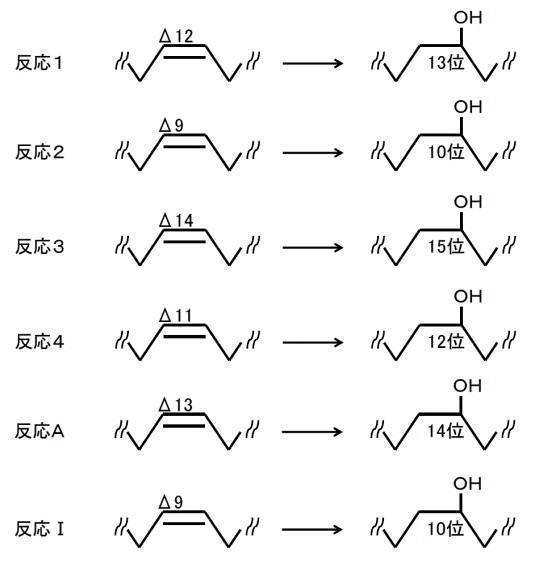
上記の「cis-12不飽和脂肪酸」、「cis-9不飽和脂肪酸」、「cis-14不飽和脂肪酸」、「cis-11不飽和脂肪酸」としては、それぞれ、12位にシス型二重結合を有する炭素数18の不飽和脂肪酸、9位にシス型二重結合を有する炭素数16の不飽和脂肪酸、14位にシス型二重結合を有する炭素数20の不飽和脂肪酸、11位にシス型二重結合を有する炭素数20の不飽和脂肪酸であれば特に制限されず、例えば一価不飽和脂肪酸、二価不飽和脂肪酸、三価不飽和脂肪酸、四価不飽和脂肪酸、五価不飽和脂肪酸などが挙げられる。尚、本明細書において「脂肪酸」という場合、遊離の酸のみならず、エステル体、塩基性化合物との塩等をも包含する。「DHA」および「ミリストレイン酸」についても、遊離の酸のみならず、エステル体、塩基性化合物との塩等をも包含する。
前記の製法1の「cis-12不飽和脂肪酸」としては、例えば、シス-9,シス-12-オクタデカジエン酸(リノール酸)、シス-6,シス-9,シス-12-オクタデカトリエン酸(γ-リノレン酸)、シス-9,シス-12,シス-15-オクタデカトリエン酸(α-リノレン酸)、シス-6,シス-9,シス-12,シス-15-オクタデカテトラエン酸(ステアリドン酸)の他、WO2013/168310で製造可能となった10-ヒドロキシ-シス-12-オクタデセン酸、10-ヒドロキシ-シス-6,シス-12-オクタデカジエン酸、10-ヒドロキシ-シス-12,シス-15-オクタデカジエン酸、10-ヒドロキシ-シス-6,シス-12,シス-15-オクタデカトリエン酸、10-オキソ-シス-12-オクタデセン酸、10-オキソ-シス-6,シス-12-オクタデカジエン酸、10-オキソ-シス-12,シス-15-オクタデカジエン酸、10-オキソ-シス-6,シス-12,シス-15-オクタデカトリエン酸、シス-5,シス-9,シス-12-オクタデカトリエン酸(ピノレン酸)、トランス-5,シス-9,シス-12-オクタデカトリエン酸(コルンビン酸)等が挙げられる。もちろん、当該基質はWO2013/168310以外の方法により得られたものであってもよい。
前記の製法1によって製造される「13-hydroxy脂肪酸」としては、例えば、シス-9,シス-12-オクタデカジエン酸(リノール酸)から誘導される13-ヒドロキシ-シス-9-オクタデセン酸、シス-6,シス-9,シス-12-オクタデカトリエン酸(γ-リノレン酸)から誘導される13-ヒドロキシ-シス-6,シス-9-オクタデカジエン酸、シス-9,シス-12,シス-15-オクタデカトリエン酸(α-リノレン酸)から誘導される13-ヒドロキシ-シス-9,シス-15-オクタデカジエン酸、シス-6,シス-9,シス-12,シス-15-オクタデカテトラエン酸(ステアリドン酸)から誘導される13-ヒドロキシ-シス-6,シス-9,シス-15-オクタデカトリエン酸、10-ヒドロキシ-シス-12-オクタデセン酸から誘導される10,13-ジヒドロキシ-オクタデカン酸、10-ヒドロキシ-シス-6,シス-12-オクタデカジエン酸から誘導される10,13-ジヒドロキシ-シス-6-オクタデセン酸、10-ヒドロキシ-シス-12,シス-15-オクタデカジエン酸から誘導される10,13-ジヒドロキシ-シス-15-オクタデセン酸、10-ヒドロキシ-シス-6,シス-12,シス-15-オクタデカトリエン酸から誘導される10,13-ジヒドロキシ-シス-6,シス-15-オクタデカジエン酸、10-オキソ-シス-12-オクタデセン酸から誘導される10-オキソ-13-ヒドロキシ-オクタデカン酸、10-オキソ-シス-6,シス-12-オクタデカジエン酸から誘導される10-オキソ-13-ヒドロキシ-シス-6-オクタデセン酸、10-オキソ-シス-12,シス-15-オクタデカジエン酸から誘導される10-オキソ-13-ヒドロキシ-シス-15-オクタデセン酸、10-オキソ-シス-6,シス-12,シス-15-オクタデカトリエン酸から誘導される10-オキソ-13-ヒドロキシ-シス-6,シス-15-オクタデカジエン酸、シス-5,シス-9,シス-12-オクタデカトリエン酸(ピノレン酸)から誘導される13-ヒドロキシ-シス-5,シス-9-オクタデカジエン酸、トランス-5,シス-9,シス-12-オクタデカトリエン酸(コルンビン酸)から誘導される13-ヒドロキシ-トランス-5,シス-9-オクタデカジエン酸等が挙げられる。
前記の製法2の「cis-9不飽和脂肪酸」としては、例えば、シス-9-ヘキサデセン酸(パルミトレイン酸)等が挙げられる。
前記の製法2によって製造される「10-hydroxy脂肪酸」としては、例えば、シス-9-ヘキサデセン酸(パルミトレイン酸)から誘導される10-ヒドロキシ-ヘキサデカン酸等が挙げられる。
前記の製法3の「cis-14不飽和脂肪酸」としては、例えば、シス-11,シス-14-エイコサジエン酸、シス-11,シス-14,シス-17-エイコサトリエン酸、シス-8,シス-11,シス-14-エイコサトリエン酸(ジホモ-γ-リノレン酸)、シス-5,シス-8,シス-11,シス-14-エイコサテトラエン酸(アラキドン酸)、シス-8,シス-11,シス-14,シス-17-エイコサテトラエン酸、シス-5,シス-11,シス-14-エイコサトリエン酸(シアドン酸)、シス-5,シス-11,シス-14,シス-17-エイコサテトラエン酸(ジュニペロン酸)等が挙げられる。
前記の製法3によって製造される「15-hydroxy脂肪酸」としては、例えば、シス-11,シス-14-エイコサジエン酸から誘導される15-ヒドロキシ-シス-11-エイコセン酸、シス-11,シス-14,シス-17-エイコサトリエン酸から誘導される15-ヒドロキシ-シス-11,シス-17-エイコサジエン酸、シス-8,シス-11,シス-14-エイコサトリエン酸(ジホモ-γ-リノレン酸)から誘導される15-ヒドロキシ-シス-8,シス-11-エイコサジエン酸、シス-5,シス-8,シス-11,シス-14-エイコサテトラエン酸(アラキドン酸)から誘導される15-ヒドロキシ-シス-5,シス-8,シス-11-エイコサトリエン酸、シス-8,シス-11,シス-14,シス-17-エイコサテトラエン酸から誘導される15-ヒドロキシ-シス-8,シス-11,シス-17-エイコサトリエン酸、シス-5,シス-11,シス-14-エイコサトリエン酸(シアドン酸)から誘導される15-ヒドロキシ-シス-5,シス-11-エイコサジエン酸、シス-5,シス-11,シス-14,シス-17-エイコサテトラエン酸(ジュニペロン酸)から誘導される15-ヒドロキシ-シス-5,シス-11,シス-17-エイコサトリエン酸等が挙げられる。
前記の製法4の「cis-11不飽和脂肪酸」としては、例えば、シス-11,シス-14-エイコサジエン酸、シス-11,シス-14,シス-17-エイコサトリエン酸、シス-8,シス-11,シス-14-エイコサトリエン酸(ジホモ-γ-リノレン酸)、シス-5,シス-8,シス-11-エイコサトリエン酸(ミード酸)、シス-8,シス-11,シス-14,シス-17-エイコサテトラエン酸、シス-5,シス-8,シス-11,シス-14-エイコサテトラエン酸(アラキドン酸)等が挙げられる。
前記の製法4によって製造される「12-hydroxy脂肪酸」としては、例えば、シス-11,シス-14-エイコサジエン酸から誘導される12-ヒドロキシ-シス-14-エイコセン酸、シス-11,シス-14,シス-17-エイコサトリエン酸から誘導される12-ヒドロキシ-シス-14,シス-17-エイコサジエン酸、シス-8,シス-11,シス-14-エイコサトリエン酸(ジホモ-γ-リノレン酸)から誘導される12-ヒドロキシ-シス-8,シス-14-エイコサジエン酸、シス-5,シス-8,シス-11-エイコサトリエン酸(ミード酸)から誘導される12-ヒドロキシ-シス-5,シス-8-エイコサジエン酸、シス-8,シス-11,シス-14,シス-17-エイコサテトラエン酸から誘導される12-ヒドロキシ-シス-8,シス-14,シス-17-エイコサトリエン酸、シス-5,シス-8,シス-11,シス-14-エイコサテトラエン酸(アラキドン酸)から誘導される12-ヒドロキシ-シス-5,シス-8,シス-14-エイコサトリエン酸等が挙げられる。
さらに、水和反応に「活性化剤」を用いてよく、例えば、NADH、NADPHからなる群から選ばれる1又は2の化合物が挙げられる。その添加濃度は水和反応が効率良く進む濃度であればよい。好ましくは0.1~20mM、より好ましくは1~10mMである。
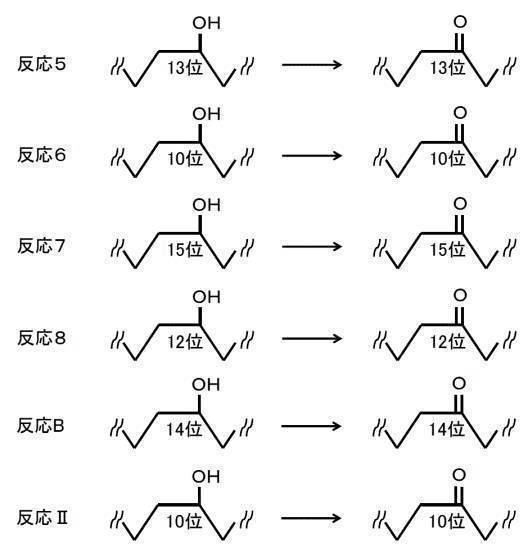
前記の製法5~8の「cis-12不飽和脂肪酸」、「cis-9不飽和脂肪酸」、「cis-14不飽和脂肪酸」、「cis-11不飽和脂肪酸」としては、上記の製法1~4に記載の基質と同様である。
前記の製法5によって製造される「13-oxo脂肪酸」としては、例えば、シス-9,シス-12-オクタデカジエン酸(リノール酸)から誘導される13-オキソ-シス-9-オクタデセン酸、シス-6,シス-9,シス-12-オクタデカトリエン酸(γ-リノレン酸)から誘導される13-オキソ-シス-6,シス-9-オクタデカジエン酸、シス-9,シス-12,シス-15-オクタデカトリエン酸(α-リノレン酸)から誘導される13-オキソ-シス-9,シス-15-オクタデカジエン酸、シス-6,シス-9,シス-12,シス-15-オクタデカテトラエン酸(ステアリドン酸)から誘導される13-オキソ-シス-6,シス-9,シス-15-オクタデカトリエン酸、10-ヒドロキシ-シス-12-オクタデセン酸あるいは10-オキソ-シス-12-オクタデセン酸から誘導される10,13-ジオキソ-オクタデカン酸、10-ヒドロキシ-シス-6,シス-12-オクタデカジエン酸あるいは10-オキソ-シス-6,シス-12-オクタデカジエン酸から誘導される10,13-ジオキソ-シス-6-オクタデセン酸、10-ヒドロキシ-シス-12,シス-15-オクタデカジエン酸あるいは10-オキソ-シス-12,シス-15-オクタデカジエン酸から誘導される10,13-ジオキソ-シス-15-オクタデセン酸、10-ヒドロキシ-シス-6,シス-12,シス-15-オクタデカトリエン酸あるいは10-オキソ-シス-6,シス-12,シス-15-オクタデカトリエン酸から誘導される10,13-ジオキソ-シス-6,シス-15-オクタデカジエン酸、シス-5,シス-9,シス-12-オクタデカトリエン酸(ピノレン酸)から誘導される13-オキソ-シス-5,シス-9-オクタデカジエン酸、トランス-5,シス-9,シス-12-オクタデカトリエン酸(コルンビン酸)から誘導される13-オキソ-トランス-5,シス-9-オクタデカジエン酸等が挙げられる。
前記の製法6によって製造される「10-oxo脂肪酸」としては、例えば、シス-9-ヘキサデセン酸(パルミトレイン酸)から誘導される10-オキソ-ヘキサデカン酸等が挙げられる。
前記の製法7によって製造される「15-oxo脂肪酸」としては、例えば、シス-11,シス-14-エイコサジエン酸から誘導される15-オキソ-シス-11-エイコセン酸、シス-11,シス-14,シス-17-エイコサトリエン酸から誘導される15-オキソ-シス-11,シス-17-エイコサジエン酸、シス-8,シス-11,シス-14-エイコサトリエン酸(ジホモ-γ-リノレン酸)から誘導される15-オキソ-シス-8,シス-11-エイコサジエン酸、シス-5,シス-8,シス-11,シス-14-エイコサテトラエン酸(アラキドン酸)から誘導される15-オキソ-シス-5,シス-8,シス-11-エイコサトリエン酸、シス-8,シス-11,シス-14,シス-17-エイコサテトラエン酸から誘導される15-オキソ-シス-8,シス-11,シス-17-エイコサトリエン酸、シス-5,シス-11,シス-14-エイコサトリエン酸(シアドン酸)から誘導される15-オキソ-シス-5,シス-11-エイコサジエン酸、シス-5,シス-11,シス-14,シス-17-エイコサテトラエン酸(ジュニペロン酸)から誘導される15-オキソ-シス-5,シス-11,シス-17-エイコサトリエン酸等が挙げられる。
前記の製法8によって製造される「12-oxo脂肪酸」としては、例えば、シス-11,シス-14-エイコサジエン酸から誘導される12-オキソ-シス-14-エイコセン酸、シス-11,シス-14,シス-17-エイコサトリエン酸から誘導される12-オキソ-シス-14,シス-17-エイコサジエン酸、シス-8,シス-11,シス-14-エイコサトリエン酸(ジホモ-γ-リノレン酸)から誘導される12-オキソ-シス-8,シス-14-エイコサジエン酸、シス-5,シス-8,シス-11-エイコサトリエン酸(ミード酸)から誘導される12-オキソ-シス-5,シス-8-エイコサジエン酸、シス-8,シス-11,シス-14,シス-17-エイコサテトラエン酸から誘導される12-オキソ-シス-8,シス-14,シス-17-エイコサトリエン酸、シス-5,シス-8,シス-11,シス-14-エイコサテトラエン酸(アラキドン酸)から誘導される12-オキソ-シス-5,シス-8,シス-14-エイコサトリエン酸等が挙げられる。
あるいは、ヒト、又はヒト以外の動物(例えば、イヌ、ネコ、マウス、ラット、ハムスター、モルモット、ウサギ、ブタ、ウシ、ニワトリ、インコ、九官鳥、ヤギ、ウマ、ヒツジ、サル等)に本発明の代謝改善剤を投与し、肥満、糖尿病、脂質代謝異常、高脂血症、高コレステロール血症、高トリグリセリド血症、インスリン抵抗性、脂肪肝からなる群から選択される少なくとも1種を予防又は治療するために、使用することができる。
当該医薬品の剤型としては、散剤、顆粒剤、丸剤、ソフトカプセル、ハードカプセル、錠剤、チュアブル錠、速崩錠、シロップ、液剤、懸濁剤、座剤、軟膏、クリーム剤、ゲル剤、粘付剤、吸入剤、注射剤等が挙げられる。これらの製剤は常法に従って調製されるが、水酸化脂肪酸等は水に難溶性であるため、植物性油、動物性油等の非親水性有機溶媒に溶解するか又は、乳化剤、分散剤もしくは界面活性剤等とともに、ホモジナイザー(高圧ホモジナイザー)を用いて水溶液中に分散、乳化させて用いる。
本発明の医薬品の投与量又は本発明の食品の摂取量は、患者又は摂取者の年齢及び体重、症状、投与時間、剤型、投与方法、薬剤の組み合わせ等に依存して適宜決定できる。例えば、本発明の医薬品を経口投与する場合、有効成分である水酸化脂肪酸等の総量として、成人1日当たり0.02~100mg/kg体重、好ましくは0.2~50mg/kg体重の範囲で、また、非経口的に投与する場合は0.002mg~50mg/kg体重、好ましくは0.02~50mg/kg体重の範囲で、一日1回もしくは数回(2~5回)に分けて投与することができる。また、食品として摂取する場合には、有効成分である水酸化脂肪酸等の総量が、成人1人1日当たり1~6000mgの範囲、好ましくは10~3000mgの範囲の摂取量となるように、食品に配合することができる。本発明の飼料の摂取量及び本発明の化粧品の使用量についても、それぞれ上記食品の摂取量及び上記医薬品の投与量に準じて適宜決定することができる。
水酸化脂肪酸及びオキソ脂肪酸等の機能を評価するため、PPARα、γの活性化能を測定した。当該測定はNobuyuki Takahashiら、FEBS Letters 514 (2002) p315-322、「Dual action of isoprenols from herbal medicines on both PPARgamma and PPARalpha in 3T3-L1 adipocytes and HepG2 hepatocytes.」のMaterial and methods Reporter plasmids and luciferase assaysの欄を参照して行った。詳細には、PPARα,γリガンド活性は、PPARリガンド結合領域とGAL4 DNA結合領域との融合タンパクに対する結合および標的遺伝子活性化をルシフェラーゼの発現で評価するレポーター・アッセイにより測定した。具体的には、CV-1細胞に、PPARα,γリガンド結合領域とGAL4 DNA結合領域の融合タンパク質をコードするDNAを含むプラスミドと、GAL4結合DNA配列にルシフェラーゼをつないだレポータープラスミドを導入し、この細胞に、以下に記載のリガンドを添加して、インキュベートした後にルシフェラーゼ活性の検出を行った。
サンプルはエタノールを用いて濃度調整(10μM及び30μM)を行った。陰性コントロールにはエタノール、陽性対照にはPPARα,γリガンド剤 GW7647(10nM)、troglitazone(5μM)をそれぞれ用いた。結果を図2、図3に示す。
図2、3から、(1)-(10)の脂肪酸全てにおいてPPARα及びγアゴニスト活性が認められた。(8)13-OXO GLAは強いPPARαアゴニスト活性が、(5)13-OXO ALAは強いPPARγアゴニスト活性が認められた。
ここで述べられた特許及び特許出願明細書を含む全ての刊行物に記載された内容は、ここに引用されたことによって、その全てが明示されたと同程度に本明細書に組み込まれるものである。
本出願は、日本で出願された特願2014-011871(出願日:平成26年1月24日)を基礎としており、その内容はすべて本明細書に包含されるものとする。
Claims (21)
- 以下の脂肪酸を含む、代謝改善剤:
(1)13位に水酸基またはカルボニル基を有する炭素数18の脂肪酸、
(2)15位に水酸基またはカルボニル基を有する炭素数20の脂肪酸、
(3)12位に水酸基またはカルボニル基を有する炭素数20の脂肪酸、または
(4)10位に水酸基またはカルボニル基を有する炭素数16の脂肪酸。 - 以下の脂肪酸を含む、請求項1に記載の剤:
(1)13位に水酸基もしくはカルボニル基を有する炭素数18の飽和脂肪酸または6位、9位、15位に少なくとも1つのシス型二重結合を有する不飽和脂肪酸、
(2)15位に水酸基またはカルボニル基を有する炭素数20の5位、8位、11位、17位に少なくとも1つのシス型二重結合を有する不飽和脂肪酸、
(3)12位に水酸基もしくはカルボニル基を有する炭素数20の飽和脂肪酸または5位、8位、14位、17位に少なくとも1つのシス型二重結合を有する不飽和脂肪酸、または
(4)10位に水酸基またはカルボニル基を有する炭素数16の飽和脂肪酸。 - 以下の脂肪酸を含む、請求項2に記載の剤:
(1)13位に水酸基もしくはカルボニル基を有する炭素数18の飽和脂肪酸または6位、9位、15位に少なくとも1つのシス型二重結合を有する不飽和脂肪酸、または
(2)15位に水酸基もしくはカルボニル基を有する炭素数20の5位、8位、11位、17位に少なくとも1つのシス型二重結合を有する不飽和脂肪酸。 - 以下の脂肪酸を含む、請求項2に記載の剤:
(1)13位に水酸基もしくはカルボニル基を有する炭素数18の飽和脂肪酸または6位、9位、15位に少なくとも1つのシス型二重結合を有する不飽和脂肪酸が、13-ヒドロキシ-シス-9-オクタデセン酸、13-ヒドロキシ-シス-6,シス-9-オクタデカジエン酸、13-ヒドロキシ-シス-9,シス-15-オクタデカジエン酸、13-ヒドロキシ-シス-6,シス-9,シス-15-オクタデカトリエン酸、10,13-ジヒドロキシ-オクタデカン酸、10,13-ジヒドロキシ-シス-6-オクタデセン酸、10,13-ジヒドロキシ-シス-15-オクタデセン酸、10,13-ジヒドロキシ-シス-6,シス-15-オクタデカジエン酸、10-オキソ-13-ヒドロキシ-オクタデカン酸、10-オキソ-13-ヒドロキシ-シス-6-オクタデセン酸、10-オキソ-13-ヒドロキシ-シス-15-オクタデセン酸、10-オキソ-13-ヒドロキシ-シス-6,シス-15-オクタデカジエン酸、13-ヒドロキシ-シス-5,シス-9-オクタデカジエン酸、13-ヒドロキシ-トランス-5,シス-9-オクタデカジエン酸、13-オキソ-シス-9-オクタデセン酸、13-オキソ-シス-6,シス-9-オクタデカジエン酸、13-オキソ-シス-9,シス-15-オクタデカジエン酸、13-オキソ-シス-6,シス-9,シス-15-オクタデカトリエン酸、10,13-ジオキソ-オクタデカン酸、10,13-ジオキソ-シス-6-オクタデセン酸、10,13-ジオキソ-シス-15-オクタデセン酸、10,13-ジオキソ-シス-6,シス-15-オクタデカジエン酸、13-オキソ-シス-5,シス-9-オクタデカジエン酸または13-オキソ-トランス-5,シス-9-オクタデカジエン酸、
(2)15位に水酸基またはカルボニル基を有する炭素数20の5位、8位、11位、17位に少なくとも1つのシス型二重結合を有する不飽和脂肪酸が、15-ヒドロキシ-シス-11-エイコセン酸、15-ヒドロキシ-シス-11,シス-17-エイコサジエン酸、15-ヒドロキシ-シス-8,シス-11-エイコサジエン酸、15-ヒドロキシ-シス-5,シス-8,シス-11-エイコサトリエン酸、15-ヒドロキシ-シス-8,シス-11,シス-17-エイコサトリエン酸、15-ヒドロキシ-シス-5,シス-11-エイコサジエン酸、15-ヒドロキシ-シス-5,シス-11,シス-17-エイコサトリエン酸、15-オキソ-シス-11-エイコセン酸、15-オキソ-シス-11,シス-17-エイコサジエン酸、15-オキソ-シス-8,シス-11-エイコサジエン酸、15-オキソ-シス-5,シス-8,シス-11-エイコサトリエン酸、15-オキソ-シス-8,シス-11,シス-17-エイコサトリエン酸、15-オキソ-シス-5,シス-11-エイコサジエン酸または15-オキソ-シス-5,シス-11,シス-17-エイコサトリエン酸、
(3)12位に水酸基もしくはカルボニル基を有する炭素数20の飽和脂肪酸または5位、8位、14位、17位に少なくとも1つのシス型二重結合を有する不飽和脂肪酸が、12-ヒドロキシ-シス-14-エイコセン酸、12-ヒドロキシ-シス-14,シス-17-エイコサジエン酸、12-ヒドロキシ-シス-8,シス-14-エイコサジエン酸、12-ヒドロキシ-シス-5,シス-8-エイコサジエン酸、12-ヒドロキシ-シス-8,シス-14,シス-17-エイコサトリエン酸、12-ヒドロキシ-シス-5,シス-8,シス-14-エイコサトリエン酸、12-オキソ-シス-14-エイコセン酸、12-オキソ-シス-14,シス-17-エイコサジエン酸、12-オキソ-シス-8,シス-14-エイコサジエン酸、12-オキソ-シス-5,シス-8-エイコサジエン酸、12-オキソ-シス-8,シス-14,シス-17-エイコサトリエン酸、または12-オキソ-シス-5,シス-8,シス-14-エイコサトリエン酸、
(4)10位に水酸基またはカルボニル基を有する炭素数16の飽和脂肪酸が、10-ヒドロキシ-ヘキサデカン酸または10-オキソ-ヘキサデカン酸。 - 以下の脂肪酸を含む、請求項3に記載の剤:
(1)13位に水酸基もしくはカルボニル基を有する炭素数18の飽和脂肪酸または6位、9位、15位に少なくとも1つのシス型二重結合を有する不飽和脂肪酸が、13-ヒドロキシ-シス-9-オクタデセン酸、13-ヒドロキシ-シス-6,シス-9-オクタデカジエン酸、13-ヒドロキシ-シス-9,シス-15-オクタデカジエン酸、10,13-ジヒドロキシ-オクタデカン酸、10,13-ジヒドロキシ-シス-6-オクタデセン酸、10,13-ジヒドロキシ-シス-15-オクタデセン酸、13-オキソ-シス-9-オクタデセン酸、13-オキソ-シス-6,シス-9-オクタデカジエン酸、または13-オキソ-シス-9,シス-15-オクタデカジエン酸、
(2)15位に水酸基またはカルボニル基を有する炭素数20の5位、8位、11位、17位に少なくとも1つのシス型二重結合を有する不飽和脂肪酸が、15-ヒドロキシ-シス-5,シス-8,シス-11-エイコサトリエン酸。 - 肥満、糖尿病、脂質代謝異常、高脂血症、及び脂肪肝からなる群から選択される少なくとも1種の予防又は改善に使用される請求項1-5のいずれか1項に記載の剤。
- 食品もしくは食品添加物である、請求項1-5のいずれか1項に記載の剤。
- 医薬品である、請求項1-5のいずれか1項に記載の剤。
- 飼料もしくは飼料添加物である、請求項1-5のいずれか1項に記載の剤。
- 以下の脂肪酸を含む、PPAR活性促進剤:
(1)13位に水酸基またはカルボニル基を有する炭素数18の脂肪酸、
(2)15位に水酸基またはカルボニル基を有する炭素数20の脂肪酸、
(3)12位に水酸基またはカルボニル基を有する炭素数20の脂肪酸、または
(4)10位に水酸基またはカルボニル基を有する炭素数16の脂肪酸。 - 以下の脂肪酸を含む、請求項10に記載の剤:
(1)13位に水酸基もしくはカルボニル基を有する炭素数18の飽和脂肪酸または6位、9位、15位に少なくとも1つのシス型二重結合を有する不飽和脂肪酸、
(2)15位に水酸基またはカルボニル基を有する炭素数20の5位、8位、11位、17位に少なくとも1つのシス型二重結合を有する不飽和脂肪酸、
(3)12位に水酸基もしくはカルボニル基を有する炭素数20の飽和脂肪酸または5位、8位、14位、17位に少なくとも1つのシス型二重結合を有する不飽和脂肪酸、または
(4)10位に水酸基またはカルボニル基を有する炭素数16の飽和脂肪酸。 - 以下の脂肪酸を含む、請求項11に記載の剤:
(1)13位に水酸基もしくはカルボニル基を有する炭素数18の飽和脂肪酸または6位、9位、15位に少なくとも1つのシス型二重結合を有する不飽和脂肪酸、または
(2)15位に水酸基もしくはカルボニル基を有する炭素数20の5位、8位、11位、17位に少なくとも1つのシス型二重結合を有する不飽和脂肪酸。 - 以下の脂肪酸を含む、請求項11に記載の剤:
(1)13位に水酸基もしくはカルボニル基を有する炭素数18の飽和脂肪酸または6位、9位、15位に少なくとも1つのシス型二重結合を有する不飽和脂肪酸が、13-ヒドロキシ-シス-9-オクタデセン酸、13-ヒドロキシ-シス-6,シス-9-オクタデカジエン酸、13-ヒドロキシ-シス-9,シス-15-オクタデカジエン酸、13-ヒドロキシ-シス-6,シス-9,シス-15-オクタデカトリエン酸、10,13-ジヒドロキシ-オクタデカン酸、10,13-ジヒドロキシ-シス-6-オクタデセン酸、10,13-ジヒドロキシ-シス-15-オクタデセン酸、10,13-ジヒドロキシ-シス-6,シス-15-オクタデカジエン酸、10-オキソ-13-ヒドロキシ-オクタデカン酸、10-オキソ-13-ヒドロキシ-シス-6-オクタデセン酸、10-オキソ-13-ヒドロキシ-シス-15-オクタデセン酸、10-オキソ-13-ヒドロキシ-シス-6,シス-15-オクタデカジエン酸、13-ヒドロキシ-シス-5,シス-9-オクタデカジエン酸、13-ヒドロキシ-トランス-5,シス-9-オクタデカジエン酸、13-オキソ-シス-9-オクタデセン酸、13-オキソ-シス-6,シス-9-オクタデカジエン酸、13-オキソ-シス-9,シス-15-オクタデカジエン酸、13-オキソ-シス-6,シス-9,シス-15-オクタデカトリエン酸、10,13-ジオキソ-オクタデカン酸、10,13-ジオキソ-シス-6-オクタデセン酸、10,13-ジオキソ-シス-15-オクタデセン酸、10,13-ジオキソ-シス-6,シス-15-オクタデカジエン酸、13-オキソ-シス-5,シス-9-オクタデカジエン酸または13-オキソ-トランス-5,シス-9-オクタデカジエン酸、
(2)15位に水酸基またはカルボニル基を有する炭素数20の5位、8位、11位、17位に少なくとも1つのシス型二重結合を有する不飽和脂肪酸が、15-ヒドロキシ-シス-11-エイコセン酸、15-ヒドロキシ-シス-11,シス-17-エイコサジエン酸、15-ヒドロキシ-シス-8,シス-11-エイコサジエン酸、15-ヒドロキシ-シス-5,シス-8,シス-11-エイコサトリエン酸、15-ヒドロキシ-シス-8,シス-11,シス-17-エイコサトリエン酸、15-ヒドロキシ-シス-5,シス-11-エイコサジエン酸、15-ヒドロキシ-シス-5,シス-11,シス-17-エイコサトリエン酸、15-オキソ-シス-11-エイコセン酸、15-オキソ-シス-11,シス-17-エイコサジエン酸、15-オキソ-シス-8,シス-11-エイコサジエン酸、15-オキソ-シス-5,シス-8,シス-11-エイコサトリエン酸または15-オキソ-シス-8,シス-11,シス-17-エイコサトリエン酸、15-オキソ-シス-5,シス-11-エイコサジエン酸または15-オキソ-シス-5,シス-11,シス-17-エイコサトリエン酸、
(3)12位に水酸基もしくはカルボニル基を有する炭素数20の飽和脂肪酸または5位、8位、14位、17位に少なくとも1つのシス型二重結合を有する不飽和脂肪酸が、12-ヒドロキシ-シス-14-エイコセン酸、12-ヒドロキシ-シス-14,シス-17-エイコサジエン酸、12-ヒドロキシ-シス-8,シス-14-エイコサジエン酸、12-ヒドロキシ-シス-5,シス-8-エイコサジエン酸、12-ヒドロキシ-シス-8,シス-14,シス-17-エイコサトリエン酸、12-ヒドロキシ-シス-5,シス-8,シス-14-エイコサトリエン酸、12-オキソ-シス-14-エイコセン酸、12-オキソ-シス-14,シス-17-エイコサジエン酸、12-オキソ-シス-8,シス-14-エイコサジエン酸、12-オキソ-シス-5,シス-8-エイコサジエン酸、12-オキソ-シス-8,シス-14,シス-17-エイコサトリエン酸、または12-オキソ-シス-5,シス-8,シス-14-エイコサトリエン酸、
(4)10位に水酸基またはカルボニル基を有する炭素数16の飽和脂肪酸が、10-ヒドロキシ-ヘキサデカン酸または10-オキソ-ヘキサデカン酸。 - 以下の脂肪酸を含む、請求項12に記載の剤:
(1)13位に水酸基もしくはカルボニル基を有する炭素数18の飽和脂肪酸または6位、9位、15位に少なくとも1つのシス型二重結合を有する不飽和脂肪酸が、13-ヒドロキシ-シス-9-オクタデセン酸、13-ヒドロキシ-シス-6,シス-9-オクタデカジエン酸、13-ヒドロキシ-シス-9,シス-15-オクタデカジエン酸、10,13-ジヒドロキシ-オクタデカン酸、10,13-ジヒドロキシ-シス-6-オクタデセン酸、10,13-ジヒドロキシ-シス-15-オクタデセン酸、13-オキソ-シス-9-オクタデセン酸、13-オキソ-シス-6,シス-9-オクタデカジエン酸、または13-オキソ-シス-9,シス-15-オクタデカジエン酸、
(2)15位に水酸基もしくはカルボニル基を有する炭素数20の5位、8位、11位、17位に少なくとも1つのシス型二重結合を有する不飽和脂肪酸が、15-ヒドロキシ-シス-5,シス-8,シス-11-エイコサトリエン酸。 - PPARがPPARαまたはPPARγである、請求項10―14のいずれか1項に記載の剤。
- 請求項1~5のいずれか1項に記載の脂肪酸の有効量を患者に投与することを含む、代謝に関わる疾患の予防または治療方法。
- 代謝に関わる疾患が肥満、糖尿病、脂質代謝異常、高脂血症、及び脂肪肝からなる群から選択される少なくとも1種である、請求項16に記載の方法。
- 代謝に関わる疾患の予防または治療に使用するための、請求項1~5のいずれか1項に記載の脂肪酸。
- 代謝に関わる疾患が肥満、糖尿病、脂質代謝異常、高脂血症、及び脂肪肝からなる群から選択される少なくとも1種である、請求項18に記載の脂肪酸。
- 代謝に関わる疾患の予防または治療剤を製造するための、請求項1~5のいずれか1項に記載の脂肪酸の使用。
- 代謝に関わる疾患が肥満、糖尿病、脂質代謝異常、高脂血症、及び脂肪肝からなる群から選択される少なくとも1種である、請求項20に記載の使用。
Priority Applications (6)
| Application Number | Priority Date | Filing Date | Title |
|---|---|---|---|
| US15/113,654 US10548868B2 (en) | 2014-01-24 | 2015-01-23 | Metabolism-improving agent comprising rare fatty acid |
| CN201580015665.2A CN106456586A (zh) | 2014-01-24 | 2015-01-23 | 包含稀有脂肪酸的代谢改善剂 |
| EP15740593.7A EP3097911B8 (en) | 2014-01-24 | 2015-01-23 | Metabolism-improving agent comprising rare fatty acid |
| JP2015559128A JP6671576B2 (ja) | 2014-01-24 | 2015-01-23 | 希少脂肪酸を含む代謝改善剤 |
| US16/710,302 US10952983B2 (en) | 2014-01-24 | 2019-12-11 | Metabolism-improving agent comprising rare fatty acid |
| US17/175,186 US12491173B2 (en) | 2014-01-24 | 2021-02-12 | Metabolism-improving agent comprising rare fatty acid |
Applications Claiming Priority (2)
| Application Number | Priority Date | Filing Date | Title |
|---|---|---|---|
| JP2014-011871 | 2014-01-24 | ||
| JP2014011871 | 2014-01-24 |
Related Child Applications (2)
| Application Number | Title | Priority Date | Filing Date |
|---|---|---|---|
| US15/113,654 A-371-Of-International US10548868B2 (en) | 2014-01-24 | 2015-01-23 | Metabolism-improving agent comprising rare fatty acid |
| US16/710,302 Division US10952983B2 (en) | 2014-01-24 | 2019-12-11 | Metabolism-improving agent comprising rare fatty acid |
Publications (1)
| Publication Number | Publication Date |
|---|---|
| WO2015111700A1 true WO2015111700A1 (ja) | 2015-07-30 |
Family
ID=53681497
Family Applications (1)
| Application Number | Title | Priority Date | Filing Date |
|---|---|---|---|
| PCT/JP2015/051843 Ceased WO2015111700A1 (ja) | 2014-01-24 | 2015-01-23 | 希少脂肪酸を含む代謝改善剤 |
Country Status (5)
| Country | Link |
|---|---|
| US (3) | US10548868B2 (ja) |
| EP (1) | EP3097911B8 (ja) |
| JP (2) | JP6671576B2 (ja) |
| CN (1) | CN106456586A (ja) |
| WO (1) | WO2015111700A1 (ja) |
Cited By (4)
| Publication number | Priority date | Publication date | Assignee | Title |
|---|---|---|---|---|
| JP2016047808A (ja) * | 2014-08-25 | 2016-04-07 | 出光興産株式会社 | 高脂血症および/または脂肪肝の改善剤 |
| WO2019045011A1 (ja) | 2017-08-31 | 2019-03-07 | 国立大学法人京都大学 | 水酸化脂肪酸のホモポリマーとその製造方法 |
| WO2025047856A1 (ja) * | 2023-08-30 | 2025-03-06 | 国立大学法人神戸大学 | 筋萎縮抑制薬 |
| US12391968B2 (en) | 2019-03-29 | 2025-08-19 | Noster Inc. | Production method for rare fatty acid using novel enzyme, and novel rare fatty acid |
Families Citing this family (2)
| Publication number | Priority date | Publication date | Assignee | Title |
|---|---|---|---|---|
| CN111568889A (zh) * | 2020-06-12 | 2020-08-25 | 四川大学华西医院 | 羟基十八碳二烯酸在制备α-葡萄糖苷酶抑制剂类药物的用途及其分离方法 |
| WO2021262298A1 (en) * | 2020-06-23 | 2021-12-30 | University Of Pittsburgh - Of The Commonwealth System Of Higher Education | Electrophilic compounds and electrophilic prodrugs for treating aneurysm |
Citations (8)
| Publication number | Priority date | Publication date | Assignee | Title |
|---|---|---|---|---|
| JP2006521368A (ja) | 2003-03-27 | 2006-09-21 | サントリー株式会社 | 脂質改善剤及び脂質改善剤を含んでなる組成物 |
| JP2007259712A (ja) | 2006-03-27 | 2007-10-11 | Asahi Kasei Pharma Kk | 共役脂肪酸の製造方法 |
| JP2009051732A (ja) * | 2005-12-13 | 2009-03-12 | Meiji Seika Kaisha Ltd | Pparリガンド活性を有する組成物 |
| JP2009096570A (ja) | 2007-10-15 | 2009-05-07 | Jatco Ltd | 部材の反転装置 |
| JP2011184411A (ja) | 2010-03-11 | 2011-09-22 | Kyoto Univ | トマト抽出物を含有する生活習慣病改善剤 |
| WO2013168310A1 (ja) | 2012-05-10 | 2013-11-14 | 国立大学法人京都大学 | オキソ脂肪酸及び希少脂肪酸の製造法 |
| WO2014069227A1 (ja) | 2012-10-29 | 2014-05-08 | 国立大学法人京都大学 | 希少脂肪酸を含む代謝改善剤 |
| WO2014129384A1 (ja) | 2013-02-21 | 2014-08-28 | 国立大学法人京都大学 | 水酸化脂肪酸を含む腸管保護剤 |
Family Cites Families (9)
| Publication number | Priority date | Publication date | Assignee | Title |
|---|---|---|---|---|
| AU5850000A (en) * | 1999-07-07 | 2001-01-30 | Kyowa Hakko Kogyo Co. Ltd. | Process for producing hydroxylated fatty acid and delta-lactone |
| US20020151734A1 (en) * | 2001-01-02 | 2002-10-17 | Schwartzman Michal Laniado | 12-HETrE analogs and methods of use thereof |
| KR100649712B1 (ko) * | 2004-11-01 | 2006-11-28 | 최면 | 해초를 이용한 식품조성물 |
| EP1983977A4 (en) | 2006-01-31 | 2011-11-30 | Martek Biosciences Corp | OXYLIPINES FROM STEARIDONIC ACID AND GAMMA-LINOLIC ACID AND METHOD FOR THE PRODUCTION AND USE THEREOF |
| KR100793081B1 (ko) * | 2006-11-20 | 2008-01-10 | 제주대학교 산학협력단 | 꼬시래기 추출물로부터 분리된 화합물을 유효성분으로함유하는 염증성 질환의 예방 및 치료용 조성물 |
| WO2008125928A2 (en) | 2006-12-21 | 2008-10-23 | Ranbaxy Laboratories Limited | Standardized bioactive extracts of annona squamosa |
| JPWO2009096579A1 (ja) | 2008-02-01 | 2011-05-26 | 味の素株式会社 | 高血糖抑制用栄養組成物 |
| US20110190242A1 (en) | 2008-09-23 | 2011-08-04 | Resolvyx Pharmaceuticals, Inc. | Compositions and methods for the treatment of inflammatory disease |
| US8524455B2 (en) | 2009-07-24 | 2013-09-03 | University Of Rochester | Methods and compositions related to TR4 ligand |
-
2015
- 2015-01-23 CN CN201580015665.2A patent/CN106456586A/zh active Pending
- 2015-01-23 JP JP2015559128A patent/JP6671576B2/ja active Active
- 2015-01-23 US US15/113,654 patent/US10548868B2/en active Active
- 2015-01-23 EP EP15740593.7A patent/EP3097911B8/en active Active
- 2015-01-23 WO PCT/JP2015/051843 patent/WO2015111700A1/ja not_active Ceased
-
2019
- 2019-10-09 JP JP2019185615A patent/JP2020031641A/ja active Pending
- 2019-12-11 US US16/710,302 patent/US10952983B2/en active Active
-
2021
- 2021-02-12 US US17/175,186 patent/US12491173B2/en active Active
Patent Citations (8)
| Publication number | Priority date | Publication date | Assignee | Title |
|---|---|---|---|---|
| JP2006521368A (ja) | 2003-03-27 | 2006-09-21 | サントリー株式会社 | 脂質改善剤及び脂質改善剤を含んでなる組成物 |
| JP2009051732A (ja) * | 2005-12-13 | 2009-03-12 | Meiji Seika Kaisha Ltd | Pparリガンド活性を有する組成物 |
| JP2007259712A (ja) | 2006-03-27 | 2007-10-11 | Asahi Kasei Pharma Kk | 共役脂肪酸の製造方法 |
| JP2009096570A (ja) | 2007-10-15 | 2009-05-07 | Jatco Ltd | 部材の反転装置 |
| JP2011184411A (ja) | 2010-03-11 | 2011-09-22 | Kyoto Univ | トマト抽出物を含有する生活習慣病改善剤 |
| WO2013168310A1 (ja) | 2012-05-10 | 2013-11-14 | 国立大学法人京都大学 | オキソ脂肪酸及び希少脂肪酸の製造法 |
| WO2014069227A1 (ja) | 2012-10-29 | 2014-05-08 | 国立大学法人京都大学 | 希少脂肪酸を含む代謝改善剤 |
| WO2014129384A1 (ja) | 2013-02-21 | 2014-08-28 | 国立大学法人京都大学 | 水酸化脂肪酸を含む腸管保護剤 |
Non-Patent Citations (8)
| Title |
|---|
| FEBS LETTERS, vol. 514, 2002, pages 315 - 322 |
| JOURNAL OF LIPID RESEARCH, vol. 47, 2006, pages 2712 - 2717 |
| KAORI TANABE ET AL.: "Nyusankin o Mochiita Unique na Hydroxy Shibosan Seisan ni Tsuite", BIOTECHNOLOGY, AND AGROCHEMISTRY TAIKAI KOEN YOSHISHU, vol. 2007, 2007, pages 45, XP008184361 * |
| KIM Y-I, MOL. - NUTR. FOOD RES., vol. 55, 2011, pages 585 - 593 |
| KIM Y-I, PLOS ONE, vol. 7, no. 2, 2012, pages E31317 |
| NAGAO K, J. BIOSCI. BIOENG., vol. 100, no. 2, 2005, pages 152 - 157 |
| NOBUYUKI TAKAHASHI ET AL.: "Dual action of isoprenols from herbal medicines on both PPARgamma and PPARalpha in 3T3-L1 adipocytes and HepG2 hepatocytes", FEBS LETTERS, vol. 514, 2002, pages 315 - 322 |
| See also references of EP3097911A4 |
Cited By (4)
| Publication number | Priority date | Publication date | Assignee | Title |
|---|---|---|---|---|
| JP2016047808A (ja) * | 2014-08-25 | 2016-04-07 | 出光興産株式会社 | 高脂血症および/または脂肪肝の改善剤 |
| WO2019045011A1 (ja) | 2017-08-31 | 2019-03-07 | 国立大学法人京都大学 | 水酸化脂肪酸のホモポリマーとその製造方法 |
| US12391968B2 (en) | 2019-03-29 | 2025-08-19 | Noster Inc. | Production method for rare fatty acid using novel enzyme, and novel rare fatty acid |
| WO2025047856A1 (ja) * | 2023-08-30 | 2025-03-06 | 国立大学法人神戸大学 | 筋萎縮抑制薬 |
Also Published As
| Publication number | Publication date |
|---|---|
| EP3097911A1 (en) | 2016-11-30 |
| JPWO2015111700A1 (ja) | 2017-03-23 |
| US20170007564A1 (en) | 2017-01-12 |
| US20210236448A1 (en) | 2021-08-05 |
| JP2020031641A (ja) | 2020-03-05 |
| US12491173B2 (en) | 2025-12-09 |
| US10952983B2 (en) | 2021-03-23 |
| US20200101036A1 (en) | 2020-04-02 |
| EP3097911A4 (en) | 2018-03-14 |
| EP3097911B1 (en) | 2024-05-22 |
| US10548868B2 (en) | 2020-02-04 |
| EP3097911B8 (en) | 2024-07-10 |
| CN106456586A (zh) | 2017-02-22 |
| JP6671576B2 (ja) | 2020-03-25 |
Similar Documents
| Publication | Publication Date | Title |
|---|---|---|
| JP6340523B2 (ja) | 希少脂肪酸を含む代謝改善剤 | |
| US12491173B2 (en) | Metabolism-improving agent comprising rare fatty acid | |
| JP6940854B2 (ja) | 希少脂肪酸を含む抗炎症剤 | |
| JP6755488B2 (ja) | オキソ脂肪酸及び希少脂肪酸の製造法 | |
| JP6241681B2 (ja) | 水酸化脂肪酸を含む腸管保護剤 | |
| JP6573119B2 (ja) | 新規酵素を用いた希少脂肪酸の製造法ならびに新規希少脂肪酸 | |
| EP3040415A1 (en) | Omega-3 UNSATURATED FATTY ACID ENZYME AND METHOD FOR PRODUCING EICOSAPENTAENOIC ACID | |
| JP7500079B2 (ja) | 新規酵素を用いた希少脂肪酸の製造法ならびに新規希少脂肪酸 | |
| JP2007252333A (ja) | 共役高度不飽和脂肪酸類の製造方法 |
Legal Events
| Date | Code | Title | Description |
|---|---|---|---|
| 121 | Ep: the epo has been informed by wipo that ep was designated in this application |
Ref document number: 15740593 Country of ref document: EP Kind code of ref document: A1 |
|
| ENP | Entry into the national phase |
Ref document number: 2015559128 Country of ref document: JP Kind code of ref document: A |
|
| WWE | Wipo information: entry into national phase |
Ref document number: 15113654 Country of ref document: US |
|
| NENP | Non-entry into the national phase |
Ref country code: DE |
|
| REEP | Request for entry into the european phase |
Ref document number: 2015740593 Country of ref document: EP |
|
| WWE | Wipo information: entry into national phase |
Ref document number: 2015740593 Country of ref document: EP |