WO2015131535A1 - 一种用户终端的分组方法、会议服务器、会议系统 - Google Patents
一种用户终端的分组方法、会议服务器、会议系统 Download PDFInfo
- Publication number
- WO2015131535A1 WO2015131535A1 PCT/CN2014/090791 CN2014090791W WO2015131535A1 WO 2015131535 A1 WO2015131535 A1 WO 2015131535A1 CN 2014090791 W CN2014090791 W CN 2014090791W WO 2015131535 A1 WO2015131535 A1 WO 2015131535A1
- Authority
- WO
- WIPO (PCT)
- Prior art keywords
- user terminal
- user
- terminal
- sharing
- conference
- Prior art date
- Legal status (The legal status is an assumption and is not a legal conclusion. Google has not performed a legal analysis and makes no representation as to the accuracy of the status listed.)
- Ceased
Links
Images



Classifications
-
- H—ELECTRICITY
- H04—ELECTRIC COMMUNICATION TECHNIQUE
- H04L—TRANSMISSION OF DIGITAL INFORMATION, e.g. TELEGRAPHIC COMMUNICATION
- H04L67/00—Network arrangements or protocols for supporting network services or applications
- H04L67/14—Session management
-
- H—ELECTRICITY
- H04—ELECTRIC COMMUNICATION TECHNIQUE
- H04L—TRANSMISSION OF DIGITAL INFORMATION, e.g. TELEGRAPHIC COMMUNICATION
- H04L12/00—Data switching networks
- H04L12/02—Details
- H04L12/16—Arrangements for providing special services to substations
- H04L12/18—Arrangements for providing special services to substations for broadcast or conference, e.g. multicast
- H04L12/1813—Arrangements for providing special services to substations for broadcast or conference, e.g. multicast for computer conferences, e.g. chat rooms
- H04L12/1822—Conducting the conference, e.g. admission, detection, selection or grouping of participants, correlating users to one or more conference sessions, prioritising transmission
-
- H—ELECTRICITY
- H04—ELECTRIC COMMUNICATION TECHNIQUE
- H04L—TRANSMISSION OF DIGITAL INFORMATION, e.g. TELEGRAPHIC COMMUNICATION
- H04L51/00—User-to-user messaging in packet-switching networks, transmitted according to store-and-forward or real-time protocols, e.g. e-mail
- H04L51/07—User-to-user messaging in packet-switching networks, transmitted according to store-and-forward or real-time protocols, e.g. e-mail characterised by the inclusion of specific contents
- H04L51/10—Multimedia information
-
- H—ELECTRICITY
- H04—ELECTRIC COMMUNICATION TECHNIQUE
- H04M—TELEPHONIC COMMUNICATION
- H04M1/00—Substation equipment, e.g. for use by subscribers
- H04M1/72—Mobile telephones; Cordless telephones, i.e. devices for establishing wireless links to base stations without route selection
- H04M1/724—User interfaces specially adapted for cordless or mobile telephones
Definitions
- the present invention relates to the field of communications technologies, and in particular, to a grouping method of a user terminal, a conference server, and a conference system.
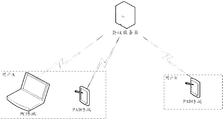
- FIG. 1 depicts a schematic diagram of multiple users holding the same conference.
- User A uses a PC terminal
- User B uses a PAD terminal
- User C uses a PAD terminal
- three users use their respective user terminals to discuss a problem in the same conference.
- Each user terminal has a designated sharing window, and the activities (drawing, labeling, etc.) of any user of the joining can be transmitted to other users' sharing windows in real time, so that the same content is presented on the three user terminals. .
- the same user joins a different user terminal, for example, user A joins the conference on the basis of having the PC terminal join the conference, and the other PAD terminal joins the conference. For other user terminals in the conference, the newly added PAD is considered.
- the terminal and the PC terminal used by User A belong to two different users.
- the present invention provides a grouping method of a user terminal, a conference server, and a conference system, which are used to solve the technical problem that the user terminal belonging to the same user in the conference cannot be identified in the prior art.
- a method for grouping a user terminal is described, the method being applied to a conference server, the method comprising: receiving an enrollment request sent by a first user terminal, obtaining the entitlement from the enrollment request An identity code of a user of the first user terminal, and adding the first user terminal Entering the conference; comparing the identity code with an identity code corresponding to another user terminal that joins the conference; if determining, according to the comparison result, the second user terminal of the other user terminals in the conference and the The first user terminal corresponds to the same identity code, and the first user terminal and the second user terminal are determined as terminals of the same user; and the first user terminal and the second user terminal are used to represent The description information of the user is sent to the user terminal of the other user in the conference, so that the user terminal of the other user in the conference will receive the data sent by the first user terminal according to the description information.
- the data sent by the second user terminal is identified as data sent by the user.
- the method further includes: receiving the a sharing request sent by the user terminal, where the sharing request carries the terminal identifier and the sharing type of the first user terminal, where the sharing type is determined by the second user terminal according to the terminal capability of the first user terminal. And instructing, by the sharing request, the first user terminal to perform data sharing specified by the sharing type.
- the joining request further includes a terminal type of the first user terminal; before receiving the sharing request sent by the second user terminal, The method further includes: transmitting, to the second user terminal, a terminal identifier of the first user terminal and a terminal type of the first user terminal, so that the second user terminal is based on a terminal of the first user terminal The type determines the terminal capabilities of the first user terminal.
- the joining request further includes a terminal capability of the first user terminal; before receiving the sharing request sent by the second user terminal, The method further includes: transmitting a terminal identifier of the first user terminal and a terminal capability of the first user terminal to the second user terminal.
- the terminal capability of the first user terminal includes a whiteboard sharing capability;
- the sharing type is determined according to the sharing ability of the whiteboard, specifically whiteboard sharing;
- the instructing the first user terminal to perform data sharing of the sharing type design specifically includes: instructing the first user terminal to perform whiteboard sharing.
- the method before receiving the sharing request sent by the second user terminal, the method further includes: receiving the first whiteboard sharing data sent by the second user terminal, Transmitting the first whiteboard sharing data to the first user terminal, and transmitting the first whiteboard sharing data to the user terminal of another user in the conference, so that the user terminals of other users in the conference according to the The description information identifies the first whiteboard sharing data as the whiteboard sharing data sent by the user; after the first user terminal is instructed to perform the data sharing specified by the sharing type, the method further includes: receiving the first user terminal Sending the second whiteboard to share data; transmitting the second whiteboard sharing data to the second user terminal, so that the second user terminal merges and displays the first whiteboard data and the second whiteboard data, and The second whiteboard sharing data is sent to user terminals of other users in the conference, so that the users of other users in the conference end up Displaying the first combined whiteboard whiteboard data and the second data according to the description information and the shared whiteboard combined display data identification data of the user shared whiteboard transmitted
- the capability of the first user terminal includes a camera capability; the sharing The type is determined according to the camera capability, specifically the video sharing.
- the indicating that the first user terminal performs the data sharing of the sharing type design specifically includes: instructing the first user terminal to perform video sharing.
- the method before receiving the sharing request sent by the second user terminal, the method further includes: receiving, by the second user terminal, the first video sharing data, Transmitting the first video sharing data to the first user terminal, and transmitting the first video sharing data to a user terminal of another user in the conference, so as to facilitate users of other users in the conference
- the terminal according to the description information, the first video sharing data is identified as the video sharing data sent by the user; after the first user terminal is instructed to perform the data sharing specified by the sharing type, the method further includes: receiving the Second video sharing data sent by a user terminal; Sending the second video sharing data to the second user terminal, and sending the second video sharing data to user terminals of other users in the conference, so as to facilitate user terminals of other users in the conference. And identifying, according to the description information, the second video sharing data as video sharing data sent by the user.
- a second aspect of the present invention describes a conference server, including: a receiving unit, configured to receive an admission request sent by a first user terminal, and obtain an identity code of a user of the first user terminal from the membership request And the first user terminal is added to the conference; the comparison unit is configured to compare the identity identification code received by the receiving unit with an identity identification code corresponding to another user terminal that joins the conference; And if the comparing unit determines, according to the comparison result, that the second user terminal and the first user terminal of the other user terminals in the conference correspond to the same identity code, the first user terminal and the first The second user terminal is determined to be the terminal of the same user, and the sending unit is configured to send, to the conference, description information that is used by the processing unit to indicate that the first user terminal and the second user terminal belong to the user User terminals of other users, so that the user terminals of other users in the conference will receive the first user terminal according to the description information. Sending the data and the second user terminal are transmitted to the identification data of the user sent.
- the receiving unit is further configured to receive, after the processing unit determines the first user terminal and the second user terminal as terminals of the same user, a sharing request sent by the second user terminal, where the sharing request carries the terminal identifier of the first user terminal and the sharing type, and the sharing type is that the second user terminal is according to the first user terminal.
- the conference server further includes: an indication unit, configured to instruct the first user terminal to perform data sharing specified by the sharing type according to the sharing request received by the receiving unit.
- the membership request further includes a terminal type of the first user terminal
- the sending unit is further configured to receive, at the receiving unit, Before the sharing request sent by the second user terminal, sending the terminal identifier of the first user terminal and the terminal type of the first user terminal to the second user terminal, so that the second user The terminal determines the terminal capability of the first user terminal according to the terminal type of the first user terminal.
- the membership request further includes a terminal capability of the first user terminal
- the sending unit is further configured to receive, at the receiving unit, Before the sharing request sent by the second user terminal, the terminal identifier of the first user terminal and the terminal capability of the first user terminal are sent to the second user terminal.
- the terminal capability of the first user terminal includes a whiteboard sharing capability;
- the sharing type is determined according to the sharing capability of the whiteboard, specifically the whiteboard sharing;
- the indicating unit is specifically configured to instruct the first user terminal to perform whiteboard sharing.
- the receiving unit is further configured to receive, by the second user terminal, the first sent by the second user terminal, before receiving the sharing request sent by the second user terminal.
- the whiteboard shares the data, and sends the first whiteboard shared data to the first user terminal, and sends the first whiteboard shared data to the user terminal of another user in the conference, so as to facilitate the conference.
- the user terminal of the other user identifies the first whiteboard sharing data as the whiteboard sharing data sent by the user according to the description information; the receiving unit is further configured to: in the indicating unit, instruct the first user terminal to perform Receiving the second whiteboard sharing data sent by the first user terminal after the data sharing specified by the sharing type; the sending unit is further configured to send the second whiteboard sharing data received by the receiving unit to the Depicting the second user terminal, so that the second user terminal merges and displays the first whiteboard data and the second whiteboard data, and the second white Sharing data is sent to user terminals of other users in the conference, so that user terminals of other users in the conference merge display the first whiteboard data and the second whiteboard data and according to the description information
- the whiteboard shared data displayed by the merge identifies the whiteboard shared data sent by the user.
- the capability of the first user terminal includes a camera capability; the sharing The type is determined according to the camera capability, specifically for video sharing, and the indicating unit is specifically configured to instruct the first user terminal to perform video sharing.
- the receiving unit is further configured to: before receiving the sharing request sent by the second user terminal, receive the sending by the second user terminal Transmitting, by the first video sharing data, the first video sharing data to the first user terminal, and sending the first video sharing data to a user terminal of another user in the conference, to facilitate the conference
- the user terminal of the other user in the user identifies the first video sharing data as the video sharing data sent by the user according to the description information
- the receiving unit is further configured to: in the indicating unit, the first user After receiving the data sharing specified by the sharing type, the terminal receives the second video sharing data sent by the first user terminal;
- the sending unit is further configured to use the second video sharing data received by the receiving unit Sending to the second user terminal, and transmitting the second video sharing data to a user terminal of another user in the conference, to facilitate the Discussion of other users in the user terminal according to the description information of the second video data is identified as video sharing the shared data sent by the user.
- a conference system including: a first user terminal, configured to send an enrollment request, where the enrollment request acquires an identity identification code of a user of the first user terminal; and a conference server, And receiving the membership request, obtaining an identity code of the user of the first user terminal from the membership request, and joining the first user terminal to the conference; adding the identity code to the conference Comparing the identity codes corresponding to the other user terminals; if the second user terminal and the first user terminal of the other user terminals in the conference are determined to have the same identity code according to the comparison result, The first user terminal and the second user terminal are determined to be the terminal of the same user; the description information indicating that the first user terminal and the second user terminal all belong to the user is sent to the conference User terminals of other users, so that the user terminals of other users in the conference send the received first user terminal according to the description information. According to the data transmission terminal and the second user identification data are sent to the user.
- the system further includes: the second user terminal, configured to determine, by the conference server, the first user terminal and the second user terminal After the terminal of the same user sends a sharing request, the sharing request carries the first user a terminal identifier and a sharing type of the terminal, where the sharing type is determined by the second user terminal according to the terminal capability of the first user terminal, and the conference server is further configured to use the sharing sent by the second user terminal.
- the request instructs the first user terminal to perform data sharing specified by the sharing type.
- the membership request further includes a terminal type of the first user terminal
- the conference server is further configured to receive the second user.
- the terminal identifier of the first user terminal and the terminal type of the first user terminal are sent to the second user terminal; the second user terminal is further used according to the The terminal type of a user terminal determines the terminal capability of the first user terminal.
- the joining request further includes a terminal capability of the first user terminal
- the conference server is further configured to receive the second user Before the sharing request sent by the terminal, the terminal identifier of the first user terminal and the terminal capability of the first user terminal are sent to the second user terminal.
- the terminal capability of the first user terminal includes a whiteboard sharing capability;
- the sharing type is determined according to the whiteboard sharing capability, specifically, the whiteboard sharing;
- the conference server is specifically configured to instruct the first user terminal to perform whiteboard sharing.
- the capability of the first user terminal includes a camera capability; the sharing The type is determined according to the camera capability, specifically the video sharing; the conference server is specifically configured to instruct the first user terminal to perform video sharing.
- the identity code of the first user terminal is first obtained, and then the identity code is compared with the identity code of other user terminals in the conference. If the second user terminal and the first user terminal of the other user terminals in the conference have the same identity code, the first user terminal and the second user terminal are determined as user terminals of the same user, and the first user is The description information of the terminal and the second user terminal belonging to the same user is sent to the user end of the other users in the conference. Then, after the user terminal of the other users in the conference receives the description information, the first user terminal and the second user terminal can be identified as the user terminal used by the same user.
- the present invention mainly determines that the user terminal having the same identity code is the user terminal of the same user, and sends the description information of the user terminal having the same identity code to the same user to the user terminal of the other user in the conference.
- the user terminals of other users in the conference can identify the user terminals having the same identity code as the user terminals used by the same user.
- FIG. 1 is a schematic diagram of a plurality of users holding the same conference in the prior art
- FIG. 2 is a schematic overall structural diagram of a grouping method of a user terminal according to an embodiment of the present invention
- FIG. 3 is a process diagram of a grouping method of a user terminal according to an embodiment of the present invention.
- FIG. 4 is a schematic diagram of an implementation process of introducing a first user terminal to perform whiteboard sharing in combination with a second user terminal according to an embodiment of the present invention
- FIG. 5 is a schematic diagram of an implementation process of introducing a first user terminal for video sharing according to an embodiment of the present invention
- FIG. 7 is a schematic diagram of “whiteboard linkage” in an embodiment of the present invention.
- FIG. 8 is a schematic diagram of a conference server according to an embodiment of the present invention.
- FIG. 9 is another schematic diagram of a conference server according to an embodiment of the present invention.
- the embodiment of the present invention provides a grouping method of the user terminal, a conference server, and a conference system.
- the embodiments of the present invention are described in detail. It is to be understood that the specific features of the embodiments and the embodiments of the present invention are the detailed description of the technical solutions of the present invention, and are not limited to the technical solutions of the present invention. Embodiments of the invention and The technical features in the embodiments can be combined with each other.
- a method of grouping a user terminal is described, the method being applied to a conference server.
- FIG. 2 is an example of an overall architecture diagram of the grouping method of the user terminal.
- a conference server In Fig. 2, several components are described: a conference server, a PC terminal used by user A, and a PAD terminal, and a PAD (tablet) terminal used by user B.
- the conference server is used to maintain and forward conference data, maintain a list of participants, maintain user groups, maintain whiteboard editing permissions, and so on.
- User A's PC terminal and PAD terminal are divided into the same group.
- User A joins the conference using the PC terminal and can use the PC terminal for whiteboard sharing and video sharing (if the PC terminal has a camera).
- User B joins the conference using the PAD terminal and can use the PAD terminal for whiteboard sharing and video sharing.
- Whiteboard sharing means that users in different locations can discuss issues on a “common” whiteboard in the same conference.
- One user's activities can be transmitted to other users' whiteboards in real time, and can be communicated by finger or mouse on the whiteboard interface.
- FIG. 2 assuming that user A and user B are in the same conference, a "common" whiteboard is displayed on the PC terminal of user A and the PAD terminal of user B, and these users can be in this "common” whiteboard. Discuss the issue.
- the modified data can be transmitted to the user's PAD terminal in real time, so that the two terminals present the same content.
- the conference server is requested to "instruct the PAD terminal to perform the process.”
- Whiteboard sharing the whiteboard sharing is determined by the PC terminal according to the whiteboard sharing capability of the PAD terminal.
- FIG. 3 is a process diagram of a grouping method of a user terminal in an embodiment of the present invention from a conference server side, and the specific implementation process is as follows:
- S301 Receive an enrollment request sent by the first user terminal, obtain an identity code of the user of the first user terminal from the enrollment request, and join the first user terminal to the conference.
- the first user terminal may specifically be a PC terminal, a PAD terminal, a mobile phone terminal, or the like.
- the first user terminal at this time is the PAD terminal used by user A.
- the “PAD terminal” appearing in the following embodiments refers to the PAD terminal used by user A, and is used by user B.
- the PAD terminal will directly use the name "User B's PAD Terminal” description.
- the identity code is used to identify the user identity of user A, and may be user_ID (identification).
- the first user terminal After the first user terminal is added to the conference, the first user terminal is sent a notification message to notify the first user terminal that the joining is successful, and the first user terminal is assigned a terminal identifier for uniquely identifying the first user terminal.
- Terminal identifiers at this time include, but are not limited to, letters, numbers, strings, and the like.
- S302 Compare the identity code with an identity code corresponding to another user terminal that joins the conference.
- each user terminal has its own identity code, which is used to identify the user identity of the corresponding user. For different terminals of the same user, they have the same identity code. Therefore, after obtaining the identity code of the first user terminal, the identity code of the first user terminal is compared with the identity code corresponding to other user terminals in the conference (the identity code corresponding to other user terminals is from The user terminal obtained by the other user terminal to obtain the same identity code as the first user terminal. As shown in FIG. 2, after the PAD terminal joins, the conference server acquires the ID of the PAD terminal, and then uses this ID to compare with the IDs of other user terminals (the PC terminal used by the user A and the PAD terminal used by the user B). For user A, both the PAD terminal and the PC terminal belong to user A, so both have the same ID. Therefore, after the comparison, the following result can be obtained: the PAD terminal and the PC terminal have the same ID.
- S303 Determine, according to the comparison result, that the second user terminal and the first user terminal of the other user terminals correspond to the same identity code, and determine the first user terminal and the second user terminal as terminals of the same user.
- the PAD terminal and the PC terminal are determined as terminals of the same user (ie, user A).
- the PC terminal at this time is the second user terminal.
- the second user terminal may specifically be a PC terminal, a PAD terminal, a mobile phone terminal, etc., and the second user terminal is not limited by the present invention.
- the conference server can also establish a "mapping relationship between users and terminals.” For example, refer to Table 1.
- the mapping relationship includes the user name of user A, the number of terminals owned by user A, the identity code of user A, and the terminals of the first user terminal and the second user terminal. Identification and the respective terminal type.
- S304 Send description information indicating that the first user terminal and the second user terminal belong to the user to the user terminal of other users in the conference.
- the user terminal that sends the description information to other users in the conference is to facilitate the user terminal of other users in the conference to identify the data sent by the first user terminal and the data sent by the second user terminal as the same user according to the description information.
- the data sent is to facilitate the user terminal of other users in the conference to identify the data sent by the first user terminal and the data sent by the second user terminal as the same user according to the description information.
- the description information of “the PAD terminal and the PC terminal belong to the user A” is notified to the user B.
- the PAD terminal is configured to facilitate the user D's PAD terminal to identify the data sent by the user A's PAD terminal and the PC terminal as the data sent by the user A.
- the description information may specifically be: the association between the terminal identifier of the PAD terminal and the identity code of the user A, and the terminal of the PC terminal. Identifies the association with the identity code of user A.
- the conference server determines the first user terminal and the second user terminal as terminals of the same user.
- the embodiment of the present invention only describes the case where two user terminals are determined to belong to the same user.
- the second user terminal may include multiple user terminals, that is, the present invention further includes a case where a plurality of user terminals are determined to belong to the same user.
- the difference between the two grouping cases is only the number of user terminals, and the specific grouping process is similar. Therefore, the case where the plurality of user terminals are determined to belong to the same user is not described herein.
- the following embodiment will specifically describe an implementation process in which the conference server uses the first user terminal and the second user terminal to perform data sharing after the conference server determines the first user terminal and the second user terminal as terminals of the same user.
- a sharing request sent by the second user terminal is received, where the sharing request carries the terminal identifier and the sharing type of the first user terminal. Then, the first user terminal is instructed to perform data sharing specified by the sharing type according to the sharing request.
- the terminal identifier of the first user terminal is allocated by the conference server after confirming that the first user terminal is successfully enrolled, and is used to uniquely identify the first user terminal.
- the terminal identifier of the first user terminal includes, but is not limited to, a letter, a number, a character string, and the like.
- the sharing type is determined by the second user terminal according to the terminal capability of the first user terminal.
- the terminal capabilities of the first user terminal include whiteboard sharing capabilities and camera capabilities. Therefore, before the second user terminal sends the sharing request, the terminal capability of the first user terminal must be known in order to determine the sharing type.
- the second user terminal learns the terminal capability of the first user terminal, and specifically has the following two implementation manners.
- the first mode the conference server sends the terminal type of the first user terminal to the second user terminal, so that the second user terminal determines the terminal capability of the first user terminal according to the terminal type.
- the first conference request further includes a terminal type of the first user terminal.
- the conference server Before receiving the sharing request sent by the second user terminal, the conference server sends the terminal identifier of the first user terminal and the terminal type of the first user terminal to the second user terminal, so that the second user terminal determines the first user terminal according to the terminal type. Terminal capabilities.
- Terminal capabilities With continued reference to Figure 2, for User A, If the conference server sends the terminal type of the PAD terminal to the PC terminal, the PC terminal can know that the terminal capability of the PAD terminal is the whiteboard sharing capability and the imaging capability through the terminal type of the PAD terminal.
- the second mode the conference server directly sends the terminal capability of the first user terminal to the second user terminal.
- the membership request also includes the terminal capabilities of the first user terminal.
- the conference server Before receiving the sharing request sent by the second user terminal, the conference server sends the identifier of the first user terminal and the terminal capability of the first user terminal to the second user terminal.
- the conference server can directly inform the PC terminal of the terminal capability of the PAD terminal, and then the PC terminal can directly know that the terminal capability of the PAD terminal is the whiteboard sharing capability and the imaging capability.
- the terminal capabilities of the first user terminal include a whiteboard sharing capability, a camera capability, and the like.
- the terminal capabilities of the first user terminal include whiteboard sharing capabilities.
- the sharing type is determined according to the sharing ability of the whiteboard, specifically for whiteboard sharing.
- instructing the first user terminal to perform data sharing of the sharing type design specifically includes: instructing the first user terminal to perform whiteboard sharing.
- the conference server sends a message “Open Whiteboard Editing Authority” to the first user terminal, informing the first user terminal that it has the right to edit the whiteboard, and allows the first user terminal to edit the whiteboard.
- FIG. 4 is a schematic diagram of an implementation process of introducing a white space sharing by a first user terminal according to an embodiment of the present invention.
- S401 Receive the first whiteboard sharing data sent by the second user terminal before receiving the sharing request sent by the second user terminal.
- the first whiteboard sharing data After receiving the first whiteboard sharing data, the first whiteboard sharing data is sent to the first user terminal, and the first whiteboard sharing data is sent to the user terminals of other users in the conference, so as to facilitate the user terminals of other users in the conference.
- the first whiteboard sharing data is identified as whiteboard sharing data sent by the user according to the description information.
- the sharing request carries the terminal identifier and the sharing type of the first user terminal, and the sharing type at this time is specifically whiteboard sharing.
- the whiteboard sharing is determined according to the whiteboard sharing capability of the first user terminal.
- the second whiteboard sharing data is sent to the second user terminal, so that the second user terminal merges and displays the first whiteboard sharing data and the second whiteboard sharing data, and sends the second whiteboard sharing data to the second whiteboard sharing data.
- User terminals of other users in the conference so that the user terminals of other users in the conference merge and display the first whiteboard sharing data and the second whiteboard sharing data, and identify the merged whiteboard sharing data according to the description information as the whiteboard sharing sent by the user. data.
- the following steps may be performed: the right of the second user terminal to edit the whiteboard is disabled, and the prohibition message for prohibiting the second user terminal from performing whiteboard sharing is sent to the second user terminal, and the second user terminal is notified to edit the second user terminal.
- the permissions for the whiteboard have been turned off.
- the conference server may also reserve the right of the second user terminal to edit the whiteboard, and then both the first user terminal and the second user terminal may edit the whiteboard.
- the first user terminal is a PAD terminal
- the second user terminal is a PC terminal.
- the whiteboard sharing is performed by the PAD terminal as an example.
- the first whiteboard sharing data sent by the PC terminal is received.
- the first whiteboard sharing data at this time may be a modification of the original data on the whiteboard, addition, and the like. Because the whiteboard sharing capability of the PC terminal is weak, the whiteboard sharing capability of the PAD terminal is strong and the whiteboard sharing is convenient.
- the PC terminal sends a sharing request to the conference server, and the terminal identifier of the PAD terminal and the whiteboard sharing are shared in the sharing request.
- Requesting a conference server allows the PAD terminal to share the whiteboard.
- the PAD terminal is instructed to perform whiteboard sharing according to the sharing request. And receiving the second whiteboard sharing data sent by the PAD terminal.
- the capabilities of the first user terminal include camera capabilities. Then the sharing type is determined according to the camera capability, specifically for video sharing. At this time, instructing the first user terminal to perform data sharing of the sharing type design specifically includes: instructing the first user terminal to perform video sharing.
- FIG. 5 is a schematic diagram of an implementation process of introducing video sharing by a first user terminal in conjunction with a second user terminal according to an embodiment of the present invention.
- the first video sharing data After receiving the first video sharing data, the first video sharing data is sent to the first user terminal, and the first video sharing data is sent to the user terminals of other users in the meeting, so as to facilitate the user terminals of other users in the meeting.
- the first video sharing data is identified as the video sharing data sent by the user according to the description information.
- the sharing request carries the terminal identifier and the sharing type of the first user terminal, and the sharing type at this time is specifically video sharing. Video sharing is determined based on the camera capability of the first user terminal.
- the second video sharing data After receiving the second video sharing data, the second video sharing data is sent to the second user terminal, and the second video sharing data is sent to the user terminals of other users in the meeting, so as to facilitate the user terminals of other users in the meeting.
- the second video sharing data is identified as the video sharing data sent by the user according to the description information.
- the following steps may be performed: turning off video rights of the second user terminal, and sending a prohibition message for prohibiting the second user terminal from performing video to the second user terminal, and notifying the second user terminal that the video rights have been is closed.
- the conference server may also retain the video rights of the second user terminal, and then the first user terminal and the second user terminal may perform video sharing.
- the first user terminal is a PAD terminal
- the second user terminal is a PC terminal.
- the conference server Before receiving the sharing request sent by the PC terminal, the first video sharing data sent by the PC terminal is received (if the PC terminal has a camera). Because the video capability of the PC terminal is weak, the video capability of the PAD terminal is strong and the video sharing is convenient. Therefore, the PC terminal sends a sharing request to the conference server.
- the sharing request carries the terminal identifier and video sharing of the PAD terminal, and is used to request the conference.
- the server allows the PAD terminal to share video. After the conference server receives the sharing request, the PAD terminal is instructed to perform video sharing according to the sharing request. And receiving the second video sharing data sent by the PAD terminal.
- An embodiment of whiteboard sharing and video sharing illustrates after a plurality of user terminals join the conference as user terminals of the same user. Different terminals can provide users with different terminal capabilities. Therefore, the user can selectively operate the user terminal in the conference, so as to achieve the purpose of sharing functions of multiple user terminals.
- FIG. 6 is a flowchart of whiteboard sharing by multiple user terminals of the same user in the embodiment of the present invention.
- the implementation process of video sharing and whiteboard sharing is similar, and the present invention will not be described again.
- the first user terminal at this time uses the PAD terminal of user A as an example, and the second user terminal uses the PC terminal of user A as an example.
- the PC terminal sends an enrollment request to the conference server.
- the membership request is used to request the conference server to agree to the PC terminal to join the conference.
- the ID of the user who is required to carry the PC terminal User_ID, Terminal Type (PC).
- the user_ID is used to identify the user A identity. There are many sources for obtaining the user_ID, such as obtaining the user_ID from the browser, parsing the user_ID from the mail link, and so on.
- the conference server receives the membership request sent by the PC terminal, and allocates a terminal identifier to the PC terminal: node_ID1, which is used to uniquely identify the PC terminal.
- the conference server returns a success message to the PC terminal.
- the message includes the terminal identifier of the PC terminal: node_ID1.
- the conference server sends a list update indication to the user terminal of other users in the conference (ie, the PAD terminal of user B).
- the list update indication is used to indicate that the user terminals of other users in the conference update the list of participants.
- the PAD terminal of user A sends an enrollment request to the conference server.
- the PAD terminal sends an incoming request to the conference server.
- the membership request is used to request the conference server to agree to the PAD terminal joining the conference.
- the ID of the user who is required to carry the PAD terminal User_ID, Terminal Type (PAD).
- the user_ID is used to identify the user A identity.
- the conference server receives the membership request sent by the PAD terminal, and compares the identity code of the PAD terminal: the user_ID with other user terminals in the conference. In the process of comparison, the identity code of the PAD terminal and the identity code of the PC terminal and the identity code of the PAD terminal of the user B are specifically compared.
- the conference server confirms that the identity codes of the PC terminal and the PAD terminal are the same, and the PAD terminal and the PC terminal are determined as the user terminals of the user A. That is, it is confirmed that the PAD terminal and the PC terminal belong to User A.
- the conference server allocates a terminal identifier to the PAD terminal: node_ID2, which is used to uniquely identify the PAD terminal.
- the conference server adds the mapping relationship between user A and the terminal in the mapping relationship between the user and the terminal. Please refer to Table 1 for the contents of "The mapping relationship between user A and terminal".
- the conference server sends a conference success message to the PAD terminal, where the message includes the terminal identifier of the PAD terminal: node_ID2.
- the conference server sends the mapping relationship between the user A and the terminal to the PC terminal.
- the PC terminal is notified that there is a PAD client joining in the user A.
- the PC terminal After receiving the “map relationship between user A and the terminal”, the PC terminal updates the local information. As shown in FIG. 7, in the embodiment of the present invention, the PC terminal has a "whiteboard linkage" button.
- the function of triggering the "Whiteboard Linkage” button is turned on. That is, when user A clicks this button, user A can further select “use PAD whiteboard sharing". After sharing with the PAD whiteboard, User A clicks this button again to select “Use local whiteboard sharing” to switch back to the original terminal whiteboard sharing. force. If user A has multiple user terminals to access, user A can click "whiteboard linkage" to select among multiple user terminals.
- different terminals of the same user are externally presented as one user.
- only one terminal may have the ability to edit the whiteboard, or multiple terminals may have the ability to edit the whiteboard at the same time.
- the first user who can edit the whiteboard by default is the first terminal to join the conference. Later, you can use the whiteboard linkage to switch which whiteboard to use for editing between multiple terminals.
- the conference server sends a “map relationship between user A and the terminal” to the PAD terminal.
- the processing procedure of the PAD terminal is similar to that of the PC terminal, and details are not described herein again.
- the conference server sends the description information indicating that the PAD terminal and the PC terminal belong to the user A to the PAD terminal of the user B. Based on this, the PAD terminal of the user B recognizes the data sent by the received PAD terminal and the data sent by the PC terminal as the data sent by the user A.
- the PC terminal sends whiteboard sharing data to the conference server.
- the whiteboard shared data sent only includes the data edited this time, and does not include the original whiteboard shared data.
- the conference server After receiving the whiteboard shared data sent by the PC terminal, the conference server sends whiteboard sharing data to other user terminals except the PC terminal, including other terminals in the same user. See steps S17 and S18 for specific steps.
- the conference server sends whiteboard sharing data to the PAD terminal.
- the conference server sends the whiteboard sharing data to the PAD terminal of the user B.
- the two PAD terminals draw the whiteboard sharing data on the original whiteboard.
- the PC terminal sends a sharing request.
- user A clicks on "Whiteboard Linkage” and "Use PAD Whiteboard Share” on the PC terminal to switch to the PAD terminal.
- the PC terminal receives the click of the user, it will trigger a send sharing request for requesting the conference server to allow the user A to share the whiteboard using the PAD.
- the terminal identifier of the PAD terminal is carried in the sharing request: node_ID2, and the whiteboard of the PAD terminal is shared.
- the conference server receives the sharing request, and indicates that the terminal identifier is: user terminal of node_ID2. (ie, PAD terminal) performs whiteboard sharing.
- the “Open Whiteboard Editing Authority” message is sent to the PAD terminal, allowing the PAD terminal to edit the whiteboard.
- the conference server may also send a message of "turn off the whiteboard editing authority" to the PC terminal, indicating that the PC terminal can only receive the whiteboard and cannot edit the whiteboard. Of course, the conference server may not send this message, so both the PC terminal and the PAD terminal can edit the whiteboard.
- the PAD terminal sends whiteboard sharing data.
- the conference server receives whiteboard shared data sent by the PAD terminal.
- the conference server also sends whiteboard sharing data to other user terminals except the PAD terminal, including other terminals in the same user, to ensure data consistency of all terminals.
- the whiteboard sharing data of all the terminals of the same user can be kept consistent, the whiteboard sharing can be seamlessly switched, and no matter which user terminal of user A performs whiteboard sharing.
- the user's PAD terminal will recognize the whiteboard shared data it sends as the whiteboard shared data sent by user A.
- the conference server sends whiteboard sharing data to the PC terminal.
- the conference server sends the whiteboard sharing data to the PAD terminal of the user B.
- the user terminal having the same identity code is determined as the user terminal of the same user, and multiple terminals of different types can be added as the user terminal of the same user to the conference.
- Each terminal can provide different functions, so that the user can selectively operate each terminal in the conference, thereby realizing the function sharing of multiple terminals and improving the efficiency of the conference.
- a conference server is described based on the same inventive concept.
- the conference server includes: a receiving unit 801, a comparing unit 802, a processing unit 803, a sending unit 804, and an indicating unit 805.
- the receiving unit 801 is configured to receive an enrollment request sent by the first user terminal, obtain an identity identification code of the user of the first user terminal from the enrollment request, and join the first user terminal to the conference.
- a matching unit 802 configured to add the identity code received by the receiving unit 801 to the The identity codes corresponding to other user terminals in the conference are compared.
- the processing unit 803 is configured to: if the comparing unit 802 determines, according to the comparison result, that the second user terminal and the first user terminal of the other user terminals correspond to the same identity code, the first user terminal and the The second user terminal determines that the terminal is the same user.
- a sending unit 804 configured to send, by the processing unit 803, description information indicating that the first user terminal and the second user terminal belong to the user to a user terminal of another user in the conference, so that The user terminal of the other user identifies the received data sent by the first user terminal and the data sent by the second user terminal as data sent by the user according to the description information.
- the receiving unit 801 is further configured to: after the processing unit 803 determines the first user terminal and the second user terminal as terminals of the same user, receive the second user terminal to send a sharing request, where the sharing request carries the terminal identifier of the first user terminal and the sharing type, and the sharing type is determined by the second user terminal according to the terminal capability of the first user terminal.
- the conference server further includes: an instructing unit 805, configured to instruct the first user terminal to perform data sharing specified by the sharing type according to the sharing request received by the receiving unit 801.
- the membership request further includes a terminal type of the first user terminal.
- the sending unit 804 is further configured to: before the receiving unit 801 receives the sharing request sent by the second user terminal, send the terminal identifier of the first user terminal and the terminal type of the first user terminal to The second user terminal, so that the second user terminal determines the terminal capability of the first user terminal according to the terminal type of the first user terminal.
- the sending unit 804 is further configured to: before the receiving unit 801 receives the sharing request sent by the second user terminal, the terminal identifier of the first user terminal and the first user The terminal capability of the terminal is sent to the second user terminal.
- the terminal capability of the first user terminal includes a whiteboard sharing capability.
- the sharing type is determined according to the whiteboard sharing capability, specifically whiteboard sharing.
- the indicating unit 805. Specifically, the first user terminal is configured to perform whiteboard sharing.
- the receiving unit 801 is further configured to: before receiving the sharing request sent by the second user terminal, receive the first whiteboard sharing data sent by the second user terminal, and use the first whiteboard Sending the shared data to the first user terminal, and transmitting the first whiteboard sharing data to the user terminal of another user in the conference, so that the user terminal of other users in the conference according to the description information
- the first whiteboard sharing data is identified as whiteboard sharing data sent by the user.
- the receiving unit 801 is further configured to receive the second whiteboard sharing data sent by the first user terminal after the indicating unit 805 instructs the first user terminal to perform data sharing of the sharing type designation.
- the sending unit 804 is further configured to send the second whiteboard sharing data received by the receiving unit 801 to the second user terminal, so that the second user terminal combines and displays the first whiteboard data and Transmitting, by the second whiteboard data, the second whiteboard sharing data to the user terminals of other users in the conference, so that the user terminals of other users in the conference merge and display the first whiteboard data and the Determining the second whiteboard data and identifying the merged displayed whiteboard sharing data as the whiteboard sharing data sent by the user according to the description information.
- the capability of the first user terminal includes a camera capability
- the share type is determined according to the camera capability, specifically, video sharing.
- the indicating unit 805 is specifically configured to instruct the first user terminal to perform video sharing.
- the receiving unit 801 is further configured to: before receiving the sharing request sent by the second user terminal, receive the first video sharing data sent by the second user terminal, and use the first video. Sending the shared data to the first user terminal, and transmitting the first video sharing data to the user terminal of another user in the conference, so that the user terminal of other users in the conference according to the description information
- the first video sharing data is identified as video sharing data sent by the user.
- the receiving unit 801 is further configured to: in the indicating unit 805, instruct the first user terminal to enter After the data sharing specified by the sharing type is performed, the second video sharing data sent by the first user terminal is received.
- the sending unit 804 is further configured to send the second video sharing data received by the receiving unit 801 to the second user terminal, and send the second video sharing data to the conference.
- User terminals of other users so that the user terminals of other users in the conference identify the second video sharing data as video sharing data sent by the user according to the description information.
- a conference server is described based on the same inventive concept.
- the conference server includes: a receiver 901, a processor 902, and a transmitter 903.
- the receiver 901 is configured to receive an enrollment request sent by the first user terminal, obtain an identity identification code of the user of the first user terminal from the enrollment request, and join the first user terminal to the conference.
- the processor 902 is configured to compare the identity identifier received by the receiver 901 with an identity code corresponding to another user terminal in the conference.
- the processor 902 is configured to: if the second user terminal and the first user terminal of the other user terminals correspond to the same identity code according to the comparison result, the first user terminal and the first The two user terminals are determined to be terminals of the same user.
- a sender 903 configured to send, by the processor 902, description information indicating that the first user terminal and the second user terminal belong to the user to a user terminal of another user in the conference, so that The user terminal of the other user identifies the received data sent by the first user terminal and the data sent by the second user terminal as data sent by the user according to the description information.
- the receiver 901 is further configured to: after the processor 902 determines the first user terminal and the second user terminal as terminals of the same user, receive the second user terminal to send a sharing request, the sharing request carrying the terminal identifier of the first user terminal and the sharing type, and the sharing type is a terminal of the second user terminal according to the first user terminal Ability to determine.
- the processor 902 is configured to instruct the first user terminal to perform data sharing specified by the sharing type according to the sharing request received by the receiver 901.
- the membership request further includes a terminal type of the first user terminal.
- the transmitter 903 is further configured to send, after the receiver 901 receives the sharing request sent by the second user terminal, the terminal identifier of the first user terminal and the terminal type of the first user terminal to The second user terminal, so that the second user terminal determines the terminal capability of the first user terminal according to the terminal type of the first user terminal.
- the transmitter 903 is further configured to: before the receiving unit receives the sharing request sent by the second user terminal, the terminal identifier of the first user terminal and the first user terminal The terminal capability is sent to the second user terminal.
- the terminal capability of the first user terminal includes a whiteboard sharing capability.
- the sharing type is determined according to the whiteboard sharing capability, specifically whiteboard sharing.
- the processor 902 is specifically configured to instruct the first user terminal to perform whiteboard sharing.
- the receiver 901 is further configured to: before receiving the sharing request sent by the second user terminal, receive the first whiteboard sharing data sent by the second user terminal, and use the first whiteboard Sending the shared data to the first user terminal, and transmitting the first whiteboard sharing data to the user terminal of another user in the conference, so that the user terminal of other users in the conference according to the description information
- the first whiteboard sharing data is identified as whiteboard sharing data sent by the user.
- the receiver 901 is further configured to receive the second whiteboard sharing data sent by the first user terminal after the processor 902 instructs the first user terminal to perform data sharing of the sharing type designation.
- the transmitter 903 is further configured to send the second whiteboard sharing data received by the receiver 901 to the second user terminal, so that the second user terminal combines and displays the first whiteboard data and Transmitting, by the second whiteboard data, the second whiteboard sharing data to the user terminals of other users in the conference, so that the user terminals of other users in the conference merge and display the first white
- the board data and the second whiteboard data identify the combined display whiteboard sharing data as whiteboard sharing data sent by the user according to the description information.
- the capability of the first user terminal includes a camera capability
- the share type is determined according to the camera capability, specifically, video sharing.
- the processor 902 is specifically configured to instruct the first user terminal to perform video sharing.
- the receiver 901 is further configured to: before receiving the sharing request sent by the second user terminal, receive the first video sharing data sent by the second user terminal, where the first video is sent Sending the shared data to the first user terminal, and transmitting the first video sharing data to the user terminal of another user in the conference, so that the user terminal of other users in the conference according to the description information
- the first video sharing data is identified as video sharing data sent by the user.
- the receiver 901 is further configured to: after the processor 902 instructs the first user terminal to perform data sharing of the sharing type designation, receive the second video sharing data sent by the first user terminal.
- the transmitter 903 is further configured to send the second video sharing data received by the receiver 901 to the second user terminal, and send the second video sharing data to the conference.
- User terminals of other users so that the user terminals of other users in the conference identify the second video sharing data as video sharing data sent by the user according to the description information.
- a conference system is described based on the same inventive concept.
- a first user terminal configured to send an enrollment request, where the identity request code of the user of the first user terminal is obtained in the enrollment request;
- a conference server configured to receive the membership request, obtain an identity code of the user of the first user terminal from the membership request, and join the first user terminal to the conference; Comparing the identity codes corresponding to other user terminals of the conference; As a result, it is determined that the second user terminal and the first user terminal of the other user terminals in the conference correspond to the same identity code, and the first user terminal and the second user terminal are determined as terminals of the same user.
- the terminal identifies, according to the description information, the received data sent by the first user terminal and the data sent by the second user terminal as data sent by the user.
- the system further includes: the second user terminal, configured to send a sharing request after the conference server determines the first user terminal and the second user terminal as terminals of the same user, where
- the sharing request carries the terminal identifier and the sharing type of the first user terminal, where the sharing type is determined by the second user terminal according to the terminal capability of the first user terminal;
- the conference server is further configured to instruct the first user terminal to perform data sharing specified by the sharing type according to the sharing request sent by the second user terminal.
- the membership request further includes a terminal type of the first user terminal
- the conference server is further configured to: send the terminal identifier of the first user terminal and the terminal type of the first user terminal to the second user terminal, before receiving the sharing request sent by the second user terminal ;
- the second user terminal is further configured to determine a terminal capability of the first user terminal according to a terminal type of the first user terminal.
- the membership request further includes a terminal capability of the first user terminal
- the conference server is further configured to: send the terminal identifier of the first user terminal and the terminal capability of the first user terminal to the second user terminal, before receiving the sharing request sent by the second user terminal .
- the terminal capability of the first user terminal includes a whiteboard sharing capability
- the sharing type is determined according to the sharing capability of the whiteboard, specifically whiteboard sharing;
- the conference server is specifically configured to instruct the first user terminal to perform whiteboard sharing.
- the capability of the first user terminal includes a camera capability
- the sharing type is determined according to the imaging capability, specifically video sharing;
- the conference server is specifically configured to instruct the first user terminal to perform video sharing.
- the identity code of the first user terminal is first obtained, and then the identity code is compared with the identity code of other user terminals in the conference. If the second user terminal and the first user terminal of the other user terminals in the conference have the same identity code, the first user terminal and the second user terminal are determined as user terminals of the same user, and the first user is The description information of the terminal and the second user terminal belonging to the same user is sent to the user terminal of the other user in the conference. After the user terminal of the other user in the conference receives the description information, the first user terminal and the second user can be The terminal recognizes the user terminal used by the same user.
- the present invention mainly determines that the user terminal having the same identity code is the user terminal of the same user, and sends the description information of the user terminal having the same identity code to the same user to the user terminal of the other user in the conference.
- the user terminals of other users in the conference can identify the user terminals having the same identity code as the user terminals used by the same user.
- embodiments of the present invention can be provided as a method, system, or computer program product. Accordingly, the present invention may take the form of an entirely hardware embodiment, an entirely software embodiment, or a combination of software and hardware. Moreover, the invention can take the form of a computer program product embodied on one or more computer-usable storage media (including but not limited to disk storage, CD-ROM, optical storage, etc.) including computer usable program code.
- computer-usable storage media including but not limited to disk storage, CD-ROM, optical storage, etc.
- the computer program instructions can also be stored in a computer readable memory that can direct a computer or other programmable data processing device to operate in a particular manner, such that the instructions stored in the computer readable memory produce an article of manufacture comprising the instruction device.
- the apparatus implements the functions specified in one or more blocks of a flow or a flow and/or block diagram of the flowchart.
- These computer program instructions can also be loaded onto a computer or other programmable data processing device such that a series of operational steps are performed on a computer or other programmable device to produce computer-implemented processing for execution on a computer or other programmable device.
- the instructions provide steps for implementing the functions specified in one or more of the flow or in a block or blocks of a flow diagram.
Landscapes
- Engineering & Computer Science (AREA)
- Computer Networks & Wireless Communication (AREA)
- Signal Processing (AREA)
- Multimedia (AREA)
- General Engineering & Computer Science (AREA)
- Telephonic Communication Services (AREA)
- Two-Way Televisions, Distribution Of Moving Picture Or The Like (AREA)
- Information Transfer Between Computers (AREA)
Abstract
本发明公开了一种用户终端的分组方法、会议服务器、会议系统,该方法应用于会议服务器,包括:接收第一用户终端发送的入会请求,从入会请求中获取第一用户终端的用户的身份标识码,并将第一用户终端加入会议;将身份标识码与加入会议的其他用户终端对应的身份标识码进行比对;若根据比对结果确定其他用户终端中的第二用户终端和第一用户终端对应相同的身份标识码,将第一用户终端和第二用户终端确定为同一用户的终端;将用于表示第一用户终端、第二用户终端均属于用户的描述信息发送给会议中的其它用户的用户终端,以便于其它用户的用户终端根据描述信息将接收的第一用户终端发送的数据和第二用户终端发送的数据均识别为用户发送的数据。
Description
本发明涉及通信技术领域,特别涉及一种用户终端的分组方法、会议服务器、会议系统。
目前,随着通信技术的高速发展,用户在不同地点也能够使用终端召开同一网络会议。例如图1,描述了多个用户召开同一会议的示意图。此时加入会议的有用户A、用户B、用户C三个用户。用户A使用PC终端,用户B使用PAD终端,用户C使用PAD终端,三个用户使用各自的用户终端在同一个会议中讨论问题。每个用户终端都有一个指定的共享窗口,入会的任何一方用户的活动(绘图、标注等)都能实时的传送到其他用户的共享窗口上,以使三个用户终端上呈现出相同的内容。
但是,对于同一个用户来说,只能够使用一个终端入会。若同一个用户使用不同的用户终端入会,例如用户A在具有PC终端加入会议的基础上,使用另一个PAD终端加入该会议,对于会议中其他的用户终端来说,则会认为新加入的PAD终端和用户A使用的PC终端分别属于两个不同的用户。
发明内容
本发明提供一种用户终端的分组方法、会议服务器、会议系统,用以解决现有技术中存在的不能识别出会议中属于同一个用户的用户终端的技术问题。
在本发明的第一方面,描述了一种用户终端的分组方法,所述方法应用于会议服务器,所述方法包括:接收第一用户终端发送的入会请求,从所述入会请求中获取所述第一用户终端的用户的身份标识码,并将所述第一用户终端加
入会议;将所述身份标识码与加入所述会议的其他用户终端对应的身份标识码进行比对;若根据比对结果确定所述会议中的其他用户终端中的第二用户终端和所述第一用户终端对应相同的身份标识码,将所述第一用户终端和所述第二用户终端确定为同一用户的终端;将用于表示所述第一用户终端、所述第二用户终端均属于所述用户的描述信息发送给所述会议中的其它用户的用户终端,以便于所述会议中的其它用户的用户终端根据所述描述信息将接收的所述第一用户终端发送的数据和所述第二用户终端发送的数据均识别为所述用户发送的数据。
结合第一方面,在第一种可能的实现方式中,所述在将所述第一用户终端和所述第二用户终端确定为同一用户的终端之后,所述方法还包括:接收所述第二用户终端发送的共享请求,所述共享请求中携带所述第一用户终端的终端标识和共享类型,所述共享类型是所述第二用户终端根据所述第一用户终端的终端能力确定的;根据所述共享请求指示所述第一用户终端进行所述共享类型指定的数据共享。
结合第一种可能的实现方式,在第二种可能的实现方式中,所述入会请求还包括所述第一用户终端的终端类型;在接收所述第二用户终端发送的共享请求之前,所述方法还包括:将所述第一用户终端的终端标识和所述第一用户终端的终端类型发送给所述第二用户终端,以便所述第二用户终端根据所述第一用户终端的终端类型确定所述第一用户终端的终端能力。
结合第一种可能的实现方式,在第三种可能的实现方式中,所述入会请求还包括所述第一用户终端的终端能力;在接收所述第二用户终端发送的共享请求之前,所述方法还包括:将所述第一用户终端的终端标识和所述第一用户终端的终端能力发送给所述第二用户终端。
结合第一种可能的实现方式,第二种可能的实现方式,第三种可能的实现方式,在第四种可能的实现方式中,所述第一用户终端的终端能力包括白板共享能力;所述共享类型是根据所述白板共享能力确定的,具体为白板共享;所
述指示所述第一用户终端进行所述共享类型指定的数据共享具体包括:指示所述第一用户终端进行白板共享。
结合第四种可能的实现方式,第五种可能的实现方式,接收所述第二用户终端发送的共享请求之前,还包括:接收所述第二用户终端发送的第一白板共享数据,将所述第一白板共享数据发送给所述第一用户终端,并将所述第一白板共享数据发送给所述会议中的其它用户的用户终端,以便所述会议中的其它用户的用户终端根据所述描述信息将所述第一白板共享数据识别为所述用户发送的白板共享数据;指示所述第一用户终端进行所述共享类型指定的数据共享之后,还包括:接收所述第一用户终端发送的第二白板共享数据;将所述第二白板共享数据发送给所述第二用户终端,以便所述第二用户终端合并显示所述第一白板数据和所述第二白板数据,并将所述第二白板共享数据发送给所述会议中的其它用户的用户终端,以便所述会议中的其它用户的用户终端合并显示所述第一白板数据和所述第二白板数据并根据所述描述信息将所述合并显示的白板共享数据识别为所述用户发送的白板共享数据。
结合第一种可能的实现方式,第二种可能的实现方式,第三种可能的实现方式,在第六种可能的实现方式中,所述第一用户终端的能力包括摄像能力;所述共享类型是根据所述摄像能力确定的,具体为视频共享;所述指示所述第一用户终端进行所述共享类型指定的数据共享具体包括:指示所述第一用户终端进行视频共享。
结合第六种可能的实现方式,在第七种可能的实现方式中,接收所述第二用户终端发送的共享请求之前,还包括:接收所述第二用户终端发送的第一视频共享数据,将所述第一视频共享数据发送给所述第一用户终端,并将所述第一视频共享数据发送给所述会议中的其它用户的用户终端,以便于所述会议中的其它用户的用户终端根据所述描述信息将所述第一视频共享数据识别为所述用户发送的视频共享数据;指示所述第一用户终端进行所述共享类型指定的数据共享之后,还包括:接收所述第一用户终端发送的第二视频共享数据;将
所述第二视频共享数据发送给所述第二用户终端,并将所述第二视频共享数据发送给所述会议中的其它用户的用户终端,以便于所述会议中的其它用户的用户终端根据所述描述信息将所述第二视频共享数据识别为所述用户发送的视频共享数据。
本发明的第二方面,描述了一种会议服务器,包括:接收单元,用于接收第一用户终端发送的入会请求,从所述入会请求中获取所述第一用户终端的用户的身份标识码,并将所述第一用户终端加入会议;比对单元,用于将接收单元接收到的所述身份标识码与加入所述会议的其他用户终端对应的身份标识码进行比对;处理单元,用于若比对单元根据比对结果确定所述会议中的其他用户终端中的第二用户终端和所述第一用户终端对应相同的身份标识码,将所述第一用户终端和所述第二用户终端确定为同一用户的终端;发送单元,用于将处理单元确定的用于表示所述第一用户终端、所述第二用户终端均属于所述用户的描述信息发送给所述会议中的其它用户的用户终端,以便于所述会议中的其它用户的用户终端根据所述描述信息将接收的所述第一用户终端发送的数据和所述第二用户终端发送的数据均识别为所述用户发送的数据。
结合第二方面,在第一种可能的实现方式中,所述接收单元还用于在所述处理单元将所述第一用户终端和所述第二用户终端确定为同一用户的终端之后,接收所述第二用户终端发送的共享请求,所述共享请求中携带所述第一用户终端的终端标识和所述共享类型,所述共享类型是所述第二用户终端根据所述第一用户终端的终端能力确定的;所述会议服务器还包括:指示单元,用于根据所述接收单元接收的所述共享请求指示所述第一用户终端进行所述共享类型指定的数据共享。
结合第一种可能的实现方式,在第二种可能的实现方式中,所述入会请求还包括所述第一用户终端的终端类型;所述发送单元,还用于在所述接收单元接收所述第二用户终端发送的共享请求之前,将所述第一用户终端的终端标识和所述第一用户终端的终端类型发送给所述第二用户终端,以便所述第二用户
终端根据所述第一用户终端的终端类型确定所述第一用户终端的终端能力。
结合第一种可能的实现方式,在第三种可能的实现方式中,所述入会请求还包括所述第一用户终端的终端能力;所述发送单元,还用于在所述接收单元接收所述第二用户终端发送的共享请求之前,将所述第一用户终端的终端标识和所述第一用户终端的终端能力发送给所述第二用户终端。
结合第一种可能的实现方式,第二种可能的实现方式,第三种可能的实现方式,在第四种可能的实现方式中,所述第一用户终端的终端能力包括白板共享能力;所述共享类型是根据所述白板共享能力确定的,具体为白板共享;所述指示单元,具体用于指示所述第一用户终端进行白板共享。
结合第四种可能的实现方式,第五种可能的实现方式,所述接收单元,还用于在接收所述第二用户终端发送的共享请求之前,接收所述第二用户终端发送的第一白板共享数据,将所述第一白板共享数据发送给所述第一用户终端,并将所述第一白板共享数据发送给所述会议中的其它用户的用户终端,以便于所述会议中的其它用户的用户终端根据所述描述信息将所述第一白板共享数据识别为所述用户发送的白板共享数据;所述接收单元,还用于在所述指示单元指示所述第一用户终端进行所述共享类型指定的数据共享之后接收所述第一用户终端发送的第二白板共享数据;所述发送单元,还用于将所述接收单元接收到的所述第二白板共享数据发送给所述第二用户终端,以便所述第二用户终端合并显示所述第一白板数据和所述第二白板数据,并将所述第二白板共享数据发送给所述会议中的其它用户的用户终端,以便所述会议中的其它用户的用户终端合并显示所述第一白板数据和所述第二白板数据并根据所述描述信息将所述合并显示的白板共享数据识别为所述用户发送的白板共享数据。
结合第一种可能的实现方式,第二种可能的实现方式,第三种可能的实现方式,在第六种可能的实现方式中,所述第一用户终端的能力包括摄像能力;所述共享类型是根据所述摄像能力确定的,具体为视频共享;所述指示单元,具体用于指示所述第一用户终端进行视频共享。
结合第六种可能的实现方式,在第七种可能的实现方式中,所述接收单元,还用于在接收所述第二用户终端发送的共享请求之前,接收所述第二用户终端发送的第一视频共享数据,将所述第一视频共享数据发送给所述第一用户终端,并将所述第一视频共享数据发送给所述会议中的其它用户的用户终端,以便于所述会议中的其它用户的用户终端根据所述描述信息将所述第一视频共享数据识别为所述用户发送的视频共享数据;所述接收单元,还用于在所述指示单元指示所述第一用户终端进行所述共享类型指定的数据共享之后,接收所述第一用户终端发送的第二视频共享数据;所述发送单元,还用于将所述接收单元接收到的所述第二视频共享数据发送给所述第二用户终端,并将所述第二视频共享数据发送给所述会议中的其它用户的用户终端,以便于所述会议中的其它用户的用户终端根据所述描述信息将所述第二视频共享数据识别为所述用户发送的视频共享数据。
在本发明的第三方面,描述了一种会议系统,包括:第一用户终端,用于发送入会请求,所述入会请求中获取所述第一用户终端的用户的身份标识码;会议服务器,用于接收所述入会请求,从所述入会请求中获取所述第一用户终端的用户的身份标识码,并将所述第一用户终端加入会议;将所述身份标识码与加入所述会议的其他用户终端对应的身份标识码进行比对;若根据比对结果确定所述会议中的其他用户终端中的第二用户终端和所述第一用户终端对应相同的身份标识码,将所述第一用户终端和所述第二用户终端确定为同一用户的终端;将用于表示所述第一用户终端、所述第二用户终端均属于所述用户的描述信息发送给所述会议中的其它用户的用户终端,以便于所述会议中的其它用户的用户终端根据所述描述信息将接收的所述第一用户终端发送的数据和所述第二用户终端发送的数据均识别为所述用户发送的数据。
结合第三方面,在第一种可能的实现方式中,所述系统还包括:所述第二用户终端,用于在所述会议服务器将所述第一用户终端和所述第二用户终端确定为同一用户的终端之后,发送共享请求,所述共享请求中携带所述第一用户
终端的终端标识和共享类型,所述共享类型是所述第二用户终端根据所述第一用户终端的终端能力确定的;所述会议服务器,还用于根据所述第二用户终端发送的共享请求指示所述第一用户终端进行所述共享类型指定的数据共享。
结合第一种可能的实现方式,在第二种可能的实现方式中,所述入会请求还包括所述第一用户终端的终端类型;所述会议服务器,还用于在接收所述第二用户终端发送的共享请求之前,将所述第一用户终端的终端标识和所述第一用户终端的终端类型发送给所述第二用户终端;所述第二用户终端,还用于根据所述第一用户终端的终端类型确定所述第一用户终端的终端能力。
结合第一种可能的实现方式,在第三种可能的实现方式中,所述入会请求还包括所述第一用户终端的终端能力;所述会议服务器,还用于在接收所述第二用户终端发送的共享请求之前,将所述第一用户终端的终端标识和所述第一用户终端的终端能力发送给所述第二用户终端。
结合第一种可能的实现方式,第二种可能的实现方式,第三种可能的实现方式,在第四种可能的实现方式中,所述第一用户终端的终端能力包括白板共享能力;所述共享类型是根据所述白板共享能力确定的,具体为白板共享;所述会议服务器,具体用于指示所述第一用户终端进行白板共享。
结合第一种可能的实现方式,第二种可能的实现方式,第三种可能的实现方式,在第五种可能的实现方式中,所述第一用户终端的能力包括摄像能力;所述共享类型是根据所述摄像能力确定的,具体为视频共享;所述会议服务器,具体用于指示所述第一用户终端进行视频共享。
上述技术方案中的一个或多个技术方案,具有如下技术效果或优点:
在本发明技术方案中,首先会获取到第一用户终端的身份标识码,然后将身份标识码和会议中的其他用户终端的身份标识码进行比对。若会议中的其他用户终端中的第二用户终端和第一用户终端具有相同的身份标识码,则将第一用户终端和第二用户终端确定为同一用户的用户终端,并且将“第一用户终端和第二用户终端属于同一用户”的描述信息发送给会议中的其他用户的用户终
端,当会议中的其他用户的用户终端收到描述信息之后,便能够将第一用户终端和第二用户终端识别成同一个用户使用的用户终端。因此,本发明主要是将具有相同身份标识码的用户终端确定为同一用户的用户终端,并且会将具有相同身份标识码的用户终端属于同一用户的描述信息发送给会议中其他用户的用户终端,进而能够使会议中其他用户的用户终端将具有相同身份标识码的用户终端识别成同一个用户使用的用户终端。
图1现有技术中多个用户召开同一会议的示意图;
图2为本发明实施例中用户终端的分组方法的整体架构图;
图3为本发明实施例中用户终端的分组方法的过程图;
图4为本发明实施例中结合第二用户终端介绍第一用户终端进行白板共享的实施过程图;
图5为本发明实施例中结合第二用户终端介绍第一用户终端进行视频共享的实施过程图;
图6为本发明实施例中同一用户的多个用户终端进行白板共享的流程图;
图7为本发明实施例中“白板联动”的示意图;
图8为本发明实施例中会议服务器的示意图;
图9为本发明实施例中会议服务器的另一个示意图。
为了解决现有技术中存在的不能识别出会议中属于同一个用户的用户终端的技术问题,本发明实施例提出了一种用户终端的分组方法、会议服务器、会议系统,下面通过附图以及具体实施例对本发明技术方案做详细的说明,应当理解本发明实施例和实施例中的具体特征是对本发明技术方案的详细的说明,而不是对本发明技术方案的限定,在不冲突的情况下,本发明实施例以及
实施例中的技术特征可以相互组合。
在本发明的第一个实施例中,描述了一种用户终端的分组方法,该方法应用于会议服务器。
下面请参看图2,首先从整体架构上介绍该方法的应用场景,图2是用户终端的分组方法的整体架构图示例。
在图2中,描述了几个部件:会议服务器,用户A使用的PC终端和PAD终端,用户B使用的PAD(平板电脑)终端。会议服务器用来维护、转发会议数据,维护入会者列表,维护用户组,维护白板编辑权限等等。用户A的PC终端和PAD终端被分为同一组,用户A使用PC终端加入会议并可以利用PC终端进行白板共享、视频共享(若PC终端具有摄像头)。用户B使用PAD终端加入会议并可以利用PAD终端进行白板共享、视频共享。
以白板共享为例,在同一会议中,入会的用户都能够使用白板共享实时沟通,白板共享是指在同一会议中,不同地点的用户可以在一个“共同”的白板上讨论问题,入会的任何一方用户的活动(绘图、标注等)都能实时的传送到其他用户的白板上,通过手指或鼠标在白板界面上操作就可以交互沟通。如图2所示,假设用户A和用户B处于同一会议中,那么用户A的PC终端和用户B的PAD终端上都会显示出一个“共同”的白板,这些用户可以在这个“共同”的白板上讨论问题。若用户A在PC终端上修改数据,那么修改的数据能够实时的传送到用户B的PAD终端上,使两个终端呈现出同样的内容。而在用户A的PC终端和用户A的PAD终端被分为同一组之后,若PC终端已获知PAD终端的白板共享能力且发现自身的白板共享能力不足时,便请求会议服务器“指示PAD终端进行白板共享”,白板共享是PC终端根据PAD终端的白板共享能力确定的。应当注意,为了说明和解释本发明,使用PAD终端、PC终端为例对整体架构进行说明,而在实际情况中,例如用户还可以使用其他的用户终端(如手机终端)参加会议,本发明对用户使用的终端类型不做具体限定。
下面结合图2和图3,进一步介绍会议服务器如何对用户终端进行分组。图3从会议服务器侧描述了本发明实施例中用户终端的分组方法的过程图,具体的实施过程如下:
S301,接收第一用户终端发送的入会请求,从入会请求中获取第一用户终端的用户的身份标识码,并将第一用户终端加入会议。
在具体的实施过程中,第一用户终端具体可以是PC终端、PAD终端、手机终端等等。结合图2中的架构图,此时的第一用户终端即是用户A使用的PAD终端,为了便于描述,以下实施例出现的“PAD终端”都指用户A使用的PAD终端,用户B使用的PAD终端会直接使用名称“用户B的PAD终端”说明。身份标识码用来标识用户A的用户身份,具体可以是用户_ID(identification)。而确认第一用户终端加入会议之后,还会向第一用户终端发送通知消息,通知第一用户终端入会成功,并且为第一用户终端分配终端标识,用来唯一标识第一用户终端。此时的终端标识包括但不限于是字母、数字、字符串等等。
S302,将身份标识码与加入会议的其他用户终端对应的身份标识码进行比对。
在具体的实施过程中,每个用户终端具有各自的身份标识码,用来标识对应用户的用户身份。而对于同一用户的不同终端,具有相同的身份标识码。因此,在获得第一用户终端的身份标识码之后,则会将第一用户终端的身份标识码和会议中其他用户终端对应的身份标识码进行比对(其他用户终端对应的身份标识码是从其它用户终端发送的入会请求中获取的),以查找和第一用户终端具有相同身份标识码的用户终端。结合图2举例,当PAD终端入会之后,会议服务器会获取PAD终端的ID,然后使用此ID和其他用户终端(用户A使用的PC终端和用户B使用的PAD终端)的ID进行比对。而对于用户A来说,PAD终端和PC终端都属于用户A,因此两者具有相同的ID。因此,在比对后可以得到以下结果:PAD终端和PC终端具有相同的ID。
S303,若根据比对结果确定其他用户终端中的第二用户终端和第一用户终端对应相同的身份标识码,将第一用户终端和第二用户终端确定为同一用户的终端。
在具体的实施过程中,继续结合图2举例,当根据比对结果确定PAD终端和PC终端具有相同的ID,则将PAD终端和PC终端确定为同一用户(即用户A)的终端。此时的PC终端即是第二用户终端。在实际情况中,第二用户终端具体可以是PC终端、PAD终端、手机终端等等,第二用户终端本发明不做限制。另外,会议服务器还可以建立“用户和终端的映射关系”。以用户A为例,请参看表1,该映射关系中包括了用户A的用户名称,用户A拥有的终端个数,用户A的身份标识码,第一用户终端和第二用户终端各自的终端标识以及各自的终端类型。

表1
S304,将用于表示第一用户终端、第二用户终端均属于用户的描述信息发送给会议中的其它用户的用户终端。发送描述信息给会议中的其他用户的用户终端,是为了便于会议中的其它用户的用户终端根据描述信息将接收的第一用户终端发送的数据和第二用户终端发送的数据均识别为同一用户发送的数据。
继续结合图2举例,当会议服务器将PAD终端和PC终端确定为同一用户(即用户A)的终端之后,则会将“PAD终端和PC终端都属于用户A”的描述信息告知给用户B的PAD终端,以便于用户B的PAD终端将用户A的PAD终端和PC终端发送的数据均识别为用户A发送的数据。此描述信息具体可以是,PAD终端的终端标识与用户A的身份标识码的关联关系、PC终端的终端
标识与用户A的身份标识码的关联关系。
以上是会议服务器将第一用户终端和第二用户终端确定为同一用户的终端的具体实施过程。为了便于理解,本发明实施例仅描述了将两个用户终端确定属于同一用户的分组情况。而在实际情况中,第二用户终端可以包含多个用户终端,即本发明还包括将多个用户终端确定属于同一用户的情况。这两种分组情况的区别仅在于用户终端的数目,而具体的分组过程类似,因此,对于将多个用户终端确定属于同一用户的情况本发明不再赘述。
下面的实施例将具体介绍当会议服务器将第一用户终端和第二用户终端确定为同一用户的终端后,该用户利用第一用户终端和第二用户终端进行数据共享的实施过程。
在具体的执行过程中,首先,接收第二用户终端发送的共享请求,共享请求中携带第一用户终端的终端标识和共享类型。然后,则会根据共享请求指示第一用户终端进行共享类型指定的数据共享。
在具体的实施过程中,第一用户终端的终端标识是会议服务器在确认第一用户终端入会成功之后分配的,用来唯一标识第一用户终端。并且第一用户终端的终端标识包括但不限于是字母、数字、字符串等等。共享类型是第二用户终端根据第一用户终端的终端能力确定的。第一用户终端的终端能力包括白板共享能力、摄像能力。因此,第二用户终端发送共享请求之前,必须要获知第一用户终端的终端能力,以便确定共享类型。而第二用户终端获知第一用户终端的终端能力,具体有以下两种实现方式。
第一种方式:会议服务器将第一用户终端的终端类型发送给第二用户终端,以便第二用户终端根据终端类型确定第一用户终端的终端能力。
在具体的实施过程中,第一会议请求中还包括了第一用户终端的终端类型。在接收第二用户终端发送的共享请求之前,会议服务器将第一用户终端的终端标识和第一用户终端的终端类型发送给第二用户终端,以便第二用户终端根据终端类型确定第一用户终端的终端能力。继续参看图2举例,对于用户A,
若会议服务器将PAD终端的终端类型发送给PC终端,那么PC终端便能够通过PAD终端的终端类型获知PAD终端的终端能力是白板共享能力、摄像能力。
第二种方式:会议服务器直接将第一用户终端的终端能力发送给第二用户终端。
在具体的实施过程中。入会请求还包括第一用户终端的终端能力。在接收第二用户终端发送的共享请求之前,会议服务器将第一用户终端的标识和第一用户终端的终端能力发送给第二用户终端。继续参看图2举例,对于用户A,会议服务器也可以直接将PAD终端具有的终端能力告知给PC终端,那么PC终端便能够直接获知PAD终端的终端能力是白板共享能力、摄像能力。
下面介绍根据终端能力进行数据共享的具体实施过程。
在具体的实施过程中,第一用户终端的终端能力包括白板共享能力、摄像能力等等。下面便以白板共享能力、摄像能力为例进行描述。
以白板共享能力为例。
第一用户终端的终端能力包括白板共享能力。那么共享类型就是根据白板共享能力确定的,具体为白板共享。此时,指示第一用户终端进行共享类型指定的数据共享具体包括:指示第一用户终端进行白板共享。而在具体的实施过程中,会议服务器向第一用户终端发送“打开白板编辑权限”消息,通知第一用户终端其具有编辑白板的权限,允许第一用户终端编辑白板。下面请参看图4,图4是本发明实施例中结合第二用户终端介绍第一用户终端进行白板共享的实施过程图。
S401,在接收第二用户终端发送的共享请求之前,接收第二用户终端发送的第一白板共享数据。
在接收第一白板共享数据之后,将第一白板共享数据发送给第一用户终端,并将第一白板共享数据发送给会议中的其它用户的用户终端,以便于会议中的其它用户的用户终端根据描述信息将第一白板共享数据识别为该用户发送的白板共享数据。
S402,接收第二用户终端发送的共享请求。
共享请求中携带第一用户终端的终端标识和共享类型,而此时的共享类型具体是白板共享。白板共享是根据第一用户终端的白板共享能力确定。
S403,根据共享请求指示第一用户终端进行白板共享。
S404,接收第一用户终端发送的第二白板共享数据。
在接收第二白板共享数据之后,将第二白板共享数据发送给第二用户终端,以便第二用户终端合并显示第一白板共享数据和第二白板共享数据,并将第二白板共享数据发送给会议中的其它用户的用户终端,以便会议中的其它用户的用户终端合并显示第一白板共享数据和第二白板共享数据并根据描述信息将合并显示的白板共享数据识别为该用户发送的白板共享数据。
进一步的,在执行S404之后,还可以执行如下步骤:关闭第二用户终端编辑白板的权限,并发送禁止第二用户终端进行白板共享的禁止消息给第二用户终端,通知第二用户终端其编辑白板的权限已被关闭。而在另外的实施例中,会议服务器也可以保留第二用户终端编辑白板的权限,那么第一用户终端、第二用户终端均可以编辑白板。
继续参看图2举例,对于用户A,第一用户终端为PAD终端,第二用户终端为PC终端。当会议服务器确认PAD终端和PC终端都属于用户A的终端之后,以PAD终端进行白板共享为例。对于会议服务器来说,在接收PC终端发送的共享请求之前,会接收PC终端发送的第一白板共享数据。此时的第一白板共享数据可以是对白板上原数据的修改,增添等等。而由于PC终端的白板共享能力较弱,PAD终端的白板共享能力强且方便进行白板共享,因此PC终端会发送共享请求给会议服务器,共享请求中携带PAD终端的终端标识和白板共享,用来请求会议服务器允许PAD终端进行白板共享。当会议服务器接收到共享请求之后,则会根据共享请求指示PAD终端进行白板共享。并接收到PAD终端发送的第二白板共享数据。
以摄像共享能力为例。
第一用户终端的能力包括摄像能力。那么共享类型是根据摄像能力确定的,具体为视频共享。此时,指示第一用户终端进行共享类型指定的数据共享具体包括:指示第一用户终端进行视频共享。
下面请参看图5,图5是本发明实施例中结合第二用户终端介绍第一用户终端进行视频共享的实施过程图。
S501,接收第二用户终端发送的共享请求之前,接收第二用户终端发送的第一视频共享数据。
在接收第一视频共享数据之后,将第一视频共享数据发送给第一用户终端,并将第一视频共享数据发送给会议中的其它用户的用户终端,以便于会议中的其它用户的用户终端根据描述信息将第一视频共享数据识别为该用户发送的视频共享数据。
S502,接收第二用户终端发送的共享请求。
共享请求中携带第一用户终端的终端标识和共享类型,此时的共享类型具体是视频共享。视频共享是根据第一用户终端的摄像能力确定。
S503,根据共享请求指示第一用户终端进行视频共享。
S504,接收第一用户终端发送的第二视频共享数据。
在接收第二视频共享数据之后,将第二视频共享数据发送给第二用户终端,并将第二视频共享数据发送给会议中的其它用户的用户终端,以便于会议中的其它用户的用户终端根据描述信息将第二视频共享数据识别为该用户发送的视频共享数据。
进一步的,在执行S504之后,还可以执行如下步骤:关闭第二用户终端的视频权限,并发送禁止第二用户终端进行视频的禁止消息给第二用户终端,通知第二用户终端其视频权限已被关闭。而在另外的实施例中,会议服务器也可以保留第二用户终端的视频权限,那么第一用户终端、第二用户终端均可以进行视频共享。继续参看图2举例,对于用户A,第一用户终端为PAD终端,第二用户终端为PC终端。当会议服务器确认PAD终端和PC终端都属于用户
A的终端之后,以PAD终端进行视频共享为例。对于会议服务器来说,在接收PC终端发送的共享请求之前,会接收PC终端发送的第一视频共享数据(若PC终端有摄像头)。而由于PC终端的视频能力较弱,PAD终端的视频能力强且方便进行视频共享,因此PC终端会发送共享请求给会议服务器,共享请求中携带PAD终端的终端标识和视频共享,用来请求会议服务器允许PAD终端进行视频共享。当会议服务器接收到共享请求之后,则会根据共享请求指示PAD终端进行视频共享。并接收到PAD终端发送的第二视频共享数据。
白板共享和视频共享的实施例,说明了当多个用户终端作为同一用户的用户终端加入到会议中之后。不同的终端能够给用户提供不同的终端能力,因此用户在会议中能够有选择的操作用户终端,达到实现多个用户终端进行功能共享的目的。
下面结合图2和图6,从整体架构上介绍用户终端分组和白板共享的实施过程。图6是本发明实施例中同一用户的多个用户终端进行白板共享的流程图。而视频共享和白板共享的实施过程类似,本发明不再赘述。此时的第一用户终端使用用户A的PAD终端为例,第二用户终端使用用户A的PC终端为例。
S1,PC终端发送入会请求给会议服务器。入会请求用于请求会议服务器同意PC终端加入会议。入会请求携带PC终端的用户的ID:用户_ID,终端类型(PC)。其中,用户_ID用来标识用户A身份。而获取用户_ID的来源有多种,如从浏览器获得用户_ID,从邮件链接中解析获取此用户_ID等等。
S2,会议服务器收到PC终端发送的入会请求,为PC终端分配终端标识:节点_ID1,用来唯一标识PC终端。
S3,会议服务器向PC终端返回入会成功消息。该消息中包括PC终端的终端标识:节点_ID1。
S4,会议服务器向会议中的其他用户的用户终端(即:用户B的PAD终端)发送名单更新指示。名单更新指示用来指示会议中的其他用户的用户终端更新入会者列表。
S5,用户B的PAD终端收到名单更新指示后,在入会者列表中增加用户A。
S6,用户A的PAD终端发送入会请求给会议服务器。PAD终端发送入会请求给会议服务器。入会请求用于请求会议服务器同意PAD终端加入会议。入会请求携带PAD终端的用户的ID:用户_ID,终端类型(PAD)。其中,用户_ID用来标识用户A身份。
S7,会议服务器收到PAD终端发送的入会请求,将PAD终端的身份标识码:用户_ID和会议中的其他用户终端进行比对。在比对的过程中,具体是将PAD终端的身份标识码和PC终端的身份标识码,以及用户B的PAD终端的身份标识码进行比对。
S8,会议服务器确认PC终端和PAD终端的身份标识码相同,将PAD终端和PC终端确定为用户A的用户终端。即确认PAD终端和PC终端属于用户A。
S9,会议服务器为PAD终端分配终端标识:节点_ID2,用来唯一标识PAD终端。
S10,会议服务器在“用户与终端的映射关系”中添加“用户A与终端的映射关系”。“用户A与终端的映射关系”的内容请参看表1。
S11,会议服务器向PAD终端发送入会成功消息,该消息中包括PAD终端的终端标识:节点_ID2。
S12,会议服务器将“用户A与终端的映射关系”发送给PC终端。向PC终端通知用户A中有PAD客户端加入。
S13,PC终端收到“用户A与终端的映射关系”后,更新本地信息。如图7所示,在本发明实施例中,PC终端具有“白板联动”按钮。当PC终端更新本地信息之后,触发“白板联动”按钮的功能开启。即用户A点击此按钮时,用户A可以进一步选择“使用PAD白板共享”。使用PAD白板共享后,用户A再一次点击此按钮可以选择“使用本机白板共享”,切回原终端白板共享能
力。若用户A有多个用户终端接入,那么用户A可以点击“白板联动”在多个用户终端中选择。
在本发明实施例中,同一用户的不同终端对外呈现为一个用户,多个终端存在时,可能只有一个终端具有编辑白板的能力,也可能多个终端同时具有编辑白板的能力。而同一个用户中最先能够编辑白板的终端默认为是第一个加入会议的终端,后续可以使用白板联动在多个终端之间切换使用哪个白板进行编辑。
S14,会议服务器向PAD终端发送“用户A与终端的映射关系”。PAD终端的处理过程类似PC终端,在此不再赘述。
S15,会议服务器将用于表示PAD终端、PC终端均属于用户A的描述信息发送给用户B的PAD终端。基于此,用户B的PAD终端会将接收的PAD终端发送的数据和PC终端发送的数据均识别为用户A发送的数据。
S16,PC终端向会议服务器发送白板共享数据。发送的白板共享数据仅包括本次编辑的数据,不包括原有白板共享数据。会议服务器收到PC终端发送的白板共享数据后,会向除PC终端外的其他用户终端发送白板共享数据,包括同一个用户中的其他终端。具体的步骤参看S17和S18。
S17,会议服务器向PAD终端发送白板共享数据。
S18,会议服务器向用户B的PAD终端发送白板共享数据。两个PAD终端(用户A的PAD终端和用户B的PAD终端)收到白板共享数据后,在原有白板上绘制该白板共享数据。
S19,PC终端发送共享请求。在会议过程中,用户A在PC终端上依次点击“白板联动”、“使用PAD白板共享”,切换到PAD终端。此时PC终端接收到用户的点击,则会触发发送共享请求,用来请求会议服务器允许用户A使用PAD的白板共享。共享请求中携带PAD终端的终端标识:节点_ID2,和PAD终端的白板共享。
S20,会议服务器接收共享请求,指示终端标识为:节点_ID2的用户终端
(即PAD终端)进行白板共享。在具体的实施过程中,会向PAD终端发送“打开白板编辑权限”消息,允许PAD终端编辑白板。另外,会议服务器还可以向PC终端发送“关闭白板编辑权限”的消息,指示PC终端只能接收白板而不能编辑白板。当然会议服务器也可以不发送此消息,那么此时PC终端和PAD终端都可以编辑白板。
S21,PAD终端发送白板共享数据。会议服务器接收PAD终端发送的白板共享数据。在本发明实施例中,会议服务器还会向除PAD终端之外的其他用户终端送白板共享数据,包括同一个用户中的其他终端,以保证所有终端的数据一致性。而在用户使用“白板联动”切换用户终端的过程中,能够使同一用户的所有终端的白板共享数据保持一致,实现的白板共享的无缝切换,并且,无论用户A的哪个用户终端进行白板共享,用户B的PAD终端都会将其发送的白板共享数据识别为用户A发送的白板共享数据。
S22,会议服务器向PC终端发送白板共享数据。
S23,会议服务器向用户B的PAD终端发送白板共享数据。
在上面的实施例中,将具有相同身份标识码的用户终端确定为同一用户的用户终端,能够将不同类型的多个终端作为同一用户的用户终端加入到会议中。而各终端能够提供不同功能,以便于用户在会议中能够有选择的操作各终端,从而实现多个终端的功能共享,提高会议的效率
在本发明的第二个实施例中,基于同一发明构思,描述了一种会议服务器。
下面请参看图8,会议服务器包括:接收单元801,比对单元802,处理单元803,发送单元804,指示单元805。
下面介绍各个功能单元的具体作用。
接收单元801,用于接收第一用户终端发送的入会请求,从所述入会请求中获取所述第一用户终端的用户的身份标识码,并将所述第一用户终端加入会议。
比对单元802,用于将接收单元801接收到的所述身份标识码与加入所述
会议中的其他用户终端对应的身份标识码进行比对。
处理单元803,用于若比对单元802根据比对结果确定所述其他用户终端中的第二用户终端和所述第一用户终端对应相同的身份标识码,将所述第一用户终端和所述第二用户终端确定为同一用户的终端。
发送单元804,用于将处理单元803确定的用于表示所述第一用户终端、所述第二用户终端均属于所述用户的描述信息发送给所述会议中的其它用户的用户终端,以便于所述其它用户的用户终端根据所述描述信息将接收的所述第一用户终端发送的数据和所述第二用户终端发送的数据均识别为所述用户发送的数据。
在具体实施过程中,所述接收单元801还用于在所述处理单元803将所述第一用户终端和所述第二用户终端确定为同一用户的终端之后,接收所述第二用户终端发送的共享请求,所述共享请求中携带所述第一用户终端的终端标识和所述共享类型,所述共享类型是所述第二用户终端根据所述第一用户终端的终端能力确定的。所述会议服务器还包括:指示单元805,用于根据所述接收单元801接收的所述共享请求指示所述第一用户终端进行所述共享类型指定的数据共享。
在具体实施过程中,所述入会请求还包括所述第一用户终端的终端类型。所述发送单元804,还用于在所述接收单元801接收所述第二用户终端发送的共享请求之前,将所述第一用户终端的终端标识和所述第一用户终端的终端类型发送给所述第二用户终端,以便所述第二用户终端根据所述第一用户终端的终端类型确定所述第一用户终端的终端能力。
在具体实施过程中,所述发送单元804,还用于在所述接收单元801接收所述第二用户终端发送的共享请求之前,将所述第一用户终端的终端标识和所述第一用户终端的终端能力发送给所述第二用户终端。
在具体实施过程中,所述第一用户终端的终端能力包括白板共享能力。所述共享类型是根据所述白板共享能力确定的,具体为白板共享。所述指示单元
805,具体用于指示所述第一用户终端进行白板共享。
在具体实施过程中,所述接收单元801,还用于在接收所述第二用户终端发送的共享请求之前,接收所述第二用户终端发送的第一白板共享数据,将所述第一白板共享数据发送给所述第一用户终端,并将所述第一白板共享数据发送给所述会议中的其它用户的用户终端,以便于所述会议中的其它用户的用户终端根据所述描述信息将所述第一白板共享数据识别为所述用户发送的白板共享数据。
所述接收单元801,还用于在所述指示单元805指示所述第一用户终端进行所述共享类型指定的数据共享之后接收所述第一用户终端发送的第二白板共享数据。
所述发送单元804,还用于将所述接收单元801接收到的所述第二白板共享数据发送给所述第二用户终端,以便所述第二用户终端合并显示所述第一白板数据和所述第二白板数据,并将所述第二白板共享数据发送给所述会议中的其它用户的用户终端,以便所述会议中的其它用户的用户终端合并显示所述第一白板数据和所述第二白板数据并根据所述描述信息将所述合并显示的白板共享数据识别为所述用户发送的白板共享数据。
在具体实施过程中,所述第一用户终端的能力包括摄像能力,所述共享类型是根据所述摄像能力确定的,具体为视频共享。所述指示单元805,具体用于指示所述第一用户终端进行视频共享。
在具体实施过程中,所述接收单元801,还用于在接收所述第二用户终端发送的共享请求之前,接收所述第二用户终端发送的第一视频共享数据,将所述第一视频共享数据发送给所述第一用户终端,并将所述第一视频共享数据发送给所述会议中的其它用户的用户终端,以便于所述会议中的其它用户的用户终端根据所述描述信息将所述第一视频共享数据识别为所述用户发送的视频共享数据。
所述接收单元801,还用于在所述指示单元805指示所述第一用户终端进
行所述共享类型指定的数据共享之后,接收所述第一用户终端发送的第二视频共享数据。
所述发送单元804,还用于将所述接收单元801接收到的所述第二视频共享数据发送给所述第二用户终端,并将所述第二视频共享数据发送给所述会议中的其它用户的用户终端,以便于所述会议中的其它用户的用户终端根据所述描述信息将所述第二视频共享数据识别为所述用户发送的视频共享数据。
在本发明的第三个实施例中,基于同一发明构思,描述了一种会议服务器。
下面请参看图9,会议服务器包括:接收器901,处理器902,发送器903。
下面介绍各个功能单元的具体作用。
接收器901,用于接收第一用户终端发送的入会请求,从所述入会请求中获取所述第一用户终端的用户的身份标识码,并将所述第一用户终端加入会议。
处理器902,用于将接收器901接收到的所述身份标识码与加入所述会议中的其他用户终端对应的身份标识码进行比对。
所述处理器902,用于若根据比对结果确定所述其他用户终端中的第二用户终端和所述第一用户终端对应相同的身份标识码,将所述第一用户终端和所述第二用户终端确定为同一用户的终端。
发送器903,用于将处理器902确定的用于表示所述第一用户终端、所述第二用户终端均属于所述用户的描述信息发送给所述会议中的其它用户的用户终端,以便于所述其它用户的用户终端根据所述描述信息将接收的所述第一用户终端发送的数据和所述第二用户终端发送的数据均识别为所述用户发送的数据。
在具体实施过程中,所述接收器901还用于在所述处理器902将所述第一用户终端和所述第二用户终端确定为同一用户的终端之后,接收所述第二用户终端发送的共享请求,所述共享请求中携带所述第一用户终端的终端标识和所述共享类型,所述共享类型是所述第二用户终端根据所述第一用户终端的终端
能力确定的。所述处理器902,用于根据所述接收器901接收的所述共享请求指示所述第一用户终端进行所述共享类型指定的数据共享。
在具体实施过程中,所述入会请求还包括所述第一用户终端的终端类型。所述发送器903,还用于在所述接收器901接收所述第二用户终端发送的共享请求之前,将所述第一用户终端的终端标识和所述第一用户终端的终端类型发送给所述第二用户终端,以便所述第二用户终端根据所述第一用户终端的终端类型确定所述第一用户终端的终端能力。
在具体实施过程中,所述发送器903,还用于在所述接收单元接收所述第二用户终端发送的共享请求之前,将所述第一用户终端的终端标识和所述第一用户终端的终端能力发送给所述第二用户终端。
在具体实施过程中,所述第一用户终端的终端能力包括白板共享能力。所述共享类型是根据所述白板共享能力确定的,具体为白板共享。所述处理器902,具体用于指示所述第一用户终端进行白板共享。
在具体实施过程中,所述接收器901,还用于在接收所述第二用户终端发送的共享请求之前,接收所述第二用户终端发送的第一白板共享数据,将所述第一白板共享数据发送给所述第一用户终端,并将所述第一白板共享数据发送给所述会议中的其它用户的用户终端,以便于所述会议中的其它用户的用户终端根据所述描述信息将所述第一白板共享数据识别为所述用户发送的白板共享数据。
所述接收器901,还用于在所述处理器902指示所述第一用户终端进行所述共享类型指定的数据共享之后接收所述第一用户终端发送的第二白板共享数据。
所述发送器903,还用于将所述接收器901接收到的所述第二白板共享数据发送给所述第二用户终端,以便所述第二用户终端合并显示所述第一白板数据和所述第二白板数据,并将所述第二白板共享数据发送给所述会议中的其它用户的用户终端,以便所述会议中的其它用户的用户终端合并显示所述第一白
板数据和所述第二白板数据并根据所述描述信息将所述合并显示的白板共享数据识别为所述用户发送的白板共享数据。
在具体实施过程中,所述第一用户终端的能力包括摄像能力,所述共享类型是根据所述摄像能力确定的,具体为视频共享。所述处理器902,具体用于指示所述第一用户终端进行视频共享。
在具体实施过程中,所述接收器901,还用于在接收所述第二用户终端发送的共享请求之前,接收所述第二用户终端发送的第一视频共享数据,将所述第一视频共享数据发送给所述第一用户终端,并将所述第一视频共享数据发送给所述会议中的其它用户的用户终端,以便于所述会议中的其它用户的用户终端根据所述描述信息将所述第一视频共享数据识别为所述用户发送的视频共享数据。
所述接收器901,还用于在所述处理器902指示所述第一用户终端进行所述共享类型指定的数据共享之后,接收所述第一用户终端发送的第二视频共享数据。
所述发送器903,还用于将所述接收器901接收到的所述第二视频共享数据发送给所述第二用户终端,并将所述第二视频共享数据发送给所述会议中的其它用户的用户终端,以便于所述会议中的其它用户的用户终端根据所述描述信息将所述第二视频共享数据识别为所述用户发送的视频共享数据。
在本发明的第三个实施例中,基于同一发明构思,描述了一种会议系统。
会议系统的具体架构参看图2,本发明实施例不再赘述。下面具体介绍会议系统中各个部件的功能。
第一用户终端,用于发送入会请求,所述入会请求中获取所述第一用户终端的用户的身份标识码;
会议服务器,用于接收所述入会请求,从所述入会请求中获取所述第一用户终端的用户的身份标识码,并将所述第一用户终端加入会议;将所述身份标识码与加入所述会议的其他用户终端对应的身份标识码进行比对;若根据比对
结果确定所述会议中的其他用户终端中的第二用户终端和所述第一用户终端对应相同的身份标识码,将所述第一用户终端和所述第二用户终端确定为同一用户的终端;将用于表示所述第一用户终端、所述第二用户终端均属于所述用户的描述信息发送给所述会议中的其它用户的用户终端,以便于所述会议中的其它用户的用户终端根据所述描述信息将接收的所述第一用户终端发送的数据和所述第二用户终端发送的数据均识别为所述用户发送的数据。
进一步的,所述系统还包括:所述第二用户终端,用于在所述会议服务器将所述第一用户终端和所述第二用户终端确定为同一用户的终端之后,发送共享请求,所述共享请求中携带所述第一用户终端的终端标识和共享类型,所述共享类型是所述第二用户终端根据所述第一用户终端的终端能力确定的;
所述会议服务器,还用于根据所述第二用户终端发送的共享请求指示所述第一用户终端进行所述共享类型指定的数据共享。
在具体实施过程中,所述入会请求还包括所述第一用户终端的终端类型;
所述会议服务器,还用于在接收所述第二用户终端发送的共享请求之前,将所述第一用户终端的终端标识和所述第一用户终端的终端类型发送给所述第二用户终端;
所述第二用户终端,还用于根据所述第一用户终端的终端类型确定所述第一用户终端的终端能力。
在具体实施过程中,所述入会请求还包括所述第一用户终端的终端能力;
所述会议服务器,还用于在接收所述第二用户终端发送的共享请求之前,将所述第一用户终端的终端标识和所述第一用户终端的终端能力发送给所述第二用户终端。
在具体实施过程中,所述第一用户终端的终端能力包括白板共享能力;
所述共享类型是根据所述白板共享能力确定的,具体为白板共享;
所述会议服务器,具体用于指示所述第一用户终端进行白板共享。
在具体实施过程中,所述第一用户终端的能力包括摄像能力;
所述共享类型是根据所述摄像能力确定的,具体为视频共享;
所述会议服务器,具体用于指示所述第一用户终端进行视频共享。
通过本发明的一个或多个实施例,可以实现如下技术效果:
在本发明实施例中,首先会获取到第一用户终端的身份标识码,然后将身份标识码和会议中的其他用户终端的身份标识码进行比对。若会议中的其他用户终端中的第二用户终端和第一用户终端具有相同的身份标识码,则将第一用户终端和第二用户终端确定为同一用户的用户终端,并且将“第一用户终端和第二用户终端属于同一用户”的描述信息发送给会议中的其他用户的用户终端,当会议中的其他用户的用户终端收到描述信息之后,便能够将第一用户终端和第二用户终端识别成同一个用户使用的用户终端。因此,本发明主要是将具有相同身份标识码的用户终端确定为同一用户的用户终端,并且会将具有相同身份标识码的用户终端属于同一用户的描述信息发送给会议中其他用户的用户终端,进而能够使会议中其他用户的用户终端将具有相同身份标识码的用户终端识别成同一个用户使用的用户终端。
本领域内的技术人员应明白,本发明的实施例可提供为方法、系统、或计算机程序产品。因此,本发明可采用完全硬件实施例、完全软件实施例、或结合软件和硬件方面的实施例的形式。而且,本发明可采用在一个或多个其中包含有计算机可用程序代码的计算机可用存储介质(包括但不限于磁盘存储器,CD-ROM,光学存储器等)上实施的计算机程序产品的形式。
本发明是参照根据本发明实施例的方法、设备(系统)、和计算机程序产品的流程图和/或方框图来描述的。应理解可由计算机程序指令实现流程图和/或方框图中的每一流程和/或方框、以及流程图和/或方框图中的流程和/或方框的结合。可提供这些计算机程序指令到通用计算机、专用计算机、嵌入式处理机或其他可编程数据处理设备的处理器以产生一个机器,使得通过计算机或其他可编程数据处理设备的处理器执行的指令产生用于实现在流程图一个流程或多个流程和/或方框图一个方框或多个方框中指定的功能的装置。
这些计算机程序指令也可存储在能引导计算机或其他可编程数据处理设备以特定方式工作的计算机可读存储器中,使得存储在该计算机可读存储器中的指令产生包括指令装置的制造品,该指令装置实现在流程图一个流程或多个流程和/或方框图一个方框或多个方框中指定的功能。
这些计算机程序指令也可装载到计算机或其他可编程数据处理设备上,使得在计算机或其他可编程设备上执行一系列操作步骤以产生计算机实现的处理,从而在计算机或其他可编程设备上执行的指令提供用于实现在流程图一个流程或多个流程和/或方框图一个方框或多个方框中指定的功能的步骤。
显然,本领域的技术人员可以对本发明进行各种改动和变型而不脱离本发明的精神和范围。这样,倘若本发明的这些修改和变型属于本发明权利要求及其等同技术的范围之内,则本发明也意图包含这些改动和变型在内。
Claims (22)
- 一种用户终端的分组方法,所述方法应用于会议服务器,其特征在于,所述方法包括:接收第一用户终端发送的入会请求,从所述入会请求中获取所述第一用户终端的用户的身份标识码,并将所述第一用户终端加入会议;将所述身份标识码与加入所述会议的其他用户终端对应的身份标识码进行比对;若根据比对结果确定所述会议中的其他用户终端中的第二用户终端和所述第一用户终端对应相同的身份标识码,将所述第一用户终端和所述第二用户终端确定为同一用户的终端;将用于表示所述第一用户终端、所述第二用户终端均属于所述用户的描述信息发送给所述会议中的其它用户的用户终端,以便于所述会议中的其它用户的用户终端根据所述描述信息将接收的所述第一用户终端发送的数据和所述第二用户终端发送的数据均识别为所述用户发送的数据。
- 如权利要求1所述的方法,其特征在于,所述在将所述第一用户终端和所述第二用户终端确定为同一用户的终端之后,所述方法还包括:接收所述第二用户终端发送的共享请求,所述共享请求中携带所述第一用户终端的终端标识和共享类型,所述共享类型是所述第二用户终端根据所述第一用户终端的终端能力确定的;根据所述共享请求指示所述第一用户终端进行所述共享类型指定的数据共享。
- 如权利要求2所述的方法,其特征在于,所述入会请求还包括所述第一用户终端的终端类型;在接收所述第二用户终端发送的共享请求之前,所述方法还包括:将所述第一用户终端的终端标识和所述第一用户终端的终端类型发送给所述第二用户终端,以便所述第二用户终端根据所述第一用户终端的终端类型 确定所述第一用户终端的终端能力。
- 如权利要求2所述的方法,其特征在于,所述入会请求还包括所述第一用户终端的终端能力;在接收所述第二用户终端发送的共享请求之前,所述方法还包括:将所述第一用户终端的终端标识和所述第一用户终端的终端能力发送给所述第二用户终端。
- 如权利要求2-4任一权项所述的方法,其特征在于,所述第一用户终端的终端能力包括白板共享能力;所述共享类型是根据所述白板共享能力确定的,具体为白板共享;所述指示所述第一用户终端进行所述共享类型指定的数据共享具体包括:指示所述第一用户终端进行白板共享。
- 如权利要求5所述的方法,其特征在于,接收所述第二用户终端发送的共享请求之前,还包括:接收所述第二用户终端发送的第一白板共享数据,将所述第一白板共享数据发送给所述第一用户终端,并将所述第一白板共享数据发送给所述会议中的其它用户的用户终端,以便所述会议中的其它用户的用户终端根据所述描述信息将所述第一白板共享数据识别为所述用户发送的白板共享数据;指示所述第一用户终端进行所述共享类型指定的数据共享之后,还包括:接收所述第一用户终端发送的第二白板共享数据;将所述第二白板共享数据发送给所述第二用户终端,以便所述第二用户终端合并显示所述第一白板数据和所述第二白板数据,并将所述第二白板共享数据发送给所述会议中的其它用户的用户终端,以便所述会议中的其它用户的用户终端合并显示所述第一白板数据和所述第二白板数据并根据所述描述信息将所述合并显示的白板共享数据识别为所述用户发送的白板共享数据。
- 如权利要求2-4任一权项所述的方法,其特征在于,所述第一用户终端的能力包括摄像能力;所述共享类型是根据所述摄像能力确定的,具体为视频共享;所述指示所述第一用户终端进行所述共享类型指定的数据共享具体包括:指示所述第一用户终端进行视频共享。
- 如权利要求7所述的方法,其特征在于,接收所述第二用户终端发送的共享请求之前,还包括:接收所述第二用户终端发送的第一视频共享数据,将所述第一视频共享数据发送给所述第一用户终端,并将所述第一视频共享数据发送给所述会议中的其它用户的用户终端,以便于所述会议中的其它用户的用户终端根据所述描述信息将所述第一视频共享数据识别为所述用户发送的视频共享数据;指示所述第一用户终端进行所述共享类型指定的数据共享之后,还包括:接收所述第一用户终端发送的第二视频共享数据;将所述第二视频共享数据发送给所述第二用户终端,并将所述第二视频共享数据发送给所述会议中的其它用户的用户终端,以便于所述会议中的其它用户的用户终端根据所述描述信息将所述第二视频共享数据识别为所述用户发送的视频共享数据。
- 一种会议服务器,其特征在于,包括:接收单元,用于接收第一用户终端发送的入会请求,从所述入会请求中获取所述第一用户终端的用户的身份标识码,并将所述第一用户终端加入会议;比对单元,用于将接收单元接收到的所述身份标识码与加入所述会议的其他用户终端对应的身份标识码进行比对;处理单元,用于若比对单元根据比对结果确定所述会议中的其他用户终端中的第二用户终端和所述第一用户终端对应相同的身份标识码,将所述第一用户终端和所述第二用户终端确定为同一用户的终端;发送单元,用于将处理单元确定的用于表示所述第一用户终端、所述第二用户终端均属于所述用户的描述信息发送给所述会议中的其它用户的用户终端,以便于所述会议中的其它用户的用户终端根据所述描述信息将接收的所述 第一用户终端发送的数据和所述第二用户终端发送的数据均识别为所述用户发送的数据。
- 如权利要求9所述的会议服务器,其特征在于,所述接收单元还用于在所述处理单元将所述第一用户终端和所述第二用户终端确定为同一用户的终端之后,接收所述第二用户终端发送的共享请求,所述共享请求中携带所述第一用户终端的终端标识和所述共享类型,所述共享类型是所述第二用户终端根据所述第一用户终端的终端能力确定的;所述会议服务器还包括:指示单元,用于根据所述接收单元接收的所述共享请求指示所述第一用户终端进行所述共享类型指定的数据共享。
- 如权利要求10所述的会议服务器,其特征在于,所述入会请求还包括所述第一用户终端的终端类型;所述发送单元,还用于在所述接收单元接收所述第二用户终端发送的共享请求之前,将所述第一用户终端的终端标识和所述第一用户终端的终端类型发送给所述第二用户终端,以便所述第二用户终端根据所述第一用户终端的终端类型确定所述第一用户终端的终端能力。
- 如权利要求10所述的会议服务器,其特征在于,所述入会请求还包括所述第一用户终端的终端能力;所述发送单元,还用于在所述接收单元接收所述第二用户终端发送的共享请求之前,将所述第一用户终端的终端标识和所述第一用户终端的终端能力发送给所述第二用户终端。
- 如权利要求10-12任一权项所述的会议服务器,其特征在于,所述第一用户终端的终端能力包括白板共享能力;所述共享类型是根据所述白板共享能力确定的,具体为白板共享;所述指示单元,具体用于指示所述第一用户终端进行白板共享。
- 如权利要求13所述的会议服务器,其特征在于,所述接收单元,还用于在接收所述第二用户终端发送的共享请求之前,接 收所述第二用户终端发送的第一白板共享数据,将所述第一白板共享数据发送给所述第一用户终端,并将所述第一白板共享数据发送给所述会议中的其它用户的用户终端,以便于所述会议中的其它用户的用户终端根据所述描述信息将所述第一白板共享数据识别为所述用户发送的白板共享数据;所述接收单元,还用于在所述指示单元指示所述第一用户终端进行所述共享类型指定的数据共享之后接收所述第一用户终端发送的第二白板共享数据;所述发送单元,还用于将所述接收单元接收到的所述第二白板共享数据发送给所述第二用户终端,以便所述第二用户终端合并显示所述第一白板数据和所述第二白板数据,并将所述第二白板共享数据发送给所述会议中的其它用户的用户终端,以便所述会议中的其它用户的用户终端合并显示所述第一白板数据和所述第二白板数据并根据所述描述信息将所述合并显示的白板共享数据识别为所述用户发送的白板共享数据。
- 如权利要求10-12任一权项所述的会议服务器,其特征在于,所述第一用户终端的能力包括摄像能力;所述共享类型是根据所述摄像能力确定的,具体为视频共享;所述指示单元,具体用于指示所述第一用户终端进行视频共享。
- 如权利要求15所述的会议服务器,其特征在于,所述接收单元,还用于在接收所述第二用户终端发送的共享请求之前,接收所述第二用户终端发送的第一视频共享数据,将所述第一视频共享数据发送给所述第一用户终端,并将所述第一视频共享数据发送给所述会议中的其它用户的用户终端,以便于所述会议中的其它用户的用户终端根据所述描述信息将所述第一视频共享数据识别为所述用户发送的视频共享数据;所述接收单元,还用于在所述指示单元指示所述第一用户终端进行所述共享类型指定的数据共享之后,接收所述第一用户终端发送的第二视频共享数据;所述发送单元,还用于将所述接收单元接收到的所述第二视频共享数据发 送给所述第二用户终端,并将所述第二视频共享数据发送给所述会议中的其它用户的用户终端,以便于所述会议中的其它用户的用户终端根据所述描述信息将所述第二视频共享数据识别为所述用户发送的视频共享数据。
- 一种会议系统,其特征在于,包括:第一用户终端,用于发送入会请求,所述入会请求中获取所述第一用户终端的用户的身份标识码;会议服务器,用于接收所述入会请求,从所述入会请求中获取所述第一用户终端的用户的身份标识码,并将所述第一用户终端加入会议;将所述身份标识码与加入所述会议的其他用户终端对应的身份标识码进行比对;若根据比对结果确定所述会议中的其他用户终端中的第二用户终端和所述第一用户终端对应相同的身份标识码,将所述第一用户终端和所述第二用户终端确定为同一用户的终端;将用于表示所述第一用户终端、所述第二用户终端均属于所述用户的描述信息发送给所述会议中的其它用户的用户终端,以便于所述会议中的其它用户的用户终端根据所述描述信息将接收的所述第一用户终端发送的数据和所述第二用户终端发送的数据均识别为所述用户发送的数据。
- 如权利要求17所述的会议系统,其特征在于,所述系统还包括:所述第二用户终端,用于在所述会议服务器将所述第一用户终端和所述第二用户终端确定为同一用户的终端之后,发送共享请求,所述共享请求中携带所述第一用户终端的终端标识和共享类型,所述共享类型是所述第二用户终端根据所述第一用户终端的终端能力确定的;所述会议服务器,还用于根据所述第二用户终端发送的共享请求指示所述第一用户终端进行所述共享类型指定的数据共享。
- 如权利要求18所述的会议系统,其特征在于,所述入会请求还包括所述第一用户终端的终端类型;所述会议服务器,还用于在接收所述第二用户终端发送的共享请求之前,将所述第一用户终端的终端标识和所述第一用户终端的终端类型发送给所述 第二用户终端;所述第二用户终端,还用于根据所述第一用户终端的终端类型确定所述第一用户终端的终端能力。
- 如权利要求18所述的会议系统,其特征在于,所述入会请求还包括所述第一用户终端的终端能力;所述会议服务器,还用于在接收所述第二用户终端发送的共享请求之前,将所述第一用户终端的终端标识和所述第一用户终端的终端能力发送给所述第二用户终端。
- 如权利要求18-20任一权项所述的会议系统,其特征在于,所述第一用户终端的终端能力包括白板共享能力;所述共享类型是根据所述白板共享能力确定的,具体为白板共享;所述会议服务器,具体用于指示所述第一用户终端进行白板共享。
- 如权利要求18-20任一权项所述的会议系统,其特征在于,所述第一用户终端的能力包括摄像能力;所述共享类型是根据所述摄像能力确定的,具体为视频共享;所述会议服务器,具体用于指示所述第一用户终端进行视频共享。
Priority Applications (5)
| Application Number | Priority Date | Filing Date | Title |
|---|---|---|---|
| EP14884626.4A EP3101837B1 (en) | 2014-03-05 | 2014-11-11 | User terminal grouping method, conference server and conference system |
| EP18152322.6A EP3373514B1 (en) | 2014-03-05 | 2014-11-11 | User terminal grouping method, conference server, and conference system |
| ES14884626.4T ES2674477T3 (es) | 2014-03-05 | 2014-11-11 | Procedimiento de agrupamiento de terminales de usuario, servidor de conferencia y sistema de conferencia |
| US15/255,751 US10601926B2 (en) | 2014-03-05 | 2016-09-02 | User terminal grouping method, conference server, and conference system |
| US16/738,349 US11290539B2 (en) | 2014-03-05 | 2020-01-09 | User terminal grouping method, conference server, and conference system |
Applications Claiming Priority (2)
| Application Number | Priority Date | Filing Date | Title |
|---|---|---|---|
| CN201410078876.8A CN104901815B (zh) | 2014-03-05 | 2014-03-05 | 一种用户终端的分组方法、会议服务器、会议系统 |
| CN201410078876.8 | 2014-03-05 |
Related Child Applications (1)
| Application Number | Title | Priority Date | Filing Date |
|---|---|---|---|
| US15/255,751 Continuation US10601926B2 (en) | 2014-03-05 | 2016-09-02 | User terminal grouping method, conference server, and conference system |
Publications (1)
| Publication Number | Publication Date |
|---|---|
| WO2015131535A1 true WO2015131535A1 (zh) | 2015-09-11 |
Family
ID=54034219
Family Applications (1)
| Application Number | Title | Priority Date | Filing Date |
|---|---|---|---|
| PCT/CN2014/090791 Ceased WO2015131535A1 (zh) | 2014-03-05 | 2014-11-11 | 一种用户终端的分组方法、会议服务器、会议系统 |
Country Status (5)
| Country | Link |
|---|---|
| US (2) | US10601926B2 (zh) |
| EP (2) | EP3101837B1 (zh) |
| CN (2) | CN108718243B (zh) |
| ES (2) | ES2744803T3 (zh) |
| WO (1) | WO2015131535A1 (zh) |
Cited By (1)
| Publication number | Priority date | Publication date | Assignee | Title |
|---|---|---|---|---|
| US11290685B2 (en) * | 2013-07-03 | 2022-03-29 | Huawei Technolgoies Co., Ltd. | Call processing method and gateway |
Families Citing this family (7)
| Publication number | Priority date | Publication date | Assignee | Title |
|---|---|---|---|---|
| JP2016110178A (ja) * | 2014-12-02 | 2016-06-20 | ソニー株式会社 | 情報処理装置、情報処理方法およびプログラム |
| CN107547469A (zh) * | 2016-06-24 | 2018-01-05 | 中兴通讯股份有限公司 | 一种信息处理方法和终端 |
| CN108881797B (zh) * | 2017-12-28 | 2020-09-15 | 视联动力信息技术股份有限公司 | 一种视联网的数据处理方法和装置 |
| US11422682B2 (en) * | 2019-01-30 | 2022-08-23 | Ncr Corporation | Real-time distributed user interface updates |
| CN111918019B (zh) * | 2020-07-30 | 2022-03-22 | 随锐科技集团股份有限公司 | 视频会议方法及系统、计算机可读存储介质 |
| US11588657B2 (en) | 2021-01-29 | 2023-02-21 | Zoom Video Communications, Inc. | Controlling online meeting attendance |
| CN113726534A (zh) * | 2021-07-23 | 2021-11-30 | 珠海金山办公软件有限公司 | 会议控制方法、装置、电子设备及存储介质 |
Citations (3)
| Publication number | Priority date | Publication date | Assignee | Title |
|---|---|---|---|---|
| CN101194443A (zh) * | 2005-06-21 | 2008-06-04 | Lg电子株式会社 | 利用终端性能版本来执行组合业务的终端、方法以及系统 |
| CN101766011A (zh) * | 2007-09-12 | 2010-06-30 | 诺基亚公司 | 用于同步的呼叫协议信息的集中式呼叫日志 |
| CN103369292A (zh) * | 2013-07-03 | 2013-10-23 | 华为技术有限公司 | 一种呼叫处理方法及网关 |
Family Cites Families (27)
| Publication number | Priority date | Publication date | Assignee | Title |
|---|---|---|---|---|
| US5894305A (en) * | 1997-03-10 | 1999-04-13 | Intel Corporation | Method and apparatus for displaying graphical messages |
| US20060167997A1 (en) * | 2005-01-27 | 2006-07-27 | Nokia Corporation | System, method and computer program product for establishing a conference session and synchronously rendering content during the same |
| GB2435146B (en) * | 2005-09-13 | 2010-08-04 | Vodafone Plc | Group communications |
| CN101364883B (zh) * | 2007-08-06 | 2011-12-28 | 华为技术有限公司 | 一种多终端会话方法及通讯系统以及相关设备 |
| CN101394294B (zh) * | 2007-09-18 | 2012-08-08 | 华为技术有限公司 | 网络多媒体会议接入方法、系统及装置 |
| US8301879B2 (en) * | 2009-01-26 | 2012-10-30 | Microsoft Corporation | Conversation rights management |
| US8208616B2 (en) * | 2009-01-29 | 2012-06-26 | Hewlett-Packard Development Company, L.P. | Conference-call system and conference-specific access codes |
| JP4671069B2 (ja) * | 2009-01-30 | 2011-04-13 | Necインフロンティア株式会社 | 通信方式分散型端末収容交換機及び通信方式分散型端末制御方法 |
| CN101834834A (zh) * | 2009-03-09 | 2010-09-15 | 华为软件技术有限公司 | 一种鉴权方法、装置及鉴权系统 |
| CN101567798A (zh) * | 2009-05-27 | 2009-10-28 | 中兴通讯股份有限公司 | 基于ip多媒体系统架构的电子白板会议的实现系统及方法 |
| US9560206B2 (en) * | 2010-04-30 | 2017-01-31 | American Teleconferencing Services, Ltd. | Real-time speech-to-text conversion in an audio conference session |
| CN101917586B (zh) * | 2010-08-17 | 2013-07-03 | 杭州华三通信技术有限公司 | 一种会议的加入方法和设备 |
| CN102469409A (zh) * | 2010-11-02 | 2012-05-23 | 中国移动通信集团公司 | 一种多媒体会议实现方法和装置 |
| US10404762B2 (en) | 2010-12-31 | 2019-09-03 | Skype | Communication system and method |
| US9948988B2 (en) * | 2011-10-04 | 2018-04-17 | Ricoh Company, Ltd. | Meeting system that interconnects group and personal devices across a network |
| CN102413128A (zh) * | 2011-11-10 | 2012-04-11 | 青岛海信移动通信技术股份有限公司 | 一种共享电子白板的方法及网络会议系统 |
| CN103259770A (zh) | 2012-02-17 | 2013-08-21 | 腾讯科技(深圳)有限公司 | 登录方法及登录服务器 |
| GB2520451B (en) * | 2012-03-20 | 2015-09-30 | Media Network Services As | Data distribution system |
| US20140025740A1 (en) * | 2012-07-03 | 2014-01-23 | Aventura Hq, Inc. | Collaboration activity initiation |
| US20140075377A1 (en) * | 2012-09-10 | 2014-03-13 | Samsung Electronics Co. Ltd. | Method for connecting mobile terminal and external display and apparatus implementing the same |
| US9575712B2 (en) * | 2012-11-28 | 2017-02-21 | Microsoft Technology Licensing, Llc | Interactive whiteboard sharing |
| US9600595B2 (en) * | 2013-05-21 | 2017-03-21 | International Business Machines Corporation | Modification of windows across multiple displays |
| CN103338346B (zh) * | 2013-06-05 | 2016-05-25 | 中国移动通信集团湖北有限公司 | 一种实现多媒体数字会议的方法及系统 |
| CN203352696U (zh) * | 2013-06-05 | 2013-12-18 | 中国移动通信集团湖北有限公司 | 一种多媒体数字会议系统 |
| US9049299B2 (en) * | 2013-10-31 | 2015-06-02 | Citrix Systems, Inc. | Using audio signals to identify when client devices are co-located |
| US20150149585A1 (en) * | 2013-11-26 | 2015-05-28 | Jack Ke Zhang | Channel-content management system for controlling dynamic-content transmissions for passive display on computing devices |
| WO2015108330A1 (en) * | 2014-01-20 | 2015-07-23 | Samsung Electronics Co., Ltd. | Electronic device for controlling an external device using a number and method thereof |
-
2014
- 2014-03-05 CN CN201810734501.0A patent/CN108718243B/zh active Active
- 2014-03-05 CN CN201410078876.8A patent/CN104901815B/zh active Active
- 2014-11-11 ES ES18152322T patent/ES2744803T3/es active Active
- 2014-11-11 ES ES14884626.4T patent/ES2674477T3/es active Active
- 2014-11-11 EP EP14884626.4A patent/EP3101837B1/en active Active
- 2014-11-11 EP EP18152322.6A patent/EP3373514B1/en active Active
- 2014-11-11 WO PCT/CN2014/090791 patent/WO2015131535A1/zh not_active Ceased
-
2016
- 2016-09-02 US US15/255,751 patent/US10601926B2/en active Active
-
2020
- 2020-01-09 US US16/738,349 patent/US11290539B2/en active Active
Patent Citations (3)
| Publication number | Priority date | Publication date | Assignee | Title |
|---|---|---|---|---|
| CN101194443A (zh) * | 2005-06-21 | 2008-06-04 | Lg电子株式会社 | 利用终端性能版本来执行组合业务的终端、方法以及系统 |
| CN101766011A (zh) * | 2007-09-12 | 2010-06-30 | 诺基亚公司 | 用于同步的呼叫协议信息的集中式呼叫日志 |
| CN103369292A (zh) * | 2013-07-03 | 2013-10-23 | 华为技术有限公司 | 一种呼叫处理方法及网关 |
Non-Patent Citations (1)
| Title |
|---|
| See also references of EP3101837A4 * |
Cited By (1)
| Publication number | Priority date | Publication date | Assignee | Title |
|---|---|---|---|---|
| US11290685B2 (en) * | 2013-07-03 | 2022-03-29 | Huawei Technolgoies Co., Ltd. | Call processing method and gateway |
Also Published As
| Publication number | Publication date |
|---|---|
| ES2744803T3 (es) | 2020-02-26 |
| US10601926B2 (en) | 2020-03-24 |
| EP3101837A1 (en) | 2016-12-07 |
| US20160373531A1 (en) | 2016-12-22 |
| EP3101837A4 (en) | 2017-02-08 |
| CN108718243B (zh) | 2021-08-31 |
| EP3373514B1 (en) | 2019-06-26 |
| CN108718243A (zh) | 2018-10-30 |
| EP3373514A1 (en) | 2018-09-12 |
| CN104901815A (zh) | 2015-09-09 |
| US11290539B2 (en) | 2022-03-29 |
| ES2674477T3 (es) | 2018-07-02 |
| EP3101837B1 (en) | 2018-03-21 |
| CN104901815B (zh) | 2018-07-31 |
| US20200153910A1 (en) | 2020-05-14 |
Similar Documents
| Publication | Publication Date | Title |
|---|---|---|
| CN108718243B (zh) | 一种用户终端的分组方法、会议服务器、会议系统 | |
| US10778656B2 (en) | Sharing resources across multiple devices in online meetings | |
| CN102724138B (zh) | 即时通信中的信息共享方法及装置 | |
| US9294426B2 (en) | Inner-circle social sourcing | |
| EP2770698B1 (en) | Shared presentation method and system thereof | |
| US20150032809A1 (en) | Conference Session Handoff Between Devices | |
| US11348074B2 (en) | Binding separate communication platform meetings | |
| CN104412542A (zh) | 用于会议的电子工具和方法 | |
| EP3068099A1 (en) | Communication system, transmission terminal, communication method, and medium | |
| EP3846455A1 (en) | Broadcasting and managing call participation | |
| US20190013956A1 (en) | Conference system, information transmission method, and storage medium | |
| US11632406B2 (en) | Information processing system, information processing method, and recording medium recording information processing program | |
| WO2022052649A1 (zh) | 一种轨迹显示方法、第一终端、第二终端及存储介质 | |
| US11956285B2 (en) | Information processing method, electronic device, and storage medium for data sharing in a communication group | |
| CN105988767A (zh) | 信息处理装置、信息处理方法和信息处理系统 | |
| CN111857498A (zh) | 数据交互方法和装置、及电子设备 | |
| CN105827509A (zh) | 位置信息的共享处理方法、车载终端、服务器及系统 | |
| CN105743766A (zh) | 一种群组通信方法及装置 | |
| CN112738013B (zh) | 群呼方法、计算机装置及计算机可读记录介质 | |
| CN104410707B (zh) | 一种用于实现通讯录的方法、装置及系统 | |
| CN110213061B (zh) | 同步通信方法、同步通信装置、同步通信设备及介质 | |
| JP4600204B2 (ja) | 電子会議プログラム、電子会議端末装置、電子会議システム | |
| HK40091050A (zh) | 一种数据处理方法、装置、设备及存储介质 | |
| CN120640278A (zh) | 通话加密方法、系统、装置、设备及存储介质 | |
| CN116781440A (zh) | 会议通信方法、装置、设备及存储介质 |
Legal Events
| Date | Code | Title | Description |
|---|---|---|---|
| 121 | Ep: the epo has been informed by wipo that ep was designated in this application |
Ref document number: 14884626 Country of ref document: EP Kind code of ref document: A1 |
|
| REEP | Request for entry into the european phase |
Ref document number: 2014884626 Country of ref document: EP |
|
| WWE | Wipo information: entry into national phase |
Ref document number: 2014884626 Country of ref document: EP |
|
| NENP | Non-entry into the national phase |
Ref country code: DE |