WO2015159118A2 - Compositions of a carbohydrate vaccine for inducing immune responses and uses thereof in cancer treatment - Google Patents
Compositions of a carbohydrate vaccine for inducing immune responses and uses thereof in cancer treatment Download PDFInfo
- Publication number
- WO2015159118A2 WO2015159118A2 PCT/IB2014/002744 IB2014002744W WO2015159118A2 WO 2015159118 A2 WO2015159118 A2 WO 2015159118A2 IB 2014002744 W IB2014002744 W IB 2014002744W WO 2015159118 A2 WO2015159118 A2 WO 2015159118A2
- Authority
- WO
- WIPO (PCT)
- Prior art keywords
- globo
- klh
- moiety
- moieties
- therapeutic
- Prior art date
- Legal status (The legal status is an assumption and is not a legal conclusion. Google has not performed a legal analysis and makes no representation as to the accuracy of the status listed.)
- Ceased
Links
Classifications
-
- C—CHEMISTRY; METALLURGY
- C07—ORGANIC CHEMISTRY
- C07K—PEPTIDES
- C07K14/00—Peptides having more than 20 amino acids; Gastrins; Somatostatins; Melanotropins; Derivatives thereof
- C07K14/795—Porphyrin- or corrin-ring-containing peptides
-
- A—HUMAN NECESSITIES
- A61—MEDICAL OR VETERINARY SCIENCE; HYGIENE
- A61K—PREPARATIONS FOR MEDICAL, DENTAL OR TOILETRY PURPOSES
- A61K39/00—Medicinal preparations containing antigens or antibodies
-
- A—HUMAN NECESSITIES
- A61—MEDICAL OR VETERINARY SCIENCE; HYGIENE
- A61K—PREPARATIONS FOR MEDICAL, DENTAL OR TOILETRY PURPOSES
- A61K39/00—Medicinal preparations containing antigens or antibodies
- A61K39/0005—Vertebrate antigens
- A61K39/0011—Cancer antigens
- A61K39/001169—Tumor associated carbohydrates
- A61K39/001173—Globo-H
-
- A—HUMAN NECESSITIES
- A61—MEDICAL OR VETERINARY SCIENCE; HYGIENE
- A61K—PREPARATIONS FOR MEDICAL, DENTAL OR TOILETRY PURPOSES
- A61K39/00—Medicinal preparations containing antigens or antibodies
- A61K39/385—Haptens or antigens, bound to carriers
-
- A—HUMAN NECESSITIES
- A61—MEDICAL OR VETERINARY SCIENCE; HYGIENE
- A61K—PREPARATIONS FOR MEDICAL, DENTAL OR TOILETRY PURPOSES
- A61K39/00—Medicinal preparations containing antigens or antibodies
- A61K39/395—Antibodies; Immunoglobulins; Immune serum, e.g. antilymphocytic serum
-
- A—HUMAN NECESSITIES
- A61—MEDICAL OR VETERINARY SCIENCE; HYGIENE
- A61K—PREPARATIONS FOR MEDICAL, DENTAL OR TOILETRY PURPOSES
- A61K47/00—Medicinal preparations characterised by the non-active ingredients used, e.g. carriers or inert additives; Targeting or modifying agents chemically bound to the active ingredient
- A61K47/30—Macromolecular organic or inorganic compounds, e.g. inorganic polyphosphates
- A61K47/42—Proteins; Polypeptides; Degradation products thereof; Derivatives thereof, e.g. albumin, gelatin or zein
-
- A—HUMAN NECESSITIES
- A61—MEDICAL OR VETERINARY SCIENCE; HYGIENE
- A61K—PREPARATIONS FOR MEDICAL, DENTAL OR TOILETRY PURPOSES
- A61K47/00—Medicinal preparations characterised by the non-active ingredients used, e.g. carriers or inert additives; Targeting or modifying agents chemically bound to the active ingredient
- A61K47/50—Medicinal preparations characterised by the non-active ingredients used, e.g. carriers or inert additives; Targeting or modifying agents chemically bound to the active ingredient the non-active ingredient being chemically bound to the active ingredient, e.g. polymer-drug conjugates
- A61K47/51—Medicinal preparations characterised by the non-active ingredients used, e.g. carriers or inert additives; Targeting or modifying agents chemically bound to the active ingredient the non-active ingredient being chemically bound to the active ingredient, e.g. polymer-drug conjugates the non-active ingredient being a modifying agent
- A61K47/62—Medicinal preparations characterised by the non-active ingredients used, e.g. carriers or inert additives; Targeting or modifying agents chemically bound to the active ingredient the non-active ingredient being chemically bound to the active ingredient, e.g. polymer-drug conjugates the non-active ingredient being a modifying agent the modifying agent being a protein, peptide or polyamino acid
- A61K47/64—Drug-peptide, drug-protein or drug-polyamino acid conjugates, i.e. the modifying agent being a peptide, protein or polyamino acid which is covalently bonded or complexed to a therapeutically active agent
- A61K47/643—Albumins, e.g. HSA, BSA, ovalbumin or a Keyhole Limpet Hemocyanin [KHL]
-
- A—HUMAN NECESSITIES
- A61—MEDICAL OR VETERINARY SCIENCE; HYGIENE
- A61K—PREPARATIONS FOR MEDICAL, DENTAL OR TOILETRY PURPOSES
- A61K47/00—Medicinal preparations characterised by the non-active ingredients used, e.g. carriers or inert additives; Targeting or modifying agents chemically bound to the active ingredient
- A61K47/50—Medicinal preparations characterised by the non-active ingredients used, e.g. carriers or inert additives; Targeting or modifying agents chemically bound to the active ingredient the non-active ingredient being chemically bound to the active ingredient, e.g. polymer-drug conjugates
- A61K47/51—Medicinal preparations characterised by the non-active ingredients used, e.g. carriers or inert additives; Targeting or modifying agents chemically bound to the active ingredient the non-active ingredient being chemically bound to the active ingredient, e.g. polymer-drug conjugates the non-active ingredient being a modifying agent
- A61K47/62—Medicinal preparations characterised by the non-active ingredients used, e.g. carriers or inert additives; Targeting or modifying agents chemically bound to the active ingredient the non-active ingredient being chemically bound to the active ingredient, e.g. polymer-drug conjugates the non-active ingredient being a modifying agent the modifying agent being a protein, peptide or polyamino acid
- A61K47/64—Drug-peptide, drug-protein or drug-polyamino acid conjugates, i.e. the modifying agent being a peptide, protein or polyamino acid which is covalently bonded or complexed to a therapeutically active agent
- A61K47/646—Drug-peptide, drug-protein or drug-polyamino acid conjugates, i.e. the modifying agent being a peptide, protein or polyamino acid which is covalently bonded or complexed to a therapeutically active agent the entire peptide or protein drug conjugate elicits an immune response, e.g. conjugate vaccines
-
- A—HUMAN NECESSITIES
- A61—MEDICAL OR VETERINARY SCIENCE; HYGIENE
- A61P—SPECIFIC THERAPEUTIC ACTIVITY OF CHEMICAL COMPOUNDS OR MEDICINAL PREPARATIONS
- A61P35/00—Antineoplastic agents
-
- A—HUMAN NECESSITIES
- A61—MEDICAL OR VETERINARY SCIENCE; HYGIENE
- A61P—SPECIFIC THERAPEUTIC ACTIVITY OF CHEMICAL COMPOUNDS OR MEDICINAL PREPARATIONS
- A61P37/00—Drugs for immunological or allergic disorders
- A61P37/02—Immunomodulators
- A61P37/04—Immunostimulants
-
- A—HUMAN NECESSITIES
- A61—MEDICAL OR VETERINARY SCIENCE; HYGIENE
- A61P—SPECIFIC THERAPEUTIC ACTIVITY OF CHEMICAL COMPOUNDS OR MEDICINAL PREPARATIONS
- A61P43/00—Drugs for specific purposes, not provided for in groups A61P1/00-A61P41/00
-
- C—CHEMISTRY; METALLURGY
- C07—ORGANIC CHEMISTRY
- C07H—SUGARS; DERIVATIVES THEREOF; NUCLEOSIDES; NUCLEOTIDES; NUCLEIC ACIDS
- C07H15/00—Compounds containing hydrocarbon or substituted hydrocarbon radicals directly attached to hetero atoms of saccharide radicals
- C07H15/02—Acyclic radicals, not substituted by cyclic structures
- C07H15/04—Acyclic radicals, not substituted by cyclic structures attached to an oxygen atom of the saccharide radical
- C07H15/10—Acyclic radicals, not substituted by cyclic structures attached to an oxygen atom of the saccharide radical containing unsaturated carbon-to-carbon bonds
-
- C—CHEMISTRY; METALLURGY
- C07—ORGANIC CHEMISTRY
- C07H—SUGARS; DERIVATIVES THEREOF; NUCLEOSIDES; NUCLEOTIDES; NUCLEIC ACIDS
- C07H15/00—Compounds containing hydrocarbon or substituted hydrocarbon radicals directly attached to hetero atoms of saccharide radicals
- C07H15/18—Acyclic radicals, substituted by carbocyclic rings
-
- C—CHEMISTRY; METALLURGY
- C07—ORGANIC CHEMISTRY
- C07H—SUGARS; DERIVATIVES THEREOF; NUCLEOSIDES; NUCLEOTIDES; NUCLEIC ACIDS
- C07H3/00—Compounds containing only hydrogen atoms and saccharide radicals having only carbon, hydrogen, and oxygen atoms
- C07H3/06—Oligosaccharides, i.e. having three to five saccharide radicals attached to each other by glycosidic linkages
-
- C—CHEMISTRY; METALLURGY
- C07—ORGANIC CHEMISTRY
- C07K—PEPTIDES
- C07K7/00—Peptides having 5 to 20 amino acids in a fully defined sequence; Derivatives thereof
- C07K7/04—Linear peptides containing only normal peptide links
- C07K7/06—Linear peptides containing only normal peptide links having 5 to 11 amino acids
-
- G—PHYSICS
- G01—MEASURING; TESTING
- G01N—INVESTIGATING OR ANALYSING MATERIALS BY DETERMINING THEIR CHEMICAL OR PHYSICAL PROPERTIES
- G01N21/00—Investigating or analysing materials by the use of optical means, i.e. using sub-millimetre waves, infrared, visible or ultraviolet light
- G01N21/62—Systems in which the material investigated is excited whereby it emits light or causes a change in wavelength of the incident light
- G01N21/63—Systems in which the material investigated is excited whereby it emits light or causes a change in wavelength of the incident light optically excited
- G01N21/64—Fluorescence; Phosphorescence
-
- A—HUMAN NECESSITIES
- A61—MEDICAL OR VETERINARY SCIENCE; HYGIENE
- A61K—PREPARATIONS FOR MEDICAL, DENTAL OR TOILETRY PURPOSES
- A61K39/00—Medicinal preparations containing antigens or antibodies
- A61K2039/555—Medicinal preparations containing antigens or antibodies characterised by a specific combination antigen/adjuvant
- A61K2039/55511—Organic adjuvants
- A61K2039/55516—Proteins; Peptides
-
- A—HUMAN NECESSITIES
- A61—MEDICAL OR VETERINARY SCIENCE; HYGIENE
- A61K—PREPARATIONS FOR MEDICAL, DENTAL OR TOILETRY PURPOSES
- A61K39/00—Medicinal preparations containing antigens or antibodies
- A61K2039/555—Medicinal preparations containing antigens or antibodies characterised by a specific combination antigen/adjuvant
- A61K2039/55511—Organic adjuvants
- A61K2039/55577—Saponins; Quil A; QS21; ISCOMS
-
- A—HUMAN NECESSITIES
- A61—MEDICAL OR VETERINARY SCIENCE; HYGIENE
- A61K—PREPARATIONS FOR MEDICAL, DENTAL OR TOILETRY PURPOSES
- A61K39/00—Medicinal preparations containing antigens or antibodies
- A61K2039/58—Medicinal preparations containing antigens or antibodies raising an immune response against a target which is not the antigen used for immunisation
- A61K2039/585—Medicinal preparations containing antigens or antibodies raising an immune response against a target which is not the antigen used for immunisation wherein the target is cancer
-
- A—HUMAN NECESSITIES
- A61—MEDICAL OR VETERINARY SCIENCE; HYGIENE
- A61K—PREPARATIONS FOR MEDICAL, DENTAL OR TOILETRY PURPOSES
- A61K39/00—Medicinal preparations containing antigens or antibodies
- A61K2039/60—Medicinal preparations containing antigens or antibodies characteristics by the carrier linked to the antigen
- A61K2039/6031—Proteins
-
- A—HUMAN NECESSITIES
- A61—MEDICAL OR VETERINARY SCIENCE; HYGIENE
- A61K—PREPARATIONS FOR MEDICAL, DENTAL OR TOILETRY PURPOSES
- A61K39/00—Medicinal preparations containing antigens or antibodies
- A61K2039/60—Medicinal preparations containing antigens or antibodies characteristics by the carrier linked to the antigen
- A61K2039/6031—Proteins
- A61K2039/6081—Albumin; Keyhole limpet haemocyanin [KLH]
-
- A—HUMAN NECESSITIES
- A61—MEDICAL OR VETERINARY SCIENCE; HYGIENE
- A61K—PREPARATIONS FOR MEDICAL, DENTAL OR TOILETRY PURPOSES
- A61K39/00—Medicinal preparations containing antigens or antibodies
- A61K2039/62—Medicinal preparations containing antigens or antibodies characterised by the link between antigen and carrier
- A61K2039/627—Medicinal preparations containing antigens or antibodies characterised by the link between antigen and carrier characterised by the linker
-
- A—HUMAN NECESSITIES
- A61—MEDICAL OR VETERINARY SCIENCE; HYGIENE
- A61K—PREPARATIONS FOR MEDICAL, DENTAL OR TOILETRY PURPOSES
- A61K39/00—Medicinal preparations containing antigens or antibodies
- A61K2039/64—Medicinal preparations containing antigens or antibodies characterised by the architecture of the carrier-antigen complex, e.g. repetition of carrier-antigen units
Definitions
- the invention encompasses compositions and methods for cancer immunotherapy in general and immunogenic glycoconjugates able to elicit anti-cancer immune responses in particular.
- Glycoconjugates may be used in active immunotherapy generated from
- Toyokuni and Singhal have described a synthetic glycoconjugate (Toyokuni, T., et al, J. Am. Chem. Soc, 1994, 116, 395) that stimulated a measurable IgG titer, a result which is significant since an IgG response is generally associated with enlistment of helper T cells.
- Gal l ⁇ 4 Gaipi ⁇ 4 Glc was first isolated as a ceramide-linked Glyco lipid and identified in 1984 by Hakomori et al. from breast cancer MCF-7 cells.
- Bode E G et al. (1984) J Biol Chem 259: 14773-14777.
- Further studies with anti-Globo H monoclonal antibodies showed that Globo H was present on many other cancers, including prostate, gastric, pancreatic, lung, ovarian and colon cancers and only minimal expression on luminal surface of normal secretory tissue which is not readily accessible to immune system.
- Ragupathi G et al. (1997) Angew Chem Int Ed 36: 125-128).
- Globo H a hexasaccharide epitope, an attractive tumor marker and a feasible target for cancer vaccine development.
- a synthetic Globo H vaccine in combination with an immunological adjuvant was shown to induce mainly IgM and to a lesser extent IgG antibodies in both prostate and metastatic breast cancer patients.
- the vaccine also showed minimal toxicity with transient local skin reactions at the vaccination site.
- KLH contains glycosylated polypeptide subunits that assemble to form decameric (10-mer), didecameric (20-mer), and larger particles. These multimeric structures have been characterized by ultracentrifugation techniques that yield
- the invention generally encompasses therapeutic and/or prophylactic
- compositions including Globo H, as well as, immunotherapeutics, vaccines, dosage forms, kits, and methods of manufacture, and treatment thereof.
- the invention encompasses an isolated therapeutic conjugate comprising a Globo H moiety linked to a keyhole limpet hemocyanin (KLH) moiety subunit.
- the linkage is a covalent bond.
- the invention encompasses an isolated therapeutic conjugate comprising a Globo H moiety covalently linked to a keyhole limpet
- Globo-H hemocyanin moiety subunit, wherein the KLH is a derivatized KLH.
- covalently linked when referring to Globo-H and KLH means: Globo- H is directly covalently linked to KLH, or Globo-H is covalently linked to derivatized KLH (as set forth herein), or Globo-H is covalently linked to KLH through a linker group (as set forth herein), or Globo-H is covalently linked to KLH through both a linker group and a derivatized KLH.
- the derivatized KLH of the invention has the following structure:
- the invention encompasses an isolated therapeutic conjugate comprising a Globo H moiety covalently linked to a keyhole limpet hemocyanin (KLH) moiety subunit through a linker molecule.
- KLH keyhole limpet hemocyanin
- the Globo H moieties are bound to a lysine residue of a KLH moiety subunit.
- the invention encompasses an isolated therapeutic conjugate comprising a Globo H moiety covalently linked to a keyhole limpet hemocyanin (KLH) moiety subunit via a 4-(4-N-maleimidomethyl) cyclohexane-1- carboxyl hydrazide (MMCCH) linker group.
- KLH keyhole limpet hemocyanin
- MMCCH 4-(4-N-maleimidomethyl) cyclohexane-1- carboxyl hydrazide
- the invention encompasses an isolated therapeutic conjugate having the following general structure:
- n is an integer from about 1 to about 160.
- a monomeric KLH moiety can include from about 1 to about 160 Globo H moieties.
- a monomeric KLH moiety can include from about 1 to about 125 Globo H moieties. In certain embodiments, a monomeric KLH moiety can include from about 1 to about 100 Globo H moieties. In certain embodiments,
- a monomeric KLH moiety can include from about 1 to about 75 Globo H moieties. In certain embodiments, a monomeric KLH moiety can include from about 1 to about 50 Globo H moieties. In certain embodiments, a monomeric KLH moiety can include from about 1 to about 25 Globo H moieties. In certain embodiments, a monomeric KLH moiety can include from about 1 to about 10 Globo H moieties.
- the Globo H moieties are conjugated to the KLH moieties covalently on basic amino acid residues.
- the basic amino acid residues are arginine, lysine, histidine, or a combination thereof.
- the Globo H moieties are bound to lysine conjugation sites on a monomeric KLH moiety subunit.
- composition embodiments containing a mixture of moiety subunits e.g., KLHl and KLH2 or variants thereof
- total available lysine for both subunits as are counted together across the different subunit types the and may be or are exactly about 290, 291 , 292, 293, 294, 295, 296, 297, 298, 299, 300, 301 , 302, 303, 304, 305, 306, 307, 308, 309 or 310 in number.
- the invention encompasses an isolated therapeutic conjugate having the following general structure:
- n is independently an integer from about 1 to about 3000 and m is independently an integer from about 1 to about 20.
- KLH moieties can aggregate to form multimeric structures.
- the aggregation is a covalent bond. In certain other embodiments, the aggregation is not a covalent bond (e.g., the aggregation is formed by H-bonding or hydrophobic
- the invention encompasses an isolated therapeutic conjugate having the following general structure:
- n is independently an integer from about 1 to about 150 and m is independently an integer from about 1 to about 20.
- the invention encompasses an isolated therapeutic conjugate having the following general structure:
- n independently is an integer from about 1 to about 160, and wherein m is independently an integer from about 1 to about 20.
- m is an integer from about 1 to about 5.
- m is an integer from about 1 to about 3.
- m is 1.
- m is 2.
- m is 3.
- m is 4.
- m is 5.
- m is 6.
- m is 7.
- m is 8.
- m is 9.
- m is 10.
- m is 11. In certain embodiments, m is 12. In certain embodiments, m is 13. In certain embodiments, m is 14.
- m is 15. In certain embodiments, m is 16. In certain embodiments, m is 17. In certain embodiments, m is 18. In certain embodiments, m is 19. In certain embodiments, m is 20. In certain embodiments, for any of the above embodiments, when m is 1 to 20, each n is 1, 2, 3, 4, 5, 6, 7, 8, 9, 10, 11, 12, 13, 14, 15, 16, 17, 18, 19, 20, 21, 22, 23, 24, 25, 26, 27, 28, 29, 30, 31, 32, 33, 34, 35, 36, 37, 38, 39, 40, 41, 42, 43, 44, 45, 46, 47, 48, 49, 50, 51, 52, 53, 54, 55, 56, 57, 58, 59, 60, 61, 62, 63, 64, 65, 66, 67, 68, 69, 70, 71, 72, 73, 74, 75, 76, 77, 78, 79, 80, 81, 82, 83, 84, 85, 86, 87, 88, 89, 90, 91
- the more than one Globo H moiety attached to each KLH moiety is attached via a linker.
- the more than one Globo H moieties attached to each KLH moiety are attached via a linker and attached to a derivatized KLH moiety.
- the ratio of Globo H moieties to KLH moiety subunits is at least 1. In another embodiment, the ratio of Globo H moieties to KLH moiety subunits is at least 10. In another embodiment, the ratio of Globo H moieties to KLH moiety is at least 25. In another embodiment, the ratio of Globo H moieties to KLH moiety subunits is at least 50. In a further embodiment, the ratio of Globo H moieties to KLH moiety subunits is at least 100. In a further embodiment, the ratio of Globo H moieties to KLH moiety subunits is at least 150.
- the ratio of Globo H moieties to KLH moiety subunits is at least 500. In yet a further embodiment, the ratio of Globo H moieties to KLH moiety subunits is at least 750. In still another embodiment, the ratio of Globo H moieties to KLH moiety subunits is at least 1000. In still another embodiment, the ratio of Globo H moieties to KLH moiety subunits is at least 1500. In still another embodiment, the ratio of Globo H moieties to KLH moiety subunits is at least 2000.
- the invention encompasses a single monomer of KLH to multiple KLH subunits (e.g., 2, 3, 4, 5, 6, 7, 8, 9, 10, 1 1 , 12, 13, 14, 15, 16, 17, 18, 19, 20) each having attached multiple Globo H moieties.
- the ratio of Globo H moieties to KLH moiety is the same. In other embodiments, the ratio of Globo H moieties to KLH moiety is different.
- Another embodiment of the invention encompasses a composition comprising at least two KLH moieties.
- a derivatized KLH moiety in the form of a dimer In another embodiment, the at least two KLH moieties are the same. In another embodiment, the at least two KLH moieties are different. In a further embodiment, the at least two KLH moieties have the same Globo H moiety to KLH moiety subunit ratio. In still a further embodiment, the at least two KLH moieties have a different Globo H moiety to KLH moiety subunit ratio.
- Another embodiment of the invention encompasses a therapeutic composition comprising at least three KLH moieties, for example, a derivatized KLH moiety in the form of a trimer.
- the at least three KLH moieties are the same.
- the at least three KLH moieties are not the same.
- the at least three KLH moieties have the same Globo H moiety to KLH moiety subunit ratio.
- the at least three KLH moieties have a different Globo H moiety to KLH moiety subunit ratio.
- Another embodiment of the invention encompasses a therapeutic composition comprising at least four KLH moieties, for example, a derivatized KLH moiety in the form of a tetramer.
- the at least four KLH moieties are the same.
- the at least four KLH moieties are not the same.
- the at least four KLH moieties have the same Globo H moiety to KLH moiety subunit ratio.
- the at least four KLH moieties have a different Globo H moiety to KLH moiety subunit ratio.
- Another embodiment of the invention encompasses a therapeutic composition comprising at least five KLH moieties, for example, a derivatized KLH moiety in the form of a pentamer.
- the at least five KLH moieties are the same.
- the at least five KLH moieties are not the same.
- the at least five KLH moieties have the same Globo H moiety to KLH moiety subunit ratio.
- the at least five KLH moieties have a different Globo H moiety to KLH moiety subunit ratio.
- Another embodiment of the invention encompasses a therapeutic composition comprising at least six KLH moieties, for example, a derivatized KLH moiety in the form of a hexamer.
- the at least six KLH moieties are the same.
- the at least six KLH moieties are not the same.
- the at least six KLH moieties have the same Globo H moiety to KLH moiety subunit ratio.
- the at least six KLH moieties have a different Globo H moiety to KLH moiety subunit ratio.
- the Globo H moiety comprises (Fucal ⁇ 2 Gaipi ⁇ 3 GalNAcpi ⁇ 3 Galal ⁇ 4 Gah31 ⁇ 4 Glc).
- the KLH moiety subunit is a KLH-1 or KLH-2 moiety or a combination thereof.
- KLH refers to KLH-1, KLH-2, and/or combinations thereof.
- the KLH moiety subunit is at least 99% identical to a corresponding naturally occurring KLH moiety subunit.
- the KLH moiety subunit is at least 95% identical to a corresponding naturally occurring KLH moiety subunit.
- the KLH moiety subunit is at least 90% identical to a corresponding naturally occurring KLH moiety subunit.
- the KLH moiety subunit is at least 80% identical to a corresponding naturally occurring KLH moiety subunit.
- the KLH moiety subunit is at least 70% identical to a corresponding naturally occurring KLH moiety subunit.
- the KLH moiety subunit is at least 60% identical to a corresponding naturally occurring KLH moiety subunit.
- the Globo H moiety is covalently linked to a keyhole limpet hemocyanin (KLH) moiety subunit via a linker.
- the Globo H moiety is covalently linked to a keyhole limpet hemocyanin (KLH) moiety subunit by a 4-(4-N-maleimidomethyl) cyclohexane-l-carboxyl hydrazide (MMCCH) linkage.
- the Globo H moiety is covalently linked to a derivatized keyhole limpet hemocyanin (KLH) moiety subunit and is linked by a 4-(4-N- maleimidomethyl) cyclohexane-l-carboxyl hydrazide (MMCCH) linkage.
- KLH keyhole limpet hemocyanin
- MMCCH 4-(4-N- maleimidomethyl) cyclohexane-l-carboxyl hydrazide
- the isolated therapeutic conjugate has an epitope ratio based on a KLH monomer having molecular weight of about 350KDa to about 400KDa of at least or about 150. In another embodiment, the isolated therapeutic conjugate has an epitope ratio of at least or about 100. In a further embodiment, the isolated therapeutic conjugate has an epitope ratio of at least or about 75. In still a further embodiment, the isolated therapeutic conjugate has an epitope ratio of at least or about 50. In yet a further embodiment, the isolated therapeutic conjugate has an epitope ratio of at least or about 25. In still another embodiment, the isolated therapeutic conjugate has an epitope ratio of at least or about 15. In still another embodiment, the isolated therapeutic conjugate has an epitope ratio of at least or about 5. In still another embodiment, the isolated therapeutic conjugate has an epitope ratio of at least or about 1.
- Another embodiment of the invention encompasses a pharmaceutical composition comprising KLH moiety subunits, wherein each KLH moiety subunit comprises one or more Globo H moieties covalently linked to a keyhole limpet hemocyanin (KLH) moiety subunit.
- the pharmaceutical composition comprises dimers of at least two KLH moiety subunits, wherein each KLH moiety subunits comprises one or more Globo H moieties covalently linked to a KLH moiety subunit.
- the pharmaceutical composition comprises trimers of at least three KLH moiety subunits, wherein each KLH moiety subunits comprises one or more Globo H moieties covalently linked to a KLH moiety subunit. In certain embodiments, the pharmaceutical composition comprises at least four KLH moiety subunits, wherein each KLH moiety subunit comprises one or more Globo H moieties covalently linked to a KLH moiety subunit.
- the pharmaceutical composition comprises a mixture of KLH moiety subunits (e.g., monomers, dimers, trimers, tetramers, pentamers etc.), wherein each KLH moiety subunits comprises multiple Globo H moieties covalently linked to a KLH moiety subunit.
- KLH moiety subunits e.g., monomers, dimers, trimers, tetramers, pentamers etc.
- Another aspect of the invention relates to a pharmaceutical composition
- a pharmaceutical composition comprising monomers, dimers, trimers, tetramers, or pentamers or combinations thereof of KLH moieties, wherein each KLH comprises one or more Globo H moiety covalently linked to a keyhole limpet hemocyanin (KLH) moiety subunit.
- KLH keyhole limpet hemocyanin
- the epitope ratios of the therapeutic conjugates in the composition ranges from about 1 to 3000. In a further embodiment, the epitope ratios of the therapeutic conjugates in the composition range from about 75 to 2000. In still another embodiment, the epitope ratios of the therapeutic conjugates in the composition range from about 100 to 1000. In yet a further embodiment the average epitope ratio of the therapeutic conjugates in the composition ranges from about 150 to 500. [044] In another embodiment, about 1% to 99% of the therapeutic conjugates in the composition are KLH monomers. In a further embodiment, about 0% to 99% of the therapeutic conjugates in the composition are KLH dimers.
- about 0% to 99% of the therapeutic conjugates in the composition are KLH trimers. In yet another embodiment, about 0% to 99% of the therapeutic conjugates in the composition are KLH tetramers. In a further embodiment, about 1% to 99% of the therapeutic conjugates in the composition are KLH pentamers. In yet another embodiment, about 0% to 99% of the therapeutic conjugates in the composition include 6 KLH subunits. In yet another embodiment, about 0% to 99% of the therapeutic conjugates in the composition include 7 KLH subunits. In yet another embodiment, about 0% to 99% of the therapeutic conjugates in the composition include 8 KLH subunits.
- about 0% to 99% of the therapeutic conjugates in the composition include 9 KLH subunits. In yet another embodiment, about 0% to 99% of the therapeutic conjugates in the composition include 10 KLH subunits. In yet another embodiment, about 0% to 99% of the therapeutic conjugates in the composition include 11 KLH subunits. In yet another embodiment, about 0% to 99% of the therapeutic conjugates in the composition include 12 KLH subunits. In yet another embodiment, about 0% to 99% of the therapeutic conjugates in the composition include 13 KLH subunits. In yet another embodiment, about 0% to 99% of the therapeutic conjugates in the composition include 14 KLH subunits.
- about 0% to 99% of the therapeutic conjugates in the composition include 15 KLH subunits. In yet another embodiment, about 0% to 99% of the therapeutic conjugates in the composition include 16 KLH subunits. In yet another embodiment, about 0% to 99% of the therapeutic conjugates in the composition include 17 KLH subunits. In yet another embodiment, about 0% to 99% of the therapeutic conjugates in the composition include 18 KLH subunits. In yet another embodiment, about 0% to 99% of the therapeutic conjugates in the composition include 19 KLH subunits. In yet another embodiment, about 0% to 99% of the therapeutic conjugates in the composition include 20 KLH subunits.
- about 1% to 99% of the therapeutic conjugates in the composition are monomers, dimers, trimers, tetramers or combinations thereof. In still another embodiment, about 99% of the therapeutic conjugates in the composition are monomers, dimers, trimers, tetramers or combinations thereof.
- the pharmaceutical composition comprises an adjuvant including, but not limited to, Freund's adjuvant, Toll-Like Receptor molecules, LPS, lipoproteins, lipopeptides, flagellin, double-stranded RNA, viral DNA, unmethylated CpG islands, levamisole, bacillus Calmette-Guerin, Isoprinosine, Zadaxin, PD-1 antagonists, PD-1 antibodies, CTLA antagonists, CTLA antibodies, interleukin, cytokines, GM-CSF, glycolipid, aluminum salt based, aluminum phosphate, alum, aluminum hydroxide, liposomes, TLR2 agonists, lipopeptide, nanoparticles,
- an adjuvant including, but not limited to, Freund's adjuvant, Toll-Like Receptor molecules, LPS, lipoproteins, lipopeptides, flagellin, double-stranded RNA, viral DNA, unmethylated CpG islands, levamisole, bacillus Cal
- monophosphoryl lipid A OPT-821 saponin, QS-21 saponin, oil in water nano-emulsions, and bacteria-like particle.
- the pharmaceutical composition comprises a cytokine selected from the group consisting of IL-2, IL-12, IL-18, IL-2, IFN- ⁇ , TNF, IL-4, IL-10, IL-13, IL-21, GM-CSF and TGF- ⁇ .
- the pharmaceutical composition comprises a chemokine.
- the therapeutic agent is administered as a pharmaceutical composition.
- the pharmaceutical composition comprises monoclonal antibodies, chemotherapeutics, hormonal therapeutic agents, retinoid receptor modulators, cytotoxic/cytostatic agents, antineoplastic agents, antiproliferative agents, anti-mTOR agents, anti-Her2 agents, anti-EGFR agents, prenyl-protein transferase inhibitors, HMG-CoA reductase inhibitors, nitrogen mustards, nitroso ureas, angiogenesis inhibitors, bevacizumab, inhibitors of cell proliferation and survival signaling pathway, apoptosis inducing agents, agents that interfere with cell cycle checkpoints, agents that interfere with receptor tyrosine kinases (RTKs), integrin blockers, NSAIDs, PPAR agonists, inhibitors of inherent multidrug resistance (MDR), anti-emetic agents, agents useful in the treatment of anemia, agents useful in the treatment of neutropenia, immunologic-enhancing drugs, biphosphonates, aromatase inhibitors
- the therapeutic compositions of the invention can further include PD-1/PD-L1 inhibitors (cytotoxic T cell lymphocyte (CTLs) immunotherapy), CTLA-4 immunotherapy, CDK4/6 inhibitors (target therapy), PI3K inhibitors (target therapy), mTOR inhibitors (target therapy), AKT inhibitors (target therapy), Pan-Her inhibitors (target therapy). These inhibitors can be modified to generate the respective monoclonal antibody as well. Such antibodies can be included in therapeutic compositions of the invention.
- the pharmaceutical composition comprises a pharmaceutically acceptable carrier.
- the pharmaceutical composition is a cancer vaccine.
- the pharmaceutical composition is formulated for subcutaneous administration.
- the pharmaceutical composition is formulated for intramuscular administration.
- the pharmaceutical composition is formulated for intra-arterial administration.
- the pharmaceutical composition is formulated for intravenous administration.
- Another embodiment of the invention encompasses a method of treating a patient in need thereof comprising administering to the patient a therapeutically effective amount of the therapeutic composition comprising Globo H and KLH.
- the patient has been diagnosed with or is suspected of having cancer.
- the cancer is an epithelial cancer. In a further embodiment, the cancer is breast cancer.
- the therapeutically effective amount of a Globo-H moiety in the pharmaceutical/therapeutic composition may range from about 0.00 ⁇ g/kg to about 250 mg/kg. In yet a further embodiment, the therapeutically effective amount Globo-H moiety in the pharmaceutical/therapeutic composition comprises about 10 ⁇ g/kg to about 50 ⁇ g/kg of one therapeutic conjugate per dose. In yet a further embodiment, the therapeutically effective amount Globo-H moiety in the pharmaceutical/therapeutic composition comprises about 0.10 ⁇ g/kg to about 0.75 ⁇ g/kg of one therapeutic conjugate per dose.
- the therapeutically effective amount of the Globo-H- KLH complex in the therapeutic composition may range from about 0.00 ⁇ g/kg to about 250 mg/kg. In yet a further embodiment, the therapeutically effective amount of the Globo-H-KLH complex in the therapeutic composition comprises about 10 ⁇ g/kg to about 50 ⁇ g/kg of one therapeutic conjugate per dose. In yet a further embodiment, the therapeutically effective amount of the Globo-H-KLH complex in the therapeutic composition comprises about 0.60 ⁇ g/kg to about 4.50 ⁇ g/kg of one therapeutic conjugate per dose.
- the method is capable of extending progression free survival over a control placebo by about or at least 1 week. In still another embodiment, the method is capable of extending progression free survival over a control placebo by about or at least 2 weeks. In still another embodiment, the method is capable of extending progression free survival over a control placebo by about or at least 1 month. In still another embodiment, the method is capable of extending progression free survival over a control placebo by about or at least 3 months. In still another embodiment, the method is capable of extending progression free survival over a control placebo by about or at least 6 months. In yet another embodiment, the method is capable of extending or overall survival over a control placebo by about or at least 12 months.
- Figure 1 A shows the chemical structure Globo H and as well as several exemplary Globo H analogs.
- Glc stands for glucose
- Gal stands for galactose
- GalNAc stands for N-acetylgalactosamine
- Fuc stands for fucose.
- Figure IB shows an exemplary Globo H-KLH subunit conjugated by way of an MMCCH linker.
- Figure 2A shows an exemplary Globo H-KLH subunit conjugation synthesis pathway.
- Figure 2B shows Globo H-KLH dimers and trimers of the invention compared to Globo H conjugates disclosed in Slovin et al (1999), Proc Natl Acad Sci USA
- FIG. 3 shows the result of multi-angle laser scattering spectrometry (MALS) of native KLH (8.3 MDa).
- Figure 4 shows the result of size exclusion chromatography of native KLH (8.3 MDa).
- Figure 5 shows the chronological expansion of B/CD3 + T/CD4 + T/CD8 + T cell populations in Lewis rats immunized with a Globo H-KLH glycoconjugate according to the invention.
- Panels A-D represented B cell, CD3 T cell, CD4 T cell, and CD8 T cell populations, respectively. Data were presented as percentage of cell numbers in indicated group normalized to the percentage of cell numbers of PBS group. Multiple comparisons were analyzed using two-way ANOVA, followed by Bonferroni's post hoc tests. *, /K0.05, **, ⁇ 0.01, and ***, /? ⁇ 0.001 compared with PBS.
- Figure 6 shows the chronological changes in reciprocal titers of (A) IgM and (B) IgG antibodies in the blood from Lewis rats immunized with the glycoconjugate (Globo H-KLH) of the invention.
- Figure 7 shows the IgM antibody titers in mice in response to the glycoconjugate (Globo H-KLH) of the invention.
- Figure 8 illustrates the immunogenicity of C57BL/6 mice that were immunized with PBS, adjuvant only, or Globo H-KLH + adjuvant on day 0, 5, and 10. The sera were collected on day 14 for ELISA analysis to determine the anti-Globo H IgG and IgM production.
- Figure 9 illustrates the complement dependent cytotoxicity in which Globo H(+) or Globo H(-) TOV21G cells were plated in a 96-well plate. Anti-Globo H sera or control sera were added at a dilution of 1 :50 or 1 :100. The plate was then added with/without complement. The complement dependent cytotoxicity (CDC) was determined by LDH assay.
- Figure 10 illustrates the cytotoxicity of Globo H(+) or Globo H(-) TOV21 G cells that were plated in a 96-well plate. Anti-Globo H sera or control sera were added at a dilution of 1 :50 or 1 : 100. Human NK cells isolated from peripheral blood mononuclear cells (PBMCs) and activated with anti-CD3 antibody were used as effector cells. The effector cells were or were not then added for antibody-dependent cell-mediated cytotoxicity (ADCC) reaction at a ET ratio of 4: 1 , 2: 1 , or 1 : 1. The cytotoxicity was normalization with no mouse serum control of each cells in different ET ratio.
- Figure 11 illustrates irradiated NOD-SCID mice that were injected
- FIG 12 illustrates LLC1 (a lung cancer epithelial cancer cell line) tumor growth on Globo H KLH immunized C57BL/6 mice that were subcutaneously vaccinated with PBS, adjuvant only, or Globo H-KLH/adjuvant on day 0, 5, and 11. 1x10⁵ LLC1 cells were subcutaneously injected into each mouse on day 16. The treatments were then subcutaneously administered on day 29 and 34. Tumor sizes were monitored on day 16, 21,25, 29, 32, 34, 37.
- LLC1 a lung cancer epithelial cancer cell line
- Figure 13 shows a Table Summary of peptide identification.
- Figure 14 illustrates the identification details of Globo-H conjugated peptides for sample 1 (1 st LC-MS/MS) for KLHl (a) and KLH2 (b).
- Figure 15 illustrates the identification details of Globo-H conjugated peptides for sample 2 (1 st LC-MS/MS) for KLHl (a) and KLH2 (b).
- Figure 16 illustrates the identification details of Globo-H conjugated peptides for sample 3 (1 st LC-MS/MS) for KLHl (a) and KLH2 (b).
- Figure 17 illustrates the identification details of Globo-H conjugated peptides for sample 4 (1 st LC-MS/MS) for KLH1 (a) and KLH2 (b).
- Figure 18 illustrates the identification details of Globo-H conjugated peptides for sample 1 (2 st LC-MS/MS) for KLH1 (a) and KLH2 (b).
- Figure 19 illustrates the identification details of Globo-H conjugated peptides for sample 2 (2 st LC-MS/MS) for KLH1 (a) and KLH2 (b).
- Figure 20 illustrates the identification details of Globo-H conjugated peptides for sample 3 (2 st LC-MS/MS) for KLH1 (a) and KLH2 (b).
- Figure 21 illustrates the identification details of Globo-H conjugated peptides for sample 4 (1 st LC-MS/MS) for KLH1 (a) and KLH2 (b).
- Figure 22 illustrates the identification details of MMCCH-conjugated peptides for sample 1 (1 st LC-MS/MS) for KLH1 (a) and KLH2 (b).
- Figure 23 illustrates the identification details of MMCCH-conjugated peptides for sample 2 (1 st LC-MS/MS) for KLH1 (a) and KLH2 (b).
- Figure 24 illustrates the identification details of MMCCH-conjugated peptides for sample 3 (1 st LC-MS/MS) for KLH1 (a) and KLH2 (b).
- Figure 25 illustrates the identification details of MMCCH-conjugated peptides for sample 4 (1 st LC-MS/MS) for KLH1 (a) and KLH2 (b).
- Figure 26 illustrates the identification details of MMCCH-conjugated peptides for sample 1 (2 st LC-MS/MS) for KLH1 (a) and KLH2 (b).
- Figure 27 illustrates the identification details of MMCCH-conjugated peptides for sample 2 (2 st LC-MS/MS) for KLH1 (a) and KLH2 (b).
- Figure 28 illustrates the identification details of MMCCH-conjugated peptides for sample 3 (2 st LC-MS/MS) for KLH1 (a) and KLH2 (b).
- Figure 29 illustrates the identification details of MMCCH-conjugated peptides for sample 4 (1 st LC-MS/MS) for KLH1 (a) and KLH2 (b).
- Figure 30 illustrates the summary of Globo-H conjugated lysine identification for (1 st LC-MS/MS) for KLH1 (a) and KLH2 (b) and (2 nd LC-MS/MS) for KLH1 (c) and KLH2 (d).
- Figure 31 illustrates the summary of MMCCH-conjugated lysine identification for (1 st LC-MS/MS) for KLH1 (a) and KLH2 (b) and (2 nd LC-MS/MS) for KLH1 (c) and KLH2 (d).
- Figure 32 illustrates a summary of the Globo-H conjugation analysis in the first (a) and second (b) LC-MS/MS runs.
- Figure 33(a) illustrates chemical formula: C(56) H(91) N(5) 0(33) S(l),
- FIG. 33(b) illustrates chemical formula: 1. C(18) H(28) N(4) 0(4) S(l), Monoisotopic MW addition: 396.1831 Da; 2. Chemical formula: C(24) H(38) N(4) 0(9) S(l), Monoisotopic MW addition: 558.2360 Da; 3. Chemical formula: C(30) H(48) N(4) 0(14) S(l), Monoisotopic MW addition: 720.2888 Da; 4. Chemical formula: C(36) H(58) N(4) 0(19) S(l), Monoisotopic MW addition: 882.3416 Da; 5. Chemical formula: C(44) H(71) N(5) 0(24) S(l), Monoisotopic MW addition: 1085.4210 Da.
- Figure 34(a) illustrates the chemical structure of MMCCH derivative. Chemical formula: C(16) H(24) N(4) 0(3) S(l), Monoisotopic MW addition: 352.1569 Da.
- Figure 34(b) illustrates a deamidated MMCCH derivative, Chemical formula: C(16) H(22) N(2) 0(4) S(l), Monoisotopic MW addition: 338.1300 Da.
- the term "about” is used to indicate that a value includes for example, the inherent variation of error for a measuring device, the method being employed to determine the value, or the variation that exists among the study subjects. Typically the term is meant to encompass approximately or less than 1%, 2%, 3%, 4%, 5%, 6%, 7%, 8%, 9%, 10%, 11%, 12%, 13%, 14%, 15%, 16%, 17%, 18%, 19% or 20% variability depending on the situation.
- alkyl refers to a straight or branched monovalent hydrocarbon containing, unless otherwise stated, 1-20 carbon atoms, e.g., Ci-Cg or C1-C4, which can be substituted or unsubstituted.
- alkyl include, but are not limited to, methyl, ethyl, n-propyl, /-propyl, n-butyl, /-butyl, and /-butyl.
- Treating or “treating” is referred to herein as administration of a therapeutic composition to a subject with the purpose to cure, alleviate, relieve, remedy, prevent, or ameliorate a disorder, symptoms of the disorder, a disease state secondary to the disorder, or predisposition toward the disorder.
- an "effective amount” is an amount of a therapeutic composition that is capable of producing a medically desirable result as delineated herein in a treated subject.
- the medically desirable result may be objective ⁇ i.e., measurable by some test or marker) or subjective ⁇ i.e., subject gives an indication of or feels an effect).
- Disease amenable to treatment with a therapeutic composition means any procedures, conditions, disorders, ailments and/or illnesses which can be treated by the administration of the therapeutic compositions disclosed herein.
- a proliferative disorder is one in which too many of some type of cell are produced resulting in deterioration of health.
- a proliferative disorder can be benign or malignant.
- Proliferative disorders can include for example, cancer.
- a "cancer” that can be treated by the therapeutic compositions disclosed herein, is an abnormal growth of cells. Cancer cells have lost normal control mechanisms and thus are able to expand continuously, invade adjacent tissues, migrate to distant parts of the body, and promote the growth of new blood vessels from which the cells derive nutrients. As used herein, a cancer can be malignant or benign. Cancer can develop from any tissue within the body. As cells grow and multiply, they form a mass of tissue, called a tumor. The term tumor refers to an abnormal growth or mass. Tumors can be cancerous
- Cancerous tumors can invade neighboring tissues and spread throughout the body (metastasize). Benign tumors, however, generally do not invade neighboring tissues and do not spread throughout the body. Cancer can be divided into those of the blood and blood-forming tissues (leukemias and lymphomas) and "solid" tumors. "Solid” tumors can be carcinomas or sarcomas.
- Cancers that may be treated by the therapeutic compositions of the invention include those classified by site include cancer of the oral cavity and pharynx (lip, tongue, salivary gland, floor of mouth, gum and other mouth, nasopharynx, tonsil, oropharynx, hypopharynx, other oral/pharynx); cancers of the digestive system (esophagus; stomach; small intestine; colon and rectum; anus, anal canal, and anorectum; liver; intrahepatic bile duct; gallbladder; other biliary; pancreas; retroperitoneum; peritoneum, omentum, and mesentery; other digestive); cancers of the respiratory system (nasal cavity, middle ear, and sinuses; larynx; lung and bronchus; pleura; trachea, mediastinum, and other respiratory); cancers of the mesothelioma; bones and joints; and soft tissue, including heart; skin cancers, including
- cancers classified by histological type, that may be suitable targets for the therapeutic compositions according to the present invention include, but are not limited to, neoplasm, malignant; Carcinoma, NOS; Carcinoma, undifferentiated, NOS; Giant and spindle cell carcinoma; Small cell carcinoma, NOS; Papillary carcinoma, NOS;
- Squamous cell carcinoma NOS; Lymphoepithelial carcinoma; Basal cell carcinoma, NOS; Pilomatrix carcinoma; Transitional cell carcinoma, NOS; Papillary transitional cell carcinoma; Adenocarcinoma, NOS; Gastrinoma, malignant; Cholangiocarcinoma;
- Hepatocellular carcinoma NOS; Combined hepatocellular carcinoma and
- cholangiocarcinoma cholangiocarcinoma
- Trabecular adenocarcinoma Adenoid cystic carcinoma
- Adenocarcinoma in adenomatous polyp Adenocarcinoma, familial polyposis coli; Solid carcinoma, NOS; Carcinoid tumor, malignant; Bronchioloalveolar adenocarcinoma; Papillary adenocarcinoma, NOS; Chromophobe carcinoma; Acidophil carcinoma;
- Oxyphilic adenocarcinoma Basophil carcinoma; Clear cell adenocarcinoma, NOS;
- Granular cell carcinoma Follicular adenocarcinoma, NOS; Papillary and follicular adenocarcinoma; Nonencapsulating sclerosing carcinoma; Adrenal cortical carcinoma; Endometroid carcinoma; Skin appendage carcinoma; Apocrine adenocarcinoma;
- Myxosarcoma Liposarcoma, NOS; Leiomyosarcoma, NOS; Rhabdomyosarcoma, NOS; Embryonal rhabdomyosarcoma; Alveolar rhabdomyosarcoma; Stromal sarcoma, NOS; Mixed tumor, malignant, NOS; Mullerian mixed tumor; Nephroblastoma;
- Hepatoblastoma Hepatoblastoma; Carcinosarcoma, NOS; Mesenchymoma, malignant; Brenner tumor, malignant; Phyllodes tumor, malignant; Synovial sarcoma, NOS; Mesothelioma, malignant; Dysgerminoma; Embryonal carcinoma, NOS; Teratoma, malignant, NOS; Struma ovarii, malignant; Choriocarcinoma; Mesonephroma, malignant;
- Hemangiosarcoma Hemangioendothelioma, malignant; Kaposi's sarcoma;
- Hemangiopericytoma malignant; Lymphangiosarcoma; Osteosarcoma, NOS;
- Ameloblastic fibrosarcoma Pinealoma, malignant; Chordoma; Glioma, malignant; Ependymoma, NOS; Astrocytoma, NOS; Protoplasmic astrocytoma; Fibrillary astrocytoma; Astroblastoma; Glioblastoma, NOS; Oligodendroglioma, NOS;
- Oligodendroblastoma Primitive neuroectodermal; Cerebellar sarcoma, NOS;
- Neuroblastoma NOS
- Retinoblastoma NOS
- Olfactory neurogenic tumor Meningioma, malignant; Neurofibrosarcoma; Neurilemmoma, malignant; Granular cell tumor, malignant; Malignant lymphoma, NOS; Hodgkin's disease, NOS; Hodgkin's; paragranuloma, NOS; Malignant lymphoma, small
- lymphocytic Malignant lymphoma, large cell, diffuse; Malignant lymphoma, follicular, NOS; Mycosis fungoides; Other specified non-Hodgkin's lymphomas; Malignant histiocytosis; Multiple myeloma; Mast cell sarcoma; Immunoproliferative small intestinal disease; Leukemia, NOS; Lymphoid leukemia, NOS; Plasma cell leukemia;
- Erythroleukemia Lymphosarcoma cell leukemia; Myeloid leukemia, NOS; Basophilic leukemia; Eosinophilic leukemia; Monocytic leukemia, NOS; Mast cell leukemia;
- Epithelial cancers refers to cancer(s) that develops from epithelium or related tissues in the skin, hollow viscera, and other organs.
- Epithelial cancers include but are not limited to breast cancer, lung cancer, liver cancer, buccal cancer, stomach cancer, colon cancer, nasopharyngeal cancer, dermal cancer, renal cancer, brain tumor, prostate cancer, ovarian cancer, cervical cancer, endometrial cancer, intestinal cancer, pancreatic cancer, and bladder cancer.
- Patient or “Subject” as used herein refers to a mammalian subject diagnosed with or suspected of having or developing a proliferative disease such as cancer.
- Exemplary patients may be humans, apes, dogs, pigs, cattle, cats, horses, goats, sheep, rodents and other mammalians that can benefit develop proliferative diseases such as cancer.
- substantially purified refers to a molecule (e.g. a compound) in a state that it is separated from substantially all other molecules normally associated with it in its native state.
- a substantially purified molecule is the predominant species present in a preparation.
- a substantially purified molecule may be greater than 60% free, preferably 75% free, more preferably 90% free, and most preferably 95% free from the other molecules (exclusive of solvent) present in the natural mixture.
- substantially isolated is not intended to include molecules or substances present in their native state.
- the term “substantially purified” or “substantially isolated” includes purifying one KLH moiety from another KLH moiety (e.g., substantially purifying or substantially isolating a KLH dimer moiety from a KLH trimer moiety).
- the term “substantially purified” or “substantially isolated” does not include purifying one KLH moiety from another KLH moiety (e.g,, KLH dimers and KLH trimmers are included in a substantially purified or substantially isolated composition) but impurities are substantially removed.
- composition administration is referred to herein as providing a therapeutic composition of the invention to a patient.
- composition administration e.g., injection
- i.v. intravenous
- s.c. subcutaneous
- i.d. intradermal
- i.p. intraperitoneal
- intramuscular injection intramuscular injection.
- Parenteral administration can be, for example, by bolus injection or by gradual perfusion over time. Alternatively, or concurrently, administration may be by the oral route. Additionally, administration may also be by surgical deposition of a bolus or positioning of a medical device.
- a patient in need thereof is referred to herein as a patient diagnosed with or suspected of having a proliferative disorder.
- the patient has or is likely to develop cancer.
- the term "antigen" is defined as any substance capable of eliciting an immune response, with or without the help of a protein carrier and/or an adjuvant.
- the antigen of the inventive compositions includes a carbohydrate and more preferably glycan-antigen and most preferably a Globo H moiety.
- immunogenicity refers to the ability of an immunogen, antigen, or vaccine to stimulate an immune response.
- the term “immunotherapy” refers to an array of treatment strategies based upon the concept of modulating the immune system to achieve a prophylactic and/or therapeutic goal.
- epitope is defined as the parts of an antigen molecule which contact the antigen binding site of an antibody or a T cell receptor.
- the "therapeutic compositions” of the invention preferably include “therapeutic conjugates” and/or “therapeutic antibodies.”
- the therapeutic conjugates include at least one antigen linked to a carrier.
- the linkage of the therapeutic conjugate is covalent.
- the antigen is a glycan such as Globo H moiety
- the carrier is a KLH moiety and/or a KLH moiety subunit.
- the term therapeutic conjugate encompasses one or more KLH moiety subunits linked to one or more Globo H moieties.
- the term therapeutic conjugate encompasses a one or more KLH moieties linked to about or at least 1, 10, 10 2 or 10 3 Globo H moieties.
- the term therapeutic conjugate encompasses one or more KLH moieties linked to about 1, 2, 3, 4, 5, 6, 7, 8, 9, 10, 11, 12, 13, 14, 15, 16, 17, 18, 19, 20, 21, 22, 23, 24, 25, 26, 27, 28, 29, 30, 31, 32, 33, 34, 35, 36, 37, 38, 39, 40, 41, 42, 43, 44, 45, 46, 47, 48, 49, 50, 51, 52, 53, 54, 55, 56, 57, 58, 59, 60, 61, 62, 63, 64, 65, 66, 67, 68, 69, 70, 71, 72, 73, 74, 75, 76, 77, 78, 79, 80, 81, 82, 83, 84, 85, 86, 87, 88, 89, 90, 91, 92, 93, 94, 95
- the therapeutic conjugate is:
- Therapeutic antibodies are defined to be as antibodies (as further defined below) that specifically bind the inventive therapeutic conjugates and preferably the Globo H moiety portion of the therapeutic conjugates.
- the term "vaccine” refers to a therapeutic composition that contains a therapeutic conjugate that is used to confer immunity against a disease associated with the antigen. Cancer vaccines are designed to boost the body's natural ability to protect itself, through the immune system, from dangers posed by damaged or abnormal cells such as cancer cells.
- a protective immune response is one that reduces the severity of disease, including but not limited to, prevention of disease, delay in onset of disease, decreased severity of symptoms, decreased morbidity, and delayed mortality.
- a vaccine is capable of activating both humoral immune response (e.g.
- cellular immune response e.g. an immune response that is mediated by T-lymphocytes and/or other cells, such as NK cells and macrophages.
- Standard assays have been developed to determine the immune response such as enzyme-linked immunosorbent assay (ELISA), flow cytometry, cell proliferation assay, CTL assays, and ADCC/CDC assays.
- glycocan refers to a polysaccharide, or oligosaccharide. Glycan is also used herein to refer to the carbohydrate portion of a glycoconjugate, such as a glycoprotein, glycolipid, glycopeptide, glycoproteome, peptidoglycan,
- Glycans usually consist solely of O-glycosidic linkages between monosaccharides.
- cellulose is a glycan (or more specifically a glucan) composed of P-l,4-linked D-glucose
- chitin is a glycan composed of P-l,4-linked N-acetyl-D-glucosamine.
- Glycans can be homo or
- heteropolymers of monosaccharide residues can be linear or branched.
- Glycans can be found attached to proteins as in glycoproteins and proteoglycans. They are generally found on the exterior surface of cells.
- O- and N-linked glycans are very common in eukaryotes but may also be found, although less commonly, in prokaryotes.
- N-Linked glycans are found attached to the R-group nitrogen (N) of asparagine in the sequon.
- the sequon is an Asn-X-Ser or Asn-X-Thr sequence, where X is any amino acid except praline.
- the preferred glycan is a Globo H moiety.
- Globo H is a hexasaccharide, which is a member of a family of antigenic carbohydrates that are highly expressed on a various types of cancers, especially cancers of breast, prostate, pancreas, stomach, ovary, colon, and lung.
- a hexasaccharide which is a member of a family of antigenic carbohydrates that are highly expressed on a various types of cancers, especially cancers of breast, prostate, pancreas, stomach, ovary, colon, and lung.
- certain patients exhibited no anti-Globo H antibody levels at time zero, and after immunization with the therapeutic composition of the invention high titers were detected. In other illustrative embodiments, certain patients exhibited anti-Globo H antibody levels at time zero, and after immunization with the therapeutic composition of the invention high titers were detected.
- the anti-Globo H antibody is expressed on the cancer cell surface as a glycolipid and possibly as a glycoprotein.
- the serum of breast cancer patients contained high levels of antibodies against the Globo H epitope. In certain embodiments, this epitope is also targeted by the monoclonal antibodies Mbrl, VK9 and anti-SSEA-3 in
- Globo H moiety is defined herein to be a glycan (i.e., a molecule containing a sugar moiety) that is Globo H or a fragment or analog thereof.
- Globo H is a glycan containing the hexasaccharide epitope (Fucal ⁇ 2 Gaipi ⁇ 3 GalNAcpi ⁇ 3 Galal ⁇ 4 Gaipi ⁇ 4 Glc), and optionally, a non-sugar moiety.
- Its fragment is a glycan containing a fragment of the hexasaccharide epitope and, if applicable, the non-sugar moiety.
- U.S. patent application Ser. No. 12/485,546 relates to a method of producing antibody specific to Globo H or its fragment by administering to a non-human mammal (e.g., mouse, rabbit, goat, sheep, or horse) the immune composition described above and isolating from the mammalian antibody that binds to Globo H or its fragment.
- a non-human mammal e.g., mouse, rabbit, goat, sheep, or horse
- Analogs of Globo H can be generated using glycan microarray and include those disclosed in Wang et al, Proc Natl Acad Sci U S A. 2008 August 19; 105(33): 11661— 11666 and shown in Figure 1.
- Globo H analogs preferably bind antibodies VK-9, Mbrl, and anti-SSEA-3.
- the Globo H Analogs bind with a particular dissociation constant (K D , SUrf ).
- the Langmuir isotherm can be used for analyzing the binding curves to generate the dissociation constants on surface (K D , SUrf ).
- the mean fluorescence of the replicate spots F 0bs
- F max is the maximum fluorescence intensity
- [P] is the total antibody concentration
- K D , su r f is the equilibrium dissociation constant for surface carbohydrate and the antibody.
- the preferred (K D , SUrf ) of Globo H analogs is at least, about or exactly 0.4, O.5., 0.6, 0.7, 0.8, 0.9, 1.0, 1.1, 1.2, 1.3, 1.4, 1.5 or 1.6 nM with respect to the VK-9, Mbrl, and anti-SSEA-3 antibodies described in Wang et al.
- KLH Keyhole Limpet Hemocyanin
- KLH is a large, multisubunit, oxygen-carrying, metalloprotein found in the hemolymph of the giant keyhole limpet, Megathura crenulata.
- KLH is heterogeneous glycosylated protein consisting of subunits with a molecular weight of about 350,000 to about 390,000 in aggregates with molecular weights of about 400 kDA (e.g., a KLH monomer) to about 8000 kDA (e.g., a KLH didecamer).
- Each domain of a KLH subunit contains two copper atoms that together bind a single oxygen molecule.
- KLH protein When oxygen is bound to hemocyanin, the molecule takes on a distinctive transparent, opalescent blue color.
- the KLH protein is potently immunogenic yet safe in humans.
- KLH may be purified from the hemolymph of Megathura crenulata by a series of steps that typically includes ammonium sulfate precipitation and dialysis, and may involve chromatographic purification to obtain the highest purity.
- KLH purification may also include endotoxin removal, but this step may be unnecessary because the endotoxin can serve as an adjuvant when injected for antibody production.
- a high quality KLH preparation with the clear opalescent blue color is the best indicator of KLH solubility.
- the KLH monomeric units assemble into a large multimer (decamer or didecamer) with a total molecular weight of about 4,000 kDa to 8,000 kDa.
- Keyhole Limpet Hemocyanin moiety or "KLH moiety” is defined herein to be a KLHl (SEQ ID NO: 1) or KLH2 (SEQ ID NO. 2) protein or a protein substantially identical thereto or a mixture thereof.
- each KLH moiety has an amino sequence at least, about or exactly: 100, 99, 98, 97, 96, 95, 94, 93, 92, 91, 90, 89, 88, 87, 86, 85, 84, 83, 82, 81, 80, 79, 78, 77, 76 or 75 percent identical to that of native wild type KLH.
- the KLH of the invention has enhanced immunogenic activity, particularly enhanced antitumor activity.
- the KLH in the composition of the present invention comprises an intact, non-degraded subunit of approximately 400,000 in molecular weight. In other embodiments, the KLH of the invention comprises higher KLH multimers.
- the higher KLH multimers have molecular weights of approximately 8-10 million with sedimentation coefficients of about 92-107S.
- the amount of higher KLH multimers present is based on sedimentation-equilibrium and/or sedimentation-velocity ultracentrifugation analyses.
- the KLH of the invention demonstrates an enhanced immunogenic activity, particularly enhanced anti-tumor activity.
- the enhanced immunogenic activity is seen for example, but not limited, (a) with injection of KLH (without adjuvant), (b) with KLH used as an adjuvant, (c) with KLH used as a carrier immunogen for haptens or weakly immunogenic antigens, and (d) with KLH used as an anti-tumor agent.
- the KLH composition of the invention exhibits enhanced anti-tumor activity for many tumors, including, but not limited to, bladder, breast, ovarian tumors, etc.
- two KLH moieties can form a dimer via a covalent linkage between KLH monomers.
- KLH moieties are through a disulfide bond.
- two or more KLH moieties can form a dimer, trimer, tetramer, pentamer, etc. via a covalent linkage between KLH monomers, dimers, trimers, etc.
- the covalent linkage between KLH moieties is through a disulfide bond.
- the Globo H allyl glycoside is converted to an aldehyde by ozonolysis and the aldehyde group is attached to the NH groups on the crosslinker MMCCH, giving Globo H-MMCCH; the carrier protein, KLH, is subjected to thiolation to produce KLH-SH; and the sulfhydryl groups on thiolated KLH are then attached to the maleimide group on the MMCCH, producing Globo H- KLH conjugates.
- Globo H allyl glycoside is prepared via chemical synthesis.
- a thiolating reagent, 2-iminothiolane and cGMP-grade KLH and 4-(4-N- maleimidomethyl)-cyclohexane-l-carboxyl hydrazide (MMCCH) linker are also used.
- the following steps are carried out: 1) Conversion of Globo H allyl glycoside to the Globo H-aldehyde; 2) Coupling of Globo H-aldehyde with MMCCH to Globo H-MMCCH, separately; 3) Chemical thiolation of KLH; 4) Conjugation of Globo H-MMCCH to the thiolated KLH; and 5) Purification of the Globo H-KLH conjugate (OPT-822). See for example Figure 2a.
- a KLH moiety protein in certain embodiments shows a reduction in molecular weight compared to the intact molecule preferably due to Globo H moiety subunit dissociation.
- the conjugation methods disclosed herein result in a KLH subunit dissociation not previously reported. While not wishing to be bound to any particular theory, it is envisaged that the high glycosylation level of the inventive Globo H moiety-KLH moiety subunit conjugates results in the formation hydrogen bonding between the Globo H moieties.
- the Van Der Waals forces and hydrophobic interactions between the KLH moiety subunits are displaced by Globo H hydrogen bonding and this leads to KLH moiety subunit separation.
- the KLH moiety subunits of a Globo H moiety-KLH moiety conjugate preferably aggregate to form novel monomers, dimers, trimers, tetramers, pentamers or hexamers or any combination thereof.
- the resulting therapeutic Globo H moiety-KLH moiety conjugates have an unexpectedly large epitope ratio resulting in unexpectedly superior immunogenic attributes.
- the Globo H moieties are conjugated to Lysines on KLHl and KLH2.
- the Globo H moieties are not conjugated to Lysines on KLHl and KLH2.
- the Globo H-conjugated lysine sites are found conserved in the peptide mapping analysis suggesting the Globo H-KLH composition is unique in its structure.
- therapeutic compositions of the invention include one or more KLH moiety subunits wherein at least one such subunit is conjugated to at least, about or exactly 1, 10, 10 2 or 10 3 times: 1, 2, 3, 4, 5, 6, 7, 8, 9, 10, 11, 12, 13, 14, 15, 16, 17, 18, 19, 20, 21, 22, 23, 24, 25, 26, 27, 28, 29, 30, 31, 32, 33, 34, 35, 36, 37, 38, 39, 40, 41, 42, 43, 44, 45, 46, 47, 48, 49, 50, 51, 52, 53, 54, 55, 56, 57, 58, 59, 60, 61, 62, 63, 64, 65, 66, 67, 68, 69, 70, 71, 72, 73, 74, 75, 76, 77, 78, 79, 80, 81, 82, 83, 84, 85, 86, 87, 88, 89, 90, 91, 92, 93, 94, 95, 96, 97, 98, 99, 100, 101
- the inventors found using mass spectrometric analysis that the Globo H moieties are conjugated to lysine residues of KLH. In certain embodiments, it is therefore preferred that the Globo H moieties are conjugated to lysine residues.
- Lysine conjugation sites are those lysine residues in the KLH moiety which are available for binding or actually bind to a Globo H moiety and/or a linker to a Globo H moiety such as for example an MMCCH linker.
- total available lysine for both subunits as are counted together across the different subunit types the and may be or are exactly about 290, 291, 292, 293, 294, 295, 296, 297, 298, 299, 300, 301, 302, 303, 304, 305, 306, 307, 308, 309 or 310 in number.
- there are 136, 137, 141, 140, 143, 147 or 155 lysine conjugation sites there are 136, 137, 141, 140, 143, 147 or 155 lysine conjugation sites.
- the therapeutic compositions of the invention contain a mixture of KLH moiety subunit-Globo H moiety conjugates wherein such conjugates remain monomers or form dimers, trimers, tetramers, pentamers or hexamers or any combination thereof.
- the therapeutic compositions of the invention include isolated KLH moiety subunit-Globo H moiety conjugate monomers, dimers, trimers or tetramers or combinations of thereof.
- the therapeutic compositions of the invention include only KLH moiety subunit-Globo H moiety conjugate dimers and trimers.
- the therapeutic compositions contain at least two KLH moiety subunits wherein each of the two KLH-moiety subunits is linked to different glycans.
- Other tumor-associated glycan antigens linkable to KLH moiety subunits can include but are not limited to GM2, GD2, GD3, fucosyl, GM1, sTn, sialyl-Lewis x , Lewis x , sialyl Lewis a , Lewis a , sTn, TF, polysialic acid, Lewis y , mucins, T antigen, and the like.
- At least or about 10, 20, 30, 40, 50, 60, 70, 80, 90 or 100 percent of the KLH moiety subunits in a therapeutic composition are linked to a Globo H moiety whereas the remaining KLH moiety subunits in the therapeutic composition are linked to other tumor-associated glycan antigens.
- HPAEC-PAD pulsed amperometric detection
- the epitope ratios of the therapeutic conjugates of the invention are about, at least or exactly: 1, 10, 25, 50, 75, 100, 125, 150, 175, 200, 225, 250, 275, 300, 325, 350, 375, 400, 425, 450, 475, 500, 525, 575, 600, 625, 650, 675, 700, 725, 750, 775, 800, 825, 850, 875, 900, 925, 950, 975, 1000, 1025, 1050, 1075, 1100, 1125, 1150, 1175, 1200, 1225, 1250, 1275, 1300, 1325, 1350, 1375, 1400, 1425, 1450, 1475, 1500, 1525, 1550, 1575, 1600, 1625, 1650, 1675, 1700, 1725, 1750, 1775, 1800, 1825, 1850, 1875, 1900, 1925, 1950, 1975, 2000, 2025, 2050, 2075, 2100
- the therapeutic compositions of the invention include a mixture of therapeutic conjugates having a range of epitope ratios.
- the range, the mean or the median epitope ratios of the therapeutic conjugates in the therapeutic composition is about 10 to about 3200, about 800 to about 2500, about 1000 to about 2000, about 1250 to about 1750 or about 1400 to about 1600.
- the range, the mean or the median epitope ratios of the therapeutic conjugates in the therapeutic composition is about 10 to about 150, about 40 to about 125, about 50 to about 100, about 62 to about 87 or about 70 to about 80.
- the range, the mean or the median epitope ratios of the therapeutic conjugates in the therapeutic composition is about 20 to about 300, about 80 to about 250, about 100 to about 200, about 125 to about 175 or about 140 to about 160. In another embodiment, the range, the mean or the median epitope ratios of the therapeutic conjugates in the therapeutic composition is about 30 to about 450, about 120 to about 375, about 150 to about 300, about 185 to about 260 or about 210 to about 240. In some the pharmaceutical compositions at least or about 30, 40, 50, 60, 70, 80, 90, 95, 98, 99, or 100% of the therapeutic conjugates exist as monomers, or as dimers, trimers, tetramers, pentamers, or combinations thereof.
- the invention also encompasses isolated therapeutic antibodies, which specifically bind the therapeutic conjugates disclosed herein with affinity, as well as their use in the treatment and/or diagnosis of proliferative disease.
- antibody encompass monoclonal antibodies (including full-length monoclonal antibodies), polyclonal antibodies, multispecific antibodies (e.g., bispecific antibodies) formed from at least two intact antibodies, human antibodies, humanized antibodies, camelised antibodies, chimeric antibodies, single-chain Fvs (scFv), single-chain antibodies, single domain antibodies, domain antibodies, Fab fragments, F(ab')2 fragments, antibody fragments that exhibit the desired biological activity, disulfide-linked Fvs (sdFv), and anti-idiotypic (anti-Id) antibodies (including, e.g., anti-Id antibodies to antibodies of the invention), intrabodies, and epitope-binding fragments of any of the above.
- antibodies include immunoglobulin molecules and immunologically active fragments of immunoglobulin molecules, i.e., molecules that contain an antigen-binding site
- Immunoglobulin molecules can be of any type (e.g., IgG, IgE, IgM, IgD, IgA and IgY), class (e.g., IgGl, IgG2, IgG3, IgG4, IgAl and IgA2) or subclass.
- Affinity of an antibody for an epitope is a term well understood in the art and means the extent, or strength, of binding of antibody to epitope. Affinity may be measured and/or expressed in a number of ways known in the art, including, but not limited to, equilibrium dissociation constant (KD or Kd), apparent equilibrium
- KD' or Kd' dissociation constant
- IC50 amount needed to effect 50% inhibition in a competition assay.
- an affinity is an average affinity for a given population of antibodies which bind to an epitope. Values of KD' reported herein in terms of mg IgG per mL or mg/mL indicates mg Ig per mL of serum, although plasma can be used.
- antibody affinity is used as a basis for administration of the treatment methods described herein, or selection for the treatment methods described herein, antibody affinity can be measured before and/or during treatment, and the values obtained can be used by a clinician in assessing whether a human patient is an appropriate candidate for treatment.
- specifically binding refers to the interaction between binding pairs (e.g., an antibody and an antigen). In various instances, specifically binding can be embodied by an affinity constant of at least or about 10-6 moles/liter, about 10-7 moles/liter, or about 10-8 moles/liter, or less.
- the therapeutic compositions containing therapeutic conjugates of the invention when administered to a patient, are able to induce anti-Globo H antibody titers at least or about 1, 2, 3, 4, 5, 6, 7, 8, 9, 10, 11, 12, 13, 14, 15, 16, 17, 18, 19, 20, 50, 100, 250, 500, 1000, 1500, 2000, 2500, 3000, 4000, or 5000 fold greater that the same anti-Globo H antibody titer prior to the administration (i.e., a pre -treatment baseline titer) in the same experiment.
- the anti-Globo H antibodies are IgM antibodies.
- the anti-Globo H antibodies are IgG antibodies.
- the therapeutic compositions of the invention are capable of inducing both humoral and cellular responses in a subject.
- the vaccine composition of the invention induces production of Globo H moiety-specific IgG and IgM antibodies and expansion of B cells and T cells (e.g. CD3 T cells, CD4 T cells and/or CD8 + T cells).
- B cells and T cells e.g. CD3 T cells, CD4 T cells and/or CD8 + T cells.
- these immune responses occur chronologically after administration.
- the B cell production appears at about day 3, 4, 5, 6, 7, 8, 9, 10, 20, 30, or 60 days, followed by production of IgG and IgM antibodies at about day 10, 20, 30, 60, or 90 and subsequent T cell production at about day 24, 30, 40, 50, 60, 90, 120, 150, or 180.
- composition of the invention potentially provides a long term immunological protective effect which could prevent the growth of small quantities of cancer cells, thereby being ideal for minimal residual disease so as to achieve disease stabilization and survival improvement.
- Antibody-dependent cell-mediated cytotoxicity and “ADCC” refer to a cell- mediated reaction in which non-specific cytotoxic cells (e.g., Natural Killer (NK) cells, neutrophils, and macrophages) recognize bound antibody on a target cell and
- non-specific cytotoxic cells e.g., Natural Killer (NK) cells, neutrophils, and macrophages
- such cells are human cells. While not wishing to be limited to any particular mechanism of action, these cytotoxic cells that mediate ADCC generally express Fc receptors (FcRs).
- FcRs Fc receptors
- FcR expression on hematopoietic cells is summarized in Ravetch and Kinet, Annu. Rev. Immunol., 9:457-92 (1991).
- an in vitro ADCC assay such as that described in U.S. Pat. No.
- PBMC peripheral blood mononuclear cells
- NK Natural Killer
- ADCC activity of the therapeutic conjugates of the invention may be assessed in vivo, e.g., in an animal model such as that disclosed in Clynes et al, Proc. Natl. Acad. Sci. (USA), 95:652-656 (1998).
- CDC complement dependent cytotoxicity
- a therapeutic conjugate to initiate complement activation and lyse a target in the presence of complement.
- the complement activation pathway is initiated by the binding of the first component of the complement system (Clq) to a molecule (e.g., an antibody) complexed with a cognate antigen.
- a CDC assay e.g., as described in Gazzano-Santaro et al., J. Immunol. Methods, 202: 163 (1996), may be performed.
- compositions containing therapeutic conjugates of the invention are able to induce the production in a patient/subject of anti-Globo H immune sera, which specifically binds to Globo H positive cancer cell lines, for example,MCF-7 cells.
- compositions can include other anti-cancer/anti-proliferative drugs as well as adjuvants and other immunomodulatory molecules such as cytokines or chemokines. These agents may all be delivered in a kit together in separate containers or a single container. The agents may be combined at the time of administration or at least or about 1, 2, 3, 4, 5, 6, 7, 8, 9, 10, 11, 12, 13, 14, 15, 16, 17, 18, 19, 20, 21, 22, 23 or 24 minutes, hours or days prior to administration.
- Adjuvants are pharmacological or immunological agents that modify the effects of other agents. They can be an inorganic or organic chemical, macromolecule or whole cancer cells or portions thereof which enhance the immune response to given antigen.
- Adjuvants include complete and incomplete Freund's adjuvant, Toll-Like Receptor molecules and mimetics thereof, LPS, lipoproteins, lipopeptides, flagellin, double- stranded RNA, unmethylated CpG islands, levamisole, bacillus Calmette-Guerin, octreotide, isoprinosine and Zadaxin, various forms of DNA and RNA classically released by bacteria and viruses, PD-1 antagonists and CTLA antagonists.
- the adjuvant is a saponin adjuvant.
- the saponin adjuvant is OPT-821 saponin, which is substantially pure.
- the OPT-821 saponin is a biologically active fragments thereof.
- the adjuvant may also encompass impure forms of OPT-821 saponins.
- the purified OPT-821 saponins exhibit enhanced adjuvant effect when administered with a vaccine described herein or admixed with other substantially pure saponin or non-saponin adjuvants.
- OPT-821 saponins are naturally occurring glycosides, extracted in high purify from the bark of the Quillaja saponaria Molina tree, by high pressure liquid
- HPLC high pressure liquid silica chromatography
- HILIC hydrophilic interactive chromatography
- OPT-821 saponin comprise at least one isolated compound of formula I as follows:
- R is ⁇ -D-Apiose or ⁇ -D-Xylose
- R 2 and R ? are independently H, alkyl
- OPT-821 saponin can also comprise an isolated compound of formula I, wherein
- R 1 is ⁇ -D-Apiose
- R 2 is the fatty acyl moiety for the 1989
- R 3 is H (1989 compound VIA);
- R 1 is ⁇ -D-Apiose
- R 2 is H
- R 3 is the fatty acyl moiety fatty acyl moiety for the 1989 compound depicted above (1989 compound VIB);
- R 1 is ⁇ -D-Xylose
- R 2 is the fatty acyl moiety fatty acyl moiety for the 1989 compound depicted above
- R 3 is H (1989 compound V2A); or
- R 1 is ⁇ -D- Xylose
- R 2 is H
- R 3 is the fatty acyl moiety fatty acyl moiety for the 1989 compound depicted above (1989 compound V2B).
- 1989 compound VIA, 1989 compound VIB, 1989 compound V2A and 1989 compound V2B are called "1989 compounds mixture.”
- Table 1 summarizes the functional groups of 1989 compounds and the mole % of each 1857 compound in the 1857 compounds mixture.
- OPT-821 saponin can comprise an isolated compound of formula I where:
- R 1 is ⁇ -D-Apiose
- R 2 is the fatty acyl moiety for the 1857
- R 1 is ⁇ -D-Apiose
- R 2 is H
- R 3 is the fatty acyl moiety for the 1857 compound depicted above (1857 compound VIB)
- R 1 is ⁇ -D-Xylose
- R 2 is the fatty acyl moiety for the 1857
- R 3 is H (1857 compound V2A); or
- R 1 is ⁇ -D- Xylose
- R 2 is H
- R 3 is the fatty acyl moiety for the 1857 compound depicted above (1857 compound V2B).
- 1857 compound VIA, 1857 compound VIB, 1857 compound V2A and 1857 compound V2B are called “1857 compounds mixture.”
- Table 2 summarizes the functional groups of 1857 compounds and the mole % of each 1857 compound in the 1857 compounds mixture. HPLC.
- OPT-821 saponin comprises one or more of the following compounds:
- the percentages of the 1857 compounds mixture and the 1989 compound mixture in OPT-821 saponin can range as follows:
- All of the mole % can be varied by 0.1% increment (e.g. about 87% to about 90%, about 90.5% to about 97%, about 3.5% to about 11%, about 10% to about 14%).
- the 1989 compounds mixture may comprise about 60-70 mole % of 1989 compound VIA; about 1-5 mole % of 1989 compound V1B; about 30-40 mole % of 1989 compound V2A; and about 0.1-3 mole % of 1989 compound V2B. All of the mole % can be varied by 0.1 increment (e.g. 65%, 2.5%, 35.6%).
- the 1857 compounds mixture may comprise about 60-70 mole % of 1857 compound VIA; about 1-5 mole % of 1857 compound V1B; about 30-40 mole % of 1857 compound V2A; and, about 0.1-3 mole % of 1857 compound V2B. All of the mole % can be varied by 0.1 increment (e.g., 65%, 2.5%, 35.6%>).
- the substantially pure OPT-821 is purified from a crude Quillaja saponaria extract, wherein said OPT-821 is characterized by a single predominant peak which comprises 90% or more of the total area of all peaks of a chromatogram, excluding the solvent peak, when analyzed on reverse phase-HPLC on a Symmetry CI 8 column having 5 um particle size, 100 A pore, 4.6mm IDx25cm L with a elution program comprising mobile phase of A:B 95%:5% to 75%>:25%> in 1 1 minutes , which mobile phase A is distilled water with 0.1% trifluoroacetic acid, and mobile phase B is acetonitrile with 0.1 % trifluoroacetic acid at a flow rate of lml/min.
- the pharmaceutical composition comprises the compound of formula (I)
- R is ⁇ -D-Apiose or ⁇ -D-Xylose
- Pv 2 and ft 3 are independently H, alkyl, or (Fatty acyl moiety for the 1857 Compound), and a pharmaceutically acceptable carrier.
- the vaccine can comprise a carbohydrate antigen or its immunogenic fragment and an OPT-821 saponin.
- the vaccine comprises a carbohydrate antigen or its immunogenic fragment; a carrier protein and an OPT-821 saponin.
- the vaccine comprises a carbohydrate antigen selected from Globo H, KLH, and an OPT-821 saponin.
- Non limiting examples of carrier protein include KLH.
- cytokine refers to any of numerous small, secreted proteins that regulate the intensity and duration of the immune response by affecting immune cells differentiation process usually involving changes in gene expression by which a precursor cell becomes a distinct specialized cell type.
- Cytokines have been variously named as lymphokines, interleukins, and chemokines, based on their presumed function, cell of secretion, or target of action.
- some common interleukins include, but are not limited to, IL-2, IL-12, IL-18, IL-2, IFN- ⁇ , TNF, IL-4, IL-10, IL-13, IL-21, GM-CSF, and TGF- ⁇ .
- chemokine refers to any of various small chemotactic cytokines released at the site of infection that provide a means for mobilization and activation of lymphocytes. Chemokines attract leukocytes to infection sites. Chemokines have conserved cysteine residues that allow them to be assigned to four groups. The groups, with representative chemokines, are C-C chemokines (RANTES, MCP-1, MIP- l , and MIP- ⁇ ⁇ ), C-X-C chemokines (IL-8), C chemokines (Lymphotactin), and
- compositions of the invention can further include PD-1/PD-L1 inhibitors (cytotoxic T cell lymphocyte (CTLs) immunotherapy), CTLA-4
- CDK4/6 inhibitors target therapy
- PI3K inhibitors target therapy
- mTOR inhibitors target therapy
- AKT inhibitors target therapy
- Pan-Her inhibitors target therapy
- Such antibodies can be included in therapeutic compositions of the invention.
- the therapeutic compositions can include other anti-cancer/anti-proliferative or chemotherapeutic agents.
- examples of such agents are found in Cancer Principles and Practice of Oncology by V.T. Devita and S. Hellman (editors), 6th edition (February 15, 2001), Lippincott Williams & Wilkins Publishers.
- Such anti-cancer agents include, but are not limited to, the following: hormonal therapeutic agents (e.g., selective estrogen receptor modulators, androgen receptor modulators), monoclonal antibody therapy, chemotherapy, retinoid receptor modulators, cytotoxic/cytostatic agents, antineoplastic agents, antiproliferative agents, prenyl-protein transferase inhibitors, HMG-CoA reductase inhibitors, nitrogen mustards, nitroso ureas, angiogenesis inhibitors (e.g., bevacizumab), inhibitors of cell proliferation and survival signaling pathway, apoptosis inducing agents, agents that interfere with cell cycle checkpoints, agents that interfere with receptor tyrosine kinases (RTKs), mammalian target of rapamycin (mTOR) inhibitors, human epidermal growth factor receptor 2 (HER2) inhibitors, epidermal growth factor receptor (EGFR) inhibitors, integrin blockers, NSAIDs, PPAR agonists, inhibitors of inherent multidrug
- compositions generally include a pharmaceutically acceptable carrier.
- pharmaceutically acceptable carrier includes solvents, dispersion media, coatings, antibacterial and antifungal agents, isotonic and absorption delaying agents, and the like, compatible with pharmaceutical administration. Supplementary active compounds can also be incorporated into the compositions.
- a pharmaceutical composition is formulated to be compatible with its intended route of administration. Examples of routes of administration include parenteral, e.g., intravenous, intradermal, subcutaneous, intramuscular, intra-arterial, oral (e.g., inhalation), transdermal (topical), transmucosal, and rectal administration.
- Solutions or suspensions used for parenteral, intradermal, or subcutaneous application can include the following components: a sterile diluent such as water for injection, saline solution, phosphate buffered saline, tris- buffered saline, fixed oils, polyethylene glycols, glycerine, propylene glycol, or other synthetic solvents; antibacterial agents such as benzyl alcohol or methyl parabens; antioxidants such as ascorbic acid or sodium bisulfite; chelating agents such as ethylenediaminetetraacetic acid; buffers such as acetates, citrates, or phosphates and agents for the adjustment of tonicity such as sodium chloride or dextrose. pH can be adjusted with acids or bases, such as hydrochloric acid or sodium hydroxide.
- the parenteral preparation can be enclosed in ampoules, disposable syringes, or multiple dose vials made of glass or plastic.
- compositions suitable for an injectable use include sterile aqueous solutions (where water soluble) or dispersions and sterile powders for the
- suitable carriers include physiological saline, bacteriostatic water, Cremophor EL® (BASF, Parsippany, N.J.), or phosphate buffered saline (PBS).
- the composition should be sterile and should be fluid to the extent that easy syringability exists. It should be stable under the conditions of manufacture and storage and be preserved against the contaminating action of microorganisms such as bacteria and fungi.
- the carrier can be a solvent or dispersion medium containing, for example, water, ethanol, polyol (for example, glycerol, propylene glycol, and liquid polyethylene glycol, and the like), and suitable mixtures thereof.
- polyol for example, glycerol, propylene glycol, and liquid polyethylene glycol, and the like
- suitable mixtures thereof can be
- Prevention of the action of microorganisms can be achieved by various antibacterial and antifungal agents, for example, parabens, chlorobutanol, phenol, ascorbic acid, thimerosal, and the like.
- isotonic agents for example, sugars, polyalcohols such as manitol, sorbitol, or sodium chloride in the composition.
- Prolonged absorption of the injectable compositions can be brought about by including in the composition an agent which delays absorption, for example, aluminum monostearate and gelatin.
- Sterile injectable solutions can be prepared by incorporating the active compound in the required amount in an appropriate solvent with one or a combination of ingredients enumerated above, as required, followed by filtered sterilization.
- dispersions are prepared by incorporating the active compound into a sterile vehicle which contains a basic dispersion medium and the required other ingredients from those enumerated above.
- methods of preparation include vacuum drying and freeze-drying, which yields a powder of the active ingredient plus any additional desired ingredient from a previously sterile- filtered solution thereof.
- Oral compositions generally include an inert diluent or an edible carrier.
- the active compound can be incorporated with excipients and used in the form of tablets, troches, or capsules, e.g., gelatin capsules.
- Oral compositions can also be prepared using a fluid carrier for use as a mouthwash.
- compositions can contain any of the following ingredients, or compounds of a similar nature: a binder such as microcrystalline cellulose, gum tragacanth or gelatin; an excipient such as starch or lactose, a disintegrating agent such as alginic acid, Primogel, or corn starch; a lubricant such as magnesium stearate or sterotes; a glidant such as colloidal silicon dioxide; a sweetening agent such as sucrose or saccharin; or a flavoring agent such as peppermint, methyl salicylate, or orange flavoring.
- a binder such as microcrystalline cellulose, gum tragacanth or gelatin
- an excipient such as starch or lactose, a disintegrating agent such as alginic acid, Primogel, or corn starch
- a lubricant such as magnesium stearate or sterotes
- a glidant such as colloidal silicon dioxide
- a sweetening agent such as sucrose or saccharin
- the compounds are delivered in the form of an aerosol spray from pressured container or dispenser which contains a suitable propellant, e.g., a gas such as carbon dioxide, or a nebulizer.
- a suitable propellant e.g., a gas such as carbon dioxide, or a nebulizer.
- Systemic administration can also be transmucosal or transdermal.
- transmucosal or transdermal administration penetrants appropriate to the barrier to be permeated are used in the formulation.
- penetrants are generally known in the art, and include, for example, for transmucosal administration, detergents, bile salts, and fusidic acid derivatives.
- Transmucosal administration may be accomplished through the use of nasal sprays or suppositories.
- the active compounds are formulated into ointments, salves, gels, or creams as generally known in the art.
- the compounds can also be prepared in the form of suppositories (e.g., with conventional suppository bases such as cocoa butter and other glycerides) or retention enemas for rectal delivery.
- the active compounds are prepared with carriers that will protect the compound against rapid elimination from the body, such as a controlled release formulation, including implants and microencapsulated delivery systems.
- a controlled release formulation including implants and microencapsulated delivery systems.
- Biodegradable, biocompatible polymers can be used, such as ethylene vinyl acetate, polyanhydrides, polyglycolic acid, collagen, polyorthoesters, and polylactic acid. Methods for preparation of such formulations will be apparent to those skilled in the art. The materials can also be obtained commercially.
- Liposomal suspensions (including liposomes targeted to infected cells with monoclonal antibodies to cell-specific antigens) can also be used as pharmaceutically acceptable carriers. These can be prepared according to methods known to those skilled in the art, for example, as described in U.S. Pat. No. 4,522,811, which is incorporated by reference herein.
- Dosage unit form refers to physically discrete units suited as unitary dosages for the subject to be treated; each unit containing a predetermined quantity of active compound calculated to produce the desired therapeutic effect in association with the required pharmaceutical carrier.
- Toxicity and therapeutic efficacy of such therapeutic compositions may be determined by standard pharmaceutical procedures in cell cultures or experimental animals, e.g., for determining the LD 50 (the dose lethal to 50% of the population) and the ED 50 (the dose therapeutically effective in 50% of the population).
- the dose ratio between toxic and therapeutic effects is the therapeutic index and it can be expressed as the ratio LD 50 /ED 50 .
- Therapeutic compositions which exhibit high therapeutic indices are preferred. While compounds that exhibit toxic side effects can be used, care should be taken to design a delivery system that targets such compounds to the site of affected location to minimize potential damage to uninfected cells and, thereby, reduce side effects.
- Data obtained from cell culture assays and animal studies can be used in formulating a range of dosage for use in humans.
- the dosage of such compounds lies preferably within a range of circulating concentrations that include the ED 50 with little or no toxicity.
- the dosage can vary within this range depending upon the dosage form employed and the route of administration utilized.
- the therapeutically effective dose can be estimated initially from cell culture assays.
- a dose can be formulated in animal models to achieve a circulating plasma concentration range that includes the IC 50 (i.e., the concentration of the test compound which achieves a half-maximal inhibition of symptoms) as determined in cell culture.
- IC 50 i.e., the concentration of the test compound which achieves a half-maximal inhibition of symptoms
- levels in plasma may be measured, for example, by high performance liquid chromatography.
- a therapeutically effective amount of a therapeutic composition may range from about 0.00 ⁇ g/kg to about 250 g/kg, 0.01 ⁇ g/kg to 10 g/kg, or 0.1 ⁇ g/kg to lg/kg or about or at least: 0.001, 0.002, 0.003, 0.004, 0.005, 0.006, 0.007, 0.008, 0.009; 0.01, 0.02, 0.03, 0.04, 0.05, 0.06, 0.07, 0.08, 0.09;0.1, 0.2, 0.3, 0.4, 0.5, 0.6, 0.7, 0.8, 0.9, 1, 2, 3, 4, 5, 6, 7, 8, 9, 10, 11, 12, 13, 14, 15, 16, 17, 18, 19, 20, 21, 22, 23, 24, 25, 26, 27, 28, 29, 30, 31, 32, 33, 34, 35, 36, 37, 38, 39, 40, 41, 42, 43, 45, 46, 47, 48, 49, 50, 51, 52, 53, 54, 55, 56, 57, 58, 59, 60,
- a therapeutically effective amount of Globo-H moiety in the therapeutic composition may range from about 0.00 ⁇ g/kg to about 250 g/kg, 0.01 ⁇ g/kg to 10 g/kg, or 0.1 ⁇ g/kg to lg/kg or about or at least:
- the therapeutic compositions disclosed herein contain or are associated with, at least one therapeutic conjugate or therapeutic antibody whereby each at least one therapeutic conjugate or therapeutic antibody is present in single dose at a concentration of about, at least or more than: 0.1, 0.2, 0.3, 0.4, 0.5, 0.6, 0.7, 0.8, 0.9, 1, 2, 3, 4, 5, 6, 7, 8, 9, 10, 11, 12, 13, 14, 15, 16, 17, 18, 19, 20, 21, 22, 23, 24, 25, 26, 27, 28, 29, 30, 31, 32, 33, 34, 35, 36, 37, 38, 39, 40, 41, 42, 43, 45, 46, 47, 48, 49, 50, 51, 52, 53, 54, 55, 56, 57, 58, 59, 60, 61, 62, 63, 64, 65, 66, 67, 68, 69, 70, 71, 72, 73, 74, 75, 76, 77, 78, 79, 80, 81, 82, 83, 84, 85, 86, 87, 88,
- the therapeutic conjugate is present in single dose at a concentration between about: 1-100, 2- 60, 3-50, 4-40, 5-30, 6-20, 7-15, 8-10, 2-18, 3-16, 4-14, 5-12, 6-10 or 7-8 ⁇ .
- the therapeutic compositions disclosed herein contain or are associated with, at least one therapeutic conjugate or therapeutic antibody whereby each at least one therapeutic conjugate or therapeutic antibody is present in single dose at a concentration of about, at least or more than: 0.1, 0.2, 0.3, 0.4, 0.5, 0.6, 0.7, 0.8, 0.9, 1, 2, 3, 4, 5, 6, 7, 8, 9, 10, 11, 12, 13, 14, 15, 16, 17, 18, 19, 20, 21, 22, 23, 24, 25, 26, 27, 28, 29, 30, 31, 32, 33, 34, 35, 36, 37, 38, 39, 40, 41, 42, 43, 45, 46, 47, 48, 49, 50, 51, 52, 53, 54, 55, 56, 57, 58, 59, 60, 61, 62, 63, 64, 65, 66, 67, 68, 69, 70, 71, 72, 73, 74, 75, 76, 77, 78, 79, 80, 81, 82, 83, 84, 85, 86, 87, 88,
- the therapeutic compositions disclosed herein are administered in a dose about or at least or more than: 1, 2, 3, 4, 5, 6, 7, 8, 9, 10, 11, 12, 13, 14, 15, 16, 17, 18, 19, 20, 21, 22, 23 or 24 times per day, week or month over a period of about or at least or more than: 1, 2, 3, 4, 5, 6, 7, 8, 9, 10, 11, 12, 13, 14, 15, 16, 17, 18, 19, 20, 21, 22, 23 or 24 days, weeks, months, or years.
- kits of parts can be envisioned by the person skilled in the art, the kits of parts to perform at least one of the methods herein disclosed, the kit of parts comprising one or more therapeutic conjugates, anti- cancer/anti-proliferative agents, adjuvants, cytokines and/or chemokines.
- the therapeutic compositions comprising alone or in combination an effective amount of the therapeutic compositions disclosed herein according to the at least one of the above mentioned methods.
- the aforementioned agents may come in a single container or in different containers in the kit.
- kits possibly include also identifiers of a biological event, or other compounds identifiable by a person skilled upon reading of the present disclosure.
- the kit can also comprise at least one composition comprising an effective amount of the therapeutic compositions disclosed herein.
- the therapeutic compositions of the kits to perform the at least one method herein disclosed according to procedure identifiable by a person skilled in the art.
- the disclosure also includes methods of treating proliferative diseases utilizing the therapeutic compositions disclosed herein.
- the methods involve the treatment of cancer, e.g., breast cancer.
- the methods generally involve providing the therapeutic compositions disclosed herein to a patient in need thereof in an amount effective to treat the proliferative disorder.
- the therapeutic compositions of the invention are administered to a subject in need thereof (e.g., one having a cancer such as breast cancer) in a method that on average extends progression free survival or overall survival over a control placebo, e.g., a phosphate buffered saline placebo, by about or at least 1, 2, 3, 4, 5, 6, 7, 8, 9, 10, 11, 12, 13, 14, 15, 16, 17, 18, 19, 20, 21, 22, 23, 24, 25, 26, 27, 28, 29, 30, 31, 32, 33, 34, 35, 36, 37, 38, 39, 40 days, weeks, months, or years.
- a control placebo e.g., a phosphate buffered saline placebo
- the therapeutic compositions are given subcutaneous ly on week 0-2, 6, 14, and 26 in the absence of unacceptable toxicity or disease progression.
- the therapeutic compositions of the invention are administered to a subject in need thereof (e.g., one having a cancer such as breast cancer) in a method that on average shrinks the volume of a tumor in the patient relative to a control placebo, e.g., a phosphate buffered saline placebo, by about or at least 1, 2, 3, 4, 5, 6, 7, 8, 9, 10, 11, 12, 13, 14, 15, 16, 17, 18, 19, 20, 21, 22, 23, 24, 25, 26, 27, 28, 29, 30, 31, 32, 33, 34, 35, 36, 37, 38, 39, 40, 41, 42, 43, 44, 45, 46, 47, 48, 49, 50, 51 52 53 54 55 56 57 58 59 60 61 62 63 64 65 66 67 68 69 70 71 72 73 74 76 77 78 79 80 81 82 83 84 85 86 87 88 89 90 91 92 93 94 95 96 97 98 99 or more percent over the course of 1, 2, 3, 4, 5, 6,
- a control placebo e.g
- tumors volumes may be accurately measured in at least one dimension (longest diameter in the plane of measurement is to be recorded) with a minimum size of 10mm by CT scan (CT scan slice thickness recommended to be in between 2.5 mm and 5 mm).
- the Globo H hexasaccharide portion of the therapeutic compositions of the invention was chemically synthesized as the allyl glycoside and then prepared for conjugation with KLH.
- KLH was treated with 2-iminothiolane in an aqueous buffer.
- the thiolated KLH was then isolated from the unreacted 2-iminothiolane, via a size exclusion column of Sephadex G-15 column.
- the thiolated KLH was stored under inert gas (nitrogen or argon) atmosphere and used immediately for the conjugation with Globo HMMCCH.
- Globo H allyl glycoside (commercially available) was converted to an aldehyde by ozono lysis. Globo H aldehyde was reacted with M 2 C 2 H (linker) and NaCNBH 3 to give Globo H-MMCCH. The mixture was purified with a column to receive Globo H- MMCCH. The fraction with Globo H-MMCCH positive was confirmed by high performance liquid chromatography (HPLC) and then pooled together. KLH was dissolved in thiolation buffer and 2-iminothiolane was added into the reaction by portion. The reaction was incubated to completion and then KLH-SH was purified by a column. Globo H-MMCCH and KLH-SH were combined 2. The reaction was stirred to completion. Globo H-KLH was then purified to provide the final product. .
- HPLC high performance liquid chromatography
- HPAEC-PAD amperometric detection
- the molecular weight of a KLH didecamer (the naturally aggregated form) is around 7.5 MDa - 8.6 MDa, as described in literatures, such as Micron 30 (1999) 597- 623.
- the native KLH was confirmed by the size exclusion chromatography and multi- angle laser scattering spectrometry (MALS), having the molecular weight of around 8.6 M Da (see Figs. 3 and 4).
- MALS multi- angle laser scattering spectrometry
- the glycoconjugates of the invention (sample no. 5, the weight ratio of Globo H to KLH being 0.17: 1) were analyzed by the size exclusion
- KLH forms a dimer after Globo H-KLH conjugation.
- KLH forms a monomer after Globo H-KLH conjugation.
- the KLH monomeric units form monomers, dimers and/or trimers after conjugation to Globo H.
- PBS phosphate buffered saline
- PBMC peripheral blood mononuclear cells
- Spleen, lymph node, and peritoneal wash were harvested on day 31.
- PBMCs peripheral blood mononuclear cells
- FITC fluorescence-conjugated antibodies
- cells were washed with the washing buffer (1% bovine serum albumin (Sigma) and 0.1% NaN 3 (Sigma) in phosphate buffered saline (UniRegion Biotech) and centrifuged at 350 g for 5 minutes.
- T cells were resuspended in washing buffer for determination of fluorescence by FACS Canto (BD Bioscience).
- the data were analyzed with BD FACSDiva (BD Bioscience) software.
- the results show that in the immunized rats by the glycoconjugate of the present invention, T cells, B cells, CD4+ T cells, and CD8+ T cells were significantly expanded when compared to the PBS control group. Specifically, the B cell population first appeared at day 3 and subsequent CD3 + T, CD4 + T and CD8 + T cells appeared at day 24. See Fig. 5 (A)-(D).
- glycoconjugate (Globo H-KLH) of the invention is effective to induce both humoral and cellular responses.
- Example 6 Immunization in mice and antibody test by ELISA [0207] Different samples of the glycoconjugates (Globo H-KLH) were stored at 4 °C, and mixed with a saponin adjuvant under a laminar flow hood. The resultant vaccine compositions were placed on ice and transported to animal facility for subsequent immunization.
- mice of approximately eight weeks old were given Globo H-KLH with different carbohydrate-to-protein (Globo H: KLH) ratios once every week for four weeks (Day 0, 7, 14, and 21) via subcutaneous injection.
- Blood samples were collected through retro-orbital or facial vein without anticoagulant pre-immune or Day 0, and three days after each vaccination (Day 10, 17 and 24). Samples were then centrifuged to separate sera and red cells. Sera were collected and stored at -20°C, which were later analyzed by ELISA. Mann- Whitney t-test was used for statistical analysis.
- the glycoconjugate (Globo H-KLH), in combination with a saponin adjuvant, according to the invention, has been demonstrated to significantly induce the Globo H-specific IgM antibody responses in the animal model, as compared with the PBS control group.
- the glycoconjugate with a weight ratio of 0.17: 1 (Globo H: KLH) induced a better antibody titer than the glycoconjugate with a weight ratio of 0.07: 1 (Globo H: KLH).
- glycoconjugate in combination with a proper adjuvant, according to the invention, has been demonstrated to induce unexpectedly superior humoral and cellular immune response in the animal model, particularly expansion of B cells and T cells including CTLs and IgM and IgG responses, which are important in cancer immunotherapy.
- Example 7 Immunogenicity Study Of Globo H - KLH With Or Without Adjuvant Vaccine In Mice
- Globo H - KLH dose levels are the equivalent of amount of Globo-H (in ⁇ g) in Globo H-KLH.
- Each injection contained a range of doses equivalent to 0.6 ⁇ g to 5.0 ⁇ g Globo-H in Globo H - KLH and 20 ⁇ g adjuvant.
- the immunizations occurred on Days 0, 8, and 14, and serum was collected on Day 0 (pre- injection) and Day 24 for comparative analysis by ELISA and FACS. Serological responses were measured by ELISA to determine the titer of antibodies against Globo H ceramide, and FACS to determine cell surface reactivity to Globo H positive MCF-7 cells.
- mice treated with Globo H - KLH + adjuvant responded with significant IgG anti-Globo H titers which did not appear to be dose dependent at an Globo H - KLH dosage of 0.6 to 5 ⁇ g.
- the average IgG titers for each dosage increased by 13 to 17.5 fold over the pretreatment value.
- IgM anti-Globo H one of the 15 mice showed an 8-fold increase in titer after immunization with adjuvant + Globo H - KLH.
- 5/15 had an IgM titer >4 fold of preimmune sera and a total of 6/15 had a titer >2 fold.
- the average IgM titers for each dosage increased by 2.5 fold over the pretreatment values.
- Vaccination with Globo H - KLH and an adjuvant has demonstrated to elicit both IgG and IgM anti-Globo H responses in female C57BL/6 mice.
- the immune sera had the capacity of binding Globo H expressing breast cancer MCF-7 cells.
- Example 8 LC-MS/MS Analysis of Globo-H Conjugation Sites on KLH
- Globo H conjugation sites in four KLH samples using multiple enzyme digestion and LC-MS/MS were identified.
- the four Globo H-conjugated KLH samples were first digested with four different enzymes and then analyzed by LC-MS/MS and Mascot database search.
- Two types of derivatives were identified: Globo H derivative (Globo H + MMCCH) and the MMCCH derivative (MMCCH alone).
- the Globo H derivative and its neutral loss forms were taken into account for Globo H conjugation site identification.
- the MMCCH form and its deamidated form were taken into account for MMCCH conjugation site identification.
- Iodoacetamide Iodoacetamide
- ACN Acetonitrile
- FA Formic Acid
- Glu-C Endoproteinase Glu-C
- ABC Ammonium bicarbonate
- RT Room temperature
- MW Molecular weight.
- the four KLH samples were first processed for buffer exchange into 50 mM ammonium bicarbonate buffer solution by 100 kDa cut-off Amicon Ultra Centrifugal Filters and denatured with 6 M urea.
- the samples were then reduced with 10 mM DTT at 37 °C for 1 hr, alkylated using 50 mM IAM for 30 mins in dark at RT and quenched with 50 mM DTT at RT for 5 mins.
- the resulting proteins were diluted until the urea concentration is 1 M and subjected to in-solution digestion with different enzymes as described in the following section.
- In-source CID was set at 45 eV.
- Full MS scan was performed with the range of m/z 350-2000, and the ten most intense ions from MS scan were subjected to fragmentation for MS/MS spectra.
- Raw data were processed into peak lists by Proteome Discoverer 1.4 for Mascot database search.
- MMCCH derivatives (MMCCH alone): Deamidated (NQ), Oxidation (M), dK_MMCCH-l (K), dK_MMCCH-2 (K).
- dK_MMCCH-l in the search parameters indicates the MMCCH-conjugated lysine with the MW addition of 352.1569 Da.
- dK_MMCCH-2 in the search parameters indicates the deamidated form of MMCCH-conjugated lysine with the MW addition of 338.1300 Da.
- Globo H MMCCH (K) in the search parameters indicates the Globo H- conjugated lysine with the MW addition of 1393.5317 Da.
- dK_MMCCH_NL997 in the search parameters indicates the neutral loss form of Globo H-conjugated lysine with the MW addition of 396.1831 Da.
- dK_MMCCH_NL835" in the search parameters indicates the neutral loss form of Globo H-conjugated lysine with the MW addition of 558.2360 Da.
- dK_MMCCH_NL673 in the search parameters indicates the neutral loss form of Globo H-conjugated lysine with the MW addition of 720.2888 Da.
- dK_MMCCH_NL511 in the search parameters indicates the neutral loss form of Globo H-conjugated lysine with the MW addition of 882.3416 Da.
- dK_MMCCH_NL308 in the search parameters indicates the neutral loss form of Globo H-conjugated lysine with the MW addition of 1085.4210 Da.
- the "MW addition” implies the molecular weight addition compared to intact lysine residue.
- LC-MS/MS based techniques are tools for identification of protein and characterization of amino acid modification. Detailed information regarding peptide sequences and modification sites can be obtained by the assignment of fragment ions provided by MS/MS spectra. Mascot is a search engine and its probability based scoring algorithm has been well accepted. Mascot score was adopted in this study as a reference of confidence for protein sequencing and Globo H or MMCCH conjugation site identification. To extensively analyze the distribution of Globo H or MMCCH conjugation sites in sample 1-4, these samples were digested with multiple enzymes followed by LC-MS/MS analyses.
- MMCCH derivative is also observed (MMCCH alone) in these Globo H conjugated KLH samples.
- the expected chemical structure for MMCCH derivative and its deamidated form are shown in Figure 34A and 34B and the corresponding MW addition of 352.16 Da and 338.13 Da respectively on lysine - containing peptides can be observed among the results. Both derivitization forms were considered for the identification of MMCCH conjugation sites.
- the conversion from Globo H derivative to MMCCH is not clear but it is supposed to happen during the sample treatment.
- Globo H conjugation sites from multiple enzyme experiments are summarized in Figure 30 and MMCCH conjugation sites are summarized in Figure 31.
- the overall conjugation site analysis results for Globo H conjugated samples are summarized in Figure 32.
Landscapes
- Health & Medical Sciences (AREA)
- Life Sciences & Earth Sciences (AREA)
- Chemical & Material Sciences (AREA)
- General Health & Medical Sciences (AREA)
- Medicinal Chemistry (AREA)
- Veterinary Medicine (AREA)
- Public Health (AREA)
- Animal Behavior & Ethology (AREA)
- Pharmacology & Pharmacy (AREA)
- Immunology (AREA)
- Engineering & Computer Science (AREA)
- Epidemiology (AREA)
- Bioinformatics & Cheminformatics (AREA)
- Molecular Biology (AREA)
- Proteomics, Peptides & Aminoacids (AREA)
- Organic Chemistry (AREA)
- Microbiology (AREA)
- Mycology (AREA)
- Nuclear Medicine, Radiotherapy & Molecular Imaging (AREA)
- Biochemistry (AREA)
- General Chemical & Material Sciences (AREA)
- Chemical Kinetics & Catalysis (AREA)
- Oncology (AREA)
- Genetics & Genomics (AREA)
- Virology (AREA)
- Biotechnology (AREA)
- General Physics & Mathematics (AREA)
- Analytical Chemistry (AREA)
- Physics & Mathematics (AREA)
- Pathology (AREA)
- Inorganic Chemistry (AREA)
- Biophysics (AREA)
- Crystallography & Structural Chemistry (AREA)
- Gastroenterology & Hepatology (AREA)
- Medicinal Preparation (AREA)
- Peptides Or Proteins (AREA)
- Medicines Containing Antibodies Or Antigens For Use As Internal Diagnostic Agents (AREA)
- Medicines That Contain Protein Lipid Enzymes And Other Medicines (AREA)
- Pharmaceuticals Containing Other Organic And Inorganic Compounds (AREA)
- Polysaccharides And Polysaccharide Derivatives (AREA)
Abstract
Description


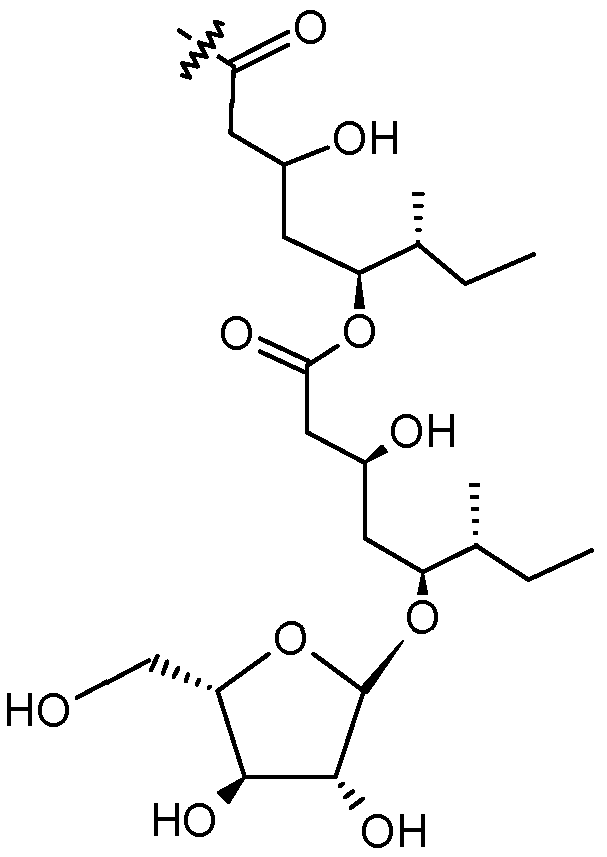


Claims


Priority Applications (16)
| Application Number | Priority Date | Filing Date | Title |
|---|---|---|---|
| SG11201510740YA SG11201510740YA (en) | 2013-09-17 | 2014-09-15 | Compositions of a carbohydrate vaccine for inducing immune responses and uses thereof in cancer treatment |
| AU2014391422A AU2014391422A1 (en) | 2013-09-17 | 2014-09-15 | Compositions of a carbohydrate vaccine for inducing immune responses and uses thereof in cancer treatment |
| BR112015032713-3A BR112015032713B1 (en) | 2013-09-17 | 2014-09-15 | COMPOUND, PHARMACEUTICAL COMPOSITION, USE OF A THERAPEUTICLY EFFECTIVE AMOUNT OF THE PHARMACEUTICAL COMPOSITION, AND USE OF THE COMPOUND |
| EP14889702.8A EP3046588B1 (en) | 2013-09-17 | 2014-09-15 | Compositions of a carbohydrate vaccine for inducing immune responses and uses thereof in cancer treatment |
| CN201480044491.8A CN105764921B (en) | 2013-09-17 | 2014-09-15 | Carbohydrate vaccine compositions for inducing immune response and use thereof for treating cancer |
| NZ714555A NZ714555A (en) | 2013-09-17 | 2014-09-15 | Compositions of a carbohydrate vaccine for inducing immune responses and uses thereof in cancer treatment |
| HK16110810.9A HK1222569A1 (en) | 2013-09-17 | 2014-09-15 | Compositions of a carbohydrate vaccine for inducing immune responses and uses thereof in cancer treatment |
| RU2015150769A RU2666141C2 (en) | 2013-09-17 | 2014-09-15 | Compositions of carbohydrate vaccine for inducing immune responses and uses thereof in cancer treatment |
| JP2016543472A JP6431920B2 (en) | 2013-09-17 | 2014-09-15 | Composition of carbohydrate vaccine to induce immune response and its use in cancer treatment |
| CA2924286A CA2924286C (en) | 2013-09-17 | 2014-09-15 | Compositions of a carbohydrate vaccine for inducing immune responses and uses thereof in cancer treatment |
| HK16109563.0A HK1221476B (en) | 2013-09-17 | 2014-09-15 | Compositions of a carbohydrate vaccine for inducing immune responses and uses thereof in cancer treatment |
| KR1020167009483A KR20160055861A (en) | 2013-09-17 | 2014-09-15 | Compositions of a carbohydrate vaccine for inducing immune responses and uses thereof in cancer treatment |
| ES14889702T ES2914176T3 (en) | 2013-09-17 | 2014-09-15 | Compositions of a carbohydrate vaccine to induce immune responses and uses thereof in the treatment of cancer |
| PH12015502629A PH12015502629B1 (en) | 2013-09-17 | 2015-11-25 | Compositions of a carbohydrate vaccine for inducing immune responses and uses thereof in cancer treatment |
| IL242907A IL242907B (en) | 2013-09-17 | 2015-12-03 | Compositions of a carbohydrate vaccine for inducing immune responses and uses thereof in cancer treatment |
| AU2019200314A AU2019200314B2 (en) | 2013-09-17 | 2019-01-17 | Compositions of a carbohydrate vaccine for inducing immune responses and uses thereof in cancer treatment |
Applications Claiming Priority (2)
| Application Number | Priority Date | Filing Date | Title |
|---|---|---|---|
| US201361878982P | 2013-09-17 | 2013-09-17 | |
| US61/878,982 | 2013-09-17 |
Publications (2)
| Publication Number | Publication Date |
|---|---|
| WO2015159118A2 true WO2015159118A2 (en) | 2015-10-22 |
| WO2015159118A3 WO2015159118A3 (en) | 2016-03-17 |
Family
ID=53935288
Family Applications (1)
| Application Number | Title | Priority Date | Filing Date |
|---|---|---|---|
| PCT/IB2014/002744 Ceased WO2015159118A2 (en) | 2013-09-17 | 2014-09-15 | Compositions of a carbohydrate vaccine for inducing immune responses and uses thereof in cancer treatment |
Country Status (19)
| Country | Link |
|---|---|
| US (1) | US12053514B2 (en) |
| EP (1) | EP3046588B1 (en) |
| JP (1) | JP6431920B2 (en) |
| KR (1) | KR20160055861A (en) |
| CN (1) | CN105764921B (en) |
| AR (1) | AR097661A1 (en) |
| AU (2) | AU2014391422A1 (en) |
| BR (1) | BR112015032713B1 (en) |
| CA (1) | CA2924286C (en) |
| CL (1) | CL2016000538A1 (en) |
| ES (1) | ES2914176T3 (en) |
| HK (1) | HK1222569A1 (en) |
| IL (1) | IL242907B (en) |
| NZ (1) | NZ714555A (en) |
| PH (1) | PH12015502629B1 (en) |
| RU (1) | RU2666141C2 (en) |
| SG (1) | SG11201510740YA (en) |
| TW (1) | TWI641383B (en) |
| WO (1) | WO2015159118A2 (en) |
Cited By (12)
| Publication number | Priority date | Publication date | Assignee | Title |
|---|---|---|---|---|
| WO2016044326A1 (en) * | 2014-09-15 | 2016-03-24 | Obi Pharma, Inc. | Immunogenic/therapeutic glycoconjugate compositions and uses thereof |
| US9828436B2 (en) | 2014-03-19 | 2017-11-28 | Mackay Medical Foundation The Presbyterian Church In Taiwan Mackay Memorial Hospital | Antibodies against immunogenic glycopeptides, compositions comprising the same and use thereof |
| WO2018054353A1 (en) * | 2016-09-23 | 2018-03-29 | Chang, Chih-Long | Anti-globo h antibodies |
| JP2019527690A (en) * | 2016-07-27 | 2019-10-03 | オービーアイ ファーマ,インコーポレイテッド | Immunogenic / therapeutic glycan compositions and uses thereof |
| US10935544B2 (en) | 2015-09-04 | 2021-03-02 | Obi Pharma, Inc. | Glycan arrays and method of use |
| US10980894B2 (en) | 2016-03-29 | 2021-04-20 | Obi Pharma, Inc. | Antibodies, pharmaceutical compositions and methods |
| US11000601B2 (en) | 2016-11-21 | 2021-05-11 | Obi Pharma, Inc. | Conjugated biological molecules, pharmaceutical compositions and methods |
| US11041017B2 (en) | 2016-03-29 | 2021-06-22 | Obi Pharma, Inc. | Antibodies, pharmaceutical compositions and methods |
| US11203645B2 (en) | 2018-06-27 | 2021-12-21 | Obi Pharma, Inc. | Glycosynthase variants for glycoprotein engineering and methods of use |
| US11583577B2 (en) | 2016-04-22 | 2023-02-21 | Obi Pharma, Inc. | Cancer immunotherapy by immune activation or immune modulation via Globo series antigens |
| US11643456B2 (en) | 2016-07-29 | 2023-05-09 | Obi Pharma, Inc. | Human antibodies, pharmaceutical compositions and methods |
| US12053514B2 (en) | 2013-09-17 | 2024-08-06 | Obi Pharma, Inc. | Compositions of a carbohydrate vaccine for inducing immune responses and uses thereof in cancer treatment |
Families Citing this family (3)
| Publication number | Priority date | Publication date | Assignee | Title |
|---|---|---|---|---|
| WO2019232519A1 (en) * | 2018-06-01 | 2019-12-05 | Obi Pharma, Inc. | Combination therapy by using anti-globo h or anti-ssea-4 antibody with anti-negative immune check points antibody |
| CN112924700A (en) * | 2021-01-26 | 2021-06-08 | 海南医学院 | Coating process of Keyhole Limpet Hemocyanin (KLH) and quantitative detection kit for mouse KLH specific IgG antibody |
| MX2023013845A (en) * | 2021-05-24 | 2023-12-08 | Cha Vaccine Res Institute Co Ltd | Immuno-oncology therapeutic composition using adjuvant including lipopeptides and poly (i:c). |
Citations (7)
| Publication number | Priority date | Publication date | Assignee | Title |
|---|---|---|---|---|
| US4522811A (en) | 1982-07-08 | 1985-06-11 | Syntex (U.S.A.) Inc. | Serial injection of muramyldipeptides and liposomes enhances the anti-infective activity of muramyldipeptides |
| US5057540A (en) | 1987-05-29 | 1991-10-15 | Cambridge Biotech Corporation | Saponin adjuvant |
| US5500362A (en) | 1987-01-08 | 1996-03-19 | Xoma Corporation | Chimeric antibody with specificity to human B cell surface antigen |
| US5821337A (en) | 1991-06-14 | 1998-10-13 | Genentech, Inc. | Immunoglobulin variants |
| US6524584B2 (en) | 1996-12-02 | 2003-02-25 | Antigenics, Inc. | Saponin compositions and uses thereof |
| US6544952B1 (en) | 1994-03-15 | 2003-04-08 | Sloan-Kettering Institute For Cancer Research | Synthesis of glycoconjugates of the globo-H epitope and uses thereof |
| US20040208884A1 (en) | 1999-08-20 | 2004-10-21 | Danishefsky Samuel J. | Clustered multi-antigenic carbohydrate constructs, methods for their preparation, and uses thereof |
Family Cites Families (152)
| Publication number | Priority date | Publication date | Assignee | Title |
|---|---|---|---|---|
| US3773919A (en) | 1969-10-23 | 1973-11-20 | Du Pont | Polylactide-drug mixtures |
| CU22545A1 (en) | 1994-11-18 | 1999-03-31 | Centro Inmunologia Molecular | OBTAINING A CHEMICAL AND HUMANIZED ANTIBODY AGAINST THE RECEPTOR OF THE EPIDERMAL GROWTH FACTOR FOR DIAGNOSTIC AND THERAPEUTIC USE |
| AU519567B2 (en) * | 1977-07-13 | 1981-12-10 | Akzo Nv | Psychopharmacological penta and hexa-peptides |
| USRE30985E (en) | 1978-01-01 | 1982-06-29 | Serum-free cell culture media | |
| US4419446A (en) | 1980-12-31 | 1983-12-06 | The United States Of America As Represented By The Department Of Health And Human Services | Recombinant DNA process utilizing a papilloma virus DNA as a vector |
| US4601978A (en) | 1982-11-24 | 1986-07-22 | The Regents Of The University Of California | Mammalian metallothionein promoter system |
| US4560655A (en) | 1982-12-16 | 1985-12-24 | Immunex Corporation | Serum-free cell culture medium and process for making same |
| US4657866A (en) | 1982-12-21 | 1987-04-14 | Sudhir Kumar | Serum-free, synthetic, completely chemically defined tissue culture media |
| US4816567A (en) | 1983-04-08 | 1989-03-28 | Genentech, Inc. | Recombinant immunoglobin preparations |
| US4767704A (en) | 1983-10-07 | 1988-08-30 | Columbia University In The City Of New York | Protein-free culture medium |
| US4943533A (en) | 1984-03-01 | 1990-07-24 | The Regents Of The University Of California | Hybrid cell lines that produce monoclonal antibodies to epidermal growth factor receptor |
| US4965199A (en) | 1984-04-20 | 1990-10-23 | Genentech, Inc. | Preparation of functional human factor VIII in mammalian cells using methotrexate based selection |
| US4601903A (en) | 1985-05-01 | 1986-07-22 | The United States Of America As Represented By The Department Of Health And Human Services | Vaccine against Neisseria meningitidis Group B serotype 2 invasive disease |
| GB8516415D0 (en) | 1985-06-28 | 1985-07-31 | Celltech Ltd | Culture of animal cells |
| US4676980A (en) | 1985-09-23 | 1987-06-30 | The United States Of America As Represented By The Secretary Of The Department Of Health And Human Services | Target specific cross-linked heteroantibodies |
| US4927762A (en) | 1986-04-01 | 1990-05-22 | Cell Enterprises, Inc. | Cell culture medium with antioxidant |
| US5811128A (en) | 1986-10-24 | 1998-09-22 | Southern Research Institute | Method for oral or rectal delivery of microencapsulated vaccines and compositions therefor |
| US4849222A (en) | 1987-03-24 | 1989-07-18 | The Procter & Gamble Company | Mixtures for treating hypercholesterolemia |
| US4975278A (en) | 1988-02-26 | 1990-12-04 | Bristol-Myers Company | Antibody-enzyme conjugates in combination with prodrugs for the delivery of cytotoxic agents to tumor cells |
| US5004697A (en) | 1987-08-17 | 1991-04-02 | Univ. Of Ca | Cationized antibodies for delivery through the blood-brain barrier |
| JP2670680B2 (en) | 1988-02-24 | 1997-10-29 | 株式会社ビーエムジー | Polylactic acid microspheres containing physiologically active substance and method for producing the same |
| DE68925971T2 (en) | 1988-09-23 | 1996-09-05 | Cetus Oncology Corp | CELL GROWING MEDIUM FOR INCREASED CELL GROWTH, FOR INCREASING LONGEVITY AND EXPRESSION OF PRODUCTS |
| NZ230747A (en) | 1988-09-30 | 1992-05-26 | Bror Morein | Immunomodulating matrix comprising a complex of at least one lipid and at least one saponin; certain glycosylated triterpenoid saponins derived from quillaja saponaria molina |
| GB8823869D0 (en) | 1988-10-12 | 1988-11-16 | Medical Res Council | Production of antibodies |
| DE3920358A1 (en) | 1989-06-22 | 1991-01-17 | Behringwerke Ag | BISPECIFIC AND OLIGO-SPECIFIC, MONO- AND OLIGOVALENT ANTI-BODY CONSTRUCTS, THEIR PRODUCTION AND USE |
| EP0479909B1 (en) | 1989-06-29 | 1996-10-30 | Medarex, Inc. | Bispecific reagents for aids therapy |
| CA2066428C (en) | 1989-09-08 | 2000-11-28 | Bert Vogelstein | Structural alterations of the egf receptor gene in human gliomas |
| ES2284161T3 (en) | 1990-01-12 | 2007-11-01 | Amgen Fremont Inc. | GENERATION OF XENOGENIC ANTIBODIES. |
| US5061620A (en) | 1990-03-30 | 1991-10-29 | Systemix, Inc. | Human hematopoietic stem cell |
| US5268164A (en) | 1990-04-23 | 1993-12-07 | Alkermes, Inc. | Increasing blood-brain barrier permeability with permeabilizer peptides |
| US5112596A (en) | 1990-04-23 | 1992-05-12 | Alkermes, Inc. | Method for increasing blood-brain barrier permeability by administering a bradykinin agonist of blood-brain barrier permeability |
| US5427908A (en) | 1990-05-01 | 1995-06-27 | Affymax Technologies N.V. | Recombinant library screening methods |
| ATE204902T1 (en) | 1990-06-29 | 2001-09-15 | Large Scale Biology Corp | MELANIN PRODUCTION BY TRANSFORMED MICROORGANISMS |
| US5545806A (en) | 1990-08-29 | 1996-08-13 | Genpharm International, Inc. | Ransgenic non-human animals for producing heterologous antibodies |
| US5633425A (en) | 1990-08-29 | 1997-05-27 | Genpharm International, Inc. | Transgenic non-human animals capable of producing heterologous antibodies |
| US5661016A (en) | 1990-08-29 | 1997-08-26 | Genpharm International Inc. | Transgenic non-human animals capable of producing heterologous antibodies of various isotypes |
| US5625126A (en) | 1990-08-29 | 1997-04-29 | Genpharm International, Inc. | Transgenic non-human animals for producing heterologous antibodies |
| AU8507191A (en) | 1990-08-29 | 1992-03-30 | Genpharm International, Inc. | Transgenic non-human animals capable of producing heterologous antibodies |
| US5122469A (en) | 1990-10-03 | 1992-06-16 | Genentech, Inc. | Method for culturing Chinese hamster ovary cells to improve production of recombinant proteins |
| US5264365A (en) | 1990-11-09 | 1993-11-23 | Board Of Regents, The University Of Texas System | Protease-deficient bacterial strains for production of proteolytically sensitive polypeptides |
| US5508192A (en) | 1990-11-09 | 1996-04-16 | Board Of Regents, The University Of Texas System | Bacterial host strains for producing proteolytically sensitive polypeptides |
| ES2113940T3 (en) | 1990-12-03 | 1998-05-16 | Genentech Inc | ENRICHMENT METHOD FOR PROTEIN VARIANTS WITH ALTERED UNION PROPERTIES. |
| US5571894A (en) | 1991-02-05 | 1996-11-05 | Ciba-Geigy Corporation | Recombinant antibodies specific for a growth factor receptor |
| EP0586515B1 (en) | 1991-04-30 | 1997-09-17 | Eukarion, Inc. | Cationized antibodies against intracellular proteins |
| GB9114948D0 (en) | 1991-07-11 | 1991-08-28 | Pfizer Ltd | Process for preparing sertraline intermediates |
| CA2116774C (en) | 1991-09-19 | 2003-11-11 | Paul J. Carter | Expression in e. coli antibody fragments having at least a cysteine present as a free thiol. use for the production of bifunctional f(ab') 2 antibodies |
| US5565332A (en) | 1991-09-23 | 1996-10-15 | Medical Research Council | Production of chimeric antibodies - a combinatorial approach |
| EP0605522B1 (en) | 1991-09-23 | 1999-06-23 | Medical Research Council | Methods for the production of humanized antibodies |
| FI941572L (en) | 1991-10-07 | 1994-05-27 | Oncologix Inc | Combination and method of use of anti-erbB-2 monoclonal antibodies |
| US5288502A (en) | 1991-10-16 | 1994-02-22 | The University Of Texas System | Preparation and uses of multi-phase microspheres |
| WO1993008829A1 (en) | 1991-11-04 | 1993-05-13 | The Regents Of The University Of California | Compositions that mediate killing of hiv-infected cells |
| US5667988A (en) | 1992-01-27 | 1997-09-16 | The Scripps Research Institute | Methods for producing antibody libraries using universal or randomized immunoglobulin light chains |
| WO1993016185A2 (en) | 1992-02-06 | 1993-08-19 | Creative Biomolecules, Inc. | Biosynthetic binding protein for cancer marker |
| US5733743A (en) | 1992-03-24 | 1998-03-31 | Cambridge Antibody Technology Limited | Methods for producing members of specific binding pairs |
| AU687010B2 (en) | 1992-07-17 | 1998-02-19 | Dana-Farber Cancer Institute | Method of intracellular binding of target molecules |
| EP0652775B1 (en) | 1992-07-27 | 2000-04-19 | THE GOVERNMENT OF THE UNITED STATES OF AMERICA as represented by the SECRETARY OF THE DEPARTMENT OF HEALTH AND HUMAN SERVICES | Targeting of liposomes to the blood-brain barrier |
| EP0656064B1 (en) | 1992-08-17 | 1997-03-05 | Genentech, Inc. | Bispecific immunoadhesins |
| DE69303494T2 (en) | 1992-11-13 | 1997-01-16 | Idec Pharma Corp | THERAPEUTIC USE OF CHIMERIC AND LABELED ANTIBODIES AGAINST HUMAN B LYMPHOCYTIC LIMITED DIFFERENTIATION ANTIQUES FOR THE TREATMENT OF B CELL LYMPHOMA |
| EP0724432B1 (en) | 1993-10-22 | 2002-09-18 | Genentech, Inc. | Methods and compositions for microencapsulation of antigens for use as vaccines |
| AUPM873294A0 (en) | 1994-10-12 | 1994-11-03 | Csl Limited | Saponin preparations and use thereof in iscoms |
| US5804396A (en) | 1994-10-12 | 1998-09-08 | Sugen, Inc. | Assay for agents active in proliferative disorders |
| US5840523A (en) | 1995-03-01 | 1998-11-24 | Genetech, Inc. | Methods and compositions for secretion of heterologous polypeptides |
| DE69536015D1 (en) | 1995-03-30 | 2009-12-10 | Pfizer Prod Inc | Quinazolinone derivatives |
| US5641870A (en) | 1995-04-20 | 1997-06-24 | Genentech, Inc. | Low pH hydrophobic interaction chromatography for antibody purification |
| US5869046A (en) | 1995-04-14 | 1999-02-09 | Genentech, Inc. | Altered polypeptides with increased half-life |
| EP0822830B1 (en) | 1995-04-27 | 2008-04-02 | Amgen Fremont Inc. | Human anti-IL-8 antibodies, derived from immunized xenomice |
| GB9508538D0 (en) | 1995-04-27 | 1995-06-14 | Zeneca Ltd | Quinazoline derivatives |
| GB9508565D0 (en) | 1995-04-27 | 1995-06-14 | Zeneca Ltd | Quiazoline derivative |
| WO1996034096A1 (en) | 1995-04-28 | 1996-10-31 | Abgenix, Inc. | Human antibodies derived from immunized xenomice |
| JPH11507535A (en) | 1995-06-07 | 1999-07-06 | イムクローン システムズ インコーポレイテッド | Antibodies and antibody fragments that suppress tumor growth |
| US6265150B1 (en) | 1995-06-07 | 2001-07-24 | Becton Dickinson & Company | Phage antibodies |
| AU2660397A (en) | 1996-04-05 | 1997-10-29 | Board Of Regents, The University Of Texas System | Methods for producing soluble, biologically-active disulfide bond-containing eukaryotic proteins in bacterial cells |
| JP3370340B2 (en) | 1996-04-12 | 2003-01-27 | ワーナー―ランバート・コンパニー | Irreversible inhibitors of tyrosine kinase |
| ATE549918T1 (en) | 1996-12-03 | 2012-04-15 | Amgen Fremont Inc | HUMAN ANTIBODIES THAT EXPRESSLY BIND HUMAN TNF ALPHA |
| AUPO517897A0 (en) | 1997-02-19 | 1997-04-11 | Csl Limited | Chelating immunostimulating complexes |
| UA73073C2 (en) | 1997-04-03 | 2005-06-15 | Уайт Холдінгз Корпорейшн | Substituted 3-cyan chinolines |
| US6083715A (en) | 1997-06-09 | 2000-07-04 | Board Of Regents, The University Of Texas System | Methods for producing heterologous disulfide bond-containing polypeptides in bacterial cells |
| ZA986732B (en) | 1997-07-29 | 1999-02-02 | Warner Lambert Co | Irreversible inhibitiors of tyrosine kinases |
| ZA986729B (en) | 1997-07-29 | 1999-02-02 | Warner Lambert Co | Irreversible inhibitors of tyrosine kinases |
| TW436485B (en) | 1997-08-01 | 2001-05-28 | American Cyanamid Co | Substituted quinazoline derivatives |
| US7018637B2 (en) | 1998-02-23 | 2006-03-28 | Aventis Pasteur, Inc | Multi-oligosaccharide glycoconjugate bacterial meningitis vaccines |
| AUPP807399A0 (en) | 1999-01-08 | 1999-02-04 | Csl Limited | Improved immunogenic lhrh composition and methods relating thereto |
| EA200100896A1 (en) | 1999-02-17 | 2002-04-25 | Гликоминдс Лтд. | COMBINATORY LIBRARIES OF COMPLEX CARBOHYDRATES AND METHODS OF THEIR RECEPTION AND USE |
| ES2572834T3 (en) | 1999-02-17 | 2016-06-02 | Csl Limited | Immunogenic complexes and related methods |
| US7854934B2 (en) | 1999-08-20 | 2010-12-21 | Sloan-Kettering Institute For Cancer Research | Glycoconjugates, glycoamino acids, intermediates thereto, and uses thereof |
| US6514221B2 (en) | 2000-07-27 | 2003-02-04 | Brigham And Women's Hospital, Inc. | Blood-brain barrier opening |
| WO2002017930A2 (en) | 2000-08-30 | 2002-03-07 | The Board Of Trustees Of The Leland Stanford Junior University | Glucocorticoid blocking agents for increasing blood-brain barrier permeability |
| US7034036B2 (en) | 2000-10-30 | 2006-04-25 | Pain Therapeutics, Inc. | Inhibitors of ABC drug transporters at the blood-brain barrier |
| US20030083299A1 (en) | 2000-11-04 | 2003-05-01 | Ferguson Ian A. | Non-invasive delivery of polypeptides through the blood-brain barrier |
| US20040018194A1 (en) | 2000-11-28 | 2004-01-29 | Francisco Joseph A. | Recombinant anti-CD30 antibodies and uses thereof |
| US20030104402A1 (en) | 2001-01-23 | 2003-06-05 | University Of Rochester | Methods of producing or identifying intrabodies in eukaryotic cells |
| DE10121982B4 (en) | 2001-05-05 | 2008-01-24 | Lts Lohmann Therapie-Systeme Ag | Nanoparticles of protein with coupled apolipoprotein E to overcome the blood-brain barrier and process for their preparation |
| EP2263465A1 (en) * | 2001-07-06 | 2010-12-22 | Sloan-Kettering Institute for Cancer Research | Polyvalent conjugate vaccine for cancer |
| AU2002322720B2 (en) | 2001-07-25 | 2008-11-13 | Raptor Pharmaceutical Inc. | Compositions and methods for modulating blood-brain barrier transport |
| CA2454853A1 (en) | 2001-08-14 | 2003-02-27 | Biomira, Inc. | Imunogenic conjugate of carbohydrate haptens and aggregated protein carrier |
| JP2005511627A (en) | 2001-11-20 | 2005-04-28 | シアトル ジェネティクス,インコーポレーテッド | Treatment of immunological diseases using anti-CD30 antibodies |
| US20030162695A1 (en) | 2002-02-27 | 2003-08-28 | Schatzberg Alan F. | Glucocorticoid blocking agents for increasing blood-brain barrier permeability |
| WO2003077945A1 (en) | 2002-03-14 | 2003-09-25 | Medical Research Council | Intracellular antibodies |
| EP1575514A2 (en) | 2002-07-31 | 2005-09-21 | Seattle Genetics, Inc. | Anti-cd20 antibody-drug conjugates for the treatment of cancer and immune disorders |
| EP1391213A1 (en) | 2002-08-21 | 2004-02-25 | Boehringer Ingelheim International GmbH | Compositions and methods for treating cancer using maytansinoid CD44 antibody immunoconjugates and chemotherapeutic agents |
| EP1578447A4 (en) | 2002-10-31 | 2009-06-03 | Genentech Inc | METHODS AND COMPOSITIONS THAT CAN INCREASE ANTIBODY PRODUCTION |
| AU2003302676A1 (en) | 2002-12-03 | 2004-06-23 | Blanchette Rockefeller Neurosciences Institute | Artificial low-density lipoprotein carriers for transport of substances across the blood-brain barrier |
| CA2513113A1 (en) | 2003-01-23 | 2004-08-05 | Genentech, Inc. | Methods for producing humanized antibodies and improving yield of antibodies or antigen binding fragments in cell culture |
| US20060035267A1 (en) | 2003-04-09 | 2006-02-16 | Livingston Philip O | Optimal polyvalent vaccine for cancer |
| GB0316294D0 (en) | 2003-07-11 | 2003-08-13 | Polytherics Ltd | Conjugated biological molecules and their preparation |
| EP1667711B1 (en) * | 2003-08-25 | 2010-07-28 | UniVax, LLC | Preventive cancer vaccine based on brother of regulator of imprinted sites molecule (boris) |
| EP1663239A4 (en) | 2003-09-10 | 2008-07-23 | Cedars Sinai Medical Center | ASSISTED ADMINISTRATION BY POTASSIUM CHANNELS OF AGENTS THROUGH THE HEMATO-ENCEPHALIC BARRIER |
| WO2005088310A2 (en) | 2004-03-05 | 2005-09-22 | The Scripps Research Institute | High throughput glycan microarrays |
| AU2005333126A1 (en) | 2004-07-18 | 2006-12-21 | Csl Limited | Methods and compositions for inducing innate immune responses |
| CA2572427A1 (en) | 2004-07-18 | 2006-01-18 | Heather L. Davis | Immuno stimulating complex and oligonucleotide formulations for inducing enhanced interferon-gamma responses |
| ES2387402T3 (en) | 2005-03-31 | 2012-09-21 | Stemnion, Inc. | Cellular compositions derived from amnion, manufacturing procedures and uses thereof |
| CN103524392B (en) | 2005-10-07 | 2018-06-01 | 埃克塞利希斯股份有限公司 | As for treating the azetidine of the MEK inhibitor of proliferative disease |
| CA2626238C (en) | 2005-10-17 | 2015-10-06 | Memorial Sloan Kettering Cancer Center | Wt1 hla class ii-binding peptides and compositions and methods comprising same |
| CN101374864A (en) * | 2006-01-31 | 2009-02-25 | 诺瓦提斯公司 | IL-17 antagonistic antibodies for targeting cancer |
| JP5391073B2 (en) | 2006-11-27 | 2014-01-15 | ディアデクサス インコーポレーテッド | Ovr110 antibody compositions and methods of use |
| WO2009035494A2 (en) | 2007-07-30 | 2009-03-19 | The Scripps Research Institute | Methods for producing anti-glycan antibodies, vaccines and methods for treating cancer or infectious disease |
| WO2009044918A1 (en) * | 2007-10-05 | 2009-04-09 | Takeda Pharmaceutical Company Limited | Neuromedin u derivative |
| EP2268315B1 (en) * | 2008-03-31 | 2019-07-31 | Freie Universität Berlin | Drug conjugates with polyglycerols |
| EP2280987B1 (en) | 2008-04-08 | 2018-05-23 | Sloan-Kettering Institute for Cancer Research | Triterpene saponins, methods of synthesis, and uses thereof |
| JP2011524375A (en) | 2008-06-16 | 2011-09-01 | アカデミア シニカ | Compositions that induce immune responses specific to GloboH and SSEA3 and their use in cancer therapy |
| CN105535955B (en) | 2009-06-16 | 2019-04-23 | 中央研究院 | GLOBO H and related anti-cancer vaccines containing novel glycolipid adjuvants |
| EP2347769A1 (en) | 2010-01-20 | 2011-07-27 | Glycotope GmbH | Cancer stem cell markers and uses thereof |
| CN103108654A (en) * | 2010-06-11 | 2013-05-15 | 索隆-基特林癌症研究协会 | Multivalent glycopeptide constructs and uses thereof |
| EP2500035A1 (en) * | 2011-03-15 | 2012-09-19 | Icon Genetics GmbH | Pharmaceutical formulation containing immunglobulin |
| CA2837840C (en) * | 2011-06-10 | 2020-08-04 | Mersana Therapeutics, Inc. | Protein-polymer-drug conjugates |
| RU2014138474A (en) | 2012-02-24 | 2016-04-10 | СтемСентРкс, Инк. | NEW MODULATORS AND APPLICATION METHODS |
| NZ631034A (en) | 2012-03-16 | 2016-06-24 | Merck Patent Gmbh | Targeting aminoacid lipids |
| TW201425336A (en) | 2012-12-07 | 2014-07-01 | Amgen Inc | BCMA antigen binding proteins |
| ES2843509T3 (en) | 2013-01-04 | 2021-07-19 | Obi Pharma Inc | Vaccines with higher carbohydrate antigen density and new saponin adjuvant |
| WO2014178195A1 (en) | 2013-05-02 | 2014-11-06 | 独立行政法人産業技術総合研究所 | Immunity inducer for saccharide antigens |
| RU2666141C2 (en) | 2013-09-17 | 2018-09-06 | Оби Фарма, Инк. | Compositions of carbohydrate vaccine for inducing immune responses and uses thereof in cancer treatment |
| US10150818B2 (en) | 2014-01-16 | 2018-12-11 | Academia Sinica | Compositions and methods for treatment and detection of cancers |
| TW201620939A (en) | 2014-01-16 | 2016-06-16 | 中央研究院 | Composition and method for treating and detecting cancer |
| MX2016012124A (en) | 2014-03-19 | 2017-04-06 | Mackay Medical Found The Presbyterian Church In Taiwan Mackay Memorial Hospital | Antibodies against immunogenic glycopeptides, composition comprising the same and use thereof. |
| ES2693035T3 (en) | 2014-04-01 | 2018-12-07 | Miltenyi Biotec Gmbh | SSEA4 and ST3GAL2 as biomarkers of response to chemotherapeutic drugs |
| CA3104268A1 (en) | 2014-04-10 | 2015-10-15 | Obi Pharma Inc. | Antibodies, pharmaceutical compositions and uses thereof |
| KR102387122B1 (en) | 2014-08-19 | 2022-04-14 | 밀테니 비오텍 비.브이. & 씨오. 케이지 | Chimeric antigen receptor specific for ssea4 antigen |
| AU2015317889B2 (en) | 2014-09-15 | 2021-06-03 | Obi Pharma, Inc. | Immunogenic/therapeutic glycoconjugate compositions and uses thereof |
| KR102630294B1 (en) | 2015-01-24 | 2024-01-26 | 아카데미아 시니카 | Cancer markers and how to use them |
| US20180185434A1 (en) | 2015-06-29 | 2018-07-05 | The Johns Hopkins University | Immune checkpoint chimeric antigen receptors therapy |
| JP2018532990A (en) | 2015-09-04 | 2018-11-08 | オービーアイ ファーマ,インコーポレイテッド | Glycan arrays and methods of use |
| JP2018536628A (en) | 2015-10-07 | 2018-12-13 | オービーアイ ファーマ インコーポレイテッド | Novel carbohydrate antibody, pharmaceutical composition and use thereof |
| US10980894B2 (en) | 2016-03-29 | 2021-04-20 | Obi Pharma, Inc. | Antibodies, pharmaceutical compositions and methods |
| US11041017B2 (en) | 2016-03-29 | 2021-06-22 | Obi Pharma, Inc. | Antibodies, pharmaceutical compositions and methods |
| KR20250048399A (en) | 2016-04-22 | 2025-04-08 | 오비아이 파머 인코퍼레이티드 | Cancer immunotherapy by immune activation or immune modulation via globo series antigens |
| WO2018022933A1 (en) | 2016-07-27 | 2018-02-01 | Obi Pharma, Inc. | Immunogenic/therapeutic glycan compositions and uses thereof |
| US20180030124A1 (en) | 2016-07-29 | 2018-02-01 | Lan Bo Chen | Methods and compositions for enhancing anti-ssea4 immunotherapy |
| EP3491026A4 (en) | 2016-07-29 | 2020-07-29 | OBI Pharma, Inc. | HUMAN ANTIBODIES, PHARMACEUTICAL COMPOSITIONS AND METHODS |
| AU2017316663B2 (en) | 2016-08-22 | 2024-02-22 | CHO Pharma Inc. | Antibodies, binding fragments, and methods of use |
| JP2019535731A (en) | 2016-11-21 | 2019-12-12 | オービーアイ ファーマ,インコーポレイテッド | Conjugated biological molecules, pharmaceutical compositions and methods |
| WO2019232519A1 (en) | 2018-06-01 | 2019-12-05 | Obi Pharma, Inc. | Combination therapy by using anti-globo h or anti-ssea-4 antibody with anti-negative immune check points antibody |
| US11203645B2 (en) | 2018-06-27 | 2021-12-21 | Obi Pharma, Inc. | Glycosynthase variants for glycoprotein engineering and methods of use |
-
2014
- 2014-09-15 RU RU2015150769A patent/RU2666141C2/en active
- 2014-09-15 WO PCT/IB2014/002744 patent/WO2015159118A2/en not_active Ceased
- 2014-09-15 NZ NZ714555A patent/NZ714555A/en unknown
- 2014-09-15 AR ARP140103428A patent/AR097661A1/en active IP Right Grant
- 2014-09-15 BR BR112015032713-3A patent/BR112015032713B1/en active IP Right Grant
- 2014-09-15 EP EP14889702.8A patent/EP3046588B1/en active Active
- 2014-09-15 CN CN201480044491.8A patent/CN105764921B/en active Active
- 2014-09-15 JP JP2016543472A patent/JP6431920B2/en active Active
- 2014-09-15 AU AU2014391422A patent/AU2014391422A1/en not_active Abandoned
- 2014-09-15 SG SG11201510740YA patent/SG11201510740YA/en unknown
- 2014-09-15 HK HK16110810.9A patent/HK1222569A1/en unknown
- 2014-09-15 KR KR1020167009483A patent/KR20160055861A/en not_active Ceased
- 2014-09-15 ES ES14889702T patent/ES2914176T3/en active Active
- 2014-09-15 CA CA2924286A patent/CA2924286C/en active Active
- 2014-09-16 TW TW103131876A patent/TWI641383B/en active
- 2014-09-17 US US14/489,182 patent/US12053514B2/en active Active
-
2015
- 2015-11-25 PH PH12015502629A patent/PH12015502629B1/en unknown
- 2015-12-03 IL IL242907A patent/IL242907B/en active IP Right Grant
-
2016
- 2016-03-09 CL CL2016000538A patent/CL2016000538A1/en unknown
-
2019
- 2019-01-17 AU AU2019200314A patent/AU2019200314B2/en active Active
Patent Citations (7)
| Publication number | Priority date | Publication date | Assignee | Title |
|---|---|---|---|---|
| US4522811A (en) | 1982-07-08 | 1985-06-11 | Syntex (U.S.A.) Inc. | Serial injection of muramyldipeptides and liposomes enhances the anti-infective activity of muramyldipeptides |
| US5500362A (en) | 1987-01-08 | 1996-03-19 | Xoma Corporation | Chimeric antibody with specificity to human B cell surface antigen |
| US5057540A (en) | 1987-05-29 | 1991-10-15 | Cambridge Biotech Corporation | Saponin adjuvant |
| US5821337A (en) | 1991-06-14 | 1998-10-13 | Genentech, Inc. | Immunoglobulin variants |
| US6544952B1 (en) | 1994-03-15 | 2003-04-08 | Sloan-Kettering Institute For Cancer Research | Synthesis of glycoconjugates of the globo-H epitope and uses thereof |
| US6524584B2 (en) | 1996-12-02 | 2003-02-25 | Antigenics, Inc. | Saponin compositions and uses thereof |
| US20040208884A1 (en) | 1999-08-20 | 2004-10-21 | Danishefsky Samuel J. | Clustered multi-antigenic carbohydrate constructs, methods for their preparation, and uses thereof |
Non-Patent Citations (32)
| Title |
|---|
| "Cancer Principles and Practice of Oncology", 15 February 2001, LIPPINCOTT WILLIAMS & WILKINS PUBLISHERS |
| "Handbook Of Experimental Immunology", vol. I-IV, 1986, IRL PRESS |
| "Molecular Cloning A Laboratory Manual", 1989, COLD SPRING HARBOR LABORATORY PRESS |
| ALLEN, P. Z.GOLDSTEIN, I. J., BIOCHEMISTRY, vol. 6, 1967, pages 3029 |
| AVERY, O. T.GOEBEL, W. F., J. EXP. MED., vol. 50, 1929, pages 533 |
| B. PERBAL: "A Practical Guide To Molecular Cloning", 1984 |
| BREMER E G ET AL., J BIOL CHEM, vol. 259, 1984, pages 14773 - 14777 |
| CHANG, Y-J ET AL., PROC NATL ACAD SCI USA, vol. 104, no. 25, 2007, pages 10299 - 10304 |
| CLYNES ET AL., PROC. NATL. ACAD. SCI. (USA, vol. 95, 1998, pages 652 - 656 |
| DENNIS, J., OXFORD GLYCOSYSTEMS GLYCONEWS SECOND, 1992 |
| DNA CLONING, vol. 1, 2, 1985 |
| FIELDER, R. J. ET AL., J. IMMUNOL., vol. 105, 1970, pages 265 |
| GAZZANO-SANTARO ET AL., J. IMMUNOL. METHODS, vol. 202, 1996, pages 163 |
| GILEWSKI T ET AL., PROC NATL ACAD SCI USA, vol. 98, 2001, pages 3270 - 3275 |
| HARLOWLANES: "Antibodies: A Laboratory Manual", 1988, COLD SPRING HARBOR LABORATORY PRESS |
| HIMMELSPACH, K. ET AL., EUR. J. IMMUNOL., vol. 1, 1971, pages 106 |
| HUANG C-Y ET AL., PROC NATL ACAD SCI USA, vol. 103, 2006, pages 15 - 20 |
| HUANG ET AL., PROC. NATL. ACAD. SCI. USA, vol. 103, 2006, pages 15 - 20 |
| LLOYD, K. O.: "Specific Immunotherapy of Cancer with Vaccines", NEW YORK ACADEMY OF SCIENCES, 1993, pages 50 - 58 |
| METHODS IN ENZYMOLOGY, vol. 154, 155 |
| MICRON, vol. 30, 1999, pages 597 - 623 |
| R. I. FRESHNEY: "Immunochemical Methods In Cell And Molecular Biology", 1987, COLD SPRING HARBOR LABORATORY |
| RAGUPATHI G ET AL., ANGEW CHEM INT ED, vol. 36, 1997, pages 125 - 128 |
| RAVETCHKINET, ANNU. REV. IMMUNOL., vol. 9, 1991, pages 457 - 92 |
| RUDE, E.DELIUS, M. M., CARBOHYDR. RES., vol. 8, 1968, pages 219 |
| See also references of EP3046588A4 |
| SLOVIN ET AL., PROC NATL ACAD SCI USA, vol. 96, 1999, pages 5710 - 5 |
| SLOVIN S F ET AL., PROC NATL ACAD SCI USA, vol. 96, 1997, pages 5710 - 5715 |
| TOYOKUNI, T. ET AL., J. AM. CHEM. SOC., vol. 116, 1994, pages 395 |
| WANG C-C ET AL., PROC NATL ACAD SCI USA, vol. 105, no. 33, 2008, pages 11661 - 11666 |
| WANG ET AL., PROC NATL ACAD SCI USA., vol. 105, no. 33, 19 August 2008 (2008-08-19), pages 11661 - 11666 |
| ZHU J. ET AL., J. AM. CHEM. SOC., vol. 131, no. 26, 2009, pages 9298 - 9303 |
Cited By (18)
| Publication number | Priority date | Publication date | Assignee | Title |
|---|---|---|---|---|
| US12053514B2 (en) | 2013-09-17 | 2024-08-06 | Obi Pharma, Inc. | Compositions of a carbohydrate vaccine for inducing immune responses and uses thereof in cancer treatment |
| US9828436B2 (en) | 2014-03-19 | 2017-11-28 | Mackay Medical Foundation The Presbyterian Church In Taiwan Mackay Memorial Hospital | Antibodies against immunogenic glycopeptides, compositions comprising the same and use thereof |
| US9951143B2 (en) | 2014-03-19 | 2018-04-24 | Mackay Medical Foundation The Presbyterian Church In Taiwan Mackay Memorial Hospital | Antibodies against immunogenic glycopeptides, compositions comprising the same and use thereof |
| WO2016044326A1 (en) * | 2014-09-15 | 2016-03-24 | Obi Pharma, Inc. | Immunogenic/therapeutic glycoconjugate compositions and uses thereof |
| AU2015317889B2 (en) * | 2014-09-15 | 2021-06-03 | Obi Pharma, Inc. | Immunogenic/therapeutic glycoconjugate compositions and uses thereof |
| US10935544B2 (en) | 2015-09-04 | 2021-03-02 | Obi Pharma, Inc. | Glycan arrays and method of use |
| US11041017B2 (en) | 2016-03-29 | 2021-06-22 | Obi Pharma, Inc. | Antibodies, pharmaceutical compositions and methods |
| US11833223B2 (en) | 2016-03-29 | 2023-12-05 | Obi Pharma, Inc. | Antibodies, pharmaceutical compositions and methods |
| US10980894B2 (en) | 2016-03-29 | 2021-04-20 | Obi Pharma, Inc. | Antibodies, pharmaceutical compositions and methods |
| US11583577B2 (en) | 2016-04-22 | 2023-02-21 | Obi Pharma, Inc. | Cancer immunotherapy by immune activation or immune modulation via Globo series antigens |
| JP2022153505A (en) * | 2016-07-27 | 2022-10-12 | オービーアイ ファーマ,インコーポレイテッド | Immunogenic/therapeutic glycan compositions and uses thereof |
| US11642400B2 (en) | 2016-07-27 | 2023-05-09 | Obi Pharma, Inc. | Immunogenic/therapeutic glycan compositions and uses thereof |
| JP2019527690A (en) * | 2016-07-27 | 2019-10-03 | オービーアイ ファーマ,インコーポレイテッド | Immunogenic / therapeutic glycan compositions and uses thereof |
| US11643456B2 (en) | 2016-07-29 | 2023-05-09 | Obi Pharma, Inc. | Human antibodies, pharmaceutical compositions and methods |
| WO2018054353A1 (en) * | 2016-09-23 | 2018-03-29 | Chang, Chih-Long | Anti-globo h antibodies |
| US11000601B2 (en) | 2016-11-21 | 2021-05-11 | Obi Pharma, Inc. | Conjugated biological molecules, pharmaceutical compositions and methods |
| US12090212B2 (en) | 2016-11-21 | 2024-09-17 | Obi Pharma, Inc. | Conjugated biological molecules, pharmaceutical compositions and methods |
| US11203645B2 (en) | 2018-06-27 | 2021-12-21 | Obi Pharma, Inc. | Glycosynthase variants for glycoprotein engineering and methods of use |
Also Published As
| Publication number | Publication date |
|---|---|
| PH12015502629A1 (en) | 2016-03-07 |
| JP2016540099A (en) | 2016-12-22 |
| EP3046588A4 (en) | 2017-05-31 |
| TW201521766A (en) | 2015-06-16 |
| TWI641383B (en) | 2018-11-21 |
| IL242907B (en) | 2020-11-30 |
| EP3046588B1 (en) | 2022-03-02 |
| AU2014391422A1 (en) | 2015-12-17 |
| JP6431920B2 (en) | 2018-11-28 |
| WO2015159118A3 (en) | 2016-03-17 |
| CA2924286A1 (en) | 2015-10-22 |
| AU2019200314A1 (en) | 2019-02-07 |
| US20150297696A1 (en) | 2015-10-22 |
| RU2666141C2 (en) | 2018-09-06 |
| PH12015502629B1 (en) | 2021-03-05 |
| NZ714555A (en) | 2020-03-27 |
| CL2016000538A1 (en) | 2016-10-28 |
| CN105764921A (en) | 2016-07-13 |
| ES2914176T3 (en) | 2022-06-07 |
| RU2015150769A (en) | 2017-10-23 |
| BR112015032713A2 (en) | 2018-03-20 |
| HK1221476A1 (en) | 2017-06-02 |
| AR097661A1 (en) | 2016-04-06 |
| AU2019200314B2 (en) | 2020-07-02 |
| US12053514B2 (en) | 2024-08-06 |
| CN105764921B (en) | 2020-06-30 |
| EP3046588A2 (en) | 2016-07-27 |
| CA2924286C (en) | 2022-06-21 |
| KR20160055861A (en) | 2016-05-18 |
| HK1222569A1 (en) | 2017-07-07 |
| BR112015032713B1 (en) | 2023-03-21 |
| SG11201510740YA (en) | 2016-01-28 |
Similar Documents
| Publication | Publication Date | Title |
|---|---|---|
| AU2019200314B2 (en) | Compositions of a carbohydrate vaccine for inducing immune responses and uses thereof in cancer treatment | |
| AU2015317889B2 (en) | Immunogenic/therapeutic glycoconjugate compositions and uses thereof | |
| AU2017302038B2 (en) | Immunogenic/therapeutic glycan compositions and uses thereof | |
| HK1221476B (en) | Compositions of a carbohydrate vaccine for inducing immune responses and uses thereof in cancer treatment | |
| HK1242225A1 (en) | Immunogenic/therapeutic glycoconjugate compositions and uses thereof |
Legal Events
| Date | Code | Title | Description |
|---|---|---|---|
| WWE | Wipo information: entry into national phase |
Ref document number: 12015502629 Country of ref document: PH |
|
| 121 | Ep: the epo has been informed by wipo that ep was designated in this application |
Ref document number: 14889702 Country of ref document: EP Kind code of ref document: A2 |
|
| WWE | Wipo information: entry into national phase |
Ref document number: 242907 Country of ref document: IL |
|
| ENP | Entry into the national phase |
Ref document number: 2014391422 Country of ref document: AU Date of ref document: 20140915 Kind code of ref document: A |
|
| REEP | Request for entry into the european phase |
Ref document number: 2014889702 Country of ref document: EP |
|
| WWE | Wipo information: entry into national phase |
Ref document number: 2014889702 Country of ref document: EP |
|
| ENP | Entry into the national phase |
Ref document number: 2924286 Country of ref document: CA |
|
| ENP | Entry into the national phase |
Ref document number: 2016543472 Country of ref document: JP Kind code of ref document: A |
|
| NENP | Non-entry into the national phase |
Ref country code: DE |
|
| ENP | Entry into the national phase |
Ref document number: 20167009483 Country of ref document: KR Kind code of ref document: A |
|
| ENP | Entry into the national phase |
Ref document number: 2015150769 Country of ref document: RU Kind code of ref document: A |
|
| REG | Reference to national code |
Ref country code: BR Ref legal event code: B01A Ref document number: 112015032713 Country of ref document: BR |
|
| ENP | Entry into the national phase |
Ref document number: 112015032713 Country of ref document: BR Kind code of ref document: A2 Effective date: 20151228 |