WO2015161346A1 - Agents and methods for treatment of pathogens - Google Patents
Agents and methods for treatment of pathogens Download PDFInfo
- Publication number
- WO2015161346A1 WO2015161346A1 PCT/AU2015/050192 AU2015050192W WO2015161346A1 WO 2015161346 A1 WO2015161346 A1 WO 2015161346A1 AU 2015050192 W AU2015050192 W AU 2015050192W WO 2015161346 A1 WO2015161346 A1 WO 2015161346A1
- Authority
- WO
- WIPO (PCT)
- Prior art keywords
- defensin
- peptide
- hpn
- plant
- pathogen
- Prior art date
- Legal status (The legal status is an assumption and is not a legal conclusion. Google has not performed a legal analysis and makes no representation as to the accuracy of the status listed.)
- Ceased
Links
Classifications
-
- A—HUMAN NECESSITIES
- A01—AGRICULTURE; FORESTRY; ANIMAL HUSBANDRY; HUNTING; TRAPPING; FISHING
- A01N—PRESERVATION OF BODIES OF HUMANS OR ANIMALS OR PLANTS OR PARTS THEREOF; BIOCIDES, e.g. AS DISINFECTANTS, AS PESTICIDES OR AS HERBICIDES; PEST REPELLANTS OR ATTRACTANTS; PLANT GROWTH REGULATORS
- A01N37/00—Biocides, pest repellants or attractants, or plant growth regulators containing organic compounds containing a carbon atom having three bonds to hetero atoms with at the most two bonds to halogen, e.g. carboxylic acids
- A01N37/44—Biocides, pest repellants or attractants, or plant growth regulators containing organic compounds containing a carbon atom having three bonds to hetero atoms with at the most two bonds to halogen, e.g. carboxylic acids containing at least one carboxylic group or a thio analogue, or a derivative thereof, and a nitrogen atom attached to the same carbon skeleton by a single or double bond, this nitrogen atom not being a member of a derivative or of a thio analogue of a carboxylic group, e.g. amino-carboxylic acids
- A01N37/46—N-acyl derivatives
-
- A—HUMAN NECESSITIES
- A01—AGRICULTURE; FORESTRY; ANIMAL HUSBANDRY; HUNTING; TRAPPING; FISHING
- A01N—PRESERVATION OF BODIES OF HUMANS OR ANIMALS OR PLANTS OR PARTS THEREOF; BIOCIDES, e.g. AS DISINFECTANTS, AS PESTICIDES OR AS HERBICIDES; PEST REPELLANTS OR ATTRACTANTS; PLANT GROWTH REGULATORS
- A01N63/00—Biocides, pest repellants or attractants, or plant growth regulators containing microorganisms, viruses, microbial fungi, animals or substances produced by, or obtained from, microorganisms, viruses, microbial fungi or animals, e.g. enzymes or fermentates
- A01N63/50—Isolated enzymes; Isolated proteins
-
- A—HUMAN NECESSITIES
- A01—AGRICULTURE; FORESTRY; ANIMAL HUSBANDRY; HUNTING; TRAPPING; FISHING
- A01N—PRESERVATION OF BODIES OF HUMANS OR ANIMALS OR PLANTS OR PARTS THEREOF; BIOCIDES, e.g. AS DISINFECTANTS, AS PESTICIDES OR AS HERBICIDES; PEST REPELLANTS OR ATTRACTANTS; PLANT GROWTH REGULATORS
- A01N65/00—Biocides, pest repellants or attractants, or plant growth regulators containing material from algae, lichens, bryophyta, multi-cellular fungi or plants, or extracts thereof
- A01N65/08—Magnoliopsida [dicotyledons]
- A01N65/38—Solanaceae [Potato family], e.g. nightshade, tomato, tobacco or chilli pepper
-
- A—HUMAN NECESSITIES
- A61—MEDICAL OR VETERINARY SCIENCE; HYGIENE
- A61K—PREPARATIONS FOR MEDICAL, DENTAL OR TOILETRY PURPOSES
- A61K38/00—Medicinal preparations containing peptides
- A61K38/01—Hydrolysed proteins; Derivatives thereof
- A61K38/011—Hydrolysed proteins; Derivatives thereof from plants
-
- A—HUMAN NECESSITIES
- A61—MEDICAL OR VETERINARY SCIENCE; HYGIENE
- A61K—PREPARATIONS FOR MEDICAL, DENTAL OR TOILETRY PURPOSES
- A61K38/00—Medicinal preparations containing peptides
- A61K38/16—Peptides having more than 20 amino acids; Gastrins; Somatostatins; Melanotropins; Derivatives thereof
-
- A—HUMAN NECESSITIES
- A61—MEDICAL OR VETERINARY SCIENCE; HYGIENE
- A61K—PREPARATIONS FOR MEDICAL, DENTAL OR TOILETRY PURPOSES
- A61K38/00—Medicinal preparations containing peptides
- A61K38/16—Peptides having more than 20 amino acids; Gastrins; Somatostatins; Melanotropins; Derivatives thereof
- A61K38/17—Peptides having more than 20 amino acids; Gastrins; Somatostatins; Melanotropins; Derivatives thereof from animals; from humans
- A61K38/1703—Peptides having more than 20 amino acids; Gastrins; Somatostatins; Melanotropins; Derivatives thereof from animals; from humans from vertebrates
- A61K38/1709—Peptides having more than 20 amino acids; Gastrins; Somatostatins; Melanotropins; Derivatives thereof from animals; from humans from vertebrates from mammals
- A61K38/1729—Cationic antimicrobial peptides, e.g. defensins
-
- A—HUMAN NECESSITIES
- A61—MEDICAL OR VETERINARY SCIENCE; HYGIENE
- A61K—PREPARATIONS FOR MEDICAL, DENTAL OR TOILETRY PURPOSES
- A61K8/00—Cosmetics or similar toiletry preparations
- A61K8/18—Cosmetics or similar toiletry preparations characterised by the composition
- A61K8/30—Cosmetics or similar toiletry preparations characterised by the composition containing organic compounds
- A61K8/40—Cosmetics or similar toiletry preparations characterised by the composition containing organic compounds containing nitrogen
- A61K8/42—Amides
-
- A—HUMAN NECESSITIES
- A61—MEDICAL OR VETERINARY SCIENCE; HYGIENE
- A61P—SPECIFIC THERAPEUTIC ACTIVITY OF CHEMICAL COMPOUNDS OR MEDICINAL PREPARATIONS
- A61P31/00—Antiinfectives, i.e. antibiotics, antiseptics, chemotherapeutics
-
- A—HUMAN NECESSITIES
- A61—MEDICAL OR VETERINARY SCIENCE; HYGIENE
- A61P—SPECIFIC THERAPEUTIC ACTIVITY OF CHEMICAL COMPOUNDS OR MEDICINAL PREPARATIONS
- A61P31/00—Antiinfectives, i.e. antibiotics, antiseptics, chemotherapeutics
- A61P31/10—Antimycotics
-
- A—HUMAN NECESSITIES
- A61—MEDICAL OR VETERINARY SCIENCE; HYGIENE
- A61P—SPECIFIC THERAPEUTIC ACTIVITY OF CHEMICAL COMPOUNDS OR MEDICINAL PREPARATIONS
- A61P43/00—Drugs for specific purposes, not provided for in groups A61P1/00-A61P41/00
-
- A—HUMAN NECESSITIES
- A61—MEDICAL OR VETERINARY SCIENCE; HYGIENE
- A61Q—SPECIFIC USE OF COSMETICS OR SIMILAR TOILETRY PREPARATIONS
- A61Q17/00—Barrier preparations; Preparations brought into direct contact with the skin for affording protection against external influences, e.g. sunlight, X-rays or other harmful rays, corrosive materials, bacteria or insect stings
- A61Q17/005—Antimicrobial preparations
-
- A—HUMAN NECESSITIES
- A61—MEDICAL OR VETERINARY SCIENCE; HYGIENE
- A61Q—SPECIFIC USE OF COSMETICS OR SIMILAR TOILETRY PREPARATIONS
- A61Q19/00—Preparations for care of the skin
- A61Q19/10—Washing or bathing preparations
-
- A—HUMAN NECESSITIES
- A61—MEDICAL OR VETERINARY SCIENCE; HYGIENE
- A61Q—SPECIFIC USE OF COSMETICS OR SIMILAR TOILETRY PREPARATIONS
- A61Q5/00—Preparations for care of the hair
- A61Q5/02—Preparations for cleaning the hair
-
- C—CHEMISTRY; METALLURGY
- C07—ORGANIC CHEMISTRY
- C07K—PEPTIDES
- C07K14/00—Peptides having more than 20 amino acids; Gastrins; Somatostatins; Melanotropins; Derivatives thereof
- C07K14/415—Peptides having more than 20 amino acids; Gastrins; Somatostatins; Melanotropins; Derivatives thereof from plants
-
- C—CHEMISTRY; METALLURGY
- C12—BIOCHEMISTRY; BEER; SPIRITS; WINE; VINEGAR; MICROBIOLOGY; ENZYMOLOGY; MUTATION OR GENETIC ENGINEERING
- C12N—MICROORGANISMS OR ENZYMES; COMPOSITIONS THEREOF; PROPAGATING, PRESERVING, OR MAINTAINING MICROORGANISMS; MUTATION OR GENETIC ENGINEERING; CULTURE MEDIA
- C12N15/00—Mutation or genetic engineering; DNA or RNA concerning genetic engineering, vectors, e.g. plasmids, or their isolation, preparation or purification; Use of hosts therefor
- C12N15/09—Recombinant DNA-technology
- C12N15/63—Introduction of foreign genetic material using vectors; Vectors; Use of hosts therefor; Regulation of expression
- C12N15/79—Vectors or expression systems specially adapted for eukaryotic hosts
- C12N15/82—Vectors or expression systems specially adapted for eukaryotic hosts for plant cells, e.g. plant artificial chromosomes (PACs)
- C12N15/8241—Phenotypically and genetically modified plants via recombinant DNA technology
- C12N15/8261—Phenotypically and genetically modified plants via recombinant DNA technology with agronomic (input) traits, e.g. crop yield
- C12N15/8271—Phenotypically and genetically modified plants via recombinant DNA technology with agronomic (input) traits, e.g. crop yield for stress resistance, e.g. heavy metal resistance
- C12N15/8279—Phenotypically and genetically modified plants via recombinant DNA technology with agronomic (input) traits, e.g. crop yield for stress resistance, e.g. heavy metal resistance for biotic stress resistance, pathogen resistance, disease resistance
-
- C—CHEMISTRY; METALLURGY
- C12—BIOCHEMISTRY; BEER; SPIRITS; WINE; VINEGAR; MICROBIOLOGY; ENZYMOLOGY; MUTATION OR GENETIC ENGINEERING
- C12N—MICROORGANISMS OR ENZYMES; COMPOSITIONS THEREOF; PROPAGATING, PRESERVING, OR MAINTAINING MICROORGANISMS; MUTATION OR GENETIC ENGINEERING; CULTURE MEDIA
- C12N15/00—Mutation or genetic engineering; DNA or RNA concerning genetic engineering, vectors, e.g. plasmids, or their isolation, preparation or purification; Use of hosts therefor
- C12N15/09—Recombinant DNA-technology
- C12N15/63—Introduction of foreign genetic material using vectors; Vectors; Use of hosts therefor; Regulation of expression
- C12N15/79—Vectors or expression systems specially adapted for eukaryotic hosts
- C12N15/82—Vectors or expression systems specially adapted for eukaryotic hosts for plant cells, e.g. plant artificial chromosomes (PACs)
- C12N15/8241—Phenotypically and genetically modified plants via recombinant DNA technology
- C12N15/8261—Phenotypically and genetically modified plants via recombinant DNA technology with agronomic (input) traits, e.g. crop yield
- C12N15/8271—Phenotypically and genetically modified plants via recombinant DNA technology with agronomic (input) traits, e.g. crop yield for stress resistance, e.g. heavy metal resistance
- C12N15/8279—Phenotypically and genetically modified plants via recombinant DNA technology with agronomic (input) traits, e.g. crop yield for stress resistance, e.g. heavy metal resistance for biotic stress resistance, pathogen resistance, disease resistance
- C12N15/8282—Phenotypically and genetically modified plants via recombinant DNA technology with agronomic (input) traits, e.g. crop yield for stress resistance, e.g. heavy metal resistance for biotic stress resistance, pathogen resistance, disease resistance for fungal resistance
-
- A—HUMAN NECESSITIES
- A61—MEDICAL OR VETERINARY SCIENCE; HYGIENE
- A61K—PREPARATIONS FOR MEDICAL, DENTAL OR TOILETRY PURPOSES
- A61K36/00—Medicinal preparations of undetermined constitution containing material from algae, lichens, fungi or plants, or derivatives thereof, e.g. traditional herbal medicines
Definitions
- the present disclosure relates generally to the control of pathogen infection and infestation in humans, animals and plants, as well as pathogen contamination in environmental locales, and agents and natural and synthetic formulations and extracts useful for same.
- Plant defensins are small (45-54 amino acids), basic proteins with four to five disulfide bonds (Janssen et al. (2003) Biochemistry 42(27): 8214-8222). They share a common disulfide bonding pattern and a common structural fold, in which a triple- stranded, antiparallel ⁇ -sheet is tethered to an a-helix by three disulfide bonds, forming a cysteine-stabilized ⁇ motif. A fourth disulfide bond also joins the N- and C-termini leading to an extremely stable structure.
- defensins consists of seven 'loops', defined as the regions between cysteine residues.
- Loop 1 encompasses the first ⁇ -strand (1A) as well as most of the flexible region that connects this ⁇ -strand to the a-helix (IB) between the first two invariant cysteine residues.
- Loops 2, 3 and the beginning of 4 (4A) make up the a-helix, while the remaining loops (4B - 7) make up ⁇ -strands 2 and 3 and the flexible region that connects them (van der Weerden et al. (2013) Cell Mol Life Sci 70 (19): 3545-3570).
- plant defensins share very little sequence identity, with only the eight cysteine residues completely conserved.
- the cysteine residues are commonly referred to as "invariant cysteine residues", as their presence, location and connectivity are conserved amongst defensins.
- plant defensins can be categorized into different groups. Within each group, sequence homology is relatively high whereas inter-group amino acid similarity is low (van der Weerden et al. (2013) Cell Mol Life Sci 70 (19): 3545-3570).
- Class I defensins consist of an endoplasmic reticulum (ER) signal sequence followed by a mature defensin domain.
- Class II defensins are produced as larger precursors with C-terminal pro-domains or pro-peptides (CTPPs) of about 33 amino acids. Most of the Class II defensins identified to date have been found in Solanaceous plant species.
- Class II Solanaceous defensins are expressed in floral tissues. They include NaDl, which is expressed in high concentrations in the flowers of ornamental tobacco Nicotiana alata (Lay et al. (2003) Plant Physiol 737(3 ⁇ 4 ) : 1283-1293).
- the anti-fungal activity of this peptide involves binding to the cell wall, permeabilization of the plasma membrane and entry of the peptide into the cytoplasm of the hyphae (van der Weerden et al. (2008) J Biol Chem 253(27, ) : 14445-14452) and induction of reactive oxygen species (Hayes et al. (2014) Cell Mol Life Sci. February 2014, on line ISSN 1420-682X ).
- Class II Solanaceous defensins have variable degrees of activity against fungi. Some Class I defensins exhibit very low anti -fungal activity. Development of resistance to some defensins is also a potential problem. Hithertofore, there has been only limited study on the effects of defensins on human and animal pathogens.
- Defensins with highly divergent sequences act via different mechanism of actions. Permeabilization of the plasma membrane is a common feature that is observed for a number of defensins. However, the mechanism of permeabilization and its role in cell death differs between different defensins. Some defensins cause membrane permeabilization at high concentrations, but not at the concentration required for complete growth inhibition. In fact, the concentration of these proteins required to cause significant membrane permeabilization is around 20 times that required for growth inhibition. These proteins do cause slight membrane permeabilization at concentrations required for growth inhibition but only after long time periods (>150 mins). This probably occurs after fungal cell death. The cell-impermeate nucleic acid SYTOX [trade mark] green assay described in US Patent Application No. 12/535,443 has been successfully used as a measure of the rate and extent of permeabilization.
- the plant defensin NaDl causes significant membrane permeabilization at concentrations corresponding to the IC50. Permeabilization of fungal hyphae by NaDl begins within 15 minutes and reaches its maximum after 80 minutes (van der Weerden et al. (2010) J Biol Chem 285(48)37513- 37520). NaDl also causes some membrane permeabilization at low concentrations that does not cause growth inhibition (van der Weerden et al. (2008) J Biol Chem 253(2/, ) : 14445-14452). Difference in the permeabilization kinetics between defensins is likely due to differences in the mechanism of action of the proteins. Hence, there is a role in using permeabilization assays to select appropriate defensins.
- SEQ ID NO Nucleotide and amino acid sequences are referred to by a sequence identifier number (SEQ ID NO).
- the SEQ ID NOs correspond numerically to the sequence identifiers ⁇ 400>1 (SEQ ID NO: l), ⁇ 400>2 (SEQ ID NO:2), etc.
- a summary of the sequence identifiers is provided in Table 1.
- a sequence listing is provided after the claims.
- the present disclosure teaches a method for inhibiting growth, infection, infestation or contamination by a pathogen, the method comprising contacting the pathogen with an effective amount of a combination of a plant defensin or a functional natural or synthetic derivative or variant thereof and a non-defensin peptide, the combination of the defensin and the peptide being synergistic compared to the use of each alone at the same individual dose as used in the combination.
- Reference to a "non-defensin peptide” includes a peptide other than a plant defensin. This term encompasses a "non-plant defensin peptide".
- the peptide has anti-pathogen properties. In other cases, the peptide has no or minimal anti-pathogen activity.
- the plant defensin or its functional natural or synthetic derivative or variant is a permeabilizing defensin such as some Class I defensins and Solanaceous Class II defensins.
- a permeabilizing defensin such as some Class I defensins and Solanaceous Class II defensins. Examples include NaDl (Q8GTM0), TPP3 (AAA80496), PhDl (Q8H6Q1), PhDIA (SEQ ID NO:47), PhD2 (Q8H6Q0), FST (p32026), NoD173 (SEQ ID NO:48), HXL001, HXL002, HXL004, HXL007, HXL008, HXL012, HXL013, HXL015, HXL035 and HXL036.
- the permeabilizing defensin is a functional natural or synthetic derivative or variant of a defensin.
- synthetic variants include where a Loop IB from a Class I defensin replaces the Loop IB from the Solanaceous Class II defensin. These include HXP4, HXP34, HXP35, HXP37, HXP58, HXP72, HXP91, HXP92, HXP95 and HXP107.
- the non-defensin peptide encompasses a 4 to 100 amino acid residue peptide or a 0.4 to 12kD peptide characterized as being an a-helical peptide (e.g. an a-helical cathelicidin peptide), a peptide forming a hairpin stabilized by a disulfide bridge (e.g. a- hairpinins and ⁇ -hairpins), a hairpin peptide (e.g.
- a-hairpinins and ⁇ -hairpins where the stabilizing disulphide bridges have been removed, a peptide with extended conformation, a peptide being enriched with specific amino acid residues and/or a peptide derived from a proteinase inhibitor.
- a-helical peptides include cathelicidin peptides derived from human or from a non-human primate or a rodent, porcine, bovine, caprine animal such as LL-37, BMAP28, SMAP29, PMAP23, mCRAMP, RK-31 and KS-30.
- Examples of a-helical peptides include LL-37, SMAP29, BMAP28, mCRAMP, RK-31, KS-30 and CP-29.
- ⁇ -hairpins examples include bactenecin, protegrin, tachyplesins (e.g. tachyplesin II), androctonin, polyphemusins (e.g. polyphemusin (F12I), polyphemusin I and polyphemusin II), gomesin, thanatin and brevenins.
- Examples of a-hairpinins include peptides from plant sources including Sit HPN IOOA, EcAMPl, Osa_HPN_86B, Sbi_HPN_104C, Sbi_HPN_104I, Cil_HPN_14F, BWI-2c, BWI-2b, luffin PI, MBP-1, MiAMP2d, C2 and VhTl .
- Examples of synthetic hairpin peptides where the disulfide bonds of a ⁇ -hairpin or a-hairpinin are removed by replacing the cysteine residues with alanine residues or serine residues include Bac2A and EcAMP4A.
- Examples of extended conformation peptides include Bac2A, EcAMP4A and indolicidin.
- Examples of a peptide derived from a proteinase inhibitor, when the proteinase inhibitor is cystatin, include SICys9N (67-92), SICys9N (77-110), HvCPK (75-99) and CC7 (71-104).
- Peptides not encompassed by the present invention are human and plant defensins which are ⁇ -sheet or mixed ⁇ - ⁇ peptides.
- a-hairpinin and ⁇ -hairpin peptides show efficacy on their own against pathogens at a concentration higher than the concentration used in a combination with a plant defensin.
- the pathogen may be a fungus or microorganism affecting a human, animal and/or plant.
- the pathogen is a fungal pathogen.
- a fungal pathogen includes yeast and a rust.
- Animal including mammalian such as human fungal pathogens include species of Alternaeria spp, Aspergillus spp, Candida spp, Fusarium spp, Trichophyton spp, Cryptococcus spp, Histoplasma spp, Microsporum spp, Penicillium spp, Pneumocystis spp Trichosporon spp, Scedosporium spp, Paeciliomyces spp, Acremonium spp, Stachybotrys spp and Dermatiaceous molds.
- Specific animal including mammalian and in particular human pathogens include Alternaria alternata, Aspergillus fumigatus, Aspergillus niger, Aspergillus flavus, Aspergillus nidulans, Aspergillus paraciticus, Candida albicans, Candida dubliniensis, Candida famata, Candida glabrata, Candida guilliermondii, Candida haemulonii, Candida kejyr, Candida krusei, Candida lusitaniae, Candida norvegensis, Candida parapsilosis, Candida tropicalis, Candida viswanathii, Epidermophyton floccosum, Fusarium oxysporum, Fusarium solani, Fusarium monoliforme, Trychophyton rubrum, Trychophyton mentagrophytes, Trychophyton inter digitales, Trychophyton tonsurans, Cryptococcus neoformans, Cryptococcus gattii, Cryptococcus gr
- Specific pathogens for the major crops include: Corn: Gibberella zeae ⁇ Fusarium graminearum), Colletotrichum graminicola, Stenocarpella maydi (Diplodia maydis), Fusarium moniliforme var.
- vasinfectum Verticillium dahliae, Thielaviopsis basicola, Alternaria macrospora, Cercospora gossypina, Phoma exigua (Ascochyta gossypii), Pythium spp Rhizoctonia solani, Puccinia scheddardii, Puccinia cacabata, Phymatotrichopsis omnivore; Canola: Leptosphaeria maculans, Sclerotinia sclerotiorum, Alternaria brassicae, Alternaria brasicicola, Plasmodiophora brassicae, Rhizoctonia solani, Fusarium spp, Pythium spp, Phytophthora spp, Alternaria spp, Peronospora parasitica, Mycosphaerella capsellae (Pseudocercosporella capsellae), Albugo Candida, Phytophtohora megasperma var.
- Urocystis agropyri Alternaria alternata, Cladosporium herbarum, Fusarium graminearum, Fusarium avenaceum, Fusarium culmorum, Fusarium pseudograminearum, Ustilago tritici, Ascochyta tritici, Cephalosporium gramineum, Colletotrichum graminicola, Erysiphe graminis f.sp. tritici, Puccinia graminis f.sp. tritici, Puccinia recondita f.sp.
- the defensin and the non-defensin peptide may be topically applied to the human, animal or plant or systemically administered to the human or animal or one or both could be expressed in a plant genetically engineered to produce the defensin and/or the peptide.
- one is expressed in a plant and the other is topically applied.
- one of or both are expressed in genetically modified microorganisms which are then applied to plant seeds. This is particularly useful for protecting plant roots and seeds from fungal or microorganism infestation.
- a material such as soil or a solid surface such as a door handle or table surface or other environmental locale is decontaminated or otherwise sanitized against current or potential future contamination with a pathogen by the use of the defensin and peptide in combination.
- a formulation or extract comprising both the defensin and the non-defensin peptide or a combination of formulations or extracts each comprising one of the defensin or the peptide.
- the formulations are then combined prior to or during use.
- the extract may contain one of the defensin or peptide and the other component added to the extract.
- plant and microbial extracts such as in the form of herbal formulations and natural body washes and shampoos form part of the present invention.
- a plant defensin and a non-defensin peptide in the manufacture of a medicament for the treatment or prophylaxis of pathogen infestation of a human, animal or plant or pathogen contamination in or on material.
- a plant defensin and a non-defensin peptide for use in the treatment or prophylaxis of pathogen infestation of a human, animal or plant or pathogen contamination in or on material.
- a-hairpinin or ⁇ -hairpin in the manufacture of a medicament for the treatment or prophylaxis of pathogen infestation of a human, animal or plant or pathogen contamination in or on material.
- a a-hairpinin or ⁇ -hairpin for use in the treatment or prophylaxis of pathogen infestation of a human, animal or plant or pathogen contamination in or on material.
- concentration of ⁇ -hairpinin or ⁇ -hairpin is greater than the concentration used when in combination with a plant defensin.
- Plants which may be treated include crop plants, ornamental plants, flowering plants, trees, shrubs and grasses.
- the present disclosure extends to genetically modified (transgenic) plants and their progeny. These plants are engineered to express a defensin and a non-defensin peptide, neither of which is naturally expressed in the plant or, alternatively not expressed at the requisite level in a non-engineered plant.
- the transgenic plant expresses the non-defensin peptide.
- the defensin is exogenously supplied to that plant.
- the plant may also naturally produce the defensin.
- Animals which may be treated include farm animals, companion animals, laboratory test animals and wild animals. Humans which can be treated include a human of any age. Material which can be treated includes soil, an environmental sample, a door handle and a table surface.
- compositions comprising a mixture of microorganisms each producing one or other or both of the defensin and the peptide are further taught herein. Such compositions are useful to treat humans, animals and plants as well as seed sand roots of plants in situ.
- the defensin and/or the peptide is/are provided as a cell extract including a plant extract or microbial extract.
- a kit comprising compartments each containing at least one of plant defensin or a functional natural or synthetic derivative or variant thereof or a non-defensin peptide is also taught herein. Assays to detect suitable defensins, peptides and optimal concentrations are also contemplated herein.
- the kit may also comprise genetically engineered microorganisms expressing one or other or both of the defensin or non-defensin peptide or a cell extract.
- Figure 1 is a graphical representation of the relative uptake of the green nucleic acid fluorescent dye, SYTOX green [trade mark], into Fusarium oxysporum f.sp. vasinfectum (Fov) treated with NaDl, HXP4, HXL002, HXL007, HXL008 and DMAMPl . Reference can also be made to Table 2.
- Figure 2 is a graphical representation of the relative uptake of the green nucleic acid fluorescent dye, SYTOX green [trade mark], into Fusarium graminearum (Fgr) treated with NaDl, HXP4, HXL002, HXL007, HXL008, HXL009, HXL013, HXL021, hordothionin and RSAFP2.
- SYTOX green Green [trade mark]
- Fgr Fusarium graminearum
- a protocol is developed to facilitate management of pathogen infection and infestation in human and animal subjects and in plants and to control pathogen contamination in environmental locales.
- the protocol comprises the use of a plant defensin or a functional natural or synthetic derivative or variant thereof and a non-plant defensin peptide. It is proposed herein that the plant defensin and the peptide act in synergy to provide an efficacious treatment and prophylaxis protocol against pathogens which infect a human or animal subject or a plant or which contaminate an environmental site.
- the peptide is other than a plant defensin and is referred to as a non-defensin peptide or non-plant defensin peptide.
- the non-defensin peptide has anti-pathogen properties.
- the peptide on its own has no or minimal anti-pathogen properties.
- a method for inhibiting growth, infection, infestation or contamination by a pathogen comprising contacting the pathogen with an effective amount of a combination of a plant defensin or a functional natural or synthetic derivative or variant thereof and a non-plant defensin peptide, the combination of the defensin and the peptide being synergistic compared to the use of each alone at the same individual dose as used in the combination.
- a human, animal or plant subject may also be referred to as a "host”.
- the defensin and peptide are each also referred to as the "agent” or collectively as the "agents”.
- the inhibitory effect of a given defensin or peptide alone is greater when both are used together compared to either used alone.
- Greco et al. (1995) Pharmacol Rev. ⁇ 7:331-385 define a category of synergy on the basis that the use of two agents in combination has greater activity relative to the additive effects when each is assayed alone.
- the definition adopted herein includes all such situations provided that the combined effect of the two agents acting together is greater than the sum of the individual agents acting alone.
- a combination of agents is deemed synergistic, as the term is intended herein, if there exists a set of conditions, including but not limited to concentrations, where the combined effect of the agents acting together is greater than the sum of the individual components acting alone.
- Richer (1987) Pestic Sci 79:309-315 describes a mathematical approach to establish proof of synergy. This approach uses Limpel's formula for comparing an observed level of inhibition (Io) in the combined presence of two inhibitor agents, X and Y, with an expected additive effect (Ee) resulting from each X or Y acting separately at the same respective concentrations as used to measure their combined effect.
- Additive percent inhibition, Ee is calculated as X + Y - XY/100 where X and Y are expressed as percent inhibition. Synergism exits where Io > Ee. It should be noted that the non-defensin peptide may or may not exhibit anti- pathogen properties on its own.
- Synergy may be expressed as a synergy scale.
- a value of up to 14 represents no significant synergy such as 0, 1, 2, 3, 4, 5, 6, 7, 8, 9, 10, 11, 12, 13 or 14;
- a value of from 15 up to 29 represents low synergy such as 15, 16, 17, 18, 19, 20, 21, 22, 23, 24, 25, 26, 27, 28 or 29;
- a value of from 30 to 60 represents medium synergy such as 30, 31, 32, 33, 34, 35, 36, 37, 38, 39, 40, 41, 42, 43, 44, 45, 46, 47, 48, 49, 50, 51, 52, 53, 54, 55, 56, 57, 58, 59 or 60;
- a value greater than 60 represents a high degree of synergy.
- greater than 60 includes from 61 to 100 including 61, 70, 80, 90 and 100 and any value in between.
- a "synergistic effect” occurs where two or more agents within the disclosed protocol produce a combined effect that is greater than the sum of the individual effects of each agent acting alone. This includes the case where the non- defensin peptide exhibits no anti-pathogen properties on its own.
- the effect may be one or more of efficacy, stability, rate, and/or level of toxicity.
- inhibition of pathogen growth is considered synergistic when, measured in the combined presence of at least one plant defensin and at least one peptide inhibition is greater than the summed inhibition measured in the presence of a particular concentration range of each agent, defensin and the peptide, individually, under otherwise identical conditions.
- synergistic effect of the two agents can be observed under certain concentration combinations, but not in others. For example, if entry into the pathogen limits toxicity, the presence of defensin can result in synergy, especially if the concentration of the peptide is sub-maximal with respect to inhibition. In one embodiment, the concentration of one or both of the defensin and peptide is sub-maximal. By the same token, synergy can be masked if one or both components is present at such a high level (maximum level) as to result in maximum observable inhibition.
- the general system for a defensin-non-defensin peptide combination is, therefore, termed "synergistic" because the potential for synergy is present even if synergy is not observed under all conditions.
- the synergy between a plant defensin and a peptide provides greater pathogen inhibition than can be obtained by either component acting alone, for at least some dosages.
- one of the defensin or peptide is not measurably effective against a particular pathogen until combined with the other. Therefore, the present invention provides for increased protection of a host from pathogen infestation with reduced dependence on chemical pathogenicides or antibiotics.
- Pathogen inhibition includes both pathogenicidic and pathogenostatic activity, as measured by reduction of pathogen growth (or loss of viability) compared to a control.
- Pathogen growth can be measured by many different methods known in the art depending on the pathogen.
- a commonly used method of measuring growth of a filamentous fungus entails germinating spores in a suitable growth medium, incubating for a time sufficient to achieve measurable growth, and measuring increased optical density in the culture after a specified incubation time. The optical density rises with increased growth.
- fungal growth is necessary for pathogenesis. Therefore, inhibition of pathogen growth provides a suitable indicator for protection from fungal disease, i.e. the greater the inhibition, the more effective the protection.
- Cell viability can be measured using commercial kits that rely on colorometric dyes such as MTT (3-[4,5-dimethylthiazol-2-yl]- 2,5- diphenyltetrazolium bromide) or resazurin (7-Hydroxy-3H-phenoxazin-3-one 10- oxide) or by plating cells onto agar plates and counting the number of colony forming units that appear. Inhibition of insects can readily be achieved using feeding trials. Microbicidal activity can be measured on solid agar or in liquid culture.
- Preventing infection in the present context, means that the human, animal or plant host treated with the combination of defensin and, non-defensin peptide agents, avoids pathogen infection or disease symptoms or all of the above, or exhibit reduced or minimized or less frequent pathogen infection or disease symptoms or all of the above, that are the natural outcome of the host-pathogen interactions when compared to the host not exposed to the defensin or peptide or both. That is to say, pathogens are prevented or reduced from causing disease and/or the associated disease symptoms. Infection and/or symptoms are reduced by at least about 10%, 20%, 30%, 40%, 50, 60%, 70% or 80% or greater as compared to a host not so treated with the protocol taught herein. The percentage reduction can be determined by any convenient means appropriate to the host and pathogen.
- the combined action of the defensin and peptide agents is to inhibit pathogen growth, replication, infection and/or maintenance, amongst other inhibitory activities and/or induces amelioration of symptoms of pathogen infection or infestation.
- Plant protection can be evaluated by methods known in the art. See, Uknes et al. (1993) Molecular Plant Microbe Interaction (5:680-685; Gorlach et al. (1996) Plant Cell 5:629-643; Alexander et al. (1993) Proc Natl Acad Sci USA 90:732 '- ⁇ '371. The skilled artisan will recognize that methods for determining plant infection and disease by a plant pathogen depends on the pathogen and plant being tested. Human and animal protection (disease prophylaxis or treatment) can initially be tested using in vitro laboratory assays (e.g. pathogen inhibition assays) followed by animal studies and eventually human clinical trials.
- in vitro laboratory assays e.g. pathogen inhibition assays
- contacting includes exposure of the pathogen to the combination of the defensin and non-defensin peptide following topical or systemic administration or application to the human or animal subject or topical application or expression in or on a plant or introduction of a combination of the agents to an environmental site.
- Contact may be with plant or cell extracts which contain the defensin or peptide naturally or which have been engineered to produce one or other of the defensin or peptide.
- Plant extracts include herbal formulations and extracts such as natural body washes and shampoos.
- the defensin and the peptide may be applied topically to a surface area on the human or animal subject or plant or they may be systemically administered to the human or animal subject or one or other or both may be expressed in a plant genetically modified to produce the defensin and/or the peptide.
- one of a defensin or peptide may be topically applied to the plant and the other of the defensin or peptide may be expressed by a plant genetically engineered to produce the defensin or peptide.
- the level of expression of an endogenous defensin is elevated to a sufficient level so as to be effective in combination with an expressed peptide or an exogenously supplied peptide.
- the defensin and peptide are dispersed into an environmental site such as soil or the surface of an inanimate object (e.g. door handle).
- a defensin may be supplied exogenously to a plant or plant seed even though that plant may produce the same defensin.
- microorganisms or plant cells are genetically engineered to express one or other or both of the defensin and the peptide.
- Such microorganisms or a mixture of microorganisms or plant cells or extracts thereof are useful as seed coating compositions, root colonizing compositions and soil -decontaminating compositions which may be applied by spray or admixed to soil and the like.
- the defensin and the non-defensin peptide are formulated together such as in a topical formulation, hair or body washing solution, seed coat formulation, root formulation or a formulation suitable for systemic administration to the appropriate host.
- a microbial mixture expressing one or both of the defensin and/or peptide may also be applied.
- Topical formulations include an aqueous solution, liquid formulation, tonic, a wash, a spray, paint, a powder, a dispersant, an atomized formulation, douche, cream, ointment, lipstick, gel, sludge, paste, patch, impregnated bandage and the like.
- Plant extracts comprising one or other or both of the defensin and peptide are also contemplated herein including a plant extract to which one or other of the defensin or peptide is added.
- a formulation comprising a plant defensin or a functional natural or synthetic derivative or variant thereof and a non-defensin peptide for use in inhibiting growth or infestation of a pathogen in or on a human or animal subject or a plant.
- a formulation comprising a plant defensin or a functional natural or synthetic derivative or variant thereof and a non-defensin peptide for use in inhibiting growth or infestation of a pathogen on a surface or in material or other environmental locale comprising a pathogen or having the potential to be contaminated by a pathogen.
- An environment locale includes soil, environment surrounding a plant root ball, and the surface of an inanimate object such as a door handle, floor surface and table surface.
- a therapeutic kit comprising multiple compartments wherein a first compartment comprises a plant defensin or a functional natural or synthetic derivative or variant thereof, a second compartment comprises a non- defensin peptide and optionally a third or further compartment comprising excipients, carriers or diluents wherein in use the contents of the first and second compartments are admixed prior to or during application to a human or animal subject or a plant or a surface or material comprising a pathogen or having the potential to be contaminated by the pathogen.
- the kit may also contain microorganisms such as in freeze-dried form which are reconstituted prior to use. The microorganisms are engineered to express one or other or both of the defensin and/or the peptide.
- the kit comprises a cellular extract comprising the defensin and/or peptide.
- Described and enabled herein is a defensin or a functional natural or synthetic derivative or variant thereof and a non-defensin peptide for use in inhibiting growth or infestation of a pathogen or contamination by a pathogen, the defensin and the peptide being used in combination so as to act in synergy.
- Reference to a "plant defensin” includes a functional natural or synthetic derivative or variant thereof unless the context clearly indicates otherwise.
- suitable defensins contemplated herein include permeabilizing defensins, Solanaceous Class II defensins and functional natural or synthetic derivatives or variants thereof.
- defensins used herein may be referred to herein as "naturally occurring" defensin, a “modified” defensin, a “variant” defensin, a “mutated” defensin or a “chimeric” defensin, depending on its source.
- the permeabilizing defensin is a Class II Solanaceous defensin.
- the defensin is modified at the loop region between the first ⁇ -strand ( ⁇ -strand 1) and the a-helix at the N-terminal end portion of the defensin.
- the loop region comprises the 6 amino acids N-terminal of the second invariant cysteine residue or its equivalent. This region is defined as "LooplB".
- a Class II Solanaceous defensin is distinguished from other defensins by a relatively conserved C- terminal end portion of the mature domain.
- Reference to a "Class II Solanaceous defensin” includes any defensin having at least 70% amino acid sequence similarity to the C-terminal end portion of the NaDl mature domain, the C-terminal portion of NaDl comprising approximately 20 contiguous amino acid residues ending and including the most C-terminal invariant cysteine in the NaDl mature domain (for example, SEQ ID NO: l).
- At least 70% means at least 70, 71, 72, 73, 74, 75, 76, 77, 78, 79, 80, 81, 82, 83, 84, 85, 86, 87, 88, 89, 90, 91, 92, 93, 94, 95, 96, 97, 98, 99 or 100%.
- the LooplB amino acid sequence in a Class II Solanaceous defensin is modified to the sequence Xi X 2 X 3 X 4 X 5 X 6 (SEQ ID NO:2) wherein:
- Xi is A, R, N, D, C, Q, E, G, H, I, L, K, M, F, P, S, T, W, Y or V or a naturally occurring modified form thereof;
- X 2 is A, R, N, D, C, Q, E, G, H, I, L, K, M, F, P, S, T, W, Y or V or a naturally occurring modified form thereof;
- X 3 is A, R, N, D, C, Q, E, G, H, I, L, K, M, F, P, S, T, W, Y or V or a naturally occurring modified form thereof;
- X 4 is A, R, N, D, C, Q, E, G, H, I, L, K, M, F, P, S, T, W, Y or V or a naturally occurring modified form thereof;
- X 5 is A, R, N, D, C, Q, E, G, H, I, L, K, M, F, P, S, T, W, Y or V or a naturally occurring modified form thereof; and/or
- X 6 is A, R, N, D, C, Q, E, G, H, I, L, K, M, F, P, S, T, W, Y or V or a naturally occurring modified form thereof; using single letter amino acid nomenclature, wherein the amino acid sequence Xi X 2 X 3 X X 5 X 6 does not correspond to an amino acid sequence of the LooplB region from the Class II Solanaceous defensin prior to modification.
- the LooplB sequence in a Class II Solanaceous defensin is modified to the sequence Xi X 2 X 3 X 4 Xs Xe (SEQ ID NO:3) wherein:
- Xi is N, G, D, H, K, A, E, Q, T, P, L, M, S, or R;
- X 2 is K, R, G, H, L, N, F, I, S, T or Y;
- X 3 is W, Y, H, L, G, F or P;
- X 4 is P, K, S, R, H, T, E, V, N, Q, D or G;
- X 5 is S, K, Y, F, G or H;
- X 6 is P, V, L, T, A, F, N, K, R, M, G, H, I or Y; wherein the amino acid sequence X 1 X 2 X 3 X 4 X 5 X 6 does not correspond to an amino acid sequence of the LooplB region from the Class ⁇ Solanaceous defensin prior to modification.
- the LooplB sequence in a Class II Solanaceous defensin is modified to the sequence Xi X 2 X 3 X 4 X 5 Xe (SEQ ID NO:4) wherein:
- Xi is N, H, Q, D, K or E;
- X 2 is R, H, T, K or G
- X 3 is F, H, Y or W;
- X 4 is P, K, S or R;
- X 5 is G or F
- X 6 is P, V, I or N; wherein the amino acid sequence X 1 X 2 X 3 X X 5 X 6 does not correspond to an amino acid sequence of the LooplB region from the Class ⁇ Solanaceous defensin prior to modification.
- the artificially created or modified defensin comprises the amino acid sequence as set forth in SEQ ID NO:5.
- the LooplB region is defined as X 1 X 2 X 3 X X 5 X 6 wherein: Xi is an amino acid selected from the list consisting of: L, F, S, I, A, H, Y, Q, D, K or G;
- X 2 is an amino acid selected from the list consisting of: S, V, F, I, K, L, A, P, N, T, R, H or G;
- X 3 is an amino acid selected from the list consisting of: A, F, W, N, I, S, Y, P, L or
- X 4 is an amino acid selected from the list consisting of: K, G, E, R, A, P, F, Q, V or
- X 5 is an amino acid selected from the list consisting of: M, G, K, D, S, Y, P, E, N or F; and
- X 6 is an amino acid selected from the list consisting of: V, T, M, S, W, A, P, G, E, K, L, H, I or N.
- the artificially created or modified defensin comprises the amino acid sequence as set forth in SEQ ID NO:6.
- the LooplB region is defined as X 1 X 2 X 3 X 4 X 5 X 6 wherein:
- X 1 is an amino acid selected from the list consisting of: N, H, Q, D, K or E;
- X 2 is an amino acid selected from the list consisting of: R, H, T, K or G;
- X 3 is an amino acid selected from the list consisting of: F, H, Y or W;
- X 4 is an amino acid selected from the list consisting of: P, K, S or R;
- X 5 is an amino acid selected from the list consisting of: G or F;
- X 6 is an amino acid selected from the list consisting of: P, V, I or N.
- the LooplB amino acid sequence is NTFPGI (SEQ ID NO:7). Consequently, the NTFPGI is modified such that N is replaced by one of A, R, D, C, Q, E, G, H, I, L, K, M, F, P, S, T, W, Y or V or a naturally occurring modified form thereof; the T is replaced by one of A, R, N, D, C, Q, E, G, H, I, L, K, M, F, P, S, W, Y or V or a naturally occurring modified form thereof; the F is replaced by one of A, R, N, D, C, Q, E, G, H, I, L, K, M, P, S, T, W, Y or V or a naturally occurring modified form thereof; the P is replaced by one of A, R, N, D, C, Q, E, G, H, I, L, K, M, P, S, T, W, Y or V or a naturally occurring modified form thereof; the P is replaced by one of
- the Class II Solanaceous defensin may be modified by any number of amino acid changes to the Loop IB region alone or in combination with other mutations. Other mutations include amino acid substitutions, additions and/or deletions. Mutations outside the LooplB region may number from 1 to about 50.
- a "change" includes a graft of a Loop IB region from one defensin to replace a Class II Solanaceous defensin LooplB region.
- the source may be a Class I defensin LooplB or a LooplB from another Class II defensin.
- the enhanced anti-pathogen activity of the combined use of the modified defensin and peptide against at least one plant or animal pathogen is maintained.
- the anti-pathogen activity is enhanced relative to the Class II defensin prior to modification in terms of level or spectrum of activity, stability and/or permeabilization.
- the anti-pathogen activity is enhanced relative to the peptide prior to modification of the Class II defensin in terms of level or spectrum of activity, stability and/or permeabilization.
- an artificially created defensin comprising a modified Class II Solanaceous defensin backbone wherein the loop region between ⁇ - strand 1 and the a-helix on the N-terminal end portion is modified by a single or multiple amino acid substitution, addition and/or deletion to generate a variant defensin which has anti-pathogen activity.
- the loop region is LooplB defined by the 6 amino acid residues N-terminal to the second invariant cysteine residue. Its equivalent region in any defensin is contemplated herein.
- defensins include NaDl, TPP3, PhDl, PhDIA, PhD2, FST, NoD173, HXL001 (SEQ ID NO:25), HXL002 (SEQ ID NO:26), HXL004 (SEQ ID NO:27), HXL007 (SEQ ID NO:28), HXL008 (SEQ ID NO:29), HXL012 (SEQ ID NO:32), HXL013 (SEQ ID NO:30), HXL015 (SEQ ID NO:31), HXL035 (SEQ ID NO:33) and HXL036 (SEQ ID NO:34).
- Examples of synthetic defensin variants include HXP4 (SEQ ID NO:8), HXP34 (SEQ ID NO: 15) and HXP35 (SEQ ID NO: 16).
- Other examples of variant defensins include HXP37 (SEQ ID NO: 17), HXP58 (SEQ ID NO: 18), HXP72 (SEQ ID NO: 19), HXP91 (SEQ ID NO:20), HXP92 (SEQ ID NO:21), HXP95 (SEQ ID NO:22) and HXP107 (SEQ ID NO:23).
- Taught herein is a method for inhibiting growth or infestation of a pathogen, the method comprising contacting the pathogen with an effective amount of a combination of a plant defensin selected from the list consisting of NaDl, TPP3, PhDl, PhDIA, PhD2, FST, NoD173, HXL001, HXL002, HXL004, HXL007, HXL008, HXL012, HXL013 HXL015, HXL035 and HXL036 or a variant or derivative of a defensin selected from the list consisting of HXP4, HXP34, HXP35, HXP37, HXP58, HXP72, HXP91, HXP92, HXP95 and HXP107 and a peptide having anti -pathogen properties, the combination of the defensin and the peptide being synergistic compared to the use of each alone at the same individual dose as used in the combination.
- Reference to a "peptide having anti-pathogen properties" includes a peptide of from 4 to 100 amino acid residues including 4, 5, 6, 7, 8, 9, 10, 11, 12, 13, 14, 15, 16, 17, 18, 19, 20, 21, 22, 23, 24, 25, 26, 27, 28, 29, 30, 31, 32, 33, 34, 35, 36, 37, 38, 39, 40, 41, 42, 43, 44, 45, 46, 47, 48, 49, 50, 51, 52, 53, 54, 55, 56, 57, 58, 59, 60, 61, 62, 63, 64, 65, 66, 67, 68, 69, 70, 71, 72, 73, 74, 75, 76, 77, 78, 79, 80, 81, 82, 83, 84, 85, 86, 87, 88, 89, 90, 91, 92, 93, 94, 95, 96, 97, 98, 99 or 100 amino acid residues in length or from 0.4 to 12 kD in size such as 0.4, 0.5
- the peptide is a peptide other than a plant defensin peptide and encompasses a 4 to 100 amino acid residue peptide or a 0.4 to 12kD peptide characterized as being an a- helical peptide (e.g. an a-helical cathelicidin peptide), a peptide forming a hairpin stabilized by a disulfide bridge (e.g. a-hairpinins and ⁇ -hairpins), a peptide with extended conformation, a peptide enriched with specific amino acid residues and/or a peptide derived from a proteinase inhibitor.
- an a- helical peptide e.g. an a-helical cathelicidin peptide
- a peptide forming a hairpin stabilized by a disulfide bridge e.g. a-hairpinins and ⁇ -hairpins
- a peptide with extended conformation e. peptid
- Cathelicidins are expressed as precursor proteins with an N-terminal prosequence. This sequence of approximately 100 amino acids is also related to cathelin, a cystatin-like protein. This cathelin-like domain is cleaved to release the mature cathelicidin peptide.
- a-Hairpinins are small (33-51 amino acids) peptides that are characterized by two CXXXC motifs separated by between 10 and 13 amino acids.
- a-hairpinins The structure of a-hairpinins is characterized by two alpha helical regions, each containing one CXXC motif, with an intervening loop region. Two disulphide bonds are formed between the CXXXC motifs to form a stable hairpin structure.
- a-helical peptides include cathelicidin peptides derived from human or from a non-human primate or a rodent, porcine, bovine, caprine animal such as LL-37, BMAP28, SMAP29, PMAP23, mCRAMP, RK-31 and KS-30.
- Examples of a-helical peptides include LL-37, SMAP29, BMAP28, mCRAMP, RK-31, KS-30 and CP-29.
- ⁇ -hairpins examples include bactenecin, protegrin tachyplesins (e.g. tachyplesin II), androctonin, polyphemusins (e.g. polyphemusin (F12I), polyphemusin I and polyphemusin II), gomesin, thanatin and brevenins.
- Examples of a-hairpinins include peptides from plant sources including Sit HPN IOOA, EcAMPl, Osa_HRN_86B, Sbi_HRN_104C, Sbi_HRN_104I, Cil_HRN_14F, BWI-2c, BWI-2b, luffin PI, MBP-1, MiAMP2d, C2 and VhTl .
- Examples of extended conformation peptides include indolicidin, Bac2A and EcAMP4A. These include synthetic hairpin peptides such as Bac2A and EcAMP4A where the disulfide bonds of a ⁇ -hairpin or a-hairpinin are removed by replacing the cysteine residues with alanine residues.
- a peptide enriched for specific amino acids is indolicidin.
- examples of a peptide derived from a proteinase inhibitor, when the proteinase inhibitor is cystatin, include SICys9N (67-92), SICys9N (77-110), HvCPI6 (75-99) and CC7 (71-104).
- a-hairpinin and ⁇ -hairpin peptides show efficacy on their own against pathogens at a concentration higher than the concentration used in a combination with a plant defensin.
- a method for inhibiting growth or infection or infestation of a pathogen comprising contacting the pathogen with an effective amount of a-hairpinin and ⁇ -hairpin or a functional natural or synthetic derivative or variant thereof at a concentration greater than the concentration required to inhibit growth or infection or infestation when used in combination with a plant defensin.
- the pathogen is a fungal pathogen as defined herein.
- the fungal pathogen is selected from the list consisting of Fusarium sp, Colletotrichum sp, Saccharomyces sp, Candida sp and Trichophyton sp.
- he fungal pathogen is Fusarium graminearum, Colletotrichum graminicola, Saccharomyces cerevisiae, Candida albicans and Trichophyton rubrum.
- Examples of ⁇ -hairpinin and ⁇ -hairpin include but are not limited to CilHPN_14F, OsaHPN_86B, SitHPN IOOA, SbiHPN_104C, SbiHPN_104I, EcAMPl, Androctonin and Polyphemusin I.
- the peptide is not a defensin and is referred to as a non-defensin peptide or a non- plant defensin peptide. It may or may not on its own exhibit anti-pathogen properties. Peptides are available from standard commercial sources and include chemically synthesized peptides.
- Taught herein is a method for inhibiting growth or infestation of a pathogen, the method comprising contacting the pathogen with an effective amount of combination of a plant defensin selected from the list consisting of NaDl, TPP3, PhDl, PhDIA, PhD2, FST, NoD173, HXL001, HXL002, HXL004, HXL007, HXL008, HXL012, HXL013 HXL015, HXL035 and HXL036 or a variant or derivative of a defensin selected from the list consisting of HXP4, HXP34, HXP35, HXP37, HXP58, HXP72, HXP91, HXP92, HXP95 and HXP107 and a non-defensin peptide selected from the list consisting of Sit HPN IOOA, EcAMPl, Osa_HPN_86B, Sbi_HPN_104C, Sbi_HP
- the pathogen is selected from a fungus and a microorganism.
- Taught herein is a method for inhibiting growth or infestation of a fungal pathogen, the method comprising contacting the fungal pathogen with an effective amount of combination of a plant defensin selected from the list consisting of NaDl, TPP3, PhDl, PhDIA, PhD2, FST, NoD173, HXL001, HXL002, HXL004, HXL007, HXL008, HXL012, HXL013 HXL015, HXL035 and HXL036 or a variant or derivative of a defensin selected from the list consisting of HXP4, HXP34, HXP35, HXP37, HXP58, HXP72, HXP91, HXP92, HXP95 and HXP107 and a non-defensin peptide selected from the list consisting of Sit HPN IOOA, EcAMPl, Osa_HPN_86B, Sbi_HPN_104C, S
- Taught herein is a method for inhibiting growth or infestation of a microbial pathogen, the method comprising contacting the microbial pathogen with an effective amount of combination of a plant defensin selected from the list consisting of NaDl, TPP3, PhDl, PhDIA, PhD2, FST, NoD173, HXL001, HXL002, HXL004, HXL007, HXL008, HXL012, HXL013 HXL015, HXL035 and HXL036 or a variant or derivative of a defensin selected from the list consisting of HXP4, HXP34, HXP35, HXP37, HXP58, HXP72, HXP91, HXP92, HXP95 and HXP107 and a non-defensin peptide selected from the list consisting of Sit HPN IOOA, EcAMPl, Osa_HPN_86B, Sbi_HPN_104C
- the present method is useful in the treatment or prophylaxis of a subject having an infection or infestation by a pathogen or decontamination of material containing a pathogen.
- subject includes a human of any age or an animal such as a farm animal (e.g. sheep, pig, horse, cow, donkey, llama, alpaca or poultry bird (e.g. chicken, duck, turkey, pheasant, peacock)), companion animal (e.g. dog or cat), laboratory test animal (e.g. mouse, rat, rabbit, guinea pig or hamster) or captive wild animal (e.g. kangaroo, Zealandn devil or wild feline animal).
- a "human” or “animal” includes a part thereof such as fingers, toes, nails, eyes, ears, mouth, skin and scalp.
- the subject also includes a plant such as a crop plant, ornamental plant, flowering plant or a plant considered native or indigenous to a particular country or region (e.g. a eucalypt).
- a plant includes a whole plant and parts thereof, including, but not limited to, shoots, vegetative organs/structures (e.g. leaves, stems and tubers), roots, flowers and floral organs/structures (e.g. bracts, sepals, petals, stamens, carpels, anthers and ovules), seed (including embryo, endosperm, and seed coat) and fruit (the mature ovary), plant tissue (e.g. vascular tissue, ground tissue, and the like) and cells (e.g.
- the plants that can be protected using the protocol of the present invention include higher and lower plants, including angiosperms (monocotyledonous and dicotyledonous plants), gymnosperms, ferns, horsetails, psilophytes, lycophytes, bryophytes, and multicellular algae.
- angiosperms monocotyledonous and dicotyledonous plants
- gymnosperms gymnosperms
- ferns ferns
- horsetails psilophytes, lycophytes, bryophytes, and multicellular algae.
- Plants which can be treated include any vascular plant, for example monocotyledons or dicotyledons or gymnosperms, including, but not limited to, alfalfa, apple, Arabidopsis, banana, barley, canola, castor bean, chrysanthemum, clover, cocoa, coffee, cotton, cottonseed, corn (maize), crambe, cranberry, cucumber, dendrobium, dio-scorea, eucalyptus, fescue, flax, gladiolus, liliacea, linseed, millet, muskmelon, mustard, oat, oil palm, oilseed rape, papaya, peanut, pineapple, ornamental plants, Phaseolus, potato, rapeseed, rice, rye, ryegrass, safflower, sesame, sorghum, soybean, sugarbeet, sugarcane, sunflower, strawberry, tobacco, tomato, turfgrass, wheat and vegetable crops such
- Plants which can be treated include any crop plant, for example, forage crop, oilseed crop, grain crop, fruit crop, vegetable crop, fiber crop, spice crop, nut crop, turf crop, sugar crop, beverage crop, and forest crop.
- the crop plant can be corn, soybean, wheat, cotton, alfalfa, canola, sugarbeet, rice, potato, tomato, onion, a legume, or a pea plant.
- reference to "plant” includes its progeny and other descendents.
- plant seeds are protected from fungal or bacterial infection or infestation by the topical administration of a defensin and the peptide or via the use of microorganisms which express one or other or both of the defensin and/or peptide.
- pathogen includes a fungus and a microorganism.
- a "microorganism” includes a bacterium.
- a “fungus” includes a yeast and a rust.
- Reference to a "fungus” includes fungi which infect and are otherwise pathogens of human or animal subject or plants.
- Animal including mammalian such as human fungal pathogens include species of Alternaeria spp, Aspergillus spp, Candida spp, Fusarium spp, Trichophyton spp, Cryptococcus spp, Histoplasma spp, Microsporum spp, Penicillium spp, Pneumocystis spp Trichosporon spp, Scedosporium spp, Paeciliomyces spp, Acremonium spp, Stachybotrys spp and Dermatiaceous molds.
- Specific animal including mammalian and in particular human pathogens include Alternaria alternata, Aspergillus fumigatus, Aspergillus niger, Aspergillus flavus, Aspergillus nidulans, Aspergillus paraciticus, Candida albicans, Candida dubliniensis, Candida famata, Candida glabrata, Candida guilliermondii, Candida haemulonii, Candida kefyr, Candida krusei, Candida lusitaniae, Candida norvegensis, Candida parapsilosis, Candida tropicalis, Candida viswanathii, Epidermophyton floccosum, Fusarium oxysporum, Fusarium solani, Fusarium monoliforme, Trychophyton rubrum, Trychophyton mentagrophytes, Trychophyton inter digitales, Trychophyton tonsurans, Cryptococcus neoformans, Cryptococcus gattii, Cryptococcus gr
- Specific pathogens for the major crops include: Corn: Gibberella zeae ⁇ Fusarium graminearum), Colletotrichum graminicola, Stenocarpella maydi (Diplodia maydis), Fusarium moniliforme var.
- vasinfectum Verticillium dahliae, Thielaviopsis basicola, Alternaria macrospora, Cercospora gossypina, Phoma exigua (Ascochyta gossypii), Pythium spp Rhizoctonia solani, Puccinia scheddardii, Puccinia cacabata, Phymatotrichopsis omnivore; Canola: Leptosphaeria maculans, Sclerotinia sclerotiorum, Alternaria brassicae, Alternaria brasicicola, Plasmodiophora brassicae, Rhizoctonia solani, Fusarium spp, Pythium spp, Phytophthora spp, Alternaria spp, Peronospora parasitica, Mycosphaerella capsellae (Pseudocercosporella capsellae), Albugo Candida, Phytophtohora megasperma var.
- Urocystis agropyri Alternaria alternata, Cladosporium herbarum, Fusarium graminearum, Fusarium avenaceum, Fusarium culmorum, Fusarium pseudograminearum, Ustilago tritici, Ascochyta tritici, Cephalosporium gramineum, Colletotrichum graminicola, Erysiphe graminis f.sp. tritici, Puccinia graminis f.sp. tritici, Puccinia recondita f.sp.
- fungal pathogens in corn include Fusarium graminearum, Colletotrichum graminicola, Stenocarpella maydis, Fusarium verticilloides, Cochliobolis heterostrophus, Exserohilum turcicum, Cercospora zea-maydis.
- fungal pathogens in soybean include Fusarium virguliforme, Fusarium solanai, Sclerotinia sclerotiorum, Fusarium oxysporum, Fusarium tucumaniae, Phakopsora pachirhizi.
- fungal pathogens of wheat include Zymoseptoria tritici, Fusarium graminearum, Puccinia graminis f.sp. tritici, Puccinia recondite f.sp. tritici, Pyrenophora tritici-repentis.
- Reference to a "fungus” also includes oomycetes such as Pythium spp and Phytophthora spp.
- the term "fungus” also encompasses a rust.
- Bacterial pathogens include Xanthomonas spp and Pseudomonas spp.
- Other microorganisms include Phytoplasma spp and Spiroplasma spp.
- Other microorganisms include Staphylococcus spp, Streptococcus ssp, Salmonella spp, Proteus spp, E. coli spp, Mycobaterium spp and Mycoplasma spp.
- the instant disclosure further teaches nucleic acid molecules encoding the defensin or its derivative or variant and/or the non-defensin peptide.
- the nucleic acid molecule may be in an isolated form or part of a vector including an expression or transfer vector suitable for use in plant cells, microbial cells and non-human animal cells.
- Reference to a "vector” includes a multi-gene expression vector (MGEV) such as described by PCT/AU02/00123.
- MGEV multi-gene expression vector
- a multigene expression vehicle comprising a polynucleotide having 2 to 8 domain segments each domain encoding a functional protein, each domain being joined to the next in a linear sequence by a linker segment, the domain and segments all being in the same reading frame, and wherein at least one of the domains is a permeabilizing defensin such as a Class II Solanaceous defensin or a modified form thereof as herein described.
- at least one other domain is a non-defensin peptide as herein described.
- at least one domain is the defensin and at least one other domain is the peptide.
- the nucleic acid sequence encoding the defensin and/or the peptide may be incorporated into a DNA construct or vector in combination with suitable regulatory sequences (promoter, terminator, transit peptide, etc).
- the nucleic acid may also be operably linked to a heterologous promoter.
- the nucleic acid sequence encoding the defensin and/or peptide may be inserted within a coding region expressing another protein to form a defensin and/or peptide fusion protein or may be used to replace a domain of a protein to give that protein anti -pathogen activity.
- the nucleic acid sequence may be placed under the control of a homologous or heterologous promoter which may be a constitutive or an inducible promoter (stimulated by, for example, environmental conditions, presence of a pathogen, presence of a chemical).
- the transit peptide may be homologous or heterologous to the defensin and is chosen to ensure secretion to the desired organelle or to the extracellular space.
- the transit peptide may be naturally associated with a particular defensin.
- Such a DNA construct may be cloned or transformed into a biological system which allows expression of the encoded modified defensin or an active part of the defensin.
- Suitable biological systems include microorganisms (for example, the Pichia pastoris expression system, Escherichia coli, Pseudomonas, endophytes such as Clavibacter xyli subsp. cynodontis (Cxc); yeast; viruses; bacteriophages; etc), cultured cells (such as insect cells, mammalian cells) and plants.
- the expressed defensin is subsequently extracted and isolated for use.
- microbial cells expressing one or other or both of the defensin and/or peptide are applied to the plant or to the region around the roots or to seeds.
- one of the defensin or peptide is produced by the microorganism and the other is topically applied.
- one type of microorganism produces both the defensin and the peptide.
- two different microorganisms each produces one or other of the defensin or peptide.
- defensins and/or peptide may be used in the form of a composition.
- compositions comprising a plant defensin or a functional natural or synthetic derivative or variant thereof and a non-defensin peptide together with one or more pharmaceutically or veterinary or horticultural acceptable carriers, diluents or excipients.
- two compositions are used, one comprising the defensin and another the non-defensin peptide.
- the composition is in the form of a spray, mist, micro- or nano-particles, an aqueous solution, a wash, a tonic, a dispersant, an atomized formulation, douche, lipstick, sludge, powder, cream, ointment, gel, patch, impregnated bandage, liquid, formulation, paint or other suitable distribution medium including topical or systemic forms of the composition.
- systemic form includes a form suitable or oral, intravenous intra peripheral, subcutaneous, intrathecal, intracranial, vaginal or rectal administration.
- the defensin and/or peptide may be used as a pathogenicide or a pathogenostatic agent to treat mammalian infections (for example, to combat yeasts such as Candida).
- mammalian infections for example, to combat yeasts such as Candida.
- Useful applications include powders, drops and ointments for fungal infection of the toes, feet, hands, nails, eyes, ears, mouth and scalp.
- the defensin and peptide according to the present disclosure may also be used as a preservative (for example, as a food additive) or as part of a soil or growth medium preparation program or to assist in decontaminating the surface of inanimate objects such as door handles and table surfaces.
- the modified defensin may be used to improve the disease-resistance or disease-tolerance of crops either during the life of the plant or for post-harvest crop protection. Growth, division, activity or infection or infestation potential of pathogens exposed to the combination of the defensin and the peptide is inhibited.
- the modified defensin may eradicate a pathogen already established on the plant or may protect the plant from future pathogen attack.
- Exposure of a plant pathogen to the defensin and peptide may be achieved in various ways, for example:
- the agents may be applied to plant parts or to the soil or other growth medium surrounding the roots of the plants or to the seed of the plant before it is sown using standard agricultural techniques (such as spraying).
- the agents may have been chemically synthesized or extracted from microorganisms or plants or microorganisms genetically modified to express one or both of the defensin and/or peptide.
- the agents may be applied to plants or to the plant growth medium in the form of a composition comprising the defensin and the peptide in admixture with a solid or liquid diluent and optionally various adjuvants such as surface-active agents.
- Solid compositions may be in the form of dispersible powders, granules, or grains.
- composition comprising a microorganism genetically modified to express the defensin and/or peptide may be applied to a plant or seed or the soil in which a plant grows.
- An endophyte genetically modified to express the defensin and/or peptide may be introduced into the plant tissue (for example, via a seed treatment process).
- An endophyte is defined as a microorganism having the ability to enter into non-pathogenic endosymbiotic relationships with a plant host.
- a method of endophyte-enhanced protection of plants has been described in a series of patent applications by Crop Genetics International Corporation (for example, International Application Publication Number W090/13224, European Patent Publication Number EP-125468-B1, International Application Publication Number W091/10363, International Application Publication Number W087/03303).
- the endophyte may be genetically modified to produce agricultural chemicals.
- International Patent Application Publication Number W094/16076 (ZENECA Limited) describes the use of endophytes which have been genetically modified to express a plant-derived anti-fungal peptide.
- DNA encoding the defensin and/or peptide may be introduced into the plant genome so that the peptide is expressed within the plant body (the DNA may be cDNA, genomic DNA or DNA manufactured using a standard nucleic acid synthesizer).
- compositions comprising the defensin and/or peptide described herein, generally include a carrier, excipient, diluent, preservative, stabilizer and/or a solid or liquid additive.
- Plant extracts comprising one or other or both of the defensin and/or peptides may also be used in a formulation such as a body wash or shampoo.
- compositions may take a wide variety of forms depending on the intended method of administration. Generally, but not exclusively, topical compositions are used for human or animal subjects or a plant. In preparing the compositions, usual media may be employed such as, for example, water, glycols, oils, alcohols, preservatives and/or coloring agents.
- the compositions may take the form of a liquid preparation such as, for example, suspensions, elixirs and solutions. Carriers such as starches, sugars, microcrystalline cellulose, diluents, granulating agents, lubricants, binders, disintegrating agents and the like may also be used.
- the composition may also be in the form of a powder, capsule and tablet.
- the defensin and the peptide may be administered directly to a plant or part thereof, to a seed or to the root system or soil or medium surrounding the root system or to the skin, hair or fur of an animal including a mammal such as a human.
- compositions When administered by aerosol or spray, the compositions are prepared according to techniques well-known in the art of agricultural and pharmaceutical formulation and may be prepared as solutions in saline, employing benzyl alcohol or other suitable preservatives, absorption promoters to enhance bioavailability, fluorocarbons and/or other solubilizing or dispersing agents known in the art.
- the effective dosage of the defensin and peptide may vary depending on the particular combination employed, the mode of administration, the pathogen being treated and the severity of the pathogen infestation.
- the dosage regimen utilizing the defensin and peptide is selected in accordance with a variety of factors including type, species, age, weight, sex and medical condition of the plant or subject; the severity of the condition to be treated; the route of administration; and the particular defensin thereof employed.
- a horticulturist, physician, clinician or veterinarian of ordinary skill can readily determine and prescribe the effective amount of the defensin required to prevent, counter or arrest the progress of pathogen infestation. Slow release formulations are also contemplated herein.
- Dragee cores are provided with suitable coatings.
- suitable coatings For this purpose, concentrated sugar solutions may be used, which may optionally contain gum arabic, talc, polyvinyl pyrrolidone, carbopol gel, polyethylene glycol and/or titanium dioxide, lacquer solutions, and suitable organic solvents or solvent mixtures.
- Dyestuffs or pigments may be added to the tablets or dragee coatings for identification or to characterize different combinations of active compound doses.
- Defensin-non-defensin peptide preparations include push-fit capsules made of gelatin, as well as soft, sealed capsules made of gelatin and a plasticizer, such as glycerol or sorbitol.
- the push-fit capsules can contain the active ingredients in admixture with filler such as lactose, binders such as starches and/or lubricants such as talc or magnesium stearate and, optionally, stabilizers.
- the active compounds may be dissolved or suspended in suitable liquids, such as fatty oils, liquid paraffin, or liquid polyethylene glycols.
- stabilizers may be added.
- the defensin-non-defensin peptide composition or expression vector encoding same may also comprise another anti-pathogen substance such as another defensin or an anti-pathogen protein or peptide, or a chemical pathogenicide or a proteinase inhibitor or precursor from thereof.
- Another aspect taught herein includes a protocol or method for treating or preventing a plant infested with a pathogen, the protocol or method comprising applying to the plant or part thereof such as plant seeds or to the soil or growth support medium around the plant an anti-pathogen effective amount of a composition comprising a plant defensin and a non-defensin peptide as described herein, alone or together with another anti- pathogen agent.
- Another aspect provides a protocol or method for treating or preventing an animal including a mammalian such as a human subject infected or infested with a pathogen, the protocol or method comprising applying to the subject an anti -pathogen effective amount of a composition comprising the plant defensin and a non-defensin peptide as described herein.
- Another aspect provides a protocol or method for decontaminating an environmental locale infested with a pathogen, the protocol or method comprising applying to the locale an anti-pathogen effective amount of a composition comprising the plant defensin and a non-defensin peptide as described herein.
- microorganisms genetically modified to express one or other or both of the defensin and/or peptide are applied to the plant, seed, roots or to the human or animal.
- applying includes contacting and exposing.
- plant cells may be transformed with recombinant DNA constructs according to a variety of known methods ⁇ Agrobacterium Ti plasmids, electroporation, microinjection, microprojectile gun, etc).
- the transformed cells may in suitable cases be regenerated into whole plants in which the new nuclear material is stably incorporated into the genome. Both transformed monocotyledonous and dicotyledonous plants may be obtained in this way, although the latter are usually regenerated more easily.
- Some of the progeny of these primary transformants inherit the recombinant DNA encoding the anti-pathogen defensin and peptide combination.
- the present disclosure further provides a plant having improved resistance to a pathogen and containing recombinant DNA which expresses a plant defensin and a non- defensin peptide.
- a plant may be used as a parent in standard plant breeding crosses to develop hybrids and lines having pathogen including fungal resistance.
- the plant may express a heterologous defensin or elevated expression of an endogenous defensin.
- the peptide is exogenously supplied to such a plant.
- the plant expresses the peptide and a defensin is exogenously supplied.
- the present disclosure extends to transgenic plants and their progeny.
- the defensin and/or the peptide is/are expressed by microorganisms exogenously supplied to the target.
- a defensin When a defensin is applied topically to a plant or plant seed, the plant itself may nevertheless produce that defensin naturally.
- Recombinant DNA is DNA, generally heterologous, which has been introduced into the plant or its ancestors by transformation.
- the recombinant DNA encodes the defensin and the peptide expressed for delivery to a site of pathogen attack (such as the leaves).
- the pathogen is exposed to the defensin and peptide at the site of or remote to the site of pathogen attack on the plant.
- the defensin may be produced in vivo when and where it will be most effective.
- the defensin and peptide may be produced within parts of the plant where it is not normally expressed in quantity but where disease resistance is important (such as in the leaves).
- Examples of genetically modified plants which may be produced include field crops, cereals, fruit and vegetables such as: corn, soybean, sorghum, wheat, barley, maize, cotton, canola, rice, abaca, alfalfa, almond, apple, asparagus, banana, bean-phaseolus, blackberry, broad bean, canola, cashew, cassava, chick pea, citrus, coconut, coffee, fig, flax, grapes, groundnut, hemp, lavender, mushroom, olive, onion, pea, peanut, pear, pearl millet, potato, rapeseed, ryegrass, strawberry, sugar beet, sugarcane, sunflower, sweetpotato, taro, tea, tobacco, tomato, triticale, truffle and yam.
- field crops such as: corn, soybean, sorghum, wheat, barley, maize, cotton, canola, rice, abaca, alfalfa, almond, apple, asparagus, banana, bean-phaseolus, blackberry, broad bean, canola
- a pathogen may be any pathogen growing on, in or near the plant.
- resistance includes an enhanced tolerance to a pathogen when compared to a wild-type plant. Resistance may vary from a slight increase in tolerance to the effects of the pathogen (where the pathogen in partially inhibited) to total resistance so that the plant is unaffected by the presence of pathogen (where the pathogen is severely inhibited or killed). An increased level of resistance against a particular pathogen or resistance against a wider spectrum of pathogens may both constitute an improvement in resistance.
- Transgenic plants (or plants derived therefrom) showing improved resistance are selected following plant transformation or subsequent crossing.
- the present disclosure provides a method for generating a genetically modified plant or its progeny which exhibit anti-pathogen activity, the method comprising creating a plant which comprises cells which express nucleic acids encoding a plant defensin and a non-defensin peptide, as described herein, the level of expression sufficient for the defensin and peptide to exhibit a synergistic protective effect against a plant pathogen.
- a method for generating a plant exhibiting anti-pathogen properties comprising creating a genetically modified plant or its progeny which comprises cells which express a plant defensin and a non-defensin peptide. Such a plant has reduced risk of promoting resistance by pathogens.
- the present defensin and peptide may be manufactured based on its amino acid sequence using standard stepwise addition of one or more amino acid residues using, for example, a peptide or protein synthesizer. Alternatively, the defensin and peptide may be made by recombinant means. [0134] As indicated above, the combination of the defensin and peptide exhibits improved or enhanced anti-pathogen activity.
- Still another aspect provides a method for reducing or controlling pathogen infection or infestation on or in a human or animal subject the method comprising topically applying a combination of a plant defensin and non-defensin peptide to a potentially infected surface region on the human or animal.
- a plant defensin and non-defensin peptide to a potentially infected surface region on the human or animal.
- the medicament is in the form of a powder, spray, atomizer, nanoparticle, gel, paste, impregnated bandage, paint, aerosol, drench or other liquid.
- the anti -pathogen formulation may also be a slow release composition. The formulation may be used to treat an infected subject or as a preventative.
- Another embodiment disclosed herein is a method for identifying a defensin which enhances or induces anti-pathogen activity of a peptide.
- the assay is conducted on fungal cells, however, cells of other species may be employed.
- the method entails measuring the ability of a defensin to permit entry into a fungal cell of a permeability indicator compound.
- a suitable permeabilization indicator compound is one whose location, whether intracellular or extracellular, can be detected. Under normal conditions, the indicator compound remains extracellular and does not freely pass through the cell wall and membrane. In the presence of a permeabilizing defensin the indicator compound can be detected inside the cell of a given fungus within 2 hours.
- a defensin being tested (a test defensin) is found to increase permeability of a given fungus by increasing the intracellular amount of the indicator compound, when present with the fungus, that defensin is thereby identified as one that enhances or induces antifungal activity of a peptide, when the defensin and peptide are combined in the presence of the fungus. It is also proposed that the same defensin is useful enhancing or inducing the anti- pathogen properties of peptides in other pathogens such as microorganisms.
- a suitable permeability indicator compound is a nucleic acid stain such as a green nucleic acid stain or a blue nucleic acid stain.
- the method of identifying a defensin that enhances peptide efficacy is not limited to the use of a nucleic acid stain, but can be carried out with any use of any permeability indicator compound that yields similar permeability data when tested with a defensin.
- a relative permeability index (RPI) is herein defined wherein the degree of permeabilization of a fungal strain induced by a defined concentration of a given defensin is addressed, relative to a value of 1.0 for NaDl at the same concentration.
- Synergy may be expressed as a synergy scale.
- a value of up to 14 represents no significant synergy such as 0, 1, 2, 3, 4, 5, 6, 7, 8, 9, 10, 11, 12, 13 or 14;
- a value of from 15 up to 29 represents low synergy such as 15, 16, 17, 18, 19, 20, 21, 22, 23, 24, 25, 26, 27, 28 or 29;
- a value of from 30 to 60 represents medium synergy such as 30, 31, 32, 33, 34, 35, 36, 37, 38, 39, 40, 41, 42, 43, 44, 45, 46, 47, 48, 49, 50, 51, 52, 53, 54, 55, 56, 57, 58, 59 or 60;
- a value greater than 60 represents a high degree of synergy.
- greater than 60 includes from 61 to 100 including 61, 70, 80, 90 and 100 and any value in between.
- the described method is carried out using methods described below, or with adaptations that would be understood by one skilled in the art as being equivalent.
- the steps of the method include: combining a fungus with a permeability indicator compound in the presence of, and separately, as a control, in the absence of, a test defensin; then comparing any detectable intracellular amounts of the permeability indicator compound in the fungus in the presence and in the absence of the test defensin.
- test defensin is identified as one which can enhance the efficacy of a non-plant defensin peptide the defensin and the fungicide are combined in the presence of the fungus.
- a plant defensin identified by the method just described will be understood to be useful as a defensin component of the system for protecting a plant from fungus disease as disclosed herein, whether or not the defensin is known to have anti-fungal activity.
- a single pPINK-defensin or pPIC9-defensin P. pastoris (PichiaPink or GS115 Trademark) strain 1 colony is used to inoculate 25 mL of BMG medium (described in the Invitrogen Pichia Expression Manual) in a 250 mL flask and that is incubated over for 2-3 days in a 30°C shaking incubator (140 rpm).
- the culture is used to inoculate 200 mL of BMG in a 1 L baffled flask which is placed in a 30°C shaking incubator (140 rpm) overnight.
- the cells are harvested by centrifugation (1,500 x g, 10 min, 4°C) and resuspended into 1 L of BMM medium in a 5 L baffled flask and incubated in a 28°C shaking incubator for 3 days.
- the expression medium is separated from cells by centrifugation (6000 rpm, 20 minutes).
- the medium is adjusted to pH 3.0 before it is applied to an SP Sepharose column (1 cm x 1 cm, Amersham Biosciences) pre-equilibrated with lOOmM potassium phosphate buffer, pH 6.0.
- the column is then washed with 10 column volumes of lOOmM potassium phosphate buffer, pH 6.0 and bound protein is eluted in 10x10 mL of lOOmM potassium phosphate buffer containing either 500 mM or 1M NaCl.
- a small volume of each fraction (10 ⁇ ) is analysed using a dot blot and protein-containing fractions pooled.
- the proteins are concentrated down to 1 mL using a centrifugal column and washed 5x using sterile milli Q ultrapure water.
- the protein concentration of Pichia-expressed defensin is determined using the bicinchoninic acid (BCA) protein assay (Pierce Chemical Co.) with bovine serum albumin (BSA) as the protein standard.
- BCA bicinchoninic acid
- BSA bovine serum albumin
- EcAMPl was produced recombinantly.
- DNA encoding the mature domain of the a-hairpinin EcAMPl was ordered from Genscript.
- the DNA was excised from the pUC57 vector using Sac II and Sac I, extracted from agarose gels using the Perfectprep kit (Eppendorf) and ligated into pHUE which was then used to transform TOP 10 E. coli cells. Plasmid DNA was isolated and then used to transform E. coli Rosetta-Gami B cells.
- E. coli Rosetta-Gami B Single colonies of E. coli Rosetta-Gami B were used to inoculate 2YT media (10 mL, 16 g/ L tryptone, 10 g/L yeast extract, 5 g/L NaCl) containing ampicillin (0.1 mg/mL), chloramphenicol (0.34 mg/mL), tetracycline (0.1 mg/mL) and kanamycin (0.015 mg/mL) and grown overnight with shaking at 37 °C.
- 2YT media 10 mL, 16 g/ L tryptone, 10 g/L yeast extract, 5 g/L NaCl
- ampicillin 0.1 mg/mL
- chloramphenicol 0.34 mg/mL
- tetracycline 0.1 mg/mL
- kanamycin 0.015 mg/mL
- This culture was used to inoculate 2YT media (500 mL) containing ampicillin (0.1 mg/mL), chloramphenicol (0.34 mg/mL), tetracycline (0.1 mg/mL) and kanamycin (0.015 mg/mL) which was then grown for 4 hours to an optical density (600 nm) of ⁇ 1.0. IPTG was then added (0.5 mM final concentration) and the culture grown for a further 16 hours at 16°C.
- Cells were harvested by centrifugation (4,000 g at 4°C for 20 minutes), resuspended in native lysis buffer (20 mL per litre cell culture, 100 mM Tris-Cl, 1M NaCl, 20 mM pH 8.0) and frozen at -80°C. Cells were then thawed and treated with lysozyme (5 mg per 25 mL resuspended cells) for 20 minutes at 4°C. DNase I (125 uL, 2 mg/mL in 20% glycerol, 75 mM NaCl) and MgCl 2 (125 uL, 1 M) were then added and the samples incubated at room temperature for 40 minutes on a rocking platform.
- native lysis buffer 20 mL per litre cell culture, 100 mM Tris-Cl, 1M NaCl, 20 mM pH 8.0
- lysozyme 5 mg per 25 mL resuspended cells
- the samples were then sonicated for 2 x 30s on ice (80% power, Branson sonifier 450) and centrifuged (20,000 g at 4°C for 30 minutes).
- the hexahistidine-tagged ubiquitin-fusion protein (His6-Ub-EcAMPl) was then purified from the protein extracts by immobilized metal affinity chromatography (EVIAC) under native conditions using Ni-NTA resin (1.5 mL to ⁇ 25 mL native protein extract, Qiagen) according to the manufacturer's instructions. Recombinant proteins were eluted using elution buffer (100 mM Tris-Cl, 1 M NaCl, 500 mM imidazole pH 8.0).
- the imidazole was removed by applying the eluted protein to a prepacked Sephadex G50 gel filtration column (PD-10, Amersham) equilibrated with 50 mM Tris.Cl, 100 mM NaCl, pH 8.0.
- hexahistidine-tagged ubiquitin was cleaved from the recombinant proteins using the deubiquitylating enzyme 6H.Usp2-cc (Cantanzariti et al. 2004).
- the cleaved tag was removed by another round of IMAC with the deubiquitylated protease inhibitors as the unbound protein. This was then further purified by reversed-phase HPLC.
- Fusarium oxysporum f. sp. vasinfectum (Fov) or Fusarium graminearum (Fgr) are grown in half-strength PDB from a starting concentration of 5 x 10 4 spores/mL for 18 hours at 25°C.
- Hyphal suspension (90 ⁇ L) is then transferred to black 96-well microtitre plates and incubated with SYTOX (Registered Trade Mark) green (0.5 ⁇ M) (a green nucleic fluorescent dye) for 10 minutes prior to the addition of 10 ⁇ L of peptide solution to give final protein concentration of 10 ⁇ M (Fov) or 5 ⁇ M (Fgr).
- SYTOX green uptake (indicating permeabilization) was quantified by measuring fluorescence using a microtitre plate reader (SpectraMax M5e; Molecular Devices) with excitation and emission wavelengths of 488 nm and 538 nm, respectively. Readings are taken every 2 minutes for 2 hours. Example results of a permeabilization assay are shown in Figure 1 and Table 2.
- a relative permeability index is herein defined wherein the degree of permeabilization of a fungal strain induced by a defined concentration of a defensin is addressed, relative to a value of 1.0 for NaDl at the same concentration.
- Figure 1 illustrates the relative uptake of SYTOX green into Fov hyphae after treatment with 10 ⁇ M NaDl, HXP4, HXL002, HXL007, HXL008 and DmAMPl . See also Table 2.
- the defensins NaDl, HXP4, HXL002, HXL007 and HXL008 are able to permeabilize Fov hyphae while the defensin DmAMPl is not.
- the relative permeability index of each defensin is presented in Table 2. For the purposes of this invention, defensins with a relative permeability index of greater than 0.2 on Fov are considered permeabilizing.
- Figure 2 illustrates the relative uptake of SYTOX green into Fgr hyphae after treatment with 5 ⁇ M NaDl, HXP4, HXLOOl, HXL002, HXL004, HXL008, HXL009, HXL013, HXL021, Hordothionin and RsAFP2.
- the defensins NaDl, HXP4, HXL002, HXL004 and HXL008 cause significantly more permeabilisation of Fgr hyphae than the defensins HXL009, HXL021, hordothionin and RsAFP2.
- the relative permeability index of each defensin is presented in Table 3. For the purposes of this invention, defensins with a relative permeability index of greater than 0.5 on Fgr are considered permeabilizing.
- heterologous DNA in plant cells and/or tissue are well-known.
- Genetic markers allowing for the selection of heterologous DNA in plant cells are well-known, e.g. genes carrying resistance to an antibiotic such as kanamycin, hygromycin, gentamicin, or bleomycin. The marker allows for selection of successfully transformed plant cells growing in the medium containing the appropriate antibiotic because they will carry the corresponding resistance gene.
- the heterologous DNA which is inserted into plant cells contains a gene which encodes a selectable marker such as an antibiotic resistance marker, but this is not mandatory.
- An exemplary drug resistance marker is the gene whose expression results in kanamycin resistance, i.e. the chimeric gene containing nopaline synthase promoter n5 neomycin phosphotransferase II and nopaline synthase 3' non -translated region.
- Techniques for genetically engineering plant cells and/or tissue with an expression cassette comprising an inducible promoter or chimeric promoter fused to a heterologous coding sequence and a transcription termination sequence are to be introduced into the plant cell or tissue by Agrobacterium -mediated transformation, el ectrop oration, microinjection, particle bombardment or other techniques known to the art.
- the expression cassette advantageously further contains a marker allowing selection of the heterologous DNA in the plant cell, e.g. a gene carrying resistance to an antibiotic such as kanamycin, hygromycin, gentamicin, or bleomycin.
- a DNA construct carrying a plant-expressible gene or other DNA of interest can be inserted into the genome of a plant by any suitable method. Such methods may involve, for example, the use of liposomes, electroporation, diffusion, particle bombardment, microinjection, gene gun, chemicals that increase free DNA uptake, e.g. calcium phosphate coprecipitation, viral vectors, and other techniques practiced in the art.
- Suitable plant transformation vectors include those derived from a Ti plasmid of Agrobacterium tumefaciens, such as those disclosed by Herrera-Estrella et al. (1983) EMBO J 2:987-995; Bevan et al.
- the choice of vector in which the DNA of interest is operatively linked depends directly, as is well known in the art, on the functional properties desired, e.g. replication, protein expression, and the host cell to be transformed, these being limitations inherent in the art of constructing recombinant DNA molecules.
- the vector desirably includes a prokaryotic replicon, i.e. a DNA sequence having the ability to direct autonomous replication and maintenance of the recombinant DNA molecule extra-chromosomally when introduced into a prokaryotic host cell, such as a bacterial host cell.
- a prokaryotic replicon i.e. a DNA sequence having the ability to direct autonomous replication and maintenance of the recombinant DNA molecule extra-chromosomally when introduced into a prokaryotic host cell, such as a bacterial host cell.
- preferred embodiments that include a prokaryotic replicon also include a gene whose expression confers a selective advantage, such as a drug resistance, to the bacterial host cell when introduced into those transformed cells.
- Typical bacterial drug resistance genes are those that confer resistance to ampicillin or tetracycline, among other selective agents.
- the neomycin phosphotransferase gene has the advantage that it is expressed in eukaryotic as well as prokaryotic cells.
- Those vectors that include a prokaryotic replicon also typically include convenient restriction sites for insertion of a recombinant DNA molecule of the present invention.
- Typical of such vector plasmids are pUC8, pUC9, pBR322, and pBR329 available from BioRad Laboratories (Richmond, CA) and pPL, pK and K223 available from Pharmacia (Piscataway, NJ), and pBLUESCRIPT tmand pBS available from Stratagene (La Jolla, CA).
- a vector of the present invention may also be a Lambda phage vector as known in the art or a Lambda ZAP vector (available from Stratagene La Jolla, CA).
- Another vector includes, for example, pCMU (Nilsson et al. (1989) Cell 58:101).
- Other appropriate vectors may also be synthesized, according to known method; for example, vectors pCMU/Kb and pCMUII used in various applications herein are modifications of pCMUTV (Nilsson et al. (1989) supra).
- Typical expression vectors capable of expressing a recombinant nucleic acid sequence in plant cells and capable of directing stable integration within the host plant cell include vectors derived from the tumor-inducing (Ti) plasmid of Agrobacterium tumefaciens.
- a transgenic plant can be produced by any standard means known to the art, including but not limited to Agrobacterium tumefaciens-mediated DNA transfer, preferably with a disarmed T-DNA vector, electroporation, direct DNA transfer, and particle bombardment. Techniques are well-known to the art for the introduction of DNA into monocots as well as dicots, as are the techniques for culturing such plant tissues and regenerating those tissues.
- Synergy is classified as the difference between the observed % fungal growth inhibition caused by the combination of two defensins (Io value) and the expected % fungal growth inhibition of the two defensins based on the sum of the % fungal growth inhibition of each defensin on its own (Ee value calculated according to the Limpel formula used by Richer et al. (1987) supra).
- the difference, Io-Ee is the synergy value.
- a synergy value up to 15 means no significant synergy; 15-30 is a low level of synergy; 30-60 is a medium level of synergy; and >60 is a high level of synergy.
- Colletotrichum graminicola (US isolate Carroll- 1A-99) is isolated from Zea maize (Pioneer Hi-Bred International, Inc. Johnston, Iowa, USA). Spores are isolated from sporulating cultures grown on V8 agar for approximately 2-3 Weeks. C. graminicola spores are collected by scraping the surface of the plates in sterile water and separating spores from hyphal matter by filtration through facial tissue. The concentration of spores in the filtrate is measured using a hemocytometer.
- Fusarium graminearum isolate (73B1A) is isolated from Zea maize (Pioneer Hi- Bred International, Inc. Johnston, Iowa, USA). Spores are isolated from sporulating cultures grown on S P agar for approximately 2-3 Weeks. F. graminearum spores are collected by scraping the surface of the plates in sterile water. The concentration of spores is measured using a hemocytometer.
- Plants for bioassay are grown in the glasshouse for approximately 6-12 weeks after deflasking.
- Protein extract leaf and sheath tissues are excised from plants grown in the glasshouse. The tissue (50 mg) is frozen in liquid nitrogen and ground in a mixer mill (Retsch MM300) for 3 x 15 seconds at frequency 30 s-1. Protein extracts are made by adding 9 times volume per weight of 2% w/v insoluble PVPP (Polyclar)/PBS/0.05% v/v Tween 20 and vortexing for 20 seconds. The samples are centrifuged for 15 minutes (3,700 rpm) and the supernatant is collected.
- ELISA plates (NuncMaxisorp #442404) are incubated with 100 ⁇ 7 ⁇ 11 of primary antibody in PBS (100 ng/well of anti-defensin antibody). Plates are incubated overnight at 4°C in a humid box. They are then washed for 2 minutes x 4 with PBS/0.05% v/v Tween 20. Plates are blocked with 200 ⁇ 7 ⁇ 11 3% w/v BSA (Sigma A-7030: 98% w/v ELISA grade) in PBS and incubated for 2 hours at 25°C. Plates are then washed for 2 minutes x 4 with PBS/0.05% v/v Tween 20.
- Corn sheath or leaf protein extracts (100 ⁇ diluted in PBS/0.05% v/v Tween 20) are then applied to the plates which are then incubated for 2 hours at 25°C. Plates are then washed for 2 minutes x 4 with PBS/0.05% v/v Tween 20 and then ⁇ of secondary antibody in PBS (e.g. 75 ng/well biotin-labeled defensin antibody) is applied.
- the biotin labeled antibody is prepared using the EZ-link Sulfo- HS-LC-biotinylation kit (Pierce); 2 mL of protein A purified antibody and 2 mg of the biotin reagent are used.
- Plates are incubated for 1 hour at 25°C and then washed for 2 minutes x 4 with PBS/0.05% v/v Tween 20 and 100 ⁇ of NeutriAvidin HRP-conjugate (Pierce #31001; 1 : 1000 dilution; 0.1 ⁇ / ⁇ ) in PBS is applied.
- the plates are incubated for 1 hour at 25°C and then washed for 2 minutes x 2 with PBS/0.05%) v/v Tween 20, followed by 2 minutes x 2 with H20.
- the substrate is prepared by dissolving 1 ImmunoPure OPD tablet (Pierce #34006) in 9 mL H20, then adding 1 mL stable peroxide buffer (10X, Pierce #34062).
- the substrate is applied at 100 ⁇ / ⁇ and plates are incubated at 25°C until color develops ( ⁇ 9 minutes). The reaction is stopped by applying 50 ⁇ ⁇ 2.5 M sulfuric acid. Absorbance at 490 nm is measured in a plate reader (Molecular Devices). Table 2
- Defensins include a Solanaceous Class II defensin (NaDl), an artificial variant (HXP4) and Class I defensins (HXLOOl, HXL004, HXL008, HXL012, HXL013, HXL015, HXL035) which are permeabilizing defensins.
- cathelicidins bactenecin, BMAP28 and LL37
- bactenecin BMAP28 and LL37
- Boc2A synthetic variant of bactenecin
- CP29 synthetic peptide
- CP29 a-hairpinin peptides
- it HPN IOOA EcAMPl
- Osa_HPN_86B Osa_HPN_86B
- Sbi_HPN_104C Sbi_HPN_104I
- Cil_HPN_14F ⁇ -hairpin peptides
- F12I and peptides derived from cystatins
- SICys9N (67-92)
- SICys9N 77- 110
- HvCPI6 75-99
- CC7 CC7
- vasinfectum (Fov, Australian isolate VCG01111 isolated from cotton; from Farming Systems Institute, Department of Agriculture, Fisheries & Forestry, Queensland, Australia), Colletotrichum graminicola (Cgr, PHI isolate Carroll -1A-9), Candida albicans (isolate DAY185, Department of Biochemistry and Molecular Biology, Monash University, Victoria, Australia), Cryptococcus gattii (isolate BALI 1), Try chophyton inter digitale, Trichophyton rubrum and Microsporum fulvum (obtained from the National Mycology Reference Centre, South Australia Pathology at the Women's and Children's Hospital, Sydney, Australia ) are measured essentially as described by Broekaert et al. (1990) FEMS Microbiol Lett 69:55-59.
- Spores are isolated from sporulating fungus spp. growing on synthetic nutrient poor agar (Fgr), V8 agar (Cgr), 1 ⁇ 2 strength potato dextrose agar (Fov), yeast extract peptone dextrose agar (Candida albicans, Cryptococcus gattii) or 1 ⁇ 2 strength Sabouraud dextrose agar (Trichophyton inter digitale, Trichophyton rubrum, Microsporum fulvum). Spores were removed from the plates by the addition of 1 ⁇ 2 strength potato dextrose broth (PDB). Spore concentrations are measured using a haemocytometer.
- PDB potato dextrose broth
- Antifungal assays are conducted in 96 well microtitre plates essentially as herein described. Wells are loaded with 10 ⁇ _, of filter sterilized (0.22 ⁇ m syringe filter, Millipore) defensin (lOx stock for each final concentration) or water, 10 ⁇ _, of filter sterilized (0.22 ⁇ syringe filter, Millipore) non-defensin peptide (lOx stock for each final concentration) or water and 80 ⁇ _, of 5 x 10 4 spores/mL in 1 ⁇ 2 strength PDB. The plates are incubated at 25°C (Fgr, Cgr, Fov) or 30°C (C. albicans, C.
- Synergy is classified as the difference between the observed % fungal growth inhibition caused by the combination of defensin and the non-defensin peptide (Io value) and the expected % fungal growth inhibition of the defensin and the non-defensin peptide based on the sum of the % fungal growth inhibition of each of the defensin and the non- defensin peptide on its own (Ee value calculated according to the Limpel formula used by Richer et al. (1987) supra).
- the difference, Io-Ee is the synergy value.
- a synergy value up to 15 means no significant synergy; 15-30 is a low level of synergy; 30-60 is a medium level of synergy; and >60 is a high level of synergy.
- Synergy calculations are presented in Tables 4 through 12 wherein, as indicated above, Ee is the expected effect from the additive response according to Limpel' s formula expressed as percent inhibition and Io is the percent inhibition observed. Synergy occurs when Io values are higher than Ee values. The results are shown in Tables 4 through 12.
- a-hairpinin and ⁇ -hairpin peptides show efficacy on their own against pathogens at a concentration higher than the concentration used in a combination with a plant defensin. At the concentration used in the combination the a-hairpinin or ⁇ -hairpin peptide exhibits no or minimal anti-pathogen activity. The results are shown in Table 13.
Landscapes
- Health & Medical Sciences (AREA)
- Life Sciences & Earth Sciences (AREA)
- General Health & Medical Sciences (AREA)
- Engineering & Computer Science (AREA)
- Genetics & Genomics (AREA)
- Chemical & Material Sciences (AREA)
- Zoology (AREA)
- Bioinformatics & Cheminformatics (AREA)
- Organic Chemistry (AREA)
- Wood Science & Technology (AREA)
- Animal Behavior & Ethology (AREA)
- Public Health (AREA)
- Veterinary Medicine (AREA)
- Biotechnology (AREA)
- Medicinal Chemistry (AREA)
- Molecular Biology (AREA)
- Plant Pathology (AREA)
- Proteomics, Peptides & Aminoacids (AREA)
- Pharmacology & Pharmacy (AREA)
- General Engineering & Computer Science (AREA)
- Biomedical Technology (AREA)
- Microbiology (AREA)
- Epidemiology (AREA)
- Biochemistry (AREA)
- Biophysics (AREA)
- Gastroenterology & Hepatology (AREA)
- Immunology (AREA)
- Environmental Sciences (AREA)
- Dentistry (AREA)
- Agronomy & Crop Science (AREA)
- Botany (AREA)
- Natural Medicines & Medicinal Plants (AREA)
- Physics & Mathematics (AREA)
- Cell Biology (AREA)
- Pest Control & Pesticides (AREA)
- General Chemical & Material Sciences (AREA)
- Chemical Kinetics & Catalysis (AREA)
- Nuclear Medicine, Radiotherapy & Molecular Imaging (AREA)
- Dermatology (AREA)
- Mycology (AREA)
Abstract
Description


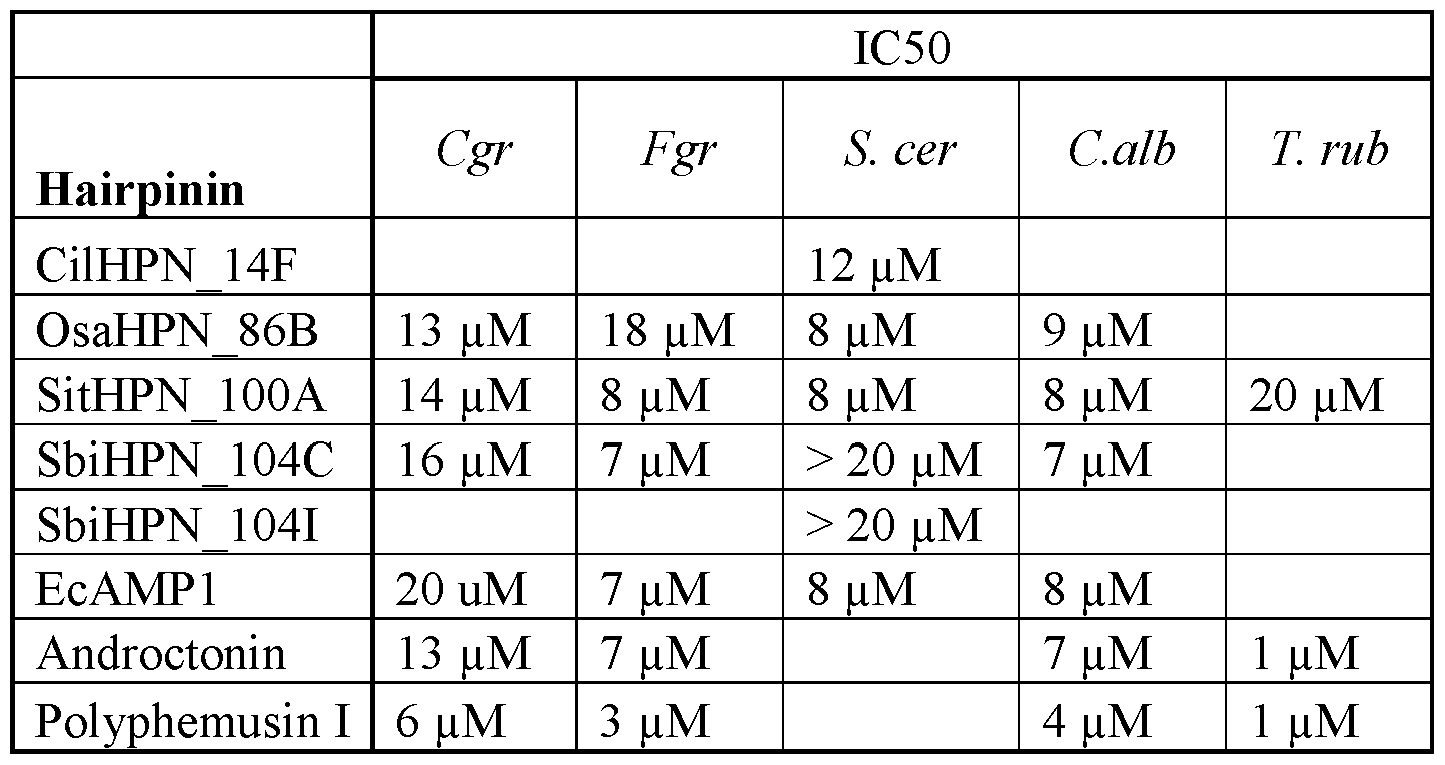
Claims
Priority Applications (7)
| Application Number | Priority Date | Filing Date | Title |
|---|---|---|---|
| EP15782756.9A EP3133919A4 (en) | 2014-04-23 | 2015-04-23 | Agents and methods for treatment of pathogens |
| CA2946166A CA2946166A1 (en) | 2014-04-23 | 2015-04-23 | Agents and methods for treatment of pathogens |
| CN201580020710.3A CN106231899A (en) | 2014-04-23 | 2015-04-23 | For processing reagent and the method for pathogen |
| AU2015251499A AU2015251499B2 (en) | 2014-04-23 | 2015-04-23 | Agents and methods for treatment of pathogens |
| US15/306,266 US10231450B2 (en) | 2014-04-23 | 2015-04-23 | Agents and methods for treatment of pathogens |
| JP2016564028A JP2017519720A (en) | 2014-04-23 | 2015-04-23 | Agents and methods for the treatment of pathogens |
| US16/357,200 US20190327965A1 (en) | 2014-04-23 | 2019-03-18 | Agents and methods for treatment of pathogens |
Applications Claiming Priority (2)
| Application Number | Priority Date | Filing Date | Title |
|---|---|---|---|
| AU2014901470 | 2014-04-23 | ||
| AU2014901470A AU2014901470A0 (en) | 2014-04-23 | Agents and methods for treatment of pathogens |
Related Child Applications (2)
| Application Number | Title | Priority Date | Filing Date |
|---|---|---|---|
| US15/306,266 A-371-Of-International US10231450B2 (en) | 2014-04-23 | 2015-04-23 | Agents and methods for treatment of pathogens |
| US16/357,200 Continuation US20190327965A1 (en) | 2014-04-23 | 2019-03-18 | Agents and methods for treatment of pathogens |
Publications (1)
| Publication Number | Publication Date |
|---|---|
| WO2015161346A1 true WO2015161346A1 (en) | 2015-10-29 |
Family
ID=54331508
Family Applications (1)
| Application Number | Title | Priority Date | Filing Date |
|---|---|---|---|
| PCT/AU2015/050192 Ceased WO2015161346A1 (en) | 2014-04-23 | 2015-04-23 | Agents and methods for treatment of pathogens |
Country Status (7)
| Country | Link |
|---|---|
| US (2) | US10231450B2 (en) |
| EP (1) | EP3133919A4 (en) |
| JP (1) | JP2017519720A (en) |
| CN (1) | CN106231899A (en) |
| AU (1) | AU2015251499B2 (en) |
| CA (1) | CA2946166A1 (en) |
| WO (1) | WO2015161346A1 (en) |
Cited By (4)
| Publication number | Priority date | Publication date | Assignee | Title |
|---|---|---|---|---|
| CN108342334A (en) * | 2018-01-17 | 2018-07-31 | 广东海纳川生物科技股份有限公司 | The Pichia pastoris mutant strain of one plant of expression recombination thanatin antibacterial peptide |
| EP3303376A4 (en) * | 2015-05-29 | 2019-01-23 | Hexima Limited | VIVO TREATMENT PROCESS |
| AU2015251501B2 (en) * | 2014-04-24 | 2019-08-15 | Hexima Limited | Agents and methods of treatment |
| US10973874B2 (en) | 2014-10-21 | 2021-04-13 | Hexima Limited | Method of treatment |
Families Citing this family (9)
| Publication number | Priority date | Publication date | Assignee | Title |
|---|---|---|---|---|
| AR119643A1 (en) * | 2018-02-12 | 2022-01-05 | Boost Biomes Inc | MICROBIAL COMPOSITIONS FOR THE PREVENTION OR REDUCTION OF THE GROWTH OF FUNGAL PATHOGENS IN PLANTS |
| CN110129212B (en) * | 2019-05-28 | 2020-07-28 | 山东省花生研究所 | Aspergillus flavus PEAS-10 without producing aflatoxin and application thereof |
| FR3109494B1 (en) * | 2020-04-24 | 2022-04-08 | Institut National De Rech Pour L’Agriculture L’Alimentation Et L’Environnement | METHODS FOR INHIBITING THE PRODUCTION OF MYCOTOXINS BY FUSARIUM |
| CN111870560A (en) * | 2020-09-16 | 2020-11-03 | 杜传超 | Washing-free disinfection composition containing antimicrobial peptide and preparation method and application thereof |
| CN112195108B (en) * | 2020-11-09 | 2023-03-14 | 广西壮族自治区农业科学院 | Cladosporium cladosporioides strain MS2 and application thereof |
| CN114774293B (en) * | 2022-05-27 | 2023-08-11 | 河南农业大学 | Stachybotrys HN17496 strain, biocontrol microbial inoculum, preparation method and application thereof |
| US11713341B1 (en) | 2022-06-17 | 2023-08-01 | Vestaron Corporation | Antimicrobial NCR13 variant peptides |
| CN115725569A (en) * | 2022-09-14 | 2023-03-03 | 海南绿谷生物育种有限公司 | Antibacterial peptide LL37 gene, transgenic corn containing antibacterial peptide LL37 and application |
| CN116790444B (en) * | 2023-08-04 | 2025-10-28 | 山东省林草种质资源中心(山东省药乡林场) | A corn rhizobium strain NF11 and its application |
Citations (7)
| Publication number | Priority date | Publication date | Assignee | Title |
|---|---|---|---|---|
| WO2002063011A1 (en) * | 2001-02-08 | 2002-08-15 | Hexima Ltd | Plant-derived molecules and genetic sequences encoding same and uses therefor |
| WO2008128289A1 (en) * | 2007-04-20 | 2008-10-30 | Hexima Limited | Modified plant defensin |
| WO2009094719A1 (en) * | 2008-02-01 | 2009-08-06 | Hexima Limited | Anti fungal methods |
| WO2010015024A1 (en) * | 2008-08-05 | 2010-02-11 | Hexima Limited | Plant anti-pathogen systems |
| WO2012027209A2 (en) * | 2010-08-23 | 2012-03-01 | Pioneer Hi-Bred International, Inc. | Novel defensin variants and methods of use |
| WO2012106759A1 (en) * | 2011-02-07 | 2012-08-16 | Hexima Limited | Modified plant defensins useful as anti-pathogenic agents |
| WO2014078900A1 (en) * | 2012-11-23 | 2014-05-30 | Hexima Limited | Anti-pathogenic methods |
Family Cites Families (2)
| Publication number | Priority date | Publication date | Assignee | Title |
|---|---|---|---|---|
| US20130263326A1 (en) * | 2008-08-05 | 2013-10-03 | Robyn Louise Heath | Anti-Pathogen Systems |
| WO2013026326A1 (en) * | 2011-08-25 | 2013-02-28 | 腾讯科技(深圳)有限公司 | Method and terminal for implementing cache display |
-
2015
- 2015-04-23 AU AU2015251499A patent/AU2015251499B2/en not_active Ceased
- 2015-04-23 WO PCT/AU2015/050192 patent/WO2015161346A1/en not_active Ceased
- 2015-04-23 US US15/306,266 patent/US10231450B2/en not_active Expired - Fee Related
- 2015-04-23 CN CN201580020710.3A patent/CN106231899A/en active Pending
- 2015-04-23 JP JP2016564028A patent/JP2017519720A/en active Pending
- 2015-04-23 EP EP15782756.9A patent/EP3133919A4/en not_active Withdrawn
- 2015-04-23 CA CA2946166A patent/CA2946166A1/en not_active Abandoned
-
2019
- 2019-03-18 US US16/357,200 patent/US20190327965A1/en not_active Abandoned
Patent Citations (7)
| Publication number | Priority date | Publication date | Assignee | Title |
|---|---|---|---|---|
| WO2002063011A1 (en) * | 2001-02-08 | 2002-08-15 | Hexima Ltd | Plant-derived molecules and genetic sequences encoding same and uses therefor |
| WO2008128289A1 (en) * | 2007-04-20 | 2008-10-30 | Hexima Limited | Modified plant defensin |
| WO2009094719A1 (en) * | 2008-02-01 | 2009-08-06 | Hexima Limited | Anti fungal methods |
| WO2010015024A1 (en) * | 2008-08-05 | 2010-02-11 | Hexima Limited | Plant anti-pathogen systems |
| WO2012027209A2 (en) * | 2010-08-23 | 2012-03-01 | Pioneer Hi-Bred International, Inc. | Novel defensin variants and methods of use |
| WO2012106759A1 (en) * | 2011-02-07 | 2012-08-16 | Hexima Limited | Modified plant defensins useful as anti-pathogenic agents |
| WO2014078900A1 (en) * | 2012-11-23 | 2014-05-30 | Hexima Limited | Anti-pathogenic methods |
Non-Patent Citations (3)
| Title |
|---|
| CARVALHO, A. DE O. ET AL.: "Plant Defensins and Defensin-Like Peptides-Biological Activities and Biotechnological Applications", CURRENT PHARMACEUTICAL DESIGN, vol. 17, 2011, pages 4270 - 4293, XP055232761 * |
| See also references of EP3133919A4 * |
| VAN DER WEERDEN, N.L. ET AL.: "Plant Defensins: Common Fold, Multiple Functions'.", FUNGAL BIOLOGY REVIEWS, vol. 26, no. 4, 2013, pages 121 - 131, XP055232762, ISSN: 1749-4613 * |
Cited By (5)
| Publication number | Priority date | Publication date | Assignee | Title |
|---|---|---|---|---|
| AU2015251501B2 (en) * | 2014-04-24 | 2019-08-15 | Hexima Limited | Agents and methods of treatment |
| US10973874B2 (en) | 2014-10-21 | 2021-04-13 | Hexima Limited | Method of treatment |
| EP3303376A4 (en) * | 2015-05-29 | 2019-01-23 | Hexima Limited | VIVO TREATMENT PROCESS |
| CN108342334A (en) * | 2018-01-17 | 2018-07-31 | 广东海纳川生物科技股份有限公司 | The Pichia pastoris mutant strain of one plant of expression recombination thanatin antibacterial peptide |
| CN108342334B (en) * | 2018-01-17 | 2021-06-01 | 广东海纳川生物科技股份有限公司 | Pichia pastoris mutant strain for expressing recombinant death hormone antibacterial peptide |
Also Published As
| Publication number | Publication date |
|---|---|
| CA2946166A1 (en) | 2015-10-29 |
| US20190327965A1 (en) | 2019-10-31 |
| EP3133919A4 (en) | 2018-02-21 |
| CN106231899A (en) | 2016-12-14 |
| US20170049102A1 (en) | 2017-02-23 |
| JP2017519720A (en) | 2017-07-20 |
| AU2015251499B2 (en) | 2018-08-09 |
| EP3133919A1 (en) | 2017-03-01 |
| US10231450B2 (en) | 2019-03-19 |
| AU2015251499A1 (en) | 2016-09-22 |
Similar Documents
| Publication | Publication Date | Title |
|---|---|---|
| US10231450B2 (en) | Agents and methods for treatment of pathogens | |
| EP2673365B1 (en) | Modified plant defensins useful as anti-pathogenic agents | |
| JP6457945B2 (en) | Anti-pathogen method | |
| WO2009094719A1 (en) | Anti fungal methods | |
| MX2011001368A (en) | Plant anti-pathogen systems. | |
| US10568930B2 (en) | Agents and methods of treatment | |
| HK1231696A1 (en) | Agents and methods for treatment of pathogens | |
| NZ627577B2 (en) | Modified plant defensins useful as anti-pathogenic agents | |
| NZ613433B2 (en) | Modified plant defensins useful as anti-pathogenic agents | |
| HK1191370B (en) | Modified plant defensins useful as anti-pathogenic agents | |
| HK1191370A (en) | Modified plant defensins useful as anti-pathogenic agents |
Legal Events
| Date | Code | Title | Description |
|---|---|---|---|
| 121 | Ep: the epo has been informed by wipo that ep was designated in this application |
Ref document number: 15782756 Country of ref document: EP Kind code of ref document: A1 |
|
| ENP | Entry into the national phase |
Ref document number: 2015251499 Country of ref document: AU Date of ref document: 20150423 Kind code of ref document: A |
|
| REEP | Request for entry into the european phase |
Ref document number: 2015782756 Country of ref document: EP |
|
| WWE | Wipo information: entry into national phase |
Ref document number: 2015782756 Country of ref document: EP |
|
| ENP | Entry into the national phase |
Ref document number: 2946166 Country of ref document: CA |
|
| ENP | Entry into the national phase |
Ref document number: 2016564028 Country of ref document: JP Kind code of ref document: A |
|
| NENP | Non-entry into the national phase |
Ref country code: DE |
|
| WWE | Wipo information: entry into national phase |
Ref document number: 15306266 Country of ref document: US |