WO2016006548A1 - PPARγ活性化剤 - Google Patents
PPARγ活性化剤 Download PDFInfo
- Publication number
- WO2016006548A1 WO2016006548A1 PCT/JP2015/069281 JP2015069281W WO2016006548A1 WO 2016006548 A1 WO2016006548 A1 WO 2016006548A1 JP 2015069281 W JP2015069281 W JP 2015069281W WO 2016006548 A1 WO2016006548 A1 WO 2016006548A1
- Authority
- WO
- WIPO (PCT)
- Prior art keywords
- group
- pparγ
- fraction
- formula
- 5h4pb
- Prior art date
- Legal status (The legal status is an assumption and is not a legal conclusion. Google has not performed a legal analysis and makes no representation as to the accuracy of the status listed.)
- Ceased
Links
Images




Classifications
-
- A—HUMAN NECESSITIES
- A61—MEDICAL OR VETERINARY SCIENCE; HYGIENE
- A61K—PREPARATIONS FOR MEDICAL, DENTAL OR TOILETRY PURPOSES
- A61K31/00—Medicinal preparations containing organic active ingredients
- A61K31/33—Heterocyclic compounds
- A61K31/335—Heterocyclic compounds having oxygen as the only ring hetero atom, e.g. fungichromin
- A61K31/34—Heterocyclic compounds having oxygen as the only ring hetero atom, e.g. fungichromin having five-membered rings with one oxygen as the only ring hetero atom, e.g. isosorbide
- A61K31/341—Heterocyclic compounds having oxygen as the only ring hetero atom, e.g. fungichromin having five-membered rings with one oxygen as the only ring hetero atom, e.g. isosorbide not condensed with another ring, e.g. ranitidine, furosemide, bufetolol, muscarine
-
- A—HUMAN NECESSITIES
- A61—MEDICAL OR VETERINARY SCIENCE; HYGIENE
- A61K—PREPARATIONS FOR MEDICAL, DENTAL OR TOILETRY PURPOSES
- A61K31/00—Medicinal preparations containing organic active ingredients
- A61K31/33—Heterocyclic compounds
- A61K31/335—Heterocyclic compounds having oxygen as the only ring hetero atom, e.g. fungichromin
- A61K31/365—Lactones
-
- A—HUMAN NECESSITIES
- A23—FOODS OR FOODSTUFFS; TREATMENT THEREOF, NOT COVERED BY OTHER CLASSES
- A23L—FOODS, FOODSTUFFS OR NON-ALCOHOLIC BEVERAGES, NOT OTHERWISE PROVIDED FOR; PREPARATION OR TREATMENT THEREOF
- A23L33/00—Modifying nutritive qualities of foods; Dietetic products; Preparation or treatment thereof
- A23L33/10—Modifying nutritive qualities of foods; Dietetic products; Preparation or treatment thereof using additives
-
- A—HUMAN NECESSITIES
- A61—MEDICAL OR VETERINARY SCIENCE; HYGIENE
- A61P—SPECIFIC THERAPEUTIC ACTIVITY OF CHEMICAL COMPOUNDS OR MEDICINAL PREPARATIONS
- A61P3/00—Drugs for disorders of the metabolism
- A61P3/04—Anorexiants; Antiobesity agents
-
- A—HUMAN NECESSITIES
- A61—MEDICAL OR VETERINARY SCIENCE; HYGIENE
- A61P—SPECIFIC THERAPEUTIC ACTIVITY OF CHEMICAL COMPOUNDS OR MEDICINAL PREPARATIONS
- A61P3/00—Drugs for disorders of the metabolism
- A61P3/06—Antihyperlipidemics
-
- A—HUMAN NECESSITIES
- A61—MEDICAL OR VETERINARY SCIENCE; HYGIENE
- A61P—SPECIFIC THERAPEUTIC ACTIVITY OF CHEMICAL COMPOUNDS OR MEDICINAL PREPARATIONS
- A61P3/00—Drugs for disorders of the metabolism
- A61P3/08—Drugs for disorders of the metabolism for glucose homeostasis
- A61P3/10—Drugs for disorders of the metabolism for glucose homeostasis for hyperglycaemia, e.g. antidiabetics
-
- A—HUMAN NECESSITIES
- A61—MEDICAL OR VETERINARY SCIENCE; HYGIENE
- A61P—SPECIFIC THERAPEUTIC ACTIVITY OF CHEMICAL COMPOUNDS OR MEDICINAL PREPARATIONS
- A61P43/00—Drugs for specific purposes, not provided for in groups A61P1/00-A61P41/00
-
- A—HUMAN NECESSITIES
- A61—MEDICAL OR VETERINARY SCIENCE; HYGIENE
- A61P—SPECIFIC THERAPEUTIC ACTIVITY OF CHEMICAL COMPOUNDS OR MEDICINAL PREPARATIONS
- A61P9/00—Drugs for disorders of the cardiovascular system
- A61P9/10—Drugs for disorders of the cardiovascular system for treating ischaemic or atherosclerotic diseases, e.g. antianginal drugs, coronary vasodilators, drugs for myocardial infarction, retinopathy, cerebrovascula insufficiency, renal arteriosclerosis
-
- A—HUMAN NECESSITIES
- A23—FOODS OR FOODSTUFFS; TREATMENT THEREOF, NOT COVERED BY OTHER CLASSES
- A23V—INDEXING SCHEME RELATING TO FOODS, FOODSTUFFS OR NON-ALCOHOLIC BEVERAGES AND LACTIC OR PROPIONIC ACID BACTERIA USED IN FOODSTUFFS OR FOOD PREPARATION
- A23V2002/00—Food compositions, function of food ingredients or processes for food or foodstuffs
-
- A—HUMAN NECESSITIES
- A23—FOODS OR FOODSTUFFS; TREATMENT THEREOF, NOT COVERED BY OTHER CLASSES
- A23V—INDEXING SCHEME RELATING TO FOODS, FOODSTUFFS OR NON-ALCOHOLIC BEVERAGES AND LACTIC OR PROPIONIC ACID BACTERIA USED IN FOODSTUFFS OR FOOD PREPARATION
- A23V2200/00—Function of food ingredients
- A23V2200/30—Foods, ingredients or supplements having a functional effect on health
- A23V2200/328—Foods, ingredients or supplements having a functional effect on health having effect on glycaemic control and diabetes
-
- A—HUMAN NECESSITIES
- A23—FOODS OR FOODSTUFFS; TREATMENT THEREOF, NOT COVERED BY OTHER CLASSES
- A23V—INDEXING SCHEME RELATING TO FOODS, FOODSTUFFS OR NON-ALCOHOLIC BEVERAGES AND LACTIC OR PROPIONIC ACID BACTERIA USED IN FOODSTUFFS OR FOOD PREPARATION
- A23V2200/00—Function of food ingredients
- A23V2200/30—Foods, ingredients or supplements having a functional effect on health
- A23V2200/332—Promoters of weight control and weight loss
Definitions
- the present invention relates to a lipid metabolism activator, an antidiabetic agent, or a PPAR ⁇ activator that can be used for prevention / amelioration of obesity and lifestyle-related diseases.
- ⁇ ⁇ ( ⁇ ⁇ ) is a fermented food produced mainly by fermenting glutinous rice and aging for a long time, and has been used as a vinegar seasoning in China for a long time.
- Kaoru has a higher content of organic compounds such as amino acids than rice vinegar, which is a vinegar commonly used in Japan, and in recent years it is also gaining popularity in Japan as a health food useful for maintaining and promoting health.
- Patent Document 1 a peroxisome proliferator-responsive receptor ⁇ -activator and ⁇ -activator that contain a lower alkanol extract of perfume as an active ingredient.
- PPAR peroxisome proliferator-activated receptor
- the PPAR activator disclosed in Patent Document 1 is an extract obtained by extracting perfume with a lower alkanol, and the confirmation of the effect of this extract on the PPAR ⁇ activation action is generally in vivo.
- the PPAR ⁇ activation is carried out when the lower alkanol extract of perfume is added to the cell culture medium at a high rate of 1.0% (ie, 10000 ppm). It has been confirmed that the effect is seen. Therefore, when using this lower alkanol extract of fragrance as a PPAR ⁇ activator, it is necessary to add or ingest a large amount thereof.
- the lower alkanol extract of perfume disclosed in Patent Document 1 is a mixture containing a plurality of components, and it is not shown what the active ingredient is specifically as a PPAR activator.
- an object of the present invention is to specify an active ingredient having an excellent PPAR activating action contained in a koji, and to provide a PPAR activator containing the active ingredient.
- the present inventors performed various fractionation treatments on incense, and as a result of examining the obtained fractions, discovered a butenolide compound having an excellent PPAR activation action. That is, the PPAR ⁇ activator of the present invention contains a butenolide compound represented by the formula (1) or a pharmaceutically acceptable salt thereof.
- R 1 is a hydrogen atom, a phosphate group, a fatty acid group, an optionally substituted alkyl group having 1 to 4 carbon atoms or a sugar residue optionally having a substituent.
- R 2 is phenyl, methylphenyl, dimethylphenyl, ethylphenyl, benzyl, methylbenzyl, dimethylbenzyl, ethylbenzyl, phenethyl, methylphenethyl, dimethylphenethyl or ethylphenethyl. Indicates. ]
- This butenolide compound has PPAR ⁇ ligand activity and has an action of activating PPAR ⁇ .
- this butenolide compound has an action of converting white fat cells into brown fat cells and activating lipid metabolism.
- this butenolide compound is involved in PPAR ⁇ such as diabetes, insulin resistance, hyperlipidemia, hypertension, arteriosclerosis, visceral fat obesity, subcutaneous fat accumulation, weight gain, leptin resistance, fatty liver or lifestyle-related diseases It is effective for prevention, improvement or treatment of a disease state, symptom or disease.
- R 1 is a hydrogen residue, a phosphate group or a sugar residue which may have a substituent
- R 2 is a phenyl group
- a 4-methylphenyl group, a benzyl group or a 4-methylbenzyl group is preferred.
- the medicament of the present invention is selected from the group consisting of diabetes, insulin resistance, obesity, weight gain, visceral fat accumulation, subcutaneous fat accumulation, leptin resistance, lipid metabolism abnormality, hyperlipidemia, arteriosclerosis and metabolic syndrome.
- the suitable use of the PPAR (gamma) activator which consists of a butenolide compound mentioned above is selected.
- the supplement of the present invention is from the group consisting of diabetes, insulin resistance, obesity, weight gain, visceral fat accumulation, subcutaneous fat accumulation, leptin resistance, lipid metabolism abnormality, hyperlipidemia, arteriosclerosis and metabolic syndrome.
- the suitable use of the PPAR (gamma) activator which consists of a butenolide compound mentioned above is selected.
- composition for treatment, prevention, suppression or amelioration of a disease state, symptom or disease involving PPAR ⁇ of the present invention contains a butenolide compound represented by formula (2) or a pharmaceutically acceptable salt thereof as an active ingredient. To do.
- R 1 is a hydrogen atom, a phosphate group, a fatty acid group, an optionally substituted alkyl group having 1 to 4 carbon atoms, or a sugar residue optionally having a substituent.
- R 2 is phenyl, methylphenyl, dimethylphenyl, ethylphenyl, benzyl, methylbenzyl, dimethylbenzyl, ethylbenzyl, phenethyl, methylphenethyl, dimethylphenethyl or ethylphenethyl. Indicates. ]
- PPAR ⁇ is a factor mainly involved in sugar / lipid metabolism, metabolic syndrome, metabolic disease, weight gain, visceral fat accumulation, subcutaneous fat accumulation, obesity, diabetes, insulin resistance, hypertension, arteriosclerosis, hyperlipidemia Involved in proliferative diseases such as inflammatory diseases, inflammatory diseases and malignant tumors.
- the above-mentioned butenolide compound has PPAR ⁇ ligand activity and has an action of activating PPAR ⁇ , and therefore is effectively used for prevention, improvement, suppression or treatment of a disease state, symptom or disease involving PPAR ⁇ .
- the pathological condition, symptom or disease related to PPAR ⁇ includes diabetes, insulin resistance, obesity, weight gain, visceral fat accumulation, subcutaneous fat accumulation, leptin resistance, lipid metabolism abnormality, hyperlipidemia, arteriosclerosis and It is preferably one or more disease states, symptoms or diseases selected from the group consisting of metabolic syndrome. Thereby, the especially suitable use of the butenolide compound mentioned above is selected.
- This butenolide compound transforms white adipocytes into brown adipocytes, promotes heat production using lipids and activates lipid metabolism, suppresses weight gain, suppresses visceral fat accumulation, and accumulates subcutaneous fat It has an inhibitory action, an adiponectin enhancing action, an insulin secretion inhibitory action, a leptin secretion inhibitory action, and the like. Therefore, it is possible to treat, prevent, suppress or ameliorate the pathological condition, symptom or disease associated with these PPAR ⁇ .
- a butenolide compound having a high PPAR ⁇ activation action can be obtained.
- This butenolide compound has the effect of activating lipid metabolism by converting white adipocytes into brown adipocytes, as well as weight gain inhibitory action, visceral fat accumulation inhibitory action, adiponectin enhancing action, insulin secretion inhibitory action and leptin secretion inhibitory action Etc. Therefore, pathological conditions, symptoms or diseases involving PPAR ⁇ such as insulin resistance, diabetes, weight gain, obesity, hyperlipidemia, hypertension, arteriosclerosis, visceral fat accumulation, subcutaneous fat accumulation, fatty liver or metabolic syndrome Can be used to treat, prevent, suppress or ameliorate. In this way, a butenolide compound that is useful for prevention or improvement of the above-mentioned pathological conditions and can be widely applied to foods, supplements, drugs, and the like can be obtained.
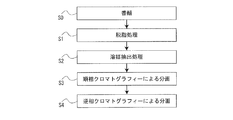
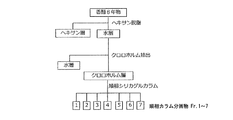
- FIG. 2 is a flowchart schematically illustrating a method for adjusting a normal phase column fraction from incense in Example 1.
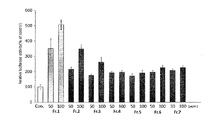
- FIG. 2 is a graph showing PPAR ⁇ ligand activity of normal phase column fractions in Example 1.
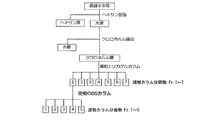
- FIG. 4 is a flowchart schematically illustrating a method for preparing a reverse phase column fraction in Example 2.
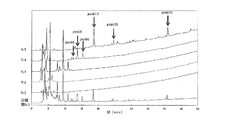
- a chromatogram showing the results of HPLC analysis of the reverse-phase column fraction (fr. 1 to 5) obtained in Example 2 and the normal-phase column fraction obtained in Example 1 (fr. 1 before fractionation).
- the horizontal axis indicates the retention time (minutes).
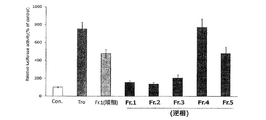
- 2 is a graph showing the PPAR ⁇ ligand activity of the reverse phase column fraction in Example 2.
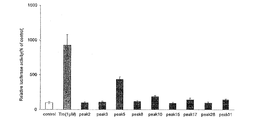
- FIG. 6 is a graph showing the PPAR ⁇ ligand activity of the peak fraction in Example 3. It is a chromatogram which shows the result of the HPLC analysis of the peak 5 among the peak fractions obtained in Example 3.
- the vertical axis represents the detection intensity, and the horizontal axis represents the retention time (minutes).
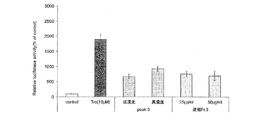
- FIG. 3 is a graph showing the PPAR ⁇ ligand activity of fraction 5 of the peak 5 fraction and the reverse phase column fraction obtained in Example 2 in Example 3.
- FIG. 4 is a chart showing LC / MS results of a fraction with a peak 5 in Example 4.
- the vertical axis represents the detected intensity, and the horizontal axis represents the m / z value.
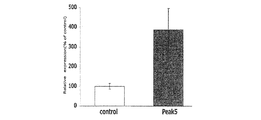
- 6 is a graph showing the results of UCP-1 gene expression levels in Example 5.
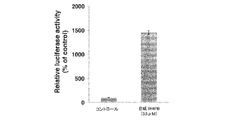
- 6 is a graph showing PPAR ⁇ ligand activity of a 5-hydroxy-4-phenylbutenolide synthesized product in Example 7.
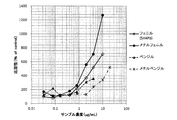
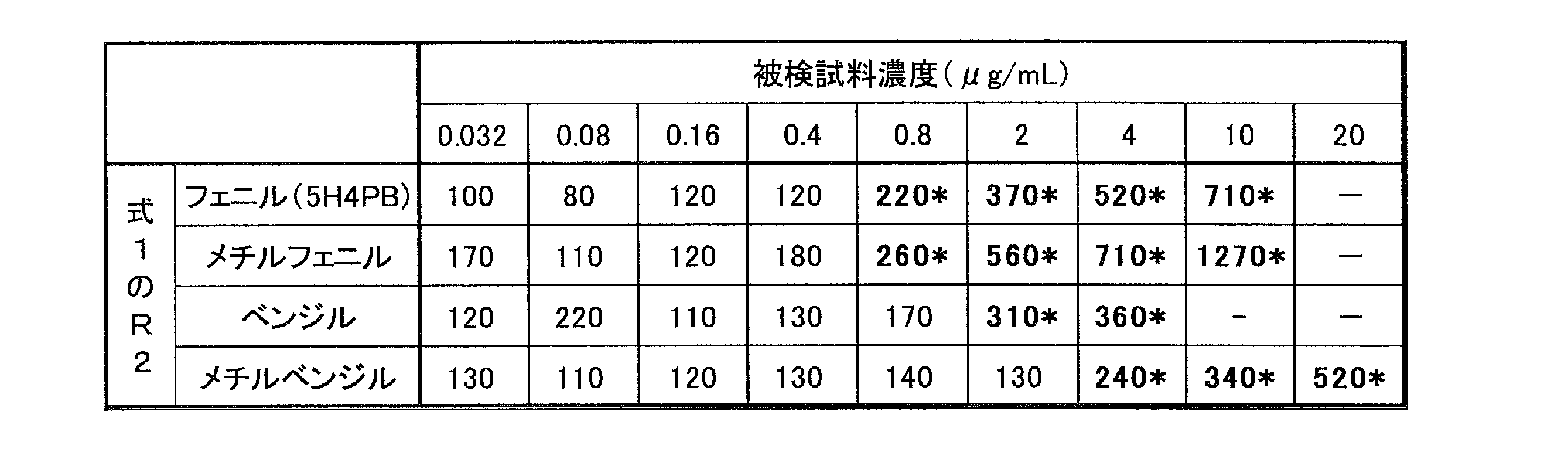
- 6 is a graph showing PPAR ⁇ ligand activity of a butenolide compound in Example 8.
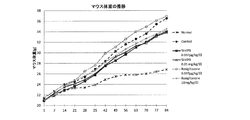
- 6 is a graph showing the effect of inhibiting body weight gain of mice by administration of 5-hydroxy-4-phenylbutenolide in Example 9.
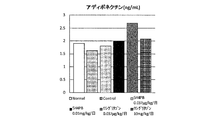
- 10 is a graph showing the amount of adiponectin contained in mouse blood in Example 10.
- 10 is a graph showing the amount of insulin contained in mouse blood in Example 11.
- 10 is a graph showing the amount of leptin contained in mouse blood in Example 12.
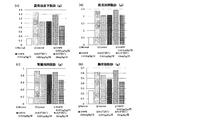
- 10 is a graph showing the effect of inhibiting the accumulation of subcutaneous fat and visceral fat in mice by administration of 5-hydroxy-4-phenylbutenolide in Example 13.
- the PPAR ⁇ activator of the present invention contains a butenolide compound represented by the above formula (1) as an active ingredient.
- the atom represented by R 1 is preferably a hydrogen atom, and the molecule is a phosphate group, a fatty acid group, an optionally substituted alkyl group having 1 to 4 carbon atoms or a substituted group. Examples thereof include sugar residues that may have a group.
- the fatty acid group include lauric acid, myristic acid, palmitic acid, margaric acid, and stearic acid.
- alkyl group having 1 to 4 carbon atoms examples include a methyl group, an ethyl group, various propyl groups, and various butyl groups.
- glycosides based on phosphate groups and sugar residues are preferable from the viewpoint of stability outside the body and absorbability in the body, and the sugar is not particularly limited, but various glucose, various galactose, various mannose, and the like In particular, glucose is used as a sugar forming a suitable glycoside.
- R 2 is phenyl, methylphenyl, dimethylphenyl, ethylphenyl, benzyl, methylbenzyl, dimethylbenzyl, ethylbenzyl, phenethyl, methylphenethyl, dimethylphenethyl or ethylphenethyl.
- a phenyl group, a 4-methylphenyl group, a benzyl group, or a 4-methylbenzyl group is preferably used.
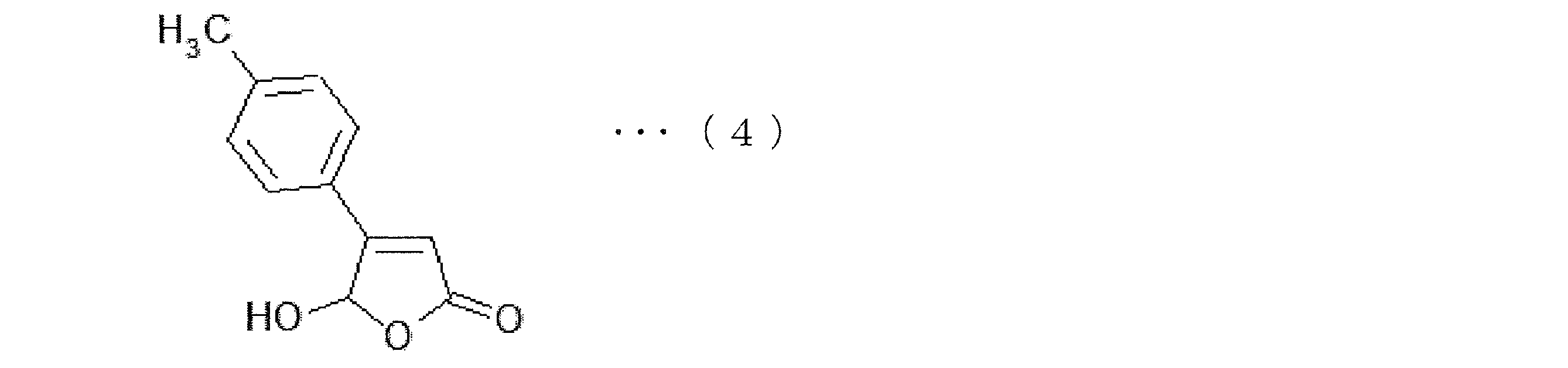
- particularly preferable compounds from the viewpoint of pharmacological activity include 5-hydroxy-4-phenylbutenolide represented by the following formula (3) and 5-hydroxy represented by the following formula (4).
- 5-hydroxy-4- (4-methylphenyl) butenolide 5-hydroxy-4- (4-methylbenzyl) butenolide and 5-hydroxy-4-benzylbutenolide can be mentioned.
- PPAR ⁇ Particularly preferred as activator is 5-hydroxy-4-phenylbutenolide or 5-hydroxy-4- (4-methylphenyl) butenolide, which has been found in incense.
- the butenolide compound represented by the formula (3) can be obtained by extraction from a perfume that is a fermented food.
- a method for obtaining this butenolide compound from incense it is not particularly limited.
- incense (step for preparing) S0 and a lipid component contained in incense A degreasing treatment step S1 to be removed, a solvent extraction treatment step S2 for extracting a target component using a solvent, a fractionation step S3 by normal phase chromatography, and a fractionation step S4 by reverse phase chromatography.
- This incense S0 is obtained by adding rice bran to fermented rice and subjecting it to alcohol fermentation, adding rice husk and acetic acid fermentation, extracting by adding water, and aging the extract for a certain period.
- the degreasing treatment S1 shown in FIG. 1 is performed for the purpose of removing excess lipid components contained in the incense S0. Since the extra lipid component contained in the fragrance is removed by performing the degreasing process of the fragrance S0, the solvent extraction process S2 and the fractionation steps S3 and S4 to be performed later are represented by the formula (3). This makes it possible to effectively extract the butenolide compound. Specifically, although not particularly limited, after adding an organic solvent to the fragrance S0 and stirring well, the excess lipid component is transferred to the organic solvent phase, and then the aqueous phase and the organic solvent phase are used using a centrifuge or the like. And the aqueous phase can be recovered. This operation is preferably performed a plurality of times.
- Any organic solvent may be used as long as it has a degreasing effect.
- petroleum organic solvents and alcohols are preferably used, and n-hexane is particularly preferably used.
- the amount of the organic solvent to be used is preferably about 10% to 1000% by weight of the fragrance, and most preferably about half to twice the amount of the fragrance.
- a solvent is added to the degreased fragrance and the target butenolide compound is moved to the added solvent.
- an organic solvent is preferably used, and is not particularly limited, but alkanol such as n-butanol or ethanol, ethyl acetate, butylene glycol, chloroform and the like can be used.
- These solvent extraction processes S2 are not limited to a single process, and the extraction process with the same solvent can be performed a plurality of times, or a plurality of types of solvent extraction processes can be combined.
- the extraction process when chloroform is used as the organic solvent will be described.
- chloroform is added to the defatted fragrance, and the butenolide compound as the target component is efficiently transferred to the chloroform phase.
- the cocoon and chloroform are distributed using a separatory funnel, and the chloroform phase is recovered. In this case, the distribution is preferably performed a plurality of times.
- the amount of chloroform to be added is preferably about 10% to 1000% by weight of the aqueous phase (scent), and most preferably about half to twice the amount of the aqueous phase. From the recovered chloroform phase, the solvent can be easily removed by vacuum concentration treatment or the like, and a chloroform extract of solid or concentrated fragrance can be obtained.
- fractionation step S3 by normal phase chromatography shown in FIG. 1 The purpose of this fractionation step S3 is to purify and separate the butenolide compound of the target component contained in the solvent extract obtained in step S2.
- the fractionation process by normal phase silica gel column chromatography will be described. Specifically, although not particularly limited, it is carried out by placing silica gel on which a solvent extract is adsorbed on a chromatographic tube filled with silica gel, and flowing and eluting a predetermined mobile phase from the top.
- the mobile phase is not particularly limited, but benzene-acetone is preferably used.
- the mobile phase is preferably separated by eluting with a mobile phase having a benzene: acetone ratio of 40: 1 to 0: 1. Is possible.
- a mobile phase having a benzene: acetone ratio of 40: 1 to 0: 1. Is possible.
- the PPAR ⁇ activation test described below and the expression level of genes (UCP-1 gene etc.) involved in PPAR ⁇ The test etc. which measure can be performed.
- fractionation step S4 by reverse phase chromatography shown in FIG. 1 The purpose of this fractionation step S4 is to further purify and isolate the butenolide compound of the target component contained in the normal phase column fraction obtained in step S3 and to substantially isolate it.
- the fractionation process by reverse phase silica gel column chromatography will be described. Specifically, although not particularly limited, the column is filled with silica gel modified with an octadecylsilyl group (C 18 ), the fraction obtained in Step S3 is added to the column, and then a predetermined mobile phase is allowed to flow. By eluting.
- the mobile phase is not particularly limited, but methanol-water is preferably used.
- fractionation processes S3 and S4 described above are not limited to a single process, and the fractionation process with the same filler or different fillers is performed a plurality of times, or the fractionation process with the same mobile phase or different mobile phases. It is also possible to carry out in combination.
- the butenolide compound represented by the formula (3) can be produced by a known synthesis method in addition to a method obtained by extraction and separation from fragrance.
- phenylacetaldehyde and glyoxylic acid ester are subjected to aldol condensation to obtain 3-phenyl-4-oxo-2-hydroxy-butanoic acid ester, and then an acid is allowed to act in the presence of water (Japanese Patent Laid-Open No. 6-2111825).
- the butenolide compound of the present invention can be produced by reacting phenylacetaldehyde and glyoxylic acid ester in the presence of morpholine hydrochloride (Japanese Patent Laid-Open No. 11-152280).
- butenolide compounds represented by the formula (4) and the formula (1) can also be synthesized by a known synthesis method (J. Org. Chem., 1981, Vol. 46, pp. 4889-4894 and Tetrahedron Letters, 2013, Vol. 54, pp. 5322-5324, etc.).
- the pharmacologically acceptable salt of the above butenolide compound is not particularly limited as long as it is a salt formed with an acid or a base.
- the butenolide compound or a salt thereof may be an organic solvate such as a hydrate or alcohol, or may be an anhydride.
- various isomers, racemates, or mixtures thereof are also included.
- the butenolide compound or a salt thereof may be a prodrug that exhibits an effect due to a metabolic action of a living body, such as a functional group included in the molecular structure being modified.
- the butenolide compound represented by the formula (1) has an action of activating PPAR ⁇ .
- the PPAR ⁇ activator refers to a substance that can activate PPAR ⁇ by binding to PPAR ⁇ and adjust the expression of a target gene.
- target genes for PPAR ⁇ include adiponectin, UCP-1, fatty acid binding protein, aP2 and the like.
- PPAR ⁇ ligand activity and PPAR ⁇ agonist activity are synonymous.
- the PPAR ⁇ activator of the present invention can be used for the treatment, prevention, suppression or improvement of a disease state, symptom or disease involving PPAR ⁇ .
- the treatment and improvement of the disease state here include prevention and prognosis treatment for these diseases and disease states.
- Diseases involving PPAR ⁇ widely include those involved in adipocyte differentiation and metabolism, particularly insulin resistance, diabetes, hyperlipidemia, hypertension, visceral fat type obesity, visceral fat accumulation, subcutaneous fat accumulation, fat Liver, weight gain, obesity, leptin resistance, arteriosclerosis, inflammatory diseases, malignant tumors or metabolic syndrome or diseases related thereto.
- the PPAR ⁇ activator of the present invention is used for treatment or improvement for one or more of these diseases, suppression or prevention of symptoms or disease states, and the like.
- the butenolide compound of the present invention has an action of converting white fat cells that accumulate fat into brown fat cells that burn fat, and therefore can be used as a lipid metabolism activator.
- the mechanism of action as a lipid metabolism activator is not limited to the above-described conversion of white adipocytes into brown adipocytes.
- the compound of the present invention has a PPAR ⁇ activation action and transcription of a target gene of PPAR ⁇ . It is also related to the increase of.
- the butenolide compound represented by the formula (1) has a PPAR ⁇ activation action, it is an antidiabetic agent, an insulin resistance therapeutic agent, an antiobesity agent, a weight gain inhibitor, a visceral fat accumulation inhibitor, a subcutaneous agent It can be used as a fat accumulation inhibitor, a leptin-resistant therapeutic agent, a lipid metabolism disorder therapeutic agent, an antihyperlipidemic agent, an arteriosclerosis therapeutic agent and a metabolic syndrome inhibitor.
- the PPAR ⁇ activator or the like of the present invention contains the butenolide compound represented by the above formula (1) as an active ingredient, and can be used as pharmaceuticals, quasi drugs and foods for humans or animals.
- the food includes supplements, health foods, functional foods, foods for specified health use, and the like.
- the PPAR ⁇ activator of the present invention When used as a medicine or quasi drug, it can be prepared in various forms by conventionally used methods.
- pharmacologically acceptable carriers and excipients for normal formulations lubricants, dispersants, disintegrants, buffers, solvents, extenders, preservatives, fragrances, stabilizers, etc. It can be formulated using an additive that is acceptable as an additive.
- a drug delivery system including a preparation technology such as microcapsule, liposome preparation, micropowder formation or inclusion using cyclodextrin or the like. it can.
- the PPAR ⁇ activator of the present invention when used as a preparation for oral administration, it can be used in the form of tablets, granules, capsules or liquids for internal use, but it is used in a form suitable for absorption from the digestive tract. It is preferable.
- the conventional formulation technique can also be used when providing a formulation in a desired form for reasons such as distribution and storage.
- a parenteral agent such as an external preparation
- it can be in the form of a transdermal agent such as an injection, a suppository, a tape, and a poultice.
- the solid preparation can be used after being dissolved in an appropriate solvent at the time of use for reasons such as distribution and storage, and can be provided in the form of a liquid or a semi-solid preparation by conventional preparation techniques.
- the PPAR ⁇ activator of the present invention when used as a food, supplement forms such as tablets, capsules, granules, syrups, soups, strawberries, beverages, noodles, jelly, cereals, breads, dairy products, Examples include seasonings, edible oils, and confectionery. It can also be used as animal food (feed, pet food; dry type, wet type, animal supplement, animal beverage, etc.). When used as a food, it is also possible to add various ingredients such as extracts derived from incense, and nutrients such as vitamins, minerals or amino acids.
- the dose or effective intake of the PPAR ⁇ activator of the present invention varies depending on the target therapeutic effect, administration method, administration subject and dosage form, but is not particularly limited.
- the active ingredient is about 0.01 ⁇ g / 60 kg body weight to about 300 mg / 60 kg body weight, preferably 0.05 ⁇ g / 60 kg body weight to about 100 mg / 60 kg body weight, which is administered in 1 to 3 divided doses. Is preferred.
- the daily parenteral dose is about 0.01 ⁇ g / 60 kg body weight to 100 mg / 60 kg body weight as an active ingredient, preferably about 0.03 ⁇ g / 60 kg body weight to 50 mg / 60 kg body weight.
- the measuring method of the PPAR activation test in the following examples is as follows.
- (1) PPAR ⁇ activation test (1-1) Preparation A plasmid pM-PPAR ⁇ expressing a chimeric protein comprising a human-derived PPAR ⁇ ligand-binding domain and a yeast-derived GAL4 transcription factor DNA-binding domain, and expression by this chimeric protein P4 ⁇ UASg-tk-luc, a plasmid in which a luciferase structural gene derived from a sea firefly was ligated downstream of a GAL4 responsive element, designed so that is controlled.
- a Renilla-derived luciferase expression plasmid pRL-CMV having a viral expression promoter that is constitutively expressed in cells was prepared.
- a medium for CV-1 cells derived from African green monkey kidney
- 10% FBS / DMEM was used, and CV-1 cells were seeded to a size of 4.5 ⁇ 10 5 cells in a 100 mm petri dish at 37 ° C., 5% Cultivation was performed in an incubator in a CO 2 environment.
- luciferase activity was measured using Dual-Luciferase (registered trademark) Reporter Assay System (Promega). The culture solution was removed from the 96-well plate, the cells were washed with PBS ( ⁇ ), and water was removed with a paper towel. 30 mL of cell lysate (Passive Lysis Buffer) was added, and the 96-well plate was shaken for 15 minutes. 10 mL of the cell extract was transferred to a 96-well lumino plate. 70 mL of luminescent substrate solution was added, and the luminescence intensity by luciferase was measured using a luminometer (Micro Lumat Plus, manufactured by Bertoled Japan Co., Ltd.) at a measurement time of 10 seconds.
- a luminometer Micro Lumat Plus, manufactured by Bertoled Japan Co., Ltd.
- the PPAR ⁇ activation action of the test sample was evaluated by the ratio (%) to the control.
- a value (A / B) obtained by dividing the measured Renilla luciferase activity value (A) by the measured Renilla luciferase activity value (B) was obtained.
- the average value of the A / B values of the control group was calculated, and this average value was taken as 100.
- the A / B value of the test sample was calculated, and the ratio (%) to the average value of the control was defined as the PPAR ⁇ activation ability of the test sample.
- Example 1 Preparation of normal phase column fraction and activity measurement
- seven normal phase column fractions were prepared from Kogo.
- each process of the fractionation flow will be described in detail.
- acetone 20: 1, 10: 1, 5: 1, 3: 1, 2: 1, 1: 1 and 100% acetone, and the fractions eluted for each solvent. And collected as normal phase column fractions (fractions 1-7). Each collected fraction was concentrated under reduced pressure to remove the solvent, and the solid weight of the obtained fraction was measured. A part of the obtained fraction was dissolved in an appropriate amount of dimethyl sulfoxide (DMSO, manufactured by Nacalai Tesque, Inc.) so that the final concentration in the PPAR ⁇ ligand activity measurement was 1000 times or more.
- DMSO dimethyl sulfoxide
- Example 2 Preparation and activity measurement of reversed-phase column fraction
- Reversed phase ODS column treatment As shown in the fractionation flow of FIG. 4, the normal phase column fraction of fraction 1 in which the PPAR ⁇ activation action obtained in Example 1 was observed was further subjected to reverse phase chromatography. Five reverse phase column fractions were prepared. Reverse phase chromatography was performed as follows. 50 g of ODS silica gel (YMC * GEL ODS-A 6 nm S-150 ⁇ m; product of YMC Co.) was suspended in methanol as a filler in a glass chromatograph tube (chromat tube length 40 cm, diameter 2.2 cm, capacity 152 mL). Filled.
- ODS silica gel YMC * GEL ODS-A 6 nm S-150 ⁇ m; product of YMC Co.
- the obtained reverse phase column fraction was concentrated under reduced pressure to remove the solvent, and a part of the obtained fraction was dissolved in an appropriate amount of dimethyl sulfoxide.
- the collected fraction was subjected to high performance liquid chromatography (column used: YMC-Pack ODS-A 250 ⁇ 4.6 mm ID S-5 ⁇ m 30 nm, mobile phase: methanol 20% aqueous solution-methanol 70% aqueous solution, flow rate: 1 mL. / Min, column temperature: 40 ° C., detection condition UV: 280 nm), and the separation state was confirmed.
- the HPLC results of each fraction are shown in FIG.
- the horizontal axis in FIG. 5 indicates the retention time (minutes).
- Example 2 Activity measurement of reversed-phase column fractions
- the reversed-phase column fractions obtained in Example 2 fractions 1 to 5 and the normal-phase column fraction obtained in Example 1 were collected as test samples.
- a PPAR ⁇ activation test was performed, and the PPAR ⁇ ligand activity of each fraction was evaluated.
- the final concentration of each fraction was 100 ⁇ g / mL.
- a PPAR ⁇ activation test was also conducted for troglitazone (Tro), which is a PPAR ⁇ agonist.
- the final concentration of troglitazone was 1 ⁇ M.
- PPAR ⁇ ligand activity is shown in FIG.
- shaft of these figures is a ratio of the activity of the fraction with respect to the activity of a control substance (DMSO).
- DMSO control substance
- Fractions were obtained by reversed-phase high performance liquid chromatography (column used: YMC-Pack ODS-A 250 ⁇ 4.6 mm ID S-5 ⁇ m 30 nm, mobile phase: methanol 20% aqueous solution-methanol 70% aqueous solution, flow rate: 1 mL / Minute, column temperature: 40 ° C., detection condition UV: 280 nm).
- a PPAR ⁇ activation test was performed on the fraction of peak 5 obtained in Example 3, fraction 5 of the reverse phase column fraction obtained in Example 2 and troglitazone, and the PPAR ⁇ ligand activity of each fraction was measured. evaluated.
- the final concentration of the fraction in peak 5 is low; 50 ⁇ g / mL, and high; 100 ⁇ g / mL, and the final concentration of fraction 5 in the reverse phase column fraction is 25 ⁇ g / mL and 50 ⁇ g / mL, the final concentration of troglitazone The concentration was 10 ⁇ M.
- FIG. 9 the PPAR ⁇ ligand activity of the fraction of peak 5 was observed to increase in a concentration-dependent manner.
- Example 4 Structure determination of peak fraction
- Structural analysis was performed on the fraction of peak 5 obtained in Example 3.
- LC / MS, 1 H-NMR, 13 C-NMR, HMBC and HSQC were performed.
- the results of LC / MS are shown in FIG.
- the horizontal axis in FIG. 10 indicates the m / z value, and the vertical axis indicates the detection intensity. From FIG. 10, it was suggested that the fraction of peak 5 has a molecular weight of 176.1687 and the characteristic formula is C 10 H 8 O 3 .
- the component contained in peak 5 is 5-hydroxy-4-phenylbutenolide (hereinafter referred to as “5H4PB”). Became clear.
- 5H4PB 5-hydroxy-4-phenylbutenolide
- Mitochondrial uncoupling protein has a function of uncoupling oxidative phosphorylation in the inner mitochondrial membrane and consuming energy as heat. Among them, UCP-1 is specifically expressed in brown adipocytes that produce heat by burning fat. Recently, it has been reported that a specific PPAR ⁇ synthetic agonist changes white fat cells that store fat like brown fat cells that burn fat (H. Ohno et al, Cell metabolism, 2012, Vol. 15, pp.395-404).
- the test was conducted as follows.
- the mesenchymal cell line 10T1 / 2 was seeded on a 12-well plate at 1 ⁇ 10 4 cells / mL. After culturing until the cells were confluent, the peak 5 fraction (5H4PB) was added to a final concentration of 100 ⁇ g / mL. Further, DMSO was used as the control substance. 24 hours after the sample addition, mRNA was recovered from the cells and the amount of mRNA was quantified. mRNA quantification was performed using a light cycler (registered trademark, Roche Applied Science). The results are shown in FIG. The vertical axis of the figure is the ratio of the UCP-1 expression level of the fraction of peak 5 to the UCP-1 expression level of the control substance (DMSO).
- the peak 5 fraction was found to have an action of increasing the expression level of UCP-1.
- An increase in the expression level of UCP-1 represents an increase in heat production from lipids. From this result, it was found that the fraction of peak 5, that is, 5H4PB, contributes to the improvement and promotion of lipid metabolism through the activation of UCP-1.
- 5H4PB was synthesized.
- the synthesis was performed as follows. 100 mg of glyoxylic acid monohydrate and 150 mg of morpholine were dispersed in 450 ⁇ L of 1,4-dioxane, and 55 ⁇ L of water was added dropwise. After adding 140 mg of phenylacetaldehyde and allowing to stand at room temperature for 1 hour, the mixture was heated to reflux for 24 hours. The product was concentrated under reduced pressure and extracted with 2.5 mL of diethyl ether.
- the extracted diethyl ether layer was dried over anhydrous magnesium sulfate and then concentrated again under reduced pressure.
- the concentrate was dissolved in an acetone / chloroform mixed solution, and 140 mg of 5H4PB was obtained by recrystallization.
- the obtained synthetic 5H4PB was subjected to liquid chromatography / mass spectrometry (LC / MS), and confirmed to be the same as 5H4PB obtained by extraction from incense (fraction of peak 5 obtained in Example 3). did.
- Example 7 Activity measurement of synthetic product
- a PPAR ⁇ activation test was conducted using the 5H4PB synthetic product obtained in Example 6 as a test sample.
- the final concentration of synthetic 5H4PB was 3.5 ⁇ M.
- the results are shown in FIG.
- the vertical axis of these figures represents the ratio of the activity of the synthesized product to the activity of the control substance (DMSO).
- DMSO control substance
- Example 8 Synthesis of various butenolide compounds and measurement of activity of each synthesized product Various butenolide compounds including 5H4PB were chemically synthesized, and PPAR ⁇ ligand activity at various concentrations was measured.
- 5H4PB and various butenolides were synthesized as follows. First, for 5H4PB represented by the above formula (3), 53 mL (0.6 mol) of morpholine and 120 mL of 1,4-dioxane were sequentially added to a 1 L 4-neck flask, and 62 mL of 50% aqueous glyoxylic acid solution was added while ice bathing.
- the organic layer obtained was washed with saturated aqueous sodium hydrogen carbonate, dried over sodium sulfate, filtered and concentrated to obtain 101 g of a partially oily yellow solid.
- 200 mL of ethyl acetate was added and dissolved, and alumina (basic) was added and stirred to perform batch processing. After removing the alumina by filtration, the filtrate was concentrated to obtain 96 g of a yellow solid (partially oil). This was dissolved in 0.5 volume of ethyl acetate, 1 volume of hexane was added and stirred, the precipitated solid was collected by filtration, and 30.2 g of milky white solid 5H4PB (yield 40%, GC purity 98). .6%).
- subjected with * in Table 1 showed the activity of 2 times or more compared with control, and was p ⁇ 0.05 (there is a significant difference).
- 5H4PB (R 2 : phenyl group) and 5-hydroxy-4- (4-methylphenyl) butenolide (R 2 : methylphenyl group) showed high activity in the range of 0.8 to 10 ⁇ g / mL
- 5-hydroxy-4-benzylbutenolide (R 2 : benzyl group) shows high activity in the range of 2 to 4 ⁇ g / mL
- Group) was found to exhibit high activity in the range of 4 to 20 ⁇ g / mL.
- 5H4PB and 5-hydroxy-4- (4-methylphenyl) butenolide have high activity in a low concentration range, and in particular, 5-hydroxy-4- (4-methylphenyl) butenolide has the highest activity. Became clear.
- Example 9 Verification of anti-obesity effect on diet-induced obesity model mice
- 5H4PB obtained in Example 6 was administered to a mouse fed with a high fat diet, and its anti-obesity effect was verified.
- 5-week-old male C57BL / 6J mice (source: Charles River Japan Co., Ltd.) in an environment with a temperature of 20-26 ° C, humidity of 35-75%, and illumination for 12 hours (7: 00-19: 00) A single animal was kept per cage under the conditions. After acclimatization for about one week, 6 to 8 animals were divided into 6 groups as shown in Table 2 below. Among the test groups, the normal group is fed with the normal solid feed CRF1 (Oriental Yeast Co., Ltd.
- Solid feed D12492 (Research Diet product, 5.24 kcal / g) was fed. The feed was freely consumed, and the drinking water was also freely consumed from the water bottle.
- the prescribed dose shown in Table 2 is 5H4PB (manufactured in Example 6) as the test substance or rosiglitazone (product of Wako Pure Chemical Industries, Ltd.) as the positive control substance for the mice in each drug administration group.
- rosiglitazone is a selective PPAR ⁇ ligand, and is a substance that binds to PPAR ⁇ and has an action of reducing the blood concentration of glucose, fatty acid, and insulin.
- the body weight was measured once a week, and the dose to each individual was calculated.
- 5H4PB and rosiglitazone are each suspended in a 0.5 w / v% aqueous solution of methylcellulose, diluted with the same aqueous solution, and adjusted so that the administration volume becomes 10 mL / kg. It was forcibly administered into the stomach. In addition, only 0.5 w / v% methylcellulose aqueous solution was administered to a normal group and a control group of mice at a dose of 10 mL / kg once a day for 12 weeks.
- the body weight of each individual was measured at a frequency of once a week from the start of the test (administration), and the average value for each test group was determined. The results are shown in FIG.
- the vertical axis in the figure represents the body weight (g) of the mouse, and the horizontal axis represents the number of days (day) from the start of the test.
- the control group showed a significant increase in body weight compared to the normal group after 21 days from the start of the test.
- the group which administered 5H4PB it was shown that the body weight increase by a high-calorie diet is suppressed compared with the control group.
- 5H4PB is 0.037 ⁇ g / kg / kg of the weight gain of the control group (the value obtained by subtracting the weight of the normal group from the weight of the control group) at the end of the test (day 84).
- the increase in body weight was suppressed by 25.8%
- the test group administered with 0.01 mg / kg / day of 5H4PB the increase in body weight was suppressed by 27.8%.
- 5H4PB was found to have a high anti-obesity effect.
- the low-dose test group administered with rosiglitazone 0.037 ⁇ g / kg / day gained weight compared to the control group, and no anti-obesity effect was observed. It was.
- the high-dose test group administered with 10 mg / kg / day of rosiglitazone had a lower body weight gain inhibition rate than the test group administered with 5H4PB at 0.037 ⁇ g / kg / day. From these, it was found that 5H4PB has an anti-obesity effect even when administered at a low dose.
- Adiponectin is a secreted protein associated with metabolic disorders such as insulin resistance, diabetes and arteriosclerosis. Adiponectin-deficient mice are more likely to develop insulin resistance and more susceptible to arteriosclerosis than wild-type mice, and even in humans there are decreased adiponectin levels and metabolic syndromes such as diabetes and arteriosclerosis. Is known to be related. Therefore, a test for measuring the amount of adiponectin in blood was performed on the diet-induced obesity model mouse in Example 9.
- the vertical axis of the figure is the concentration of adiponectin in mouse plasma (ng / mL), and each bar of the bar graph is from the left side, normal group, control group, 5H4PB 0.037 ⁇ g / kg / day administration group, 5H4PB 0.01 mg / kg / Day administration group, rosiglitazone 0.037 ⁇ g / kg / day administration group and rosiglitazone 10 mg / kg / day administration group. According to this result, it was recognized that the adiponectin concentration increased in the group administered with 5H4PB compared to the control group.
- Example 11 Measurement of blood insulin in diet-induced obesity model mice
- the amount of mouse insulin contained in mouse plasma obtained from each individual was measured using a commercially available ELISA kit, and the average value for each test group was determined.
- the results are shown in FIG.
- the vertical axis in the figure represents the insulin concentration (ng / mL) in the mouse plasma, and the test group indicated by each bar in the bar graph is the same as in FIG. 15 described above. According to this result, it was confirmed that the increase in insulin concentration was suppressed in the group administered with 5H4PB, particularly in the low-dose group, compared to the control group in which hyperinsulinemia due to obesity was observed. From these results, it was found that administration of 5H4PB can provide an effect of preventing or improving insulin resistance and diabetes.
- Example 12 Measurement of blood leptin in diet-induced obesity model mice
- Leptin is a protein hormone that regulates appetite and metabolism. It is known that obesity increases blood leptin concentration and causes leptin resistance.
- Example 10 the amount of mouse leptin contained in mouse plasma obtained from each individual was measured using a commercially available ELISA kit, and the average value for each test group was determined. The results are shown in FIG. The vertical axis in the figure represents the leptin concentration (pg / mL) in the mouse plasma, and the test group indicated by each bar in the bar graph is the same as in FIGS. 15 and 16 described above.
- Example 13 Measurement of subcutaneous fat mass and visceral fat mass in dietary obesity model mice.
- Each individual of male C57BL / 6J mice that had passed 85 days from the start of the test in Example 9 was euthanized after blood collection under 2% isoflurane anesthesia.
- the groin subcutaneous fat, testicular fat, perirenal fat and mesenteric fat were collected from each individual, the weight of each fat was measured, and the average value for each test group was determined.
- Results are shown in FIGS. 18 (A) to (D).
- the vertical axis represents the weight (g) of each adipose tissue measured
- each bar of the bar graph indicates the normal group, control group, 5H4PB 0.037 ⁇ g / kg / day administration group, 5H4PBP0.01 mg / kg / day from the left side.
- a daily administration group, a rosiglitazone 0.037 ⁇ g / kg / day administration group and a rosiglitazone 10 mg / kg / day administration group are shown.
- 5H4PB is 0.037 ⁇ g / kg / day with respect to the increase amount of each adipose tissue in the control group by high-calorie diet (a value obtained by subtracting the adipose tissue weight of the normal group from the adipose tissue weight of the control group).
- the groin subcutaneous fat was about 35%
- the testicular fat was about 18%
- the perirenal fat was about 13%
- the mesenteric fat was about 16%.
- the inguinal subcutaneous fat was about 34%
- the testicular fat was about 15%
- the perirenal fat was about 13%
- the mesenteric fat amount was about 40%.
- the increase in adipose tissue was suppressed.
- 5H4PB has an effect of suppressing the accumulation of subcutaneous fat and visceral fat at a low dose.
- the visceral fat amount increased in the test group administered with rosiglitazone at a low dose (0.037 ⁇ g / kg / day) as compared with the control group. No accumulation inhibitory effect was observed. From these results, it was found that 5H4PB can suppress the accumulation of subcutaneous fat and visceral fat even when administered at a low dose.
- Example 14 Examination of influence on liver tissue by administration of 5H4PB]
- Example 13 when collecting adipose tissue from each individual, the liver was collected and histopathological examination was performed. Histopathological findings were as follows.
- the present invention provides a PPAR ⁇ activator that prevents or ameliorates lifestyle-related diseases and other pathological conditions in which PPAR ⁇ is involved, and therefore, in the medical and food fields (including supplements, health foods, functional foods, foods for specified health use, etc.) Widely useful in industry.
Landscapes
- Health & Medical Sciences (AREA)
- Life Sciences & Earth Sciences (AREA)
- Chemical & Material Sciences (AREA)
- Engineering & Computer Science (AREA)
- Animal Behavior & Ethology (AREA)
- Veterinary Medicine (AREA)
- Medicinal Chemistry (AREA)
- Public Health (AREA)
- General Health & Medical Sciences (AREA)
- Pharmacology & Pharmacy (AREA)
- Bioinformatics & Cheminformatics (AREA)
- Chemical Kinetics & Catalysis (AREA)
- Organic Chemistry (AREA)
- Nuclear Medicine, Radiotherapy & Molecular Imaging (AREA)
- General Chemical & Material Sciences (AREA)
- Diabetes (AREA)
- Epidemiology (AREA)
- Polymers & Plastics (AREA)
- Food Science & Technology (AREA)
- Nutrition Science (AREA)
- Mycology (AREA)
- Obesity (AREA)
- Hematology (AREA)
- Endocrinology (AREA)
- Urology & Nephrology (AREA)
- Cardiology (AREA)
- Emergency Medicine (AREA)
- Vascular Medicine (AREA)
- Heart & Thoracic Surgery (AREA)
- Child & Adolescent Psychology (AREA)
- Pharmaceuticals Containing Other Organic And Inorganic Compounds (AREA)
- Acyclic And Carbocyclic Compounds In Medicinal Compositions (AREA)
- Medicines Containing Plant Substances (AREA)
Abstract
Description



(1)PPARγ活性化試験
(1-1)準備
ヒト由来のPPARγリガンド結合ドメインと酵母由来のGAL4転写因子のDNA結合ドメインからなるキメラタンパク質を発現するプラスミドのpM-PPARγと、このキメラタンパク質によって発現が制御されるようにデザインされた、GAL4応答配列の下流にウミホタル由来のルシフェラーゼ構造遺伝子を連結したプラスミドのp4×UASg-tk-lucを準備した。また、トランスフェクション効率補正用プラスミドとして、細胞内で恒常的に発現するウイルス性発現プロモーターを持ったウミシイタケ由来のルシフェラーゼ発現プラスミドのpRL-CMVを準備した。他方、CV-1細胞(アフリカミドリザル腎臓由来)の培地として、10%FBS/DMEMを用い、100mmシャーレにCV-1細胞を4.5×105cellsとなるように播き、37℃、5%CO2環境下でインキュベーターにて培養を行った。
24時間培養後のCV-1細胞に、2.0μgのpM-PPARγ、4.0μgのp4×UASg-tk-luc、及び0.04μgのpRL-CMVをコトランスフェクトし、CV-1細胞の形質転換を行った。形質転換はリポソーム法で行い、LipofectAMINE(登録商標)Reagent(インビトロジェン社製品)を使用した。形質転換操作後、37℃、5%CO2環境下で3.5時間培養を行った。
インキュベート後、トリプシン処理によりCV-1細胞を回収し、96wellプレートに1×10⁵cells/mLの濃度になるように50mL播種した。被検試料を4%FBS/DMEMで希釈して最終濃度の2倍の濃度となるように調整し、上述した96wellプレートに50mL添加した。なお、コントロール物質としては、DMSOを用いた。被検試料及びコントロール物質(DMSO)を添加した後、37℃、5%CO2環境下で24時間インキュベートを行った。
ルシフェラーゼ活性の測定は、Dual-Luciferase(登録商標)Reporter Assay System(プロメガ社製品)を用いて行った。96wellプレートから培養液を除き、細胞をPBS(-)で洗浄し、ペーパータオルで水分を除去した。細胞溶解液(Passive Lysis Buffer)を30mL加え、96wellプレートを15分振とうした。細胞抽出液を10mLずつ96wellルミノプレートに移した。発光基質液70mLを添加し、測定時間10秒の設定でルシフェラーゼによる発光強度をルミノメーター(Micro Lumat Plus、ベルトールドジャパン社製品)を用いて測定した。
図2に示す分画フローにより、香醋より7つの順相カラム分画物を調整した。以下、分画フローの各処理について詳述する。
香醋(製品名;8年熟成恒順香醋、日本恒順株式会社製品)1Lに対して、等量のn-ヘキサンを加えてよく撹拌したのち、5000rpmで10分間遠心分離を行い、水層を回収した。この分配操作を3回行い、香醋に含まれる余分な脂質成分を除去した。
次に、回収した水層に等量のクロロホルムを加え、分液ロートを用いて3回分配操作を行い、クロロホルム層を回収した。回収したクロロホルム層の減圧下濃縮を行って溶媒を除去し、3970mgのクロロホルム抽出物を得た。
クロロホルム抽出により得た抽出物3970mgを少量のアセトンに溶かし、130gのシリカゲル(シリカゲル60、0.040-0.063mm カラムクロマトグラフィー用;メルクミリポア社製品)に吸着させた。次に、ガラスクロマト管(クロマト管の長さ60cm、直径2.7cm、容量343mL)にシリカゲルを130g充填し、その上に香醋のクロロホルム抽出物を吸着させたシリカゲルをのせた。ベンゼン:アセトン=20:1、10:1、5:1、3:1、2:1、1:1及びアセトン100%の溶媒の順に550mLずつ各溶媒を流し、溶媒毎に溶出した分画物を分け、順相カラム分画物(フラクション1~7)として回収した。回収した分画物をそれぞれ減圧下濃縮して溶媒を除去し、得られた分画物の固形重量を測定した。PPARγリガンド活性測定における最終濃度の1000倍以上の濃度となるように、得られた分画物の一部を適量のジメチルスルホキシド(DMSO、ナカライテスク株式会社製品)に溶解させた。
実施例1で得た7つの順相カラム分画物を被検試料として、PPARγ活性化試験を行い、各分画物のPPARγリガンド活性を評価した。各分画物の最終濃度は100μg/mL及び50μg/mLとした。各分画物のPPARγリガンド活性を図3に示す。これらの図の縦軸はコントロール物質(DMSO)の活性に対する分画物の活性の割合である。図3に示すように、フラクション1の分画物(溶出溶媒がベンゼン:アセトン=20:1)について、濃度依存的なPPARγリガンド活性が認められた。
(1)逆相ODSカラム処理
図4の分画フローに示すように、実施例1で得たPPARγ活性化作用が認められるフラクション1の順相カラム分画物について、さらに逆相クロマトグラフィーを行い、5つの逆相カラム分画物を調整した。逆相クロマトグラフィーは以下のように行った。ガラスクロマト管(クロマト管の長さ40cm、直径2.2cm、容量152mL)に充填材として、ODSシリカゲル(YMC*GEL ODS-A 6nm S-150μm;ワイエムシィ社製品)50gをメタノールで懸濁させて充填した。脱気したメタノール100%を、気泡を作らないようにこの充填材に100mL注いで流した。次に、充填材の10倍量(760mL)の脱気したメタノール10%水溶液で充填材を平衡化した。実施例1で得たフラクション1の分画物117mgをメタノールに溶かし、その溶液を充填材の上から添加した。そして、メタノール濃度が10%、20%、30%、40%及び100%の脱気したメタノール水溶液を、この濃度の順に充填材の上から180mLずつ流し、溶媒毎に溶出した分画物を分け、逆相カラム分画物(フラクション1~5)として回収した。得られた逆相カラム分画物は減圧下濃縮して溶媒を除去し、得られた分画物の一部を適量のジメチルスルホキシドに溶解させた。回収した分画物について、高速液体クロマトグラフィー(使用カラム:YMC-Pack ODS-A 250×4.6mmI.D. S-5μm 30nm、移動相:メタノール20%水溶液-メタノール70%水溶液、流速:1mL/分、カラム温度:40℃、検出条件UV:280nm)を用いて分離状況の確認を行った。各分画物のHPLCの結果を図5に示す。図5の横軸は保持時間(分)を示す。
実施例2で得た逆相カラム分画物(フラクション1~5)及び実施例1で得た順相カラム分画物のフラクション1を被検試料として、PPARγ活性化試験を行い、各分画物のPPARγリガンド活性を評価した。各分画物の最終濃度は100μg/mLとした。また、PPARγアゴニストであるトログリタゾン(Tro)についてもPPARγ活性化試験を行った。トログリタゾンの最終濃度は1μMとした。PPARγリガンド活性を図6に示す。これらの図の縦軸はコントロール物質(DMSO)の活性に対する分画物の活性の割合である。図6に示すように、逆相カラム分画物のフラクション4(溶出溶媒が水:メタノール=60:40)及びフラクション5(溶出溶媒がメタノール100%)について、PPARγリガンド活性が認められた。
(1)高速液体クロマトグラフィーによる分画
図5に示す逆相カラム分画物のHPLCクロマトグラムをみると、PPARγ活性化作用が認められるフラクション4及び5には、複数の特異的なピークが認められる。そこで、フラクション4及び5について特異的なピークを示す物質の分画を行い、活性物質を精製することを試みた。分画は、逆相高速液体クロマトグラフィー(使用カラム:YMC-Pack ODS-A 250×4.6mmI.D. S-5μm 30nm、移動相:メタノール20%水溶液-メタノール70%水溶液、流速:1mL/分、カラム温度:40℃、検出条件UV:280nm)を用いて行った。
実施例3で得たピーク分画物及びトログリタゾン(Tro)を被検試料として、PPARγ活性化試験を行い、各分画物のPPARγリガンド活性を評価した。各分画物の最終濃度は100μg/mL、トログリタゾンの最終濃度は1μMとした。結果を図7に示す。図7に示すように、フラクション4のピーク5の分画物に明確なPPARγリガンド活性が認められた。なお、このピーク5の分画物をHPLC分析したところ、シングルピークとして検出され(図8参照)、単一成分として単離できたことがわかった。
実施例3で得たピーク5の分画物について構造解析を行った。構造解析は、LC/MS、1H-NMR、13C-NMR、HMBC及びHSQCを行った。LC/MSの結果を図10に示す。図10の横軸はm/z値を、縦軸は検出強度を示す。図10よりピーク5の分画物は分子量176.1687、示性式はC10H8O3であることが示唆された。また、1H-NMR、13C-NMR、HMBC及びHSQCの結果より、ピーク5に含まれている成分は、5-ヒドロキシ-4-フェニルブテノライド(以下、「5H4PB」という)であることが明らかとなった。
ミトコンドリア脱共役型タンパク質(Uncoupling Protein;UCP)はミトコンドリア内膜での酸化的リン酸化反応を脱共役させ、エネルギーを熱として消費する機能を有している。そのうち、UCP-1は脂肪燃焼による熱産生を行う褐色脂肪細胞に特異的に発現している。近年、特定のPPARγ合成アゴニストが脂肪を貯蔵する白色脂肪細胞を脂肪燃焼させる褐色脂肪細胞のように変化させることが報告されている(H. Ohno et al、Cell metabolism、2012年、Vol.15、pp.395-404)。そこで、PPARγリガンド活性が認められたピーク5の分画物、すなわち、5H4PBが白色脂肪細胞を褐色脂肪細胞化させる作用を有するか確認するため、UCP-1遺伝子の発現量を測定する試験を行った。
化学合成により得た5H4PBが香醋から抽出して得た5H4PBと同様のPPARγ活性化作用を有するか確認するため、5H4PBを合成した。合成は次のようにして行った。グリオキシル酸一水和物100mgとモルホリン150mgを1,4-ジオキサン450μLに分散させて、水55μLを一滴ずつ加えた。フェニルアセトアルデヒド140mgを加え、室温で1時間静置した後、24時間加熱還流した。生成物を減圧濃縮し、ジエチルエーテル2.5mLで抽出した。抽出したジエチルエーテル層に無水硫酸マグネシウムを加えて脱水乾燥させた後、再び減圧濃縮した。濃縮物をアセトン/クロロホルム混合溶液に溶かし、再結晶により5H4PBを140mg得た。得られた合成5H4PBについて、液体クロマトグラフ質量分析(LC/MS)を行い、香醋から抽出して得た5H4PB(実施例3で得たピーク5の分画物)と同一であることを確認した。
実施例6で得た5H4PB合成品を被検試料として、PPARγ活性化試験を行った。合成5H4PBの最終濃度は3.5μMとした。結果を図12に示す。これらの図の縦軸はコントロール物質(DMSO)の活性に対する合成品の活性の割合である。図12に示すように、化学合成により得られた5H4PBについても、香醋由来物と同様に高いPPARγリガンド活性が認められた。
5H4PBをはじめとする各種ブテノライド化合物を化学合成し、種々濃度におけるPPARγリガンド活性を測定した。本実施例において、5H4PB及び各種ブテノライドの合成は以下のようにして行った。まず、上記式(3)で表わされる5H4PBについては、1L容量の4口フラスコにモルホリン53mL(0.6mol)と1,4-ジオキサン120mLを順次加え、氷浴しながら50%グリオキシル酸水溶液を62mL(0.6mol、1.5当量)及び濃塩酸50mLを順次滴下して加えた。この混合物を内温87℃まで加熱し、フェニルアセトアルデヒド(48%フタル酸ジエチル溶液、0.4mol)を1,4-ジオキサンで3倍希釈したものをゆっくり滴下し、この混合液を終夜還流させた。薄層クロマトグラフィーを用いて還流後の反応液中にアルデヒドが含まれないことを確認し、反応液を室温まで放冷した。反応液を濃縮して200mLの酢酸エチルを加えた。飽和重曹水で洗浄し、得られた有機層を硫酸ナトリウムで乾燥させ、ろ過及び濃縮して一部オイル状の黄色固体101gを得た。この黄色固体に200mLの酢酸エチルを加えて溶解させ、アルミナ(塩基性)を加えて撹拌しバッチ処理した。アルミナをろ過して除いた後、ろ液を濃縮して黄色固体(一部オイル)96gを得た。これを0.5倍量の酢酸エチルに溶解させ、1倍量のヘキサンを加えて撹拌し、析出した固体をろ取して乳白色固体の5H4PBを30.2g(収率40%、GC純度98.6%)を得た。


実施例6で得た5H4PBを、高脂肪食を給餌したマウスに投与し、その抗肥満作用を検証した。5週齢の雄性C57BL/6Jマウス(供給源:日本チャールス・リバー株式会社)を温度が20~26℃、湿度が35~75%、照明が12時間(7:00~19:00)の環境条件下にて、1ケージあたり1匹ずつ単飼した。1週間程度馴化させた後、以下表2に示すように、6~8匹ずつ6群に分けた。試験群のうち、ノーマル群には、試験期間中、通常固形飼料CRF1(オリエンタル酵母株式会社製品、3.57kcal/g)を給餌し、コントロール群及び薬剤投与群には、試験期間中、高カロリー固形飼料D12492(リサーチダイエット社製品、5.24kcal/g)を給餌した。飼料は自由摂取とし、飲水も給水瓶からの自由飲水とした。

アディポネクチンは、インスリン抵抗性や糖尿病、動脈硬化等の代謝異常症候群と関係する分泌蛋白である。アディポネクチン欠損マウスは、野生型マウスと比べてインスリン抵抗性を発症しやすく、動脈硬化に罹患しやすい性質を有しており、ヒトにおいてもアディポネクチン濃度の低下と糖尿病及び動脈硬化等の代謝異常症候群とが関連することが知られている。そこで、実施例9における食餌性肥満モデルマウスについて、血中アディポネクチン量を測定する試験を行った。
実施例10において、各個体から得たマウス血漿中に含まれるマウスインスリン量を市販のELISAキットを用いて測定し、試験群ごとの平均値を求めた。結果を図16に示す。図の縦軸はマウス血漿中のインスリン濃度(ng/mL)であり、棒グラフの各バーが示す試験群は上述した図15と同様である。この結果によれば、肥満による高インスリン血症が認められるコントロール群と比べて、5H4PBを投与した群では、特に低用量の群において、インスリン濃度の上昇が抑制されていることが確認された。これらのことから、5H4PBの投与により、インスリン抵抗性や糖尿病の予防・改善効果が得られることがわかった。
レプチンは、食欲と代謝の調節を行うタンパク質ホルモンであるが、肥満により血中レプチン濃度が上昇し、レプチン抵抗性が生じることが知られている。実施例10において、各個体から得たマウス血漿中に含まれるマウスレプチン量を市販のELISAキットを用いて測定し、試験群ごとの平均値を求めた。結果を図17に示す。図の縦軸はマウス血漿中のレプチン濃度(pg/mL)であり、棒グラフの各バーが示す試験群は上述した図15及び図16と同様である。この結果によれば、肥満による高レプチン血症が認められるコントロール群と比べて、5H4PBを投与した群では、用量依存的にレプチン濃度の上昇が抑制されていることが確認された。これらのことから、5H4PBの投与により、レプチン抵抗性や肥満の予防・改善効果が得られることがわかった。
実施例9の試験開始から85日経過した雄性C57BL/6Jマウスの各個体について、2%イソフルラン麻酔下にて採血後、安楽死させた。各個体から鼠径部皮下脂肪、精巣周囲脂肪、腎臓周囲脂肪及び腸間膜脂肪を採取して各脂肪の重量を測定し、試験群ごとの平均値を求めた。
実施例13において、各個体から脂肪組織を採取する際に、肝臓を採取して病理組織検査を行った。病理組織検査所見は以下の通りであった。
Claims (6)
- 式(1)で表わされるブテノライド化合物又はその薬学的に許容される塩を含有することを特徴とするPPARγ活性化剤。

- 前記R1が水素原子、リン酸基又は置換基を有していてもよい糖残基であり、前記R2がフェニル基、4-メチルフェニル基、ベンジル基又は4-メチルベンジル基であることを特徴とする請求項1に記載のPPARγ活性化剤。
- 糖尿病、インスリン抵抗性、肥満症、体重増加、内臓脂肪蓄積、皮下脂肪蓄積、レプチン抵抗性、脂質代謝異常、高脂血症、動脈硬化及びメタボリックシンドロームからなる群から選択される少なくとも一つの疾病の予防若しくは治療のための医薬であって、請求項1又は2に記載のPPARγ活性化剤を含む医薬。
- 糖尿病、インスリン抵抗性、肥満症、体重増加、内臓脂肪蓄積、皮下脂肪蓄積、レプチン抵抗性、脂質代謝異常、高脂血症、動脈硬化及びメタボリックシンドロームからなる群から選択される少なくとも一つの疾病の予防若しくは改善のためのサプリメントであって、請求項1又は2に記載のPPARγ活性化剤を含むサプリメント。
- 式(2)で表わされるブテノライド化合物又はその薬学的に許容される塩を有効成分として含有することを特徴とするPPARγが関与する病態、症状又は疾患の治療、予防、抑制又は改善用組成物。

- 前記PPARγが関与する病態、症状又は疾患が、糖尿病、インスリン抵抗性、肥満症、体重増加、内臓脂肪蓄積、皮下脂肪蓄積、レプチン抵抗性、脂質代謝異常、高脂血症、動脈硬化及びメタボリックシンドロームからなる群から選択される1種以上の病態、症状又は疾患であることを特徴とする請求項5に記載の組成物。
Priority Applications (5)
| Application Number | Priority Date | Filing Date | Title |
|---|---|---|---|
| CN201580022943.7A CN106456594A (zh) | 2014-07-11 | 2015-07-03 | PPARγ活化剂 |
| KR1020167028766A KR20160141754A (ko) | 2014-07-11 | 2015-07-03 | PPARγ 활성화제 |
| US15/306,887 US9943501B2 (en) | 2014-07-11 | 2015-07-03 | PPAR-gamma activator |
| JP2016532913A JP6157041B2 (ja) | 2014-07-11 | 2015-07-03 | PPARγ活性化剤、抗肥満剤及び抗糖尿病剤 |
| EP15819179.1A EP3167883A4 (en) | 2014-07-11 | 2015-07-03 | PPARy ACTIVATING AGENT |
Applications Claiming Priority (4)
| Application Number | Priority Date | Filing Date | Title |
|---|---|---|---|
| JP2014-143247 | 2014-07-11 | ||
| JP2014143247 | 2014-07-11 | ||
| JP2015051006 | 2015-03-13 | ||
| JP2015-051006 | 2015-03-13 |
Publications (1)
| Publication Number | Publication Date |
|---|---|
| WO2016006548A1 true WO2016006548A1 (ja) | 2016-01-14 |
Family
ID=55064184
Family Applications (1)
| Application Number | Title | Priority Date | Filing Date |
|---|---|---|---|
| PCT/JP2015/069281 Ceased WO2016006548A1 (ja) | 2014-07-11 | 2015-07-03 | PPARγ活性化剤 |
Country Status (6)
| Country | Link |
|---|---|
| US (1) | US9943501B2 (ja) |
| EP (1) | EP3167883A4 (ja) |
| JP (1) | JP6157041B2 (ja) |
| KR (1) | KR20160141754A (ja) |
| CN (1) | CN106456594A (ja) |
| WO (1) | WO2016006548A1 (ja) |
Cited By (3)
| Publication number | Priority date | Publication date | Assignee | Title |
|---|---|---|---|---|
| JP6162312B1 (ja) * | 2016-12-13 | 2017-07-12 | 日本恒順株式会社 | 抗酸化剤及び抗酸化用組成物 |
| JP2020050602A (ja) * | 2018-09-26 | 2020-04-02 | アサヒグループホールディングス株式会社 | 脂肪蓄積抑制剤および血中脂質改善剤 |
| WO2022181438A1 (ja) | 2021-02-26 | 2022-09-01 | 国立大学法人神戸大学 | 被験試料の皮膚における異物応答反応の惹起性の評価方法、皮膚における異物応答反応の抑制性を有する物質の探索方法、及び、皮膚における異物応答反応を抑制する剤 |
Families Citing this family (1)
| Publication number | Priority date | Publication date | Assignee | Title |
|---|---|---|---|---|
| KR102111048B1 (ko) | 2018-07-24 | 2020-05-14 | 부산대학교 산학협력단 | 신규한 디플루오로아세트산 유도체 화합물 및 이를 포함한 조성물 |
Citations (4)
| Publication number | Priority date | Publication date | Assignee | Title |
|---|---|---|---|---|
| JP2005168387A (ja) * | 2003-12-10 | 2005-06-30 | Ot Enterprise:Kk | 香酢食品とその製造法 |
| JP2009249322A (ja) * | 2008-04-04 | 2009-10-29 | Kojun Japan Co Ltd | ペルオキシソーム増殖剤応答性受容体αおよびγ活性化剤 |
| JP2011051952A (ja) * | 2009-09-04 | 2011-03-17 | Kojun Japan Co Ltd | 皮膚角質層水分量の増加用組成物およびその経口摂取用製剤 |
| WO2013187381A1 (ja) * | 2012-06-11 | 2013-12-19 | 日本恒順株式会社 | Ppar活性化剤の製造方法及びppar活性化剤 |
Family Cites Families (1)
| Publication number | Priority date | Publication date | Assignee | Title |
|---|---|---|---|---|
| JP3043118B2 (ja) * | 1991-02-22 | 2000-05-22 | 株式会社クラレ | 共役γ−ヒドロキシブテノライド化合物およびこれを有効成分とする制ガン剤 |
-
2015
- 2015-07-03 JP JP2016532913A patent/JP6157041B2/ja not_active Expired - Fee Related
- 2015-07-03 EP EP15819179.1A patent/EP3167883A4/en not_active Withdrawn
- 2015-07-03 WO PCT/JP2015/069281 patent/WO2016006548A1/ja not_active Ceased
- 2015-07-03 KR KR1020167028766A patent/KR20160141754A/ko not_active Ceased
- 2015-07-03 CN CN201580022943.7A patent/CN106456594A/zh active Pending
- 2015-07-03 US US15/306,887 patent/US9943501B2/en not_active Expired - Fee Related
Patent Citations (4)
| Publication number | Priority date | Publication date | Assignee | Title |
|---|---|---|---|---|
| JP2005168387A (ja) * | 2003-12-10 | 2005-06-30 | Ot Enterprise:Kk | 香酢食品とその製造法 |
| JP2009249322A (ja) * | 2008-04-04 | 2009-10-29 | Kojun Japan Co Ltd | ペルオキシソーム増殖剤応答性受容体αおよびγ活性化剤 |
| JP2011051952A (ja) * | 2009-09-04 | 2011-03-17 | Kojun Japan Co Ltd | 皮膚角質層水分量の増加用組成物およびその経口摂取用製剤 |
| WO2013187381A1 (ja) * | 2012-06-11 | 2013-12-19 | 日本恒順株式会社 | Ppar活性化剤の製造方法及びppar活性化剤 |
Non-Patent Citations (2)
| Title |
|---|
| See also references of EP3167883A4 * |
| SIMONE, R.D. ET AL.: "Toward the Discovery of New Agents Able to Inhibit the Expression of Microsomal Prostaglandin E Synthase-1 Enzyme as Promising Tools in Drug Development", CHEM. BIOL. DRUG DES., vol. 76, no. 1, 2010, pages 17 - 24, XP055191543, ISSN: 1747-0277 * |
Cited By (3)
| Publication number | Priority date | Publication date | Assignee | Title |
|---|---|---|---|---|
| JP6162312B1 (ja) * | 2016-12-13 | 2017-07-12 | 日本恒順株式会社 | 抗酸化剤及び抗酸化用組成物 |
| JP2020050602A (ja) * | 2018-09-26 | 2020-04-02 | アサヒグループホールディングス株式会社 | 脂肪蓄積抑制剤および血中脂質改善剤 |
| WO2022181438A1 (ja) | 2021-02-26 | 2022-09-01 | 国立大学法人神戸大学 | 被験試料の皮膚における異物応答反応の惹起性の評価方法、皮膚における異物応答反応の抑制性を有する物質の探索方法、及び、皮膚における異物応答反応を抑制する剤 |
Also Published As
| Publication number | Publication date |
|---|---|
| US9943501B2 (en) | 2018-04-17 |
| KR20160141754A (ko) | 2016-12-09 |
| EP3167883A1 (en) | 2017-05-17 |
| EP3167883A4 (en) | 2018-01-03 |
| JP6157041B2 (ja) | 2017-07-05 |
| CN106456594A (zh) | 2017-02-22 |
| US20170105965A1 (en) | 2017-04-20 |
| JPWO2016006548A1 (ja) | 2017-04-27 |
Similar Documents
| Publication | Publication Date | Title |
|---|---|---|
| Ling et al. | Hypolipidemic effect of pure total flavonoids from peel of Citrus (PTFC) on hamsters of hyperlipidemia and its potential mechanism | |
| JP5728726B2 (ja) | トマト抽出物を含有する生活習慣病改善剤 | |
| Lupinacci et al. | Xanthohumol from hop (Humulus lupulus L.) is an efficient inhibitor of monocyte chemoattractant protein-1 and tumor necrosis factor-α release in LPS-stimulated RAW 264.7 mouse macrophages and U937 human monocytes | |
| KR101091775B1 (ko) | 디에콜 화합물을 함유하는 퇴행성 신경질환 치료 및 예방용조성물 | |
| JP6157041B2 (ja) | PPARγ活性化剤、抗肥満剤及び抗糖尿病剤 | |
| KR20120023787A (ko) | 대사증후군의 예방제 및/또는 치료제 | |
| KR101034624B1 (ko) | 디디에이에이치를 활성화시키는 감초 유래의 칼콘 화합물 및 이를 유효성분으로 하는 췌장 베타세포 사멸 및 당뇨병성 신증의 예방 또는 치료용 조성물 | |
| WO2007060992A1 (ja) | メタボリックシンドロームもしくはインスリン抵抗性症候群の予防または改善剤 | |
| Nagai et al. | Anti-obesity effects of Asian dayflower, Commelina communis, in mice with high-fat diet-induced obesity and in 3T3-L1 cells | |
| JP2017105795A (ja) | ベニコウジカビ(monascus purpureus)から単離された化合物、その調製方法及び使用 | |
| WO2007145253A1 (ja) | NF-κB活性化阻害剤 | |
| WO1998039291A1 (fr) | Composes | |
| JP5004153B2 (ja) | アディポネクチン産生促進剤 | |
| KR100460438B1 (ko) | 아실 코에이:디아실글리세롤 아실트랜스퍼라제활성저해제인 신규 폴리아세틸렌계 화합물 및 이의 제조방법 | |
| CN1688566A (zh) | 治疗药 | |
| CN106822095B (zh) | 一种防治脂肪肝和肥胖的药物及其在制药中的应用 | |
| KR20110035127A (ko) | 곰피와 감태 추출물 유래의 플로로탄닌을 유효성분으로 하는 염증억제용 조성물 | |
| WO1998043623A1 (fr) | Agents anti-rhumatismaux | |
| KR101705253B1 (ko) | 세룰레닌 또는 세룰레닌 유도체를 유효성분으로 함유하는 염증 질환 예방 또는 치료용 약학 조성물 | |
| JP2013177355A (ja) | メタボリックシンドロームを予防及び治療するための有機体由来の天然成分及び抽出物 | |
| KR101145237B1 (ko) | 디디에이에이치를 활성화시키는 오수유 유래의 알카로이드 화합물 및 이를 유효성분으로 하는 췌장 베타세포 사멸 및 당뇨병성 신증의 예방 또는 치료용 조성물 | |
| US20080188549A1 (en) | Composition for Preventing and/or Treating Metabolic Syndrome and Insulin Resistance Syndrome | |
| JP6727139B2 (ja) | PPARα活性化剤、医薬組成物、飲食品、食品添加物、サプリメント及びこれらの製造方法 | |
| WO1999029647A1 (en) | Apoptosis inducer | |
| KR20120054577A (ko) | 곰피와 감태 추출물 유래의 플로로탄닌을 유효성분으로 하는 염증억제용 조성물 |
Legal Events
| Date | Code | Title | Description |
|---|---|---|---|
| 121 | Ep: the epo has been informed by wipo that ep was designated in this application |
Ref document number: 15819179 Country of ref document: EP Kind code of ref document: A1 |
|
| ENP | Entry into the national phase |
Ref document number: 2016532913 Country of ref document: JP Kind code of ref document: A |
|
| ENP | Entry into the national phase |
Ref document number: 20167028766 Country of ref document: KR Kind code of ref document: A |
|
| REEP | Request for entry into the european phase |
Ref document number: 2015819179 Country of ref document: EP |
|
| WWE | Wipo information: entry into national phase |
Ref document number: 2015819179 Country of ref document: EP |
|
| WWE | Wipo information: entry into national phase |
Ref document number: 15306887 Country of ref document: US |
|
| NENP | Non-entry into the national phase |
Ref country code: DE |